
Hidden Winter Villages Worth Visiting in Nepal
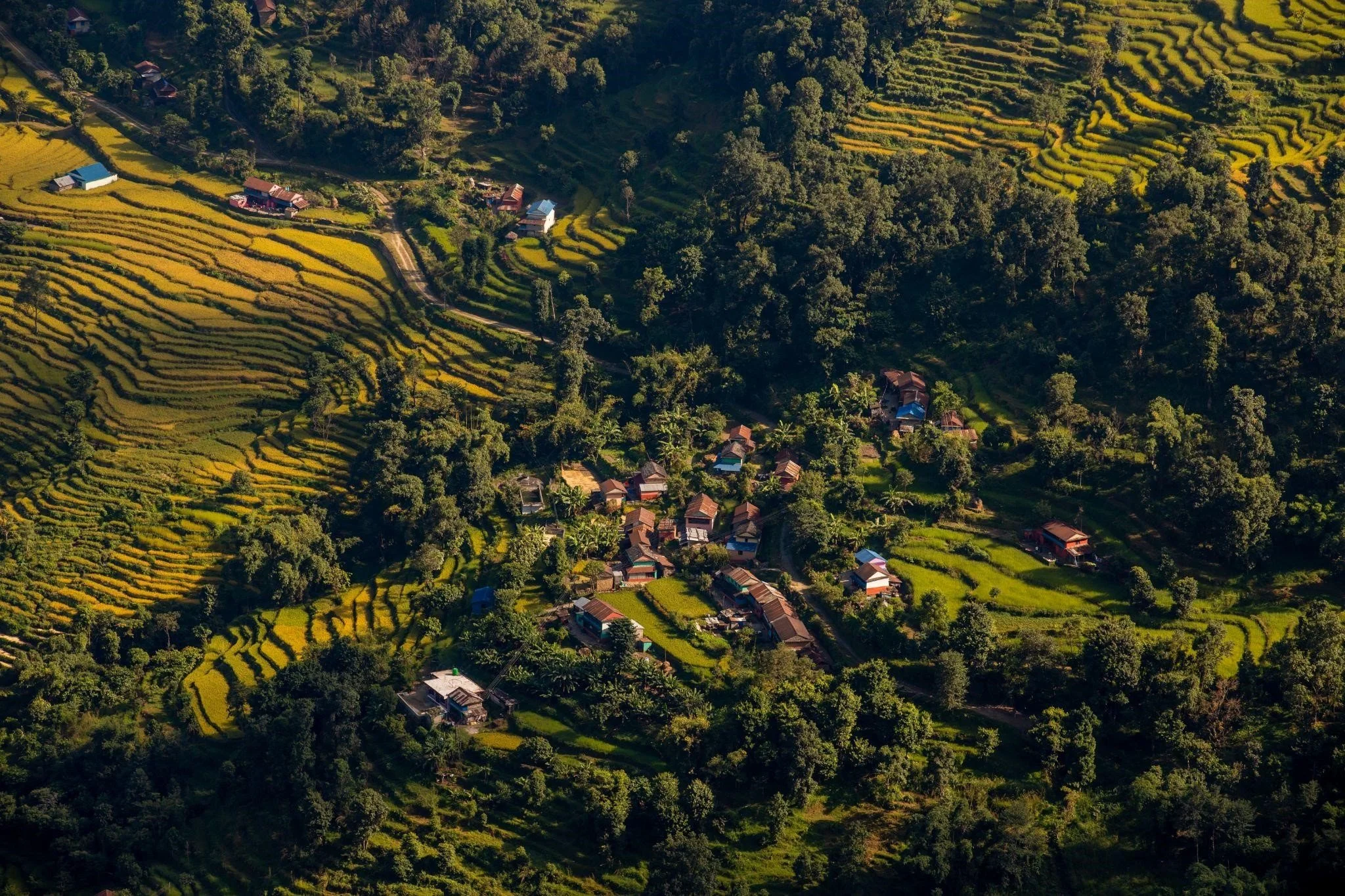
Discover the hidden winter villages of Nepal, where peace, natural beauty, and authentic village life await. From the picturesque Ghandruk, with its stunning Himalayan views, to the tranquil Tsum Valley, rich in Tibetan culture, these villages offer a serene retreat. Whether you're enjoying a warm homestay, savoring local delicacies, or exploring snow-covered landscapes, these off-the-beaten-path destinations provide the perfect escape for those seeking a peaceful and enriching winter experience.
Nepal is often celebrated for its towering Himalayan peaks, bustling cities, and popular trekking trails. But beyond the tourist hotspots lie hidden villages that become a cozy retreat in winter. These villages offer warm hospitality, scenic beauty, and a glimpse into authentic Nepali life, making them perfect for travelers seeking peace, culture, and homely vibes.
● Ghandruk
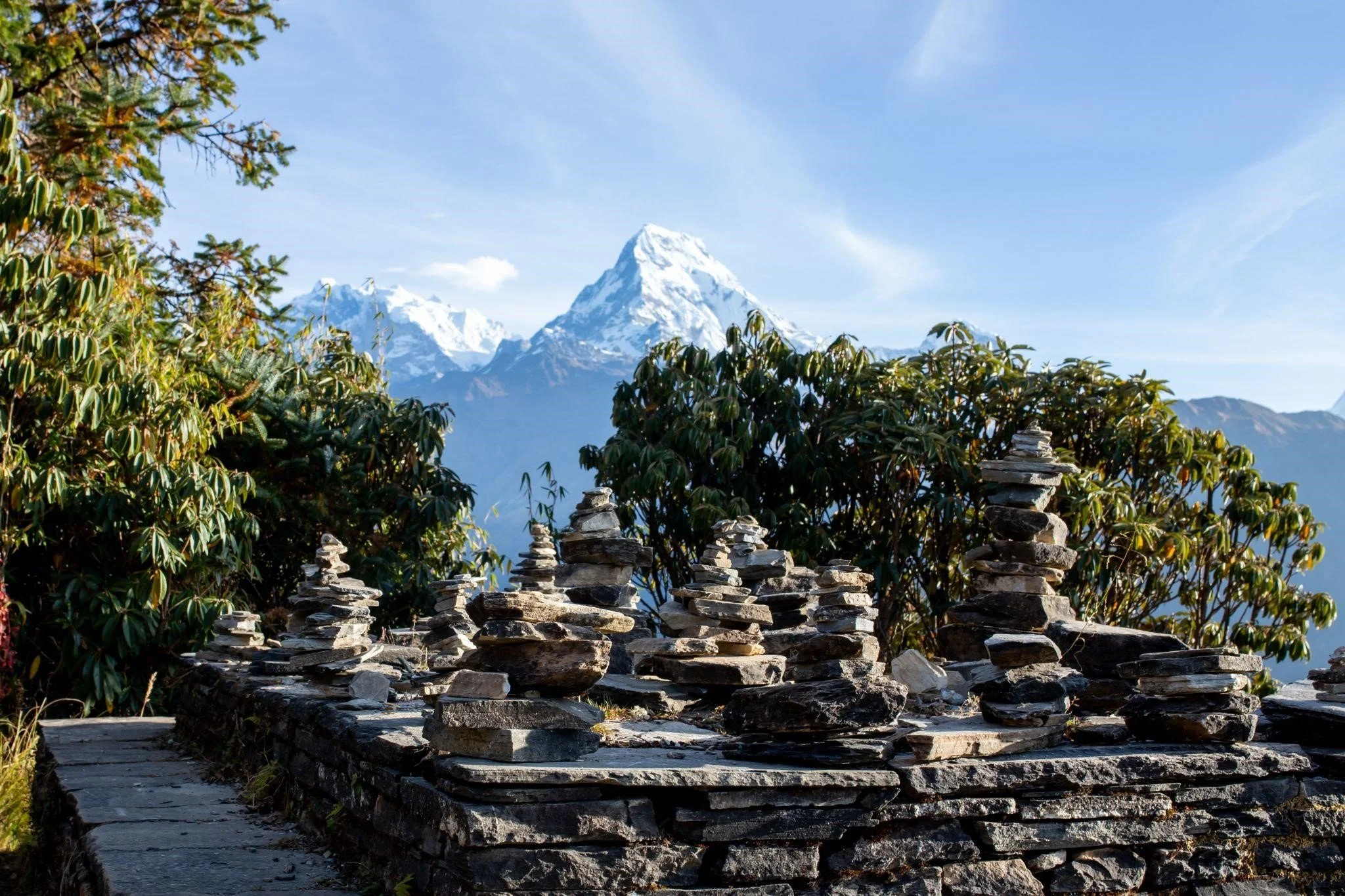
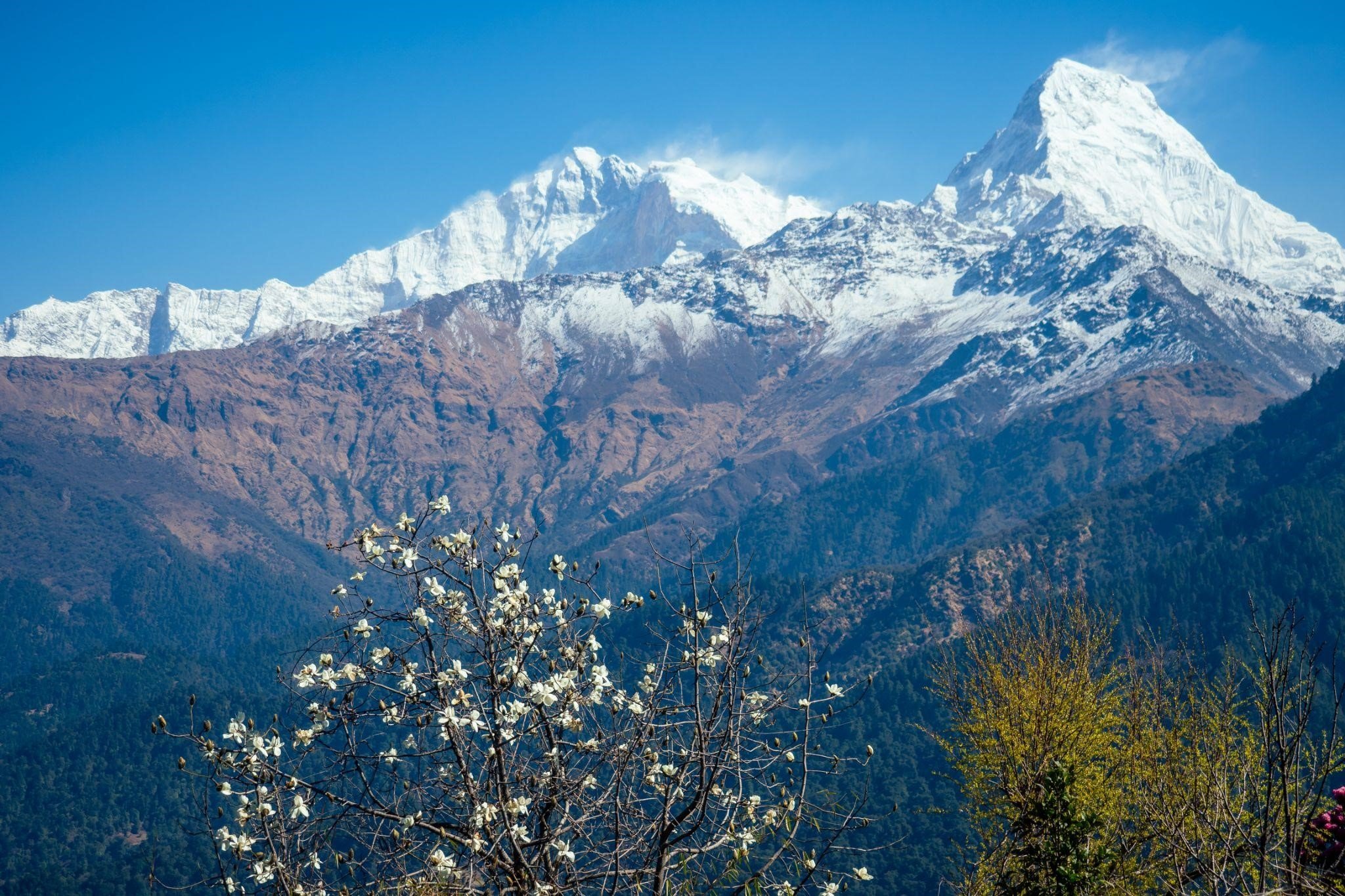
Tucked away in the Annapurna hills, Ghandruk is a charming Gurung village that transforms into a serene winter wonderland, with snow-dusted peaks, terraced fields and breath-taking sunrises. Known for its warm homestays, visitors can experience authentic village life through home-cooked with authentic Nepali cuisines with their specialty; Gundruk, a dish made of fermented leafy green vegetables. Evenings are gorgeous with the lights from the houses, gatherings by bonfires, and beautiful cultural dance from the locals. Beyond the cozy atmosphere, Ghandruk offers scenic winter treks, panoramic Himalayan views, and a glimpse into the rich Gurung culture, making it an ideal destination for travelers seeking peace, nature, and homely vibes.
● Tsum Valley
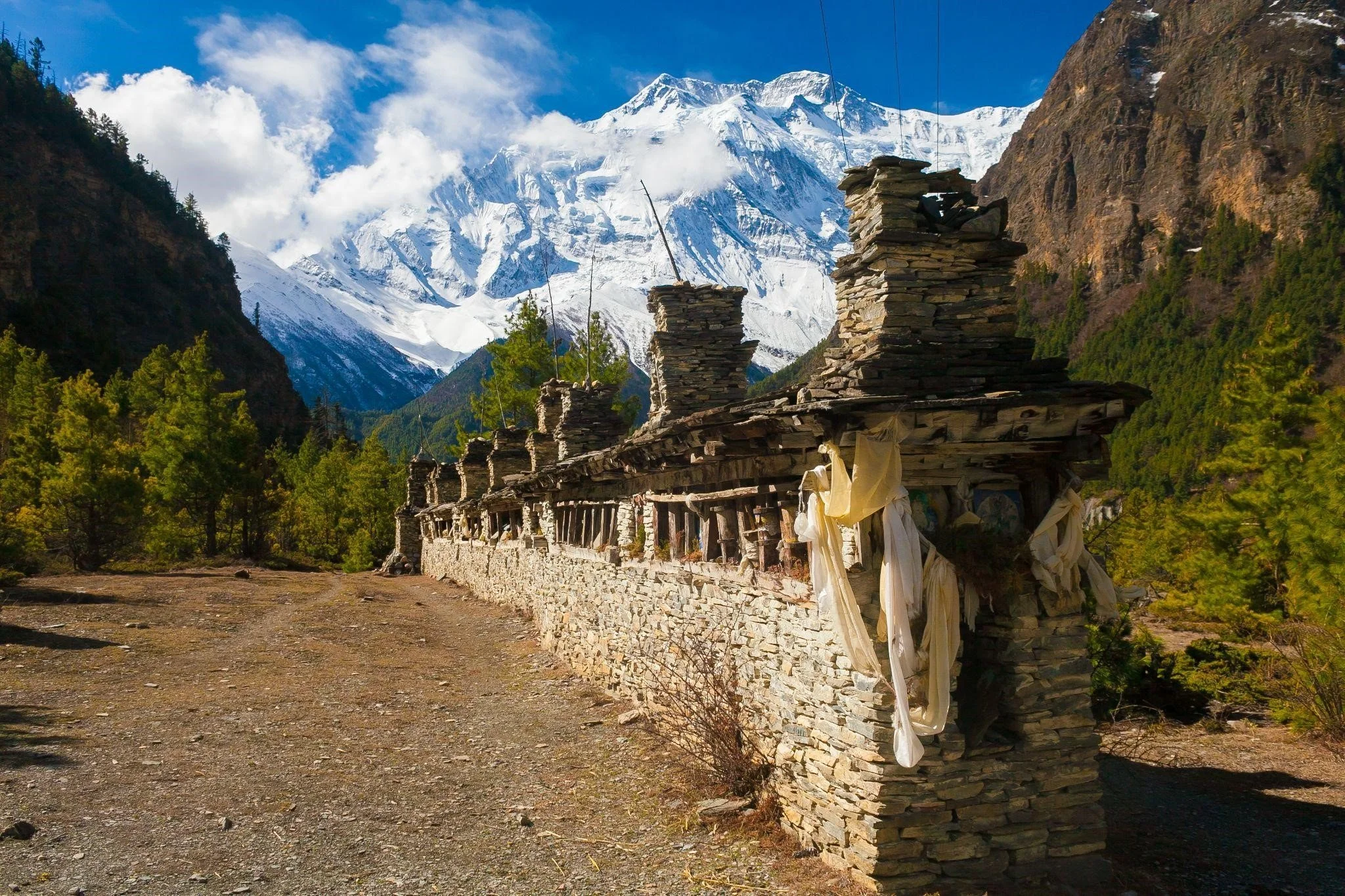
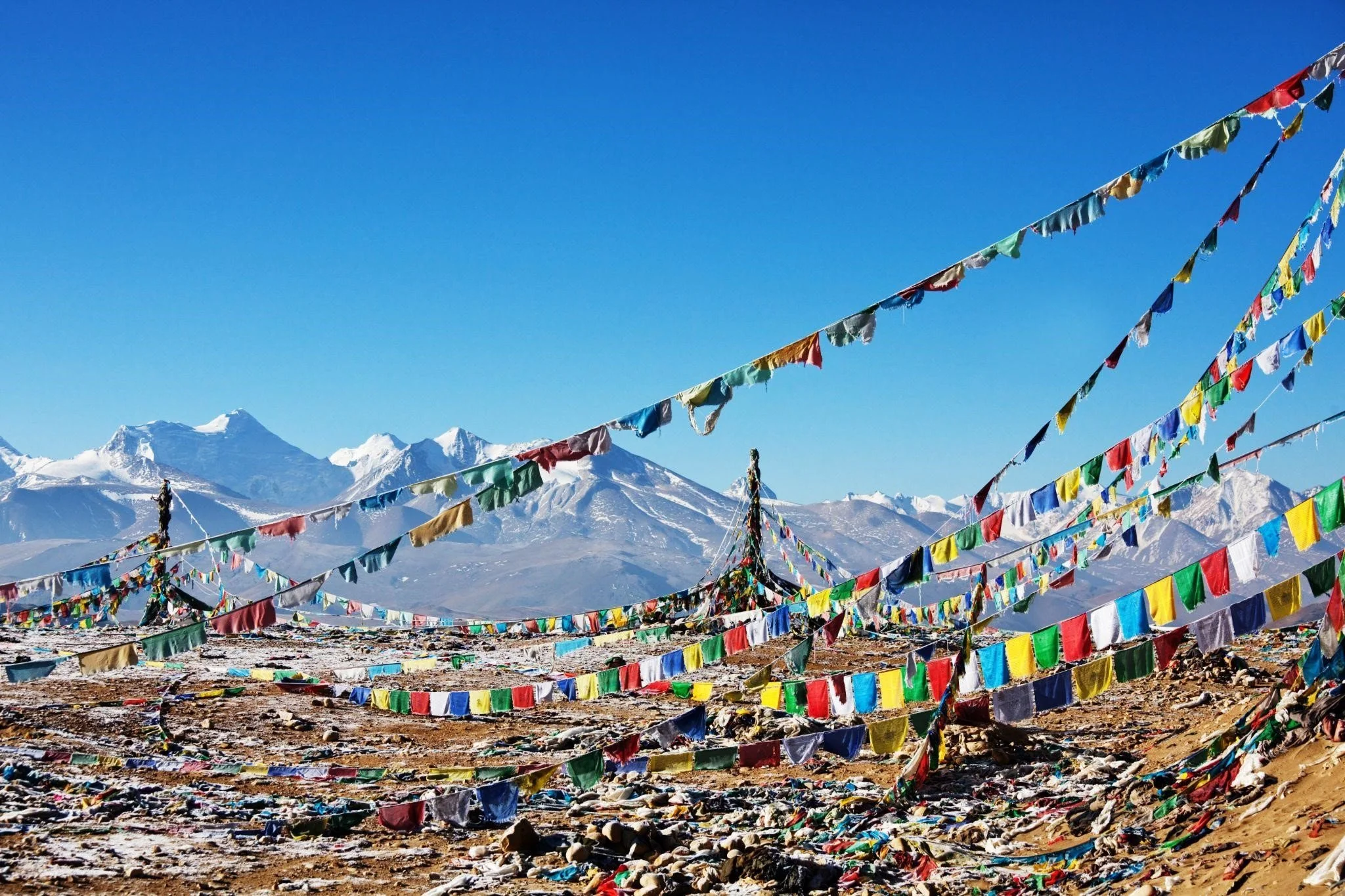
Tsum Valley, a hidden gem near the Nepal-Tibet border, is a tranquil Himalayan village that feels untouched by time, especially in winter. Just in between snow-capped peaks, the valley is known for its peaceful monasteries, traditional Tibetan-influenced villages, and breathtaking natural beauty. Staying here, travelers can savor hearty Tsampa porridge, butter tea, and local breads, while joining hosts in daily routines or cozy evenings by the fire. The valley also provides a glimpse into Buddhist rituals and Tibetan-influenced culture, along with quiet trails, snow-dusted landscapes, and panoramic Himalayan views. With its blend of warm hospitality, authentic village life, and breathtaking natural beauty, with quiet trails, snow-dusted landscapes, and a sense of isolation, Tsum Valley is perfect for travelers seeking serenity, spiritual reflection, and a truly authentic Himalayan experience.
● Rara Village
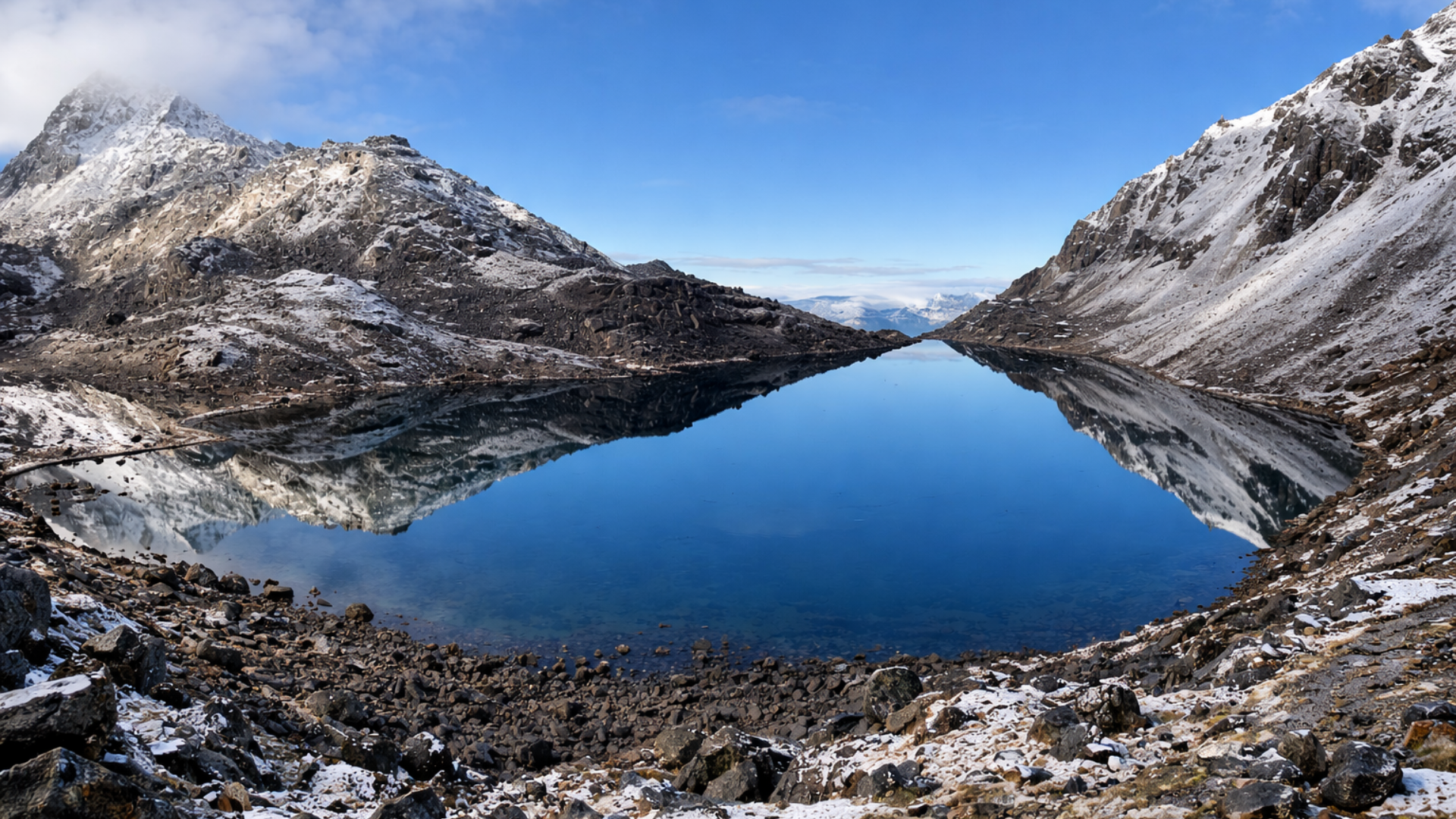
Rara Village, near the breathtaking Rara Lake in Western Nepal, is a hidden gem that truly comes alive in winter. Surrounded by snow-dusted hills and pristine wilderness, the village offers a peaceful retreat far from the bustle of city life. Staying here gives visitors a chance to experience the simplicity of rural life, learn about local customs, and hear stories and legends surrounding the lake that have been passed down through generations. The village is also an excellent base for exploring the natural beauty of the region. Winter brings a unique charm as Rara Lake partially freezes, reflecting the snow-capped peaks and creating an almost magical, serene landscape. Beyond the stunning scenery, Rara Village offers an immersive cultural experience. The local people are proud of their traditions and often share insights into their way of life, from farming and fishing to crafting simple tools and foods. For travelers seeking quiet, authentic Himalayan experiences, warm homestays, and breathtaking winter landscapes, Rara Village is a must-visit destination that feels both timeless and welcoming.
● Khokana
Khokana, a charming Newar village located just a short drive from Kathmandu, known for its heritage architecture, mustard oil production, and vibrant festivals, retains the slow, peaceful rhythm of traditional village life, even in the colder months. Visitors can stay in local homestays, enjoying warm dal-bhat, seasonal vegetables, and homemade Newari delicacies, while learning about the village’s centuries-old customs and daily routines. Wandering through Khokana’s stone-paved streets in winter is like stepping back in time. The traditional houses, old temples, and serene water ponds create a cozy, picturesque atmosphere, while the friendly locals make every visitor feel at home. Staying in a homestay allows travelers to participate in cooking, explore local crafts, or simply relax by a fire, soaking in the village’s warmth amidst the crisp winter air. It’s ideal for travelers who want to enjoy authentic Nepali village life without venturing too far from the city, making it a perfect short winter getaway.
Nepal has so much more to offer and discover the places that are hidden away from the hustle and bustle of the busy life. Any visitors who want some peace, quiet and cozy vacation can definitely add these beautiful villages in the list.
POPULAR ITINERARIES
SIMILAR POSTS
The People of Kathmandu and Their Warm Embrace of Christmas
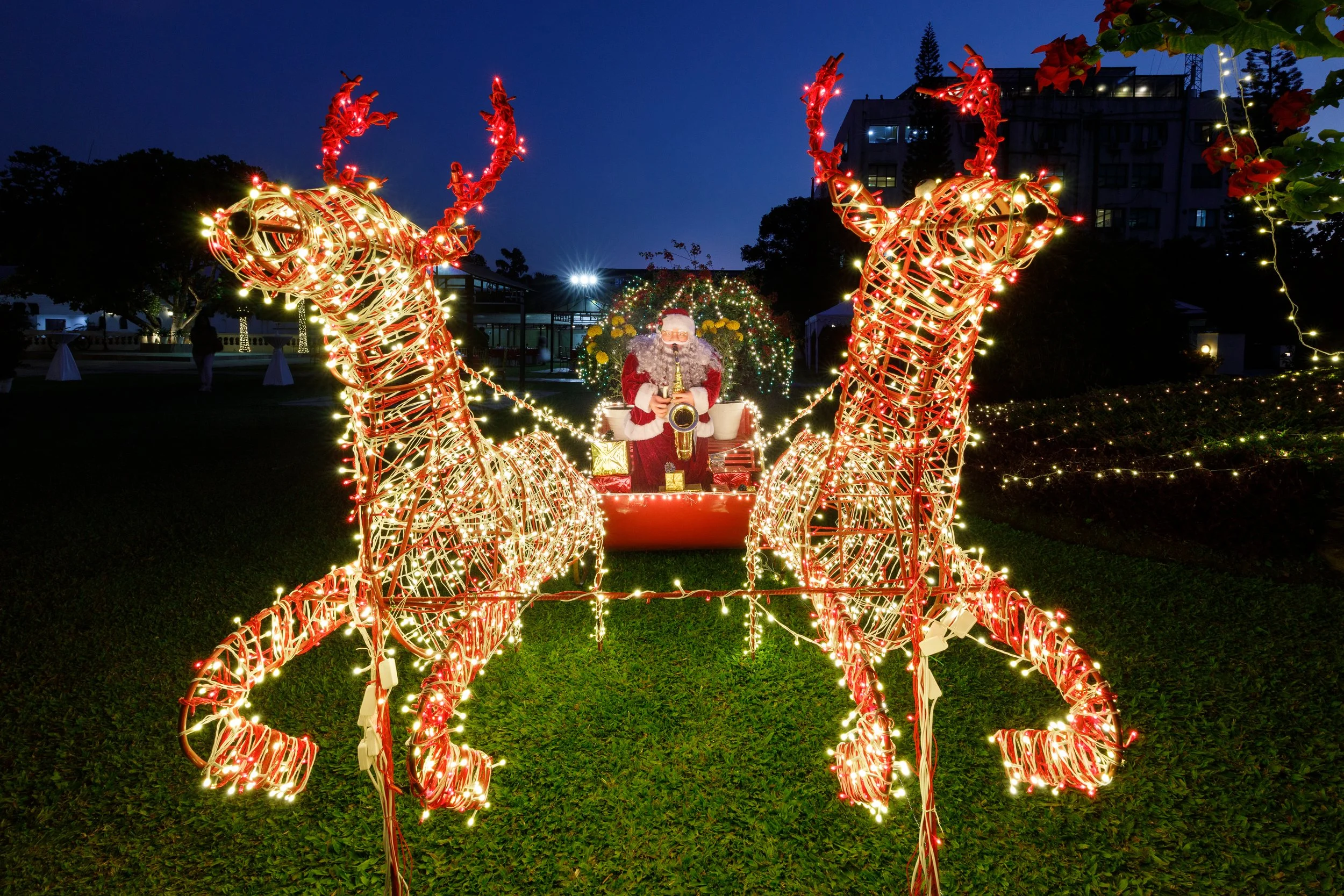
Experience the magic of Christmas in Kathmandu, where twinkling lights, festive decorations, and a sense of togetherness fill the air. In this vibrant city, Christmas is more than just a holiday; it’s a celebration of joy, warmth, and community that brings people together from all walks of life.
When December rolls around, Kathmandu takes on a festive glow that’s too vibrant to miss. Streets twinkle with lights, cafes display colorful decorations, and the city seems to hum with a cheerful energy. While Nepal is predominantly Hindu and Buddhist country, Christmas has found a special place here, not just as a religious holiday, but as a celebration of joy, togetherness, and fun.
Even non-Christians eagerly look forward to this festive season, as it has always been more about the feeling of togetherness and happiness rather than strictly about beliefs or religion. Christmas is respected and embraced by the community, with Nepali Christians celebrating the holiday alongside their friends and families, often including people of other faiths in the festivities. The streets of Kathmandu come alive with warm lights, stars, and decorations that reflect the joyful spirit of the season. Business and Cafés go all out decorating their adobes in vibrant Christmas decorations to match the spirit of celebration while playing harmonious Christmas songs and melodies. The city’s commercial and cultural hubs ike Thamel, Durbar Marg, and New Road become centers of celebration, offering a festive atmosphere that is both visually stunning and inviting.
Children especially enjoy the festive season. While there is no snow in Kathmandu, the decorations, lights, and small gift exchanges create a magical environment for them. Kids eagerly await opportunities to see Santa Claus at events organized in malls or hotels, participate in craft activities, and enjoy seasonal treats. Families often come together to prepare special meals, share sweets, and celebrate in a cozy, warm atmosphere that strengthens family bonds. What makes Christmas in Kathmandu particularly special is its inclusiveness. It brings people together, spreads joy, and encourages acts of kindness and generosity. For locals and tourists alike, the festival offers a chance to enjoy the city’s lights, experience Nepali hospitality, and take part in a celebration that blends global traditions with local charm.
In Kathmandu, Christmas is more than just a holiday; it’s a season of warmth, happiness, and community. Whether wandering through illuminated streets, sipping a seasonal drink in a cozy café, or joining friends and family in festivities, the city captures the essence of Christmas in a way that is uniquely Nepali: heartfelt, colorful, and full of joy.
POPULAR ITINERARIES
SIMILAR POSTS

The Annapurna Circuit Trek: A Journey Through Nature’s Breathtaking Beauty
Embark on a journey through nature’s breathtaking beauty on the Annapurna Circuit Trek where diverse landscapes, rich culture, and awe-inspiring Himalayan views await.
When it comes to trekking in Nepal, few routes are as iconic as the Annapurna Circuit. This spectacular trek offers a rich combination of breathtaking natural landscapes, diverse cultural experiences, and unparalleled views of the majestic Himalayas. As one of the most popular and well-loved trekking routes in Nepal, the Annapurna Circuit takes you through lush forests, traditional villages, high mountain passes, and terraced fields, all while providing some of the most awe-inspiring vistas in the world.
Whether you’re a seasoned trekker or a beginner looking for your next adventure, the Annapurna Circuit promises an unforgettable journey.
Here’s why this trek should be on your bucket list.
1. A Journey Through Diverse Landscapes
The Annapurna Circuit Trek spans a vast range of ecosystems, making it one of the most diverse treks in the world. Over the course of 10-21 days, trekkers will experience everything from subtropical jungles to alpine meadows, high mountain deserts, and towering snow-capped peaks.
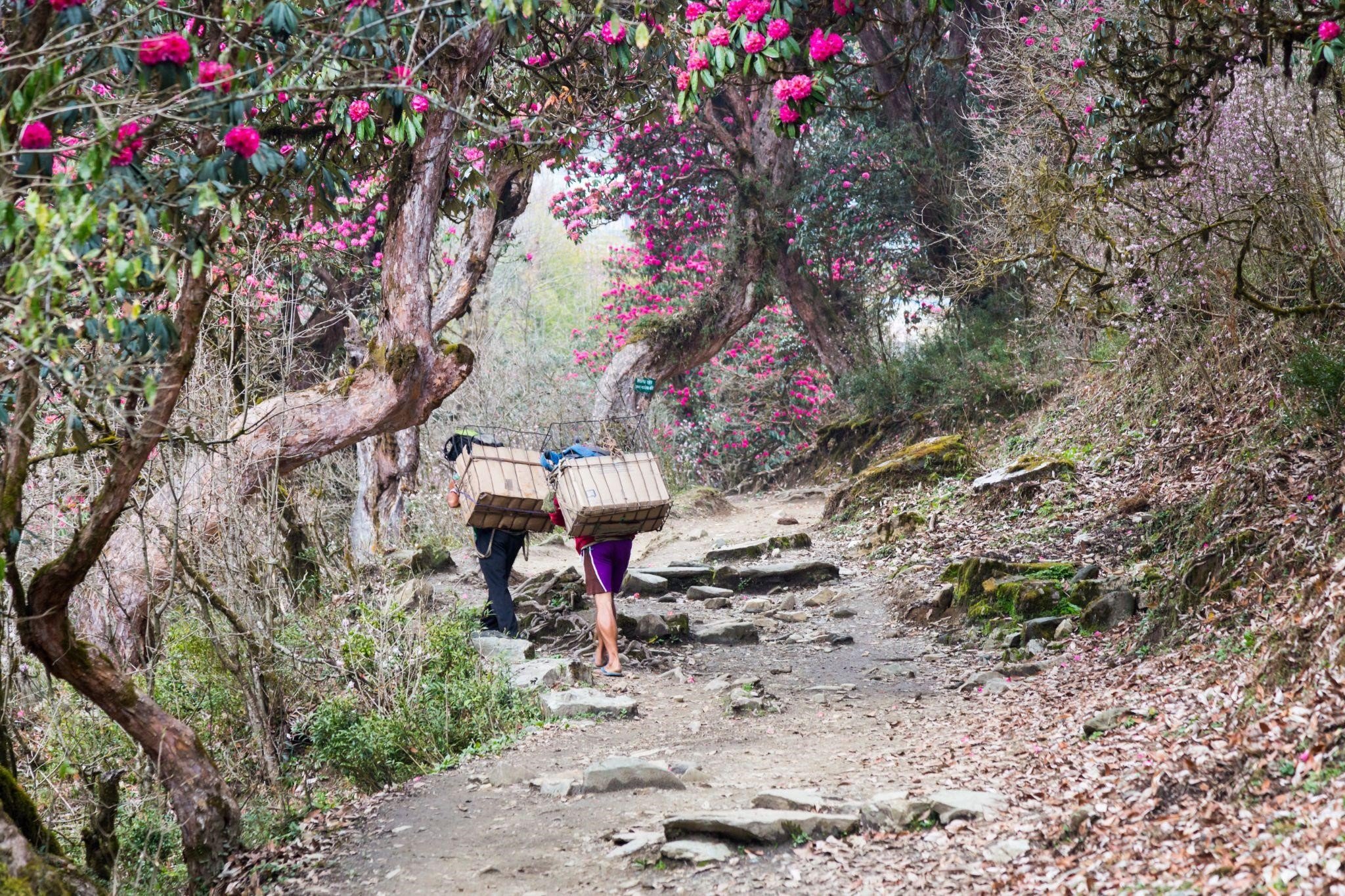
● Lower Regions: The trek begins in the lush subtropical forests of the lower Annapurna region. Here, you’ll walk through terraced fields, quaint villages, and dense rhododendron forests. The vibrant green landscape is dotted with traditional Nepali houses and offers views of smaller peaks and valleys.
● Mid-Altitude Regions: As you gain altitude, the environment begins to change. The forests thin out, and the terrain transforms into alpine meadows and open valleys. You’ll pass through charming villages like Ghorepani and Tadapani, where you can experience the culture and hospitality of the local people, primarily Gurungs, Magars, and Thakalis.
● High-Altitude Desert: Reaching the high-altitude desert beyond the village of Manang, trekkers will find themselves in an entirely different landscape. This region feels more like a Tibetan plateau, with barren hills, arid terrain, and wide-open skies. It’s here that trekkers begin to feel the true magnitude of the Annapurna massif.
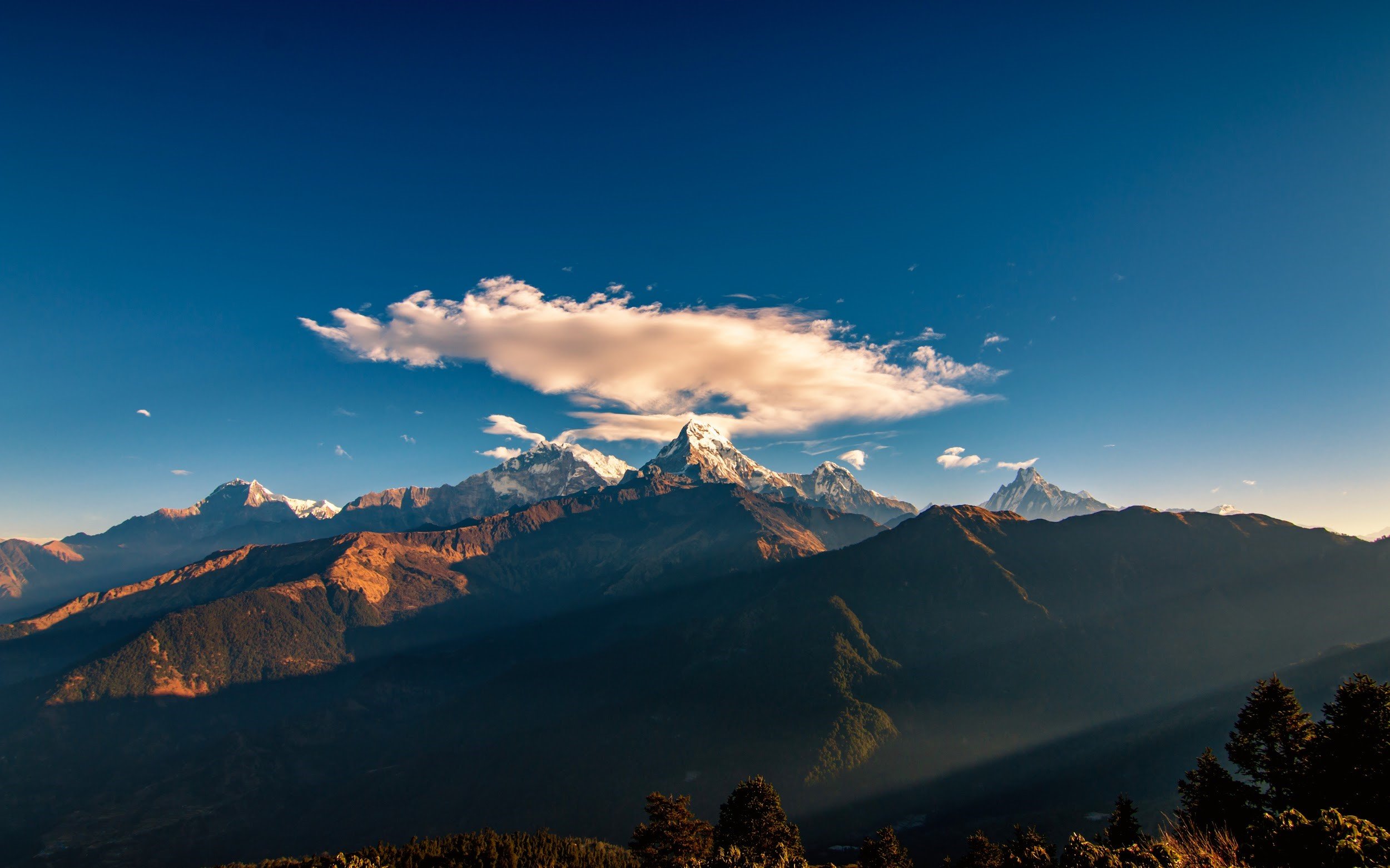
● Thorong La Pass: The pinnacle of the trek is crossing the Thorong La Pass, the highest point on the Annapurna Circuit at 5,416 meters (17,769 feet). The pass offers jaw-dropping views of the surrounding peaks, including Annapurna I, Dhaulagiri, and Machapuchare. The challenge of reaching the pass is well worth it for the spectacular scenery that awaits.
2. Rich Cultural Experience
The Annapurna Circuit is not just a trek through nature; it’s a journey through Nepal’s rich cultural tapestry. The route passes through several villages where trekkers can interact with locals and learn about their traditions, religions, and way of life.
● Gurung and Magar Communities: The lower sections of the Annapurna Circuit are inhabited by the Gurung and Magar people, two of Nepal’s most prominent ethnic groups. Their hospitality is legendary, and you’ll have the chance to experience their customs, traditional dress, and local festivals. Don’t miss out on the delicious home-cooked meals, which are often made from locally sourced ingredients.
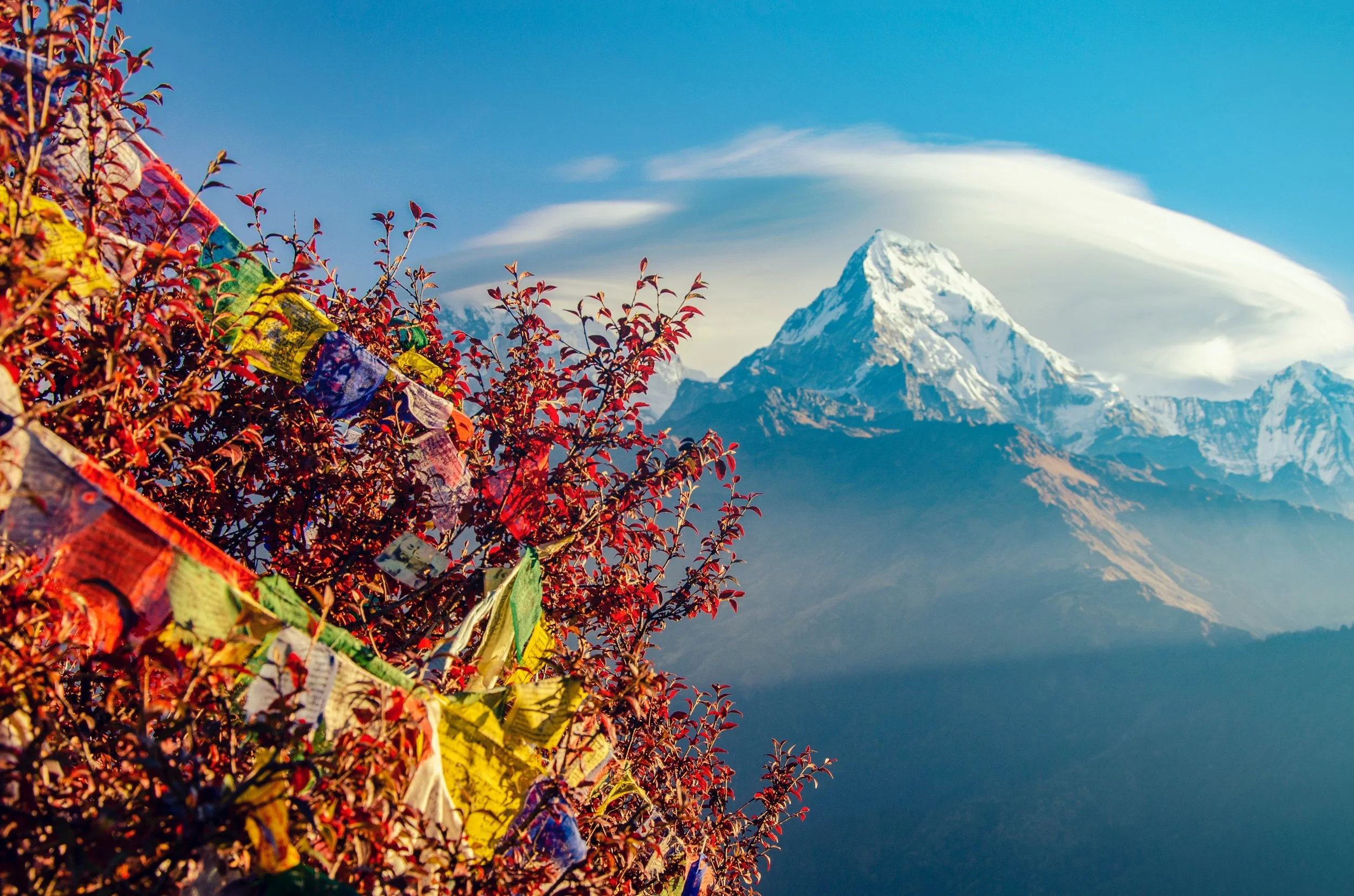
● Tibetan Influence: As the trek progresses, the influence of Tibetan Buddhism becomes more evident, particularly in the villages of Manang and Upper Mustang. In these areas, you’ll find monasteries, prayer flags, and stupas dotting the landscape. The Tibetan culture and Buddhist practices have left a lasting imprint on the region, and visitors are often welcomed with a warm “Tashi Delek” (a Tibetan greeting).
● The Annapurna Conservation Area: The Annapurna Circuit lies within the Annapurna Conservation Area (ACA), which is one of Nepal’s largest protected areas. The ACA is home to a wealth of wildlife, including the elusive snow leopard, red panda, and Himalayan tahr. The cultural preservation efforts here help maintain the integrity of the area’s natural and cultural heritage.
3. The Challenge of the Thorong La Pass
For many trekkers, the real challenge of the Annapurna Circuit is the climb to Thorong La Pass. At an elevation of 5,416 meters, crossing the pass requires physical stamina, mental fortitude, and proper acclimatization. However, the sense of achievement when reaching the top is incomparable.
To help with acclimatization and to avoid altitude sickness, most trekkers take a gradual approach, spending several days in places like Manang or Yak Kharka to allow their bodies to adjust to the increasing altitude. It’s also crucial to drink plenty of water, eat high-energy foods, and take regular rest breaks.
While the ascent is demanding, the panoramic views from the top of Thorong La are a reward in themselves. The surrounding peaks, including Annapurna I, Machapuchare, and Dhaulagiri, stretch across the horizon like a painting, leaving you in awe of the power and beauty of the Himalayas.
4. Best Time to Trek the Annapurna Circuit
The best time to trek the Annapurna Circuit is during the two main trekking seasons in Nepal: spring (March to May) and autumn (September to November).
● Spring: This season brings warmer temperatures and vibrant landscapes as rhododendron flowers bloom in abundance. The weather is generally stable, and the lower regions are lush and green.
● Autumn: Autumn is considered the peak season for trekking in Nepal, with clear skies and stable weather conditions. The visibility of the mountains is at its best during this time, and the temperatures are ideal for trekking.
While winter and summer treks are also possible, they come with their own challenges. Winter trekking is cold, especially at high altitudes, and snow can block the pass, while the summer monsoon season brings heavy rainfall that can make trails slippery and difficult.
5. Why You Should Trek the Annapurna Circuit
The Annapurna Circuit Trek is often called one of the best trekking routes in the world, and for good reason. The variety of landscapes, rich cultural heritage, and sense of accomplishment from crossing Thorong La Pass make this journey truly special. Whether you’re seeking spiritual experiences, physical challenges, or simply the beauty of nature, the Annapurna Circuit offers it all.
● Unforgettable Views: The trek’s panoramic vistas of the Annapurna and Dhaulagiri ranges are unmatched, especially at sunrise and sunset.
● Cultural Encounters: The opportunity to interact with local communities and experience their way of life adds an enriching dimension to the trek.
● Physical Challenge: The trek is a rewarding physical challenge, perfect for those looking to test their endurance in the high mountains.
A Trekking Paradise Awaits
If you’re an avid trekker or someone seeking an adventure of a lifetime, the Annapurna Circuit Trek should be on your list. With its diverse landscapes, vibrant cultures, and jaw-dropping views, it offers everything a trekking enthusiast could desire. So, pack your bags, lace up your boots, and set off on a journey through one of the most beautiful places on Earth.
POPULAR ITINERARIES
SIMILAR POSTS
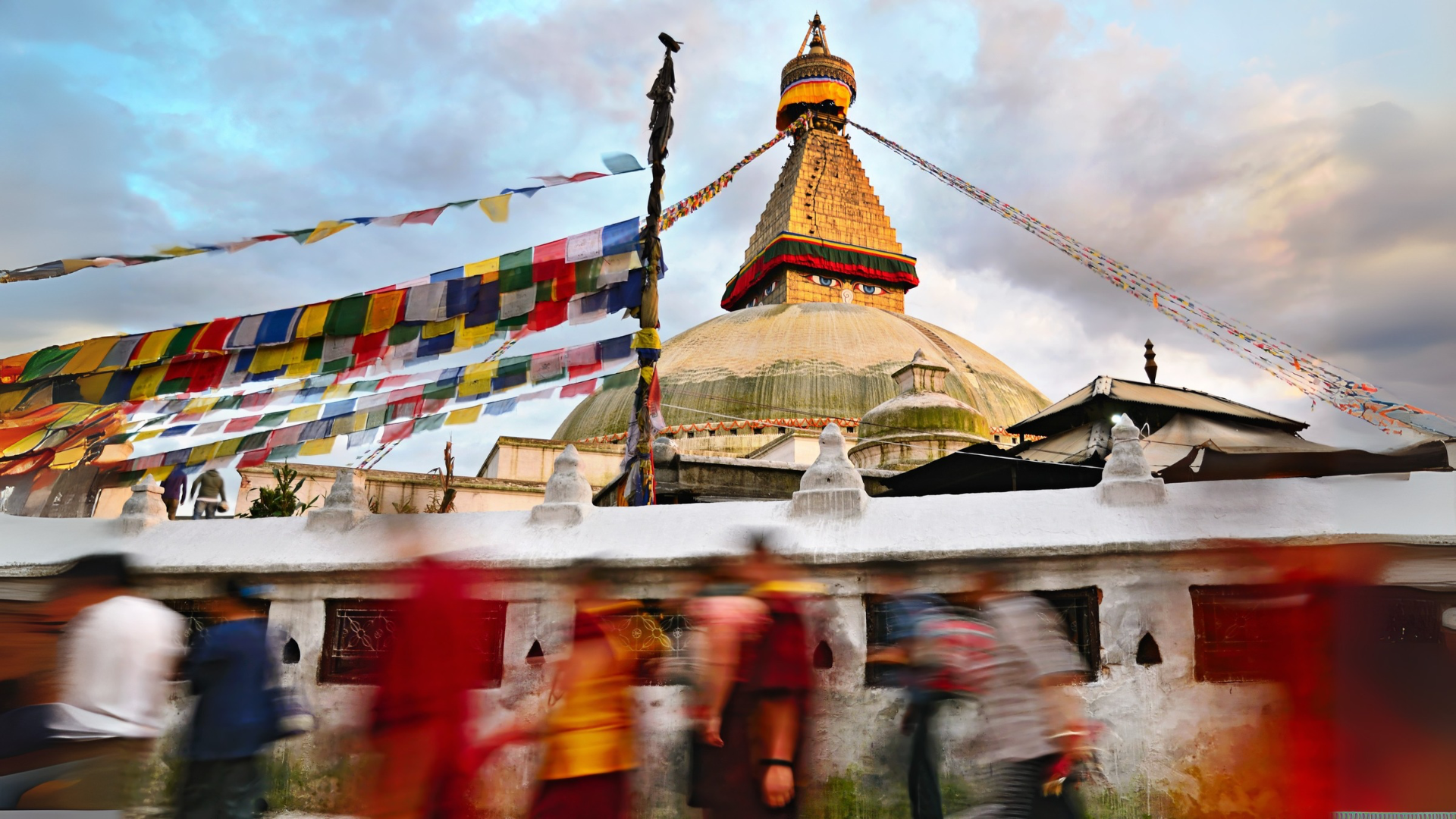
The Spiritual Journey Through Kathmandu: Discovering Its Sacred Landmarks
Kathmandu, Nepal’s bustling capital, is a city of deep spiritual roots, rich traditions, and vibrant culture. For centuries, pilgrims, travelers, and those on a spiritual quest have flocked to this sacred city to visit its temples, monasteries, and landmarks. Kathmandu’s spiritual journey is more than just about its history it’s about the connection between its people, their traditions, and a higher sense of divinity. Come with us as we explore some of Kathmandu’s most revered sacred sites and dive into the essence of what makes this city a spiritual sanctuary.
Kathmandu, Nepal’s bustling capital, is a city of deep spiritual roots, rich traditions, and vibrant culture. For centuries, pilgrims, travelers, and those on a spiritual quest have flocked to this sacred city to visit its temples, monasteries, and landmarks. Kathmandu’s spiritual journey is more than just about its history it’s about the connection between its people, their traditions, and a higher sense of divinity. Come with us as we explore some of Kathmandu’s most revered sacred sites and dive into the essence of what makes this city a spiritual sanctuary.
Swayambhunath: The Monkey Temple
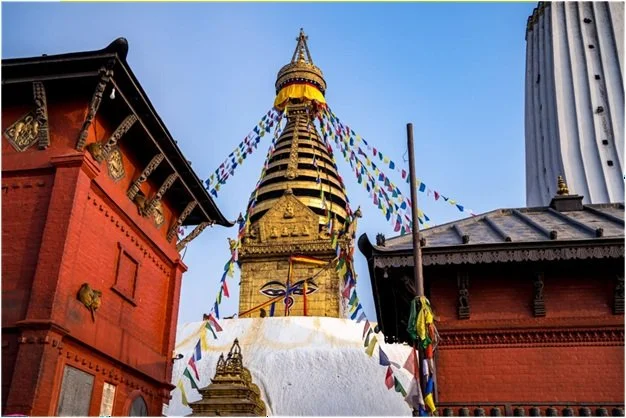
One of Kathmandu’s most famous and revered landmarks, Swayambhunath, also known as the Monkey Temple, offers a unique spiritual experience. Sitting atop a hill, this ancient stupa declared a UNESCO World Heritage site is dedicated to the Buddha. Its golden spire, with the all-seeing eyes of Buddha, radiates wisdom and compassion.
With roots in Tibetan Buddhism, this site is believed to be over 2,000 years old, and countless pilgrims visit to pray for enlightenment and inner peace. The surrounding monkeys, said to protect the temple, add a touch of magic to the place. From the hilltop, visitors are treated to breathtaking views of Kathmandu, making the visit both a spiritual and visual delight.
As local monk Khenpo Tenzin puts it, “Swayambhunath is the heart of Kathmandu, not only for its stunning beauty but because it represents the unity of all spiritual paths. It’s a place for reflection, meditation, and connection with the divine.”
Pashupatinath: A Sacred Cremation Site
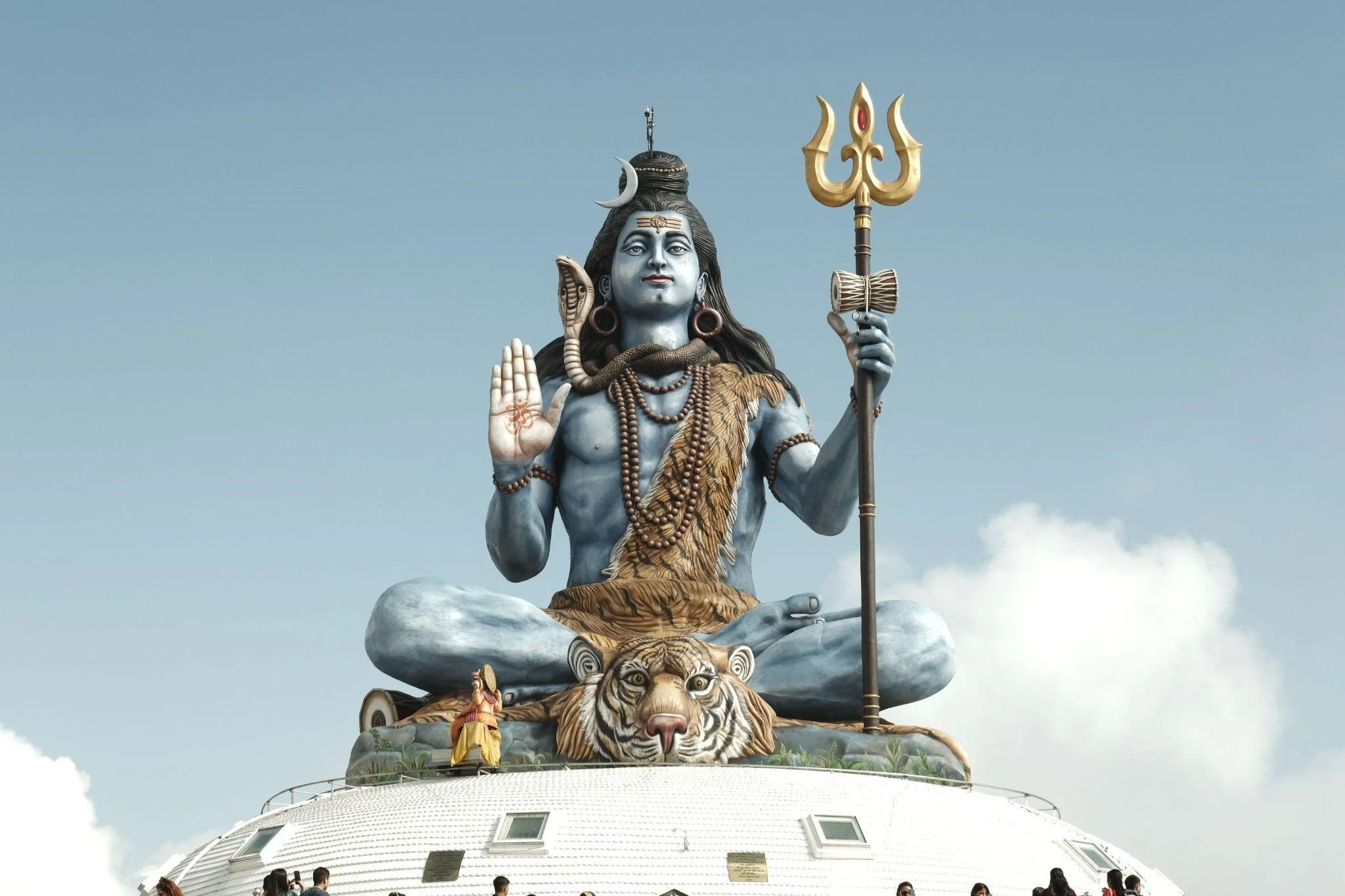
Pashupatinath, one of the holiest Hindu temples in the world, is a must-see for anyone visiting Kathmandu. Set along the banks of the Bagmati River, this temple is dedicated to Lord Shiva, the god of destruction and renewal. While the intricate architecture of the temple is impressive, it’s the cremation ghats along the river that lend Pashupatinath its profound spiritual significance.
For Hindus, cremation at Pashupatinath is believed to free the soul from the cycle of rebirth. The ghats are places of both grief and reverence, where families honor their loved ones through sacred rituals. Visitors often witness the poignant Hindu funeral rites, which form a vital part of the city’s spiritual rhythm.
Lakshmi Devi, a local woman, shared her thoughts: “Pashupatinath isn’t just a temple; it’s where life and death are bound in a sacred dance. It reminds us that life is short, and we must seek peace while we have the chance.”
Boudhanath Stupa: A Tibetan Buddhist Center
Boudhanath Stupa, one of the largest in Nepal, is a central pilgrimage spot for Tibetan Buddhists. Its massive mandala design is a representation of the universe, and the stupa’s all-seeing eyes watch over the entire world.
The area around Boudhanath is a hub of Tibetan culture and spirituality, with monasteries and refugee settlements scattered nearby. Pilgrims flock here to walk around the stupa, chant mantras, and meditate. The rhythmic turning of prayer wheels and the scent of incense fill the air, creating an atmosphere of peace and reverence.
Tenzin Phuntsok, a local Tibetan monk, reflects: “Boudhanath is the heart of our Tibetan community. It’s more than a place of worship it’s a sanctuary where we find peace, healing, and strength. Every turn around the stupa brings us closer to enlightenment.”
Kopan Monastery: A Place for Quiet Reflection
For those seeking quiet reflection and meditation, Kopan Monastery, on the outskirts of Kathmandu, provides a tranquil retreat. Known for its teachings in Tibetan Buddhism, Kopan attracts spiritual seekers from all over the world with its peaceful atmosphere and stunning views of the Himalayas.
Visitors come to learn about compassion, mindfulness, and the true nature of the mind, often under the guidance of Lama Zopa Rinpoche, the monastery’s spiritual leader. It’s a place where both locals and foreigners gather to deepen their practice of Tibetan Buddhism and engage in personal growth.
Dawa Sherpa, a former student of the monastery, shared, “Kopan taught me the true meaning of compassion. It’s not just a place to escape the world it’s where you learn to engage with it in a peaceful and meaningful way.”
Kathmandu’s Spiritual Heartbeat
Kathmandu’s spiritual landscape is a harmonious blend of Hindu and Buddhist traditions, coexisting throughout the city. From the lively streets around Pashupatinath to the quiet courtyards of Swayambhunath, spirituality pulses through every corner of the city. Locals view these sacred sites as not just places of worship, but as part of their collective identity and spiritual journey.
In Kathmandu, the sacred is woven into everyday life. Pilgrims, monks, and locals alike visit these sites to seek blessings, find peace, and connect with something larger than themselves. Whether you’re a traveler or a seeker, exploring the sacred landmarks of Kathmandu offers a rare opportunity to witness Nepal’s living traditions and experience the soul of the city.
POPULAR ITINERARIES
SIMILAR POSTS
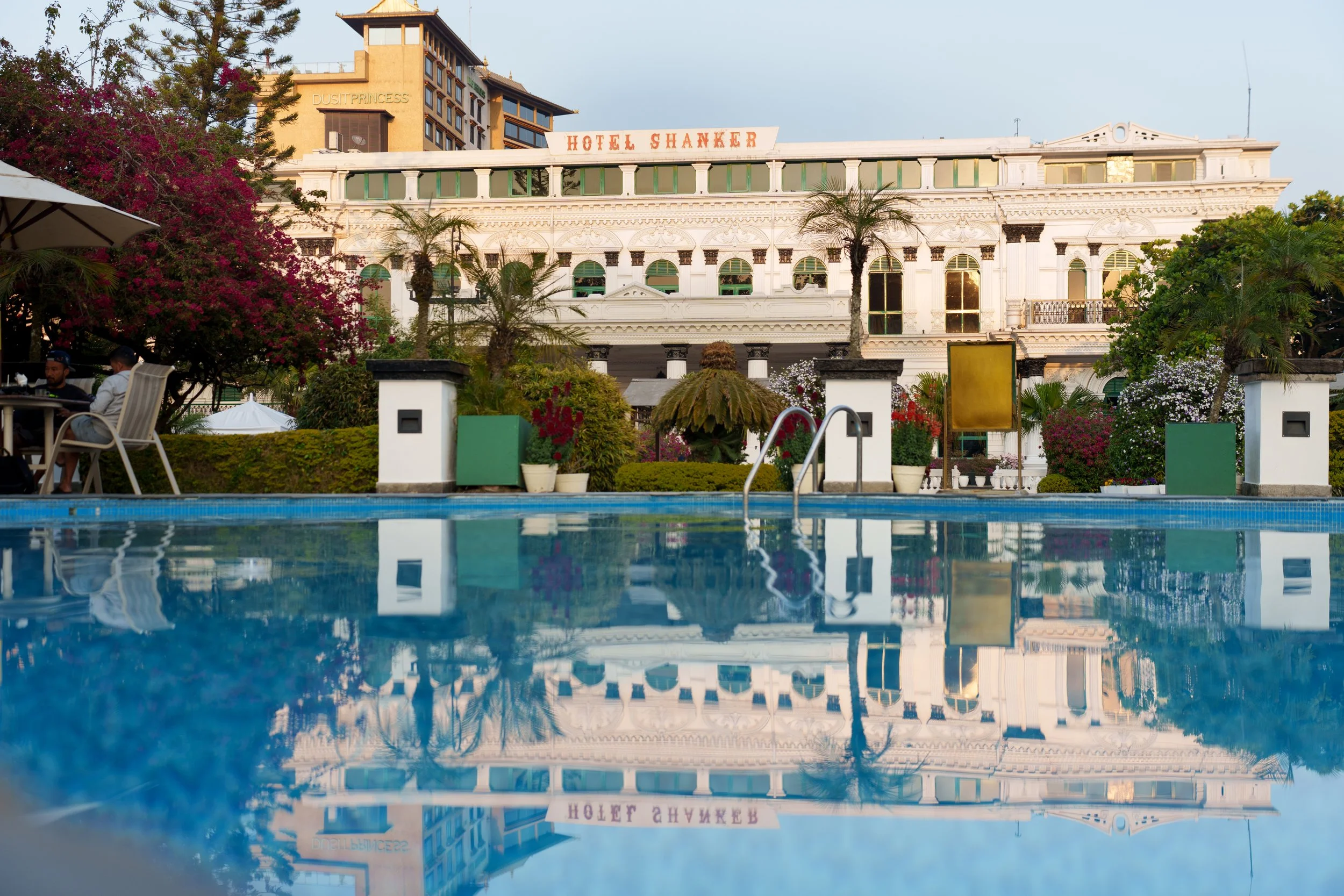
A Palace for Summer: How to Stay Cool in Kathmandu’s Warmer Months
As the sun climbs higher and the rhythm of Kathmandu slows with the season, a certain kind of traveler seeks more than air-conditioned interiors. They seek calm. Shade. Stillness.
At Hotel Shanker, summer is not something to escape from—it’s something to experience differently. Within these palace walls, the warmth of the season is softened by space, design, and the quiet dignity of a place that was built to breathe.
As the sun climbs higher and the rhythm of Kathmandu slows with the season, a certain kind of traveler seeks more than air-conditioned interiors. They seek calm. Shade. Stillness.
At Hotel Shanker, summer is not something to escape from—it’s something to experience differently. Within these palace walls, the warmth of the season is softened by space, design, and the quiet dignity of a place that was built to breathe.
The Architecture of Ease
Long before the invention of modern cooling systems, palaces like Shanker were designed with purpose. High ceilings, wide corridors, and thick stone walls naturally temper the heat, allowing rooms to remain airy and pleasant even during Kathmandu’s warmest afternoons.
Courtyards and arched verandas invite breezes through the property. Windows are placed not just for light, but for circulation. In a city that often hums with heat, Hotel Shanker offers a spatial exhale—a cool pause between journeys.
Mornings in the Garden
Before the city stirs, our gardens are already alive. Sunlight dapples through ancient trees as birdsong floats across iron tables and trimmed hedges. Guests sip tea slowly, leaf through newspapers, or simply watch the day begin.
It is a ritual in stillness—a reminder that summer mornings can be savored, not rushed.
Afternoons That Ask Less of You
As the day grows warmer, retreat becomes rhythm. Wide hallways stay shaded and quiet. Rooms glow with natural light softened by wooden blinds. Whether you’re resting after temple visits or working from a peaceful corner, there’s a gentle dignity to slowing down here.
And for those seeking refreshment: a chilled welcome drink, hand towels infused with lemongrass, or a dip in the serene outdoor pool, surrounded by greenery that absorbs the sun before it reaches you.
Evenings That Glow, Not Glare
When the light begins to fade, Hotel Shanker takes on a new kind of warmth. Garden lamps flicker on. The pool reflects a softer sky. Dining tables are set beneath trees or inside intimate corners, where candlelight plays on polished wood and conversation feels unhurried.
This is not just dinner. It is repose. A way of closing the day with grace.
Designed for Seasons, Built for Stories
Summer at Hotel Shanker is not an inconvenience to be managed—it is an atmosphere to be embraced. Here, heritage is not frozen in time. It adapts, responds, and continues to host with thoughtful ease.
To stay with us in summer is to experience the rare blend of architectural intelligence, quiet hospitality, and the beauty of letting the season unfold at its own pace.
Coolness isn’t just a temperature, it’s a way of being.
And some places have known this all along.
POPULAR ITINERARIES
SIMILAR POSTS
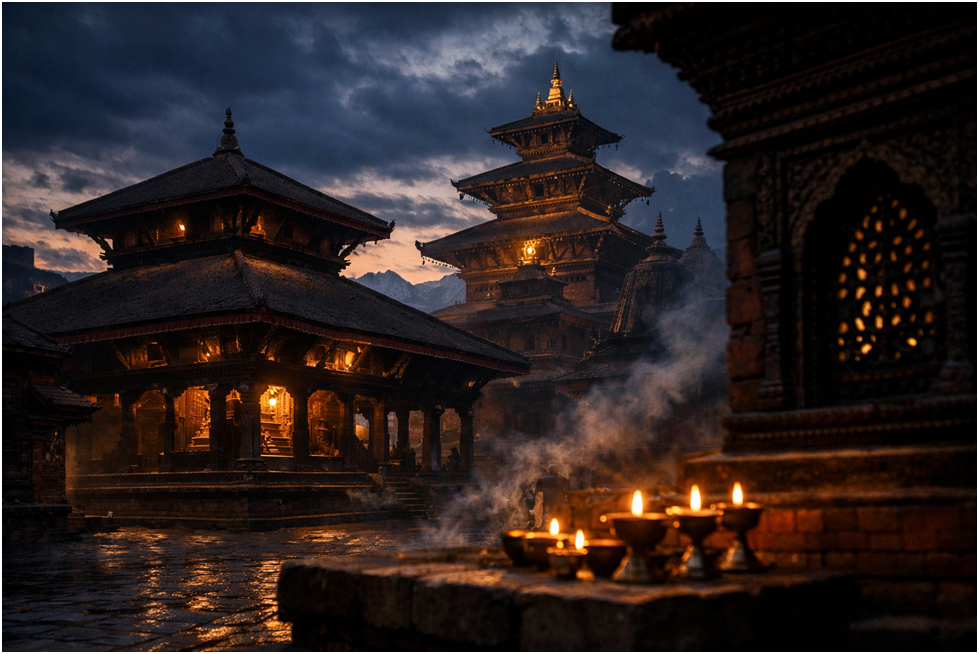

Spring Trekking Adventures in Nepal: A Season of Renewal and Exploration
For those seeking an unforgettable adventure, spring is the perfect time to trek Nepal’s legendary routes, offering clear skies, breathtaking scenery, and trails alive with culture and nature.
Winter in Nepal slows everything down. The mountains stand silent and still, their peaks buried under layers of snow. Villages tucked along the trails grow quieter as the cold air wraps around the valleys, and the trekking paths see fewer footprints. But as the seasons shift, spring breathes life back into the land.
The rivers swell with fresh snowmelt, the hillsides burst into vivid reds and pinks of rhododendrons, and the crisp mountain air carries the scent of blooming wildflowers. The stillness of winter gives way to movement—trekkers return to the trails, villages awaken, and the Himalayas unveil their most inviting and picturesque landscapes.
For those seeking an unforgettable adventure, spring is the perfect time to trek Nepal’s legendary routes, offering clear skies, breathtaking scenery, and trails alive with culture and nature.
Why Spring is the Best Time for Trekking in Nepal
• Nature in Full Bloom – The hills and forests transform into a colorful paradise, especially in rhododendron-filled regions like Ghorepani and Langtang.
• Ideal Weather – Mild temperatures during the day make trekking comfortable, while the crisp mountain air keeps the journey refreshing.
• Unobstructed Views – Spring offers some of the clearest mountain vistas, with towering peaks framed against deep blue skies.
• Wildlife at Its Best – As the warmth returns, Himalayan wildlife becomes more active, making it an excellent time for birdwatching and rare animal sightings.
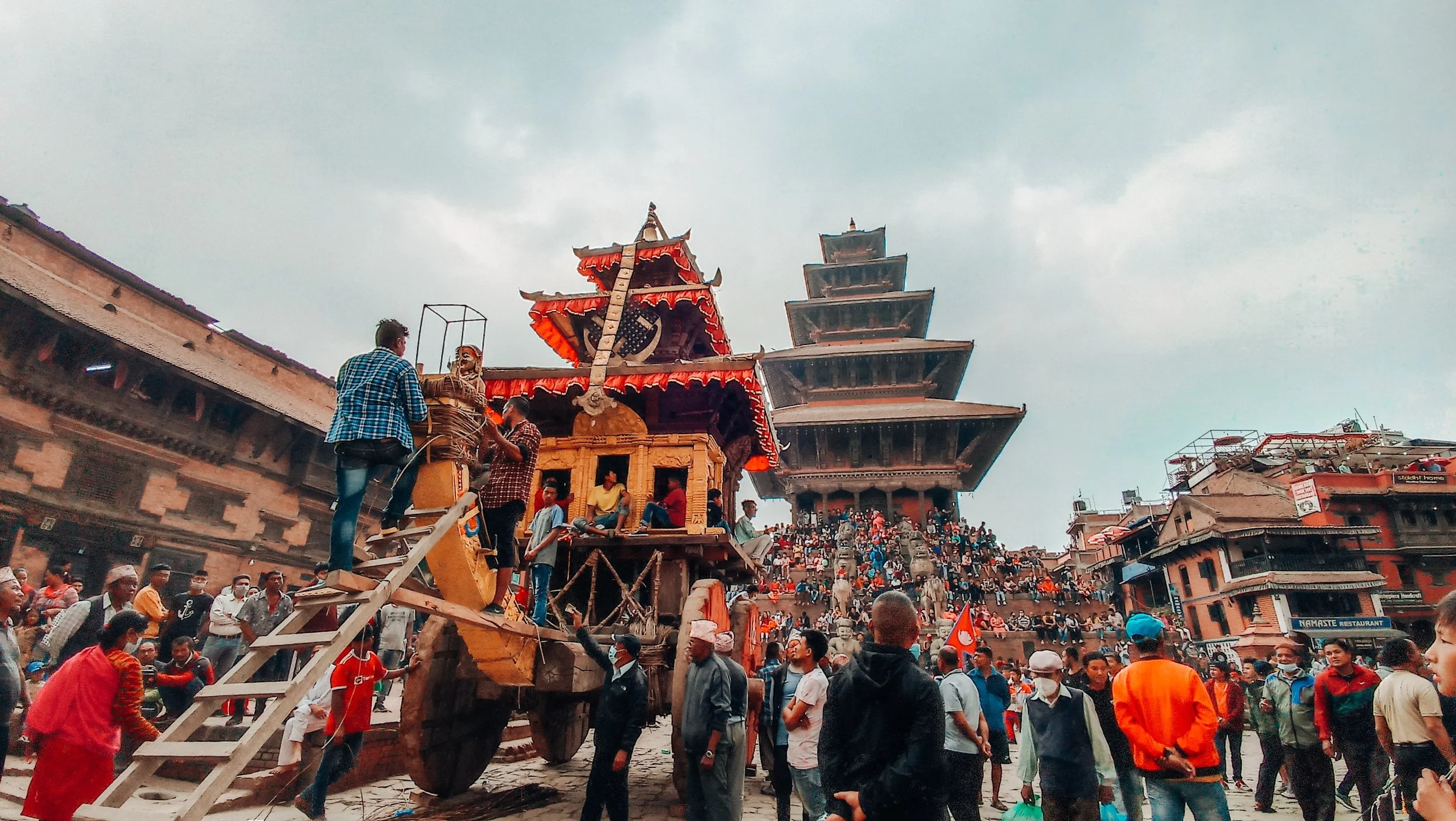
• Festivals Along the Way – Trekkers often cross paths with Nepali spring festivals like Holi and Bisket Jatra, offering a glimpse into the local culture.
Best Spring Trekking Routes in Nepal
1. Everest Base Camp Trek (EBC) – The Ultimate Himalayan Journey
• Duration: 12–14 Days
• Difficulty: Moderate to Challenging
• Highlights:
• Majestic views of Mount Everest (8,848m), Nuptse, and Ama Dablam.
• Immersive experience in Sherpa villages, monasteries, and high-altitude landscapes.
• Suspension bridges, glaciers, and the legendary Kala Patthar viewpoint for a sunrise over Everest.
2. Annapurna Base Camp (ABC) Trek – A Classic Spring Wonderland
• Duration: 7–10 Days
• Difficulty: Moderate
• Highlights:
• Walk through forests in full bloom, with rhododendron petals carpeting the trails.
• Witness the sunrise over Annapurna I (8,091m) from Machhapuchhre Base Camp.
• Experience hot springs at Jhinu Danda, offering a perfect post-trek relaxation spot.
3. Ghorepani Poon Hill Trek – Short, Scenic, and Stunning
• Duration: 4–5 Days
• Difficulty: Easy to Moderate
• Highlights:
• Ideal for first-time trekkers and those looking for a shorter adventure.
• One of Nepal’s best panoramic sunrise views over Dhaulagiri and Annapurna.
• Trek through Magar and Gurung villages, surrounded by endless rhododendron forests.
4. Langtang Valley Trek – A Hidden Gem Near Kathmandu
• Duration: 7–8 Days
• Difficulty: Moderate
• Highlights:
• A perfect mix of Himalayan landscapes and Tibetan-influenced culture.
• Langtang National Park offers encounters with Himalayan wildlife and vibrant birdlife.
• Stunning views of Langtang Lirung (7,227m) and traditional villages untouched by modern tourism.
Trek by Day, Unwind in Luxury at Hotel Shanker
After days of trekking through the mountains, there is nothing better than returning to comfort and tranquility. At Hotel Shanker, we offer the perfect place to relax and rejuvenate before or after your Himalayan adventure.
• Spacious and elegantly designed rooms, ideal for unwinding after a trek.
• Lush gardens and a serene atmosphere, a contrast to the rugged mountain trails.
• Rejuvenating spa treatments, easing sore muscles and refreshing the body.
• A fine selection of Nepali and international cuisine, satisfying the appetite built on the trails.
Book Your Stay & Elevate Your Trekking Experience
Spring trekking in Nepal is an experience that stays with you forever. From the high-altitude paths of Everest to the rolling hills of Annapurna, the mountains are calling. And when the adventure ends, Hotel Shanker welcomes you back to luxury, warmth, and timeless elegance.
POPULAR ITINERARIES
SIMILAR POSTS
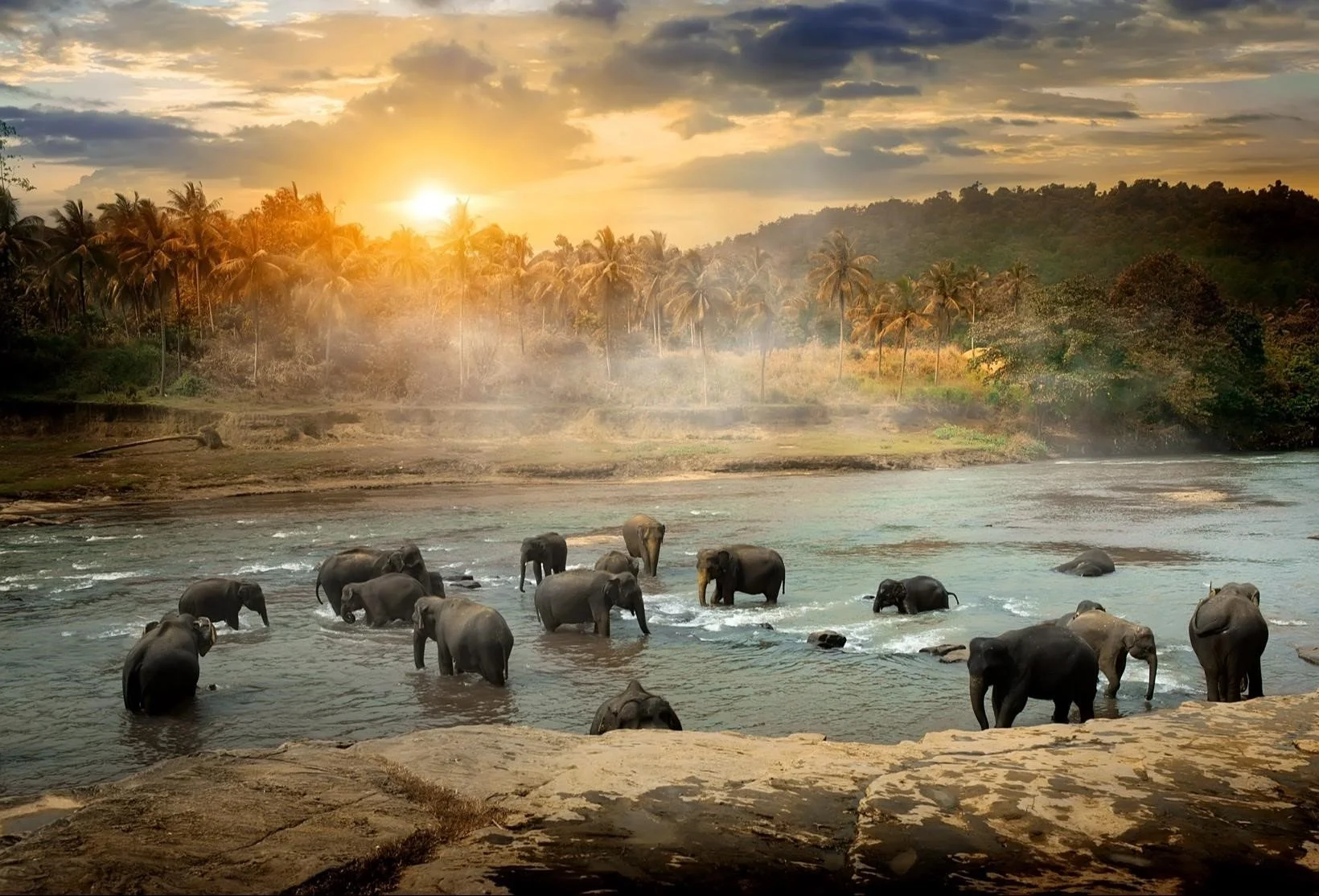
Wildlife Safaris and Birdwatching in Spring: Nepal’s Untamed Beauty Awaits
From the lush grasslands of Chitwan to the untamed wilderness of Bardia, Nepal’s national parks are teeming with rare wildlife, migratory birds, and breathtaking landscapes, offering an unforgettable adventure for every explorer.
As winter fades, Nepal’s jungles, wetlands, and forests come alive with vibrant energy. The arrival of spring brings lush greenery, blooming flowers, and an abundance of wildlife activity, making it the perfect season for wildlife safaris and birdwatching. Whether it’s spotting a majestic Bengal tiger in the dense jungles or watching exotic birds soar across the wetlands, Nepal offers an unparalleled experience for nature lovers.
From the lush grasslands of Chitwan to the untamed wilderness of Bardia, Nepal’s national parks are teeming with rare wildlife, migratory birds, and breathtaking landscapes, offering an unforgettable adventure for every explorer.
Why Spring is the Best Time for Wildlife Safaris and Birdwatching
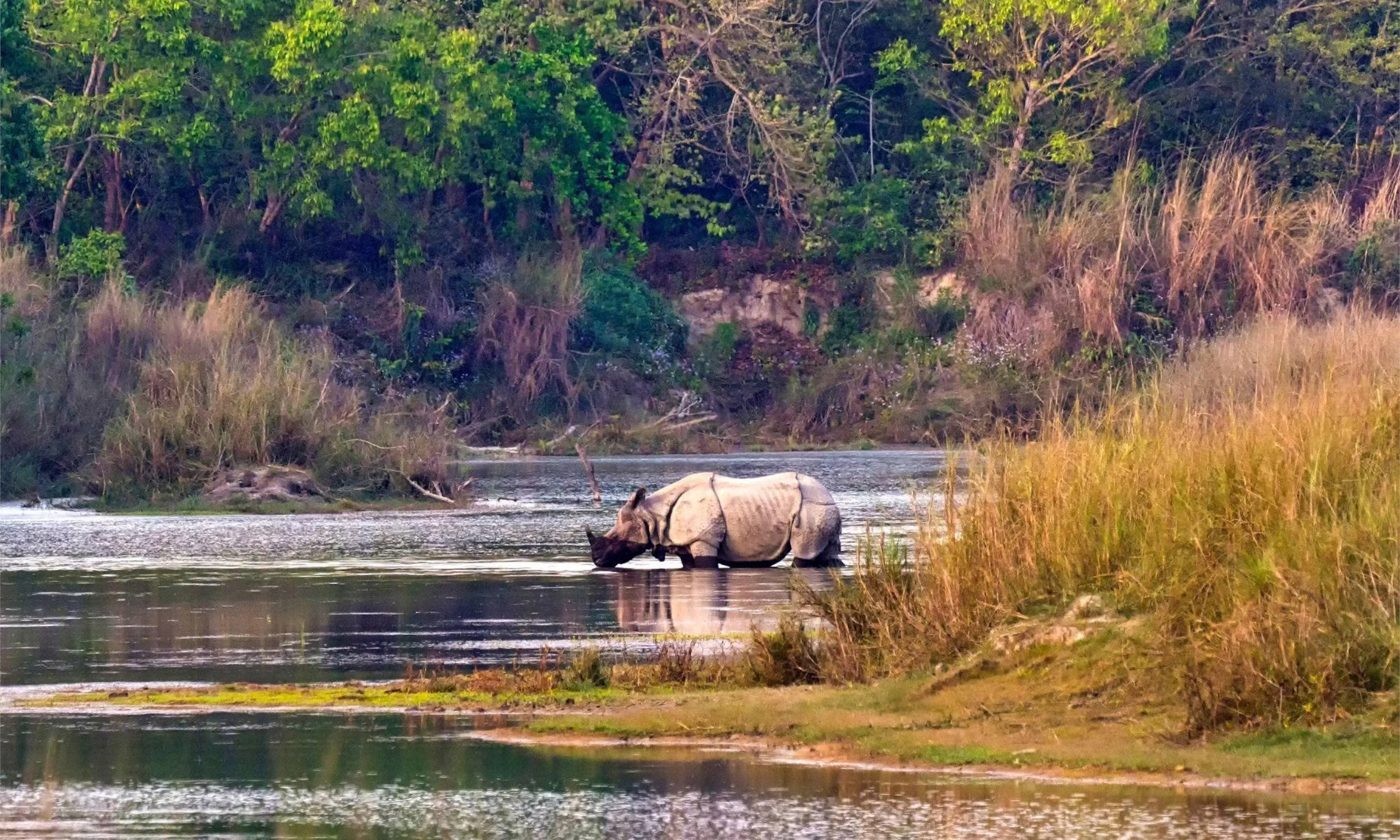
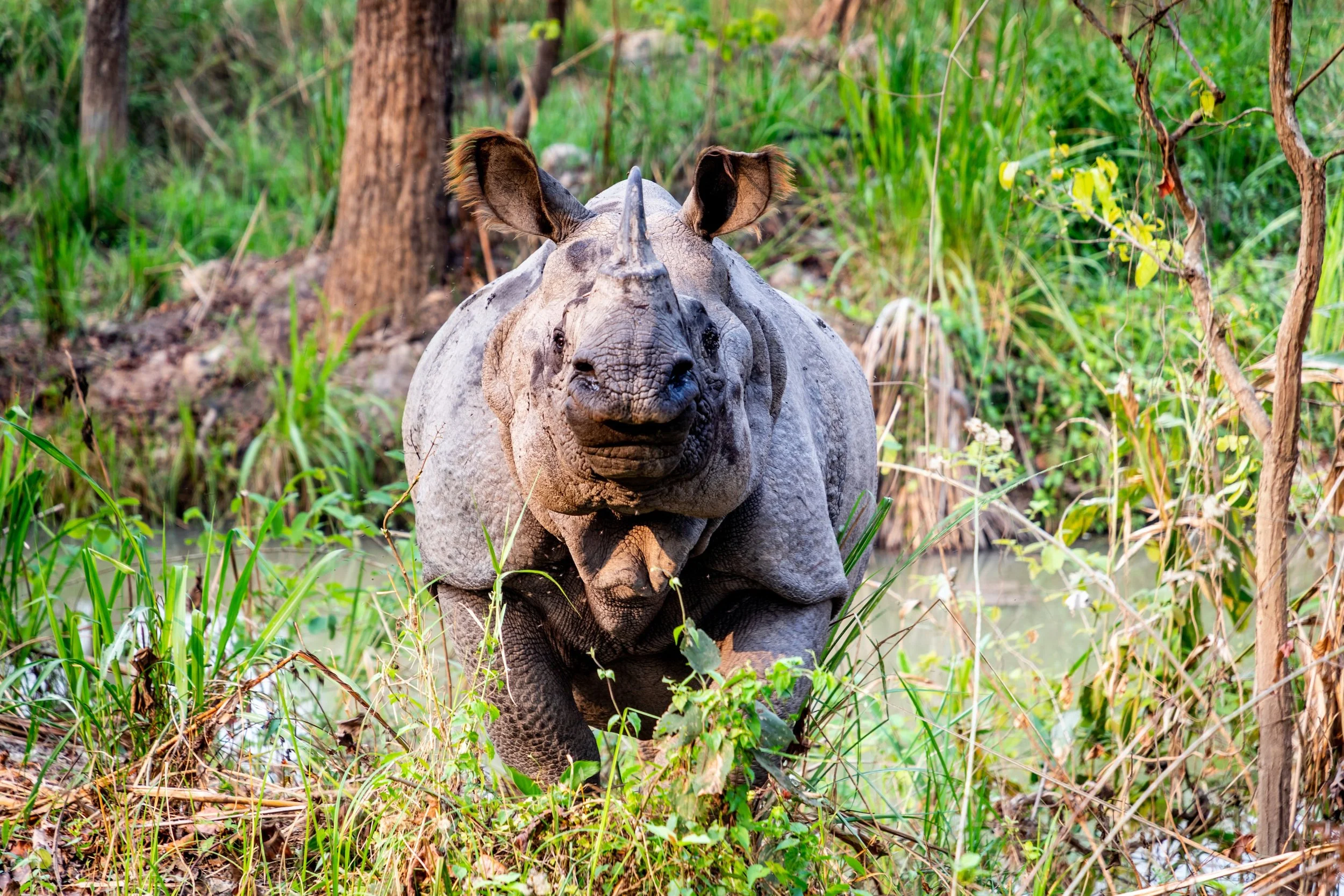
• Active Wildlife – With the onset of warmer weather, tigers, rhinos, and elephants emerge from deep forests to bask in the sun.
• Peak Birdwatching Season – Spring marks the arrival of migratory birds, adding a splash of color to Nepal’s diverse ecosystems.
• Lush Landscapes – The post-winter bloom transforms national parks into vibrant sanctuaries, enhancing visibility for wildlife spotting.
• Ideal Weather – Mild temperatures and clear skies make safari excursions and jungle walks comfortable and rewarding.
Top Destinations for Wildlife Safaris in Nepal
1. Chitwan National Park – A UNESCO World Heritage Site
• Best For: Spotting one-horned rhinoceroses, Bengal tigers, elephants, and crocodiles.
• Activities:
• Jeep safaris through grasslands and dense forests.
• Canoe rides along the Rapti River, where gharials and marsh mugger crocodiles bask in the sun.
• Guided jungle walks offering a closer look at Nepal’s diverse flora and fauna.
• Birdwatching Highlight: Home to over 500 species of birds, including the endangered Bengal florican and vibrant kingfishers.
2. Bardia National Park – Nepal’s Hidden Wilderness
• Best For: Remote and untouched safari experience, with high chances of spotting wild Bengal tigers.
• Activities:
• Full-day jungle safaris with expert naturalists.
• River excursions to see the rare Gangetic dolphins.
• Cultural encounters with the indigenous Tharu community.
• Birdwatching Highlight: Over 400 bird species, including great hornbills, paradise flycatchers, and eagles.
3. Koshi Tappu Wildlife Reserve – A Birdwatcher’s Paradise
• Best For: Wetland birdwatching and unique aquatic species.
• Activities:
• Boat safaris and marshland explorations.
• Guided birdwatching walks through riverside habitats.
• Photography tours capturing migratory birds in their natural setting.
• Birdwatching Highlight: Over 485 bird species, including swamp francolins, ibises, storks, and migratory waterfowls.
The Perfect End to a Wild Adventure – Stay at Hotel Shanker
After exploring Nepal’s breathtaking national parks, return to the heart of Kathmandu for a stay steeped in comfort and heritage. At Hotel Shanker, we offer the ideal retreat to unwind after days spent in the wild.
• Elegant rooms and tranquil ambiance, perfect for relaxation.
• A serene garden escape, a touch of nature in the city.
• Authentic Nepali and international cuisine, bringing flavors of the jungle to your plate.
• Easy access to Kathmandu’s cultural and historical landmarks, allowing you to complete your journey with a taste of Nepal’s rich heritage.
Book Your Stay & Experience Nepal’s Wild Beauty
Whether you’re drawn by the thrill of a Bengal tiger sighting or the peaceful melody of rare Himalayan birds, Nepal’s wilderness awaits. And when the adventure ends, Hotel Shanker welcomes you back with warmth, luxury, and a timeless experience.
POPULAR ITINERARIES
SIMILAR POSTS

Nepali Winter Flavors: Dishes to Savor This New Year
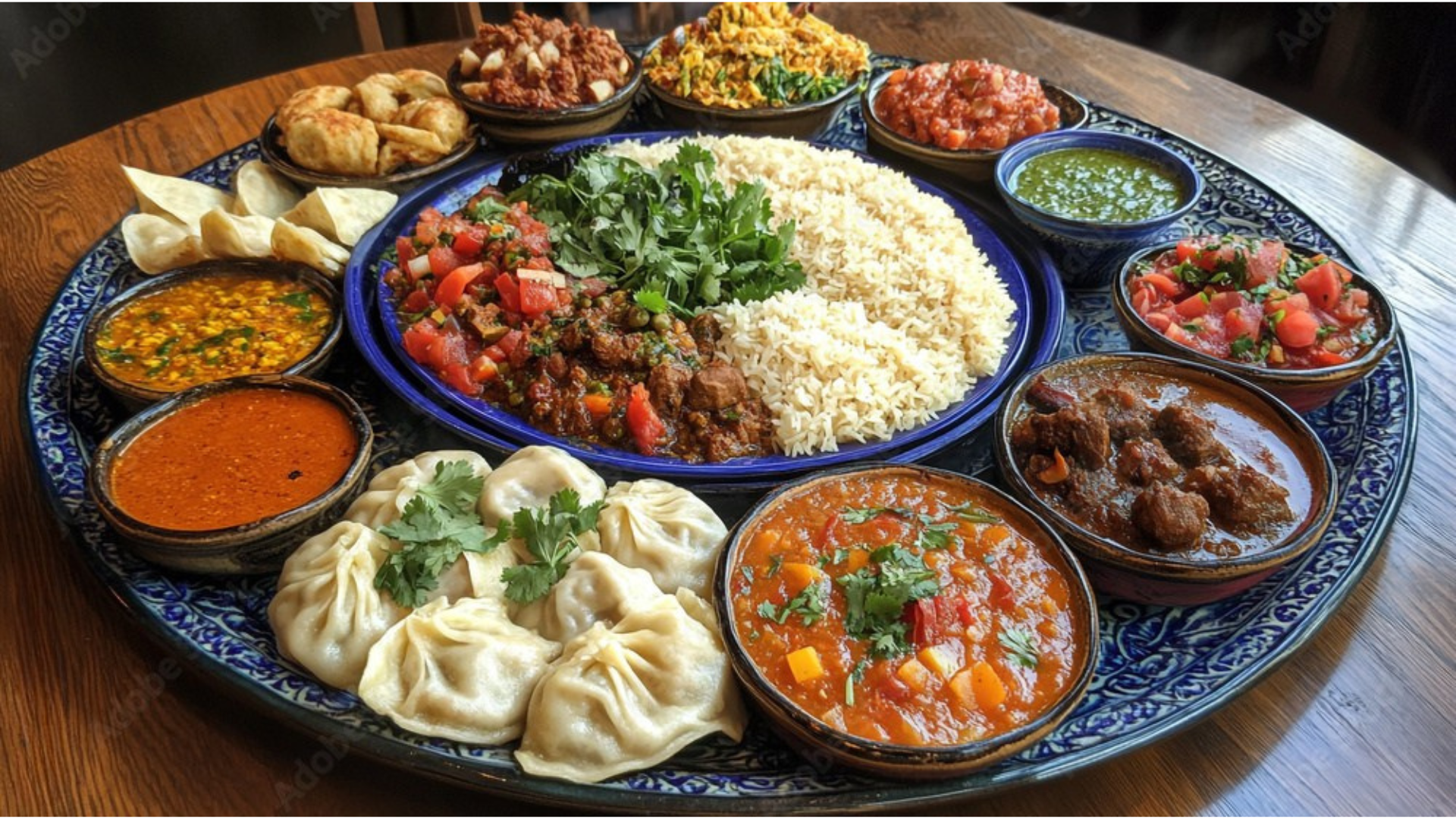
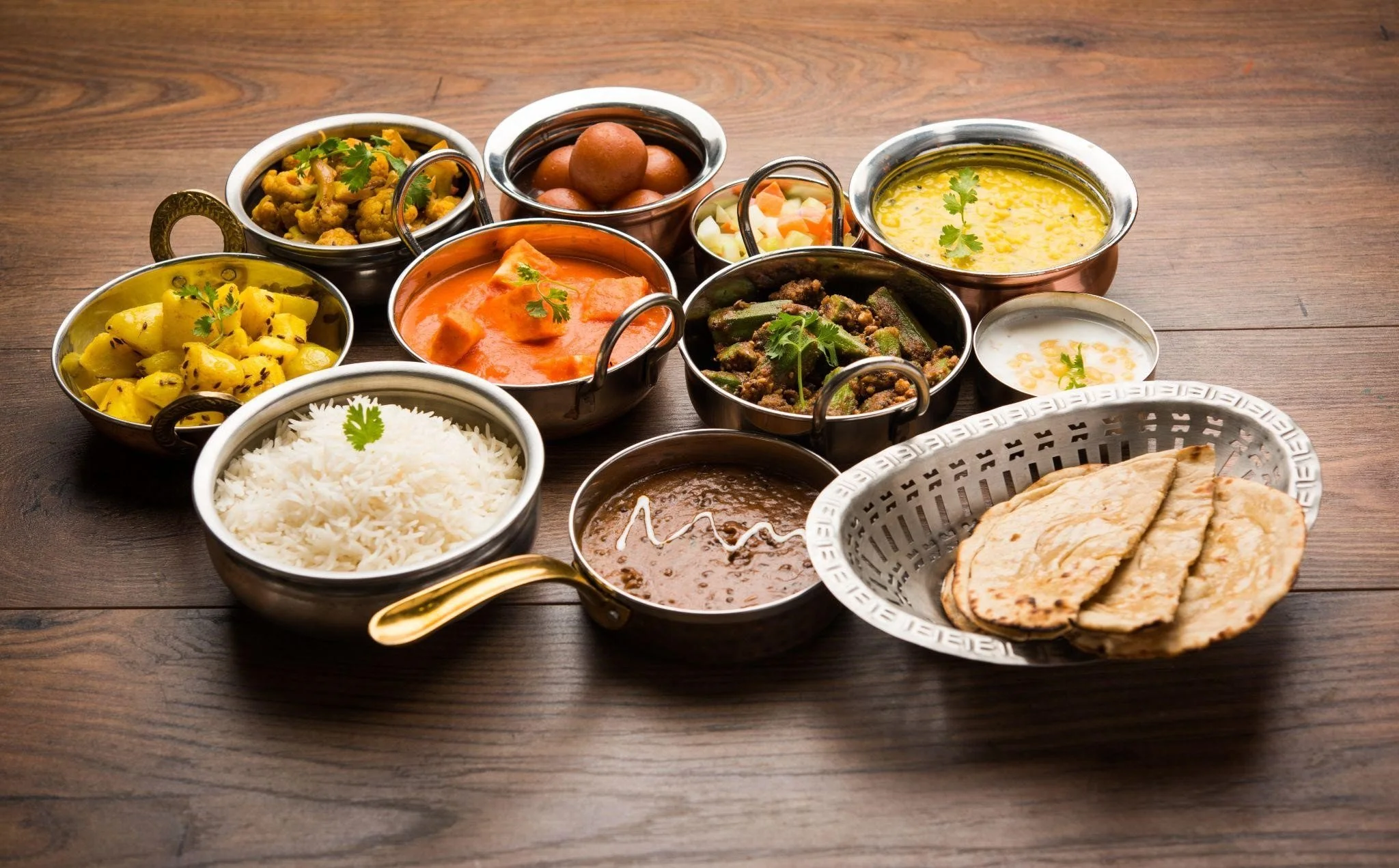
Winter in Nepal is not just a season; it’s a celebration of hearty and comforting flavors. Traditional Nepali winter dishes bring warmth and energy, perfectly complementing the crisp, cool weather. From savory soups to rich curries, these dishes are a must-try for anyone looking to explore the country’s culinary heritage. At Hotel Shanker, we take pride in incorporating these local flavors into our festive menus, offering guests an unforgettable gastronomic experience.
Winter in Nepal is not just a season; it’s a celebration of hearty and comforting flavors. Traditional Nepali winter dishes bring warmth and energy, perfectly complementing the crisp, cool weather. From savory soups to rich curries, these dishes are a must-try for anyone looking to explore the country’s culinary heritage. At Hotel Shanker, we take pride in incorporating these local flavors into our festive menus, offering guests an unforgettable gastronomic experience.
Must-Try Nepali Winter Dishes
1. Thukpa
A hearty noodle soup with origins in the Himalayan region, Thukpa is a winter staple. Packed with fresh vegetables, tender meat, and flavorful broth, this dish provides the perfect warmth during chilly days. Hotel Shanker’s take on Thukpa includes a touch of local spices, making it a guest favorite.
2. Yomari
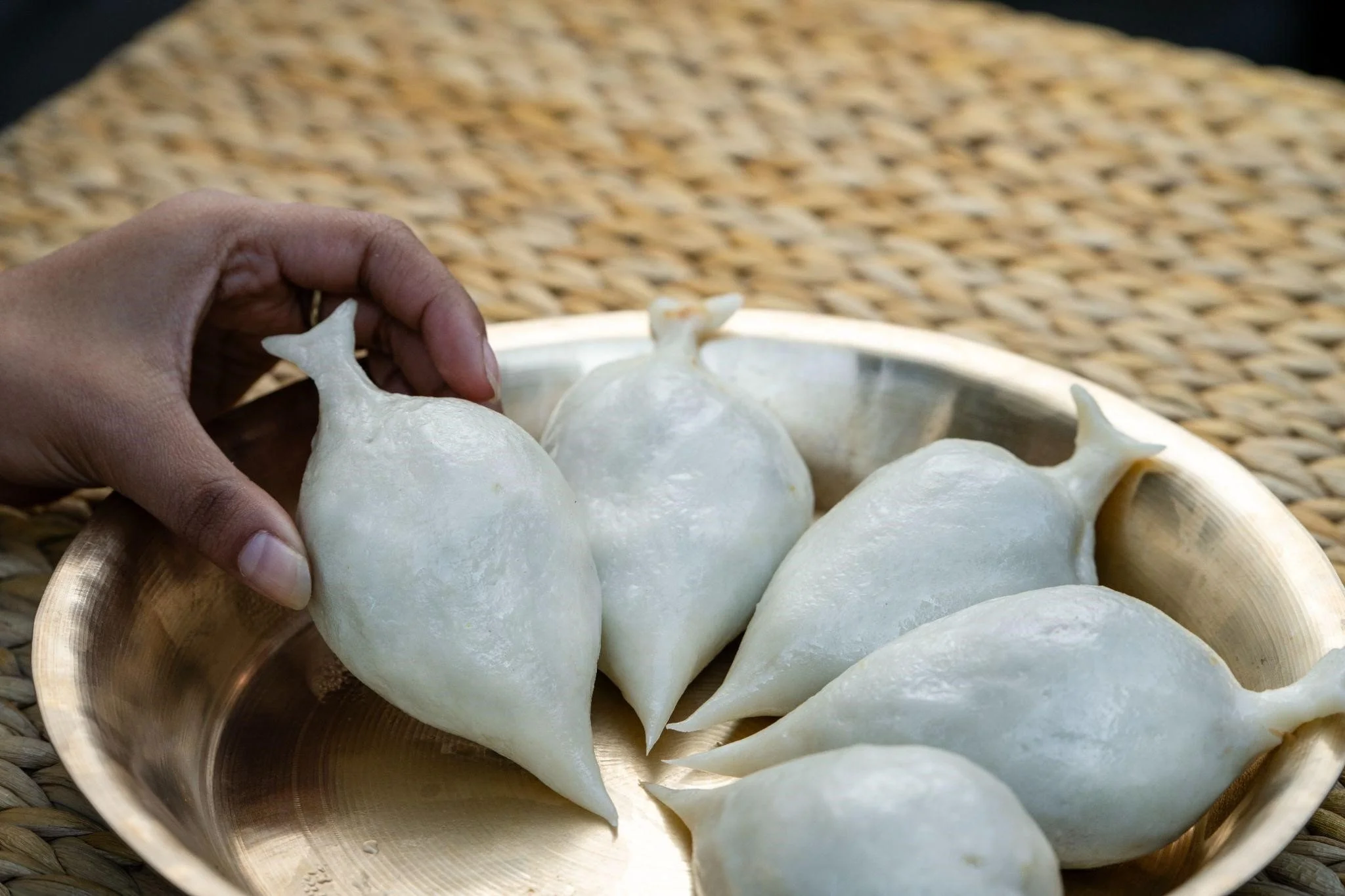
A traditional Newari delicacy, Yomari is a steamed dumpling made from rice flour and filled with sweet molasses or sesame seeds. Traditionally prepared during the Yomari Punhi festival, this dish symbolizes prosperity and is a must-try during winter.
3. Gundruk Soup
Gundruk, a fermented leafy green, is a beloved ingredient in Nepali cuisine. Gundruk Soup is rich in flavor and packed with nutrients, making it a popular choice for winter. The tangy taste and warmth of this dish perfectly complement the season’s chilly vibes.
4. Sekuwa
For meat lovers, Sekuwa is a winter delight. These marinated and grilled meat skewers are smoky, tender, and bursting with flavor. At Hotel Shanker, we prepare Sekuwa using traditional recipes, giving guests an authentic taste of Nepali cuisine.
5. Kwati
A mixed bean soup, Kwati is a protein-rich dish traditionally consumed during festivals like Janai Purnima. Its rich, earthy flavors and hearty texture make it an excellent winter warmer.
How Hotel Shanker Elevates These Flavors
At Hotel Shanker, our chefs craft each dish with the finest local ingredients, blending traditional techniques with a modern touch. Our festive menus feature these winter delicacies, ensuring every guest experiences the true essence of Nepali cuisine. Whether it’s a cozy dinner by the fireplace or a lavish New Year’s celebration, our culinary offerings bring the warmth and richness of Nepal’s winter to your plate.
Celebrate This New Year with Nepali Flavors
This New Year, indulge in the flavors of Nepal at Hotel Shanker. Our specially curated winter menu invites you to savor the authentic taste of traditional dishes in a luxurious setting. Join us for a festive dining experience that blends heritage, warmth, and exceptional hospitality.
Conclusion
Nepali winter cuisine is a delightful journey through rich flavors and hearty dishes. From the comforting warmth of Thukpa to the sweet indulgence of Yomari, these dishes are perfect for the season. At Hotel Shanker, we’re proud to showcase these culinary treasures, offering guests a taste of Nepal’s rich food heritage. Celebrate the New Year with us and savor the essence of Nepali winter flavors.
POPULAR ITINERARIES
SIMILAR POSTS

A Guide to Experiencing Nepal’s Winter Charm
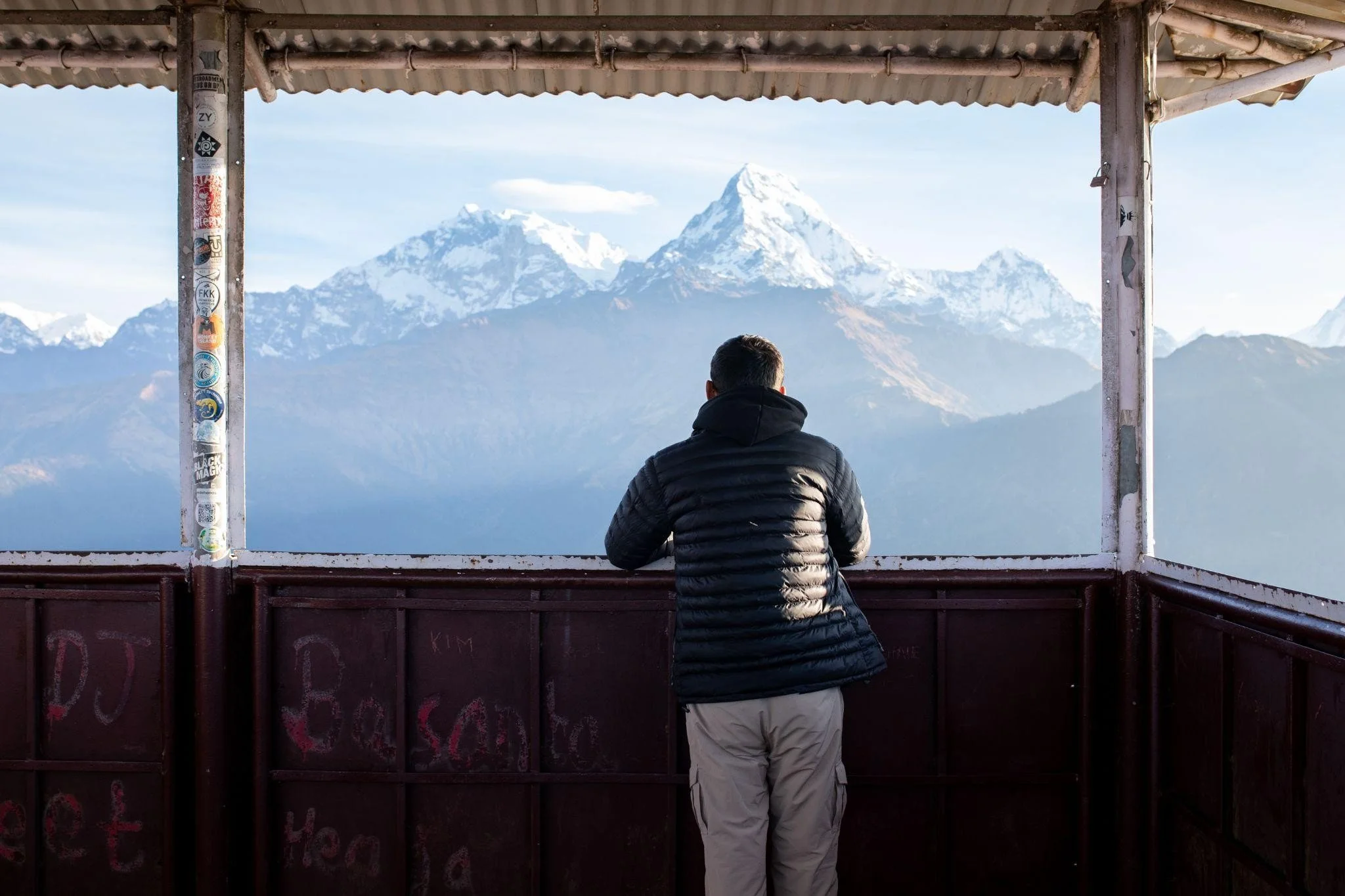
Winter in Nepal is nothing short of magical. With its snow-covered peaks, crisp air, and serene landscapes, the season offers unique opportunities to experience the country’s natural beauty and cultural richness. From exhilarating treks to soothing hot springs and vibrant festivals, there’s something for every traveler. At the heart of it all, Hotel Shanker serves as a warm and luxurious retreat, making your winter adventure truly unforgettable.
A Guide to Experiencing Nepal’s Winter Charm
Winter in Nepal is nothing short of magical. With its snow-covered peaks, crisp air, and serene landscapes, the season offers unique opportunities to experience the country’s natural beauty and cultural richness. From exhilarating treks to soothing hot springs and vibrant festivals, there’s something for every traveler. At the heart of it all, Hotel Shanker serves as a warm and luxurious retreat, making your winter adventure truly unforgettable.
1. Snowy Treks: A Winter Wonderland
Nepal’s Himalayas become even more enchanting in winter, with treks offering pristine snow-capped vistas and fewer crowds. Some of the best winter treks include:
Ghorepani Poon Hill Trek: Known for its breathtaking sunrise views over the Annapurna and Dhaulagiri ranges. This short trek is ideal for those looking to experience Himalayan winter beauty without extreme altitudes.
Helambu Trek: Located close to Kathmandu, this trek offers stunning views of the Langtang range and picturesque snow-covered villages.
Everest Panorama Trek: A moderate trek that provides close-up views of Everest and other iconic peaks, perfect for winter explorers.
After a thrilling day on the trails, return to the comfort of Hotel Shanker, where you can relax in a cozy ambiance that blends heritage and luxury.
2. Hot Springs: Relaxation Amidst the Cold
Nepal’s natural hot springs provide the perfect escape from the winter chill. Popular hot springs include:
Tatopani Hot Springs (Annapurna Region): Known for its therapeutic properties, these springs offer a rejuvenating soak amidst stunning mountain scenery.
Jhinu Danda (Annapurna Region): A short detour from the trekking trails, this spot combines tranquility and breathtaking views.
Hotel Shanker’s central location makes it easy to plan day trips or short getaways to these rejuvenating spots while ensuring you return to unparalleled comfort.
3. Cultural Festivals: Winter Traditions in Nepal
Winter in Nepal is a season of vibrant festivals that showcase the country’s rich cultural heritage:
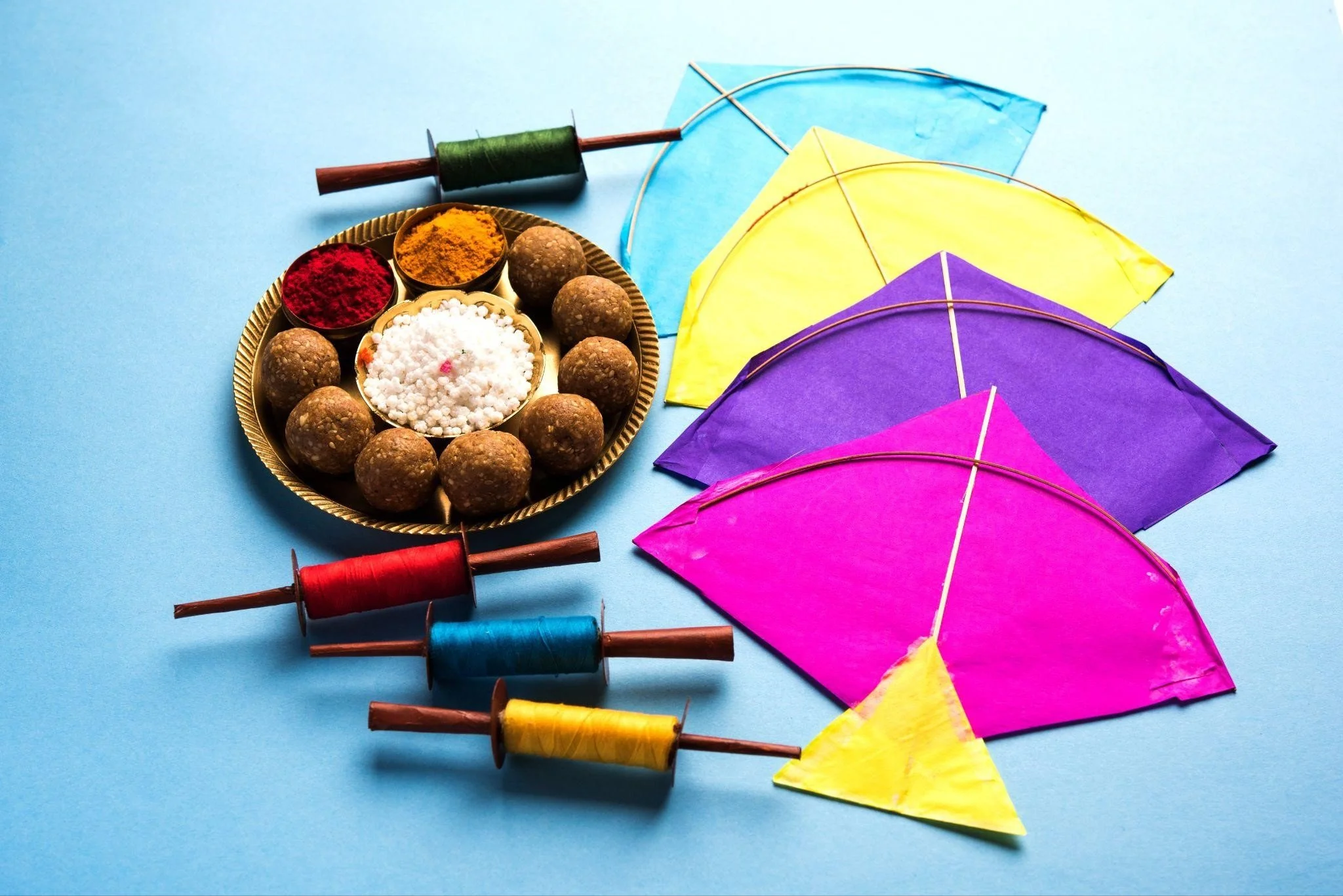
Maghe Sankranti (January): A festival celebrating the end of winter solstice with feasts of sesame seed treats, yam, and molasses.
Losar (February): The Tibetan New Year celebrated with traditional dances, feasts, and cultural events, particularly in Kathmandu’s Boudhanath area.
Immerse yourself in these festive traditions and return to Hotel Shanker for a warm and relaxing evening.
4. Wildlife Safaris: A Winter Treat
Nepal’s lowland jungles, like Chitwan National Park, offer incredible wildlife experiences in winter. The cooler temperatures make it an ideal time for jungle safaris, where you can spot Bengal tigers, rhinos, and exotic bird species.
Hotel Shanker can help you arrange tours and provide a luxurious stay before or after your jungle adventure.
5. Scenic Flights: Witness the Himalayas from Above
For those who prefer to skip the treks but still want to marvel at Nepal’s iconic peaks, scenic flights are a must. A short morning flight provides stunning views of Everest and the Himalayas, giving you an unforgettable experience without braving the cold.
Return to Hotel Shanker to relive the awe-inspiring views over a hot cup of tea in the comfort of the hotel’s elegant surroundings.
6. Winter Delicacies: A Taste of Nepal
Winter in Nepal brings a variety of seasonal dishes that warm both the body and soul:
Thukpa and Tibetan Momos: Hot noodle soup and dumplings, perfect for cold winter evenings.
Sel Roti and Gundruk Soup: Traditional Nepali winter dishes that are both hearty and flavorful.
Hotel Shanker’s dining experience incorporates these local flavors, offering guests a delicious way to explore Nepal’s culinary heritage.
7. Kathmandu’s Winter Charm: Explore the City
Winter is an excellent time to explore Kathmandu’s iconic sites, as the crisp air and clear skies enhance their beauty:
Boudhanath Stupa: Its glowing prayer wheels and warm atmosphere make it a spiritual retreat in winter.
Pashupatinath Temple: The morning rituals and foggy surroundings create a mystical experience.
Kathmandu Durbar Square: The UNESCO site is less crowded in winter, allowing for peaceful exploration.
Hotel Shanker’s proximity to these landmarks ensures you’re always close to the action while having a luxurious base to return to.
Why Hotel Shanker Is the Perfect Winter Retreat
Cozy Luxury: The hotel’s heritage architecture, warm interiors, and personalized service create a homely ambiance during winter.
Central Location: Easy access to Kathmandu’s key attractions, making it an ideal base for your winter adventures.
Dining Excellence: Enjoy a mix of traditional Nepali and international winter dishes in a warm, elegant setting.
Comfort & Elegance: Relax by the fire, unwind in the gardens, or enjoy the heritage-inspired rooms for a peaceful winter escape.
Plan Your Winter Getaway Today
Nepal’s winter charm is an experience like no other. Whether you’re trekking through snowy trails, soaking in hot springs, or exploring cultural festivals, Hotel Shanker ensures your stay is as magical as the season itself.
Contact us to book your stay and discover exclusive winter packages designed to make your Nepal adventure unforgettable.
POPULAR ITINERARIES
SIMILAR POSTS
A Sweet Start to the Festive Season at Hotel Shanker: The Joy of Cake Mixing
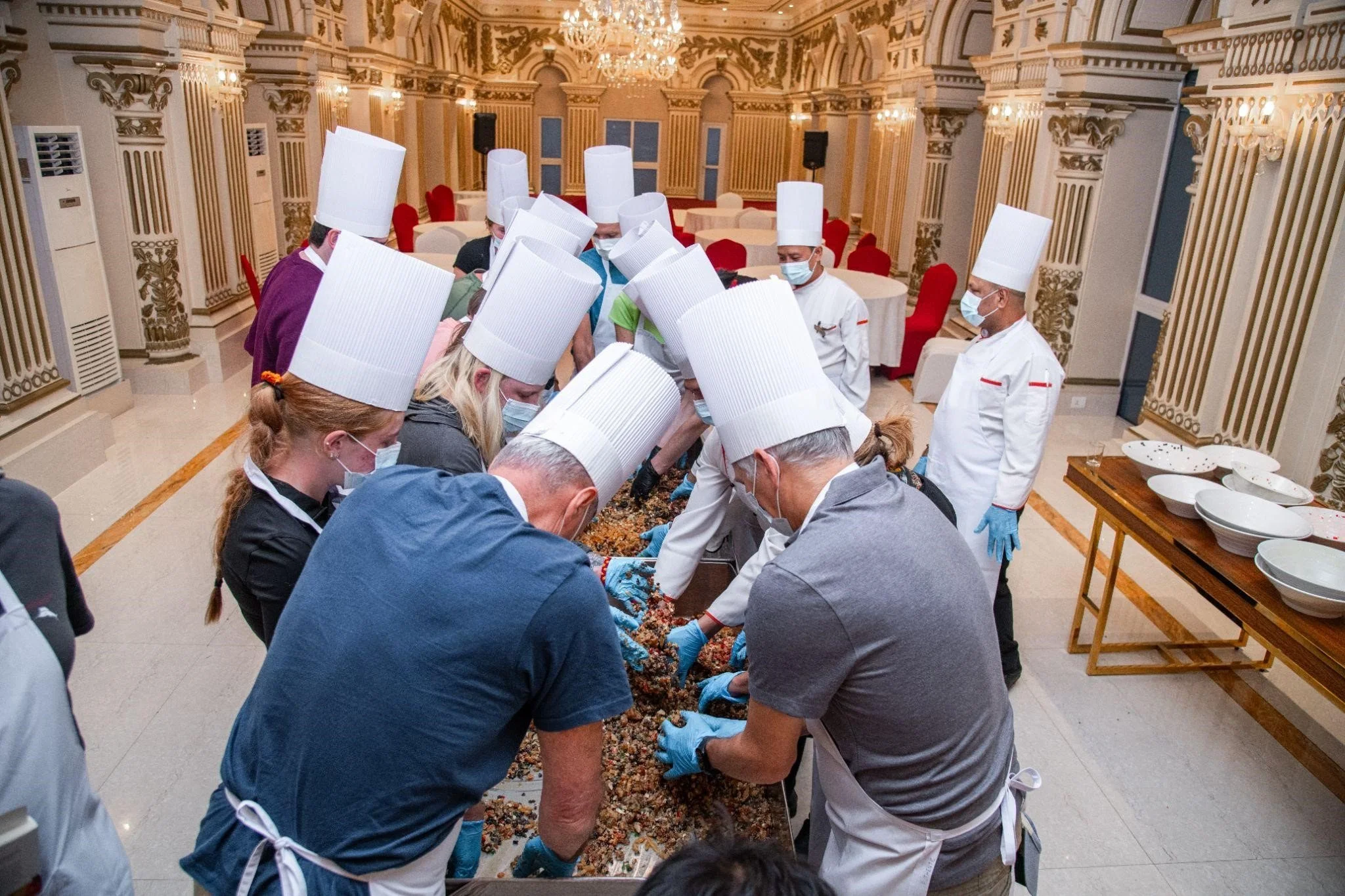
As the festive season approaches, the air fills with joy, laughter, and the aroma of celebration. At Hotel Shanker, we embraced this spirit with our annual Cake Mixing Ceremony, a heartwarming event where our guests came together to mark the beginning of a season dedicated to togetherness and traditions.
As the festive season approaches, the air fills with joy, laughter, and the aroma of celebration. At Hotel Shanker, we embraced this spirit with our annual Cake Mixing Ceremony, a heartwarming event where our guests came together to mark the beginning of a season dedicated to togetherness and traditions.
A Celebration of Togetherness
The Cake Mixing Ceremony is more than just a culinary activity; it is a celebration of unity and the joy of creating something meaningful together. Held in our heritage-rich premises, this year’s event brought guests, staff, and our talented chefs together for a delightful and interactive experience. With aprons on and hands ready to mix, the event was a lively start to the festive season.
A Festive Tradition
The art of cake mixing has a deep-rooted tradition, symbolizing the warmth and love shared during the holidays. Guests had the opportunity to mix a variety of ingredients, including dried fruits, nuts, and fragrant spices, all soaked in flavorful spirits. The vibrant colors of the mix mirrored the joyous atmosphere of the festive season.
An Unforgettable Experience
Under the guidance of our skilled chefs, guests indulged in the process of blending tradition and flavor, sharing stories, and creating cherished memories. The Cake Mixing Ceremony offered a glimpse into the behind-the-scenes preparations of festive delicacies, making the experience both fun and educational.
The highlight of the event was the laughter shared and the connections forged among the guests, creating a sense of community that defines the festive spirit. Each mix carried the essence of togetherness, anticipation, and celebration that is at the heart of the season.
Looking Ahead to the Festivities
As we look forward to the upcoming holidays, the Cake Mixing Ceremony serves as a reminder of the values we cherish—family, tradition, and joy. The mixes prepared during the event will now mature to perfection, ready to be baked into rich, flavorful cakes that will grace the tables of our festive celebrations.
At Hotel Shanker, the festive season is not just about luxury and grandeur; it is about creating heartfelt moments that our guests will treasure. We are grateful to everyone who participated in this joyful event and helped us kick off the season with smiles, flavors, and festive cheer.
Celebrate With Us
Whether it’s indulging in holiday feasts, enjoying our warm hospitality, or participating in special events like the Cake Mixing Ceremony, Hotel Shanker invites you to celebrate the festive season with us. Join us for a season filled with tradition, elegance, and memories that last a lifetime.
Wishing you a joyful and flavorful festive season!
Hashtags: #CakeMixingCeremony #FestiveSeason #HotelShanker #HeritageCelebrations #TogetherWeCelebrate
POPULAR ITINERARIES
SIMILAR POSTS
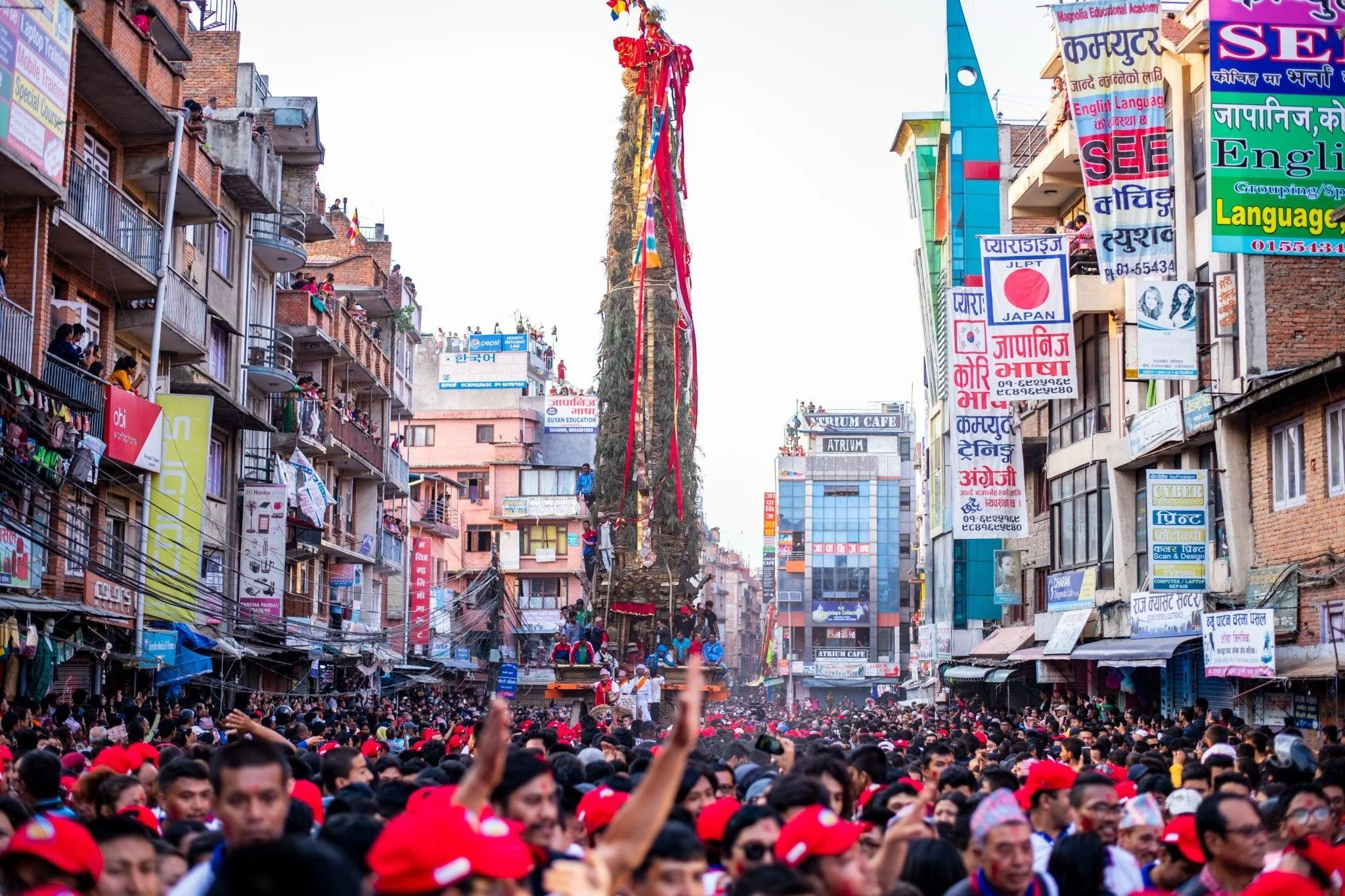

Celebrating Christmas in Kathmandu: A Festive Blend of Cultures and Traditions
Christmas, traditionally a Christian holiday, has transcended religious boundaries to become a global celebration of joy, love, and giving. In Kathmandu, the heart of Nepal, Christmas has found a special place amidst the city's vibrant cultural tapestry. This festival is celebrated with warmth and inclusivity, reflecting Kathmandu’s embrace of diverse traditions and its ever-evolving cultural adaptation.
Christmas, traditionally a Christian holiday, has transcended religious boundaries to become a global celebration of joy, love, and giving. In Kathmandu, the heart of Nepal, Christmas has found a special place amidst the city's vibrant cultural tapestry. This festival is celebrated with warmth and inclusivity, reflecting Kathmandu’s embrace of diverse traditions and its ever-evolving cultural adaptation.
A Melting Pot of Cultures
Kathmandu, known for its rich history and deep-rooted Hindu and Buddhist traditions, showcases a remarkable ability to adapt and celebrate cultures from around the world. While Nepal is predominantly Hindu, the city comes alive during Christmas, with locals and expatriates alike joining in the festivities. This acceptance and celebration of diversity underline the city's evolving cosmopolitan character.
How Christmas is Celebrated in Kathmandu
Christmas in Kathmandu is not just a religious occasion but a community celebration. Here’s how it unfolds in the valley:
Festive Decorations: Shops, malls, and restaurants in Kathmandu light up with Christmas-themed decorations. Glittering Christmas trees, colorful lights, and festive garlands adorn public spaces. Popular hubs like Thamel, Durbar Marg, and shopping centers are transformed into winter wonderlands, drawing crowds from all walks of life.
Christmas Markets: Various Christmas bazaars and markets spring up across the city. These markets offer unique handicrafts, festive ornaments, and delicious baked goods. Expat communities often organize special markets, introducing locals to Christmas traditions while fostering cultural exchange.
Midnight Mass: Churches in Kathmandu, such as the Assumption Church in Lalitpur, host midnight mass for the Christian community and anyone curious about the tradition. The solemn yet uplifting service is a cornerstone of Christmas celebrations, symbolizing unity and peace.
Festive Dining: Hotels, cafes, and restaurants across Kathmandu curate special Christmas menus, featuring everything from traditional roast dinners to locally inspired festive treats. This culinary fusion attracts locals, expatriates, and tourists, offering them a taste of Christmas in the Himalayas.
Gift-Giving and Charity: The spirit of giving is alive and well in Kathmandu during Christmas. Many organizations and individuals organize charity drives, distributing gifts and necessities to underprivileged communities, spreading love and joy throughout the city.
Embracing Diverse Traditions
What makes Christmas in Kathmandu particularly special is its blend of traditional customs with local flavors. While expatriate communities bring their customs, Nepalis infuse their own warmth and creativity into the celebrations. It’s not uncommon to see children singing Christmas carols in Nepali or homes decorated with a mix of tinsel and traditional Nepali lamps.
This celebration of Christmas is a testament to Kathmandu's ability to embrace diversity without losing its unique identity. It reflects the growing awareness and appreciation of global cultures among Nepalis, while also offering expatriates and tourists a sense of belonging during the holidays.
Hotel Shanker: Your Festive Retreat
For those looking to experience Christmas in Kathmandu with a touch of elegance, Hotel Shanker offers the perfect setting. Nestled in the heart of the city, this heritage hotel blends timeless charm with modern comforts. Its festive ambiance, special Christmas dining experiences, and luxurious accommodations make it an ideal retreat for the holiday season. Whether you're sharing a meal with loved ones or simply soaking in the festive spirit, Hotel Shanker provides a warm and inviting space to celebrate.
A Celebration of Togetherness
Christmas in Kathmandu is more than just a holiday; it’s a celebration of togetherness and harmony. It’s a time when people from all backgrounds come together to share joy, exchange traditions, and embrace the beauty of diversity. This spirit of inclusion and cultural adaptation not only enriches the celebration but also strengthens the bonds of the Kathmandu community.
This year, as the Christmas bells ring and the city glows with festive cheer, Kathmandu reminds us that the true essence of the season lies in unity, kindness, and the joy of giving. Whether you're a local, an expatriate, or a visitor, Kathmandu offers a Christmas experience that’s as unique as it is heartwarming.
POPULAR ITINERARIES
SIMILAR POSTS
Embrace Winter in Style: Why Hotel Shanker is the Perfect Winter Retreat
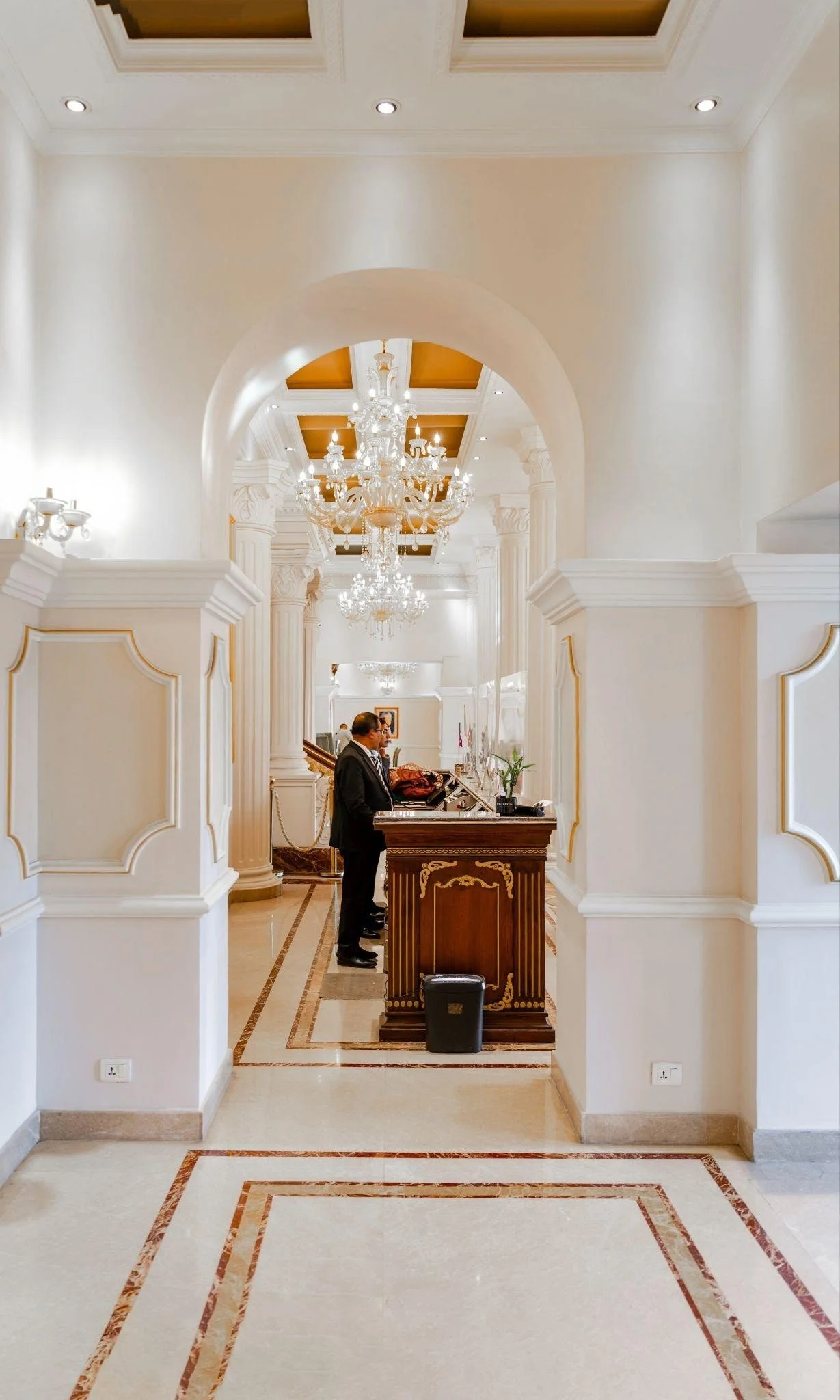
As the vibrant autumn leaves of Kathmandu begin to fade and the crisp chill of winter settles over the city, there’s no better time to plan your perfect winter escape. Nestled in the heart of Kathmandu, Hotel Shanker offers the ideal blend of historical grandeur, warm hospitality, and modern luxury, making it the ultimate winter retreat.
As the vibrant autumn leaves of Kathmandu begin to fade and the crisp chill of winter settles over the city, there’s no better time to plan your perfect winter escape. Nestled in the heart of Kathmandu, Hotel Shanker offers the ideal blend of historical grandeur, warm hospitality, and modern luxury, making it the ultimate winter retreat.
A Cozy Heritage Escape
Winter in Kathmandu brings a special charm – the cool weather, the soft fog that lingers in the mornings, and the stunning views of snow-capped peaks in the distance. At Hotel Shanker, this season becomes even more magical. The hotel’s elegant rooms, designed with a mix of traditional Nepali art and modern comforts, provide the perfect sanctuary from the winter cold. Curl up in the plush bedding, sip a warm cup of tea, and take in the serene ambiance of this heritage hotel.
Luxurious Comfort in Every Corner
Whether you’re exploring the city or seeking a cozy hideaway, Hotel Shanker offers an array of luxurious amenities to make your winter stay unforgettable. Enjoy a leisurely breakfast in our beautifully appointed dining areas, or take advantage of our in-room dining service for a more intimate experience. The hotel’s rich history adds warmth and character to every corner, from the grand chandeliers to the intricately carved wooden décor, creating an inviting atmosphere to relax and rejuvenate.
Winter Activities at Your Doorstep
Kathmandu transforms in winter, with fewer crowds and a peaceful serenity that invites exploration. Hotel Shanker is ideally located for those who want to discover the city’s treasures while avoiding the bustle. Visit nearby attractions like the historic Narayanhiti Palace Museum or take a stroll through the lively streets of Durbar Marg. After a day of sightseeing, return to the hotel for a warm drink at our bar, where you can unwind by the fire.
Celebrate the Festive Spirit
Winter is also a time of celebration, with festivals like Tihar and Christmas adding a festive glow to the city. Hotel Shanker celebrates these moments with special packages and festive events, making it an ideal destination for those looking to experience the joyous spirit of the season.
Whether you’re spending a romantic getaway or enjoying a family vacation, our team will ensure you make the most of this beautiful season.
Plan Your Perfect Winter Getaway
As the temperatures dip, let Hotel Shanker be your cozy retreat in the heart of Kathmandu. With its blend of historical charm and modern luxury, our hotel offers everything you need for a memorable winter stay. From comfortable, warm interiors to the excitement of exploring Kathmandu’s winter beauty, Hotel Shanker promises a stay that is both relaxing and full of adventure.
Book Your Winter Stay Today!
Experience the magic of winter at Hotel Shanker. Reserve your room now for an unforgettable stay filled with warmth, luxury, and timeless elegance.
POPULAR ITINERARIES
SIMILAR POSTS