
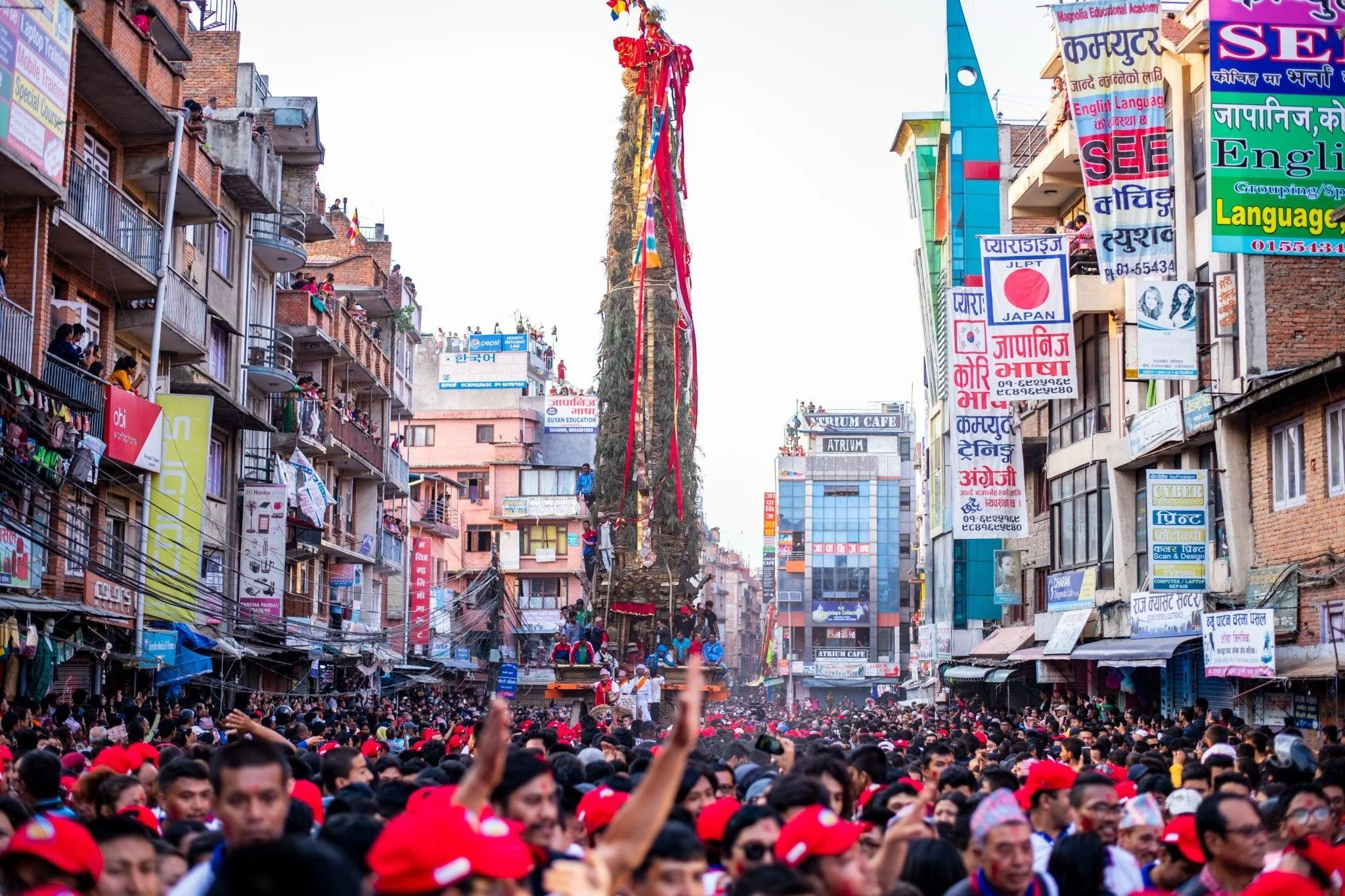
Rato Machindranath Jatra: Walking Through Kathmandu’s Living Tradition
A journey through Rato Machindranath Jatra reveals how deeply tradition and community are connected in Kathmandu Valley.
In the heart of Kathmandu Valley, Rato Machindranath Jatra is not just a festival; it feels like the city itself starts moving with a different rhythm.
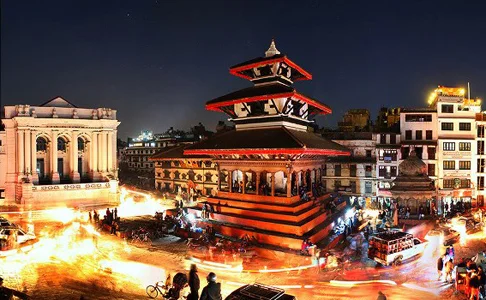
The journey of this jatra begins in the ancient streets of Patan, where the tall chariot of Rato Machindranath slowly comes to life. Built with wood, ropes, and deep devotion, the chariot is pulled by hundreds of people not just as a ritual, but as a shared act of faith, culture, and community. As it moves, it doesn’t feel like a procession alone; it feels like generations walking together through time.
What makes this festival special is not just its scale, but its emotion. You will see children running alongside the chariot, elders watching quietly from the windows, and locals guiding the heavy ropes with patience and strength. The streets become narrow corridors of celebration filled with music, chanting, and the sound of wheels slowly turning over ancient stone paths.
Rato Machindranath Jatra is deeply connected with hope for rain and good harvest, and that meaning is still alive in how people participate today. Every pull of the rope carries a prayer, every stop of the chariot carries a tradition, and every gathering feels like a reminder of belonging.
As the chariot travels from Pulchowk towards different parts of Lalitpur, the atmosphere keeps changing, sometimes loud and energetic, sometimes calm and reflective. Locals offer flowers, food, and respect along the route, making the entire journey feel like a living offering rather than just a celebration.
One of the most beautiful parts of this festival is how it slows down time. In a city that is usually fast-moving, the chariot forces everything to pause. Traffic stops, conversations gather on the roadside, and strangers become part of the same shared moment. It’s not something you watch from a distance; it’s something you feel around you.
When the chariot finally reaches its destination in Jawalakhel, there is a quiet sense of completion. But the energy doesn’t end there. The festival continues in memories, in photographs, and in stories passed down through families, each year slightly different, yet always familiar.
Rato Machindranath Jatra is more than a tradition. It is Kathmandu’s way of remembering itself through movement, devotion, and community. For travelers, it offers something rare: not just a cultural experience, but a moment where the city’s past and present walk together in the same direction.
POPULAR ITINERARIES


SIMILAR POSTS
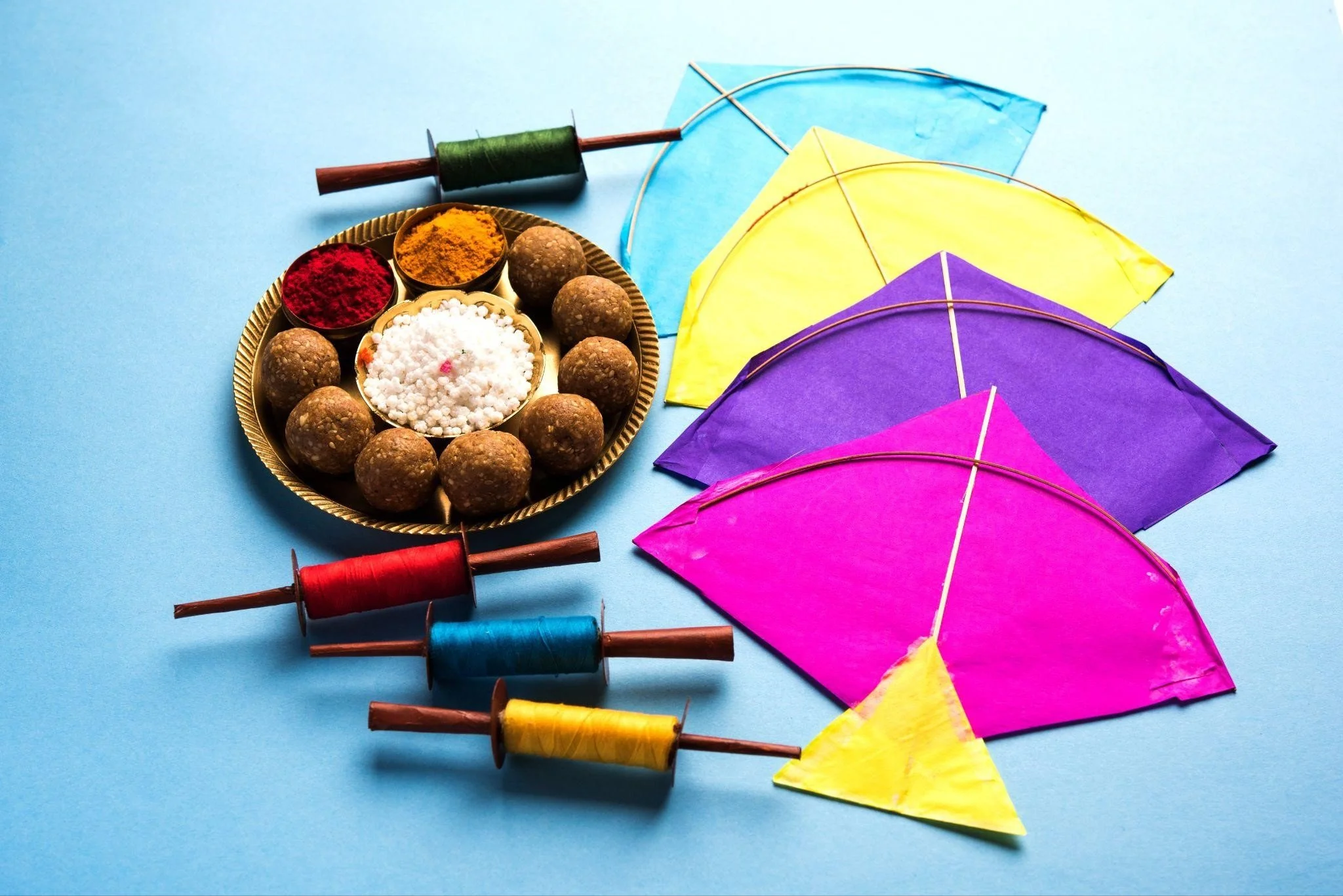
Maghe Sankranti’s Must-Try Dishes: A Celebration of Tharu Culture
Maghe Sankranti in Nepal’s Terai: A celebration of Tharu culture through vibrant rituals, music, and most importantly delicious food! From the sweet Tilko Laddu to savory Bara, each dish carries centuries of tradition and meaning, bringing families and communities together. Don’t miss out on these festive delicacies that symbolize warmth, unity, and abundance.
Maghe Sankranti, celebrated on January 14–15, marks the winter solstice, the shortest day and longest night of the year, and the sun’s transition into Capricorn (Uttarayan). In Nepal’s Terai region, the Tharu community celebrates this festival with vibrant rituals, music, dances, and most importantly, traditional foods that carry centuries of cultural significance. The festival is not only a way to welcome longer days and the harvest season but also a time to bring families and communities together, sharing both meals and memories.
These festive delicacies are a must try and the highlight of the festival that even the people outside of the culture look forward to:
● Tilko Laddu: These small sesame and jaggery balls are sweet, nutty, and slightly crunchy, giving warmth and energy during winter. They are included in the festival because sesame and jaggery are believed to promote health, longevity, and prosperity, making them a symbolic treat for well-being.
● Dhikri: Steamed rice flour cylinders, soft and slightly chewy, with a mild flavor that pairs well with ghee, curry, or lentil soup. Dhikri is included for its symbolic meaning of unity and togetherness, as families prepare it collectively, reflecting the communal spirit of Tharu culture.
● Bara: Crispy on the outside and soft inside, these spiced lentil fritters have a savory, earthy flavor that makes them irresistible. Bara is shared among neighbors and guests, symbolizing hospitality, generosity, and community bonding.
● Sweet Potatoes (Sukula): Naturally sweet and soft when boiled, these tubers are included for warmth and energy during winter, reflecting the harvest season and abundance of local produce.
● Tarul (Taro): Earthy and slightly starchy, tarul is usually boiled or cooked in curry, and is included for its nutritional value and symbolic connection to the land, reminding families of the importance of farming and seasonal crops.
Each of these dishes aren’t just delicacies but also a reflection of Tharu culture and the means of sharing and bonding. Maghe Sankranti is also spiritually significant, with many taking holy baths in rivers and performing rituals to cleanse sins and seek blessings for the year ahead. For the Tharu community, these spiritual practices are closely linked with food preparation and communal gatherings, making the festival a celebration of life, gratitude, and tradition. Every dish, every ritual, and every gathering reflects the values, beliefs, and social bonds of the community.
For tourists, Maghe Sankranti offers a unique opportunity to experience authentic Tharu culture through its cuisine. Participating in food preparation, tasting festival specialties, and observing local customs allows visitors to connect deeply with the community and its heritage. From the sweet and nutty tilko laddu to the savory bara and comforting ghee rice, every bite is a journey into the heart of Tharu traditions, making the festival both a feast for the senses and a meaningful cultural experience.
POPULAR ITINERARIES
SIMILAR POSTS
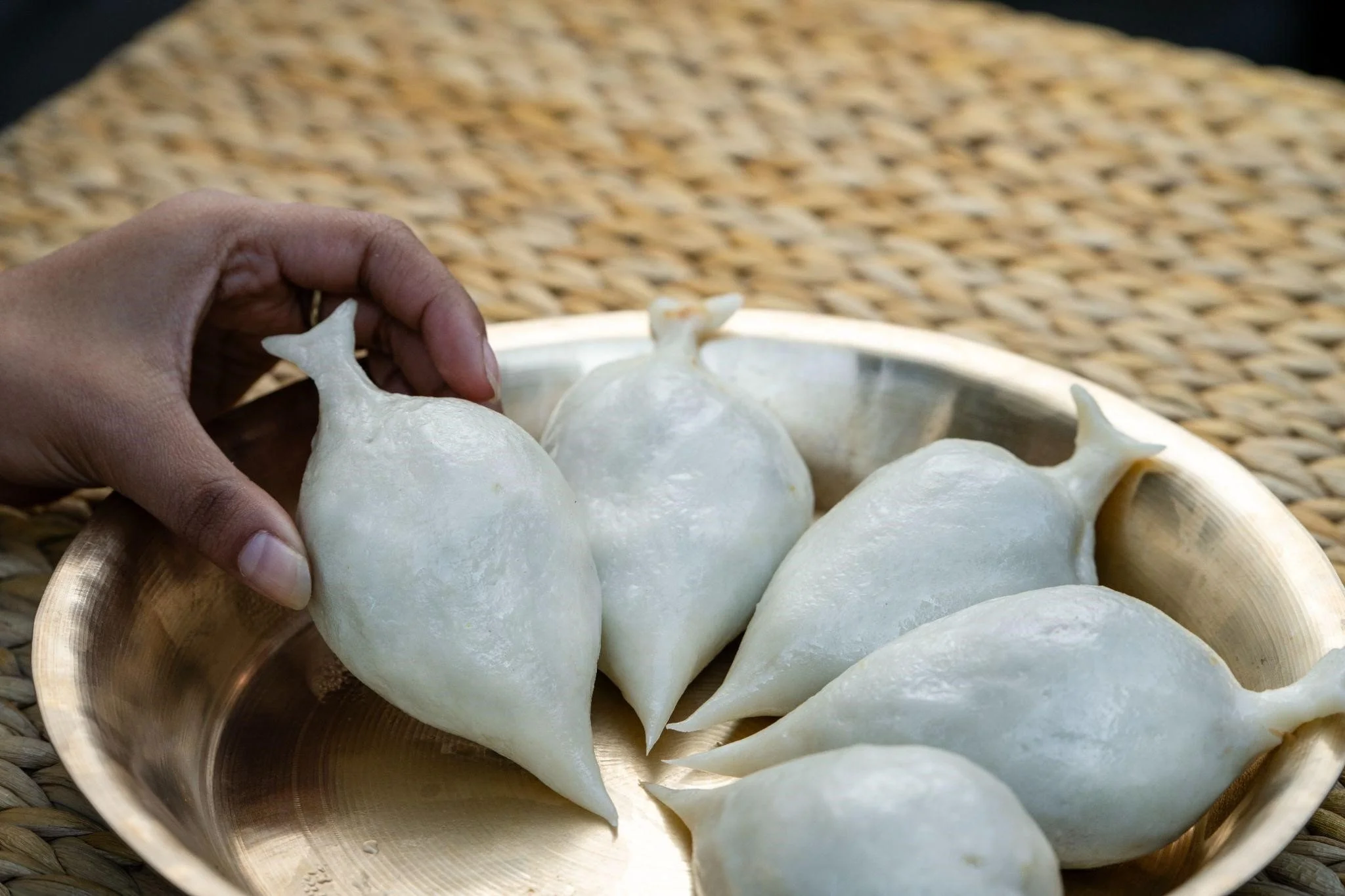
The Legend and Flavor of Yomari Punhi: Celebrating Nepal’s Harvest Moon Festival
Indulge in the warmth and tradition of Yomari Punhi, where sweet, steamed yomari brings communities together to celebrate the harvest moon. A festival filled with myths, gratitude, and delicious delicacies, Yomari Punhi is not just about the food—it’s about the spirit of sharing, abundance, and honoring the goddess of nourishment.
When winter settles over the Kathmandu Valley, a gentle warmth rises from Newar homes as the aroma of steaming yomari fills the air. This beloved delicacy becomes the heart of celebration during Yomari Punhi, one of the most cherished festivals of the Newar community. Observed on the full moon day of Thinlā; the second month in the Nepal Sambat calendar, Yomari Punhi is a festival woven with warmth, gratitude, and the joy of sharing.
The story behind Yomari Punhi adds a layer of mythical charm to the festival. It is said that long ago, in the village of Panauti, a couple named Suchandra and Krita decided to experiment with the fresh rice from their recent harvest. They crafted a new kind of steamed dumpling, sweet on the inside and soft on the outside, and shared it generously with their neighbors. People loved it so much that it was named “ya-mari,” that translates to “the bread that people like.” According to legend, the God of Wealth, Kubera, was wandering through the village in disguise on the same day. When the couple offered him the new delicacy, he was delighted by their generosity and blessed them with prosperity. From that moment, yomari came to symbolize abundance, goodwill, and divine blessing, and its creation became an annual tradition tied to the harvest moon.
Beyond its origin, the festival carries deep cultural and spiritual significance. It honors Goddess Annapurna, the deity associated with food and nourishment, reminding people that the harvest is not only the result of hard work but also a sacred blessing. The act of making yomari is equally meaningful as it brings family, friends, and neighbors together as a community to celebrate the joy of sharing a simple steaming bread filled with yummy goodness, which can be ‘chakhu’ and ‘khuwa’. The cultural significance of the festival lies not only in the food but in the togetherness it inspires. Yomari Punhi is a reminder of gratitude; for a good harvest, for community, and for the warmth we create even in the coldest months. The simple act of shaping yomari becomes a moment of connection between generations, keeping Newar heritage alive in kitchens throughout the valley.
For tourists, experiencing Yomari Punhi means tasting a piece of Nepal’s living culture. It is an opportunity to witness a tradition that blends food, myth, and community into one beautifully heartfelt celebration. If you’re visiting off-season, you don’t need to wait for the festival. The loving locals sell the delicious warm yomari in every corner of the valley.
POPULAR ITINERARIES
SIMILAR POSTS
Tihar in Nepal: A Time for Family, Festivities, and Fulfilling Traditions
Embrace the warmth of family, tradition, and light during Tihar, Nepal’s festival of togetherness. From honoring animals to lighting diyas, it’s a celebration of love, prosperity, and the vibrant Nepali culture that brings communities closer.
Tihar, also known as Deepawali, is one of Nepal’s most significant and widely celebrated festivals. It marks the triumph of light over darkness and goodness over evil, filling the air with joy, color, and a profound sense of community. Celebrated with reverence across the country, Tihar is more than just a festival of lights; it is an expression of gratitude, a time to honor relationships, and a reminder of the beauty in tradition.
As the days grow shorter and the crisp autumn air settles over Nepal, families begin to prepare for Tihar. The festival spans five days, each dedicated to different customs and deities. It is a celebration of life, family, and the enduring bonds between humans and nature.
The Rituals: A Unique Tribute to the Elements
The first day of Tihar is dedicated to Kaag Tihar, where crows, the messengers of death, are worshipped. In many households, food is placed outside for the crows, a gesture that reflects the Nepali belief in honoring all creatures, even those that are often seen as harbingers of misfortune.
The following day is for Kukur Tihar, when dogs are honored. Dogs, as companions and protectors, are celebrated with garlands of marigold and offered sweets. This day is particularly special for dog owners who see their pets as part of the family, and the streets echo with joyous barks and wagging tails as the dogs enjoy their day of recognition.
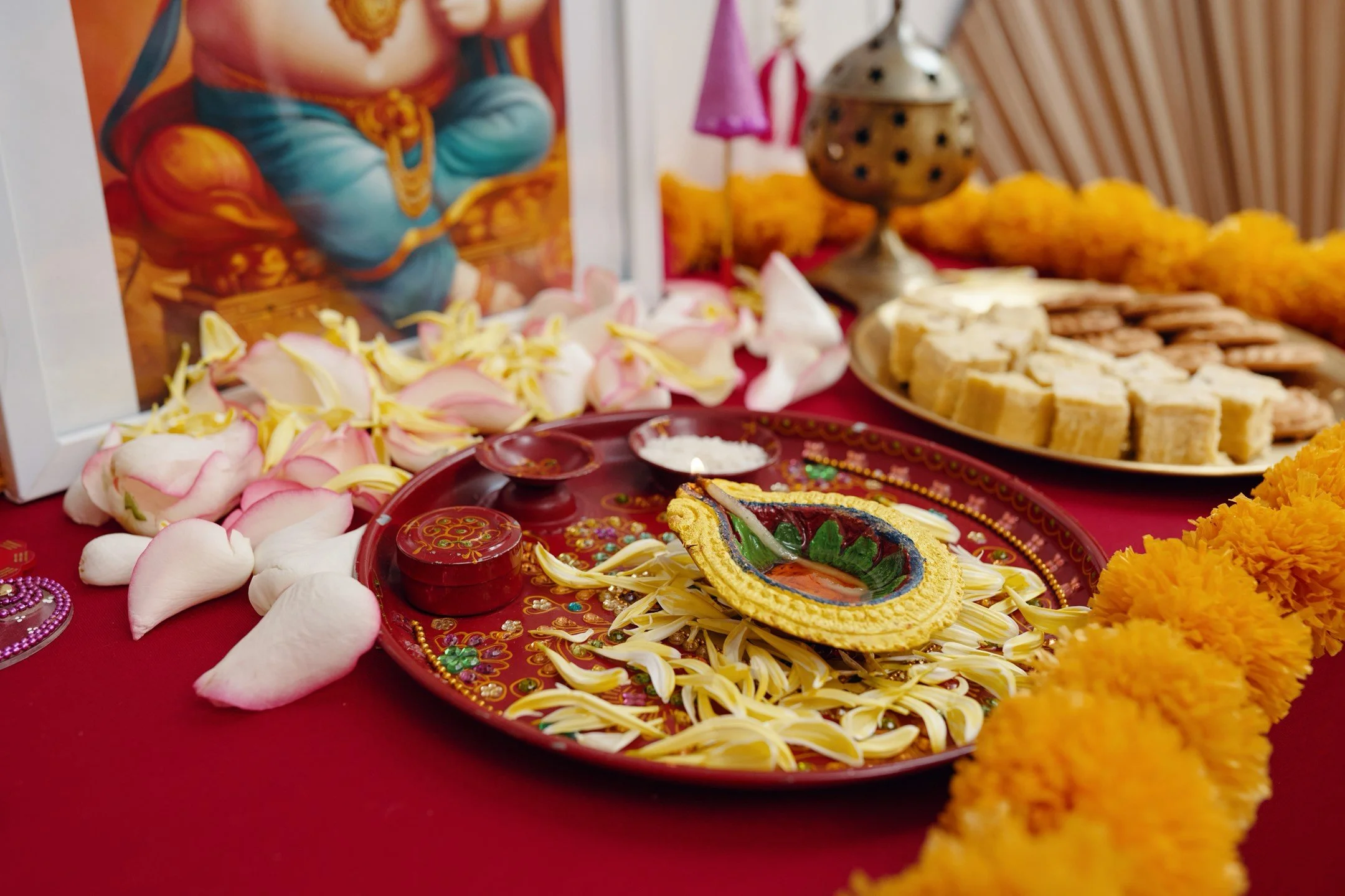
The third day is perhaps the most anticipated, Laxmi Puja, which honors Laxmi, the goddess of wealth and prosperity. Homes, temples, and even businesses are meticulously cleaned and decorated with diyas (small oil lamps), candles, and rangoli (intricate designs made from colored powder) to welcome Laxmi into their homes. The lights symbolize the removal of darkness and ignorance, allowing wisdom and wealth to enter.
The fourth day is known as Goru Tihar, a day dedicated to honoring the oxen and other farm animals. These animals, often seen as the backbone of rural life in Nepal, are adorned with tika and garlands. Farmers and villagers take this time to show gratitude for their hard work and dedication.
The final day of Tihar, Bhai Tika, celebrates the bond between brothers and sisters. Sisters apply tika (a mixture of yogurt, rice, and vermillion) to the foreheads of their brothers and pray for their long life and prosperity. Brothers, in return, give gifts to their sisters as a sign of their deep affection and respect. This day highlights the familial closeness that is central to Nepali culture, where respect for elders and love for younger family members is emphasized.
The Spirit of Family and Togetherness
What makes Tihar truly special is its emphasis on family and togetherness. In Nepal, family bonds are not just an obligation but a source of strength. During Tihar, families gather from near and far, often traveling long distances to reunite. The festival offers a rare chance for extended families to come together, celebrate, and strengthen their connections.
Homes are filled with the warmth of laughter, music, and the fragrant aroma of traditional sweets. From the delicate sel roti (a type of sweet rice doughnut) to the rich barfi (a milk-based sweet), the food is abundant and shared with neighbors and friends. During Tihar, people open their doors and hearts, offering hospitality to all who visit. The exchanging of sweets and gifts is a common practice, symbolizing goodwill and love.
As the evening falls, families light diyas around their homes, creating a mesmerizing glow that can be seen throughout the valley. The sight of thousands of twinkling lights is a symbol of hope, unity, and the triumph of light over darkness. It is a moment that captures the spirit of the festival—an invitation to reflect on life’s blessings and share them with others.
The Cultural Significance of Tihar
Tihar is not just a religious festival but a celebration of Nepal’s rich cultural heritage. Each day is steeped in tradition, from the intricate rituals to the colorful decorations that adorn every home. The festival is deeply connected to Nepali customs and the Hindu pantheon, with each day symbolizing a different aspect of life, nature, and spirituality.
Beyond the rituals, Tihar is a reflection of the Nepali people’s respect for the natural world. The honoring of animals such as crows, dogs, cows, and oxen is rooted in the deep reverence Nepali culture holds for all living creatures. The festival reminds people of the interconnectedness between humans, animals, and nature, and encourages a sense of responsibility towards all life.
Moreover, Tihar serves as an opportunity for renewal, both spiritually and socially. People take the time to cleanse their homes and hearts, ridding themselves of negativity and inviting peace, happiness, and prosperity into their lives. It is a time to reconcile differences, heal old wounds, and come together in celebration of shared values and traditions.
Tihar in Modern Nepal
In today’s fast-paced world, Tihar remains one of the most cherished festivals in Nepal, bringing people together from all walks of life. While the core traditions remain unchanged, modern adaptations have made the festival more inclusive and accessible. In urban areas, grand celebrations with music, firecrackers, and public events complement the more intimate family-centered rituals.
The use of technology has also played a role in how Tihar is celebrated. Social media platforms are filled with images of families lighting diyas, exchanging gifts, and sharing the joy of the festival with friends and relatives across the globe. Yet, despite these modern touches, the heart of Tihar remains rooted in its cultural and familial values.
Conclusion
Tihar is more than just a festival of lights it is a celebration of life, love, and the enduring strength of family bonds. From honoring animals and deities to coming together with loved ones, the festival embodies the essence of Nepali culture. As the lights shine brightly across the land, they remind us of the importance of kindness, unity, and gratitude; values that remain at the core of Tihar’s timeless traditions.
POPULAR ITINERARIES
SIMILAR POSTS

Gaa Pyakha and the Spirit of Dashain in Patan
Dashain, the grandest festival of Nepal, is a time of celebration, devotion, and togetherness. Across the country, homes are adorned with flowers, kitchens fill with traditional delicacies, and families gather to honor age-old rituals. In the historic city of Patan, one tradition stands out as a vibrant symbol of devotion and cultural pride: Gaa Pyakha.
Dashain, the grandest festival of Nepal, is a time of celebration, devotion, and togetherness. Across the country, homes are adorned with flowers, kitchens fill with traditional delicacies, and families gather to honor age-old rituals. In the historic city of Patan, one tradition stands out as a vibrant symbol of devotion and cultural pride: Gaa Pyakha.
Gaa Pyakha: The Sacred Dance of the Asta Matrika
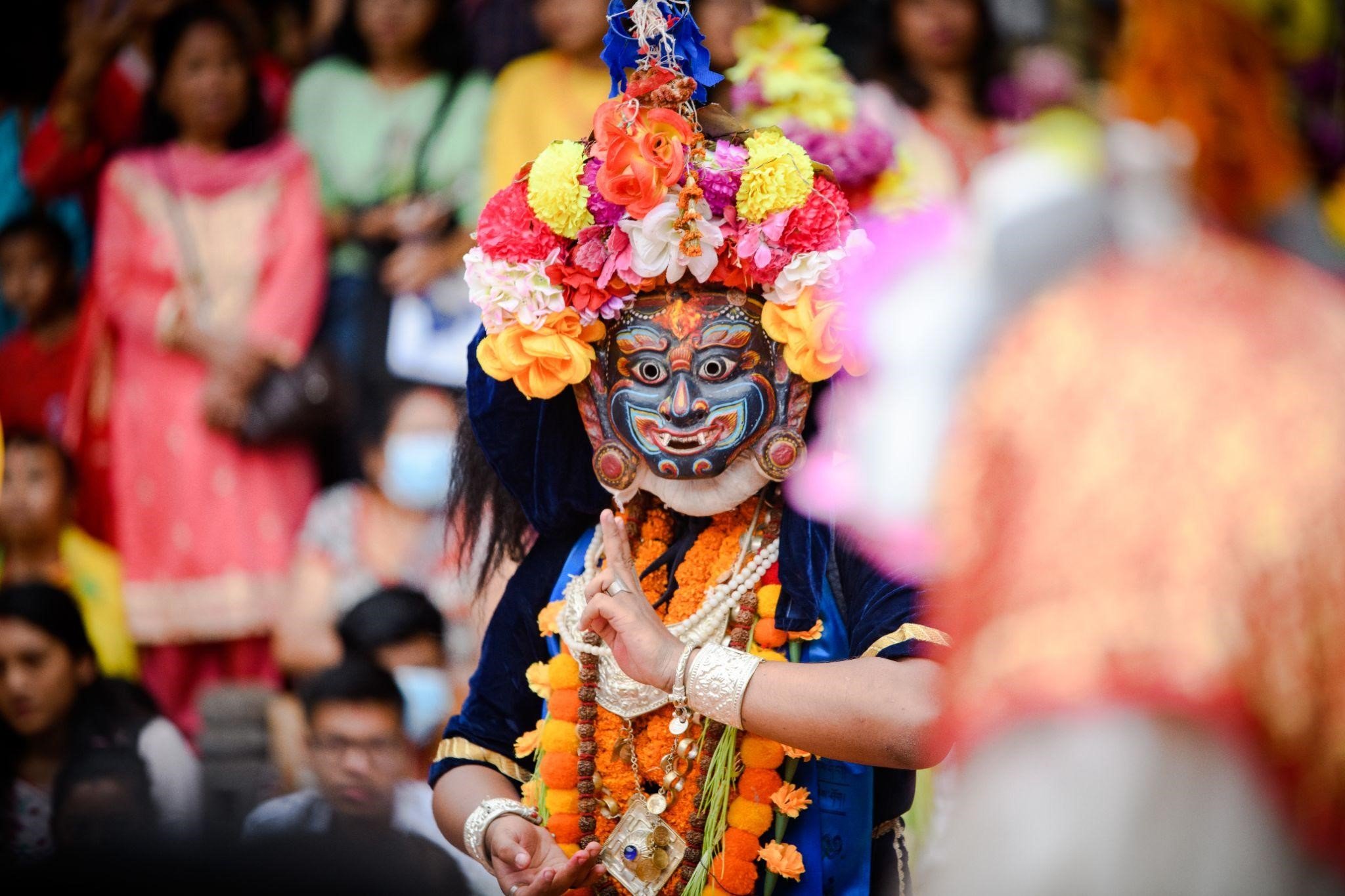
Gaa Pyakha, also known as the Asta Matrika Naach, is a revered ritual dance performed in the heart of Patan during Dashain. Rooted in centuries-old traditions, this dance honors the eight mother goddesses (Asta Matrika) and five Newar patron deities, culminating in a mesmerizing display of devotion and artistry.
Origins and Legends
The origins of Gaa Pyakha trace back to the Malla era, around 350 years ago, introduced by King Sree Niwas Malla (son of King Siddhi Narsingh Malla), who dreamt of the mother goddesses dancing in his royal court at Mulchowk. He then decreed the dance to be performed for the stability of peace, security & prosperity in the nation.
The Dance and Its Deities
Gaa Pyakha features thirteen deities:
● Asta Matrikas (Eight Mother Goddesses): Brahmani, Mahesvari, Kaumari, Vaishnavi, Barahi, Indrayani, Mahakali, Mahalaxmi
● Five Newar Patron Deities: Bhairav, Simhini, Byangini, Ganesh, Kumar
The dancers, mostly from the Shakya and Bajracharya communities, wear intricate masks and costumes representing these deities. The performance begins on Ghatasthapana (the first day of Dashain) and concludes on Ekadashi, spanning nine days of spiritual devotion and cultural expression.
Rituals and Preparation
Before performing, dancers undergo spiritual preparation:
Sacred Cleansing: Fasting and meditation to purify body and mind
Invocation: Seeking refuge at the Vajrasattva shrine in Buddha, Dharma, and Sangha
Blessings: Receiving guidance from spiritual teachers, The dance itself is a form of Charya Nritya, an ancient tantric ritual where performers embody the deities, channeling divine energy through movement and rhythm.
Cultural Significance
Gaa Pyakha is more than a dance, it is a living link between the community and the divine, offering blessings of prosperity, protection, and harmony. It also preserves the rich cultural heritage of the Newar community, making it a highlight of Dashain in Patan.
Experience Dashain in Patan
For visitors, witnessing Gaa Pyakha offers a unique window into Nepalese tradition. The streets come alive with colors, music, and devotion, creating an immersive festival experience. For those seeking comfort and convenience amidst the celebrations, places like Hotel Shanker provide a serene retreat while keeping you close to the heart of Patan’s cultural festivities.
This Dashain, let the rhythms and colors of Gaa Pyakha guide you through the spiritual and cultural essence of Nepal, making your celebrations unforgettable.
POPULAR ITINERARIES
SIMILAR POSTS
Dashain: The Festival of Triumph and Blessings A Deep Dive into Nepal’s Most Celebrated Festival
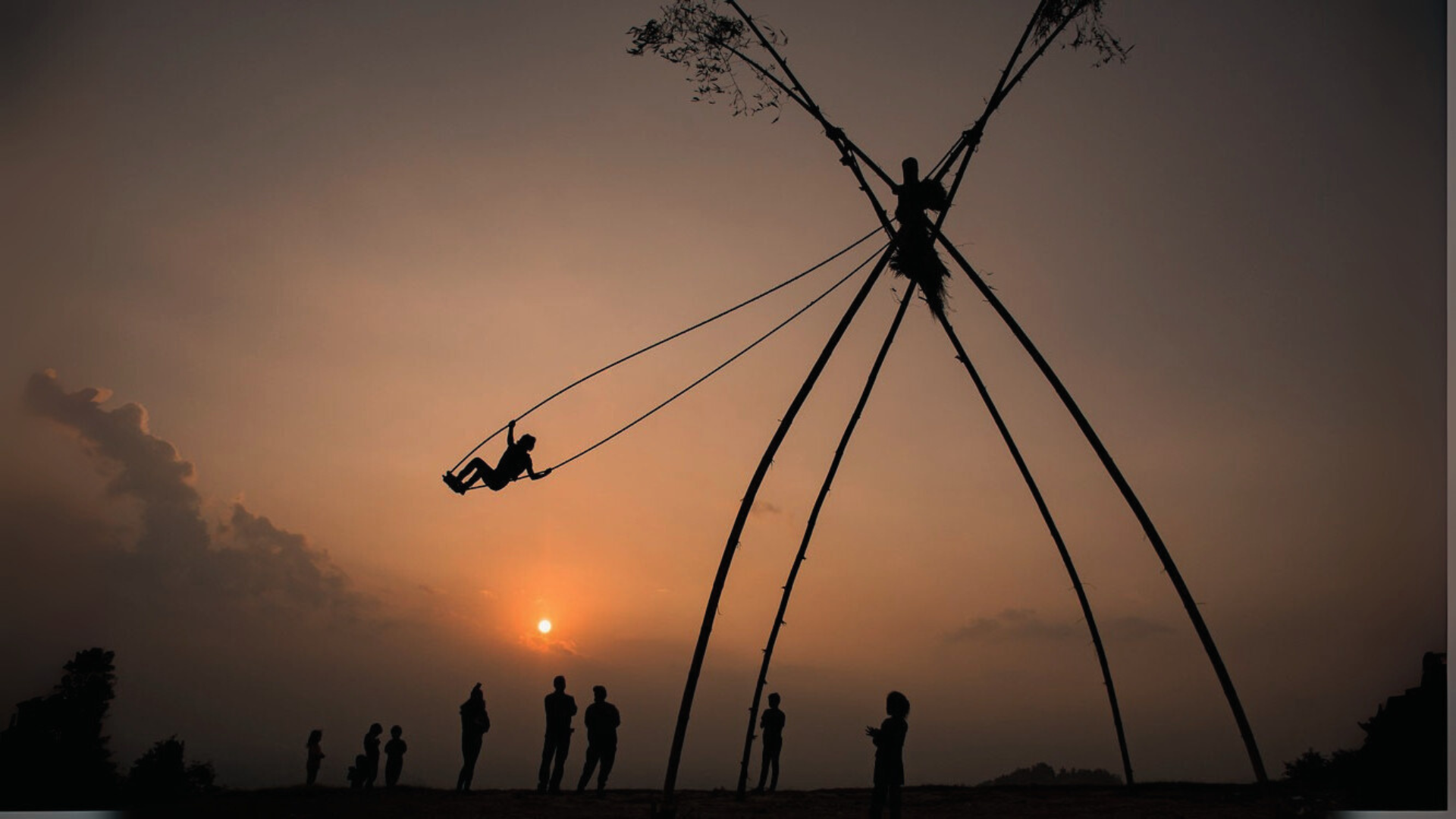
Dashain: A time of triumph, blessings, and the joyous spirit of togetherness. As families gather to honor traditions and celebrate the victory of good over evil, the festival brings moments of joy, reflection, and cultural pride. Let the swings of Dashain carry you into a new season of prosperity and unity.
Dashain, the longest and most celebrated festival in Nepal, holds immense cultural and spiritual significance. It is a time when families reunite, and people across the country celebrate the victory of good over evil, honor their elders, and seek divine blessings for prosperity and protection. This festival, which spans over 15 days, is a testament to Nepal’s rich traditions, values, and devotion. In this blog, we will explore the profound meaning behind Dashain, the traditions that define it, and the joy it brings to millions of Nepalese families.
What is Dashain?
Dashain is a major Hindu festival in Nepal that commemorates the victory of Goddess Durga over the demon king Mahishasura, symbolizing the triumph of good over evil. It is also a celebration of the victory of Lord Ram over the demon king Ravana, as depicted in the Ramayana. Dashain falls during the lunar month of Ashvin (usually in September or October) and marks the beginning of the harvest season. The festival lasts for 15 days, with each day having its own unique significance and rituals.
The Spiritual and Cultural Significance of Dashain
Dashain is not just a religious observance; it is a cultural event that strengthens family bonds and fosters unity in the community. The spiritual essence of Dashain lies in the worship of Goddess Durga and other deities. The festival symbolizes the victory of light over darkness, hope over despair, and good over evil.
The 15-day festival can be broken down into several key phases, each of which holds particular spiritual and cultural significance. From the first day, Ghatasthapana, when the kalash (sacred pot) is placed, to the final day, Vijaya Dashami, when blessings are given, Dashain is a time of reflection, prayer, and renewal.
Key Rituals and Traditions of Dashain
The rituals and traditions associated with Dashain are an essential part of the celebration. Each family and region may have its own unique ways of observing the festival, but the following rituals are common throughout Nepal.
Ghatasthapana: As mentioned earlier, the festival begins with Ghatasthapana, where a sacred vessel (kalash) is placed, and barley or wheat seeds are sown. These sprouts, called Jamara, are nurtured over the festival days and symbolize prosperity and spiritual growth.
The Worship of Goddess Durga: During the festival, Goddess Durga is worshipped for her strength, power, and protection. Devotees offer prayers, recite mantras, and perform rituals to seek her blessings for peace, success, and victory.
Tika and Jamara: The highlight of Dashain comes on Vijaya Dashami, the tenth day of the festival, when people receive Tika (a mixture of yogurt, rice, and vermilion) and Jamara (barley sprouts) from their elders. This marks the moment when blessings are exchanged, and the younger generation seeks the guidance and protection of their elders. The Tika is placed on the forehead, and the Jamara is tied around the wrist as a symbol of strength and protection.
Animal Sacrifices: In many regions of Nepal, animal sacrifices, particularly of goats, buffaloes, and chickens, are made during Dashain as offerings to Goddess Durga. The sacrificial act symbolizes the removal of evil and a plea for divine blessings. This practice, however, has become a subject of debate, and many people now choose to celebrate Dashain without the animal sacrifice, focusing instead on other forms of worship.
Family Reunions and Feasts: Dashain is also a time for family reunions. People travel from all corners of the world to be with their families during the festival. The occasion is marked by large family gatherings, where traditional food such as sel roti (a sweet rice doughnut), momo (dumplings), and soup are served. The entire festival revolves around the joy of being with loved ones, sharing meals, and celebrating together.
The Role of Dashain in Nepalese Identity
For many Nepalese people, Dashain is more than just a festival. It is a deep-rooted tradition that connects them to their heritage, ancestors, and spiritual practices. The festival fosters a sense of unity and collective identity, not only among family members but also within communities. During Dashain, people of all ages, social classes, and backgrounds come together in the spirit of celebration and reverence.
Dashain also has a significant role in preserving Nepalese culture. It is a time when people reflect on their cultural values, renew their spiritual commitments, and pass down customs to the younger generation. The passing of Tika and Jamara from elders to younger family members is symbolic of the continuity of traditions and family bonds.
Dashain’s Influence Beyond Nepal
While Dashain is primarily a Nepali festival, its significance extends beyond the borders of Nepal. With a large Nepali diaspora living in countries such as India, the United States, the United Kingdom, and the Middle East, Dashain is celebrated by Nepalese communities worldwide. The festival serves as an opportunity for Nepalese people to reconnect with their roots, celebrate their shared heritage, and unite with fellow countrymen. Many international organizations and embassies hold special Dashain events to bring Nepalese people together during this festive season.
Dashain in the Modern Era
In the modern age, while the core values of Dashain remain unchanged, the way it is celebrated has evolved. Technology, social media, and global connectivity have influenced the way people observe the festival. Many families now celebrate Dashain virtually, exchanging blessings and Tika through video calls and social media platforms. However, despite these changes, the essence of the festival honoring family, seeking blessings, and celebrating good over evil remains intact.
Conclusion
Dashain is a festival that transcends religious and cultural boundaries, uniting people in the spirit of togetherness, reflection, and renewal. It is a celebration of life, of family, of faith, and of victory over adversity. The festival not only holds spiritual significance but also represents the cultural identity and shared history of Nepalese people, both in Nepal and abroad.
As you celebrate Dashain, take a moment to reflect on its deeper meanings. Honor your elders, cherish your family, and seek the blessings of Goddess Durga. May this Dashain bring joy, prosperity, and victory into your life.
POPULAR ITINERARIES
SIMILAR POSTS
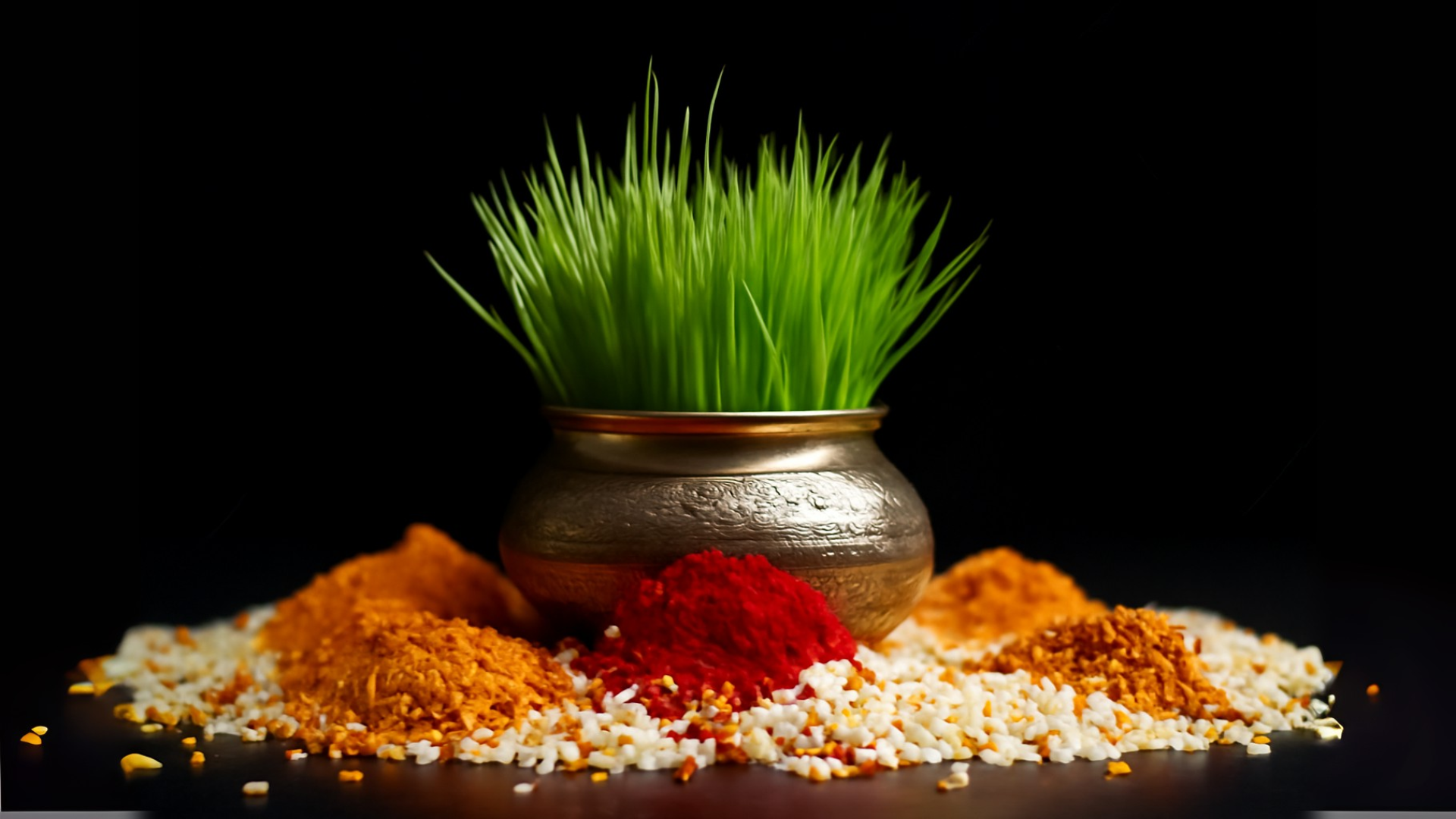
Ghatasthapana: A Time-Honored Tradition that Marks the Start of Dashain. Understanding Its Spiritual and Cultural Significance
On Ghatasthapana, the sacred ritual of welcoming Goddess Durga begins the journey of Dashain. As the kalash is placed and barley sprouts grow, it marks a time for spiritual growth, prosperity, and family unity. A celebration of divine blessings and the hope for a fruitful year ahead.
Dashain, the grandest festival in Nepal, is a celebration of victory, family, and divine blessings. Every year, millions of Nepalese families come together to celebrate this vibrant and culturally rich festival. But before the celebrations can truly begin, the ritual of Ghatasthapana marks the start of this spiritual journey. Celebrated with devotion and reverence, Ghatasthapana is the cornerstone of Dashain, a time-honored tradition that has been passed down through generations.
In this article, we explore the profound significance, the cultural rituals, and the spiritual essence of Ghatasthapana, giving you a deeper understanding of why this ritual is so important to the Dashain festival.
What is Ghatasthapana?
Ghatasthapana is the first day of Dashain, which falls on the Saptami (the seventh day) of the festival, typically two days before the start of the actual Dashain celebrations. The word “Ghatasthapana” is derived from two Sanskrit words: “Ghat” meaning ‘vessel’ and “Sthapana” meaning ‘establishment or placement’. During this day, a sacred vessel or kalash (a brass or clay pot) is placed in the home, symbolizing the arrival of Goddess Durga, who is believed to protect the household from evil forces.
The Spiritual Significance of Ghatasthapana
Ghatasthapana holds immense spiritual importance. It is believed that on this day, Goddess Durga, symbolizing power, protection, and victory over evil arrives to bless the worshippers. The kalash, filled with holy water, is placed on a bed of barley or wheat seeds, which are planted and sprouted over the next few days. These sprouts are called Jamara and are considered sacred.
The Rituals and Ceremony of Ghatasthapana
The ritual of Ghatasthapana is performed with great care and reverence in every household, especially in rural areas. The ceremony begins with the cleaning and decorating of the worship space. A kalash is placed on a clean platform, typically in the northeast corner of the house, symbolizing a divine presence.
After the placement of the kalash, wheat or barley seeds are sown around it. The seeds are watered and cared for over the course of the festival, growing into Jamara, which is used in later rituals. The process of sowing the seeds represents the beginning of the spiritual growth that will culminate in the final blessings of Dashain. It is said that the growth of the Jamara represents the growth of the devotee’s prosperity and strength.
Families then offer prayers to Goddess Durga, reciting mantras and requesting her protection and blessings. The atmosphere is filled with devotion as families pray for peace, good health, and success in their lives.
Cultural Meaning of Ghatasthapana
Beyond its spiritual significance, Ghatasthapana is a reflection of the cultural heritage and deep-rooted traditions that define Nepali life. The ritual of planting seeds and waiting for them to grow teaches patience, faith, and hope. The act of setting up a kalash also symbolizes the welcoming of a new year in the Nepali lunar calendar.
This ritual is not only a spiritual occasion but also a time for families to come together and reconnect with their cultural roots. The festival brings families closer, allowing for an exchange of blessings, stories, and customs.
Ghatasthapana’s Role in the Dashain Festival
While Dashain is celebrated for ten days, Ghatasthapana marks the beginning of the auspicious time, initiating the family’s spiritual journey toward the final day of Vijaya Dashami, when blessings from elders are received. During the days following Ghatasthapana, families celebrate by worshiping the Goddess Durga, offering sacrifices, and sharing meals.
The Jamara, which grows during these days, is used on the Nawami (ninth day) for the ritual of Tika, where the elders bless the younger members of the family with a mixture of yogurt, rice, and vermilion. The Jamara is a symbol of the goddess’s blessings, and it is an important part of the blessings exchange during Dashain.
The Importance of Ghatasthapana for Nepalese Identity
For Nepalese people, Ghatasthapana is not just a religious ritual it is a celebration of identity and tradition. It holds a deeper cultural and emotional significance, as it reaffirms their connection to the land, family, and faith. It marks the moment when the whole country begins to prepare for one of the most significant and joyous times of the year. The act of celebrating Ghatasthapana connects individuals with a shared cultural heritage, and it is a moment to reflect on past blessings and hope for a prosperous future.
Conclusion: A Timeless Tradition
Ghatasthapana is a crucial part of the Dashain festival, a day where families come together to honor the divine and celebrate the arrival of prosperity, blessings, and protection. The spiritual, cultural, and emotional significance of this ritual makes it an essential tradition for Nepalese people, and its importance only continues to grow with each passing year.
As you celebrate Ghatasthapana this year, take a moment to reflect on its deep cultural meanings, and honor the blessings it brings to your family and home. Let this time-honored tradition be a reminder of the spiritual growth, cultural pride, and love that unite us all as we step into the joyful and auspicious days of Dashain.
POPULAR ITINERARIES
SIMILAR POSTS
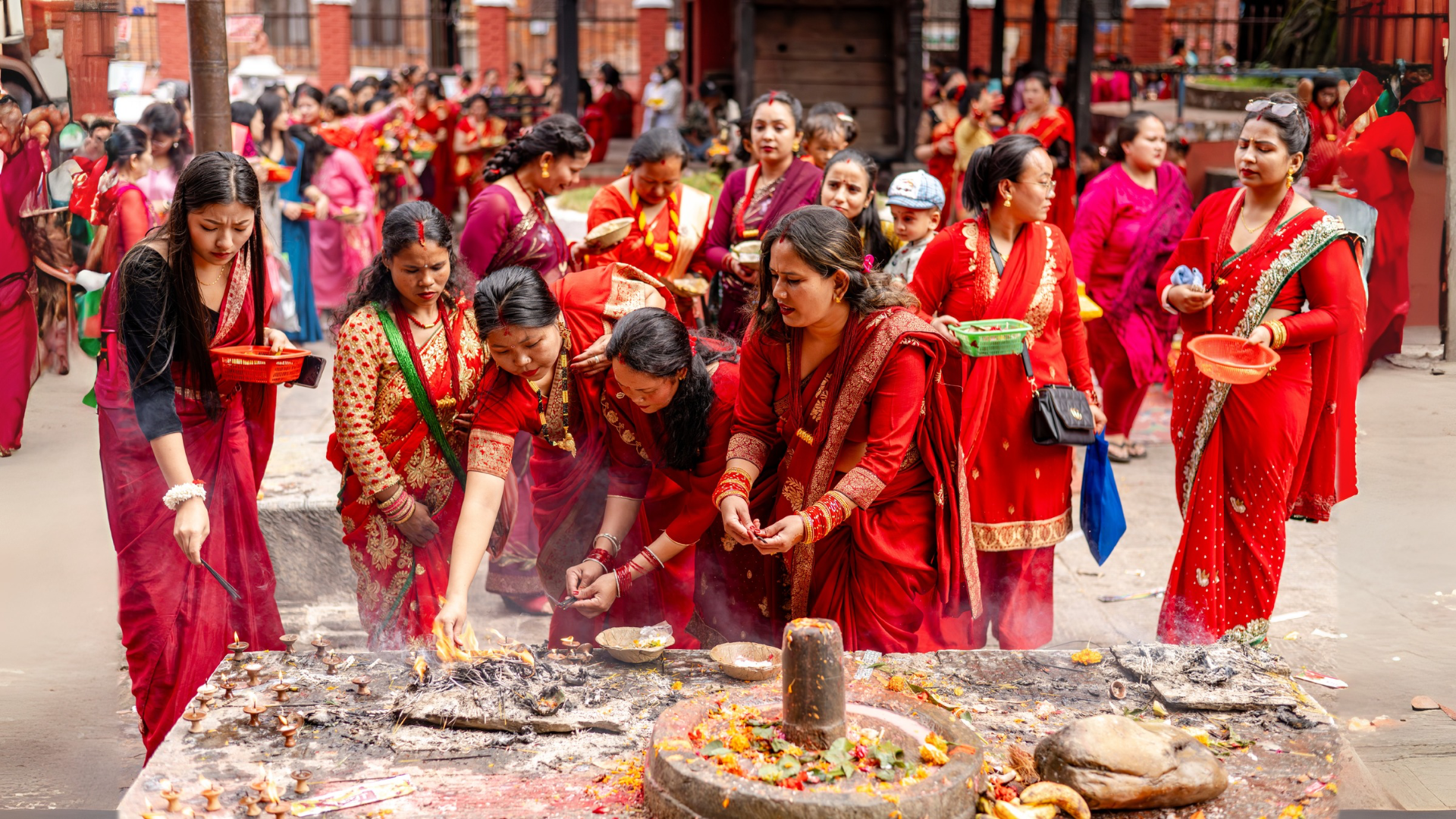
Teej in Nepal: A Festival of Love, Devotion, and Unbreakable Bond
As the monsoon rains sweep across Nepal, the streets of Kathmandu transform into a vibrant sea of red. Women gather in unity to celebrate Teej, a festival that celebrates love, devotion, and resilience. This cherished tradition, marked by fasting, singing, and dancing, holds profound spiritual and cultural significance. But what makes Teej truly special? Let’s dive into the heart of this festival and explore its origins, rituals, and the enduring spirit of womanhood.
As the monsoon rains sweep across Nepal, the streets of Kathmandu transform into a vibrant sea of red. Women gather in unity to celebrate Teej, a festival that celebrates love, devotion, and resilience. This cherished tradition, marked by fasting, singing, and dancing, holds profound spiritual and cultural significance. But what makes Teej truly special? Let’s dive into the heart of this festival and explore its origins, rituals, and the enduring spirit of womanhood.
The Essence of Teej: Why is it Celebrated?
Teej is a festival that honors Goddess Parvati and her sacred union with Lord Shiva. For Hindu women, it is a day of devotion and prayer, seeking blessings for their husbands’ long lives and prosperity. The festival is also a time for unmarried women to pray for a good and loving life partner, with the belief that their prayers during Teej will guide them toward a happy and fulfilling marriage.
At its core, Teej is much more than just a religious observance; it is a celebration of spiritual strength, resilience, and unbreakable bonds. Women come together to share the joy of sisterhood, to celebrate love and commitment, and to express their gratitude for the support and companionship they receive in their relationships.
The Story Behind Teej: A Legend of Love and Devotion
Teej’s origins are steeped in the legend of Goddess Parvati and her devotion to Lord Shiva. According to Hindu mythology, Parvati spent years in intense meditation and fasting to win the heart of Lord Shiva, who had previously rejected her. Her determination and patience eventually led to their divine union, which is celebrated each year during Teej.
The story symbolizes not just love, but sacrifice, patience, and the power of unwavering faith. Women observing Teej follow in Parvati’s footsteps, fasting and praying for marital harmony, happiness, and strength. In doing so, they honor the enduring power of love, commitment, and devotion.
How Teej is Celebrated: Rituals, Songs, and Sisterhood
Teej celebrations span several days, with each day carrying its own significance and traditions:
● Dar Khane Din (The Feast Day): On the eve of the fast, women gather for a grand feast, indulging in delicious traditional foods and spending time with family and friends. This joyous occasion is filled with music, dance, and laughter, creating a festive atmosphere that is both uplifting and heartfelt.
● Nirjala Brata (The Day of Fasting): The next day, women begin their fast, often without food or water. It is a time for spiritual reflection, devotion, and prayers, especially at temples like Pashupatinath in Kathmandu. Dressed in stunning red saris and adorned with gold jewelry, women visit sacred shrines, singing folk songs and performing traditional dances in honor of Lord Shiva and Goddess Parvati.
● Celebration of Sisterhood: Throughout the festival, women connect with one another, sharing stories, blessings, and laughter. Teej is not just about personal devotion but also about celebrating sisterhood and the strength that comes from the collective energy of women coming together in unity.
The Vibrant Spirit of Teej: A Festival that Transcends Time
Teej is a reminder of the enduring values of love, faith, and resilience that have been celebrated for centuries. It is a festival that transcends religious and cultural boundaries, connecting generations of women who share in its beauty and power. Whether observed in the bustling streets of Kathmandu or within the warmth of family homes, Teej continues to be a beacon of hope, strength, and joy for women across Nepal.
Conclusion: A Celebration of Love and Resilience
Teej is more than just a festival; it is a timeless tradition that embodies the spirit of love, devotion, and strength. It is a day to honor the powerful connection between women and their families, to celebrate the richness of Nepali culture, and to renew one’s faith in the power of love and resilience. As Nepal comes alive with the colors, songs, and dances of Teej, the festival remains a symbol of the unbreakable bonds that hold us together — in devotion, love, and sisterhood.
POPULAR ITINERARIES
SIMILAR POSTS
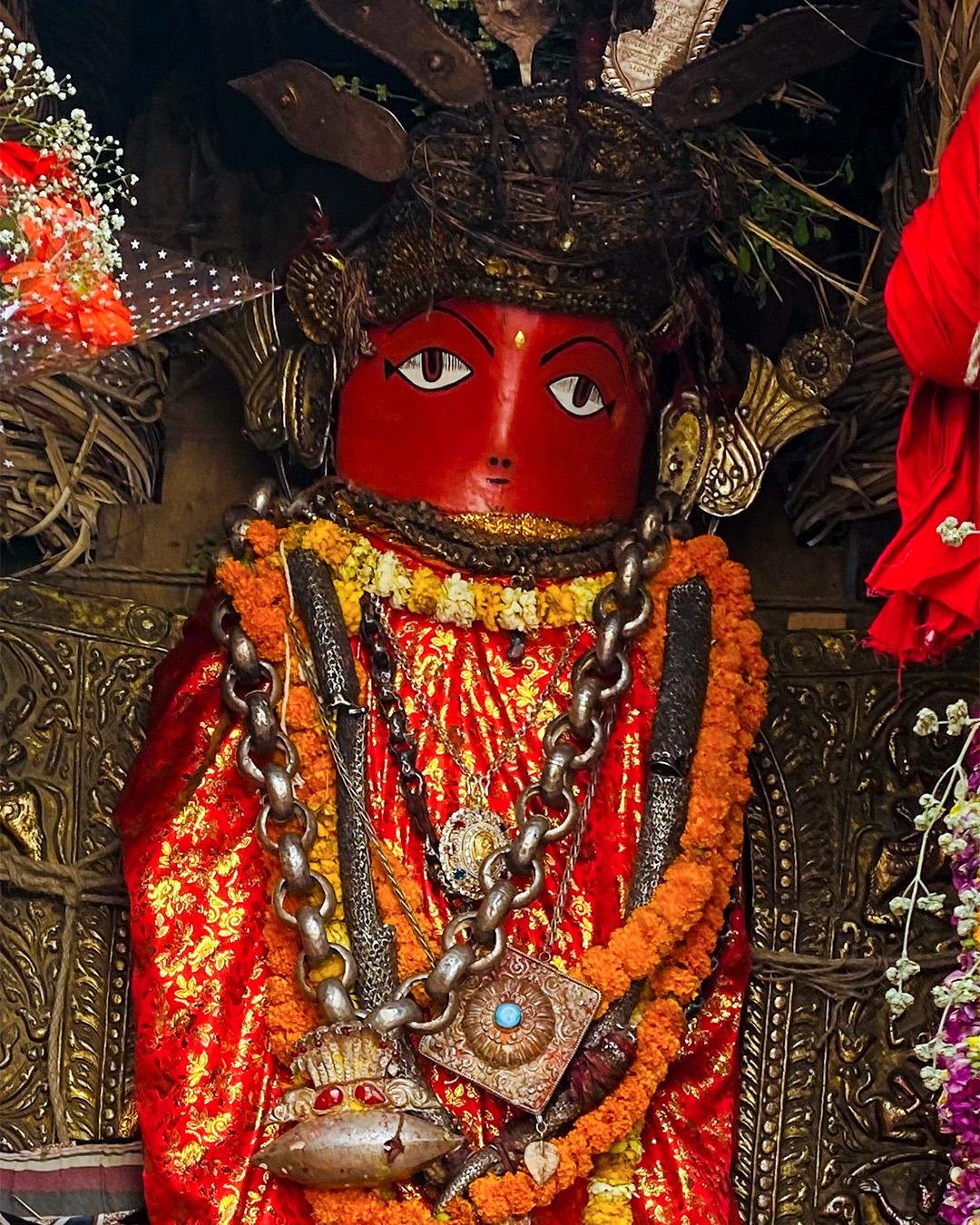
Rato Machhindranath Jatra: A Festival That Moves With the City
Every spring, as the air begins to warm and the days grow longer, the city of Patan prepares for a celebration unlike any other. Rato Machhindranath Jatra is one of the oldest and most respected festivals in Nepal. Its roots go back more than a thousand years, and its meaning still feels just as strong today.
An Ancient Celebration in the Heart of the Valley
Every spring, as the air begins to warm and the days grow longer, the city of Patan prepares for a celebration unlike any other. Rato Machhindranath Jatra is one of the oldest and most respected festivals in Nepal. Its roots go back more than a thousand years, and its meaning still feels just as strong today.
This isn’t a festival that happens on a stage or behind closed doors. It happens right in the middle of the streets. The entire city becomes part of it. People don’t just watch—they walk alongside it. They help pull the ropes, offer prayers, and tell stories to the younger ones who are seeing it for the first time.
The Story Behind the Festival
At the center of the Jatra is the deity Rato Machhindranath, believed to be the bringer of rain and protector of the valley. According to legend, there was once a time when no rain fell, and famine spread across the land. The people prayed and asked for help. When they brought the deity to the valley, the rains returned, and life began to grow again.
Since then, the people of Patan and Kathmandu have honored this gift by building a tall wooden chariot each year, placing the image of Rato Machhindranath inside, and pulling it through the city. The chariot is made entirely by hand using traditional tools and techniques passed down through generations. Each part of it has meaning. Each gesture during the procession carries memory.
A City in Motion
The procession itself is slow and careful. It can take several weeks for the chariot to complete its journey, moving from Pulchowk through the narrow streets and open squares of Patan. Along the way, communities gather to offer flowers, light lamps, and pay their respects. Musicians play traditional instruments. Children laugh and chase one another. Elders sit quietly and watch.
This is not a performance. It is daily life, paused for something sacred.
For Locals and Visitors Alike
For someone seeing the Jatra for the first time, it can feel overwhelming in the most beautiful way. There is so much to take in—the sounds, the colors, the energy of the people. But more than that, there’s a feeling of being part of something that has existed long before and will continue long after.
Visitors staying at Hotel Shanker during this time are in a special position. You can experience the liveliness of the festival by day, and return by evening to a space filled with calm. The hotel’s location offers easy access to the heart of the valley, yet its gardens, quiet halls, and graceful rooms provide a contrast that feels deeply welcome after a day spent amidst the celebration.
Why the Festival Still Matters Today
In today’s fast-moving world, where traditions often fade or change, Rato Machhindranath Jatra remains grounded. It’s not just about religion. It’s about community. It’s about remembering what it means to come together for something shared—something old, and yet still alive.
The Jatra reminds us that belief doesn’t always live in temples. Sometimes, it lives in the hands that pull the chariot ropes. In the feet that walk the route. In the voices that call out to friends from the rooftops. It lives in moments that are not rushed, but carried forward—slowly, with care.
A Festival to Witness, A Place to Rest
At Hotel Shanker, we believe in the value of these moments. We know that every guest who walks through our doors carries stories, just as this city does. That’s why we offer a space where you can not only rest, but reflect. A stay here during the Jatra isn’t just convenient—it’s meaningful.
You return not only to luxury, but to something that understands the rhythm of the valley. Something that holds history, just like the festival outside its gates.
POPULAR ITINERARIES
SIMILAR POSTS
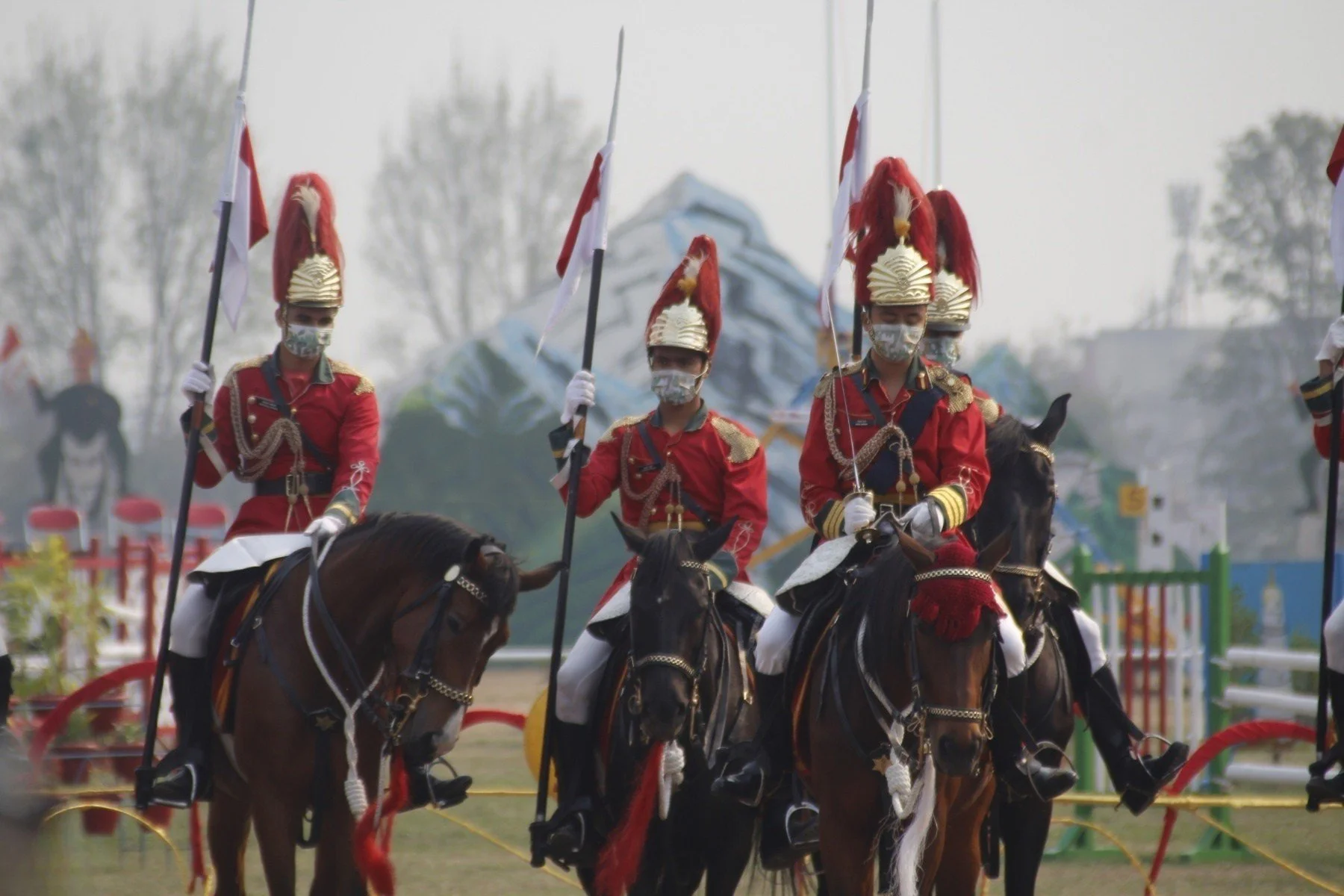
Ghode Jatra: The Horse Festival That Brings Kathmandu to Life
Ghode Jatra is more than just a horse race; it is a symbol of Kathmandu’s resilience, history, and strength, where the country’s finest cavalry units, skilled riders, and powerful horses come together for a spectacle that has captivated audiences for centuries.
Every year, the heart of Kathmandu thunders with the sound of galloping hooves as the city comes together to celebrate Ghode Jatra, one of Nepal’s most exhilarating and unique festivals. Held at Tundikhel, the vast open ground in central Kathmandu, this event is a dynamic blend of equestrian skill, military tradition, and cultural pride, drawing thousands of spectators from across the country.
Ghode Jatra is more than just a horse race; it is a symbol of Kathmandu’s resilience, history, and strength, where the country’s finest cavalry units, skilled riders, and powerful horses come together for a spectacle that has captivated audiences for centuries.
The Legend Behind Ghode Jatra
Like many of Nepal’s great festivals, Ghode Jatra is rooted in myth and folklore. According to legend, a demon named Gurumapa once terrorized the people of Kathmandu. When the demon was finally defeated, his spirit was believed to remain beneath the grounds of Tundikhel, waiting for a chance to rise again. To prevent this from happening, the Nepalese Army began organizing a ritualistic horse race, believing that the thundering hooves would keep his spirit suppressed beneath the earth.
Over time, this ritual evolved into a grand military event, blending legend, tradition, and athletic prowess. What started as a spiritual precaution soon became one of Nepal’s most iconic displays of equestrian skill and military strength.
A Festival of Speed and Power
Ghode Jatra is a thrilling experience, where precision, speed, and tradition come together in a breathtaking display. The festival, usually held in March or April, is organized by the Nepalese Army, with participation from the highest-ranking officials, dignitaries, and a massive crowd of spectators.
The event showcases:
● Daring equestrian stunts, where skilled riders perform fearless acrobatics on horseback.
● High-speed horse races, testing the agility, strength, and discipline of both horse and rider.
● Traditional Newar rituals, performed by Kathmandu’s indigenous community as a way to honor and preserve their heritage.
● Grand military parades, demonstrating Nepal’s long-standing military history and dedication to national pride.
The festival is not just an event—it is a testament to Nepal’s deep-rooted traditions, military prowess, and cultural vibrancy.
The Atmosphere: A Festival Unlike Any Other
As the festival begins, Tundikhel transforms into a high-energy arena, where crowds cheer as majestic horses charge across the field at breathtaking speeds. The sight of Nepalese cavalry riders executing precise formations, thrilling jumps, and synchronized displays against the backdrop of Kathmandu’s bustling cityscape is a sight to behold.
But Ghode Jatra is more than just a demonstration of speed and skill—it is a day of celebration, gathering, and unity. Families, travelers, and locals come together to witness a spectacle that connects them to centuries of tradition. The energy is electric, the anticipation is high, and the entire event is a reminder of Nepal’s ability to blend its past with the present.
Witness Ghode Jatra in Luxury at Hotel Shanker
After an exhilarating day at Ghode Jatra, there is no better way to unwind and reflect on the festival’s magic than by retreating to the timeless luxury of Hotel Shanker. Situated just minutes from Tundikhel, Hotel Shanker offers the perfect blend of heritage, comfort, and elegance.
● Experience the charm of a historic palace-turned-hotel, where tradition meets modern luxury.
● Indulge in authentic Nepali and international cuisine, perfect for post-festival dining.
● Relax in serene gardens and beautifully restored interiors, offering a peaceful contrast to the day’s excitement.
Ghode Jatra is a festival that stays with you—just like the unforgettable experience of staying at Hotel Shanker.
Book your stay and make this festival a truly extraordinary experience.
POPULAR ITINERARIES
SIMILAR POSTS
Holi in Kathmandu: A Celebration of Colors and Heritage
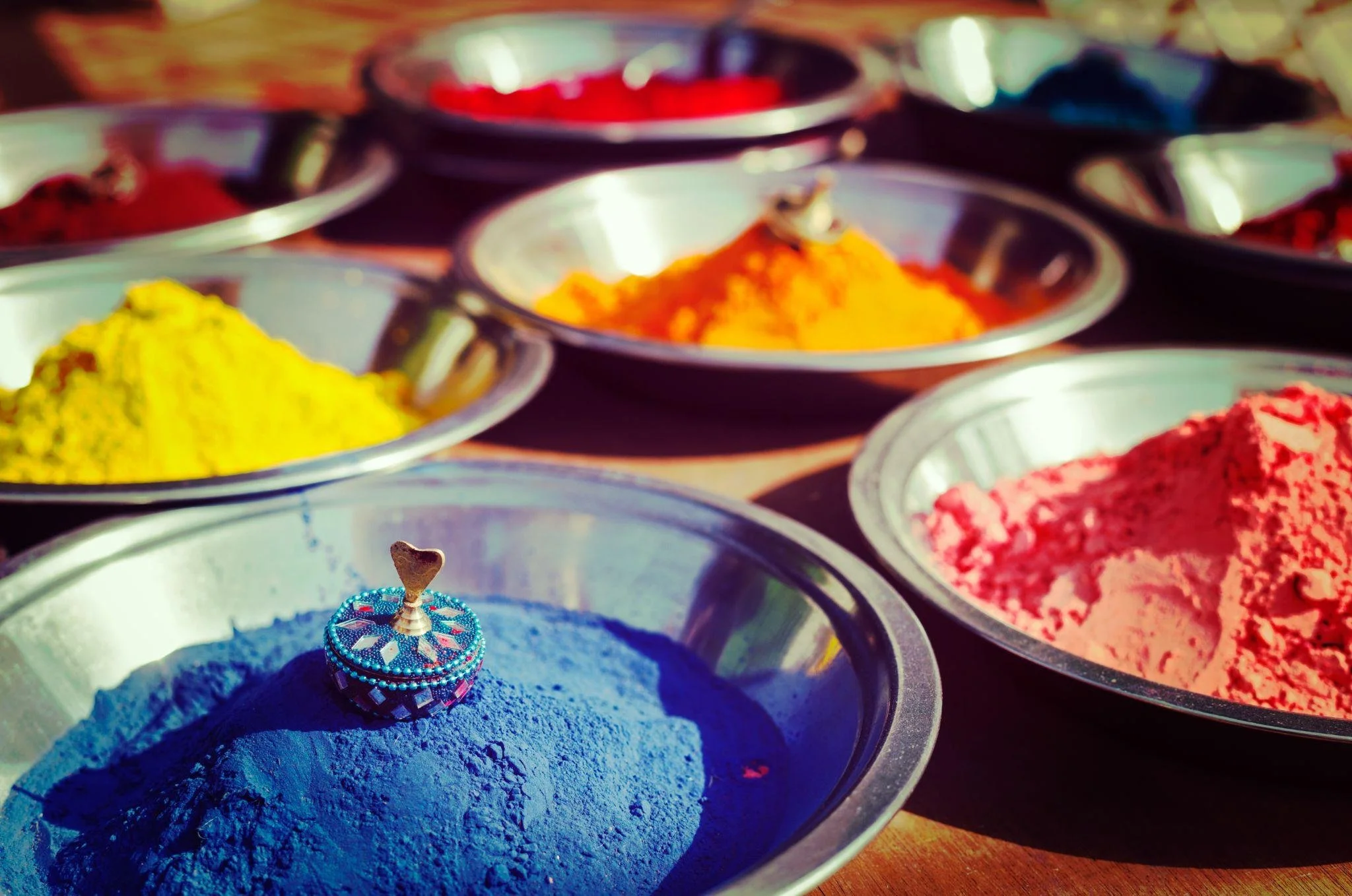
As spring arrives in Nepal, Holi, the festival of colors, transforms Kathmandu into a lively spectacle of vibrant hues, music, and joy. Celebrated across Nepal and India, Holi marks the arrival of spring and the victory of good over evil.
As spring arrives in Nepal, Holi, the festival of colors, transforms Kathmandu into a lively spectacle of vibrant hues, music, and joy. Celebrated across Nepal and India, Holi marks the arrival of spring and the victory of good over evil.
For locals and travelers alike, Kathmandu’s Holi celebrations are a sensory delight, offering a unique blend of cultural traditions, community revelry, and festive indulgence.
The Mythology Behind Holi
Holi’s origins trace back to Hindu mythology. The most famous legend tells the tale of Prince Prahlad, a devout follower of Lord Vishnu, and his tyrannical father, King Hiranyakashipu. Angered by his son’s devotion, the king conspired with his sister, Holika, to kill Prahlad. Holika, believed to be immune to fire, attempted to burn Prahlad by sitting with him in flames. However, divine intervention reversed the plan—Holika perished while Prahlad emerged unharmed. This victory of good over evil is commemorated with Holika Dahan, a ritual bonfire held on the eve of Holi.
At Hotel Shanker, guests can experience Holi in an elegant and serene setting, with organic colors, festive music, and a curated menu of traditional Holi delicacies.
Kathmandu’s Holi Celebrations: A Cultural Extravaganza
Holi in Kathmandu is a two-day festival, with the hill regions (including Kathmandu) celebrating on the first day, while the Terai region (southern plains) observes it on the second.
The Excitement Begins: Holika Dahan
On the eve of Holi, bonfires illuminate temples, courtyards, and city squares, symbolizing the burning of negativity and the arrival of renewal. The air fills with chants, prayers, and an undeniable sense of anticipation.
A Riot of Colors: Holi Day Festivities
At sunrise, Kathmandu erupts into a kaleidoscope of color. The narrow alleys, open courtyards, and bustling streets transform into playgrounds of gulal (colored powder), water balloons (lolas), and playful splashes of water.
Laughter, traditional music, and rhythmic dhol (drum) beats echo through the city as revelers—both young and old—take part in this exhilarating festival.
Best Places to Experience Holi in Kathmandu
● Basantapur Durbar Square – The heart of Kathmandu’s Holi celebrations, with live music, dance, and an explosion of colors.
● Thamel – A hotspot for tourists, known for street parties and organic color stalls.
● Patan Durbar Square – A more culturally rich Holi experience, set against a stunning backdrop of historic architecture.
● Hotel Shanker’s Courtyard – A serene, refined celebration, ideal for those who prefer a controlled yet festive experience.
Holi is a one-of-a-kind cultural experience. Here’s how to make the most of it:
● Dress smart – Wear old white clothes to embrace the colors. Applying coconut oil or moisturizer helps with easy cleanup.
● Protect your valuables – Use waterproof pouches for phones and carry minimal cash.
● Celebrate respectfully – Always ask before applying color to others, especially strangers.
Holi Delicacies: A Feast of Flavors
Holi is also a festival of flavors! Some must-try delicacies include:
● Sel Roti – A crispy, ring-shaped rice bread.
● Puri Tarkari – Fluffy fried bread served with spiced potato curry.
● Gujjya – Sweet dumplings filled with dried fruits and khoya.
● Thandai – A cooling spiced milk drink, sometimes infused with bhang (cannabis) for a traditional touch.
At Hotel Shanker, guests can indulge in a special Holi menu, featuring these festive treats in an elegant setting.
POPULAR ITINERARIES
SIMILAR POSTS
Yomari Punhi: A Sweet Celebration of Culture and Tradition
Yomari Punhi, celebrated on the full moon day of the month of Thinla in the Nepal Sambat calendar, is one of the most beloved festivals of the Newar community in Nepal. This festival, dedicated to gratitude for the harvest and prayers for prosperity, combines spirituality, tradition, and the delight of culinary art through the iconic dish, the Yomari.
Yomari Punhi, celebrated on the full moon day of the month of Thinla in the Nepal Sambat calendar, is one of the most beloved festivals of the Newar community in Nepal. This festival, dedicated to gratitude for the harvest and prayers for prosperity, combines spirituality, tradition, and the delight of culinary art through the iconic dish, the Yomari.
The Origin of Yomari Punhi
The name “Yomari” derives from two Newari words: “Yo”, meaning “favorite,” and “Mari”, meaning “roti” or “bread.” Legend has it that the tradition of Yomari Punhi started in Panchal (modern-day Panauti), where a couple named Suchandra and Krita prepared a new kind of steamed dumpling made from rice flour and filled with molasses and sesame seeds. They offered it to the gods, and it was declared an auspicious dish. Since then, Yomari has become a staple of this festive celebration.
The Festival’s Significance
Yomari Punhi marks the end of the rice harvest season, and it is a time for families to express gratitude for the harvest and pray for future prosperity. The festival is also deeply intertwined with spiritual beliefs, particularly worshipping Annapurna, the goddess of grains and nourishment. Devotees also honor Kubera, the god of wealth, and seek blessings for abundance and health.
The Making of Yomari
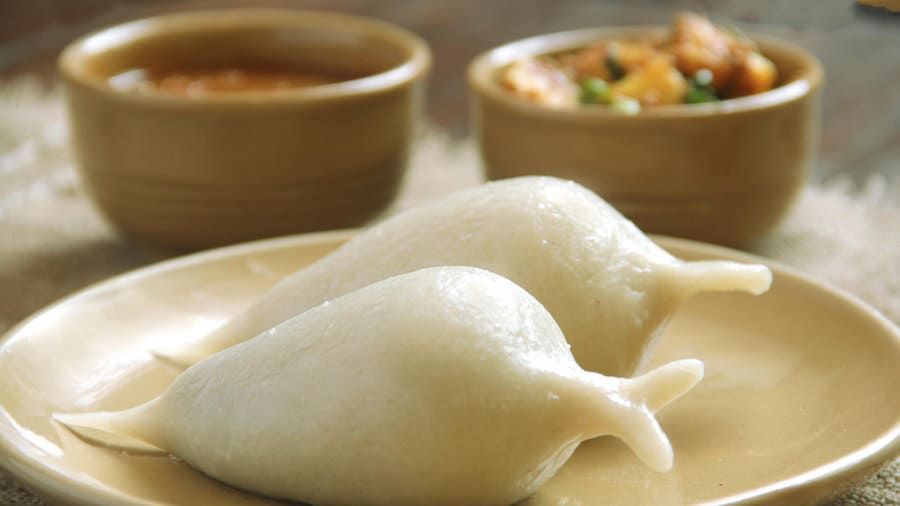
The centerpiece of the festival, the Yomari, is a unique dumpling that reflects the creativity and craftsmanship of Newar cuisine. Made from freshly ground rice flour, the dough is carefully shaped into an elongated, conical form resembling a fig. The filling typically consists of:
● Chaku (molasses): A rich and sticky sugarcane derivative, mixed with ground sesame seeds for a nutty flavor.
● Khuwa (evaporated milk solids): For a creamier and sweeter variation.
The Yomari is steamed to perfection, and its soft, chewy texture paired with the sweet filling is a delight to the taste buds. Families often prepare Yomaris together, turning it into a bonding activity that strengthens relationships.
Rituals and Celebrations
On Yomari Punhi, households conduct various rituals. It is common for people to:
● Offer Yomaris to deities: These are placed on mandaps (altars) as offerings to the gods, symbolizing gratitude and devotion.
● Worship at temples: Many visit temples of Annapurna, Kubera, and other gods to perform prayers and pujas.
● Share with neighbors and community: The festival promotes sharing and caring, as families distribute Yomaris to neighbors and friends as a gesture of goodwill.
For children, a special aspect of the celebration is "Sakura Puja,” where they go door-to-door singing songs and receiving Yomaris as gifts.
Preserving the Tradition
As Nepal modernizes, festivals like Yomari Punhi serve as reminders of the country’s rich cultural heritage. Efforts to preserve and celebrate traditional practices ensure that younger generations remain connected to their roots. Schools, cultural organizations, and communities play an active role in promoting the celebration of Yomari Punhi through events, competitions, and workshops.
Conclusion
Yomari Punhi is more than just a festival; it is a heartfelt expression of gratitude, community bonding, and cultural pride. It is a time to indulge in the sweetness of Yomaris, reflect on the blessings of life, and look forward to a prosperous future. Whether you are a Newar or someone curious about Nepalese culture, celebrating Yomari Punhi is a truly enriching experience that bridges the past and the present, one sweet bite at a time.
POPULAR ITINERARIES
SIMILAR POSTS