Nepali Winter Flavors: Dishes to Savor This New Year
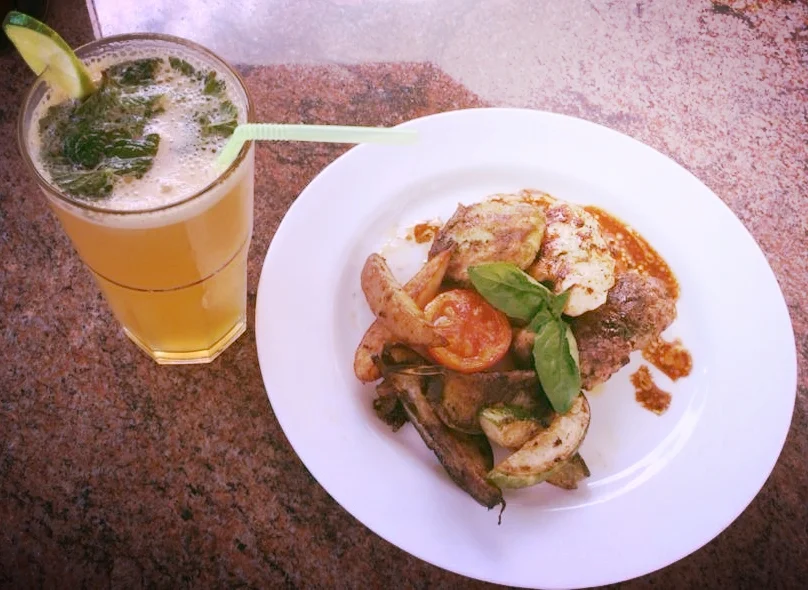
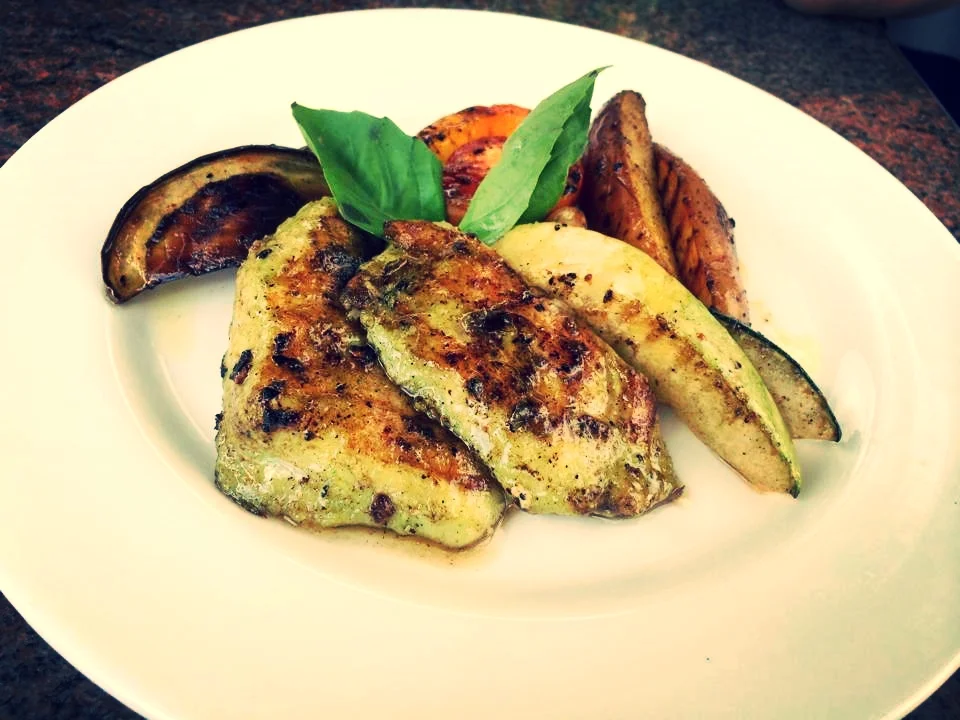
Winter in Nepal is not just a season; it’s a celebration of hearty and comforting flavors. Traditional Nepali winter dishes bring warmth and energy, perfectly complementing the crisp, cool weather. From savory soups to rich curries, these dishes are a must-try for anyone looking to explore the country’s culinary heritage. At Hotel Shanker, we take pride in incorporating these local flavors into our festive menus, offering guests an unforgettable gastronomic experience.
Winter in Nepal is not just a season; it’s a celebration of hearty and comforting flavors. Traditional Nepali winter dishes bring warmth and energy, perfectly complementing the crisp, cool weather. From savory soups to rich curries, these dishes are a must-try for anyone looking to explore the country’s culinary heritage. At Hotel Shanker, we take pride in incorporating these local flavors into our festive menus, offering guests an unforgettable gastronomic experience.
Must-Try Nepali Winter Dishes
1. Thukpa
A hearty noodle soup with origins in the Himalayan region, Thukpa is a winter staple. Packed with fresh vegetables, tender meat, and flavorful broth, this dish provides the perfect warmth during chilly days. Hotel Shanker’s take on Thukpa includes a touch of local spices, making it a guest favorite.
2. Yomari
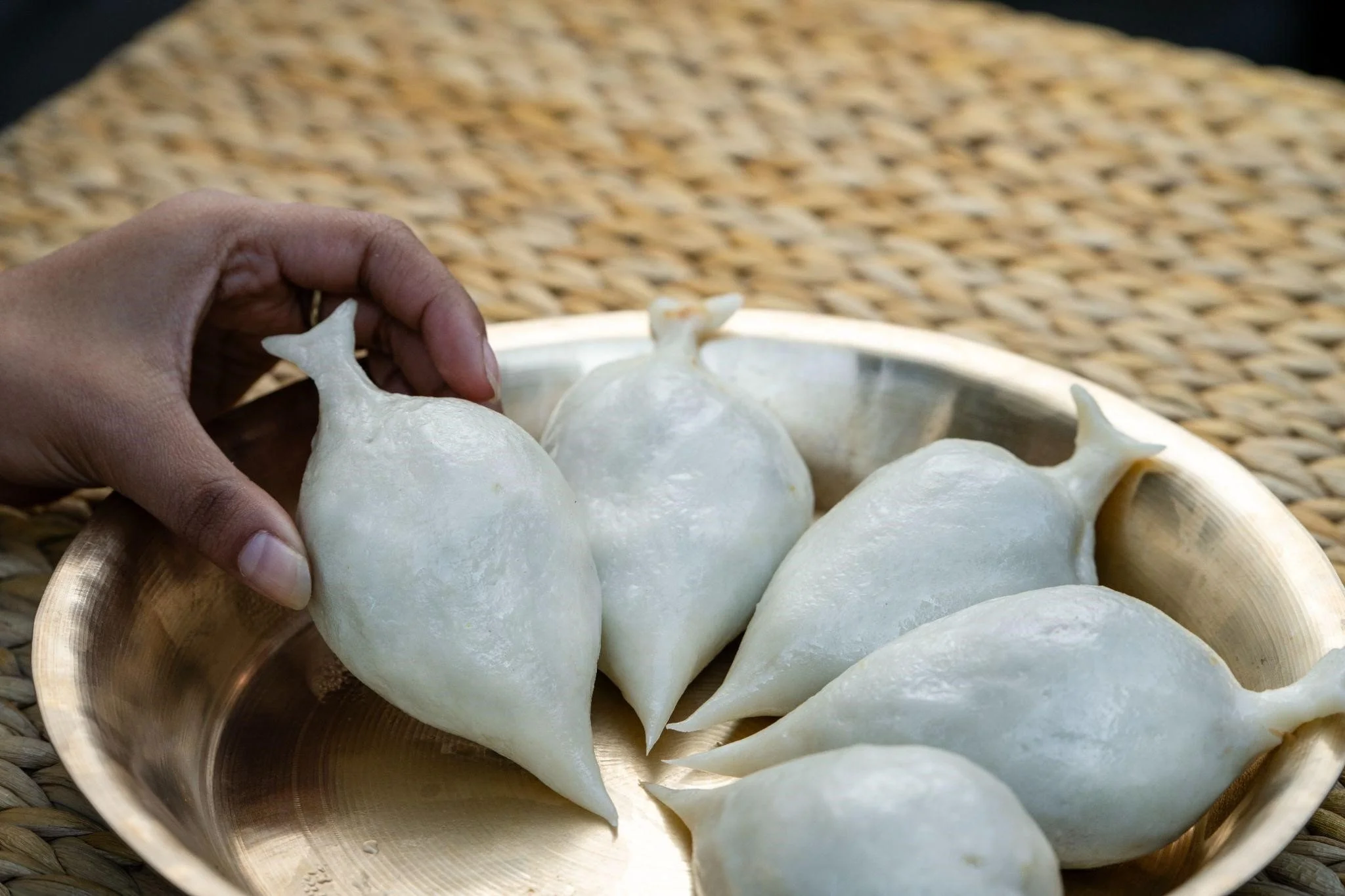
A traditional Newari delicacy, Yomari is a steamed dumpling made from rice flour and filled with sweet molasses or sesame seeds. Traditionally prepared during the Yomari Punhi festival, this dish symbolizes prosperity and is a must-try during winter.
3. Gundruk Soup
Gundruk, a fermented leafy green, is a beloved ingredient in Nepali cuisine. Gundruk Soup is rich in flavor and packed with nutrients, making it a popular choice for winter. The tangy taste and warmth of this dish perfectly complement the season’s chilly vibes.
4. Sekuwa
For meat lovers, Sekuwa is a winter delight. These marinated and grilled meat skewers are smoky, tender, and bursting with flavor. At Hotel Shanker, we prepare Sekuwa using traditional recipes, giving guests an authentic taste of Nepali cuisine.
5. Kwati
A mixed bean soup, Kwati is a protein-rich dish traditionally consumed during festivals like Janai Purnima. Its rich, earthy flavors and hearty texture make it an excellent winter warmer.
How Hotel Shanker Elevates These Flavors
At Hotel Shanker, our chefs craft each dish with the finest local ingredients, blending traditional techniques with a modern touch. Our festive menus feature these winter delicacies, ensuring every guest experiences the true essence of Nepali cuisine. Whether it’s a cozy dinner by the fireplace or a lavish New Year’s celebration, our culinary offerings bring the warmth and richness of Nepal’s winter to your plate.
Celebrate This New Year with Nepali Flavors
This New Year, indulge in the flavors of Nepal at Hotel Shanker. Our specially curated winter menu invites you to savor the authentic taste of traditional dishes in a luxurious setting. Join us for a festive dining experience that blends heritage, warmth, and exceptional hospitality.
Conclusion
Nepali winter cuisine is a delightful journey through rich flavors and hearty dishes. From the comforting warmth of Thukpa to the sweet indulgence of Yomari, these dishes are perfect for the season. At Hotel Shanker, we’re proud to showcase these culinary treasures, offering guests a taste of Nepal’s rich food heritage. Celebrate the New Year with us and savor the essence of Nepali winter flavors.
POPULAR ITINERARIES




SIMILAR POSTS


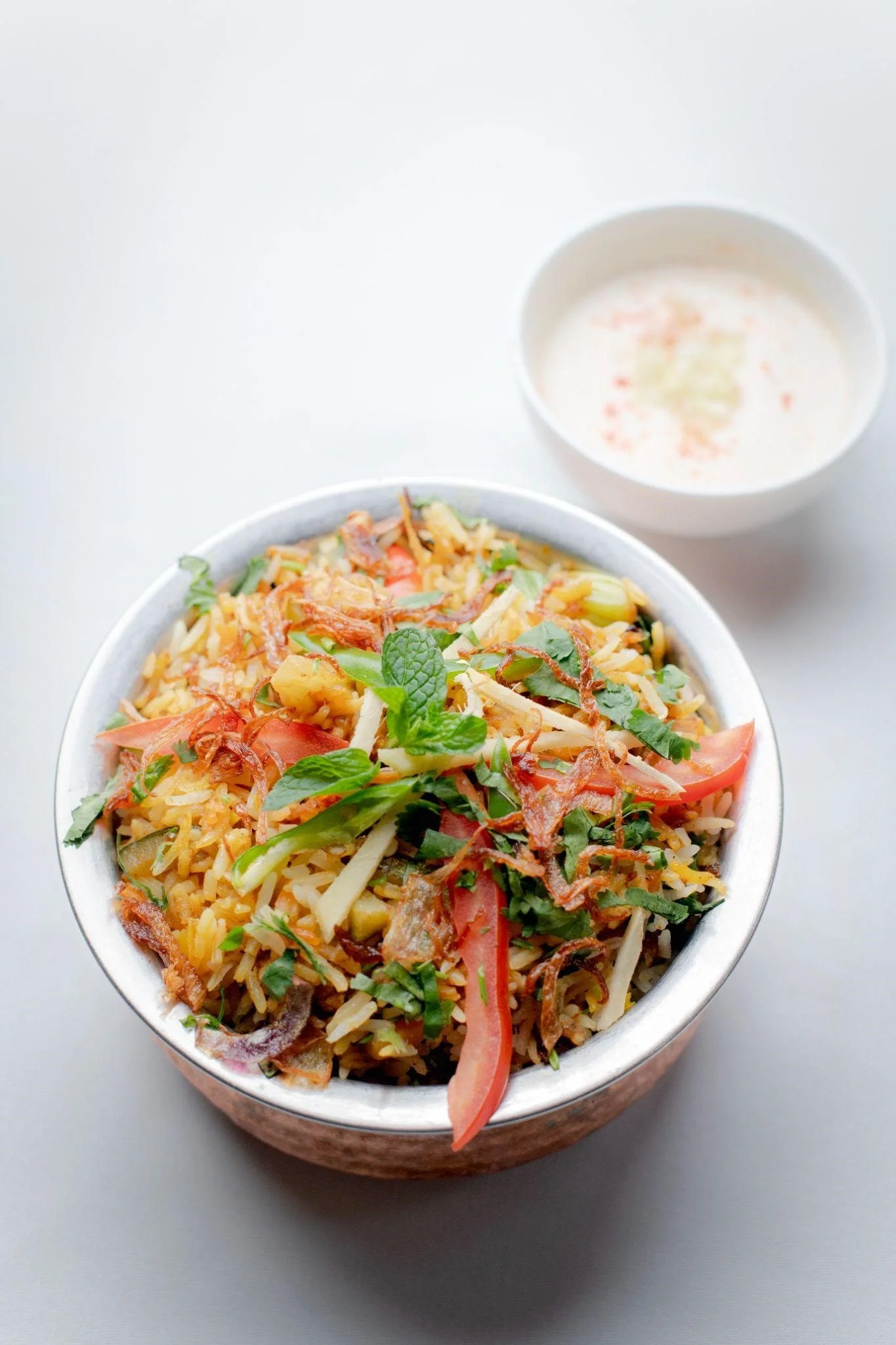
Culinary Delights at Hotel Shanker: A Journey Through Flavors
Hotel Shanker, a historic gem in Kathmandu, offers a dining experience that seamlessly blends Nepal's rich culinary heritage with international flavors. Our chefs craft dishes that honor traditional Nepali recipes while incorporating global influences, ensuring a memorable gastronomic journey for every guest.
Hotel Shanker, a historic gem in Kathmandu, offers a dining experience that seamlessly blends Nepal's rich culinary heritage with international flavors. Our chefs craft dishes that honor traditional Nepali recipes while incorporating global influences, ensuring a memorable gastronomic journey for every guest.
A Fusion of Flavors
At Hotel Shanker, we celebrate Nepal's diverse culinary traditions by offering authentic local dishes alongside international favorites. Our menu features a variety of options, from traditional Nepali curries to continental classics, all prepared with the freshest ingredients.
Dining Ambiance
Our dining spaces are designed to provide a comfortable and elegant atmosphere. Whether you're enjoying a meal in our main restaurant or a casual bite at the bar, each area reflects the hotel's historic charm and commitment to exceptional service.
Seasonal Offerings
We take pride in offering seasonal menus that highlight the best of local produce and traditional festivals. Our chefs create special dishes during festive seasons, allowing guests to experience Nepal's rich cultural heritage through cuisine.
Experience Culinary Excellence
Join us at Hotel Shanker for a dining experience that combines the best of Nepali and international cuisines. Our commitment to quality and authenticity ensures that every meal is a celebration of flavors.
POPULAR ITINERARIES
SIMILAR POSTS
Enjoy Fruity Nepal
Fruits are said to be the food of the gods, and if so, Nepal is a blessed country, what with a large variety of delicious fruits available throughout the year.
Winter, spring, summer, or autumn, Nepal is never lacking in delicious fruits, with a wide and diverse variety available as per season. Winter is the season ruled by tangy, sweet, and citrusy suntala (oranges), which you’ll find being sold everywhere, including heaped on four-wheeled wooden platforms (you could say, mobile shops). In some places you may see them being sold from vans that have a sign above, reading, “Jumla ko suntala’. That means the oranges have come from the remote far-western district of Jumla, which is renowned for its tasty oranges and apples, besides its nutritious red rice. Winter is also the season for pomelo and apples.
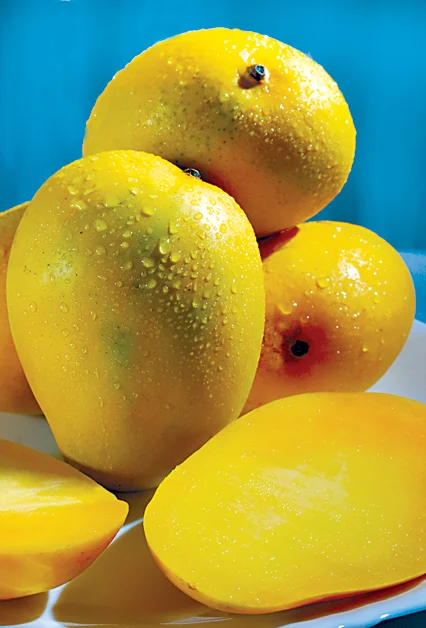
Spring is when everybody looks forward to the first arrivals of the ‘king (or queen) of fruits’. Yes, you guessed right—it’s the gorgeous aanp (mango). One can safely say that it is the most popular fruit in the country, and it’s a fact that all foreigners living here, or on a visit, find it simply irresistible. There are quite a few types of mangoes, among which ‘Malda’ is the most popular. That’s not to say that other varieties like ‘Bombay’ and ‘Dusshera’ are not tasty, it’s just that Malda has a definite edge in both taste and lasting for a longer time. In fact, real mango lovers buy a considerable quantity of yet-to-ripen Malda, and wait for it ripen naturally, which takes a few days or even a week, according to the stage it’s in. You can eat them at any stage, even if not fully ripe, they simply taste great.
In my younger years, we used to have hard green Malda mangoes strewn all over the floor beneath our beds, they were so inexpensive! Especially in cities in the plains, where nearby villages had huge mango orchards, in which branches of the magnificently foliaged trees bowed low because of generous profusion of the heavy fruits. Cheaper still was the cost of mangoes in towns bordering India, due to the fact that the neighboring Indian states, Bihar, Uttar Pradesh, and West Bengal, were (still are) prolific producers of many varieties of mango. Anyway, gone are the days when one could buy Malda by the sack-load without batting an eyelid, nowadays you’re lucky if you can buy a couple of kilos at a time! A side note: Malda mangoes come from West Bengal, where there is a district called Malda.
This is also the season for mewa (papaya), the large yellow fruit with a nicely rounded sweet taste. What’s more, they are a great aid for digestion, and thus is a prized food for patients suffering from jaundice, when the liver takes a hit, affecting digestion and absorption. The next most eagerly anticipated fruit to make its presence felt, after the mango, is the juicy lychee. You’ll find plenty of this fantastic fruit, with its red blistered skin, being sold in clumps during mid-May and June. The corrugated red skin hides a treasure—the temptingly sweet white fruit—the lychee is practically the prince among fruits.
Gorge yourself on these delicious fruits—mango and lychee—for they will not be here long, and you’ll have to wait another year to do so. Now, along with the monsoon at its pouring best (August-September) also comes the yellow-skinned amba (guava). It is not regarded very highly, sad to say, because one can find tree-loads of these fruits in the front or backyard of many houses, and as they say, familiarity brings contempt (or, at least, less respect). Anyway, many folks may not know that guavas contain more vitamin C than oranges, so they are excellent for your health. At the same time, keep in mind that too many guavas can give you constipation because of the high fiber content that’s hard to digest.
Come the fall, and you can now enjoy the brown naspati (pear) a pretty humble fruit that’s not at all expensive, costing far less than mangoes and lychees. The naspati, though, may be a notch above the even humbler guava in the ‘respect’ aspect. They taste really great with a little salt and chili. As will the bimiras, a somewhat strange citrus that looks like a large deformed orange, which is available during the great festival season of Dashain and Tihar in October-November, along with bhogates (palmellos), tear-drop shaped citrus fruits of large size, with yellow-green skin. Beneath the inch-thick pith is deep red flesh with the sweetness of orange and sourness of grapefruit. These are festival fruits, and make for an incredibly tasty salad-like dish when concocted with tangy spices, salt, sugar, and chili, with lots of the last.
Now, by now you may be thinking, “What about kera (banana)?” Well, you can get bananas throughout the year, and you have a choice of at least seven varieties. Besides all the fruits mentioned above, there are plenty more kinds of fruits in Nepal, and that’s why Nepal is a fruit lover’s paradise.
Kathmandu’s Chinese Cuisine with Jin Jin Cheung
Part 3 of “Two Chinese Girls in Kathmandu”
While Jin Jin Cheung and I were being treated to a lavish breakfast at Hotel Shanker, the manager, Mr. Bijay Krishna Shrestha, casually mentioned that they also had great Chinese cuisine. Jin Jin was quick to take him up on that, and said that she would like to taste some of the dishes before she left for China. Apparently, her fertile mind had come up with the idea to do an article on Chinese food in some of the swankiest hotels in Kathmandu. We decided on three popular ones, namely, Hotel Shanker, Hotel Yak & Yeti, and Hotel Annapurna, which we thought would be enough to get a good idea of what was on offer in the capital.
We started with Hotel Shanker, where they invited us to a Chinese dinner in the cozy Kailash Restaurant. We were requested to order what we wanted from the big menu. (The hotel hadn’t yet made a separate Chinese cuisine menu, although they had a separate chef specializing in Chinese food. This was something common with the other two hotels, too; that is, no special menu.) Speaking for myself, I thought this was something worth considering, what with the increasing number of Chinese tourists visiting Nepal. However, when I shared this with Jin Jin, she said that most Chinese going abroad first preferred to try out more of Western cuisine, since they were now getting more used to it back in China. An interesting aside here is that, when I took Jin Jin to an Indian tandoori fast food restaurant in Jawalakhel, she really loved the butter naan and chicken tandoori. We visited the place a couple of times, since she relished the Indian dishes.
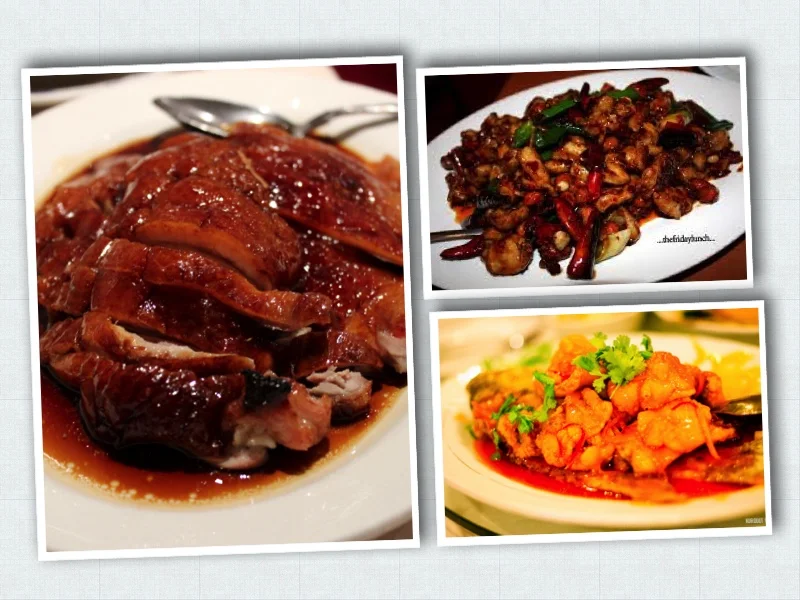
Anyway, Jin Jin took her time going over the menu at Hotel Shanker, and made the following selection: Kong Pao Chicken, Sweet and Sour Fish, and Roast Duck (Cantonese style). The Executive Chef, Mr. Keshav, joined us at the table along with Mr. Bijay Krishna, and we spent an interesting 20 minutes or so over pleasant conversation and iced latte coffee. Finally, two waiters came carrying our food. As you can imagine, we were in a pretty famished state by now, and immediately, we dug in. At this point, Mr. Bijay Krishna politely pointed out to Jin Jin that there were chopsticks on the table if she wanted them. Laughingly, she exclaimed that if she stayed some more days in Kathmandu she would forget how to use chopsticks, the fork having become more of a familiar implement since her arrival two months ago.
The Executive chef and manager looked on expectantly, waiting for her pronouncement on the dishes. The first thing she noted was that we were served long-grain rice along with the other dishes, and she told her attentive audience that, back home in China, people preferred to eat sticky rice. The roast duck, she said, was excellent, and had the authentic Cantonese taste and flavor. The Kong Pao Chicken and Sweet and Sour Fish, too, received her high commendations. We ended our nutritious and tasty meal with delicious ice cream. The Executive chef and the manager, in the meantime, had bid us adieu, and we two sat for a long, long time in the cozy restaurant, just mulling over things in general, feeling sated and relaxed.
The next day, we went to Hotel Yak & Yeti in Durbar Marg, at the invitation of Associate Director (Marketing) Mr. Surendra Singh Thakuri, for a Chinese lunch. He received us warmly and introduced us to the head chef, who explained that they had all the raw ingredients prepared and ready for cooking. This time, we had left it totally to the hotel to decide on the selection. We were taken to the kitchen, where Jin Jin and I surveyed the neatly cut vegetables, meat, and other ingredients. The head chef asked us if we would like to watch the cooking, and we did so for some minutes, before excusing ourselves to go back to our table where we enjoyed some cool drinks in the restaurant adjoining the lobby.
The food arrived shortly; there were quite a few varieties, and all looked appetizing. As we started tasting the different dishes, including noodles and rice (again, long grained), the general manager joined us. He is an interesting character with an international flair, having come from overseas a year ago to manage the five start hotel. The food was delicious, with the different dishes having distinct flavors. The pork dish was particularly outstanding, in my view, while Jin Jin loved the pickled cucumber side dish. She was happy with the other offerings, as well, and perhaps gave the most suitable compliment by saying that she felt like she was eating in some restaurant in China. (She used the chopsticks more often this time, and tried very sincerely to teach me how to use them, saying that it was ‘simply physics’.) After the meal, the two of us took a stroll around the garden behind the hotel, and visited the organic garden there, which actually wasn’t much. We thought that what we saw grown there would fall far short of the hotel’s daily demands. Anyway, all those delicately prepared Chinese dishes gave us a pleasant glow for a long time afterwards.
We could visit Hotel Annpaurna, also in Durbar Marg, for dinner only after a few days, on account of the Nepal bandh over two consecutive days. The marketing officer, Ms. Suarpana Shah, welcomed us with a warm smile and led us into the Arniko Room, a restaurant with an oriental décor in which the color red predominates. The table setting was exquisite, with elegant looking chopsticks inside paper coverings. Ms. Shah introduced us to the restaurant manager, who presented us with sophisticated looking menus. He suggested fresh strawberry juice to start off with, while Jin Jin cast an expert glance through the menu. However, she decided to ask for the manager’s advice, and he suggested Runner Beans, Who Fish Fried, and Singapore Chicken, along with steamed rice.
Another marketing lady joined us, and soon, we had a pleasant conversation going, with the focus being on relationships (three women at the table, remember? and a guy always on the lookout for newer relationships!). Anyway, it was enjoyable. The food arrived soon enough, and the fish looked especially impressive, but Jin Jin, our Chinese cuisine expert, said that it didn’t look to be a Chinese dish. Ms. Shah explained that the Arniko Room actually served more of oriental fare, rather than strictly Chinese. It didn’t matter much to me, since I found it to be pretty tasty stuff.
At the end of the fulfilling meal, we ordered iced litchi for dessert, which was of course fantastic. To the query as to which dish she had liked best, Jin Jin took a few moments to ponder before answering that the Running Beans was what had pleased her the most. Elaborating on this, she explained that she had liked its freshness, that it was not oily, and that it had been only slightly cooked, which made it very nutritious. Her choice made us all think, I think. I doubt if I would have chosen a vegetable over meat and fish, if I had to make a similar choice.
So, all said and done, Jin Jin was quite happy with the Chinese cuisine at all the three hotels. As for me, it was great to have had the opportunity to be a gourmet of exotic cuisine with such a pretty and knowledgeable expert at my side. She will be writing her reviews in the Chinese edition of ECS NEPAL.
Nepal’s Masala Culture
Nepalis love spices (masala) and use them to the hilt when conjuring up their delicious cuisine. What’s more, Nepal is also a global leader in production of some spices!
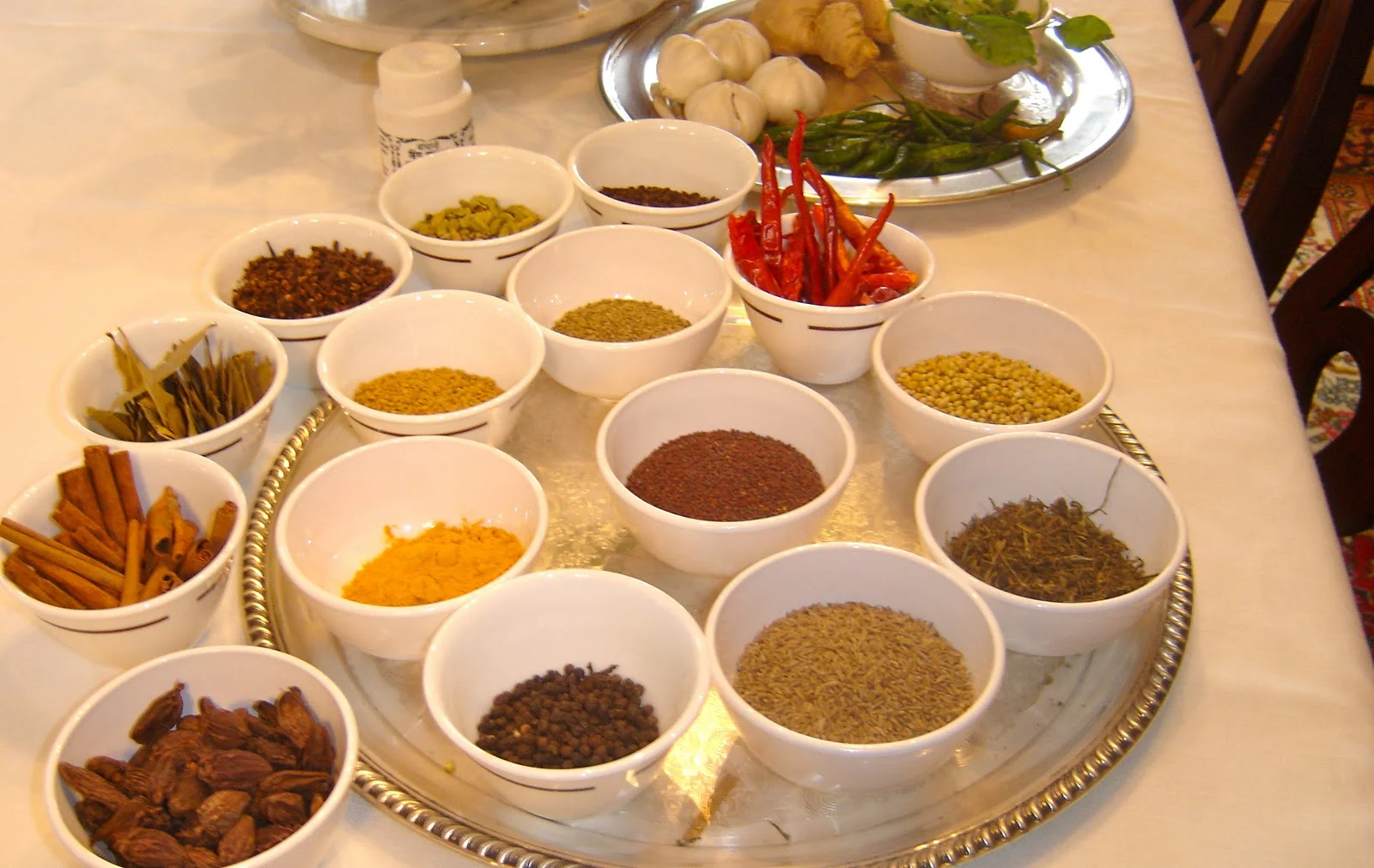
Spices (masala) are indispensable to the Nepali way of life, and that’s a good thing is what we say! Spices contain valuable oils with health-enhancing properties, and contain a fair amount of vitamins, minerals, and antioxidants. While no Nepali cuisine can be complete without a number of spices being used, demand spikes during festive occasions like Dashain and Tihar, as well as during the wedding season. One of the most commonly used is garam masala, especially in meat dishes, of which most Nepalis can be said to be connoisseurs. It’s a mixture of a dozen spices, viz. coriander (dhania), cumin seeds (jeera), turmeric (besar), methi (fenugreek), black pepper (marich), cinnamon (dal chini), bay leaf (tejpat), mace (saipatri), nutmeg (jaifal), clove (luang), large cardamom (alainchi), and green cardamom (sukmel).
These different spices are the ones that generally go to make up the usual range of spices used in Nepali cuisine. Of course, different dishes require different combinations. For example, the better informed use only dhaniya, besar, and garlic (lahsun) when making fish curry; the less adept use everything possible to make it spicy, which may be how they like it, but it does reduce the taste of the fish itself. This only goes to highlight the fact that spices are to be used sparingly because their function is to enhance flavor, not dominate it. And, while people all over the country use the same range of spices, different communities use them in different ways. The people of the high hills and mountainous regions, such as the Sherpas, also use wild spices such as koma and zimbu. Some other spices used all over, beside those mentioned above, are ajowan (jwano), fennel seeds (saunf), basil (tulsi), mint (pudina), and of course, the all-prevalent chili peppers (khursani).
Now, the last mentioned might not be so desirable for many tourists, but for those who like it hot and fiery, it gives a real zing to any dish. Anyway, you might like to know that you can minimize chili’s fiery effect by removing the seeds and white inner membrane, which actually contains most of the capsaicin. However, it’s in capsaicin where the health benefits of chili lie, such as inhibiting inflammation. Speaking about health and spices, here’s a brief review: Jeera helps digestion and prevents bloating. Dhaniya helps to reduce fever and reduce excessive menstrual flow, while freshly dried coriander helps in conjunctivitis. Hariyo dhaniya (green coriander) promotes digestion and is said to be a mild aphrodisiac. Besar has ant-inflammatory and antibacterial properties, besides containing antioxidants; its paste is a popular home remedy for sunburn.
Kalo marich boosts digestion and increases appetite. Jwano is good for building up resistance, and for curing indigestion, ear aches, and toe nail fungus infection. It also helps to bring phlegm out, besides being an antispasmodic. Lahsun has antibacterial and antifungal properties and helps to lowers blood pressure (crushed garlic is what is recommended; add it towards the end of cooking, more potent that way). Aduwa (ginger) reduces gas and alleviates travel sickness and hangovers; and it, too, is a mild aphrodisiac. Pudina soothes the digestive tract and tea made out of it will ease irritable bowel syndrome discomfort. Tulsi helps in relieving bowel inflammation and rheumatoid arthritis. Sukmel stimulates digestion and relieves flatulence, and its fragrance covers bad breath. Dalchini relieves pain and improves circulation, aside from providing relief for intestinal gas. Luang is an effective panacea for toothaches because of its anti inflammatory and pain relieving properties. Saunf helps to reduce coughing bouts.
So, you see, even this very brief mention of some of spices’ health benefits should make it clear that spicy food is not such a bad thing after all! Of course, like said before, there has to be a balance, since taste can be compromised if too much spice is used. While most people today go for the packaged stuff, there are plenty of places around Kathmandu Valley where you’ll get freshly ground spices, and really, in this day and age of massive food adulteration, that’s the best way to go. If you go to Ason Bazaar, that ancient market in the center of Kathmandu, you’ll find many spice shops, some of which have been there for ages. In fact, there’s one called Shanka Pasal, whose founder, Bhai Ratna Bajracharya, is said to have first started the spice trade here. At such shops, you’ll also get whole spices that you can have ground later on.
There’s another thing about the word ‘masala’—the Nepali word for spices. It can also refer to dry fruits, and this is something that is at its highest demand during Tihar. Also, there’s a mixture called ‘sutkeri masala’ that’s a popular supplement for nursing mothers. It’s a mixture of both spices and dry fruits, specifically, edible gum (gund), batisa (mixture of 32 herbs), jwano, methi , saunf , and dry fruits. It’s a potent mixture that contains all the essential nutrients. Similarly, infants are traditionally fed a mixture of cashew nuts, pistachio, almonds, nutmegs, and dates as a nutrition-packed supplement. Dry fruits make up an important part of any celebration in Nepal, and some like the coconut are considered to be an auspicious offering to the gods.
All in all, Nepal is a masala-loving country, that’s for sure, with their use being both traditional and obligatory in many instances. And, that’s not all; it’s also a matter of pride that the country can claim to be among the world’s leading producers of some spices. In 2010, Nepal was declared to be the global leader in producing large cardamom (alainchi), the quantity being a whopping 6,647 tons. The country also produces large quantities of ginger. Great going, right? So, here’s a big hurrah for Nepal and its masala culture!
The Diverse Tastes of Nepal
Welcome to Nepal, a country rich in nature, heritage, and adventure. Welcome to Nepal, a country also rich in exotic cuisine.
Nepal is well-known throughout the globe for many things, primarily, its natural beauty, its ancient heritage, and its mighty Himalayan peaks. The first is evident especially when on a trek; the second is to be found in every nook and corner of a city like Kathmandu, as well as in many heritage hotels in Nepal (such as Hotel Shanker), while the third is something that you’ll be delighted to see even as you fly into Kathmandu. These are but a few of Nepal’s many attractions, among which is also Nepali cuisine.
It is said that the prosperity of any particular region in any country can be judged by the quality of its cuisine, that is, the better off the region; the more evolved its cuisine. Well, that holds true for Nepal as well. And, thus, you’ll find greater variety of dishes in a place like the Kathmandu Valley, of which Newars are the original inhabitants. So, one hears a lot about Newar cuisine when talking about Nepal’s food culture. That is not to say that other regions do not have as good cuisine, it is just that Newar food has more variety.
At the same time, it must be said that Nepal, although a small country, has close to a hundred different ethnicities, and great ecological diversity ranging from the lowlands (Terai) at below 100 meters above sea level to the highest point on earth, that is, Mount Everest at 8,048 meters. So, it is natural that there should also be many different types of food culture in different parts of the country. At the same time, it should also be known that no matter which region you go to, the staple meal of most Nepalis is ‘daal, bhaat, tarkari’ (lentil soup, steamed rice, and vegetable curry), a phrase that becomes pretty familiar very soon with most tourists coming to Nepal.
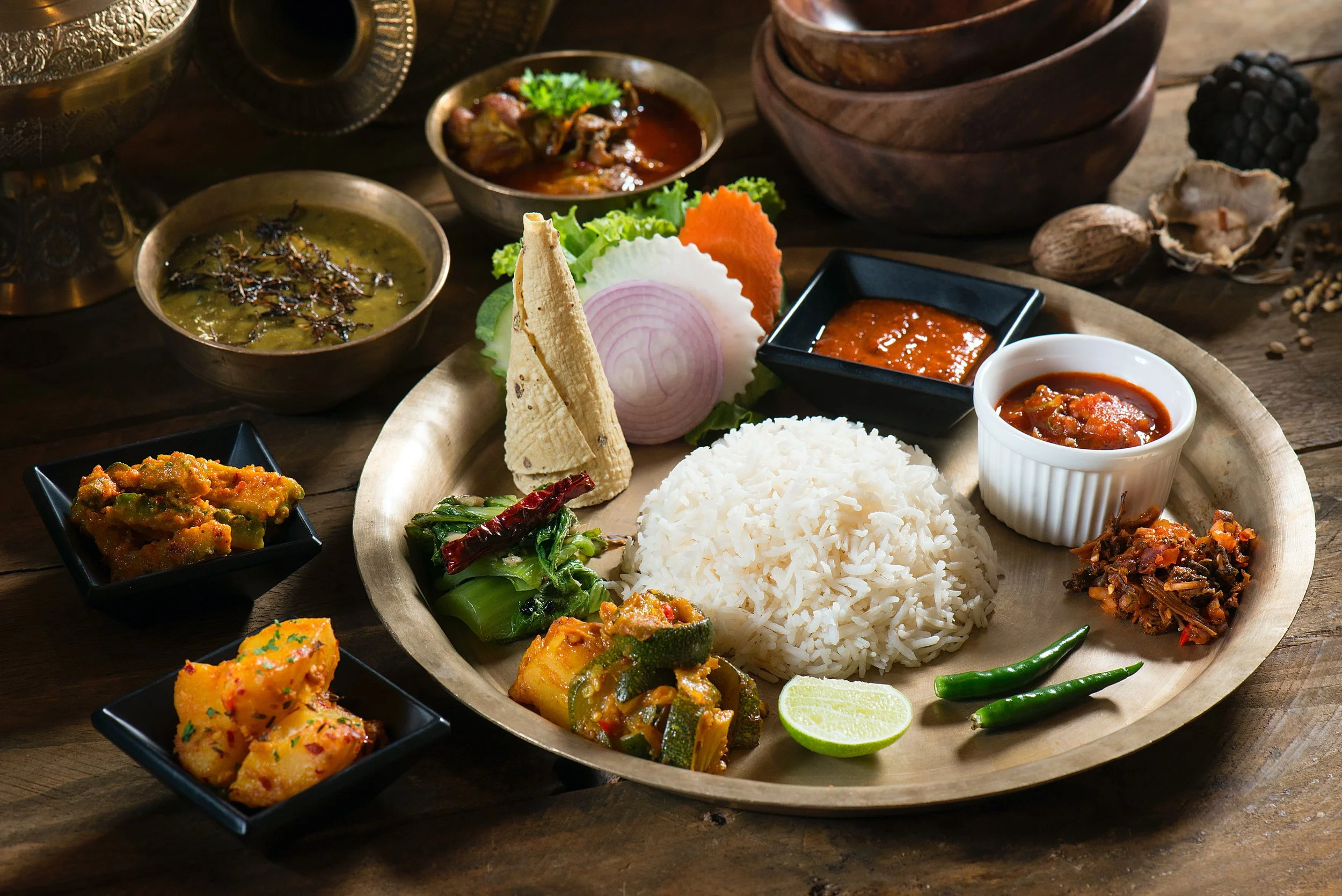
If you want to have a sampling of this nutritious and wholesome meal, all you have to do is to ask whatever hotel in Nepal you’re staying in to serve it to you. Most restaurants will be glad to provide you with this, and, in fact, quite a few restaurants with a tourist clientele specialize in providing typical Nepali cuisine. At such places, what you get when ordering ‘daal, bhaat, tarkari’ is this: steaming white rice, thick yellow (or black) lentil soup, vegetable curry (of the vegetable in season), dark green spinach, a bowl of mutton (or chicken) curry with rich gravy (or deep fried), a vegetable salad of sorts (cucumber, radish, tomato, onion), and a pickle (tomato or radish and potato). You will also be asked if you want to have ghee (warm clarified butter) poured over your rice. Our suggestion is: ask for it, and consider it an off-day from your weight-conscious lifestyle, because the rice gets on a new and fragrant life with some ghee in it. Certainly increases your appetite! Anyway, leaving this fulsome meal aside, let’s get a glimpse into what else there is in Nepali cuisine. Let’s begin from the Terai.
Sattoo and Mahuwa of the Terai
People of the Terai have a taste for spicier and hotter food than elsewhere in the country, thus, you’ll find the curry to be a real tongue tingler, and naturally, the pickle will test your courage. They also prefer to have raw onions, the more the better, along with their meals. One reason is because raw onion is supposed to be good for combating prickly heat. You are also likely to be served a couple of chili peppers on the side. Besides the usual, that is, ‘daal, bhaat, and tarkari’, Terai dwellers like to have a mix made from soybean, maize, and gram called sattoo. It is pretty energizing due to its high protein content. Mostly, sattoo is mixed with water to make a thick paste; seasoned with salt, it tastes great. Sometimes, sattoo is also eaten dry, and often, sattoo mixed with water, salt, and lime juice makes for a cool and rejuvenating drink. However, speaking of drinks, per se, mahuwa raksi is the preferred choice. Derived from the juice of the mahuwa flower, it’s a pretty heady alcoholic drink. Another strong alcoholic drink is toddy, which is derived from the sap of palm trees.
Hilly Fare, Dheendo-Gundruk
Maize and wheat are the primary crops in the hills, and so the cuisine is also based on those staples, the main one being dheendo, a mix of maize and wheat; a sort of a porridge. It’s filling, all right, and nutritious as well, but bland. And so, it is accompanied by gundruk, a dish made from fermented leafy vegetables, which can either be in the form of a soup (gundruk ko jhol), or just pickled and spiced. Dehhendo-gundruk makes for a tasty and filling meal, and it becomes all the tastier when served with sinki, a pickle made from fermented root parts of carrots. Both gundruk and sinki, being fermented products, can be preserved for quite some time.
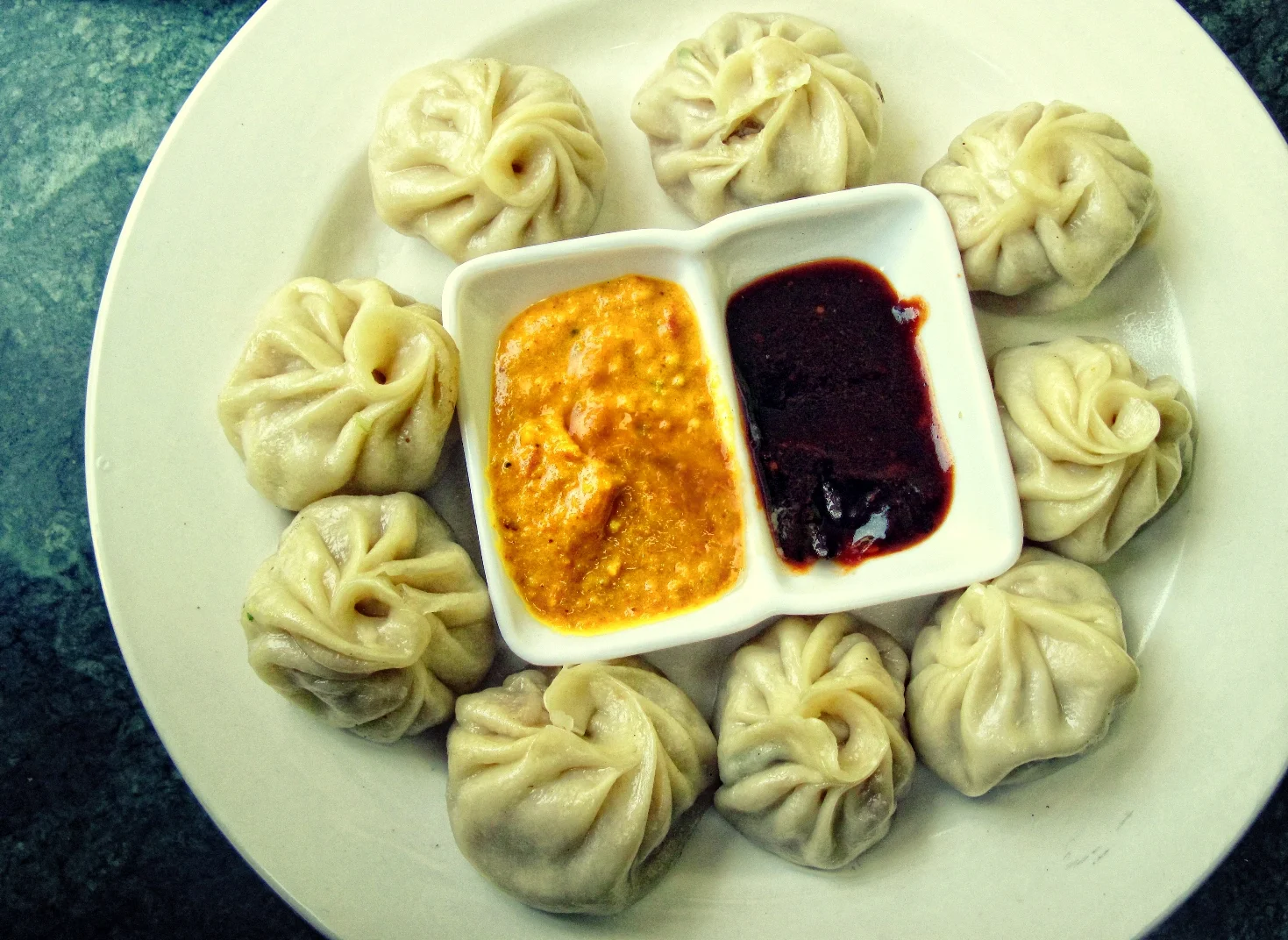
Higher up in the hills, noodle dishes such as chowmein and thukpa (soup with vegetable and meat), and Tibetan style momos (large-sized meat dumplings) are the preferred dishes. In the hills of eastern Nepal, you’ll get to taste a pungent-smelling dish called kinema made from fermented soybean. Other unique dishes are the breakfast food, khatte, which is made from brown rice, and poko, a dish made from the base derivative of the local liquor-making process. Naturally, poko has an alcoholic flavor; but it’s quite tasty, and what’s more, it gives you an immediate lift. Talking about drinks, tongba, a freshly fermented barley drink, is very popular, as are chaang (a fermented product of millet) and rakshi, a strong alcoholic drink. If you like tea, you might not get what you are used to up in the mountains; you are more likely to be offered Tibetan-style tea, which is thick and buttery. Pretty warming, too!
Kathmandu Valley’s Newar cuisine
The Newars of Kathmandu Valley take great pride in the variety of their cuisine. They excel in different culinary arts, from almost a score of delicacies from different parts of buffalo meat to a dozen and more varieties of bread. Buffalo meat (buff, in short) contributes to a diverse range of delicious dishes: haku choila (spicy grounded meat broiled on high heat), kachilaa (minced meat, raw and marinated), takhaa (soup of jellied meat), senla:mu (liver parts, steamed, then sautéed), swanpu:ka (filled lungs, fried), bhuttan (intestine/stomach parts, deep fried), mainh (tongue pieces, fried), cho:hi (blood, boiled with marrow and spice), mamachas (dumplings), etc. Most hotels in Nepal should have some of these in their restaurant menus; if not, do ask about nearby restaurants where you can get these exotic delicacies. Not to be left un-savored, certainly, during your Nepal tour!
And, yes, you’re right in assuming that the Newars re a meat-loving people; however, they don’t lag behind in the non-meat department, too. These include a kind of rice pancake called chatamari, a sort of doughnut called bara, made from pulses, and a cake-type snack called wo, also based on pulses. Some dishes are generally made only during festive occasions; these include the special stupa-shaped dumplings called yo mari, that are packed with brown cane sugar and sesame seeds; a special circular bread with a hole in the middle called sel roti; and a thick and delicious soup made from nine kinds of beans called kwantin. When talking about Newari food, one cannot miss out on mentioning juju dhau (king curd), which is a specialty of Bhaktapur, and delicious to a fault.
As far as drinks are concerned, Newars pride themselves on their liquor-making skills, too. Ai:la and thown are the traditional drinks of the Newar community. They are not only real belly-warmers, they are also auspicious offerings during many religious rituals. Ai:la is a fiery liquor, and a fitting accompaniment to the meat dishes mentioned above, since it is a surefire way to ensure good digestion of all that protein. Some hotels in Nepal will offer you ai:la as a welcoming drink, and the moment you gulp it down from the small clay vessel in which it will be served, you’ll have had the first taste of Nepal! A taste promising high-spirited adventure ahead!