
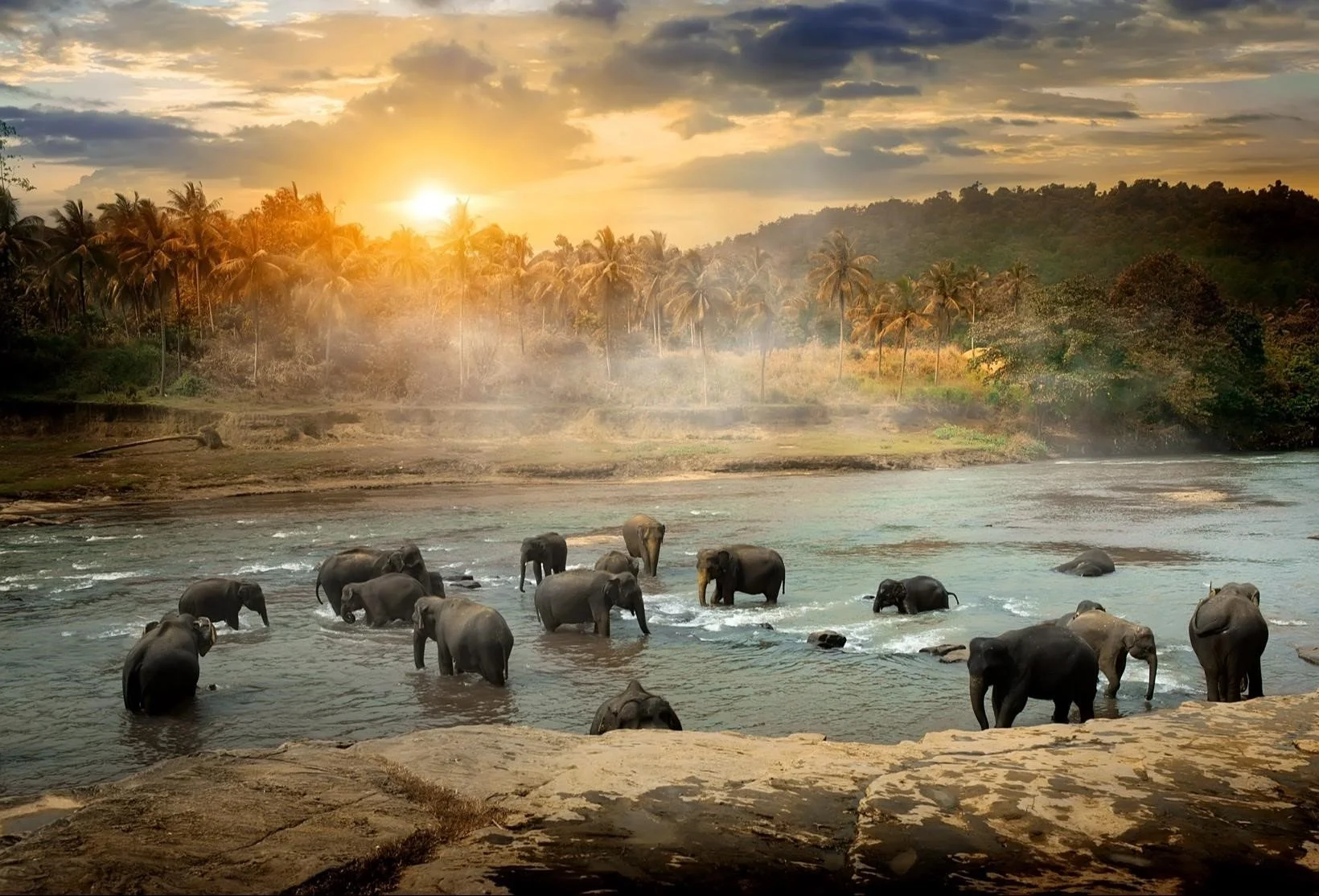
Wildlife Safaris and Birdwatching in Spring: Nepal’s Untamed Beauty Awaits
From the lush grasslands of Chitwan to the untamed wilderness of Bardia, Nepal’s national parks are teeming with rare wildlife, migratory birds, and breathtaking landscapes, offering an unforgettable adventure for every explorer.
As winter fades, Nepal’s jungles, wetlands, and forests come alive with vibrant energy. The arrival of spring brings lush greenery, blooming flowers, and an abundance of wildlife activity, making it the perfect season for wildlife safaris and birdwatching. Whether it’s spotting a majestic Bengal tiger in the dense jungles or watching exotic birds soar across the wetlands, Nepal offers an unparalleled experience for nature lovers.
From the lush grasslands of Chitwan to the untamed wilderness of Bardia, Nepal’s national parks are teeming with rare wildlife, migratory birds, and breathtaking landscapes, offering an unforgettable adventure for every explorer.
Why Spring is the Best Time for Wildlife Safaris and Birdwatching
• Active Wildlife – With the onset of warmer weather, tigers, rhinos, and elephants emerge from deep forests to bask in the sun.
• Peak Birdwatching Season – Spring marks the arrival of migratory birds, adding a splash of color to Nepal’s diverse ecosystems.
• Lush Landscapes – The post-winter bloom transforms national parks into vibrant sanctuaries, enhancing visibility for wildlife spotting.
• Ideal Weather – Mild temperatures and clear skies make safari excursions and jungle walks comfortable and rewarding.
Top Destinations for Wildlife Safaris in Nepal
1. Chitwan National Park – A UNESCO World Heritage Site
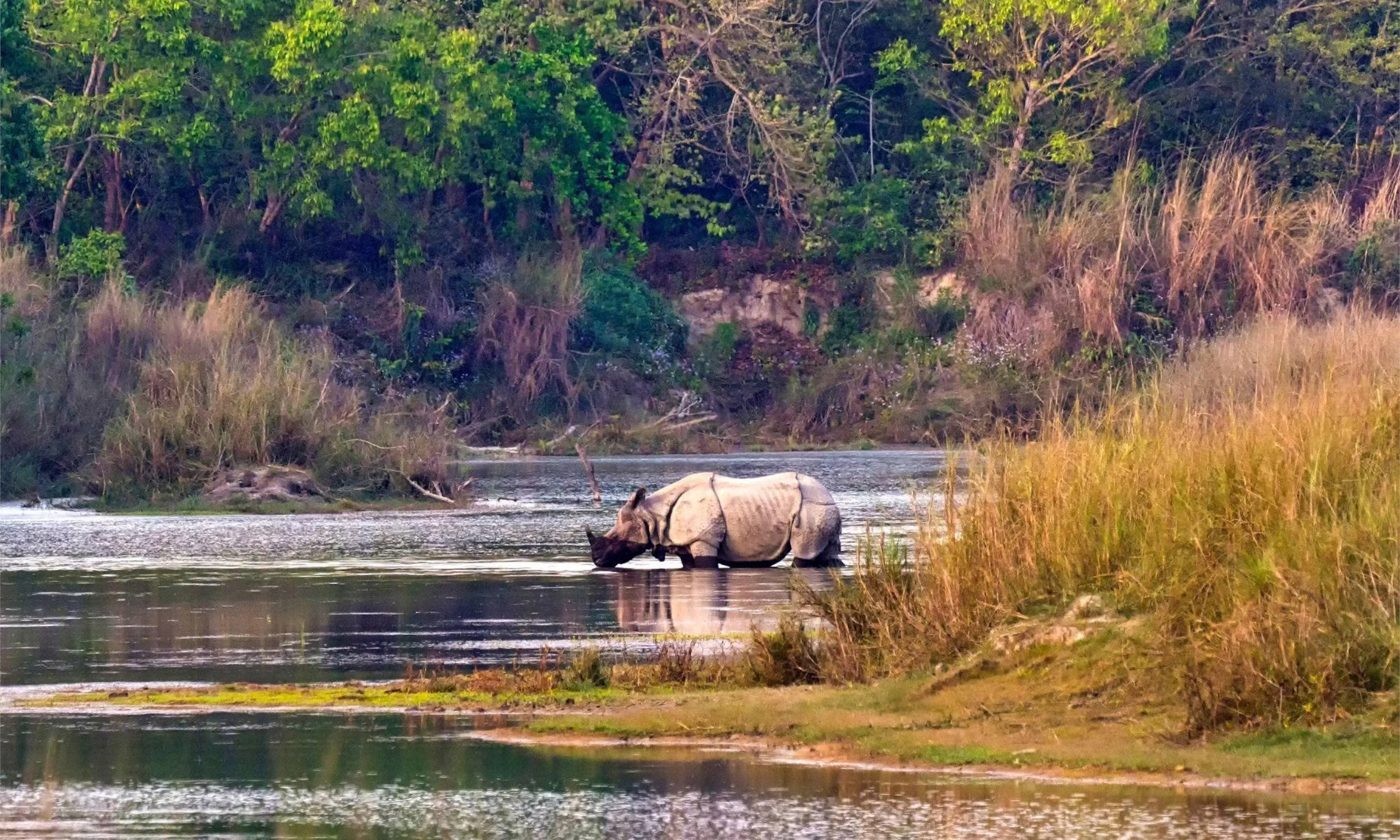
• Best For: Spotting one-horned rhinoceroses, Bengal tigers, elephants, and crocodiles.
• Activities:
• Jeep safaris through grasslands and dense forests.
• Canoe rides along the Rapti River, where gharials and marsh mugger crocodiles bask in the sun.
• Guided jungle walks offering a closer look at Nepal’s diverse flora and fauna.
• Birdwatching Highlight: Home to over 500 species of birds, including the endangered Bengal florican and vibrant kingfishers.
2. Bardia National Park – Nepal’s Hidden Wilderness
• Best For: Remote and untouched safari experience, with high chances of spotting wild Bengal tigers.
• Activities:
• Full-day jungle safaris with expert naturalists.
• River excursions to see the rare Gangetic dolphins.
• Cultural encounters with the indigenous Tharu community.
• Birdwatching Highlight: Over 400 bird species, including great hornbills, paradise flycatchers, and eagles.
3. Koshi Tappu Wildlife Reserve – A Birdwatcher’s Paradise
• Best For: Wetland birdwatching and unique aquatic species.
• Activities:
• Boat safaris and marshland explorations.
• Guided birdwatching walks through riverside habitats.
• Photography tours capturing migratory birds in their natural setting.
• Birdwatching Highlight: Over 485 bird species, including swamp francolins, ibises, storks, and migratory waterfowls.
The Perfect End to a Wild Adventure – Stay at Hotel Shanker
After exploring Nepal’s breathtaking national parks, return to the heart of Kathmandu for a stay steeped in comfort and heritage. At Hotel Shanker, we offer the ideal retreat to unwind after days spent in the wild.
• Elegant rooms and tranquil ambiance, perfect for relaxation.
• A serene garden escape, a touch of nature in the city.
• Authentic Nepali and international cuisine, bringing flavors of the jungle to your plate.
• Easy access to Kathmandu’s cultural and historical landmarks, allowing you to complete your journey with a taste of Nepal’s rich heritage.
Book Your Stay & Experience Nepal’s Wild Beauty
Whether you’re drawn by the thrill of a Bengal tiger sighting or the peaceful melody of rare Himalayan birds, Nepal’s wilderness awaits. And when the adventure ends, Hotel Shanker welcomes you back with warmth, luxury, and a timeless experience.
POPULAR ITINERARIES




SIMILAR POSTS
Jungle Safari in Chitwan
Chitwan National Park, a UNESCO World Heritage Site, is a wildlife enthusiast's paradise. Nestled in the heart of Nepal, this pristine jungle offers an unforgettable experience for travelers seeking an up-close encounter with nature. A jungle safari in Chitwan is an adventure that will leave you with memories to cherish for a lifetime.
Chitwan National Park, a UNESCO World Heritage Site, is a wildlife enthusiast's paradise. Nestled in the heart of Nepal, this pristine jungle offers an unforgettable experience for travelers seeking an up-close encounter with nature. A jungle safari in Chitwan is an adventure that will leave you with memories to cherish for a lifetime.
Wildlife Galore Chitwan is renowned for its rich biodiversity, and a safari is the best way to witness its splendor. You can expect to spot majestic creatures like the Royal Bengal Tiger, elusive leopards, and one-horned rhinos. If you're lucky, you might even catch a glimpse of the endangered Gharial crocodile or the playful Indian Otter. The park is also home to a diverse birdlife, making it a birder's delight.
Thrilling Safari Options Chitwan offers a variety of safari options to suit every adventure seeker.
● Jeep Safari: This is the most popular way to explore the park. Jeeps are comfortable and offer a good vantage point for spotting wildlife.
● Elephant Safari: For a truly unique experience, embark on an elephant safari. Riding on the back of these gentle giants through the jungle is an unforgettable adventure.
● Canoe Ride: Glide through the tranquil waters of the Rapti River and witness wildlife from a different perspective. You might encounter crocodiles, otters, and various bird species.
● Walking Safari: For a more intimate experience, opt for a guided walking safari. This allows you to explore the jungle on foot and learn about the flora and fauna from experienced guides.
Beyond the Safari Apart from wildlife encounters, Chitwan offers a range of other activities to keep you entertained. You can go for a jungle hike, visit a Tharu village to experience the local culture or indulge in birdwatching. For adventure enthusiasts, there's rafting, kayaking, and fishing.
Best Time to Visit The best time to visit Chitwan is from October to April when the weather is pleasant and wildlife sightings are at their peak. However, the park remains open throughout the year, offering unique experiences in different seasons.
Tips for Your Safari
● Book your safari in advance, especially during peak season.
● Carry binoculars for better wildlife spotting.
● Respect the wildlife and maintain a safe distance.
● Dress comfortably and wear appropriate footwear.
● Carry sunscreen, insect repellent, and a hat.
A jungle safari in Chitwan is an experience that will stay with you forever. It's a chance to connect with nature, witness incredible wildlife, and create memories that will last a lifetime.
POPULAR ITINERARIES
SIMILAR POSTS





Chitwan National Park: A Wildlife Wonderland
Nepal, often celebrated for its towering peaks and the allure of the Himalayas, is a diverse country that has much more to offer than just mountainous landscapes. One of its hidden gems is Chitwan, a region located in the southern lowlands known as the Terai. This article will take you on a journey to Chitwan, where lush jungles, exotic wildlife, and rich cultural experiences await the intrepid traveler.
Chitwan National Park: The Jewel of Chitwan
At the heart of Chitwan lies the Chitwan National Park, a UNESCO World Heritage Site and a haven for nature enthusiasts. Covering an area of 932 square kilometers, the park is home to a remarkable variety of flora and fauna.
Established in 1973, Chitwan National Park is a living testament to Nepal's commitment to preserving its natural heritage. Originally designated as a hunting reserve for the ruling elite, it underwent a transformation into a protected area due to the burgeoning threats to its unique ecosystem. This park, with its rich history, has since flourished into one of Asia's most renowned wildlife sanctuaries.
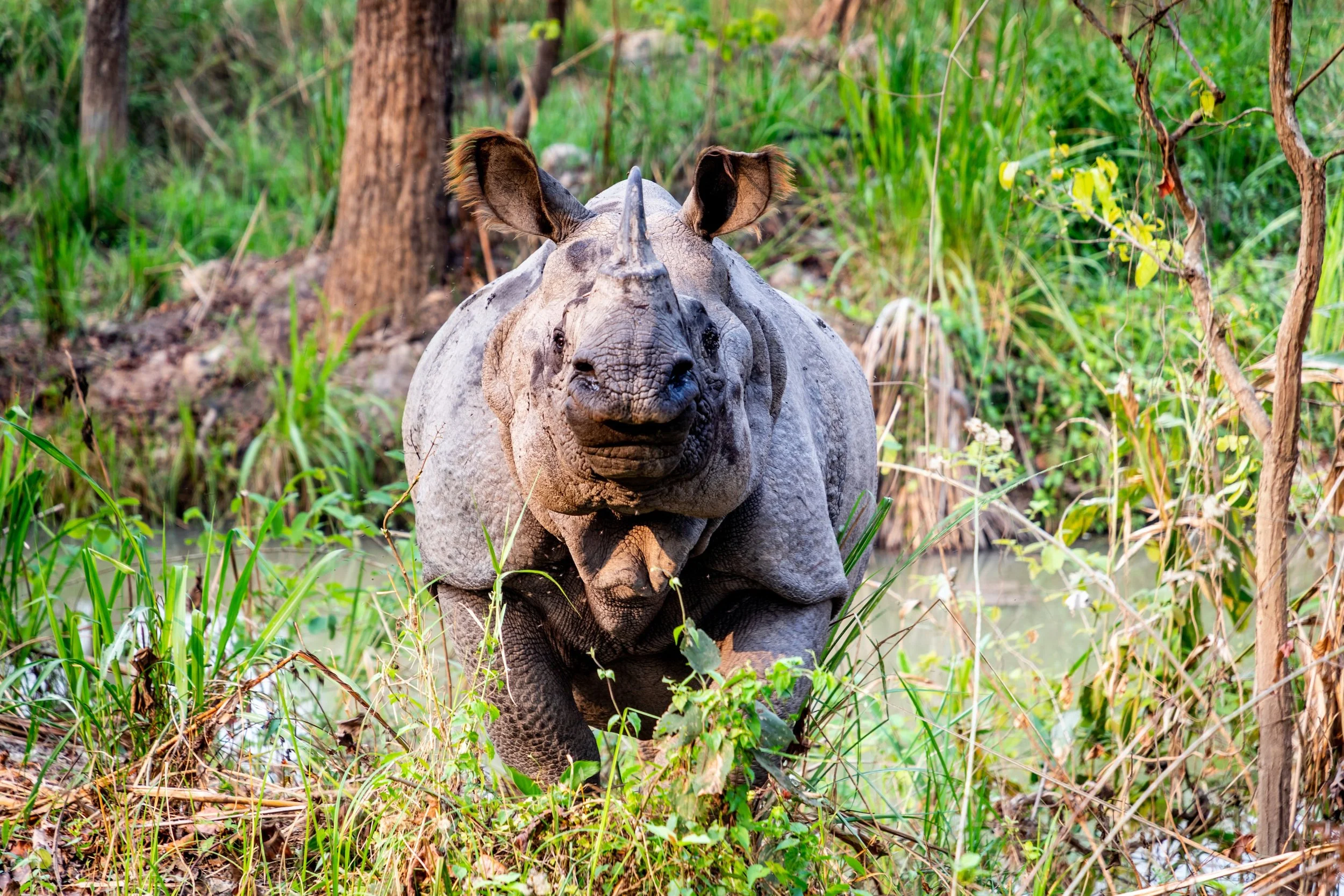
One of the park's most significant highlights is its successful conservation of charismatic mega-fauna, including the endangered Bengal tiger and the one-horned rhinoceros. With more than 68 species of mammals, 544 species of birds, and a multitude of reptiles and amphibians, Chitwan National Park provides an unparalleled opportunity for wildlife enthusiasts and researchers alike. Its lush jungles and the meandering Rapti River create a picturesque backdrop for activities such as jungle safaris, canoeing, and guided walks, ensuring that visitors can immerse themselves in the park's natural wonders while contributing to its ongoing preservation efforts.
Wildlife Encounters
Chitwan National Park is famed for its thriving populations of endangered species, including the Bengal tiger and the one-horned rhinoceros. Visitors can embark on jungle safaris, either on elephant-back or in a jeep, to catch a glimpse of these majestic creatures.
Avian Paradise
Birdwatchers will find Chitwan a true paradise, with over 540 species of birds inhabiting the park. The vibrant plumage of tropical birds, such as the vibrant Indian Pitta and the elusive Great Hornbill, make it a birdwatcher's dream destination.
Cultural Experiences: The Heart of Terai Culture
Tharu Culture
The indigenous Tharu people have inhabited the Terai region for centuries and offer visitors a unique opportunity to immerse themselves in their rich culture. Learn about their traditional dances, colorful attire, and their deep connection to the land.
Festivals and Traditions
Chitwan celebrates various festivals throughout the year, with Dashain and Tihar being the most significant. These festivals provide an excellent chance to witness vibrant rituals and celebrations.
Adventure in the Jungle: Activities Beyond Wildlife Watching
Canoeing on the Rapti River
Glide along the serene Rapti River in a traditional dugout canoe, where you can spot crocodiles and various bird species while enjoying the tranquility of the water.
Elephant Bathing
Get up close and personal with these gentle giants in a responsible and ethical manner. Participate in elephant bathing sessions, which are not only fun but also promote conservation.
Jungle Walks
Experienced guides will take you on thrilling jungle walks, providing insights into the park's biodiversity, including tracking animal footprints and identifying exotic plant species.
Local Flavors
Don't miss the opportunity to savor local Tharu cuisine, characterized by its use of rice, lentils, and locally grown vegetables. Try traditional dishes like dhindo (a type of millet porridge) and sel roti (rice doughnuts).
Practical Tips for Travelers
• Best Time to Visit: The ideal time to visit Chitwan is during the winter months from October to March when the weather is pleasant and wildlife sightings are frequent.
• Responsible Tourism: Respect the park's rules and regulations, such as maintaining a safe distance from wildlife and refraining from littering. Support responsible tour operators who prioritize conservation efforts.
• Vaccinations and Health Precautions: Consult your doctor for recommended vaccinations and health precautions, as Chitwan is in a malaria-prone region.
Chitwan, often overshadowed by Nepal's towering peaks, is a destination that deserves recognition in its own right. Whether you are a wildlife enthusiast, a culture buff, or an adventure seeker, Chitwan offers an array of experiences to satisfy every traveler's desires. From thrilling jungle safaris to immersing yourself in Tharu culture, Chitwan beckons with open arms. So, when Nepal calls, don't forget to answer and explore the wonders of Chitwan. It's a journey you won't forget soon.
POPULAR ITINERARIES
SIMILAR POSTS
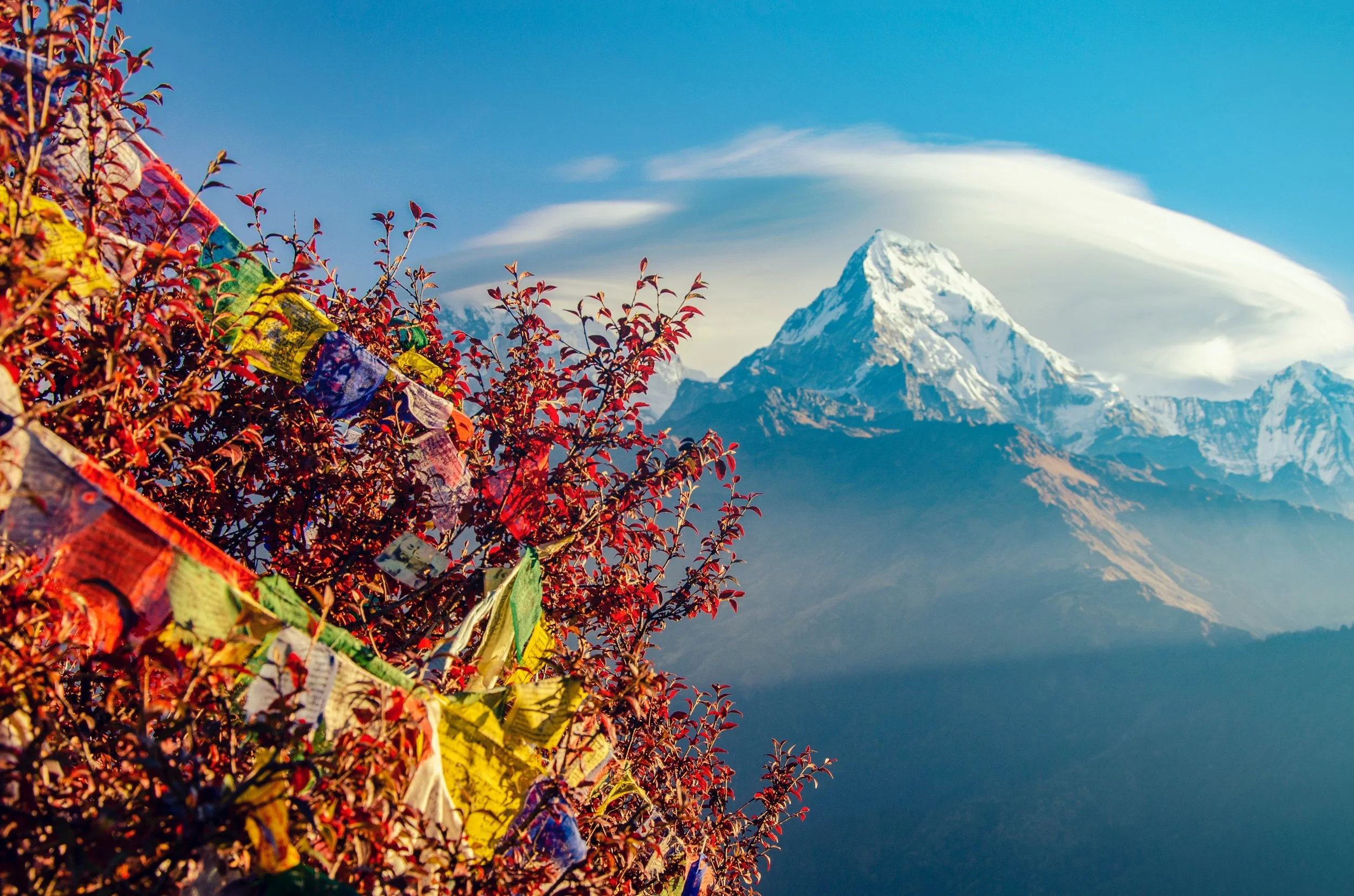
Nepal During Spring: A Sight to Behold
Nepal is a paradise for adventure enthusiasts and nature lovers alike. With its soaring peaks, rushing rivers, lush jungles, and rich cultural heritage, there's never a shortage of things to do in this breathtaking country. And during the spring season, the weather is just right for outdoor activities, making it the perfect time to visit. From trekking in the Himalayas to rafting in the rivers and exploring the temples and historical sites, this list of 10 must-do activities in Nepal will leave you feeling inspired and ready to start planning your trip. So pack your bags, grab your adventure hat, and get ready to experience the beauty of Nepal in all its glory!
Nepal, with its majestic Himalayas and rich cultural heritage, is a paradise for adventure enthusiasts and nature lovers. Spring is one of the best seasons to visit Nepal, with warm days, clear skies, and stunning blooms. In this season, the country comes to life, and travelers can indulge in a range of activities that are both exciting and rejuvenating. Here is a list of 10 must-do activities in Nepal during the spring season:
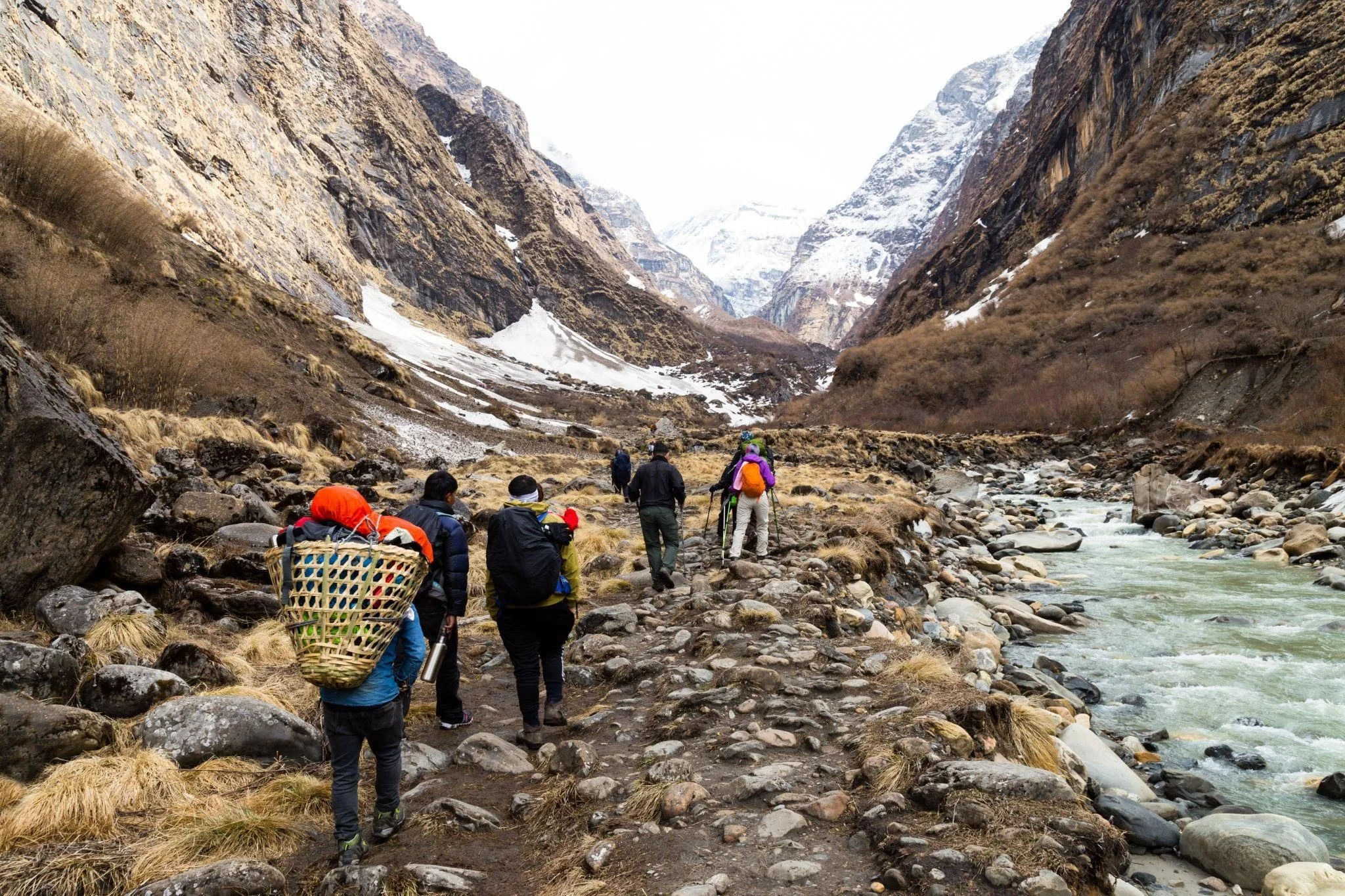
l Trekking in the Himalayas: The Annapurna Circuit, Langtang, and Everest Base Camp are some of the most popular trekking routes in Nepal, offering breathtaking views of the Himalayas. The clear skies and warm weather during spring make it an ideal time to embark on a trekking adventure. This activity is best suited for those who love hiking, nature and are in good physical shape. The trekking routes are located in the western and eastern regions of Nepal and take anywhere from 7 to 20 days to complete, depending on the trail.
l Rafting and kayaking: The fast-flowing rivers of Nepal, such as Trishuli, Marsyangdi, and Bhote Koshi, offer thrilling rafting and kayaking experiences. The warm weather and clear water make for a perfect day of rafting or kayaking, and the stunning scenery will leave you in awe. Rafting and kayaking trips can be arranged from Kathmandu or Pokhara and typically take a full day.
l Wildlife viewing: Chitwan National Park and Bardia National Park are home to exotic wildlife, including Bengal tigers, one-horned rhinos, and elephants. During spring, the animals come out to drink from the rivers, and visitors can observe them in their natural habitats. Wildlife viewing trips can be arranged from Kathmandu or Pokhara and typically take 2-3 days.
l Mountain biking: Enjoy a scenic mountain bike ride in the Himalayas and visit remote villages. With clear skies and warm weather, spring is an ideal time to explore Nepal by bike. Mountain biking trips can be arranged from Kathmandu and typically take several days.
l Temple and cultural tours: Visit the famous temples and historical sites of Kathmandu, Bhaktapur, and Patan, and learn about Nepal's rich cultural heritage. The warm weather in spring makes it a comfortable time to visit these sites. Temple and cultural tours can be arranged from Kathmandu and typically take a full day.
l Paragliding: Experience the thrill of flying over the mountains and valleys of Nepal. With clear skies and stable weather in spring, it's the perfect time to try paragliding. Paragliding trips can be arranged from Pokhara and typically take several hours.
l Bungee jumping: Take a leap of faith from one of the highest bungee bridges in the world in Pokhara. The warm weather and clear skies make spring an ideal time to try this adrenaline-pumping activity. Bungee jumping can be arranged from Pokhara and typically takes a few hours.
l Hot air ballooning: Get a bird's-eye view of the Himalayas and the surrounding landscape. The clear skies in spring make for a stunning hot air balloon ride. Hot air ballooning trips can be arranged from Pokhara and typically take several hours.
l Rock climbing and mountaineering: Challenge yourself with rock climbing or attempt to summit one of Nepal's peaks. With clear skies and warm weather, spring is an ideal time for these activities. Rock climbing and mountaineering trips can be arranged from Kathmandu and typically take several days.
l Yoga and meditation: Find peace and inner calm in the tranquil surroundings of Nepal's Himalayan foothills. With the warm weather and beautiful scenery, spring is an ideal time for yoga and meditation. Yoga and meditation retreats can be arranged from Kathmandu or Pokhara and typically take several days.
Nepal in spring is a perfect destination for adventure enthusiasts and nature lovers. With its clear skies, warm weather, and stunning scenery, you are sure to have a memorable time exploring the country. Don't miss the chance to experience all that Nepal has to offer this spring.
POPULAR ITINERARIES
SIMILAR POSTS

Nepal: A Land of Diverse Celebrations
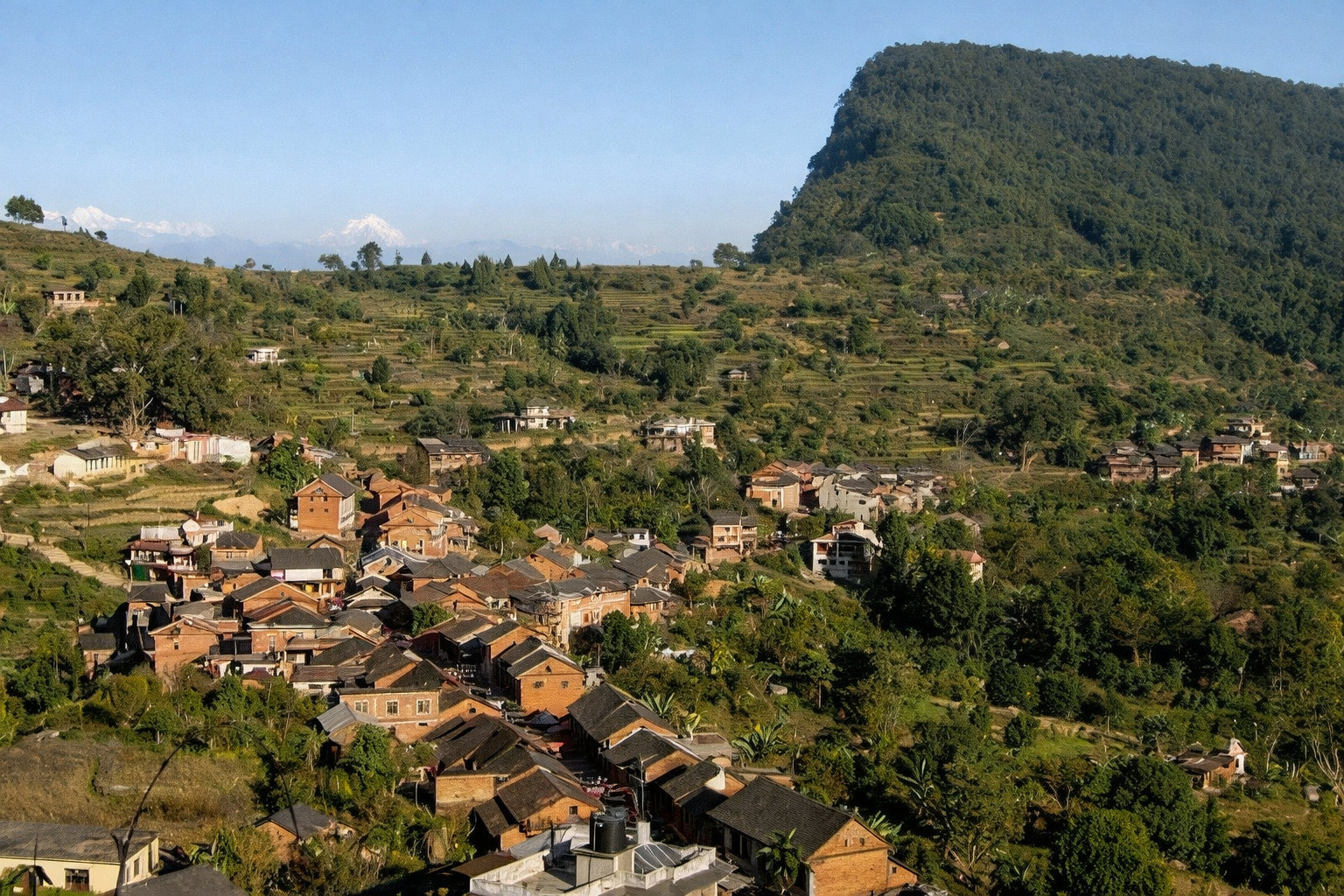
Nepal, a land of vibrant culture and traditions, where festivals are not just celebrations but a way of life. From the traditional Dashain to the colorful Holi, Nepal's festivals are a reflection of its rich history, religion and customs. A melting pot of diverse ethnic groups, these festivals bring people together, fostering a sense of community, tradition and unity.
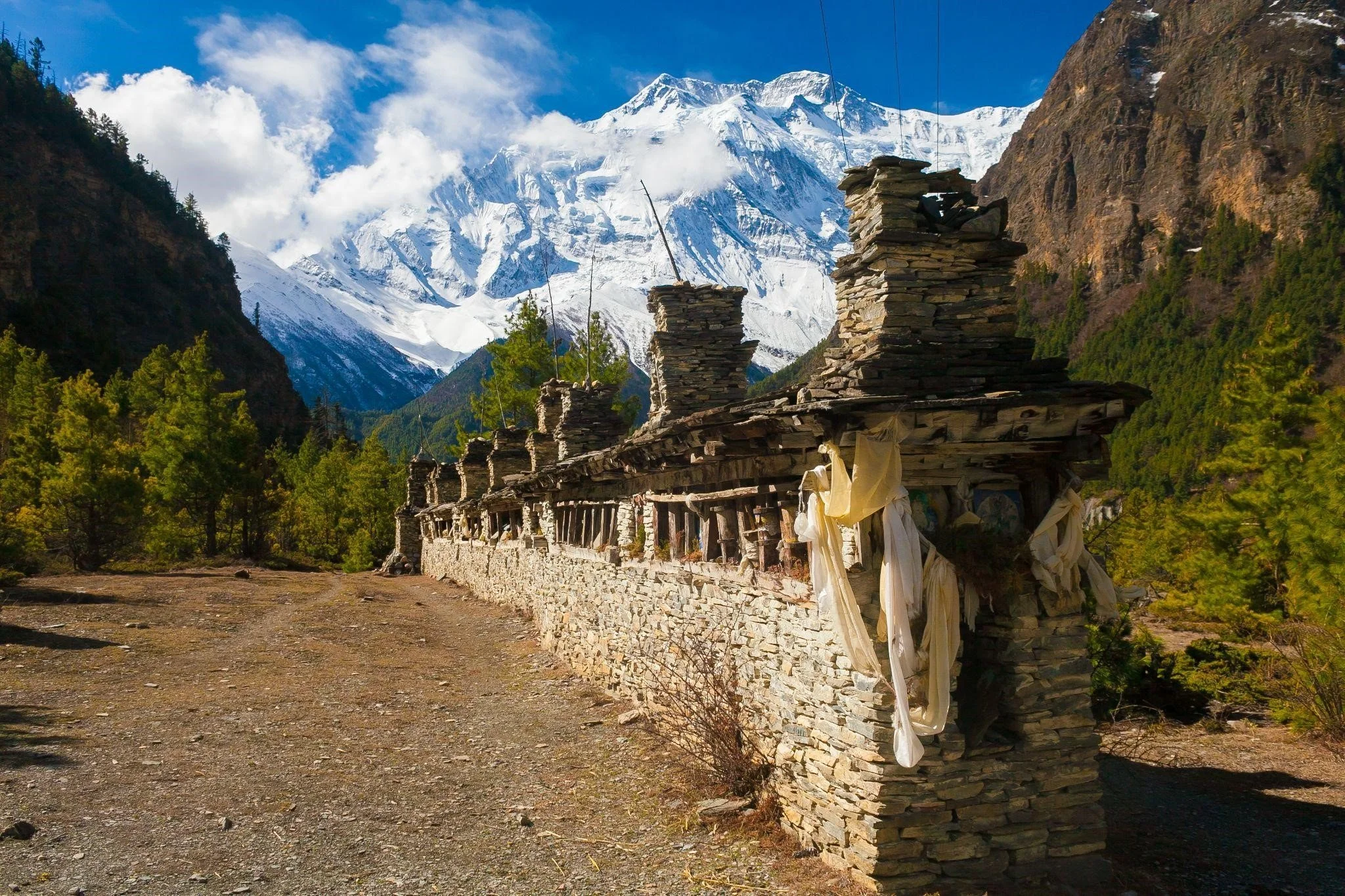
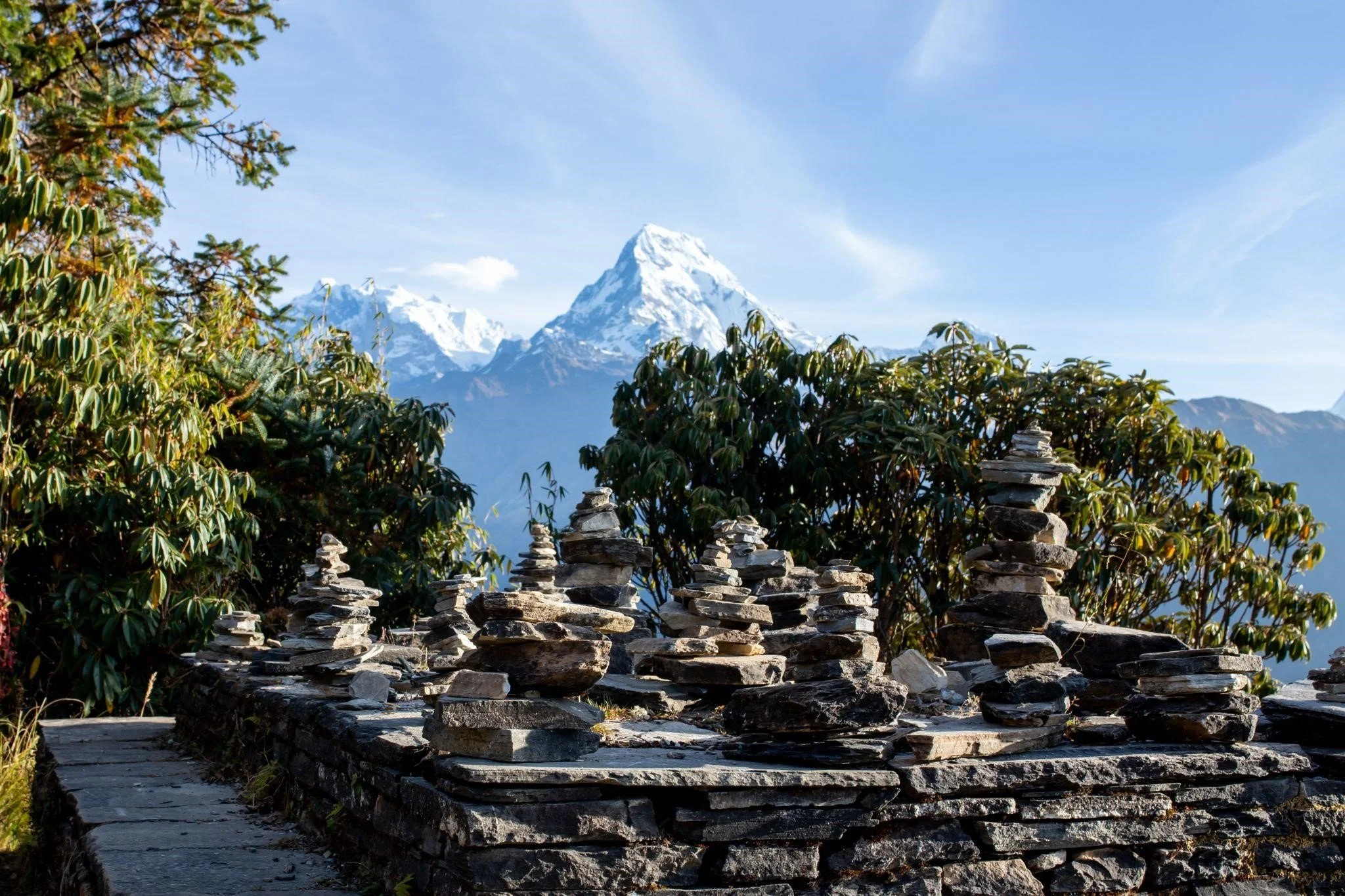
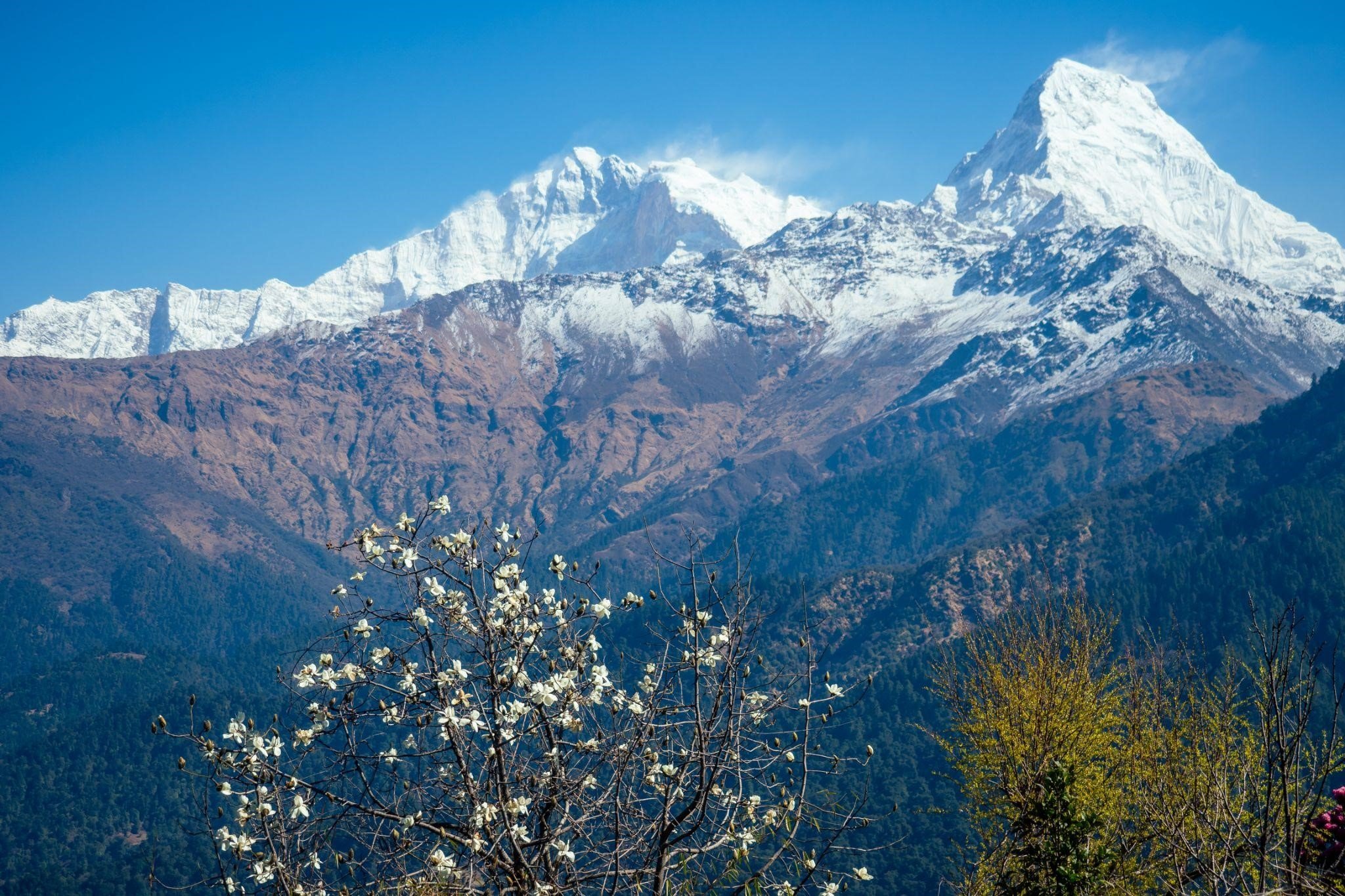
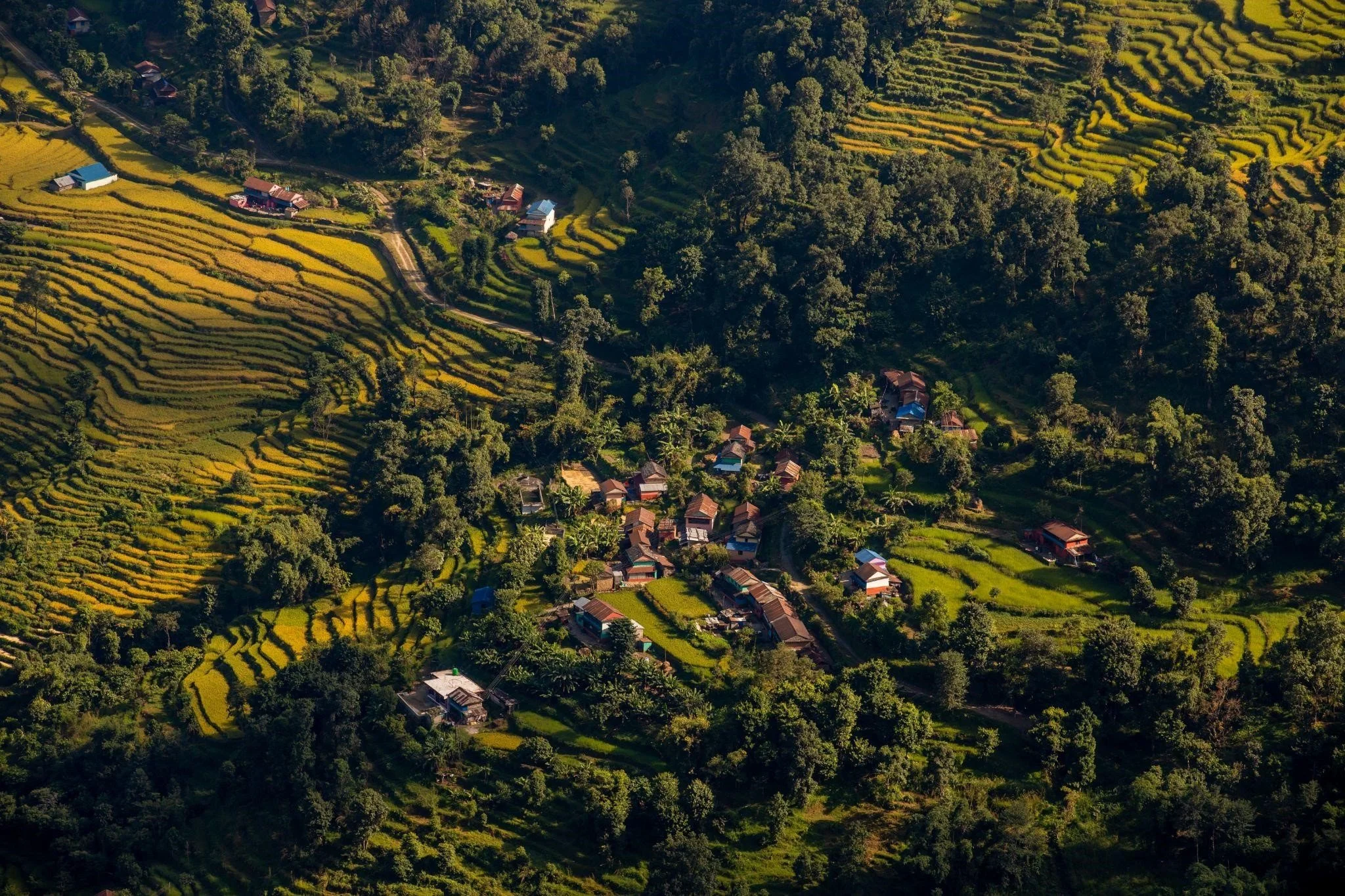
Nestled between the towering Himalayas and the lush Terai plain, lies the small yet vibrant country of Nepal. Known for its diverse culture, Nepal is a melting pot of different ethnic groups and tribes, each with their own unique languages, customs, and traditions. From the traditional Sherpa culture in the mountains, to the vibrant Tharu culture in the Terai, Nepal's cultural landscape is as diverse as its geography. The country's varied topography, ranging from the Himalayas in the north to the flat Terai plain in the south, has played a big role in shaping its cultural diversity, with different ethnic groups adapting their culture to the local environment.
Nepal is a country with a rich history and culture, and this is reflected in the numerous festivals that are celebrated throughout the year. These festivals are an integral part of Nepal's cultural heritage and are deeply rooted in its history, religion, and tradition. They provide an opportunity for people to come together and celebrate their shared culture and heritage, and offer a glimpse into the country's rich history and customs.
Festivals are important in Nepal for several reasons:
l Cultural Preservation: Festivals are an important part of Nepal's cultural heritage and help to preserve the country's rich history, customs, and traditions. They provide an opportunity for people to come together and celebrate their shared culture and heritage.
l Social Unity: Festivals bring people together regardless of their religion, ethnicity, or social status. They provide a platform for people to connect with one another, build relationships and foster a sense of community.
l Religious Significance: Many festivals in Nepal have a religious significance and are an important part of the country's religious practices. They provide an opportunity for people to come together and offer prayers, perform religious rituals and seek blessings.
l Economic Boost: Festivals also provide an economic boost as they attract tourists, create jobs and generate income for local communities.
l Educational Value: Festivals also have an educational value as they offer a glimpse into Nepal's rich history, customs and traditions. They provide an opportunity for people to learn more about their culture and heritage, and also for visitors to learn about Nepal's culture.
l Tourist Attraction: Nepal's festivals are famous around the world and its festivals are one of the major attractions for tourists. It's a way to showcase the rich culture and diversity of Nepal.
One of the most famous festivals in Nepal is the Dashain festival, celebrated by the Hindu population. It is a time for families to come together and offer prayers to the goddess Durga, who is said to have defeated a powerful demon. The festival lasts for 15 days and is marked by the exchange of traditional gifts, the slaughter of animals, and the lighting of oil lamps.
Another popular festival is the Tihar festival, also known as the festival of lights. It is celebrated by the Hindu and Buddhist communities and is a five-day festival. During the festival, homes are decorated with oil lamps and rangolis, people offer prayers to the goddess Laxmi, and brothers put tika and jamara on their sisters forehead as a symbol of love and protection.
The festival of Teej is also celebrated with great enthusiasm, particularly by women. It's a festival of swing and it is celebrated by married and unmarried Hindu women. The women dressed in their traditional attire and they swing on decorated swings and sing and dance.
The festival of Holi is also an important festival in Nepal, celebrated by people of all ages and religions. It is a festival of colors and is celebrated to mark the end of winter and the arrival of spring. During the festival, people smear each other with colored powder and water, and feast on traditional foods.
These are just a few examples of the many festivals that are celebrated in Nepal. Each festival has its own significance and unique customs, reflecting the country's religious, cultural and social heritage. All the festivals are integral part of Nepal's culture and it reflects the unity in diversity.
POPULAR ITINERARIES
SIMILAR POSTS

Exploring The Unexplored - Part III
So much is yet to be explored! A humble nation, traversed by thousands over time, still has so many new places to be discovered? There are many facets of existing popular destinations that have never seen the light of day. Let us look at a few places to explore, shall we?
Panauti
Province: Bagmati
Distance from Kathmandu: 32 km
Accessibility: Land at TIA (Tribhuvan International Airport) and take a 1.5 hour bus ride along Araniko Highway
Attractions: Well preserved traditional Newar architecture, Indreshwar Mahadev Temple, Brahmayani Temple, Tindhare Waterfall, Old Bazzar
When we think of the Newar culture; and their dominion, the valley kingdoms of Lalitpur, Kathmandu (Kantipur) and Bhaktapur come to mind. But, they aren't the only cities that feature a sizeable population of this ethnic community that once dominated the landscape of this region. Cities such as Panauti, Bandipur, Kirtipur, Bhimphedi, Banepa, Nuwakot and Palpa also feature brilliant examples of Newari culture and lifestyle.
Panauti was once a flourishing kingdom. It was a trading hub in Tibet and India's ancient Salt Trade Route. Historically, this region was a small state. As per historical findings, the settlement was created by King Ananda Malla.
“This younger brother (Ananda Malla) being very generous and wise, gave up the sovereingty over the two cities, and having invoked Annapurna Devi from Kasi founded a city of 12,000 houses which he named Bhaktapur(Bhatgaon) and included sixty small village in his territory.After this, the Raja having obtained the favour and directions of Chandeswari, founded seven towns; viz. Banepur(Banepa) near Chandeswari Pitha, Panavati(Panauti), near the Pragaya TIrtha of Nepal, celebrated in the Shastras on the site where Panchala-des formely stood, Nala, near Nala Bhagavati, Dhaukhle near Narayana; Khapu near Dhaneswaril Chaukot near the residence of Chankora Rishi; Sanga near Nasika Pitha.”
Wright 1877: 163
Later, during the reign of King Bhupatindra Malla, the state was presented his passed on to his sister as dowry (offerings given by the bride's side during marriage). Panauti is a city of great historical significance. As per chronicles and historical findings, this region was where the Panchala-desh once stood. Panchala was one of sixteen mahajanapadas (states) of the Indian subcontinent. Characters of Mahabharata such as Draupadi, Drupada, Satyajit, and Sage Dhaumya are said to be natives of Panchala.
Panauti is an example of what the entire valley once looked like once. The city is stagnant today like many other once trading hubs of the ancient salt route. This stagnation helped preserve the historicity of the city and its architecture.
Koshi Tappu Wildlife Reserve
Provinces: 1 & 2 ( Madesh Province)
Distance from Kathmandu:
Accessibility
By Road: 8.5 hour bus ride (338.6km) via B.P Highway & East-West Highway, Daily buses (Day & Night) service from Kathmandu to Kakarbhitta and Biratnagar, visitors shpuld disembark at Jamuha and walk 2.5 km to the reserve head quarter.
By Air: 35 minute plain ride from Kathmandu to Biratnagar then a 1.5 hour bus ride
Attractions: Sapta Koshi River, last surviving population of wild buffalo, fauna species such as hog dee, wild deer, spotted deer, blue bull and rock python, panoramic views of Himalayan peaks including Makalu (8643m), 441 species of birds (14 endemic)
Koshi Tappu Wildlife Reserve KTWR) is a marvellous example of conservation at its finest. Originally this area was announced as a Hunting Reserve in 1969 with a total area of 12 km2. In 1976, the reserve area was enlarged to 65 km2. A third phase extension was conducted in 1980 to feature the present total area of 175 km2.
When we think of the conservation area projects in Nepal- the eastern flank is highly reclusive. Due to ineffective development of transportation and lack of adequate promotion compared to its western siblings are less traversed.
KTWR is the last habitat for Babalus arnee, also known as Wild Buffalo or Arna in the Nepalese language. It is also the habitat for 14 endemic species of birds that thrive in this wetland. This area has thee distinct seasons- Summer (February through May), which is very hot with minimal precipitation. The monsoon beings in late May/early June and lasts till September. The monsoon features intense flooding of the region. Winter beings in October and lasts till January. Even this season features moderate temperature, it can get cold sometimes.
The last time KTWR came into the spotlight was when Gangetic dolphin's were spotted in the lake system. The reserve is home to the endangered Gharial crocodile and is the perfect habitat for various migratory birds.
POPULAR ITINERARIES
SIMILAR POSTS
Avifauna Jewels Of Chitwan National Park
Chitwan national park is 12th national parks of Nepal, also enlisted in the UNESCO World Heritage site. It was inscribed in the heritage book in 1984 AD under the criteria of Natural sites. It spans a total area of 932 Sq.Km and is located in the Inner Terai Low Lands of South-Central Nepal.
Chitwan National Park is of 12 national parks of Nepal, it is also enlisted in the UNESCO World Heritage site. It was inscribed in the heritage book in 1984 AD under the criteria of Natural sites. It spans a total area of 932 Sq. Km and is located in the Inner Terai Low Lands of South-Central Nepal.
Chitwan National Park is home to more than 543 species and more than 180 visiting bird species. Some of the species that dwell in the area of the Nepal are threatened and on the endangered species list, such as Bengal Florican, Lesser Adjutant, Grey-Crowned Prinia, Swamo Francolin, GFrass Warblers, Oriental Darter, Spotted Eagle and many more.
The Nepal is a home to beautiful and vibrant bird species which call this national park home due to its suitability for habitat. This list consists of 5 Jewels one can spot in Chitwan National Park.
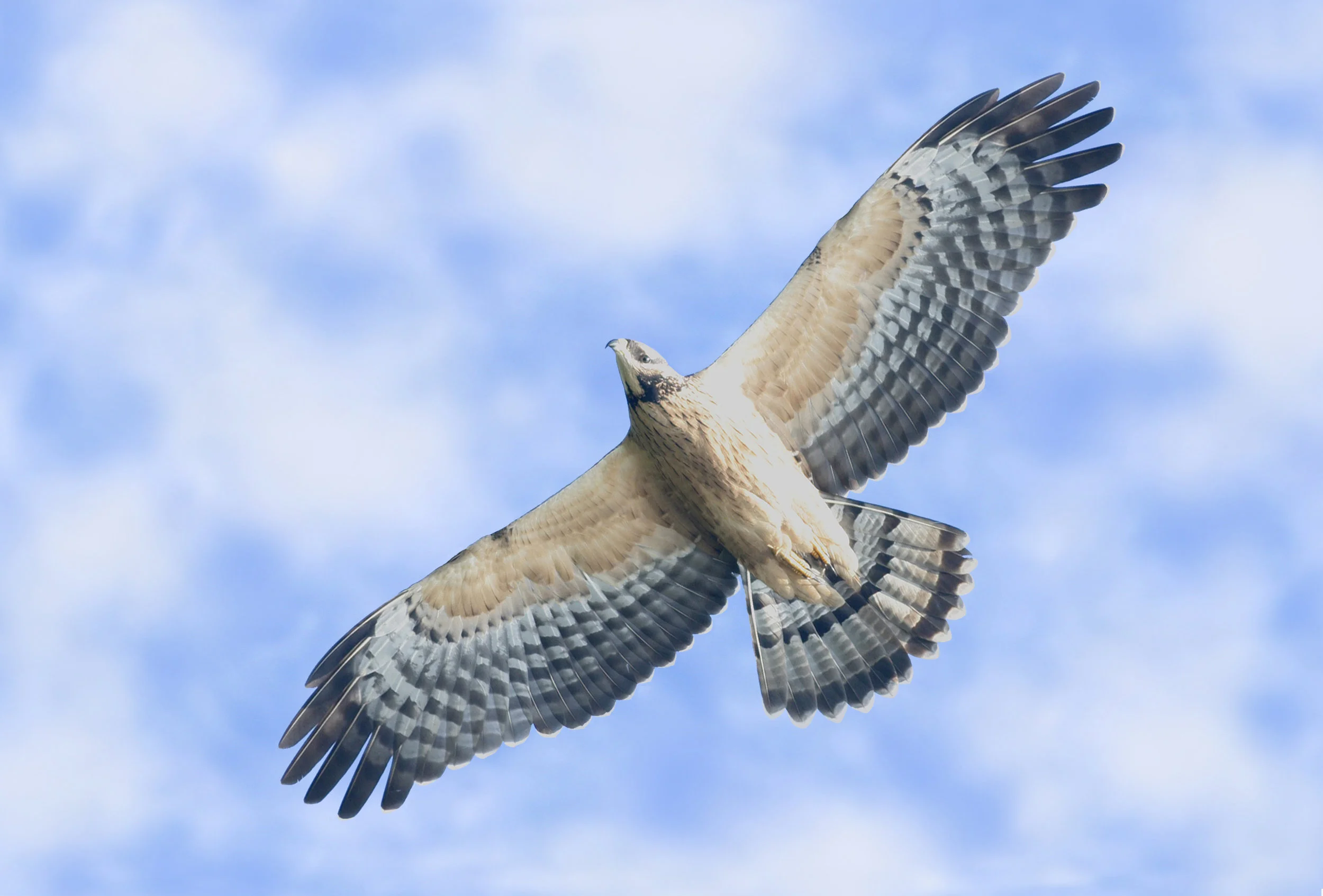
Honey Buzzard
The crested honey buzzard (Pernis ptilorhynchus) is a bird of prey in the family Accipitridae, which also includes many other diurnal raptors such as kites, eagles, and harriers. This species is also known as the Oriental honey buzzard.
Darter
The darters or snakebirds are mainly tropical waterbirds in the family Anhingidae having a single genus Anhinga. There are four living species, three of which are very common and widespread while the fourth is rarer and classified as near-threatened by the IUCN. The term "snakebird" is usually used without any additions to signify whichever of the completely allopatric species occurs in any one region. It refers to their long thin neck, which has a snake-like appearance when they swim with their bodies submerged, or when mated pairs twist it during their bonding displays. "Darter" is used with a geographical term when referring to particular species. It alludes to their manner of procuring food, as they impale fisheswith their thin, pointed beak. The American darter (A. anhinga) is more commonly known as the anhinga. It is sometimes called "water turkey" in the southern United States for little clearly apparent reason; though the anhinga is quite unrelated to the wild turkey, they are both large, blackish birds with long tails that are sometimes hunted for food.
Alexandrine parakeet
The Alexandrine parakeet or Alexandrian parrot (Psittacula eupatria) is a member of the psittaciformes order and of the family Psittaculidae. The species is named after Alexander the Great, who is credited with the exporting of numerous specimens of this bird from Punjab into various European and Mediterranean countries and regions, where they were considered prized possessions for the nobles, royalty & warlords.
Hoopoe
Hoopoes /ˈhuːpuː/ are colourful birds found across Afro-Eurasia, notable for their distinctive "crown" of feathers. Three living and one extinct species are recognized, though for many years all were lumped as a single species—Upupa epops.
Grey Heron
The grey heron (Ardea cinerea) is a long-legged predatorywading bird of the heron family, Ardeidae, native throughout temperate Europe and Asia and also parts of Africa. It is resident in much of its range, but some populations from the more northern parts migrate southwards in autumn. A bird of wetland areas, it can be seen around lakes, rivers, ponds, marshes and on the sea coast. It feeds mostly on aquatic creatures which it catches after standing stationary beside or in the water or stalking its prey through the shallows.
Grey Head Fish Eagle
The grey-headed fish eagle (Haliaeetus ichthyaetus) is a fish-eating bird of prey from South East Asia.[2] It is a large stocky raptor with adults having dark brown upper body, grey head and lighter underbelly and white legs. Juveniles are paler with darker streaking. It is often confused with the lesser fish eagle (Haliaeetus humilis) and the Pallas's fish eagle. The lesser fish eagle is similar in plumage but smaller and the Pallas’s fish eagle shares the same habitat and feeding behaviour but is larger with longer wings and darker underparts.
Green Bee Eater
The green bee-eater (Merops orientalis) (sometimes little green bee-eater) is a near passerine bird in the bee-eaterfamily. It is resident but prone to seasonal movements and is found widely distributed across sub-Saharan Africa from Senegal and the Gambia to Ethiopia, the Nile valley, western Arabia and Asia through India to Vietnam. They are mainly insect eaters and they are found in grassland, thin scrub and forest often quite far from water. Several regional plumage variations are known and several subspecies have been named.
Great White Pelican
The great white pelican (Pelecanus onocrotalus) also known as the eastern white pelican, rosy pelican or white pelicanis a bird in the pelican family. It breeds from southeastern Europe through Asia and Africa, in swamps and shallow lakes.
Cattle Egret
The cattle egret (Bubulcus ibis) is a cosmopolitan species of heron (family Ardeidae) found in the tropics, subtropics and warm temperate zones. It is the only member of the monotypicgenus Bubulcus, although some authorities regard two of its subspecies as full species, the western cattle egret and the eastern cattle egret. Despite the similarities in plumage to the egrets of the genus Egretta, it is more closely related to the herons of Ardea. Originally native to parts of Asia, Africa and Europe, it has undergone a rapid expansion in its distributionand successfully colonised much of the rest of the world in the last century.
Lesser Adjutant
The lesser adjutant (Leptoptilos javanicus) is a large wading bird in the stork family Ciconiidae. Like other members of its genus, it has a bare neck and head. It is however more closely associated with wetland habitats where it is solitary and is less likely to scavenge than the related greater adjutant. It is a widespread species found from India through Southeast Asia to Java.
Purple Swanphen
Grey-headed swamphen (Porphyrio poliocephalus) is a species of swamphen occurring from the Middle East and the Indian subcontinent to southern China and northern Thailand. It used to be considered a subspecies of the purple swamphen, but was elevated to full species status in 2015; today the purple swamphen is considered a superspecies and each of its six races are designated full species.
Rufous Necked Laughingthrush
The rufous-necked laughingthrush (Garrulax ruficollis) is a bird species in the laughingthrush family, Leiothrichidae. It was formerly placed in the genus Dryonastes.[2] It is found in Bangladesh, Bhutan, China, India, Myanmar and Nepal, where its natural habitats are subtropical or tropical moist lowland forests and subtropical or tropical moist montane forests.
Little Egret
The little egret (Egretta garzetta) is a species of small heron in the family Ardeidae. The genus name comes from the Provençal French Aigrette, "egret", a diminutive of Aigron," heron". The species epithet garzetta is from the Italian name for this bird, garzetta or sgarzetta.