The Legend and Flavor of Yomari Punhi: Celebrating Nepal’s Harvest Moon Festival
Indulge in the warmth and tradition of Yomari Punhi, where sweet, steamed yomari brings communities together to celebrate the harvest moon. A festival filled with myths, gratitude, and delicious delicacies, Yomari Punhi is not just about the food—it’s about the spirit of sharing, abundance, and honoring the goddess of nourishment.
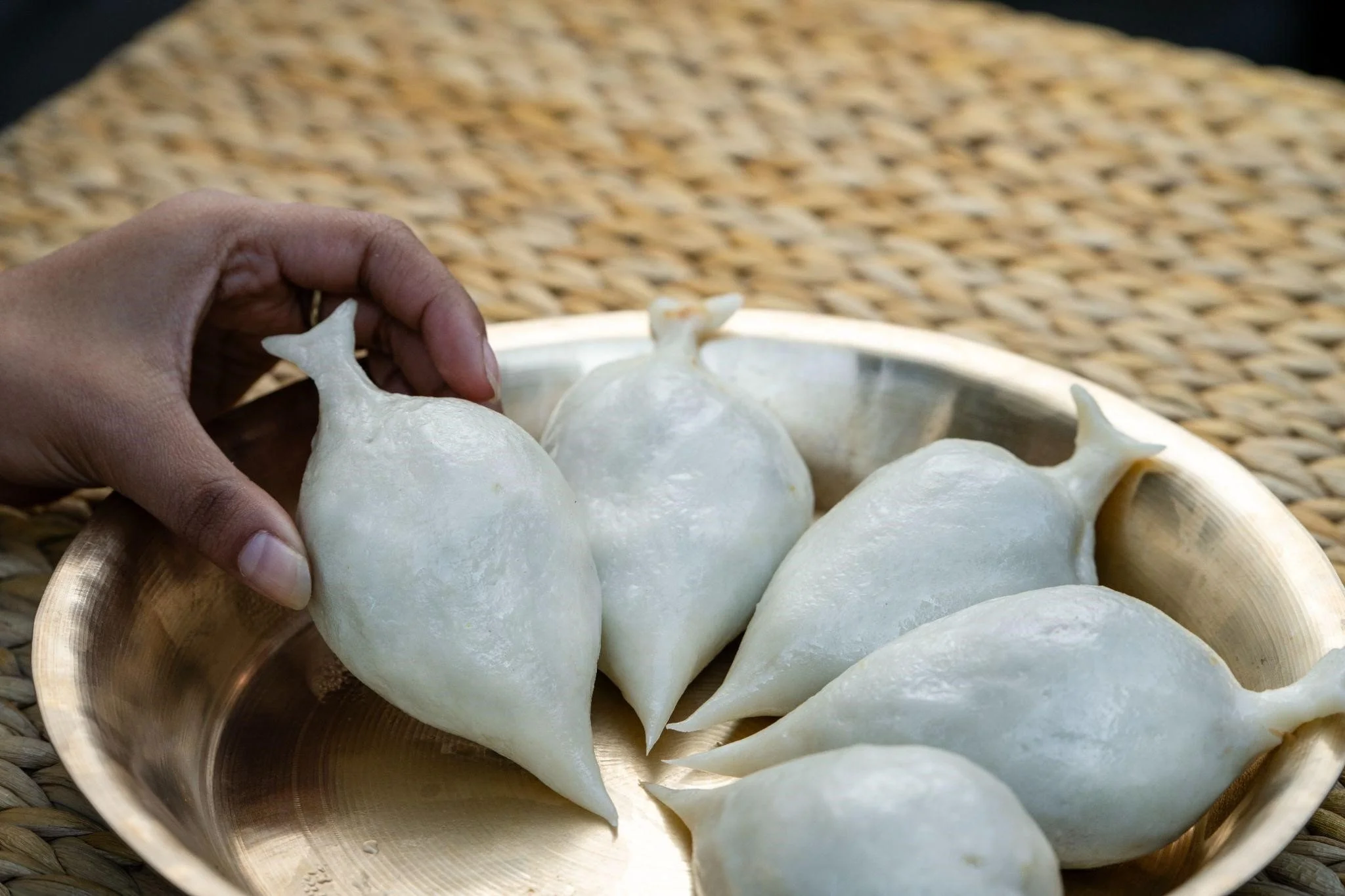
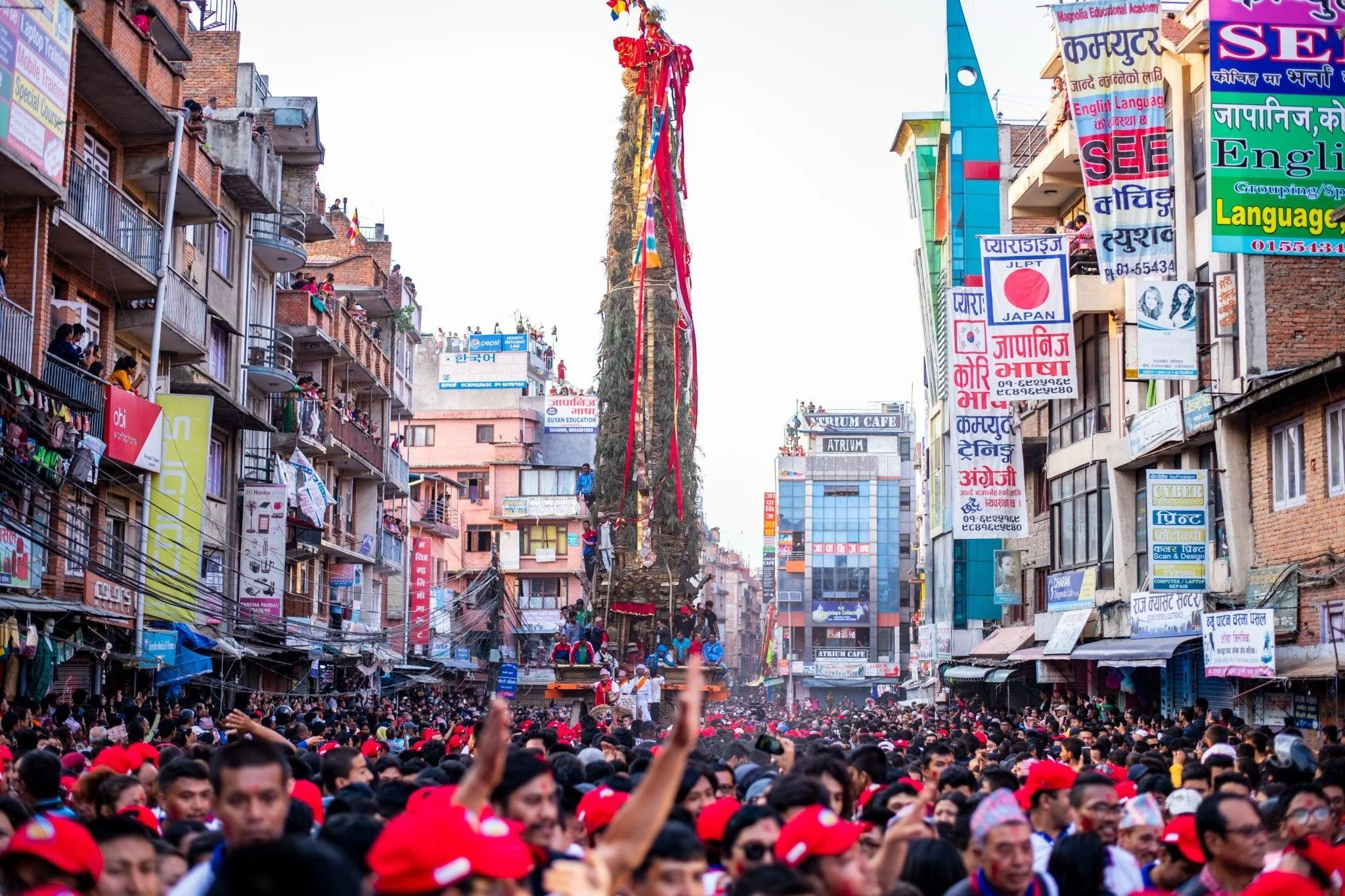
When winter settles over the Kathmandu Valley, a gentle warmth rises from Newar homes as the aroma of steaming yomari fills the air. This beloved delicacy becomes the heart of celebration during Yomari Punhi, one of the most cherished festivals of the Newar community. Observed on the full moon day of Thinlā; the second month in the Nepal Sambat calendar, Yomari Punhi is a festival woven with warmth, gratitude, and the joy of sharing.
The story behind Yomari Punhi adds a layer of mythical charm to the festival. It is said that long ago, in the village of Panauti, a couple named Suchandra and Krita decided to experiment with the fresh rice from their recent harvest. They crafted a new kind of steamed dumpling, sweet on the inside and soft on the outside, and shared it generously with their neighbors. People loved it so much that it was named “ya-mari,” that translates to “the bread that people like.” According to legend, the God of Wealth, Kubera, was wandering through the village in disguise on the same day. When the couple offered him the new delicacy, he was delighted by their generosity and blessed them with prosperity. From that moment, yomari came to symbolize abundance, goodwill, and divine blessing, and its creation became an annual tradition tied to the harvest moon.
Beyond its origin, the festival carries deep cultural and spiritual significance. It honors Goddess Annapurna, the deity associated with food and nourishment, reminding people that the harvest is not only the result of hard work but also a sacred blessing. The act of making yomari is equally meaningful as it brings family, friends, and neighbors together as a community to celebrate the joy of sharing a simple steaming bread filled with yummy goodness, which can be ‘chakhu’ and ‘khuwa’. The cultural significance of the festival lies not only in the food but in the togetherness it inspires. Yomari Punhi is a reminder of gratitude; for a good harvest, for community, and for the warmth we create even in the coldest months. The simple act of shaping yomari becomes a moment of connection between generations, keeping Newar heritage alive in kitchens throughout the valley.
For tourists, experiencing Yomari Punhi means tasting a piece of Nepal’s living culture. It is an opportunity to witness a tradition that blends food, myth, and community into one beautifully heartfelt celebration. If you’re visiting off-season, you don’t need to wait for the festival. The loving locals sell the delicious warm yomari in every corner of the valley.
POPULAR ITINERARIES





SIMILAR POSTS
The Best Nepali Dishes to Try While Staying in Kathmandu
Nepal’s culinary landscape is as diverse as its culture, offering a rich blend of flavors, spices, and traditional cooking techniques. Whether you’re visiting for the first time or a returning traveler, indulging in authentic Nepali cuisine is an essential part of your Kathmandu experience. From comforting lentil-based meals to bold, spiced delicacies, here are some of the must-try Nepali dishes that will take your taste buds on a journey.
Nepal’s culinary landscape is as diverse as its culture, offering a rich blend of flavors, spices, and traditional cooking techniques. Whether you’re visiting for the first time or a returning traveler, indulging in authentic Nepali cuisine is an essential part of your Kathmandu experience. From comforting lentil-based meals to bold, spiced delicacies, here are some of the must-try Nepali dishes that will take your taste buds on a journey.
1. Dal Bhat (The Ultimate Nepali Meal)
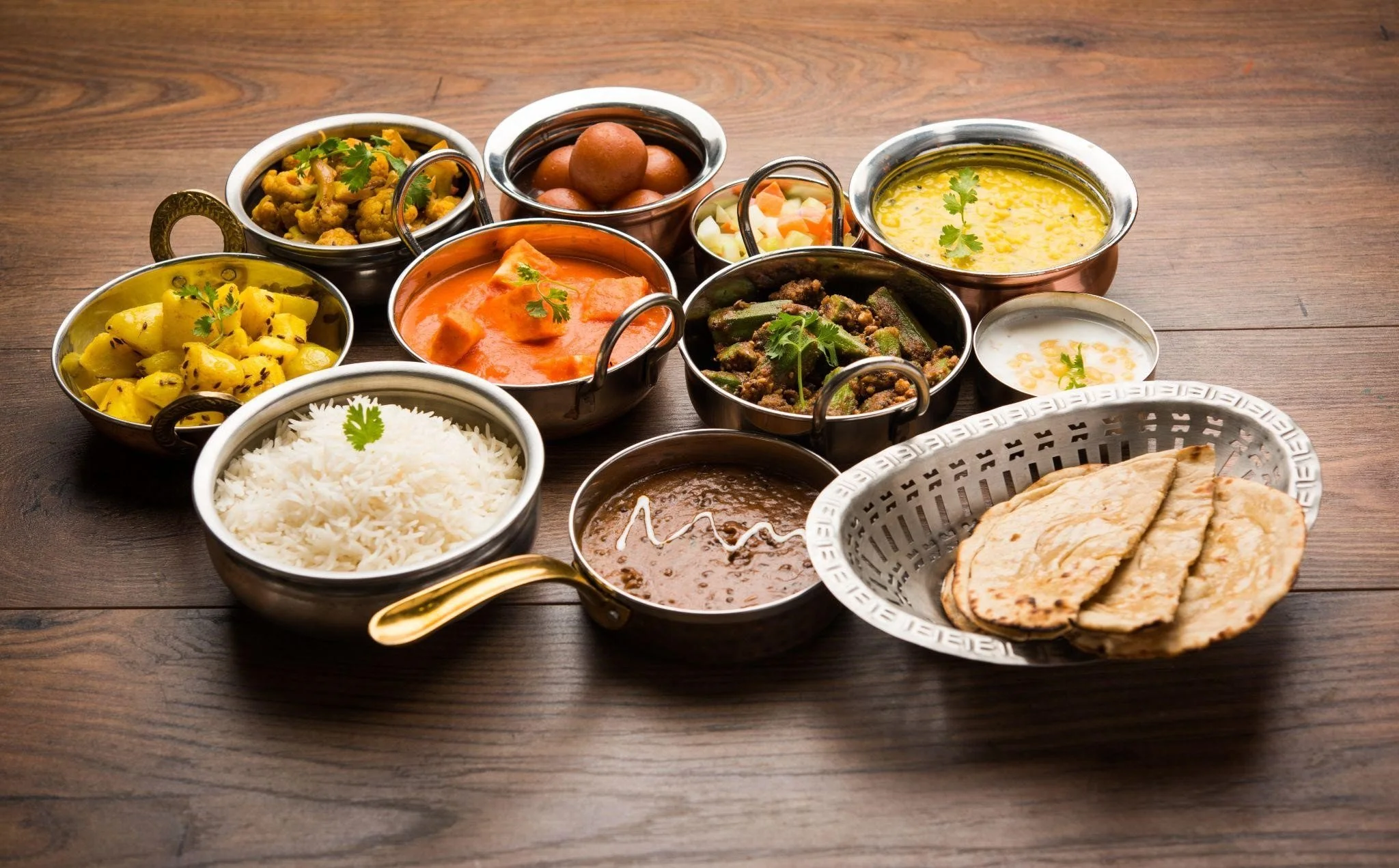
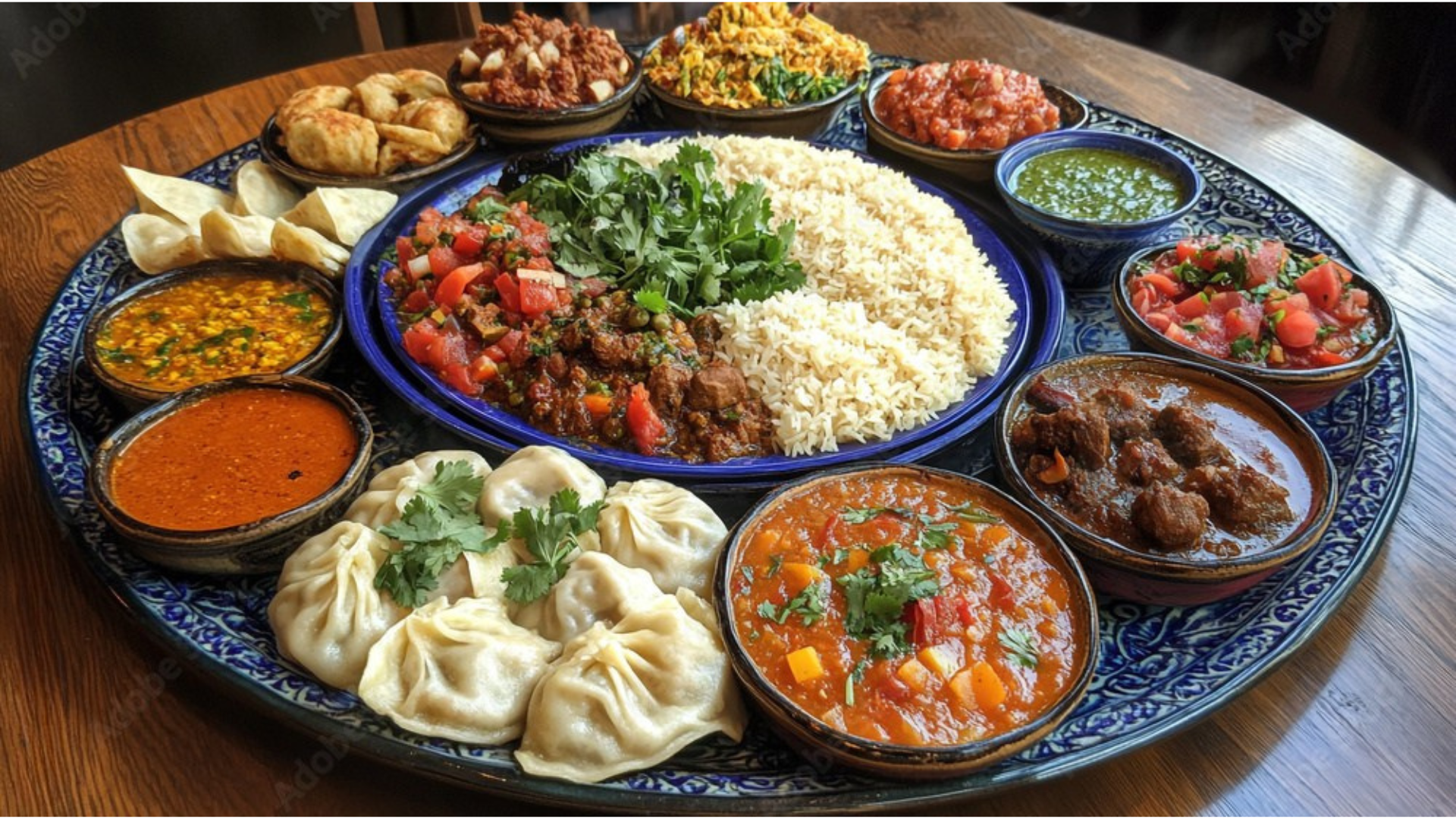
No dish represents Nepal better than Dal Bhat—a staple meal enjoyed across the country. This nutritious and fulfilling platter consists of steamed rice (bhat), lentil soup (dal), and an array of side dishes such as spiced vegetables, pickles, and curried meats. The combination of flavors makes it a wholesome and satisfying meal, perfect for fueling your adventures in Kathmandu.
📍 Where to try it: Most Nepali restaurants, local eateries, and even at Hotel Shanker’s fine dining experience.
2. Momos (Nepali Dumplings)
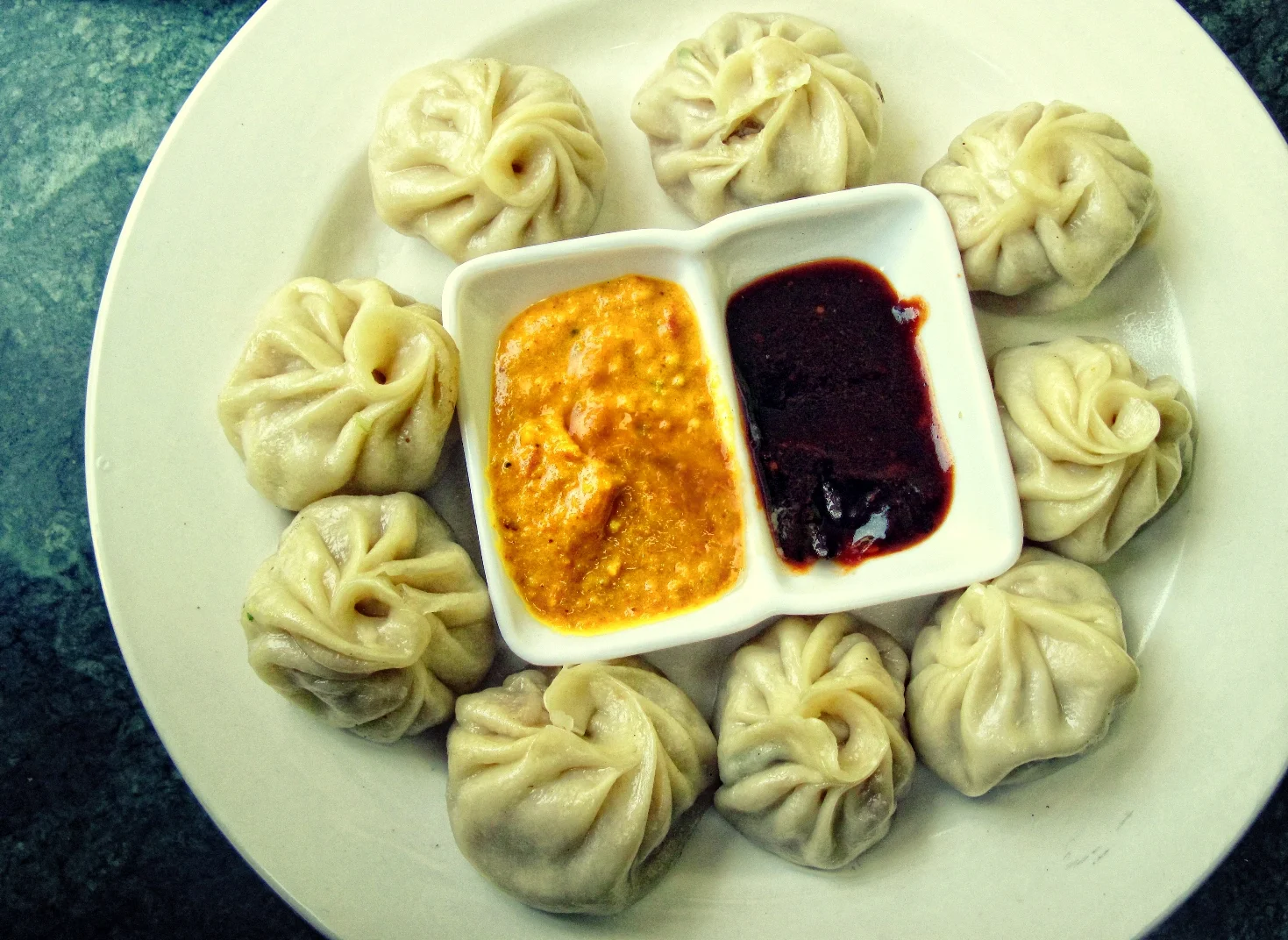
A favorite among locals and visitors alike, momos are delicious dumplings filled with seasoned minced meat or vegetables, wrapped in soft dough and either steamed, fried, or served in a spiced soup (Jhol Momo). Served with spicy tomato chutney, they make for an irresistible snack or meal.
📍 Where to try it: Specialty momo restaurants, street food stalls, and high-end eateries.
3. Newari Khaja Set (A Traditional Newari Feast)
The Newari community, indigenous to Kathmandu Valley, has a unique and flavorful cuisine. A Newari Khaja Set includes a mix of beaten rice (chiura), marinated buffalo meat (chhoila), spiced potatoes, black soybeans (bhatmas), pickles, and fried eggs. It’s the perfect way to experience the bold and spicy side of Nepali food.
📍 Where to try it: Traditional Newari restaurants in Kathmandu, especially in Patan and Bhaktapur.
4. Sel Roti (Sweet Rice Bread)
A popular Nepali delicacy, Sel Roti is a deep-fried, ring-shaped rice bread with a slightly sweet taste and crispy texture. It is often enjoyed during festivals, but you can also find it at local tea shops, paired with a cup of Nepali chiya (milk tea).
📍 Where to try it: Local sweet shops, bakeries, and traditional Nepali restaurants.
5. Gundruk (Fermented Leafy Greens)
For a taste of Nepal’s preserved flavors, Gundruk is a must-try. This fermented leafy green vegetable is often cooked in a curry or served as a side dish, offering a unique tangy and earthy flavor. Rich in probiotics, it is also considered a healthy addition to the Nepali diet.
📍 Where to try it: Traditional restaurants serving authentic Nepali meals.
6. Yomari (A Sweet Newari Treat)
Yomari is a steamed dumpling made from rice flour, filled with molasses and sesame seeds. A specialty of the Newari community, this dessert is particularly enjoyed during the Yomari Punhi festival, but it is available year-round at select eateries.
📍 Where to try it: Newari restaurants and sweet shops in Patan and Bhaktapur.
7. Juju Dhau (The King of Yogurt)
A visit to Kathmandu is incomplete without trying Juju Dhau, a thick, creamy, and sweet yogurt originating from Bhaktapur. Made using traditional methods, it has a rich texture and subtle sweetness that makes it a perfect dessert or refreshing treat.
📍 Where to try it: Authentic Juju Dhau shops in Bhaktapur and Kathmandu.
8. Thakali Set (A Refined Nepali Meal)
Similar to Dal Bhat, the Thakali Set is a more refined and flavorful version, originating from the Thakali community in the Mustang region. It features steamed rice, lentils, sautéed greens, pickles, fried buckwheat bread, and slow-cooked mutton or chicken curry. The balanced use of spices and ghee makes this a rich and comforting meal.
📍 Where to try it: Specialty Thakali restaurants in Kathmandu.
9. Sukuti (Dried & Spiced Meat)
For those who enjoy bold flavors, Sukuti is a traditional Nepali jerky made from sun-dried buffalo or goat meat, marinated with spices and served as a snack or stir-fried with onions and chilies. It pairs perfectly with a local drink like Aila (Newari liquor).
📍 Where to try it: Newari restaurants and local food joints.
10. Chatamari (The Nepali Pizza)
Often called “Nepali pizza”, Chatamari is a thin rice flour pancake topped with eggs, minced meat, vegetables, and spices. It’s light, crispy, and packed with flavor, making it a great alternative to regular bread-based dishes.
📍 Where to try it: Newari eateries in Patan and Bhaktapur.
Experience Authentic Nepali Cuisine at Hotel Shanker
For those looking to experience authentic Nepali flavors in a luxurious setting, Hotel Shanker offers a curated selection of traditional Nepali dishes prepared with the finest ingredients. Whether you’re craving a hearty Dal Bhat, a plate of momos, or a Thakali set meal, our chefs ensure a culinary experience that is both authentic and refined.
📍 Join us for a taste of Nepal’s rich culinary heritage in a setting that blends tradition with elegance.
POPULAR ITINERARIES
SIMILAR POSTS
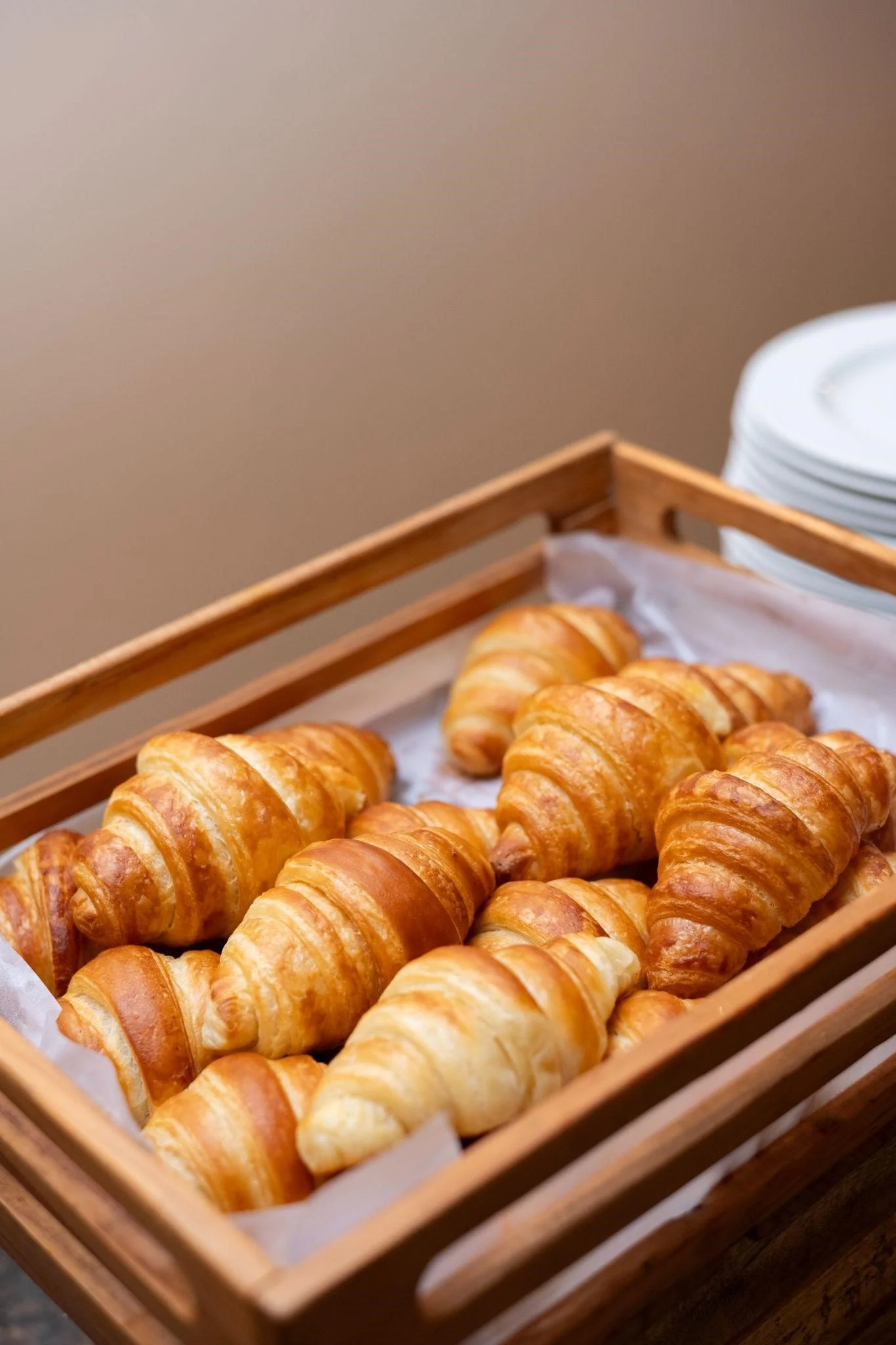
Breakfast at Hotel Shanker: A Heritage-Inspired Start to Your Day
A great day begins with a great breakfast, and at Hotel Shanker, mornings are nothing short of indulgent. Offering a lavish buffet breakfast in a timeless heritage setting, we ensure that every guest starts their day with a delightful blend of flavors, freshness, and elegance. Whether you’re a traveler seeking an authentic Nepali breakfast or someone who enjoys a continental spread, our morning offerings cater to every palate.
A great day begins with a great breakfast, and at Hotel Shanker, mornings are nothing short of indulgent. Offering a lavish buffet breakfast in a timeless heritage setting, we ensure that every guest starts their day with a delightful blend of flavors, freshness, and elegance. Whether you’re a traveler seeking an authentic Nepali breakfast or someone who enjoys a continental spread, our morning offerings cater to every palate.
A Grand Buffet Spread: Something for Everyone
At Hotel Shanker, breakfast is not just a meal—it’s an experience. Our buffet breakfast is designed to suit all tastes, featuring a wide selection of hot and cold dishes, freshly baked goods, seasonal fruits, and a variety of beverages.
What’s on the Menu?
● Continental Favorites: Fluffy pancakes, golden waffles, buttery croissants, and a selection of bread, cheeses, and cold cuts.
● Classic Hot Breakfast: Freshly prepared eggs, crispy bacon, sausages, roasted potatoes, and sautéed vegetables.
● Healthy & Light Options: Fresh seasonal fruits, yogurt, granola, muesli, and fresh juices for a balanced start.
● Beverage Selections: Nepali milk tea (chiya), freshly brewed coffee, detox drinks, and smoothies to complement your breakfast.
Whether you prefer a hearty morning feast or a light, nutritious meal, our buffet ensures you begin your day with satisfaction.
Breakfast in a Heritage Setting
What makes breakfast at Hotel Shanker truly special is the ambiance. Set within a former royal palace, the dining area offers a unique blend of old-world charm and modern comfort. Enjoy your meal surrounded by historic architecture, elegant interiors, and a peaceful garden view—a setting that transforms a simple breakfast into an unforgettable experience.
The Perfect Start for Travelers & Business Guests
● For Leisure Travelers: A fulfilling breakfast before a day of exploring Kathmandu’s cultural sites.
● For Business Guests: A refreshing meal in a relaxed environment, with options that keep you energized for the day ahead.
Whether you’re heading out for sightseeing or preparing for meetings, our breakfast ensures you’re fueled for the day.
Why Guests Love Our Breakfast Experience
✅ Lavish buffet with a variety of choices
✅ Authentic Nepali and international flavors
✅ Fresh, high-quality ingredients
✅ Relaxing, heritage-inspired dining ambiance
✅ Exceptional service from our hospitality team
Start Your Morning with Us
At Hotel Shanker, we believe that breakfast is more than just a meal—it’s the foundation of a great day. Whether you’re staying with us or visiting for a breakfast experience, expect a lavish spread, warm hospitality, and a setting that blends history with luxury.
📍 Join us for a breakfast that’s as rich in taste as it is in tradition.
POPULAR ITINERARIES
SIMILAR POSTS

Nepali Winter Flavors: Dishes to Savor This New Year
Winter in Nepal is not just a season; it’s a celebration of hearty and comforting flavors. Traditional Nepali winter dishes bring warmth and energy, perfectly complementing the crisp, cool weather. From savory soups to rich curries, these dishes are a must-try for anyone looking to explore the country’s culinary heritage. At Hotel Shanker, we take pride in incorporating these local flavors into our festive menus, offering guests an unforgettable gastronomic experience.
Winter in Nepal is not just a season; it’s a celebration of hearty and comforting flavors. Traditional Nepali winter dishes bring warmth and energy, perfectly complementing the crisp, cool weather. From savory soups to rich curries, these dishes are a must-try for anyone looking to explore the country’s culinary heritage. At Hotel Shanker, we take pride in incorporating these local flavors into our festive menus, offering guests an unforgettable gastronomic experience.
Must-Try Nepali Winter Dishes
1. Thukpa
A hearty noodle soup with origins in the Himalayan region, Thukpa is a winter staple. Packed with fresh vegetables, tender meat, and flavorful broth, this dish provides the perfect warmth during chilly days. Hotel Shanker’s take on Thukpa includes a touch of local spices, making it a guest favorite.
2. Yomari
A traditional Newari delicacy, Yomari is a steamed dumpling made from rice flour and filled with sweet molasses or sesame seeds. Traditionally prepared during the Yomari Punhi festival, this dish symbolizes prosperity and is a must-try during winter.
3. Gundruk Soup
Gundruk, a fermented leafy green, is a beloved ingredient in Nepali cuisine. Gundruk Soup is rich in flavor and packed with nutrients, making it a popular choice for winter. The tangy taste and warmth of this dish perfectly complement the season’s chilly vibes.
4. Sekuwa
For meat lovers, Sekuwa is a winter delight. These marinated and grilled meat skewers are smoky, tender, and bursting with flavor. At Hotel Shanker, we prepare Sekuwa using traditional recipes, giving guests an authentic taste of Nepali cuisine.
5. Kwati
A mixed bean soup, Kwati is a protein-rich dish traditionally consumed during festivals like Janai Purnima. Its rich, earthy flavors and hearty texture make it an excellent winter warmer.
How Hotel Shanker Elevates These Flavors
At Hotel Shanker, our chefs craft each dish with the finest local ingredients, blending traditional techniques with a modern touch. Our festive menus feature these winter delicacies, ensuring every guest experiences the true essence of Nepali cuisine. Whether it’s a cozy dinner by the fireplace or a lavish New Year’s celebration, our culinary offerings bring the warmth and richness of Nepal’s winter to your plate.
Celebrate This New Year with Nepali Flavors
This New Year, indulge in the flavors of Nepal at Hotel Shanker. Our specially curated winter menu invites you to savor the authentic taste of traditional dishes in a luxurious setting. Join us for a festive dining experience that blends heritage, warmth, and exceptional hospitality.
Conclusion
Nepali winter cuisine is a delightful journey through rich flavors and hearty dishes. From the comforting warmth of Thukpa to the sweet indulgence of Yomari, these dishes are perfect for the season. At Hotel Shanker, we’re proud to showcase these culinary treasures, offering guests a taste of Nepal’s rich food heritage. Celebrate the New Year with us and savor the essence of Nepali winter flavors.
POPULAR ITINERARIES
SIMILAR POSTS
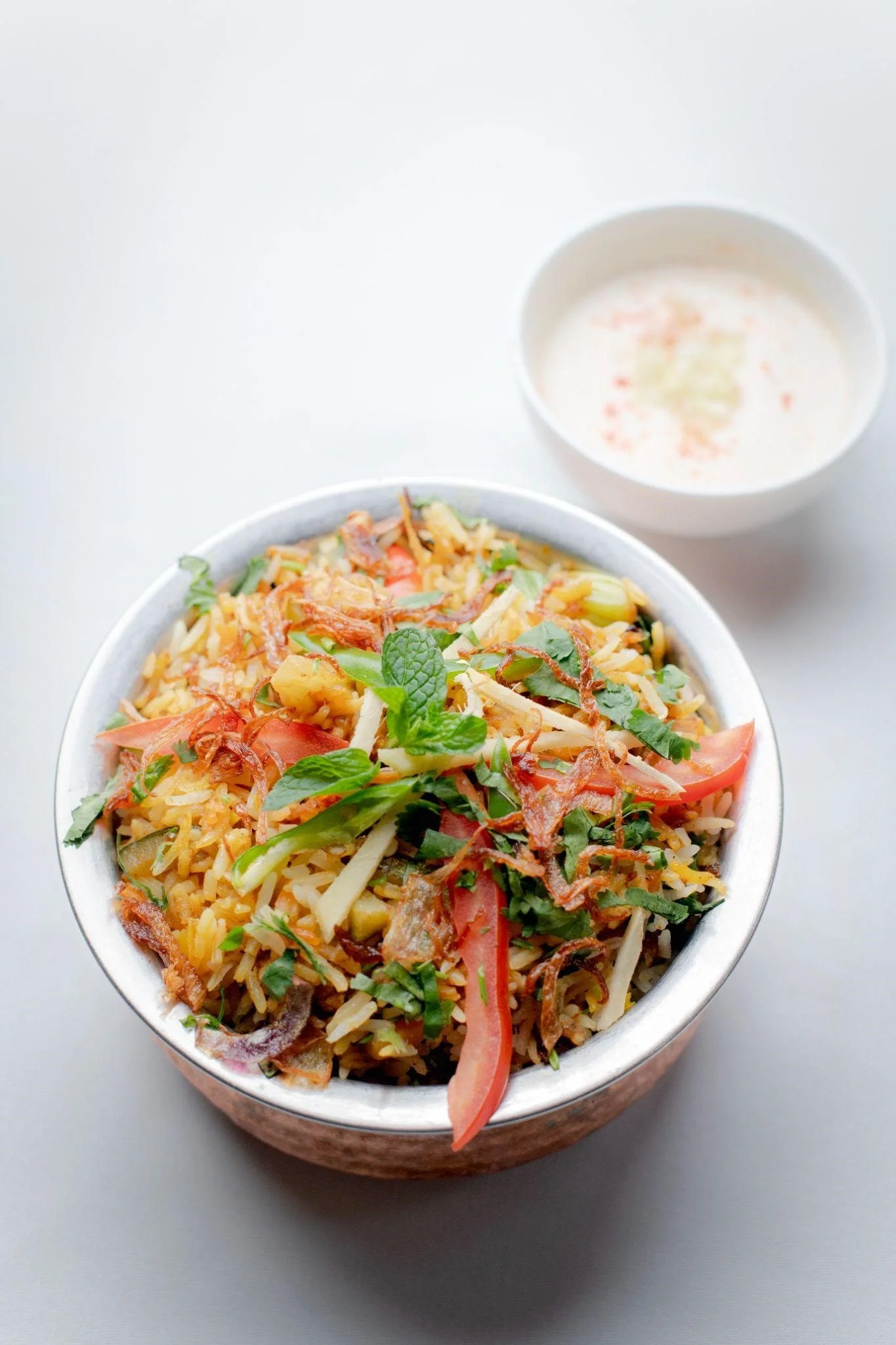
Culinary Delights at Hotel Shanker: A Journey Through Flavors
Hotel Shanker, a historic gem in Kathmandu, offers a dining experience that seamlessly blends Nepal's rich culinary heritage with international flavors. Our chefs craft dishes that honor traditional Nepali recipes while incorporating global influences, ensuring a memorable gastronomic journey for every guest.
Hotel Shanker, a historic gem in Kathmandu, offers a dining experience that seamlessly blends Nepal's rich culinary heritage with international flavors. Our chefs craft dishes that honor traditional Nepali recipes while incorporating global influences, ensuring a memorable gastronomic journey for every guest.
A Fusion of Flavors
At Hotel Shanker, we celebrate Nepal's diverse culinary traditions by offering authentic local dishes alongside international favorites. Our menu features a variety of options, from traditional Nepali curries to continental classics, all prepared with the freshest ingredients.
Dining Ambiance
Our dining spaces are designed to provide a comfortable and elegant atmosphere. Whether you're enjoying a meal in our main restaurant or a casual bite at the bar, each area reflects the hotel's historic charm and commitment to exceptional service.
Seasonal Offerings
We take pride in offering seasonal menus that highlight the best of local produce and traditional festivals. Our chefs create special dishes during festive seasons, allowing guests to experience Nepal's rich cultural heritage through cuisine.
Experience Culinary Excellence
Join us at Hotel Shanker for a dining experience that combines the best of Nepali and international cuisines. Our commitment to quality and authenticity ensures that every meal is a celebration of flavors.
POPULAR ITINERARIES
SIMILAR POSTS

A Sweet Celebration of Life in Newari Birthdays
In the vibrant tapestry of Newari culture, one tradition stands out with its unique blend of sweetness and symbolism: the Yomari mala. This garland, woven from the beloved steamed dumplings called Yomari, isn't just a decorative delight; it's a powerful symbol of growth, prosperity, and blessings showered upon the celebrant.
In the vibrant tapestry of Newari culture, one tradition stands out with its unique blend of sweetness and symbolism: the Yomari mala. This garland, woven from the beloved steamed dumplings called Yomari, isn't just a decorative delight; it's a powerful symbol of growth, prosperity, and blessings showered upon the celebrant.
Yomari's Magical Metamorphosis:
Yomari itself carries significant meaning. These delicious parcels of rice flour filled with molasses or jaggery hold within them the essence of nourishment and fertility. The act of shaping the dough, carefully pinching it closed to mimic the form of a human head, becomes a symbolic prayer for life and well-being.
From Dumpling to Garland:
On the occasion of a birthday, especially at even-numbered milestones like 2, 4, 6, 8, and 12, Yomari undergoes a further transformation. These individual blessings are strung together, often in multiples of nine, to form a mala – a garland representing abundance and wholeness. The Yomari mala becomes a tangible manifestation of the community's love and wishes for the celebrant's journey ahead.
Beyond Sweetness: Layers of Meaning:
The number of Yomari strung on the mala is not coincidental. Nine, a highly auspicious number in Newari culture, signifies completion, longevity, and good fortune. As the celebrant wears the mala, they receive not just the sweetness of the Yomari but also the collective blessings of their family and community.
A Tradition Enduring Generations:
The Yomari mala tradition transcends time and connects generations. Grandmothers teach daughters the art of Yomari making, passing down not just a culinary skill but also a cultural legacy. As families gather to celebrate a birthday, the act of stringing the Yomari mala becomes a shared experience, strengthening bonds and rekindling cherished memories.
A Taste of Hope:
In a world that often seeks instant gratification, the Yomari mala stands as a reminder of the importance of slowness, care, and community. Each delicate stitch holding the Yomari together whispers a promise of enduring love and support. And as the sweet treat melts on the tongue, it leaves behind a taste of hope, a belief that life's journey, much like the Yomari mala, can be woven with blessings and joy.
POPULAR ITINERARIES
SIMILAR POSTS

Flavor of Dashain
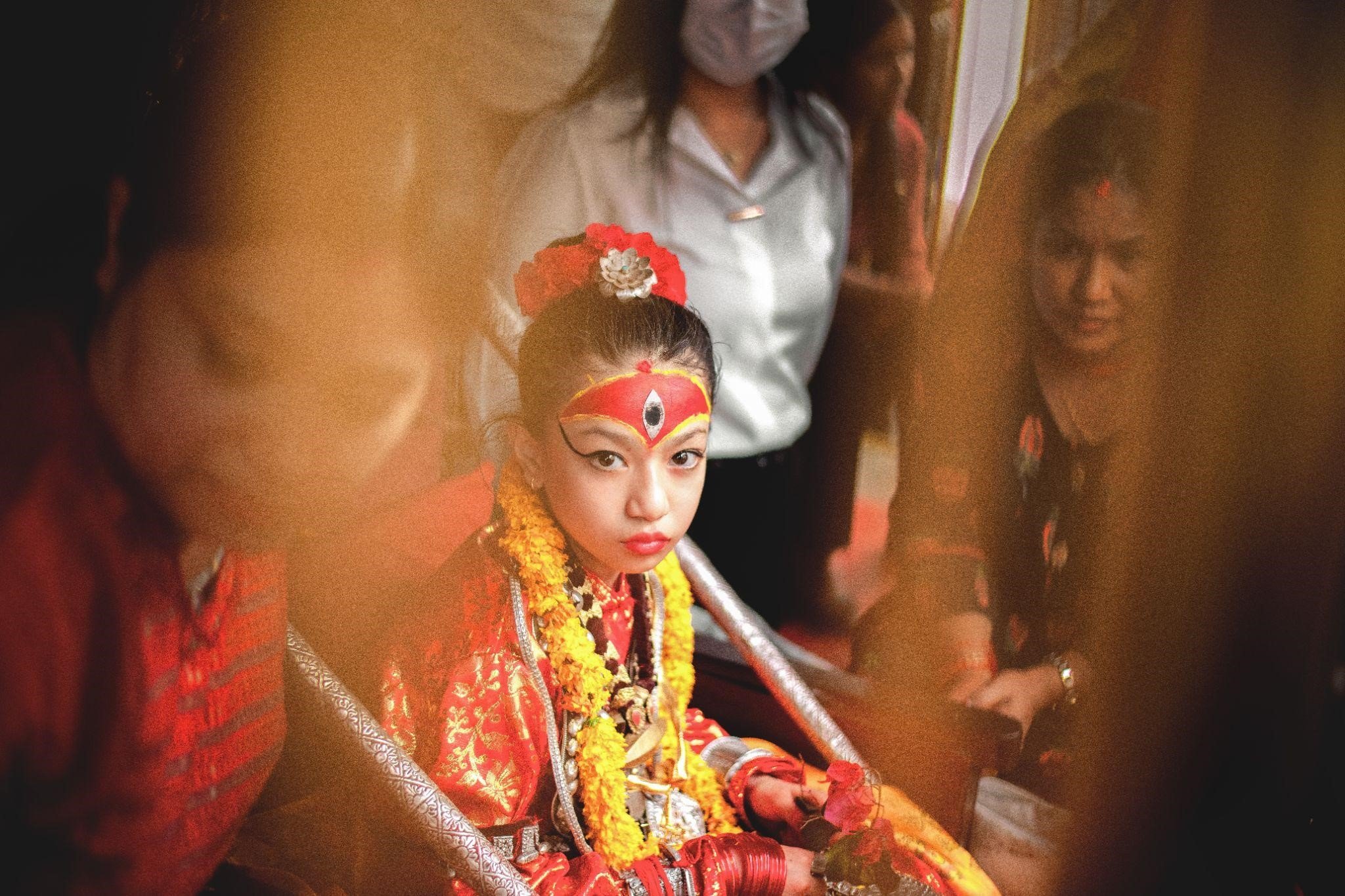
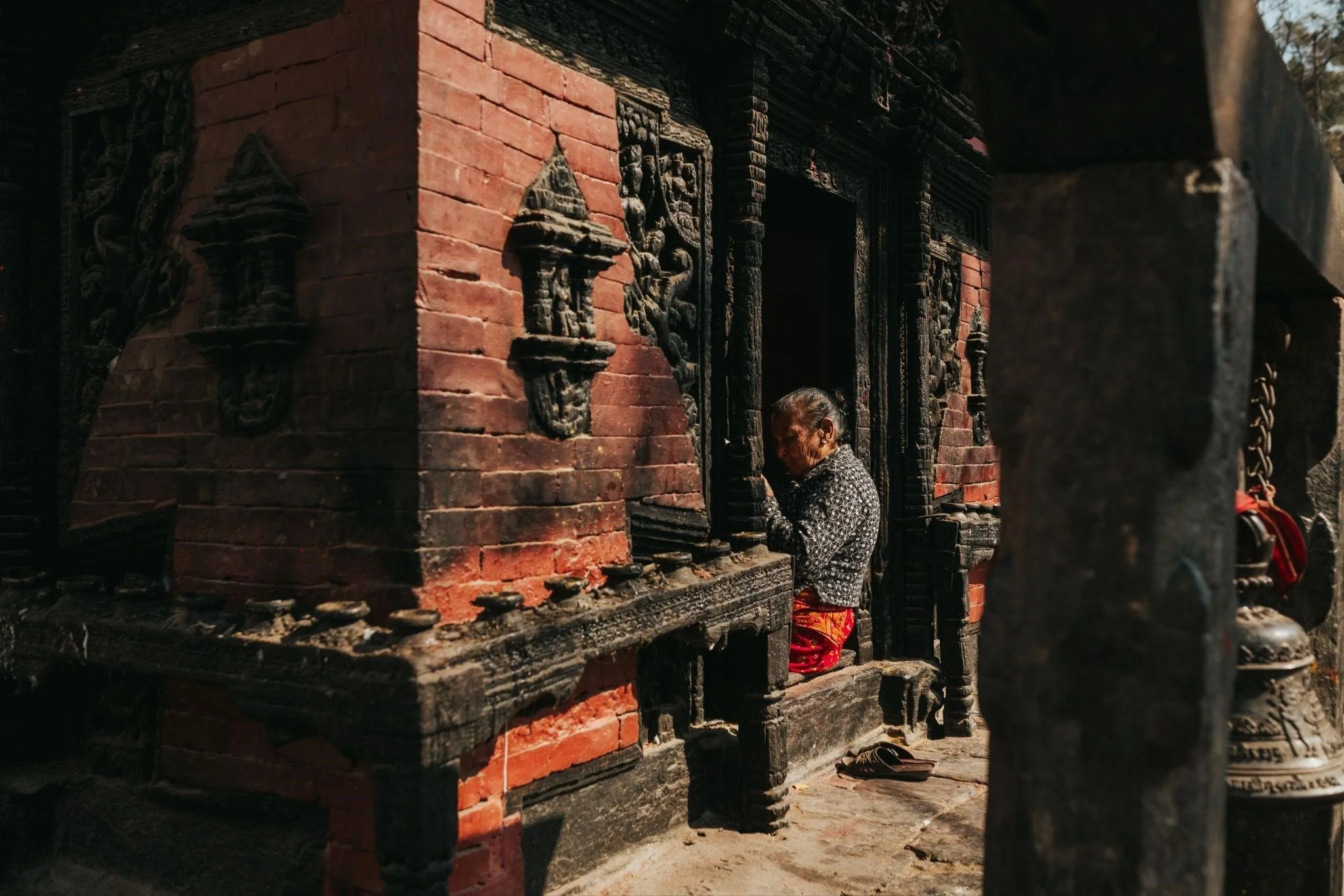
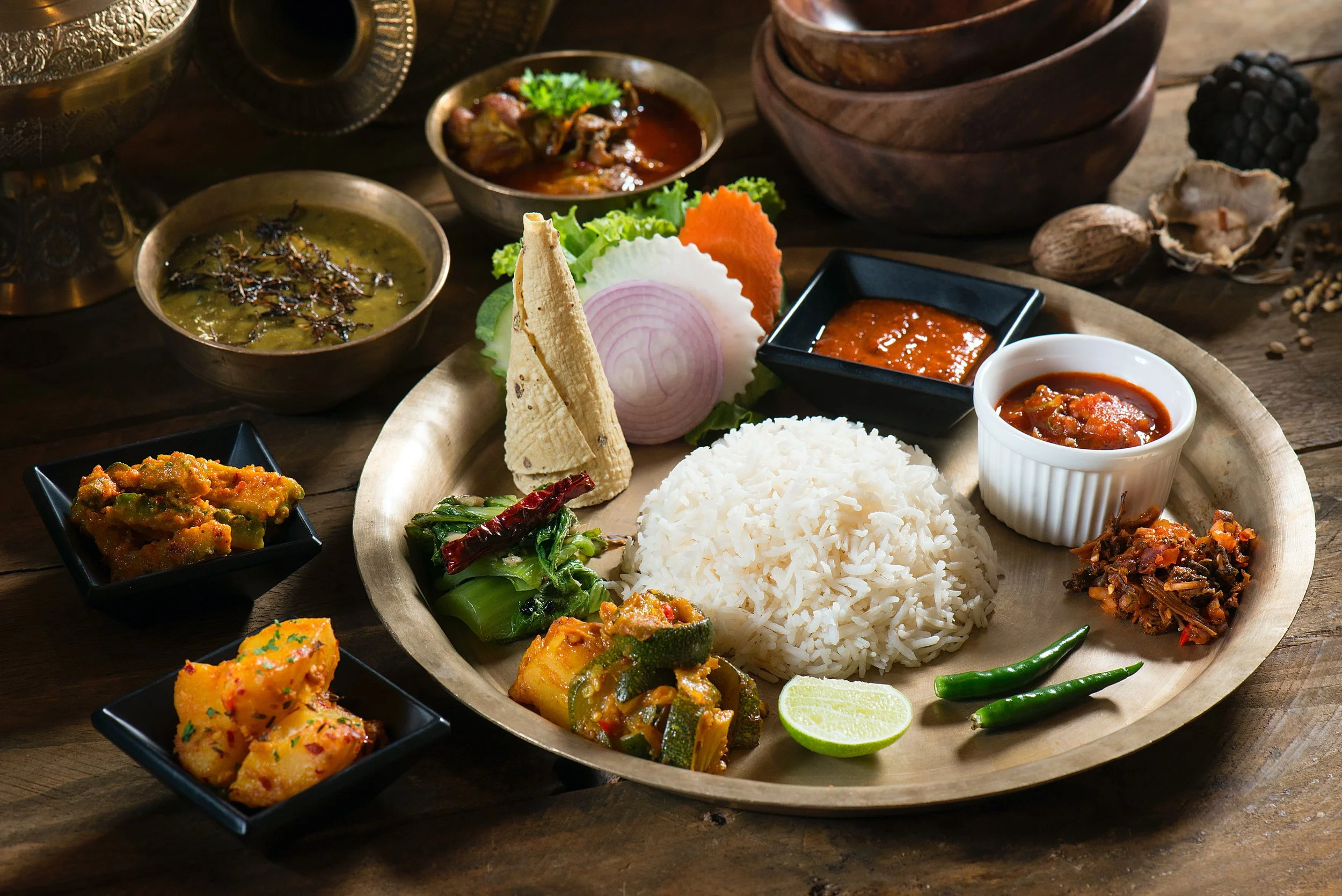
The festival of Dashain is a fiesta of flavors. The ethnic diversity of Nepal entails a symphony of beautiful delicacies put together to enjoy with friends and family. In this article we shall explore the various flavors that are celebrated during Dashain
‘Dal Bhaat Masu’, we love to eat during Dashain! A nearly seven-day holiday means playing cards and feasting on various delicacies. Every household engages in making an age-old food recipe with absolute joy. Since food has a way of bringing all of us together, let’s talk about staple food eaten during this festive season.
A tantalizing appetizer popular in a Newari household, Chhoila is a famous dish served with chiura (beaten ride). Commonly there are two types of Chhoila, Haku and Mana wherein mana means ‘boiled’ and Haku means ‘black’ referring to meat cooked over fire. It is made with buffalo meat, nowadays we make the dish with other types of meat as well.
In the same genre of unique eats, Sukuti is dried meat marinated with spices over charcoal or a fireplace. Sukuti Sadheko is a dish that is a mixture of cumin, coriander, garlic, ginger, red onions, and chilies. Largely served as a snack with noodles or chowmein, extra crunchy peanuts, and raw shelled green peas are also a good addition.
We all crave the savory taste of Sekuwa which is a Nepali way of cooking barbecue. An iconic food found especially in eastern Nepal and Kathmandu, it’s a true meat lover's dish. It could be a goat, lamb, pork, chicken, or even a mixture of it all. Now that sounds like fun!
Experience the delicate and rich flavor of Jhuku aka Blood Sausage. The diced, boiled and fried intestine consisting of white blood cells might not be the go-to choice. However, for people who love experimenting with their food, this dish is a must-try!
Enjoying a piece of grilled Mutton Sekuwa meat with a hint of lime, chili, and Sichuan pepper sure takes us down the road of nostalgia. Am I right? The cuts in the tender boneless meat give a smoky taste and add a bit of crispiness to each bite. Traditionally, we enjoy this treasured food with local Dashain drinks while playing cards.
As part of reminiscing exquisite recipes, consuming Mutton Curry among the Kshatriyas and Brahmins has its own significance. Some families buy a goat and keep it in the house for a few days. On the eighth day of Dashain, the goat is sacrificed and offered to God. Every part of the meat is enjoyed. Bhutan (fried intestine) is eaten with drinks while Mutton Kebab is devoured at all times.
Also, ever heard of pakku? A marinated dish with immense spices cooked in a low level of heat for a long time giving it the texture of pakku which is tender and flavorful. Due to culinary diversity, every household has its own cooking of this meaty treat. That’s why you get to try different variations of the classic goat pakku!
Talking about options that appeal to all vegetarians out there, Bhatmas Sadheko is the perfect appetizer eaten in the form of a snack or side dish. Also found in a Newari platter, people of all ages relish its well-seasoned taste. Another dominant cuisine is fermented radish pickle. Mula Ko Achar gives off a certain kick of spices making the experience really enjoyable. For all kimchi lovers, give this a try!
Once the holiday starts, there’s no work, no obligation and the only thing to think about is FOOD! Nowadays, we can even see people sharing their unique customs, traditions, and family recipes bringing in a lot more palatable options as part of a cultural amalgam.
Having said that, this Dashain you can create your own signature dish or stick to your grandma's curated recipes. Either way, it’s going to be a flavorful season!
POPULAR ITINERARIES
SIMILAR POSTS
Yomari Punhi
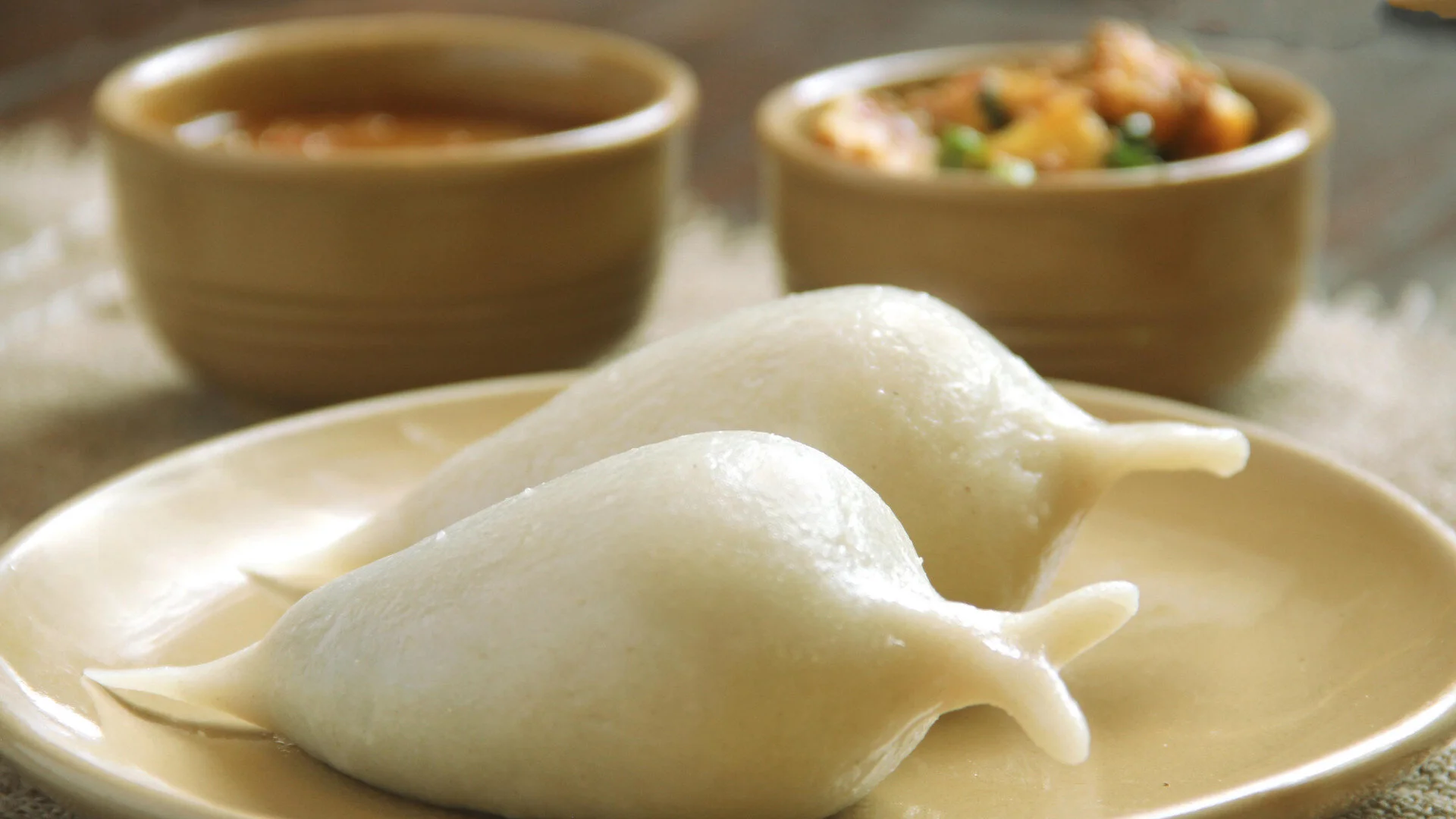
Yomari Punhi, a Newari festival in Nepal is celebrated every year by Newari Communities marking the end of the rice harvest during the full moon day of November/December. It is said that eating Yomari or Yamari, a steamed dumpling made with rice flour with sweet such as Chaku inside takes away the cold.
The following story is based on ancient myths and texts which has been interpreted with additions of details to provide gravity.
As the winds of winter began beating the drums, it became obvious that the upcoming season was to be one of the coldest they would see. As Krita woke up, on a fine morning she couldn’t help but take a fresh breath of morning due, with a light hint of incenses. She went for her morning routine, and as she was about to head out to the Indreshwar Temple for her daily ritual. She cried out for her husband, “You have to wake up now. Today is the end of the harvest, help me out bringing in the grains. They aren’t going to roll themselves in the store! You also need to assist me in the kitchen today, if not then you should make plans to eat at your friend's house today. I can’t do it alone, I hope the harvest is enough to keep us this winter. Wake up!”
With a grunt, Suchandra tries to shrug her off but as Krita pulled the blanket, and as the winds of the fall morning made contact, Suchandra was awake as an owl. Krita left her husband, who looked like he had been hit by a wall of bricks for the temple of Indreshwar.
Along the way, she greeted the elders, took their blessings and heard the words of a celebration of the harvest festival to happen in the evening. She was filled with happiness and said to herself, “A festival that sounds amazing. When was the last time I was at a festival? Oh, When Suchandra and I went to Bhaktapur to see the Biska Jatra. He doesn’t even take me out anymore, he has grown lazy too, well typical of men!” Krita was mesmerized with the thought a festival in town and as she imagined the vibrant streets, the merry music she had a smile on her face. She was so lost in her thoughts, she failed to realize that she had already walked past the temple. Only later to come back to earth, when an elder asked the direction to the temple.
She walked with the elderly gentlemen, as they were headed the same direction. As they reached the temple, she bowed to him and told him that she shall part from here. The elder reached out his hand touched her forehead and said, “Bhagyamani Gui Ma!” ( May you be fortunate!)
As she offered her prayers to the deity she stopped by the local vendor, confused about what to put together for the daily meal. She noticed something peculiar amidst the produces being sold on that very day. The vendor had an assortment of Chaku (Sugar Molasses) and with the evening festivities in mind, she wished to make something new.
She bought a few blocks of Chaku along with a few more products and headed towards home. Suchandra had woken up and had started to prepare to bring in the grains of this seasons harvest. She smiled at him as she stepped inside her home and went towards the kitchen to sort all the produces. She stared at the Chaku as she placed it atop the table and wondered what treat she could whip up with this new ingredient. After placing all the produces, she headed outside to help her husband bring in all the grain.
As if in the blink of an eye, the day had passed by and with a quick lunch they continued taking in all the grain and began inventory. “This year it seems the gods have taken all our fortunes and given it at one go,” said Suchandra with a delightful smile as the grains this year had tripled last years harvest. “Did we cut down someone else's crops too?” Questioned Suchandra.“ Well if we had worked as hard as this year in the previous years, then we could have collected on our fortunes the previous years as well,” said Krita.
As the sun slowly set its way towards the western horizon the evening was soon to approach. The merry tunes of the drums could be heard playing in the distance. Krita is a panic, “What are we to prepare for the tonight?” Suchandra, “Well I don’t know, how should I know!”
Krita left the store in a hurry and made her way to the kitchen and stared at the produces she had collected earlier. Each great but none go together in avid confusion she began checking the stores. She took some rice grains from this year's harvest and took it in a hurry to the mill. She had them grounded to fine grain and wished to make her husbands favourite Chatamari (Rice Crepe). As she began preparing, she couldn’t help but stare at the Chaku she had procured in the morning. She then had an idea! “What if? No, I shouldn’t.”
She called out to Suchandra, “Can you help me in the kitchen? I want to finish early and go watch the festival. Suchandra made his way to the kitchen and Krita asked, “What if we make something different today?” Suchandra amused, “What do you mean by different?” Krita replied, “Can you take that Chaku and have it heated until it turns liquid? I have a thought.”
To which Suchandra replied, “Well if it doesn’t work then I’m be having your thoughts for the night meal.” Suchandra began heating the Chaku and Krita took the rice flour and kneaded it into a dough. She asked Suchandra to grab a dowel and asked him to pour the Chaku into the dough which she had shaped into a triangular and made a hollow in the middle. Suchandra amused didn’t want to get into another conversation began doing what Krita said. As the Chaku reached the rim of the shell she closed the top and had it sealed. She made two horn-like structures, “ These are your horns, the ones that you gain when you have a bit extra alcohol.” said Krita. Suchandra grunting placed two halves of black lentils onto another shell and said, “These are the beautiful eyes that you look at me with every day.” Krita couldn’t help but smile as she placed them onto a steaming basket.
Both had gotten very hungry and with every passing second, they felt like their stomach was coiling up like the body of a snake. “They must be ready, check them I’m very hungry” cried Suchandra. “ No they need more time, the shell wouldn’t even have hardened.“ said Krita. “Just a few minutes longer, your patience will be rewarded.”
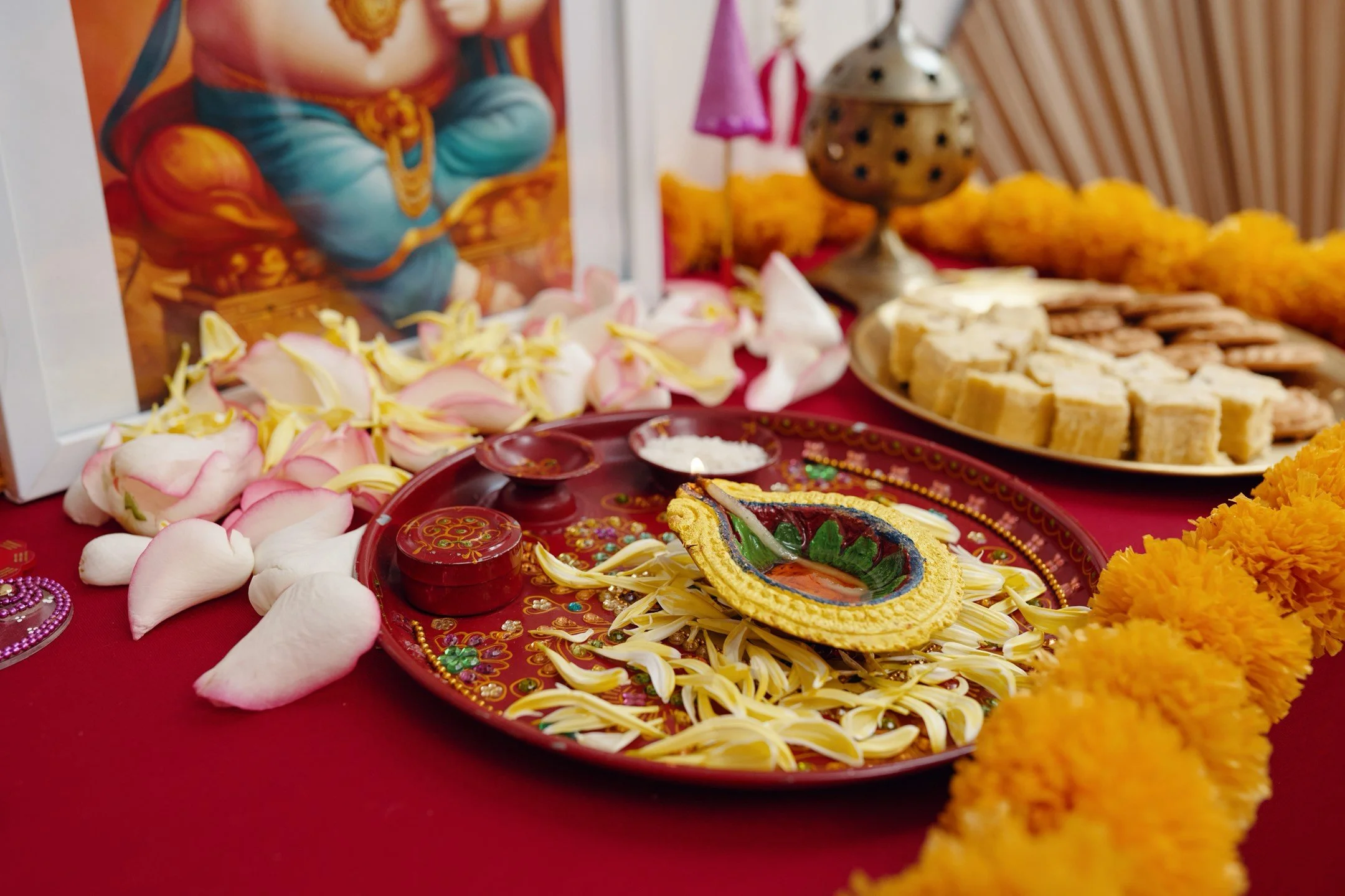
In a short while, Krita opened the lid of the steamer and stared at a beautiful shell’s filled with delicious sugary goodness. Suchandra in a haste tried to grab one and have it devoured but Krita stopped Suchandra and said, “Not until we present it to Annapurna Devi. The only reason we get to have these treats is because of the great harvest we had this year. It’s all because of her blessings.” Krita took two of the shells and placed it in a leaf plate and went up to the pooja room. She got to her knees and placed the treats at the foot of a beautiful ideal of Annapurna and bowed to hear and offered her prayers.“ May you bless us, with a good harvest of grain every year.“ After lighting a bunch of incenses she came down to the kitchen and saw Suchandra’s hungry face. She rushed to pick up two shells and had it placed on a leaf plate and gave it to him. “My dear husband, your patience has been rewarded. Here you go.” Suchandra in the blink of an eye took a big bite of the shell and as he chewed the molten molasses dripped from the side of his lips. His frown turned into a smile and he exclaimed, “Yomari, Gajau Sau Mari!!” ( Such a delicious bread)
It is believed that Krita and Suchandra were the ones who first conceptualized the delicious treat of Yomari. Which today is enjoyed by the people of Nepal in the Punhi (Full Moon) which marks the end of the harvest season.
POPULAR ITINERARIES
SIMILAR POSTS

A Guide to Newari Desserts to Get You Sorted
Here are some of the must-try Nepalese Newari sweets while you visit Nepal. Most common Newari delights which are available as a dessert, at breakfast, in the afternoon tea snacks or after dinner. And, the traditional sweets enjoyed during celebrations and festivals or along with Newari cuisine.
Jeri
Anarsaa
Festive Peda
Laddu
Ainthe Mari
Khajuri (Flaky Fried Cookies)
Cashew Burfi
Gulaab Jamun or Lal Mohan
Rasbari
Doodh-Bari (Milk Patties in Pistachio Cream)
Gud-Paak
Gulmari Sweets (crunchy glazed and shaped like a thin noodle)
You can call them desserts but they are mighty adaptive. The confections can be enjoyed at breakfast, as an afternoon tea snack or after dinner. The traditional mithais are enjoyed especially during celebrations and festivities and along with the wonderful array of Newari cuisine, the confections have their own charms. The confections are made from a wide variety of ingredients, including milk, fruits, vegetables, flours, grains and beans, nuts and seeds.
Now let’s dive into these sweet treats, shall we?
1. Jeri
Jeri, also known as Jalebi, is one of the most common delights in Nepal. These pretzel-shaped or rather free-shaped loops dipped in saffron syrup are to die for, and they taste even more heavenly when freshly made. The aromatic and succulent sugar heaven of jeri loses its crispness when left till the next day but worry not, they are are still wonderfully delicious. Traditionally, jeri is pared with a soft Nepali bread called Swaari.
2. Anarsaa
Anarsaa rotis are hand-stretched old fashioned sweet rice patties that resemble cookies, large ones. The crispy texture comes from the rice flour while the poppy seeds add a nutty flavour. Once fried they are stacked up so that the clarified butter is drained properly.
3. Festive Peda
Now pedas come in different shapes and sizes. Pedas are simple milk fudge made with whole milk, sugar, green cardamom powder and decorated with chopped pistachios. You can find these sweets made with other major ingredients such as khuwa, malai, kaju. paneer and saffron. Prashad or offering pedas can be found made simple and separately for festivals.
4. Laddu
Laddus are the most well-known sweets in the market. When it comes to talking traditional sweet, none are as quickly recognized as laddus. The most common laddus we see and find are motichoor laddus--golden yellow, granular and round festive treat made from chickpea flour droplets and sugar syrup. To make this sweet, there are a few steps involved. First, the chickpea flour is made into a batter. Then, using a flat perforated spatula (jhanjar), the batter is dropped into hot oil to form tiny pearl-like droplets (boondi). These droplets are fried, then soaked in saffron-cardamom syrup, and rolled into round balls. The sweet is very time-consuming and requires considerable skill and experience, but the savory result is rewarding.
5. Ainthe Mari
This is one of the most popular traditional Newari Mari sweets and is a variation of Laakha-Mari bread. They are flaky-crunchy textured delicious cookie-bread. The dough is hand-rolled and shaped into beautiful designs. They are deep-fried and glazed with a light icing to create a translucent satin finish.
6. Khajuri (Flaky Fried Cookies)
These are delicious buttery traditional cookies, that are very popular in Nepal. The khajuri dough is prepared with flour, sugar and clarified butter. The dough is rolled into a ball first, then shaped into small and round, slightly curved patties (like small bowls). The base of the cookie is pressed by a wooden khajuri press, creating a vertically lined design. It is then fried in clarified butter until crisp. The impression made by the khajuri press remains in the cookies after it is fried.
7. Cashew Burfi
These are one of the most delicious diamond shape burfi, highly popular during Tihar and Bhai Tika, made from pure ground cashew nuts, sugar, flavouring and garnished with silver varak paper. Almond-Coconut Burfi is an alternative flavour, made from blanched almond and ground coconut, and topped with sliced almond and pistachios. You can taste bits of ground almond in every bite.
8. Gulaab Jamun or Lal Mohan
Gulaab Jamun, also called Lal Mohan, are round fried dumplings soaked in saffron-cardamom syrup. They resemble small reddish-brown plums and have a soft, spongy texture. They are one of the most popular sweets for any celebration.
9. Rasbari
Rasbaris are lighter alternatives to Gulab Jamuns. Prepared in similar ways as gulab jamuns, rasbaris are soft cottage cheese or chhana cheese balls soaked in cardamom syrup. For less of a bite and more of the syrup, this sweet is hugely popular among children and equally delightful for adults.
10. Doodh-Bari (Milk Patties in Pistachio Cream)
An exceptionally flavorful, dairy-rich dessert of cheese patties soaked in thickened milk, delicately flavoured with cardamom and saffron and garnished with pistachios. Doodh-baris are exceptional choices for the sweet yet savoury dessert to sweeten your day.
11. Gud-Paak
This visually appealing, rich and a traditional favourite sweet dish is made from flour, edible gum, brown sugar, khuwaa, and chopped assorted nuts. It is an absolutely delicious sweet dish that melts in your mouth.
12. Gulmari Sweets (crunchy glazed and shaped like a thin noodle)
Gulmari is a combination of rice flour, urad beans flour, clarified butter and sugar. The gulmari batter is first shaped into thin noodles, then deep-fried and glazed. There is an assortment of mari sweets and treats that you can find and could be your new favourites such as Fini, Chimti (flaky bread specially made during Dashain, Tihar, and other religious festivals), Triangular Flaky Nimki or one of the many variations of Nimki itself.