
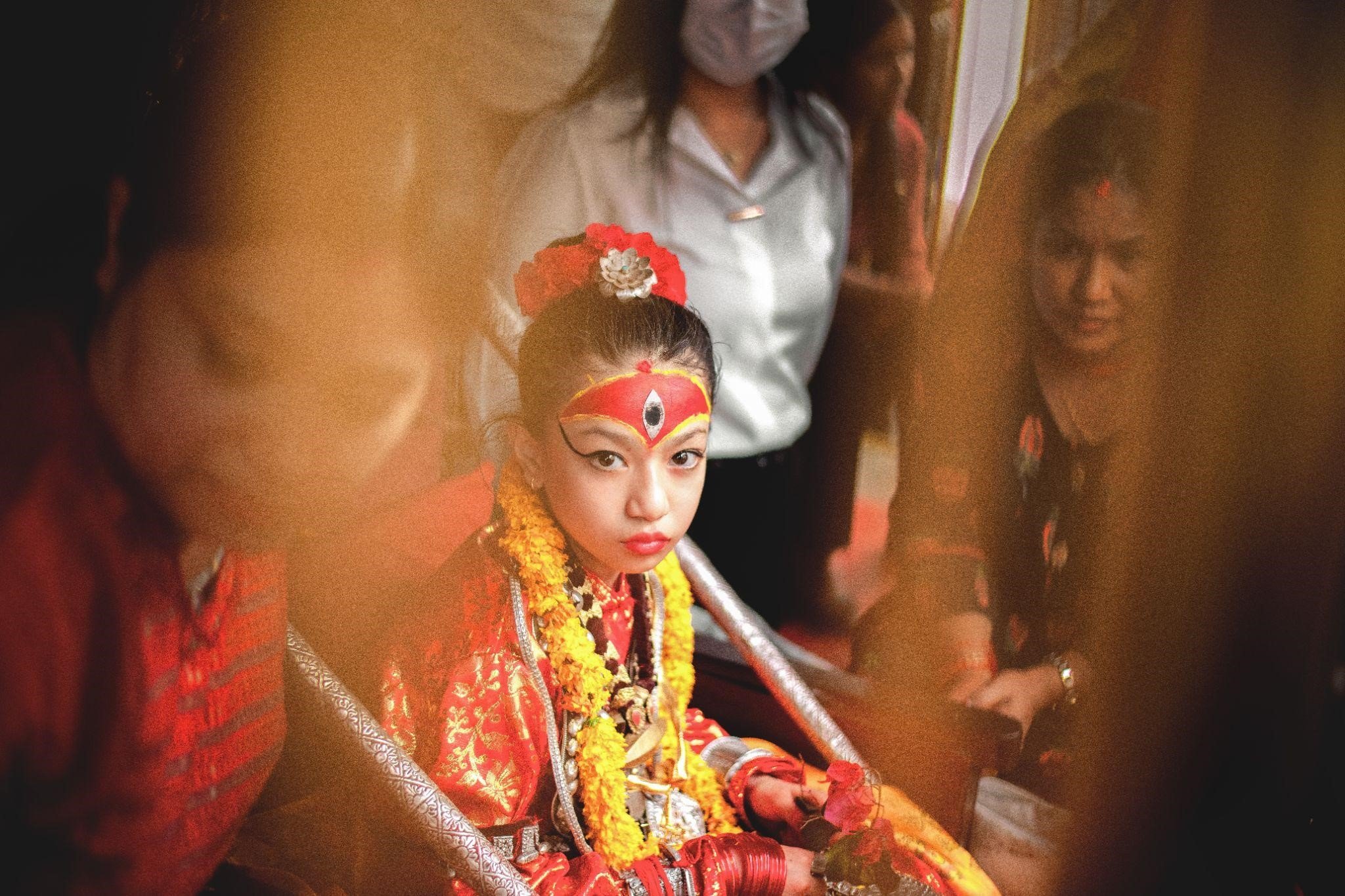
The Story of Kumari: Living Goddess of Kathmandu
The story of Kumari is not just belief, it is a living tradition that continues to shape Kathmandu’s identity.
One of Kathmandu’s most fascinating traditions is the story of the Kumari. The Living Goddess of Kathmandu unfolds as one of Nepal’s most unique and sacred traditions. She is believed to be the human embodiment of divine energy, carefully chosen from the Newar community through a traditional selection process based on specific spiritual and physical traits.
Once chosen, the young girl leaves her family home and begins living in the Kumari Ghar, where she is revered and worshipped. Her life becomes closely tied to rituals, traditions, and the cultural rhythm of the city, making her presence deeply significant in Kathmandu’s spiritual identity.
Although she lives a protected and ritual-centered life, the Kumari is not entirely separate from the world. During important festivals like Indra Jatra, she is brought out in a decorated chariot, where thousands of people gather in the streets of Kathmandu to receive her blessings. These moments turn the city into a space of devotion, silence, and celebration all at once.
From her palace window, the Kumari occasionally appears to bless devotees, creating moments that feel both intimate and powerful for those who witness them. For locals, even a brief sight of her is considered highly auspicious and meaningful.
As she grows older, the Kumari eventually steps down from her role and returns to a normal life, marking an important transition in the tradition. This change reflects the natural cycle of continuity within Nepal’s cultural and spiritual systems. The Kumari tradition is more than belief; it is a living part of Kathmandu’s identity. It reflects how spirituality, culture, and daily life are deeply connected, offering travelers a rare insight into a city where ancient traditions are still actively lived and respected today.
POPULAR ITINERARIES
SIMILAR POSTS
Cultural Etiquette in Nepal: A Thoughtful Traveler’s Guide
Nepal is more than just a place to visit; it's a culture that's part of everything people do.
When you say Namaste with respect or understand how to act in a temple, you're showing you care. Being aware of the culture doesn't hold you back; it actually makes your trip better.
Before you go exploring, try to get a sense of what's important to the people who live there.
Nepal is way more than just mountains and monasteries. It's a place where spirituality, community, and everyday life are all mixed up together.
Knowing a bit about the local customs before you get there won't hold you back. Actually, it'll make your trip even better.
Here’s what you need to know:
1. Sacred Spots: How to Act in Temples
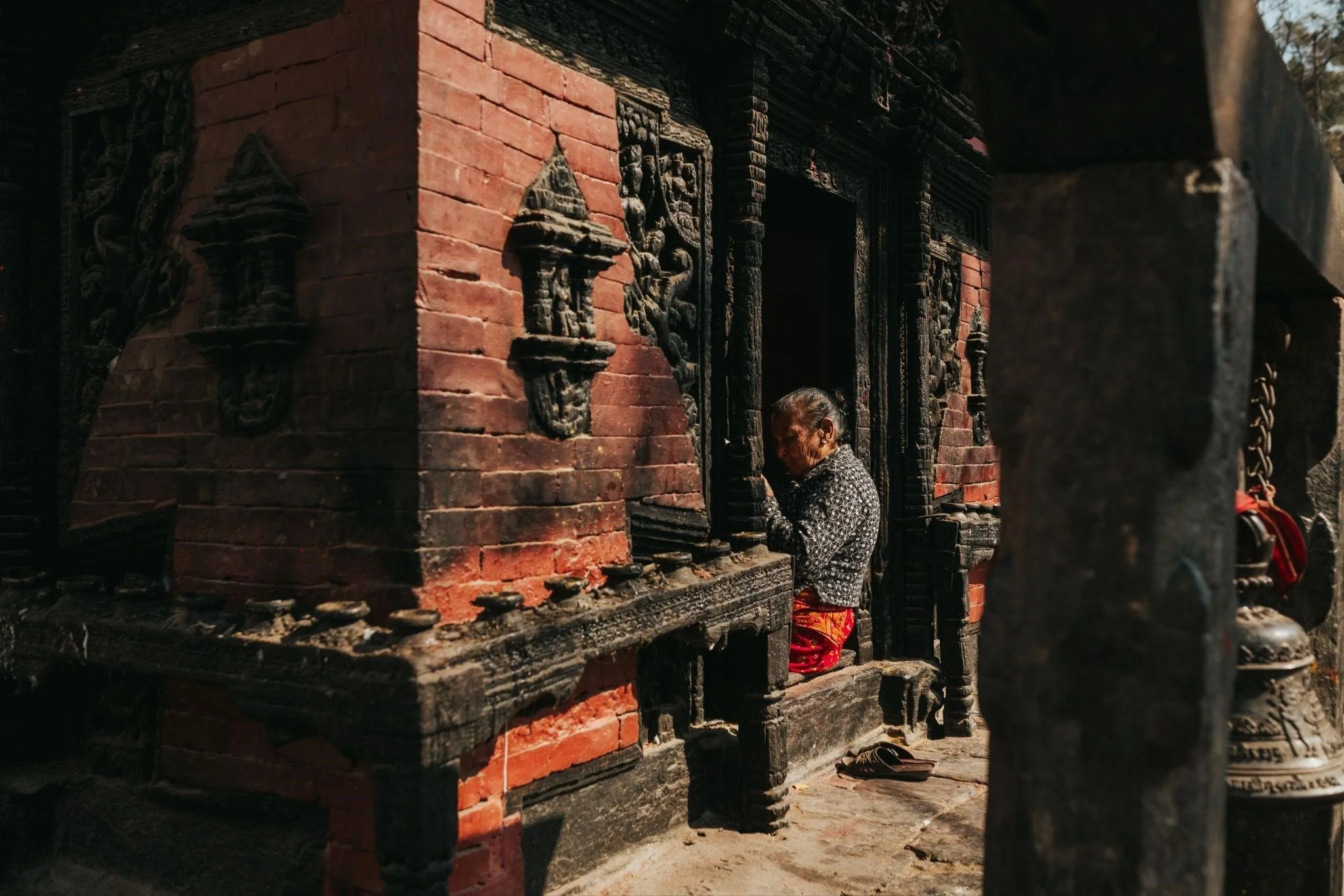
Temples and stupas aren't just old buildings but active places of worship.
Before you go in:
● Take off your shoes.
● Walk around stupas and shrines in a clockwise direction.
● Don't step on offerings or touch holy stuff.
● Keep your voice down and be respectful.
When you visit temples or monasteries, try to wear clothes that cover your shoulders and knees. It’s seen as polite in these spots, though the city is pretty relaxed.
Some Hindu temples might not let non-Hindus into certain inner areas. It's just how they've always done things. It’s good to watch and respect what they do.
If you're not sure what to do, just watch the locals. Paying attention helps a lot.
2. Greeting Traditions: The Meaning of Namaste
In Nepal, how you greet people matters.
Put your hands together near your chest, give a little bow, and say:
Namaste. It shows respect and says, I see you. It’s simple, friendly, and used all over the place.
If things are a bit more formal, you might hear “Namaskar,” which is a slightly fancier way of saying hello. Shaking hands happens in business, but it’s best to let women or older people start the handshake.
A real Namaste can make you feel more connected right away.
3. Photography: Ask Before You Capture
Nepal is full of amazing things to see, from fancy temples to everyday life on the streets. But taking a picture isn't always cool.
Always:
● Ask if it’s okay before taking someone’s picture.
● Be super careful around monks, old folks, and kids.
● Don't take photos during cremation stuff or private ceremonies.
Some temples don’t allow any pictures. Usually, there’s a sign.Just asking before you snap turns you into a cool, respectful visitor.
4. Being Culturally Aware Matters
Nepal is super welcoming. You'll be treated well in both cities and small villages.
If you come to Nepal with a bit of respect for their culture, you'll get way more out of it than just seeing the sights. You'll actually connect with people. In Nepal, the culture isn’t just for show. It’s how they live. And being thoughtful always makes a better impression for you and the people there.
POPULAR ITINERARIES
SIMILAR POSTS
Maha Shivaratri: A Night of Devotion, Culture & Divine Energy in Nepal
When night deepens and silence grows sacred, Nepal turns inward.
Maha Shivaratri is not just observed, it is felt. A night of stillness and chant, of oil lamps flickering against ancient stone, of breath slowing into prayer.
As bells echo and mantras rise, devotion becomes collective and time seems to soften. This is a moment where faith, culture, and cosmic rhythm move as one—inviting reflection, surrender, and quiet awakening.
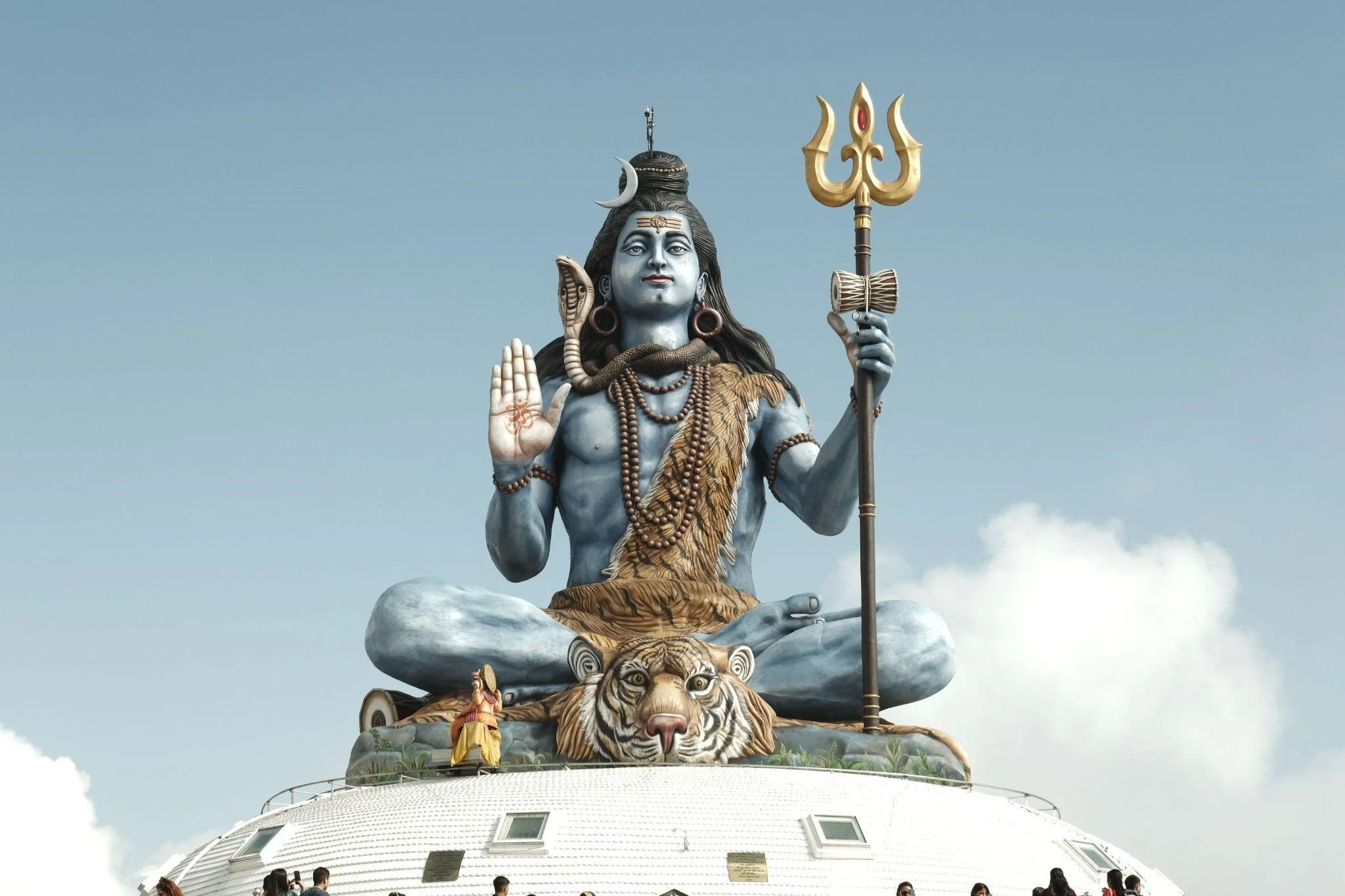
Maha Shivaratri, literally meaning "The Great Night of Shiva," is one of the most revered festivals in Nepal. Celebrated in honor of Lord Shiva, this auspicious night brings together devotees, spiritual seekers, and cultural enthusiasts in a vibrant blend of devotion, tradition, and divine energy. Falling on the 14th night of the dark fortnight in the month of Falgun, Maha Shivaratri is not just a religious observance but also a cultural spectacle that reflects the deep-rooted spiritual ethos of Nepal.
A Night of Devotion
Devotees across Nepal prepare for Maha Shivaratri with immense devotion and reverence. The day is marked by fasting, prayer, and meditative practices. Many devotees visit Shiva temples, such as the iconic Pashupatinath Temple in Kathmandu, where the evening rituals create a mesmerizing spiritual atmosphere. The sacred chants of "Om Namah Shivaya," the lighting of oil lamps, and the offering of bilva leaves, fruits, and milk to Shiva lingams are acts of devotion that have been performed for centuries. The night-long vigil, or "jagar," symbolizes the triumph of light over darkness and knowledge over ignorance.
Cultural Celebrations
Beyond spiritual rituals, Maha Shivaratri is also a celebration of Nepali culture. Temples come alive with music, traditional dances, and local fairs. Pilgrims from all over Nepal and even from neighboring countries gather to witness the festive energy, making it a truly communal experience. The festival is an opportunity to observe the diverse customs of Nepal’s Hindu communities, each with unique ways of honoring Lord Shiva, from the elaborate decorations of temples to local folk performances that narrate tales from Shiva’s mythology.
Divine Energy & Spiritual Significance
Maha Shivaratri is considered the night when cosmic energy is at its peak, offering devotees a chance to connect with the divine more intensely. According to legend, it is the night when Lord Shiva performed the cosmic dance, the Tandava, representing creation, preservation, and destruction. For spiritual seekers, meditating and chanting on this night is believed to cleanse the soul, promote spiritual growth, and bring peace and prosperity. The sense of divine energy in the air is palpable, making it a unique spiritual experience for both the devout and the curious traveler.
Experiencing Maha Shivaratri in Nepal
Visitors to Nepal during Maha Shivaratri can immerse themselves in both spirituality and culture. From witnessing the grand rituals at Pashupatinath to exploring smaller temples in towns like Bungamati and Khokana, each location offers a distinctive glimpse into Nepali devotion and heritage. Travelers can also experience the local cuisine and festive treats, enjoy cultural performances, and interact with communities deeply rooted in Hindu traditions.
Maha Shivaratri in Nepal is more than a religious festival, it is a celebration of devotion, cultural heritage, and the eternal energy of the divine. Whether you are a spiritual seeker, a culture enthusiast, or simply a curious traveler, the night of Maha Shivaratri promises an unforgettable experience, enveloped in the mystical aura of Lord Shiva’s presence.
POPULAR ITINERARIES
SIMILAR POSTS
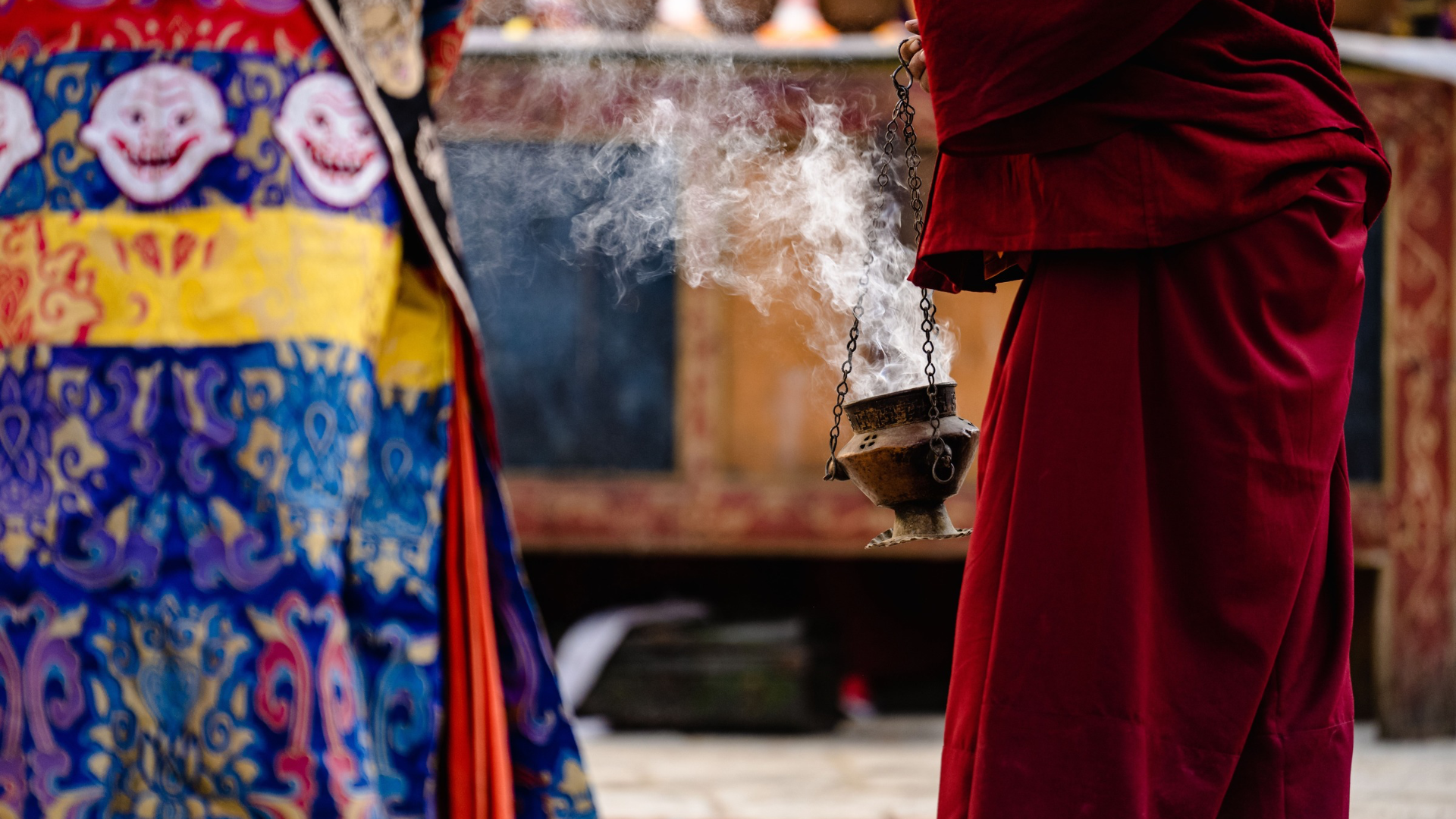
Nepali Storytelling Traditions You’ve Probably Never Heard Of
Before stories were written down, they lived in voices sung, spoken, and carried across generations. In Nepal, storytelling has always been more than a pastime. It is a way of keeping memories alive, of teaching, celebrating, and belonging.
Beyond city museums and formal stages, the art of storytelling still thrives in quiet homes, village gatherings, and festivals. Here are some of the lesser-known traditions that continue to echo in the Nepali way of life.
Songs, voices, and stories woven into the everyday
Before stories were written down, they lived in voices sung, spoken, and carried across generations. In Nepal, storytelling has always been more than a pastime. It is a way of keeping memories alive, of teaching, celebrating, and belonging.
Beyond city museums and formal stages, the art of storytelling still thrives in quiet homes, village gatherings, and festivals. Here are some of the lesser-known traditions that continue to echo in the Nepali way of life.
Tamang Selo: Stories That Dance
The sound comes first a pulse of drumbeats, a lively strum of music. Tamang Selo is more than a folk song; it is a living story. Known as the signature music of the Tamang community, it blends humor, longing, social tales, and village lore, all woven into verses set to the beat of the damphu drum.
These songs aren’t just for entertainment. They capture the everyday love found and lost, journeys taken, hardships faced told in a way that invites people to dance, sing along, and remember.
In the hills around Kathmandu and beyond, gatherings where Tamang Selo is sung become living archives of community memory.
Rural Folktales Carried in Memory, Shared in Gathering
Across Nepal’s villages, storytelling often finds its voice by the hearth or in the soft hush of evening gatherings. These are the lok katha rural folktales that travel from elder to child, passed down through generations.
They speak of clever animals, mysterious spirits, brave villagers, or moral lessons wrapped in humor and wit. Never bound to paper, these stories shift slightly with every telling, shaped by the voice of the storyteller and the ears of the listener.
In many homes, especially during the monsoon or after harvest, these tales offer more than entertainment. They build bonds, spark imagination, and preserve local wisdom that might otherwise fade away.
Oral Histories in Festivals When the Whole Village Listens
In Nepal, some stories are told not with words alone, but through dance, song, and ritual woven into the fabric of festivals and communal gatherings.
● Ghatu: Among the Gurung and Magar communities, this traditional song-dance tells epic tales of love, war, and ancient kings. Performed by young girls, often in trance-like states, it’s a blend of song, movement, and communal memory.
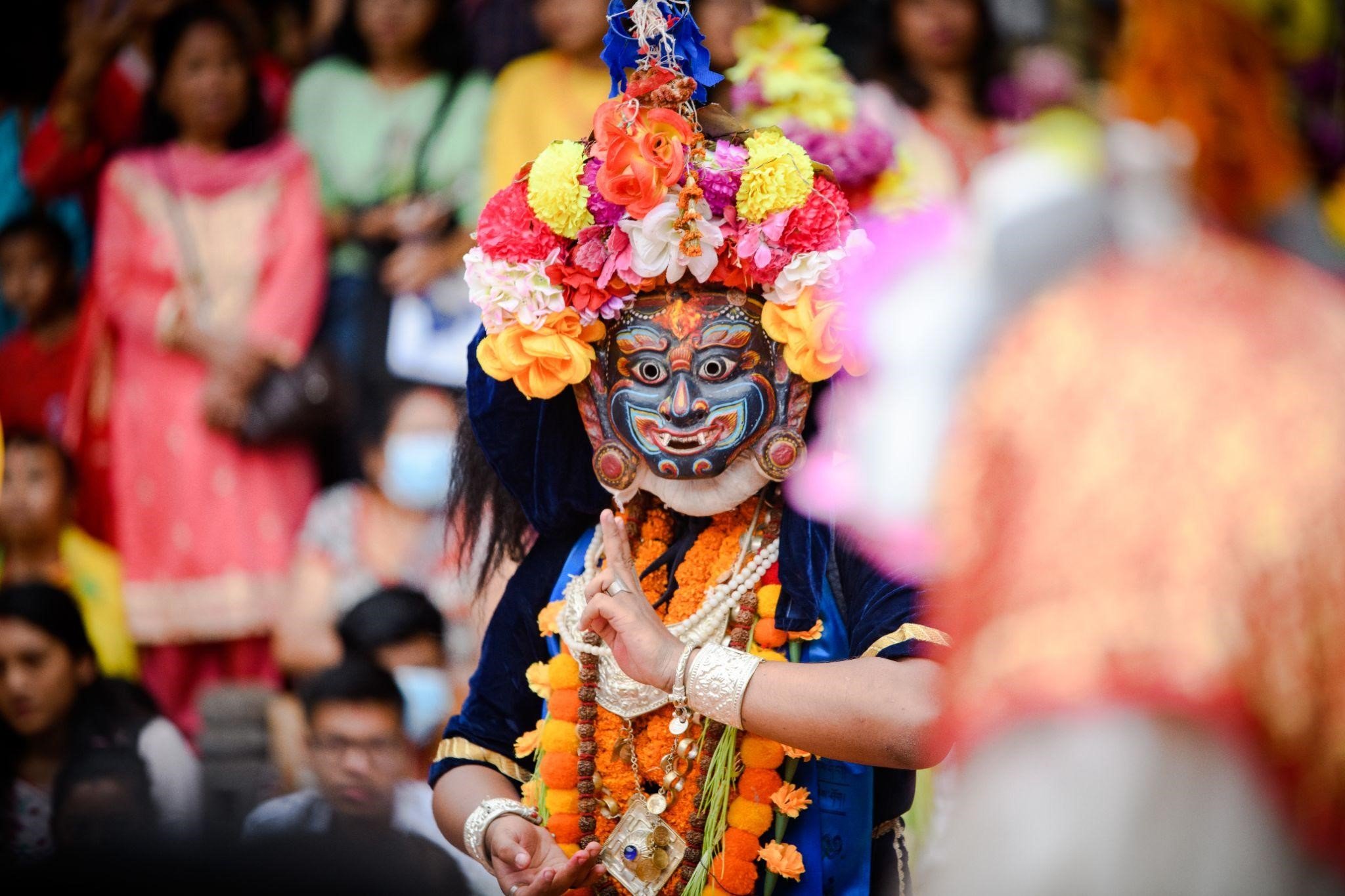
● Kartik Naach: Held annually in Patan’s Durbar Square, this masked dance retells stories from Hindu mythology through music and stylized choreography, turning public spaces into storytelling stages.
● Balan: Common in parts of western Nepal, Balan blends devotional songs with recitations of mythological tales, performed during religious ceremonies and festivals. It’s part prayer, part storytelling, and all tradition.
These festivals aren’t just celebrations. They are living narratives ways communities pass on stories of their gods, heroes, and shared past.
Final Thought
Storytelling in Nepal doesn’t always come wrapped in books or performed on grand stages. Often, it is found in songs echoing from village homes, tales shared under starlit skies, or ancient rituals danced out in temple squares.
POPULAR ITINERARIES
SIMILAR POSTS
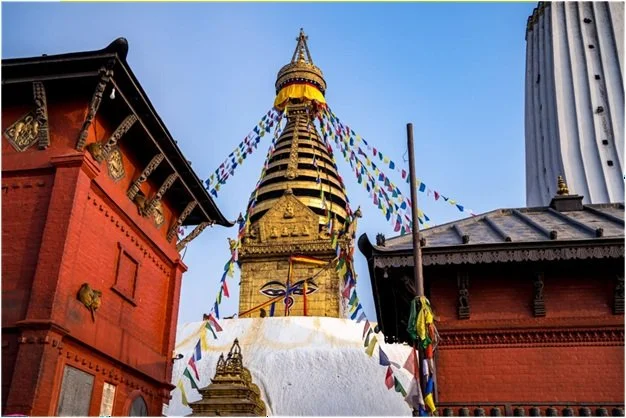
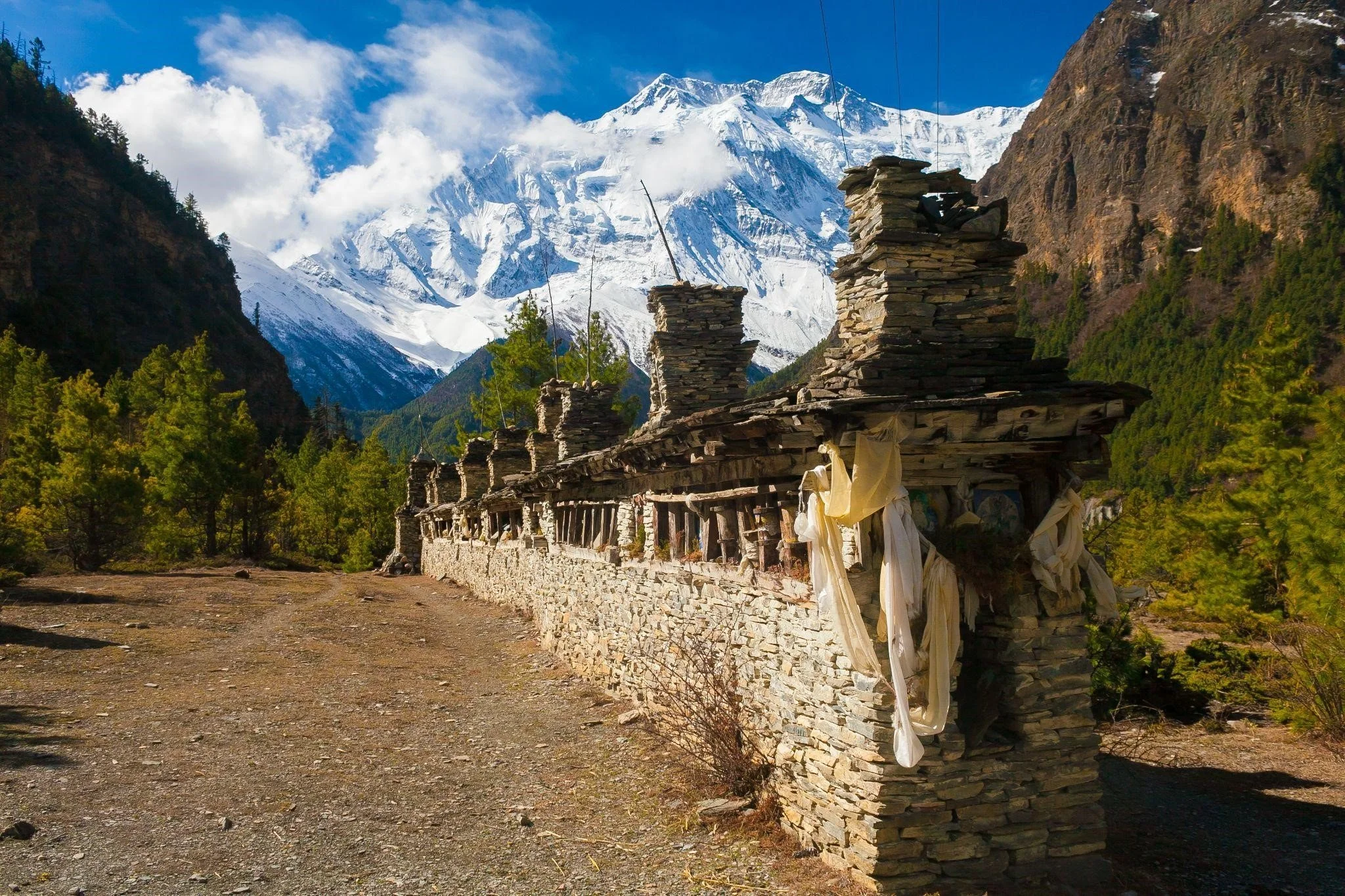
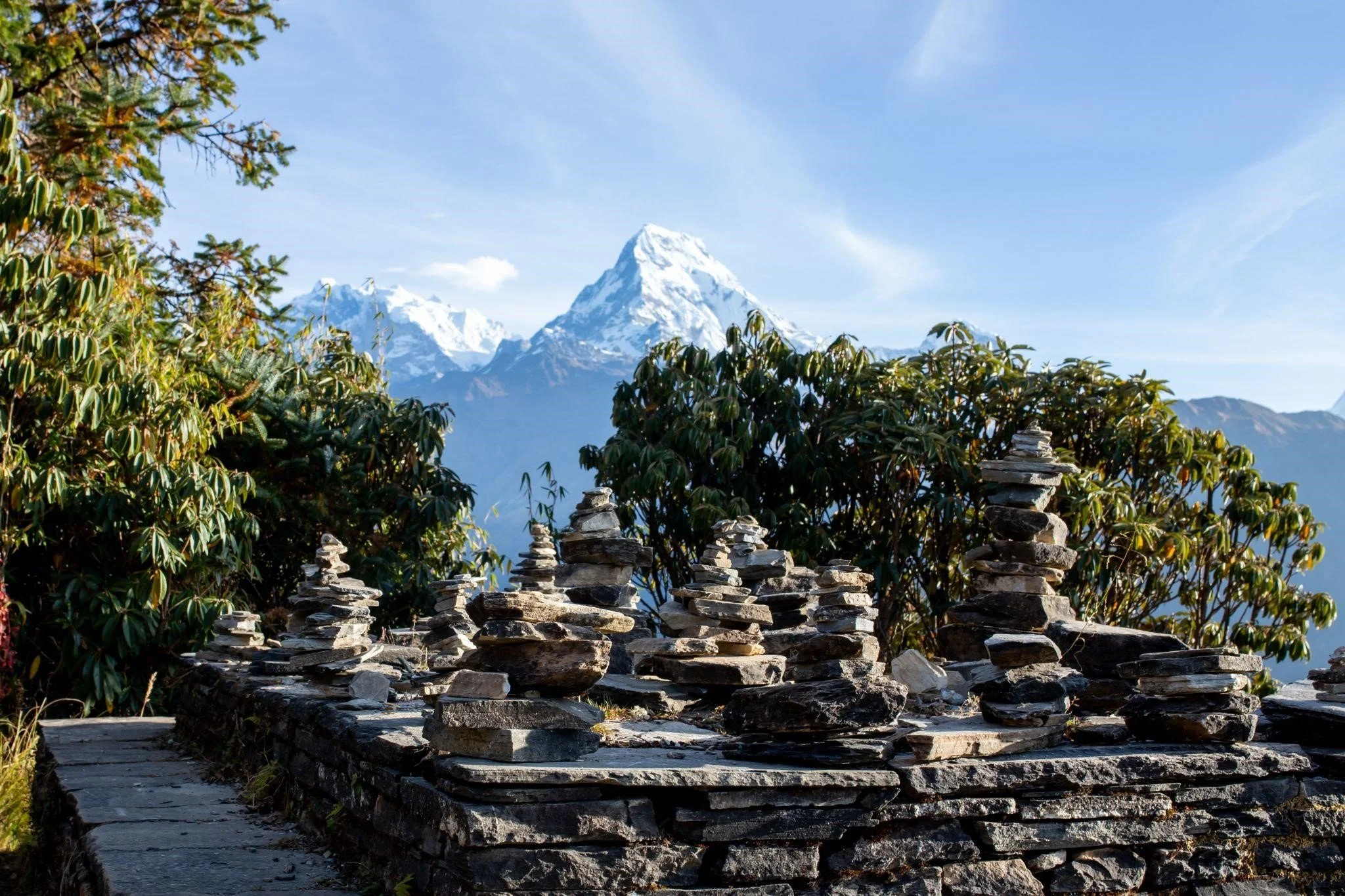
Handmade in the Himalayas: Where to Find Kathmandu’s Best Artisan Goods
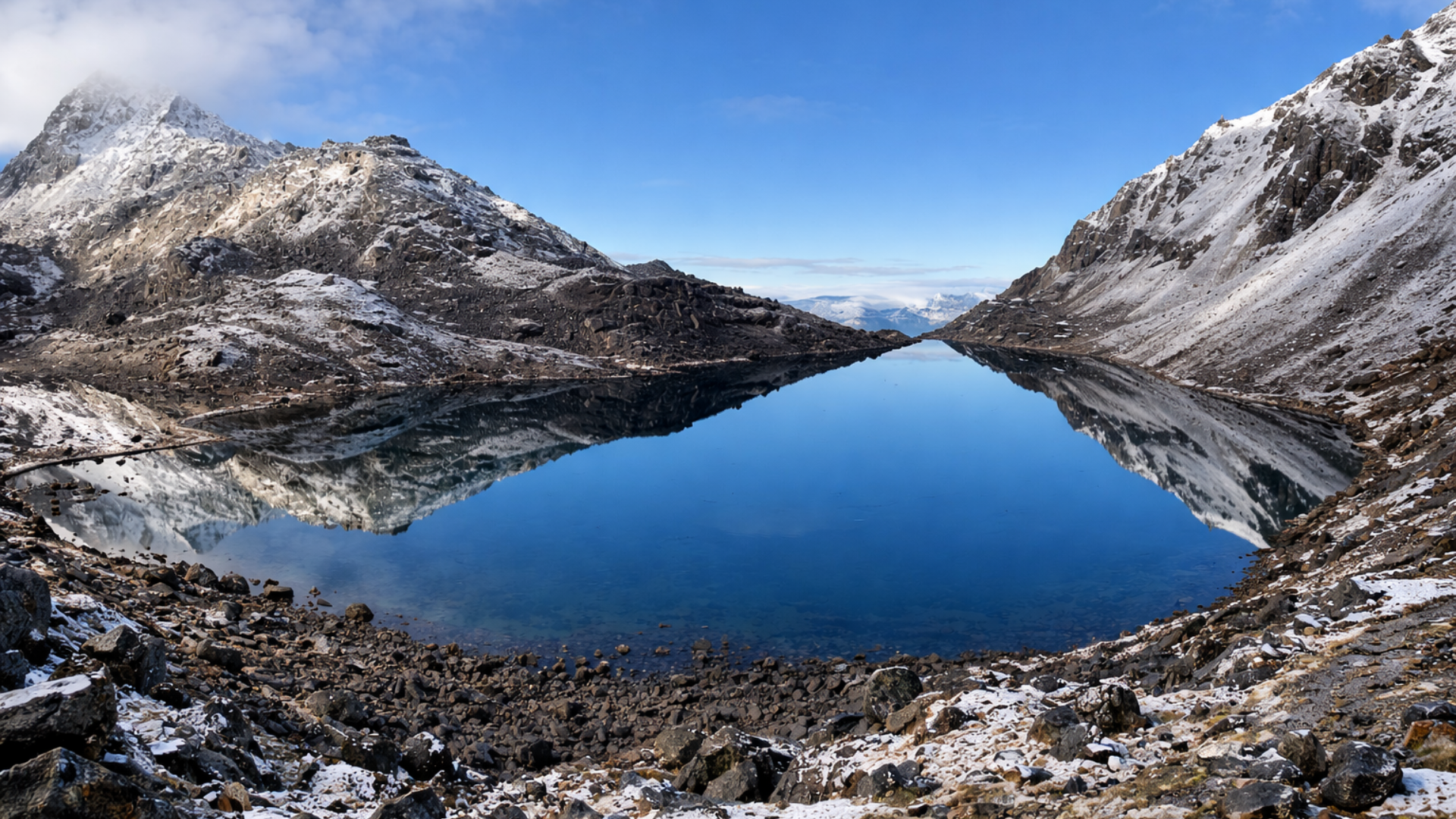
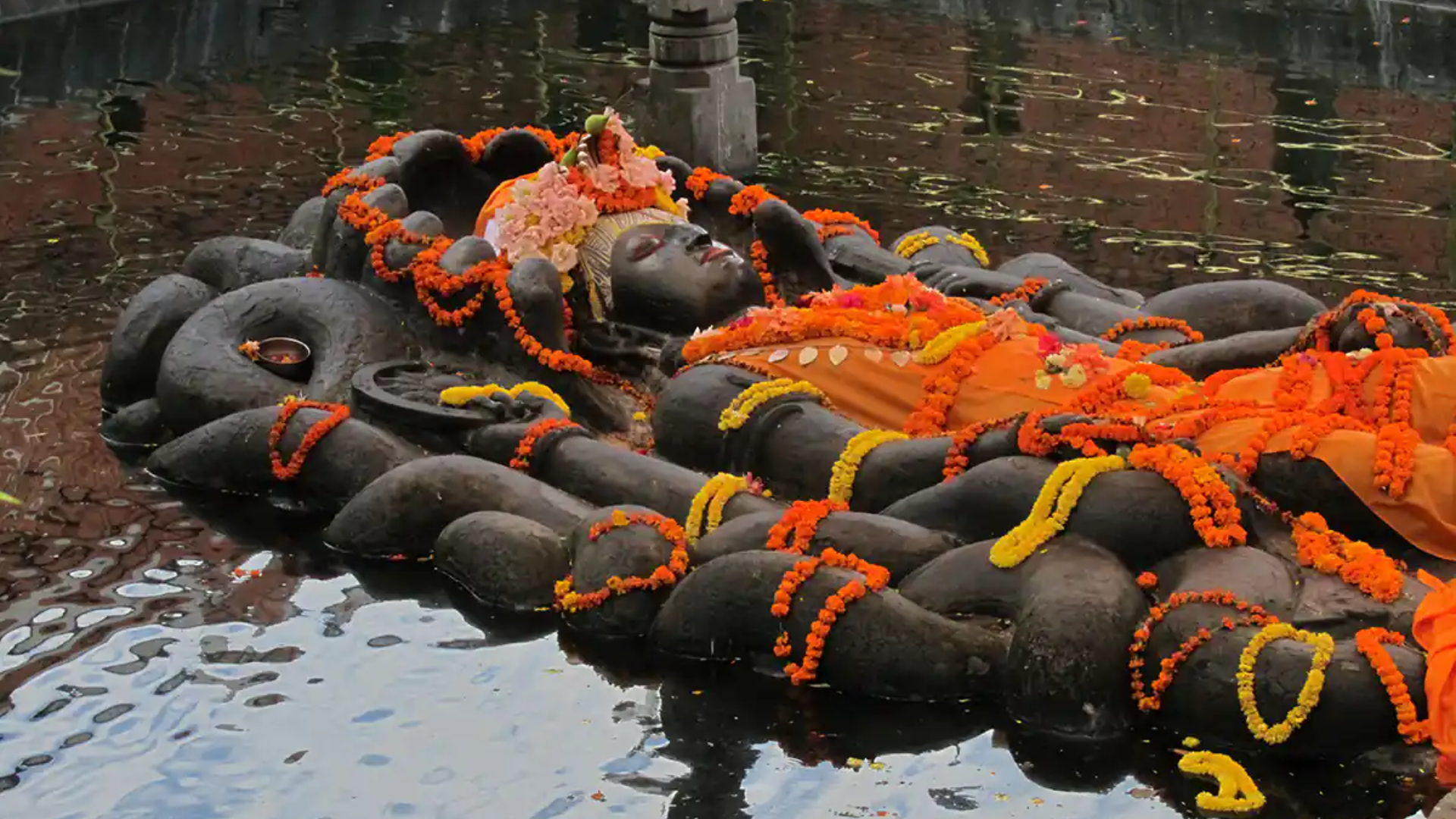
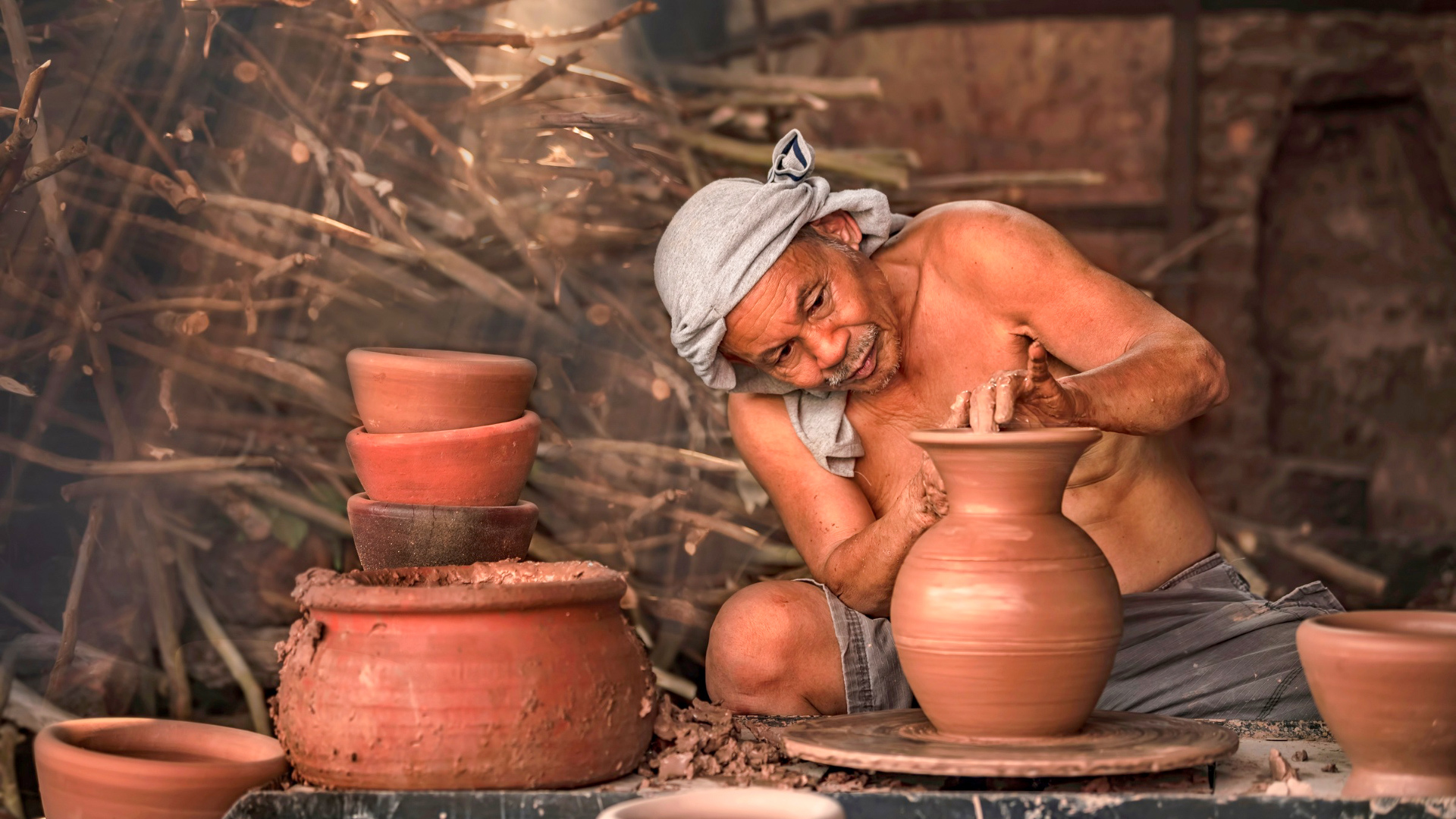
Tucked between temple courtyards and winding alleys, Kathmandu reveals a quiet artistry that rewards those who linger. While its bustling streets may seem chaotic at first glance, a slower pace unveils a world shaped by human hands woven, carved, molded, and brushed with care.
Tucked between temple courtyards and winding alleys, Kathmandu reveals a quiet artistry that rewards those who linger. While its bustling streets may seem chaotic at first glance, a slower pace unveils a world shaped by human hands woven, carved, molded, and brushed with care.
This is a city where craftsmanship still breathes. If you’re drawn to the scent of wood shavings, the rhythm of a loom, or the glint of hammered bronze, this guide is your invitation to explore Kathmandu’s artisan soul, especially in the soft pause of the monsoon season.
Textiles That Tell Stories
Begin in the tucked-away boutiques of Thamel, the quiet lanes of Kupondole, or even the emerging studios of Patan, where looms still echo across courtyards. Here, textiles are more than garments they are stories of lineage, patience, and hand-spun dedication.
From naturally dyed cottons to handwoven Dhaka patterns and soft yak-wool blends, you’ll find fabrics that feel as meaningful as they are beautiful. These are crafted slowly, often under the guidance of master weavers passing down their knowledge across generations.
The Carver’s Hand
Kathmandu Valley’s woodwork is a silent marvel. While its grandeur is seen on ancient temples and palaces, smaller works meant for daily life or interior spaces are found in the city’s artisan districts.
Walk through Patan’s older quarters or Bhaktapur’s heritage zones and you’ll hear the soft rhythm of chisels shaping sal and teak into windows, doors, or sacred symbols. During the rains, doorways shelter drying carvings, their details catching the light between clouds.
Metalwork and Ritual Craft
Brass, bronze, silver, and copper come to life in the hands of Kathmandu’s metal artisans. Whether it’s a singing bowl with perfect resonance or a delicately embossed butter lamp, these pieces are born through fire, forge, and focus.
Patan remains one of the valley’s strongest hubs for this craft, with many workshops quietly operating in historic lanes. In areas surrounding Boudhanath, artisans with Tibetan heritage continue the tradition of ritual object-making, often using methods untouched by time.
Quiet Studios and Hidden Galleries
For those who prefer introspective spaces to bustling markets, Kathmandu’s independent studios offer a more contemplative way to engage with local creativity. Some are housed in restored heritage buildings, others in artist-run cafés or small garden spaces all worth discovering.
From abstract paintings inspired by the mountains to minimalist ceramic ware, these works reflect a modern Nepali voice that’s deeply rooted yet unafraid to evolve. Exhibitions may be spontaneous, and artists often welcome thoughtful conversation over commerce.
Final Thought
Kathmandu’s beauty lies not only in what you see, but in how you see it. The best artisan goods here are not mass-produced souvenirs, but quiet objects with a sense of place. They’re found through curiosity, patience, and the willingness to step off the main road.
So take your time. Let the rain slow your steps. Let the city speak softly. And carry home a piece of the Himalayas handmade, heart-held.
POPULAR ITINERARIES
SIMILAR POSTS

Savoring Kathmandu: A Culinary Trail for First-Time Visitors
Kathmandu is not just a gateway to the Himalayas. It’s a city that feeds your senses. For first-time visitors, the flavors here offer a warm and welcoming glimpse into Nepal’s soul. From rooftop restaurants to quiet neighborhood stalls, every meal has something to say.
Kathmandu is not just a gateway to the Himalayas. It’s a city that feeds your senses. For first-time visitors, the flavors here offer a warm and welcoming glimpse into Nepal’s soul. From rooftop restaurants to quiet neighborhood stalls, every meal has something to say.
Start Your Day the Local Way
Begin your morning with sel roti and milk tea. This lightly sweet, crispy rice doughnut pairs beautifully with a hot cup of spiced tea. You might find it in a small stall tucked into an alley, where locals stop for a quick bite before their day begins.
Another simple favorite is chiura (flattened rice) served with buff sukuti (dried meat) or curried potatoes. It’s hearty, flavorful, and loved across generations.
Midday Meals with Meaning
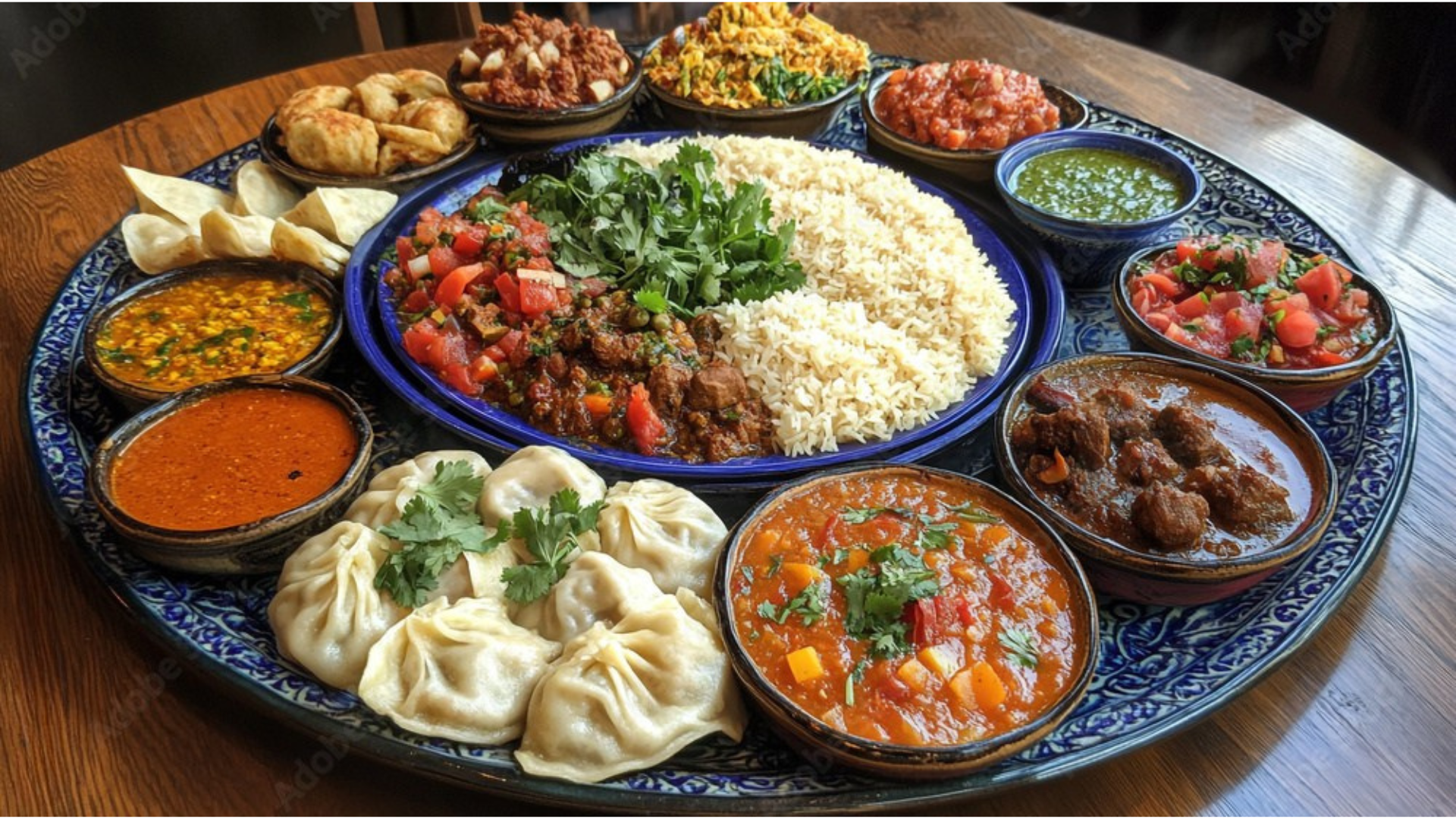
Lunchtime in Kathmandu is often slow, generous, and shared. The traditional Nepali thali is a must-try. A round metal plate brings together steamed rice, lentils, vegetables, pickles, and a meat or vegetarian curry. Each part balances the other, creating a meal that’s filling and satisfying.
In heritage areas, especially around old squares, Newari dishes bring deeper regional flavor. Look for sets that include spicy chhoila, bara, and aloo tama. The ingredients are simple, but the cooking methods hold centuries of tradition.
Street Snacks and Afternoon Bites
As the sun dips lower, Kathmandu’s street snacks come to life. Try chatpate, a tangy mix of puffed rice, peanuts, and raw onions tossed in chili and lemon. It’s crunchy, spicy, and addictive.
And of course, momos. These steamed dumplings are everywhere. Whether filled with vegetables, buff, or paneer, they’re always served hot and with a fiery tomato-based achar.
Evening Dining and Rooftop Views
Dinner in Kathmandu is often a chance to relax and look out over the city. Rooftop restaurants offer peaceful views of temple spires, local rooftops, and the rhythm of the streets below.
Here, you might try grilled trout flavored with local herbs or a bowl of warm thukpa. The menu often mixes comfort with elegance, and many places are known as much for their setting as their food.
A Sweet Finish
No culinary trail in Kathmandu is complete without juju dhau. This creamy, thick yogurt comes from Bhaktapur and is a local treasure. Or end with a quiet cup of masala chiya, best enjoyed slowly.
For the Curious Palate
Kathmandu’s food journey isn’t just about trying something new. It’s about how meals are shared, how they’re prepared with care, and how taste is tied to tradition. For those arriving for the first time, it’s an easy way to connect—to the city, its people, and its quiet warmth.
Once you’ve eaten here, you’ll carry the taste long after you leave.
POPULAR ITINERARIES
SIMILAR POSTS
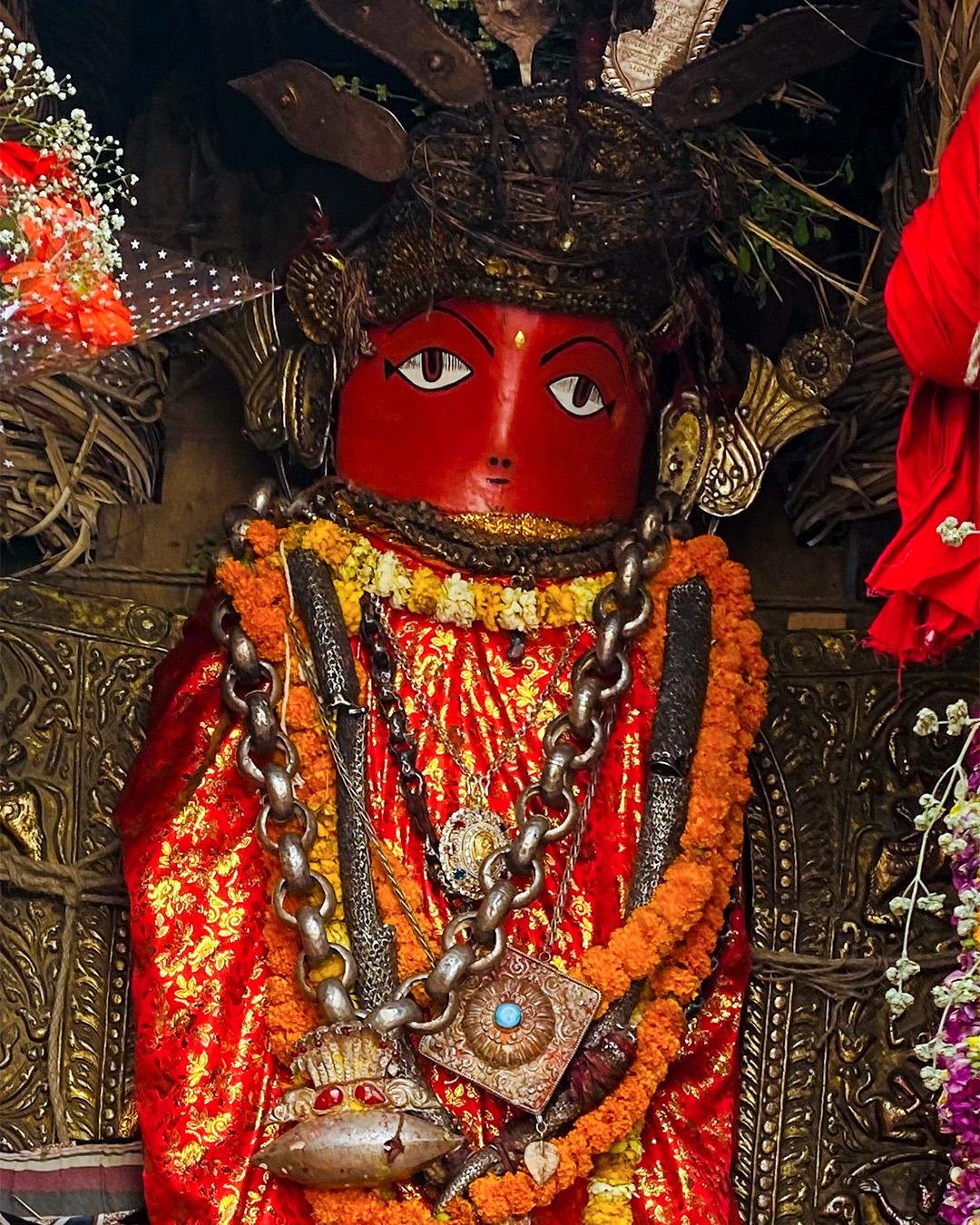
Rato Machhindranath Jatra: A Festival That Moves With the City
Every spring, as the air begins to warm and the days grow longer, the city of Patan prepares for a celebration unlike any other. Rato Machhindranath Jatra is one of the oldest and most respected festivals in Nepal. Its roots go back more than a thousand years, and its meaning still feels just as strong today.
An Ancient Celebration in the Heart of the Valley
Every spring, as the air begins to warm and the days grow longer, the city of Patan prepares for a celebration unlike any other. Rato Machhindranath Jatra is one of the oldest and most respected festivals in Nepal. Its roots go back more than a thousand years, and its meaning still feels just as strong today.
This isn’t a festival that happens on a stage or behind closed doors. It happens right in the middle of the streets. The entire city becomes part of it. People don’t just watch—they walk alongside it. They help pull the ropes, offer prayers, and tell stories to the younger ones who are seeing it for the first time.
The Story Behind the Festival
At the center of the Jatra is the deity Rato Machhindranath, believed to be the bringer of rain and protector of the valley. According to legend, there was once a time when no rain fell, and famine spread across the land. The people prayed and asked for help. When they brought the deity to the valley, the rains returned, and life began to grow again.
Since then, the people of Patan and Kathmandu have honored this gift by building a tall wooden chariot each year, placing the image of Rato Machhindranath inside, and pulling it through the city. The chariot is made entirely by hand using traditional tools and techniques passed down through generations. Each part of it has meaning. Each gesture during the procession carries memory.
A City in Motion
The procession itself is slow and careful. It can take several weeks for the chariot to complete its journey, moving from Pulchowk through the narrow streets and open squares of Patan. Along the way, communities gather to offer flowers, light lamps, and pay their respects. Musicians play traditional instruments. Children laugh and chase one another. Elders sit quietly and watch.
This is not a performance. It is daily life, paused for something sacred.
For Locals and Visitors Alike
For someone seeing the Jatra for the first time, it can feel overwhelming in the most beautiful way. There is so much to take in—the sounds, the colors, the energy of the people. But more than that, there’s a feeling of being part of something that has existed long before and will continue long after.
Visitors staying at Hotel Shanker during this time are in a special position. You can experience the liveliness of the festival by day, and return by evening to a space filled with calm. The hotel’s location offers easy access to the heart of the valley, yet its gardens, quiet halls, and graceful rooms provide a contrast that feels deeply welcome after a day spent amidst the celebration.
Why the Festival Still Matters Today
In today’s fast-moving world, where traditions often fade or change, Rato Machhindranath Jatra remains grounded. It’s not just about religion. It’s about community. It’s about remembering what it means to come together for something shared—something old, and yet still alive.
The Jatra reminds us that belief doesn’t always live in temples. Sometimes, it lives in the hands that pull the chariot ropes. In the feet that walk the route. In the voices that call out to friends from the rooftops. It lives in moments that are not rushed, but carried forward—slowly, with care.
A Festival to Witness, A Place to Rest
At Hotel Shanker, we believe in the value of these moments. We know that every guest who walks through our doors carries stories, just as this city does. That’s why we offer a space where you can not only rest, but reflect. A stay here during the Jatra isn’t just convenient—it’s meaningful.
You return not only to luxury, but to something that understands the rhythm of the valley. Something that holds history, just like the festival outside its gates.
POPULAR ITINERARIES
SIMILAR POSTS
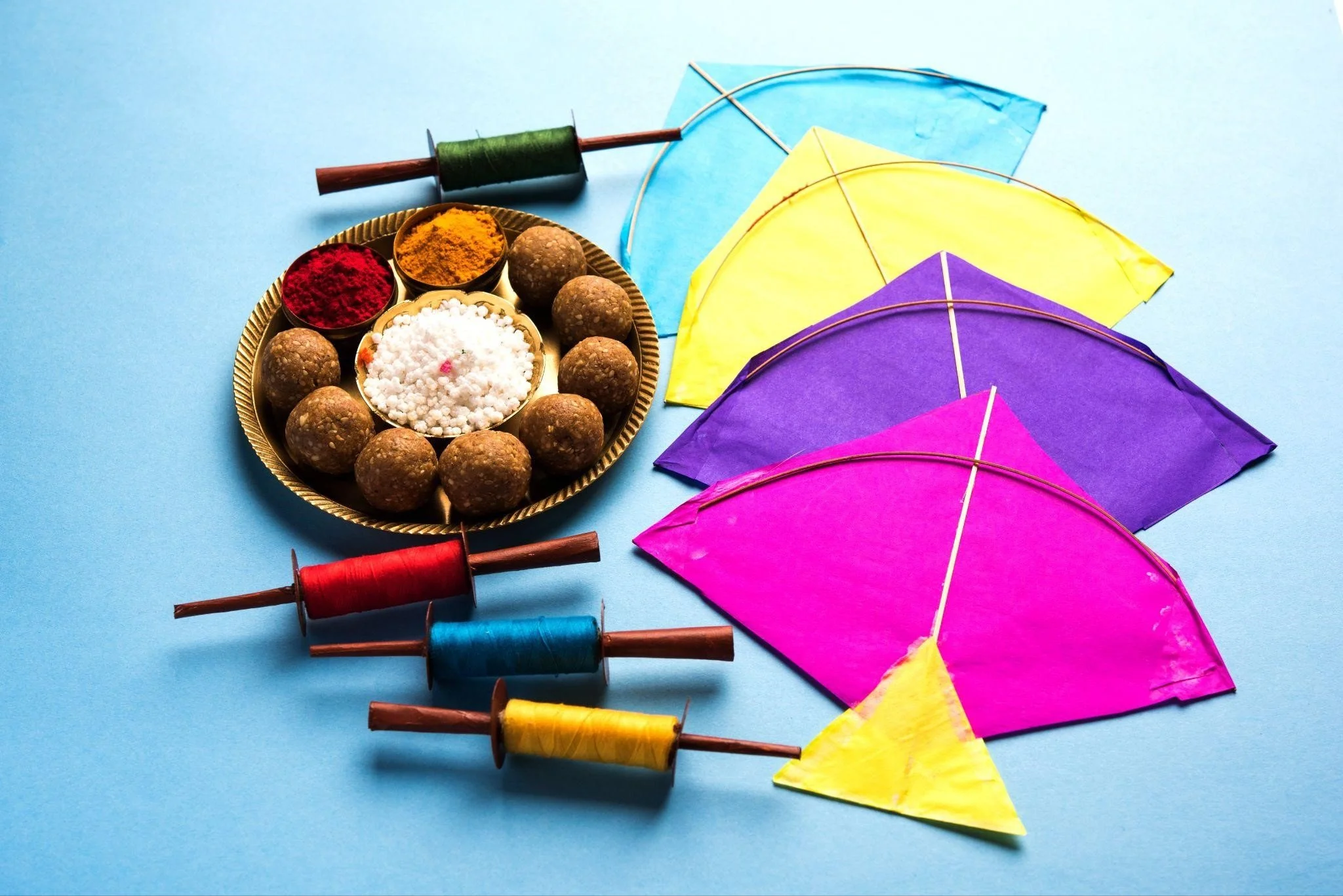
Ghode Jatra: The Horse Festival That Brings Kathmandu to Life
Ghode Jatra is more than just a horse race; it is a symbol of Kathmandu’s resilience, history, and strength, where the country’s finest cavalry units, skilled riders, and powerful horses come together for a spectacle that has captivated audiences for centuries.
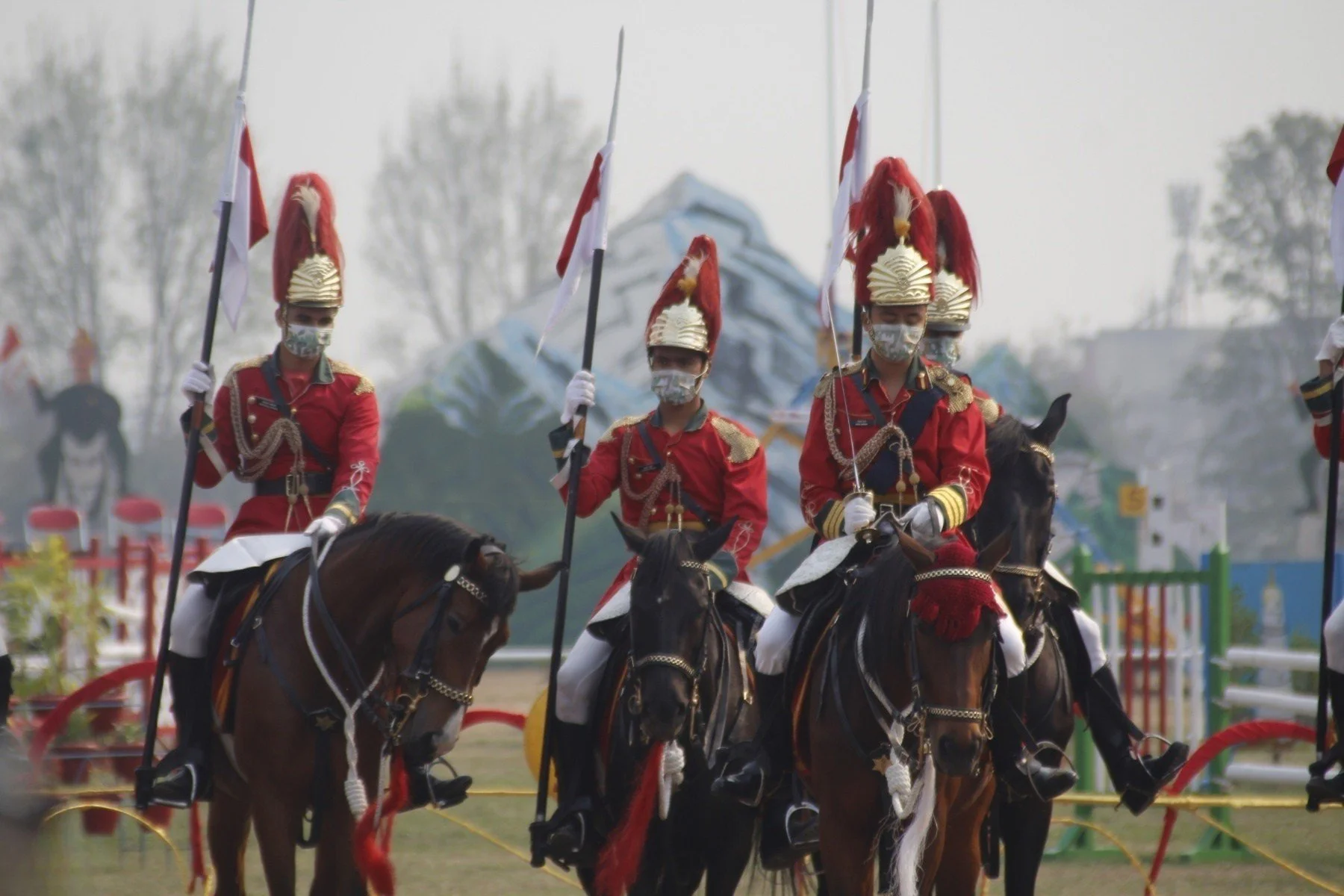
Every year, the heart of Kathmandu thunders with the sound of galloping hooves as the city comes together to celebrate Ghode Jatra, one of Nepal’s most exhilarating and unique festivals. Held at Tundikhel, the vast open ground in central Kathmandu, this event is a dynamic blend of equestrian skill, military tradition, and cultural pride, drawing thousands of spectators from across the country.
Ghode Jatra is more than just a horse race; it is a symbol of Kathmandu’s resilience, history, and strength, where the country’s finest cavalry units, skilled riders, and powerful horses come together for a spectacle that has captivated audiences for centuries.
The Legend Behind Ghode Jatra
Like many of Nepal’s great festivals, Ghode Jatra is rooted in myth and folklore. According to legend, a demon named Gurumapa once terrorized the people of Kathmandu. When the demon was finally defeated, his spirit was believed to remain beneath the grounds of Tundikhel, waiting for a chance to rise again. To prevent this from happening, the Nepalese Army began organizing a ritualistic horse race, believing that the thundering hooves would keep his spirit suppressed beneath the earth.
Over time, this ritual evolved into a grand military event, blending legend, tradition, and athletic prowess. What started as a spiritual precaution soon became one of Nepal’s most iconic displays of equestrian skill and military strength.
A Festival of Speed and Power
Ghode Jatra is a thrilling experience, where precision, speed, and tradition come together in a breathtaking display. The festival, usually held in March or April, is organized by the Nepalese Army, with participation from the highest-ranking officials, dignitaries, and a massive crowd of spectators.
The event showcases:
● Daring equestrian stunts, where skilled riders perform fearless acrobatics on horseback.
● High-speed horse races, testing the agility, strength, and discipline of both horse and rider.
● Traditional Newar rituals, performed by Kathmandu’s indigenous community as a way to honor and preserve their heritage.
● Grand military parades, demonstrating Nepal’s long-standing military history and dedication to national pride.
The festival is not just an event—it is a testament to Nepal’s deep-rooted traditions, military prowess, and cultural vibrancy.
The Atmosphere: A Festival Unlike Any Other
As the festival begins, Tundikhel transforms into a high-energy arena, where crowds cheer as majestic horses charge across the field at breathtaking speeds. The sight of Nepalese cavalry riders executing precise formations, thrilling jumps, and synchronized displays against the backdrop of Kathmandu’s bustling cityscape is a sight to behold.
But Ghode Jatra is more than just a demonstration of speed and skill—it is a day of celebration, gathering, and unity. Families, travelers, and locals come together to witness a spectacle that connects them to centuries of tradition. The energy is electric, the anticipation is high, and the entire event is a reminder of Nepal’s ability to blend its past with the present.
Witness Ghode Jatra in Luxury at Hotel Shanker
After an exhilarating day at Ghode Jatra, there is no better way to unwind and reflect on the festival’s magic than by retreating to the timeless luxury of Hotel Shanker. Situated just minutes from Tundikhel, Hotel Shanker offers the perfect blend of heritage, comfort, and elegance.
● Experience the charm of a historic palace-turned-hotel, where tradition meets modern luxury.
● Indulge in authentic Nepali and international cuisine, perfect for post-festival dining.
● Relax in serene gardens and beautifully restored interiors, offering a peaceful contrast to the day’s excitement.
Ghode Jatra is a festival that stays with you—just like the unforgettable experience of staying at Hotel Shanker.
Book your stay and make this festival a truly extraordinary experience.
POPULAR ITINERARIES
SIMILAR POSTS
Holi in Kathmandu: A Celebration of Colors and Heritage
As spring arrives in Nepal, Holi, the festival of colors, transforms Kathmandu into a lively spectacle of vibrant hues, music, and joy. Celebrated across Nepal and India, Holi marks the arrival of spring and the victory of good over evil.
As spring arrives in Nepal, Holi, the festival of colors, transforms Kathmandu into a lively spectacle of vibrant hues, music, and joy. Celebrated across Nepal and India, Holi marks the arrival of spring and the victory of good over evil.
For locals and travelers alike, Kathmandu’s Holi celebrations are a sensory delight, offering a unique blend of cultural traditions, community revelry, and festive indulgence.
The Mythology Behind Holi
Holi’s origins trace back to Hindu mythology. The most famous legend tells the tale of Prince Prahlad, a devout follower of Lord Vishnu, and his tyrannical father, King Hiranyakashipu. Angered by his son’s devotion, the king conspired with his sister, Holika, to kill Prahlad. Holika, believed to be immune to fire, attempted to burn Prahlad by sitting with him in flames. However, divine intervention reversed the plan—Holika perished while Prahlad emerged unharmed. This victory of good over evil is commemorated with Holika Dahan, a ritual bonfire held on the eve of Holi.
At Hotel Shanker, guests can experience Holi in an elegant and serene setting, with organic colors, festive music, and a curated menu of traditional Holi delicacies.
Kathmandu’s Holi Celebrations: A Cultural Extravaganza
Holi in Kathmandu is a two-day festival, with the hill regions (including Kathmandu) celebrating on the first day, while the Terai region (southern plains) observes it on the second.
The Excitement Begins: Holika Dahan
On the eve of Holi, bonfires illuminate temples, courtyards, and city squares, symbolizing the burning of negativity and the arrival of renewal. The air fills with chants, prayers, and an undeniable sense of anticipation.
A Riot of Colors: Holi Day Festivities
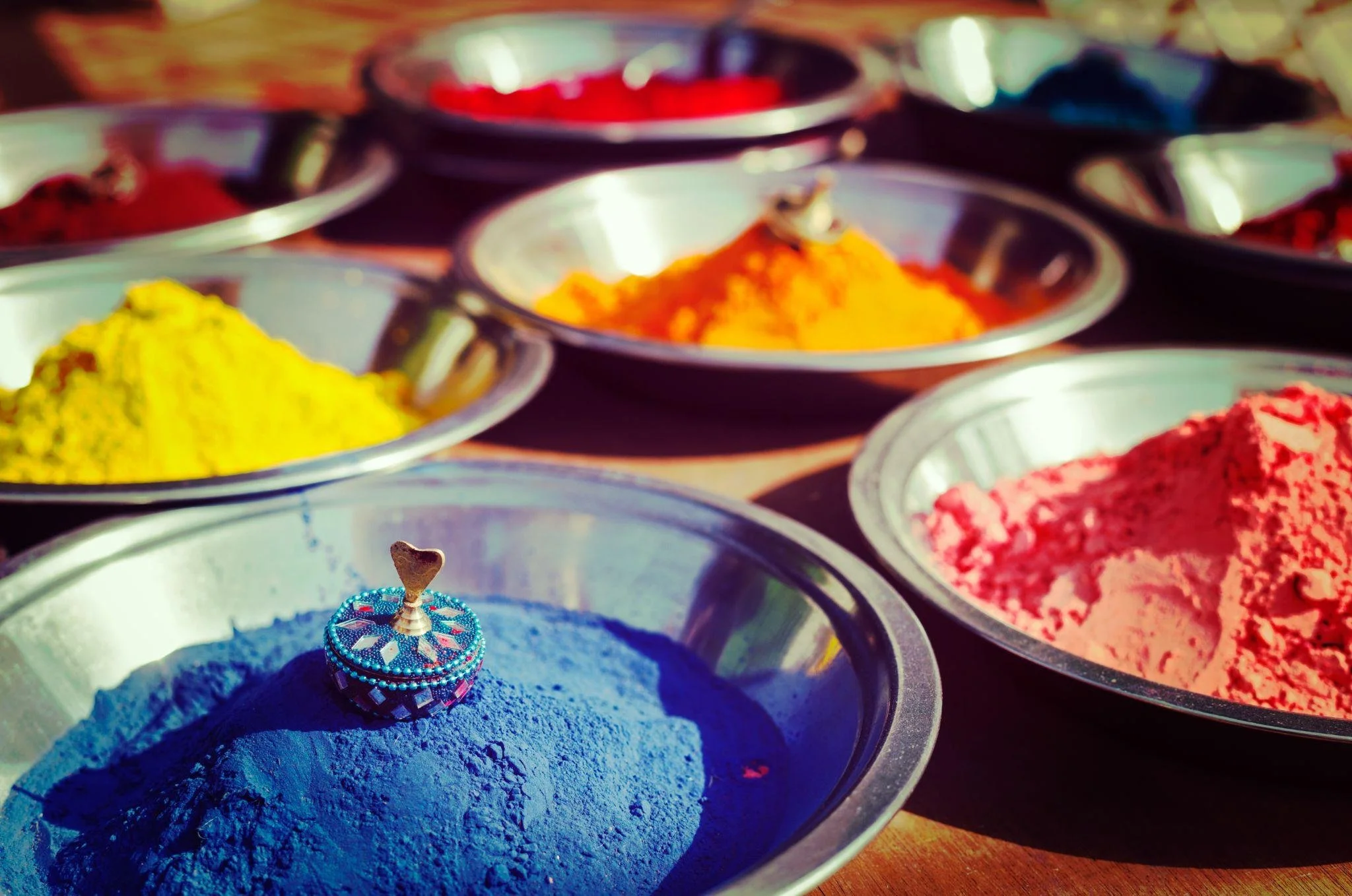
At sunrise, Kathmandu erupts into a kaleidoscope of color. The narrow alleys, open courtyards, and bustling streets transform into playgrounds of gulal (colored powder), water balloons (lolas), and playful splashes of water.
Laughter, traditional music, and rhythmic dhol (drum) beats echo through the city as revelers—both young and old—take part in this exhilarating festival.
Best Places to Experience Holi in Kathmandu
● Basantapur Durbar Square – The heart of Kathmandu’s Holi celebrations, with live music, dance, and an explosion of colors.
● Thamel – A hotspot for tourists, known for street parties and organic color stalls.
● Patan Durbar Square – A more culturally rich Holi experience, set against a stunning backdrop of historic architecture.
● Hotel Shanker’s Courtyard – A serene, refined celebration, ideal for those who prefer a controlled yet festive experience.
Holi is a one-of-a-kind cultural experience. Here’s how to make the most of it:
● Dress smart – Wear old white clothes to embrace the colors. Applying coconut oil or moisturizer helps with easy cleanup.
● Protect your valuables – Use waterproof pouches for phones and carry minimal cash.
● Celebrate respectfully – Always ask before applying color to others, especially strangers.
Holi Delicacies: A Feast of Flavors
Holi is also a festival of flavors! Some must-try delicacies include:
● Sel Roti – A crispy, ring-shaped rice bread.
● Puri Tarkari – Fluffy fried bread served with spiced potato curry.
● Gujjya – Sweet dumplings filled with dried fruits and khoya.
● Thandai – A cooling spiced milk drink, sometimes infused with bhang (cannabis) for a traditional touch.
At Hotel Shanker, guests can indulge in a special Holi menu, featuring these festive treats in an elegant setting.
POPULAR ITINERARIES
SIMILAR POSTS

The Rich Traditions of Nepal: A Guide for First-Time Visitors
Every moment in Nepal is a story woven in tradition. Witness centuries-old rituals, vibrant festivals, and warm hospitality that make this land truly unique.
Introduction: A Land of Living Traditions
Nepal is a country where ancient traditions thrive amidst modern life. From vibrant festivals and spiritual rituals to warm hospitality and artistic heritage, Nepal’s culture is deeply immersive. If you're visiting for the first time, here’s a quick guide to Nepal’s rich traditions that will make your trip even more meaningful.
1. Festivals: Nepal’s Cultural Heartbeat
Nepal is known as the “Land of Festivals”, with celebrations happening year-round.
● Dashain (Sep/Oct) – Nepal’s biggest Hindu festival, symbolizing the victory of good over evil.
● Tihar (Oct/Nov) – The festival of lights, similar to Diwali, celebrating animals, family, and prosperity.
● Holi (March) – The festival of colors, celebrated with vibrant powders and joyful gatherings.
● Indra Jatra (Sep) – Kathmandu’s grand street festival featuring masked dances and chariot processions.
Tip: If visiting during a festival, immerse yourself in the celebrations with respect and curiosity.
2. Spiritual Traditions & Rituals
Nepal is a sacred land where Hindu and Buddhist traditions coexist.
● Morning Temple Rituals – Locals offer prayers, light incense, and ring bells at dawn.
● Kora (Stupa Walks) – Pilgrims walk around stupas like Boudhanath, spinning prayer wheels.
● Cremation Rituals at Pashupatinath – A deep spiritual practice along the Bagmati River.
● The Living Goddess (Kumari) – A revered young girl, seen at Kumari Ghar in Kathmandu Durbar Square.
Tip: Dress modestly and follow local customs when visiting religious sites.
3. Nepali Hospitality: More Than Just a Welcome
Nepali culture values “Atithi Devo Bhava” (Guest is God). Expect warm hospitality wherever you go.
● Tika & Garland Welcome – A red tika on the forehead and flower garland symbolize blessings.
● Tea Culture – A cup of chiya (milk tea) is a must in every home and shop.
● Dal Bhat Tradition – The beloved Nepali meal of rice, lentils, and side dishes fuels locals daily.
Tip: If invited into a home, accept tea and food—it’s a sign of respect and warmth.
4. Art, Crafts & Heritage Architecture
Nepal’s artistic legacy is found in its temples, palaces, and handicrafts.
● Patan Durbar Square – A masterpiece of Newari architecture.
● Bhaktapur’s Pottery Square – Home to centuries-old pottery-making traditions.
● Thangka Paintings – Intricate Buddhist art used for meditation.
● Handwoven Dhaka Fabric – Nepal’s traditional textile, often made into shawls and caps.
Tip: Support local artisans by buying authentic, handmade crafts.
5. Traditional Attire & Symbols
● Daura Suruwal & Dhaka Topi (Men) – Nepal’s national dress for men.
● Gunyu Cholo & Sari (Women) – Worn during festivals and special occasions.
● Sindoor & Bangles – Symbols of marriage in Hindu culture.
Tip: You can rent or buy traditional outfits for cultural events or photos.
6. Newari Traditions: A Unique Cultural Experience
The Newar community, Kathmandu’s indigenous people, have preserved Nepal’s oldest traditions.
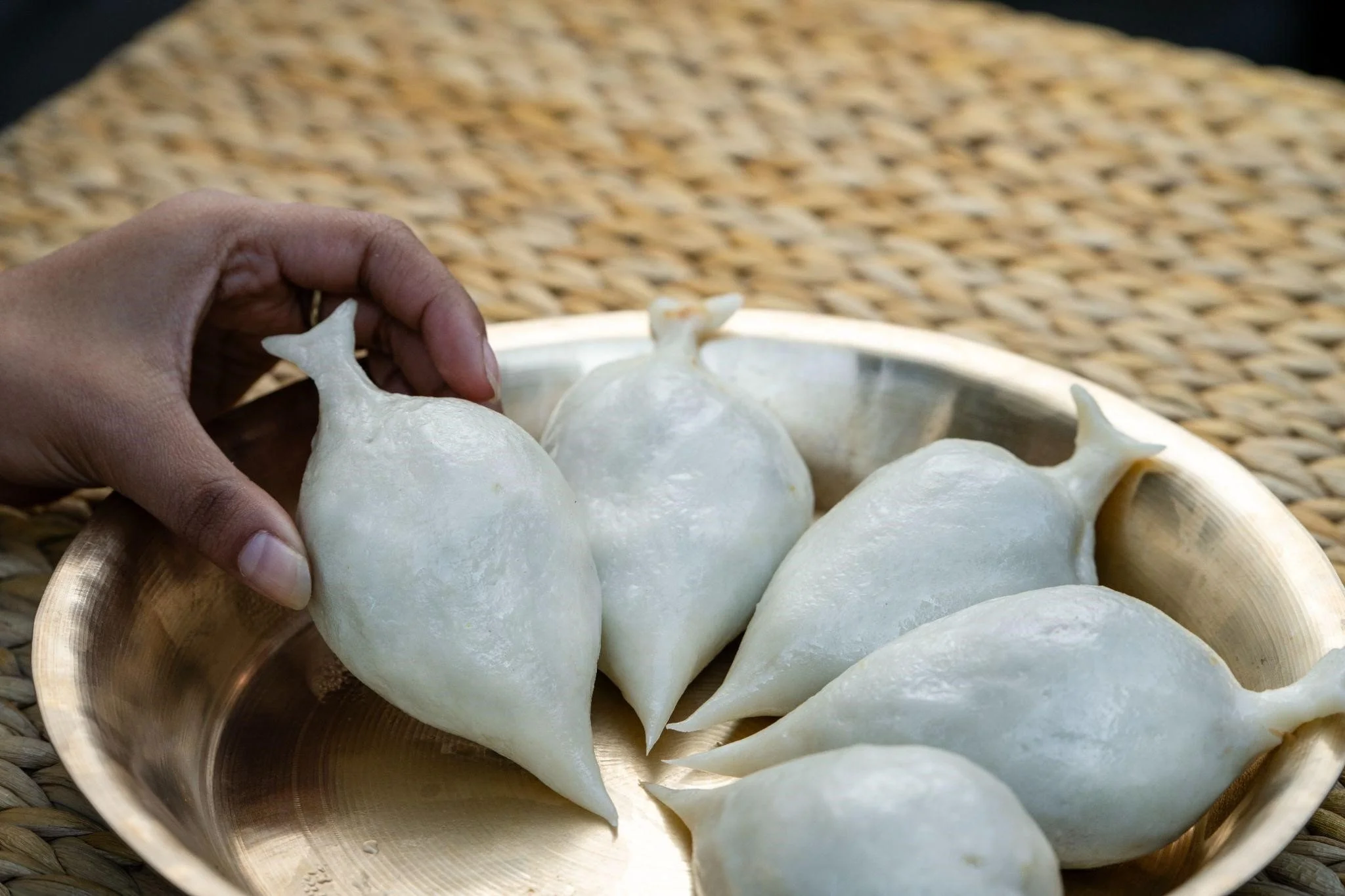
● Newari Feasts – Dishes like Yomari (sweet dumplings) and Newari Khaja Set are must-tries.
● Jatras (Street Festivals) – Indra Jatra and Bisket Jatra feature grand chariot processions.
Tip: If you’re in Kathmandu during a Newari festival, don’t miss the street celebrations.
Conclusion: A Journey into Nepal’s Soul
Nepal’s traditions add depth and meaning to any visit. Whether you’re exploring heritage sites, joining local festivals, or experiencing Nepali hospitality, every moment is steeped in culture.
For a heritage-rich stay, Hotel Shanker offers the perfect blend of history and luxury, placing you close to Kathmandu’s cultural wonders.
📍 Book your stay today and explore Nepal’s living traditions.
POPULAR ITINERARIES
SIMILAR POSTS
Nepal’s Artisans: A Journey Through Traditional Crafts
Nepal is a land of breathtaking mountains, vibrant festivals, and rich cultural heritage. But beyond its natural beauty and age-old traditions lies a fascinating story told through the hands of its artisans. From intricately woven fabrics to masterfully carved wooden sculptures, the crafts of Nepal embody the heart and soul of its people.
Nepal is a land of breathtaking mountains, vibrant festivals, and rich cultural heritage. But beyond its natural beauty and age-old traditions lies a fascinating story told through the hands of its artisans. From intricately woven fabrics to masterfully carved wooden sculptures, the crafts of Nepal embody the heart and soul of its people.
The Legacy of Craftsmanship
For centuries, Nepalese artisans have passed their skills from generation to generation, preserving techniques that date back to ancient times. These crafts are not just a livelihood but a celebration of Nepal’s artistic spirit. Each item, whether a thangka painting or a handmade piece of pottery, is infused with cultural significance and spiritual meaning.
Thangka Painting
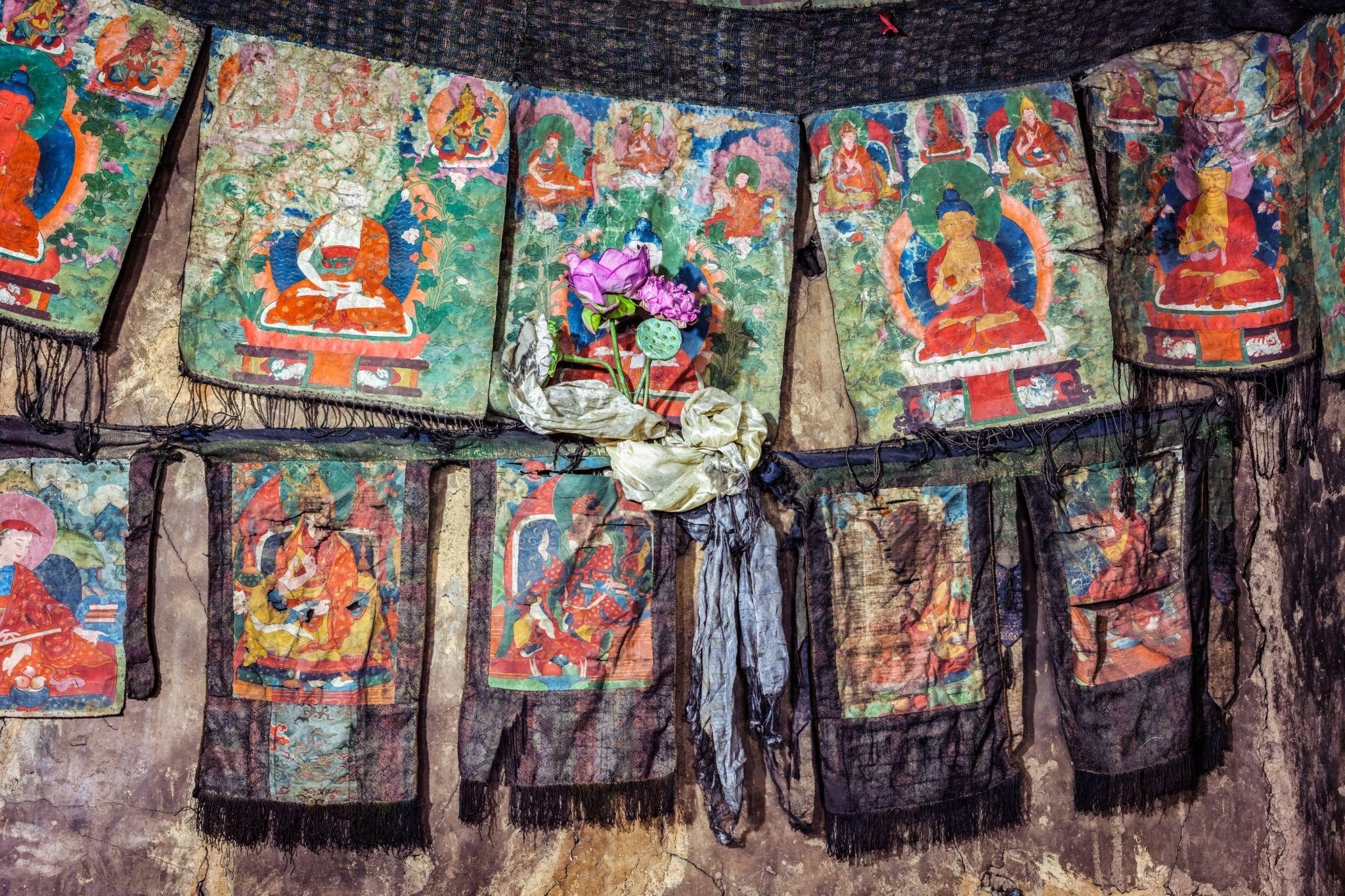
A visit to Nepal is incomplete without encountering a thangka—a traditional Buddhist painting on cotton or silk. These intricate artworks, depicting deities, mandalas, or spiritual teachings, require incredible precision and devotion. The process can take weeks or even months, with artisans carefully following ancient guidelines to ensure their spiritual authenticity.
Woodcarving
Kathmandu Valley’s temples and palaces stand as a testament to Nepal’s extraordinary woodcarving tradition. The ornate windows, doors, and beams found in historical landmarks such as the Patan Durbar Square and Bhaktapur exemplify this skill. Local artisans, armed with little more than chisels and immense patience, continue to craft intricate woodwork that echoes the architectural grandeur of Nepal’s past.
Pottery in Bhaktapur
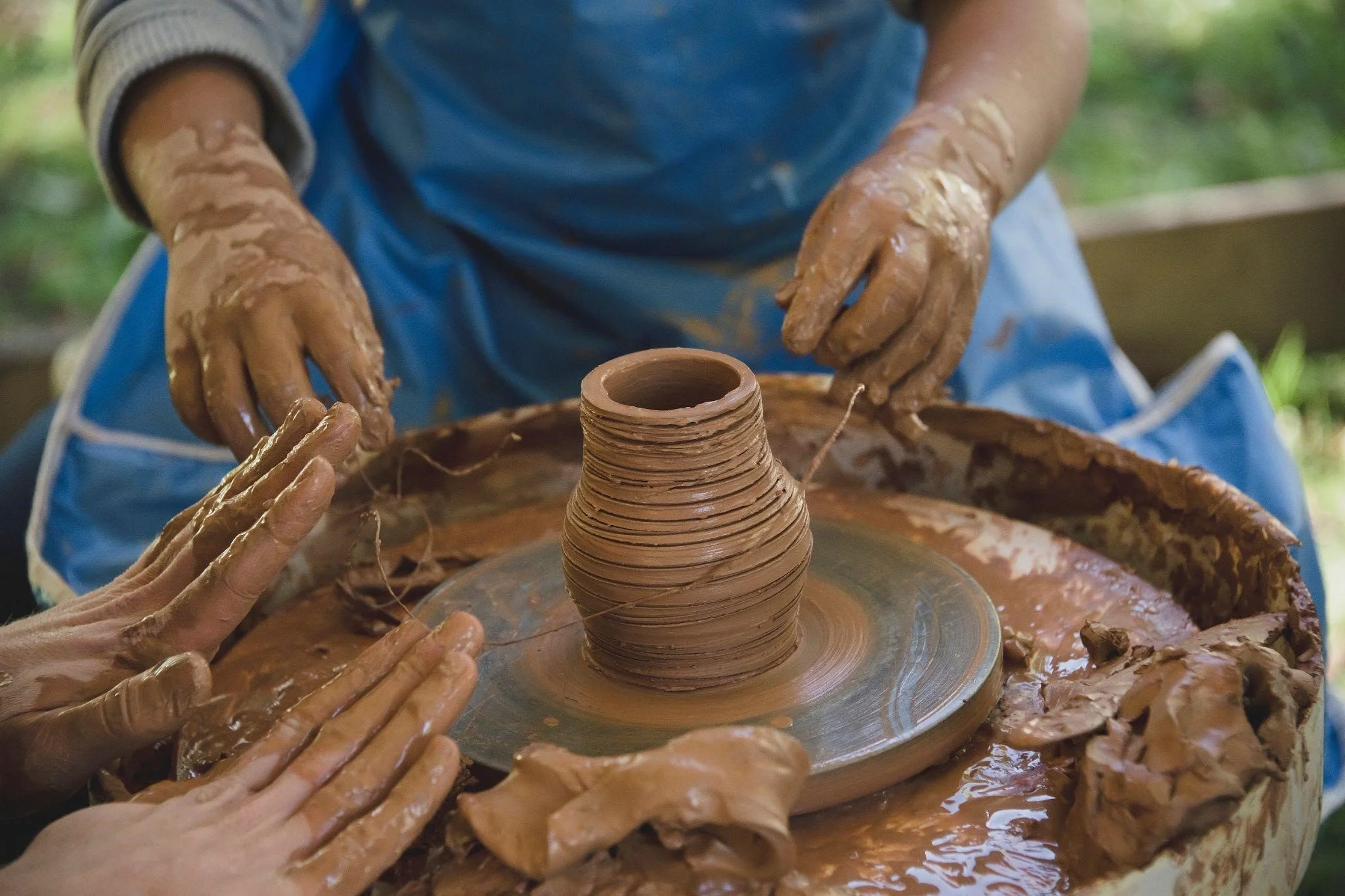
Stroll through Bhaktapur’s Potter’s Square, and you’ll find artisans shaping clay into delicate bowls, vases, and lamps. Pottery has been an integral part of Nepalese life for centuries, often used in rituals and daily life. Watching the potters at work is like witnessing history in motion—each spin of the wheel connecting the modern era to a timeless tradition.
Handwoven Textiles
Nepal’s weaving traditions are equally impressive. From the luxurious pashmina shawls to Dhaka fabric’s vibrant patterns, textiles play a vital role in Nepalese culture. Dhaka, for instance, is often used to make traditional attire like the daura suruwal and is woven on handlooms, a practice that demands remarkable skill and dedication.
Hotel Shanker: A Heritage Destination
Amidst Kathmandu’s bustling streets and ancient landmarks, Hotel Shanker serves as a bridge between Nepal’s cultural past and present. This iconic palace-turned-hotel is more than a place to stay—it’s a tribute to Nepal’s artistic heritage. The interiors of Hotel Shanker reflect the same craftsmanship seen in Nepal’s temples and royal courts, with hand-carved wooden elements, elegant décor, and an atmosphere steeped in history.
Guests at Hotel Shanker not only enjoy the luxury of modern comforts but also find themselves surrounded by echoes of Nepal’s artisan traditions. The hotel's architecture and design are a celebration of the skills that have defined Nepalese artistry for generations.
Discover Nepal’s Artistry
For travelers seeking a deeper connection to Nepal’s culture, exploring its artisan traditions is a must. Visit workshops, meet the artisans, and even take home a piece of Nepal’s craftsmanship as a memento. Whether it’s a meticulously painted thangka or a handwoven pashmina, these treasures carry the spirit of Nepal and its people.
As you immerse yourself in Nepal’s artistic heritage, let Hotel Shanker be your sanctuary. Here, you can experience not only the warmth of Nepalese hospitality but also a setting that pays homage to the country’s rich craft traditions.
Nepal’s artisans have long been the unsung heroes of its cultural story. Their work, shaped by devotion and tradition, invites us to appreciate the timeless beauty of handmade art. So, whether you’re wandering the markets of Kathmandu or relaxing in the regal ambiance of Hotel Shanker, take a moment to celebrate the creativity and craftsmanship that make Nepal truly unique.
POPULAR ITINERARIES
SIMILAR POSTS
Embrace Winter in Style: Why Hotel Shanker is the Perfect Winter Retreat
As the vibrant autumn leaves of Kathmandu begin to fade and the crisp chill of winter settles over the city, there’s no better time to plan your perfect winter escape. Nestled in the heart of Kathmandu, Hotel Shanker offers the ideal blend of historical grandeur, warm hospitality, and modern luxury, making it the ultimate winter retreat.
As the vibrant autumn leaves of Kathmandu begin to fade and the crisp chill of winter settles over the city, there’s no better time to plan your perfect winter escape. Nestled in the heart of Kathmandu, Hotel Shanker offers the ideal blend of historical grandeur, warm hospitality, and modern luxury, making it the ultimate winter retreat.
A Cozy Heritage Escape
Winter in Kathmandu brings a special charm – the cool weather, the soft fog that lingers in the mornings, and the stunning views of snow-capped peaks in the distance. At Hotel Shanker, this season becomes even more magical. The hotel’s elegant rooms, designed with a mix of traditional Nepali art and modern comforts, provide the perfect sanctuary from the winter cold. Curl up in the plush bedding, sip a warm cup of tea, and take in the serene ambiance of this heritage hotel.
Luxurious Comfort in Every Corner
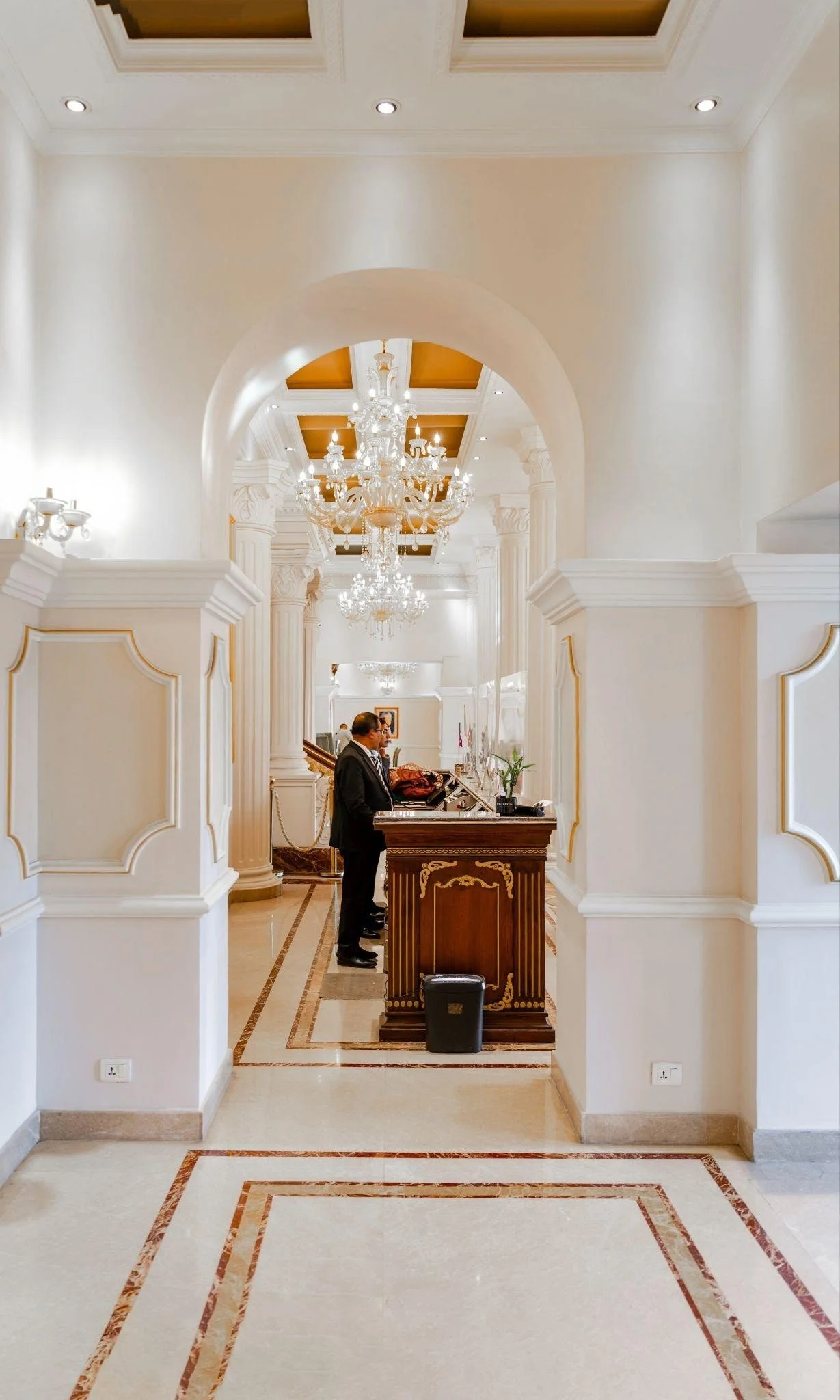
Whether you’re exploring the city or seeking a cozy hideaway, Hotel Shanker offers an array of luxurious amenities to make your winter stay unforgettable. Enjoy a leisurely breakfast in our beautifully appointed dining areas, or take advantage of our in-room dining service for a more intimate experience. The hotel’s rich history adds warmth and character to every corner, from the grand chandeliers to the intricately carved wooden décor, creating an inviting atmosphere to relax and rejuvenate.
Winter Activities at Your Doorstep
Kathmandu transforms in winter, with fewer crowds and a peaceful serenity that invites exploration. Hotel Shanker is ideally located for those who want to discover the city’s treasures while avoiding the bustle. Visit nearby attractions like the historic Narayanhiti Palace Museum or take a stroll through the lively streets of Durbar Marg. After a day of sightseeing, return to the hotel for a warm drink at our bar, where you can unwind by the fire.
Celebrate the Festive Spirit
Winter is also a time of celebration, with festivals like Tihar and Christmas adding a festive glow to the city. Hotel Shanker celebrates these moments with special packages and festive events, making it an ideal destination for those looking to experience the joyous spirit of the season.
Whether you’re spending a romantic getaway or enjoying a family vacation, our team will ensure you make the most of this beautiful season.
Plan Your Perfect Winter Getaway
As the temperatures dip, let Hotel Shanker be your cozy retreat in the heart of Kathmandu. With its blend of historical charm and modern luxury, our hotel offers everything you need for a memorable winter stay. From comfortable, warm interiors to the excitement of exploring Kathmandu’s winter beauty, Hotel Shanker promises a stay that is both relaxing and full of adventure.
Book Your Winter Stay Today!
Experience the magic of winter at Hotel Shanker. Reserve your room now for an unforgettable stay filled with warmth, luxury, and timeless elegance.
POPULAR ITINERARIES
SIMILAR POSTS