
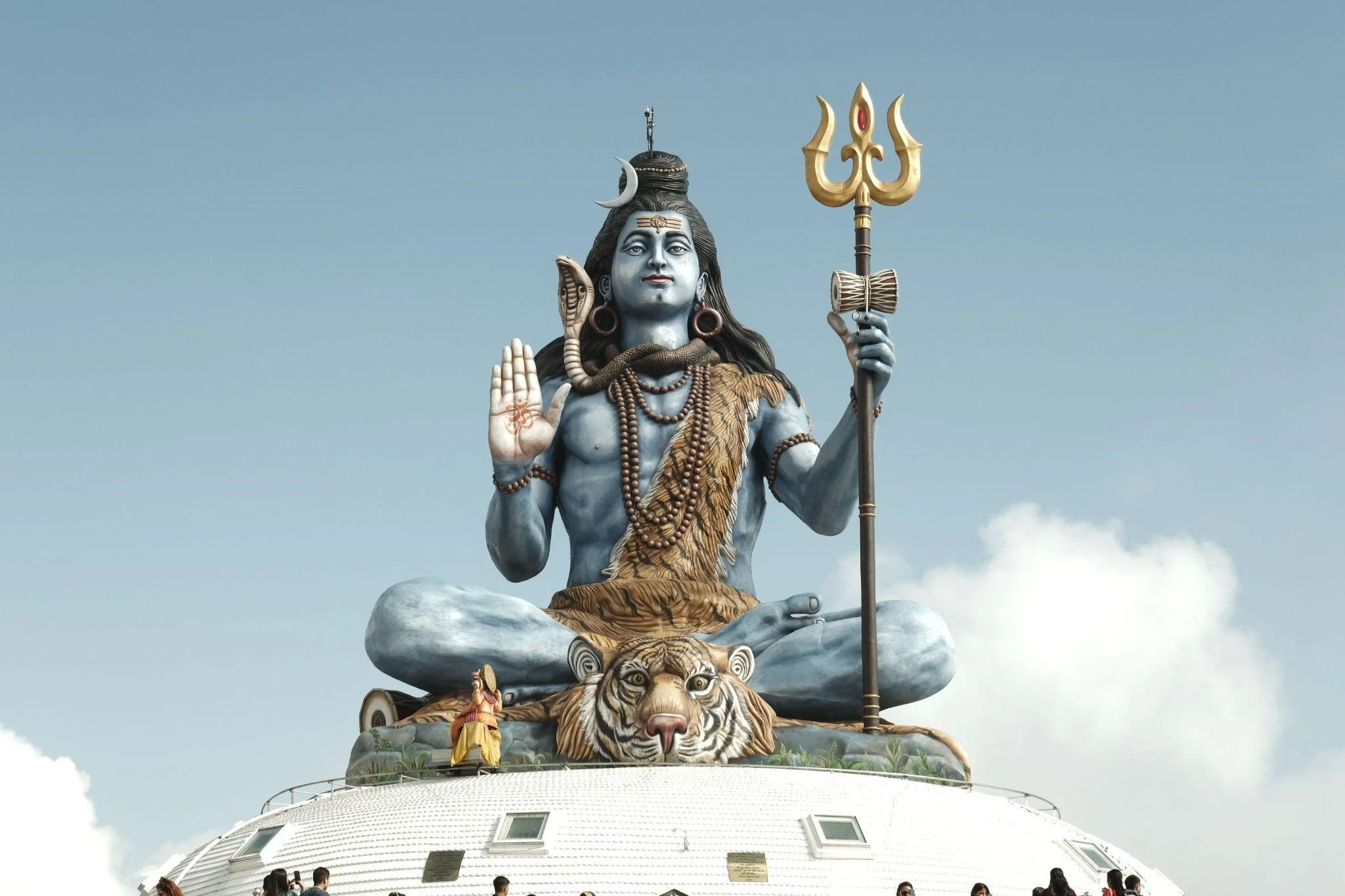
Maha Shivaratri: A Night of Devotion, Culture & Divine Energy in Nepal
When night deepens and silence grows sacred, Nepal turns inward.
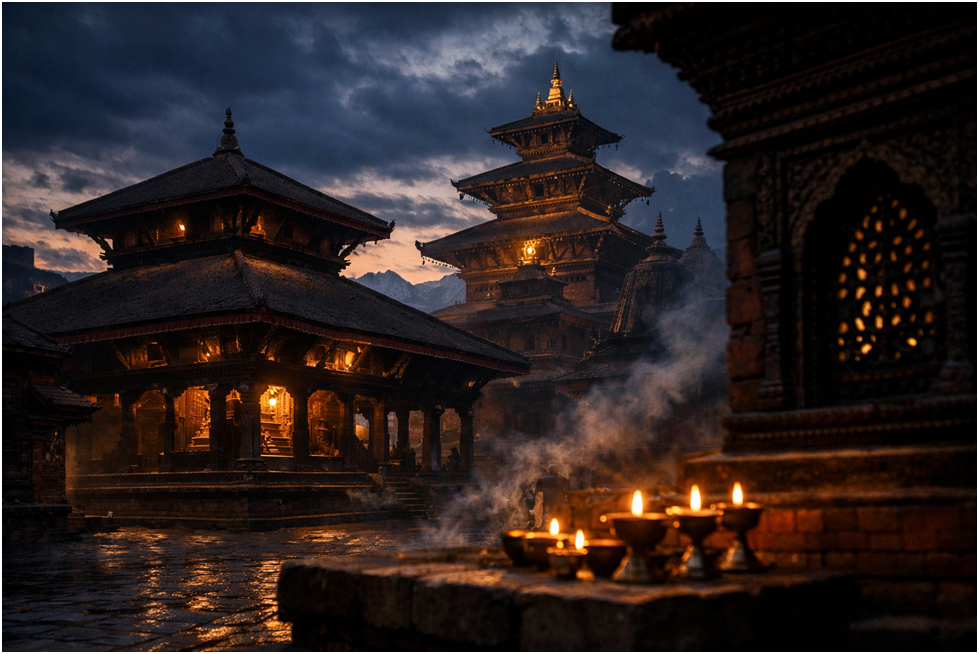
Maha Shivaratri is not just observed, it is felt. A night of stillness and chant, of oil lamps flickering against ancient stone, of breath slowing into prayer.
As bells echo and mantras rise, devotion becomes collective and time seems to soften. This is a moment where faith, culture, and cosmic rhythm move as one—inviting reflection, surrender, and quiet awakening.
Maha Shivaratri, literally meaning "The Great Night of Shiva," is one of the most revered festivals in Nepal. Celebrated in honor of Lord Shiva, this auspicious night brings together devotees, spiritual seekers, and cultural enthusiasts in a vibrant blend of devotion, tradition, and divine energy. Falling on the 14th night of the dark fortnight in the month of Falgun, Maha Shivaratri is not just a religious observance but also a cultural spectacle that reflects the deep-rooted spiritual ethos of Nepal.
A Night of Devotion
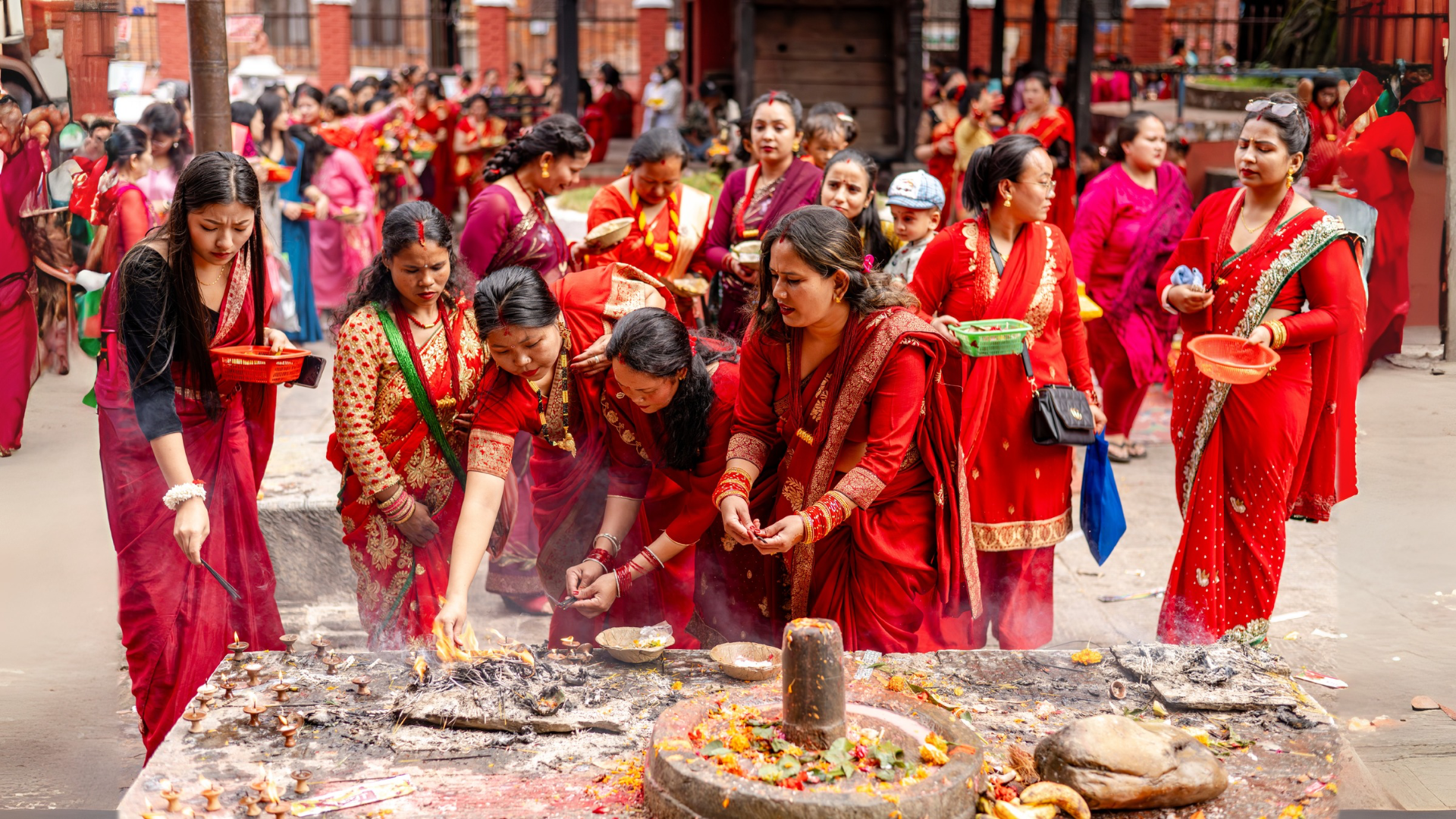
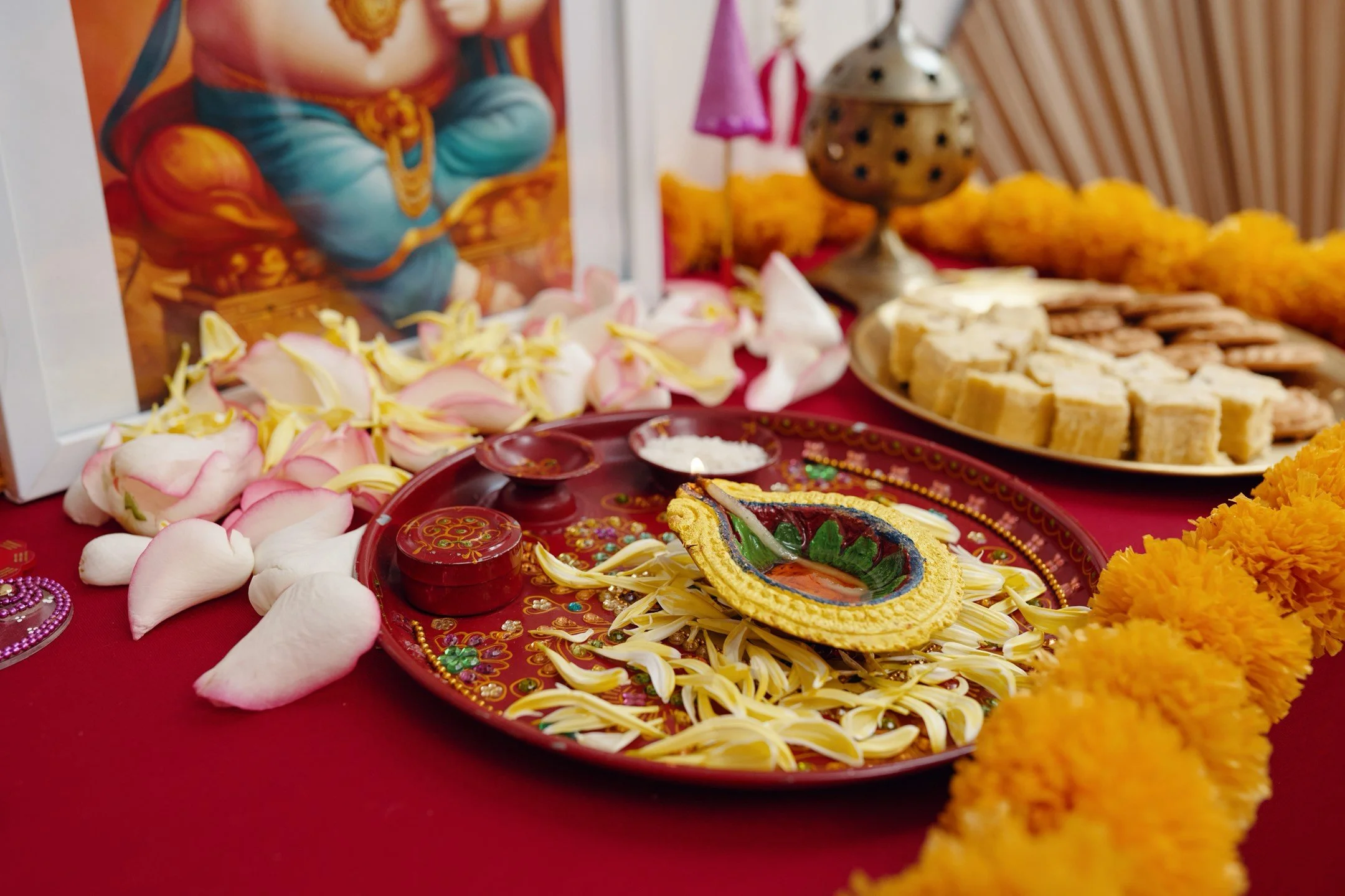
Devotees across Nepal prepare for Maha Shivaratri with immense devotion and reverence. The day is marked by fasting, prayer, and meditative practices. Many devotees visit Shiva temples, such as the iconic Pashupatinath Temple in Kathmandu, where the evening rituals create a mesmerizing spiritual atmosphere. The sacred chants of "Om Namah Shivaya," the lighting of oil lamps, and the offering of bilva leaves, fruits, and milk to Shiva lingams are acts of devotion that have been performed for centuries. The night-long vigil, or "jagar," symbolizes the triumph of light over darkness and knowledge over ignorance.
Cultural Celebrations
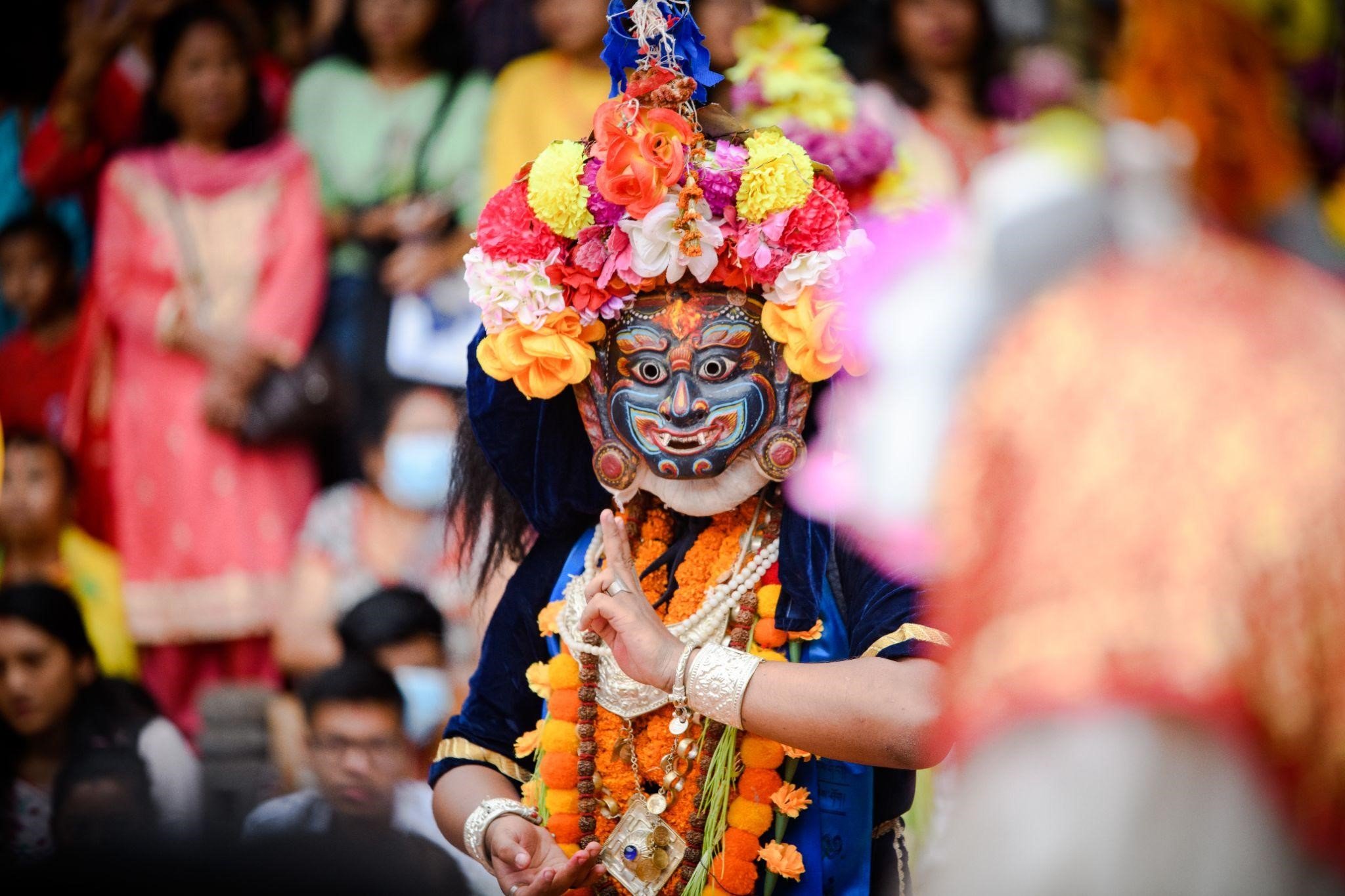
Beyond spiritual rituals, Maha Shivaratri is also a celebration of Nepali culture. Temples come alive with music, traditional dances, and local fairs. Pilgrims from all over Nepal and even from neighboring countries gather to witness the festive energy, making it a truly communal experience. The festival is an opportunity to observe the diverse customs of Nepal’s Hindu communities, each with unique ways of honoring Lord Shiva, from the elaborate decorations of temples to local folk performances that narrate tales from Shiva’s mythology.
Divine Energy & Spiritual Significance
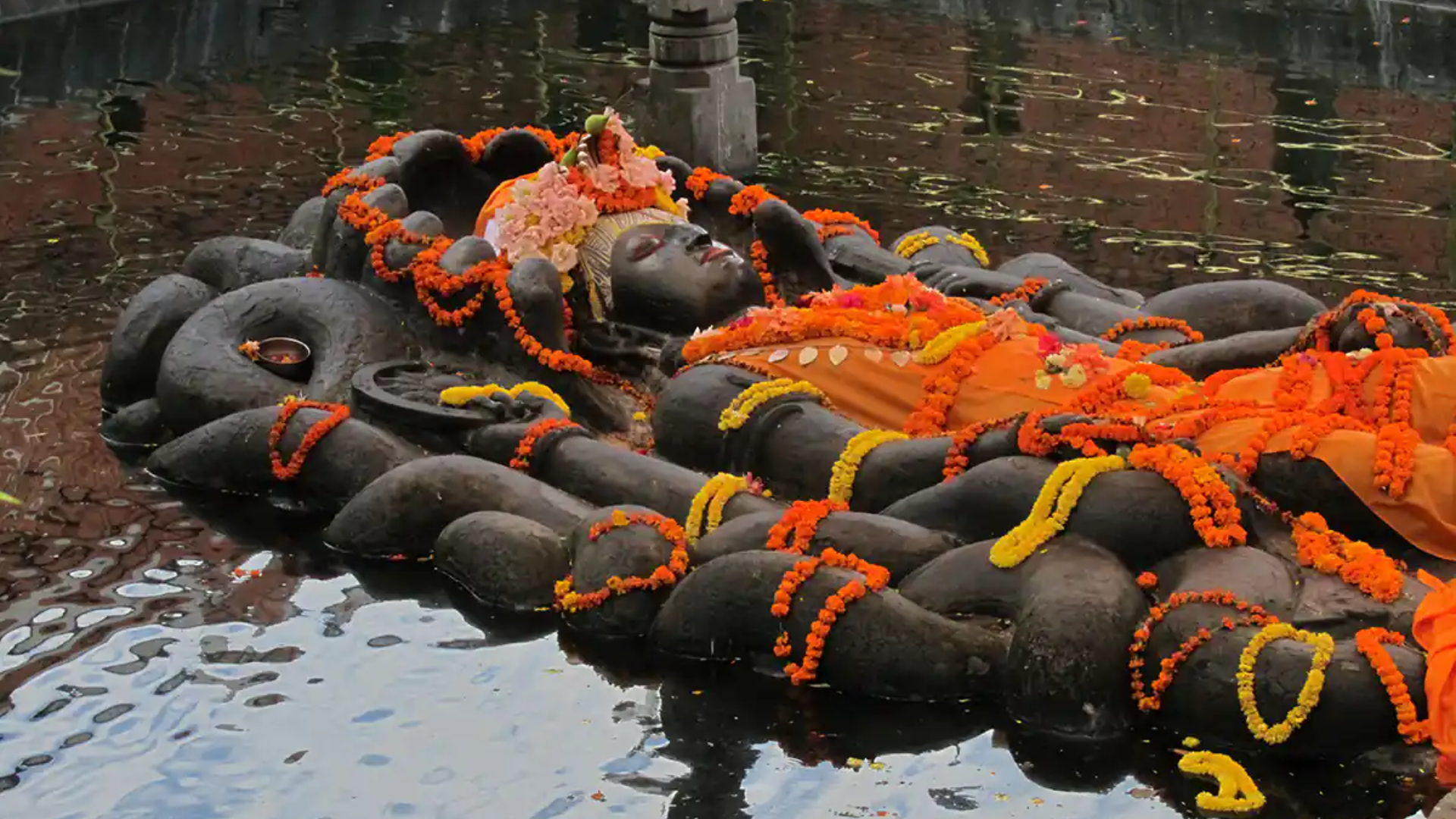
Maha Shivaratri is considered the night when cosmic energy is at its peak, offering devotees a chance to connect with the divine more intensely. According to legend, it is the night when Lord Shiva performed the cosmic dance, the Tandava, representing creation, preservation, and destruction. For spiritual seekers, meditating and chanting on this night is believed to cleanse the soul, promote spiritual growth, and bring peace and prosperity. The sense of divine energy in the air is palpable, making it a unique spiritual experience for both the devout and the curious traveler.
Experiencing Maha Shivaratri in Nepal
Visitors to Nepal during Maha Shivaratri can immerse themselves in both spirituality and culture. From witnessing the grand rituals at Pashupatinath to exploring smaller temples in towns like Bungamati and Khokana, each location offers a distinctive glimpse into Nepali devotion and heritage. Travelers can also experience the local cuisine and festive treats, enjoy cultural performances, and interact with communities deeply rooted in Hindu traditions.
Maha Shivaratri in Nepal is more than a religious festival, it is a celebration of devotion, cultural heritage, and the eternal energy of the divine. Whether you are a spiritual seeker, a culture enthusiast, or simply a curious traveler, the night of Maha Shivaratri promises an unforgettable experience, enveloped in the mystical aura of Lord Shiva’s presence.
POPULAR ITINERARIES
SIMILAR POSTS
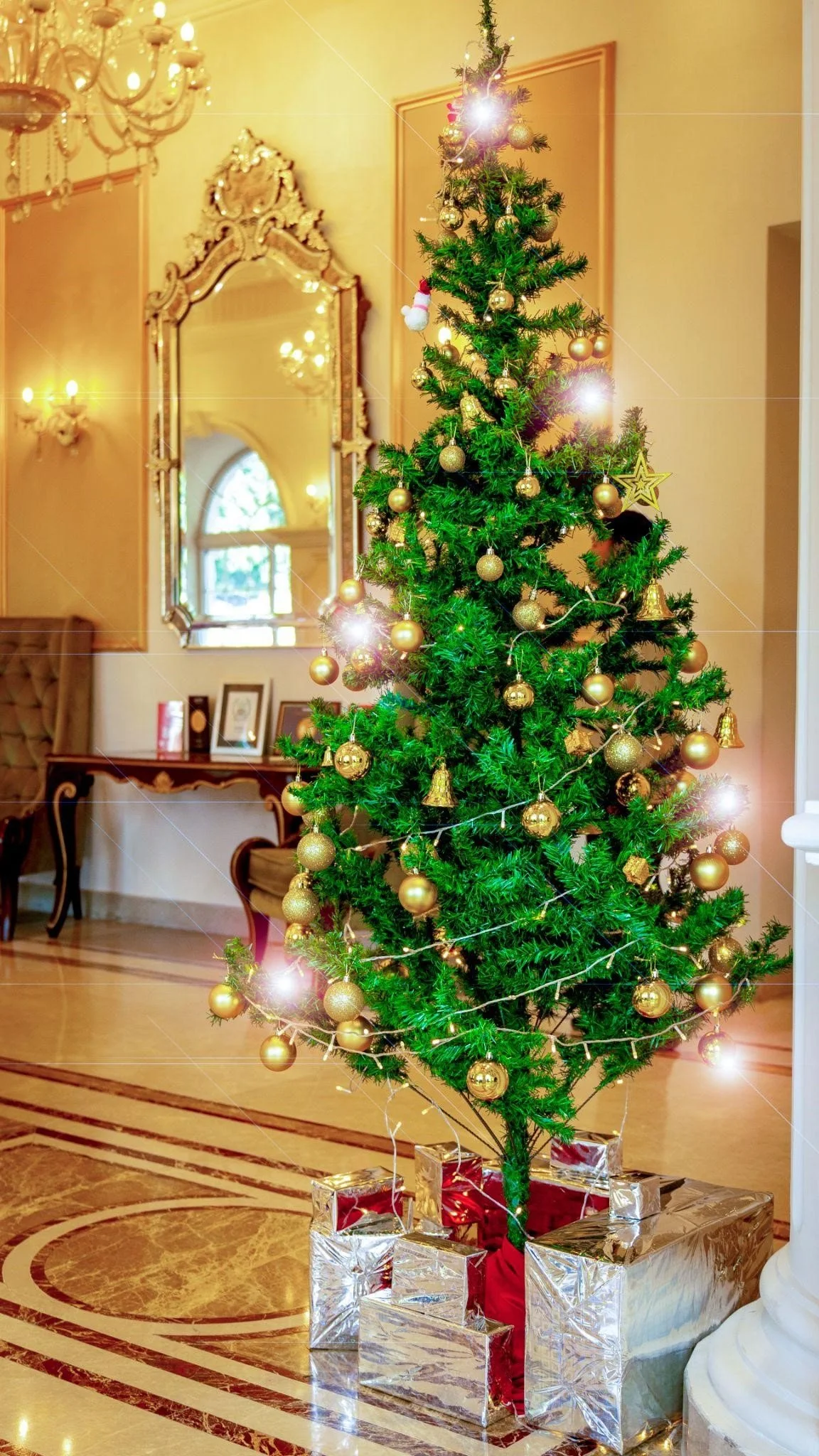
The People of Kathmandu and Their Warm Embrace of Christmas
Experience the magic of Christmas in Kathmandu, where twinkling lights, festive decorations, and a sense of togetherness fill the air. In this vibrant city, Christmas is more than just a holiday; it’s a celebration of joy, warmth, and community that brings people together from all walks of life.
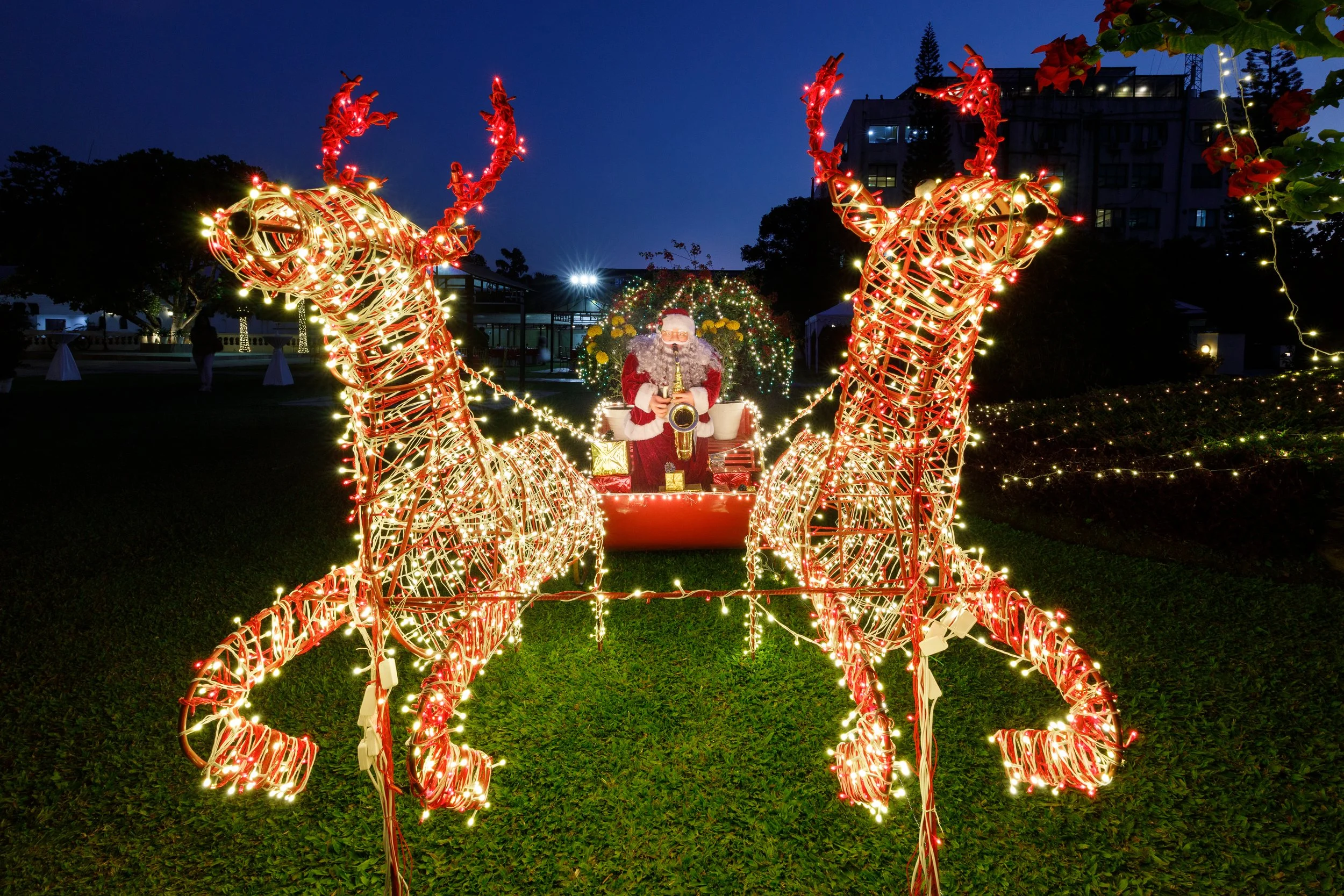
When December rolls around, Kathmandu takes on a festive glow that’s too vibrant to miss. Streets twinkle with lights, cafes display colorful decorations, and the city seems to hum with a cheerful energy. While Nepal is predominantly Hindu and Buddhist country, Christmas has found a special place here, not just as a religious holiday, but as a celebration of joy, togetherness, and fun.
Even non-Christians eagerly look forward to this festive season, as it has always been more about the feeling of togetherness and happiness rather than strictly about beliefs or religion. Christmas is respected and embraced by the community, with Nepali Christians celebrating the holiday alongside their friends and families, often including people of other faiths in the festivities. The streets of Kathmandu come alive with warm lights, stars, and decorations that reflect the joyful spirit of the season. Business and Cafés go all out decorating their adobes in vibrant Christmas decorations to match the spirit of celebration while playing harmonious Christmas songs and melodies. The city’s commercial and cultural hubs ike Thamel, Durbar Marg, and New Road become centers of celebration, offering a festive atmosphere that is both visually stunning and inviting.
Children especially enjoy the festive season. While there is no snow in Kathmandu, the decorations, lights, and small gift exchanges create a magical environment for them. Kids eagerly await opportunities to see Santa Claus at events organized in malls or hotels, participate in craft activities, and enjoy seasonal treats. Families often come together to prepare special meals, share sweets, and celebrate in a cozy, warm atmosphere that strengthens family bonds. What makes Christmas in Kathmandu particularly special is its inclusiveness. It brings people together, spreads joy, and encourages acts of kindness and generosity. For locals and tourists alike, the festival offers a chance to enjoy the city’s lights, experience Nepali hospitality, and take part in a celebration that blends global traditions with local charm.
In Kathmandu, Christmas is more than just a holiday; it’s a season of warmth, happiness, and community. Whether wandering through illuminated streets, sipping a seasonal drink in a cozy café, or joining friends and family in festivities, the city captures the essence of Christmas in a way that is uniquely Nepali: heartfelt, colorful, and full of joy.
POPULAR ITINERARIES
SIMILAR POSTS
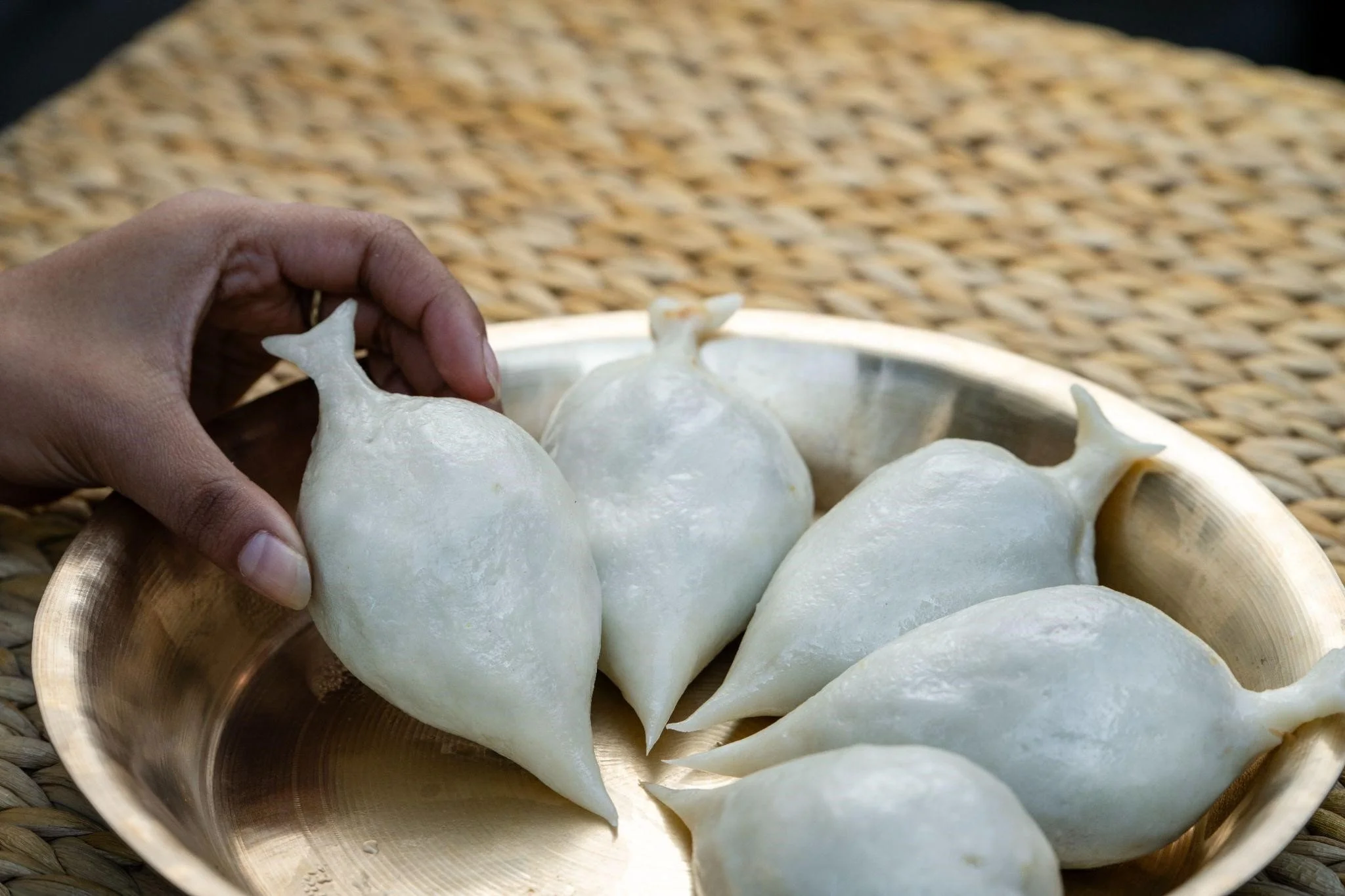
The Legend and Flavor of Yomari Punhi: Celebrating Nepal’s Harvest Moon Festival
Indulge in the warmth and tradition of Yomari Punhi, where sweet, steamed yomari brings communities together to celebrate the harvest moon. A festival filled with myths, gratitude, and delicious delicacies, Yomari Punhi is not just about the food—it’s about the spirit of sharing, abundance, and honoring the goddess of nourishment.
When winter settles over the Kathmandu Valley, a gentle warmth rises from Newar homes as the aroma of steaming yomari fills the air. This beloved delicacy becomes the heart of celebration during Yomari Punhi, one of the most cherished festivals of the Newar community. Observed on the full moon day of Thinlā; the second month in the Nepal Sambat calendar, Yomari Punhi is a festival woven with warmth, gratitude, and the joy of sharing.
The story behind Yomari Punhi adds a layer of mythical charm to the festival. It is said that long ago, in the village of Panauti, a couple named Suchandra and Krita decided to experiment with the fresh rice from their recent harvest. They crafted a new kind of steamed dumpling, sweet on the inside and soft on the outside, and shared it generously with their neighbors. People loved it so much that it was named “ya-mari,” that translates to “the bread that people like.” According to legend, the God of Wealth, Kubera, was wandering through the village in disguise on the same day. When the couple offered him the new delicacy, he was delighted by their generosity and blessed them with prosperity. From that moment, yomari came to symbolize abundance, goodwill, and divine blessing, and its creation became an annual tradition tied to the harvest moon.
Beyond its origin, the festival carries deep cultural and spiritual significance. It honors Goddess Annapurna, the deity associated with food and nourishment, reminding people that the harvest is not only the result of hard work but also a sacred blessing. The act of making yomari is equally meaningful as it brings family, friends, and neighbors together as a community to celebrate the joy of sharing a simple steaming bread filled with yummy goodness, which can be ‘chakhu’ and ‘khuwa’. The cultural significance of the festival lies not only in the food but in the togetherness it inspires. Yomari Punhi is a reminder of gratitude; for a good harvest, for community, and for the warmth we create even in the coldest months. The simple act of shaping yomari becomes a moment of connection between generations, keeping Newar heritage alive in kitchens throughout the valley.
For tourists, experiencing Yomari Punhi means tasting a piece of Nepal’s living culture. It is an opportunity to witness a tradition that blends food, myth, and community into one beautifully heartfelt celebration. If you’re visiting off-season, you don’t need to wait for the festival. The loving locals sell the delicious warm yomari in every corner of the valley.
POPULAR ITINERARIES
SIMILAR POSTS
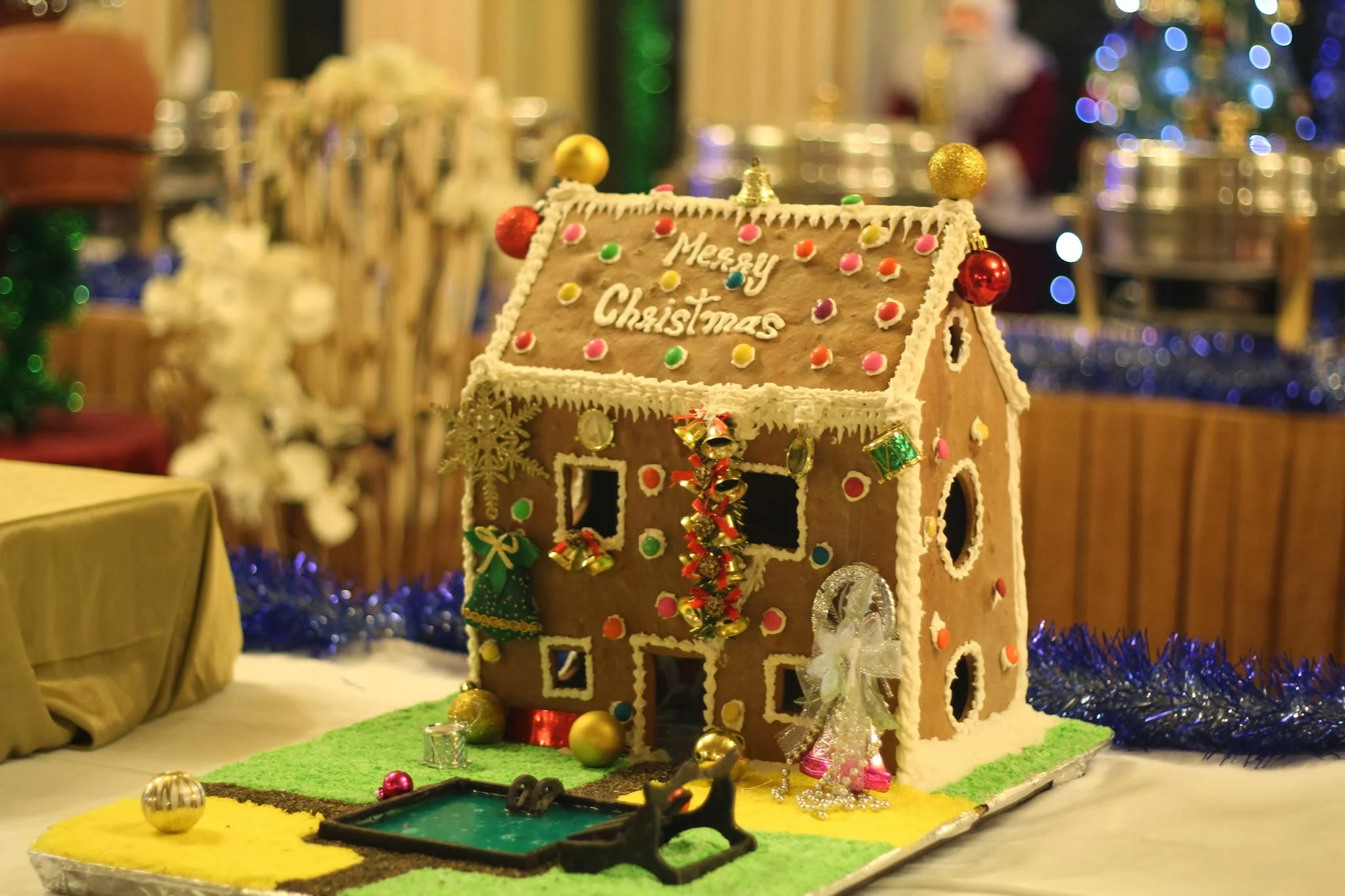
Christmas Celebrations
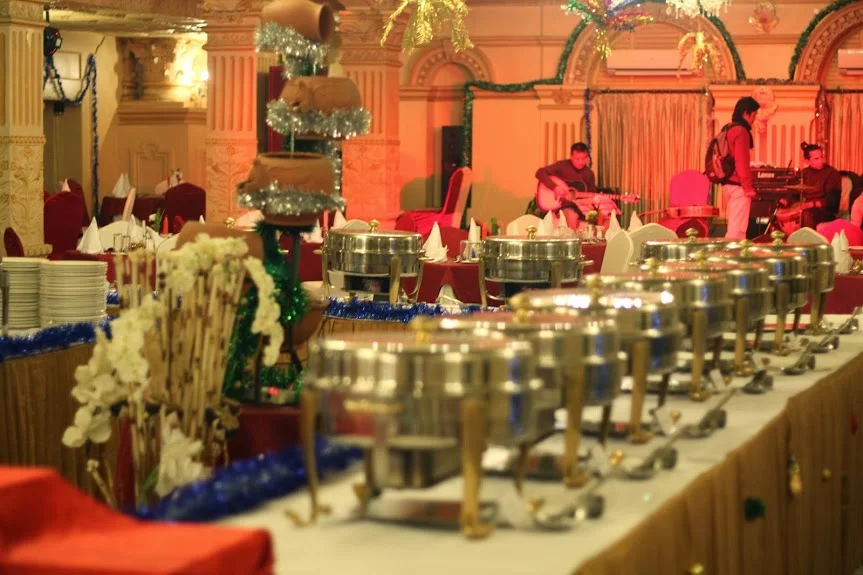
Enjoy a fantastic Christmas Eve for NPR 1999 (adults). Book your table now.
Enjoy a fantastic Christmas Eve at Hotel Shanker, Kathmandu, Nepal.
A traditional family friendly experience at the great value price of just NPR 1999 nett /per person (NPR 1499 nett for kids-below 10 years)
Children 11 years and above will be charged the adult rate.
Christmas Eve
Date: Wednesday, 24 December 2014
Time: 7 PM onwards
Price: NPR 1999 / 1499 for Adults and Children respectively. (incl. of taxes)
Book your stay now for a stay period that includes Christmas Eve through our website and this cost will be automatically included in your room rate at a discounted price. (No need to book your table)
This fantastic package includes:
- A traditional mulled wine reception (Christmas Eve)
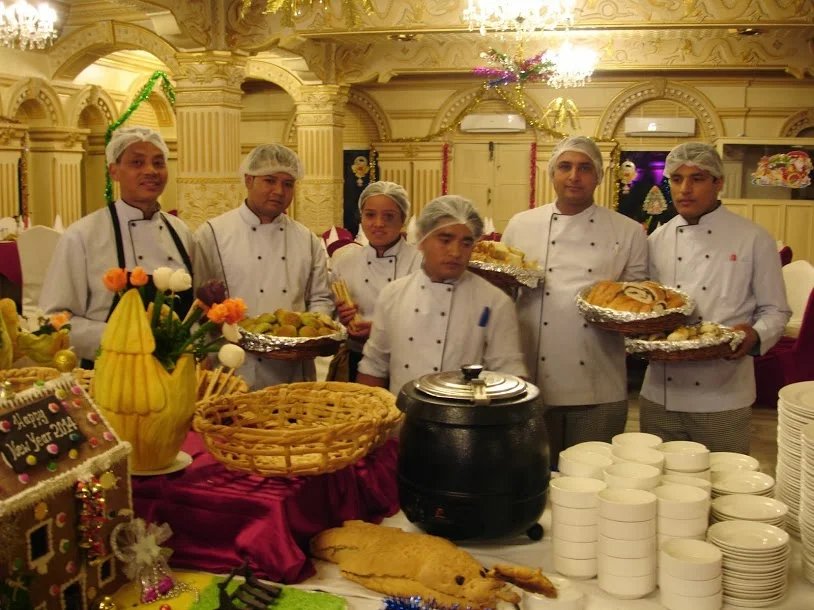
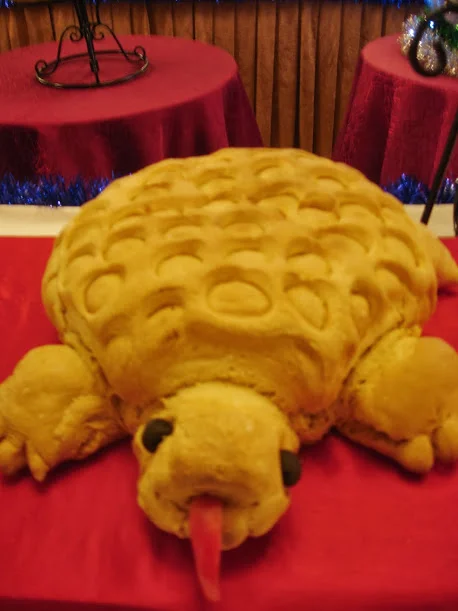
- A festive feast
- Live entertainment from talented local artists
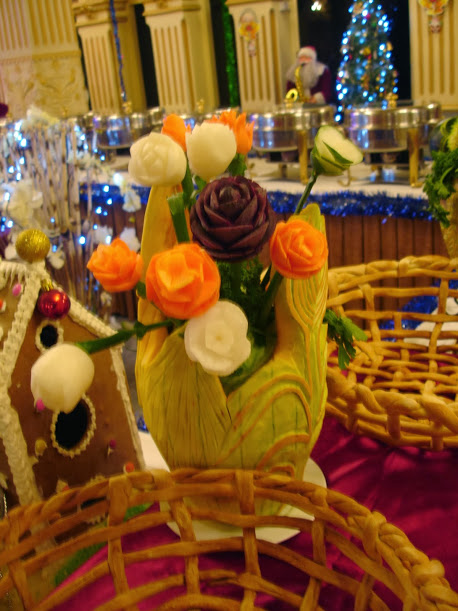
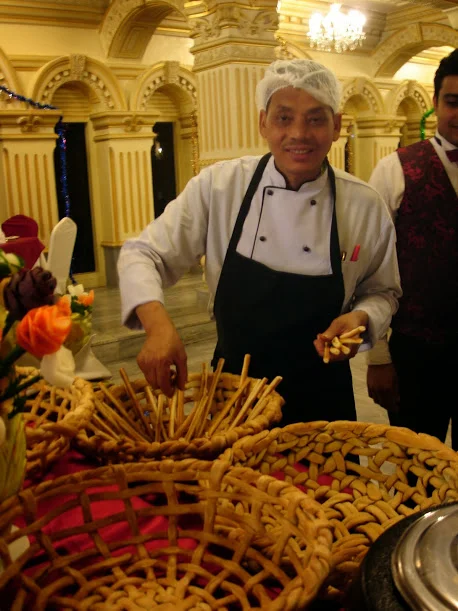
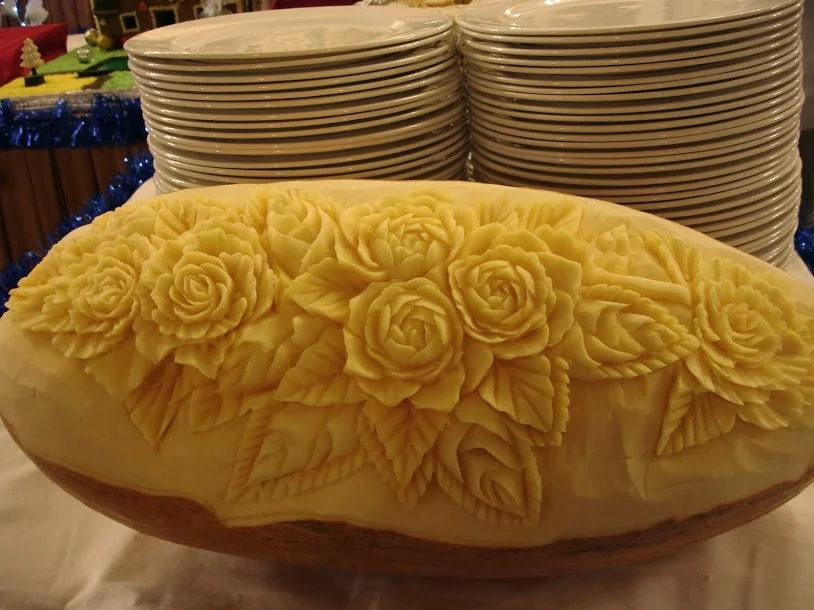
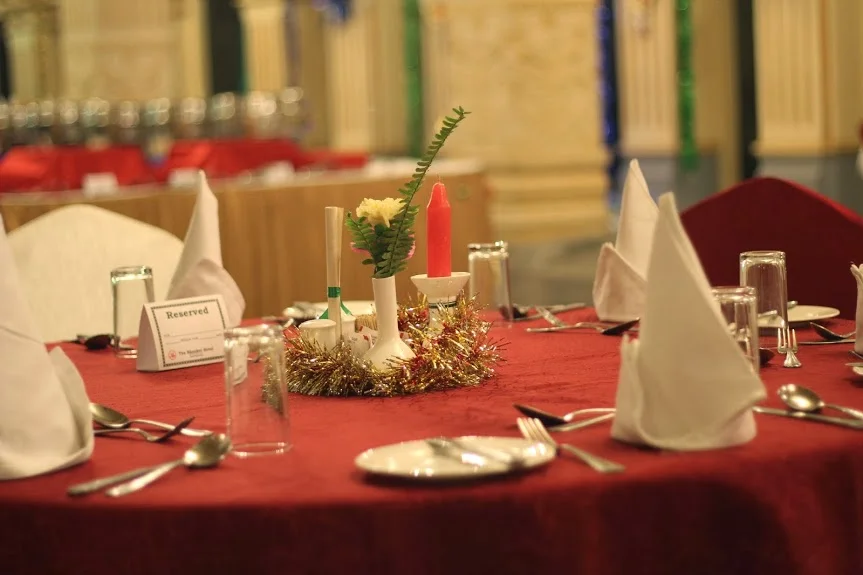
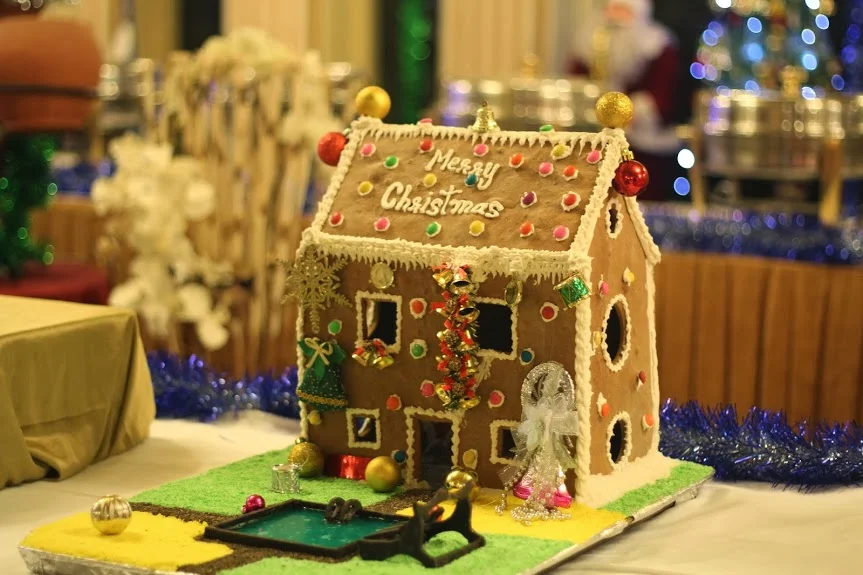
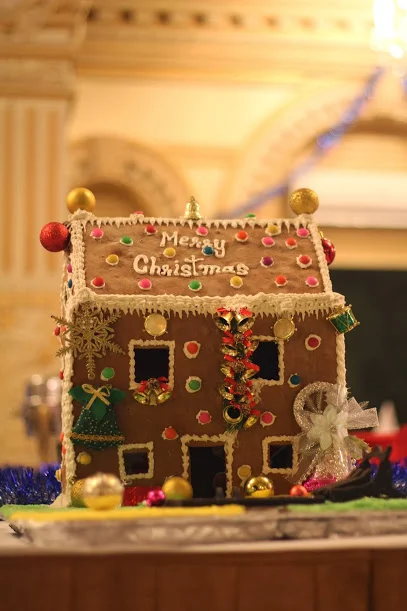
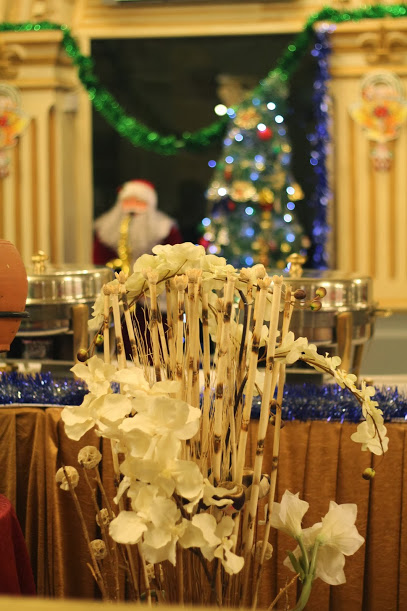
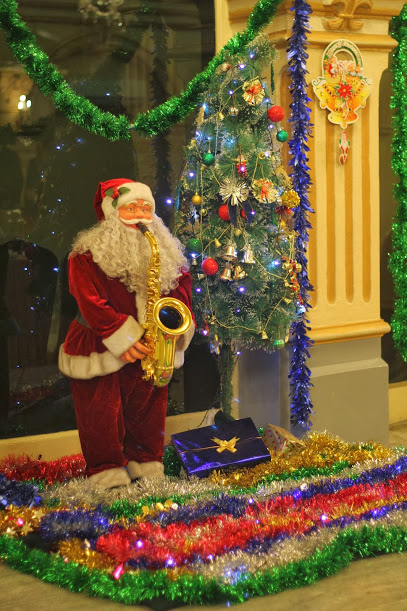
Photos from last year's celebrations:

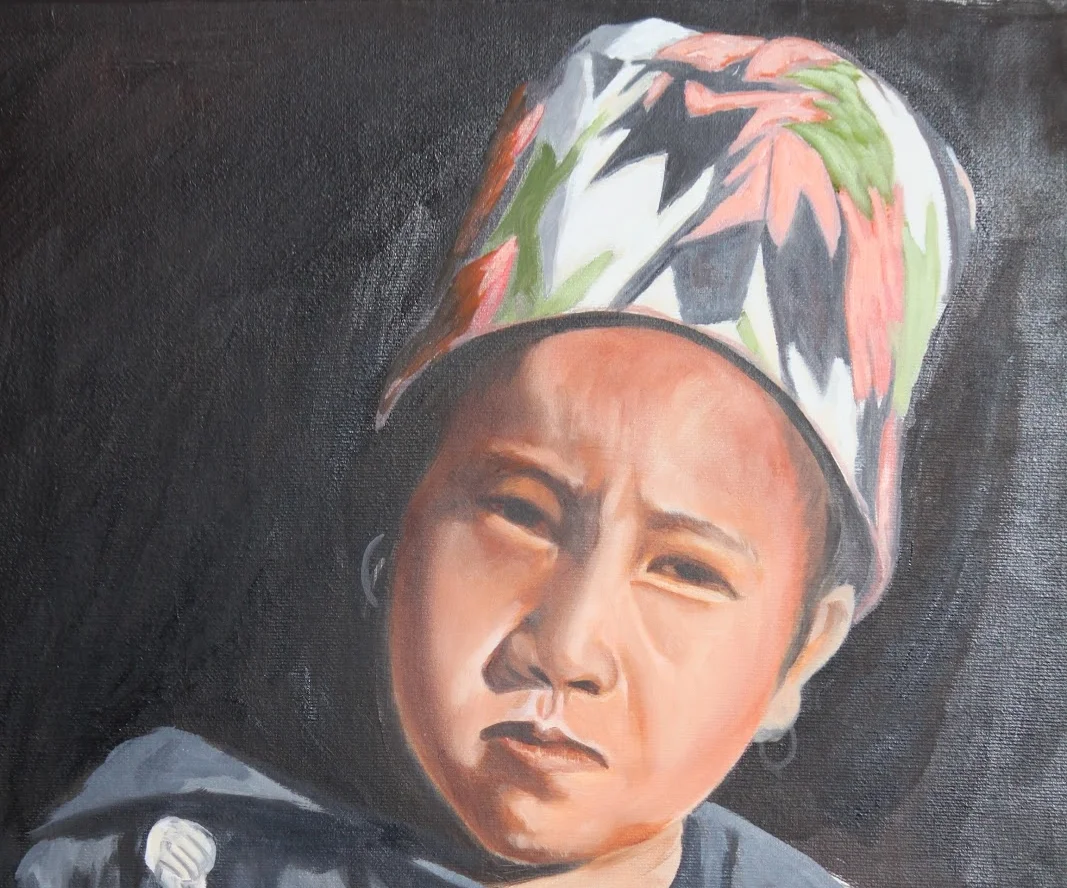
Nepali Topi, Mark of the Nepali Man
Whether in the cities’ bazaars, or in the countryside’s paddy fields; whether on the trekking routes, or in immigration counters and government offices, the one thing you cannot miss is the sight of the Nepali topi on many heads.
Perhaps the most distinguishing feature that sets a Nepali man apart from all others is the cloth cap that he wears on his head. They may be in varied hues; they may be crumpled, or they may be sharply ironed, with knife-edge creases; they be of different types of fabrics (usually two types); they may be worn in different ways, some wear it crested arrogantly like a Himalayan peak, while some take great care to have the creases just exactly right, and then there are many who don’t really care a hoot; they just crumple it over their head.
Once upon a time, not many decades ago, wearing a Nepali topi (Nepali cap) was mandatory at many official functions and for gaining access to most government offices. Maybe this has not been completely done away with in some places, at least, but with the collapse of royalist power and rise of people power, along with drastic changes in the very structure of the country, the Nepali topi, once the most unifying factor among the country’s 100 and more different ethnicities, now has very little importance as a commonality to bind the people into one nationality.
However, even if the Nepali topi has less of a role in the political scenario, it is still dearly loved by millions and millions of Nepalis all over the country. What make it such a popular part of attire? Simplicity—could be the first response. Unlike the flamboyant hats of other countries (think sombrero, think 8-gallon cowboy hat, to name just two), the Nepali topi perfectly symbolizes the very nature of the typical Nepali man. One who is simple and naïve to the extreme, one who trusts without any hesitance, one who will let you know exactly what he thinks, even if you’ve never met him before. And so on and so forth. And, yes, one whose lifestyle is so simple and basic that he has no time for convoluted thoughts and shrewd maneuverings. Well, actually, if you take a Nepali topi in your hand and think about all this, you’ll probably agree that there couldn’t be a simpler mode of headwear in the whole wide world. And, if you have been here for even a short time, you’ll agree that there couldn’t be a simpler people as well!
Talking about the Nepali topi, there are, in fact, two kinds—the most popular is the Palpale Dhaka topi, while the other is the more traditional, and known as the Bhadgaunle topi. Let’s talk about the latter first, since it carries the weight of seniority. It is named after Bhadgaun, which is what present day Bhaktapur was once called. It is almost always black in color, and has quite a distinctive texture and pattern. If you happen be at a photography exhibition in town, you’ll be sure to see lots of very old black and white shots of scenes around the valley, and most certainly, all the men in those photos will be wearing Bhadgaunle topis. In fact, the Bhandgaunle was, for many years, part of the national attire, capping off, as it were, the debonair daura suruwal and the jazzy waistcoat. In today’s times, however, the Bhadgaunle can be seen mostly only on the heads of people of Bhaktapur and thereabouts. And, interestingly, it is still only made in Bhaktapur. Nowhere else!
The main reason for its decline was the rise of the Palpale Dhaka topi, which is available in a large variety of colors and patterns, so that one can choose the perfect match for the dress worn for the occasion, whatever it may be. Of course, that is not to say that the stately Bhadgaunle is not a show stopper; in fact, because of its solid black color and intricate design, it is a fitting tribute to the status of any man, be it a diplomat or a bureaucrat, a soldier or an officer of the army, a politician or a businessman. Nevertheless, one has to go with the times, and the Palpale Dhka topi is now the Nepali topi in vogue.
Palpali Dhaka topi is made out of a textile known as Dhaka that originated in Palpa in western Nepal, which is mostly inhabited by Newars who had migrated from Kathmandu Valley ages ago. Skilled artisans that they are, they established Palpa as a center of excellence in many types of handicrafts, including handlooms like Dhaka. Creative to the extreme, these Newars have introduced so many textures, so many lovely subtle colors, and so many sophisticated patterns in the Dhaka that the Palpale Dhaka topi has become, in actuality, a pretty posh part of the Nepali man’s attire. If you have attended typical Nepali wedding, you may have noticed the groom dressed in a daura suruwal made entirely of Dhaka, and with a matching Palpale Dhaka topi, to boot. You’ll be hard put to find a more debonair groom, is what we say!
Just as you’ll be hard put to find a more happy-go-lucky man than the one bending his strong back when plowing his field, the ubiquitous Nepali topi pulled tight over his head, stopping the sweat from getting into his eyes. Once in a while, he’ll straighten up, take the cap off his head, and wipe his face with it. Then, the short break over, the topi is back where it belongs, and even from afar, anyone can see that it is a Nepali man.
‘Namaste’, a Most Gracious Greeting
‘Namaste’, the customary form of greeting in Nepal, is one of the most humble, respectful, and gracious forms of greeting found anywhere around the world.
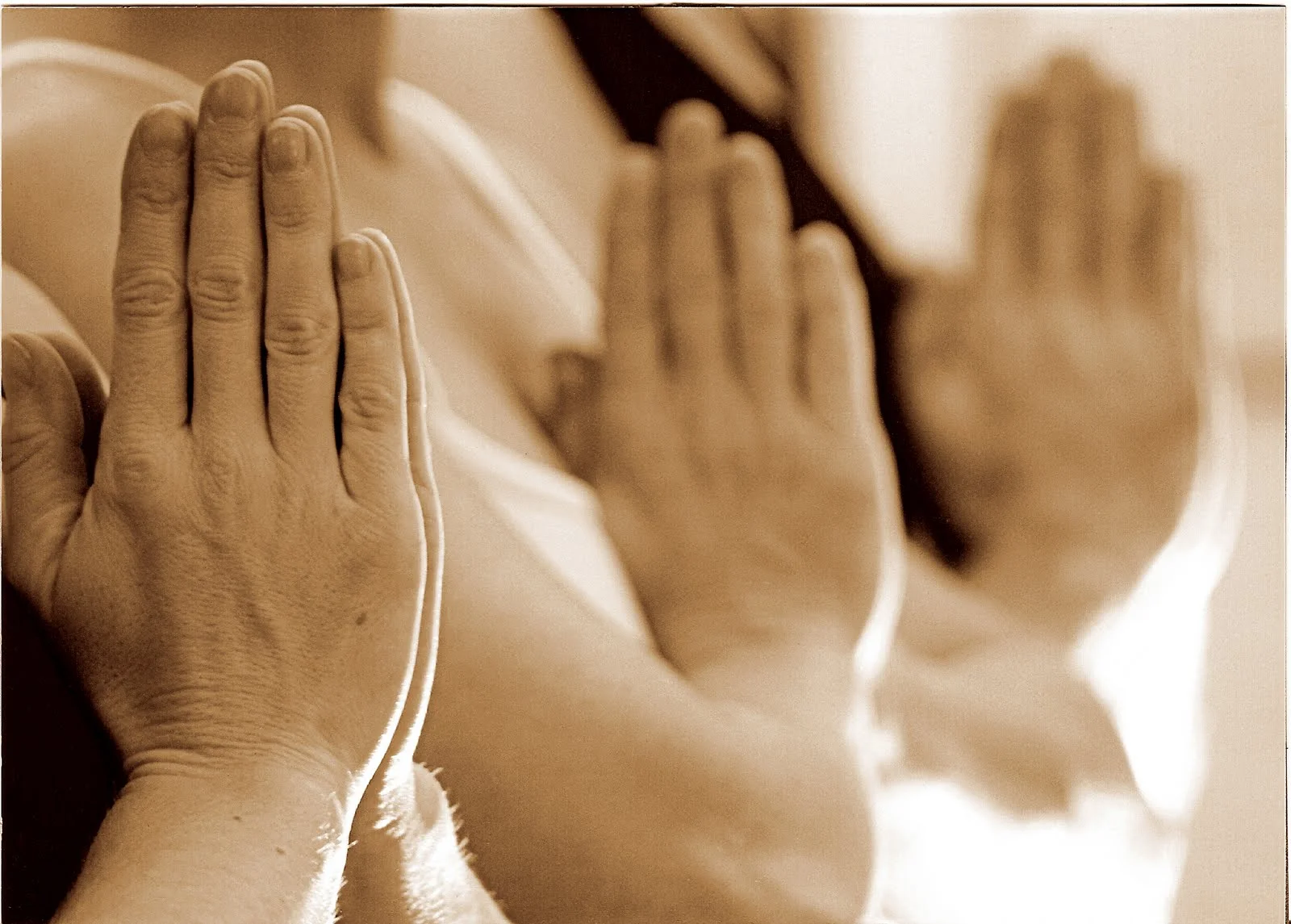
The traditional Nepali greeting of putting palms together and saying “Namaste” has taken on a new dimension.
Ever since it was disclosed that one of the precautions against being infected with swine flu was to avoid shaking hands, I have made it a point to avoid shaking anybody’s hand. That’s also because it is being increasingly accepted that it’s best not to be too touchy-touchy if you want to avoid getting any sort of germs transferred. Nowadays, the big talk is about the importance of hand-washing, especially in this part of the world, where the hands are used for everything. So, the traditional Nepali greeting of putting both palms together and saying ‘Namaste’ has taken on a new dimension.
Namaste Meaning
Not that ‘Namaste’ was any less important, and any less significant, at any other point in time. It has always been one of the gentlest, and politest, forms of greeting anybody. It’s elegant, too. In fact, the meaning of the word itself says a lot about the culture here. ‘Namaste’ is a word derived from the ancient Sanskrit script, according to which it means, ‘I bow to the divine in you’. In a country where the culture dictates that guests are to be regarded as gods, it is apt that our greeting should be in sync with that dictum.
When you are traveling to Nepal, you’ll probably first experience this greeting when boarding your plane, when the pretty air hostess welcomes with a warm smile and a graceful ‘Namaste’. You’ll probably return the greeting similarly, and continue to repeat the process at different times during your stay here. You can’t help it, since it’s the kind of greeting that calls for an equally gracious response, and none is more gracious than a ‘Namaste’! Anyway, aside from that, it’s a fine way to start absorbing some of the ancient culture of Nepal. A ‘Namaste’, accompanied with a smile, will take you miles. At the least, it will endear you to the locals you come across, and make you more welcome anywhere you go. A proper ‘Namaste’ can unlock many doors, and open hearts, too. So, go ahead, practice a couple of ‘Namaste’s’ even before you embark on your journey to this Himalayan country.
A ‘Dhanyabad’ (thank you) accompanied by a ‘Namaste’ gesture is sure to be pretty well appreciated.
Leave the strong and hearty handshake behind, although nowadays, you’ll meet plenty of folks out here who’ll prefer to push their hand forward to receive one. A sign of the times, but all said and done, they’ll still be likely to give you a ‘Namaste’ before doing so. So deeply ingrained are Nepalis in the culture of their land. A ‘Namaste’ is not only used for greeting and welcoming, it’s also used for farewells, and for demonstrating your gratitude too. A ‘Dhanyabad’ (thank you) accompanied by a ‘Namaste’ gesture is sure to be pretty well appreciated. An all-in-one-greeting, that’s what a ‘Namaste’ is. Whatever the case may be—greeting, welcoming, goodbye, or demonstrating thanks—one cannot go wrong with a ‘Namaste’ since it is such a humble gesture that anybody will appreciate it heartily.
What’s the proper way of doing a ‘Namaste’, you may ask? Well, here’s what you do—first you bring your hands together, the palms pressed against each other; then you place them just below your chin; now, slightly bowing your head, you bring a gentle smile to your lips (and your eyes, too, for that matter), and say, ‘Namaste’ in a polite voice. Some people have their eyes downcast when doing so, while some look into your eyes; it doesn’t matter all that much what you do.
Your humility-signifying folded hands, the warm smile on your face, well, that’s more than enough to convey your warmth and respect for the one you are saying ‘Namaste’ to.
Yes, in the final analysis, that’s what a ‘Namaste’ signifies—respect. Respect for the god in others, respect for their inherent goodness. And, humility, that’s what the person saying ‘Namaste’ is displaying. Well, anybody would want to reciprocate such beautiful feelings, wouldn’t you say? How do you do that? By doing likewise, of course, which means giving an equally heartfelt ‘Namaste’ in return.
SIMILAR POSTS


Recommendations for my friend visiting Nepal
Nepal’s adventure activities are challenging and thrilling, what’s more, they are conducted with the utmost regard for your safety.
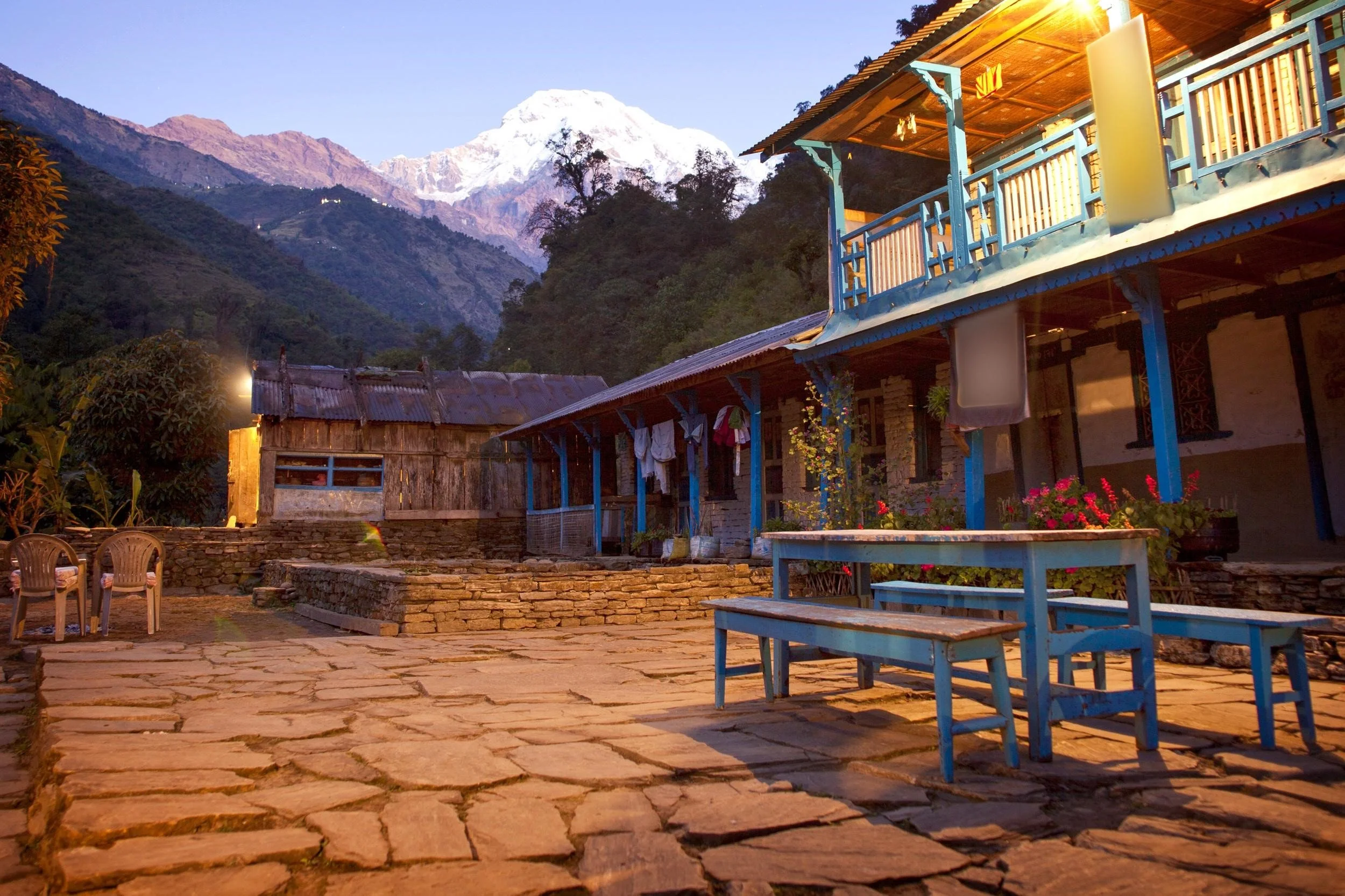
For a Singaporean friend, who spent three months in Kathmandu, one of Nepal’s adventure activities included moving around in darkness quite often, what with the constant load shedding. He claimed to have returned with improved night vision! Well, even though most hotels in Nepal have adequate backup electricity arrangements, it does give the eyes some exercise while walking on dark streets. It’s clear, anyway, that visitors are likely to find various aspects of their Nepal tour to be an adventure of sorts, one typical example being traveling by public transport. Now, that is also an adventure! Anyway leaving the mundane aside, let’s get down to the real nitty-gritty of Nepal’s adventure activities you get to experience on your Nepal tour.
Nepal Treks
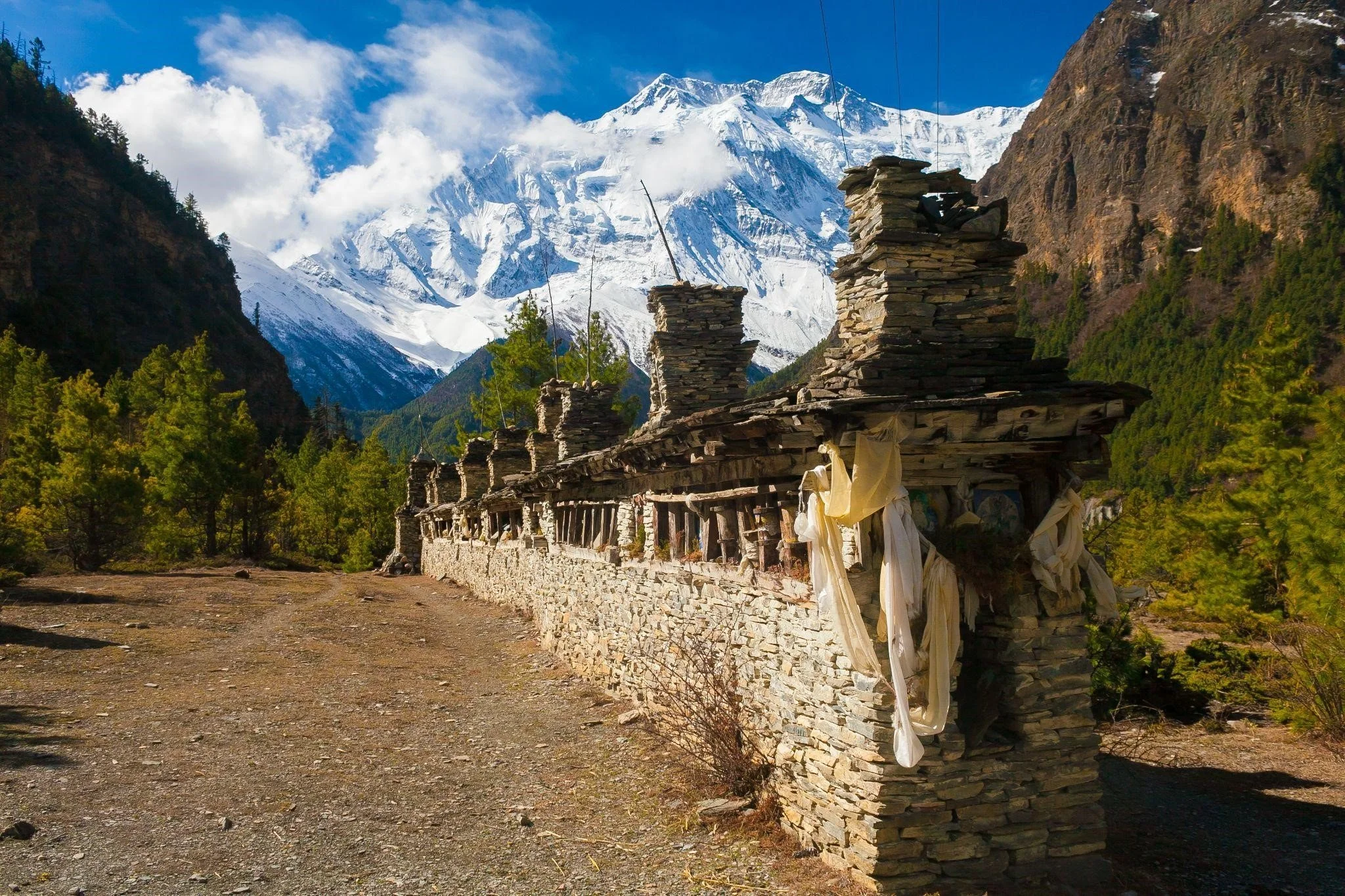
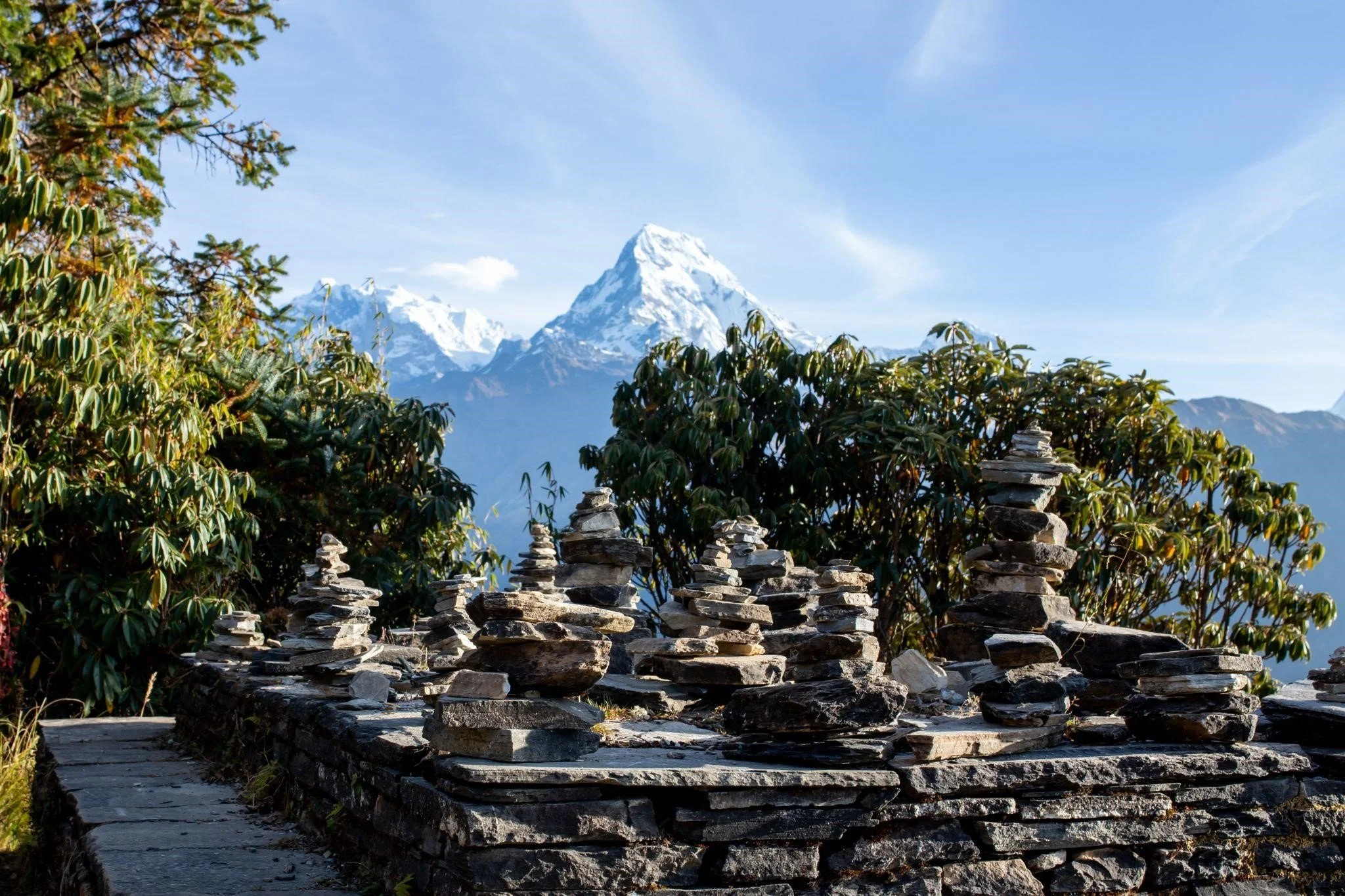
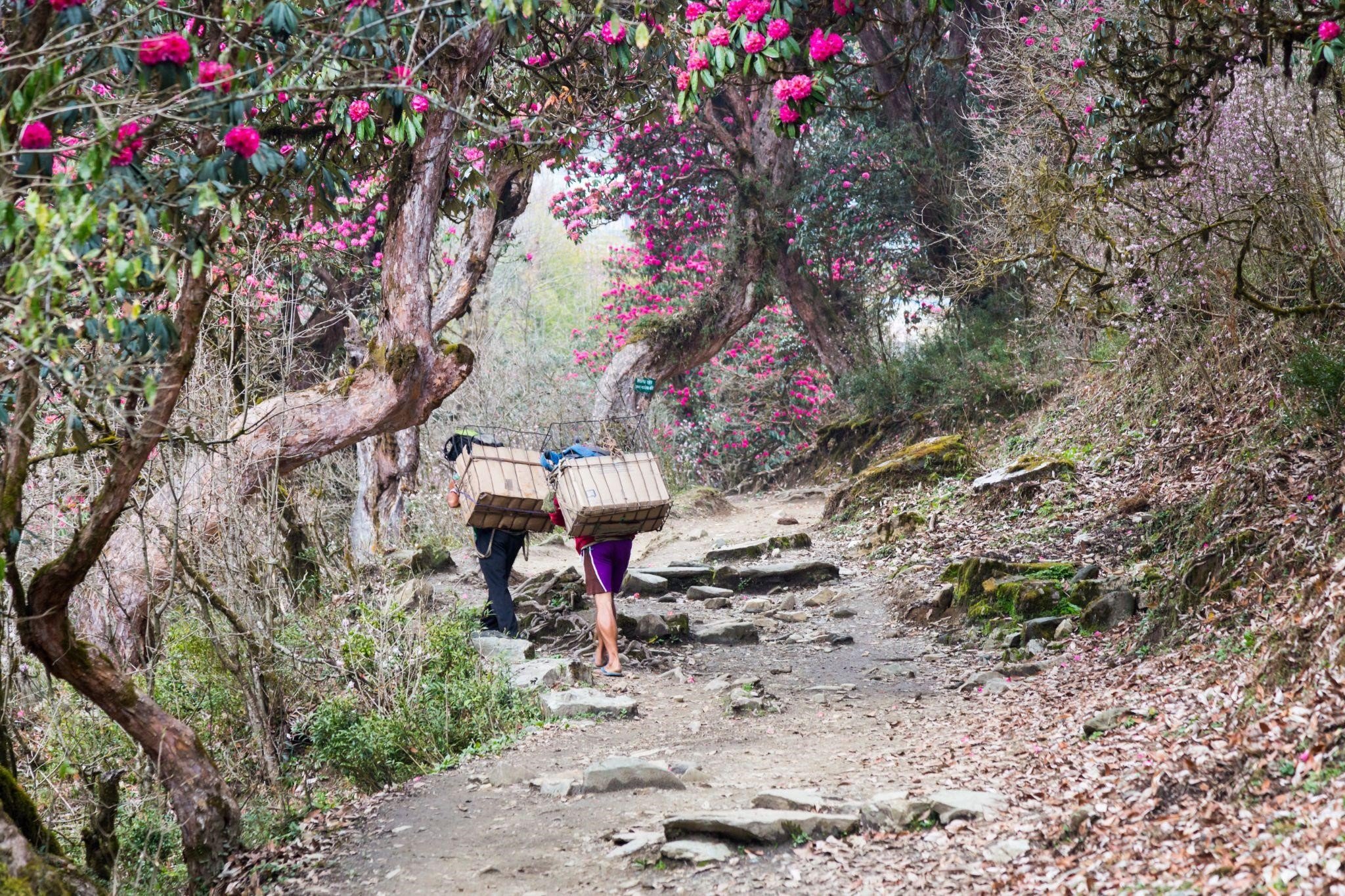
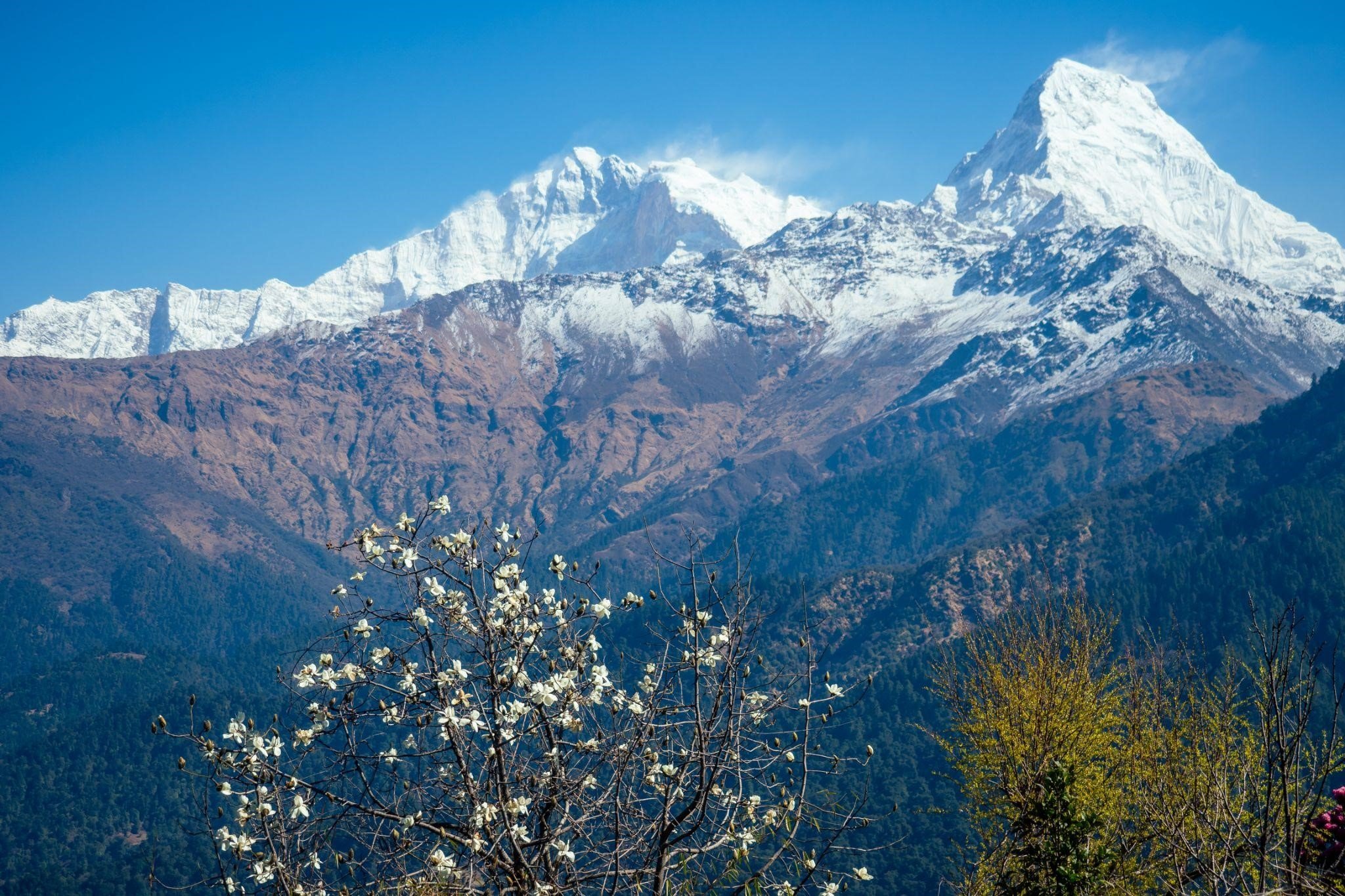
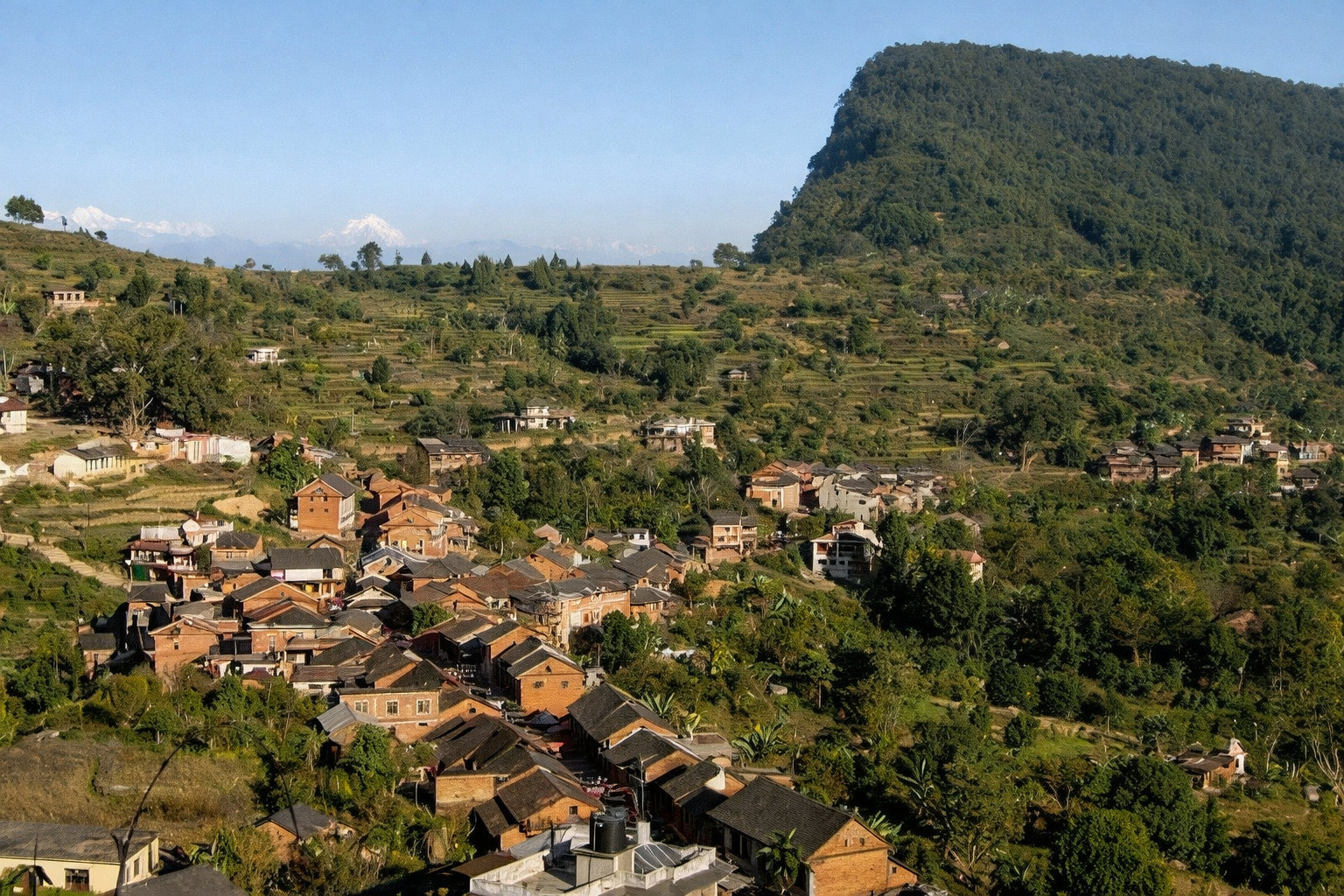
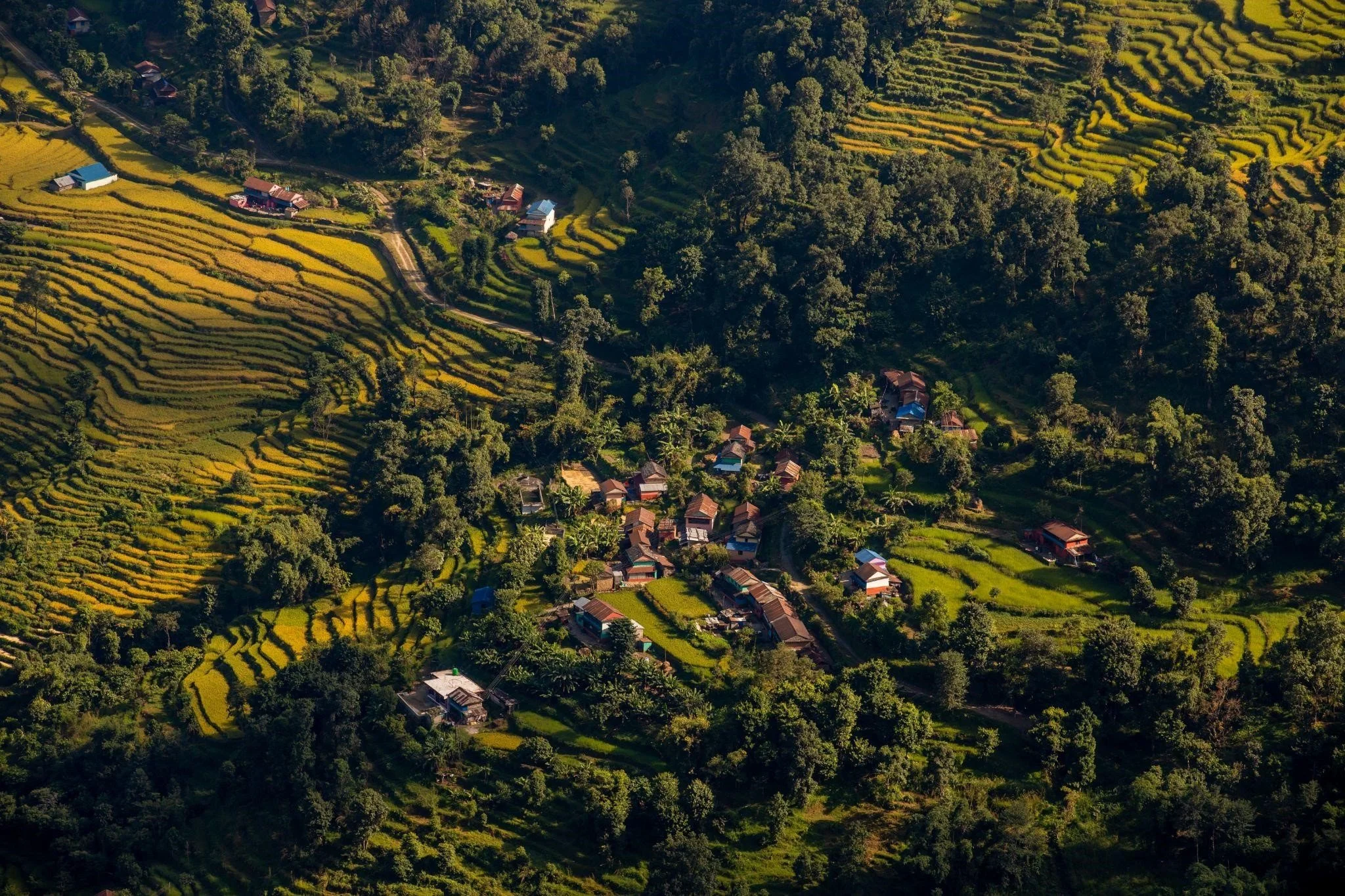
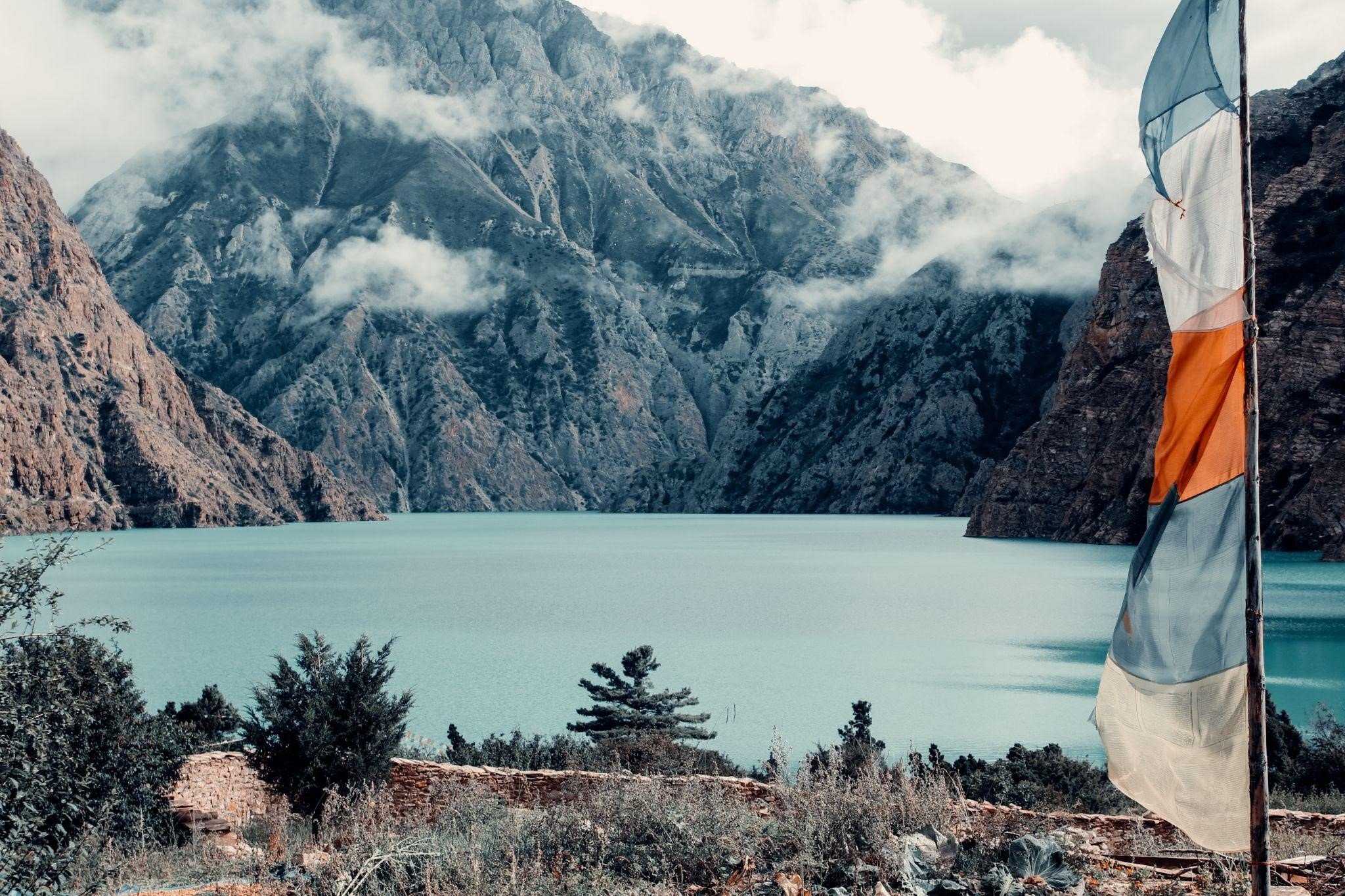
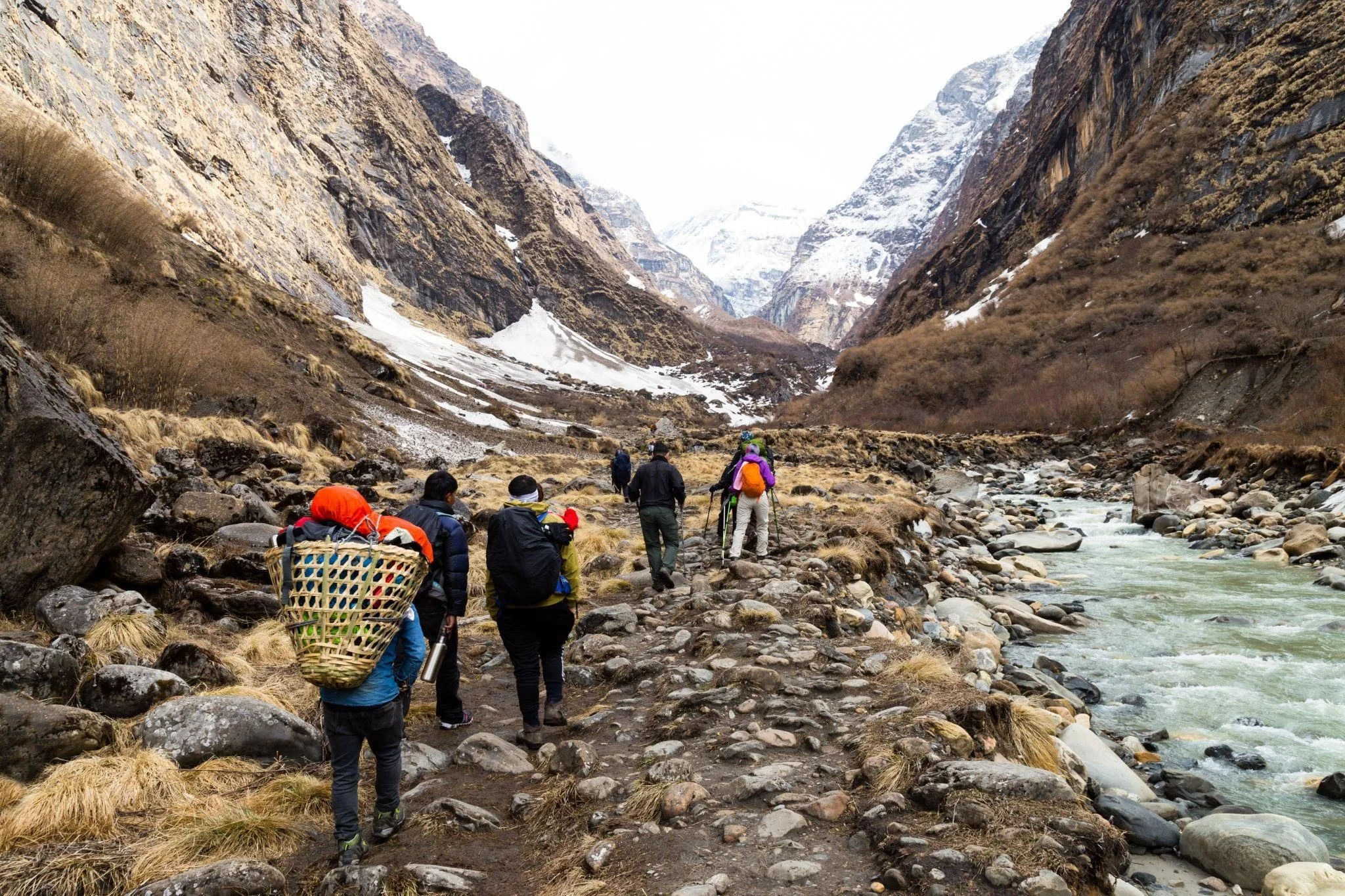
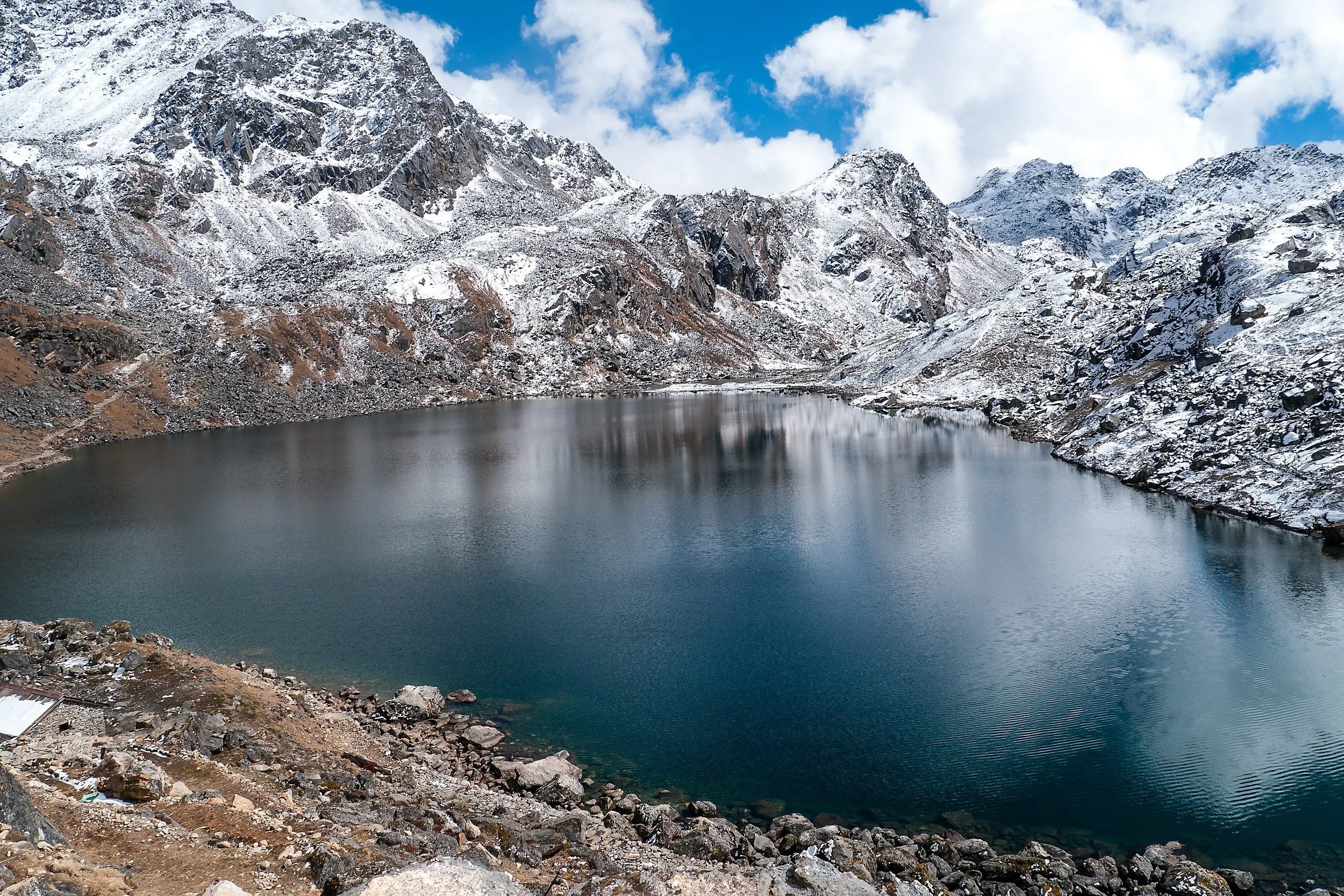
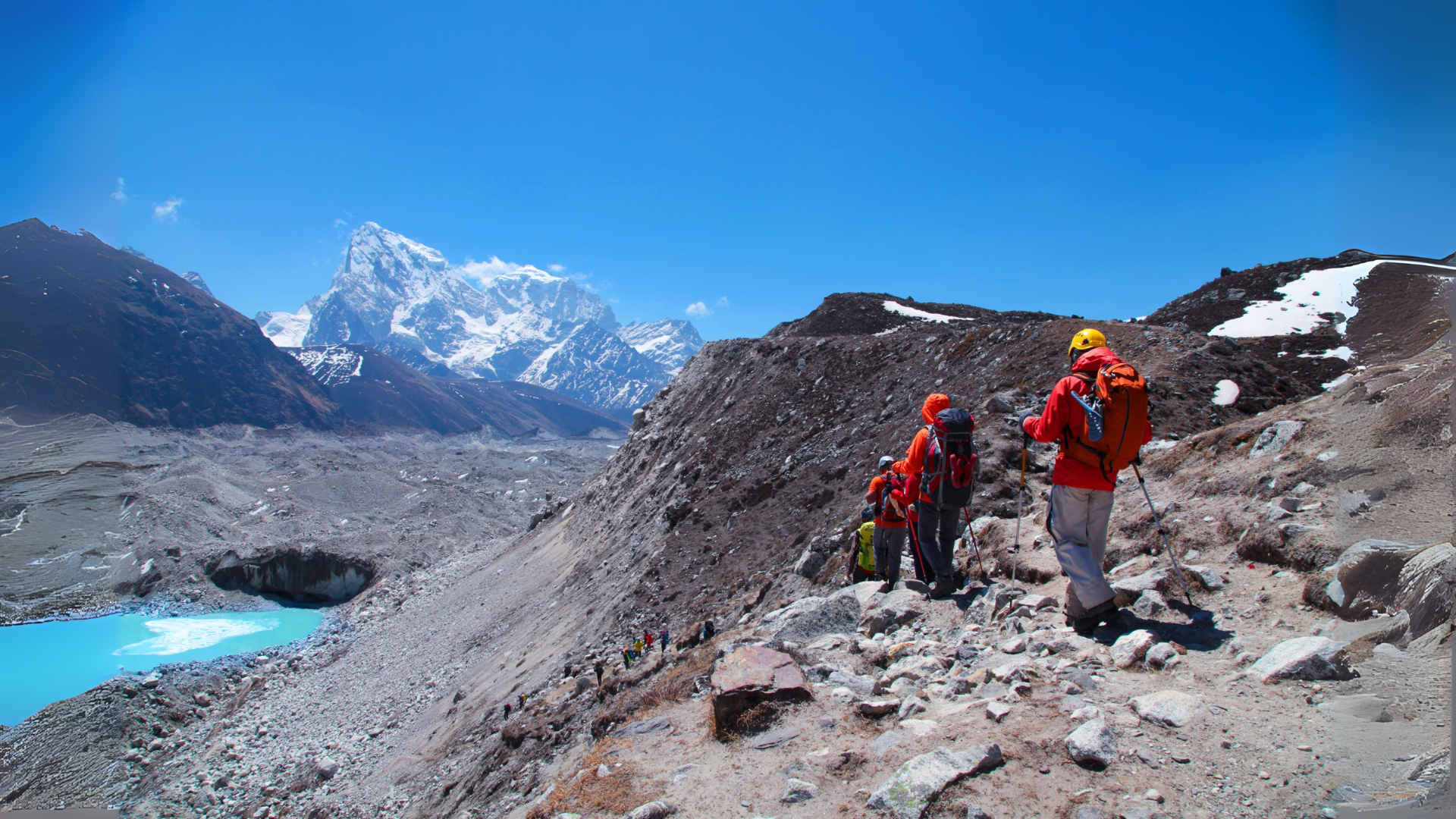
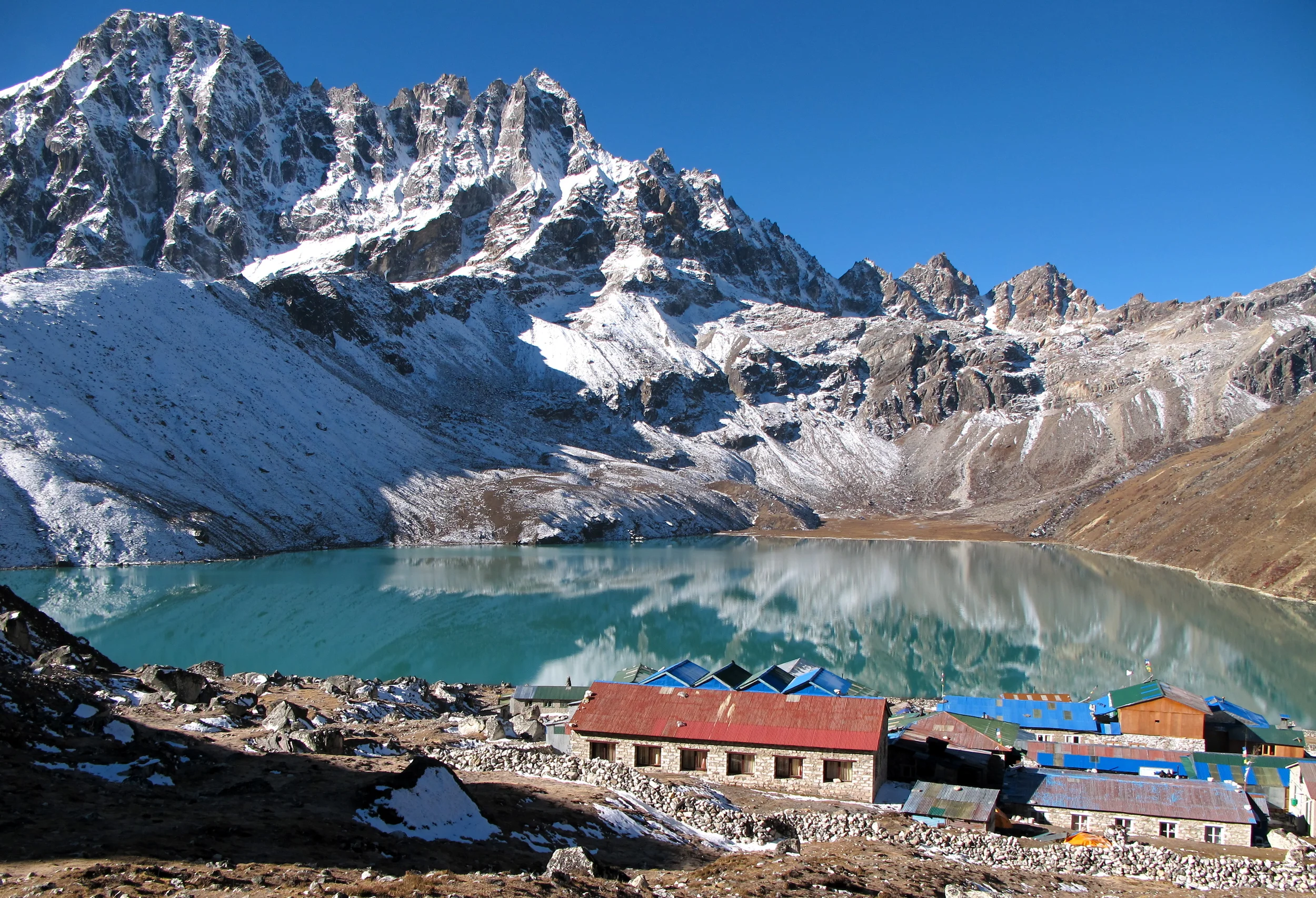
Trekking high on the mountains, close to the world’s highest peaks is certainly the most popular of Nepal’s adventure activities, with almost 40% of all visitors on a Nepal tour going on one trek or the other. Some of the most popular Nepal treks are as follows: 1. Everest Base Camp trek, which takes you through fascinating landscapes and quite a few Sherpa villages, before eventually reaching the base camp on the Khumbu Glacier, with Mount Everest towering above you. 2. Annapurna Circuit trek, which starts from Besisahar, goes along the Marsyangdi River, passing through Tamang and Gurung villages, and takes you to Muktinath, Jomsom, and Pokhara. 3. Mustang trek, which takes you to the once forbidden kingdom of Lo Manthang in Mustang district, where you will find yourself immersed in Tibetan culture and lifestyle. 4. Imjatse (Island Peak) trek, which goes through the valleys and glaciers of Khumbu, and gives you the chance to climb an authentic Himalayan peak, that is, Imjatse Peak (6,189 m). 5. Ghalegaun village trek, which goes through the villages of the famous honey hunters of Nepal.
Nepal Whitewater Rafting
What else awaits you besides trekking, as far as Nepal’s adventure activities are concerned? Well, whitewater rafting, for one. Nepal whitewater rafting is said to be one of the best in the world, what with its great mountain rivers flowing majestically down from the snow-clad peaks of the Himalayas to the lowlands of the Terai. Imagine yourself on an inflatable rubber raft riding down the swirling rapids of these great mountain rivers rushing between huge mountains on either side. It’s sure to be an experience you’ll never forget. You don’t have to worry about the risks either, since you’ll have highly experienced people looking out for your safety all the time. Just so you know, river are graded from one to six depending on their being more tranquil or more hazardous, which means you get to choose your ride. Grade 1 to Grade 3 rivers are supposed to be easy ones; good for first timers, and the best time to go rafting is between September and early December, as well as between March and early June. Some popular rivers for Nepal whitewater rafting are stretches of the Trishuli, Kali Gandaki, Marshyangdi, Karnali, Bhote Kosi, Seti , and Tamur.
Nepal Mountain Biking
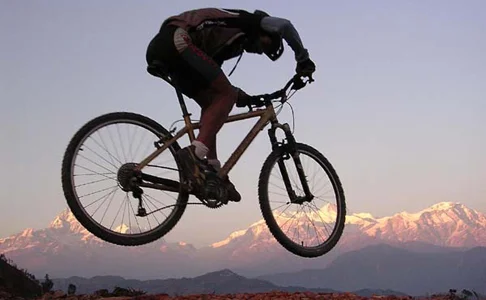
Challenging terrain is what’s important for mountain biking, and that’s what you get in plenty in Nepal. Many on a Nepal tour make it a point to go mountain biking, especially in and around the Kathmandu valley with its many interesting biking trails, and around Pokhara, as well. You’ll be pedaling on tracks that sometimes go uphill all the way and then downhill on the return, or sometime, you’ll be going up and then down at regular intervals, the lay of the land being what it is. The rides will take you through paddy fields, villages, riverbanks, temples, and so on and so forth. ‘Never a dull moment’ is what you’ll be thinking as you give your stamina a tryout. One route that many riders really like is the one to Nagarkot. Nepal travel agencies usually organize this mountain biking experience as a three-day affair, with you going first to Nagarkot, that beautiful hill station, where you spend a night. The next day, you ride downhill to Namo Buddha (famous pilgrimage site) and on to Dhulikhel (another popular hill station), where you again hunker down for the night. Both Nagarkot and Dhulikhel are known for their many beautiful resorts, aside from their fantastic views (including sunrise and sunsets), so you’ll appreciate your stay at both places. Next day, you pedal across to Panauti (an ancient Newari town), and then onwards to Sisneri, Patan, and Kathmandu. This is just one example of what you can expect when mountain biking around the valley; there are plenty more trails which you can chose to ride on at your pleasure. And, as mentioned before, biking around Pokhara is another experience that’s sure to make you happy…and healthy.
Nepal Bungee Jumping
No need to say that bungee jumping is one of the most thrilling adventures for any individual; it challenges courage like few other activities do. Here, in Nepal, there’s some fantastic bungee jumping to be done, from a platform 160 m high over the wild Bhote Kosi River. It will take you some three-and-a-half hours to drive from the capital to this famous bungee jumping site near the Nepal–Tibet border, that’s a part of The Last Resort, which also organizes other activities like mountain biking, rafting, canyoning, and so on. Bungee jumping is, however, their major forte. They take all the necessary precautions to ensure that your jump is safe. And, thrilling? Well, more like an ‘adrenaline rush’; that’s the usual response of jumpers. An instructor will brief you thoroughly, and tell you to ‘walk like a penguin and fly like a bird’. They’ll photograph and video record your leap of faith, and present you with a souvenir t-shirt as well. You’ll probably be spending just around Rs.2000 for all this. A fantastic adventure all around, undoubtedly.
Nepal Canyoning
First, know that canyoning consists of traveling down steep canyon walls, wading across rock strewn creeks and streams, and going through cascading waterfalls. How? Well, you hike, you scramble, you wade, you boulder-hop, you climb over rocks, and you do abseiling and rappelling, as well. An all-in-one-affair, that’s what canyoning is all about. You can take a one-day trip or a three-day trip, the choice is yours; the latter obviously being the preferred option as it allows you experience everything. Might sound like a lot of adventure, a lot of risks, but not to worry, trained instructors will be with you all the way. They know what techniques are to be used and they’ll be using the best equipment available, and, of course, are mindful of maintaining the highest safety standards. The nearest site for going canyoning is the Bhotekoshi River, some 100 km from Kathmandu.
Nepal Paragliding
Paragliding is another of Nepal’s adventure activities that’s sure to fulfill your spirit of adventure and set it soaring to a new high. November through February is the period for Nepal paragliding, with November and December considered the best months. Pokhara gets pride of place when talking paragliding; near to the city is a place called Sarangkot that’s at a height of 1,592 meters, and this place has become the mecca for those on a Nepal tour who want to go paragliding. There are other sites, as well, in different parts of the country, but Sarangkot is the favorite. Qualified pilots provide a short briefing before launching. It’s a fact that most enthusiasts get butterflies in their stomachs before taking off, and that’s natural. However, qualified pilots will do all they can to reassure you and tell you the dos and don’ts beforehand. What’s more, they’ll be flying with you, so it’s something like holding your hand all the while as you soar over the Pokhara valley. Tandem flights are the norm, meaning, a pilot will be in a special harness with you on the same glider. You’ll be more of a spectator, really, since the pilot does the flying, but you’ll find that it’s a good deal since that leaves you free to focus your attention on the splendid vista below you. During the 20-30 minutes of flight, there are good chances of having company in the form of soaring vultures and eagles flying beside you. This exhilarating experience should cost you around USD100 per flight.
Nepal Ultra Flights
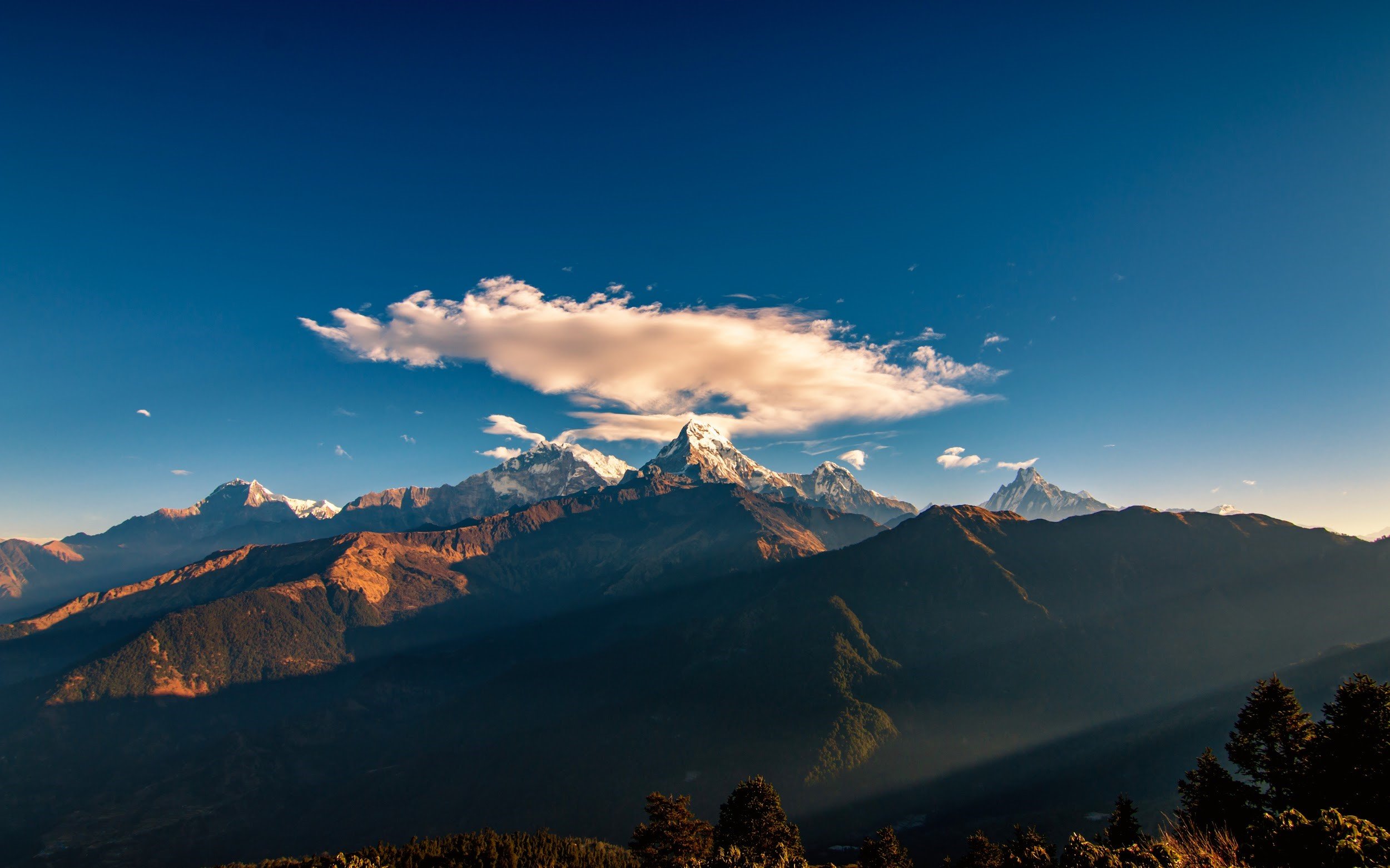
Ultra flight is another of Nepal’s adventure activities that will give you a different type of thrill. Ultra flights involve special two-seater planes carrying one pilot and one passenger in every flight. Since their purpose is to give you a fantastic viewing experience, these planes have large openings on both sides. Again, Pokhara is where it all happens. Before taking off from the airport, the pilot will give you a thorough briefing, so you know what’s what, such as the path and the height you’ll be flying. You’ll be taken up to 5,000 ft and fly over Pokhara at 50 to 90 km/h for about 15 minutes. If you want to, you can also opt for a 30-mimute flight that’ll fly at 90 km/h and take you close to Machhapuchchhre Himal. Another option is an one-hour flight that will fly at 12,000 ft at 90 to 130 km/h over the length of the entire Annapurna Range. Another lifetime experience, that’s what an ultra flight is!
All said and done...
Nepal’s adventure activities are many in number, and all are highly enjoyable and healthy pastimes. Beside those mentioned above, there are other adventure activities, too (jungle safari, ballooning, climbing, etc.), so make sure you ask the people concerned, no matter which hotel in Nepal you’re staying in, for more information.
Our founder's legacy
In 1964 A.D., Late Mr. Ram Shanker Shrestha bought this Palace and converted into the hotel as we know today. Operations were started with a 23 rooms and gradually expanded to its full capacity.
In 1964 A.D., Late Mr. Ram Shanker Shrestha bought this Palace and converted into the hotel as we know today. Operations were started with a 23 rooms and gradually expanded to its full capacity.
He received (posthumously) the Order of the Gorkha Dakshina Bahu (an order of knighthood of Nepal. It is one of the highest honors given for the distinguished contribution to the country traditionally by the King and now the President.)
Late Mr. Ram Shanker Shrestha