Savoring Kathmandu: A Culinary Trail for First-Time Visitors
Kathmandu is not just a gateway to the Himalayas. It’s a city that feeds your senses. For first-time visitors, the flavors here offer a warm and welcoming glimpse into Nepal’s soul. From rooftop restaurants to quiet neighborhood stalls, every meal has something to say.
Kathmandu is not just a gateway to the Himalayas. It’s a city that feeds your senses. For first-time visitors, the flavors here offer a warm and welcoming glimpse into Nepal’s soul. From rooftop restaurants to quiet neighborhood stalls, every meal has something to say.
Start Your Day the Local Way
Begin your morning with sel roti and milk tea. This lightly sweet, crispy rice doughnut pairs beautifully with a hot cup of spiced tea. You might find it in a small stall tucked into an alley, where locals stop for a quick bite before their day begins.
Another simple favorite is chiura (flattened rice) served with buff sukuti (dried meat) or curried potatoes. It’s hearty, flavorful, and loved across generations.
Midday Meals with Meaning
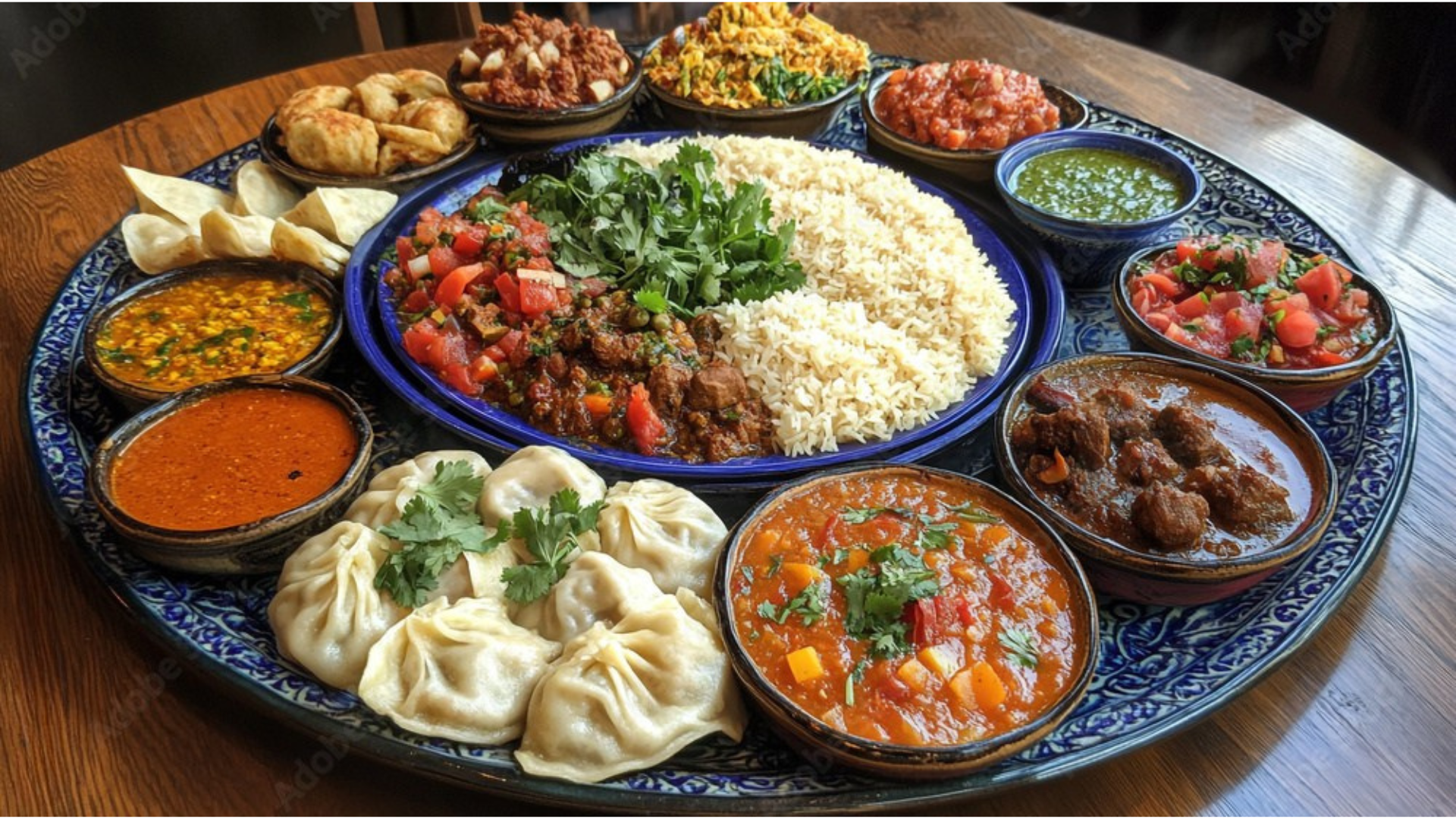
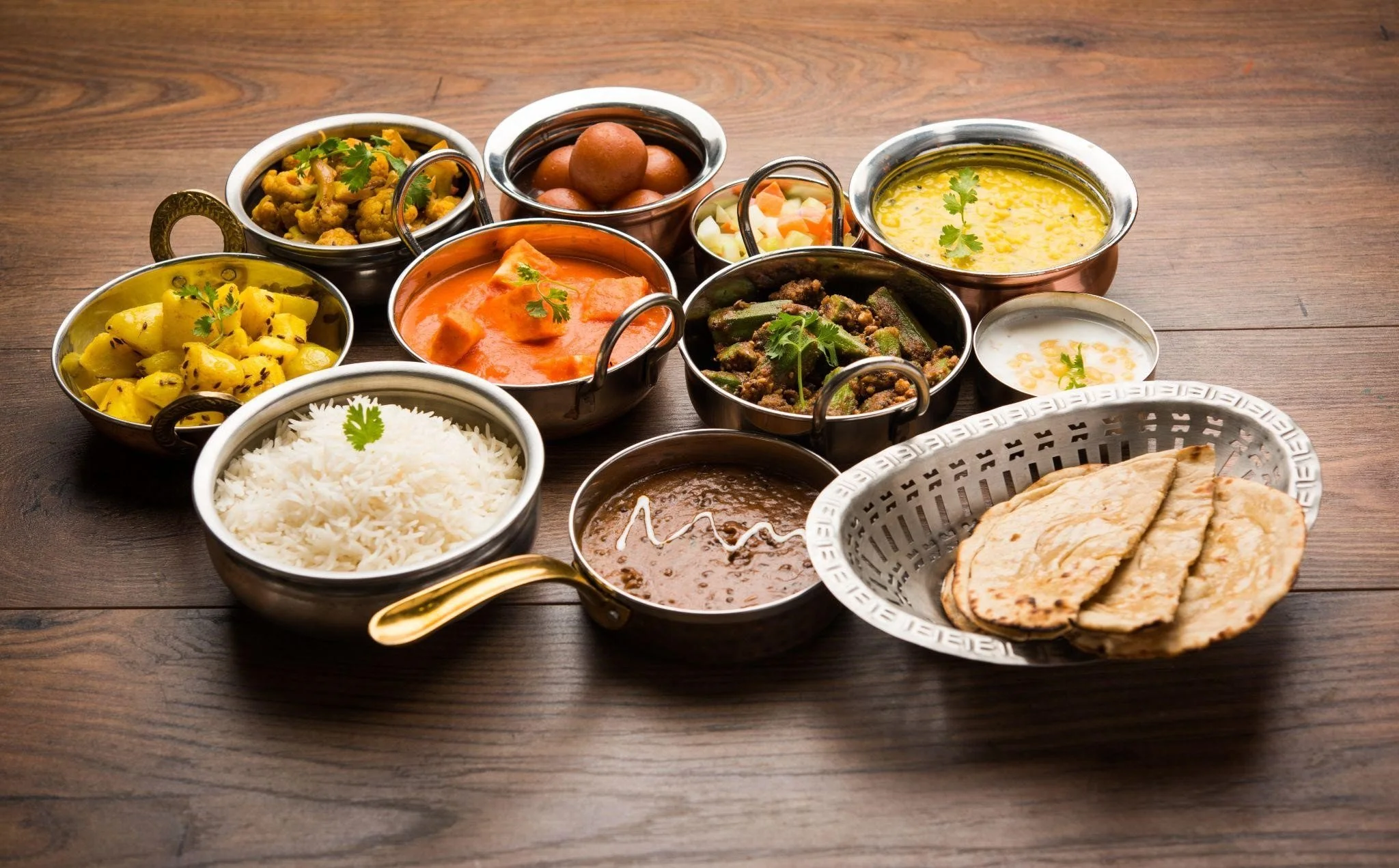
Lunchtime in Kathmandu is often slow, generous, and shared. The traditional Nepali thali is a must-try. A round metal plate brings together steamed rice, lentils, vegetables, pickles, and a meat or vegetarian curry. Each part balances the other, creating a meal that’s filling and satisfying.
In heritage areas, especially around old squares, Newari dishes bring deeper regional flavor. Look for sets that include spicy chhoila, bara, and aloo tama. The ingredients are simple, but the cooking methods hold centuries of tradition.
Street Snacks and Afternoon Bites
As the sun dips lower, Kathmandu’s street snacks come to life. Try chatpate, a tangy mix of puffed rice, peanuts, and raw onions tossed in chili and lemon. It’s crunchy, spicy, and addictive.
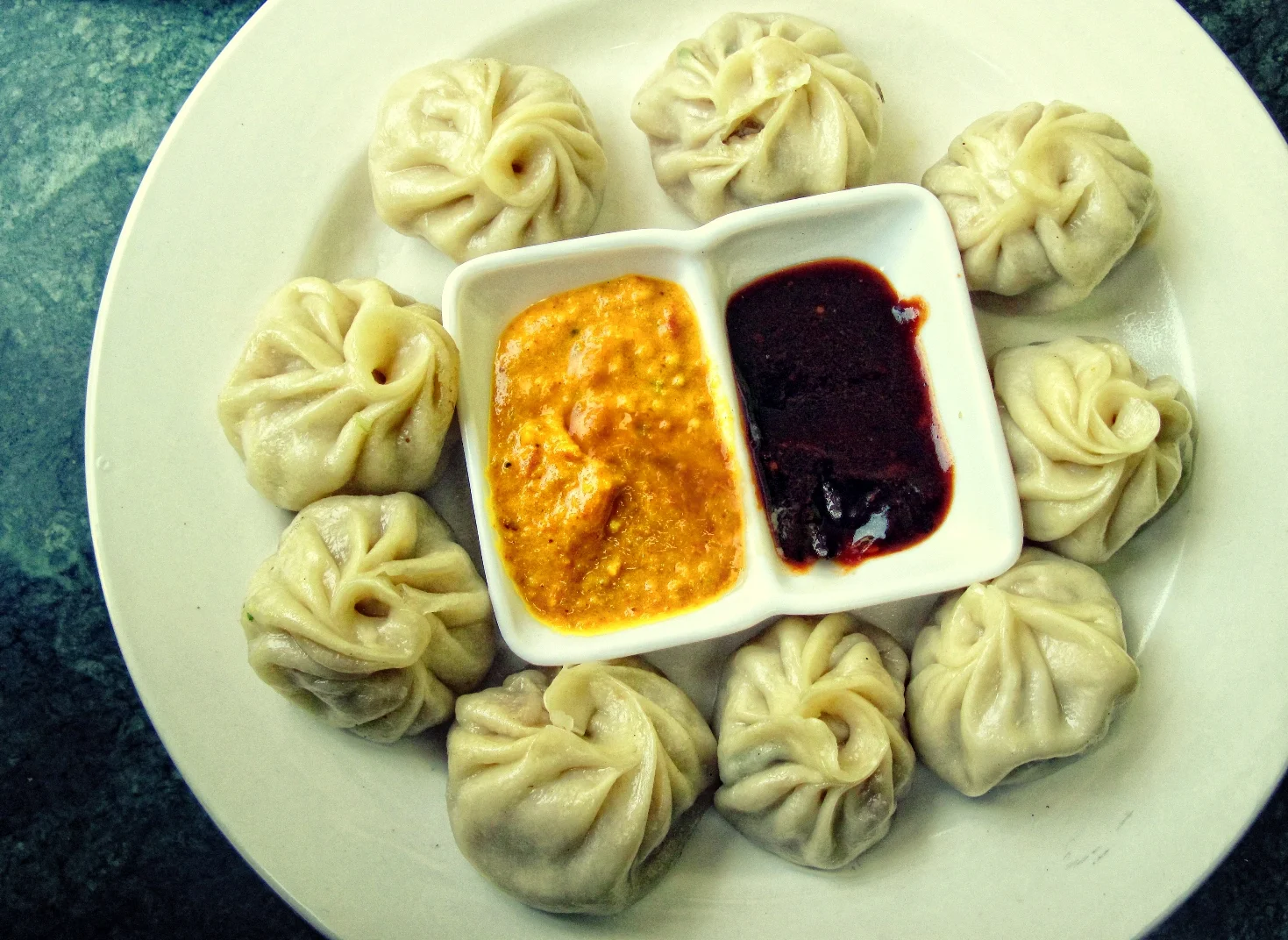
And of course, momos. These steamed dumplings are everywhere. Whether filled with vegetables, buff, or paneer, they’re always served hot and with a fiery tomato-based achar.
Evening Dining and Rooftop Views
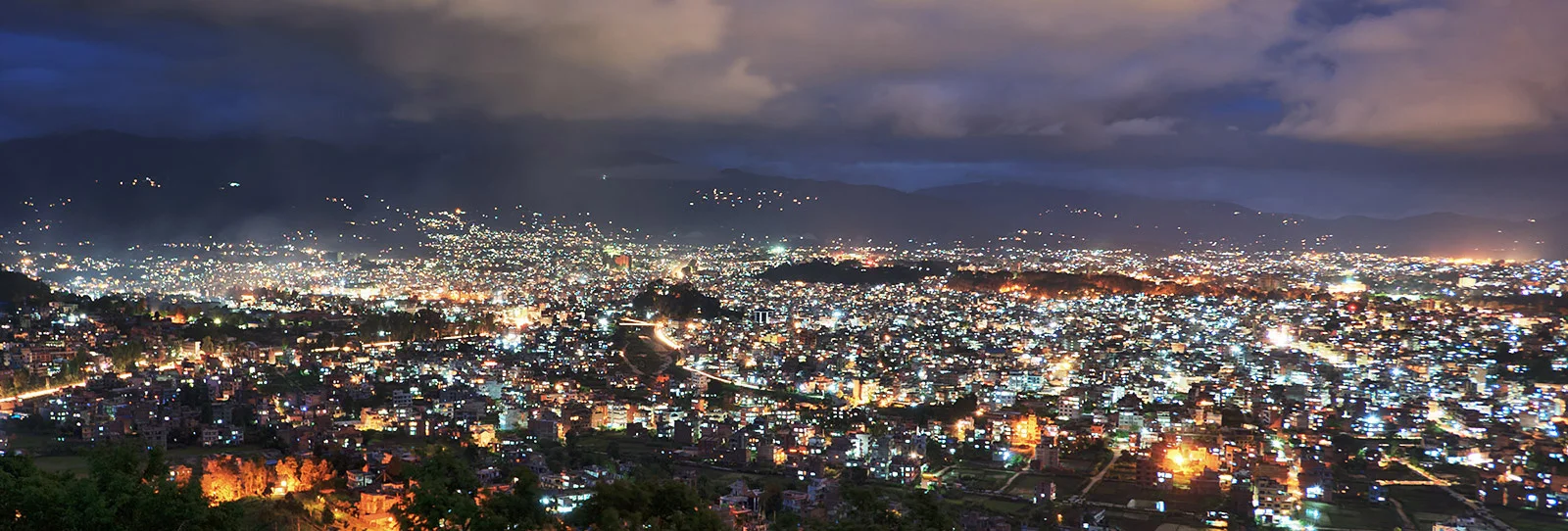
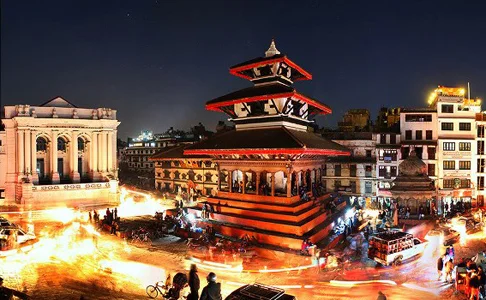
Dinner in Kathmandu is often a chance to relax and look out over the city. Rooftop restaurants offer peaceful views of temple spires, local rooftops, and the rhythm of the streets below.
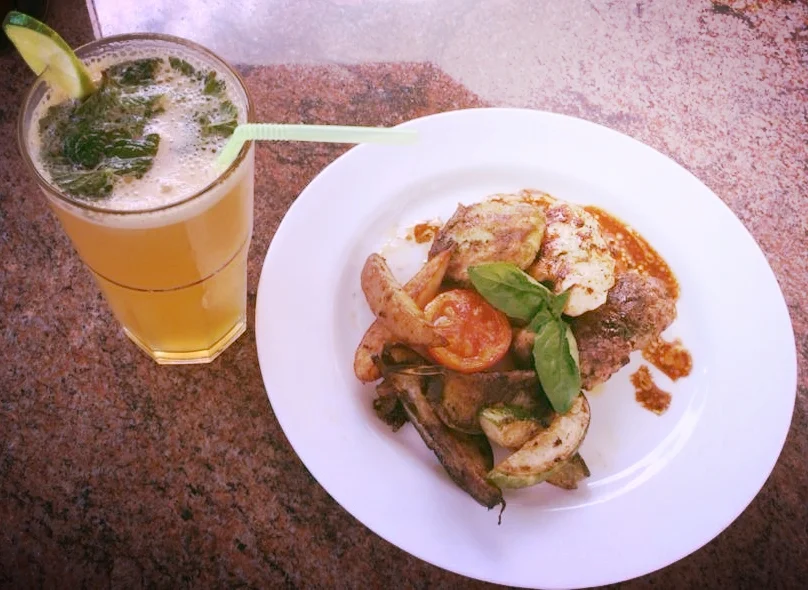
Here, you might try grilled trout flavored with local herbs or a bowl of warm thukpa. The menu often mixes comfort with elegance, and many places are known as much for their setting as their food.
A Sweet Finish
No culinary trail in Kathmandu is complete without juju dhau. This creamy, thick yogurt comes from Bhaktapur and is a local treasure. Or end with a quiet cup of masala chiya, best enjoyed slowly.
For the Curious Palate
Kathmandu’s food journey isn’t just about trying something new. It’s about how meals are shared, how they’re prepared with care, and how taste is tied to tradition. For those arriving for the first time, it’s an easy way to connect—to the city, its people, and its quiet warmth.
Once you’ve eaten here, you’ll carry the taste long after you leave.
POPULAR ITINERARIES





SIMILAR POSTS

The Best Nepali Dishes to Try While Staying in Kathmandu
Nepal’s culinary landscape is as diverse as its culture, offering a rich blend of flavors, spices, and traditional cooking techniques. Whether you’re visiting for the first time or a returning traveler, indulging in authentic Nepali cuisine is an essential part of your Kathmandu experience. From comforting lentil-based meals to bold, spiced delicacies, here are some of the must-try Nepali dishes that will take your taste buds on a journey.
Nepal’s culinary landscape is as diverse as its culture, offering a rich blend of flavors, spices, and traditional cooking techniques. Whether you’re visiting for the first time or a returning traveler, indulging in authentic Nepali cuisine is an essential part of your Kathmandu experience. From comforting lentil-based meals to bold, spiced delicacies, here are some of the must-try Nepali dishes that will take your taste buds on a journey.
1. Dal Bhat (The Ultimate Nepali Meal)
No dish represents Nepal better than Dal Bhat—a staple meal enjoyed across the country. This nutritious and fulfilling platter consists of steamed rice (bhat), lentil soup (dal), and an array of side dishes such as spiced vegetables, pickles, and curried meats. The combination of flavors makes it a wholesome and satisfying meal, perfect for fueling your adventures in Kathmandu.
📍 Where to try it: Most Nepali restaurants, local eateries, and even at Hotel Shanker’s fine dining experience.
2. Momos (Nepali Dumplings)
A favorite among locals and visitors alike, momos are delicious dumplings filled with seasoned minced meat or vegetables, wrapped in soft dough and either steamed, fried, or served in a spiced soup (Jhol Momo). Served with spicy tomato chutney, they make for an irresistible snack or meal.
📍 Where to try it: Specialty momo restaurants, street food stalls, and high-end eateries.
3. Newari Khaja Set (A Traditional Newari Feast)
The Newari community, indigenous to Kathmandu Valley, has a unique and flavorful cuisine. A Newari Khaja Set includes a mix of beaten rice (chiura), marinated buffalo meat (chhoila), spiced potatoes, black soybeans (bhatmas), pickles, and fried eggs. It’s the perfect way to experience the bold and spicy side of Nepali food.
📍 Where to try it: Traditional Newari restaurants in Kathmandu, especially in Patan and Bhaktapur.
4. Sel Roti (Sweet Rice Bread)
A popular Nepali delicacy, Sel Roti is a deep-fried, ring-shaped rice bread with a slightly sweet taste and crispy texture. It is often enjoyed during festivals, but you can also find it at local tea shops, paired with a cup of Nepali chiya (milk tea).
📍 Where to try it: Local sweet shops, bakeries, and traditional Nepali restaurants.
5. Gundruk (Fermented Leafy Greens)
For a taste of Nepal’s preserved flavors, Gundruk is a must-try. This fermented leafy green vegetable is often cooked in a curry or served as a side dish, offering a unique tangy and earthy flavor. Rich in probiotics, it is also considered a healthy addition to the Nepali diet.
📍 Where to try it: Traditional restaurants serving authentic Nepali meals.
6. Yomari (A Sweet Newari Treat)
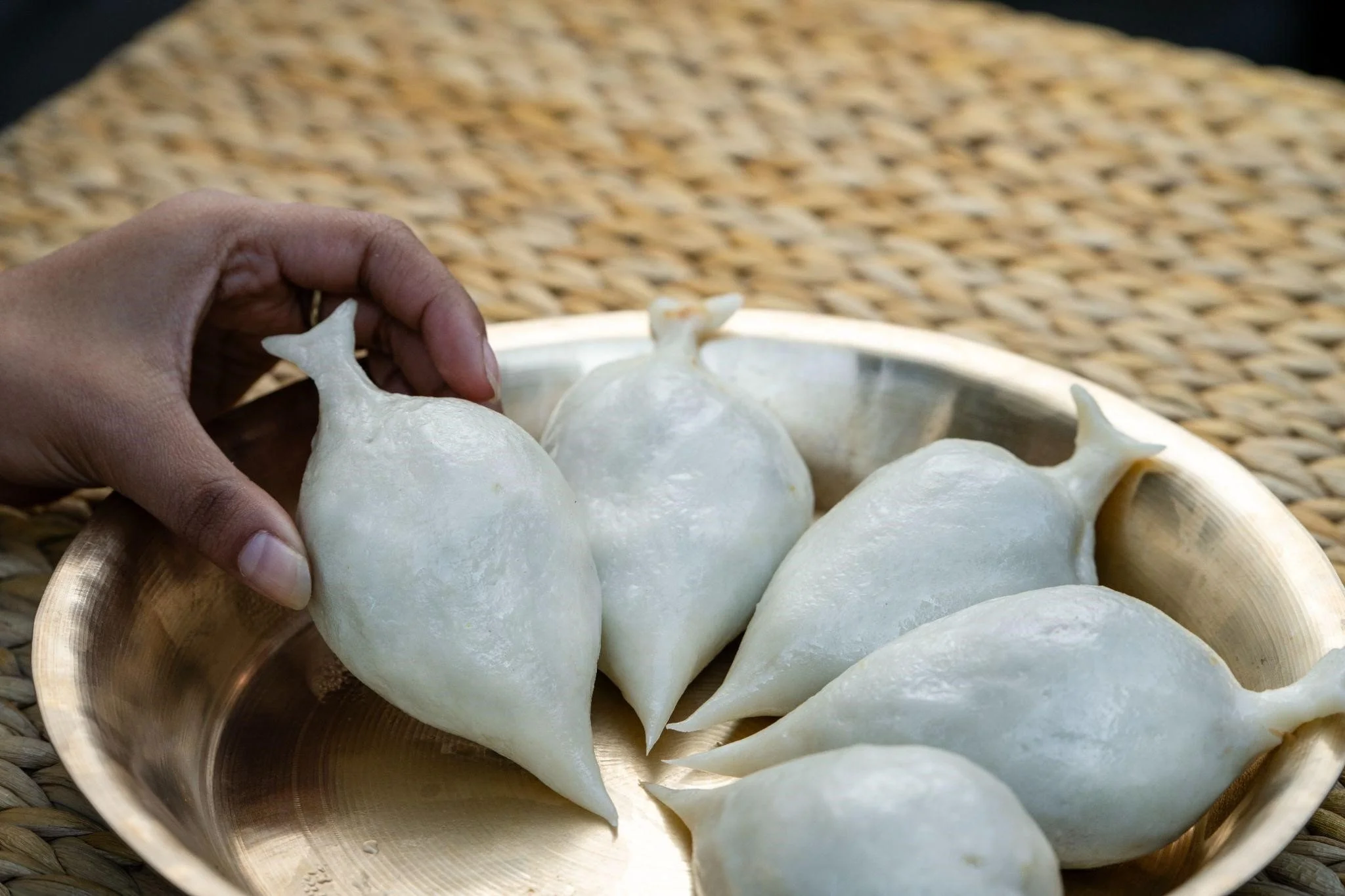
Yomari is a steamed dumpling made from rice flour, filled with molasses and sesame seeds. A specialty of the Newari community, this dessert is particularly enjoyed during the Yomari Punhi festival, but it is available year-round at select eateries.
📍 Where to try it: Newari restaurants and sweet shops in Patan and Bhaktapur.
7. Juju Dhau (The King of Yogurt)
A visit to Kathmandu is incomplete without trying Juju Dhau, a thick, creamy, and sweet yogurt originating from Bhaktapur. Made using traditional methods, it has a rich texture and subtle sweetness that makes it a perfect dessert or refreshing treat.
📍 Where to try it: Authentic Juju Dhau shops in Bhaktapur and Kathmandu.
8. Thakali Set (A Refined Nepali Meal)
Similar to Dal Bhat, the Thakali Set is a more refined and flavorful version, originating from the Thakali community in the Mustang region. It features steamed rice, lentils, sautéed greens, pickles, fried buckwheat bread, and slow-cooked mutton or chicken curry. The balanced use of spices and ghee makes this a rich and comforting meal.
📍 Where to try it: Specialty Thakali restaurants in Kathmandu.
9. Sukuti (Dried & Spiced Meat)
For those who enjoy bold flavors, Sukuti is a traditional Nepali jerky made from sun-dried buffalo or goat meat, marinated with spices and served as a snack or stir-fried with onions and chilies. It pairs perfectly with a local drink like Aila (Newari liquor).
📍 Where to try it: Newari restaurants and local food joints.
10. Chatamari (The Nepali Pizza)
Often called “Nepali pizza”, Chatamari is a thin rice flour pancake topped with eggs, minced meat, vegetables, and spices. It’s light, crispy, and packed with flavor, making it a great alternative to regular bread-based dishes.
📍 Where to try it: Newari eateries in Patan and Bhaktapur.
Experience Authentic Nepali Cuisine at Hotel Shanker
For those looking to experience authentic Nepali flavors in a luxurious setting, Hotel Shanker offers a curated selection of traditional Nepali dishes prepared with the finest ingredients. Whether you’re craving a hearty Dal Bhat, a plate of momos, or a Thakali set meal, our chefs ensure a culinary experience that is both authentic and refined.
📍 Join us for a taste of Nepal’s rich culinary heritage in a setting that blends tradition with elegance.
POPULAR ITINERARIES
SIMILAR POSTS

Nepali Winter Flavors: Dishes to Savor This New Year
Winter in Nepal is not just a season; it’s a celebration of hearty and comforting flavors. Traditional Nepali winter dishes bring warmth and energy, perfectly complementing the crisp, cool weather. From savory soups to rich curries, these dishes are a must-try for anyone looking to explore the country’s culinary heritage. At Hotel Shanker, we take pride in incorporating these local flavors into our festive menus, offering guests an unforgettable gastronomic experience.
Winter in Nepal is not just a season; it’s a celebration of hearty and comforting flavors. Traditional Nepali winter dishes bring warmth and energy, perfectly complementing the crisp, cool weather. From savory soups to rich curries, these dishes are a must-try for anyone looking to explore the country’s culinary heritage. At Hotel Shanker, we take pride in incorporating these local flavors into our festive menus, offering guests an unforgettable gastronomic experience.
Must-Try Nepali Winter Dishes
1. Thukpa
A hearty noodle soup with origins in the Himalayan region, Thukpa is a winter staple. Packed with fresh vegetables, tender meat, and flavorful broth, this dish provides the perfect warmth during chilly days. Hotel Shanker’s take on Thukpa includes a touch of local spices, making it a guest favorite.
2. Yomari
A traditional Newari delicacy, Yomari is a steamed dumpling made from rice flour and filled with sweet molasses or sesame seeds. Traditionally prepared during the Yomari Punhi festival, this dish symbolizes prosperity and is a must-try during winter.
3. Gundruk Soup
Gundruk, a fermented leafy green, is a beloved ingredient in Nepali cuisine. Gundruk Soup is rich in flavor and packed with nutrients, making it a popular choice for winter. The tangy taste and warmth of this dish perfectly complement the season’s chilly vibes.
4. Sekuwa
For meat lovers, Sekuwa is a winter delight. These marinated and grilled meat skewers are smoky, tender, and bursting with flavor. At Hotel Shanker, we prepare Sekuwa using traditional recipes, giving guests an authentic taste of Nepali cuisine.
5. Kwati
A mixed bean soup, Kwati is a protein-rich dish traditionally consumed during festivals like Janai Purnima. Its rich, earthy flavors and hearty texture make it an excellent winter warmer.
How Hotel Shanker Elevates These Flavors
At Hotel Shanker, our chefs craft each dish with the finest local ingredients, blending traditional techniques with a modern touch. Our festive menus feature these winter delicacies, ensuring every guest experiences the true essence of Nepali cuisine. Whether it’s a cozy dinner by the fireplace or a lavish New Year’s celebration, our culinary offerings bring the warmth and richness of Nepal’s winter to your plate.
Celebrate This New Year with Nepali Flavors
This New Year, indulge in the flavors of Nepal at Hotel Shanker. Our specially curated winter menu invites you to savor the authentic taste of traditional dishes in a luxurious setting. Join us for a festive dining experience that blends heritage, warmth, and exceptional hospitality.
Conclusion
Nepali winter cuisine is a delightful journey through rich flavors and hearty dishes. From the comforting warmth of Thukpa to the sweet indulgence of Yomari, these dishes are perfect for the season. At Hotel Shanker, we’re proud to showcase these culinary treasures, offering guests a taste of Nepal’s rich food heritage. Celebrate the New Year with us and savor the essence of Nepali winter flavors.
POPULAR ITINERARIES
SIMILAR POSTS

A Sweet Celebration of Life in Newari Birthdays
In the vibrant tapestry of Newari culture, one tradition stands out with its unique blend of sweetness and symbolism: the Yomari mala. This garland, woven from the beloved steamed dumplings called Yomari, isn't just a decorative delight; it's a powerful symbol of growth, prosperity, and blessings showered upon the celebrant.
In the vibrant tapestry of Newari culture, one tradition stands out with its unique blend of sweetness and symbolism: the Yomari mala. This garland, woven from the beloved steamed dumplings called Yomari, isn't just a decorative delight; it's a powerful symbol of growth, prosperity, and blessings showered upon the celebrant.
Yomari's Magical Metamorphosis:
Yomari itself carries significant meaning. These delicious parcels of rice flour filled with molasses or jaggery hold within them the essence of nourishment and fertility. The act of shaping the dough, carefully pinching it closed to mimic the form of a human head, becomes a symbolic prayer for life and well-being.
From Dumpling to Garland:
On the occasion of a birthday, especially at even-numbered milestones like 2, 4, 6, 8, and 12, Yomari undergoes a further transformation. These individual blessings are strung together, often in multiples of nine, to form a mala – a garland representing abundance and wholeness. The Yomari mala becomes a tangible manifestation of the community's love and wishes for the celebrant's journey ahead.
Beyond Sweetness: Layers of Meaning:
The number of Yomari strung on the mala is not coincidental. Nine, a highly auspicious number in Newari culture, signifies completion, longevity, and good fortune. As the celebrant wears the mala, they receive not just the sweetness of the Yomari but also the collective blessings of their family and community.
A Tradition Enduring Generations:
The Yomari mala tradition transcends time and connects generations. Grandmothers teach daughters the art of Yomari making, passing down not just a culinary skill but also a cultural legacy. As families gather to celebrate a birthday, the act of stringing the Yomari mala becomes a shared experience, strengthening bonds and rekindling cherished memories.
A Taste of Hope:
In a world that often seeks instant gratification, the Yomari mala stands as a reminder of the importance of slowness, care, and community. Each delicate stitch holding the Yomari together whispers a promise of enduring love and support. And as the sweet treat melts on the tongue, it leaves behind a taste of hope, a belief that life's journey, much like the Yomari mala, can be woven with blessings and joy.
POPULAR ITINERARIES
SIMILAR POSTS

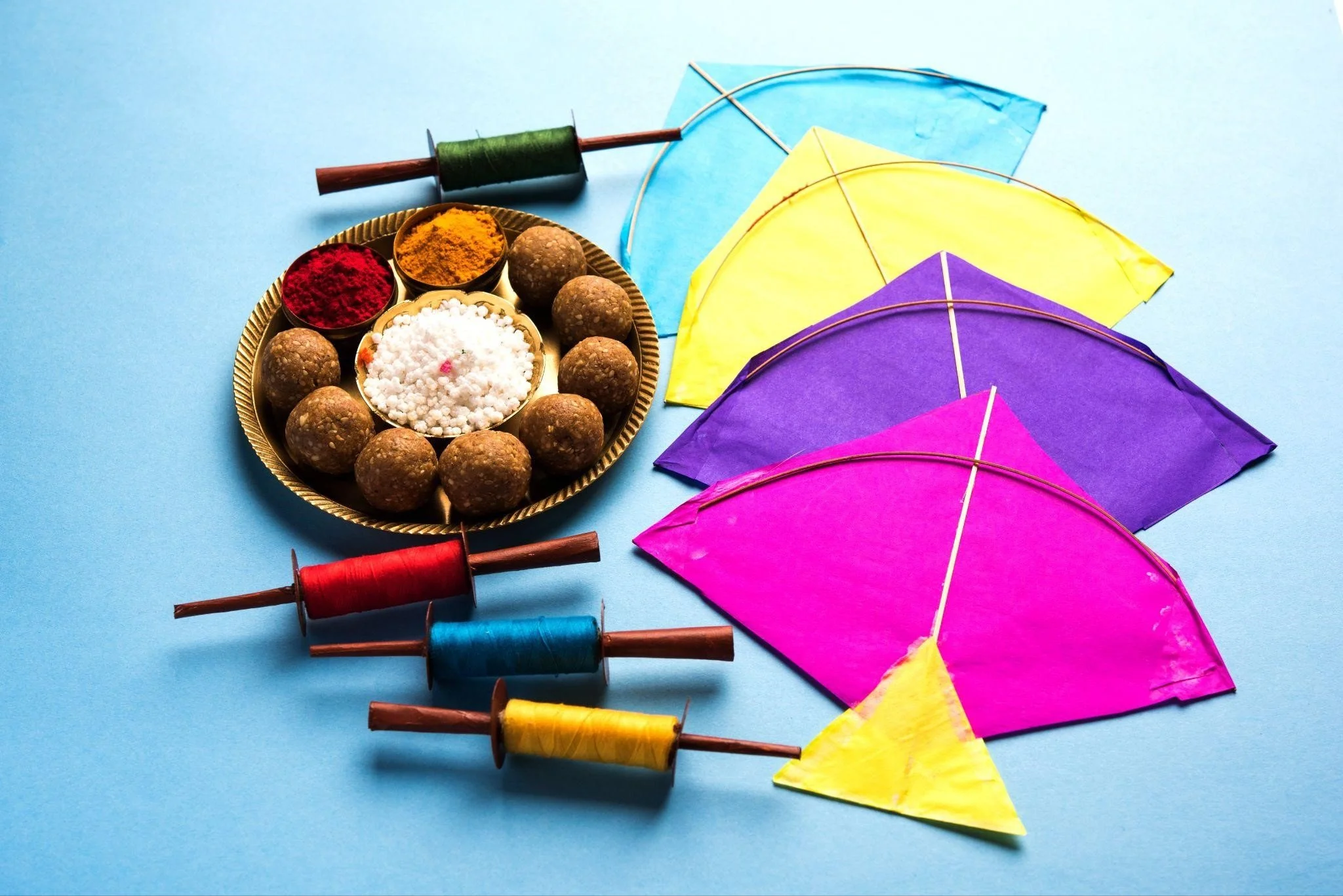
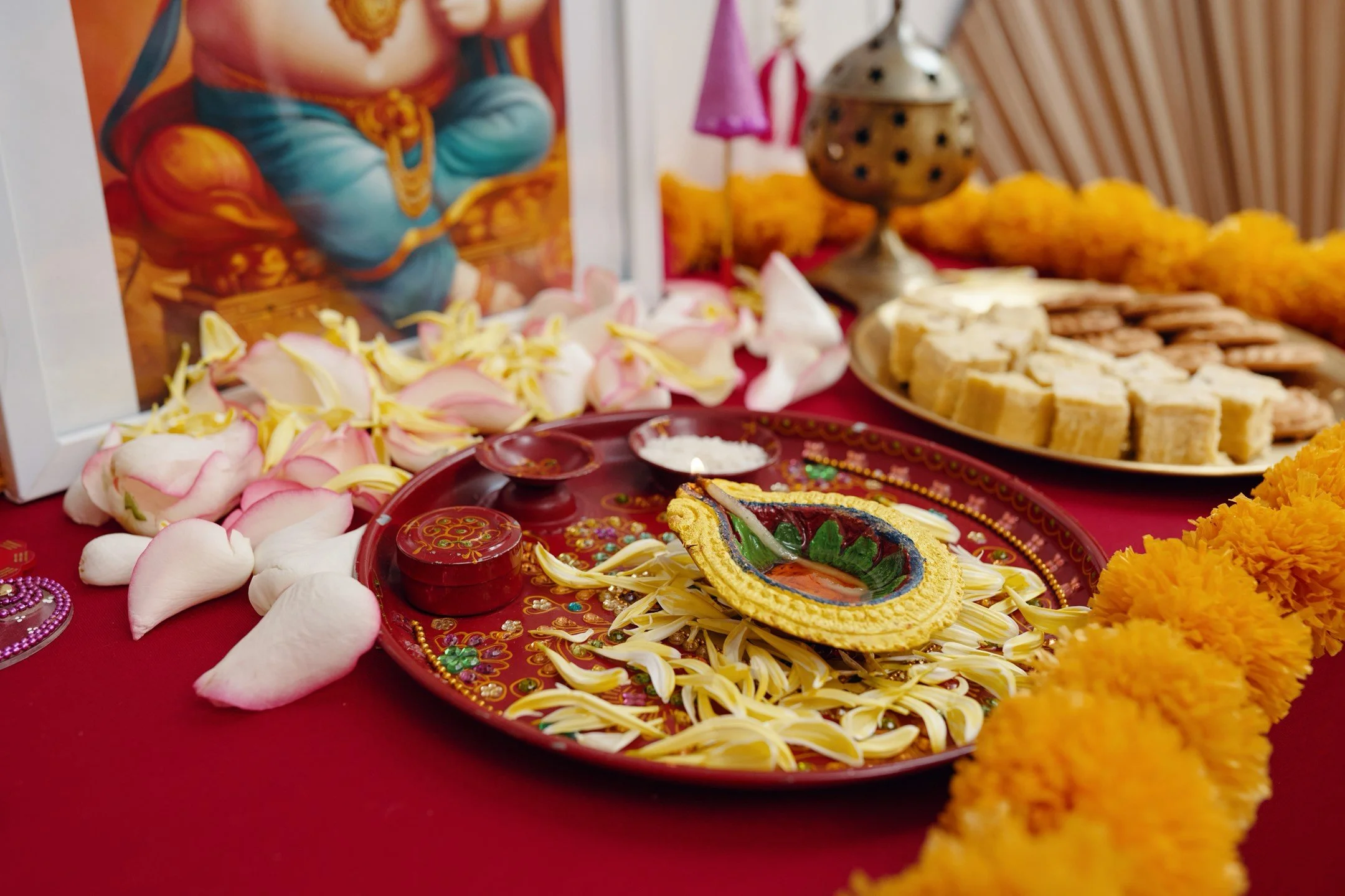

A Guide to Newari Desserts to Get You Sorted
Here are some of the must-try Nepalese Newari sweets while you visit Nepal. Most common Newari delights which are available as a dessert, at breakfast, in the afternoon tea snacks or after dinner. And, the traditional sweets enjoyed during celebrations and festivals or along with Newari cuisine.
Jeri
Anarsaa
Festive Peda
Laddu
Ainthe Mari
Khajuri (Flaky Fried Cookies)
Cashew Burfi
Gulaab Jamun or Lal Mohan
Rasbari
Doodh-Bari (Milk Patties in Pistachio Cream)
Gud-Paak
Gulmari Sweets (crunchy glazed and shaped like a thin noodle)
You can call them desserts but they are mighty adaptive. The confections can be enjoyed at breakfast, as an afternoon tea snack or after dinner. The traditional mithais are enjoyed especially during celebrations and festivities and along with the wonderful array of Newari cuisine, the confections have their own charms. The confections are made from a wide variety of ingredients, including milk, fruits, vegetables, flours, grains and beans, nuts and seeds.
Now let’s dive into these sweet treats, shall we?
1. Jeri
Jeri, also known as Jalebi, is one of the most common delights in Nepal. These pretzel-shaped or rather free-shaped loops dipped in saffron syrup are to die for, and they taste even more heavenly when freshly made. The aromatic and succulent sugar heaven of jeri loses its crispness when left till the next day but worry not, they are are still wonderfully delicious. Traditionally, jeri is pared with a soft Nepali bread called Swaari.
2. Anarsaa
Anarsaa rotis are hand-stretched old fashioned sweet rice patties that resemble cookies, large ones. The crispy texture comes from the rice flour while the poppy seeds add a nutty flavour. Once fried they are stacked up so that the clarified butter is drained properly.
3. Festive Peda
Now pedas come in different shapes and sizes. Pedas are simple milk fudge made with whole milk, sugar, green cardamom powder and decorated with chopped pistachios. You can find these sweets made with other major ingredients such as khuwa, malai, kaju. paneer and saffron. Prashad or offering pedas can be found made simple and separately for festivals.
4. Laddu
Laddus are the most well-known sweets in the market. When it comes to talking traditional sweet, none are as quickly recognized as laddus. The most common laddus we see and find are motichoor laddus--golden yellow, granular and round festive treat made from chickpea flour droplets and sugar syrup. To make this sweet, there are a few steps involved. First, the chickpea flour is made into a batter. Then, using a flat perforated spatula (jhanjar), the batter is dropped into hot oil to form tiny pearl-like droplets (boondi). These droplets are fried, then soaked in saffron-cardamom syrup, and rolled into round balls. The sweet is very time-consuming and requires considerable skill and experience, but the savory result is rewarding.
5. Ainthe Mari
This is one of the most popular traditional Newari Mari sweets and is a variation of Laakha-Mari bread. They are flaky-crunchy textured delicious cookie-bread. The dough is hand-rolled and shaped into beautiful designs. They are deep-fried and glazed with a light icing to create a translucent satin finish.
6. Khajuri (Flaky Fried Cookies)
These are delicious buttery traditional cookies, that are very popular in Nepal. The khajuri dough is prepared with flour, sugar and clarified butter. The dough is rolled into a ball first, then shaped into small and round, slightly curved patties (like small bowls). The base of the cookie is pressed by a wooden khajuri press, creating a vertically lined design. It is then fried in clarified butter until crisp. The impression made by the khajuri press remains in the cookies after it is fried.
7. Cashew Burfi
These are one of the most delicious diamond shape burfi, highly popular during Tihar and Bhai Tika, made from pure ground cashew nuts, sugar, flavouring and garnished with silver varak paper. Almond-Coconut Burfi is an alternative flavour, made from blanched almond and ground coconut, and topped with sliced almond and pistachios. You can taste bits of ground almond in every bite.
8. Gulaab Jamun or Lal Mohan
Gulaab Jamun, also called Lal Mohan, are round fried dumplings soaked in saffron-cardamom syrup. They resemble small reddish-brown plums and have a soft, spongy texture. They are one of the most popular sweets for any celebration.
9. Rasbari
Rasbaris are lighter alternatives to Gulab Jamuns. Prepared in similar ways as gulab jamuns, rasbaris are soft cottage cheese or chhana cheese balls soaked in cardamom syrup. For less of a bite and more of the syrup, this sweet is hugely popular among children and equally delightful for adults.
10. Doodh-Bari (Milk Patties in Pistachio Cream)
An exceptionally flavorful, dairy-rich dessert of cheese patties soaked in thickened milk, delicately flavoured with cardamom and saffron and garnished with pistachios. Doodh-baris are exceptional choices for the sweet yet savoury dessert to sweeten your day.
11. Gud-Paak
This visually appealing, rich and a traditional favourite sweet dish is made from flour, edible gum, brown sugar, khuwaa, and chopped assorted nuts. It is an absolutely delicious sweet dish that melts in your mouth.
12. Gulmari Sweets (crunchy glazed and shaped like a thin noodle)
Gulmari is a combination of rice flour, urad beans flour, clarified butter and sugar. The gulmari batter is first shaped into thin noodles, then deep-fried and glazed. There is an assortment of mari sweets and treats that you can find and could be your new favourites such as Fini, Chimti (flaky bread specially made during Dashain, Tihar, and other religious festivals), Triangular Flaky Nimki or one of the many variations of Nimki itself.