
Ama Yangri Trek: Exploring Nepal’s Hidden Hills
Step into Nepal’s hidden hills on the Ama Yangri Trek where rhododendron forests, quiet villages, and breathtaking Himalayan views meet every step. A journey of discovery, endurance, and unforgettable scenery awaits.
In the quiet corners of Nepal’s hills, the Ama Yangri Trek unfolds like a story waiting to be told. This trek is perfect for travelers seeking solitude, authentic village life, and vibrant spring landscapes. The trail is ideal for April, when rhododendrons and wild orchids bloom along the hillsides, painting the forests and terraces in bursts of color. At an altitude of 3771m, Ama Yangri is one of the highest peaks around Kathmandu Valley. You can admire the stunning view of the Langtang Range, the Annapurna, Manaslu, and even Everest from the peak.
The trek typically begins at Sundarijal or a nearby trailhead, with gradual ascents that allow your body to adjust to the elevation. Over the course of 3–5 days (depending on the chosen route), trekkers pass through small, traditional villages, where locals welcome visitors with smiles, hot tea, and glimpses into daily life. Tea houses along the trail provide cozy resting spots, simple meals, and warm hospitality, giving travelers a taste of Nepalese mountain culture.
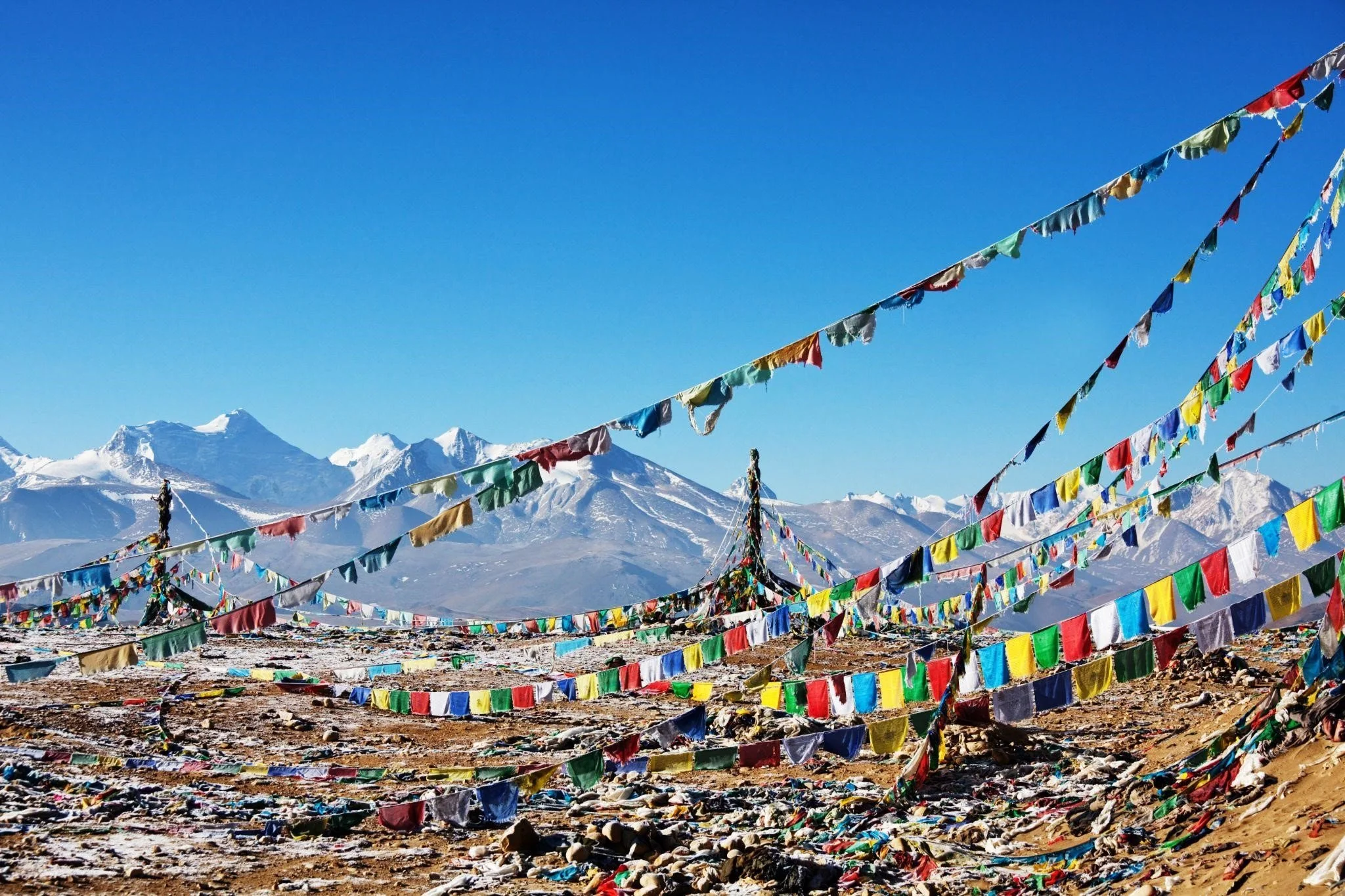
Along the way, the path winds over suspension bridges, babbling streams, and terraced farmland. Each village and hillside has a story: the crops tended by generations of farmers, the prayer flags fluttering in the wind, and the stone paths carved decades ago. It’s a trek that teaches patience and presence, encouraging trekkers to slow down and notice the small, meaningful details.
As the trail climbs toward Ma Yangri village, panoramic views of distant Himalayan peaks start to emerge. Valleys appear layered in mist, forests are sprinkled with spring colors, and every step rewards the effort with a sense of anticipation. The higher you go, the thinner the air becomes, and each breath reminds you that you are far from the bustle of the cities below.
Upon reaching Ma Yangri, trekkers are greeted with a scenery that feels almost untouched. The village sits peacefully amidst the hills, offering not only rest but also opportunities to connect with nature, local culture, and oneself. The mornings here are crisp, the views breathtaking, and the sense of accomplishment palpable. Sunrises reveal mountain ranges stretching as far as the eye can see, while the quiet of the hills invites reflection and stillness.
The Ma Yangri Trek is more than a hike; it’s a journey of discovery. It combines moderate physical challenge with cultural immersion, natural beauty, and opportunities for personal reflection. Travelers leave with not only photographs of misty peaks and vibrant forests, but also memories of authentic interactions with local communities, quiet moments in nature, and the satisfaction of following a less-traveled path.
POPULAR ITINERARIES
SIMILAR POSTS
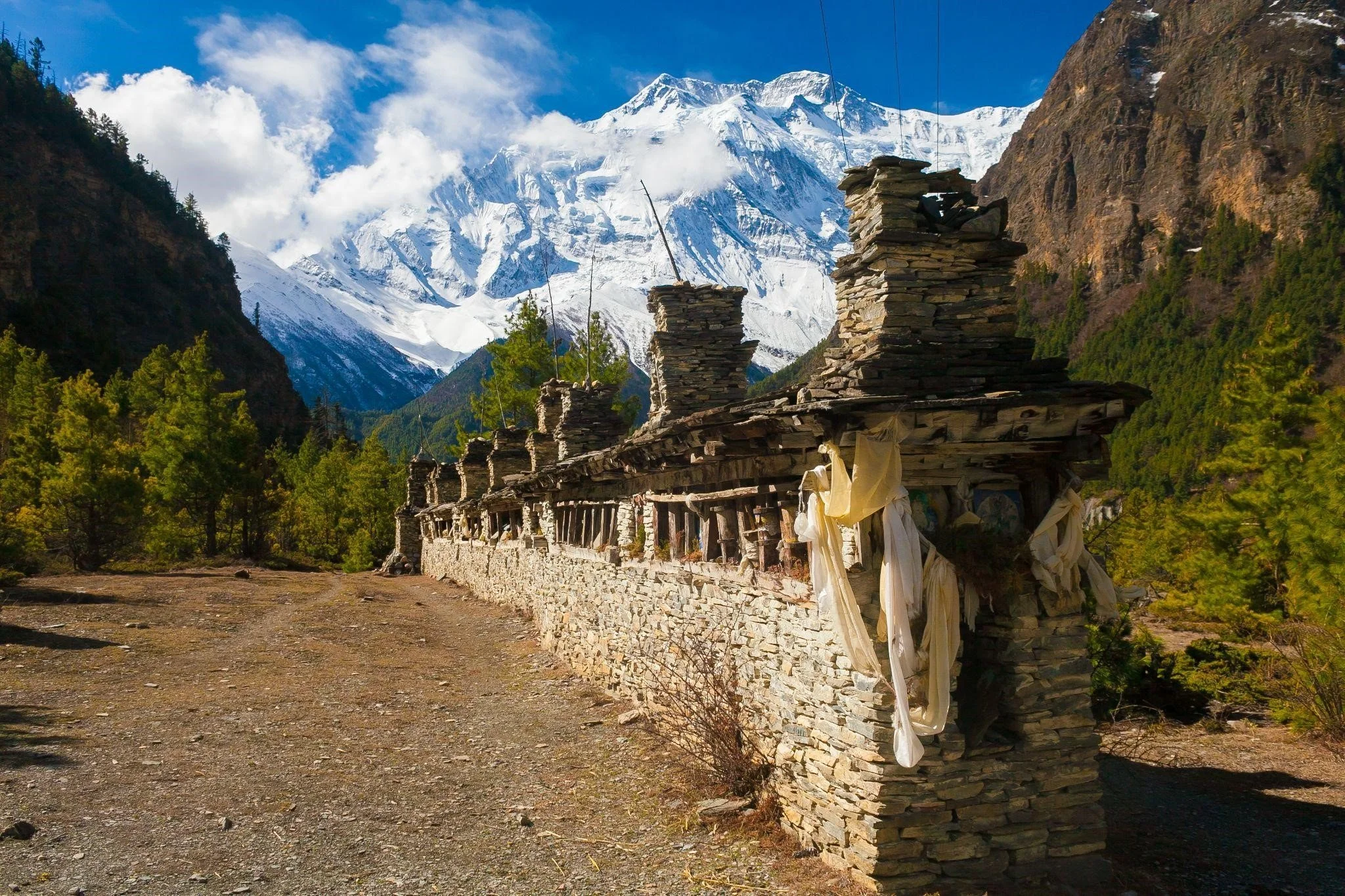
Manaslu: The Hidden Giant of the Himalayas
Step into the heart of the Himalayas on the Manaslu Trek, where snow-capped peaks, ancient villages, and prayer flags guide every step. A journey of endurance, culture, and breathtaking vistas awaits for those ready to explore Nepal’s hidden giant.
In the heart of Nepal’s highlands, the Manaslu region rises like a sentinel over the valleys below. At 8,163 meters, Mount Manaslu, the “Mountain of the Spirit,” casts its shadow over villages, rivers, and trails that have been walked for generations. This trek is more than a journey through the Himalayas; it is a passage through culture, endurance, and the quiet majesty of nature untouched.
The trail begins in Soti Khola, threading along riverbanks, terraced fields, and forested slopes. Villages appear like whispers from the past, their wooden houses and prayer flags telling stories of generations who have lived in harmony with the mountains. Each day brings new terrain: gentle rivers, dense forests, bamboo groves, and rocky ridges that reveal snow-clad peaks in the distance.
Manaslu is sacred to the local communities. The mountain itself is a living presence, and the trails are dotted with stupas, mani walls, and monasteries where monks chant prayers for safety, prosperity, and harmony. For trekkers, this is a journey of quiet reflection as much as physical challenge. The thin air, rugged paths, and the sheer scale of the Himalayas demand both respect and endurance.
As you ascend toward Larkya La Pass, the highest point of the trek at 5,160 meters, the world transforms. Valleys fall away beneath a carpet of clouds, glaciers shimmer, and the peaks of Manaslu, Himalchuli, and Ngadi Chuli rise like ancient sentinels. Every breath feels heavier, yet every glance rewards effort with vistas that linger in memory long after the trek ends.
The Manaslu trek is a journey into a region less traveled, where adventure, culture, and the grandeur of the Himalayas converge. Here, every step reminds you of the mountains’ silent power, the resilience of the people who call this land home, and the quiet joy of reaching heights both physical and spiritual.
POPULAR ITINERARIES
SIMILAR POSTS
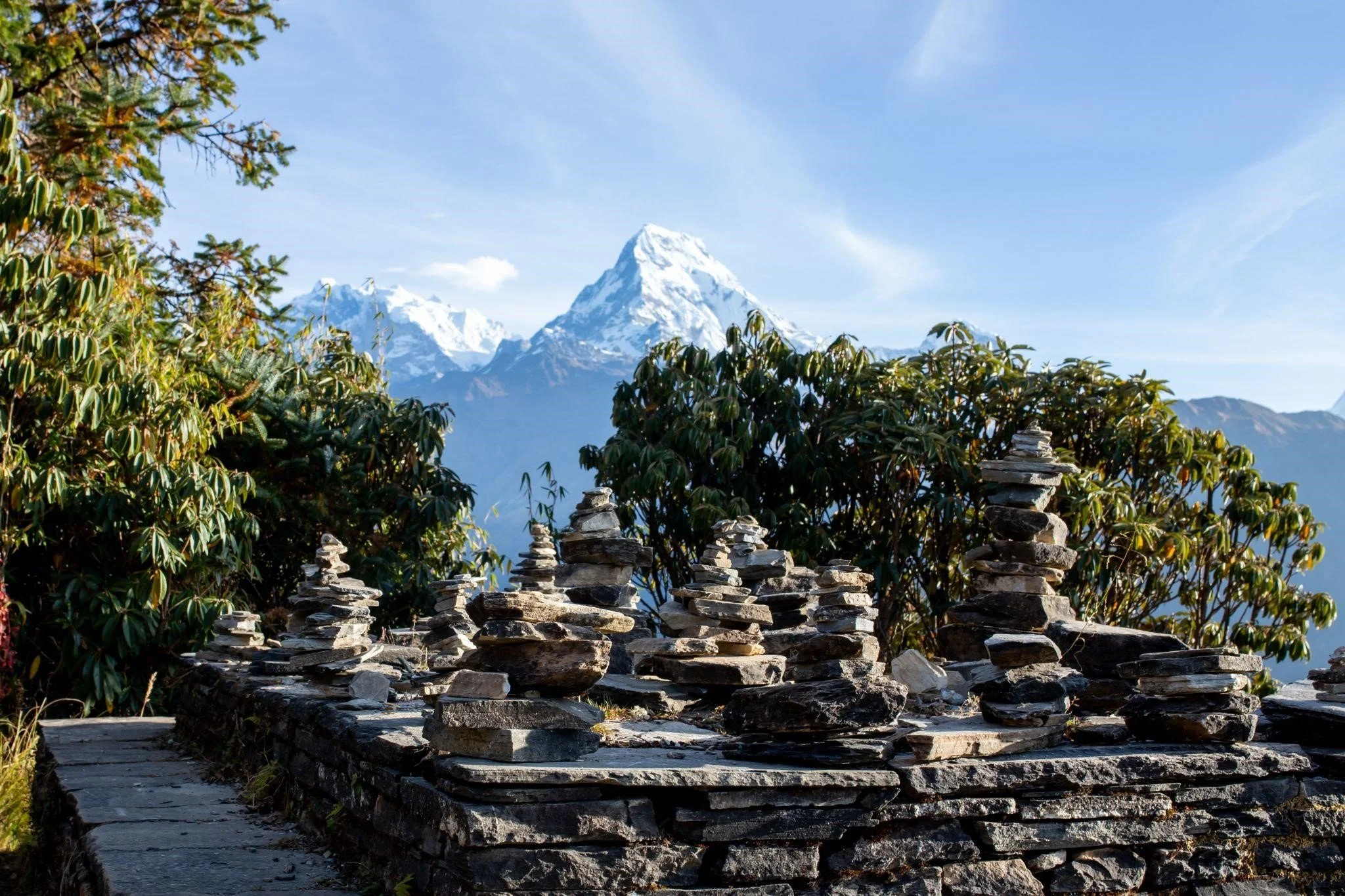
Where the Hills Whisper: A Journey to Poon Hill and Ghorepani
Rising above the hills at 3,210 meters, Poon Hill is where the mountains meet the sky. The trail from Ghorepani winds through rhododendron forests and quiet villages, revealing a journey that blends breathtaking views, local culture, and the kind of stillness only the Himalayas can offer.
High up in Nepal’s Annapurna region, the Ghorepani Poon Hill trek feels like stepping into another world. The village of Ghorepani sits quietly among the hills, a welcoming stop for travelers making their way through forests of rhododendron and pine. And then there’s Poon Hill, a viewpoint that seems to float above the world at 3,210 meters, where the first rays of the sun light up Annapurna, Dhaulagiri, and Machapuchare in gold and pink.
The journey begins at Nayapul, a few hours’ drive from Pokhara. From there, the trail winds through terraced fields and rivers, climbing slowly into the mountains. Every step is a conversation with the land. You pass small Gurung villages where children wave, women tend to their gardens, and locals carry on with daily life as they have for generations. It’s easy to forget the clock here; distance isn’t measured in hours or kilometers, but in moments of awe, breath, and quiet reflection.
The trek itself is gentle yet purposeful. You feel your lungs adjust to the thinner air, your muscles stretch and awaken, and your mind starts to slow down along with your steps. The rhododendrons bloom along the path in bursts of crimson and pink, creating a rhythm of color that guides you upward. Every tea house offers a warm welcome, a steaming cup of tea, and a glimpse into the lives of the people who call these hills home.
When you reach Poon Hill just before sunrise, the world unfolds in a spectacle that feels almost sacred. Mountains rise above mist-filled valleys, their peaks glowing in soft sunlight. For a moment, time itself seems to pause. Every climb, every breath, every tired step is forgotten in the quiet grandeur of the Himalayas.
The Ghorepani Poon Hill trek is more than a hike; it’s a chance to reconnect with nature, with culture, and with yourself. The rhythm of the trail, the smiles of villagers, and the wide-open mountain skies remind you how simple moments watching a sunrise, breathing crisp mountain air, can leave the deepest impressions.
By the time you descend, the trek is over in distance but not in memory. You carry with you the stillness of the hills, the warmth of the villages, and the golden light of Poon Hill, a story that lingers long after the journey ends.
POPULAR ITINERARIES
SIMILAR POSTS
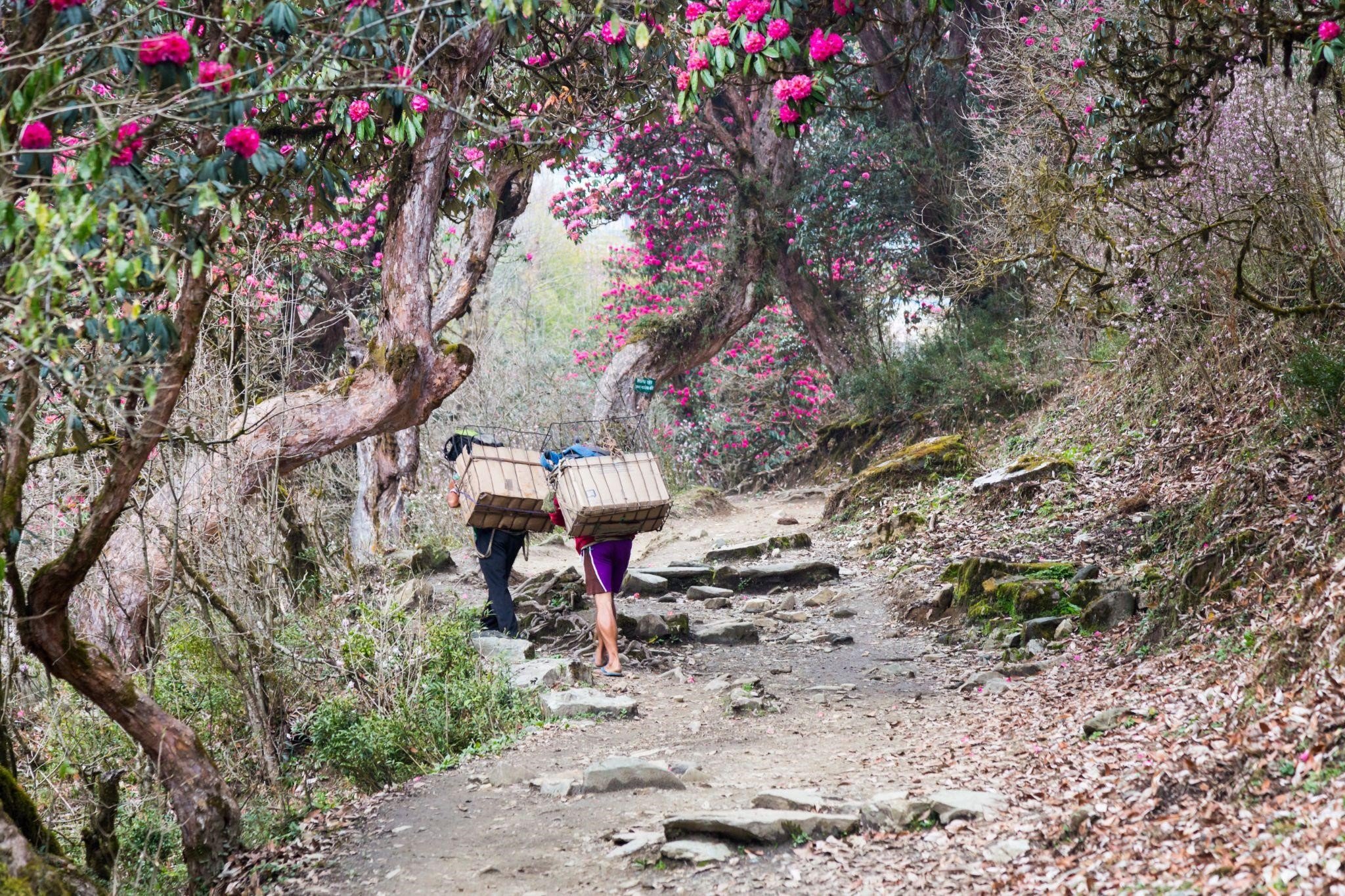
Early Spring Treks: The Best Trails to Explore in Nepal This March
March in Nepal feels like nature pressing refresh.
Rhododendrons bloom, skies clear, and quieter trails reveal their magic; from Tinjure-Milke-Jaljale’s colorful forests to the serene heights of Gosaikunda and Panchase.
Early spring is your window to explore Nepal’s underrated treks in full bloom, with beauty and solitude walking beside you.
March marks the beginning of spring in Nepal, a season when the Himalayas awaken, forests burst into color, and nature reveals its gentle, vibrant side. For trekkers, this is a perfect time to explore trails that are still off the beaten path, with fewer crowds and the added beauty of early flower blooms. Here are some underrated treks to experience Nepal in early spring.
1. Tinjure-Milke-Jaljale Trek
Dubbed the “Rhododendron Capital of Nepal,” the Tinjure-Milke-Jaljale trek is a paradise for nature lovers and photographers. March is when the forests come alive with vibrant red, pink, and white rhododendrons, making every step along the trail a colorful experience. This trek takes you through quiet villages, terraced farmlands, and dense oak and pine forests. From the high ridges, trekkers are rewarded with sweeping panoramic views of Kanchenjunga and surrounding Himalayan peaks. The combination of colorful blooms, serene landscapes, and authentic local villages makes this trek a perfect early-spring escape for those seeking solitude and natural beauty.
2. Langtang Gosaikunda Trek
The Langtang region is known, but its extension to Gosaikunda remains a hidden gem. The trail climbs gradually through lush forests, terraced fields, and traditional Tamang villages, offering a glimpse into the culture and lifestyle of the local people. March is ideal as the lower and mid-altitude forests begin showing early rhododendron and alpine flower blooms, contrasting beautifully with snow-capped peaks. Reaching the sacred Gosaikunda Lake, framed by towering mountains, is a spiritual and visual highlight. This trek offers both cultural immersion and breathtaking alpine scenery, with the added benefit of fewer tourists during the early spring season.
3. Khaptad National Park Trek
Khaptad National Park, located in far-western Nepal, is one of the country’s most peaceful and overlooked trekking regions. March is perfect for visiting as the park’s expansive meadows begin to show colorful wildflowers. The gentle trails wind through pine and oak forests, terraced farmland, and small traditional villages. Trekkers can also explore the meditative sites of Khaptad Baba, a revered spiritual figure, giving the trek a unique spiritual dimension. With panoramic views of the Far Western Himalayas and minimal crowds, Khaptad offers an immersive early-spring experience for those willing to venture off the beaten path.
4. Makalu Barun Trek (Lower Sections)
While the full Makalu Barun trek is challenging and remote, the lower sections are perfect for early-spring adventurers seeking solitude and floral beauty. March brings vibrant rhododendrons and magnolias along the trail, set against the dramatic backdrop of Makalu, the world’s fifth-highest peak. The lower trails pass through Sherpa villages, dense forests, and sparkling mountain streams, giving trekkers a taste of traditional Himalayan life. Clear skies in March ensure spectacular views, and the mix of snow-dusted peaks with blooming flora creates one of the most visually stunning trekking experiences in Nepal.
5. Panchase Trek
Nestled near Pokhara, the Panchase trek is a hidden gem for short early-spring adventures. The trek passes through lush green forests, terraced farmlands, and hilltop viewpoints that offer sweeping panoramas of the Annapurna and Dhaulagiri ranges. March is when the hillsides begin to bloom with wildflowers, creating a vibrant foreground for the majestic mountains beyond. Local Gurung and Magar communities along the trail welcome trekkers with warm hospitality, offering a cultural layer to the trekking experience. Panchase is ideal for those looking for a scenic, flower-filled trek that is accessible yet immersive, combining nature, culture, and peaceful solitude.
Is March Good for Underrated Treks?
Early Spring in Nepal is not just a season; it’s a celebration of nature’s renewal. For those seeking solitude, vibrant landscapes, and cultural encounters off the beaten path, March provides the perfect window to experience Nepal’s hidden gems in all their floral glory.
POPULAR ITINERARIES
SIMILAR POSTS
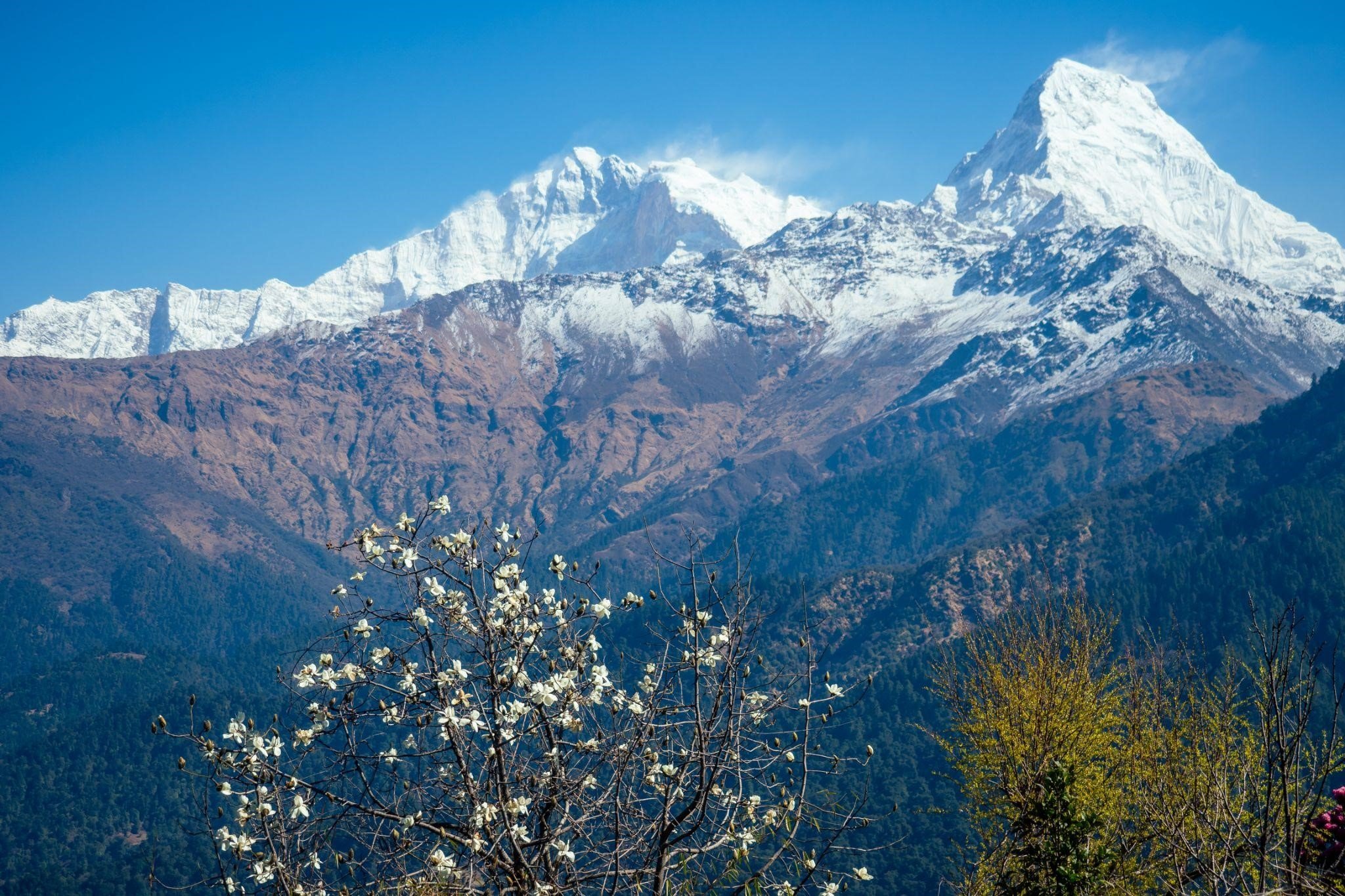
Nepal’s Best Winter-to-Spring Transition Treks in February
February is where seasons pause and the Himalayas breathe.
Winter’s snow still crowns the peaks, while spring quietly begins to wake the valleys—clear skies, fewer crowds, and trails at their most peaceful.
From Poon Hill’s golden sunrise to the quiet paths of Langtang and Mardi Himal, this is trekking in its most balanced form: crisp mornings, calm landscapes, and journeys that feel unhurried.
A short window. A rare mood. Nepal, in transition.
February is a magical month for trekking in Nepal. The harsh winter chill begins to fade, giving way to a more temperate climate, while the high mountains remain capped with snow, creating a breathtaking panorama. This transition period offers trekkers clear skies, fewer crowds, and a chance to witness Nepal’s landscapes shifting from winter’s stark beauty to spring’s gentle awakening. Here are some of the best treks to explore during this serene month.
1. Ghorepani Poon Hill Trek
A favorite among both beginner and experienced trekkers, the Ghorepani Poon Hill Trek is known for its sweeping sunrise views over the Annapurna and Dhaulagiri ranges. February mornings are crisp and clear, offering one of the best chances of witnessing the golden sun illuminate the Himalayan peaks. Along the trail, trekkers pass through lush rhododendron and oak forests, which begin to show the earliest signs of spring blooms. The villages along the way, with their traditional Gurung hospitality, offer a cozy retreat after long days of trekking, making it an ideal mix of scenic beauty and cultural experience.
2. Mardi Himal Trek
The Mardi Himal Trek is a quieter alternative to the more popular Annapurna Base Camp route, perfect for those seeking solitude. The trail winds through terraced farmlands, dense pine forests, and high alpine landscapes, gradually rising toward the Mardi Himal Base Camp. February’s dry, clear weather provides excellent views of Machapuchare and Annapurna South, making it a photographer’s paradise. The trek also offers close encounters with Himalayan wildlife and pristine mountain streams, creating a serene winter-to-spring transition atmosphere that few other trails can match.
3. Langtang Valley Trek
Langtang Valley offers a perfect mix of natural beauty and cultural immersion. February is a wonderful time to explore the valley, as the snow-capped peaks and frozen streams contrast beautifully with forests and meadows showing early signs of spring. Trekkers pass through traditional Tamang villages, where warm hospitality and simple mountain lifestyles provide a glimpse into local culture. Higher elevations are still snow-covered, creating a peaceful winter wonderland, while lower trails start hinting at spring’s arrival. The combination of scenic diversity and cultural richness makes this trek especially rewarding.
4. Manaslu Circuit Trek
For trekkers seeking a longer, more challenging adventure, the Manaslu Circuit Trek offers remote villages, Buddhist monasteries, and stunning mountain vistas. February provides cool, stable weather, making high-altitude trekking more comfortable than in the summer monsoon months. The trail meanders through diverse landscapes from terraced farmlands and subtropical forests to alpine ridges and glacial valleys. Trekkers will experience a blend of Tibetan and Nepali cultures, encountering traditional villages untouched by mass tourism. Snow-capped peaks, crystal-clear skies, and the serenity of the remote Himalayas make this trek a truly immersive experience during Nepal’s winter-to-spring transition.
5. Helambu Trek
Close to Kathmandu, the Helambu Trek is ideal for a shorter winter-to-spring adventure. The trail passes through charming Sherpa villages, monasteries, and pine forests dusted with snow. February brings clear skies and the first hints of apricot blossoms, creating a beautiful contrast against snow-dusted trails. Trekkers can enjoy local hospitality, warm tea houses, and peaceful mountain scenery without the crowds of more popular trekking regions. Helambu combines natural beauty, culture, and accessibility, making it perfect for travelers looking for an enriching yet less strenuous trek.
Why February Is Special for Trekking?
This month balances the crispness of winter with the gentle promise of spring. Snow still enhances the alpine landscapes, yet temperatures are gradually warming. Trails are less crowded compared to peak seasons, and the clear skies make for stunning sunrise and sunset views. Trekkers can enjoy both winter’s serenity and the first hints of spring blooms, making February a perfect time for a Himalayan adventure. Whether it’s the snow-clad peaks, the awakening flora, or the welcoming villages, February promises a trekking experience that lingers in memory long after the journey ends.
POPULAR ITINERARIES
SIMILAR POSTS
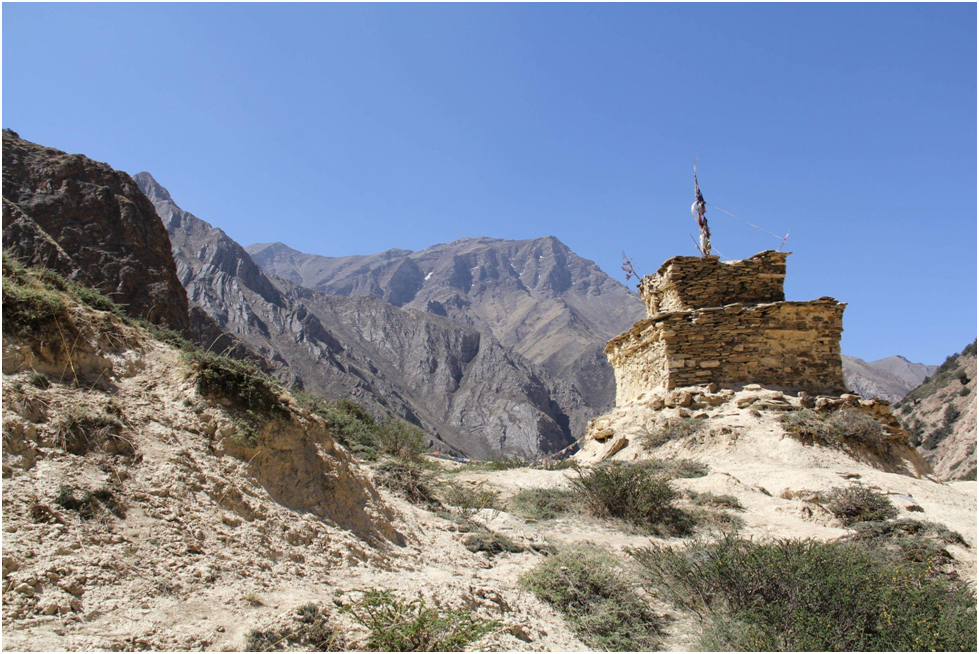
Into the White: Exploring Dolpa’s Winter Trails in January
Embark on a journey like no other! Trek through the untouched wilderness of Dolpa in January, where winter reigns supreme. From frozen rivers to snow-covered passes, this remote corner of Nepal offers an adventure of isolation, beauty, and resilience. With panoramic views of the Himalayas, serene monasteries, and welcoming local communities, Dolpa in winter is the ultimate escape for those seeking raw nature and quiet reflection.
Venturing into Dolpa in January is not just a trip; it is an expedition into one of Nepal’s most remote and untouched corners, where winter rules with a quiet, relentless beauty. The journey itself is an adventure. From Kathmandu, travelers typically fly to Nepalgunj before taking a small local flight to Juphal, a tiny airstrip that seems suspended in the mountains. From there, the trek begins, winding along narrow trails, frozen rivers, and snow-laden passes. Every step demands effort as the cold nips at exposed skin, and the thin winter air makes each climb a test of endurance. Roads are often covered in ice or snow, and the isolation is complete. There are no bustling towns or tourist crowds here, only the stark, serene wilderness.
The journey through Dolpa in January is not for the faint-hearted. Dolpa offers trekkers a unique experience of isolation and natural beauty, especially during the winter months. The skies are often clear, allowing panoramic views of the Himalayan giants, while the trails wind through frozen rivers, snowy passes, and quaint settlements that seem suspended in time. Temperatures can drop sharply, often below −20°C at higher elevations, and heavy snowfall can make trails challenging. Yet, these very conditions transform the landscape into a wonderland. From Thuli Bheri to Shey Phoksundo, trekkers encounter snow-laden forests, frozen waterfalls, and the occasional herd of wild animals adapted to the winter cold. Each step along the snow-covered trails, each breath of icy mountain air, and each encounter with the resilient local communities leaves a lasting impression.
Dolpa’s cultural richness shines even in the harshness of winter. Monasteries, prayer flags fluttering in icy winds, and traditional festivals celebrated quietly amidst snow create an almost spiritual aura. Homes are simple but warm, often built of stone and wood, with small fires burning to keep out the biting cold. Homestays and small teahouses along the route offer warmth, local cuisine, and a chance to experience the lifestyle of the resilient communities living here. The local population, mostly Tibetan Buddhist communities, survive the harsh winters through simple, time-honored routines: tending livestock, heating homes with wood or yak dung fires, and sustaining themselves with hearty meals of barley, potatoes, and yak cheese. Despite the isolation, their warmth and hospitality make the challenging journey through Dolpa a deeply rewarding experience.
For those seeking solitude and the raw beauty of the Himalayas, January in Dolpa is unparalleled. Trekking through Dolpa in January is about witnessing natural beauty while experiencing the spirit of survival, endurance, and quiet reflection. This is a place where winter strips the world to its essentials: snow, sky, and soul. For those willing to embrace the cold and the journey, Dolpa offers an unforgettable encounter with the raw, serene heart of the Himalayas a winter wonderland where every moment is a testament to nature’s majesty and humanity’s resilience and an unforgettable journey into the heart of Nepal’s winter wilderness.
POPULAR ITINERARIES
SIMILAR POSTS
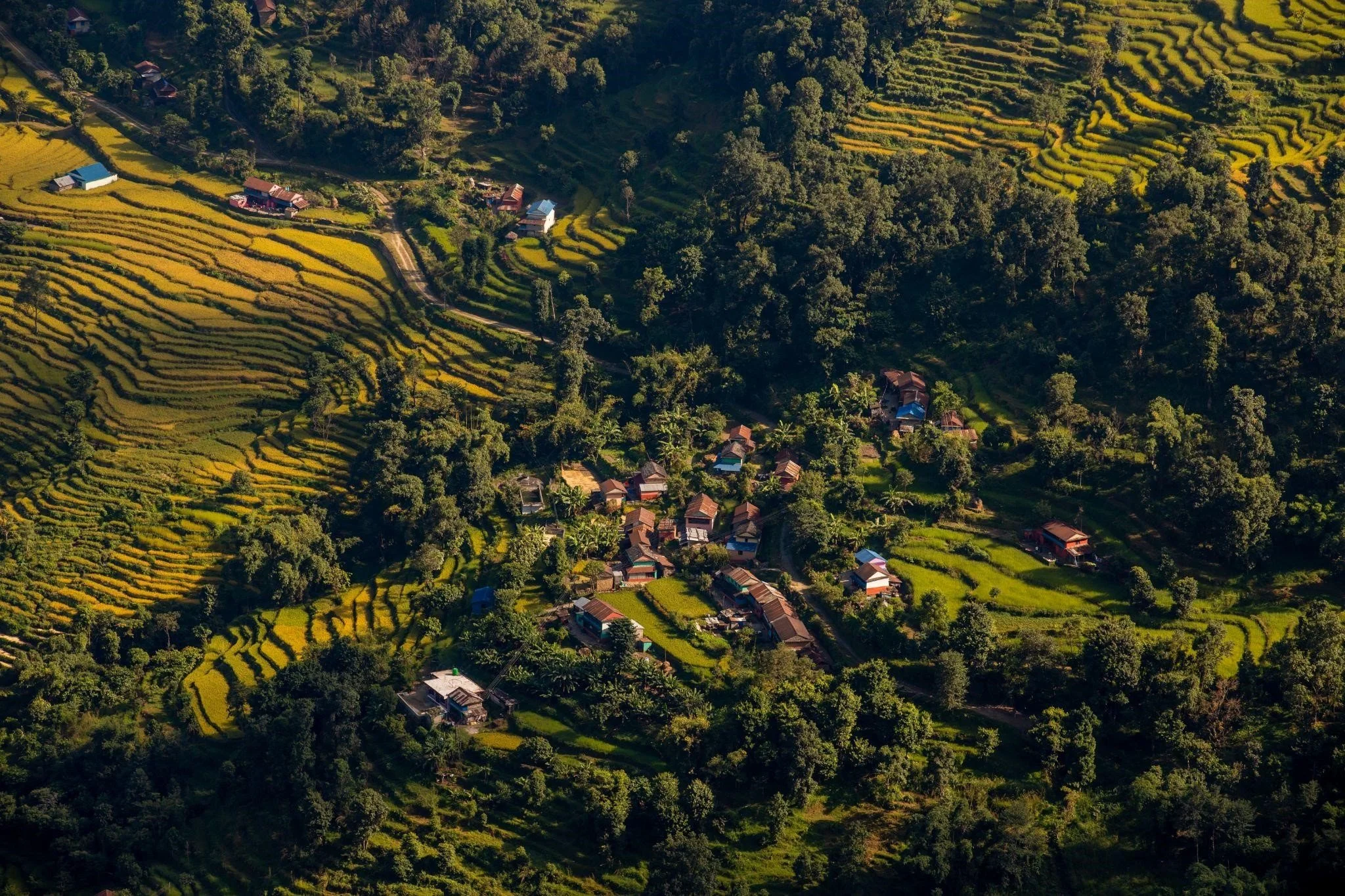
Hidden Winter Villages Worth Visiting in Nepal
Discover the hidden winter villages of Nepal, where peace, natural beauty, and authentic village life await. From the picturesque Ghandruk, with its stunning Himalayan views, to the tranquil Tsum Valley, rich in Tibetan culture, these villages offer a serene retreat. Whether you're enjoying a warm homestay, savoring local delicacies, or exploring snow-covered landscapes, these off-the-beaten-path destinations provide the perfect escape for those seeking a peaceful and enriching winter experience.
Nepal is often celebrated for its towering Himalayan peaks, bustling cities, and popular trekking trails. But beyond the tourist hotspots lie hidden villages that become a cozy retreat in winter. These villages offer warm hospitality, scenic beauty, and a glimpse into authentic Nepali life, making them perfect for travelers seeking peace, culture, and homely vibes.
● Ghandruk
Tucked away in the Annapurna hills, Ghandruk is a charming Gurung village that transforms into a serene winter wonderland, with snow-dusted peaks, terraced fields and breath-taking sunrises. Known for its warm homestays, visitors can experience authentic village life through home-cooked with authentic Nepali cuisines with their specialty; Gundruk, a dish made of fermented leafy green vegetables. Evenings are gorgeous with the lights from the houses, gatherings by bonfires, and beautiful cultural dance from the locals. Beyond the cozy atmosphere, Ghandruk offers scenic winter treks, panoramic Himalayan views, and a glimpse into the rich Gurung culture, making it an ideal destination for travelers seeking peace, nature, and homely vibes.
● Tsum Valley
Tsum Valley, a hidden gem near the Nepal-Tibet border, is a tranquil Himalayan village that feels untouched by time, especially in winter. Just in between snow-capped peaks, the valley is known for its peaceful monasteries, traditional Tibetan-influenced villages, and breathtaking natural beauty. Staying here, travelers can savor hearty Tsampa porridge, butter tea, and local breads, while joining hosts in daily routines or cozy evenings by the fire. The valley also provides a glimpse into Buddhist rituals and Tibetan-influenced culture, along with quiet trails, snow-dusted landscapes, and panoramic Himalayan views. With its blend of warm hospitality, authentic village life, and breathtaking natural beauty, with quiet trails, snow-dusted landscapes, and a sense of isolation, Tsum Valley is perfect for travelers seeking serenity, spiritual reflection, and a truly authentic Himalayan experience.
● Rara Village
Rara Village, near the breathtaking Rara Lake in Western Nepal, is a hidden gem that truly comes alive in winter. Surrounded by snow-dusted hills and pristine wilderness, the village offers a peaceful retreat far from the bustle of city life. Staying here gives visitors a chance to experience the simplicity of rural life, learn about local customs, and hear stories and legends surrounding the lake that have been passed down through generations. The village is also an excellent base for exploring the natural beauty of the region. Winter brings a unique charm as Rara Lake partially freezes, reflecting the snow-capped peaks and creating an almost magical, serene landscape. Beyond the stunning scenery, Rara Village offers an immersive cultural experience. The local people are proud of their traditions and often share insights into their way of life, from farming and fishing to crafting simple tools and foods. For travelers seeking quiet, authentic Himalayan experiences, warm homestays, and breathtaking winter landscapes, Rara Village is a must-visit destination that feels both timeless and welcoming.
● Khokana
Khokana, a charming Newar village located just a short drive from Kathmandu, known for its heritage architecture, mustard oil production, and vibrant festivals, retains the slow, peaceful rhythm of traditional village life, even in the colder months. Visitors can stay in local homestays, enjoying warm dal-bhat, seasonal vegetables, and homemade Newari delicacies, while learning about the village’s centuries-old customs and daily routines. Wandering through Khokana’s stone-paved streets in winter is like stepping back in time. The traditional houses, old temples, and serene water ponds create a cozy, picturesque atmosphere, while the friendly locals make every visitor feel at home. Staying in a homestay allows travelers to participate in cooking, explore local crafts, or simply relax by a fire, soaking in the village’s warmth amidst the crisp winter air. It’s ideal for travelers who want to enjoy authentic Nepali village life without venturing too far from the city, making it a perfect short winter getaway.
Nepal has so much more to offer and discover the places that are hidden away from the hustle and bustle of the busy life. Any visitors who want some peace, quiet and cozy vacation can definitely add these beautiful villages in the list.
POPULAR ITINERARIES
SIMILAR POSTS
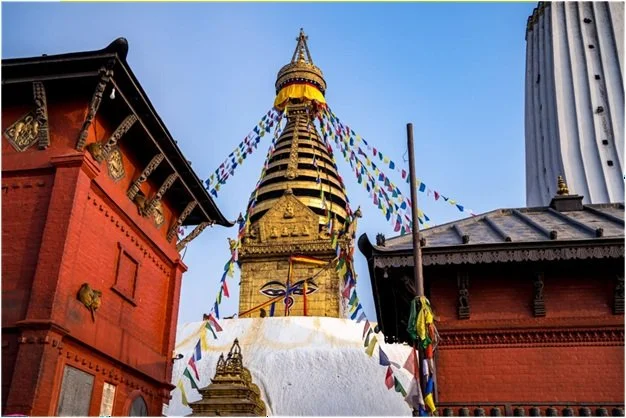
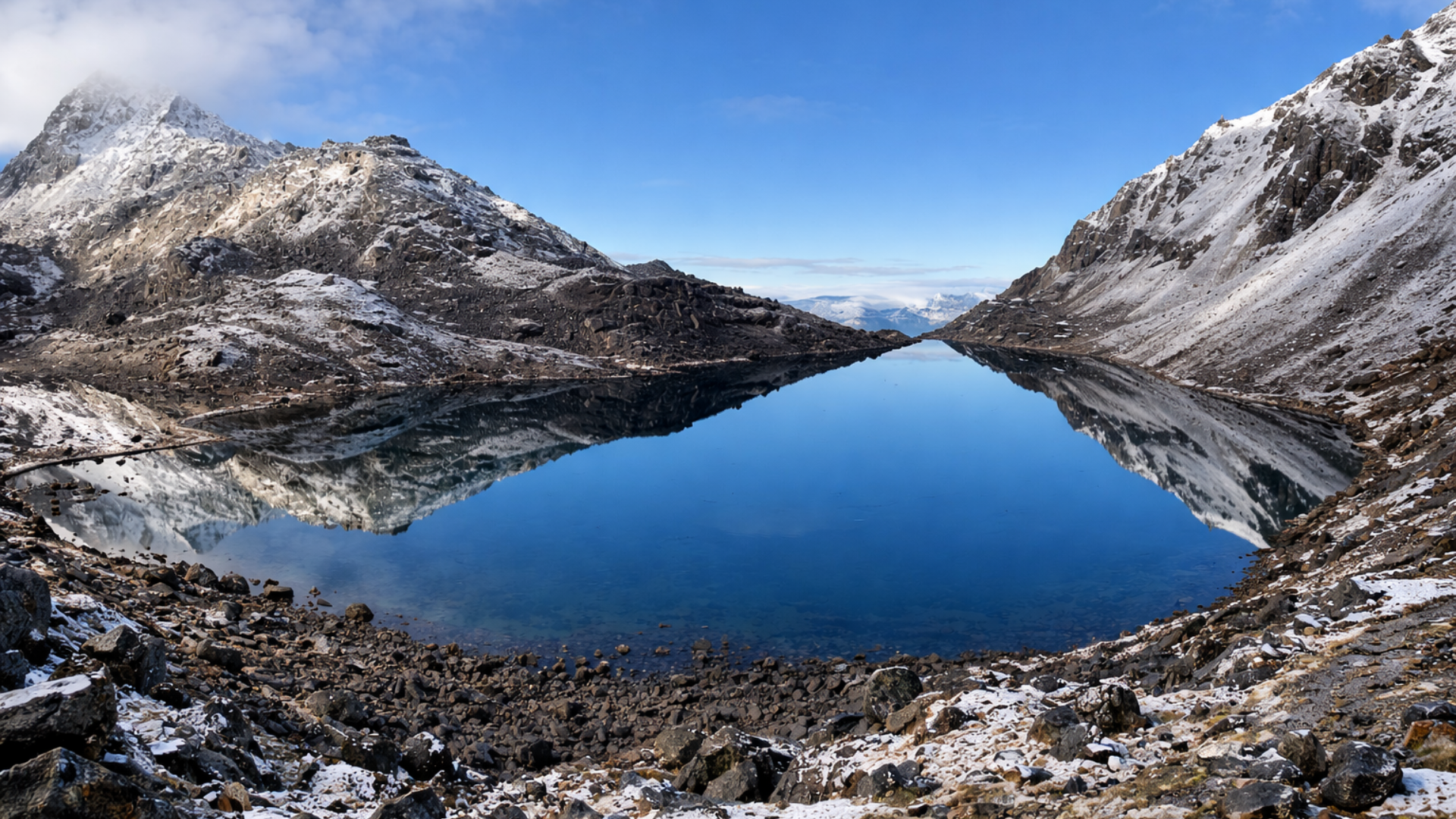
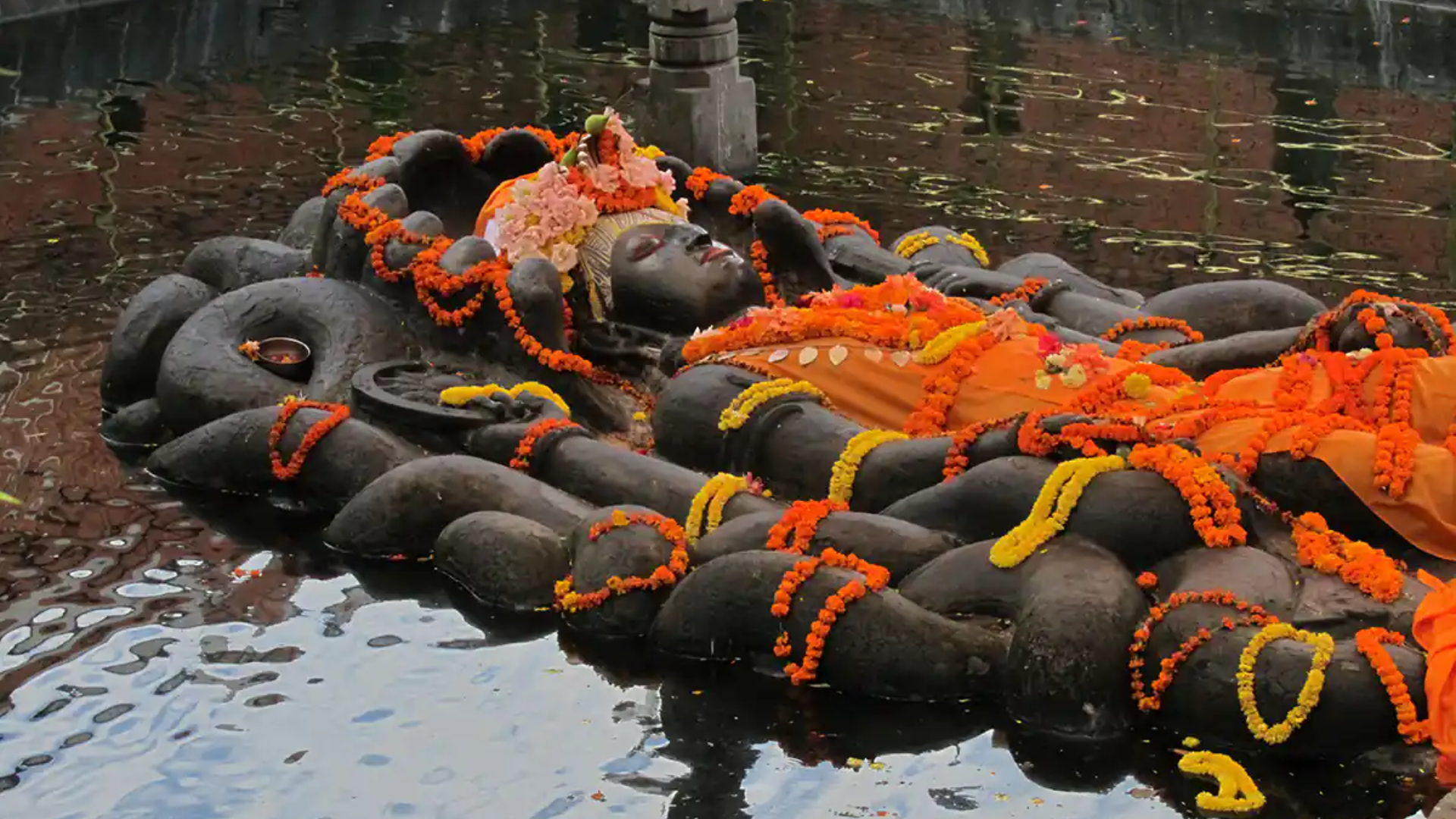
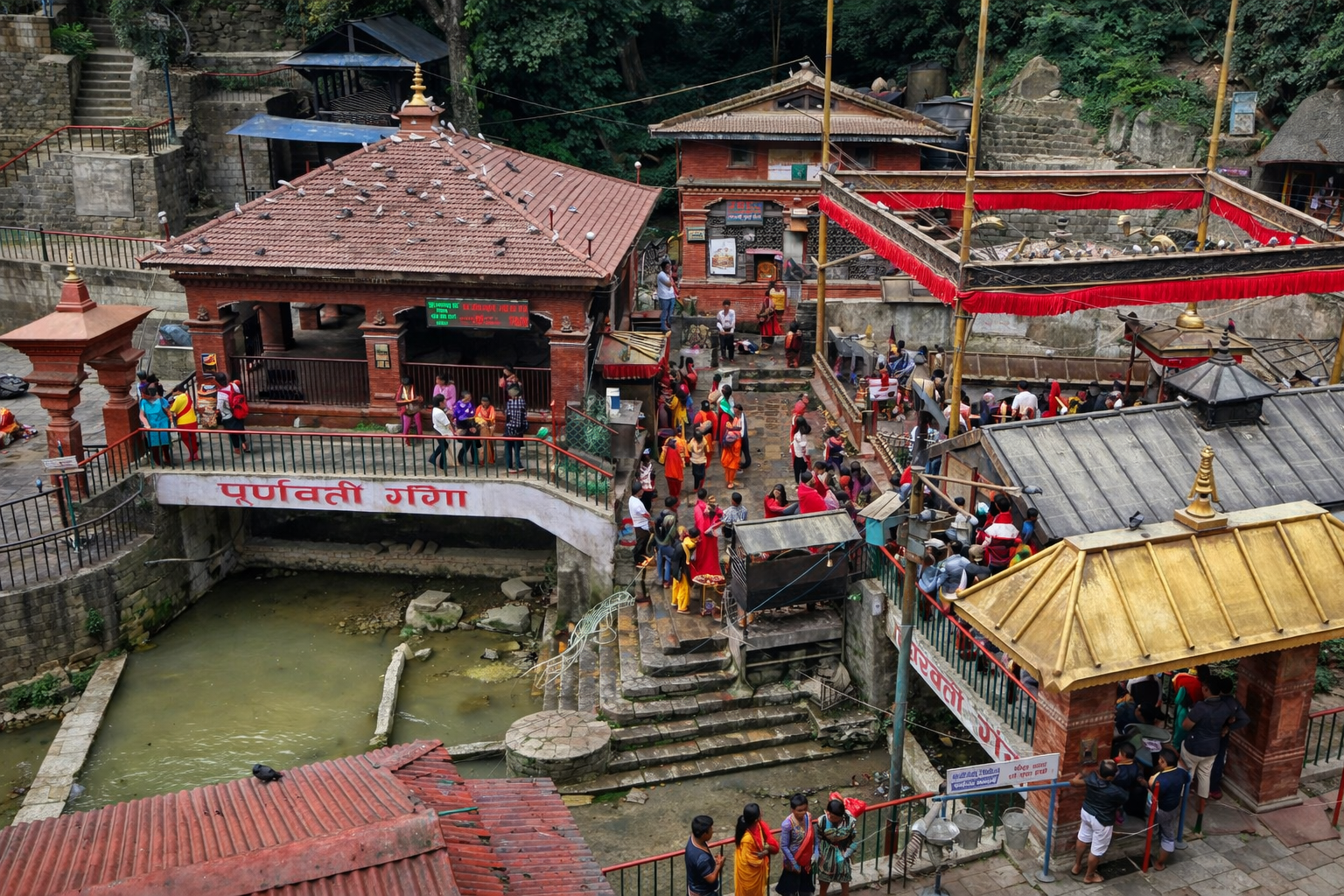
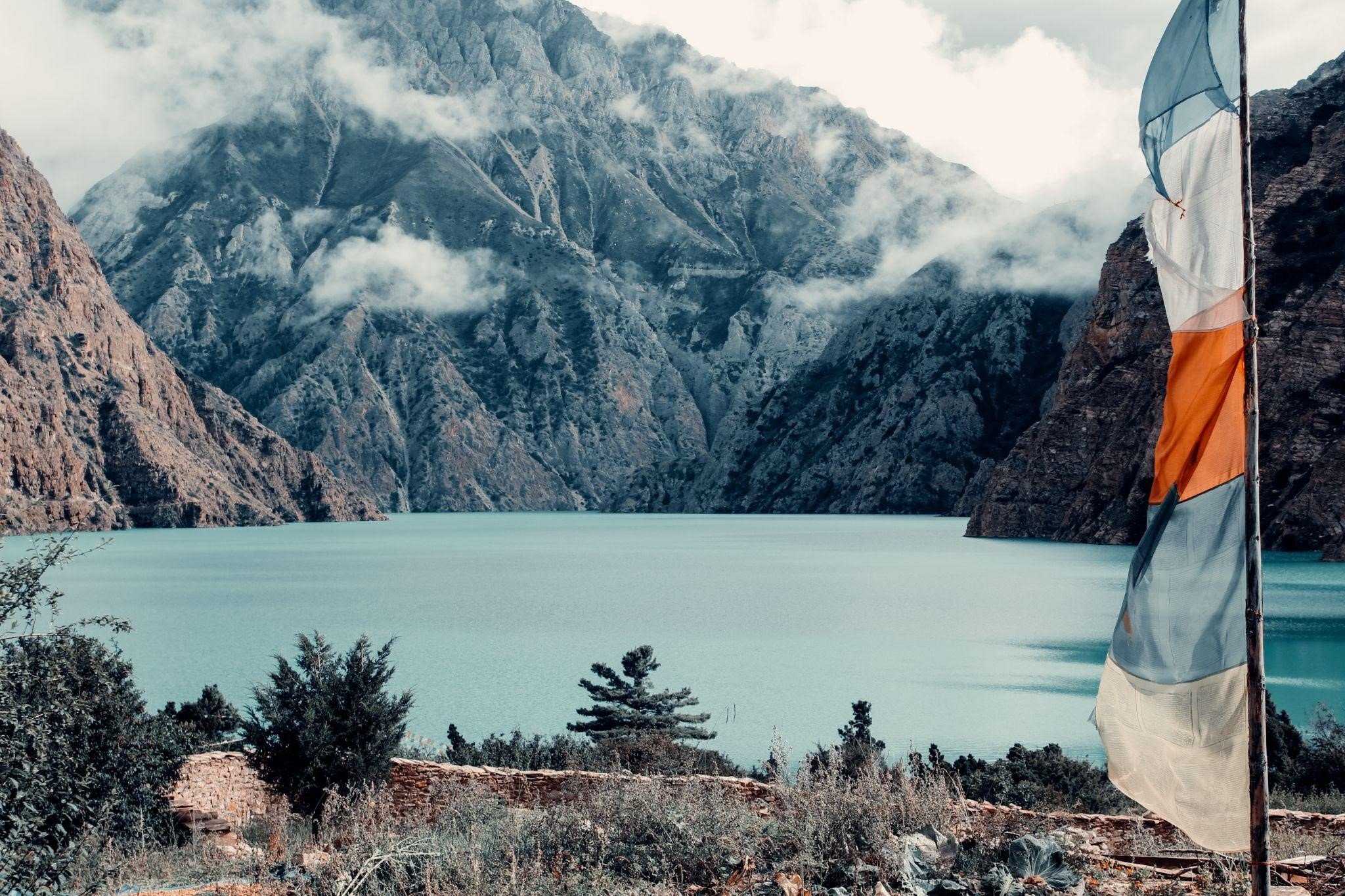
A lake above the clouds; The beauty of Shey Phoksundo
Shey Phoksundo Lake: A hidden gem above the clouds, where turquoise waters meet snow-capped peaks and misty mornings. Nestled at 3,611 meters in Dolpa, Nepal, this sacred lake offers an unforgettable blend of natural beauty and cultural significance.
Imagine standing at the edge of a crystal-clear lake, the clouds floating just below you, and the mountains stretching endlessly into the horizon. This is Shey Phoksundo Lake in Dolpa, Nepal; a breathtaking spectacle of nature at an altitude of 3,611 meters, this turquoise-blue lake is the deepest in Nepal and is renowned not just for its serene waters, but also for the dramatic landscapes that surround it. Known for its serene beauty and spiritual significance, Shey Phoksundo is truly a lake above the clouds.
The lake is named after the nearby Shey Gompa, a monastery, and Phoksundo village, reflecting the deep spiritual and cultural connection locals have with the site. Surrounded by cliffs, forests, and waterfalls, the lake’s waters are incredibly clear, reflecting the sky in shades of blue and green that change with the sunlight. The winter months bring clear skies and a quiet serenity that enhances the lake’s ethereal beauty. Snow often blankets the surrounding mountains and trails, creating a stunning contrast with the lake’s turquoise waters, creating a stunning visualization that photographers, trekkers, or simply nature enjoyers can’t miss out on.
Shey Phoksundo is more than just a visual marvel; it holds ecological and cultural significance. The lake and its surroundings are protected under the Shey Phoksundo National Park, which is home to unique wildlife such as snow leopards, blue sheep, and the red panda. The local communities consider the lake sacred, often performing rituals and festivals its banks. Visiting Shey Phoksundo allows travelers to witness the harmony between nature and culture, making the experience profoundly enriching.
The atmosphere around Shey Phoksundo is magical. Early mornings are often cloaked in mist, with the lake’s turquoise waters reflecting the rising sun in brilliant shades of blue and green. In the evenings, the sky turns golden, and the surrounding cliffs glow as if touched by magic, making it a perfect place to pause and breathe in the stillness of the high mountains. From the moment you begin your journey, the air changes into a crisper, cooler breeze that is filled with a sense of calm that seems to slow time. Trekkers usually take 5–7 days from Dunai, passing through rugged trails, terraced fields, and tiny villages, each step offering glimpses of dramatic landscapes and traditional mountain life.
High in the remote Dolpa, Shey Phoksundo Lake rests like a jewel above the clouds, surrounded by towering cliffs and pine forests. Shey Phoksundo Lake is more than just a sight to behold; it is an experience that engages all your senses. From the misty mornings and crystal-clear waters to the gentle hospitality of the locals, every moment feels like stepping into a world untouched by time. For adventurers, photographers, and anyone seeking peace, the journey to this lake above the clouds is a story you’ll carry forever.
POPULAR ITINERARIES
SIMILAR POSTS
The Unsung Heroes of Nepal: The Heart of Every Trek
Adventure isn’t just about peaks, it’s about people! Explore the depths of kindness of the locals who make your journey warmer, safer and more special.
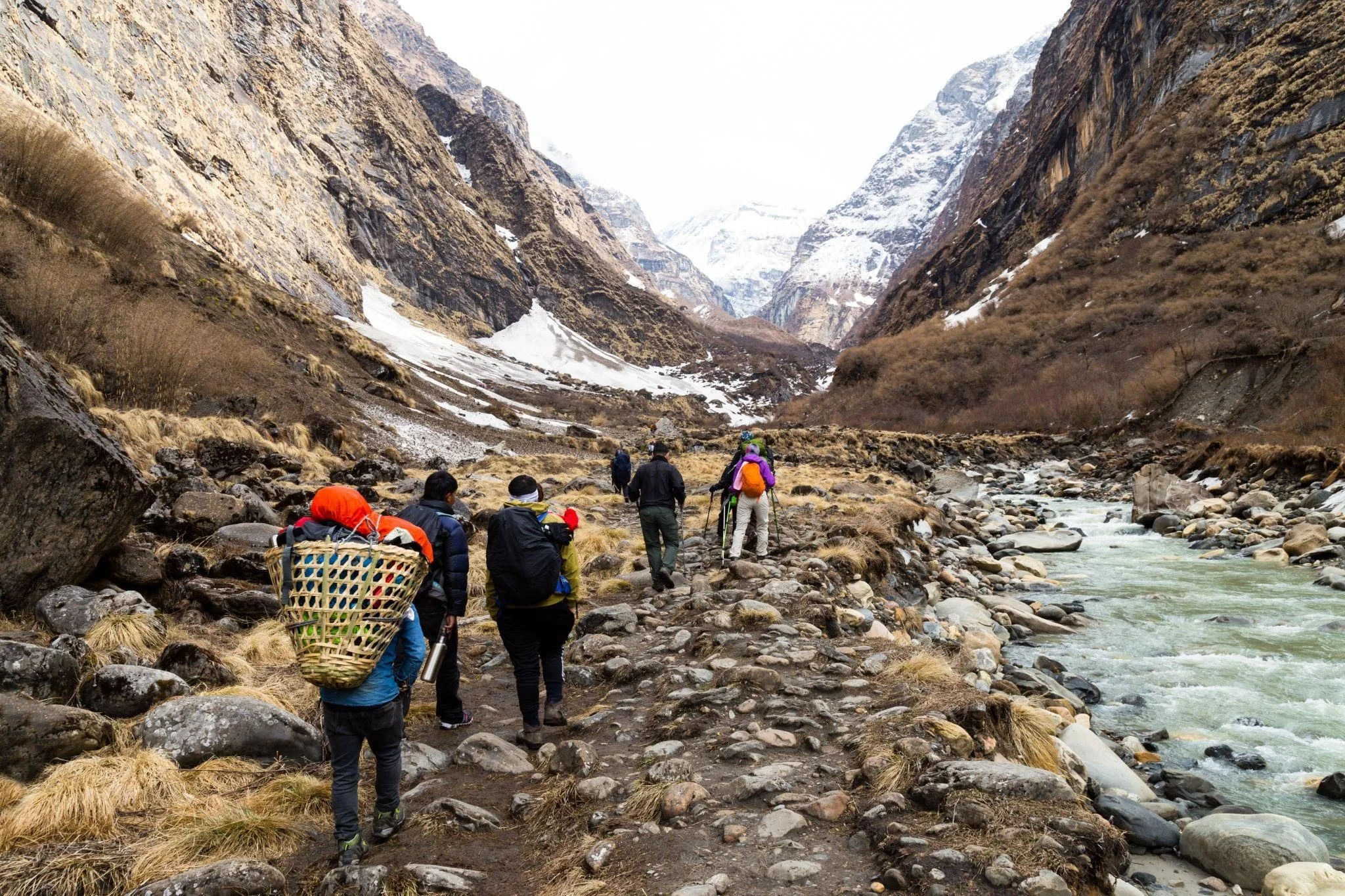
Nepal is famous for its mountains, valleys, and trails that draw adventurers from all over the world. But beyond the breathtaking landscapes, there’s another hero of every trek that wins the heart of many, the local people. The villagers and guides of Nepal are the ones who make every journey smoother, safer, and more memorable with their kindness and hospitality.
From the moment you enter a small village, the warmth of the locals is hard to miss. Even simple gestures, like offering a smile or a cup of tea, make travelers feel at home. These villagers live in remote areas where life can be tough, yet they always make sure visitors are welcomed and cared for. Their generosity isn’t forced; it comes from a culture that values respect, sharing, and community.
Guides and porters are another group of unsung heroes. They don’t just carry bags or point the way, they make sure you are safe, comfortable, and even entertained along the trails. They know the mountains like the back of their hands, understand the weather, and can spot dangers before they happen. Their knowledge and support turn long, difficult treks into adventures that feel possible and even enjoyable.
The villagers also share their traditions and culture with travelers. A simple meal at a teahouse or even their own homes can turn into a lesson about local life, folklore, or festivals. These moments allow trekkers to experience the real Nepal, far beyond the guidebooks or Instagram photos. Even small acts, like helping fix a torn backpack, giving a blanket on a cold night, or guiding someone to the next lodge, make a huge difference.
The hospitality of Nepalese locals teaches a simple but important lesson: adventure isn’t just about climbing peaks; it’s about human connection. The villagers, guides, and porters are the heartbeat of every trek. Without them, the trails would be harder, lonelier, and less magical. So, the next time you explore Nepal, take a moment to appreciate these unsung heroes. Their kindness and support are what make every trek truly unforgettable.
POPULAR ITINERARIES
SIMILAR POSTS
The Untold Stories of Gosaikunda Lake: A Sacred Trek in the Langtang Range
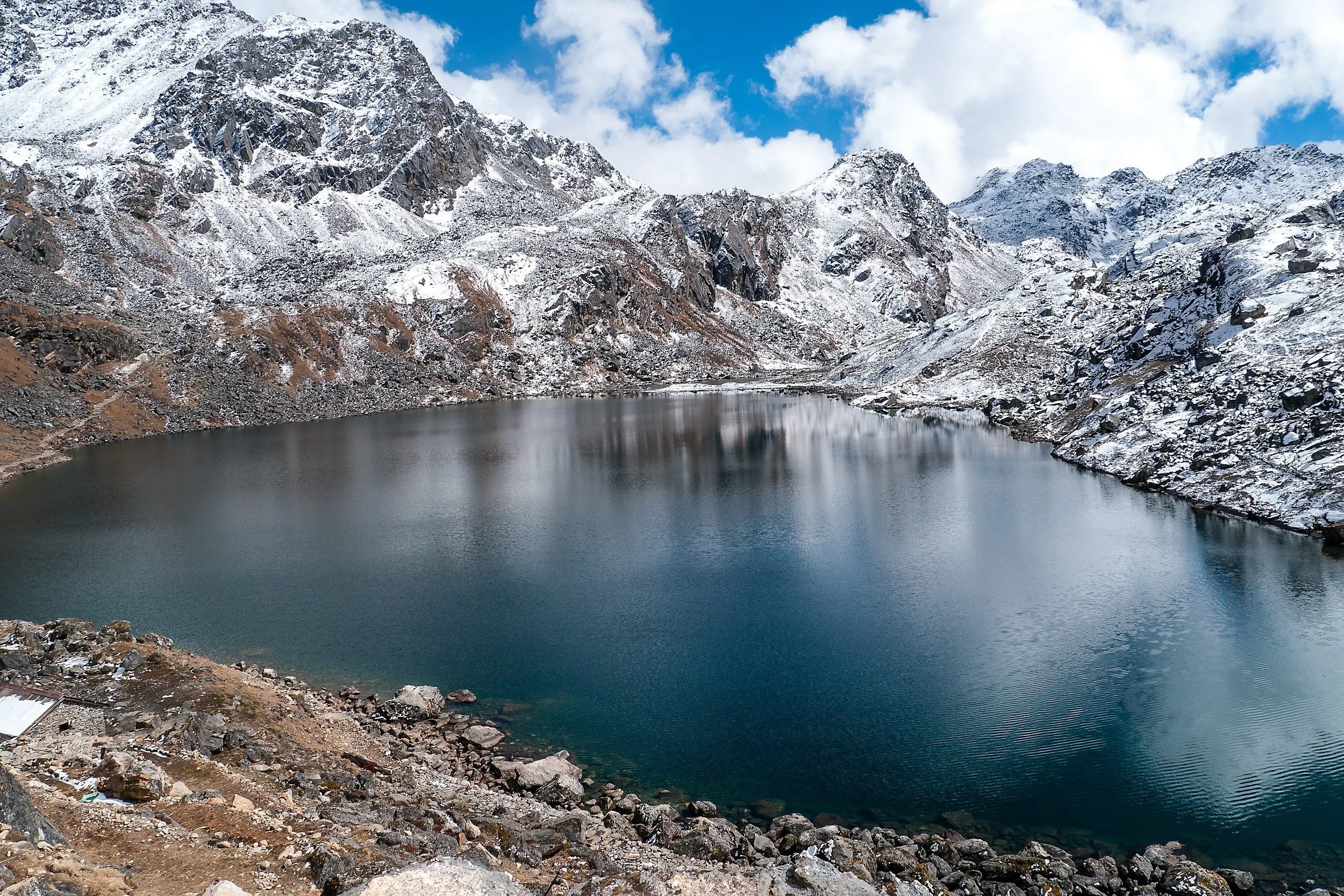
Nestled in the heart of Nepal’s Langtang Range, Gosaikunda Lake is not just a breathtaking natural wonder but also a spiritual haven for trekkers and pilgrims alike. Known for its pristine beauty and sacred significance, the Gosaikunda trek offers an adventure that combines both awe-inspiring landscapes and deep cultural meaning. But beyond the panoramic views and crystal-clear waters lies a tapestry of ancient legends and stories that make this place truly magical.
Nestled in the heart of Nepal’s Langtang Range, Gosaikunda Lake is not just a breathtaking natural wonder but also a spiritual haven for trekkers and pilgrims alike. Known for its pristine beauty and sacred significance, the Gosaikunda trek offers an adventure that combines both awe-inspiring landscapes and deep cultural meaning. But beyond the panoramic views and crystal-clear waters lies a tapestry of ancient legends and stories that make this place truly magical.
A Sacred Journey to Gosaikunda
Gosaikunda Lake, located at an altitude of 4,380 meters, is one of the most revered pilgrimage sites in Nepal. The trek to the lake is a challenging yet rewarding journey that takes travelers through rugged terrains, dense forests, and alpine meadows, all while offering spectacular views of snow-capped peaks and pristine landscapes.
The journey to Gosaikunda is not just a physical challenge but also a spiritual one. For Hindus, Gosaikunda is considered the home of Lord Shiva, one of the most powerful deities in the Hindu pantheon. According to legend, the lake was formed when Lord Shiva, in a moment of great thirst, struck his trident into the mountains to bring forth water. The lake’s waters are said to possess divine powers, and it is believed that a dip in its holy waters can cleanse the soul of sins and purify the body.
Legends of Gosaikunda
The stories surrounding Gosaikunda Lake are as mysterious as the lake itself. The most famous legend involves Lord Shiva and his consort, Parvati. According to the myth, Shiva was once severely afflicted by thirst while wandering in the high mountains. To quench his thirst, he struck his trident into the ground, creating the lake. This story has been passed down through generations, and every year, thousands of devotees embark on the Gosaikunda pilgrimage to bathe in its sacred waters during the full moon of August, known as the Janai Purnima festival.
Another fascinating story is that of the Gosaikunda yaks, believed to be the guardians of the sacred lake. It is said that these yaks have the power to protect the lake from any negative forces. Trekking through the Langtang National Park, you may encounter these majestic creatures grazing in the high-altitude meadows, their presence adding to the mystical aura of the place.
The Trek: A Path Through Heaven
The Gosaikunda trek is one of Nepal’s most popular trekking routes, especially for those seeking a combination of natural beauty and spiritual immersion. Starting from the vibrant town of Syabrubesi, the trail takes trekkers through picturesque villages, dense forests of oak and rhododendron, and past waterfalls that seem to tumble straight from the mountain peaks. As the trek continues, the landscape transforms into a barren, alpine environment, with the towering peaks of the Langtang Range looming ever closer.
One of the highlights of the trek is the climb to the Lauribinayak Pass, which offers panoramic views of some of the highest mountains in the region, including Langtang Lirung, Ganesh Himal, and Manaslu. From here, the trail descends into the Gosaikunda Valley, where the shimmering waters of the lake await.
When you finally reach Gosaikunda Lake, the sight is nothing short of magical. The water, a deep blue surrounded by jagged rocks and snow-covered peaks, exudes a sense of tranquility and reverence. For trekkers, it’s a place to pause, reflect, and take in the profound beauty that has inspired centuries of devotion.
Beyond the Lake: Cultural Significance
The Gosaikunda trek is not just a journey through mountains; it’s a journey into the heart of Nepalese culture. Along the way, trekkers pass through traditional Tamang and Sherpa villages, where hospitality and spiritual practices are a way of life. The locals hold deep reverence for the sacred lake and continue to celebrate festivals and rituals that honor their gods and ancestors.
The spiritual significance of Gosaikunda extends beyond Hinduism. For Buddhists, the lake represents the purity of mind and body, and it is believed that meditating by the shores of Gosaikunda can bring inner peace and enlightenment. The convergence of these two spiritual traditions adds a unique dimension to the trek, making it a truly enriching experience for those seeking a deeper connection with both nature and spirituality.
A Trek for the Soul
The Gosaikunda trek is more than just a physical challenge; it is an opportunity to step into a world where nature and spirituality coexist in perfect harmony. With its serene beauty, ancient legends, and cultural richness, Gosaikunda offers a truly transformative experience for those willing to undertake the journey.
For trekkers seeking adventure, beauty, and meaning, the untold stories of Gosaikunda Lake are waiting to be discovered. Whether you are a devout pilgrim or an adventurer in search of pristine landscapes, this sacred trek promises an unforgettable journey that will stay with you long after the trail has ended.
POPULAR ITINERARIES
SIMILAR POSTS

Trekking and Tea Houses: A Glimpse of Nepal’s Hospitality
After a day of trekking through Nepal’s rugged landscapes, nothing beats the warmth of a traditional tea house. With breathtaking mountain views, hearty meals, and the genuine hospitality of local families, these humble havens offer trekkers a true taste of Nepali culture, comfort, and community in the heart of the Himalayas.
Nepal, a land of towering peaks and breathtaking landscapes, is a trekkers’ paradise. Whether you’re setting off for a short hike around the Kathmandu Valley or embarking on an epic journey to Everest Base Camp, the warmth and hospitality of Nepalese tea houses play a crucial role in making your trekking experience unforgettable. But what exactly are these tea houses, and why are they so integral to trekking in Nepal?
What Are Tea Houses?
Tea houses, often referred to as “lodges” by trekkers, are small, family-owned guesthouses that provide food, shelter, and rest for travelers traversing Nepal’s rugged trails. They are not just places to rest, but hubs of local culture, where trekkers from around the world can experience the true essence of Nepalese hospitality.
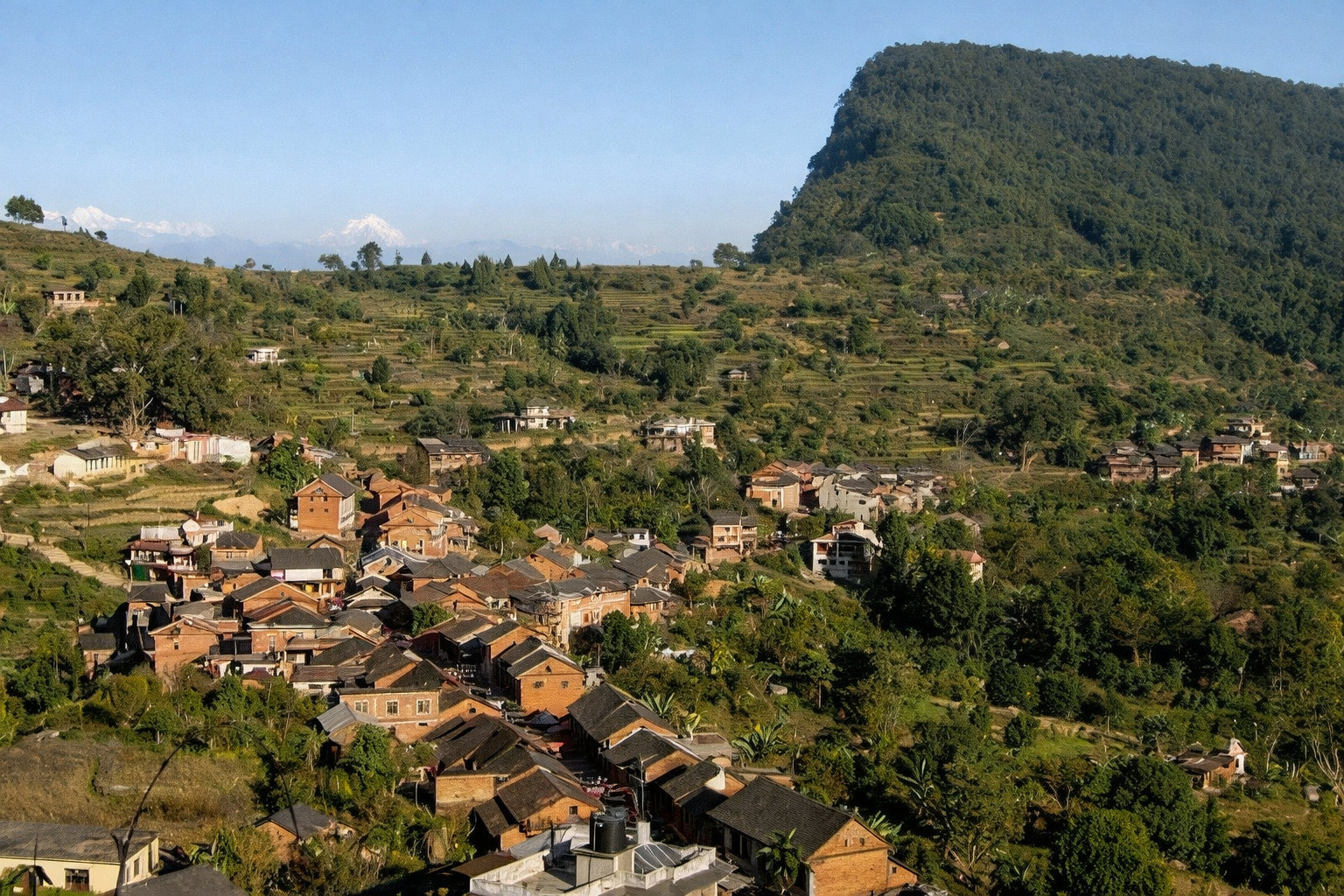
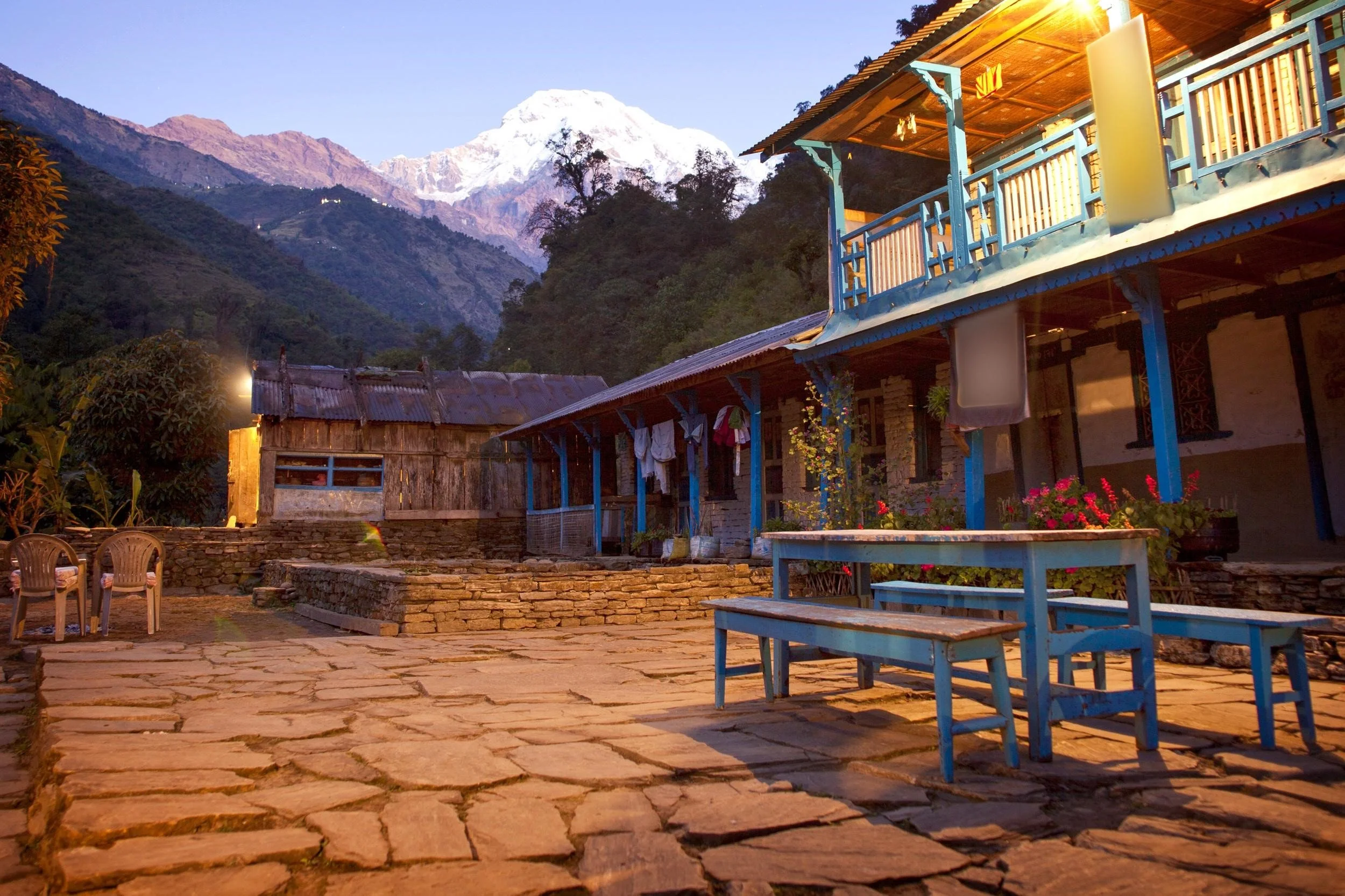
Nestled in villages along the popular trekking routes, these tea houses offer basic accommodations usually a cozy room with a bed, a blanket, and a window overlooking the stunning mountain views. However, the charm of a tea house isn’t just in its simplicity. It’s in the way it connects trekkers to the heart of the Nepali way of life.
The Role of Tea Houses in Enhancing the Trekking Experience
1. Warm Hospitality Amidst the Wilderness
One of the most cherished aspects of Nepalese trekking is the hospitality found in tea houses. After a day of trekking through challenging terrain, there’s nothing more rewarding than being greeted by a warm smile and a hot cup of tea. The owners of these tea houses are often locals, and they take pride in welcoming trekkers with open arms. Whether it’s a cup of sweet masala tea or a hearty dhal bhat (lentil soup), the warmth and kindness offered by the tea house hosts provide trekkers with the much-needed rest and comfort.
2. A Taste of Local Culture and Cuisine
Tea houses are also the perfect place to experience Nepali cuisine. The menu is often simple, but it offers hearty meals to fuel trekkers on their journey. Traditional dishes like dal bhat (lentil soup served with rice), momos (dumplings), and fried potatoes are staples at tea houses. In addition to satisfying hunger, these meals offer insight into the local food culture and the incredible diversity of Nepal’s ethnic groups. Dining together with fellow trekkers can also foster a sense of camaraderie that makes the trek more enjoyable.
3. Affordable and Accessible Accommodation
The appeal of tea houses goes beyond food and warmth they offer an affordable and convenient option for trekkers. Unlike expensive hotels, tea house accommodations are generally modest and budget-friendly, making them accessible to trekkers of all kinds. The cost usually includes a meal, and there’s a range of pricing depending on the altitude and location. As trekkers climb higher into the mountains, the prices may rise, but the comfort and hospitality remain consistent, ensuring trekkers are well cared for no matter how remote the area.
4. A Gateway to Stunning Views and Peaceful Retreats
Most tea houses are situated in some of the most scenic spots along the trekking routes, often offering jaw-dropping views of the Himalayas. Whether perched on a mountain ridge or tucked in the valley below, tea houses provide a peaceful retreat where trekkers can unwind and take in the natural beauty of the surrounding landscape. This setting allows trekkers to not only rest their weary bodies but also rejuvenate their spirits in the tranquility of Nepal’s wilderness.
5. Building Connection with Locals
Staying in tea houses offers trekkers the chance to engage with the local communities. Many of the tea house owners are from ethnic groups like the Sherpas, Tamangs, and Gurungs, and they are eager to share their culture, traditions, and stories with visitors. Whether it’s chatting with a local guide about the history of the region or learning about the traditions of Buddhism, these interactions offer trekkers a deeper understanding of the area’s rich cultural heritage.
Why Tea Houses are an Essential Part of the Trekking Journey
The role of tea houses goes beyond providing basic amenities. They embody the spirit of Nepal: a place where hospitality, simplicity, and nature merge into an unforgettable experience. Tea houses not only offer rest and nourishment during a trek, but they also serve as bridges between trekkers and the local culture. They are integral to the Nepalese trekking experience, ensuring trekkers are supported as they conquer challenging routes, from the famous Annapurna Circuit to the Everest Base Camp trek.
As you plan your next adventure in Nepal, consider the tea houses that will accompany you along the way. They are more than just places to sleep; they are the heartbeat of Nepal’s trekking routes, offering comfort, warmth, and a genuine taste of Nepali life amidst the grandeur of the Himalayas.
So, pack your bags, lace up your boots, and get ready to experience Nepal like never before one tea house at a time.
POPULAR ITINERARIES



SIMILAR POSTS
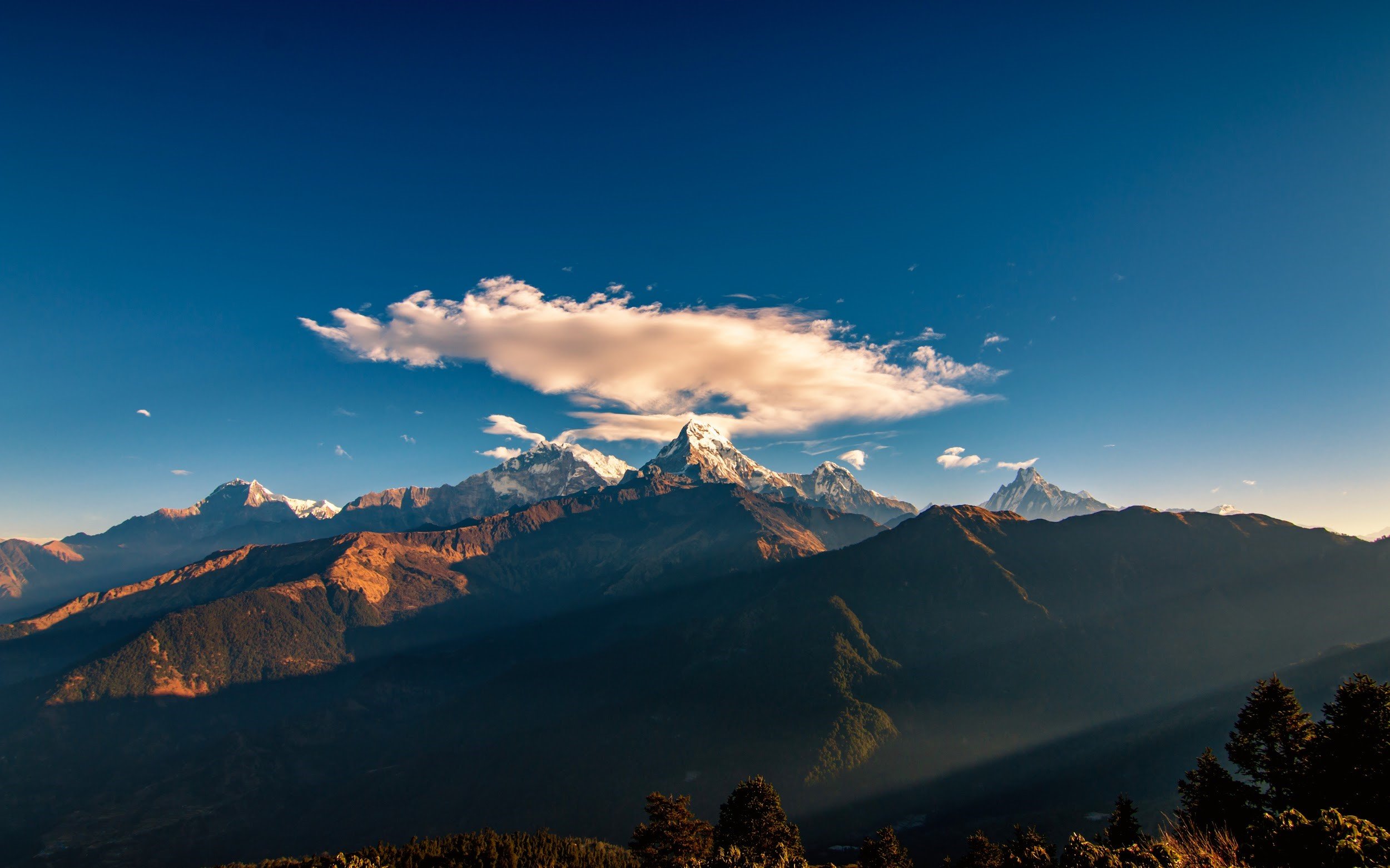
The Annapurna Circuit Trek: A Journey Through Nature’s Breathtaking Beauty
Embark on a journey through nature’s breathtaking beauty on the Annapurna Circuit Trek where diverse landscapes, rich culture, and awe-inspiring Himalayan views await.
When it comes to trekking in Nepal, few routes are as iconic as the Annapurna Circuit. This spectacular trek offers a rich combination of breathtaking natural landscapes, diverse cultural experiences, and unparalleled views of the majestic Himalayas. As one of the most popular and well-loved trekking routes in Nepal, the Annapurna Circuit takes you through lush forests, traditional villages, high mountain passes, and terraced fields, all while providing some of the most awe-inspiring vistas in the world.
Whether you’re a seasoned trekker or a beginner looking for your next adventure, the Annapurna Circuit promises an unforgettable journey.
Here’s why this trek should be on your bucket list.
1. A Journey Through Diverse Landscapes
The Annapurna Circuit Trek spans a vast range of ecosystems, making it one of the most diverse treks in the world. Over the course of 10-21 days, trekkers will experience everything from subtropical jungles to alpine meadows, high mountain deserts, and towering snow-capped peaks.
● Lower Regions: The trek begins in the lush subtropical forests of the lower Annapurna region. Here, you’ll walk through terraced fields, quaint villages, and dense rhododendron forests. The vibrant green landscape is dotted with traditional Nepali houses and offers views of smaller peaks and valleys.
● Mid-Altitude Regions: As you gain altitude, the environment begins to change. The forests thin out, and the terrain transforms into alpine meadows and open valleys. You’ll pass through charming villages like Ghorepani and Tadapani, where you can experience the culture and hospitality of the local people, primarily Gurungs, Magars, and Thakalis.
● High-Altitude Desert: Reaching the high-altitude desert beyond the village of Manang, trekkers will find themselves in an entirely different landscape. This region feels more like a Tibetan plateau, with barren hills, arid terrain, and wide-open skies. It’s here that trekkers begin to feel the true magnitude of the Annapurna massif.
● Thorong La Pass: The pinnacle of the trek is crossing the Thorong La Pass, the highest point on the Annapurna Circuit at 5,416 meters (17,769 feet). The pass offers jaw-dropping views of the surrounding peaks, including Annapurna I, Dhaulagiri, and Machapuchare. The challenge of reaching the pass is well worth it for the spectacular scenery that awaits.
2. Rich Cultural Experience
The Annapurna Circuit is not just a trek through nature; it’s a journey through Nepal’s rich cultural tapestry. The route passes through several villages where trekkers can interact with locals and learn about their traditions, religions, and way of life.
● Gurung and Magar Communities: The lower sections of the Annapurna Circuit are inhabited by the Gurung and Magar people, two of Nepal’s most prominent ethnic groups. Their hospitality is legendary, and you’ll have the chance to experience their customs, traditional dress, and local festivals. Don’t miss out on the delicious home-cooked meals, which are often made from locally sourced ingredients.
● Tibetan Influence: As the trek progresses, the influence of Tibetan Buddhism becomes more evident, particularly in the villages of Manang and Upper Mustang. In these areas, you’ll find monasteries, prayer flags, and stupas dotting the landscape. The Tibetan culture and Buddhist practices have left a lasting imprint on the region, and visitors are often welcomed with a warm “Tashi Delek” (a Tibetan greeting).
● The Annapurna Conservation Area: The Annapurna Circuit lies within the Annapurna Conservation Area (ACA), which is one of Nepal’s largest protected areas. The ACA is home to a wealth of wildlife, including the elusive snow leopard, red panda, and Himalayan tahr. The cultural preservation efforts here help maintain the integrity of the area’s natural and cultural heritage.
3. The Challenge of the Thorong La Pass
For many trekkers, the real challenge of the Annapurna Circuit is the climb to Thorong La Pass. At an elevation of 5,416 meters, crossing the pass requires physical stamina, mental fortitude, and proper acclimatization. However, the sense of achievement when reaching the top is incomparable.
To help with acclimatization and to avoid altitude sickness, most trekkers take a gradual approach, spending several days in places like Manang or Yak Kharka to allow their bodies to adjust to the increasing altitude. It’s also crucial to drink plenty of water, eat high-energy foods, and take regular rest breaks.
While the ascent is demanding, the panoramic views from the top of Thorong La are a reward in themselves. The surrounding peaks, including Annapurna I, Machapuchare, and Dhaulagiri, stretch across the horizon like a painting, leaving you in awe of the power and beauty of the Himalayas.
4. Best Time to Trek the Annapurna Circuit
The best time to trek the Annapurna Circuit is during the two main trekking seasons in Nepal: spring (March to May) and autumn (September to November).
● Spring: This season brings warmer temperatures and vibrant landscapes as rhododendron flowers bloom in abundance. The weather is generally stable, and the lower regions are lush and green.
● Autumn: Autumn is considered the peak season for trekking in Nepal, with clear skies and stable weather conditions. The visibility of the mountains is at its best during this time, and the temperatures are ideal for trekking.
While winter and summer treks are also possible, they come with their own challenges. Winter trekking is cold, especially at high altitudes, and snow can block the pass, while the summer monsoon season brings heavy rainfall that can make trails slippery and difficult.
5. Why You Should Trek the Annapurna Circuit
The Annapurna Circuit Trek is often called one of the best trekking routes in the world, and for good reason. The variety of landscapes, rich cultural heritage, and sense of accomplishment from crossing Thorong La Pass make this journey truly special. Whether you’re seeking spiritual experiences, physical challenges, or simply the beauty of nature, the Annapurna Circuit offers it all.
● Unforgettable Views: The trek’s panoramic vistas of the Annapurna and Dhaulagiri ranges are unmatched, especially at sunrise and sunset.
● Cultural Encounters: The opportunity to interact with local communities and experience their way of life adds an enriching dimension to the trek.
● Physical Challenge: The trek is a rewarding physical challenge, perfect for those looking to test their endurance in the high mountains.
A Trekking Paradise Awaits
If you’re an avid trekker or someone seeking an adventure of a lifetime, the Annapurna Circuit Trek should be on your list. With its diverse landscapes, vibrant cultures, and jaw-dropping views, it offers everything a trekking enthusiast could desire. So, pack your bags, lace up your boots, and set off on a journey through one of the most beautiful places on Earth.
POPULAR ITINERARIES
SIMILAR POSTS