

Exploring the Rich Heritage of Nepali Thangka Paintings
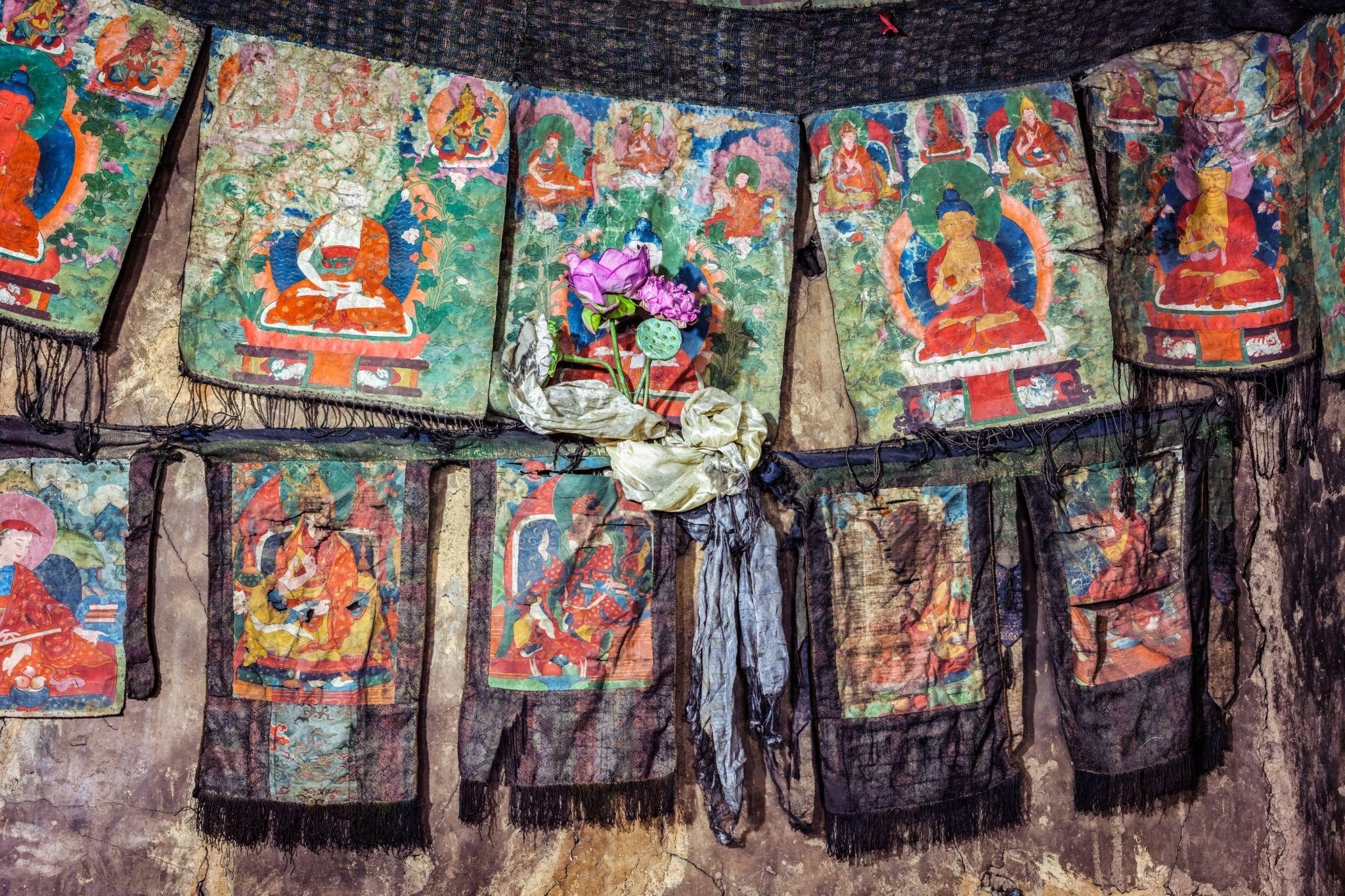
Thangka paintings are among Nepal's most treasured artistic traditions, representing a unique blend of craftsmanship, spirituality, and cultural heritage. These intricate paintings have been practiced for centuries and continue to hold deep significance within Himalayan Buddhist communities.
Traditionally painted on cotton or silk, Thangkas often depict Buddhist deities, mandalas, spiritual teachers, and sacred narratives. Every element within the artwork carries meaning, from the colors and patterns to the placement of symbols, each carefully designed to convey spiritual teachings and philosophical concepts.
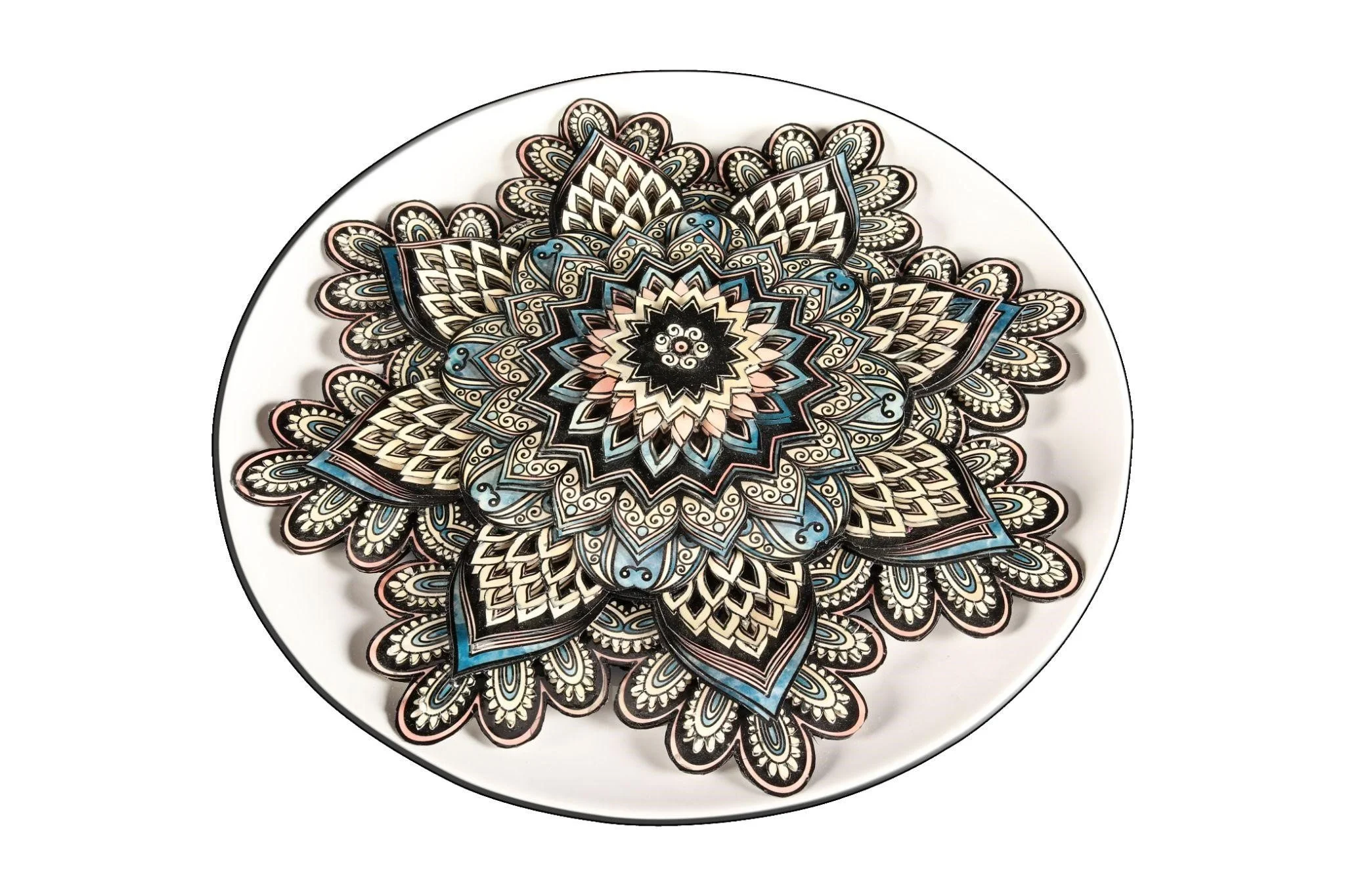
One of the most distinctive features of Thangka art is the mandala, a geometric representation of the universe. Mandalas symbolize harmony, balance, and the interconnected nature of life, serving as powerful visual tools for contemplation and meditation.
Creating a Thangka requires remarkable precision, patience, and dedication. Artists spend years learning traditional techniques that have been preserved through generations. Each painting follows established artistic principles, ensuring that both its visual beauty and symbolic meaning remain intact.
Throughout Nepal, Thangka paintings can be found in monasteries, temples, cultural institutions, and artisan workshops. Their presence reflects the enduring relationship between art and spirituality, offering insight into the beliefs and traditions that have shaped the region for centuries.
More than decorative works of art, Thangka paintings serve as cultural and spiritual expressions that preserve stories, values, and wisdom. They remain a living tradition, continuing to inspire appreciation for Nepal's rich artistic heritage and deep-rooted cultural identity.
POPULAR ITINERARIES
SIMILAR POSTS
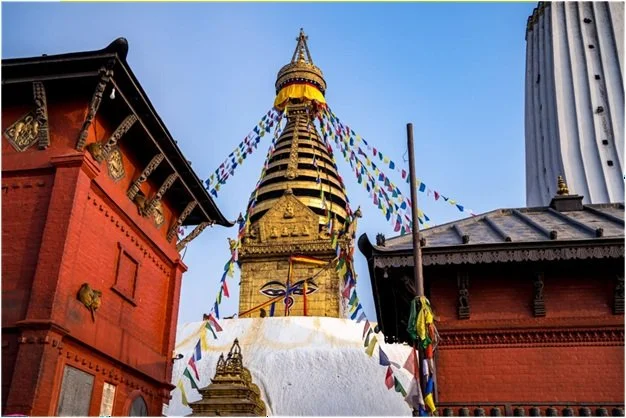
Exploring Swayambhunath: Kathmandu’s Iconic Monkey Temple
Swayambhunath is not just a destination, it’s an experience of Kathmandu’s spiritual and everyday life.
Set on a hill above Kathmandu Valley, Swayambhunath, also known as the Monkey Temple, is one of the most well-known places in Nepal. With its white dome, golden top, and the calm eyes of Buddha looking in every direction, it feels both peaceful and powerful at the same time.
The visit usually starts with a climb up a long set of stone steps. As you go higher, the busy sounds of the city slowly fade away. Instead, you start hearing prayer flags fluttering in the wind and see monkeys moving around the steps. The climb can feel tiring, but the view and the atmosphere make it worth it.
At the top, everything feels quieter. People walk around the stupa slowly, spinning prayer wheels and offering prayers. The smell of incense fills the air, and there is a calm feeling that makes you want to slow down and just take it all in.
Swayambhunath is important for both Buddhists and Hindus, which makes it a special place where different beliefs come together. It is said that the stupa has been here for a very long time, and every corner of the area feels connected to history and tradition.
The monkeys are a big part of the experience here. You will see them sitting on railings, jumping across rooftops, and moving freely around the temple. They bring energy to the place, but it’s also important to be careful around them. The experience at Swayambhunath can change depending on the time you visit. Early mornings are calm and quiet, while evenings bring more people and a warm view of the valley as the sun sets.
Exploring Swayambhunath is not just about visiting a famous place. It’s about taking a break from the rush, enjoying the view, and feeling connected to the culture and history of Kathmandu in a simple and meaningful way.
POPULAR ITINERARIES
SIMILAR POSTS

Guardians of the Temples: The Story and Significance of the Bajra in Nepal
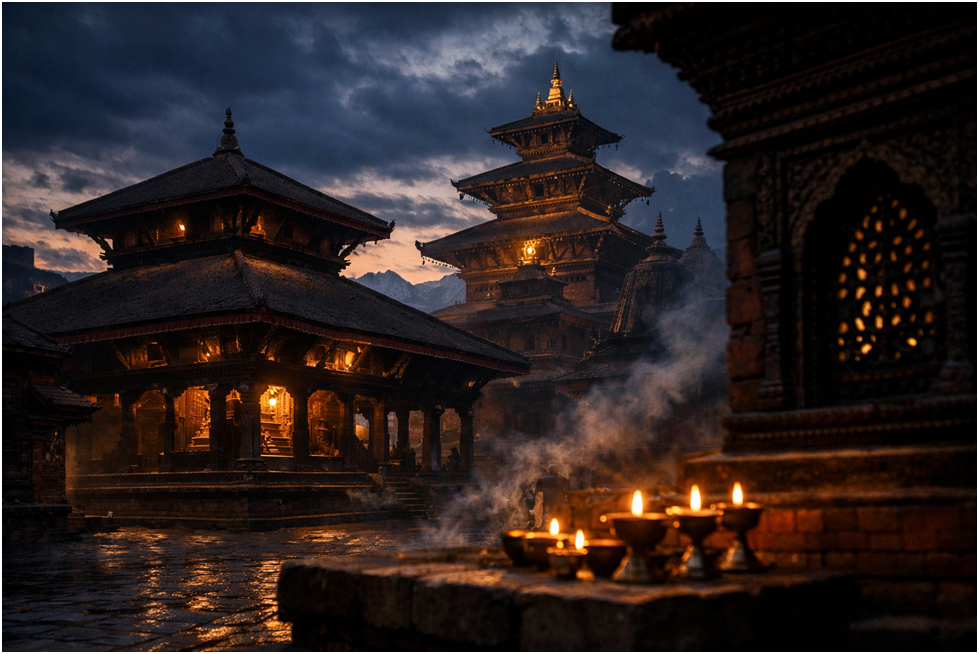
The golden Bajra at Swayambhunath Stupa in Kathmandu, a timeless guardian symbolizing strength, enlightenment, and divine protection in Nepal’s sacred traditions.” This sacred object, with its rich mythology and spiritual significance, stands firm as a reminder of the intertwined Hindu and Buddhist beliefs that continue to shape Nepal’s cultural landscape. Whether at the entrance of a temple, adorning stupas, or held during ritual practices, the Bajra represents a powerful force that connects the earthly realm with the divine.
When walking through the courtyards of temples and stupas in Nepal, one object stands out: the Bajra, also known as Vajra. Shining in bronze, brass, or gilded gold, it is often placed at the entrance of sacred spaces, on altars, or in the hands of deities. To many visitors, it looks like an ornate ritual object. But for the people of Nepal, the Bajra carries layers of mythology, symbolism, and spiritual meaning that connect the earthly world to divine power.
What is the Bajra?
The Bajra (Sanskrit: Vajra) literally translates to “thunderbolt” or “diamond.” In Hindu and Buddhist traditions, it represents both the irresistible force of thunder and the indestructibility of a diamond.
• In Hindu mythology, the Bajra is the weapon of Indra, the king of gods and lord of rain and storms.
• In Buddhism, particularly Vajrayana (Tantric Buddhism), the Bajra symbolizes unyielding strength, enlightenment, and the ultimate truth. It is often paired with the Ghanta (bell), representing the harmony of wisdom and compassion.
Physically, a Bajra is crafted with a central sphere flanked by symmetrical prongs, some with two, others with four or more. The design itself embodies balance, unity, and cosmic order.
Mythological Origins
The mythology of the Bajra goes back thousands of years:
• The Hindu Legend: According to ancient texts, the Bajra was fashioned from the bones of sage Dadhichi, who sacrificed himself so that the gods could create a weapon powerful enough for Indra to defeat the demon Vritra. The Bajra thus came to symbolize sacrifice, protection, and the triumph of good over evil.
• The Buddhist Symbolism: In Vajrayana Buddhism, the Bajra represents the indestructible nature of truth and enlightenment. Just as lightning can split rocks, the Bajra cuts through ignorance and illusion.
This dual mythology gives the Bajra a unique role in Nepal, where Hinduism and Buddhism co-exist and intertwine in everyday life.
Where to Find the Bajra in Nepal
Travelers will encounter the Bajra in many forms across Nepal’s sacred architecture:
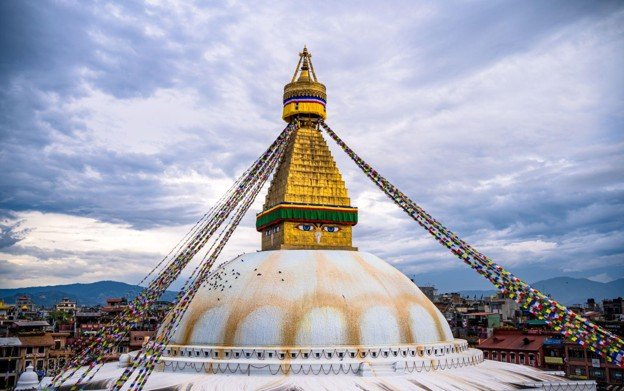
At Stupas: The grand stupas of Swayambhunath and Boudhanath feature massive Bajras placed at their bases, symbolizing the spiritual strength that guards the monument.
In Temples: Many Hindu temples, especially those dedicated to Indra or Shiva, display Bajras at the gates or near shrines.
In Rituals: Monks and priests use hand-held Bajras during pujas and tantric practices, pairing them with bells for meditative chants.
As Decorative Symbols: You’ll also spot smaller Bajras engraved into doorways, pillars, and even prayer wheels as a mark of divine presence.
Symbolism Beyond Myth
The Bajra is not just a relic of mythology, it speaks to deeper philosophies:
• Indestructibility: Like a diamond, truth and enlightenment are eternal.
• Power: Like a thunderbolt, spiritual energy can transform lives instantly.
• Protection: Placed at temple entrances, the Bajra acts as a guardian against negative forces.
• Balance: Its symmetrical design teaches harmony between opposites such as wisdom and compassion, strength and humility.
Why the Bajra Matters Today
For locals, the Bajra remains a living symbol. During festivals like Indra Jatra, it reminds devotees of protection and divine energy. For pilgrims at stupas, it is an invitation to meditate on truth and resilience. And for travelers, it is a glimpse into how myth and spirituality seamlessly merge in Nepal’s cultural landscape.
The Bajra is more than an ornament. It is a guardian, a teacher, and a storyteller. To see a Bajra in Nepal is to stand in the presence of centuries-old beliefs that continue to shape the way of life in the Kathmandu Valley and beyond.
Travel Tip: Next time you visit Swayambhunath or Boudhanath, pause before the massive Bajra at the entrance. Notice its weight, balance, and symbolism. It is not just metal, it is the embodiment of Nepal’s sacred guardianship.
The Bajra reminds us that while storms may shake the world, truth and enlightenment remain unbreakable. In Nepal’s temples and stupas, this symbol stands firm as a guardian of the spiritual path.
POPULAR ITINERARIES
SIMILAR POSTS
The Mandalas of Kathmandu: Symbolism Behind the Intricate Patterns in Art and Temples
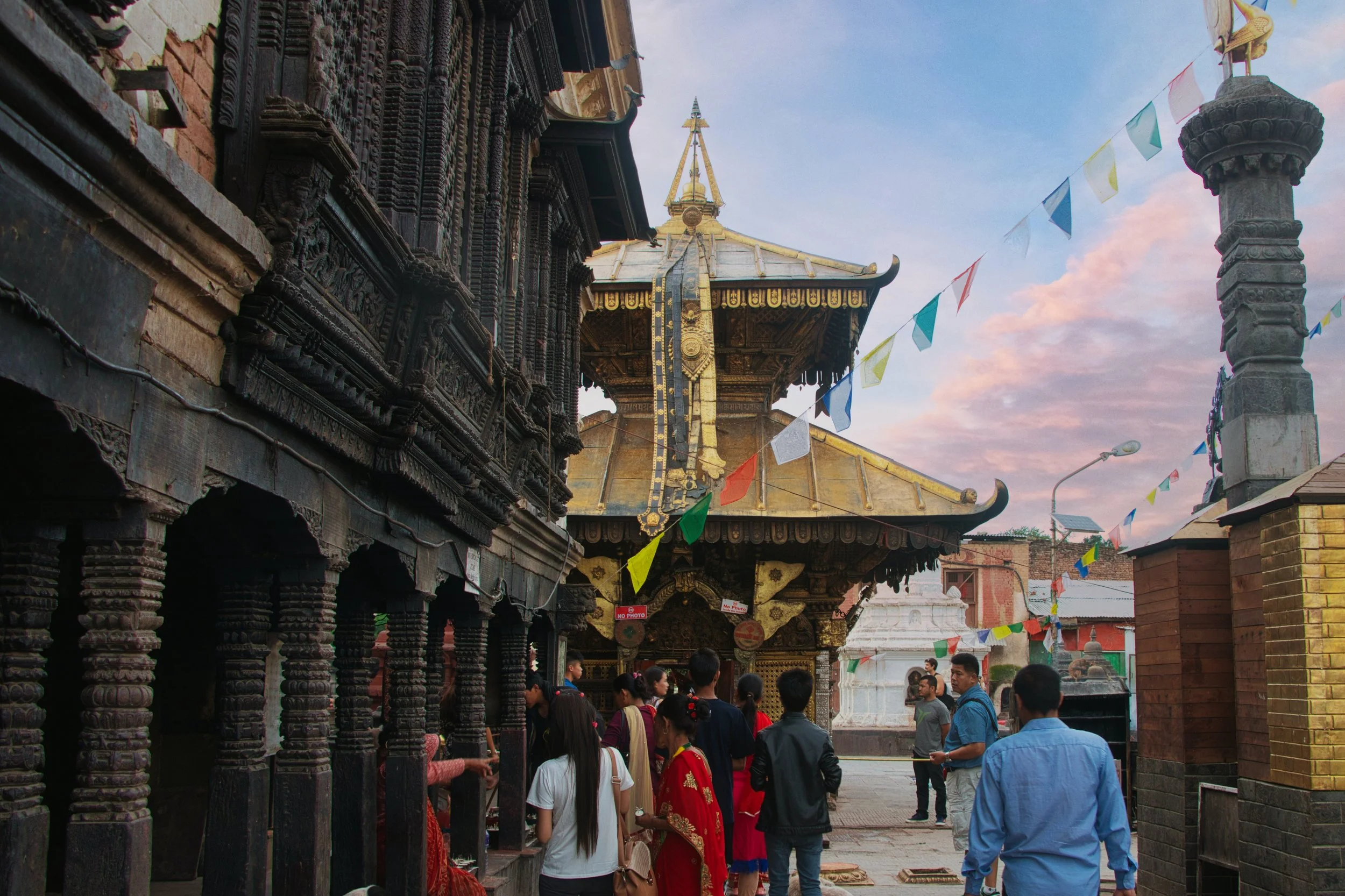
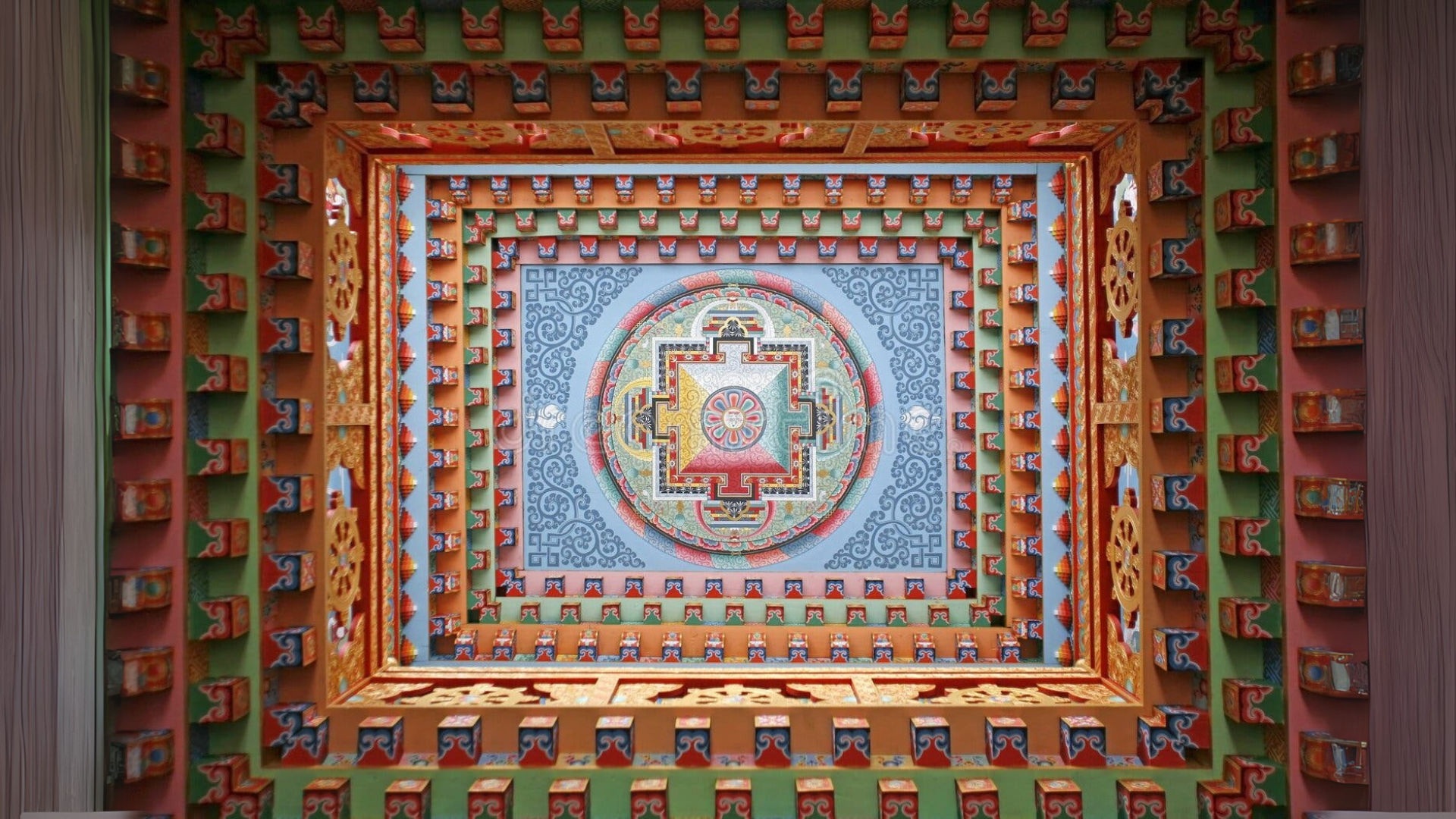
Kathmandu is a living canvas where spirituality and art meet at every corner. Among its countless expressions of faith and culture, mandalas stand as one of the most profound. These intricate circular patterns, seen in temples, monasteries, thangkas (sacred paintings), and even everyday rituals, carry deep symbolic meanings that go far beyond decoration. They are maps of the universe, pathways to meditation, and reflections of Nepal’s spiritual heart.
Kathmandu is a living canvas where spirituality and art meet at every corner. Among its countless expressions of faith and culture, mandalas stand as one of the most profound. These intricate circular patterns, seen in temples, monasteries, thangkas (sacred paintings), and even everyday rituals, carry deep symbolic meanings that go far beyond decoration. They are maps of the universe, pathways to meditation, and reflections of Nepal’s spiritual heart.
What is a Mandala?
The word mandala comes from Sanskrit, meaning “circle.” At its core, a mandala represents wholeness, balance, and the interconnectedness of all life. In both Hindu and Buddhist traditions, it is a symbolic diagram of the cosmos, showing how the physical and spiritual worlds align.
In Kathmandu, mandalas are not abstract concepts. They are painted, carved, and even walked upon during religious practices. Each line, color, and motif is carefully designed to guide the mind toward clarity and inner peace.
Mandalas in Temples and Monasteries
Walk through the courtyards of Kathmandu’s stupas and shrines, and you will see mandalas everywhere:
● On Stupas: The structure of stupas like Swayambhunath or Boudhanath themselves represent three-dimensional mandalas, symbolizing the universe and the path to enlightenment.
● On Doors and Windows: Carved wooden mandalas frame temple entrances, reminding devotees of spiritual protection as they enter sacred spaces.
● In Prayer Halls: Monks use intricate sand mandalas during rituals, painstakingly creating them grain by grain, only to sweep them away, symbolizing impermanence.
Colors and Patterns: What They Mean
Every mandala element carries symbolic meaning:
● Circles: Unity, eternity, and the cycle of life.
● Squares: The earthly world, stability, and grounding.
● Lotus Petals: Purity, spiritual awakening.
● Colors: Each shade has a purpose:
○ White: Peace and knowledge
○ Red: Power and passion
○ Blue: Protection and wisdom
○ Green: Growth and harmony
○ Yellow: Enlightenment
Together, they create a visual meditation, leading the eye and the mind towards the center, which often symbolizes enlightenment.
Mandalas in Everyday Spiritual Life
For the people of Kathmandu, mandalas are not just seen in temples, they are woven into daily rituals:
● During festivals like Tihar, colorful mandalas (rangolis) made of rice, flowers, and powders welcome gods and guests into homes.
● In meditation practice, locals and monks visualize mandalas to focus their thoughts and deepen mindfulness.
● Even in traditional Newar art, mandalas appear in paubha paintings and architectural details, connecting art to spiritual meaning.
A Symbol that Speaks Beyond Borders
What makes mandalas so captivating is their universality. Whether you are a pilgrim, an artist, or a traveler, these patterns invite you to pause, reflect, and reconnect. In Kathmandu, they remind us that spirituality is not just practiced, it is lived and seen in the very design of the city.
Final Thought
The mandalas of Kathmandu are more than patterns; they are sacred blueprints of life itself. To stand before one, whether on a temple wall or drawn in colored sand, is to glimpse the harmony between chaos and order, the earthly and the divine.
Kathmandu invites every visitor not only to see mandalas but to feel them: a spiritual map guiding us toward balance, beauty, and inner peace.
POPULAR ITINERARIES
SIMILAR POSTS
Handmade in the Himalayas: Where to Find Kathmandu’s Best Artisan Goods
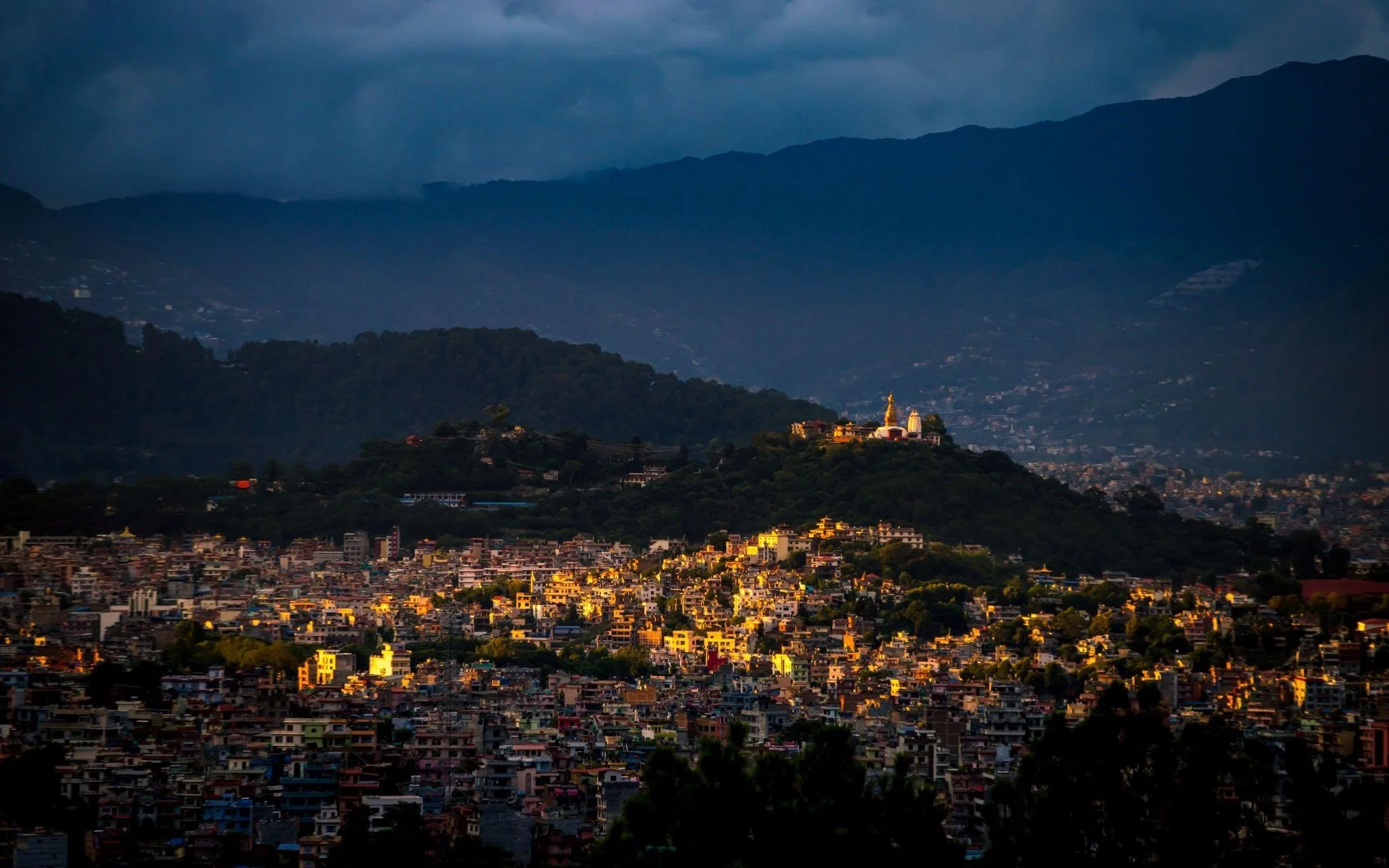
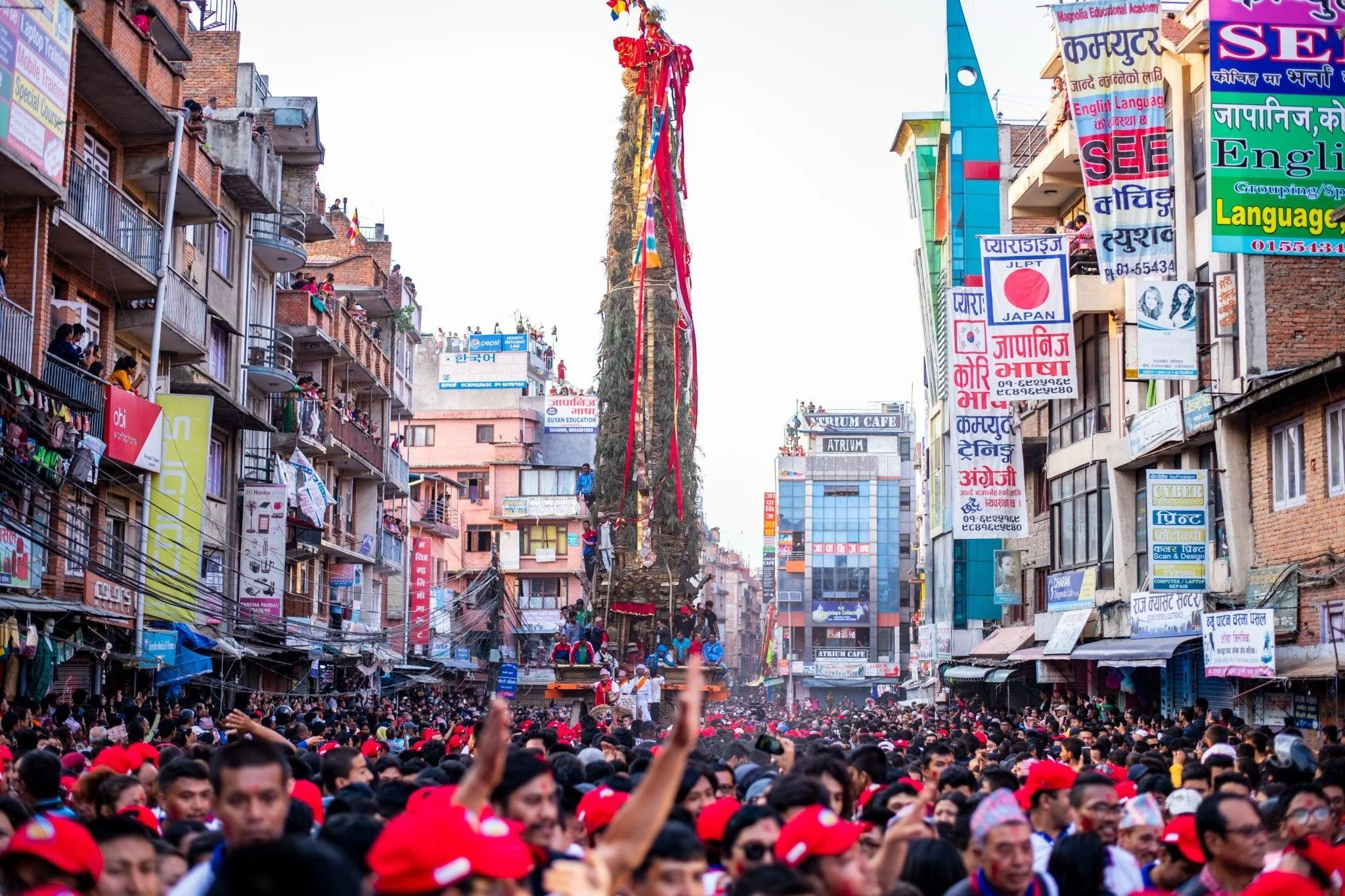
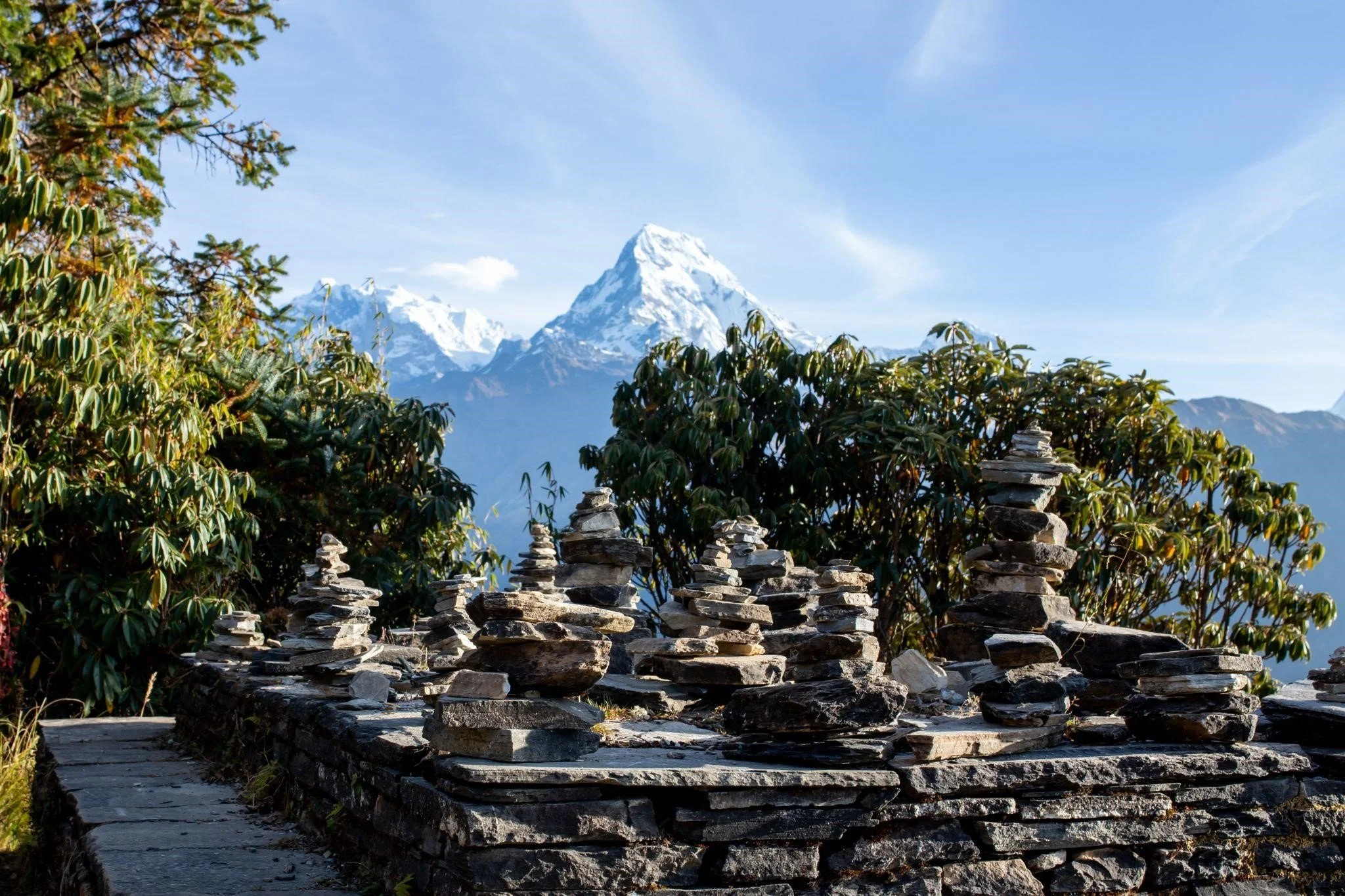
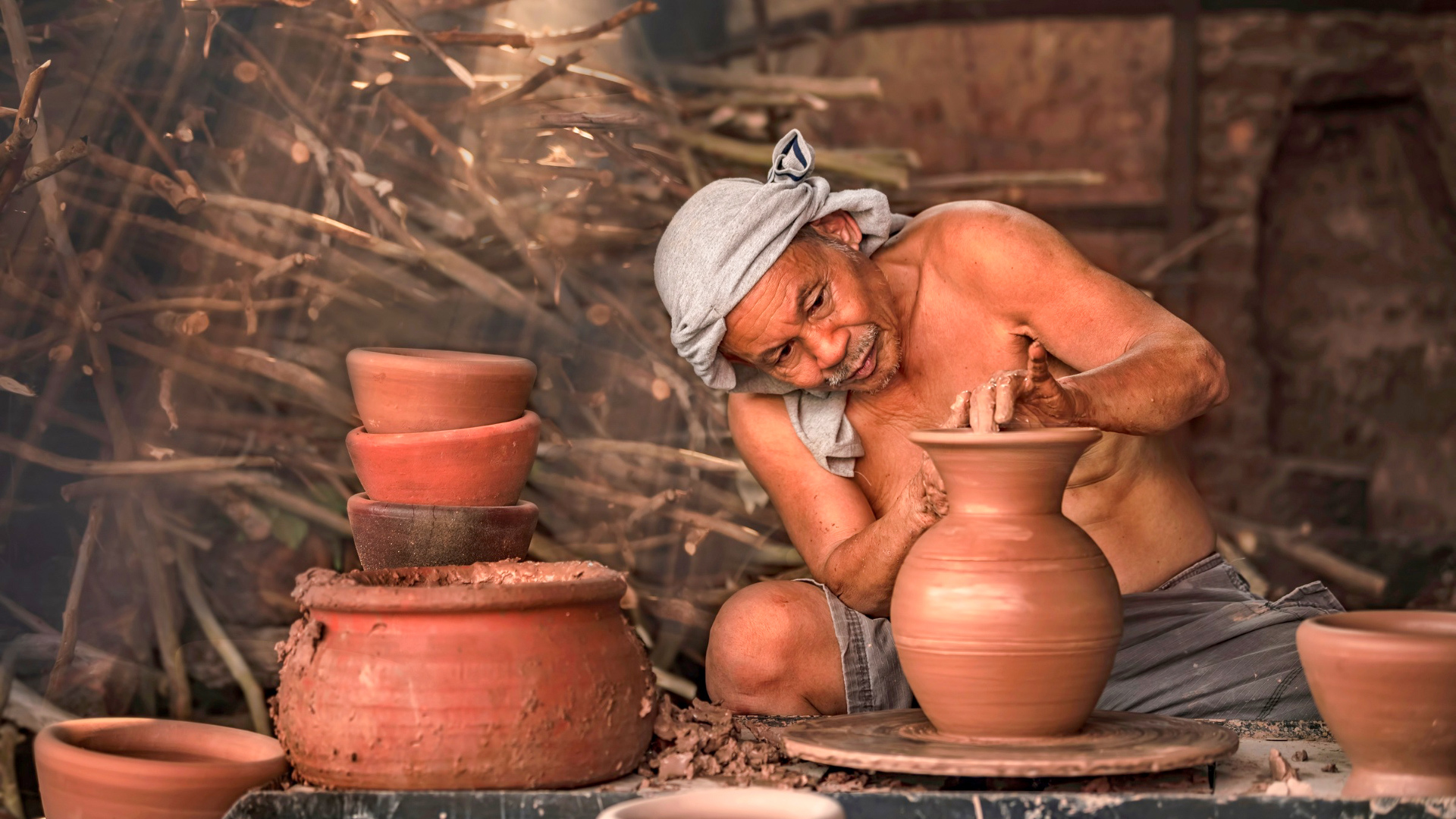
Tucked between temple courtyards and winding alleys, Kathmandu reveals a quiet artistry that rewards those who linger. While its bustling streets may seem chaotic at first glance, a slower pace unveils a world shaped by human hands woven, carved, molded, and brushed with care.
Tucked between temple courtyards and winding alleys, Kathmandu reveals a quiet artistry that rewards those who linger. While its bustling streets may seem chaotic at first glance, a slower pace unveils a world shaped by human hands woven, carved, molded, and brushed with care.
This is a city where craftsmanship still breathes. If you’re drawn to the scent of wood shavings, the rhythm of a loom, or the glint of hammered bronze, this guide is your invitation to explore Kathmandu’s artisan soul, especially in the soft pause of the monsoon season.
Textiles That Tell Stories
Begin in the tucked-away boutiques of Thamel, the quiet lanes of Kupondole, or even the emerging studios of Patan, where looms still echo across courtyards. Here, textiles are more than garments they are stories of lineage, patience, and hand-spun dedication.
From naturally dyed cottons to handwoven Dhaka patterns and soft yak-wool blends, you’ll find fabrics that feel as meaningful as they are beautiful. These are crafted slowly, often under the guidance of master weavers passing down their knowledge across generations.
The Carver’s Hand
Kathmandu Valley’s woodwork is a silent marvel. While its grandeur is seen on ancient temples and palaces, smaller works meant for daily life or interior spaces are found in the city’s artisan districts.
Walk through Patan’s older quarters or Bhaktapur’s heritage zones and you’ll hear the soft rhythm of chisels shaping sal and teak into windows, doors, or sacred symbols. During the rains, doorways shelter drying carvings, their details catching the light between clouds.
Metalwork and Ritual Craft
Brass, bronze, silver, and copper come to life in the hands of Kathmandu’s metal artisans. Whether it’s a singing bowl with perfect resonance or a delicately embossed butter lamp, these pieces are born through fire, forge, and focus.
Patan remains one of the valley’s strongest hubs for this craft, with many workshops quietly operating in historic lanes. In areas surrounding Boudhanath, artisans with Tibetan heritage continue the tradition of ritual object-making, often using methods untouched by time.
Quiet Studios and Hidden Galleries
For those who prefer introspective spaces to bustling markets, Kathmandu’s independent studios offer a more contemplative way to engage with local creativity. Some are housed in restored heritage buildings, others in artist-run cafés or small garden spaces all worth discovering.
From abstract paintings inspired by the mountains to minimalist ceramic ware, these works reflect a modern Nepali voice that’s deeply rooted yet unafraid to evolve. Exhibitions may be spontaneous, and artists often welcome thoughtful conversation over commerce.
Final Thought
Kathmandu’s beauty lies not only in what you see, but in how you see it. The best artisan goods here are not mass-produced souvenirs, but quiet objects with a sense of place. They’re found through curiosity, patience, and the willingness to step off the main road.
So take your time. Let the rain slow your steps. Let the city speak softly. And carry home a piece of the Himalayas handmade, heart-held.
POPULAR ITINERARIES
SIMILAR POSTS
More Than Stone: What Temples and Palaces Can Teach the Modern World
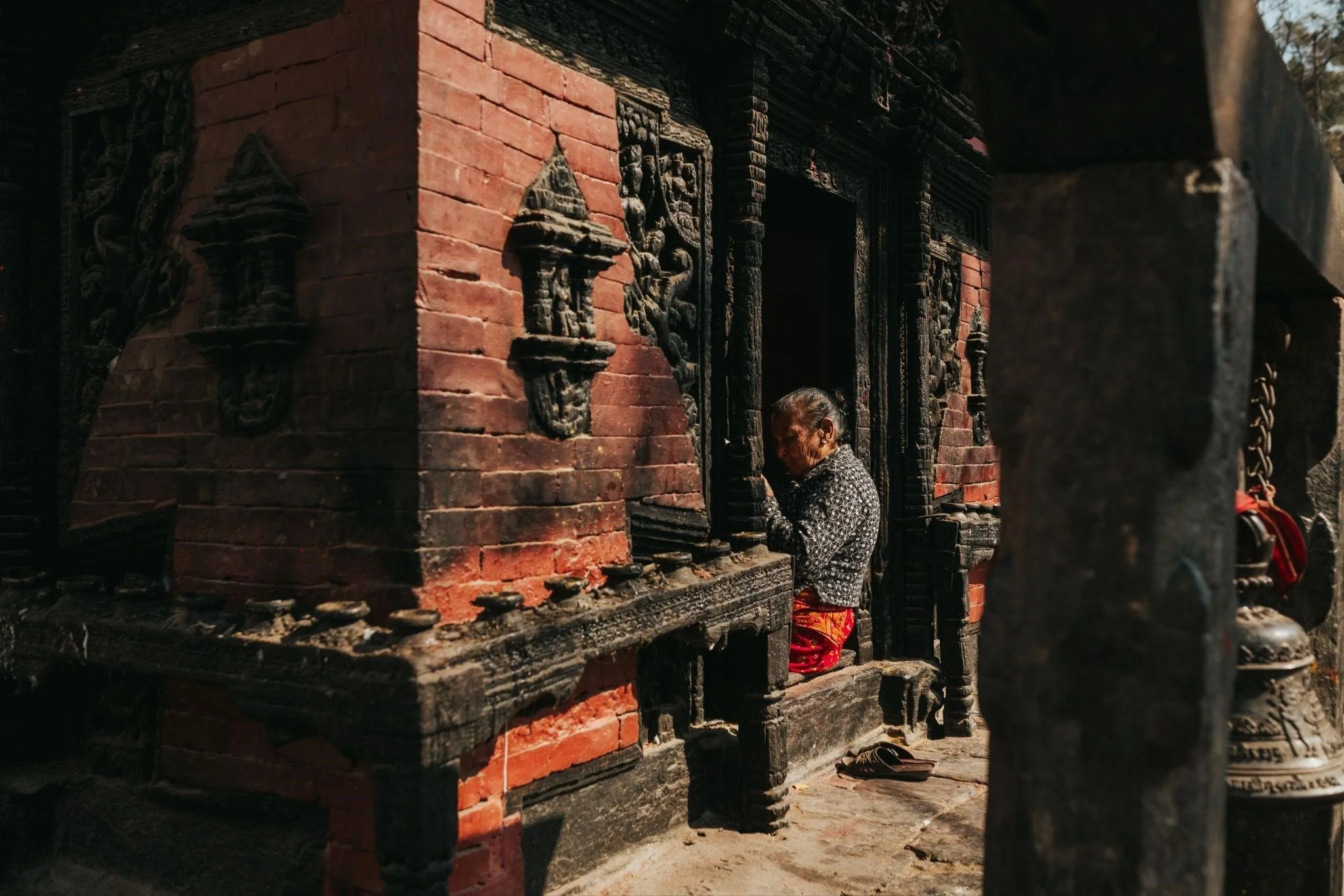
In the old cities of the Kathmandu Valley, temples don’t just sit in place. They shape it. Palaces don’t just preserve history. They continue it. These structures were not built simply to impress. They were built to last, to breathe, and to hold meaning through time.
In the old cities of the Kathmandu Valley, temples don’t just sit in place. They shape it. Palaces don’t just preserve history. They continue it. These structures were not built simply to impress. They were built to last, to breathe, and to hold meaning through time.
Their lessons go far beyond architecture. In fact, they might be exactly what the modern world has forgotten.
Space is Not Just for Use, It’s for Experience
In traditional architecture, rooms were not measured by square footage but by how they felt. Some opened into light. Others offered cool shade at midday. Spaces existed not just to function, but to shift one’s state of being. To create silence, pause, and focus.
Today’s cities often crowd out stillness. But old temples and palaces remind us that space can create attention, not distraction. And beauty can be quiet.
Ritual Built into the Everyday
Temples and palaces weren’t designed apart from life. They were embedded in it. A corridor’s alignment with the rising sun, a step’s echo in a courtyard, the low threshold that asks you to bow your head — these weren’t decorative. They were intentional. They reminded people, gently, of presence.
Even without understanding the rituals, visitors often feel something in these places. A calm that doesn’t need explaining.
The Power of Craft, Not Speed
A carved window that took weeks. A doorway designed to hold light just so. These weren’t shortcuts. They were acts of care. The kind of care rarely found in mass production.
In a world that values efficiency, old buildings remind us of another kind of value. Devotion to detail, even if no one notices at first glance.
Age is Not Decay, It’s Depth
Modern thinking often sees age as a flaw. A thing to repair, repaint, or erase. But temples and palaces wear their age openly. The weathered stone, the softened edges, the soot-darkened walls they are not broken. They are full.
Time doesn’t erode these places. It completes them.
They Were Built for Humans, Not Just for Power
Despite their scale, there’s something deeply human about these spaces. The proportions are gentle. The materials familiar. A palace could be grand and still feel like a home. A temple could feel sacred and still welcome you to sit.
There is dignity here, not from height or spectacle, but from balance.
A Quiet Inheritance
We walk through these places as visitors, but they are not museums. They are inheritances. Of attention. Of slowness. Of grace.
In Kathmandu, this architecture is not just memory. It is a living texture. It slows you down without asking, teaches you without speaking, and offers something softer in a world that often forgets to look up.
POPULAR ITINERARIES
SIMILAR POSTS

The Sacred Body of the Valley: Living Tantra in Kathmandu, Patan & Bhaktapur
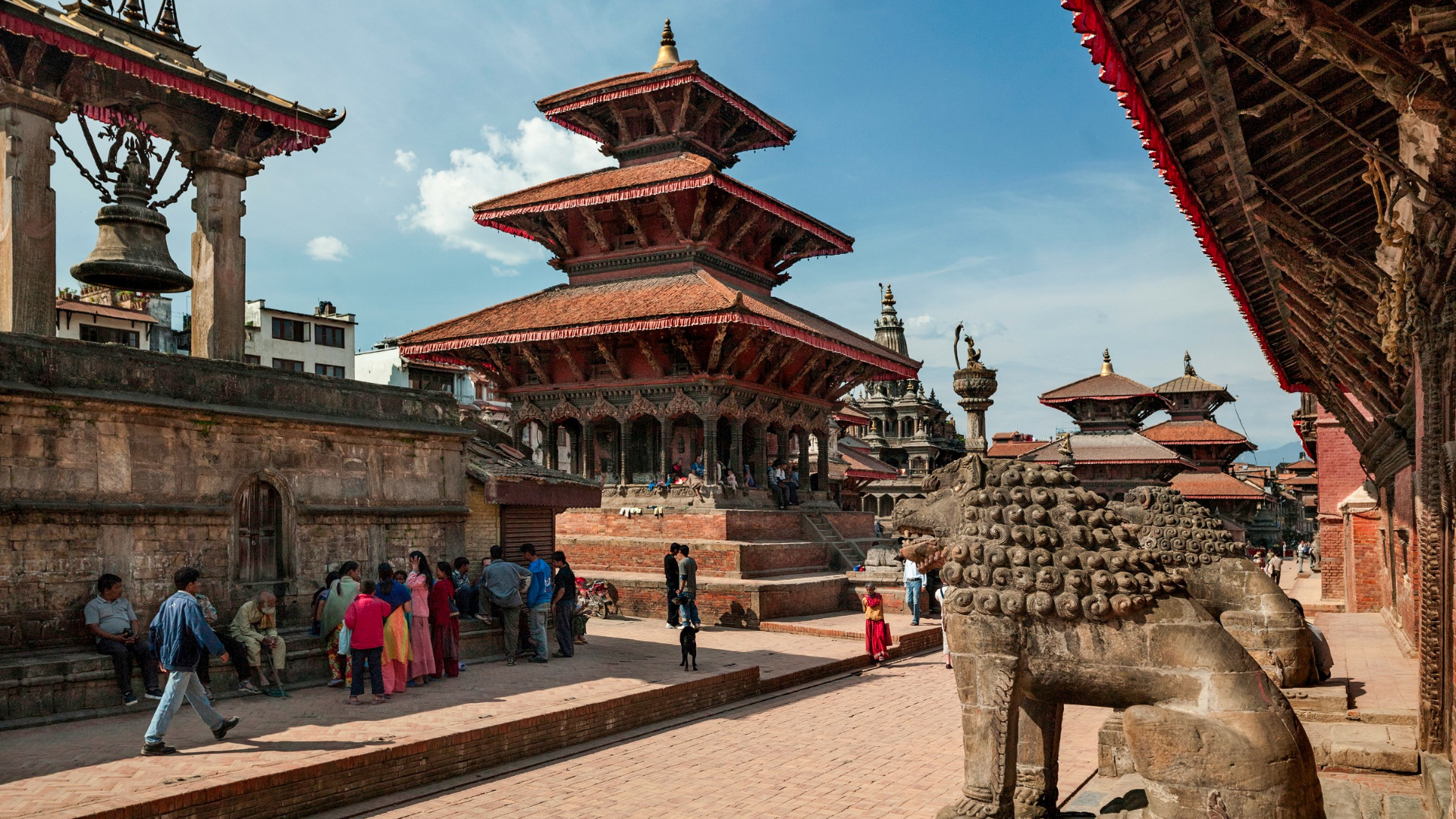
Step into the Durbar Squares of Patan, Bhaktapur, or Kathmandu, and you are no longer just in a historic city. You’re inside a living Tantric body. Where shrines rise not just at the center, but at every turn, every step, every breath. These cities were not built with symmetry alone, they were built with intention. And their intention is to awaken.
You don’t enter the sacred in Kathmandu you walk through it.
Step into the Durbar Squares of Patan, Bhaktapur, or Kathmandu, and you are no longer just in a historic city. You’re inside a living Tantric body. Where shrines rise not just at the center, but at every turn, every step, every breath. These cities were not built with symmetry alone, they were built with intention. And their intention is to awaken.
A City That Breathes in Symbols
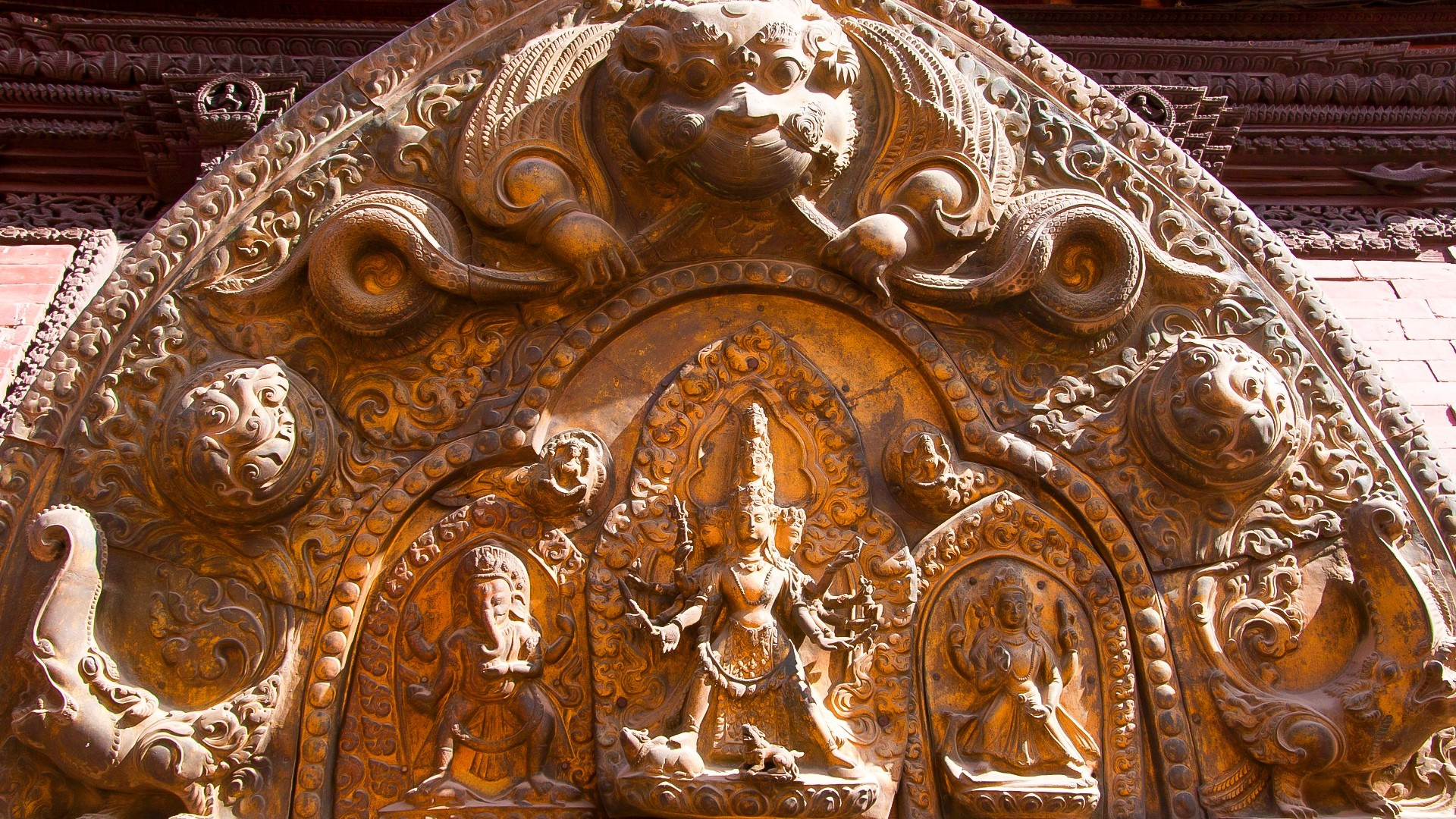
Here, the spiritual doesn’t exist apart from the physical. It is the physical. Every strut carved with fire-bearing deities, every lion at the base of a stairway, every miniature shrine hidden behind a street-side arch they’re not just ornament. They are gateways, markers in a larger energy map.
In the tantric worldview, the body is a microcosm of the universe. The same is true for these cities.
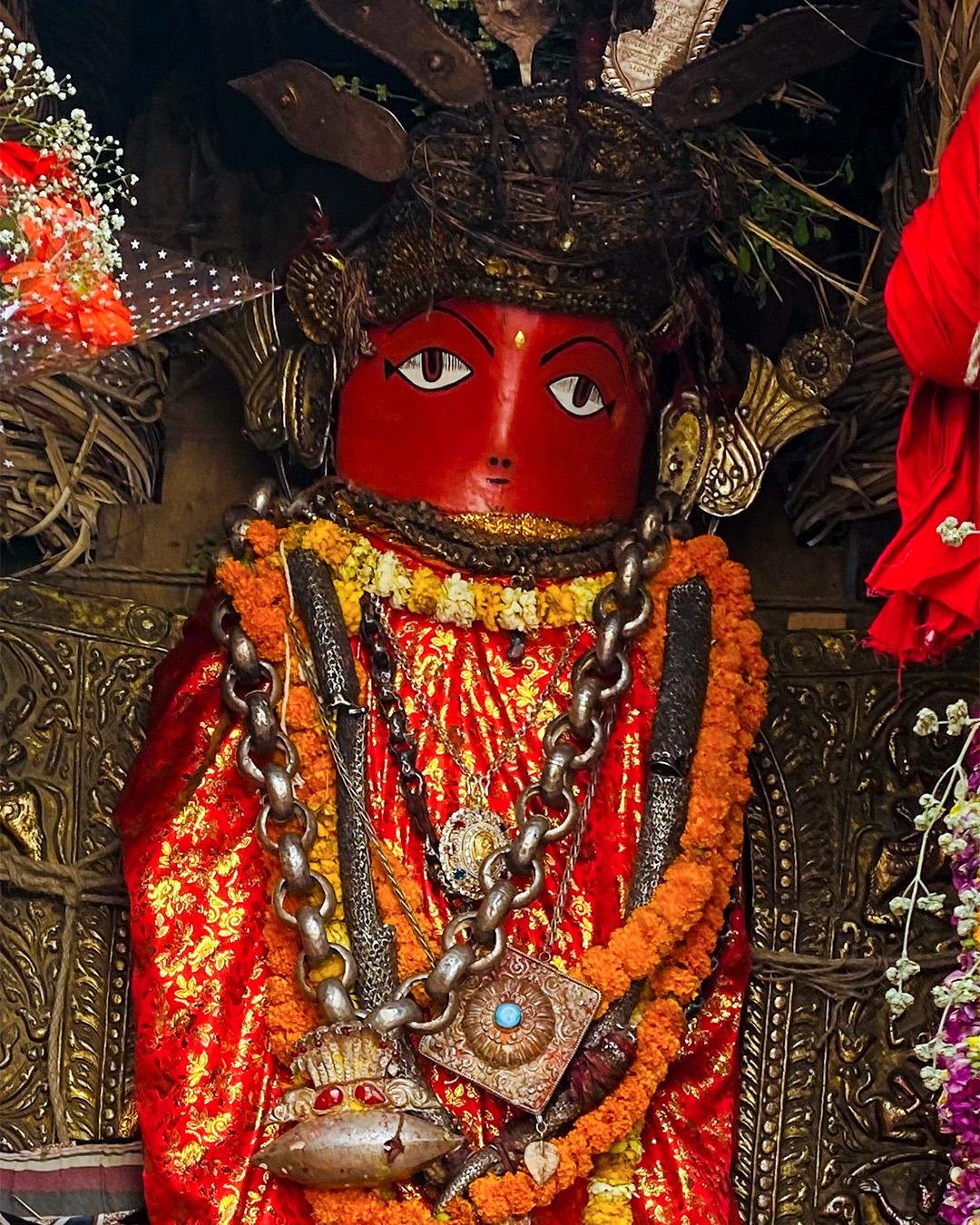
They function like mandalas: layered, directional, balanced. Each corner, each node, has meaning. And unlike monuments sealed off in reverence, these spaces are lived in, passed through, knelt before. Children play beside Bhairavs. Women place marigolds at stone altars on their way to buy lentils. The sacred breathes with the street.
Patan Durbar Square: The Heart That Feels Everything
Of the three, Patan hums the softest but its frequency is deep. Temples rise close together, like a cluster of thoughts around stillness. From the golden roof of Hiranya Varna Mahavihar to the tantric geometry of Krishna Mandir, the square draws you inward. You may not understand every symbol, but you’ll feel the weight of alignment the sense that something here is placed exactly where it needs to be.
Walk slow. Let your gaze rise and fall. You’re not observing; you’re participating.
Bhaktapur Durbar Square: The Spine of Fierceness and Devotion
In Bhaktapur, the energy shifts stronger, more pronounced. The statues of Ugrachandi and Ugrabhairav at the palace gate don’t invite you in gently. They announce the sacred. Here, the tantric body is not subtle. It demands engagement.
Every few meters, a shrine. Every turn, a temple. It’s easy to get lost and maybe you’re meant to. Bhaktapur doesn’t hand you answers. It tests your presence. The city speaks in festivals, in masked dances, in sudden encounters with divinity in the most unassuming corners.
Kathmandu Durbar Square: The Face and the Voice
Kathmandu’s square is louder. More human. It pulses. And at its heart sits Kaal Bhairav, black-stone protector and truth-teller. Stand before him long enough and the rest of the square fades.
Here, tantric energy is woven into the rhythm of life Indra Jatra, Kumari processions, the temple of the living goddess. The square doesn’t separate the spiritual from the social. It shows you what happens when they’re never apart to begin with.
Not a Monument. A Mandala.
These cities were not built to be admired. They were built to be used. Walked. Circled. Sat within. Their tantric power is not in what they say it’s in what they do to the body moving through them.
You leave not with photos, but with something rearranged.
Every Step a Ritual, Every Corner a Gate
The Durbar Squares of the Kathmandu Valley aren’t just beautiful they are active fields of spiritual architecture. Still powerful. Still inhabited. Still offering anyone who walks with attention the chance to feel more awake, more grounded, more real.
Not because you entered a temple.
But because the whole city is one.
POPULAR ITINERARIES
SIMILAR POSTS
Taleju Temple: The Sacred Heart of Kathmandu’s Spiritual Legacy
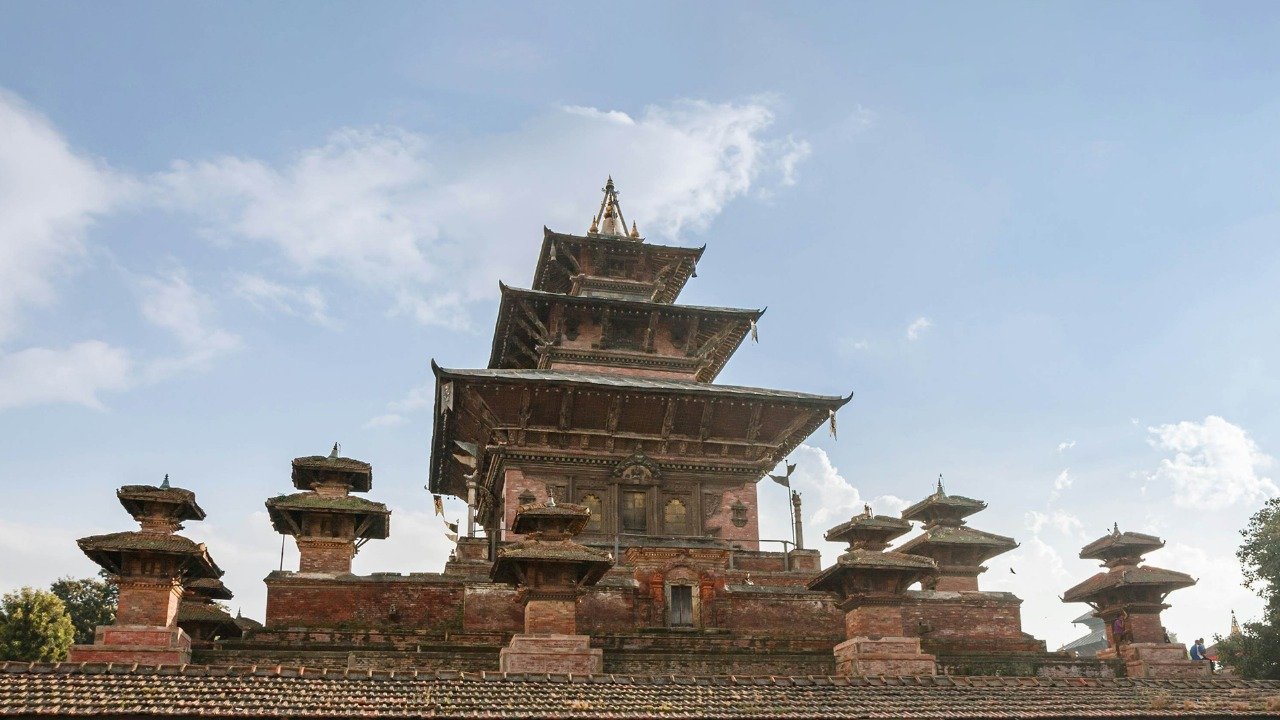
Nestled within the historic Kathmandu Durbar Square, the Taleju Temple stands as a testament to Nepal’s rich tapestry of history, spirituality, and architectural brilliance. Dedicated to Taleju Bhawani, the royal goddess of the Malla dynasty, this 16th-century edifice is not just a place of worship but a symbol of the nation’s enduring cultural heritage.
Nestled within the historic Kathmandu Durbar Square, the Taleju Temple stands as a testament to Nepal’s rich tapestry of history, spirituality, and architectural brilliance. Dedicated to Taleju Bhawani, the royal goddess of the Malla dynasty, this 16th-century edifice is not just a place of worship but a symbol of the nation’s enduring cultural heritage.
A Glimpse into History
Commissioned in 1564 by King Mahendra Malla, the Taleju Temple was constructed to honor Taleju Bhawani, the tutelary deity believed to have guided and protected the Malla kings. Legend has it that the goddess appeared to the king in a dream, instructing him to build a temple in her honor. This divine encounter underscores the deep spiritual connection between the Malla rulers and their patron goddess.
Architectural Marvel
Standing at an impressive height of 35 meters, the Taleju Temple is a masterpiece of Newar architecture. Its unique design is said to resemble a yantra—a mystical diagram symbolizing the universe—reflecting the temple’s spiritual significance. The temple’s multi-tiered pagoda structure is adorned with intricate carvings, gilded roofs, and ornate windows, showcasing the exceptional craftsmanship of the era.
Surrounding the main temple are 12 miniature temples, each representing the months of the year, emphasizing the temple’s cosmic symbolism. The temple’s four main entrances are guarded by stone lions, adding to its majestic presence.
Spiritual Significance
Taleju Bhawani is revered as a manifestation of the fierce goddess Durga. Her worship was central to the Malla kings, who considered her their royal deity. The temple’s sanctum houses shrines dedicated to both Taleju Bhawani and Kumari Devi, the living goddess of Kathmandu. This association underscores the temple’s pivotal role in the spiritual life of the valley.
Access to the temple is highly restricted. It opens to the public only once a year during the Dashain festival, allowing devotees to pay homage to the goddess. This exclusivity adds to the temple’s mystique and sanctity.
Legends and Lore
The Taleju Temple is steeped in legends that enrich its spiritual aura. One such tale speaks of the goddess appearing in the form of a bee during the temple’s dedication ceremony, symbolizing her divine presence and blessing. Another legend narrates the story of King Jaya Prakash Malla, who played dice with the goddess in the temple’s sanctum, highlighting the intimate bond between the deity and her devotees.
Preservation and Legacy
Despite the ravages of time and natural calamities, including the 2015 earthquake, the Taleju Temple has retained its grandeur. Restoration efforts have been undertaken to preserve its structural integrity and artistic heritage. Today, the temple stands not only as a place of worship but also as a symbol of Nepal’s resilience and commitment to preserving its cultural landmarks.
Visiting the Taleju Temple
While the temple’s inner sanctum is accessible only during the Dashain festival, visitors can admire its architectural splendor from the outside year-round. Situated within the UNESCO World Heritage Site of Kathmandu Durbar Square, the temple is surrounded by other historical edifices, making it a focal point for those interested in Nepal’s rich history and culture.
Final Reflection
The Taleju Temple is more than just an architectural wonder; it is a living testament to Nepal’s spiritual depth, historical richness, and artistic excellence. For those seeking to understand the soul of Kathmandu, a visit to this sacred site offers a profound glimpse into the city’s enduring legacy.
POPULAR ITINERARIES
SIMILAR POSTS
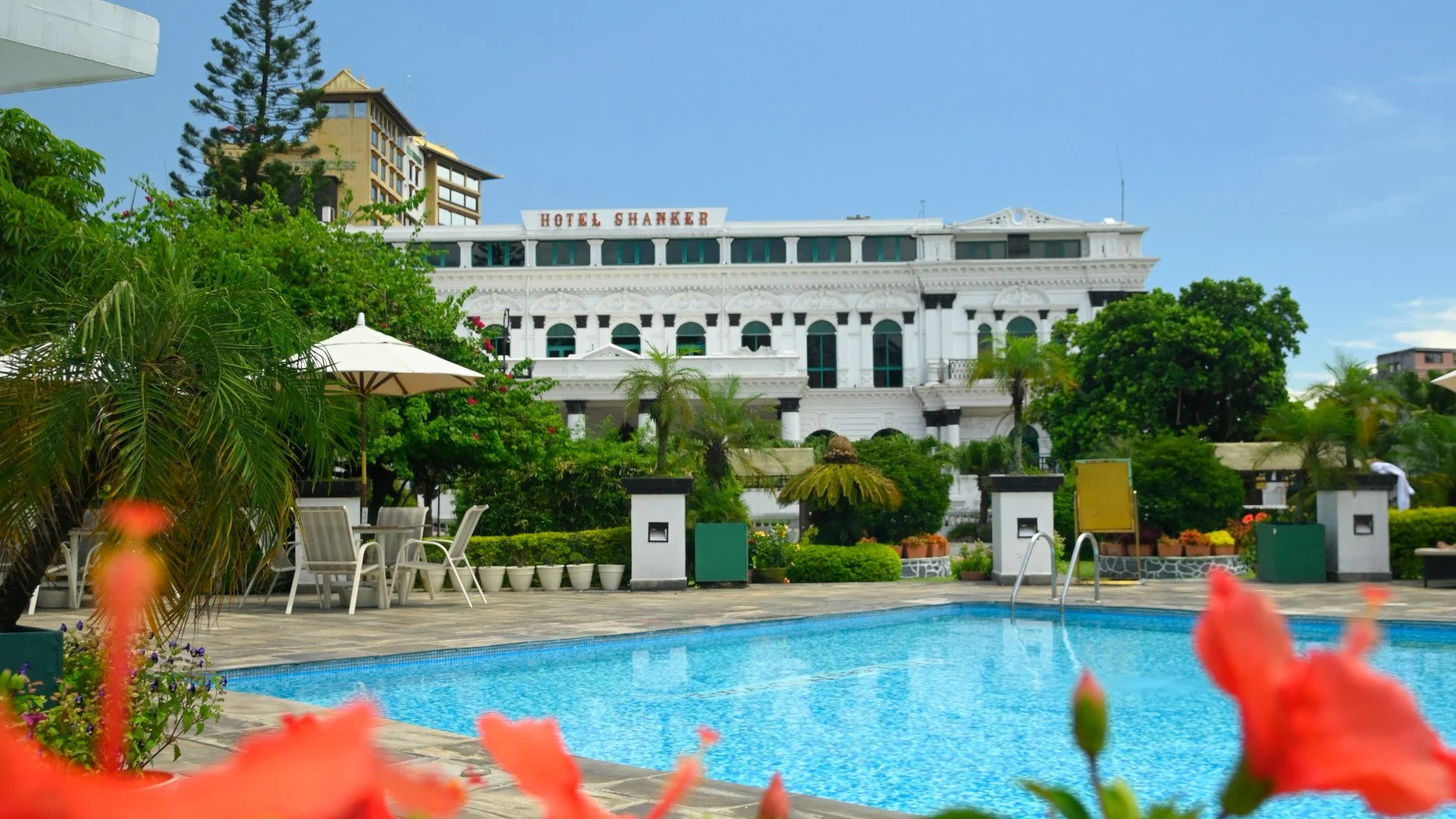
The Quiet Lanes of Water – Poolside Peace at Hotel Shanker
In the heart of a city known for its vibrant streets and bustling markets, there’s a quieter side to life, a place where time slows down and the air feels a little lighter. At Hotel Shanker, the pool is more than just a place to swim. It’s a space to pause, reflect, and find a little calm in the middle of it all.
A Place to Pause
In the heart of a city known for its vibrant streets and bustling markets, there’s a quieter side to life, a place where time slows down and the air feels a little lighter. At Hotel Shanker, the pool is more than just a place to swim. It’s a space to pause, reflect, and find a little calm in the middle of it all.
Morning Calm
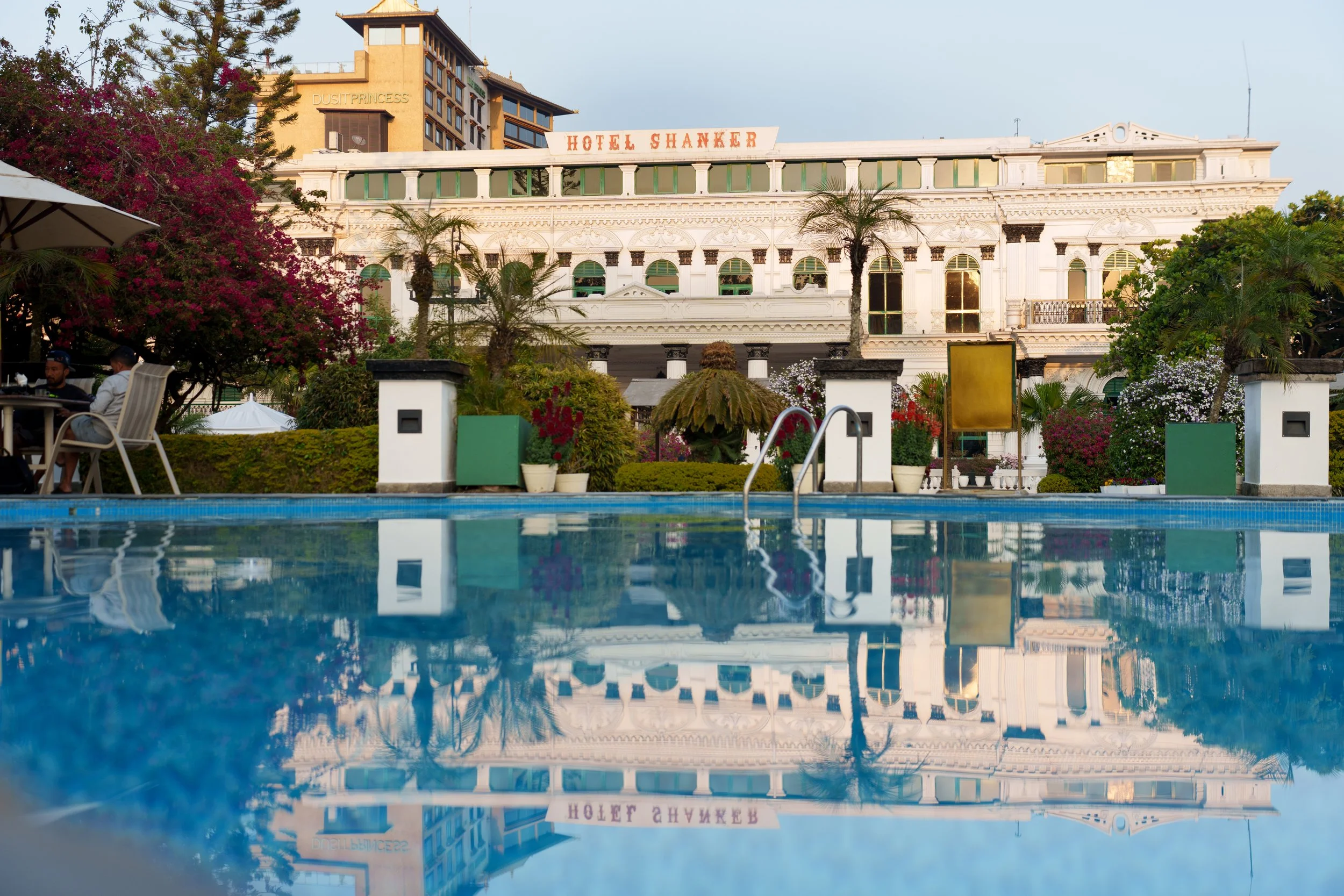
Mornings by the pool at Hotel Shanker have a special kind of quiet. The sun rises slowly, casting long, soft shadows across the water. The air is cool, the garden alive with the sounds of birds, and the surface of the pool perfectly still, reflecting the early light.
There’s a sense of promise in these early hours, a feeling that the day is yours to shape. A quiet swim, a warm cup of tea, and a few slow breaths before the city fully wakes up. For a moment, the only sound is the gentle ripple of water as you take a slow lap, letting your mind drift with each stroke.
Afternoons in the Sun
As the sun climbs higher, the pool comes to life. The water glistens, catching the light at every angle. Laughter echoes from nearby tables, the clinking of glasses mixing with the sound of splashing. The garden adds a touch of green, with leaves rustling in the warm breeze.
This is the time for long, unhurried lunches, cool drinks, and conversations that stretch into the afternoon. A good book, a shady corner, and the gentle warmth of the sun on your skin. The hours move slowly here, each moment unfolding without rush.
Evening Reflections
As the day winds down, the pool takes on a different kind of calm. The light softens, turning the water a deep, rich blue. The air cools, the shadows lengthen, and the sounds of the city fade into the background.
This is a time for quiet reflections, a time to let the day settle in your mind. The surface of the water holds the last of the daylight, a mirror for the sky above. It’s a place to sit back, sip a cool drink, and watch as the lights of the hotel begin to glow, casting a warm, welcoming glow over the water.
A Different Kind of Stillness
There’s a special kind of peace in the quiet lanes of water. A stillness that feels different from the rest of the city. It’s the feeling of cool water on warm skin, the soft sound of footsteps on wet tiles, the gentle rise and fall of the surface as the breeze moves through the garden.
At Hotel Shanker, the pool is a place to linger. It’s a place to slow down, to drift without a plan, to let your thoughts wander as the water moves gently around you. It’s a small corner of calm in a busy city, a reminder that sometimes the best moments are the quiet ones.
Finding Your Place by the Water
Whether you’re an early riser looking for a moment of quiet before the day begins, a sun-seeker in search of warmth, or a night owl drawn to the cool, reflective surface of the evening pool, there’s a place for you here.
At Hotel Shanker, the water is more than a feature. It’s a feeling, a moment, a memory in the making. It’s a place where time slows down, where the noise of the city fades, and where you can find a little peace in the middle of it all.
POPULAR ITINERARIES
SIMILAR POSTS
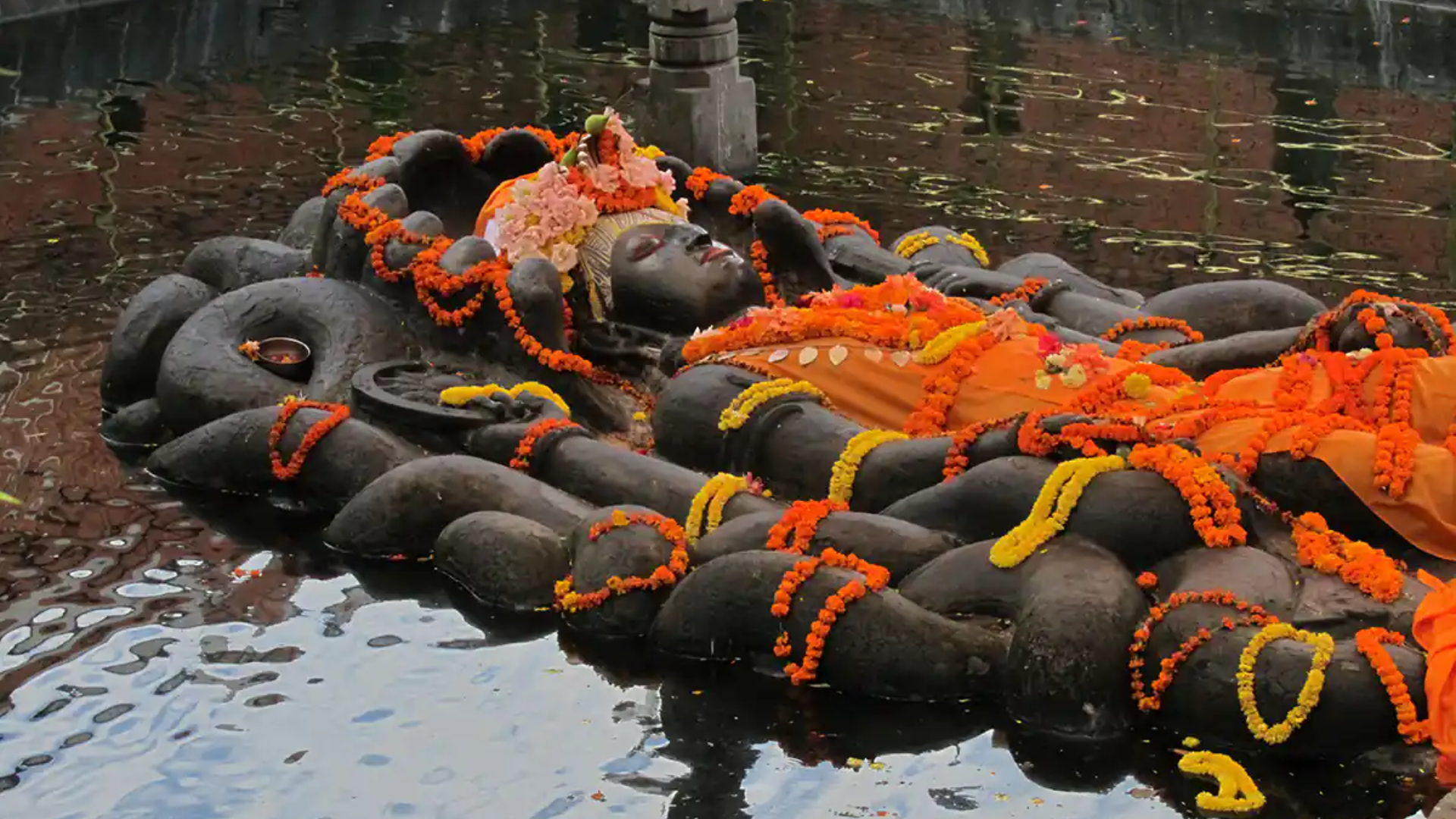

The Rich Traditions of Nepal: A Guide for First-Time Visitors
Every moment in Nepal is a story woven in tradition. Witness centuries-old rituals, vibrant festivals, and warm hospitality that make this land truly unique.
Introduction: A Land of Living Traditions
Nepal is a country where ancient traditions thrive amidst modern life. From vibrant festivals and spiritual rituals to warm hospitality and artistic heritage, Nepal’s culture is deeply immersive. If you're visiting for the first time, here’s a quick guide to Nepal’s rich traditions that will make your trip even more meaningful.
1. Festivals: Nepal’s Cultural Heartbeat
Nepal is known as the “Land of Festivals”, with celebrations happening year-round.
● Dashain (Sep/Oct) – Nepal’s biggest Hindu festival, symbolizing the victory of good over evil.
● Tihar (Oct/Nov) – The festival of lights, similar to Diwali, celebrating animals, family, and prosperity.
● Holi (March) – The festival of colors, celebrated with vibrant powders and joyful gatherings.
● Indra Jatra (Sep) – Kathmandu’s grand street festival featuring masked dances and chariot processions.
Tip: If visiting during a festival, immerse yourself in the celebrations with respect and curiosity.
2. Spiritual Traditions & Rituals
Nepal is a sacred land where Hindu and Buddhist traditions coexist.
● Morning Temple Rituals – Locals offer prayers, light incense, and ring bells at dawn.
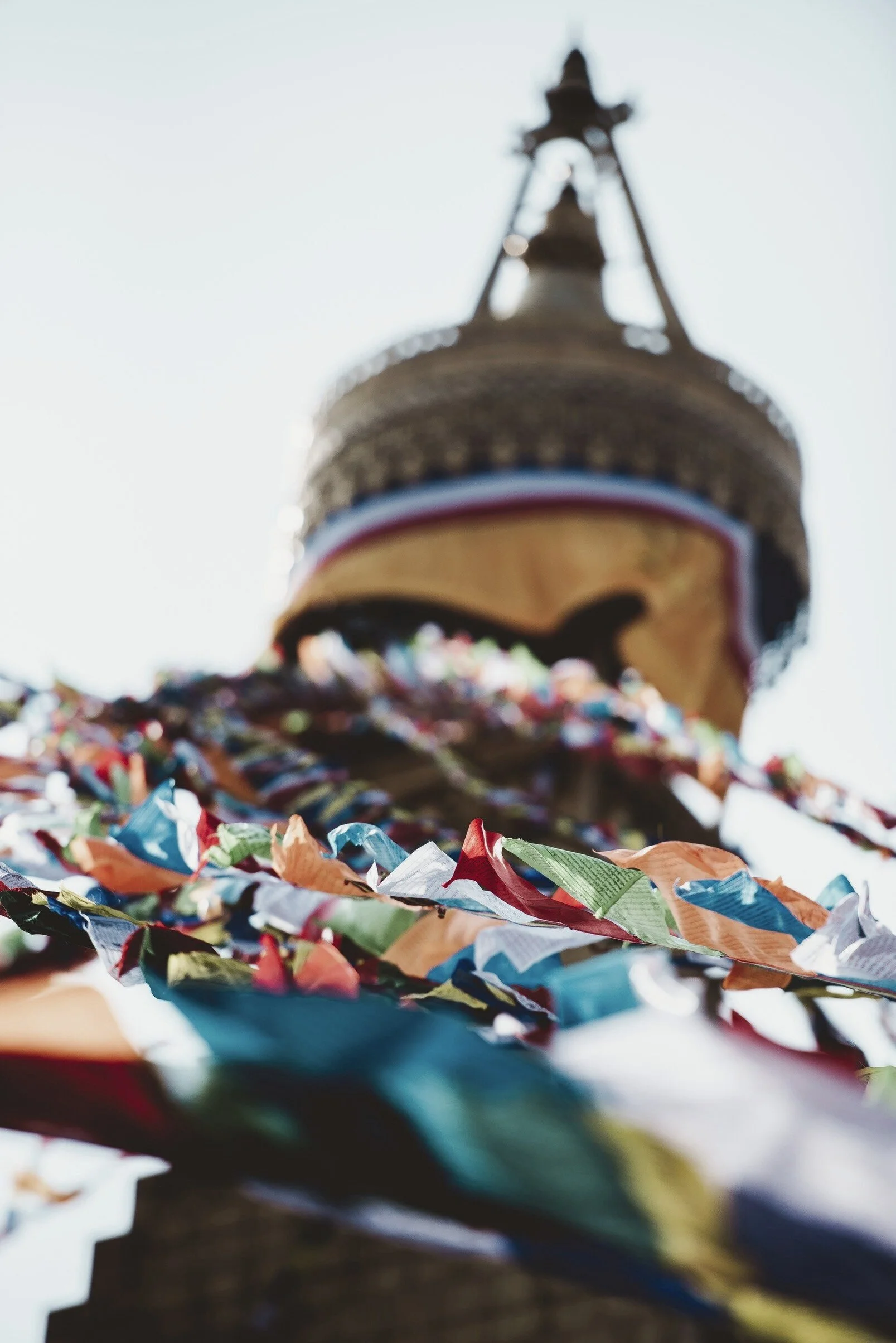
● Kora (Stupa Walks) – Pilgrims walk around stupas like Boudhanath, spinning prayer wheels.
● Cremation Rituals at Pashupatinath – A deep spiritual practice along the Bagmati River.
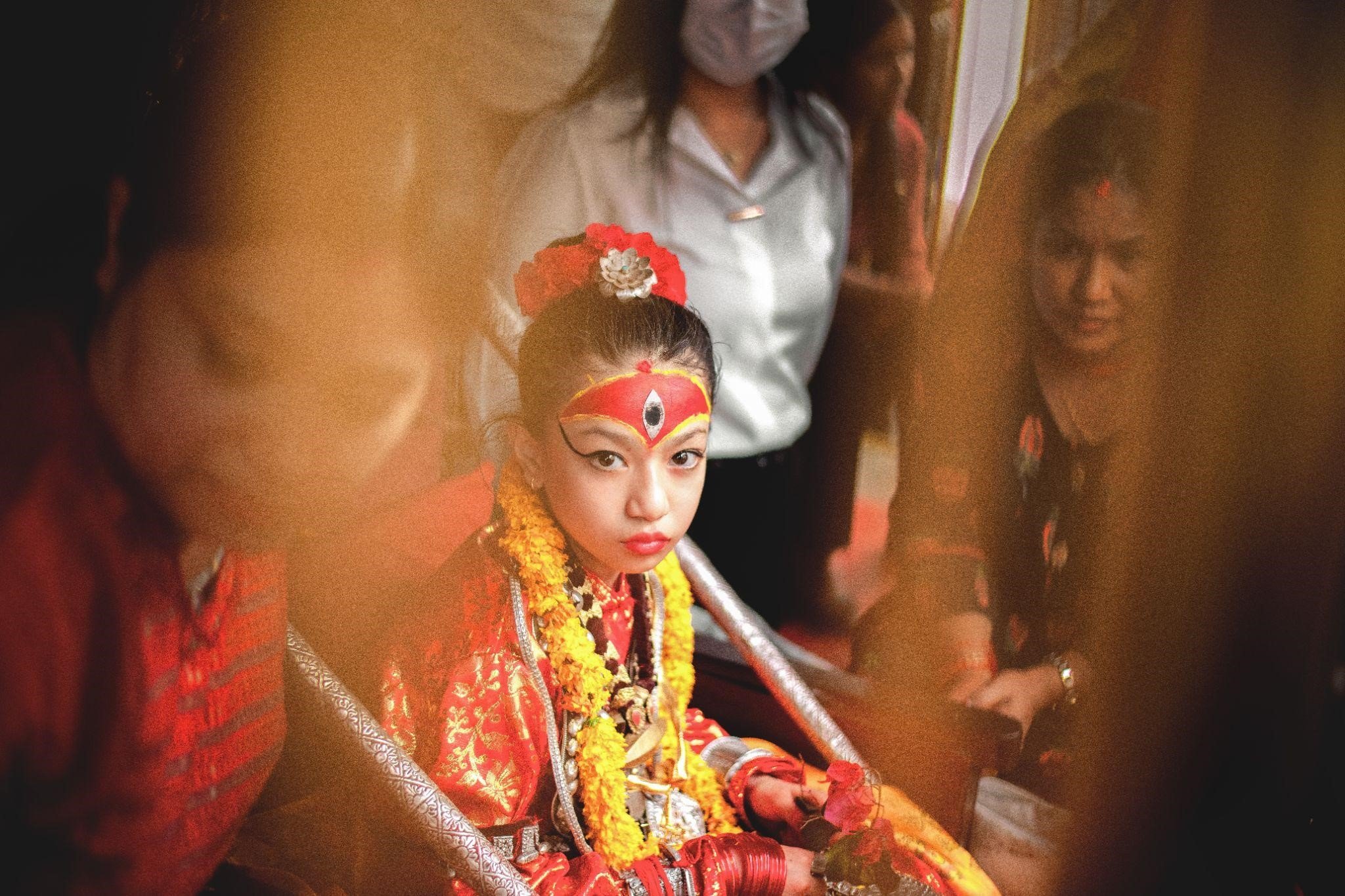
● The Living Goddess (Kumari) – A revered young girl, seen at Kumari Ghar in Kathmandu Durbar Square.
Tip: Dress modestly and follow local customs when visiting religious sites.
3. Nepali Hospitality: More Than Just a Welcome
Nepali culture values “Atithi Devo Bhava” (Guest is God). Expect warm hospitality wherever you go.
● Tika & Garland Welcome – A red tika on the forehead and flower garland symbolize blessings.
● Tea Culture – A cup of chiya (milk tea) is a must in every home and shop.
● Dal Bhat Tradition – The beloved Nepali meal of rice, lentils, and side dishes fuels locals daily.
Tip: If invited into a home, accept tea and food—it’s a sign of respect and warmth.
4. Art, Crafts & Heritage Architecture
Nepal’s artistic legacy is found in its temples, palaces, and handicrafts.
● Patan Durbar Square – A masterpiece of Newari architecture.
● Bhaktapur’s Pottery Square – Home to centuries-old pottery-making traditions.
● Thangka Paintings – Intricate Buddhist art used for meditation.
● Handwoven Dhaka Fabric – Nepal’s traditional textile, often made into shawls and caps.
Tip: Support local artisans by buying authentic, handmade crafts.
5. Traditional Attire & Symbols
● Daura Suruwal & Dhaka Topi (Men) – Nepal’s national dress for men.
● Gunyu Cholo & Sari (Women) – Worn during festivals and special occasions.
● Sindoor & Bangles – Symbols of marriage in Hindu culture.
Tip: You can rent or buy traditional outfits for cultural events or photos.
6. Newari Traditions: A Unique Cultural Experience
The Newar community, Kathmandu’s indigenous people, have preserved Nepal’s oldest traditions.
● Newari Feasts – Dishes like Yomari (sweet dumplings) and Newari Khaja Set are must-tries.
● Jatras (Street Festivals) – Indra Jatra and Bisket Jatra feature grand chariot processions.
Tip: If you’re in Kathmandu during a Newari festival, don’t miss the street celebrations.
Conclusion: A Journey into Nepal’s Soul
Nepal’s traditions add depth and meaning to any visit. Whether you’re exploring heritage sites, joining local festivals, or experiencing Nepali hospitality, every moment is steeped in culture.
For a heritage-rich stay, Hotel Shanker offers the perfect blend of history and luxury, placing you close to Kathmandu’s cultural wonders.
📍 Book your stay today and explore Nepal’s living traditions.
POPULAR ITINERARIES
SIMILAR POSTS
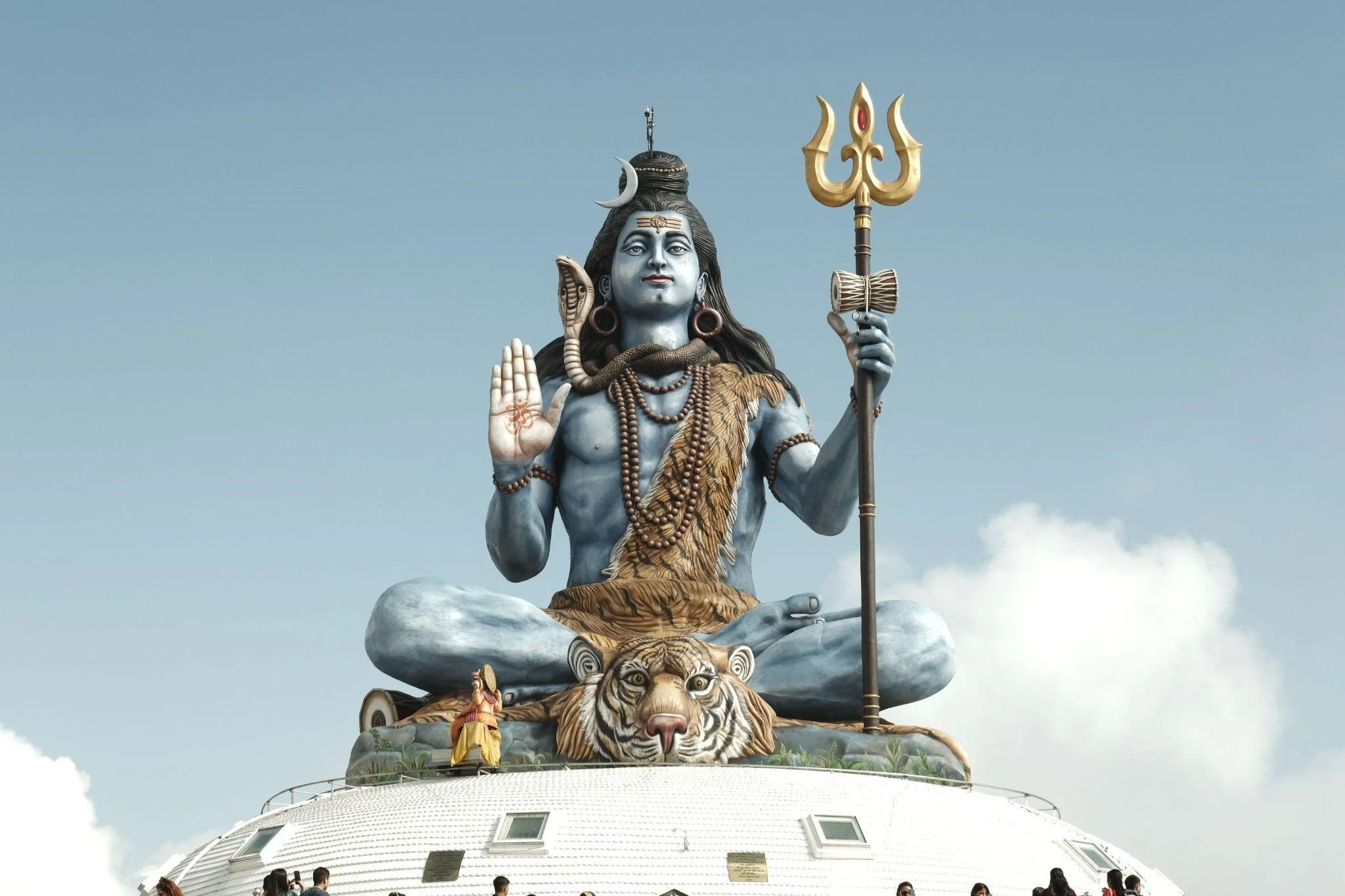
Nepal’s Artisans: A Journey Through Traditional Crafts
Nepal is a land of breathtaking mountains, vibrant festivals, and rich cultural heritage. But beyond its natural beauty and age-old traditions lies a fascinating story told through the hands of its artisans. From intricately woven fabrics to masterfully carved wooden sculptures, the crafts of Nepal embody the heart and soul of its people.
Nepal is a land of breathtaking mountains, vibrant festivals, and rich cultural heritage. But beyond its natural beauty and age-old traditions lies a fascinating story told through the hands of its artisans. From intricately woven fabrics to masterfully carved wooden sculptures, the crafts of Nepal embody the heart and soul of its people.
The Legacy of Craftsmanship
For centuries, Nepalese artisans have passed their skills from generation to generation, preserving techniques that date back to ancient times. These crafts are not just a livelihood but a celebration of Nepal’s artistic spirit. Each item, whether a thangka painting or a handmade piece of pottery, is infused with cultural significance and spiritual meaning.
Thangka Painting
A visit to Nepal is incomplete without encountering a thangka—a traditional Buddhist painting on cotton or silk. These intricate artworks, depicting deities, mandalas, or spiritual teachings, require incredible precision and devotion. The process can take weeks or even months, with artisans carefully following ancient guidelines to ensure their spiritual authenticity.
Woodcarving
Kathmandu Valley’s temples and palaces stand as a testament to Nepal’s extraordinary woodcarving tradition. The ornate windows, doors, and beams found in historical landmarks such as the Patan Durbar Square and Bhaktapur exemplify this skill. Local artisans, armed with little more than chisels and immense patience, continue to craft intricate woodwork that echoes the architectural grandeur of Nepal’s past.
Pottery in Bhaktapur
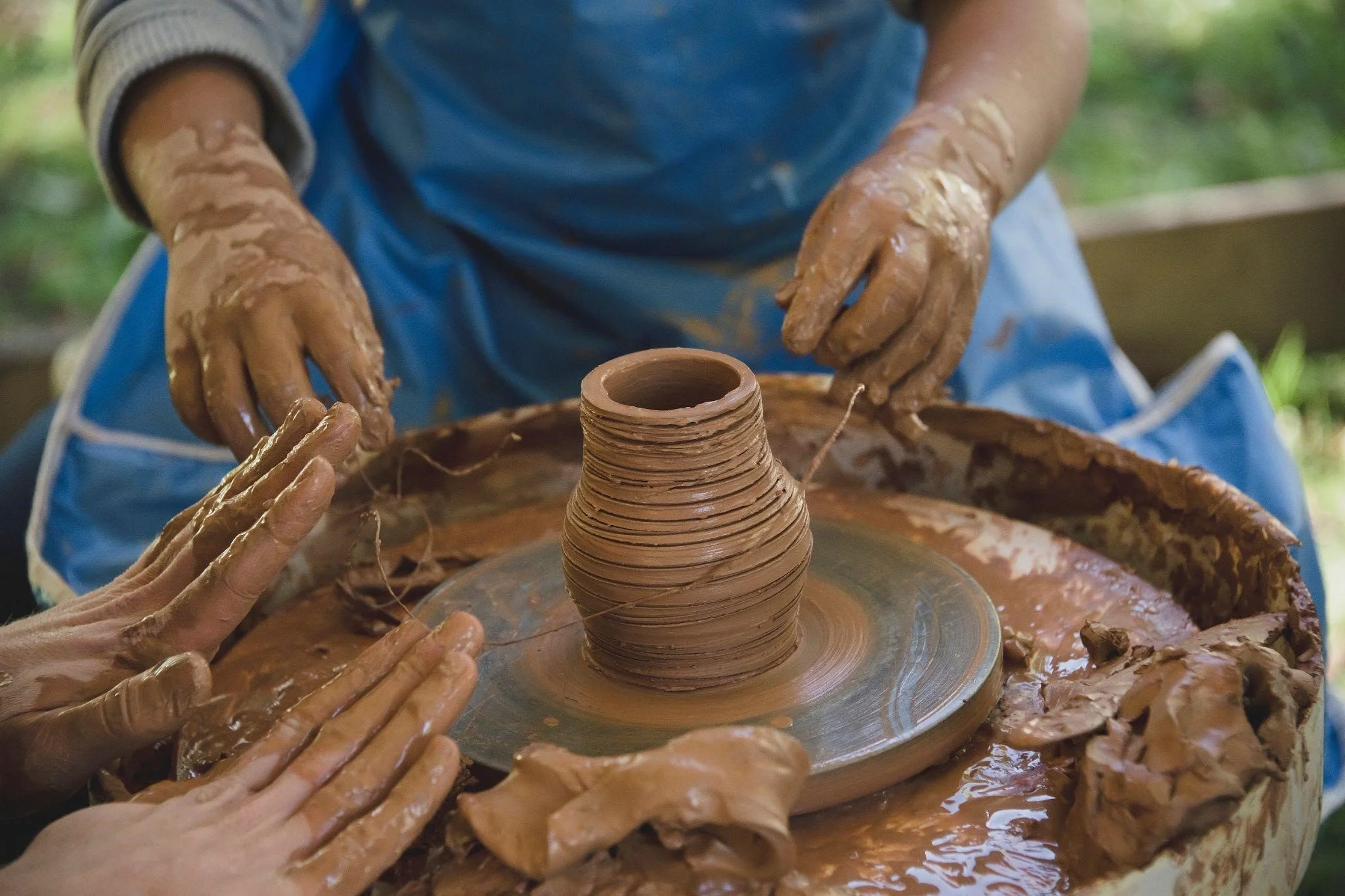
Stroll through Bhaktapur’s Potter’s Square, and you’ll find artisans shaping clay into delicate bowls, vases, and lamps. Pottery has been an integral part of Nepalese life for centuries, often used in rituals and daily life. Watching the potters at work is like witnessing history in motion—each spin of the wheel connecting the modern era to a timeless tradition.
Handwoven Textiles
Nepal’s weaving traditions are equally impressive. From the luxurious pashmina shawls to Dhaka fabric’s vibrant patterns, textiles play a vital role in Nepalese culture. Dhaka, for instance, is often used to make traditional attire like the daura suruwal and is woven on handlooms, a practice that demands remarkable skill and dedication.
Hotel Shanker: A Heritage Destination
Amidst Kathmandu’s bustling streets and ancient landmarks, Hotel Shanker serves as a bridge between Nepal’s cultural past and present. This iconic palace-turned-hotel is more than a place to stay—it’s a tribute to Nepal’s artistic heritage. The interiors of Hotel Shanker reflect the same craftsmanship seen in Nepal’s temples and royal courts, with hand-carved wooden elements, elegant décor, and an atmosphere steeped in history.
Guests at Hotel Shanker not only enjoy the luxury of modern comforts but also find themselves surrounded by echoes of Nepal’s artisan traditions. The hotel's architecture and design are a celebration of the skills that have defined Nepalese artistry for generations.
Discover Nepal’s Artistry
For travelers seeking a deeper connection to Nepal’s culture, exploring its artisan traditions is a must. Visit workshops, meet the artisans, and even take home a piece of Nepal’s craftsmanship as a memento. Whether it’s a meticulously painted thangka or a handwoven pashmina, these treasures carry the spirit of Nepal and its people.
As you immerse yourself in Nepal’s artistic heritage, let Hotel Shanker be your sanctuary. Here, you can experience not only the warmth of Nepalese hospitality but also a setting that pays homage to the country’s rich craft traditions.
Nepal’s artisans have long been the unsung heroes of its cultural story. Their work, shaped by devotion and tradition, invites us to appreciate the timeless beauty of handmade art. So, whether you’re wandering the markets of Kathmandu or relaxing in the regal ambiance of Hotel Shanker, take a moment to celebrate the creativity and craftsmanship that make Nepal truly unique.
POPULAR ITINERARIES
SIMILAR POSTS
The Ultimate Guide to a Luxurious Stay in Kathmandu: Why Hotel Shanker is the Perfect Choice
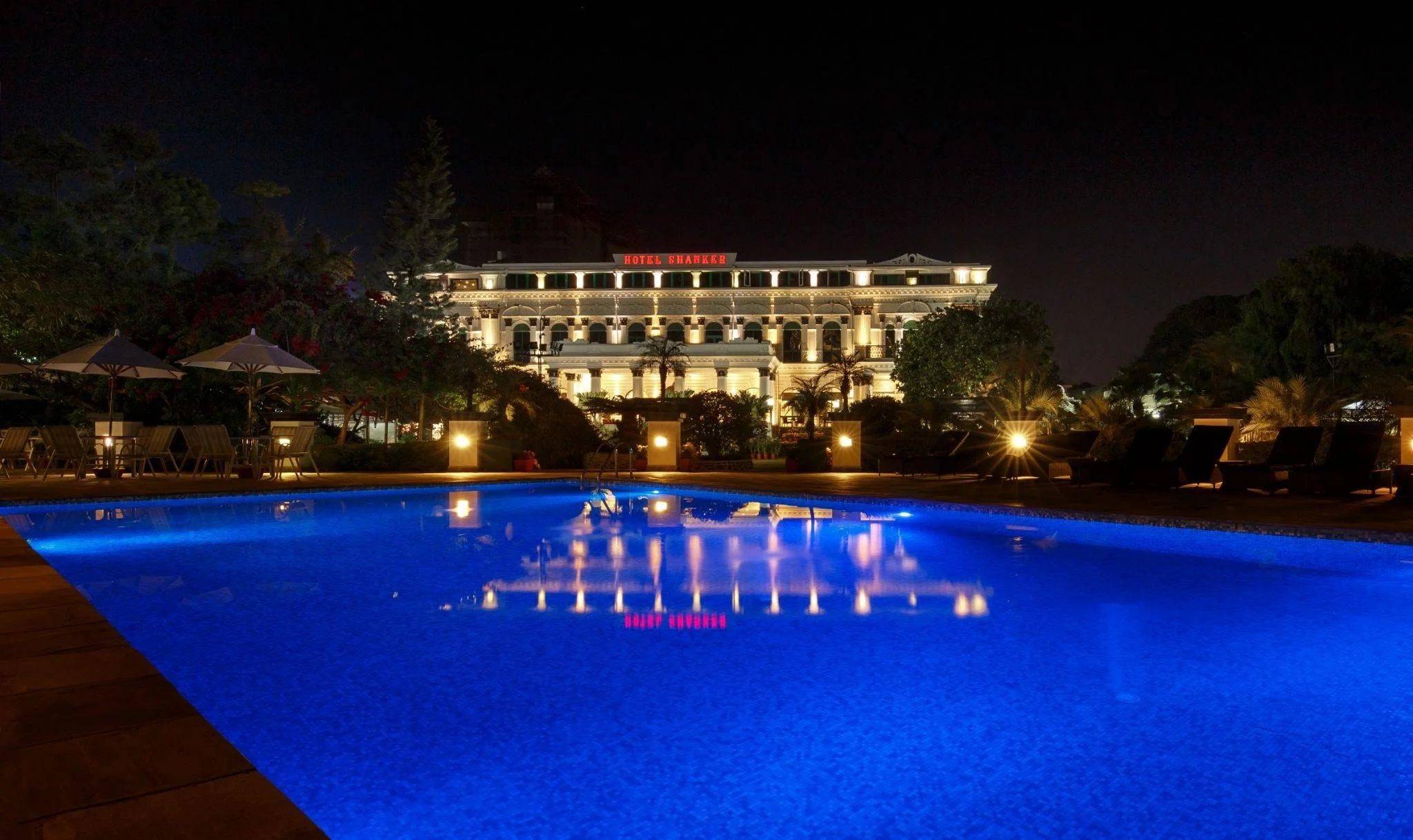
Kathmandu, Nepal’s vibrant capital, offers a range of places to stay, but if you’re seeking luxury, history, and exceptional service, Hotel Shanker stands out as the ideal option. Let’s explore why Hotel Shanker should be your top pick for a luxurious stay in the heart of Kathmandu.
Kathmandu, Nepal’s vibrant capital, offers a range of places to stay, but if you’re seeking luxury, history, and exceptional service, Hotel Shanker stands out as the ideal option. Let’s explore why Hotel Shanker should be your top pick for a luxurious stay in the heart of Kathmandu.
1. Heritage Meets Modern Comfort
Once a royal palace, Hotel Shanker carries a legacy that dates back to the 19th century. This stunning property combines the grandeur of traditional Nepali architecture with the sophistication of modern-day amenities. A stay at Hotel Shanker is a unique blend of historical charm and luxurious comfort.
Heritage Charm: Discover timeless beauty, from marble staircases to intricate wooden details that echo Nepal’s rich history.
Modern Luxuries: Enjoy modern conveniences such as fast Wi-Fi, air-conditioning, and plush bedding while soaking in the elegance of this historic palace.
2. Luxurious Rooms and Suites Tailored to Your Needs
At Hotel Shanker, every room is crafted with luxury in mind. Whether you're in Kathmandu for business or leisure, our variety of rooms and suites promise the perfect blend of style, comfort, and convenience.
Deluxe Rooms: Designed for peaceful relaxation, these rooms offer luxurious bedding and modern facilities.
Suite Rooms: Spacious suites with private lounges, offering breathtaking garden or city views.
Presidential Suite: The epitome of luxury, this suite features personalized services and sophisticated décor that reflects Nepal’s royal heritage.
Each room provides a welcoming atmosphere that makes you feel at home during your stay.
3. Unmatched Amenities for Your Relaxation
At Hotel Shanker, we aim to make every moment special by providing top-tier amenities designed for your comfort and relaxation.
Swimming Pool: Unwind in our tranquil outdoor pool, set against a backdrop of lush gardens.
Spa & Wellness Center: Treat yourself to a rejuvenating spa experience with a range of therapies.
In-Room Dining: Enjoy gourmet meals from the comfort of your room.
Event & Conference Facilities: Our event spaces are perfect for weddings, business meetings, or private events, with expert planning support available.
4. A Culinary Journey Awaits You
Satisfy your taste buds with our exquisite dining options. Hotel Shanker offers a variety of dishes that celebrate both local Nepali flavors and international cuisines.
The Kailash Restaurant: Delight in traditional Nepali meals alongside global favorites, all made with fresh ingredients.
Kunti Bar: Relax with a cocktail or fine wine in our elegant bar after a day of exploring the city.
Private Dining: Create unforgettable memories with an intimate, private dining experience for special occasions.
5. Ideal Location to Explore Kathmandu
Conveniently situated in the center of Kathmandu, Hotel Shanker provides easy access to the city’s most famous landmarks. Whether you want to visit historical sites or explore bustling markets, our location places you at the heart of it all.
Nearby Attractions:
Swayambhunath (Monkey Temple)
Thamel Shopping District
Kathmandu Durbar Square
The Garden of Dreams
Our concierge team is always available to help you plan excursions and provide personalized recommendations to ensure you experience the best of Kathmandu.
6. Personalized Service for Every Guest
At Hotel Shanker, we believe true luxury comes from personalized service. Our team is dedicated to ensuring that each guest’s stay is as comfortable and memorable as possible.
24/7 Concierge: From transport arrangements to dinner reservations, our concierge team is always on hand to assist.
Tailored Experiences: Whether it’s a romantic dinner or a guided city tour, we create bespoke experiences for every guest.
Flexible Check-In/Check-Out: We offer flexible check-in and check-out times to accommodate your travel plans.
7. Special Offers for Direct Bookings
Booking directly with Hotel Shanker comes with exclusive benefits such as complimentary breakfasts, room upgrades, and special discounts.
Current Offers:
Stay More, Save More: Enjoy up to 25% off on longer stays.
Exclusive Room Packages: Take advantage of discounted suite rates with added perks like spa credits.
Complimentary Services: Get free airport transfers and guided tours when booking directly with us.
Conclusion: A Luxurious Stay Awaits at Hotel Shanker
For a luxurious and unforgettable stay in Kathmandu, Hotel Shanker is your ultimate destination. Whether you’re here for business or leisure, our combination of rich history, modern luxury, and personalized service guarantees a memorable experience. Book directly with us today and indulge in the finest luxury that Kathmandu has to offer.
POPULAR ITINERARIES
SIMILAR POSTS