Nepali Storytelling Traditions You’ve Probably Never Heard Of
Before stories were written down, they lived in voices sung, spoken, and carried across generations. In Nepal, storytelling has always been more than a pastime. It is a way of keeping memories alive, of teaching, celebrating, and belonging.
Beyond city museums and formal stages, the art of storytelling still thrives in quiet homes, village gatherings, and festivals. Here are some of the lesser-known traditions that continue to echo in the Nepali way of life.
Songs, voices, and stories woven into the everyday
Before stories were written down, they lived in voices sung, spoken, and carried across generations. In Nepal, storytelling has always been more than a pastime. It is a way of keeping memories alive, of teaching, celebrating, and belonging.
Beyond city museums and formal stages, the art of storytelling still thrives in quiet homes, village gatherings, and festivals. Here are some of the lesser-known traditions that continue to echo in the Nepali way of life.
Tamang Selo: Stories That Dance
The sound comes first a pulse of drumbeats, a lively strum of music. Tamang Selo is more than a folk song; it is a living story. Known as the signature music of the Tamang community, it blends humor, longing, social tales, and village lore, all woven into verses set to the beat of the damphu drum.
These songs aren’t just for entertainment. They capture the everyday love found and lost, journeys taken, hardships faced told in a way that invites people to dance, sing along, and remember.
In the hills around Kathmandu and beyond, gatherings where Tamang Selo is sung become living archives of community memory.
Rural Folktales Carried in Memory, Shared in Gathering
Across Nepal’s villages, storytelling often finds its voice by the hearth or in the soft hush of evening gatherings. These are the lok katha rural folktales that travel from elder to child, passed down through generations.
They speak of clever animals, mysterious spirits, brave villagers, or moral lessons wrapped in humor and wit. Never bound to paper, these stories shift slightly with every telling, shaped by the voice of the storyteller and the ears of the listener.
In many homes, especially during the monsoon or after harvest, these tales offer more than entertainment. They build bonds, spark imagination, and preserve local wisdom that might otherwise fade away.
Oral Histories in Festivals When the Whole Village Listens
In Nepal, some stories are told not with words alone, but through dance, song, and ritual woven into the fabric of festivals and communal gatherings.
● Ghatu: Among the Gurung and Magar communities, this traditional song-dance tells epic tales of love, war, and ancient kings. Performed by young girls, often in trance-like states, it’s a blend of song, movement, and communal memory.
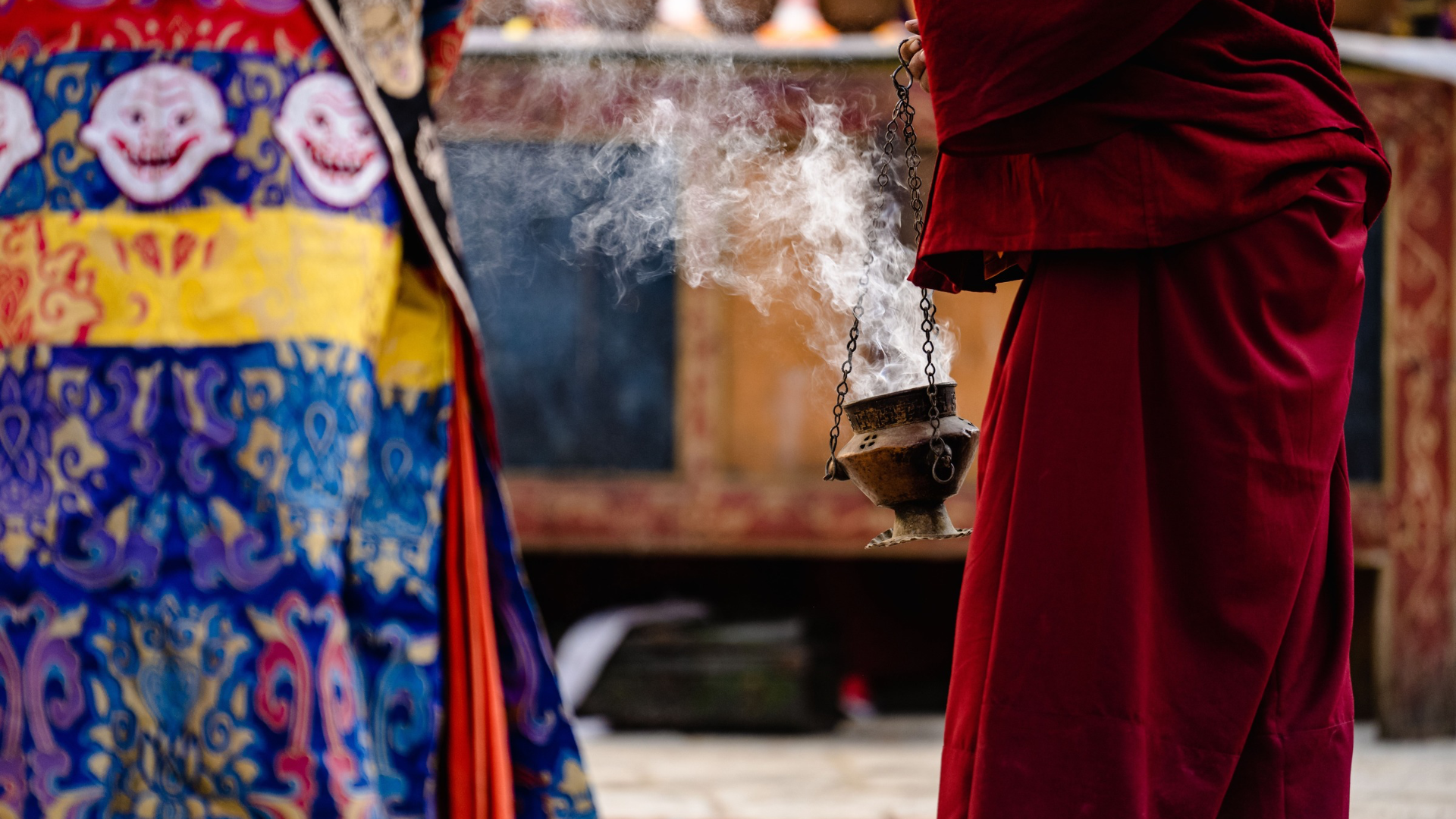
● Kartik Naach: Held annually in Patan’s Durbar Square, this masked dance retells stories from Hindu mythology through music and stylized choreography, turning public spaces into storytelling stages.
● Balan: Common in parts of western Nepal, Balan blends devotional songs with recitations of mythological tales, performed during religious ceremonies and festivals. It’s part prayer, part storytelling, and all tradition.
These festivals aren’t just celebrations. They are living narratives ways communities pass on stories of their gods, heroes, and shared past.
Final Thought
Storytelling in Nepal doesn’t always come wrapped in books or performed on grand stages. Often, it is found in songs echoing from village homes, tales shared under starlit skies, or ancient rituals danced out in temple squares.
POPULAR ITINERARIES
SIMILAR POSTS
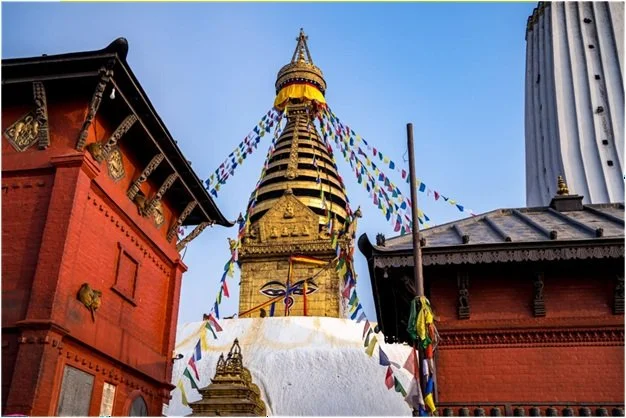
Kathmandu for the Quiet Traveler: Where to Go When You Don’t Want the Usual
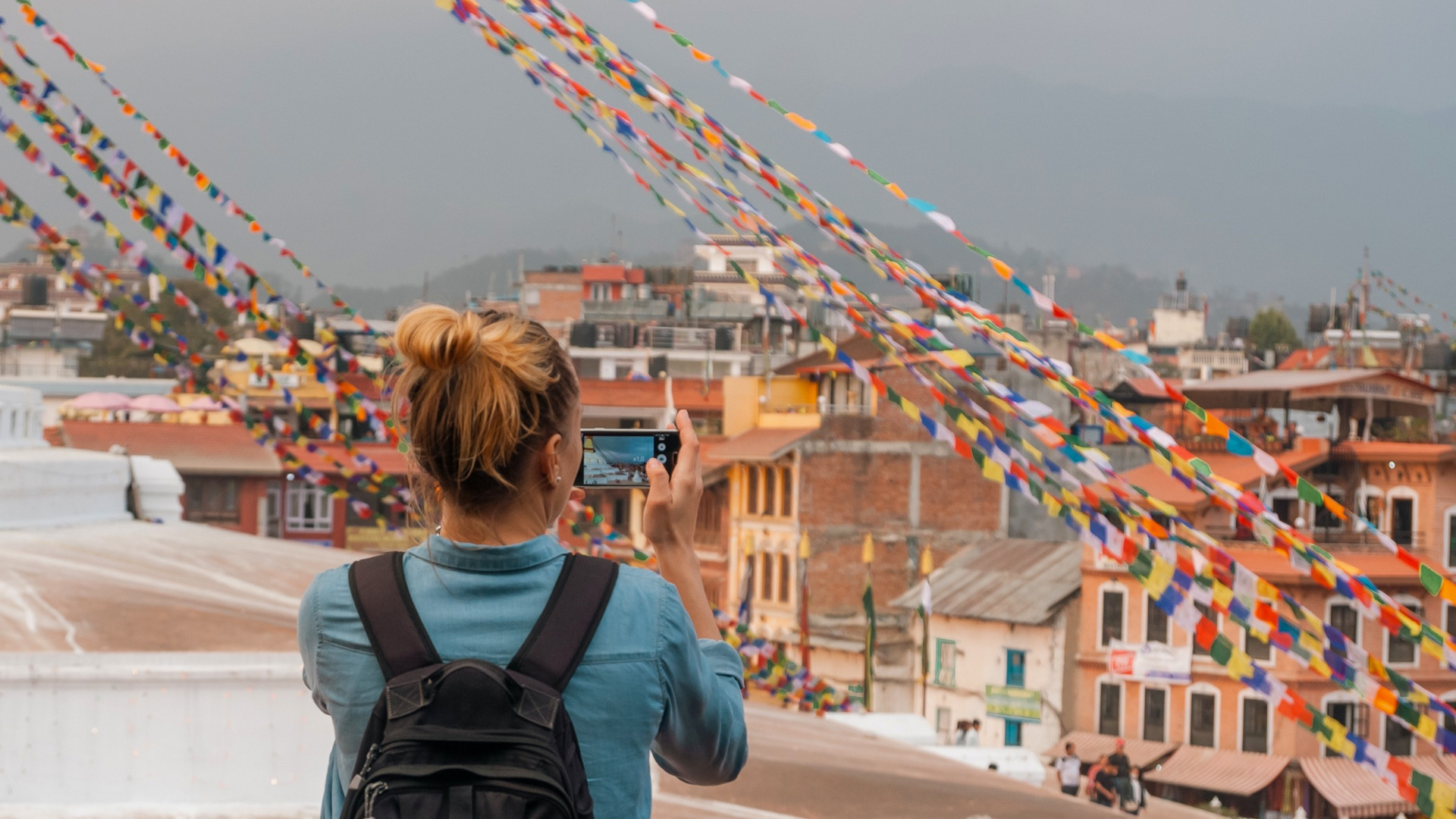
Not every traveler comes to Kathmandu for the bustle. Some come for the pauses the in-between spaces that escape guidebooks and algorithms. For these quiet travelers, Kathmandu offers a different map. One of book cafés hidden behind prayer flags, sunlit courtyards free of selfies, hilltop temples with no soundtrack but the wind.
An anti-itinerary for those seeking silence, poetry, and the stillness between footsteps
Not every traveler comes to Kathmandu for the bustle. Some come for the pauses the in-between spaces that escape guidebooks and algorithms. For these quiet travelers, Kathmandu offers a different map. One of book cafés hidden behind prayer flags, sunlit courtyards free of selfies, hilltop temples with no soundtrack but the wind.
If you crave solitude over spectacle, handwritten signs over neon lights, and time to breathe rather than check off a list, this guide is for you.
Here’s where to go in Kathmandu when you don’t want the usual.
1. Hidden Book Cafés and Teahouses with Time
Step away from the crowded cafés and find corners where time slows down. In neighborhoods like Jhamsikhel, Naxal, or Sanepa, you’ll find places with creaky floors, handwritten menus, and shelves full of poetry or philosophy.
Some are built around small libraries. Others open into gardens where the only noise is birdsong or distant chimes. Order a pot of masala tea or a pour-over, and stay as long as you like. No one rushes you here in fact, most people are reading, writing, or simply watching the rain.
2. Hill Walks with No Tour Buses
Kathmandu Valley is encircled by hills that hold some of the gentlest trails for reflective walking. Skip the popular hikes and try routes like:
● Kopan to Budhanilkantha: A peaceful forest trail that passes monasteries, prayer walls, and local homes, with wide valley views and few hikers.
● Tarebhir Trail near Gokarna: A shaded, lesser-known route popular with local walkers, ideal for early morning solitude.
● Pharping Ridges: South of the city, these trails wind through pine forests and old hermit caves, used for centuries as places of retreat.
Bring a notebook, walk slowly, and let the quiet rearrange your thoughts.
3. Forgotten Courtyards and Old Stone Steps
Kathmandu is full of hidden courtyards tucked behind Newar homes, temples, or quiet lanes where you’ll hear the echo of your own footsteps. These are places not designed for tourism, but for living.
Wander around Patan’s inner lanes or Bhaktapur’s alleys just after sunrise. You’ll find stone chaityas with moss-covered bases, pigeons fluttering between roofs, and elders sitting silently beneath peepal trees. Some of these spaces have remained unchanged for centuries still, sacred, and strangely cinematic.
If you’re lucky, you may even find a quiet well or communal tap still in use, a brief reminder of slower, water-drawn mornings.
4. Libraries, Archives, and Shelves of Dusty Wisdom
Kathmandu has libraries not just for scholars, but for those who find calm in turning pages. From old government archives to indie cultural spaces, you’ll find shelves filled with history, literature, and silence.
Explore:
● Small local libraries inside old community halls
● Tibetan Buddhist libraries near Boudha or Swayambhu
● Cultural centers in Patan that offer rare books, poetry readings, or quiet rooms to write
You don’t need a membership just curiosity and respect for the space.
5. Gardens, Cloisters, and Monastery Grounds
While most tourists visit the big stupas and monasteries, the real sanctuaries lie in the smaller grounds places where monks tend plants, sweep floors, or meditate beneath Bodhi trees.
Some monastery gardens are open to the public, especially during early hours. Sit on a bench, breathe with the sound of prayer flags fluttering, and observe life unfolding without fanfare.
And if rain begins to fall even better. Monsoon mornings are Kathmandu’s best-kept secret.
Final Thought
Kathmandu is often described in noise horns, chants, markets, construction. But it also hums with quiet. You just have to look for it.
This is a city that rewards the slow traveler. The one who walks without checking their phone. Who pauses at temple thresholds. Who finds poetry in peeling paint and solace in stray dogs sleeping by the road.
So if you came here seeking peace, you didn’t come to the wrong place. You simply need to listen more softly.
POPULAR ITINERARIES
SIMILAR POSTS


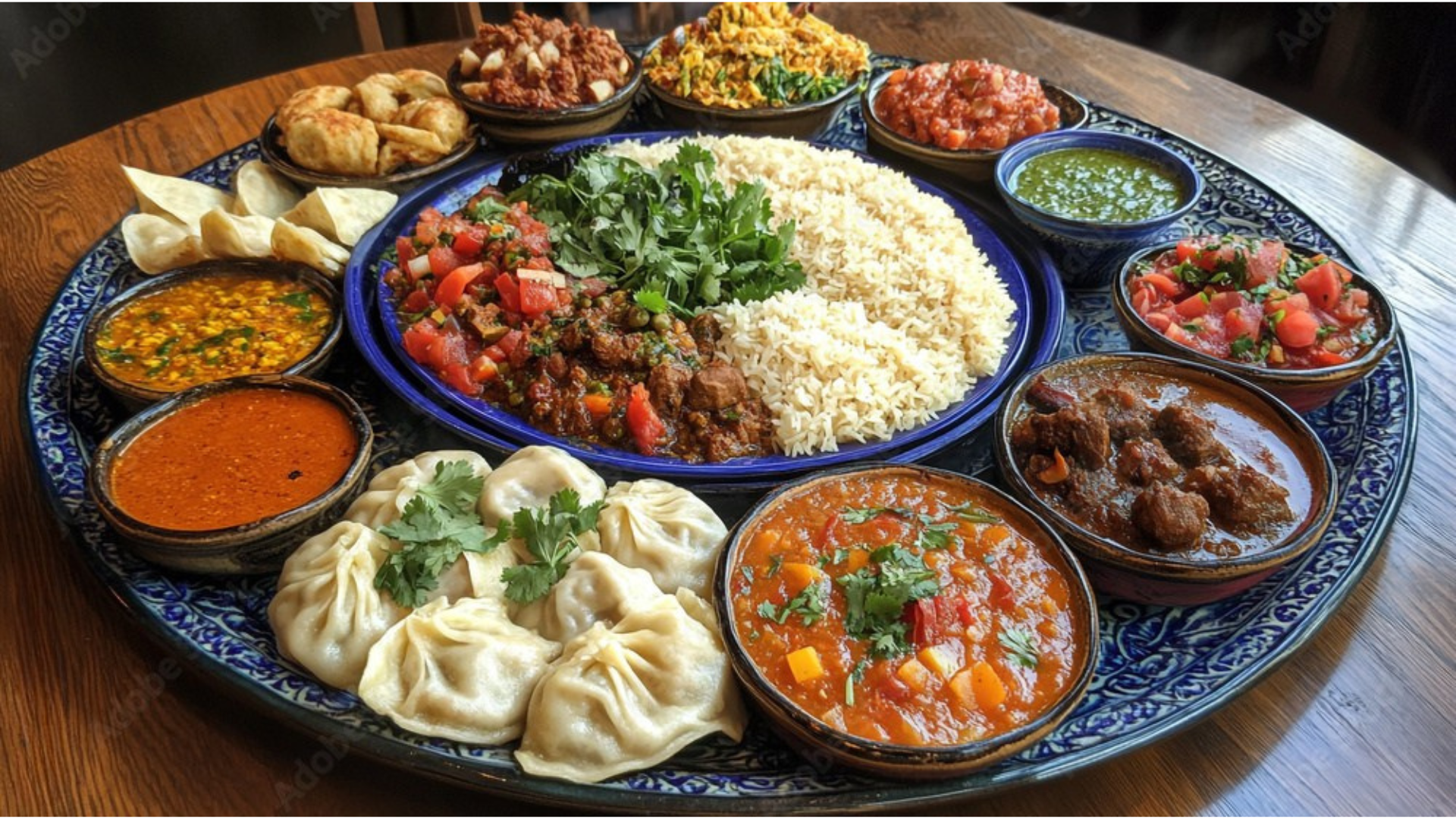
Savoring Kathmandu: A Culinary Trail for First-Time Visitors
Kathmandu is not just a gateway to the Himalayas. It’s a city that feeds your senses. For first-time visitors, the flavors here offer a warm and welcoming glimpse into Nepal’s soul. From rooftop restaurants to quiet neighborhood stalls, every meal has something to say.
Kathmandu is not just a gateway to the Himalayas. It’s a city that feeds your senses. For first-time visitors, the flavors here offer a warm and welcoming glimpse into Nepal’s soul. From rooftop restaurants to quiet neighborhood stalls, every meal has something to say.
Start Your Day the Local Way
Begin your morning with sel roti and milk tea. This lightly sweet, crispy rice doughnut pairs beautifully with a hot cup of spiced tea. You might find it in a small stall tucked into an alley, where locals stop for a quick bite before their day begins.
Another simple favorite is chiura (flattened rice) served with buff sukuti (dried meat) or curried potatoes. It’s hearty, flavorful, and loved across generations.
Midday Meals with Meaning
Lunchtime in Kathmandu is often slow, generous, and shared. The traditional Nepali thali is a must-try. A round metal plate brings together steamed rice, lentils, vegetables, pickles, and a meat or vegetarian curry. Each part balances the other, creating a meal that’s filling and satisfying.
In heritage areas, especially around old squares, Newari dishes bring deeper regional flavor. Look for sets that include spicy chhoila, bara, and aloo tama. The ingredients are simple, but the cooking methods hold centuries of tradition.
Street Snacks and Afternoon Bites
As the sun dips lower, Kathmandu’s street snacks come to life. Try chatpate, a tangy mix of puffed rice, peanuts, and raw onions tossed in chili and lemon. It’s crunchy, spicy, and addictive.
And of course, momos. These steamed dumplings are everywhere. Whether filled with vegetables, buff, or paneer, they’re always served hot and with a fiery tomato-based achar.
Evening Dining and Rooftop Views
Dinner in Kathmandu is often a chance to relax and look out over the city. Rooftop restaurants offer peaceful views of temple spires, local rooftops, and the rhythm of the streets below.
Here, you might try grilled trout flavored with local herbs or a bowl of warm thukpa. The menu often mixes comfort with elegance, and many places are known as much for their setting as their food.
A Sweet Finish
No culinary trail in Kathmandu is complete without juju dhau. This creamy, thick yogurt comes from Bhaktapur and is a local treasure. Or end with a quiet cup of masala chiya, best enjoyed slowly.
For the Curious Palate
Kathmandu’s food journey isn’t just about trying something new. It’s about how meals are shared, how they’re prepared with care, and how taste is tied to tradition. For those arriving for the first time, it’s an easy way to connect—to the city, its people, and its quiet warmth.
Once you’ve eaten here, you’ll carry the taste long after you leave.
POPULAR ITINERARIES
SIMILAR POSTS
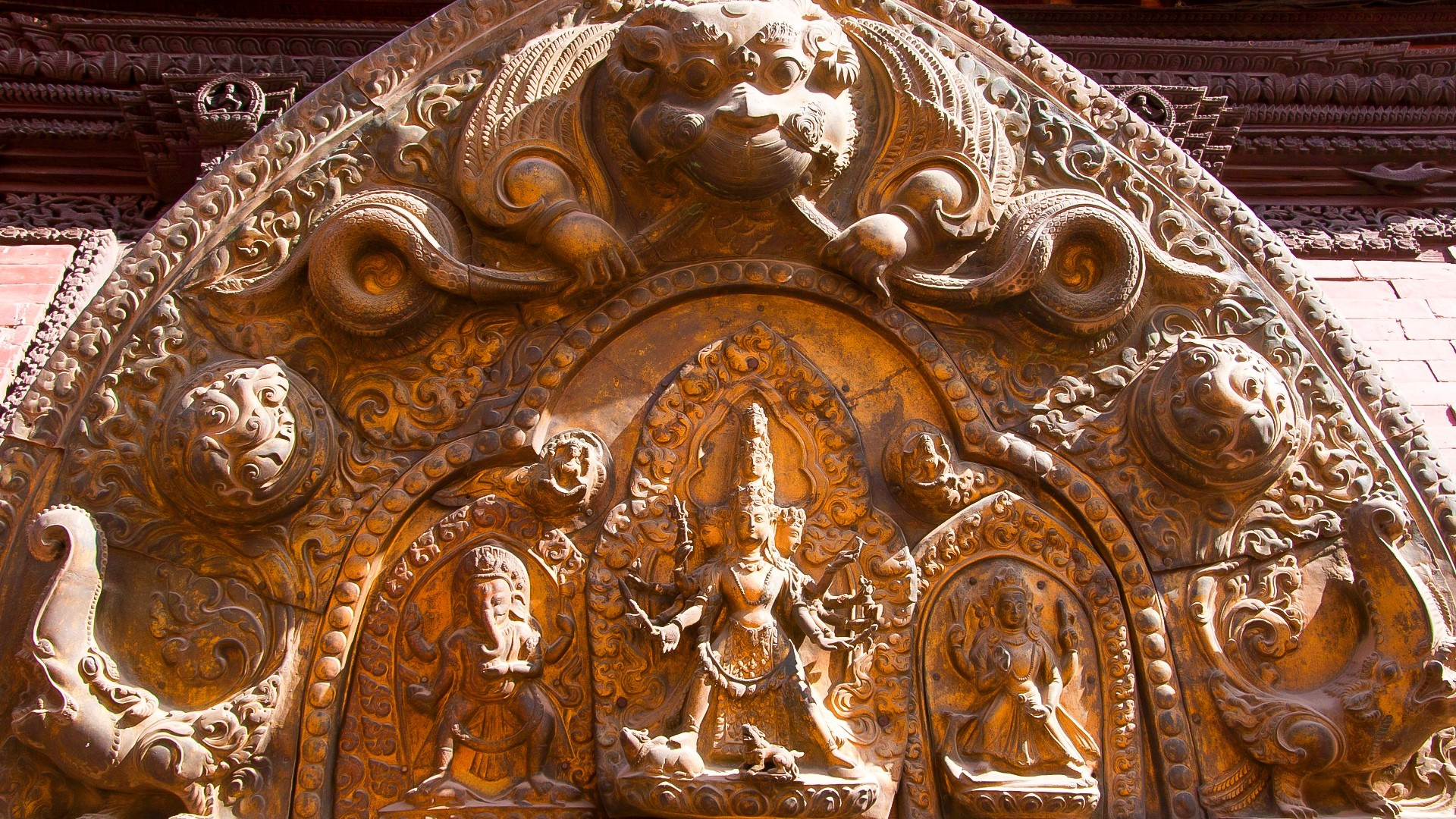
More Than Stone: What Temples and Palaces Can Teach the Modern World
In the old cities of the Kathmandu Valley, temples don’t just sit in place. They shape it. Palaces don’t just preserve history. They continue it. These structures were not built simply to impress. They were built to last, to breathe, and to hold meaning through time.
In the old cities of the Kathmandu Valley, temples don’t just sit in place. They shape it. Palaces don’t just preserve history. They continue it. These structures were not built simply to impress. They were built to last, to breathe, and to hold meaning through time.
Their lessons go far beyond architecture. In fact, they might be exactly what the modern world has forgotten.
Space is Not Just for Use, It’s for Experience
In traditional architecture, rooms were not measured by square footage but by how they felt. Some opened into light. Others offered cool shade at midday. Spaces existed not just to function, but to shift one’s state of being. To create silence, pause, and focus.
Today’s cities often crowd out stillness. But old temples and palaces remind us that space can create attention, not distraction. And beauty can be quiet.
Ritual Built into the Everyday
Temples and palaces weren’t designed apart from life. They were embedded in it. A corridor’s alignment with the rising sun, a step’s echo in a courtyard, the low threshold that asks you to bow your head — these weren’t decorative. They were intentional. They reminded people, gently, of presence.
Even without understanding the rituals, visitors often feel something in these places. A calm that doesn’t need explaining.
The Power of Craft, Not Speed
A carved window that took weeks. A doorway designed to hold light just so. These weren’t shortcuts. They were acts of care. The kind of care rarely found in mass production.
In a world that values efficiency, old buildings remind us of another kind of value. Devotion to detail, even if no one notices at first glance.
Age is Not Decay, It’s Depth
Modern thinking often sees age as a flaw. A thing to repair, repaint, or erase. But temples and palaces wear their age openly. The weathered stone, the softened edges, the soot-darkened walls they are not broken. They are full.
Time doesn’t erode these places. It completes them.
They Were Built for Humans, Not Just for Power
Despite their scale, there’s something deeply human about these spaces. The proportions are gentle. The materials familiar. A palace could be grand and still feel like a home. A temple could feel sacred and still welcome you to sit.
There is dignity here, not from height or spectacle, but from balance.
A Quiet Inheritance
We walk through these places as visitors, but they are not museums. They are inheritances. Of attention. Of slowness. Of grace.
In Kathmandu, this architecture is not just memory. It is a living texture. It slows you down without asking, teaches you without speaking, and offers something softer in a world that often forgets to look up.
POPULAR ITINERARIES
SIMILAR POSTS
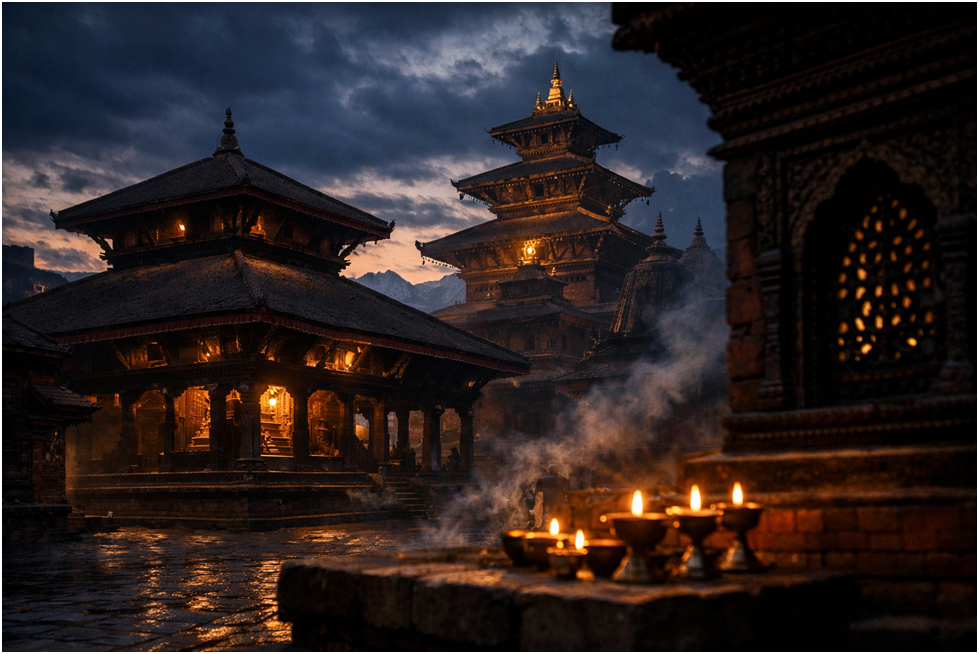

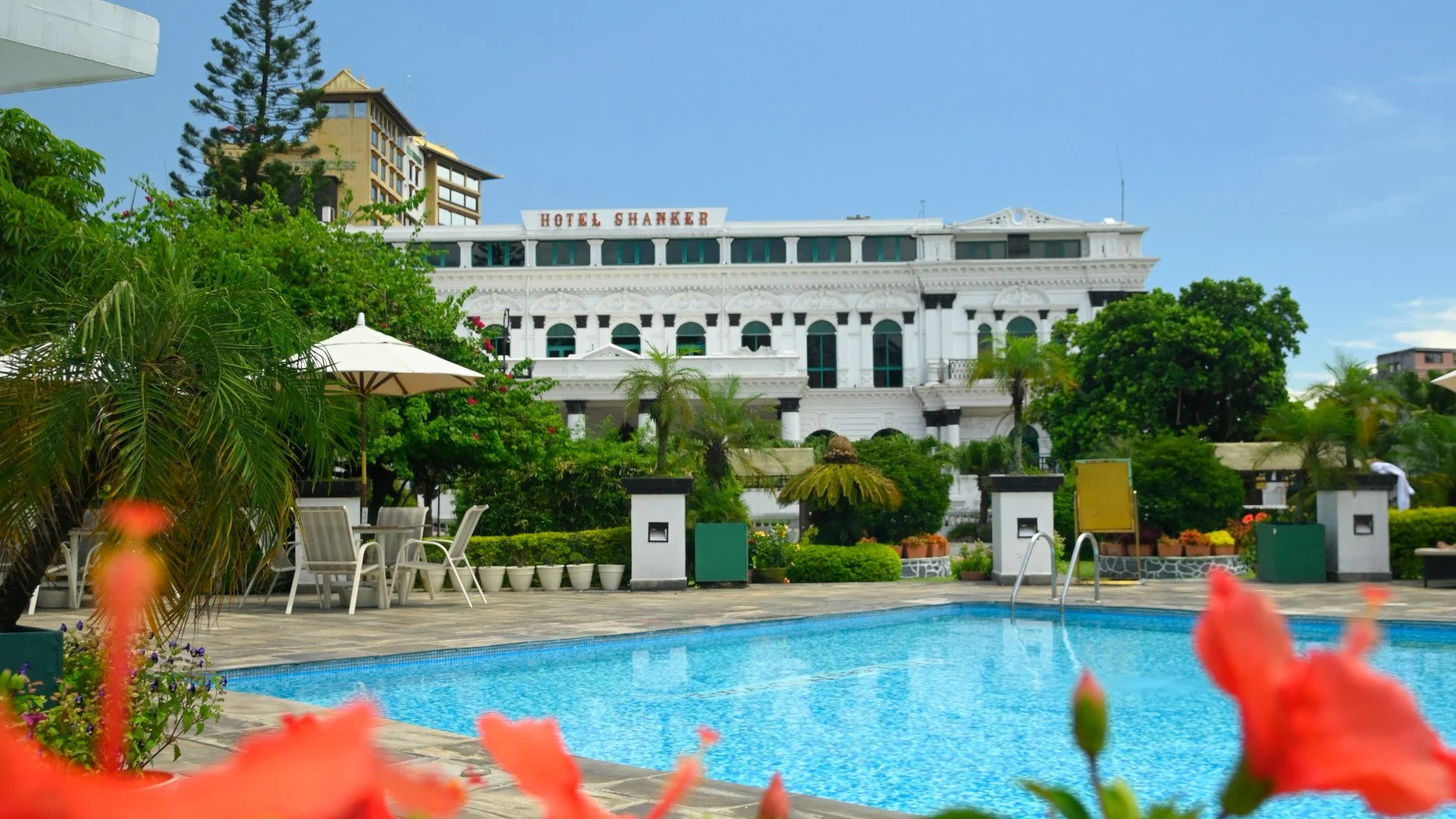
The Quiet Lanes of Water – Poolside Peace at Hotel Shanker
In the heart of a city known for its vibrant streets and bustling markets, there’s a quieter side to life, a place where time slows down and the air feels a little lighter. At Hotel Shanker, the pool is more than just a place to swim. It’s a space to pause, reflect, and find a little calm in the middle of it all.
A Place to Pause
In the heart of a city known for its vibrant streets and bustling markets, there’s a quieter side to life, a place where time slows down and the air feels a little lighter. At Hotel Shanker, the pool is more than just a place to swim. It’s a space to pause, reflect, and find a little calm in the middle of it all.
Morning Calm
Mornings by the pool at Hotel Shanker have a special kind of quiet. The sun rises slowly, casting long, soft shadows across the water. The air is cool, the garden alive with the sounds of birds, and the surface of the pool perfectly still, reflecting the early light.
There’s a sense of promise in these early hours, a feeling that the day is yours to shape. A quiet swim, a warm cup of tea, and a few slow breaths before the city fully wakes up. For a moment, the only sound is the gentle ripple of water as you take a slow lap, letting your mind drift with each stroke.
Afternoons in the Sun
As the sun climbs higher, the pool comes to life. The water glistens, catching the light at every angle. Laughter echoes from nearby tables, the clinking of glasses mixing with the sound of splashing. The garden adds a touch of green, with leaves rustling in the warm breeze.
This is the time for long, unhurried lunches, cool drinks, and conversations that stretch into the afternoon. A good book, a shady corner, and the gentle warmth of the sun on your skin. The hours move slowly here, each moment unfolding without rush.
Evening Reflections
As the day winds down, the pool takes on a different kind of calm. The light softens, turning the water a deep, rich blue. The air cools, the shadows lengthen, and the sounds of the city fade into the background.
This is a time for quiet reflections, a time to let the day settle in your mind. The surface of the water holds the last of the daylight, a mirror for the sky above. It’s a place to sit back, sip a cool drink, and watch as the lights of the hotel begin to glow, casting a warm, welcoming glow over the water.
A Different Kind of Stillness
There’s a special kind of peace in the quiet lanes of water. A stillness that feels different from the rest of the city. It’s the feeling of cool water on warm skin, the soft sound of footsteps on wet tiles, the gentle rise and fall of the surface as the breeze moves through the garden.
At Hotel Shanker, the pool is a place to linger. It’s a place to slow down, to drift without a plan, to let your thoughts wander as the water moves gently around you. It’s a small corner of calm in a busy city, a reminder that sometimes the best moments are the quiet ones.
Finding Your Place by the Water
Whether you’re an early riser looking for a moment of quiet before the day begins, a sun-seeker in search of warmth, or a night owl drawn to the cool, reflective surface of the evening pool, there’s a place for you here.
At Hotel Shanker, the water is more than a feature. It’s a feeling, a moment, a memory in the making. It’s a place where time slows down, where the noise of the city fades, and where you can find a little peace in the middle of it all.
POPULAR ITINERARIES
SIMILAR POSTS
Walking Through the History of Kathmandu
Kathmandu is a place that holds its history close. Every corner, every alley, every old building has a story to tell. It’s a city that rewards slow walks and curious minds.
A City Built on Stories
Kathmandu is a place that holds its history close. Every corner, every alley, every old building has a story to tell. It’s a city that rewards slow walks and curious minds.
If you’re staying at Hotel Shanker, you’re already in a place with its own history. But beyond its gates, the streets of Kathmandu have even more to share. Here are a few places where the past still lives, just a short walk or drive from the hotel.
Ason Bazaar: Where the City Still Breathes
Start your day in Ason Bazaar, one of the oldest markets in Kathmandu. Here, the air is thick with the smell of spices, fresh vegetables, and incense. Narrow lanes twist through old brick buildings, their windows carved with care.
Pause at the Annapurna Temple, a small but sacred spot dedicated to the goddess of abundance. You’ll often find locals stopping to light incense or offer flowers as the market buzzes around them.
Indra Chowk: Where Life Crosses Paths
From Ason, walk toward Indra Chowk, a busy crossroads that has been a meeting point for traders and travelers for centuries.
Take a moment at the Seto Machhindranath Temple, a quieter corner where butter lamps flicker and the smell of marigolds fills the air. It’s a reminder that even in the busiest parts of the city, there is space for quiet reflection.
Basantapur: The Heart of Old Kathmandu
From Indra Chowk, follow the winding lanes to Basantapur, a place known for its tall, wooden pagodas and carved windows.
Look for the Kaathe Swayambhu Stupa, a small but important shrine that echoes the larger stupa on the hill. It’s a good place to pause, take a breath, and watch the city move around you.
Itumbaha Courtyard: A Hidden Gem
Just a short walk from the main squares, Itumbaha is a quiet, hidden courtyard that feels like a step back in time. Built in the 14th century, this Buddhist monastery still holds its original charm, with intricate wood carvings and a peaceful, lived-in atmosphere.
Narayanhiti Palace Museum: A Look at Recent History
End your walk at the Narayanhiti Palace Museum, just a short drive from Hotel Shanker. Once home to Nepal’s kings, this palace is now a museum that offers a glimpse into the country’s recent past.
Walk through the grand halls, past crystal chandeliers and state rooms, and imagine the moments of history that unfolded here.
Coming Back to Quiet
After a day spent moving through the city’s history, coming back to Hotel Shanker feels like a welcome pause. The cool halls, the quiet gardens, and the soft light in the windows offer a different kind of history—a quieter, more personal one.
POPULAR ITINERARIES
SIMILAR POSTS
Rato Machhindranath Jatra: A Festival That Moves With the City
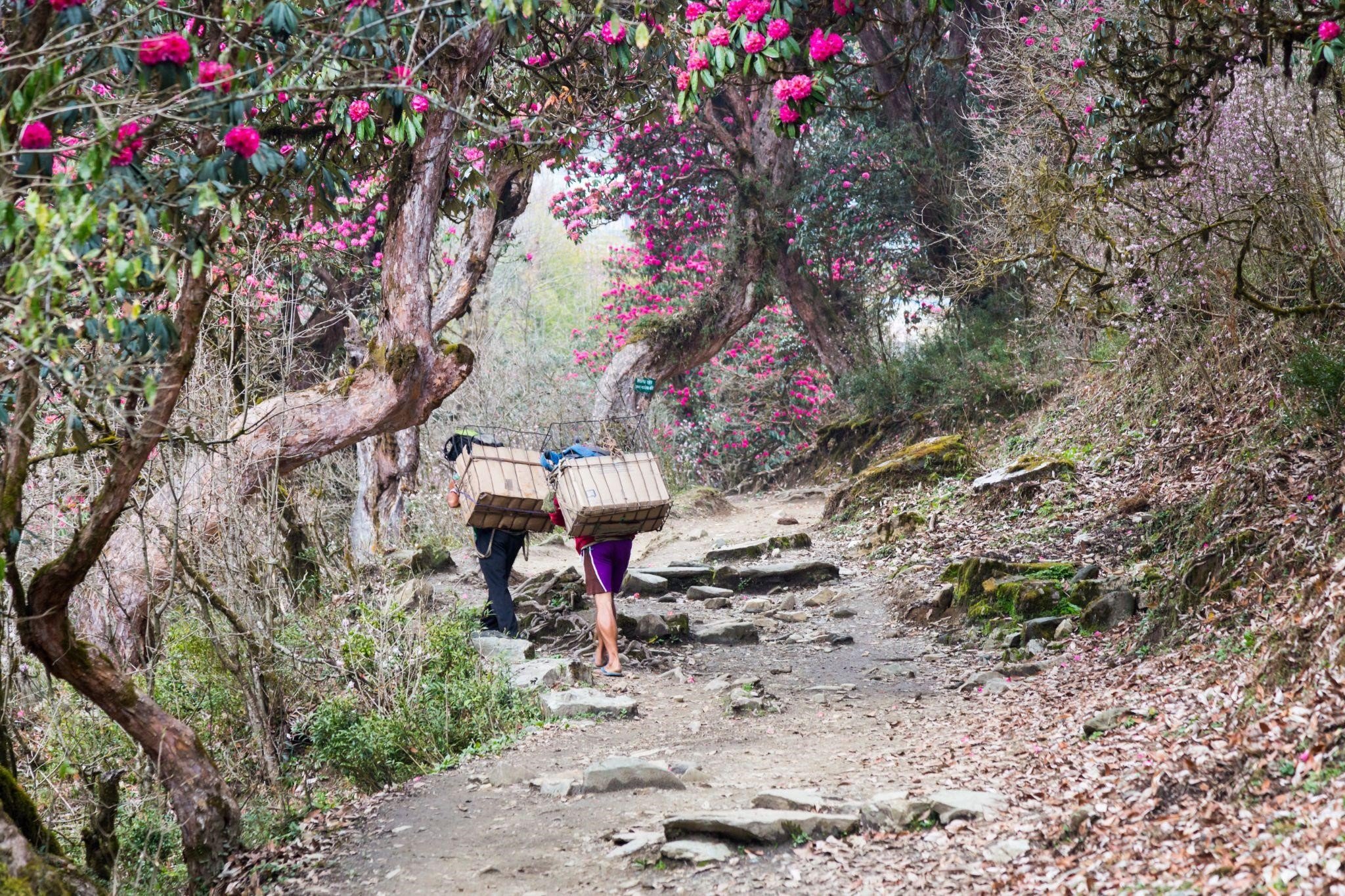
Every spring, as the air begins to warm and the days grow longer, the city of Patan prepares for a celebration unlike any other. Rato Machhindranath Jatra is one of the oldest and most respected festivals in Nepal. Its roots go back more than a thousand years, and its meaning still feels just as strong today.
An Ancient Celebration in the Heart of the Valley
Every spring, as the air begins to warm and the days grow longer, the city of Patan prepares for a celebration unlike any other. Rato Machhindranath Jatra is one of the oldest and most respected festivals in Nepal. Its roots go back more than a thousand years, and its meaning still feels just as strong today.
This isn’t a festival that happens on a stage or behind closed doors. It happens right in the middle of the streets. The entire city becomes part of it. People don’t just watch—they walk alongside it. They help pull the ropes, offer prayers, and tell stories to the younger ones who are seeing it for the first time.
The Story Behind the Festival
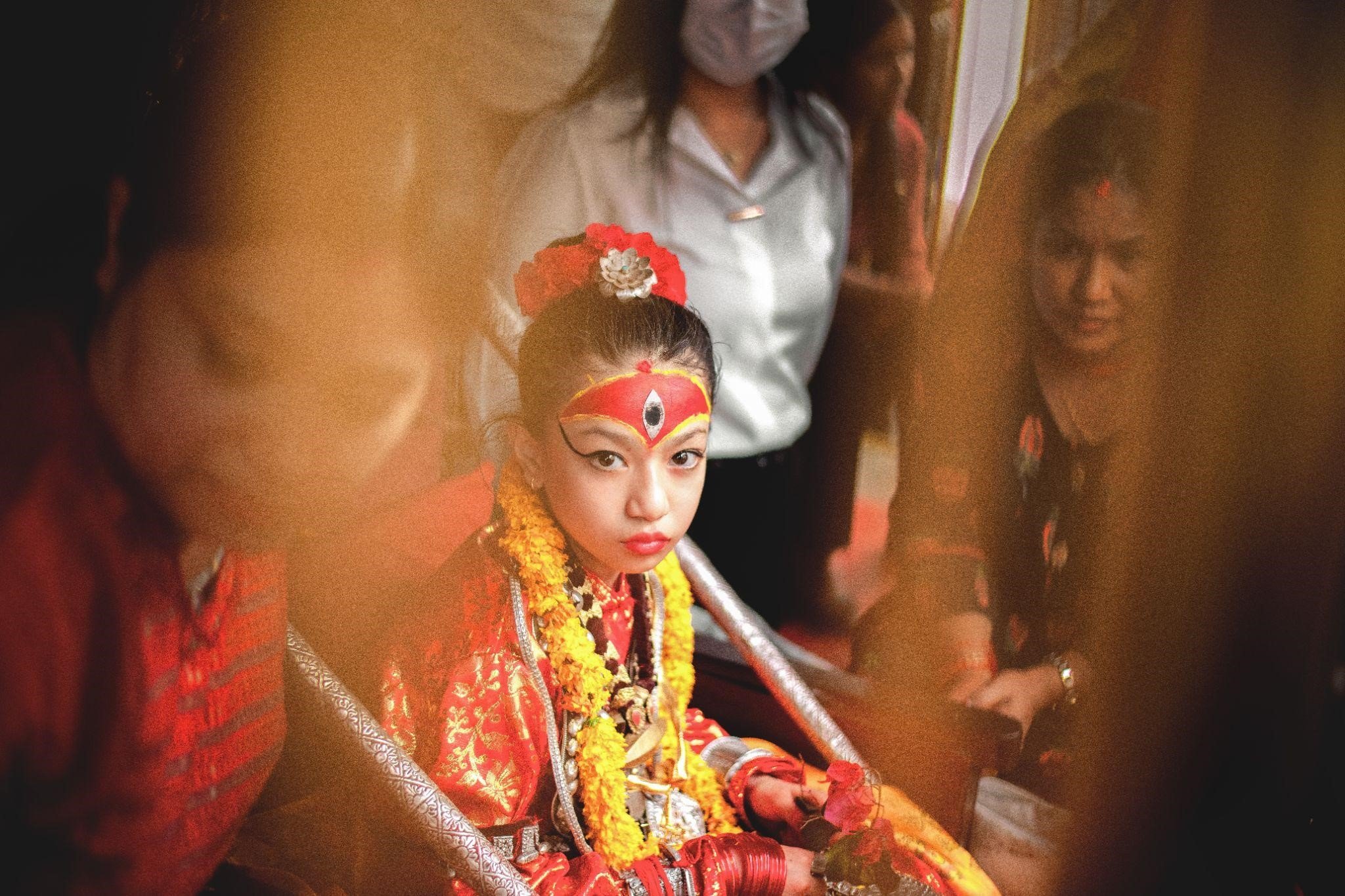
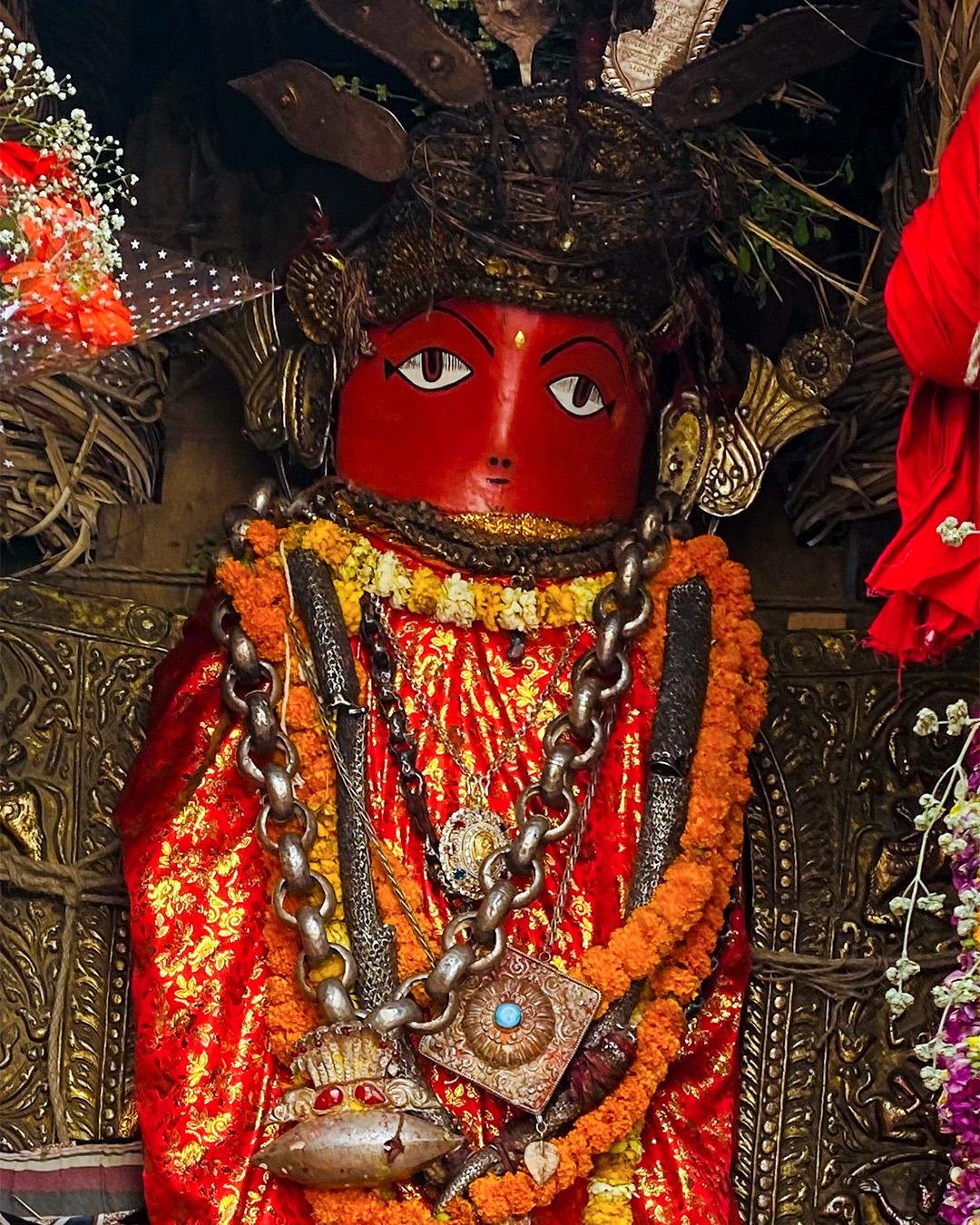
At the center of the Jatra is the deity Rato Machhindranath, believed to be the bringer of rain and protector of the valley. According to legend, there was once a time when no rain fell, and famine spread across the land. The people prayed and asked for help. When they brought the deity to the valley, the rains returned, and life began to grow again.
Since then, the people of Patan and Kathmandu have honored this gift by building a tall wooden chariot each year, placing the image of Rato Machhindranath inside, and pulling it through the city. The chariot is made entirely by hand using traditional tools and techniques passed down through generations. Each part of it has meaning. Each gesture during the procession carries memory.
A City in Motion
The procession itself is slow and careful. It can take several weeks for the chariot to complete its journey, moving from Pulchowk through the narrow streets and open squares of Patan. Along the way, communities gather to offer flowers, light lamps, and pay their respects. Musicians play traditional instruments. Children laugh and chase one another. Elders sit quietly and watch.
This is not a performance. It is daily life, paused for something sacred.
For Locals and Visitors Alike
For someone seeing the Jatra for the first time, it can feel overwhelming in the most beautiful way. There is so much to take in—the sounds, the colors, the energy of the people. But more than that, there’s a feeling of being part of something that has existed long before and will continue long after.
Visitors staying at Hotel Shanker during this time are in a special position. You can experience the liveliness of the festival by day, and return by evening to a space filled with calm. The hotel’s location offers easy access to the heart of the valley, yet its gardens, quiet halls, and graceful rooms provide a contrast that feels deeply welcome after a day spent amidst the celebration.
Why the Festival Still Matters Today
In today’s fast-moving world, where traditions often fade or change, Rato Machhindranath Jatra remains grounded. It’s not just about religion. It’s about community. It’s about remembering what it means to come together for something shared—something old, and yet still alive.
The Jatra reminds us that belief doesn’t always live in temples. Sometimes, it lives in the hands that pull the chariot ropes. In the feet that walk the route. In the voices that call out to friends from the rooftops. It lives in moments that are not rushed, but carried forward—slowly, with care.
A Festival to Witness, A Place to Rest
At Hotel Shanker, we believe in the value of these moments. We know that every guest who walks through our doors carries stories, just as this city does. That’s why we offer a space where you can not only rest, but reflect. A stay here during the Jatra isn’t just convenient—it’s meaningful.
You return not only to luxury, but to something that understands the rhythm of the valley. Something that holds history, just like the festival outside its gates.
POPULAR ITINERARIES
SIMILAR POSTS

Five Experiences That Make Your Stay at Hotel Shanker Unforgettable
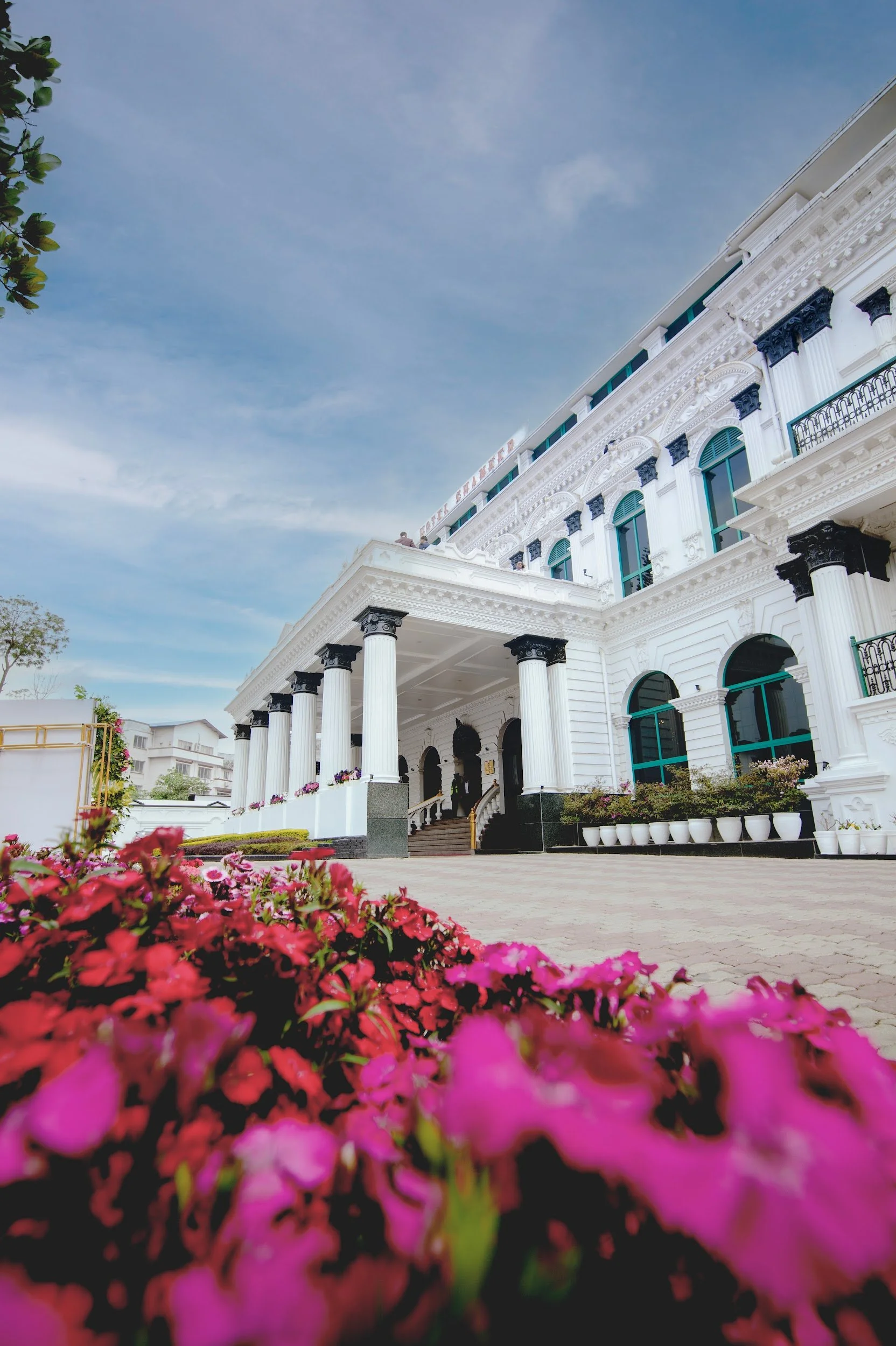
At Hotel Shanker, memory is shaped not just by architecture, but by emotion. The light in the garden at dusk. The sound of footsteps on century-old marble. The grace of service that arrives before you ask.
There are hotels that offer a place to sleep—and then there are hotels that stay with you, long after you’ve left.
At Hotel Shanker, memory is shaped not just by architecture, but by emotion. The light in the garden at dusk. The sound of footsteps on century-old marble. The grace of service that arrives before you ask.
Here are five moments—quiet, beautiful, and intentional—that make a stay at Hotel Shanker more than just accommodation. They make it an experience.
1. A Garden Morning That Doesn’t Rush You
Before the city begins to stir, the gardens at Hotel Shanker are already alive—with birdsong, filtered sunlight, and a sense of peace that can’t be staged.
Guests begin their day not with urgency, but with stillness. A cup of Nepali tea. A newspaper. The scent of fresh leaves. This is not just breakfast outdoors—it’s a ritual in ease.
Why it matters: It reminds you that slow starts are often the most meaningful.
2. A Room That Holds History—Without Demanding It
Step into your room and you’ll feel it immediately: space, air, quiet. The high ceilings. The aged wood. The softness of light on vintage textures.
You’re not in a recreated version of the past—you’re inside it. But never overwhelmed. Hotel Shanker’s rooms are designed to be lived in, not just admired.
Why it matters: It’s where comfort meets character—and both are entirely real.
3. Afternoon by the Pool, Under Palace Shadows
The pool at Hotel Shanker isn’t just a place to cool off. It’s framed by trees, architecture, and the feeling of being tucked away from the city just beyond the gate.
Time slows down here. Books get finished. Thoughts get quiet. You can hear the leaves.
Why it matters: It’s your moment of retreat—refreshing, quiet, and yours alone.
4. A Walk Through History—Without a Guidebook
From the carved doors to the grand staircase, the hotel itself is a living museum. But one you move through, not tiptoe around.
Each hallway, arch, and detail invites you to notice—how the past still lives here, gently and beautifully.
Why it matters: It offers what no modern hotel can—depth without pretense.
5. Dusk That Settles Like a Story Ending
Evenings at Hotel Shanker aren’t loud. They’re warm. Subtle. The garden lamps begin to glow, the pool mirrors the last of the sky, and conversations soften around candlelit tables.
Whether you choose a quiet dinner or a solitary moment under the trees, dusk here doesn’t ask anything of you. It just holds you in place.
Why it matters: You end the day exactly the way it should be ended—unrushed, content, and surrounded by grace.
A Stay That’s Measured in Moments, Not Nights
At Hotel Shanker, luxury isn’t loud. It doesn’t need to be. It lives in the spaces between—the morning calm, the thoughtful gesture, the feeling that everything has been considered.
What makes a stay unforgettable?
Not grand gestures.
Just the right ones.
POPULAR ITINERARIES
SIMILAR POSTS

Five Places to Visit in Kathmandu Before the Monsoon Arrives
Whether you’re a first-time visitor or a returning soul, here’s a curated five-stop itinerary, best enjoyed at an unhurried pace—with each journey beginning and ending in the quiet elegance of Hotel Shanker.
As Kathmandu begins to warm and the skies still hold their clarity, late spring and early summer reveal the valley in its gentlest light. Before the monsoon clouds roll in and the streets soften under seasonal rain, there’s a golden window—a time for walking, wandering, and witnessing the city’s timeless beauty.
Whether you’re a first-time visitor or a returning soul, here’s a curated five-stop itinerary, best enjoyed at an unhurried pace—with each journey beginning and ending in the quiet elegance of Hotel Shanker.
1. Patan Durbar Square – Where Craft Lives in Stone and Bronze
Start your morning in Lalitpur, just a short drive from the hotel. Patan Durbar Square is not just a UNESCO site—it’s a living museum of Newa architecture, temples, courtyards, and intricate metalwork still shaped by hand.
Wander through the golden windows, enter ancient palace chambers, and visit artisan studios tucked inside alleys. Mornings here are quieter, and the sun on the red brick is particularly poetic before noon.
Tip: Stop by the Patan Museum café for a peaceful coffee break surrounded by history.
2. Garden of Dreams – A Midday Retreat
By midday, retreat into the shaded elegance of the Garden of Dreams, just a short stroll from Thamel and only minutes from Hotel Shanker. With neoclassical pavilions, koi ponds, and manicured greenery, it’s an oasis meant for rest and reflection.
Settle into a bench, journal, read—or simply listen to the soft hum of the city fading beyond the garden walls.
Tip: The onsite Kaiser Café offers light meals and shaded verandas for lunch.
3. Swayambhunath – A View with Soul
As the day leans into afternoon, ascend to Swayambhunath Stupa, also known as the Monkey Temple. Perched on a hilltop overlooking the Kathmandu Valley, this spiritual site offers one of the best panoramic views before monsoon haze sets in.
Climb slowly. Spin the prayer wheels. Let the wind carry the sound of mantras as prayer flags flutter above the rooftops.
Tip: Visit before golden hour for softer light and fewer crowds.
4. Boudhanath – Circles of Stillness
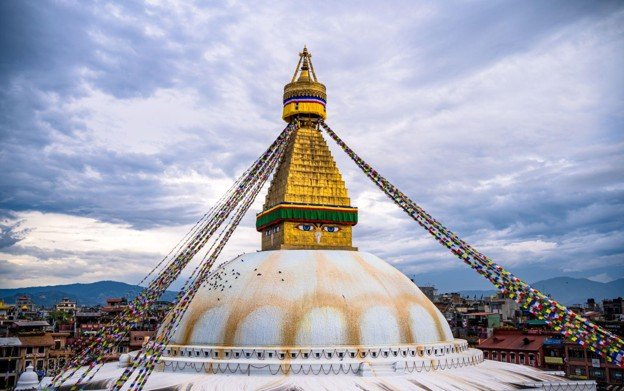
As evening approaches, visit Boudhanath Stupa—one of the largest and most revered in the world. Walk clockwise around the stupa with locals, monks, and pilgrims. The rhythmic motion, flickering butter lamps, and slow swirl of incense create an atmosphere of deep presence.
This is where the day begins to quiet.
Tip: Head to a rooftop café for tea as the stupa glows under soft lantern light.
5. Return to Calm: Hotel Shanker at Dusk
After a day of exploration, there’s nothing more comforting than returning to a place that feels like an embrace. At Hotel Shanker, twilight takes on a special stillness. The pool reflects the last of the light, the garden cools, and the scent of lemongrass might greet you in the lobby.
Whether you retreat to your heritage room, unwind with an evening drink, or take a moment beneath the palace arches—you’re not just ending a day. You’re continuing a story.
The Season to Wander
Kathmandu before the monsoon is a city caught in golden light. It is warm, but not heavy. Alive, but not rushed. This is the season to trace old pathways, seek quiet corners, and let the city show you its more poetic face.
And there’s no better place to begin—or return—than a palace built for rest.
Hotel Shanker. A stay with a story.
POPULAR ITINERARIES
SIMILAR POSTS
A Palace for Summer: How to Stay Cool in Kathmandu’s Warmer Months
As the sun climbs higher and the rhythm of Kathmandu slows with the season, a certain kind of traveler seeks more than air-conditioned interiors. They seek calm. Shade. Stillness.
At Hotel Shanker, summer is not something to escape from—it’s something to experience differently. Within these palace walls, the warmth of the season is softened by space, design, and the quiet dignity of a place that was built to breathe.
As the sun climbs higher and the rhythm of Kathmandu slows with the season, a certain kind of traveler seeks more than air-conditioned interiors. They seek calm. Shade. Stillness.
At Hotel Shanker, summer is not something to escape from—it’s something to experience differently. Within these palace walls, the warmth of the season is softened by space, design, and the quiet dignity of a place that was built to breathe.
The Architecture of Ease
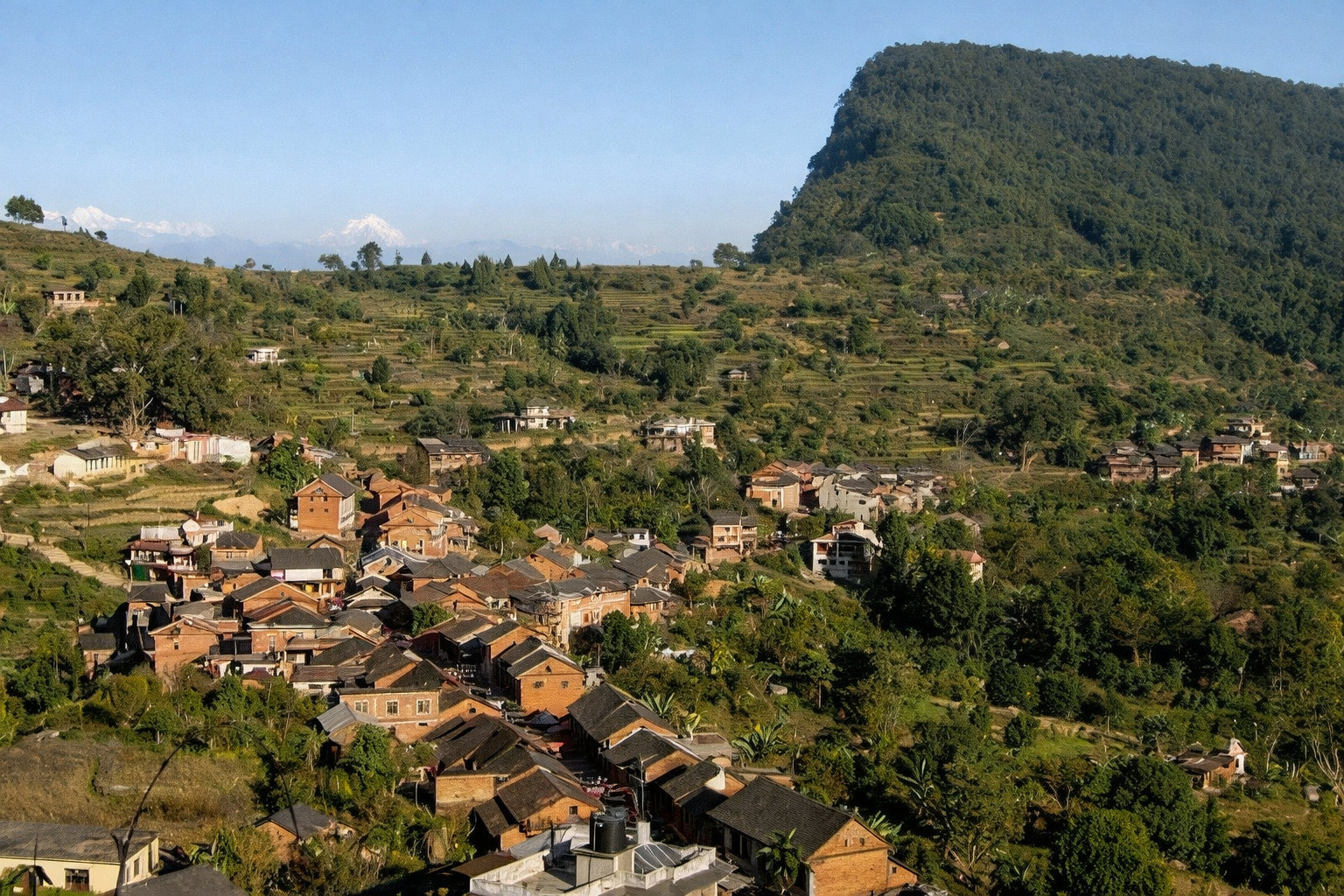
Long before the invention of modern cooling systems, palaces like Shanker were designed with purpose. High ceilings, wide corridors, and thick stone walls naturally temper the heat, allowing rooms to remain airy and pleasant even during Kathmandu’s warmest afternoons.
Courtyards and arched verandas invite breezes through the property. Windows are placed not just for light, but for circulation. In a city that often hums with heat, Hotel Shanker offers a spatial exhale—a cool pause between journeys.
Mornings in the Garden
Before the city stirs, our gardens are already alive. Sunlight dapples through ancient trees as birdsong floats across iron tables and trimmed hedges. Guests sip tea slowly, leaf through newspapers, or simply watch the day begin.
It is a ritual in stillness—a reminder that summer mornings can be savored, not rushed.
Afternoons That Ask Less of You
As the day grows warmer, retreat becomes rhythm. Wide hallways stay shaded and quiet. Rooms glow with natural light softened by wooden blinds. Whether you’re resting after temple visits or working from a peaceful corner, there’s a gentle dignity to slowing down here.
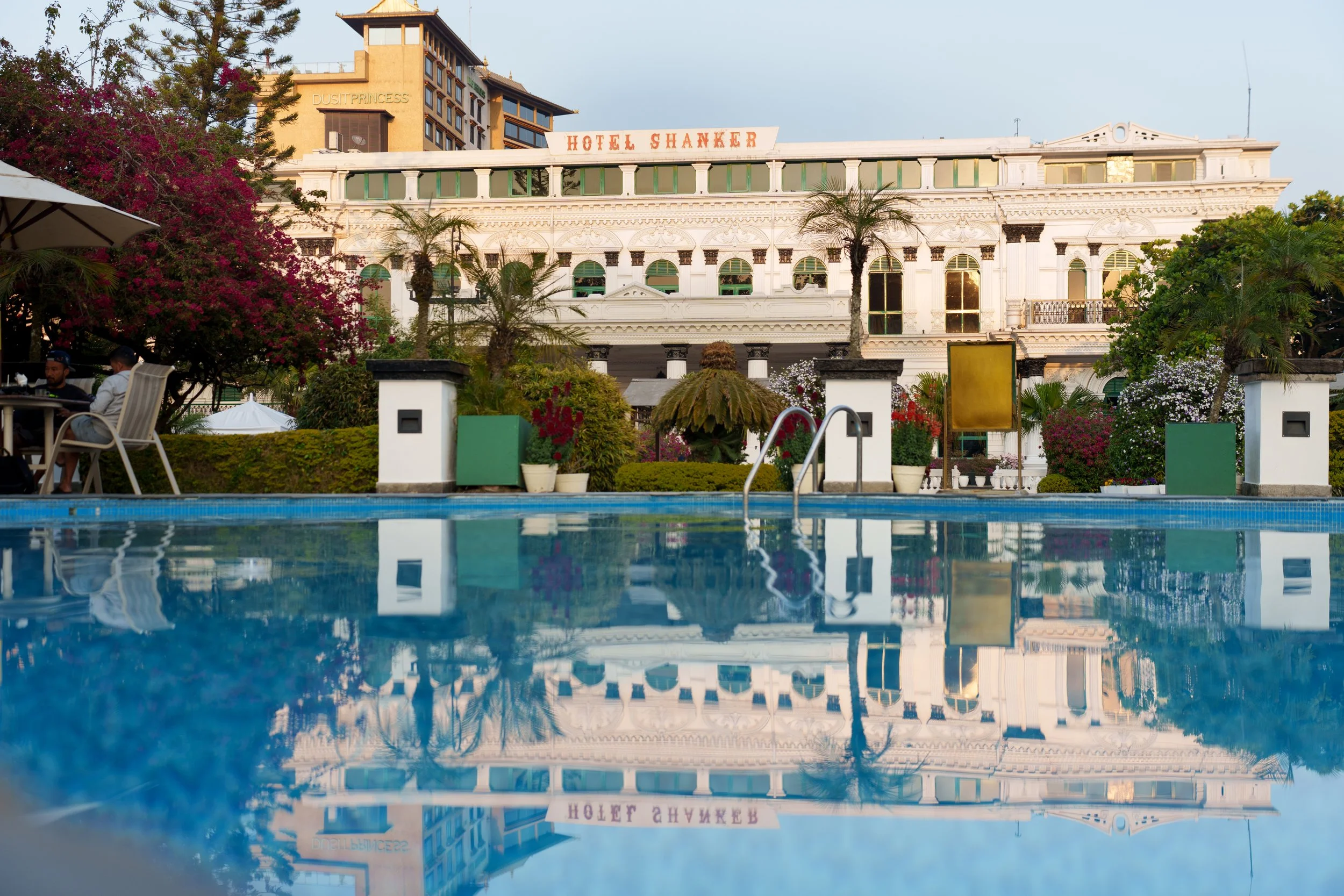
And for those seeking refreshment: a chilled welcome drink, hand towels infused with lemongrass, or a dip in the serene outdoor pool, surrounded by greenery that absorbs the sun before it reaches you.
Evenings That Glow, Not Glare
When the light begins to fade, Hotel Shanker takes on a new kind of warmth. Garden lamps flicker on. The pool reflects a softer sky. Dining tables are set beneath trees or inside intimate corners, where candlelight plays on polished wood and conversation feels unhurried.
This is not just dinner. It is repose. A way of closing the day with grace.
Designed for Seasons, Built for Stories
Summer at Hotel Shanker is not an inconvenience to be managed—it is an atmosphere to be embraced. Here, heritage is not frozen in time. It adapts, responds, and continues to host with thoughtful ease.
To stay with us in summer is to experience the rare blend of architectural intelligence, quiet hospitality, and the beauty of letting the season unfold at its own pace.
Coolness isn’t just a temperature, it’s a way of being.
And some places have known this all along.
POPULAR ITINERARIES
SIMILAR POSTS
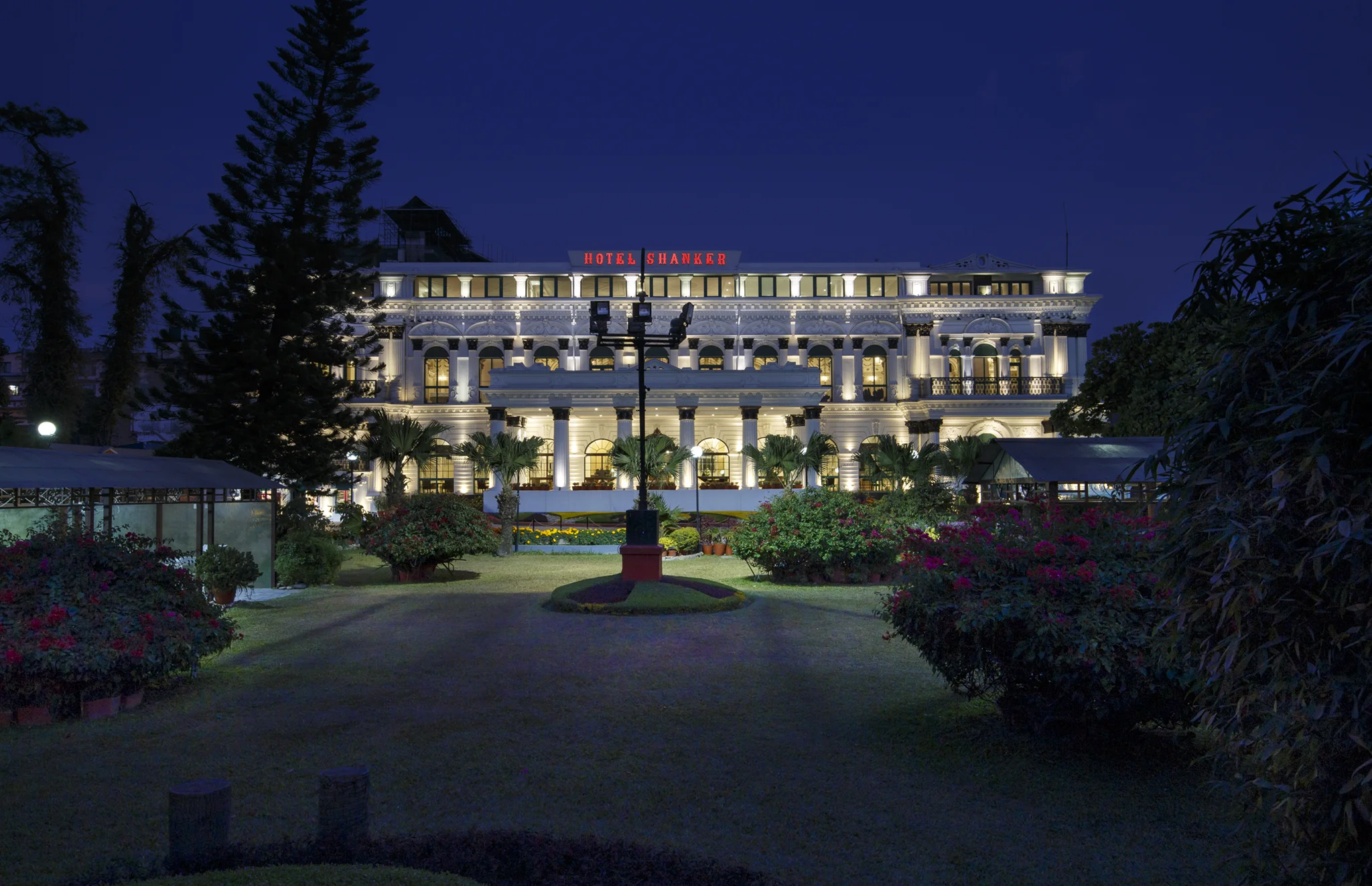
The Quiet Majesty of Hotel Shanker: A Palace for the Present
Hotel Shanker is not simply a luxury hotel. It is a timeless estate, a retreat that lives in the present while holding hands with the past. The grandeur is there—make no mistake—but it doesn’t shout. It lingers, breathes, and waits to be noticed.
In a city where stories rise from every temple spire and every turning alley, there stands a palace that doesn’t compete with the noise. It doesn’t ask to be looked at—but it’s impossible not to feel its presence.
Hotel Shanker is not simply a luxury hotel. It is a timeless estate, a retreat that lives in the present while holding hands with the past. The grandeur is there—make no mistake—but it doesn’t shout. It lingers, breathes, and waits to be noticed.
A Legacy Not Just Preserved, But Lived
Built in 1894 as the private residence of a powerful Rana noble, the building was conceived as a palace—not just in scale, but in soul. Its neoclassical architecture, Italian marbles, intricately carved wooden columns, and arched walkways once hosted royalty and foreign emissaries.
Today, these same halls welcome travellers from across the world—not to replicate the past, but to offer them something it rarely does anymore: presence.
You don’t just stay at Hotel Shanker. You settle into it.
Like an old chair that remembers your shape. Like light that already knows the corner it will land on.
Where Time Slows, And You Notice
Step through its carved wooden doors and you’ll feel the difference instantly.
Not because there’s spectacle—but because there isn’t.
There’s no rush here. The gardens don’t bloom for attention, yet they do. The service doesn’t try to impress, yet it lingers long after. And the rooms—sun-warmed and silent—don’t need to be filtered to feel remarkable.
It is this effortless stillness that defines the Shanker experience. In a world where luxury has become synonymous with excess, Hotel Shanker redefines it as space, dignity, and thoughtful restraint.
Kathmandu Outside, Stillness Within
Step outside and you’re in the heart of Kathmandu—minutes from Durbar Square, Thamel’s maze-like streets, and the spiritual rhythm of Pashupatinath. But within these grounds, something rare happens.
The chaos softens. The noise drops its shoulders.
Hotel Shanker becomes not just a break from the city—but a recalibration.
You begin to hear again—your thoughts, your breath, the quiet rustle of trees against old brick. You begin to feel your own pace. It’s not what you escape to; it’s what you return to.
Not Just Heritage. Harmony.
There’s something rare about places that evolve without erasing themselves. Hotel Shanker has added modern comfort, but never at the cost of its character. Its pool sits quietly under the shadow of ancient trees. Its corridors still carry the weight of hand-polished wood and soft echoes of movement.
Each detail, from the placement of a candle to the feel of a doorknob, tells you something: someone thought about this. Someone thought about you.
And in this, the palace has not become a relic—it has become a home. A home where history isn’t put behind glass, but folded into your stay.
A Stay That Doesn’t Ask You to Perform
What makes Hotel Shanker truly rare is not its age, or architecture, or accolades.
It’s the fact that here, you don’t need to be anyone but yourself.
You’re not asked to admire. You’re not expected to be impressed.
You’re simply received, in the most dignified way hospitality can offer—without spectacle, but with soul.
Hotel Shanker is not a place you look at—it’s a place you feel.
It holds space for your thoughts, slows down your days, and gently reminds you that true luxury has nothing to prove.
POPULAR ITINERARIES
SIMILAR POSTS

Spring Trekking Adventures in Nepal: A Season of Renewal and Exploration
For those seeking an unforgettable adventure, spring is the perfect time to trek Nepal’s legendary routes, offering clear skies, breathtaking scenery, and trails alive with culture and nature.
Winter in Nepal slows everything down. The mountains stand silent and still, their peaks buried under layers of snow. Villages tucked along the trails grow quieter as the cold air wraps around the valleys, and the trekking paths see fewer footprints. But as the seasons shift, spring breathes life back into the land.
The rivers swell with fresh snowmelt, the hillsides burst into vivid reds and pinks of rhododendrons, and the crisp mountain air carries the scent of blooming wildflowers. The stillness of winter gives way to movement—trekkers return to the trails, villages awaken, and the Himalayas unveil their most inviting and picturesque landscapes.
For those seeking an unforgettable adventure, spring is the perfect time to trek Nepal’s legendary routes, offering clear skies, breathtaking scenery, and trails alive with culture and nature.
Why Spring is the Best Time for Trekking in Nepal
• Nature in Full Bloom – The hills and forests transform into a colorful paradise, especially in rhododendron-filled regions like Ghorepani and Langtang.
• Ideal Weather – Mild temperatures during the day make trekking comfortable, while the crisp mountain air keeps the journey refreshing.
• Unobstructed Views – Spring offers some of the clearest mountain vistas, with towering peaks framed against deep blue skies.
• Wildlife at Its Best – As the warmth returns, Himalayan wildlife becomes more active, making it an excellent time for birdwatching and rare animal sightings.
• Festivals Along the Way – Trekkers often cross paths with Nepali spring festivals like Holi and Bisket Jatra, offering a glimpse into the local culture.
Best Spring Trekking Routes in Nepal
1. Everest Base Camp Trek (EBC) – The Ultimate Himalayan Journey
• Duration: 12–14 Days
• Difficulty: Moderate to Challenging
• Highlights:
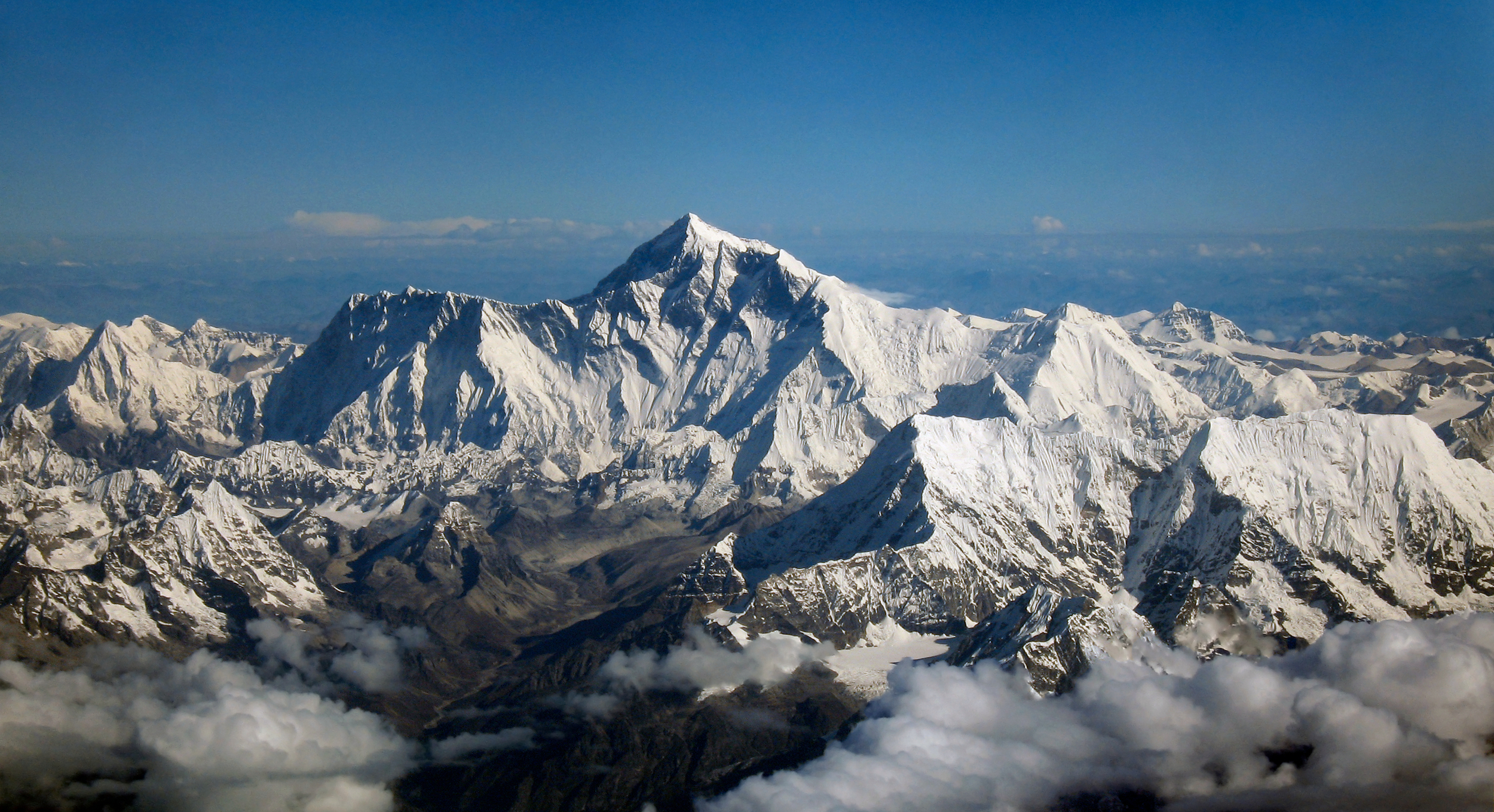
• Majestic views of Mount Everest (8,848m), Nuptse, and Ama Dablam.
• Immersive experience in Sherpa villages, monasteries, and high-altitude landscapes.
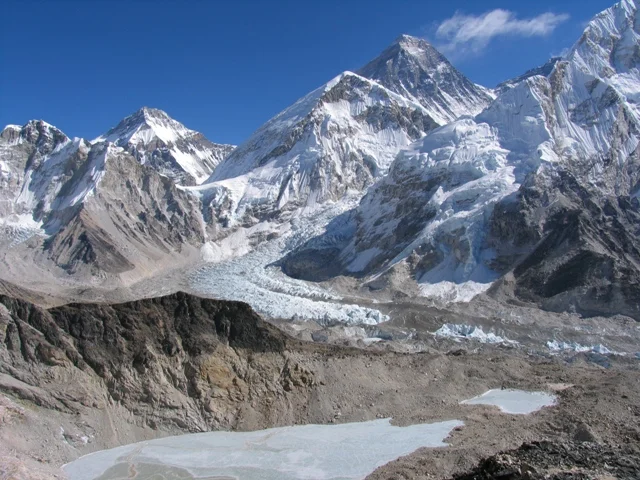
• Suspension bridges, glaciers, and the legendary Kala Patthar viewpoint for a sunrise over Everest.
2. Annapurna Base Camp (ABC) Trek – A Classic Spring Wonderland
• Duration: 7–10 Days
• Difficulty: Moderate
• Highlights:
• Walk through forests in full bloom, with rhododendron petals carpeting the trails.
• Witness the sunrise over Annapurna I (8,091m) from Machhapuchhre Base Camp.
• Experience hot springs at Jhinu Danda, offering a perfect post-trek relaxation spot.
3. Ghorepani Poon Hill Trek – Short, Scenic, and Stunning
• Duration: 4–5 Days
• Difficulty: Easy to Moderate
• Highlights:
• Ideal for first-time trekkers and those looking for a shorter adventure.
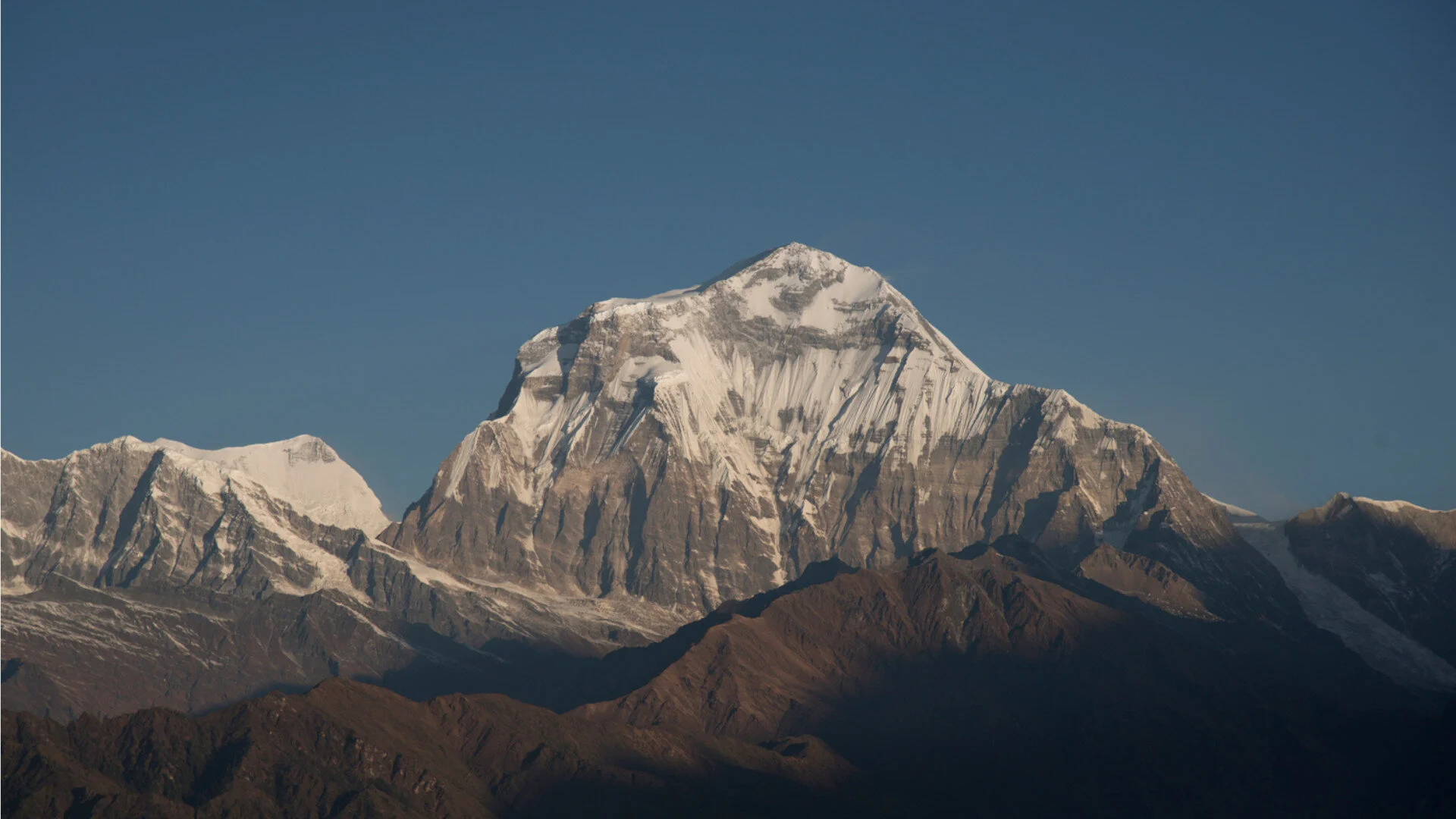
• One of Nepal’s best panoramic sunrise views over Dhaulagiri and Annapurna.
• Trek through Magar and Gurung villages, surrounded by endless rhododendron forests.
4. Langtang Valley Trek – A Hidden Gem Near Kathmandu
• Duration: 7–8 Days
• Difficulty: Moderate
• Highlights:
• A perfect mix of Himalayan landscapes and Tibetan-influenced culture.
• Langtang National Park offers encounters with Himalayan wildlife and vibrant birdlife.
• Stunning views of Langtang Lirung (7,227m) and traditional villages untouched by modern tourism.
Trek by Day, Unwind in Luxury at Hotel Shanker
After days of trekking through the mountains, there is nothing better than returning to comfort and tranquility. At Hotel Shanker, we offer the perfect place to relax and rejuvenate before or after your Himalayan adventure.
• Spacious and elegantly designed rooms, ideal for unwinding after a trek.
• Lush gardens and a serene atmosphere, a contrast to the rugged mountain trails.
• Rejuvenating spa treatments, easing sore muscles and refreshing the body.
• A fine selection of Nepali and international cuisine, satisfying the appetite built on the trails.
Book Your Stay & Elevate Your Trekking Experience
Spring trekking in Nepal is an experience that stays with you forever. From the high-altitude paths of Everest to the rolling hills of Annapurna, the mountains are calling. And when the adventure ends, Hotel Shanker welcomes you back to luxury, warmth, and timeless elegance.
POPULAR ITINERARIES
SIMILAR POSTS