Rakshyabandhan in Nepal: Tradition, Meaning, and Celebrations
Every year during the bright full moon of Shrawan or Bhadra (August), Nepal celebrates Rakshyabandhan, a festival deeply rooted in tradition, spirituality, and familial bonds. Known as “Janai Purnima” in many communities, this auspicious day carries multiple layers of meaning—uniting brothers and sisters in a vow of love and protection while also marking spiritual purification rituals for devotees across the country.
Every year during the bright full moon of Shrawan or Bhadra (August), Nepal celebrates Rakshyabandhan, a festival deeply rooted in tradition, spirituality, and familial bonds. Known as “Janai Purnima” in many communities, this auspicious day carries multiple layers of meaning—uniting brothers and sisters in a vow of love and protection while also marking spiritual purification rituals for devotees across the country.
The Story Behind Rakshyabandhan
The origins of Rakshyabandhan are tied to Hindu mythology, where stories of protection, devotion, and sacred promises have been passed down for generations. One of the most popular legends speaks of Lord Krishna and Draupadi. When Krishna injured his finger during a battle, Draupadi tore a piece of her saree and tied it around his wound. Touched by her gesture, Krishna vowed to protect her in times of need. This selfless act is believed to have inspired the tradition of tying a “rakhi” or sacred thread as a bond of love and protection.
In Nepal, Rakshyabandhan also coincides with Janai Purnima, when men who follow Vedic rituals change their sacred thread (“Janai”) after a holy bath in rivers, signifying purification and renewal of vows to live a righteous life.
Why We Celebrate Rakshyabandhan
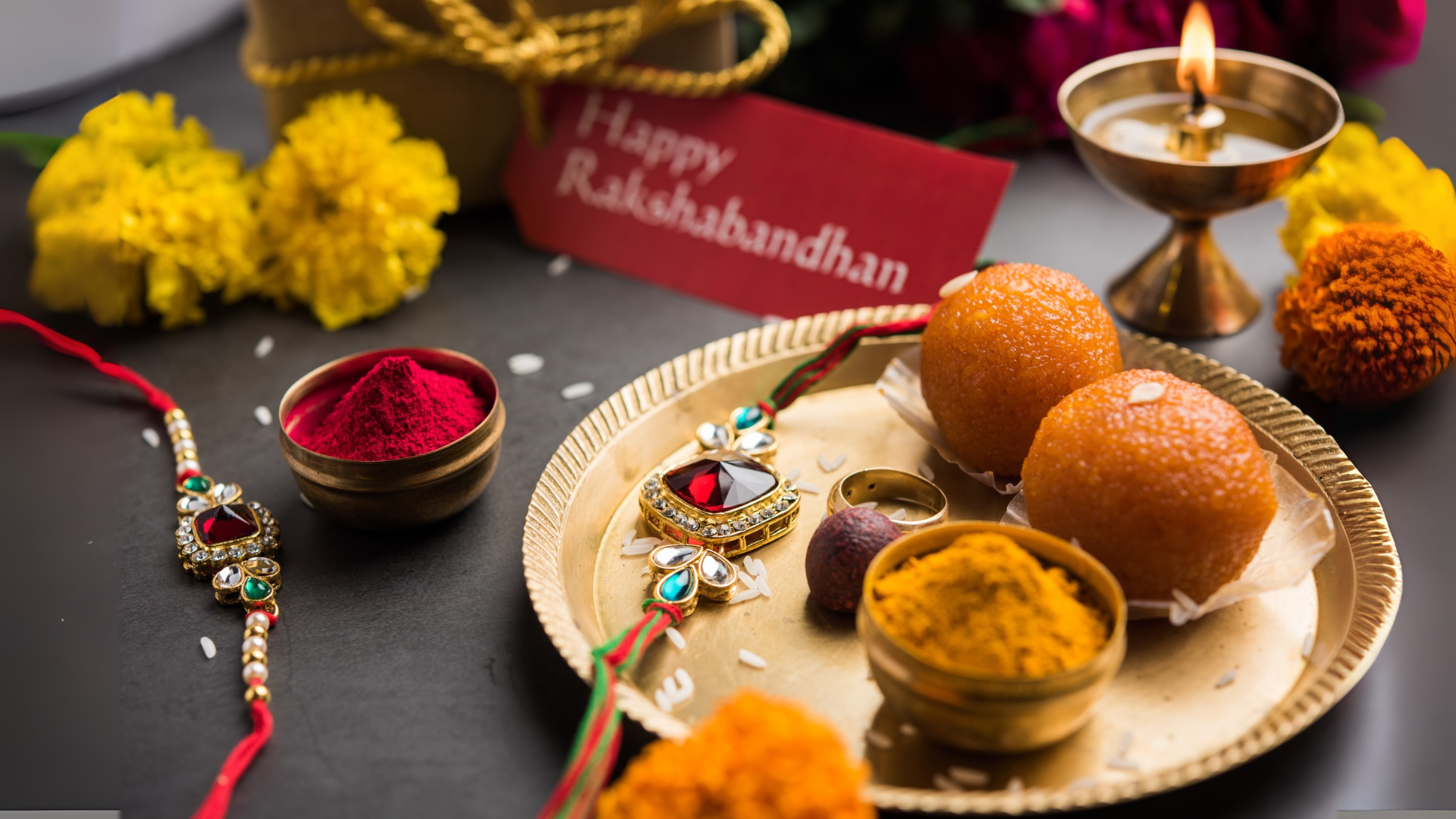
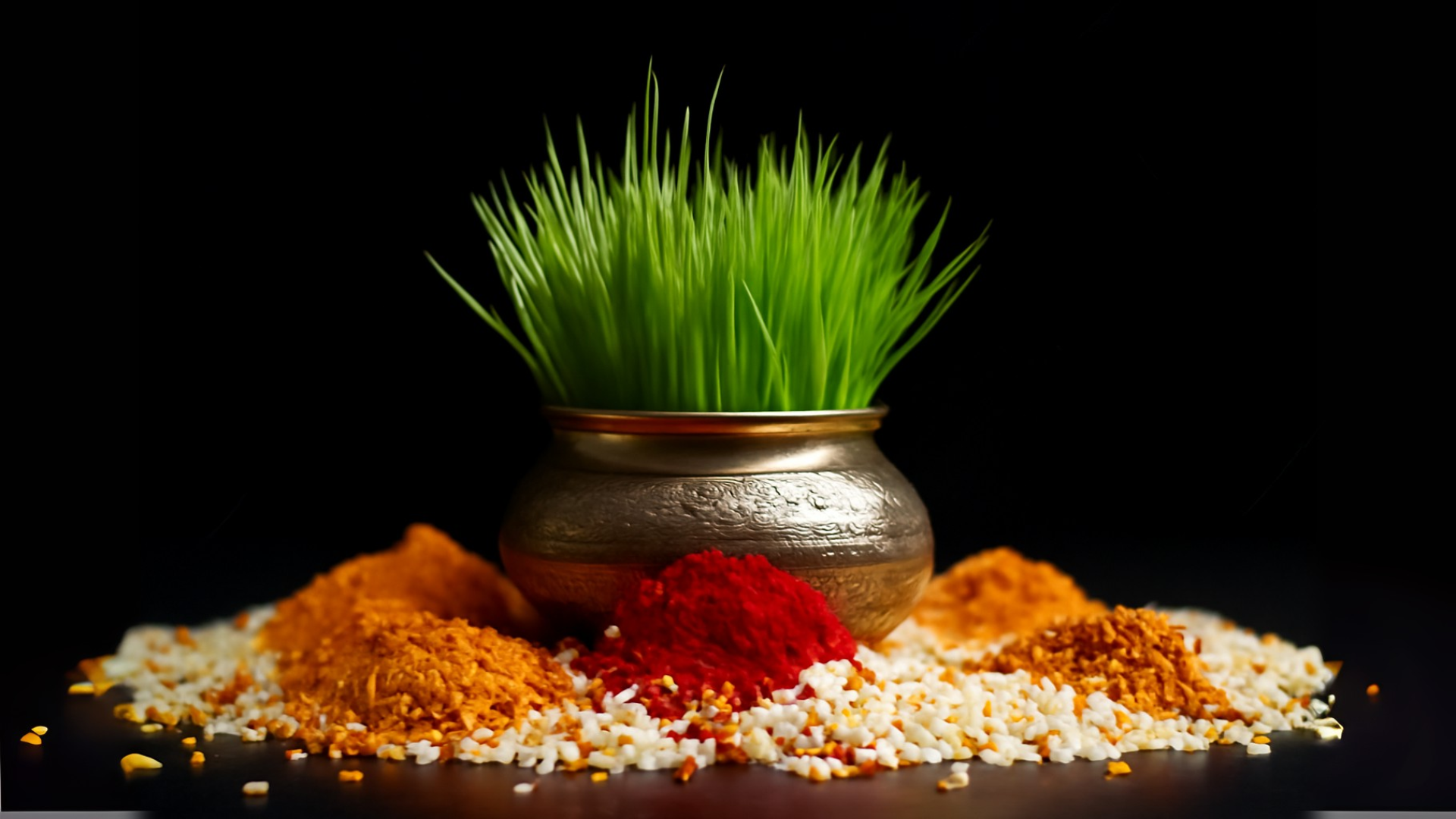
Rakshyabandhan is more than a ritual—it’s a celebration of trust, unity, and familial affection. Sisters tie a protective thread (rakhi or raksha dhago) around their brothers’ wrists, offering prayers for their well-being and happiness. In return, brothers pledge lifelong protection and shower their sisters with blessings and gifts.
In Nepal, this festival expands beyond blood relations. Families, friends, and even spiritual gurus share the sacred thread, symbolizing harmony and goodwill among all beings.
Rituals and Festive Celebrations in Nepal
Rakshyabandhan begins early in the morning with families visiting rivers or ponds for a holy dip. Priests chant mantras and tie protective threads on the wrists of devotees, symbolizing divine blessings and safety from negative energies.
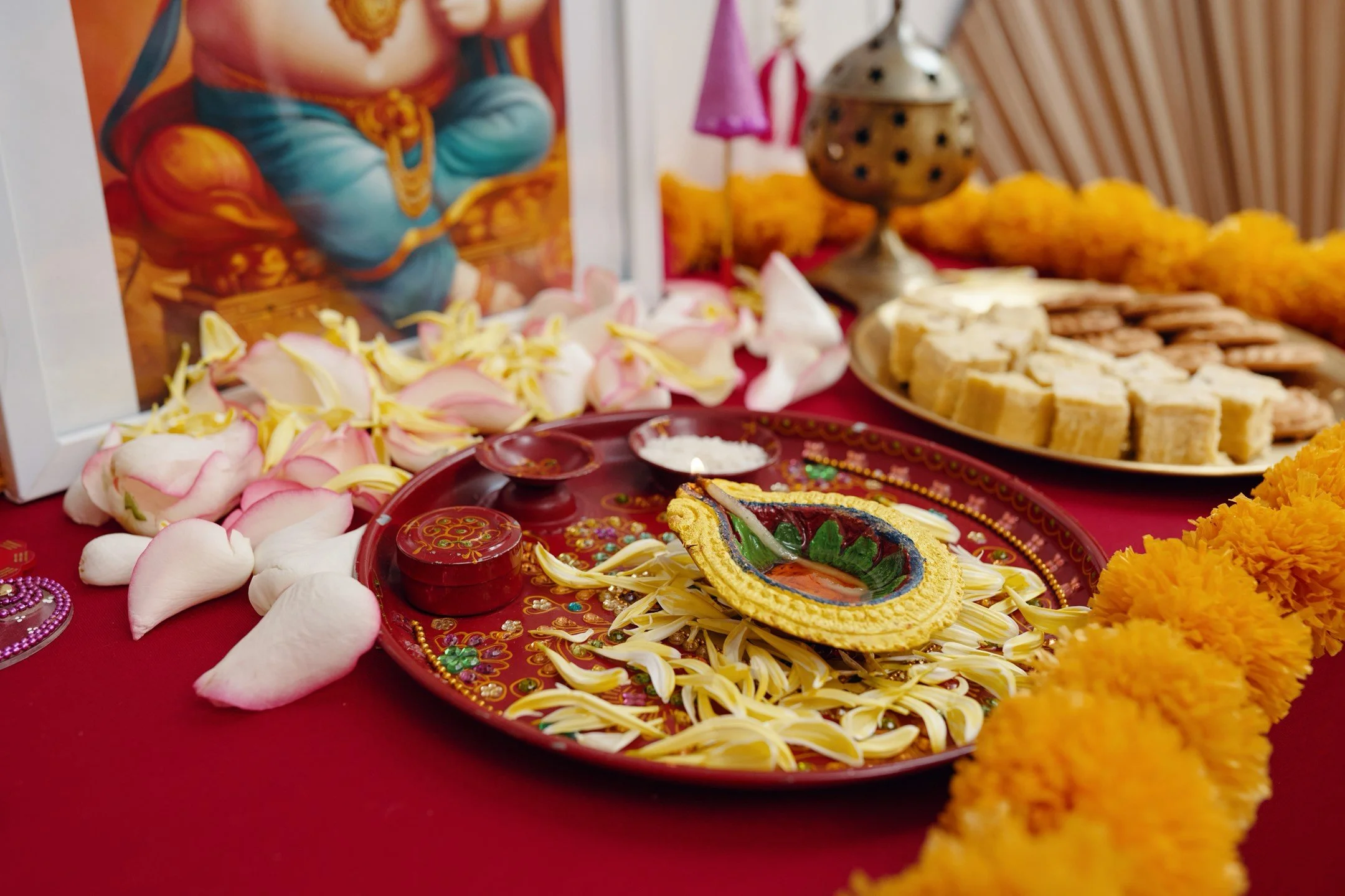
Later in the day, households gather for the rakhi ceremony, where sisters prepare sweets, fruits, and ceremonial plates decorated with tika, flowers, and raksha dhago. The day is filled with laughter, shared meals, and heartfelt memories, reinforcing the importance of relationships in Nepali culture.
The Spirit of Togetherness at Hotel Shanker
At Hotel Shanker, we cherish Nepal’s rich cultural traditions that bring families closer. Rakshyabandhan is a reminder that bonds of love and protection are treasures to be celebrated. Whether you are visiting Kathmandu during this festive season or sharing the day with loved ones, our heritage ambiance provides the perfect setting for meaningful family gatherings.
As you celebrate Rakshyabandhan in Nepal, let the sacred thread be a reminder of the eternal ties that connect hearts, families, and traditions.
POPULAR ITINERARIES
SIMILAR POSTS
A City You Can’t Navigate by GPS
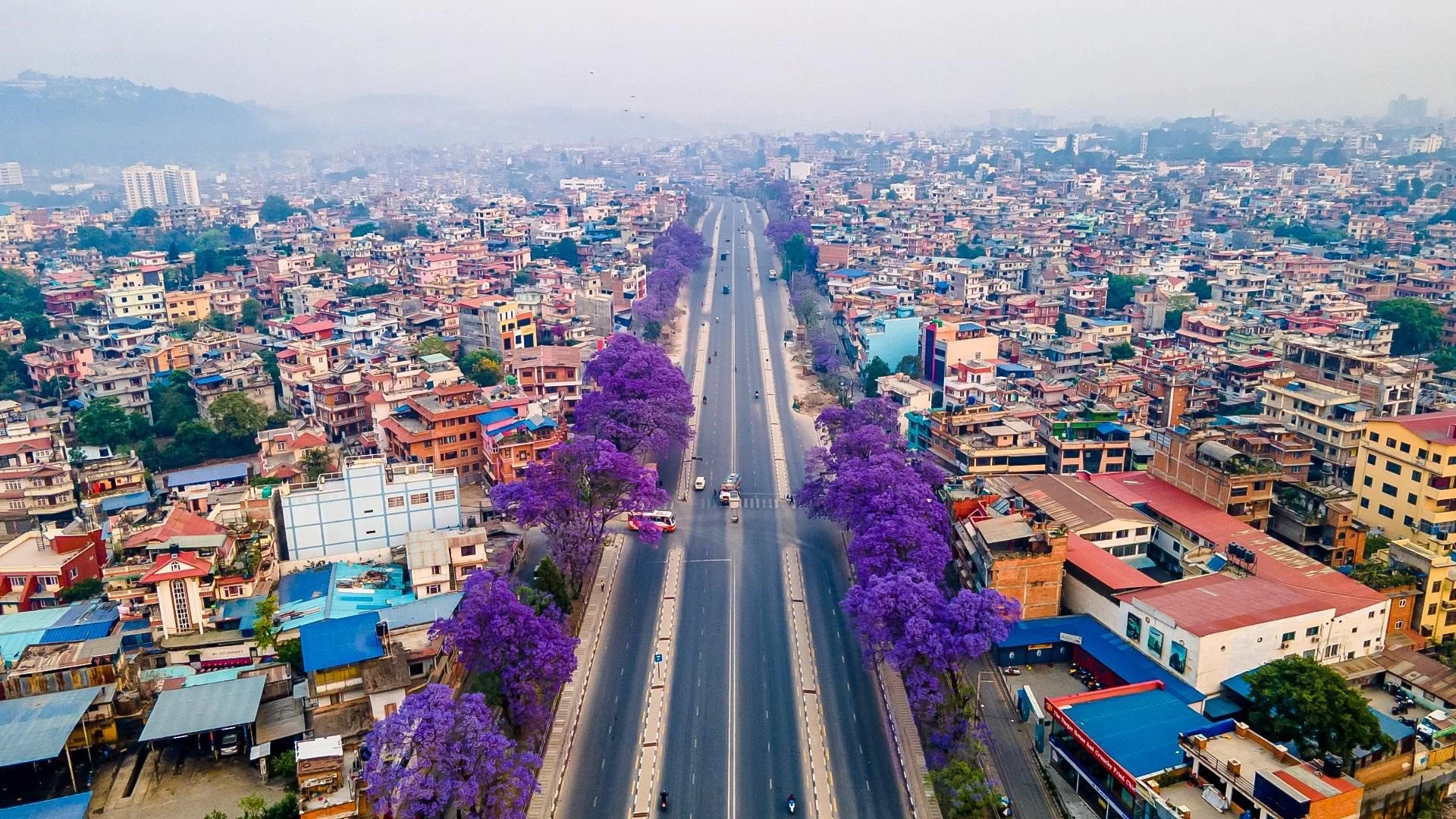
You open Google Maps in Kathmandu, and it looks promising enough winding lines, blinking dots, the polite confidence of a blue arrow showing you the way. You set off, trusting your digital guide, only to find yourself standing in front of a wall where a road should be. Or a temple courtyard. Or a dead-end crammed with motorbikes and an unexpected wedding procession.
Kathmandu: Where maps mislead, but people guide you home
You open Google Maps in Kathmandu, and it looks promising enough winding lines, blinking dots, the polite confidence of a blue arrow showing you the way. You set off, trusting your digital guide, only to find yourself standing in front of a wall where a road should be. Or a temple courtyard. Or a dead-end crammed with motorbikes and an unexpected wedding procession.
Welcome to Kathmandu. A city that doesn’t just confuse GPS it quietly resists it.
Where Roads Have Names… But Nobody Uses Them
Ask a local for directions, and you’ll rarely hear street names. Instead, it’ll go something like this:
“Go straight past the old peepal tree, turn left after the momo shop with the blue shutters, and when you see the temple with the golden roof, ask again.”
In Kathmandu, navigation isn’t about grids or coordinates. It’s a living language of landmarks, a shared understanding of where things are, based on memory, not maps. Sometimes the landmark is a shop that’s been closed for years, but everyone still refers to it. Sometimes it’s a tree, a gate, a statue with no plaque
.
And somehow… It works.
Google Maps Can’t Keep Up And That’s Kind of Perfect
Digital maps try their best. But Kathmandu’s streets aren’t obedient. Alleys narrow or disappear after festivals. New roads are carved during construction, only to vanish again. What looks like a road may be a private courtyard for afternoon tea.
Even locals laugh at Google’s suggestions. You follow the line, and it leads you into a monastery. Or a vegetable market. Or right through someone’s living room, if you’re not careful.
But that’s Kathmandu’s charm. The city wasn’t built to be browsed on a screen. It was built for walking, asking, discovering and sometimes, delightfully, for getting a little lost.
The Art of Asking for Directions
There’s an unspoken etiquette to it. You approach someone with a slight bow of your head, perhaps a soft “I’m looking for this place”.
They might frown, think for a second, gesture with a handwave that covers three directions at once, and say something that sounds impossibly vague. You follow, half-trusting, half-curious.
And more often than not, you find what you’re looking for or something better.
Because in Kathmandu, asking for directions isn’t just practical. It’s a conversation starter. A human GPS moment that turns strangers into guides, and an unfamiliar alley into part of your story.
When Getting Lost is the Whole Point
The best moments in Kathmandu don’t happen on the fastest route. They happen when you take the wrong turn and find a hidden courtyard where a family is stringing marigolds. Or a tiny tea shop where the owner still makes chiya over charcoal. Or a centuries-old stupa tucked between apartment blocks.
This is a city where getting lost is part of the design. Where wandering off-course feels less like a mistake and more like an invitation.
Final Thought: Let the City Show You the Way
Kathmandu doesn’t want you to follow a line on a map. It wants you to look up, ask around, and let curiosity lead the way.
So go ahead and open your GPS if you must. But when it inevitably leads you astray, smile. That’s when you know you’ve truly arrived.
Because some cities are better drawn in conversations than on screens. And Kathmandu is one of them.
POPULAR ITINERARIES
SIMILAR POSTS
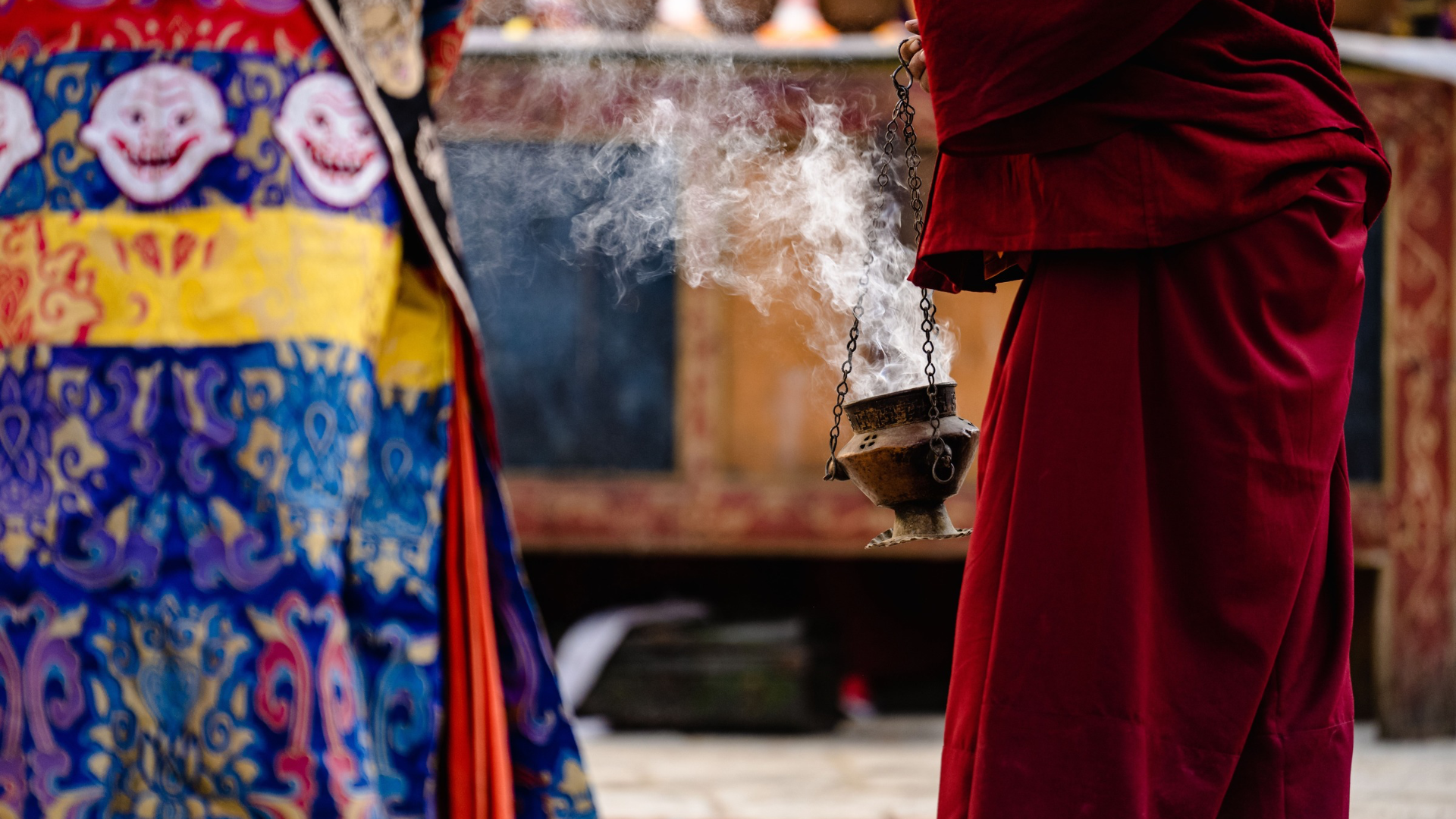
Nepali Storytelling Traditions You’ve Probably Never Heard Of
Before stories were written down, they lived in voices sung, spoken, and carried across generations. In Nepal, storytelling has always been more than a pastime. It is a way of keeping memories alive, of teaching, celebrating, and belonging.
Beyond city museums and formal stages, the art of storytelling still thrives in quiet homes, village gatherings, and festivals. Here are some of the lesser-known traditions that continue to echo in the Nepali way of life.
Songs, voices, and stories woven into the everyday
Before stories were written down, they lived in voices sung, spoken, and carried across generations. In Nepal, storytelling has always been more than a pastime. It is a way of keeping memories alive, of teaching, celebrating, and belonging.
Beyond city museums and formal stages, the art of storytelling still thrives in quiet homes, village gatherings, and festivals. Here are some of the lesser-known traditions that continue to echo in the Nepali way of life.
Tamang Selo: Stories That Dance
The sound comes first a pulse of drumbeats, a lively strum of music. Tamang Selo is more than a folk song; it is a living story. Known as the signature music of the Tamang community, it blends humor, longing, social tales, and village lore, all woven into verses set to the beat of the damphu drum.
These songs aren’t just for entertainment. They capture the everyday love found and lost, journeys taken, hardships faced told in a way that invites people to dance, sing along, and remember.
In the hills around Kathmandu and beyond, gatherings where Tamang Selo is sung become living archives of community memory.
Rural Folktales Carried in Memory, Shared in Gathering
Across Nepal’s villages, storytelling often finds its voice by the hearth or in the soft hush of evening gatherings. These are the lok katha rural folktales that travel from elder to child, passed down through generations.
They speak of clever animals, mysterious spirits, brave villagers, or moral lessons wrapped in humor and wit. Never bound to paper, these stories shift slightly with every telling, shaped by the voice of the storyteller and the ears of the listener.
In many homes, especially during the monsoon or after harvest, these tales offer more than entertainment. They build bonds, spark imagination, and preserve local wisdom that might otherwise fade away.
Oral Histories in Festivals When the Whole Village Listens
In Nepal, some stories are told not with words alone, but through dance, song, and ritual woven into the fabric of festivals and communal gatherings.
● Ghatu: Among the Gurung and Magar communities, this traditional song-dance tells epic tales of love, war, and ancient kings. Performed by young girls, often in trance-like states, it’s a blend of song, movement, and communal memory.
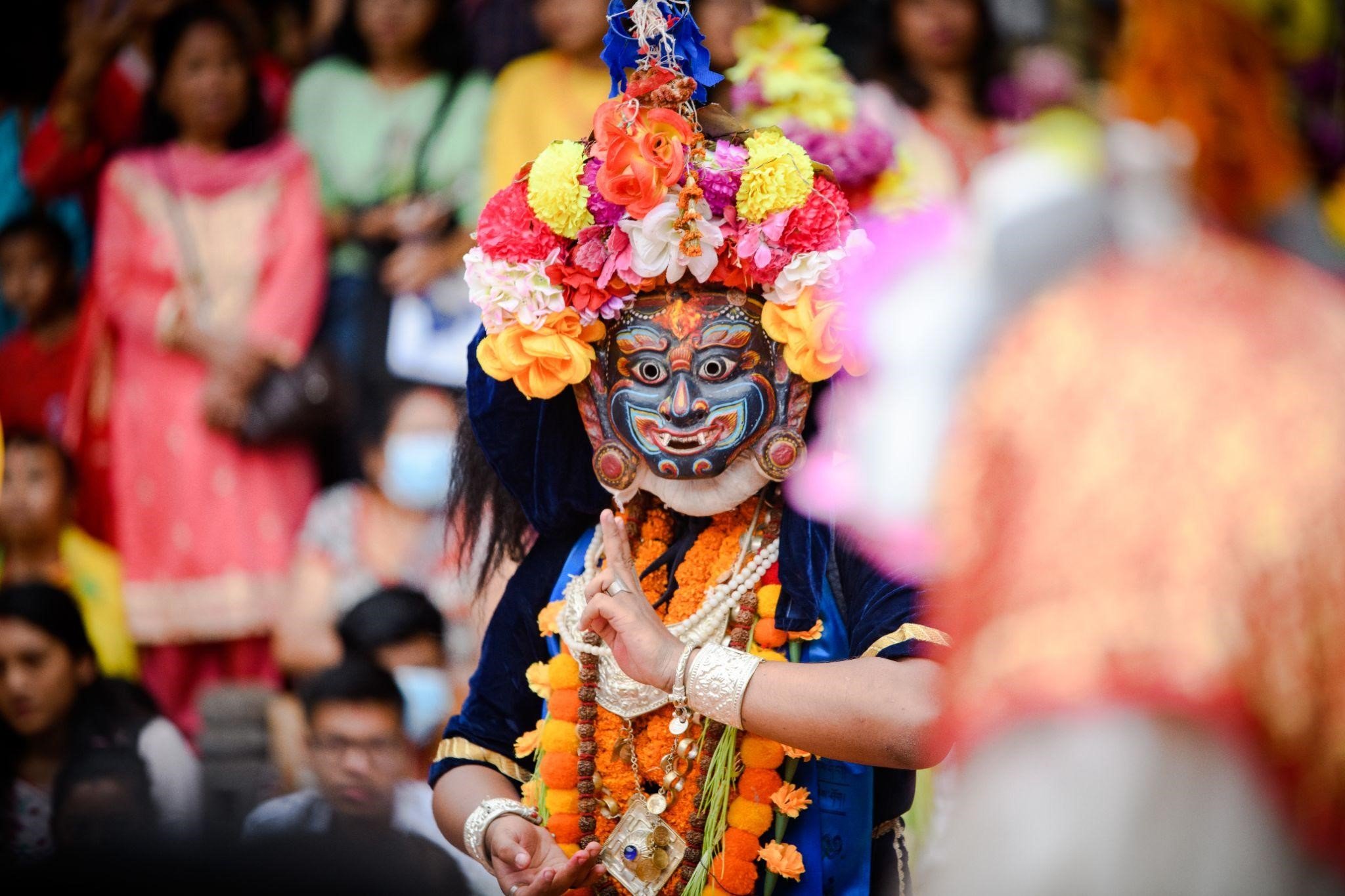
● Kartik Naach: Held annually in Patan’s Durbar Square, this masked dance retells stories from Hindu mythology through music and stylized choreography, turning public spaces into storytelling stages.
● Balan: Common in parts of western Nepal, Balan blends devotional songs with recitations of mythological tales, performed during religious ceremonies and festivals. It’s part prayer, part storytelling, and all tradition.
These festivals aren’t just celebrations. They are living narratives ways communities pass on stories of their gods, heroes, and shared past.
Final Thought
Storytelling in Nepal doesn’t always come wrapped in books or performed on grand stages. Often, it is found in songs echoing from village homes, tales shared under starlit skies, or ancient rituals danced out in temple squares.
POPULAR ITINERARIES
SIMILAR POSTS
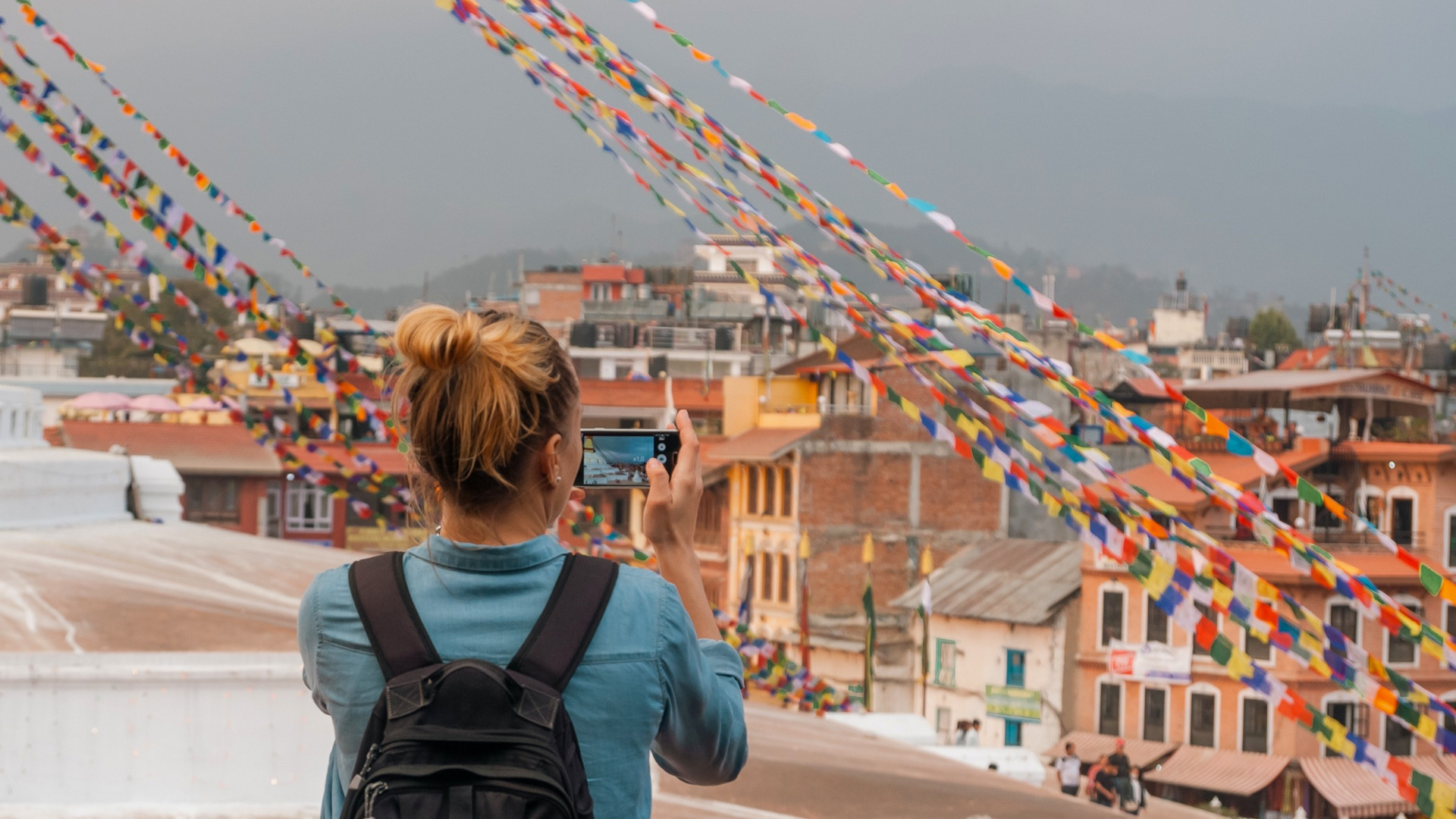
Kathmandu for the Quiet Traveler: Where to Go When You Don’t Want the Usual
Not every traveler comes to Kathmandu for the bustle. Some come for the pauses the in-between spaces that escape guidebooks and algorithms. For these quiet travelers, Kathmandu offers a different map. One of book cafés hidden behind prayer flags, sunlit courtyards free of selfies, hilltop temples with no soundtrack but the wind.
An anti-itinerary for those seeking silence, poetry, and the stillness between footsteps
Not every traveler comes to Kathmandu for the bustle. Some come for the pauses the in-between spaces that escape guidebooks and algorithms. For these quiet travelers, Kathmandu offers a different map. One of book cafés hidden behind prayer flags, sunlit courtyards free of selfies, hilltop temples with no soundtrack but the wind.
If you crave solitude over spectacle, handwritten signs over neon lights, and time to breathe rather than check off a list, this guide is for you.
Here’s where to go in Kathmandu when you don’t want the usual.
1. Hidden Book Cafés and Teahouses with Time
Step away from the crowded cafés and find corners where time slows down. In neighborhoods like Jhamsikhel, Naxal, or Sanepa, you’ll find places with creaky floors, handwritten menus, and shelves full of poetry or philosophy.
Some are built around small libraries. Others open into gardens where the only noise is birdsong or distant chimes. Order a pot of masala tea or a pour-over, and stay as long as you like. No one rushes you here in fact, most people are reading, writing, or simply watching the rain.
2. Hill Walks with No Tour Buses
Kathmandu Valley is encircled by hills that hold some of the gentlest trails for reflective walking. Skip the popular hikes and try routes like:
● Kopan to Budhanilkantha: A peaceful forest trail that passes monasteries, prayer walls, and local homes, with wide valley views and few hikers.
● Tarebhir Trail near Gokarna: A shaded, lesser-known route popular with local walkers, ideal for early morning solitude.
● Pharping Ridges: South of the city, these trails wind through pine forests and old hermit caves, used for centuries as places of retreat.
Bring a notebook, walk slowly, and let the quiet rearrange your thoughts.
3. Forgotten Courtyards and Old Stone Steps
Kathmandu is full of hidden courtyards tucked behind Newar homes, temples, or quiet lanes where you’ll hear the echo of your own footsteps. These are places not designed for tourism, but for living.
Wander around Patan’s inner lanes or Bhaktapur’s alleys just after sunrise. You’ll find stone chaityas with moss-covered bases, pigeons fluttering between roofs, and elders sitting silently beneath peepal trees. Some of these spaces have remained unchanged for centuries still, sacred, and strangely cinematic.
If you’re lucky, you may even find a quiet well or communal tap still in use, a brief reminder of slower, water-drawn mornings.
4. Libraries, Archives, and Shelves of Dusty Wisdom
Kathmandu has libraries not just for scholars, but for those who find calm in turning pages. From old government archives to indie cultural spaces, you’ll find shelves filled with history, literature, and silence.
Explore:
● Small local libraries inside old community halls
● Tibetan Buddhist libraries near Boudha or Swayambhu
● Cultural centers in Patan that offer rare books, poetry readings, or quiet rooms to write
You don’t need a membership just curiosity and respect for the space.
5. Gardens, Cloisters, and Monastery Grounds
While most tourists visit the big stupas and monasteries, the real sanctuaries lie in the smaller grounds places where monks tend plants, sweep floors, or meditate beneath Bodhi trees.
Some monastery gardens are open to the public, especially during early hours. Sit on a bench, breathe with the sound of prayer flags fluttering, and observe life unfolding without fanfare.
And if rain begins to fall even better. Monsoon mornings are Kathmandu’s best-kept secret.
Final Thought
Kathmandu is often described in noise horns, chants, markets, construction. But it also hums with quiet. You just have to look for it.
This is a city that rewards the slow traveler. The one who walks without checking their phone. Who pauses at temple thresholds. Who finds poetry in peeling paint and solace in stray dogs sleeping by the road.
So if you came here seeking peace, you didn’t come to the wrong place. You simply need to listen more softly.
POPULAR ITINERARIES
SIMILAR POSTS

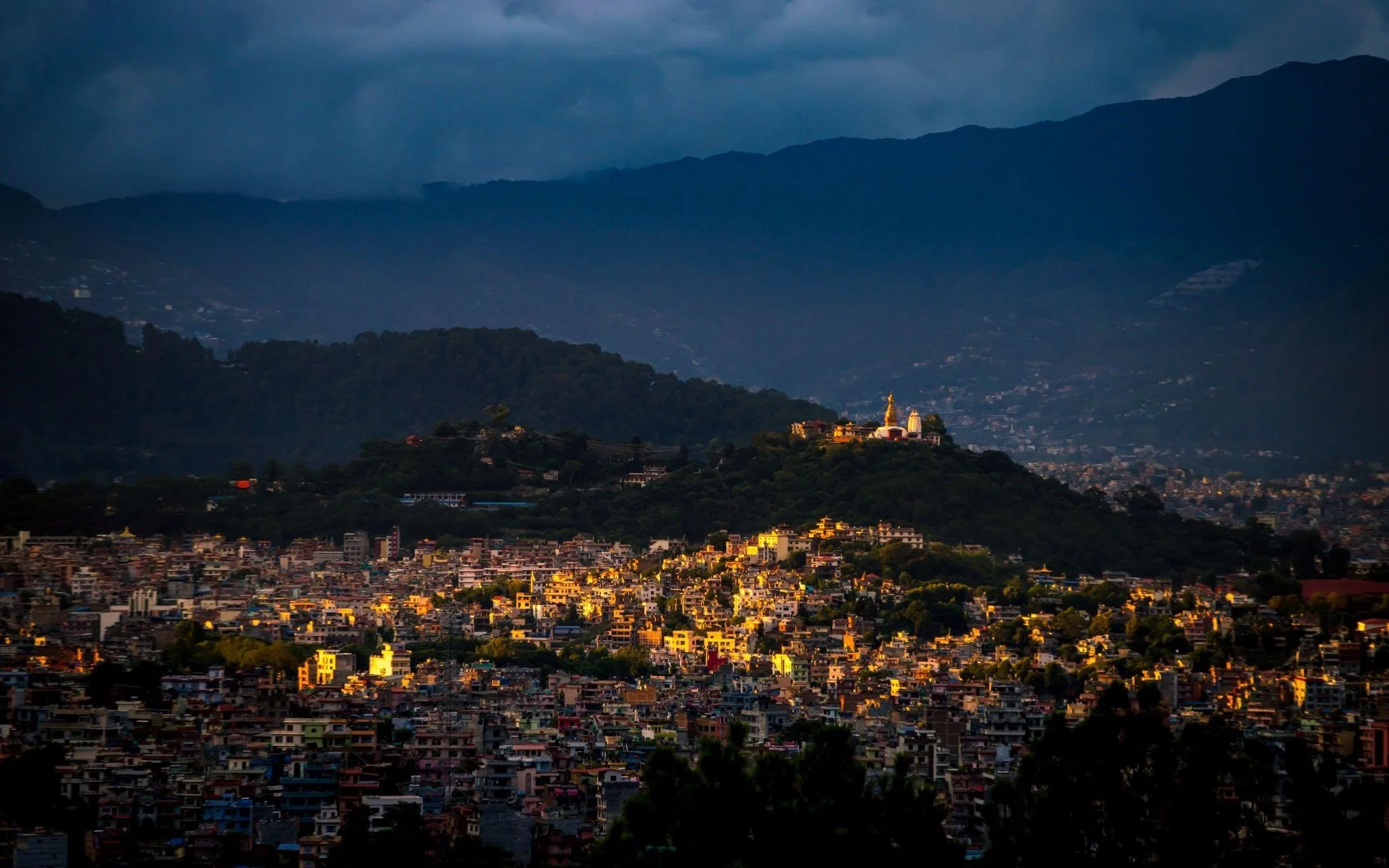
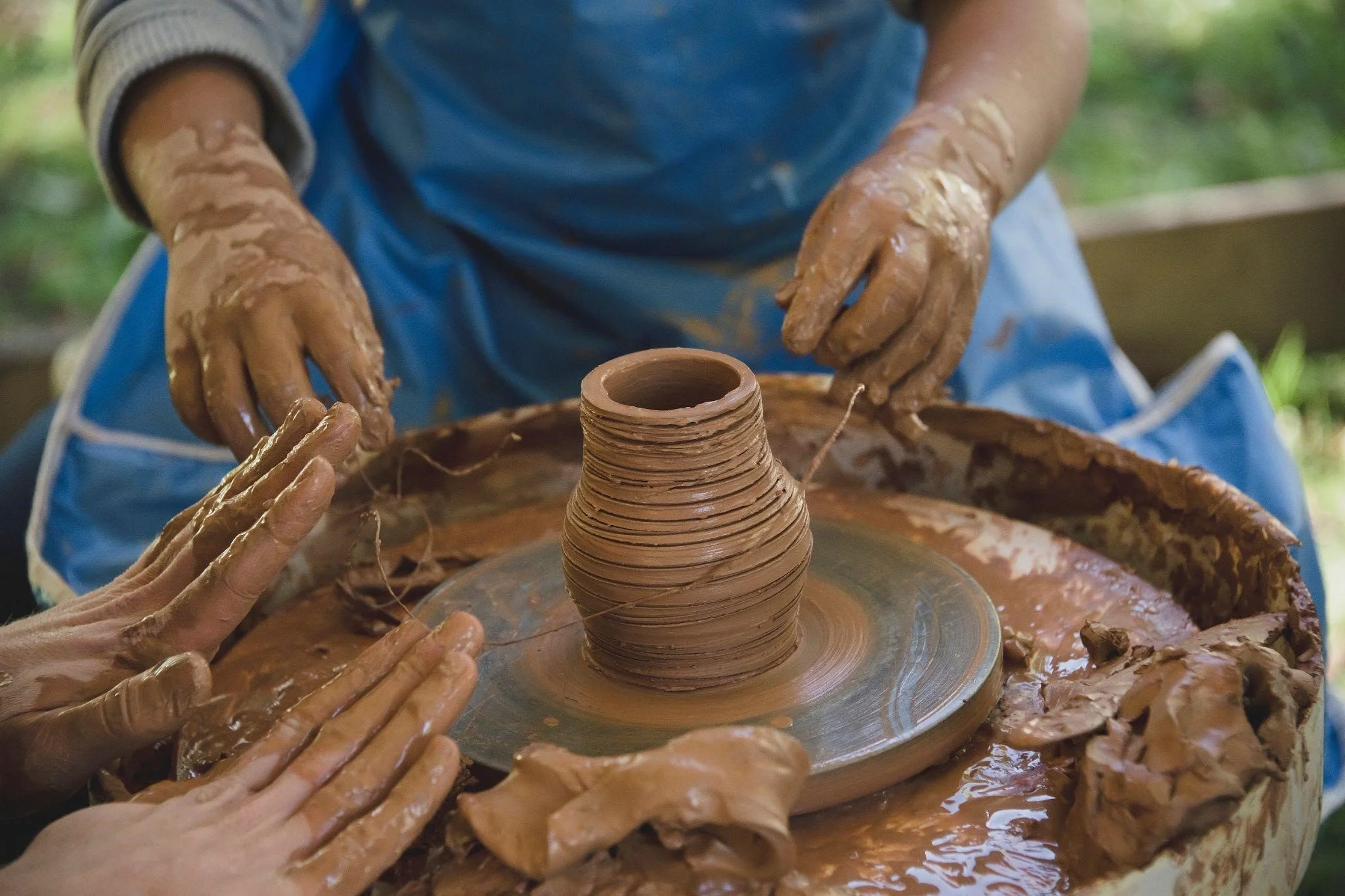
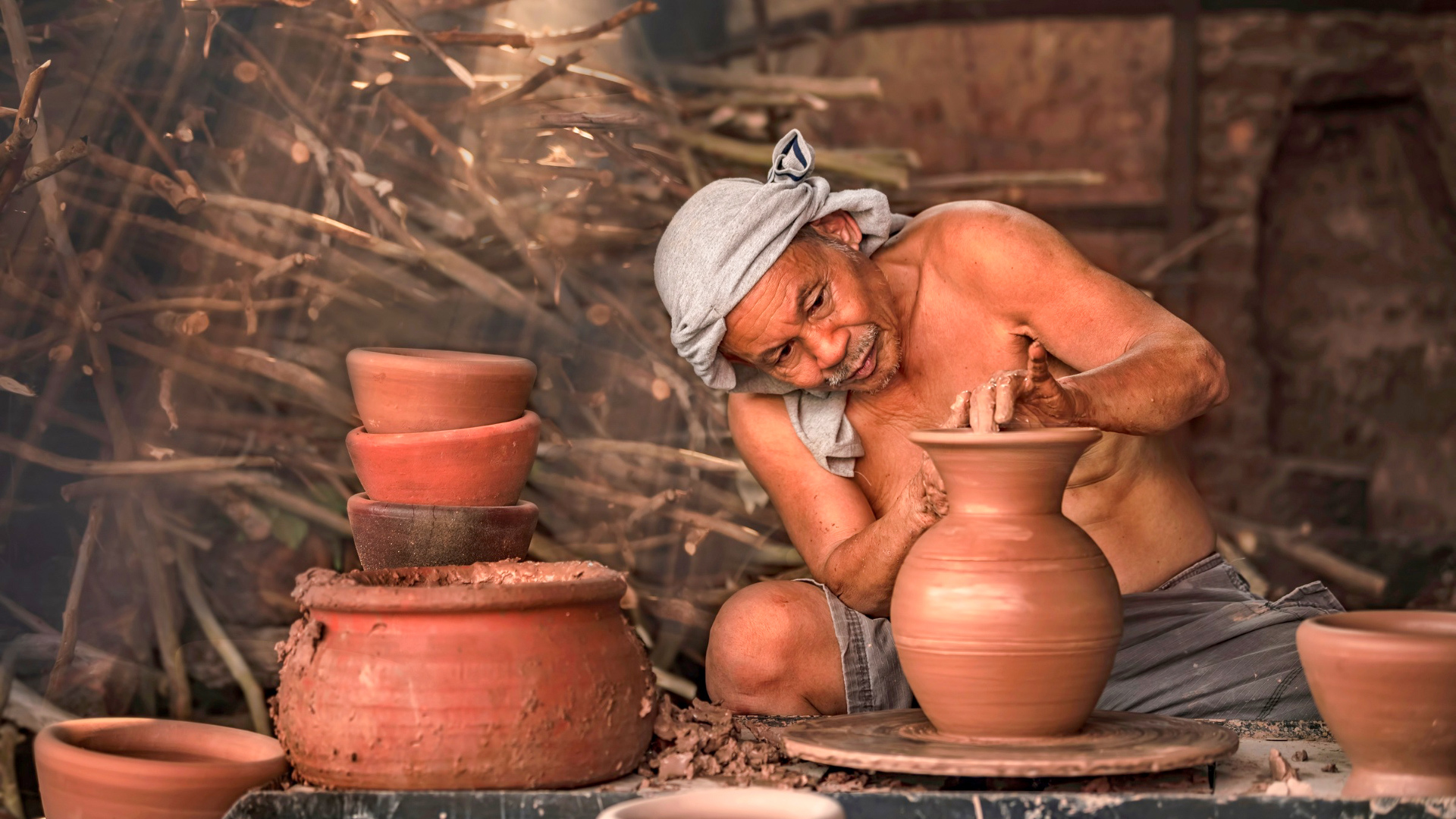
Handmade in the Himalayas: Where to Find Kathmandu’s Best Artisan Goods
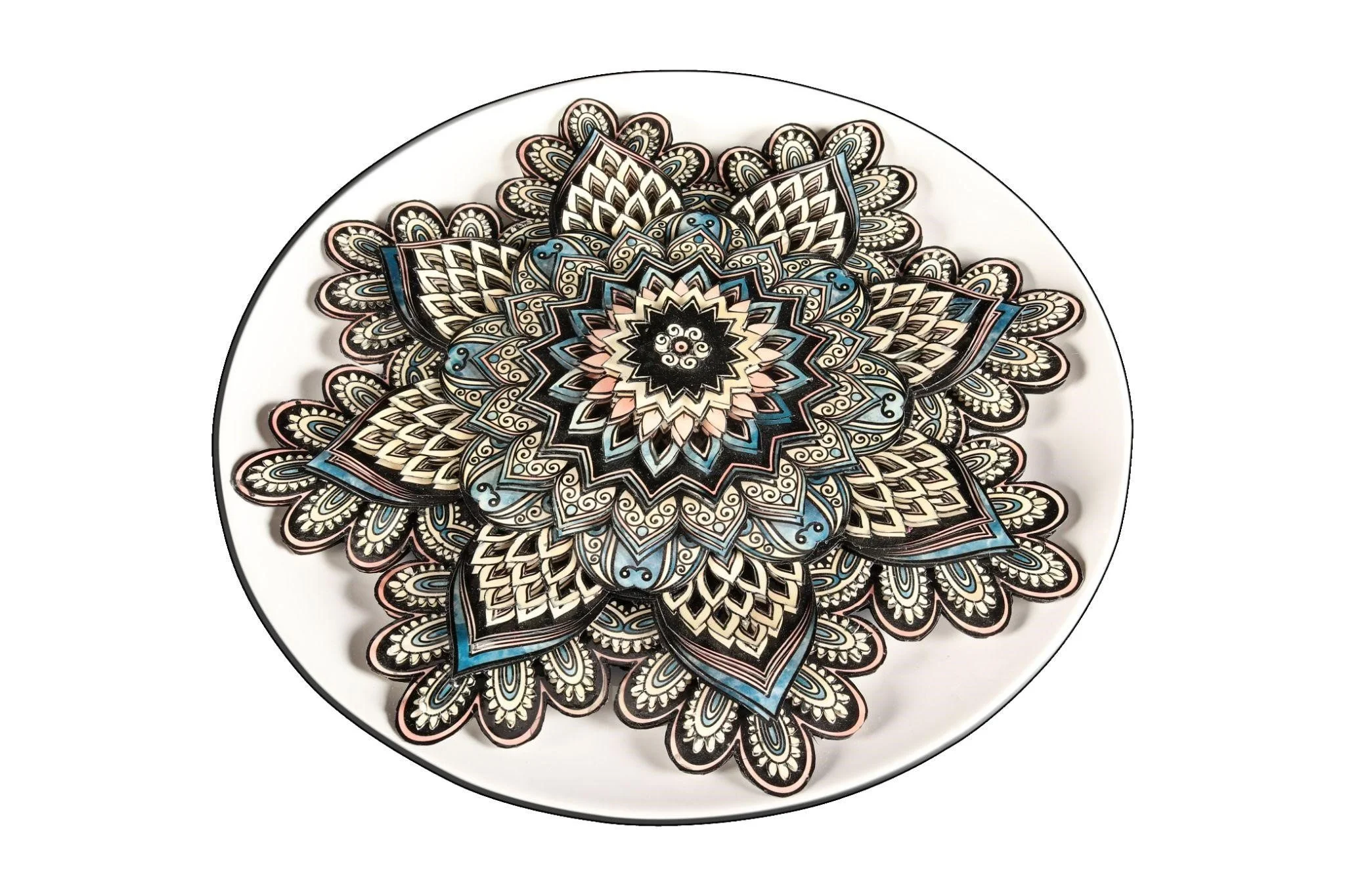
Tucked between temple courtyards and winding alleys, Kathmandu reveals a quiet artistry that rewards those who linger. While its bustling streets may seem chaotic at first glance, a slower pace unveils a world shaped by human hands woven, carved, molded, and brushed with care.
Tucked between temple courtyards and winding alleys, Kathmandu reveals a quiet artistry that rewards those who linger. While its bustling streets may seem chaotic at first glance, a slower pace unveils a world shaped by human hands woven, carved, molded, and brushed with care.
This is a city where craftsmanship still breathes. If you’re drawn to the scent of wood shavings, the rhythm of a loom, or the glint of hammered bronze, this guide is your invitation to explore Kathmandu’s artisan soul, especially in the soft pause of the monsoon season.
Textiles That Tell Stories
Begin in the tucked-away boutiques of Thamel, the quiet lanes of Kupondole, or even the emerging studios of Patan, where looms still echo across courtyards. Here, textiles are more than garments they are stories of lineage, patience, and hand-spun dedication.
From naturally dyed cottons to handwoven Dhaka patterns and soft yak-wool blends, you’ll find fabrics that feel as meaningful as they are beautiful. These are crafted slowly, often under the guidance of master weavers passing down their knowledge across generations.
The Carver’s Hand
Kathmandu Valley’s woodwork is a silent marvel. While its grandeur is seen on ancient temples and palaces, smaller works meant for daily life or interior spaces are found in the city’s artisan districts.
Walk through Patan’s older quarters or Bhaktapur’s heritage zones and you’ll hear the soft rhythm of chisels shaping sal and teak into windows, doors, or sacred symbols. During the rains, doorways shelter drying carvings, their details catching the light between clouds.
Metalwork and Ritual Craft
Brass, bronze, silver, and copper come to life in the hands of Kathmandu’s metal artisans. Whether it’s a singing bowl with perfect resonance or a delicately embossed butter lamp, these pieces are born through fire, forge, and focus.
Patan remains one of the valley’s strongest hubs for this craft, with many workshops quietly operating in historic lanes. In areas surrounding Boudhanath, artisans with Tibetan heritage continue the tradition of ritual object-making, often using methods untouched by time.
Quiet Studios and Hidden Galleries
For those who prefer introspective spaces to bustling markets, Kathmandu’s independent studios offer a more contemplative way to engage with local creativity. Some are housed in restored heritage buildings, others in artist-run cafés or small garden spaces all worth discovering.
From abstract paintings inspired by the mountains to minimalist ceramic ware, these works reflect a modern Nepali voice that’s deeply rooted yet unafraid to evolve. Exhibitions may be spontaneous, and artists often welcome thoughtful conversation over commerce.
Final Thought
Kathmandu’s beauty lies not only in what you see, but in how you see it. The best artisan goods here are not mass-produced souvenirs, but quiet objects with a sense of place. They’re found through curiosity, patience, and the willingness to step off the main road.
So take your time. Let the rain slow your steps. Let the city speak softly. And carry home a piece of the Himalayas handmade, heart-held.
POPULAR ITINERARIES
SIMILAR POSTS
What Rain Brings: A Local’s Guide to Kathmandu’s Monsoon Mood
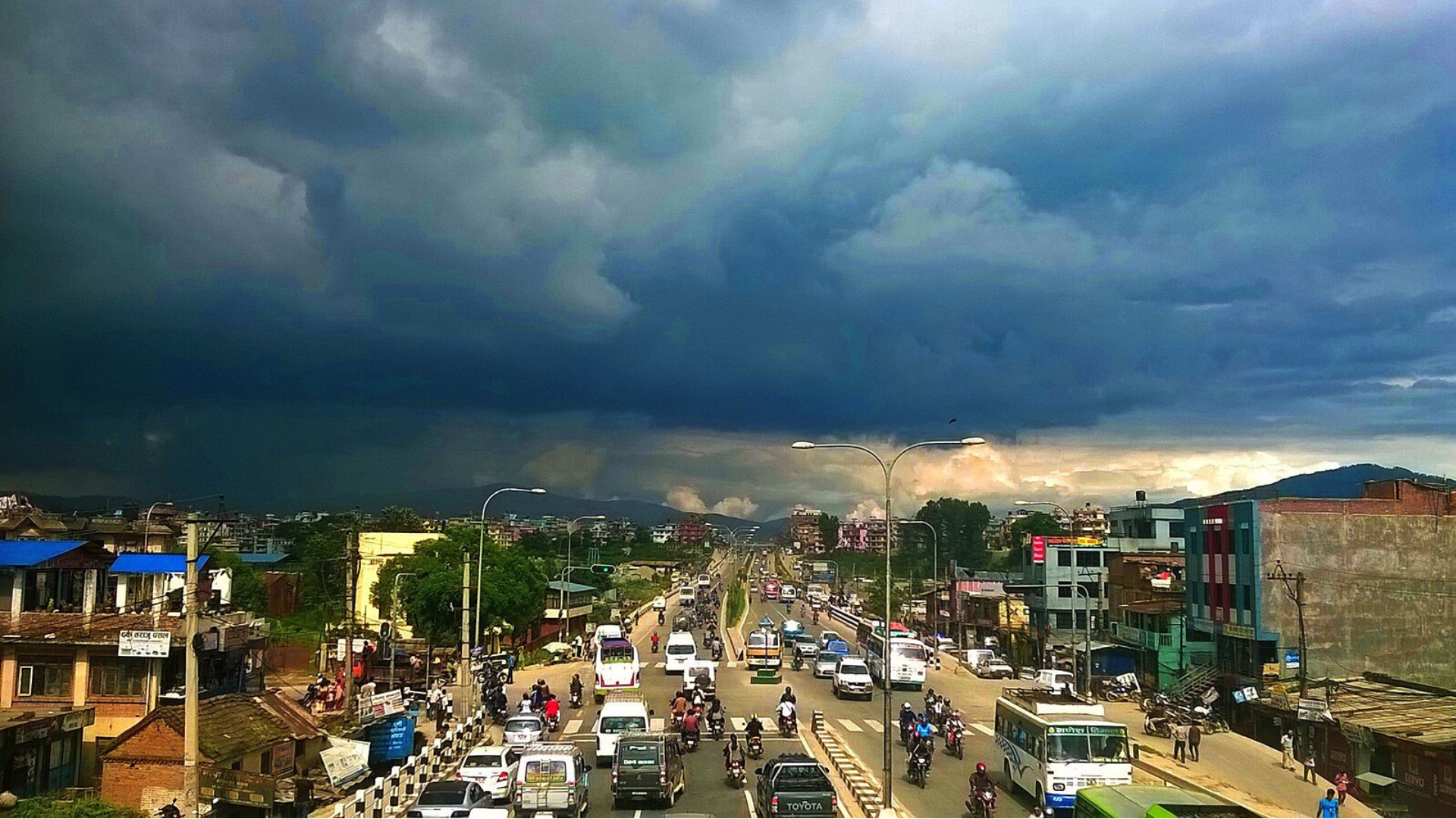
When the monsoon arrives in Kathmandu, it does not rush. It rolls in gently, sometimes with the scent of soaked earth before the first drop even falls. For visitors, this season may feel quiet or unpredictable. But for those who call this valley home, rain is not a disruption it’s a rhythm. A part of daily life. A welcome pause.
When the monsoon arrives in Kathmandu, it does not rush. It rolls in gently, sometimes with the scent of soaked earth before the first drop even falls. For visitors, this season may feel quiet or unpredictable. But for those who call this valley home, rain is not a disruption it’s a rhythm. A part of daily life. A welcome pause.
At Hotel Shanker, where heritage arches meet garden green, you’ll find yourself not escaping the weather, but feeling it differently. Here’s a local lens on how Kathmandu embraces its monsoon.
Spirituality Soaked in Silence
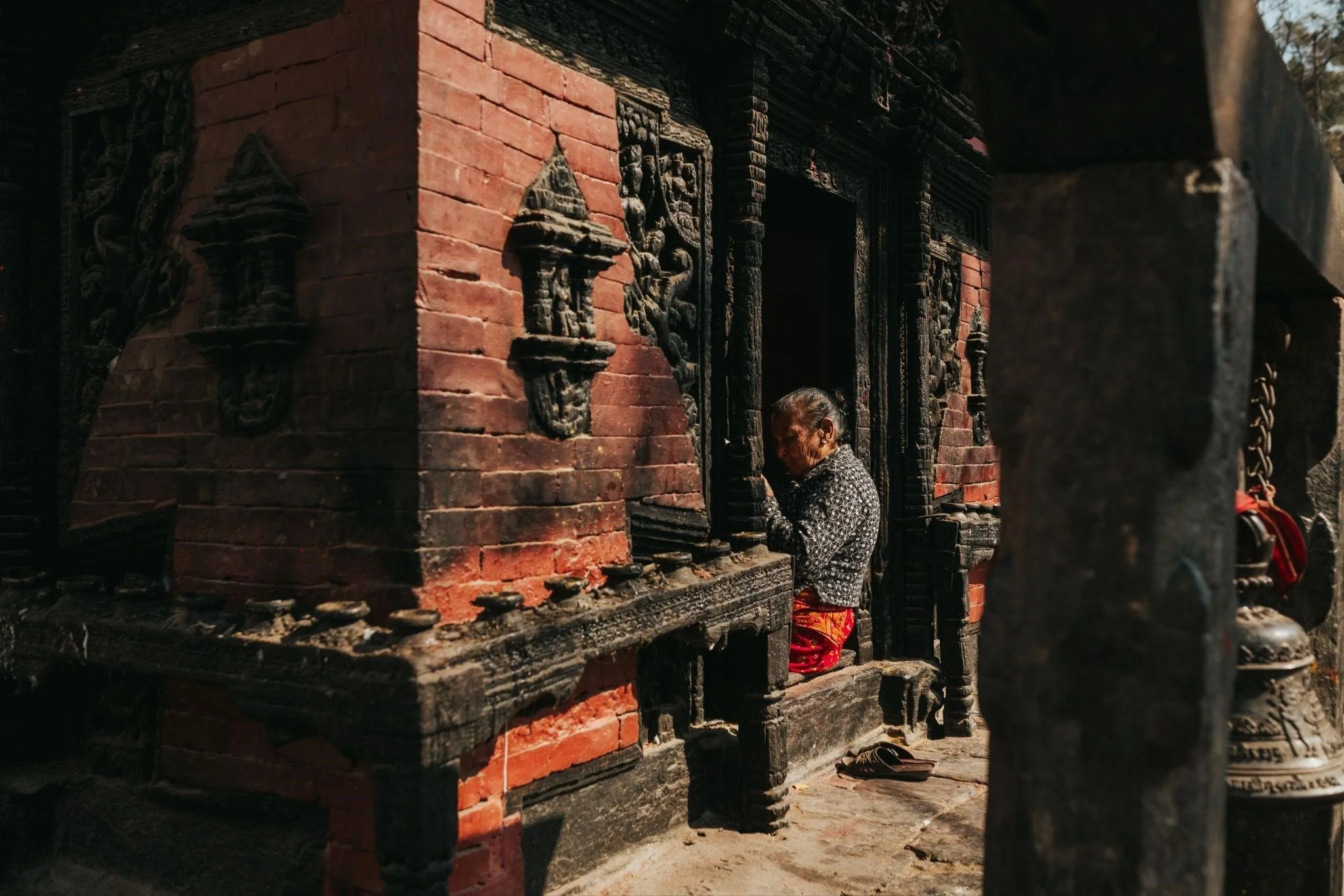
In the rain, temples feel even more sacred. Pashupatinath’s golden rooftops shimmer wetly; prayer flags hang heavy and still. Worship continues, but with less noise fewer tourists, more quiet footsteps. Locals light incense, offer flowers, and sit longer, watching water trail down stone idols that have seen centuries of monsoons.
Many Kathmandu dwellers believe the rain cleanses the air, the body, and even the mind. There’s a stillness in these moments, especially early mornings, when the city feels like it’s wrapped in something older and wiser than time.
Food That Warms the Soul
Monsoon brings out a deep craving for warmth and Nepali kitchens respond beautifully.
You’ll find locals enjoying:
● Steamed momo with hot chutney
● Thukpa, a Tibetan noodle soup
● Aalu tama, fermented bamboo shoots with potato and black-eyed peas
● Fried snacks like pakoda and samosas with strong, milky chiya
Most families turn inward cooking slow meals, sharing conversations over gas stoves, and keeping traditions alive with every ladle. In homes and heritage restaurants alike, monsoon menus lean into comfort, spice, and steam.
Life Moves Slower, and That’s the Point
Kathmandu doesn’t stop during monsoon. But it softens.
Shops open late. Traffic flows slower. People linger under canopies, watch the clouds, and chat over tea. Children play in puddles; older folks pull their shawls tighter and smile. This season teaches a different pace one that asks less of you and offers more if you listen.
Hotel Shanker, with its quiet corridors and rain-fed gardens, becomes a place to reflect this rhythm. Guests sip tea under covered patios, walk barefoot in wet grass, or simply enjoy the sound of rain through tall windows.
What to Do, Where to Go
If you’re here during the rains, lean in not away. A few local suggestions:
Visit a monastery in the early morning mist like Kopan or White Gumba
Explore the Patan Museum wooden windows, terracotta tiles, and centuries of stories
Wander through Asan after rain, when the air is clean and colors brighter
Order hot sel roti from a street vendor and enjoy it with chiya as locals do
Spend time inside reading, writing, or simply being still in a space like Hotel Shanker
Final Thoughts
Monsoon is not just a season it’s a mood. A mirror. A kind of return.
For those who slow down enough to feel it, Kathmandu during the rains is more intimate, more fragrant, and more human. As the clouds pass low over palace roofs and the city breathes deeper, you might just discover that this quieter version of the valley is the one that stays with you longest.
POPULAR ITINERARIES
SIMILAR POSTS
Savoring Kathmandu: A Culinary Trail for First-Time Visitors
Kathmandu is not just a gateway to the Himalayas. It’s a city that feeds your senses. For first-time visitors, the flavors here offer a warm and welcoming glimpse into Nepal’s soul. From rooftop restaurants to quiet neighborhood stalls, every meal has something to say.
Kathmandu is not just a gateway to the Himalayas. It’s a city that feeds your senses. For first-time visitors, the flavors here offer a warm and welcoming glimpse into Nepal’s soul. From rooftop restaurants to quiet neighborhood stalls, every meal has something to say.
Start Your Day the Local Way
Begin your morning with sel roti and milk tea. This lightly sweet, crispy rice doughnut pairs beautifully with a hot cup of spiced tea. You might find it in a small stall tucked into an alley, where locals stop for a quick bite before their day begins.
Another simple favorite is chiura (flattened rice) served with buff sukuti (dried meat) or curried potatoes. It’s hearty, flavorful, and loved across generations.
Midday Meals with Meaning
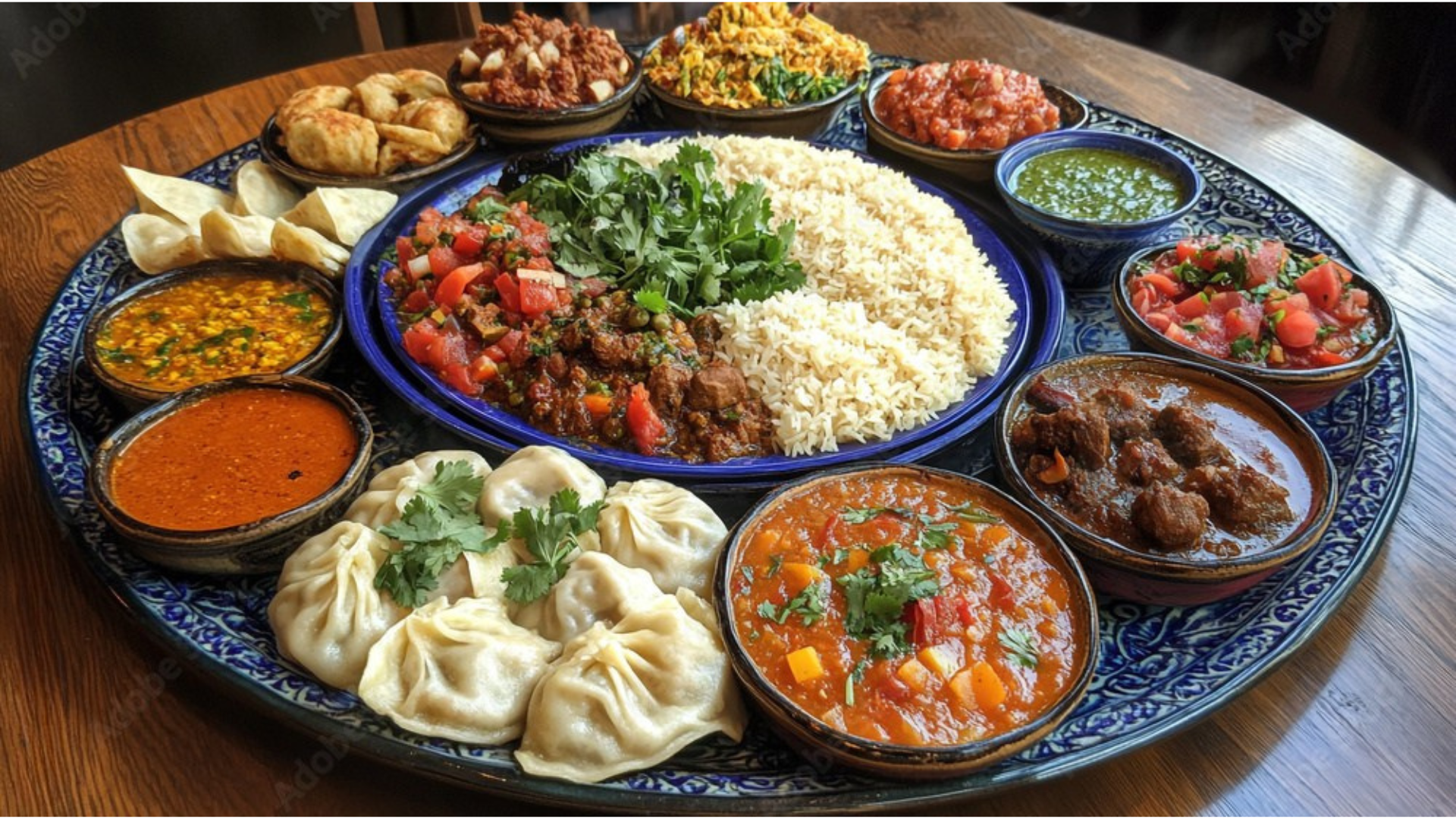
Lunchtime in Kathmandu is often slow, generous, and shared. The traditional Nepali thali is a must-try. A round metal plate brings together steamed rice, lentils, vegetables, pickles, and a meat or vegetarian curry. Each part balances the other, creating a meal that’s filling and satisfying.
In heritage areas, especially around old squares, Newari dishes bring deeper regional flavor. Look for sets that include spicy chhoila, bara, and aloo tama. The ingredients are simple, but the cooking methods hold centuries of tradition.
Street Snacks and Afternoon Bites
As the sun dips lower, Kathmandu’s street snacks come to life. Try chatpate, a tangy mix of puffed rice, peanuts, and raw onions tossed in chili and lemon. It’s crunchy, spicy, and addictive.
And of course, momos. These steamed dumplings are everywhere. Whether filled with vegetables, buff, or paneer, they’re always served hot and with a fiery tomato-based achar.
Evening Dining and Rooftop Views
Dinner in Kathmandu is often a chance to relax and look out over the city. Rooftop restaurants offer peaceful views of temple spires, local rooftops, and the rhythm of the streets below.
Here, you might try grilled trout flavored with local herbs or a bowl of warm thukpa. The menu often mixes comfort with elegance, and many places are known as much for their setting as their food.
A Sweet Finish
No culinary trail in Kathmandu is complete without juju dhau. This creamy, thick yogurt comes from Bhaktapur and is a local treasure. Or end with a quiet cup of masala chiya, best enjoyed slowly.
For the Curious Palate
Kathmandu’s food journey isn’t just about trying something new. It’s about how meals are shared, how they’re prepared with care, and how taste is tied to tradition. For those arriving for the first time, it’s an easy way to connect—to the city, its people, and its quiet warmth.
Once you’ve eaten here, you’ll carry the taste long after you leave.
POPULAR ITINERARIES
SIMILAR POSTS
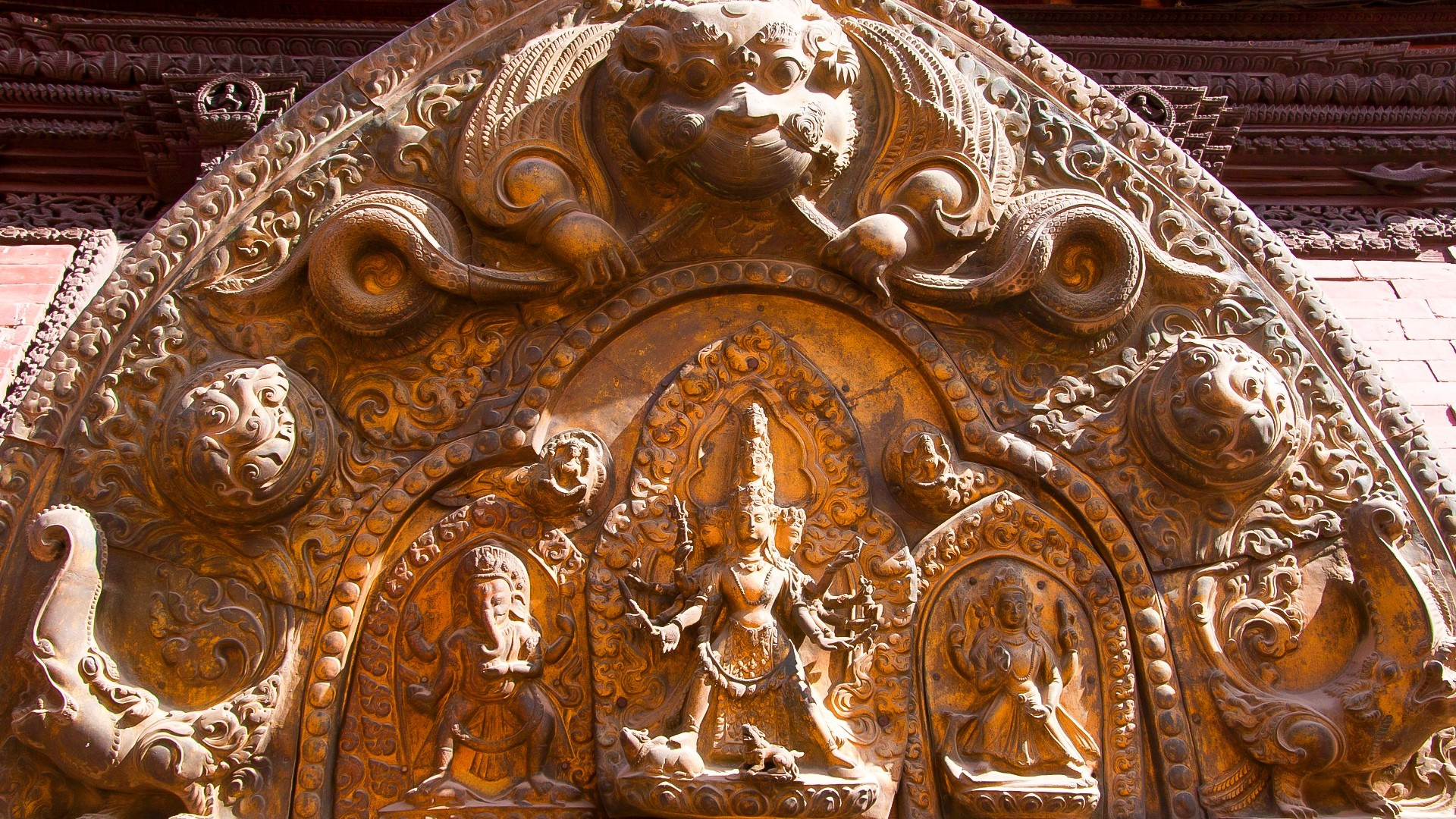
More Than Stone: What Temples and Palaces Can Teach the Modern World
In the old cities of the Kathmandu Valley, temples don’t just sit in place. They shape it. Palaces don’t just preserve history. They continue it. These structures were not built simply to impress. They were built to last, to breathe, and to hold meaning through time.
In the old cities of the Kathmandu Valley, temples don’t just sit in place. They shape it. Palaces don’t just preserve history. They continue it. These structures were not built simply to impress. They were built to last, to breathe, and to hold meaning through time.
Their lessons go far beyond architecture. In fact, they might be exactly what the modern world has forgotten.
Space is Not Just for Use, It’s for Experience
In traditional architecture, rooms were not measured by square footage but by how they felt. Some opened into light. Others offered cool shade at midday. Spaces existed not just to function, but to shift one’s state of being. To create silence, pause, and focus.
Today’s cities often crowd out stillness. But old temples and palaces remind us that space can create attention, not distraction. And beauty can be quiet.
Ritual Built into the Everyday
Temples and palaces weren’t designed apart from life. They were embedded in it. A corridor’s alignment with the rising sun, a step’s echo in a courtyard, the low threshold that asks you to bow your head — these weren’t decorative. They were intentional. They reminded people, gently, of presence.
Even without understanding the rituals, visitors often feel something in these places. A calm that doesn’t need explaining.
The Power of Craft, Not Speed
A carved window that took weeks. A doorway designed to hold light just so. These weren’t shortcuts. They were acts of care. The kind of care rarely found in mass production.
In a world that values efficiency, old buildings remind us of another kind of value. Devotion to detail, even if no one notices at first glance.
Age is Not Decay, It’s Depth
Modern thinking often sees age as a flaw. A thing to repair, repaint, or erase. But temples and palaces wear their age openly. The weathered stone, the softened edges, the soot-darkened walls they are not broken. They are full.
Time doesn’t erode these places. It completes them.
They Were Built for Humans, Not Just for Power
Despite their scale, there’s something deeply human about these spaces. The proportions are gentle. The materials familiar. A palace could be grand and still feel like a home. A temple could feel sacred and still welcome you to sit.
There is dignity here, not from height or spectacle, but from balance.
A Quiet Inheritance
We walk through these places as visitors, but they are not museums. They are inheritances. Of attention. Of slowness. Of grace.
In Kathmandu, this architecture is not just memory. It is a living texture. It slows you down without asking, teaches you without speaking, and offers something softer in a world that often forgets to look up.
POPULAR ITINERARIES
SIMILAR POSTS


The Sacred Body of the Valley: Living Tantra in Kathmandu, Patan & Bhaktapur
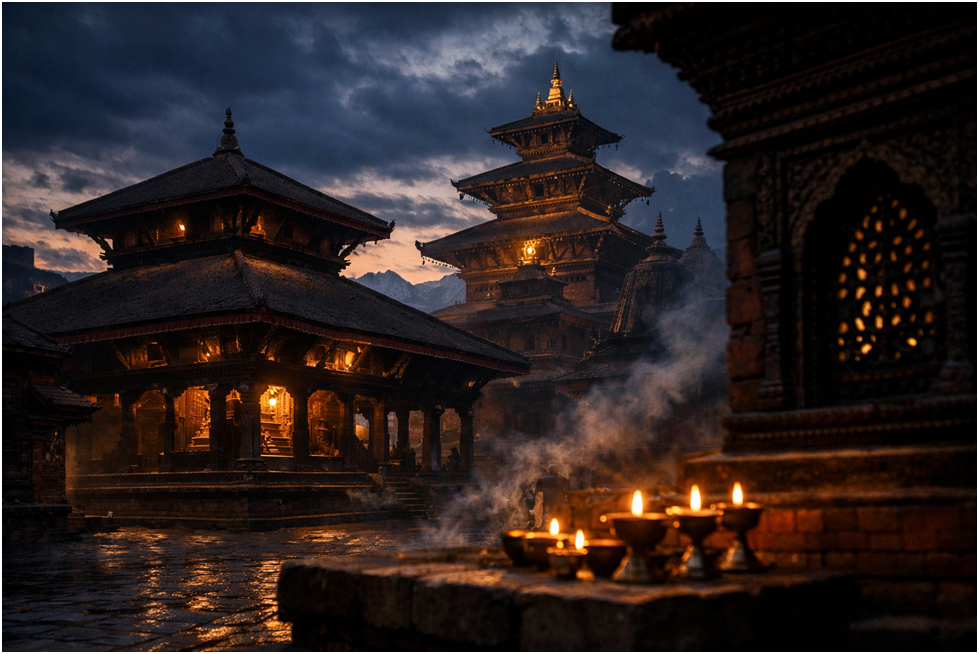
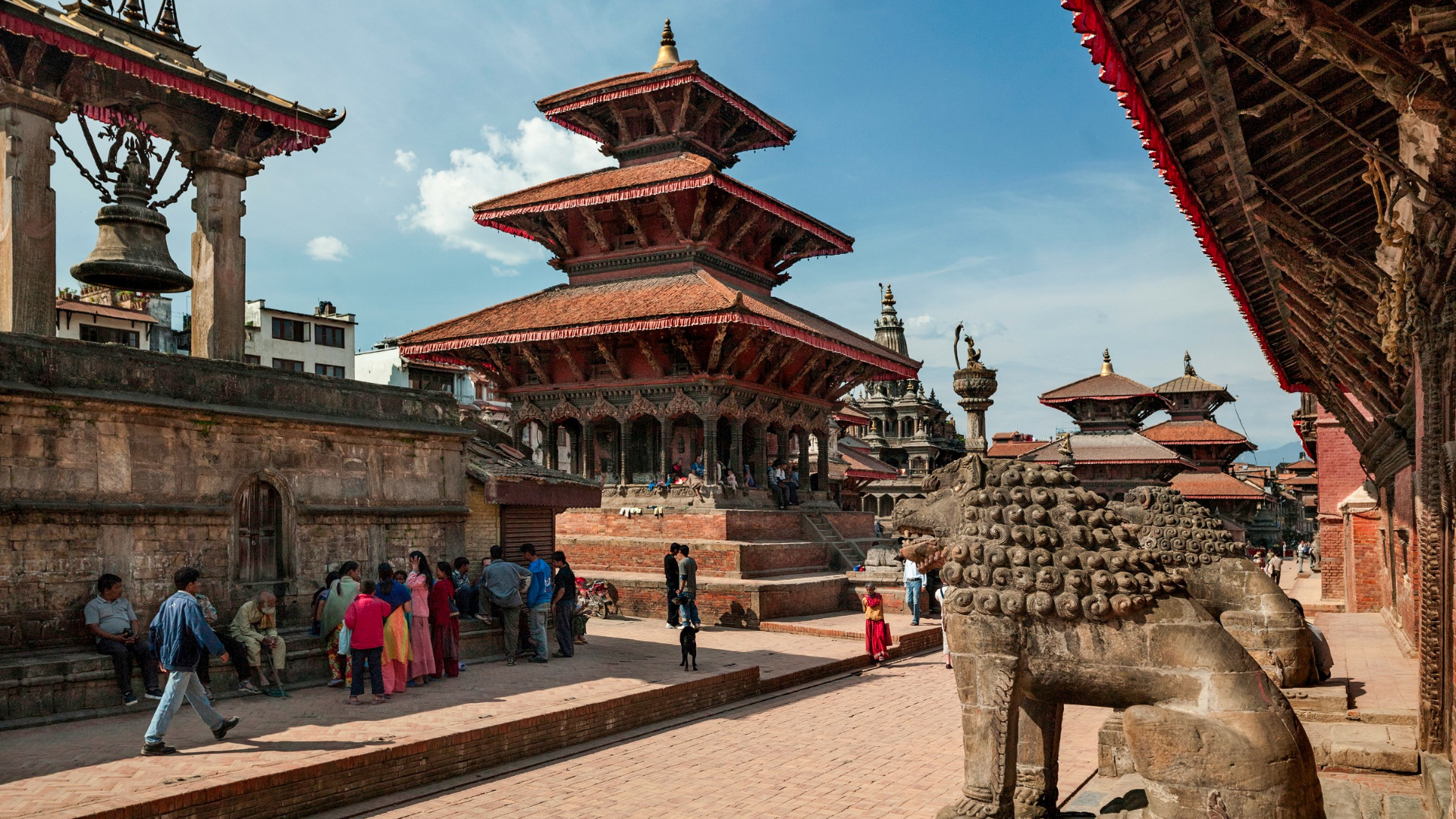
Step into the Durbar Squares of Patan, Bhaktapur, or Kathmandu, and you are no longer just in a historic city. You’re inside a living Tantric body. Where shrines rise not just at the center, but at every turn, every step, every breath. These cities were not built with symmetry alone, they were built with intention. And their intention is to awaken.
You don’t enter the sacred in Kathmandu you walk through it.
Step into the Durbar Squares of Patan, Bhaktapur, or Kathmandu, and you are no longer just in a historic city. You’re inside a living Tantric body. Where shrines rise not just at the center, but at every turn, every step, every breath. These cities were not built with symmetry alone, they were built with intention. And their intention is to awaken.
A City That Breathes in Symbols
Here, the spiritual doesn’t exist apart from the physical. It is the physical. Every strut carved with fire-bearing deities, every lion at the base of a stairway, every miniature shrine hidden behind a street-side arch they’re not just ornament. They are gateways, markers in a larger energy map.
In the tantric worldview, the body is a microcosm of the universe. The same is true for these cities.
They function like mandalas: layered, directional, balanced. Each corner, each node, has meaning. And unlike monuments sealed off in reverence, these spaces are lived in, passed through, knelt before. Children play beside Bhairavs. Women place marigolds at stone altars on their way to buy lentils. The sacred breathes with the street.
Patan Durbar Square: The Heart That Feels Everything
Of the three, Patan hums the softest but its frequency is deep. Temples rise close together, like a cluster of thoughts around stillness. From the golden roof of Hiranya Varna Mahavihar to the tantric geometry of Krishna Mandir, the square draws you inward. You may not understand every symbol, but you’ll feel the weight of alignment the sense that something here is placed exactly where it needs to be.
Walk slow. Let your gaze rise and fall. You’re not observing; you’re participating.
Bhaktapur Durbar Square: The Spine of Fierceness and Devotion
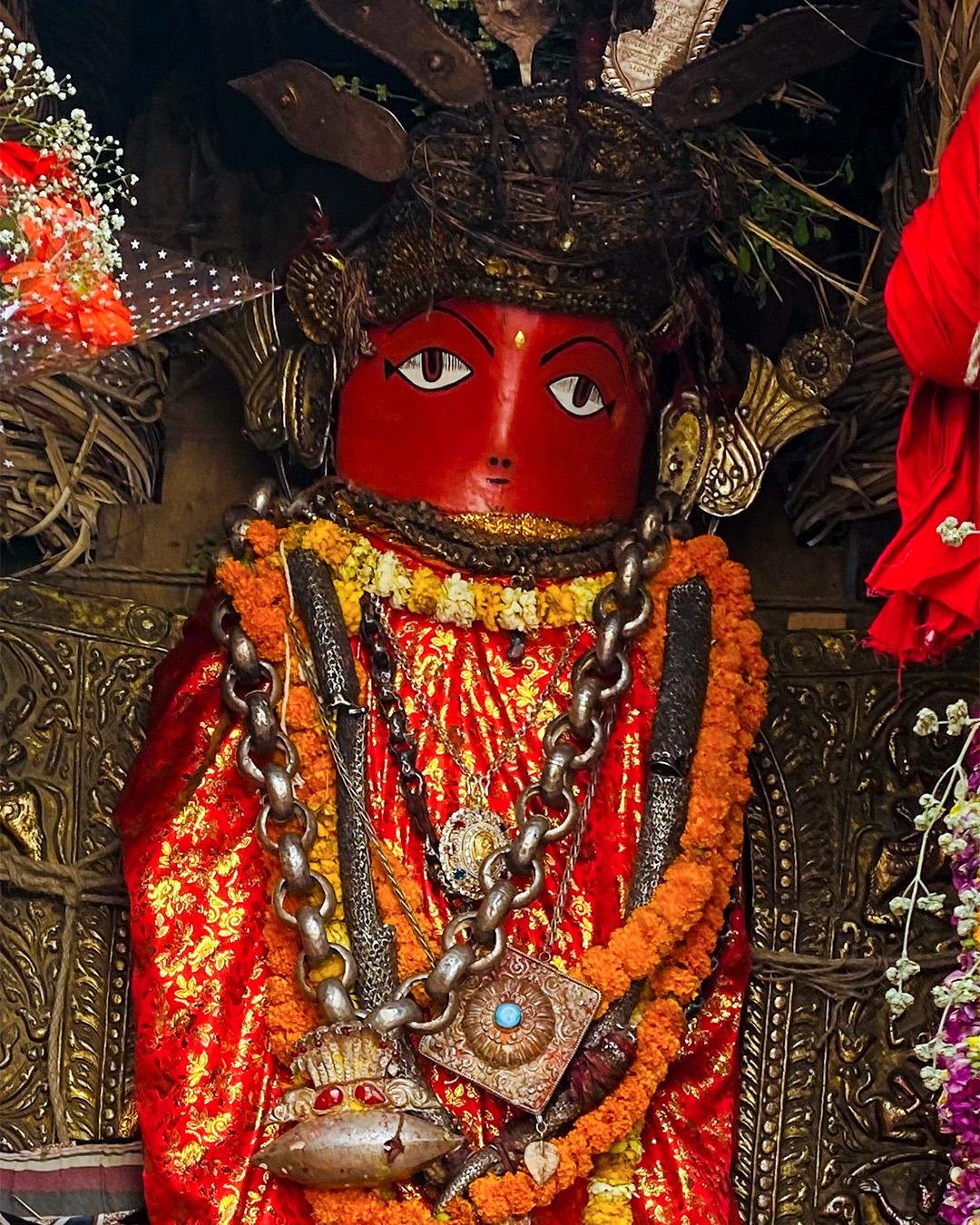
In Bhaktapur, the energy shifts stronger, more pronounced. The statues of Ugrachandi and Ugrabhairav at the palace gate don’t invite you in gently. They announce the sacred. Here, the tantric body is not subtle. It demands engagement.
Every few meters, a shrine. Every turn, a temple. It’s easy to get lost and maybe you’re meant to. Bhaktapur doesn’t hand you answers. It tests your presence. The city speaks in festivals, in masked dances, in sudden encounters with divinity in the most unassuming corners.
Kathmandu Durbar Square: The Face and the Voice
Kathmandu’s square is louder. More human. It pulses. And at its heart sits Kaal Bhairav, black-stone protector and truth-teller. Stand before him long enough and the rest of the square fades.
Here, tantric energy is woven into the rhythm of life Indra Jatra, Kumari processions, the temple of the living goddess. The square doesn’t separate the spiritual from the social. It shows you what happens when they’re never apart to begin with.
Not a Monument. A Mandala.
These cities were not built to be admired. They were built to be used. Walked. Circled. Sat within. Their tantric power is not in what they say it’s in what they do to the body moving through them.
You leave not with photos, but with something rearranged.
Every Step a Ritual, Every Corner a Gate
The Durbar Squares of the Kathmandu Valley aren’t just beautiful they are active fields of spiritual architecture. Still powerful. Still inhabited. Still offering anyone who walks with attention the chance to feel more awake, more grounded, more real.
Not because you entered a temple.
But because the whole city is one.
POPULAR ITINERARIES
SIMILAR POSTS
Taleju Temple: The Sacred Heart of Kathmandu’s Spiritual Legacy
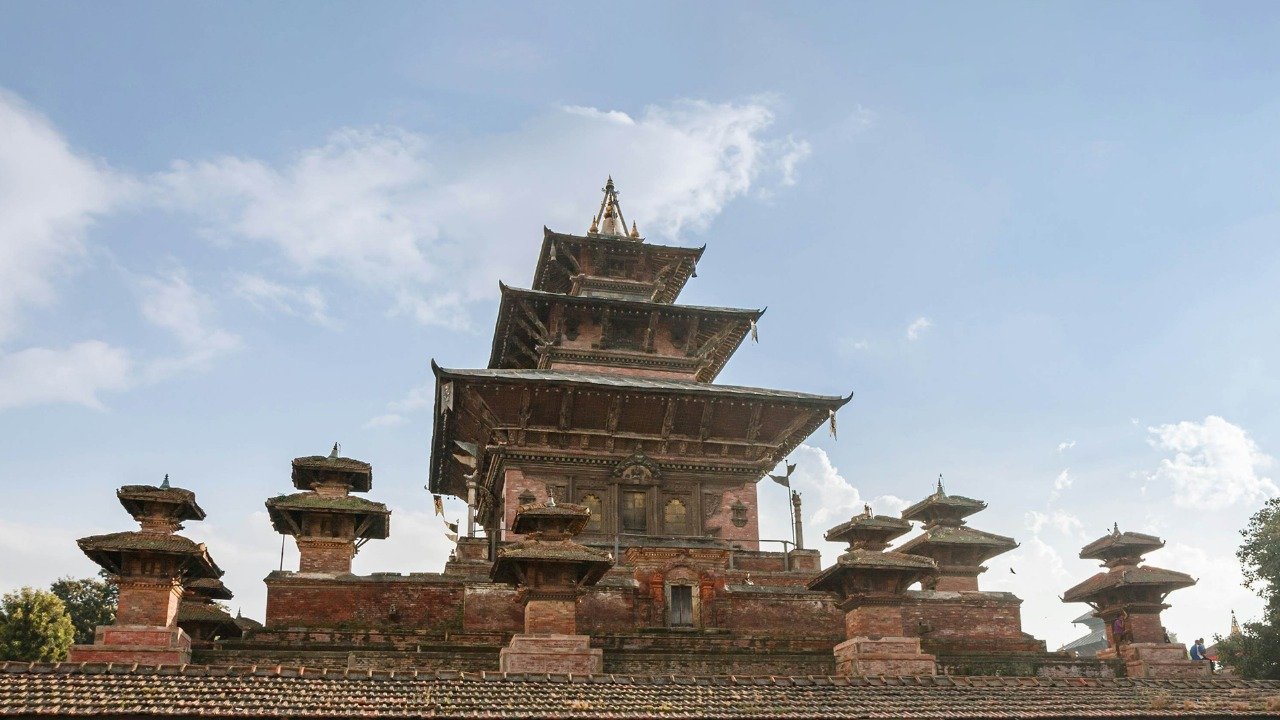
Nestled within the historic Kathmandu Durbar Square, the Taleju Temple stands as a testament to Nepal’s rich tapestry of history, spirituality, and architectural brilliance. Dedicated to Taleju Bhawani, the royal goddess of the Malla dynasty, this 16th-century edifice is not just a place of worship but a symbol of the nation’s enduring cultural heritage.
Nestled within the historic Kathmandu Durbar Square, the Taleju Temple stands as a testament to Nepal’s rich tapestry of history, spirituality, and architectural brilliance. Dedicated to Taleju Bhawani, the royal goddess of the Malla dynasty, this 16th-century edifice is not just a place of worship but a symbol of the nation’s enduring cultural heritage.
A Glimpse into History
Commissioned in 1564 by King Mahendra Malla, the Taleju Temple was constructed to honor Taleju Bhawani, the tutelary deity believed to have guided and protected the Malla kings. Legend has it that the goddess appeared to the king in a dream, instructing him to build a temple in her honor. This divine encounter underscores the deep spiritual connection between the Malla rulers and their patron goddess.
Architectural Marvel
Standing at an impressive height of 35 meters, the Taleju Temple is a masterpiece of Newar architecture. Its unique design is said to resemble a yantra—a mystical diagram symbolizing the universe—reflecting the temple’s spiritual significance. The temple’s multi-tiered pagoda structure is adorned with intricate carvings, gilded roofs, and ornate windows, showcasing the exceptional craftsmanship of the era.
Surrounding the main temple are 12 miniature temples, each representing the months of the year, emphasizing the temple’s cosmic symbolism. The temple’s four main entrances are guarded by stone lions, adding to its majestic presence.
Spiritual Significance
Taleju Bhawani is revered as a manifestation of the fierce goddess Durga. Her worship was central to the Malla kings, who considered her their royal deity. The temple’s sanctum houses shrines dedicated to both Taleju Bhawani and Kumari Devi, the living goddess of Kathmandu. This association underscores the temple’s pivotal role in the spiritual life of the valley.
Access to the temple is highly restricted. It opens to the public only once a year during the Dashain festival, allowing devotees to pay homage to the goddess. This exclusivity adds to the temple’s mystique and sanctity.
Legends and Lore
The Taleju Temple is steeped in legends that enrich its spiritual aura. One such tale speaks of the goddess appearing in the form of a bee during the temple’s dedication ceremony, symbolizing her divine presence and blessing. Another legend narrates the story of King Jaya Prakash Malla, who played dice with the goddess in the temple’s sanctum, highlighting the intimate bond between the deity and her devotees.
Preservation and Legacy
Despite the ravages of time and natural calamities, including the 2015 earthquake, the Taleju Temple has retained its grandeur. Restoration efforts have been undertaken to preserve its structural integrity and artistic heritage. Today, the temple stands not only as a place of worship but also as a symbol of Nepal’s resilience and commitment to preserving its cultural landmarks.
Visiting the Taleju Temple
While the temple’s inner sanctum is accessible only during the Dashain festival, visitors can admire its architectural splendor from the outside year-round. Situated within the UNESCO World Heritage Site of Kathmandu Durbar Square, the temple is surrounded by other historical edifices, making it a focal point for those interested in Nepal’s rich history and culture.
Final Reflection
The Taleju Temple is more than just an architectural wonder; it is a living testament to Nepal’s spiritual depth, historical richness, and artistic excellence. For those seeking to understand the soul of Kathmandu, a visit to this sacred site offers a profound glimpse into the city’s enduring legacy.
POPULAR ITINERARIES
SIMILAR POSTS
The Quiet Lanes of Water – Poolside Peace at Hotel Shanker
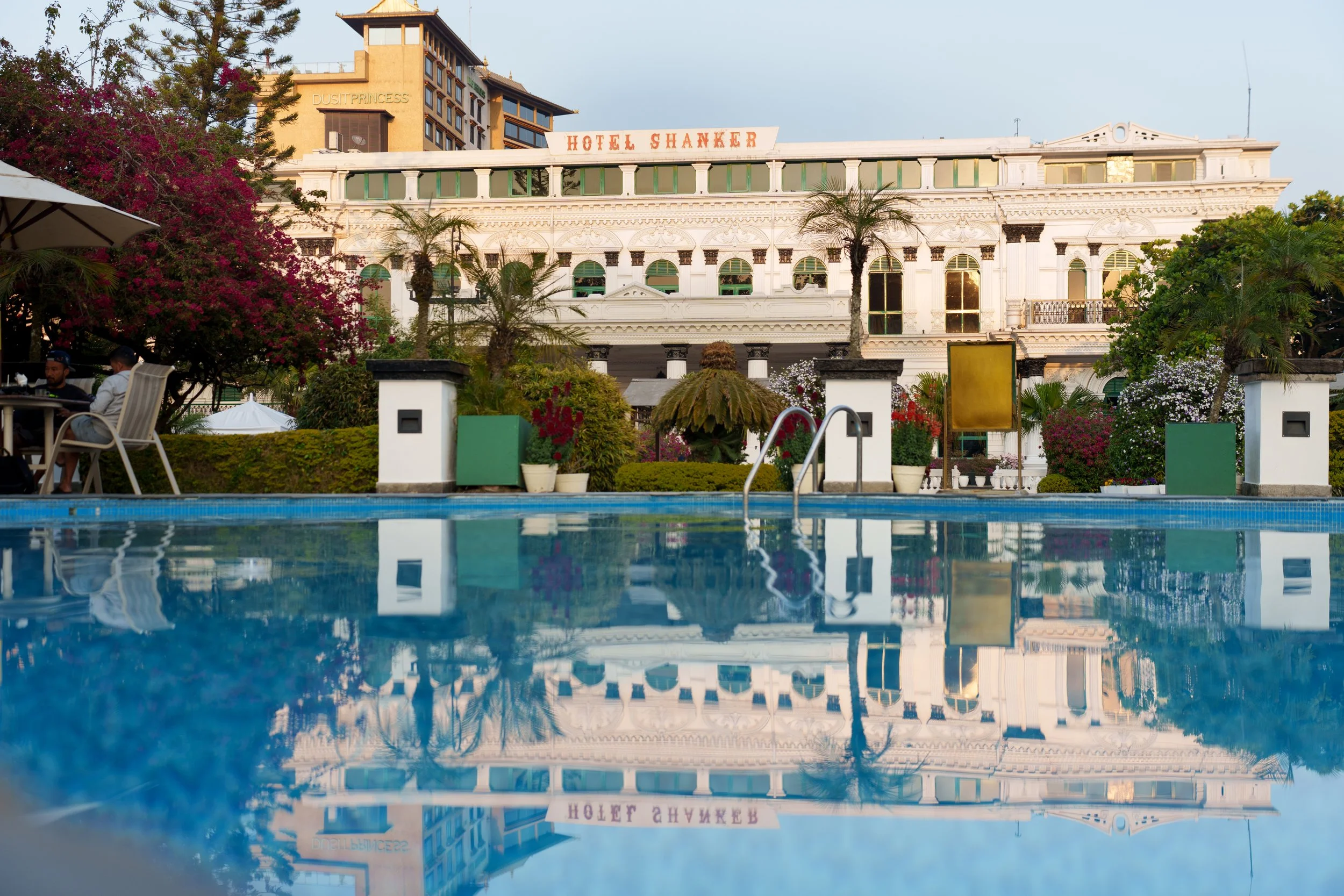
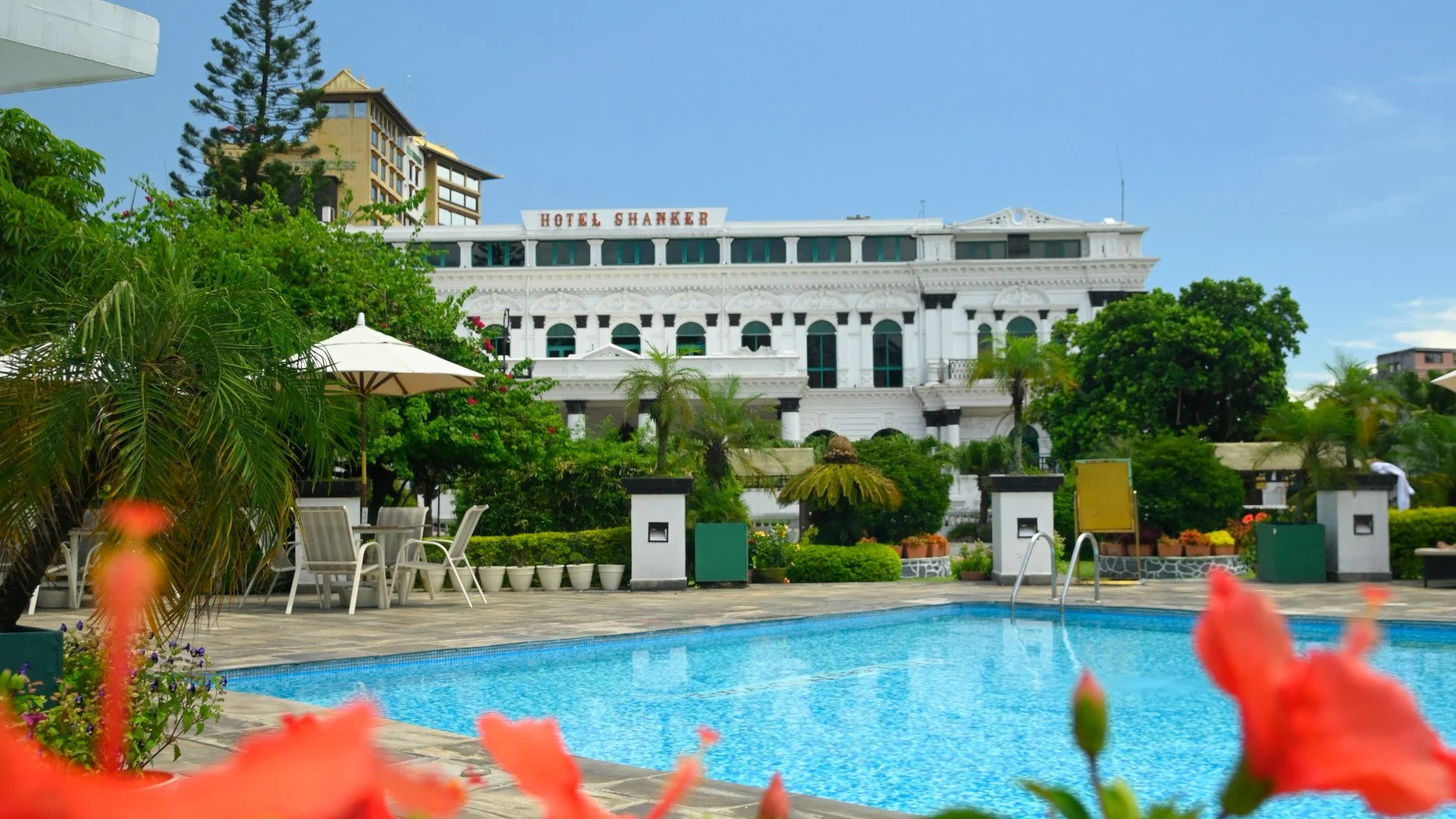
In the heart of a city known for its vibrant streets and bustling markets, there’s a quieter side to life, a place where time slows down and the air feels a little lighter. At Hotel Shanker, the pool is more than just a place to swim. It’s a space to pause, reflect, and find a little calm in the middle of it all.
A Place to Pause
In the heart of a city known for its vibrant streets and bustling markets, there’s a quieter side to life, a place where time slows down and the air feels a little lighter. At Hotel Shanker, the pool is more than just a place to swim. It’s a space to pause, reflect, and find a little calm in the middle of it all.
Morning Calm
Mornings by the pool at Hotel Shanker have a special kind of quiet. The sun rises slowly, casting long, soft shadows across the water. The air is cool, the garden alive with the sounds of birds, and the surface of the pool perfectly still, reflecting the early light.
There’s a sense of promise in these early hours, a feeling that the day is yours to shape. A quiet swim, a warm cup of tea, and a few slow breaths before the city fully wakes up. For a moment, the only sound is the gentle ripple of water as you take a slow lap, letting your mind drift with each stroke.
Afternoons in the Sun
As the sun climbs higher, the pool comes to life. The water glistens, catching the light at every angle. Laughter echoes from nearby tables, the clinking of glasses mixing with the sound of splashing. The garden adds a touch of green, with leaves rustling in the warm breeze.
This is the time for long, unhurried lunches, cool drinks, and conversations that stretch into the afternoon. A good book, a shady corner, and the gentle warmth of the sun on your skin. The hours move slowly here, each moment unfolding without rush.
Evening Reflections
As the day winds down, the pool takes on a different kind of calm. The light softens, turning the water a deep, rich blue. The air cools, the shadows lengthen, and the sounds of the city fade into the background.
This is a time for quiet reflections, a time to let the day settle in your mind. The surface of the water holds the last of the daylight, a mirror for the sky above. It’s a place to sit back, sip a cool drink, and watch as the lights of the hotel begin to glow, casting a warm, welcoming glow over the water.
A Different Kind of Stillness
There’s a special kind of peace in the quiet lanes of water. A stillness that feels different from the rest of the city. It’s the feeling of cool water on warm skin, the soft sound of footsteps on wet tiles, the gentle rise and fall of the surface as the breeze moves through the garden.
At Hotel Shanker, the pool is a place to linger. It’s a place to slow down, to drift without a plan, to let your thoughts wander as the water moves gently around you. It’s a small corner of calm in a busy city, a reminder that sometimes the best moments are the quiet ones.
Finding Your Place by the Water
Whether you’re an early riser looking for a moment of quiet before the day begins, a sun-seeker in search of warmth, or a night owl drawn to the cool, reflective surface of the evening pool, there’s a place for you here.
At Hotel Shanker, the water is more than a feature. It’s a feeling, a moment, a memory in the making. It’s a place where time slows down, where the noise of the city fades, and where you can find a little peace in the middle of it all.
POPULAR ITINERARIES
SIMILAR POSTS
Walking Through the History of Kathmandu
Kathmandu is a place that holds its history close. Every corner, every alley, every old building has a story to tell. It’s a city that rewards slow walks and curious minds.
A City Built on Stories
Kathmandu is a place that holds its history close. Every corner, every alley, every old building has a story to tell. It’s a city that rewards slow walks and curious minds.
If you’re staying at Hotel Shanker, you’re already in a place with its own history. But beyond its gates, the streets of Kathmandu have even more to share. Here are a few places where the past still lives, just a short walk or drive from the hotel.
Ason Bazaar: Where the City Still Breathes
Start your day in Ason Bazaar, one of the oldest markets in Kathmandu. Here, the air is thick with the smell of spices, fresh vegetables, and incense. Narrow lanes twist through old brick buildings, their windows carved with care.
Pause at the Annapurna Temple, a small but sacred spot dedicated to the goddess of abundance. You’ll often find locals stopping to light incense or offer flowers as the market buzzes around them.
Indra Chowk: Where Life Crosses Paths
From Ason, walk toward Indra Chowk, a busy crossroads that has been a meeting point for traders and travelers for centuries.
Take a moment at the Seto Machhindranath Temple, a quieter corner where butter lamps flicker and the smell of marigolds fills the air. It’s a reminder that even in the busiest parts of the city, there is space for quiet reflection.
Basantapur: The Heart of Old Kathmandu
From Indra Chowk, follow the winding lanes to Basantapur, a place known for its tall, wooden pagodas and carved windows.
Look for the Kaathe Swayambhu Stupa, a small but important shrine that echoes the larger stupa on the hill. It’s a good place to pause, take a breath, and watch the city move around you.
Itumbaha Courtyard: A Hidden Gem
Just a short walk from the main squares, Itumbaha is a quiet, hidden courtyard that feels like a step back in time. Built in the 14th century, this Buddhist monastery still holds its original charm, with intricate wood carvings and a peaceful, lived-in atmosphere.
Narayanhiti Palace Museum: A Look at Recent History
End your walk at the Narayanhiti Palace Museum, just a short drive from Hotel Shanker. Once home to Nepal’s kings, this palace is now a museum that offers a glimpse into the country’s recent past.
Walk through the grand halls, past crystal chandeliers and state rooms, and imagine the moments of history that unfolded here.
Coming Back to Quiet
After a day spent moving through the city’s history, coming back to Hotel Shanker feels like a welcome pause. The cool halls, the quiet gardens, and the soft light in the windows offer a different kind of history—a quieter, more personal one.
POPULAR ITINERARIES
SIMILAR POSTS