
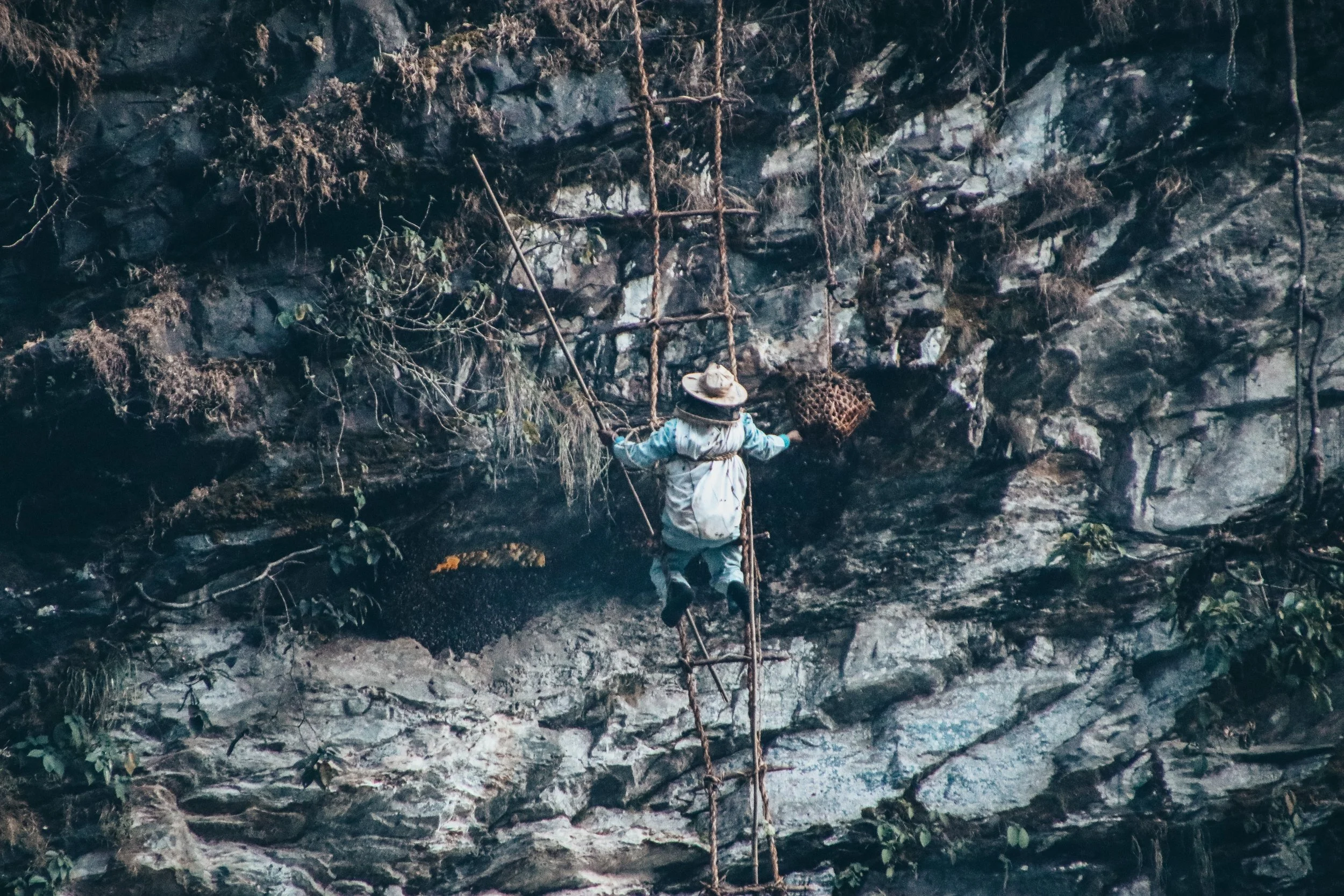
Honey Hunters of Nepal: Harvesting Nature's Liquid Gold
In the remote and rugged landscapes of Nepal, a tradition dating back centuries continues to thrive: honey hunting. Perched atop cliffs and suspended from sheer vertical drops, intrepid honey hunters risk life and limb to harvest nature's liquid gold. This ancient practice has not only been a source of sustenance for generations but also a testament to the profound connection between humans and the wild. In this article, we will delve into the history, region, and the fascinating world of Himalayan Honey and Mad Honey produced by these fearless beekeepers.
Honey hunting in Nepal traces its roots to the indigenous communities of the region, particularly the Gurung and Magar tribes. The practice dates back centuries, with honey being a crucial part of their diet and culture. Honey was used not only as a sweetener but also for its medicinal properties and as an offering to deities in religious rituals.
The traditional method of honey hunting involves harvesting honey from wild hives located high in the cliffs and rocky crevices of the Himalayan foothills. The process is fraught with danger, as hunters climb precarious bamboo ladders, often suspended hundreds of feet above the ground, to reach the hives. Despite the risks, honey hunting remains an integral part of the local culture, passed down through generations as a valuable skill.
The Region of Honey Hunters:
Nepal's honey hunters are primarily found in the remote regions of the Annapurna and Langtang areas, particularly in the villages of Manang, Mustang, and Dolpa. These areas are characterized by their rugged terrain, towering cliffs, and rich biodiversity. The unique geography of these regions provides an ideal habitat for wild bees and their hives.
The steep cliffs and isolated locations of the hives have preserved them from the interference of modern beekeeping practices. As a result, the honey harvested here is considered some of the purest and most flavorful in the world.
Himalayan Honey: Liquid Gold from the Mountains:
Himalayan Honey, also known as "red honey" or "spring honey," is the prized treasure of Nepal's honey hunters. This exquisite honey is produced by the Himalayan Giant Honeybee, the world's largest honeybee species. The bees collect nectar from the vibrant rhododendron flowers that bloom in Nepal's spring season.
Himalayan Honey is renowned for its distinct taste and therapeutic properties. It has a robust, slightly smoky flavor with floral undertones, making it a favorite among honey connoisseurs. In addition to its culinary uses, it is believed to have numerous health benefits, such as boosting the immune system and aiding digestion.
Mad Honey: A Unique and Controversial Delicacy
One of the most intriguing aspects of honey hunting in Nepal is the production of Mad Honey. Mad Honey, also known as "psychoactive honey" or "hallucinogenic honey," is derived from the nectar of specific rhododendron flowers, particularly Rhododendron luteum and Rhododendron ponticum.
What sets Mad Honey apart is its psychoactive properties. Consumption of Mad Honey can lead to hallucinations, altered states of consciousness, and even a mild intoxication. For centuries, it has been used in traditional medicine and shamanic rituals in the region.
However, it's important to note that the potency of Mad Honey can vary significantly, and excessive consumption can lead to adverse effects, including nausea, vomiting, and dizziness. As a result, the sale and consumption of Mad Honey have raised concerns, and it is advised to approach it with caution and respect for local traditions.
The Sustainability of Honey Hunting:
The practice of honey hunting in Nepal has faced challenges in recent years due to the changing landscape of the region and the risks associated with the perilous climbs. However, efforts are being made to ensure the sustainability of this tradition.
Local organizations and conservationists are working to protect the wild bee populations and their habitats. Beekeeping cooperatives have also been established to promote responsible honey harvesting practices and provide additional income to the communities involved.
Tips for Exploring the World of Honey Hunters:
Respect Local Traditions: When witnessing honey hunting, it's essential to show respect for the local communities and their customs. Seek permission before taking photographs or participating in the activities.
Safety First: If you plan to witness honey hunting firsthand, prioritize safety. The cliffs and heights involved can be extremely dangerous. Ensure you are accompanied by experienced hunters or guides who are well-versed in safety procedures.
Conservation Awareness: Be mindful of the environment and the conservation efforts being made to protect wild bee populations. Support initiatives that promote sustainable honey harvesting practices.
Cultural Exchange: Take the opportunity to engage with local communities, learn about their way of life, and savor the local cuisine, which often incorporates honey into various dishes.
Honey hunting in Nepal is not just about the pursuit of honey; it is a testament to the enduring relationship between humans and the natural world. This ancient practice, passed down through generations, reflects the resourcefulness and resilience of indigenous communities in the face of challenging environments.
Himalayan Honey and Mad Honey are not just exotic culinary delights; they are windows into a unique cultural and natural landscape. As visitors witness the breathtaking climbs and learn about the traditions surrounding honey hunting, they gain a deeper appreciation for the delicate balance between humans and nature in this remote corner of the world. Honey hunters of Nepal are the stewards of a tradition that not only produces a sweet treasure but also preserves a way of life deeply connected to the untamed wilderness of the Himalayas.
POPULAR ITINERARIES
SIMILAR POSTS

Rara: A Tranquil Escape
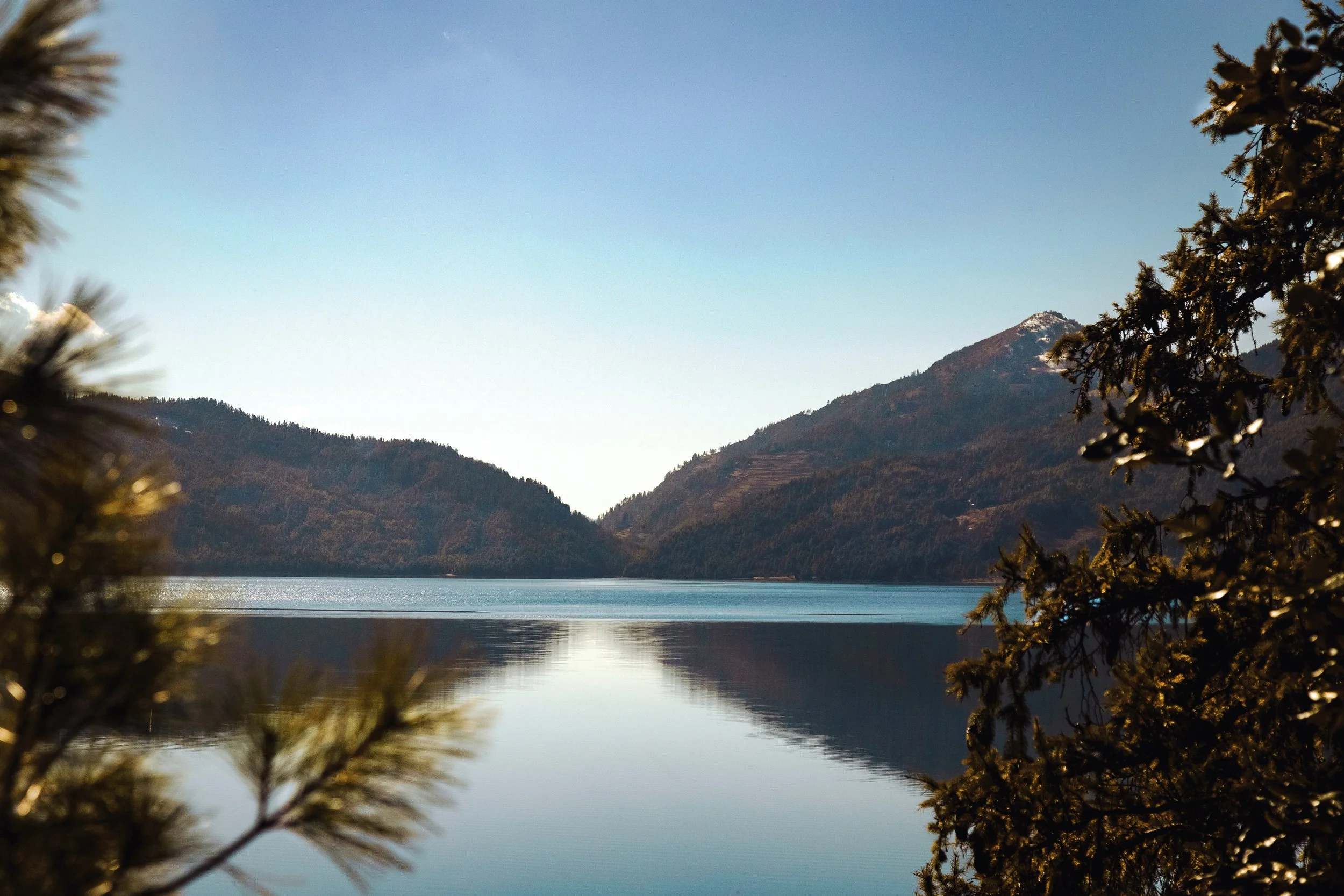
In the remote reaches of Nepal's northwestern region, there lies a hidden gem that captures the essence of untouched natural beauty and serenity - Rara Lake. Tucked away in the Rara National Park, this pristine lake is the largest in Nepal and surrounded by lush forests, snow-capped peaks, and a tranquility that seems almost surreal. In this article, we will embark on a journey to discover the highlights, itinerary suggestions, and valuable tips for experiencing the tranquil escape of Rara.
Rara Lake: The heart and soul of this destination, Rara Lake, shimmers like a sapphire jewel amidst the rugged terrain. The crystal-clear waters reflect the surrounding peaks, creating a mesmerizing visual spectacle. Rara National Park is a haven for wildlife enthusiasts and nature lovers. The park is home to various species of flora and fauna, including Himalayan black bears, red pandas, and a wide array of bird species. It's a paradise for birdwatchers and photographers. Rara offers numerous trekking trails that take you through dense forests, rolling meadows, and tranquil villages. The Rara Lake Trek is a popular choice, allowing you to explore the region's natural and cultural treasures. The surrounding villages are inhabited by indigenous communities like the Thakuri and Mugu-Karnali. Interact with the locals, immerse yourself in their traditions, and witness their unique way of life.
Itinerary for Exploring Rara
A well-planned itinerary is essential to make the most of your Rara adventure. Here's a suggested itinerary:
Day 1: Arrival in Kathmandu - Arrive in Nepal's capital, Kathmandu, and prepare for your journey to Rara by obtaining necessary permits and supplies.
Day 2: Fly to Nepalgunj - Take a domestic flight to Nepalgunj, a city in southwestern Nepal that serves as a gateway to Rara.
Day 3: Fly to Talcha Airport - Board a domestic flight from Nepalgunj to Talcha Airport, which is the closest airport to Rara Lake. From there, embark on a picturesque trek to the lakeshore.
Day 4-5: Explore Rara Lake - Spend a couple of days exploring the serene beauty of Rara Lake. Enjoy boating on the lake, take leisurely walks along its shores, and capture the breathtaking scenery.
Day 6: Trek to Murma Village - Begin your trek to Murma Village, a picturesque settlement with traditional houses, lush fields, and friendly locals.
Day 7-8: Explore Murma and Nearby Villages - Take your time to explore Murma and nearby villages, immersing yourself in the local culture and enjoying the warm hospitality of the Thakuri community.
Day 9: Trek Back to Rara Lake - Return to the enchanting shores of Rara Lake for one last glimpse of its beauty.
Day 10: Fly Back to Kathmandu - Take the flight back to Kathmandu from Talcha Airport, cherishing the memories of your Rara adventure.
Tips for Exploring Rara
Permit and Regulations: Ensure you have the necessary permits to enter Rara National Park and visit the lake. Respect park regulations to protect the fragile ecosystem.
Weather Considerations: Rara experiences cold temperatures, especially at night, even during the summer months. Pack warm clothing and suitable gear for varying weather conditions.
Accommodation: Accommodation options are limited in the area, so book your stay in advance. Basic lodges and camping are the primary choices for visitors.
Altitude Awareness: Although Rara Lake itself is not at a high altitude, trekking routes in the region can take you to elevations where altitude sickness is a concern. Acclimatize properly and be aware of the symptoms.
Respect Local Customs: Be respectful of the local culture and traditions. Seek permission before taking photographs of people and their property.
Rara is not just a destination; it's an enchanting escape from the hustle and bustle of modern life. It offers an opportunity to reconnect with nature, immerse yourself in local culture, and witness the unspoiled beauty of one of Nepal's best-kept secrets.
As you explore the tranquil shores of Rara Lake, trek through pristine forests, and interact with the welcoming Thakuri communities, you'll find yourself in a world that feels far removed from the chaos of everyday life. Rara is not just a place; it's a tranquil escape that rejuvenates the soul and leaves an indelible mark on the heart of every traveler who ventures into its serene embrace.
POPULAR ITINERARIES
SIMILAR POSTS
Thorang-la Pass: An Adventurer's Dream
In the heart of the Himalayas, at an elevation that challenges the limits of human endurance, lies a passage that has lured adventurers and trekkers from around the world for decades – the Thorang-la Pass. This breathtaking high mountain pass is a jewel of the Annapurna Circuit in Nepal, offering a thrilling blend of natural beauty, challenging terrain, and the allure of a remarkable achievement. In this article, we will take you on a journey through the highlights, itinerary, and invaluable tips for conquering the Thorang-la Pass, an adventurer's dream come true.
The Highlights of Thorang-la Pass:
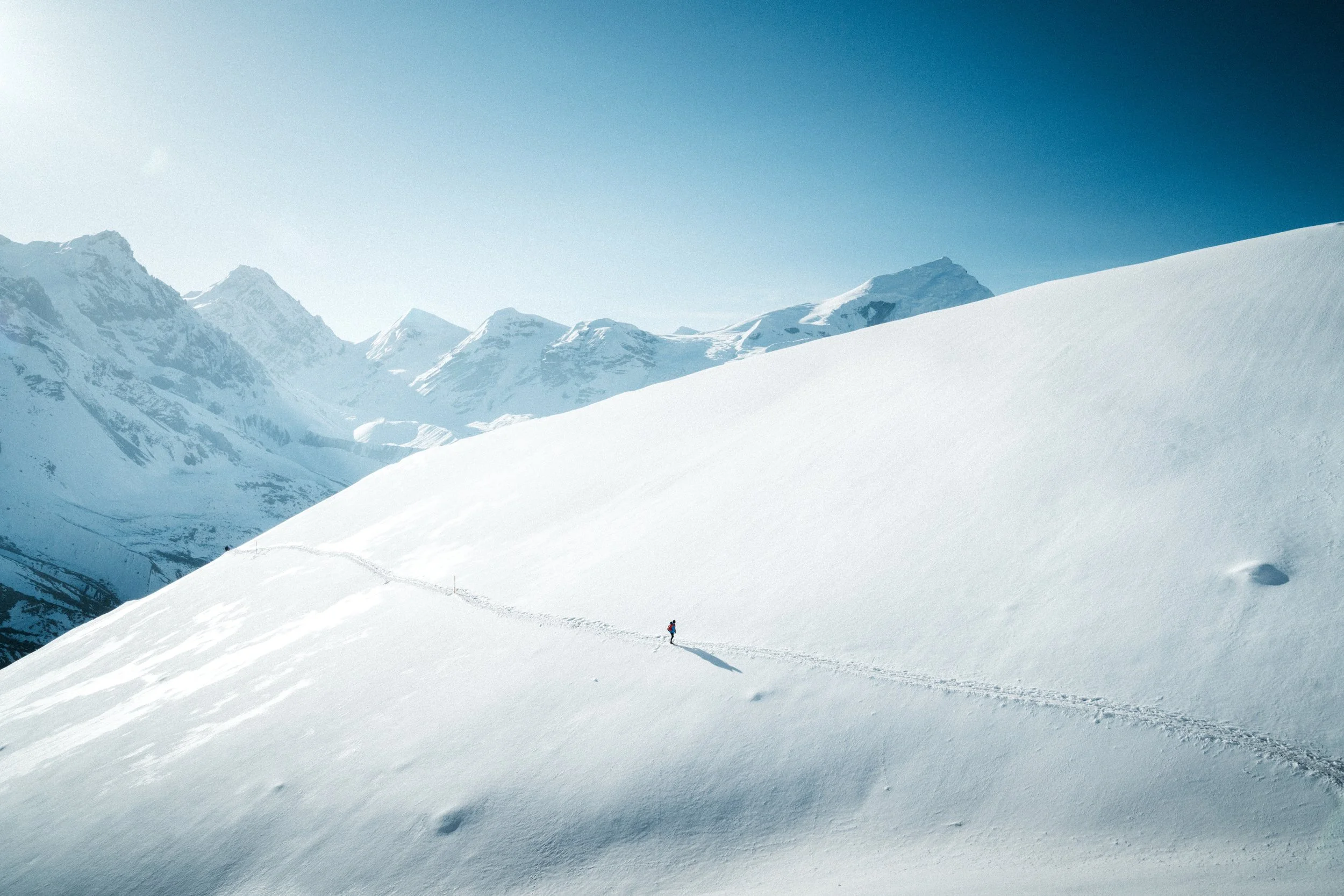
Stunning Alpine Landscapes: The journey to Thorang-la Pass takes you through a mesmerizing landscape that includes lush forests, serene alpine meadows, and rugged mountain terrains. As you ascend, the vistas transform into a breathtaking snowy wonderland.
Highest Trekking Pass in the World:
At a staggering altitude of 5,416 meters (17,769 feet), Thorang-la is one of the highest trekking passes in the world. Reaching the pass is a test of physical and mental endurance, offering an unparalleled sense of accomplishment.
Cultural Exploration:
The trek to Thorang-la Pass passes through picturesque villages like Manang and Yak Kharka, where you can immerse yourself in the local culture and traditions of the Gurung and Thakali people. Visit ancient monasteries and witness the daily lives of the inhabitants.
Spiritual Significance:
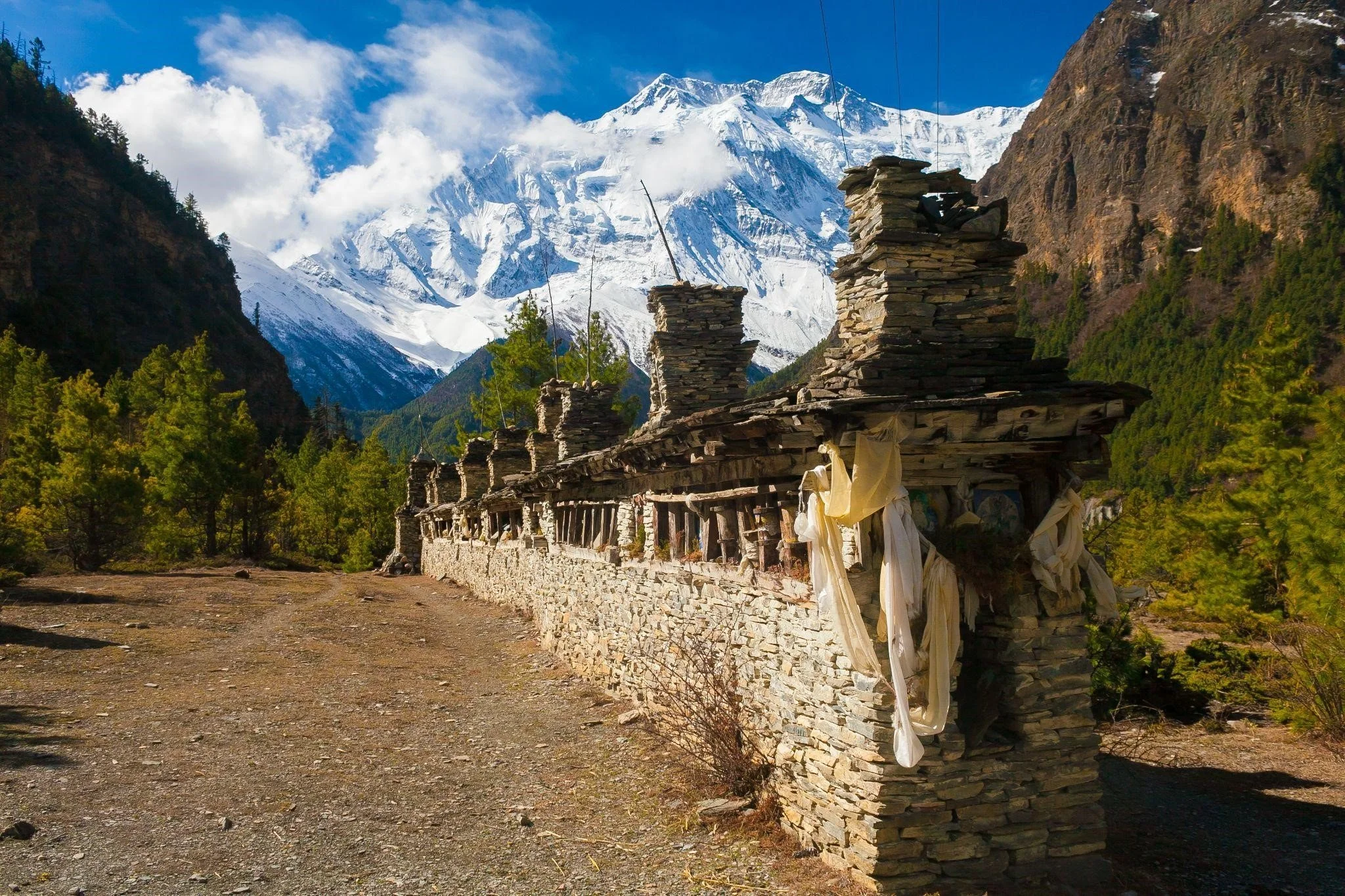
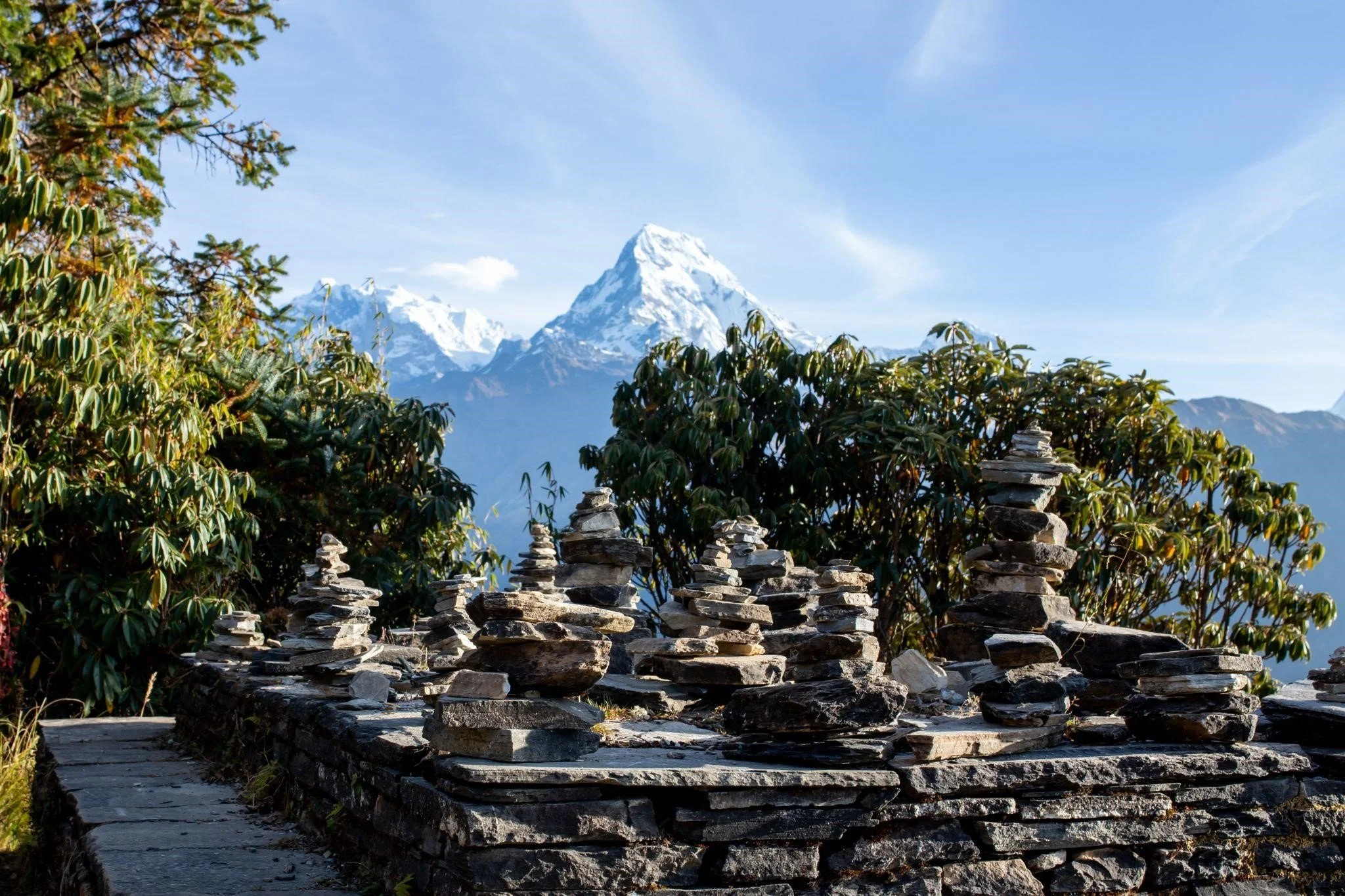
Thorang-la holds spiritual significance for the people of the region. Local Buddhists and Hindus consider the pass a sacred site, and you will encounter chortens (stone shrines) and prayer flags along the trail. The pass offers stunning panoramic views of the Annapurna and Dhaulagiri mountain ranges.
Itinerary for Conquering Thorang-la Pass:
Trekking to Thorang-la Pass requires careful planning and acclimatization to the high altitude. Here's a suggested itinerary for the adventure:
Day 1: Arrival in Kathmandu - Arrive in Nepal's capital, Kathmandu, and take time to prepare for your trek, including obtaining necessary permits.
Day 2: Drive to Besi Sahar - Begin your journey by driving to Besi Sahar, the starting point of the Annapurna Circuit.
Day 3-4: Trek to Manang - Embark on the trekking trail, passing through villages like Chamje, Tal, and Chame. Reach Manang, a beautiful village known for its cultural richness and breathtaking views.
Day 5-6: Acclimatization in Manang - Spend a couple of days in Manang to acclimatize to the altitude. Explore the village and visit the Gangapurna Lake and Ice Lake for acclimatization hikes.
Day 7: Trek to Yak Kharka - Resume your trek, heading to Yak Kharka, a high-altitude grazing area with stunning mountain views.
Day 8: Trek to Thorang Phedi - Continue your ascent, reaching Thorang Phedi, the base camp for Thorang-la Pass.
Day 9: Thorang-la Pass Day - Start early in the morning for the challenging climb to Thorang-la Pass. The hike is strenuous due to the high altitude and steep ascent. Reaching the pass is a triumphant moment, offering incredible views of the surrounding peaks.
Day 10: Descend to Muktinath - After celebrating your achievement at Thorang-la Pass, descend to Muktinath, a significant pilgrimage site for both Hindus and Buddhists.
Day 11: Trek to Jomsom - Continue your journey to Jomsom, known for its arid landscapes and unique charm.
Day 12: Flight to Pokhara - Conclude your trek by taking a scenic flight from Jomsom to Pokhara, where you can relax and reflect on your adventure.
Day 13: Return to Kathmandu - Fly back to Kathmandu, bringing an end to your exhilarating journey.
Tips for Conquering Thorang-la Pass:
Proper Acclimatization: Acclimatization is crucial when trekking at high altitudes. Spend a couple of days in Manang to adapt to the thin air before attempting the pass.
Physical Fitness: Prior physical preparation is essential. Engage in regular cardio and strength training exercises to build endurance and strength for the trek.
Packing Essentials: Pack warm clothing, including layers, gloves, and a down jacket. Ensure you have sturdy, comfortable trekking boots, a good-quality sleeping bag, and a reliable backpack.
Stay Hydrated and Nourished: Drink plenty of water and consume calorie-rich foods to maintain energy levels. Carry water purification tablets or a filter to access safe drinking water on the trail.
Know Your Limits: Listen to your body and recognize the signs of altitude sickness. If you experience severe symptoms, it's essential to descend to a lower altitude immediately.
Travel Insurance: Invest in comprehensive travel insurance that covers high-altitude trekking, medical emergencies, and evacuation if necessary.
Trekking to Thorang-la Pass is not for the faint of heart, but for adventurers and nature enthusiasts seeking the thrill of a lifetime, it is an experience like no other. The stunning alpine landscapes, the sense of accomplishment at reaching one of the world's highest trekking passes, and the cultural immersion along the way make this journey truly unforgettable.
By following the suggested itinerary, preparing meticulously, and respecting the challenges posed by high altitudes, you can turn your dream of conquering Thorang-la Pass into a reality. The reward is not only the panoramic views from the pass but also the indelible memories of a Himalayan adventure that will stay with you for a lifetime.
POPULAR ITINERARIES
SIMILAR POSTS
Khangsar and Manang: Two Incredible Destinations in Nepal's Annapurna Region
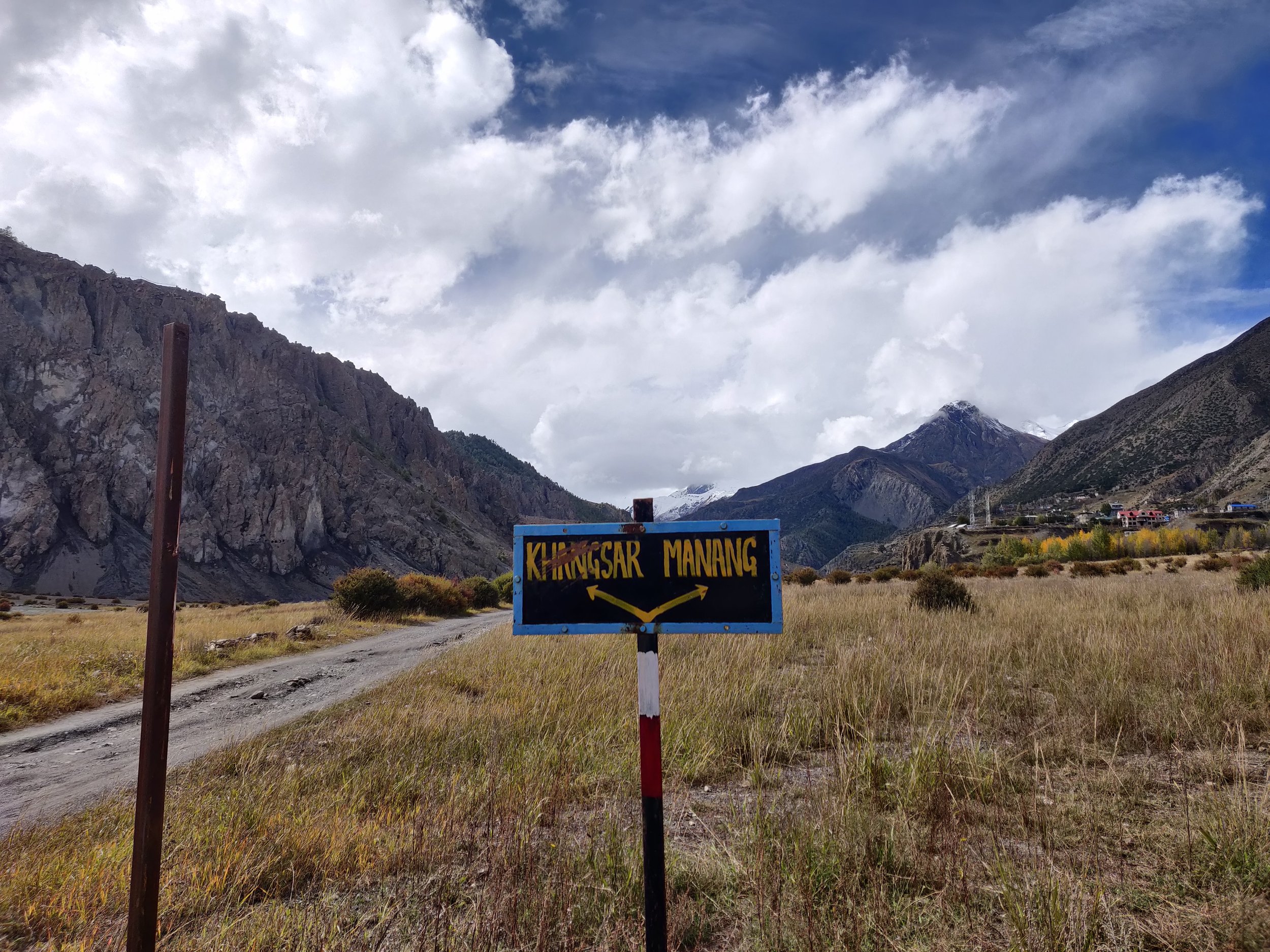
Nestled in the rugged terrain of the Himalayas, Khangsar and Manang are two hidden gems that beckon adventurers and nature enthusiasts to explore their untouched beauty. Located in the Annapurna region of Nepal, these destinations offer a unique blend of breathtaking landscapes, rich culture, and warm hospitality. In this article, we will take a closer look at the highlights, itinerary suggestions, and some invaluable tips to make the most of your visit to Khangsar and Manang.
Khangsar: A Picture Perfect Village
Khangsar, a picturesque village in the Annapurna Conservation Area, is often overshadowed by its more famous neighbor, Manang. However, it holds its own charm and allure that make it a must-visit destination for those seeking tranquility amidst nature.
Highlights of Khangsar:
Scenic Hikes: Khangsar offers numerous hiking trails that lead to stunning viewpoints. A popular option is the trek to Tilicho Lake, one of the highest lakes in the world, surrounded by dramatic mountain peaks. The journey to the lake takes you through alpine meadows, lush forests, and traditional settlements.
Cultural Immersion: Khangsar allows travelers to immerse themselves in the local culture. The village is inhabited by warm and friendly Gurung people who are eager to share their customs and traditions. Don't miss the opportunity to savor traditional Nepali dishes and learn about the unique architecture of the local houses.
Serene Environment: Unlike the bustling tourist hubs, Khangsar offers a peaceful retreat. The absence of vehicular traffic and the harmonious coexistence of nature and humanity create an environment that promotes relaxation and reflection.
Khangsar Itinerary:
Day 1: Arrival in Khangsar - Spend your first day acclimatizing and exploring the village.
Day 2: Hike to Tilicho Base Camp - Enjoy breathtaking views and immerse yourself in nature.
Day 3: Visit Tilicho Lake - Witness the pristine beauty of one of the highest lakes in the world.
Day 4: Return to Khangsar - Reflect on your adventure and savor local cuisine.
Day 5: Departure - Bid farewell to the serene village of Khangsar.
Tips for Khangsar:
Altitude Precautions: Khangsar is situated at a high altitude, so it's essential to acclimatize properly. Spend a couple of days in Manang or other lower-altitude villages before heading to Khangsar.
Pack Light: Since Khangsar is a remote destination, facilities may be limited. Pack essentials and consider hiring a porter to carry your belongings during treks.
Respect Local Culture: Embrace the local customs and traditions, and always ask for permission before taking photographs of people or their property.
Manang: A Cultural and Natural Haven
Manang, a vibrant town in the Annapurna region, is a gateway to some of the most magnificent trekking routes in the world. Its unique blend of cultural heritage and awe-inspiring landscapes has made it a favorite among trekkers and travelers.
Highlights of Manang:
Trekking Paradise: Manang serves as a starting point for treks to Annapurna Circuit, Thorong La Pass, and other stunning destinations. The trekking routes offer panoramic views of the Annapurna and Dhaulagiri mountain ranges, pristine forests, and charming villages.
Rich Culture: Explore the distinct culture of the Manangi people, who have preserved their Tibetan-influenced traditions for generations. Visit monasteries like Braga Monastery, where you can witness religious rituals and intricate artwork.
Natural Hot Springs: After a long day of trekking, unwind in the soothing waters of the natural hot springs in the nearby village of Chame. It's a perfect way to rejuvenate and relax your muscles.
Manang Itinerary:
Day 1: Arrival in Manang - Acclimatize and explore the town's cultural attractions.
Day 2: Braga Monastery - Visit this ancient monastery and immerse yourself in the local culture.
Day 3: Trekking Begins - Start your trek towards Tilicho Lake or Thorong La Pass.
Day 4-6: Trekking - Explore the stunning landscapes, villages, and mountain views along your chosen trekking route.
Day 7: Return to Manang - Rest and reflect on your trekking adventures.
Day 8: Departure - Bid farewell to Manang, taking with you memories of its beauty and culture.
Tips for Manang:
Permit Requirements: Ensure you have the necessary permits for trekking in the Annapurna Conservation Area. Check the current regulations and acquire your permits in advance.
Weather Awareness: The weather in the Himalayas can be unpredictable. Be prepared for changing conditions and carry appropriate gear, including warm clothing and rain protection.
Hydration and Nutrition: Staying hydrated and well-fed is crucial at high altitudes. Carry enough water and energy-rich snacks during your treks.
Khangsar and Manang, two incredible destinations in Nepal's Annapurna region, offer a unique blend of natural beauty, rich culture, and spiritual serenity. Whether you choose to explore the tranquil village of Khangsar or embark on a trekking adventure from bustling Manang, both destinations promise an unforgettable experience in the heart of the Himalayas. Remember to plan your itinerary carefully, respect local customs, and embrace the stunning landscapes and warm hospitality that these hidden gems have to offer.
POPULAR ITINERARIES
SIMILAR POSTS
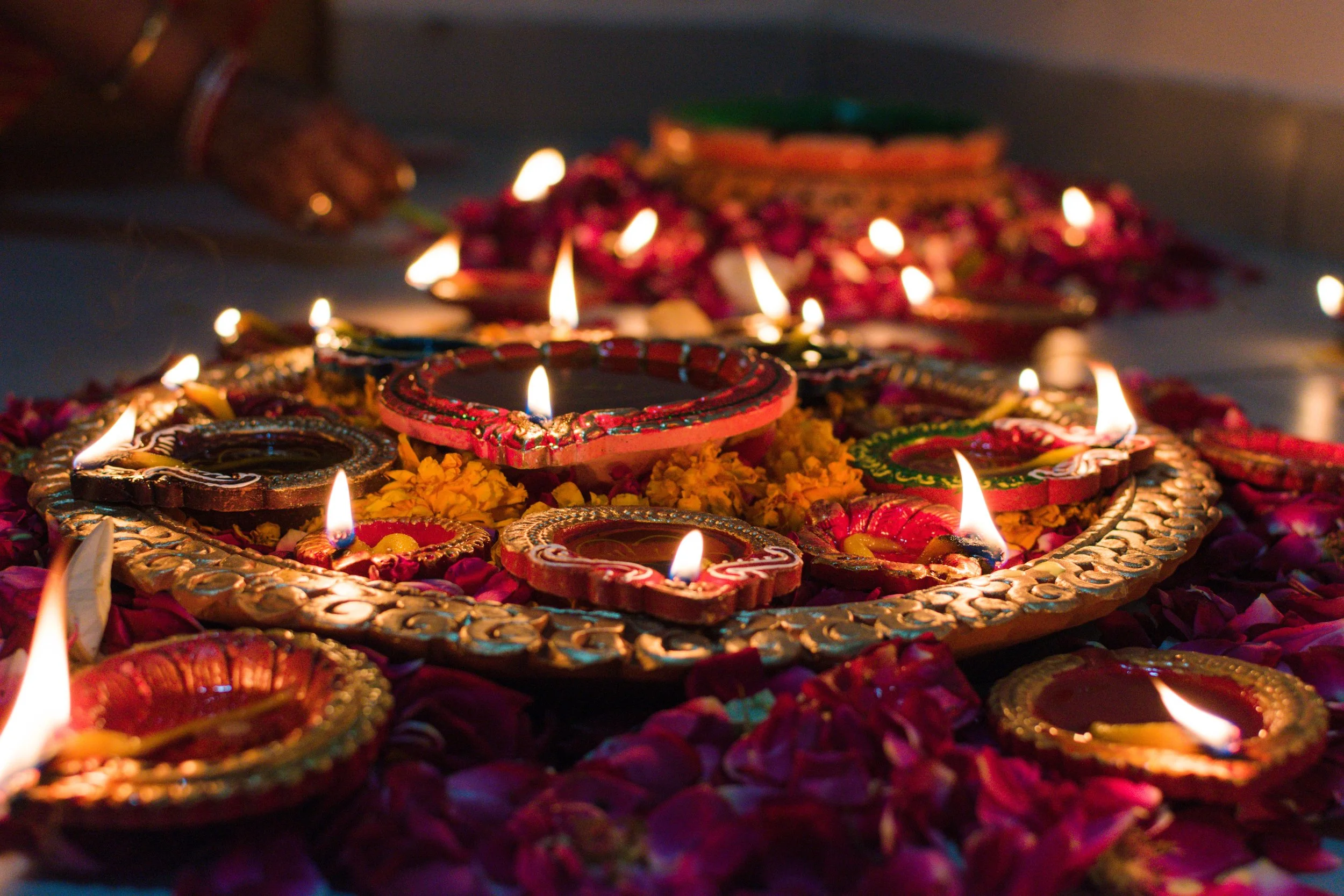
Tihar: The Festival of Lights
In the heart of the Himalayas, nestled among the towering peaks and lush valleys of Nepal, lies a festival that transcends time and illuminates both the night sky and the human spirit - Tihar, the Festival of Lights. This enchanting celebration, also known as Deepawali or Yamapanchak, holds a profound historical, cultural, and religious significance in the lives of Nepalese people. In this article, we will delve into the captivating world of Tihar, exploring its historical roots, the unique celebrations associated with it, its cultural importance, and its deeply ingrained religious values.
Tihar's origins can be traced back to ancient Hindu mythology. According to Hindu beliefs, Tihar celebrates the triumph of light over darkness, good over evil. One of the most prominent legends associated with the festival is the worship of Yama, the God of Death. It is believed that Yama's sister, Yamuna, welcomed him home with a special garland and a tilak (vermilion mark) on his forehead to protect him from any harm. In remembrance of this story, the first day of Tihar is dedicated to honoring and worshipping crows, believed to be messengers of Yama.
Another legend central to Tihar is the veneration of the sacred cow. In Hinduism, cows are considered sacred, symbolizing divine and natural beneficence. The second day of Tihar is known as "Kukur Tihar," during which dogs, known as the guardians of Yama's abode, are also honored. This practice stems from the belief that dogs guard the gates of the afterlife.
Each day of Tihar has its unique significance, with the third day being reserved for the worship of the cow, while the fourth day is dedicated to celebrating the bond between siblings, particularly the love between brothers and sisters.
The fifth and final day of Tihar is perhaps the most dazzling and awe-inspiring. It is dedicated to honoring and worshiping oxen, as they play a vital role in the agricultural landscape of Nepal. Homes and public spaces are adorned with intricate rangoli (colorful floor designs) and oil lamps or diyas. The night sky comes alive with the glow of thousands of oil lamps and candles, creating a mesmerizing spectacle.
Kag Tihar (Day 1 - Crow Worship): On the first day of Tihar, families wake up early to offer food to crows, who are believed to bring messages from the spirit world. The offerings usually include grains, sweets, and other treats.
Kukur Tihar (Day 2 - Dog Worship): The second day is dedicated to honoring dogs, who are considered loyal and protective animals. Dogs are offered garlands, tika (vermilion mark), and delicious treats as a gesture of gratitude for their companionship.
Gai Tihar (Day 3 - Cow Worship): On the third day, cows are adorned with colorful garlands and painted with tika on their foreheads. People express their reverence for these gentle creatures, and dairy products like milk, yogurt, and ghee are considered especially auspicious.
Gobardhan Puja and Mha Puja (Day 4 - Ox and Self Worship): The fourth day is dedicated to performing rituals that honor oxen, who play a crucial role in agriculture. This day is also an occasion for self-purification, with individuals performing Mha Puja, a ceremony that includes worshiping one's own body and soul.
Laxmi Puja (Day 5 - Worship of the Goddess of Wealth): The grand finale of Tihar is Laxmi Puja, dedicated to the goddess of wealth, Laxmi. Homes are meticulously cleaned and decorated with rangoli, oil lamps, and flowers. A special puja is performed in the evening, with offerings of sweets, fruits, and coins. It is believed that Goddess Laxmi blesses those who keep their homes clean and well-lit with prosperity.
Cultural Significance
Tihar is not just a religious festival; it is a celebration of Nepalese culture and community. Families come together to clean and decorate their homes, share meals, and exchange blessings. The festival promotes a sense of unity and harmony among the diverse communities of Nepal, transcending caste and creed.
The vibrant decorations, the melodious tunes of traditional songs and dances, and the exchange of tika and garlands between siblings and loved ones create an atmosphere of joy and togetherness. Tihar is also a time for expressing gratitude to animals, which have been vital to the livelihoods of many Nepalese people for generations.
As the oil lamps flicker and the rangoli designs adorn the streets, Tihar not only illuminates the physical world but also shines a light on the spiritual and cultural richness of Nepal. It is a time for reflection, gratitude, and unity, reminding us all of the enduring power of light, love, and community in our lives. Tihar truly embodies the essence of Nepal's heritage, offering a profound experience that continues to captivate both locals and visitors alike.
POPULAR ITINERARIES
SIMILAR POSTS
Thankas: Artistic Expressions of Devotion
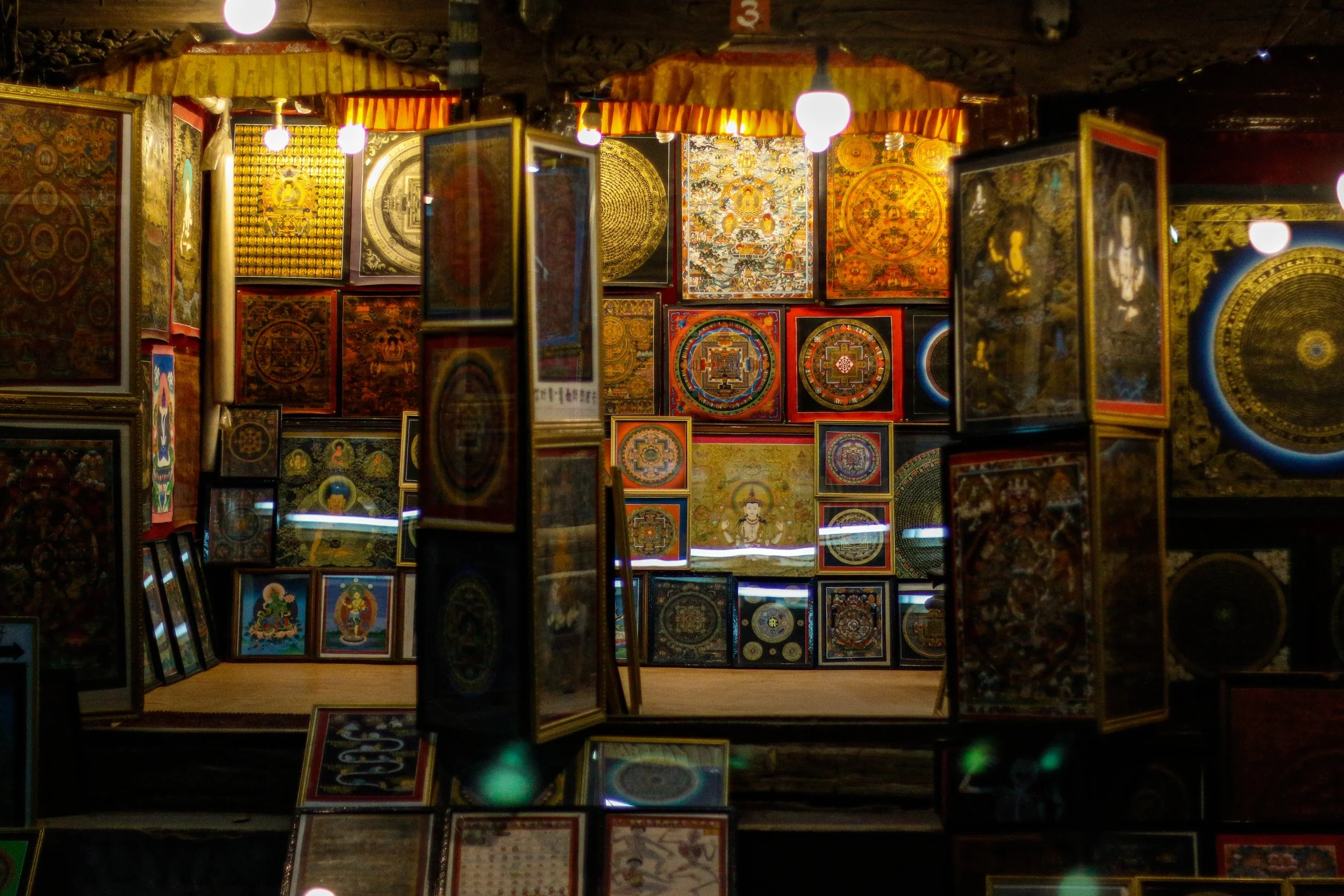
In the world of art and spirituality, there exists a mesmerizing form of expression that transcends time and space – Thankas. These intricate, colorful paintings are not just mere artworks; they are powerful conduits of devotion, history, and spirituality. Originating from the heartlands of Tibet, Thankas have a rich history and a unique painting process that sets them apart from other art forms. In this article, we will delve into the captivating world of Thankas, exploring their history, the meticulous painting process, the significance of colors, their historic and religious importance, as well as their value and usage in today's world.
The History of Thankas
Thankas, also spelled as Thangkas or Tankas, trace their roots back to Tibet, where they have been an integral part of Buddhist and Tibetan culture for centuries. The word "Thanka" itself means "flat painting" in classical Tibetan. These paintings primarily serve as portable religious art and are often used as teaching tools and aids in meditation.
The history of Thankas is deeply intertwined with the evolution of Buddhism in Tibet. Buddhism arrived in Tibet in the 7th century CE, and with it came the need for visual representations of spiritual concepts and deities. Thankas were created to fulfill this need. The earliest Thankas were likely simple sketches on cloth, but over time, they evolved into intricate and elaborate artworks.
The Painting Process
Creating a Thanka is a meticulous and labor-intensive process that requires both skill and devotion. Typically, the process begins with the preparation of a cotton or silk canvas stretched on a wooden frame. The canvas is treated with a mixture of clay and glue to create a smooth and sturdy surface for painting.
Once the canvas is ready, the artist sketches the outline of the image using pencil or charcoal. This initial sketch serves as the foundation for the detailed painting that follows. Traditional Thanka painters use natural mineral pigments and gold leaf to bring the artwork to life. These pigments are ground into a fine powder and mixed with water to create vibrant colors.
The painting of a Thanka is a highly spiritual and meditative process. Artists often begin with the central figure, usually a Buddha or a deity, and then meticulously work on the surrounding elements. The level of detail is awe-inspiring, with even the smallest features, such as the eyes, fingers, and jewelry, receiving painstaking attention. It can take months or even years to complete a single Thanka.
The Significance of Colors
Colors play a pivotal role in the world of Thankas, each holding its own symbolic meaning. The choice of colors is not arbitrary; it is deeply rooted in the Buddhist and Tibetan traditions. Here are some of the key colors and their significance:
Gold: Gold is associated with enlightenment and purity. It represents the radiance of the Buddha's teachings.
Blue: Blue symbolizes the sky and the infinite expanse of space. It represents wisdom and the boundless nature of the mind.
Red: Red signifies passion and the life force. It is often used to depict the compassionate nature of Bodhisattvas.
Green: Green is the color of harmony and balance. It represents the lushness of nature and the healing power of the earth.
White: White is the color of purity and spiritual realization. It is often used for the backgrounds to emphasize the central figures.
Black: Black represents the primordial darkness before enlightenment. It symbolizes the overcoming of ignorance.
Historic and Religious Significance
Thankas hold immense historic and religious significance in Tibetan Buddhism. They are not mere artworks but sacred objects used in religious rituals and ceremonies. Here are some ways in which Thankas are valued and revered:
Meditation Aid: Thankas are used as meditation aids. Practitioners focus on the imagery and symbols in the Thanka to deepen their understanding and connection with the teachings.
Teaching Tool: Thankas are employed as teaching tools, especially in monastic education. They help convey complex spiritual concepts visually and are instrumental in transmitting knowledge from one generation to the next.
Blessings and Protection: Thankas are often hung in homes and monasteries to provide blessings and protection. They are believed to ward off negative energies and bring peace and harmony.
Offerings: In religious ceremonies, Thankas are offered as gifts to deities and spiritual beings as a gesture of devotion and reverence.
The Value and Usage Today
In today's world, Thankas have transcended their traditional boundaries and are appreciated globally as exquisite pieces of art. Collectors and art enthusiasts alike admire the craftsmanship and spiritual depth that Thankas embody. The value of a Thanka can vary significantly depending on factors such as age, rarity, artist reputation, and the intricacy of the artwork.
Beyond their artistic value, Thankas continue to be used in various ways:
Home Decor: Many people incorporate Thankas into their home decor for their aesthetic appeal and spiritual significance.
Meditation and Mindfulness: Thankas are still used as meditation aids by individuals seeking inner peace and spiritual growth.
Education: They are valuable tools for those interested in learning about Tibetan Buddhism and its rich iconography.
Thankas are not just paintings; they are windows into a world of spirituality, history, and devotion. Their origins in Tibet and their meticulous painting process have made them iconic symbols of Tibetan Buddhism. The significance of colors in Thankas adds depth to their meaning, and their historic and religious importance is woven into the fabric of Tibetan culture.
In today's globalized world, Thankas have found new avenues of appreciation and usage, reaching beyond their traditional roles. Whether as art, meditation aids, or tools for spiritual growth, Thankas continue to inspire awe and reverence. As we contemplate these intricate masterpieces, we can't help but marvel at the enduring power of artistic expression in the service of devotion.
POPULAR ITINERARIES

SIMILAR POSTS
Wandering In the Himalayas: A Trekker's Paradise
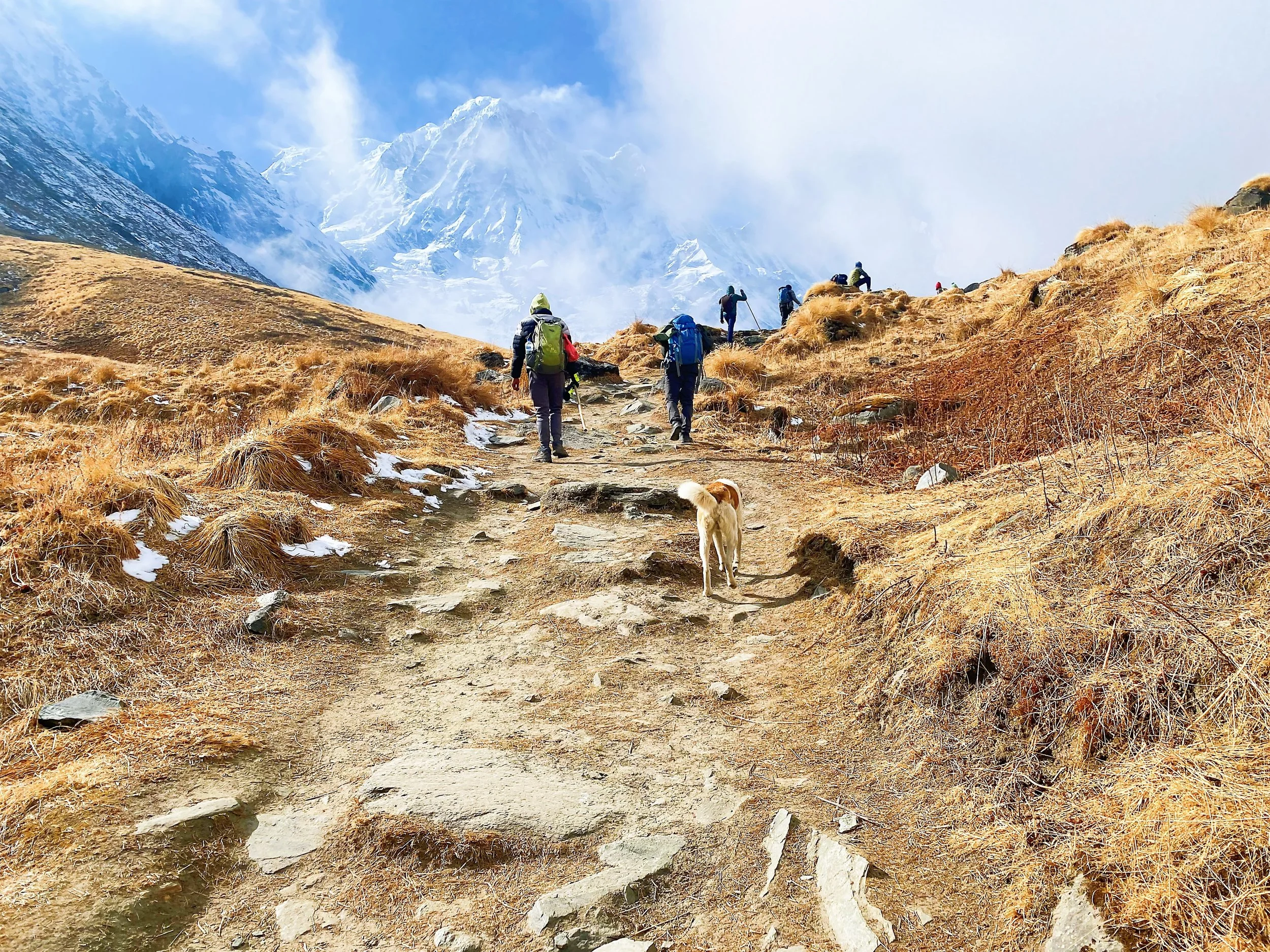
The Himalayas, the towering giants that cradle Nepal, have always beckoned adventurers, seekers of solace, and nature enthusiasts. To truly experience the majesty of these mountains, trekking in the Himalayas is an unparalleled journey into the heart of nature. This article will introduce you to the essence of trekking in Nepal and present the five best trekking routes, along with their highlights and mini-itineraries, inviting you to wander in the Himalayas.
Trekking in Nepal: An Enriching Experience
Trekking in Nepal isn't just about conquering peaks; it's about immersing yourself in a world of natural beauty, culture, and adventure. It's about forging a connection with the people of the mountains, experiencing their way of life, and witnessing landscapes that will leave you in awe. Whether you're an experienced trekker or a novice, Nepal offers routes that cater to all levels, ensuring everyone can explore the Himalayas.
1. Everest Base Camp Trek
Introduction:
The Everest Base Camp Trek, the crown jewel of trekking in Nepal, offers a remarkable blend of natural grandeur and cultural richness. It's a journey that leads you to the base of the world's highest peak, Mount Everest, and through the enchanting Sherpa heartland.
Highlights:
Iconic views of Mount Everest and surrounding peaks.
Immersion in Sherpa culture and monasteries.
Adventurous flight to Lukla, the gateway to Everest.
Visiting the stunning Sagarmatha National Park.
Mini Itinerary:
Day 1: Fly to Lukla and trek to Phakding.
Day 2: Trek to Namche Bazaar.
Day 3: Acclimatization day in Namche.
Day 4: Trek to Tengboche.
Day 5: Trek to Dingboche.
Day 6: Acclimatization day in Dingboche.
Day 7: Trek to Lobuche.
Day 8: Trek to Everest Base Camp and back to Gorak Shep.
Day 9: Hike to Kala Patthar for sunrise and return to Lukla.
2. Annapurna Circuit Trek
The Annapurna Circuit Trek is a classic journey through diverse landscapes, lush forests, terraced fields, and high mountain deserts. It offers a taste of authentic Nepali culture and stunning views of the Annapurna and Dhaulagiri mountain ranges.
Highlights:
A diverse range of landscapes from lush forests to arid highlands.
Thorong La Pass, one of the highest trekking passes in the world.
Encounters with diverse ethnic groups and villages.
Relaxation in the natural hot springs of Tatopani.
Mini Itinerary:
Day 1: Begin in Besisahar and trek to Bhulbhule.
Day 2: Trek to Jagat.
Day 3: Trek to Dharapani.
Day 4: Trek to Chame.
Day 5: Trek to Upper Pisang.
Day 6: Trek to Manang.
Day 7: Acclimatization day in Manang.
Day 8: Trek to Yak Kharka.
Day 9: Trek to Thorong Phedi.
Day 10: Cross Thorong La Pass and descend to Muktinath.
Day 11: Trek to Jomsom via Kagbeni.
Day 12: Fly to Pokhara.
3. Langtang Valley Trek
The Langtang Valley Trek is a shorter and less crowded option that takes you into the stunning Langtang region. It offers a taste of pristine wilderness, dense forests, and encounters with friendly Tamang communities.
Highlights:
Proximity to Kathmandu; a shorter trek.
Spectacular mountain views including Langtang Lirung.
Exploration of the picturesque Langtang village.
Interactions with Tamang communities.
Mini Itinerary:
Day 1: Drive to Syabrubesi.
Day 2: Trek to Lama Hotel.
Day 3: Trek to Langtang Village.
Day 4: Trek to Kyanjin Gompa.
Day 5: Explore Kyanjin Gompa and Langtang Glacier.
Day 6: Trek back to Lama Hotel.
Day 7: Trek to Syabrubesi.
Day 8: Drive back to Kathmandu.
4. Manaslu Circuit Trek
The Manaslu Circuit Trek takes you on an off-the-beaten-path adventure, circling the magnificent Manaslu massif. This remote trek offers pristine wilderness, ethnic diversity, and the challenge of crossing the Larke Pass.
Highlights:
Off-the-beaten-path trekking experience.
Pristine wilderness and diverse ecosystems.
Crossing the challenging Larke Pass.
Interactions with Tibetan and Nepalese cultures.
Mini Itinerary:
Day 1: Drive to Soti Khola.
Day 2: Trek to Machha Khola.
Day 3: Trek to Jagat.
Day 4: Trek to Deng.
Day 5: Trek to Namrung.
Day 6: Trek to Samagaon.
Day 7: Acclimatization day in Samagaon.
Day 8: Trek to Samdo.
Day 9: Trek to Dharamsala.
Day 10: Cross Larke Pass and descend to Bimthang.
Day 11: Trek to Tilje.
Day 12: Trek to Dharapani and drive to Kathmandu.
5. Upper Mustang Trek
The Upper Mustang Trek offers a unique opportunity to explore the forbidden kingdom of Lo Manthang. It's a journey through stark landscapes, Tibetan-influenced culture, and ancient monasteries.
Highlights:
The unique Tibetan-influenced culture and landscape.
Exploring the ancient walled city of Lo Manthang.
Visiting monasteries and caves.
Restricted region, preserving its pristine beauty.
Mini Itinerary:
Day 1: Fly to Jomsom and trek to Kagbeni.
Day 2: Trek to Chele.
Day 3: Trek to Syanboche.
Day 4: Trek to Gheling.
Day 5: Trek to Charang.
Day 6: Trek to Lo Manthang.
Day 7: Explore Lo Manthang.
Day 8: Trek to Yara.
Day 9: Explore Yara and Luri Gompa.
Day 10: Trek to Tangge.
Day 11: Trek to Tetang.
Day 12: Trek to Muktinath and drive back to Jomsom.
Trekking in the Himalayas of Nepal is not just an adventure; it's a journey of the heart and soul. The trails offer more than just breathtaking vistas; they open doors to unique cultures, humble villages, and serene landscapes. From the world-famous Everest Base Camp to the mystical Upper Mustang, each trek has its own charm and allure. So, whether you seek the thrill of high mountain passes or the tranquility of remote valleys, Nepal's Himalayas have a trek waiting for you, promising an unforgettable adventure of a lifetime.
POPULAR ITINERARIES
SIMILAR POSTS
Dashain: A Festival of Devotion, Reunion, and Traditions
Nepal, a land of diverse cultures and traditions, boasts a rich tapestry of festivals that reflect its deep-rooted heritage. Among these, Dashain stands out as the most significant and widely celebrated festival in the country. Dashain, also known as Vijaya Dashami, is a time of devotion, family reunions, and cultural splendor. In this article, we will delve into the history, significance, and major events that make Dashain an integral part of Nepal's cultural identity.
Ancient Roots
Dashain has its origins in ancient Hindu mythology, specifically the Ramayana, an epic that narrates the life and adventures of Lord Rama. According to the legend, Lord Rama embarked on a journey to rescue his wife, Sita, from the demon king Ravana. Dashain commemorates the victory of Lord Rama over evil and the triumph of virtue.
The Slaughter of the Demon
One of the most iconic rituals during Dashain is the Gadhimai Jatra, where animals, typically goats, buffaloes, and in some cases, even chickens, are ritually sacrificed as a symbolic act of good prevailing over evil. This tradition harks back to the belief that Goddess Durga granted victory to Lord Rama after he invoked her blessings before his battle with Ravana.
Significance of Dashain
Spiritual Renewal
Dashain is a time for spiritual reflection and renewal. It is believed that during this festival, the goddess Durga, a symbol of divine power, visits each home, blessing families and individuals. Devotees engage in prayers, rituals, and visits to temples to seek her divine favor and protection.
Family Reunions
Dashain is synonymous with family reunions. Nepali people, whether living in the country or abroad, make every effort to return to their hometowns to celebrate Dashain with their loved ones. It's a time when the bonds of family and community are strengthened, and generations come together to celebrate their shared culture.
Cultural Showcase
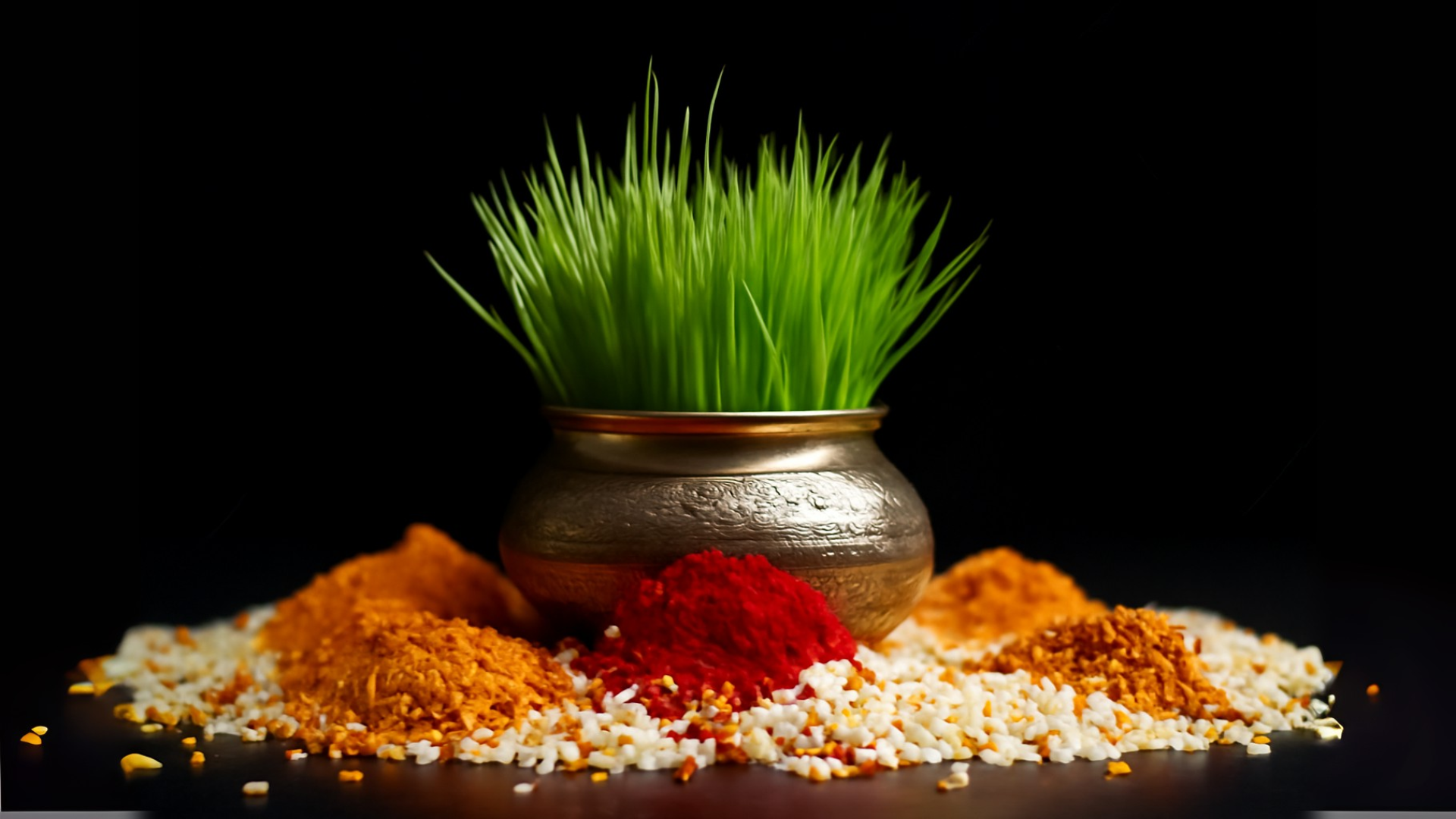
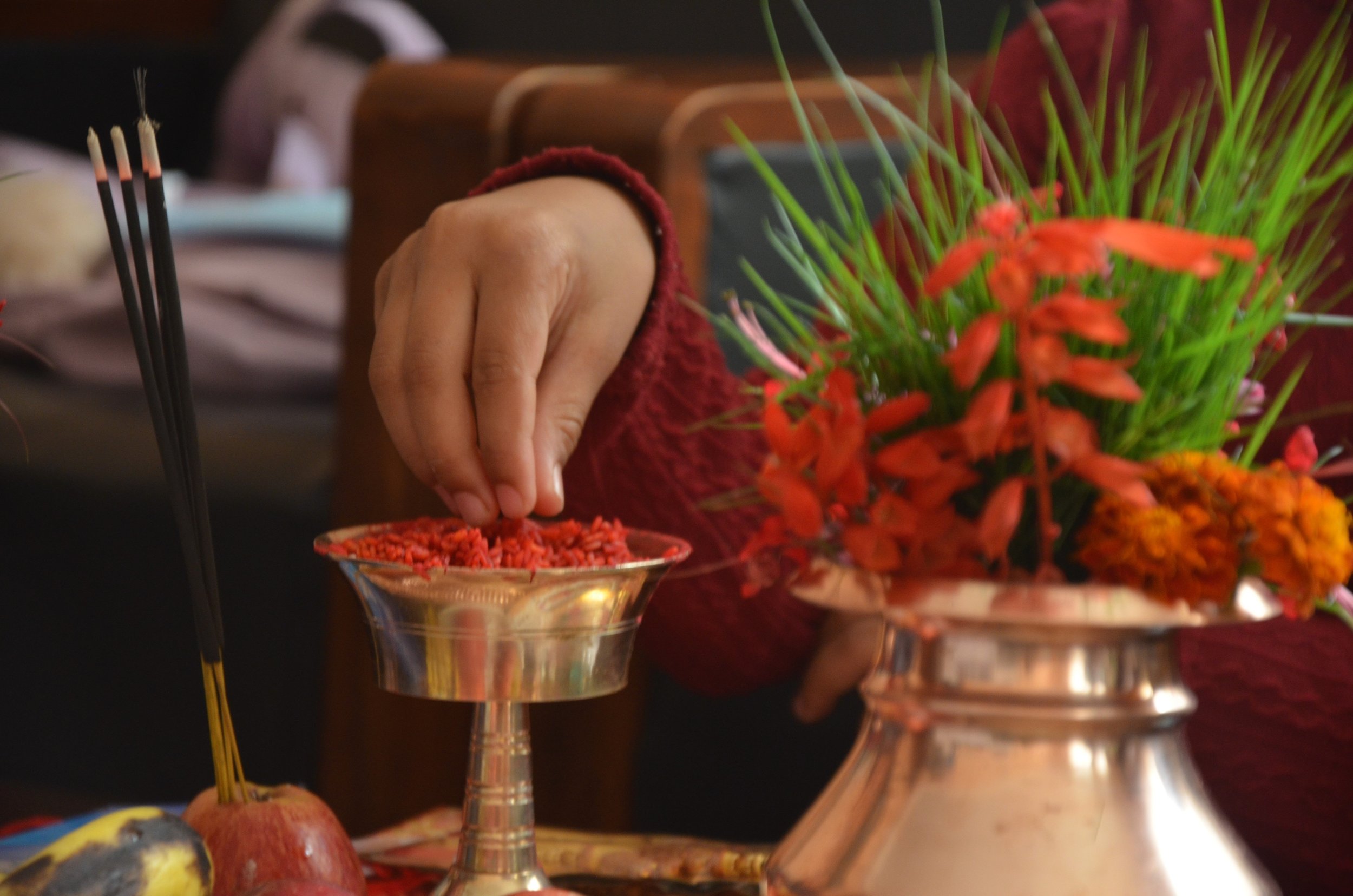
Dashain is a vibrant display of Nepal's cultural heritage. People wear new clothes, often red or other auspicious colors, and exchange tika (a mixture of yogurt, rice, and vermillion) and jamara (barley grass). Elders bless the younger generations, and this exchange symbolizes the bestowing of good fortune and protection.
Major Events During Dashain
Jamara Planting
The planting of jamara, a type of barley grass, is a significant prelude to Dashain. Families sow the seeds in small containers, and over the course of the festival, the jamara grows symbolizing the blessings of Goddess Durga.
Tika and Blessings
On the main day of Dashain, known as Vijaya Dashami, families gather to receive tika and jamara from their elders. Elders apply tika on the foreheads of the younger family members and provide blessings for prosperity and success.
Animal Sacrifices
While controversial and facing growing criticism for its impact on animal welfare, animal sacrifices remain a key aspect of Dashain rituals, especially in rural areas. Devotees offer animals to the goddess Durga as a way of seeking her favor.
Flying Kites
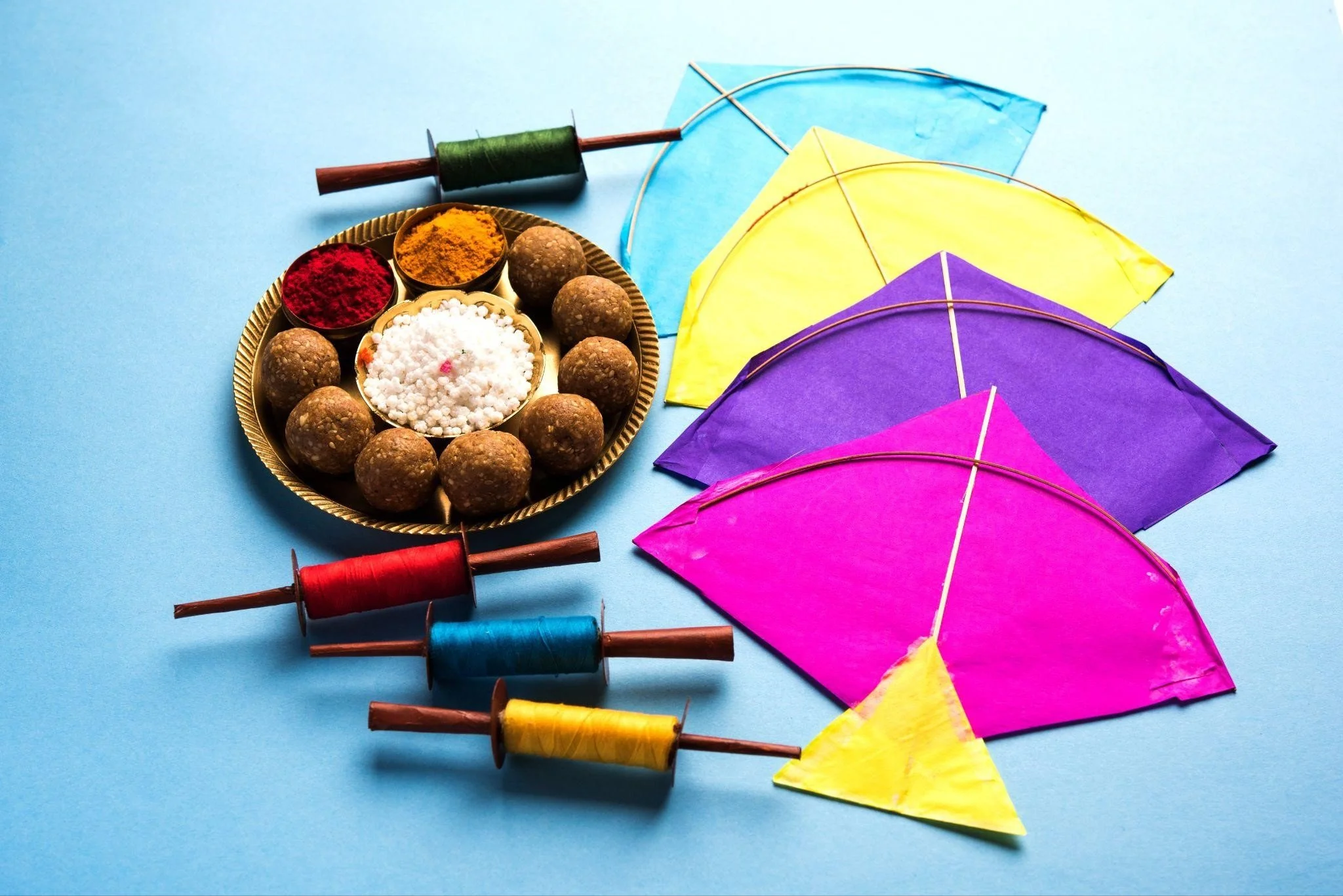
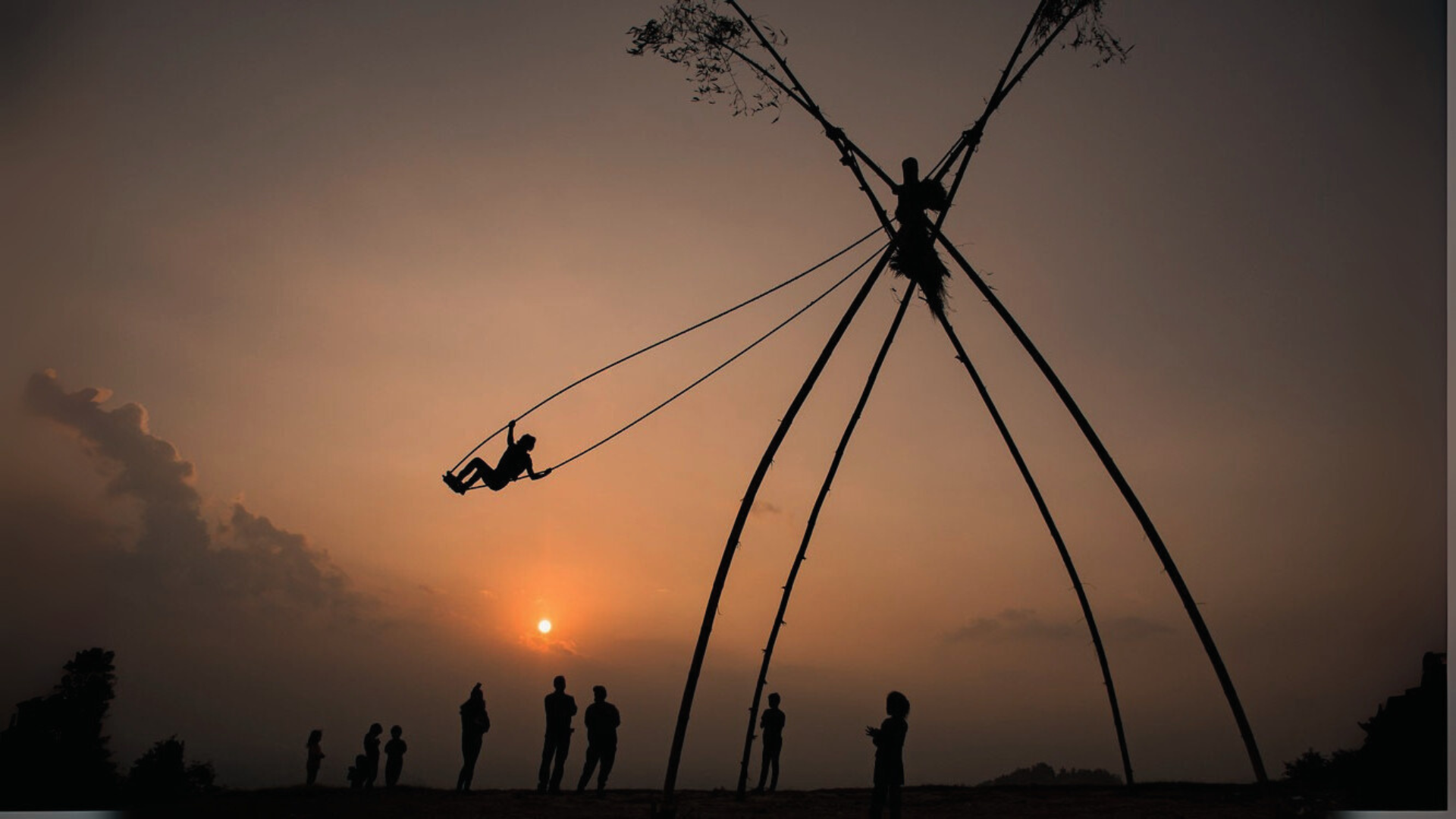
Dashain is also known for the tradition of flying kites. People of all ages take to rooftops to compete in kite-flying contests, turning the sky into a colorful spectacle.
Cultural Performances
Throughout Dashain, communities organize cultural performances, including traditional dances, music, and dramas. These events showcase the diversity and vibrancy of Nepali culture.
Feasting
Dashain is synonymous with delicious feasts. Families prepare elaborate meals, with a special focus on meat dishes, including goat and buffalo, which are consumed as a part of the festive celebration.
Fulpati
On the seventh day of Dashain, a procession known as "Fulpati" takes place. It involves the ceremonial bringing of jamara, sugar cane, and other auspicious items to the homes of government officials and the Royal Palace in Kathmandu.
Maha Ashtami and Kalaratri
On the eighth day of Dashain, devotees visit temples, including the Taleju Bhawani Temple in Kathmandu, to seek the blessings of the goddess Durga. On the same night, families light oil lamps and worship goddess Kalaratri, the fierce form of Durga.
Nawami and Vijaya Dashami
The ninth day, known as "Nawami," is dedicated to the worship of goddess Siddhidatri. On Vijaya Dashami, the final day of Dashain, people receive tika and jamara from their elders, and young members of the family seek the blessings of their elders.
Dashain, steeped in history and cultural significance, is a testament to the enduring traditions of Nepal. It's a festival that brings families and communities closer, reaffirms their spiritual beliefs, and offers a window into the rich tapestry of Nepali culture. While it is rooted in ancient mythology, Dashain continues to evolve and adapt to contemporary times, ensuring its place as the most cherished festival in the hearts of Nepali people. As you witness the vibrancy of Dashain, you not only experience the devotion and reunion but also gain a deeper understanding of Nepal's cultural heritage, which is as diverse and enduring as the Himalayan landscapes that define this beautiful nation.
POPULAR ITINERARIES
SIMILAR POSTS
Chitwan National Park: A Wildlife Wonderland
Nepal, often celebrated for its towering peaks and the allure of the Himalayas, is a diverse country that has much more to offer than just mountainous landscapes. One of its hidden gems is Chitwan, a region located in the southern lowlands known as the Terai. This article will take you on a journey to Chitwan, where lush jungles, exotic wildlife, and rich cultural experiences await the intrepid traveler.
Chitwan National Park: The Jewel of Chitwan
At the heart of Chitwan lies the Chitwan National Park, a UNESCO World Heritage Site and a haven for nature enthusiasts. Covering an area of 932 square kilometers, the park is home to a remarkable variety of flora and fauna.
Established in 1973, Chitwan National Park is a living testament to Nepal's commitment to preserving its natural heritage. Originally designated as a hunting reserve for the ruling elite, it underwent a transformation into a protected area due to the burgeoning threats to its unique ecosystem. This park, with its rich history, has since flourished into one of Asia's most renowned wildlife sanctuaries.
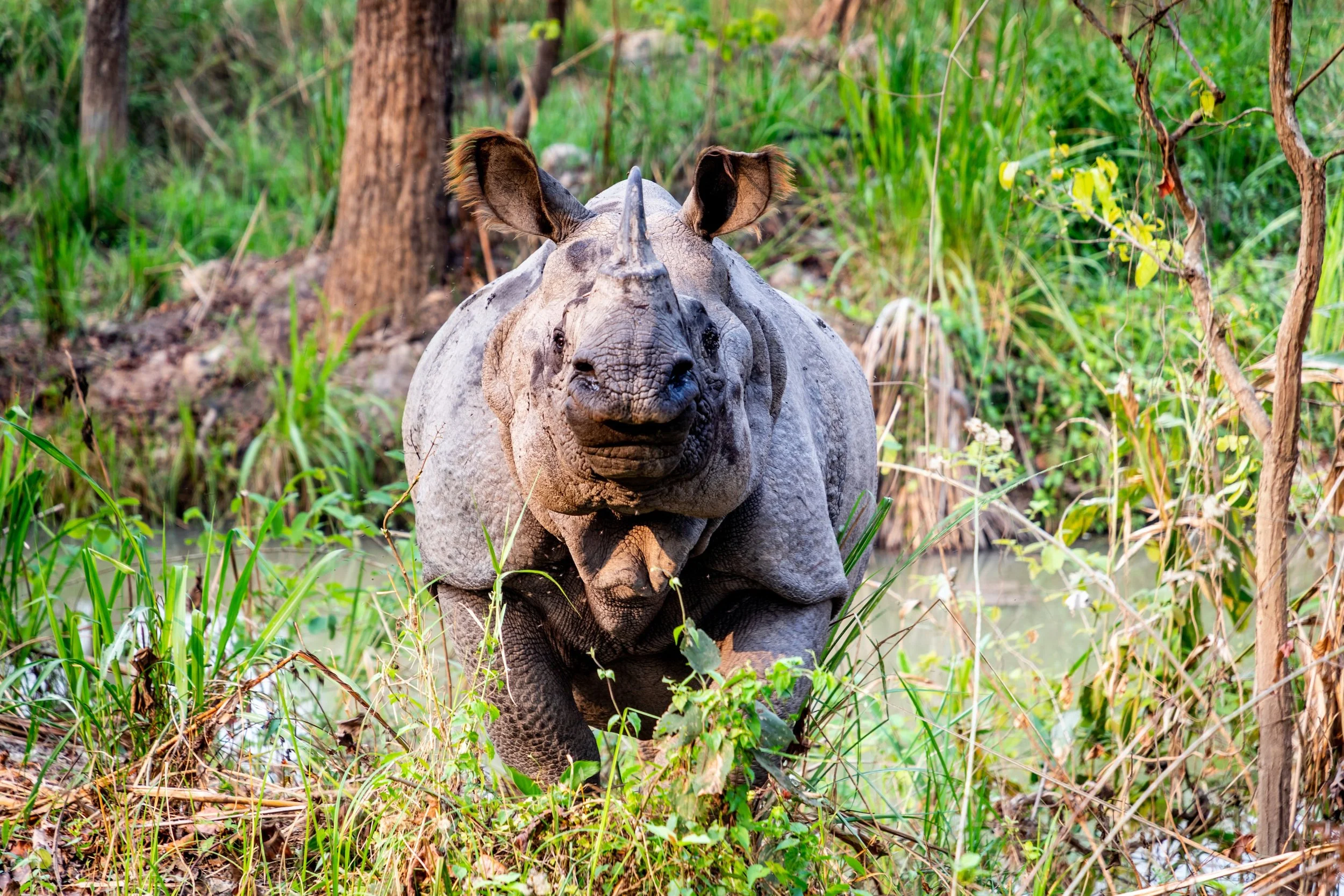
One of the park's most significant highlights is its successful conservation of charismatic mega-fauna, including the endangered Bengal tiger and the one-horned rhinoceros. With more than 68 species of mammals, 544 species of birds, and a multitude of reptiles and amphibians, Chitwan National Park provides an unparalleled opportunity for wildlife enthusiasts and researchers alike. Its lush jungles and the meandering Rapti River create a picturesque backdrop for activities such as jungle safaris, canoeing, and guided walks, ensuring that visitors can immerse themselves in the park's natural wonders while contributing to its ongoing preservation efforts.
Wildlife Encounters
Chitwan National Park is famed for its thriving populations of endangered species, including the Bengal tiger and the one-horned rhinoceros. Visitors can embark on jungle safaris, either on elephant-back or in a jeep, to catch a glimpse of these majestic creatures.
Avian Paradise
Birdwatchers will find Chitwan a true paradise, with over 540 species of birds inhabiting the park. The vibrant plumage of tropical birds, such as the vibrant Indian Pitta and the elusive Great Hornbill, make it a birdwatcher's dream destination.
Cultural Experiences: The Heart of Terai Culture
Tharu Culture
The indigenous Tharu people have inhabited the Terai region for centuries and offer visitors a unique opportunity to immerse themselves in their rich culture. Learn about their traditional dances, colorful attire, and their deep connection to the land.
Festivals and Traditions
Chitwan celebrates various festivals throughout the year, with Dashain and Tihar being the most significant. These festivals provide an excellent chance to witness vibrant rituals and celebrations.
Adventure in the Jungle: Activities Beyond Wildlife Watching
Canoeing on the Rapti River
Glide along the serene Rapti River in a traditional dugout canoe, where you can spot crocodiles and various bird species while enjoying the tranquility of the water.
Elephant Bathing
Get up close and personal with these gentle giants in a responsible and ethical manner. Participate in elephant bathing sessions, which are not only fun but also promote conservation.
Jungle Walks
Experienced guides will take you on thrilling jungle walks, providing insights into the park's biodiversity, including tracking animal footprints and identifying exotic plant species.
Local Flavors
Don't miss the opportunity to savor local Tharu cuisine, characterized by its use of rice, lentils, and locally grown vegetables. Try traditional dishes like dhindo (a type of millet porridge) and sel roti (rice doughnuts).
Practical Tips for Travelers
• Best Time to Visit: The ideal time to visit Chitwan is during the winter months from October to March when the weather is pleasant and wildlife sightings are frequent.
• Responsible Tourism: Respect the park's rules and regulations, such as maintaining a safe distance from wildlife and refraining from littering. Support responsible tour operators who prioritize conservation efforts.
• Vaccinations and Health Precautions: Consult your doctor for recommended vaccinations and health precautions, as Chitwan is in a malaria-prone region.
Chitwan, often overshadowed by Nepal's towering peaks, is a destination that deserves recognition in its own right. Whether you are a wildlife enthusiast, a culture buff, or an adventure seeker, Chitwan offers an array of experiences to satisfy every traveler's desires. From thrilling jungle safaris to immersing yourself in Tharu culture, Chitwan beckons with open arms. So, when Nepal calls, don't forget to answer and explore the wonders of Chitwan. It's a journey you won't forget soon.
POPULAR ITINERARIES
SIMILAR POSTS
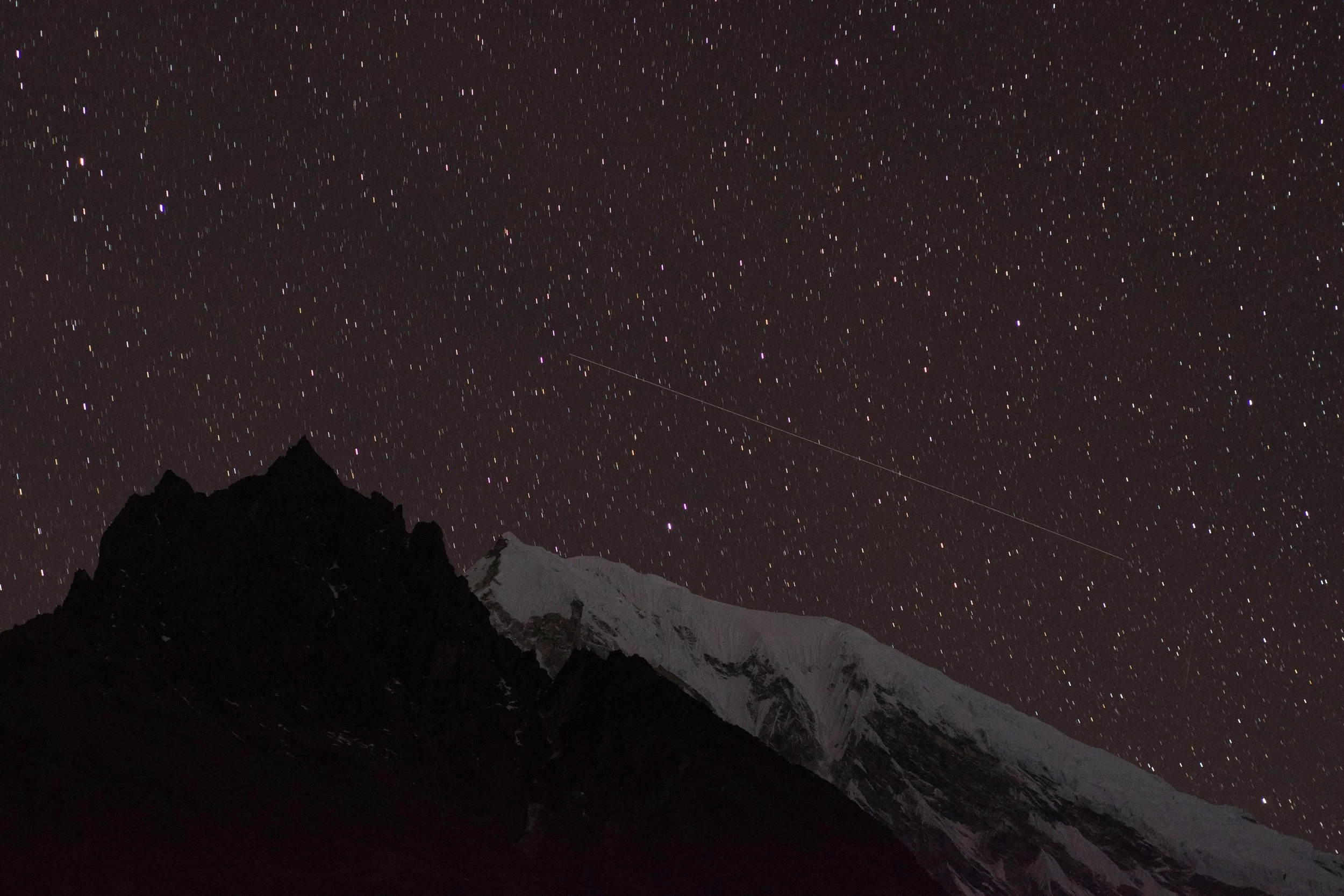
Capturing the Stars in the Himalayas
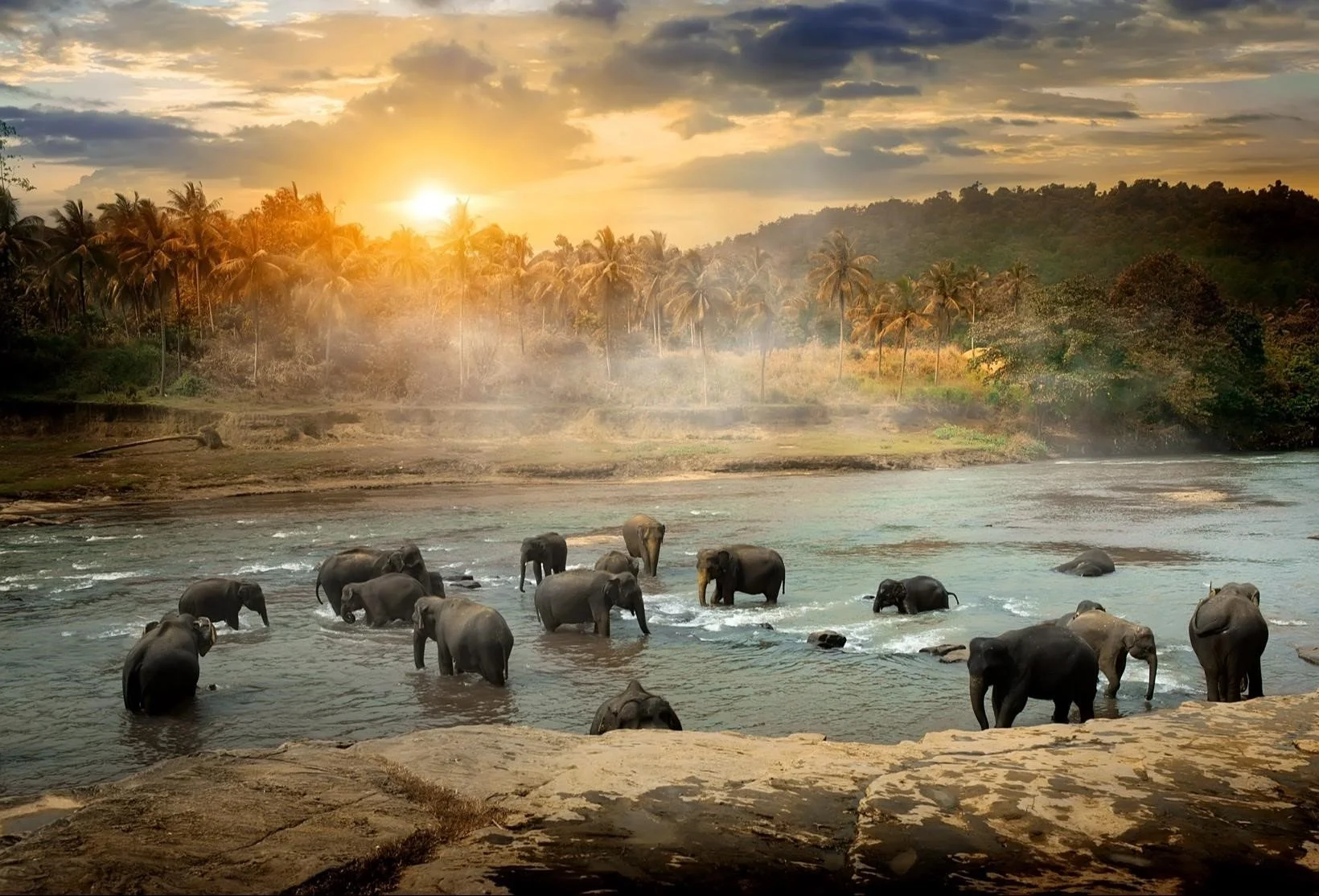
Nepal, renowned for its stunning mountain landscapes, rich culture, and warm hospitality, has also emerged as a hidden gem for astrophotographers. The Himalayan nation offers a unique opportunity to capture the celestial wonders amidst its breathtaking scenery. In this article, we will explore some of the best astro photography destinations in Nepal, where you can capture the beauty of the night sky against the backdrop of the majestic mountains.
Nepal, renowned for its stunning mountain landscapes, rich culture, and warm hospitality, has also emerged as a hidden gem for astrophotographers. The Himalayan nation offers a unique opportunity to capture the celestial wonders amidst its breathtaking scenery. In this article, we will explore some of the best astro photography destinations in Nepal, where you can capture the beauty of the night sky against the backdrop of the majestic mountains.
1. Sagarmatha National Park
Nestled in the heart of the Khumbu region, Sagarmatha National Park is home to the world's highest peak, Mount Everest. It's not only a paradise for trekkers but also for astrophotographers. The clear, unpolluted skies at high altitudes provide a canvas for capturing the Milky Way, constellations, and even the occasional shooting star. Gazing up at the starry sky with the silhouette of Everest and neighboring peaks is an experience that transcends words.
2. Annapurna Conservation Area
The Annapurna Conservation Area is another prime astro photography destination in Nepal. With its diverse terrain, including lush forests, terraced fields, and serene lakes, this region offers an array of compositions for night photography. The tranquil Phewa Lake in Pokhara, surrounded by the Annapurna Range, is a perfect spot for capturing reflections of the stars in the water.
3. Rara Lake
Rara Lake, located in the remote northwestern corner of Nepal, is the largest lake in the country and one of the least explored astro photography destinations. The serene and pristine surroundings make it an ideal location for capturing the night sky in all its glory. Away from the light pollution of urban areas, Rara Lake offers a chance to photograph the Milky Way in its full splendor.
4. Langtang National Park
Langtang National Park, with its rugged terrain and diverse flora and fauna, is a haven for astro photographers. The picturesque Langtang Valley, with its dramatic landscapes and high vantage points, provides ample opportunities to capture star trails and the interplay of light and shadow on the mountains during the night.
5. Gosaikunda Lake
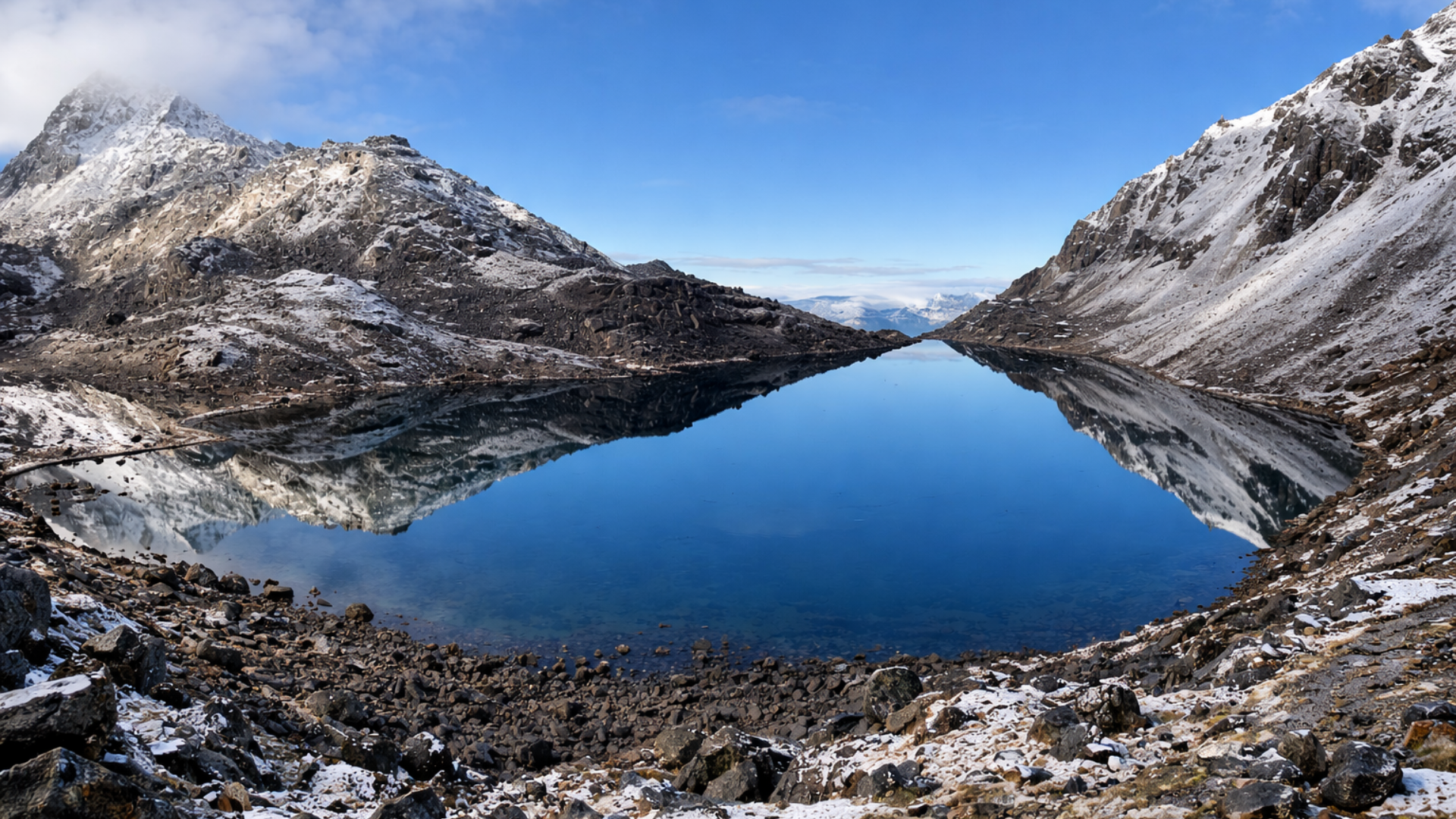
Located at an altitude of over 4,380 meters, Gosaikunda Lake is not just a pilgrimage site but also a remarkable astro photography destination. The high altitude and pristine environment make it an ideal place for capturing the night sky. The lake's calm waters mirror the stars above, creating stunning reflections that add depth to your astrophotography compositions.
6. Manang
Manang, a picturesque village on the Annapurna Circuit, is a strategic base for astrophotographers. The village's high altitude and minimal light pollution make it an excellent spot to capture the celestial wonders. The clear night skies here reveal intricate details of the Milky Way, making it a must-visit destination for avid astrophotographers.
7. Upper Mustang
Upper Mustang, a remote region bordering Tibet, offers a unique landscape for astro photography. The stark, arid terrain and ancient cave dwellings provide a surreal contrast to the night sky. The region's isolation ensures minimal light pollution, allowing you to capture stunning images of stars and galaxies.
Tips for Astro Photography in Nepal
Pack Proper Gear: Ensure you have a sturdy tripod, a fast lens with a wide aperture, and a remote shutter release to minimize camera shake during long exposures.
Check the Weather: Plan your trip during the dry season (October to April) when the skies are clear and the chances of capturing the stars are higher.
Acclimatize: If you're heading to high-altitude destinations like Everest Base Camp or Manang, take time to acclimatize to prevent altitude sickness.
Learn Astrophotography Techniques: Familiarize yourself with techniques such as long-exposure photography, stacking, and image processing to enhance the quality of your astrophotographs.
Respect the Environment: Practice responsible photography by leaving no trace and respecting the natural beauty of Nepal's landscapes.
Nepal's astro photography destinations offer a unique blend of natural beauty and celestial wonders. From the towering peaks of Sagarmatha National Park to the tranquil lakes of Annapurna, and the remote landscapes of Upper Mustang, there's a plethora of opportunities to capture the magic of the night sky. So, pack your camera gear, head to Nepal, and prepare to be mesmerized by the celestial symphony above the Himalayas. With a clear sky, a keen eye, and the right techniques, you'll create stunning astro photographs that will leave a lasting impression. Happy shooting!
POPULAR ITINERARIES
SIMILAR POSTS
The Allure of the Yak Kharka Trekking Route
Nepal, with its towering peaks and breathtaking landscapes, has long been a haven for trekkers and adventure enthusiasts. Among the numerous trekking routes that crisscross this Himalayan paradise, the Yak Kharka Trekking Route stands out for its mesmerizing beauty and unique cultural experiences. In this feature article, we invite you to embark on an unforgettable journey as we explore the itinerary of the Yak Kharka Trekking Route, where pristine nature, traditional villages, and awe-inspiring vistas await.
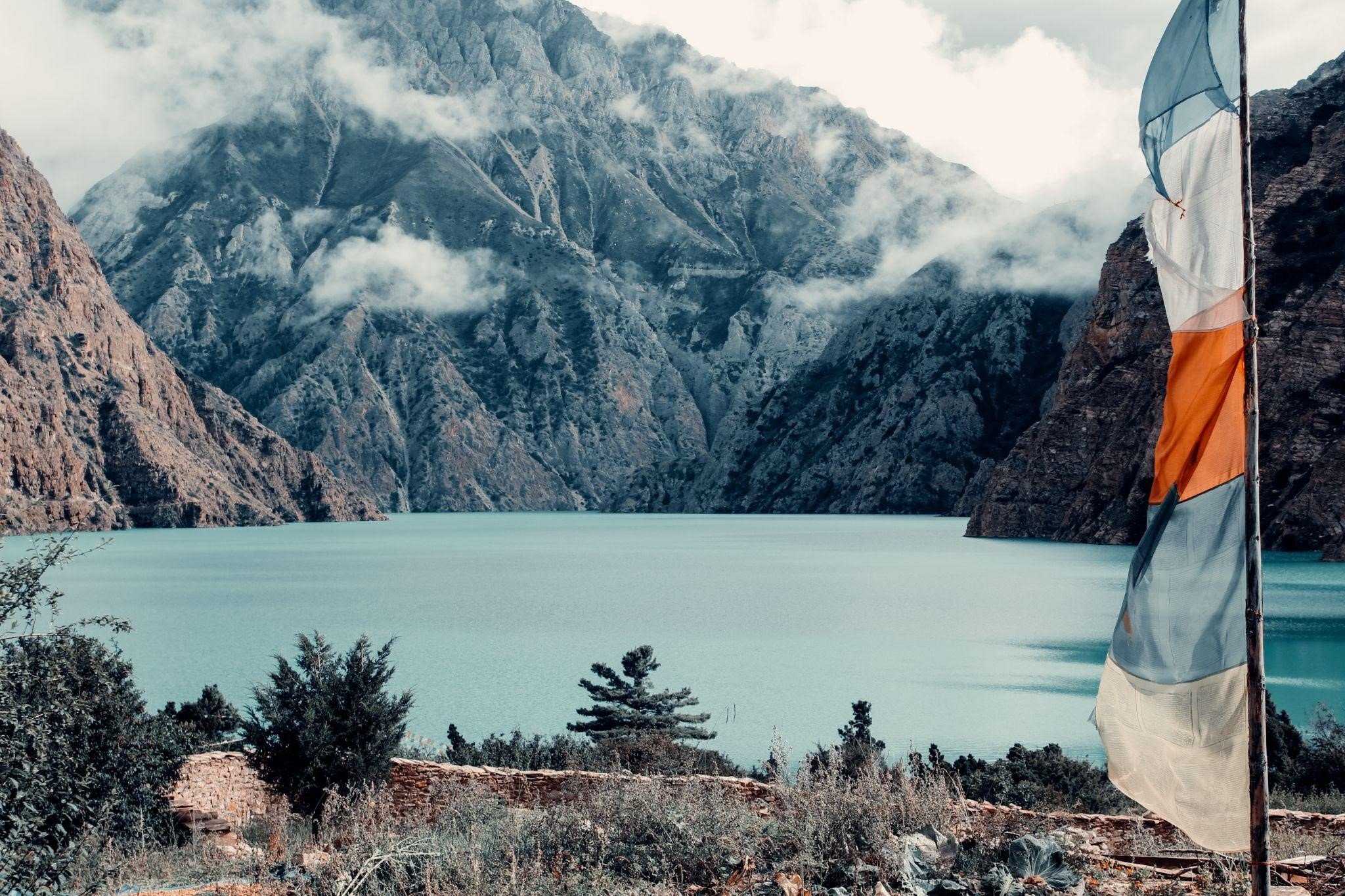
The Yak Kharka Trekking Route, nestled in the heart of Nepal's Annapurna region, is a hidden gem waiting to be discovered by adventurers seeking an authentic Himalayan experience. This trek combines the splendor of high mountain landscapes with encounters with the warm-hearted local communities of Nepal.
Route Highlights
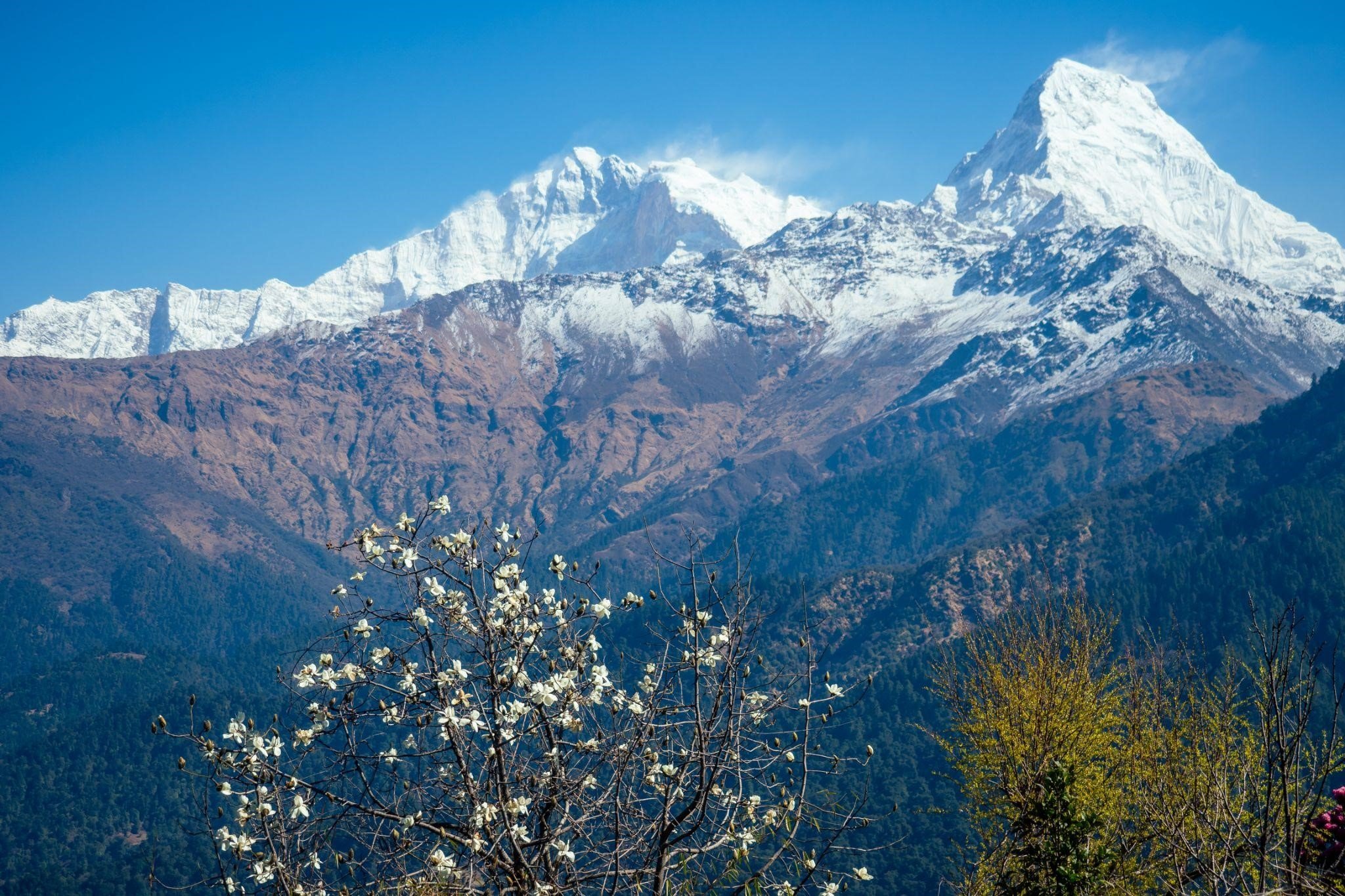
Spectacular Mountain Views: The Yak Kharka Trek offers panoramic views of some of the world's highest peaks, including Annapurna, Dhaulagiri, and Machapuchare.
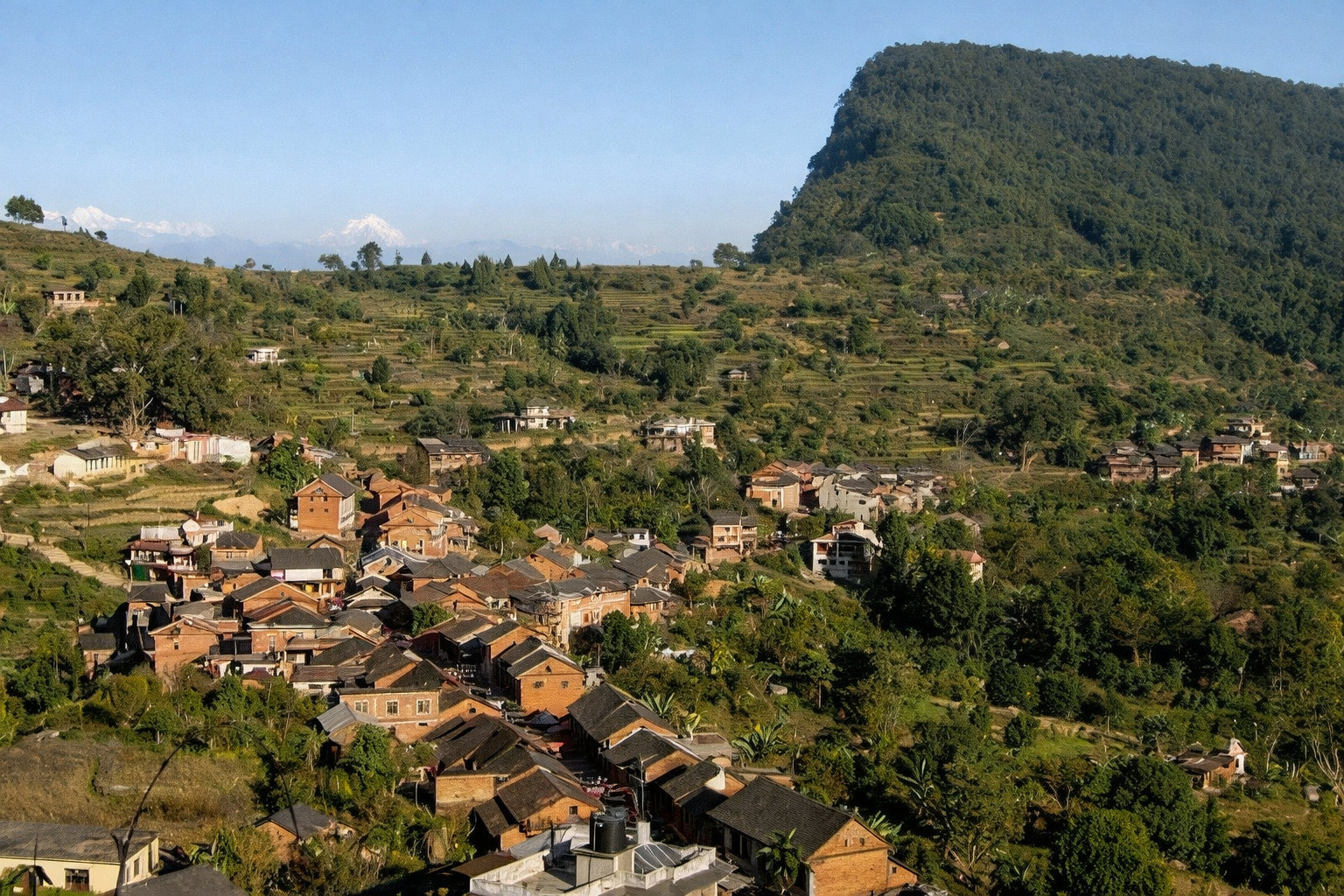
Cultural Immersion: You'll have the opportunity to interact with locals in traditional Gurung and Magar villages, learning about their customs and way of life.
Wildlife Encounters: Keep an eye out for rare Himalayan wildlife, such as blue sheep and the elusive snow leopard, as you traverse the rugged terrain.
Itinerary:-
Day 1: Arrival in Kathmandu
Day 2: Kathmandu to Pokhara
Day 3: Pokhara to Nayapul to Tikhedhunga
Day 4: Tikhedhunga to Ghorepani
Day 5: Ghorepani to Poon Hill to Tadapani
Day 6: Tadapani to Chhomrong
Day 7: Chhomrong to Bamboo
Day 8: Bamboo to Deurali
Day 9: Deurali to Yak Kharka
Day 10: Yak Kharka to Thorong Phedi
Day 11: Thorong Phedi to Muktinath via Thorong La Pass
Day 12: Muktinath to Jomsom
Day 13: Jomsom to Pokhara
Day 14: Return to Kathmandu
Itinerary: A Trekker's Dream Journey
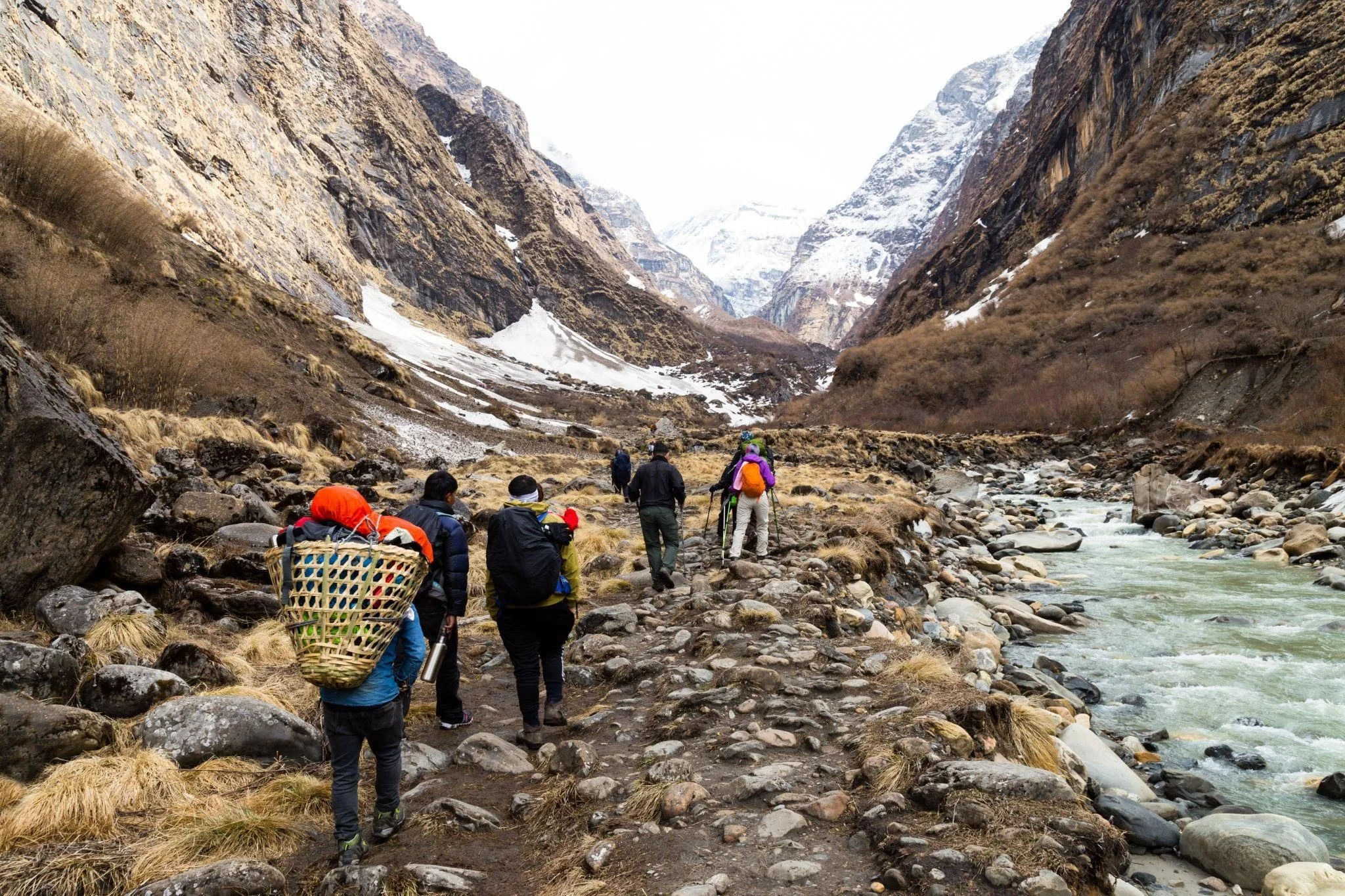
The Yak Kharka Trek typically spans 7 to 10 days, depending on your pace and the specific route you choose. Here, we outline a 9-day itinerary that covers the highlights of this remarkable trek.
Day 1: Arrival in Kathmandu
Your journey begins with your arrival in Nepal's capital, Kathmandu. Spend your first day exploring the vibrant streets of the city, where ancient temples, bustling markets, and a rich tapestry of cultures await.
Day 2: Kathmandu to Pokhara
Leave Kathmandu behind as you embark on a scenic drive or a short flight to the lakeside city of Pokhara. Take in the serene beauty of Phewa Lake and the towering Annapurna Range as you prepare for your trek.
Day 3: Pokhara to Nayapul to Tikhedhunga
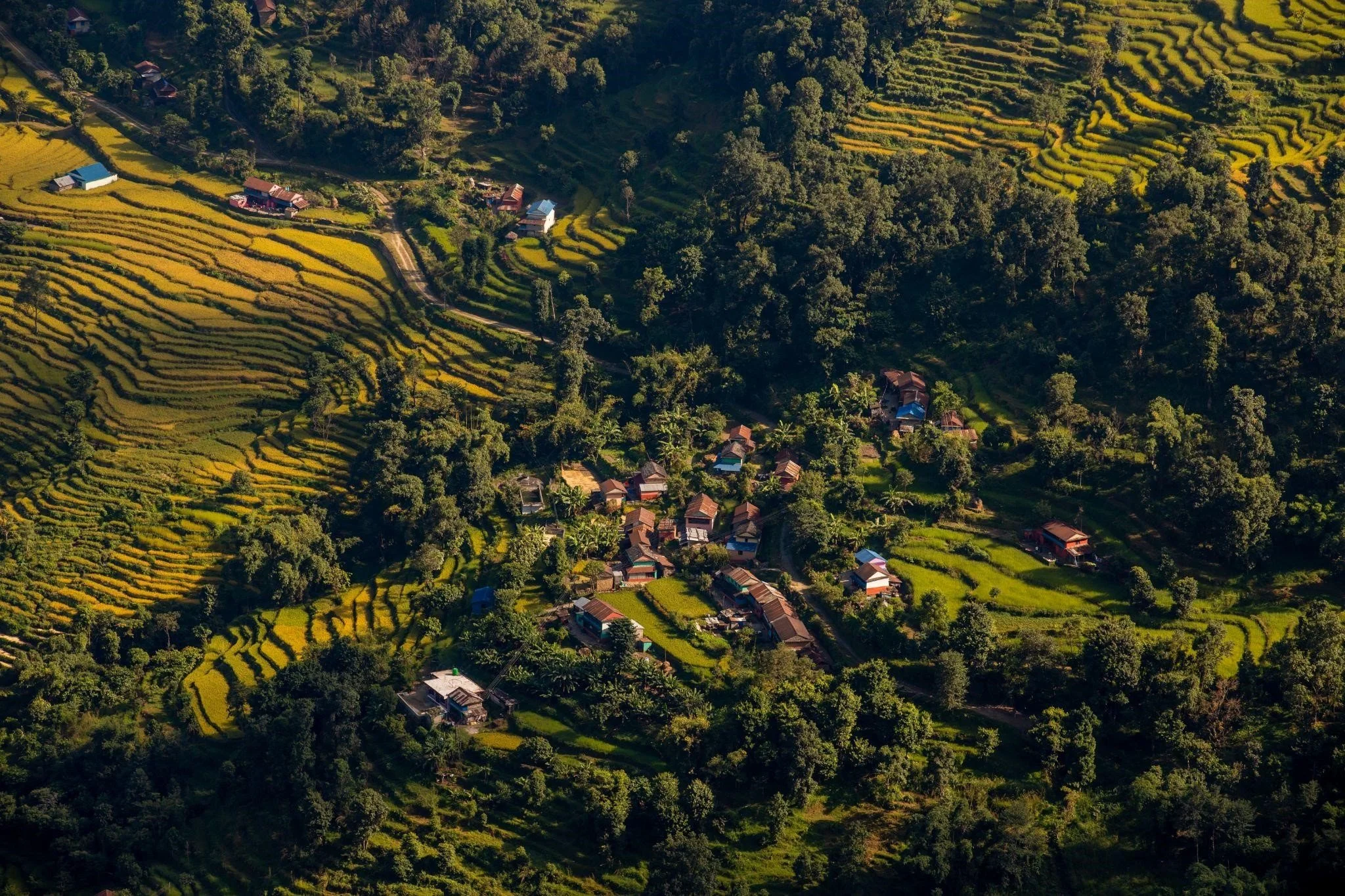
After breakfast in Pokhara, drive to Nayapul, the starting point of your trek. The trail takes you through terraced fields, forests, and picturesque villages like Tikhedhunga, where you'll spend your first night in a local teahouse.
Day 4: Tikhedhunga to Ghorepani
As you ascend higher into the Annapurna Conservation Area, the landscapes transform. Today's journey leads you to Ghorepani, a charming village known for its stunning sunrise views over the Himalayas.
Day 5: Ghorepani to Poon Hill to Tadapani
Wake up early and make the steep climb to Poon Hill, a renowned vantage point offering breathtaking sunrise vistas. After capturing the beauty in your memories and your camera, continue your trek to Tadapani, a quaint village surrounded by lush forests.
Day 6: Tadapani to Chhomrong
Trek through rhododendron forests and charming hamlets as you make your way to Chhomrong. This village, nestled at the base of the imposing Annapurna Massif, provides a glimpse into the local Gurung culture.
Day 7: Chhomrong to Bamboo
The trail descends to the Modi Khola River before ascending once more to Bamboo. Along the way, you'll cross suspension bridges and marvel at the ever-changing scenery.
Day 8: Bamboo to Deurali
Today's trek takes you through lush bamboo forests and into the alpine region. Deurali, situated in a serene forested area, offers a peaceful place to rest and soak in the natural beauty.
Day 9: Deurali to Yak Kharka
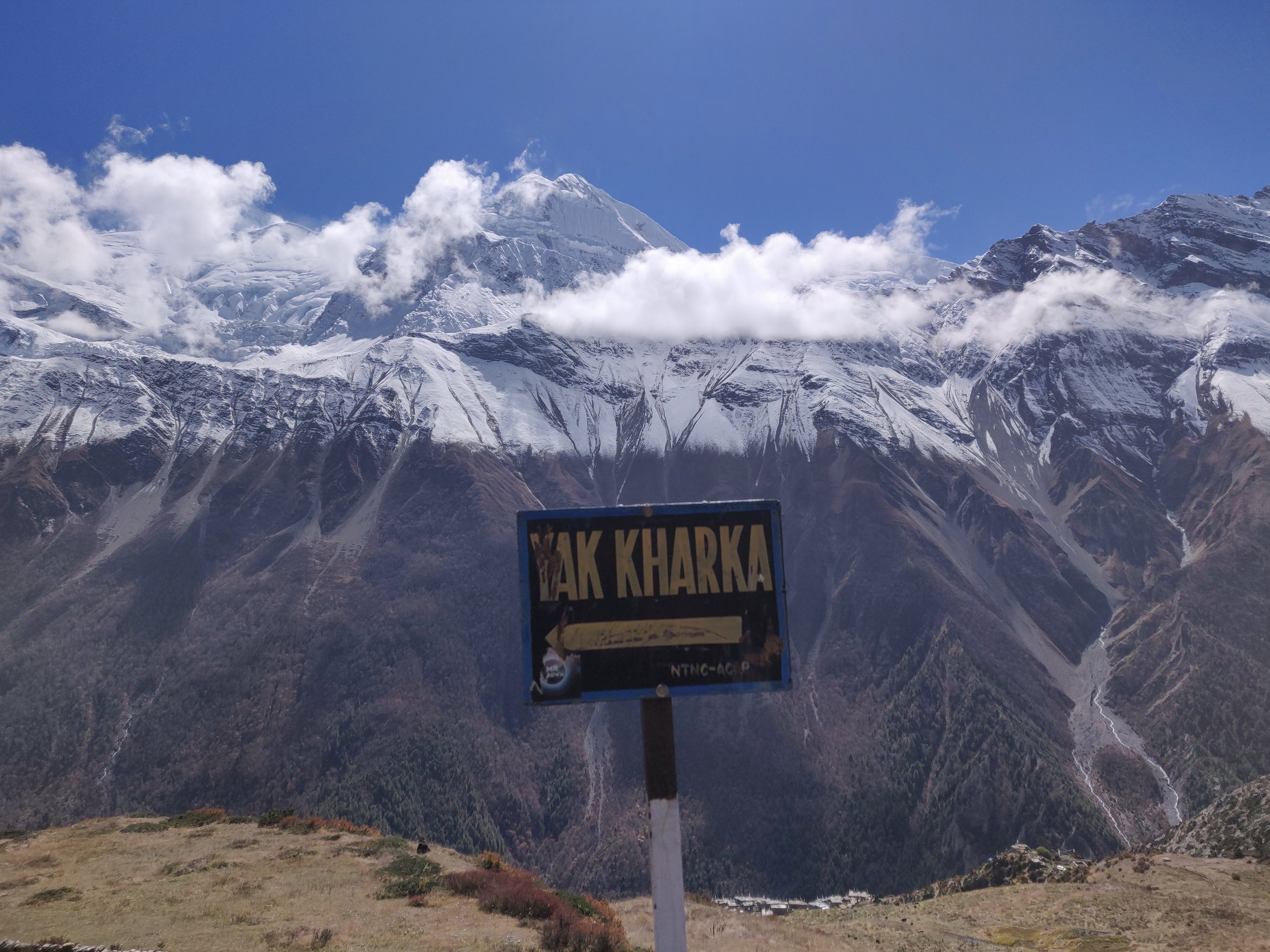
As you continue your ascent, you'll reach Yak Kharka, a picturesque grazing pasture surrounded by high mountains. This is a perfect spot to acclimatize and enjoy the serene mountain ambiance.
Day 10: Yak Kharka to Thorong Phedi
On this day, you'll make your way to Thorong Phedi, the last stop before the challenging Thorong La Pass. Rest and prepare for the altitude gain and demanding crossing ahead.
Day 11: Thorong Phedi to Muktinath via Thorong La Pass
The highlight of your trek awaits as you ascend to Thorong La Pass, the highest point of the trek at 5,416 meters (17,769 feet). The breathtaking views from the pass are well worth the effort. Descend to the sacred village of Muktinath, known for its temples and natural gas fires.
Day 12: Muktinath to Jomsom
The final leg of your trek takes you to Jomsom, a windswept town in the Kali Gandaki Valley. Along the way, you'll pass through arid landscapes and quaint villages.
Day 13: Jomsom to Pokhara
Take a short flight from Jomsom to Pokhara, where you can relax by the lake or explore the city's charming streets. It's a well-deserved rest after your trekking adventure.
Day 14: Return to Kathmandu
Bid farewell to the enchanting landscapes of Pokhara as you return to Kathmandu, where you can reflect on your unforgettable journey through the Himalayas.
The Yak Kharka Trekking Route is not just a journey; it's an adventure of a lifetime. From the cultural immersion in traditional Nepali villages to the awe-inspiring vistas of the Annapurna Range, this trek offers a glimpse into the heart and soul of Nepal.
As you embark on this remarkable journey, you'll not only conquer challenging trails but also forge connections with the warm and welcoming people who call these high-altitude regions home. The Yak Kharka Trek is a testament to the enduring allure of Nepal, where nature, culture, and adventure converge in perfect harmony.
POPULAR ITINERARIES
SIMILAR POSTS
Indra Jatra: Nepal's Spectacular Festival
In the heart of Kathmandu, where ancient traditions intertwine with modern life, a grand celebration unfolds, reverberating through the narrow alleyways and vibrant squares. This is Indra Jatra, one of Nepal's most significant and spectacular festivals, where gods, goddesses, and people come together to celebrate culture, heritage, and spirituality. In this feature article, we delve deep into the heart of Indra Jatra, exploring its history, rituals, and the vibrant tapestry of culture that defines this extraordinary celebration.
The Legacy of Indra Jatra: A Historical Prelude
Indra Jatra has deep historical roots that harken back to Nepal's medieval era. This annual festival takes its name from Lord Indra, the god of rain and the ruler of heaven in Hindu mythology. The festival finds its origins in the 10th century during the Malla Dynasty, which ruled the Kathmandu Valley. King Gunakamadeva initiated Indra Jatra as a way to honor Lord Indra for providing rain, essential for the agricultural prosperity of the region. Over time, the festival evolved to include both Hindu and Buddhist traditions.
The Tale of the Kumari Jatra
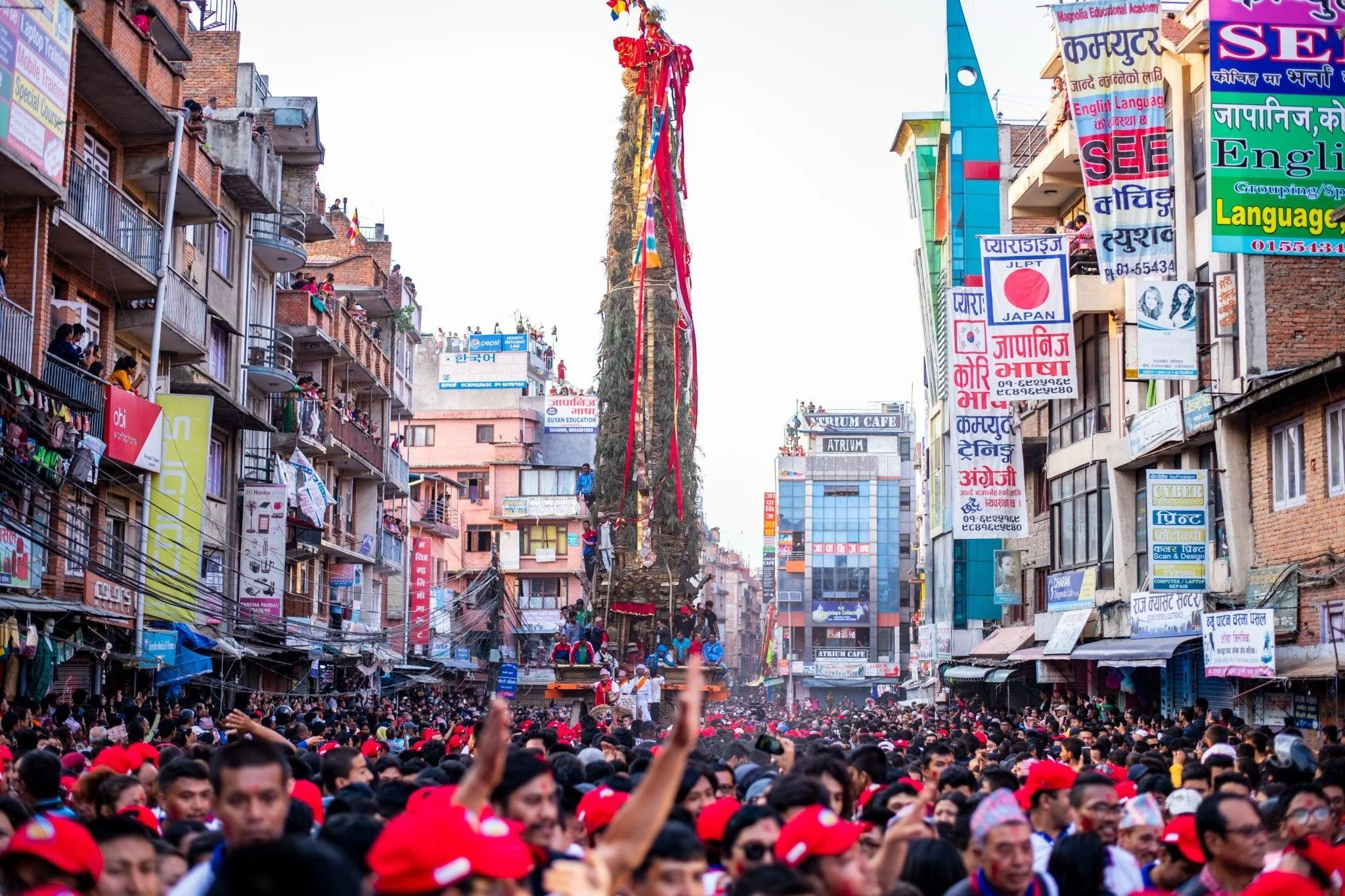
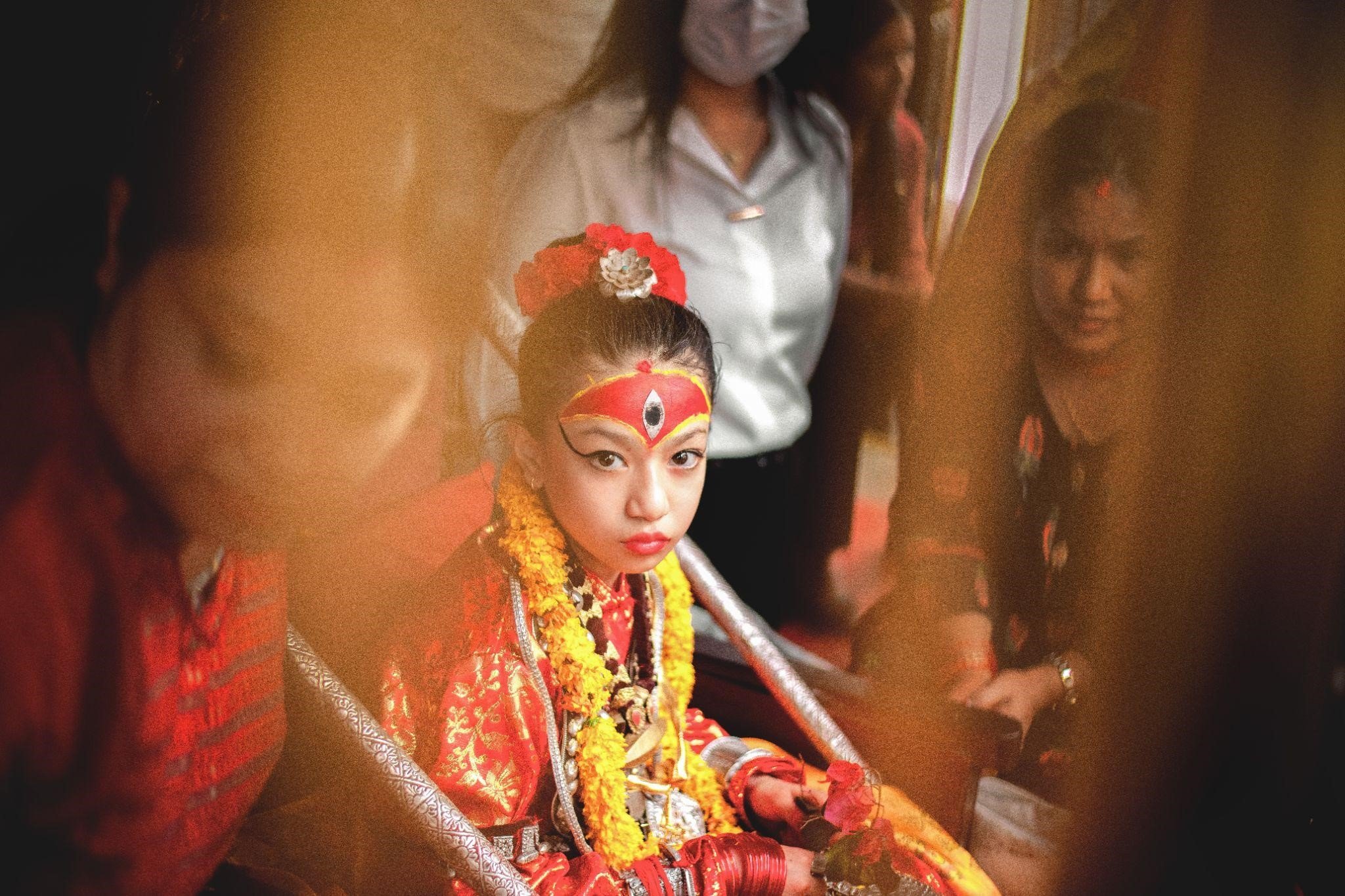
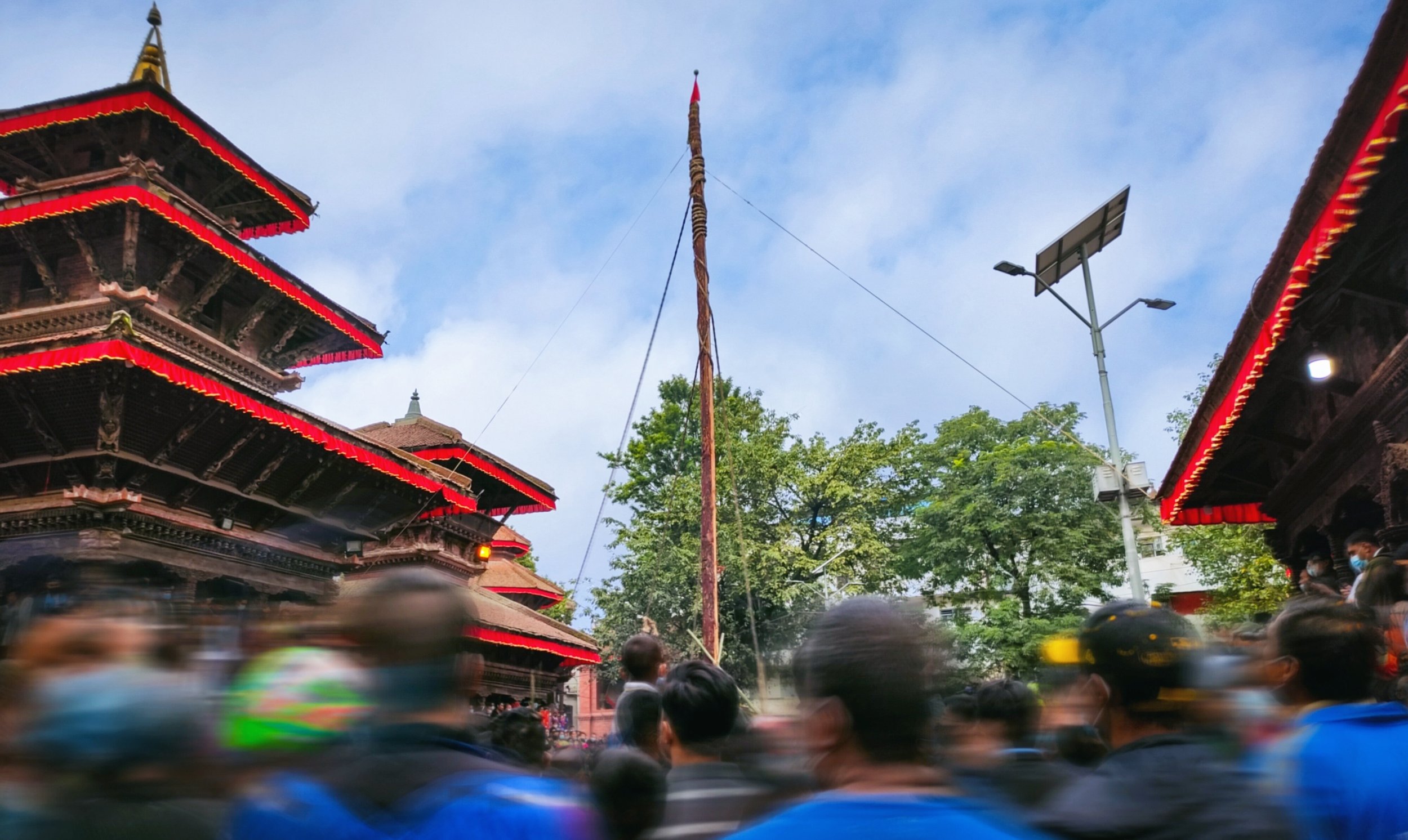
One of the most iconic elements of Indra Jatra is the Kumari Jatra, a procession that includes the Kumari, the living goddess of Kathmandu. The Kumari, a prepubescent girl chosen for her divine qualities, is a central figure in the festival. The Kumari Jatra serves as a symbolic way for the goddess to bless the city and its people. At the heart of Indra Jatra lies the "lingo," an intricately carved ceremonial pole that stands as the focal point of the festival. The raising of the lingo marks the official commencement of the festivities.
The Raising Ceremony
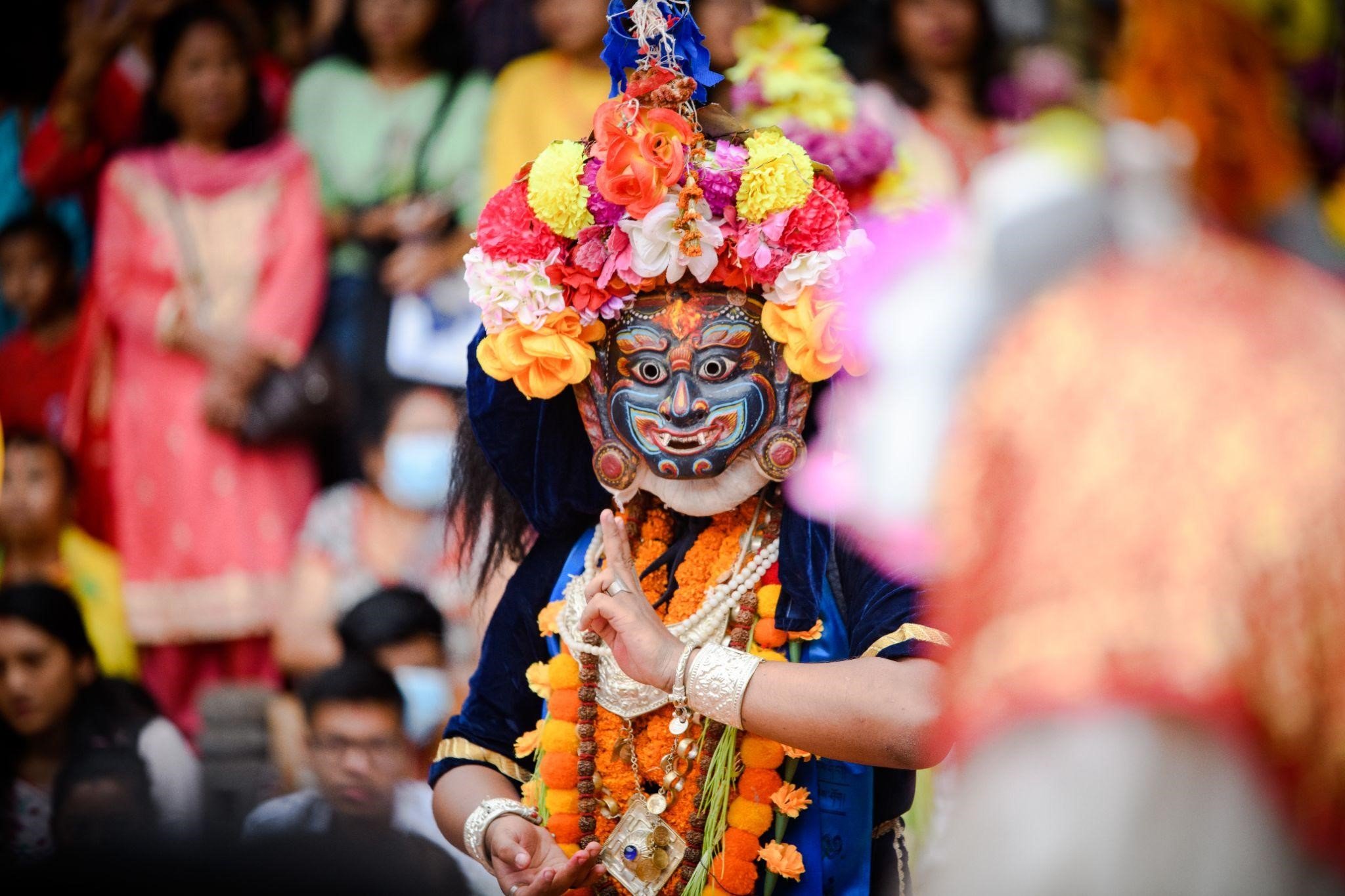
On the first day of Indra Jatra, the Kumari, clad in her resplendent attire, emerges from her residence, the Kumari Ghar. She is carried in a palanquin and accompanied by musicians, dancers, and devotees. Together, they make their way to Durbar Square, where the lingo awaits. The lingo represents a sword of Lord Indra, and its erection symbolizes the reestablishment of Indra's power. It is believed to bring protection and prosperity to the city. The ceremony itself is a mesmerizing spectacle, with skilled artisans and laborers using ropes and teamwork to hoist the heavy wooden pole into an upright position. One of the most captivating aspects of Indra Jatra is the vibrant display of traditional masked dances and cultural performances, which take place at Rani Pokhari, the historic artificial pond in the heart of Kathmandu.
Sawa Bhaku Dance
Another highlight is the Sawa Bhaku dance, where dancers don colorful and intricate costumes that represent different animals and deities. The dance is a rhythmic and synchronized performance that mesmerizes onlookers with its precision and energy. Indra Jatra is not just a celebration of culture; it's also a time for spiritual reflection and devotion. Devotees flock to the temples and shrines of Kathmandu to offer prayers and seek blessings.
Offerings to the Kumari
Devotees offer flowers, fruits, and traditional offerings to the Kumari, seeking her blessings for health, prosperity, and protection. The Kumari, in her divine role, watches over the city and its inhabitants during this sacred time. Many devotees visit the Kathmandu Durbar Square, home to a multitude of temples and shrines dedicated to various deities. The square is transformed into a bustling hub of religious activity, with incense wafting through the air and the sound of bells and drums filling the atmosphere.
One remarkable aspect of Indra Jatra is its inclusivity. While rooted in Hindu and Buddhist traditions, the festival is celebrated by people of all backgrounds and beliefs. It serves as a symbol of Nepal's cultural diversity and unity. Indra Jatra has garnered international attention, drawing tourists and cultural enthusiasts from around the world. It's not just a spectacle but also a gateway to understanding the rich cultural heritage of Nepal.
Indra Jatra is not merely a festival; it's a living testament to Nepal's rich history, spirituality, and cultural diversity. It's a time when the people of Kathmandu come together to celebrate their shared heritage, bridging the gap between the past and the present. As you wander through the vibrant streets of Kathmandu during Indra Jatra, you'll witness a breathtaking display of masked dances, hear the enchanting melodies of traditional music, and feel the devotion that permeates the air. The festival is a reminder that amidst the hustle and bustle of modern life, Nepal continues to honor its traditions and gods, embracing the spiritual and cultural essence that defines this Himalayan nation.