
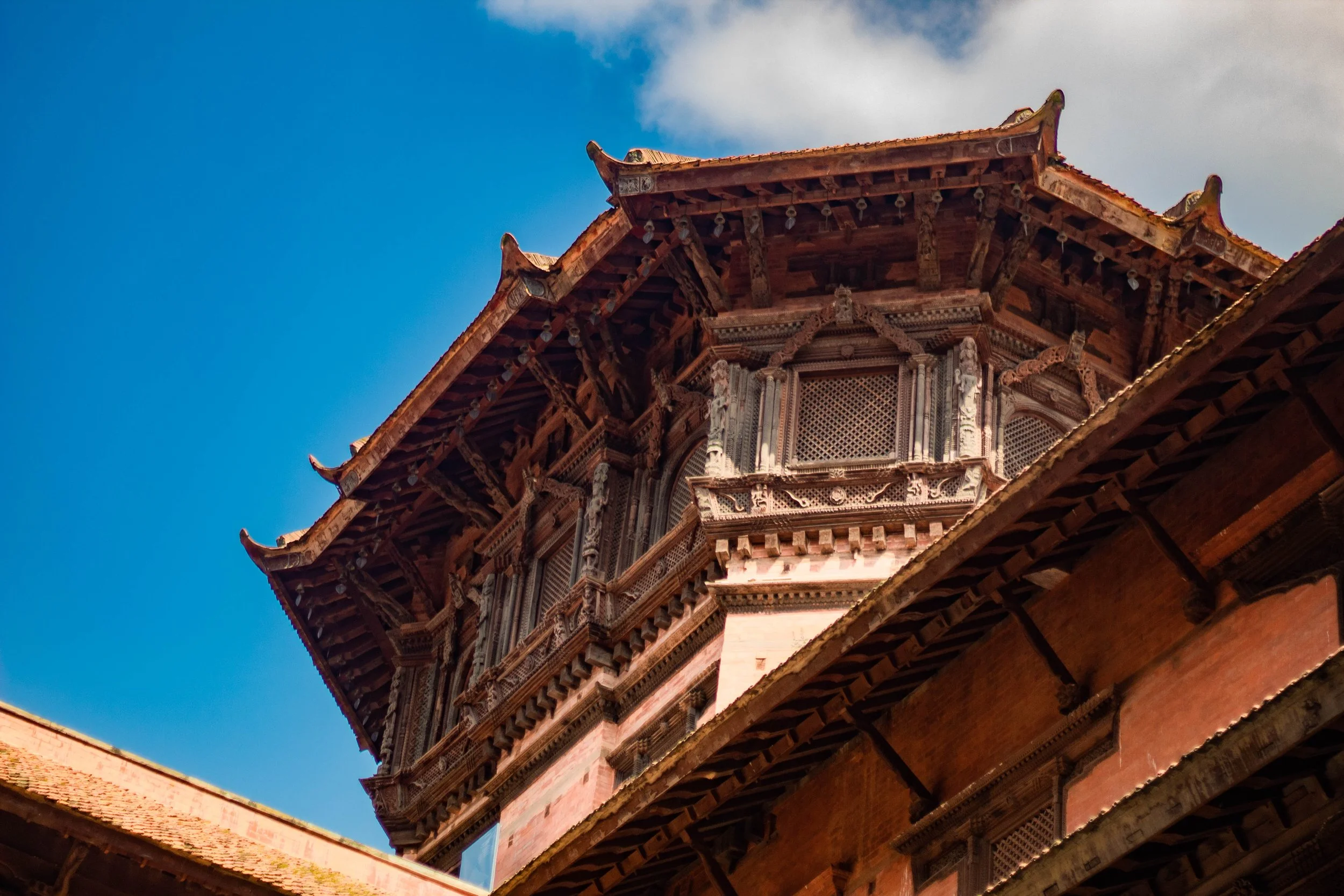
Woodcrafting: A Timeless Nepali Artisanal Skill
Amidst the majestic Himalayan peaks, where ancient traditions thrive and culture weaves the very fabric of life, Nepal's woodcrafting emerges as a testament to the country's rich artisanal heritage. In the heart of this vibrant nation, skilled woodworkers, steeped in tradition, transform humble pieces of wood into intricate masterpieces. In this feature article, we embark on a journey into the world of Nepali woodcrafting, exploring its deep-rooted history, masterful craftsmanship, and its enduring significance in modern times.
Woodcrafting Through the Ages: A Historical Odyssey
The art of woodworking in Nepal can be traced back through the annals of time. Its history is deeply interwoven with the country's rich cultural tapestry, and it has played a pivotal role in shaping the architectural and artistic landscape of Nepal.
Ancient Origins
Nepal's woodcrafting tradition finds its roots in the construction of temples and palaces. Skilled woodworkers have been pivotal in creating the intricate wooden carvings that adorn these iconic structures. The Kathmandu Valley, in particular, boasts an impressive collection of Newar-style woodcarvings that date back centuries.
The Art of Nepali Woodcrafting: A Masterful Craftsmanship
Nepali woodcrafting is characterized by its unparalleled craftsmanship, attention to detail, and the use of traditional tools and techniques. Skilled artisans take pride in preserving and passing on these ancient skills. One of the hallmarks of Nepali woodcrafting is the meticulous handwork involved. Artisans use a wide array of tools, including chisels, mallets, and hand saws, to carve intricate patterns and designs. Each piece is a labor of love, requiring time, precision, and patience. Nepali woodcrafting is often adorned with traditional motifs inspired by the country's culture and religion. These motifs include depictions of deities, mythical creatures, and intricate geometric patterns. The carvings not only serve an aesthetic purpose but also convey deeper spiritual and cultural meanings. In a rapidly changing world, the tradition of woodcrafting in Nepal faces both challenges and opportunities. While modernization has brought new materials and techniques, woodcrafting remains an integral part of the country's cultural identity.
Preservation of Heritage
Efforts are underway to preserve and promote the art of woodcrafting in Nepal. Artisan cooperatives, workshops, and training programs seek to empower young woodworkers with the skills and knowledge passed down through generations. By providing a platform for artisans to showcase their work, these initiatives help sustain this timeless craft. Nepali woodcrafting is not confined to the past; it also evolves with the times. Artisans are exploring innovative designs and adapting to contemporary tastes. This fusion of tradition and modernity has led to the creation of unique pieces that appeal to a global audience.
Woodcrafting Hubs of Nepal: Where Art Comes to Life
Several regions in Nepal are renowned for their woodcrafting traditions, each with its own distinct style and techniques. These hubs serve as both showcases for the craft and centers for passing down knowledge to future generations.
Bhaktapur: A Living Museum
Bhaktapur, one of Nepal's ancient cities, is a treasure trove of woodcrafting. The city's well-preserved medieval architecture features intricate woodcarvings on windows, doors, and temples. Strolling through the streets of Bhaktapur feels like stepping into a living museum of woodcrafting.
Mustang: Carved in the Mountains
In the high-altitude region of Mustang, woodcrafting takes on a unique flavor. The scarcity of wood in this region has led to a specialization in detailed and intricate carvings, often seen in the windows, balconies, and pillars of Mustang's monasteries and homes.
The Timeless Allure of Nepali Woodcrafting
Nepali woodcrafting transcends mere craftsmanship; it's a living testament to a culture deeply rooted in tradition. The enduring appeal of woodcrafting lies in its ability to convey stories, beliefs, and artistic expressions through the medium of wood. Woodcrafting is more than just an art form; it's a way for Nepali communities to express their identity and heritage. The carvings on temples and monasteries serve as a visual language, telling stories of faith and tradition that are passed down from generation to generation.
The Legacy of Nepali Woodcrafting
In the Himalayan realm of Nepal, woodcrafting is more than a skill; it's a living heritage that bridges the past and the present. It's a testament to the enduring spirit of craftsmanship and the cultural significance of artistry. As you explore the valleys and villages of Nepal, take a moment to admire the intricate woodcarvings that adorn the temples, monasteries, and homes. In these carvings, you'll discover the soul of Nepal, where wood becomes a canvas, and tradition becomes timeless artistry. The legacy of Nepali woodcrafting lives on, waiting to be discovered and cherished by those who seek to unravel its profound beauty.
POPULAR ITINERARIES
SIMILAR POSTS

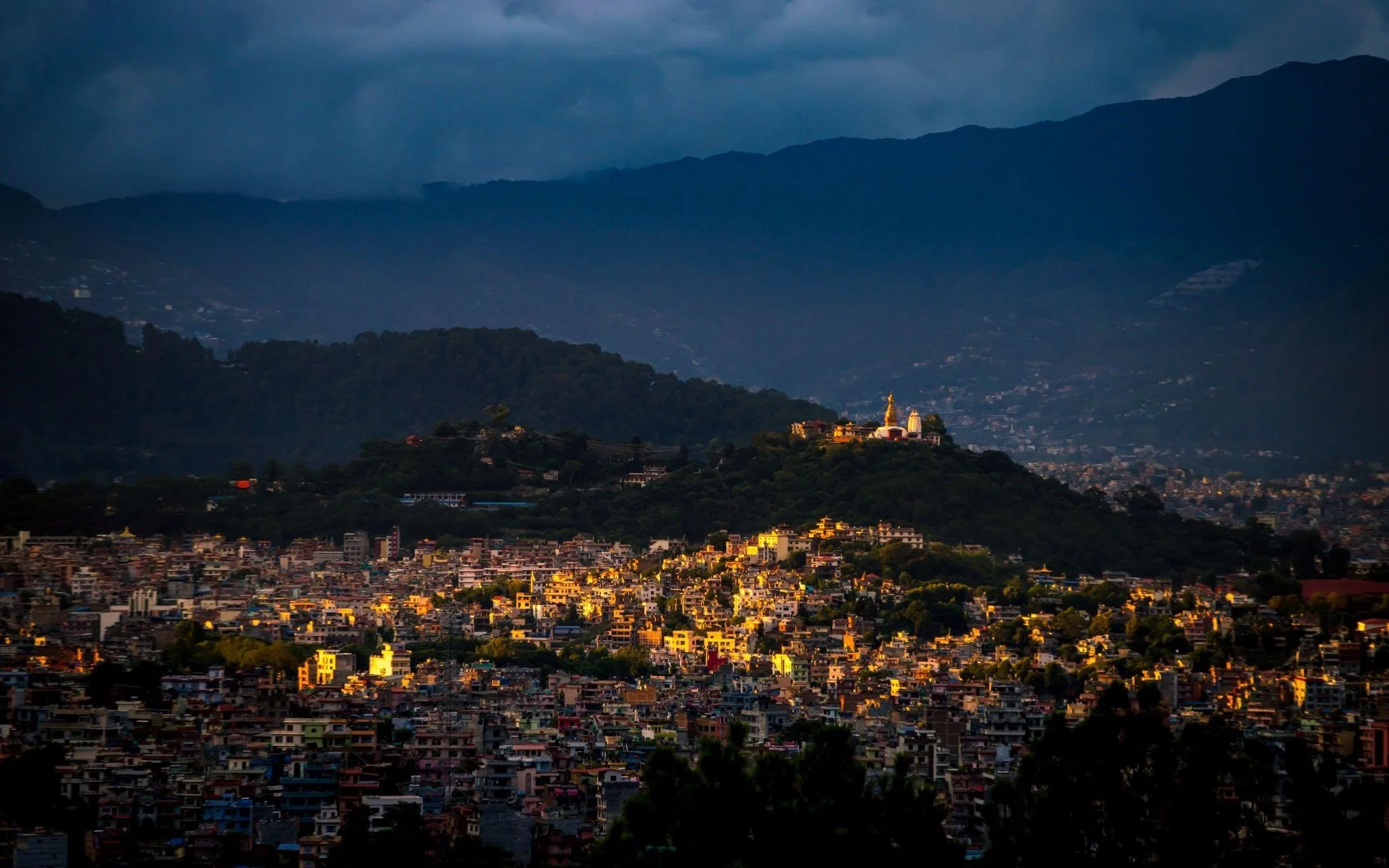
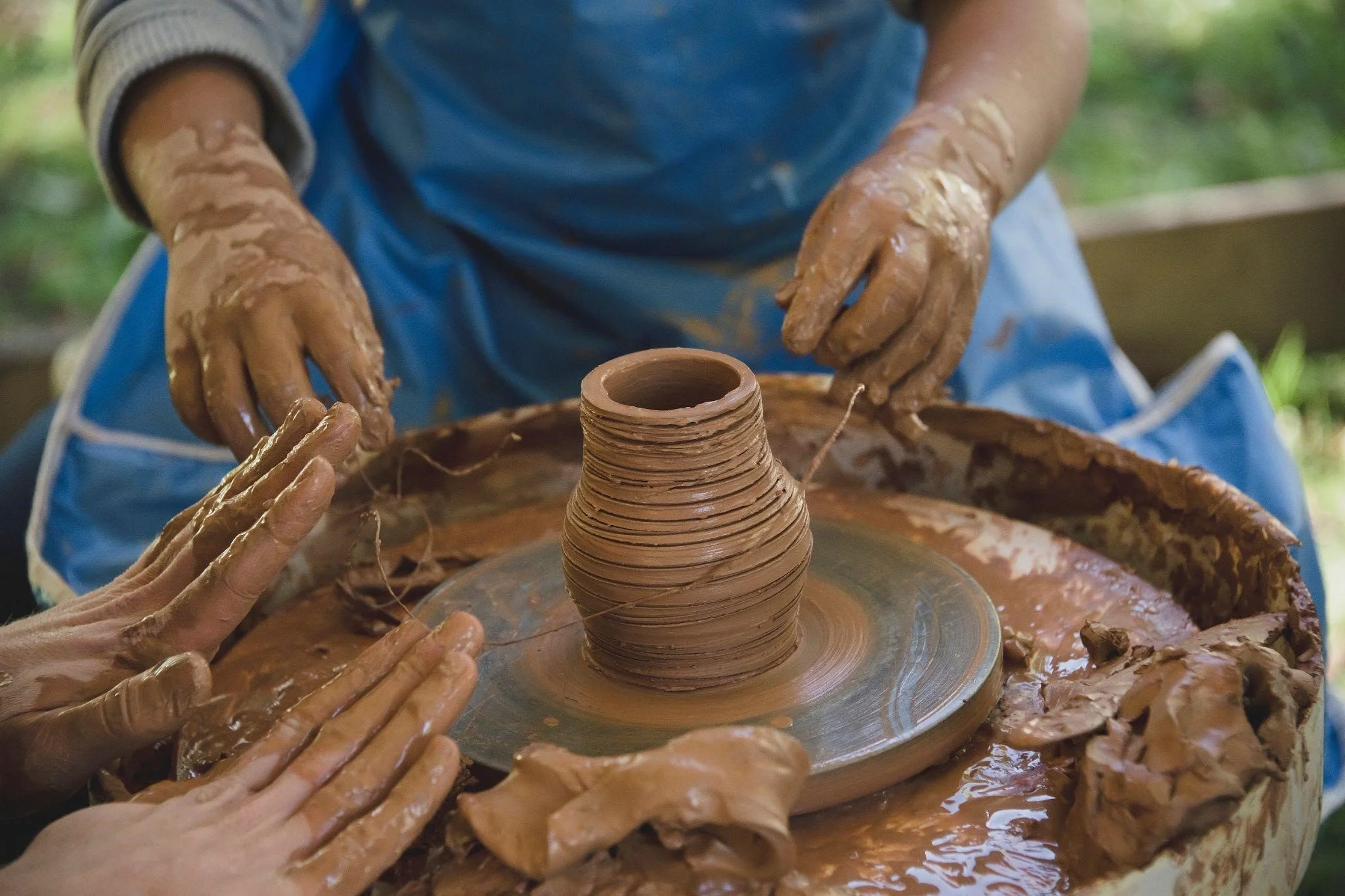
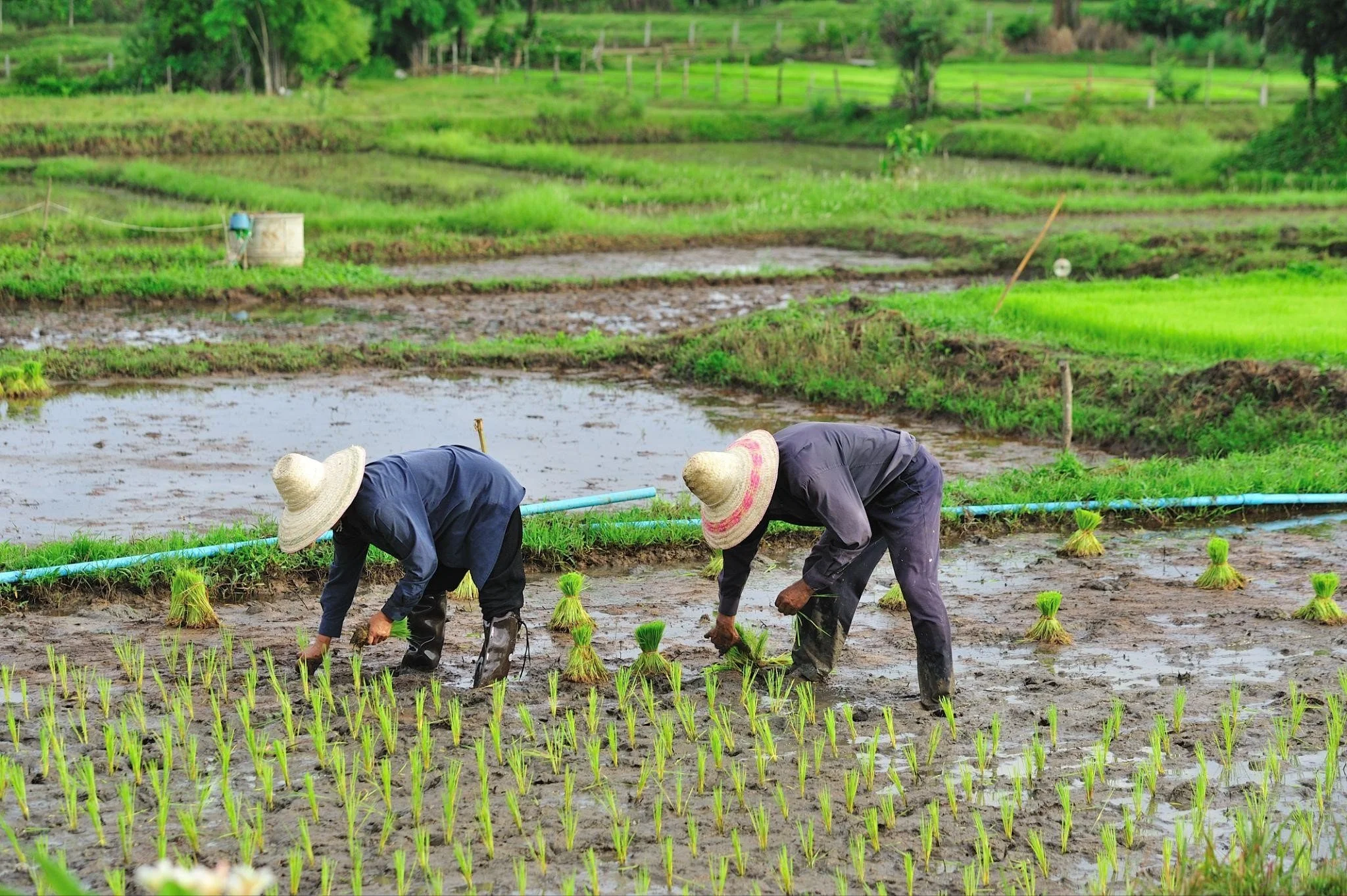
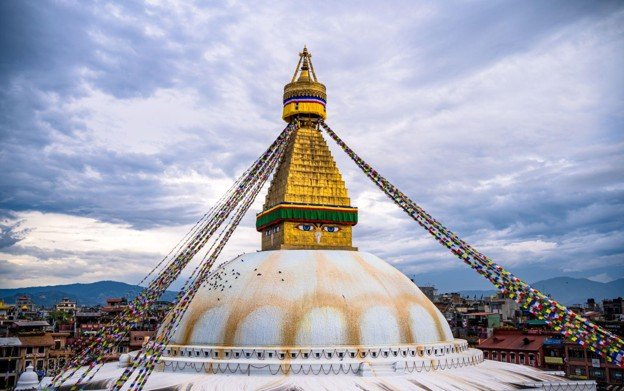

Exploring the Pottery Culture of Nepal
In the heart of the Himalayas, where the serene beauty of nature meets the rich tapestry of culture, Nepal's pottery tradition stands as a testament to the craftsmanship and heritage of its people. From the bustling streets of Kathmandu to the remote villages nestled in the mountains, pottery in Nepal is not just an art form; it's a way of life. In this feature article, we embark on a journey to explore the pottery culture of Nepal, delving into its history, significance, and the artisans who keep this ancient craft alive.
A Legacy of Clay: A Glimpse into Nepali Pottery History
Pottery in Nepal has deep historical roots, dating back over 5,000 years. It's a craft that has evolved over millennia, influenced by trade routes and cultural exchanges with neighboring countries like India and Tibet. The clay-rich soil of the Kathmandu Valley and other regions has long been a source of inspiration for potters, shaping their creativity and techniques.
Early Beginnings
The earliest evidence of pottery in Nepal can be traced to the Indus Valley Civilization, where pottery was utilitarian, serving everyday needs. Over time, pottery in Nepal transformed from simple functional items to intricate works of art, reflecting the cultural and spiritual dimensions of Nepali society.
Artistic Flourishing
The Malla period, which spanned from the 12th to the 18th century, saw a flourishing of artistic endeavors in Nepal, including pottery. Potters began to create exquisite pottery that featured intricate designs, fine craftsmanship, and intricate glazing techniques. Many of these techniques are still used by artisans today.
Spiritual Connections
Beyond the utilitarian, pottery holds a sacred place in Nepali culture. The worship of deities often involves the use of terracotta lamps, incense holders, and ceremonial vessels. These items are intricately designed, reflecting the spiritual beliefs and cultural traditions of different communities.
The Potter's Craft: Techniques and Traditions
Nepal boasts a diverse range of pottery styles, each characterized by distinct techniques and traditions. From the ancient art of Thimi to the renowned black pottery of Bhaktapur, the country's pottery landscape is a reflection of its cultural diversity.
Thimi Pottery
The town of Thimi, located in the Kathmandu Valley, is renowned for its distinctive red clay pottery. Potters in Thimi create functional items such as water jars, butter lamps, and decorative pieces. The traditional pottery-making process here involves hand-coiling the clay, followed by intricate carving and detailed painting.
Bhaktapur's Black Pottery
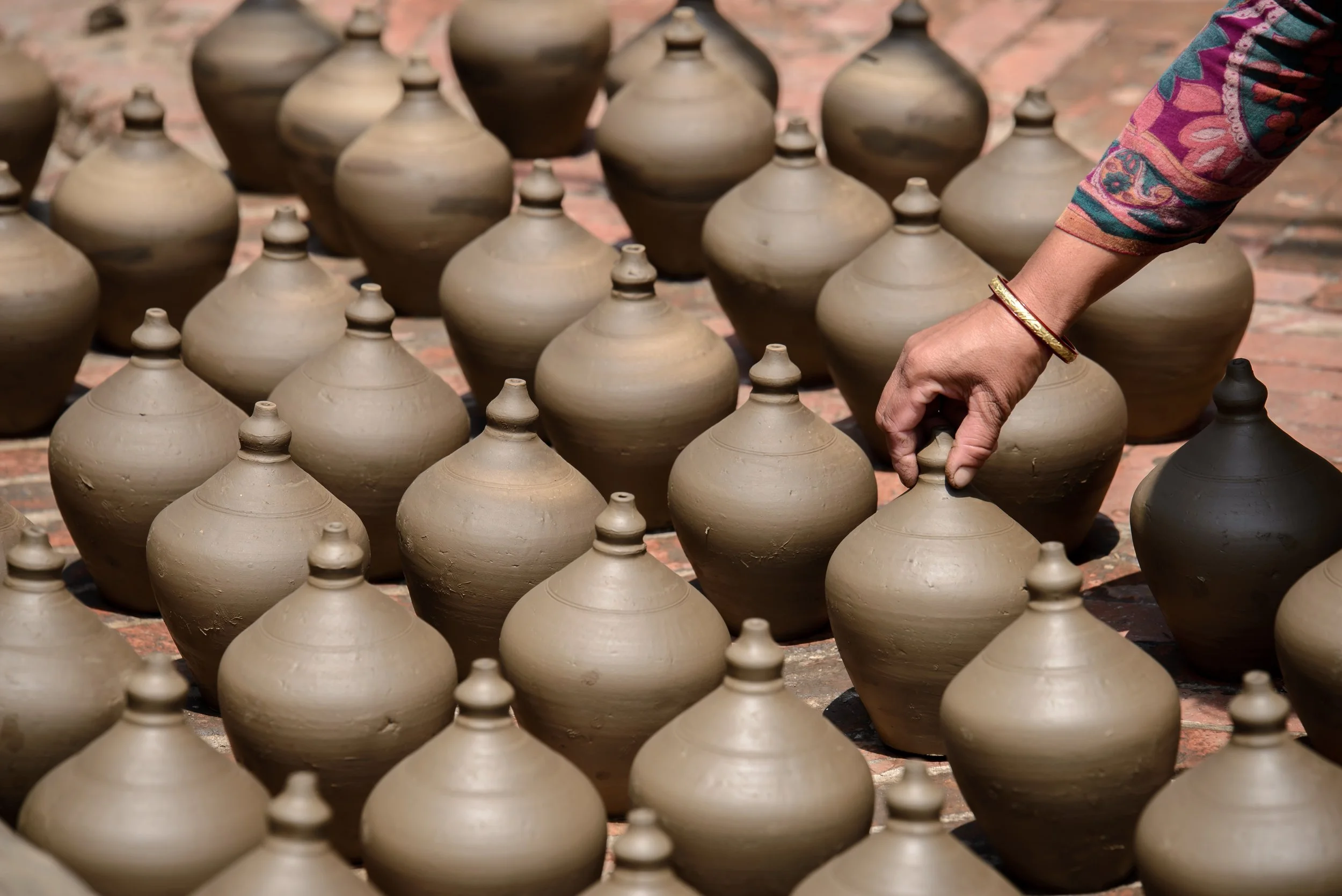
Bhaktapur, another ancient city in Nepal, is famous for its unique black pottery. This craft involves a reduction firing process, where the pottery is fired in a closed chamber with limited oxygen, resulting in the distinct black color. Artisans in Bhaktapur craft a wide range of items, including vases, bowls, and masks, often adorned with intricate carvings.
The Wheel of Throwing
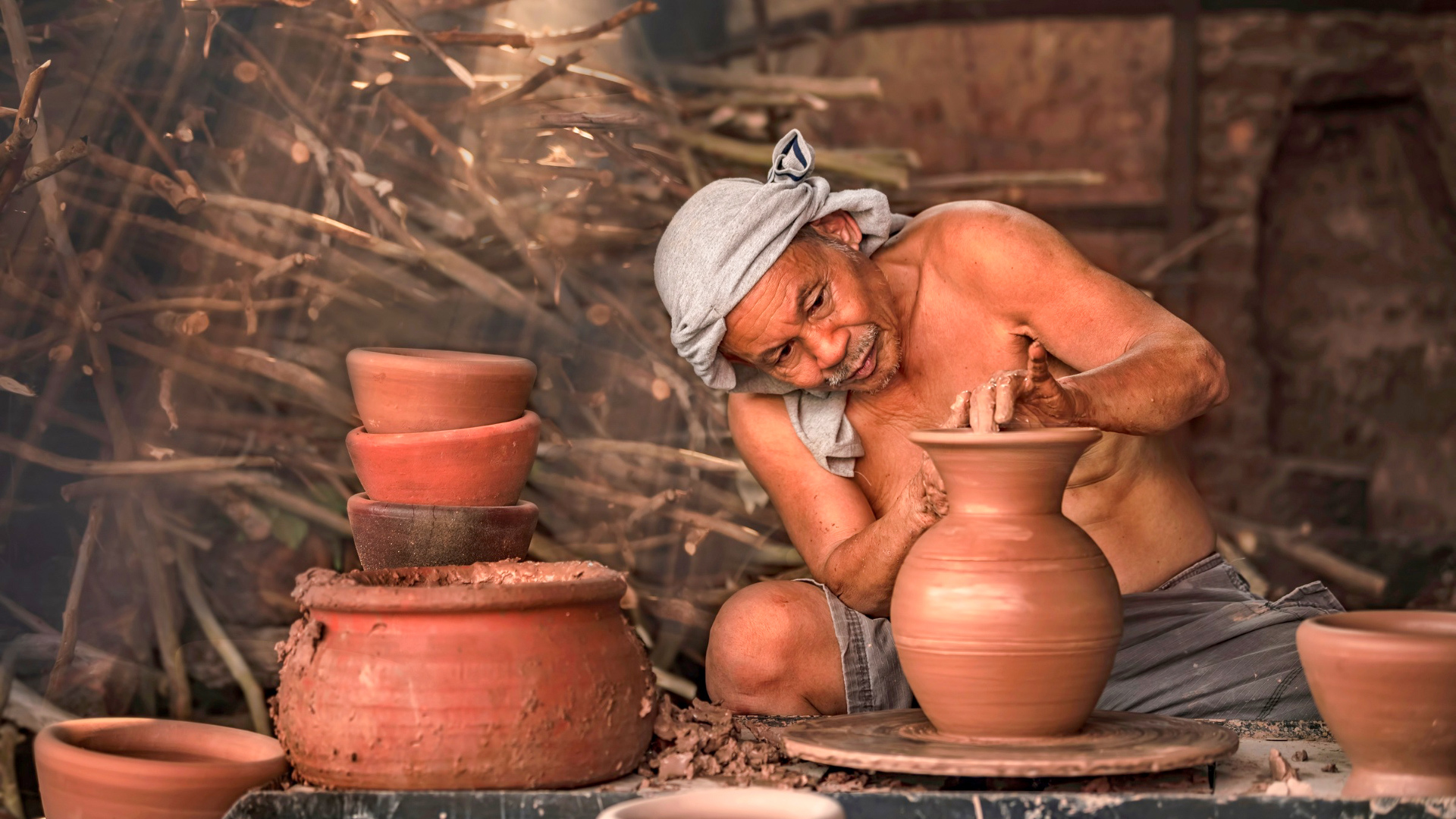
Across Nepal, the potter's wheel is a common sight. Artisans skillfully throw pots, bowls, and other vessels using this age-old technique. The rhythmic spinning of the wheel and the gentle touch of the potter's hands shape the clay into functional and decorative forms.
Challenges and Preservation Efforts
While Nepal's pottery culture remains vibrant, it faces several challenges in the modern world. Changing lifestyles and the availability of mass-produced alternatives have affected the demand for traditional pottery. Many potters struggle to make ends meet as they face competition from cheaper, factory-produced goods. The declining demand for handmade pottery threatens the livelihoods of these skilled artisans. Recognizing the importance of preserving this cultural heritage, various organizations and individuals are working to revitalize Nepal's pottery culture. Initiatives range from providing training to young potters to organizing pottery exhibitions and promoting traditional pottery as unique souvenirs for tourists.
In Nepal, pottery is not just a craft; it's a cultural treasure passed down through generations. It bridges the gap between practicality and spirituality, creating vessels that sustain life and artistry that feeds the soul.
As you traverse the streets of Nepal, take a moment to appreciate the intricate patterns on a terracotta lamp or the subtle elegance of a handmade clay pot. These everyday items are a testament to the enduring legacy of Nepal's pottery culture, where beauty is crafted from the very earth beneath our feet. In the hands of Nepali artisans, clay becomes a medium of expression, connecting the past to the present and shaping the future of this timeless art form.
POPULAR ITINERARIES
SIMILAR POSTS

Pokhara: A Museum Lover's Paradise
While Pokhara may be celebrated for its breathtaking natural beauty, it's evident that its museums are equally enchanting. These cultural and historical gems offer a profound understanding of the city's past, its people, and their enduring traditions.
Whether you're a mountaineer seeking inspiration, a history enthusiast interested in Gurkha valor, a culture lover eager to explore ethnic diversity, or a nature enthusiast enchanted by butterflies, Pokhara's museums have something unique and captivating to offer. So, the next time you find yourself in this Nepali paradise, take a break from the usual tourist activities and embark on a journey of discovery through the city's remarkable museums. Your experience will be a richer and more fulfilling one, and you'll leave with a deeper appreciation for Pokhara's multifaceted heritage.
The International Mountain Museum: Where Peaks Come Alive
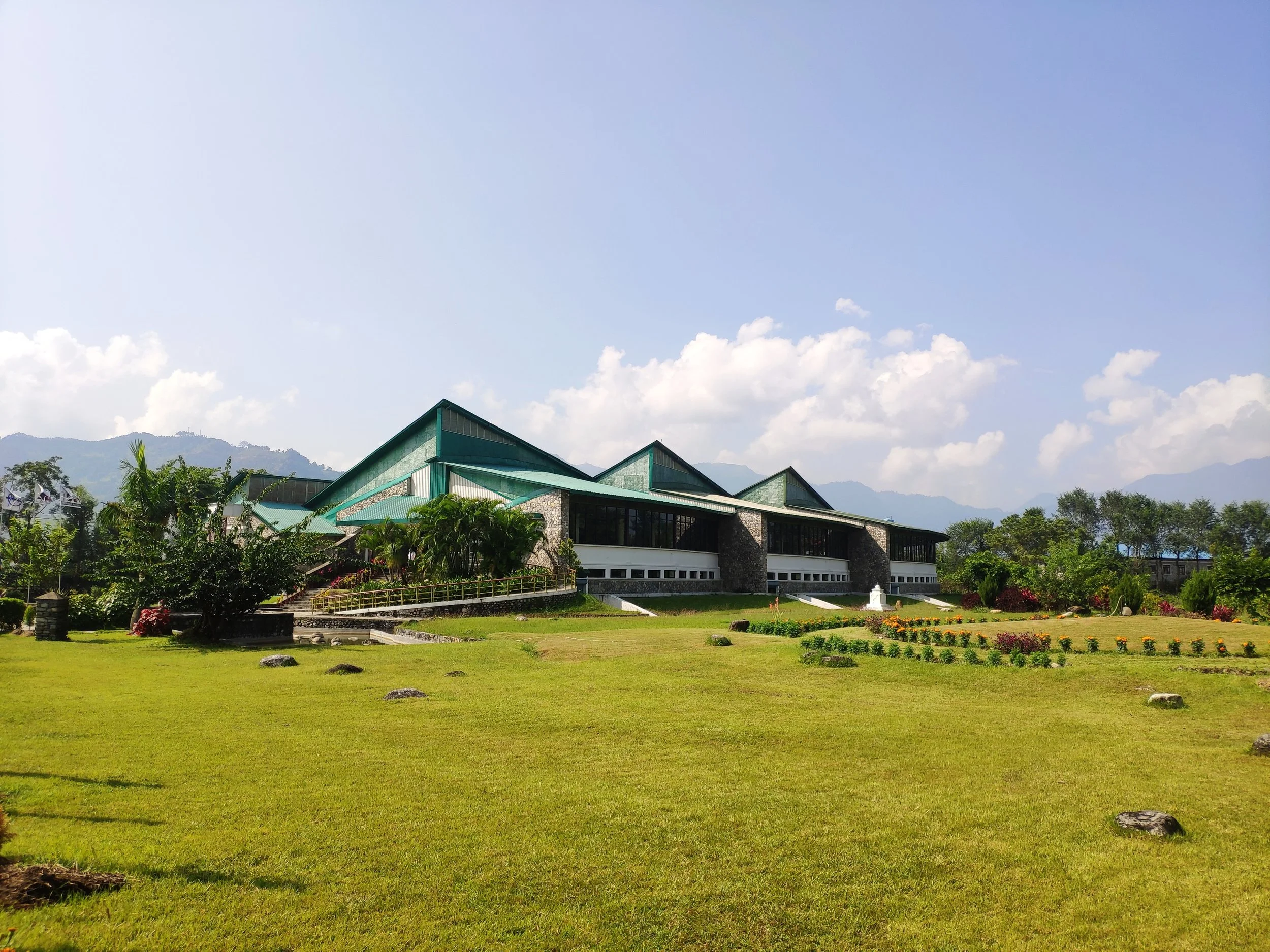
Nestled against the backdrop of the Annapurna Range, the International Mountain Museum stands as a testament to the city's close relationship with the mighty Himalayas. This museum is a must-visit for adventurers, mountaineers, and anyone curious about the world's highest peaks.
A Journey through the Himalayas
As you step inside the museum, you are greeted by awe-inspiring exhibits, including scale models of the world's tallest mountains and the gear used by legendary mountaineers. The life-size replica of Sir Edmund Hillary and Tenzing Norgay, the first climbers to conquer Mount Everest, is a highlight, providing an up-close encounter with these iconic figures.
Cultural Insights
Beyond the mountaineering memorabilia, the museum delves into the culture and lifestyles of the Himalayan people. Intriguing displays showcase traditional costumes, tools, and artifacts from various ethnic groups that inhabit the region. Interactive exhibits and informative videos give visitors a deeper understanding of the challenges faced by mountain communities.
Interactive Learning
The International Mountain Museum also caters to the younger generation and aspiring adventurers. The museum's interactive displays and educational programs inspire a sense of curiosity and respect for the natural world, making it an excellent destination for families.
Gurkha Museum: Honoring the Bravery of Nepal's Legendary Warriors
Pokhara is not just about mountains; it's also the birthplace of the fearless Gurkha soldiers. The Gurkha Museum pays tribute to these valiant warriors, who have served in the British and Indian armies for over two centuries
A Glimpse into Gurkha History
This museum takes you on a historical journey, showcasing the Gurkha's military history, from their origins in the hills of Nepal to their involvement in famous battles across the world. The collection includes medals, weaponry, uniforms, and personal stories of Gurkha heroes, providing a deep insight into their dedication and valor.
Interactive Displays
The Gurkha Museum doesn't just offer a passive viewing experience; it invites visitors to interact with exhibits and even try on Gurkha uniforms. This hands-on approach helps visitors appreciate the challenges faced by Gurkha soldiers and fosters a sense of respect for their enduring legacy.
Inspiring Future Generations
One of the museum's primary objectives is to educate the younger generation about Gurkha history and their contributions to global peacekeeping efforts. Educational programs and workshops are regularly conducted to engage local schools and students.
The Pokhara Regional Museum: Unveiling the Cultural Diversity
Nepal is a country with a rich tapestry of cultures and traditions, and the Pokhara Regional Museum serves as a window into this diverse heritage. Located near the Old Bazaar area, this museum is a must-visit for those seeking to immerse themselves in the local culture.
Cultural Extravaganza
Step into the Pokhara Regional Museum, and you'll be transported into a world of ethnic diversity. The museum showcases the art, crafts, and cultural practices of the various ethnic groups residing in the Pokhara Valley, such as the Gurungs, Thakalis, Magars, and Newars.
Traditional Artifacts
The collection includes intricate woodcarvings, pottery, costumes, musical instruments, and religious artifacts. Each piece reflects the unique aesthetics and craftsmanship of the respective communities. A visit here is not just informative but also visually stunning.
Preservation of Tradition
The museum plays a vital role in preserving and promoting the traditional arts and crafts of the region. It often hosts workshops and demonstrations, where local artisans showcase their skills and pass them on to younger generations, ensuring the continuity of these age-old traditions.
The Annapurna Butterfly Museum: A World of Color and Beauty
For a change of pace and a chance to witness the mesmerizing beauty of nature, the Annapurna Butterfly Museum is a hidden gem in Pokhara. This unique museum celebrates the vibrant world of butterflies.
A Kaleidoscope of Colors
Enter the museum, and you'll find yourself surrounded by a kaleidoscope of colors as hundreds of butterflies flutter around in a carefully recreated natural habitat. The museum houses an extensive collection of butterfly species found in the Annapurna region, making it a haven for nature enthusiasts and photographers.
Educational Outreach
The Annapurna Butterfly Museum goes beyond being a visual delight. It also serves as an educational hub, offering insights into the life cycles, habitats, and ecological significance of butterflies. Visitors can learn about the delicate balance of nature and the importance of preserving biodiversity.
Conservation Efforts
Part of the museum's mission is to contribute to the conservation of butterfly species in the Annapurna region. They work closely with local communities to raise awareness about the importance of preserving natural habitats and reducing environmental impact.
POPULAR ITINERARIES
SIMILAR POSTS
The Growing Monsoon: Real-time Impact of Climate Change in Nepal
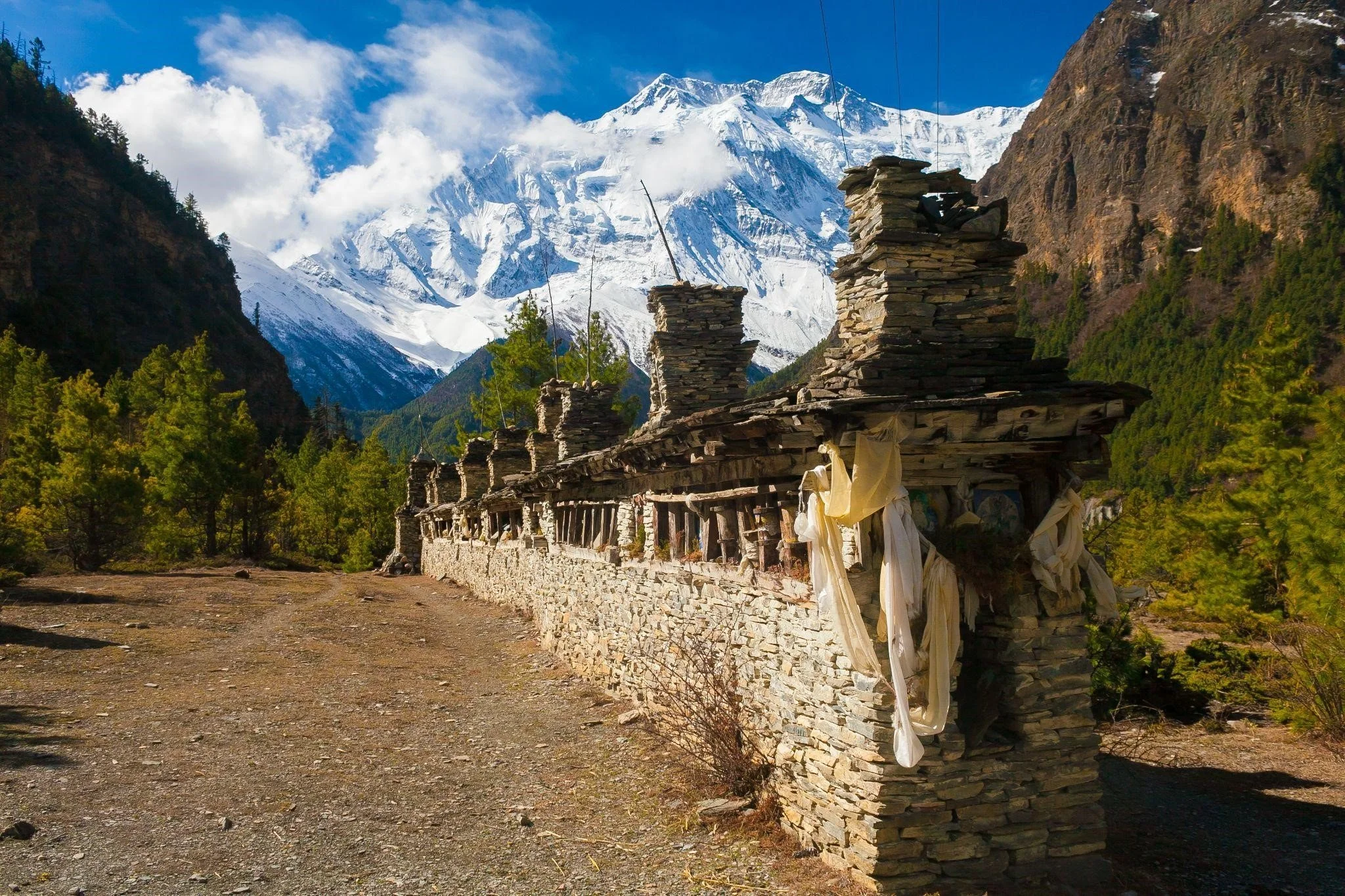
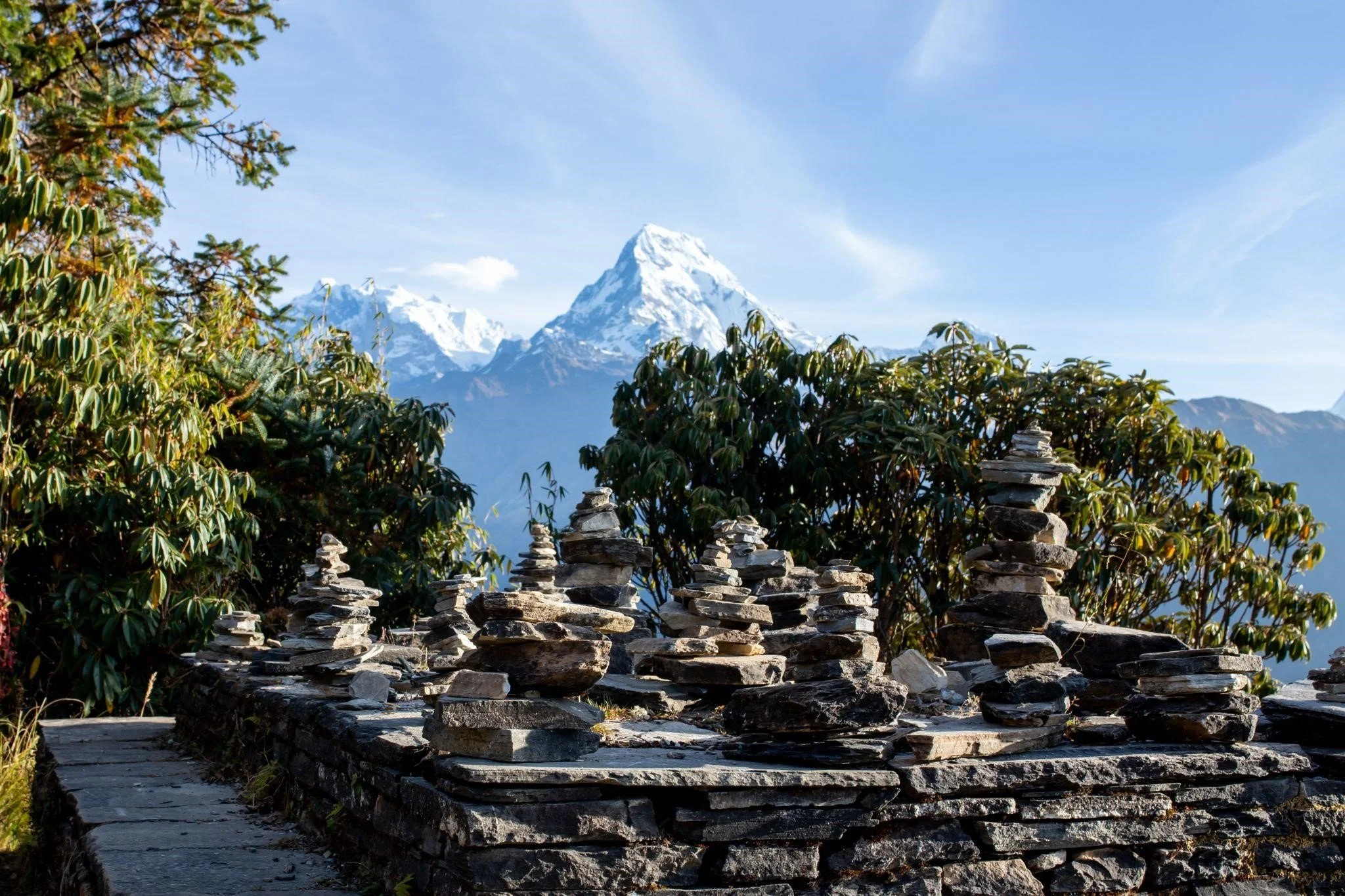
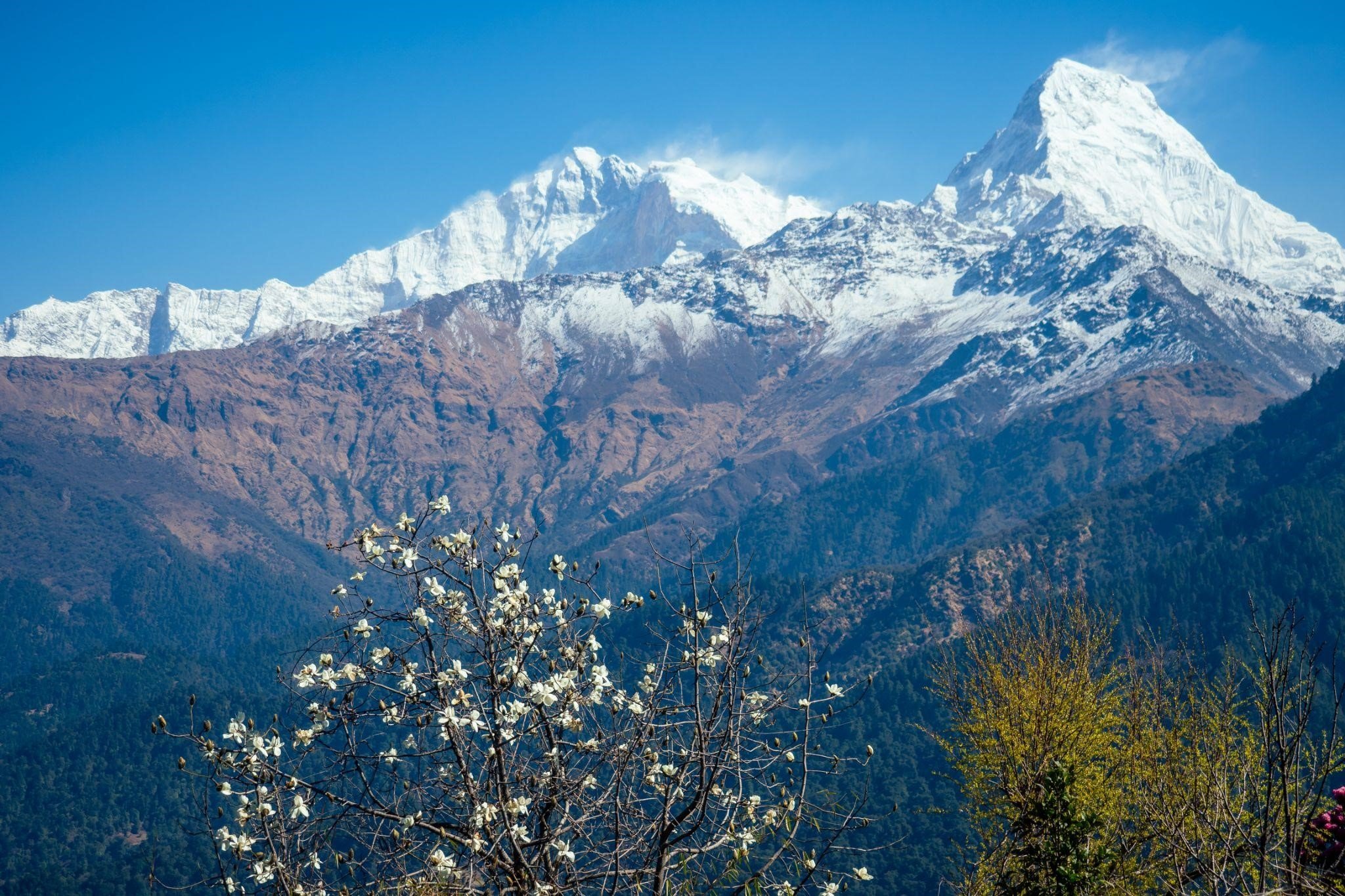
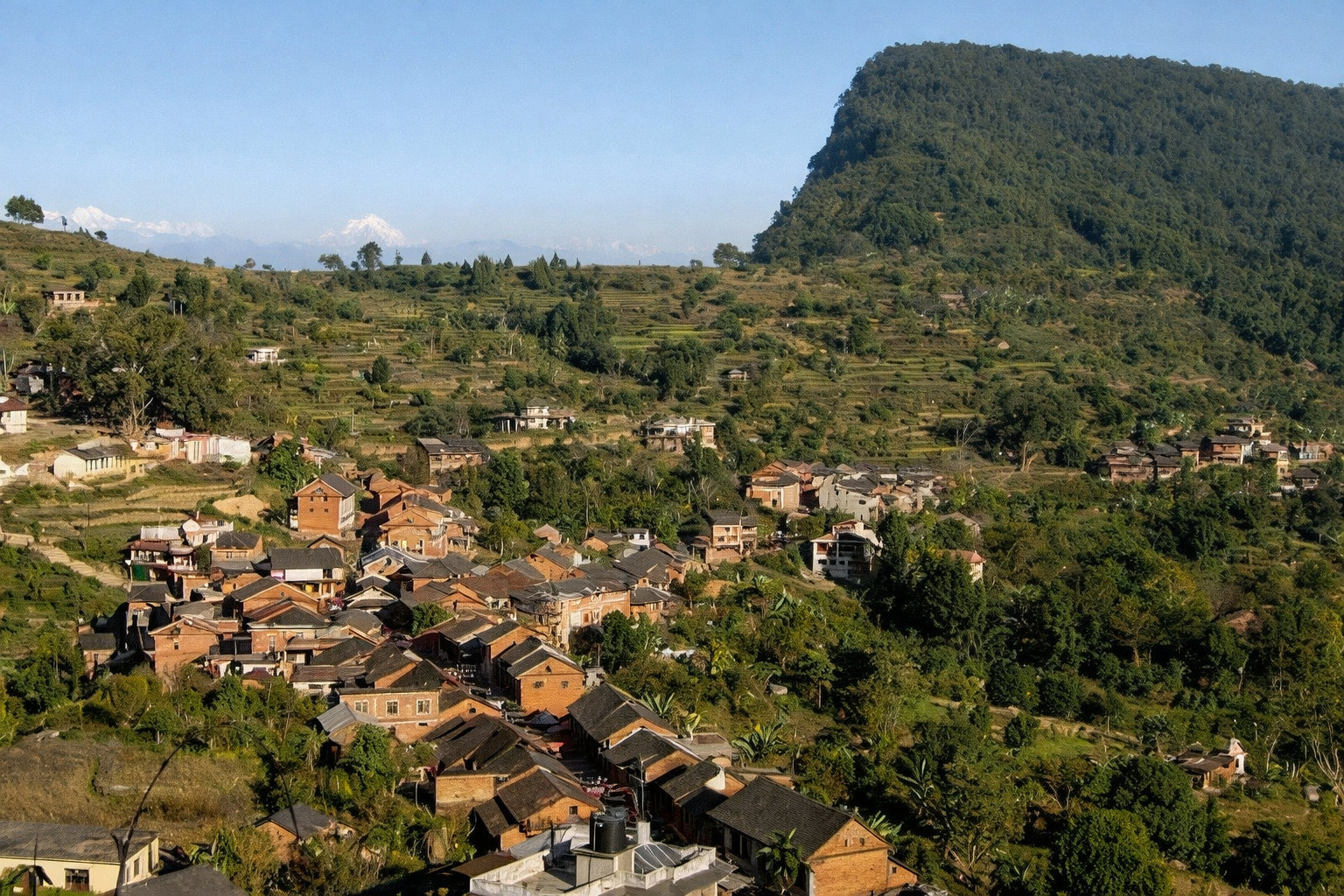
Nepal's Himalayas face mounting climate change challenges. Monsoon unpredictability disrupts agriculture, triggers floods, and threatens water security due to glacial retreat. Biodiversity suffers as species migrate uphill, endangering ecosystems. Air quality deteriorates from increasing forest fires, impacting health. Community resilience through adaptation measures is crucial. A holistic approach involving policies, research, and global cooperation is needed to preserve Nepal's natural beauty and ecological balance amidst these mounting climate threats.
The majestic Himalayas have long captivated the world's imagination with their breathtaking landscapes, cultural diversity, and ecological significance. However, these pristine mountains and the regions they support are facing unprecedented challenges due to climate change. One of the most significant manifestations of this change is the alteration of the monsoon patterns, which are essential for life in Nepal. This article delves into the real-time impacts of climate change on Nepal's monsoon season while shedding light on other climate-related challenges the region is grappling with.
The Monsoon's Unpredictable Shifts
Nepal's agriculture, water resources, and overall ecosystem health rely heavily on the monsoon rains. The past few decades have witnessed a growing unpredictability in the onset, duration, and intensity of the monsoon. This shift has been linked to climate change, as rising global temperatures disrupt traditional weather patterns. The delayed onset of monsoon rains can lead to prolonged dry spells, affecting crop yields and food security, while sudden intense rainfall can trigger landslides and flash floods, putting lives and infrastructure at risk.
Glacial Retreat and Water Security
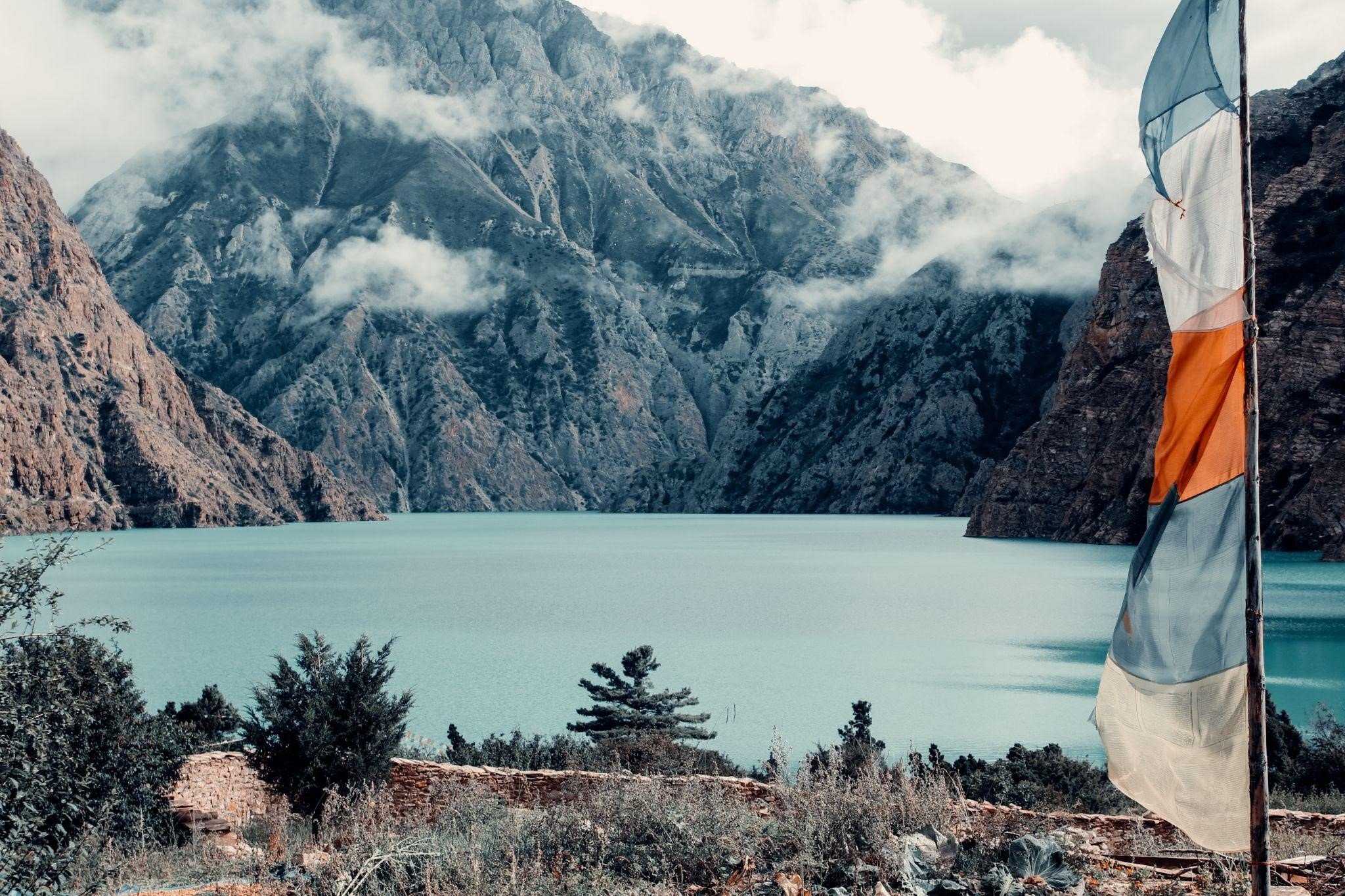
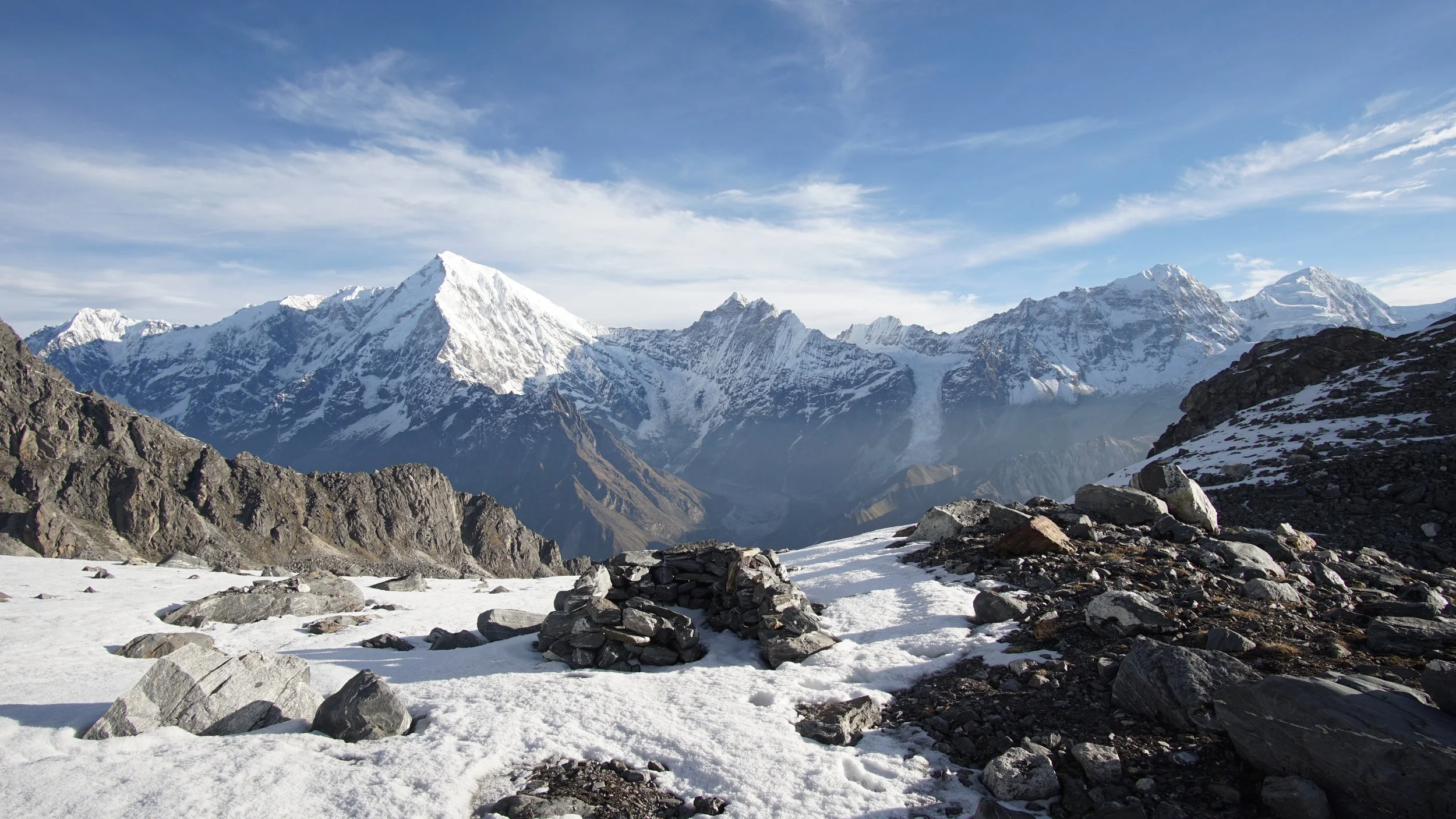
The Himalayan glaciers act as natural reservoirs, releasing water gradually throughout the year, thus sustaining the major rivers that nourish the region. However, rising temperatures have accelerated glacial retreat, leading to the formation of glacial lakes that pose a potential risk of outburst floods. Additionally, the reduced glacier volume threatens the long-term water availability, impacting agriculture, hydropower generation, and freshwater availability for both human consumption and aquatic ecosystems.
Biodiversity Hotspots Under Threat
Nepal's biodiversity is astounding, with numerous species uniquely adapted to the challenging Himalayan environment. As temperatures rise, many species are forced to migrate to higher altitudes in search of cooler habitats, resulting in disrupted ecosystems. The iconic snow leopard, Himalayan tahr, and numerous plant species are at risk as their habitats shrink. This imbalance could trigger cascading effects on the food chain, endangering not only wildlife but also the livelihoods of communities that depend on these resources.
Air Quality and Health Implications
Climate change also contributes to a decrease in air quality, exacerbating health issues among vulnerable populations. As temperatures rise, the frequency and intensity of forest fires increase, releasing large amounts of particulate matter and pollutants into the atmosphere. This deteriorates air quality and leads to higher incidences of respiratory illnesses, particularly in urban areas. Furthermore, changing weather patterns can affect the spread of vector-borne diseases, further straining public health systems.
Community Resilience and Adaptation
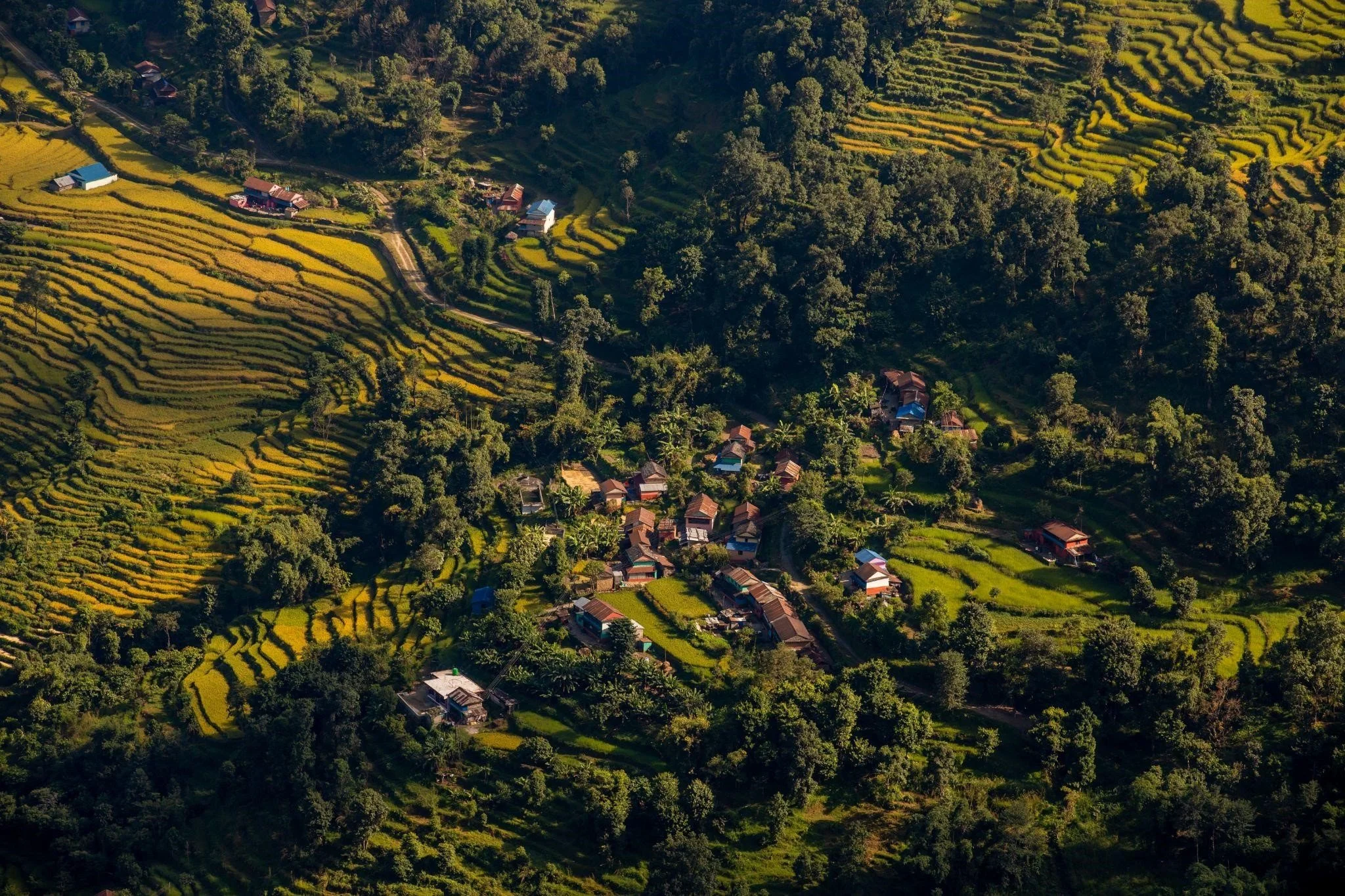
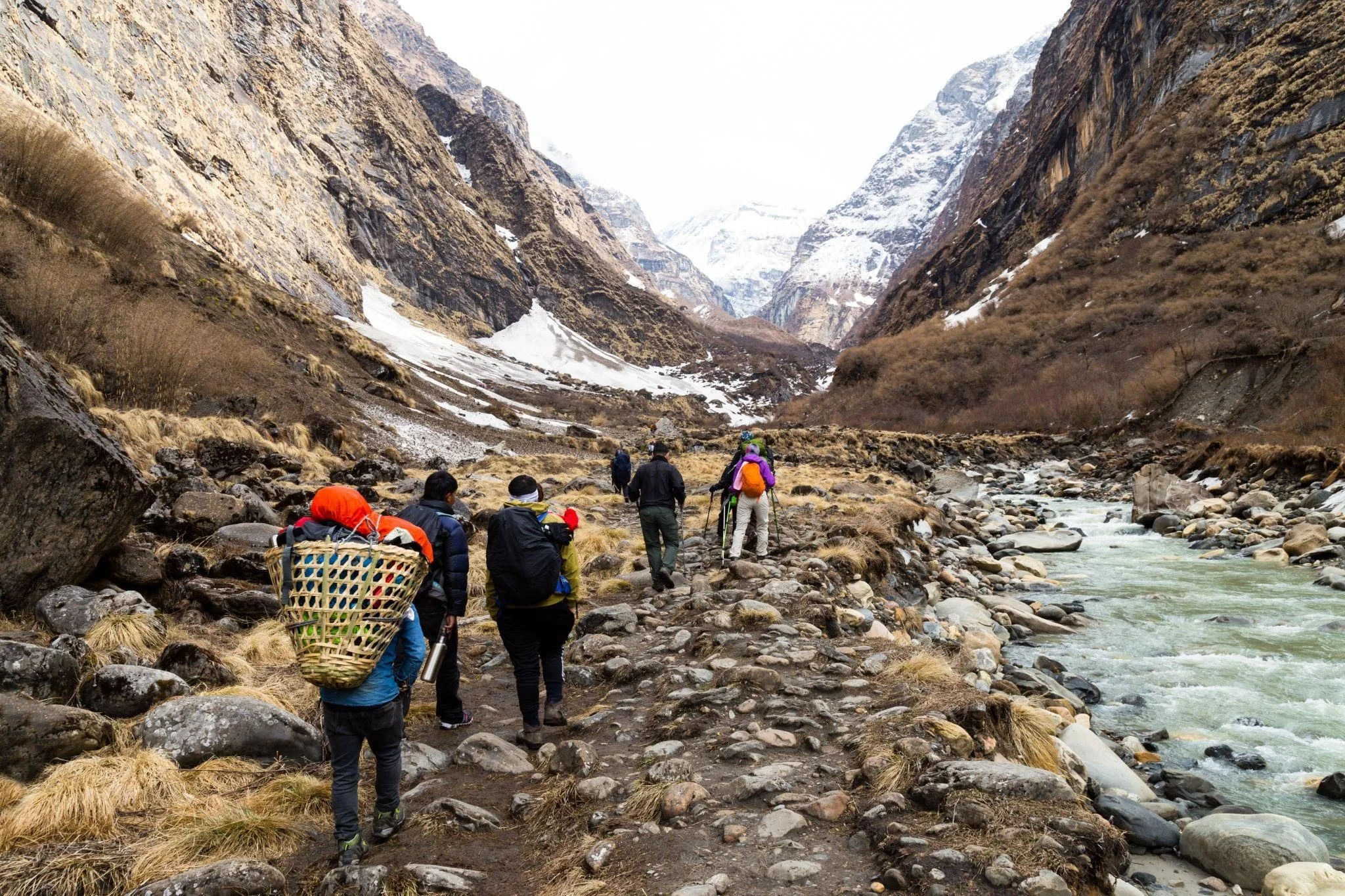
Nepal's rural communities have relied on traditional ecological knowledge to adapt to the challenges posed by the Himalayan environment. However, the accelerating pace of climate change demands innovative and proactive solutions. Community-based adaptation strategies, such as terracing, water management systems, and diversification of livelihoods, are becoming vital for building resilience against changing climate patterns.
The Himalayas, often referred to as the "Third Pole," are a vital component of the global climate system. The shifts in monsoon patterns and other climate-related impacts observed in Nepal are not isolated events; they reflect the interconnectedness of the Earth's systems. Addressing these challenges requires both local and global efforts. Nepal's journey toward sustainable development and climate resilience must encompass a combination of robust policies, scientific research, community engagement, and international collaboration. Only through such a holistic approach can we hope to preserve the extraordinary beauty and ecological integrity of this Himalayan nation for generations to come.
POPULAR ITINERARIES
SIMILAR POSTS

The Enchanting Avian Varieties of Nepal: A Paradise for Birdwatchers
Nestled among the Himalayas, Nepal boasts over 900 bird species. From elusive mountain dwellers like the Himalayan Monal to wetland wonders like the Black-necked Crane, each species paints a vivid picture of nature's beauty. Conservation efforts and local involvement ensure a captivating birdwatching experience for all.
Nepal, a land nestled between the majestic peaks of the Himalayas, has long been a magnet for adventurers and nature enthusiasts alike. While the allure of the mountains is undeniable, hidden within the lush valleys, dense forests, and serene wetlands lies a diverse and vibrant array of birdlife that captures the hearts of ornithologists and birdwatchers from across the globe. Join us on an expedition through the enchanting avian tapestry of Nepal, where each feathered inhabitant adds a stroke of color and wonder to this paradise for avian enthusiasts.
With over 900 bird species documented, Nepal's birdlife is as diverse as the landscapes they call home. From the vibrant and elusive Himalayan Monal, adorned with iridescent hues of green, blue, and red, to the enigmatic and revered symbol of peace, the White-throated Kingfisher, the country's avifauna presents a spectacle that is awe-inspiring and humbling.
The Mountains: A Perch for High-Flying Wonders
As one ventures into the high altitudes of Nepal, the mountains reveal their treasures in the form of some of the world's most extraordinary bird species. The iconic and elusive Snow Leopard may be the apex predator of these regions, but the Snow Partridge and Blood Pheasant reign as masters of camouflage. As the cold winds brush against your cheeks, the ethereal calls of the Himalayan Monal and Satyr Tragopan echo through the valleys, enchanting even the most seasoned birdwatchers.
The Dense Forests: A Melodious Chorus
Descending from the mountains, the dense forests of Nepal beckon with their rich biodiversity. Here, the vibrant plumage of sunbirds and the melodious symphony of songbirds fill the air. The Spiny Babbler, a near-mythical species once thought to be extinct, delights with its secretive nature and distinctive vocalizations. While the elusive and endangered Bengal Florican elegantly dances in the grasslands, the elusive Rufous-necked Hornbill soars overhead, revealing its striking colors as sunlight filters through the canopy.
The Wetlands: A Haven for Wetland Birds
Nepal's wetlands are crucial refuges for a plethora of bird species, many of which are migratory, making these areas a birdwatcher's haven during certain times of the year. The Bearded Vulture, with its impressive wingspan, graces the skies alongside the Red-headed Vulture, ever vigilant in their role as nature's clean-up crew. While the elegant Black-necked Crane, revered in local folklore, adds grace and beauty to the landscape, the Greater Flamingo, with its captivating pink plumage, stands out as a symbol of harmony between land and water.
Conservation Efforts: Protecting Our Winged Treasures
In recent years, Nepal has taken commendable strides in conservation efforts, recognizing the importance of protecting its precious avian treasures. The establishment of protected areas such as Chitwan National Park and the Annapurna Conservation Area has provided sanctuaries for various bird species to thrive. Local communities have also played a vital role in safeguarding these birds, understanding the delicate balance between human activities and preserving natural habitats.
Birdwatching in Nepal: A Journey of Serenity
For the avid birdwatcher, Nepal offers an unparalleled opportunity to connect with nature's finest creations. Whether you are a seasoned ornithologist or a novice enthusiast, the country's birdwatching experience leaves a lasting impression on the soul. From the Himalayan peaks to the subtropical lowlands, each region unfolds a different chapter of this avian tale, inviting you to immerse yourself in the sights and sounds of nature's finest chorus.
In the heart of Nepal's wilderness, a symphony of feathers weaves an intricate and harmonious melody. The country's avifauna, a testament to the marvels of evolution and adaptation, showcases the magic of biodiversity and the importance of preserving these ecosystems for generations to come.
As you traverse the breathtaking landscapes of Nepal, keep your eyes peeled and ears tuned to the whispers of the winds, for they may carry the calls of the Himalayan Monal or the hauntingly beautiful song of the Rufous Sibia. Embrace the warmth and confidence of this magnificent world as you embark on a journey of discovery, connecting with the exquisite and diverse birds of Nepal, a paradise for all who seek the solace of nature's untamed wonders.
POPULAR ITINERARIES
SIMILAR POSTS
Exploring Muktinath: A Spiritual Journey to the Himalayas
Muktinath's history dates back thousands of years, and it has been a revered pilgrimage site for Hindus and Buddhists since ancient times. For Hindus, it is one of the 108 sacred Vishnu temples known as "Divya Desams." The temple's main deity is Lord Vishnu, often depicted as "Muktinath" or "Chakrapani," holding a chakra (discus) in one hand and a conch shell in the other. Hindus believe that bathing in the holy waters of the Muktinath temple's 108 water spouts brings salvation and liberates them from the cycle of birth and rebirth.
Welcome to the mystical land of Muktinath, a place of profound spiritual significance and breathtaking natural beauty. Nestled in the Annapurna mountain range of Nepal, Muktinath holds a unique place in the hearts of both Hindu and Buddhist pilgrims. The word "Muktinath" is derived from two Sanskrit words: "Mukti," meaning liberation or salvation, and "Nath," meaning lord. Thus, Muktinath is considered a place of ultimate liberation, attracting devotees from all walks of life.
Muktinath's history dates back thousands of years, and it has been a revered pilgrimage site for Hindus and Buddhists since ancient times. For Hindus, it is one of the 108 sacred Vishnu temples known as "Divya Desams." The temple's main deity is Lord Vishnu, often depicted as "Muktinath" or "Chakrapani," holding a chakra (discus) in one hand and a conch shell in the other. Hindus believe that bathing in the holy waters of the Muktinath temple's 108 water spouts brings salvation and liberates them from the cycle of birth and rebirth.
For Buddhists, Muktinath is equally significant as it is believed to be one of the 24 tantric places, where Guru Padmasambhava, also known as Guru Rinpoche, meditated during his journey to Tibet. The surrounding area is dotted with ancient monasteries, stupas, and prayer flags, providing a serene atmosphere for meditation and reflection.
Day 1: Arrival in Kathmandu
Welcome to Kathmandu, the capital city of Nepal. Upon arrival, check-in at your hotel and take some rest after your journey. In the evening, explore the vibrant Thamel neighborhood, filled with shops, restaurants, and cultural delights.
Day 2: Kathmandu Sightseeing
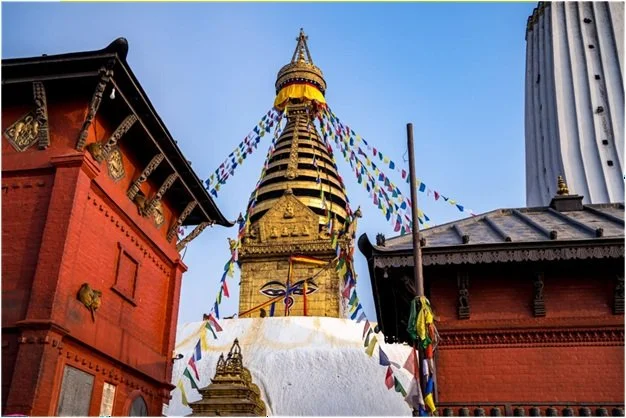
Visit the UNESCO World Heritage Sites of Kathmandu, including Swayambhunath (Monkey Temple), Pashupatinath Temple, and Boudhanath Stupa. Immerse yourself in the rich spiritual and cultural heritage of Nepal.
Day 3: Kathmandu to Pokhara
Travel to Pokhara, a picturesque city surrounded by the Annapurna and Dhaulagiri mountain ranges. Enjoy a boat ride on Phewa Lake and soak in the breathtaking views of the Himalayas.
Day 4: Pokhara to Muktinath
Take a scenic flight from Pokhara to Jomsom, a beautiful town in the Mustang region.
Begin the trek from Jomsom to Muktinath, passing through Kagbeni, a charming village with Tibetan influences.
Day 5: Muktinath Temple
Reach Muktinath and visit the sacred Muktinath Temple. Explore the temple complex, including the 108 water spouts and the eternal flame that is said to burn without any natural fuel.
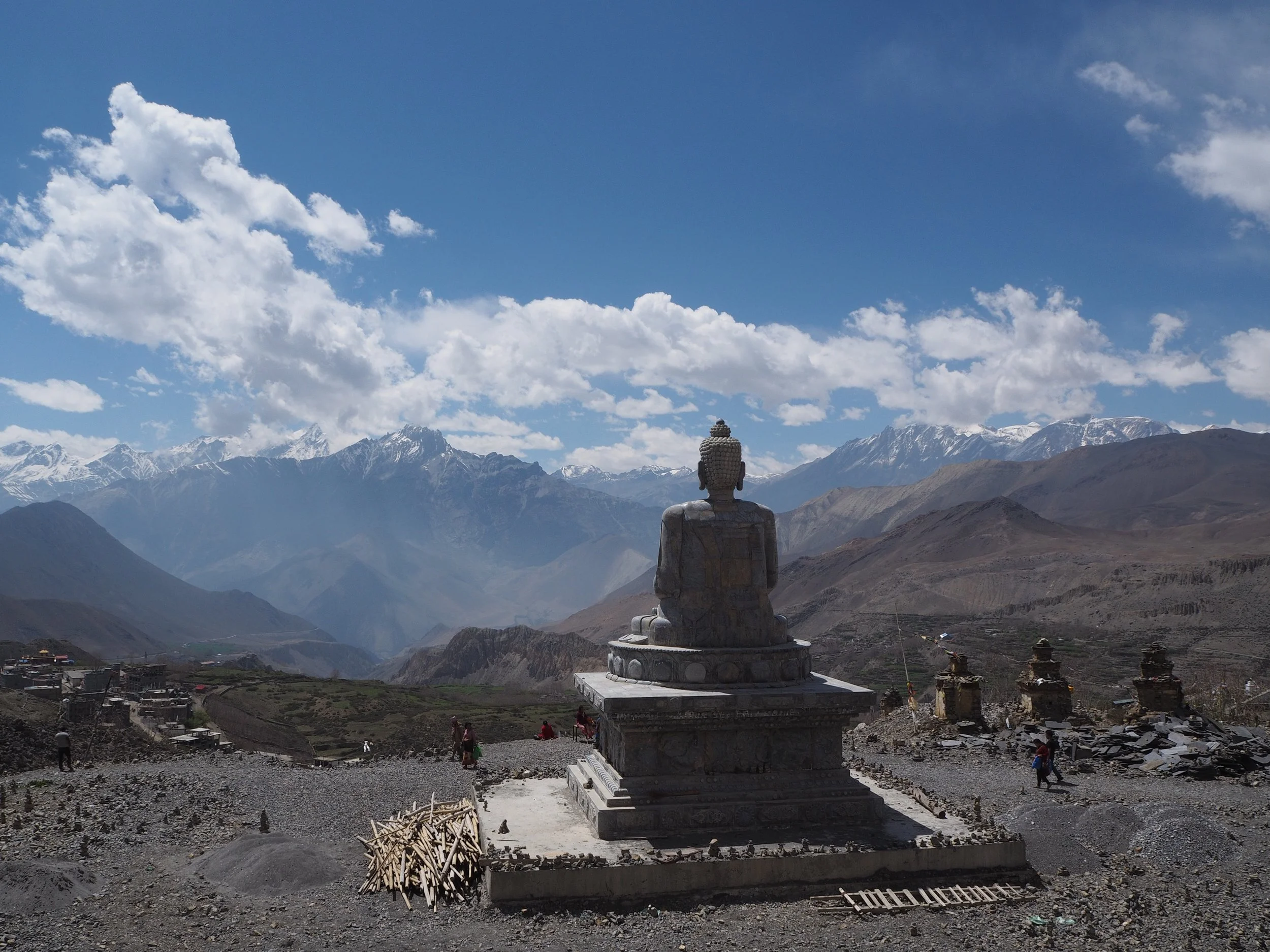
Day 6: Excursion to the Stone Buddha Statue
Embark on an excursion to the newly constructed 35-foot-tall Stone Buddha Statue in the region.Learn about the significance of this magnificent statue and enjoy the panoramic views of the surrounding landscapes.
Day 7: Return to Pokhara
Trek back to Jomsom and take a flight back to Pokhara. Spend the rest of the day at leisure, exploring Pokhara's markets or indulging in adventure activities like paragliding or zip-lining.
Day 8: Pokhara to Kathmandu
Bid farewell to Pokhara and return to Kathmandu. Use this day for any last-minute shopping or additional sightseeing in the capital.
Day 9: Departure
Your spiritual journey to Muktinath concludes today. Transfer to the airport for your onward journey with cherished memories of the Himalayan adventure.
Please note that this is a general itinerary, and it can be customized according to your preferences, time constraints, and physical fitness. Muktinath offers an enriching experience for spiritual seekers and nature lovers alike, leaving an everlasting impression on the hearts of those who visit this sacred destination.
Do’s and Don’ts for Muktinath Journey
Dos:
Respect the Local Culture: Muktinath is a sacred place for both Hindus and Buddhists. Show respect for the local culture and religious practices. Dress modestly when visiting temples and monasteries, and remove your shoes before entering any religious site.
Seek Blessings with Humility: Whether you are a religious pilgrim or a curious traveler, approach the Muktinath Temple and other religious sites with a humble and open heart. Seek blessings and participate in rituals with sincerity.
Carry Essential Items: While trekking to Muktinath, ensure you have proper trekking gear, including sturdy hiking shoes, warm clothing, a hat, sunglasses, and sunscreen. Stay hydrated and carry water bottles and snacks during the trek.
Follow Trekking Guidelines: If you are trekking to Muktinath, hire a registered guide and follow designated trekking trails. Inform your guide or hotel about your travel plans for safety purposes.
Experience Local Cuisine: Taste the local Nepali and Tibetan cuisine, as it is an essential part of experiencing the culture. Try momos, thukpa, dal bhat, and other traditional dishes.
Carry Cash: While major towns might have ATMs, it's advisable to carry enough cash for your entire trip, as remote areas like Muktinath might have limited access to banking facilities.
Be Environmentally Conscious: Respect the natural beauty of the region by not littering. Carry a reusable water bottle and avoid single-use plastics.
Don'ts:
Avoid Disrespectful Behavior: Refrain from any behavior that may be considered disrespectful to the local culture, traditions, or religious sites. Avoid touching religious artifacts or statues without permission.
Don't Disturb Wildlife: The region around Muktinath is ecologically fragile. Avoid disturbing wildlife or their natural habitats during your trek.
Don't Use Drones: Using drones in the region may not only disturb the serene atmosphere but may also violate local regulations.
Respect Photography Restrictions: Some monasteries and temples might have photography restrictions. Always ask for permission before taking photographs of people or religious sites.
Avoid Alcohol and Substance Abuse: Muktinath is a spiritual place, and it is best to avoid alcohol and substance abuse during your visit. Such behavior is not only disrespectful but may also be unsafe during treks.
Don't Engage in Public Display of Affection: Nepali culture tends to be conservative regarding public displays of affection. Show respect for local customs by keeping such displays private.
Don't Ignore Altitude Precautions: If you're trekking to Muktinath, be mindful of altitude sickness. Acclimatize properly and seek medical attention if you experience any symptoms.
POPULAR ITINERARIES
SIMILAR POSTS
The Call of the Enchanted Hills
Explore Nepal's enchanting hilly region, where trails lead to breathtaking vistas, locals welcome with warmth, and towering peaks inspire courage. Embark on a transformative journey, embracing the spirit of adventure, as nature weaves its magic, leaving a lasting impression on travelers' hearts.
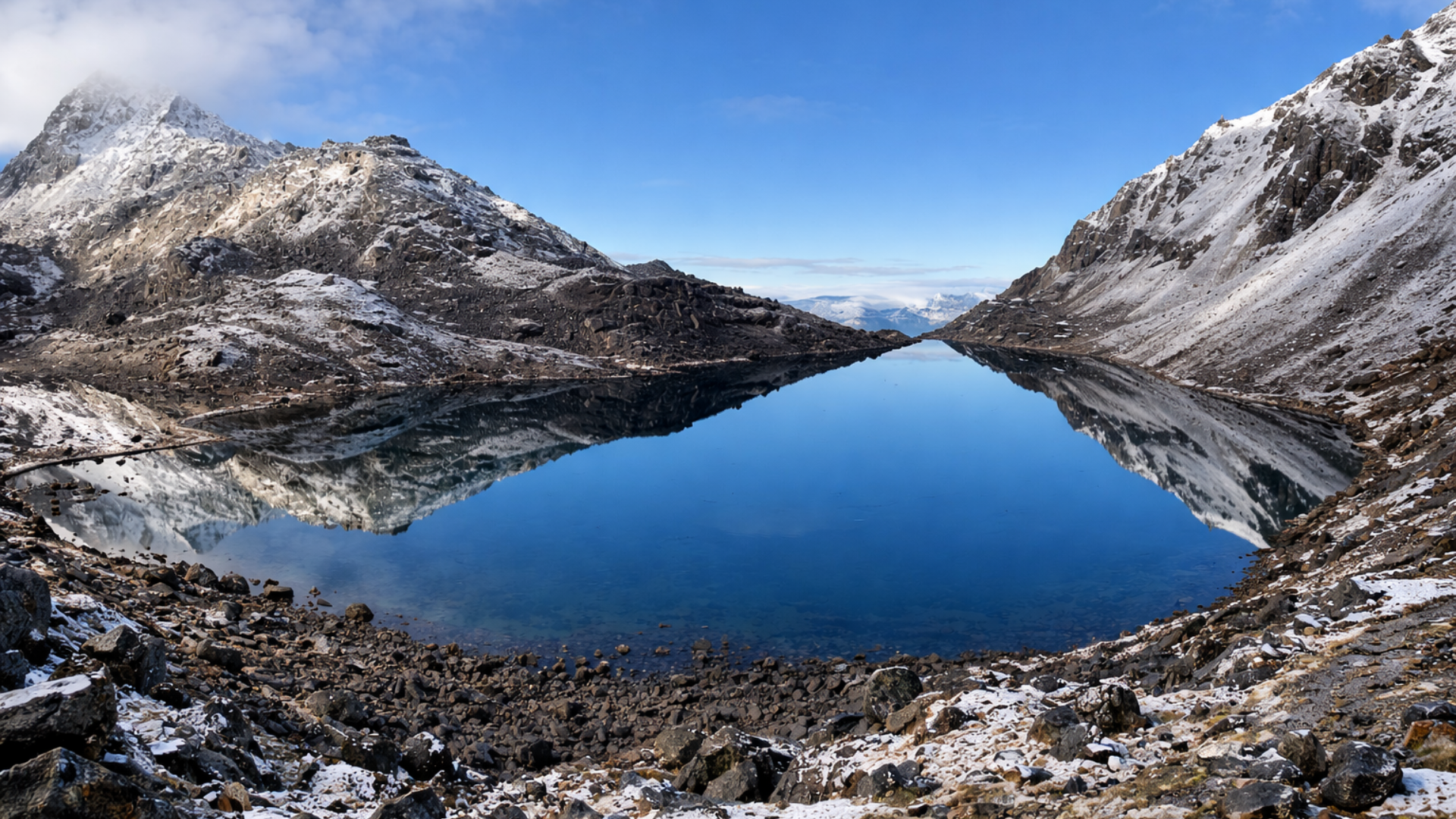
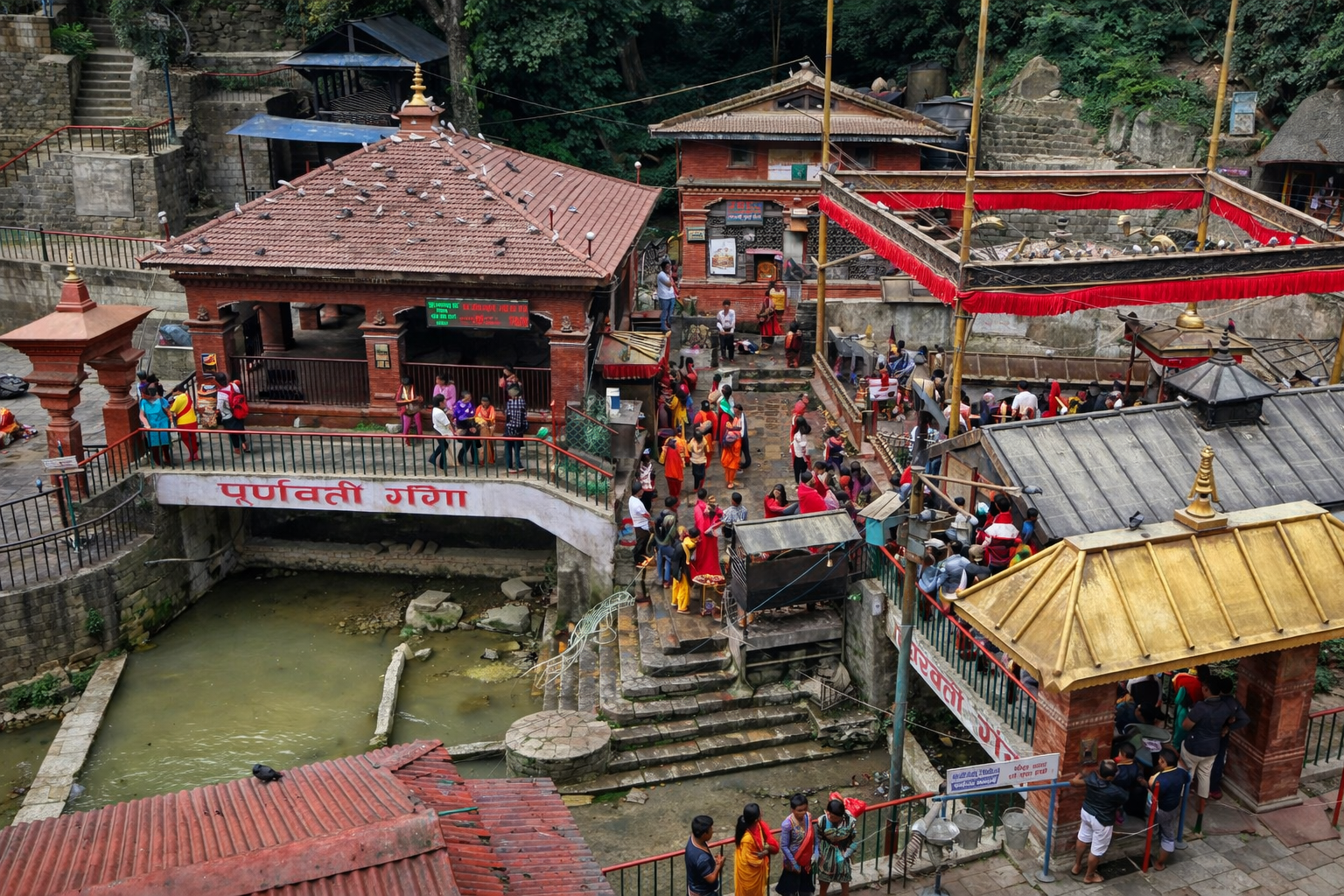
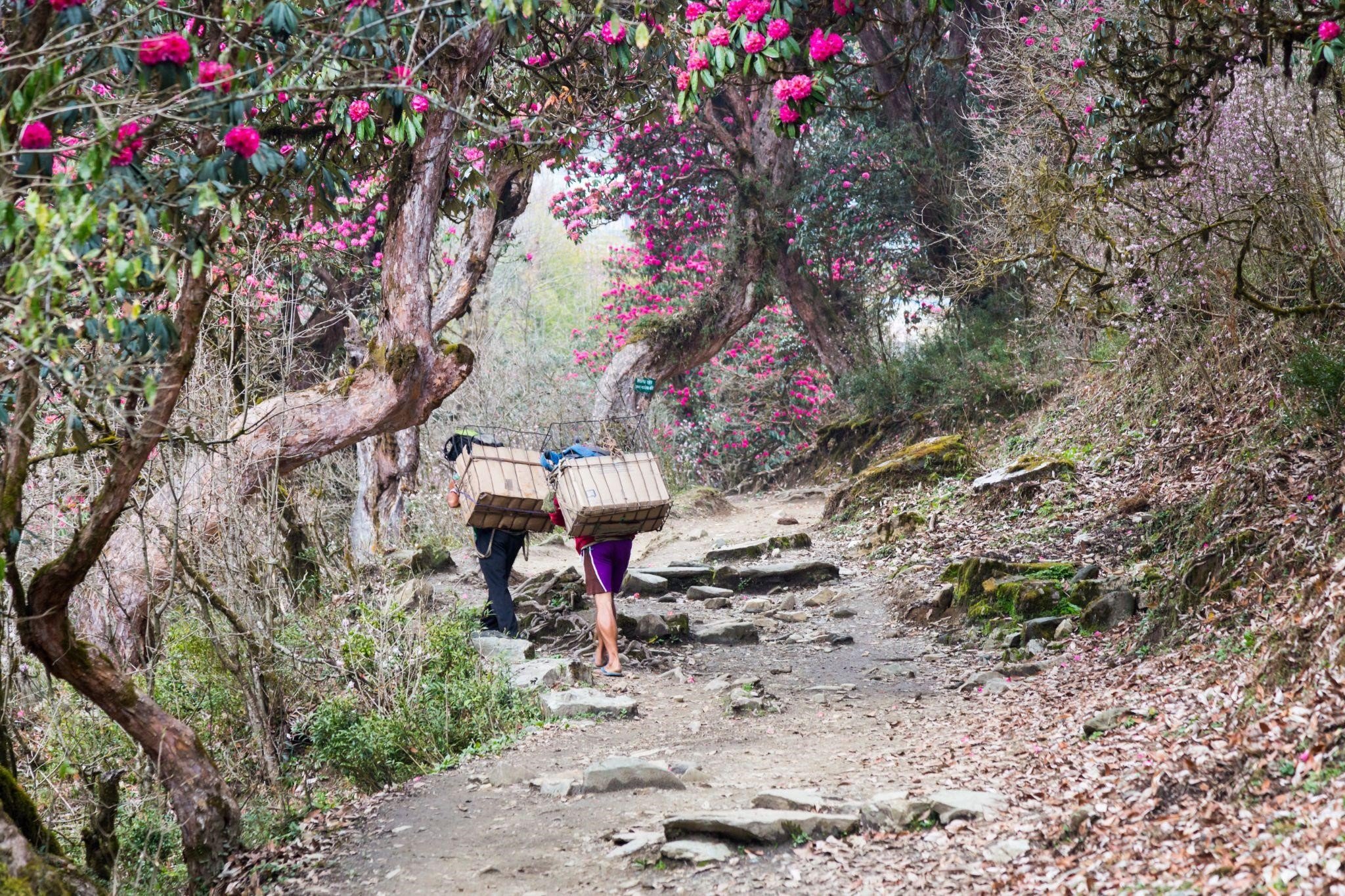
In the embrace of the majestic Himalayas lies a land of wonder and enchantment: Nepal, a country that beckons travelers with its picturesque hills, rich cultural heritage, and the promise of unforgettable adventures. As if the mountains themselves are calling out to the wandering souls, Nepal's hilly region stands ready to reveal its secrets to those seeking warmth, exploration, and adventure.
Nepal's hilly landscape can be likened to a mesmerizing dance between the earth and the sky. Each step on the undulating terrain leads to new discoveries, and every turn unravels a breathtaking vista. As the sun rises, the hills come alive with the colors of saffron and gold, painting a canvas that feels almost surreal. The landscape changes as if it has a heartbeat of its own, beating in harmony with nature's rhythm.
Imagine standing on the edge of a hill, with the wind gently whispering in your ears, and the distant calls of birds creating a symphony of their own. Here, one becomes one with the elements, and the hills become a companion in this dance of existence.
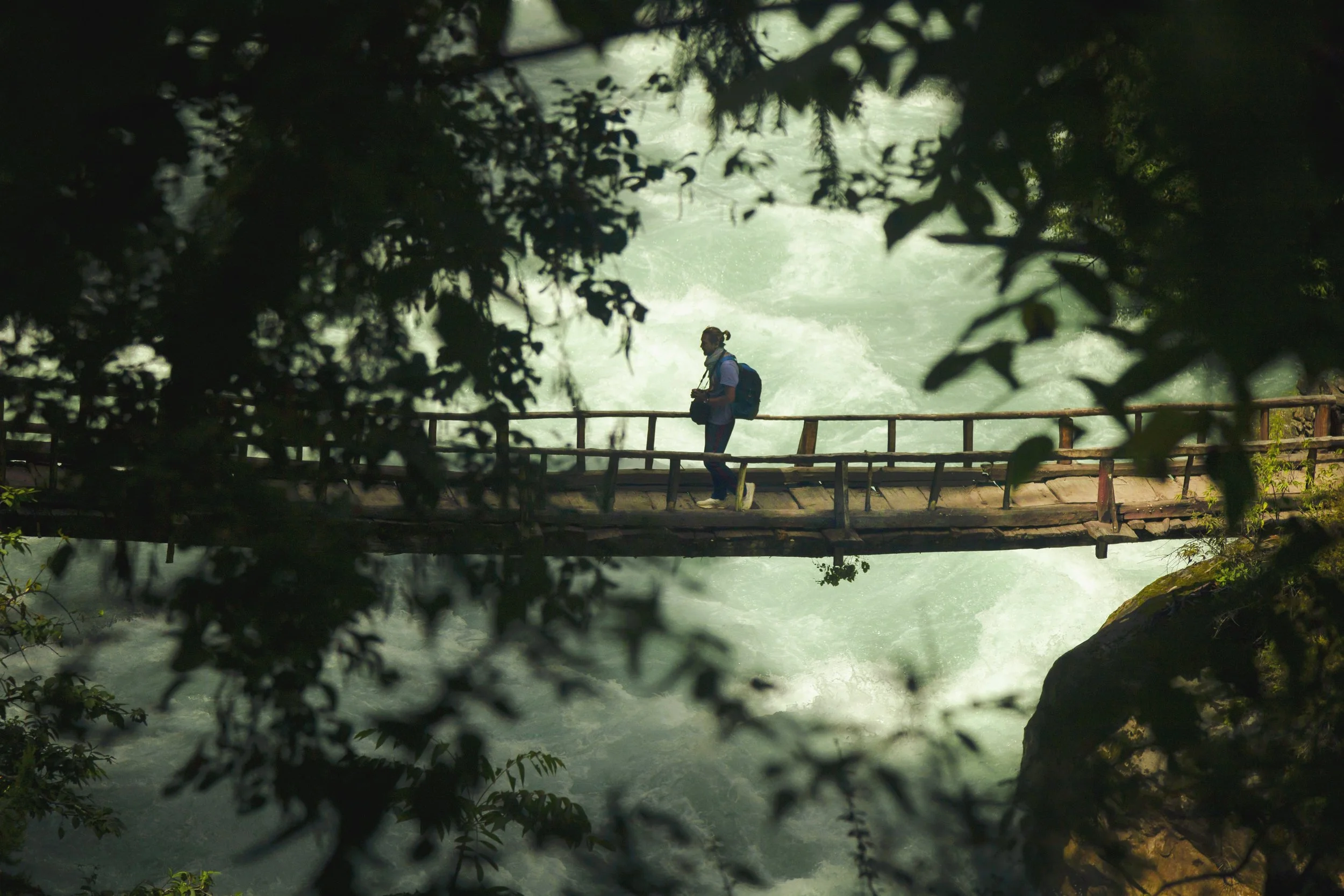
Venturing into the hilly region of Nepal is akin to embarking on an odyssey of self-discovery. The trails are a metaphor for life's journey – sometimes steep and challenging, other times gentle and meandering. Each step forward is an exploration of both the outer landscape and the inner realms of the soul.
Amidst the emerald hues of terraced farms, travelers encounter welcoming smiles of locals, who embody the spirit of hospitality and resilience. The hillside villages, adorned with prayer flags fluttering like colorful butterflies, seem to carry prayers to the heavens. The quaint teahouses offer a sanctuary to rest and refuel, where travelers share tales of their adventures and form connections that transcend borders.
A fellow traveler once eloquently expressed, "In the embrace of Nepal's hills, one finds a part of oneself that had been lost. The mountains teach me to stand tall, the rivers teach me to flow, and the people teach me the true meaning of warmth."
Among the many wonders that Nepal's hilly region has to offer, the towering peaks hold a special place. They are like dreams manifesting into reality – their grandeur humbling and inspiring all at once. Standing at the foot of these giants, adventurers feel a surge of courage, urging them to conquer not only the mountains but also their fears and limitations.
The journey to Nepal's hilly region is not merely about reaching the summits; it is about savoring every moment of the ascent. The progressive storytelling of this adventure unfolds like the turning of pages in a captivating book. With each chapter, there is growth, enlightenment, and a sense of awe at the marvels that lie ahead.
Exploring the hilly region of Nepal is not a one-time affair; it is a lifelong romance. The hills weave their magic into the hearts of those who tread upon their soil, leaving an indelible mark that draws them back time and again. It is a love affair with nature, with culture, and with the self.
Beyond the popular tourist trails, the true essence of Nepal's hills lies in the unexplored corners. It is the joy of stumbling upon a hidden waterfall, the thrill of witnessing a rare Himalayan bird, or the peaceful solitude found in a secluded monastery. Here, exploration knows no bounds, and every discovery fuels the desire for more.
As the sun bids farewell to the day, casting a golden glow over the hills, travelers depart with hearts full of gratitude and memories that will last a lifetime. The hilly region of Nepal leaves an indelible mark, transforming visitors in profound ways.
The journey to Nepal's hills is like a rite of passage, where one leaves behind the person they were and emerges anew. It is a pilgrimage to the soul, an odyssey of warmth, exploration, and adventure. For those who heed the call of the enchanted hills, life is forever changed, and the hills become a part of who they are.
In the end, Nepal's hilly region is more than a destination; it is an experience that envelopes travelers in its warmth, invites them to explore both the outer world and the depths of their hearts, and leads them on an adventure of a lifetime.
To all the intrepid travelers out there, let the trails guide your footsteps, let the hills enchant your spirit, and let Nepal's hilly region captivate your heart. Embrace the warmth that surrounds you, immerse yourself in the thrill of exploration, and savor every moment with the passion of an adventurer. The hills eagerly await your arrival, promising a journey unlike any other.
POPULAR ITINERARIES
SIMILAR POSTS
The Taleju Temple of Kathmandu: A Marvel of Art and Devotion
The Taleju Temple in Kathmandu, Nepal, is a captivating blend of Newar and pagoda-style architecture. With a rich history dating back to the 12th century, its intricate wooden carvings, gilded roofs, and religious significance attract pilgrims and art enthusiasts. Conservation efforts preserve this UNESCO World Heritage Site as a cultural treasure.
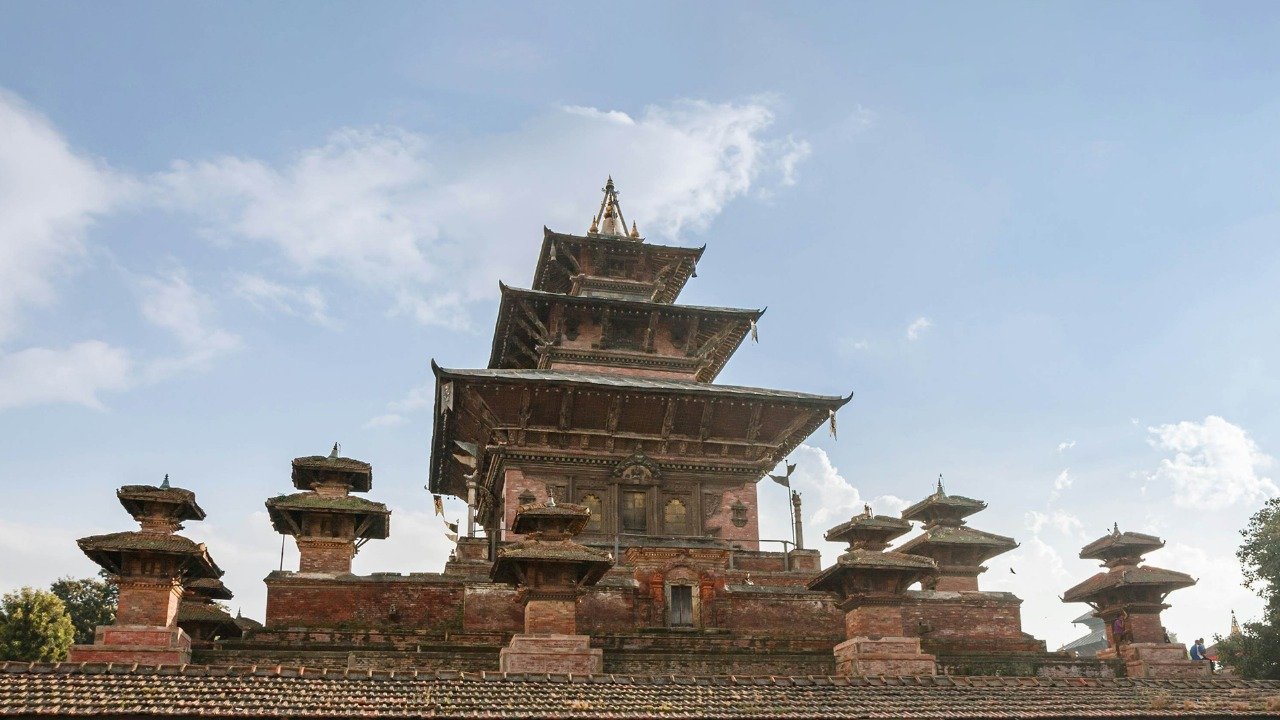
The Taleju Temple, nestled in the heart of Kathmandu, Nepal, stands as a testament to the city's rich cultural and architectural heritage. This sacred site holds immense historical and religious significance, drawing countless pilgrims and visitors from around the world. Let us explore the architectural style, historical background, construction type, and the enduring significance of this awe-inspiring temple.
Architectural Style:
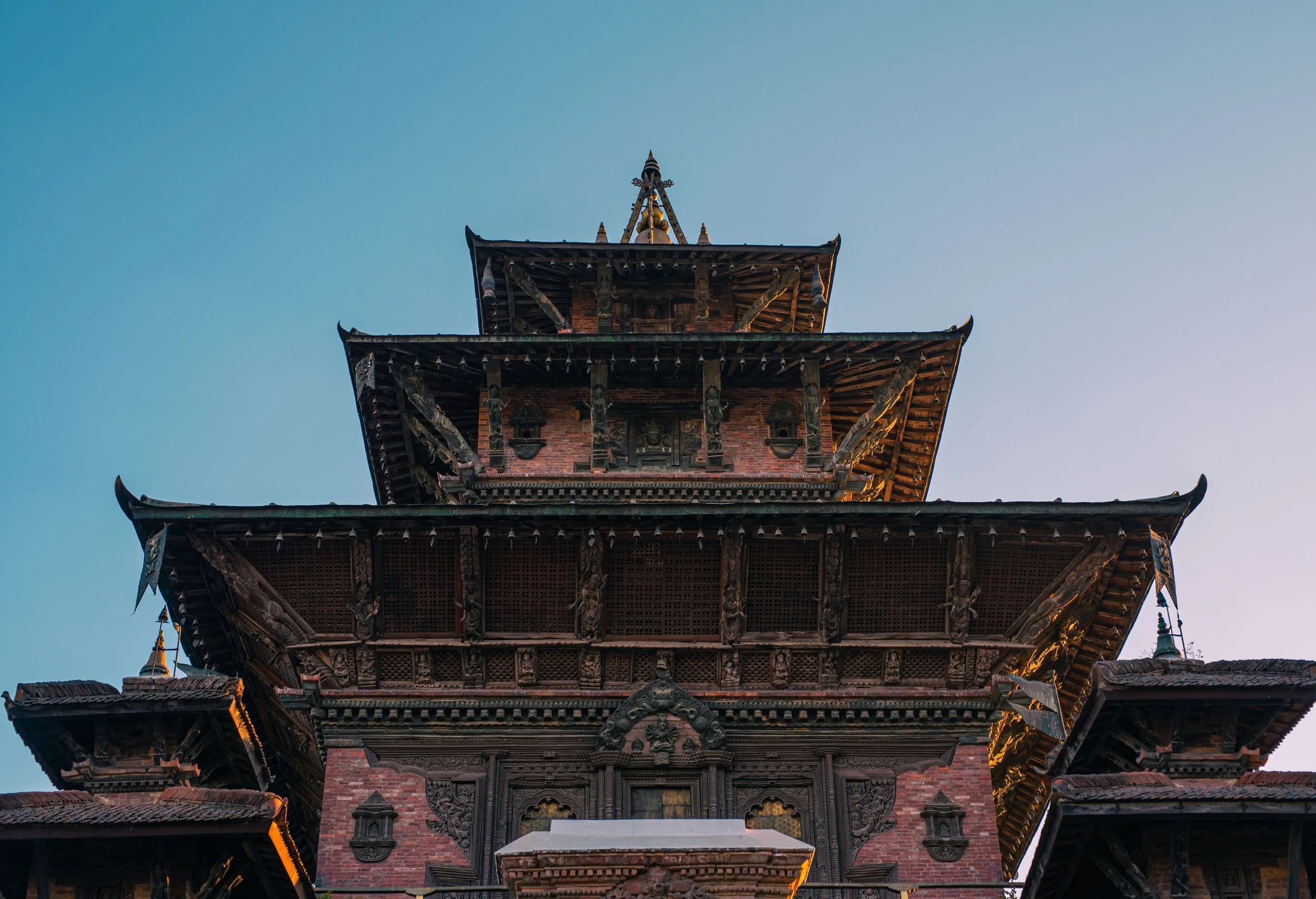
The Taleju Temple showcases a distinctive blend of indigenous Newar architecture and classic pagoda-style elements. Its multi-tiered structure, intricate wooden carvings, and golden spire exemplify the finest craftsmanship of the medieval Malla period. The temple's design reflects a harmonious fusion of Hindu and Buddhist styles, reflecting Nepal's syncretic cultural traditions.
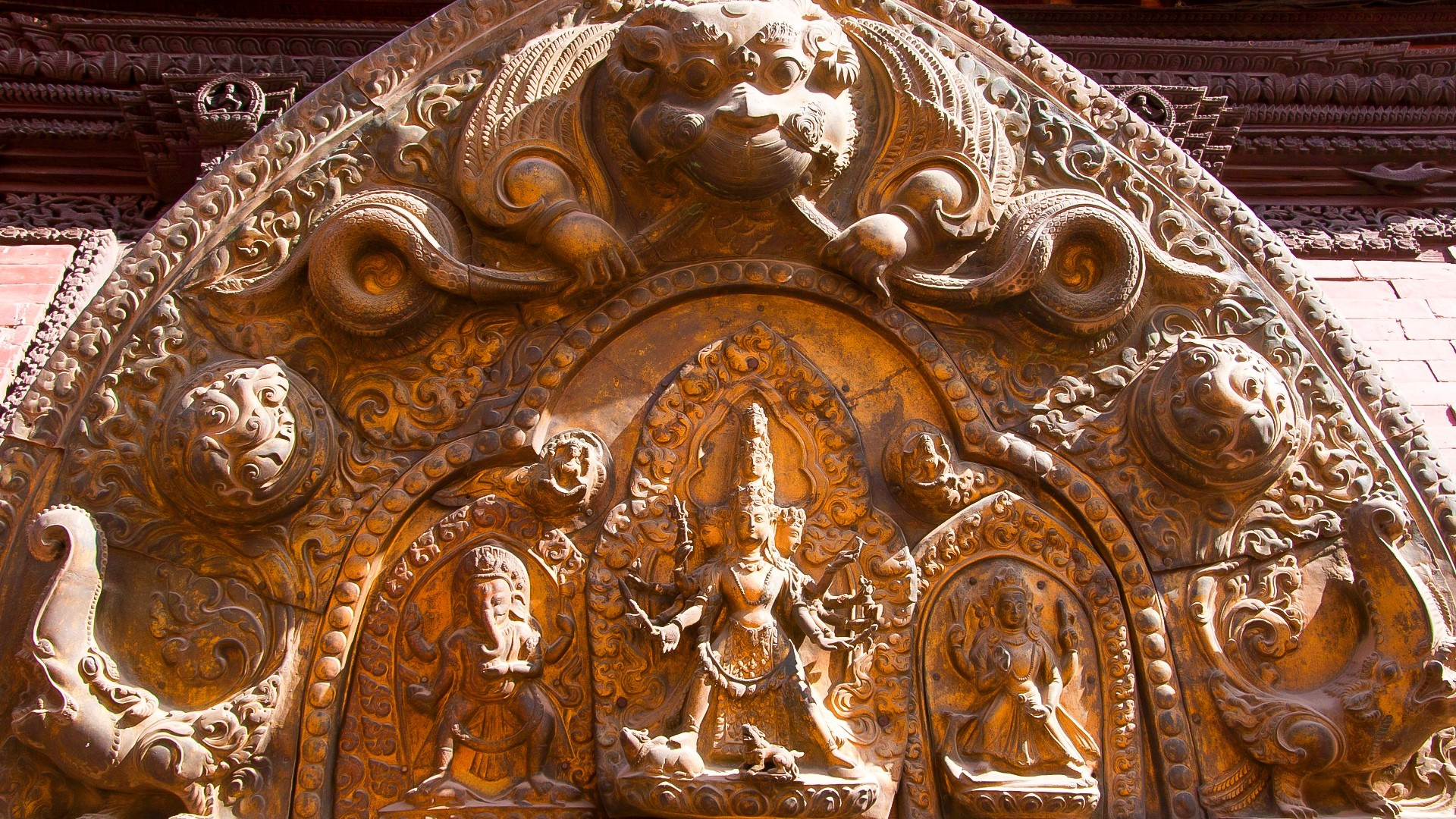
The main entrance of the temple, adorned with a wooden torana (gateway), features detailed carvings depicting divine figures and mythological scenes. The torana is a hallmark of Newar architecture and represents the transition from the earthly to the spiritual realm.
History:
The history of the Taleju Temple is steeped in ancient legends and myths. According to local lore, the temple's origin can be traced back to the reign of King Gunakamadeva in the 12th century. However, historical records suggest that the temple underwent significant renovations and expansions under the rule of different Malla kings in the subsequent centuries.
One of the most crucial periods in the temple's history was during the reign of King Pratap Malla in the 17th century. He is credited with adding the resplendent gilded roofs and intricately carved woodwork that have come to define the temple's iconic appearance today.
Construction Type:
The construction of the Taleju Temple primarily utilized traditional building materials such as wood, brick, and stone. Its foundation is made of stone, and the main structure features intricately carved wooden beams and columns. The temple's roof is adorned with gilded copper, which not only enhances its aesthetic appeal but also protects the temple from adverse weather conditions.
The temple's wooden elements are a testament to the unparalleled craftsmanship of Newar artisans. The intricate wood carvings on the struts, pillars, and windows depict various deities, celestial beings, and floral motifs, showcasing the skill and creativity of the artisans of that era.
Significance:
The Taleju Temple holds immense religious significance for both Hindus and Buddhists. The temple is dedicated to the goddess Taleju Bhawani, an incarnation of Goddess Durga, revered as the patron deity of the Malla kings. Access to the temple was historically restricted to the royalty and selected devotees during special occasions. The temple served as a center for royal ceremonies and played a pivotal role in shaping the socio-religious fabric of Kathmandu.
Moreover, the Taleju Temple is an architectural gem and a UNESCO World Heritage Site. Its historical and artistic value has made it a focal point for preservation efforts by both national and international authorities. The temple's intricate wood carvings, skillful craftsmanship, and unique architecture draw art enthusiasts, scholars, and travelers alike.
Apart from its religious and artistic significance, the Taleju Temple also played a strategic role in the defense of the Kathmandu Valley. The temple's elevated position and commanding views made it an ideal vantage point for the kings to assess potential threats and invaders.
Continued Devotion:
Even in modern times, the Taleju Temple continues to be a site of religious devotion and cultural significance. Festivals and ceremonies are held within its premises throughout the year, attracting large gatherings of devotees and tourists.
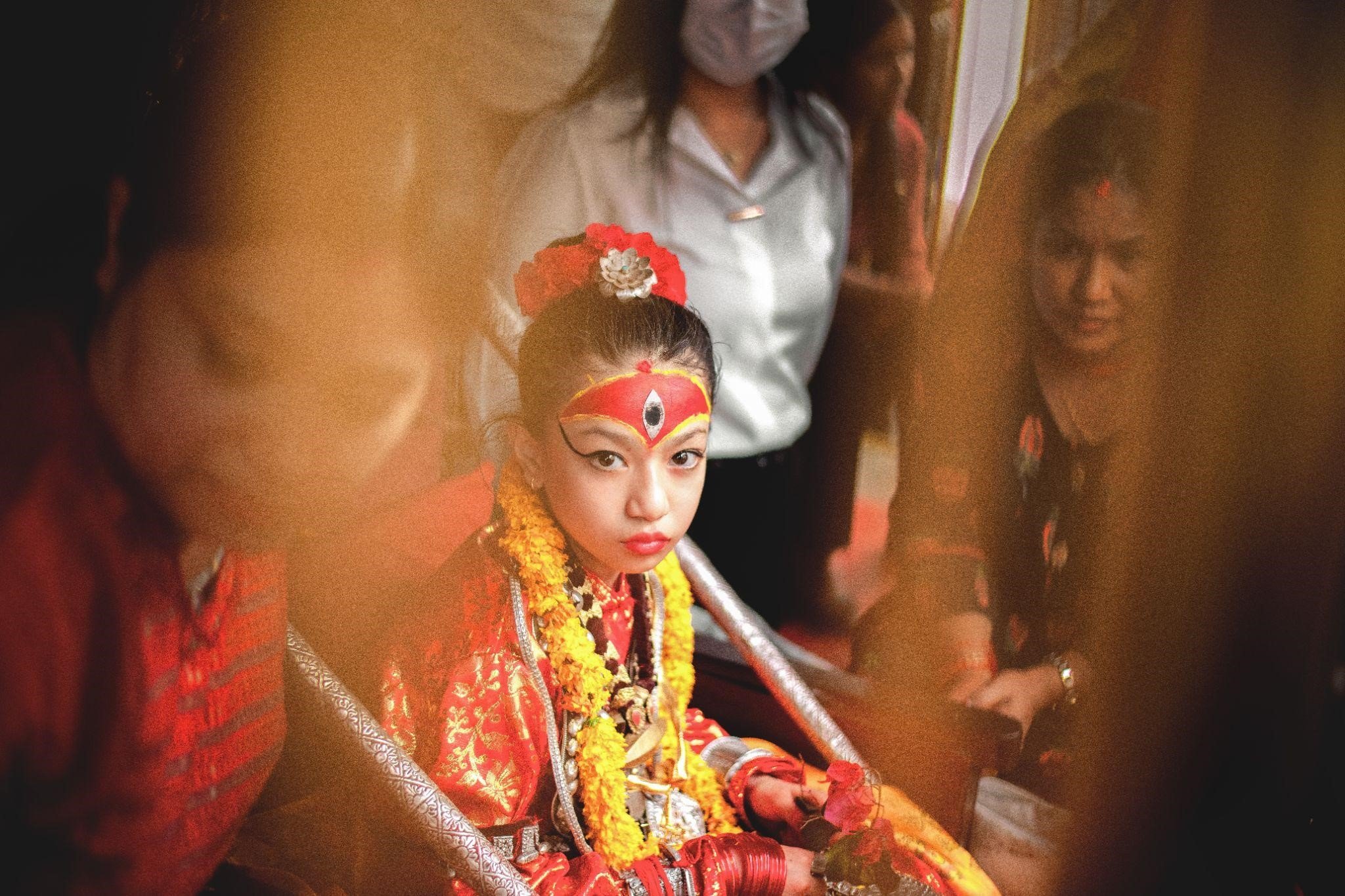
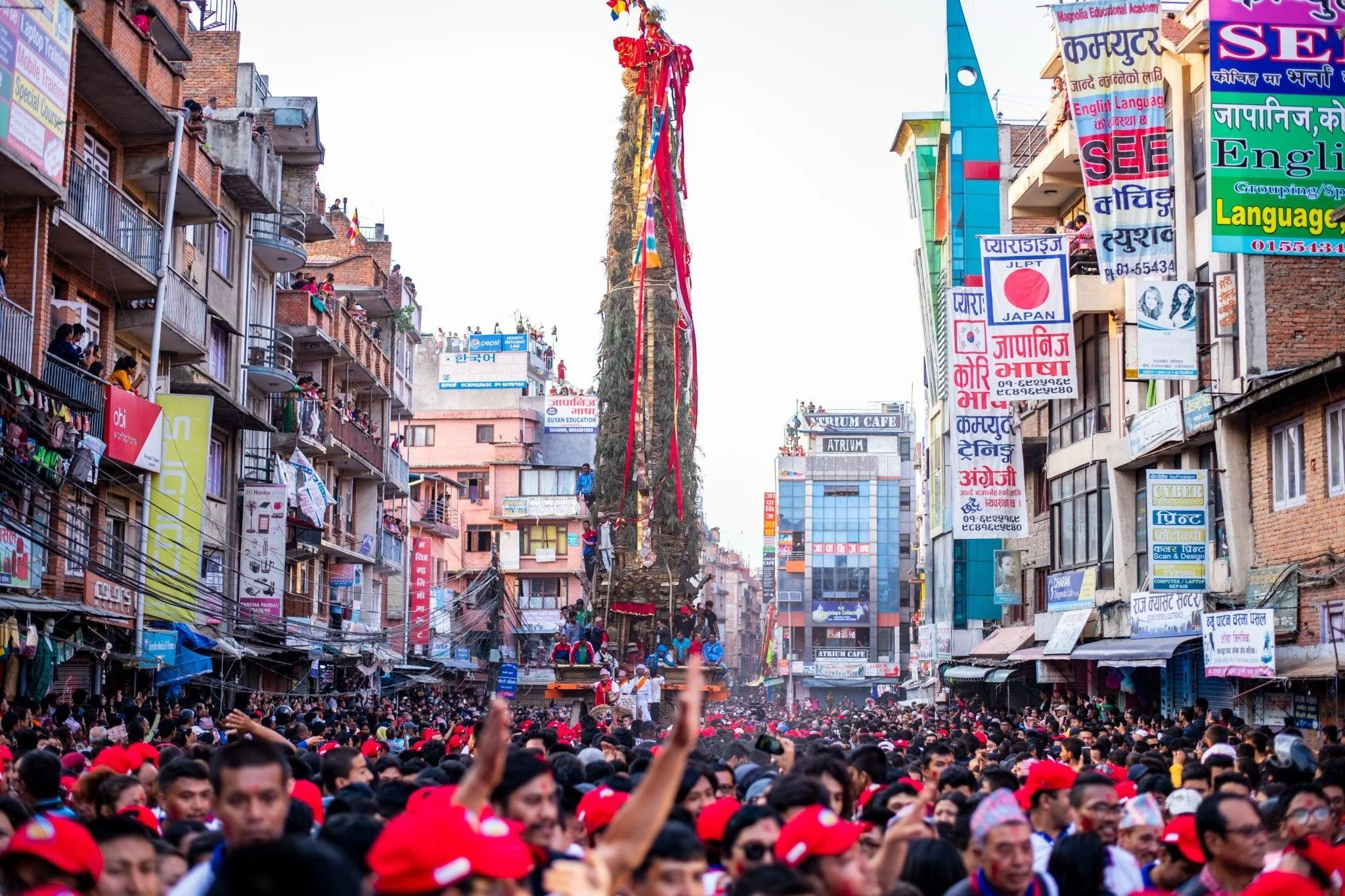
One of the most prominent festivals celebrated at the temple is the "Indra Jatra" or "Yenya" festival. During this vibrant event, the living goddess Kumari, adorned in elaborate traditional attire, blesses the people from the temple's chariot. The festival also features masked dances, music, and processions, creating a colorful spectacle that captivates both locals and visitors.
Preservation Efforts:
As a cultural treasure, the Taleju Temple requires continuous preservation efforts to protect its delicate wood carvings and structural integrity. Various governmental and non-governmental organizations are actively involved in conservation initiatives to ensure that this architectural wonder stands tall for future generations to marvel at.
The Taleju Temple of Kathmandu stands as a living testament to Nepal's rich history, religious devotion, and architectural brilliance. Its unique blend of indigenous and pagoda-style architecture captivates the hearts of all who visit. As a symbol of Nepal's cultural heritage, the temple continues to inspire awe and reverence, ensuring that the legacy of this remarkable edifice endures for generations to come. With ongoing preservation efforts and the unwavering devotion of the people, the Taleju Temple remains a beacon of spirituality and a cherished jewel in the crown of Kathmandu.
POPULAR ITINERARIES
SIMILAR POSTS

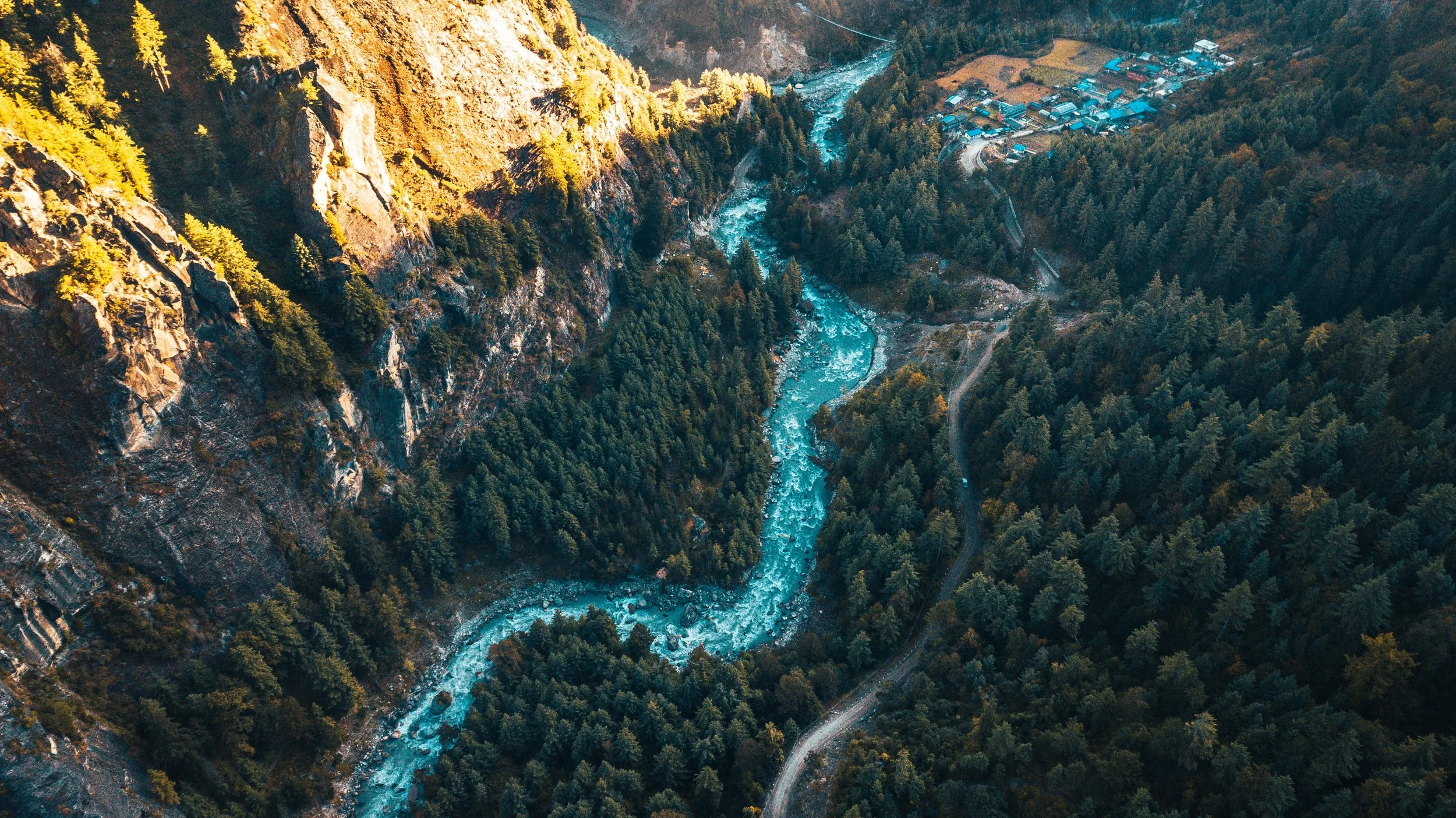
Monsoon Marvels: Unveiling Adventure in Nepal's Rainy Season
Discover the allure of Nepal's monsoon season with thrilling adventures in Pokhara, Chitwan National Park, Bandipur, Rara Lake, and Upper Mustang. From serene lakes to hidden caves, each destination offers unique experiences amidst lush landscapes. Embrace the beauty and tranquility of Nepal's monsoon marvels for an unforgettable adventure.
Nepal, the land of the Himalayas, offers breathtaking adventures throughout the year. While most travelers associate Nepal with trekking during the dry seasons, the monsoon months bring their own unique charm and allure. The lush green landscapes, cascading waterfalls, and a sense of tranquility make Nepal an ideal destination for adventure enthusiasts seeking offbeat experiences. In this article, we will explore five captivating destinations in Nepal that come alive during the monsoon, offering thrilling adventures amidst nature's bounty.
Pokhara
Known as the "City of Lakes," Pokhara is a picturesque paradise nestled in the lap of the Annapurna mountain range. To reach Pokhara, you can take a short 25-minute flight from Kathmandu or enjoy a scenic 6-7 hour drive through the Prithvi Highway. The monsoon showers enhance the city's beauty, filling the lakes and rejuvenating the surrounding hills.
Highlights:
Explore Phewa Lake: Take a boat ride on Phewa Lake, surrounded by lush hills and reflected snow-capped peaks.
Sarangkot Sunrise: Hike to Sarangkot before dawn and witness a spectacular sunrise over the Annapurna and Dhaulagiri mountain ranges.
Davis Falls and Gupteshwor Mahadev Cave: Visit these natural wonders where water cascades underground, creating a surreal experience.
Chitwan National Park
For wildlife enthusiasts, Chitwan National Park is a monsoon wonderland. Accessible via a 6-7 hour scenic drive from Kathmandu or a short flight to Bharatpur, this UNESCO World Heritage site is home to diverse flora and fauna.
Highlights:
Jungle Safari: Embark on an exciting jeep or elephant safari to spot endangered species like the one-horned rhinoceros and Bengal tiger.
Canoeing in Rapti River: Navigate through the serene Rapti River and witness exotic bird species, mugger crocodiles, and other aquatic life.
Tharu Cultural Experience: Immerse yourself in the vibrant Tharu culture by visiting local villages, enjoying traditional dance performances, and savoring authentic cuisine.
Bandipur
Located midway between Kathmandu and Pokhara, the charming hilltop town of Bandipur offers a glimpse into Nepal's rich cultural heritage. To reach Bandipur, take a 4-5 hour drive from Kathmandu or Pokhara.
Highlights:
Old Town Exploration: Wander through the well-preserved Newari architecture, narrow streets, and ancient temples that showcase the town's historical significance.
Siddha Cave: Explore the largest cave in Nepal, Siddha Cave, and witness its impressive stalactite formations.
Hike to Thani Mai: Trek to Thani Mai, a scenic viewpoint where you can enjoy panoramic views of the Annapurna and Manaslu ranges.
Rara Lake
Situated in the remote Karnali region of Nepal, Rara Lake is a hidden gem that truly comes to life during the monsoon. To reach Rara Lake, take a short flight from Kathmandu to Talcha Airport, followed by a picturesque 3-4 hour drive.
Highlights:
Tranquil Lake Experience: Enjoy the serenity of Rara Lake, the largest freshwater lake in Nepal, surrounded by pristine forests and mirrored peaks.
Wildlife Encounters: Spot rare wildlife species such as red pandas, musk deer, and Himalayan black bears as you explore Rara National Park.
Trekking Around the Lake: Embark on a scenic trek around the lake, discovering charming villages, alpine meadows, and breathtaking vistas.
Upper Mustang:
For those seeking a unique adventure during the monsoon, Upper Mustang offers a distinct experience with its arid landscapes reminiscent of the Tibetan plateau. To reach Upper Mustang, take a flight from Pokhara to Jomsom, followed by a mesmerizing 4-5 day trek.
Highlights:
Ancient Cave Exploration: Discover the mystique of the "Sky Caves" that dot the cliffs of Mustang, featuring centuries-old Buddhist murals and artifacts.
Lo Manthang: Visit the ancient walled city of Lo Manthang, known for its rich Tibetan culture, monasteries, and the royal palace.
Stunning Desert-like Scenery: Traverse the rugged landscapes of Upper Mustang, characterized by unique rock formations, eroded cliffs, and vibrant earth tones.
Nepal's monsoon season presents an opportunity to explore its natural wonders beyond the conventional trekking seasons. From the serene lakes of Pokhara to the hidden treasures of Upper Mustang, each destination offers a distinct adventure amidst breathtaking landscapes. Embrace the allure of Nepal's monsoon marvels, and embark on an unforgettable journey of discovery and exploration in the Himalayan kingdom.
POPULAR ITINERARIES
SIMILAR POSTS
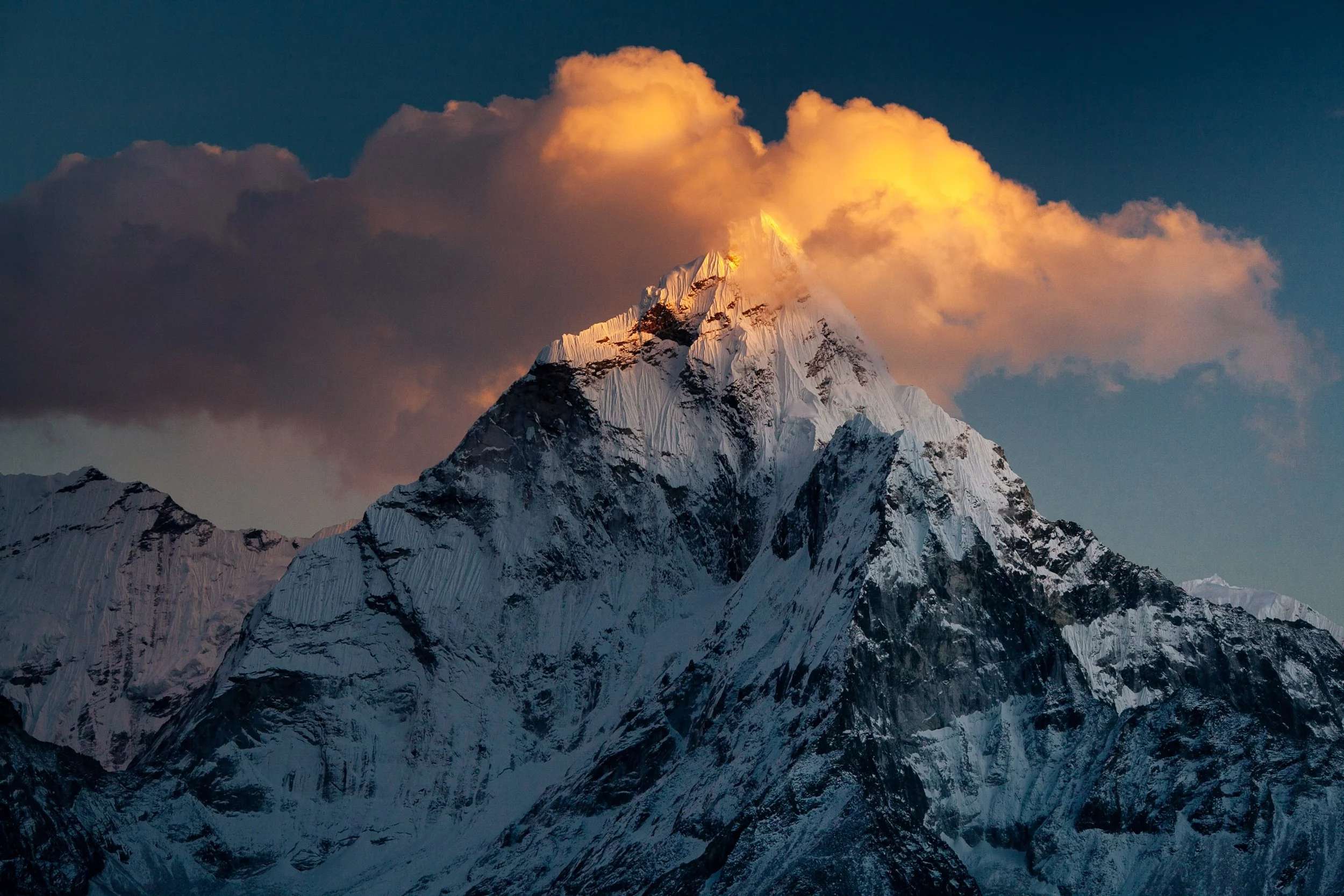
Nepal's Majestic Mountains: Exploring the Wonderful Gems
Nepal's majestic mountains, including Mount Everest, the Annapurna Range, Langtang, Makalu-Barun, and Kanchenjunga, offer diverse landscapes and captivating beauty. They challenge and inspire adventure seekers, with each range possessing unique characteristics and captivating stories waiting to be discovered in the awe-inspiring wilderness of the Himalayas.
Welcome to the realm of Nepal's majestic mountains, where nature's grandeur takes center stage. Join me on an extraordinary adventure as we traverse these breathtaking wonders, weaving together captivating stories, urging you to embrace the call of the mountains, and infusing my own personality and confidence into this narrative. Get ready to embark on a journey that will leave you spellbound by the awe-inspiring landscapes of Nepal.
Imagine a serene morning in the Himalayas, where the first rays of sunlight delicately touch the towering peaks, casting a golden glow upon the rugged terrain. These mountains rise with an undeniable majesty, shrouded in an aura of mystery, their jagged silhouettes captivating the imagination. Every step forward unravels tales of ancient traditions, mythical legends, and the indomitable spirit of the Nepalese people.
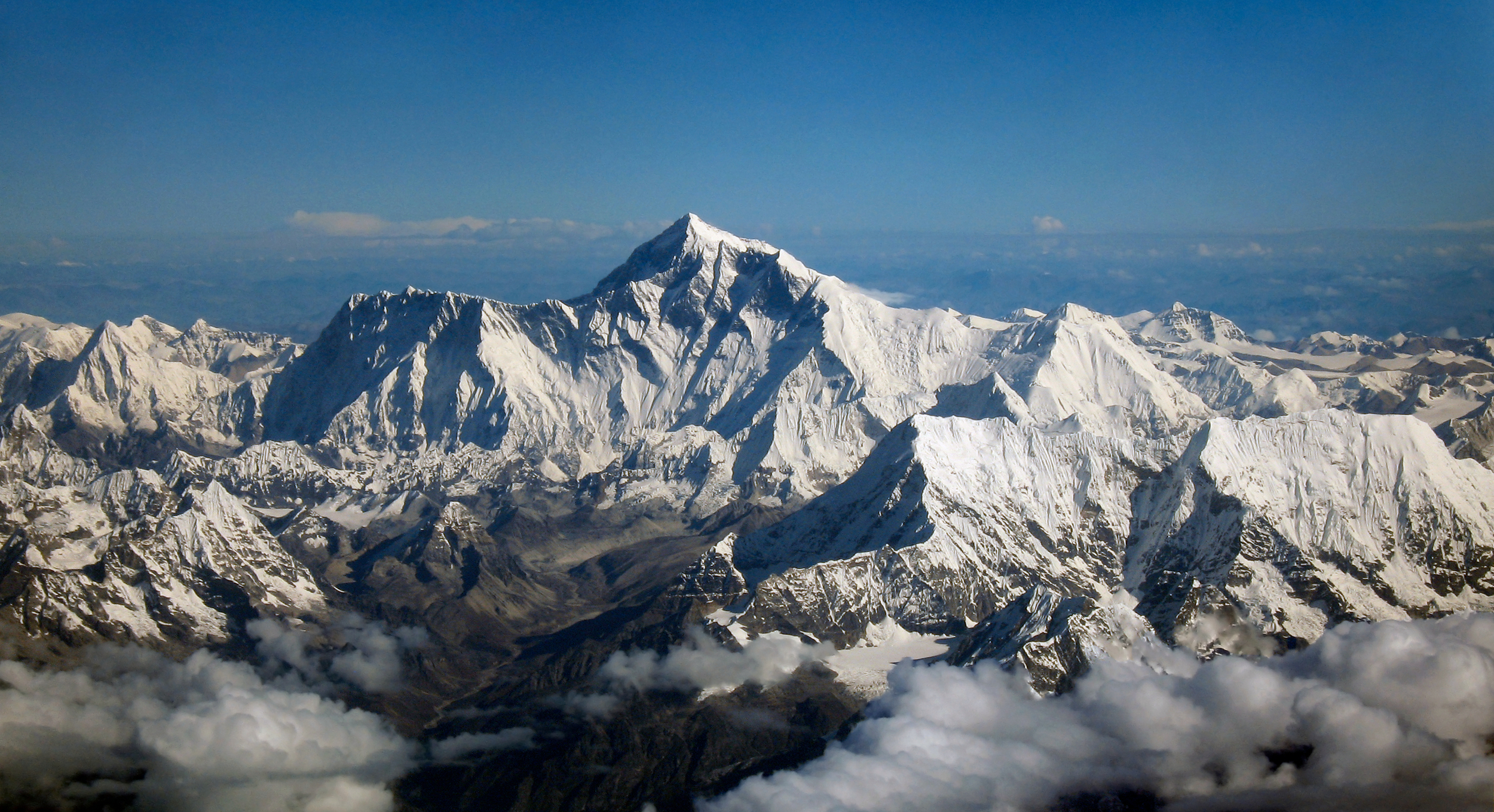
One such tale lies within the realm of Mount Everest, the epitome of adventure and human resilience. This magnificent peak has borne witness to triumphs and tragedies, embodying the dreams and aspirations of countless mountaineers. Standing at the base camp, inhaling the thin mountain air, one cannot help but be humbled by the sheer magnitude of this natural wonder. It beckons us to push beyond our limits, conquer our own personal Everests, and discover the strength within us.
Imagine yourself trekking through the Annapurna Circuit, where every turn reveals new vistas and diverse landscapes. Experience the thrill of conquering challenging trails, crossing suspension bridges over roaring rivers, and immersing yourself in the warm hospitality of the locals. Nepal's mountains demand that we step out of our comfort zones, challenge ourselves, and awaken our senses to the wonders that lie beyond our everyday lives.
Venturing further into the Himalayas, the Langtang Range reveals its mystic allure. Nestled in this enchanting region is Langtang Lirung, an imposing peak surrounded by ancient glaciers and cascading waterfalls. The Langtang Valley, with its pristine beauty and quaint villages, offers a serene and spiritual experience, where one can immerse oneself in the tranquility of the Himalayan wilderness.
As we explore the mountains of Nepal, we encounter the captivating beauty of the Makalu-Barun region. Mount Makalu, the fifth highest peak in the world, boasts a pristine wilderness adorned with deep valleys, dense forests, and breathtaking ice falls. This hidden gem rewards intrepid trekkers with awe-inspiring vistas and an opportunity to witness rare flora and fauna, making it a paradise for nature enthusiasts.
The Kanchenjunga Massif, nestled in eastern Nepal, presents a spectacular tapestry of peaks, including the third highest mountain in the world, Mount Kanchenjunga. This region reveals an untouched and remote wilderness, where ancient cultures coexist with untouched natural splendor. Trekking through the Kanchenjunga region offers a profound connection with nature and an opportunity to witness the raw power and beauty of these towering giants.
With unwavering confidence, I assure you that Nepal's mountains will leave an indelible mark on your soul. They possess the power to ignite a fire within, to challenge your limits, and to inspire a lifelong love affair with the great outdoors. I walk beside you, radiating certainty, assuring you that this journey is worth every effort, every blister, and every moment of awe.
Nepal's majestic mountains are a treasure trove waiting to be explored, inviting us to immerse ourselves in their wonders. They are not merely geological formations; they are the custodians of ancient tales, catalysts for personal growth, and bearers of unparalleled beauty. Let us embark on this extraordinary adventure together, embracing the captivating stories, embracing the call to action, and relishing the unique experiences that Nepal's mountains have to offer. Trust me as your guide, and prepare yourself for a journey filled with wonder, discovery, and a renewed sense of purpose. The mountains are calling—are you ready to answer?
POPULAR ITINERARIES
SIMILAR POSTS
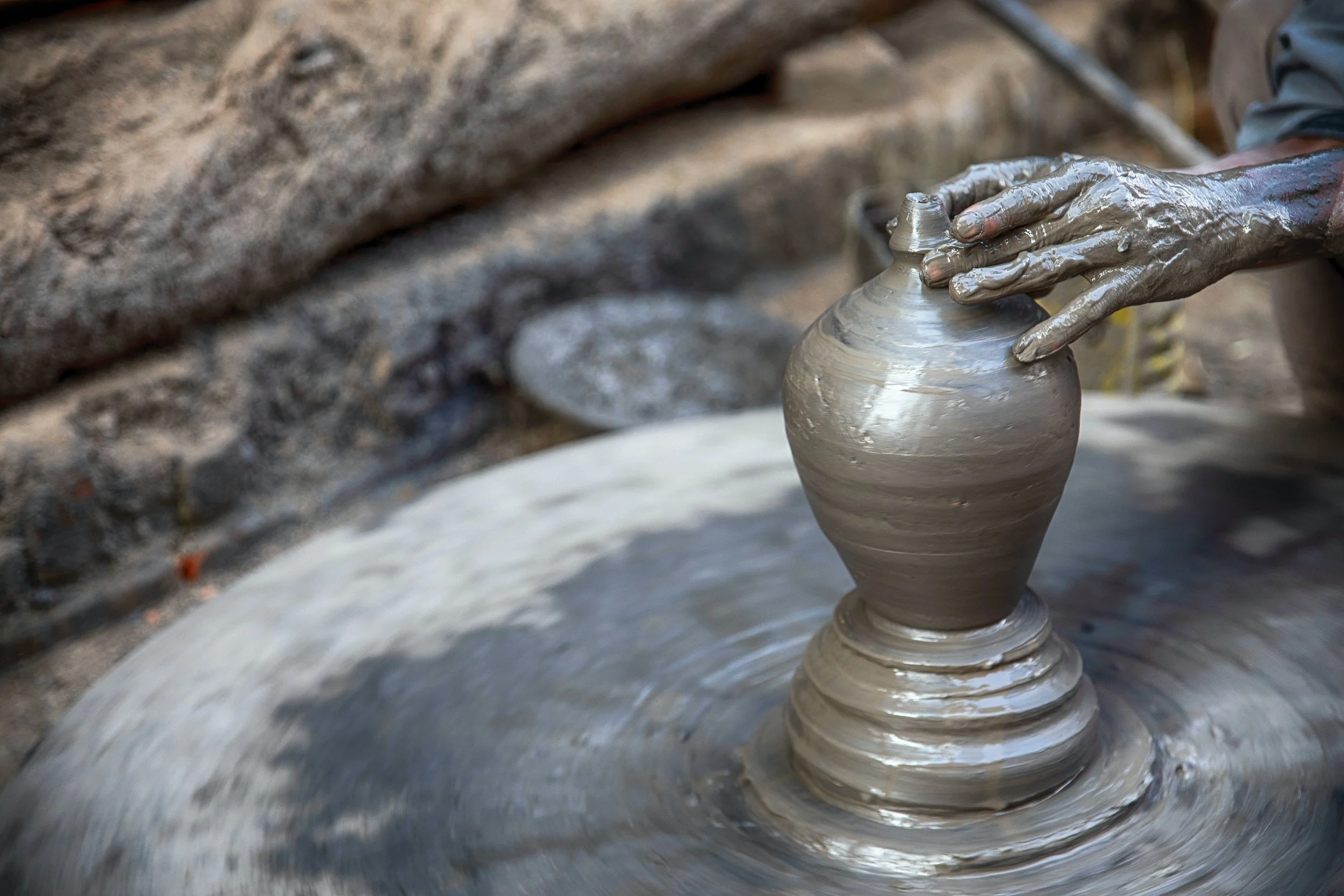
The Traditional Art and Craft of Nepal: A Pottery Odyssey
Discover the rich world of traditional pottery in Nepal, where skilled artisans shape clay into exquisite masterpieces. From terracotta pottery in Bhaktapur to black pottery in Thimi, and the fusion of Pashmina and ceramic art in Pokhara, each form showcases the artistic legacy and cultural heritage of Nepal's pottery tradition.
Nepal, a land rich in cultural heritage, is renowned for its traditional art and craft that has been passed down through generations. Among the various art forms that flourish in this captivating country, pottery holds a special place. With my expertise as a travel guide and tourism expert, specializing in Nepal, let's embark on a journey into the world of traditional pottery, where the hands of skilled artisans shape clay into exquisite masterpieces.
The history of pottery in Nepal stretches back centuries, with evidence of early pottery dating as far back as the Neolithic period. The art form has been an integral part of Nepalese culture, serving both utilitarian and decorative purposes. The ancient trade routes connecting Nepal with neighboring regions facilitated the exchange of ideas, techniques, and influences, contributing to the development and diversification of pottery styles. Over time, pottery became deeply intertwined with religious and cultural practices, with artisans crafting vessels for rituals, sculptures of deities, and decorative items. Today, Nepal's pottery tradition continues to thrive, blending traditional techniques with contemporary creativity, and serving as a living testament to the country's rich historical legacy.
Pottery, an ancient craft deeply rooted in Nepalese culture, showcases the creativity and skill of artisans who transform raw clay into functional and decorative objects. The art of pottery in Nepal can be traced back centuries and has evolved into a vibrant and diverse form of expression. Let's explore the different types of pottery prevalent in Nepal, each with its unique characteristics and notable examples.
Terracotta Pottery:
Terracotta pottery, made from a type of clay that is fired at low temperatures, is one of the most prevalent forms of pottery in Nepal. This traditional craft produces earthenware with a rustic appeal, ranging from simple household items to intricate figurines. The town of Bhaktapur is famous for its terracotta pottery, with skilled artisans crafting beautiful clay pots, statues, and decorative pieces. The intricate detailing and rich earthy colors of Bhaktapur's terracotta pottery are a testament to the craftsmanship of the local artisans.
Black Pottery:
Black pottery, characterized by its distinct black color and glossy finish, is another traditional craft that has flourished in Nepal. The city of Thimi, located in the Kathmandu Valley, is renowned for its black pottery. Artisans in Thimi employ a unique firing technique using a mixture of clay and rice husks, giving the pottery its signature black hue. From vases and bowls to lamps and decorative items, black pottery showcases the skillful craftsmanship and artistic sensibility of Nepalese potters.
Pashmina Pottery:
Pashmina pottery, named after the famous Pashmina wool, is a relatively recent addition to Nepal's pottery tradition. It combines the elegance of ceramic art with the luxurious texture of Pashmina fabric. Skilled artisans in the city of Pokhara create exquisite Pashmina pottery by applying a thin layer of clay infused with Pashmina fibers onto ceramic objects. The result is a stunning blend of ceramic and textile, producing unique pieces like vases, bowls, and decorative artifacts that showcase the artistic fusion of two traditional crafts.
Sculptural Pottery:
Beyond functional pottery, Nepal is also renowned for its sculptural pottery, where clay is transformed into intricate figurines and statues. The town of Patan, known for its ancient art and craft traditions, is a hub for sculptural pottery. Artisans in Patan sculpt clay into representations of gods, goddesses, mythical creatures, and everyday life scenes. The fine details and intricate designs of these sculptural pieces are a testament to the exceptional skill and craftsmanship of Nepalese potters.
As you delve into the world of traditional pottery in Nepal, you will witness the seamless fusion of artistry, culture, and tradition. Each pottery form carries its own story and reflects the diverse heritage of Nepal. Whether it's the rustic allure of terracotta, the glossy elegance of black pottery, the innovative blend of Pashmina pottery, or the sculptural wonders of Patan, the art of pottery in Nepal is a testament to the country's rich artistic legacy.
So, as you traverse the streets and markets of Nepal, take the time to appreciate the skill and artistry of the potters, engage with them, and even try your hand at shaping clay. Immerse yourself in this ancient craft, discoverthe techniques passed down through generations, and bring home a piece of Nepal's cultural heritage.
POPULAR ITINERARIES
SIMILAR POSTS
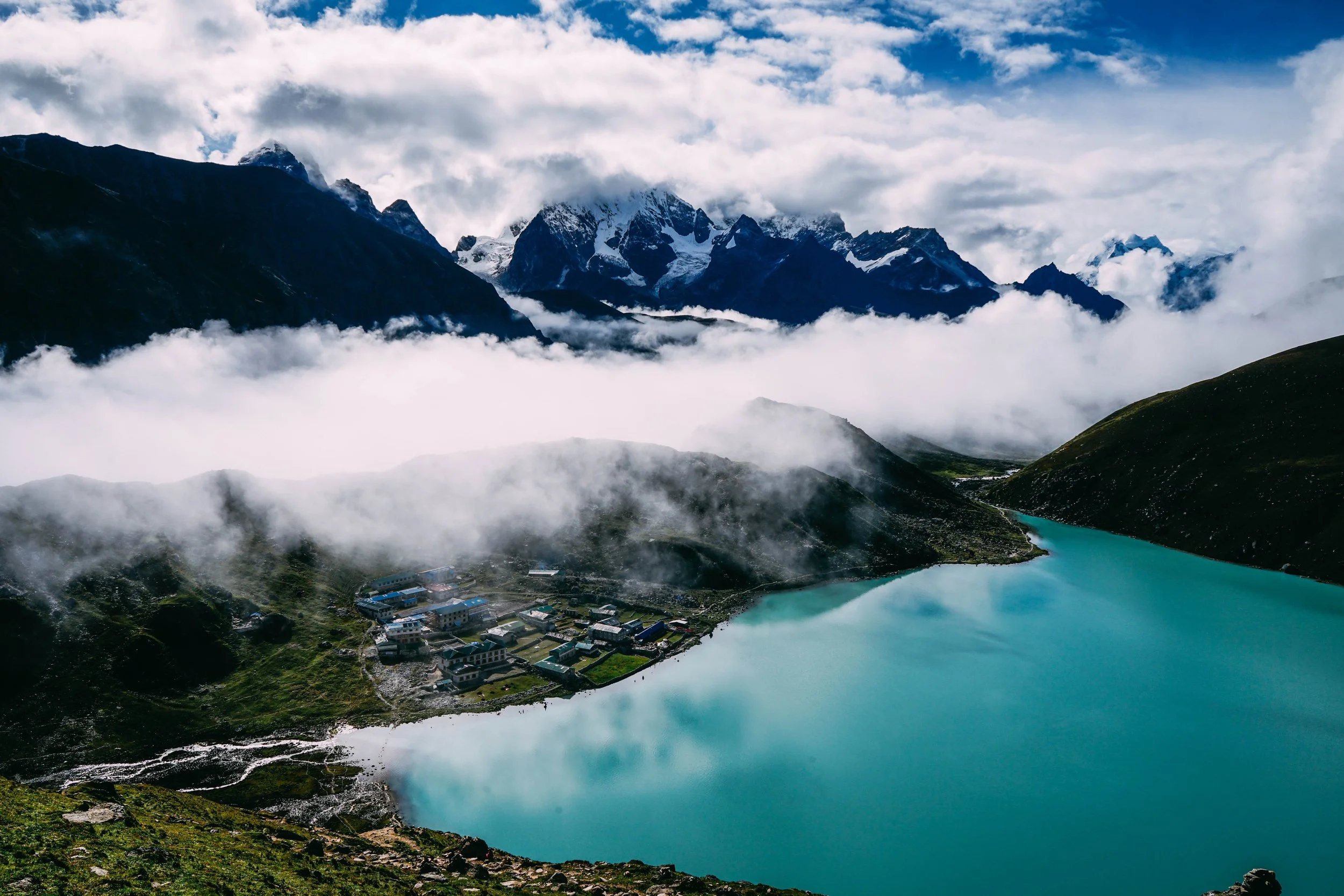
Nepal: Beyond The Himalayas
Welcome to Nepal, a land of enchantment and wonder, nestled in the lap of the majestic Himalayas. This small yet diverse country is a treasure trove of natural beauty, rich cultural heritage, and thrilling experiences that extend far beyond mountaineering. As a travel guide and tourism expert, with a PhD in tourism and hospitality, specializing in Nepal, I invite you to explore the many facets of this incredible nation.
Let's begin with some captivating facts and figures about Nepal. With a population of over 30 million, Nepal is known as the birthplace of Gautam Buddha, the founder of Buddhism. It is home to eight of the world's ten highest peaks, including Mount Everest, standing tall at 8,848 meters, making it a magnet for mountaineers and adventurers from around the globe. However, Nepal offers so much more than just towering mountains.
Prepare to be amazed as you venture into the diverse landscapes of Nepal. From the lush green valleys of Kathmandu and Pokhara to the dense forests of Chitwan and Bardia, Nepal's natural beauty is unparalleled. Explore the serene lakes, such as Phewa Lake in Pokhara or the iconic Rara Lake in the remote western region. These breathtaking water bodies offer a tranquil respite and stunning views that will leave you awe-inspired.
In addition to its awe-inspiring scenery, Nepal is a cultural melting pot. The capital city, Kathmandu, boasts an array of UNESCO World Heritage Sites, including the ancient Durbar Squares of Kathmandu, Bhaktapur, and Patan, which exhibit exquisite architecture and showcase the country's rich history. The vibrant city streets are lined with bustling markets, where you can immerse yourself in the local culture, savoring the aroma of traditional spices and handicrafts.
While trekking and mountaineering are undoubtedly popular activities in Nepal, there is so much more to experience. Embark on a thrilling wildlife safari in one of Nepal's national parks, such as Chitwan or Bardia, where you can spot rare species like the one-horned rhinoceros and the elusive Bengal tiger. Set out on an adventurous white-water rafting trip along the Trishuli or Seti rivers, navigating through thrilling rapids and enjoying the scenic beauty of the countryside.
For those seeking spiritual enlightenment, a visit to Lumbini, the birthplace of Lord Buddha, is a must. The tranquil surroundings and sacred sites in Lumbini provide an opportunity for introspection and inner peace. Explore the ancient monasteries and pay homage to the sacred Bodhi Tree, where Lord Buddha is said to have attained enlightenment.
Nepal is also a haven for adventure enthusiasts. Take to the skies and experience the thrill of paragliding in Pokhara, gliding over the picturesque landscape with the snow-capped peaks as your backdrop. Indulge in a heart-pounding bungee jump from one of the world's highest suspension bridges, located in the lush hills of Bhote Koshi. These adrenaline-pumping activities will leave you with memories that last a lifetime.
In conclusion, Nepal offers a myriad of experiences that extend far beyond its legendary Himalayan peaks. Whether you are seeking natural beauty, cultural immersion, spiritual enlightenment, or adventure, Nepal has it all. Let the charm of this enchanting nation capture your heart as you explore its diverse landscapes, immerse yourself in its rich heritage, and embark on thrilling adventures. Come, discover Nepal: Beyond the Himalayas.
Do's:
Respect the local customs and traditions. Nepalese people are warm and welcoming, so it's important to show appreciation for their culture.
Dress modestly, especially when visiting religious sites. Cover your shoulders and avoid wearing revealing clothing.
Try the delicious local cuisine, such as momo (dumplings), dal bhat (lentil soup with rice), and sel roti (sweet rice bread). The diverse flavors will delight your taste buds.
Stay hydratedand drink bottled or filtered water to avoid water-borne illnesses.
Engage with the local community and learn about their way of life. Participate in cultural activities, festivals, and interact with the locals to gain a deeper understanding of their traditions.
Bargain respectfully in local markets, as haggling is common. However, remember to be fair and not push the limits of negotiation.
Don'ts:
Don't disrespect religious sites or artifacts. Be mindful of your actions and follow any instructions or guidelines given by the authorities.
Avoid giving money or sweets to children on the streets. It is better to support local charities or organizations that work towards their welfare.
Don't consume tap water or eat raw vegetables and fruits without washing them thoroughly. This will help prevent foodborne illnesses.
Avoid public displays of affection, as Nepalese society is conservative in nature. Show respect for local customs and cultural norms.
Don't take photographs without permission, especially of people, as it may be considered intrusive or disrespectful in certain situations.
Refrain from buying or selling illegal or endangered wildlife products, as it contributes to the illegal wildlife trade and threatens biodiversity.
By following these do's and don'ts, you can ensure a respectful and enjoyable experience during your visit to Nepal. Embrace the beauty, diversity, and warmth of this captivating country as you go beyond the Himalayas and discover the true essence of Nepal.