
Tihar: The Festival of Lights
In the heart of the Himalayas, nestled among the towering peaks and lush valleys of Nepal, lies a festival that transcends time and illuminates both the night sky and the human spirit - Tihar, the Festival of Lights. This enchanting celebration, also known as Deepawali or Yamapanchak, holds a profound historical, cultural, and religious significance in the lives of Nepalese people. In this article, we will delve into the captivating world of Tihar, exploring its historical roots, the unique celebrations associated with it, its cultural importance, and its deeply ingrained religious values.
Tihar's origins can be traced back to ancient Hindu mythology. According to Hindu beliefs, Tihar celebrates the triumph of light over darkness, good over evil. One of the most prominent legends associated with the festival is the worship of Yama, the God of Death. It is believed that Yama's sister, Yamuna, welcomed him home with a special garland and a tilak (vermilion mark) on his forehead to protect him from any harm. In remembrance of this story, the first day of Tihar is dedicated to honoring and worshipping crows, believed to be messengers of Yama.
Another legend central to Tihar is the veneration of the sacred cow. In Hinduism, cows are considered sacred, symbolizing divine and natural beneficence. The second day of Tihar is known as "Kukur Tihar," during which dogs, known as the guardians of Yama's abode, are also honored. This practice stems from the belief that dogs guard the gates of the afterlife.
Each day of Tihar has its unique significance, with the third day being reserved for the worship of the cow, while the fourth day is dedicated to celebrating the bond between siblings, particularly the love between brothers and sisters.
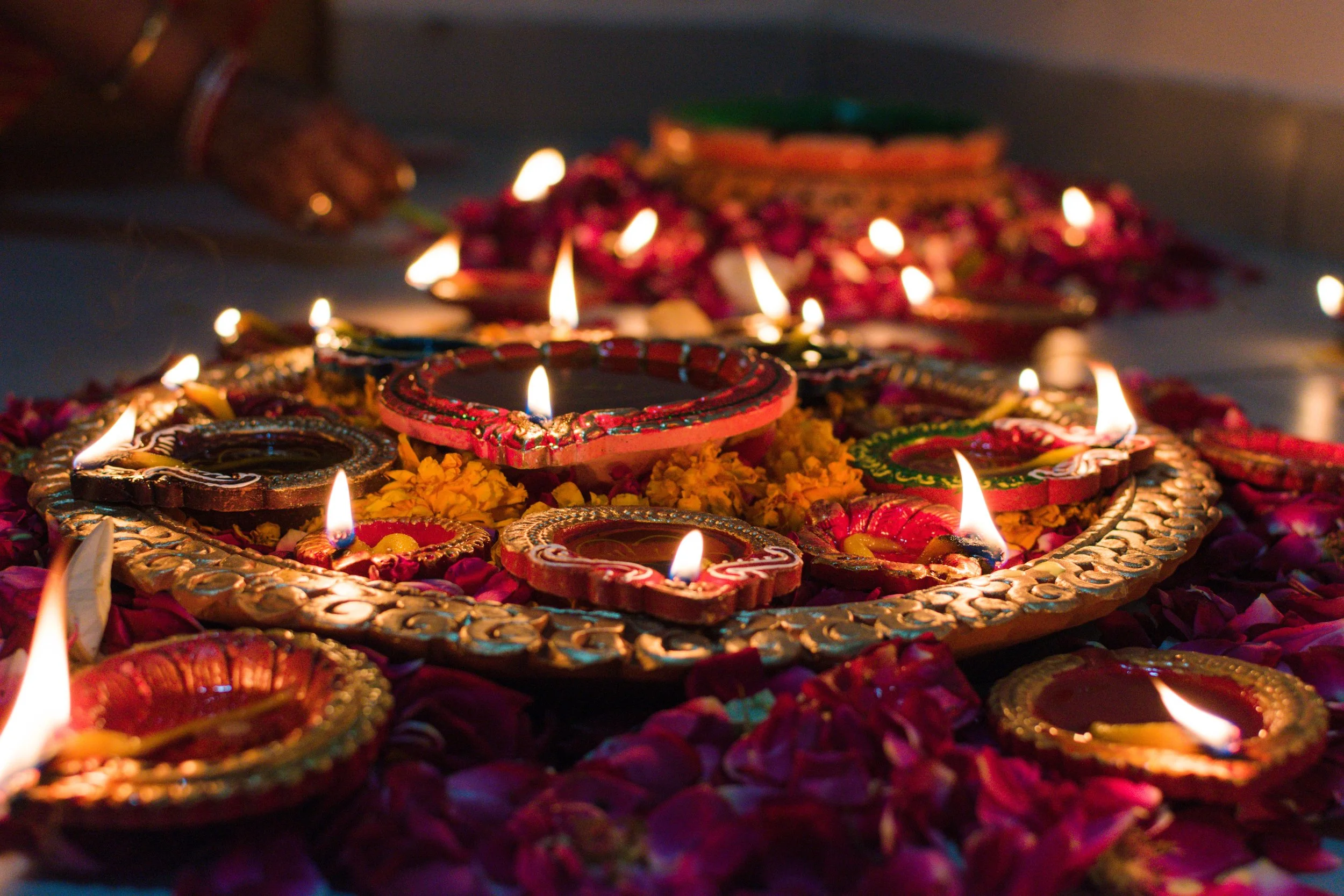
The fifth and final day of Tihar is perhaps the most dazzling and awe-inspiring. It is dedicated to honoring and worshiping oxen, as they play a vital role in the agricultural landscape of Nepal. Homes and public spaces are adorned with intricate rangoli (colorful floor designs) and oil lamps or diyas. The night sky comes alive with the glow of thousands of oil lamps and candles, creating a mesmerizing spectacle.
Kag Tihar (Day 1 - Crow Worship): On the first day of Tihar, families wake up early to offer food to crows, who are believed to bring messages from the spirit world. The offerings usually include grains, sweets, and other treats.
Kukur Tihar (Day 2 - Dog Worship): The second day is dedicated to honoring dogs, who are considered loyal and protective animals. Dogs are offered garlands, tika (vermilion mark), and delicious treats as a gesture of gratitude for their companionship.
Gai Tihar (Day 3 - Cow Worship): On the third day, cows are adorned with colorful garlands and painted with tika on their foreheads. People express their reverence for these gentle creatures, and dairy products like milk, yogurt, and ghee are considered especially auspicious.
Gobardhan Puja and Mha Puja (Day 4 - Ox and Self Worship): The fourth day is dedicated to performing rituals that honor oxen, who play a crucial role in agriculture. This day is also an occasion for self-purification, with individuals performing Mha Puja, a ceremony that includes worshiping one's own body and soul.
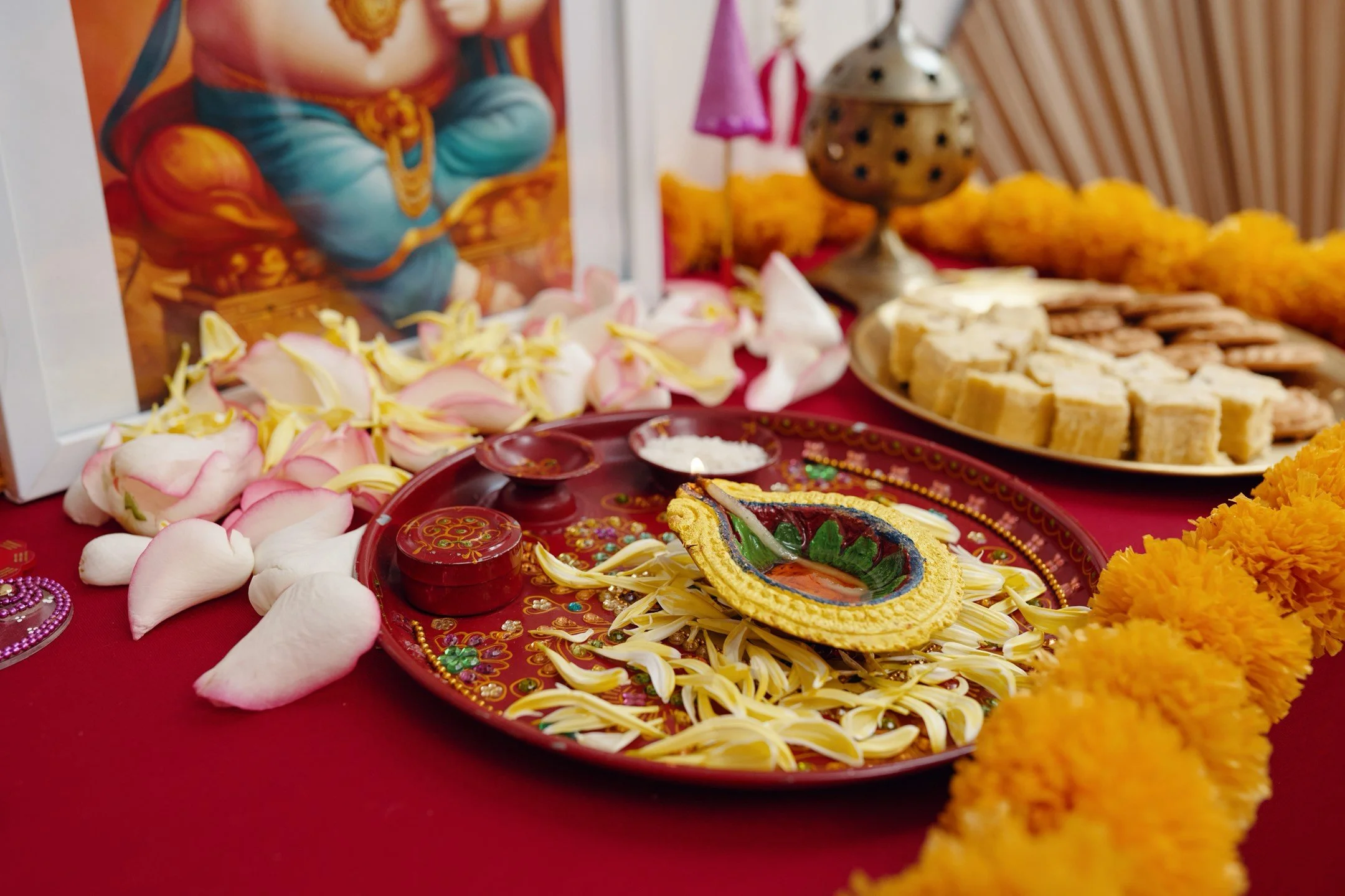
Laxmi Puja (Day 5 - Worship of the Goddess of Wealth): The grand finale of Tihar is Laxmi Puja, dedicated to the goddess of wealth, Laxmi. Homes are meticulously cleaned and decorated with rangoli, oil lamps, and flowers. A special puja is performed in the evening, with offerings of sweets, fruits, and coins. It is believed that Goddess Laxmi blesses those who keep their homes clean and well-lit with prosperity.
Cultural Significance
Tihar is not just a religious festival; it is a celebration of Nepalese culture and community. Families come together to clean and decorate their homes, share meals, and exchange blessings. The festival promotes a sense of unity and harmony among the diverse communities of Nepal, transcending caste and creed.
The vibrant decorations, the melodious tunes of traditional songs and dances, and the exchange of tika and garlands between siblings and loved ones create an atmosphere of joy and togetherness. Tihar is also a time for expressing gratitude to animals, which have been vital to the livelihoods of many Nepalese people for generations.
As the oil lamps flicker and the rangoli designs adorn the streets, Tihar not only illuminates the physical world but also shines a light on the spiritual and cultural richness of Nepal. It is a time for reflection, gratitude, and unity, reminding us all of the enduring power of light, love, and community in our lives. Tihar truly embodies the essence of Nepal's heritage, offering a profound experience that continues to captivate both locals and visitors alike.
POPULAR ITINERARIES
SIMILAR POSTS
Dashain: A Festival of Devotion, Reunion, and Traditions
Nepal, a land of diverse cultures and traditions, boasts a rich tapestry of festivals that reflect its deep-rooted heritage. Among these, Dashain stands out as the most significant and widely celebrated festival in the country. Dashain, also known as Vijaya Dashami, is a time of devotion, family reunions, and cultural splendor. In this article, we will delve into the history, significance, and major events that make Dashain an integral part of Nepal's cultural identity.
Ancient Roots
Dashain has its origins in ancient Hindu mythology, specifically the Ramayana, an epic that narrates the life and adventures of Lord Rama. According to the legend, Lord Rama embarked on a journey to rescue his wife, Sita, from the demon king Ravana. Dashain commemorates the victory of Lord Rama over evil and the triumph of virtue.
The Slaughter of the Demon
One of the most iconic rituals during Dashain is the Gadhimai Jatra, where animals, typically goats, buffaloes, and in some cases, even chickens, are ritually sacrificed as a symbolic act of good prevailing over evil. This tradition harks back to the belief that Goddess Durga granted victory to Lord Rama after he invoked her blessings before his battle with Ravana.
Significance of Dashain
Spiritual Renewal
Dashain is a time for spiritual reflection and renewal. It is believed that during this festival, the goddess Durga, a symbol of divine power, visits each home, blessing families and individuals. Devotees engage in prayers, rituals, and visits to temples to seek her divine favor and protection.
Family Reunions
Dashain is synonymous with family reunions. Nepali people, whether living in the country or abroad, make every effort to return to their hometowns to celebrate Dashain with their loved ones. It's a time when the bonds of family and community are strengthened, and generations come together to celebrate their shared culture.
Cultural Showcase
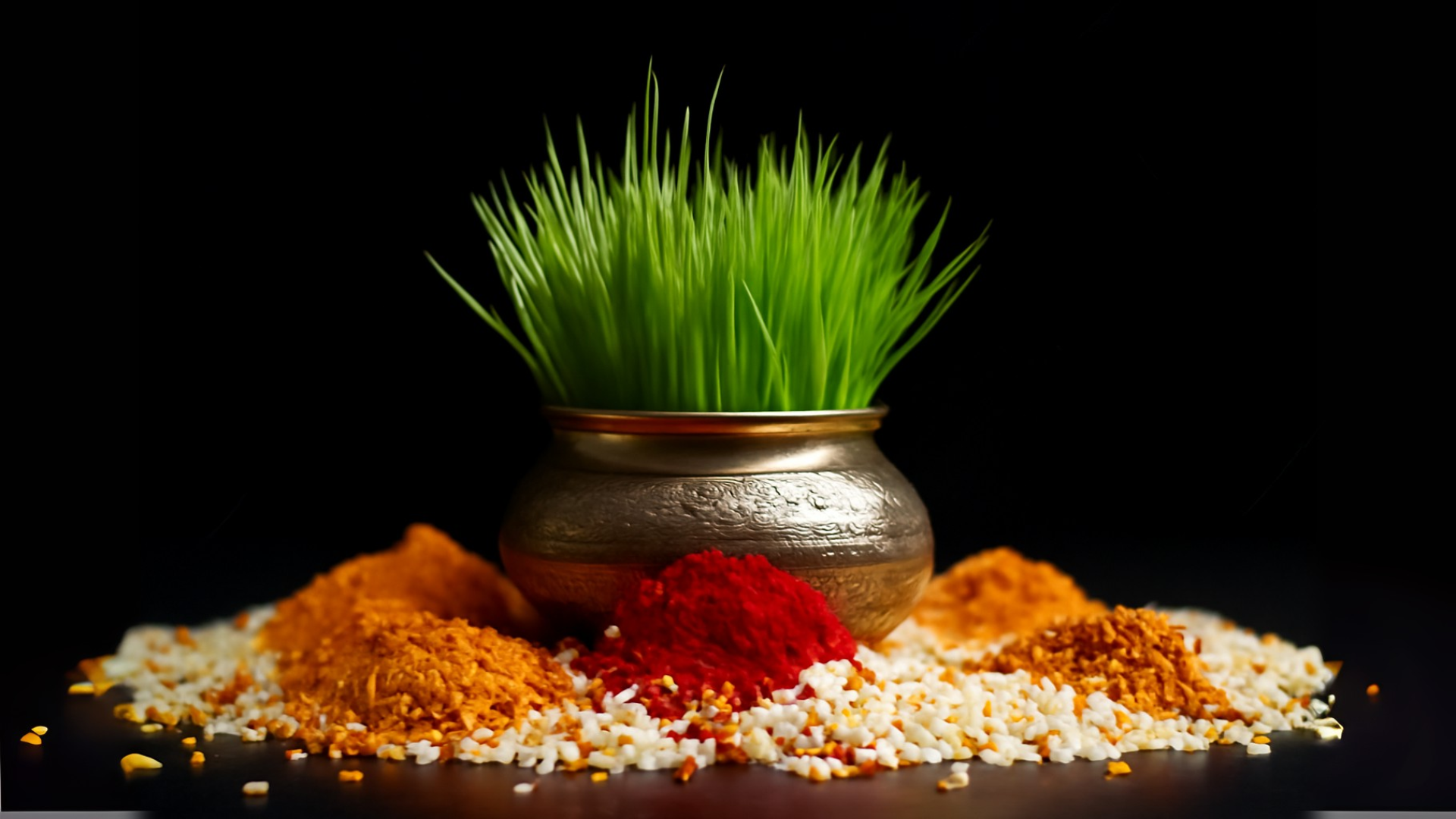
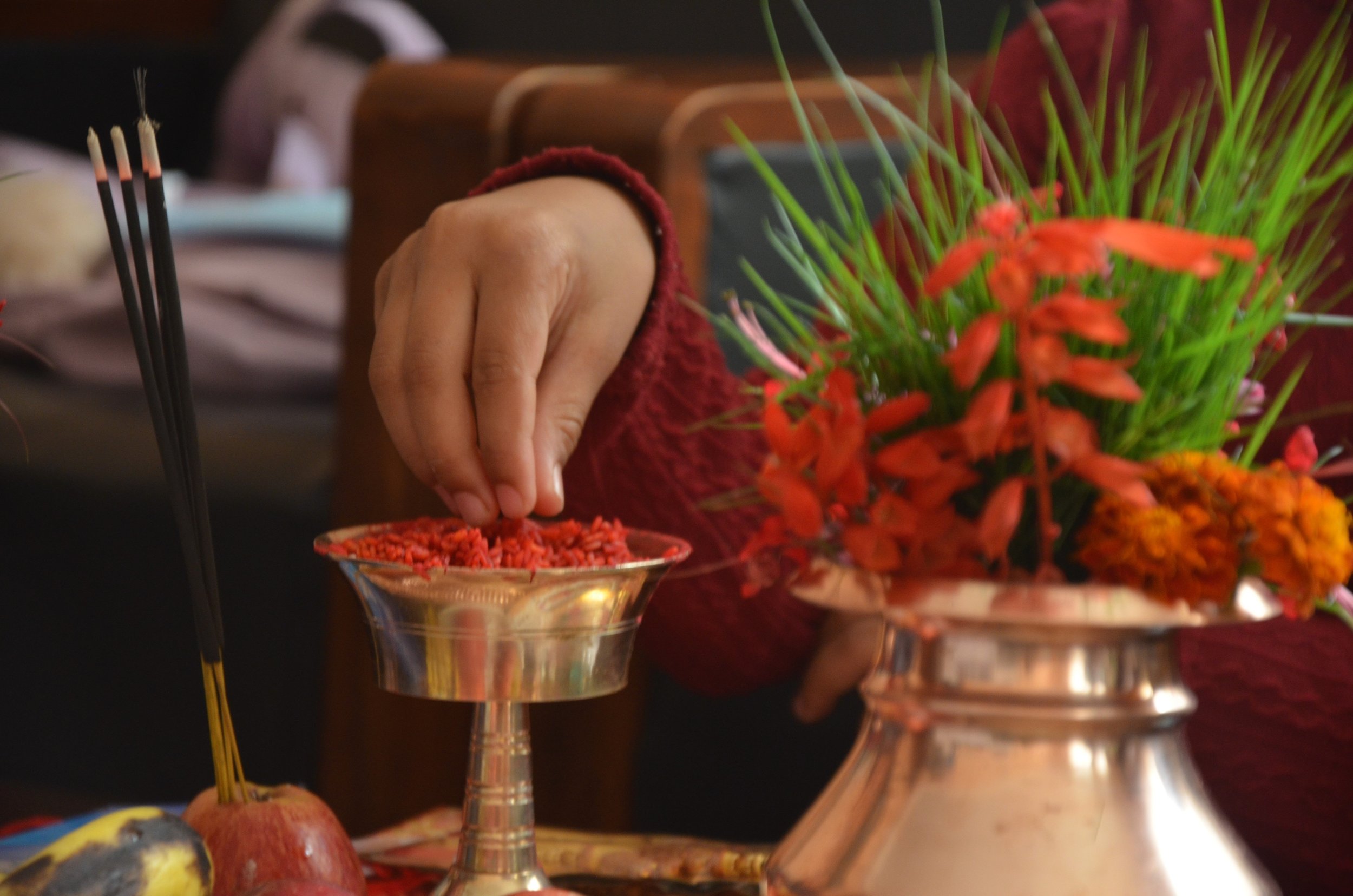
Dashain is a vibrant display of Nepal's cultural heritage. People wear new clothes, often red or other auspicious colors, and exchange tika (a mixture of yogurt, rice, and vermillion) and jamara (barley grass). Elders bless the younger generations, and this exchange symbolizes the bestowing of good fortune and protection.
Major Events During Dashain
Jamara Planting
The planting of jamara, a type of barley grass, is a significant prelude to Dashain. Families sow the seeds in small containers, and over the course of the festival, the jamara grows symbolizing the blessings of Goddess Durga.
Tika and Blessings
On the main day of Dashain, known as Vijaya Dashami, families gather to receive tika and jamara from their elders. Elders apply tika on the foreheads of the younger family members and provide blessings for prosperity and success.
Animal Sacrifices
While controversial and facing growing criticism for its impact on animal welfare, animal sacrifices remain a key aspect of Dashain rituals, especially in rural areas. Devotees offer animals to the goddess Durga as a way of seeking her favor.
Flying Kites
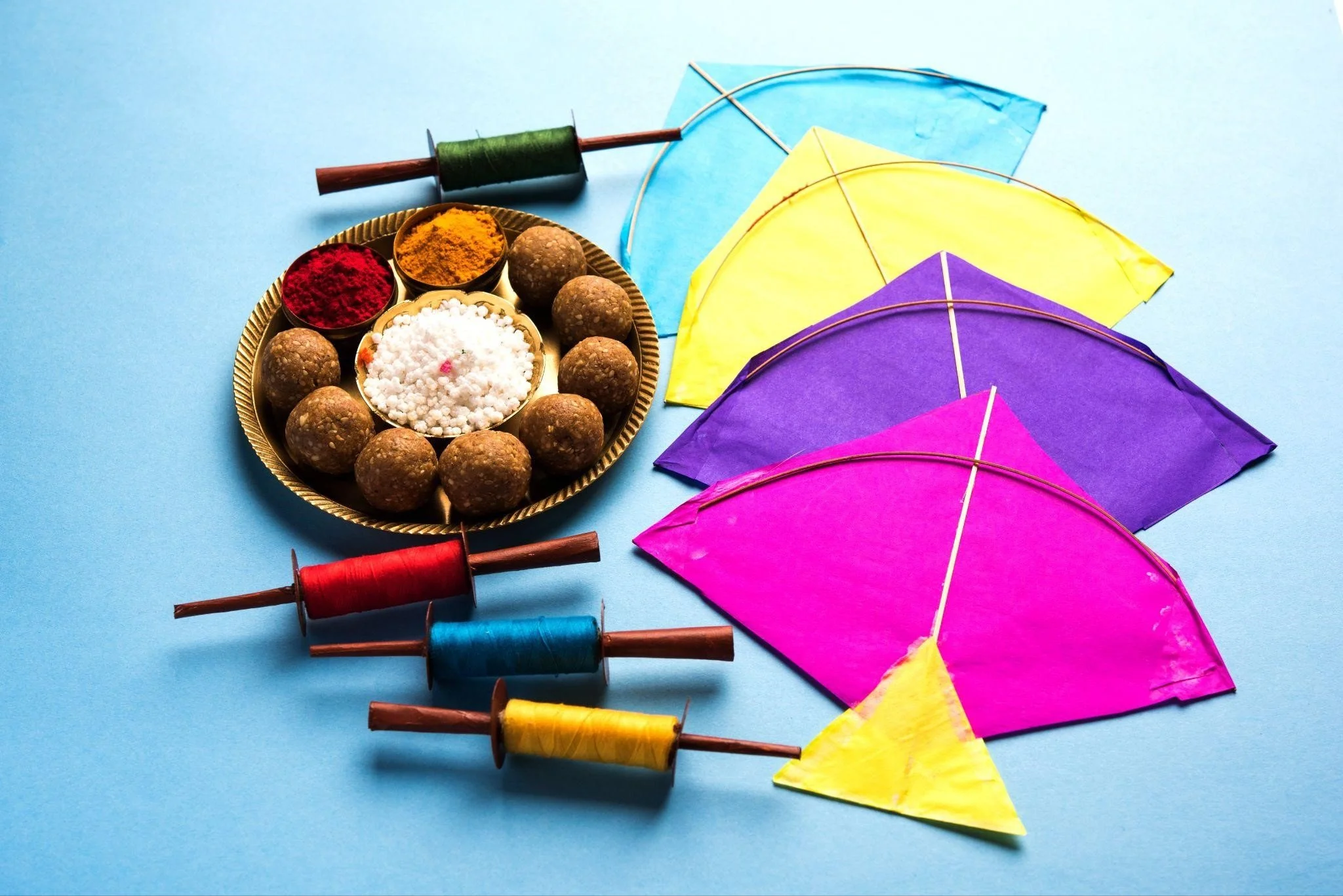
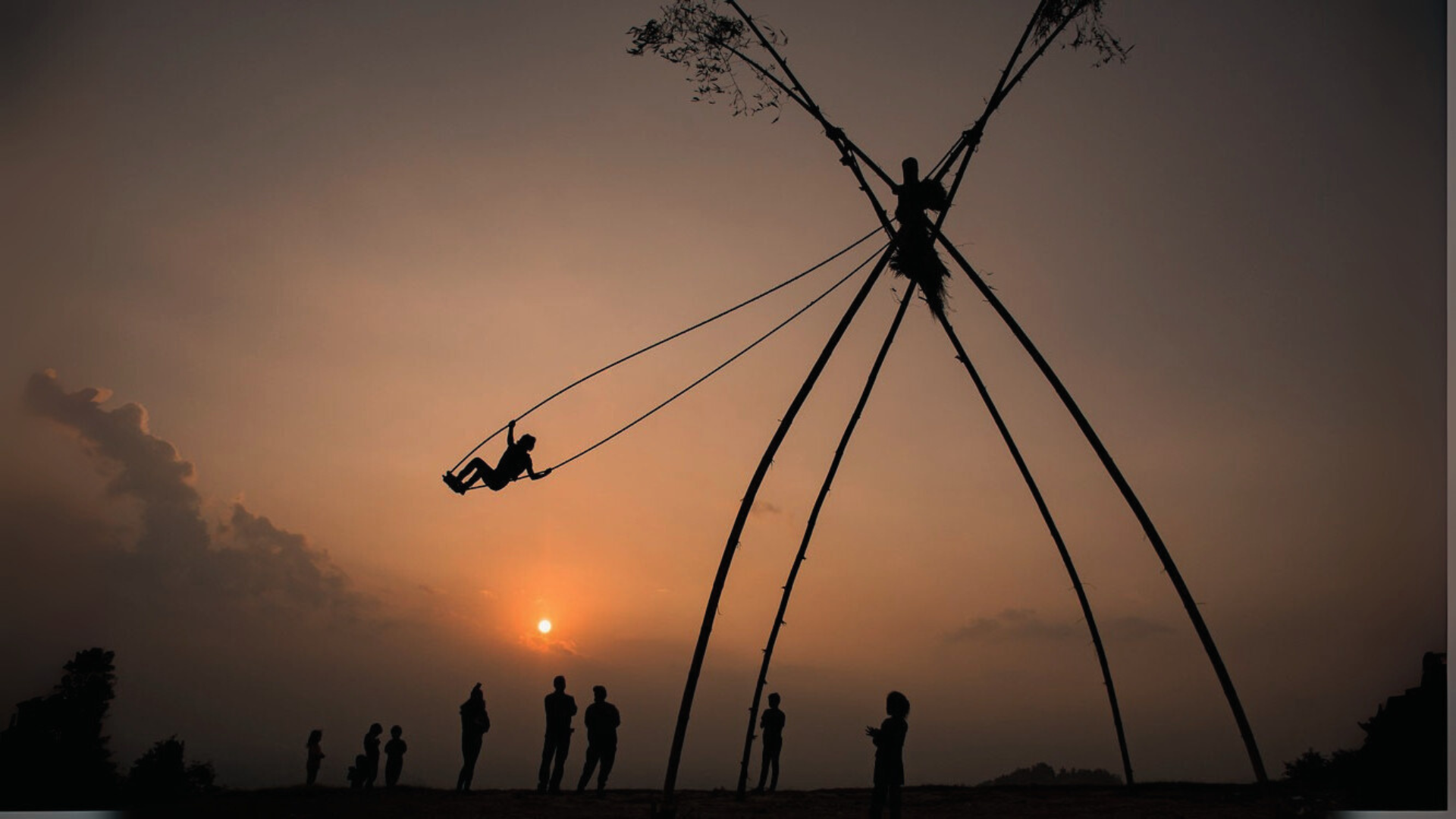
Dashain is also known for the tradition of flying kites. People of all ages take to rooftops to compete in kite-flying contests, turning the sky into a colorful spectacle.
Cultural Performances
Throughout Dashain, communities organize cultural performances, including traditional dances, music, and dramas. These events showcase the diversity and vibrancy of Nepali culture.
Feasting
Dashain is synonymous with delicious feasts. Families prepare elaborate meals, with a special focus on meat dishes, including goat and buffalo, which are consumed as a part of the festive celebration.
Fulpati
On the seventh day of Dashain, a procession known as "Fulpati" takes place. It involves the ceremonial bringing of jamara, sugar cane, and other auspicious items to the homes of government officials and the Royal Palace in Kathmandu.
Maha Ashtami and Kalaratri
On the eighth day of Dashain, devotees visit temples, including the Taleju Bhawani Temple in Kathmandu, to seek the blessings of the goddess Durga. On the same night, families light oil lamps and worship goddess Kalaratri, the fierce form of Durga.
Nawami and Vijaya Dashami
The ninth day, known as "Nawami," is dedicated to the worship of goddess Siddhidatri. On Vijaya Dashami, the final day of Dashain, people receive tika and jamara from their elders, and young members of the family seek the blessings of their elders.
Dashain, steeped in history and cultural significance, is a testament to the enduring traditions of Nepal. It's a festival that brings families and communities closer, reaffirms their spiritual beliefs, and offers a window into the rich tapestry of Nepali culture. While it is rooted in ancient mythology, Dashain continues to evolve and adapt to contemporary times, ensuring its place as the most cherished festival in the hearts of Nepali people. As you witness the vibrancy of Dashain, you not only experience the devotion and reunion but also gain a deeper understanding of Nepal's cultural heritage, which is as diverse and enduring as the Himalayan landscapes that define this beautiful nation.
POPULAR ITINERARIES
SIMILAR POSTS
Indra Jatra: Nepal's Spectacular Festival
In the heart of Kathmandu, where ancient traditions intertwine with modern life, a grand celebration unfolds, reverberating through the narrow alleyways and vibrant squares. This is Indra Jatra, one of Nepal's most significant and spectacular festivals, where gods, goddesses, and people come together to celebrate culture, heritage, and spirituality. In this feature article, we delve deep into the heart of Indra Jatra, exploring its history, rituals, and the vibrant tapestry of culture that defines this extraordinary celebration.
The Legacy of Indra Jatra: A Historical Prelude
Indra Jatra has deep historical roots that harken back to Nepal's medieval era. This annual festival takes its name from Lord Indra, the god of rain and the ruler of heaven in Hindu mythology. The festival finds its origins in the 10th century during the Malla Dynasty, which ruled the Kathmandu Valley. King Gunakamadeva initiated Indra Jatra as a way to honor Lord Indra for providing rain, essential for the agricultural prosperity of the region. Over time, the festival evolved to include both Hindu and Buddhist traditions.
The Tale of the Kumari Jatra
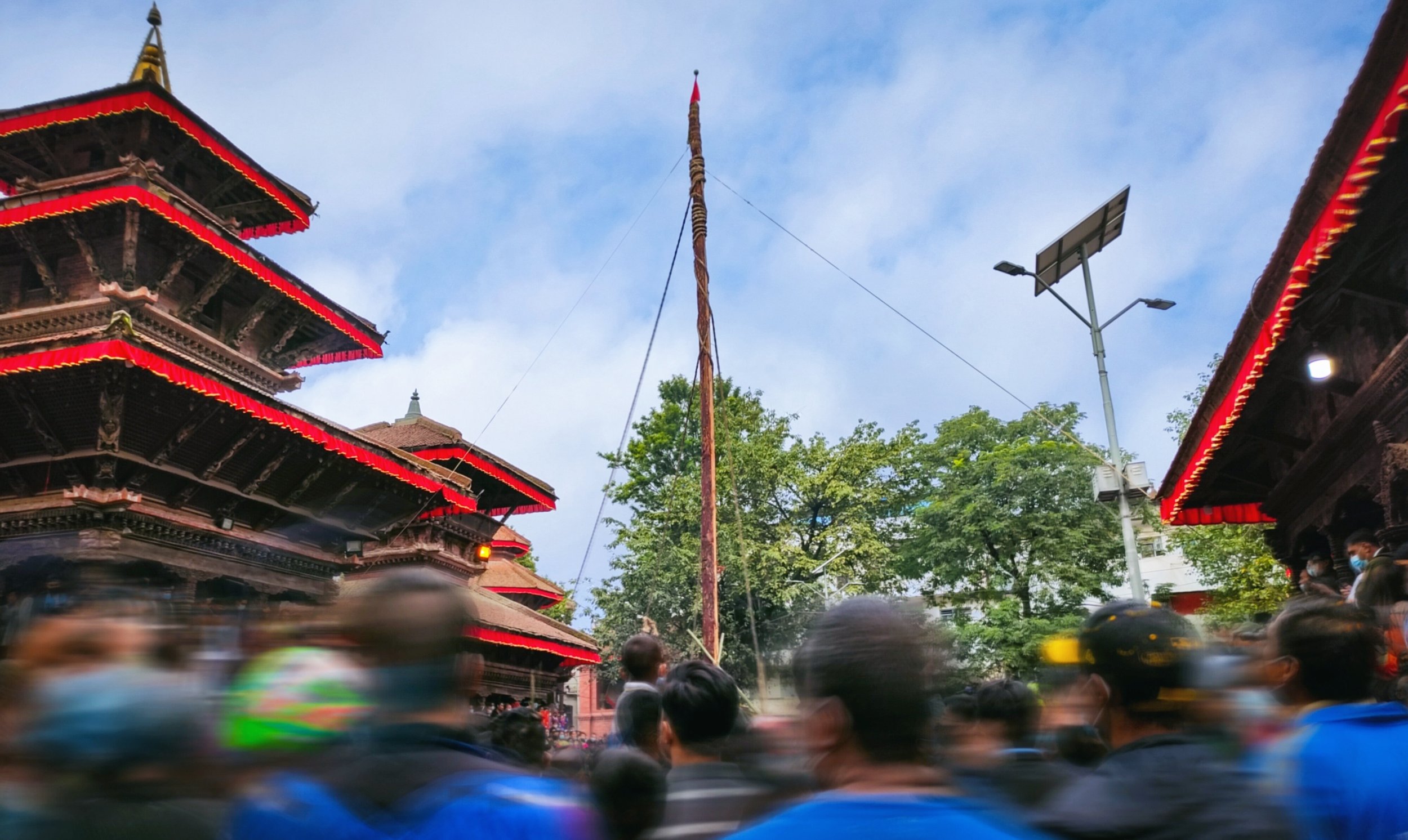
One of the most iconic elements of Indra Jatra is the Kumari Jatra, a procession that includes the Kumari, the living goddess of Kathmandu. The Kumari, a prepubescent girl chosen for her divine qualities, is a central figure in the festival. The Kumari Jatra serves as a symbolic way for the goddess to bless the city and its people. At the heart of Indra Jatra lies the "lingo," an intricately carved ceremonial pole that stands as the focal point of the festival. The raising of the lingo marks the official commencement of the festivities.
The Raising Ceremony
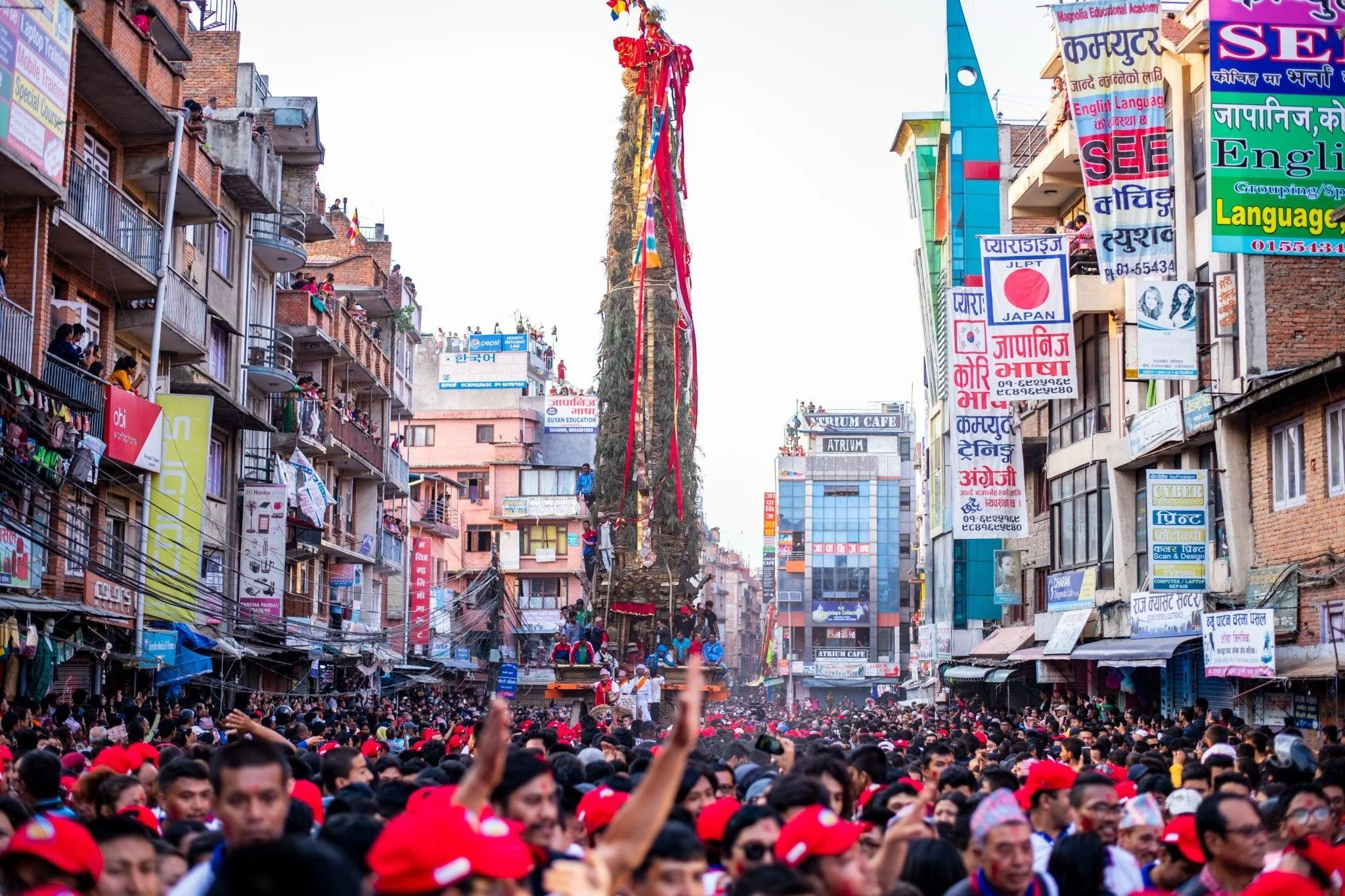
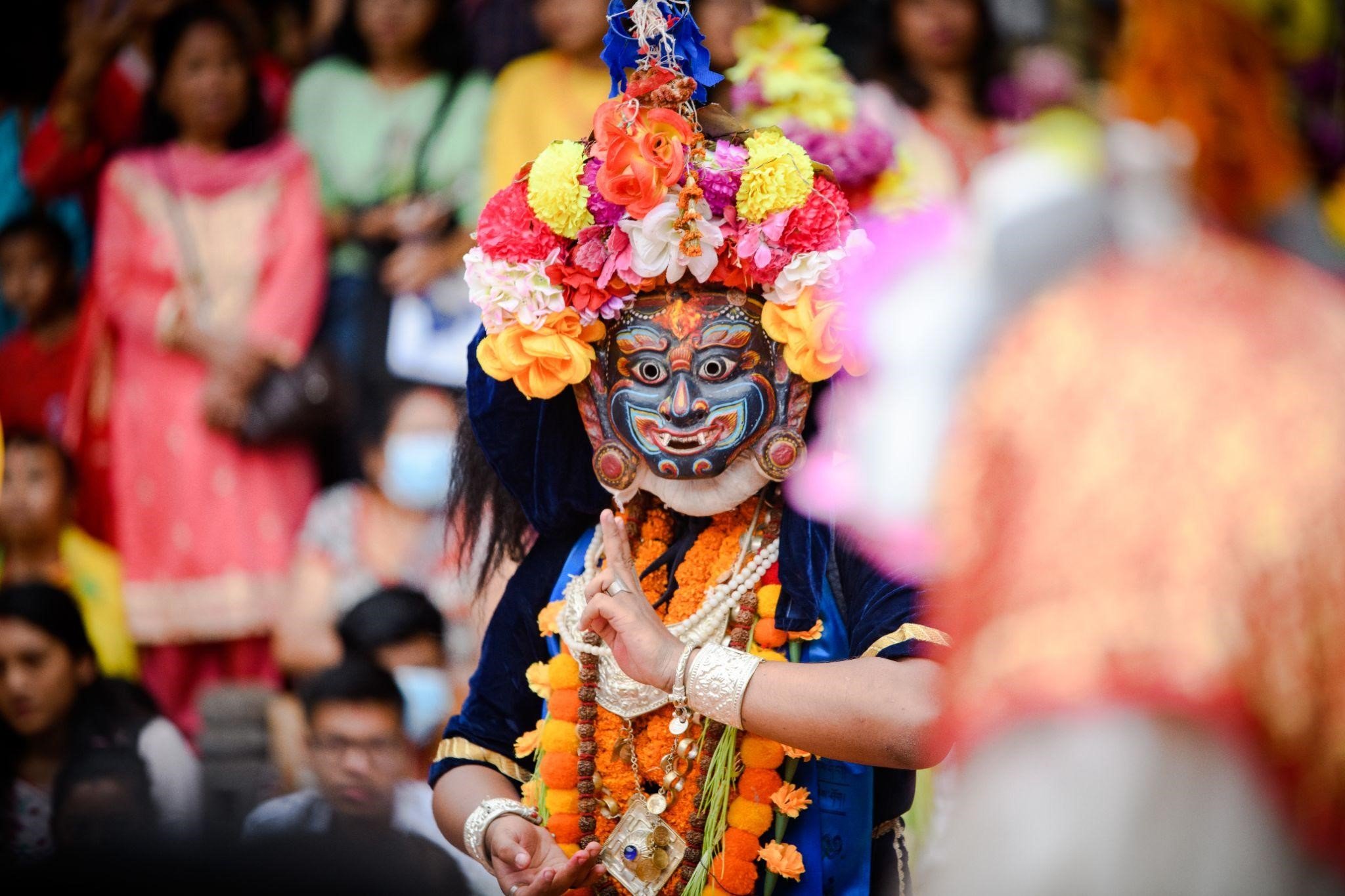
On the first day of Indra Jatra, the Kumari, clad in her resplendent attire, emerges from her residence, the Kumari Ghar. She is carried in a palanquin and accompanied by musicians, dancers, and devotees. Together, they make their way to Durbar Square, where the lingo awaits. The lingo represents a sword of Lord Indra, and its erection symbolizes the reestablishment of Indra's power. It is believed to bring protection and prosperity to the city. The ceremony itself is a mesmerizing spectacle, with skilled artisans and laborers using ropes and teamwork to hoist the heavy wooden pole into an upright position. One of the most captivating aspects of Indra Jatra is the vibrant display of traditional masked dances and cultural performances, which take place at Rani Pokhari, the historic artificial pond in the heart of Kathmandu.
Sawa Bhaku Dance
Another highlight is the Sawa Bhaku dance, where dancers don colorful and intricate costumes that represent different animals and deities. The dance is a rhythmic and synchronized performance that mesmerizes onlookers with its precision and energy. Indra Jatra is not just a celebration of culture; it's also a time for spiritual reflection and devotion. Devotees flock to the temples and shrines of Kathmandu to offer prayers and seek blessings.
Offerings to the Kumari
Devotees offer flowers, fruits, and traditional offerings to the Kumari, seeking her blessings for health, prosperity, and protection. The Kumari, in her divine role, watches over the city and its inhabitants during this sacred time. Many devotees visit the Kathmandu Durbar Square, home to a multitude of temples and shrines dedicated to various deities. The square is transformed into a bustling hub of religious activity, with incense wafting through the air and the sound of bells and drums filling the atmosphere.
One remarkable aspect of Indra Jatra is its inclusivity. While rooted in Hindu and Buddhist traditions, the festival is celebrated by people of all backgrounds and beliefs. It serves as a symbol of Nepal's cultural diversity and unity. Indra Jatra has garnered international attention, drawing tourists and cultural enthusiasts from around the world. It's not just a spectacle but also a gateway to understanding the rich cultural heritage of Nepal.
Indra Jatra is not merely a festival; it's a living testament to Nepal's rich history, spirituality, and cultural diversity. It's a time when the people of Kathmandu come together to celebrate their shared heritage, bridging the gap between the past and the present. As you wander through the vibrant streets of Kathmandu during Indra Jatra, you'll witness a breathtaking display of masked dances, hear the enchanting melodies of traditional music, and feel the devotion that permeates the air. The festival is a reminder that amidst the hustle and bustle of modern life, Nepal continues to honor its traditions and gods, embracing the spiritual and cultural essence that defines this Himalayan nation.
POPULAR ITINERARIES
SIMILAR POSTS
The Rich Tapestry of Newar Culture
Newar culture in Nepal's Kathmandu Valley is a vibrant tapestry of artistic excellence, syncretic religions, festivals, and a unique socioeconomic structure. Challenges and preservation efforts are vital to safeguard this rich heritage and promote a deeper understanding and appreciation of its contributions to global cultural diversity.
The Newar community, nestled in the Kathmandu Valley of Nepal, boasts a vibrant cultural heritage that is a testament to their remarkable history and resilience. As an expert in Newar culture with a deep understanding garnered through academic qualifications in anthropology, it is my privilege to shed light on the multifaceted aspects of this captivating culture. By exploring various perspectives, we can gain a comprehensive understanding of the Newar culture and appreciate its uniqueness. Let us embark on a journey that uncovers the essence of the Newar people and their rich cultural tapestry.
Historical Context
The Newar culture thrives in the cradle of the Kathmandu Valley, where its origins can be traced back to the Licchavi and Malla periods, spanning several centuries. These ancient civilizations left an indelible mark on Newar culture, influencing its language, architecture, arts, rituals, and social structure. The amalgamation of indigenous traditions, Hinduism, Buddhism, and tantric practices has shaped the diverse and inclusive fabric of Newar society.
Artistic Excellence
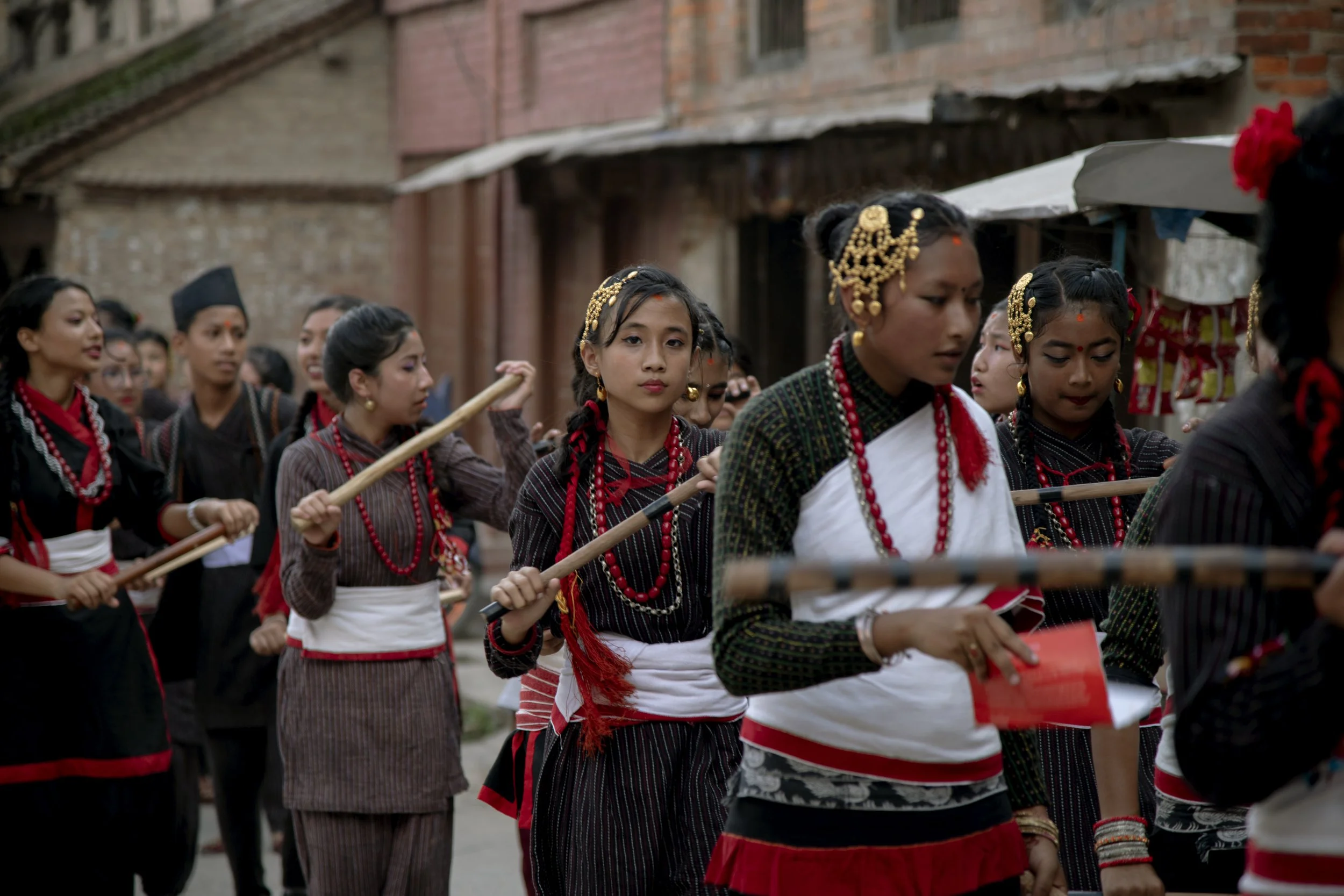
Newar culture is renowned for its artistic excellence, prominently showcased in various forms such as wood and stone carving, metalwork, painting, pottery, and textile weaving. The intricate craftsmanship and attention to detail exemplify the Newar people's deep-rooted creativity and aesthetics. Traditional art forms like Paubha painting, clay idols, and woodcarvings are not only visually captivating but also imbued with spiritual and cultural significance.
Festivals and Rituals
Newar culture is synonymous with vibrant festivals and rituals that reflect a harmonious fusion of Hindu and Buddhist traditions. Celebrations like Bisket Jatra, Indra Jatra, and Gai Jatra provide a platform for communal bonding, spiritual rejuvenation, and cultural exchange. These festivities serve as a gateway to the Newar world, where ancient myths, legends, and religious beliefs come alive in vivid displays of music, dance, processions, and rituals.
Religious Syncretism
One of the distinguishing features of Newar culture is its religious syncretism, blending elements of Hinduism and Buddhism seamlessly. The historical interplay between these two religions has given rise to unique practices, such as the worship of both Hindu and Buddhist deities within the same household or temple. This coexistence not only symbolizes tolerance and inclusivity but also showcases the adaptability and open-mindedness of the Newar people.
Socioeconomic Structure
The Newar society has a distinct socioeconomic structure known as the "Shrestha" system. This hierarchical framework categorizes individuals into different occupational groups, each with its specific roles and responsibilities. While this system has faced criticism for perpetuating inequalities, it also highlights the specialized skills and interdependence among the various groups. Recognizing the contributions of each segment fosters social cohesion and ensures the preservation of traditional crafts and knowledge.
Challenges and Preservation Efforts
In the face of modernization, urbanization, and globalization, the Newar culture confronts challenges that threaten its preservation. The rapid urban development in the Kathmandu Valley poses a risk to historical architecture and cultural landmarks. Additionally, the younger generation's exposure to external influences brings forth the need to strike a balance between preserving traditions and embracing change.
To safeguard the Newar culture, concerted efforts are being made by local communities, scholars, and organizations. Initiatives such as cultural festivals, museums, documentation projects, and educational programs are vital in nurturing a sense of pride, awareness, and continuity. Moreover, encouraging the transmission of traditional knowledge from elders to the younger generation plays a pivotal role in maintaining the cultural fabric of the Newar community.
The Newar culture stands as a testament to the richness and resilience of Nepal's heritage. Its art, festivals, religious syncretism, and socioeconomic structure are all integral aspects that contribute to its unique identity. By exploring multiple perspectives, we gain a comprehensive understanding of the Newar culture and recognize the importance of its preservation.
As we navigate an increasingly interconnected world, it is crucial to appreciate and celebrate cultural diversity. Let us embrace the tapestry of the Newar culture, recognizing its invaluable contributions to our shared global heritage. Through preservation, support, and a deeper understanding, we can ensure the Newar culture thrives for generations to come.
POPULAR ITINERARIES
SIMILAR POSTS

Nepal: A Land of Diverse Celebrations
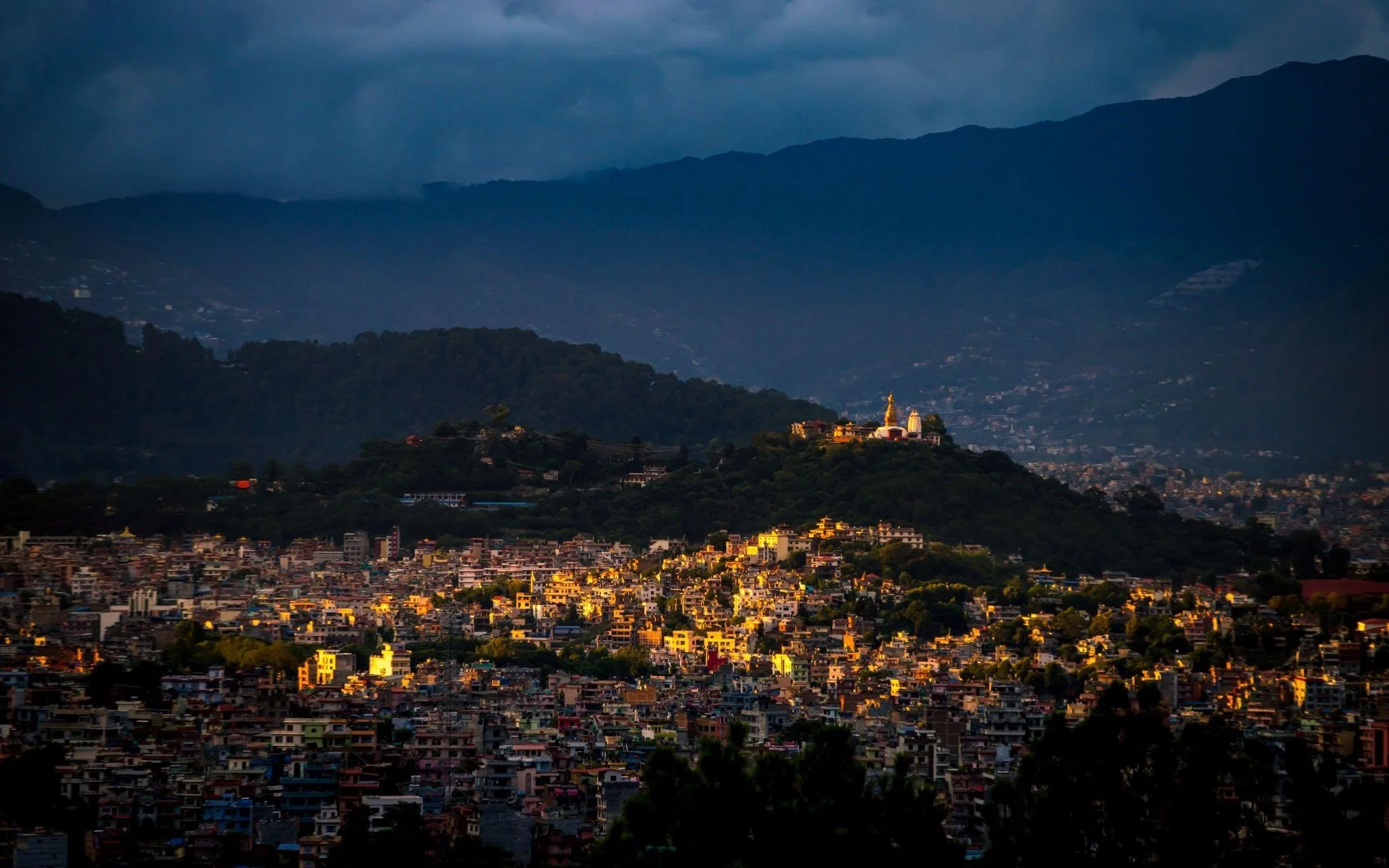
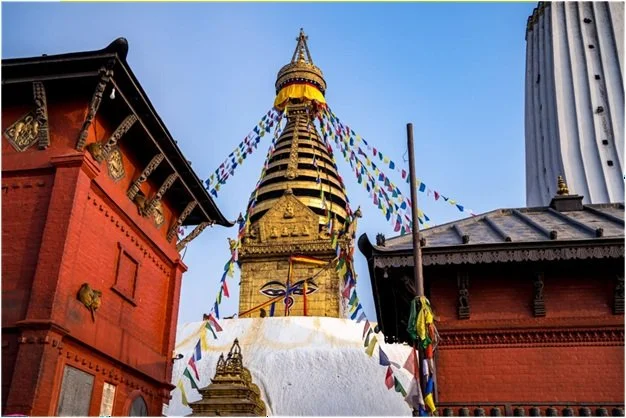
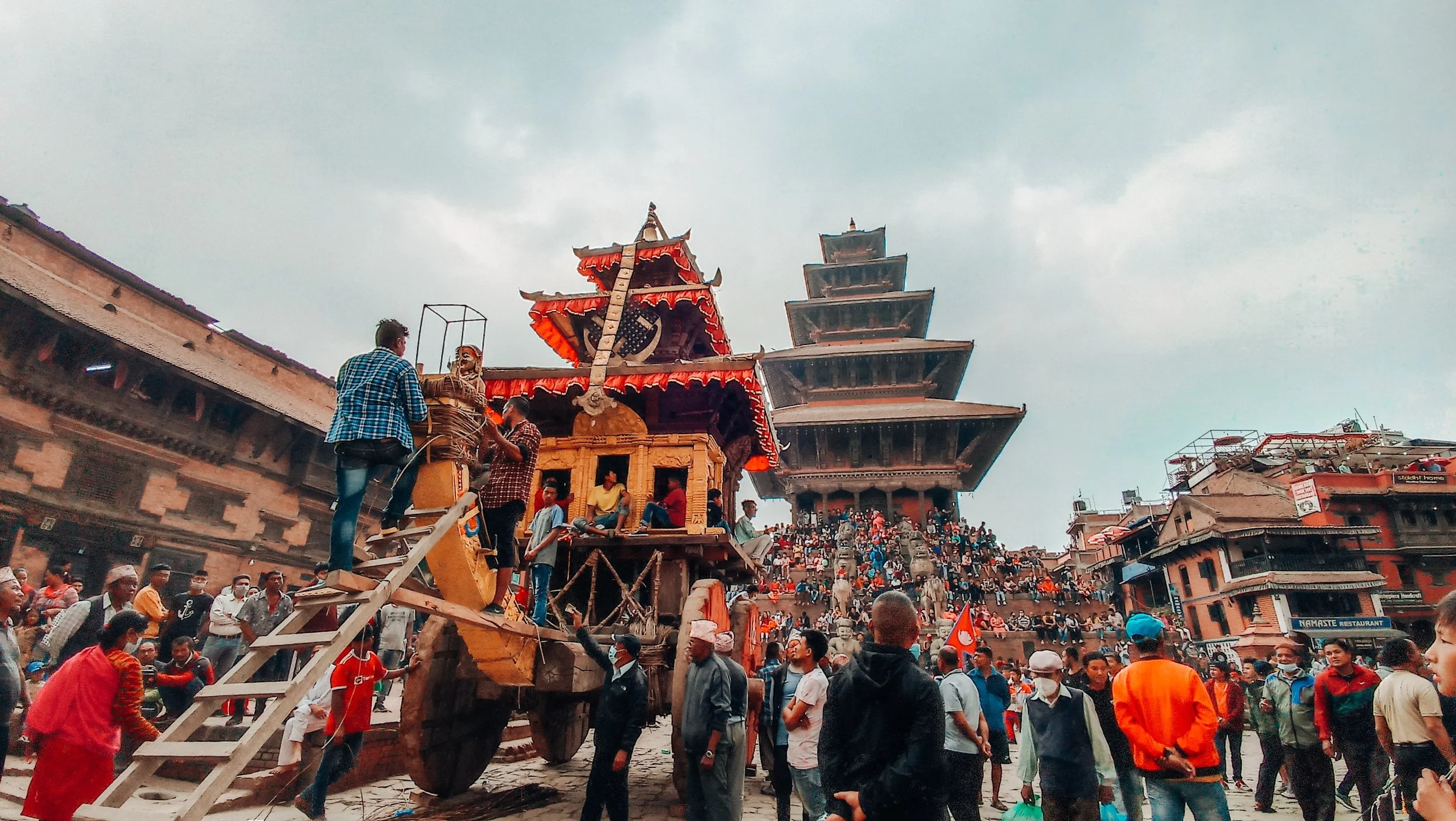
Nepal, a land of vibrant culture and traditions, where festivals are not just celebrations but a way of life. From the traditional Dashain to the colorful Holi, Nepal's festivals are a reflection of its rich history, religion and customs. A melting pot of diverse ethnic groups, these festivals bring people together, fostering a sense of community, tradition and unity.
Nestled between the towering Himalayas and the lush Terai plain, lies the small yet vibrant country of Nepal. Known for its diverse culture, Nepal is a melting pot of different ethnic groups and tribes, each with their own unique languages, customs, and traditions. From the traditional Sherpa culture in the mountains, to the vibrant Tharu culture in the Terai, Nepal's cultural landscape is as diverse as its geography. The country's varied topography, ranging from the Himalayas in the north to the flat Terai plain in the south, has played a big role in shaping its cultural diversity, with different ethnic groups adapting their culture to the local environment.
Nepal is a country with a rich history and culture, and this is reflected in the numerous festivals that are celebrated throughout the year. These festivals are an integral part of Nepal's cultural heritage and are deeply rooted in its history, religion, and tradition. They provide an opportunity for people to come together and celebrate their shared culture and heritage, and offer a glimpse into the country's rich history and customs.
Festivals are important in Nepal for several reasons:
l Cultural Preservation: Festivals are an important part of Nepal's cultural heritage and help to preserve the country's rich history, customs, and traditions. They provide an opportunity for people to come together and celebrate their shared culture and heritage.
l Social Unity: Festivals bring people together regardless of their religion, ethnicity, or social status. They provide a platform for people to connect with one another, build relationships and foster a sense of community.
l Religious Significance: Many festivals in Nepal have a religious significance and are an important part of the country's religious practices. They provide an opportunity for people to come together and offer prayers, perform religious rituals and seek blessings.
l Economic Boost: Festivals also provide an economic boost as they attract tourists, create jobs and generate income for local communities.
l Educational Value: Festivals also have an educational value as they offer a glimpse into Nepal's rich history, customs and traditions. They provide an opportunity for people to learn more about their culture and heritage, and also for visitors to learn about Nepal's culture.
l Tourist Attraction: Nepal's festivals are famous around the world and its festivals are one of the major attractions for tourists. It's a way to showcase the rich culture and diversity of Nepal.
One of the most famous festivals in Nepal is the Dashain festival, celebrated by the Hindu population. It is a time for families to come together and offer prayers to the goddess Durga, who is said to have defeated a powerful demon. The festival lasts for 15 days and is marked by the exchange of traditional gifts, the slaughter of animals, and the lighting of oil lamps.
Another popular festival is the Tihar festival, also known as the festival of lights. It is celebrated by the Hindu and Buddhist communities and is a five-day festival. During the festival, homes are decorated with oil lamps and rangolis, people offer prayers to the goddess Laxmi, and brothers put tika and jamara on their sisters forehead as a symbol of love and protection.
The festival of Teej is also celebrated with great enthusiasm, particularly by women. It's a festival of swing and it is celebrated by married and unmarried Hindu women. The women dressed in their traditional attire and they swing on decorated swings and sing and dance.
The festival of Holi is also an important festival in Nepal, celebrated by people of all ages and religions. It is a festival of colors and is celebrated to mark the end of winter and the arrival of spring. During the festival, people smear each other with colored powder and water, and feast on traditional foods.
These are just a few examples of the many festivals that are celebrated in Nepal. Each festival has its own significance and unique customs, reflecting the country's religious, cultural and social heritage. All the festivals are integral part of Nepal's culture and it reflects the unity in diversity.
POPULAR ITINERARIES
SIMILAR POSTS
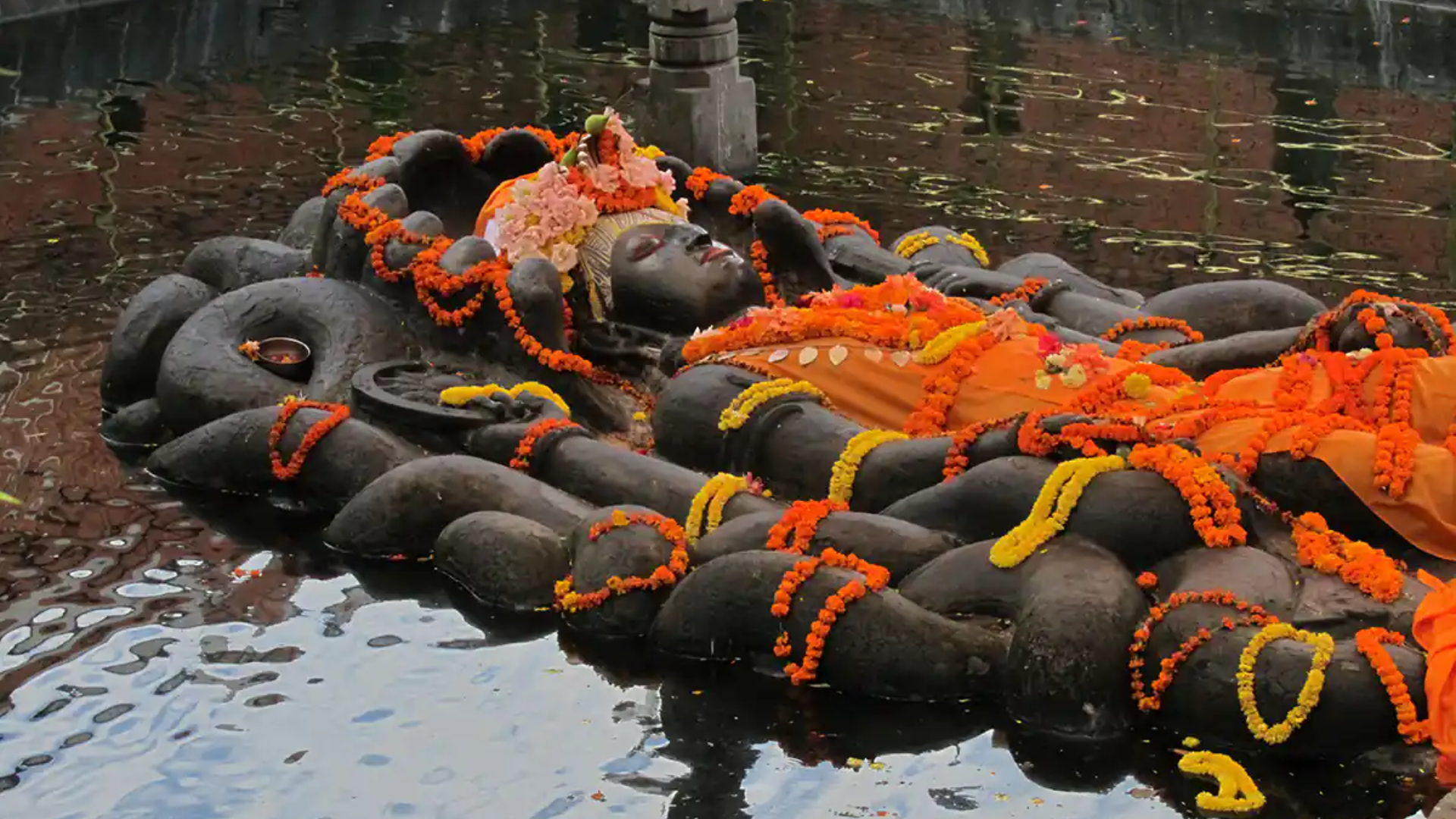
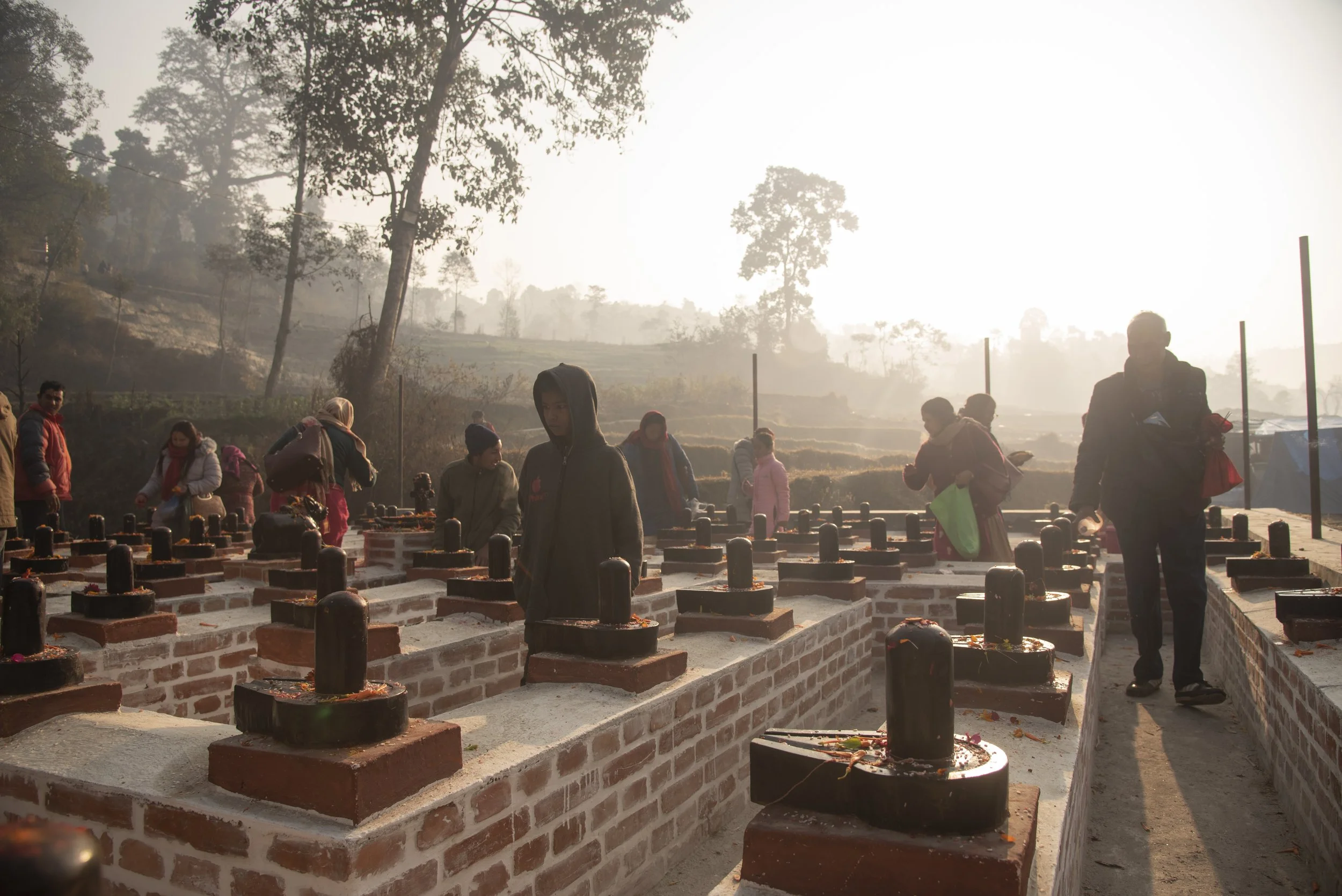
The Month of Swasthani
Swasthani Brata is a Hindu festival that is observed in Nepal, particularly in the Kathmandu valley. It is a month-long festival that takes place during the lunar month of Swasthani. Devotees observe a fast and perform various rituals and ceremonies to honor the goddess Swasthani, and the festival is also an important time for socializing and strengthening relationships with friends and family. It is marked by music, dance, and cultural activities.
The Life of Swasthani
According to Hindu mythology, Swastani was once a mortal princess who was married to the god Surya, the personification of the sun in Hinduism. She was known for her devotion to her husband and her kind and charitable nature, and after her death, she was elevated to the status of a goddess. During the festival of Swasthani Brata, devotees honor the goddess by performing various rituals and ceremonies, such as the reading of the Swasthani Purana and the offering of flowers, incense, and other gifts to the goddess.
The Social Importance of Festivals
The festival is also an important time for socializing and strengthening relationships with friends and family. Many people use the occasion to visit with loved ones, exchange gifts, and hold feasts and other social gatherings. In addition to its religious significance, the festival is also an important cultural event in Nepal, as it is a time for celebrating the music, dance, and other artistic traditions of the country. It is a time for people to come together and celebrate the diversity and richness of Nepali culture.
Swasthani Bratakatha: The Book of Swasthani
The Swasthani Bratakatha is a Hindu religious text that is traditionally read during the festival of Swasthani Brata, which takes place in Nepal. The text tells the story of the goddess Swasthani and her powers, and it is believed to have the power to grant wishes to those who read it with devotion. The Swasthani Bratakatha is a collection of stories and legends about the goddess Swasthani and the various miracles and blessings she has bestowed upon her devotees. It is considered an important religious text for Hindus in Nepal, and it is widely read and revered during the festival of Swasthani Brata.
The exact date of the composition of the Swasthani Bratakatha is not known, as it is an ancient text that has been passed down through the generations. However, it is generally believed to be a very old text, possibly dating back several centuries. Despite its age, the Swasthani Bratakatha remains an important religious text for Hindus in Nepal, and it is widely read and revered during the festival of Swasthani Brata. It is also a valuable source of information about the history and beliefs of Hinduism, and it is often studied by scholars and students of religion.
In today's world, the Swasthani Bratakatha continues to be an important part of the cultural and religious traditions of Nepal, and it is widely read and revered by Hindus in the country. It is seen as a source of inspiration and guidance for Hindus, and it is believed to have the power to grant wishes to those who read it with devotion. The text is also a valuable source of information about the history and beliefs of Hinduism, and it is often studied by scholars and students of religion.
During the month of Swasthani Brata, devotees observe a fast and perform various rituals and ceremonies to honor the goddess Swasthani. These may include reading the Swasthani Purana, offering flowers and other gifts, performing puja, visiting temples and shrines, and participating in cultural activities such as music and dance performances.
POPULAR ITINERARIES
SIMILAR POSTS

The Dance of Nayata Bhulu Ajima - A Sacred Dance Part II
In ancient times, the ajima’s were regarded the ultimate protectors of the valley. They were strategicallly placed in cardinal points along with military infrastructre to ensure the cities protection from both physcial and supernatural forces. Amongst, the mother goddesses of Kathmandu is Nyata Bhulu Ajiima.
In the previous blog, we looked into various historical elements of Nayata Maru Ajima and the legends surrounding her origin. The iconic 12-year presentation was conducted this year by the Management Committee.
The dance and skit were presented in Trishul Chowk inside the Hanuman Dhoka Palace by the Nardevi Shweta Kali Conservation and Management Committee. Even though the dance is performed annually, the 12-year presentation is unique. It features godly characters who had only passive/dormant roles in the yearly rituals.
The most iconic of all is Su:tha Maju. Su:tha means morning, and Maju means mother in Nepal Bhasa. As per ritualistic traditions, the performances for the day only begin after she (Su:tha Maju) performs at the break of dawn. Locals state that even though Su:tha Maju, commonly referred to as Lokeshwor, is revered in the Buddhist community, the tradition binds all religions, faith and ideals found in this valley. Elders state how the manifestation of Su:tha Maju is an avatar of Nyata Maru Ajima.
The dance and skit last for four days in total. For two days, the artists perform at Trishul Chowk inside the main palace complex of Hanuman Dhoka. The remaining two days are at the open-air stage (Dabali) adjacent to the Gadhi Baithak, in front of Kumari Chhen (House).
Each character presents their opening, followed by the skit of Chandeshwari. The story summarized is as follows- Chandashur Daitya is a powerful demon. He is strong, mighty and fearless. The daitya (demon) falls in love with Chandi- the daughter of Nyata Bhulu Ajima. Ajima learns of this unholy union and tries their best to persuade her daughter. It seemed like nothing worked, but she created a powerful potion to intoxicate and hypnotize her daughter. In her influenced state, she turns on her lover- the daitya. She trades her sword with her mother and delivers a lethal blow killing the demon. After that day, Chandi was known as Chandeshwari- the slayer of Chandashur.
The 12-year celebration features special pujas at the mother goddess temples of Kathmandu valley. The mother goddesses featured in the dance and skit of Nayata Maru Ajima are found in its sister cities as well. These mother goddesses protect the kingdom from supernatural evil and create a tantric shield around the city. Most were established during the Lichhavi Era, and the custom of establishing an army camp or military facility near these goddesses continued till the Mala Era. An example of this can only be seen at Lumadi Ajima, today known as Bhadrakali.
POPULAR ITINERARIES
SIMILAR POSTS
Chhath: A Grand Celebration of the Sun
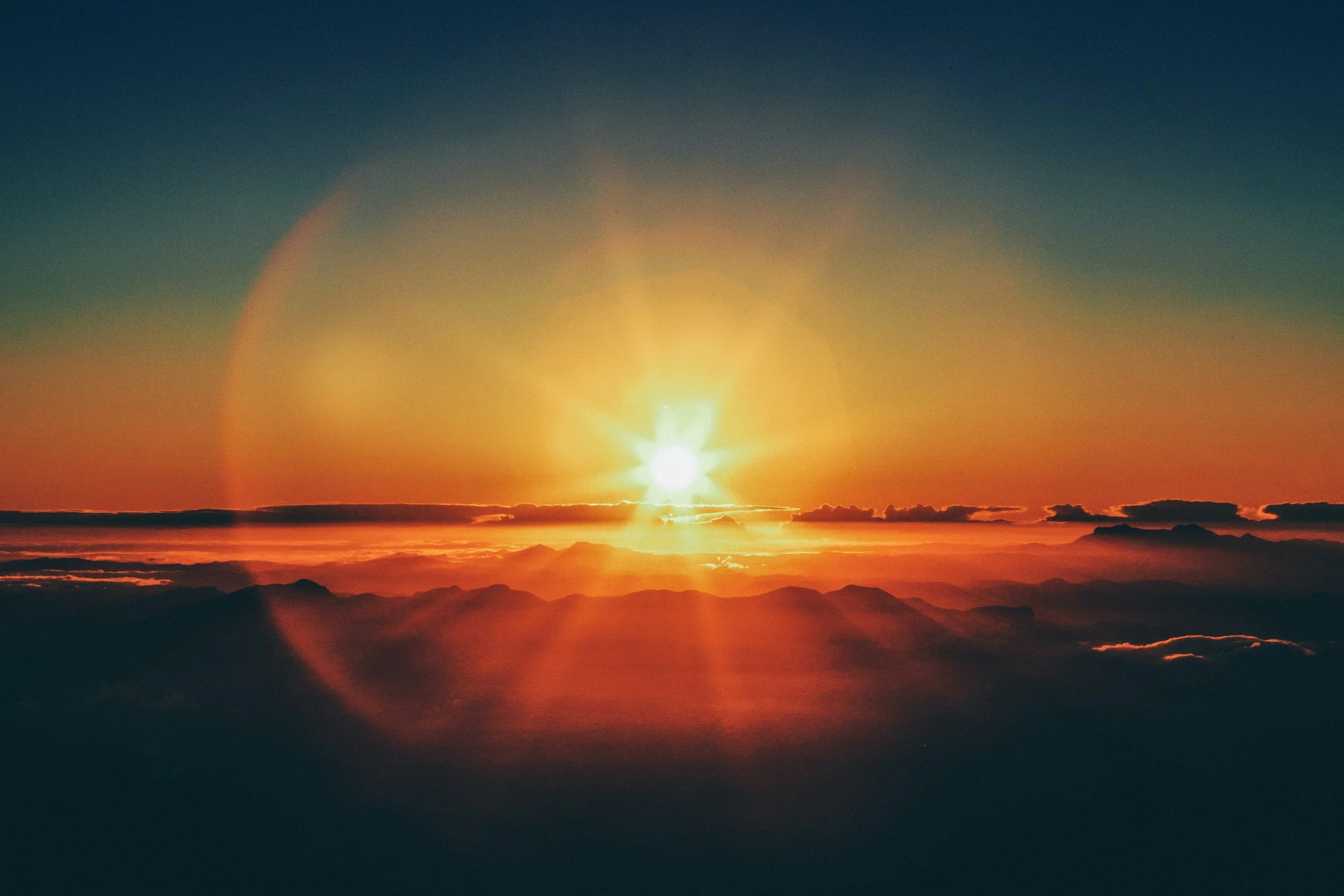
Chhath is a festival committed to worshiping the Sun god and his beloved wife Usha. The sole purpose of this special day is to thank god for supporting life on our planet and seek blessings from the holy Sun god.
Chhath is a festival committed to worshiping the Sun god and his beloved wife Usha. The sole purpose of this special day is to thank god for supporting life on our planet and seek blessings from the holy Sun god.
Sun is significant in healing several health conditions like progress, longevity, prosperity, positivity, and well-being. People follow a meticulous routine that lasts for four days. The ritual focuses on fasting, offering prayers to the rising and setting sun, meditation, and holy bathing all while standing in the water.
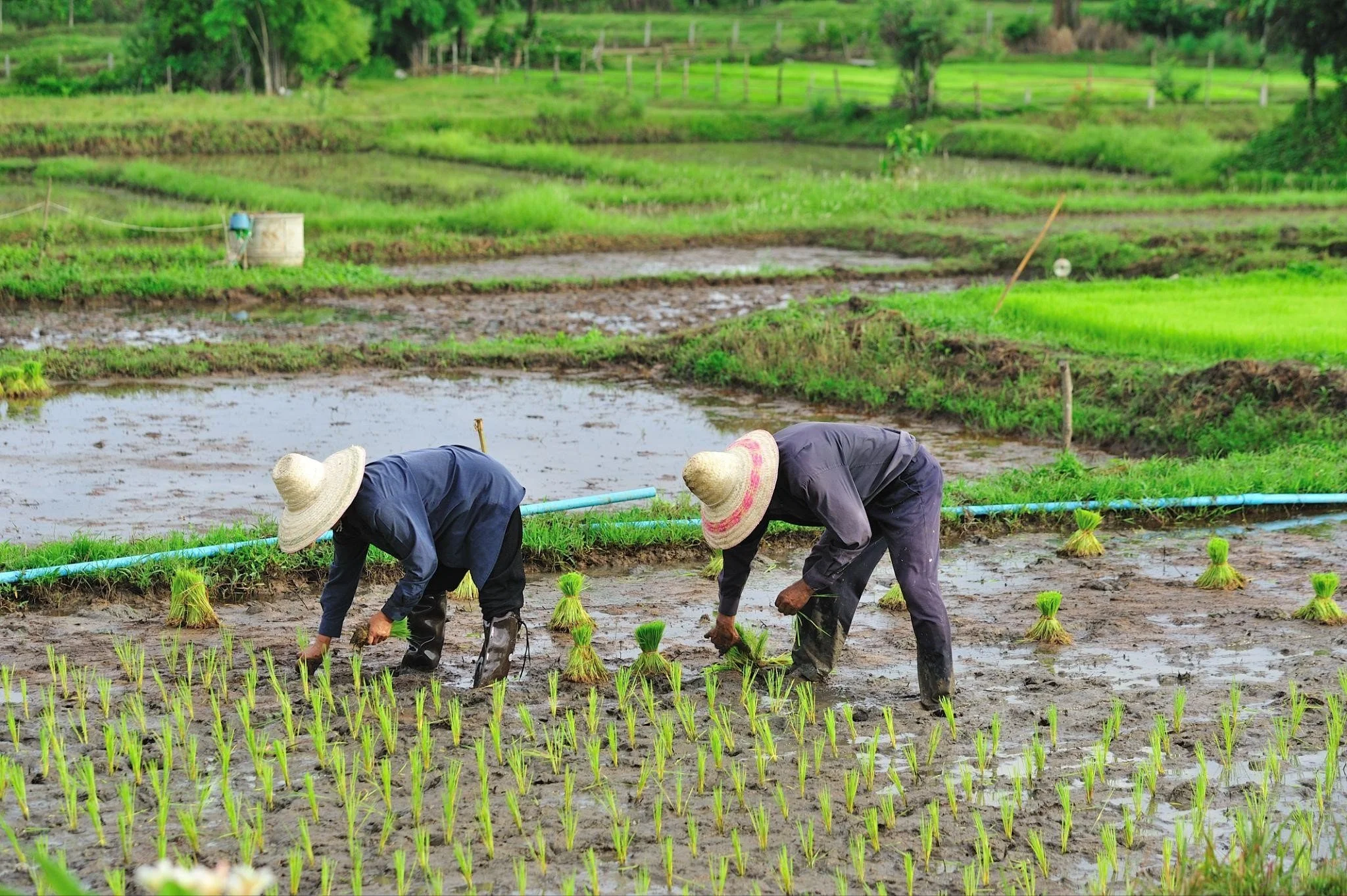
This prominent festival of the South has another importance of Chhath Puja. In an agricultural country like ours, we celebrate in the form of a post-harvest festival. People show gratitude for a good harvest in the coming year as the season ends.
A key part of history states that Chhath is one of the oldest rituals as jotted down in mythological scriptures. Even the Rigveda includes hymns with prayers of worship to Lord Surya. Similarly, Chhath has also made a mark on the pages of Mahabharata and Ramayana. Also, in the holy Ramayana, it is believed Lord Rama and Sita exercised this ceremony after their return from 14 years of exile.
Along with that, Chhath has a major scientific implication. For instance, your body gets detoxified as you take dips in the water. While paying homage to Sun, it increases the natural flow of solar bio-electricity resulting in improved functionality of the human body. Not just that, this unique puja also kills harmful bacteria and gives your body a new head start before the coming winter season.
Now, let’s break down the celebratory days of this auspicious festival:
Day 1
Nahay Khay: On the first day, devotees take a dip in the River Ganga, Kosi, and Karnali. They then take holy water home and assemble their offerings to the Sun god. It is considered the most important part of the four-day-long festivities.
Day 2
Lohanda or Kharna: The second day of the Sun festival means fasting for the whole day and ending the fast sometime after sunset. Devotees arrange offerings like bananas, rice, and kheer for the family after wholeheartedly praying to the Sun and the Moon. After taking the prasad, you have to start another fast for 36 hours, and that too without water.
Day 3
Sandhya Arghya (evening offerings): The third day of Chhath means to observe fast without consuming water for the entire day. People dedicate their time to preparing the needful offerings which are then kept in a bamboo tray. The prasad includes coconut, thekua, banana, and many other seasonal fruits. To cleanse their body, devotees flock around the banks of rivers or ponds. As part of the final rite, they offer araghya to the setting sun.
Day 4
Bihaniya Arghya: Honoring the last day of this grand occasion, devotees gather around the bank of the River or any water body to extend their prayers and prasad to the rising Sun. Finally, the devotees are at liberty to break their fast. However, they are only allowed to eat ginger and sugar or other local products. That brings the end of this highly cultural festival rejoiced by the Madesh community.
Overall, Chhath puja is considered to be an environment-friendly Hindu festival requiring no form of idol worshiping. Throughout history, Surya (Solar Deity) is regarded as a prominent natural force worshipped by humans. As it has its relationship with harvest, humans also acknowledge their connection and identity with nature.
This gender-neutral festival where both men and women can perform the function has the utmost spiritual, cultural, and social association.
POPULAR ITINERARIES
SIMILAR POSTS
Tihar: Victory of Light
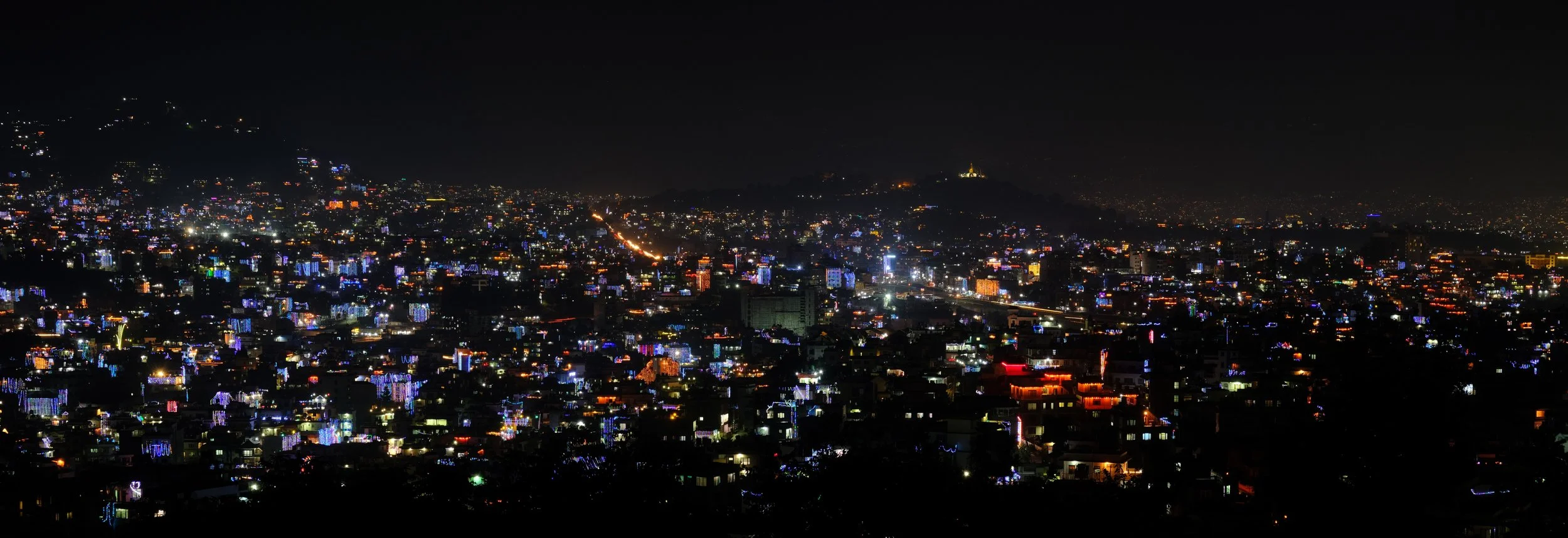
Tihar is the second largest national festival of Nepal. It bares similarities to Dipwawali celebrated in our neighboring nation. The festival is celebrated for a total of 5-days. During which various animals, birds and gods are worshipped. Each day has its own symbolism and each community has its own tradition and ritual process of observing the festival.
Tihar or ‘The Festival of Lights,’ is the second biggest festival after Dashain. It is a five-day-long celebration with houses emitting iridescent lights, artistic rangolis, and flowery decorations.
We also call these five days Yama Panchak where we do everything we can to keep Yama Raj happy. Keeping our good deeds in mind, he will judge our character after death and decide our path to heaven or hell accordingly.
In this remarkable observation, we honor animals to commemorate their unique bond with humans. Tihar means victory of good over evil and in that context people consider different creatures as divine gifts from Mother Nature who help stir our everyday community life.
Talking about various ways of celebration, on the first day of Tihar, people offer rice to crows aka the messenger of death. As crows are busy delivering important information to Yama Raj all year round, they rest on this auspicious day. We should strive to keep the crows satisfied in the hopes of avoiding bad news in the forthcoming year.
Likewise, the second day is dedicated to Kukur Puja honoring dogs for their loyalty to human beings. They are known to be our protectors and play a significant role in safeguarding our community. If you take a stroll around your area, you can see dogs beautified with flower garlands and a huge tika applied to their forehead. Also, after the ceremony is over, they get to feast on a scrumptious meal and they are left with a happy tummy.
Then on the third day comes Gai Tihar where we worship cows and Laxmi (the goddess of wealth). Being the most important holiday of Tihar, people get up early in the morning to clean the room thoroughly in order to appease the divine Goddess. Traditionally, she is known to visit every household to shower her blessing. After that, the cows get a cozy bath and we accessorize them with intricately designed garland. The priest even ties holy strings to their tails as part of the custom.
Goru Tihar, Govardhan Puja, and Mah puja are celebrated on the fourth day and three separate pujas are performed to celebrate this momentous day. As part of Goru Puja, we worship the Oxen. Followed by Govardhan Puja where we make a hill of Govardhan Parbat using the holy cow dung which is known to purify the surroundings. Having major importance in Hindu culture, it was used to polish mud floors of traditional houses.
A ceremony big in the Newar community, Mha Puja is also called self-puja where we intend to cleanse our body and soul. Each member of the family has a distinct mandap and a female member of the family offers shagun with her hands crossed. The shagun can be anything from fruits, eggs, fish, meat, pastries, and lentil. This also marks the starting of Newari New Year.
The fifth day or Bhai Tika celebration is best explained through a popular story about Yama the god of death, and his sister Yamuna. The two of them had been apart for a long time so the sister makes a request to her brother to pay a visit. She sent a message through a crow, dog, and cow until finally, she decided to meet her brother. Following a special ritual, she worships him with tika and flowers and puts five colored tika. Along with that, Yamuna made a circle with mustard oil, Dubo Grass (Cynodon Cactylon), and ended the ceremony with Makhmaali Mala (Globe Amaranth).
For five days, she kept her brother happy and on the last day in form of gratitude, Yama gives her presents thus marking the celebration of Bhai Tika. This is how we celebrate the festival of Light over Darkness.
POPULAR ITINERARIES
SIMILAR POSTS
Flavor of Dashain
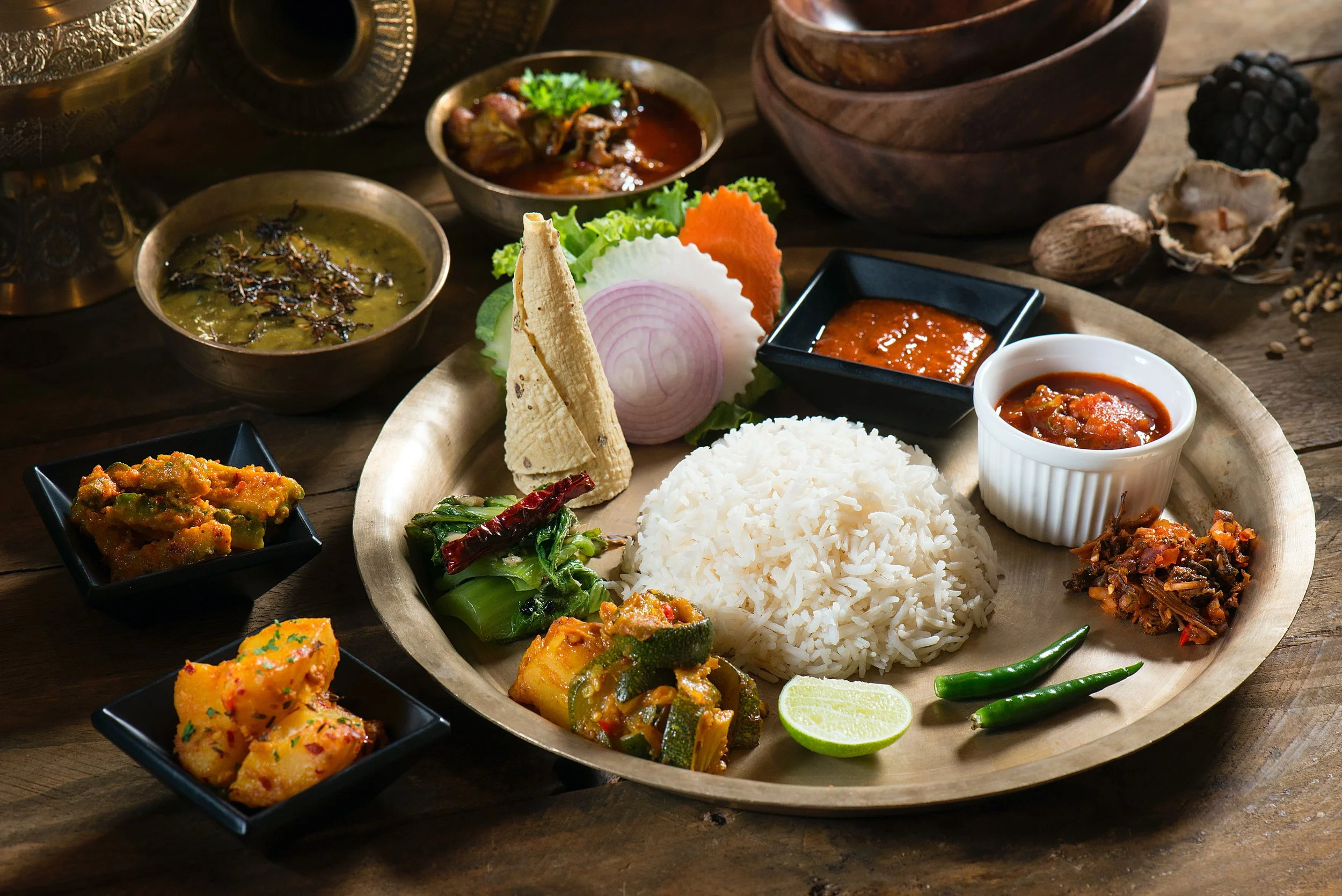
The festival of Dashain is a fiesta of flavors. The ethnic diversity of Nepal entails a symphony of beautiful delicacies put together to enjoy with friends and family. In this article we shall explore the various flavors that are celebrated during Dashain
‘Dal Bhaat Masu’, we love to eat during Dashain! A nearly seven-day holiday means playing cards and feasting on various delicacies. Every household engages in making an age-old food recipe with absolute joy. Since food has a way of bringing all of us together, let’s talk about staple food eaten during this festive season.
A tantalizing appetizer popular in a Newari household, Chhoila is a famous dish served with chiura (beaten ride). Commonly there are two types of Chhoila, Haku and Mana wherein mana means ‘boiled’ and Haku means ‘black’ referring to meat cooked over fire. It is made with buffalo meat, nowadays we make the dish with other types of meat as well.
In the same genre of unique eats, Sukuti is dried meat marinated with spices over charcoal or a fireplace. Sukuti Sadheko is a dish that is a mixture of cumin, coriander, garlic, ginger, red onions, and chilies. Largely served as a snack with noodles or chowmein, extra crunchy peanuts, and raw shelled green peas are also a good addition.
We all crave the savory taste of Sekuwa which is a Nepali way of cooking barbecue. An iconic food found especially in eastern Nepal and Kathmandu, it’s a true meat lover's dish. It could be a goat, lamb, pork, chicken, or even a mixture of it all. Now that sounds like fun!
Experience the delicate and rich flavor of Jhuku aka Blood Sausage. The diced, boiled and fried intestine consisting of white blood cells might not be the go-to choice. However, for people who love experimenting with their food, this dish is a must-try!
Enjoying a piece of grilled Mutton Sekuwa meat with a hint of lime, chili, and Sichuan pepper sure takes us down the road of nostalgia. Am I right? The cuts in the tender boneless meat give a smoky taste and add a bit of crispiness to each bite. Traditionally, we enjoy this treasured food with local Dashain drinks while playing cards.
As part of reminiscing exquisite recipes, consuming Mutton Curry among the Kshatriyas and Brahmins has its own significance. Some families buy a goat and keep it in the house for a few days. On the eighth day of Dashain, the goat is sacrificed and offered to God. Every part of the meat is enjoyed. Bhutan (fried intestine) is eaten with drinks while Mutton Kebab is devoured at all times.
Also, ever heard of pakku? A marinated dish with immense spices cooked in a low level of heat for a long time giving it the texture of pakku which is tender and flavorful. Due to culinary diversity, every household has its own cooking of this meaty treat. That’s why you get to try different variations of the classic goat pakku!
Talking about options that appeal to all vegetarians out there, Bhatmas Sadheko is the perfect appetizer eaten in the form of a snack or side dish. Also found in a Newari platter, people of all ages relish its well-seasoned taste. Another dominant cuisine is fermented radish pickle. Mula Ko Achar gives off a certain kick of spices making the experience really enjoyable. For all kimchi lovers, give this a try!
Once the holiday starts, there’s no work, no obligation and the only thing to think about is FOOD! Nowadays, we can even see people sharing their unique customs, traditions, and family recipes bringing in a lot more palatable options as part of a cultural amalgam.
Having said that, this Dashain you can create your own signature dish or stick to your grandma's curated recipes. Either way, it’s going to be a flavorful season!
POPULAR ITINERARIES
SIMILAR POSTS


Places to visit this Dashain Break
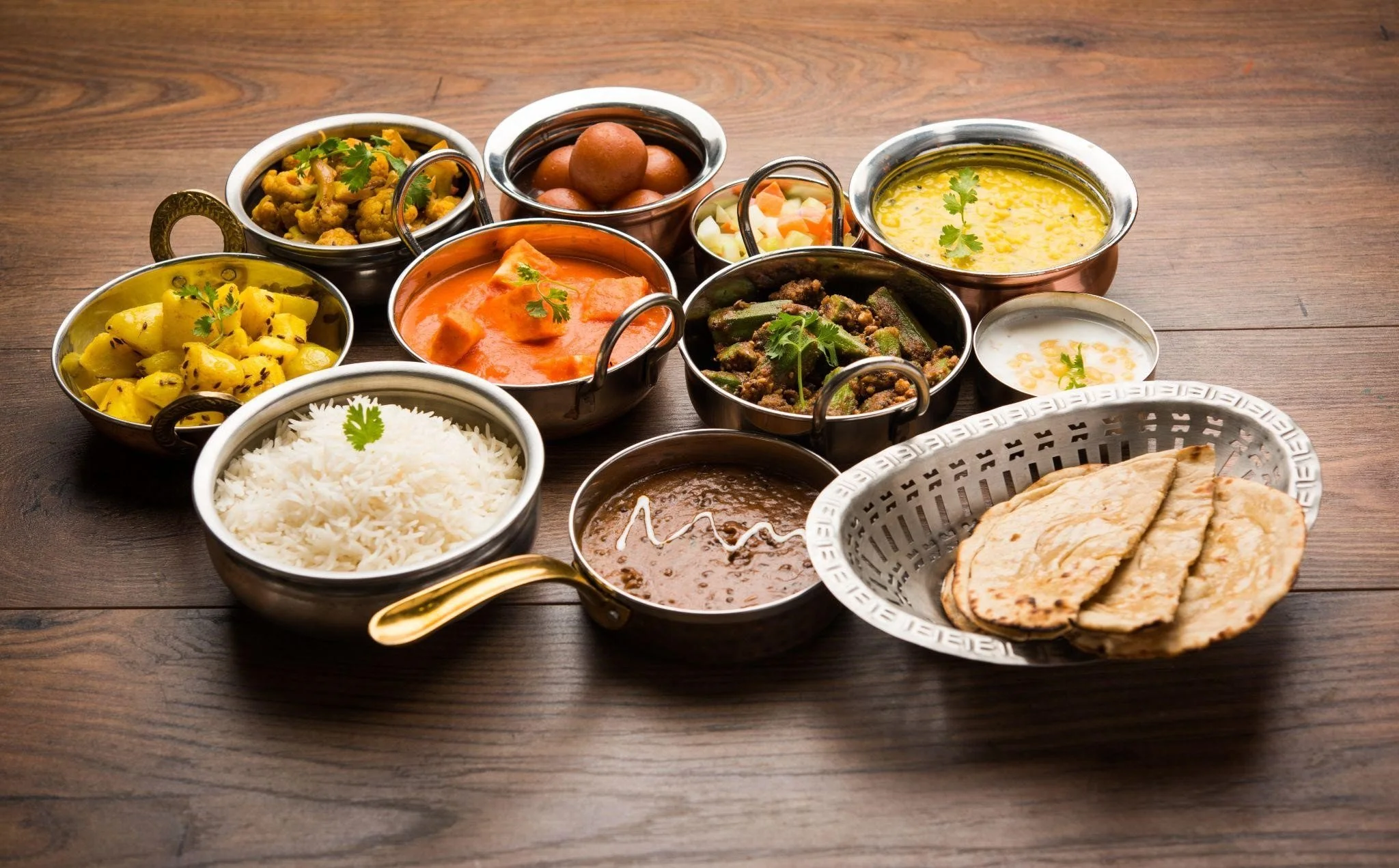
As everyone gets a holiday during the Dashain season, it has become a trend to go on a short break. The ultimate escape from work and study calls for a rejuvenating adventure. So, call up your loved ones and arrange a package service to head on out and about
The first place that comes to mind when we talk about inbound travel is going to Nagarkot. A hill station famously known for camping and night stay purpose gives you the best sunrise and sunset view. If the weather is in your favor, you get to witness the glorious sight of the mountains in just an hour’s drive.
Talking about a journey that takes about 5 hours of time, a short stay at Kalinchowk is a wonderful choice. After getting on a cable car, a picturesque view awaits you on top of the Bhagwati temple that will leave you in awe. We recommend renting a private vehicle or hiring a jeep as it’s convenient.
Without mentioning Pokhara, this article would be incomplete as it’s a major internal and external tourist hub. Surrounded by Fewa, Begnash lake, and Sarankot for early morning sunrise, the city has it all. Along with that, David Fall, Peace Pagoda, International Mountain Museum, and Mahendra Cave are other major attractions.
If there’s one place that preaches peace and tranquility, it’s Bandipur. An old Newari town located in the heart of Tanahu district is worth traveling for a day or even overnight for an authentic experience. The housing style here is quite the sight. As part of a hill station, you get a scenic view of a wide range of mountains. Just take a stroll around the evening time with your friend and see how wonderful it feels!
For people who aren’t celebrating Dashain this year, we’ve got you sorted with a perfect escape plan to wander in nature. A superb monsoon cloud-free weather greets you no matter which path you follow. Take your family for a visit to either see the unhindered 180-degree scene of the snow-capped mountains or a picnic around the vibrant Godavari area.
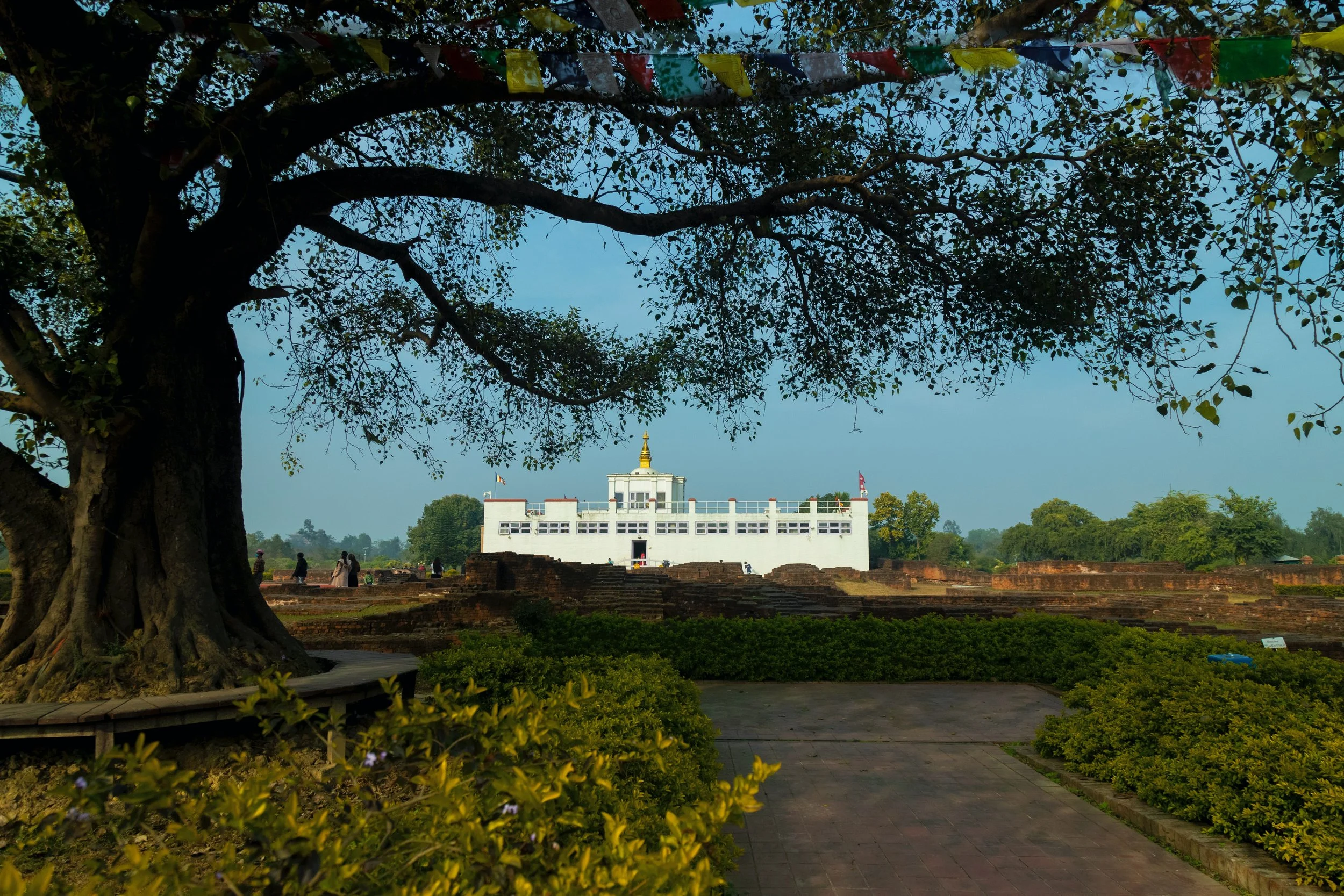
We all want to attain peace during our break right? So why not visit the birthplace of The Light of Asia in Lumbini? Remember to go to Maya Devi Temple, Ashok Pillar, Shanti Stupa, and Bidhi Tree while you’re at it. In a place with rich flora and fauna, take a trip to Chitwan National Park and be a part of nature. Hop on a safari ride and there’s a chance of spotting Bengal Tiger, Rhino, Crocodile, Elephant, and many more diverse creatures. Also, the world’s littlest vertebrate, the dwarf shrew is here, isn’t that exciting?
Only with an hour’s drive, embark upon the luscious green forest of Chitlang village. Consisting of more than 160 species of animals and birds, it’s a real treat for the eyes where you get to soak in every element of nature. Did you know about a big apple garden with more than a thousand apple trees? Well, you have to take a look at it! They have even established a few cottages between the gardens.
Although visiting a heritage site might not be on your bucket list, there will be less traffic and crowd to go to sites like Kathmandu Durbar Square, Swayambhunath, Kritipur, Bhaktapur, and Bouddha. You will get a whole new outlook on familiar places. Who knows, you may even find some hidden gems.
The month of September and October are considered to be the finest time to explore the nooks and corners of Nepal. So, where will you visit this Dashain?
POPULAR ITINERARIES
SIMILAR POSTS
Symbolism of Dashain
Dashain- a grand celebration of victory over evil. The festival at its core is similar to Dashera celebrated in India but over time numerous elements have been through cultural practise. It is a festival with deep symbolism and roots in all of our cultures
Upon hearing Dashain people envision a long holiday where people rejoice in flying kites, wearing new clothes, eating good food, and exchanging kind greetings with loved ones. The most powerful symbolic message is the celebration of the victory of truth and virtue against injustice. This auspicious festival starts with Ghatasthapana where people fill a vessel to the brim with sand. Then they sow barley seeds and maize while covering it in a pitch black room and worshipping it for 10 days.
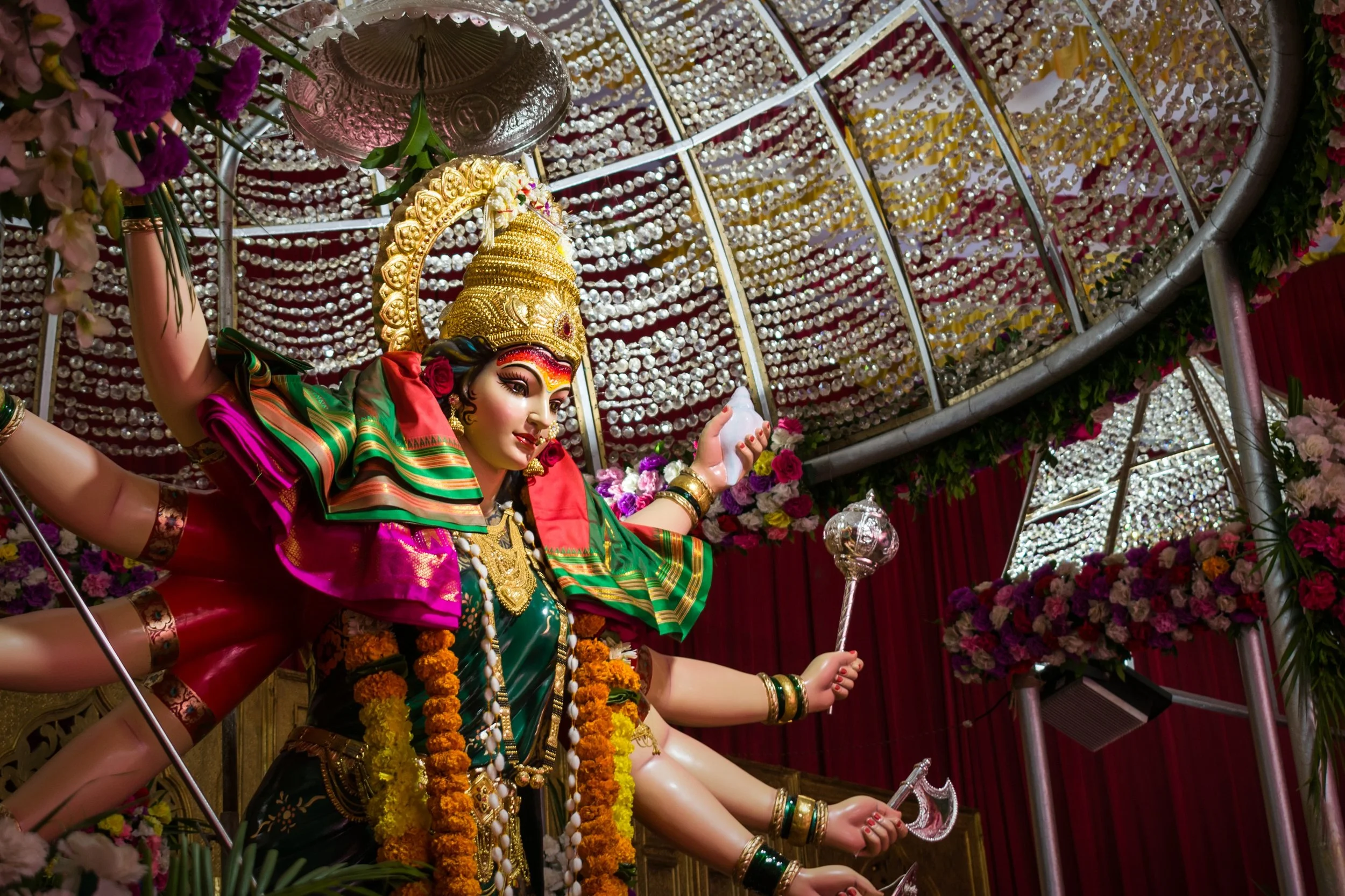
Similarly, on the seventh day, Phulpati is observed in the form of Saptami and is commemorated by an official ceremony held in Dhulikhel. After that, the Fulpati parade is taken to the residence of the president of Nepal as he’s a leader of the country. Followed by the eighth day, Maha Asthami is devoted to the name of Goddess Kali, who is a manifestation of Goddess Durga. To appease the fiery rage of Kali, people tend to sacrifice hens, goats, and buffaloes in temples. Now comes the ninth day of Dashain Mahanavami where we remember Lord Vishwakarma who is famously known as the divine creator of the world. People spent their day worshiping their tools, equipment, and vehicles. Another value of this important day is the opening of Taleju Temple. Its gates are open to the public only on Mahanavami.
Commonly, it’s considered to be a nine-day festival and is called Nauratha or Navaratri. During this time, we dedicate our time to worshipping many avatars of Goddess Durga like Brahmacharini, Shailputri, Kushmanda, Chandraghanta, Katyayani, Skandamata, Siddhidatri, and Mahagauri. On the tenth day, to mark the end of the ritual, people distribute Prasad as sweets and Jamara. Not to forget the most exciting part for children, elders bless them with Dakshina (money). It symbolizes blessings passed down from one generation to another. To give the exact timeline, the tradition of receiving Tika and Prasad starts from Ashwin Shukladashami and ends on Ashwin Shuklapoornim.
The fifteenth day is the last of this festival and falls on a full moon day. Preserving the historical ethos of the vibrant festival, it concludes after staying awake for the whole night and following various proceedings in the name of Mahalaxmi. This night is popularly called Kojagrat Purnima. The actual meaning of Kojagrata is someone ‘who is awake.’ There’s a common belief that Goddess Lakshmi visits earth and she keeps tabs on people who stayed awake to worship her. She brings prosperity and luck to people who prove their unyielding commitment.
However, there are some superstitious elements at play during this season as well. Animal sacrifices are done in the name of the weapon, Maulo, and Kotpuja. Although this practice has been notably reduced, they are still apparent in some typical Nepalese neighborhood. Our values should lie in the fact that saving the lives of harmless creatures should be done even if the tradition says otherwise.
Overall, the Dashain festival represents Nepal as being rich in cultural diversity. The Malshree dhun is integrated as a piece of mainstream Nepalese music and represents the tune of Dashain. Since the start of Nauratha, the pleasant melodies of Mohalibaja, Fluit, Dhime, and Jhyamtebaja denotes the arrival of our most awaited festival.
Also, the appealing weather with warm and lovely sunrays in the daytime and foggy mornings make the festival even more joyous. It falls under the perfect time, the ending of the rainy season, and the beginning of the winter season.
The elements of bonding and family reunion make Dashain a valuable and memorable time for all. Other key aspect includes bonding, elder’s blessings, family reunion, and entertainment making it a heartwarming time spent with loved ones.