
The Untold Stories of Gosaikunda Lake: A Sacred Trek in the Langtang Range
Nestled in the heart of Nepal’s Langtang Range, Gosaikunda Lake is not just a breathtaking natural wonder but also a spiritual haven for trekkers and pilgrims alike. Known for its pristine beauty and sacred significance, the Gosaikunda trek offers an adventure that combines both awe-inspiring landscapes and deep cultural meaning. But beyond the panoramic views and crystal-clear waters lies a tapestry of ancient legends and stories that make this place truly magical.
Nestled in the heart of Nepal’s Langtang Range, Gosaikunda Lake is not just a breathtaking natural wonder but also a spiritual haven for trekkers and pilgrims alike. Known for its pristine beauty and sacred significance, the Gosaikunda trek offers an adventure that combines both awe-inspiring landscapes and deep cultural meaning. But beyond the panoramic views and crystal-clear waters lies a tapestry of ancient legends and stories that make this place truly magical.
A Sacred Journey to Gosaikunda
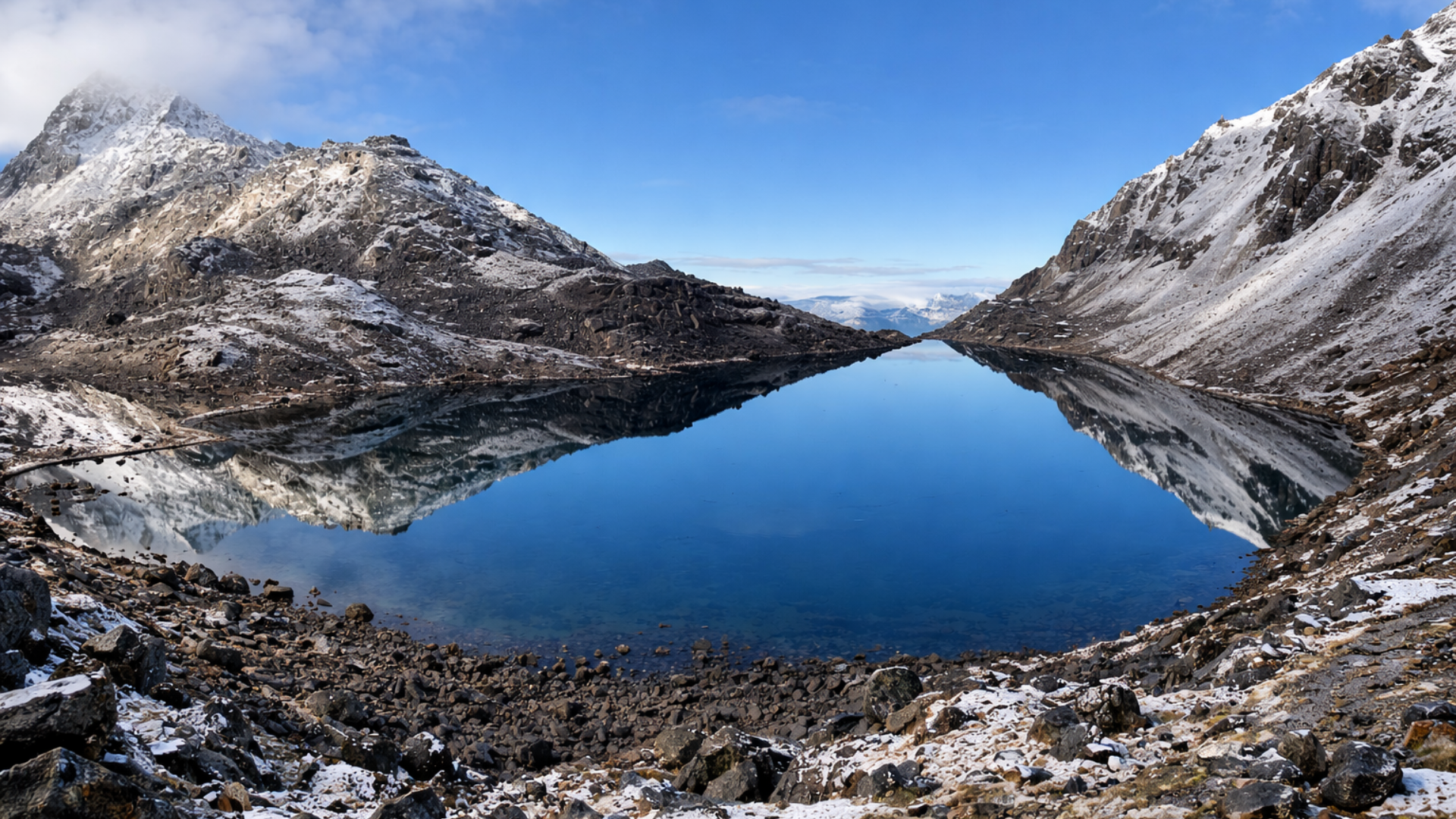
Gosaikunda Lake, located at an altitude of 4,380 meters, is one of the most revered pilgrimage sites in Nepal. The trek to the lake is a challenging yet rewarding journey that takes travelers through rugged terrains, dense forests, and alpine meadows, all while offering spectacular views of snow-capped peaks and pristine landscapes.
The journey to Gosaikunda is not just a physical challenge but also a spiritual one. For Hindus, Gosaikunda is considered the home of Lord Shiva, one of the most powerful deities in the Hindu pantheon. According to legend, the lake was formed when Lord Shiva, in a moment of great thirst, struck his trident into the mountains to bring forth water. The lake’s waters are said to possess divine powers, and it is believed that a dip in its holy waters can cleanse the soul of sins and purify the body.
Legends of Gosaikunda
The stories surrounding Gosaikunda Lake are as mysterious as the lake itself. The most famous legend involves Lord Shiva and his consort, Parvati. According to the myth, Shiva was once severely afflicted by thirst while wandering in the high mountains. To quench his thirst, he struck his trident into the ground, creating the lake. This story has been passed down through generations, and every year, thousands of devotees embark on the Gosaikunda pilgrimage to bathe in its sacred waters during the full moon of August, known as the Janai Purnima festival.
Another fascinating story is that of the Gosaikunda yaks, believed to be the guardians of the sacred lake. It is said that these yaks have the power to protect the lake from any negative forces. Trekking through the Langtang National Park, you may encounter these majestic creatures grazing in the high-altitude meadows, their presence adding to the mystical aura of the place.
The Trek: A Path Through Heaven
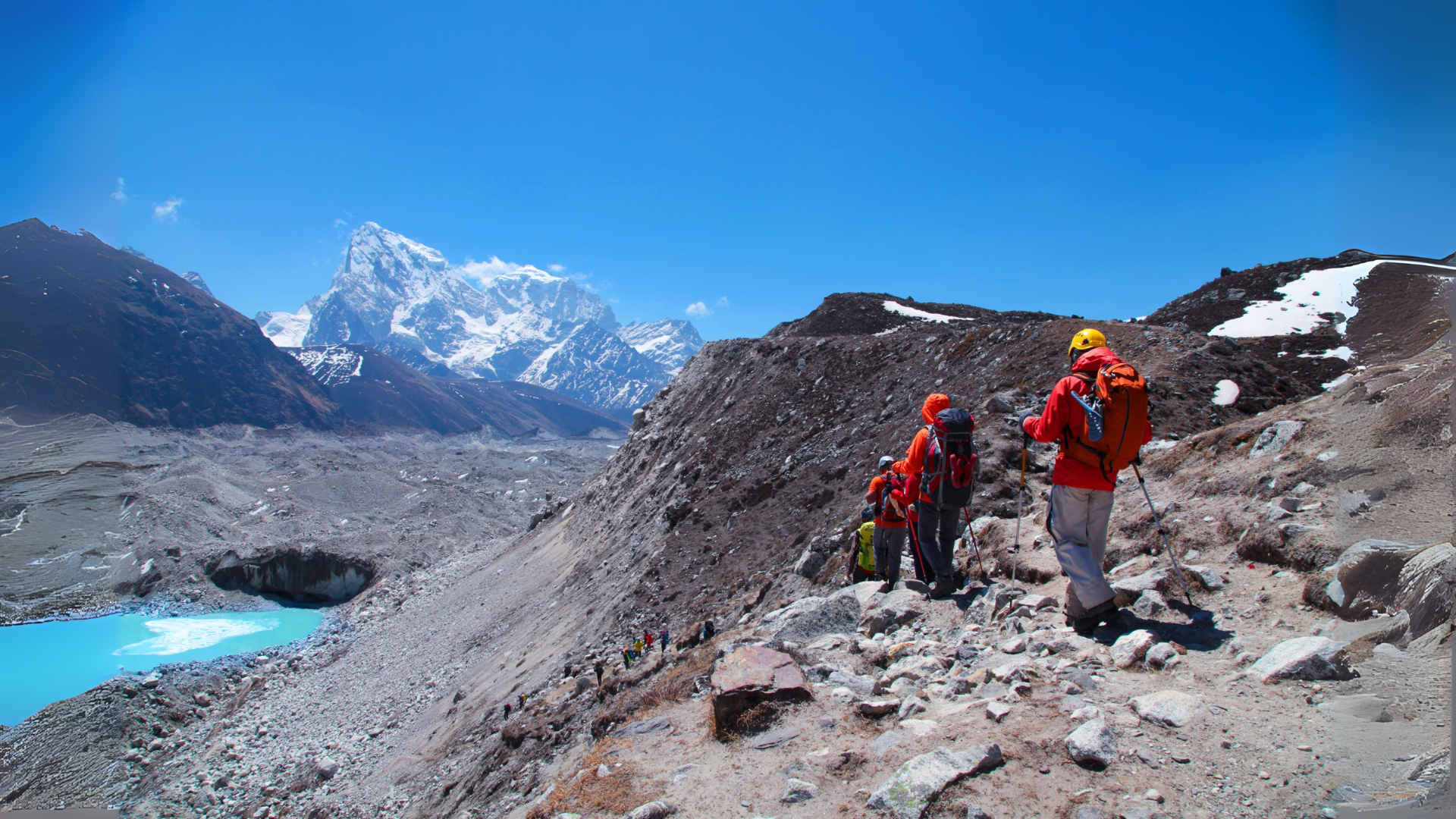
The Gosaikunda trek is one of Nepal’s most popular trekking routes, especially for those seeking a combination of natural beauty and spiritual immersion. Starting from the vibrant town of Syabrubesi, the trail takes trekkers through picturesque villages, dense forests of oak and rhododendron, and past waterfalls that seem to tumble straight from the mountain peaks. As the trek continues, the landscape transforms into a barren, alpine environment, with the towering peaks of the Langtang Range looming ever closer.
One of the highlights of the trek is the climb to the Lauribinayak Pass, which offers panoramic views of some of the highest mountains in the region, including Langtang Lirung, Ganesh Himal, and Manaslu. From here, the trail descends into the Gosaikunda Valley, where the shimmering waters of the lake await.
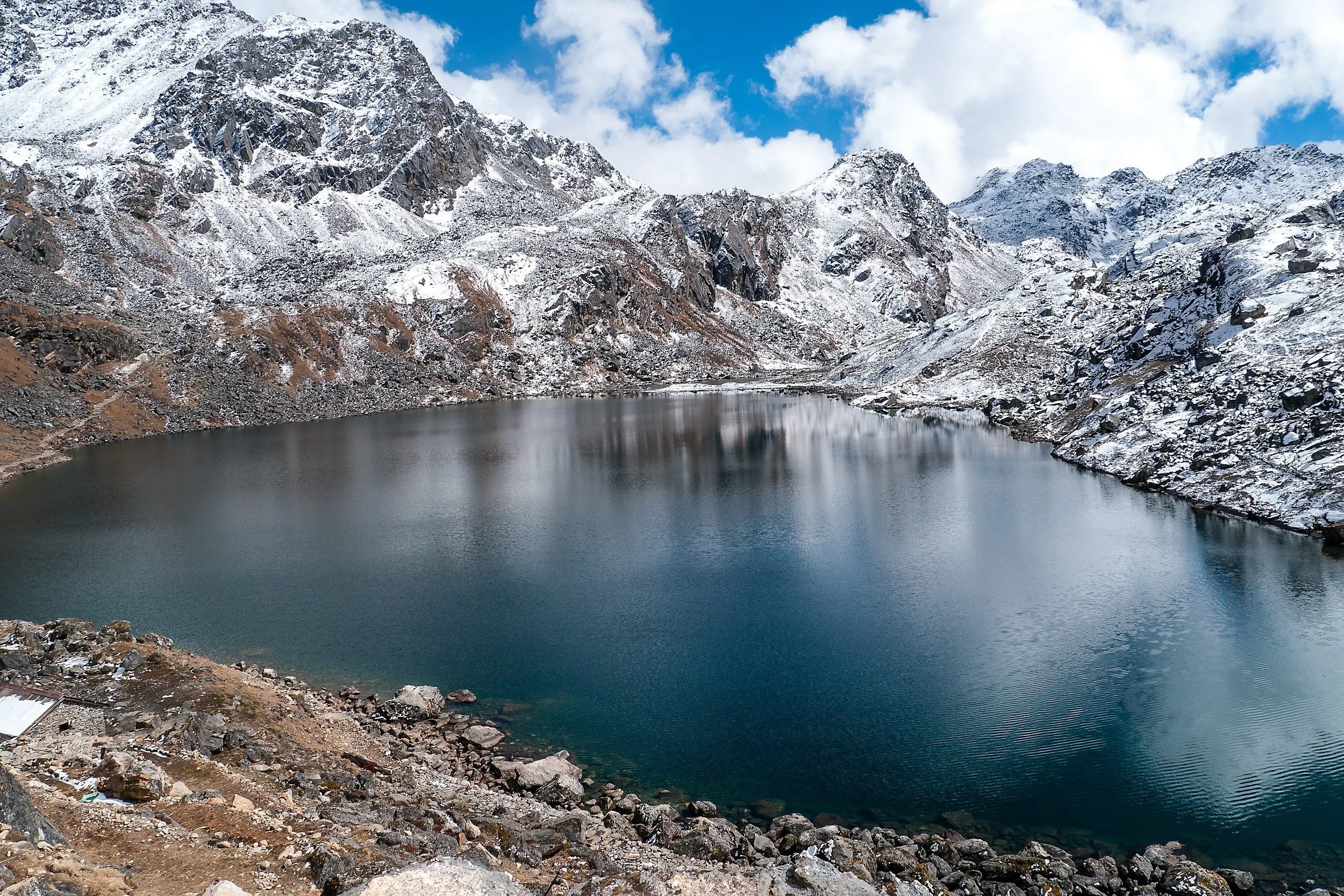
When you finally reach Gosaikunda Lake, the sight is nothing short of magical. The water, a deep blue surrounded by jagged rocks and snow-covered peaks, exudes a sense of tranquility and reverence. For trekkers, it’s a place to pause, reflect, and take in the profound beauty that has inspired centuries of devotion.
Beyond the Lake: Cultural Significance
The Gosaikunda trek is not just a journey through mountains; it’s a journey into the heart of Nepalese culture. Along the way, trekkers pass through traditional Tamang and Sherpa villages, where hospitality and spiritual practices are a way of life. The locals hold deep reverence for the sacred lake and continue to celebrate festivals and rituals that honor their gods and ancestors.
The spiritual significance of Gosaikunda extends beyond Hinduism. For Buddhists, the lake represents the purity of mind and body, and it is believed that meditating by the shores of Gosaikunda can bring inner peace and enlightenment. The convergence of these two spiritual traditions adds a unique dimension to the trek, making it a truly enriching experience for those seeking a deeper connection with both nature and spirituality.
A Trek for the Soul
The Gosaikunda trek is more than just a physical challenge; it is an opportunity to step into a world where nature and spirituality coexist in perfect harmony. With its serene beauty, ancient legends, and cultural richness, Gosaikunda offers a truly transformative experience for those willing to undertake the journey.
For trekkers seeking adventure, beauty, and meaning, the untold stories of Gosaikunda Lake are waiting to be discovered. Whether you are a devout pilgrim or an adventurer in search of pristine landscapes, this sacred trek promises an unforgettable journey that will stay with you long after the trail has ended.
POPULAR ITINERARIES
SIMILAR POSTS
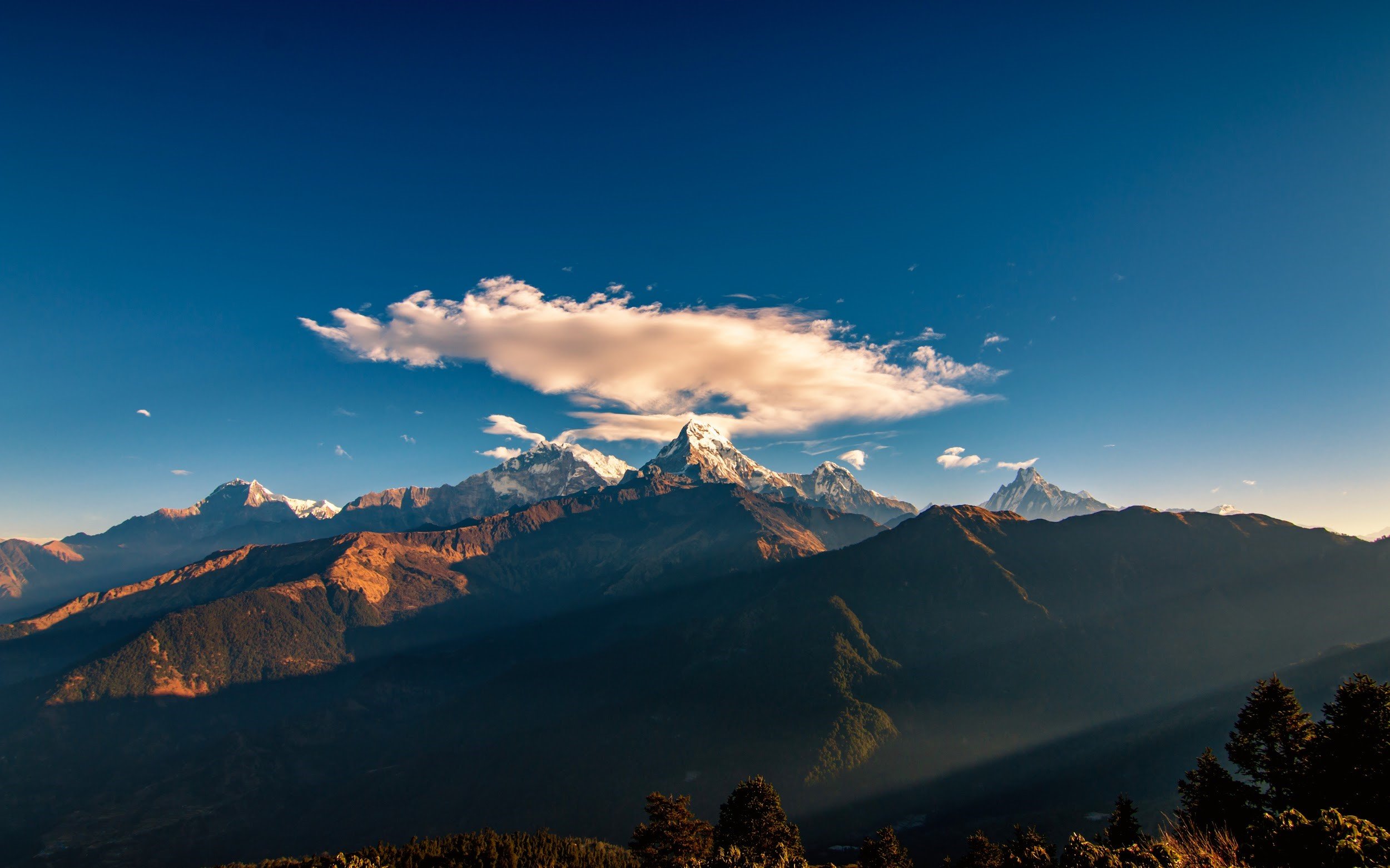
The Annapurna Circuit Trek: A Journey Through Nature’s Breathtaking Beauty
Embark on a journey through nature’s breathtaking beauty on the Annapurna Circuit Trek where diverse landscapes, rich culture, and awe-inspiring Himalayan views await.
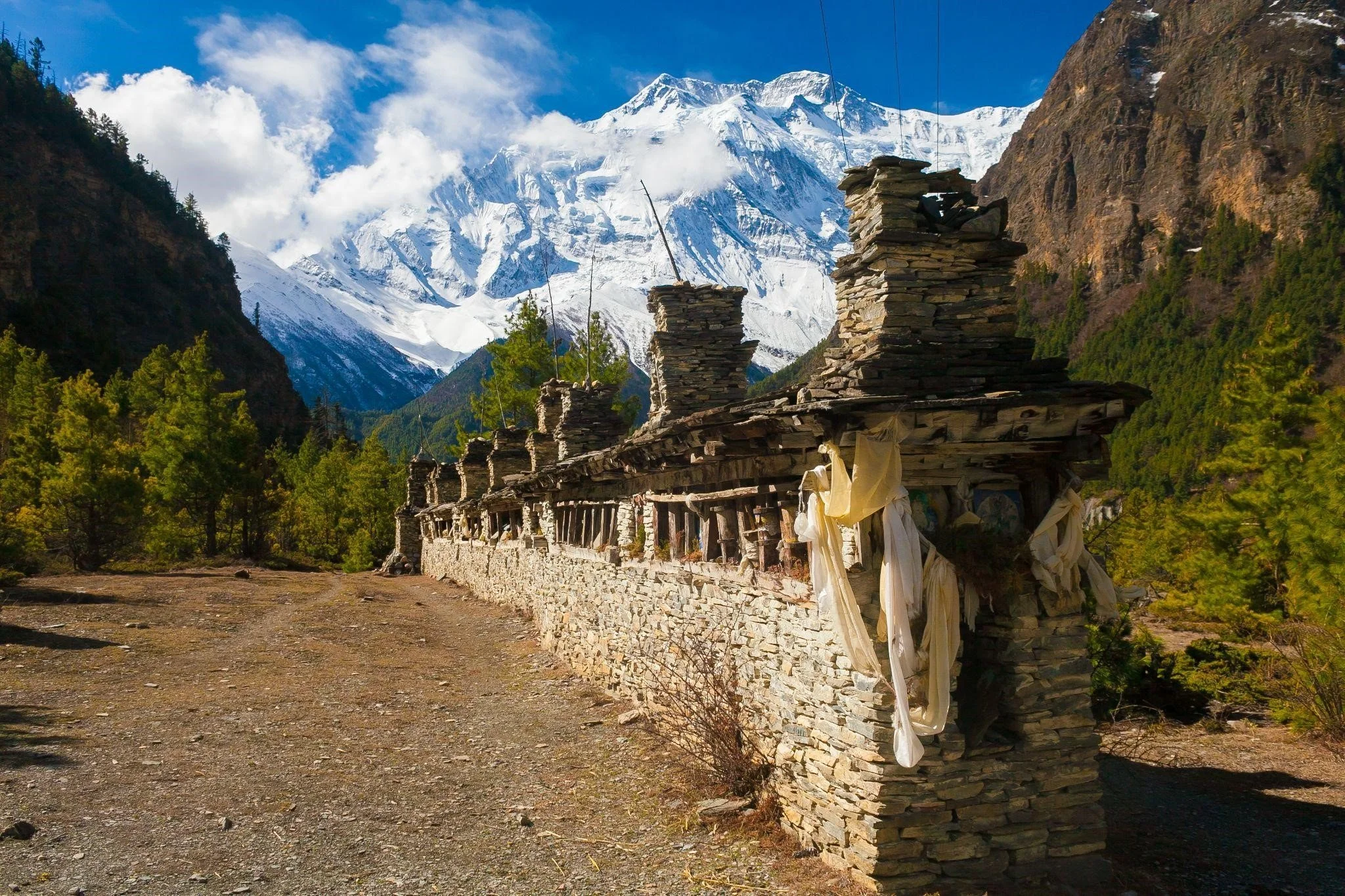
When it comes to trekking in Nepal, few routes are as iconic as the Annapurna Circuit. This spectacular trek offers a rich combination of breathtaking natural landscapes, diverse cultural experiences, and unparalleled views of the majestic Himalayas. As one of the most popular and well-loved trekking routes in Nepal, the Annapurna Circuit takes you through lush forests, traditional villages, high mountain passes, and terraced fields, all while providing some of the most awe-inspiring vistas in the world.
Whether you’re a seasoned trekker or a beginner looking for your next adventure, the Annapurna Circuit promises an unforgettable journey.
Here’s why this trek should be on your bucket list.
1. A Journey Through Diverse Landscapes
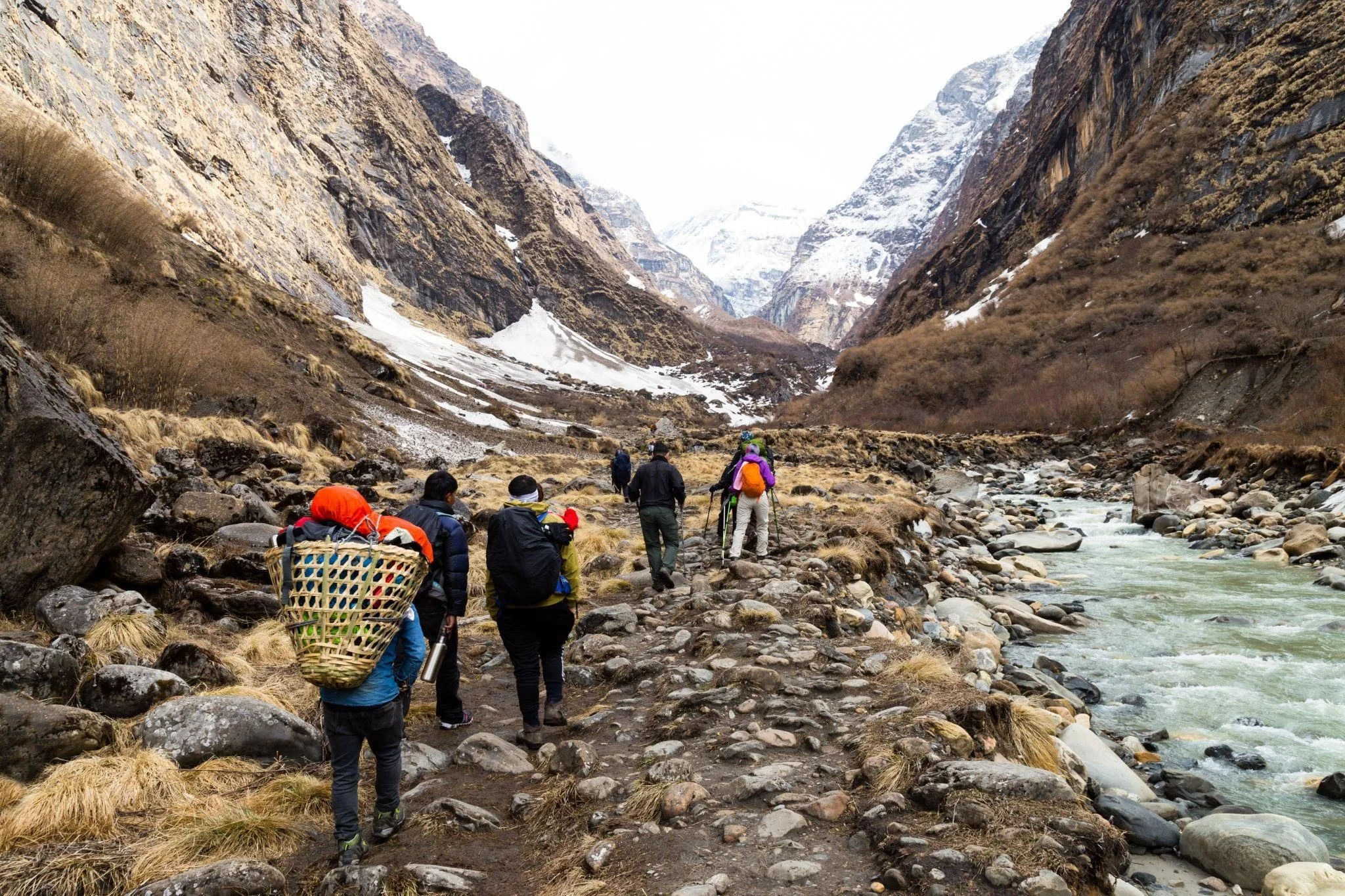
The Annapurna Circuit Trek spans a vast range of ecosystems, making it one of the most diverse treks in the world. Over the course of 10-21 days, trekkers will experience everything from subtropical jungles to alpine meadows, high mountain deserts, and towering snow-capped peaks.
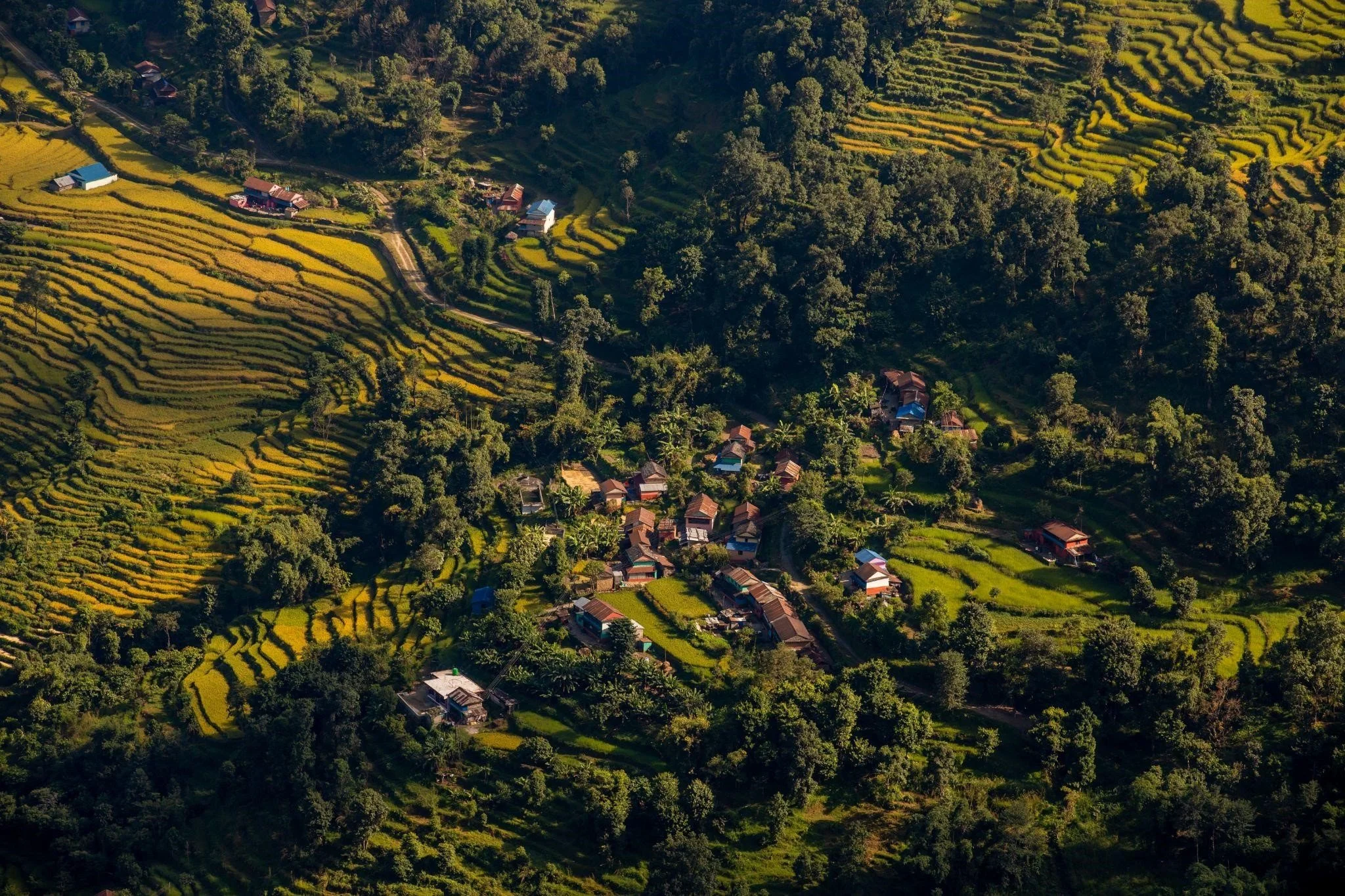
● Lower Regions: The trek begins in the lush subtropical forests of the lower Annapurna region. Here, you’ll walk through terraced fields, quaint villages, and dense rhododendron forests. The vibrant green landscape is dotted with traditional Nepali houses and offers views of smaller peaks and valleys.
● Mid-Altitude Regions: As you gain altitude, the environment begins to change. The forests thin out, and the terrain transforms into alpine meadows and open valleys. You’ll pass through charming villages like Ghorepani and Tadapani, where you can experience the culture and hospitality of the local people, primarily Gurungs, Magars, and Thakalis.
● High-Altitude Desert: Reaching the high-altitude desert beyond the village of Manang, trekkers will find themselves in an entirely different landscape. This region feels more like a Tibetan plateau, with barren hills, arid terrain, and wide-open skies. It’s here that trekkers begin to feel the true magnitude of the Annapurna massif.
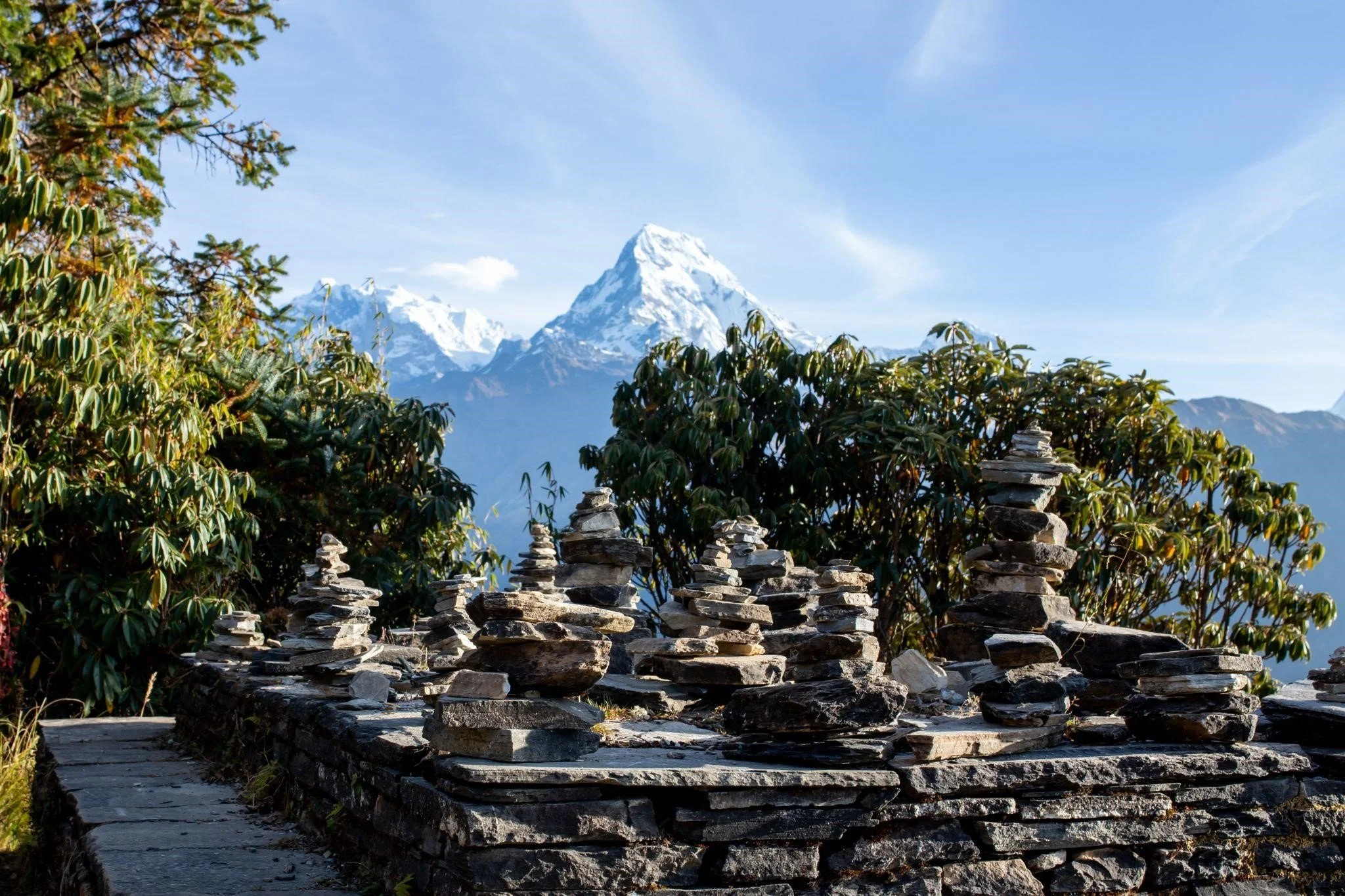
● Thorong La Pass: The pinnacle of the trek is crossing the Thorong La Pass, the highest point on the Annapurna Circuit at 5,416 meters (17,769 feet). The pass offers jaw-dropping views of the surrounding peaks, including Annapurna I, Dhaulagiri, and Machapuchare. The challenge of reaching the pass is well worth it for the spectacular scenery that awaits.
2. Rich Cultural Experience
The Annapurna Circuit is not just a trek through nature; it’s a journey through Nepal’s rich cultural tapestry. The route passes through several villages where trekkers can interact with locals and learn about their traditions, religions, and way of life.
● Gurung and Magar Communities: The lower sections of the Annapurna Circuit are inhabited by the Gurung and Magar people, two of Nepal’s most prominent ethnic groups. Their hospitality is legendary, and you’ll have the chance to experience their customs, traditional dress, and local festivals. Don’t miss out on the delicious home-cooked meals, which are often made from locally sourced ingredients.
● Tibetan Influence: As the trek progresses, the influence of Tibetan Buddhism becomes more evident, particularly in the villages of Manang and Upper Mustang. In these areas, you’ll find monasteries, prayer flags, and stupas dotting the landscape. The Tibetan culture and Buddhist practices have left a lasting imprint on the region, and visitors are often welcomed with a warm “Tashi Delek” (a Tibetan greeting).
● The Annapurna Conservation Area: The Annapurna Circuit lies within the Annapurna Conservation Area (ACA), which is one of Nepal’s largest protected areas. The ACA is home to a wealth of wildlife, including the elusive snow leopard, red panda, and Himalayan tahr. The cultural preservation efforts here help maintain the integrity of the area’s natural and cultural heritage.
3. The Challenge of the Thorong La Pass
For many trekkers, the real challenge of the Annapurna Circuit is the climb to Thorong La Pass. At an elevation of 5,416 meters, crossing the pass requires physical stamina, mental fortitude, and proper acclimatization. However, the sense of achievement when reaching the top is incomparable.
To help with acclimatization and to avoid altitude sickness, most trekkers take a gradual approach, spending several days in places like Manang or Yak Kharka to allow their bodies to adjust to the increasing altitude. It’s also crucial to drink plenty of water, eat high-energy foods, and take regular rest breaks.
While the ascent is demanding, the panoramic views from the top of Thorong La are a reward in themselves. The surrounding peaks, including Annapurna I, Machapuchare, and Dhaulagiri, stretch across the horizon like a painting, leaving you in awe of the power and beauty of the Himalayas.
4. Best Time to Trek the Annapurna Circuit
The best time to trek the Annapurna Circuit is during the two main trekking seasons in Nepal: spring (March to May) and autumn (September to November).
● Spring: This season brings warmer temperatures and vibrant landscapes as rhododendron flowers bloom in abundance. The weather is generally stable, and the lower regions are lush and green.
● Autumn: Autumn is considered the peak season for trekking in Nepal, with clear skies and stable weather conditions. The visibility of the mountains is at its best during this time, and the temperatures are ideal for trekking.
While winter and summer treks are also possible, they come with their own challenges. Winter trekking is cold, especially at high altitudes, and snow can block the pass, while the summer monsoon season brings heavy rainfall that can make trails slippery and difficult.
5. Why You Should Trek the Annapurna Circuit
The Annapurna Circuit Trek is often called one of the best trekking routes in the world, and for good reason. The variety of landscapes, rich cultural heritage, and sense of accomplishment from crossing Thorong La Pass make this journey truly special. Whether you’re seeking spiritual experiences, physical challenges, or simply the beauty of nature, the Annapurna Circuit offers it all.
● Unforgettable Views: The trek’s panoramic vistas of the Annapurna and Dhaulagiri ranges are unmatched, especially at sunrise and sunset.
● Cultural Encounters: The opportunity to interact with local communities and experience their way of life adds an enriching dimension to the trek.
● Physical Challenge: The trek is a rewarding physical challenge, perfect for those looking to test their endurance in the high mountains.
A Trekking Paradise Awaits
If you’re an avid trekker or someone seeking an adventure of a lifetime, the Annapurna Circuit Trek should be on your list. With its diverse landscapes, vibrant cultures, and jaw-dropping views, it offers everything a trekking enthusiast could desire. So, pack your bags, lace up your boots, and set off on a journey through one of the most beautiful places on Earth.
POPULAR ITINERARIES
SIMILAR POSTS
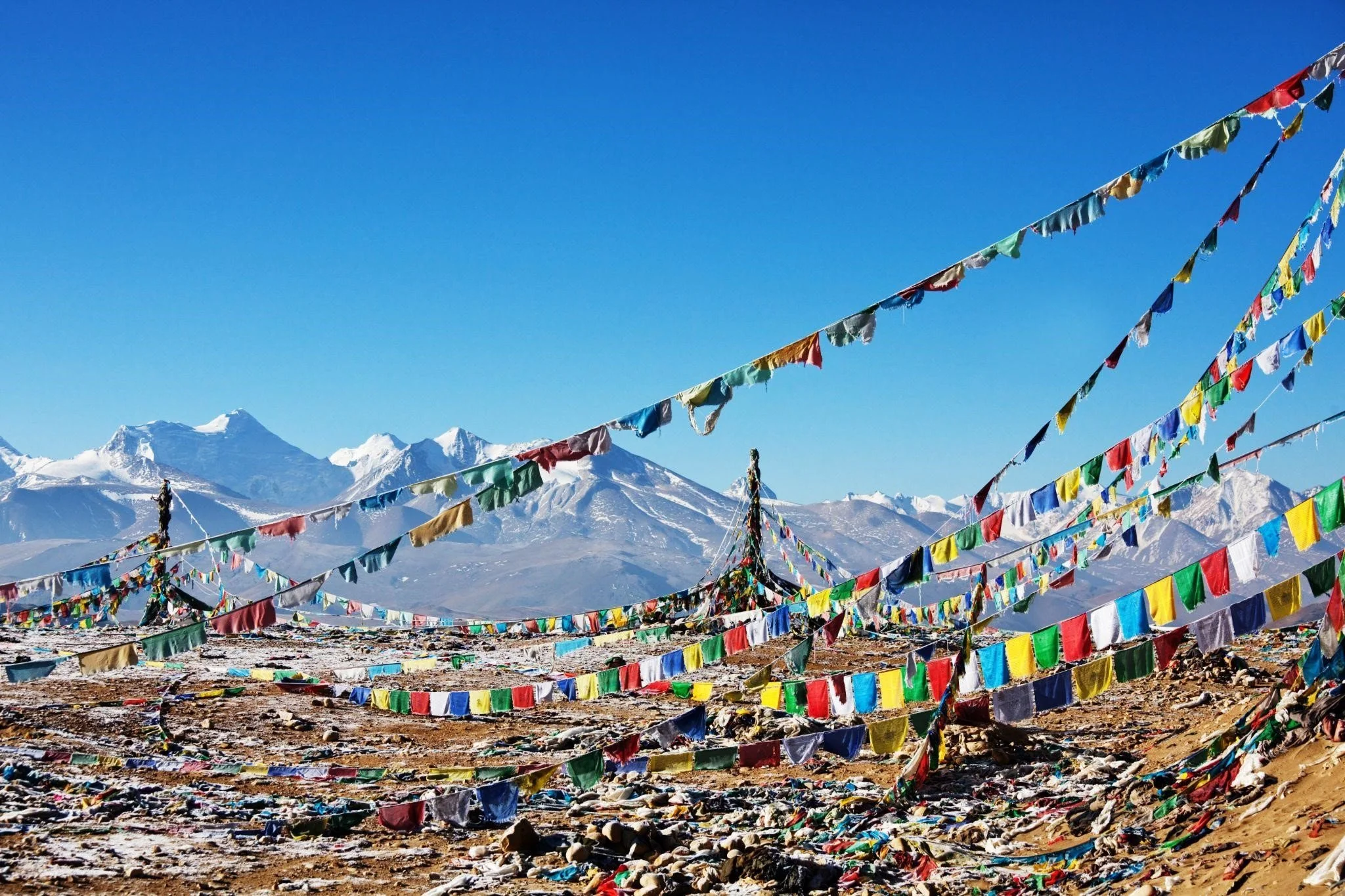
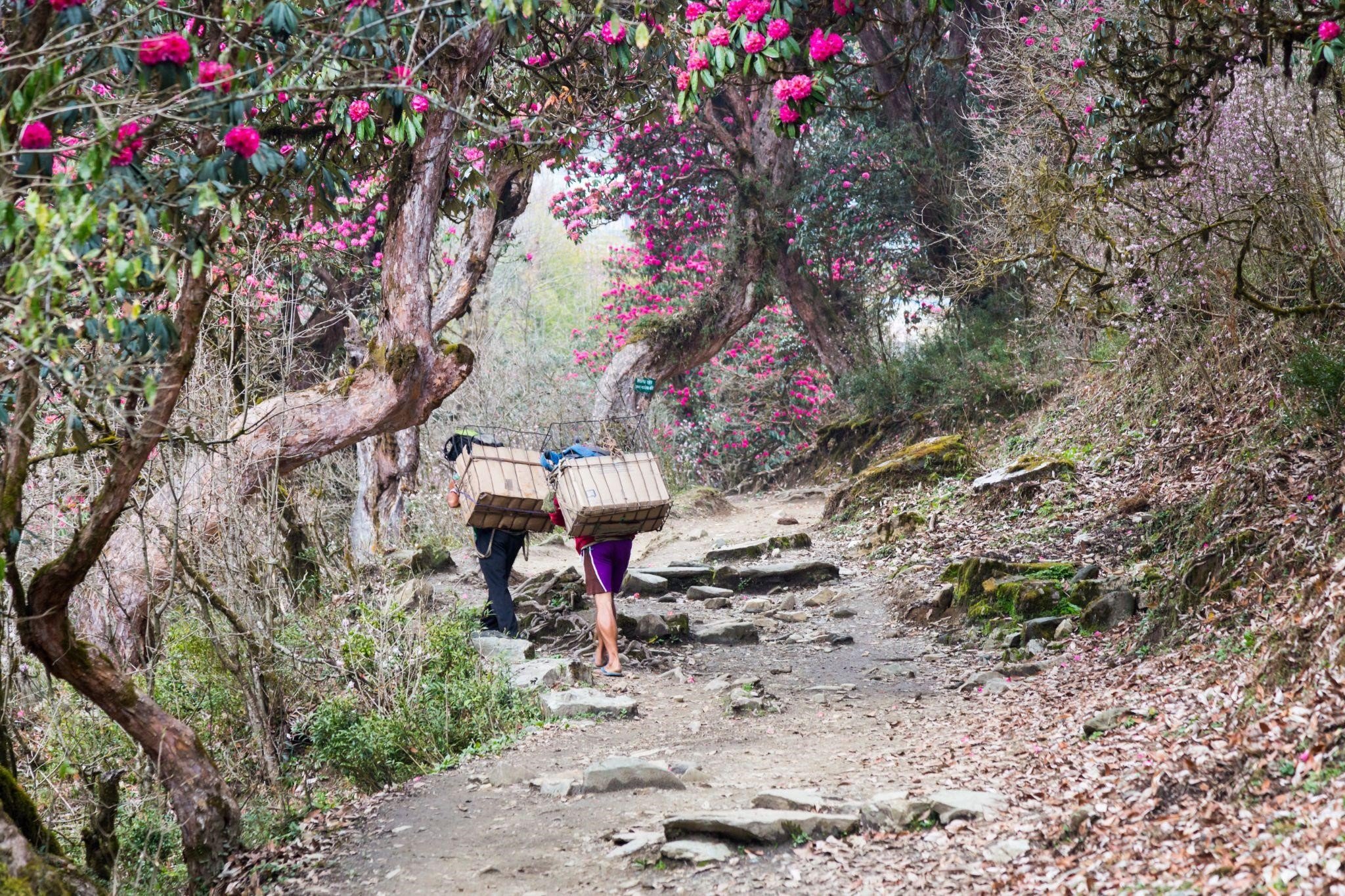
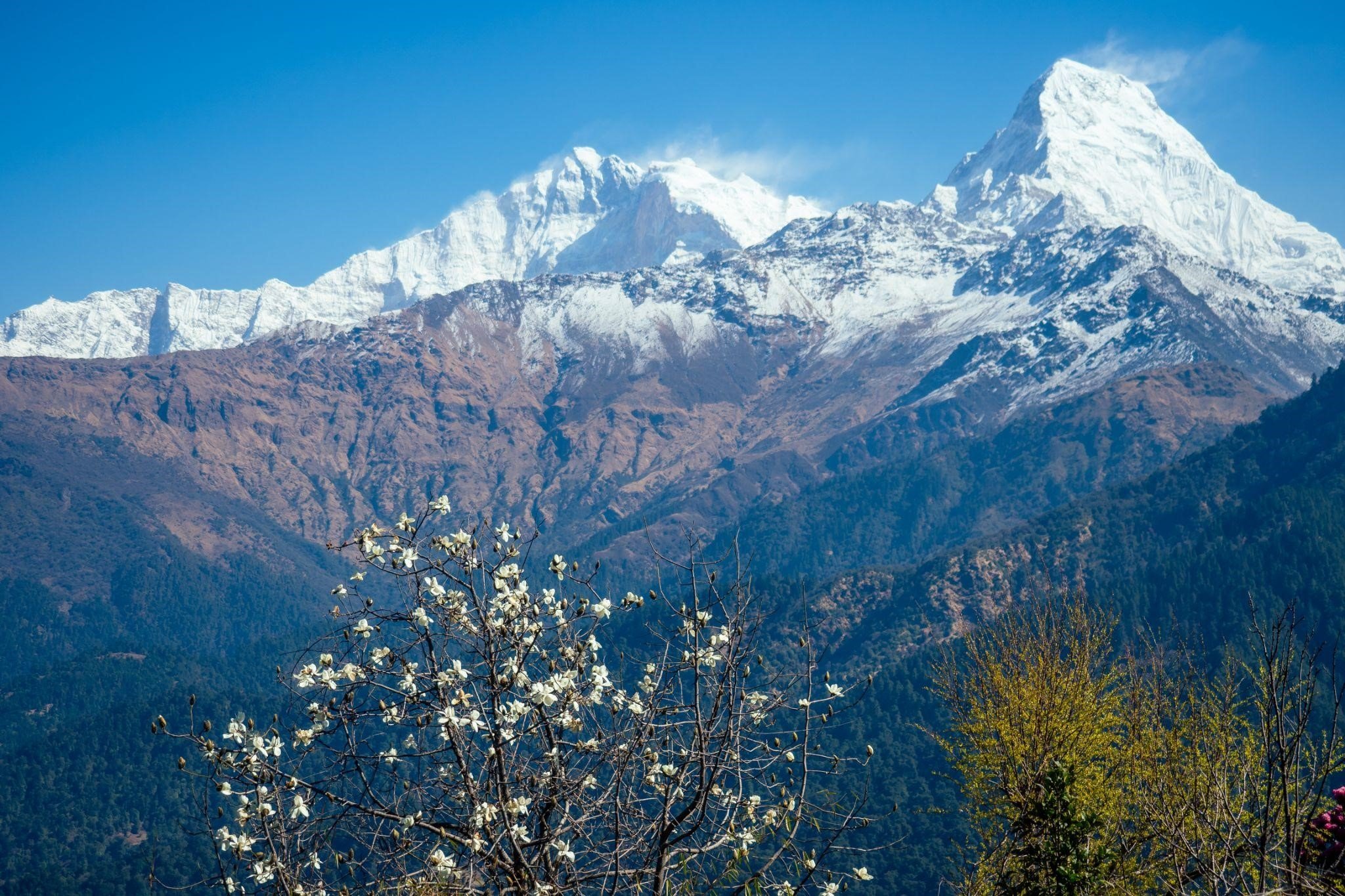
Beyond the Tourist Trails: Discovering Nepal’s Best-Kept Secrets
Beyond the well-trodden paths of Nepal lies a world of hidden wonders. From remote trekking trails to serene mountain lakes, discover the best-kept secrets of Nepal’s majestic landscapes and immerse yourself in the authentic, untouched beauty of the Himalayas. A journey into the heart of Nepal awaits!
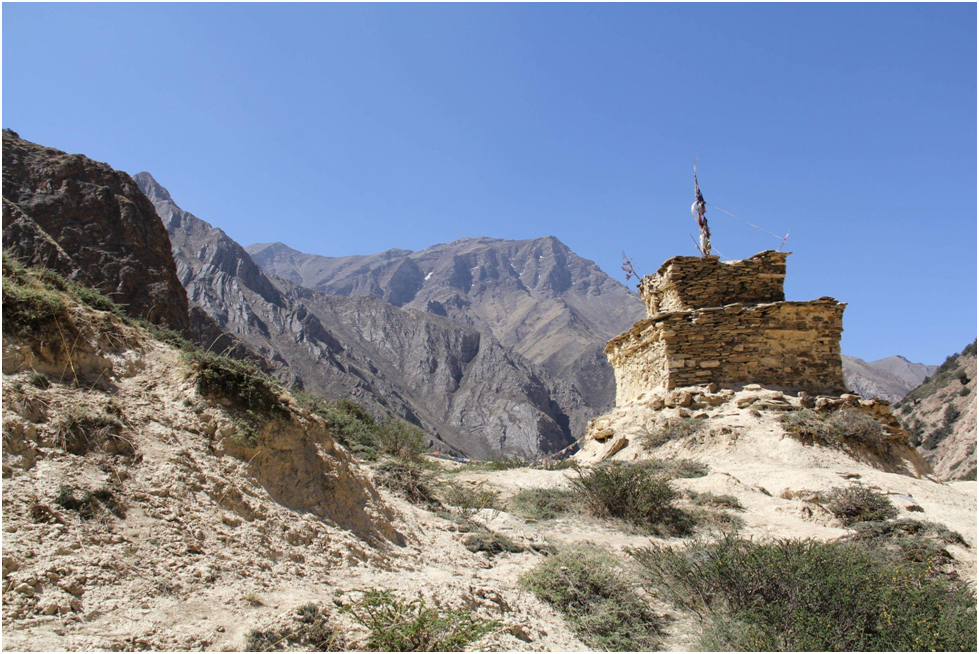
Nepal is widely known for its majestic mountains, vibrant culture, and welcoming people. While iconic destinations like Kathmandu, Pokhara, and the Everest Base Camp draw millions of visitors each year, there’s much more to this incredible country than meets the eye. Beyond the well-trodden tourist paths lies a treasure trove of hidden gems, waiting to be explored. These lesser-known destinations offer a unique opportunity to experience Nepal in a more authentic, peaceful, and intimate way. In this article, we’ll take you off the beaten track to discover some of Nepal’s best-kept secrets.
1. Rara Lake: The Jewel of Northwestern Nepal
Located in the remote region of Mugu in northwestern Nepal, Rara Lake is the largest lake in the country. Surrounded by snow-capped peaks and lush forests, Rara Lake remains relatively untouched by mass tourism. Its pristine waters, reflecting the grandeur of the Himalayas, create a serene and breathtaking setting that is hard to match. Trekking to Rara Lake is an adventure in itself, with the journey offering spectacular views of alpine meadows and charming villages. For those looking to disconnect from the bustle of everyday life and immerse themselves in nature’s beauty, Rara Lake is a hidden paradise waiting to be discovered.
2. Tansen: A Peaceful Hill Town with Stunning Views
Nestled in the hills of Palpa District, Tansen is a small town often overlooked by tourists in favor of more popular destinations like Pokhara. Yet, Tansen is a place of immense charm, boasting old-world architecture, narrow cobbled streets, and sweeping views of the Himalayas. The town’s historical significance, particularly its role as the capital of the ancient Palpa Kingdom, is reflected in its temples, traditional houses, and vibrant local markets. The view from the Siddhartha Highway—stretching from Tansen to the Annapurna Range is nothing short of spectacular. Tansen is perfect for travelers seeking a peaceful retreat away from the tourist crowds, with the opportunity to experience authentic Nepali culture and hospitality.
3. Ilam: The Tea Garden Paradise
Known for its sprawling tea gardens, Ilam is a picturesque town located in eastern Nepal. The lush green landscapes, mist-covered hills, and vibrant floral gardens make it one of the most peaceful places to visit. The town is renowned for its high-quality tea, and a visit to the tea estates offers travelers the chance to learn about the tea-making process, from plucking the leaves to the final product. Ilam also offers stunning views of the Kangchenjunga and Everest mountain ranges. The area’s natural beauty, coupled with the quiet charm of its villages, makes Ilam an ideal destination for those seeking a blend of culture, nature, and tranquility.
4. Gosaikunda Lake: A Sacred Alpine Wonder
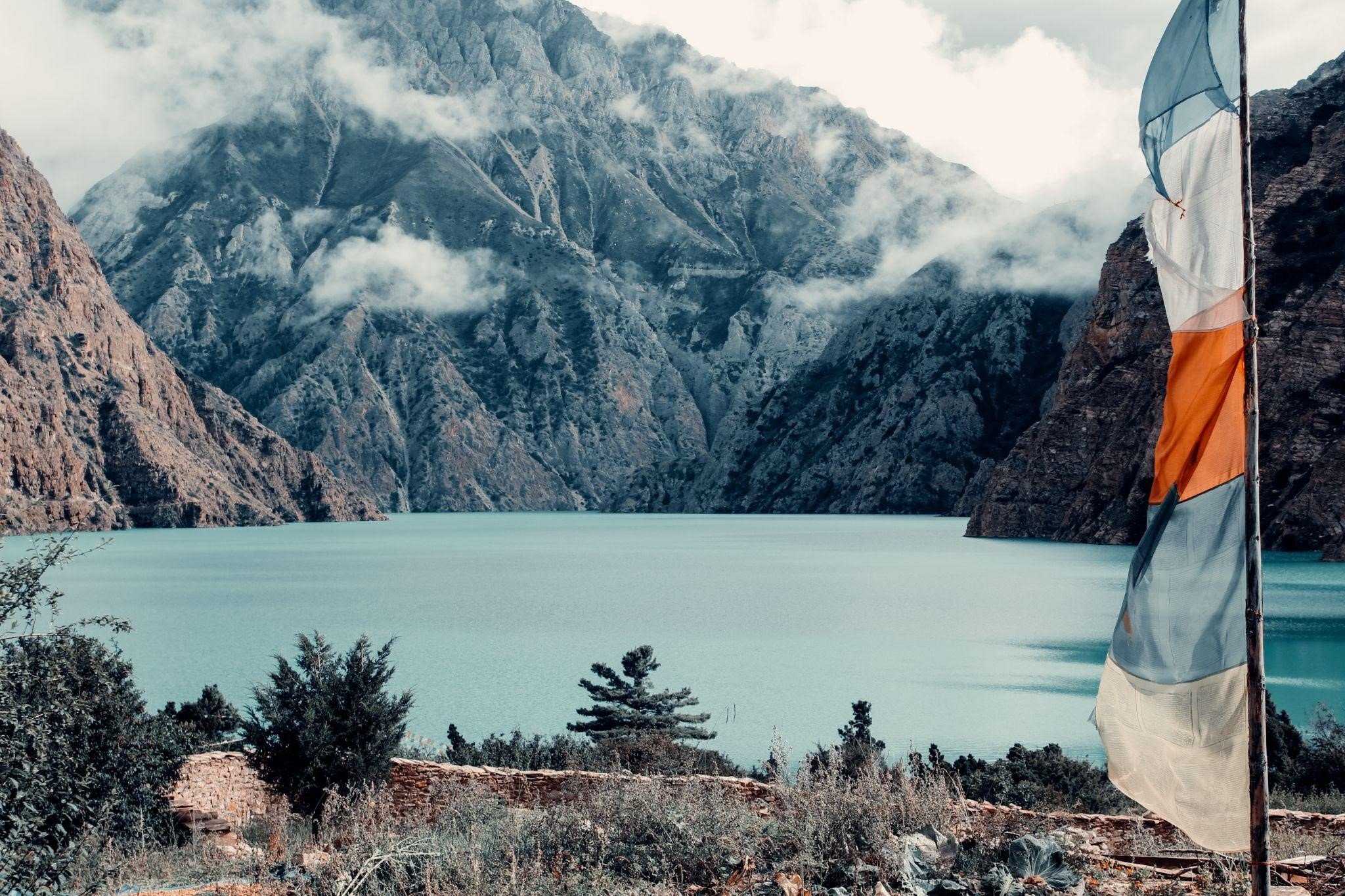
At an altitude of 4,380 meters, Gosaikunda Lake is one of the most sacred sites in Nepal, yet it remains largely under the radar for many tourists. Located in the Langtang National Park, the lake is considered holy by both Hindus and Buddhists, with pilgrims traveling from far and wide to bathe in its sacred waters. The trek to Gosaikunda Lake takes you through remote villages, dense forests, and alpine meadows, providing stunning views of the Langtang Range along the way. While it is a bit challenging to reach, the serenity and beauty of Gosaikunda make the journey worthwhile for those seeking spiritual solace and natural splendor.
5. Upper Mustang: A Mysterious and Remote Kingdom
Often referred to as the “Last Forbidden Kingdom,” Upper Mustang is a unique region in Nepal that offers a glimpse into the past. Isolated for centuries, this remote area was once a kingdom in itself, with its own culture, language, and traditions. Although the area has opened up to limited tourism in recent years, it is still far from the well-trodden paths. The region’s arid landscapes, ancient Tibetan monasteries, and mysterious caves create an almost otherworldly atmosphere. The highlight of Upper Mustang is the ancient Lo Manthang, a walled city that has preserved its unique architecture and culture for centuries. A trek through Upper Mustang is a journey through time, offering an intimate look at a culture that remains largely untouched by modernity.
6. Rishikesh: Nepal’s Spiritual Heartbeat
While Rishikesh is often associated with India, there is a Rishikesh in Nepal as well, located near the border with India. Unlike the popular yoga and adventure destination across the border, Nepal’s Rishikesh is quieter, more peaceful, and has a deeply spiritual vibe. It sits on the banks of the Karnali River, offering a tranquil atmosphere for meditation and reflection. The area is home to several ancient temples and ashrams, where visitors can engage in spiritual practices and connect with local spiritual leaders. Rishikesh is ideal for travelers looking to escape the distractions of modern life and embrace a journey of self-discovery and inner peace.
7. Taplejung: The Gateway to Kangchenjunga
For those seeking a challenging trek with stunning mountain views and cultural immersion, Taplejung is a must-visit destination. Located in the far northeastern part of Nepal, Taplejung is the gateway to Kangchenjunga, the third-highest mountain in the world. The Kangchenjunga Base Camp Trek is a remote and adventurous journey that offers panoramic views of the Himalayan range, traditional Sherpa villages, and pristine natural beauty. The trek takes you through lush forests, alpine meadows, and remote settlements, providing an opportunity to experience the daily lives of people living in the shadow of one of the world’s tallest peaks.
8. Tsum Valley: Nepal’s Hidden Himalayan Gem
Located in the northern part of the Gorkha District, Tsum Valley is one of Nepal’s most isolated and undiscovered trekking destinations. The valley is rich in Buddhist culture, with monasteries, chortens, and ancient ruins scattered throughout. Trekking through Tsum Valley offers visitors the chance to experience a remote and untouched part of Nepal, where the people have preserved their ancient traditions and way of life. The valley is surrounded by majestic peaks, including Manaslu and Ganesh Himal, making it an ideal spot for those seeking a peaceful and authentic trekking experience.
9. Dhulikhel: A Tranquil Escape from Kathmandu
Just a short drive from Kathmandu, Dhulikhel is a serene hill town that offers stunning views of the Himalayas and a peaceful atmosphere away from the hustle and bustle of the capital. The town is known for its traditional Newar culture, historic temples, and friendly locals. Dhulikhel is also a great place for hiking, with several trails leading to nearby villages and viewpoints. It is the perfect escape for those looking to enjoy nature, culture, and tranquility without venturing too far from the capital.
10. Bandipur: A Traditional Village with Mountain Views
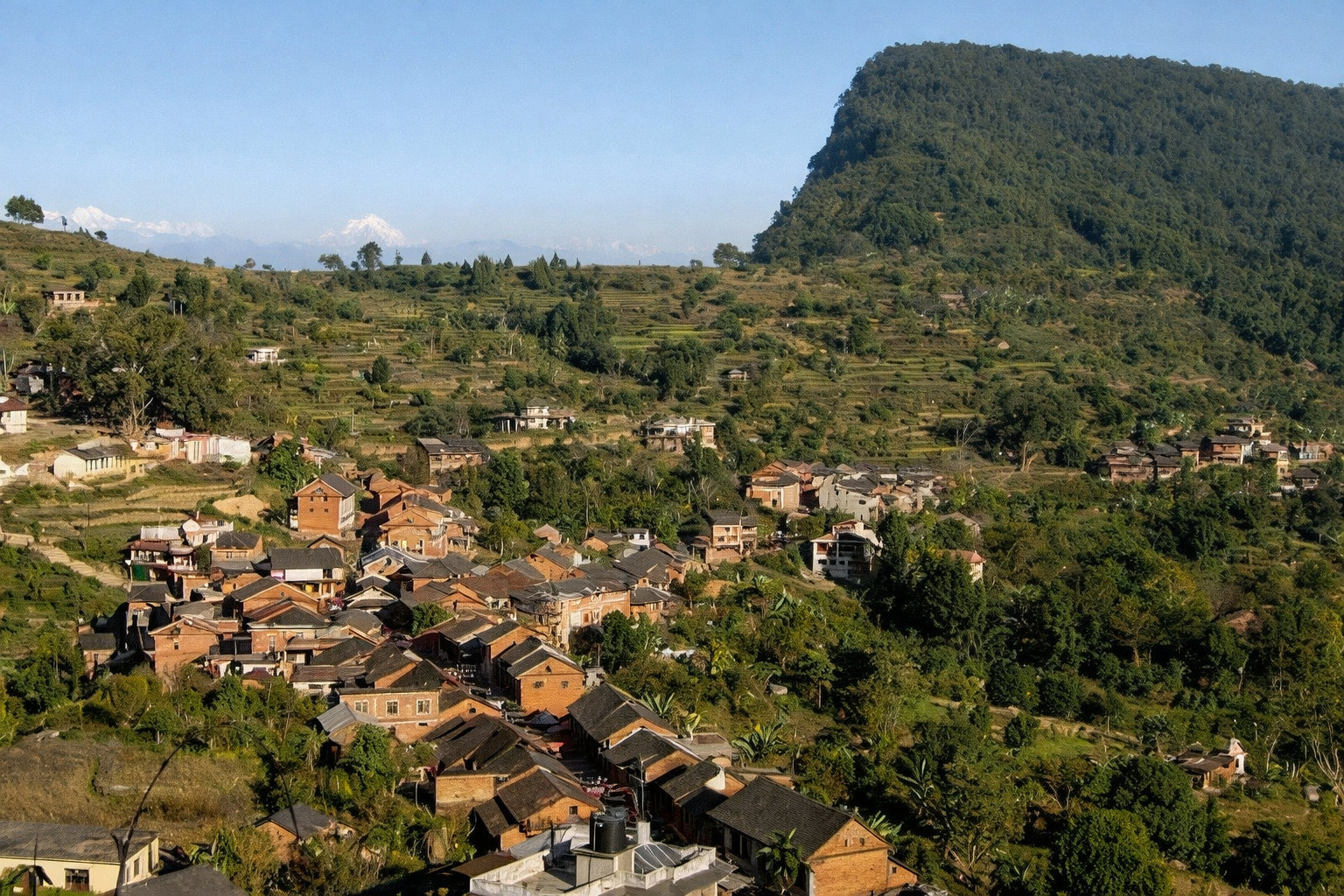
Bandipur, a charming hilltop town in the central region of Nepal, offers a glimpse into traditional Newar culture. The town is well-preserved, with cobblestone streets, beautiful temples, and stunning views of the Annapurna Range. Bandipur is also an excellent spot for hiking, with several trails that lead to nearby viewpoints and villages. The town’s peaceful ambiance, combined with its cultural richness, makes it an ideal destination for those seeking an authentic experience off the beaten path.
Conclusion: Discover the Road Less Traveled
Nepal is a land of discovery, where adventure, spirituality, and culture intertwine. While the major tourist destinations offer their own unique experiences, the hidden gems of Nepal provide a deeper connection to the country’s rich history, culture, and natural beauty. Whether you’re trekking to remote mountain lakes, exploring ancient villages, or seeking spiritual solace, these off-the-beaten-path destinations allow you to experience Nepal in a more intimate and authentic way.
So, if you’re planning your next trip to Nepal, consider venturing beyond the tourist trails and discovering the best-kept secrets that make this country truly magical.
POPULAR ITINERARIES
SIMILAR POSTS
More Than Stone: What Temples and Palaces Can Teach the Modern World
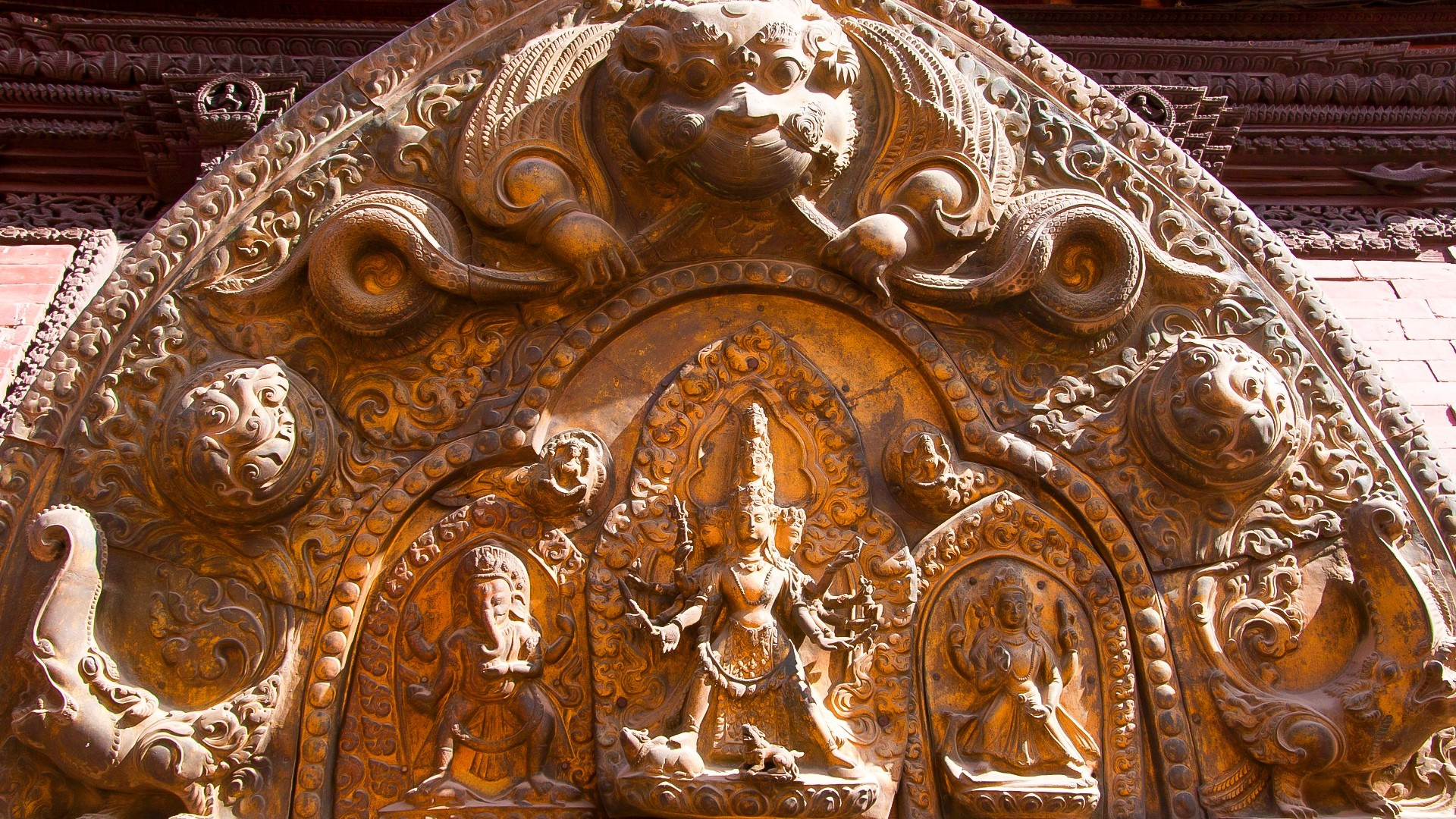
In the old cities of the Kathmandu Valley, temples don’t just sit in place. They shape it. Palaces don’t just preserve history. They continue it. These structures were not built simply to impress. They were built to last, to breathe, and to hold meaning through time.
In the old cities of the Kathmandu Valley, temples don’t just sit in place. They shape it. Palaces don’t just preserve history. They continue it. These structures were not built simply to impress. They were built to last, to breathe, and to hold meaning through time.
Their lessons go far beyond architecture. In fact, they might be exactly what the modern world has forgotten.
Space is Not Just for Use, It’s for Experience
In traditional architecture, rooms were not measured by square footage but by how they felt. Some opened into light. Others offered cool shade at midday. Spaces existed not just to function, but to shift one’s state of being. To create silence, pause, and focus.
Today’s cities often crowd out stillness. But old temples and palaces remind us that space can create attention, not distraction. And beauty can be quiet.
Ritual Built into the Everyday
Temples and palaces weren’t designed apart from life. They were embedded in it. A corridor’s alignment with the rising sun, a step’s echo in a courtyard, the low threshold that asks you to bow your head — these weren’t decorative. They were intentional. They reminded people, gently, of presence.
Even without understanding the rituals, visitors often feel something in these places. A calm that doesn’t need explaining.
The Power of Craft, Not Speed
A carved window that took weeks. A doorway designed to hold light just so. These weren’t shortcuts. They were acts of care. The kind of care rarely found in mass production.
In a world that values efficiency, old buildings remind us of another kind of value. Devotion to detail, even if no one notices at first glance.
Age is Not Decay, It’s Depth
Modern thinking often sees age as a flaw. A thing to repair, repaint, or erase. But temples and palaces wear their age openly. The weathered stone, the softened edges, the soot-darkened walls they are not broken. They are full.
Time doesn’t erode these places. It completes them.
They Were Built for Humans, Not Just for Power
Despite their scale, there’s something deeply human about these spaces. The proportions are gentle. The materials familiar. A palace could be grand and still feel like a home. A temple could feel sacred and still welcome you to sit.
There is dignity here, not from height or spectacle, but from balance.
A Quiet Inheritance
We walk through these places as visitors, but they are not museums. They are inheritances. Of attention. Of slowness. Of grace.
In Kathmandu, this architecture is not just memory. It is a living texture. It slows you down without asking, teaches you without speaking, and offers something softer in a world that often forgets to look up.
POPULAR ITINERARIES
SIMILAR POSTS

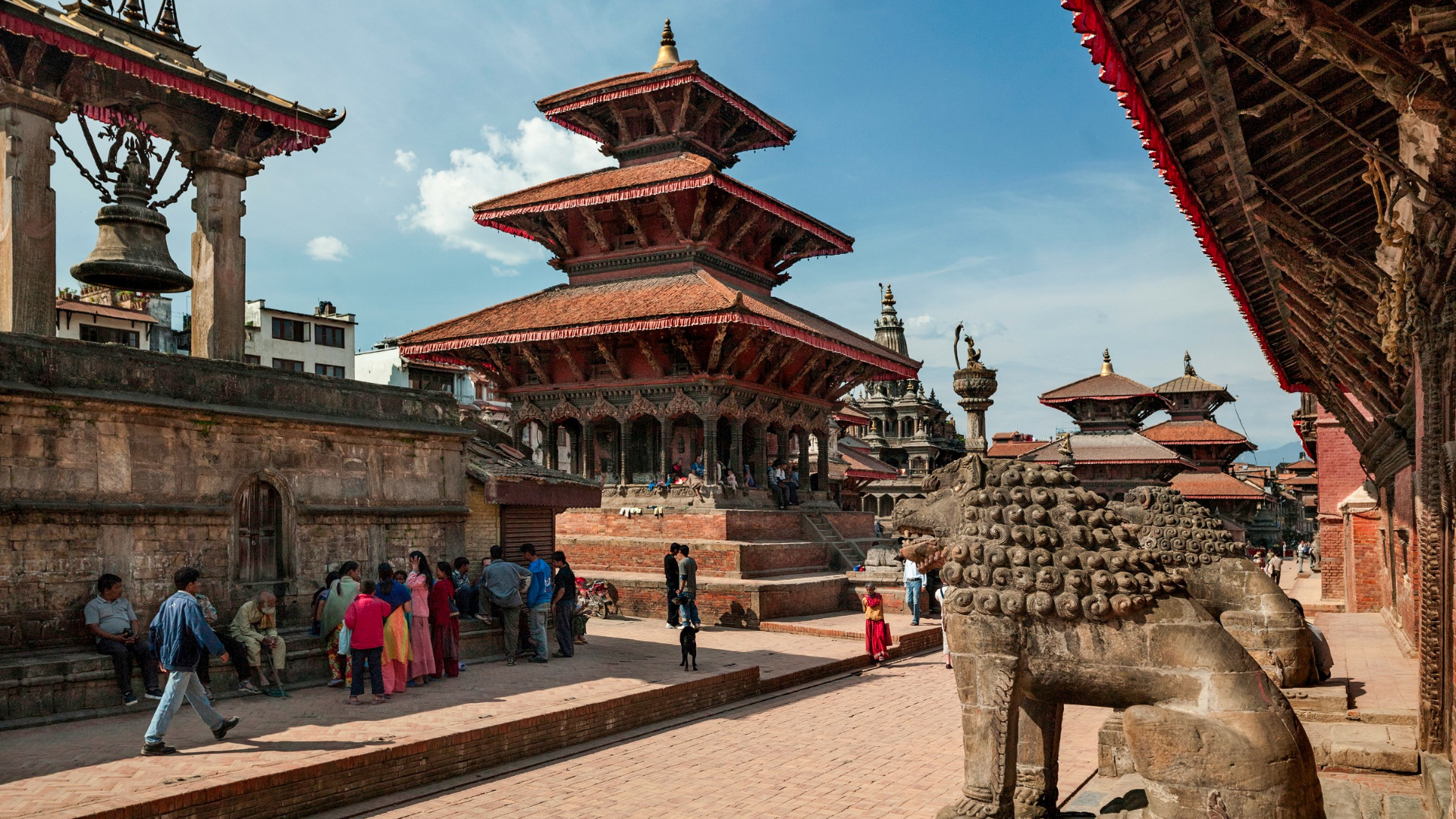
The Sacred Body of the Valley: Living Tantra in Kathmandu, Patan & Bhaktapur
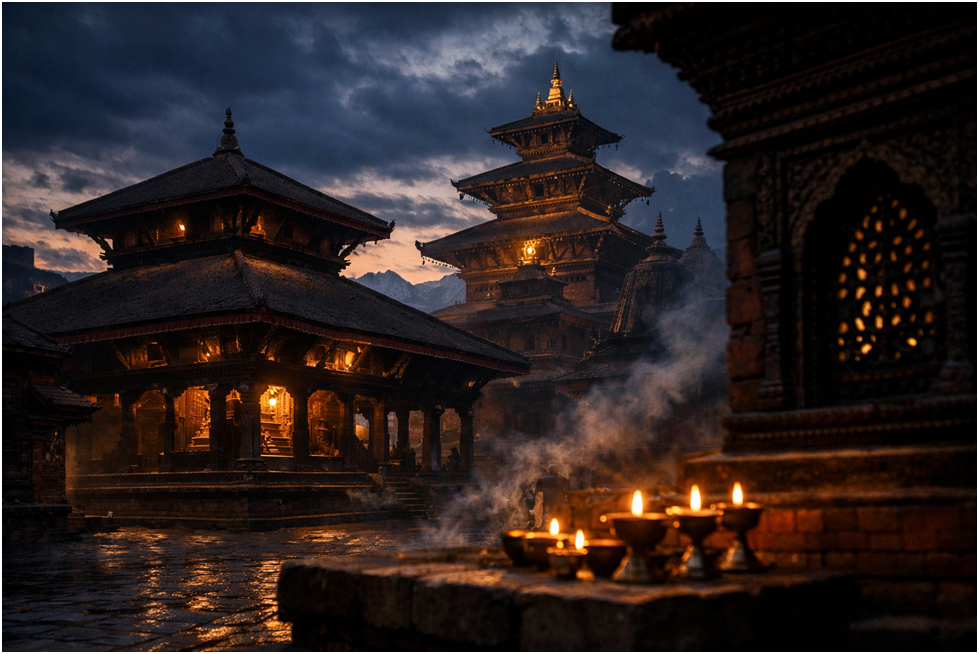
Step into the Durbar Squares of Patan, Bhaktapur, or Kathmandu, and you are no longer just in a historic city. You’re inside a living Tantric body. Where shrines rise not just at the center, but at every turn, every step, every breath. These cities were not built with symmetry alone, they were built with intention. And their intention is to awaken.
You don’t enter the sacred in Kathmandu you walk through it.
Step into the Durbar Squares of Patan, Bhaktapur, or Kathmandu, and you are no longer just in a historic city. You’re inside a living Tantric body. Where shrines rise not just at the center, but at every turn, every step, every breath. These cities were not built with symmetry alone, they were built with intention. And their intention is to awaken.
A City That Breathes in Symbols
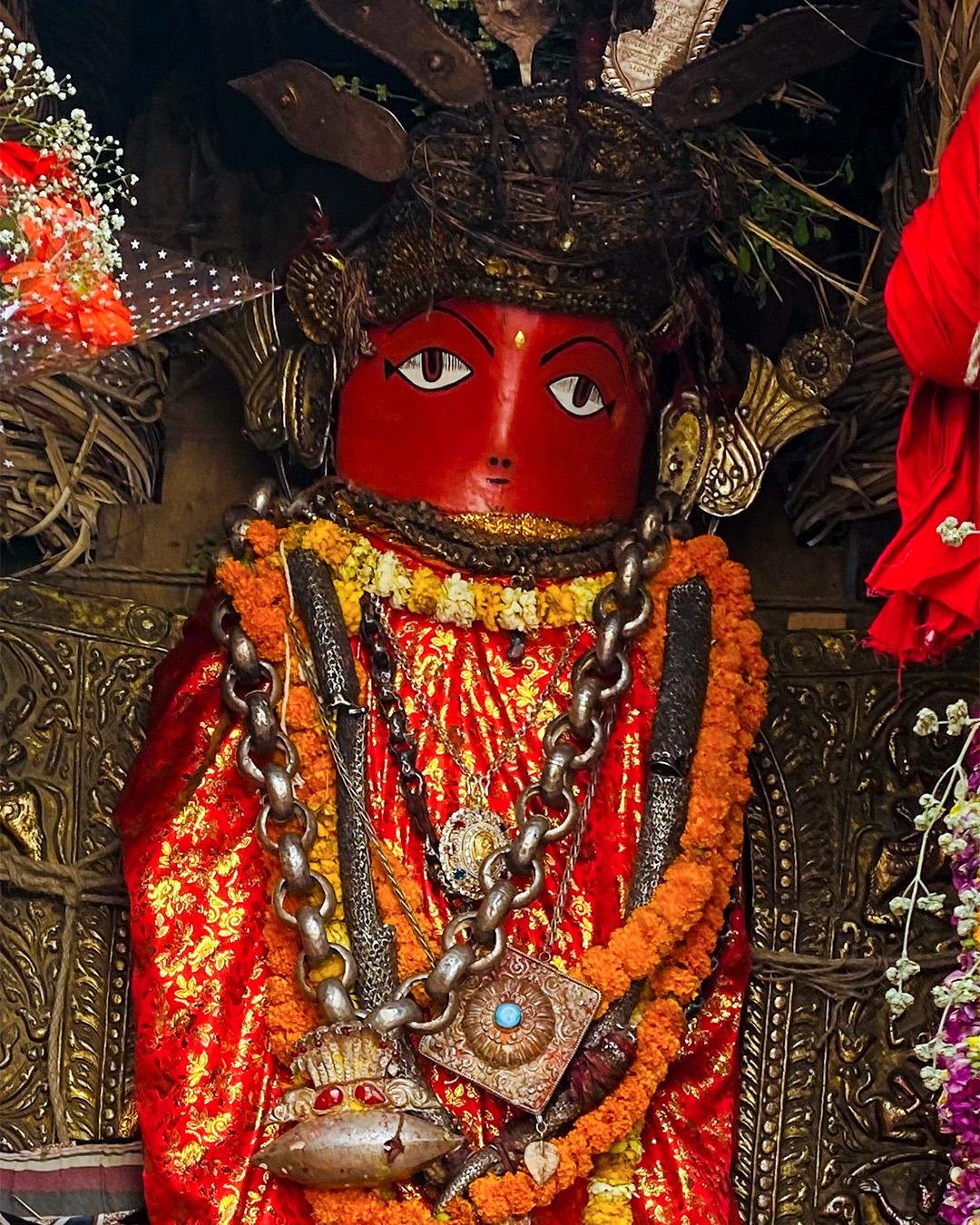
Here, the spiritual doesn’t exist apart from the physical. It is the physical. Every strut carved with fire-bearing deities, every lion at the base of a stairway, every miniature shrine hidden behind a street-side arch they’re not just ornament. They are gateways, markers in a larger energy map.
In the tantric worldview, the body is a microcosm of the universe. The same is true for these cities.
They function like mandalas: layered, directional, balanced. Each corner, each node, has meaning. And unlike monuments sealed off in reverence, these spaces are lived in, passed through, knelt before. Children play beside Bhairavs. Women place marigolds at stone altars on their way to buy lentils. The sacred breathes with the street.
Patan Durbar Square: The Heart That Feels Everything
Of the three, Patan hums the softest but its frequency is deep. Temples rise close together, like a cluster of thoughts around stillness. From the golden roof of Hiranya Varna Mahavihar to the tantric geometry of Krishna Mandir, the square draws you inward. You may not understand every symbol, but you’ll feel the weight of alignment the sense that something here is placed exactly where it needs to be.
Walk slow. Let your gaze rise and fall. You’re not observing; you’re participating.
Bhaktapur Durbar Square: The Spine of Fierceness and Devotion
In Bhaktapur, the energy shifts stronger, more pronounced. The statues of Ugrachandi and Ugrabhairav at the palace gate don’t invite you in gently. They announce the sacred. Here, the tantric body is not subtle. It demands engagement.
Every few meters, a shrine. Every turn, a temple. It’s easy to get lost and maybe you’re meant to. Bhaktapur doesn’t hand you answers. It tests your presence. The city speaks in festivals, in masked dances, in sudden encounters with divinity in the most unassuming corners.
Kathmandu Durbar Square: The Face and the Voice
Kathmandu’s square is louder. More human. It pulses. And at its heart sits Kaal Bhairav, black-stone protector and truth-teller. Stand before him long enough and the rest of the square fades.
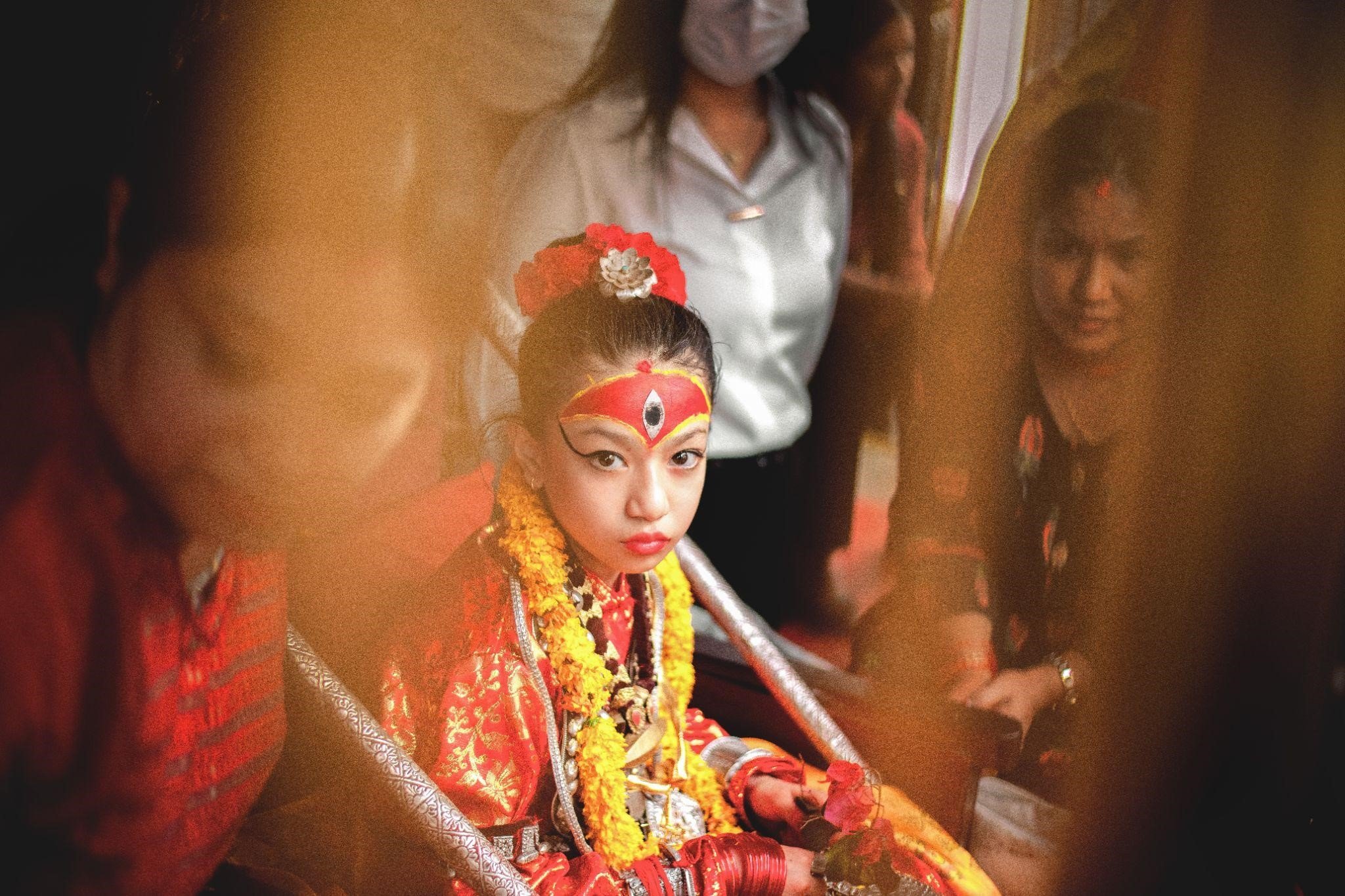
Here, tantric energy is woven into the rhythm of life Indra Jatra, Kumari processions, the temple of the living goddess. The square doesn’t separate the spiritual from the social. It shows you what happens when they’re never apart to begin with.
Not a Monument. A Mandala.
These cities were not built to be admired. They were built to be used. Walked. Circled. Sat within. Their tantric power is not in what they say it’s in what they do to the body moving through them.
You leave not with photos, but with something rearranged.
Every Step a Ritual, Every Corner a Gate
The Durbar Squares of the Kathmandu Valley aren’t just beautiful they are active fields of spiritual architecture. Still powerful. Still inhabited. Still offering anyone who walks with attention the chance to feel more awake, more grounded, more real.
Not because you entered a temple.
But because the whole city is one.
POPULAR ITINERARIES
SIMILAR POSTS

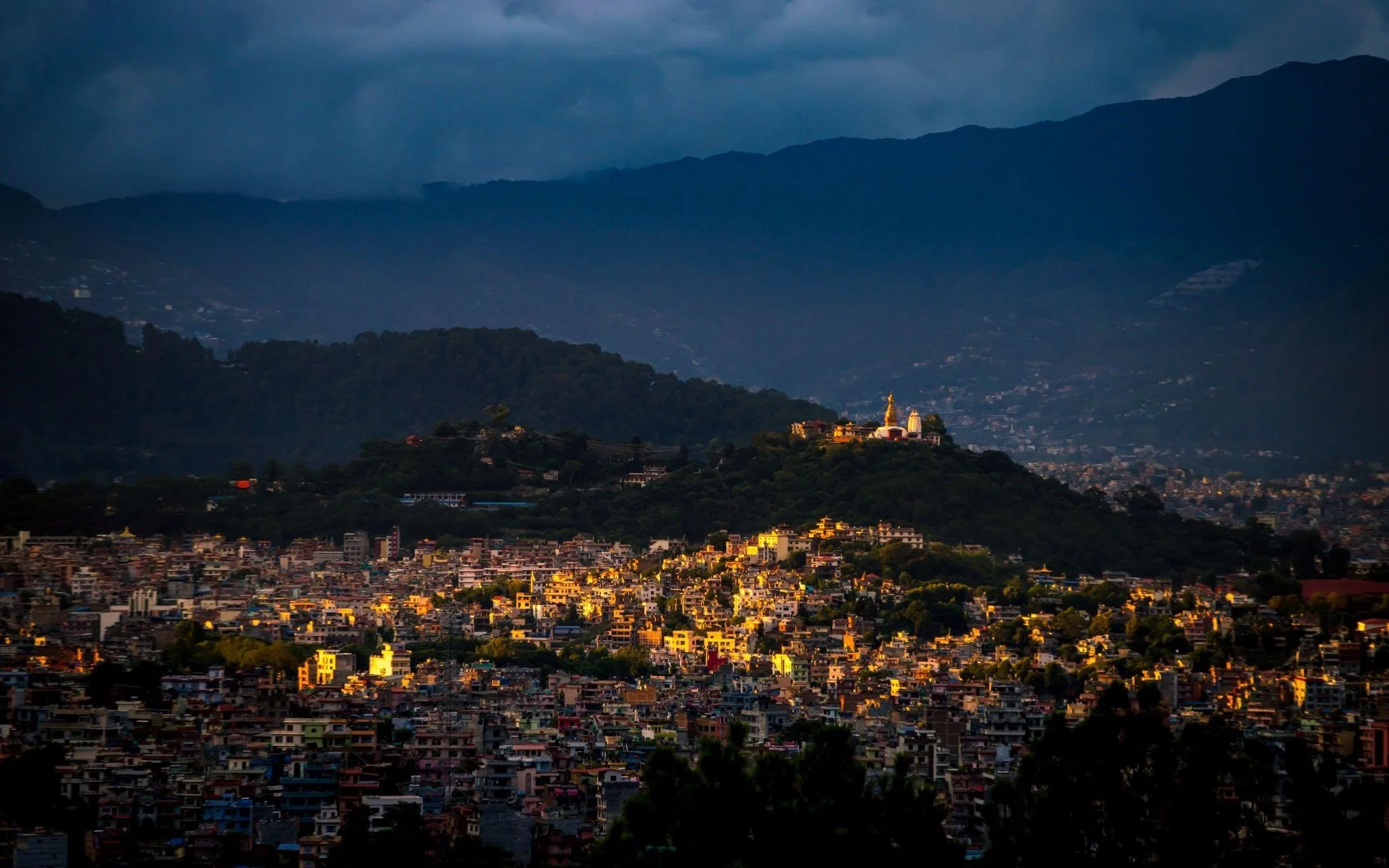
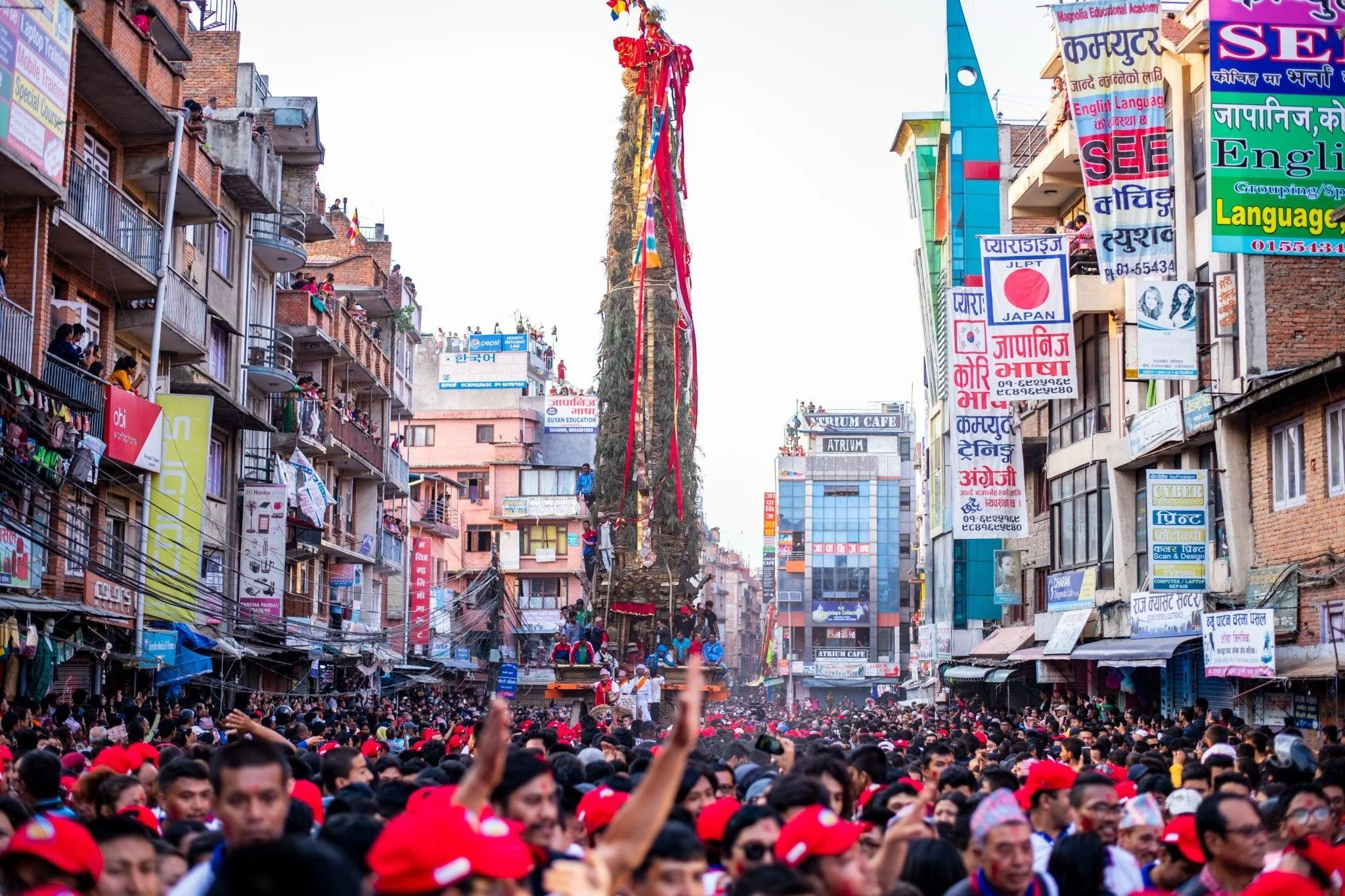
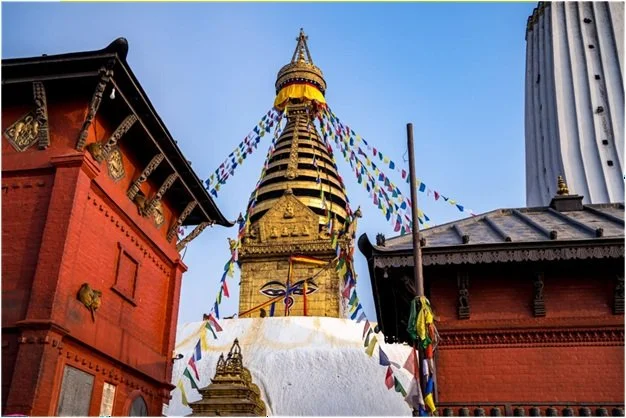
Taleju Temple: The Sacred Heart of Kathmandu’s Spiritual Legacy
Nestled within the historic Kathmandu Durbar Square, the Taleju Temple stands as a testament to Nepal’s rich tapestry of history, spirituality, and architectural brilliance. Dedicated to Taleju Bhawani, the royal goddess of the Malla dynasty, this 16th-century edifice is not just a place of worship but a symbol of the nation’s enduring cultural heritage.
Nestled within the historic Kathmandu Durbar Square, the Taleju Temple stands as a testament to Nepal’s rich tapestry of history, spirituality, and architectural brilliance. Dedicated to Taleju Bhawani, the royal goddess of the Malla dynasty, this 16th-century edifice is not just a place of worship but a symbol of the nation’s enduring cultural heritage.
A Glimpse into History
Commissioned in 1564 by King Mahendra Malla, the Taleju Temple was constructed to honor Taleju Bhawani, the tutelary deity believed to have guided and protected the Malla kings. Legend has it that the goddess appeared to the king in a dream, instructing him to build a temple in her honor. This divine encounter underscores the deep spiritual connection between the Malla rulers and their patron goddess.
Architectural Marvel
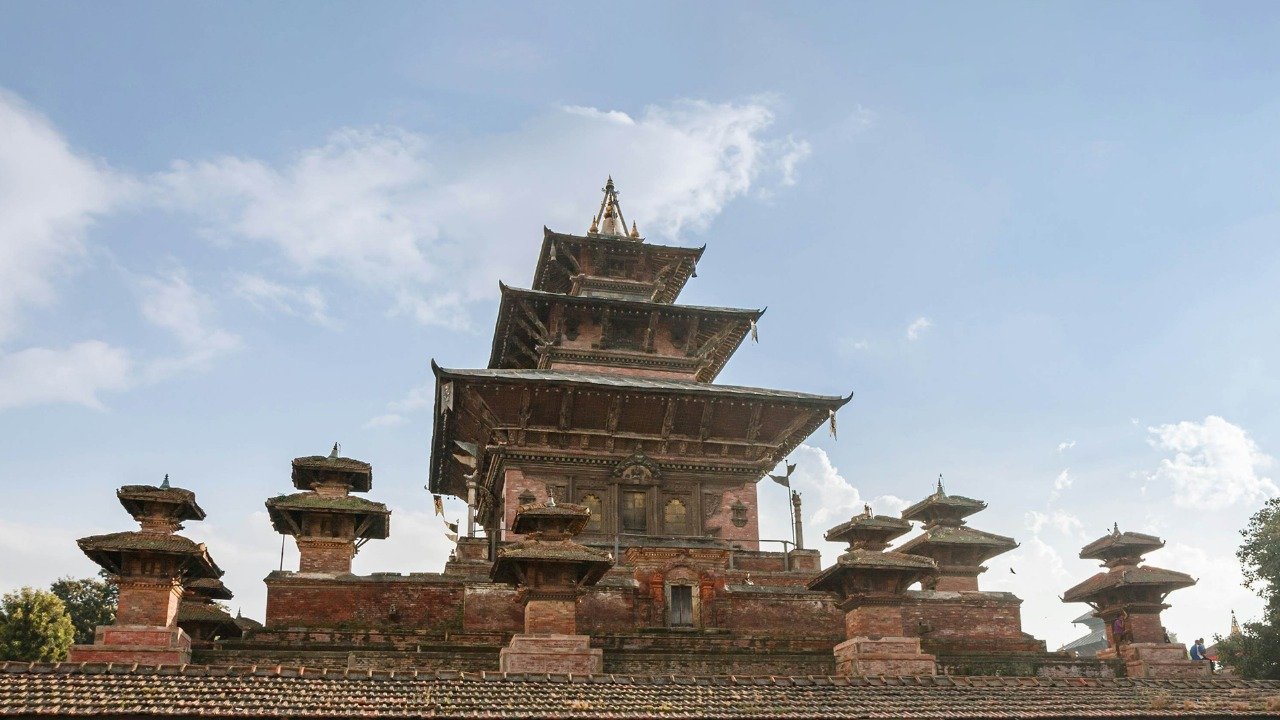
Standing at an impressive height of 35 meters, the Taleju Temple is a masterpiece of Newar architecture. Its unique design is said to resemble a yantra—a mystical diagram symbolizing the universe—reflecting the temple’s spiritual significance. The temple’s multi-tiered pagoda structure is adorned with intricate carvings, gilded roofs, and ornate windows, showcasing the exceptional craftsmanship of the era.
Surrounding the main temple are 12 miniature temples, each representing the months of the year, emphasizing the temple’s cosmic symbolism. The temple’s four main entrances are guarded by stone lions, adding to its majestic presence.
Spiritual Significance
Taleju Bhawani is revered as a manifestation of the fierce goddess Durga. Her worship was central to the Malla kings, who considered her their royal deity. The temple’s sanctum houses shrines dedicated to both Taleju Bhawani and Kumari Devi, the living goddess of Kathmandu. This association underscores the temple’s pivotal role in the spiritual life of the valley.
Access to the temple is highly restricted. It opens to the public only once a year during the Dashain festival, allowing devotees to pay homage to the goddess. This exclusivity adds to the temple’s mystique and sanctity.
Legends and Lore
The Taleju Temple is steeped in legends that enrich its spiritual aura. One such tale speaks of the goddess appearing in the form of a bee during the temple’s dedication ceremony, symbolizing her divine presence and blessing. Another legend narrates the story of King Jaya Prakash Malla, who played dice with the goddess in the temple’s sanctum, highlighting the intimate bond between the deity and her devotees.
Preservation and Legacy
Despite the ravages of time and natural calamities, including the 2015 earthquake, the Taleju Temple has retained its grandeur. Restoration efforts have been undertaken to preserve its structural integrity and artistic heritage. Today, the temple stands not only as a place of worship but also as a symbol of Nepal’s resilience and commitment to preserving its cultural landmarks.
Visiting the Taleju Temple
While the temple’s inner sanctum is accessible only during the Dashain festival, visitors can admire its architectural splendor from the outside year-round. Situated within the UNESCO World Heritage Site of Kathmandu Durbar Square, the temple is surrounded by other historical edifices, making it a focal point for those interested in Nepal’s rich history and culture.
Final Reflection
The Taleju Temple is more than just an architectural wonder; it is a living testament to Nepal’s spiritual depth, historical richness, and artistic excellence. For those seeking to understand the soul of Kathmandu, a visit to this sacred site offers a profound glimpse into the city’s enduring legacy.
POPULAR ITINERARIES
SIMILAR POSTS

Walking Through the History of Kathmandu
Kathmandu is a place that holds its history close. Every corner, every alley, every old building has a story to tell. It’s a city that rewards slow walks and curious minds.
A City Built on Stories
Kathmandu is a place that holds its history close. Every corner, every alley, every old building has a story to tell. It’s a city that rewards slow walks and curious minds.
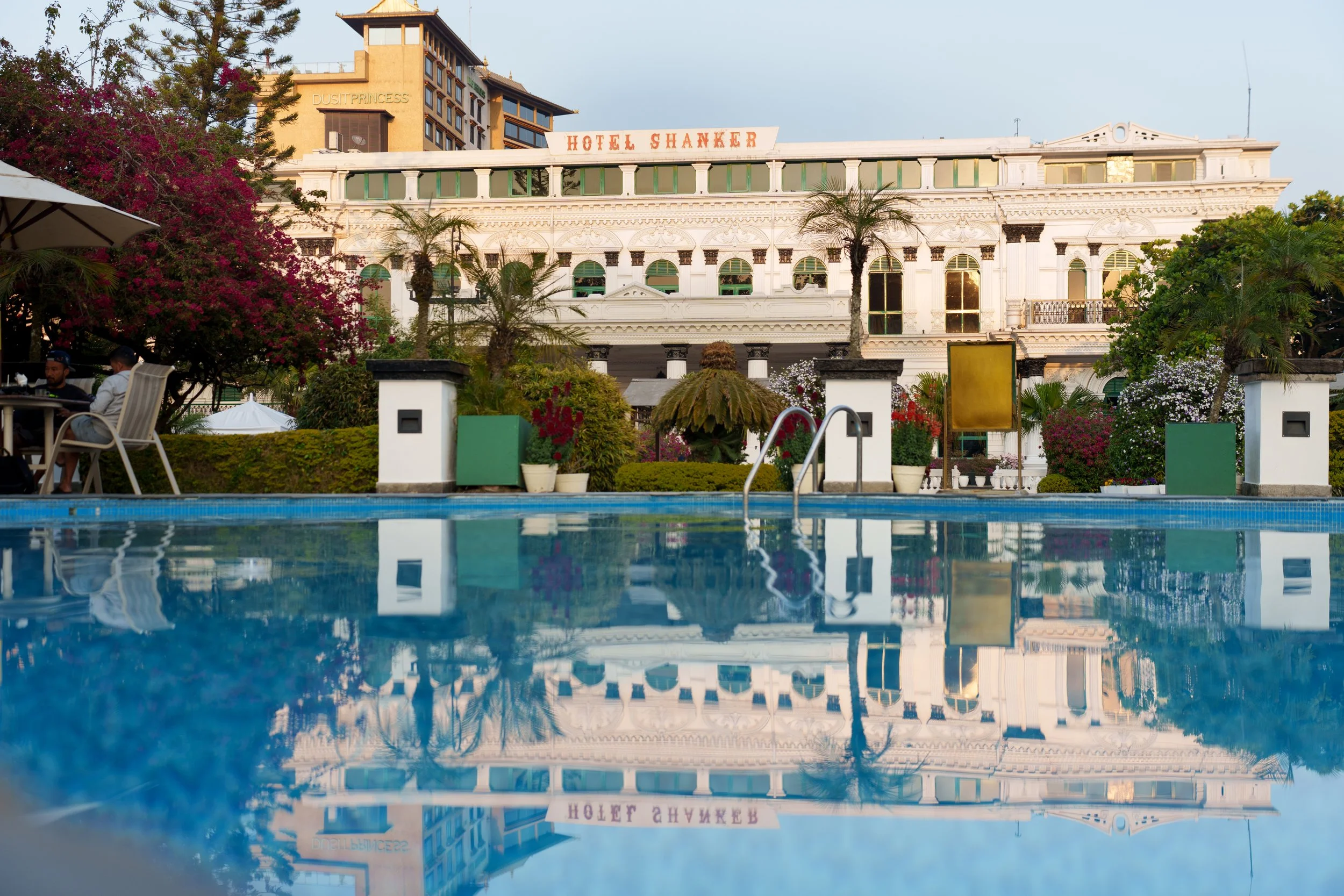
If you’re staying at Hotel Shanker, you’re already in a place with its own history. But beyond its gates, the streets of Kathmandu have even more to share. Here are a few places where the past still lives, just a short walk or drive from the hotel.
Ason Bazaar: Where the City Still Breathes
Start your day in Ason Bazaar, one of the oldest markets in Kathmandu. Here, the air is thick with the smell of spices, fresh vegetables, and incense. Narrow lanes twist through old brick buildings, their windows carved with care.
Pause at the Annapurna Temple, a small but sacred spot dedicated to the goddess of abundance. You’ll often find locals stopping to light incense or offer flowers as the market buzzes around them.
Indra Chowk: Where Life Crosses Paths
From Ason, walk toward Indra Chowk, a busy crossroads that has been a meeting point for traders and travelers for centuries.
Take a moment at the Seto Machhindranath Temple, a quieter corner where butter lamps flicker and the smell of marigolds fills the air. It’s a reminder that even in the busiest parts of the city, there is space for quiet reflection.
Basantapur: The Heart of Old Kathmandu
From Indra Chowk, follow the winding lanes to Basantapur, a place known for its tall, wooden pagodas and carved windows.
Look for the Kaathe Swayambhu Stupa, a small but important shrine that echoes the larger stupa on the hill. It’s a good place to pause, take a breath, and watch the city move around you.
Itumbaha Courtyard: A Hidden Gem
Just a short walk from the main squares, Itumbaha is a quiet, hidden courtyard that feels like a step back in time. Built in the 14th century, this Buddhist monastery still holds its original charm, with intricate wood carvings and a peaceful, lived-in atmosphere.
Narayanhiti Palace Museum: A Look at Recent History
End your walk at the Narayanhiti Palace Museum, just a short drive from Hotel Shanker. Once home to Nepal’s kings, this palace is now a museum that offers a glimpse into the country’s recent past.
Walk through the grand halls, past crystal chandeliers and state rooms, and imagine the moments of history that unfolded here.
Coming Back to Quiet
After a day spent moving through the city’s history, coming back to Hotel Shanker feels like a welcome pause. The cool halls, the quiet gardens, and the soft light in the windows offer a different kind of history—a quieter, more personal one.
POPULAR ITINERARIES
SIMILAR POSTS

Five Places to Visit in Kathmandu Before the Monsoon Arrives
Whether you’re a first-time visitor or a returning soul, here’s a curated five-stop itinerary, best enjoyed at an unhurried pace—with each journey beginning and ending in the quiet elegance of Hotel Shanker.
As Kathmandu begins to warm and the skies still hold their clarity, late spring and early summer reveal the valley in its gentlest light. Before the monsoon clouds roll in and the streets soften under seasonal rain, there’s a golden window—a time for walking, wandering, and witnessing the city’s timeless beauty.
Whether you’re a first-time visitor or a returning soul, here’s a curated five-stop itinerary, best enjoyed at an unhurried pace—with each journey beginning and ending in the quiet elegance of Hotel Shanker.
1. Patan Durbar Square – Where Craft Lives in Stone and Bronze
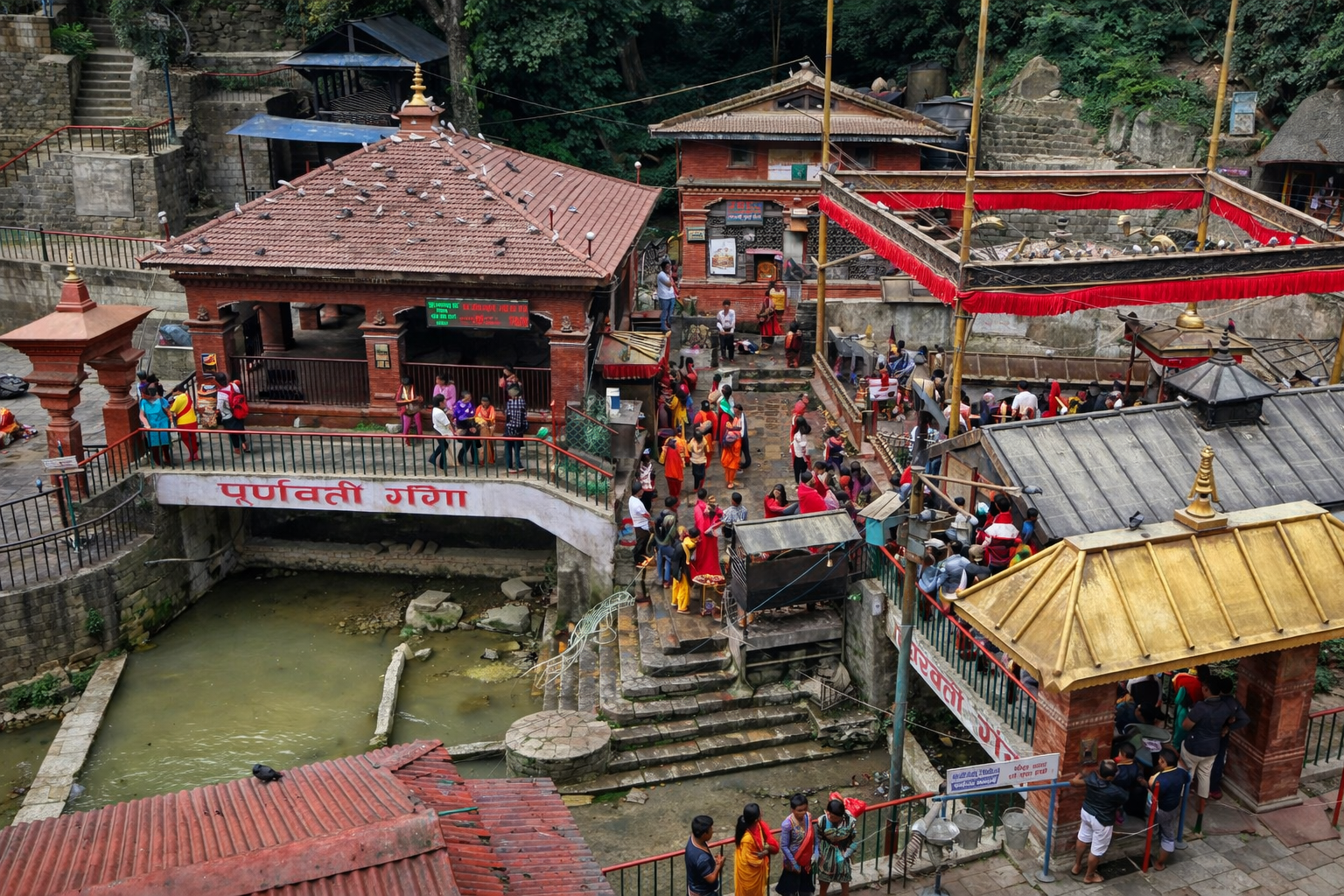
Start your morning in Lalitpur, just a short drive from the hotel. Patan Durbar Square is not just a UNESCO site—it’s a living museum of Newa architecture, temples, courtyards, and intricate metalwork still shaped by hand.
Wander through the golden windows, enter ancient palace chambers, and visit artisan studios tucked inside alleys. Mornings here are quieter, and the sun on the red brick is particularly poetic before noon.
Tip: Stop by the Patan Museum café for a peaceful coffee break surrounded by history.
2. Garden of Dreams – A Midday Retreat
By midday, retreat into the shaded elegance of the Garden of Dreams, just a short stroll from Thamel and only minutes from Hotel Shanker. With neoclassical pavilions, koi ponds, and manicured greenery, it’s an oasis meant for rest and reflection.
Settle into a bench, journal, read—or simply listen to the soft hum of the city fading beyond the garden walls.
Tip: The onsite Kaiser Café offers light meals and shaded verandas for lunch.
3. Swayambhunath – A View with Soul
As the day leans into afternoon, ascend to Swayambhunath Stupa, also known as the Monkey Temple. Perched on a hilltop overlooking the Kathmandu Valley, this spiritual site offers one of the best panoramic views before monsoon haze sets in.
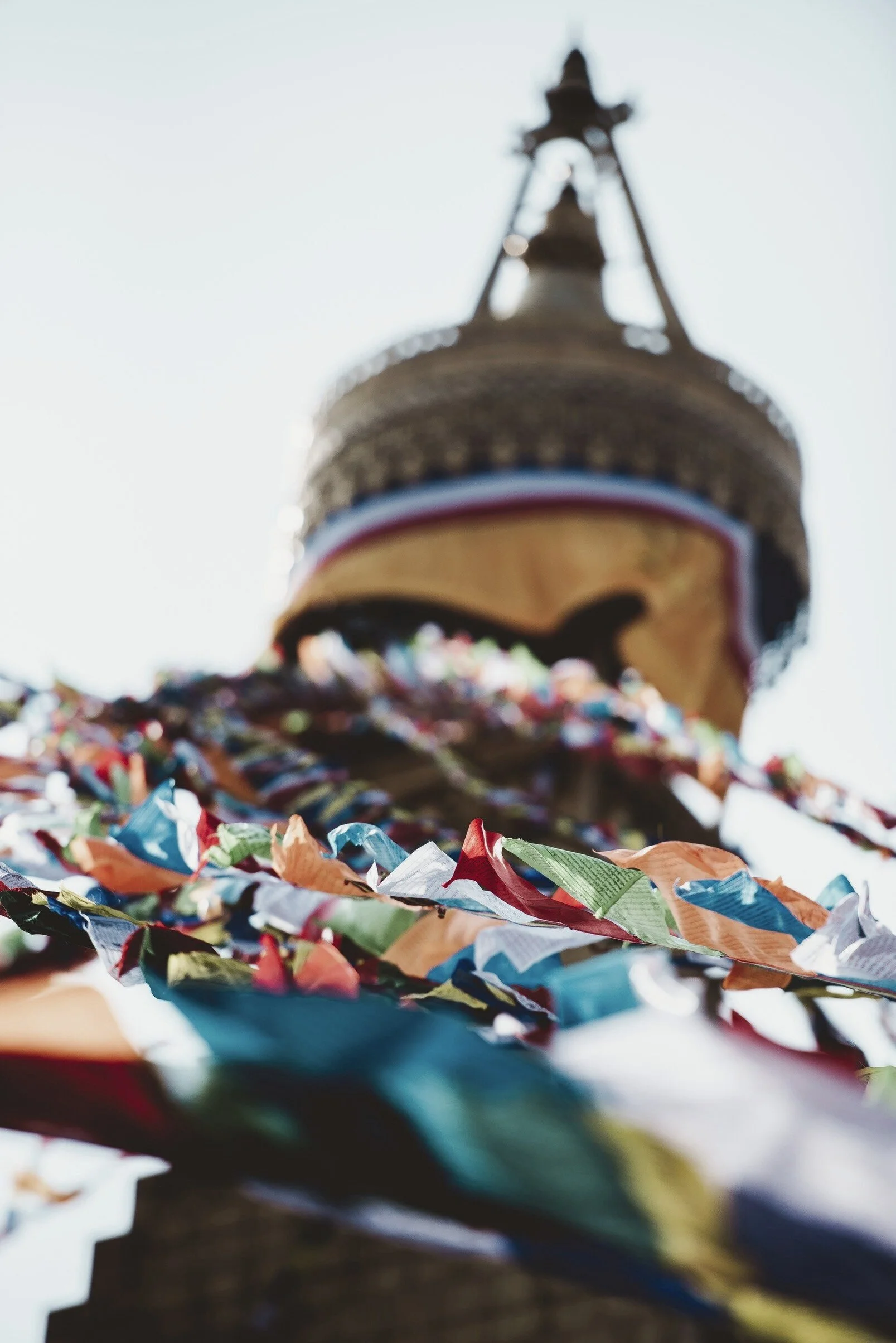
Climb slowly. Spin the prayer wheels. Let the wind carry the sound of mantras as prayer flags flutter above the rooftops.
Tip: Visit before golden hour for softer light and fewer crowds.
4. Boudhanath – Circles of Stillness
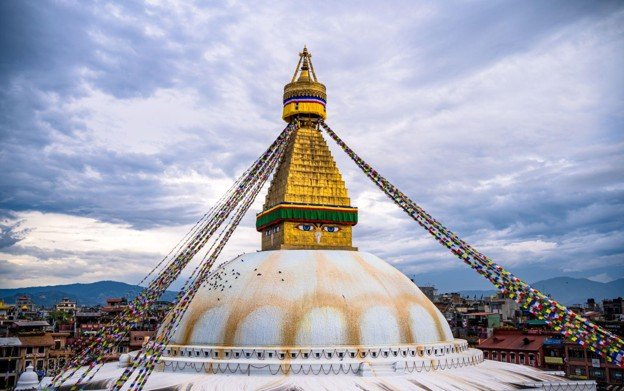
As evening approaches, visit Boudhanath Stupa—one of the largest and most revered in the world. Walk clockwise around the stupa with locals, monks, and pilgrims. The rhythmic motion, flickering butter lamps, and slow swirl of incense create an atmosphere of deep presence.
This is where the day begins to quiet.
Tip: Head to a rooftop café for tea as the stupa glows under soft lantern light.
5. Return to Calm: Hotel Shanker at Dusk
After a day of exploration, there’s nothing more comforting than returning to a place that feels like an embrace. At Hotel Shanker, twilight takes on a special stillness. The pool reflects the last of the light, the garden cools, and the scent of lemongrass might greet you in the lobby.
Whether you retreat to your heritage room, unwind with an evening drink, or take a moment beneath the palace arches—you’re not just ending a day. You’re continuing a story.
The Season to Wander
Kathmandu before the monsoon is a city caught in golden light. It is warm, but not heavy. Alive, but not rushed. This is the season to trace old pathways, seek quiet corners, and let the city show you its more poetic face.
And there’s no better place to begin—or return—than a palace built for rest.
Hotel Shanker. A stay with a story.
POPULAR ITINERARIES
SIMILAR POSTS

Spring Trekking Adventures in Nepal: A Season of Renewal and Exploration
For those seeking an unforgettable adventure, spring is the perfect time to trek Nepal’s legendary routes, offering clear skies, breathtaking scenery, and trails alive with culture and nature.
Winter in Nepal slows everything down. The mountains stand silent and still, their peaks buried under layers of snow. Villages tucked along the trails grow quieter as the cold air wraps around the valleys, and the trekking paths see fewer footprints. But as the seasons shift, spring breathes life back into the land.
The rivers swell with fresh snowmelt, the hillsides burst into vivid reds and pinks of rhododendrons, and the crisp mountain air carries the scent of blooming wildflowers. The stillness of winter gives way to movement—trekkers return to the trails, villages awaken, and the Himalayas unveil their most inviting and picturesque landscapes.
For those seeking an unforgettable adventure, spring is the perfect time to trek Nepal’s legendary routes, offering clear skies, breathtaking scenery, and trails alive with culture and nature.
Why Spring is the Best Time for Trekking in Nepal
• Nature in Full Bloom – The hills and forests transform into a colorful paradise, especially in rhododendron-filled regions like Ghorepani and Langtang.
• Ideal Weather – Mild temperatures during the day make trekking comfortable, while the crisp mountain air keeps the journey refreshing.
• Unobstructed Views – Spring offers some of the clearest mountain vistas, with towering peaks framed against deep blue skies.
• Wildlife at Its Best – As the warmth returns, Himalayan wildlife becomes more active, making it an excellent time for birdwatching and rare animal sightings.
• Festivals Along the Way – Trekkers often cross paths with Nepali spring festivals like Holi and Bisket Jatra, offering a glimpse into the local culture.
Best Spring Trekking Routes in Nepal
1. Everest Base Camp Trek (EBC) – The Ultimate Himalayan Journey
• Duration: 12–14 Days
• Difficulty: Moderate to Challenging
• Highlights:
• Majestic views of Mount Everest (8,848m), Nuptse, and Ama Dablam.
• Immersive experience in Sherpa villages, monasteries, and high-altitude landscapes.
• Suspension bridges, glaciers, and the legendary Kala Patthar viewpoint for a sunrise over Everest.
2. Annapurna Base Camp (ABC) Trek – A Classic Spring Wonderland
• Duration: 7–10 Days
• Difficulty: Moderate
• Highlights:
• Walk through forests in full bloom, with rhododendron petals carpeting the trails.
• Witness the sunrise over Annapurna I (8,091m) from Machhapuchhre Base Camp.
• Experience hot springs at Jhinu Danda, offering a perfect post-trek relaxation spot.
3. Ghorepani Poon Hill Trek – Short, Scenic, and Stunning
• Duration: 4–5 Days
• Difficulty: Easy to Moderate
• Highlights:
• Ideal for first-time trekkers and those looking for a shorter adventure.
• One of Nepal’s best panoramic sunrise views over Dhaulagiri and Annapurna.
• Trek through Magar and Gurung villages, surrounded by endless rhododendron forests.
4. Langtang Valley Trek – A Hidden Gem Near Kathmandu
• Duration: 7–8 Days
• Difficulty: Moderate
• Highlights:
• A perfect mix of Himalayan landscapes and Tibetan-influenced culture.
• Langtang National Park offers encounters with Himalayan wildlife and vibrant birdlife.
• Stunning views of Langtang Lirung (7,227m) and traditional villages untouched by modern tourism.
Trek by Day, Unwind in Luxury at Hotel Shanker
After days of trekking through the mountains, there is nothing better than returning to comfort and tranquility. At Hotel Shanker, we offer the perfect place to relax and rejuvenate before or after your Himalayan adventure.
• Spacious and elegantly designed rooms, ideal for unwinding after a trek.
• Lush gardens and a serene atmosphere, a contrast to the rugged mountain trails.
• Rejuvenating spa treatments, easing sore muscles and refreshing the body.
• A fine selection of Nepali and international cuisine, satisfying the appetite built on the trails.
Book Your Stay & Elevate Your Trekking Experience
Spring trekking in Nepal is an experience that stays with you forever. From the high-altitude paths of Everest to the rolling hills of Annapurna, the mountains are calling. And when the adventure ends, Hotel Shanker welcomes you back to luxury, warmth, and timeless elegance.
POPULAR ITINERARIES
SIMILAR POSTS
Wildlife Safaris and Birdwatching in Spring: Nepal’s Untamed Beauty Awaits
From the lush grasslands of Chitwan to the untamed wilderness of Bardia, Nepal’s national parks are teeming with rare wildlife, migratory birds, and breathtaking landscapes, offering an unforgettable adventure for every explorer.
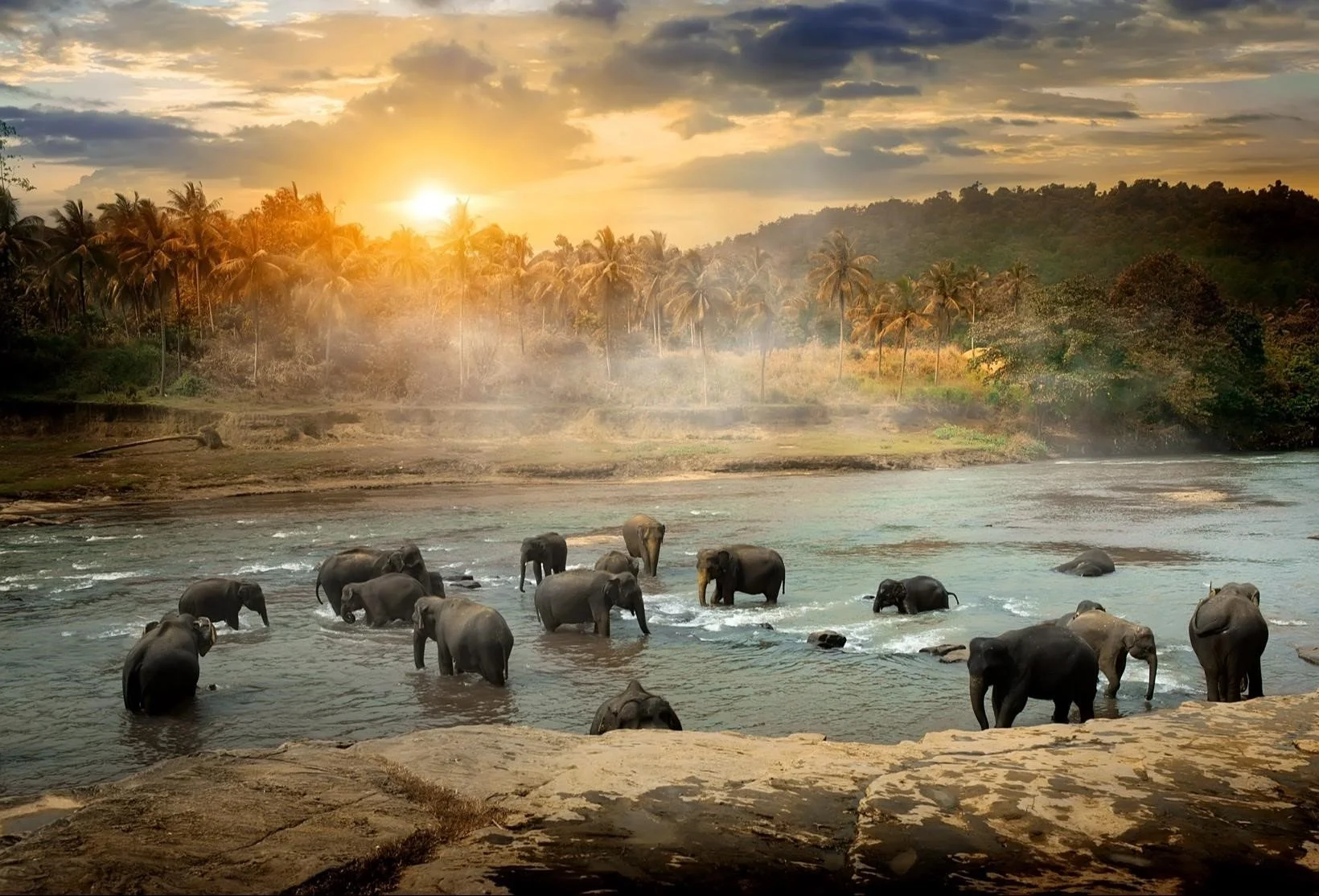
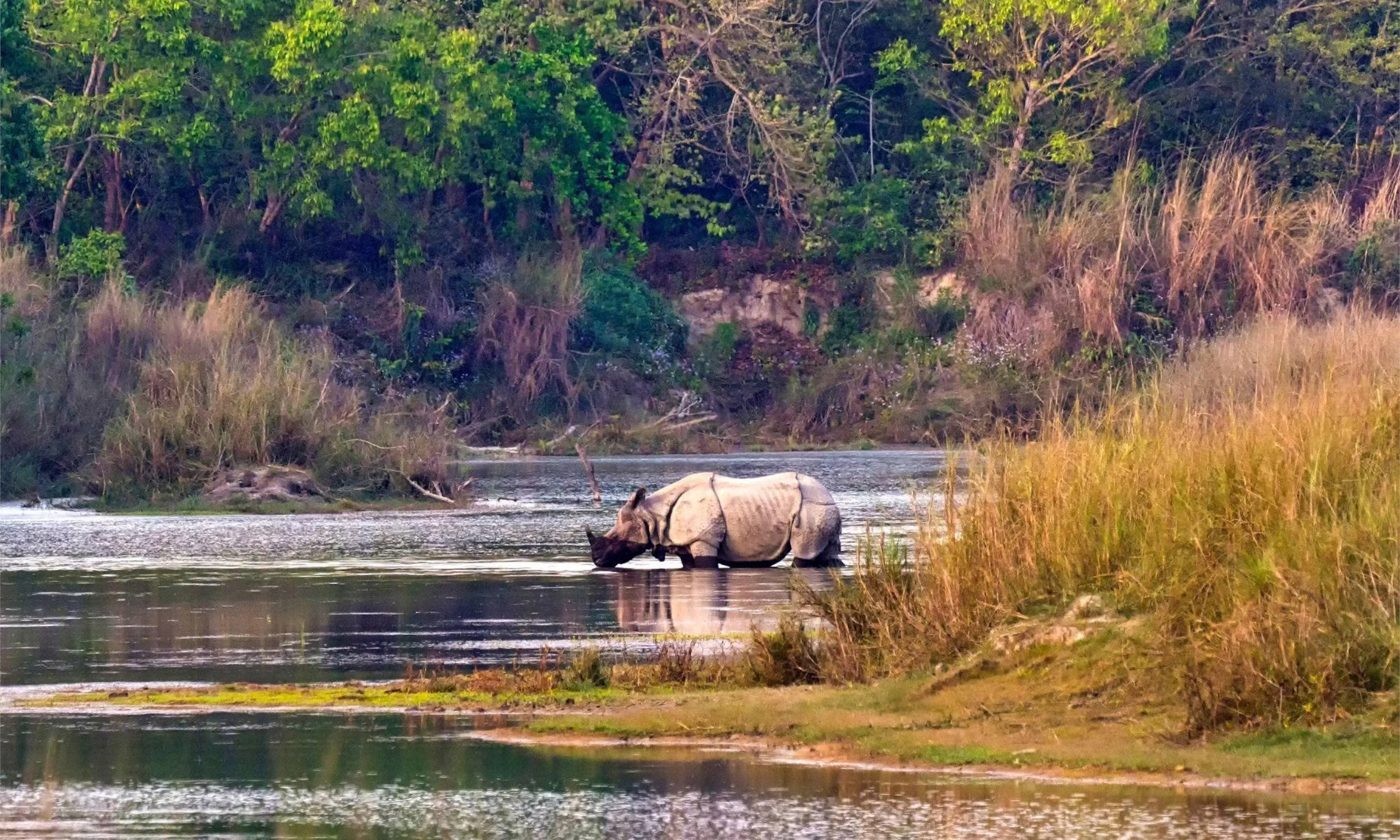
As winter fades, Nepal’s jungles, wetlands, and forests come alive with vibrant energy. The arrival of spring brings lush greenery, blooming flowers, and an abundance of wildlife activity, making it the perfect season for wildlife safaris and birdwatching. Whether it’s spotting a majestic Bengal tiger in the dense jungles or watching exotic birds soar across the wetlands, Nepal offers an unparalleled experience for nature lovers.
From the lush grasslands of Chitwan to the untamed wilderness of Bardia, Nepal’s national parks are teeming with rare wildlife, migratory birds, and breathtaking landscapes, offering an unforgettable adventure for every explorer.
Why Spring is the Best Time for Wildlife Safaris and Birdwatching
• Active Wildlife – With the onset of warmer weather, tigers, rhinos, and elephants emerge from deep forests to bask in the sun.
• Peak Birdwatching Season – Spring marks the arrival of migratory birds, adding a splash of color to Nepal’s diverse ecosystems.
• Lush Landscapes – The post-winter bloom transforms national parks into vibrant sanctuaries, enhancing visibility for wildlife spotting.
• Ideal Weather – Mild temperatures and clear skies make safari excursions and jungle walks comfortable and rewarding.
Top Destinations for Wildlife Safaris in Nepal
1. Chitwan National Park – A UNESCO World Heritage Site
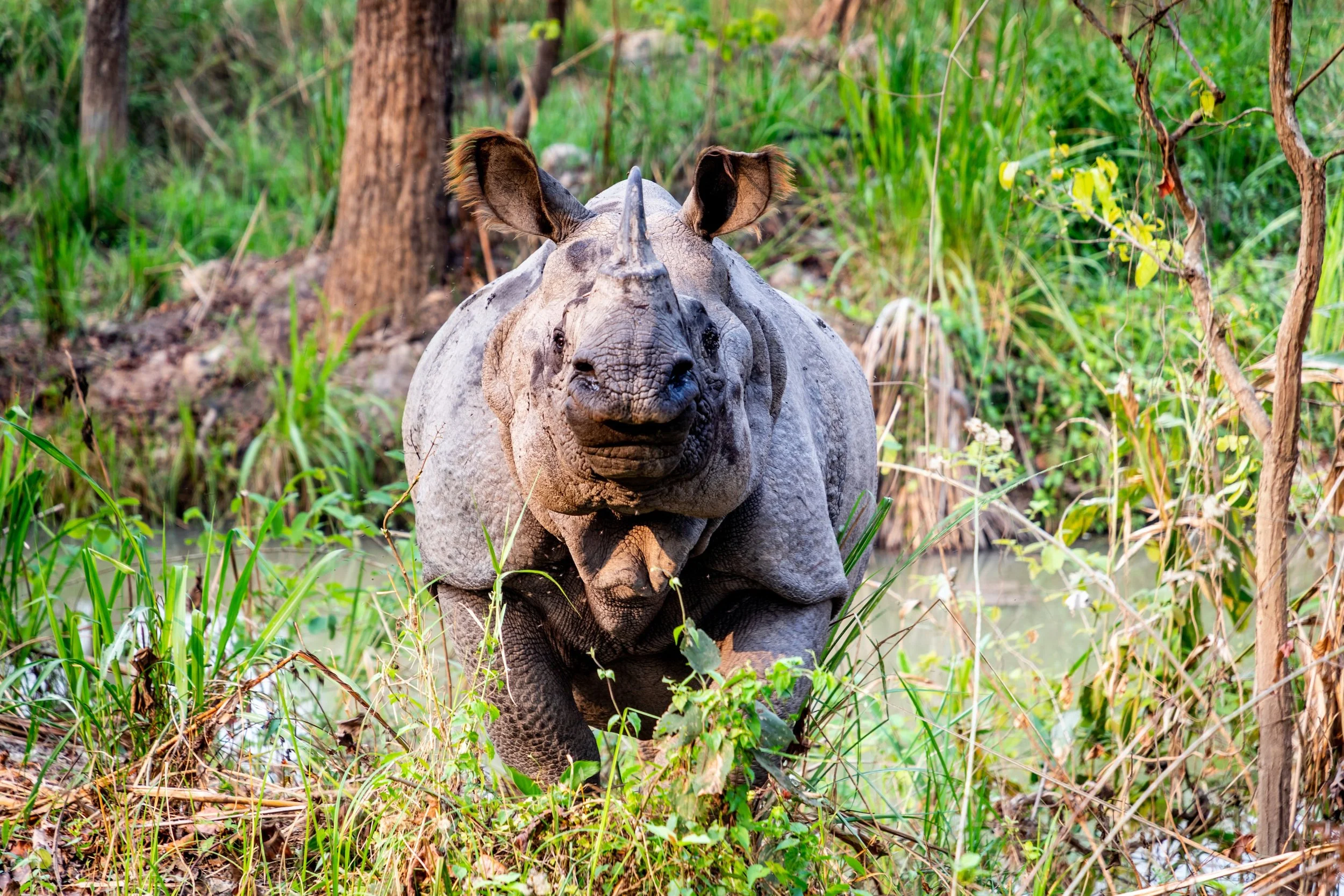
• Best For: Spotting one-horned rhinoceroses, Bengal tigers, elephants, and crocodiles.
• Activities:
• Jeep safaris through grasslands and dense forests.
• Canoe rides along the Rapti River, where gharials and marsh mugger crocodiles bask in the sun.
• Guided jungle walks offering a closer look at Nepal’s diverse flora and fauna.
• Birdwatching Highlight: Home to over 500 species of birds, including the endangered Bengal florican and vibrant kingfishers.
2. Bardia National Park – Nepal’s Hidden Wilderness
• Best For: Remote and untouched safari experience, with high chances of spotting wild Bengal tigers.
• Activities:
• Full-day jungle safaris with expert naturalists.
• River excursions to see the rare Gangetic dolphins.
• Cultural encounters with the indigenous Tharu community.
• Birdwatching Highlight: Over 400 bird species, including great hornbills, paradise flycatchers, and eagles.
3. Koshi Tappu Wildlife Reserve – A Birdwatcher’s Paradise
• Best For: Wetland birdwatching and unique aquatic species.
• Activities:
• Boat safaris and marshland explorations.
• Guided birdwatching walks through riverside habitats.
• Photography tours capturing migratory birds in their natural setting.
• Birdwatching Highlight: Over 485 bird species, including swamp francolins, ibises, storks, and migratory waterfowls.
The Perfect End to a Wild Adventure – Stay at Hotel Shanker
After exploring Nepal’s breathtaking national parks, return to the heart of Kathmandu for a stay steeped in comfort and heritage. At Hotel Shanker, we offer the ideal retreat to unwind after days spent in the wild.
• Elegant rooms and tranquil ambiance, perfect for relaxation.
• A serene garden escape, a touch of nature in the city.
• Authentic Nepali and international cuisine, bringing flavors of the jungle to your plate.
• Easy access to Kathmandu’s cultural and historical landmarks, allowing you to complete your journey with a taste of Nepal’s rich heritage.
Book Your Stay & Experience Nepal’s Wild Beauty
Whether you’re drawn by the thrill of a Bengal tiger sighting or the peaceful melody of rare Himalayan birds, Nepal’s wilderness awaits. And when the adventure ends, Hotel Shanker welcomes you back with warmth, luxury, and a timeless experience.
POPULAR ITINERARIES
SIMILAR POSTS
Spring Escapes with Hotel Shanker: Explore Nepal with Our Travel Desk
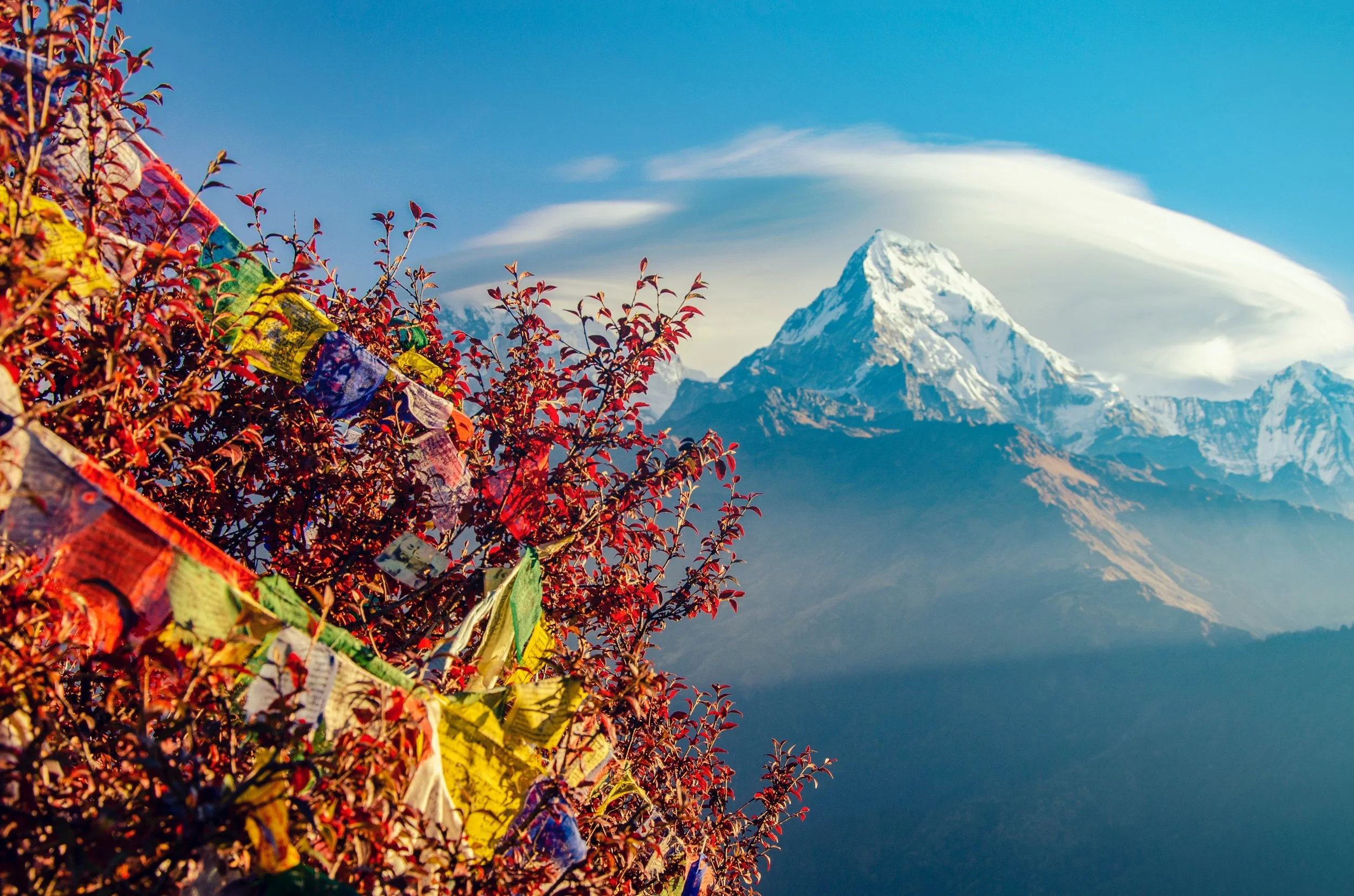
As spring blooms, Nepal transforms into a vibrant paradise of colors, clear skies, and fresh mountain air. Whether you're craving a serene getaway or an adventurous exploration, Hotel Shanker’s Travel Desk is here to make your journey seamless and unforgettable. Discover Nepal’s treasures with expert guidance, curated itineraries, and the warmth of our hospitality.
Introduction
As spring blooms, Nepal transforms into a vibrant paradise of colors, clear skies, and fresh mountain air. Whether you're craving a serene getaway or an adventurous exploration, Hotel Shanker’s Travel Desk is here to make your journey seamless and unforgettable. Discover Nepal’s treasures with expert guidance, curated itineraries, and the warmth of our hospitality.
Your Travel Partner: Hotel Shanker’s Travel Desk
Our dedicated travel desk offers a range of services to help you explore Nepal with ease and comfort. From arranging day trips to organizing multi-day tours, we ensure every detail is taken care of—so you can focus on creating memories.
Services Offered
● Customized tour packages (heritage tours, adventure trips, and cultural experiences)
● Transportation arrangements (private cars, luxury vehicles, and airport transfers)
● Ticketing services (domestic flights, mountain flights, and helicopter tours)
● Trekking and hiking bookings with professional guides
● Sightseeing tours to Kathmandu, Bhaktapur, and Patan
Top Spring Destinations to Explore from Hotel Shanker
1. Garden of Dreams (5 minutes from the hotel)
A perfect spot to enjoy spring’s bloom. Relax in this serene neo-classical garden with lush flowers and fountains.
2. Nagarkot Sunrise View (1.5 hours from the hotel)
Witness breathtaking sunrise views over the Himalayas—a must-see during spring.
3. Pashupatinath & Boudhanath (15 minutes from the hotel)
Immerse yourself in spirituality by visiting these UNESCO World Heritage Sites.
4. Phulchowki Hiking (30 minutes from the hotel)
For adventure lovers, spring is the best time to hike Phulchowki Hill, known for its stunning rhododendron blooms.
5. Pokhara Weekend Escape (Short flight or 6 hours by road)
Enjoy the serenity of Phewa Lake, spring paragliding, and boating with the backdrop of the Annapurna range.
Why Spring is the Best Time to Travel
● Clear skies and mild weather – perfect for outdoor adventures
● Blooming rhododendrons and vibrant nature trails
● Ideal conditions for trekking, paragliding, and sightseeing
● Picture-perfect views for photography enthusiasts
Spring Specials with Hotel Shanker Travel Desk
● Spring Blossom Tour: Kathmandu – Nagarkot – Bhaktapur (2 nights, 3 days)
● Mountain Flight Experience: Witness Mount Everest from above
● Heritage & Culture Walk: Explore the royal courtyards of Kathmandu Valley
● Romantic Spring Getaway: Combine your stay with day trips and intimate dinners
Why Choose Hotel Shanker’s Travel Desk
● Expert local guides with personalized itineraries
● Hassle-free transportation arrangements
● 24/7 assistance for your travel needs
● Exclusive packages and offers for hotel guests
Ready to Explore? Let Us Plan Your Spring Escape!
Visit our Travel Desk during your stay or contact us at:
Link: Travel Desk
Spring is calling—answer it with Hotel Shanker.
POPULAR ITINERARIES
SIMILAR POSTS
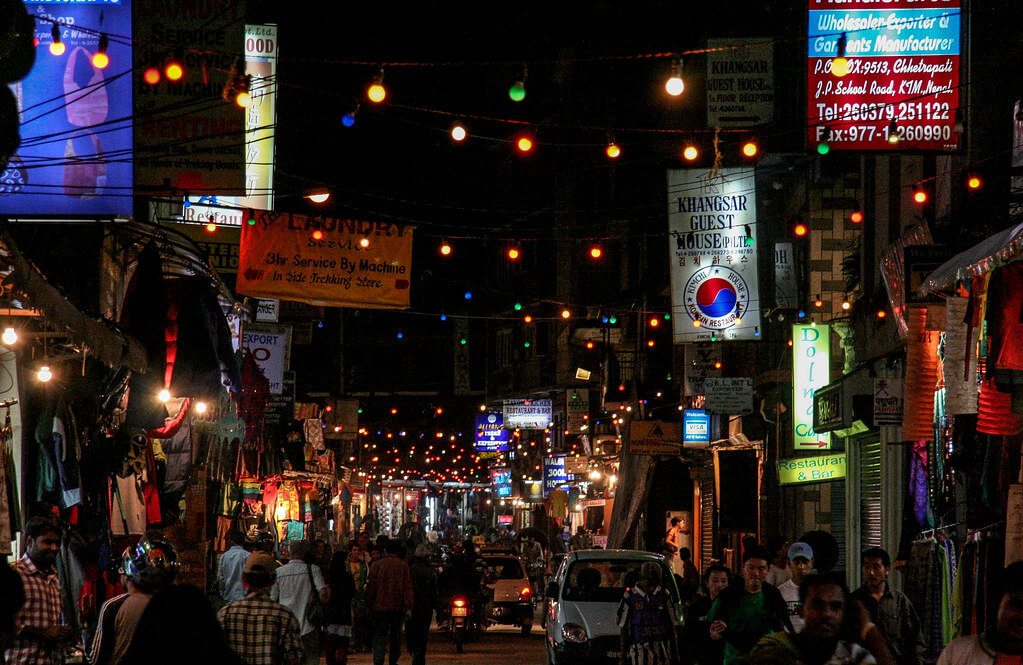
Kathmandu by Night: The Best Places to Experience the City After Dark
Kathmandu may be known for its temples and cultural heritage, but as the sun sets, the city transforms into a lively and enchanting destination. Whether you’re looking for a peaceful spiritual experience, a vibrant nightlife scene, or a cozy heritage retreat, Kathmandu at night has something for everyone. Here’s a quick guide to the best places to experience the city after dark.
Kathmandu may be known for its temples and cultural heritage, but as the sun sets, the city transforms into a lively and enchanting destination. Whether you’re looking for a peaceful spiritual experience, a vibrant nightlife scene, or a cozy heritage retreat, Kathmandu at night has something for everyone. Here’s a quick guide to the best places to experience the city after dark.
1. Boudhanath Stupa: A Spiritual Glow in the Night
One of Nepal’s most iconic Buddhist sites, Boudhanath Stupa, takes on a magical ambiance in the evening. The golden stupa, illuminated under the night sky, is surrounded by monks chanting mantras and pilgrims spinning prayer wheels. The nearby rooftop cafes provide the perfect spot to soak in the peaceful energy with a cup of traditional butter tea.
Best time to visit: 6 PM – 9 PM for a quiet, meditative experience.
2. Thamel: The Heartbeat of Kathmandu’s Nightlife
Thamel is the go-to place for those looking for a lively atmosphere after dark. Packed with bars, restaurants, and live music venues, it’s where locals and travelers come together to unwind. Popular spots like Purple Haze Rock Bar and Reggae Bar offer fantastic live performances, while cozy cafes like OR2K provide a laid-back setting for drinks and conversations.
Best time to visit: 7 PM – midnight for the full nightlife experience.
3. Pashupatinath Temple: The Evening Aarti Ceremony
For a deeply spiritual experience, head to Pashupatinath Temple during the evening aarti (ritual prayer ceremony). The mesmerizing sight of priests chanting Vedic hymns, ringing bells, and offering flames to the Bagmati River is a must-see. This ritual creates a mystical atmosphere that leaves a lasting impression on visitors.
Best time to visit: 6:30 PM – 8 PM (Aarti starts around 7 PM).
4. Durbar Marg: Fine Dining & Luxury Evenings
For a more upscale evening, Durbar Marg is home to some of Kathmandu’s finest restaurants and lounges. From international cuisine to stylish cocktail bars, this area is perfect for a relaxed yet sophisticated night out. Venues like Mezze by Roadhouse and Trisara offer great ambiance, delicious food, and craft cocktails.
Best time to visit: 7 PM – 11 PM for a refined dining experience.
5. Kunti Bar at Hotel Shanker: A Heritage Cocktail Experience
For those who prefer a more exclusive and intimate night out, Kunti Bar at Hotel Shanker is a hidden gem. Offering a mix of classic and signature cocktails, the bar blends old-world charm with modern mixology. Its heritage ambiance and refined atmosphere make it a perfect place to unwind with a drink in hand.
Best time to visit: 6 PM – 11 PM for a relaxed, elegant evening.
6. Swayambhunath (Monkey Temple): Night Views of Kathmandu
For stunning panoramic views of Kathmandu, head to Swayambhunath Stupa at night. The city lights twinkling below, combined with the peaceful energy of this ancient site, create a surreal experience. It’s a quieter alternative to the city’s busier nightlife spots.
Best time to visit: 7 PM – 9 PM for breathtaking night views.
Conclusion: The Magic of Kathmandu After Dark
Whether you’re exploring sacred sites, enjoying live music, or sipping a cocktail in a historic setting, Kathmandu offers a diverse range of night experiences. For a perfect blend of heritage and luxury, Hotel Shanker provides the ideal base, ensuring comfort and elegance after a night of adventure in the city.
📍 Book your stay and experience Kathmandu by night in style.
POPULAR ITINERARIES
SIMILAR POSTS