Celebrate Dashain in Kathmandu: A Traveler’s Guide to Nepal’s Grand Festival
Dashain is Nepal’s biggest and most anticipated festival, celebrated with grandeur and joy throughout the country. As the longest and most significant Hindu festival, Dashain marks a time of family reunions, joyous celebrations, and cultural traditions. If you’re planning to visit Nepal during this vibrant period, you’re in for an experience like no other! Here’s how to make the most of your Dashain celebrations in Kathmandu and why staying at Hotel Shanker can enhance your festive experience.
Dashain is Nepal’s biggest and most anticipated festival, celebrated with grandeur and joy throughout the country. As the longest and most significant Hindu festival, Dashain marks a time of family reunions, joyous celebrations, and cultural traditions. If you’re planning to visit Nepal during this vibrant period, you’re in for an experience like no other! Here’s how to make the most of your Dashain celebrations in Kathmandu and why staying at Hotel Shanker can enhance your festive experience.
What is Dashain? A Celebration of Victory and Renewal
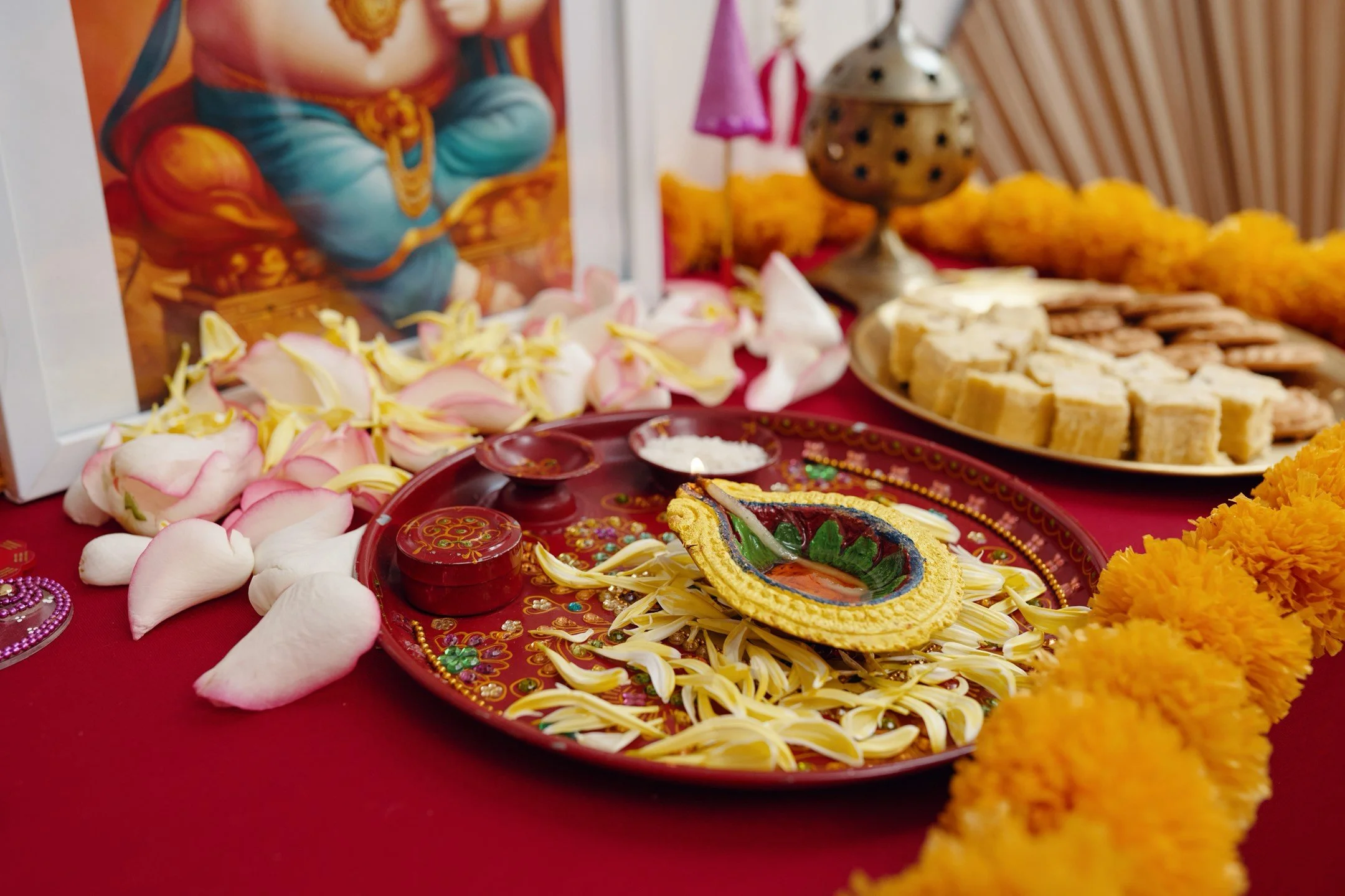
Dashain, also known as Vijaya Dashami, is celebrated to commemorate the victory of good over evil. The festival, which lasts for 15 days, honors the goddess Durga and her triumph over the demon Mahishasura. Families come together to offer prayers, fly kites, enjoy special feasts, and participate in traditional rituals. Every house is cleaned and decorated, symbolizing a fresh start and a prosperous year ahead.
For travelers, Dashain offers a unique opportunity to witness the rich cultural heritage of Nepal and experience the warm hospitality of its people.
Top Dashain Experiences in Kathmandu
If you’re visiting Kathmandu during Dashain, there are several cultural experiences and activities you shouldn’t miss. Here are some highlights to include in your itinerary:
1. Attend the Tika Ceremony
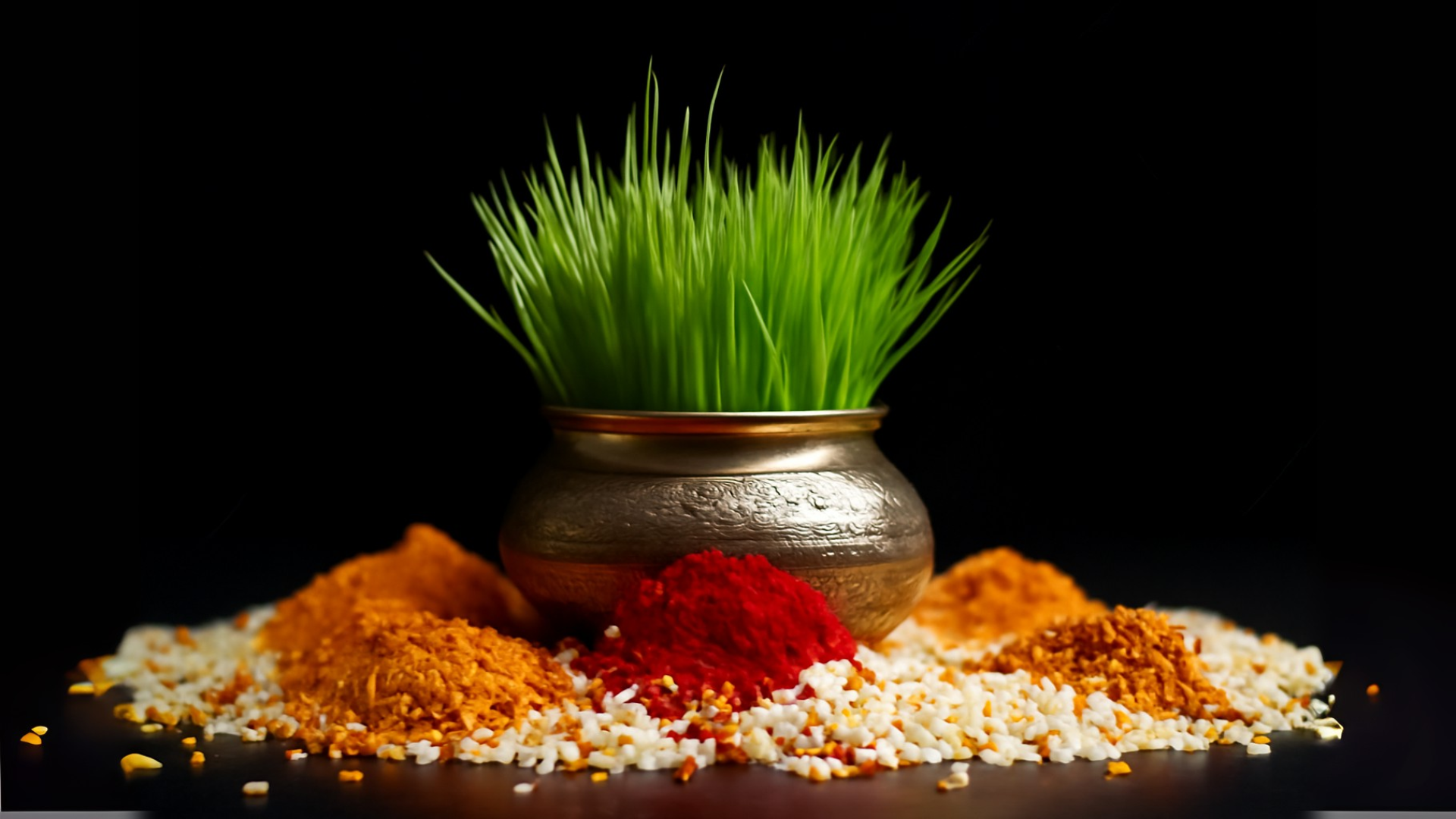
One of the most iconic parts of Dashain is the Tika ceremony, where elders place a mixture of rice, yogurt, and vermilion on the foreheads of younger family members. This blessing is believed to bring good fortune and protection. Guests at Hotel Shanker can arrange to witness or even participate in this sacred ritual, offering a deeper understanding of Nepali traditions.
2. Fly Kites from the Rooftop
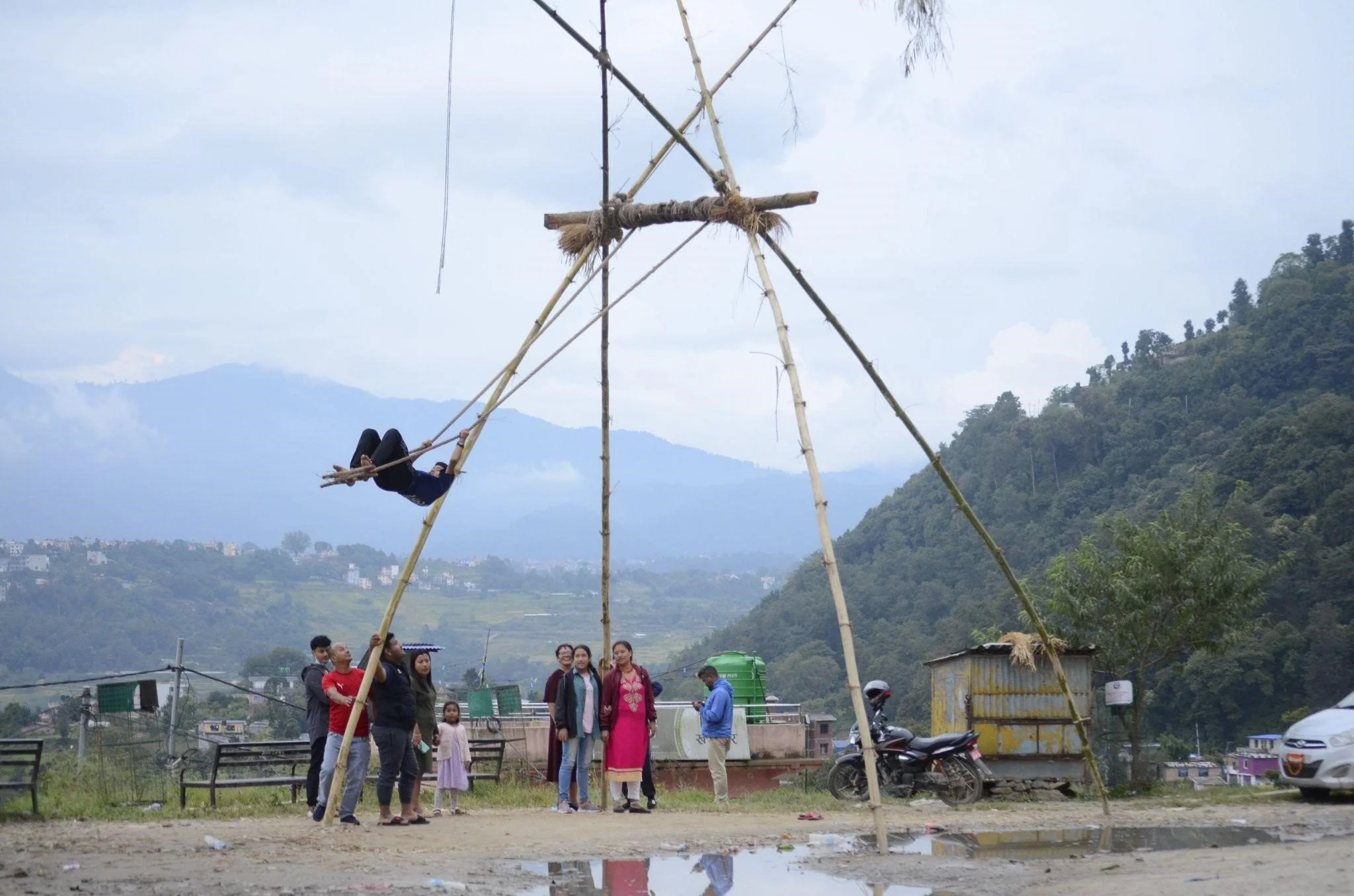
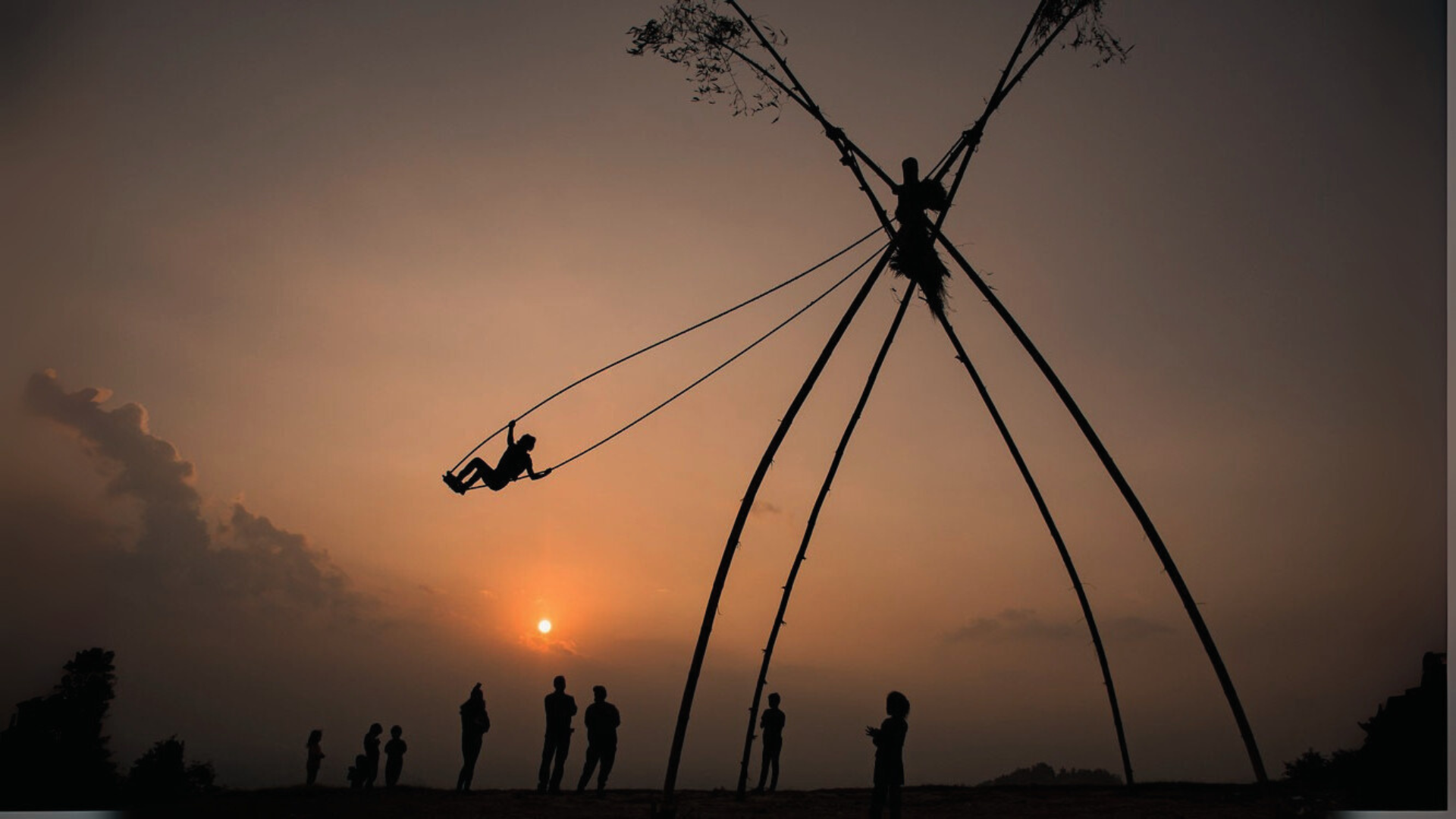
Dashain is synonymous with kite flying. Locals take to rooftops and open fields to fly colorful kites, which symbolize freedom and joy. You can join in the fun by flying kites from the scenic rooftop of Hotel Shanker, enjoying panoramic views of the Kathmandu Valley.
3. Explore the Decorated Temples
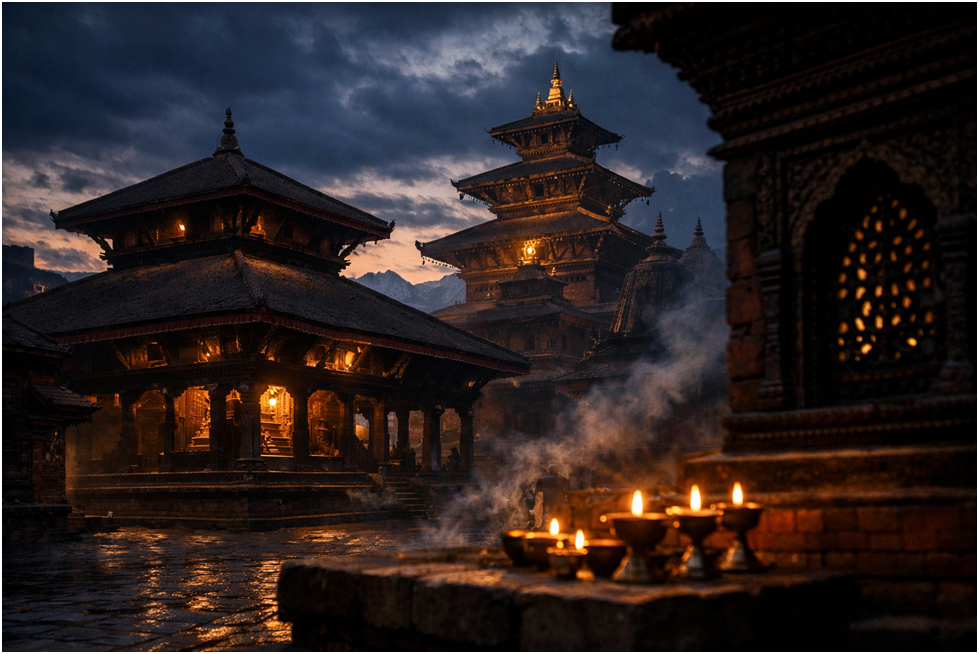
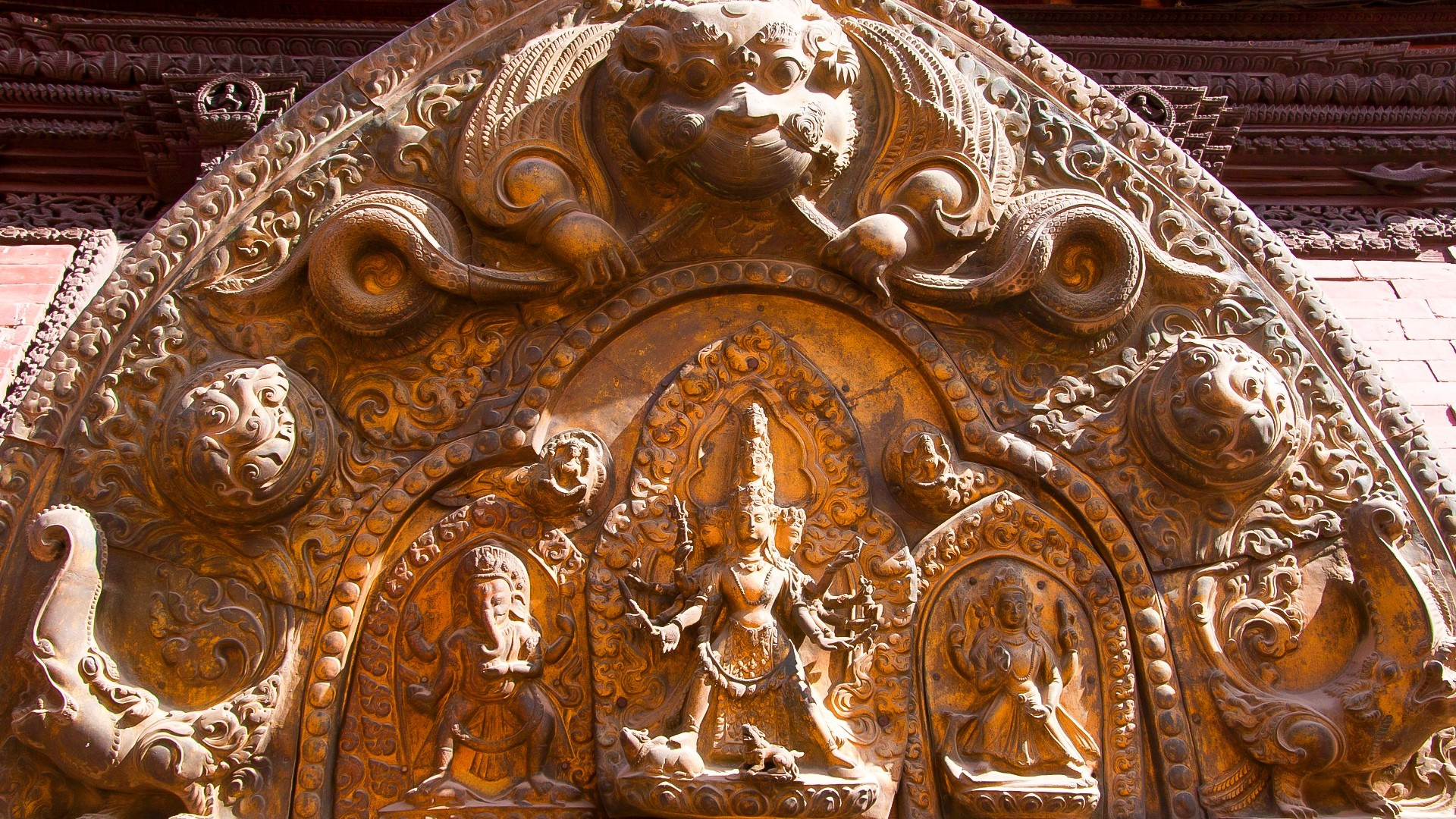
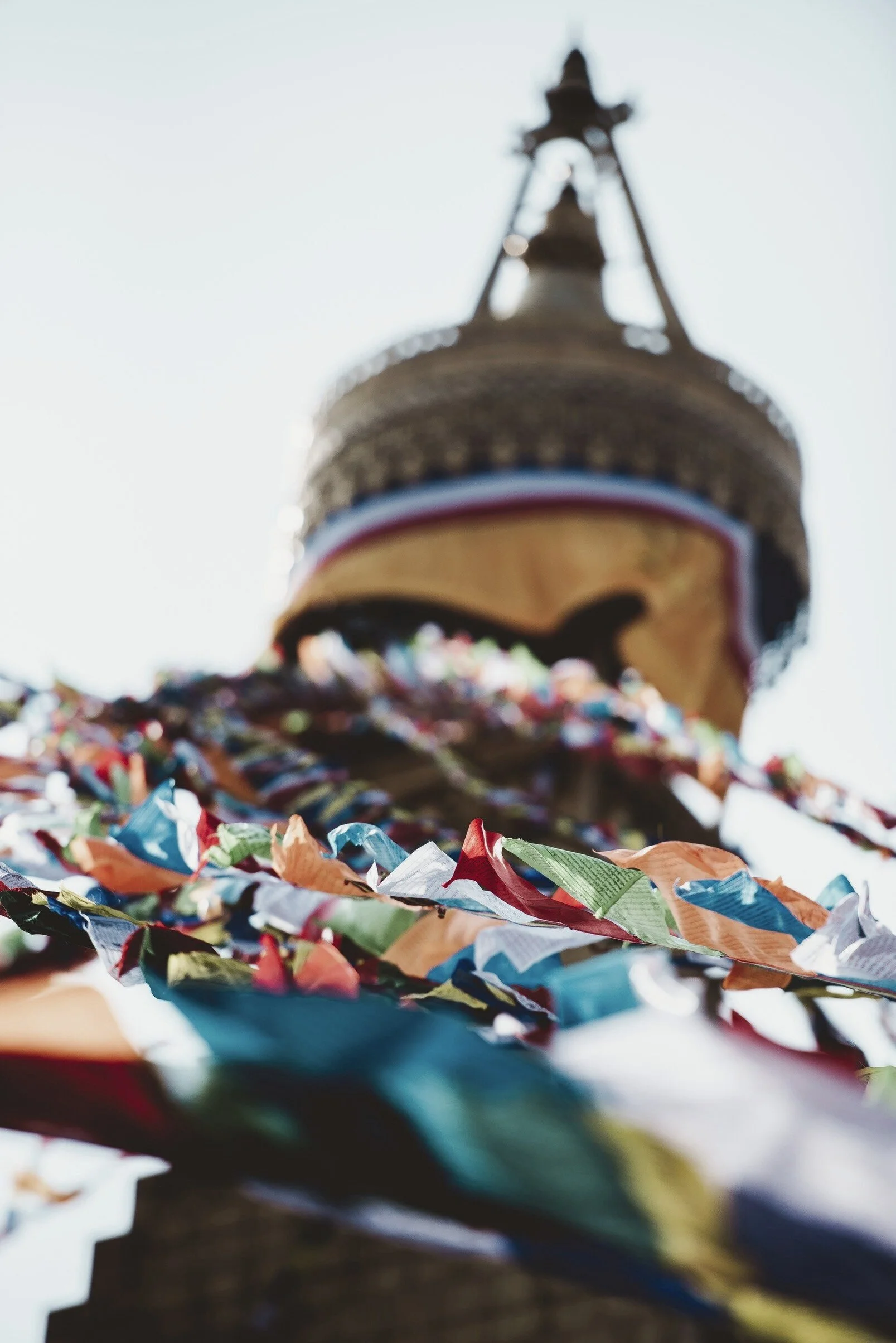
During Dashain, temples and shrines are adorned with beautiful flowers and lights. Visit Durbar Square and the Swayambhunath Stupa (Monkey Temple) to see the temples come alive with festivities. Participate in rituals, offer prayers, and soak in the spiritual atmosphere.
4. Indulge in Festive Feasts
Dashain is also about food! Traditional dishes like mutton curry, sel roti (a type of rice flour bread), and yomari (sweet dumplings) are prepared in every household. At Hotel Shanker, the chefs offer a special Dashain menu featuring these delicacies, giving guests a chance to taste authentic Nepali cuisine in a luxurious setting.
Why Stay at Hotel Shanker During Dashain?
Staying at Hotel Shanker during the Dashain festival is not just about comfort and luxury; it’s about being at the heart of the celebrations. Here’s why Hotel Shanker is the ideal choice for travelers looking to immerse themselves in the Dashain festivities:
● Prime Location: Located in the heart of Kathmandu, Hotel Shanker is just a stone’s throw away from the city’s most iconic cultural landmarks, making it easy for guests to explore the vibrant streets and temples during the festival.
● Cultural Programs: Hotel Shanker hosts special cultural programs during Dashain, including traditional music and dance performances, allowing guests to experience Nepali culture up close.
● Special Dashain Packages: Take advantage of our exclusive Dashain packages, which include complimentary traditional meals, guided tours to nearby temples, and participation in Dashain rituals.
● Family-Friendly Atmosphere: Dashain is all about family, and Hotel Shanker’s warm, welcoming atmosphere ensures that guests of all ages feel at home.
Tips for Travelers Visiting Kathmandu During Dashain
1. Plan Ahead: Dashain is the busiest time of the year in Nepal. Make sure to book your accommodations and flights early, as hotels and transportation fill up quickly.
2. Respect Local Customs: Remember that Dashain is a deeply religious and cultural festival for Nepalis. Dress modestly when visiting temples and participate respectfully in any rituals.
3. Enjoy the Festivities, But Be Cautious: The streets can get crowded, especially in major marketplaces and temples. Keep your belongings secure and avoid traveling alone late at night.
4. Capture the Moments: Dashain is a photographer’s dream. From vibrant decorations to joyful celebrations, there’s plenty to capture. Just be mindful of personal space and seek permission before photographing ceremonies or individuals.
Book Your Dashain Experience at Hotel Shanker Today
Experience the grandeur and spirit of Dashain in Kathmandu while enjoying the luxury and comfort of Hotel Shanker. Whether you’re here to immerse yourself in the cultural festivities or just want to relax in a serene environment, our hotel offers the perfect blend of tradition and modernity.
Contact us today to book your Dashain stay and take advantage of our exclusive festive packages!
POPULAR ITINERARIES
SIMILAR POSTS
Immersion in Culture: Experience the Excitement of Ghode Jatra
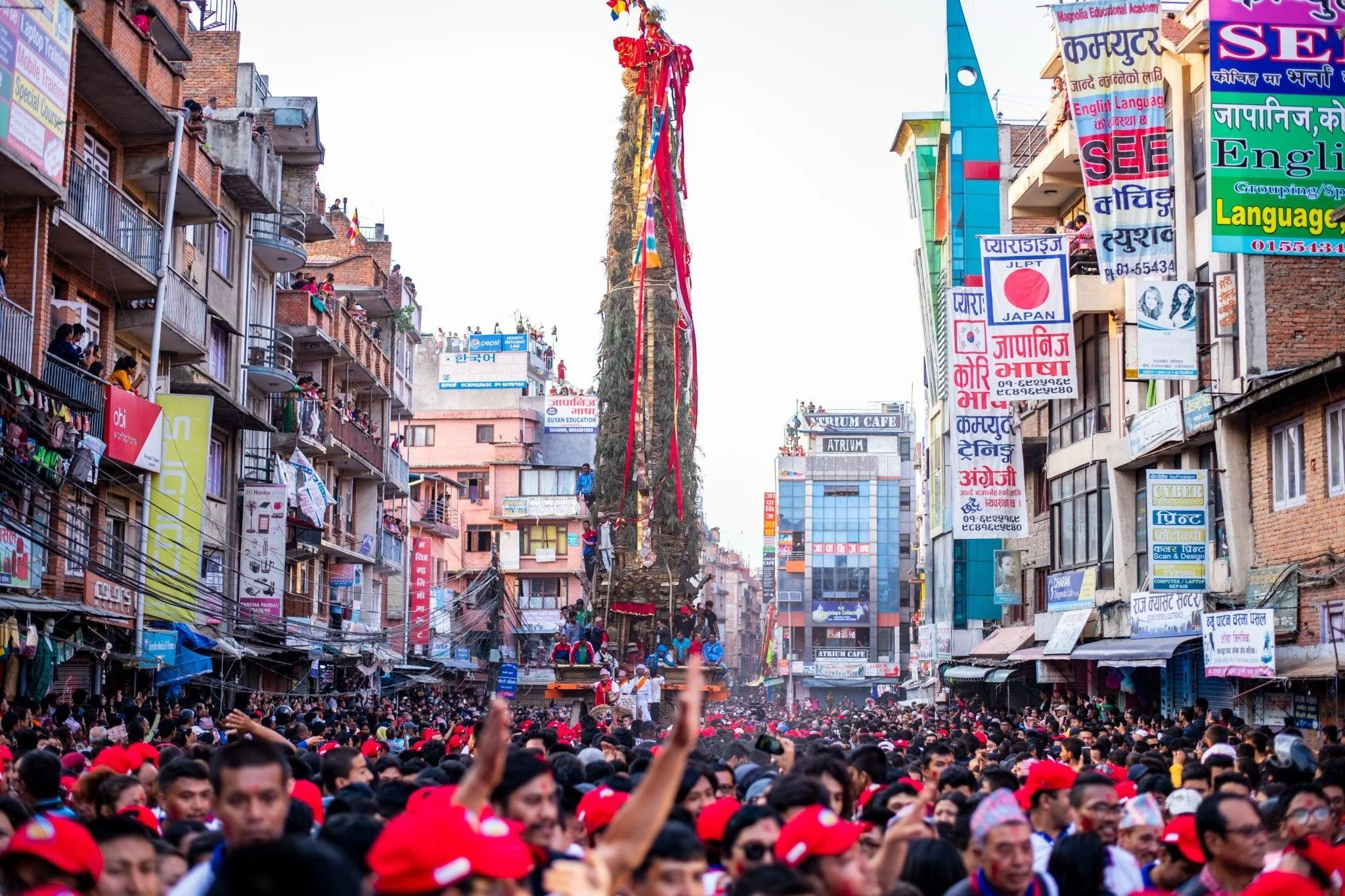
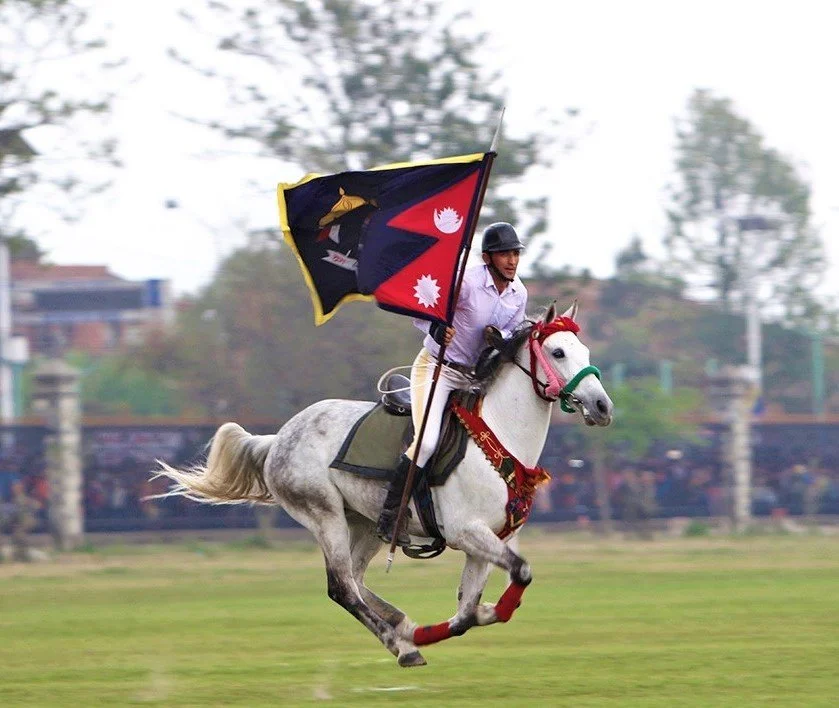
During your stay at the luxurious Hotel Shanker, be sure to experience the vibrant cultural tapestry of Nepal. One unmissable event is the Ghode Jatra, a pulsating horse festival that unfolds every year in Kathmandu, typically around mid-March to early April.
During your stay at the luxurious Hotel Shanker, be sure to experience the vibrant cultural tapestry of Nepal. One unmissable event is the Ghode Jatra, a pulsating horse festival that unfolds every year in Kathmandu, typically around mid-March to early April.
A Celebration Steeped in History
Ghode Jatra, which translates to "Horse Parade" in English, boasts a rich history. Legends abound, with some suggesting it originated as a way to appease a demon terrorizing the city. Locals would gather and offer animal sacrifices until a wise tantric saint intervened. He captured the demon and, in celebration of this victory, a grand procession with horses was held, marking the birth of the Ghode Jatra tradition.
A Day of Revelry
Declared a public holiday in Kathmandu, Ghode Jatra is a day of immense excitement. The heart of the festivities lies in Tundikhel, a vast open ground near the hotel. Here, the Nepal Army takes center stage, organizing a spectacular horse parade. Witness a captivating display of horsemanship as skilled riders showcase their equestrian prowess.
Beyond the Parade: A Kaleidoscope of Culture
The festivities extend far beyond the parade ground. The indigenous Newari community, the original inhabitants of the Kathmandu Valley, celebrate with traditional feasts in their homes. The air fills with the aroma of delectable delicacies as families gather to mark this auspicious occasion.
A Glimpse into Local Deities
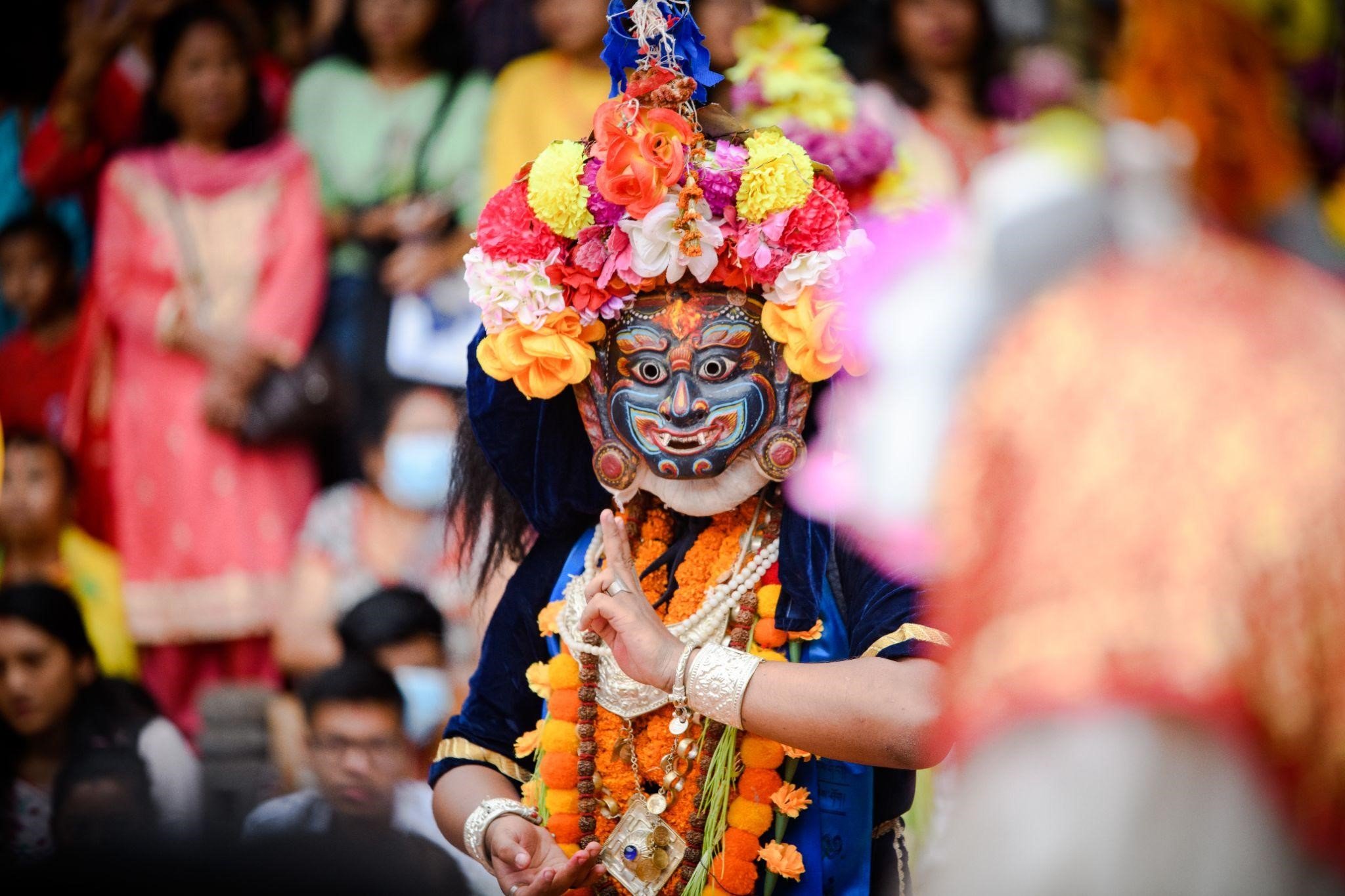
Ghode Jatra also coincides with the chariot processions of several revered deities. Look out for the idols of Goddesses Lumaldi, Bhadrakali, and Kankeshwari, along with Lord Bhairav, being paraded through the city. This unique blend of military prowess and religious devotion paints a mesmerizing picture of Nepali culture.
A Festival for Everyone
The energy during Ghode Jatra is infectious. The streets teem with enthusiastic crowds, all eager to soak in the spectacle. Traditional music fills the air, adding to the festive atmosphere. Don't be surprised if you're invited to join in the merriment – Nepalis are known for their warm hospitality.
Step Back in Time
Ghode Jatra is more than just a horse parade; it's a portal to Nepal's vibrant history and culture. Witnessing this unique festival is an experience that will stay with you long after your visit. So, during your stay in Nepal, don't miss the chance to be a part of this electrifying spectacle!
POPULAR ITINERARIES

SIMILAR POSTS

Celebrate Life with Colors
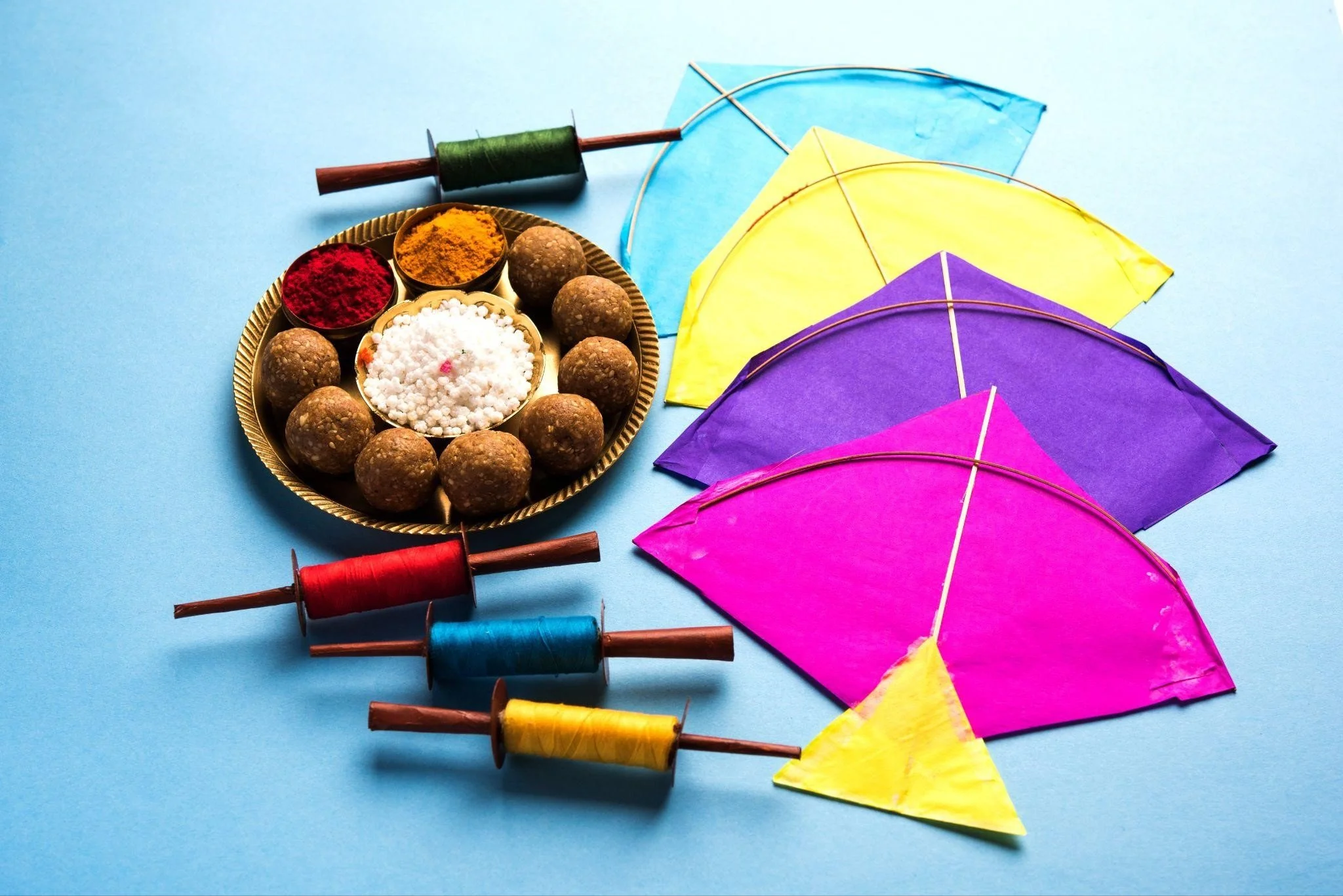
Kathmandu comes alive in a riot of colors during Holi, the exuberant Hindu festival also known as the Festival of Colors. As a guest at Hotel Shanker, you have the unique opportunity to witness and even participate in this joyous celebration. But Holi is more than just throwing colored powder around.
Kathmandu comes alive in a riot of colors during Holi, the exuberant Hindu festival also known as the Festival of Colors. As a guest at Hotel Shanker, you have the unique opportunity to witness and even participate in this joyous celebration. But Holi is more than just throwing colored powder around.
One of the most popular and entertaining events in Kathmandu throughout the months of February and March is Holi. Splashing colors and nicely throwing water balloons, however with friends and family, is a great method for everyone in Nepal to have fun. Due of its popularity as a location for Holi celebrations in Kathmandu, the Basantapur Durbar area hosts a carnival on Holi day. Not all of them come here to party; the others are happy to be with their families or in gated communities. In order to see the grandeur of the event on the streets, many travelers choose to travel to Nepal around this period. The people who live in the mountainous regions also like Holi, therefore even the Terai region hosts smaller-scale celebrations of this holiday.
Here's a glimpse into the heart of this vibrant festival:
The Legend Behind the Colors
Holi commemorates the triumph of good over evil, as depicted in the legend of Krishna and the demon Putana. According to the story, Putana disguised herself as a caregiver to poison Krishna. But Krishna, recognizing her evil intent, playfully smeared colors on her face. Holi signifies the victory of good and the playful spirit of life.
The Ritual of Bonfire (Holika Dahan)
The festivities begin a night before Holi with Holika Dahan, the bonfire ritual. People gather around bonfires, symbolizing the burning of Putana and negativity. Crackling flames illuminate the night sky, casting an ethereal glow over the city.
The Day of Colors (Rangwali Holi)
The main event unfolds on the day of Holi, Rangwali Holi. Streets transform into a kaleidoscope of colors as people playfully chase each other, throwing colored powder (gulal) and water balloons filled with colored water. Laughter and joy fill the air as inhibitions melt away. Hotel Shanker can help you acquire safe and eco-friendly colors for a memorable experience.
The Significance of Colors
Each color in the vibrant palette of Holi holds a special meaning:
● Red symbolizes love and prosperity.
● Blue represents Krishna, the divine prankster.
● Green signifies new beginnings and spring.
● Yellow reflects the optimism and energy of life.
Beyond the Colors: Traditions and Delights
Holi is not just about the colors; it's a celebration of community and togetherness. Families and friends gather to share sweets like Gujiya and drink refreshing Thandai, a special Holi beverage. Traditional music fills the air, and some people even break into impromptu dance routines.
Embrace the Spirit of Holi
Holi is a celebration of life, joy, and the triumph of good over evil. While the vibrant colors are a visual treat, the true essence lies in the spirit of togetherness and the shedding of inhibitions.
POPULAR ITINERARIES
SIMILAR POSTS

Explore the Spirit of Ramadan: A Guide for Respectful Travelers
As you embark on your adventure to Nepal, it's important to be mindful of cultural practices and celebrations. Ramadan, the holiest month in Islam observed by many Nepalese citizens, brings a unique atmosphere to the country. This blog aims to provide a basic understanding of Ramadan and guide you in navigating your travels during this time.
As you embark on your adventure to Nepal, it's important to be mindful of cultural practices and celebrations. Ramadan, the holiest month in Islam observed by many Nepalese citizens, brings a unique atmosphere to the country. This blog aims to provide a basic understanding of Ramadan and guide you in navigating your travels during this time.
A Month of Spiritual Focus:
During Ramadan, Muslims dedicate themselves to prayer, fasting, and acts of charity. Fasting involves abstaining from food and drink from sunrise to sunset. While Nepal caters to visitors of all faiths, being aware of this practice fosters a respectful and enriching experience for everyone.
Exploring Nepal with Sensitivity:
● Cultural Immersion: Many historical and cultural sites in Kathmandu, like Durbar Square and Swayambhunath, remain open for exploration throughout Ramadan.
● Community Spirit: Ramadan is also a time for increased charitable acts and community gatherings. Witnessing these celebrations allows a glimpse into the unique cultural aspects of this holy month.
Enhancing Your Travel Experience:
Understanding and respecting local customs like those observed during Ramadan enriches your travel experience. You can still:
● Explore the vibrant city: Kathmandu's bustling markets and bazaars offer a dynamic atmosphere.
● Visit historical sites: Immerse yourself in Nepal's rich history by exploring ancient temples and monuments.
● Embark on exciting adventures: Nepal's diverse landscape offers opportunities for trekking, white-water rafting, and other thrilling activities.
Nepal's cultural tapestry is remarkably rich. Let's embrace the spirit of understanding and celebrate the unique aspects of this beautiful country.
POPULAR ITINERARIES
SIMILAR POSTS
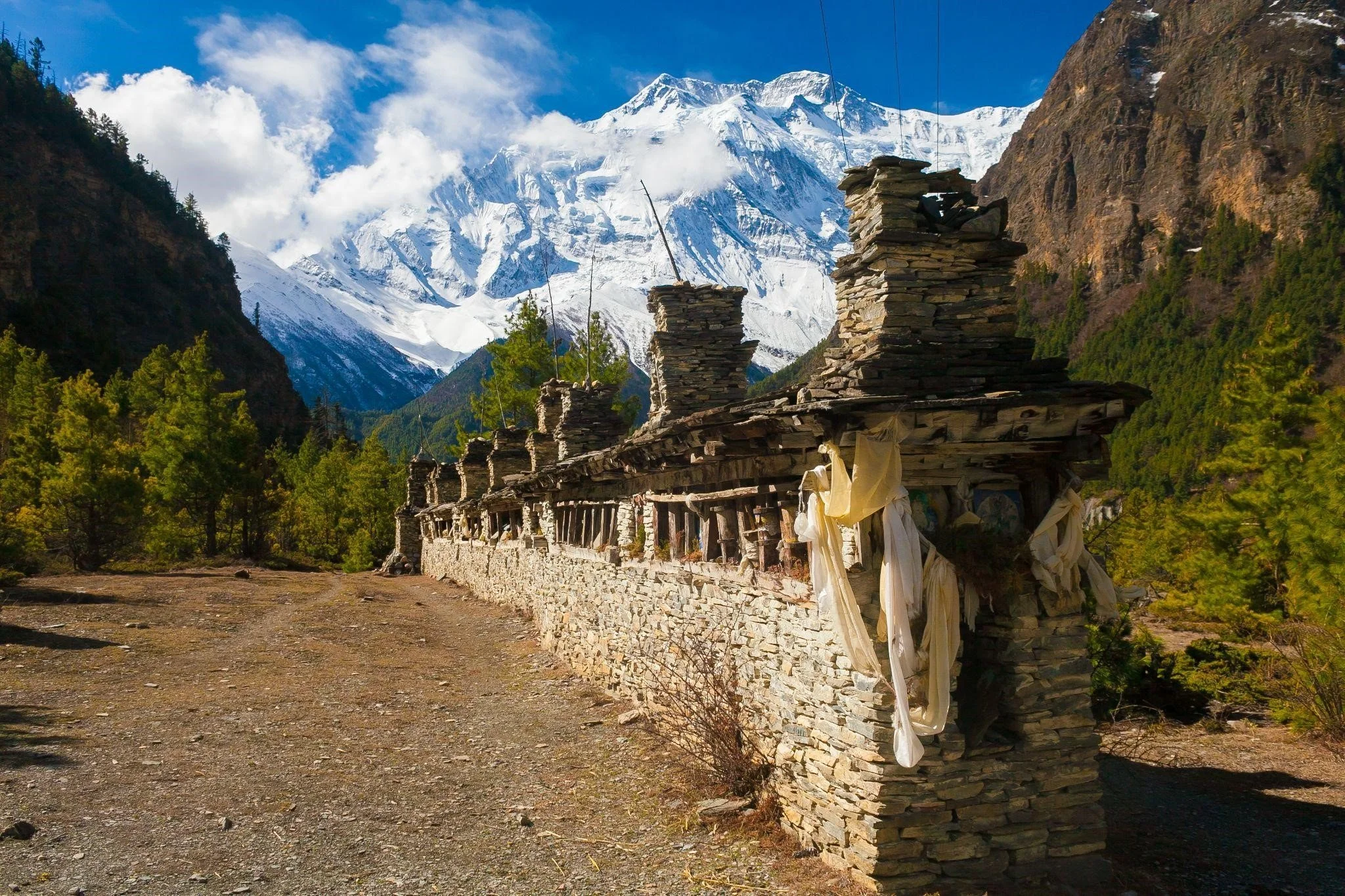
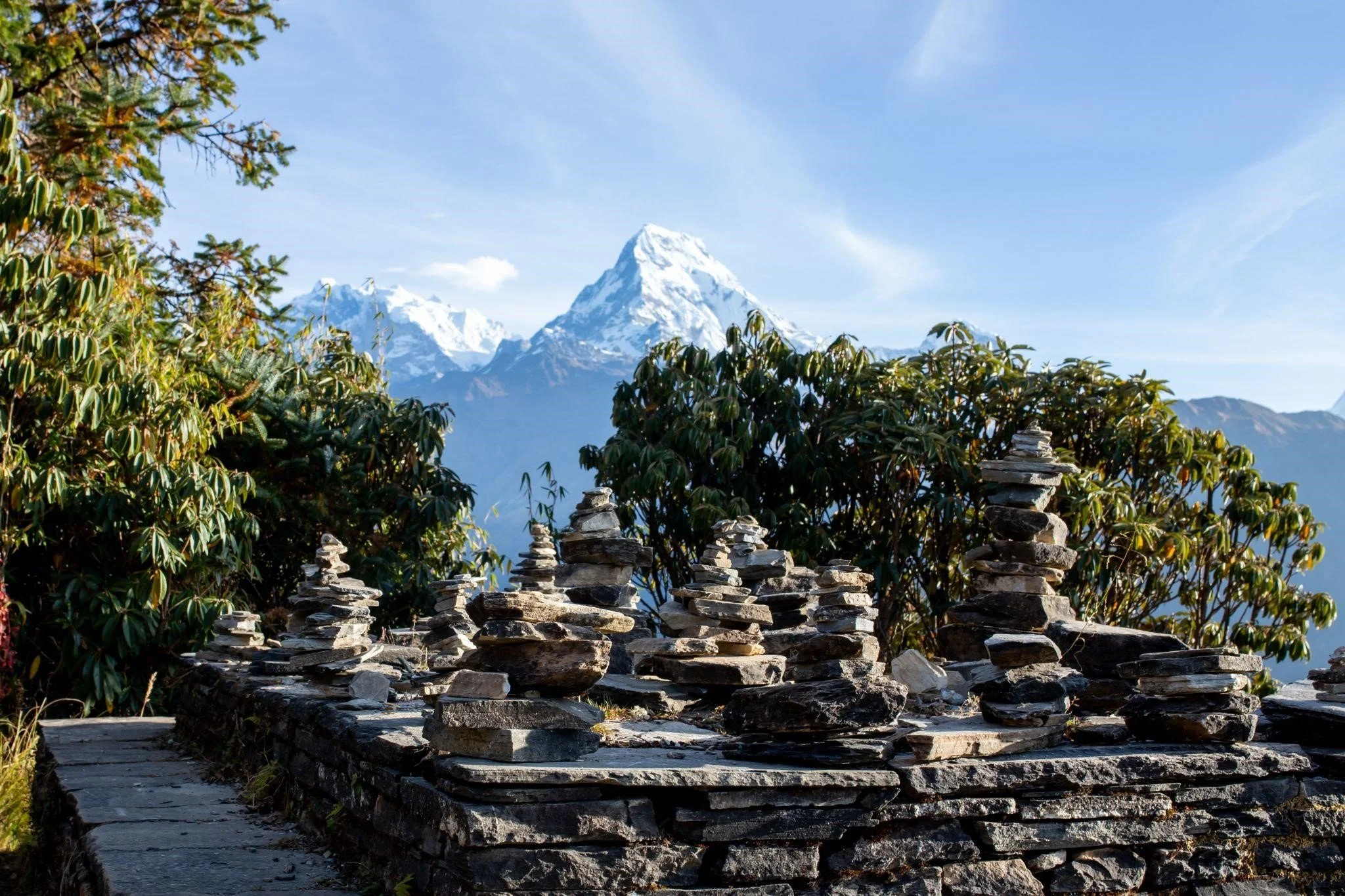
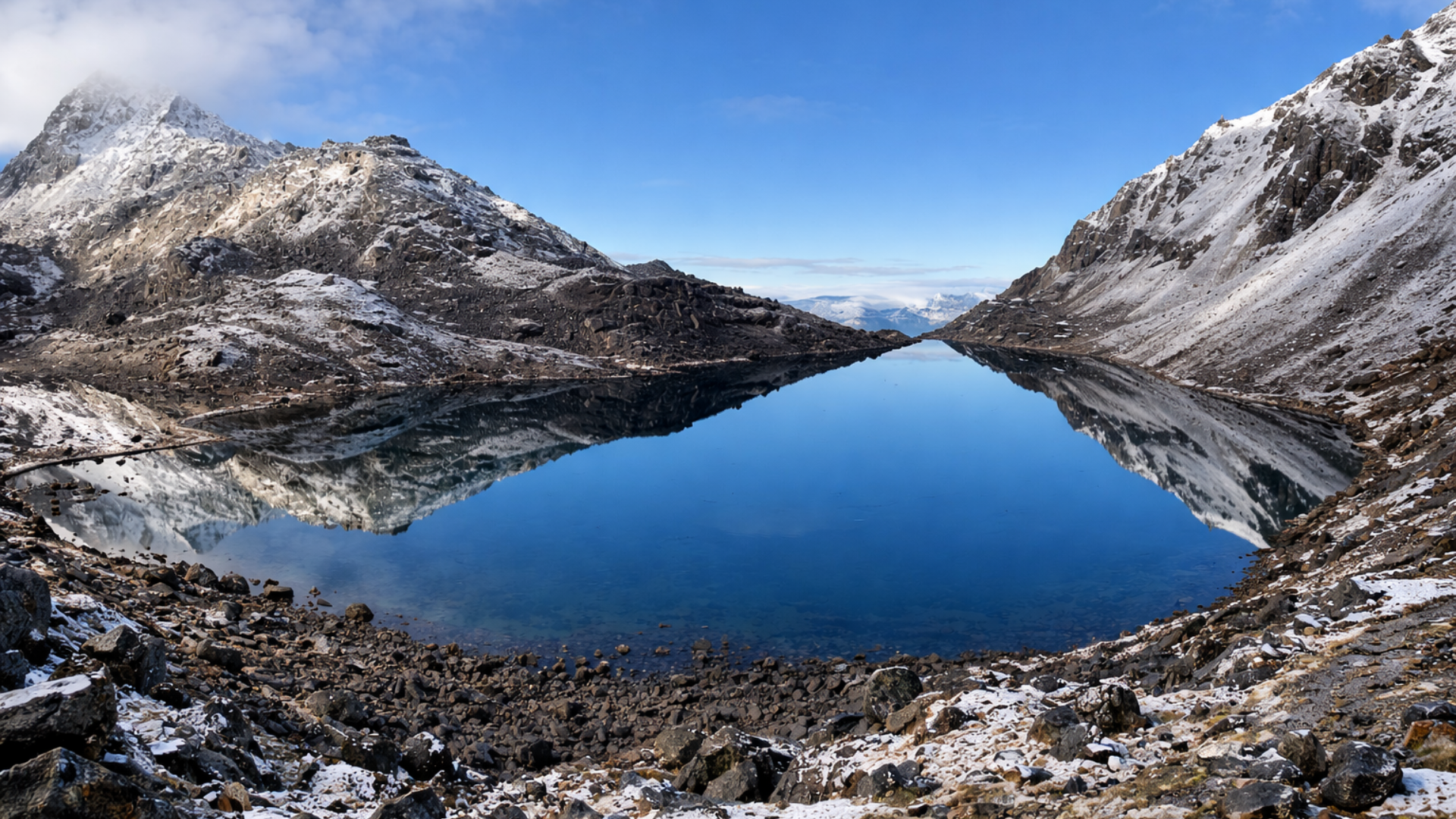

A Sweet Celebration of Life in Newari Birthdays
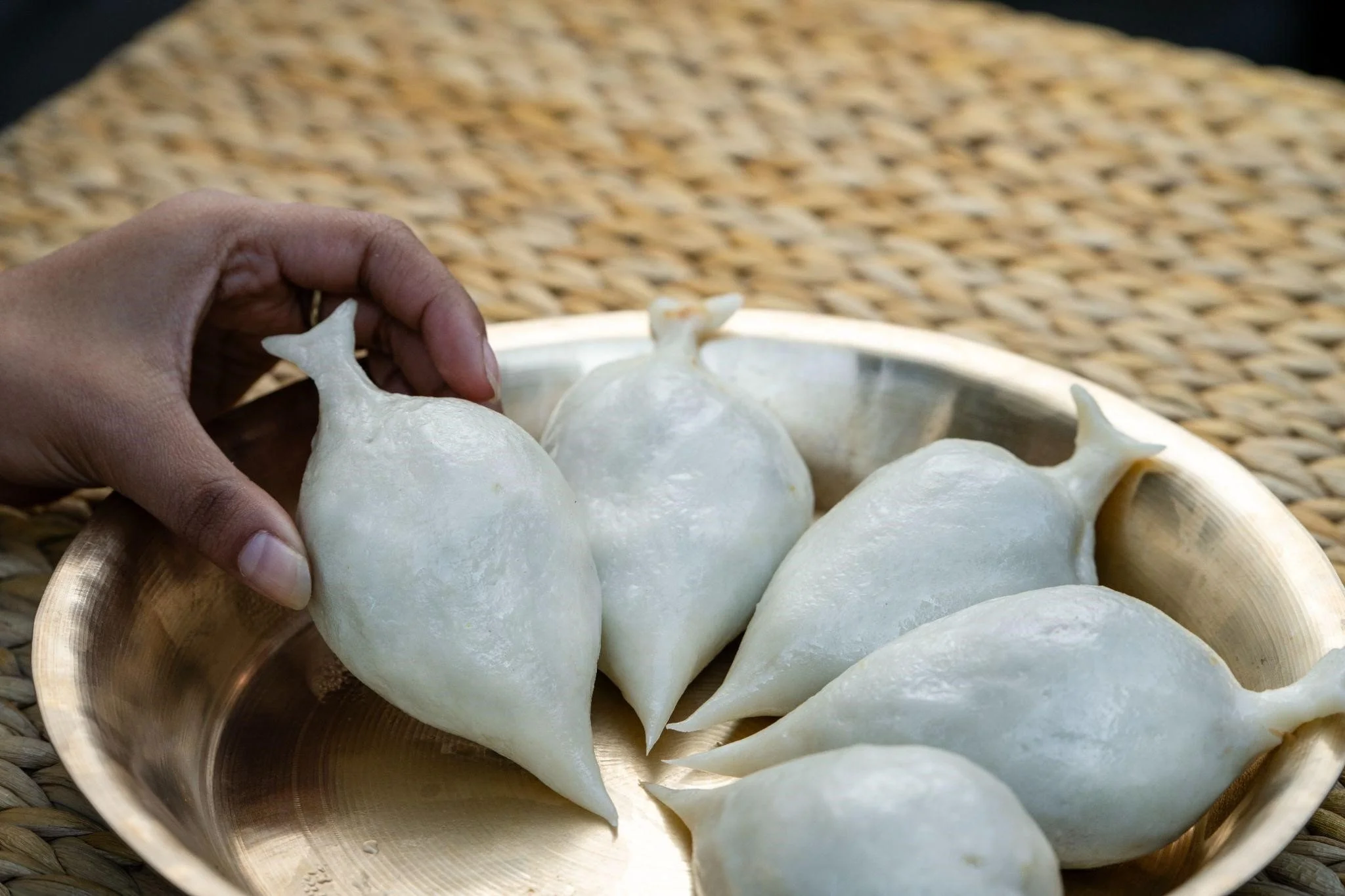
In the vibrant tapestry of Newari culture, one tradition stands out with its unique blend of sweetness and symbolism: the Yomari mala. This garland, woven from the beloved steamed dumplings called Yomari, isn't just a decorative delight; it's a powerful symbol of growth, prosperity, and blessings showered upon the celebrant.
In the vibrant tapestry of Newari culture, one tradition stands out with its unique blend of sweetness and symbolism: the Yomari mala. This garland, woven from the beloved steamed dumplings called Yomari, isn't just a decorative delight; it's a powerful symbol of growth, prosperity, and blessings showered upon the celebrant.
Yomari's Magical Metamorphosis:
Yomari itself carries significant meaning. These delicious parcels of rice flour filled with molasses or jaggery hold within them the essence of nourishment and fertility. The act of shaping the dough, carefully pinching it closed to mimic the form of a human head, becomes a symbolic prayer for life and well-being.
From Dumpling to Garland:
On the occasion of a birthday, especially at even-numbered milestones like 2, 4, 6, 8, and 12, Yomari undergoes a further transformation. These individual blessings are strung together, often in multiples of nine, to form a mala – a garland representing abundance and wholeness. The Yomari mala becomes a tangible manifestation of the community's love and wishes for the celebrant's journey ahead.
Beyond Sweetness: Layers of Meaning:
The number of Yomari strung on the mala is not coincidental. Nine, a highly auspicious number in Newari culture, signifies completion, longevity, and good fortune. As the celebrant wears the mala, they receive not just the sweetness of the Yomari but also the collective blessings of their family and community.
A Tradition Enduring Generations:
The Yomari mala tradition transcends time and connects generations. Grandmothers teach daughters the art of Yomari making, passing down not just a culinary skill but also a cultural legacy. As families gather to celebrate a birthday, the act of stringing the Yomari mala becomes a shared experience, strengthening bonds and rekindling cherished memories.
A Taste of Hope:
In a world that often seeks instant gratification, the Yomari mala stands as a reminder of the importance of slowness, care, and community. Each delicate stitch holding the Yomari together whispers a promise of enduring love and support. And as the sweet treat melts on the tongue, it leaves behind a taste of hope, a belief that life's journey, much like the Yomari mala, can be woven with blessings and joy.
POPULAR ITINERARIES
SIMILAR POSTS
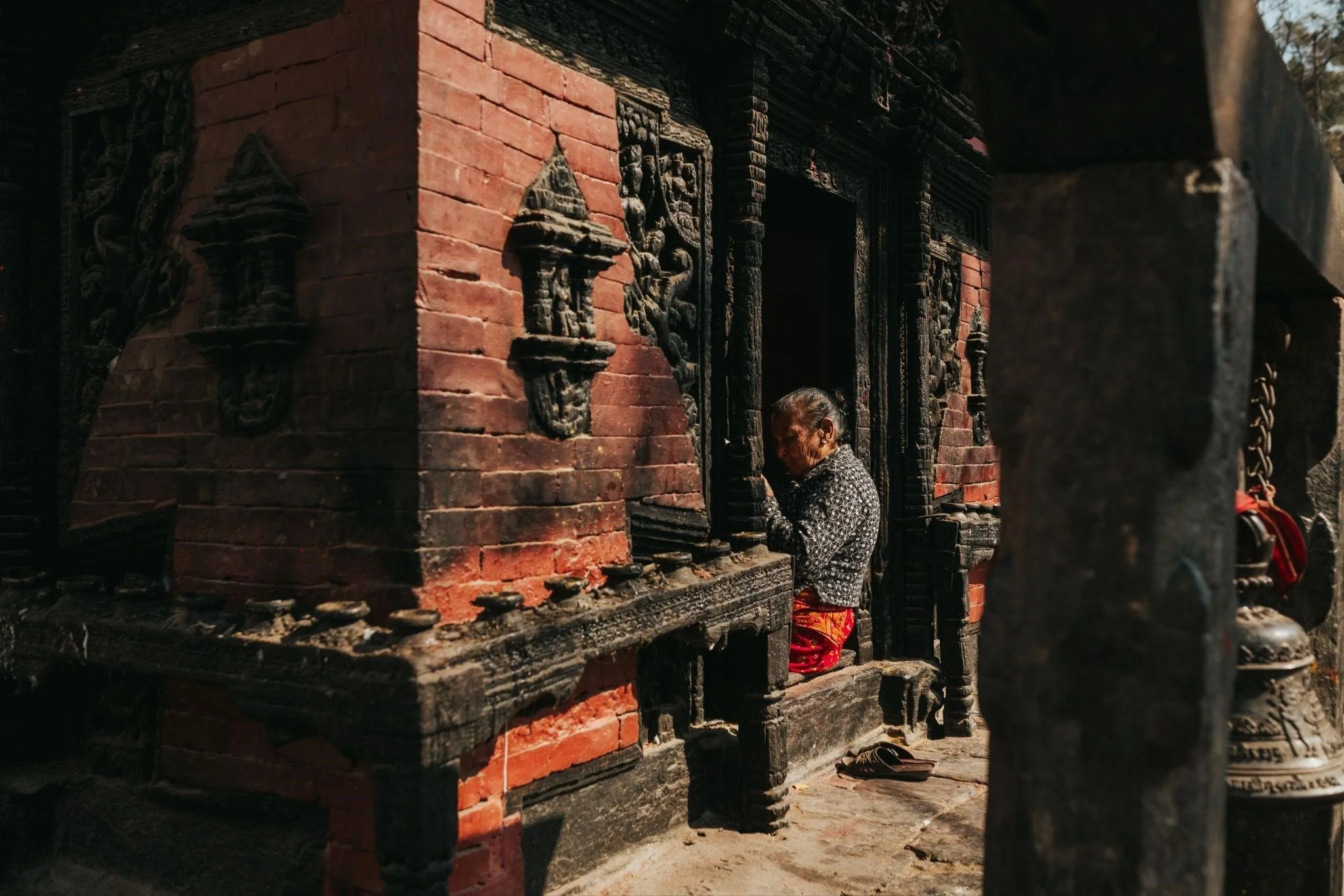
UNESCO World Heritage: Swayambhu Nath
"In Satya Yuga, Bipaswi Buddha came from a city known by the name of Bandhumati; and having taken up his abode on the mountain to the west of Nag Hrad(Kathmandu Valley) sowed a lotus-seed in the tank, on the day of the full moon in the month of Chait. The lotus seed that had been sown brought forth a lotus flower, in the middle of which Swayambhu (who had come from Aknisht Bhuban) appeared in the form of light, on the day of the full moon in Aswin." Wright 1877: 77-78
"In Satya Yuga, Bipaswi Buddha came from a city known by the name of Bandhumati; and having taken up his abode on the mountain to the west of Nag Hrad(Kathmandu Valley) sowed a lotus-seed in the tank, on the day of the full moon in the month of Chait. The lotus seed that had been sown brought forth a lotus flower, in the middle of which Swayambhu (who had come from Aknisht Bhuban) appeared in the form of light, on the day of the full moon in Aswin." Wright 1877: 77-78
Most of the historic chronicles have the lotus seed that brought light be marked as the beginning of the history of the Kathmandu Valley. The light of Swayambhu was inaccessible till the age of Treta Yuga, when Bodhistva Manjushri came from Mahachin(China) and drained the lake from the pass at Kotwal(The place where Bagmati passes out of the Valley) with other passes drawn at Chobar. With the valley drained, Bodhistva Manjuri made the valley inhabitable and the light of Swayambhu accessible to its worshippers.
The shrine of Swayambhu, the dome stupa with eyes of the enlightenment and the pinnacle was built only in the Kali Yuga. Before which it is believed that at the summit of Padma (Padma- Giri Hill; the mountain upon which Swayambhu stands) the place where the shrine is today was a great beam of light that penetrated heaven and even the depths of hell.
"The Kali Yuga, in which mankind would be utterly sinful, was approaching. He (Sant-sri) therefore covered the Swayambhu light with a stone, and built a chaitya and temple over it. He then built five rooms named Basupur, Agnipur, Bayupur, Nagpur and Santipur in the last which he lived, absorbed in devout meditation." Wright 1877:84
It is believed in local legends that even till this date Sant-sri, is in devout meditation in Santipur and shall emerge to protect the valley in times of grave danger. I remember the first time I climbed the steps to the top of Padma-Giri, as I took the last step with deep breaths. The shrine of Swayambhu was a sight to behold, view it form any perspective you wish.
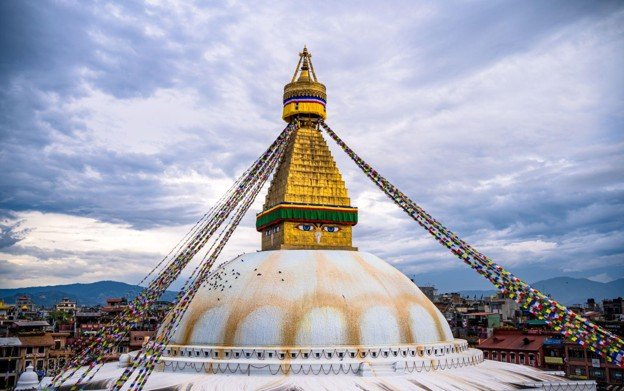
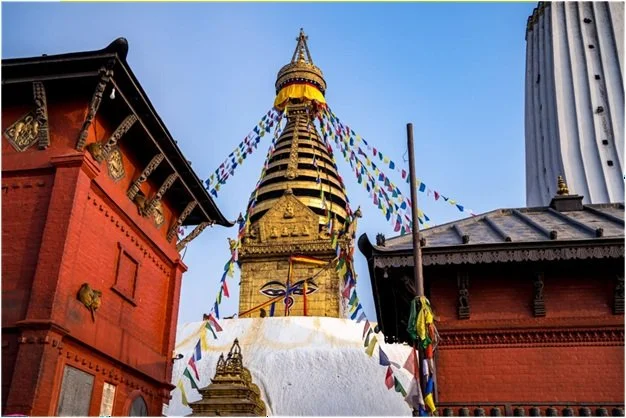
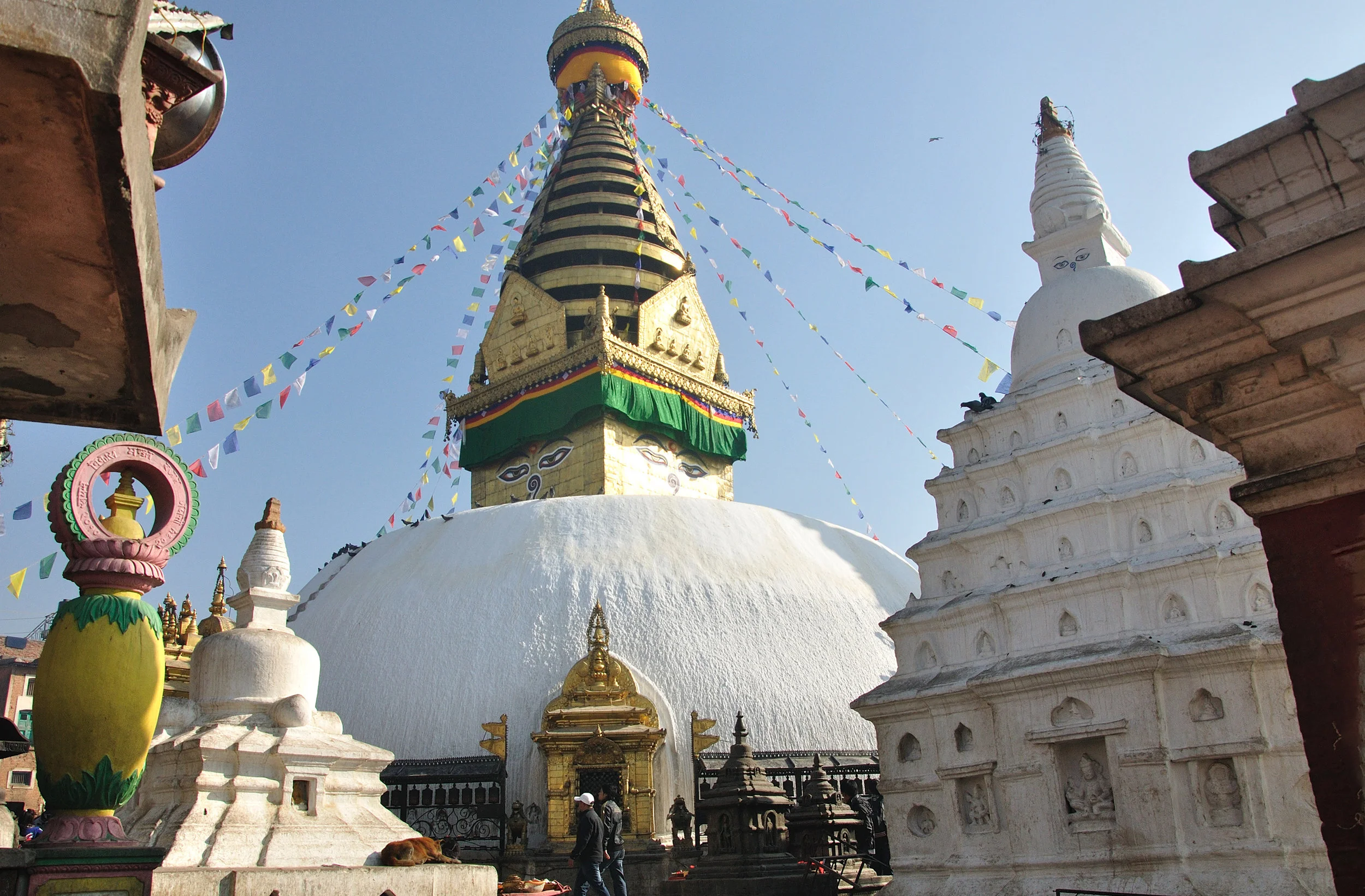
Architecturally it is a phenomena, the dome base atop which a cubical structure painted with the eyes of Shakya-Muni (Lord Buddha) in all four direction shielded by the pentagonal Torana with symbolic engravings. Above the Toranas are thirteen tiers crowned by a Gajur, now imagine a time lapse of its creation? Symbolically the base dome represents the world; the eyes of Shakya-Muni represent the status of enlightenment free from all bonds of the world. The thirteen tiers of the pinnacle symbolize thirteen stages of spiritual realizations to the enlightenment.
Spiritually as a native Newar it is the center of all our devotion and from the perspective of a sociologist, a beautiful lineage of history which has become the epicenter of Newar culture.
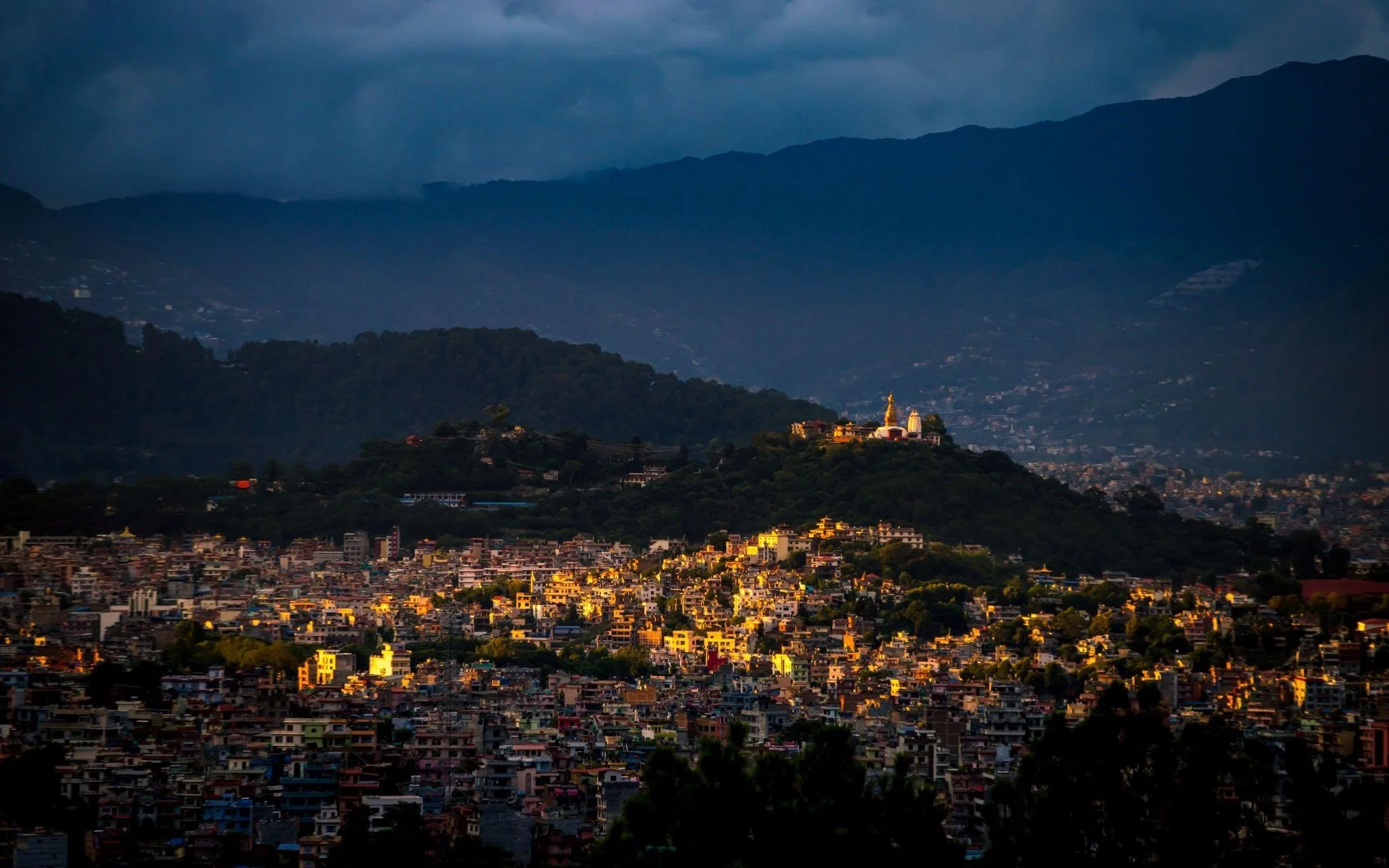
Today, the shrine of Swayambhu is known as Swayambhu-Nath or The Monkey Temple and is a major tourist attraction of Kathmandu Valley. Riddled with numerous shrines of Bodhistva's, Lichavi chaitya and stupas, mists of incents and chants of prayer. The Padma-Giri is a hill of spiritual awakening, the light of Swayambhu ever since history began has been a beacon of enlightenment attracting its seekers to the valley, even till this date many take great journeys to find sanctum in its light.
During the 2015 earthquake, the principal stupa didn’t suffer major damage but the surrounded chaityas, shikharas and temples along with living residents of the priests suffered major damage. The most notable difference was not seeing the two Shikharas built by Late King Pratap Malla in 1668 AD. Flanking the principal stupa, Late King Pratap Malla had built the two Shikharas with Agam Devtas within them along with which he placed a Bajra( Thunderbolt) in the Dharmadhatu mandala in front of Akshobhya Buddha. Having them being fully restored with other shrines and chaityas repaired, the area of Swayambhu was one of the very first UNESCO sites to reach a full restoration state.
For it may withstand many quakes to come, shall the eyes of enlightenment forever bring peace to its beholders. For may it always be a sanctum for its seekers and the light of Swayambhu always shine.
Hashtags: #Swayambhu #KathmanduValley #NewarCulture #BuddhistHeritage #EnlightenmentJourney #UNESCOSites #NepalEarthquake2015
POPULAR ITINERARIES
SIMILAR POSTS