
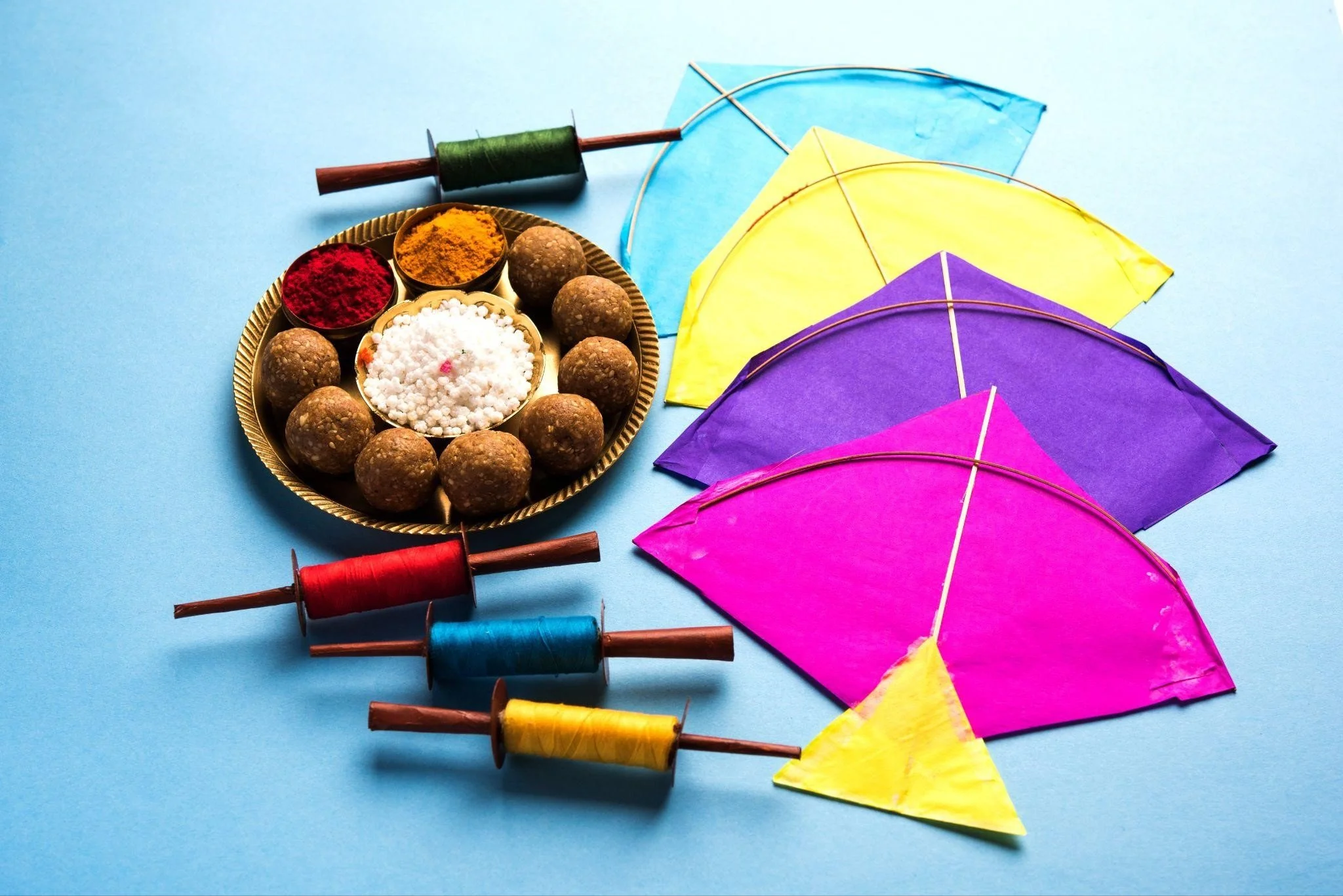
Maghe Sankranti’s Must-Try Dishes: A Celebration of Tharu Culture
Maghe Sankranti in Nepal’s Terai: A celebration of Tharu culture through vibrant rituals, music, and most importantly delicious food! From the sweet Tilko Laddu to savory Bara, each dish carries centuries of tradition and meaning, bringing families and communities together. Don’t miss out on these festive delicacies that symbolize warmth, unity, and abundance.
Maghe Sankranti, celebrated on January 14–15, marks the winter solstice, the shortest day and longest night of the year, and the sun’s transition into Capricorn (Uttarayan). In Nepal’s Terai region, the Tharu community celebrates this festival with vibrant rituals, music, dances, and most importantly, traditional foods that carry centuries of cultural significance. The festival is not only a way to welcome longer days and the harvest season but also a time to bring families and communities together, sharing both meals and memories.
These festive delicacies are a must try and the highlight of the festival that even the people outside of the culture look forward to:
● Tilko Laddu: These small sesame and jaggery balls are sweet, nutty, and slightly crunchy, giving warmth and energy during winter. They are included in the festival because sesame and jaggery are believed to promote health, longevity, and prosperity, making them a symbolic treat for well-being.
● Dhikri: Steamed rice flour cylinders, soft and slightly chewy, with a mild flavor that pairs well with ghee, curry, or lentil soup. Dhikri is included for its symbolic meaning of unity and togetherness, as families prepare it collectively, reflecting the communal spirit of Tharu culture.
● Bara: Crispy on the outside and soft inside, these spiced lentil fritters have a savory, earthy flavor that makes them irresistible. Bara is shared among neighbors and guests, symbolizing hospitality, generosity, and community bonding.
● Sweet Potatoes (Sukula): Naturally sweet and soft when boiled, these tubers are included for warmth and energy during winter, reflecting the harvest season and abundance of local produce.
● Tarul (Taro): Earthy and slightly starchy, tarul is usually boiled or cooked in curry, and is included for its nutritional value and symbolic connection to the land, reminding families of the importance of farming and seasonal crops.
Each of these dishes aren’t just delicacies but also a reflection of Tharu culture and the means of sharing and bonding. Maghe Sankranti is also spiritually significant, with many taking holy baths in rivers and performing rituals to cleanse sins and seek blessings for the year ahead. For the Tharu community, these spiritual practices are closely linked with food preparation and communal gatherings, making the festival a celebration of life, gratitude, and tradition. Every dish, every ritual, and every gathering reflects the values, beliefs, and social bonds of the community.
For tourists, Maghe Sankranti offers a unique opportunity to experience authentic Tharu culture through its cuisine. Participating in food preparation, tasting festival specialties, and observing local customs allows visitors to connect deeply with the community and its heritage. From the sweet and nutty tilko laddu to the savory bara and comforting ghee rice, every bite is a journey into the heart of Tharu traditions, making the festival both a feast for the senses and a meaningful cultural experience.
POPULAR ITINERARIES
SIMILAR POSTS
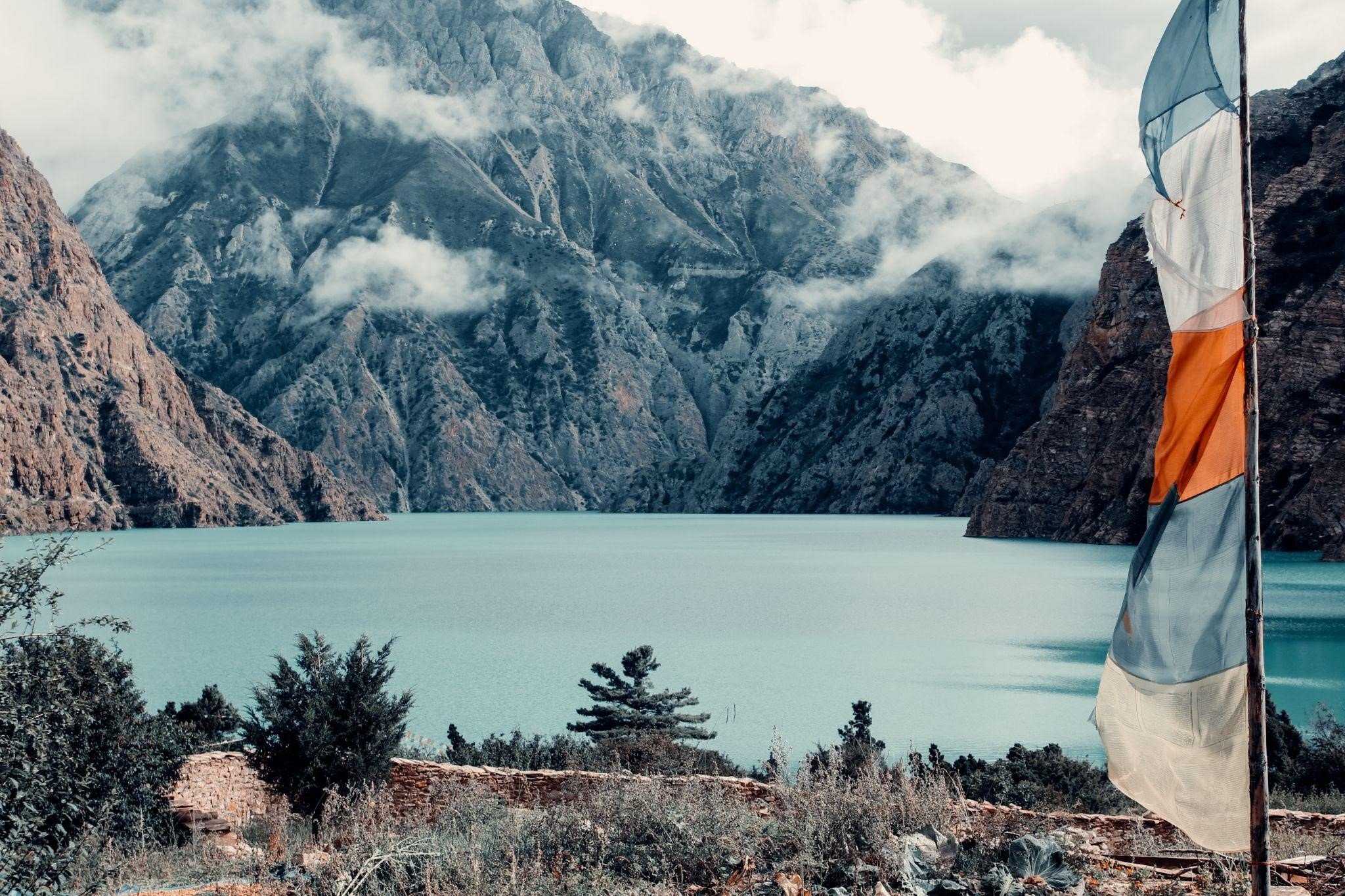
A lake above the clouds; The beauty of Shey Phoksundo
Shey Phoksundo Lake: A hidden gem above the clouds, where turquoise waters meet snow-capped peaks and misty mornings. Nestled at 3,611 meters in Dolpa, Nepal, this sacred lake offers an unforgettable blend of natural beauty and cultural significance.
Imagine standing at the edge of a crystal-clear lake, the clouds floating just below you, and the mountains stretching endlessly into the horizon. This is Shey Phoksundo Lake in Dolpa, Nepal; a breathtaking spectacle of nature at an altitude of 3,611 meters, this turquoise-blue lake is the deepest in Nepal and is renowned not just for its serene waters, but also for the dramatic landscapes that surround it. Known for its serene beauty and spiritual significance, Shey Phoksundo is truly a lake above the clouds.
The lake is named after the nearby Shey Gompa, a monastery, and Phoksundo village, reflecting the deep spiritual and cultural connection locals have with the site. Surrounded by cliffs, forests, and waterfalls, the lake’s waters are incredibly clear, reflecting the sky in shades of blue and green that change with the sunlight. The winter months bring clear skies and a quiet serenity that enhances the lake’s ethereal beauty. Snow often blankets the surrounding mountains and trails, creating a stunning contrast with the lake’s turquoise waters, creating a stunning visualization that photographers, trekkers, or simply nature enjoyers can’t miss out on.
Shey Phoksundo is more than just a visual marvel; it holds ecological and cultural significance. The lake and its surroundings are protected under the Shey Phoksundo National Park, which is home to unique wildlife such as snow leopards, blue sheep, and the red panda. The local communities consider the lake sacred, often performing rituals and festivals its banks. Visiting Shey Phoksundo allows travelers to witness the harmony between nature and culture, making the experience profoundly enriching.
The atmosphere around Shey Phoksundo is magical. Early mornings are often cloaked in mist, with the lake’s turquoise waters reflecting the rising sun in brilliant shades of blue and green. In the evenings, the sky turns golden, and the surrounding cliffs glow as if touched by magic, making it a perfect place to pause and breathe in the stillness of the high mountains. From the moment you begin your journey, the air changes into a crisper, cooler breeze that is filled with a sense of calm that seems to slow time. Trekkers usually take 5–7 days from Dunai, passing through rugged trails, terraced fields, and tiny villages, each step offering glimpses of dramatic landscapes and traditional mountain life.
High in the remote Dolpa, Shey Phoksundo Lake rests like a jewel above the clouds, surrounded by towering cliffs and pine forests. Shey Phoksundo Lake is more than just a sight to behold; it is an experience that engages all your senses. From the misty mornings and crystal-clear waters to the gentle hospitality of the locals, every moment feels like stepping into a world untouched by time. For adventurers, photographers, and anyone seeking peace, the journey to this lake above the clouds is a story you’ll carry forever.
POPULAR ITINERARIES
SIMILAR POSTS
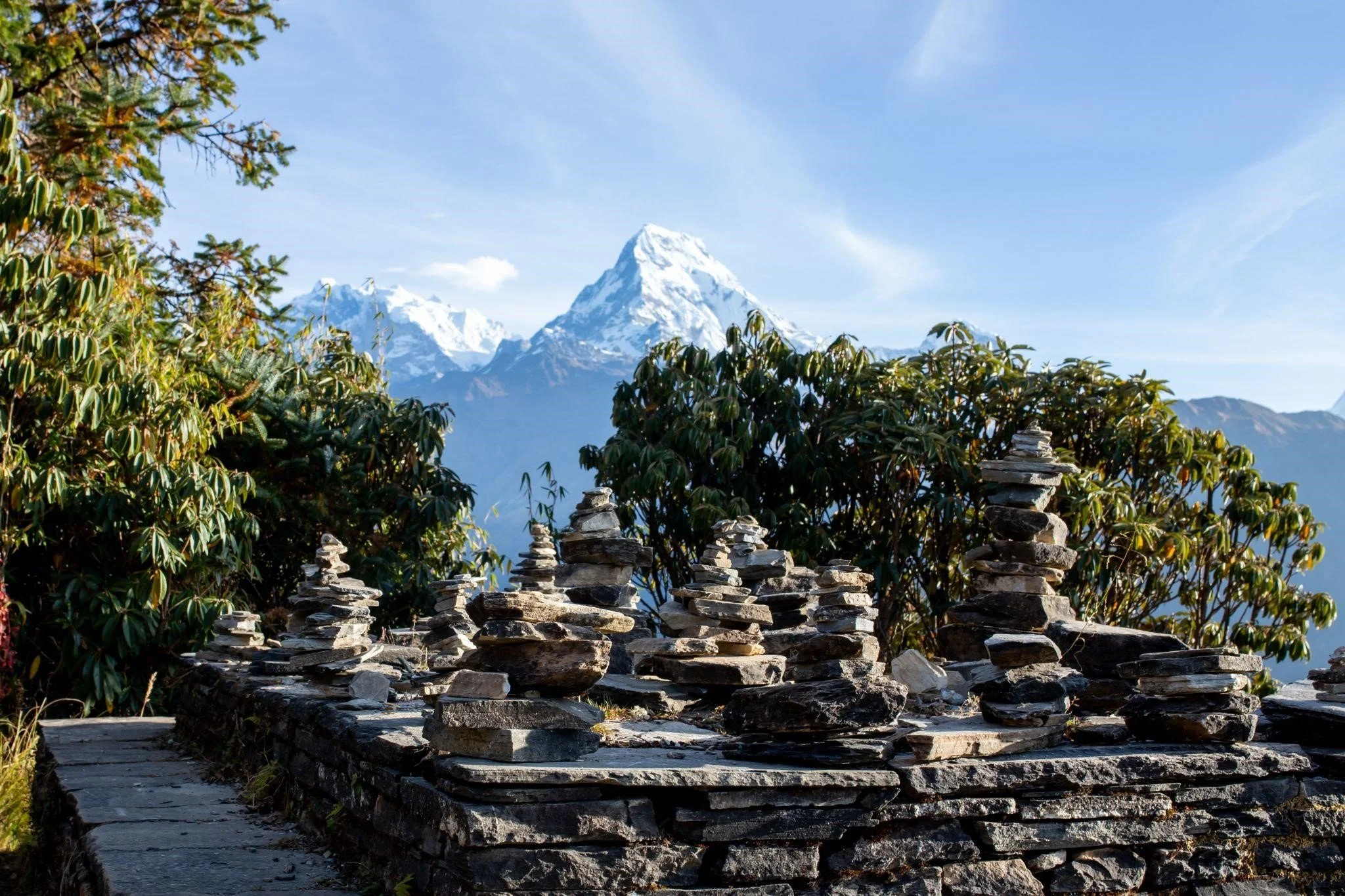
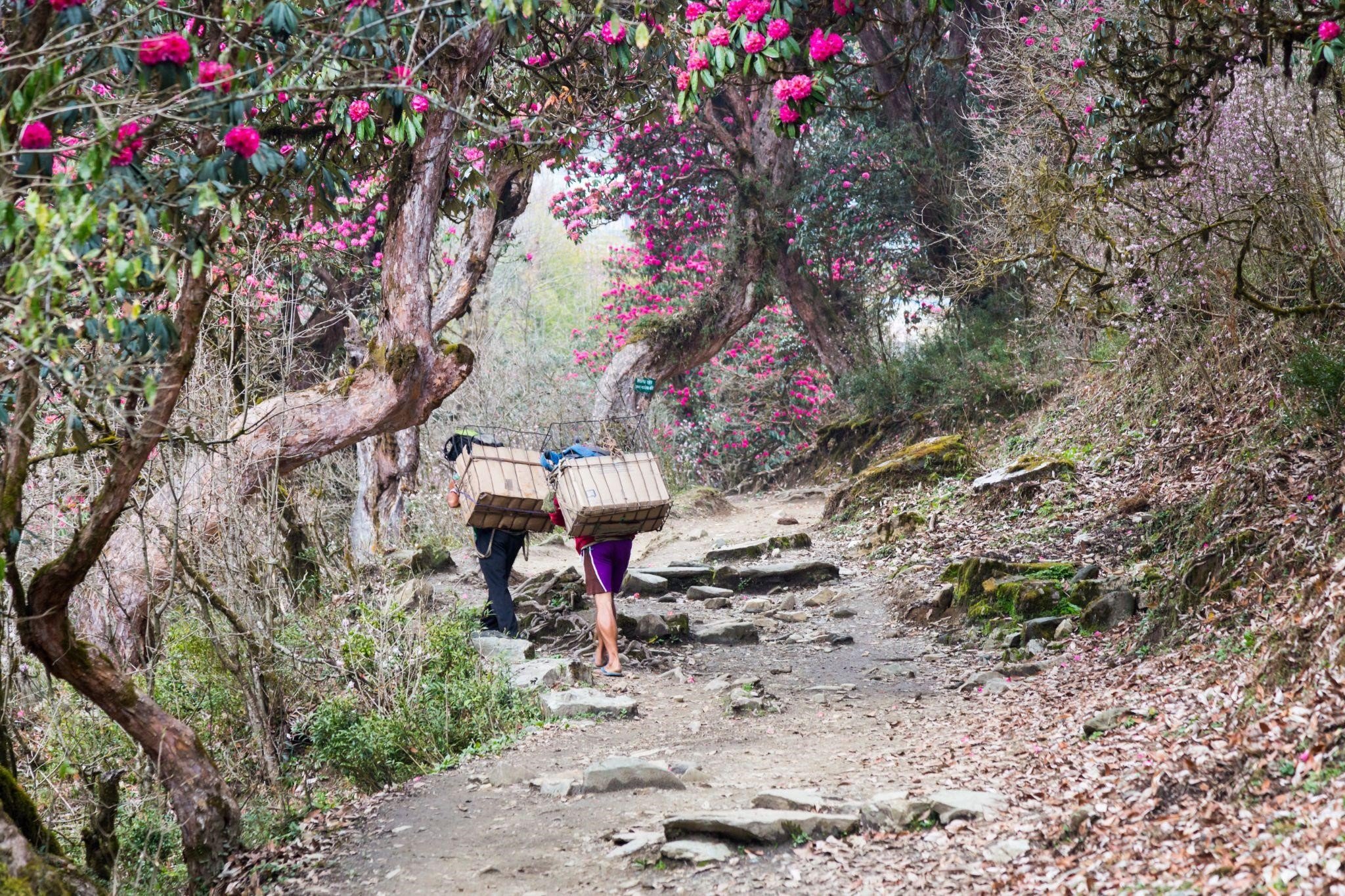
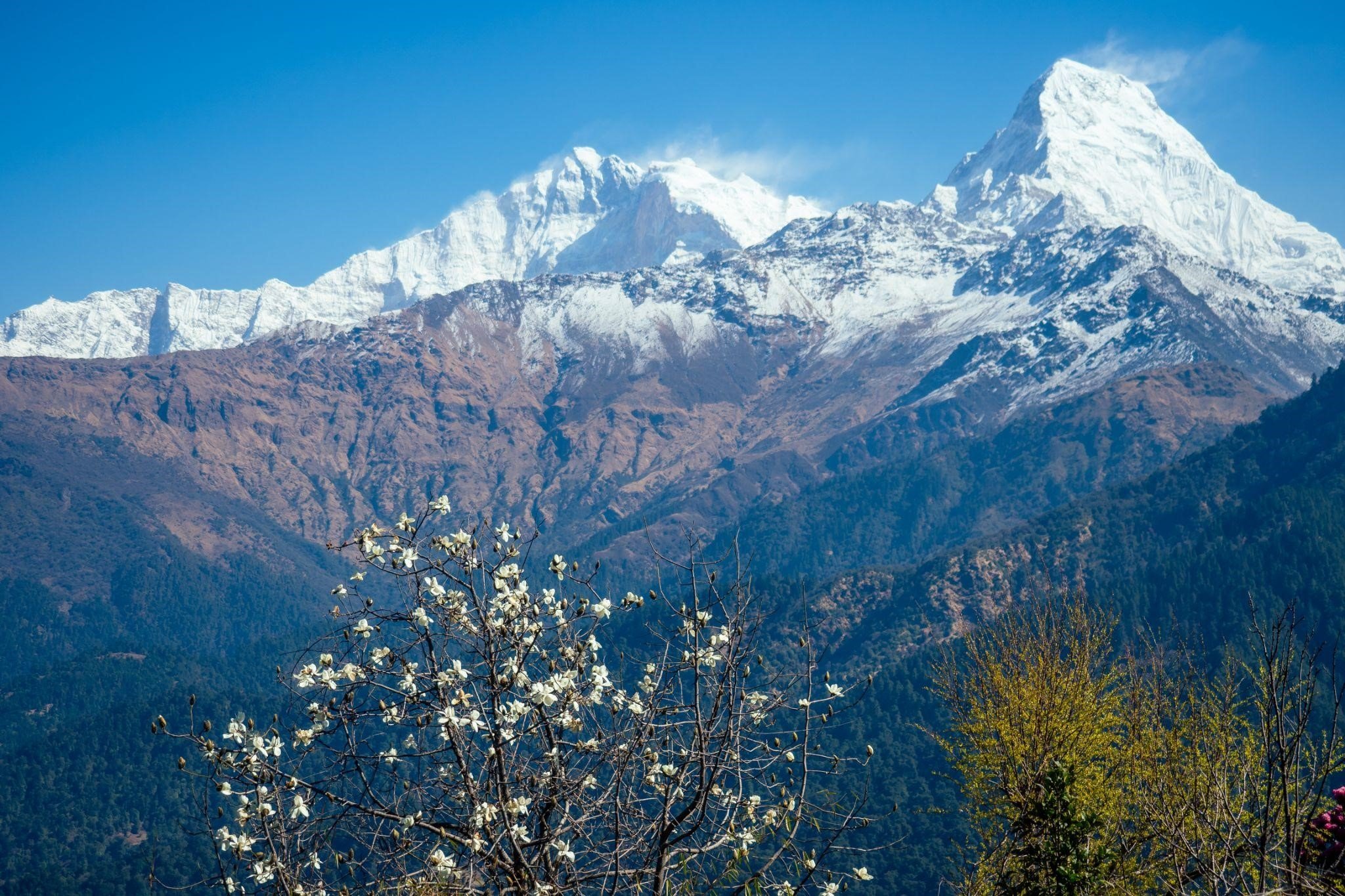
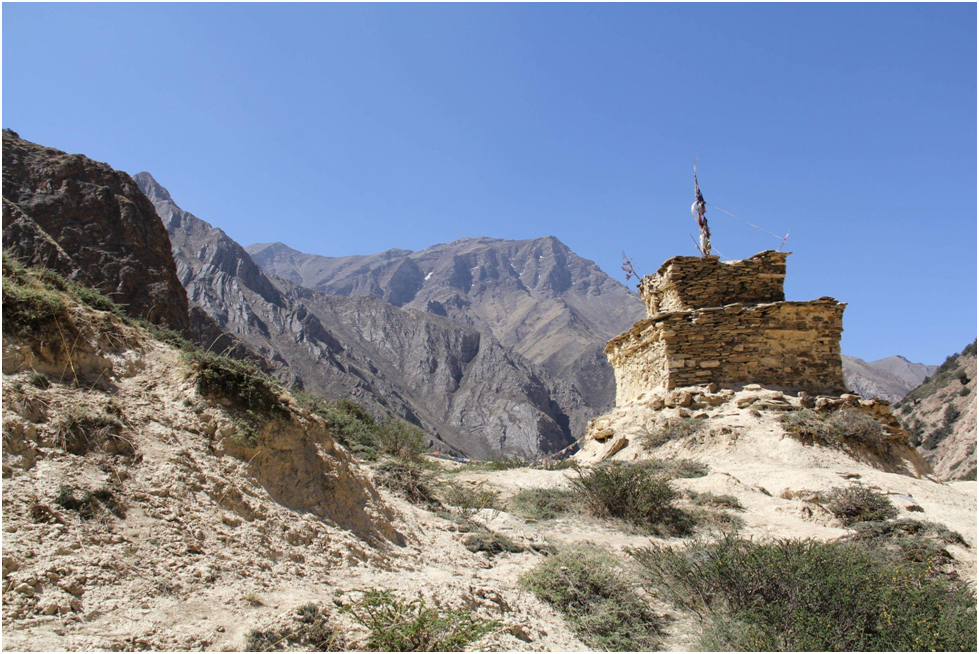
The Unsung Heroes of Nepal: The Heart of Every Trek
Adventure isn’t just about peaks, it’s about people! Explore the depths of kindness of the locals who make your journey warmer, safer and more special.
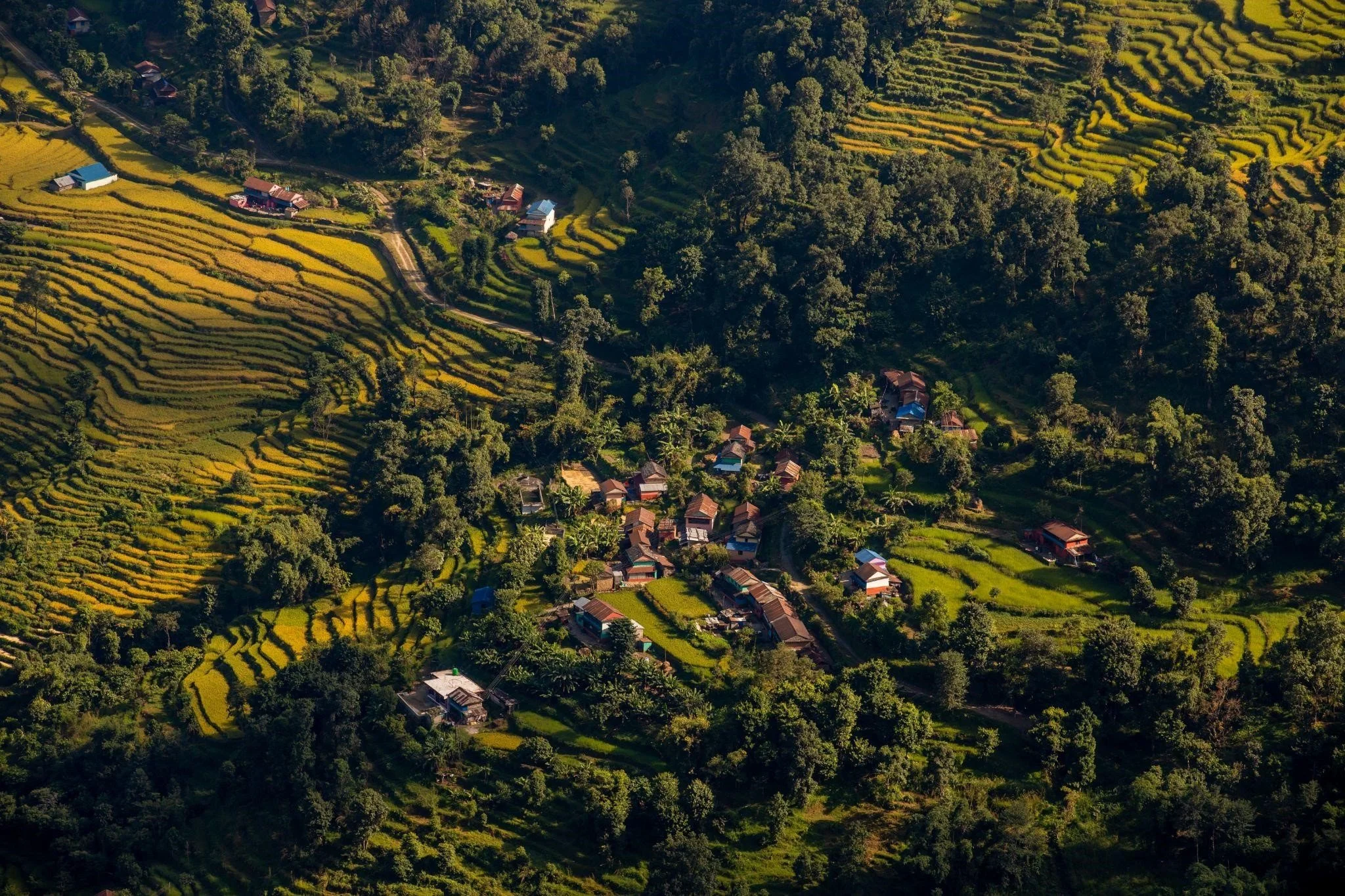
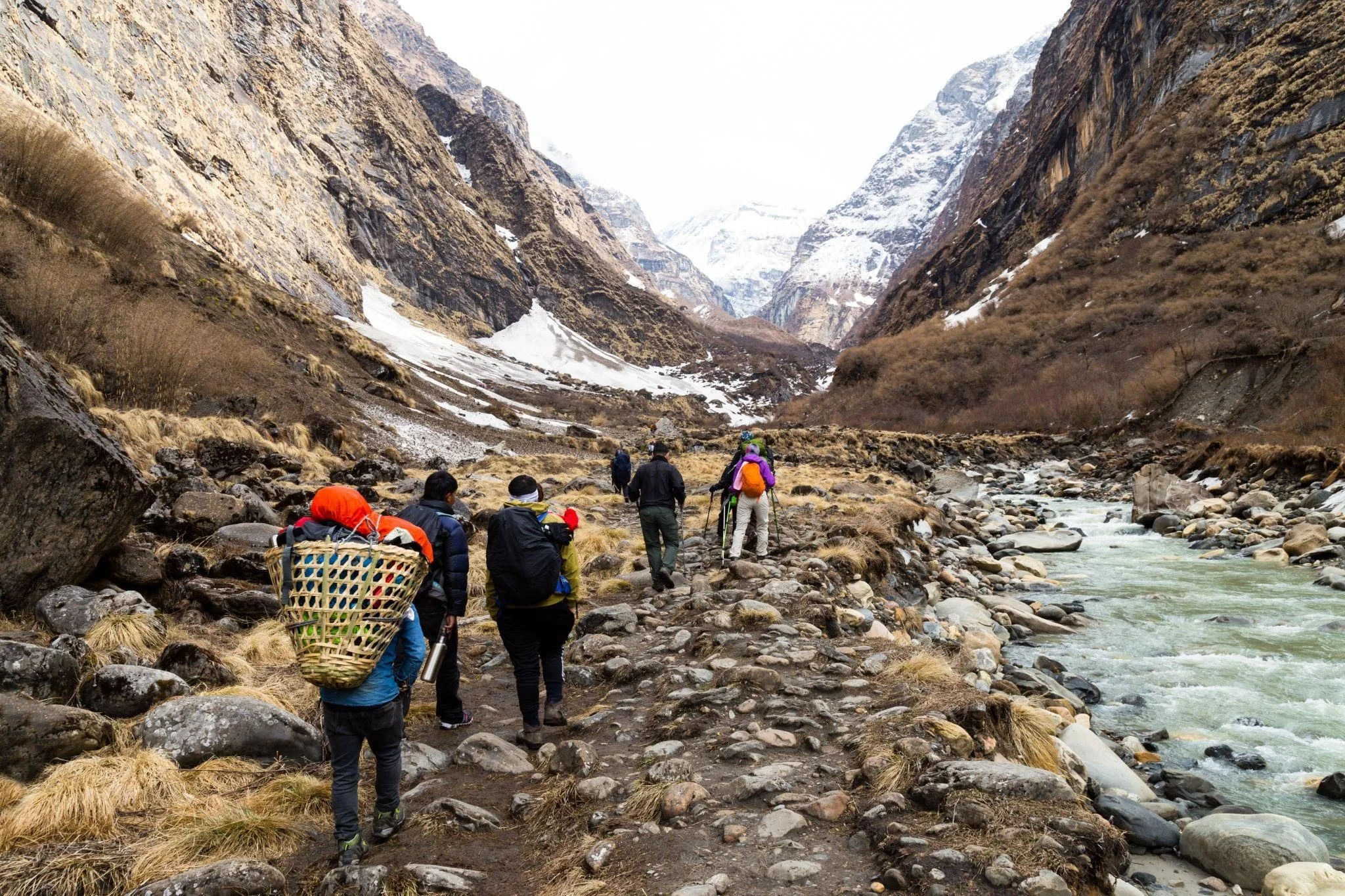
Nepal is famous for its mountains, valleys, and trails that draw adventurers from all over the world. But beyond the breathtaking landscapes, there’s another hero of every trek that wins the heart of many, the local people. The villagers and guides of Nepal are the ones who make every journey smoother, safer, and more memorable with their kindness and hospitality.
From the moment you enter a small village, the warmth of the locals is hard to miss. Even simple gestures, like offering a smile or a cup of tea, make travelers feel at home. These villagers live in remote areas where life can be tough, yet they always make sure visitors are welcomed and cared for. Their generosity isn’t forced; it comes from a culture that values respect, sharing, and community.
Guides and porters are another group of unsung heroes. They don’t just carry bags or point the way, they make sure you are safe, comfortable, and even entertained along the trails. They know the mountains like the back of their hands, understand the weather, and can spot dangers before they happen. Their knowledge and support turn long, difficult treks into adventures that feel possible and even enjoyable.
The villagers also share their traditions and culture with travelers. A simple meal at a teahouse or even their own homes can turn into a lesson about local life, folklore, or festivals. These moments allow trekkers to experience the real Nepal, far beyond the guidebooks or Instagram photos. Even small acts, like helping fix a torn backpack, giving a blanket on a cold night, or guiding someone to the next lodge, make a huge difference.
The hospitality of Nepalese locals teaches a simple but important lesson: adventure isn’t just about climbing peaks; it’s about human connection. The villagers, guides, and porters are the heartbeat of every trek. Without them, the trails would be harder, lonelier, and less magical. So, the next time you explore Nepal, take a moment to appreciate these unsung heroes. Their kindness and support are what make every trek truly unforgettable.
POPULAR ITINERARIES
SIMILAR POSTS
Chasing Sunrise and Sunsets; Best Viewpoints in Kathmandu
Sunrise or sunset, Kathmandu’s skies never disappoint! Discover the best spots for breathtaking views and peaceful escapes with the beautiful rise and set of the sun.
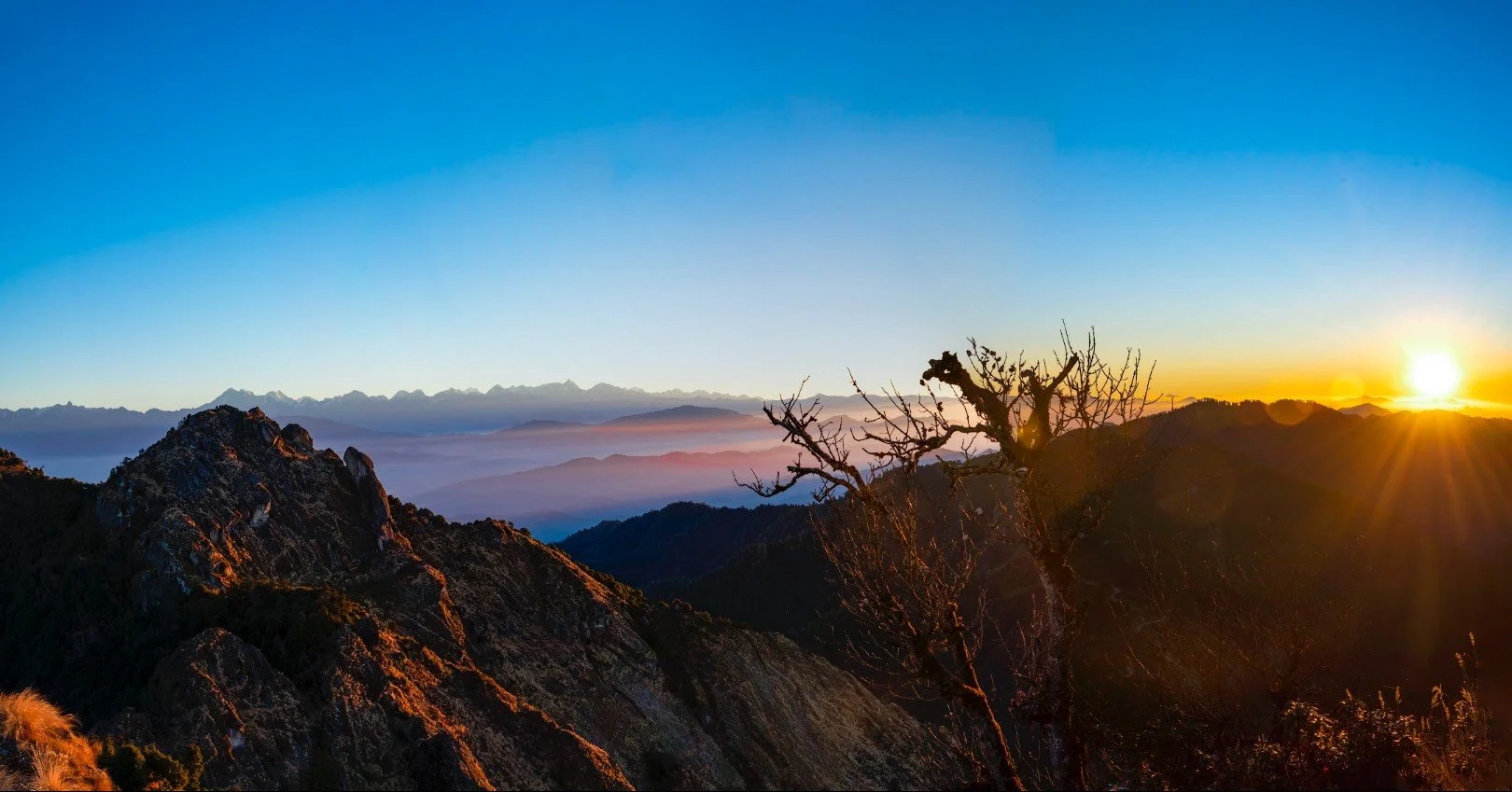
The sky paints its own color throughout the day, but the most mesmerizing ones has to be the ones observed from our own little valley. Watching a sunrise or sunset here isn’t just about catching a moment; it’s about feeling the whole valley transform, whether you're a traveler, a photographer, or someone who simply loves quiet moments, witnessing the sky change its color gives a different sigh of peace. Some are popular and well-loved, while others are quiet gems only a few know about. Here are the best spots, each with its own charm.
● Nagarkot
A good 27 km away from the valley lies a classical spot perfect to watch the Himalayas welcome the first rays of light. It offers a panoramic view of the Himalayas stretching from Langtang in the north to Ganesh Himal and even Everest on particularly clear days. It’s an early start but watching the mountains gradually emerge from the mist makes it unforgettable. The village nearby also offers charming local guesthouses, making it possible to watch the sunrise at a relaxed pace.
● Chandragiri Hills
Best for sunset,12 km away from the valley, this place offers one of the most dramatic sunset experiences near Kathmandu. After riding the cable car up to the hilltop, you’re greeted by a vast skyline that glows beautifully as the sun sinks behind the western hills. The golden light spreads across the valley, making the whole landscape feel warm and grand. It’s a unique blend of spirituality, culture, and nature, as the sound of temples, prayers of monks and the song of the birds all come together.
● Pulchowki Hill
Best for sunrise, 17 km away from the valley is the highest hills of the valley, a haven for early risers and nature enthusiasts offering views. A climb or drive through dense forests rewards you with one of the widest Himalayan panoramas arounds and the mist and crisp view of the valley down. The combination of panoramic mountain views, forest trails, and the rising sun makes Pulchowki a perfect place to escape the city and feel connected to nature.
● Chovar Hills
Best for sunset, 8 km away from the valley is a lesser-known place, overlooking the famous gorge which offers a lovely, peaceful sunset overlooking the river and landscape. The river below reflects the golden evening sky, while the surrounding hills glow softly in the warm light. It’s an ideal location for photographers or anyone seeking solitude at the end of the day. The walk up to the hill is gentle, and the lack of crowds allows for a truly one of a kind sunset experience.
● Jhor Waterfall Viewpoint
Stretching 12 km away from the valley is beautiful blend of waterfall and the greenery. Near the waterfall, you can see the water glimmer and sparkle as the sun sets down, causing a beautiful hue of colors in the water. This spot feels sacred, quiet and soft to have fresh cool air in the evening glow.
● Ghyampe Danda
Just 14 km away from the valley, located near suryabinayak-Bhaktapur is a vast open ridge offering wide, uninterrupted views of the Valley. In the morning, the rising sun lights up the valley and hills, casting a golden glow over scattered houses and fields. As the day ends, the sun sets behind the western hills, turning the sky into rich shades of orange and pink. The ridge’s open space allows for a panoramic view that is equally mesmerizing during both sunrise and sunset.
● Swayambhunath
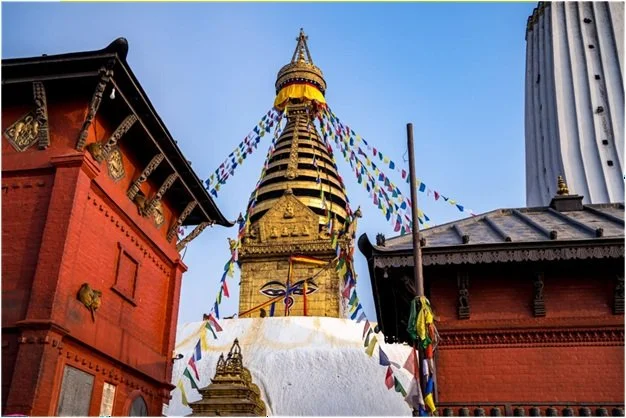
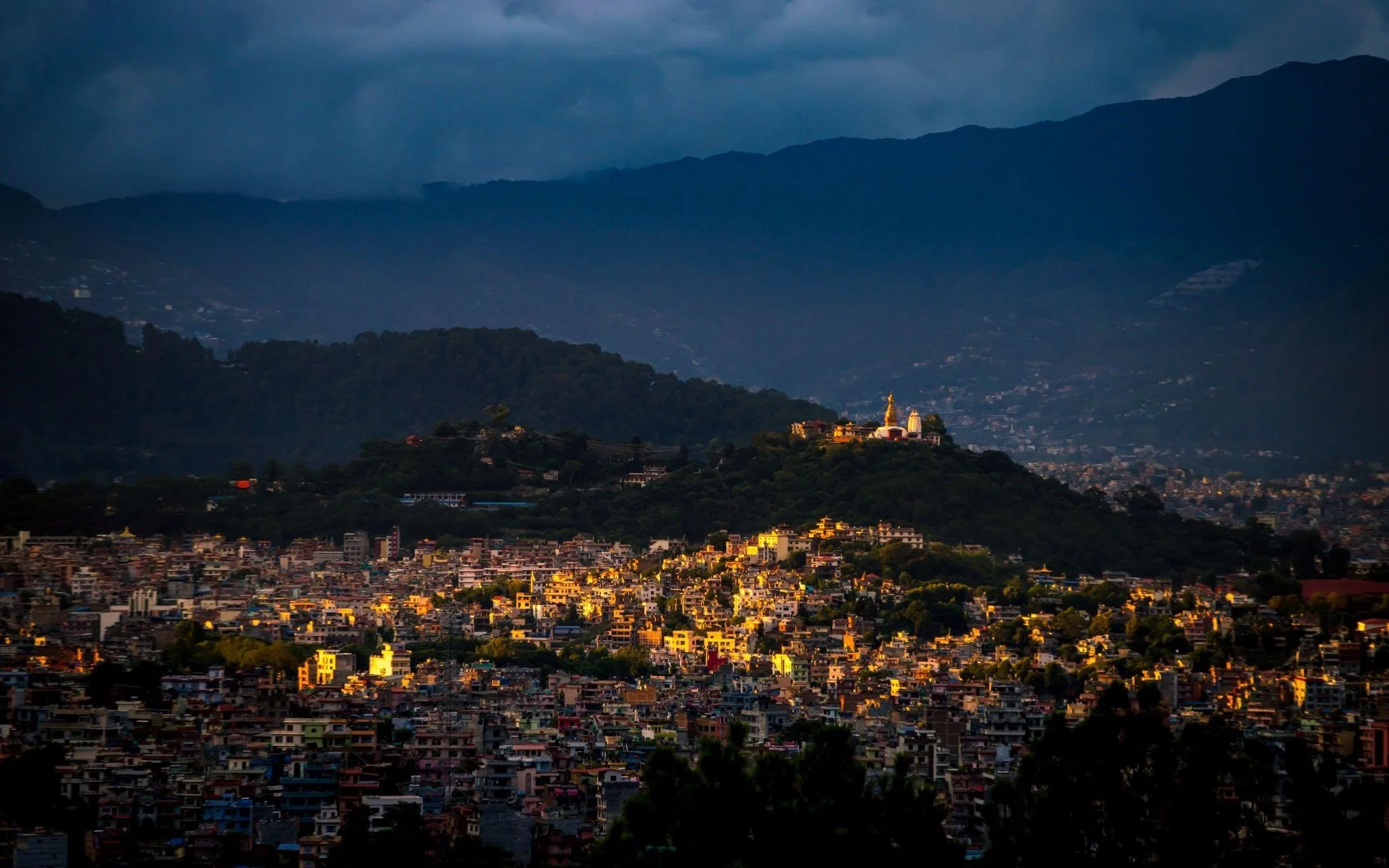
The hilltop stupa of Swayambhunath, around 3 km away, is a serene place to witness the valley’s daily rhythms. As dawn breaks, sunlight reflects off the golden spire, while the city below is still shrouded in a light mist. The fluttering prayer flags and distant sounds of morning rituals add to the ethereal atmosphere. At sunset, the sky behind the stupa glows in warm shades, and the city’s lights begin to twinkle below, creating a delicate balance between day and night. Both moments capture the temple’s spiritual essence and the valley’s charm.
● Bethan-Chowk
A peaceful hilltop about 45 km from Kathmandu, offers stunning sunrise and sunset views. From the Narayanthan temple area, visitors can enjoy panoramic vistas of the surrounding hills and, on clear days, catch glimpses of the Himalayan range. The tranquil environment, coupled with the soft morning light or the warm hues of sunset, makes it a perfect spot for photography, meditation, or simply soaking in nature’s beauty. Scenic trails and small viewpoints along the way add to its charm, offering a refreshing escape from the city’s hustle."
POPULAR ITINERARIES
SIMILAR POSTS
The People of Kathmandu and Their Warm Embrace of Christmas
Experience the magic of Christmas in Kathmandu, where twinkling lights, festive decorations, and a sense of togetherness fill the air. In this vibrant city, Christmas is more than just a holiday; it’s a celebration of joy, warmth, and community that brings people together from all walks of life.
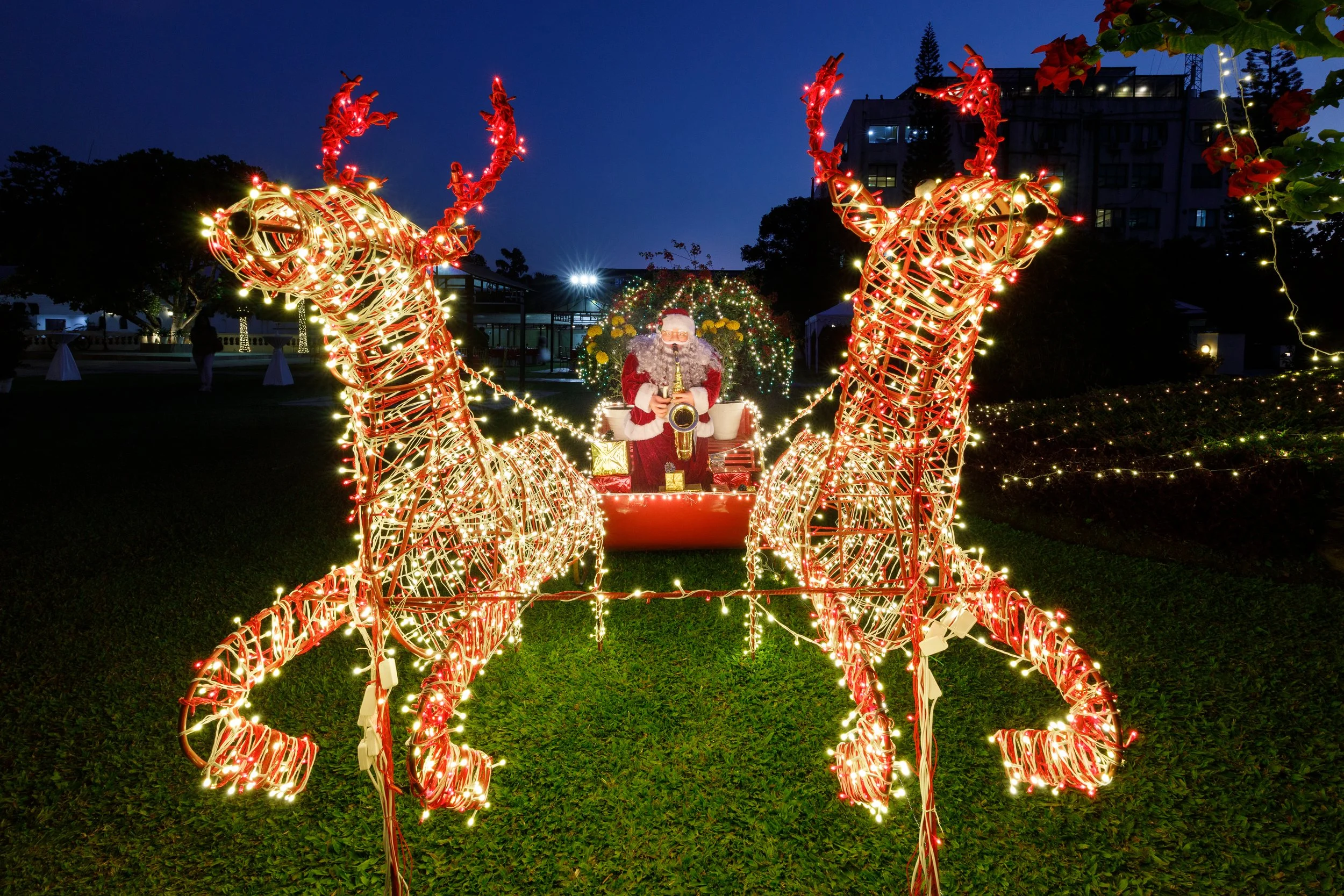
When December rolls around, Kathmandu takes on a festive glow that’s too vibrant to miss. Streets twinkle with lights, cafes display colorful decorations, and the city seems to hum with a cheerful energy. While Nepal is predominantly Hindu and Buddhist country, Christmas has found a special place here, not just as a religious holiday, but as a celebration of joy, togetherness, and fun.
Even non-Christians eagerly look forward to this festive season, as it has always been more about the feeling of togetherness and happiness rather than strictly about beliefs or religion. Christmas is respected and embraced by the community, with Nepali Christians celebrating the holiday alongside their friends and families, often including people of other faiths in the festivities. The streets of Kathmandu come alive with warm lights, stars, and decorations that reflect the joyful spirit of the season. Business and Cafés go all out decorating their adobes in vibrant Christmas decorations to match the spirit of celebration while playing harmonious Christmas songs and melodies. The city’s commercial and cultural hubs ike Thamel, Durbar Marg, and New Road become centers of celebration, offering a festive atmosphere that is both visually stunning and inviting.
Children especially enjoy the festive season. While there is no snow in Kathmandu, the decorations, lights, and small gift exchanges create a magical environment for them. Kids eagerly await opportunities to see Santa Claus at events organized in malls or hotels, participate in craft activities, and enjoy seasonal treats. Families often come together to prepare special meals, share sweets, and celebrate in a cozy, warm atmosphere that strengthens family bonds. What makes Christmas in Kathmandu particularly special is its inclusiveness. It brings people together, spreads joy, and encourages acts of kindness and generosity. For locals and tourists alike, the festival offers a chance to enjoy the city’s lights, experience Nepali hospitality, and take part in a celebration that blends global traditions with local charm.
In Kathmandu, Christmas is more than just a holiday; it’s a season of warmth, happiness, and community. Whether wandering through illuminated streets, sipping a seasonal drink in a cozy café, or joining friends and family in festivities, the city captures the essence of Christmas in a way that is uniquely Nepali: heartfelt, colorful, and full of joy.
POPULAR ITINERARIES
SIMILAR POSTS



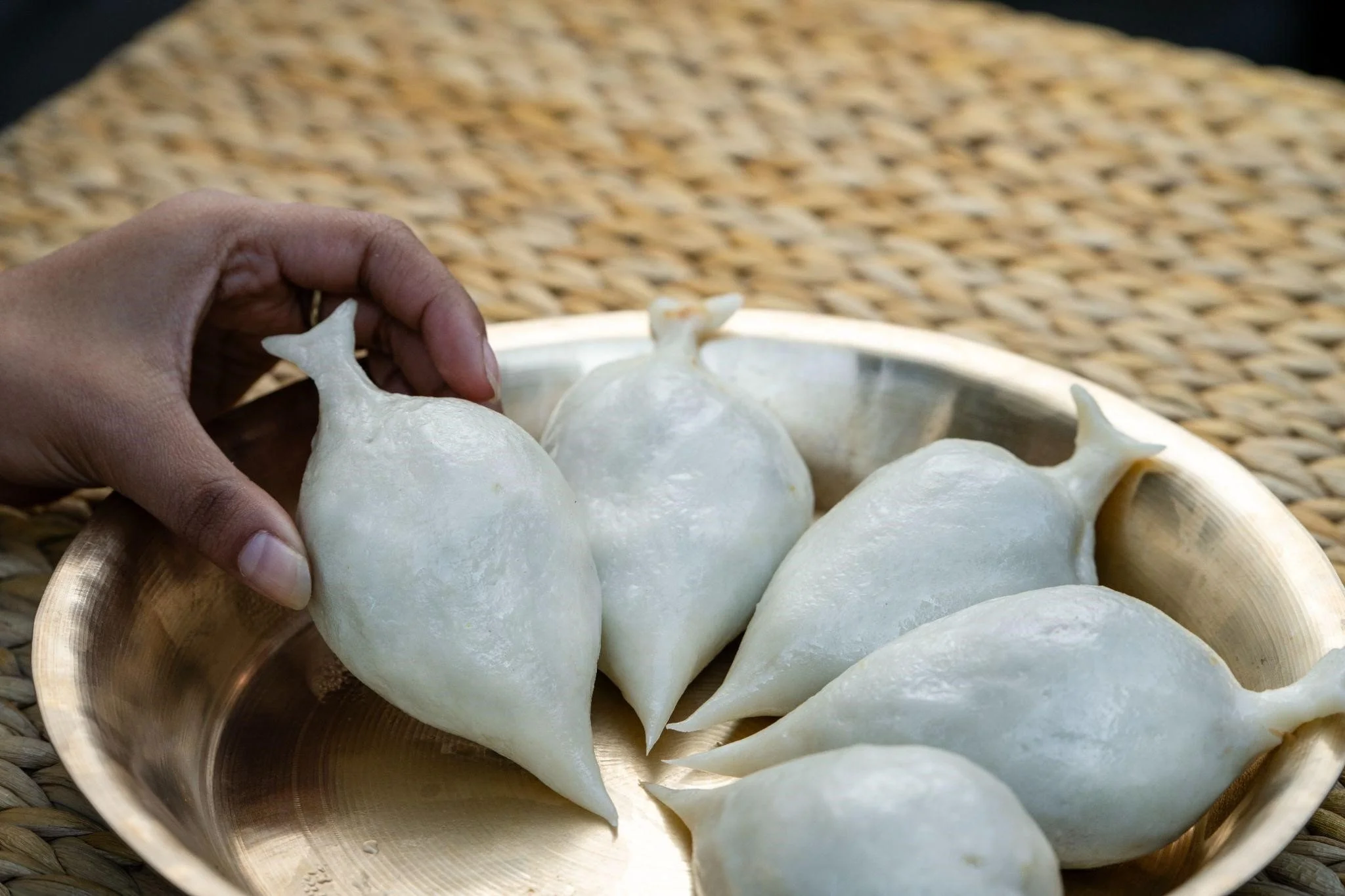
The Legend and Flavor of Yomari Punhi: Celebrating Nepal’s Harvest Moon Festival
Indulge in the warmth and tradition of Yomari Punhi, where sweet, steamed yomari brings communities together to celebrate the harvest moon. A festival filled with myths, gratitude, and delicious delicacies, Yomari Punhi is not just about the food—it’s about the spirit of sharing, abundance, and honoring the goddess of nourishment.
When winter settles over the Kathmandu Valley, a gentle warmth rises from Newar homes as the aroma of steaming yomari fills the air. This beloved delicacy becomes the heart of celebration during Yomari Punhi, one of the most cherished festivals of the Newar community. Observed on the full moon day of Thinlā; the second month in the Nepal Sambat calendar, Yomari Punhi is a festival woven with warmth, gratitude, and the joy of sharing.
The story behind Yomari Punhi adds a layer of mythical charm to the festival. It is said that long ago, in the village of Panauti, a couple named Suchandra and Krita decided to experiment with the fresh rice from their recent harvest. They crafted a new kind of steamed dumpling, sweet on the inside and soft on the outside, and shared it generously with their neighbors. People loved it so much that it was named “ya-mari,” that translates to “the bread that people like.” According to legend, the God of Wealth, Kubera, was wandering through the village in disguise on the same day. When the couple offered him the new delicacy, he was delighted by their generosity and blessed them with prosperity. From that moment, yomari came to symbolize abundance, goodwill, and divine blessing, and its creation became an annual tradition tied to the harvest moon.
Beyond its origin, the festival carries deep cultural and spiritual significance. It honors Goddess Annapurna, the deity associated with food and nourishment, reminding people that the harvest is not only the result of hard work but also a sacred blessing. The act of making yomari is equally meaningful as it brings family, friends, and neighbors together as a community to celebrate the joy of sharing a simple steaming bread filled with yummy goodness, which can be ‘chakhu’ and ‘khuwa’. The cultural significance of the festival lies not only in the food but in the togetherness it inspires. Yomari Punhi is a reminder of gratitude; for a good harvest, for community, and for the warmth we create even in the coldest months. The simple act of shaping yomari becomes a moment of connection between generations, keeping Newar heritage alive in kitchens throughout the valley.
For tourists, experiencing Yomari Punhi means tasting a piece of Nepal’s living culture. It is an opportunity to witness a tradition that blends food, myth, and community into one beautifully heartfelt celebration. If you’re visiting off-season, you don’t need to wait for the festival. The loving locals sell the delicious warm yomari in every corner of the valley.
POPULAR ITINERARIES
SIMILAR POSTS
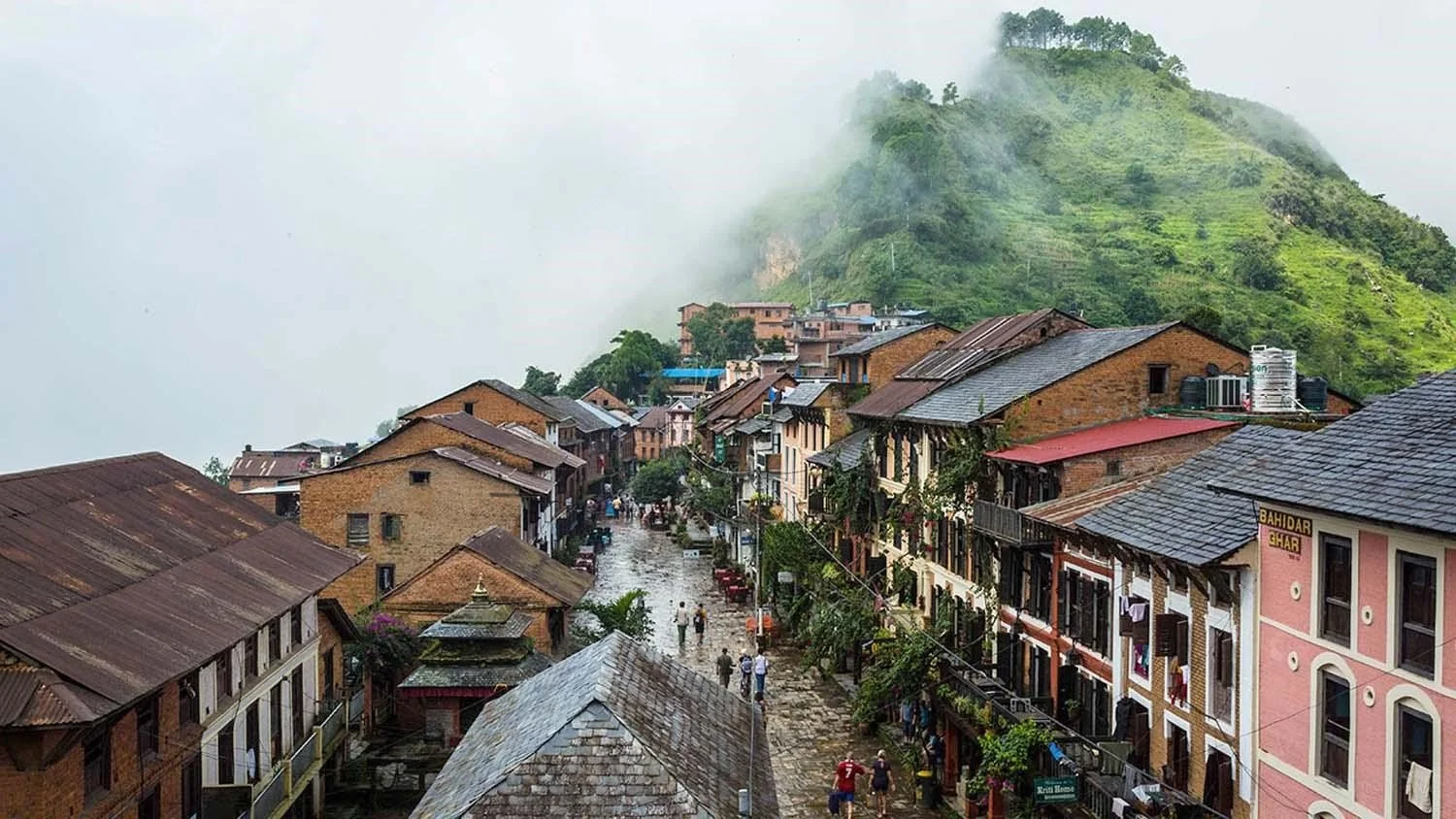
Bandipur: The Untold Charm of Nepal’s Hilltop Village
Bandipur: A Timeless Hilltop Haven – Discover the charm of Nepal’s hidden gem, where cobbled streets, vibrant culture, and breathtaking mountain views come together to create a peaceful escape from the ordinary.
Nestled between Kathmandu and Pokhara, Bandipur is a small hilltop town that feels like stepping back in time. With its stunning views, friendly people, and rich culture, it’s a place that surprises everyone who visits. A place so well appreciated that multiple songs were written about it’s beauty, vibe and culture.
A Beautiful Town
Bandipur is known for its cobbled streets, traditional Newari houses, and amazing views of the Himalayas. Walking around the town, you’ll notice the carved wooden windows, old-fashioned shops, and small cafés where you can enjoy a cup of tea while watching the sunset. The town has a peaceful charm that makes you want to slow down and just enjoy life.
Rich Culture
Bandipur houses the Newar, Gurung, and Magar people and their customs that make the town vibrant and energetic. Festivals are taking place with great enthusiasm, the production of local crafts has not been mechanized, and you can see practicing traditional arts, pottery, and weaving in lots of homes and shops. It is a nice place to get in touch with real Nepalese culture.
Wildlife and Nature
Bandipur is also surrounded by beautiful nature. The hills and forests nearby are home to monkeys, exotic birds, and sometimes even leopards. There are easy hiking trails that lead to viewpoints where you can see the Himalayas and the valleys below. Sunrises and sunsets here are magical—golden light over the mountains is a sight you won’t forget.
Why Visit Bandipur?
Bandipur, in contrast to noisy tourist destinations, is calm and lovely. You are free to roam, converse with locals, taste the traditional food, and feel as if you have uncovered a mysterious part of Nepal. Bandipur is there to remind you of the existence of the secret place through the only way of the sky changing color by simply sitting in a café, hiking nearby hills, or exploring the town.
Tips for Tourists;
The best time to visit Bandipur is from September to November, when the weather is clear and the skies are perfect for mountain views. Staying in homestays or guesthouses allows you to experience local life and hospitality and enjoy the local foods. Don’t miss walking around the town, hiking to nearby viewpoints, it’s all part of what makes Bandipur so special.
Bandipur is more than a small town preserved culturally, it’s a peaceful escape where nature, culture, and beautiful scenery come together. Whether you’re an adventurer, a culture enthusiast, or someone looking for calm and inspiration, Bandipur is a place that stays with you long after you leave, like a small elf town you might stumble during a fantasy adventure.
POPULAR ITINERARIES
SIMILAR POSTS
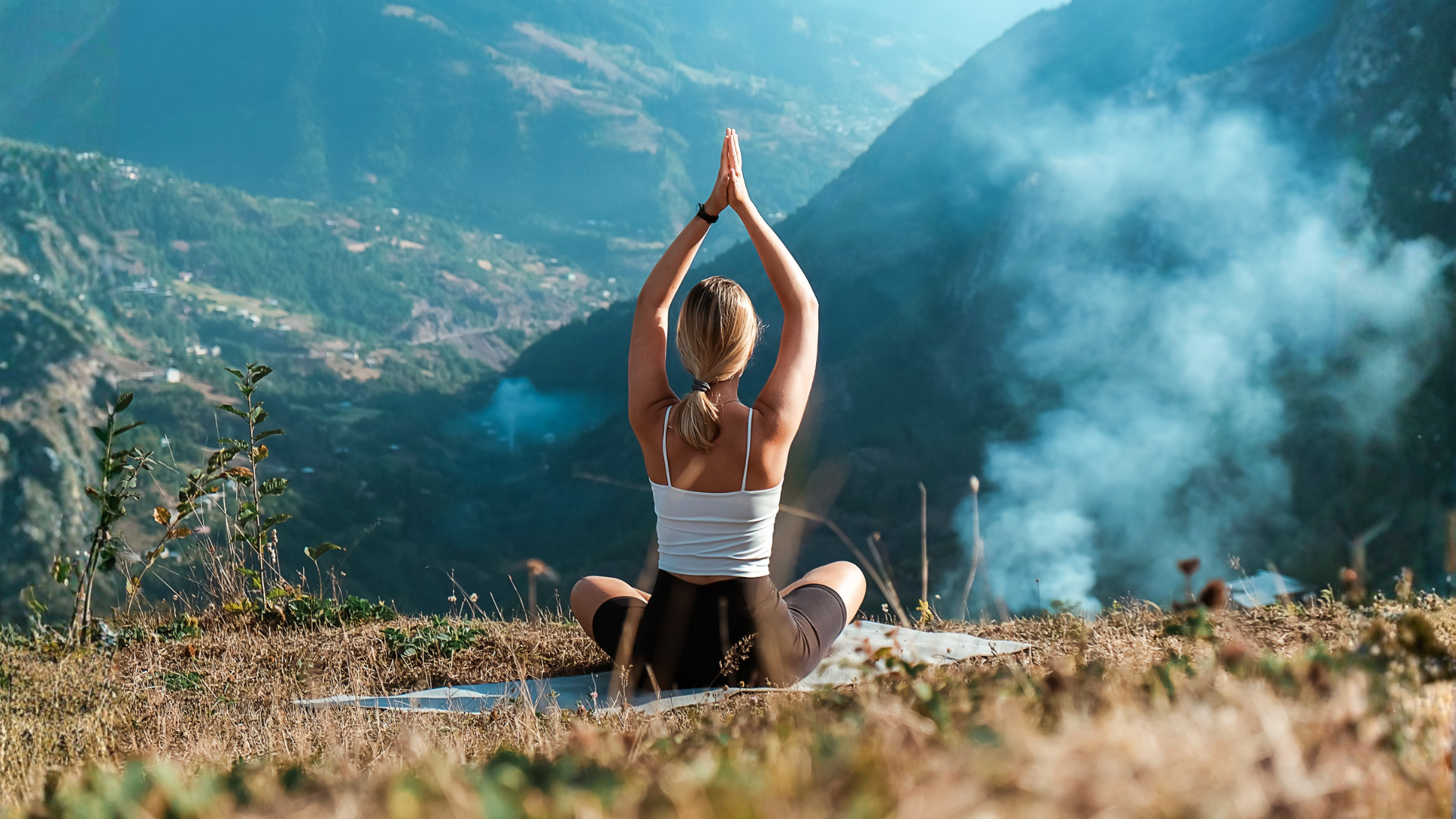
The Ultimate Guide to Yoga Retreats in Nepal
Embrace a journey of self-discovery and inner peace amidst the serene landscapes of Nepal. Whether practicing yoga by tranquil lakes, under the towering Himalayas, or in the spiritual heart of Kathmandu, Nepal’s yoga retreats offer a transformative experience that nurtures both the body and soul.
Nepal, the birthplace of Buddha, is not only renowned for its towering Himalayas and rich cultural heritage but also for its spiritual and healing traditions. For those seeking a transformative experience that nurtures both body and soul, there is no better destination than Nepal for a yoga retreat. Whether you’re a seasoned yogi or a beginner looking to explore the calming art of yoga, Nepal offers a variety of retreat options nestled in tranquil settings, surrounded by the natural beauty of mountains, lakes, and forests.
Yoga retreats in Nepal are more than just a chance to stretch and strengthen your body they are an invitation to slow down, reflect, and reconnect with your inner self in one of the most spiritually enriching places on Earth. Here’s everything you need to know to embark on a journey of self-discovery and healing through yoga in Nepal.
1. Why Choose Nepal for a Yoga Retreat?
Nepal is a land deeply rooted in spiritual practices, where meditation, mindfulness, and wellness are woven into the fabric of daily life. From the serenity of the Kathmandu Valley to the peaceful lakeside town of Pokhara and the majestic heights of the Himalayas, Nepal offers the perfect backdrop for those seeking to deepen their yoga practice and spiritual journey.
● Rich Spiritual Heritage: Nepal is a land of profound spirituality. The air here is thick with the wisdom of millennia-old practices. With a deeply ingrained culture of meditation and mindfulness, it’s no surprise that many yoga retreat centers draw inspiration from the teachings of Buddhism and Hinduism, offering retreats that combine yoga with meditation, philosophy, and ancient healing practices.
● Tranquil Natural Settings: Whether you’re practicing yoga by a crystal-clear lake or beneath the towering peaks of the Himalayas, Nepal’s natural beauty fosters an environment of calm and introspection. The sheer peacefulness of these settings can enhance your experience and deepen your connection with yourself.
2. Top Yoga Retreat Destinations in Nepal
Pokhara: A Lakeside Haven
Nestled at the foot of the Annapurna Mountain Range, Pokhara is a yoga enthusiast’s dream. The town sits beside Phewa Lake, where the reflections of the mountains create a serene setting for yoga practice. Many retreat centers here offer programs that focus on holistic wellness, blending yoga, meditation, and Ayurveda.
One of the main draws of Pokhara is its laid-back atmosphere, where the pace of life slows down, and nature’s beauty is on full display. Yoga by the lake with the Annapurnas in the distance is an experience that revitalizes both body and mind. Whether you’re practicing Vinyasa, Hatha, or Kundalini, Pokhara’s peaceful vibe makes it a perfect place for yoga retreats.
Best Time to Visit: From October to March, when the weather is pleasant and clear, offering the best views of the mountains.
Kathmandu: The Spiritual Heart of Nepal
Kathmandu, the bustling capital, might be known for its vibrant streets and historical sites, but it’s also home to a number of serene yoga retreat centers. These retreats often include teachings of ancient wisdom, blending yoga with Buddhist meditation practices. The monasteries and temples scattered across the valley provide a tranquil setting for spiritual reflection and yoga practice.
In Kathmandu, you can take part in multi-day or even month-long retreats that delve deep into the philosophy of yoga and meditation. Some retreats combine yoga nidra, mantra chanting, and mindfulness practices, making it ideal for those who wish to experience yoga not just as a physical practice but as a complete mental and spiritual discipline.
Best Time to Visit: The best months for a retreat in Kathmandu are from September to December or March to May, when the weather is moderate, and the city’s energy is more peaceful, away from the tourist rush.
The Himalayas: Yoga with a View
For those seeking a more challenging and immersive experience, yoga in the Himalayas offers something truly transformative. Imagine waking up early in the morning to practice yoga at high altitudes, with the majestic snow-capped peaks of the Himalayas towering above you. This is the essence of yoga retreats in the mountains, where the rugged terrain and clean air invite a deeper connection with nature.
Retreats in areas like Nagarkot, Langtang, and Tamang Heritage are designed for trekkers and adventurers who want to combine physical endurance with spiritual growth. These retreats often include mountain meditation and mindful hiking as part of the experience, giving participants an opportunity to connect deeply with both their inner self and the awe-inspiring landscape around them.
Best Time to Visit: The best months for a Himalayan yoga retreat are during the spring (March to May) and autumn (September to November) seasons, when the weather is clear and the trekking routes are accessible.
3. What to Expect at a Yoga Retreat in Nepal
Yoga retreats in Nepal vary from relaxing wellness getaways to intensive, transformative experiences. However, most retreats offer a combination of:
● Daily Yoga Sessions: These are usually taught by experienced local or international teachers and can vary in style from gentle Hatha yoga to more dynamic Ashtanga or Vinyasa flow. The retreats often cater to all levels, whether you’re a beginner or an advanced practitioner.
● Meditation and Mindfulness: Many retreats focus heavily on mindfulness practices such as Vipassana, Zazen, and guided meditation. You may also learn the basics of pranayama (breathing exercises) to enhance your overall practice.
● Spiritual Practices and Workshops: Some retreats integrate yoga philosophy, Ayurvedic treatments, and spiritual talks, offering insights into ancient practices that go beyond the physical postures. These teachings often explore topics like the chakras, the yoga sutras, and the connection between mind and body.
● Clean, Healthy Food: A key component of most yoga retreats is food that nourishes both body and soul. Expect fresh, vegetarian meals prepared using locally sourced ingredients. Some retreats may also offer Ayurvedic meals designed to balance the body’s energies.
● Connection to Nature: Whether you’re practicing in the Himalayas, next to a serene lake, or in the midst of lush forests, being close to nature is a core aspect of many yoga retreats in Nepal. The natural surroundings help you disconnect from the stresses of everyday life and focus more on your practice.
4. How to Choose the Right Yoga Retreat for You
When selecting a yoga retreat, consider the following:
● Your goals: Are you seeking a physical challenge, a spiritual retreat, or a combination of both? Some retreats focus more on physical yoga, while others delve deeply into meditation and spiritual teachings.
● Location: Do you want to practice yoga with the view of the Himalayas, or would you prefer a lakeside setting? The location can greatly influence your retreat experience.
● Duration: Retreats range from a weekend to several weeks. Consider how much time you have to dedicate to your practice.
● Price: Yoga retreats in Nepal vary widely in price, depending on the location, duration, and inclusions. Be sure to choose a retreat that aligns with your budget.
5. A Final Thought: The Transformative Power of Yoga in Nepal
Yoga in Nepal is not just about perfecting your poses; it’s about diving into a deeper experience one that touches your soul, nourishes your body, and opens your mind. The serene landscapes, spiritual energy, and rich cultural heritage create the perfect setting for personal growth and transformation.
Whether you’re a seasoned yogi looking to deepen your practice, or someone new to yoga, Nepal offers a retreat experience that will leave you feeling rejuvenated, centered, and spiritually aligned. The journey within is often the most rewarding one, and there’s no better place to embark on it than in the heart of the Himalayas.
Pro Tip for Retreat Goers:
Prepare mentally and physically for your yoga retreat by setting clear intentions. Whether it’s to deepen your practice, detoxify your body, or find clarity in your life, having a goal will enhance your experience and allow you to fully embrace the transformative power of yoga in Nepal.
POPULAR ITINERARIES
SIMILAR POSTS
Sacred Waters: Exploring Nepal’s Most Famous Lakes and Their Spiritual Significance
Misty ridges, golden horizons, and tranquil hill towns all just a drive away from the valley. Discover the best weekend getaways near Kathmandu, where every sunrise feels like a fresh escape.
Nepal, a land brimming with natural wonders and spiritual richness, is home to some of the most beautiful lakes in the world. These lakes are not just scenic spots they are revered by locals for their spiritual significance and historical importance. Whether you’re seeking solace, adventure, or a deeper connection to the land, Nepal’s sacred lakes offer a chance to experience a different kind of beauty one that goes beyond the physical and touches the spiritual. Let’s explore some of the country’s most famous lakes that promise to enrich your journey.
1. Phewa Lake: Tranquility in Pokhara
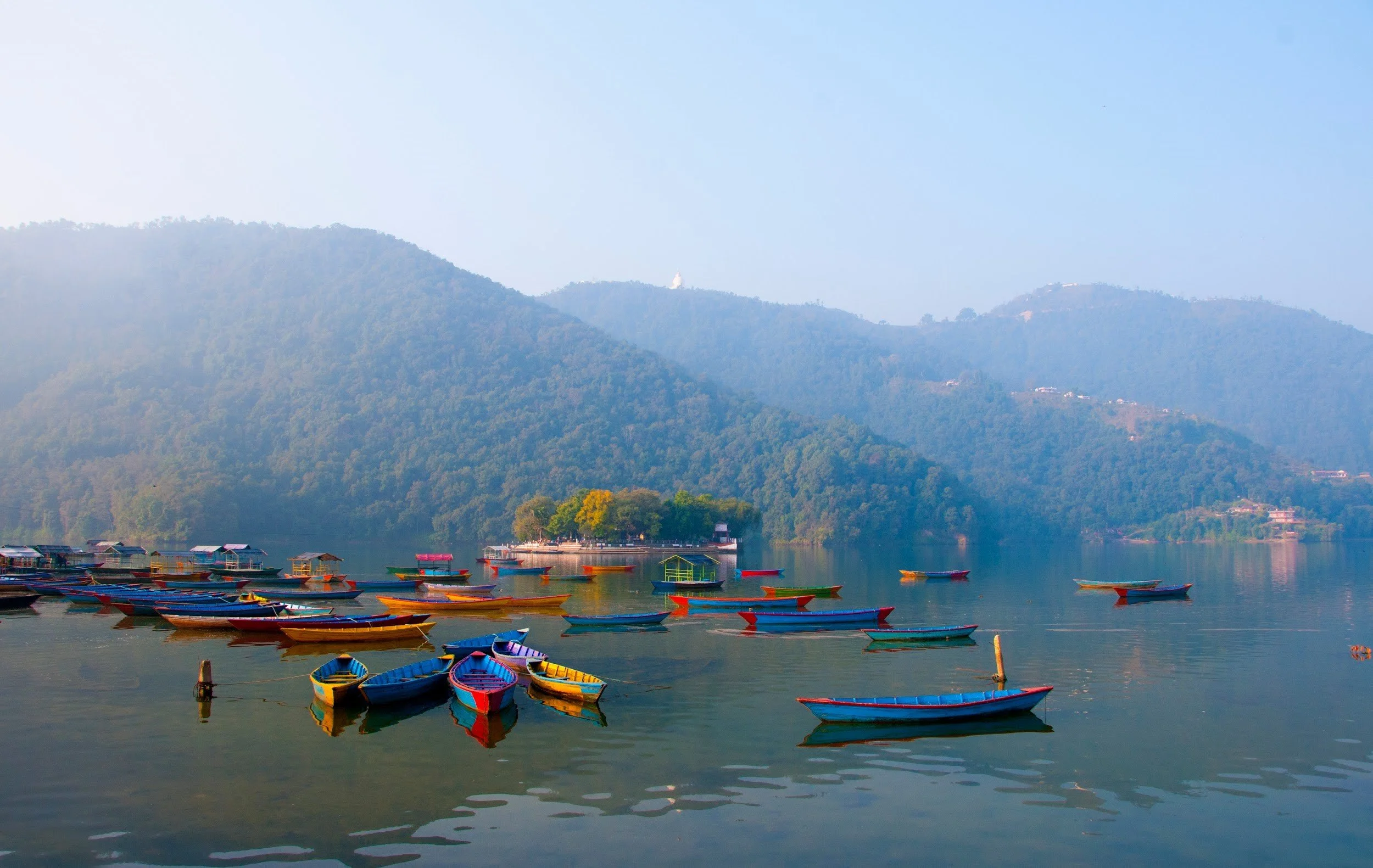
Tucked away in the enchanting city of Pokhara, Phewa Lake is perhaps Nepal’s most iconic lake. Known for its serene waters, it reflects the stunning Annapurna Mountain Range, providing a breathtaking backdrop for any visit. But Phewa Lake is more than just a beautiful sight it holds deep spiritual significance for locals. The Tal Barahi Temple, situated on a small island in the middle of the lake, is dedicated to the Hindu goddess Barahi. Visitors often take a boat ride across the lake to visit the temple, offering prayers and seeking blessings. The calm, peaceful atmosphere around Phewa Lake makes it an ideal spot for meditation, boat rides, and a quiet retreat amidst nature.
Best Time to Visit: November and December offer perfect weather, with clear skies and cooler temperatures, making it an ideal time for a visit.
2. Rara Lake: Nepal’s Remote Gem
For those willing to venture off the beaten path, Rara Lake in the far-western region of Nepal is a must-visit. As the largest lake in Nepal, Rara’s crystal-clear waters surrounded by snow-capped mountains and dense forests create a landscape that feels almost untouched by time. The lake holds sacred significance for the local communities and is considered a place of healing. Pilgrims visit Rara Lake in search of spiritual peace, while trekkers find solace in its isolation and natural beauty. Its tranquil setting offers an opportunity to disconnect from the world and reflect in a space that feels both sacred and secluded.
Best Time to Visit: November is the ideal time to explore Rara, as the weather is crisp and clear, and the crowds are fewer.
3. Gosainkunda: A Pilgrimage at High Altitude
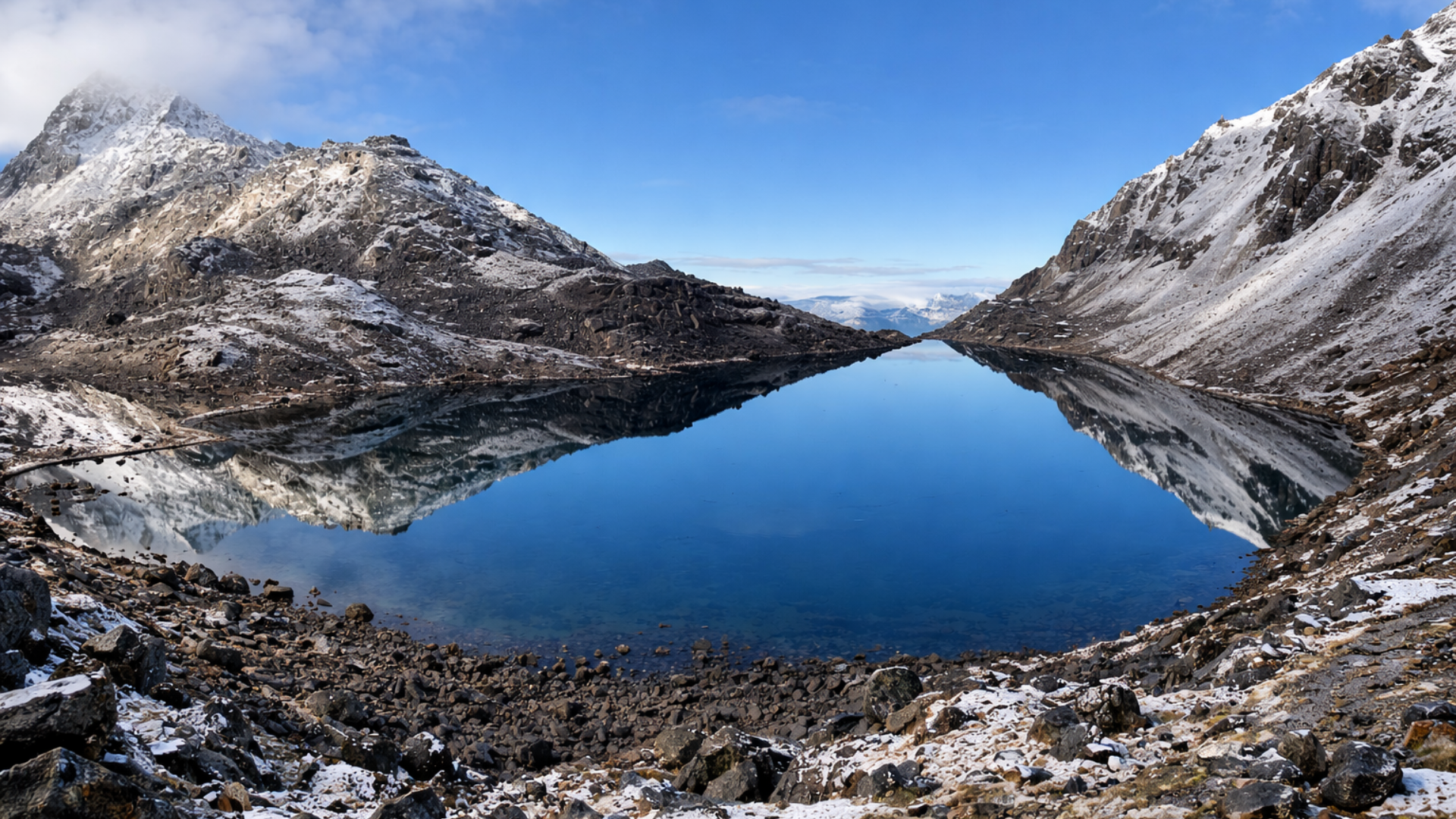
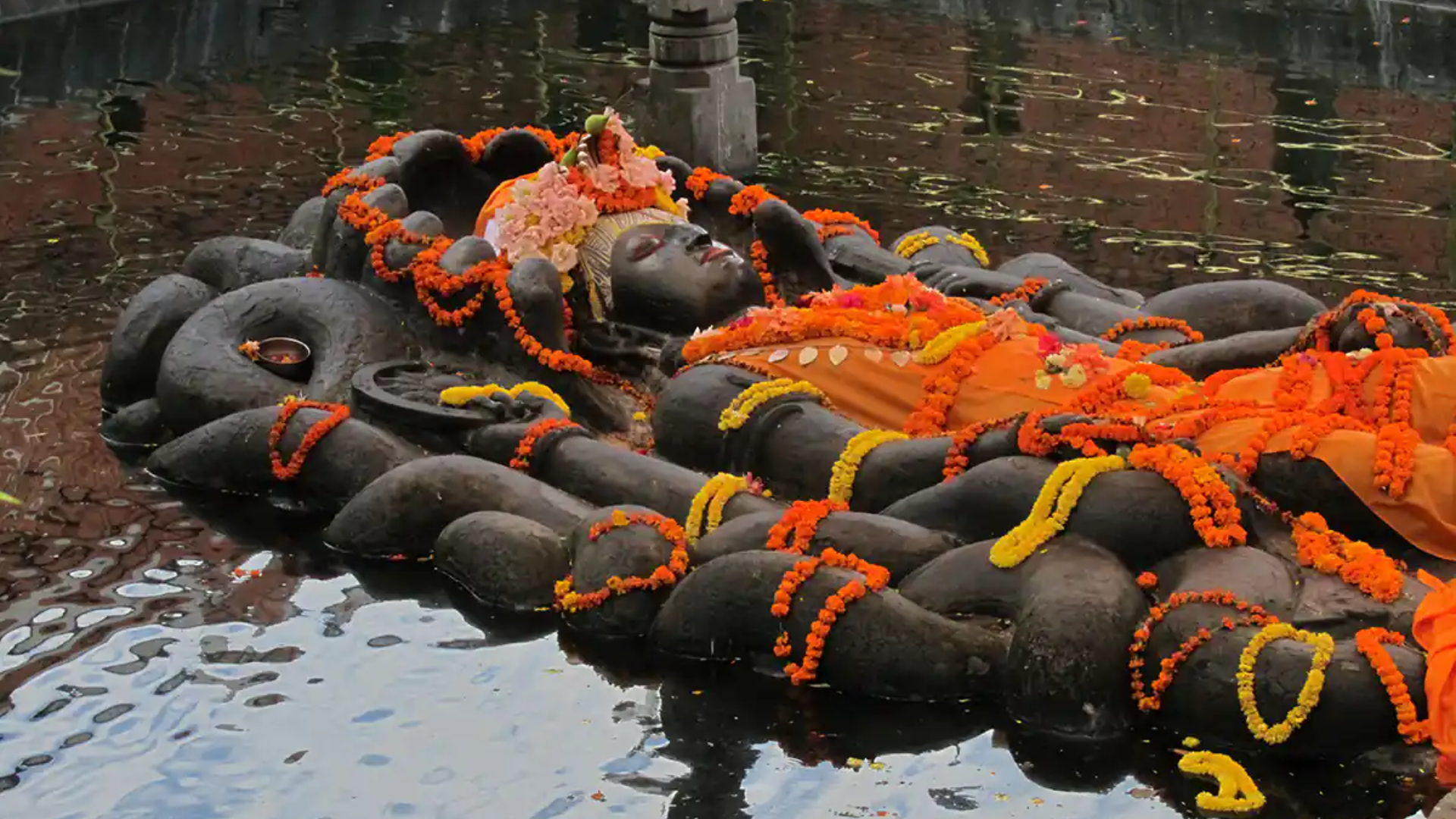
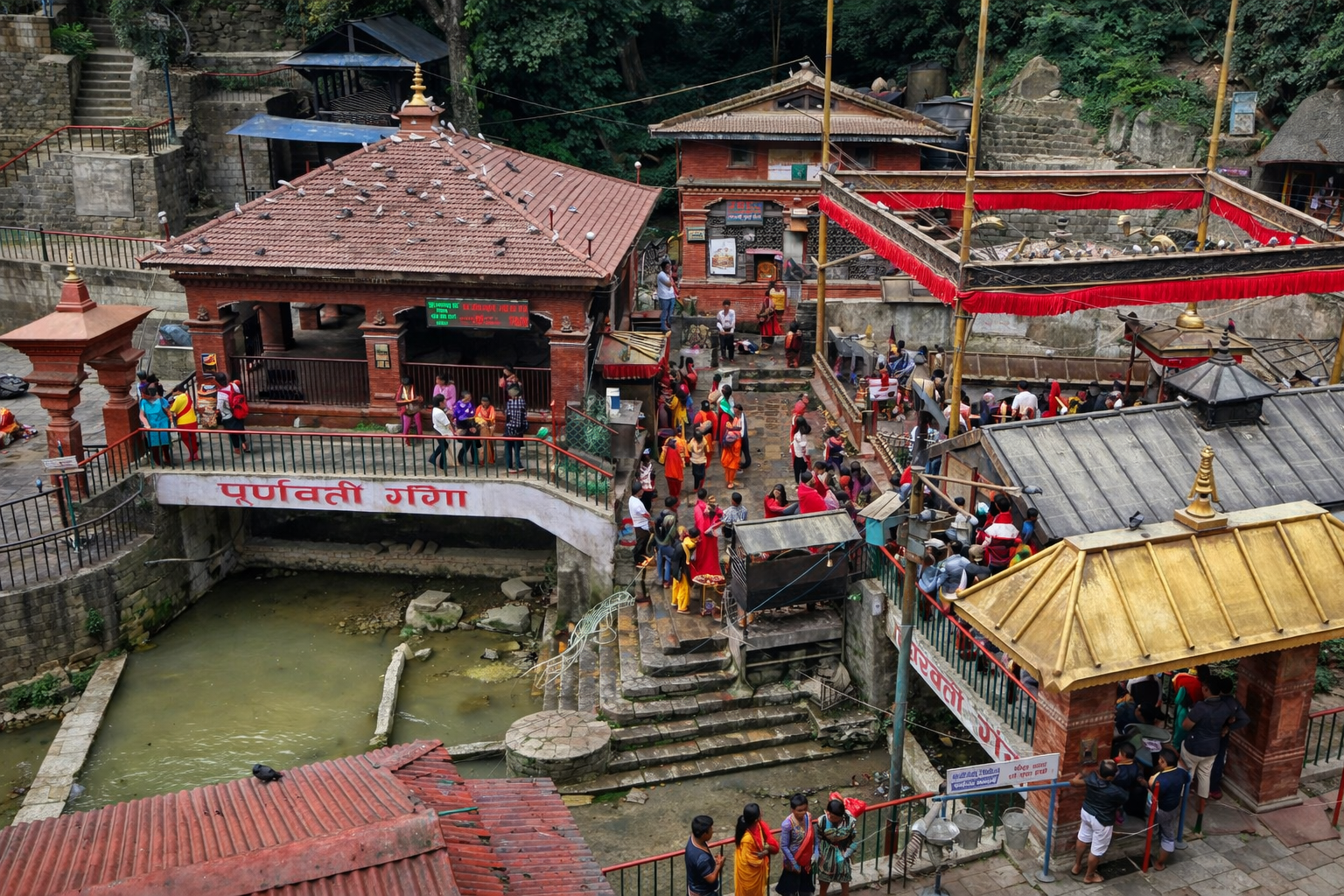
For those seeking a spiritual journey at high altitudes, Gosainkunda Lake in Langtang National Park offers a sacred destination. Sitting at an altitude of 4,380 meters, the lake is surrounded by dramatic mountain landscapes, adding to its allure. According to Hindu legend, it was created by Lord Shiva, who struck the ground with his trident to create the lake and provide water for his thirsty throat after drinking poison. Every year, thousands of pilgrims make the challenging trek to Gosainkunda, especially during the Full Moon festival in August, to cleanse their sins and seek blessings.
The trek to Gosainkunda is not easy, but the serene beauty of the lake and its surrounding landscapes reward those who make the effort. The area also holds significance for Buddhists, making it a shared space for spiritual reflection across traditions.
Best Time to Visit: November and December offer clear skies and comfortable trekking conditions, making this the perfect time for a pilgrimage to the sacred lake.
Why Sacred Lakes Matter
Nepal’s sacred lakes are not just picturesque destinations they represent the heart and soul of the country’s spiritual landscape. These lakes have been places of worship, reflection, and pilgrimage for centuries, offering visitors a unique opportunity to connect with both nature and spirituality. Whether you’re visiting to cleanse your spirit, embark on a challenging trek, or simply to appreciate the serenity of these sacred sites, the lakes of Nepal provide a profound experience that lingers long after you’ve left their shores.
From the tranquil waters of Phewa Lake to the remote, healing presence of Rara Lake, and the high-altitude pilgrimages of Gosainkunda and Gosaikunda, these lakes are not just destinations they are gateways to a deeper connection with the spiritual heart of Nepal.
Pro Tip for Travelers:
When visiting sacred lakes in Nepal, remember that these are not just tourist attractions they are revered by locals for their spiritual power. Show respect for local customs and rituals, whether you’re trekking to a high-altitude lake or boating across a peaceful waterway. Respecting these traditions will enhance your experience and deepen your connection to the sacred waters of Nepal.
POPULAR ITINERARIES
SIMILAR POSTS
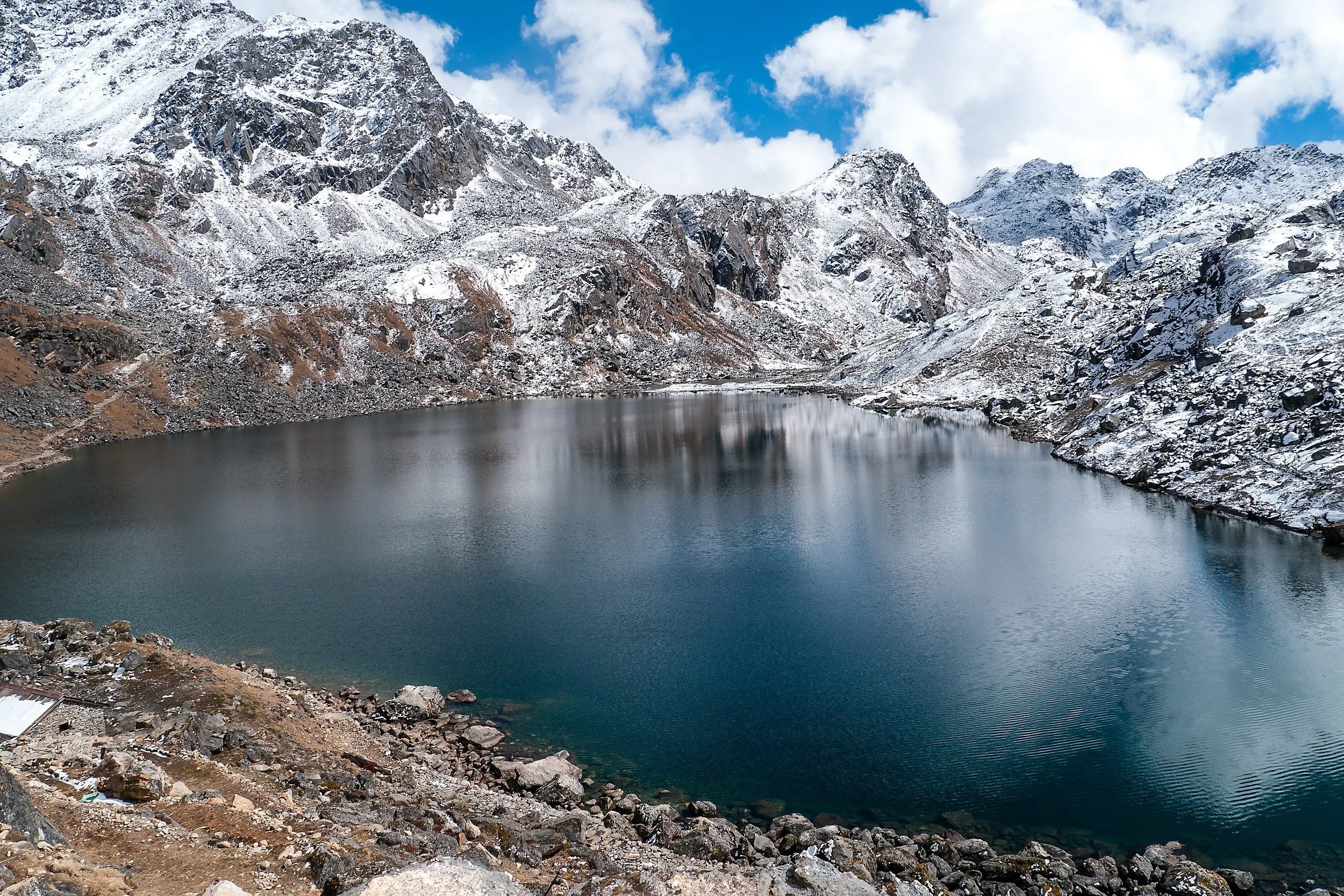
The Untold Stories of Gosaikunda Lake: A Sacred Trek in the Langtang Range
Nestled in the heart of Nepal’s Langtang Range, Gosaikunda Lake is not just a breathtaking natural wonder but also a spiritual haven for trekkers and pilgrims alike. Known for its pristine beauty and sacred significance, the Gosaikunda trek offers an adventure that combines both awe-inspiring landscapes and deep cultural meaning. But beyond the panoramic views and crystal-clear waters lies a tapestry of ancient legends and stories that make this place truly magical.
Nestled in the heart of Nepal’s Langtang Range, Gosaikunda Lake is not just a breathtaking natural wonder but also a spiritual haven for trekkers and pilgrims alike. Known for its pristine beauty and sacred significance, the Gosaikunda trek offers an adventure that combines both awe-inspiring landscapes and deep cultural meaning. But beyond the panoramic views and crystal-clear waters lies a tapestry of ancient legends and stories that make this place truly magical.
A Sacred Journey to Gosaikunda
Gosaikunda Lake, located at an altitude of 4,380 meters, is one of the most revered pilgrimage sites in Nepal. The trek to the lake is a challenging yet rewarding journey that takes travelers through rugged terrains, dense forests, and alpine meadows, all while offering spectacular views of snow-capped peaks and pristine landscapes.
The journey to Gosaikunda is not just a physical challenge but also a spiritual one. For Hindus, Gosaikunda is considered the home of Lord Shiva, one of the most powerful deities in the Hindu pantheon. According to legend, the lake was formed when Lord Shiva, in a moment of great thirst, struck his trident into the mountains to bring forth water. The lake’s waters are said to possess divine powers, and it is believed that a dip in its holy waters can cleanse the soul of sins and purify the body.
Legends of Gosaikunda
The stories surrounding Gosaikunda Lake are as mysterious as the lake itself. The most famous legend involves Lord Shiva and his consort, Parvati. According to the myth, Shiva was once severely afflicted by thirst while wandering in the high mountains. To quench his thirst, he struck his trident into the ground, creating the lake. This story has been passed down through generations, and every year, thousands of devotees embark on the Gosaikunda pilgrimage to bathe in its sacred waters during the full moon of August, known as the Janai Purnima festival.
Another fascinating story is that of the Gosaikunda yaks, believed to be the guardians of the sacred lake. It is said that these yaks have the power to protect the lake from any negative forces. Trekking through the Langtang National Park, you may encounter these majestic creatures grazing in the high-altitude meadows, their presence adding to the mystical aura of the place.
The Trek: A Path Through Heaven
The Gosaikunda trek is one of Nepal’s most popular trekking routes, especially for those seeking a combination of natural beauty and spiritual immersion. Starting from the vibrant town of Syabrubesi, the trail takes trekkers through picturesque villages, dense forests of oak and rhododendron, and past waterfalls that seem to tumble straight from the mountain peaks. As the trek continues, the landscape transforms into a barren, alpine environment, with the towering peaks of the Langtang Range looming ever closer.
One of the highlights of the trek is the climb to the Lauribinayak Pass, which offers panoramic views of some of the highest mountains in the region, including Langtang Lirung, Ganesh Himal, and Manaslu. From here, the trail descends into the Gosaikunda Valley, where the shimmering waters of the lake await.
When you finally reach Gosaikunda Lake, the sight is nothing short of magical. The water, a deep blue surrounded by jagged rocks and snow-covered peaks, exudes a sense of tranquility and reverence. For trekkers, it’s a place to pause, reflect, and take in the profound beauty that has inspired centuries of devotion.
Beyond the Lake: Cultural Significance
The Gosaikunda trek is not just a journey through mountains; it’s a journey into the heart of Nepalese culture. Along the way, trekkers pass through traditional Tamang and Sherpa villages, where hospitality and spiritual practices are a way of life. The locals hold deep reverence for the sacred lake and continue to celebrate festivals and rituals that honor their gods and ancestors.
The spiritual significance of Gosaikunda extends beyond Hinduism. For Buddhists, the lake represents the purity of mind and body, and it is believed that meditating by the shores of Gosaikunda can bring inner peace and enlightenment. The convergence of these two spiritual traditions adds a unique dimension to the trek, making it a truly enriching experience for those seeking a deeper connection with both nature and spirituality.
A Trek for the Soul
The Gosaikunda trek is more than just a physical challenge; it is an opportunity to step into a world where nature and spirituality coexist in perfect harmony. With its serene beauty, ancient legends, and cultural richness, Gosaikunda offers a truly transformative experience for those willing to undertake the journey.
For trekkers seeking adventure, beauty, and meaning, the untold stories of Gosaikunda Lake are waiting to be discovered. Whether you are a devout pilgrim or an adventurer in search of pristine landscapes, this sacred trek promises an unforgettable journey that will stay with you long after the trail has ended.
POPULAR ITINERARIES
SIMILAR POSTS
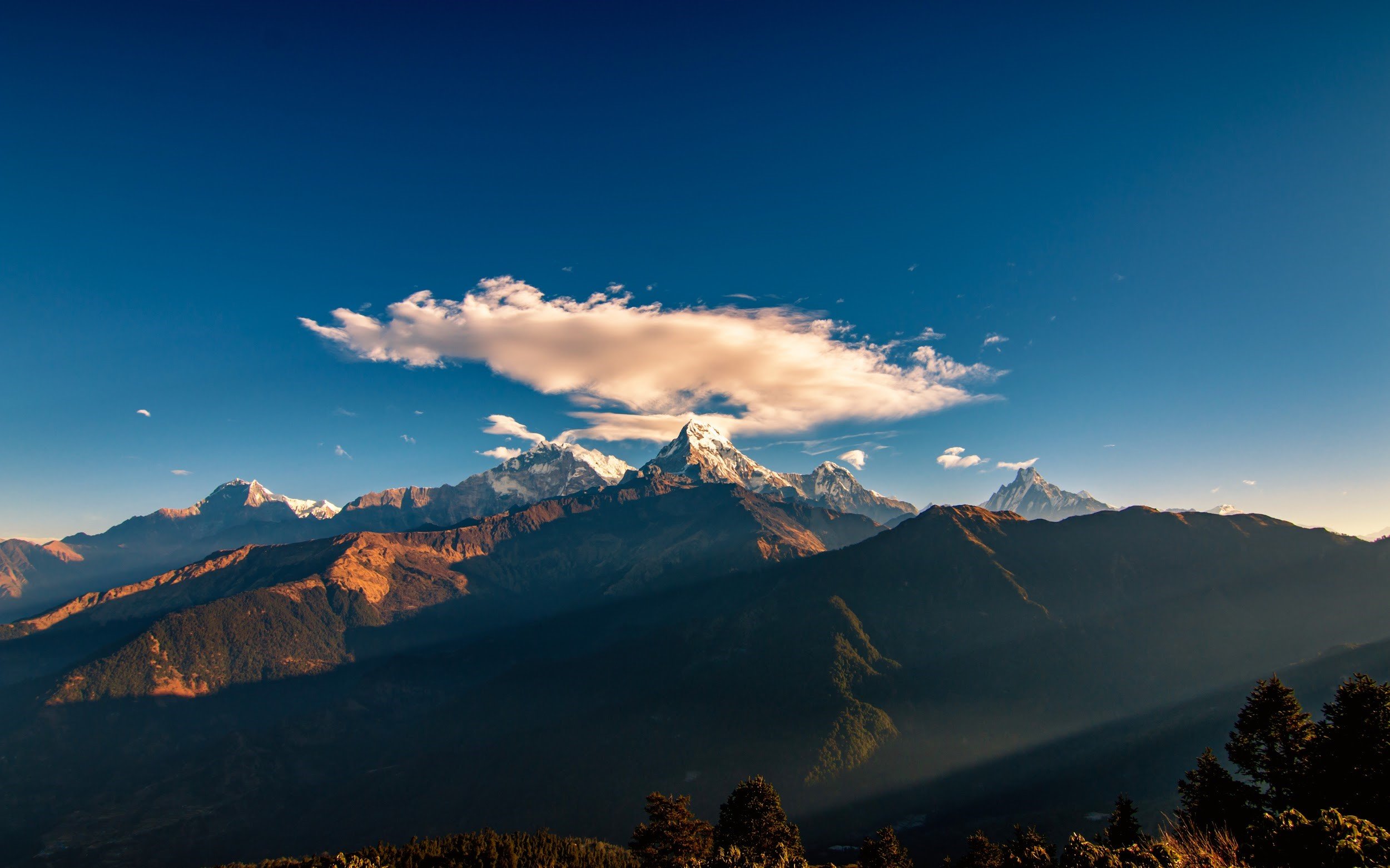

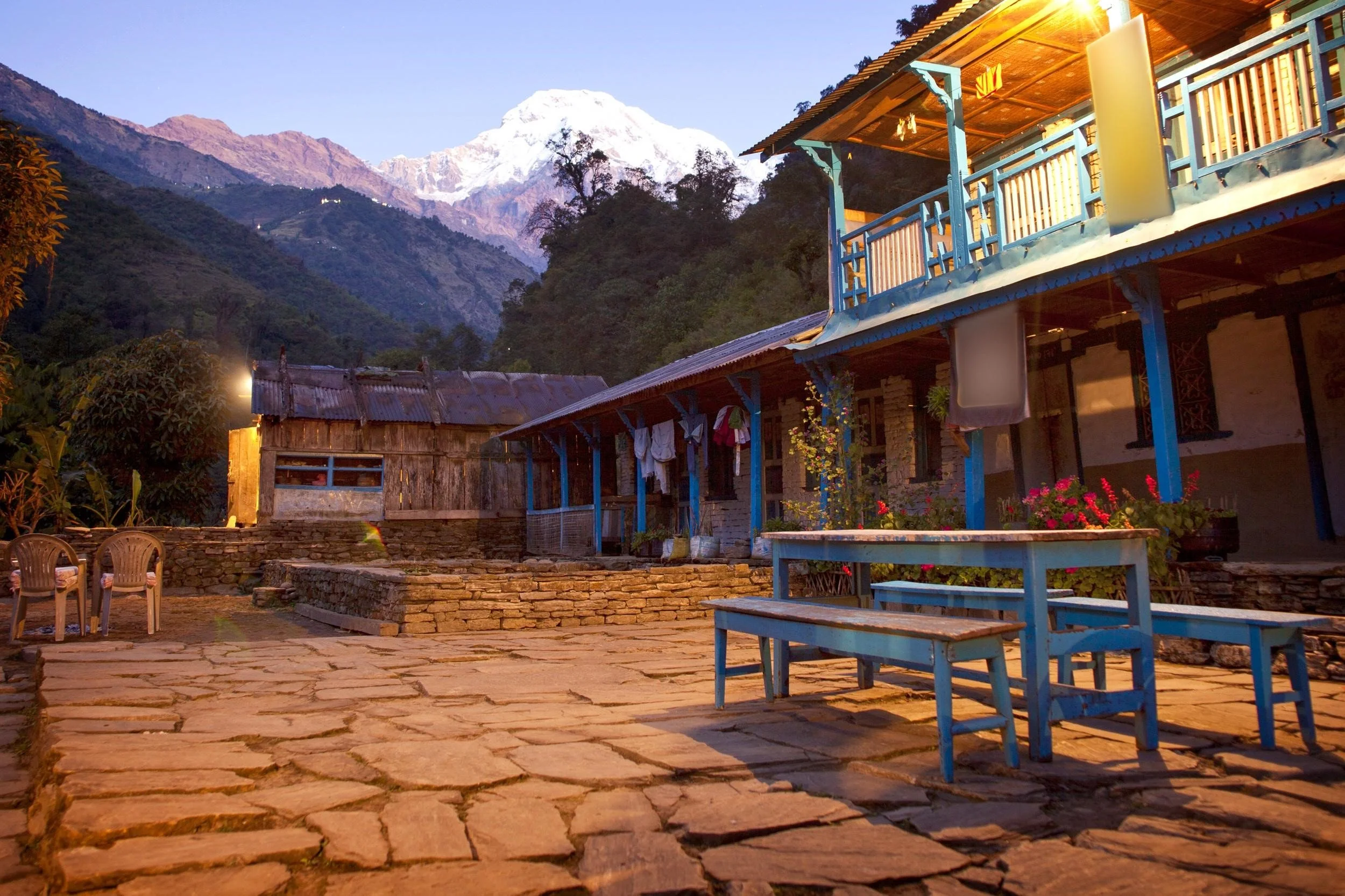
Trekking and Tea Houses: A Glimpse of Nepal’s Hospitality
After a day of trekking through Nepal’s rugged landscapes, nothing beats the warmth of a traditional tea house. With breathtaking mountain views, hearty meals, and the genuine hospitality of local families, these humble havens offer trekkers a true taste of Nepali culture, comfort, and community in the heart of the Himalayas.
Nepal, a land of towering peaks and breathtaking landscapes, is a trekkers’ paradise. Whether you’re setting off for a short hike around the Kathmandu Valley or embarking on an epic journey to Everest Base Camp, the warmth and hospitality of Nepalese tea houses play a crucial role in making your trekking experience unforgettable. But what exactly are these tea houses, and why are they so integral to trekking in Nepal?
What Are Tea Houses?
Tea houses, often referred to as “lodges” by trekkers, are small, family-owned guesthouses that provide food, shelter, and rest for travelers traversing Nepal’s rugged trails. They are not just places to rest, but hubs of local culture, where trekkers from around the world can experience the true essence of Nepalese hospitality.
Nestled in villages along the popular trekking routes, these tea houses offer basic accommodations usually a cozy room with a bed, a blanket, and a window overlooking the stunning mountain views. However, the charm of a tea house isn’t just in its simplicity. It’s in the way it connects trekkers to the heart of the Nepali way of life.
The Role of Tea Houses in Enhancing the Trekking Experience
1. Warm Hospitality Amidst the Wilderness
One of the most cherished aspects of Nepalese trekking is the hospitality found in tea houses. After a day of trekking through challenging terrain, there’s nothing more rewarding than being greeted by a warm smile and a hot cup of tea. The owners of these tea houses are often locals, and they take pride in welcoming trekkers with open arms. Whether it’s a cup of sweet masala tea or a hearty dhal bhat (lentil soup), the warmth and kindness offered by the tea house hosts provide trekkers with the much-needed rest and comfort.
2. A Taste of Local Culture and Cuisine
Tea houses are also the perfect place to experience Nepali cuisine. The menu is often simple, but it offers hearty meals to fuel trekkers on their journey. Traditional dishes like dal bhat (lentil soup served with rice), momos (dumplings), and fried potatoes are staples at tea houses. In addition to satisfying hunger, these meals offer insight into the local food culture and the incredible diversity of Nepal’s ethnic groups. Dining together with fellow trekkers can also foster a sense of camaraderie that makes the trek more enjoyable.
3. Affordable and Accessible Accommodation
The appeal of tea houses goes beyond food and warmth they offer an affordable and convenient option for trekkers. Unlike expensive hotels, tea house accommodations are generally modest and budget-friendly, making them accessible to trekkers of all kinds. The cost usually includes a meal, and there’s a range of pricing depending on the altitude and location. As trekkers climb higher into the mountains, the prices may rise, but the comfort and hospitality remain consistent, ensuring trekkers are well cared for no matter how remote the area.
4. A Gateway to Stunning Views and Peaceful Retreats
Most tea houses are situated in some of the most scenic spots along the trekking routes, often offering jaw-dropping views of the Himalayas. Whether perched on a mountain ridge or tucked in the valley below, tea houses provide a peaceful retreat where trekkers can unwind and take in the natural beauty of the surrounding landscape. This setting allows trekkers to not only rest their weary bodies but also rejuvenate their spirits in the tranquility of Nepal’s wilderness.
5. Building Connection with Locals
Staying in tea houses offers trekkers the chance to engage with the local communities. Many of the tea house owners are from ethnic groups like the Sherpas, Tamangs, and Gurungs, and they are eager to share their culture, traditions, and stories with visitors. Whether it’s chatting with a local guide about the history of the region or learning about the traditions of Buddhism, these interactions offer trekkers a deeper understanding of the area’s rich cultural heritage.
Why Tea Houses are an Essential Part of the Trekking Journey
The role of tea houses goes beyond providing basic amenities. They embody the spirit of Nepal: a place where hospitality, simplicity, and nature merge into an unforgettable experience. Tea houses not only offer rest and nourishment during a trek, but they also serve as bridges between trekkers and the local culture. They are integral to the Nepalese trekking experience, ensuring trekkers are supported as they conquer challenging routes, from the famous Annapurna Circuit to the Everest Base Camp trek.
As you plan your next adventure in Nepal, consider the tea houses that will accompany you along the way. They are more than just places to sleep; they are the heartbeat of Nepal’s trekking routes, offering comfort, warmth, and a genuine taste of Nepali life amidst the grandeur of the Himalayas.
So, pack your bags, lace up your boots, and get ready to experience Nepal like never before one tea house at a time.
POPULAR ITINERARIES


SIMILAR POSTS
Short & Scenic Escapes: Top 5 Weekend Getaways from Kathmandu
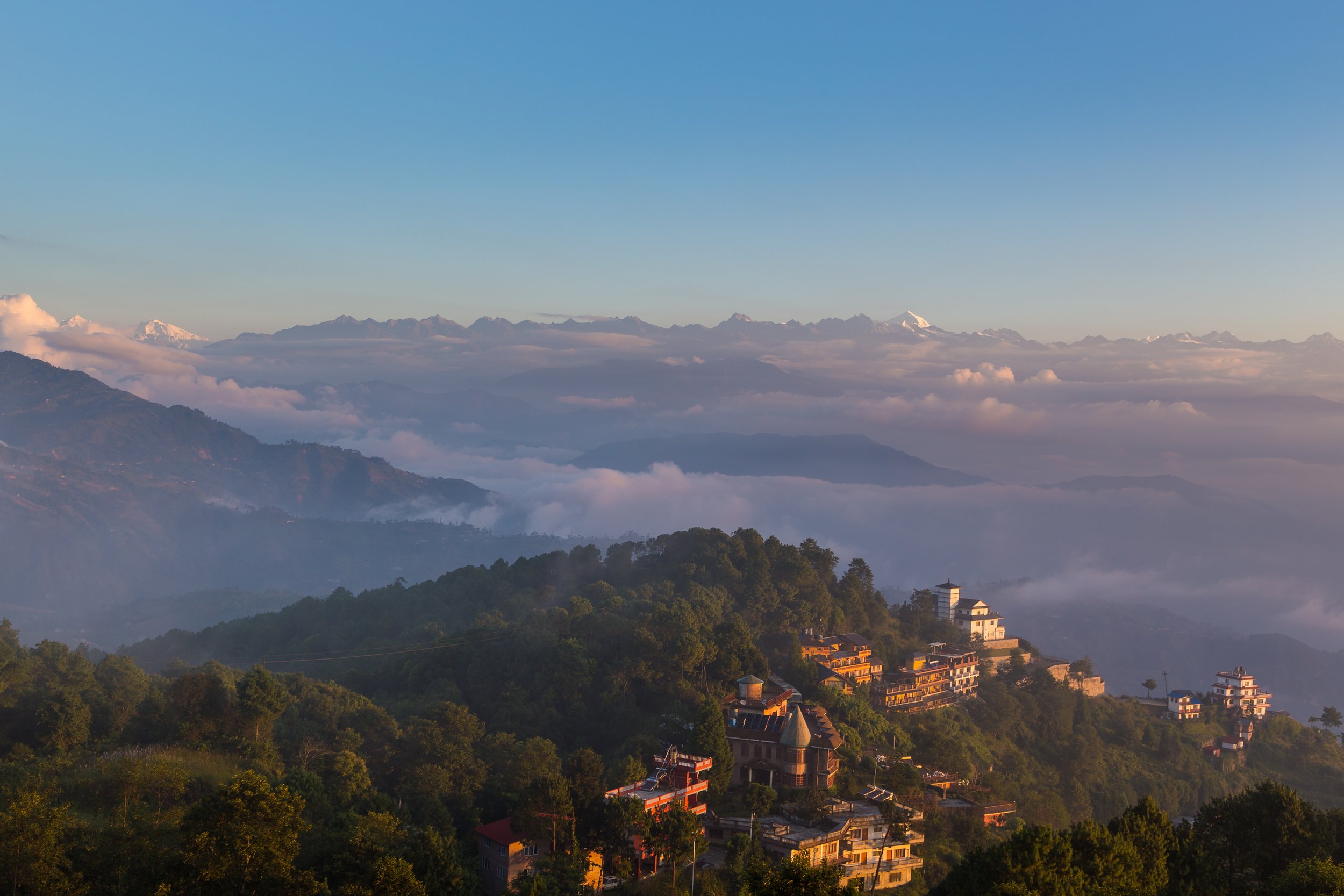
Misty ridges, golden horizons, and tranquil hill towns all just a drive away from the valley. Discover the best weekend getaways near Kathmandu, where every sunrise feels like a fresh escape.
Kathmandu is perfectly placed for quick escapes. Within just a couple of hours, you can reach misty ridges, serene monasteries, or ancient towns that feel worlds away from city life. Whether you’re craving a peaceful sunrise or a short adventure, these are the top 5 weekend getaways from Kathmandu easy to reach, rich in experience, and ideal for short holidays.
1. Nagarkot: Sunrise on the Valley Rim
Distance from Kathmandu: 32 km east (1.5–2 hrs)
Best for: Mountain views, gentle walks, and fresh air
Nagarkot sits on the eastern rim of the Kathmandu Valley, offering one of Nepal’s most famous sunrise panoramas. On clear mornings, the Himalayan range glows pink and gold, stretching from Langtang to Everest.
What to do:
● Catch sunrise from Nagarkot View Tower
● Hike the Nagarkot–Changunarayan Trail (3–4 hours, downhill)
● Enjoy tea in a ridge-top café overlooking terraced hills
Best time: October to April for crisp skies and mountain clarity.
2. Bhaktapur: Heritage, Handcrafts & Newari Flavors
Distance from Kathmandu: 13 km east (30–45 mins)
Best for: Culture, history, and food lovers
A walk through Bhaktapur feels like stepping back centuries. Its courtyards, temples, and pottery squares capture the soul of traditional Newar culture.
Highlights:
● Explore Durbar Square, Taumadhi Square, and Pottery Square
● Try juju dhau, the famous king curd
● Visit artisans crafting wood, metal, and clay works
Travel Tip: Mornings and late afternoons offer softer light and fewer crowds for photos.
3. Dhulikhel & Namobuddha: Peaceful Ridges and Monastery Calm
Distance from Kathmandu: Dhulikhel – 30 km (1.5–2 hrs); Namobuddha – 40 km (2–2.5 hrs)
Best for: Scenic drives, sunrise points, and spirituality
East of the valley, Dhulikhel offers panoramic Himalayan views from a charming hill town, while nearby Namobuddha Monastery provides a spiritual retreat surrounded by pine forests and prayer flags.
What to do:
● Walk the Dhulikhel–Namobuddha–Panauti trail (5–6 hrs; moderate)
● Visit the Namobuddha Monastery and its golden stupa
● Stay overnight for a sunrise that paints the mountains amber
Best time: Year-round, but clearest skies come after the monsoon.
4. Shivapuri–Nagarjun National Park: Nature at the Edge of the City
Distance from Kathmandu: Park entrances 12–20 km north (30–60 mins)
Best for: Hiking, forest trails, and monastery visits
If you’re short on time but craving greenery, head to Shivapuri–Nagarjun National Park a pristine forest on the valley’s northern rim. The park’s peaceful trails lead to waterfalls, monasteries, and panoramic viewpoints.
Top treks:
● Budhanilkantha–Nagi Gompa–Shivapuri Peak (5–6 hrs)
● Jamacho Gumba Hike (3–4 hrs) for sweeping views
● Sundarijal–Chisapani (6–7 hrs) for those seeking a full-day trek
Tip: Bring ID for park entry. Early morning starts are ideal for birdwatching and clear views.
5. Panauti & Balthali: Heritage and Hillside Tranquility
Distance from Kathmandu: Panauti – 32 km; Balthali – 42 km (2–3 hrs)
Best for: Rural scenery, light trekking, and local culture
Just beyond the valley rim lies Panauti, an ancient Newar town built at the confluence of two rivers. Continue on to Balthali Village — a peaceful spot surrounded by terraced fields and forest trails.
What to do:
● Walk the Panauti Heritage Circuit (1–2 hrs)
● Trek from Panauti to Balthali for rustic countryside views
● Stay overnight to catch the sunrise over misty hills
Best time: October to May for clear skies and green landscapes.
Planning Your Weekend Escape
Best seasons:
● Autumn (Oct–Dec) and Spring (Mar–Apr) for ideal weather and mountain views.
● Monsoon (Jun–Sep) brings lush greenery but occasional rain.
● Winter (Jan–Feb) offers crisp air perfect for hill walks and photography.
What to pack:
Comfortable walking shoes, light jacket, sunscreen, reusable water bottle, and a camera for those sunrise shots.
Getting around:
Private cars and local buses reach all these destinations easily. For hikes, consider local guides for trail insight and cultural context.
Final Word
Kathmandu is more than just Nepal’s cultural heart it’s a launchpad to a dozen mini-adventures waiting just beyond the valley rim. Whether it’s sunrise from Nagarkot, a walk through Bhaktapur’s lanes, or quiet time in the hills of Dhulikhel, a refreshing escape is always just a short drive away.
POPULAR ITINERARIES
SIMILAR POSTS