
Trailing Nepal: What It Takes to Mountain Bike in Nepal
Embrace the adventurous spirit in you by embarking on a challenging yet fun sport which is rapidly growing to be one of the most popular adventure sport in the world.
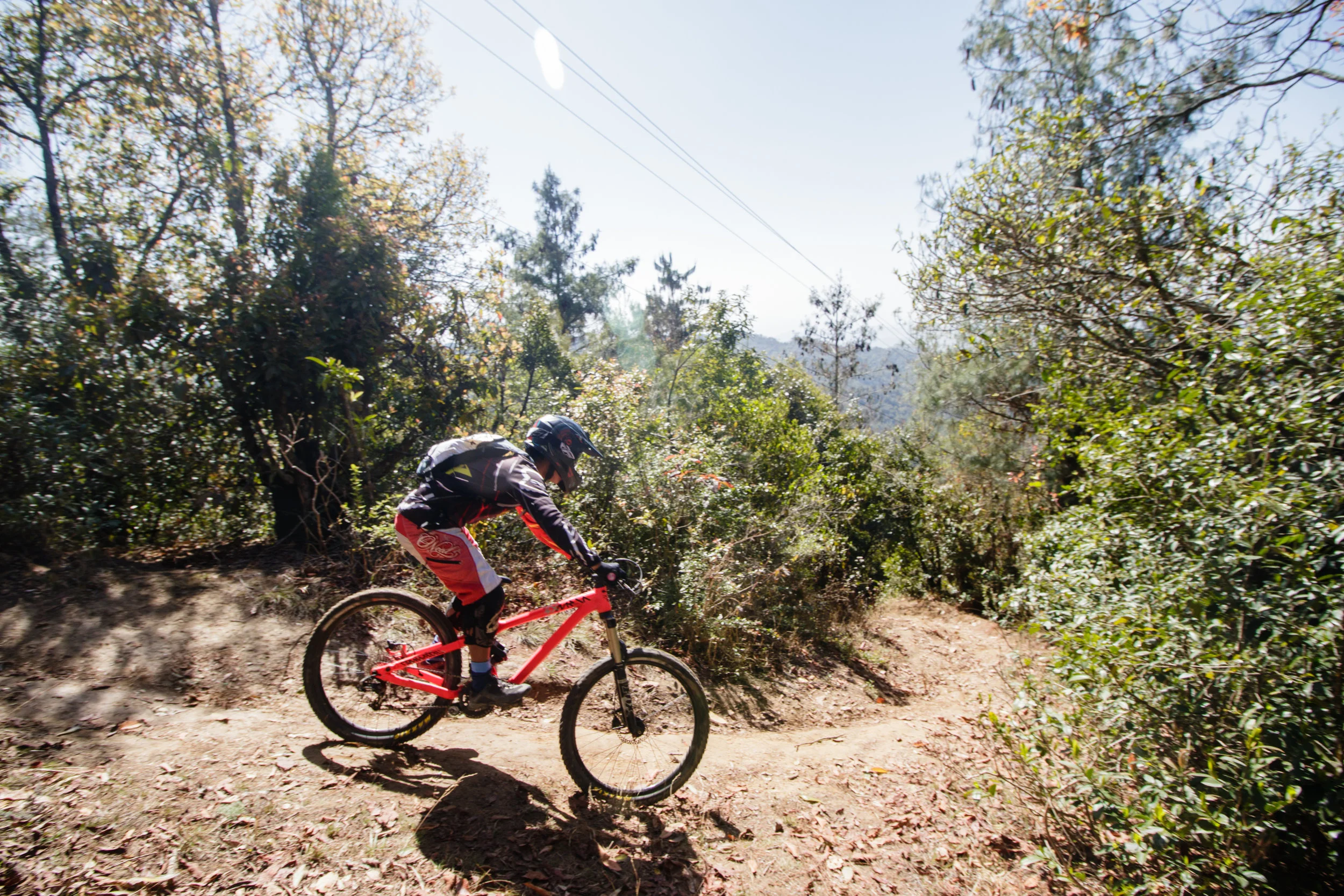
It’s really embarrassing to admit how long I have been riding my mountain bike, but when it comes to the technical trails, I’ve been a bit of a wuss. Pitched roads, gravelled paths and even some trails with a small drop, that’s all fine for me. But take me to a trail with a steep drop or even an inch of man-made downhill trail, I’d rather carry my mountain bike and come down than ride those trails. I am sure many mountain bikers would relate to this. So, what exactly is downhill riding? It is all about the flow of your bike and the rhythm of your movements. As riders descend, they go as fast as possible by finding the best lines on the trail and riding smoothly.
“It’s just riding a bike, right?”, you might be thinking. Well, not really. Riding your bike downhill takes a very high degree of mental and physical stamina, whether its competing or just trying to keep up with fellow riders. What riders tend to do is take their bikes on a truck or a jeep to the top of the hill and come down fiercely with their adrenaline levels uplifting so briskly that they don’t care about how dangerous the trails are.
No one knows how and when the trend of downhill mountain biking in Nepal began. A few adrenaline junkies from Nepal used to take their bikes to remote places and ride along the trails. Then slowly, youngsters began realizing the value of riding their bikes and learned about different biking techniques. Gradually, what used to be a small number of people grew to a massive community here in Nepal. Biking enthusiasts started to form groups and go on rides whenever they could find the time. Eventually, mountain biking races were organized in different parts of the country so as to let people know the prospect of the sport. One of the most notable races is the Asian Enduro Series organized by GNARLY. The term “enduro” is an intermix of two areas of biking, one being cross-country and the other being downhill. Set up in the hills of Nagarkot, the Asian Enduro Series is one of the most exciting and challenging races which demands a lot of physical as well as mental energy. The other recognized races are the Yak Attack and Yak Ru both being in the Annapurna region with the trails at unforgiving high altitudes.
One of the top mountain biking companies in Kathmandu, Gravity Nepal are doing their best to nurture and give the best services to the biking industry and develop it as a sport. Shyam Limbu, who is the MD of Gravity Nepal, has been in the mountain biking industry for a decade. He said “Being an outdoor enthusiast, I have always wanted to contribute to the mountain biking industry. We are simply helping the present as well as the next generation learn the art of mountain biking with safety and comfort in mind.” Gravity Nepal organizes short as well as long mountain biking trips all across Nepal. They go for rides every weekend to trails around the valley like Nagarkot, Phulchowki, Shivapuri and Kakani. For long trips, they take interested ones for heli-biking to the splendid landscape of the Himalayas in the Annapurna region.
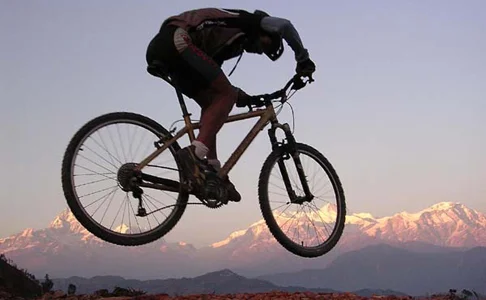
Being a country blessed with rugged terrains, Nepal is a hub for adventure aficionados of all types with the biking industry being one of the most sought-after. There are countless trails here, and most of them are ancient. If you’re looking for trails within the Kathmandu valley, the most popular ones are the gnarly trails of Nagarkot, exhilarating drops of the Helipad trail in Shivapuri, and the tough yet scenic views of Phulchowki. Most riders take a jeep or bus with their bikes to the top of the hill and ride down with all their strength, agility and expertise.
“Looking for an adventure?” If you look inside the brochures with a caption like this one, you’ll be seeing, first, the adventurous trails within the Annapurna circuit, offering pristine views of arguably the most beautiful mountains and diverse culture. Secondly, the Mustang area, with truly spectacular landscapes which provide truly mystical vibes. Lower Mustang is convenient to get to and the Lubra valley is one of the most beautiful trails in the area. On the other hand, Upper Mustang is very remote and not so accessible but it is well worth the risk as you can ride along the ancient city of Lo Manthang. The trails are unforgettable in these areas; no one knows how many trails are waiting to be discovered, as the whole country is diverse with walking trails, beaten smooth by isolated tribes walking across the valley.
To ride downhill gnarly trails you will need proper gears. Helmets are certainly mandatory for all riders. A basic bike is a good option as a start which you’ll eventually want to upgrade for improved performance, proper suspension and positioning. Body gear is highly recommended if you want to challenge yourself on trails with huge drops and narrow trails. Buying a bike without knowing the perfect fit to your needs can be really stressful. So, renting a bike may be a good idea because the rental shops surely offer you a wide number of bikes appropriate for you and your riding preference. Contact Gravity Nepal for the bike-rental service if you’re in Kathmandu. As for other gears, wear protective eye-wear to avoid dust and harmful rays. Padded shorts with a breathable outfit will be most helpful. You get to buy those small yet handy daypacks useful for keeping your bottle of water, protein bars and other things. Additionally, a good pair of shoes with a nice grip is also recommended for maintaining proper balance.
For your safety, shin guards, elbow pads and guards, plus full-face helmets are necessary. You need to do a proper stretch before and after every ride to stay in good shape. Correct stretch postures allow you to achieve greater aerodynamic position on the bike. As cyclists suffer from shortened muscles, stretching is one of the many important exercises. Don’t push yourself too hard and go slow. Fill yourself up with proteins and carbs to help being energized at all times. Nourish yourself with foods like oats, porridge, rice and rye bread for carbs and some beans, soy, eggs and meat for protein. Keep hydrating your body as you’re bound to lose a lot of sweat while riding. Be sure to keep your bike well-tuned and serviced to get rid of any difficulties. Cleaning and lubricating your chain on a regular basis and wiping any stains or mud off of your bike and derailleur wheels is good practise. If you’re planning to take a mountain biking trip, always pack light and never underestimate the terrain.
So grab yourself a bike and hop on gravity’s back for a thrilling downhill ride. Go on rides despite the reluctance to get out of bed. It’s really fun when you are in the outdoors. You feel so much freedom and relief from stress when you ride your bike. Enjoy the sport and never let the adventurous spirit die!
The Chariot Festival of Seto Matsyendranath
When one thinks of a chariot festival in sure you're thinking of the, Indra Jatra, Bisket Jatra or Rato Matysendranth. These festivals are the biggest in each Kingdom of the then Nepal Valley, but one chariot festival when is as historic as the three is not so known of : The Chariot Festival of Aryavalokiteswara Jana Baha Dyo.
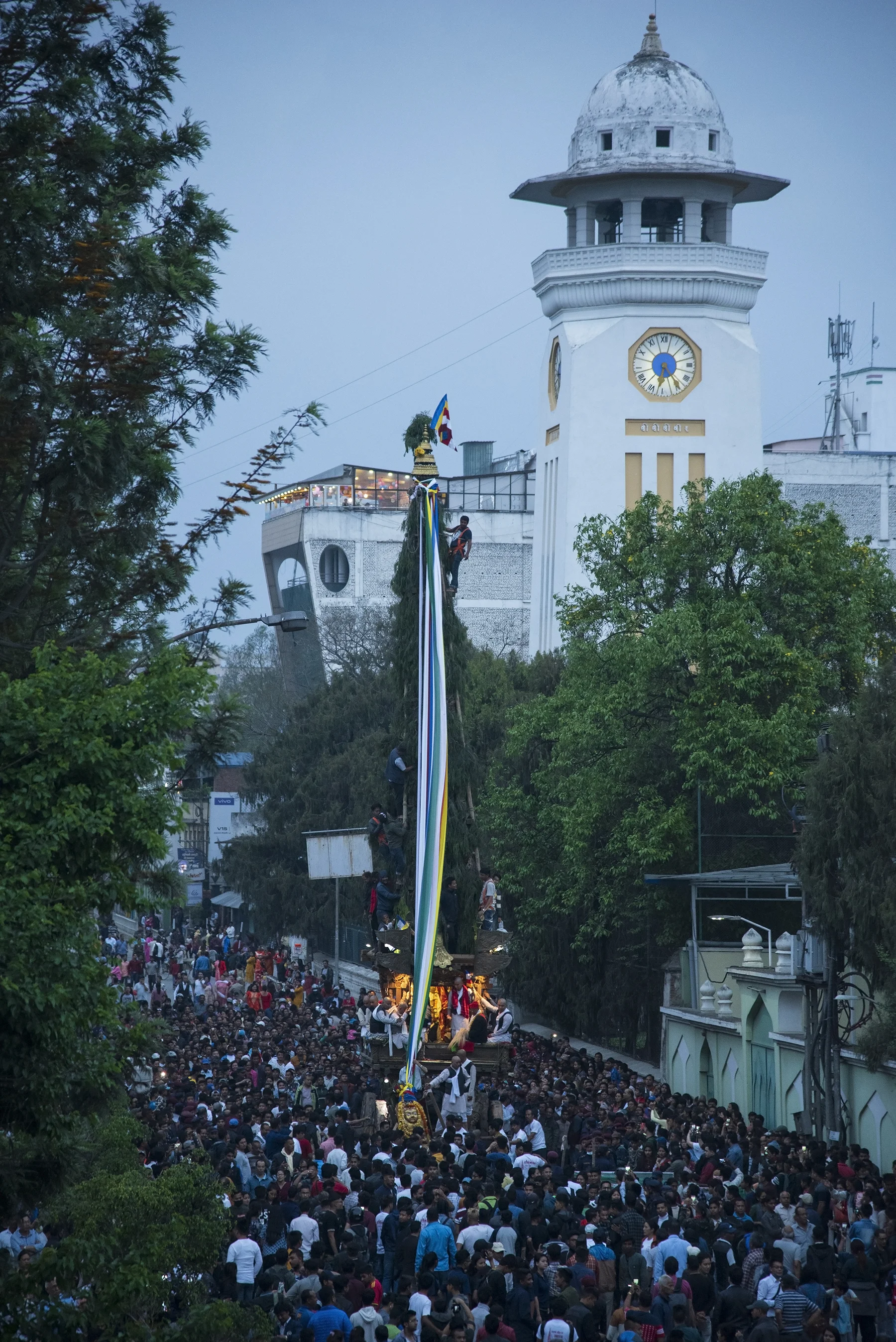
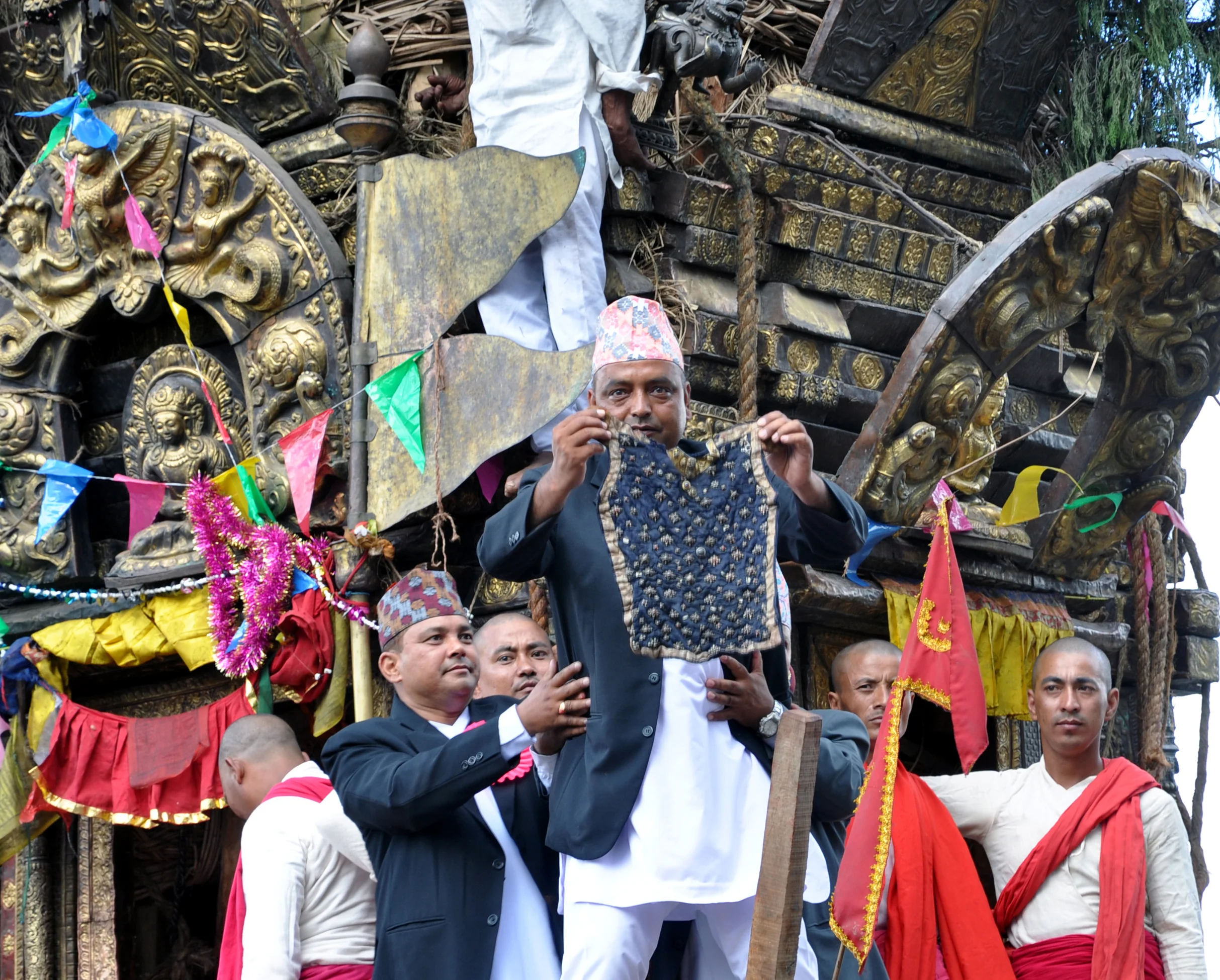
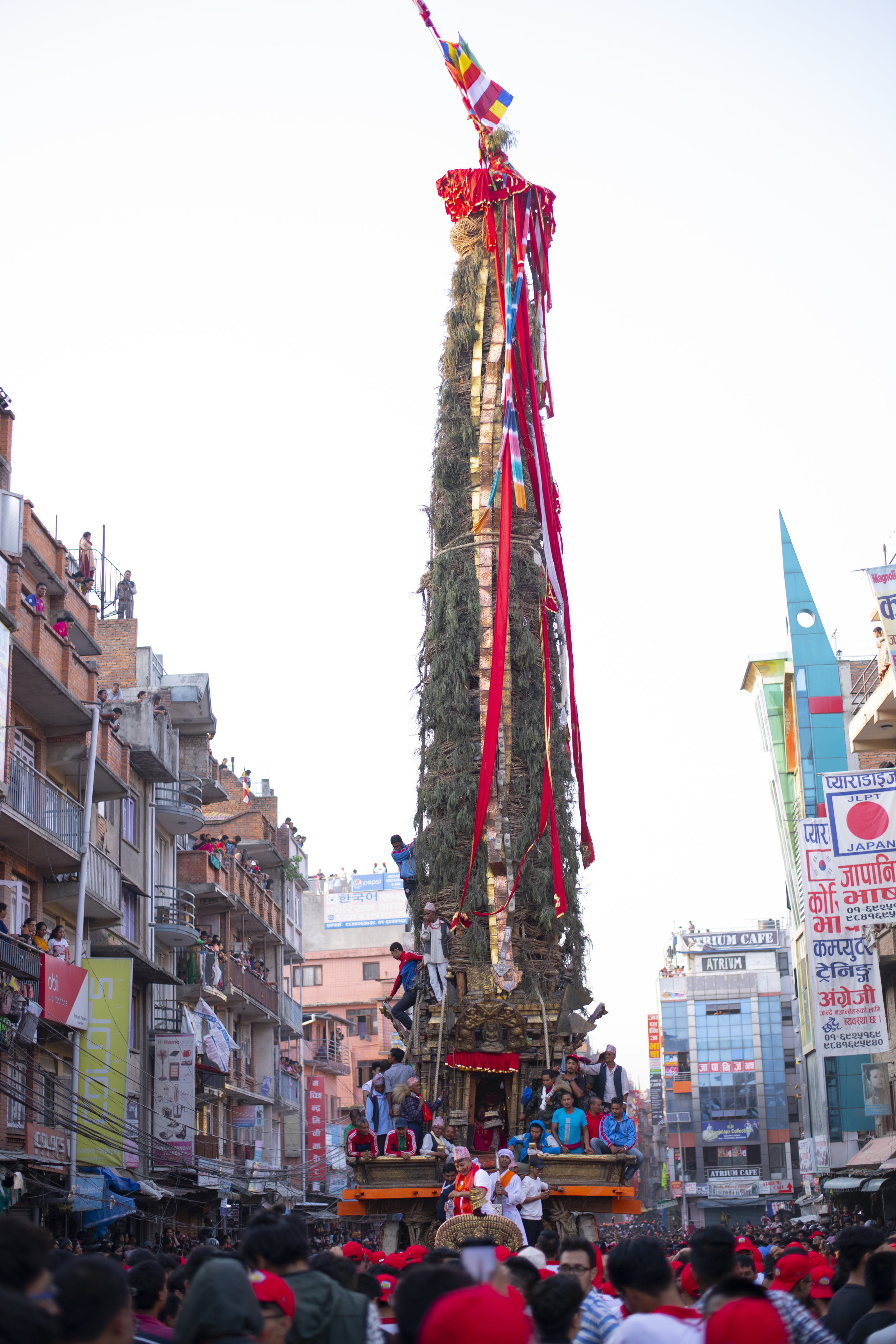
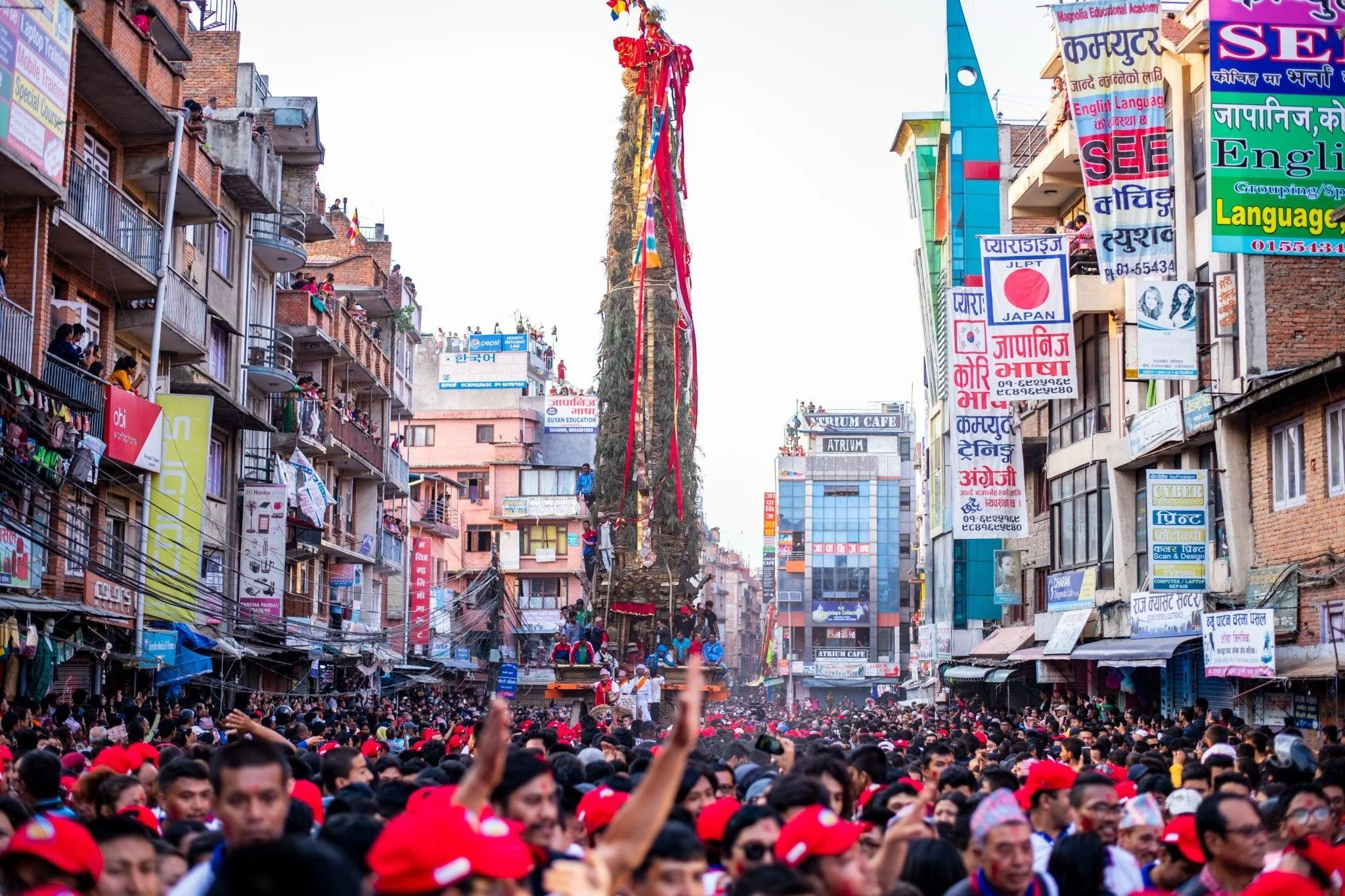
When one thinks of a chariot festival in sure you're thinking of the, Indra Jatra, Biska Jatra or Rato Matysendranth. These festivals are the biggest in each Kingdom of the then Nepal Valley, but one chariot festival when is as historic as the three is not so known of : The Chariot Festival of Aryavalokiteswara Jana Baha Dyo. When the city of Kantipur(Kathmandu) was founded by King Gunakamadeva he arranged two chariot festivals to be held in his new city. "He arranged the procession of Indra Jatra accompanied by the Kumari Group. He also wished to establish the procession of Lokesvara just as in Patana, and therefore made an image of Khasarpalokesvara, performed the rityakl starting with invocation, arranged a procession, and caused it to be celebrated every year." Bajracharya, Micheals (2016: 59) Origin The original site of the monastery Khasarapalokesvara is believed to have been Hamhal Monastery which today is the pond of Rani Pokhari. The chariot festival was which was celebrated every year, is said to have stopped during the end of the Lichhavi Era, it is believed that the temple was destroyed during the raid of Mukunda-sena, the King of Palpa who raided Kathmandu. "The victorious soldiers broke and disfigured the images of the gods, sent the Bhairava placed in front of Machchindranatha to their own country, Palpa and Butawal." Wright (1877:171) Rediscovery After which the temple was lost to time, the chariot festival must have been stopped. During the reign of Yaksha Malla some potters, while digging for clay, found an image of Lokeswara, which had been made by Gunakamadeva Raja, but which had been buried under the ruins of the temple that fell down in the time of the Thakuri Rajas. The image henseforth was named Yamaleswara, and the place where it was dug up was called Yamal (Today called Jamal)." Wright (1877:189) "The king, having seen the image, performed the rituals of renovation; took the image inside the city and established it by building a large temple." Bajracharya, Micheals (2016: 90) After which during the period of King Pratap Malla, he reintroduced the chariot festival of Sena Machchhindra. "Pratapa Malla, then rebuilt the chariot of Lokesvara, the white Matsyendra, according to tradition. He had Lokesvara placed on the chariot and initiated an annual procession that moved the chariot around the city." Bajracharya, Micheals (2016: 106) It is believed that the deity was later shifted from Hambal Monastery, Yamala (Jamal) to Ket Tol (Jana Bahal), during the process of building the Rani Pokhari by King Pratapa Malla in 1670 AD. The Procession The chariot procession is marked for Chaituya Dashain, for which the chariot is building process is commenced a week prior. A group of traditional builders with the help of volunteers build the 4 storied chariot shaped in Shikhara architecture. The chariot is to various parts of the inner city( Old city) of Kathmandu. It is said that the procession must be completed before the full moon, for which the chariot is pulled within 3 days and on the third day a special puja is conducted and the image Jana Baha Dyo is taken back to the temple at Jana Bahal. The chariot is makes it’s way from Durbar Marg to Bhotahity and rests in Asan on the first day. After which it is pulled to Ket Tol, Indra Chowk, and rests in Hanuman Dhoka. On the final day it makes its way through Basantapur Durbar Square, Jasidega and circles the mother tree three times in Lagan. The festival since time and milennia has been a way for the community to come together in merry celebration. Revellers rejoice in pulling the chariot and members of the community place offerings and prayers to Seto Matysendranath as it makes its way to their community. A tradition more than 300 years old still finds a heart in the modern city of Kathmandu, and seeing the next generation take interest in preserving their tradition by participating in the endeavours makes one quaint that it shall be around for more years to come.
Most underrated travel destinations in Nepal Part 2 Aasma Aryal
Nepal is a country known worldwide for its picturesque mountains, diverse wildlife and abundant natural treasures. There is so much to explore and visit in Nepal but because advertisements have not reached to us, we are unknown about it.
The Phulchowki Hill Station
Phulchowki is located to the south of the capital and is considered to be the highest hill station. Phulchowki is not only of the best places to visit in Nepal but it is also easily accessible viewpoints. This station can be best for bird-watching. Many hikers are involved in climbing the Phulchowki hill and it is considered one of the naturally rich hikes around the Kathmandu Valley. You can also pass by Nepal’s National Botanical Garden at Godavari along the way to the hill station.
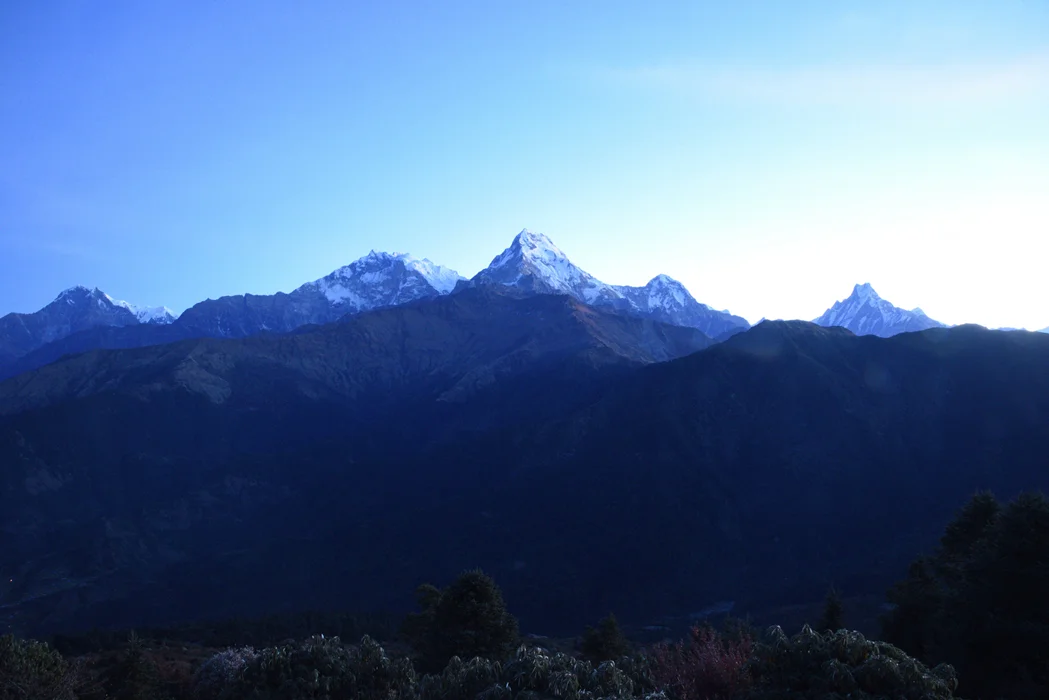
You get breathtaking scenic views of the Kathmandu Valley. You can view the Annapurna range and Mount Gaurishankar to the east from the station as well. It is a trip to remember and you can reach there only within a few hours from the city.
Dhulikhel
Dhulikhel is located in Kavrepalanchowk district of Nepal and it is 30km away from Kathmandu valley. It serves to be home to people of various ethnic groups like Newars, Chettri, Tamang, and Dalit.
Dhulikhel has attractions that are rich in culture, has many historical elements and has magnificent views of the Himalayas. It is an important tourist destination and hiking is also quite popular. You can catch a glimpse of mountains like Mount Annapurna, Mt. Langtang, Ganesh Himal, Mt. Lhotse, Mt. Gaurishanker etc.
Dhulikhel is home to 72 species of birds and provides an opportunity to catch sight of our favorite bird.
The Dhorpatan Hunting Reserve
Dhorpatan Hunting Reserve is the only hunting reserve in Nepal. If you are up for a hunting game, this reserve is the place for you. This can be the best place to find the Blue Sheep. It consists of a landscape with grassy forests and the higher-elevations of the reserve can be covered in snow all year round.
Rara Lake
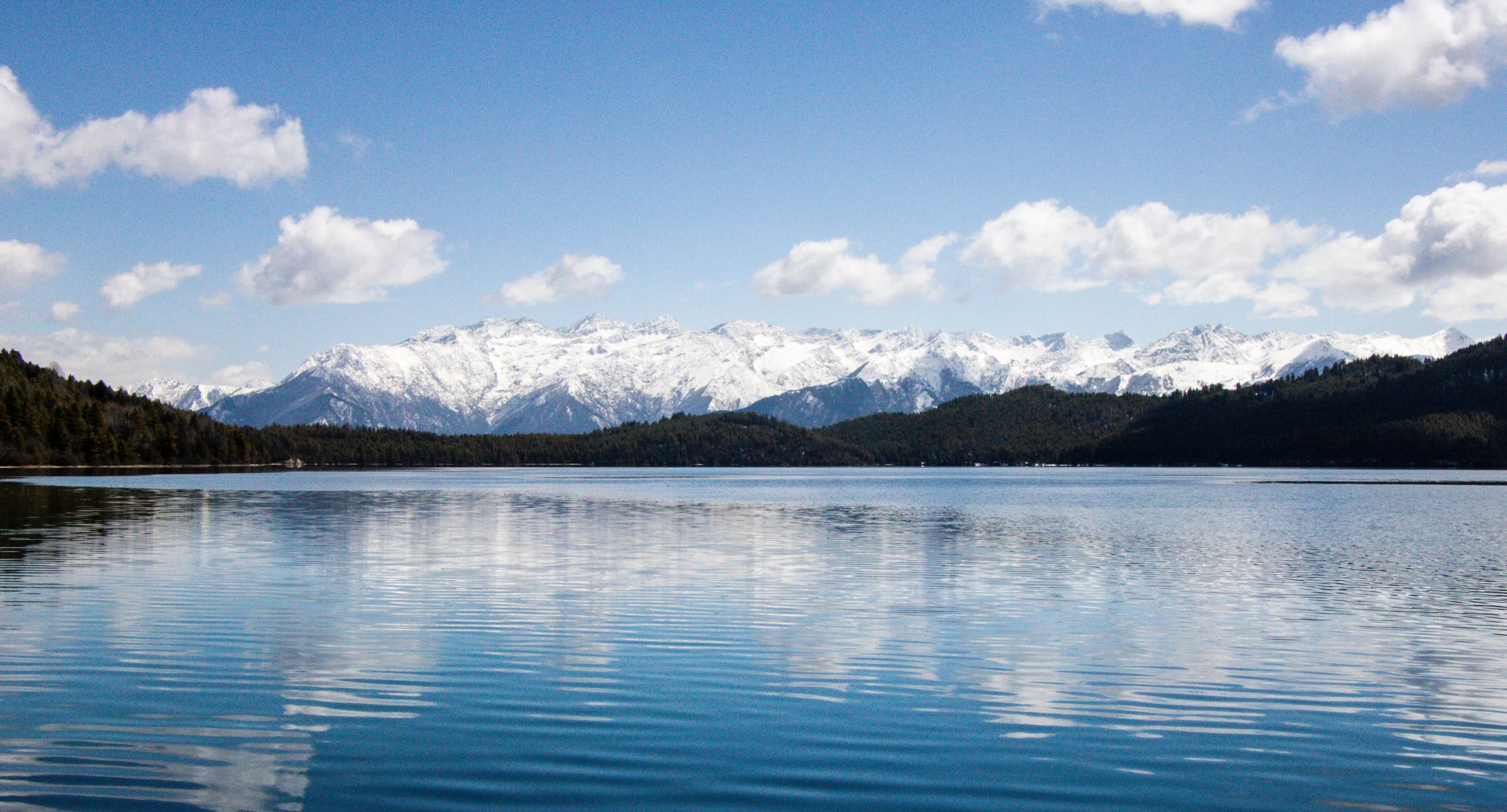
This is the biggest lake situated within the borders of Nepal, which lies at an altitude of 2,990 m above sea level and covers an area of 10.8 square kilometers is. Rara National Park surrounds the lake on all sides. This park was established in order preserve the beauty of the lake. The park is also used for the protection of unique flora along with the rare and vulnerable species found around the lake. The trek to Rara has been a popular destination for many trekkers. Rara Lake which was aesthetically described by GORP founder Bill Greer as, ‘’a shimmering blue jewel set in a ring of snowy peaks.’’
Janakpur, The Birth place of Sita
Janakpur is the most popular destinations of Nepal if you want to visit a religious place with great cultural importance. As Janakpur is the birthplace of Lady Sita, it is an important pilgrimage site for Hindus all over the world. Janakpur is also famous for architecturally magnificent ‘Janaki Mandir.’
Panch Pokhari
Panch Pokhari is Nepali for ‘five lakes.’ It lies at the base of Jungal Himal and is considered to have a lot of religious significance. If you want to reach Panch Pokhari, you can to trek for about 12 days. The trek to these five holy lakes is through the pathway of the untouched traditional villages with the presence of spectacular Himalayan landscapes. The trek can offer perfect mountain views with authentic adventure along the way. The lakes are said to be sacred to both Buddhist and Hindu people.
The Gorakhnath Cave in Gorkha
The Gorakhnath Cave is said to be the home of the Gorakhnath Baba. This baba is a sage and who according to legends made a prediction of King Prithvi Narayan Shah unifying Nepal. There is also a belief that Gorkha got its name from this particular holy sage. This site is an important site for the Hindus all around the world. The followers of Hindu religion from different parts of Nepal and from different parts of the world come to visit Gorakhnath. The exact location of thia cave is situated ten meters below the southern side of the Royal Palace of Gorkha.
Back to Part-One
SIMILAR POSTS



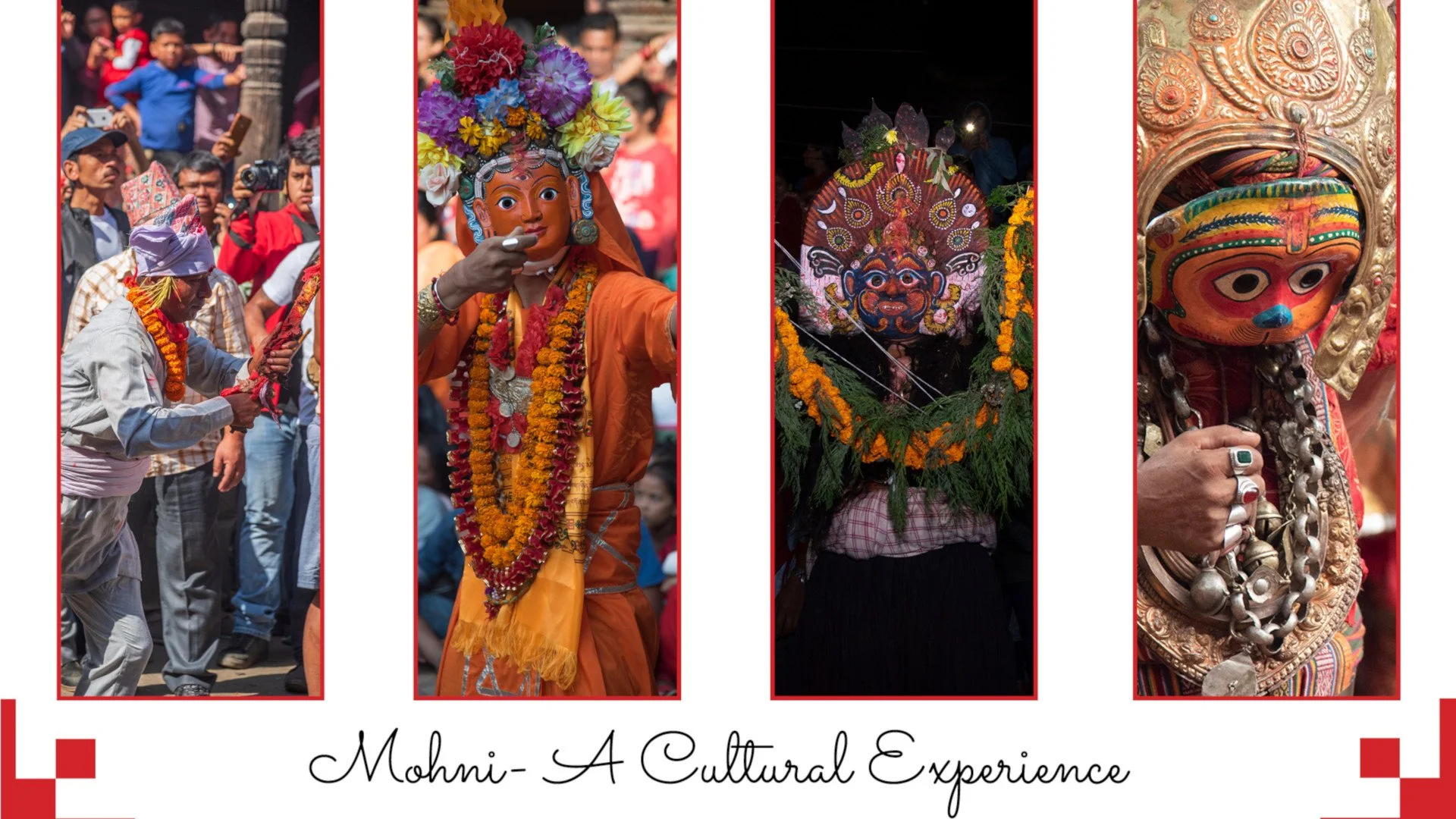
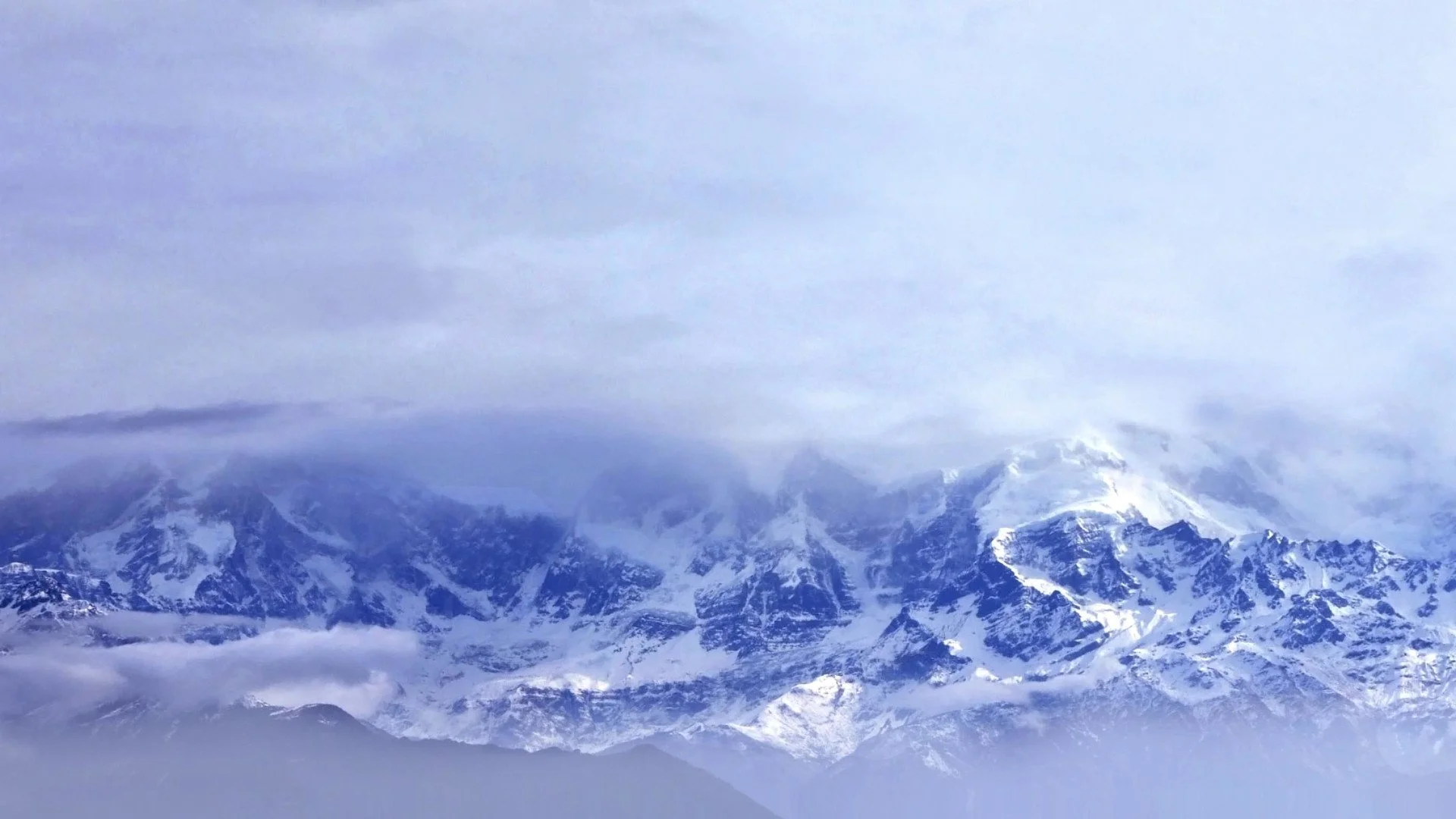
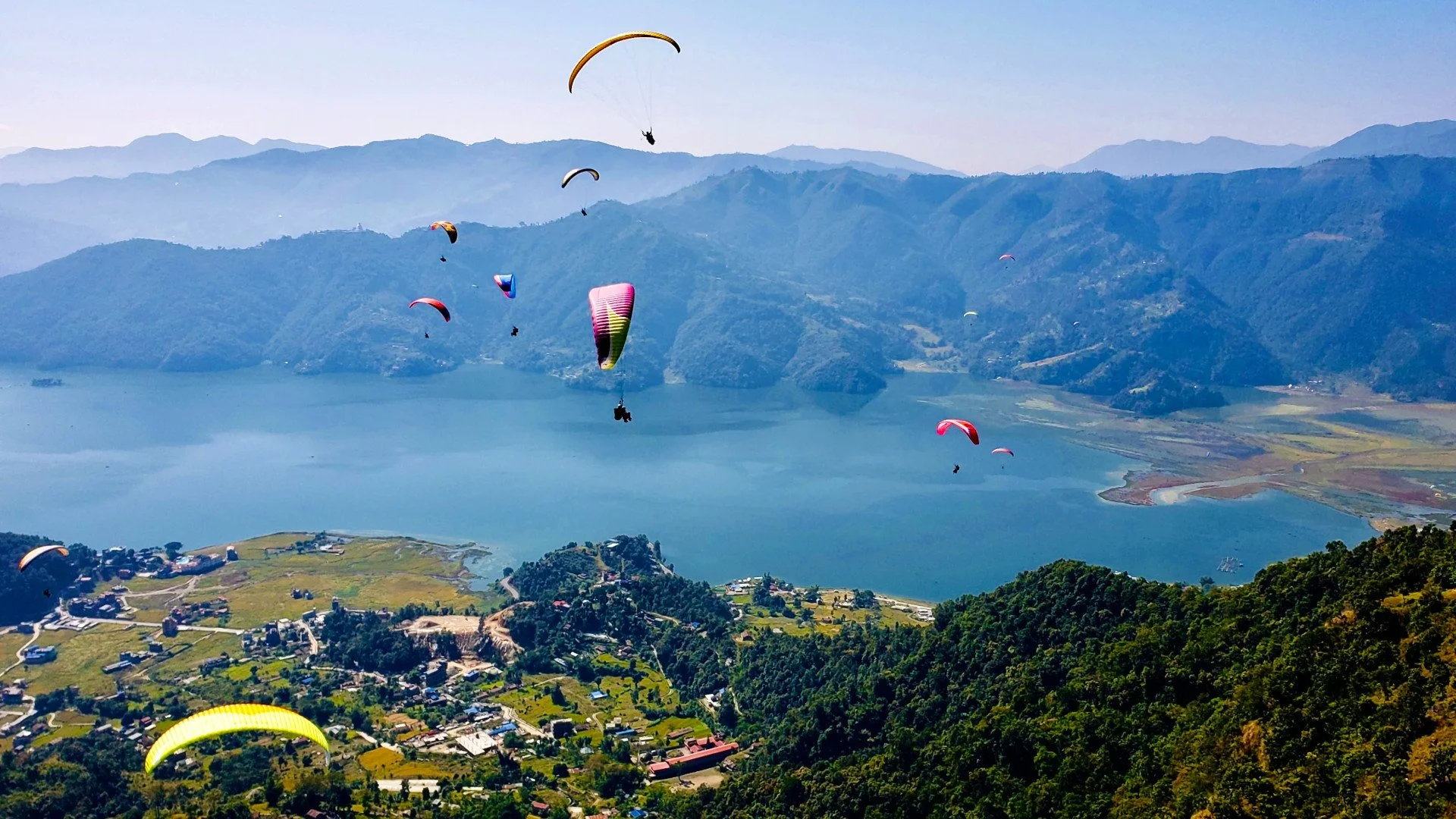
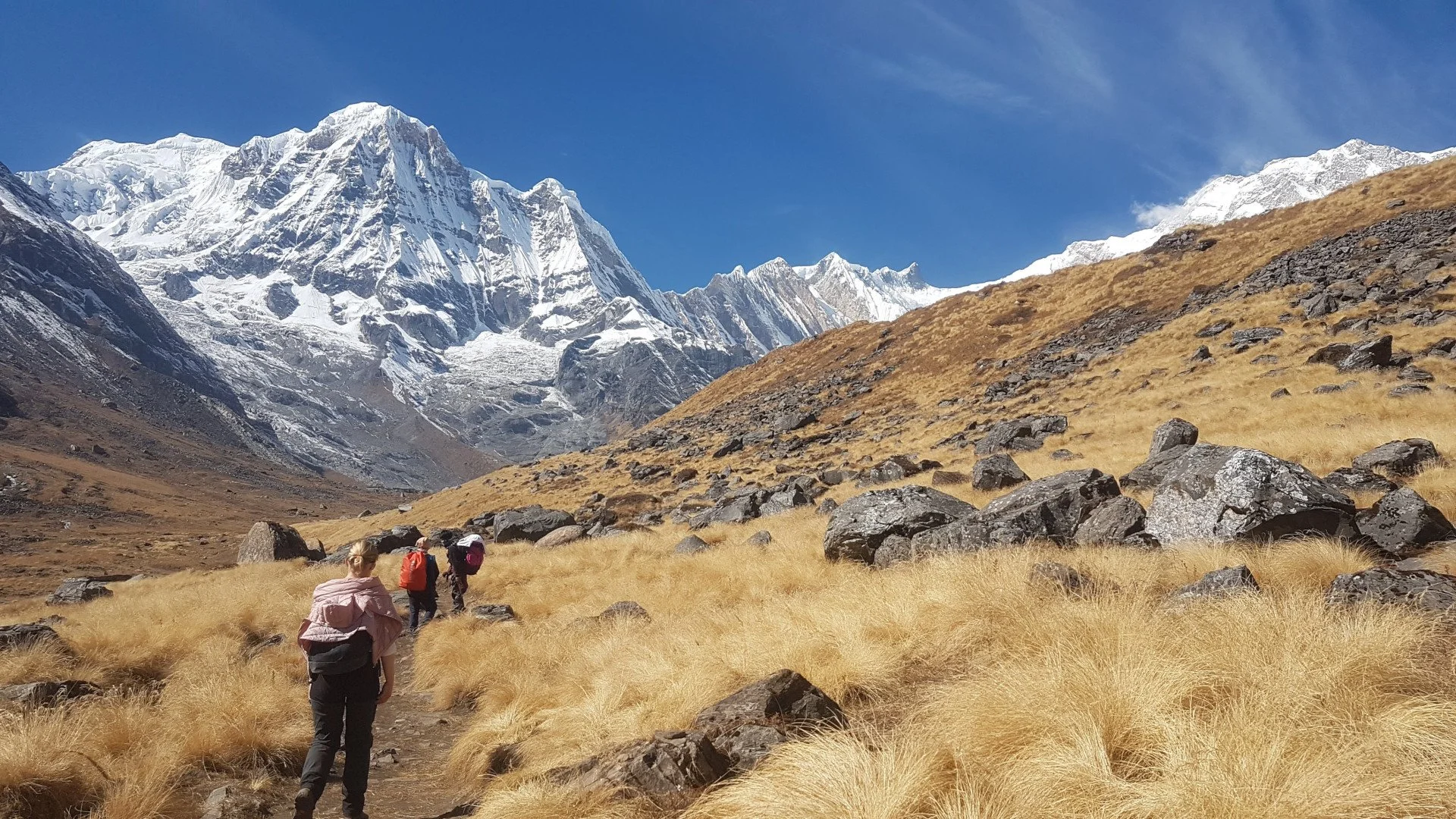

Most underrated travel destinations in Nepal Part I Aasma Aryal
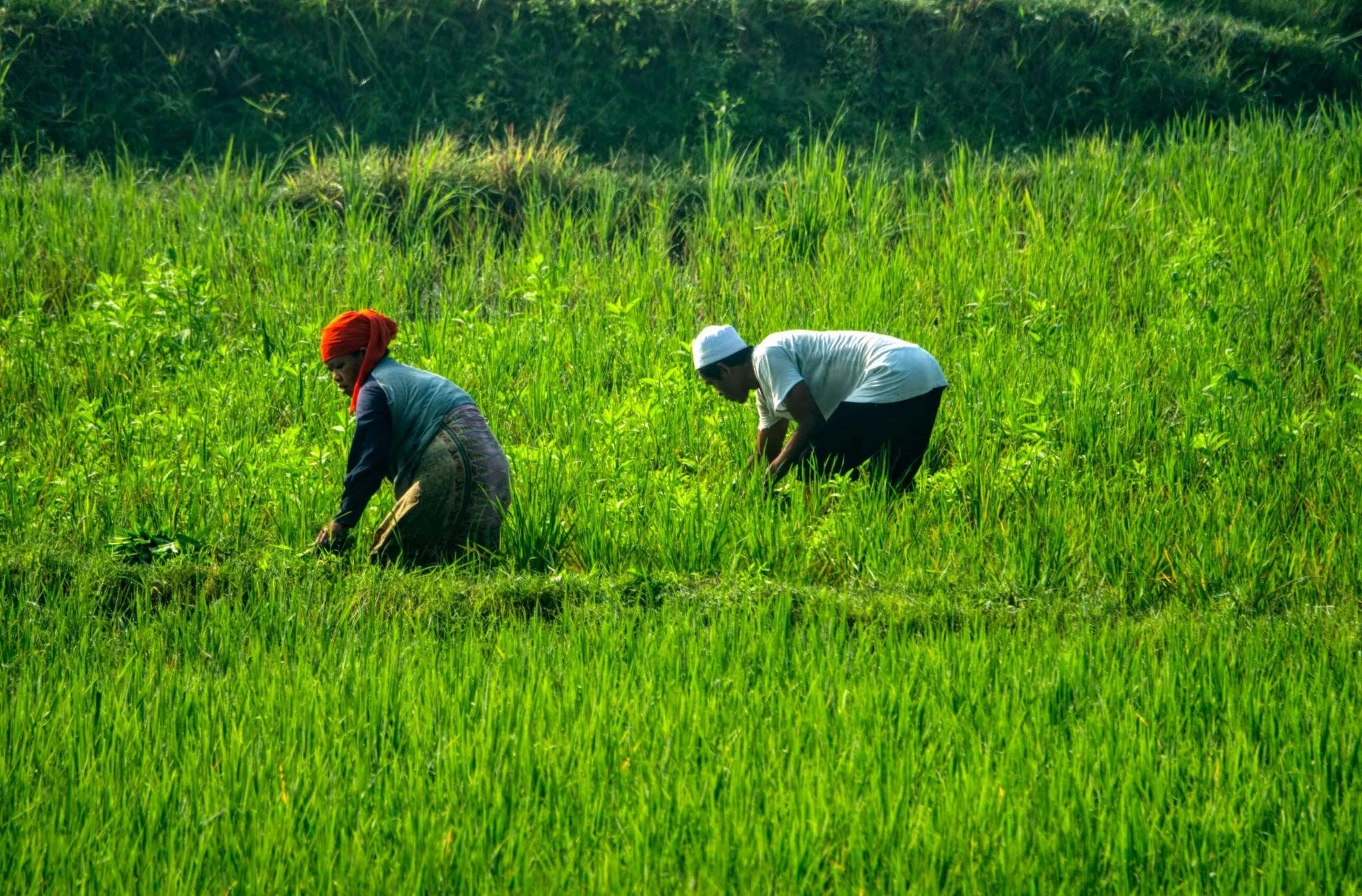
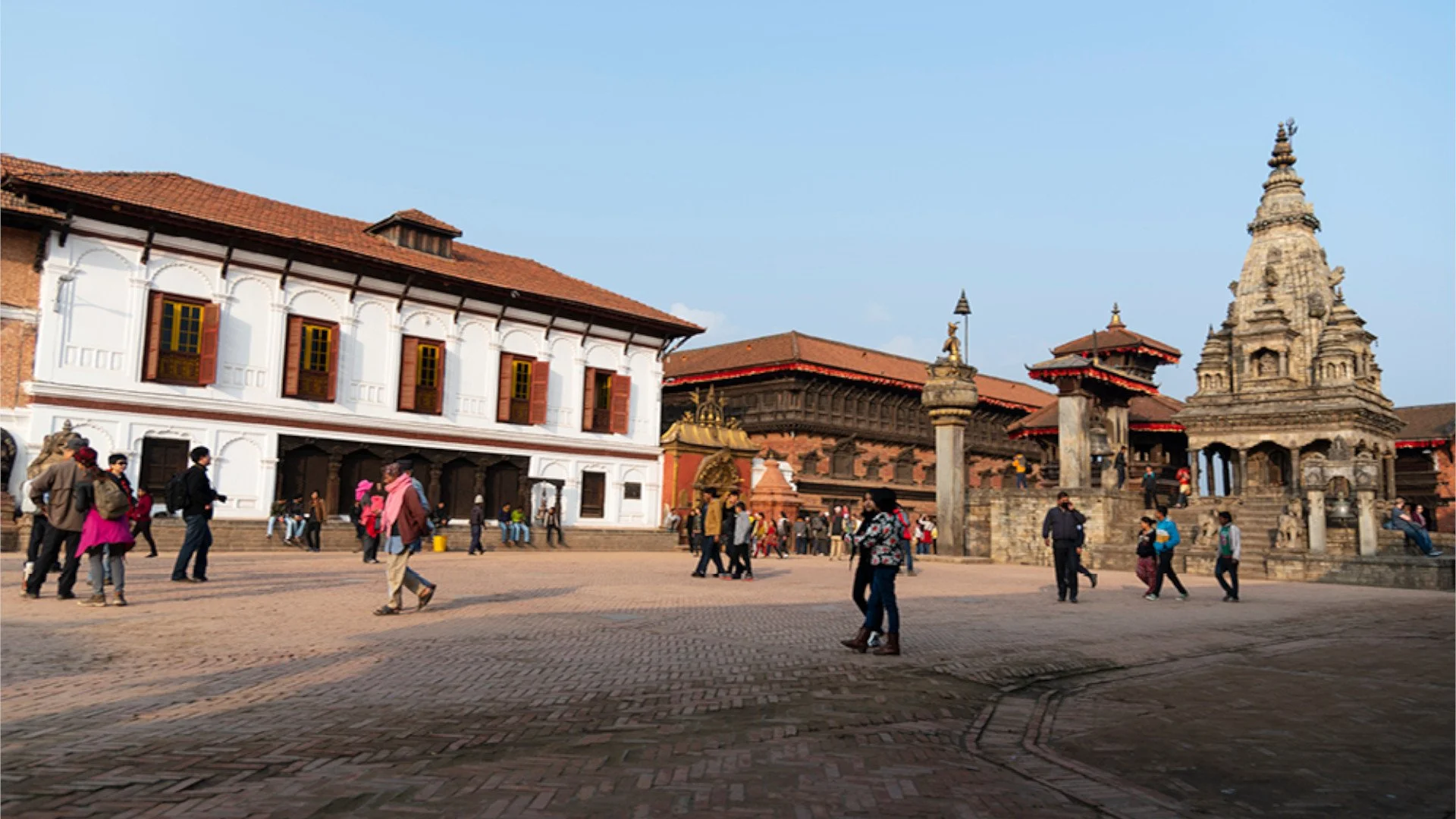
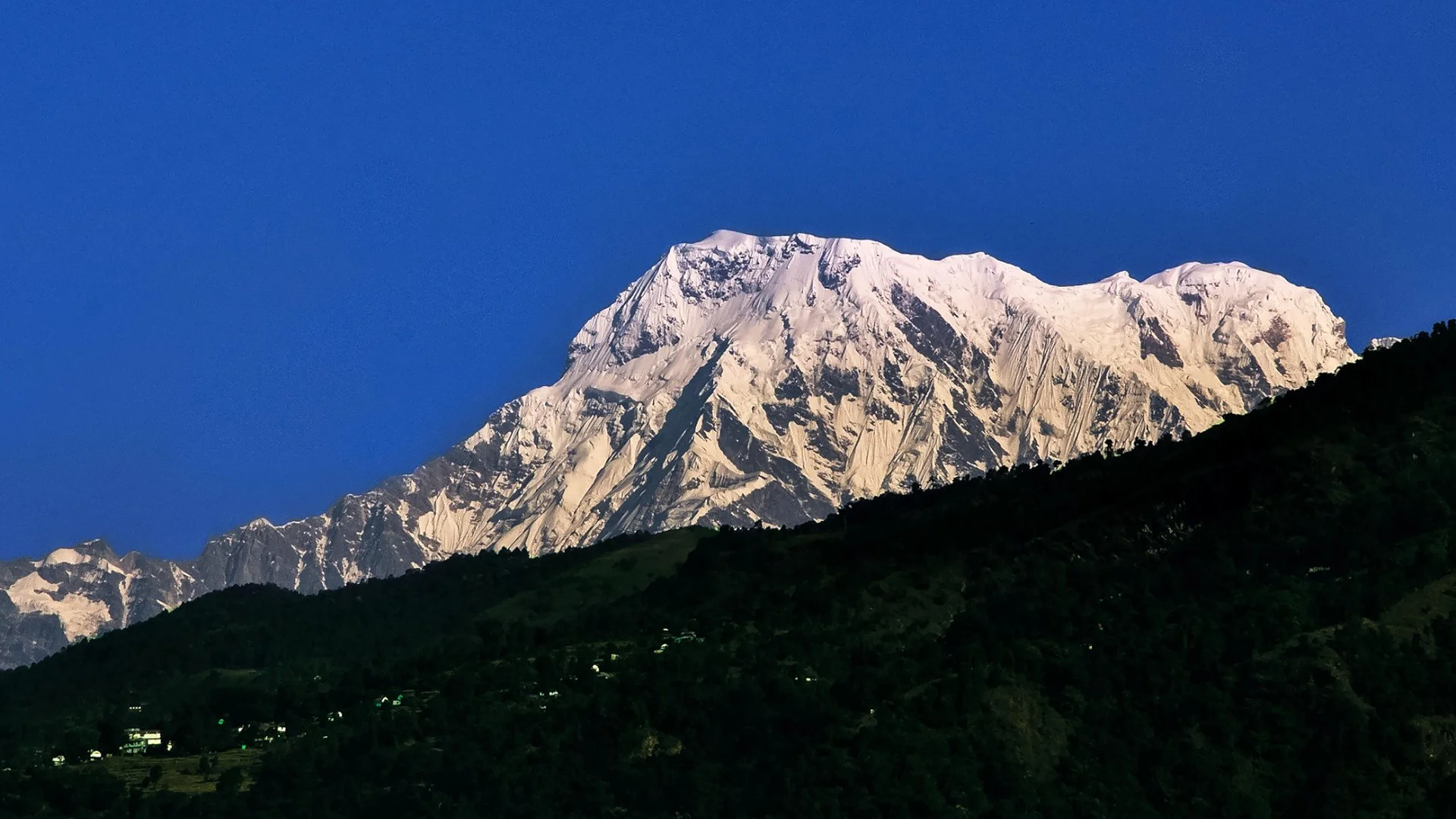
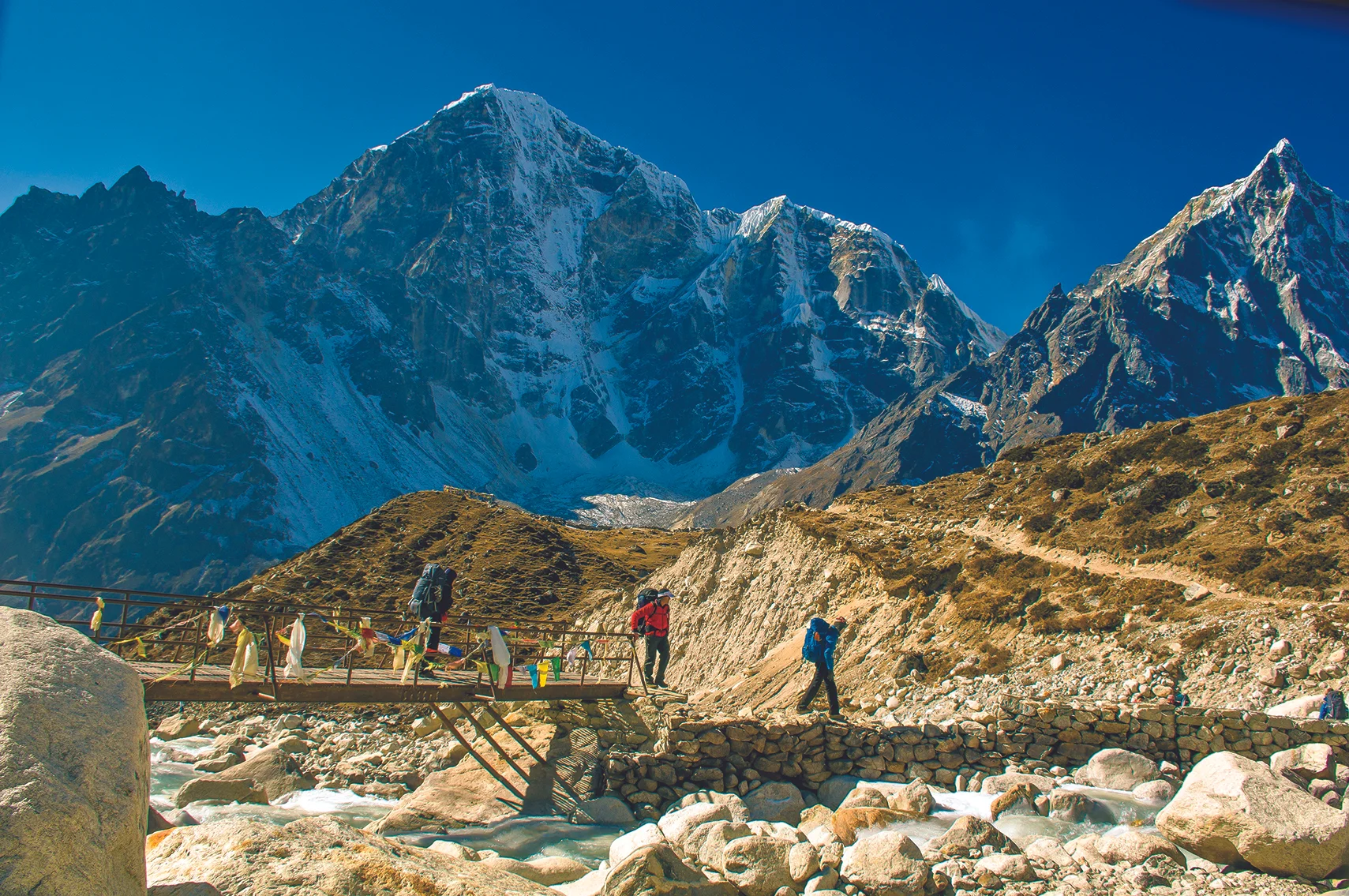
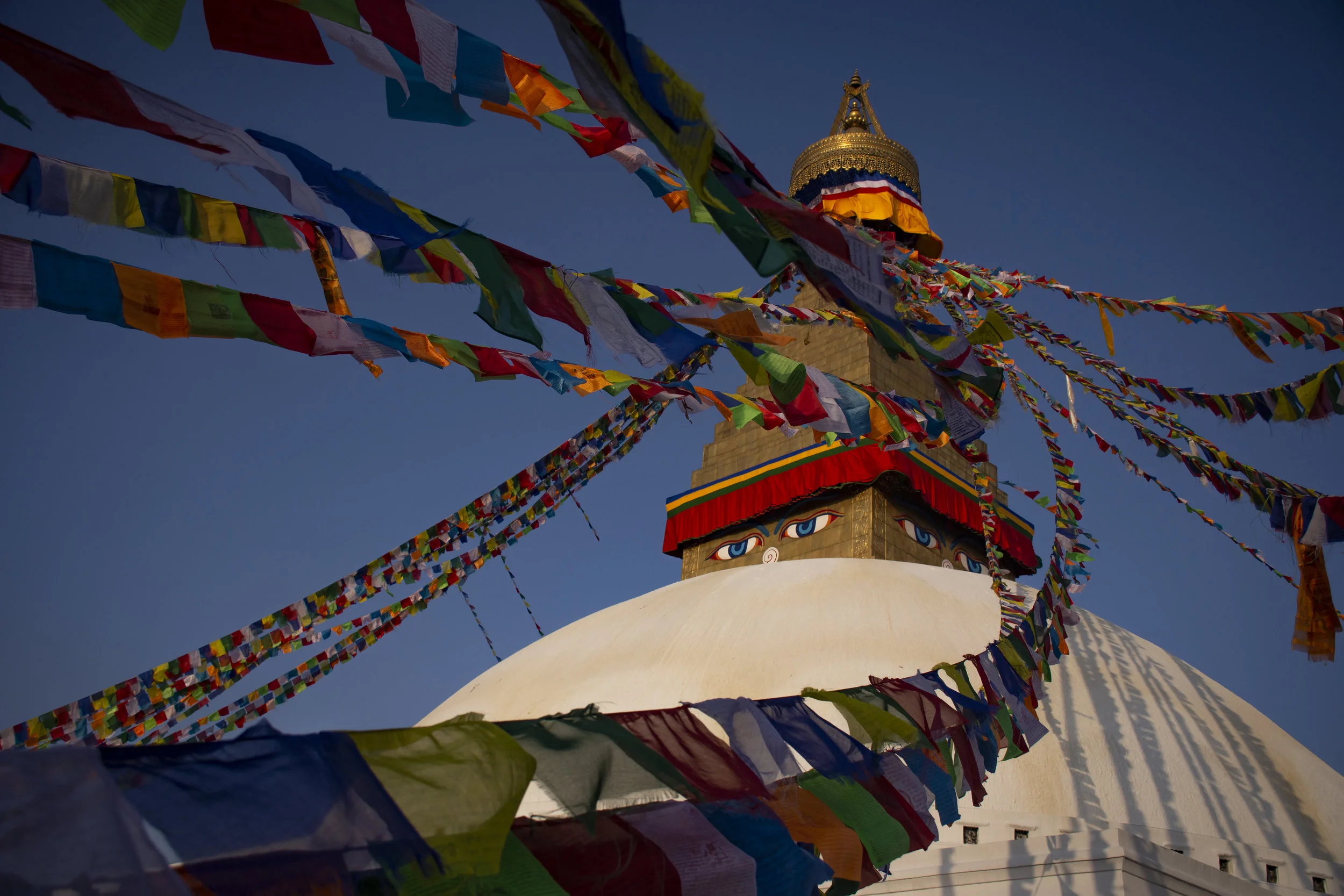
Nepal is a country known worldwide for its picturesque mountains, diverse wildlife and abundant natural treasures. There is so much to explore in Nepal but due to the lack of proper management and and coverage, we are unknown to them.
Nepal is a country known worldwide for its picturesque mountains, diverse wildlife and abundant natural treasures. There is so much to explore in Nepal but due to the lack of proper management and and coverage, we are unknown to them.
Along with natural beauty, the warm and friendly hospitality of the Nepalese people is what makes our country unique. The ancient cultures and heritage is passed down from one generation to another. When you are asked about Nepal, the first thing that comes in mind is undeniably the mountains. Our country is a synonym to huge mountains. Approximately, 100 different castes and societies of people live peacefully among each other. The concept of “Unity in diversity” exists in our country and they live within the boundaries of this small piece of heaven maintaining tolerance.
These following destinations are very unique and breathtaking and they can hold special place in our hearts. You should take a chance at the road less travelled and experience the true beauty of Nepal.
The Barun Valley in the Makalu Barun National Park
The Barun Valley is a Himalayan valley located at the base of the Makalu Himal. It is a hidden treasure for our country that has its resemblance to a beautiful paradise. It is quite serene in nature and is an Amazon-like hidden destination.
The glacial activity that helped create naturally lush green carpet that surrounds the valley is a gift from Barun Valley. This valley also provides a route-way to the Makalu Base Camp. It is a safe haven for diversified plants and animals along with many endangered species.
Khopra Danda
If you are ever looking for alternative trek destination other than Poon Hill trek, Khopra Ridge Trek is the choice for you. You will find the pathway similar to Poon Hill and it dips deep into the valley before you start ascending to the Khopra Danda. You can camp out on the open ridge and at the top of the ridge you can find a single tea house that serves good tea to the tourists. On the background of this glorious Danda you can see the magnificent Dhaulagiri, Annapurna1, Annapurna South, Nilgiri mountains. And as a special bonus you can also visit the blessed Khayer Lake on the way back.
You can feel the magic from the top of this hill with colorful sunrise and sunsets that has resemblance like paintings. One really needs to visit this Danda to experience the magic.
The Rupa Taal in Pokhara
This lake is the third biggest lake in the Pokhara Valley and it definitely counts as a hidden and underrated destination as the Phewa Lake outshines all other lakes of Pokhara. The soothing atmosphere created from the freshwater lake is an excellent gateway on a boat ride. This lake can be a blessing to anyone who wants to be amongst nature and enjoy being surrounded by many forests and hills.
Bungmati
Bungmati is a small village populated by a small group of Newari people. It is located in the Lalitpur district and is about 10km south of Kathmandu. Bungmati is renowned for being the hub of art and architecture in Nepal. It serves to be home to the skilled sculptors, wood carvers along with creative artists. Talking about the history of this village it came into existence as early as of the 7th century. According to famous historians they believe that this village came into existence as a religious center at about 300B.C. The Bungmati locals have not been influenced by the modern lifestyles and habits. Their lifestyle still has its roots in traditions and cultures.
Daman
Daman is located in central Nepal of Makwanpur district. It lies 77km southwest of Kathmandu on the Tribhuvan highway at an elevation of 2322 meters. Daman holds its pride on having one of the best views of the Himalayas. On a good clear day one can easily view Mt. Dhaulagiri in the West to Mt. Everest in the East.
Daman is the place for you if you want to escape the city life and are in need of some kind of solace. As Daman is found to be quite close to the Kathmandu city, the city dwellers visit Daman. Most people escape to Daman for picnics and recreational purpose. During winter, when the first snow falls in Daman, the beauty of the village gets augmented and people flock to see the snowfall against the backdrop of the Himalayas. There is also a religious site- Risheshor Mahadev Temple dedicated to Lord Shiva and one can always visit it during their free time in Daman. Daman is also home to one of the biggest botanical gardens in Nepal. Different varieties of Rhododendron are also found here.
Sarangkot
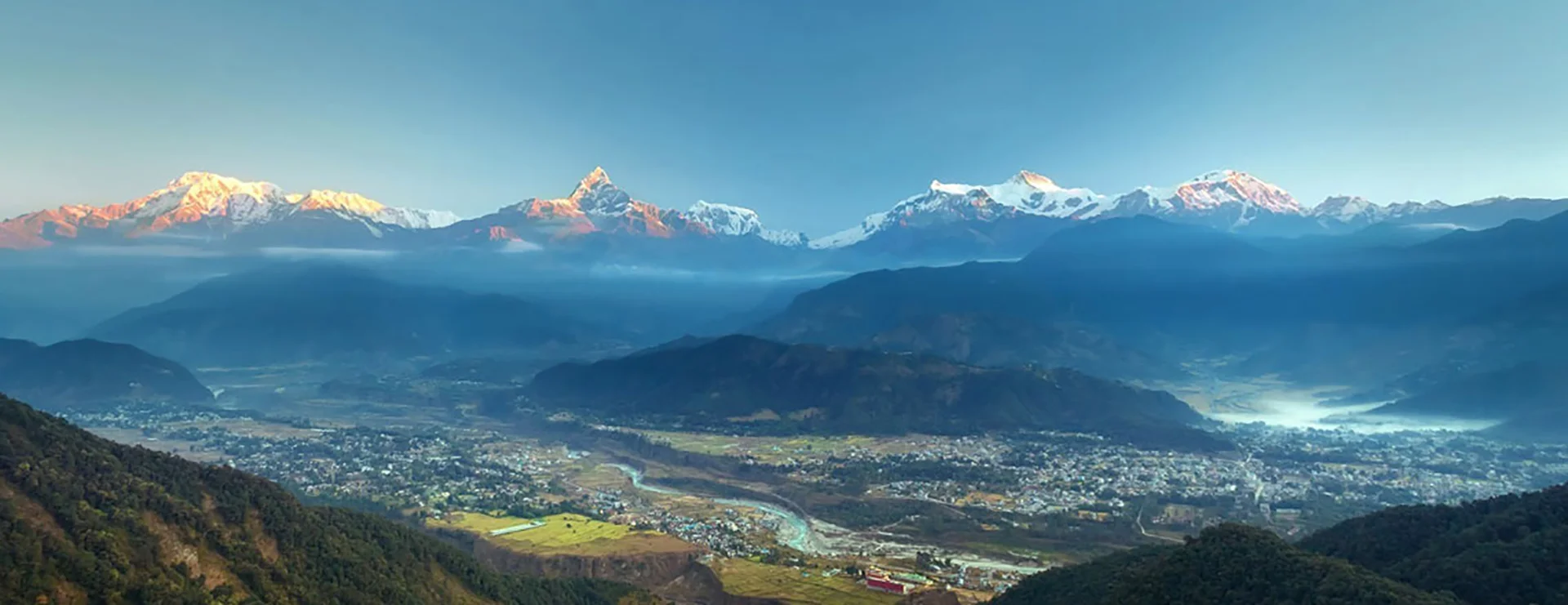
Sarangkot is the most popular place to visit in Pokhara. It is Pokhara’s sunrise viewpoint. This destination is popular among tourists who want to view the Himalayas without having to walk much. We can easily see Annapurna ranges like Dhaulagiri and Manaslu. We can see the valley of Pokhara right below the height of Sarangkot with the reflection of it all in the sparkling water of the Phewa lake. This spot serves to be perfect place for paragliding in recent days. It is a great spot for takeoff and landing. The weather of Sarangkot is almost predictable by nature. For most days we can always get the clear views of the Himalayas.
Continue Part-Two
SIMILAR POSTS
UNESCO World Heritage: Changu Narayan
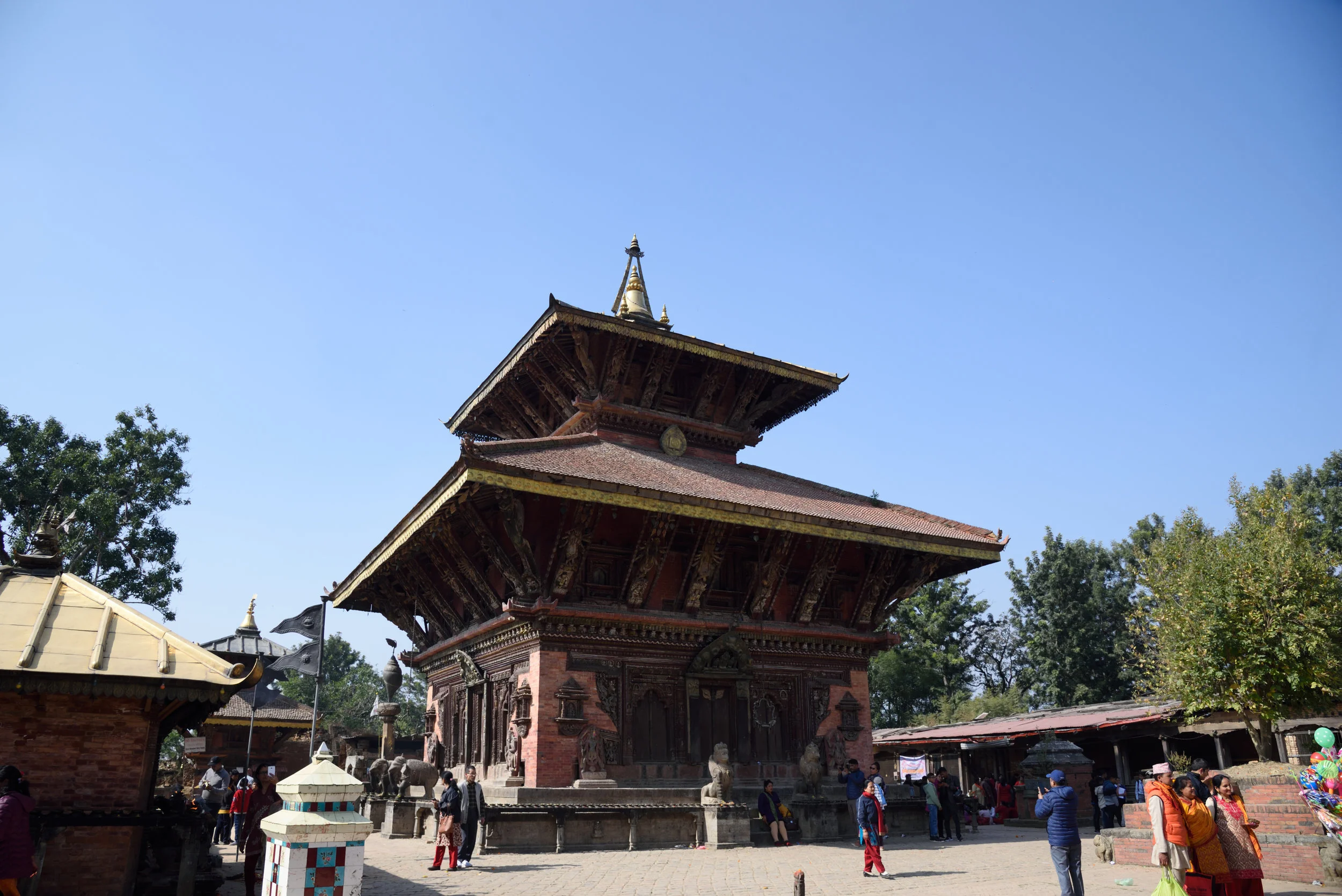
One of the most historic temples, the temple of Changu Narayan dates back almost 3000 years and is said to have been built during the Lichhavi Era around the 4th Century. Perched on a hill top 4 kilometers north of the city of Bhaktapur, in ancient times the temple was surrounded by a lush champak tree forest and a small village known as Changu. The hill is 12 km east of the capital and the Manohara river flows right beside the hill. The principle shrine is believed to have been established in 325 AD, the temple was reconstructed in 1702 Ad after a devastating fire.
One of the most historic temples, the temple of Changu Narayan dates back almost 3000 years and is said to have been built during the Lichhavi Era around the 4th Century. Perched on a hill top 4 kilometers north of the city of Bhaktapur, in ancient times the temple was surrounded by a lush champak tree forest and a small village known as Changu. The hill is 12 km east of the capital and the Manohara river flows right beside the hill. The principle shrine is believed to have been established in 325 AD, the temple was reconstructed in 1702 Ad after a devastating fire.
The temple is dedicated to the Hindu diety Lord Vishnu, apart from the main temple numerous other shrines at the premises dedicated to Gods and Goddesses such as Chinna Masta, Lord Ganesh and Lord Krishna. The premises of Changu Narayan is also home to one of the oldest stone slab which dates to the 5th century and features various inscriptions form the Lichhavi Era.
Among the various foundation lores surrounding the temple it is stated that one of the Kings of Kashmiri Kings gave his daughter, Champak, in marriage to the price of Bhaktapur and the temple is named after her. The chronicle of the history of Nepal documents the origin of the temple, " Takshak Nag, who was also formerly compelled by Manjusri to leave the valley, became angry, when it was again under water, began to bite people without any provocation. This sin produced leprosy in his body, and, to expiate his offence against Manjusri he came to Nepal and began to practice austerities at Gokarn, where the price Gokarn had obtained salvation. Garud, seeing him, came to catch him, but he being more powerful than Garud , on account of the austerities he had practiced, caught hold of Garud and kept his head under water. Guard invoked the aid of his master Vishnu, who came, and was going to strike Takshak with his chakra, but in the mentine Aryavalokiteswara-padma-pani-bodhistwa, seeing that a Nag observing austerities was being killed, came from Sukhavati Bhuvan (heaven) to protect him. Vishnu then took him on his shoulders and the Lokeswara caused friendship to be established between Garud and Takshak and put the latten round Garud's neck. Then Garud lifted Vishnu; and the hon, which had been ridden by the Lokeswara, lifted up Garud, and, flying into the air, alighted on a mountain, which was named Hari Hari Bhana, where the Lokeswara disappeared. This mountain was in consequence named Charu, but since then has been corrupted into Changu. (The hill 5 miles east of Kathmandu lies a composite image, represting Lokeswara upon VIshnu, upon Garud, upon a lion.) "- Wright, 1877, 95
The temple itself is a magnificent piece of Nepali architecture with rich embossed works of wood and bronze. The temple is two-storey roofed temple standing on a high plinth of stone, research conducted by Professor Madan Rimal of the department of Sociology and Anthropology state that the temple is neither a Shikara style nor the Pagoda Style,but is a traditional architecture of Nepali temples, and the temple bears similarities to the Gokarna Mahadev temple.
The temple has four entrances and the gates are guarded by life-size pair of animals such as lions, sarabhas, griffis and elephants on each side of the entrance. The struts of the temple feature the ten incarnations of Lord Vishnu and other idols craved in wood. The temple premises lights up during festivals such as the Changu Narayan Jatra, Mahashanan, Haribodhimi Ekadashi and especially Nag Panchami.
POPULAR ITINERARIES
SIMILAR POSTS


The Coming of Spring- Fagu Purnima
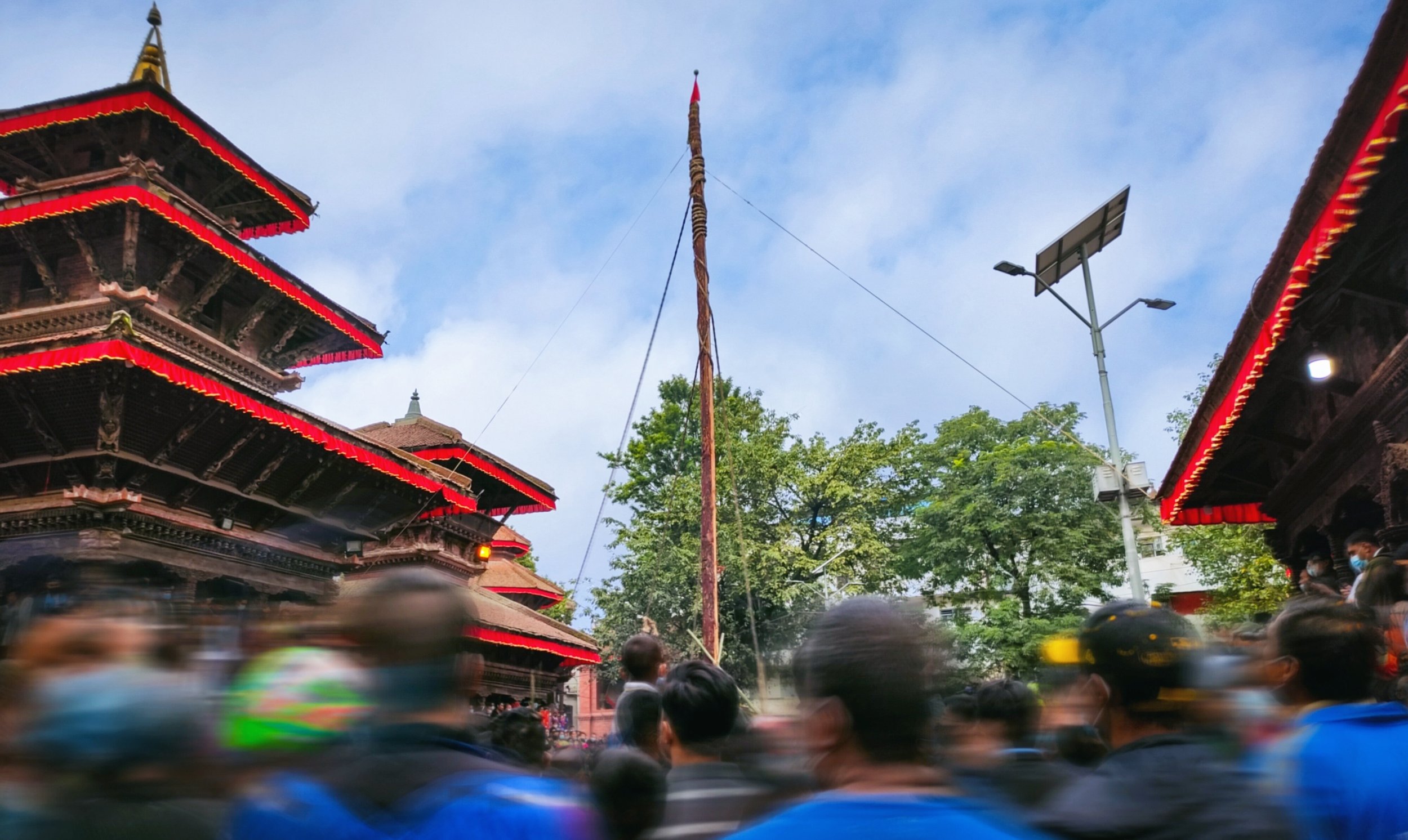
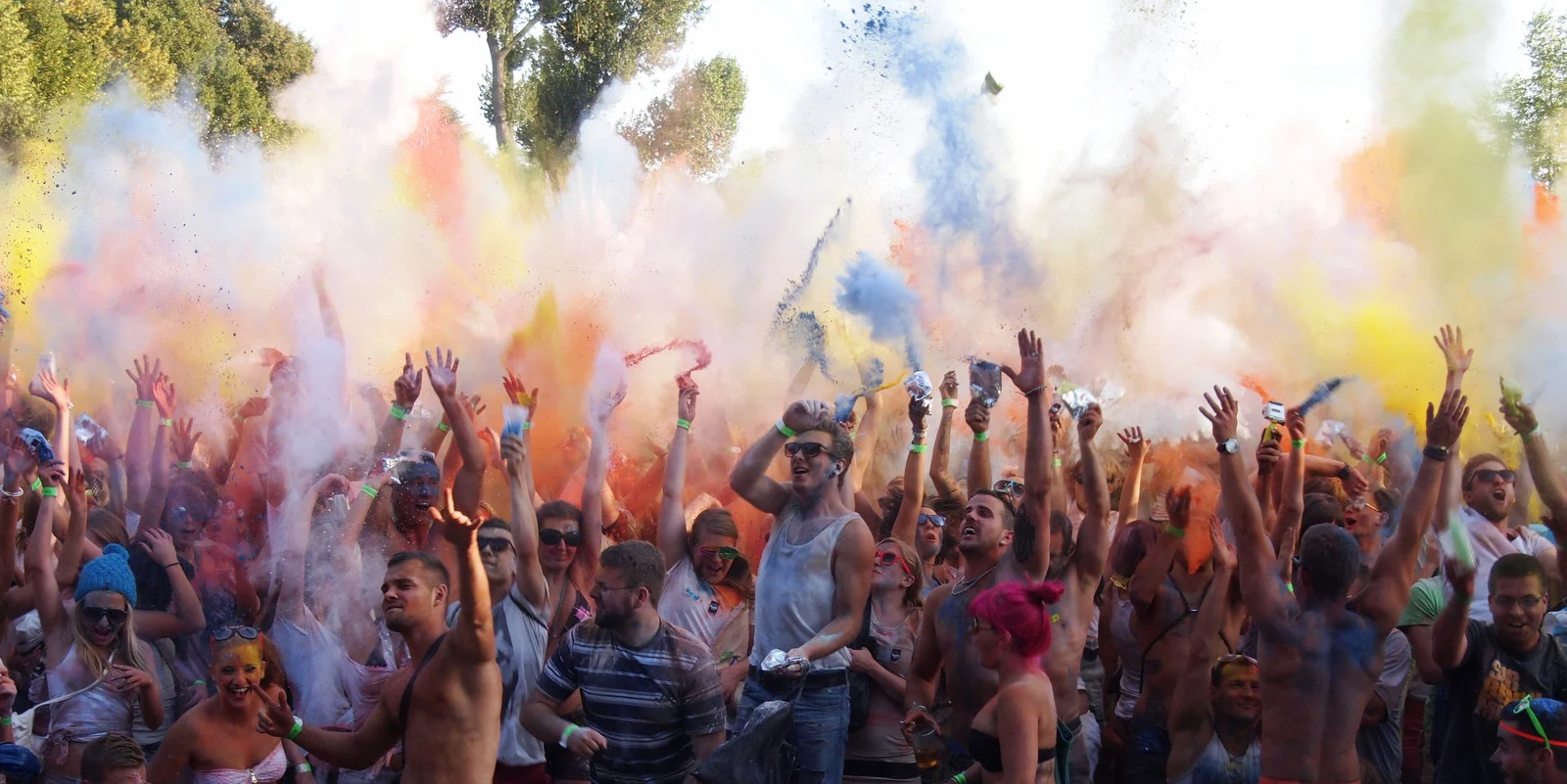
Fagun Purnima also known as Holi is a festival marking the end of winter and coming of spring and summer. Back in the days when phones and the internet didn’t exist, a ling bamboo lingo decorated with clothes of various colors (Chir) is erected a few days before the day of the festival. This tradition is still continued in Basantapur Durbar Square.
Fagun Purnima also known as Holi is a festival marking the end of winter and coming of spring and summer. Back in the days when phones and the internet didn’t exist, a ling bamboo lingo decorated with clothes of various colors (Chir) is erected a few days before the day of the festival. This tradition is still continued in Basantapur Durbar Square.
Mythologically the festival revolves around the legend of the demon king Hiranya Kashyapu who commanded his sister Holika to kill Pralhad who was the son of the demon king and a devout follower of Lord Bishnu. He commanded her to take Pralhad in her lap and sit on a fire, which Hiranya Kashyapu believed would have stopped Pralhad from chanting the name of Lord Vishnu.
Holika had been given a boon by Lord Vishuy that she can never be burnt by fire; and it was thought that she would not be harmed. But as the fire raged, Holika was caught in the flames and she started to burn while Pralhad remained unharmed and came out of the fire chanting the name of Lord Vishnu. The boon given by the Lord didn’t save her because; Lord Vishnu had warned her that if she misused the gift it would not protect her. Thus as a symbol of victory of good over evil, the day Pralhad walked out of the fire is celebrated.
Marking this legend the lingo, erected in Basantapur is pulled down on the after Falgun Purnima and the clothes (Chir) is burned marking the burning of Holika in the fire. There are also numerous other legends associated with the celebration of the festival such as of Lord Krishna and Draupadi, Lord Krishna and Yashodha and the legend of Dhundi and King Raghu.
In Nepal, the festival of Holi is normally celebrated in two consecutive days, where on the first day Holi is celebrated in the Hilly Region and on the second by the people of Terai. Celebrated on the last full moon of the lunar calendar, it is a celebration welcoming the season of spring and a farewell to winter. Holi heartens the brotherhood feeling in society and is an occasion for all members of the family and friends to get together and exchange greetings. The festival of Holi has no religious, ethnic bounds and is celebrated in unity, symbolized by various colors exchanged and greetings of "Happy Holi." The festival has evolved into a day of avid celebrations with essences of the core religious value.
Individuals visiting Nepal can experience the magical colors of Holi throughout Nepal. The most popular mass celebration of Holi is done in Basantapur Durbar Square, which on the day is filled with revelers, music and colors.
POPULAR ITINERARIES
SIMILAR POSTS
UNESCO World Heritage: Sagarmatha National Park
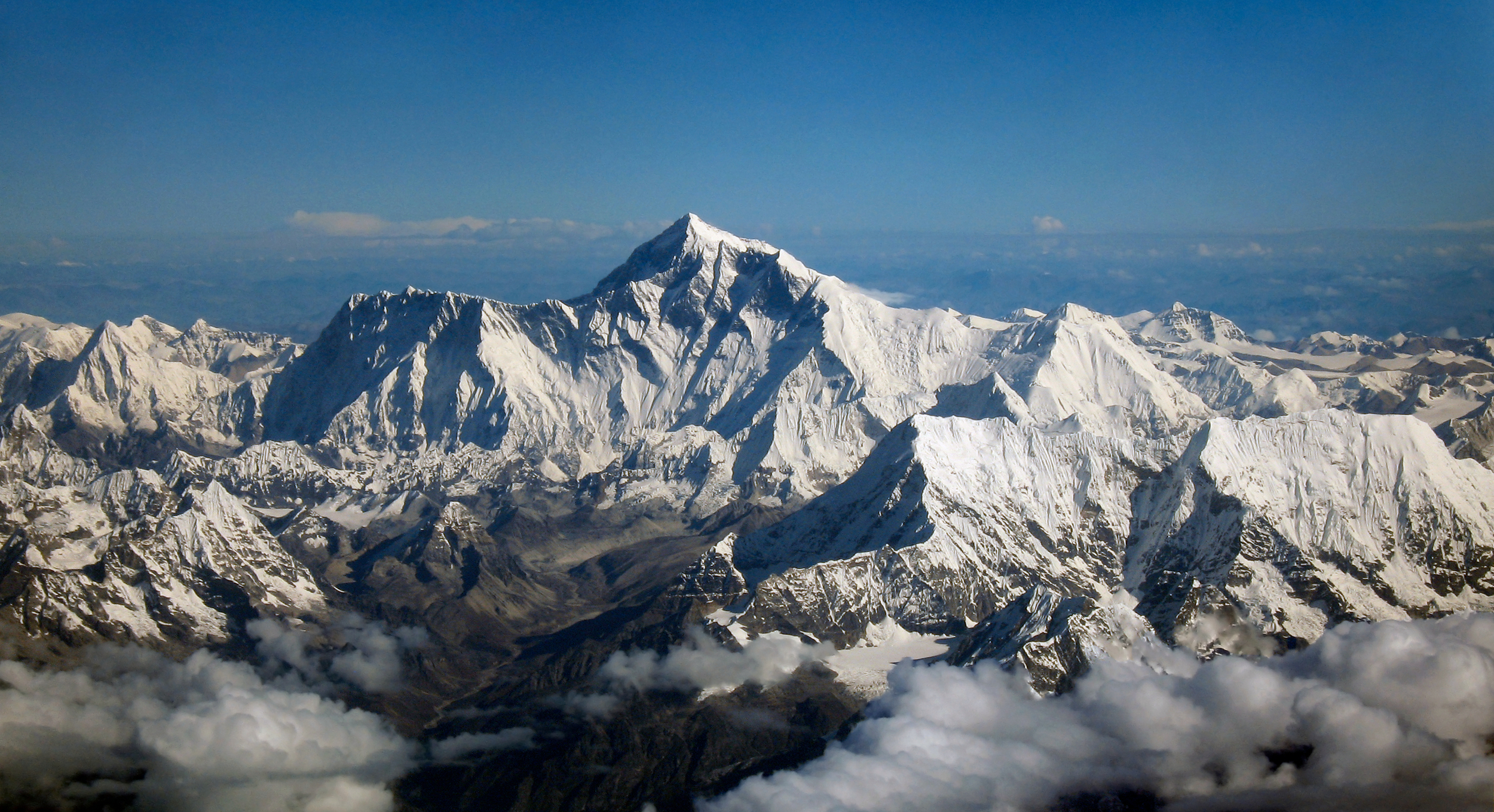
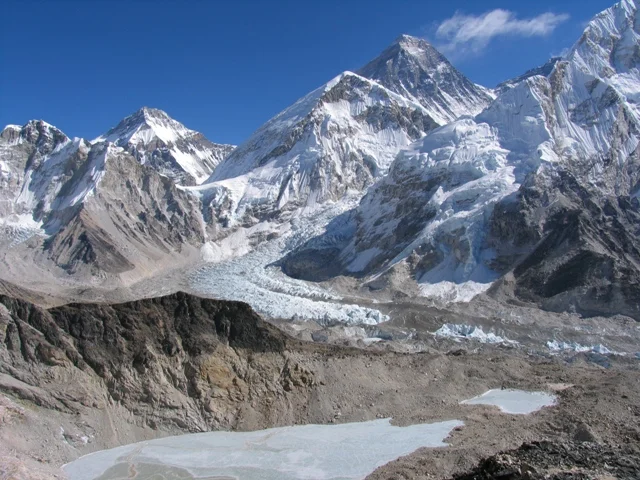
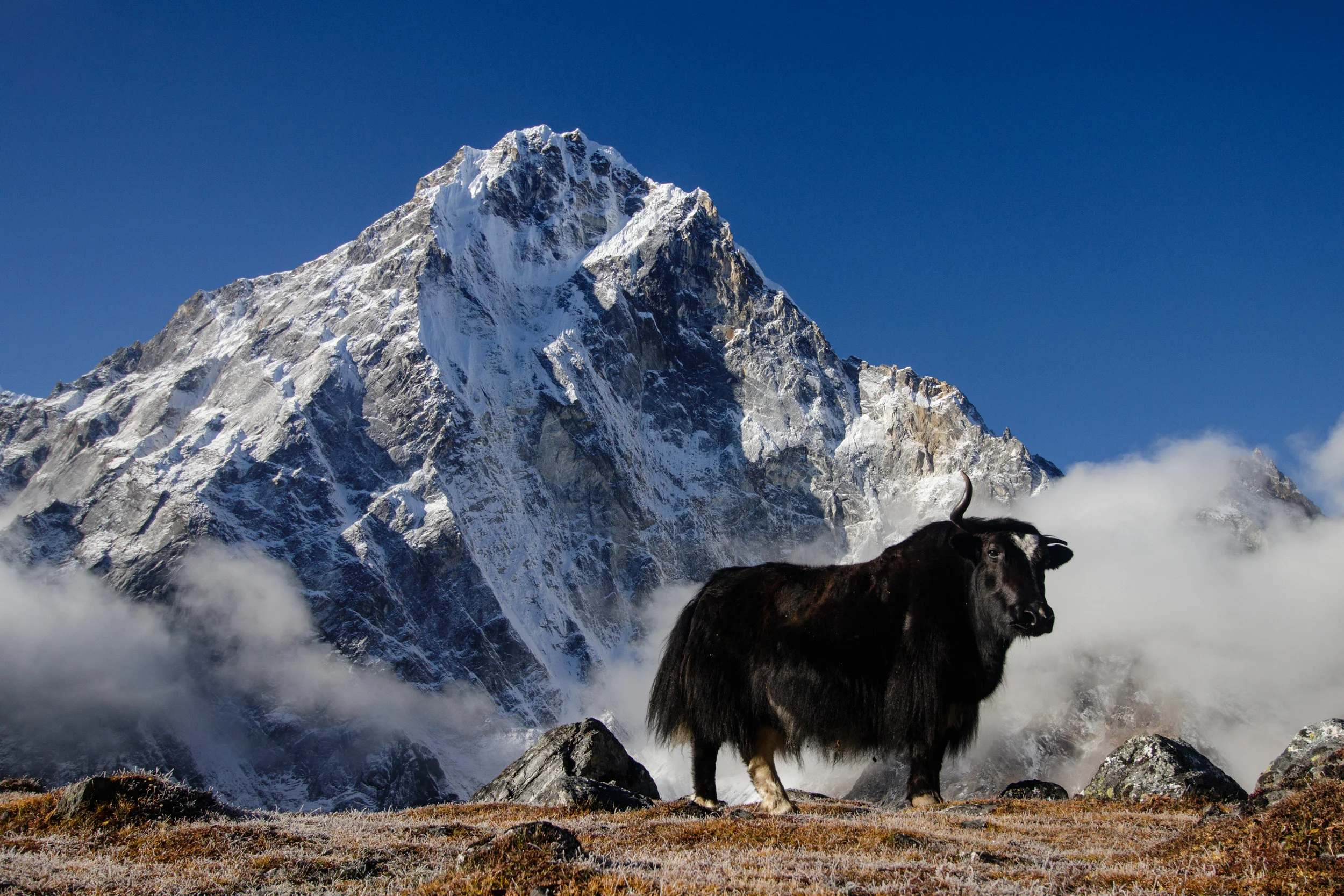
Listed in the UNESCO World Heritage Site in 1979 AD, SNP is listed alongside Chitwan National Park. SNP covers a total area of 1,148 Square Kilometers of the Himalayan Ecological zone of the Khumbu region. The upper catchments of Dudhkoshi and Bhotekoshi Rivers which are largely composed of rugged terrain and gorges of the high Himalayas are included in the national park. Ranging in altitude from 2,845m above sea level to 8,848m at the summit of Mount Everest (Sagarmatha), the park has many of the +6000m peaks such as Lhotse, Cho Oyu, Thamserku, Nuptse, Amadablam and Pumori.
Listed in the UNESCO World Heritage Site in 1979 AD, SNP is listed alongside Chitwan National Park. SNP covers a total area of 1,148 Square Kilometers of the Himalayan Ecological zone of the Khumbu region. The upper catchments of Dudhkoshi and Bhotekoshi Rivers which are largely composed of rugged terrain and gorges of the high Himalayas are included in the national park. Ranging in altitude from 2,845m above sea level to 8,848m at the summit of Mount Everest (Sagarmatha), the park has many of the +6000m peaks such as Lhotse, Cho Oyu, Thamserku, Nuptse, Amadablam and Pumori. SNP has a total buffer zone area of 275 Square Kilometers, declared in 1st of January 202 it has 1,619 households and a total population of 7745(Approx). The high mountains are the land of the Sherpa's, renowned for their endurance, expertise in mountaineering, dedication and hospitality. The mountains for them are patron deities, as it provisions their sustenance. They follow Buddhism and the region of SNP is home to many renowned monasteries such as Tenghoche, Thame, Khhumjun and Pangboche. W hich are more than a place of prayer as these monasteries serve has communal areas of gathering, where the people of the region, celebrate their religious festivals such as Dumje and Mane Rumdu. The climate of the region makes life extremely difficult; the Sherpa's of the region have evolved in accordance to the lands geography, climate and availability. It can be extremely difficult for travellers not because of the temperature but the ascent from Temperate to Artic conditions. Thus it is always recommended to take the high journey moderately and give the body time to acclimatize. The region features bioclimatic zones such as Lower Temperate, Upper Temperate, Sub-Alpine, Alpine and Nival which in layman means, lush valleys, breath-taking mountains and surreal peaks. The region is home to the infamous Snow Leopards, Red Panda and Musk Deer and the tree- line of the region is mostly Pine, Hemlock, Fir, Juniper and Birch. In terms of tourism the most popular destinations in the national park regions are Namche Bazar, a beautiful community that has added to the growing influx of tourists to the region and established hospitality centers in the beautiful town. Tengboche, the enchanting monastery in the lap of the Khumbila is an experience by itself. With blessings from Tengboche you can continue on to Pheriche, Kala Pattar and to the hamlet of Gorakshep. It is an easy access point to Everest Base camp and Kapa Pattar from which Mt.Everest is clearly visible. Gokyo Valley is a must visit in the national park. The valley is located towards the west of the Khumbu region, this serene valley is a place straight out of heaven with pasture lands turning the valley green in the summer and in the center a beautiful lake in turquoise. The most difficult walk is to the Everest Base Camp and I kid you not, it is classic but extremely difficult, core acclimatization is recommended as the altitudes rises rapidly from Namche and Kala Pathar. The park region annually sees 45,112 tourists in a fiscal year and is primal in generating revenue from tourism.
The legend of Pashupatinath
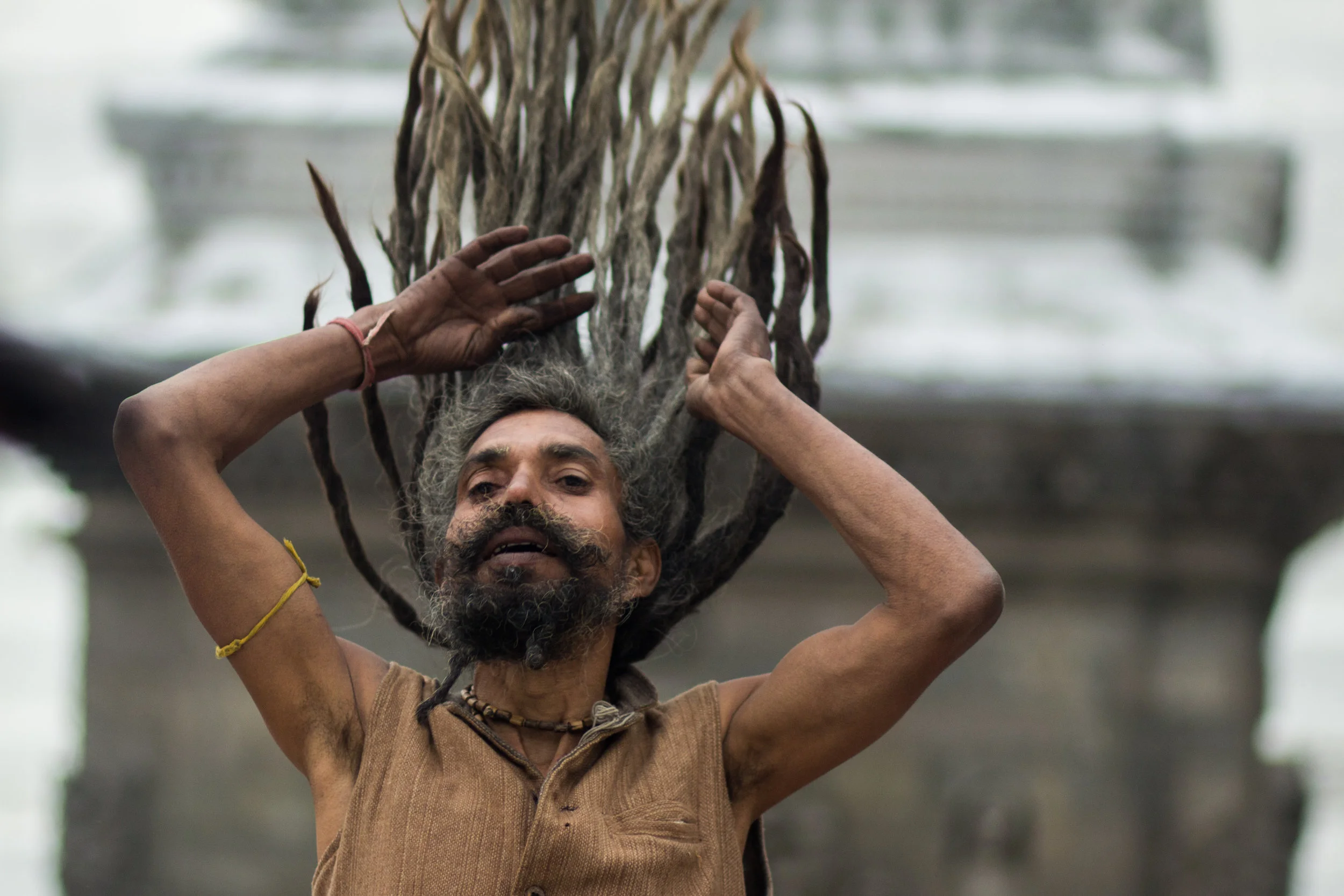
Celebrated as the day of Lord Shiva, Maha Shivaratri is one of the most important celebrations for the devotees of Lord Shiva and Hindus around the world. Maha Shivaratri falls on Mid-February or March in the Gregorian calendar. Also known as the Great Night of Lord Shiva, the biggest hub in Nepal during the night is the Pasupati-Nath Temple in Kathmandu.
Legends state on the day, Lord Shiva is said to have saved the world from annihilation. On the condition that from the day forward people worship him with great pride and enthusiasm. Other legends state how the day marks the wedding day of Lord Shiva and Parvati. Believers also know the auspicious night as the night of "Tandava", the primal dance of creation, preservation and destruction. According to Linga Purana , it is believed during Shivaratri Lord Shiva manifested himself into the form of a Linga.
Thousands of devotees, aesthetics, yogi's visit the Pashupati-Nath Temple in Kathmandu, one of the holiest shrine of the Hindus.
"Maheswara, in the shape of a deer, disclosed himself in the form of light, which pervaded the seven firmaments above Bhulok( The Earth) and also the seven firmaments below Rastal ( Hades). On seeing this, Brahma went upwards to see how far the light extended, and Vishnu went downwards for the same purpose. The place whence Vishnu departed is called Vishnu-Gupt, and the Mahadeva was called Pashupati. ” Wright 1877: 82 "The ancient temple of Pashupati having fallen down, the light was buried under the ruins. Some cowherds came into the country in the train of Sri Krishna, who came from Dwarika to help his grandson in letting out the water from the valley through a passage, which he made at Chaubahal, and in carrying out the daughter of Danasur, who had stopped the outflow of the water. The men settled down at Padmakasthagiri and built a cowshed. One of their cows, by name Ne, was a mulch cow, but gave no milk. Every day at a certain time she went running to a certain place. One day the chief cowherd followed her, and saw milk issuing from her udder, and saturating the spot on which she stood. His curiosity was excited to know what was under the spot, and on removing some earth he discovered the light, which however consumed him." Wright 1877: 107 The first recorded discovery of the ancient shrine and temple of Pashupati-Nath is said to have been in the Gopala Dynasty during the reign of King Bhuktamana. He is said to have discovered the shrine when he was playing Kilatari (A Military Game) in the Sleshmantakban. On the day of Maha Shivaratri, devotees flock in masses at the nearest Shiva Temple to present offerings and prayers. Pashupati-Nath becomes a hub for asthetics, yogis, and devotees. The chants "Om Namah Shivay" and "Maharitunjaya", charge the atmosphere and devotees can be found meditating in the temple premises. Tourists visit the temple to view the naked sadhus, the ambience and indulge in the energy of the eastern believes. "The occasion of Maha Shivaratri, the Pashupati Area Development Trust (PADT) is expecting a crowd of 1.3 million people from across the world. For the successful celebration of the festival, the management units in Pashupatinath start cleaning the area. Also, this year more importance has been given for figuring out an easier way to manage crowd so that devotees can carry out their Puja and Darshan faster and more conveniently. Spring is one of the best times to visit Nepal, and Indian tourists enjoy visiting during the most auspicious occasion of Maha Shivaratri. Special provisions are made to ease Darshan for Indian pilgrims at Pashupatinath during Maha Shivaratri, which falls on Feb 13 this year, according to officials at the Pashupati Area Development Trust (PADT). The PADT will also make available Pashupati Darshan passes at easy outlets near Pashupati area to facilitate pilgrims from India. "– Nepal Tourism Board
UNESCO World Heritage: Swayambhu Nath
"In Satya Yuga, Bipaswi Buddha came from a city known by the name of Bandhumati; and having taken up his abode on the mountain to the west of Nag Hrad(Kathmandu Valley) sowed a lotus-seed in the tank, on the day of the full moon in the month of Chait. The lotus seed that had been sown brought forth a lotus flower, in the middle of which Swayambhu (who had come from Aknisht Bhuban) appeared in the form of light, on the day of the full moon in Aswin." Wright 1877: 77-78
"In Satya Yuga, Bipaswi Buddha came from a city known by the name of Bandhumati; and having taken up his abode on the mountain to the west of Nag Hrad(Kathmandu Valley) sowed a lotus-seed in the tank, on the day of the full moon in the month of Chait. The lotus seed that had been sown brought forth a lotus flower, in the middle of which Swayambhu (who had come from Aknisht Bhuban) appeared in the form of light, on the day of the full moon in Aswin." Wright 1877: 77-78
Most of the historic chronicles have the lotus seed that brought light be marked as the beginning of the history of the Kathmandu Valley. The light of Swayambhu was inaccessible till the age of Treta Yuga, when Bodhistva Manjushri came from Mahachin(China) and drained the lake from the pass at Kotwal(The place where Bagmati passes out of the Valley) with other passes drawn at Chobar. With the valley drained, Bodhistva Manjuri made the valley inhabitable and the light of Swayambhu accessible to its worshippers.
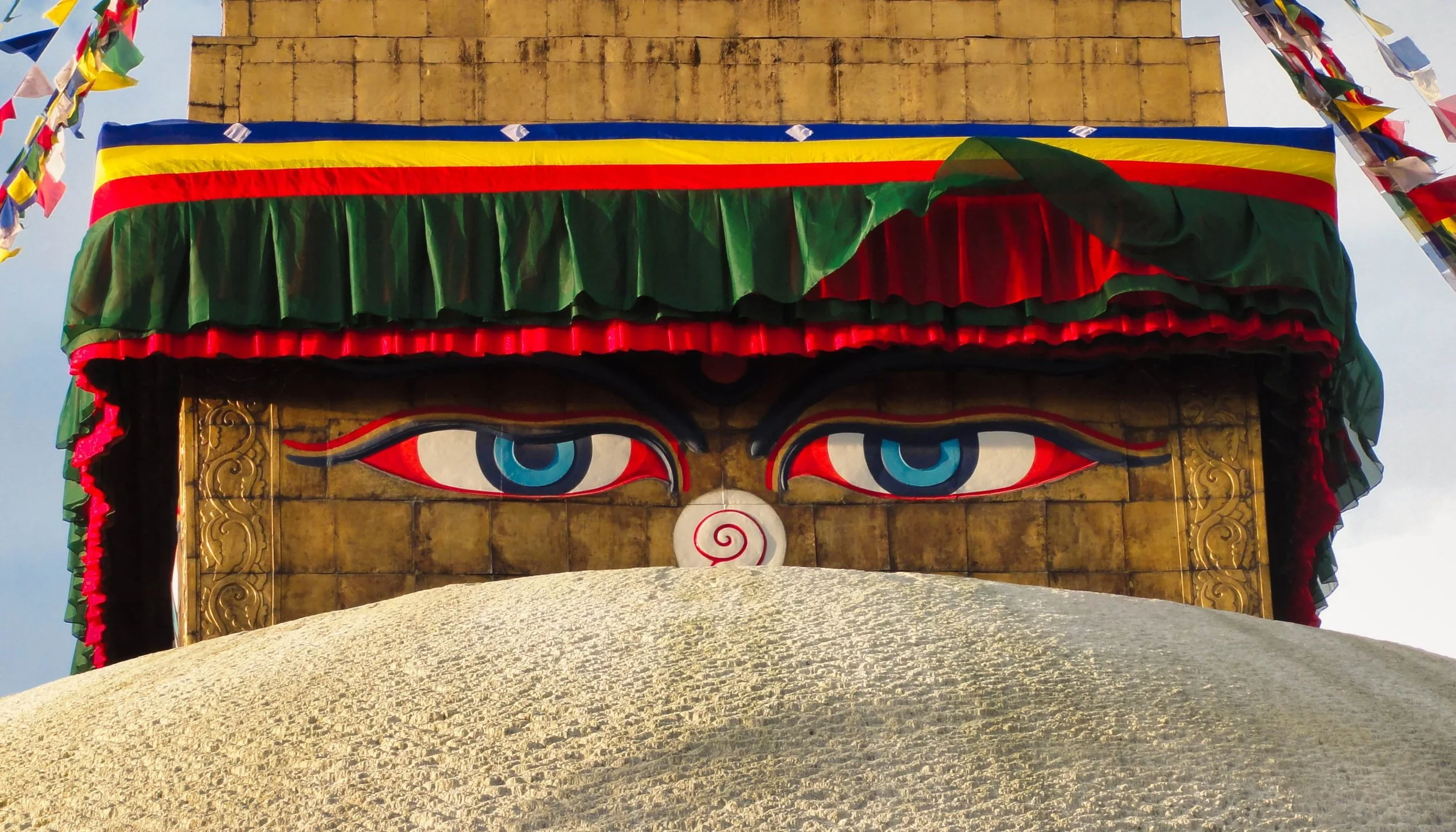
The shrine of Swayambhu, the dome stupa with eyes of the enlightenment and the pinnacle was built only in the Kali Yuga. Before which it is believed that at the summit of Padma (Padma- Giri Hill; the mountain upon which Swayambhu stands) the place where the shrine is today was a great beam of light that penetrated heaven and even the depths of hell.
"The Kali Yuga, in which mankind would be utterly sinful, was approaching. He (Sant-sri) therefore covered the Swayambhu light with a stone, and built a chaitya and temple over it. He then built five rooms named Basupur, Agnipur, Bayupur, Nagpur and Santipur in the last which he lived, absorbed in devout meditation." Wright 1877:84
It is believed in local legends that even till this date Sant-sri, is in devout meditation in Santipur and shall emerge to protect the valley in times of grave danger. I remember the first time I climbed the steps to the top of Padma-Giri, as I took the last step with deep breaths. The shrine of Swayambhu was a sight to behold, view it form any perspective you wish.
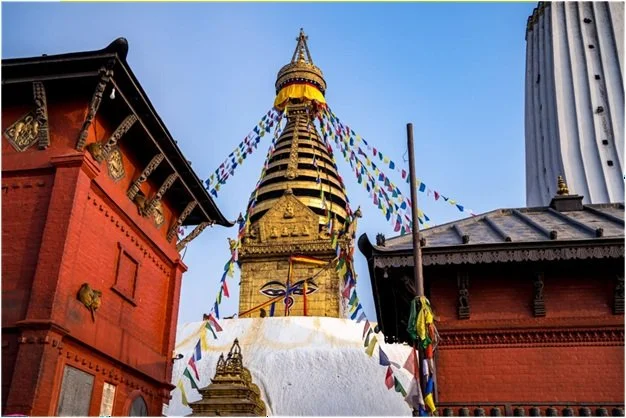
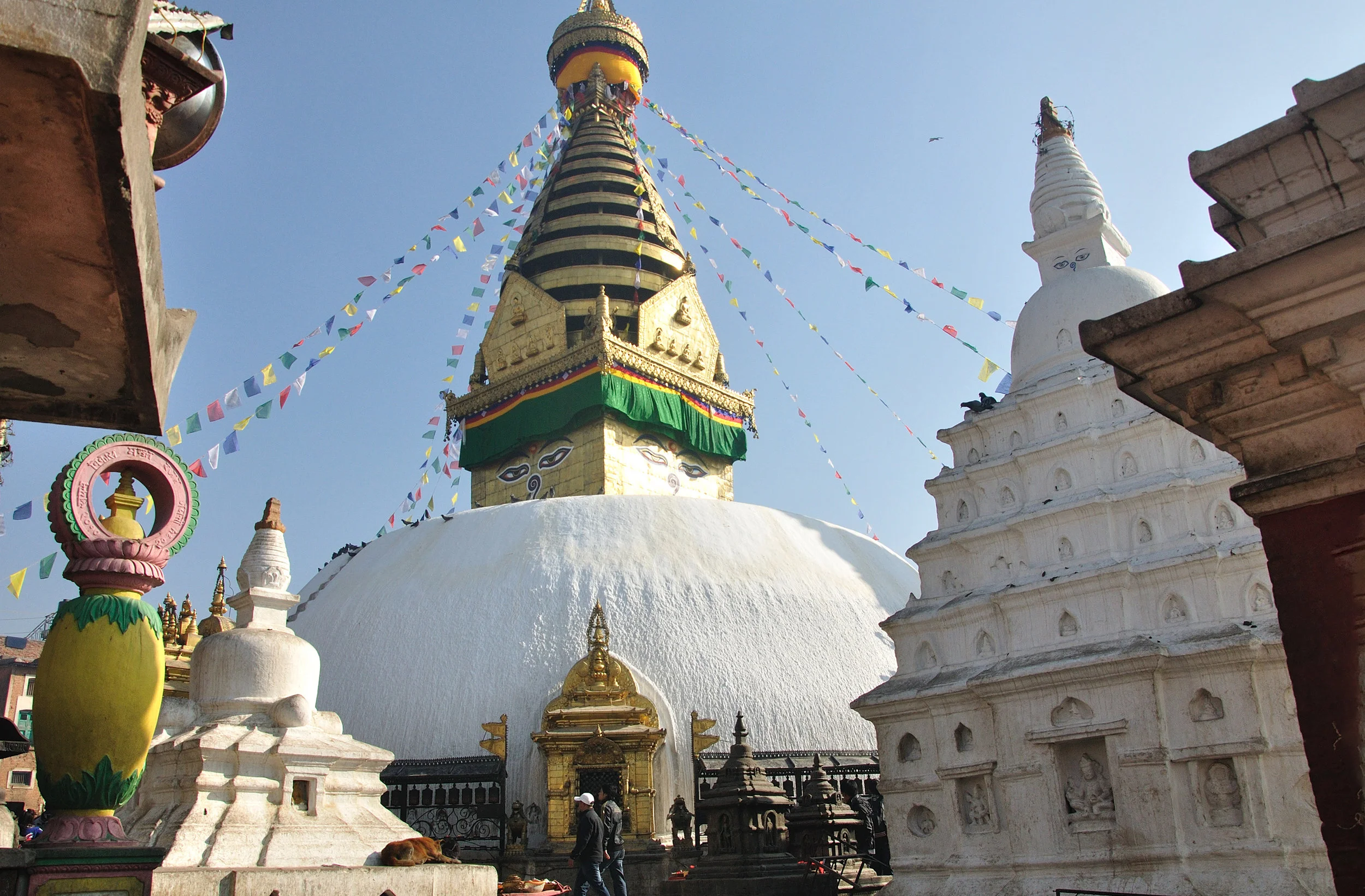
Architecturally it is a phenomena, the dome base atop which a cubical structure painted with the eyes of Shakya-Muni (Lord Buddha) in all four direction shielded by the pentagonal Torana with symbolic engravings. Above the Toranas are thirteen tiers crowned by a Gajur, now imagine a time lapse of its creation? Symbolically the base dome represents the world; the eyes of Shakya-Muni represent the status of enlightenment free from all bonds of the world. The thirteen tiers of the pinnacle symbolize thirteen stages of spiritual realizations to the enlightenment.
Spiritually as a native Newar it is the center of all our devotion and from the perspective of a sociologist, a beautiful lineage of history which has become the epicenter of Newar culture.
Today, the shrine of Swayambhu is known as Swayambhu-Nath or The Monkey Temple and is a major tourist attraction of Kathmandu Valley. Riddled with numerous shrines of Bodhistva's, Lichavi chaitya and stupas, mists of incents and chants of prayer. The Padma-Giri is a hill of spiritual awakening, the light of Swayambhu ever since history began has been a beacon of enlightenment attracting its seekers to the valley, even till this date many take great journeys to find sanctum in its light.
During the 2015 earthquake, the principal stupa didn’t suffer major damage but the surrounded chaityas, shikharas and temples along with living residents of the priests suffered major damage. The most notable difference was not seeing the two Shikharas built by Late King Pratap Malla in 1668 AD. Flanking the principal stupa, Late King Pratap Malla had built the two Shikharas with Agam Devtas within them along with which he placed a Bajra( Thunderbolt) in the Dharmadhatu mandala in front of Akshobhya Buddha. Having them being fully restored with other shrines and chaityas repaired, the area of Swayambhu was one of the very first UNESCO sites to reach a full restoration state.
For it may withstand many quakes to come, shall the eyes of enlightenment forever bring peace to its beholders. For may it always be a sanctum for its seekers and the light of Swayambhu always shine.
Hashtags: #Swayambhu #KathmanduValley #NewarCulture #BuddhistHeritage #EnlightenmentJourney #UNESCOSites #NepalEarthquake2015
POPULAR ITINERARIES
SIMILAR POSTS

UNESCO World Heritage Edition: Chitwan National Park
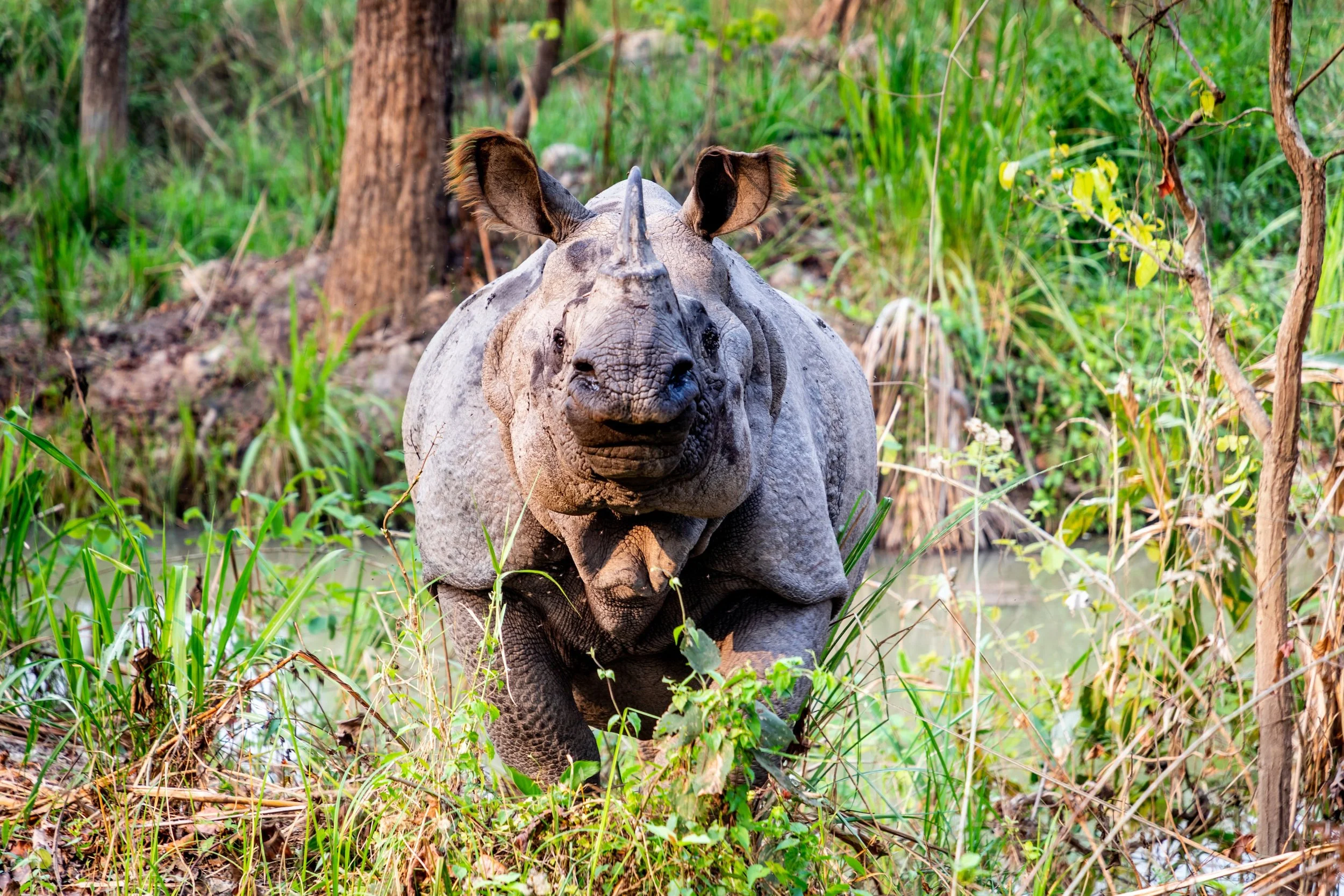
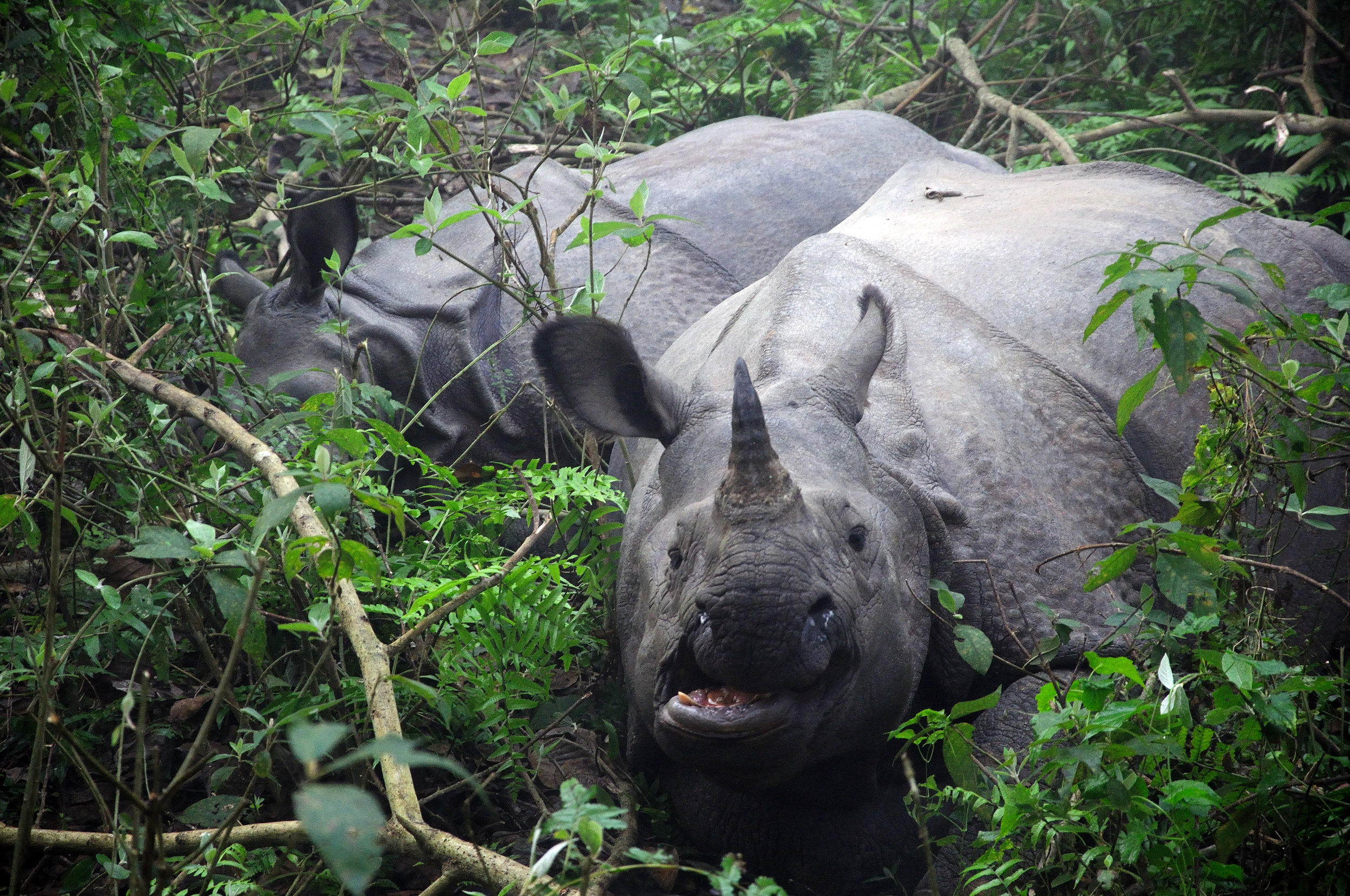
Among the two national parks listed in the UNESCO World Heritage list from Nepal. The Chitwan National Park is a protected area for conservation of the natural habitat, flora and fauna of the subtropical scape of Nepal. The park is home to 68 species of mammals, 544 species of birds, 56 species of herpetofauna(amphibians) and 126 species of fish. The park is home to the One Horned Rhinoceros, Royal Bengal Tiger and Gharial Crocodiles. Through in-situ conservation methods, translocation programs, patrol guarding and monitoring the park has reduced the illegial activities such as poaching, unauthorized deforestation and also increased the social wellbeing of the individuals surrounding the buffer zone.
Among the two national parks listed in the UNESCO World Heritage list from Nepal. The Chitwan National Park is a protected area for conservation of the natural habitat, flora and fauna of the subtropical scape of Nepal. The park is home to 68 species of mammals, 544 species of birds, 56 species of herpetofauna(amphibians) and 126 species of fish. The park is home to the One Horned Rhinoceros, Royal Bengal Tiger and Gharial Crocodiles. Through in-situ conservation methods, translocation programs, patrol guarding and monitoring the park has reduced the illegial activities such as poaching, unauthorized deforestation and also increased the social wellbeing of the individuals surrounding the buffer zone. The national park has grown into a prime tourism hub for enthusiasts of wildlife, photography, bird watching and sight seeing. Through private and governmental efforts the park has seen numerous progressions.
For anyone visiting Nepal for the first time, there are a multitude of things to do and see. The possibilities of being wowed by the breathtaking sceneries, and the diverse and warm welcomes of the array of cultural identities is very high. There is so much to experience in this little landlocked country than one could ever imagine. Some of the most popular destinations in Nepal are away from the capital city of Kathmandu, be it the beautiful haven of Pokhara or the lush green tranquillity of Chitwan, there is so much to take in, that maybe even your heart would want more.
Among the most popular destinations is Chitwan which in turn gives you the pleasure and thrill of indulging in a jungle safari through the lush forests of Sauraha within the heart of the Chitwan National Park. This UNESCO World Heritage-listed reserve protects more than 932 sq. km of forests, marshland and grassland that is home to sizeable animal populations, making it one of the best national wildlife parks in Asia. The park gives you an excellent chance of spotting one-horned rhinos, deer, monkeys, and some among more than 500 species of birds. Though it’s a once-in-a-lifetime chance to spot a majestic Bengal tiger, it remains the premier attraction among the wildlife present. Going through the park can give you a few choices between elephant safari and jeep safari but providing the same thrill that the park promises.
The main transportation hub for the Chitwan area is the city of Narayangarh in Bharatpur, from where you can go to Sauraha in the east or Meghauli village to the west. There are regular bus services as well as an airport in Bharatpur with flights operating from Kathmandu and Pokhara. There are direct buses to and from Kathmandu as well. All “tourist” buses going from Kathmandu or Pokhara with the main destination “Chitwan National Park” go to the town of Sauraha and will leave passengers in a bus station 7 km far from town, from where they need to take a taxi, bicycle rickshaw or ox cart. There is a variety of activities that you can take part in once at Chitwan National Park. Each of the activities will fill your adventurous cravings and treat you to a wonderful time. While wildlife spotting is the premier activity, these are the various activities that will provide you the extra thrill such as:
Elephant Back Safari Jeep Safari A Visit to the Elephant Breeding Centre and Gharial Breeding Centre Jungle Walks Canoe Ride
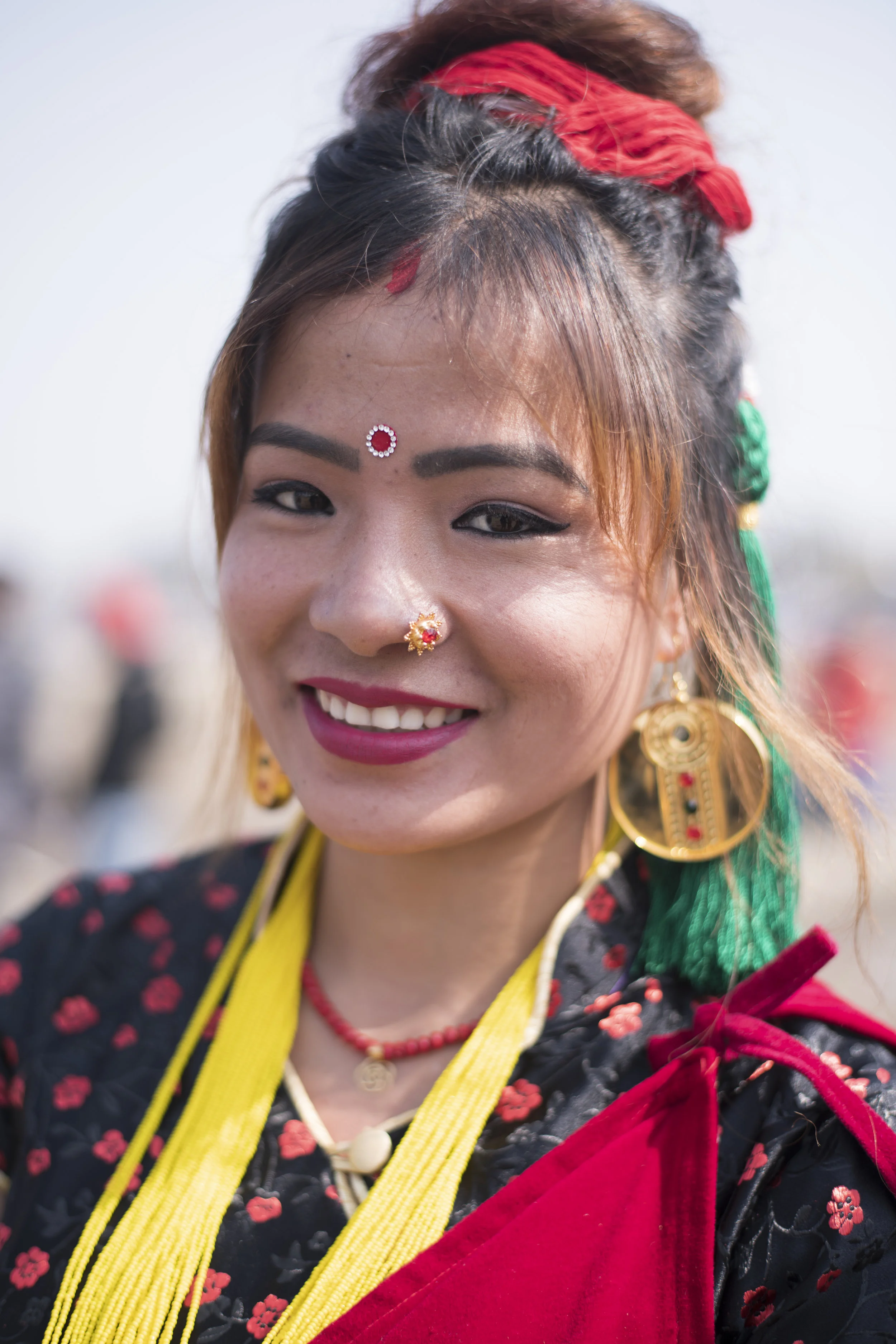
Losar: The Festival of Reunion
Losar is one of the main festivals celebrated by the ethnic communities of Tamang, Sherpa, Gurung and Thakali. Losar means new year according to the unisolar calendar followed by the communities, it is also known as the Tibetan Calendar which follows the cycle of 12 years called Lohokor.
Losar is one of the main festivals celebrated by the ethnic communities of Tamang, Sherpa, Gurung and Thakali. Losar means new year according to the unisolar calendar followed by the communities, it is also known as the Tibetan Calendar which follows the cycle of 12 years called Lohokor.
Losar is celebrated for 15 days during which the people visit the stupas and monasteries to offer pray, and receive blessings from monks for prosperity and wellbeing. The ethnic people adorn themselves their traditional dresses and rejoice the coming of the new year with their friends and family. Losar is a communal event where all members of the community gather in a venue and celebrate through numerous cultural dances, songs and prayer.
Losar is a single festival celebrated in different days according by different communities. Among the numerous Losar celebrations, the major ones are Tamu Losar celebrated by the Gurung community, Gyalpo Losar by the Sherpa Community and Sonam Losar celebrated by the Tamang community.
Tamu Losar:– Celebrated by the Gurungs community they are the indigenous people from Nepal and called Tamu, another name of Gurungs. They are native to the mountainous region but have settled all over Nepal. Gurungs are among the famous soldiers who share the title of “Gorkhas” who participated in the 1st and the 2nd World War.
Tamu Loshar falls in the month of December/January. The date signifies the end of the shorter days and the start of the longer days bringing warmness and charm. At the eve of the festival the lama, the traditional priests of the community called Lamas burn incense and offer prayers. Various delicacies such as Sel roti (Rice circle bread), Achar ( Pickle), Meat, homemade rice Beer and Wine are served. Members gather in the communal spaces and rejoice in the festivities and cultural processions marking the New Year. Sonam Losar:- Celebrated by the Tamangs community native to the central highlands of Nepal. Tamang’s have their dialects and unique culture that distinguishes them from other ethnic groups. The Tamang’s ethic profession during earlier times was horse trading. Sonam Loshar falls in the early January to mid February. Sonam Losar is all together celebrated for 15 days but the first three days are the major of the festival. They clean and decorate their homes to welcome the coming year and visit monasteries and stupas in their traditional costumes. Pork, duck, chicken and sweet desert along with rice beer and wine are served in communal and family gatherings.
Gyalpo Losar:- Celebrated by the Sherpa community native to the Himalayan region. Sherpas are renowned for having extreme endurance as they are born and raised in the one the high Himalayas. Their native profession is trade, husbandry and highland farming but in todays modern times. Most earn their living through transporting goods for trekkers and mountaineers who come to climb the high mountains. The trekkers and travelers have a deep respect for the Sherpa community as their work is involves high risk. They are world famous mountain climbers and the first one to scale Mount Everest in Nepal, the highest mountain in the world.
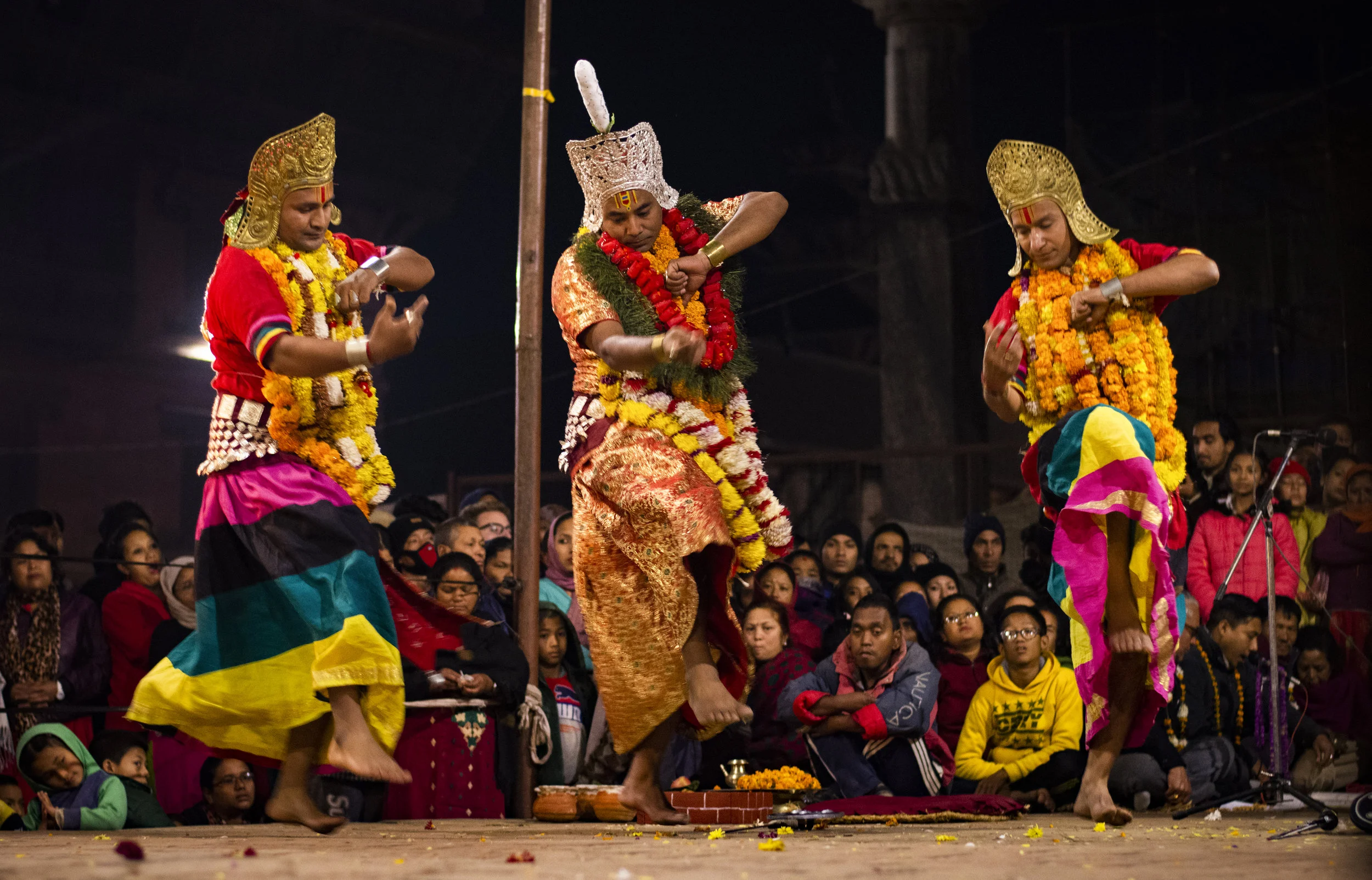
It is the celebration of Tibetan New Year falls that in the month of February in English Calendar. The community marks the beginning of the festivities by preparing their traditional dish Khapsee. The houses are cleaned, specially the kitchen has to be cleaned properly because it is place where the family prepares the food. Among the many dishes served one is a soup served with dumplings called Guthuk. The soup incorporates meat, rice, sweet potatoes, wheat, yak cheese, peas, green peppers, vermicelli and radishes. During the festival, the communities recall the struggle between the good and the evil in their ceremonial dance and as the Lama chants mantras and passes the fire torches through the crowds. People perform the traditional dance battle encounter between the king and the deer and amuse the spectators.
All three Losars have one commonality they are celebrated to not just mark the new year but to bring the community together. Especially in the modern times where many have migrated away from their native land and cultural values are being overrun by the modern routines. Festivals such as Losar help bring together the community and keep the traditional culture, lores and the sprit of a community alive.
Swasthani Bratakatha Festival in Nepal
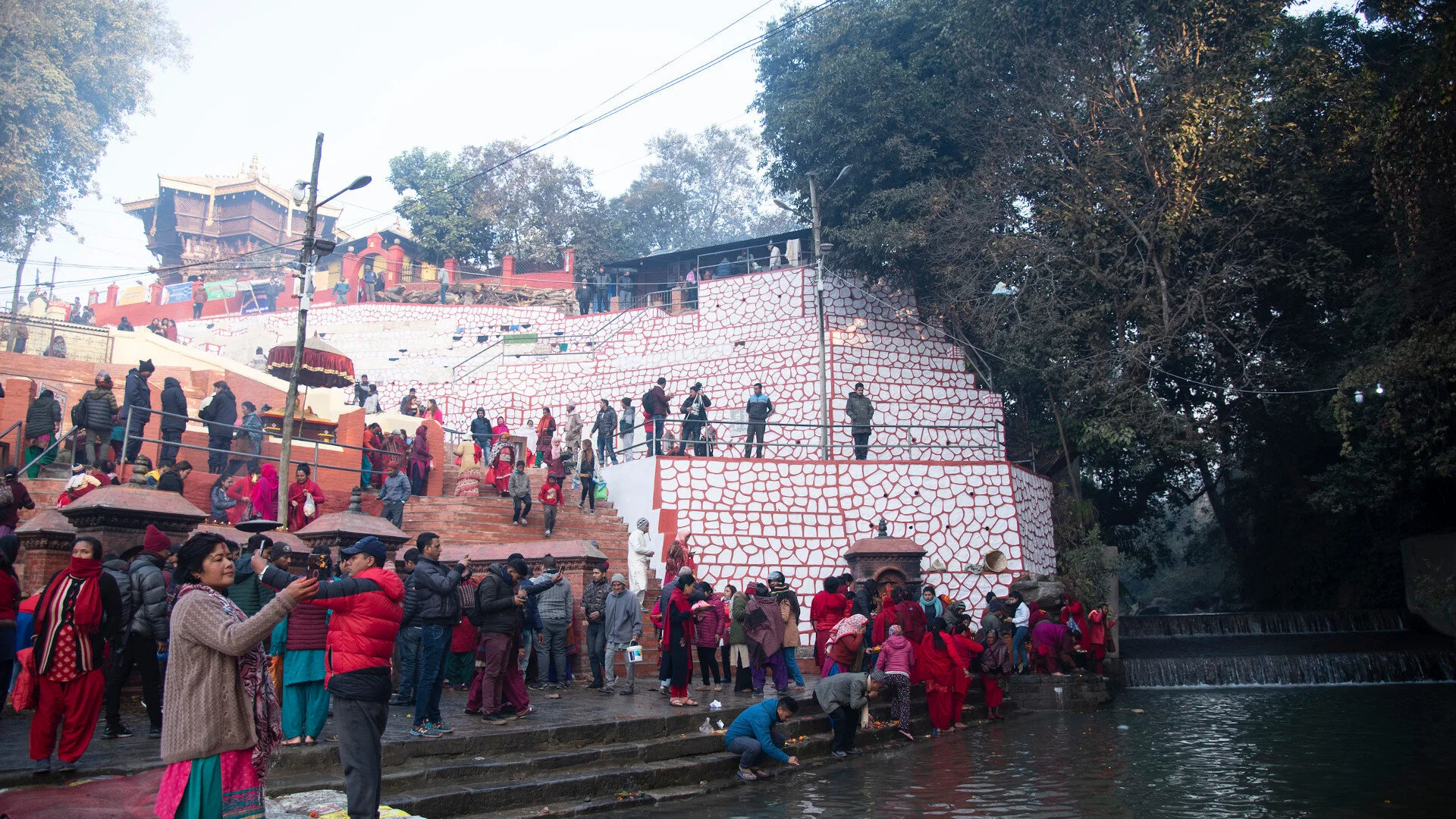
Every year during the full moon of Poush Shukla, devotees flock to the holy river of Shali Nadi in Sankhu to offer their prayers to Goddess Swasthani and God Madhav Narayan. Devotees fast for their family’s prosperity till the next full moon. During the month family members read the book of Swasthani.
Every year during the full moon of Poush Shukla, devotees flock to the holy river of Shali Nadi in Sankhu to offer their prayers to Goddess Swasthani and God Madhav Narayan. Devotees fast for their family’s prosperity till the next full moon. During the month family members read the book of Swasthani.
The month includes various rites and rituals performed for prosperity and well being, devotees arrive at the holy river before the crack of dawn. Offer their prayers at the Madhav Narayan temple, take a holy dip in the river and perform various rituals. The Swasthani Brata Katha believed to be first written in Newari is a sacred text based on the Goddess Swasthani. Goddess Swasthani is believed to be a four handed goddess placed in the centre of the Asta Matrika’s. The Asta Matrika’s ( Brahmayani, Maheswori, Kumari, Vaishnavi, Indrayani, Barahi, Chamunda and Mahalaksmi), are protective deities worshipped in the Newar pantheon who are the feminine energy (Shakti) of Brahma,Vishnu,Shiva, and Indra. The ancient cities of Kathmandul, Lalitpur and Bhaktapur are protected by a ring of Asta Matrika temples.
Swasthani Brata Katha is a tale narrated by Lord Kumar also known as Kartikay, the elder son of Loed Shiva and goddess Parvati, to Shanta Muni Agasthi about the formation of the universe. The tale begins with ‘Kumar Ji Agya Garnu Huncha Hey Agasthi Muni‘ which means ‘Lord Kumar Shall Ask Agasthi Muni’. The chapters in the book is mainly about the devotees who performed sins due to their ignorance and were rescued by goddess Swasthani after they performed fasting and puja to please her. Some of the scriptures are focused on goddess Parvati and some about Sati Devi, (Lord Shiva’s first wife) and goddess Swasthani recuing her from her dismay.
The mention of Sali River (Nadi), situated in Sankhu, in the Swasthani Brata Katha makes it a major holy place for the revellers to visit during the month of Swasthani.
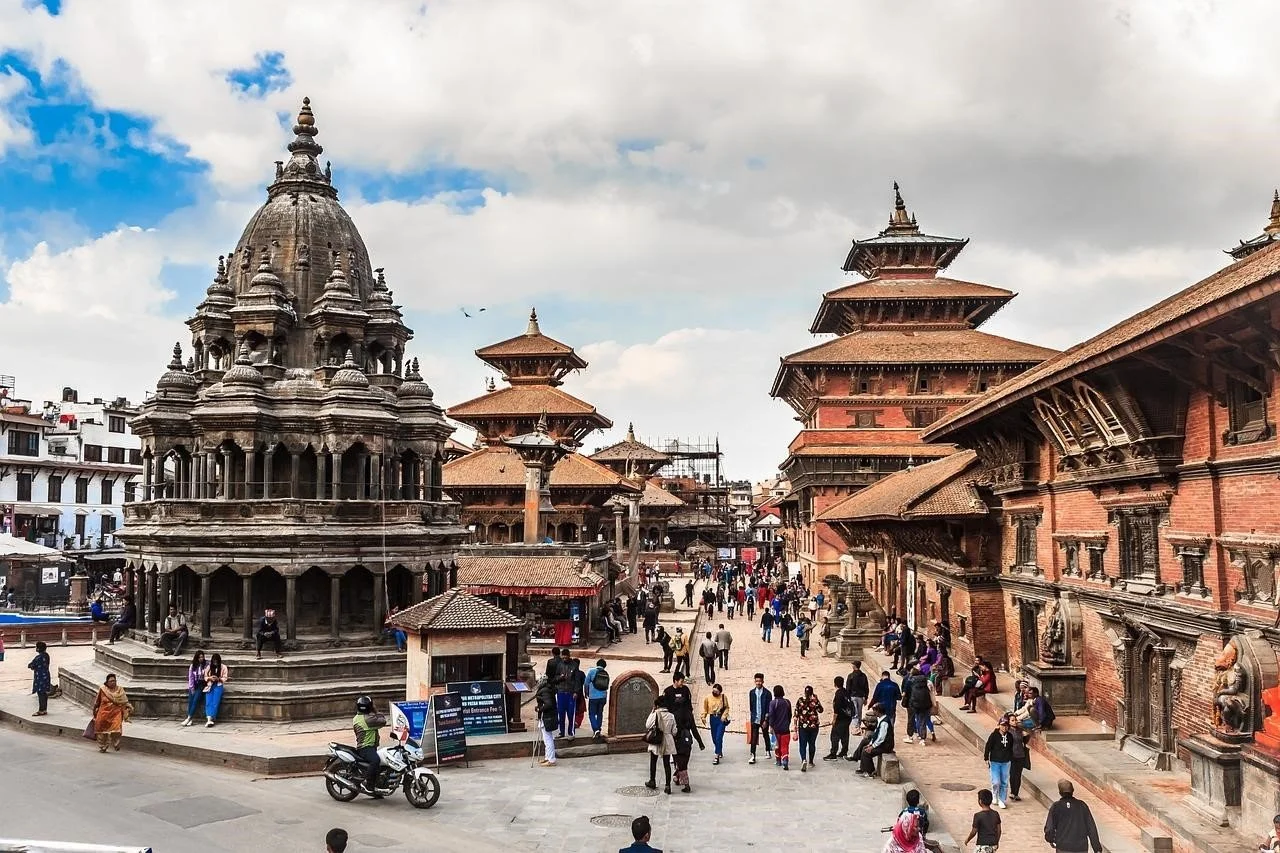
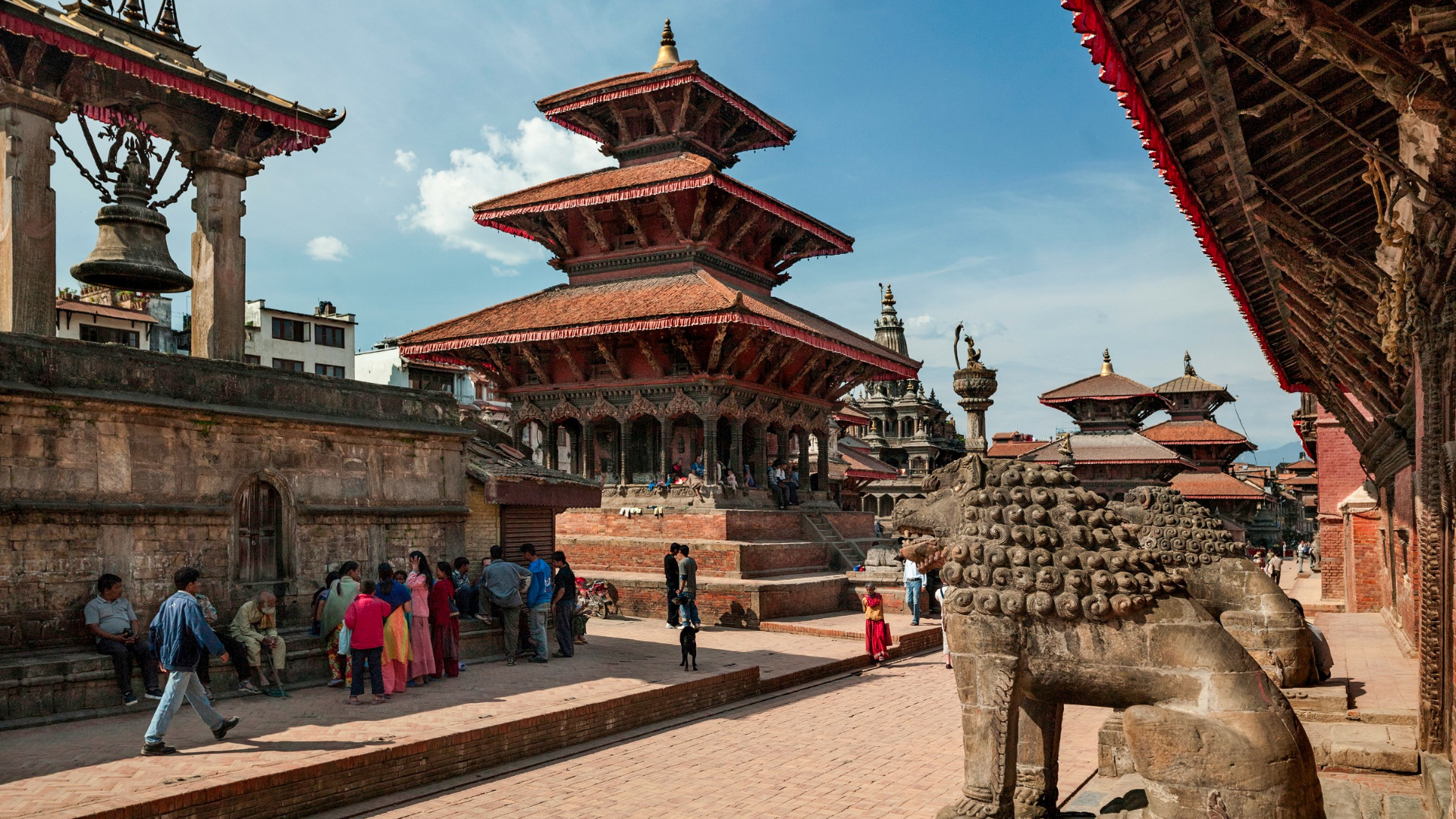
A city of striking architecture, lively culture, and rich history, Patan is hidden away in the Kathmandu Valley. Often called Lalitpur, which translates to "City of Beauty," Patan offers a wealth of experiences waiting to be unearthed by visitors hoping to get a true sense of Nepal. These ten activities, ranging from seeing historic temples to hopping bazaars, will make your trip to Patan genuinely remarkable.