A Tranquil Escape: Trekking In Nepal
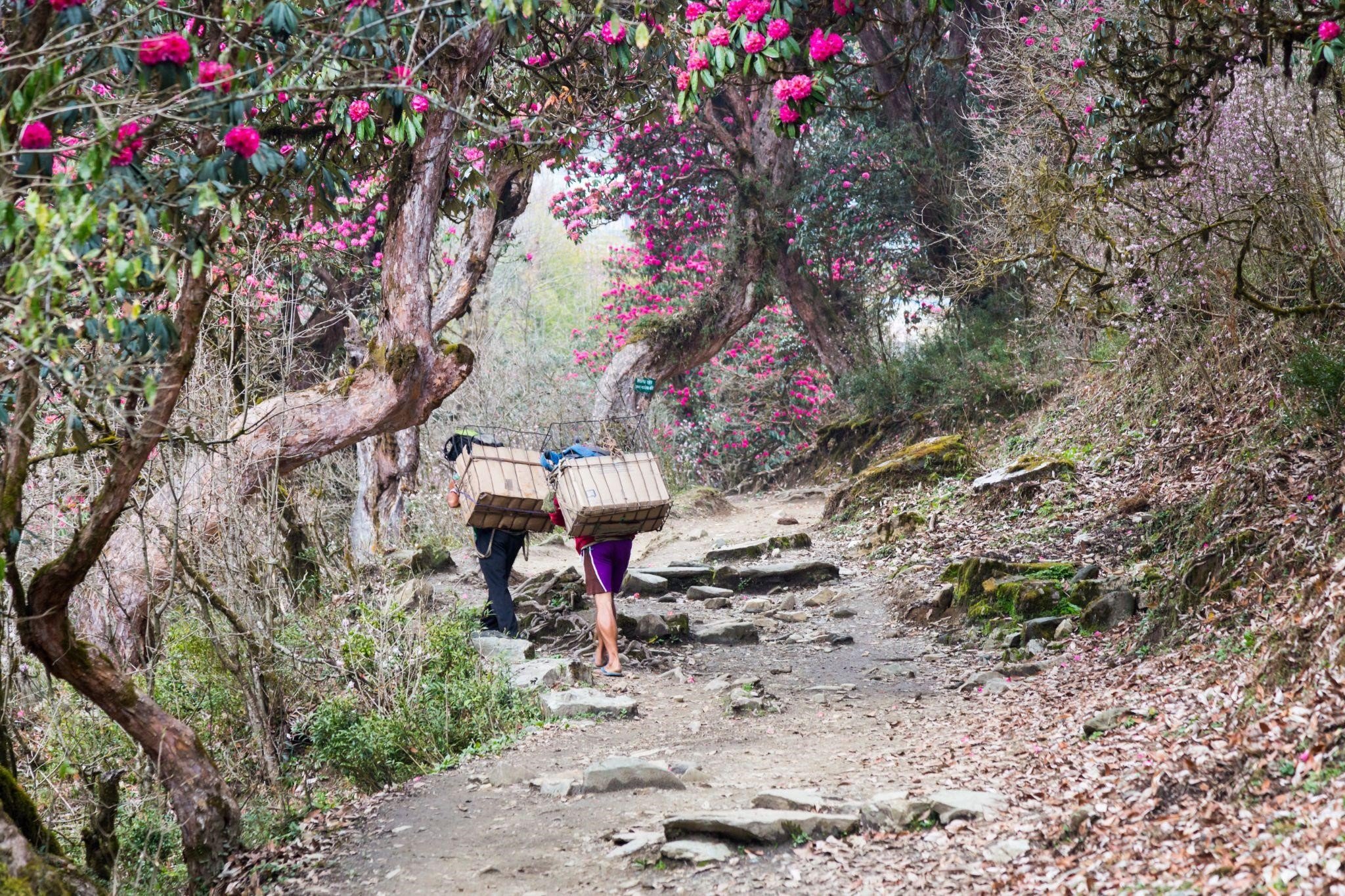
If you are planning to trek in Nepal but don't know where and when is the best to plan a trek in Nepal or wondering to visit Nepal to make an enjoyable and memorable trip with your loved ones. There are numerous popular trek destinations and various activities in Nepal for solo to a group of families and friends from all over the world.
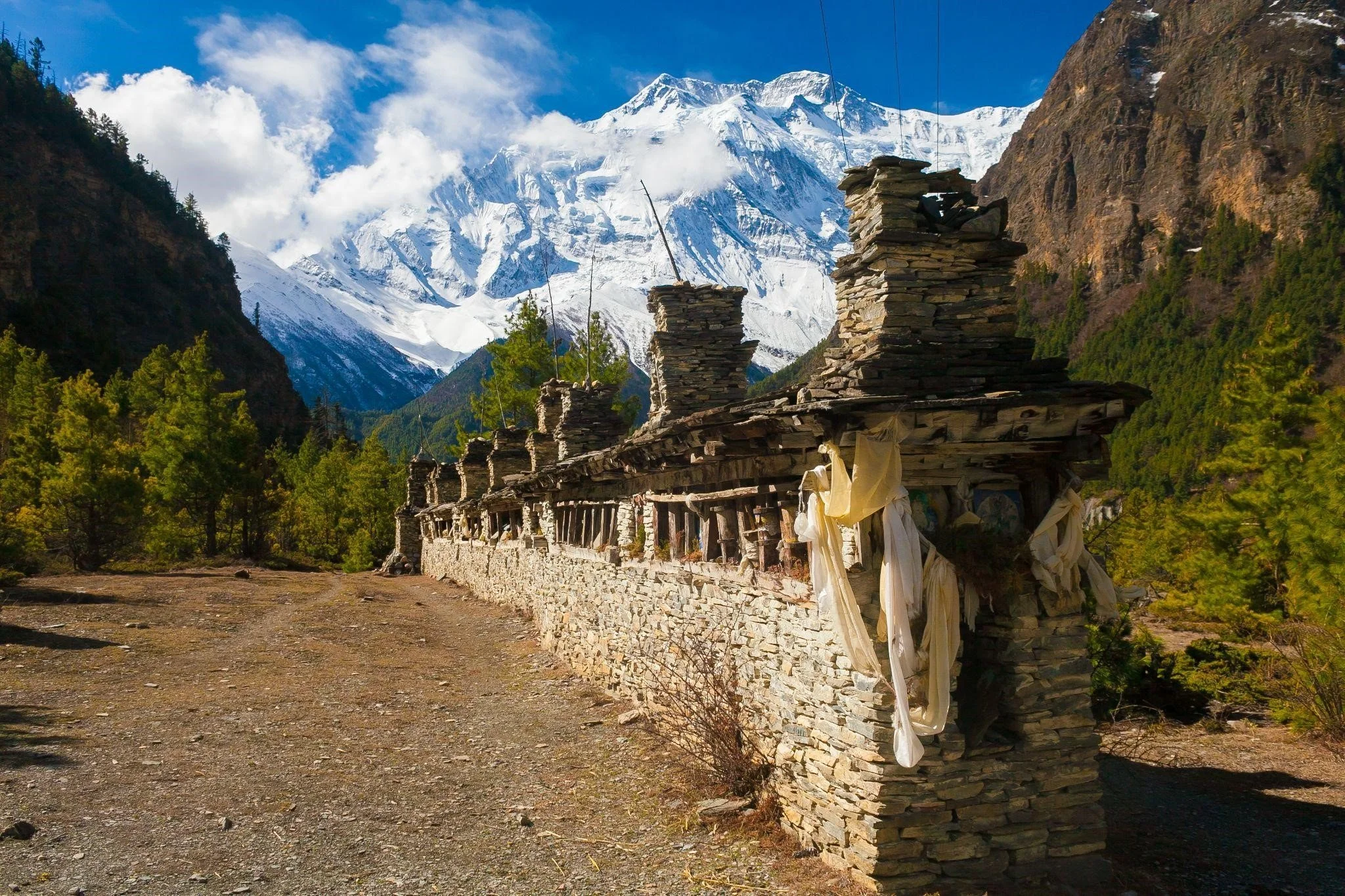
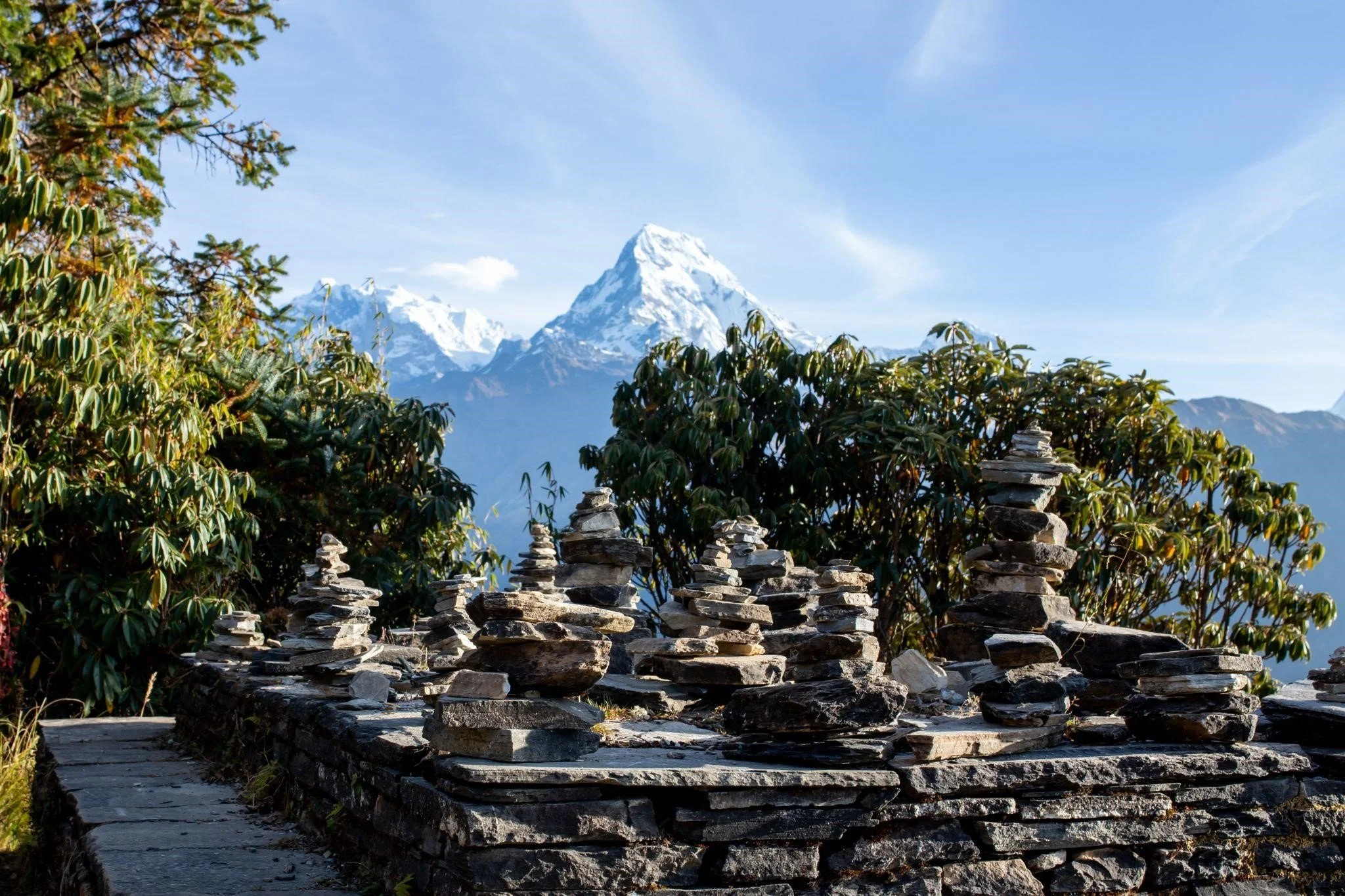
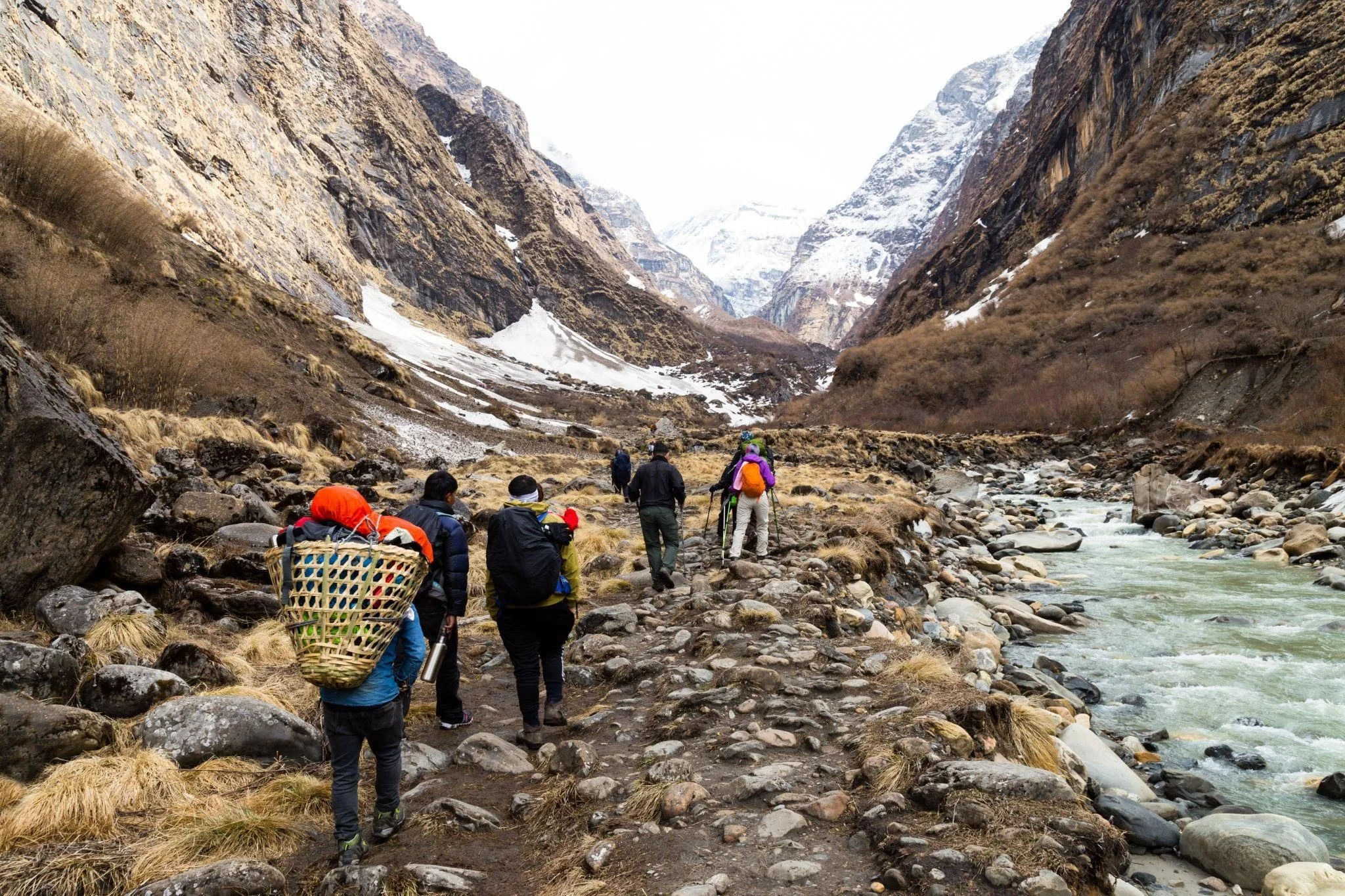
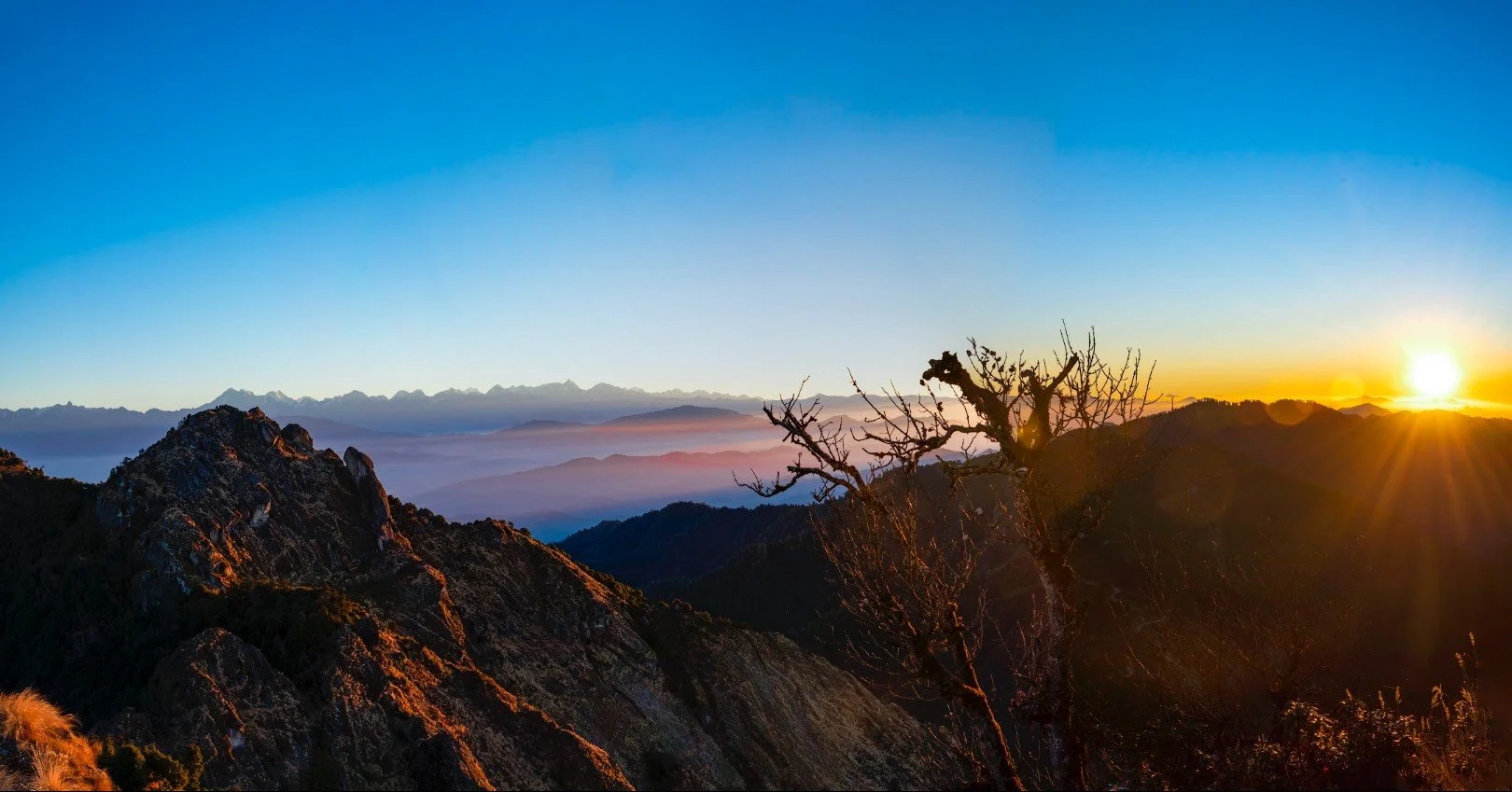
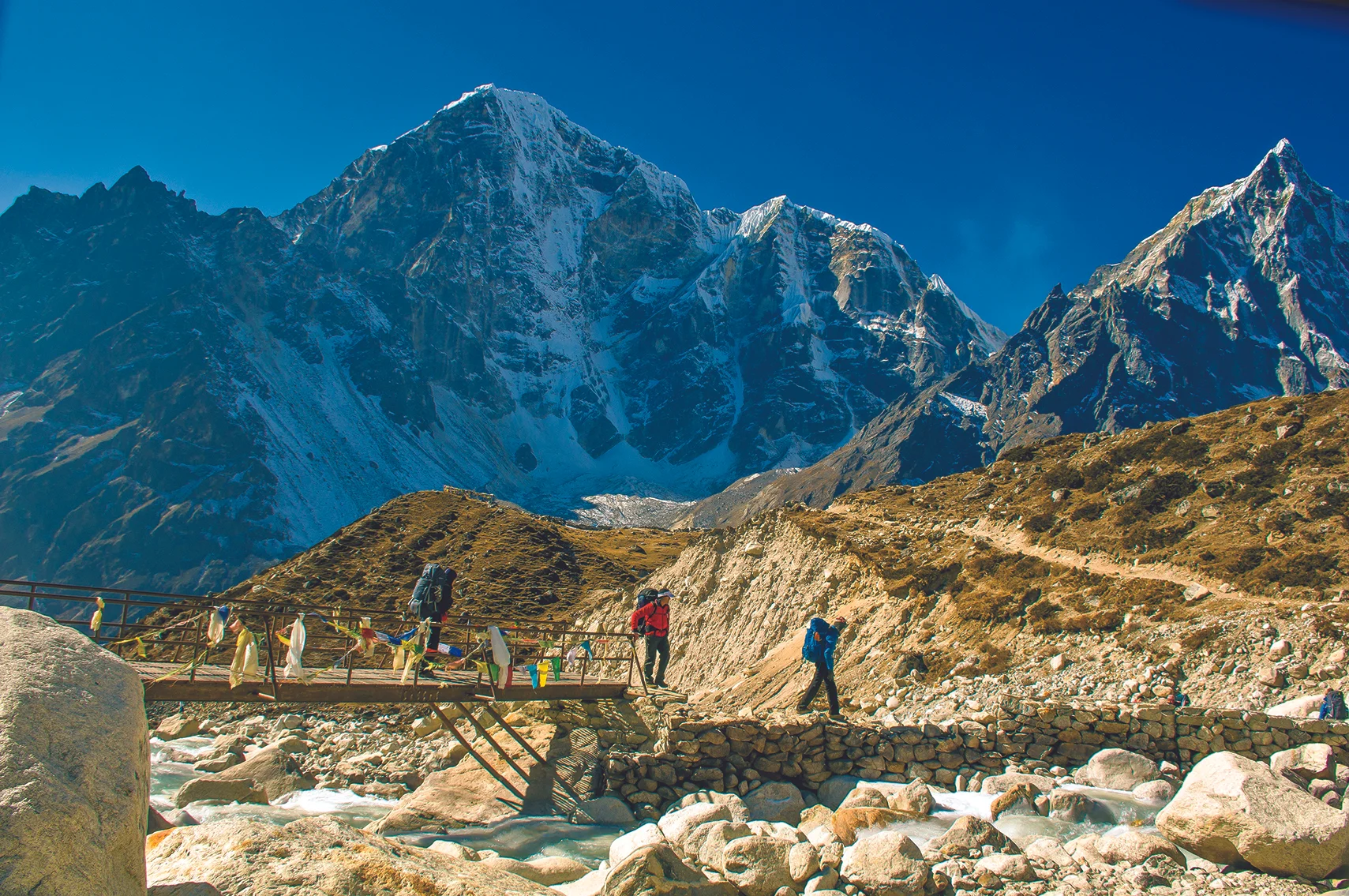
There are numerous trekking routes to venture upon this high land and it is known as the 'Great Himalaya Trails.' It is an immense trail system that covers areas of Nepal from Humla and Darchula which lies in the west to Kanchenjunga in the east.
Trekking in Nepal is found to be completely different than that of mid 1960s. Only a few trekkers visited Nepal as a part of expedition group. But now, situation has completely changed and with the facility of accommodation with food and lodging facilities, trekkers from all around the world are encouraged to visit our country.
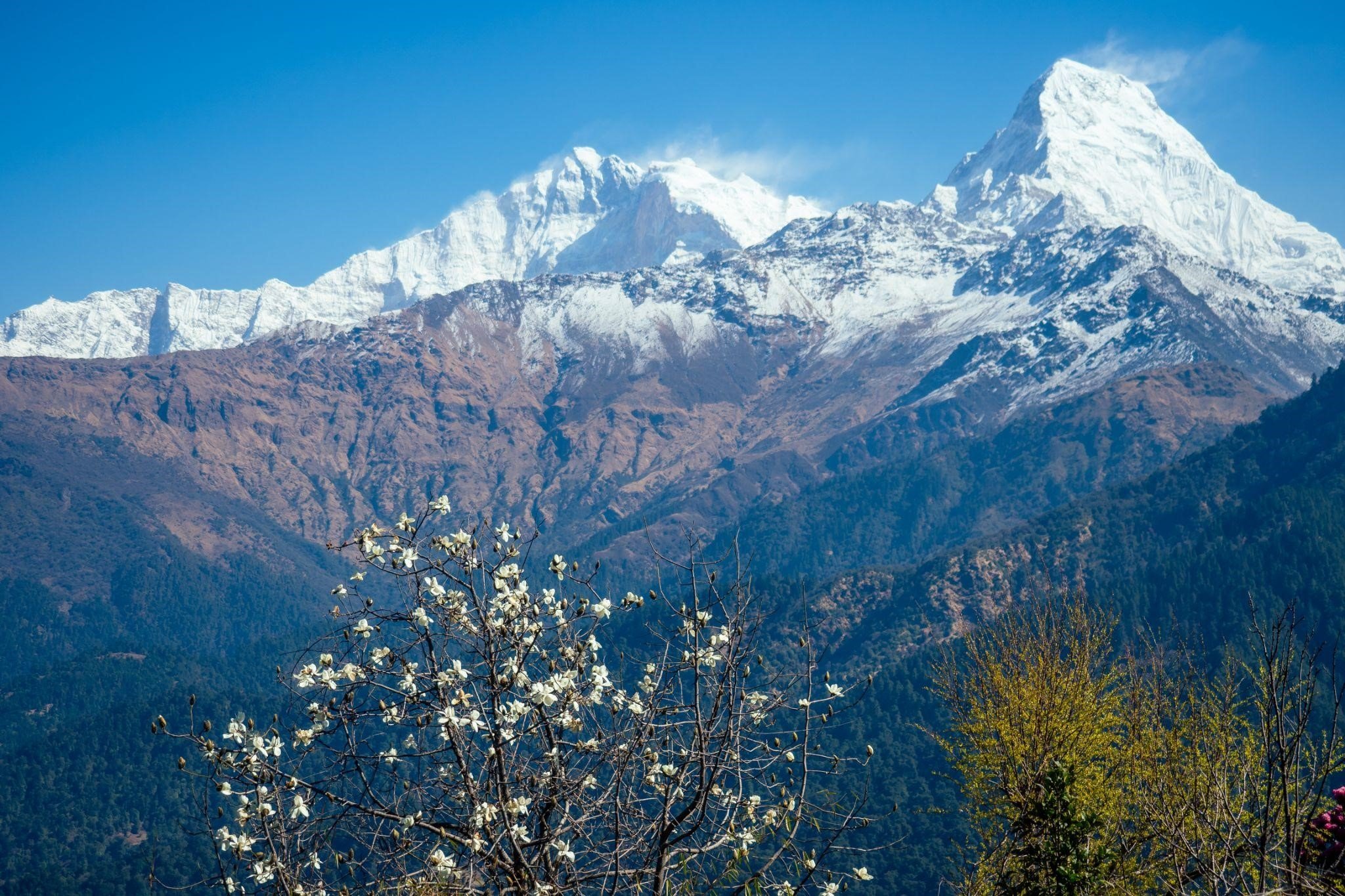
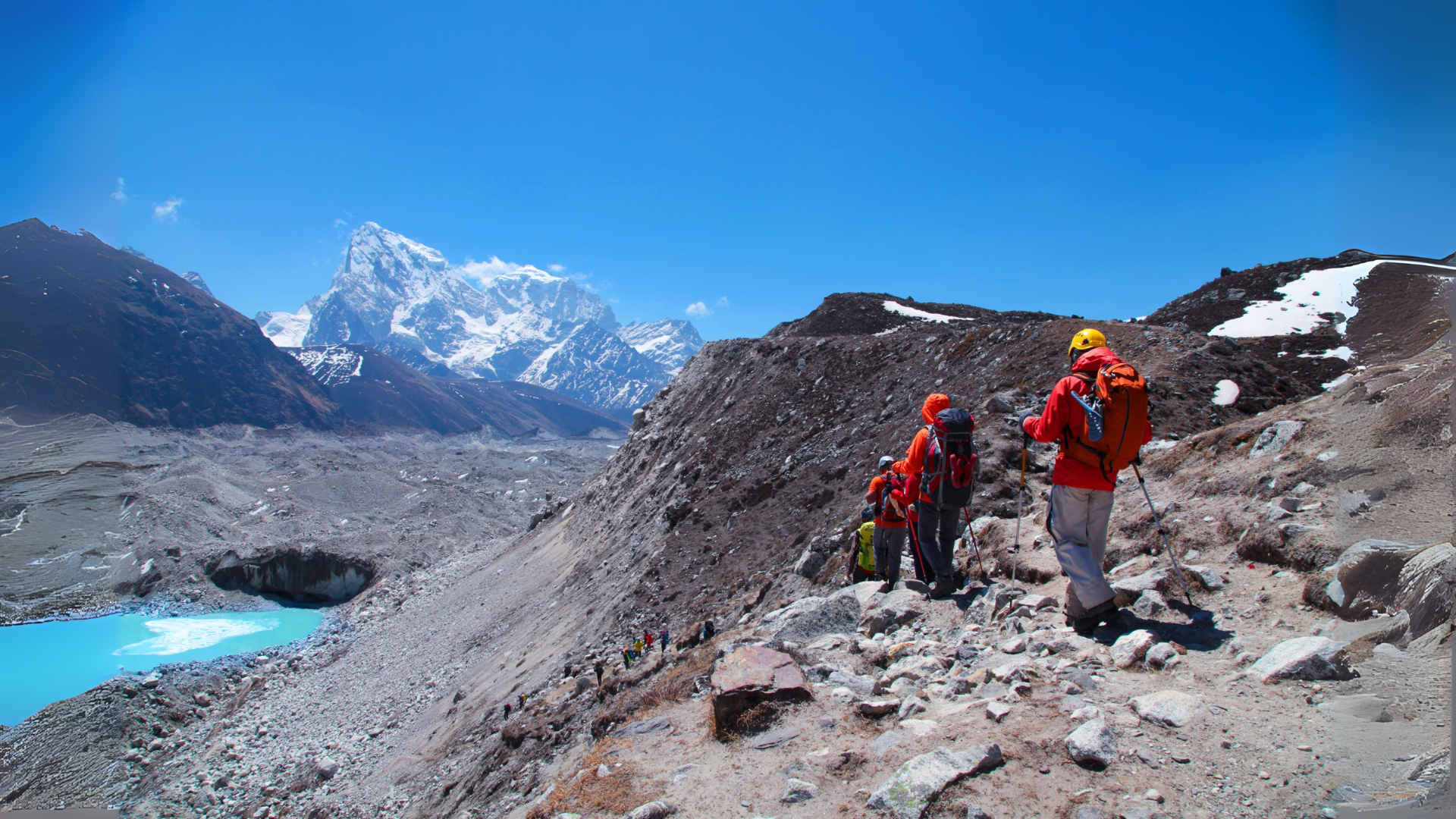
The three major trekking areas and the easily accessible ones are Langtang, Everest and the Annapurna regions. Amongst three, Annapurna and Langtang have an advantage as they can be reached through road connections. The Great Himalaya Trails has substantial amount of information on other hiking regions which can be easily accessible on domestic flights. Kanchenjunga, Dolpo, Makalu and Far West are some grounds covered by flights. However, this is just the starting of the journey and it takes several days of trekking to reach higher mountain areas from the local centers of population and administration.
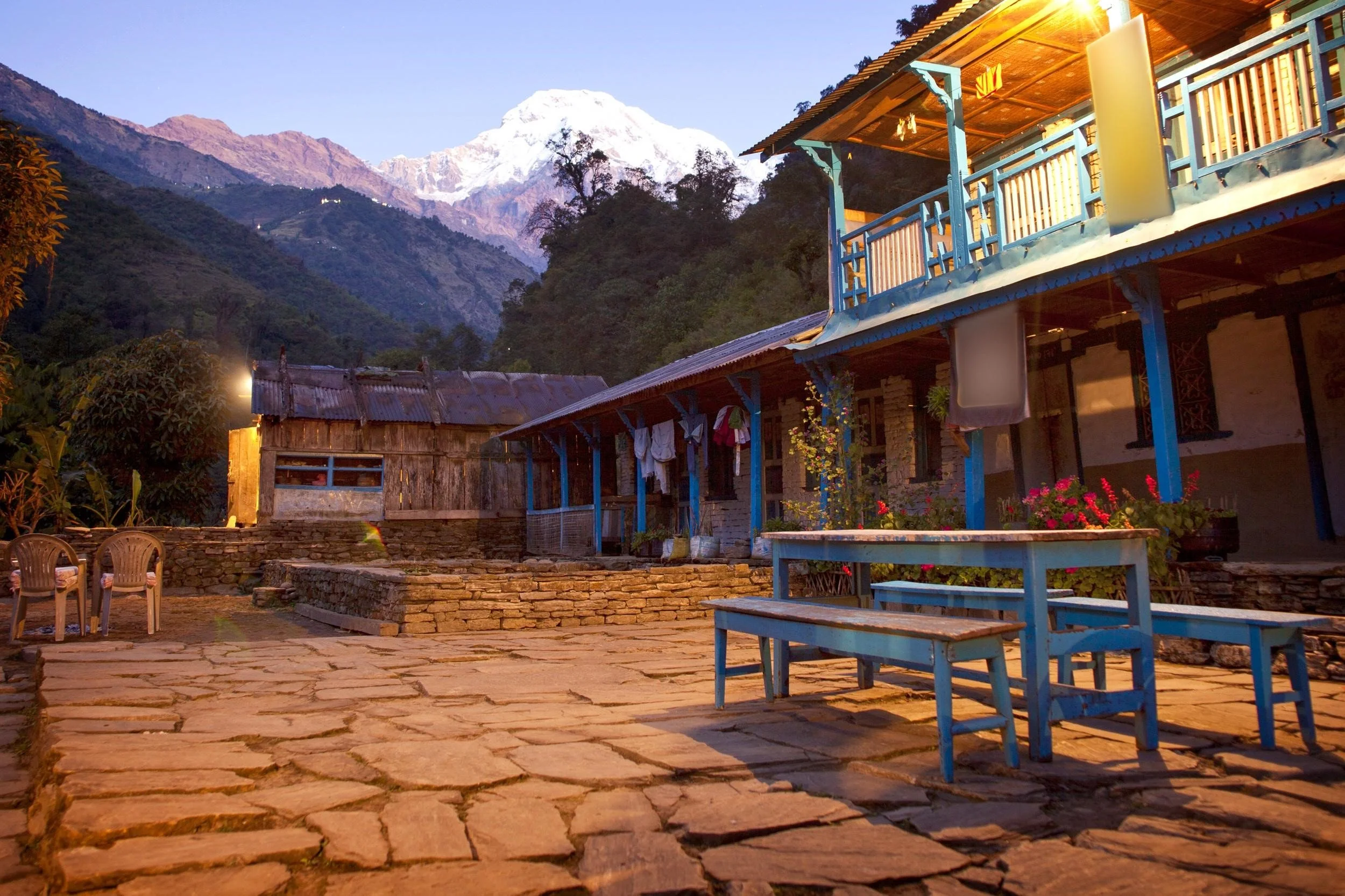
Domestic flights usually occur early morning and two domestic flights are required to reach the starting destination of the trek. The popular trek areas in Everest, Manaslu, Annapurna and Kanchenjunga are able to provide lodge with better accommodation. Similarly, the west of Annapurna is the less visited trekking route and they may not have proper lodging facility; but they most definitely have camping style trek support.
Mustang trek has become of the most popular and common trekking destination among the visitors and travelers. It is famous for international as well as national tourists. Mustang Trekking is a superb trekking route in the Western Nepal as it takes tourists to the hinterlands of the western region of Nepal. Previously, Mustang Trekking was restricted for expedition and the land was alienated from the travelers. But now, it is be swarming with visitors and has become a major tourist hub.
Along with this, Manaslu Circuit Trek is another famous trekking route. It has successfully attracted the intended tourists and adventure seekers. Many come here for the purpose of hiking and trekking. They get full experience of the serene beauty of high lands. Nepal has captured the imagination of the entire world with its unsurpassed beauty.
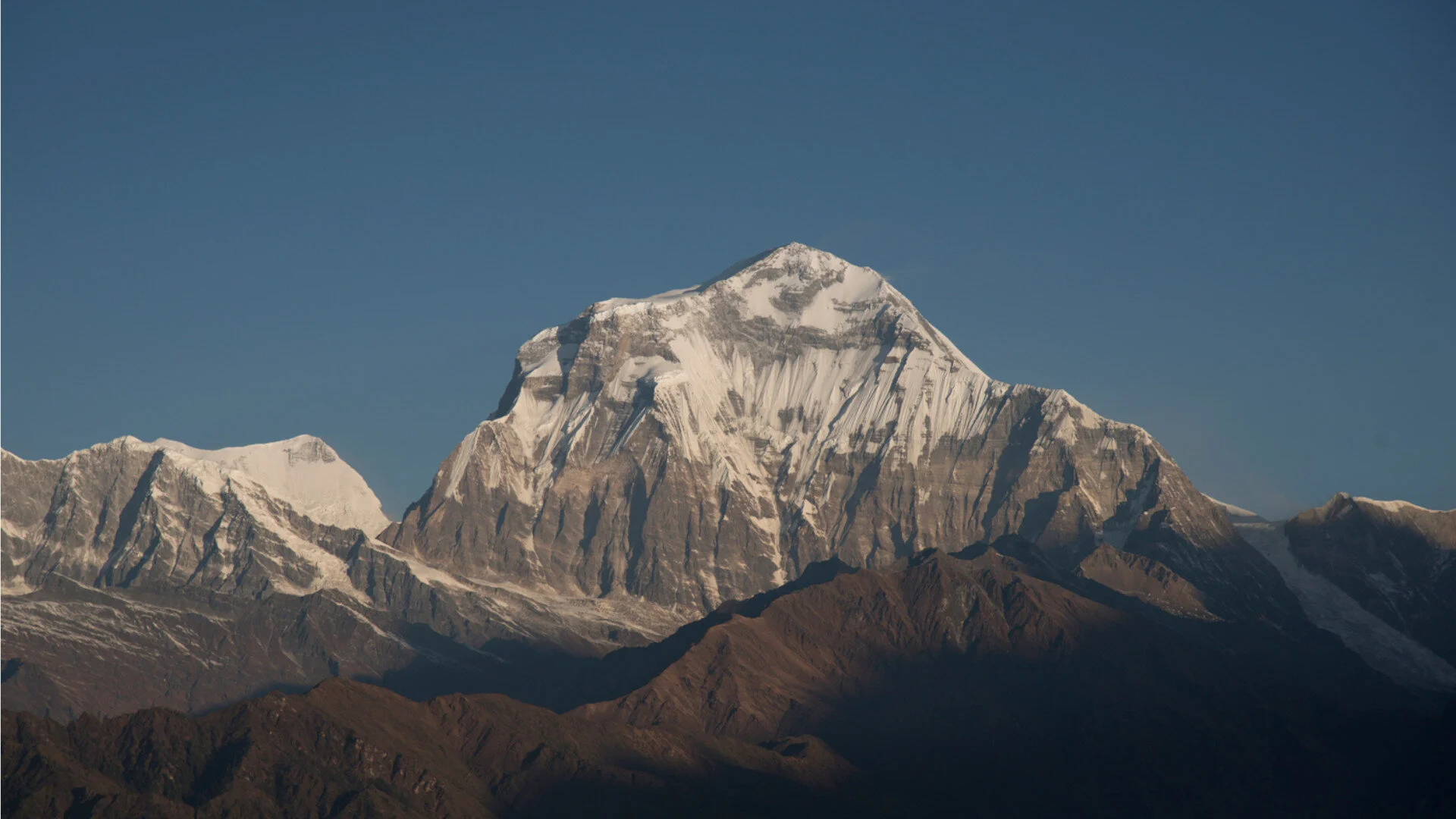
The southern areas of Nepal are usually preferred to trek as they receive higher level of precipitation. We can find climate variations as some routes along the Great Himalaya Trails lie in the rain shadow. These dry lands on the north fall on the leeward side of mountains. The places that fall under it are Mustang to the north of Annapurna with Manaslu and Dolpo to the north of Dhaulagiri.
Post monsoon season can be a great time for trekking as the weather tends to be clearer. Winter can be good but the trekkers have a disadvantage as this season has shorter days. Spring season can also be affected by the seasonal rain and snow storms. Summer season does not last long and it is quickly followed by the monsoon season. Thus, no season is perfect for trekking purpose and the trekkers have to make though decision about which kind of season is most desirable for them.
- Here are few of the refreshment activities that you can try on the Himalayas:
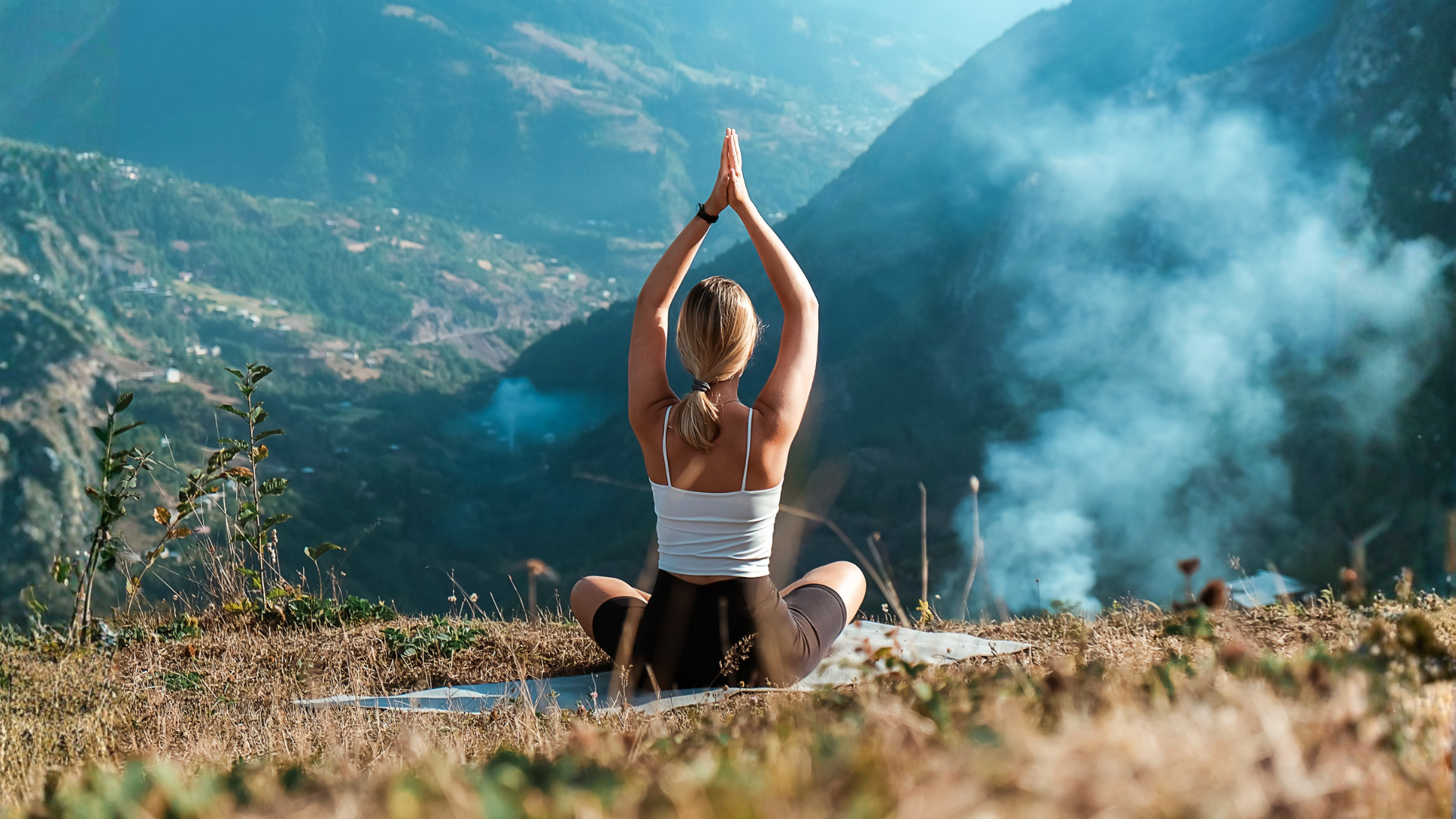
- Yoga and meditation – As dramatic as it sounds to climb to the top for meditation; yoga is a stress reliever and you can relax peacefully in a calm environment.
- Indulge yourself with nature – Flora and fauna found in abundance in the mountains and you can carry your camera and explore this rich land. Who knows, you may even stumble upon a Yeti! You can immerse yourself in the lakes, rivers and lowest gorges.
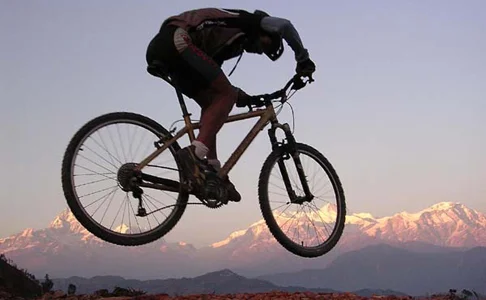
- Mountain biking - You may want to test your physical limit by taking a mountain bike up to the high lands. As the trail is diverse, you can bike on a clean bumpy road to bumpy rough trails. You will enjoy delightful greenery and elevated mountains in the backdrop.
- Everest Skydive?! – As crazy as it sounds, you can have the best spine chilling adventure with the combination of the highest peak of the world and mind blowing sport of skydiving. You can get view of the Everest region with stupendous mountain views and the Sherpa settlement below makes this experience a lifetime achievement.
- Take mountain flights – You can choose to fly close to the Himalayas to get an unbelievable scenic view of this tremendous chain of snow covered mountains.
- Shopping! – Who does not like doing good old shopping? Astounding handicrafts items of excellent craftsmanship are found in the Himalayas. You can get souvenirs for you and your loved ones. Items like thangkas, pashmina, carpets, jewelry, prayer wheels, stone carvings etc. has great cultural significance.
- Faith healing – You can explore the mysticism of the animalistic of Himalayan culture. The process involves honoring the earth and respecting the spirit which is believed to reside in all of us.
- Mingle with the locals – Nepalese are considered to be the friendliest of the lot and you can always socialize with them. You can feel their optimism, simple yet powerful spirit and get a taste of their genuine warmth. A simple gesture of 'Namaste' can lead to great friendships with unforgettable memories.
The trekkers can be enthusiastic about the idea of solo trek with their own schedule and convenience. But do you want to risk the unknown and get stranded in a situation with a major storm, temperature of at possibly 5,000 m and zero visibility? Thus if you want to avoid the risk, it is advisable to you travel with a group of trekkers for support and guidance.
Similar Posts
A guide to the highest peaks in Nepal
A short guide to the highest peaks in Nepal to help plan the next trekking destination for the coming season. Those who want to venture for a simple trekking route or daring trekkers who want to venture virgin lands with the help of skillful guides, Nepal has several trekking trails that are suitable for every trekker.
Aasma Aryal
Nepal is a land of the exalted Himalayas and a home of the greatest mountain chain in the world. More than 250 peaks are found to be congregated in our beloved country and it is a unique cluster of giant and dazzling summits. There are approximately 800 km of the Himalayas in Nepal amongst which eight of the world's fourteen highest peaks fall under it. Nepal is considered to be the major highlight of mountain tourism(trekking in Nepal) as the spectacular mountain range overlooks the deep valleys with rambling pastures and the swarming Sherpa villages.
The western edge of the Himalayas prolongs up to the Indus River and the Nanga Parvat. It is considered to be the highest mountain in the western side of the Himalayas and is the 9th highest in the world. Whereas, the north-western section of the Himalayas are known as Karakoram and the Hindu Kush. In total both of these ranges cover more than 1300 kilometres.
The Himalayas have one of the largest ice accumulations in the world after the Polar Regions. The Himalayas have about 1500 glaciers and they hold up to 3000 cubic miles of fresh water and it is considered to be the source of one of the biggest tributaries in the world. Some of the major tributaries with starting points to reach the glacier deposits are: Jhelum, Ravi, Sutlej, Brahmaputra, Ganges, Yamuna, Beas, Yarlung Tsangpo, Ayerwadi, Indus, Salween, Mekong, Chenav, Ravi, Yangtze and Huang He.
The mountains of our country have proved to be major sources of many rivers along with the glaciers which play an important role in the country's economy. About 9% of our total land is covered by Himalayas and there are many climbable peaks in that region. However, some of the peaks are left unclimbed and it is held sacred by the local ethnic group.
The giants are sacred to the religions of Bon, Jain, Buddhism and Hinduism. From historical point of view, Nepal is known as the home of the Himvat which is considered to be the father of Ganga and Parvati. Similarly, Kailash in the Tibet is known as the home of the Buddhist messengers, Hindu gods along with the root of Jain and Bon religion.
Nepal has the highest Himalayan ranges of the world and it wraps and protects the Himalayan lifestyle and culture. Various expedition programs are arranged for adventurous trekkers who come to prove their might by stepping on the giant peaks of the world. Some trekkers might want to venture simple trekking routes whereas daring trekkers can venture virgin lands with the help of skillful guides.
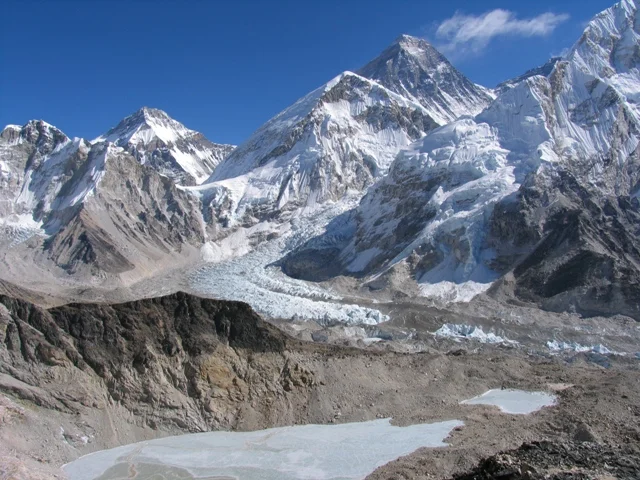
Everest is the place for outdoor enthusiasts and thrill seekers. The giant of the giants lies in between the border between Nepal and Tibet and remains to be sacred for people of both places. It has proudly stood throughout history as the highest peak of the world.
Everest Base Camp trek is one of the popular multi-day trekking destination in Nepal
Kanchenjunga is the third largest mountain in the world and lies on the east of Great Himalayan Trails. The locals consider this summit as sacred. Kanchenjunga literally means "five treasures of snow" as it consists of five separate peaks.
Lhotse is the fourth tallest mountain of the world. Besides this main summit there are Lhotse Middle (8,414 m) and Lhotse Shar (8383 m). Lhotse is connected to Mount Everest via the South Col and the name signifies "South Peak" in Tibetan. As it is joined by a ridge to Everest, many climbers venture upon both the mountains.
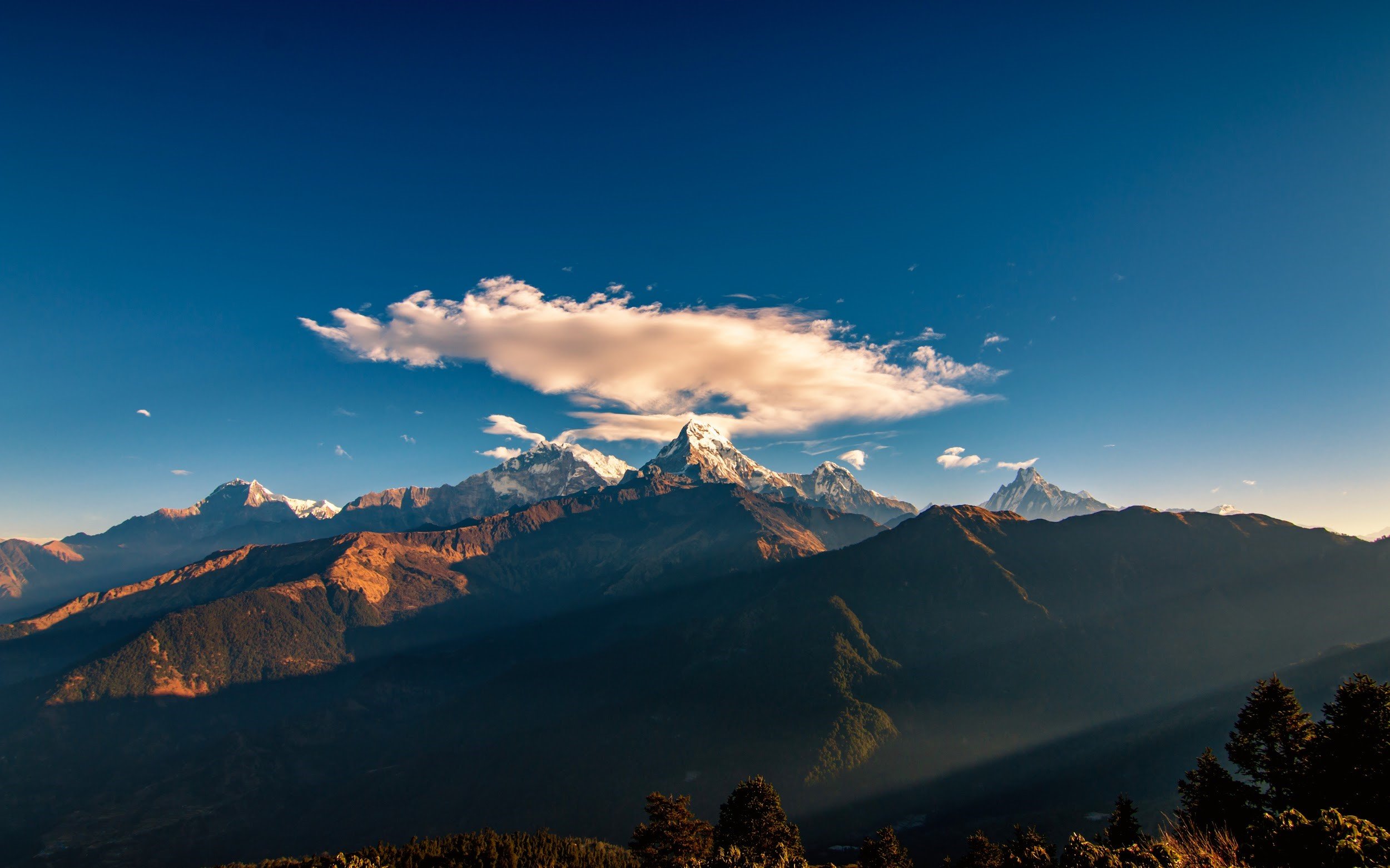
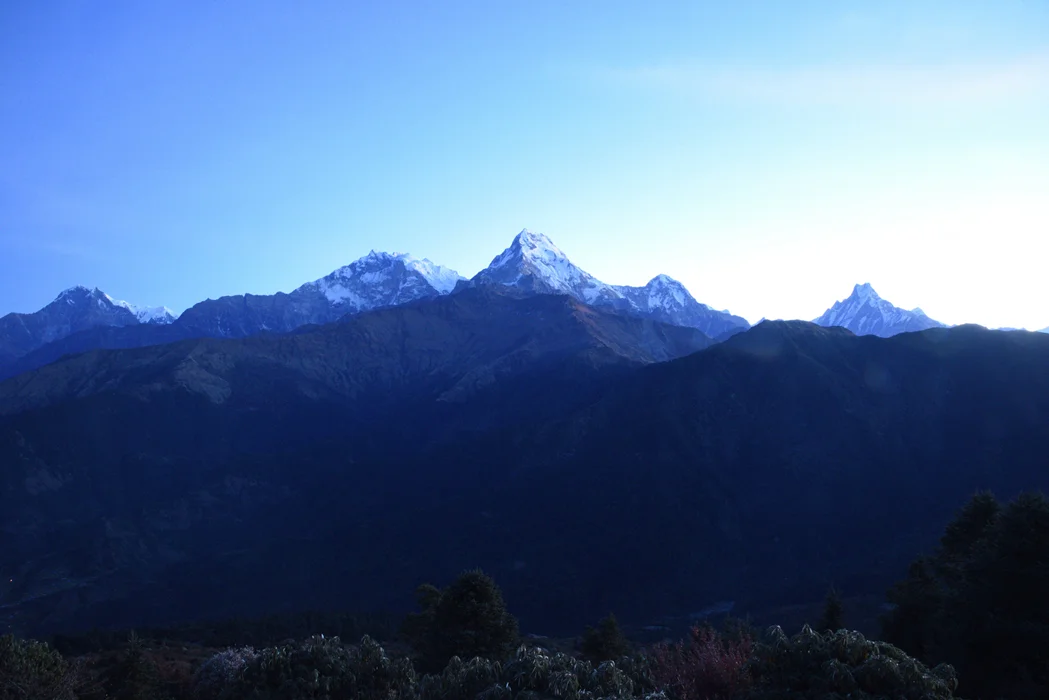
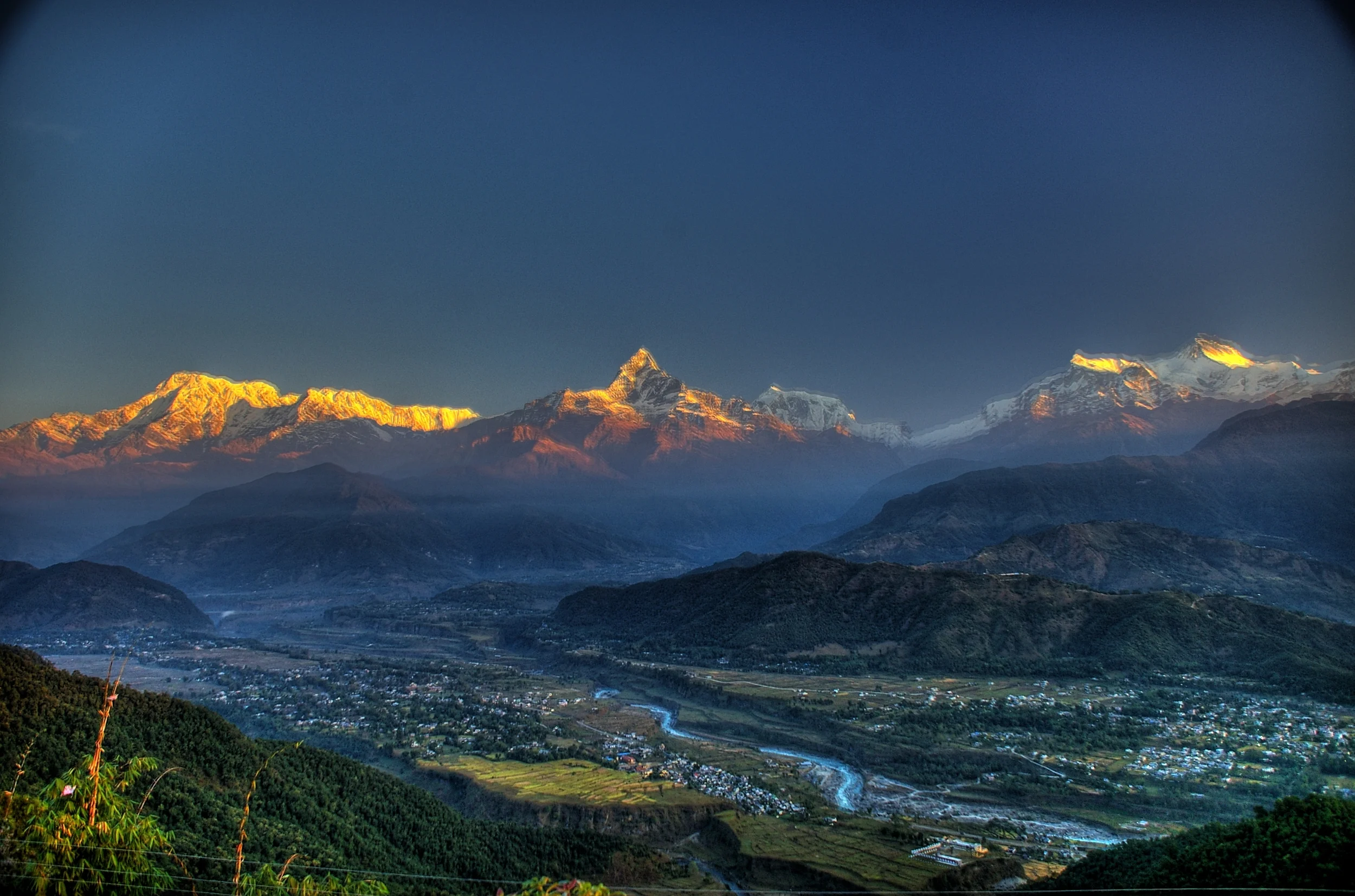
Machhapuchhre (fishtail mountain) is the most iconic and well known mountain of the Himalayan horizon. Visitors can admire this giant from the city of lakes, Pokhara which is only 25 km away. This mountain is considered holy and apparently no one till record has climbed it to the summit.
Similar Posts
An unexpected journey to paradise
The mountain passes of Jiri and the picturesque hill of Kalinchowk were heavenly. For someone who was born and raised inside the walls of a city, this escape made me understand the expression, "Nepal is heaven on earth." Even though the journey only lasted for two days, we traveled and saw many highs and lows.
In life, there aren't many moments that aren't many moments that are memorable as the ones made spontaneously. With this mindset, my dad and my friend and I decided to go on a trip to Jiri, which turned out to be anything but ordinary. In this blog, I have talked about our adventure in the highlands with a rejuvenating experience. The memory will remain with us and it will be cherished forever.
When confronted with the gorgeous hills of Jiri, we came to realize that Nepal is more than just the two peaks of himalayas. Visitors were cycling, running around the hills, immersing themselves in the environment. We shared a collective appreciation of nature, which gave me a warm feeling.
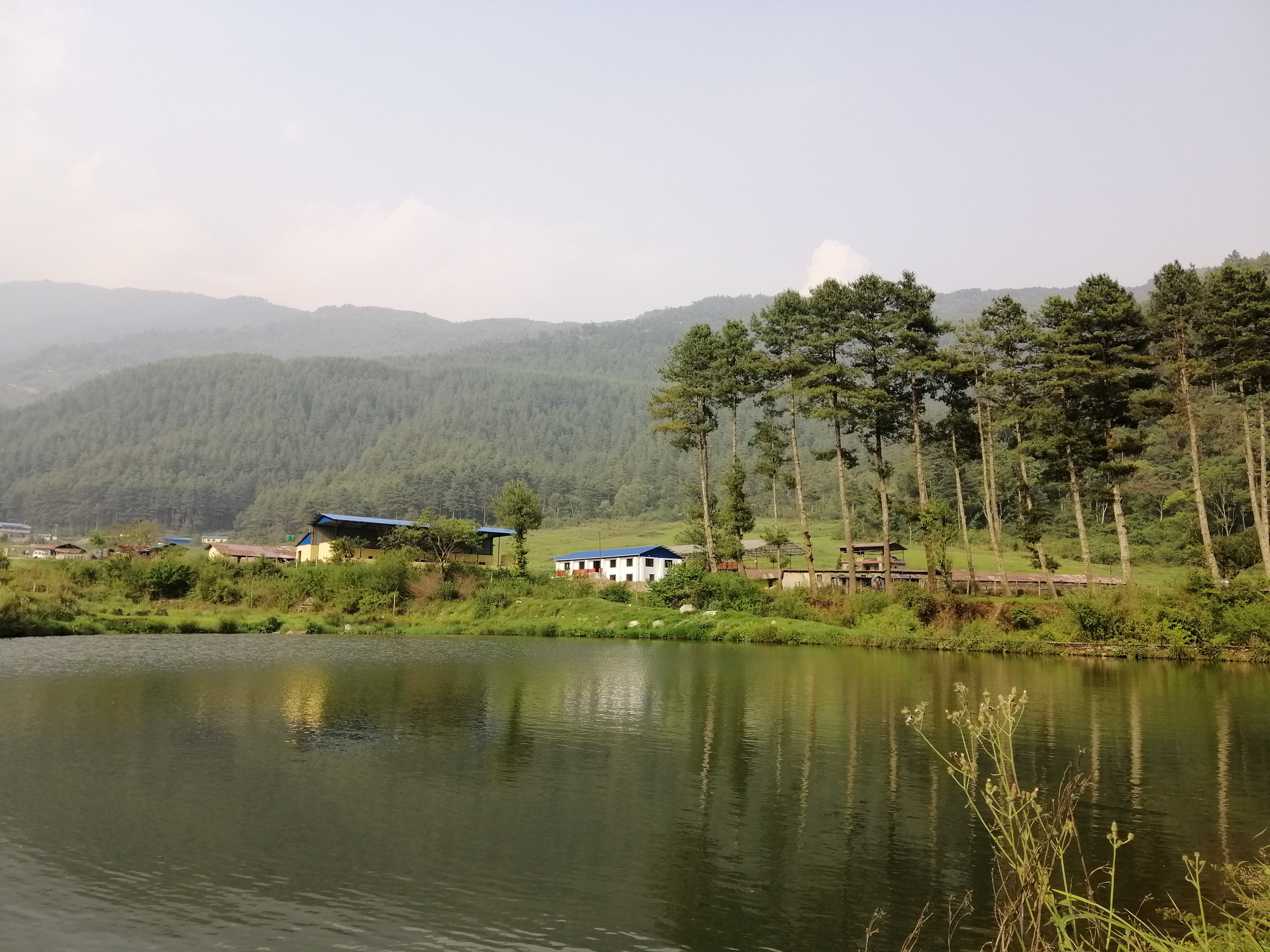
Turns out Jiri has been noted as the highly praised and popular trekking route to reach the Everest Base Camp. I told my dad may be we could also try, but he laughed and retorted that it was not possible as I couldn't even walk a mile. Upon further exploration, we saw a pond where fishing was made commercialized. A boy screamed with joy when his dad caught a fish, which probably will be their meal later on. The local people were more than happy to guide us around the place. While roaming around, I also saw vendors selling cheese and durkha, a special delicacy of Jiri, yum! Overall, Jiri is one of the big towns of Dolakha which is very strict about cleanliness and security. Unfortunately, the journey in Jiri only lasted few hours as we had to descend downwards to reach our next destination 'Charikot.'
We planned on staying one night in Charikot as it served to be a mid point on our road to Kalinchowk. After sleeping in a wonderful climate without mosquitoes, it gave us a fresh start to travel in the morning. The road was jerky and uncomfortable but the expectation of the glorious Kalinchowk kept us going. On the way up, I noticed white colored rhododendrons blooming, which surprised me. I thought that rhododendrons were only red in color. However, the entire valley was covered in white rhododendron. The walk to the top of Kalinchowk was going to be a long one so we prepared ourselves by stuffing ourselves with locally prepared food 'Chana' and chiya. At first, our bodies were shivering from cold, but eventually our body started adjusting to the cooler climate and we were pumped up for our adventure for the day.
After panting and gasping for what seemed like forever, we reached to the top of Kalinchowk temple. The breath of icy fresh air, made it seem like paradise. Devotees were praying and offering sacrifices. I cherished my existence and opportunity to be in Kalinchowk as I felt like I was on top of the world. Although the views of the Himalayas were covered by fog, we did get a glimpse of it and it was a wondrous sight. Though we wanted to stay and marvel at the beautiful scenery, we had to return back to Charikot. The ride on the Bolero again became thrilling and our motion was out of control. Although, this rickety ride caused our body to be sore, the view made it worth it.
The journey only lasted two days but we experienced many places. We are so close to the touch of the heavens regardless of our occupation as city dwellers. The need to escape to such wonderland every once in a while could easily be fulfilled if we ventured outside our bubble. Even though the journey only lasted for two days, we travelled and saw many highs and lows. The mountain passes of Jiri and the picturesque hill of Kalinchowk were heavenly. For someone who was born and raised inside the walls of a city, this escape made me understand the expression, "Nepal is heaven on earth." I have so much to explore and so much of this beautiful land to see. Now I wait to get to my next destination.
Similar Posts
Avifauna Jewels Of Chitwan National Park
Chitwan national park is 12th national parks of Nepal, also enlisted in the UNESCO World Heritage site. It was inscribed in the heritage book in 1984 AD under the criteria of Natural sites. It spans a total area of 932 Sq.Km and is located in the Inner Terai Low Lands of South-Central Nepal.
Chitwan National Park is of 12 national parks of Nepal, it is also enlisted in the UNESCO World Heritage site. It was inscribed in the heritage book in 1984 AD under the criteria of Natural sites. It spans a total area of 932 Sq. Km and is located in the Inner Terai Low Lands of South-Central Nepal.
Chitwan National Park is home to more than 543 species and more than 180 visiting bird species. Some of the species that dwell in the area of the Nepal are threatened and on the endangered species list, such as Bengal Florican, Lesser Adjutant, Grey-Crowned Prinia, Swamo Francolin, GFrass Warblers, Oriental Darter, Spotted Eagle and many more.
The Nepal is a home to beautiful and vibrant bird species which call this national park home due to its suitability for habitat. This list consists of 5 Jewels one can spot in Chitwan National Park.
Honey Buzzard
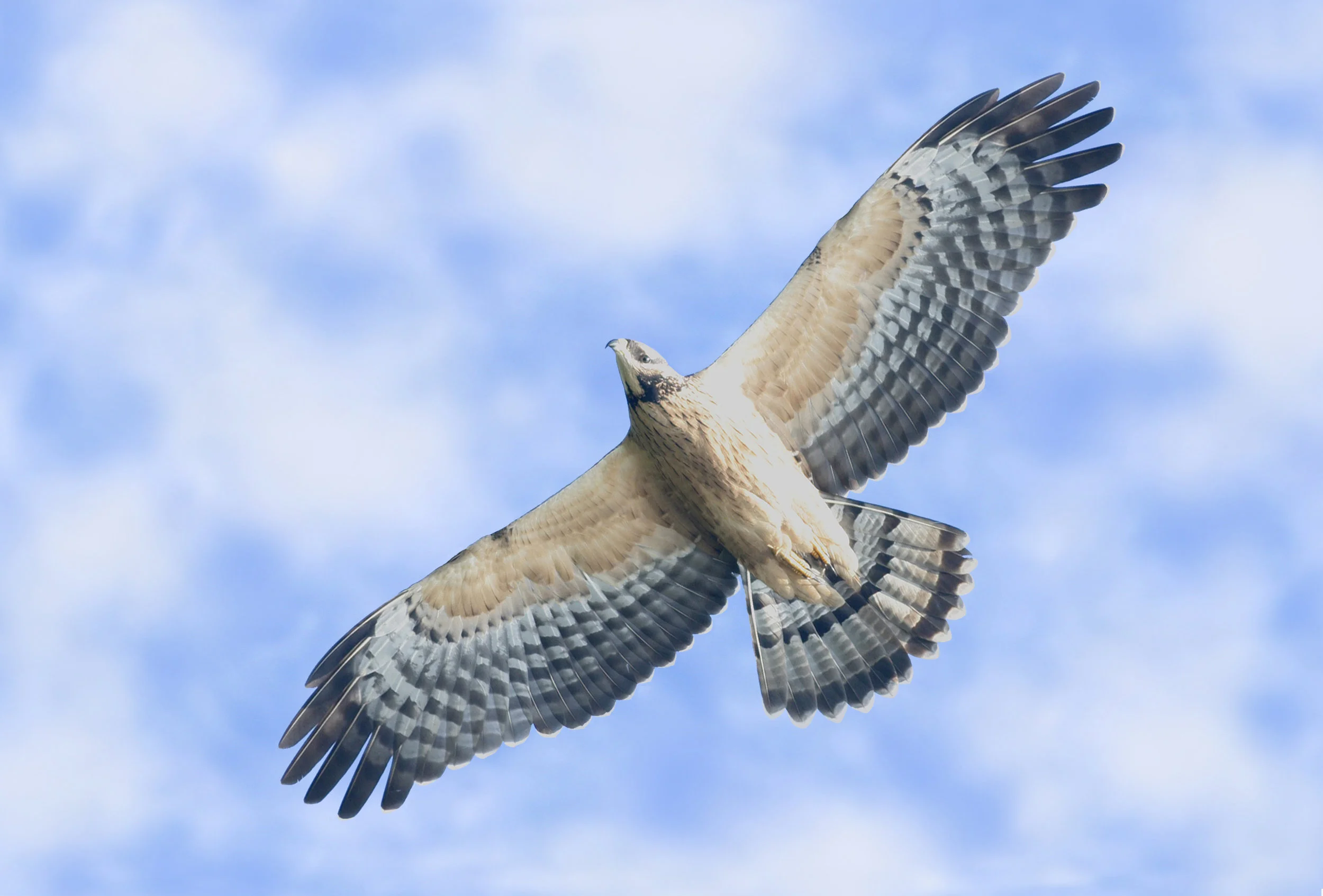
The crested honey buzzard (Pernis ptilorhynchus) is a bird of prey in the family Accipitridae, which also includes many other diurnal raptors such as kites, eagles, and harriers. This species is also known as the Oriental honey buzzard.
Darter
The darters or snakebirds are mainly tropical waterbirds in the family Anhingidae having a single genus Anhinga. There are four living species, three of which are very common and widespread while the fourth is rarer and classified as near-threatened by the IUCN. The term "snakebird" is usually used without any additions to signify whichever of the completely allopatric species occurs in any one region. It refers to their long thin neck, which has a snake-like appearance when they swim with their bodies submerged, or when mated pairs twist it during their bonding displays. "Darter" is used with a geographical term when referring to particular species. It alludes to their manner of procuring food, as they impale fisheswith their thin, pointed beak. The American darter (A. anhinga) is more commonly known as the anhinga. It is sometimes called "water turkey" in the southern United States for little clearly apparent reason; though the anhinga is quite unrelated to the wild turkey, they are both large, blackish birds with long tails that are sometimes hunted for food.
Alexandrine parakeet
The Alexandrine parakeet or Alexandrian parrot (Psittacula eupatria) is a member of the psittaciformes order and of the family Psittaculidae. The species is named after Alexander the Great, who is credited with the exporting of numerous specimens of this bird from Punjab into various European and Mediterranean countries and regions, where they were considered prized possessions for the nobles, royalty & warlords.
Hoopoe
Hoopoes /ˈhuːpuː/ are colourful birds found across Afro-Eurasia, notable for their distinctive "crown" of feathers. Three living and one extinct species are recognized, though for many years all were lumped as a single species—Upupa epops.
Grey Heron
The grey heron (Ardea cinerea) is a long-legged predatorywading bird of the heron family, Ardeidae, native throughout temperate Europe and Asia and also parts of Africa. It is resident in much of its range, but some populations from the more northern parts migrate southwards in autumn. A bird of wetland areas, it can be seen around lakes, rivers, ponds, marshes and on the sea coast. It feeds mostly on aquatic creatures which it catches after standing stationary beside or in the water or stalking its prey through the shallows.
Grey Head Fish Eagle
The grey-headed fish eagle (Haliaeetus ichthyaetus) is a fish-eating bird of prey from South East Asia.[2] It is a large stocky raptor with adults having dark brown upper body, grey head and lighter underbelly and white legs. Juveniles are paler with darker streaking. It is often confused with the lesser fish eagle (Haliaeetus humilis) and the Pallas's fish eagle. The lesser fish eagle is similar in plumage but smaller and the Pallas’s fish eagle shares the same habitat and feeding behaviour but is larger with longer wings and darker underparts.
Green Bee Eater
The green bee-eater (Merops orientalis) (sometimes little green bee-eater) is a near passerine bird in the bee-eaterfamily. It is resident but prone to seasonal movements and is found widely distributed across sub-Saharan Africa from Senegal and the Gambia to Ethiopia, the Nile valley, western Arabia and Asia through India to Vietnam. They are mainly insect eaters and they are found in grassland, thin scrub and forest often quite far from water. Several regional plumage variations are known and several subspecies have been named.
Great White Pelican
The great white pelican (Pelecanus onocrotalus) also known as the eastern white pelican, rosy pelican or white pelicanis a bird in the pelican family. It breeds from southeastern Europe through Asia and Africa, in swamps and shallow lakes.
Cattle Egret
The cattle egret (Bubulcus ibis) is a cosmopolitan species of heron (family Ardeidae) found in the tropics, subtropics and warm temperate zones. It is the only member of the monotypicgenus Bubulcus, although some authorities regard two of its subspecies as full species, the western cattle egret and the eastern cattle egret. Despite the similarities in plumage to the egrets of the genus Egretta, it is more closely related to the herons of Ardea. Originally native to parts of Asia, Africa and Europe, it has undergone a rapid expansion in its distributionand successfully colonised much of the rest of the world in the last century.
Lesser Adjutant
The lesser adjutant (Leptoptilos javanicus) is a large wading bird in the stork family Ciconiidae. Like other members of its genus, it has a bare neck and head. It is however more closely associated with wetland habitats where it is solitary and is less likely to scavenge than the related greater adjutant. It is a widespread species found from India through Southeast Asia to Java.
Purple Swanphen
Grey-headed swamphen (Porphyrio poliocephalus) is a species of swamphen occurring from the Middle East and the Indian subcontinent to southern China and northern Thailand. It used to be considered a subspecies of the purple swamphen, but was elevated to full species status in 2015; today the purple swamphen is considered a superspecies and each of its six races are designated full species.
Rufous Necked Laughingthrush
The rufous-necked laughingthrush (Garrulax ruficollis) is a bird species in the laughingthrush family, Leiothrichidae. It was formerly placed in the genus Dryonastes.[2] It is found in Bangladesh, Bhutan, China, India, Myanmar and Nepal, where its natural habitats are subtropical or tropical moist lowland forests and subtropical or tropical moist montane forests.
Little Egret
The little egret (Egretta garzetta) is a species of small heron in the family Ardeidae. The genus name comes from the Provençal French Aigrette, "egret", a diminutive of Aigron," heron". The species epithet garzetta is from the Italian name for this bird, garzetta or sgarzetta.
Trailing Nepal: What It Takes to Mountain Bike in Nepal
Embrace the adventurous spirit in you by embarking on a challenging yet fun sport which is rapidly growing to be one of the most popular adventure sport in the world.
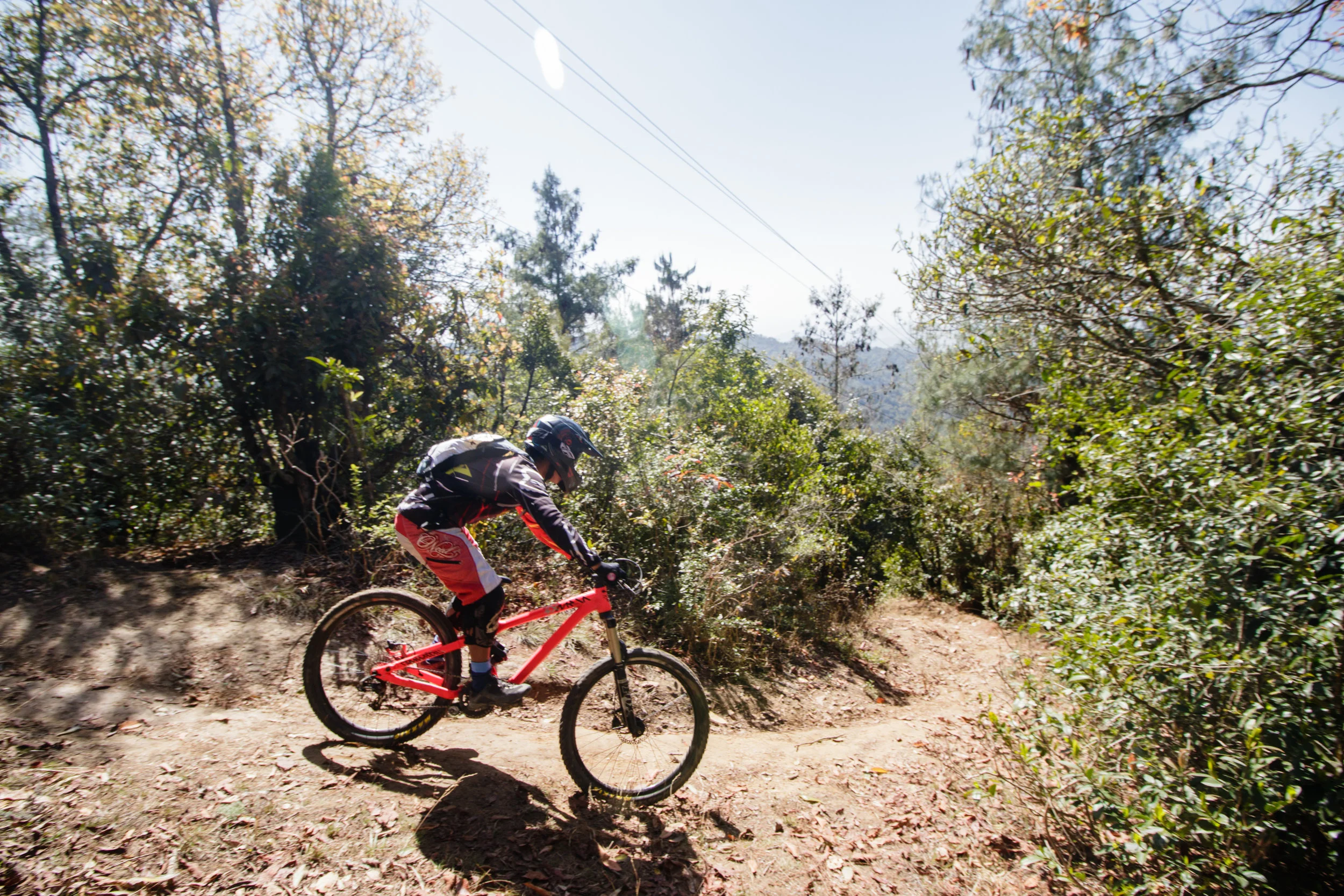
It’s really embarrassing to admit how long I have been riding my mountain bike, but when it comes to the technical trails, I’ve been a bit of a wuss. Pitched roads, gravelled paths and even some trails with a small drop, that’s all fine for me. But take me to a trail with a steep drop or even an inch of man-made downhill trail, I’d rather carry my mountain bike and come down than ride those trails. I am sure many mountain bikers would relate to this. So, what exactly is downhill riding? It is all about the flow of your bike and the rhythm of your movements. As riders descend, they go as fast as possible by finding the best lines on the trail and riding smoothly.
“It’s just riding a bike, right?”, you might be thinking. Well, not really. Riding your bike downhill takes a very high degree of mental and physical stamina, whether its competing or just trying to keep up with fellow riders. What riders tend to do is take their bikes on a truck or a jeep to the top of the hill and come down fiercely with their adrenaline levels uplifting so briskly that they don’t care about how dangerous the trails are.
No one knows how and when the trend of downhill mountain biking in Nepal began. A few adrenaline junkies from Nepal used to take their bikes to remote places and ride along the trails. Then slowly, youngsters began realizing the value of riding their bikes and learned about different biking techniques. Gradually, what used to be a small number of people grew to a massive community here in Nepal. Biking enthusiasts started to form groups and go on rides whenever they could find the time. Eventually, mountain biking races were organized in different parts of the country so as to let people know the prospect of the sport. One of the most notable races is the Asian Enduro Series organized by GNARLY. The term “enduro” is an intermix of two areas of biking, one being cross-country and the other being downhill. Set up in the hills of Nagarkot, the Asian Enduro Series is one of the most exciting and challenging races which demands a lot of physical as well as mental energy. The other recognized races are the Yak Attack and Yak Ru both being in the Annapurna region with the trails at unforgiving high altitudes.
One of the top mountain biking companies in Kathmandu, Gravity Nepal are doing their best to nurture and give the best services to the biking industry and develop it as a sport. Shyam Limbu, who is the MD of Gravity Nepal, has been in the mountain biking industry for a decade. He said “Being an outdoor enthusiast, I have always wanted to contribute to the mountain biking industry. We are simply helping the present as well as the next generation learn the art of mountain biking with safety and comfort in mind.” Gravity Nepal organizes short as well as long mountain biking trips all across Nepal. They go for rides every weekend to trails around the valley like Nagarkot, Phulchowki, Shivapuri and Kakani. For long trips, they take interested ones for heli-biking to the splendid landscape of the Himalayas in the Annapurna region.
Being a country blessed with rugged terrains, Nepal is a hub for adventure aficionados of all types with the biking industry being one of the most sought-after. There are countless trails here, and most of them are ancient. If you’re looking for trails within the Kathmandu valley, the most popular ones are the gnarly trails of Nagarkot, exhilarating drops of the Helipad trail in Shivapuri, and the tough yet scenic views of Phulchowki. Most riders take a jeep or bus with their bikes to the top of the hill and ride down with all their strength, agility and expertise.
“Looking for an adventure?” If you look inside the brochures with a caption like this one, you’ll be seeing, first, the adventurous trails within the Annapurna circuit, offering pristine views of arguably the most beautiful mountains and diverse culture. Secondly, the Mustang area, with truly spectacular landscapes which provide truly mystical vibes. Lower Mustang is convenient to get to and the Lubra valley is one of the most beautiful trails in the area. On the other hand, Upper Mustang is very remote and not so accessible but it is well worth the risk as you can ride along the ancient city of Lo Manthang. The trails are unforgettable in these areas; no one knows how many trails are waiting to be discovered, as the whole country is diverse with walking trails, beaten smooth by isolated tribes walking across the valley.
To ride downhill gnarly trails you will need proper gears. Helmets are certainly mandatory for all riders. A basic bike is a good option as a start which you’ll eventually want to upgrade for improved performance, proper suspension and positioning. Body gear is highly recommended if you want to challenge yourself on trails with huge drops and narrow trails. Buying a bike without knowing the perfect fit to your needs can be really stressful. So, renting a bike may be a good idea because the rental shops surely offer you a wide number of bikes appropriate for you and your riding preference. Contact Gravity Nepal for the bike-rental service if you’re in Kathmandu. As for other gears, wear protective eye-wear to avoid dust and harmful rays. Padded shorts with a breathable outfit will be most helpful. You get to buy those small yet handy daypacks useful for keeping your bottle of water, protein bars and other things. Additionally, a good pair of shoes with a nice grip is also recommended for maintaining proper balance.
For your safety, shin guards, elbow pads and guards, plus full-face helmets are necessary. You need to do a proper stretch before and after every ride to stay in good shape. Correct stretch postures allow you to achieve greater aerodynamic position on the bike. As cyclists suffer from shortened muscles, stretching is one of the many important exercises. Don’t push yourself too hard and go slow. Fill yourself up with proteins and carbs to help being energized at all times. Nourish yourself with foods like oats, porridge, rice and rye bread for carbs and some beans, soy, eggs and meat for protein. Keep hydrating your body as you’re bound to lose a lot of sweat while riding. Be sure to keep your bike well-tuned and serviced to get rid of any difficulties. Cleaning and lubricating your chain on a regular basis and wiping any stains or mud off of your bike and derailleur wheels is good practise. If you’re planning to take a mountain biking trip, always pack light and never underestimate the terrain.
So grab yourself a bike and hop on gravity’s back for a thrilling downhill ride. Go on rides despite the reluctance to get out of bed. It’s really fun when you are in the outdoors. You feel so much freedom and relief from stress when you ride your bike. Enjoy the sport and never let the adventurous spirit die!
Most underrated travel destinations in Nepal Part 2 Aasma Aryal
Nepal is a country known worldwide for its picturesque mountains, diverse wildlife and abundant natural treasures. There is so much to explore and visit in Nepal but because advertisements have not reached to us, we are unknown about it.
The Phulchowki Hill Station
Phulchowki is located to the south of the capital and is considered to be the highest hill station. Phulchowki is not only of the best places to visit in Nepal but it is also easily accessible viewpoints. This station can be best for bird-watching. Many hikers are involved in climbing the Phulchowki hill and it is considered one of the naturally rich hikes around the Kathmandu Valley. You can also pass by Nepal’s National Botanical Garden at Godavari along the way to the hill station.
You get breathtaking scenic views of the Kathmandu Valley. You can view the Annapurna range and Mount Gaurishankar to the east from the station as well. It is a trip to remember and you can reach there only within a few hours from the city.
Dhulikhel
Dhulikhel is located in Kavrepalanchowk district of Nepal and it is 30km away from Kathmandu valley. It serves to be home to people of various ethnic groups like Newars, Chettri, Tamang, and Dalit.
Dhulikhel has attractions that are rich in culture, has many historical elements and has magnificent views of the Himalayas. It is an important tourist destination and hiking is also quite popular. You can catch a glimpse of mountains like Mount Annapurna, Mt. Langtang, Ganesh Himal, Mt. Lhotse, Mt. Gaurishanker etc.
Dhulikhel is home to 72 species of birds and provides an opportunity to catch sight of our favorite bird.
The Dhorpatan Hunting Reserve
Dhorpatan Hunting Reserve is the only hunting reserve in Nepal. If you are up for a hunting game, this reserve is the place for you. This can be the best place to find the Blue Sheep. It consists of a landscape with grassy forests and the higher-elevations of the reserve can be covered in snow all year round.
Rara Lake
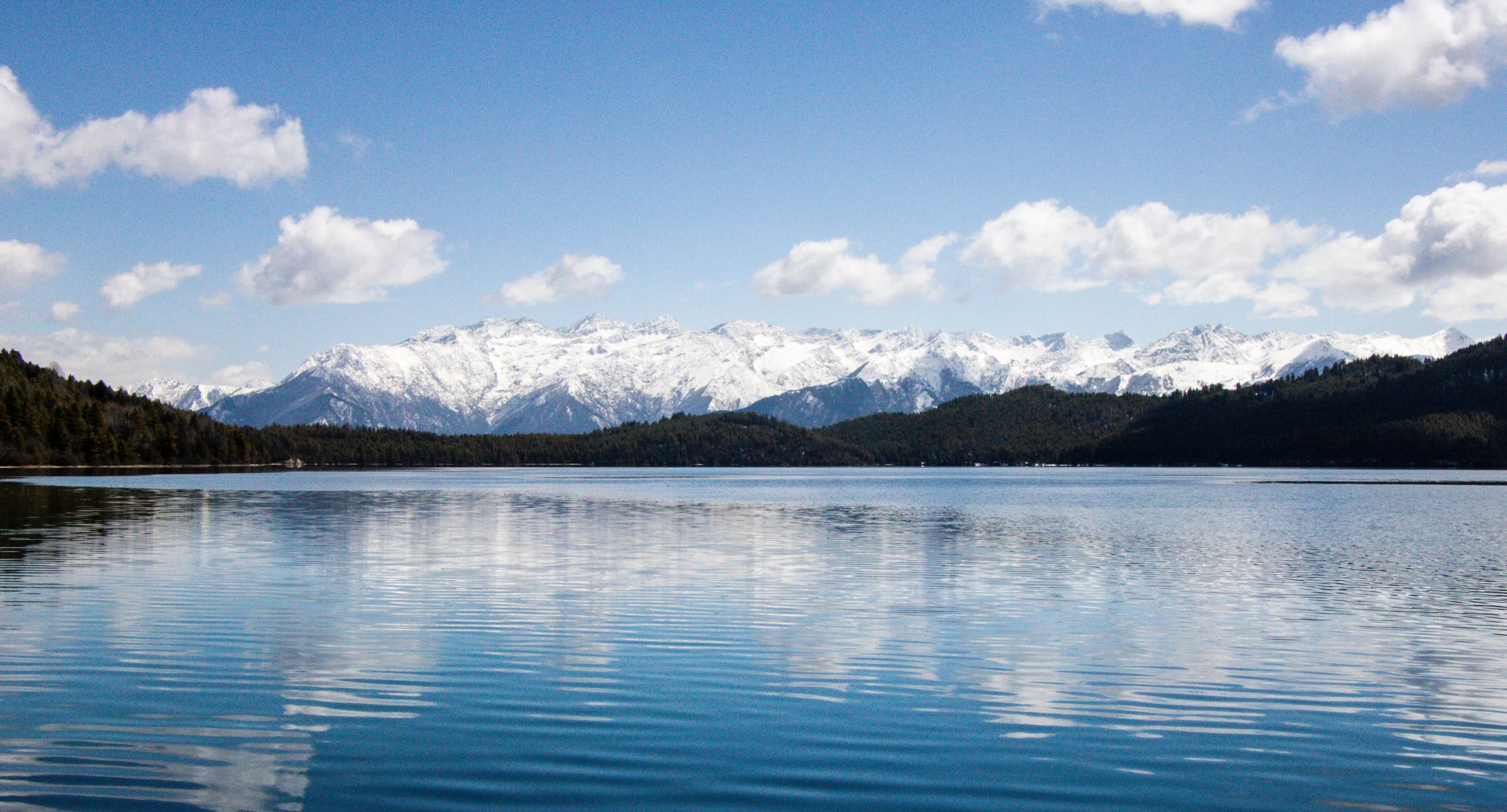
This is the biggest lake situated within the borders of Nepal, which lies at an altitude of 2,990 m above sea level and covers an area of 10.8 square kilometers is. Rara National Park surrounds the lake on all sides. This park was established in order preserve the beauty of the lake. The park is also used for the protection of unique flora along with the rare and vulnerable species found around the lake. The trek to Rara has been a popular destination for many trekkers. Rara Lake which was aesthetically described by GORP founder Bill Greer as, ‘’a shimmering blue jewel set in a ring of snowy peaks.’’
Janakpur, The Birth place of Sita
Janakpur is the most popular destinations of Nepal if you want to visit a religious place with great cultural importance. As Janakpur is the birthplace of Lady Sita, it is an important pilgrimage site for Hindus all over the world. Janakpur is also famous for architecturally magnificent ‘Janaki Mandir.’
Panch Pokhari
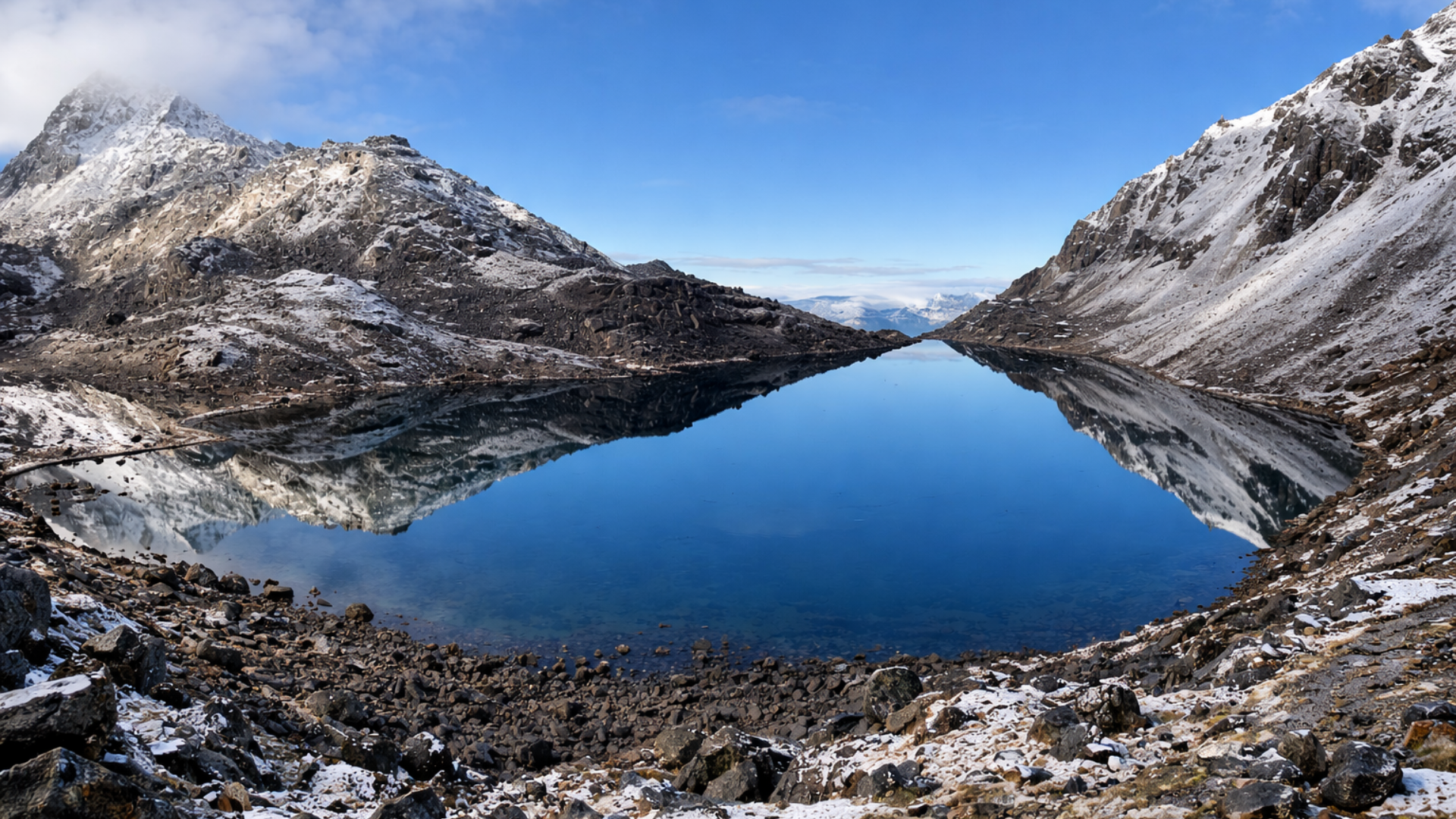
Panch Pokhari is Nepali for ‘five lakes.’ It lies at the base of Jungal Himal and is considered to have a lot of religious significance. If you want to reach Panch Pokhari, you can to trek for about 12 days. The trek to these five holy lakes is through the pathway of the untouched traditional villages with the presence of spectacular Himalayan landscapes. The trek can offer perfect mountain views with authentic adventure along the way. The lakes are said to be sacred to both Buddhist and Hindu people.
The Gorakhnath Cave in Gorkha
The Gorakhnath Cave is said to be the home of the Gorakhnath Baba. This baba is a sage and who according to legends made a prediction of King Prithvi Narayan Shah unifying Nepal. There is also a belief that Gorkha got its name from this particular holy sage. This site is an important site for the Hindus all around the world. The followers of Hindu religion from different parts of Nepal and from different parts of the world come to visit Gorakhnath. The exact location of thia cave is situated ten meters below the southern side of the Royal Palace of Gorkha.
Back to Part-One
SIMILAR POSTS
UNESCO World Heritage: Sagarmatha National Park
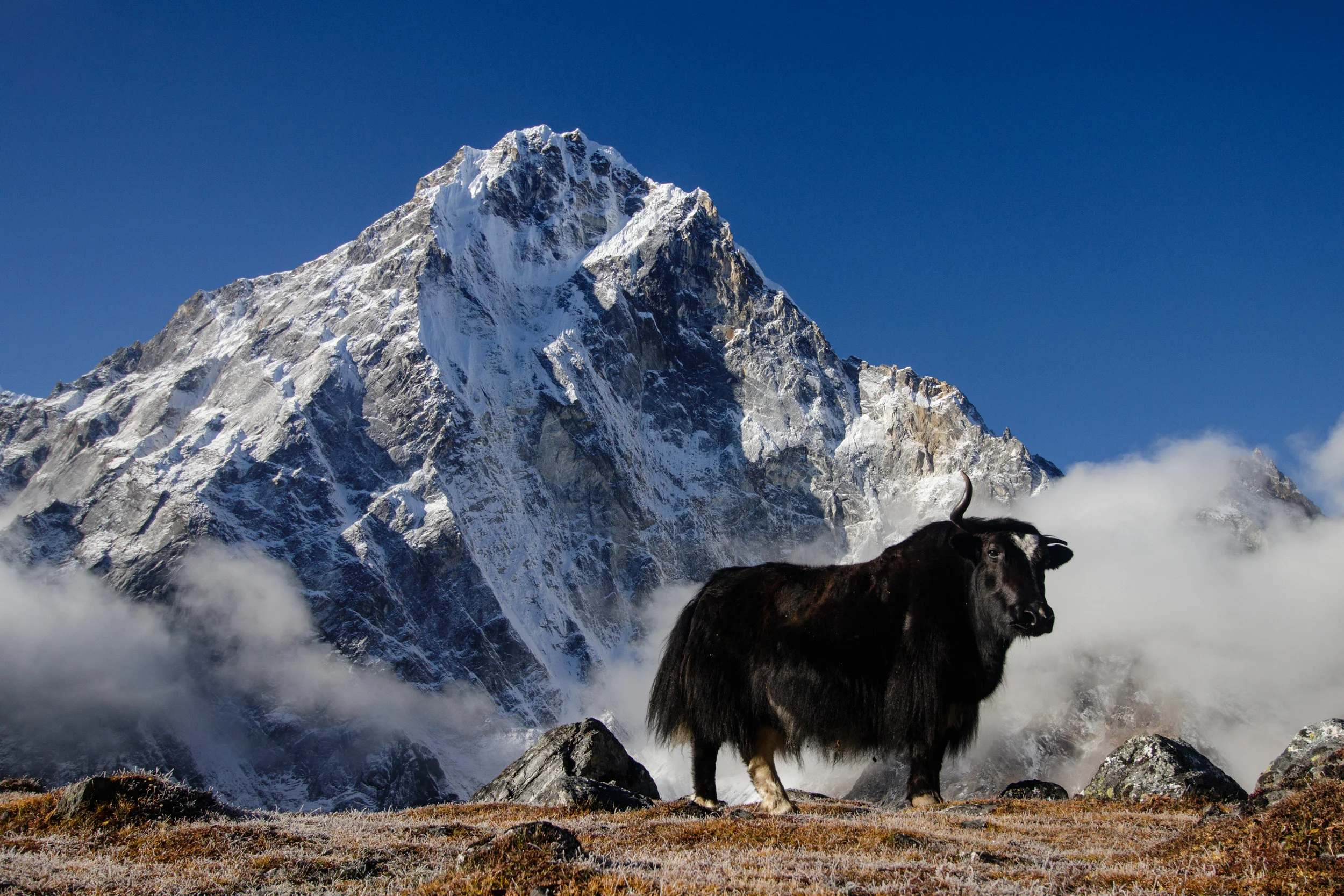
Listed in the UNESCO World Heritage Site in 1979 AD, SNP is listed alongside Chitwan National Park. SNP covers a total area of 1,148 Square Kilometers of the Himalayan Ecological zone of the Khumbu region. The upper catchments of Dudhkoshi and Bhotekoshi Rivers which are largely composed of rugged terrain and gorges of the high Himalayas are included in the national park. Ranging in altitude from 2,845m above sea level to 8,848m at the summit of Mount Everest (Sagarmatha), the park has many of the +6000m peaks such as Lhotse, Cho Oyu, Thamserku, Nuptse, Amadablam and Pumori.
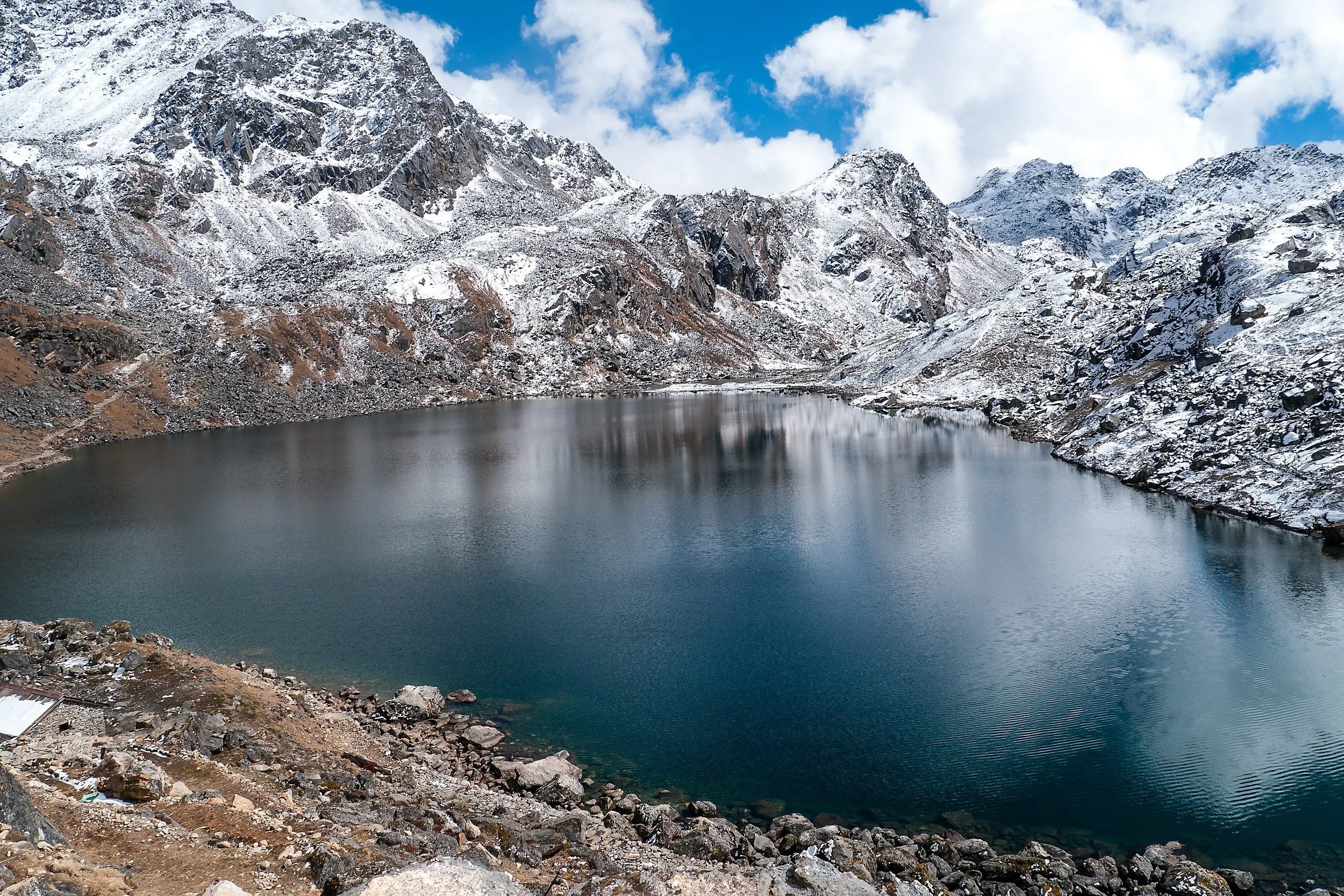
Listed in the UNESCO World Heritage Site in 1979 AD, SNP is listed alongside Chitwan National Park. SNP covers a total area of 1,148 Square Kilometers of the Himalayan Ecological zone of the Khumbu region. The upper catchments of Dudhkoshi and Bhotekoshi Rivers which are largely composed of rugged terrain and gorges of the high Himalayas are included in the national park. Ranging in altitude from 2,845m above sea level to 8,848m at the summit of Mount Everest (Sagarmatha), the park has many of the +6000m peaks such as Lhotse, Cho Oyu, Thamserku, Nuptse, Amadablam and Pumori. SNP has a total buffer zone area of 275 Square Kilometers, declared in 1st of January 202 it has 1,619 households and a total population of 7745(Approx). The high mountains are the land of the Sherpa's, renowned for their endurance, expertise in mountaineering, dedication and hospitality. The mountains for them are patron deities, as it provisions their sustenance. They follow Buddhism and the region of SNP is home to many renowned monasteries such as Tenghoche, Thame, Khhumjun and Pangboche. W hich are more than a place of prayer as these monasteries serve has communal areas of gathering, where the people of the region, celebrate their religious festivals such as Dumje and Mane Rumdu. The climate of the region makes life extremely difficult; the Sherpa's of the region have evolved in accordance to the lands geography, climate and availability. It can be extremely difficult for travellers not because of the temperature but the ascent from Temperate to Artic conditions. Thus it is always recommended to take the high journey moderately and give the body time to acclimatize. The region features bioclimatic zones such as Lower Temperate, Upper Temperate, Sub-Alpine, Alpine and Nival which in layman means, lush valleys, breath-taking mountains and surreal peaks. The region is home to the infamous Snow Leopards, Red Panda and Musk Deer and the tree- line of the region is mostly Pine, Hemlock, Fir, Juniper and Birch. In terms of tourism the most popular destinations in the national park regions are Namche Bazar, a beautiful community that has added to the growing influx of tourists to the region and established hospitality centers in the beautiful town. Tengboche, the enchanting monastery in the lap of the Khumbila is an experience by itself. With blessings from Tengboche you can continue on to Pheriche, Kala Pattar and to the hamlet of Gorakshep. It is an easy access point to Everest Base camp and Kapa Pattar from which Mt.Everest is clearly visible. Gokyo Valley is a must visit in the national park. The valley is located towards the west of the Khumbu region, this serene valley is a place straight out of heaven with pasture lands turning the valley green in the summer and in the center a beautiful lake in turquoise. The most difficult walk is to the Everest Base Camp and I kid you not, it is classic but extremely difficult, core acclimatization is recommended as the altitudes rises rapidly from Namche and Kala Pathar. The park region annually sees 45,112 tourists in a fiscal year and is primal in generating revenue from tourism.
UNESCO World Heritage: Swayambhu Nath
"In Satya Yuga, Bipaswi Buddha came from a city known by the name of Bandhumati; and having taken up his abode on the mountain to the west of Nag Hrad(Kathmandu Valley) sowed a lotus-seed in the tank, on the day of the full moon in the month of Chait. The lotus seed that had been sown brought forth a lotus flower, in the middle of which Swayambhu (who had come from Aknisht Bhuban) appeared in the form of light, on the day of the full moon in Aswin." Wright 1877: 77-78
"In Satya Yuga, Bipaswi Buddha came from a city known by the name of Bandhumati; and having taken up his abode on the mountain to the west of Nag Hrad(Kathmandu Valley) sowed a lotus-seed in the tank, on the day of the full moon in the month of Chait. The lotus seed that had been sown brought forth a lotus flower, in the middle of which Swayambhu (who had come from Aknisht Bhuban) appeared in the form of light, on the day of the full moon in Aswin." Wright 1877: 77-78
Most of the historic chronicles have the lotus seed that brought light be marked as the beginning of the history of the Kathmandu Valley. The light of Swayambhu was inaccessible till the age of Treta Yuga, when Bodhistva Manjushri came from Mahachin(China) and drained the lake from the pass at Kotwal(The place where Bagmati passes out of the Valley) with other passes drawn at Chobar. With the valley drained, Bodhistva Manjuri made the valley inhabitable and the light of Swayambhu accessible to its worshippers.
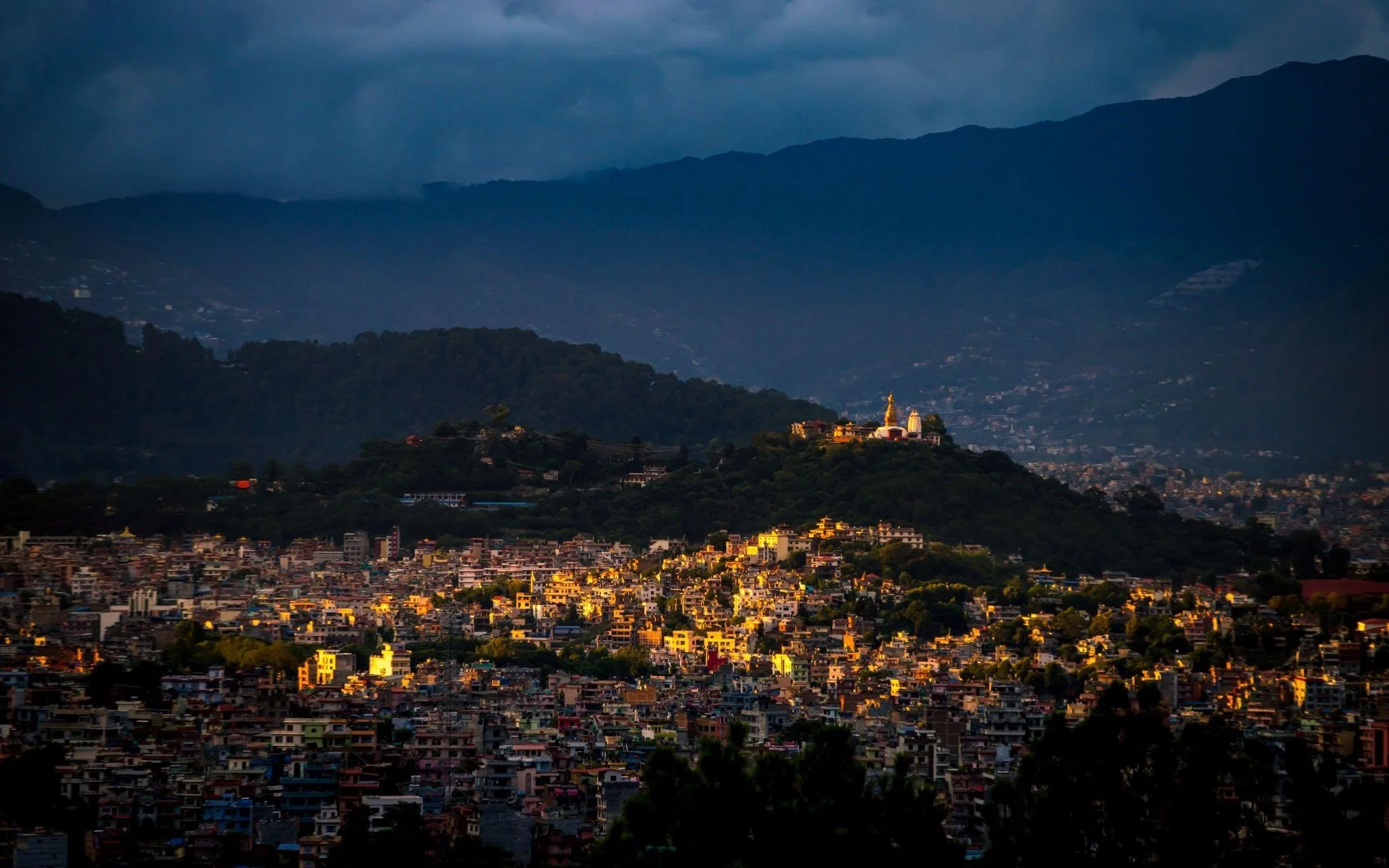
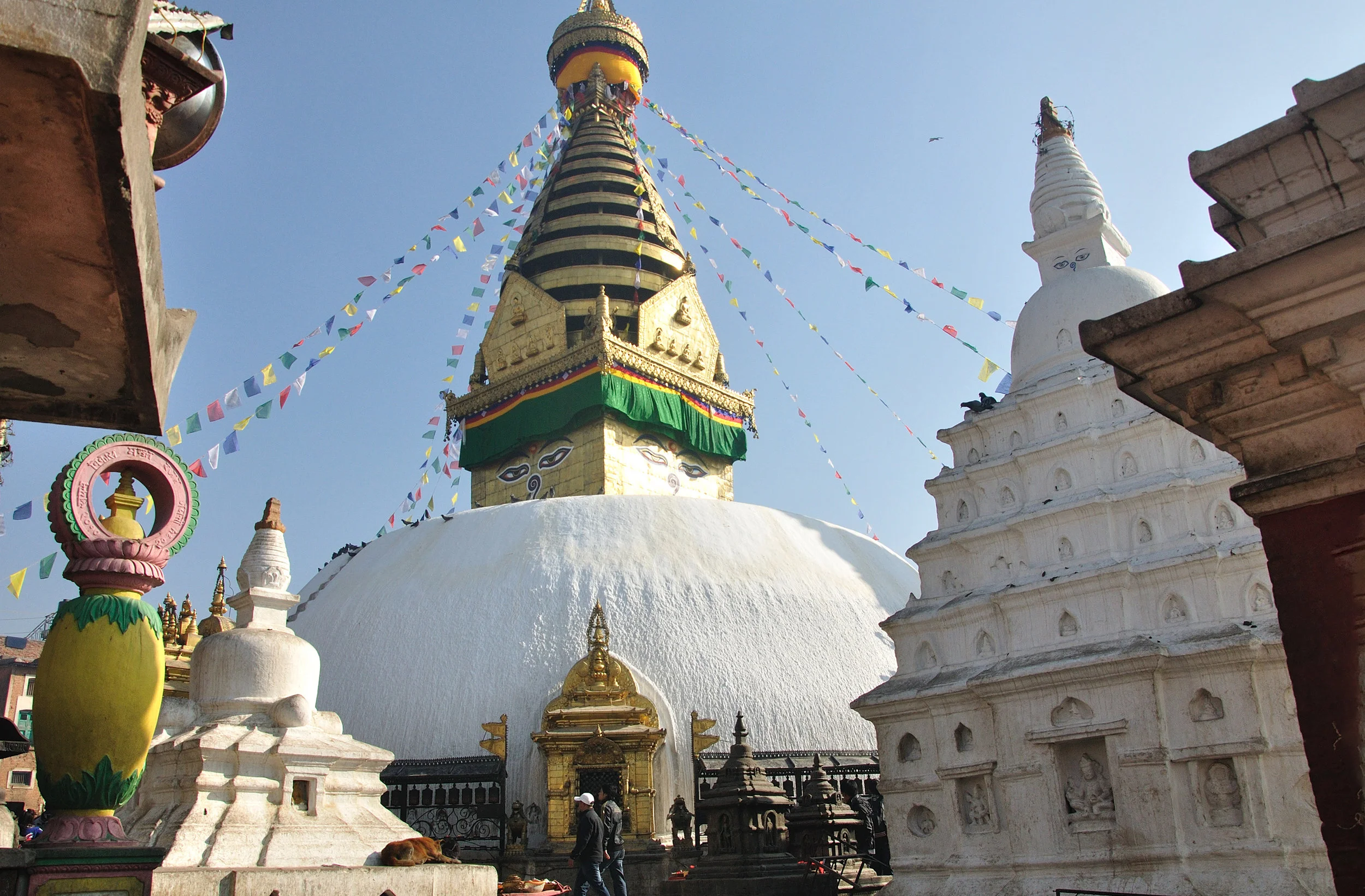
The shrine of Swayambhu, the dome stupa with eyes of the enlightenment and the pinnacle was built only in the Kali Yuga. Before which it is believed that at the summit of Padma (Padma- Giri Hill; the mountain upon which Swayambhu stands) the place where the shrine is today was a great beam of light that penetrated heaven and even the depths of hell.
"The Kali Yuga, in which mankind would be utterly sinful, was approaching. He (Sant-sri) therefore covered the Swayambhu light with a stone, and built a chaitya and temple over it. He then built five rooms named Basupur, Agnipur, Bayupur, Nagpur and Santipur in the last which he lived, absorbed in devout meditation." Wright 1877:84
It is believed in local legends that even till this date Sant-sri, is in devout meditation in Santipur and shall emerge to protect the valley in times of grave danger. I remember the first time I climbed the steps to the top of Padma-Giri, as I took the last step with deep breaths. The shrine of Swayambhu was a sight to behold, view it form any perspective you wish.
Architecturally it is a phenomena, the dome base atop which a cubical structure painted with the eyes of Shakya-Muni (Lord Buddha) in all four direction shielded by the pentagonal Torana with symbolic engravings. Above the Toranas are thirteen tiers crowned by a Gajur, now imagine a time lapse of its creation? Symbolically the base dome represents the world; the eyes of Shakya-Muni represent the status of enlightenment free from all bonds of the world. The thirteen tiers of the pinnacle symbolize thirteen stages of spiritual realizations to the enlightenment.
Spiritually as a native Newar it is the center of all our devotion and from the perspective of a sociologist, a beautiful lineage of history which has become the epicenter of Newar culture.
Today, the shrine of Swayambhu is known as Swayambhu-Nath or The Monkey Temple and is a major tourist attraction of Kathmandu Valley. Riddled with numerous shrines of Bodhistva's, Lichavi chaitya and stupas, mists of incents and chants of prayer. The Padma-Giri is a hill of spiritual awakening, the light of Swayambhu ever since history began has been a beacon of enlightenment attracting its seekers to the valley, even till this date many take great journeys to find sanctum in its light.
During the 2015 earthquake, the principal stupa didn’t suffer major damage but the surrounded chaityas, shikharas and temples along with living residents of the priests suffered major damage. The most notable difference was not seeing the two Shikharas built by Late King Pratap Malla in 1668 AD. Flanking the principal stupa, Late King Pratap Malla had built the two Shikharas with Agam Devtas within them along with which he placed a Bajra( Thunderbolt) in the Dharmadhatu mandala in front of Akshobhya Buddha. Having them being fully restored with other shrines and chaityas repaired, the area of Swayambhu was one of the very first UNESCO sites to reach a full restoration state.
For it may withstand many quakes to come, shall the eyes of enlightenment forever bring peace to its beholders. For may it always be a sanctum for its seekers and the light of Swayambhu always shine.
Hashtags: #Swayambhu #KathmanduValley #NewarCulture #BuddhistHeritage #EnlightenmentJourney #UNESCOSites #NepalEarthquake2015
POPULAR ITINERARIES
SIMILAR POSTS


UNESCO World Heritage Edition: Chitwan National Park
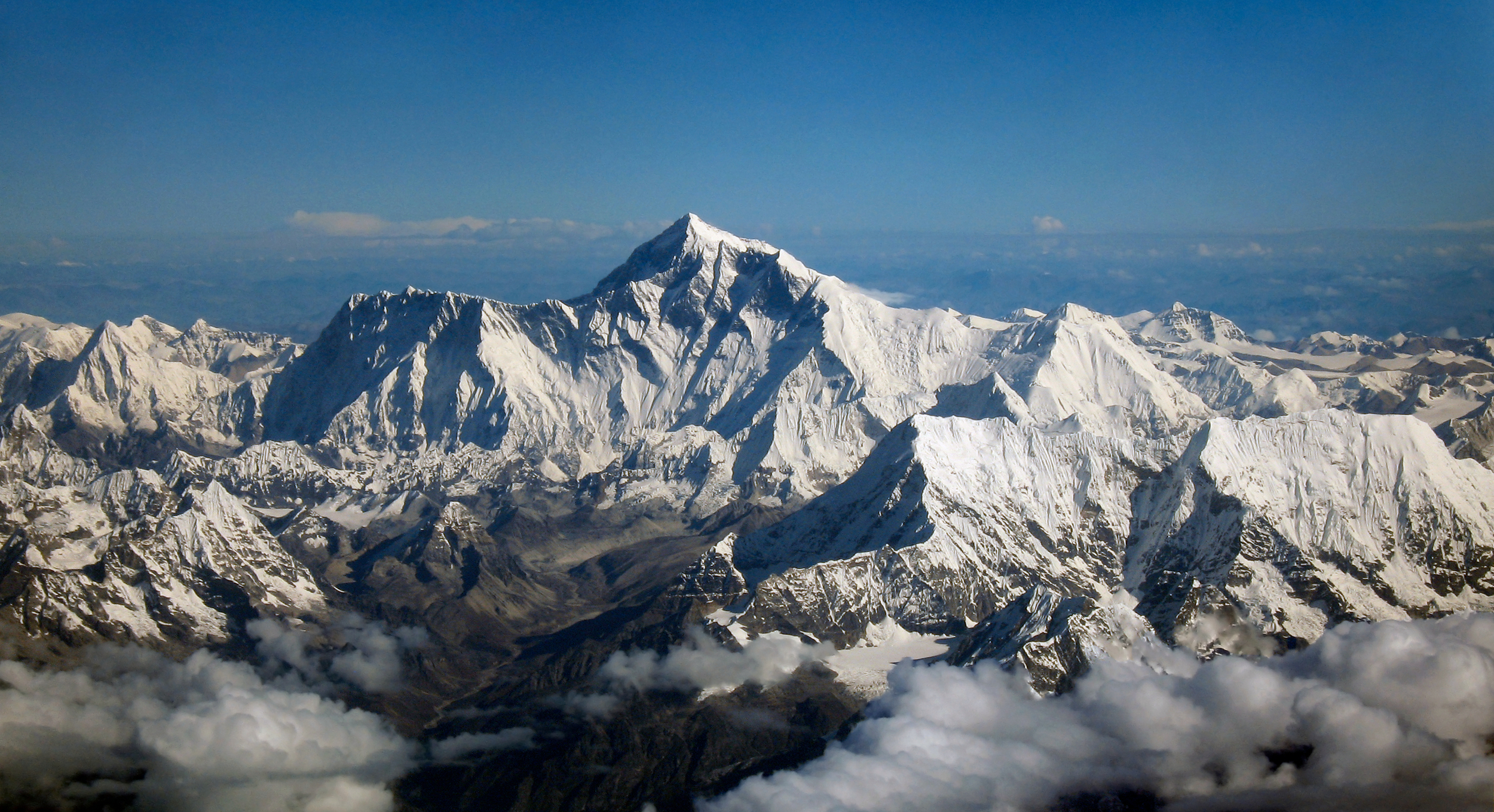
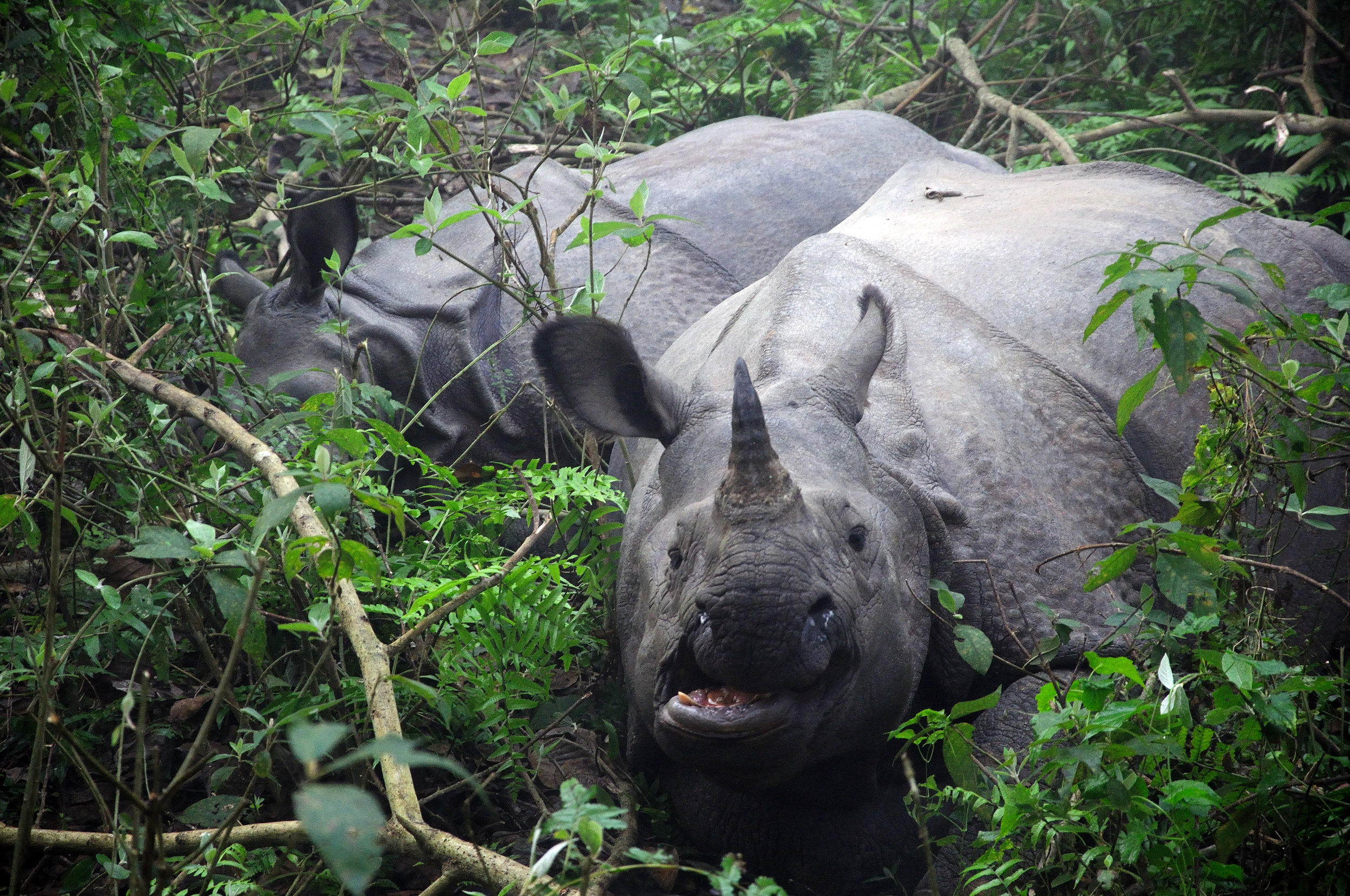
Among the two national parks listed in the UNESCO World Heritage list from Nepal. The Chitwan National Park is a protected area for conservation of the natural habitat, flora and fauna of the subtropical scape of Nepal. The park is home to 68 species of mammals, 544 species of birds, 56 species of herpetofauna(amphibians) and 126 species of fish. The park is home to the One Horned Rhinoceros, Royal Bengal Tiger and Gharial Crocodiles. Through in-situ conservation methods, translocation programs, patrol guarding and monitoring the park has reduced the illegial activities such as poaching, unauthorized deforestation and also increased the social wellbeing of the individuals surrounding the buffer zone.
Among the two national parks listed in the UNESCO World Heritage list from Nepal. The Chitwan National Park is a protected area for conservation of the natural habitat, flora and fauna of the subtropical scape of Nepal. The park is home to 68 species of mammals, 544 species of birds, 56 species of herpetofauna(amphibians) and 126 species of fish. The park is home to the One Horned Rhinoceros, Royal Bengal Tiger and Gharial Crocodiles. Through in-situ conservation methods, translocation programs, patrol guarding and monitoring the park has reduced the illegial activities such as poaching, unauthorized deforestation and also increased the social wellbeing of the individuals surrounding the buffer zone. The national park has grown into a prime tourism hub for enthusiasts of wildlife, photography, bird watching and sight seeing. Through private and governmental efforts the park has seen numerous progressions.
For anyone visiting Nepal for the first time, there are a multitude of things to do and see. The possibilities of being wowed by the breathtaking sceneries, and the diverse and warm welcomes of the array of cultural identities is very high. There is so much to experience in this little landlocked country than one could ever imagine. Some of the most popular destinations in Nepal are away from the capital city of Kathmandu, be it the beautiful haven of Pokhara or the lush green tranquillity of Chitwan, there is so much to take in, that maybe even your heart would want more.
Among the most popular destinations is Chitwan which in turn gives you the pleasure and thrill of indulging in a jungle safari through the lush forests of Sauraha within the heart of the Chitwan National Park. This UNESCO World Heritage-listed reserve protects more than 932 sq. km of forests, marshland and grassland that is home to sizeable animal populations, making it one of the best national wildlife parks in Asia. The park gives you an excellent chance of spotting one-horned rhinos, deer, monkeys, and some among more than 500 species of birds. Though it’s a once-in-a-lifetime chance to spot a majestic Bengal tiger, it remains the premier attraction among the wildlife present. Going through the park can give you a few choices between elephant safari and jeep safari but providing the same thrill that the park promises.
The main transportation hub for the Chitwan area is the city of Narayangarh in Bharatpur, from where you can go to Sauraha in the east or Meghauli village to the west. There are regular bus services as well as an airport in Bharatpur with flights operating from Kathmandu and Pokhara. There are direct buses to and from Kathmandu as well. All “tourist” buses going from Kathmandu or Pokhara with the main destination “Chitwan National Park” go to the town of Sauraha and will leave passengers in a bus station 7 km far from town, from where they need to take a taxi, bicycle rickshaw or ox cart. There is a variety of activities that you can take part in once at Chitwan National Park. Each of the activities will fill your adventurous cravings and treat you to a wonderful time. While wildlife spotting is the premier activity, these are the various activities that will provide you the extra thrill such as:
Elephant Back Safari Jeep Safari A Visit to the Elephant Breeding Centre and Gharial Breeding Centre Jungle Walks Canoe Ride
Now’s a Good Time to Visit Nepal
The devastating April 25 earthquake caused many deaths and much destruction, but Nepal is rapidly rising out of the rubble to create a ‘Naya(New) Nepal’.
June 15 is when all the seven world heritage monument zones that go to make Kathmandu Valley a World Heritage Site are again open to tourists. The April 25 earthquake reduced some of the relics inside these seven zones to dust, or caused partial damage to some others. Restoration plans are well underway, and this will of course be a prolonged affair, since it is quite an intricate process. And, because Kathmandu has some of the best restorers in the world—restorers who are well versed in their highly specialized craft—one can rest assured that something beautiful is sure to come out of their efforts.
No doubt, even with the destruction caused by the Great April 25 Earthquake, Kathmandu Valley still overflows with such sights and experiences as does justice to its claim to be one of the most interesting places to visit in the world. June 2 was when the highest temperature, 34 degrees Centigrade, was recorded in the valley. A pittance, compared to the near-50s sweeping over neighboring India. Most times, the valley enjoys mild temperate climate, and with the onset of the pre monsoon season, weather-wise, the valley will revert back to its lovely climate again. Just as, with the back-to-business sense of urgency that is very much evident now, Kathmandu is once again open for business, and waits with wide open arms to welcome visitors from around the globe.
While the quake caused untold suffering and many tragic deaths, it also resulted in world media attention on Nepal, leading to millions of viewers becoming witness to the never-say-die-spirit of the Nepali people. It is true that, in addition to its rich culture and heritage and its fantastic natural beauty, Nepal is also known equally as a land of the brave, the hardy, and the hospitable. All this have been on world view for the past month or so. The resolute villagers of the quake affected areas have already begun the process of rehabilitating themselves, and the government and international organization are lending the much needed helping hand with vigor.
The quake has brought people together in a very symbolic way that will hopefully transform into something concrete in the future. The mantra is now of rising from the rubble with strengthened resolve to create a ‘New Nepal’. This is not to mean that ancient heritage will be kept in the backseat. Not at all. Heritage will continue to be part and parcel of whatever route the country’s development takes now, because its proud heritage is what gives Nepal its unique identity. An identity that is synonymous with a high degree of artistic and cultural finesse, a sumptuous richness of natural beauty, and a well established reputation as a country with some of the happiest and most hospitable people on planet Earth.
No wonder then that so many visitors are so deeply impressed when they come here. The wealth of art, craft, culture, and heritage everywhere is impressive, the fabulous scenery all around is breathtaking, and the welcoming smiles of the people is heartwarming. Right now, with the country at the crossroads between the old and the new, could well be one of the most interesting times to visit this interesting country.
Similar Posts

‘Namaste’, a Most Gracious Greeting
‘Namaste’, the customary form of greeting in Nepal, is one of the most humble, respectful, and gracious forms of greeting found anywhere around the world.
The traditional Nepali greeting of putting palms together and saying “Namaste” has taken on a new dimension.
Ever since it was disclosed that one of the precautions against being infected with swine flu was to avoid shaking hands, I have made it a point to avoid shaking anybody’s hand. That’s also because it is being increasingly accepted that it’s best not to be too touchy-touchy if you want to avoid getting any sort of germs transferred. Nowadays, the big talk is about the importance of hand-washing, especially in this part of the world, where the hands are used for everything. So, the traditional Nepali greeting of putting both palms together and saying ‘Namaste’ has taken on a new dimension.
Namaste Meaning
Not that ‘Namaste’ was any less important, and any less significant, at any other point in time. It has always been one of the gentlest, and politest, forms of greeting anybody. It’s elegant, too. In fact, the meaning of the word itself says a lot about the culture here. ‘Namaste’ is a word derived from the ancient Sanskrit script, according to which it means, ‘I bow to the divine in you’. In a country where the culture dictates that guests are to be regarded as gods, it is apt that our greeting should be in sync with that dictum.
When you are traveling to Nepal, you’ll probably first experience this greeting when boarding your plane, when the pretty air hostess welcomes with a warm smile and a graceful ‘Namaste’. You’ll probably return the greeting similarly, and continue to repeat the process at different times during your stay here. You can’t help it, since it’s the kind of greeting that calls for an equally gracious response, and none is more gracious than a ‘Namaste’! Anyway, aside from that, it’s a fine way to start absorbing some of the ancient culture of Nepal. A ‘Namaste’, accompanied with a smile, will take you miles. At the least, it will endear you to the locals you come across, and make you more welcome anywhere you go. A proper ‘Namaste’ can unlock many doors, and open hearts, too. So, go ahead, practice a couple of ‘Namaste’s’ even before you embark on your journey to this Himalayan country.
A ‘Dhanyabad’ (thank you) accompanied by a ‘Namaste’ gesture is sure to be pretty well appreciated.
Leave the strong and hearty handshake behind, although nowadays, you’ll meet plenty of folks out here who’ll prefer to push their hand forward to receive one. A sign of the times, but all said and done, they’ll still be likely to give you a ‘Namaste’ before doing so. So deeply ingrained are Nepalis in the culture of their land. A ‘Namaste’ is not only used for greeting and welcoming, it’s also used for farewells, and for demonstrating your gratitude too. A ‘Dhanyabad’ (thank you) accompanied by a ‘Namaste’ gesture is sure to be pretty well appreciated. An all-in-one-greeting, that’s what a ‘Namaste’ is. Whatever the case may be—greeting, welcoming, goodbye, or demonstrating thanks—one cannot go wrong with a ‘Namaste’ since it is such a humble gesture that anybody will appreciate it heartily.
What’s the proper way of doing a ‘Namaste’, you may ask? Well, here’s what you do—first you bring your hands together, the palms pressed against each other; then you place them just below your chin; now, slightly bowing your head, you bring a gentle smile to your lips (and your eyes, too, for that matter), and say, ‘Namaste’ in a polite voice. Some people have their eyes downcast when doing so, while some look into your eyes; it doesn’t matter all that much what you do.
Your humility-signifying folded hands, the warm smile on your face, well, that’s more than enough to convey your warmth and respect for the one you are saying ‘Namaste’ to.
Yes, in the final analysis, that’s what a ‘Namaste’ signifies—respect. Respect for the god in others, respect for their inherent goodness. And, humility, that’s what the person saying ‘Namaste’ is displaying. Well, anybody would want to reciprocate such beautiful feelings, wouldn’t you say? How do you do that? By doing likewise, of course, which means giving an equally heartfelt ‘Namaste’ in return.