
The Diverse Tastes of Nepal
Welcome to Nepal, a country rich in nature, heritage, and adventure. Welcome to Nepal, a country also rich in exotic cuisine.
Nepal is well-known throughout the globe for many things, primarily, its natural beauty, its ancient heritage, and its mighty Himalayan peaks. The first is evident especially when on a trek; the second is to be found in every nook and corner of a city like Kathmandu, as well as in many heritage hotels in Nepal (such as Hotel Shanker), while the third is something that you’ll be delighted to see even as you fly into Kathmandu. These are but a few of Nepal’s many attractions, among which is also Nepali cuisine.
It is said that the prosperity of any particular region in any country can be judged by the quality of its cuisine, that is, the better off the region; the more evolved its cuisine. Well, that holds true for Nepal as well. And, thus, you’ll find greater variety of dishes in a place like the Kathmandu Valley, of which Newars are the original inhabitants. So, one hears a lot about Newar cuisine when talking about Nepal’s food culture. That is not to say that other regions do not have as good cuisine, it is just that Newar food has more variety.
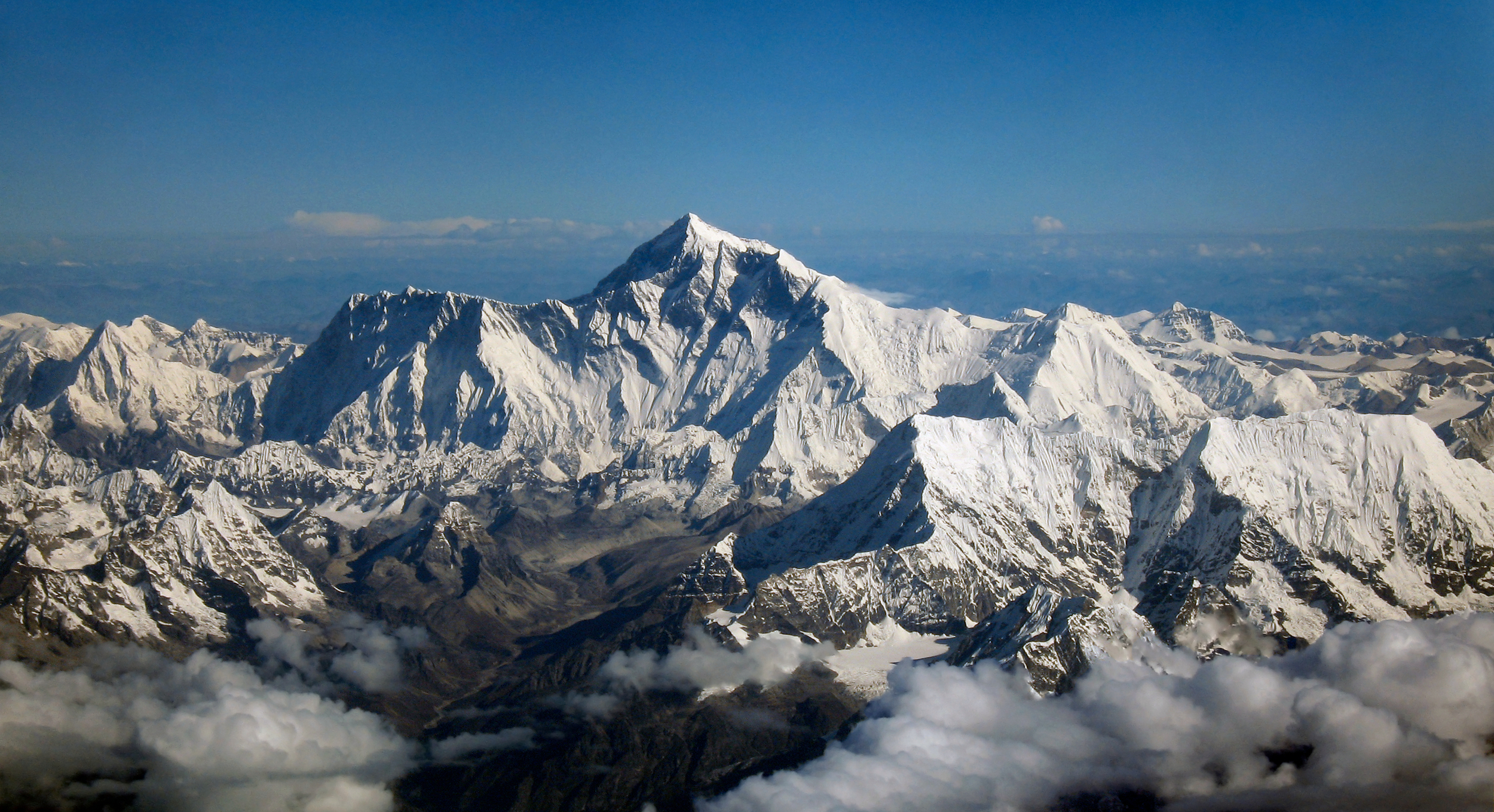
At the same time, it must be said that Nepal, although a small country, has close to a hundred different ethnicities, and great ecological diversity ranging from the lowlands (Terai) at below 100 meters above sea level to the highest point on earth, that is, Mount Everest at 8,048 meters. So, it is natural that there should also be many different types of food culture in different parts of the country. At the same time, it should also be known that no matter which region you go to, the staple meal of most Nepalis is ‘daal, bhaat, tarkari’ (lentil soup, steamed rice, and vegetable curry), a phrase that becomes pretty familiar very soon with most tourists coming to Nepal.
If you want to have a sampling of this nutritious and wholesome meal, all you have to do is to ask whatever hotel in Nepal you’re staying in to serve it to you. Most restaurants will be glad to provide you with this, and, in fact, quite a few restaurants with a tourist clientele specialize in providing typical Nepali cuisine. At such places, what you get when ordering ‘daal, bhaat, tarkari’ is this: steaming white rice, thick yellow (or black) lentil soup, vegetable curry (of the vegetable in season), dark green spinach, a bowl of mutton (or chicken) curry with rich gravy (or deep fried), a vegetable salad of sorts (cucumber, radish, tomato, onion), and a pickle (tomato or radish and potato). You will also be asked if you want to have ghee (warm clarified butter) poured over your rice. Our suggestion is: ask for it, and consider it an off-day from your weight-conscious lifestyle, because the rice gets on a new and fragrant life with some ghee in it. Certainly increases your appetite! Anyway, leaving this fulsome meal aside, let’s get a glimpse into what else there is in Nepali cuisine. Let’s begin from the Terai.
Sattoo and Mahuwa of the Terai
People of the Terai have a taste for spicier and hotter food than elsewhere in the country, thus, you’ll find the curry to be a real tongue tingler, and naturally, the pickle will test your courage. They also prefer to have raw onions, the more the better, along with their meals. One reason is because raw onion is supposed to be good for combating prickly heat. You are also likely to be served a couple of chili peppers on the side. Besides the usual, that is, ‘daal, bhaat, and tarkari’, Terai dwellers like to have a mix made from soybean, maize, and gram called sattoo. It is pretty energizing due to its high protein content. Mostly, sattoo is mixed with water to make a thick paste; seasoned with salt, it tastes great. Sometimes, sattoo is also eaten dry, and often, sattoo mixed with water, salt, and lime juice makes for a cool and rejuvenating drink. However, speaking of drinks, per se, mahuwa raksi is the preferred choice. Derived from the juice of the mahuwa flower, it’s a pretty heady alcoholic drink. Another strong alcoholic drink is toddy, which is derived from the sap of palm trees.
Hilly Fare, Dheendo-Gundruk
Maize and wheat are the primary crops in the hills, and so the cuisine is also based on those staples, the main one being dheendo, a mix of maize and wheat; a sort of a porridge. It’s filling, all right, and nutritious as well, but bland. And so, it is accompanied by gundruk, a dish made from fermented leafy vegetables, which can either be in the form of a soup (gundruk ko jhol), or just pickled and spiced. Dehhendo-gundruk makes for a tasty and filling meal, and it becomes all the tastier when served with sinki, a pickle made from fermented root parts of carrots. Both gundruk and sinki, being fermented products, can be preserved for quite some time.
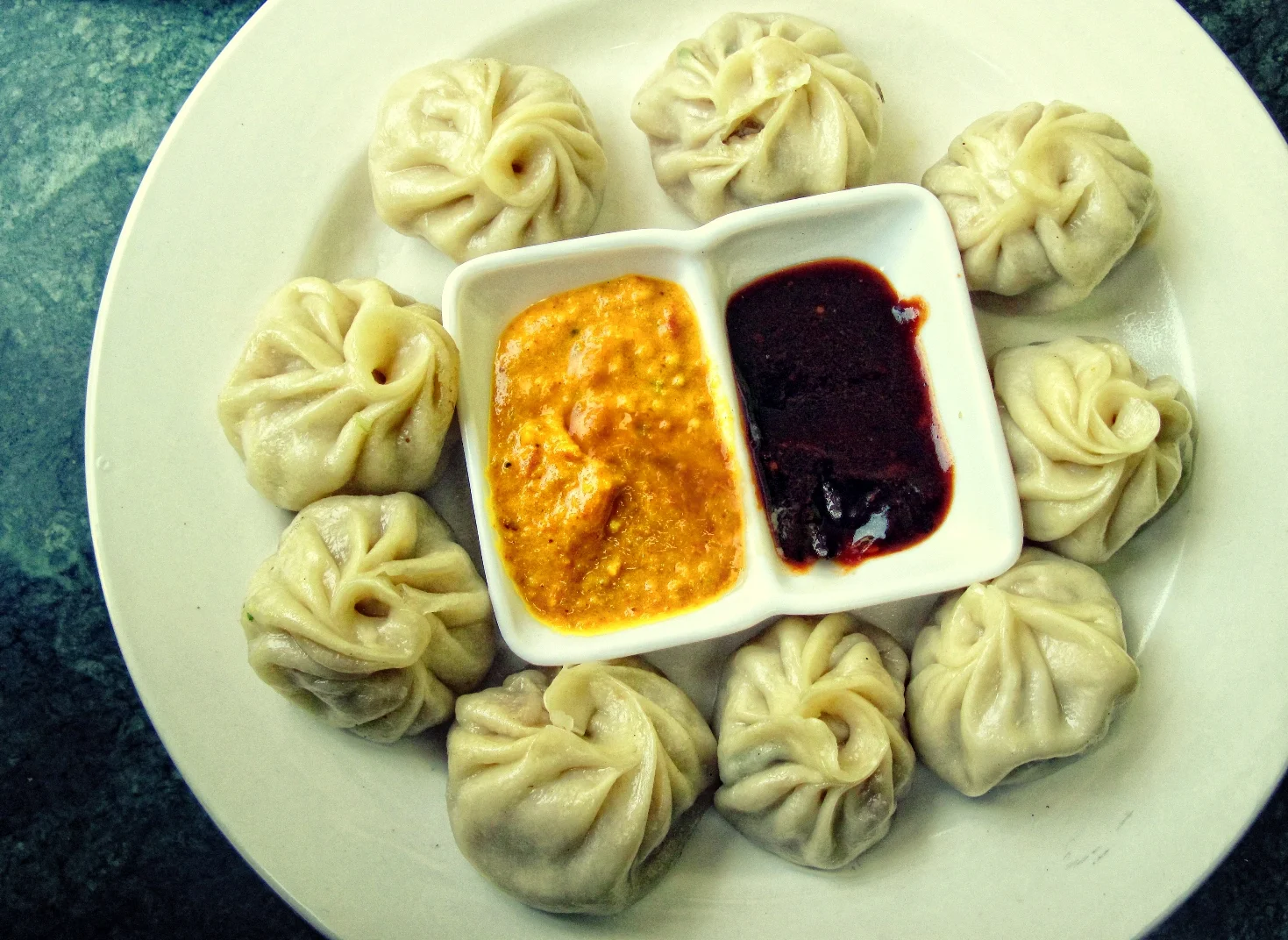
Higher up in the hills, noodle dishes such as chowmein and thukpa (soup with vegetable and meat), and Tibetan style momos (large-sized meat dumplings) are the preferred dishes. In the hills of eastern Nepal, you’ll get to taste a pungent-smelling dish called kinema made from fermented soybean. Other unique dishes are the breakfast food, khatte, which is made from brown rice, and poko, a dish made from the base derivative of the local liquor-making process. Naturally, poko has an alcoholic flavor; but it’s quite tasty, and what’s more, it gives you an immediate lift. Talking about drinks, tongba, a freshly fermented barley drink, is very popular, as are chaang (a fermented product of millet) and rakshi, a strong alcoholic drink. If you like tea, you might not get what you are used to up in the mountains; you are more likely to be offered Tibetan-style tea, which is thick and buttery. Pretty warming, too!
Kathmandu Valley’s Newar cuisine
The Newars of Kathmandu Valley take great pride in the variety of their cuisine. They excel in different culinary arts, from almost a score of delicacies from different parts of buffalo meat to a dozen and more varieties of bread. Buffalo meat (buff, in short) contributes to a diverse range of delicious dishes: haku choila (spicy grounded meat broiled on high heat), kachilaa (minced meat, raw and marinated), takhaa (soup of jellied meat), senla:mu (liver parts, steamed, then sautéed), swanpu:ka (filled lungs, fried), bhuttan (intestine/stomach parts, deep fried), mainh (tongue pieces, fried), cho:hi (blood, boiled with marrow and spice), mamachas (dumplings), etc. Most hotels in Nepal should have some of these in their restaurant menus; if not, do ask about nearby restaurants where you can get these exotic delicacies. Not to be left un-savored, certainly, during your Nepal tour!
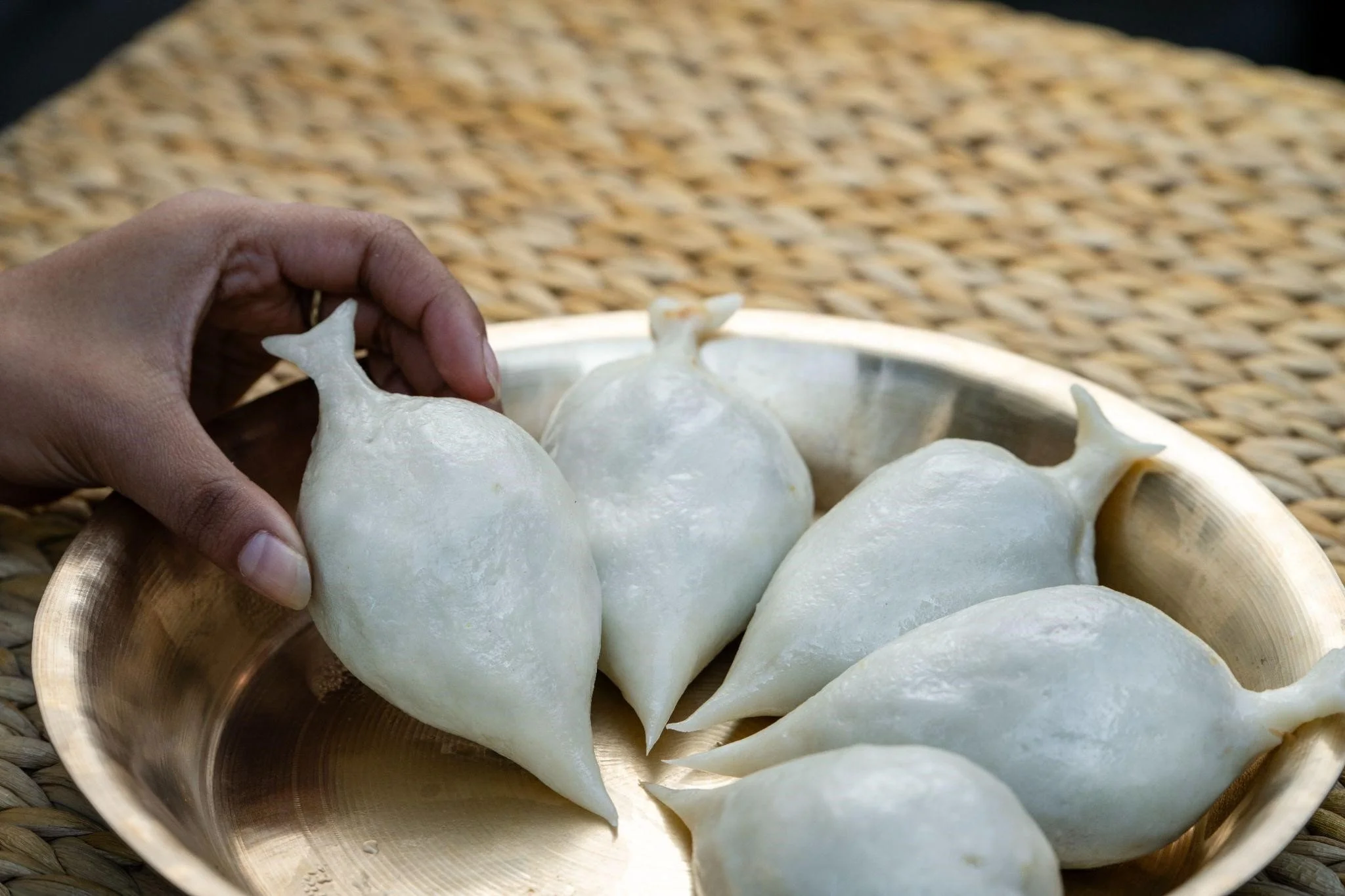
And, yes, you’re right in assuming that the Newars re a meat-loving people; however, they don’t lag behind in the non-meat department, too. These include a kind of rice pancake called chatamari, a sort of doughnut called bara, made from pulses, and a cake-type snack called wo, also based on pulses. Some dishes are generally made only during festive occasions; these include the special stupa-shaped dumplings called yo mari, that are packed with brown cane sugar and sesame seeds; a special circular bread with a hole in the middle called sel roti; and a thick and delicious soup made from nine kinds of beans called kwantin. When talking about Newari food, one cannot miss out on mentioning juju dhau (king curd), which is a specialty of Bhaktapur, and delicious to a fault.
As far as drinks are concerned, Newars pride themselves on their liquor-making skills, too. Ai:la and thown are the traditional drinks of the Newar community. They are not only real belly-warmers, they are also auspicious offerings during many religious rituals. Ai:la is a fiery liquor, and a fitting accompaniment to the meat dishes mentioned above, since it is a surefire way to ensure good digestion of all that protein. Some hotels in Nepal will offer you ai:la as a welcoming drink, and the moment you gulp it down from the small clay vessel in which it will be served, you’ll have had the first taste of Nepal! A taste promising high-spirited adventure ahead!
Riding the Rapids: Whitewater Rafting in Nepal
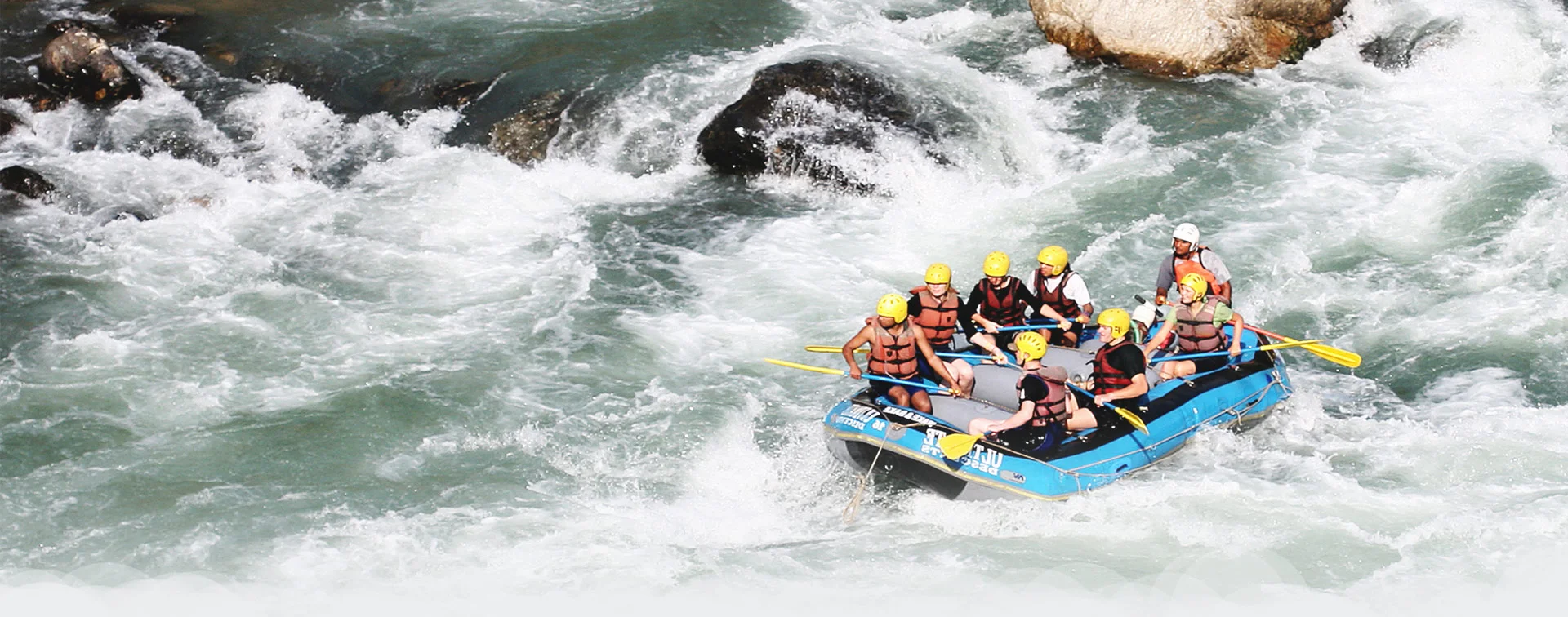
Whitewater rafting is one of the main attractions of Nepal’s many thrilling adventure activities; it’s enjoyable, exciting, and exhilarating.
In whichever hotel in Nepal you are staying at during your Nepal visit, don’t forget to ask about how to go whitewater rafting. This is to ensure that you don’t miss out on the experience of a lifetime in this country full of adventure and discovery. What’s more, the season has just begun! Yes, October to mid December is a great time to go whitewater rafting, as is the period from early March to May.
Nepal has a surplus of mighty rivers originating from the majestic Himalayas and flowing down to the lowlands (Terai). This makes for an ideal situation for going whitewater rafting. Stretches of placid waters combined with stretches of swirling rapids, and huge boulders strewn all along the way—all these point towards excitement aplenty. As you read this, the question could have popped up in your mind: “and what about spills?’ Well, that’s all part of the thrill of whitewater rafting. However, you can put your mind to rest about this, since the many whitewater rafting operators here have decades of experience behind them, and they will strictly adhere to all safety measures. There are 10 river systems in different parts of the country that are open for whitewater rafting. Rapids on these rivers are graded on a scale of 1 to 6, with the first being the most tranquil and the last being the most ferocious. Obviously, you would probably prefer somewhere in between. One thing to be realized is that it’s best not to go it alone; other rafts alongside will be useful in case help is needed.
Rafting down the Trishuli River is perhaps most popular with tourists. It has rapids of 3 and 4 grades. Most rafting operators take you on a three-hour drive down from Kathmandu to put-in points like Fishling and Charaudi. From these points, you can raft for up to 60 kilometers, or shorter distances if you are short of time, such as a three-hour trip to Kurintar. The Trishuli experience can either be a one-day, or two- to three-day affair. Some operators prefer another route, one in which you are driven down to a bustling town called Besi Sahar (8 h), and from there to Khudi, the start of your rafting adventure. You raft down for some 38 km until you reach a quaint Newari town called Bimal Nagar. It’s a trip that won’t worry you much, since the waters are quite tranquil most of the way. Another popular site for Nepal whitewater rafting is the Bhotekosi River (grade 4), which is located close to the Tibet-Nepal border; about a three-hour drive from the capital.
Also close to Kathmandu is the Sun Kosi River. You first take a three-hour drive down to Dolalghat, and then take off on your raft. You’ll come across rapids of grade 4 and 5 along the way, with some stretches perfectly calm, while other stretches are pretty wild. You’ll also be maneuvering your raft through quite a few rock strewn passages. The rafting is a lot of fun, and since it’s a long ride of about 120 km, you get to experience many highs and lows, not only of the rapid grades, but we daresay, the limits of your courage, too! Like in the case of other higher-graded rivers, the Sun Kosi, too, is recommended for fairly advanced rafters.
The Kali Gandaki River in far-western Nepal is another great site to go whitewater rafting in. It has rapids of grades 4 and 5, and flows through the famous Kali Gandaki gorge, said to be the deepest in the world. You’ll notice some cremation sites and burial mounds at the junctions, and this, too, should add more flavor to the journey! Another far-west river, the Karnali, is Nepal’s longest river, and it has rapids of grades 5 and 6, which makes whitewater rafting down its length a most exciting adventure. The Karnali River has its origins in the Mount Kailash region. Another river that offers exhilaration galore is the Marshyangdi River (grade 5), with its steeper rapids that continue for long periods, which mean it is also an excellent river for kayaking.
The Seti, which slopes down from the Macchhapuchre Himal in the Annapurna region, is a much gentler river with only grade 2 and three rapids. Rafting down its length is a moving experience, what with the fantastic scenery all around, including splendid views of the Manaslu and Annapurna ranges. What’s more, this river has quite warm waters, so you can do a bit of whitewater rafting in cooler months as well. On the other hand, rafting on the Tamur River, which originates in the Kangchenjunga range, is for more proficient rafters, since it has grade 5 and 6 rapids. The distance is also a long one, almost 120 kilometers, and you’ll get plenty of non-stop excitement since there are almost 100 rapids to be traversed through!
Many whitewater rafting expeditions are usually combined with a bit of safari in the jungles or with some short trekking in the mountains, depending on where the river is situated. Whatever the river you choose in Nepal to go whitewater rafting in, you can rest assured that you will have one heck of a roller coaster ride down the swirling waters of the mighty Himalayan rivers!
| Name of River | Duration | Grade | Start Point | End Point |
|---|---|---|---|---|
| Trishuli | 1 - 3 days | 3+ | Baireni Chauradi | Simaltar |
| Bhote Kosi | 2 days | 5+ | Bahrabise | Dam |
| Kaligandaki | 3 days | 4+ | Baglung | Mirmi |
| Seti | 2 days | 3+ | Damauli | Gaighat |
| Sunkosi | 10 days | 5 | Dolalghat | Chataira |
| Karnali | 10 days | 5 | Sauli | Bhen Bridge |
| Marshyangdi | 5 days | 5+ | Ngadi | Bimal Nagar |
Recommendations for my friend visiting Nepal
Nepal’s adventure activities are challenging and thrilling, what’s more, they are conducted with the utmost regard for your safety.
For a Singaporean friend, who spent three months in Kathmandu, one of Nepal’s adventure activities included moving around in darkness quite often, what with the constant load shedding. He claimed to have returned with improved night vision! Well, even though most hotels in Nepal have adequate backup electricity arrangements, it does give the eyes some exercise while walking on dark streets. It’s clear, anyway, that visitors are likely to find various aspects of their Nepal tour to be an adventure of sorts, one typical example being traveling by public transport. Now, that is also an adventure! Anyway leaving the mundane aside, let’s get down to the real nitty-gritty of Nepal’s adventure activities you get to experience on your Nepal tour.
Nepal Treks
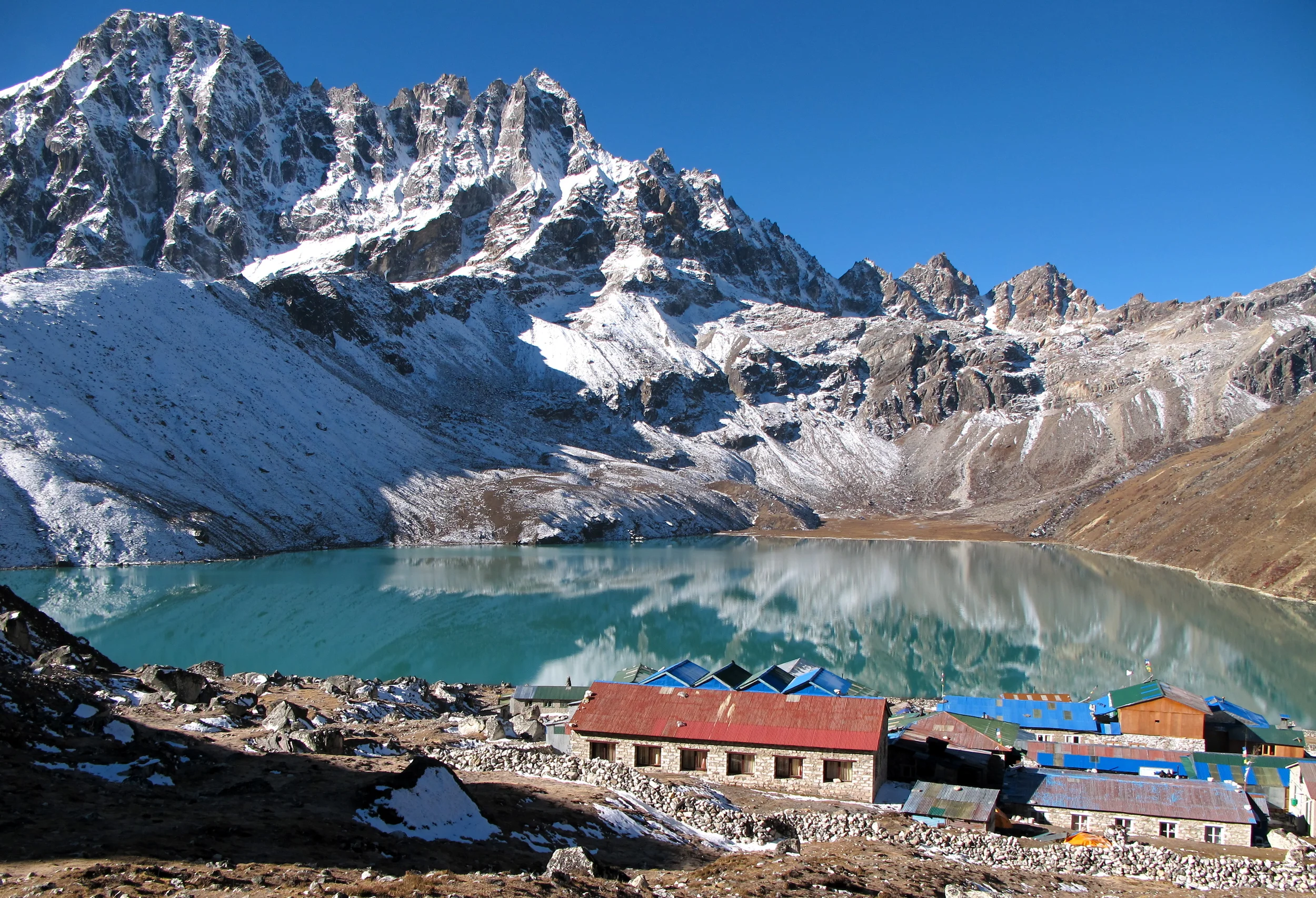
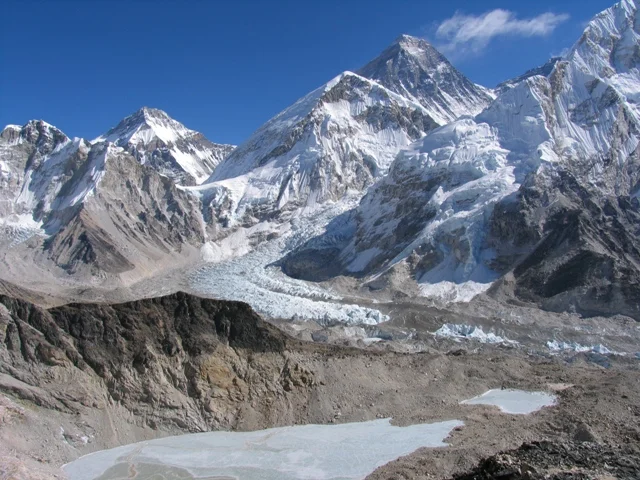
Trekking high on the mountains, close to the world’s highest peaks is certainly the most popular of Nepal’s adventure activities, with almost 40% of all visitors on a Nepal tour going on one trek or the other. Some of the most popular Nepal treks are as follows: 1. Everest Base Camp trek, which takes you through fascinating landscapes and quite a few Sherpa villages, before eventually reaching the base camp on the Khumbu Glacier, with Mount Everest towering above you. 2. Annapurna Circuit trek, which starts from Besisahar, goes along the Marsyangdi River, passing through Tamang and Gurung villages, and takes you to Muktinath, Jomsom, and Pokhara. 3. Mustang trek, which takes you to the once forbidden kingdom of Lo Manthang in Mustang district, where you will find yourself immersed in Tibetan culture and lifestyle. 4. Imjatse (Island Peak) trek, which goes through the valleys and glaciers of Khumbu, and gives you the chance to climb an authentic Himalayan peak, that is, Imjatse Peak (6,189 m). 5. Ghalegaun village trek, which goes through the villages of the famous honey hunters of Nepal.
Nepal Whitewater Rafting
What else awaits you besides trekking, as far as Nepal’s adventure activities are concerned? Well, whitewater rafting, for one. Nepal whitewater rafting is said to be one of the best in the world, what with its great mountain rivers flowing majestically down from the snow-clad peaks of the Himalayas to the lowlands of the Terai. Imagine yourself on an inflatable rubber raft riding down the swirling rapids of these great mountain rivers rushing between huge mountains on either side. It’s sure to be an experience you’ll never forget. You don’t have to worry about the risks either, since you’ll have highly experienced people looking out for your safety all the time. Just so you know, river are graded from one to six depending on their being more tranquil or more hazardous, which means you get to choose your ride. Grade 1 to Grade 3 rivers are supposed to be easy ones; good for first timers, and the best time to go rafting is between September and early December, as well as between March and early June. Some popular rivers for Nepal whitewater rafting are stretches of the Trishuli, Kali Gandaki, Marshyangdi, Karnali, Bhote Kosi, Seti , and Tamur.
Nepal Mountain Biking
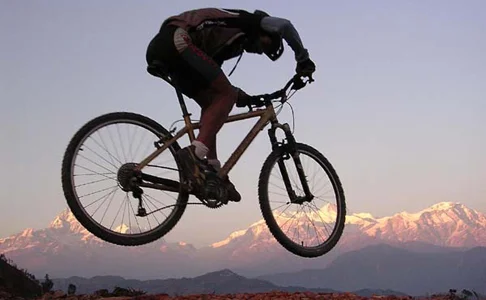
Challenging terrain is what’s important for mountain biking, and that’s what you get in plenty in Nepal. Many on a Nepal tour make it a point to go mountain biking, especially in and around the Kathmandu valley with its many interesting biking trails, and around Pokhara, as well. You’ll be pedaling on tracks that sometimes go uphill all the way and then downhill on the return, or sometime, you’ll be going up and then down at regular intervals, the lay of the land being what it is. The rides will take you through paddy fields, villages, riverbanks, temples, and so on and so forth. ‘Never a dull moment’ is what you’ll be thinking as you give your stamina a tryout. One route that many riders really like is the one to Nagarkot. Nepal travel agencies usually organize this mountain biking experience as a three-day affair, with you going first to Nagarkot, that beautiful hill station, where you spend a night. The next day, you ride downhill to Namo Buddha (famous pilgrimage site) and on to Dhulikhel (another popular hill station), where you again hunker down for the night. Both Nagarkot and Dhulikhel are known for their many beautiful resorts, aside from their fantastic views (including sunrise and sunsets), so you’ll appreciate your stay at both places. Next day, you pedal across to Panauti (an ancient Newari town), and then onwards to Sisneri, Patan, and Kathmandu. This is just one example of what you can expect when mountain biking around the valley; there are plenty more trails which you can chose to ride on at your pleasure. And, as mentioned before, biking around Pokhara is another experience that’s sure to make you happy…and healthy.
Nepal Bungee Jumping
No need to say that bungee jumping is one of the most thrilling adventures for any individual; it challenges courage like few other activities do. Here, in Nepal, there’s some fantastic bungee jumping to be done, from a platform 160 m high over the wild Bhote Kosi River. It will take you some three-and-a-half hours to drive from the capital to this famous bungee jumping site near the Nepal–Tibet border, that’s a part of The Last Resort, which also organizes other activities like mountain biking, rafting, canyoning, and so on. Bungee jumping is, however, their major forte. They take all the necessary precautions to ensure that your jump is safe. And, thrilling? Well, more like an ‘adrenaline rush’; that’s the usual response of jumpers. An instructor will brief you thoroughly, and tell you to ‘walk like a penguin and fly like a bird’. They’ll photograph and video record your leap of faith, and present you with a souvenir t-shirt as well. You’ll probably be spending just around Rs.2000 for all this. A fantastic adventure all around, undoubtedly.
Nepal Canyoning
First, know that canyoning consists of traveling down steep canyon walls, wading across rock strewn creeks and streams, and going through cascading waterfalls. How? Well, you hike, you scramble, you wade, you boulder-hop, you climb over rocks, and you do abseiling and rappelling, as well. An all-in-one-affair, that’s what canyoning is all about. You can take a one-day trip or a three-day trip, the choice is yours; the latter obviously being the preferred option as it allows you experience everything. Might sound like a lot of adventure, a lot of risks, but not to worry, trained instructors will be with you all the way. They know what techniques are to be used and they’ll be using the best equipment available, and, of course, are mindful of maintaining the highest safety standards. The nearest site for going canyoning is the Bhotekoshi River, some 100 km from Kathmandu.
Nepal Paragliding
Paragliding is another of Nepal’s adventure activities that’s sure to fulfill your spirit of adventure and set it soaring to a new high. November through February is the period for Nepal paragliding, with November and December considered the best months. Pokhara gets pride of place when talking paragliding; near to the city is a place called Sarangkot that’s at a height of 1,592 meters, and this place has become the mecca for those on a Nepal tour who want to go paragliding. There are other sites, as well, in different parts of the country, but Sarangkot is the favorite. Qualified pilots provide a short briefing before launching. It’s a fact that most enthusiasts get butterflies in their stomachs before taking off, and that’s natural. However, qualified pilots will do all they can to reassure you and tell you the dos and don’ts beforehand. What’s more, they’ll be flying with you, so it’s something like holding your hand all the while as you soar over the Pokhara valley. Tandem flights are the norm, meaning, a pilot will be in a special harness with you on the same glider. You’ll be more of a spectator, really, since the pilot does the flying, but you’ll find that it’s a good deal since that leaves you free to focus your attention on the splendid vista below you. During the 20-30 minutes of flight, there are good chances of having company in the form of soaring vultures and eagles flying beside you. This exhilarating experience should cost you around USD100 per flight.
Nepal Ultra Flights
Ultra flight is another of Nepal’s adventure activities that will give you a different type of thrill. Ultra flights involve special two-seater planes carrying one pilot and one passenger in every flight. Since their purpose is to give you a fantastic viewing experience, these planes have large openings on both sides. Again, Pokhara is where it all happens. Before taking off from the airport, the pilot will give you a thorough briefing, so you know what’s what, such as the path and the height you’ll be flying. You’ll be taken up to 5,000 ft and fly over Pokhara at 50 to 90 km/h for about 15 minutes. If you want to, you can also opt for a 30-mimute flight that’ll fly at 90 km/h and take you close to Machhapuchchhre Himal. Another option is an one-hour flight that will fly at 12,000 ft at 90 to 130 km/h over the length of the entire Annapurna Range. Another lifetime experience, that’s what an ultra flight is!
All said and done...
Nepal’s adventure activities are many in number, and all are highly enjoyable and healthy pastimes. Beside those mentioned above, there are other adventure activities, too (jungle safari, ballooning, climbing, etc.), so make sure you ask the people concerned, no matter which hotel in Nepal you’re staying in, for more information.
Kathmandu Valley’s Serpentine Culture
Kathmandu Valley was once a gigantic lake in which dwelled an innumerable number of serpents. They were uprooted by humans who set about draining the lake to make the valley inhabitable. The serpents became angry…
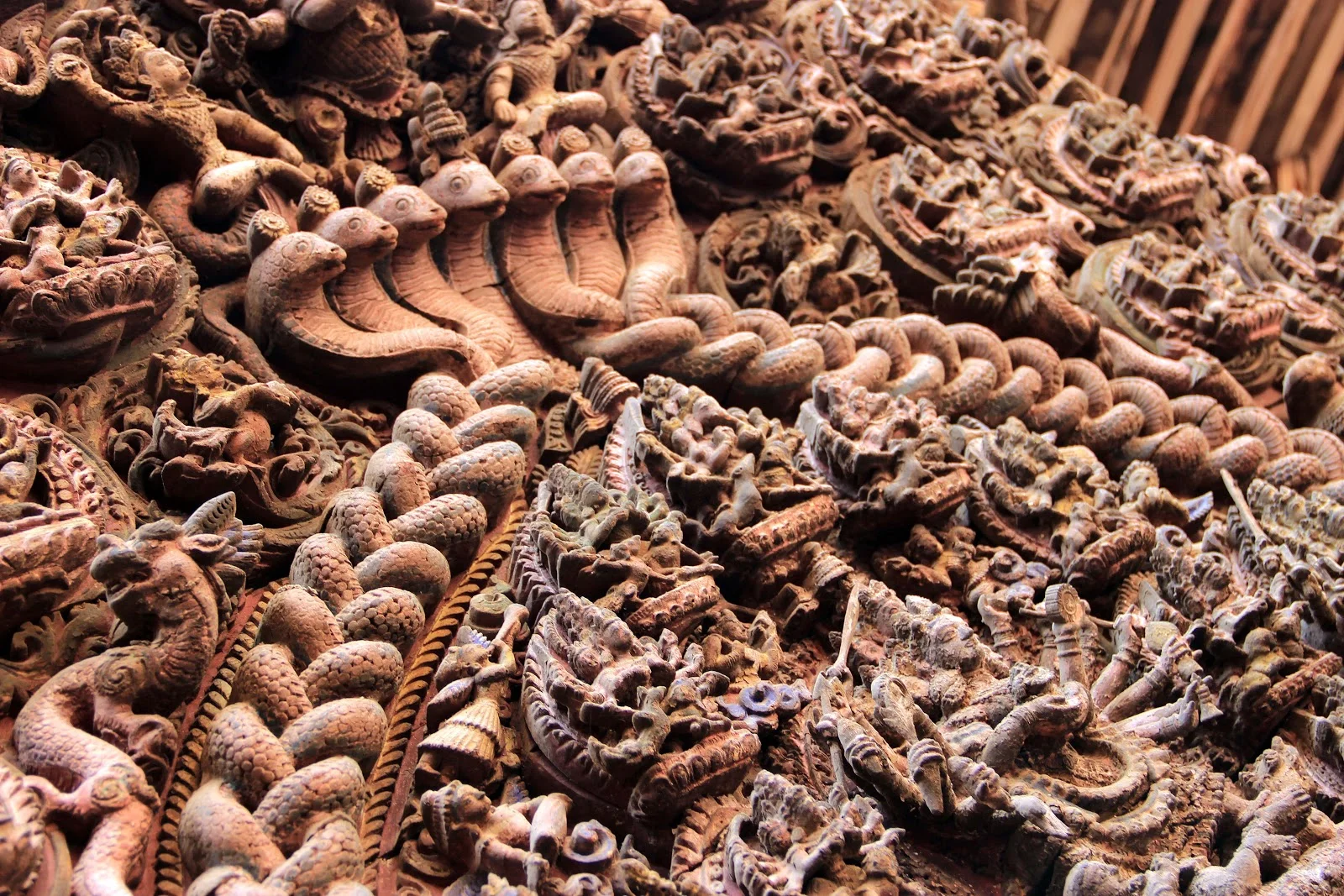
It is not only in temples that you will see wood carvings depicting serpent figures; you may well see them even in some hotels in Nepal with a heritage bent. The reason serpents are so visible everywhere is because they play a big part in Kathmandu Valley’s culture.
There’s this eternally mystifying myth about the valley’s origin. Once upon a time, a long time ago, the valley was said to be an enormous lake called Nagdaha (naag: snake deity, daha: lake). As the name signifies, it was inhabited by a large number of serpents. Now, the valley was well protected on all sides by huge mountains, and the weather was lovely. In other words, if only the lake could be drained out, it would be a fine place to live in; agriculture could thrive. So it was no surprise that some enterprising folk got together to do so. Their endeavor was not taken well by the nagas, who were roused from their slumber. As a matter of fact, they were really angry. Since they had power over the rains, they decided to punish the intruding humans by creating a state of severe drought—no rain whatsoever for years.
The frightened humans didn’t know what to do; how to pacify the furious nagas? They were at a total loss, until one fine day, a king came into the valley; a king with great tantric powers. He immediately called upon his powers and succeeded in compelling the nagas to allow the rains to come down again. But, tantric that he was, he also acknowledged the terrible powers of the nagas and understood only too well that they had to be kept appeased. They had to be given the respect they were due. So he proclaimed that, henceforth, the fifth day of Shrawan (July/August) would be celebrated as Naag Panchami in their honor, a day in which they would be worshipped by humans. The king also realized that suitable sites would have to be provided where the nagas could live safely. Thus, certain specific lakes in Kathmandu Valley were decreed to be safe refuge for the nagas. The lakes so chosen were Taudaha in Kathmandu and Nagadaha in Lalitpur.
Taudaha is a large lake in Chobar, some six kilometers from Kathmandu, to the southwest. Aside from its cultural significance, it is also a refuge for many wetland birds, it being the only remaining natural lake in Kathmandu Valley. People come here during Naag Panchami (August 1 this year) to pay homage to Karkotak Naag, the king of the nagas. There’s a lot of flora and fauna around the lake as well. Nagadaha is located in Dhapakhel of Lalitpur district. It is a large natural pond (about five hectares). Aside from these two, there is a man-made pond to the east of the former royal palace that is small in size. It has a totem pole in its center with a naga on top. Like the bigger sites, this too is where devotees flock to during Naag Panchami. On this day, you’ll see most houses in the valley with a colorful picture of a naag pasted with cow dung over, or beside, their main door. You’ll also see Lord Krishna featuring prominently in some of the pictures. That’s because there’s another prevalent myth about Naag Panchami in the Hindu religion. It is said to be a day to celebrate the victory of Lord Krishna’s victory over Kaliya, an evil and gigantic serpent.
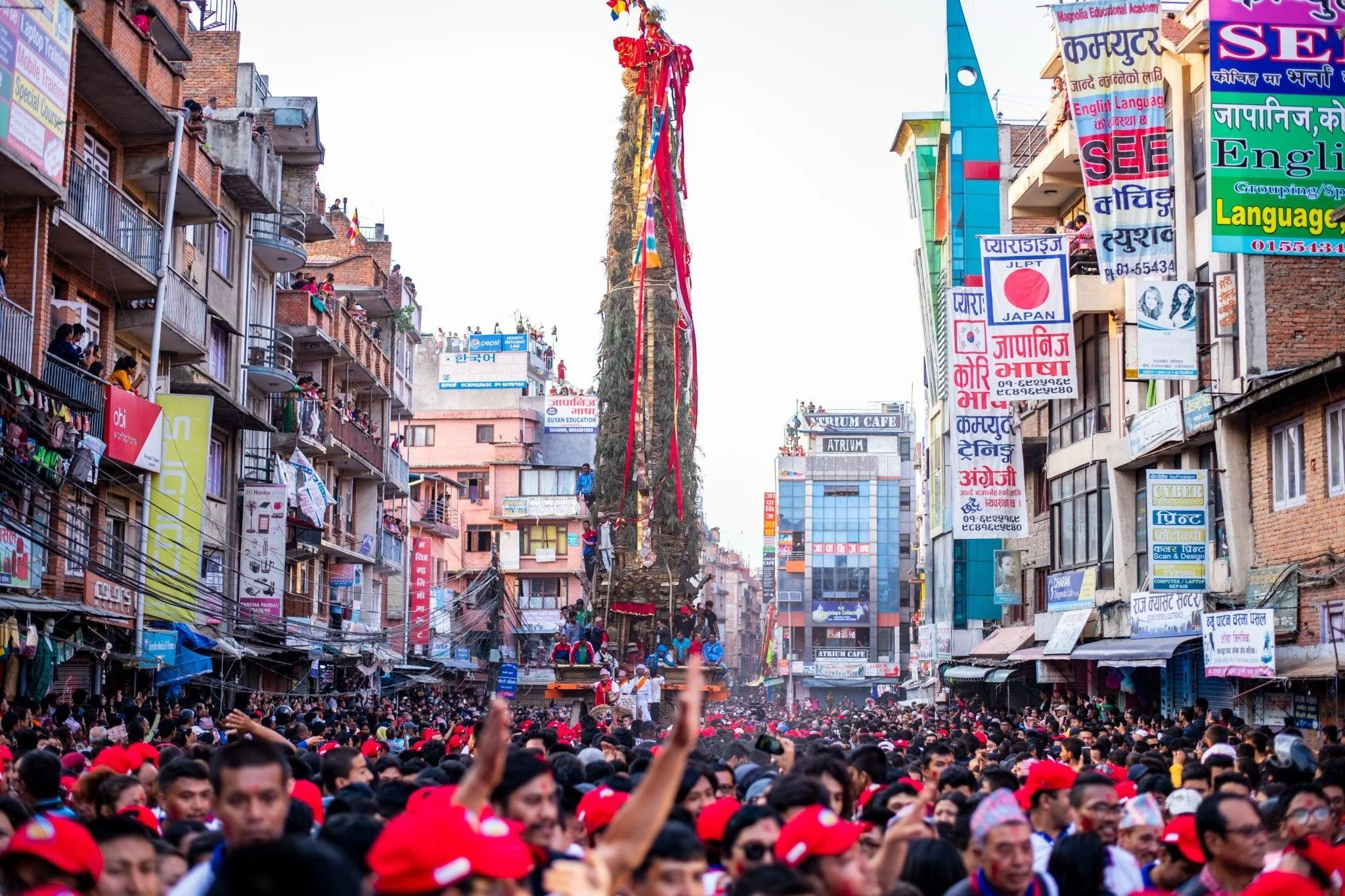
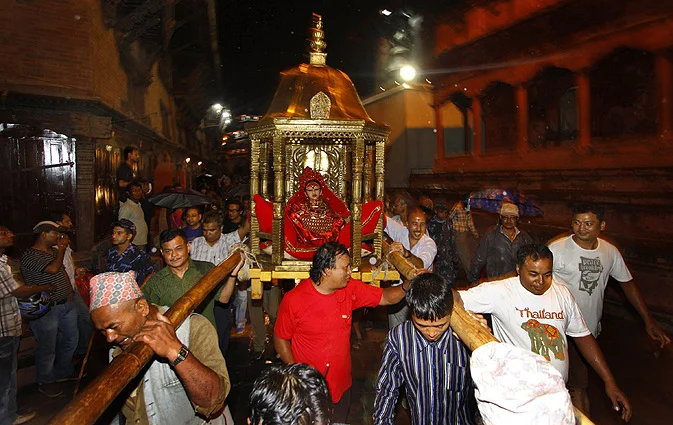
Another festival with serpentine connotations in Kathmandu Valley is the Rato Matsyendranath Jatra, which is celebrated every year for month (May/June). It is a festival participated in by thousands of Patan-dwellers who haul a giant chariot containing an image of Lord Matsyendranath through the lane of the city, with various sites designated as resting spots for a certain period of time. The origins of this colorful (and vigorous) festival are as mystical as that of any other festival. Here’s how the myth goes: many centuries ago, there was a great sage called Goraknath who dwelled in a cave in Gorkha. Once, he happened to come to Patan, and as is the norm for ascetics, went door-to-door seeking alms. Now, the locals were not exactly that generous lot, and in fact, the sage was subjected to some disrespect as well. In his righteous anger, he decided to bring about a drought as never seen before by the valley denizens. With this objective in mind, he promptly sat down on the heads of the nine rain-bringing nagas. Then, he started meditating, and in doing so, slipped into a trance that lasted days on end. The rains stopped pouring down because the nagas were immobilized.
The people begged him to break his trance and get down from the nagas’ heads. Desperation prevailed, since the mighty sage remained unmoved. Now, luckily, there were a couple of cunning fellows around, and they devised a clever plan of action. They traveled all the way to Assam in India, where resided Goraknath’s teacher (guru), Matsyendranath. He was brought to Kathmandu posthaste. On realizing that his guru had come to see him, Gorakhnath promptly stood up in respect, and his trance was broken. The nagas were thus liberated and free once more to do what they did best, that is, to make the rains come pouring down on the valley. With so much depending on the nagas, it is, therefore, no wonder that the people of Kathmandu Valley hold so much respect for them. And, no wonder that you may see more than just a couple of serpent figures in the wood carvings around hotels in Nepal.
POPULAR ITINERARIES
SIMILAR POSTS

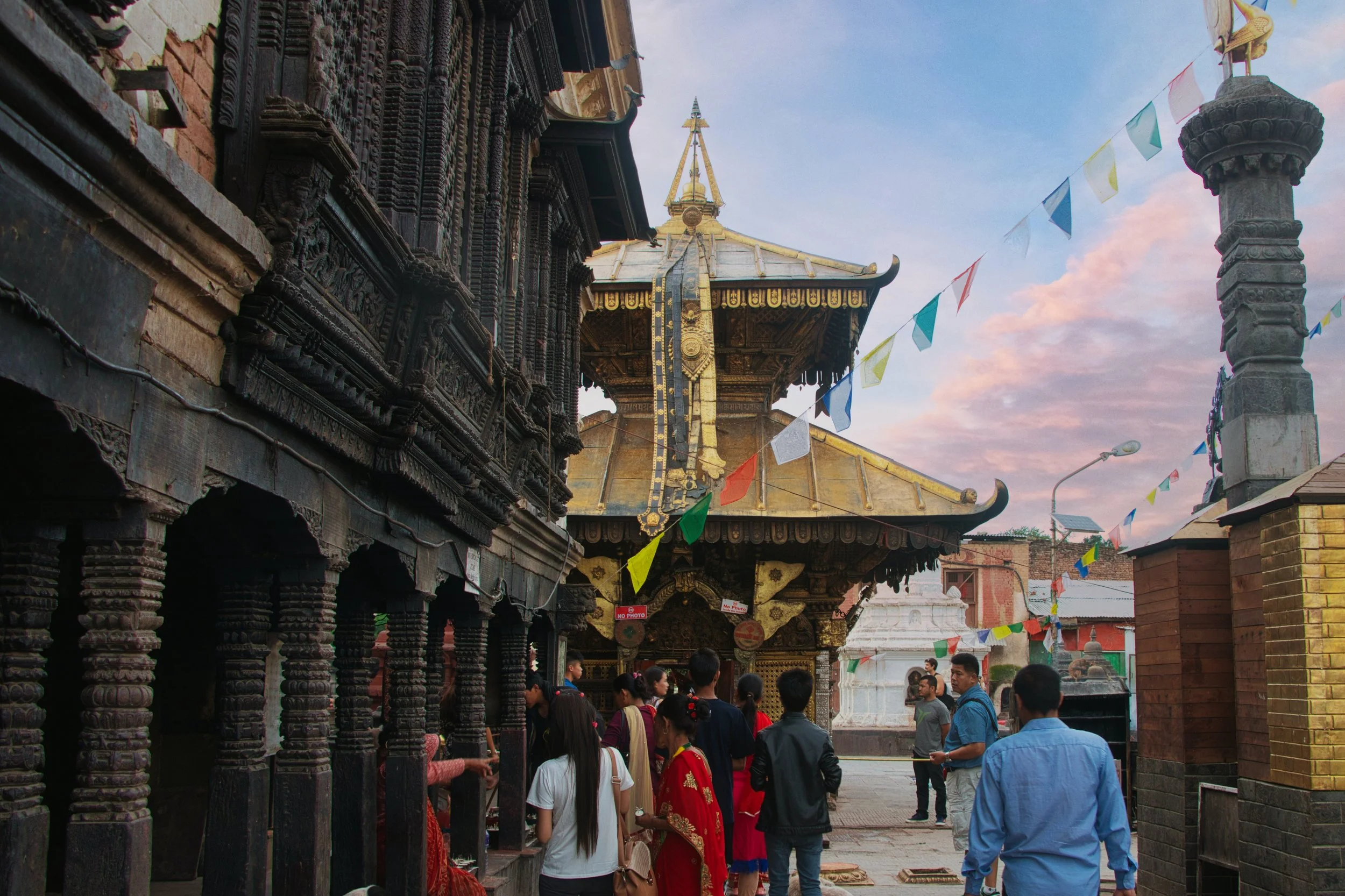
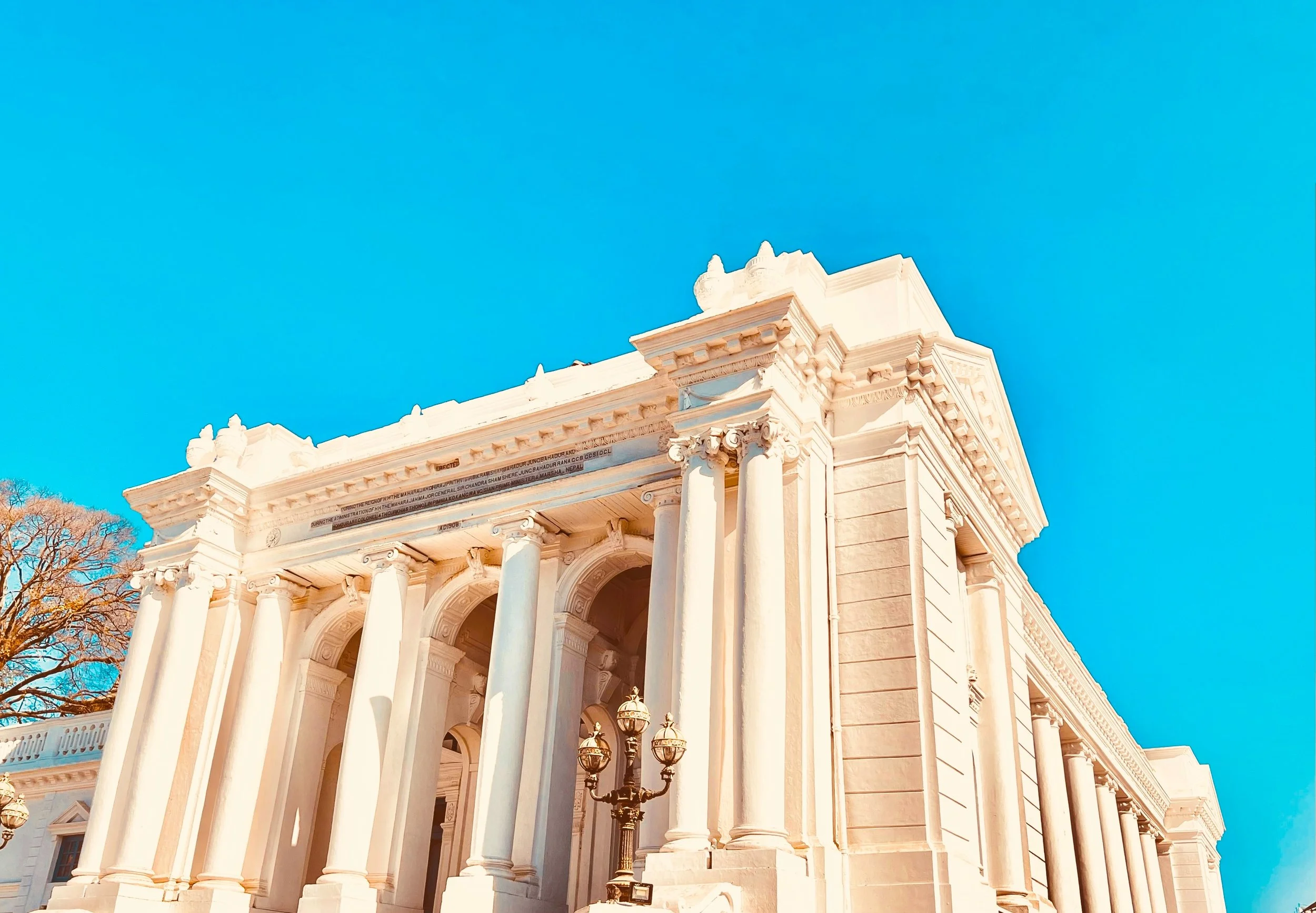
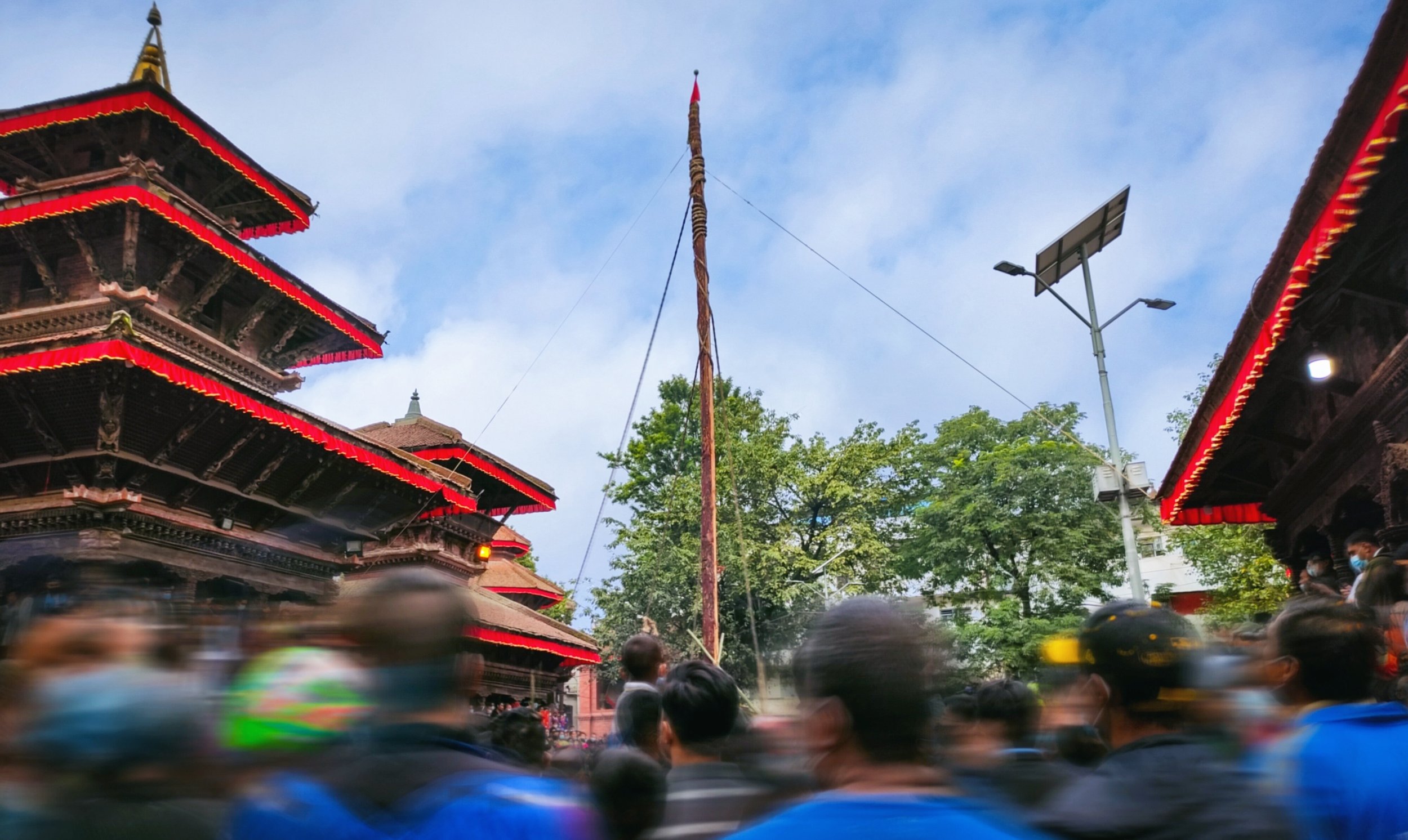
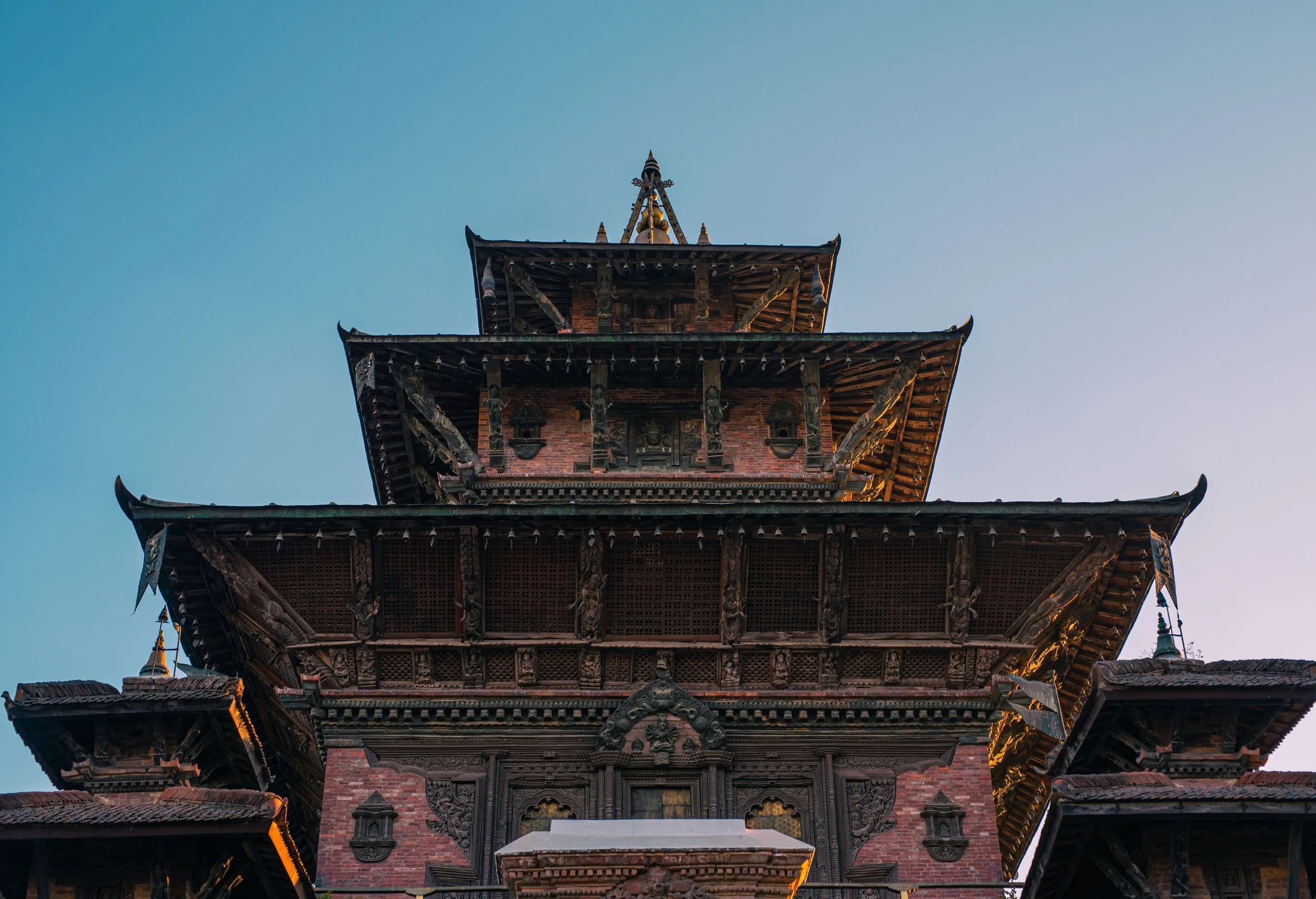
Kathmandu and its Fascinating Antiques
Kathmandu Valley is often touted as a “living museum” because of the fact that in many places of the valley life continues as centuries before, and antiques abound in every nook and corner of towns and villages
Many of the better hotels in Kathmandu, Nepal, are likely to have a couple of antique shops in their establishments. These antique shops are a magnate for tourists looking for good souvenirs to take back home, and happy hunting grounds for antique and curio enthusiasts. Nepal’s civilization goes back thousands of years incorporating great periods of art, architecture, and culture, so there are bound to be great works of antiquity around. For those really bent on looking at ancient artifacts, visiting only antique shops in and around the hotels in Kathmandu might not be enough, although for souvenir hunters, they are pretty rewarding.
For the former, a day or two at the National Museum in Chauni of Kathmandu is called for. It is a treasure trove of priceless artifacts that take you through hundreds of centuries of Nepal’s history. Here, on entering the doors of the stone images section on the ground floor, you will learn that “the earliest stone images are recognized with their distinct stylized features. These features are displayed in the form of the plain halo, very fleshy body, cupped varadamudra (hand posture), zigzag and finely plated decorative folds of the garments, lack of sacred thread, minimal use of garments and ornamentation, and heavy earrings and anklets.” That’s quite a bit of knowhow that should make you a wiser person, and it really helps you to understand more as you walk around studying the ancient stone images. Mark the word ‘ancient’, that’s the world you’re entering now.
The first row of stone images makes up the narrative panel depicting Lord Shiva and his consort Parvati’s epic romance: all established as 6th/7th century works. This section of the museum includes various other deity images from ages ago, ranging from 1st century to 17th century. One statue that’s sure to catch your attention is the striking life-size figure of the Lichchavi king, Jayavarma, which was discovered in Maligaon of Kathmandu in May 1992. It is from the first Lichchavi samvat (Saka samvat: 2nd century A.D.). Another striking artifact is the headless figure of Yaksha dated 1st century A.D. It is the earliest stone image found in the country. Another ancient piece is the figure of Kumbha (goddess of prosperity) dated 2nd century A.D. Numerous other figures are also on display, many of them from the 12th century onwards, and some are really well sculpted.
Actually, the above details are just to give you a taste of what to expect when visiting Nepal’s National Museum, and just a small part of the whole. The museum has an entire building devoted to Buddhist artifacts. You’ll agree that you won’t be able to see such antique objects at the antique shops in and around hotels in Kathmandu! However, you should also keep in mind that many travelers have described the entire Kathmandu valley as a ‘living museum’, wit ancient monuments to be found at every nook and corner. The three durbar squares of Kathmandu, Patan, and Bhaktapur contain rich heritage in the form of shrines, palaces, and relics like wood, metal, and stone sculpture.
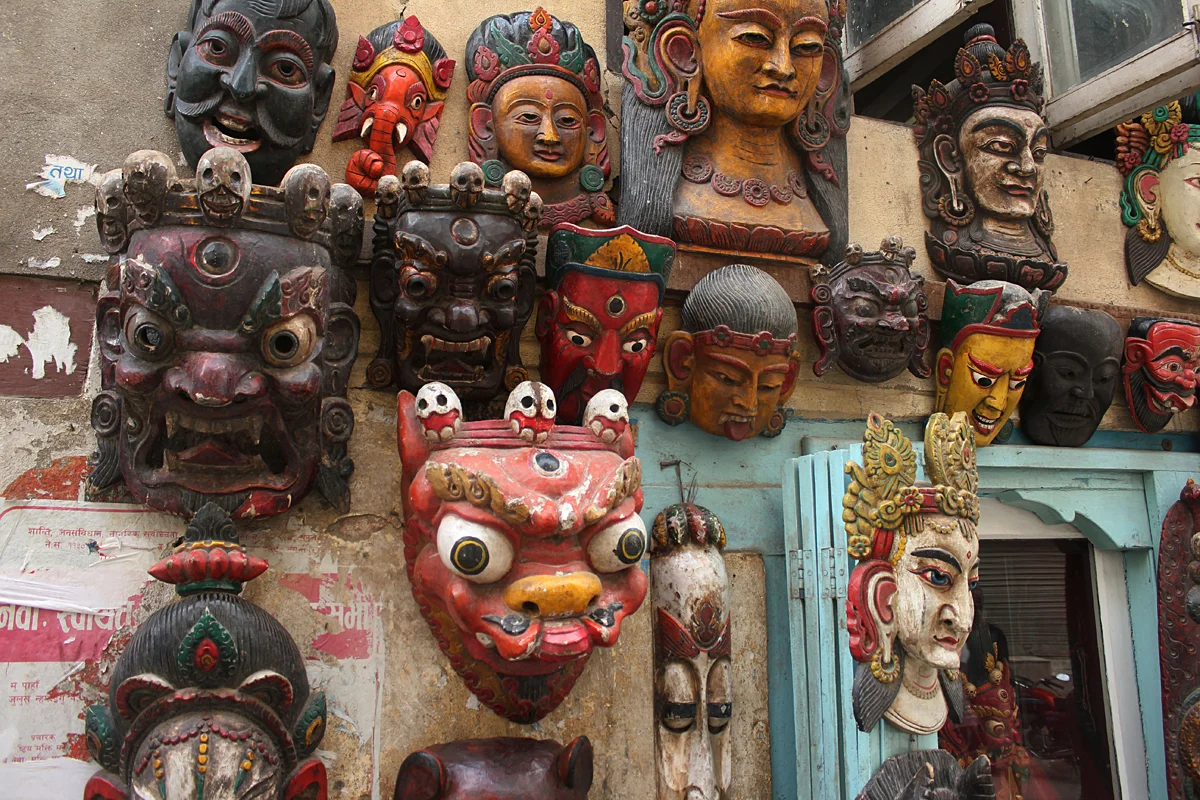
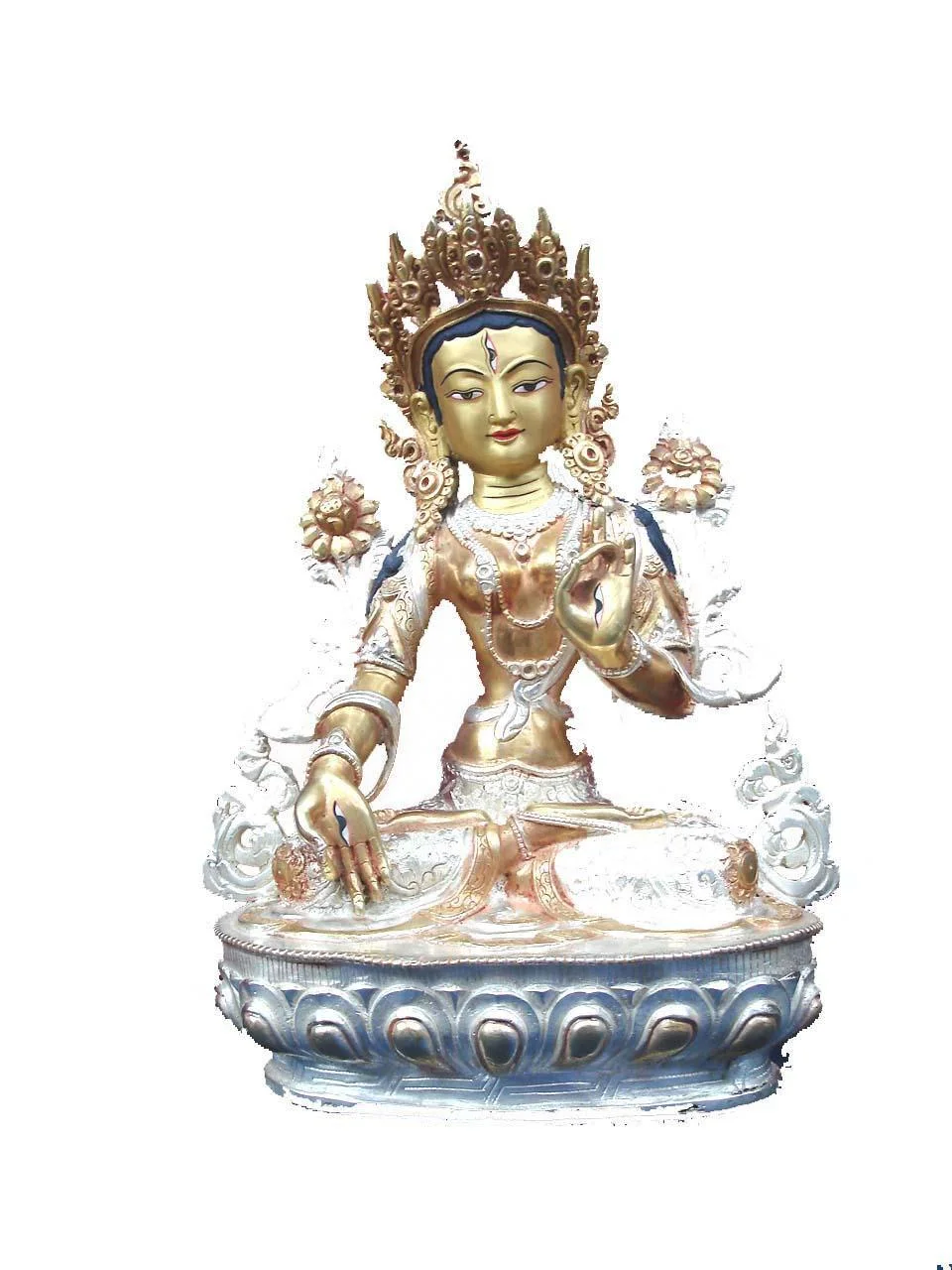
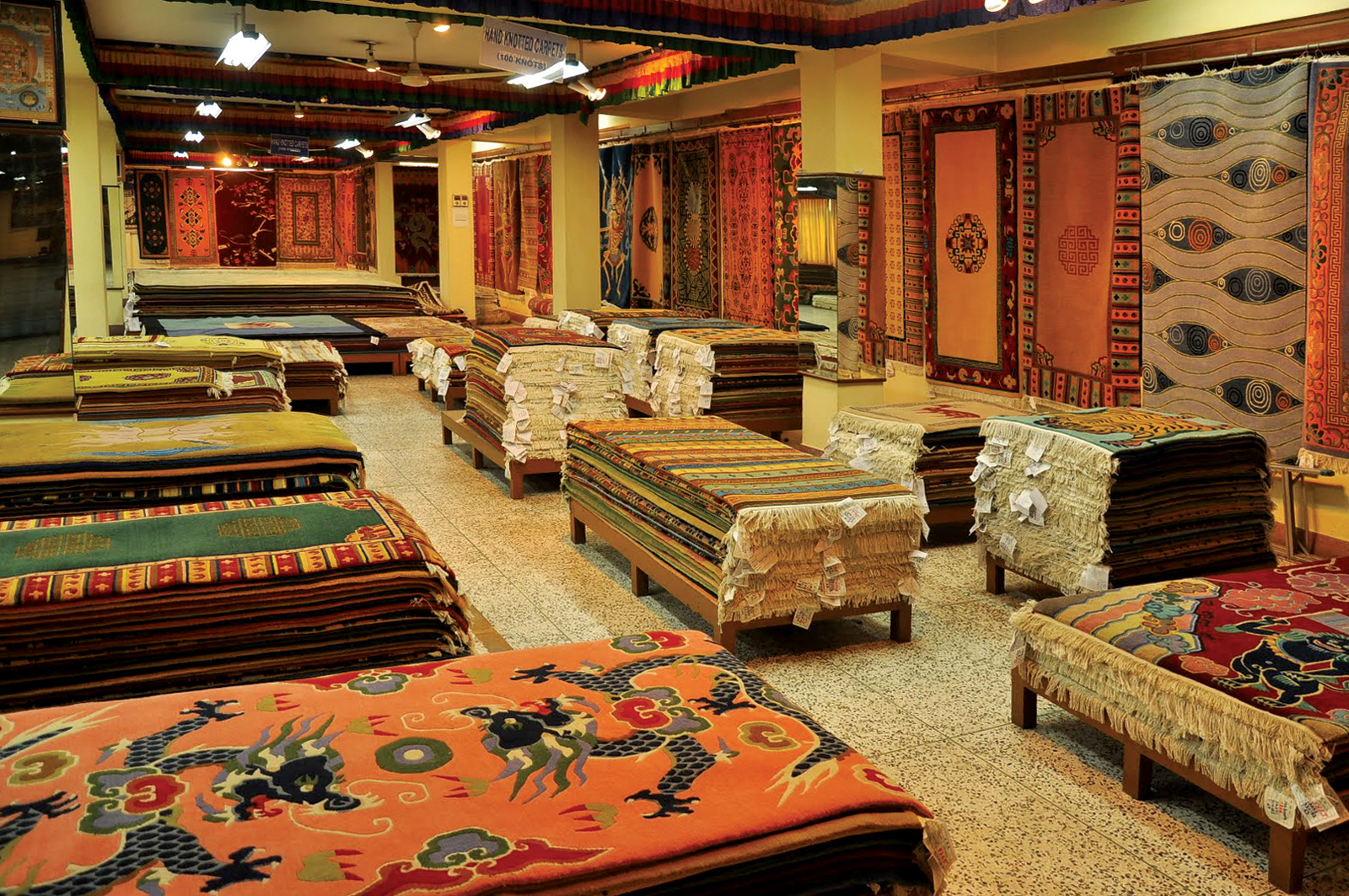
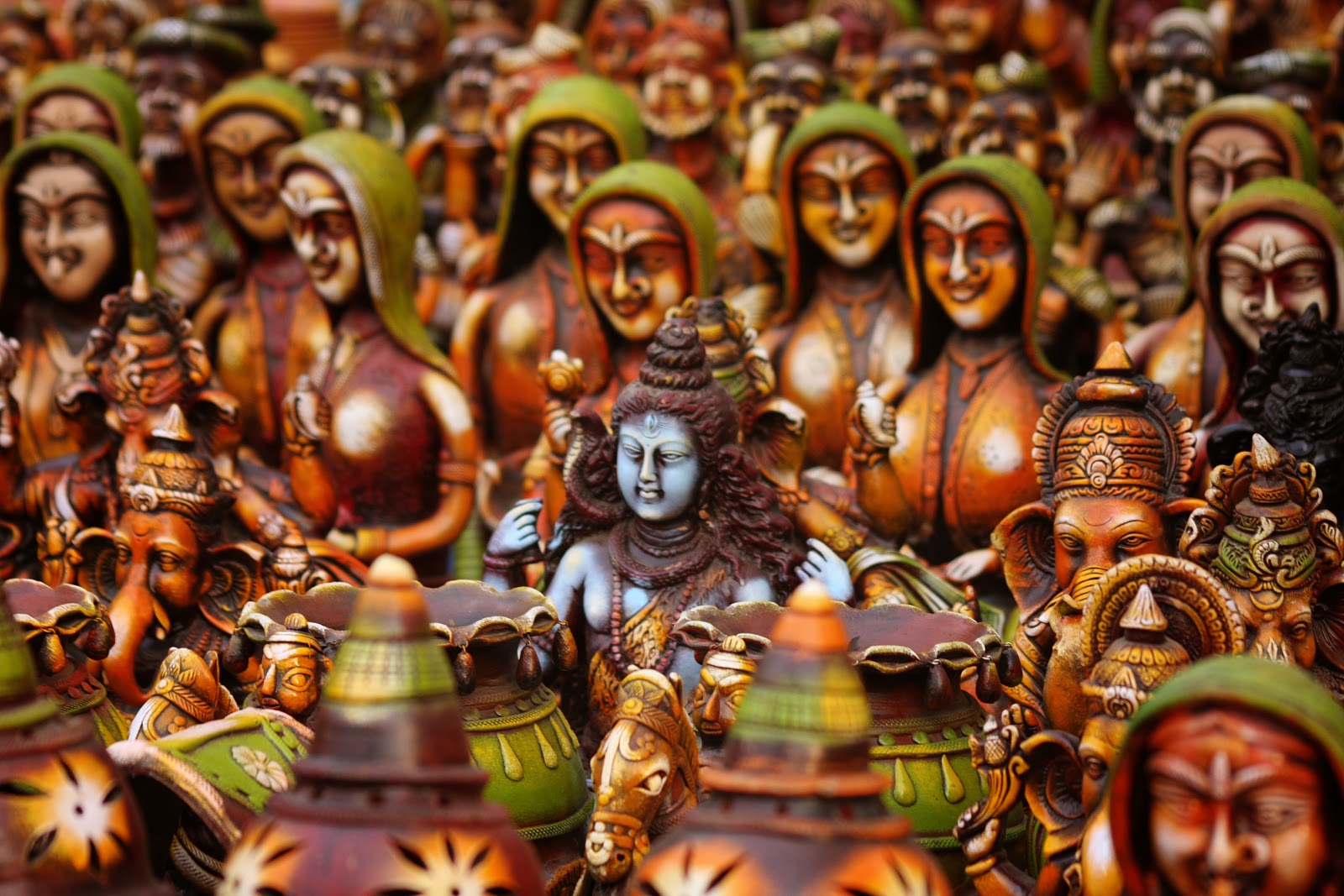
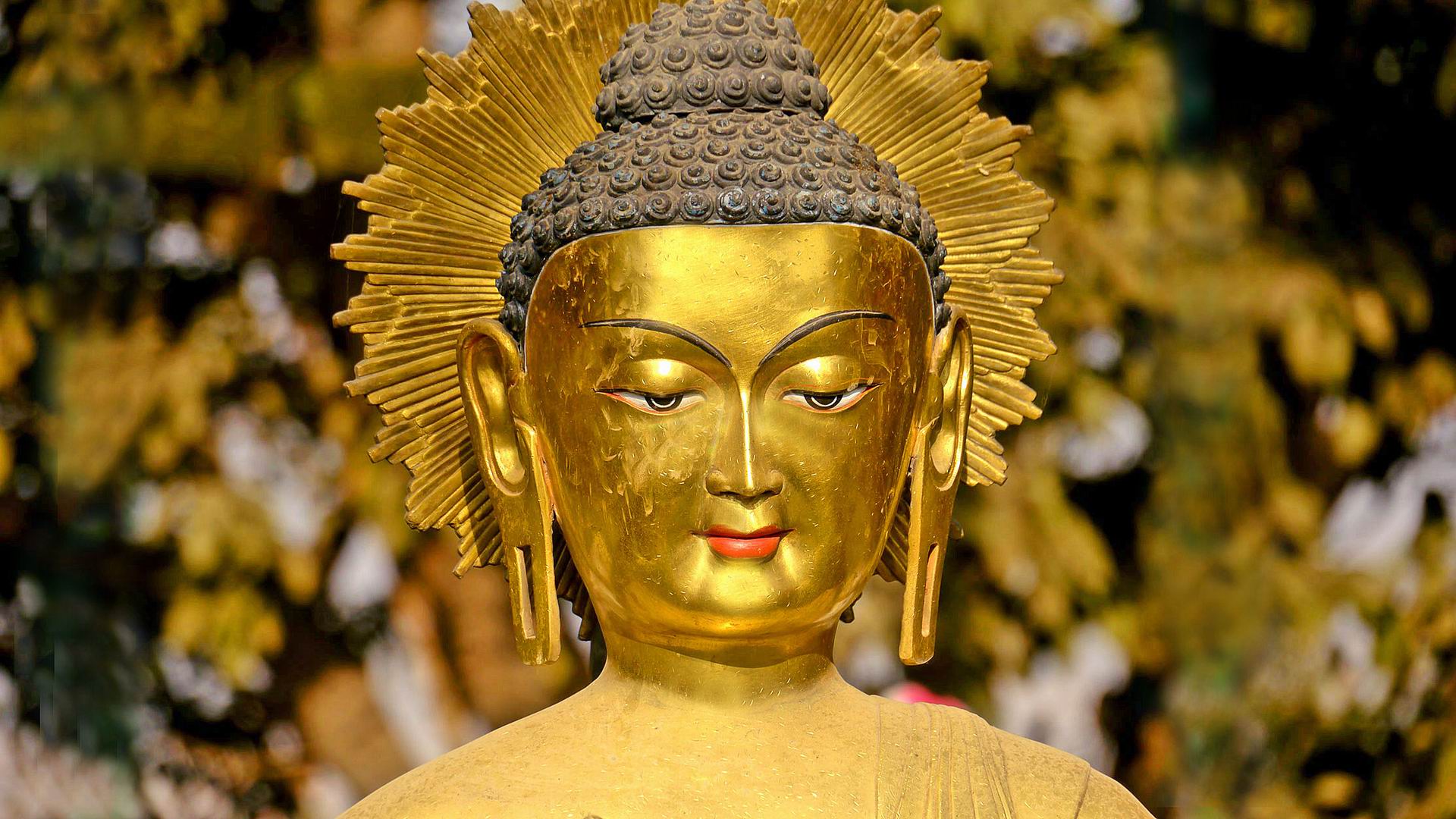
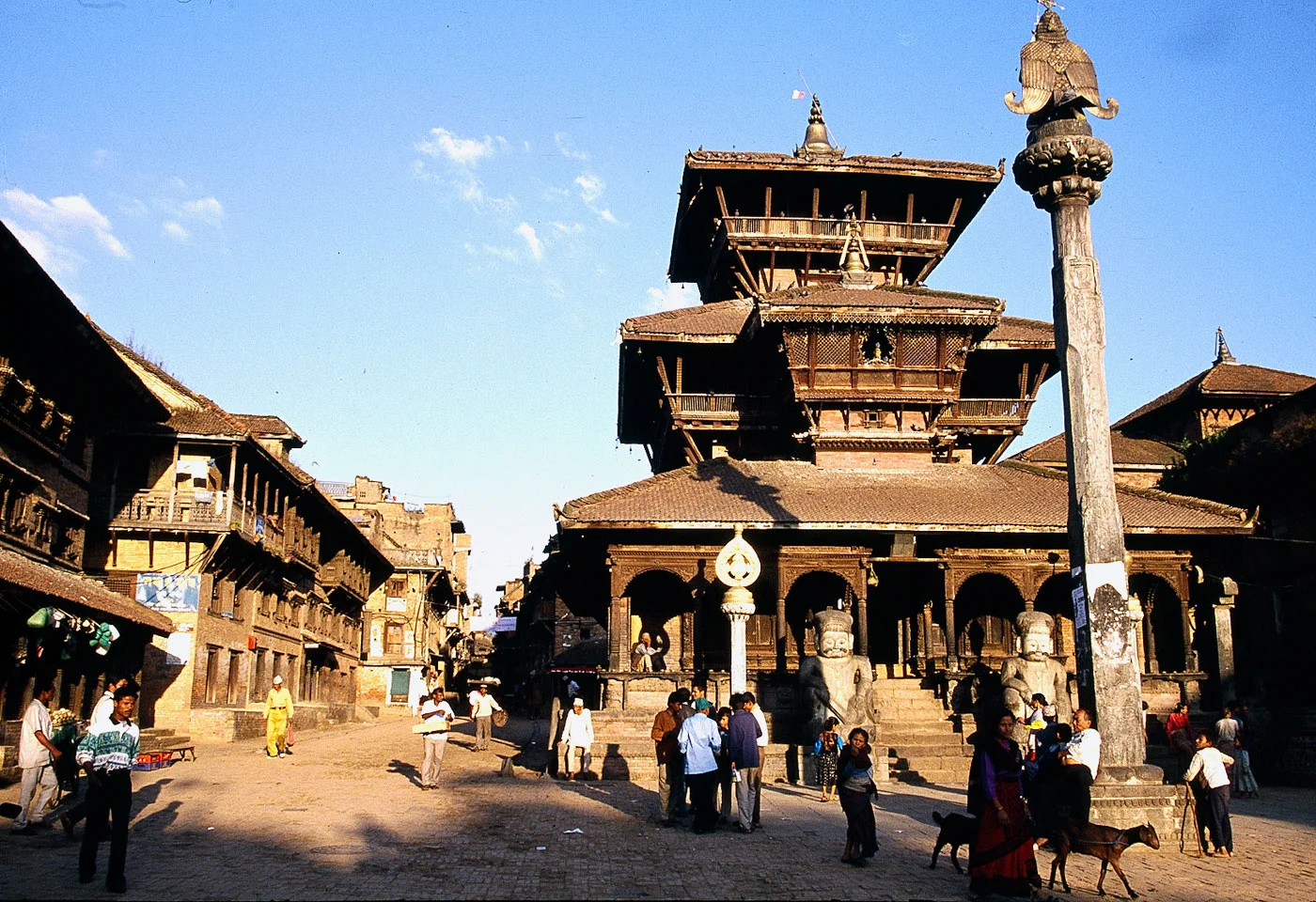
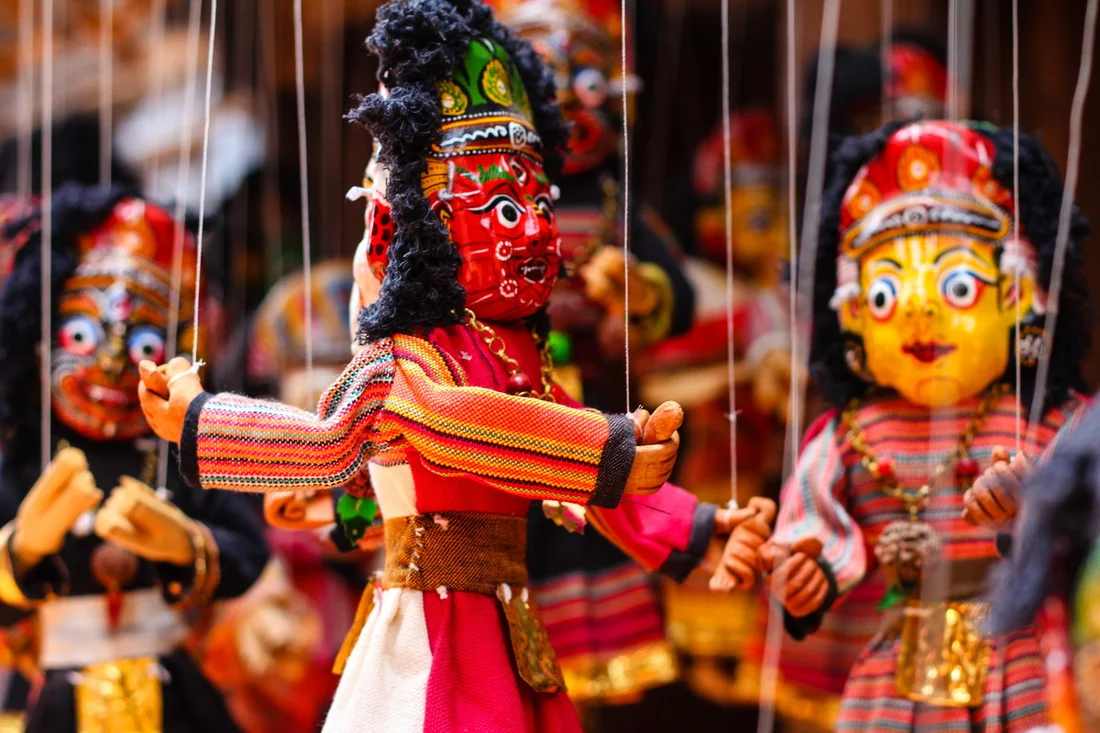
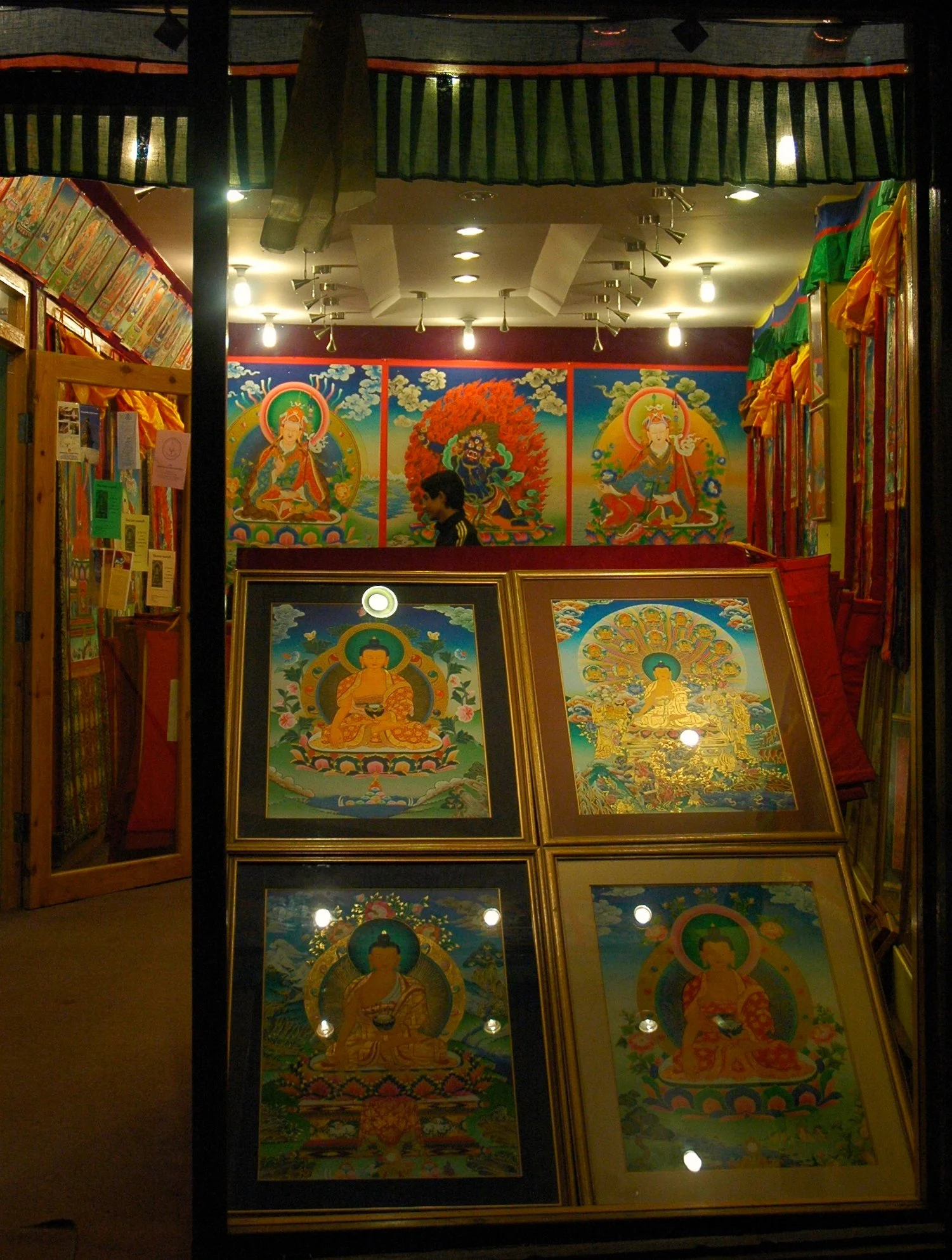
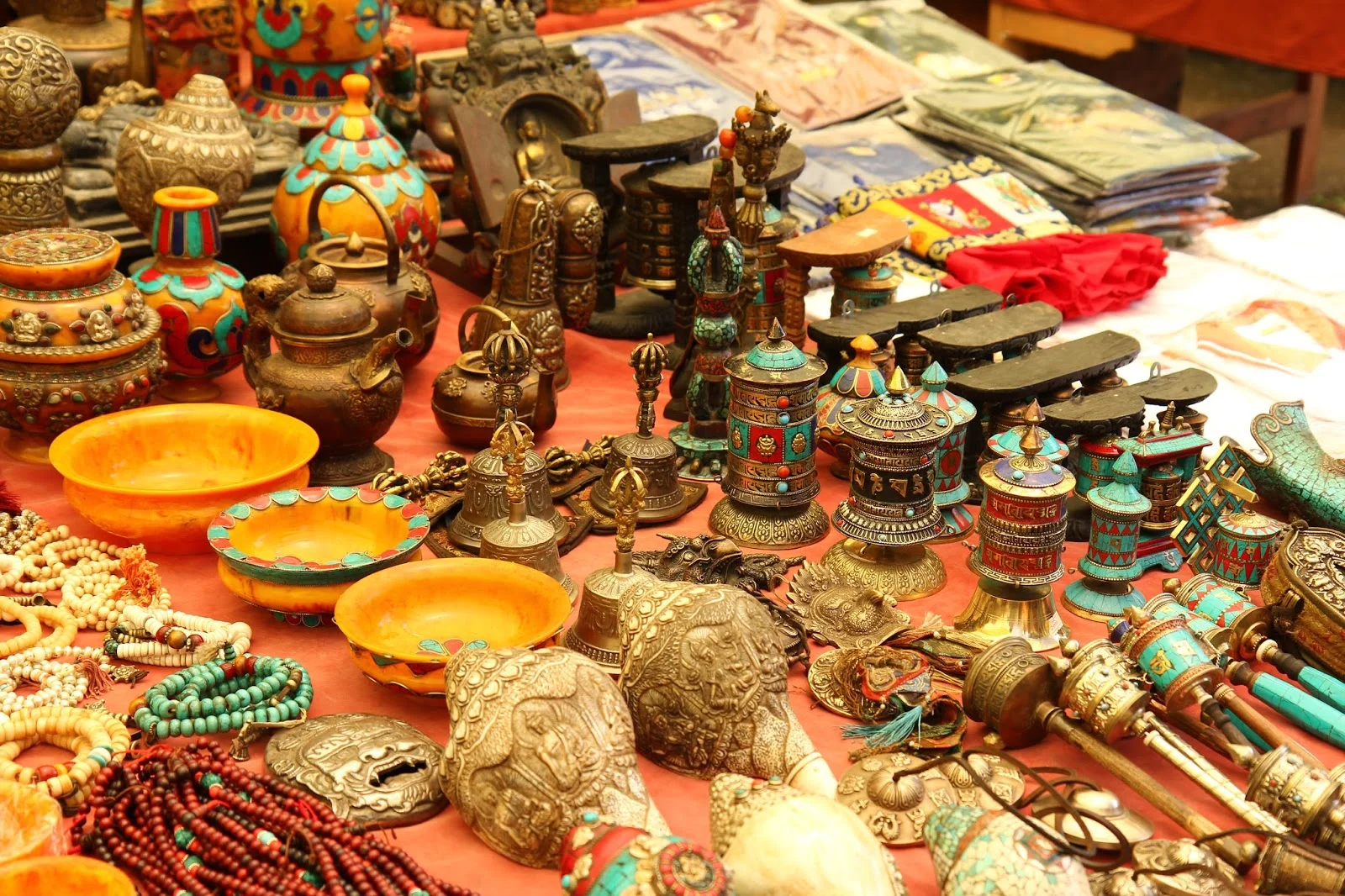
Similarly, aside from the above-mentioned antique shops in the better hotels in Kathmandu, one is likely to discover plenty of curios and antiques in the many curio shops around the valley, particularly in tourist hotspots like Thamel, Swayanmbhu, Boudhanath, etc. Many of the antique objects are still very much in use in households around the valley. Be warned, however, that not all antiques are genuine. In fact, you got have some knowledge about the more reputed shops around town to buy antiques and curios. Such items may come in the form of colorful masks, intricately detailed copper incense stands, paubhas, or thankgkas, (religious paintings), and deity images in bronze (some gilted, some not). You will also find indigenous musical instruments, wooden boxes, copper vessels, primitive figures, bells, manuscripts, clothes, bhote talchas (antique locks), mana pathis’ (set of 8 measuring vessels of Licchhavi period), and dhungros (milking pails). The list is endless. Here’s more: shaman sets (belt with lots of curious hardware worn by Tamang shamans), lisnus (narrow wooden ladders of Trishuli), et al. Well, you’re sure to have a wide choice of souvenirs to take back home to decorate your mantelpiece with.
Talking about musical instruments specifically, here’s a list of indigenous ones: narsimha, dama, dholke, jhyali, shehnai, tempu, kernel, dhyangro, bansuri, tungna, sarangi, and so on. So, you see what options you have? You’ll also find many Tibetan curios, including red wooden chests, leather boxes, thangkas, and even old chairs and carpets. Besides these, some antique and curio shops also have ancient carved doors, different kinds of weapons, antique jewelry, etc. Yes, indeed, the world of antiques and curios is a varied one, and often, some expertise comes in handy to differentiate between the really antique and the not-so-antique stuff. According to one Nepali expert who’s been dealing in such things for decades, it’s hard to know the difference, and while previously he used to judge according to the object’s patina (sheen due to years of use), now he believes that that too is manipulated. At the same time, he isn’t much concerned, as he has discovered that most tourists don’t really care about antiquity as such.
There’s another thing about dealing in antiques that dealers, including the one in the shops nearby your hotel in Kathmandu, have to be wary of. That’s dealing in metal statues. Apparently, there’s a lot of hassle involved, since one could be breaking the law regarding antiquities unknowingly. Stolen idols of Nepal have often been in the spotlight. Before 1950, many antiques were taken abroad due no definite legislation. The Ancient Monuments Preservation Act was passed only in 1956, which put a hold on exporting any artifact more than a century old, and idols worshipped even if for a day were not to be taken out of Nepal, because they were part and parcel of the living culture. Nevertheless, between 1960 and 1980, Nepal’s tourism spiked like never before, with the unwanted side effect of widespread antique smuggling. Ancient metal idols ensconced for ages in their shrines were prized items.
Anyway, despite all those precious antiques taken abroad to foreign lands, Nepal, and especially Kathmandu Valley, is still chock-a-block with antiques, and all one needs is a keen eye and a lively interest to discover them while going round on a tour. Needless to say, the antique and curio shops in and around the hotels in Kathmandu could also quench, to some extent, your thirst for discovery. Happy hunting!
Biggest Nepali Festival, Dashain
The biggest Nepali festival, Dashain, is known as a 10-day festival, but it actually ends on the 15th day, the day of Kojagrata Purnima.
At all other times of the year, hotels in Kathmandu, Nepal, are planning some event or the other to attract guests; it could range from a special concert to a theme party to a culinary event. However, come Dashain, the biggest Nepali festival, and everything goes on hold. From the start of the 10 days of Dashain, the streets of Kathmandu begin to look desolate, with a large part of its denizens gone home to other parts of the country. Fact is, Kathmandu is where the action is, meaning Nepalis from all nooks and corners of Nepal live in Kathmandu for work and business, and while it’s their home for all practical purposes, their ancestral homes are somewhere else. And, fact is, the most important part of Dashain is the tradition of getting together with family in ancestral homes.
It’s a lovely custom, a beautiful part of Dashain culture, and hotels in Kathmandu expect this, and in fact, have accepted this. It would have been tough, anyway, to keep the staff working at full throttle during Dashain if business was as usual, since Dashain is a holiday that’s not going to be missed by anyone, including the staff of hotels in Kathmandu. Having said all this, let’s see what Dashain, Nepal’s biggest festival, is all about. Keep in mind that it’s a 10-day-long festival (pretty long by any standard, wouldn’t you agree?), and, keep in mind, also, that Nepal’s biggest festival involves a certain ritual that’s not so apt in this day and age; that is, animal sacrifice. There’s some hue and cry about cutting down on this aspect of Nepal’s biggest festival, but that’s easier said than done. A tradition that’s thousands of years old will certainly take some time to change, if at all.
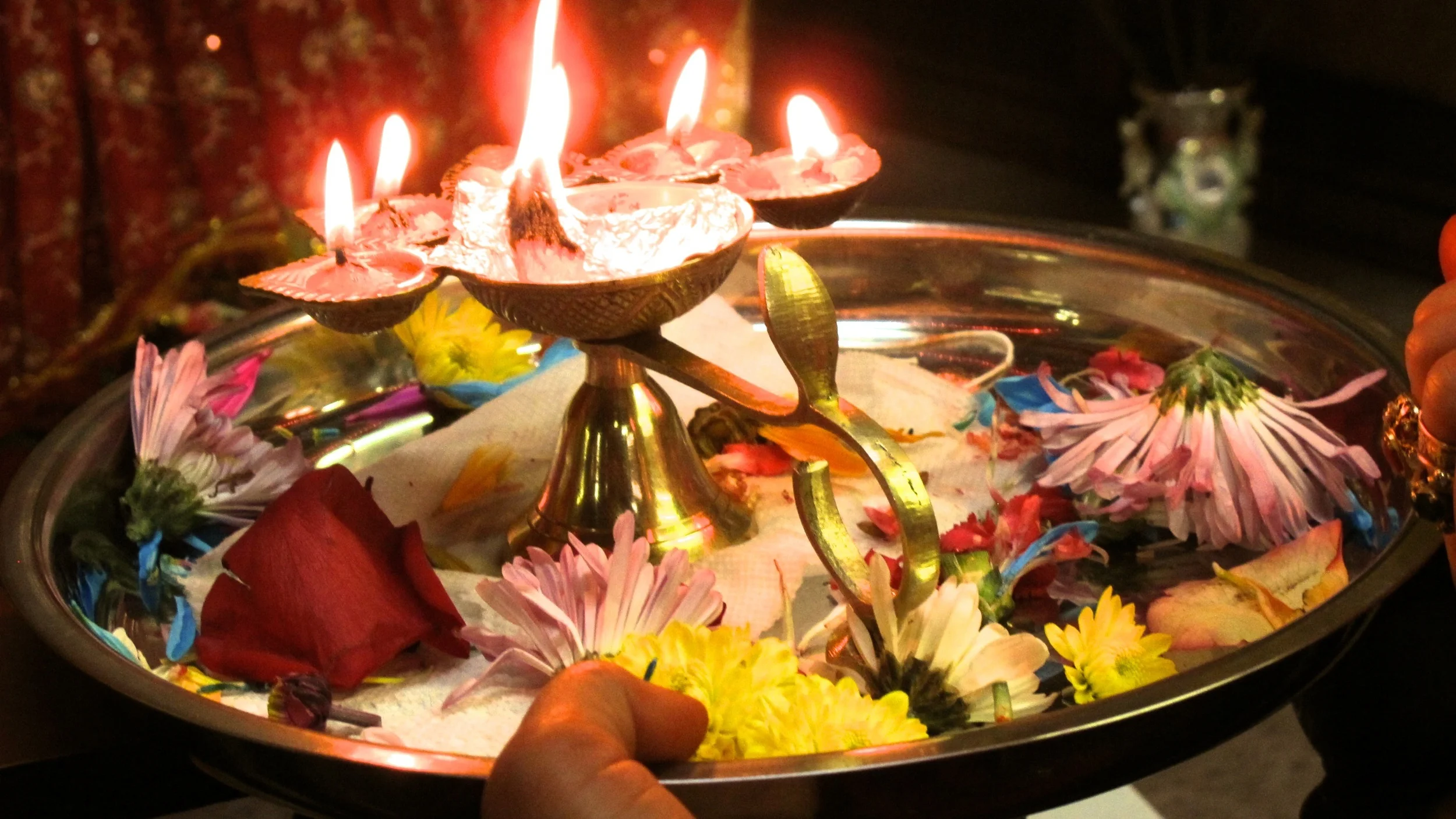
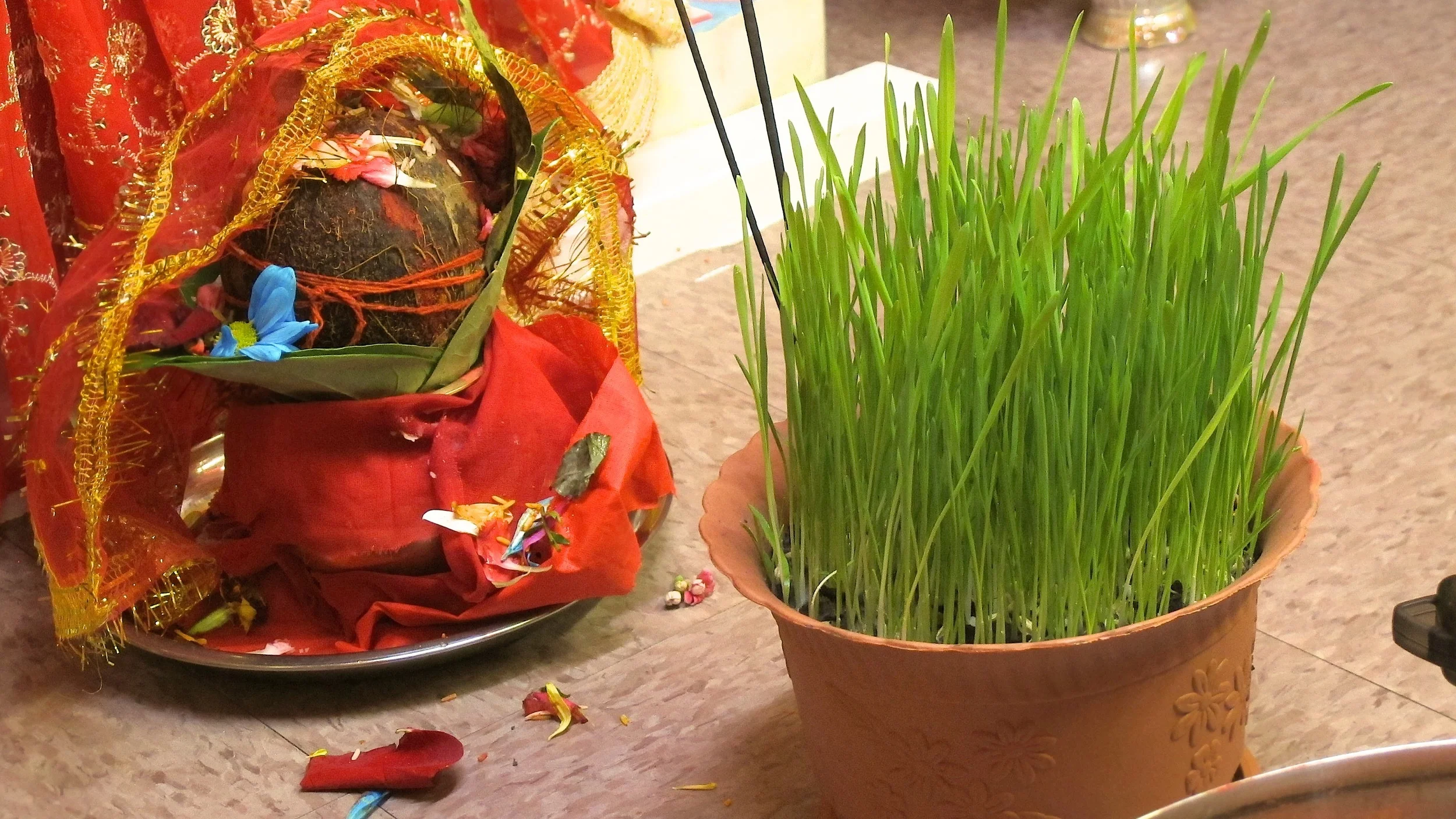
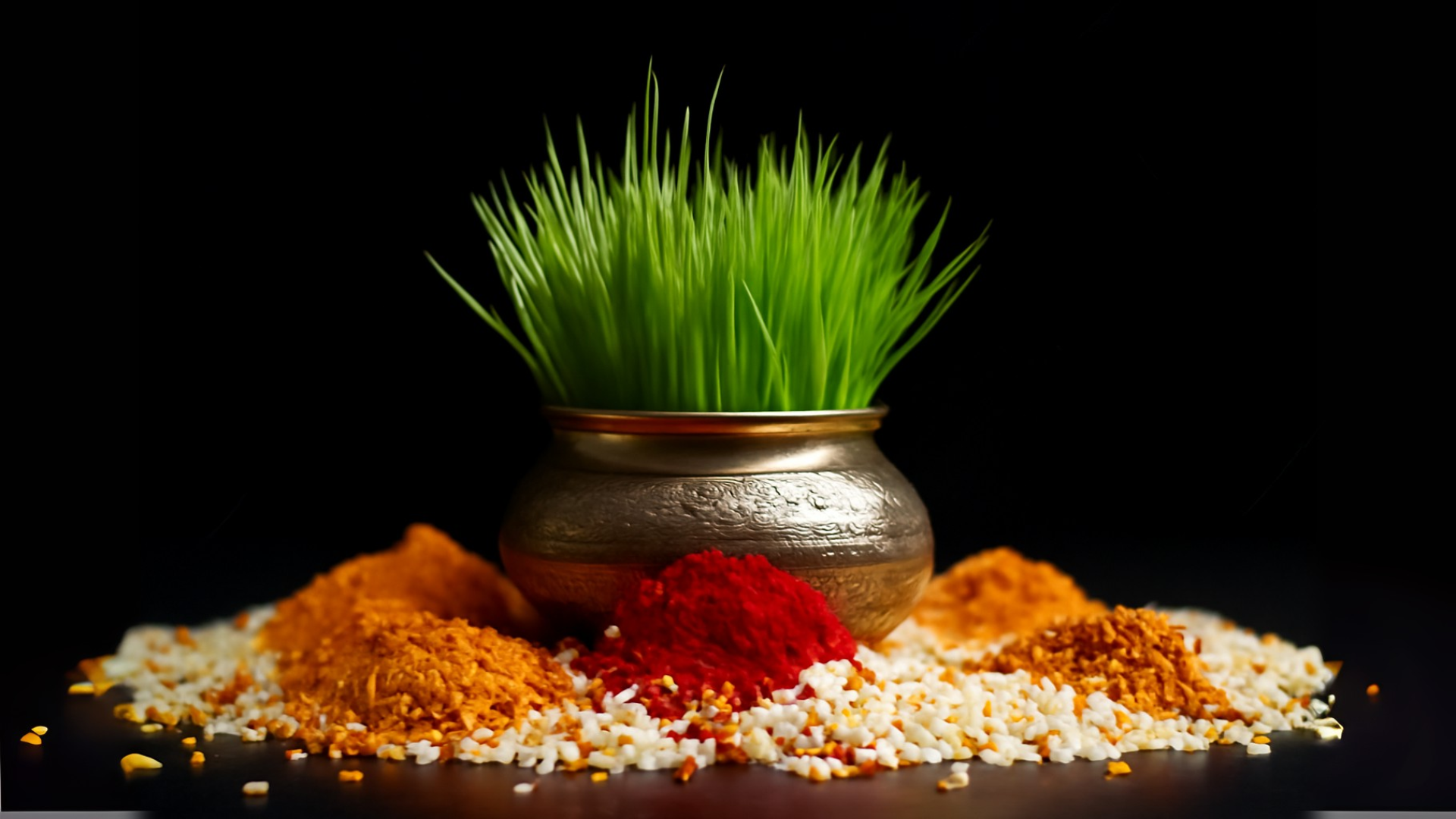
Anyway, leaving this less-savory fact behind, let’s talk about pleasanter things about Nepal’s biggest festival, Dashain. It starts with Ghatasthapana (September 25, this year), when a handful of barley seeds are scattered on a bed of sand in a clay container in the puja room of every Hindu household in the land. The sand has been brought from nearby rivers the day before, and people make sure the barley seeds are of good quality; the barley, when it sprouts some days later, has to be really nice and yellow-green, since it is an essential part of the offering on the day of Vijaya Dashami, along with the tika (a mix of vermillion powder, rice, and curd) on the forehead of younger family members by their elders.
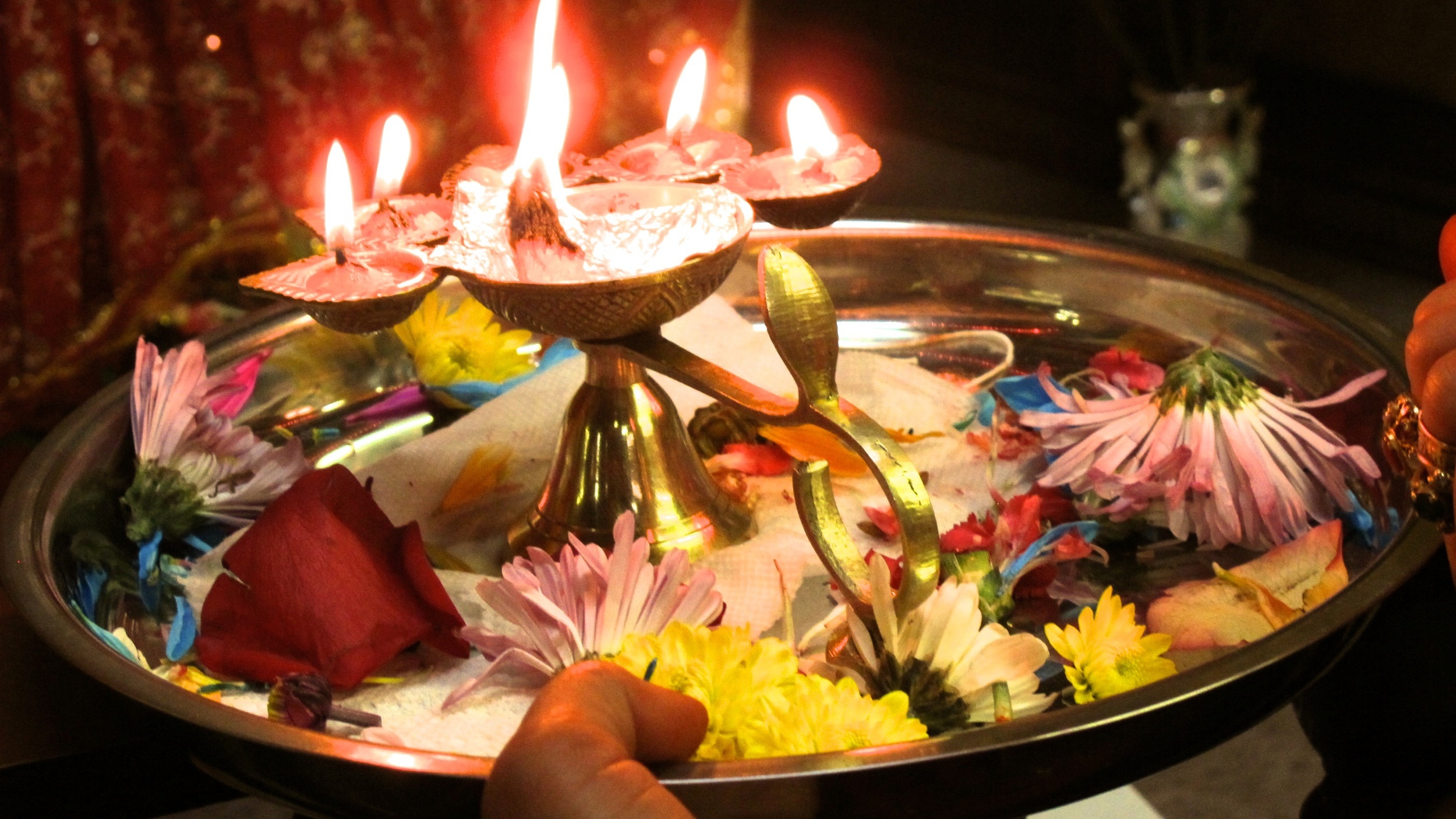
However, Vijaya Dashami is still far away, it’s after all the culmination of Dashain, falling on the tenth day. Let’s go one day at a time: On Ghatasthapana, along with the sowing of barley seeds, a lamp with a thick wick is also lighted, and is kept burning for the full 10 days of Dashain. The lighted lamp is kept covered by another clay vessel; the soot on this will be put on the forehead as a little dot below the red tika on Vijaya Dashami. One curious fact is that while all such preparations are done by womenfolk, it is a male family member who has to conduct the daily puja during the Dashain period. If you are in Nepal during Vijaya Dashami, also known as the day of Tika, you’ll see most people with tikas on their forehead, and jamara (the aforementioned barley sprouts) tucked behind their ears, including the staff of any hotel in Nepal you’re staying at.
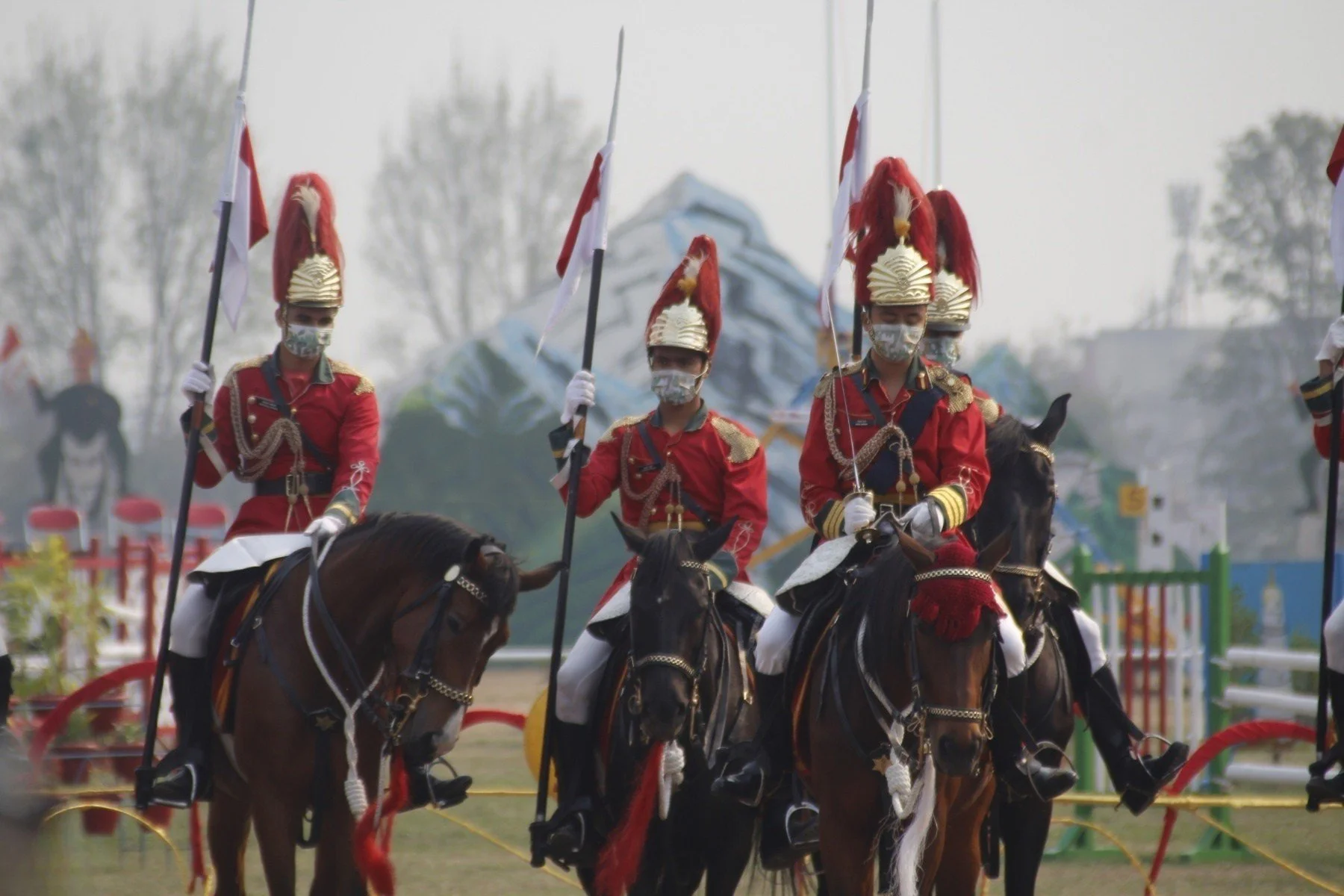
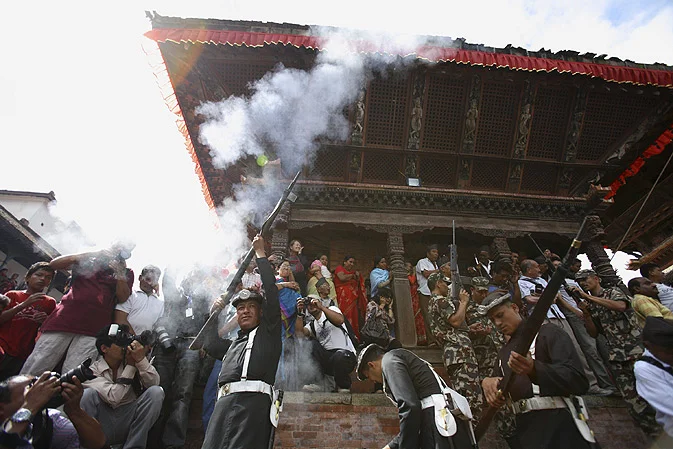
The first nine days of Dashain are collectively called Navaratri (nava: nine; ratri: night). Lots of people, many of them youngsters, will be out in droves in the wee hours of the morning every day visiting all the temples dedicated to Goddess Durga and her manifestations. The air is full of festivity. Mealtimes on all 10 days are sumptuous feasts, and a variety of mutton dishes are the order of the day. Chiura (beaten rice) is preferred over boiled rice, which is the staple at other times. The seventh day is Fulpati, which is marked by jamara from Gorkha (original home of the Shah dynasty) carried into Kathmandu’s Hanuman Dhoka (Kathmandu Durbar Square) palace, the ancient seat of Nepal’s kings, on a palanquin borne by loin-clothed Brahmins, and escorted by a platoon of soldiers dressed in uniforms of bygone days and carrying bayoneted muskets.

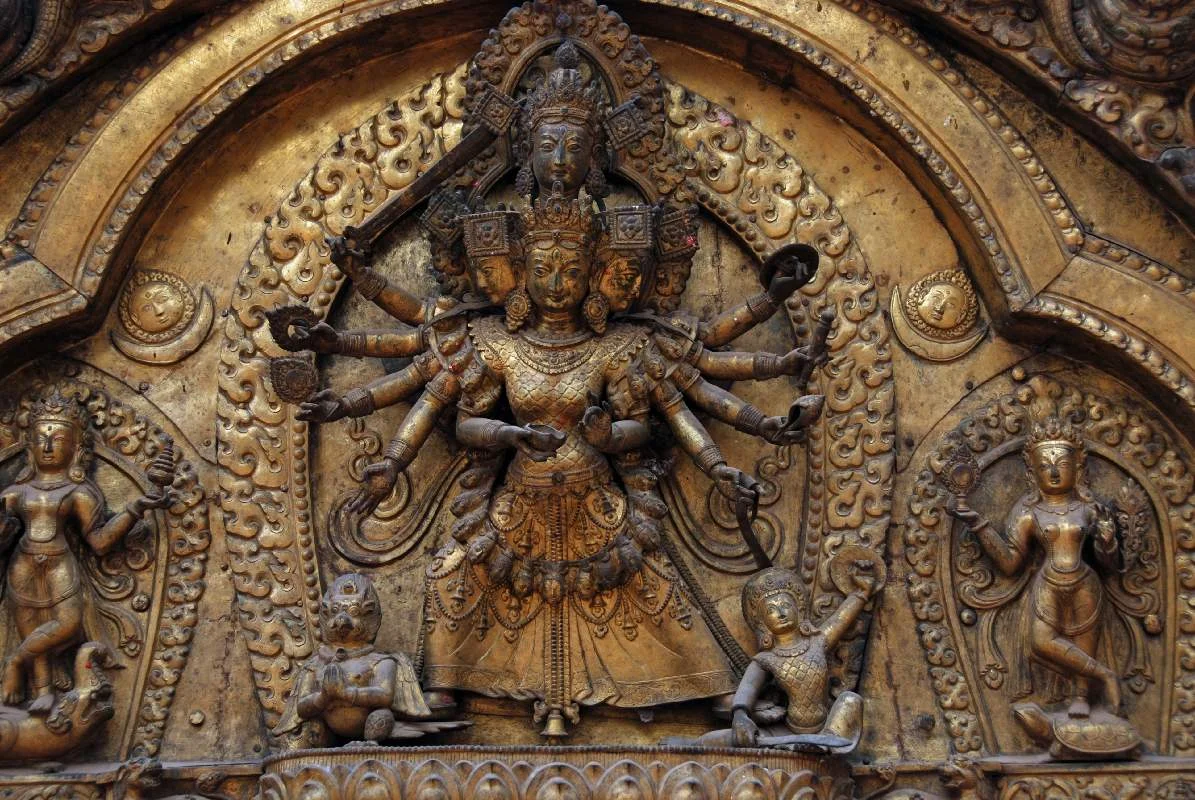
Maha Asthami falls on the eighth day, and it’s the day mentioned before, the one that’s not in tune with 21st century sensitivities. Throughout the country, temple courtyards of Goddess Durga become red with the blood of thousands of buffaloes, goats, ducks, and pigeons—their heads severed with single chops of khukuris. There’s probably as much meat in homes on this day as there might be in some of the smaller hotels in Kathmandu! The night of this bloody day is known as Kal Ratri (black night).
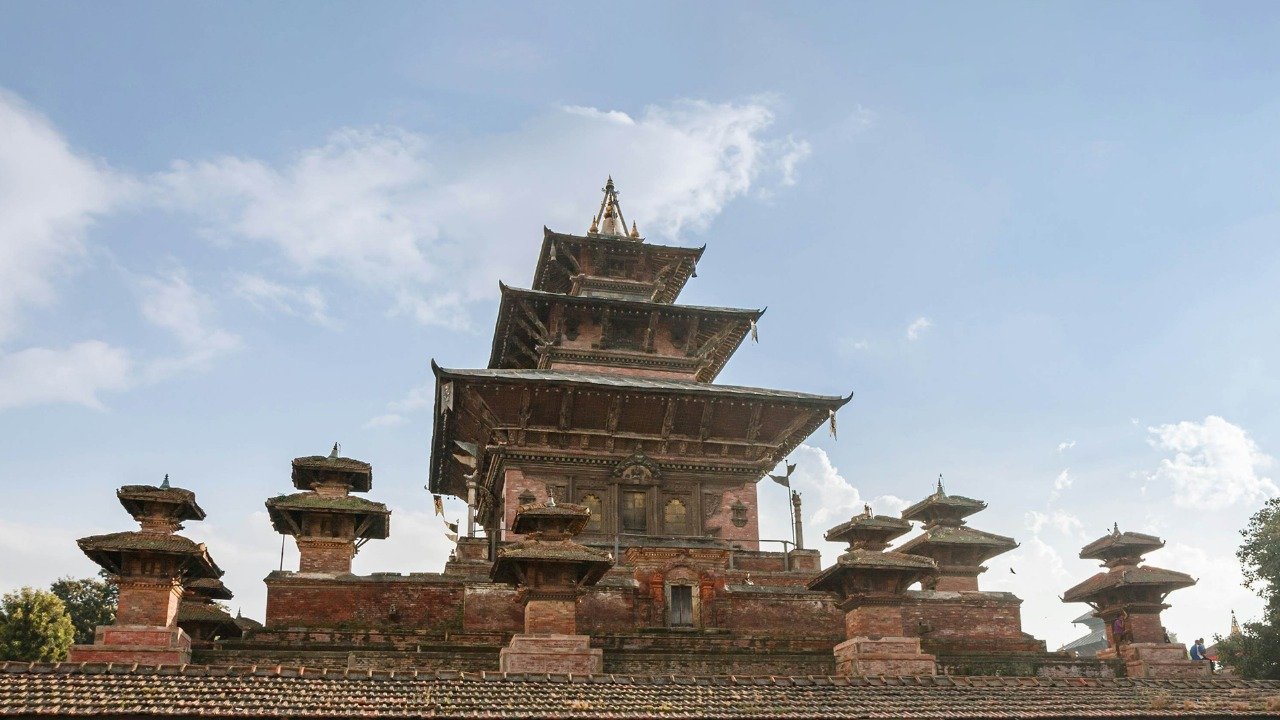
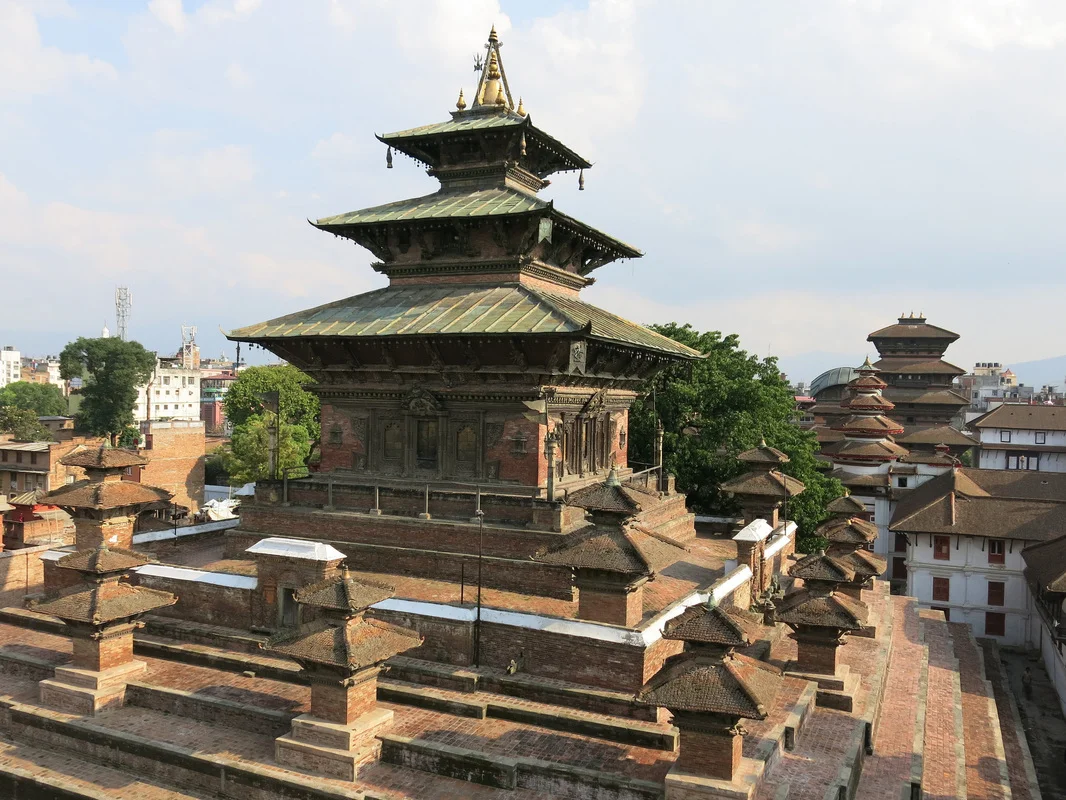
The next day is Maha Nawami. In Kathmandu, this is the only day when the doors of the ancient Taleju temple at Hanuman Dhoka are opened for the public. Official sacrifices are also conducted on this day by the Nepal Army in the courtyard (kot) of the Hanuman Dhoka palace. If you are lucky enough to witness it, it’s something that will remain with you forever—the sight of buffalo heads being neatly sliced with the single stroke of long bladed khukuris wielded by sturdy army men. If that’s not drama enough, officers in full regalia stand in attendance with a military band going great guns all the while, not to mention, the loud boom of rounds fired from dozen of big guns.
Finally, it’s Vijaya Dashami, the day of Tika, and this is when you’ll find the streets of Kathmandu coming alive once again, what with families going from place to place to receive tika from elder relatives. It’s a time of hectic activity, since most Nepalis have lots of relatives, generally. Actually, because it’s not possible to make it everywhere on a single day, Dashain carries on for the next four days to allow for this. So, although Dashain is known as a 10-day festival, it really ends on the 15th day, which is always a full moon day and is known as Kojagrata Purnima. It’s the day for rest and rejuvenation from all that frenetic activity of Nepal’s biggest festival, Dashain. And now, again, hotels in Kathmandu go on full alert because the tourist season, too, has begun!
POPULAR ITINERARIES
SIMILAR POSTS
This is how Indrajatra, Nepal's biggest street festival was celebrated in 1931 AD
Very rare video footage of Nepalis celebrating Indra Jatra festival, biggest street festival of Nepal, with much rejoice, singing, dancing and chariot procession in Kathmandu.
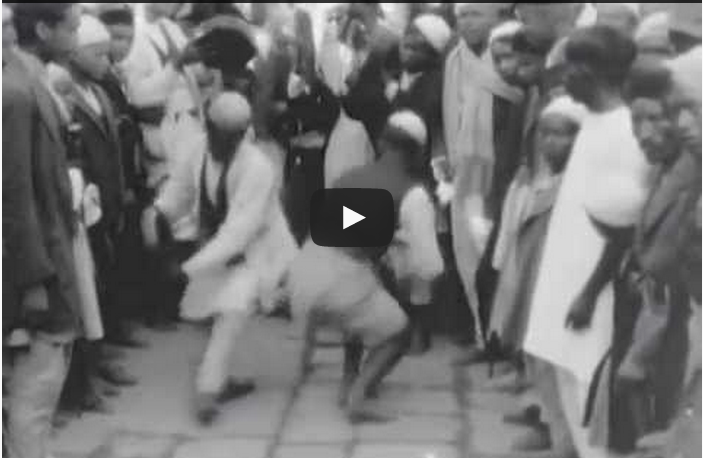
Very rare video footage of Nepalis celebrating Indra Jatra festival, biggest street festival of Nepal, with much rejoice, singing, dancing and chariot procession in Kathmandu.
Date: 1931 (Before the great earthquake of 1934. Hence the video has very important visuals that displays the spectacular Kathmandu Durbar Square before the disaster)
[Credit: British Library - Sound and Moving Image Collections | The British Library has made these recording available purely for the purposes of non-commercial research, study and private enjoyment.]
Indra Jatra
(Yenyā in Nepal Bhasa: येँयाः)
It is the biggest religious, cultural and historic street festival of Nepal, particularly within the Kathmandu valley and mainly observed by Newar community. Yenya means "Kathmandu festival" in Nepal Bhasa. It is the time when the advent of the monsoons is celebrated in the name of the rain god 'Indra'.
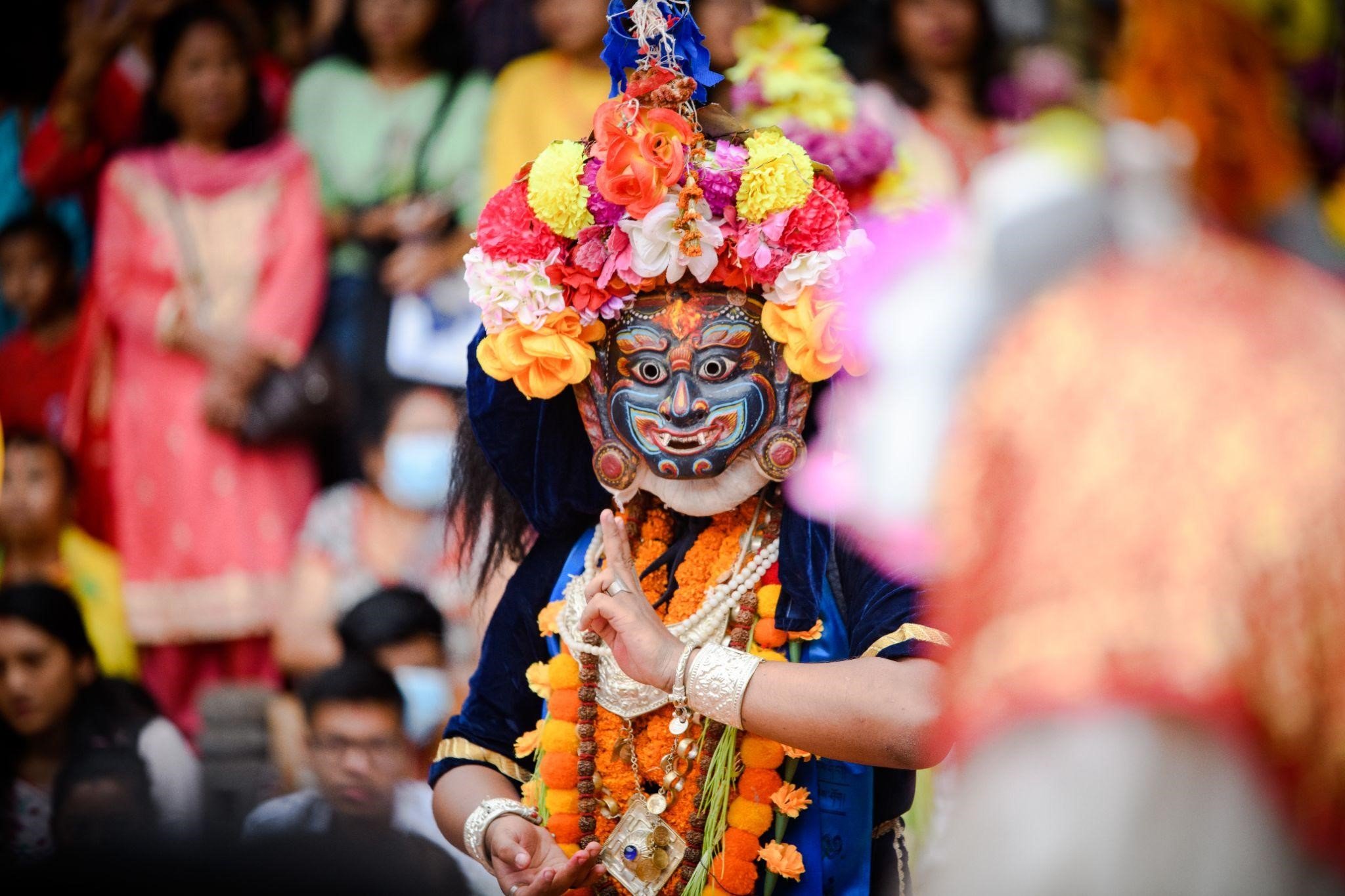
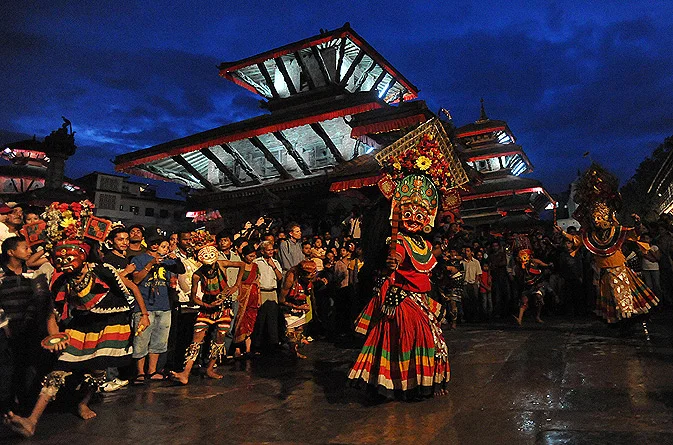
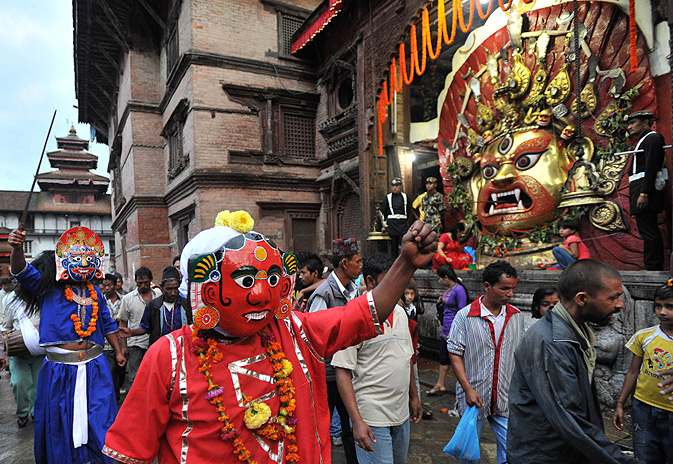
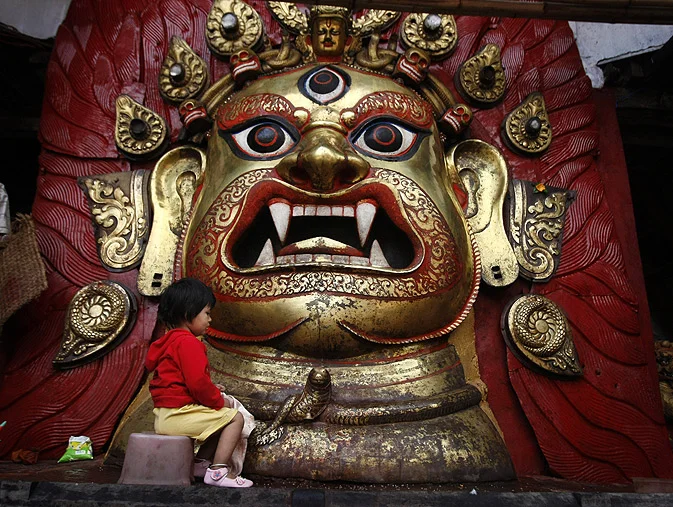
The eight days long celebrations consist of two events. Indra Jatra is marked by masked dances of deities and demons (commonly known as Lakhe Naach, Mahakali Naach, Lusiki Naach and Dash Avatar), displays of sacred images and tableaus in honor of the Hindu deity Indra, the king of heaven. The other event is Kumari Jatra, the chariot procession of the Living Goddess Kumari. Three chariots carrying human representations of Goddess Kumari, Lord Ganesh and Lord Bhairava are pulled along the festival route through Kathmandu Durbar Square. Classical dancers, mask dancers of deities wearing different kinds of traditional masks and costumes and musicians also accompany the chariot procession. The dancing continues throughout the route to celebrate the visit of the rain god, Indra. The procession starts at around 3 pm.
Indra Jatra was started by King Gunakamadeva to commemorate the establishment of the city of Kathmandu in the 10th century. Kumari Jatra, which means the chariot festival of Kumari, coincides with Indra Jatra. It was started in 1756 AD during the reign of Malla King Jaya Prakash Malla.
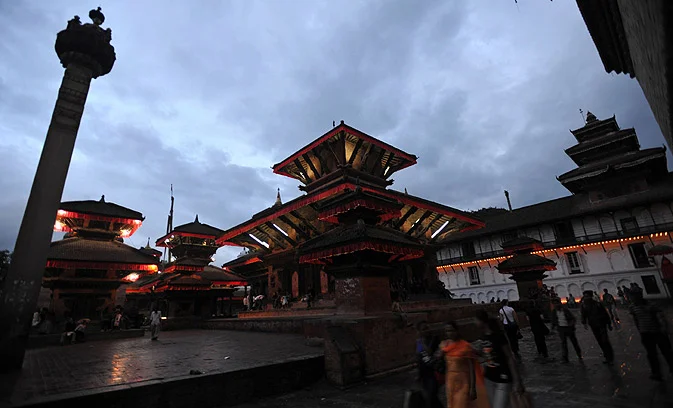
Family members deceased in the past year are also remembered during the festival. The main venue of the festivities is Kathmandu Durbar Square. The celebrations last for eight days. There is a public holiday in Kathmandu Valley to mark the festival. Indra Jatra also marks the beginning of the festive season, which is preceded by major festivals Dashain and Tihar.
Kumari Jātrā
On the first day known as Kwaneyā (क्वनेया:), the chariots are pulled through the southern part of town. On the second day known as Thaneyā (थनेया:), the chariots are drawn through the northern part till Asan. And on the third day Nānichāyā (नानिचाया:), the procession passes through the central section at Kilāgal. The chariot procession was started in the mid-18th century during the reign of Jaya Prakash Malla.
Route on Day 1: Basantapur, Maru, Chikanmugal, Jaisidewal, Lagan, Hyumat, Bhimsensthan, Maru, Basantapur.
Route on Day 2: Basantapur, Pyaphal, Yatkha, Nyata, Tengal, Nhyokha, Nhaikan Tol, Asan, Kel Tol, Indra Chok, Makhan, Basantapur.
Route on Day 3: Basantapur, Pyaphal, Yatkha, Nyata, Kilagal, Bhedasing, Indra Chok, Makhan, Basantapur.
Ancient Legend
According to an ancient legend, the young Indra, disguised as a farmer, descended to earth in search of Parijat, a white flower, his mother, Dakini, needed to perform a ritual. He found the Parijat, but was caught while trying to take the flower by the owner of the meadow where he found the flowers. He was bound and imprisoned in Kathmandu until his mother, worried about his extended absence, came looking for him. When the city folk realized who they had imprisoned, they agreed to release Indra but on the condition that he would return to the earth every year during that time and be displayed as a prisoner for 7 days and that he would provide enough rain (dew during winter) for the crops. So, during this festival, images of Lord Indra are displayed for 7 days, but in captivity. Dakini promises enough dew throughout the winter to ensure a rich crop and to take back with her to heaven all those who had died in the past year.
The Indra Jatra festival thus honours the recently deceased and pays homage to Indra and Dakini for the coming harvests.
POPULAR ITINERARIES
SIMILAR POSTS
Featured in a Thai Newspaper (something uniquely interesting about this photo)
We stayed at Shanker hotel at katmandu. The hotel itself is really large and has a big garden. It was builded when Rana family was a prime minister. Mr Shrestra, the manager had given us a really friendly welcome. Everyday here they have a wedding party of Nepalese hi-society, we were so excited to see the groom sat charmingly on the horse came along with a bunch of people and music. everyone seems very happy celebrating in the dining hall and durbar hall every night.
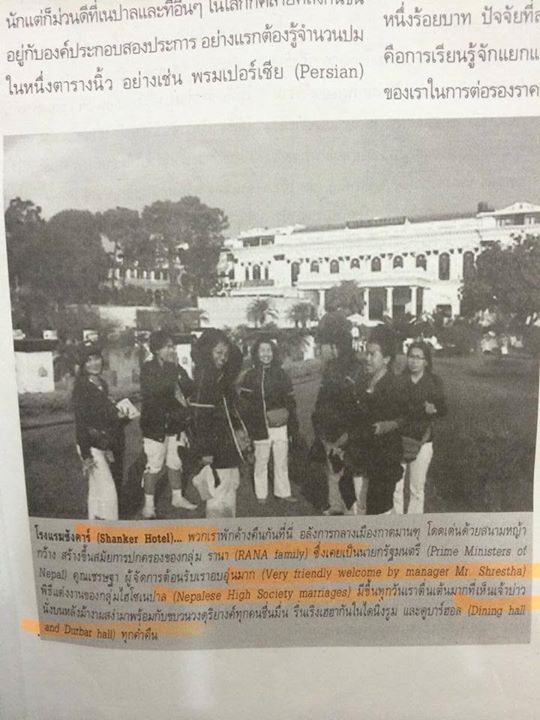
Hotel Shanker featured in a Thai News Paper!
A guest from krabi - Translation by Ms Candy Kwan:
We stayed at Shanker hotel at katmandu. The hotel itself is really large and has a big garden. It was builded when Rana family was a prime minister. Mr Shrestra, the manager had given us a really friendly welcome. Everyday here they have a wedding party of Nepalese hi-society, we were so excited to see the groom sat charmingly on the horse came along with a bunch of people and music. everyone seems very happy celebrating in the dining hall and durbar hall every night.
20 Things Every Nepal Traveler Needs to Know
The form of greeting in Nepal is “Namaste” performing by joining both palms together. It literally means “the divine in me salutes the divine in you”.
1 – Do not trek alone. There have been numerous disappearances of solo trekkers in recent years. Always hire a guide or trek with other people. There are online forums where travelers can look for fellow-trekkers. This applies to everyone but especially women that are travelling single – they seem to more vulnerable. Always communicate your travel plans to your next of kin.
2 – Food safety - Avoid water that is not bottled or boiled. Avoid raw vegetables and pre-cut fruit as much as possible.
The form of greeting in Nepal is “Namaste” performing by joining both palms together. It literally means “the divine in me salutes the divine in you”.
1 – Do not trek alone. There have been numerous disappearances of solo trekkers in recent years. Always hire a guide or trek with other people. There are online forums where travelers can look for fellow-trekkers. This applies to everyone but especially women that are travelling single – they seem to more vulnerable. Always communicate your travel plans to your next of kin.
2 – Food safety - Avoid water that is not bottled or boiled. Avoid raw vegetables and pre-cut fruit as much as possible.
3 – Even though Nepal is known for its pristine environment and beauty – not the highways and major city streets. They are crowded with traffic, full of smoke and bumpy and dusty. Hence travelling on a bicycle or a motorbike for the most part is not advisable. There are some off-road mountain bike trails that are ok to do.
4 - Do not give money to beggars that you see on the streets. Even though they look pitiful, your giving away of money encourages them only to beg for more. If you really care support one of many charity organizations working in Nepal .
5 – Be sure to exchange back all the Nepalese currencies before you leave. They are not accepted (or even exchanged for that matter) outside of Nepal . Besides, taking currency out of the country is against the law.
6 – Do not touch someone’s head or sit showing the bottom of your feet towards them. It is considered rude.
7 – Do not fully rely on schedules and times that are committed to you whether in verbal or written while you are in Nepal . They may not commence in time as stated or committed and may end up disrupting all your subsequent schedule. Have time buffer as much as you can between your major plans and activities, especially if you have a hard stop date that you need to fly out by.
8 - Always be alert/aware of “Bandhs” (Strikes – where no transportation is allowed) as they can alter all your travel plans substantially.
9 – Do not assume that “ganja” (marijuana) is legal in Nepal . It is not. Even though it is a common weed on hillsides you can get in trouble for picking it and carrying it for consumption purpose.
10 – Do not assume that when a Nepali says “yes” or shakes the head in affirmation that it is a done deal or they agree with you. Re-confirm using simplest of words but being as direct as possible to make sure.
11 - Stay away from dance bars in KTM and PKR. These are tourist traps where they scam you on buying alcohol and food at much inflated prices. Some of these places have a history of intimidation and violence.
12- If you are planning to apply for the Visa at the airport, make sure to have passport size photo available. Plan B is to have your photo taken at the booth at the airport.
13- There are daily scheduled power outages. Have a flashlight handy all the times.
14 - All nightlife pretty much ends by 10 pm with only a few places around the Thamel area that may stay open a little later.
15 - Bring a universal plug and voltage adapter kit for your Electronics. Nepal uses 220V.
16 - Keep in mind that there may be an entrance fee to some of the common temples and public areas applicable only to foreigners ranging anywhere from 250R's - 700R's.
17 - Always have some tissue paper and hand sanitizer with you at all times – and note that some of the toilets may require squatting.
18 – Insist for a Running Meter in the Taxi. After 10 PM you do pay double of the meter fare however – that’s the commonly accepted norm.
19 - Avoid displaying food around monkeys around temples, as they are used to snatching it.
20 - Support the NON-Plastic Initiative, please limit your use of plastic items, and help make Nepal a better place.
This post originally appeared at Trip Advisor
This trek is specially designed to reach the Everest Base Camp including Kala Pattar which is the best view point to view the sunrise over the high Himalayas including the Mt. Everest. This trek requires 13 days.
USD 1515 PER PERSON -- TWIN ROOM SHARING BASIS