Encountering the Sacred: A Guide to Nepal's Must-Visit Shiva Temples
In this article, we will explore the five must-visit Shiva temples in Nepal. These temples, including Pashupatinath, Kumbeshwar, Gosaikunda, Baraha Chhetra, and Kirateshwar Mahadev, hold significant religious and mythological importance in the Hindu faith. Through a brief history and overview of each temple, we will delve into the spiritual significance of these sacred places.
Maha Shivaratri is a highly significant Hindu festival dedicated to Lord Shiva, the revered destroyer and transformer in the Hindu trinity. This deeply spiritual occasion is marked with great devotion and fervor as devotees engage in fasting and offer prayers to Lord Shiva throughout the night. In Nepal, Maha Shivaratri is celebrated with immense enthusiasm and is an occasion for pilgrimage to some of the most revered Shiva temples in the country. This article explores the five must-visit Shiva temples in Nepal, offering detailed information on their location, significance, and rich history.
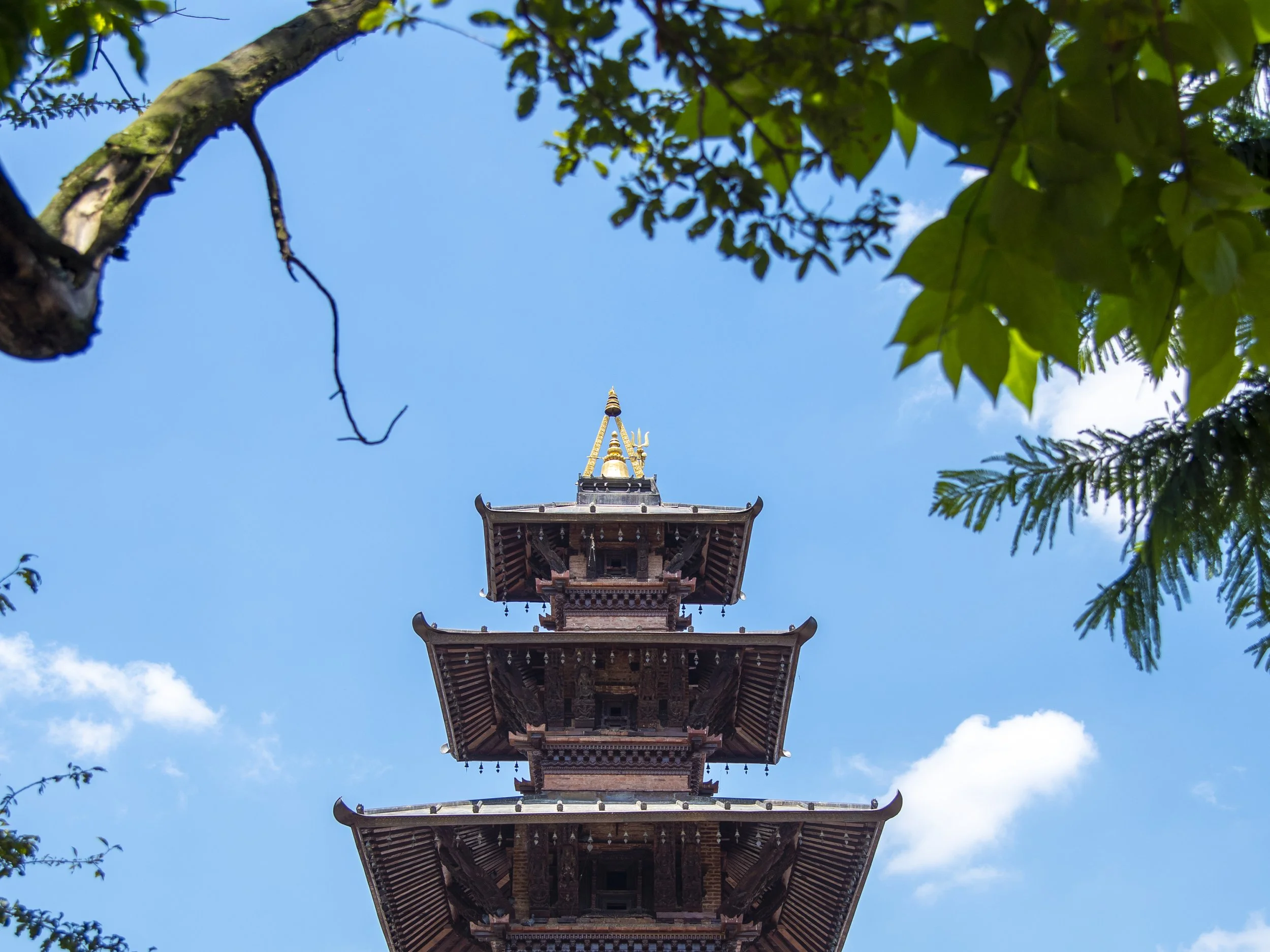
l Pashupatinath Temple: Located on the banks of the Bagmati River in Kathmandu, the Pashupatinath Temple is one of the most sacred sites for Hindus. The temple dates back to the 5th century and is built in a pagoda style with a golden rooftop. It is believed to have been a center of worship since the earliest times of Hinduism in Nepal. The temple is dedicated to Lord Pashupatinath, an incarnation of Lord Shiva, and is one of the 12 Jyotirlingas of India. The temple complex includes more than 100 smaller temples and shrines, as well as a cremation site where Hindus perform the last rites for the deceased.
l Kumbeshwar Temple: Located in Patan, Lalitpur, the Kumbeshwar Temple is a Shiva temple that dates back to the 14th century. The temple is built in the traditional Newari style and is known for its intricate carvings and metalwork. It is believed to have been built by the Malla king Jayasthiti Malla and is one of the few temples in Nepal where the Shivaratri festival is celebrated for four days. The temple's main attraction is the golden water spout that pours water into the courtyard, which is said to have healing powers.
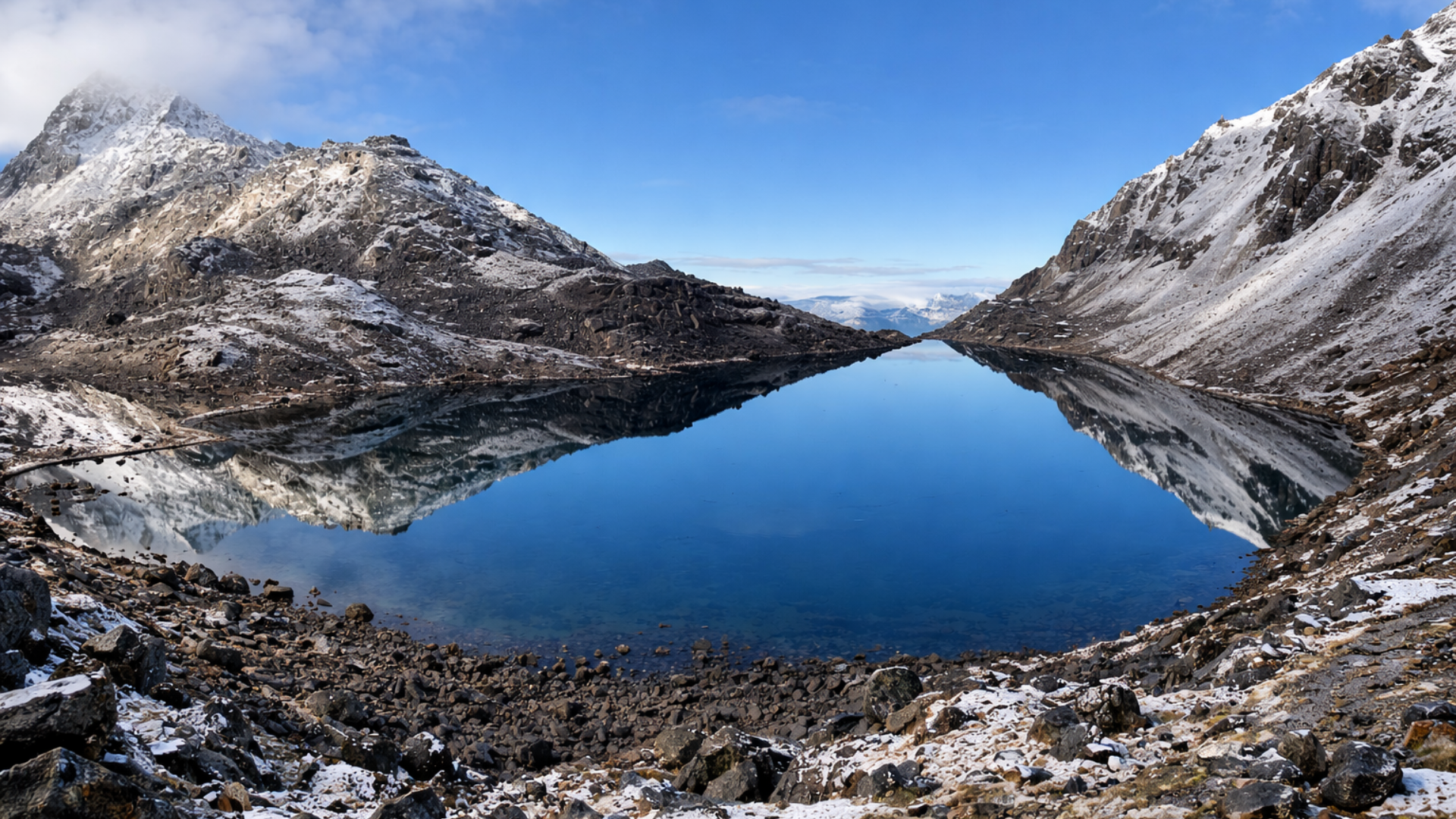
l Gosaikunda Temple: Situated at an altitude of 4,380 meters in the Langtang National Park, the Gosaikunda Temple is a high altitude lake and one of the most important pilgrimage sites for followers of the Hindu faith. The temple is named after the mythological story of Lord Shiva drinking the poison that turned his throat blue, and then going to the lake to cool down. The lake is surrounded by 108 smaller lakes and is believed to have been created by Lord Shiva. The lake is considered to be holy by both Hindus and Buddhists and is visited by thousands of devotees during the Maha Shivaratri festival.
l Baraha Chhetra Temple: Located in the Sunsari district of eastern Nepal, the Baraha Chhetra Temple is one of the most important Shiva temples in the region. The temple is believed to be the site where Lord Vishnu and Lord Shiva fought a battle to decide who was superior. Lord Vishnu transformed himself into a boar and Lord Shiva into a buffalo. The fight between the two resulted in the creation of a small pool of water, which is believed to have healing powers. The temple is visited by thousands of devotees every year, particularly during the Maha Shivaratri festival.
Kirateshwar Mahadev Temple: Located in the Jhapa district of southeastern Nepal, the Kirateshwar Mahadev Temple is an important pilgrimage site for devotees of Lord Shiva. It is believed to be the place where Lord Shiva appeared as a hunter and met the Pandavas during their exile. The temple is named after the Kiratas, a tribe that is believed to have lived in the area during ancient times. The temple is visited by thousands of devotees every year, particularly during the Maha Shivaratri festival. The temple also has a sacred pond known as the Raktakunda, which is believed to have healing powers.
POPULAR ITINERARIES
SIMILAR POSTS
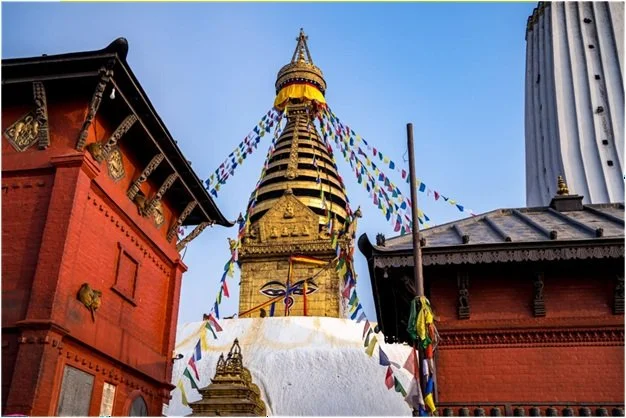
Bandipur: A Picturesque Hill City
Spring is an ideal time to visit Bandipur, as the weather is warm and pleasant, travelers get to explore the town's facets and many natural attractions without any hassle. Whether it is trekking to the nearby hills, visiting historical sites, or simply soaking in the stunning mountain vistas, there is something for everyone in Bandipur.
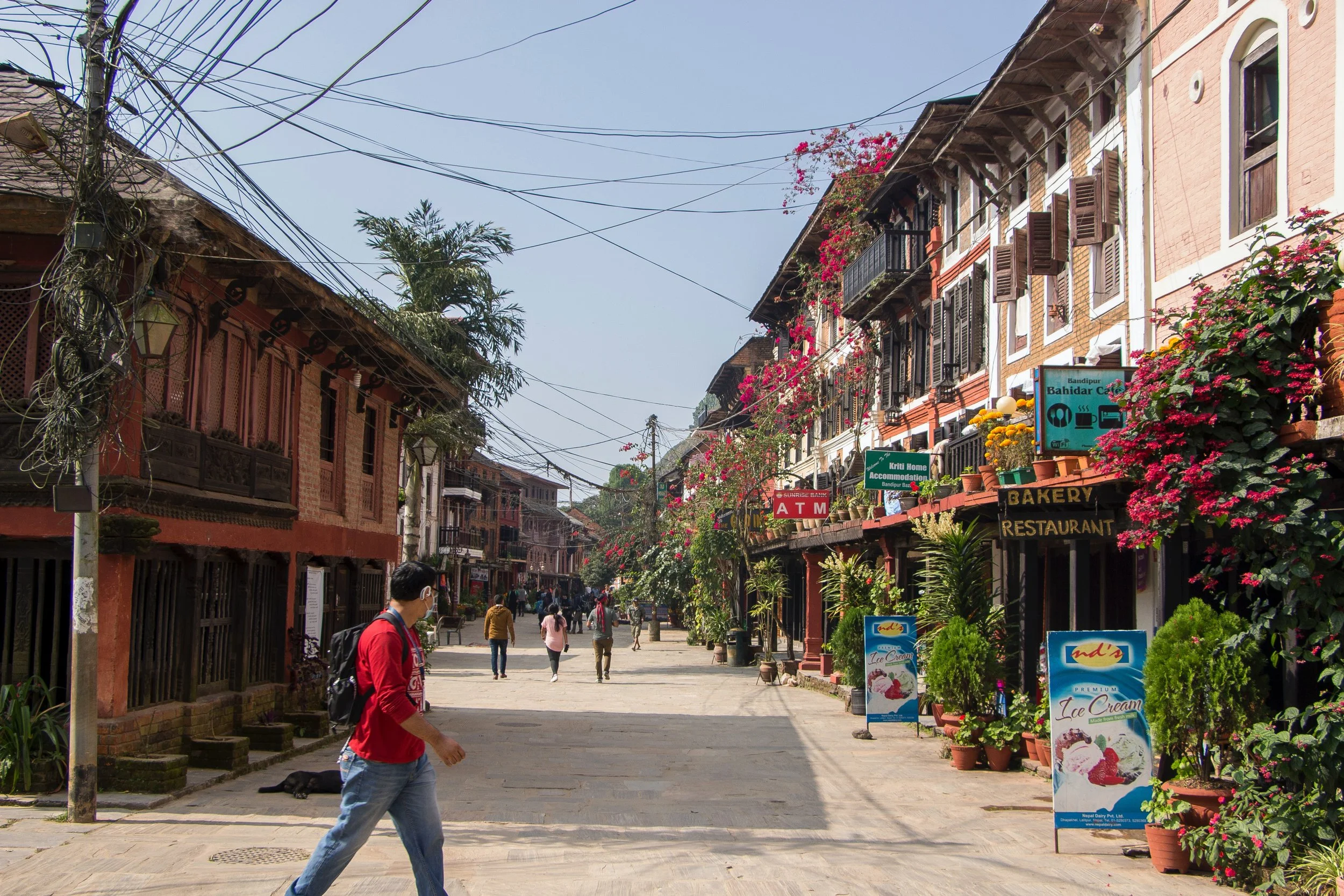
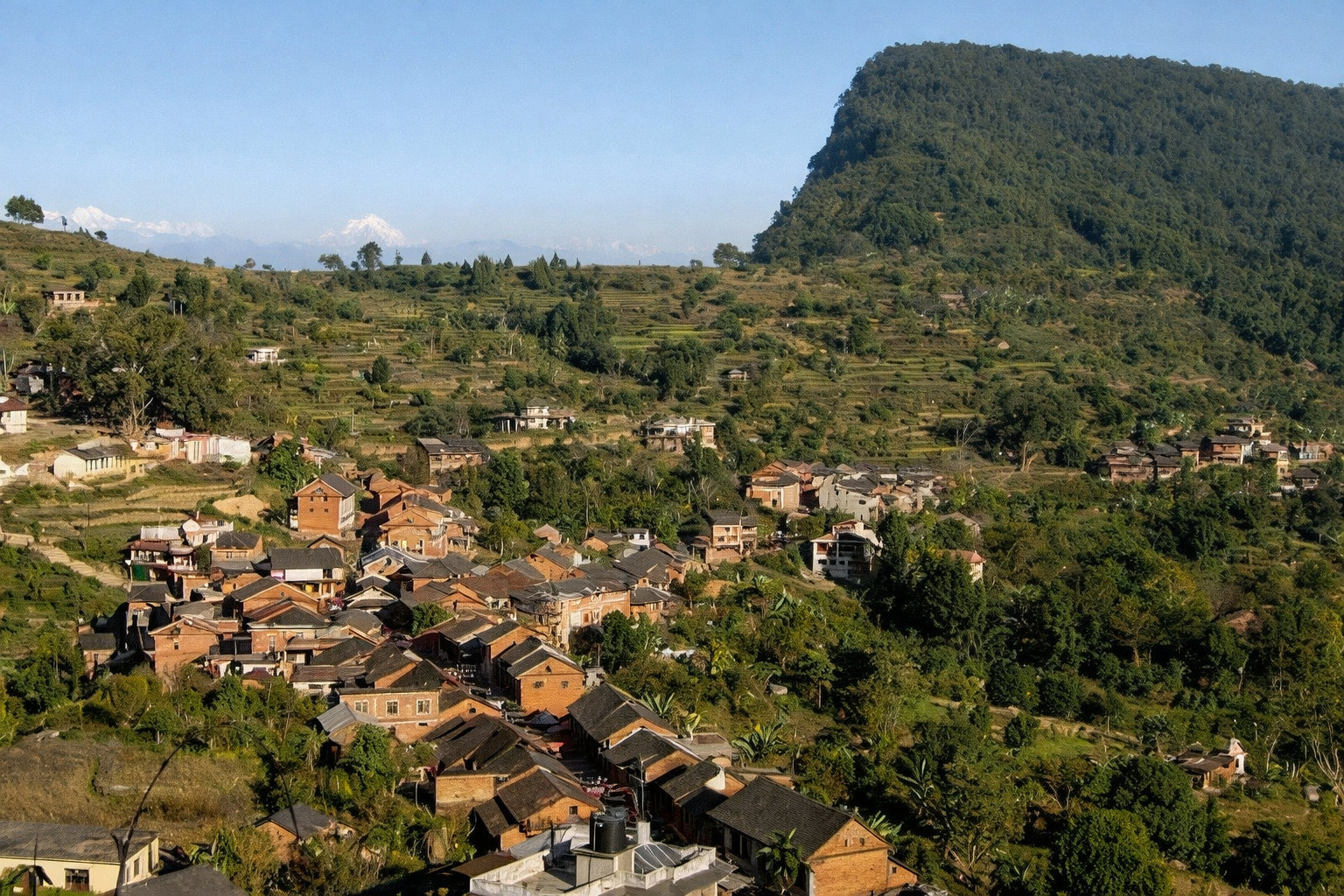
Nestled amidst the rolling hills of central Nepal, Bandipur is a picturesque town that has managed to preserve its rich cultural heritage and architectural splendor. With its red brick houses, wooden balconies and carved temples, it offers a glimpse into the traditional Newari way of life. The town is surrounded by towering peaks and verdant forests, making it a haven for nature lovers seeking respite from the fast-paced city life.
Bandipur’s Roots
Bandipur is believed to have been established in the late 1700s and was an important trading center along the Kathmandu-Pokhara trade route. The town's strategic location, combined with its access to fertile land, led to its prosperity and growth. In addition to its status as a commercial hub, Bandipur was also known for its rich cultural heritage and unique blend of Hindu and Buddhist influences.
According to local tales and facts, Bandipur was once a simple Magar village. However, the Newar merchants saw the potential of this hill settlement and it became a funneling point for trade. One of the core reasons for the trader's preference of this small village was its geographical location and climate. The town was malaria-free, which might seem insignificant today, but was a great deal for traders at that time.
The India-Tibet trade route was a major trade route that brought great prosperity to multiple towns in Nepal, and Bandipur became a crucial stop on this route for traders before they entered the dense forestry of the Terai or as a heavenly stop after exiting the malaria-dense forests. This town also played a key role in the trade route between Kathmandu and Pokhara. Various trading families established a trading hub in this village as it gave them greater accessibility to route their trade efficiently.
Bandipur’s Architecture
One of the most notable features of Bandipur's architecture is the use of wooden beams and rafters, which support the roofs of homes and temples. These wooden elements are often carved with intricate designs and are a defining feature of Newari-style architecture.
Another notable feature of Bandipur's architecture is the use of hand-made bricks and mud mortar. These materials give the buildings a unique texture and character that is distinct from the modern, concrete buildings found in many other parts of Nepal.
The traditional Newari-style homes in Bandipur are also known for their use of courtyards, which provide a central space for socializing and communal activities. The courtyards often feature small shrines or temples, adding to the spiritual significance of the space.
In addition to homes and temples, Bandipur also features several historic inns, or "rest houses," which were used by traders and travelers along the India-Tibet trade route. These inns often feature traditional Newari-style architecture and are a testament to the town's rich history as a hub for trade and commerce.
Places Visit In Bandipur
Tindhara Temple: This historic temple is a prime example of traditional Newari-style architecture, featuring intricate wooden carvings, hand-painted designs, and a unique tiered roof. The temple is also known for its stunning views of the surrounding mountains.
Bandipur Bazaar: This historic street is lined with traditional Newari-style homes and buildings, many of which have been converted into shops, restaurants, and inns. Visitors can take a leisurely stroll down the street and admire the intricate wood carvings, hand-painted designs, and colorful facades.
Old Inn: This historic inn, also known as the "rest house," was once used by traders and travelers along the India-Tibet trade route. The inn features traditional Newari-style architecture and has been converted into a museum that showcases the town's rich history.
Bhagwati Temple: This temple, which was built in the early 20th century, features a mix of traditional Newari-style architecture and elements of neoclassicism. The temple is known for its classical columns, cornices, and pediments, which are typically associated with the neoclassical style.
Viewpoints: Bandipur is known for its stunning mountain views, and there are several popular viewpoints in the town that offer breathtaking panoramic vistas of the surrounding peaks.
Route To Bandipur
If you landed in Tribhuvan International Airport in Kathmandu, you can either take a public bus available at Gongabu Bus Park or hire a private vehicle. If you are staying with us, our travel desk is fully equipped to facilitate all the resources required for you to explore Bandipur. The journey from Kathmandu takes approximately 4-5 hours.
If you’re planning to have a lay-over at Bandipur from Pokhara to Kathmandu, buses are available at Prithivi Chowk which will drop you at Dhumre. To reach the top, you can either hike up or take a local bus. The trip averages 2-3 hours from Pokhara to Dhumre.
POPULAR ITINERARIES
SIMILAR POSTS
Nepal During Spring: A Sight to Behold
Nepal is a paradise for adventure enthusiasts and nature lovers alike. With its soaring peaks, rushing rivers, lush jungles, and rich cultural heritage, there's never a shortage of things to do in this breathtaking country. And during the spring season, the weather is just right for outdoor activities, making it the perfect time to visit. From trekking in the Himalayas to rafting in the rivers and exploring the temples and historical sites, this list of 10 must-do activities in Nepal will leave you feeling inspired and ready to start planning your trip. So pack your bags, grab your adventure hat, and get ready to experience the beauty of Nepal in all its glory!
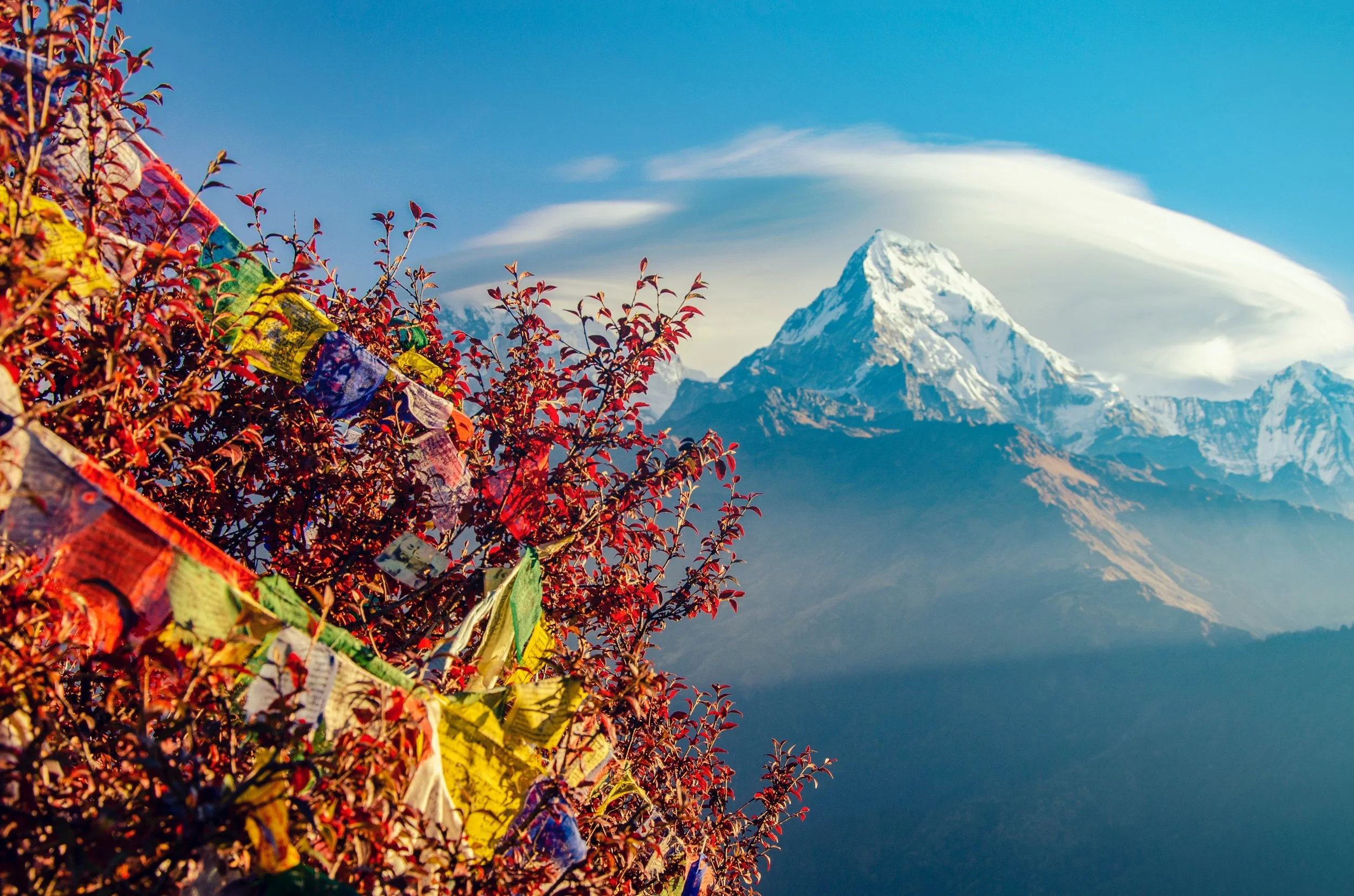
Nepal, with its majestic Himalayas and rich cultural heritage, is a paradise for adventure enthusiasts and nature lovers. Spring is one of the best seasons to visit Nepal, with warm days, clear skies, and stunning blooms. In this season, the country comes to life, and travelers can indulge in a range of activities that are both exciting and rejuvenating. Here is a list of 10 must-do activities in Nepal during the spring season:
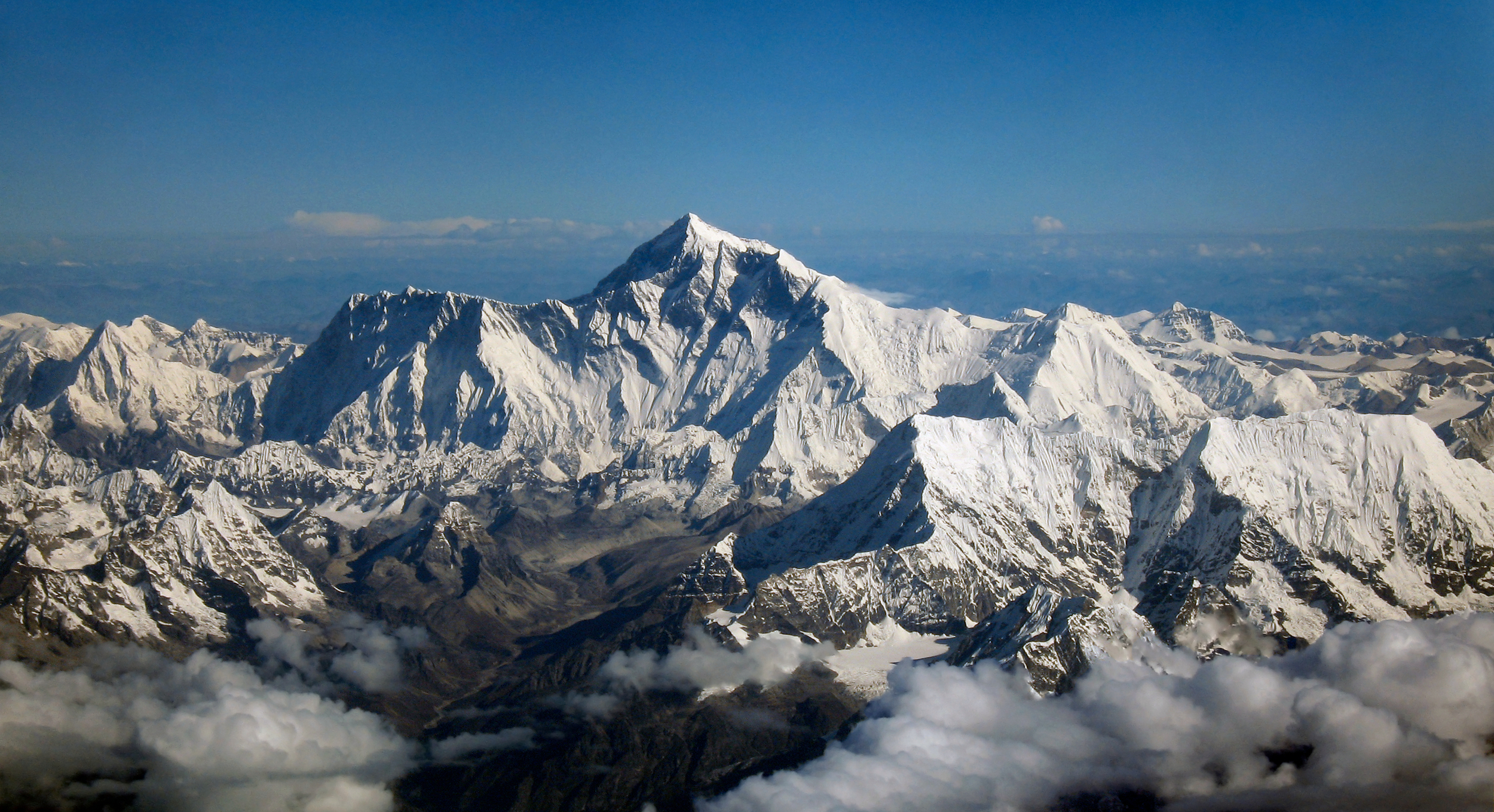
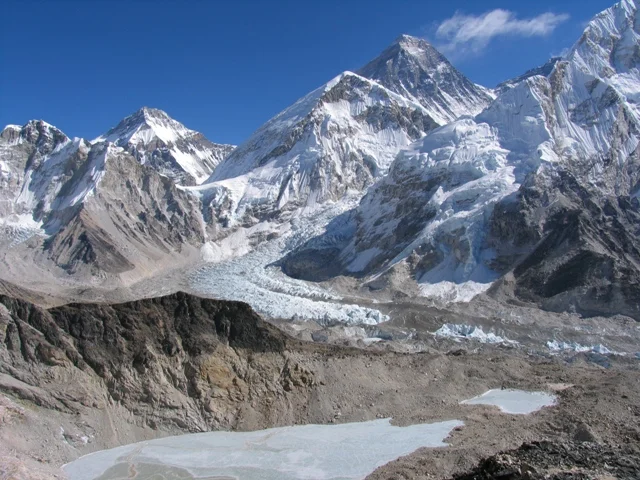
l Trekking in the Himalayas: The Annapurna Circuit, Langtang, and Everest Base Camp are some of the most popular trekking routes in Nepal, offering breathtaking views of the Himalayas. The clear skies and warm weather during spring make it an ideal time to embark on a trekking adventure. This activity is best suited for those who love hiking, nature and are in good physical shape. The trekking routes are located in the western and eastern regions of Nepal and take anywhere from 7 to 20 days to complete, depending on the trail.
l Rafting and kayaking: The fast-flowing rivers of Nepal, such as Trishuli, Marsyangdi, and Bhote Koshi, offer thrilling rafting and kayaking experiences. The warm weather and clear water make for a perfect day of rafting or kayaking, and the stunning scenery will leave you in awe. Rafting and kayaking trips can be arranged from Kathmandu or Pokhara and typically take a full day.
l Wildlife viewing: Chitwan National Park and Bardia National Park are home to exotic wildlife, including Bengal tigers, one-horned rhinos, and elephants. During spring, the animals come out to drink from the rivers, and visitors can observe them in their natural habitats. Wildlife viewing trips can be arranged from Kathmandu or Pokhara and typically take 2-3 days.
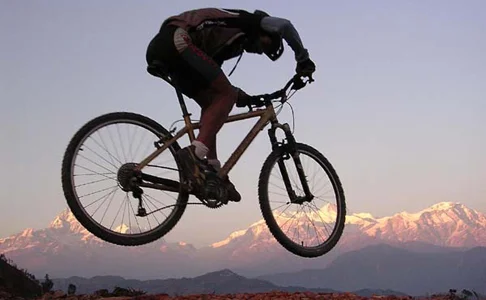
l Mountain biking: Enjoy a scenic mountain bike ride in the Himalayas and visit remote villages. With clear skies and warm weather, spring is an ideal time to explore Nepal by bike. Mountain biking trips can be arranged from Kathmandu and typically take several days.
l Temple and cultural tours: Visit the famous temples and historical sites of Kathmandu, Bhaktapur, and Patan, and learn about Nepal's rich cultural heritage. The warm weather in spring makes it a comfortable time to visit these sites. Temple and cultural tours can be arranged from Kathmandu and typically take a full day.
l Paragliding: Experience the thrill of flying over the mountains and valleys of Nepal. With clear skies and stable weather in spring, it's the perfect time to try paragliding. Paragliding trips can be arranged from Pokhara and typically take several hours.
l Bungee jumping: Take a leap of faith from one of the highest bungee bridges in the world in Pokhara. The warm weather and clear skies make spring an ideal time to try this adrenaline-pumping activity. Bungee jumping can be arranged from Pokhara and typically takes a few hours.
l Hot air ballooning: Get a bird's-eye view of the Himalayas and the surrounding landscape. The clear skies in spring make for a stunning hot air balloon ride. Hot air ballooning trips can be arranged from Pokhara and typically take several hours.
l Rock climbing and mountaineering: Challenge yourself with rock climbing or attempt to summit one of Nepal's peaks. With clear skies and warm weather, spring is an ideal time for these activities. Rock climbing and mountaineering trips can be arranged from Kathmandu and typically take several days.
l Yoga and meditation: Find peace and inner calm in the tranquil surroundings of Nepal's Himalayan foothills. With the warm weather and beautiful scenery, spring is an ideal time for yoga and meditation. Yoga and meditation retreats can be arranged from Kathmandu or Pokhara and typically take several days.
Nepal in spring is a perfect destination for adventure enthusiasts and nature lovers. With its clear skies, warm weather, and stunning scenery, you are sure to have a memorable time exploring the country. Don't miss the chance to experience all that Nepal has to offer this spring.
POPULAR ITINERARIES
SIMILAR POSTS
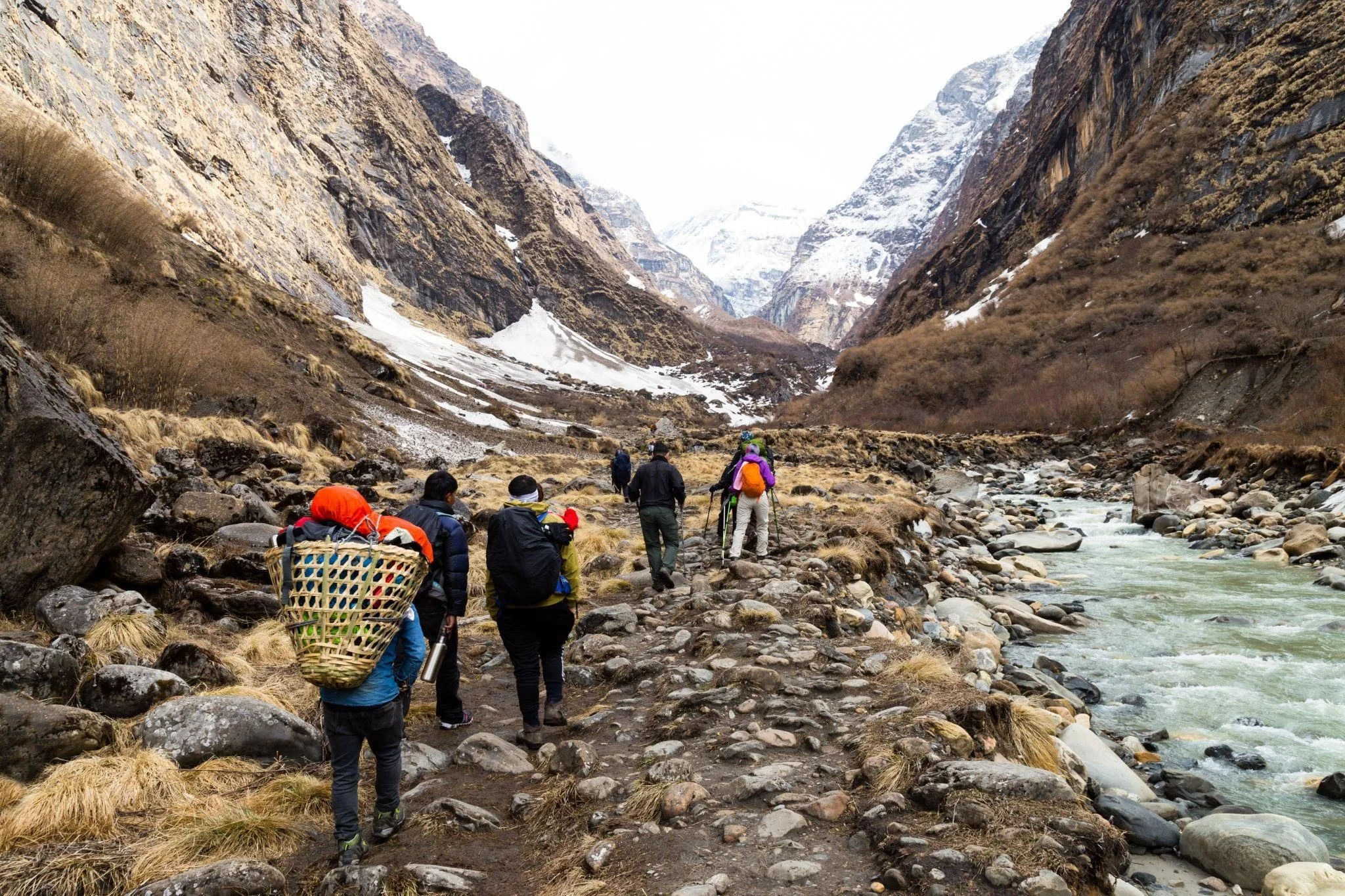
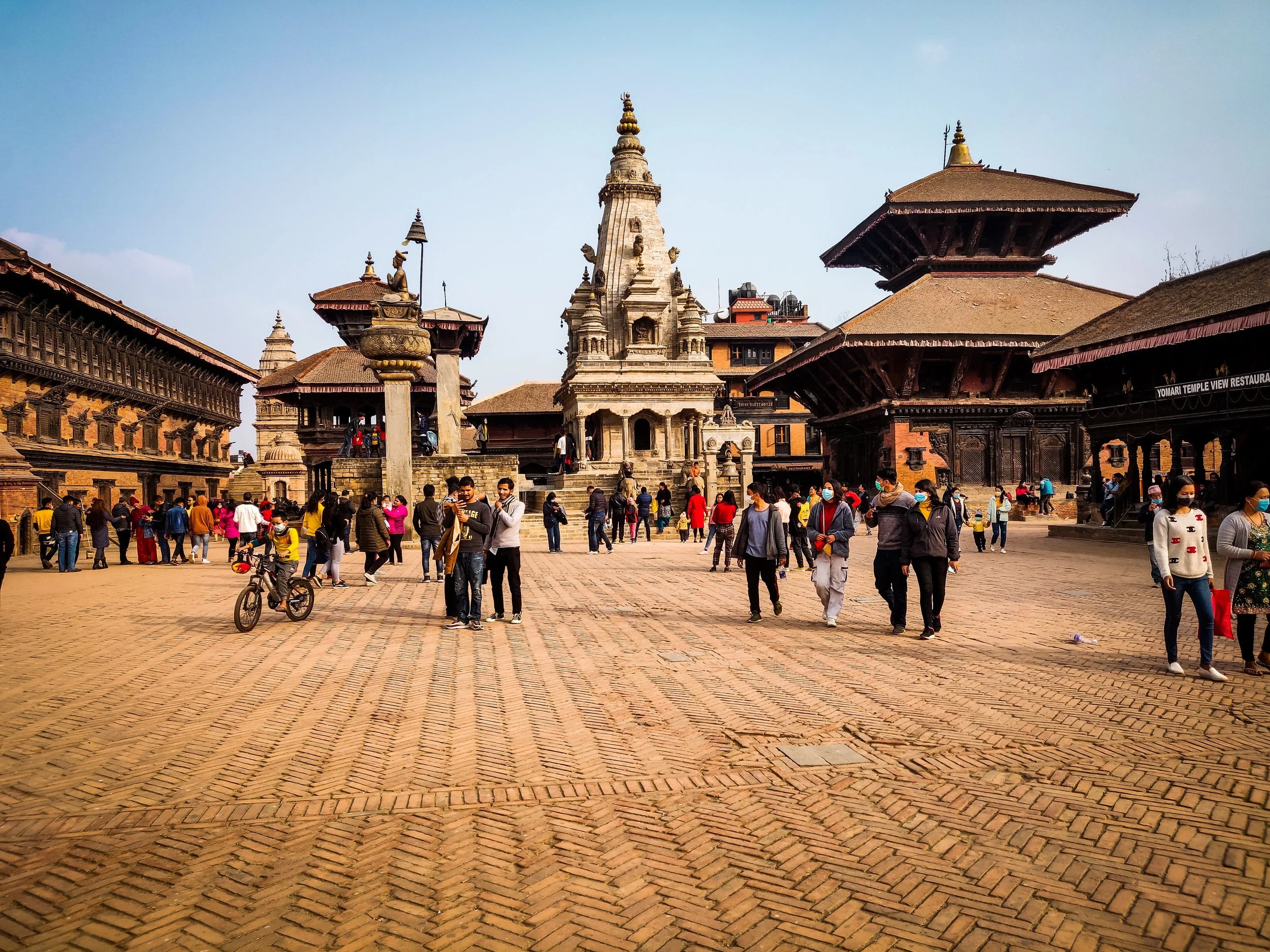
Kathmandu Valley- A Melting Pot of Architecture
Nepal, a land of natural beauty and cultural richness, has a diverse and fascinating architectural history.
From the traditional wooden houses of the Kathmandu valley to the grand palaces and temples of the Malla and Rana dynasties, the architecture of Nepal reflects the country's complex social, cultural, and religious heritage. Each architectural style has its own unique characteristics, reflecting the artistic and technical achievements of different eras.
One of the most distinctive styles of Nepalese architecture is traditional Nepalese architecture, also known as "Newari architecture." This style is characterized by the use of wooden and brick structures, with intricately carved wooden windows and doors. The temples and palaces of Kathmandu, Bhaktapur, and Patan are excellent examples of this style. For example, the Kathmandu Durbar Square, a UNESCO World Heritage Site, is home to many traditional Nepalese buildings, including the Hanuman Dhoka Palace, which was the royal palace of the Malla and Shah dynasties, and the Taleju Temple, a Hindu temple dedicated to the goddess Taleju.
Another notable style of Nepalese architecture is Malla architecture, which developed during the Malla dynasty (1201-1769). This style is characterized by the use of stone and brick, as well as the use of intricate carvings and sculptures. The Pashupatinath Temple and Swayambhunath Stupa are examples of this style. The Pashupatinath Temple, a UNESCO World Heritage Site, is one of the most sacred Hindu temples in the world and is known for its beautiful pagoda-style architecture and intricate carvings. The Swayambhunath Stupa, also known as the Monkey Temple, is a Buddhist stupa that is believed to have been built in the 5th century AD and features a unique combination of Tibetan and Nepalese architectural styles.
Rana architecture is another important architectural style in Nepal, which developed during the Rana dynasty (1846-1951). This style is characterized by the use of Victorian and European architectural elements. The Singha Durbar palace in Kathmandu is an example of this style, which was built by the Rana Prime Minister Chandra Shumsher JBR in 1908 and was used as the royal palace of the Rana dynasty. It is now used as the main administrative building of Nepal and showcases a mix of traditional and European architectural styles.
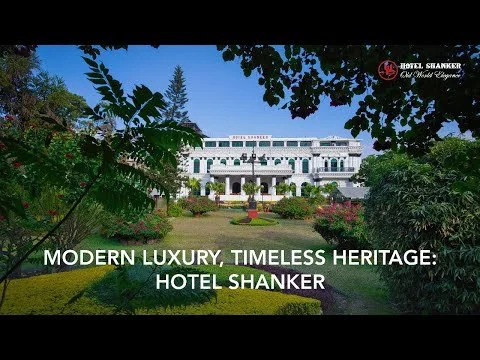
In addition to the Singha Durbar Palace, another notable example of Rana architecture is the Hotel Shanker. It is a luxury 4 star heritage hotel that stands on the grounds of what used to be a Rana era palace popularly known as Lazimpat Durbar. The hotel is a beautiful blend of traditional Nepalese and European architectural styles and features ornate wooden carvings, intricate brickwork, and a grand central courtyard. The hotel's architecture is an excellent example of the Rana dynasty's interest in blending traditional Nepalese and European architectural styles.
The hotel has been renovated and expanded over the years to accommodate the changing needs of its guests, but it has managed to retain its original architectural charm. The hotel's grand entrance, ornate balconies, and the intricate carvings on the wooden beams and columns are some of the features that make this hotel a perfect example of Rana architecture. The Hotel Shanker has played host to many prominent figures such as the British Royal Family, famous politicians and celebrities. The hotel is an iconic example of Rana architecture and a testament to the country's rich architectural heritage.
In addition to these styles, there are also many other architectural styles found in Nepal, such as the traditional houses and temples of the Kathmandu valley, the medieval architecture of the Kathmandu, Patan and Bhaktapur Durbar Squares, and the modern architecture of Kathmandu. Each of these styles has its own unique characteristics and tells a different story about the history, culture, and people of Nepal.
Overall, Nepal's architectural heritage is a testament to the country's rich cultural heritage and artistic achievements. From the traditional wooden houses of the Kathmandu valley to the grand palaces and temples of the Malla and Rana dynasties, the architecture of Nepal reflects the country's complex social, cultural, and religious heritage. These architectural styles are not only beautiful but also holds a great significance in the history of Nepal.
POPULAR ITINERARIES
SIMILAR POSTS
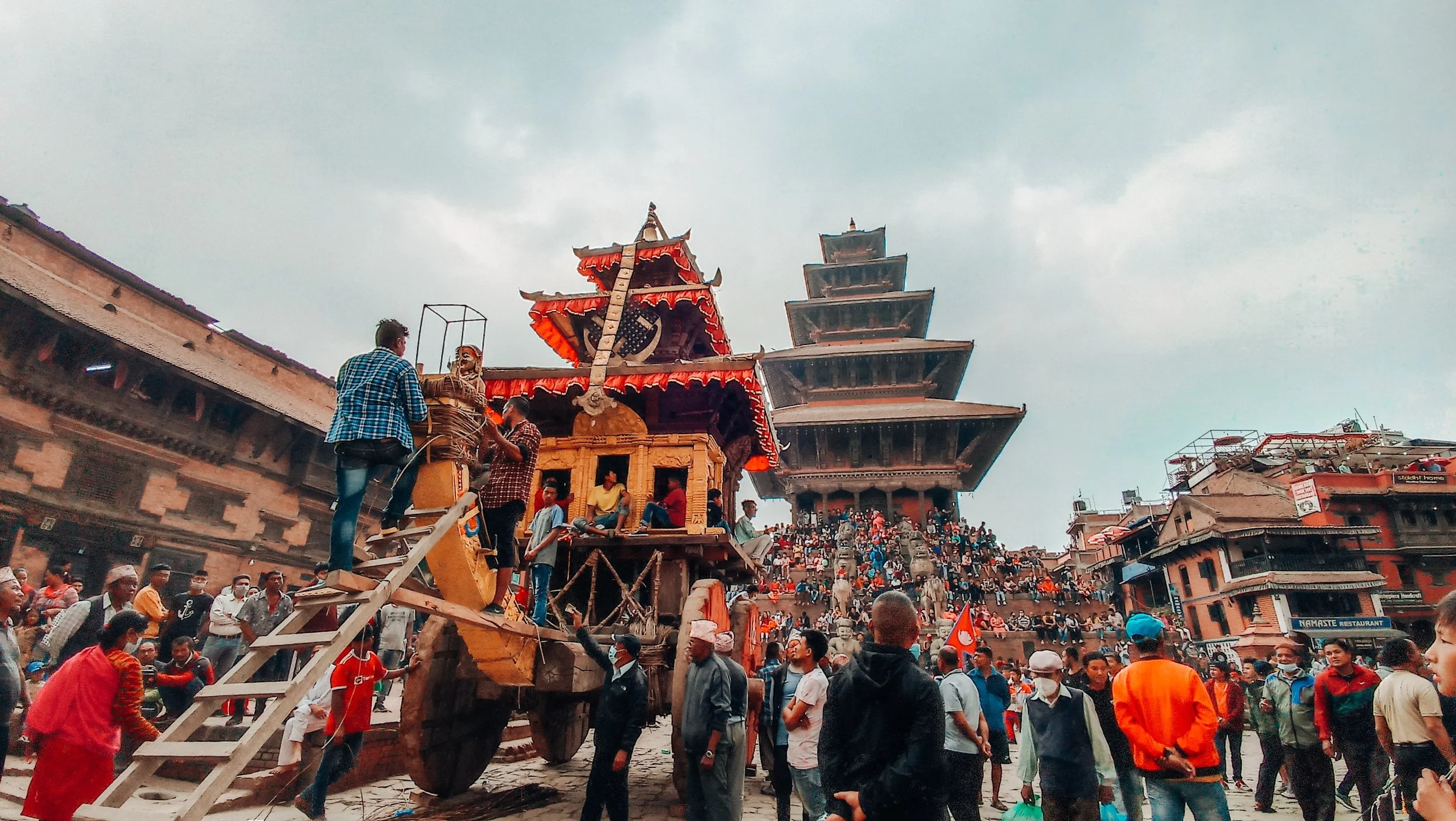
Nepal: A Land of Diverse Celebrations
Nepal, a land of vibrant culture and traditions, where festivals are not just celebrations but a way of life. From the traditional Dashain to the colorful Holi, Nepal's festivals are a reflection of its rich history, religion and customs. A melting pot of diverse ethnic groups, these festivals bring people together, fostering a sense of community, tradition and unity.
Nestled between the towering Himalayas and the lush Terai plain, lies the small yet vibrant country of Nepal. Known for its diverse culture, Nepal is a melting pot of different ethnic groups and tribes, each with their own unique languages, customs, and traditions. From the traditional Sherpa culture in the mountains, to the vibrant Tharu culture in the Terai, Nepal's cultural landscape is as diverse as its geography. The country's varied topography, ranging from the Himalayas in the north to the flat Terai plain in the south, has played a big role in shaping its cultural diversity, with different ethnic groups adapting their culture to the local environment.
Nepal is a country with a rich history and culture, and this is reflected in the numerous festivals that are celebrated throughout the year. These festivals are an integral part of Nepal's cultural heritage and are deeply rooted in its history, religion, and tradition. They provide an opportunity for people to come together and celebrate their shared culture and heritage, and offer a glimpse into the country's rich history and customs.
Festivals are important in Nepal for several reasons:
l Cultural Preservation: Festivals are an important part of Nepal's cultural heritage and help to preserve the country's rich history, customs, and traditions. They provide an opportunity for people to come together and celebrate their shared culture and heritage.
l Social Unity: Festivals bring people together regardless of their religion, ethnicity, or social status. They provide a platform for people to connect with one another, build relationships and foster a sense of community.
l Religious Significance: Many festivals in Nepal have a religious significance and are an important part of the country's religious practices. They provide an opportunity for people to come together and offer prayers, perform religious rituals and seek blessings.
l Economic Boost: Festivals also provide an economic boost as they attract tourists, create jobs and generate income for local communities.
l Educational Value: Festivals also have an educational value as they offer a glimpse into Nepal's rich history, customs and traditions. They provide an opportunity for people to learn more about their culture and heritage, and also for visitors to learn about Nepal's culture.
l Tourist Attraction: Nepal's festivals are famous around the world and its festivals are one of the major attractions for tourists. It's a way to showcase the rich culture and diversity of Nepal.
One of the most famous festivals in Nepal is the Dashain festival, celebrated by the Hindu population. It is a time for families to come together and offer prayers to the goddess Durga, who is said to have defeated a powerful demon. The festival lasts for 15 days and is marked by the exchange of traditional gifts, the slaughter of animals, and the lighting of oil lamps.
Another popular festival is the Tihar festival, also known as the festival of lights. It is celebrated by the Hindu and Buddhist communities and is a five-day festival. During the festival, homes are decorated with oil lamps and rangolis, people offer prayers to the goddess Laxmi, and brothers put tika and jamara on their sisters forehead as a symbol of love and protection.
The festival of Teej is also celebrated with great enthusiasm, particularly by women. It's a festival of swing and it is celebrated by married and unmarried Hindu women. The women dressed in their traditional attire and they swing on decorated swings and sing and dance.
The festival of Holi is also an important festival in Nepal, celebrated by people of all ages and religions. It is a festival of colors and is celebrated to mark the end of winter and the arrival of spring. During the festival, people smear each other with colored powder and water, and feast on traditional foods.
These are just a few examples of the many festivals that are celebrated in Nepal. Each festival has its own significance and unique customs, reflecting the country's religious, cultural and social heritage. All the festivals are integral part of Nepal's culture and it reflects the unity in diversity.
POPULAR ITINERARIES
SIMILAR POSTS

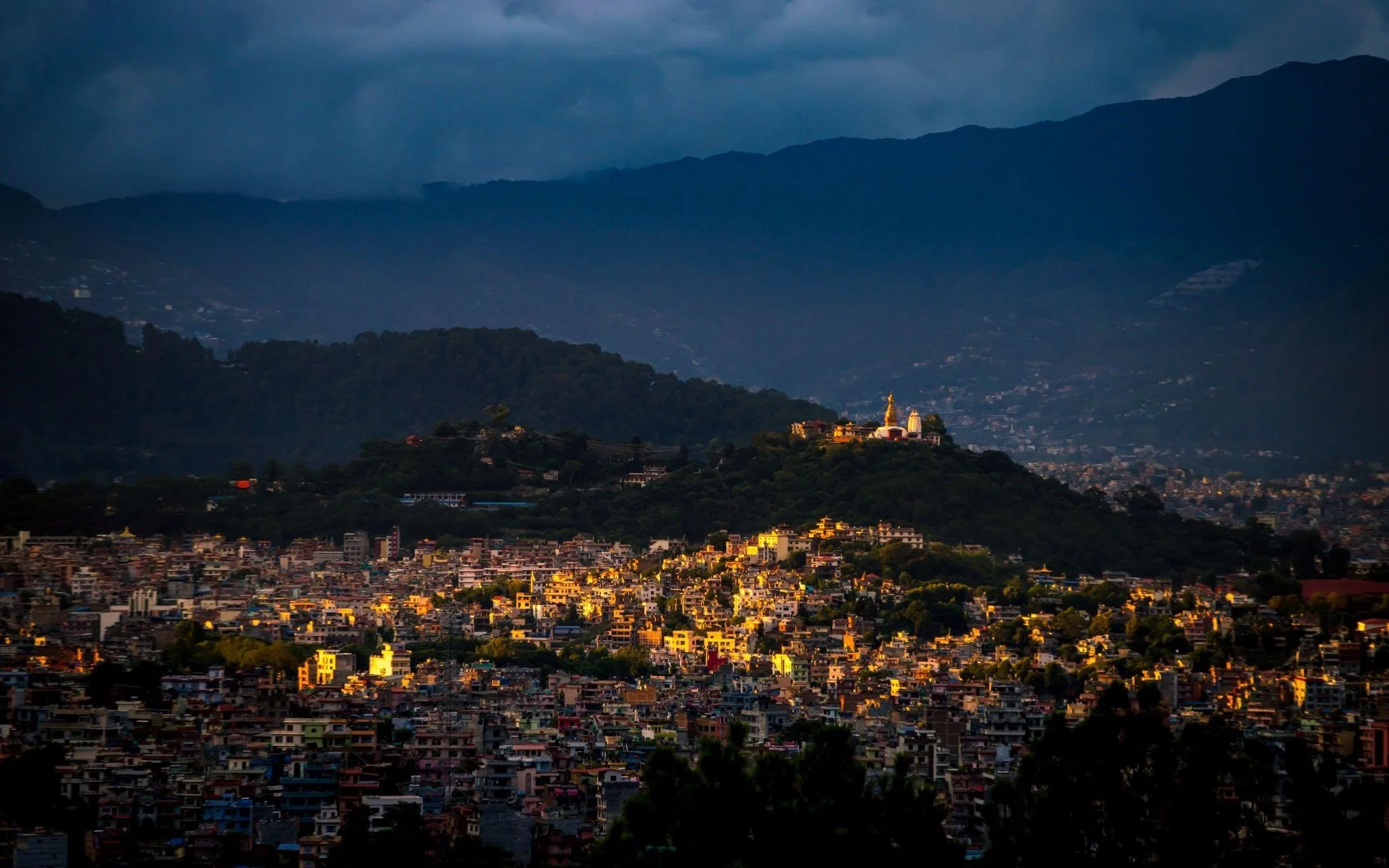
Exploring Mustang
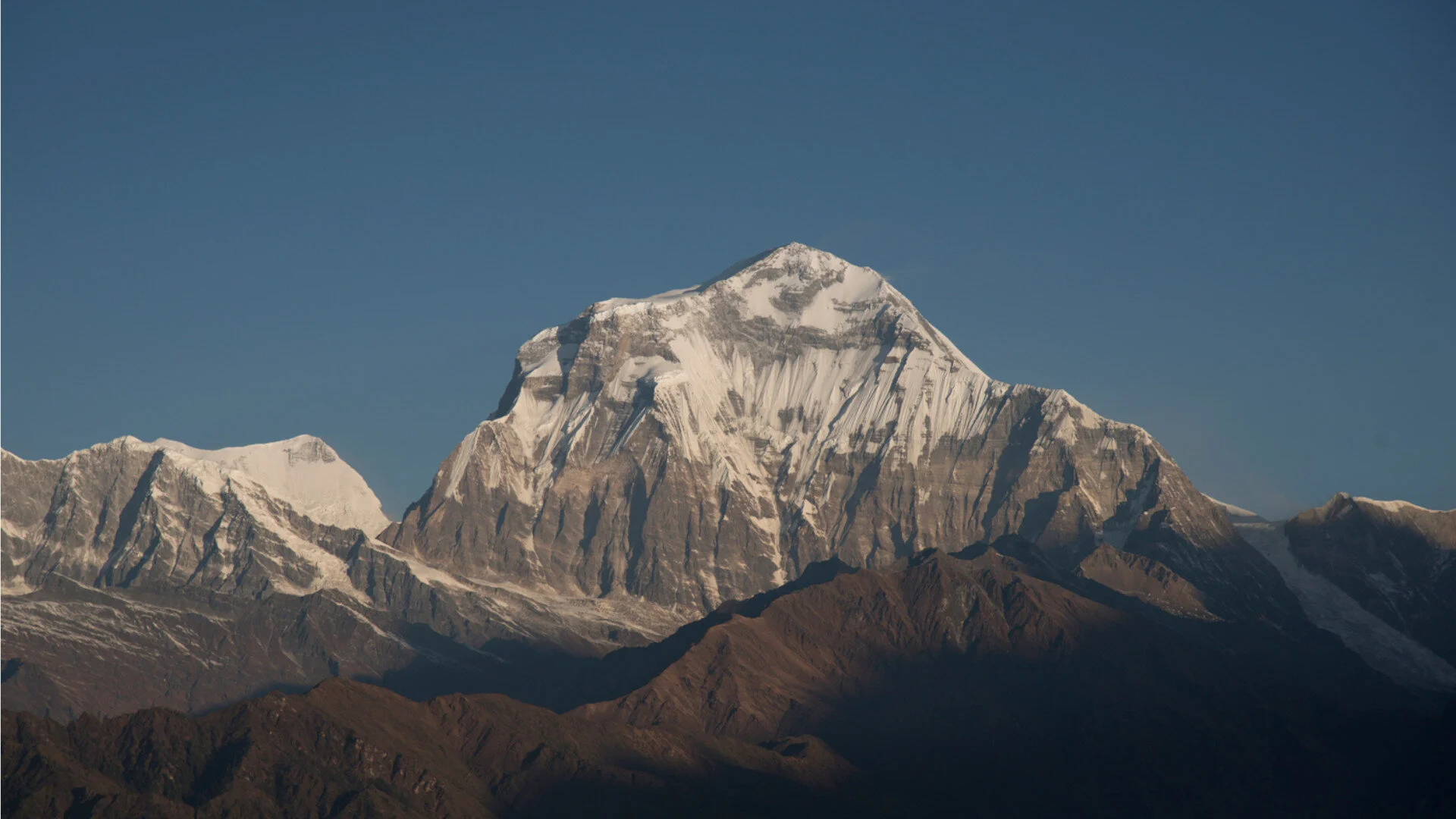
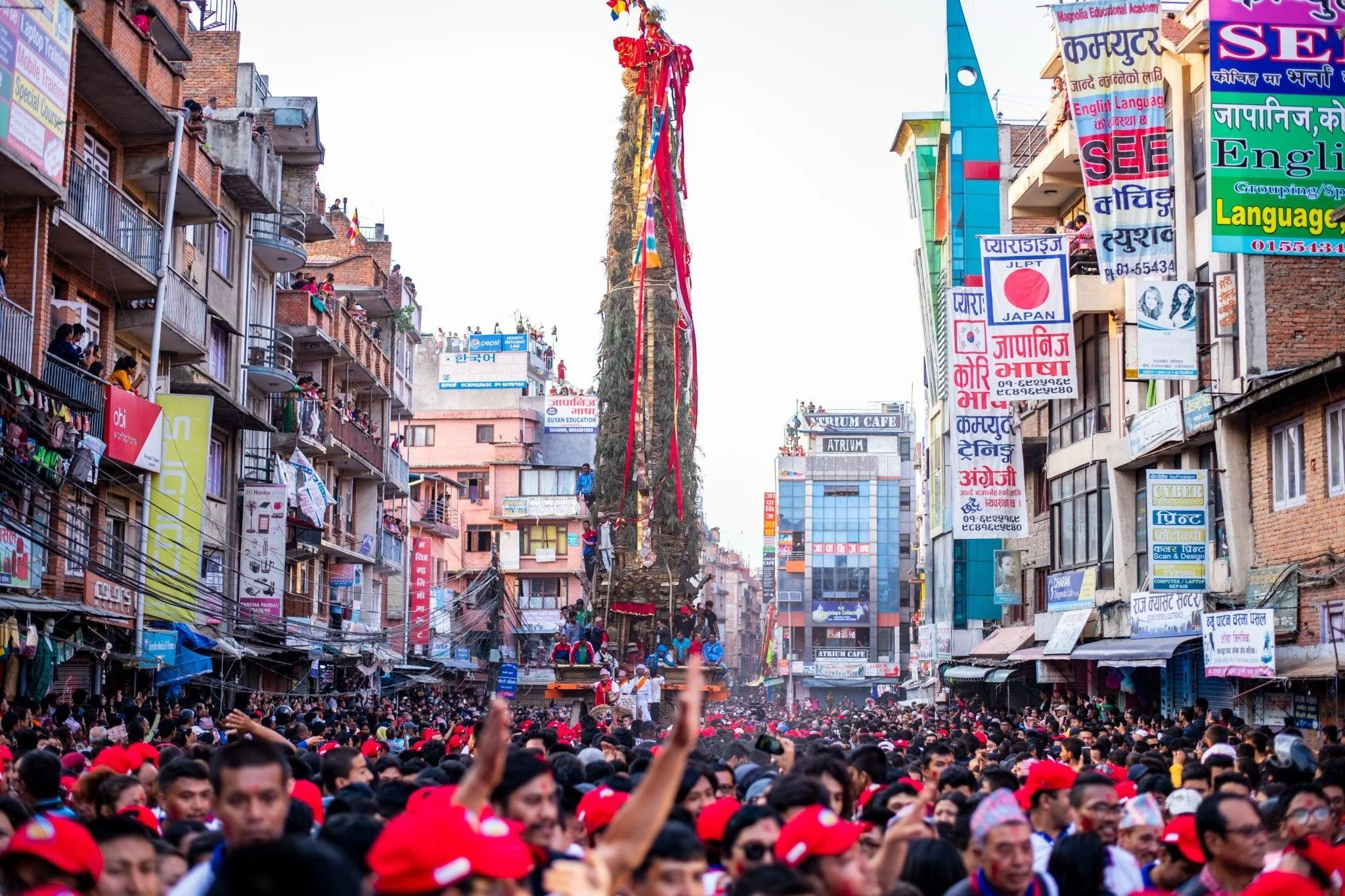
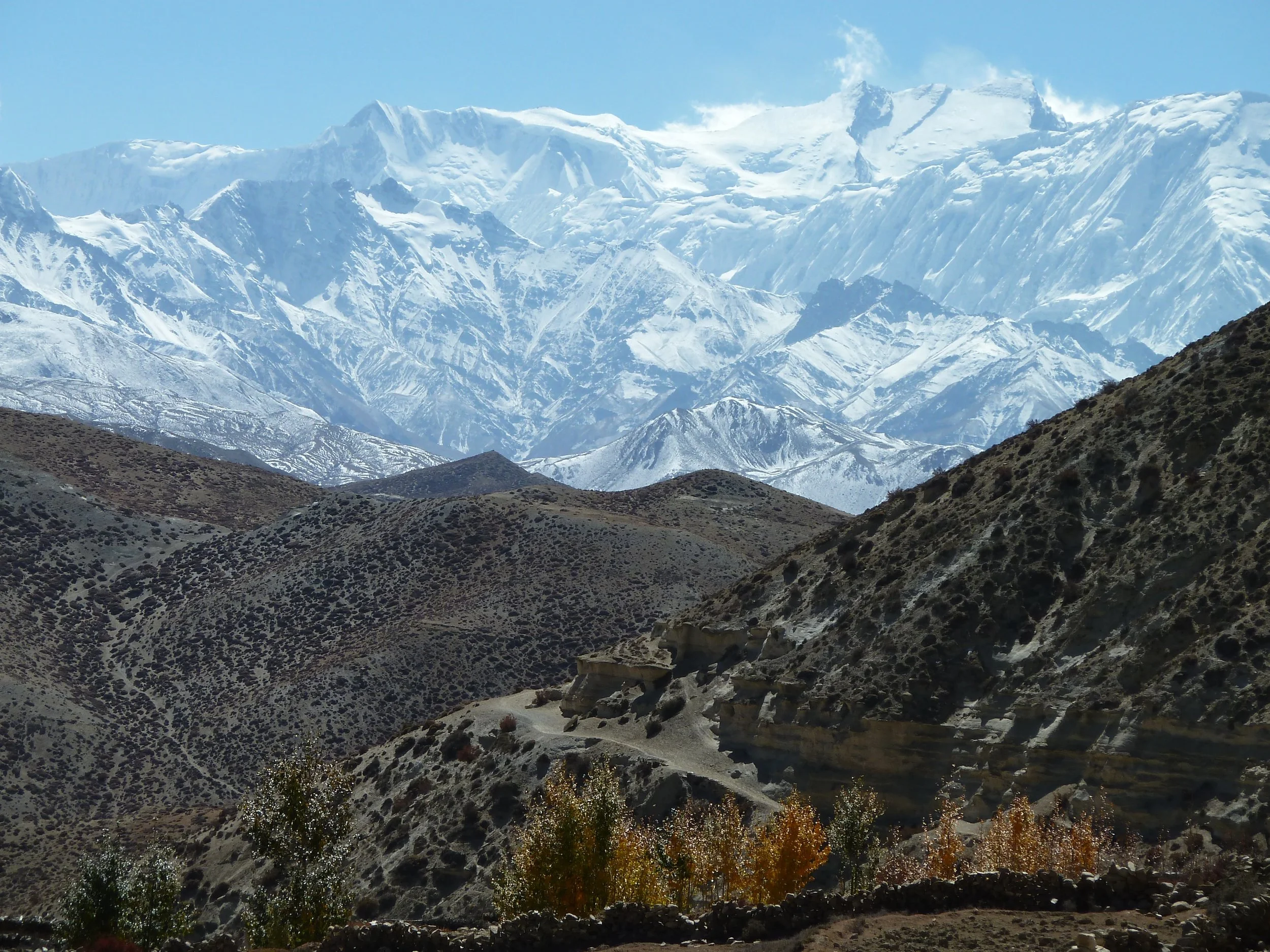
Mustang is an off-the-beaten-path destination in Nepal that offers a unique blend of adventure, culture, and history. The trek to Mustang offers a chance to explore rugged terrain, traditional villages, and ancient monasteries that are rich in spiritual and historical artifacts. The region is also famous for its unique culture and lifestyle of the people living there, and the vibrant festivals that are celebrated in the region. The trek also offers an opportunity to see the Dhaulagiri and Annapurna Mountain ranges, which are some of the highest peaks in the world.
Mustang is a hidden gem in the Himalayas, located in the northern part of Nepal. The region is known for its rugged beauty, unique culture, and ancient history. Mustang was a separate kingdom for centuries and only opened to foreigners in the early 1990s. The people of Mustang are ethnically Tibetan, and their culture is closely tied to that of Tibet.
The main attraction in Mustang is trekking. The trek to Mustang is considered one of the most interesting and off-the-beaten treks in Nepal. The trek offers an opportunity to explore the rugged terrain, traditional villages, and ancient monasteries that are rich in spiritual and historical artifacts. The region is also famous for its unique culture and lifestyle of the people living there, and the vibrant festivals that are celebrated in the region.
There are several ways to reach Mustang, Nepal:
l By air: The nearest airport to Mustang is Jomsom Airport, which is located in Jomsom, a town in Mustang district. From here, you can take a jeep or a horse to reach the Mustang region.
l By road: You can also reach Mustang by road, but the journey is long and bumpy. You can take a bus or jeep from Kathmandu or Pokhara to Jomsom and then continue on to Mustang by jeep or horse.
l Trekking: Trekking to Mustang is a popular option and the most common way to reach the region. The most popular trek is the Annapurna Circuit Trek that passes through Jomsom and Mustang.
Keep in mind that a special permit is required to enter Mustang, which can be obtained through a local trekking agency in Kathmandu. Also, the best time to visit Mustang is between September and November, as the monsoon season ends and the skies are clear.
Trekking to Mustang can be challenging due to the high altitude and rugged terrain. It's important to be in good physical condition before attempting the trek. Here are a few tips to help you prepare:
l Cardio: Engage in regular cardio exercises such as running, cycling, or swimming to improve your cardiovascular fitness.
l Strength Training: Incorporate strength training exercises such as weightlifting and bodyweight exercises to improve your overall fitness and strength.
l Altitude Training: If possible, try to spend some time at high altitude before your trek to help your body acclimatize.
l Trekking Practice: Try to practice trekking on steep and uneven terrain to help prepare your legs and feet.
Get used to carrying weight: If possible, try to get used to carrying a backpack with some weight in it, to get an idea of what to expect during the trek.
It's also important to consult with your doctor before attempting the trek, especially if you have any pre-existing health conditions. Remember, physical fitness is important but mental preparation is just as important. Be prepared for a challenging trek, but also be prepared to enjoy the beautiful scenery and experience the unique culture of Mustang.
One of the highlights of the trek is the view of the Dhaulagiri and Annapurna mountain ranges, which are some of the highest peaks in the world. The trek also offers an opportunity to explore the ancient kingdom of Lo, which is still ruled by its traditional king. The trek passes through traditional villages where you can interact with the local people, learn about their culture and way of life. The trek also offers an opportunity to explore ancient monasteries, which are rich in spiritual and historical artifacts.
POPULAR ITINERARIES
SIMILAR POSTS
Buddhist Shrines to Visit in Nepal
Nepal has always been the centre of the Buddhist dharma. The borders of the current nation constitute the birth place of ‘The Light of Asia’ - Siddhartha Gautam also known as the Buddha. Nepal is also home to numerous other Buddha’s of the past who have blessed this land with the seeds of the Buddhist way of life. In this blog, we explore numerous Buddhist shrines that hold great value in the Buddhist doctrine for travellers, enthusiasts and pilgrims.
Buddhist shrines, also known as stupas, are sacred places of worship for followers of Buddhism. A stupa is a type of Buddhist monument that typically consists of a dome-shaped structure built to house sacred relics, such as the ashes of a deceased person or other religious artifacts. Stupas are found throughout the Buddhist world, and they are often seen as symbols of the Buddha's enlightenment and the teachings of Buddhism.
The design of a stupa can vary depending on the region and the specific cultural and architectural traditions of the place where it is located. However, many stupas feature several key elements, such as a central dome, a spire or umbrella-like structure on top, and a base with four sides that may be adorned with reliefs or other decorative elements. Stupas may also have a circumambulation path around the base, which is used for ritual circumambulation or "pradakhshina."
Buddhist shrines come in many different styles, reflecting the architectural and cultural traditions of the region in which they are located. Some must visit Buddhist Shrines in Nepal are as follows:
Lumbini
Lumbini is a famous Buddhist shrine in Nepal which is the birthplace of the Buddha, Siddhartha Gautama. It is a World Heritage site and attracts around 1.5 million visitors annually. Lumbini includes the Mayadevi Temple, Ashoka Pillar, and several foreign-funded monasteries, such as the Royal Thai Buddhist Monastery, Myanmar Golden Monastery, Zhong Hua Chinese Buddhist Monastery, and Vietnam Phat Quoc Tu Temple, which showcase different nations' architectural styles, histories, and traditions.
Swayambhu
Swayambhu Stupa is a significant Buddhist shrine in Nepal that originated from a lotus flower in the Kathmandu valley, according to legend. It was built in 460 by King Manadeva and is located on a hill in western Kathmandu. The complex houses chaityas, statues, and shrines of Buddhist and Hindu deities and is a World Heritage site. The stupa is also known for its beautiful views of Kathmandu.
Boudha
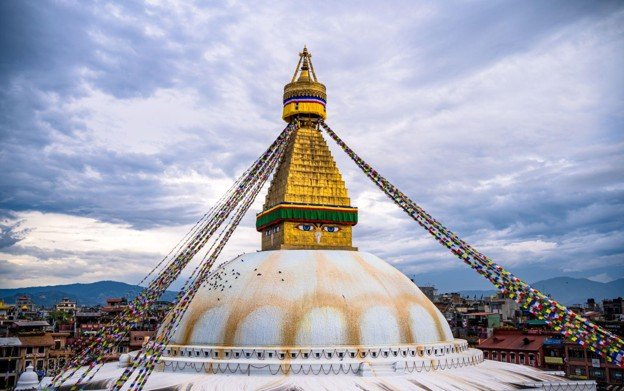
Bouddha is a popular Buddhist shrine located in Kathmandu and built in the 14th century by a Lichhavi king. It contains the relics of Kassapa Buddha, has a mandala-style construction, and is a World Heritage site. It has two wisdom eyes, a unity-symbolizing nose, and a 13-level spire representing the stages of achieving nirvana. The shrine also has prayer wheels that are said to purify karma and remove negative energy.
Ramagram
Ramgram is a significant Buddhist site located in Nawalparasi district. It is believed to contain one of the eight relics of the Buddha, which were divided after his death in Kushinagar, India. According to legend, Emperor Ashoka attempted to relocate the relics by dividing them into thousands of pieces and placing them in various stupas but was unable to open the one at Ramgram due to its protection by serpent kings. As a result, Ramgram is thought to be the only stupa still containing the relics of the Buddha and is a revered pilgrimage site for Buddhists.
Seto Gumba
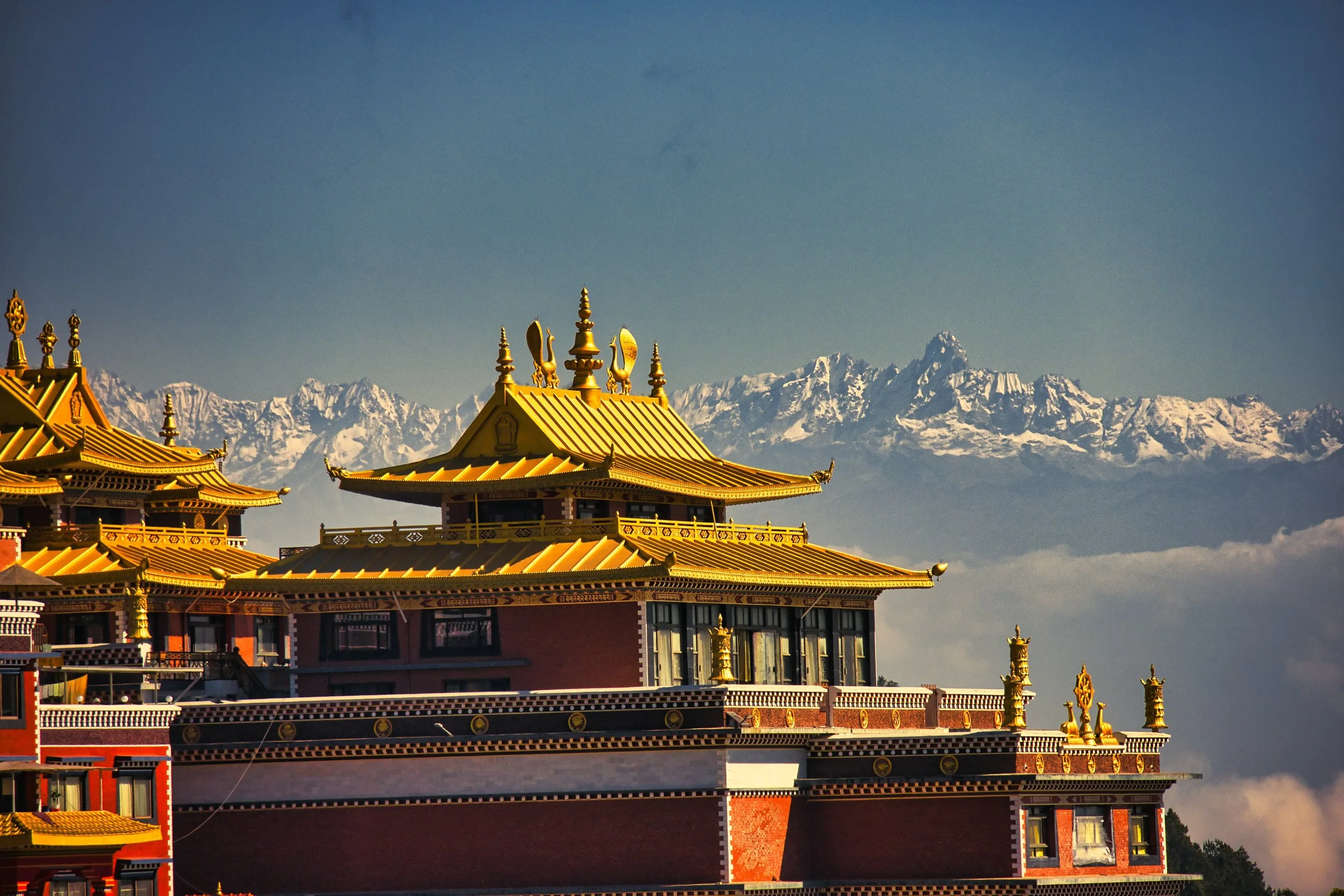
Seto Gumba, also known as White Monastery or Druk Amitabha Mountain, is a famous Tibetan-style Buddhist monastery located on a hill in northwestern Kathmandu. It features murals, statues, and paintings and was closed for maintenance after the 2015 earthquake, but is now open to the public on Sundays. Seto Gumba, which stands at an altitude of 1,500 meters, offers beautiful views of the sunrise and sunset, and is a popular spot for photography and learning about Buddhism, meditation, and Tibetan architecture.
Namo Buddha
Namo Buddha is a holy Buddhist site located approximately 40 kilometers east of Kathmandu in Kavrepalanchok. It is home to the Thrangu Tashi Yangtse Tibetan Buddhist monastery, founded in the 20th century by the 9th Khenchen Thrangu Rinpoche. The site is also home to a stupa that is said to contain the remains of a prince who was an incarnation of the Buddha and later reincarnated as Siddhartha Gautama in Lumbini. The story of the prince dates back to the time of King Maharath and his three sons, one of whom offered himself as food to a hungry tigress and her cubs. Namo Buddha is a popular destination for pilgrimage and small hikes.
POPULAR ITINERARIES
SIMILAR POSTS
Khaptad National Park: A Gem of The West
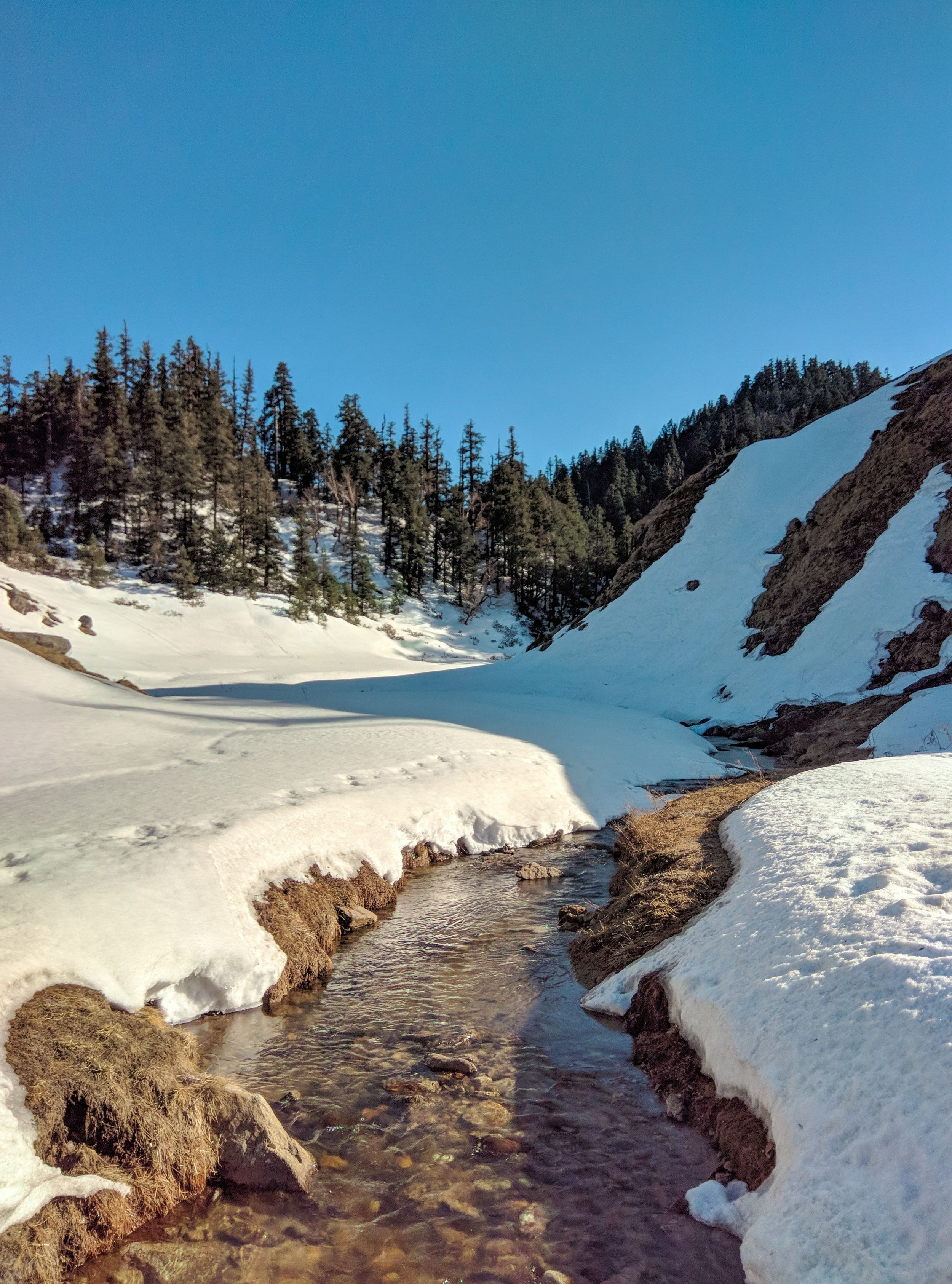
Khaptad National Park is a protected area located in the far-western region of Nepal. It was established in 1984 and covers an area of 225 square kilometers. The park is named after Khaptad Baba, a spiritual leader who lived in the area for many years.
The park is home to a diverse range of flora and fauna, including rhododendron, oak, and pine forests, as well as a variety of wildlife such as leopards, musk deer, and Himalayan black bear. There are also more than 250 species of birds found in the park, including the endangered impeyan pheasant.
Tourists can enjoy a variety of activities in the park, including hiking, birdwatching, and picnicking. There are also several cultural and spiritual sites in the park, such as the Khaptad Baba Ashram and the Khaptad Daha (lake).
There are several ways to get to Khaptad National Park from Kathmandu:
By bus: There are regular bus services from Kathmandu to Silgadi, the nearest town to the park. From Silgadi, you can hire a jeep or a local bus to reach the park. The journey takes around 8-10 hours.
By flight: There are daily flights from Kathmandu to Nepalgunj, the nearest airport to the park. From Nepalgunj, you can hire a jeep or take a local bus to reach the park. The journey takes around 6-8 hours.
By private car: You can hire a private car or taxi from Kathmandu to reach the park. This is the most convenient and quickest way to get to the park, but it is also the most expensive. The journey takes around 6-7 hours.
It's worth noting that the park is located in a remote area, and the roads can be quite rough and bumpy, especially during the monsoon season. So, it's a good idea to allow for extra time for your journey and to be prepared for a bumpy ride.
Fauna:
Leopard
Musk deer
Himalayan black bear
Wild boar
Ghoral (goat-antelope)
Jackal
Red panda
Flora:
Rhododendron
Oak
Pine
Fir
Deodar
Spruce
Bamboo
In addition to these species, there are also over 250 species of birds found in the park, including the endangered impeyan pheasant. The park is also home to a variety of medicinal plants, including the Khaptad dandelion, which is found only in this region.
Here are a few things to consider when planning a trip to Khaptad National Park:
1. Travel documents: Make sure you have all the necessary travel documents, including a valid passport and visa (if required).
2.Accommodation: There are a few lodges and guesthouses available in the park, but it's a good idea to book in advance, especially during the peak tourist season. You can also bring a tent and camp in the park, but you will need to get a permit from the park office.
3. Transportation: As mentioned earlier, there are several ways to get to the park from Kathmandu. You can choose the mode of transportation that best suits your needs and budget.
4. Weather: The weather in the park can be quite varied, with temperatures ranging from below freezing in the winter to over 30°C in the summer. Make sure to pack clothes and gear appropriate for the season you'll be visiting.
5. Health and safety: The park is located in a remote area, so it's important to be prepared for any emergencies. Make sure you have adequate medical insurance, and bring any necessary medications with you. It's also a good idea to inform someone of your itinerary and to stick to marked trails while hiking in the park.
6. Respect local culture: The park is home to several cultural and spiritual sites, so it's important to be respectful of local customs and traditions.
POPULAR ITINERARIES
SIMILAR POSTS
Exploring Lalitpur
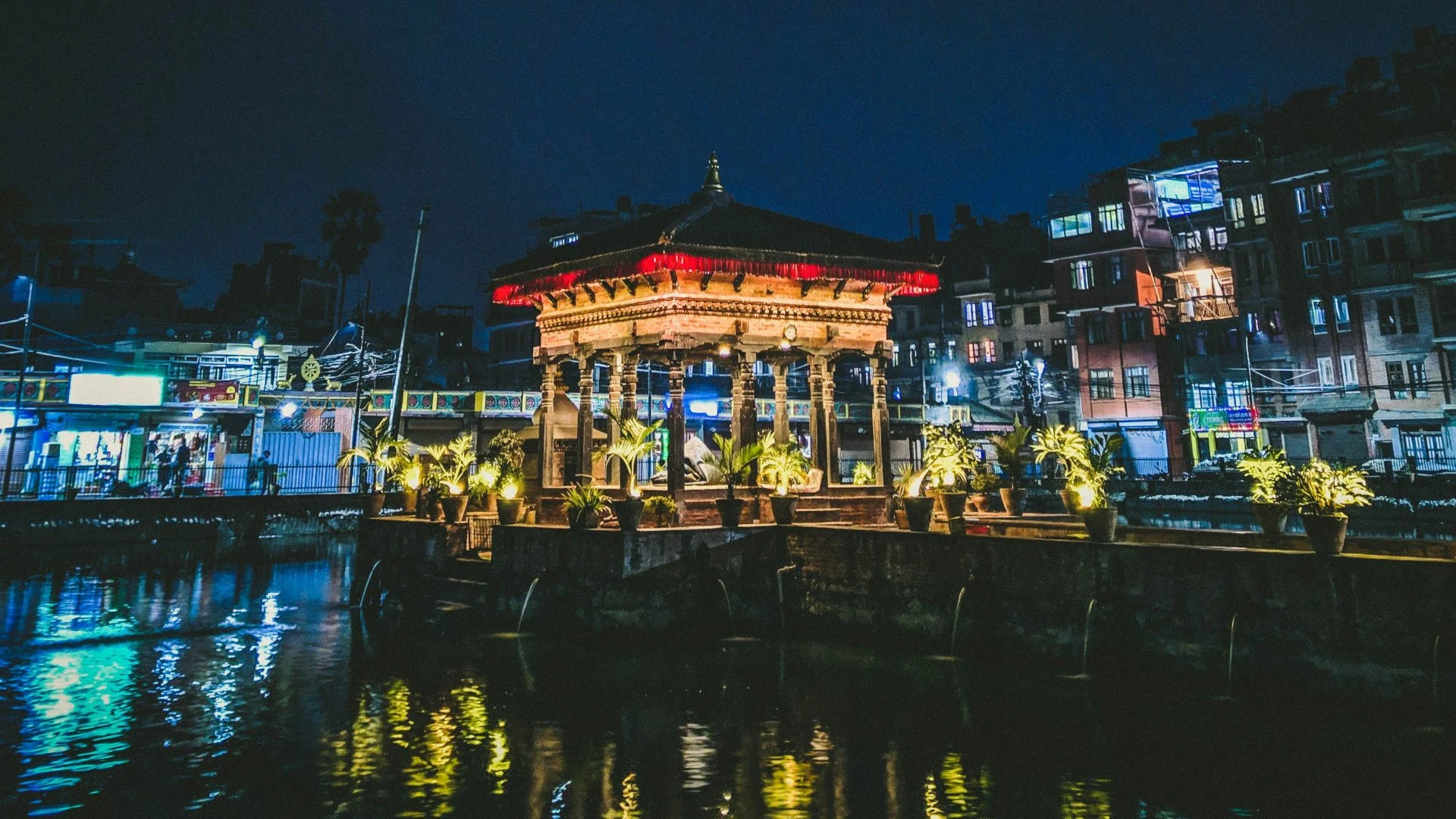
Historically known as Patan, the present city of Lalitpur is a stellar representation of cultural representation through the arts. Also known as Manigal, this city traces its roots to numerous states, such as Matirajya, Irshyarajya, and Dipavati were united in the Lichhavi Era to create this grandiose city.
Rarely do we discover places in the world that feature- living heritage. The cities of Lalitpur, Kathmandu, and Bhaktapur are great examples of living heritage. The iconic landmarks, temples, and monuments date back hundreds of years. The local population found a way to integrate these icons, temples, and monuments into their wheel of life and customs.
Tracing historical roots, the oldest settlement within the current boundaries is the kingdom of Dipavati. As per the chronicles, this city existed in the Satya Yuga. Dipavati means land where Dipankara Buddha had manifested himself. He is revered as a great enlightened mind born before Shakyamuni Buddha (Gautam Buddha).
The second oldest territory of this region is known as Matarajya. Matarajya was a flourishing kingdom that stretched southwards with its center around present-day Lagankhel. The greatest landmark of this kingdom– the Maitrajya Chaitya, stands tall to this day. Chronicles write of a great tale between two cities- Matirajya & Irshyarajya, the tale is as follows: "Once a certain man named Bhoja came to Visalnagara to become king. He heard of Vikramajit's greatness and wandered around boasting that he would do the same and that he was ready to sit on the lion's throne. At that moment, each of the thirty-two auspicious signs of the lion-throne turned into butterflies, told various stories of Vikramajit’s knowledge and dharma, and flew away. Despite this, King Bhoja insisted on seating himself on the lion throne. At that moment, the lion throne flew away on the path to heaven to reach its own place. Since, the king was hauthy, Navasagar-bhagvati fatefully became enraged in the middle of one night. She raised fire from the well in front of her and destroyed many people and animals throughout the night. The king and the people of Visalnagara were burnt and the city became desolate. Only small villages in Nepala survived. Among the people belonging to four castes, some went eastwards across the Manohara River and built their own houses. Some went southwards across the Vagmati River, formed together a small territory, named it Matarajya and lived there."
The above extract was taken from History of the Kings of Nepal, A Buddhist Chronicle which is an updated translation of the 19th-century Newar Chronicle compiled by Daniel Wright. Using historical markers and borrowed knowledge from other chronicles, Vishalnagara was the grand city created during the Lichhavi Era. The capital of this city is presumed to be Hadigaun. The current Bishalnagar got its name from this ancient city.
The third ancient settlement Irshyarajya was created by the survivors of the Vishalnagara fire who refused to live in Matarajya. “Some people, having seen those who built Matarajya and settled there said: “ We will not live in this place. The territory became known as Irsarajya since it was formed out of envy (irsa).”
A fourth historic settlement also exists but its origins are highly debated. The settlement of Imadva further east of Dipavati came into existence at the same time as Matarajya & Irsarajya. The origin of this settlement as per the Buddhist Chronicle is as follows, “In a similar way, some other Buddhists were in great confusion. They thought: This chaitya has been there since the time of Manjupattana City and it was not destroyed, even when Danasura blocked the water passage. Visalanagara has now been destroyed and no one has remained here any longer. It is neither possible to carry the caitya away, nor is it possible to make a living here. One night, the caitya ordered somebody in a dream: O devotee, a certain bird will come to rest on my parasol tomorrow morning. Then the bird takes off from the parasol and at the spot where it lands, you should stay. I, too, will come to stay there. The next morning, the Buddhists went to pay darsana to the caitya and found an eagle on its parasol, just as mentioned in the dream. They followed the eagle to the place where it landed. Some of them inhabited that place and established a chaitya by contemplating the chaitya image of Visalanagara. From that day on, the place has been known as Imadva. Since “eagle” (in Nevari) is ima and the spot was identified by it, the caitya was named Imadva Chaitya (“the chaitya at the Eagle-Mound”).
POPULAR ITINERARIES
SIMILAR POSTS
Exploring Palpa - Part I
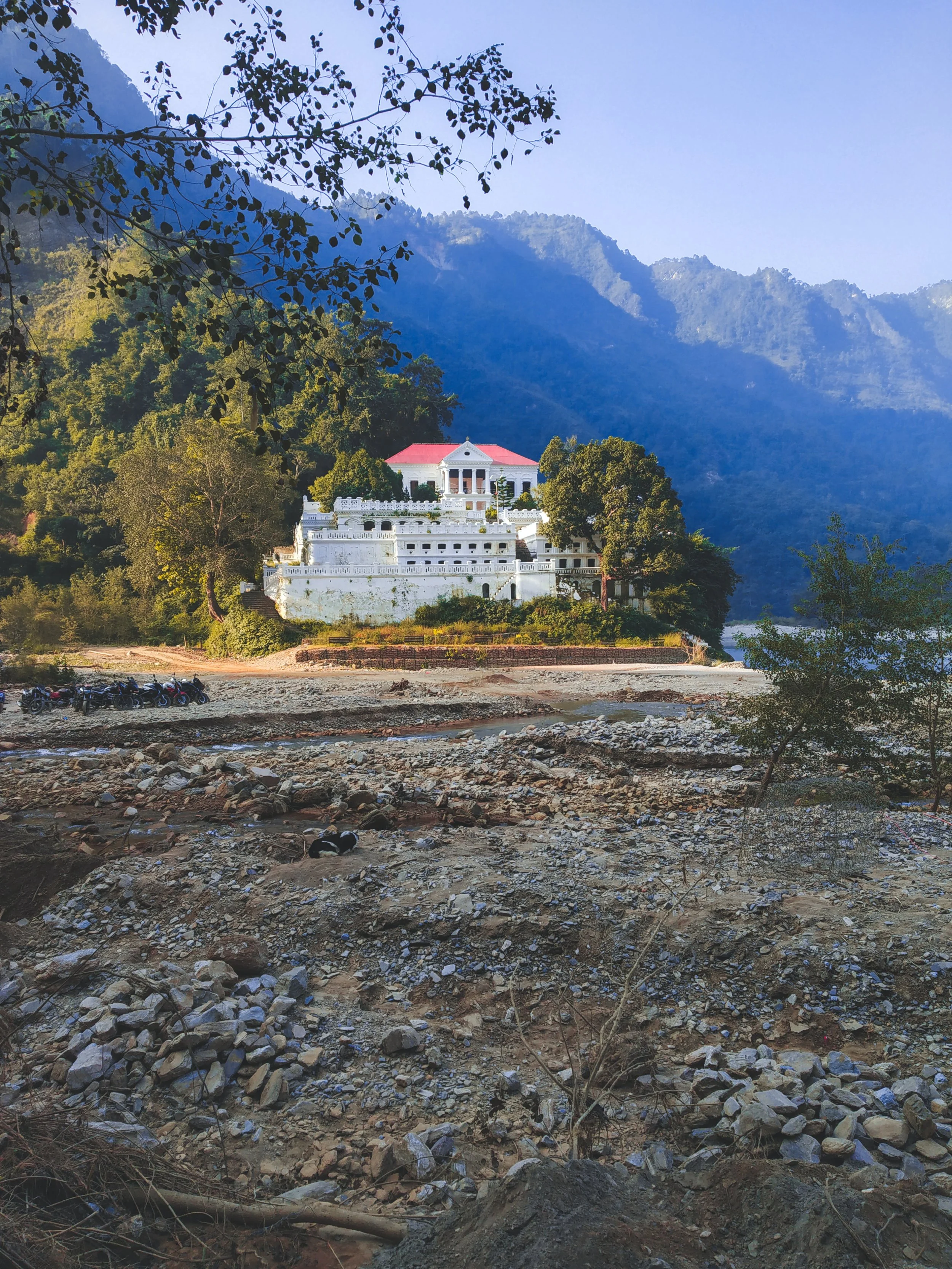
Palpa, once an independent Magar Kingdom famous for its forges, became a hub in the south for Newars. The famous “Dhaka Topi” was born here amongst the various Dhaka patterns fabricated by the expert weavers of Palpa. It is a destination with facets and has widely contributed to the formation of the Nepali identity.
Palpa is a beautiful hill station in the Lumbini Province of Nepal. It is a great destination to add to your tour of the southern cities of Nepal. If you’re making a trip to Lumbini, stop by Palpa to witness the age of Newari architecture and culture, which migrated to this once-Magar village thousands of years ago.
About Palpa
Province: Lumbini
Distance from Kathmandu: 273.7 km
Accessibility:
By Road: 8 hours and 14 minutes
By Air: Land at Gautam Buddha International Airport in Bhairahawa and drive 2 hours and 24 minutes to reach Palpa region
Attractions: Argeli Palace, Rambha Devi Temple, Ranighat Palace (Ranimahal), Rishikesh Complex, Tansen Bazzar, Bhairabsthan Temple (Tansen Bhairab), Shrinagar Hill, Tansen Durbar
Travel Season: Throughout the year
The region of Palpa has much to offer in multiple genres of tourism. The potential of this region as a religious site along with sightseeing and cultural tourism is strong. The central attraction of this place is the hill station of Tansen. In 2008 AD, UNESCO added this area to its tentative list for World Heritage in the cultural category.
The whole of Palpa has a strong note of Magar culture, but there is Newar influence in multiple locales. The souvenir of this region has always been Palpali Dhaka. It is a unique cloth produced by the local Newars. One of the most famous landmarks is the “Golghar”, an octagonal pavilion in the middle of Sitalpati, the main market square. Srinagar hill is a popular viewpoint that offers a beautiful panorama of the high Himalayas. Peaks such as Dhaulagiri, Tukuche, Nilgiri, Annapurna, Himchuli and others are visible on a clear day.
The unique fusion of Palpa makes it a great destination. It offers something for all genre of travellers, which has always been its greatest strength. Exploring the core settlements of Tansen at times makes you feel like you are in Kathmandu due to the strong influence of Newar culture.
POPULAR ITINERARIES
SIMILAR POSTS
Places to visit this Dashain Break
As everyone gets a holiday during the Dashain season, it has become a trend to go on a short break. The ultimate escape from work and study calls for a rejuvenating adventure. So, call up your loved ones and arrange a package service to head on out and about
The first place that comes to mind when we talk about inbound travel is going to Nagarkot. A hill station famously known for camping and night stay purpose gives you the best sunrise and sunset view. If the weather is in your favor, you get to witness the glorious sight of the mountains in just an hour’s drive.
Talking about a journey that takes about 5 hours of time, a short stay at Kalinchowk is a wonderful choice. After getting on a cable car, a picturesque view awaits you on top of the Bhagwati temple that will leave you in awe. We recommend renting a private vehicle or hiring a jeep as it’s convenient.
Without mentioning Pokhara, this article would be incomplete as it’s a major internal and external tourist hub. Surrounded by Fewa, Begnash lake, and Sarankot for early morning sunrise, the city has it all. Along with that, David Fall, Peace Pagoda, International Mountain Museum, and Mahendra Cave are other major attractions.
If there’s one place that preaches peace and tranquility, it’s Bandipur. An old Newari town located in the heart of Tanahu district is worth traveling for a day or even overnight for an authentic experience. The housing style here is quite the sight. As part of a hill station, you get a scenic view of a wide range of mountains. Just take a stroll around the evening time with your friend and see how wonderful it feels!
For people who aren’t celebrating Dashain this year, we’ve got you sorted with a perfect escape plan to wander in nature. A superb monsoon cloud-free weather greets you no matter which path you follow. Take your family for a visit to either see the unhindered 180-degree scene of the snow-capped mountains or a picnic around the vibrant Godavari area.
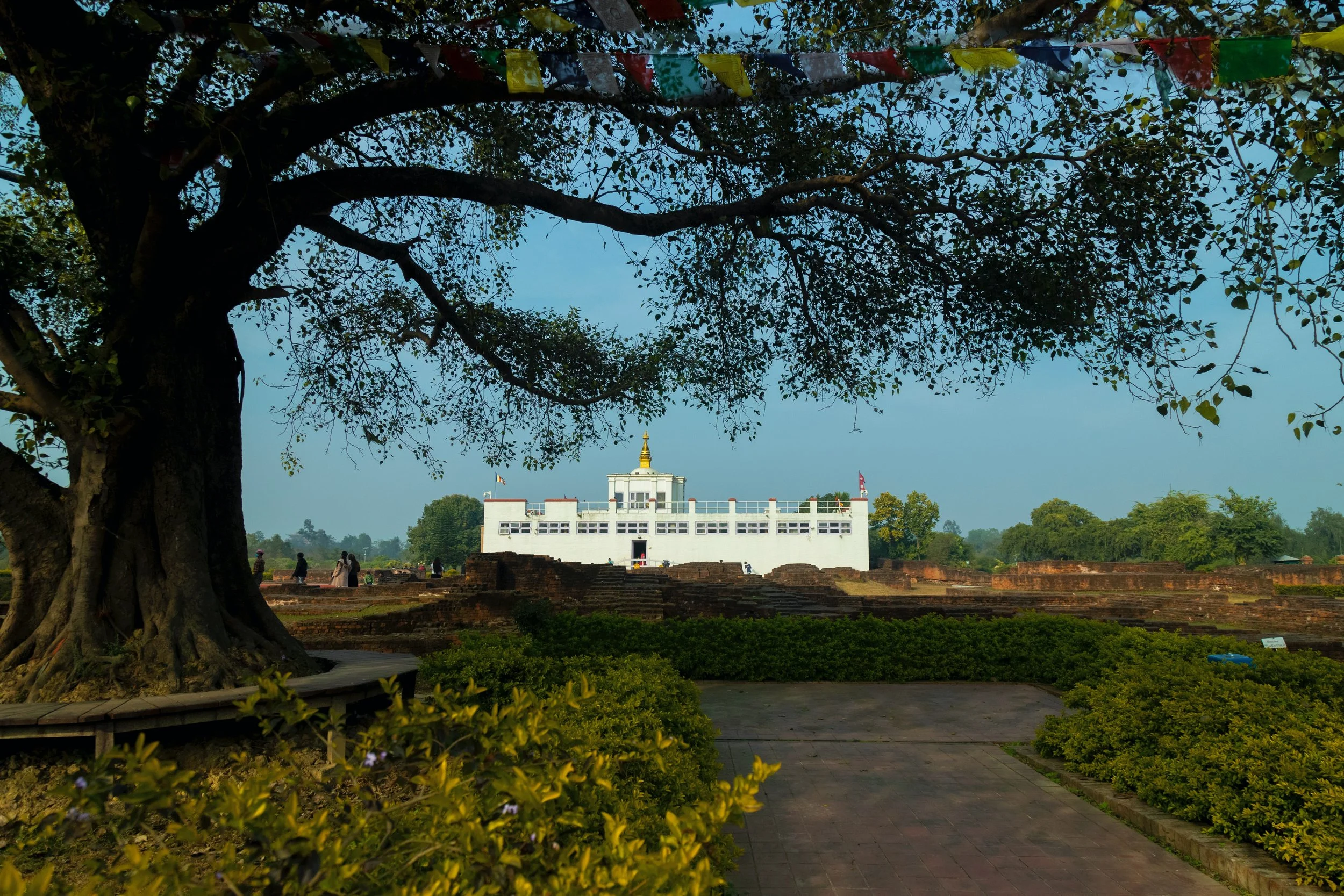
We all want to attain peace during our break right? So why not visit the birthplace of The Light of Asia in Lumbini? Remember to go to Maya Devi Temple, Ashok Pillar, Shanti Stupa, and Bidhi Tree while you’re at it. In a place with rich flora and fauna, take a trip to Chitwan National Park and be a part of nature. Hop on a safari ride and there’s a chance of spotting Bengal Tiger, Rhino, Crocodile, Elephant, and many more diverse creatures. Also, the world’s littlest vertebrate, the dwarf shrew is here, isn’t that exciting?
Only with an hour’s drive, embark upon the luscious green forest of Chitlang village. Consisting of more than 160 species of animals and birds, it’s a real treat for the eyes where you get to soak in every element of nature. Did you know about a big apple garden with more than a thousand apple trees? Well, you have to take a look at it! They have even established a few cottages between the gardens.
Although visiting a heritage site might not be on your bucket list, there will be less traffic and crowd to go to sites like Kathmandu Durbar Square, Swayambhunath, Kritipur, Bhaktapur, and Bouddha. You will get a whole new outlook on familiar places. Who knows, you may even find some hidden gems.
The month of September and October are considered to be the finest time to explore the nooks and corners of Nepal. So, where will you visit this Dashain?
POPULAR ITINERARIES
SIMILAR POSTS

10 Essential Things To Do In Kathmandu Valley - Part II
The valley- is an astonishing amalgam of religions, culture and heritage. It isn’t just the political centre point of our nation but also the melting pot where you can discover the country through one beautiful melting pot.
In the previous article, we mentioned visiting the Hanuman Dhoka Palace Museum and hunting down UNESCO World Heritage sites of the valley. In this part, we shall explore more activities.
3. Visit Chandragiri
Chandragiri is a popular hill station in Kathmandu Valley. Before the gondola transportation system, this region was under the radar. This point is a great vantage to see the valley basin. It also has historical significance.
The hills are 16 km from central Kathmandu. A drive or ride would face South-West. It is situated at an altitude of 2551 metres, making it the second highest hill point in the valley after Shivapuri at 2732m. The last two hills are Pulchhowki at 2695m and Nagarjun at 2095m.
If a gondola isn’t your cup of tea, you can hike, drive or ride to reach the top. The trip would be nothing short of an adventure as the terrain is uneven and rocky.
From the highest point in Chandragiri, depending upon the season, you can see numerous peaks of the Himalayan Range. During perfect weather, you can even see Mount Everest.
4. Indulge in the local cuisine
A diverse cultural scene equals culinary diversity. The melting pot of Kathmandu Valley has establishments that serve numerous ethnic cuisines. Even though it might seem like fast food and Newari cuisine dominate the landscape, it is not true. With a bit of research, you can create a beautiful culinary exploration map to try mouth-watering delicacies.
Two regional cuisines are dominant- Thakali & Newari. Thakali flavours are from Western Nepal, and their staple dish is a divine Thali.
The second cuisine is of the indigenous inhabits of the Kathmandu Valley- The Newars! Their stride in the crafts can be seen in the iconic squares, whereas their exceptional choice of taste is visible in their assortment of dishes.
The Newar cuisine represents the migratory roots of the Newar people. Multiple ingredients were brought to this valley by merchant families during their trade adventure. Some dishes are similar to out neighbour nations. However the Newar touch makes the version available in the valley unique.
Other ethnic groups as Rai, Tamang, Sherpa have their eateries set up in this valley. They stride to serve you an authentic taste using native ingredients and spices.
VIDEO GALLERY