
Bungamati: A Hidden Gem
Bungamati offers a plethora of engaging activities for tourists to immerse themselves in. From exploring ancient temples and traditional Newari architecture to trying out local delicacies and shopping for unique handicrafts, there is something for everyone in this charming town.
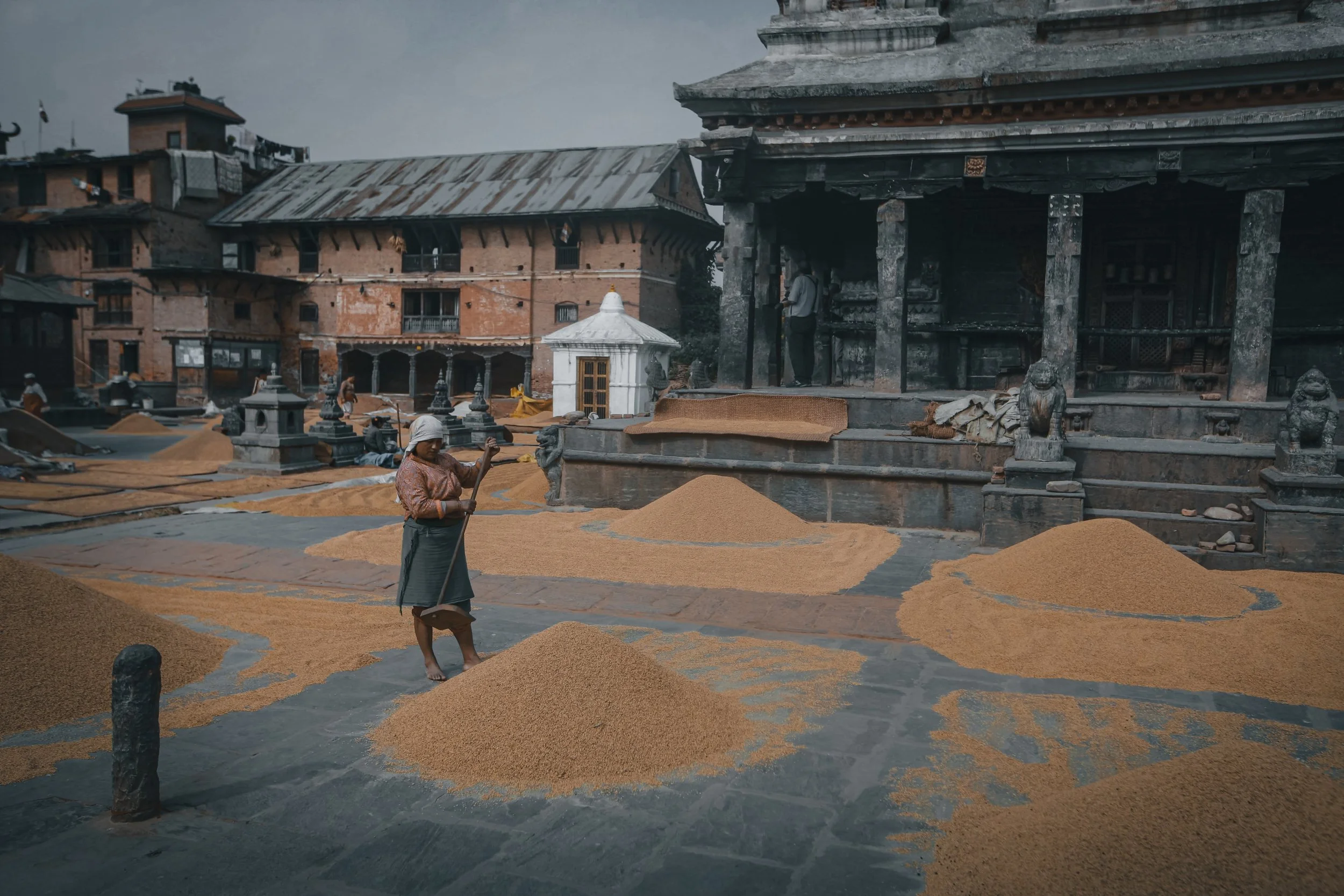
Bungamati is a hidden gem nestled in the Lalitpur District of Nepal, just 10 kilometers south of the bustling city of Kathmandu. This charming village boasts a traditional Newari setting and style, with stunning architecture, art, and crafts that reflect its rich cultural heritage. Although it may be a short distance from the airport, Bungamati feels like a world away from the hustle and bustle of modern life, offering visitors a peaceful and authentic experience. If you're looking for a tranquil escape that immerses you in the local culture, Bungamati is the perfect destination.
The town’s history dates back to the Kirat Era. Through various historical accounts and evidences from neighbouring cities, it is evident that most villages in this valley were founded by the Kirat’s. The town during the Lichhavi era was called Bugayumigrama. Scholar’s state that ‘Bugayumi’ is a Kiratian dialect.
It is widely accepted that during the Malla period, the town was called Bungapattan, and it was an important center of commerce, culture, and religion. The Malla rulers developed Bungamati into a prosperous town with well-planned streets, temples, and public buildings. They also built the Rato Matsyendranath Temple, which is considered the most sacred site in the town.
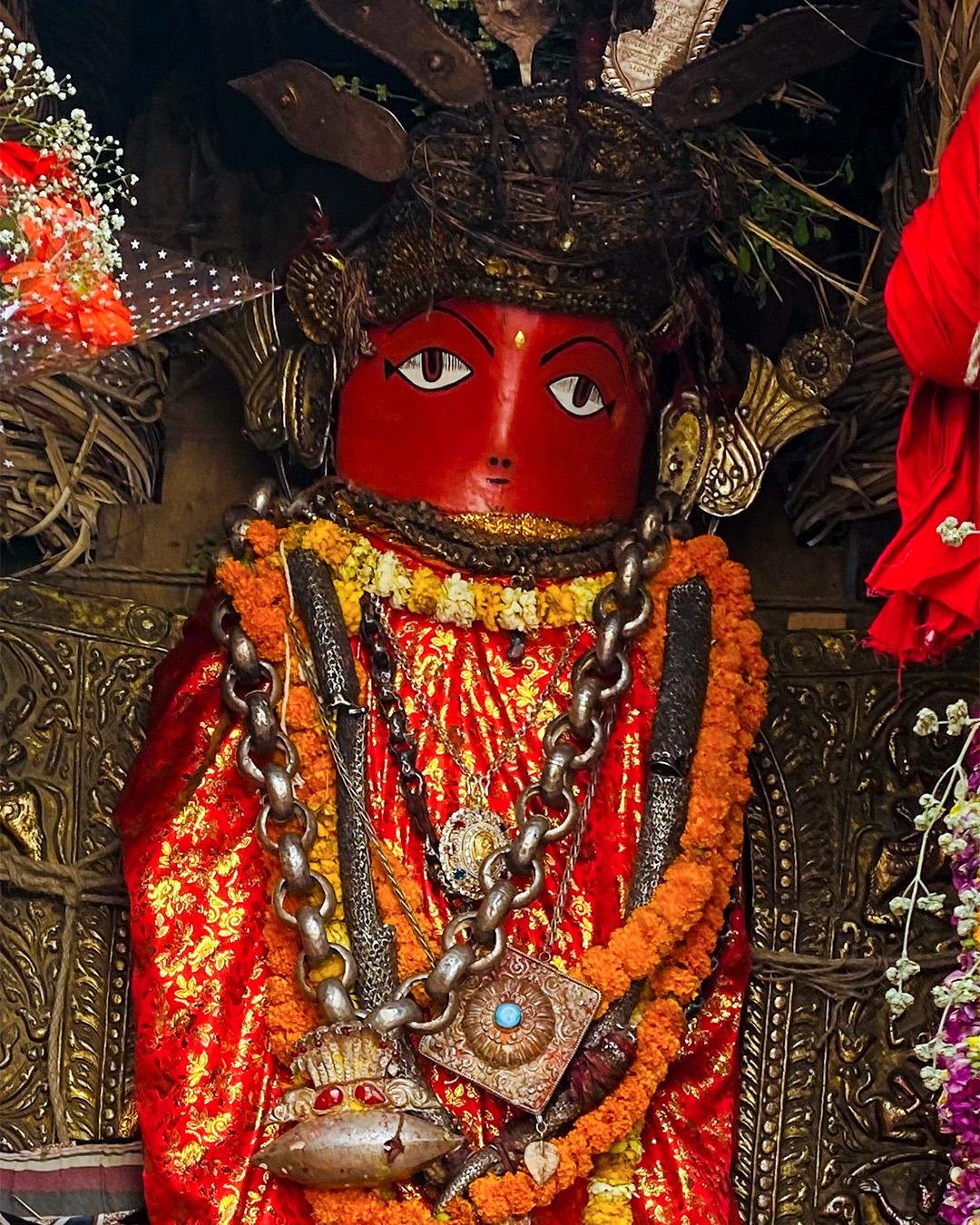
The Rato Matsyendranath temple remained an important focus of religious life in Bungamati, and the deity became an object of veneration for both Hindus and Buddhists in the region. The deity was believed to be an incarnation of the god Vishnu, and was associated with the power to bring rain and ensure good harvests.
Here are some exciting activities you can engage in while in Bungamati, which are sure to make your visit to this charming town an unforgettable experience:
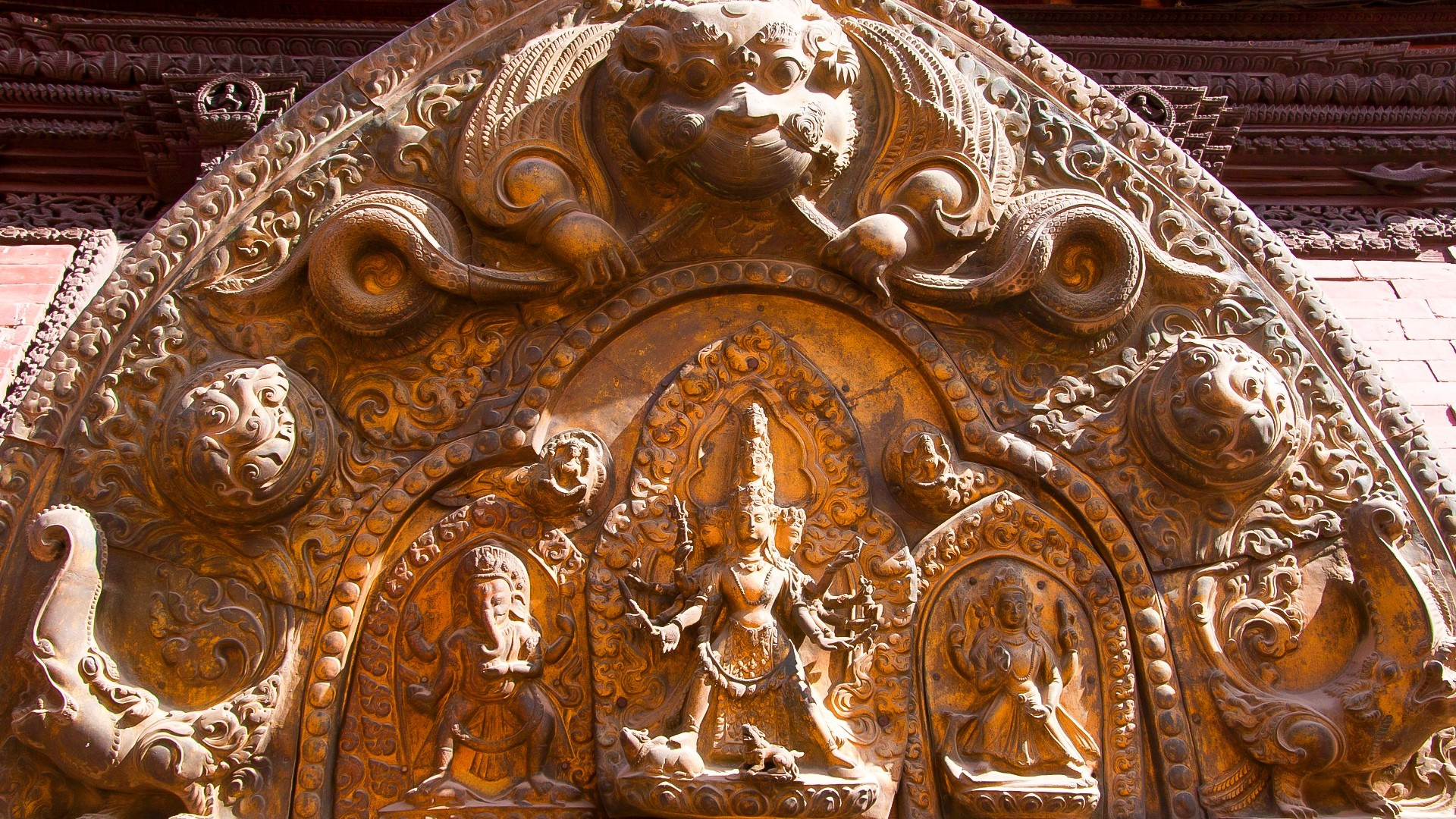
1. Explore the traditional Newari architecture: Bungamati is renowned for its traditional Newari architecture, which is best explored by wandering through the narrow alleyways and admiring the intricately carved wooden windows and doors. Visitors can also visit the traditional Newari houses, which provide a glimpse into the daily lives of the locals.
2. Visit the Rato Matsyendranath Temple: The Rato Matsyendranath Temple is a must-visit attraction in Bungamati. This ancient temple is dedicated to the Hindu deity Matsyendranath, who is worshipped as the patron saint of Kathmandu. The temple is especially famous for its annual festival, the Bunga Dyah Jatra, which takes place in April or May.
3. Take a pottery class: Bungamati is known for its traditional pottery, and visitors can learn to make their own pottery by taking a class with a local artisan. The classes are held in traditional Newari houses, and visitors can learn about the different techniques and styles of pottery-making that have been passed down through generations.
4. Hike to Khokana: Khokana is a nearby village that is known for its mustard oil production. Visitors can take a scenic hike through the fields and hills to reach the village, where they can learn about the traditional methods of mustard oil extraction and visit the local market.
5. Taste Newari cuisine: Bungamati is a great place to try traditional Newari cuisine, which is famous for its rich flavors and unique ingredients. Visitors can sample local dishes like bara, chatamari, and yomari, which are made with rice flour, lentils, and other local ingredients.
6. Attend a local festival: Bungamati is known for its vibrant local festivals, which are celebrated throughout the year. Visitors can attend festivals like the Bunga Dyah Jatra, the Rato Machhindranath Jatra, and the Khokana Festival, which are great opportunities to experience the local culture and traditions.
POPULAR ITINERARIES
SIMILAR POSTS

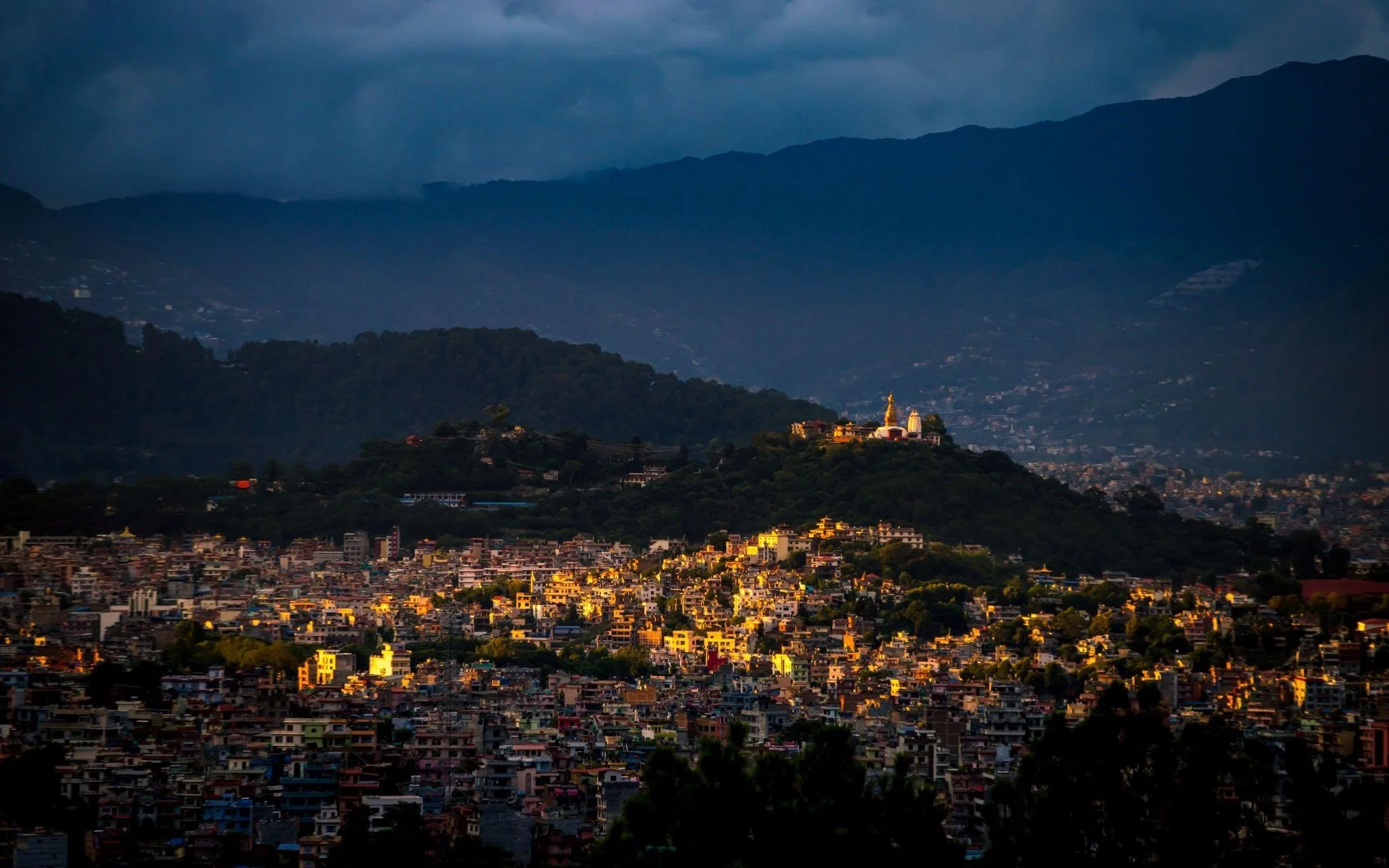
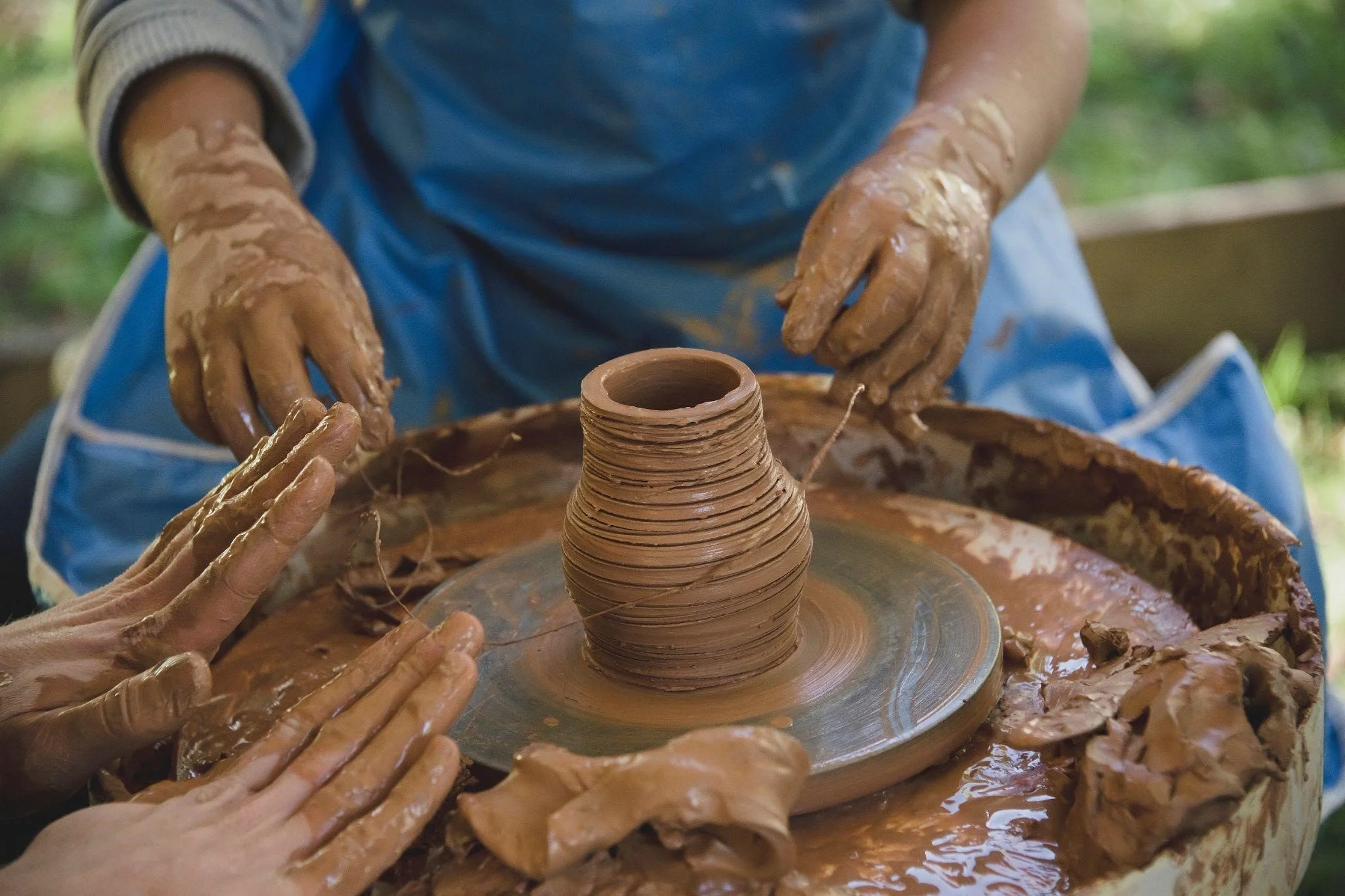
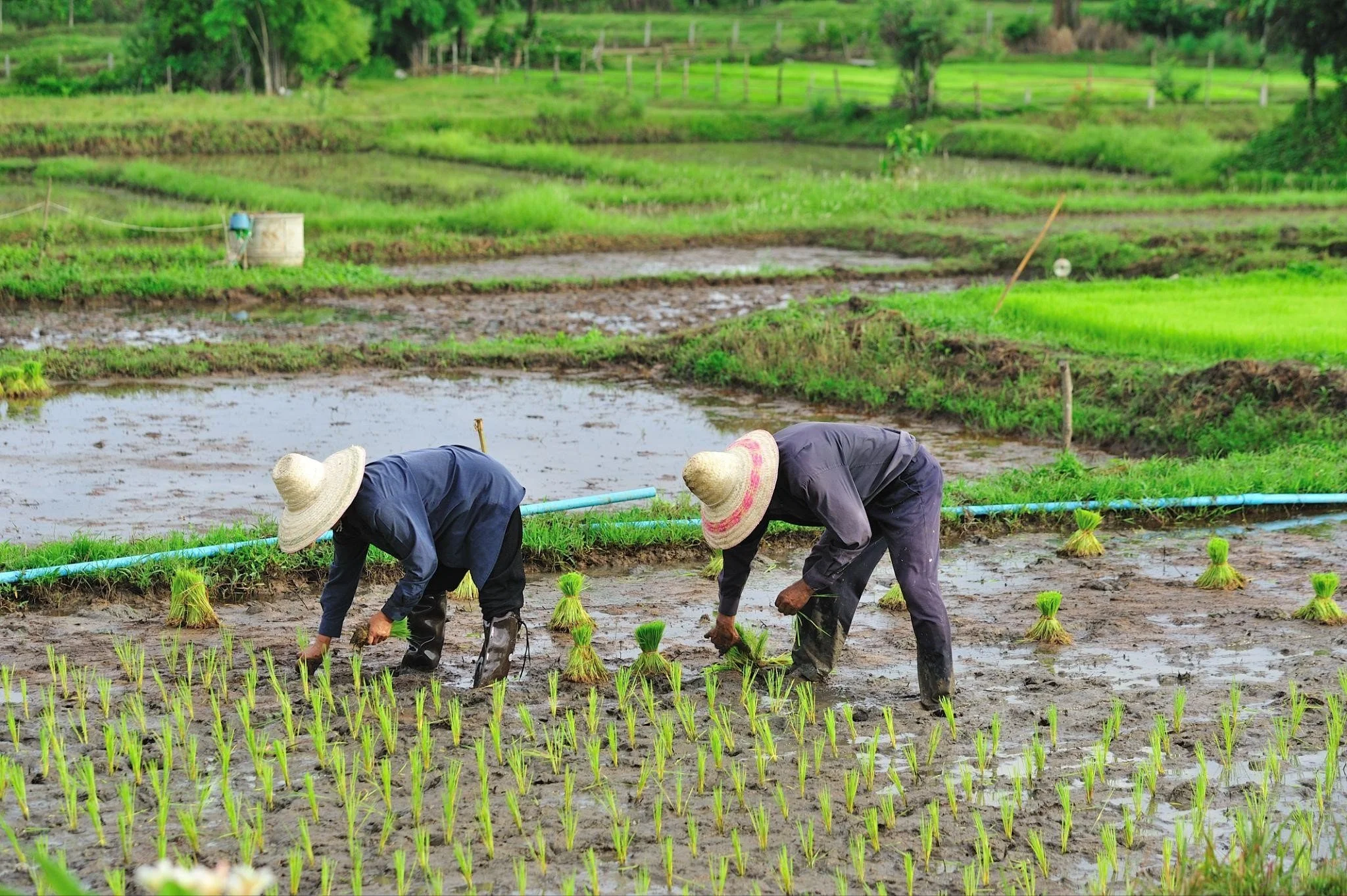
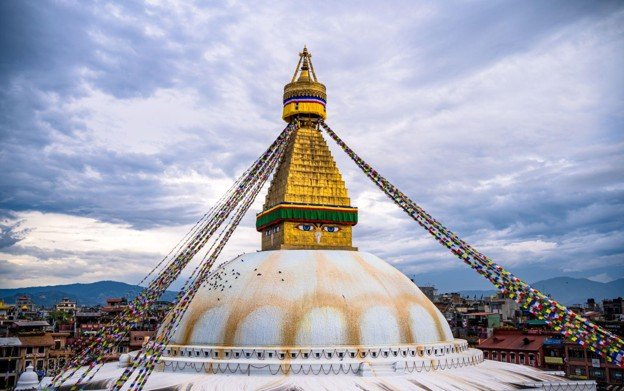
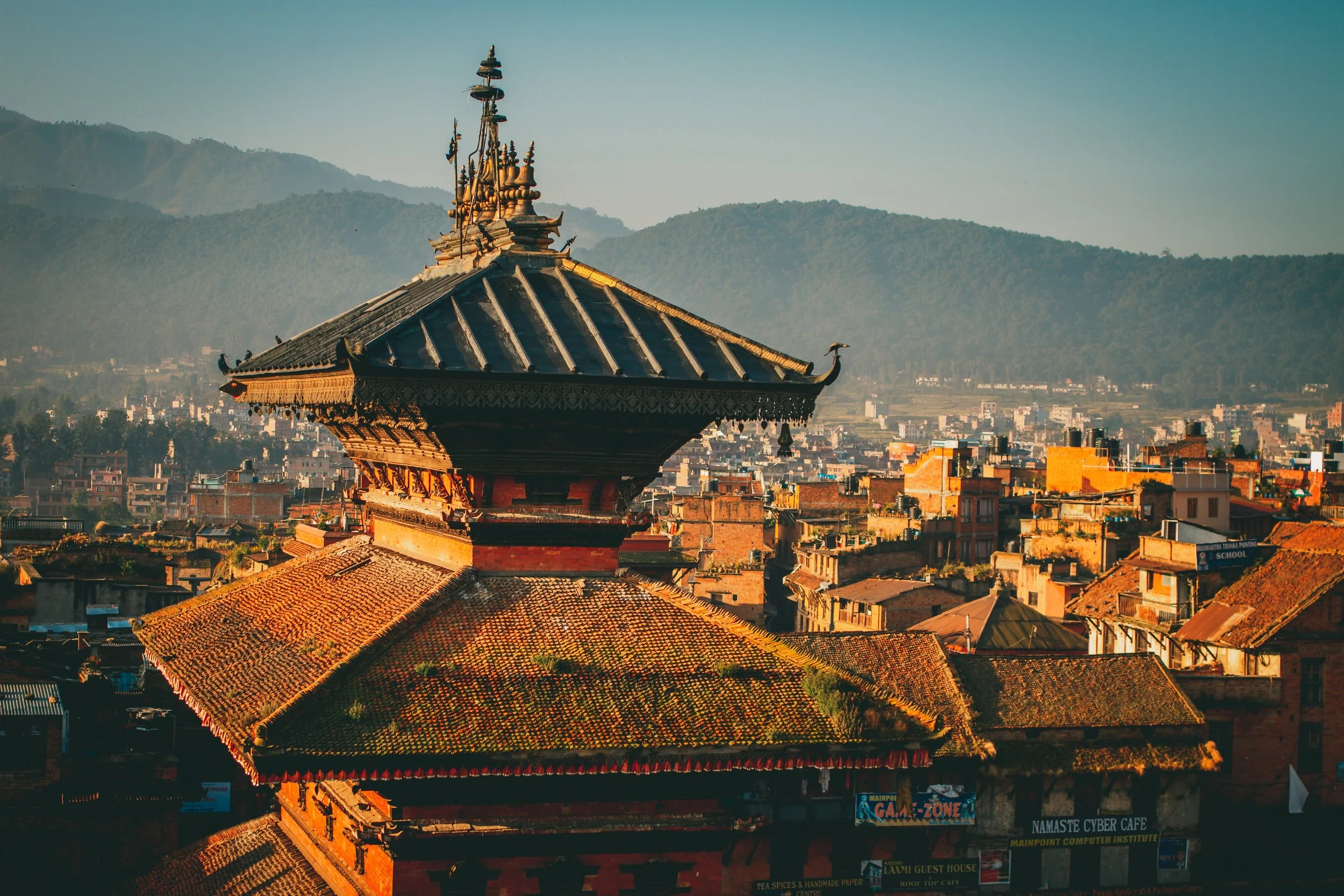
When In Bhaktapur...
As you make your way through the winding streets of Bhaktapur, you can feel the city's ancient history and rich culture seeping through every corner.
Bhaktapur is a city in Nepal that is known for its stunning architecture, intricate carvings, and traditional Newari culture. If you're a history buff or simply enjoy exploring new cultures, then Bhaktapur is a must-visit destination.
Brief History
Bhaktapur is an ancient city in Nepal with a fascinating history that dates back to the 12th century. At that time, the city was known as "Khawokti" and was ruled by the Malla dynasty. It was a vibrant hub of trade, art, and culture, and the people of the city took great pride in their architecture, crafts, and traditions. They built stunning temples, palaces, and buildings that showcased their unique Newari style, and the city flourished for centuries. Over time, the city's name changed to "Bhaktapur," which means "City of Devotees," reflecting the deep religious beliefs of the people. However, in the 18th century, the city fell under the rule of the Gorkha kingdom, and its power and influence began to decline. Despite this, the people of Bhaktapur have preserved their rich history and culture, and the city remains a testament to their enduring spirit and creativity.
It is a city with a rich cultural heritage that reflects the many different ethnic groups that call it home. The people of the city are proud of their diverse roots, which have contributed to the unique character of the place. The Newars are the largest ethnic group in Bhaktapur and have a distinct culture and language. They are renowned for their artistic skills, especially in wood and metal crafts, pottery, and cooking delicious local cuisine. Besides the Newars, other ethnic groups such as the Brahmins, Chhetris, Tamangs, and Dalits also live in Bhaktapur. Each group has its own distinct customs, traditions, and way of life, which combine to create a rich cultural tapestry. Religion is also a significant part of the culture, and Bhaktapur is home to many temples and religious sites that attract visitors from all over the world. The city also hosts numerous festivals and celebrations throughout the year, which offer a window into the vibrant cultural heritage of Bhaktapur.
Exciting Activities
Explore Bhaktapur Durbar Square
Bhaktapur Durbar Square is the main square of Bhaktapur and is home to many historic buildings, temples, and statues. The square is surrounded by ancient buildings and palaces, which showcase the city's rich history and culture. You can take a leisurely stroll around the square and marvel at the intricate carvings and architecture. Don't forget to visit the Golden Gate, which is the entrance to the 55-window palace and is adorned with intricate carvings.
Visit the Nyatapola Temple
Nyatapola Temple is a famous five-story temple located in Bhaktapur. The temple is dedicated to the goddess Siddhi Laxmi and is one of the tallest structures in the Kathmandu Valley. The temple's architecture is impressive, with steep steps leading up to each level. From the top of the temple, you can enjoy breathtaking views of the city.
Check out the Pottery Square
Pottery Square is a traditional pottery-making area in Bhaktapur. You can watch the potters at work and even try your hand at making a pottery piece. The pottery-making process is fascinating, and you can learn about the traditional techniques used by the potters. You can also buy some souvenirs made by the potters, such as cups, bowls, and vases.
Visit the Dattatreya Temple
Dattatreya Temple is an ancient temple dedicated to the Hindu god Dattatreya. The temple is believed to be over 600 years old and is one of the oldest temples in Bhaktapur. The temple's architecture is impressive, with intricate carvings and a pagoda-style roof. You can learn about the temple's history and significance from the temple priests.
Take a walk along the city walls
Bhaktapur is surrounded by a wall that was built in the 12th century. You can take a leisurely walk along the walls and enjoy the beautiful views of the city. The walls offer a panoramic view of the valley, and you can see the various temples and buildings from a different perspective. You can also visit the city gates and learn about the city's history and significance.
Visit the Bhaktapur Art Gallery
Bhaktapur Art Gallery is a small art gallery in Bhaktapur that features traditional Newari art and crafts. The gallery has a collection of paintings, sculptures, and crafts that showcase the city's artistic heritage. You can buy souvenirs and gifts to take back home.
POPULAR ITINERARIES
SIMILAR POSTS


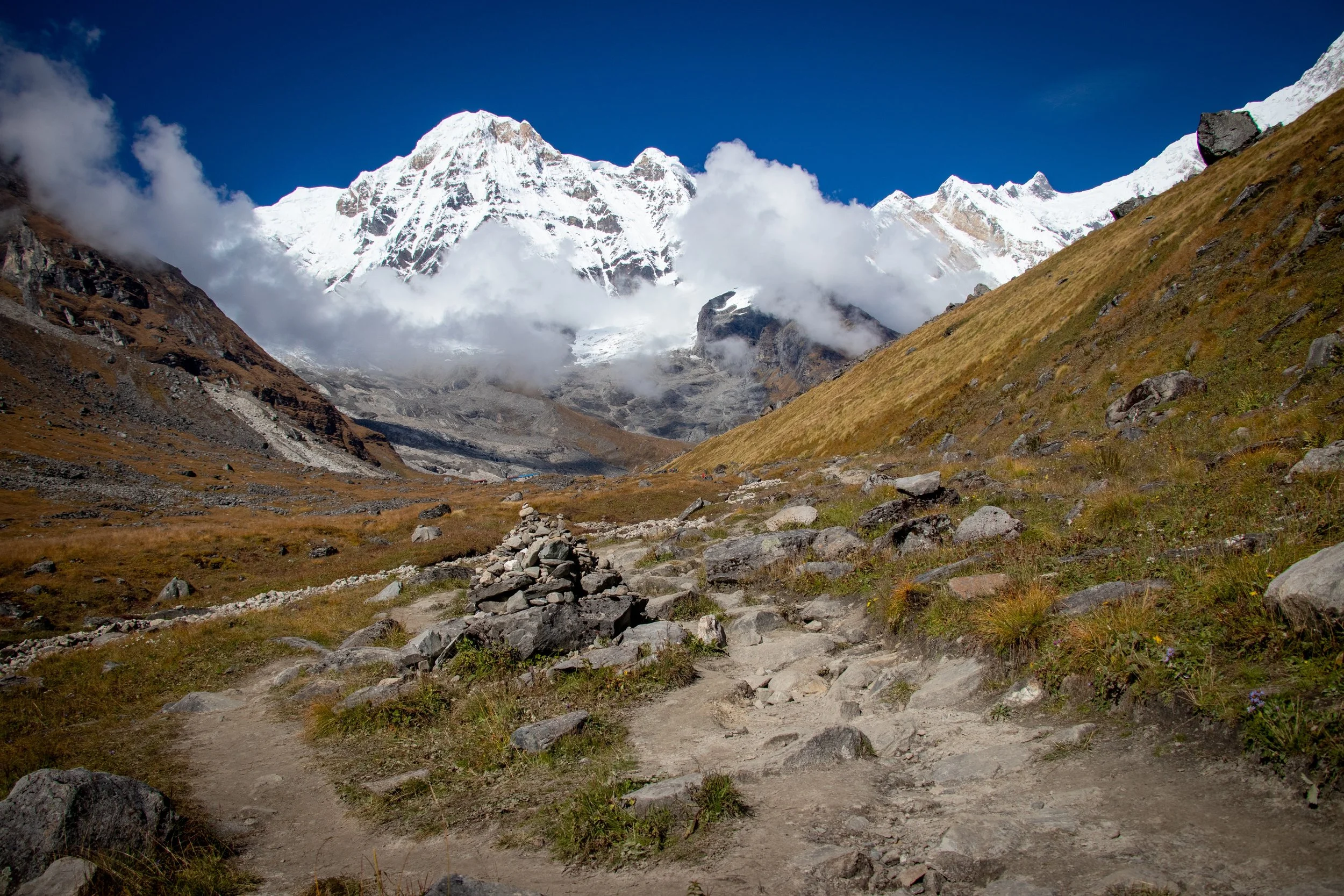
Explore Nepal's Majestic Mountains the Easy Way
Are you interested in exploring Nepal's stunning mountain ranges, but not so keen on trekking? No problem! In this blog, we explore five amazing destinations in Nepal that can be visited by helicopter, including Mount Everest, Annapurna Base Camp, Langtang National Park, Upper Mustang, and Rara Lake. Get ready for breathtaking views and unforgettable experiences!
Have you ever dreamed of exploring the stunning natural beauty of the Himalayas but are hesitant because you don't enjoy trekking or hiking? If so, then you'll be pleased to know that there is another way to experience the majesty of the Himalayas. Helicopter tours offer an exhilarating way to explore the world's highest mountain range without the need for physical exertion. In Nepal, there are many destinations that can be visited by helicopter, allowing you to take in breathtaking views of the towering peaks, crystal-clear lakes, and verdant valleys. In this blog post, we'll explore some of the best destinations in Nepal that can be visited by helicopter, giving you a chance to see the beauty of the Himalayas up close.
It's a small and charming country located in South Asia, nestled between India and China. Nepal is famous for its incredible mountain ranges, including Mount Everest, which is the tallest peak in the world. But there's more to this country than just mountains! Nepal is home to a rich cultural heritage, with ancient temples, palaces, and monuments that speak to its long and fascinating history. Nepalese people are friendly, warm, and always happy to welcome visitors to their country. Despite facing some challenges, Nepal remains a country of remarkable resilience and beauty, with a vibrant culture and unique way of life that is sure to leave a lasting impression on anyone who visits.
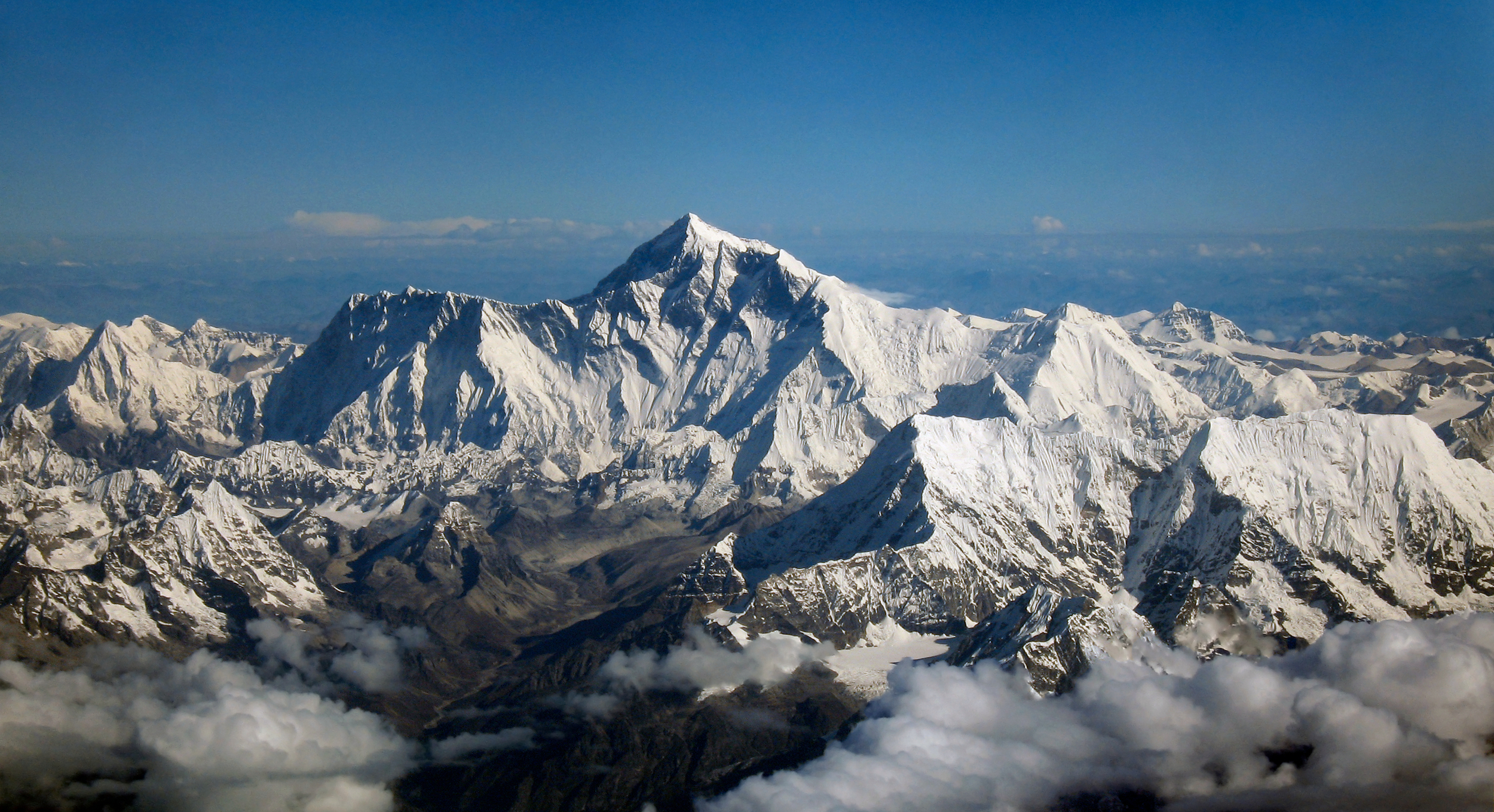
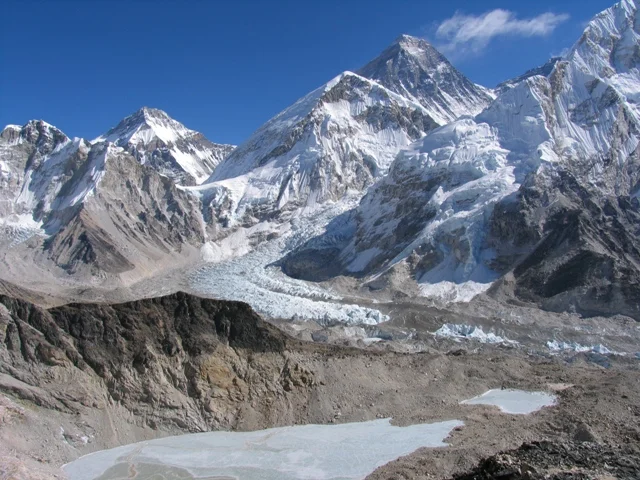
Mount Everest: Helicopter tours to Mount Everest are an incredible way to experience the majesty of the world's tallest peak. The tour typically departs from Kathmandu and follows the path of the Khumbu Glacier, offering breathtaking views of snow-capped peaks and deep valleys. As you soar through the sky, you'll see stunning landscapes and get up close to the ice falls, glaciers, and rugged terrain that make up the Everest region. If you're feeling adventurous, you can even land at the Everest Base Camp and take a short trek to Kalapatthar for a breathtaking panoramic view of Mount Everest and other surrounding peaks.
Annapurna Base Camp: The Annapurna Base Camp is a popular trekking destination, but it can also be visited by helicopter. The tour departs from Pokhara and offers stunning views of the Annapurna massif, which includes peaks like Annapurna I, Annapurna South, and Machhapuchhre (also known as Fishtail). As you fly over the rugged terrain, you'll see lush forests, cascading waterfalls, and traditional Nepalese villages. Once you reach the base camp, you'll be surrounded by towering mountains on all sides, making it an unforgettable experience.
Langtang National Park: Langtang National Park is one of the most beautiful and biodiverse areas in Nepal, and helicopter tours offer a unique way to experience this stunning region. The tour departs from Kathmandu and follows the path of the Langtang Himal, offering breathtaking views of the mountains, forests, and glaciers that make up this unique landscape. You'll also get the chance to explore the park's stunning landscapes, including alpine forests, rocky terrain, and high-altitude lakes. If you're lucky, you might even spot rare and endangered wildlife like the red panda or the snow leopard.
Upper Mustang: The Upper Mustang region is a remote and fascinating area of Nepal that can be accessed by helicopter from Pokhara. The tour offers an opportunity to explore this ancient kingdom without the need for a long trek. You'll fly over the Kali Gandaki River Valley and the Annapurna Massif, taking in stunning views of the surrounding landscape. Once you reach Upper Mustang, you'll be immersed in a unique desert-like landscape that is unlike anywhere else in Nepal. You'll also get the chance to explore ancient monasteries, caves, and historic villages, learning about the rich cultural heritage of this remote region.
Rara Lake: Rara Lake is a stunning alpine lake located in the remote Karnali region of Nepal. Helicopter tours to Rara Lake depart from Kathmandu and offer breathtaking views of the Himalayas and the surrounding valleys. Once you arrive at the lake, you'll be surrounded by a pristine natural environment, with crystal-clear waters and dense forests. You can take a walk around the lake, relax on its shores, or explore the surrounding hills and forests. Rara Lake is a hidden gem of Nepal and is well worth a visit for anyone looking to experience the country's natural beauty up close.
POPULAR ITINERARIES
SIMILAR POSTS
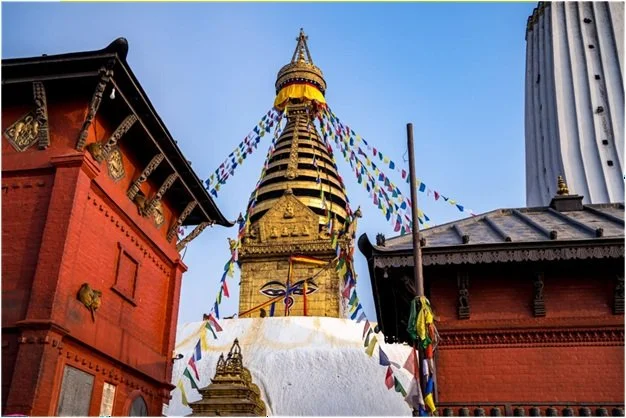
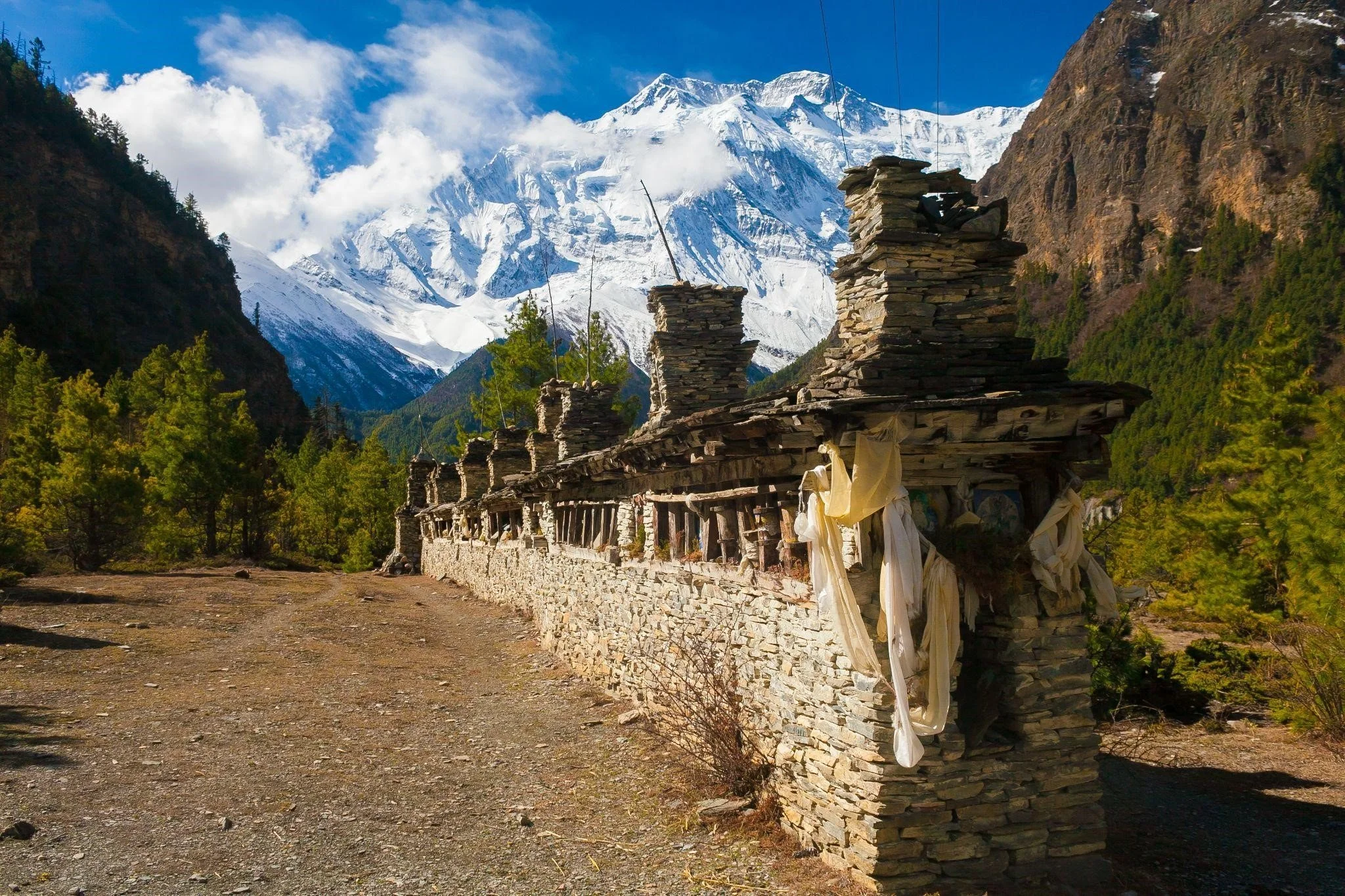
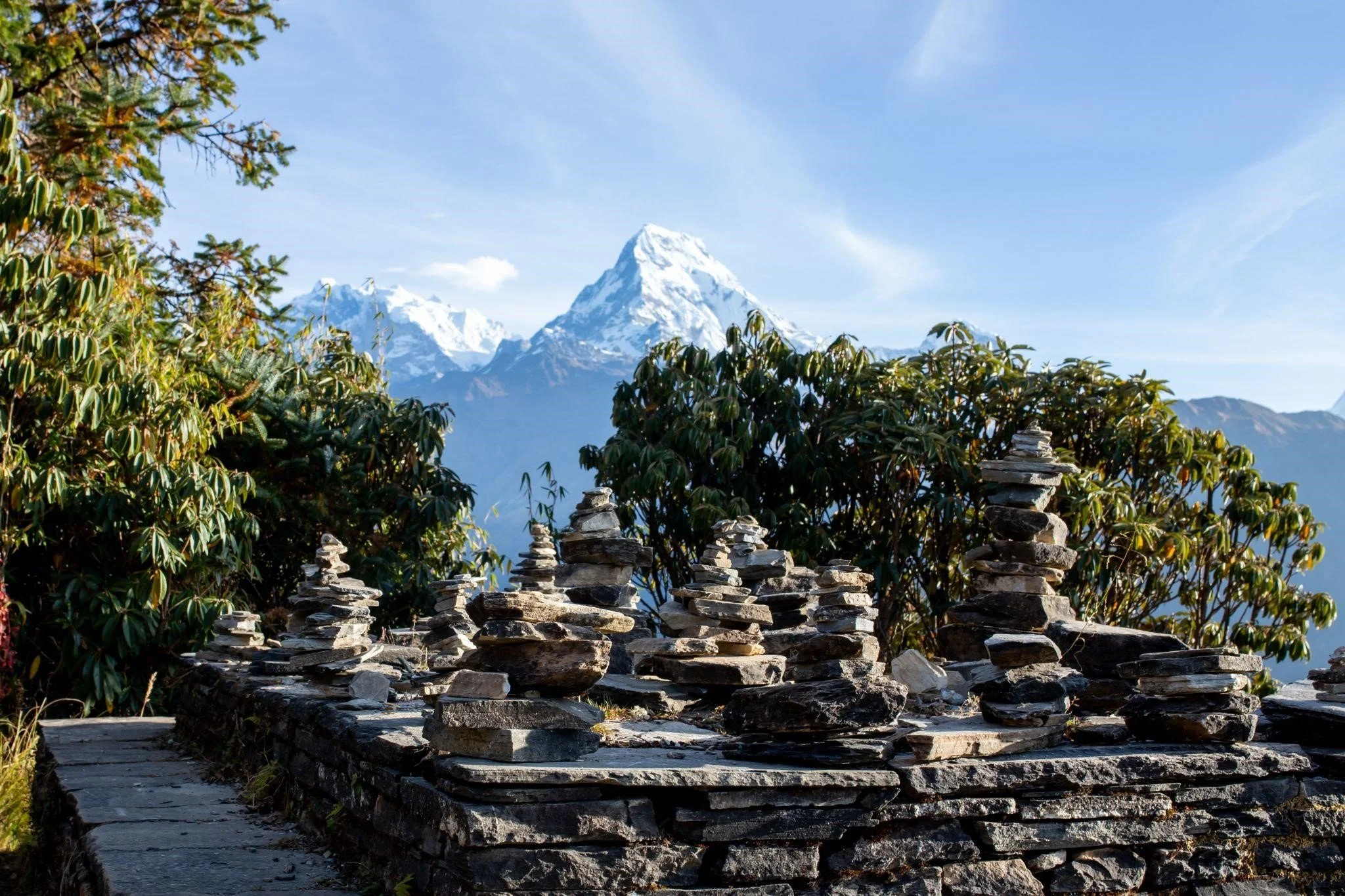
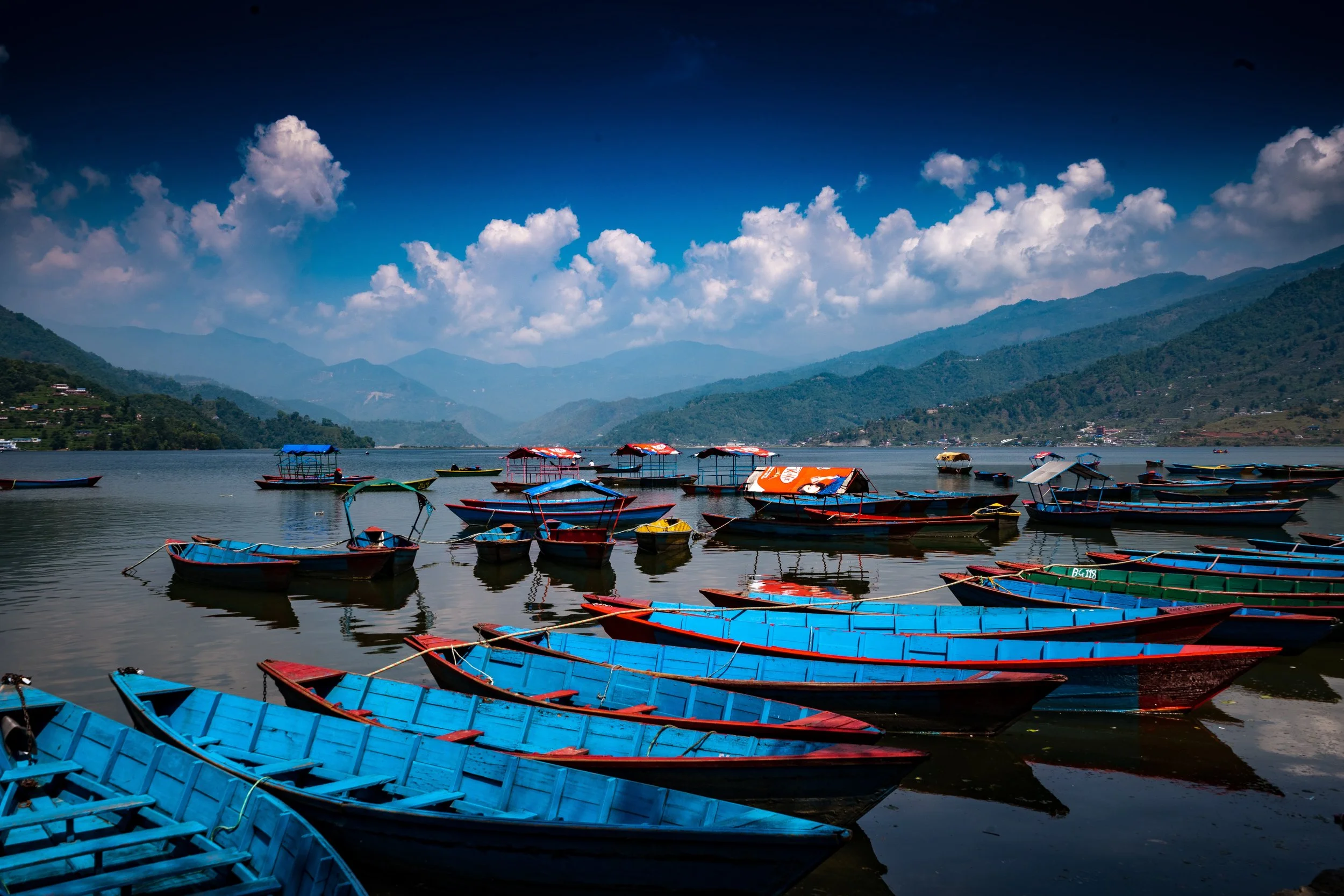
Pokhara: A Charming Lake Town
Welcome to the picturesque city of Pokhara, where adventure meets natural beauty. Surrounded by stunning mountain ranges and serene lakes, this charming city is a paradise for adventure enthusiasts. Whether you're looking to soar through the skies with paragliding, bungee jump off a suspension bridge, or go on a trekking expedition, Pokhara has something for every adventure seeker. With its vibrant culture and breathtaking landscapes, Pokhara is the perfect destination to indulge in thrilling activities while taking in the stunning natural beauty.
Pokhara is a charming city located in the western part of Nepal, surrounded by the stunning Himalayas and situated beside the picturesque Phewa Lake. The city has a rich cultural and historical significance as it once served as an important trading hub between India and Tibet and played a significant role during the Anglo-Nepalese War. Today, it is a popular tourist destination, known for its natural beauty and adventure activities. With a population of approximately 350,000 people, the city is also known for its diversity, with people from various ethnic and linguistic backgrounds living there. The predominant ethnic groups are the Brahmins, Chhetris, Gurungs, and Newars.
Pokhara is an important city in Nepal, both economically and culturally. It's famous for its natural beauty and adventure activities, which attract thousands of visitors every year. In fact, in 2019, over 1.2 million tourists visited Pokhara, making it the second-most visited destination in Nepal after Kathmandu. Agriculture is the primary economic activity in Pokhara, with the city producing rice, maize, wheat, and vegetables. Additionally, the city is home to several educational institutions, including one of the largest universities in Nepal, Pokhara University. Pokhara is also an important military base for Nepal, as it's home to the Nepalese Army's Western Division Headquarters. The city is known for its diversity, with people from various ethnic and linguistic backgrounds living there. The Brahmins, Chhetris, Gurungs, and Newars are some of the prominent ethnic groups in the city, each with their own unique culture and traditions.
Phewa Lake
One of the main attractions of Pokhara is Phewa Lake, located in the heart of the city. This serene lake offers boat rides and scenic views, making it a must-visit location for any tourist. Visitors can take a boat ride from the Phewa Ghat or hike up to the World Peace Pagoda to get a panoramic view of the surrounding mountains. Phewa Lake can be visited all year round, but it is best visited during the morning or evening to avoid crowds.
Sarangkot
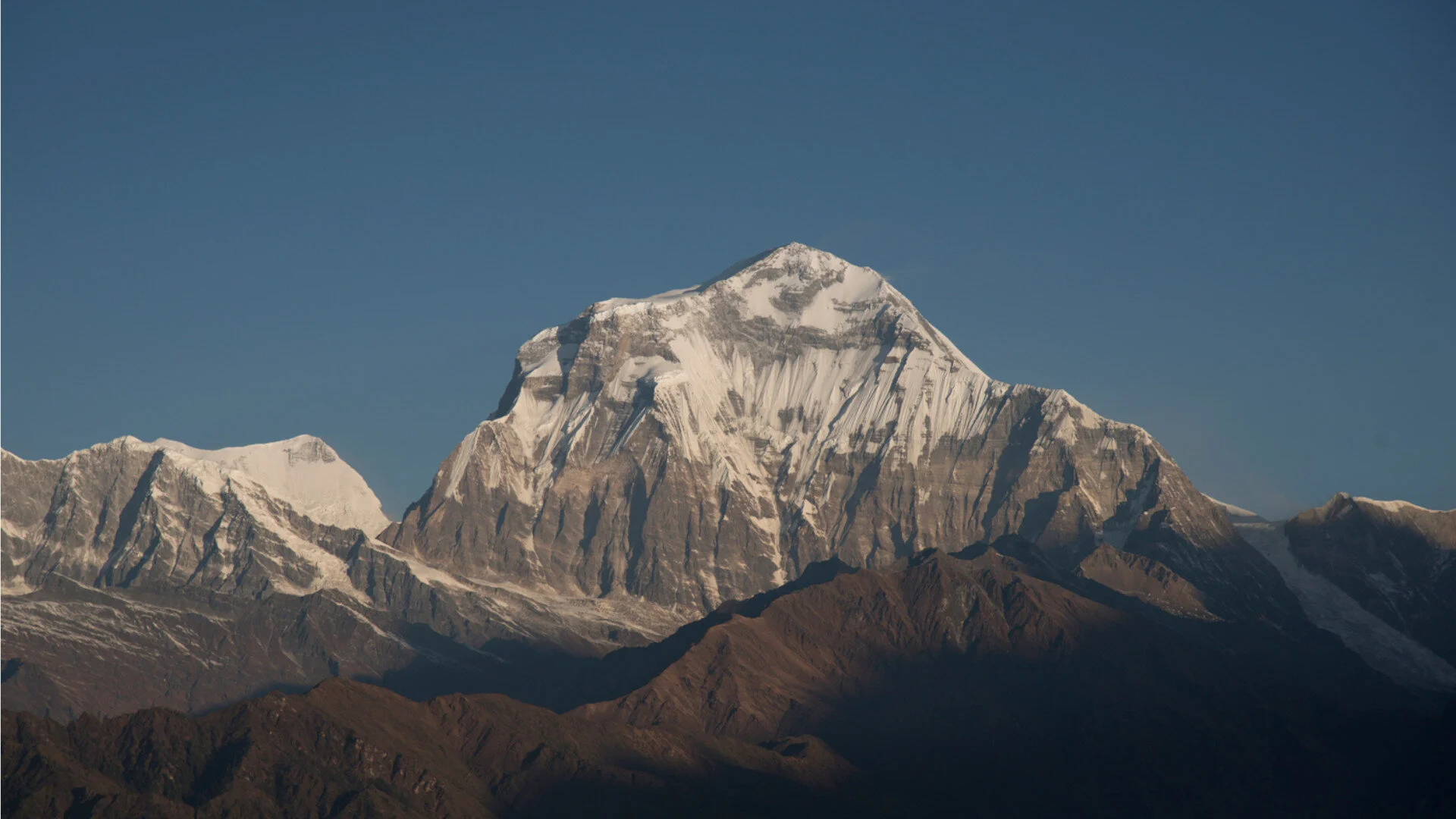
Another popular location in Pokhara is Sarangkot, a hilltop located on the outskirts of the city. Sarangkot offers breathtaking views of the sunrise and sunset over the Annapurna and Dhaulagiri mountain ranges. Visitors can hike up to the hilltop or take a jeep ride to enjoy the panoramic views. Sarangkot is best visited during the sunrise or sunset for the most stunning views.
Devi’s Fall
Devi's Fall is a unique waterfall located on the outskirts of Pokhara that flows underground through a natural tunnel and reemerges as a waterfall. Visitors can hike up to the waterfall and enjoy the stunning views of the cascading water. The waterfall can be visited all year round.
Gupteshwor Mahadev
For those interested in cultural attractions, Gupteshwor Mahadev Cave is a sacred Hindu cave located near Devi's Fall. The cave is adorned with natural rock formations and features a shrine dedicated to Lord Shiva. Visitors can explore the cave and learn about the Hindu religion. The cave is open to visitors all year round.
Adventure Sports
Pokhara is known for its thrilling adventure activities, and visitors to the city have a plethora of options to choose from. One of the most popular activities is paragliding, which allows visitors to soar above the city and take in the stunning views of the surrounding mountains and lakes. For those seeking a rush of adrenaline, bungee jumping is available at the Hemja Bungee Jumping site, where visitors can take a leap of faith from a suspension bridge over the Bhote Koshi River. Visitors can also enjoy zip-lining across the lush forests of Pokhara or go on a trekking expedition to explore the Annapurna mountain range. For water sports enthusiasts, kayaking and canoeing on the Seti River or whitewater rafting on the Trishuli River are also popular options. Additionally, visitors can opt for a motorbike or mountain bike ride to explore the city and its surroundings. With so many thrilling adventure activities available, Pokhara is a dream destination for adventure seekers.
POPULAR ITINERARIES
SIMILAR POSTS
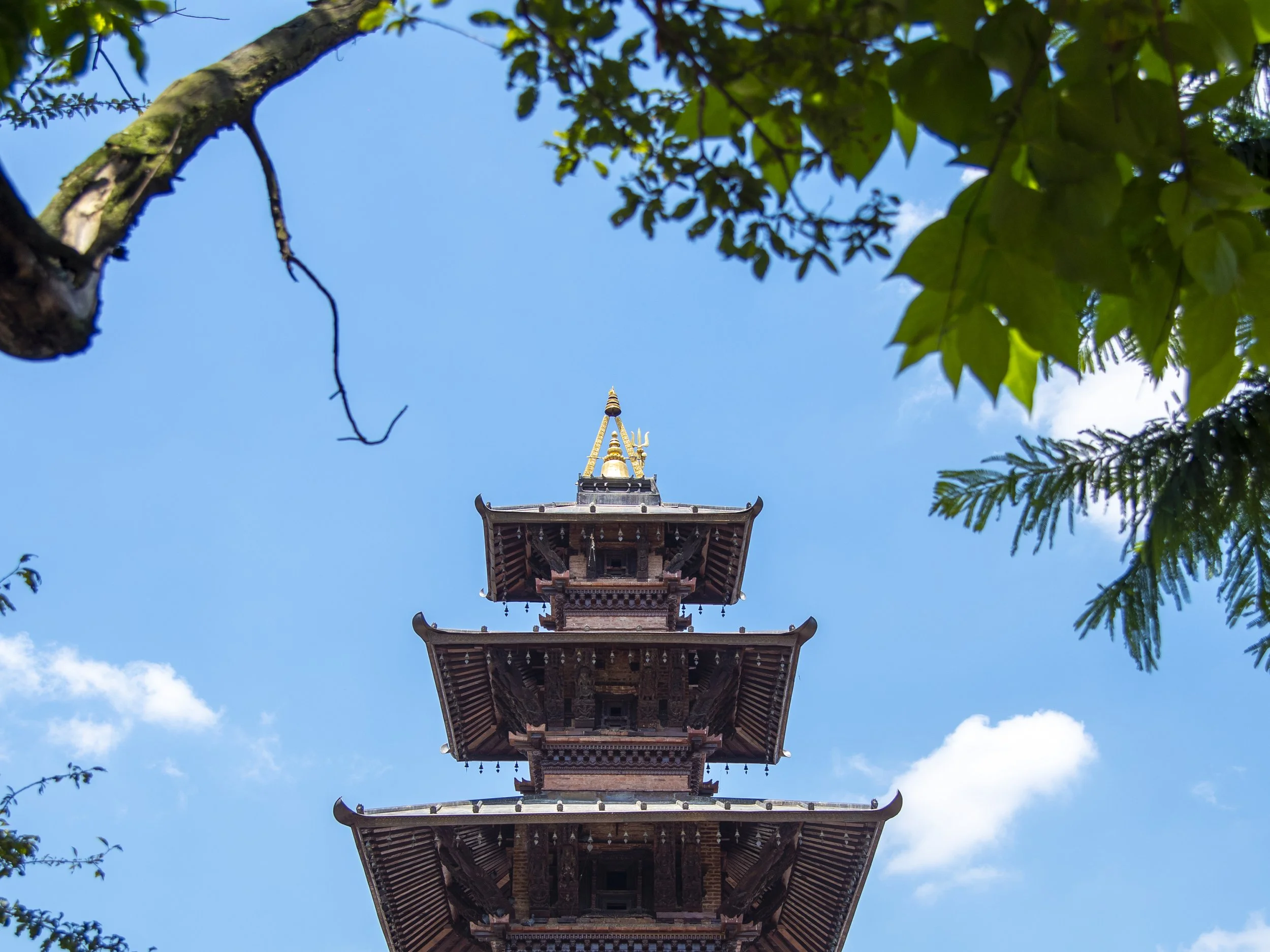
Encountering the Sacred: A Guide to Nepal's Must-Visit Shiva Temples
In this article, we will explore the five must-visit Shiva temples in Nepal. These temples, including Pashupatinath, Kumbeshwar, Gosaikunda, Baraha Chhetra, and Kirateshwar Mahadev, hold significant religious and mythological importance in the Hindu faith. Through a brief history and overview of each temple, we will delve into the spiritual significance of these sacred places.
Maha Shivaratri is a highly significant Hindu festival dedicated to Lord Shiva, the revered destroyer and transformer in the Hindu trinity. This deeply spiritual occasion is marked with great devotion and fervor as devotees engage in fasting and offer prayers to Lord Shiva throughout the night. In Nepal, Maha Shivaratri is celebrated with immense enthusiasm and is an occasion for pilgrimage to some of the most revered Shiva temples in the country. This article explores the five must-visit Shiva temples in Nepal, offering detailed information on their location, significance, and rich history.
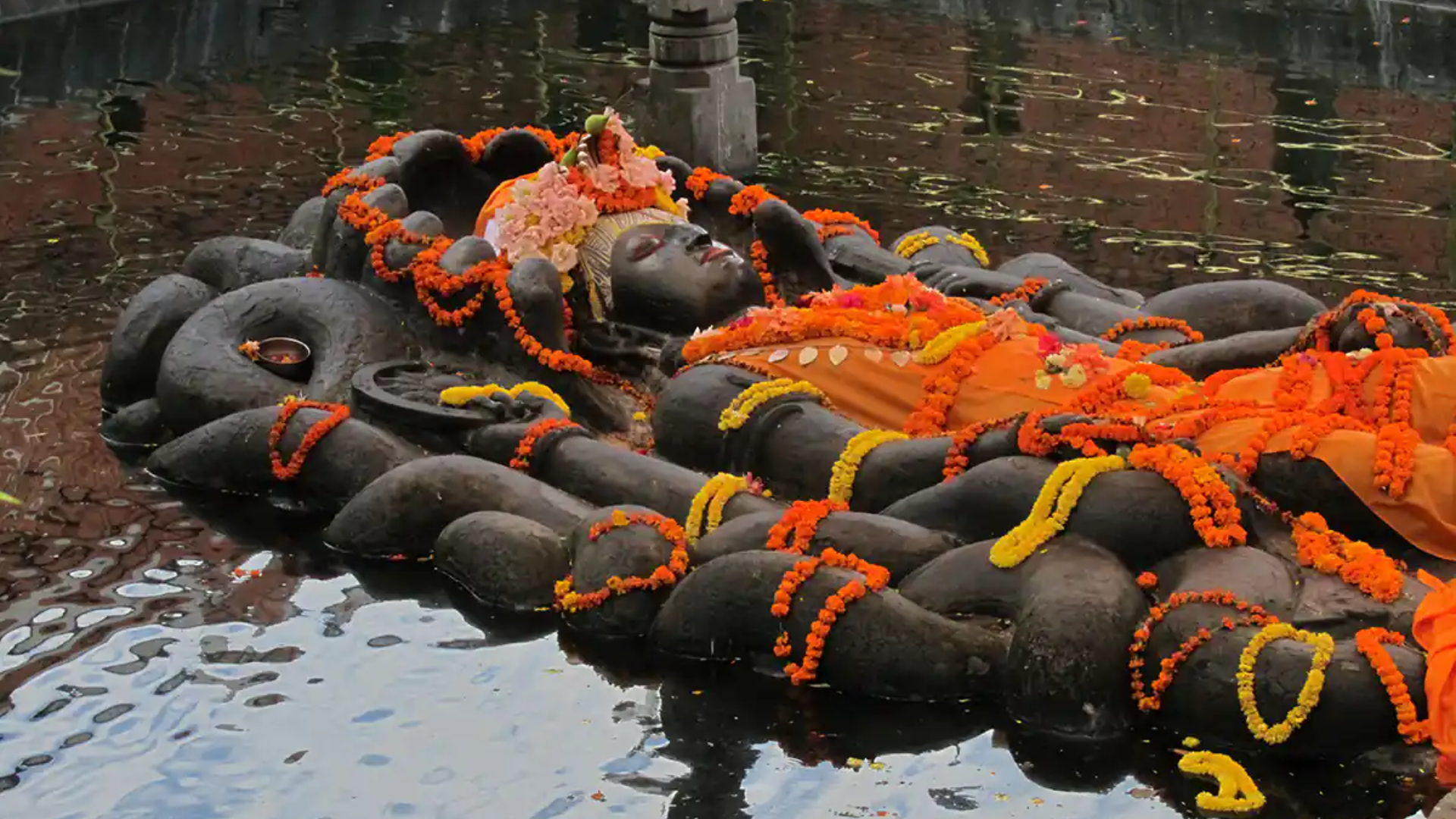
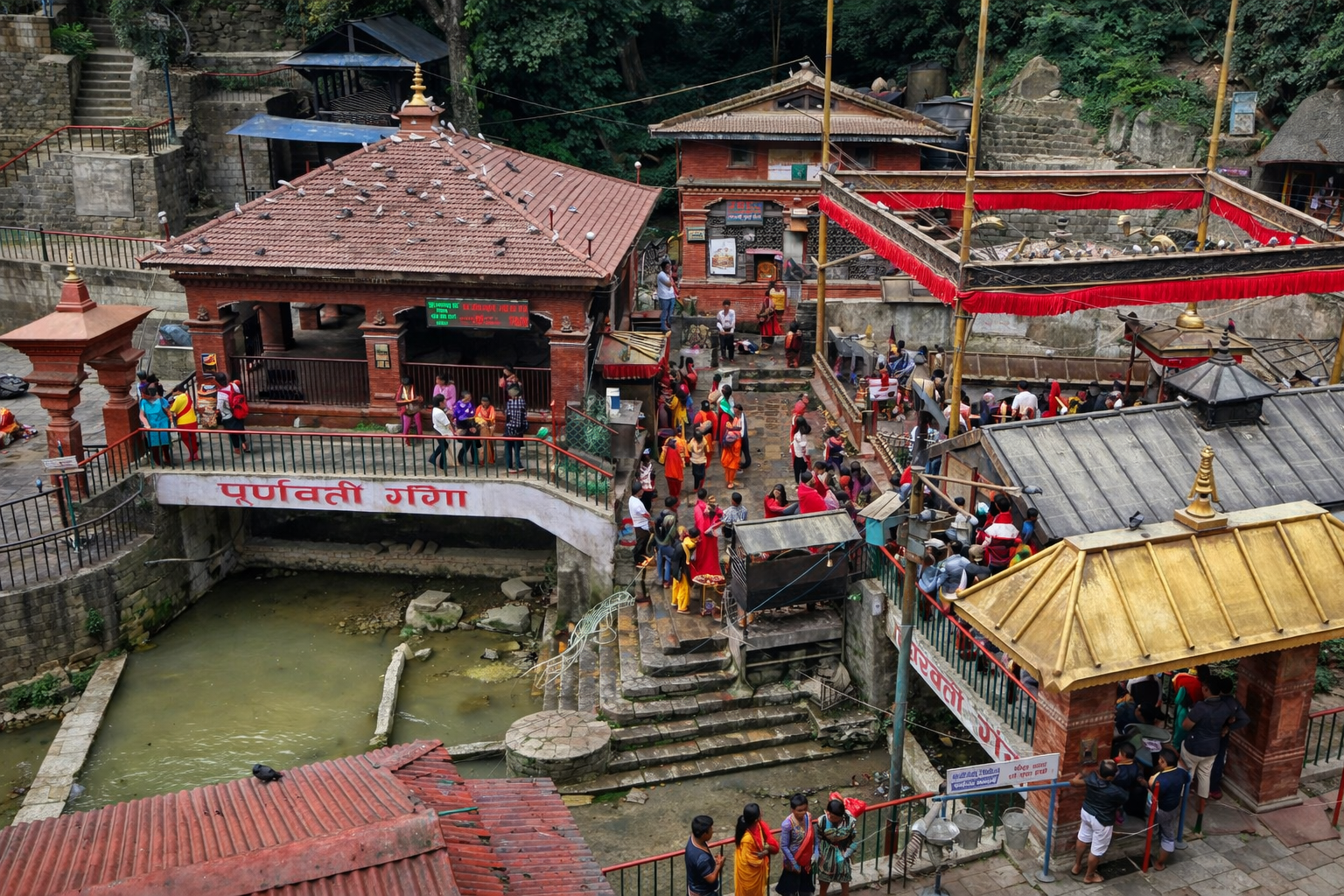
l Pashupatinath Temple: Located on the banks of the Bagmati River in Kathmandu, the Pashupatinath Temple is one of the most sacred sites for Hindus. The temple dates back to the 5th century and is built in a pagoda style with a golden rooftop. It is believed to have been a center of worship since the earliest times of Hinduism in Nepal. The temple is dedicated to Lord Pashupatinath, an incarnation of Lord Shiva, and is one of the 12 Jyotirlingas of India. The temple complex includes more than 100 smaller temples and shrines, as well as a cremation site where Hindus perform the last rites for the deceased.
l Kumbeshwar Temple: Located in Patan, Lalitpur, the Kumbeshwar Temple is a Shiva temple that dates back to the 14th century. The temple is built in the traditional Newari style and is known for its intricate carvings and metalwork. It is believed to have been built by the Malla king Jayasthiti Malla and is one of the few temples in Nepal where the Shivaratri festival is celebrated for four days. The temple's main attraction is the golden water spout that pours water into the courtyard, which is said to have healing powers.
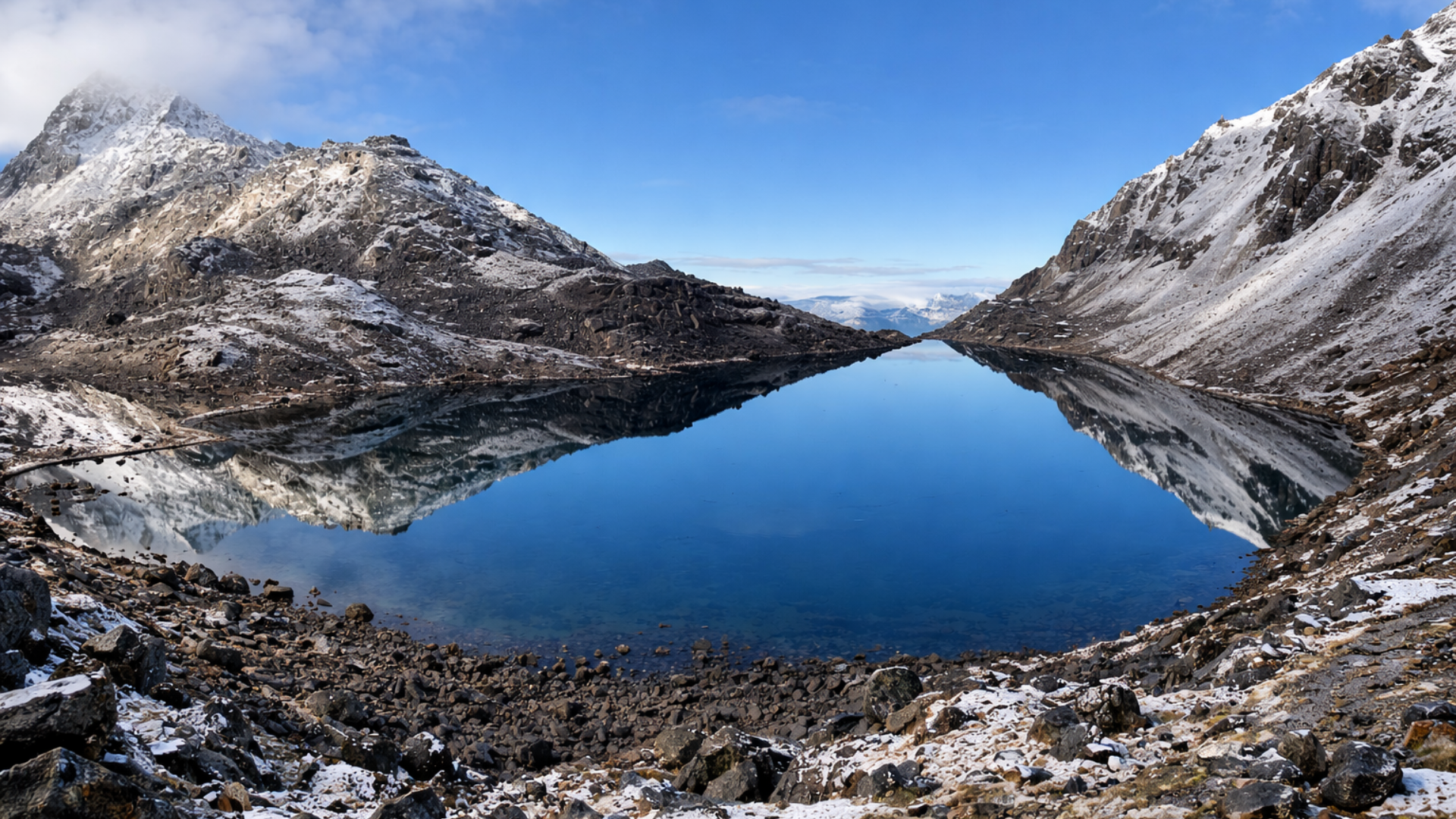
l Gosaikunda Temple: Situated at an altitude of 4,380 meters in the Langtang National Park, the Gosaikunda Temple is a high altitude lake and one of the most important pilgrimage sites for followers of the Hindu faith. The temple is named after the mythological story of Lord Shiva drinking the poison that turned his throat blue, and then going to the lake to cool down. The lake is surrounded by 108 smaller lakes and is believed to have been created by Lord Shiva. The lake is considered to be holy by both Hindus and Buddhists and is visited by thousands of devotees during the Maha Shivaratri festival.
l Baraha Chhetra Temple: Located in the Sunsari district of eastern Nepal, the Baraha Chhetra Temple is one of the most important Shiva temples in the region. The temple is believed to be the site where Lord Vishnu and Lord Shiva fought a battle to decide who was superior. Lord Vishnu transformed himself into a boar and Lord Shiva into a buffalo. The fight between the two resulted in the creation of a small pool of water, which is believed to have healing powers. The temple is visited by thousands of devotees every year, particularly during the Maha Shivaratri festival.
Kirateshwar Mahadev Temple: Located in the Jhapa district of southeastern Nepal, the Kirateshwar Mahadev Temple is an important pilgrimage site for devotees of Lord Shiva. It is believed to be the place where Lord Shiva appeared as a hunter and met the Pandavas during their exile. The temple is named after the Kiratas, a tribe that is believed to have lived in the area during ancient times. The temple is visited by thousands of devotees every year, particularly during the Maha Shivaratri festival. The temple also has a sacred pond known as the Raktakunda, which is believed to have healing powers.
POPULAR ITINERARIES
SIMILAR POSTS
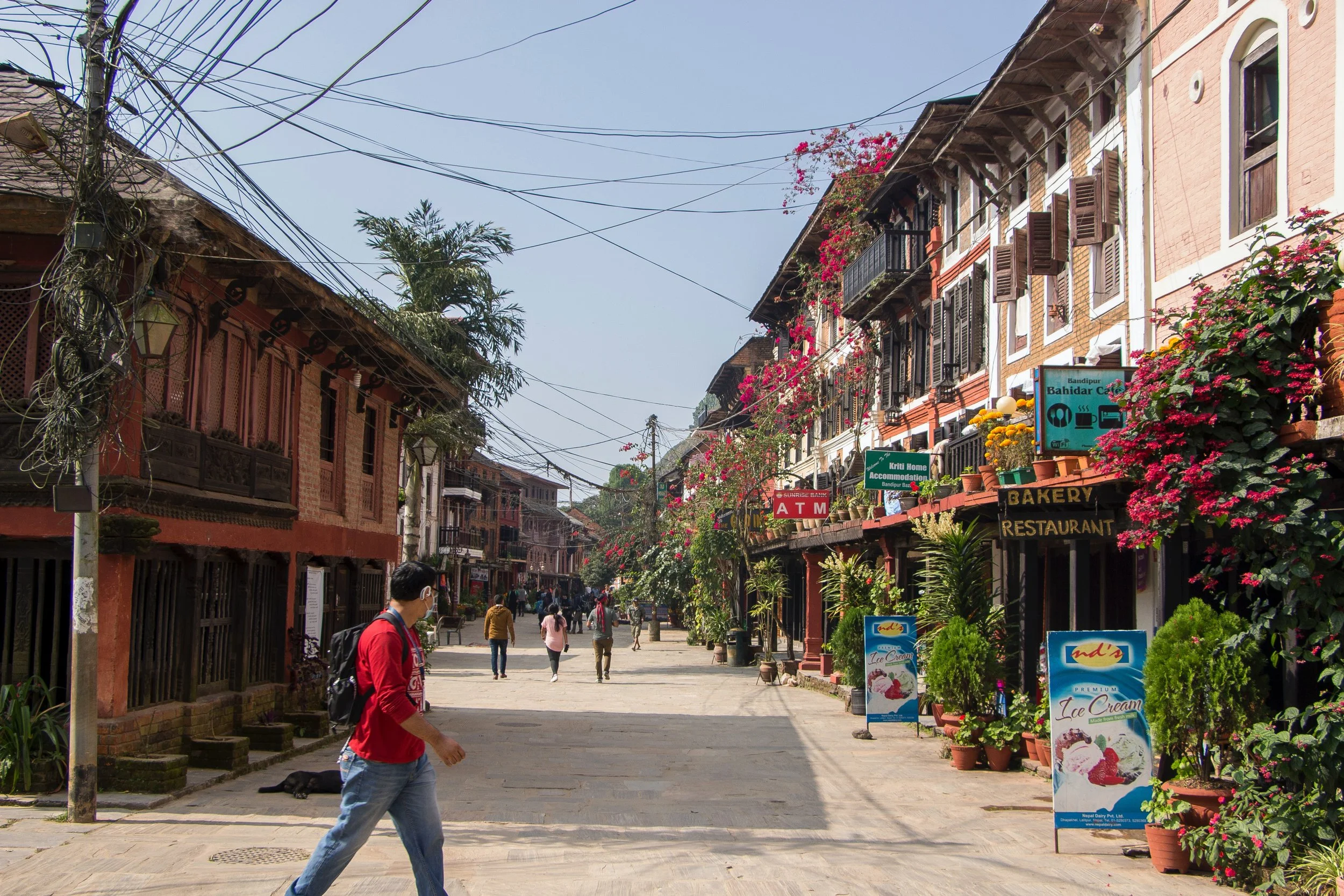
Bandipur: A Picturesque Hill City
Spring is an ideal time to visit Bandipur, as the weather is warm and pleasant, travelers get to explore the town's facets and many natural attractions without any hassle. Whether it is trekking to the nearby hills, visiting historical sites, or simply soaking in the stunning mountain vistas, there is something for everyone in Bandipur.
Nestled amidst the rolling hills of central Nepal, Bandipur is a picturesque town that has managed to preserve its rich cultural heritage and architectural splendor. With its red brick houses, wooden balconies and carved temples, it offers a glimpse into the traditional Newari way of life. The town is surrounded by towering peaks and verdant forests, making it a haven for nature lovers seeking respite from the fast-paced city life.
Bandipur’s Roots
Bandipur is believed to have been established in the late 1700s and was an important trading center along the Kathmandu-Pokhara trade route. The town's strategic location, combined with its access to fertile land, led to its prosperity and growth. In addition to its status as a commercial hub, Bandipur was also known for its rich cultural heritage and unique blend of Hindu and Buddhist influences.
According to local tales and facts, Bandipur was once a simple Magar village. However, the Newar merchants saw the potential of this hill settlement and it became a funneling point for trade. One of the core reasons for the trader's preference of this small village was its geographical location and climate. The town was malaria-free, which might seem insignificant today, but was a great deal for traders at that time.
The India-Tibet trade route was a major trade route that brought great prosperity to multiple towns in Nepal, and Bandipur became a crucial stop on this route for traders before they entered the dense forestry of the Terai or as a heavenly stop after exiting the malaria-dense forests. This town also played a key role in the trade route between Kathmandu and Pokhara. Various trading families established a trading hub in this village as it gave them greater accessibility to route their trade efficiently.
Bandipur’s Architecture
One of the most notable features of Bandipur's architecture is the use of wooden beams and rafters, which support the roofs of homes and temples. These wooden elements are often carved with intricate designs and are a defining feature of Newari-style architecture.
Another notable feature of Bandipur's architecture is the use of hand-made bricks and mud mortar. These materials give the buildings a unique texture and character that is distinct from the modern, concrete buildings found in many other parts of Nepal.
The traditional Newari-style homes in Bandipur are also known for their use of courtyards, which provide a central space for socializing and communal activities. The courtyards often feature small shrines or temples, adding to the spiritual significance of the space.
In addition to homes and temples, Bandipur also features several historic inns, or "rest houses," which were used by traders and travelers along the India-Tibet trade route. These inns often feature traditional Newari-style architecture and are a testament to the town's rich history as a hub for trade and commerce.
Places Visit In Bandipur
Tindhara Temple: This historic temple is a prime example of traditional Newari-style architecture, featuring intricate wooden carvings, hand-painted designs, and a unique tiered roof. The temple is also known for its stunning views of the surrounding mountains.
Bandipur Bazaar: This historic street is lined with traditional Newari-style homes and buildings, many of which have been converted into shops, restaurants, and inns. Visitors can take a leisurely stroll down the street and admire the intricate wood carvings, hand-painted designs, and colorful facades.
Old Inn: This historic inn, also known as the "rest house," was once used by traders and travelers along the India-Tibet trade route. The inn features traditional Newari-style architecture and has been converted into a museum that showcases the town's rich history.
Bhagwati Temple: This temple, which was built in the early 20th century, features a mix of traditional Newari-style architecture and elements of neoclassicism. The temple is known for its classical columns, cornices, and pediments, which are typically associated with the neoclassical style.
Viewpoints: Bandipur is known for its stunning mountain views, and there are several popular viewpoints in the town that offer breathtaking panoramic vistas of the surrounding peaks.
Route To Bandipur
If you landed in Tribhuvan International Airport in Kathmandu, you can either take a public bus available at Gongabu Bus Park or hire a private vehicle. If you are staying with us, our travel desk is fully equipped to facilitate all the resources required for you to explore Bandipur. The journey from Kathmandu takes approximately 4-5 hours.
If you’re planning to have a lay-over at Bandipur from Pokhara to Kathmandu, buses are available at Prithivi Chowk which will drop you at Dhumre. To reach the top, you can either hike up or take a local bus. The trip averages 2-3 hours from Pokhara to Dhumre.
POPULAR ITINERARIES
SIMILAR POSTS
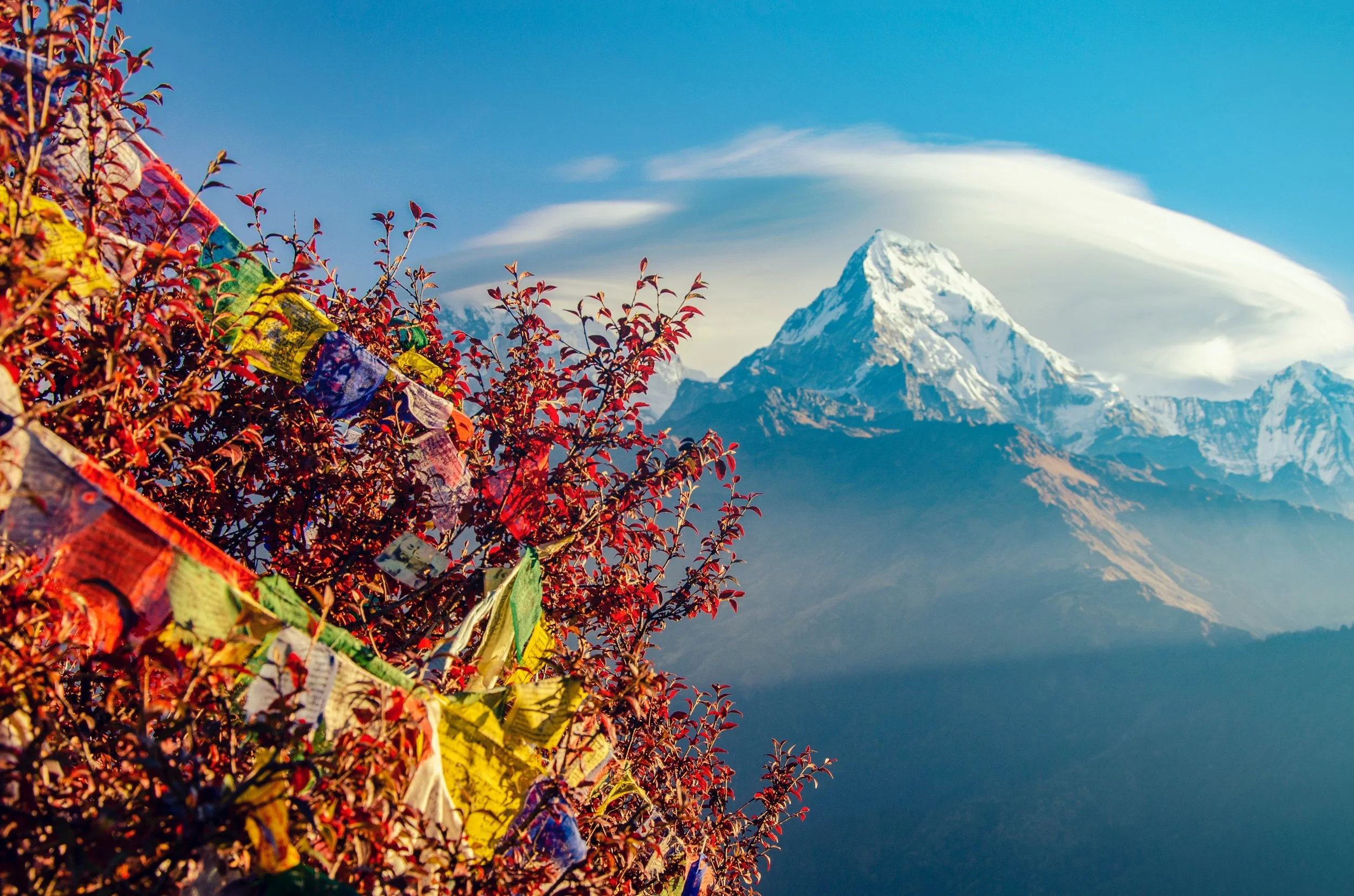
Nepal During Spring: A Sight to Behold
Nepal is a paradise for adventure enthusiasts and nature lovers alike. With its soaring peaks, rushing rivers, lush jungles, and rich cultural heritage, there's never a shortage of things to do in this breathtaking country. And during the spring season, the weather is just right for outdoor activities, making it the perfect time to visit. From trekking in the Himalayas to rafting in the rivers and exploring the temples and historical sites, this list of 10 must-do activities in Nepal will leave you feeling inspired and ready to start planning your trip. So pack your bags, grab your adventure hat, and get ready to experience the beauty of Nepal in all its glory!
Nepal, with its majestic Himalayas and rich cultural heritage, is a paradise for adventure enthusiasts and nature lovers. Spring is one of the best seasons to visit Nepal, with warm days, clear skies, and stunning blooms. In this season, the country comes to life, and travelers can indulge in a range of activities that are both exciting and rejuvenating. Here is a list of 10 must-do activities in Nepal during the spring season:
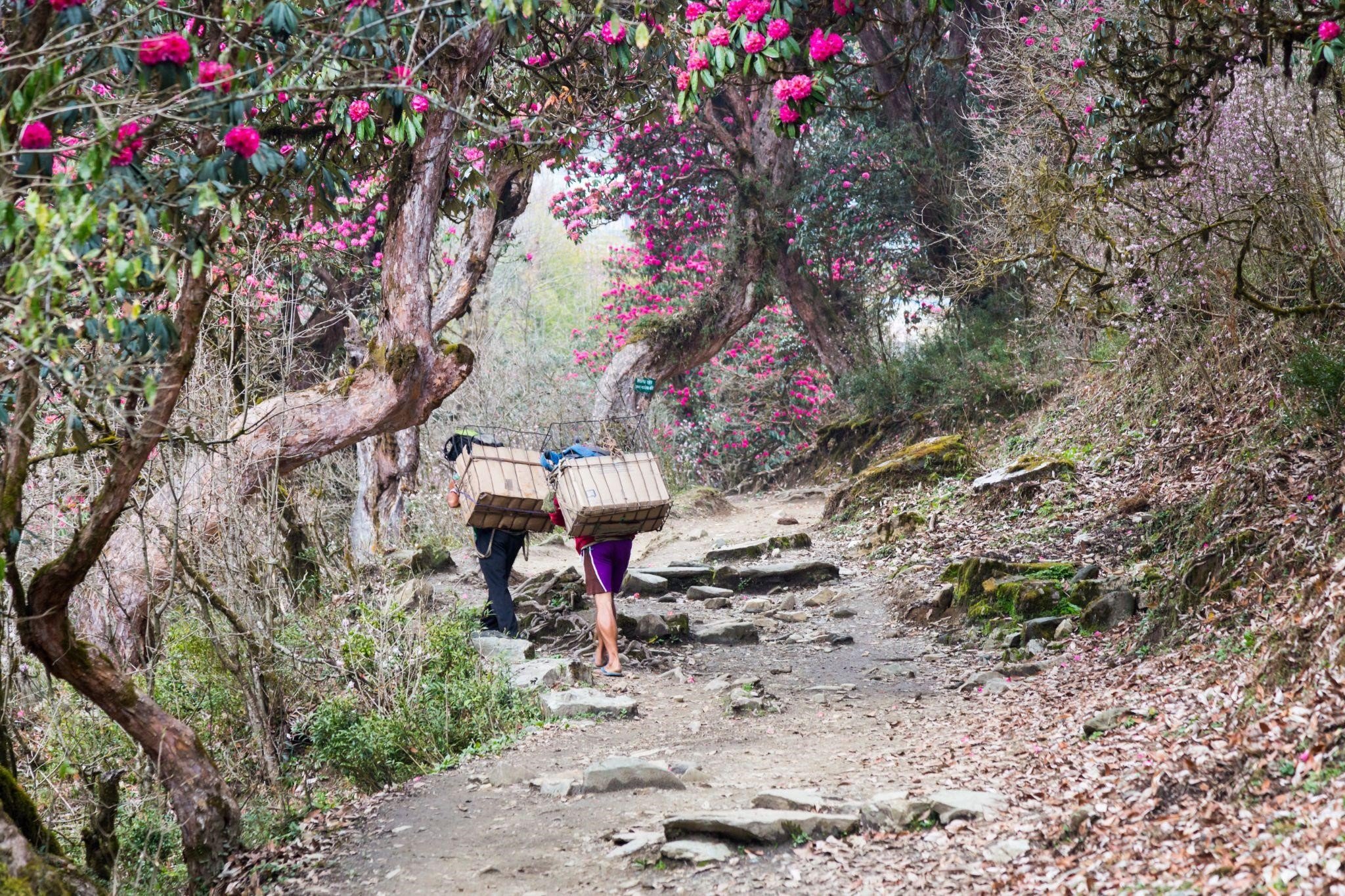
l Trekking in the Himalayas: The Annapurna Circuit, Langtang, and Everest Base Camp are some of the most popular trekking routes in Nepal, offering breathtaking views of the Himalayas. The clear skies and warm weather during spring make it an ideal time to embark on a trekking adventure. This activity is best suited for those who love hiking, nature and are in good physical shape. The trekking routes are located in the western and eastern regions of Nepal and take anywhere from 7 to 20 days to complete, depending on the trail.
l Rafting and kayaking: The fast-flowing rivers of Nepal, such as Trishuli, Marsyangdi, and Bhote Koshi, offer thrilling rafting and kayaking experiences. The warm weather and clear water make for a perfect day of rafting or kayaking, and the stunning scenery will leave you in awe. Rafting and kayaking trips can be arranged from Kathmandu or Pokhara and typically take a full day.
l Wildlife viewing: Chitwan National Park and Bardia National Park are home to exotic wildlife, including Bengal tigers, one-horned rhinos, and elephants. During spring, the animals come out to drink from the rivers, and visitors can observe them in their natural habitats. Wildlife viewing trips can be arranged from Kathmandu or Pokhara and typically take 2-3 days.
l Mountain biking: Enjoy a scenic mountain bike ride in the Himalayas and visit remote villages. With clear skies and warm weather, spring is an ideal time to explore Nepal by bike. Mountain biking trips can be arranged from Kathmandu and typically take several days.
l Temple and cultural tours: Visit the famous temples and historical sites of Kathmandu, Bhaktapur, and Patan, and learn about Nepal's rich cultural heritage. The warm weather in spring makes it a comfortable time to visit these sites. Temple and cultural tours can be arranged from Kathmandu and typically take a full day.
l Paragliding: Experience the thrill of flying over the mountains and valleys of Nepal. With clear skies and stable weather in spring, it's the perfect time to try paragliding. Paragliding trips can be arranged from Pokhara and typically take several hours.
l Bungee jumping: Take a leap of faith from one of the highest bungee bridges in the world in Pokhara. The warm weather and clear skies make spring an ideal time to try this adrenaline-pumping activity. Bungee jumping can be arranged from Pokhara and typically takes a few hours.
l Hot air ballooning: Get a bird's-eye view of the Himalayas and the surrounding landscape. The clear skies in spring make for a stunning hot air balloon ride. Hot air ballooning trips can be arranged from Pokhara and typically take several hours.
l Rock climbing and mountaineering: Challenge yourself with rock climbing or attempt to summit one of Nepal's peaks. With clear skies and warm weather, spring is an ideal time for these activities. Rock climbing and mountaineering trips can be arranged from Kathmandu and typically take several days.
l Yoga and meditation: Find peace and inner calm in the tranquil surroundings of Nepal's Himalayan foothills. With the warm weather and beautiful scenery, spring is an ideal time for yoga and meditation. Yoga and meditation retreats can be arranged from Kathmandu or Pokhara and typically take several days.
Nepal in spring is a perfect destination for adventure enthusiasts and nature lovers. With its clear skies, warm weather, and stunning scenery, you are sure to have a memorable time exploring the country. Don't miss the chance to experience all that Nepal has to offer this spring.
POPULAR ITINERARIES
SIMILAR POSTS
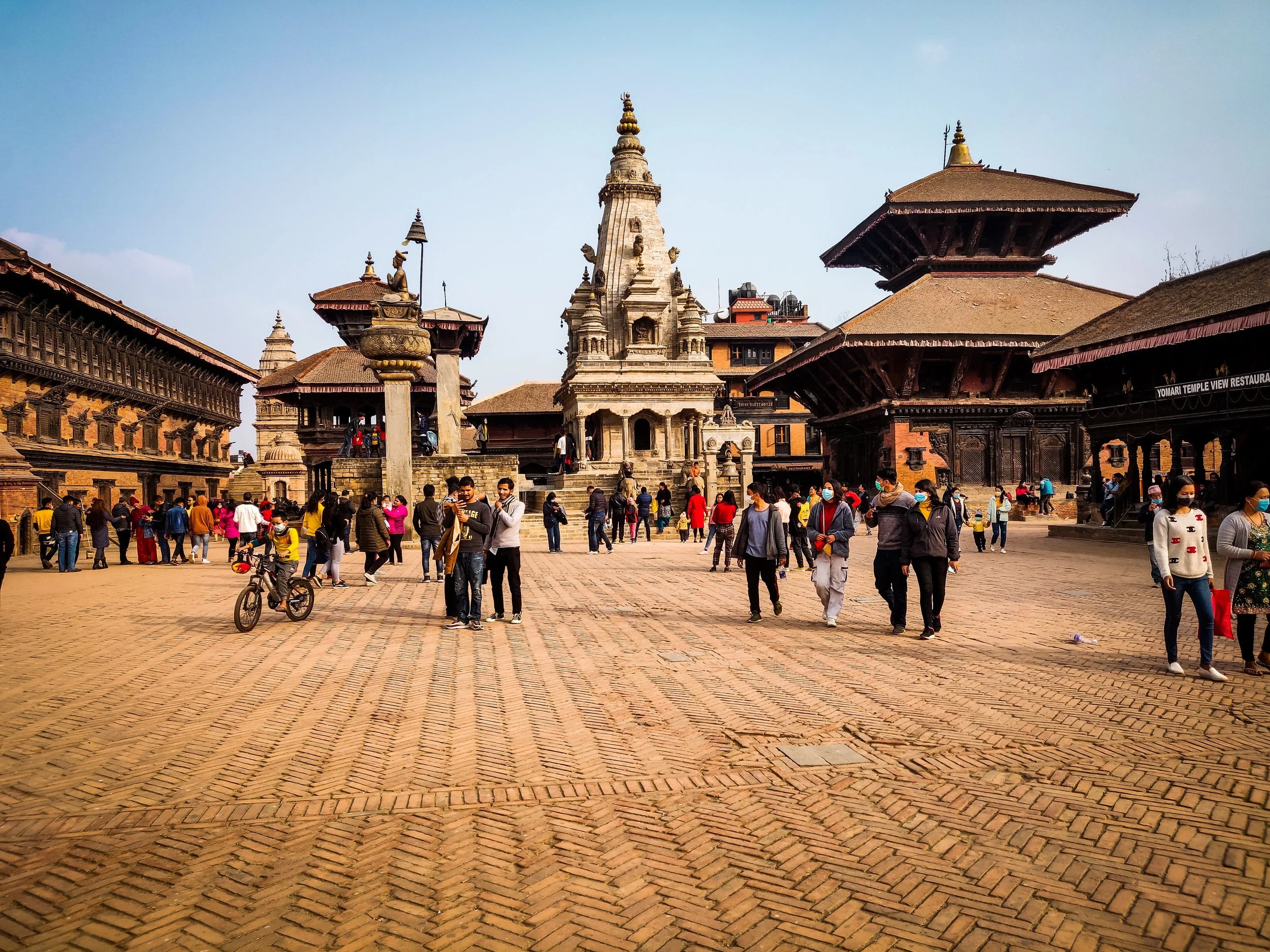
Kathmandu Valley- A Melting Pot of Architecture
Nepal, a land of natural beauty and cultural richness, has a diverse and fascinating architectural history.
From the traditional wooden houses of the Kathmandu valley to the grand palaces and temples of the Malla and Rana dynasties, the architecture of Nepal reflects the country's complex social, cultural, and religious heritage. Each architectural style has its own unique characteristics, reflecting the artistic and technical achievements of different eras.
One of the most distinctive styles of Nepalese architecture is traditional Nepalese architecture, also known as "Newari architecture." This style is characterized by the use of wooden and brick structures, with intricately carved wooden windows and doors. The temples and palaces of Kathmandu, Bhaktapur, and Patan are excellent examples of this style. For example, the Kathmandu Durbar Square, a UNESCO World Heritage Site, is home to many traditional Nepalese buildings, including the Hanuman Dhoka Palace, which was the royal palace of the Malla and Shah dynasties, and the Taleju Temple, a Hindu temple dedicated to the goddess Taleju.
Another notable style of Nepalese architecture is Malla architecture, which developed during the Malla dynasty (1201-1769). This style is characterized by the use of stone and brick, as well as the use of intricate carvings and sculptures. The Pashupatinath Temple and Swayambhunath Stupa are examples of this style. The Pashupatinath Temple, a UNESCO World Heritage Site, is one of the most sacred Hindu temples in the world and is known for its beautiful pagoda-style architecture and intricate carvings. The Swayambhunath Stupa, also known as the Monkey Temple, is a Buddhist stupa that is believed to have been built in the 5th century AD and features a unique combination of Tibetan and Nepalese architectural styles.
Rana architecture is another important architectural style in Nepal, which developed during the Rana dynasty (1846-1951). This style is characterized by the use of Victorian and European architectural elements. The Singha Durbar palace in Kathmandu is an example of this style, which was built by the Rana Prime Minister Chandra Shumsher JBR in 1908 and was used as the royal palace of the Rana dynasty. It is now used as the main administrative building of Nepal and showcases a mix of traditional and European architectural styles.
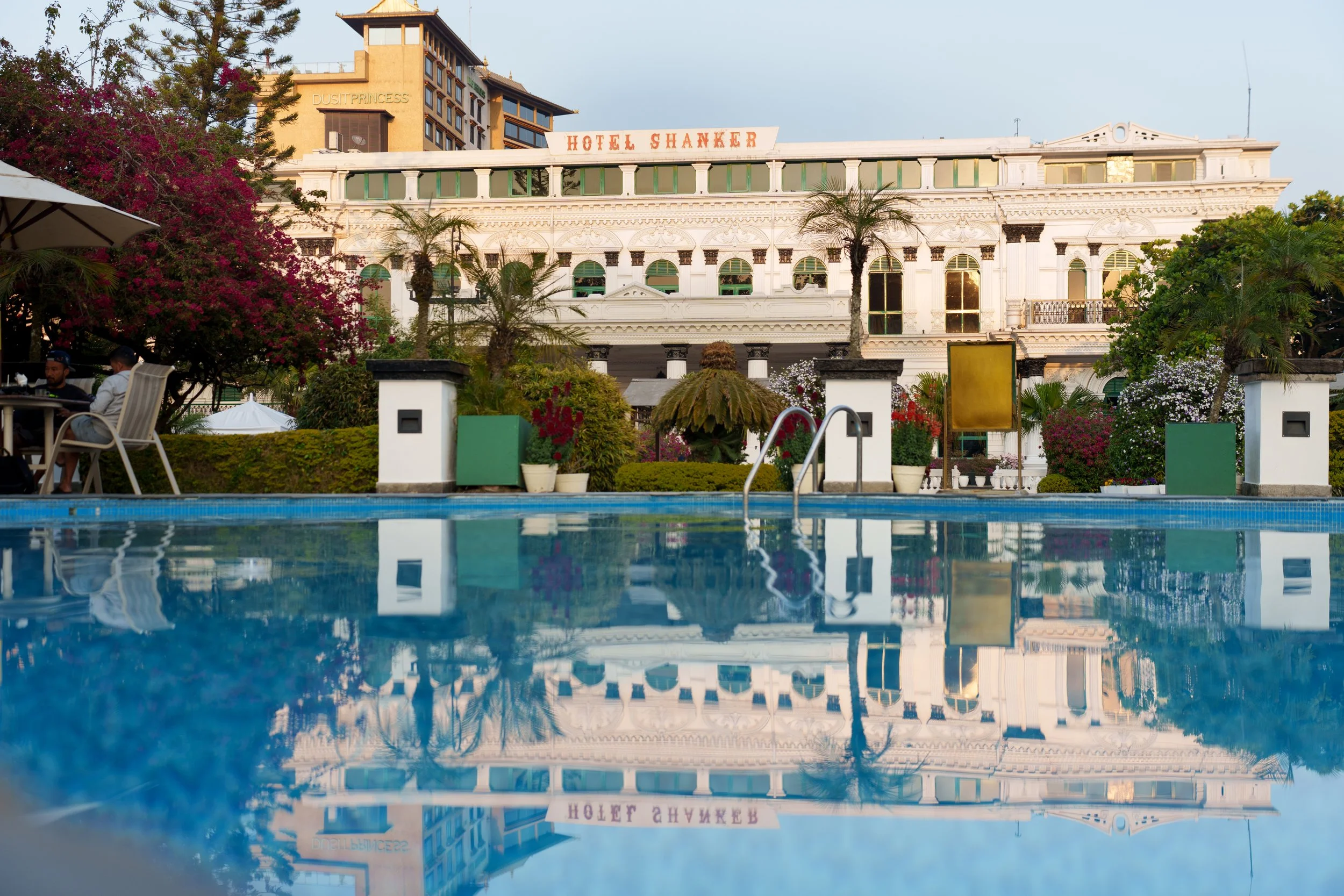
In addition to the Singha Durbar Palace, another notable example of Rana architecture is the Hotel Shanker. It is a luxury 4 star heritage hotel that stands on the grounds of what used to be a Rana era palace popularly known as Lazimpat Durbar. The hotel is a beautiful blend of traditional Nepalese and European architectural styles and features ornate wooden carvings, intricate brickwork, and a grand central courtyard. The hotel's architecture is an excellent example of the Rana dynasty's interest in blending traditional Nepalese and European architectural styles.
The hotel has been renovated and expanded over the years to accommodate the changing needs of its guests, but it has managed to retain its original architectural charm. The hotel's grand entrance, ornate balconies, and the intricate carvings on the wooden beams and columns are some of the features that make this hotel a perfect example of Rana architecture. The Hotel Shanker has played host to many prominent figures such as the British Royal Family, famous politicians and celebrities. The hotel is an iconic example of Rana architecture and a testament to the country's rich architectural heritage.
In addition to these styles, there are also many other architectural styles found in Nepal, such as the traditional houses and temples of the Kathmandu valley, the medieval architecture of the Kathmandu, Patan and Bhaktapur Durbar Squares, and the modern architecture of Kathmandu. Each of these styles has its own unique characteristics and tells a different story about the history, culture, and people of Nepal.
Overall, Nepal's architectural heritage is a testament to the country's rich cultural heritage and artistic achievements. From the traditional wooden houses of the Kathmandu valley to the grand palaces and temples of the Malla and Rana dynasties, the architecture of Nepal reflects the country's complex social, cultural, and religious heritage. These architectural styles are not only beautiful but also holds a great significance in the history of Nepal.
POPULAR ITINERARIES
SIMILAR POSTS
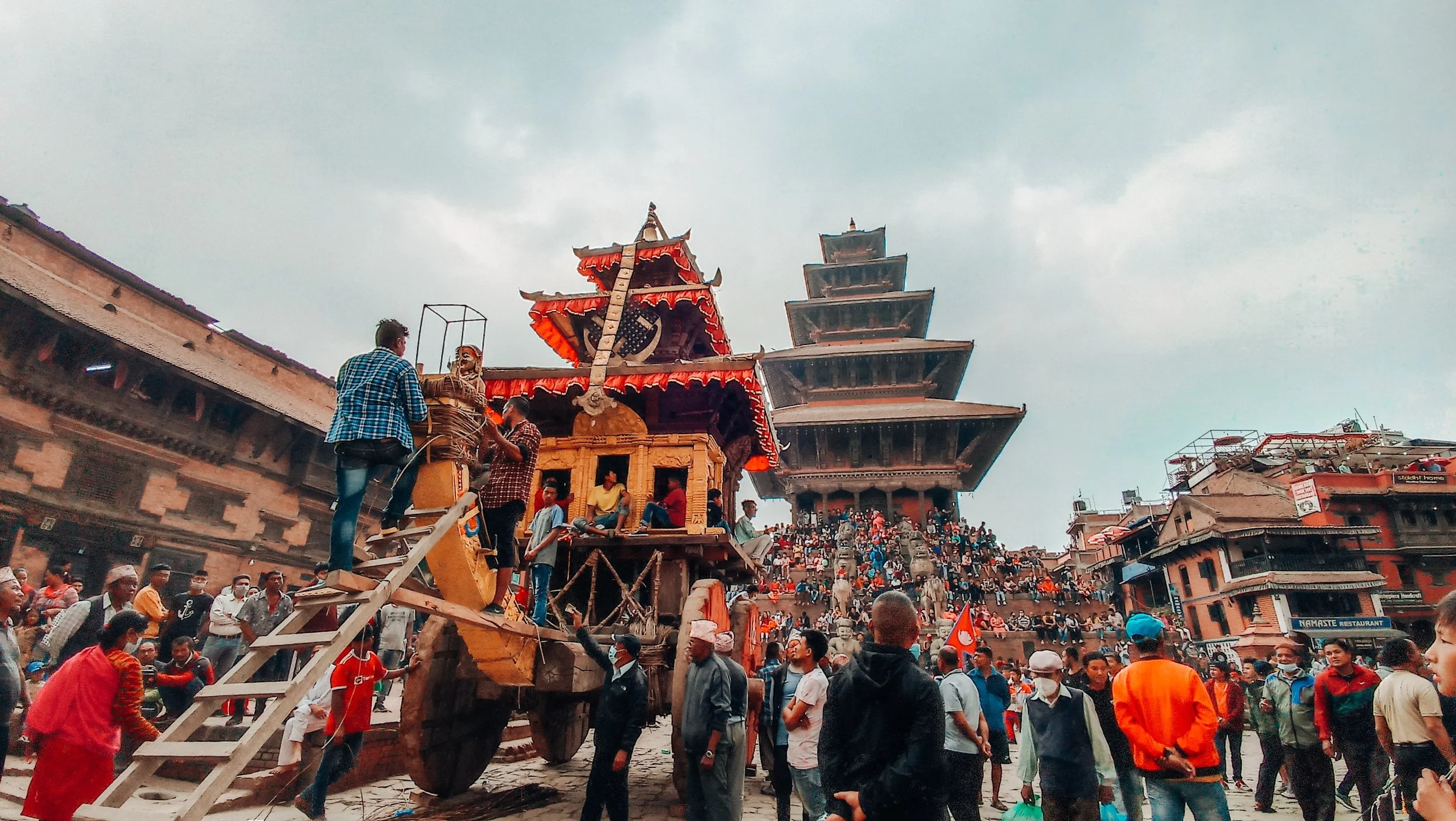
Nepal: A Land of Diverse Celebrations
Nepal, a land of vibrant culture and traditions, where festivals are not just celebrations but a way of life. From the traditional Dashain to the colorful Holi, Nepal's festivals are a reflection of its rich history, religion and customs. A melting pot of diverse ethnic groups, these festivals bring people together, fostering a sense of community, tradition and unity.
Nestled between the towering Himalayas and the lush Terai plain, lies the small yet vibrant country of Nepal. Known for its diverse culture, Nepal is a melting pot of different ethnic groups and tribes, each with their own unique languages, customs, and traditions. From the traditional Sherpa culture in the mountains, to the vibrant Tharu culture in the Terai, Nepal's cultural landscape is as diverse as its geography. The country's varied topography, ranging from the Himalayas in the north to the flat Terai plain in the south, has played a big role in shaping its cultural diversity, with different ethnic groups adapting their culture to the local environment.
Nepal is a country with a rich history and culture, and this is reflected in the numerous festivals that are celebrated throughout the year. These festivals are an integral part of Nepal's cultural heritage and are deeply rooted in its history, religion, and tradition. They provide an opportunity for people to come together and celebrate their shared culture and heritage, and offer a glimpse into the country's rich history and customs.
Festivals are important in Nepal for several reasons:
l Cultural Preservation: Festivals are an important part of Nepal's cultural heritage and help to preserve the country's rich history, customs, and traditions. They provide an opportunity for people to come together and celebrate their shared culture and heritage.
l Social Unity: Festivals bring people together regardless of their religion, ethnicity, or social status. They provide a platform for people to connect with one another, build relationships and foster a sense of community.
l Religious Significance: Many festivals in Nepal have a religious significance and are an important part of the country's religious practices. They provide an opportunity for people to come together and offer prayers, perform religious rituals and seek blessings.
l Economic Boost: Festivals also provide an economic boost as they attract tourists, create jobs and generate income for local communities.
l Educational Value: Festivals also have an educational value as they offer a glimpse into Nepal's rich history, customs and traditions. They provide an opportunity for people to learn more about their culture and heritage, and also for visitors to learn about Nepal's culture.
l Tourist Attraction: Nepal's festivals are famous around the world and its festivals are one of the major attractions for tourists. It's a way to showcase the rich culture and diversity of Nepal.
One of the most famous festivals in Nepal is the Dashain festival, celebrated by the Hindu population. It is a time for families to come together and offer prayers to the goddess Durga, who is said to have defeated a powerful demon. The festival lasts for 15 days and is marked by the exchange of traditional gifts, the slaughter of animals, and the lighting of oil lamps.
Another popular festival is the Tihar festival, also known as the festival of lights. It is celebrated by the Hindu and Buddhist communities and is a five-day festival. During the festival, homes are decorated with oil lamps and rangolis, people offer prayers to the goddess Laxmi, and brothers put tika and jamara on their sisters forehead as a symbol of love and protection.
The festival of Teej is also celebrated with great enthusiasm, particularly by women. It's a festival of swing and it is celebrated by married and unmarried Hindu women. The women dressed in their traditional attire and they swing on decorated swings and sing and dance.
The festival of Holi is also an important festival in Nepal, celebrated by people of all ages and religions. It is a festival of colors and is celebrated to mark the end of winter and the arrival of spring. During the festival, people smear each other with colored powder and water, and feast on traditional foods.
These are just a few examples of the many festivals that are celebrated in Nepal. Each festival has its own significance and unique customs, reflecting the country's religious, cultural and social heritage. All the festivals are integral part of Nepal's culture and it reflects the unity in diversity.
POPULAR ITINERARIES
SIMILAR POSTS
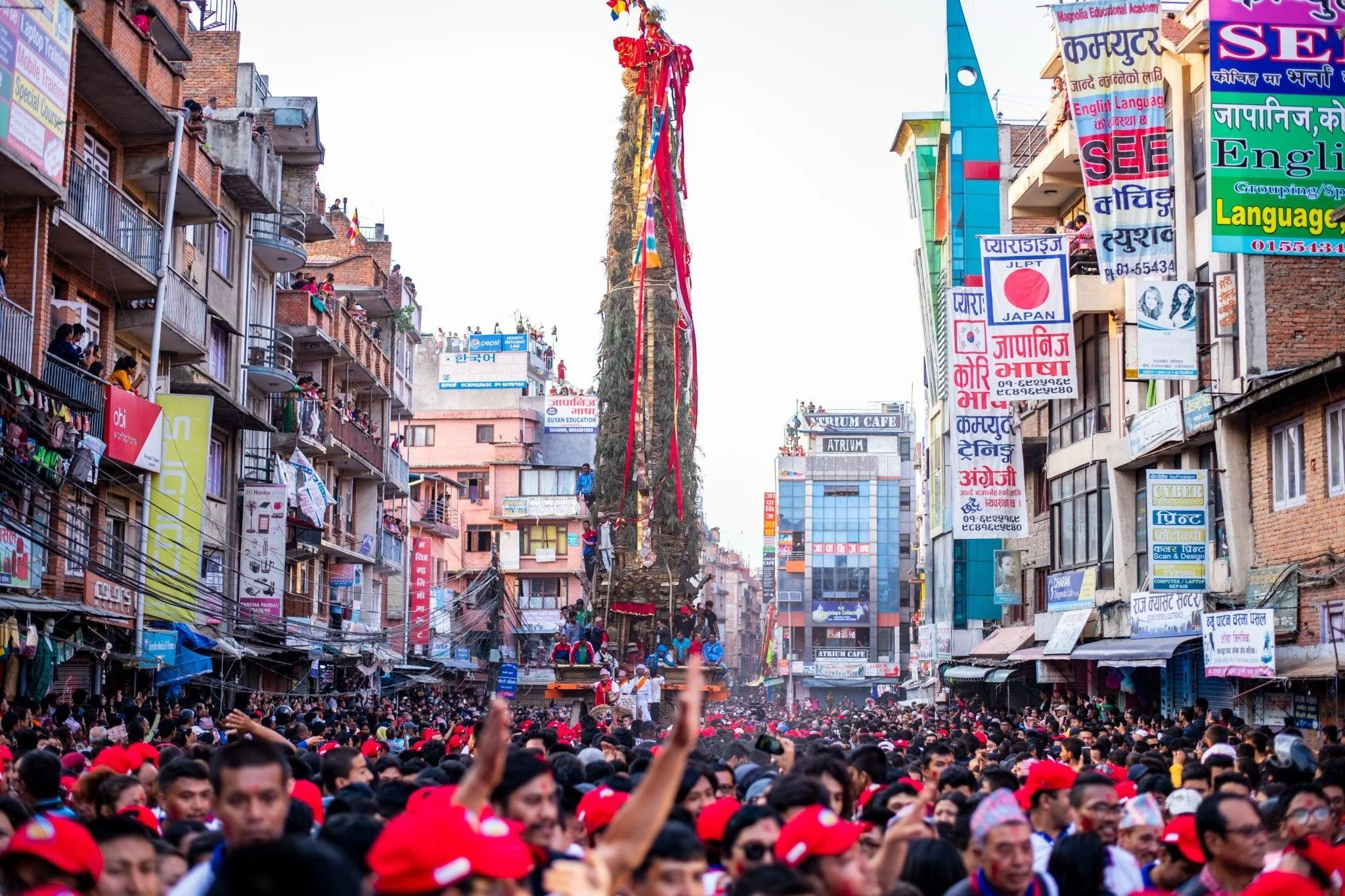
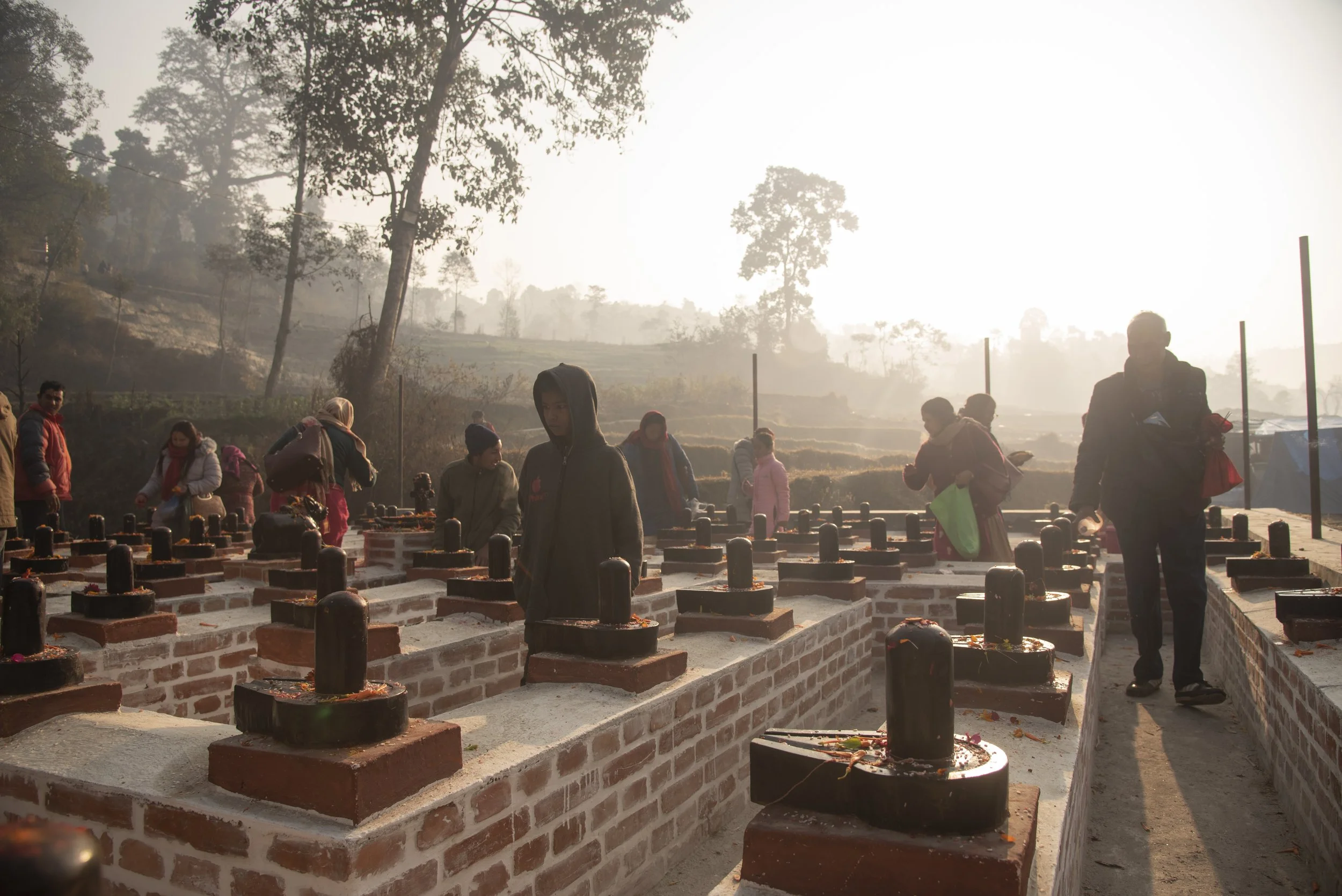
The Month of Swasthani
Swasthani Brata is a Hindu festival that is observed in Nepal, particularly in the Kathmandu valley. It is a month-long festival that takes place during the lunar month of Swasthani. Devotees observe a fast and perform various rituals and ceremonies to honor the goddess Swasthani, and the festival is also an important time for socializing and strengthening relationships with friends and family. It is marked by music, dance, and cultural activities.
The Life of Swasthani
According to Hindu mythology, Swastani was once a mortal princess who was married to the god Surya, the personification of the sun in Hinduism. She was known for her devotion to her husband and her kind and charitable nature, and after her death, she was elevated to the status of a goddess. During the festival of Swasthani Brata, devotees honor the goddess by performing various rituals and ceremonies, such as the reading of the Swasthani Purana and the offering of flowers, incense, and other gifts to the goddess.
The Social Importance of Festivals
The festival is also an important time for socializing and strengthening relationships with friends and family. Many people use the occasion to visit with loved ones, exchange gifts, and hold feasts and other social gatherings. In addition to its religious significance, the festival is also an important cultural event in Nepal, as it is a time for celebrating the music, dance, and other artistic traditions of the country. It is a time for people to come together and celebrate the diversity and richness of Nepali culture.
Swasthani Bratakatha: The Book of Swasthani
The Swasthani Bratakatha is a Hindu religious text that is traditionally read during the festival of Swasthani Brata, which takes place in Nepal. The text tells the story of the goddess Swasthani and her powers, and it is believed to have the power to grant wishes to those who read it with devotion. The Swasthani Bratakatha is a collection of stories and legends about the goddess Swasthani and the various miracles and blessings she has bestowed upon her devotees. It is considered an important religious text for Hindus in Nepal, and it is widely read and revered during the festival of Swasthani Brata.
The exact date of the composition of the Swasthani Bratakatha is not known, as it is an ancient text that has been passed down through the generations. However, it is generally believed to be a very old text, possibly dating back several centuries. Despite its age, the Swasthani Bratakatha remains an important religious text for Hindus in Nepal, and it is widely read and revered during the festival of Swasthani Brata. It is also a valuable source of information about the history and beliefs of Hinduism, and it is often studied by scholars and students of religion.
In today's world, the Swasthani Bratakatha continues to be an important part of the cultural and religious traditions of Nepal, and it is widely read and revered by Hindus in the country. It is seen as a source of inspiration and guidance for Hindus, and it is believed to have the power to grant wishes to those who read it with devotion. The text is also a valuable source of information about the history and beliefs of Hinduism, and it is often studied by scholars and students of religion.
During the month of Swasthani Brata, devotees observe a fast and perform various rituals and ceremonies to honor the goddess Swasthani. These may include reading the Swasthani Purana, offering flowers and other gifts, performing puja, visiting temples and shrines, and participating in cultural activities such as music and dance performances.
POPULAR ITINERARIES
SIMILAR POSTS
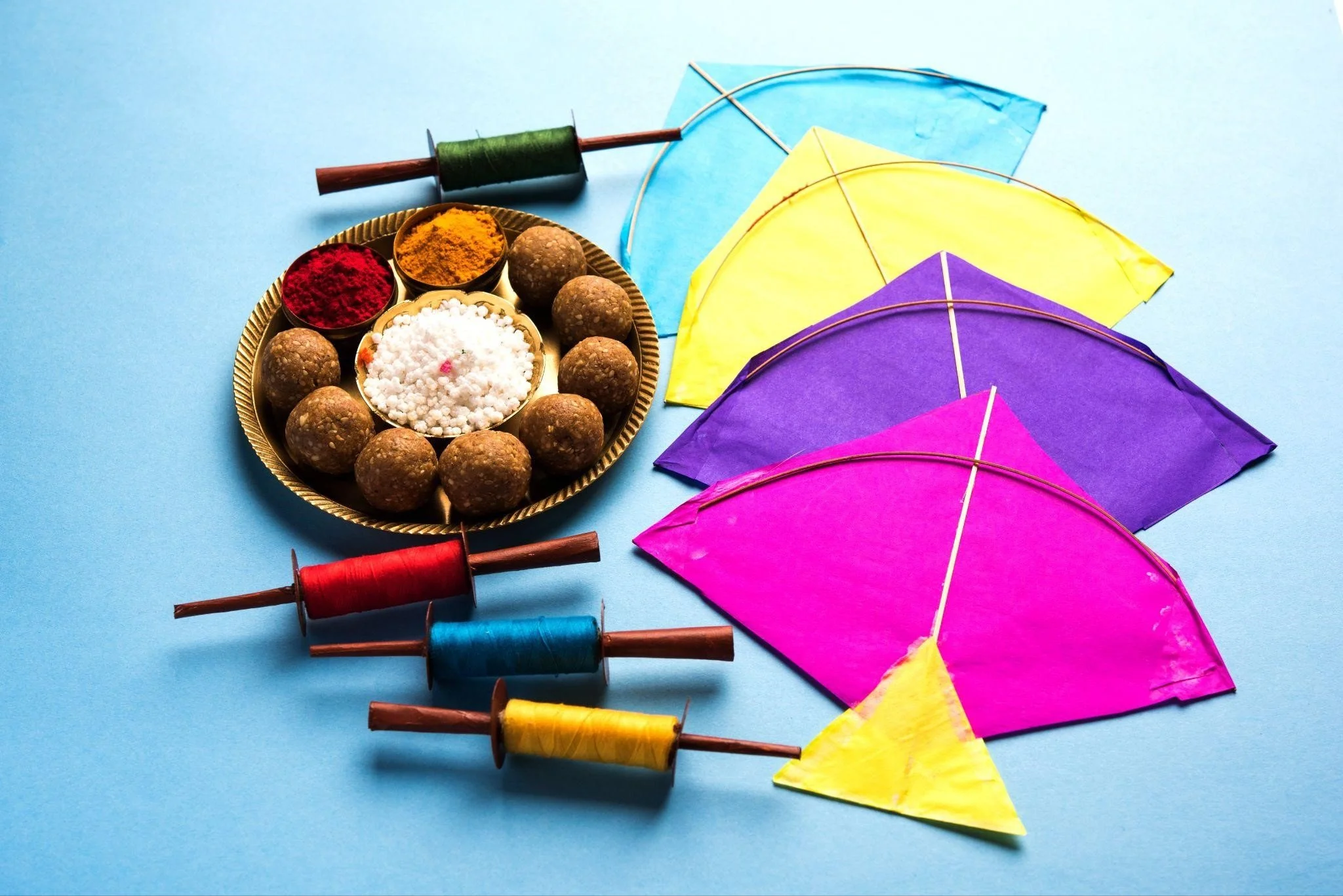
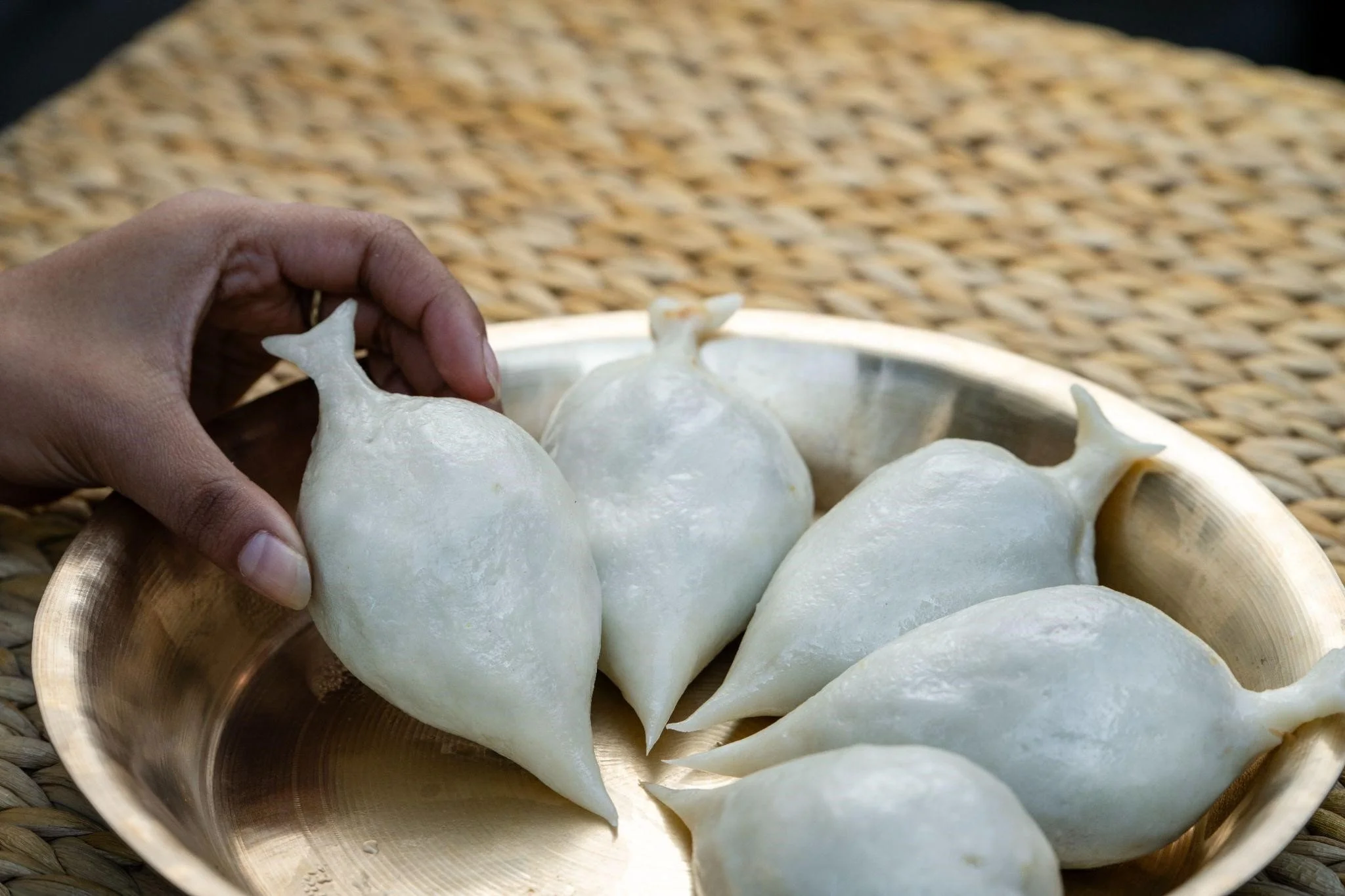
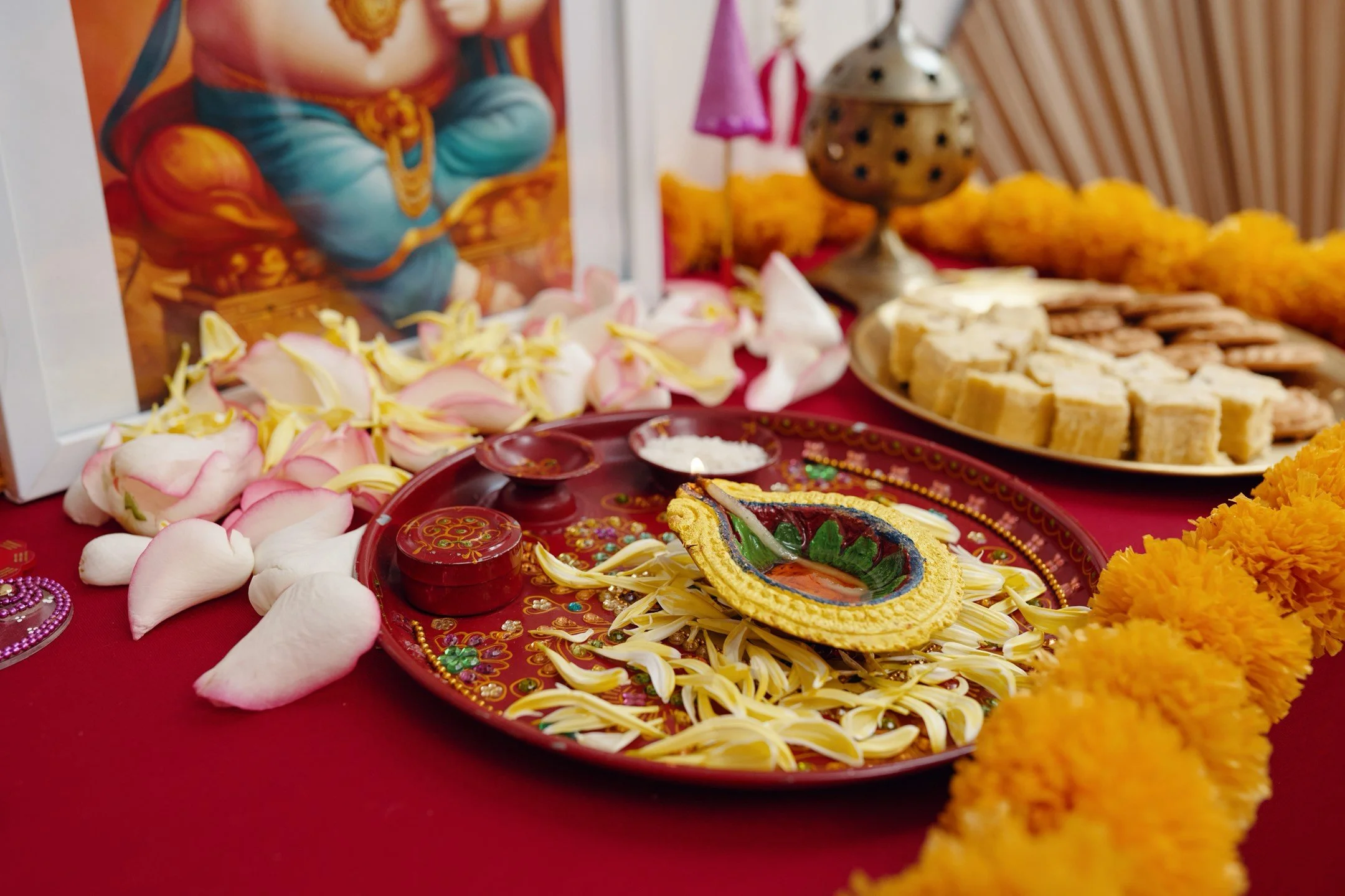
Buddhist Shrines to Visit in Nepal
Nepal has always been the centre of the Buddhist dharma. The borders of the current nation constitute the birth place of ‘The Light of Asia’ - Siddhartha Gautam also known as the Buddha. Nepal is also home to numerous other Buddha’s of the past who have blessed this land with the seeds of the Buddhist way of life. In this blog, we explore numerous Buddhist shrines that hold great value in the Buddhist doctrine for travellers, enthusiasts and pilgrims.
Buddhist shrines, also known as stupas, are sacred places of worship for followers of Buddhism. A stupa is a type of Buddhist monument that typically consists of a dome-shaped structure built to house sacred relics, such as the ashes of a deceased person or other religious artifacts. Stupas are found throughout the Buddhist world, and they are often seen as symbols of the Buddha's enlightenment and the teachings of Buddhism.
The design of a stupa can vary depending on the region and the specific cultural and architectural traditions of the place where it is located. However, many stupas feature several key elements, such as a central dome, a spire or umbrella-like structure on top, and a base with four sides that may be adorned with reliefs or other decorative elements. Stupas may also have a circumambulation path around the base, which is used for ritual circumambulation or "pradakhshina."
Buddhist shrines come in many different styles, reflecting the architectural and cultural traditions of the region in which they are located. Some must visit Buddhist Shrines in Nepal are as follows:
Lumbini
Lumbini is a famous Buddhist shrine in Nepal which is the birthplace of the Buddha, Siddhartha Gautama. It is a World Heritage site and attracts around 1.5 million visitors annually. Lumbini includes the Mayadevi Temple, Ashoka Pillar, and several foreign-funded monasteries, such as the Royal Thai Buddhist Monastery, Myanmar Golden Monastery, Zhong Hua Chinese Buddhist Monastery, and Vietnam Phat Quoc Tu Temple, which showcase different nations' architectural styles, histories, and traditions.
Swayambhu
Swayambhu Stupa is a significant Buddhist shrine in Nepal that originated from a lotus flower in the Kathmandu valley, according to legend. It was built in 460 by King Manadeva and is located on a hill in western Kathmandu. The complex houses chaityas, statues, and shrines of Buddhist and Hindu deities and is a World Heritage site. The stupa is also known for its beautiful views of Kathmandu.
Boudha
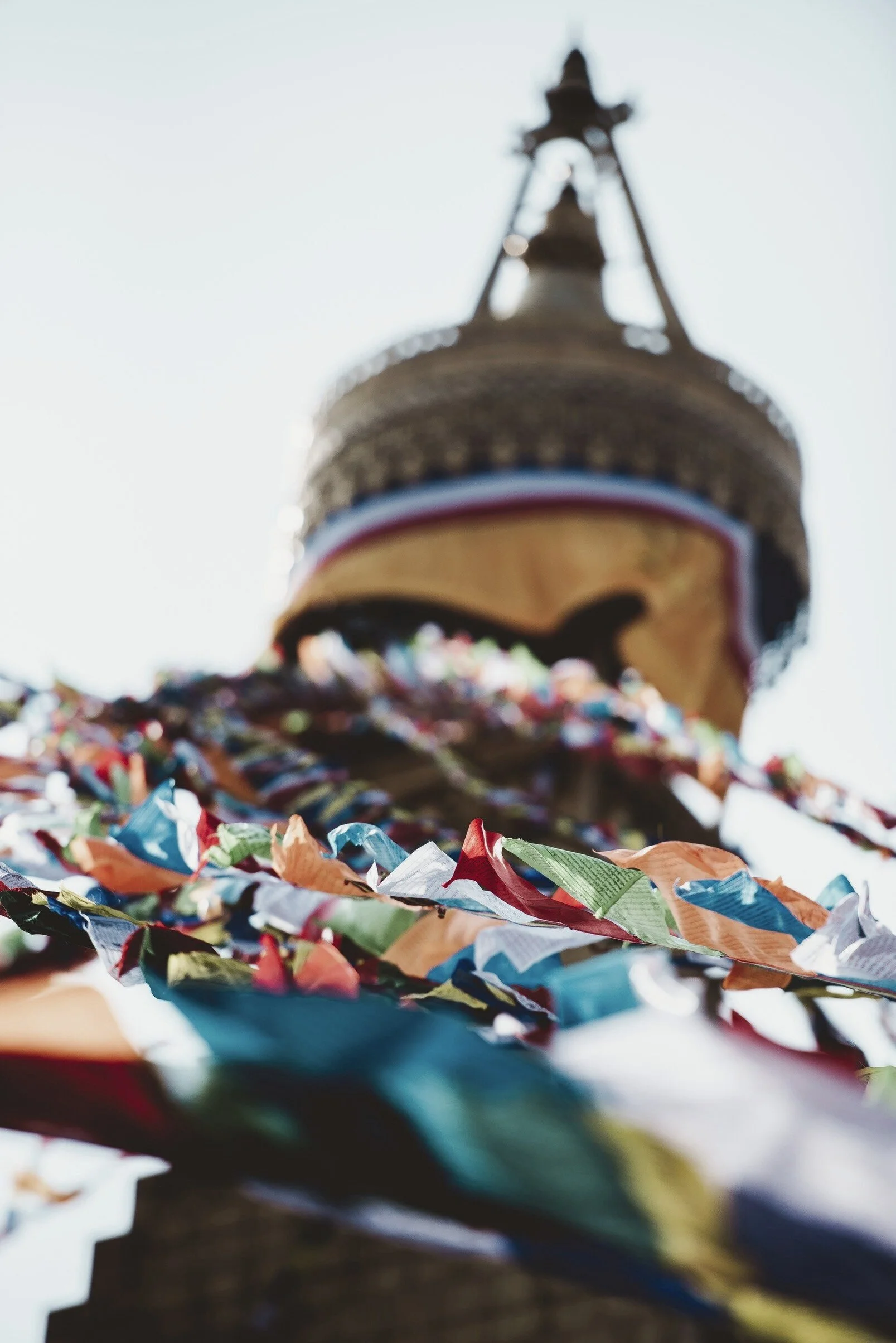
Bouddha is a popular Buddhist shrine located in Kathmandu and built in the 14th century by a Lichhavi king. It contains the relics of Kassapa Buddha, has a mandala-style construction, and is a World Heritage site. It has two wisdom eyes, a unity-symbolizing nose, and a 13-level spire representing the stages of achieving nirvana. The shrine also has prayer wheels that are said to purify karma and remove negative energy.
Ramagram
Ramgram is a significant Buddhist site located in Nawalparasi district. It is believed to contain one of the eight relics of the Buddha, which were divided after his death in Kushinagar, India. According to legend, Emperor Ashoka attempted to relocate the relics by dividing them into thousands of pieces and placing them in various stupas but was unable to open the one at Ramgram due to its protection by serpent kings. As a result, Ramgram is thought to be the only stupa still containing the relics of the Buddha and is a revered pilgrimage site for Buddhists.
Seto Gumba
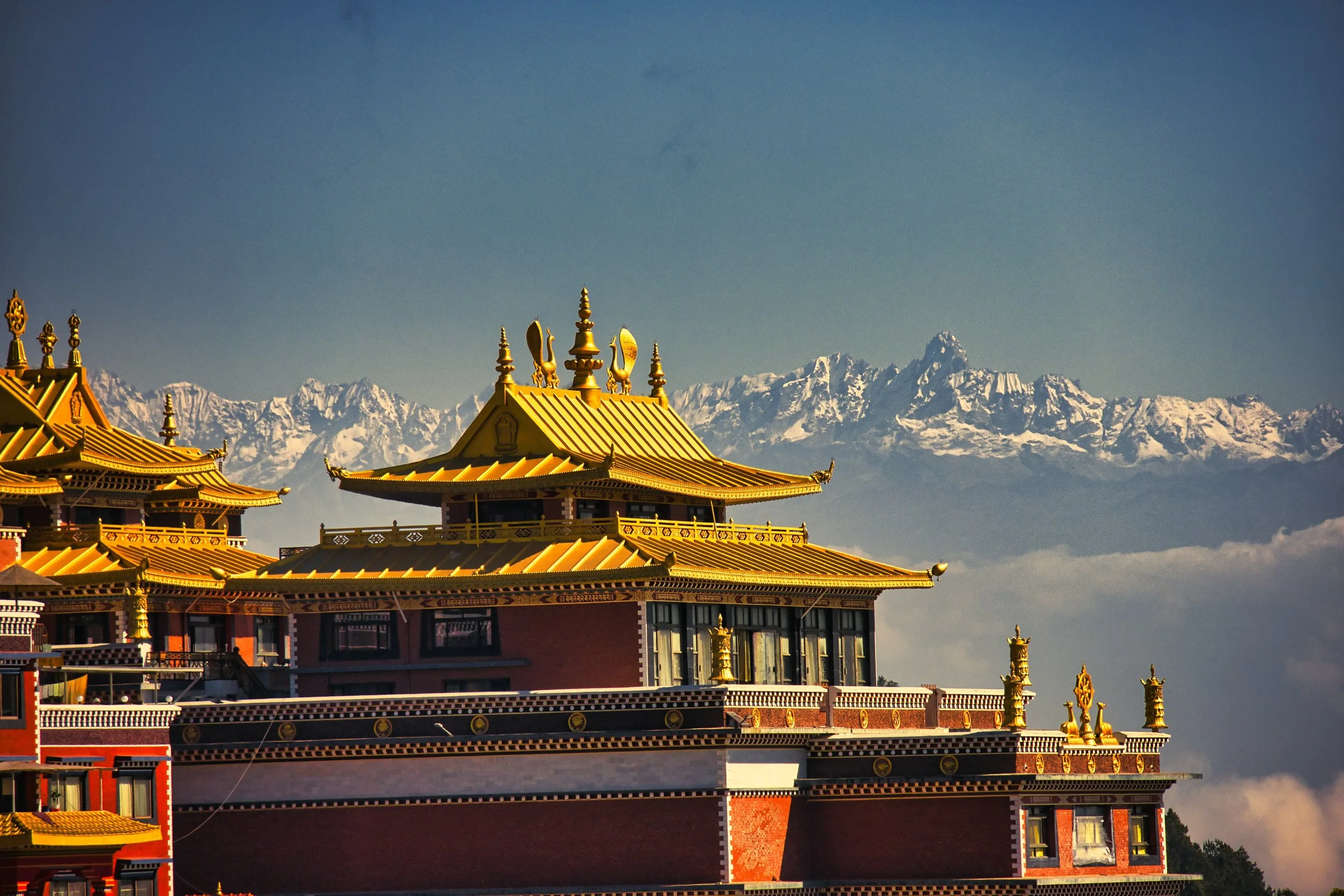
Seto Gumba, also known as White Monastery or Druk Amitabha Mountain, is a famous Tibetan-style Buddhist monastery located on a hill in northwestern Kathmandu. It features murals, statues, and paintings and was closed for maintenance after the 2015 earthquake, but is now open to the public on Sundays. Seto Gumba, which stands at an altitude of 1,500 meters, offers beautiful views of the sunrise and sunset, and is a popular spot for photography and learning about Buddhism, meditation, and Tibetan architecture.
Namo Buddha
Namo Buddha is a holy Buddhist site located approximately 40 kilometers east of Kathmandu in Kavrepalanchok. It is home to the Thrangu Tashi Yangtse Tibetan Buddhist monastery, founded in the 20th century by the 9th Khenchen Thrangu Rinpoche. The site is also home to a stupa that is said to contain the remains of a prince who was an incarnation of the Buddha and later reincarnated as Siddhartha Gautama in Lumbini. The story of the prince dates back to the time of King Maharath and his three sons, one of whom offered himself as food to a hungry tigress and her cubs. Namo Buddha is a popular destination for pilgrimage and small hikes.
POPULAR ITINERARIES
SIMILAR POSTS
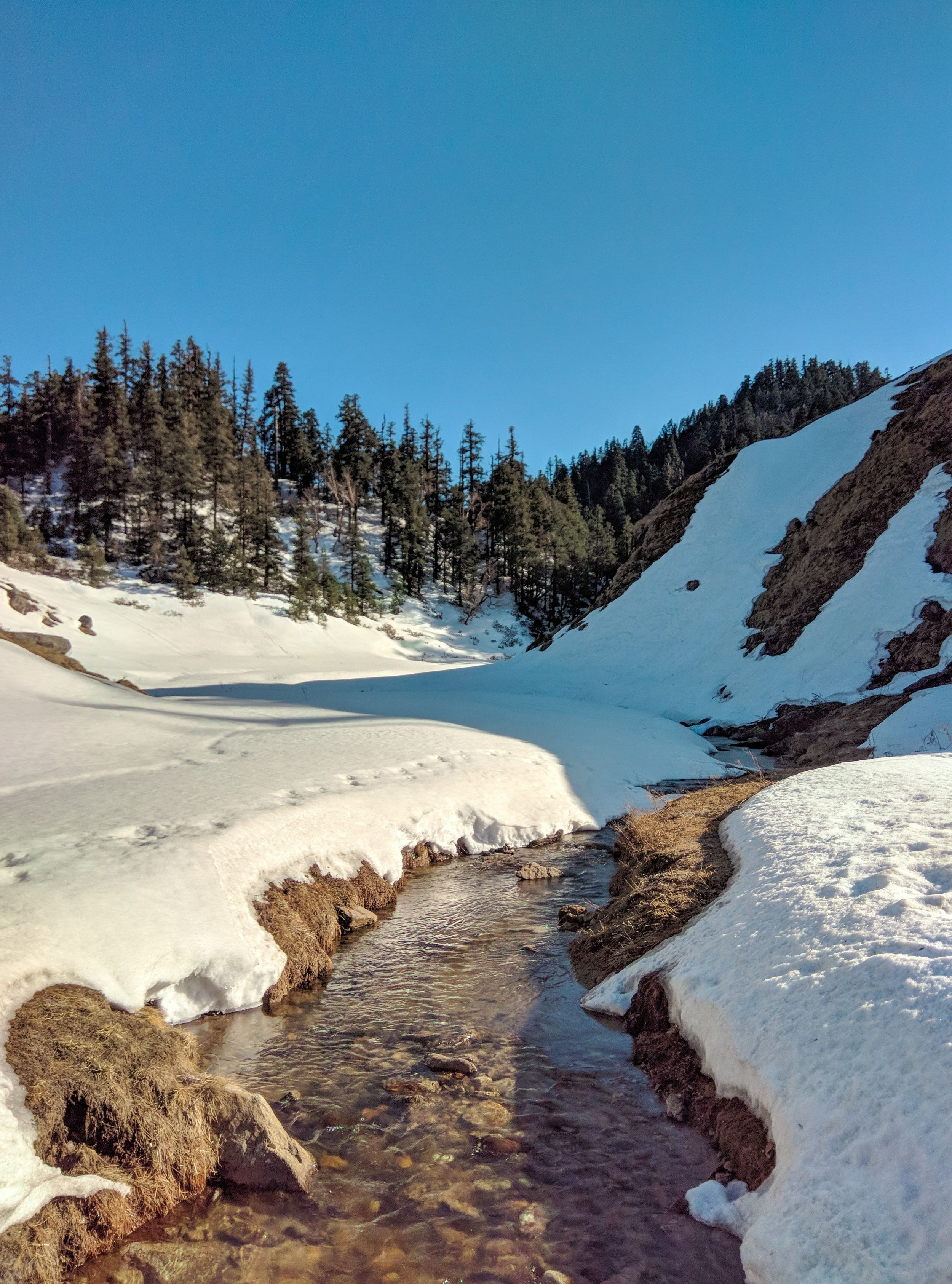
Khaptad National Park: A Gem of The West
Khaptad National Park is a protected area located in the far-western region of Nepal. It was established in 1984 and covers an area of 225 square kilometers. The park is named after Khaptad Baba, a spiritual leader who lived in the area for many years.
The park is home to a diverse range of flora and fauna, including rhododendron, oak, and pine forests, as well as a variety of wildlife such as leopards, musk deer, and Himalayan black bear. There are also more than 250 species of birds found in the park, including the endangered impeyan pheasant.
Tourists can enjoy a variety of activities in the park, including hiking, birdwatching, and picnicking. There are also several cultural and spiritual sites in the park, such as the Khaptad Baba Ashram and the Khaptad Daha (lake).
There are several ways to get to Khaptad National Park from Kathmandu:
By bus: There are regular bus services from Kathmandu to Silgadi, the nearest town to the park. From Silgadi, you can hire a jeep or a local bus to reach the park. The journey takes around 8-10 hours.
By flight: There are daily flights from Kathmandu to Nepalgunj, the nearest airport to the park. From Nepalgunj, you can hire a jeep or take a local bus to reach the park. The journey takes around 6-8 hours.
By private car: You can hire a private car or taxi from Kathmandu to reach the park. This is the most convenient and quickest way to get to the park, but it is also the most expensive. The journey takes around 6-7 hours.
It's worth noting that the park is located in a remote area, and the roads can be quite rough and bumpy, especially during the monsoon season. So, it's a good idea to allow for extra time for your journey and to be prepared for a bumpy ride.
Fauna:
Leopard
Musk deer
Himalayan black bear
Wild boar
Ghoral (goat-antelope)
Jackal
Red panda
Flora:
Rhododendron
Oak
Pine
Fir
Deodar
Spruce
Bamboo
In addition to these species, there are also over 250 species of birds found in the park, including the endangered impeyan pheasant. The park is also home to a variety of medicinal plants, including the Khaptad dandelion, which is found only in this region.
Here are a few things to consider when planning a trip to Khaptad National Park:
1. Travel documents: Make sure you have all the necessary travel documents, including a valid passport and visa (if required).
2.Accommodation: There are a few lodges and guesthouses available in the park, but it's a good idea to book in advance, especially during the peak tourist season. You can also bring a tent and camp in the park, but you will need to get a permit from the park office.
3. Transportation: As mentioned earlier, there are several ways to get to the park from Kathmandu. You can choose the mode of transportation that best suits your needs and budget.
4. Weather: The weather in the park can be quite varied, with temperatures ranging from below freezing in the winter to over 30°C in the summer. Make sure to pack clothes and gear appropriate for the season you'll be visiting.
5. Health and safety: The park is located in a remote area, so it's important to be prepared for any emergencies. Make sure you have adequate medical insurance, and bring any necessary medications with you. It's also a good idea to inform someone of your itinerary and to stick to marked trails while hiking in the park.
6. Respect local culture: The park is home to several cultural and spiritual sites, so it's important to be respectful of local customs and traditions.