
7 Things to do in Patan
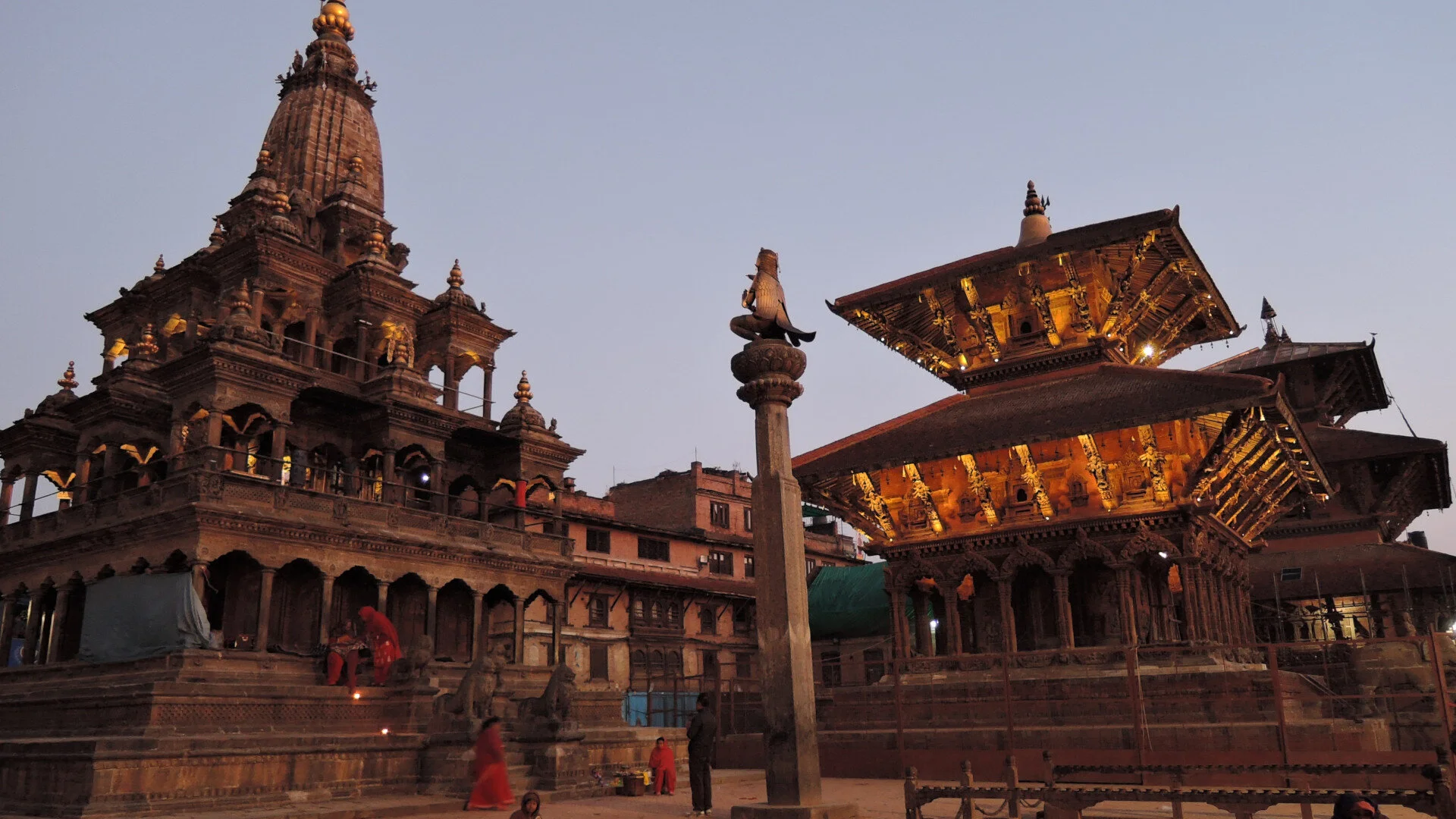
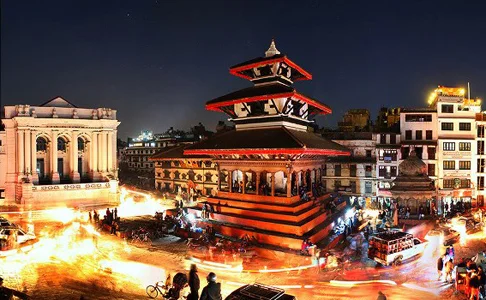
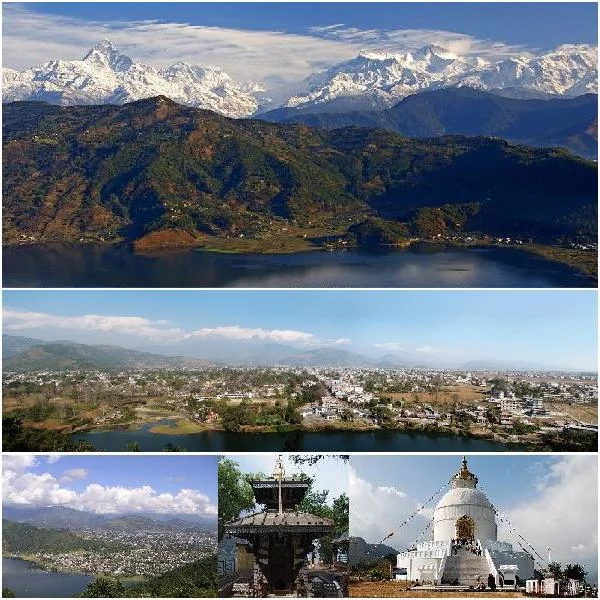
Patan, the ancient city located to the Southeast of Kathmandu is popular for its fine arts, ancient Hindu Temples and Buddhist monuments. Patan Durbar Square, a must-visit UNESCO world heritage site in the heart of the city, is popular for its exquisitely carved ancient palaces, temples, and shrines.
There are places away from home that will definitely resonate a sense of warmth that make you feel like you belong. Speaking from experiencing a similar sense of being, Patan is one of those places. If you ever find yourself around Patan, there is a high chance you're going to be in a spin, quite literally because Patan is an artistic labyrinth. It is a vibrant place that artistically binds ancient and modern together. It is unique in existence from the other durbar squares with the numerous gullies that gives it its labyrinthine build. Now if you're going to be around, here are ten things you can do in Patan.
1. Durbar Square
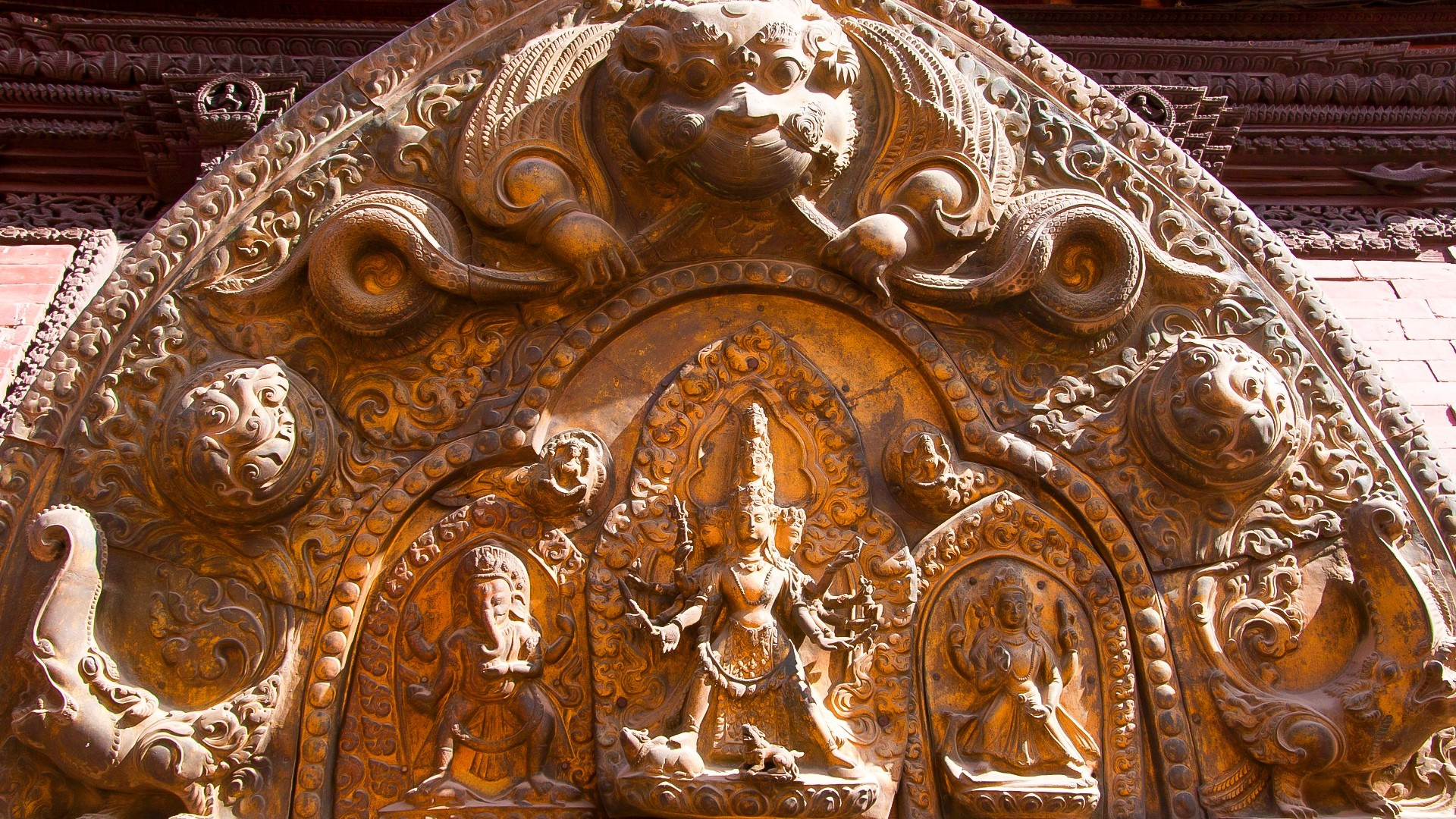
Stating the obvious! Patan is famous for the Newari architecture that features intrinsic wood carvings and brick work. There are several important temples in the area and you can never get tired of the early morning bhajans and the warm lights in the evenings.
2. Patan Museum
Located within the Durbar Square, it is a peaceful and relaxing place with a little garden in the back. While ticketing prices differ, it also has a café inside that will offer you a nice escape from the city.
3. Gully Tour
There are a lot of gullies in Patan that you can end up getting lost. Don't worry though, it wouldn't be the most stressful situation. There are areas built for worship and come out into big beautiful squares after moving around quite a lot of these gullies. I could call them alleyways but that's not that fun now, is it? Truth be told, personally its quite fun getting lost for hours.
4. Morning Treats
Early mornings in Patan are quite satisfying. There are traditional sweet shops offer treats like jeri-swari, gwaramari, malpa that pair well with a nice warm cup of tea. All the shops are always welcoming and early morning walks around the square are a big plus.
5. Rudravarna Mahabihar
Visit the Rudravarna Mahabihar in Okubahal. You'll be treated to beautifully-carved metal statues and the carvings on the walls are a true workmanship. This 1500 year-old monastery is renowned for its art, craft and architecture.
6. Pimbahal Pond
If you've been moving around all day this pond is worth checking out. You can visit the temples during day and come down to this pond to relax and feed some ducks. It’s the perfect place to watch as locals pass by and also get a breath of air before getting on with your schedules.
7. Visit the Zoo
Visiting the zoo is ideal if you have kids with you. The cages and animal care is better than before but you'll love the bird exhibit. It's a good place to spend time with your kids but not really if you're not with kids, but it makes for one of the things to do when in Patan.
POPULAR ITINERARIES
Text By Siris Maharjan; Picture Courtesy: Tobias Federle
SIMILAR POSTS
UNESCO World Heritage: Lumbini
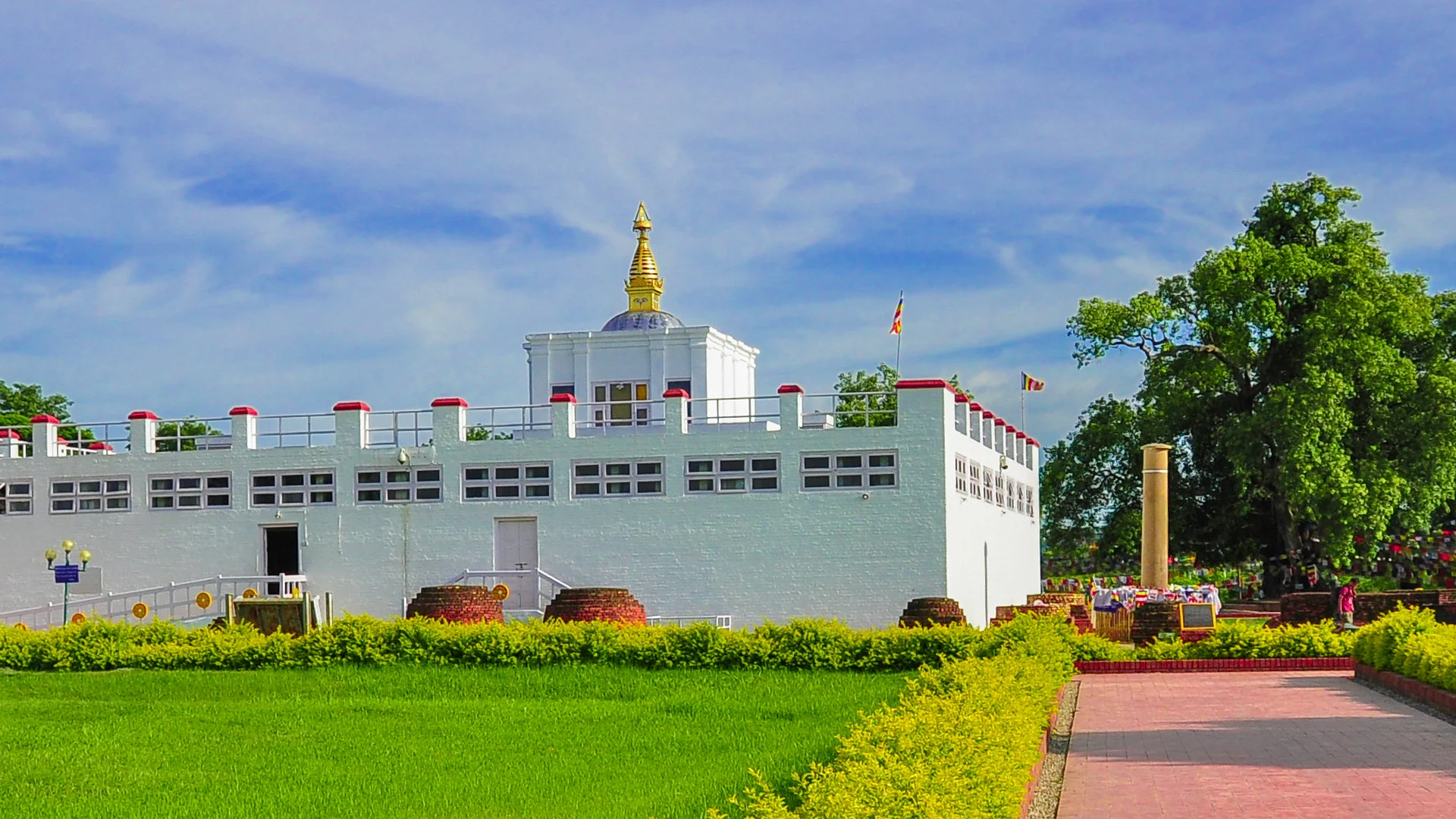
A famous place of pilgrimage and one of the must-visit sites in Nepal is popular among Buddhists with its monasteries, pagodas, and museum. The birthplace of Lord Buddha is a 10-hour drive and 35 minutes by flight from Kathmandu.
In the southern plans of the republic of Nepal, lies one of the most sacred pilgrimage sites to the followers of Buddhism. Commonly known as Lumbini is the birthplace of Siddhartha Gautama who achieved enlightenment and became the Buddha and founded the religion of Buddhism.
The name Lumbini means “the lovely” in history lied southwest of the oligarchic republic of Koilya kingdom of the clan of Shakya. According to the findings of Tara Nanda Mishra published in the journal Ancient Nepal, “ Lumbini Devi also spelt as Rummindei or Rupandevi ( Beautiful Lady), was the queen of King Suddhodhana, who was the King of Devadaha, which was also the capital city and the administrative headquarter of the Koilya republican stat. On the request of his queen, King Anjana made a beautiful garden on the bank of Telar (oil) river. Thus the place had been named after his queen, Lumbini. According to the Jataka story, Lumbini during the time of Lord Buddha has been described as a big Sal garden which was jointly owned by Sakyas of Kapilvastu and the Koiyas of Atthakantha places it near Devadahha Nigrama. Buddha Charita of Asvaghosa describes Lumbini as “ Gay like the garden of Chaitra Ratha with trees of every kind.”
The site of current Lumbini in history had been lost to time, up until the discovery of the Ashoka Pillar. King Asoka of Magadha was a famous Emperor who had visited the site in 249 BC. He was accompanied by Upagupta who is believed to have been his teacher. The validation of the site to be the birthplace of Lord Buddha was provided by the inscription on the Asoka Pillar which reads, “ Here the Buddha Sakyamuni was born” and “Here Bhagwan was born at the Lumbini Village”. Further validation was provided by the accounts of the visits of Fa-Hian a Chinese traveller who had visited the village in 5th century AD. And Seng-Tsai a Yueh- Chih monk who visited the site in 3rd-4th century AD.
In modern history, the site of Lumbini was discovered in 1896 AD, in a joint expedition of Gen.Khadga Shumsher and Dr A. Fuhrer. The first excavation of the Mayadevi Temple was done in 1898 AD, by P.C Mukherjee along with the excavation of some stupas on the southern flank and a few temples in the south-west flank.
The site was inscribed to the UNESCO’s List of World Heritage in 1997 AD. After the visit of the Secretary-General of United Nations U Thant, in April of 1967 AD. He proposed the development of Lumbini into a major centre of pilgrimage. Which was followed by a UNDP consultant mission in December 1969, which led to a report that established the basis of planning around Lumbini. The Kenzo Tange Master Plan for Lumbini began in 1972 and was finalized and approved in 1978 AD.
The plan covers an area of 5x5 miles with a central square mile being the Sacred Garden within which is the UNESCO World Heritage Property. Of the Master Plan, the 1x3 miles area which includes three zones: New Lumbini Village, Cultural/Monastic Zone and the Sacred Garden- are part of the Lumbini Project Area.
Present-day Lumbini would not have been a reality if not for the efforts of various scholars, archaeologists who helped discover and preserve the originality of the location. The current site of Lumbini is bordered by a large monastic zone which is only home to monasteries. The zone is prohibited of construction of any shops, hotels or restaurants. The zone has been divided into eastern and western monastic zones, the eastern site features Theravadin monasteries whereas the western site features Mahayana and Vajrayana monasteries. The sites are separated by a long water-filled canal, with a series of brick arch bridges joining the two sides along the length. The holy site of Lumbini has well-preserved sites of ancient monasteries, a sacred Bodhi tree, an ancient bath pond, the Ashokan pillar and the Mayadevi Temple which is believed to be the site of the birth of Siddhartha Gautama.
With the existing domestic airport being upgraded to an international airport, Lumbini is bound to receive a rush of new visitors made accessible by the upgrade. The site is a 10-hour drive from Kathmandu whereas a 30-minute drive from Bhairahawa. By air, the site is 35 minutes from Tribhuwan International Airport whereas from Pokhara 20 minutes.
With the upcoming Visit Nepal Year 2020, all fingers are crossed for the operation of the new international airport which would allow more pilgrims and visitors to witness the history and majesty of the holy site.
SIMILAR POSTS
Destination Pokhara
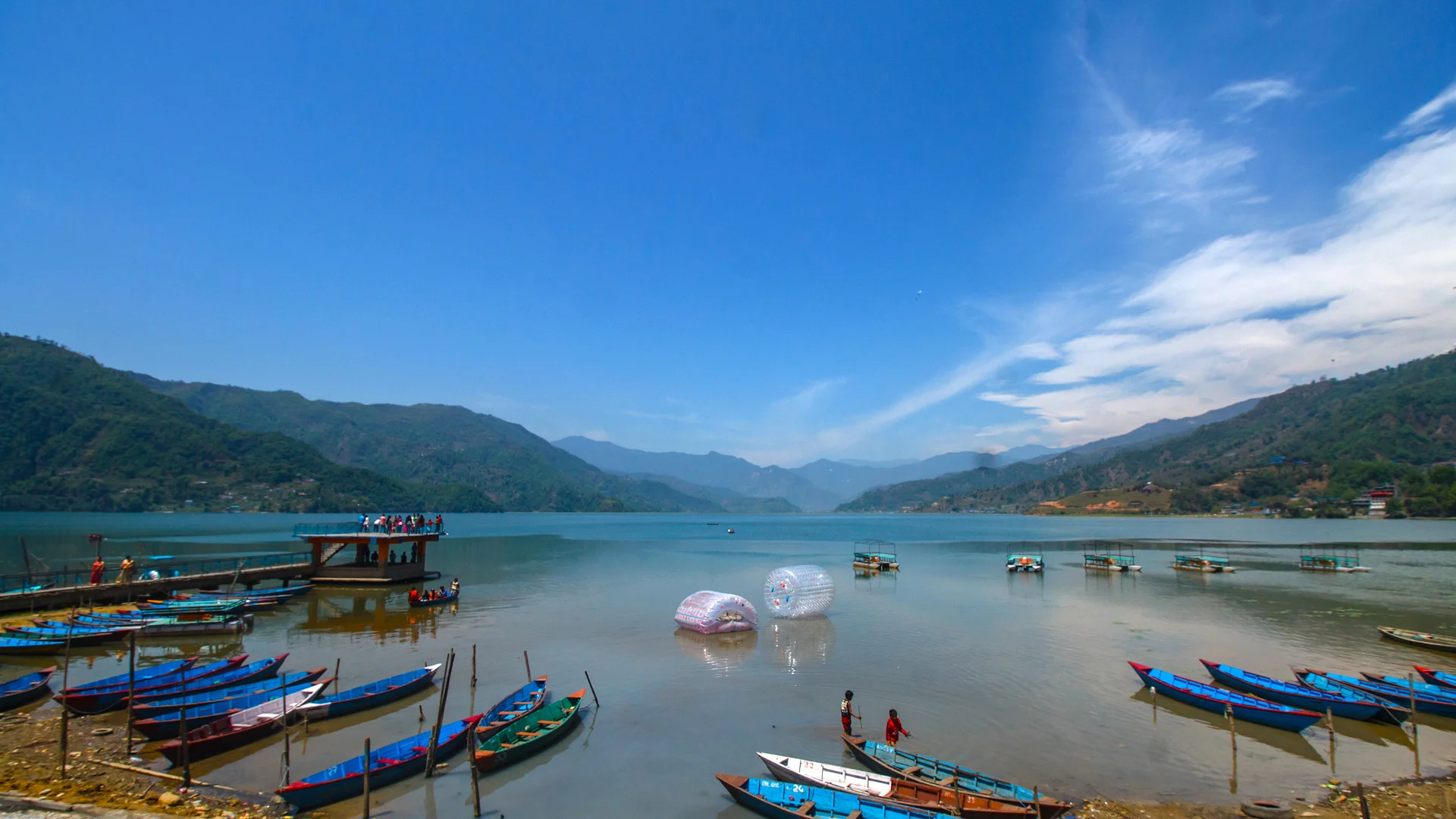
Pokhara city, the getaway to the Annapurna circuit allows you to experience magnificent scenery, culture, and traditions. The city has established itself as a tourist hub and as one of the must-visit destinations in Nepal. An ideal place to partake in fun activities such as sightseeing, paragliding, ultra-light, para hawking, canoeing, hiking and sky diving.
Popular Activities in Pokhara
Sight Seeing
Paragliding
Ultra Light
Para Hawking
Canoeing
Hikinh
Sky Diving
Popular Places in Pokhara
Fewa Lake
Barahi Madir(Temple)
Sarangkot
Kali Mandir
Kanchi Baraha Madir(Temple)
Bindyabasini Mandir(Temple)
Mountaineering Museum
Gupteshwor Mahadev cave
Pokhara is a land of mysticism, spectacular sceneries, adventure filled activities, and a foodie’s wonderland. The city is an ideal place to partake in fun activities such as: sight seeing, paragliding, ultra light, para hawking, canoeing, hiking and sky diving.
The city has established itself as a tourist hub and as a must visit destination in Nepal. With a whole host of fun activities, you can indulge in, beautiful landscape and amenities, it is bound to fill your mobile phone with pictures of beautiful memories with your friends and family.
Arranging a holiday trip in Pokhara during Dashain can be a bit tricky. If you choose to travel by bus then it is recommended to book your trip in advance. Pokhara, being a tourist hub, is not as affected by the festivities as other cities, but brace yourself for closed shutters, and empty streets on the main days. While you are there especially if you are travelling in your personal vehicle, you may also want to put together a picnic by the lakeside.
The getaway to the Annapurna circuit gives you an opportunity to experience magnificent scenery, culture and traditions. Here you can experience best of both worlds.
If you are searching for solace, then hire a bicycle and make your way to Pame. Lying on the outskirts of Pokhara, this part of town gives you a sense of resonance with nature. The ride gets thrilling with the highs and lows of the road, and if you’re with your friends, there is bound to be laughter and joy during the trip. Begnas Lake is another beautiful sight to behold. The scenic view of the immaculately calm lake surrounded by lush greenery and gazed down by the Himalayan peaks is a perfect description of paradise. Another place you can easily get the striking views of the Annapurna range from here. The way to the top can be considered a small hiking experience.
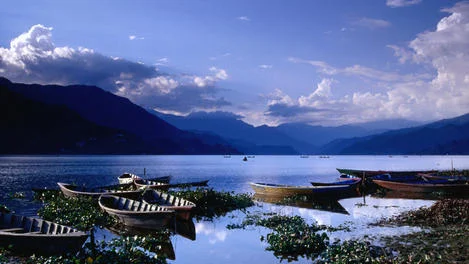
A delightful evening during the golden hour, with the majestic Himalayas reflected upon the Fewa lake in the background of the setting sun, is truly a sight to behold. A trip to Pokhara is also never complete without witnessing the Sun rise atop the hills of Sarangkot.
Pokhara which is also known as the "city of lakes," is full of cultural and natural heritages as well. The old bazaar of Pokhara has many peculiar alleys and courtyards. The hanging beads, local handicrafts and cultural attires will draw anyone’s attention. They are worth a visit if you want souvenirs! At the least hire your own boat and visit the beautifully nestled temple of Barahi temple in the middle of the Phewa Lake.
The village of Lumle has been declared a Poetry village and indeed the journey there has poetic elements to it. It is also a religious hotspot with many historical temples like Kali Mandir and Kanchi Baraha Temple.
You can indulge yourself in the absolute calmness of the place and pray for the prosperity of your loved ones. Bindyabasini temple is another monumental temple in Pokhara located within the serenity of a lake.
The International Mountaineering Museum of Pokhara explores the past and present situation of mountaineering in Slovakia, Japan and Nepal. The museum features an excellent collection of flora and fauna. It’s a place for learning and having fun if you are academically inclined, or interested in historical details.
The mysterious Gupteshwor Mahadev cave has an eerie but peaceful atmosphere. Similarly, Mahendra cave has several stalactites and stalagmites and a statue of Lord Shiva. After experiencing all the fun things mentioned above during daytime, you can rest for a while in anticipation of a equally exciting Pokhara night life awaits you.
Aasma Aryal
popular Itineraries
Similar Posts
A Tranquil Escape: Trekking In Nepal
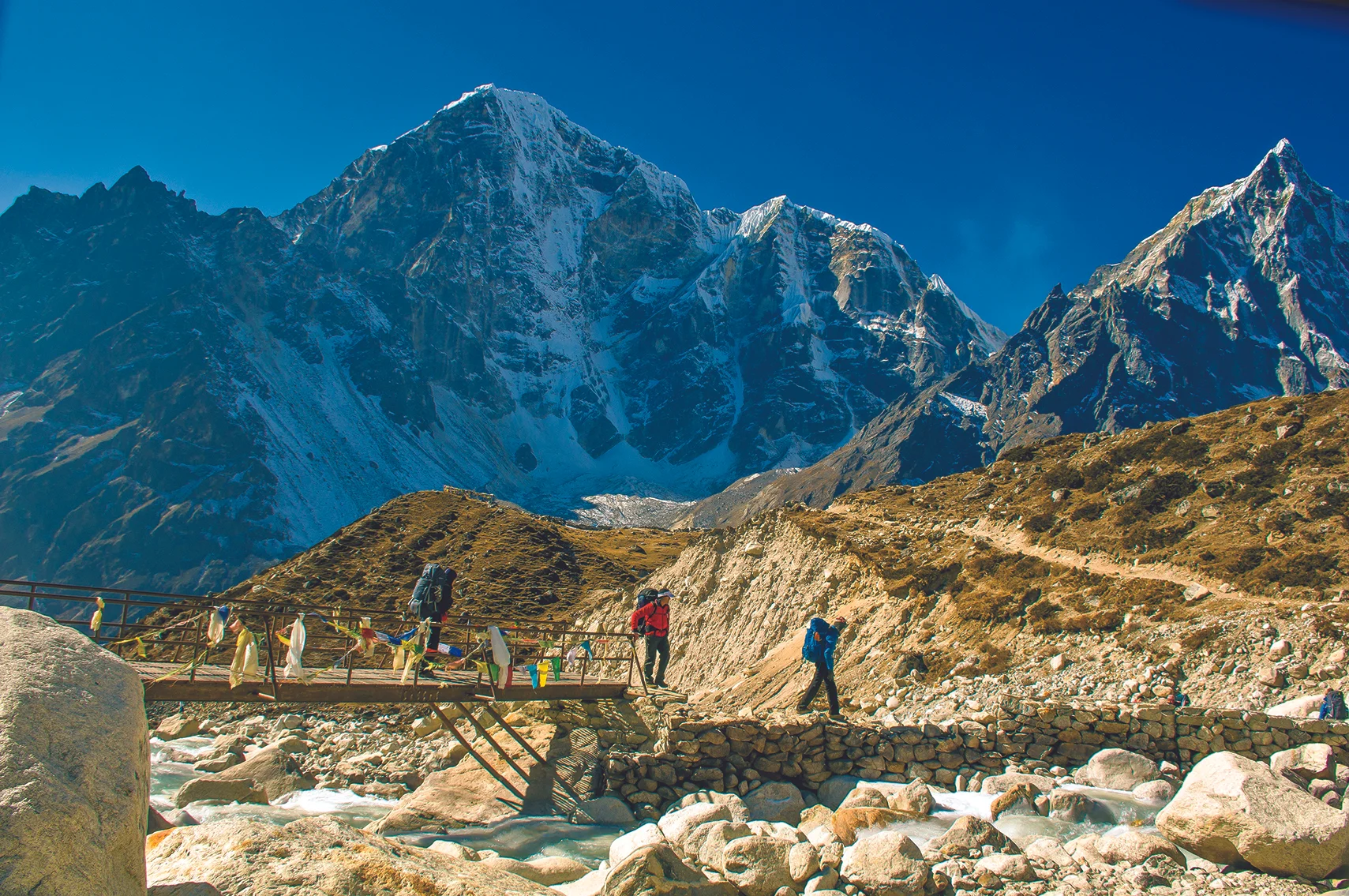
If you are planning to trek in Nepal but don't know where and when is the best to plan a trek in Nepal or wondering to visit Nepal to make an enjoyable and memorable trip with your loved ones. There are numerous popular trek destinations and various activities in Nepal for solo to a group of families and friends from all over the world.
There are numerous trekking routes to venture upon this high land and it is known as the 'Great Himalaya Trails.' It is an immense trail system that covers areas of Nepal from Humla and Darchula which lies in the west to Kanchenjunga in the east.
Trekking in Nepal is found to be completely different than that of mid 1960s. Only a few trekkers visited Nepal as a part of expedition group. But now, situation has completely changed and with the facility of accommodation with food and lodging facilities, trekkers from all around the world are encouraged to visit our country.
The three major trekking areas and the easily accessible ones are Langtang, Everest and the Annapurna regions. Amongst three, Annapurna and Langtang have an advantage as they can be reached through road connections. The Great Himalaya Trails has substantial amount of information on other hiking regions which can be easily accessible on domestic flights. Kanchenjunga, Dolpo, Makalu and Far West are some grounds covered by flights. However, this is just the starting of the journey and it takes several days of trekking to reach higher mountain areas from the local centers of population and administration.
Domestic flights usually occur early morning and two domestic flights are required to reach the starting destination of the trek. The popular trek areas in Everest, Manaslu, Annapurna and Kanchenjunga are able to provide lodge with better accommodation. Similarly, the west of Annapurna is the less visited trekking route and they may not have proper lodging facility; but they most definitely have camping style trek support.
Mustang trek has become of the most popular and common trekking destination among the visitors and travelers. It is famous for international as well as national tourists. Mustang Trekking is a superb trekking route in the Western Nepal as it takes tourists to the hinterlands of the western region of Nepal. Previously, Mustang Trekking was restricted for expedition and the land was alienated from the travelers. But now, it is be swarming with visitors and has become a major tourist hub.
Along with this, Manaslu Circuit Trek is another famous trekking route. It has successfully attracted the intended tourists and adventure seekers. Many come here for the purpose of hiking and trekking. They get full experience of the serene beauty of high lands. Nepal has captured the imagination of the entire world with its unsurpassed beauty.
The southern areas of Nepal are usually preferred to trek as they receive higher level of precipitation. We can find climate variations as some routes along the Great Himalaya Trails lie in the rain shadow. These dry lands on the north fall on the leeward side of mountains. The places that fall under it are Mustang to the north of Annapurna with Manaslu and Dolpo to the north of Dhaulagiri.
Post monsoon season can be a great time for trekking as the weather tends to be clearer. Winter can be good but the trekkers have a disadvantage as this season has shorter days. Spring season can also be affected by the seasonal rain and snow storms. Summer season does not last long and it is quickly followed by the monsoon season. Thus, no season is perfect for trekking purpose and the trekkers have to make though decision about which kind of season is most desirable for them.
- Here are few of the refreshment activities that you can try on the Himalayas:
- Yoga and meditation – As dramatic as it sounds to climb to the top for meditation; yoga is a stress reliever and you can relax peacefully in a calm environment.
- Indulge yourself with nature – Flora and fauna found in abundance in the mountains and you can carry your camera and explore this rich land. Who knows, you may even stumble upon a Yeti! You can immerse yourself in the lakes, rivers and lowest gorges.
- Mountain biking - You may want to test your physical limit by taking a mountain bike up to the high lands. As the trail is diverse, you can bike on a clean bumpy road to bumpy rough trails. You will enjoy delightful greenery and elevated mountains in the backdrop.
- Everest Skydive?! – As crazy as it sounds, you can have the best spine chilling adventure with the combination of the highest peak of the world and mind blowing sport of skydiving. You can get view of the Everest region with stupendous mountain views and the Sherpa settlement below makes this experience a lifetime achievement.
- Take mountain flights – You can choose to fly close to the Himalayas to get an unbelievable scenic view of this tremendous chain of snow covered mountains.
- Shopping! – Who does not like doing good old shopping? Astounding handicrafts items of excellent craftsmanship are found in the Himalayas. You can get souvenirs for you and your loved ones. Items like thangkas, pashmina, carpets, jewelry, prayer wheels, stone carvings etc. has great cultural significance.
- Faith healing – You can explore the mysticism of the animalistic of Himalayan culture. The process involves honoring the earth and respecting the spirit which is believed to reside in all of us.
- Mingle with the locals – Nepalese are considered to be the friendliest of the lot and you can always socialize with them. You can feel their optimism, simple yet powerful spirit and get a taste of their genuine warmth. A simple gesture of 'Namaste' can lead to great friendships with unforgettable memories.
The trekkers can be enthusiastic about the idea of solo trek with their own schedule and convenience. But do you want to risk the unknown and get stranded in a situation with a major storm, temperature of at possibly 5,000 m and zero visibility? Thus if you want to avoid the risk, it is advisable to you travel with a group of trekkers for support and guidance.
Similar Posts
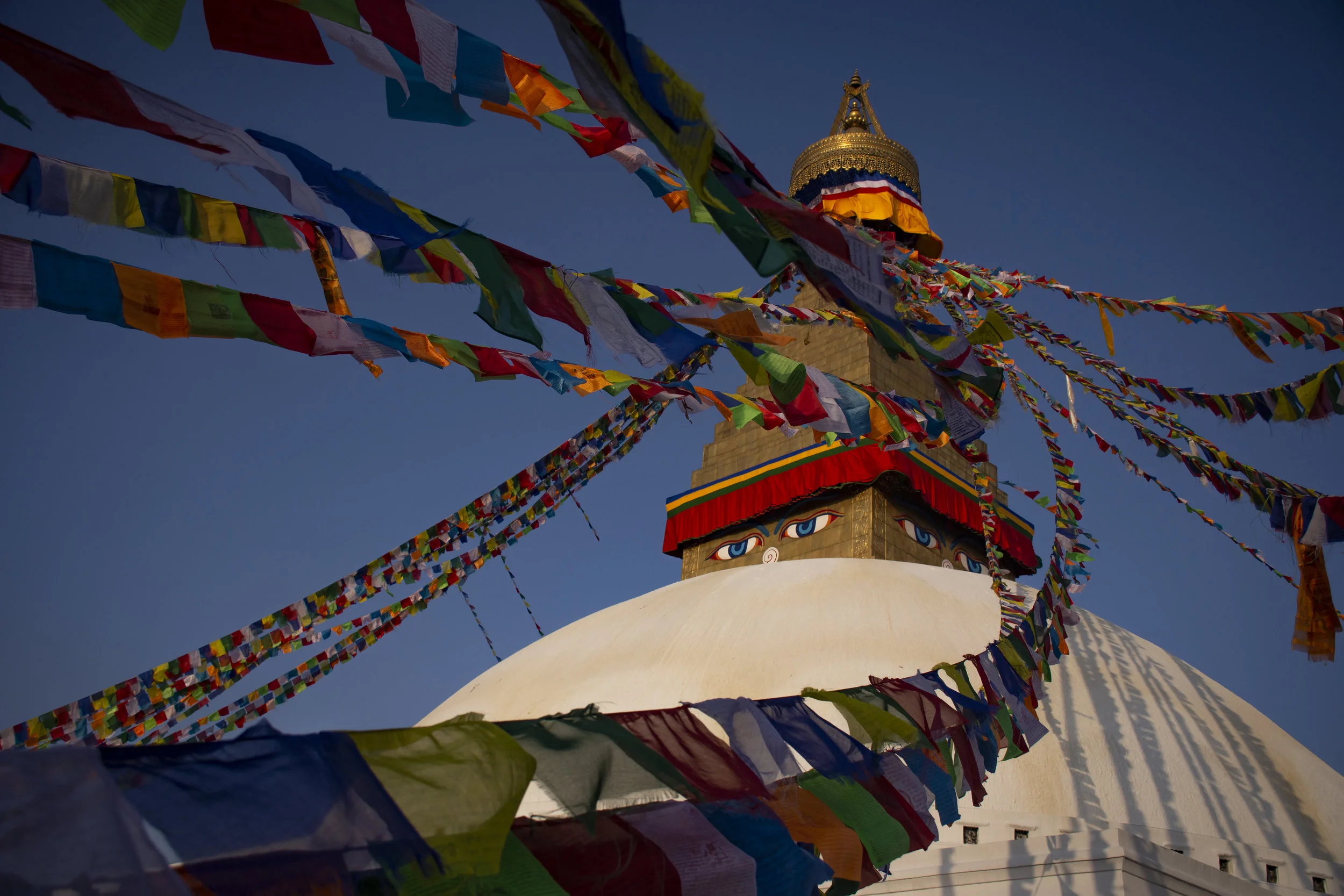
The Magic of Boudhanath
We have heard the origin of Swayambhunath Temple atop the hill of Kathmandu. Similarly, like a Swayambhunath, Boudhanath which is one of the largest stupas of its kind and another pilgrimage to the Hindu and Buddhist all over the world. Many of us are still unknown to the origin of 36-meters sky high stupa, Boudhanath yet.
Shreyashka Vikram Raj Maharjan
Entering the premises of Boudhanath, at times feels as if I magically transitioned into an other worldly dimension. As I sat down, by the bench, I couldn’t but help but question, what makes Boudhanathso magical?
The sites and sounds at this tiny mescocosm, has a tint of serenity. From the melodious chants, to the aroma of incense, one can’t help but close their eyes and just escape in the magic. When a site amazes me, the first thing I do is photograph everything that gives the place life. The monuments, people, relics and buildings. Resting my camera atop the table, scrolled through the catches of the day. I looked up how the place was in ancient times, the pictures that came up made me wish I had H.G Well’s time machine.
The second thing on my list is looking up the history and seeking the masters who gave this its transcendent magic. Flipping through my archives of chronicles, I found the most accurate writings of the creation of Boudhanath in the pages of the “History of Kings of Nepal” compiled by Daniel Wright. As the legend go, King Vikrama-Kesari found that the shrine of his forefathers the Narayana fountain suddenly went dry. He was at dismay and grieved at the loss of the memorial of his forefathers and thus to find a malady he went to Buddha Nil-kantha for advice. “ The deity told him to consult the astrologers. He did so, and after some deliberation they said that it required a sacrifice of a human being possessed of the thirty-two attributes. The raja resolved to obey these directions; but thinking that to sacrifice a subject would be a sin, and to kill his own son, who possessed all the requisite attributes, would be cruel, he determined to be himself the victim. He therefore called his so Bhup-Kesari and ordered hum to kill, without looking at his face, a certain man, whom on the fourth day after that, he should find lying covered over on the fountain. The price, going there on the appointed day, in accordance with his father’s commands, and not knowing who the person was, cut off his head. Blood rushed out of the dhara, and the crocodile on the fountain turned back his head that he might not see a parricide. The son then went to wash his hands in the Ikshumati river, and was surprised to see swarms of worms floating in the water. On returning to his house, he heard a great noise of people shouting out that the price had killed his father. The prince then silently performed his father;s funeral ceremonies, and making over charge of the government to his mother, he went to Mani Jogini to expiate the sin of parricide. Seeing him very forlorn, the Jogini informed him that he could expiate his crime by building a large Buddhist temple, two miles in circumference, and having four circles of gods. The spot for the temple would be indicated by the perching of a kulang (crane) which would take it’s flight from the mountain. The bird accordingly alighted, the spot for the temple was marked out, and the work begun.” - Wright, 1877, 99-100
The stupa of Boudhanath is also called the “Stupa of a million due drops” as during the construction of the temple a great drought had over shadowed the Nepal Valley and the workmen made the bricks for the temple collecting water from dew. They also according to the legends, soaked their cloth in the streams wrang out the moisture. It is said, “When the bricks were being made, Barahi Devi to test their strength, came in the shape of a sow and trod on them. This visit being repeated the Raja inquired who she was and the Devi, acceding to his prayer, disclosed herself in her true form. The Raja to show his gratitude, placed her image at the entrance of the Buddhist temple which contained all the deities.” - Wright, 1877, 100-101
After finishing the temple, the Prince presented himself to Mani Jogini. She was well pleased with him for having punctually carried out the directions which she had given for building the temple, and said. “You have been cleansed from sin, and your grandfather who got the tree of riches and expended them in charity will again appear in the world, when three thousand years of the Kali Yuga have passed away, and he will change the era, when will then be known as Vikram Sambat, or the era of Vikramaditya.”
When hearing the legends today, they might sound out of place but that’s the beauty of time and lineage. It is a testament of how out of darkness comes light and that is what the stupa of Boudhanath is. It has been the centre of faith of not just the natives of this valley but also to travelling pilgrims who view the stupa with great veneration and hold it close to their heart. It is the same faith and devotion that lead to the stupa to be rebuilt the quickest among the the monuments that were affected by the 2015 earthquake.
The city around the stupa of Boudhanath might have changed. The traditional houses now, towers of steel and concrete, the streets leading to Boudhanath now paved with asphalt. But the stupa, which has withstood the test of time is still a remarkable example of faith and devotion.
Similar Posts
The Festival of Rato Matsyendranath
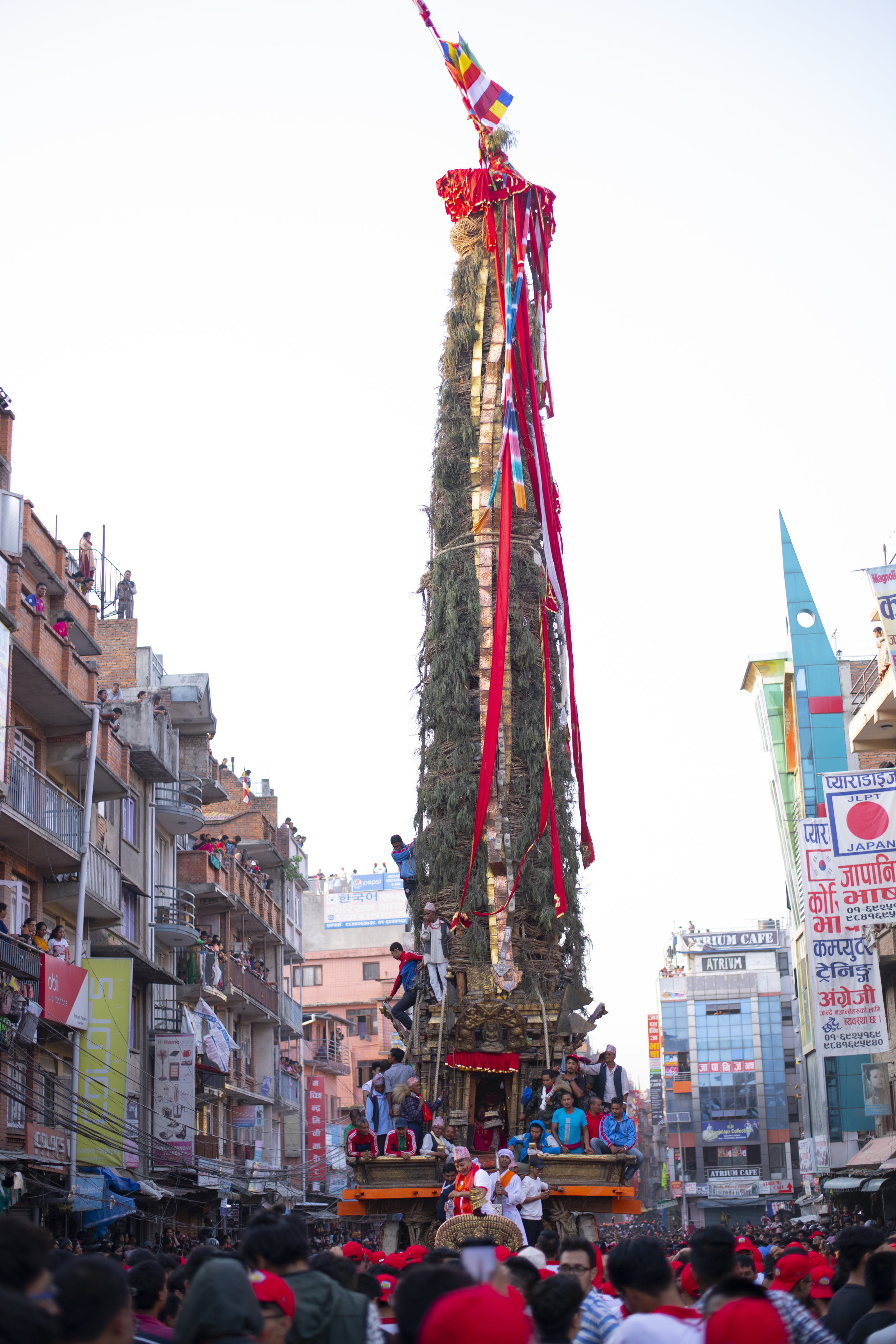
The legend of a giant chariot festival began with the Kingdom that drought for years causing misfortune and chaos as a result of disrespect to Gorakhnath. And, how Matsyendranath through devout and prayer, guru of Gorakhnath protected the valley with rain for the harvest, pulling the chariot and celebrating the coming of Lord Karunamaya.
Rato Matsyendranath Festival in Nepal
As you look up at the pinnacle you can't help but marvel at the feat of architecture that is achieved every single year. You can't help but fathom and hold a breath when the revellers put all their hearts and strength to pulling the chariot to the words of, "Haste Haiste."
The annual chariot festival of Rato Matsyendranath in Nepal, dubbed the longest chariot festival is the biggest chariot festival for the people of Lalitpur. The deity known by various names in various regions and religious doctrines, Bunga Dyo(God of Bungamati), Matsyendranath(In Hinduism), Aryavalokiteswara Padmapani(In Buddhism) and Karunamaya(In Newar Pantheon) is celebrated as the god of rain, protector of the city and lord of prosperity.
The origins of the chariot festival is entangled with a great tale of devotion, endevoured to relieve the kingdom of a drought that had stricken the city for twelve years. One of the best documented legends, the tale of bringing Karunamaya to the valley kingdom of Nepal dates back to the Lichhavi Era. During when, a drought which had caused great chaos and misfortune caused by the disciple of Karunamaya, Goraknath who had been meditating atop the naags(Snakes) to achieve great blessings from Karunamaya.
King Baradeva, son of Narendradeva struggled to relieve his kingdom. With every measure taken and none yielding the gift of rain. The King then left his court in secret, disguised as a commoner to listen to his people. He eavesdropped upon the elders to know his people’s pain and if the elders had a way out of this. One night, the King went to Triratna Bihar where an Acharya named Bandhudatta lived. The King eavesdropped upon the conversation he was having with his wife. The wife asked, "Acharya, what is causing this great drought? Is there no remedy?" to which the Acharya replied, "The only one who is able to put a stop to this is Aryavalokiteswara, who resides in the Kapotal mountain; and he can be brought only by the prayers of the ruler of the country. Now the Raja is young and foolish, and the old man his father, Narendra-Deva is living in a lonely Bihar because he and his son do not agree."
"There was still hope, not all was lost." The King went back to his palace, and the next morning he went to visit his father at Ak-Bahal in Bhatgaon. King Bar-Deva must have hesitated for some time, for he was to meet his father who left the riches of the Kingdom for a life of meditation and harmony. He sat with him and told everything he had heard at Triratna Bihar. "We must act now. I may be a King by the crown but you are my father. This is your Kingdom, if not for me then for the people you must."
The Acharya was summoned to the palace. He was asked to relieve the distress upon the Kingdom for which the Acharya promised he do everything in his power. But, he would not be successful without his Yajamana(King) for which Narendra-Deva left with the Acharya. The Acharya instructed King Bara-Deva to take a large supply of offerings and halt at a spot south of Patan where they will find a Dolana Tree. Here they were to perform great ceremonies and offerings, starting with one thousand and then up to ten million.
As the Acharya foresaw the journey ahead, only one element remained, for which he performed a purascharana (prayer) reciting the mantra one crore times. The winds must have howled and the sun beamed away from trees as Jogambara-Gyana-Dakini appeared. The goddess pleased promised to offer her assistance. The Acharya then ascended the hillock upon which Gorakh-Natha was in devout meditation and was performing Nag-sadhana (bringing the Nags under his control). He freed Karkotak Nag from his grasp. And thus they began the journey to bring home the Aryavalokiteswara- Matsyendranatha, in the native dialect called Karunamaya - the Lord of Compassion.
Encountering many frights placed along the way - bad terrain and high rivers - the Acharya took assistance from Karkotak Nag riding on its back to overcome the mighty rivers. When they reached Kapotal mountains the Acharya performed purascharana to invoke Aryavalokiteswara. They then came to know that Aryavalokiteswara resided in the home of a Yakshini (Demon Queen) who was known as Gyana-Dakini. The Acharya recited mantras to summon Aryavalokiteswara, but just as he was about to go to Bandhudatta, his mother prevented him. Aryavalokiteswara thus transformed himself into a large black bee and entered into the kalas. As the party was about to leave, Gyana-Dakini, with numerous gods, yakshas, and devils, attacked Bandhudatta who called upon the gods of Nepal for assistance. The Queen thus gave into the gods of Nepal and let the party leave for the valley of Nepal.
The kalas, in which Aryavalokiteswara resided, was carried by four Bhairava, Hayagriva, Harisiddhi, Lutabaha, and Tyanga. They entered the valley through Kotwal Dwar where the valley had been drained by Boddhistva Manjusri, whereupon the back of Karkotak Nag they crossed the grear river. Thereafter plentiful rain fell in Nepal, as they moved towards the valley center. At a certain spot Harisiddhi Bhairava in the shape of a dog barked and said, "Bu"" which the Acharya explained to the King to mean "Birth-Place." Thus in consultation with the King they built the city of Amarapur (Bungamati) where he placed the kalas in a temple. They assigned priests and plentiful land for the maintenance of the city and the temple.
They then made their journey to Lalitpattan (Lalitpur) when they decided to institute a rath-jatra with an image of the god. The image created from the earth from Hmayapido mound (across Balaju) is believed to be the chaitya of Swayambhu that was built from the same mound. After this they took the image to Amarapur (Bungamati) to worship it and then the spirit of the god was transferred to the image.
Bandhudatta Acharya then established all the rites of worship. He stated that the image of was to be brought from Amarapur (Bungamati) and to be placed facing the northern hemisphere and kept in Tirtha Bihar (Te Bahal) The image was to be bathed on the 1st of Chait Badi and be kept in the sun on the 8th. On the 12th and 13th the das-karma was to be performed. On 1st of Baisakh, Sudi was to be placed on a rath and taken around the city of Lalitpattan (Laitpur) and later be taken back to Amarapur (Bungamati).
Thus began the festival of Karunamaya. Today known as Rato Matsyendranath, the festival is still conducted still upon the very set of instructions issued by Bandhudatta Acharya. The rath (chariot) is a marvel of architecture symbolizing the elements of how Aryavalokiteswara was brought into the valley of Nepal. The four wheels represent the four Bhairavas that carried the kalas from Kotpal (the mountains near Kotwal Dwar) to the valley. The Gyo Si, or Dhoma (longinsh piece of wood protruding outward) represents Karkotak Nag, upon the back of which all obstacles are overcome. On the forehead of Karkotak Nag is a bronze face of Hawo Grawo Bhairava who is believed to ward away all obstacles during the chariot festival. The image of Karunamaya is placed at the center of the chariot atop which is a log of sal (pine) held by traditional rope with a wooden joint core. It is said to symbolize the Shikhara temple of Karunamaya at Bungamati. The pinnacle is topped by a Ba: Mwo (circular base created with traditional rope) atop of which the Swayambhu yantra is placed.
Worshipped as the Lord of compassion and rain, the chariot festival of Karunamaya begins from Baisakh Chaturthi and is dubbed the longest chariot festival in Nepal. Devotees flock in numbers to worship and take part in the chariot festival from all over Nepal. The festival ends with the ceremonial display of a Bhoto and the image of Karunamaya is placed in a palanquin and taken to Bungamati. This is where Karunamaya resides for the next six months after which the image is brought to Patan and placed in Te Bahal.
The love and compassion shown by Karunamaya through the protection of the valley and provision of plentiful rain for the harvests is returned by the people of the valley through devout worship and prayer. It is not just a festival for the gods but also a medium of communal gathering and celebration which has helped built strong communal bonds between communities of Patan. In turns they pull the chariot of Karunamaya through the passages of the city of Patan, celebrating the coming of the Lord and rejoicing in the grace of Aryavalokiteswara Karunamaya Padmapani.
Similar Posts
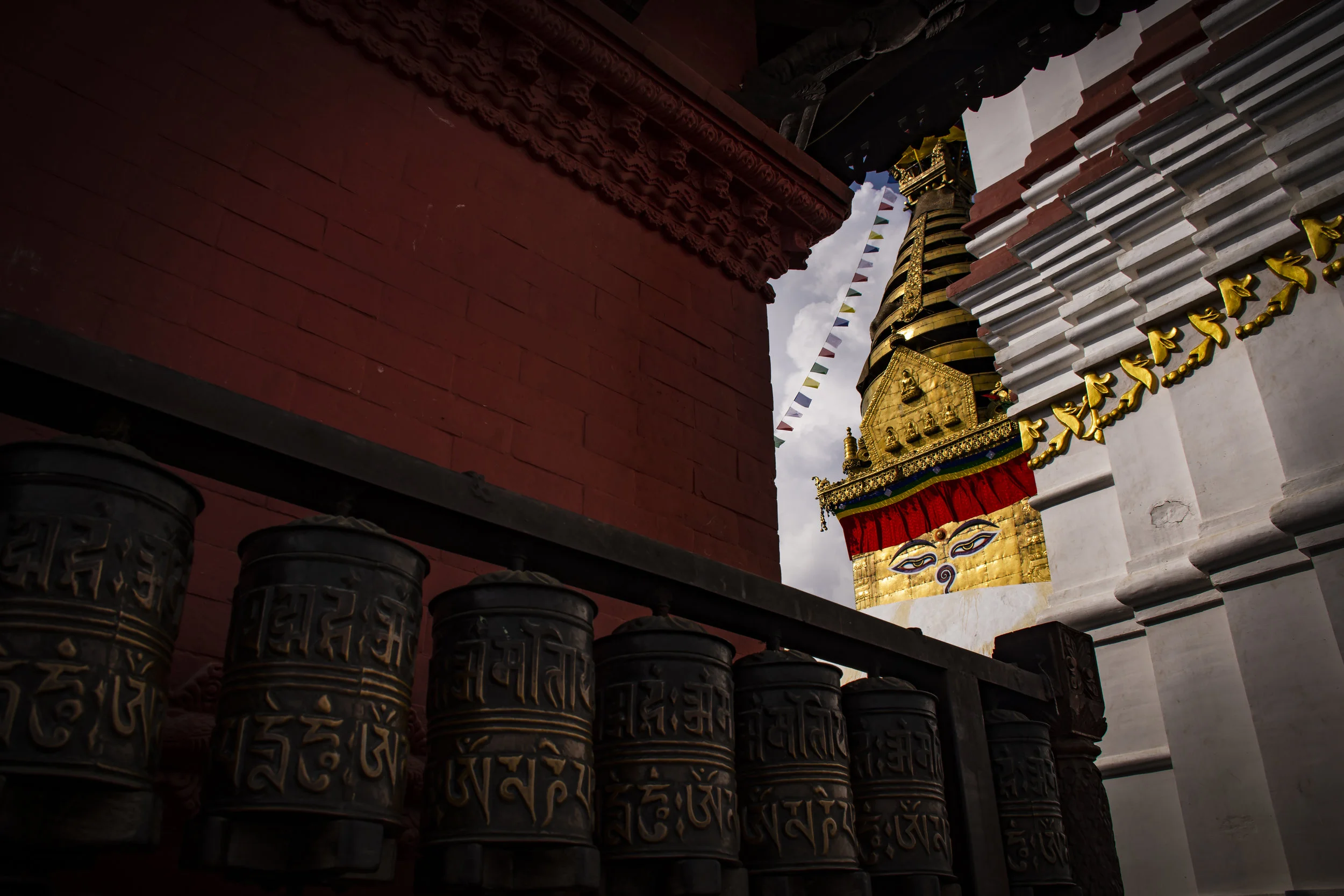
Swayambhu: A Symbol of Buddhism
Legend continues as the same lotus-seed brought forth a lotus-flower and in the center was Swayambhu, who came from Aknisht Bhuban (Sacred Land) appeared in the form of light. In Treta Yuga, Manjusri came from Mahachin(China) and saw the light of Swayabhu, he then cut a passage through a mountain that drained ...
The Sacred Origins
Bipaswi Buddha came from a city named Bandhumati: and took abode on a mountain west of Nag Hrad(Ancient name of the valley when it was a lake). He sowed a lotus-seed in the Hrad on the full moon in the month of Chaitya. In honor of this a Mela is held on the mountain on the full moon on the month. Today its known as Gunla Festival(Newari Festival in Nepal) where it is believed one must visit the chaitya at least once. “Gunla Baja” is played every morning by the various tole’s(communities) around Swayambhu, People ascend the 365 and venerate shrine before returning home.
The legend continues as the same lotus -seed brought forth a lotus-flower and in the center was Swayambhu, who came from Aknisht Bhuban ( Sacred Land) appeared in the form of light. In Treta Yuga, Manjusri came from Mahachin(China) and saw the light of Swayambhu, he then cut a passage through a mountain that drained this ancient lake and thus emerged the valley of Kathmandu.
In today’s modern and skeptical world, one might find it hard to believe these mystical tales of faith and Gods. Kathmandu Valley is a sacred land where you are guided in every turn by a temple or a chaitya, “You are never alone” is a statement that fits right at home in the 3 sister states of Kathmandu, Lalitpur and Bhaktapur. But Swayabhu is center of all the Newars of the valley and is revered by not just people of faith but by everyone for its sheer beauty, design and architecture. When you look up to the shrine atop of the chaitya as you ascend the steps of a year, you feel a jolt go down your spine and goosebumps in your arms as you get charmed by the inscents, enormity and aura of this wonder.
The Origin of Swayambhu Shrine
At the ending years of Dwapar Yuga, an Acharya named Santikar who is also known as Sant-sri saw that the Kali Yuga was approaching, during which mankind would be utterly sinful. So, he covered the light of Swayambhu with a stone and built a chaitya and temple over it. Entangled with this same legend is another fascinating the legend, it is believed that Sant Shri who built the chaitya also built 5 rooms surrounding the chaitya named after the 4 elements and one the soul called Santipur, where he locked himself and stayed in the state of divine meditation. He thus entered a mystic state, achieving immorality and vowed to stay in the room and emerge when the valley of Kathmandu truly needed him.
Swayambhu Today
In Newar Buddhism it’s called Semgu, meaning "self-sprung” in Tibetan “Sublime Tress” , it is also known to many travelers as the monkey temple. Entering the periphery of the Swayambhu hill you will be greeted first by obviously monkeys allot of monkeys. The lush vegetation, high trees have created a rich habitat for them to live and amuse the locals Just don’t carry any food in your hand or in a bag, they are known to be quite mischievous sometimes stealing foods and drinks from the people and leaving many crying children stealing.
The base of the chaitya is rimmed with prayer wheels and the stupa is surrounded by many other temples and monasteries. The Harati Temple is on the north side of the shrine and there are two shikhara temples erected by Pratap Malla which collapsed during the earthquake of 2015. The Semi-peripheri is littered with souvenir shops and tea shops for the travelers and locals who enjoy there hours looking at the scenic view of the valley with there cup of tea.
As the eyes of Swayambhu, ever omnipresent watch over this city, one can only smile over the everlasting awe of this beautiful hill. One who has seen this beauty can never unseeing it and one can never again imagine the valley without it.
Hashtags: #MonkeyTemple #HeritageNepal #HeritageKathmandu #WorldHeritage #TimelessWonder #KathmanduValley #Nepal
POPULAR ITINERARIES
SIMILAR POSTS


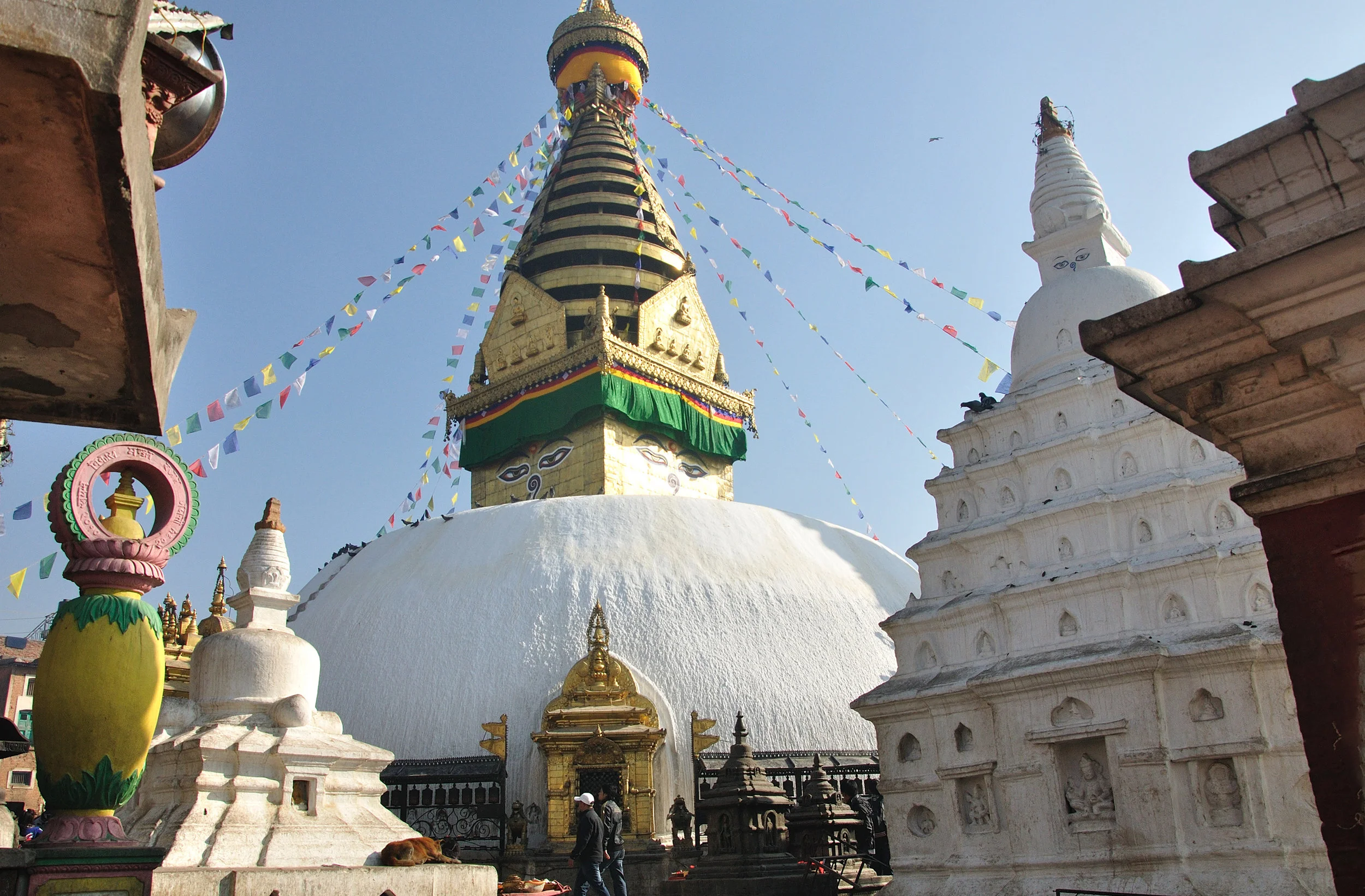
UNESCO World Heritage: Swayambhu Nath
"In Satya Yuga, Bipaswi Buddha came from a city known by the name of Bandhumati; and having taken up his abode on the mountain to the west of Nag Hrad(Kathmandu Valley) sowed a lotus-seed in the tank, on the day of the full moon in the month of Chait. The lotus seed that had been sown brought forth a lotus flower, in the middle of which Swayambhu (who had come from Aknisht Bhuban) appeared in the form of light, on the day of the full moon in Aswin." Wright 1877: 77-78
"In Satya Yuga, Bipaswi Buddha came from a city known by the name of Bandhumati; and having taken up his abode on the mountain to the west of Nag Hrad(Kathmandu Valley) sowed a lotus-seed in the tank, on the day of the full moon in the month of Chait. The lotus seed that had been sown brought forth a lotus flower, in the middle of which Swayambhu (who had come from Aknisht Bhuban) appeared in the form of light, on the day of the full moon in Aswin." Wright 1877: 77-78
Most of the historic chronicles have the lotus seed that brought light be marked as the beginning of the history of the Kathmandu Valley. The light of Swayambhu was inaccessible till the age of Treta Yuga, when Bodhistva Manjushri came from Mahachin(China) and drained the lake from the pass at Kotwal(The place where Bagmati passes out of the Valley) with other passes drawn at Chobar. With the valley drained, Bodhistva Manjuri made the valley inhabitable and the light of Swayambhu accessible to its worshippers.
The shrine of Swayambhu, the dome stupa with eyes of the enlightenment and the pinnacle was built only in the Kali Yuga. Before which it is believed that at the summit of Padma (Padma- Giri Hill; the mountain upon which Swayambhu stands) the place where the shrine is today was a great beam of light that penetrated heaven and even the depths of hell.
"The Kali Yuga, in which mankind would be utterly sinful, was approaching. He (Sant-sri) therefore covered the Swayambhu light with a stone, and built a chaitya and temple over it. He then built five rooms named Basupur, Agnipur, Bayupur, Nagpur and Santipur in the last which he lived, absorbed in devout meditation." Wright 1877:84
It is believed in local legends that even till this date Sant-sri, is in devout meditation in Santipur and shall emerge to protect the valley in times of grave danger. I remember the first time I climbed the steps to the top of Padma-Giri, as I took the last step with deep breaths. The shrine of Swayambhu was a sight to behold, view it form any perspective you wish.
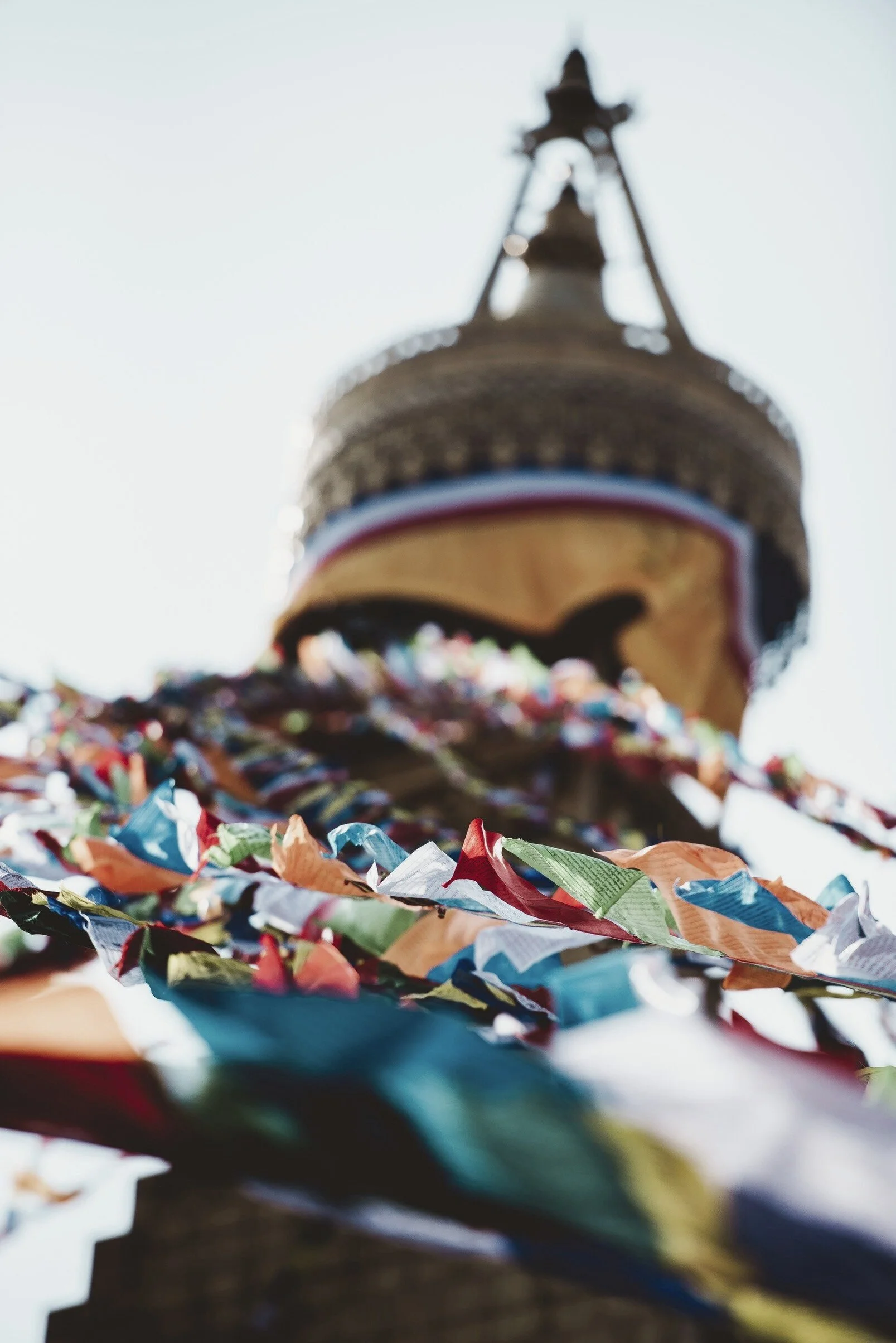
Architecturally it is a phenomena, the dome base atop which a cubical structure painted with the eyes of Shakya-Muni (Lord Buddha) in all four direction shielded by the pentagonal Torana with symbolic engravings. Above the Toranas are thirteen tiers crowned by a Gajur, now imagine a time lapse of its creation? Symbolically the base dome represents the world; the eyes of Shakya-Muni represent the status of enlightenment free from all bonds of the world. The thirteen tiers of the pinnacle symbolize thirteen stages of spiritual realizations to the enlightenment.
Spiritually as a native Newar it is the center of all our devotion and from the perspective of a sociologist, a beautiful lineage of history which has become the epicenter of Newar culture.
Today, the shrine of Swayambhu is known as Swayambhu-Nath or The Monkey Temple and is a major tourist attraction of Kathmandu Valley. Riddled with numerous shrines of Bodhistva's, Lichavi chaitya and stupas, mists of incents and chants of prayer. The Padma-Giri is a hill of spiritual awakening, the light of Swayambhu ever since history began has been a beacon of enlightenment attracting its seekers to the valley, even till this date many take great journeys to find sanctum in its light.
During the 2015 earthquake, the principal stupa didn’t suffer major damage but the surrounded chaityas, shikharas and temples along with living residents of the priests suffered major damage. The most notable difference was not seeing the two Shikharas built by Late King Pratap Malla in 1668 AD. Flanking the principal stupa, Late King Pratap Malla had built the two Shikharas with Agam Devtas within them along with which he placed a Bajra( Thunderbolt) in the Dharmadhatu mandala in front of Akshobhya Buddha. Having them being fully restored with other shrines and chaityas repaired, the area of Swayambhu was one of the very first UNESCO sites to reach a full restoration state.
For it may withstand many quakes to come, shall the eyes of enlightenment forever bring peace to its beholders. For may it always be a sanctum for its seekers and the light of Swayambhu always shine.
Hashtags: #Swayambhu #KathmanduValley #NewarCulture #BuddhistHeritage #EnlightenmentJourney #UNESCOSites #NepalEarthquake2015
POPULAR ITINERARIES
SIMILAR POSTS