
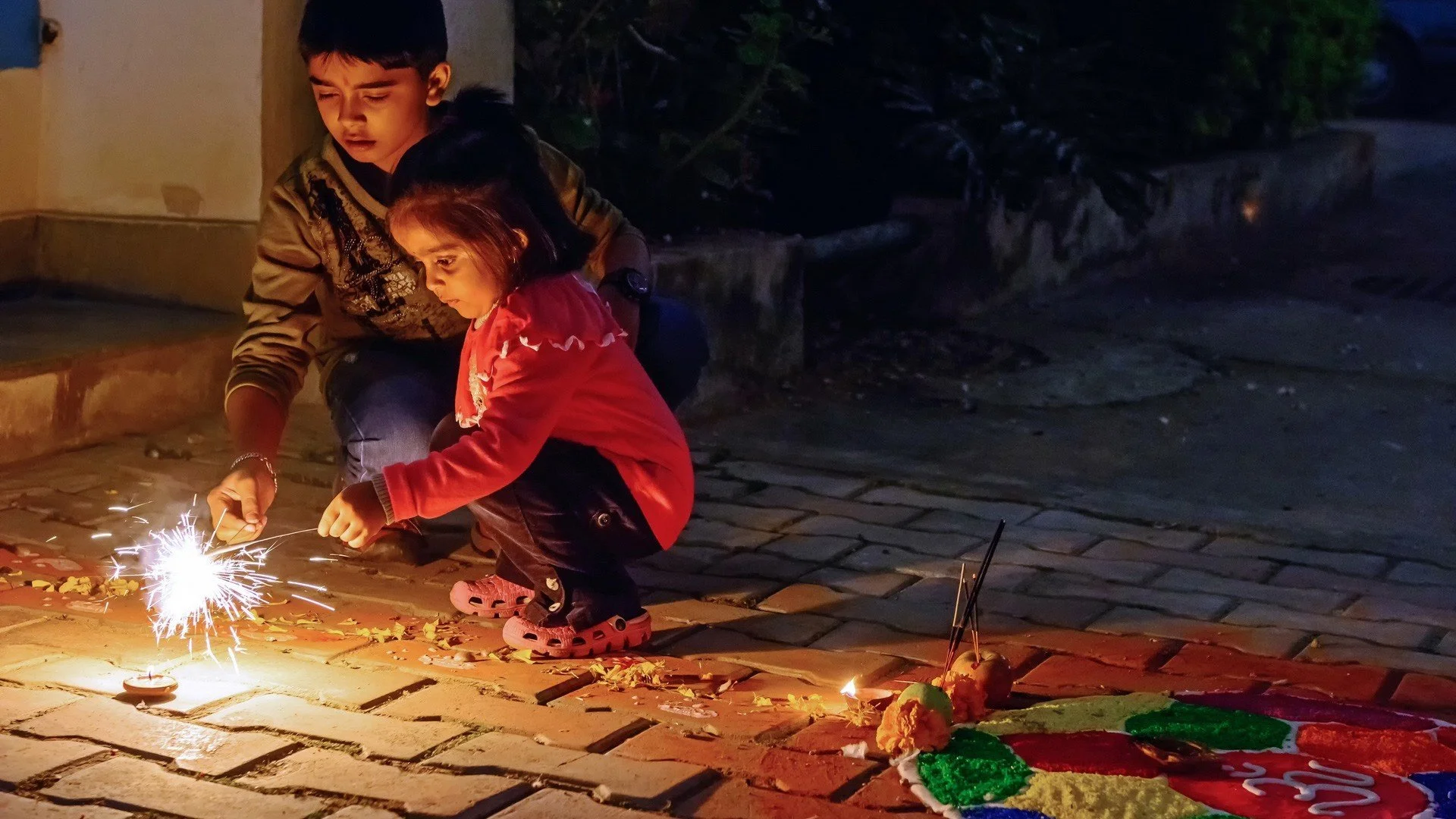
Celebrate the Spirit of Tihar: Nepal's Festival of Lights
Tihar, one of Nepal's most beautiful and vibrant festivals, is a celebration of lights, joy, and gratitude. Spanning five days, Tihar honors the bond between humans, gods, and animals, making it a festival that resonates deeply with the Nepali culture. Often compared to Diwali, Tihar is unique in its own right, filled with cultural rituals, colorful decorations, and joyous festivities.
Tihar, one of Nepal's most beautiful and vibrant festivals, is a celebration of lights, joy, and gratitude. Spanning five days, Tihar honors the bond between humans, gods, and animals, making it a festival that resonates deeply with the Nepali culture. Often compared to Diwali, Tihar is unique in its own right, filled with cultural rituals, colorful decorations, and joyous festivities.
As the festival approaches in October, Nepal transforms into a glowing land of oil lamps, vibrant colors, and music. Whether you’re a local or a traveler, experiencing Tihar is something truly special.
The Five Days of Tihar
Day 1: Kaag Tihar (Day of Crows)
Tihar begins with the worship of crows, known as messengers of the gods. People place food outside their homes to honor the crows, symbolizing the connection between humans and the divine.
Day 2: Kukur Tihar (Day of Dogs)
On the second day, dogs, known for their loyalty, are honored with garlands, tika (red powder), and delicious treats. Temples and homes are filled with offerings as people thank these loyal companions for their service.
Day 3: Gai Tihar and Laxmi Puja (Day of Cows & Worship of Wealth)
The third day is the most important, dedicated to the cow, a sacred animal in Hinduism. Cows are decorated with flowers and tika, and offerings are made to them. In the evening, homes are lit with oil lamps and candles to welcome Goddess Laxmi, the goddess of wealth and prosperity. Rangoli, intricate patterns made from colored powders, adorn courtyards and doorways to invite good fortune.
Day 4: Govardhan Puja (Day of Oxen)
On this day, oxen are worshipped for their agricultural importance, and people celebrate by performing Govardhan Puja, which marks the victory of Lord Krishna over the demon Indra. This day also involves family feasts and merriment.
Day 5: Bhai Tika (Day of Brothers)
Tihar concludes with Bhai Tika, a special day dedicated to the bond between brothers and sisters. Sisters apply tika on their brothers’ foreheads, offer garlands, and pray for their long life and success. In return, brothers give gifts and vow to protect their sisters.
The Beauty of Tihar: Lights, Music, and Togetherness
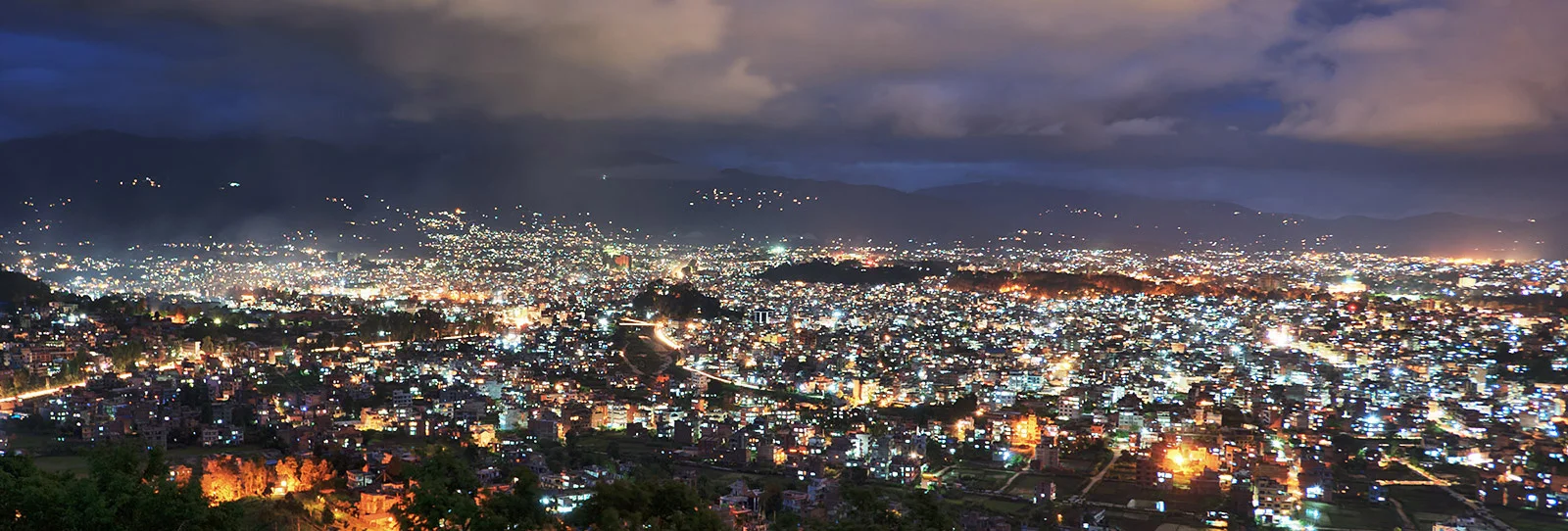
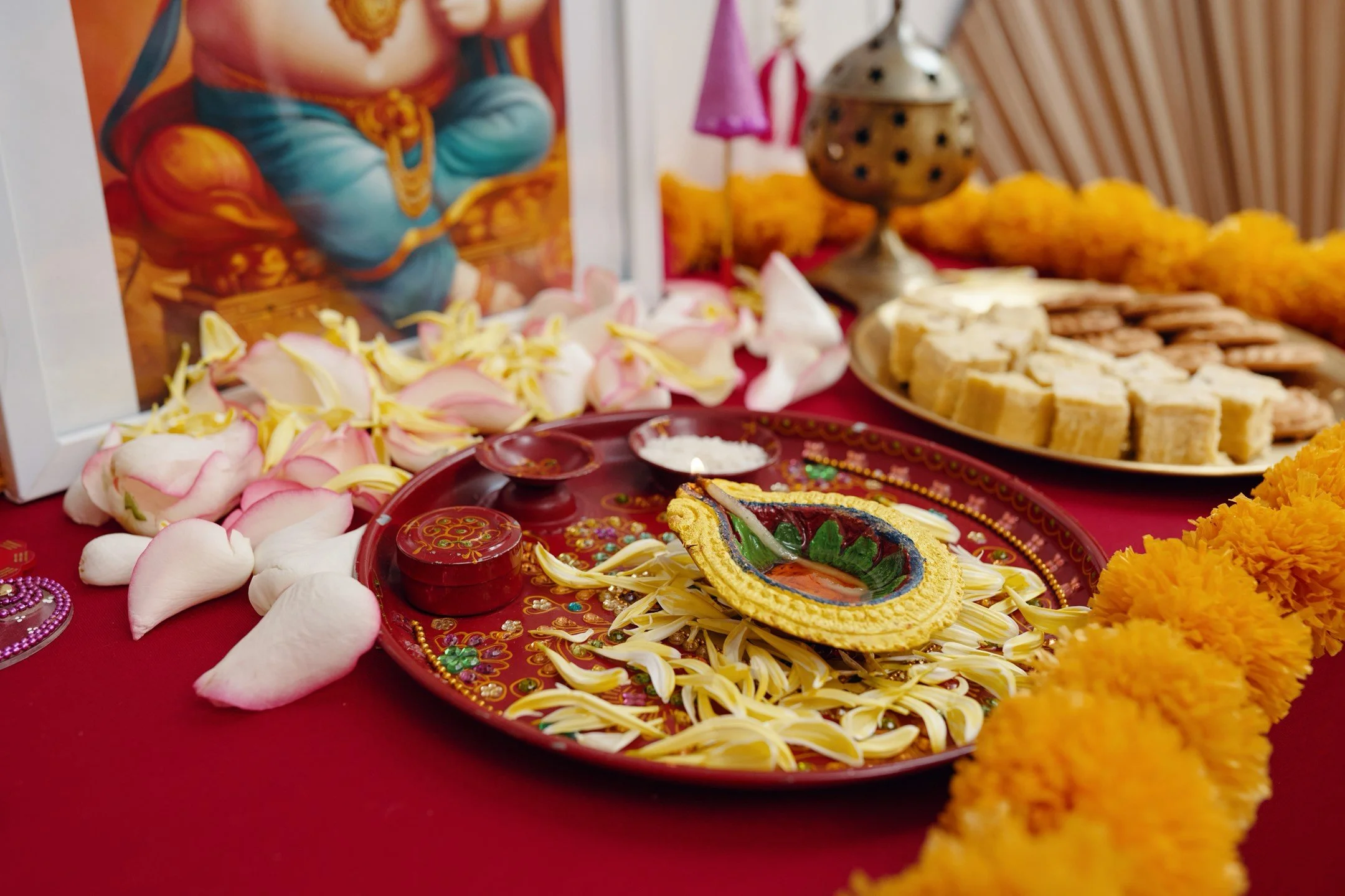
One of the most captivating elements of Tihar is the way homes, temples, and streets are illuminated with diyas (oil lamps) and colorful lights. As the sun sets, Kathmandu and other cities across Nepal shimmer with warmth and light. The flickering of candles, the sound of traditional songs, and the aroma of festival delicacies fill the air, creating an atmosphere of joy and celebration.
Children go door-to-door singing traditional Deusi-Bhailo songs, receiving gifts and blessings in return. These songs are an essential part of the Tihar celebration, spreading happiness and unity in every neighborhood.
How to Enjoy Tihar as a Visitor
Tihar is a time of family gatherings and community celebrations, but visitors are always welcome to participate in the festivities. Here’s how you can experience the festival:
● Witness the Laxmi Puja Ceremony: Visit a local temple or be a guest in a Nepali home to witness the grand Laxmi Puja. The evening will be filled with lights, music, and offerings made to Goddess Laxmi.
● Make Rangoli: Many homes create beautiful rangoli designs in their courtyards. Join in and learn the art of making these colorful patterns.
● Participate in Deusi-Bhailo: Experience the joy of singing and dancing with locals during Deusi-Bhailo. It’s a fun way to engage with the community and enjoy the festival spirit.
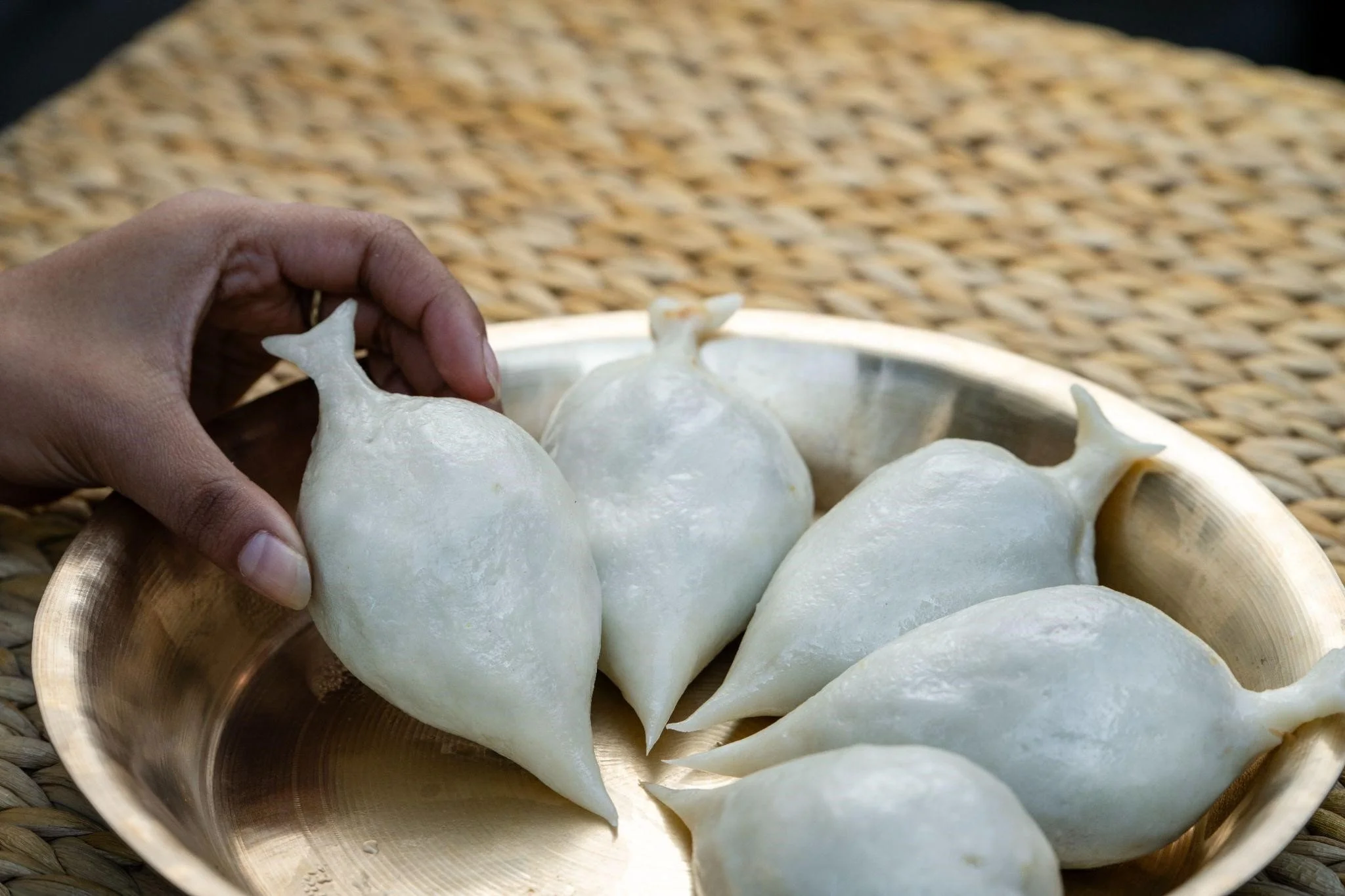
● Taste Traditional Tihar Dishes: Indulge in special festival foods such as sel roti (a traditional rice flour doughnut), yomari, and delicious sweets that are prepared in homes across Nepal.
Why Visit Nepal During Tihar?
Tihar is one of the most vibrant times to visit Nepal, offering a unique glimpse into the rich cultural and spiritual traditions of the country. The festival not only showcases the beauty of Hindu rituals but also emphasizes the importance of family, nature, and the balance of life. As the cities light up and families come together, the warmth of Nepali hospitality shines brighter than ever.
Visitors can take advantage of the mild autumn weather, perfect for exploring Nepal’s iconic landmarks, temples, and markets. The festive spirit extends to every corner of the city, making your stay in Kathmandu an unforgettable experience.
Plan Your Tihar Experience
Whether you are visiting Nepal for the first time or you’re a returning traveler, Tihar offers a unique opportunity to immerse yourself in the country's rich cultural heritage. Enjoy the sights, sounds, and traditions of this vibrant festival while exploring the historic and spiritual beauty of Kathmandu.
For those staying at Hotel Shanker, we offer a special Tihar experience with a range of activities and cultural programs that allow our guests to fully participate in the festival. Join us in lighting diyas, making rangoli, and savoring traditional Nepali dishes, all while enjoying the luxury and comfort of our heritage hotel.
POPULAR ITINERARIES
SIMILAR POSTS
Jungle Safari in Chitwan
Chitwan National Park, a UNESCO World Heritage Site, is a wildlife enthusiast's paradise. Nestled in the heart of Nepal, this pristine jungle offers an unforgettable experience for travelers seeking an up-close encounter with nature. A jungle safari in Chitwan is an adventure that will leave you with memories to cherish for a lifetime.
Chitwan National Park, a UNESCO World Heritage Site, is a wildlife enthusiast's paradise. Nestled in the heart of Nepal, this pristine jungle offers an unforgettable experience for travelers seeking an up-close encounter with nature. A jungle safari in Chitwan is an adventure that will leave you with memories to cherish for a lifetime.
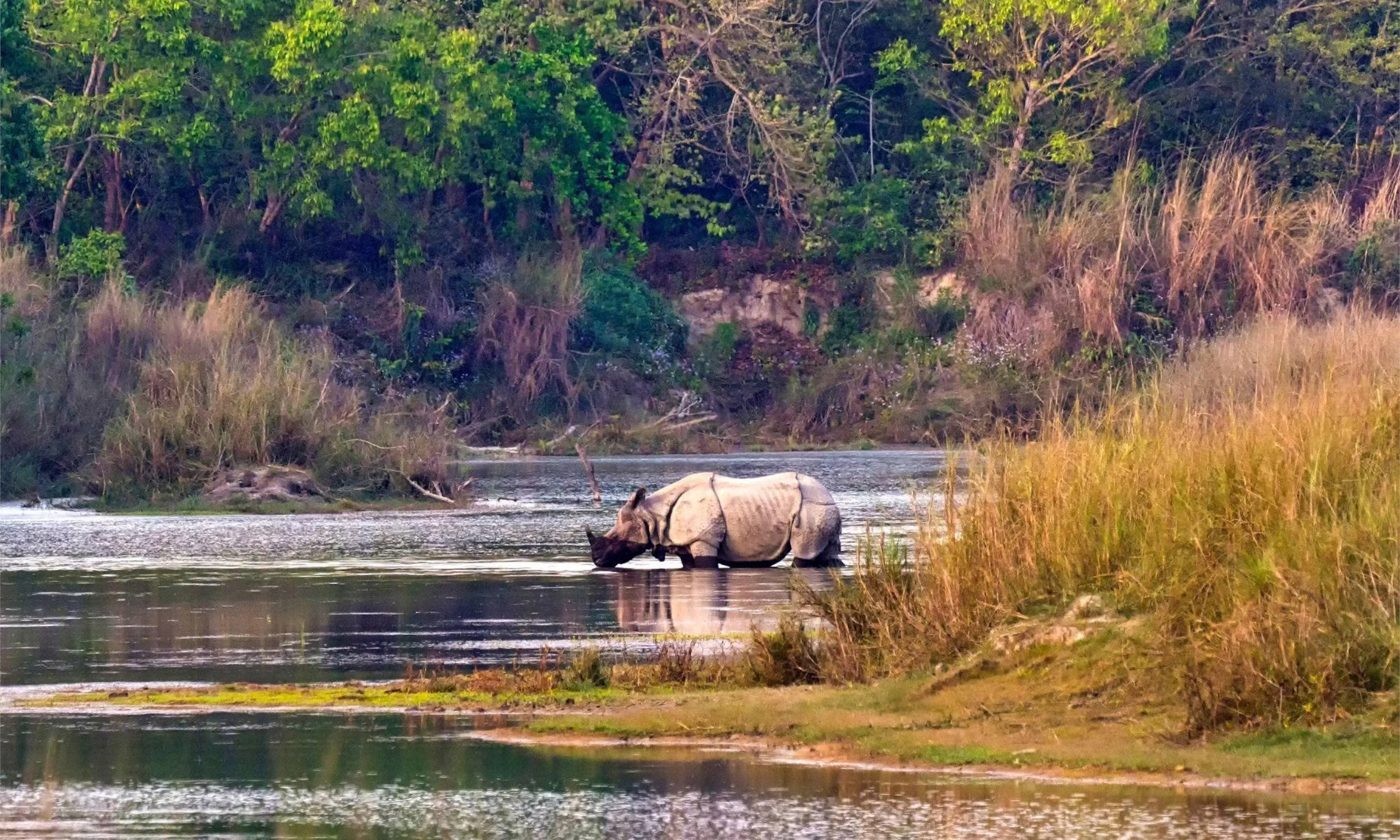
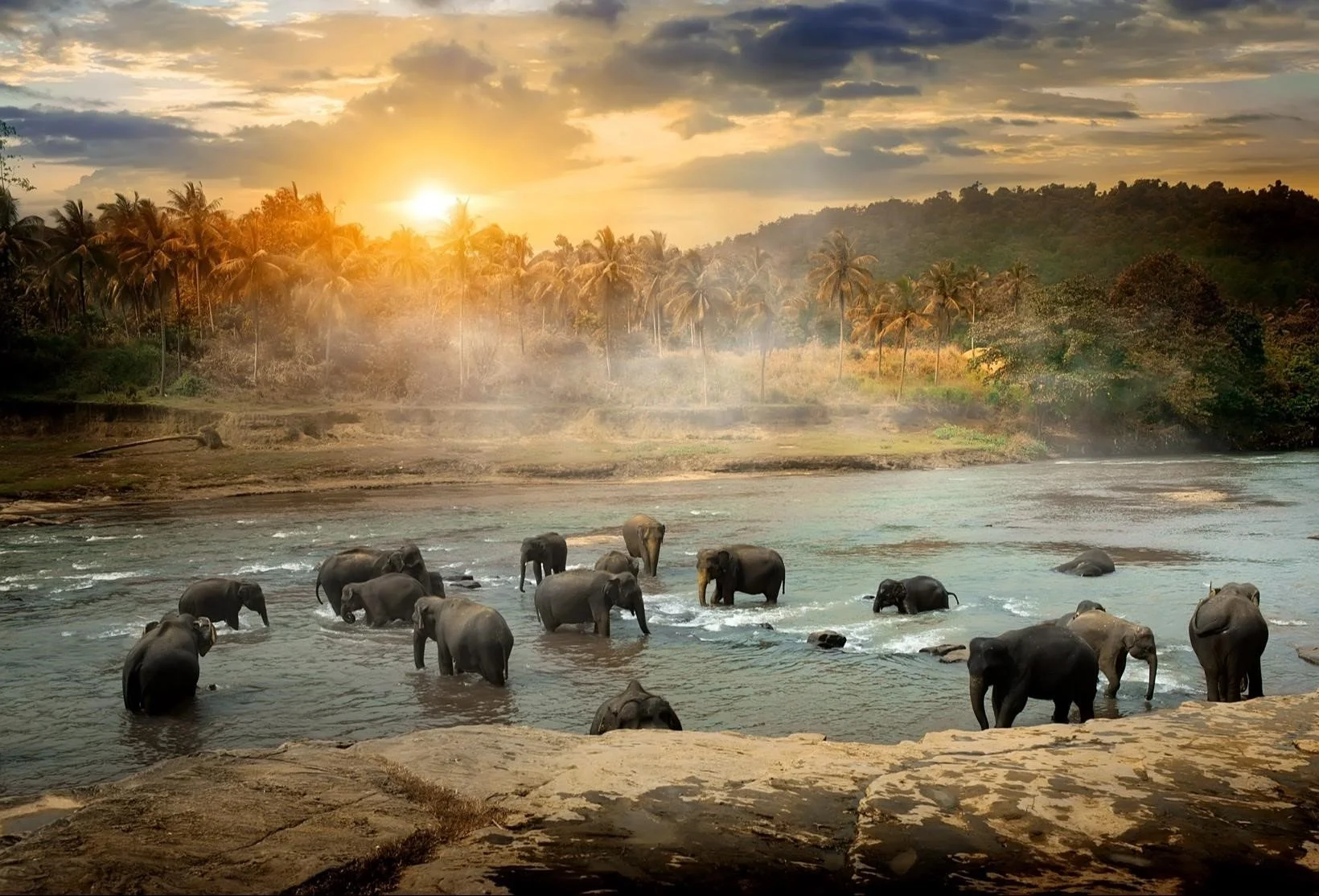
Wildlife Galore Chitwan is renowned for its rich biodiversity, and a safari is the best way to witness its splendor. You can expect to spot majestic creatures like the Royal Bengal Tiger, elusive leopards, and one-horned rhinos. If you're lucky, you might even catch a glimpse of the endangered Gharial crocodile or the playful Indian Otter. The park is also home to a diverse birdlife, making it a birder's delight.
Thrilling Safari Options Chitwan offers a variety of safari options to suit every adventure seeker.
● Jeep Safari: This is the most popular way to explore the park. Jeeps are comfortable and offer a good vantage point for spotting wildlife.
● Elephant Safari: For a truly unique experience, embark on an elephant safari. Riding on the back of these gentle giants through the jungle is an unforgettable adventure.
● Canoe Ride: Glide through the tranquil waters of the Rapti River and witness wildlife from a different perspective. You might encounter crocodiles, otters, and various bird species.
● Walking Safari: For a more intimate experience, opt for a guided walking safari. This allows you to explore the jungle on foot and learn about the flora and fauna from experienced guides.
Beyond the Safari Apart from wildlife encounters, Chitwan offers a range of other activities to keep you entertained. You can go for a jungle hike, visit a Tharu village to experience the local culture or indulge in birdwatching. For adventure enthusiasts, there's rafting, kayaking, and fishing.
Best Time to Visit The best time to visit Chitwan is from October to April when the weather is pleasant and wildlife sightings are at their peak. However, the park remains open throughout the year, offering unique experiences in different seasons.
Tips for Your Safari
● Book your safari in advance, especially during peak season.
● Carry binoculars for better wildlife spotting.
● Respect the wildlife and maintain a safe distance.
● Dress comfortably and wear appropriate footwear.
● Carry sunscreen, insect repellent, and a hat.
A jungle safari in Chitwan is an experience that will stay with you forever. It's a chance to connect with nature, witness incredible wildlife, and create memories that will last a lifetime.
POPULAR ITINERARIES
SIMILAR POSTS

Monsoon Melodies: Explore the Rhythmic Beauty of Nepal
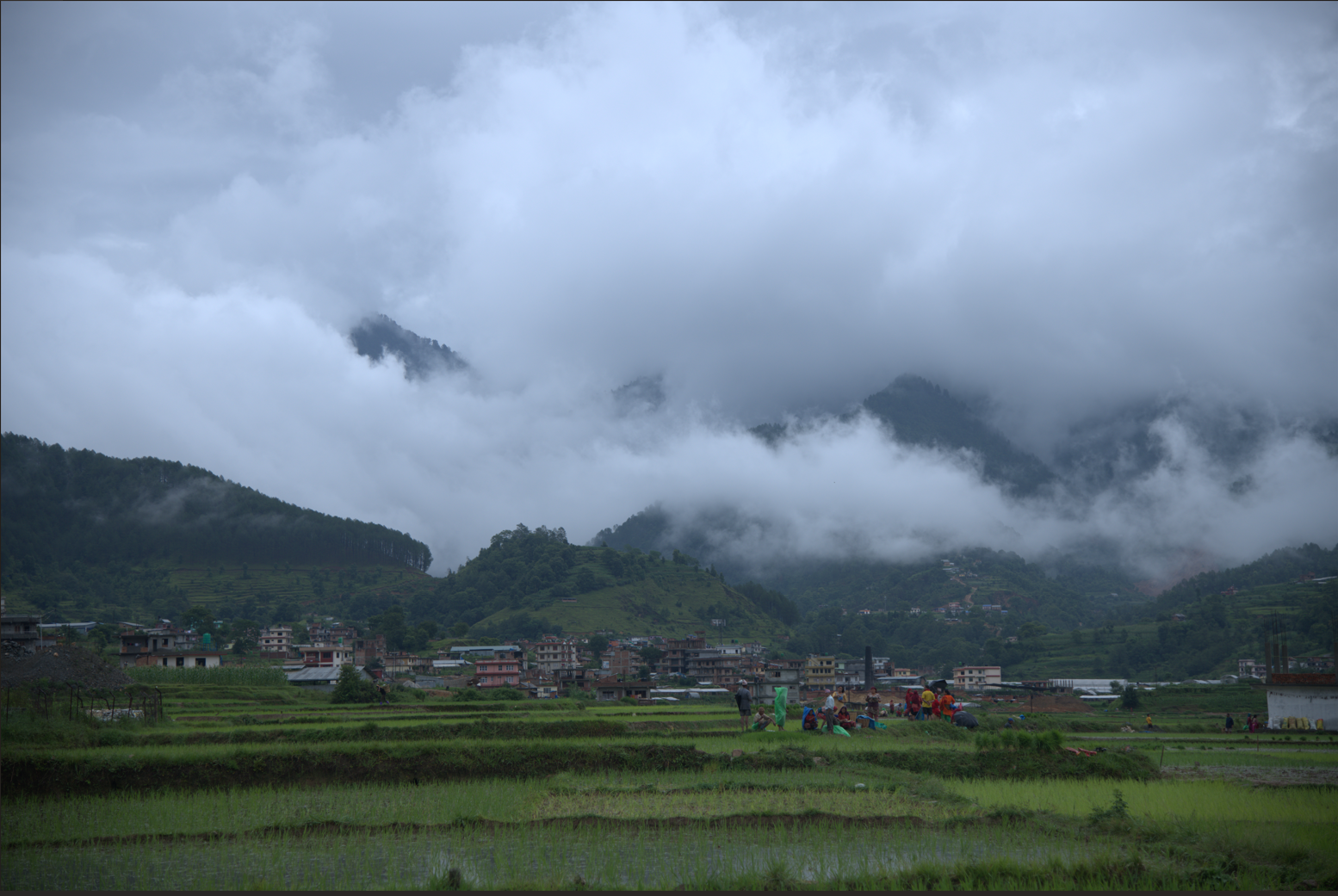
Though the Himalayas are often associated with Nepal, the country's real attraction is in the rainy season. Monsoon Nepal is a symphony of glowing waterfalls, green valleys, and a strong cultural process that awakens with the rain. Forget the postcard-perfect images of snow-capped peaks. Here's a closer look at what you can expect during this special and sometimes overlooked time of year for travel.
Though the Himalayas are often associated with Nepal, the country's real attraction is in the rainy season. Monsoon Nepal is a symphony of glowing waterfalls, green valleys, and a strong cultural process that awakens with the rain. Forget the postcard-perfect images of snow-capped peaks. Here's a closer look at what you can expect during this special and sometimes overlooked time of year for travel:
A Symphony of the Senses: Beyond the Visual
While the monsoon undoubtedly transforms Nepal's landscape into a breathtaking tapestry of emerald greens, the true magic lies in the sensory experience. The rhythmic drumming of raindrops on rooftops creates a calming soundtrack, while the earthy scent of freshly washed soil fills the air. Witnessing the dramatic cloud formations and the cleansing power of the rain awakens a sense of awe and rejuvenation.
Beyond the Crowds: Explore Hidden Gems
Monsoon offers a reprieve from the usual tourist throngs. Popular trekking routes become less crowded, allowing you to connect with the serenity of the Himalayas truly. This is the perfect time to explore lesser-known gems like the Mardi Himal Trek, offering stunning panoramic views without the usual crowds.
Nature's Power on Display: Witnessing the Majesty of Waterfalls
The monsoon season transforms Nepal's waterfalls into cascading giants. Witnessing the raw power and beauty of these natural wonders is an unforgettable experience. Whether it's the majestic fall of the Muktinath waterfall or the cascading tiers of the Chhimkeshwari waterfall, the monsoon breathes life into these natural wonders.
Cultural Immersion: Festivals Washed Clean
Nepal's vibrant culture comes alive during the monsoon. The sowing festival of Asar Panchami, where farmers celebrate with traditional dances and delicious food, becomes a joyous spectacle. Witnessing these celebrations offers a deeper understanding of the country's soul and its deep connection with nature.
A Culinary Adventure: Seasonal Delights
Monsoon brings a bounty of fresh local produce, reflected in Nepal's delectable cuisine. Sample dishes like Gundruk, a fermented green leafy vegetable soup, perfect for a cozy monsoon evening. Steaming bowls of Dhindo, a traditional Nepali dish made from cornmeal, are another must-try. Don't forget to indulge in seasonal fruits like juicy mangoes and plump litchis.
Challenges and Rewards: Embracing the Monsoon Spirit
Monsoon travel comes with its own set of challenges. Landslides and slippery trails might require itinerary adjustments. Embrace the slower pace of life during this season and enjoy leisurely afternoons sipping hot tea while watching the rain. Pack light rain gear, waterproof boots, and a flexible attitude – these are your most essential travel companions during the monsoon.
A Different Kind of Adventure: Explore the Heart of Nepal
Monsoon Nepal is not just about the rain; it's about experiencing the heart of the country. Witnessing the agricultural rhythm of life, the vibrant cultural celebrations, and the raw power of nature creates a unique and unforgettable travel experience. So, ditch the stereotypical tourist itinerary and embrace the monsoon melody. You might just discover a side of Nepal that will leave a lasting impression.
POPULAR ITINERARIES
SIMILAR POSTS
Nepal's Spring Symphony: A Tourist's Guide to an Unforgettable Season
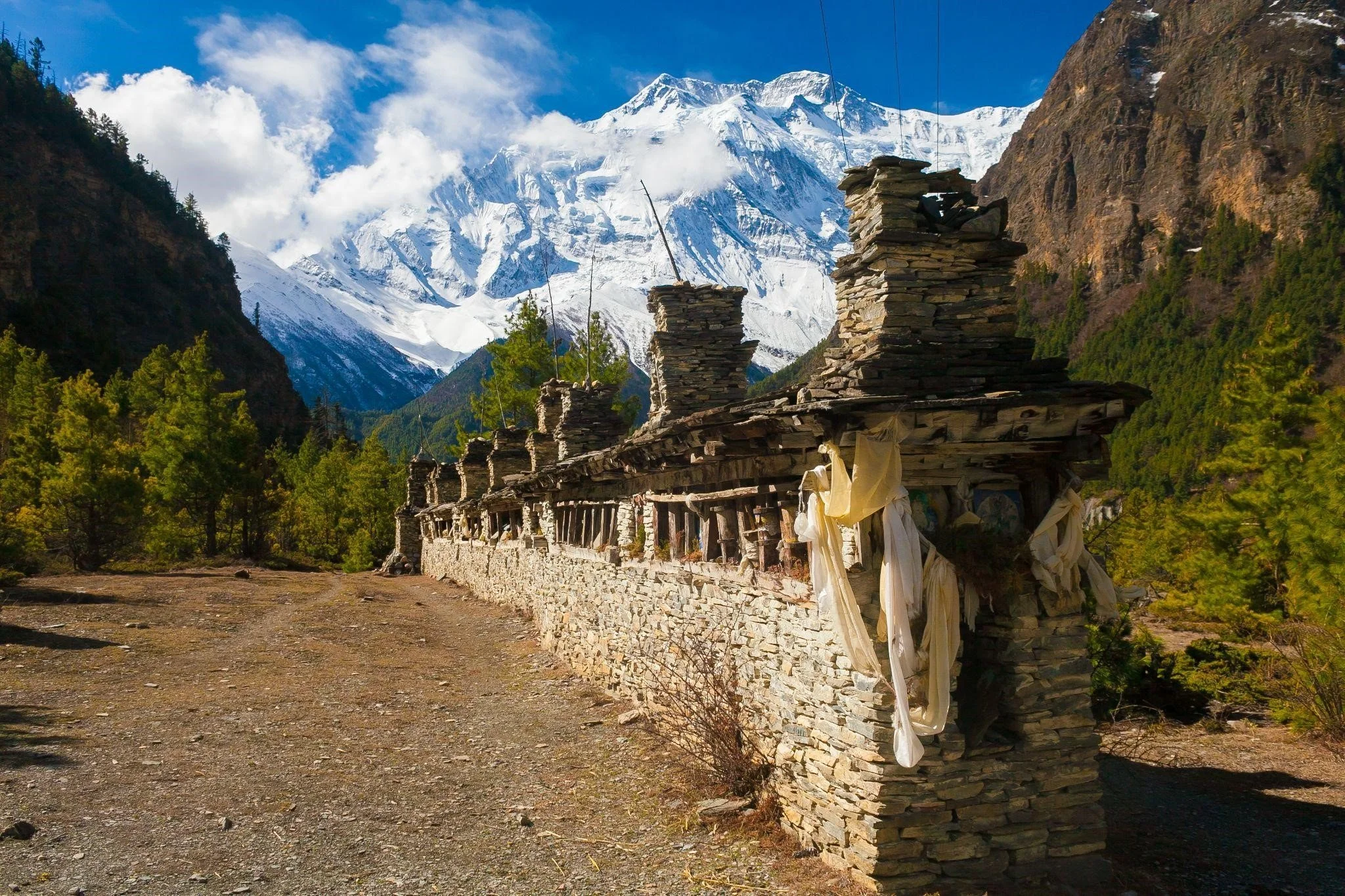
Spring paints Nepal with a vibrant palette, transforming the country into a wonderland of blooming landscapes, cultural celebrations, and invigorating adventures. As the winter chill gives way to warm sunshine and gentle breezes, it's the perfect time for tourists to experience the magic of Nepal.
A Visual Feast: Witness Nature's Awakening
Pleasant Weather: Ideal for Exploration
Cultural Extravaganza: Immerse Yourself in Vibrant Festivals
Adventure Awaits: Embrace the Thrill
Wildlife Watching: Spot Rare Species in their Natural Habitat
Beyond the Tourist Trail: Explore Hidden Gems
Foodie Paradise: Savor Seasonal Delights
Spring in Nepal: An Unforgettable Experience
Spring paints Nepal with a vibrant palette, transforming the country into a wonderland of blooming landscapes, cultural celebrations, and invigorating adventures. As the winter chill gives way to warm sunshine and gentle breezes, it's the perfect time for tourists to experience the magic of Nepal. Here's why a spring vacation in Nepal should be at the top of your travel list:
A Visual Feast: Witness Nature's Awakening
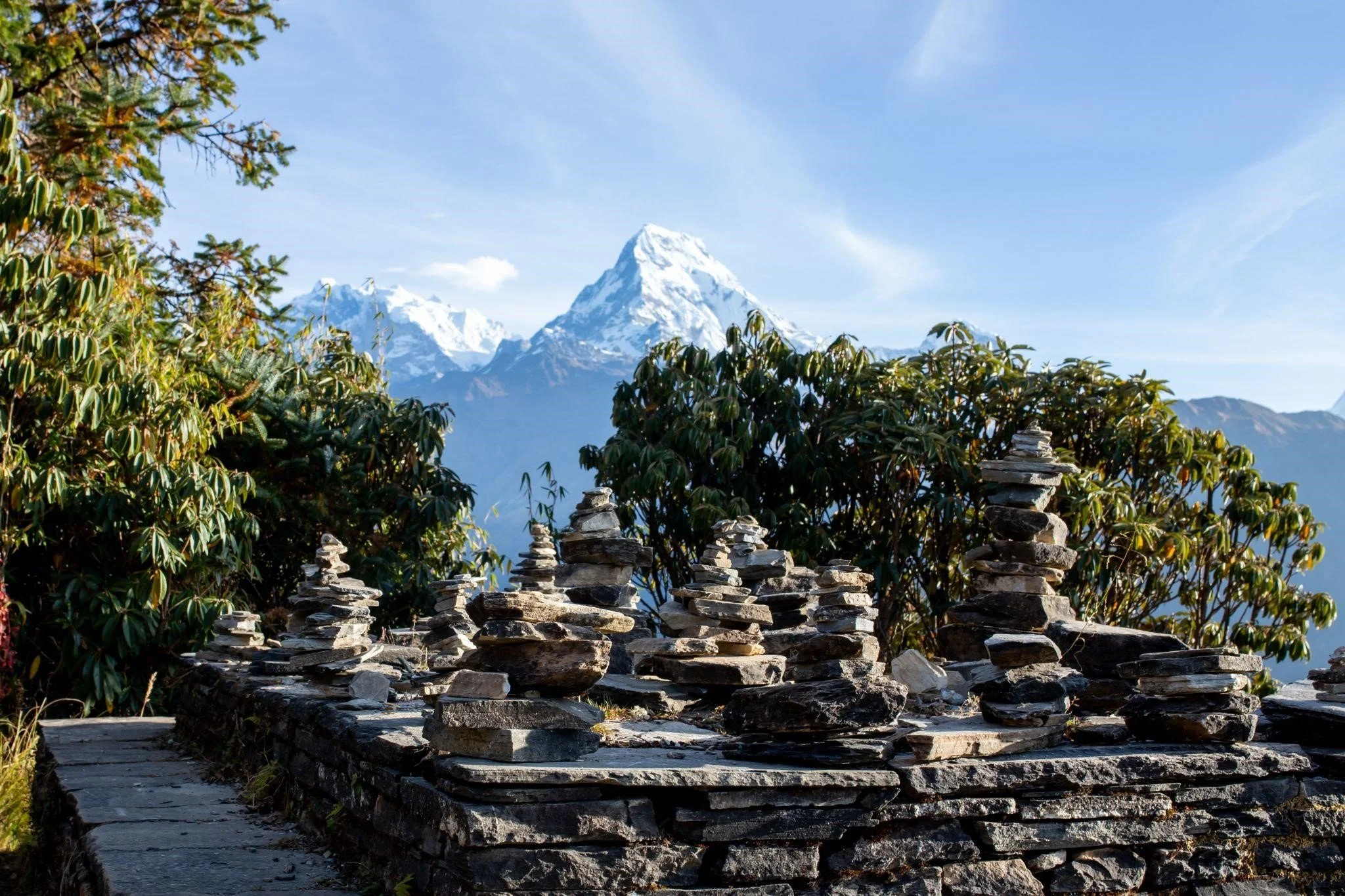
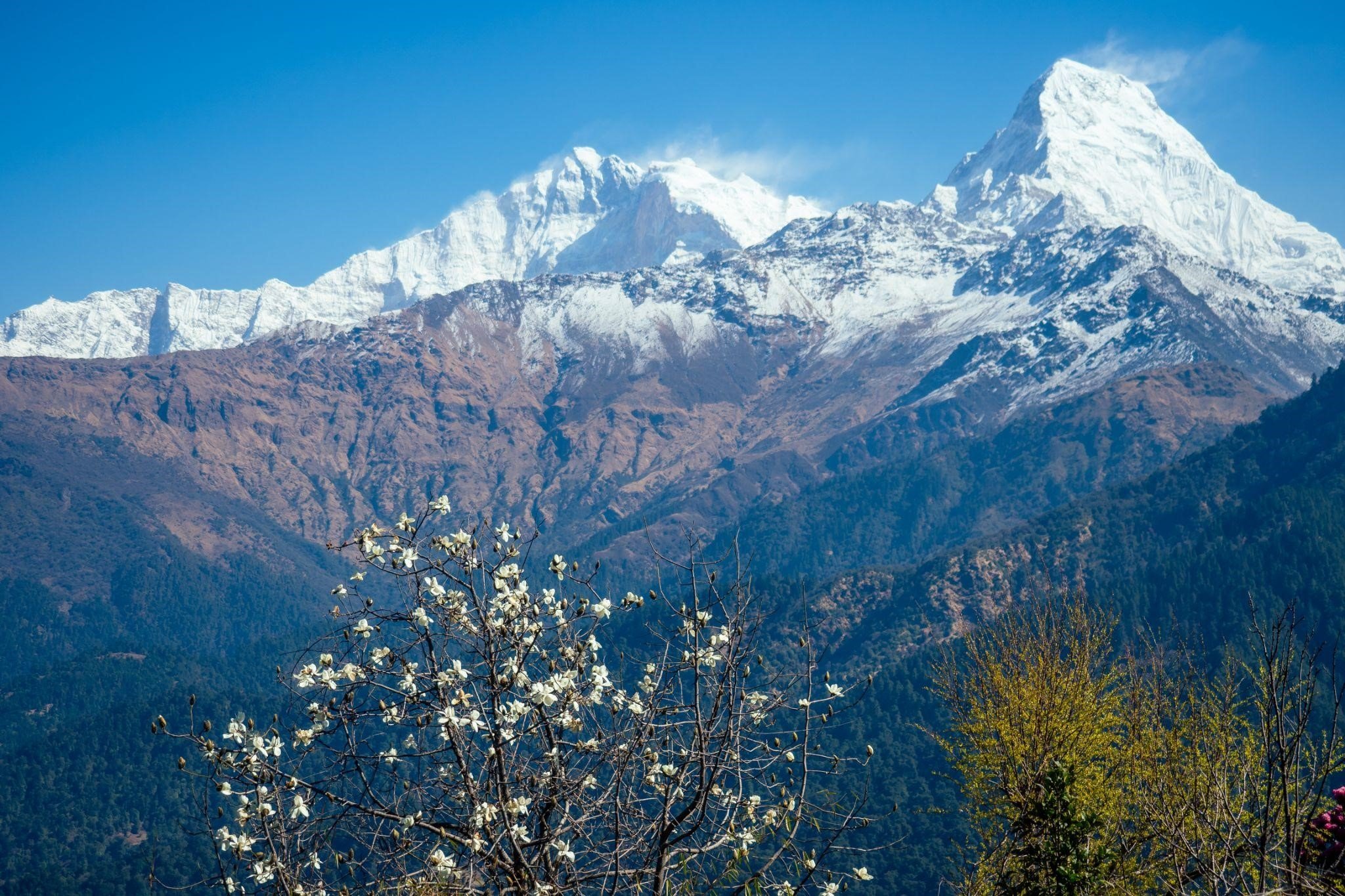
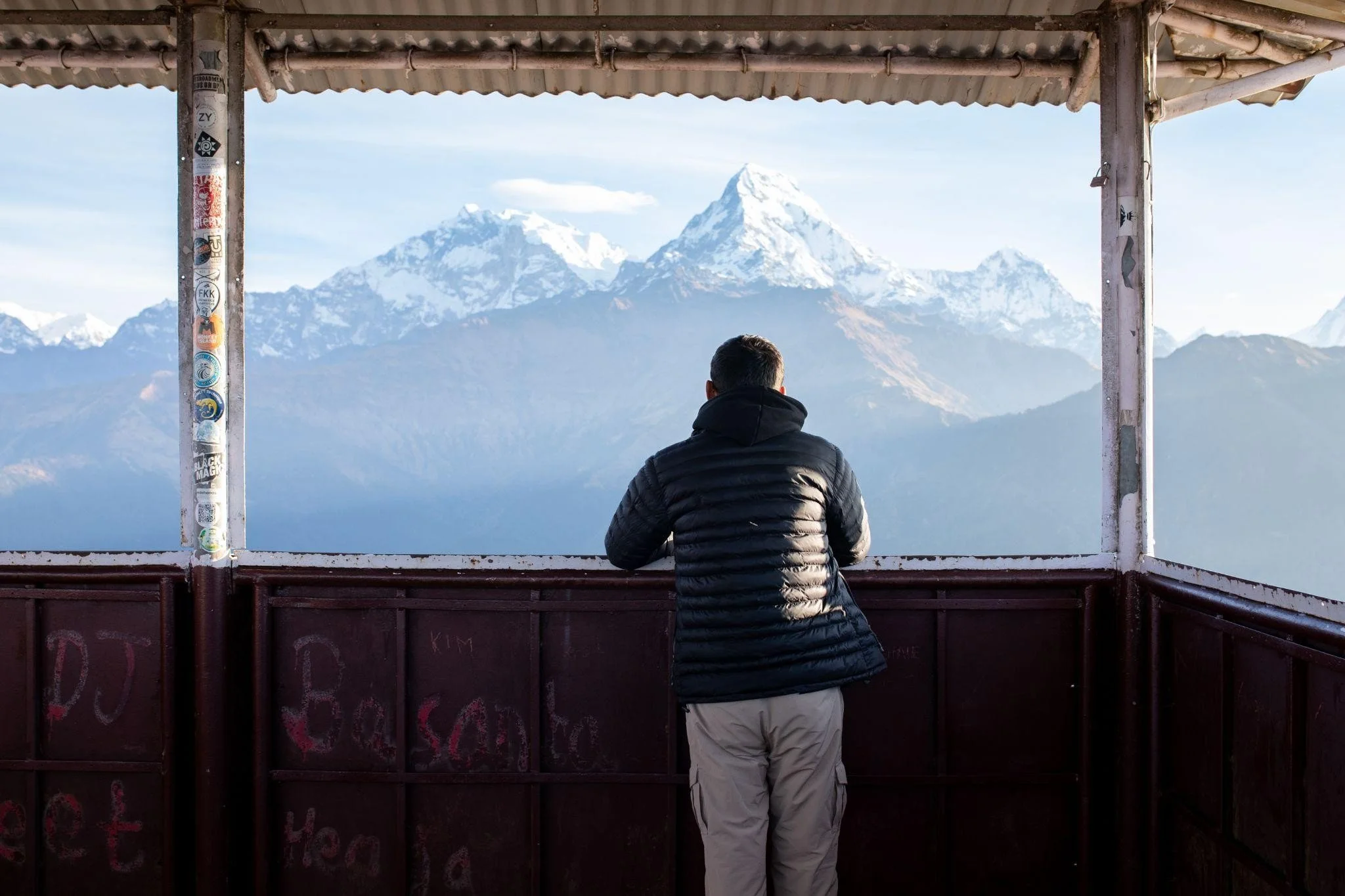
Spring in Nepal is a visual spectacle. Valleys erupt in a riot of colors as rhododendrons, Nepal's national flower, paint the hillsides with shades of red, pink, and white. Peach blossoms adorn ancient temples, and wildflowers carpet meadows in a breathtaking display. Witness the iconic terraces of Ghorepani Poon Hill come alive with a vibrant tapestry of wildflowers, offering a panoramic view that will leave you speechless.
Pleasant Weather: Ideal for Exploration
Gone are the harsh winters and scorching summers. Spring offers ideal weather for exploring Nepal's diverse landscapes. Hike through verdant forests teeming with birdlife, or embark on challenging treks to Everest Base Camp or Annapurna Base Camp with comfortable temperatures. Cycle along scenic countryside roads, or simply relax by a tranquil lakeside, soaking in the warmth of the season.
Cultural Extravaganza: Immerse Yourself in Vibrant Festivals
Spring coincides with several vibrant Nepali festivals, offering a unique opportunity to experience the country's rich culture. Witness the colorful celebration of Holi, the festival of colors, where people throw colored powder at each other in a joyous display of merriment. Be captivated by the grandeur of Seto Machhindranath, a chariot festival in Kathmandu that draws thousands of devotees. Immerse yourself in the serenity of Buddha Jayanti, celebrating the birth of Lord Buddha, with prayer ceremonies and chanting.
Adventure Awaits: Embrace the Thrill
Spring awakens the thrill-seeker's soul in Nepal. The rivers, swollen by melted snow, become ideal for white-water rafting adventures. Kayak down theTrishuli River, navigating exciting rapids amidst breathtaking scenery. For the more adventurous, spring offers the perfect conditions for mountain biking through challenging terrains or paragliding over serene valleys, experiencing the grandeur of the Himalayas from a bird's-eye view.
Wildlife Watching: Spot Rare Species in their Natural Habitat
Spring is a prime time for wildlife watching in Nepal. With comfortable temperatures, animals emerge from hibernation, making them easier to spot. Embark on a jeep safari in Chitwan National Park and witness majestic one-horned rhinos, elusive tigers, and many bird species. Hike through the verdant forests of Langtang National Park and search for elusive red pandas or the majestic Himalayan tahr.
Beyond the Tourist Trail: Explore Hidden Gems
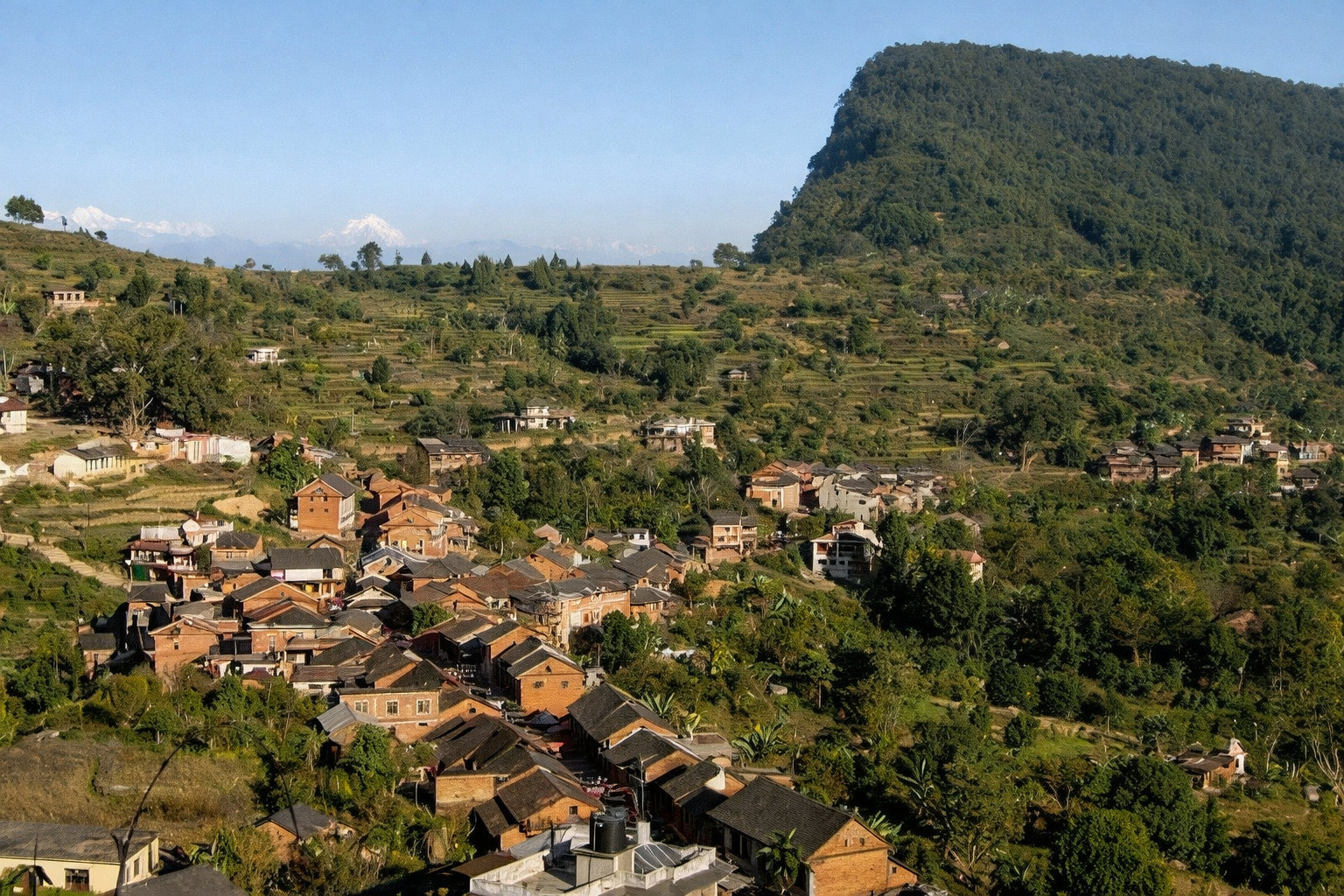
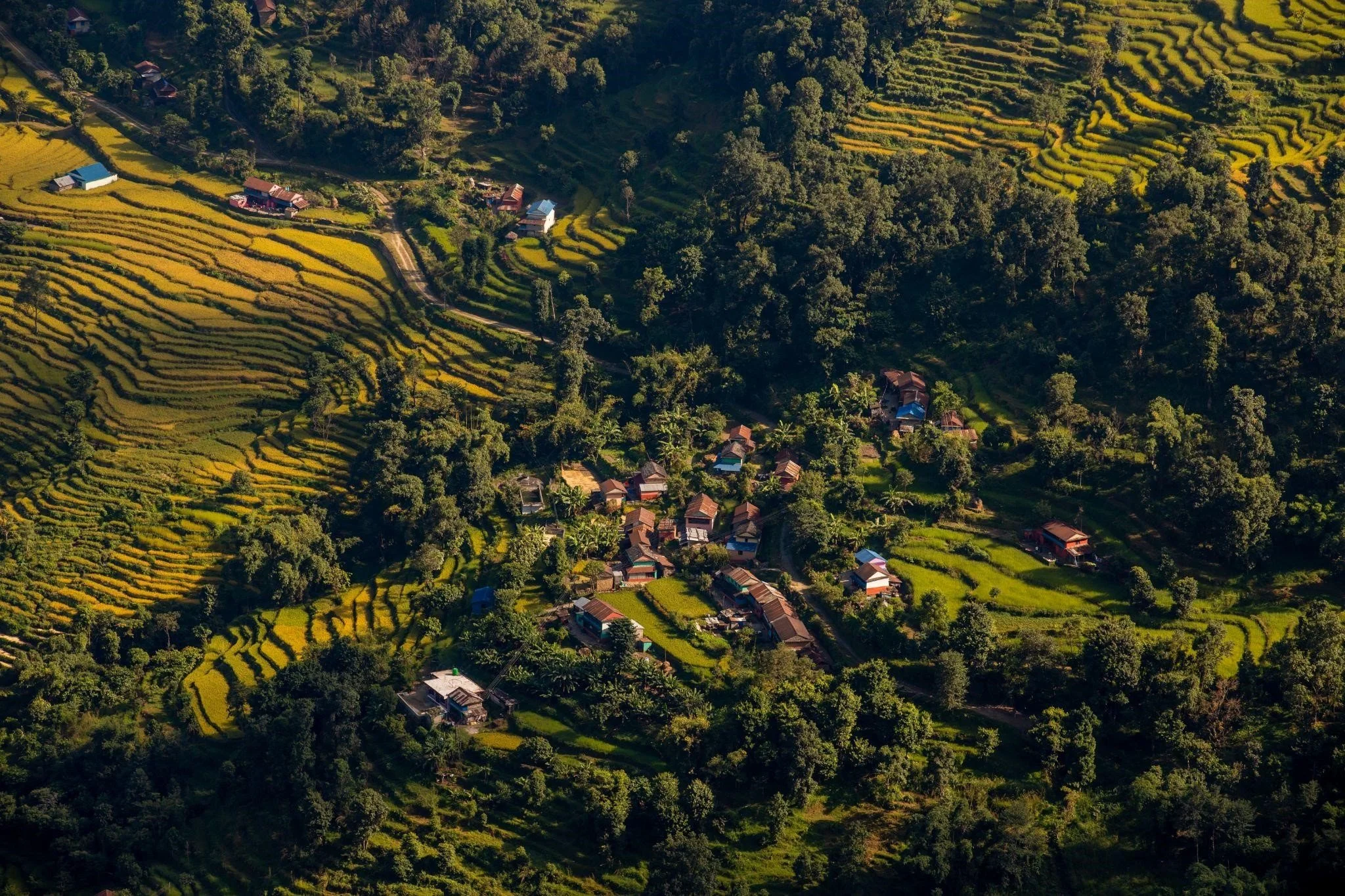
Spring allows you to venture beyond the well-trodden tourist path. Explore the charming villages nestled in the foothills of the Himalayas, experiencing the warmth of Nepali hospitality. Immerse yourself in the serenity of tranquil monasteries perched on mountaintops, offering breathtaking views and a chance to learn about Buddhist culture. Hike to hidden waterfalls cascading down lush hillsides, or discover ancient temples adorned with intricate carvings, each a testament to Nepal's rich history.
Foodie Paradise: Savor Seasonal Delights
Spring brings a bounty of fresh, local produce to Nepal. Sample succulent asparagus dishes, savor the sweetness of seasonal berries, or indulge in refreshing salads bursting with flavor. Many restaurants offer special spring menus showcasing the best of Nepali cuisine. Don't miss the opportunity to try traditional dishes like momos, steamed dumplings filled with vegetables or meat, or a comforting bowl of dal bhat, a lentil soup served with rice and various side dishes.
Spring in Nepal: An Unforgettable Experience
A spring vacation in Nepal offers a unique blend of breathtaking scenery, vibrant culture, and thrilling adventures. From the visual feast of blooming landscapes to the joyous celebrations of festivals, Nepal in spring promises an unforgettable experience. So, pack your bags, lace up your hiking boots, and get ready to embrace the magic of spring in this mystical Himalayan kingdom.
POPULAR ITINERARIES
SIMILAR POSTS
Monsoon Marvels: Unveiling Adventure in Nepal's Rainy Season
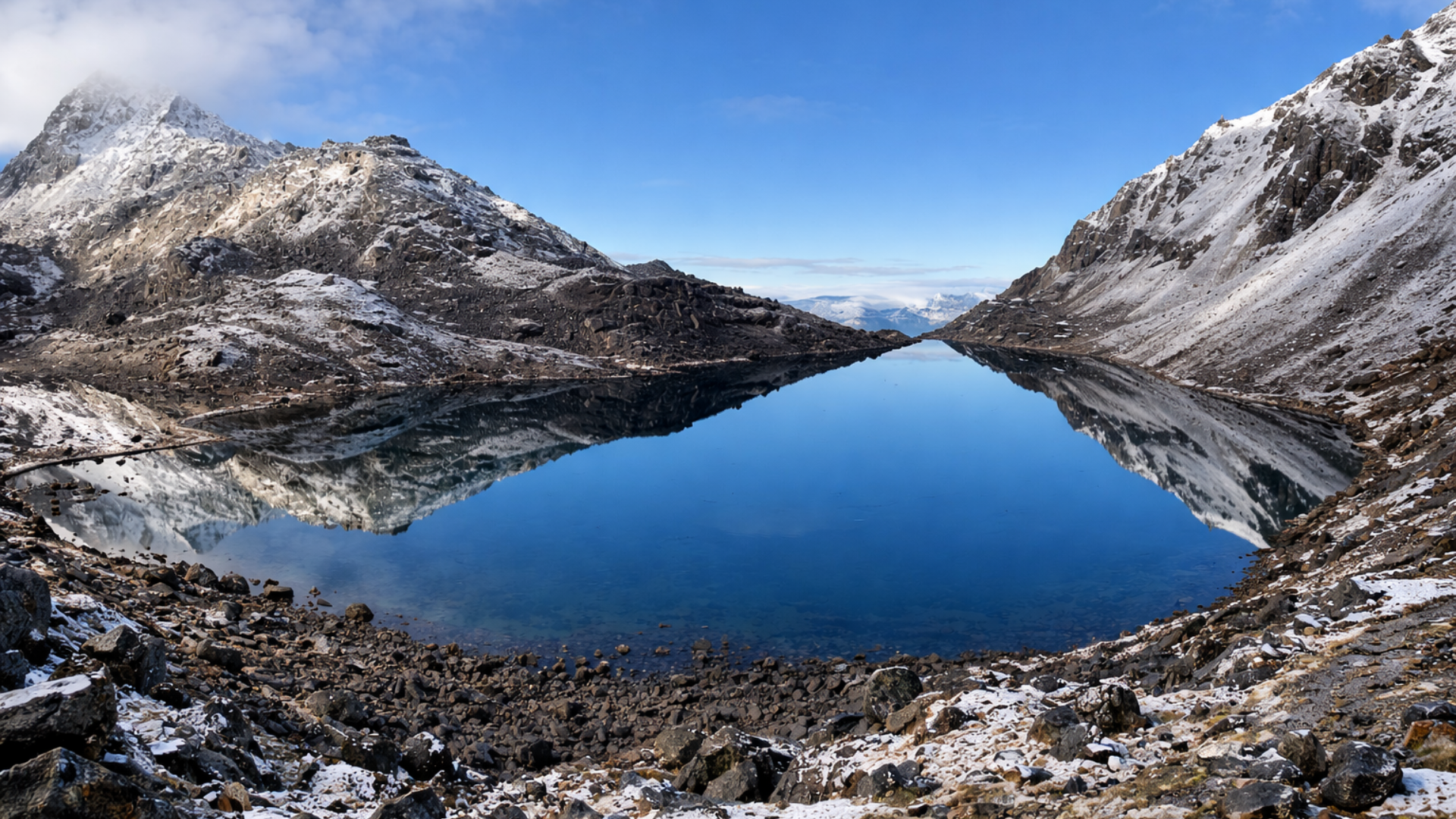
Discover the allure of Nepal's monsoon season with thrilling adventures in Pokhara, Chitwan National Park, Bandipur, Rara Lake, and Upper Mustang. From serene lakes to hidden caves, each destination offers unique experiences amidst lush landscapes. Embrace the beauty and tranquility of Nepal's monsoon marvels for an unforgettable adventure.
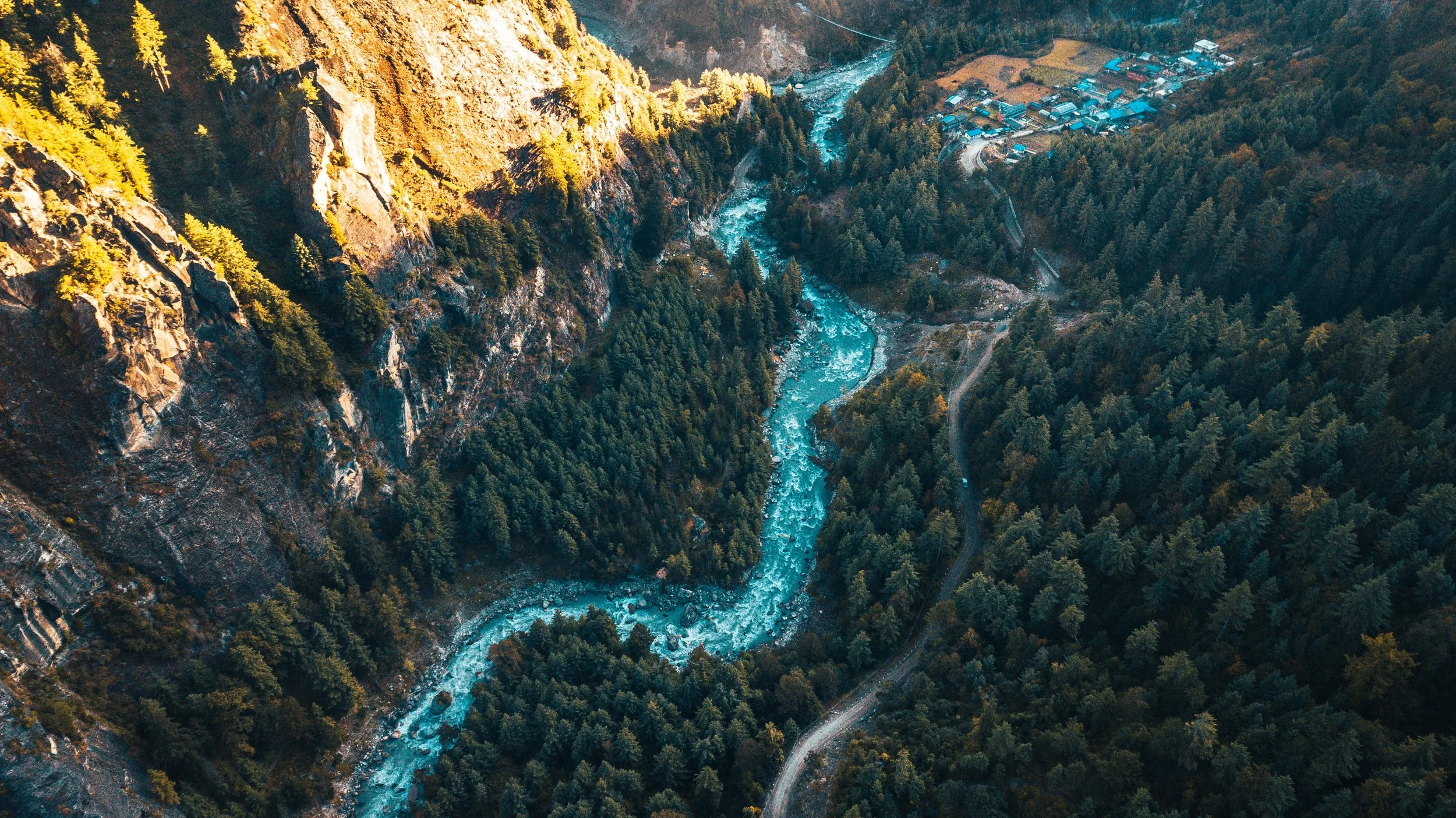
Nepal, the land of the Himalayas, offers breathtaking adventures throughout the year. While most travelers associate Nepal with trekking during the dry seasons, the monsoon months bring their own unique charm and allure. The lush green landscapes, cascading waterfalls, and a sense of tranquility make Nepal an ideal destination for adventure enthusiasts seeking offbeat experiences. In this article, we will explore five captivating destinations in Nepal that come alive during the monsoon, offering thrilling adventures amidst nature's bounty.
Pokhara
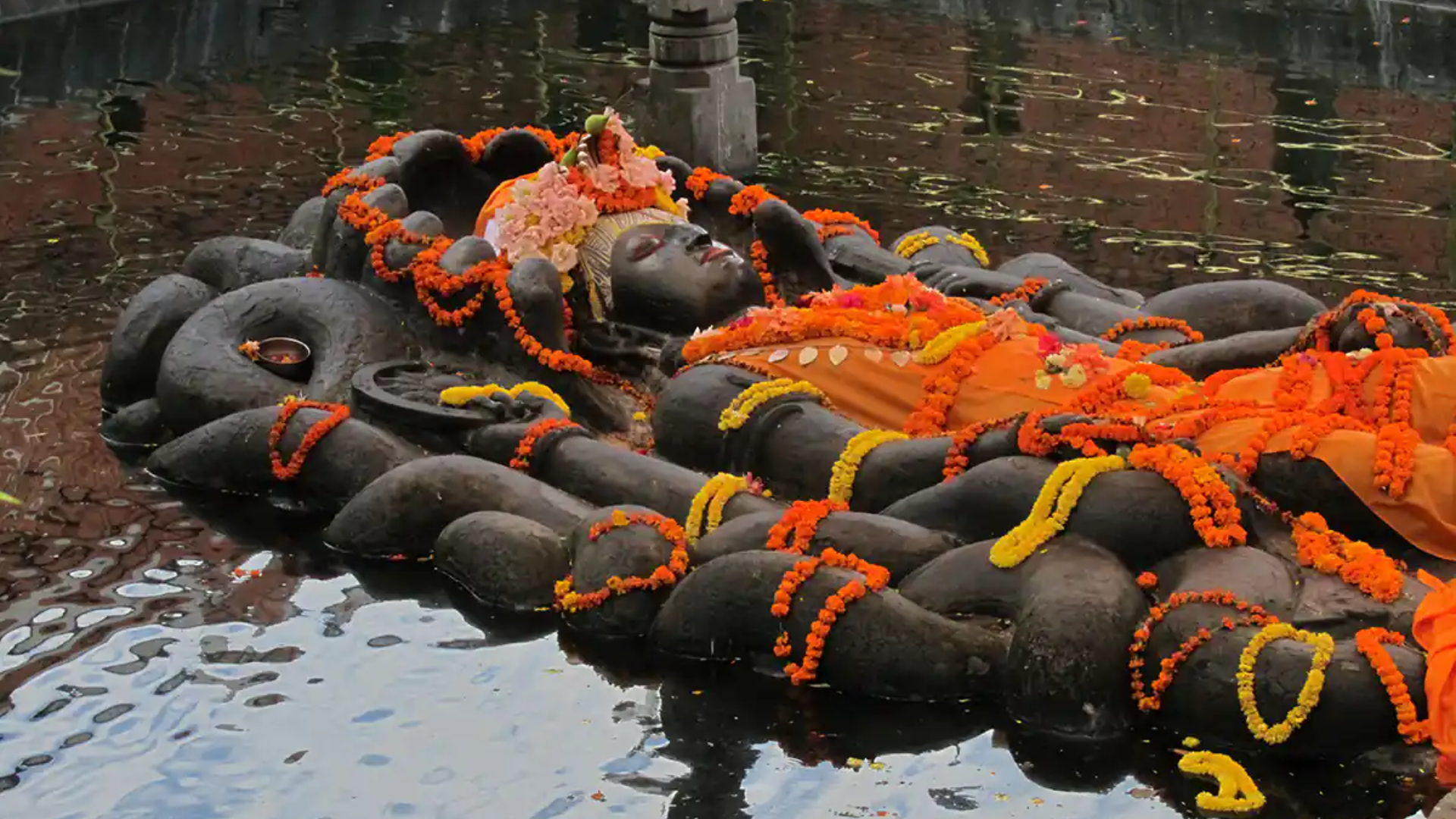
Known as the "City of Lakes," Pokhara is a picturesque paradise nestled in the lap of the Annapurna mountain range. To reach Pokhara, you can take a short 25-minute flight from Kathmandu or enjoy a scenic 6-7 hour drive through the Prithvi Highway. The monsoon showers enhance the city's beauty, filling the lakes and rejuvenating the surrounding hills.
Highlights:
Explore Phewa Lake: Take a boat ride on Phewa Lake, surrounded by lush hills and reflected snow-capped peaks.
Sarangkot Sunrise: Hike to Sarangkot before dawn and witness a spectacular sunrise over the Annapurna and Dhaulagiri mountain ranges.
Davis Falls and Gupteshwor Mahadev Cave: Visit these natural wonders where water cascades underground, creating a surreal experience.
Chitwan National Park
For wildlife enthusiasts, Chitwan National Park is a monsoon wonderland. Accessible via a 6-7 hour scenic drive from Kathmandu or a short flight to Bharatpur, this UNESCO World Heritage site is home to diverse flora and fauna.
Highlights:
Jungle Safari: Embark on an exciting jeep or elephant safari to spot endangered species like the one-horned rhinoceros and Bengal tiger.
Canoeing in Rapti River: Navigate through the serene Rapti River and witness exotic bird species, mugger crocodiles, and other aquatic life.
Tharu Cultural Experience: Immerse yourself in the vibrant Tharu culture by visiting local villages, enjoying traditional dance performances, and savoring authentic cuisine.
Bandipur
Located midway between Kathmandu and Pokhara, the charming hilltop town of Bandipur offers a glimpse into Nepal's rich cultural heritage. To reach Bandipur, take a 4-5 hour drive from Kathmandu or Pokhara.
Highlights:
Old Town Exploration: Wander through the well-preserved Newari architecture, narrow streets, and ancient temples that showcase the town's historical significance.
Siddha Cave: Explore the largest cave in Nepal, Siddha Cave, and witness its impressive stalactite formations.
Hike to Thani Mai: Trek to Thani Mai, a scenic viewpoint where you can enjoy panoramic views of the Annapurna and Manaslu ranges.
Rara Lake
Situated in the remote Karnali region of Nepal, Rara Lake is a hidden gem that truly comes to life during the monsoon. To reach Rara Lake, take a short flight from Kathmandu to Talcha Airport, followed by a picturesque 3-4 hour drive.
Highlights:
Tranquil Lake Experience: Enjoy the serenity of Rara Lake, the largest freshwater lake in Nepal, surrounded by pristine forests and mirrored peaks.
Wildlife Encounters: Spot rare wildlife species such as red pandas, musk deer, and Himalayan black bears as you explore Rara National Park.
Trekking Around the Lake: Embark on a scenic trek around the lake, discovering charming villages, alpine meadows, and breathtaking vistas.
Upper Mustang:
For those seeking a unique adventure during the monsoon, Upper Mustang offers a distinct experience with its arid landscapes reminiscent of the Tibetan plateau. To reach Upper Mustang, take a flight from Pokhara to Jomsom, followed by a mesmerizing 4-5 day trek.
Highlights:
Ancient Cave Exploration: Discover the mystique of the "Sky Caves" that dot the cliffs of Mustang, featuring centuries-old Buddhist murals and artifacts.
Lo Manthang: Visit the ancient walled city of Lo Manthang, known for its rich Tibetan culture, monasteries, and the royal palace.
Stunning Desert-like Scenery: Traverse the rugged landscapes of Upper Mustang, characterized by unique rock formations, eroded cliffs, and vibrant earth tones.
Nepal's monsoon season presents an opportunity to explore its natural wonders beyond the conventional trekking seasons. From the serene lakes of Pokhara to the hidden treasures of Upper Mustang, each destination offers a distinct adventure amidst breathtaking landscapes. Embrace the allure of Nepal's monsoon marvels, and embark on an unforgettable journey of discovery and exploration in the Himalayan kingdom.
POPULAR ITINERARIES
SIMILAR POSTS
Into The Heart of Nepal's Plantation Season
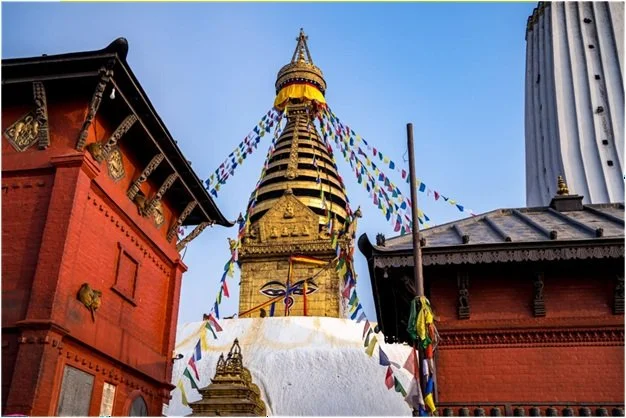
Nepal, a land of diverse landscapes and rich cultural heritage, boasts a vibrant plantation season that holds immense significance in the lives of its people. This article aims to explore the multifaceted aspects of the plantation season in Nepal, highlighting its cultural, historical, and economic value. As an expert in Nepali culture and tourism, with a deep understanding of anthropology and sociology, I will delve into the crops cultivated, their historical context, and the pivotal role they play in shaping Nepal's socio-economic fabric.
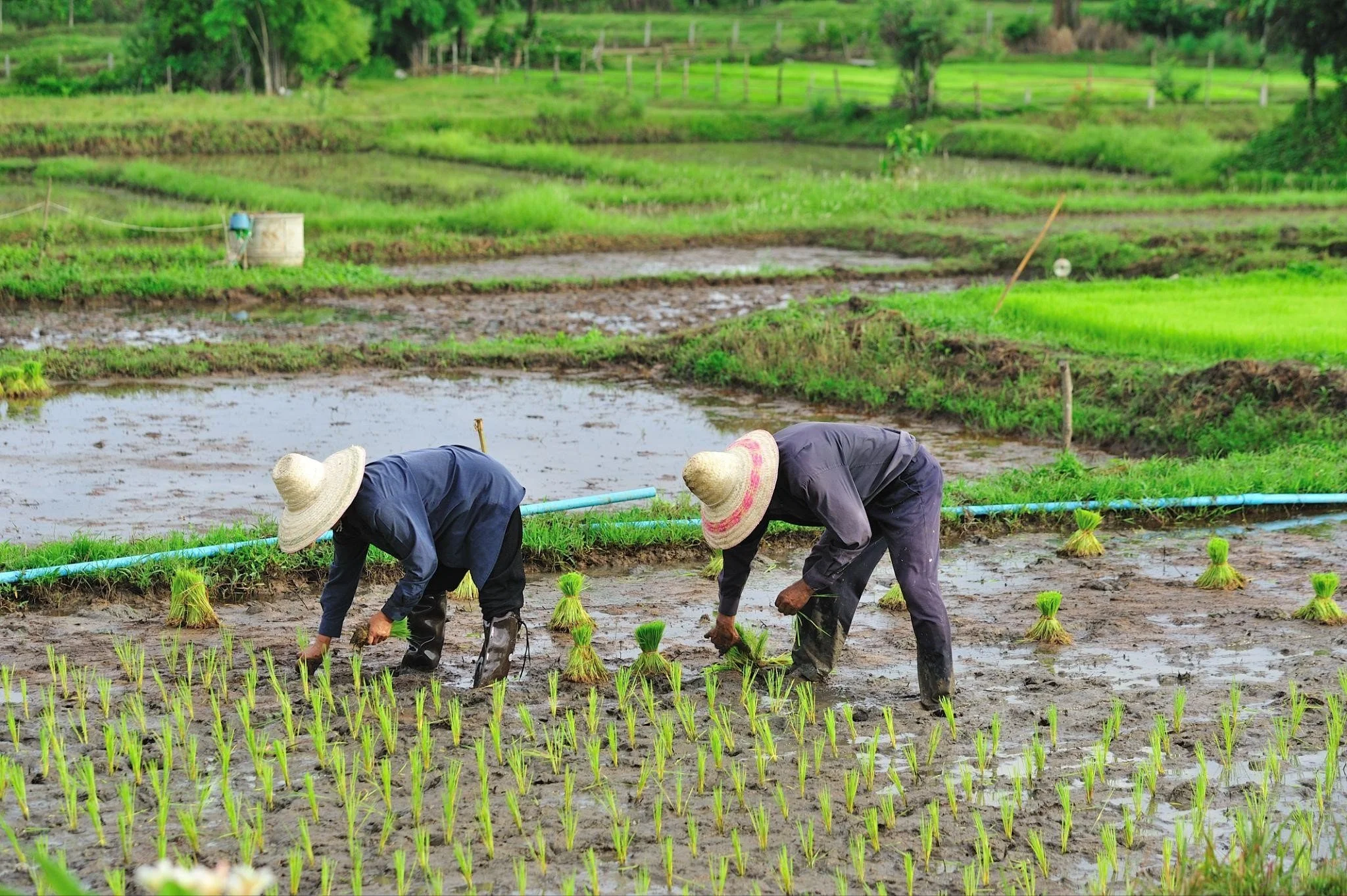
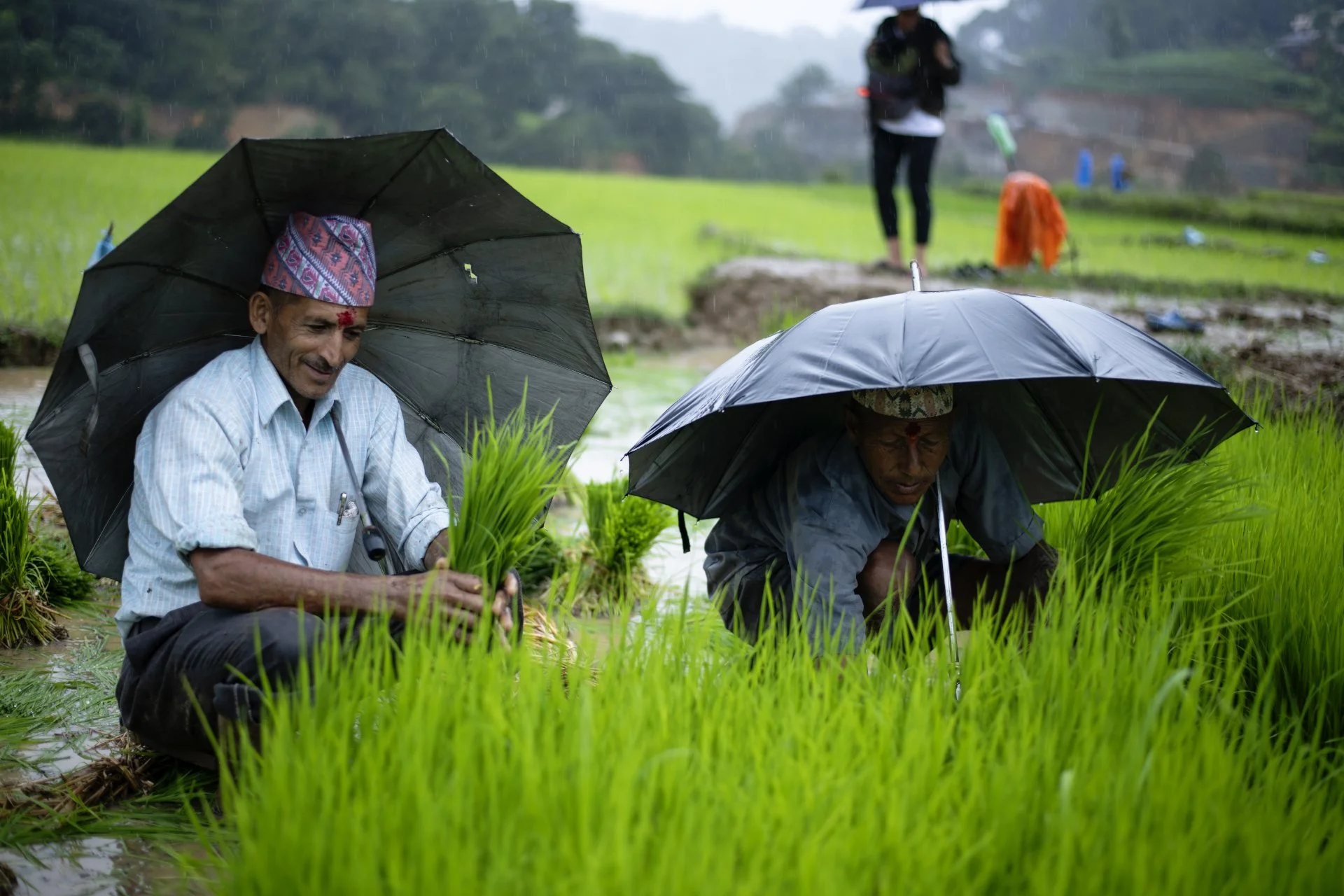
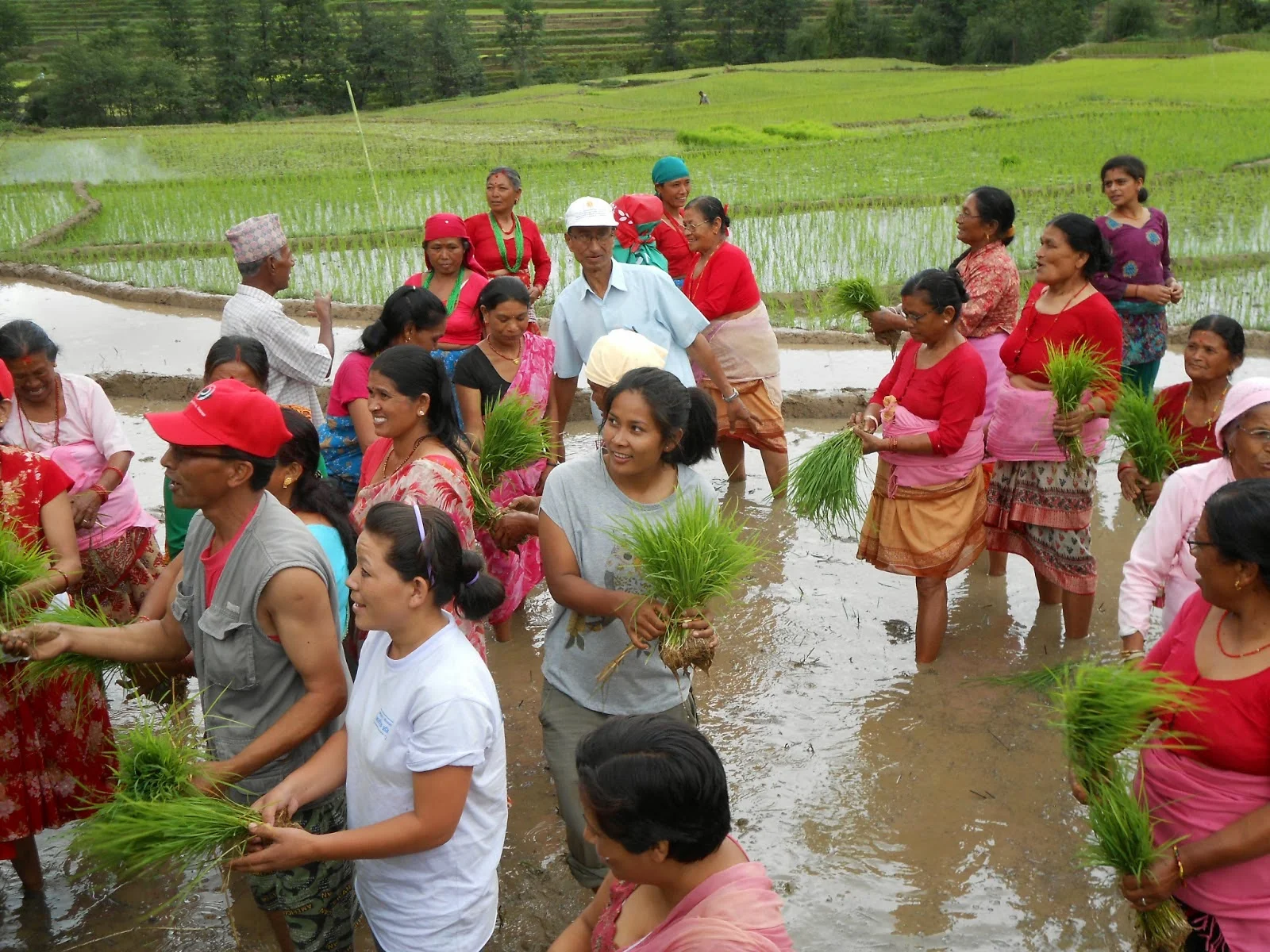
In Nepal, agriculture is deeply intertwined with the country's cultural ethos. The plantation season signifies a time of unity, cooperation, and shared responsibilities within communities. It fosters a sense of togetherness as families and neighbors come together to cultivate the land. Traditional rituals and ceremonies are performed during this season, such as the "Ropai Jatra," where people gather to plant rice seedlings in unison. These rituals reinforce the bond between humans and nature, showcasing the reverence Nepali society holds for the land and its resources.
The plantation season in Nepal carries a rich historical legacy that can be traced back centuries. Agriculture has been the backbone of Nepali society for generations, sustaining communities and shaping their way of life. The ancient scriptures and religious texts of Nepal often mention the importance of agriculture and its connection to spirituality. The practice of terraced farming, a remarkable engineering feat that transformed the mountainous landscape into arable land, stands as a testament to the resourcefulness and ingenuity of Nepal's ancestors.
Nepal's diverse climate and topography provide the ideal conditions for cultivating a wide range of crops. During the plantation season, farmers across the country engage in the cultivation of various staples, including rice, maize, wheat, millet, barley, pulses, and vegetables. Rice, being a staple food, holds particular importance in Nepali culture and plays a central role in religious ceremonies and festivals. Other crops contribute to the country's food security, provide income for farmers, and contribute to Nepal's agricultural exports.
The plantation season provides a unique opportunity for community engagement and tourism. Local communities often welcome visitors to participate in farming activities, offering them an immersive experience in Nepali rural life. This experiential tourism not only allows travelers to connect with the local culture but also contributes directly to the livelihoods of farmers and rural communities. Additionally, community-based tourism initiatives can help preserve traditional practices and promote cultural exchange.
The plantation season in Nepal stands as a testament to the country's rich cultural heritage, historical resilience, and economic viability. It serves as a powerful symbol of unity, community spirit, and reverence for nature. As an expert in Nepali culture and tourism, I encourage visitors to explore Nepal during the plantation season, immersing themselves in the cultural festivities, witnessing the agricultural practices, and supporting local economies. By engaging with Nepal's plantation season, one can gain a deeper appreciation for the country's remarkable cultural tapestry and its enduring bond with the land that sustains it.
The plantation season in Nepal is a multifaceted phenomenon that encompasses cultural, historical, environmental, and economic dimensions. By appreciating and supporting the plantation season, individuals can contribute to the preservation of Nepal's cultural heritage, sustainable agriculture, and rural development. Furthermore, promoting responsible tourism practices during this season can foster cross-cultural understanding and create opportunities for mutual growth and appreciation. Let us celebrate the plantation season of Nepal as a time of unity, prosperity, and sustainable coexistence with nature.
POPULAR ITINERARIES
SIMILAR POSTS

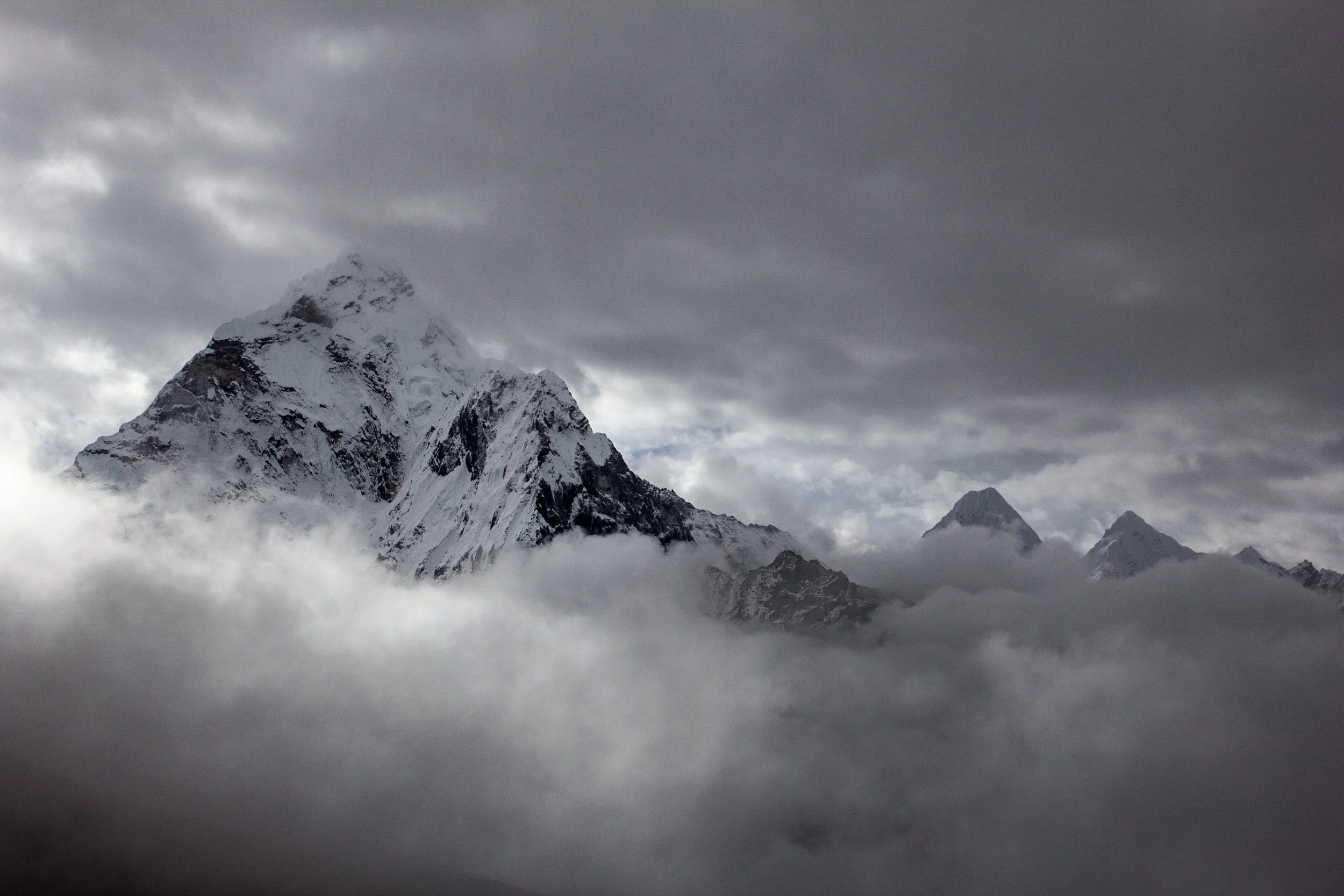
Top 5 Mountains to Summit in Nepal During Climbing Season
As the weather warms up and the snow begins to melt, climbers from around the world flock to Nepal to take on the country's many stunning peaks. With eight of the world's highest mountains located within its borders, Nepal is a mountaineer's paradise. Here are five of the top mountains to summit during climbing season.
As the snow begins to melt and the mountaineering season approaches in Nepal, climbers from around the world gear up to tackle the country's stunning peaks. While climbing is possible throughout the year, spring is the most popular time for mountaineering expeditions, with the months of March, April, and May offering the best weather and conditions for scaling Nepal's majestic mountains. During this time, climbers can expect clear skies, mild temperatures, and relatively stable weather patterns. The autumn months of September, October, and November also offer favorable weather for climbing. However, the winter months (December to February) are typically too cold and snowy for most climbers, while the summer monsoon season (June to August) brings heavy rain and high humidity, making climbing difficult and dangerous. In this article, we will be discussing the top five mountains to summit in Nepal during the spring climbing season. So, whether you're an experienced climber or just starting out, read on to discover some of the most beautiful and challenging mountains Nepal has to offer.
1. Mount Everest
Mount Everest needs no introduction. As the highest peak in the world at 8,848 meters, it draws climbers from around the world who seek the ultimate mountaineering challenge. While it is certainly not for the faint of heart, those who reach the summit are rewarded with breathtaking views and a profound sense of accomplishment.
2. Ama Dablam
Located in the Khumbu region, Ama Dablam is one of Nepal's most iconic peaks. With its steep, exposed rock and ice faces, it offers a challenging climb that requires technical skill and experience. The peak is known for its striking appearance, with a sharp summit that resembles a "mother's necklace" of prayer flags.
3. Cho Oyu
Cho Oyu, the sixth-highest mountain in the world, straddles the border between Nepal and Tibet. Its relative ease of access and gentle slopes make it a popular choice for climbers looking for a high-altitude challenge that is slightly less technical than some of Nepal's other peaks. Cho Oyu is also an ideal mountain for climbers looking to make their first 8,000-meter summit.
4. Island Peak
Also known as Imja Tse, Island Peak is located in the Khumbu region and is a popular choice for climbers seeking a less technical peak that still offers a significant challenge. With an altitude of 6,189 meters, it is a great mountain for climbers who want to test their high-altitude abilities before attempting a more demanding peak.
5. Manaslu
Manaslu, located in the Himalayas in western Nepal, is the eighth-highest mountain in the world. While it is not as well-known as some of the other peaks on this list, it is a challenging climb that rewards climbers with stunning views of the surrounding Himalayan peaks. The climb requires technical skills and experience, as well as a high level of fitness.
As with any mountain climb, it is important to properly prepare and train before attempting any of these peaks. Climbers should also ensure they have the necessary permits and equipment, as well as a qualified guide to lead them on their ascent. With the right preparation and guidance, climbers can take on the challenge of Nepal's stunning peaks and experience the adventure of a lifetime.
POPULAR ITINERARIES
SIMILAR POSTS
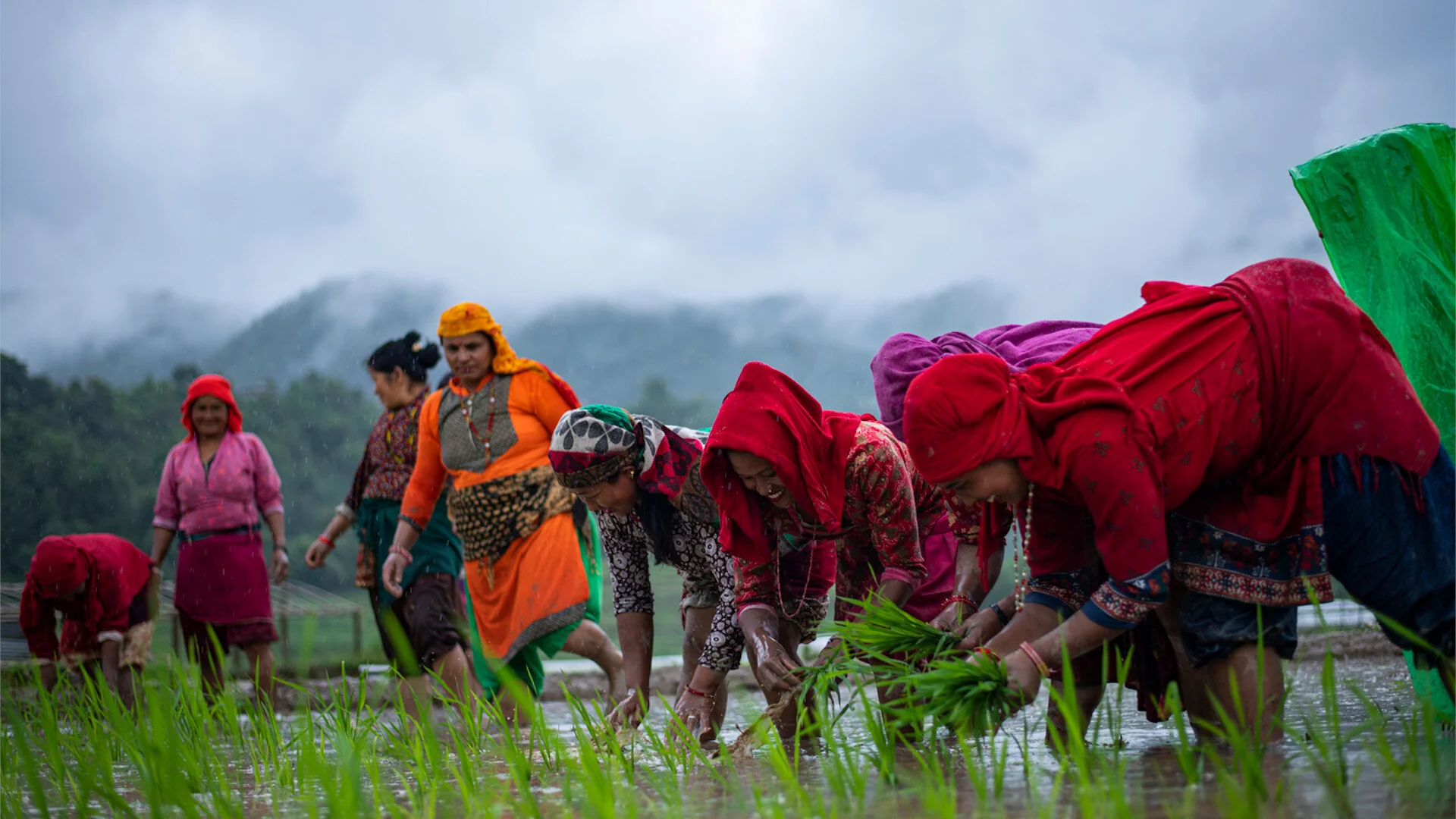
Exploring Nepal In Monsoon
The general assumption when it comes to visiting Nepal is that one cannot do much here during the monsoon. It leads to a sharp decline in the number of international travellers and is considered off-season. Even though various adventure activities are not achievable during this period, it does not mean that one cannot experience Nepal. There are various regions which are accessible and regional activities one can experience. Before we dive into it, let us know more about the impact of the season in general.
The general assumption when it comes to visiting Nepal is that one cannot do much here during the monsoon. It leads to a sharp decline in the number of international travellers and is considered off-season. Even though various adventure activities are not achievable during this period, it does not mean that one cannot experience Nepal.
There are various regions which are accessible and regional activities one can experience. Before we dive into it, let us know more about the impact of the season in general.
The pre-monsoon period falls in the last few weeks of the Grishma, which is the hottest season in Nepal. This season features the highest temperatures in most regions of Nepal which are accompanied by light to heavy rainfall in the last weeks of the month. The monsoon also is known as the Barsha, which is also peak monsoon between Mid-July and lasts in average till Mid- Late September.
Travellers can face difficulty when it comes to connecting national and international flights due to weather disruptions. Roads in some part of Nepal become inaccessible due to the rain, landslides and flash floods. But the other elements such as communication, accommodation and amenities are available during this season.
Trekking the Trans-Himalaya Region
Most trekking trails are inaccessible during the monsoon. But routes that lie in the shadow of Trans-Himalaya which experiences minimal rainfall are at there best during this time. (Trans Himalaya was created due to the collision with the Eurasian plate. This zone is the Northernmost area in the country in the states of Jammu and Kashmir and Himachal Pradesh. It is an extension of Tibetan plateau around the Himalayas- Wikipedia).
Trails such as Upper Mustang Trek, Nar-Phu Valley Trek, Tsum Valley and Manaslu Circuit Trek, Phoksundo Lake Trek, Lower Dolpo Trek, Simikot Circuit Trek, Lower Mustang Trek, Limi Himal Trek are some of the trails that one can indulge.
Due to the prevalent trend, this season features a low number of trekkers which leads to less crowding, and the various lodges and homestays have rooms easily accessible. Travellers should be prepared with measures if rainfall occurs. Such equipment and gears are available in the tourist markets of Nepal.
The prime advantage of traversing these trails during this season is not just the low crowds, reduced rates, but also the fact that the biodiversity in these regions during this period is immense. Waterfalls which would be dry during other seasons are lush, and the flora is at peak blossom.
A Cultural Experience
The period between Mid- July to Mid- September is a time of ample cultural festivities, especially in the areas with a predominantly Newar community. The Newa people are the indigenous inhabitants of Kathmandu valley. Predominantly an agrarian society, the cultural activities of the Newa people begin after the completion of the annual harvest which falls on Mid-July to August.
Gathamung Chare, commonly known as Gatha Muga, begins the festive season. Dedicated to ridding demons and purifying one's vicinity, the highlight of the day is an effigy created from straw and bamboo symbolizing a demon. Children with the help of their elders create voodoo dolls which are hug on the effigy. After sunset, the figure is dragged by the community members and burnt at the nearest river to symbolize ridding the demon.
To know more about Gathamung Chare: Click Here
Gunla Dharma, Indra Jatra, Pancha Dan, Gai Jatra, Matya are some of the festivals celebrated during the monsoon period.
For travellers who wish to experience cultural diversity, explore and engage in the rich heritage of Newar culture, this period is optimal.
Off The Beat Adventures
Peak monsoon can cause disruptions in ones scheduled itinerary. Many can't seem to find a great way to make the most out of their time. One can always go beyond the beat and develop a productive itinerary with various activities around the area.
One may choose to explore traditional Nepali cuisine at the hotel and learn more about the rich culinary diversity of the region. A rejuvenating day at the spa could help give you the boost needed on a rainy day. Hotel Shanker includes Tranquility Spa, which offers massage and beauty services.
A quick drive to the various museums of Nepal could also be a great way to make good of the free time. Immersing oneself in the history of the region is a great way to understand the make of the people and their society.
POPULAR ITINERARIES
SIMILAR POSTS
Decoding The Seasons of Nepal
Seasons in Nepal might not be a surprise for those who have traveled to Nepal multiple times. And, those who haven't had the opportunity and yet planning to travel Nepal might find it quite difficult to choose when to travel to Nepal. Understanding the seasons of Nepal can be quite helpful for those who have been planning a trip to Nepal.
To those who have traversed Nepal multiple times, the spontaneous diversity of the seasons in Nepal might not be a surprise. But to those, who haven’t had the opportunity it might be quite difficult to decode.
Basanta Ritu ( Mid- March to Mid-May)
Grishma Ritu (Mid-May to Mid- July)
Barsha Ritu (Mid- July to Mid-September)
Sharad Ritu (Mid- September to Mid- November)
Hemanta Ritu (Mid-November to Mid-January)
Shishir Ritu (Mid- January to Mid-March)
Generally, seasons around the world are divided into four; Spring, Summer, Fall and Winter. But to the surprise of many travellers, Nepal boasts six seasons; Basanta (Spring), Grishma (Early Summer), Barkha (Summer Monsoon), Sharad (Early Autumn), Hemanta (Late Autumn) and Shishir(Winter). These six seasons are results of the geography of this ever so beautiful mountainous region. Many might think that this is just a local exaggeration but if you desire to truly travel the serene scapes of Nepal, having an understanding of the local definition of the seasons can be quite helpful.
To begin with, one must keep to mind the five climatic zones of Nepal which broadly correspond to the altitudes. The tropical and subtropical zones lie below 1,200 metres (3,900 ft), the temperate zone 1,200 to 2,400 metres (3,900 to 7,900 ft), the cold zone 2,400 to 3,600 metres (7,900 to 11,800 ft), the subarctic zone 3,600 to 4,400 metres (11,800 to 14,400 ft), and the Arctic zone above 4,400 metres (14,400 ft).
This leads to a variation in climate patterns throughout Nepal, even during the same season. The Northern region of Nepal due to their proximity to the Himalayan range experience harsh winters whereas the southern plains of Nepal the temperatures are not so extreme. Whereas during the summer, the Terai ( Southern Nepal) experiences temperatures between 40 - 45 C, while the hills and mountainous regions experience temperate temperatures.
In the local dialect, seasons are called Ritu’s which have been brought into the tradition following the weather patterns the nation experiences as a whole.
1. Basanta Ritu ( Mid- March to Mid-May)
What the west calls Spring is called Basanta in traditional Nepali. The season spans for a period between Mid-March to Mid-May. This period is one of the most favourable travellings throughout Nepal, trekking is especially recommended during this season as the weather is generally stable, but features high winds and light rainfall in some regions. Trails are especially beautiful this time around the year, due to the blossom.
2. Grishma Ritu (Mid-May to Mid- July)
Grishma entails the honest season in Nepal, this season sees harsh temperature gains in all parts of Nepal. The Northern destinations are spared from the high heat; treks such as Upper Mustang, Lower Mustang, Upper and Lower Dolpa are quite popular.
3. Barsha Ritu (Mid- July to Mid-September)
Barsha translates to rain in English. Lasting from mid of July to September, this season sees most of the regions of Nepal experience light to heavy rainfall daily. A region which is not affected much by this season is the Trans Himalayan Region, thus trekking routes in this region is quite popular such as of Upper Mustang, Nar Phu Valley Trek, Limi Himal Trek and others.
4. Sharad Ritu (Mid- September to Mid- November)
Autumn in the local culture of Nepal is referred to as Sharad. This season sees rapid changes in the landscape of Nepal and even in the urban centres as it is also the festival season. Major festivals such as Teej, Kartik Naach, Dashain and Tihar fall in during this season. For travellers who wish to experience the entirety of Nepal, this season is regarded as the perfect season to travel and experience Nepal.
Mid-September to Mid November is regarded as the perfect time for adventure activities throughout Nepal. The skies are mostly clear, moderate temperatures, and the cool breeze helps create a relaxed environment.
5. Hemanta Ritu (Mid-November to Mid-January)
In Nepal, winter is divided into two parts, with Hemanta being the pre-winter season in Nepal. This period sees a gradual decrease in the average temperature around Nepal and is also considered a fair season for trekking activities. Popular trekking routes during this season are Ghorepani Poonhill Trek, Manang Gosaikunda Trek, Manjushree Trail and others. For the native farmers of the region, pre-winter is also the harvesting season, farmers make sure to collect their crops and store them for the upcoming winter.
6. Shishir Ritu (Mid- January to Mid-March)
The winters in Nepal have quite a variation according to its various geographical regions. The Southern plains of Nepal experience an average temperature of 20-24ºC whereas the mountainous regions experience heavy snowfall. Mostly known as the dry season of tourism, it is fair to say that travelling to Nepal requires no season as one can experience and encounter the magic, mystery and beauty of Nepal all year round.
Average temperature and rainfall char during peak summer and winter in the three most popular tourist areas of Nepal.
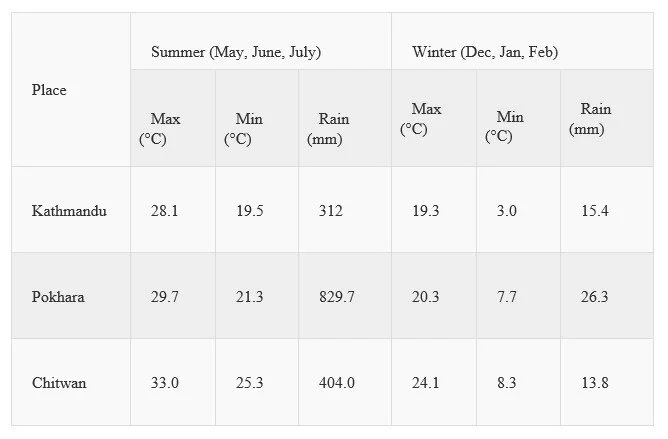
To know more about Nepal’s climatic conditions, please visit the official website of the ☛ Department of Hydrology & Meteorology, Ministry of Environment.
POPULAR ITINERARIES
SIMILAR POSTS


Ropai, Nepal’s Season of Rice
Among the many different milestones through the year, this is one that is really down-to-earth, besides being downright basic to Nepali life.
Well, the paddy fields are green once again. The rains are pouring down dutifully most nights, and often in the evenings. A few women can be seen in the fields, completing unfinished business after the week before, when they, along with many other women, stood in ankle-deep muddy water planting fresh new saplings in the wet earth. Sometime before they took over the vast spaces, their menfolk were busy tilling the dry fields, leaving behind them long, neat rows of newly dug up earth.
Then came Ashad 15 (I think, July 30), the ‘National Paddy Day’ as declared by the government, also known as “Dahi-Chiura Khane Din” (day to eat curd and beaten rice). It’s an important date in the Nepali calendar, since the country’s populace is mostly involved in agriculture (more than seventy percent, I believe), and of course, everyone, but everyone, eats rice as their staple food in Nepal. There’s a phrase that has made its way onto most guide books on Nepal—“Daal, Bhaat, Tarkari”—that’s the national staple meal wherever you go in the country, something that our Nepali diaspora, those in the Western hemisphere, miss most oh so terribly!
For those still not familiar with the land of the Himalaya (there could be plenty; in my view, in countries with people who are not at all interested in knowing more about the world, even in this world of the internet, and of globalization, because they are so securely cocooned in the womb of their own countries), well, so just you know, daal is lentil soup, bhaat is steamed rice, and tarkari is a curry. The first and the last are accompaniments (but essential) while bhaat is what fills the stomach and sustains you through the day, packed as it is with rich energy giving carbohydrate.
Now, some of you know that Nepal may be a small country (though with a bigger population than many EU nation-states, and many times larger than its insignificantly tiny neighbor, Bhutan) but it has more than one hundred ethnicities and languages among its three regions: mountainous, hilly, and lowlands (terai). The elevation ranges from 70 meters above sea level in the terai, bordering India, to 8,848 meters above sea level (that’s the highest point on earth, by the way; for those mystified still, that’s Mount Everest!), and there’s a distance of just about 300 kilometers separating them. Meaning, you can be in the swelteringly hot terai one moment, and in minus many degrees arctic weather within a few hours. That’s Nepal for you!
Anyway, wherever you go in this really-not-so-small country, you are likely to find everyone eating “daal, bhaat, tarkari” for lunch and dinner, the two main meals of the day, and for many, the only two meals of the day. Well, yes, people generally are on the poorer side here, what with the Nepali rupee hardly worth anything against other currencies. Just think about it—a dollar is equal to more than a hundred rupees—is it any wonder, then, that we are poor? I mean, in this age of globalization, and so on.
Leaving such disconcerting subjects aside, let’s talk a bit more about rice, the food that sustains about 30 million Nepalis of all hues and colors and languages and cultures. I remember an eminent agronomist saying, “People eat what they grow, or people grow what they like to eat.” Well, in our case, both are one and the same, in my view. By the way, the man who said the above, a certain Wayne Freeman, a seed specialist in the Rockefeller Foundation’s Agricultural Program in India (1976-1982, or thereabouts), is also credited with introducing “Mansuli” rice to the country, which is undoubtedly the most commonly eaten type here. He describes “Mansuli” as having a nice taste and pleasant aroma.
The classes, however, go for the more exotic, and of course, many time more expensive, “Basmati” and such, but for the masses, it’s “Mansuli” all the way. Day and night, night and day, week after week, month after month, year after year, ad infinitum. Remembering that it’s some 30 million people we’re talking about (less one percent), and man, that’s a helluva lot rice, don’t you agree? So, do you now think it kind of unusual to have so much fanfare regarding the season of planting rice? There’s a name in Nepali for it, “Ropai”, which translates simply to “planting”. Now, there’s a lot more stuff that’s planted through the year, but this particular word is reserved only for the planting of rice. That’s how much importance rice holds in all Nepali hearts!
Enjoy Fruity Nepal
Fruits are said to be the food of the gods, and if so, Nepal is a blessed country, what with a large variety of delicious fruits available throughout the year.
Winter, spring, summer, or autumn, Nepal is never lacking in delicious fruits, with a wide and diverse variety available as per season. Winter is the season ruled by tangy, sweet, and citrusy suntala (oranges), which you’ll find being sold everywhere, including heaped on four-wheeled wooden platforms (you could say, mobile shops). In some places you may see them being sold from vans that have a sign above, reading, “Jumla ko suntala’. That means the oranges have come from the remote far-western district of Jumla, which is renowned for its tasty oranges and apples, besides its nutritious red rice. Winter is also the season for pomelo and apples.
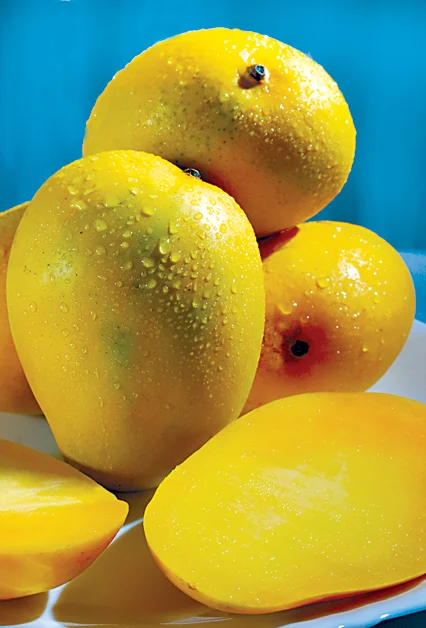
Spring is when everybody looks forward to the first arrivals of the ‘king (or queen) of fruits’. Yes, you guessed right—it’s the gorgeous aanp (mango). One can safely say that it is the most popular fruit in the country, and it’s a fact that all foreigners living here, or on a visit, find it simply irresistible. There are quite a few types of mangoes, among which ‘Malda’ is the most popular. That’s not to say that other varieties like ‘Bombay’ and ‘Dusshera’ are not tasty, it’s just that Malda has a definite edge in both taste and lasting for a longer time. In fact, real mango lovers buy a considerable quantity of yet-to-ripen Malda, and wait for it ripen naturally, which takes a few days or even a week, according to the stage it’s in. You can eat them at any stage, even if not fully ripe, they simply taste great.
In my younger years, we used to have hard green Malda mangoes strewn all over the floor beneath our beds, they were so inexpensive! Especially in cities in the plains, where nearby villages had huge mango orchards, in which branches of the magnificently foliaged trees bowed low because of generous profusion of the heavy fruits. Cheaper still was the cost of mangoes in towns bordering India, due to the fact that the neighboring Indian states, Bihar, Uttar Pradesh, and West Bengal, were (still are) prolific producers of many varieties of mango. Anyway, gone are the days when one could buy Malda by the sack-load without batting an eyelid, nowadays you’re lucky if you can buy a couple of kilos at a time! A side note: Malda mangoes come from West Bengal, where there is a district called Malda.
This is also the season for mewa (papaya), the large yellow fruit with a nicely rounded sweet taste. What’s more, they are a great aid for digestion, and thus is a prized food for patients suffering from jaundice, when the liver takes a hit, affecting digestion and absorption. The next most eagerly anticipated fruit to make its presence felt, after the mango, is the juicy lychee. You’ll find plenty of this fantastic fruit, with its red blistered skin, being sold in clumps during mid-May and June. The corrugated red skin hides a treasure—the temptingly sweet white fruit—the lychee is practically the prince among fruits.
Gorge yourself on these delicious fruits—mango and lychee—for they will not be here long, and you’ll have to wait another year to do so. Now, along with the monsoon at its pouring best (August-September) also comes the yellow-skinned amba (guava). It is not regarded very highly, sad to say, because one can find tree-loads of these fruits in the front or backyard of many houses, and as they say, familiarity brings contempt (or, at least, less respect). Anyway, many folks may not know that guavas contain more vitamin C than oranges, so they are excellent for your health. At the same time, keep in mind that too many guavas can give you constipation because of the high fiber content that’s hard to digest.
Come the fall, and you can now enjoy the brown naspati (pear) a pretty humble fruit that’s not at all expensive, costing far less than mangoes and lychees. The naspati, though, may be a notch above the even humbler guava in the ‘respect’ aspect. They taste really great with a little salt and chili. As will the bimiras, a somewhat strange citrus that looks like a large deformed orange, which is available during the great festival season of Dashain and Tihar in October-November, along with bhogates (palmellos), tear-drop shaped citrus fruits of large size, with yellow-green skin. Beneath the inch-thick pith is deep red flesh with the sweetness of orange and sourness of grapefruit. These are festival fruits, and make for an incredibly tasty salad-like dish when concocted with tangy spices, salt, sugar, and chili, with lots of the last.
Now, by now you may be thinking, “What about kera (banana)?” Well, you can get bananas throughout the year, and you have a choice of at least seven varieties. Besides all the fruits mentioned above, there are plenty more kinds of fruits in Nepal, and that’s why Nepal is a fruit lover’s paradise.
Bouncing Back, Nepal’s Season of Recovery
Six months later, the devastating earthquake is becoming a distant memory, and Nepalis are gearing up to bounce back strongly with renewed fervor
It’s now six months since we were shocked by the biggest earthquake in 80 years in the country. It has been a most eventful six months, with all Nepalis coming together in the momentous task of recovery and rebuilding. Restoration is also on the anvil. Side by side, the Constituent Assembly has passed the new Constitution of Nepal, something that had been awaited for the last 60 years. Just as recovery and rebuilding have not been easy, and are still ongoing, constitution making has also faced many hurdles, which are also still ongoing. The Terai has seen continuous disturbances for many months and there have been tragic loss of many lives.
At the same time, proving the inherent resilience in the nation’s character, people are bouncing back with new zeal and enthusiasm. And nowhere is this more evident than in the joy with which everybody is celebrating, and are determined to celebrate, some of the country’s greatest festivals in this season of festivals. Indeed, it is the season of festivals in Nepal. Here are two of them.
Teej: September 16
This is a really celebratory occasion, and mostly an all women affair. No doubt all festivals are colorful, but Teej perhaps is the most colorful, with thousands and thousands of married and unmarried women decked out in bright red and ravishing green dresses (mostly saris), with long strings of red, green, and yellow pote (glass beads) necklaces around their neck and shoulders. Celebrated over three days, the main day of Teej is preceded by a lot of feasting. It’s necessary, too, since they have to observe a fast (no food, no water) next day for 24 hours. In fact, the day before, the women are invited to their maternal homes to partake of lots and lots of rich nutritious food, a day known as dar khane din. The feasting goes on till midnight, and is accompanied by singing and dancing by the women present, which includes many female relatives. The day after Teej, the women break their fasts with karkalo ko tarkari (lotus leaves curry) and ritually pure food made in ghiu (clarified butter), after doing some special pujas in which banana and basil leaves play a significant role.
On the main day, they visit a temple dedicated to Lord Shiva; most women of Kathmandu make a beeline for Pashupatinath Temple, one of the biggest Shiva temples in the world, and a UNESCO designated world heritage site monument zone. You can expect a carnival like atmosphere there, with long queues of women waiting to get a darshan of the Shiva Linga inside the famous shrine, and to make their offerings. They will all seek the lord’s blessings for the long life and prosperity of their husbands, as well as of their families. Unmarried women will seek blessings for a husband as greatly endowed as Lord Shiva himself. Teej is celebrated in remembrance of Goddess Parvati’s dedication to acquire Lord Shiva’s affections and companionship for life as her husband. It was an endeavor that required her to fast and pray for a very long time. In the end, Lord Shiva was aroused form his state of deep meditation high up on Mount Kailash, and he couldn’t help himself from falling in love with his determined paramour.
Indra Jatra: September 27
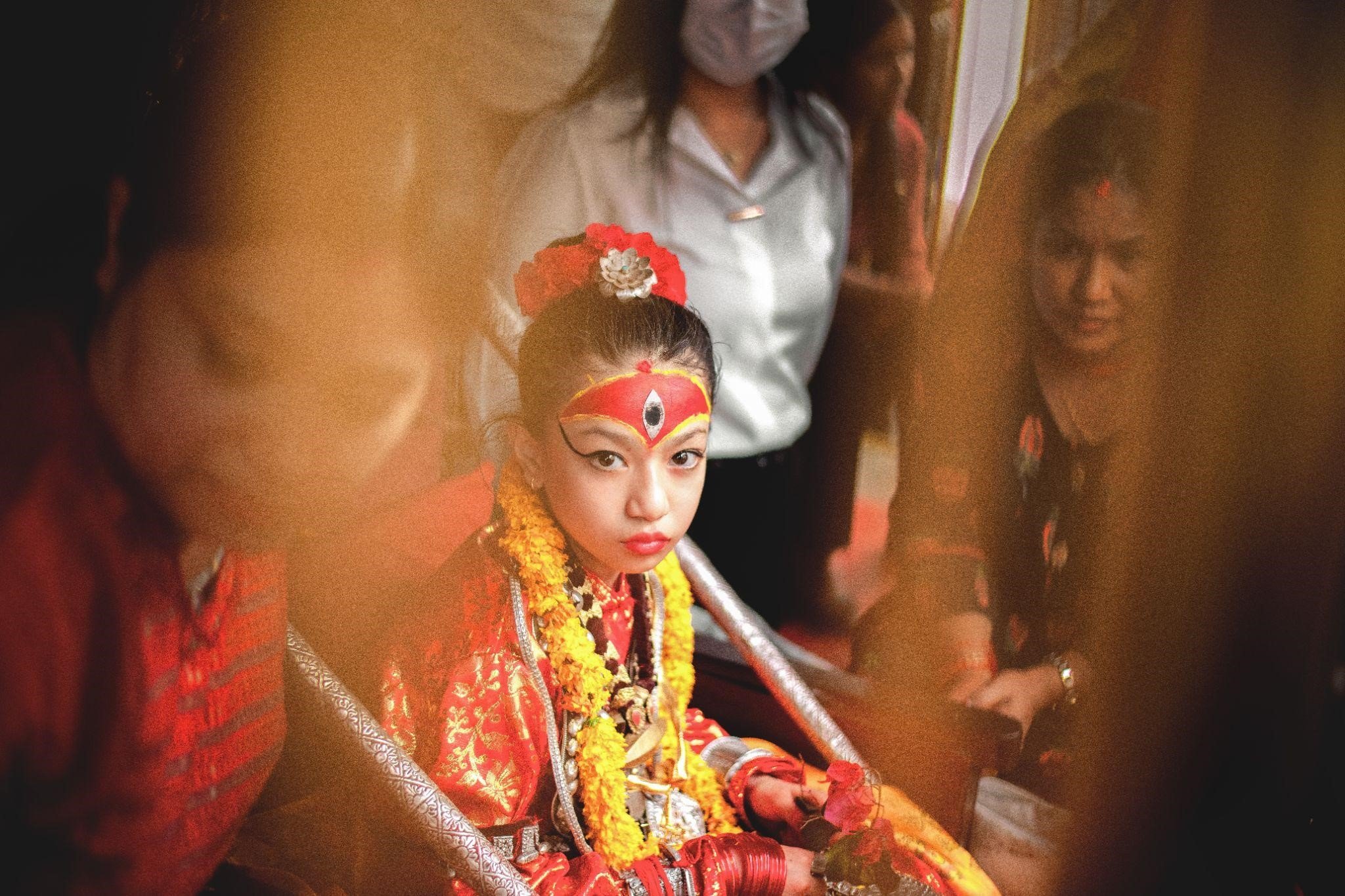
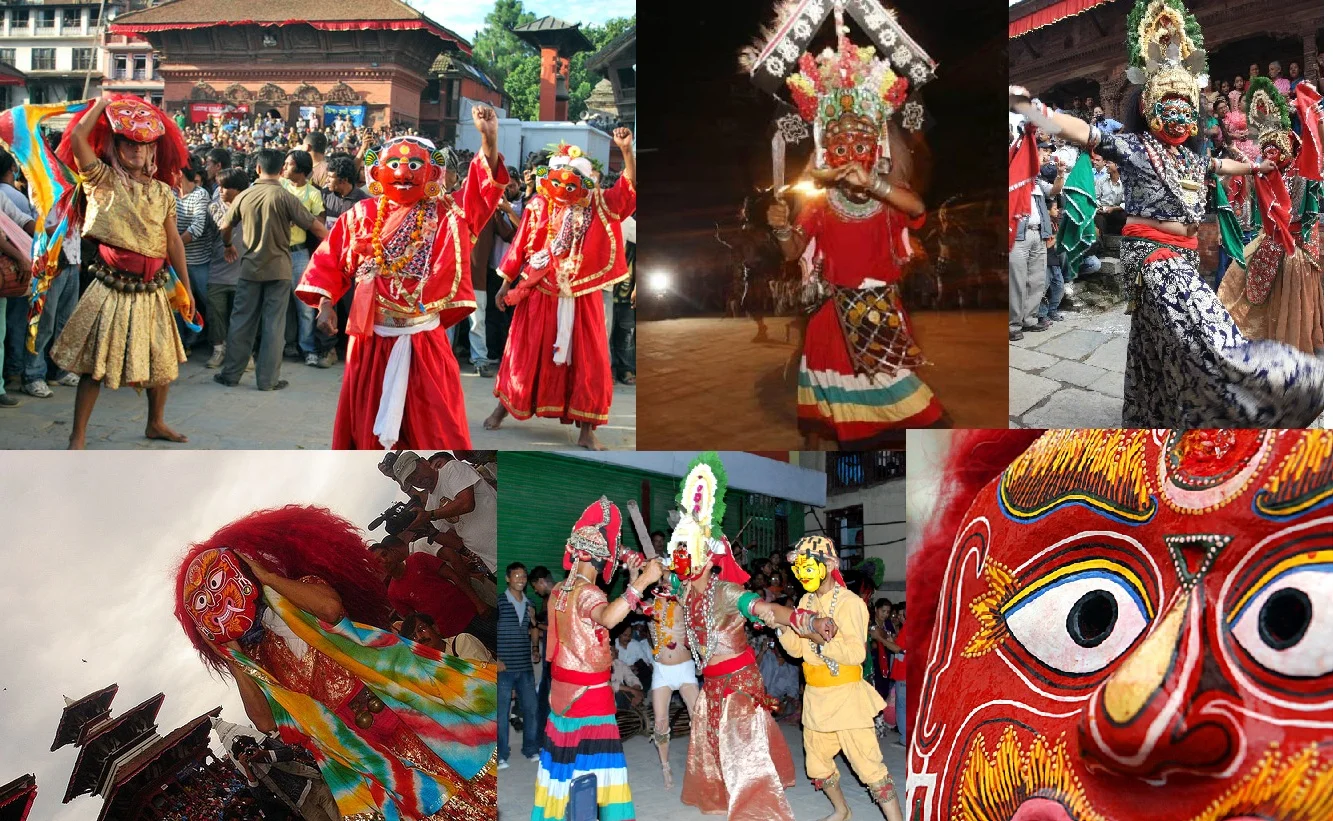
With the end of the monsoon season, denizens of Kathmandu Valley will pay homage to the god of rain, Lord Indra, to thank him for his benevolence, and to ensure that in the coming year, too, the valley will have plenty of rain. It’s a tradition that has continued from as far back as one can remember. Celebrated over eight days, this festival has many highlights—a procession of chariots, one of which carries the Living Goddess Kumari; the once-a-year display of the giant masks of the gods Swet Bhairava and and Akash Bhairava, with free flowing alcohol pouring out of the former’s mouth during the festival; plenty of traditional dances and dramas, most of them involving masked performers; and huge throngs in Kathmandu Durbar Square, another world heritage site monument zone, where the lively festival is held.
Indra Jatra is only celebrated in Kathmandu, and its name in Newrai is Yenya, which means “Kathmandu festival”. It’ a festival that historians say was first initiated in the 10th century by King Gunkama Dev to celebrate the founding of Kathmandu city, aside from the rain factor as mentioned above. The first day sees a totem pole (linga) with Lord Indra’s banner flying on top being erected in the renowned square. On the third day, statues of Lord Ganesh and Lord Bhirava, along with Living Goddess Kumari, are taken out on chariots in a regal procession through the old parts of the city.
This festival includes performance of many types of traditional dances by vigorous dancers. Some of the notable dances being Majipa Lakhey (a demon dance); Devi Pykhan (a masked deity dance); Mahakali Pykhan (a dance of black-furred mythical creatures called khyaks); Sawa Bhakku (dance of Bhairava’s blue incarnation); and so on. The ancient tradition of Dabu Pyakhan (dramas held at street corners) is also upheld. In some temples, a tableau of Lord Vishnu’s 10 incarnations (Dus Avatar) is presented as well.
In Hanuman Dhoka, throngs of men swarm towards the Sweta Bhairava mask to take a few sips of the alcohol flowing out of the giant mask’s mouth. In the meanwhile, in nearby Indra Chowk, another giant mask, that of Akash Bhairava, is also displayed to the public. The festival ends on the eighth day with the bringing down of the linga.