
Nepal's Majestic Mountains: Exploring the Wonderful Gems
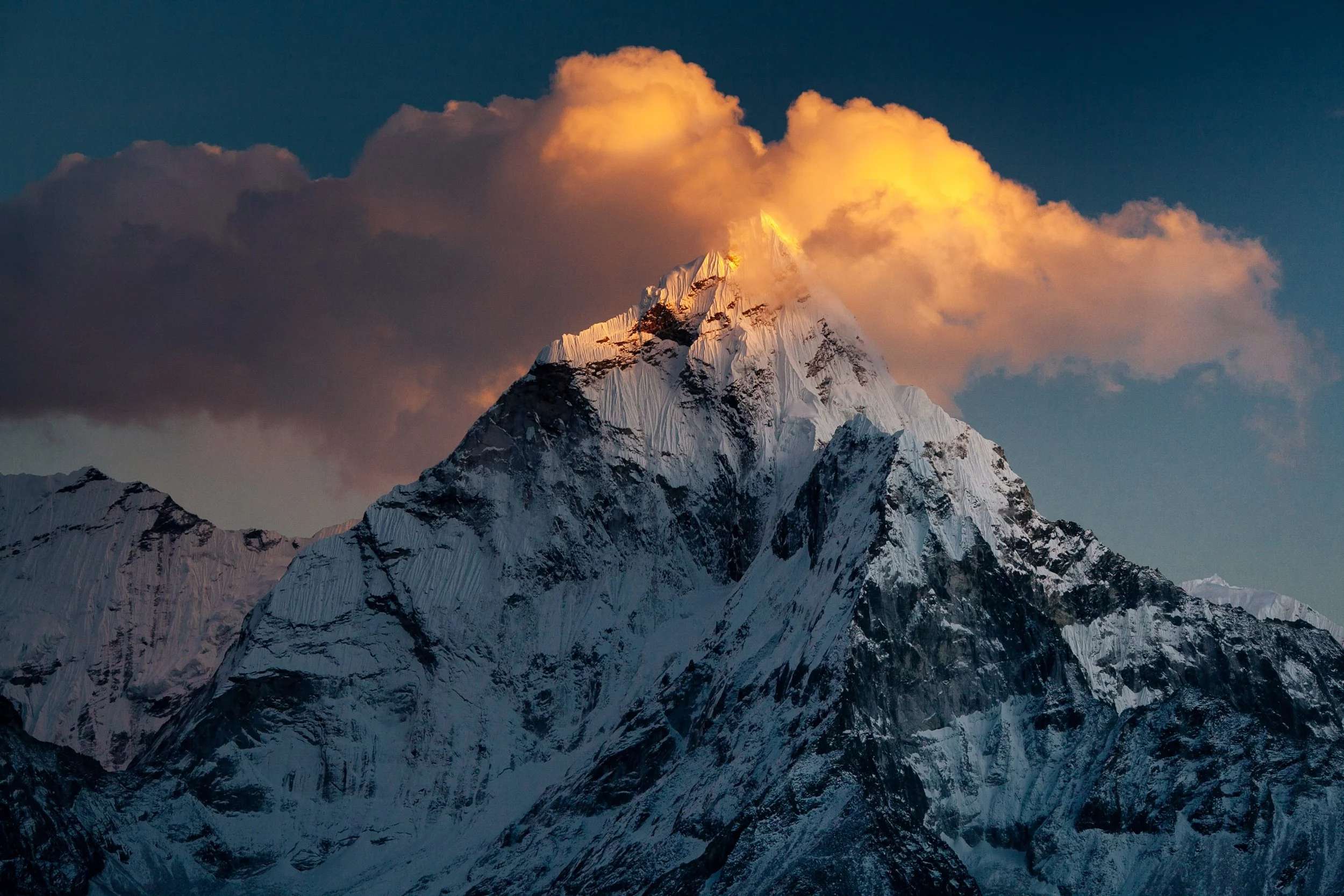
Nepal's majestic mountains, including Mount Everest, the Annapurna Range, Langtang, Makalu-Barun, and Kanchenjunga, offer diverse landscapes and captivating beauty. They challenge and inspire adventure seekers, with each range possessing unique characteristics and captivating stories waiting to be discovered in the awe-inspiring wilderness of the Himalayas.
Welcome to the realm of Nepal's majestic mountains, where nature's grandeur takes center stage. Join me on an extraordinary adventure as we traverse these breathtaking wonders, weaving together captivating stories, urging you to embrace the call of the mountains, and infusing my own personality and confidence into this narrative. Get ready to embark on a journey that will leave you spellbound by the awe-inspiring landscapes of Nepal.
Imagine a serene morning in the Himalayas, where the first rays of sunlight delicately touch the towering peaks, casting a golden glow upon the rugged terrain. These mountains rise with an undeniable majesty, shrouded in an aura of mystery, their jagged silhouettes captivating the imagination. Every step forward unravels tales of ancient traditions, mythical legends, and the indomitable spirit of the Nepalese people.
One such tale lies within the realm of Mount Everest, the epitome of adventure and human resilience. This magnificent peak has borne witness to triumphs and tragedies, embodying the dreams and aspirations of countless mountaineers. Standing at the base camp, inhaling the thin mountain air, one cannot help but be humbled by the sheer magnitude of this natural wonder. It beckons us to push beyond our limits, conquer our own personal Everests, and discover the strength within us.
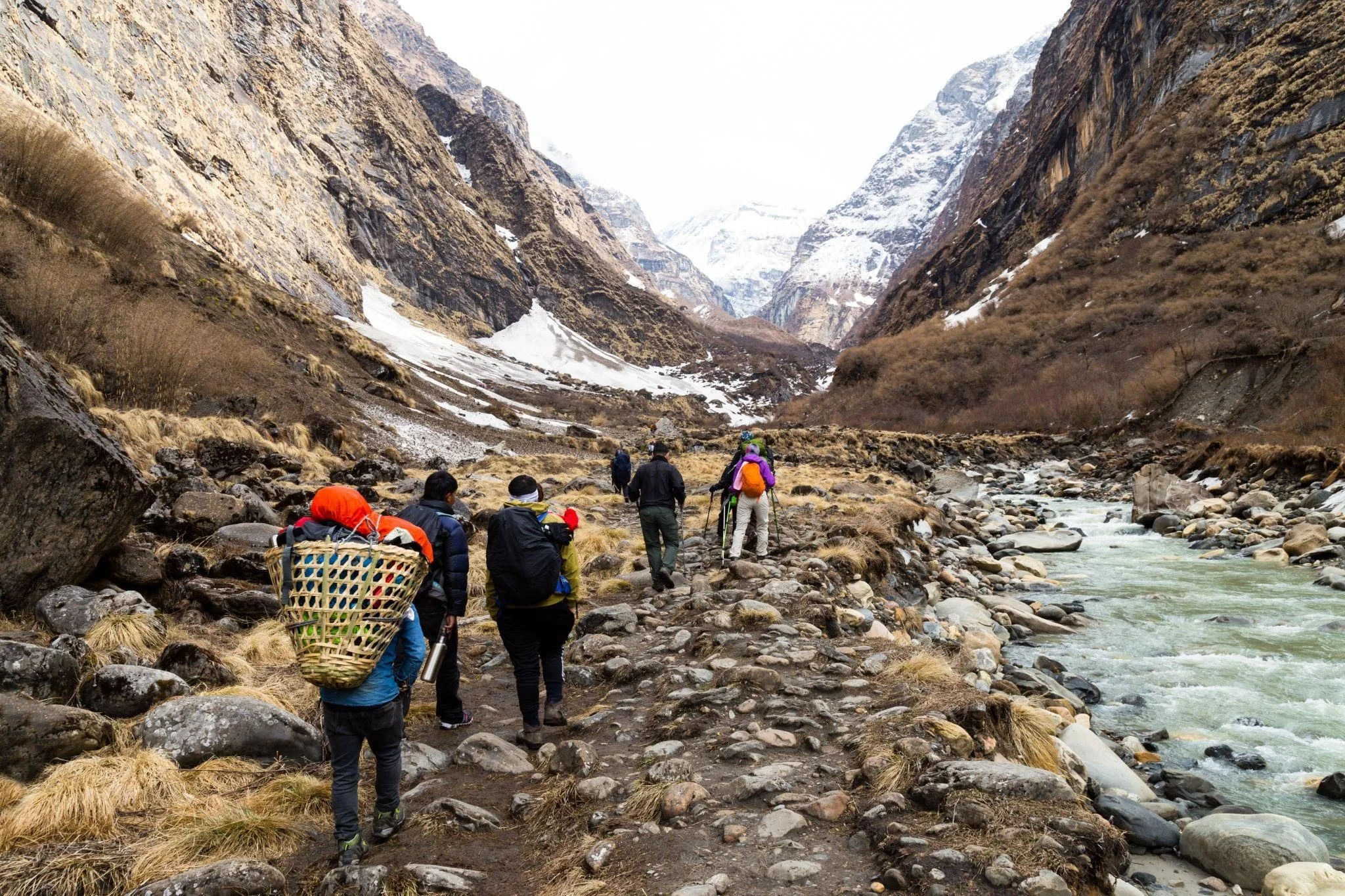
Imagine yourself trekking through the Annapurna Circuit, where every turn reveals new vistas and diverse landscapes. Experience the thrill of conquering challenging trails, crossing suspension bridges over roaring rivers, and immersing yourself in the warm hospitality of the locals. Nepal's mountains demand that we step out of our comfort zones, challenge ourselves, and awaken our senses to the wonders that lie beyond our everyday lives.
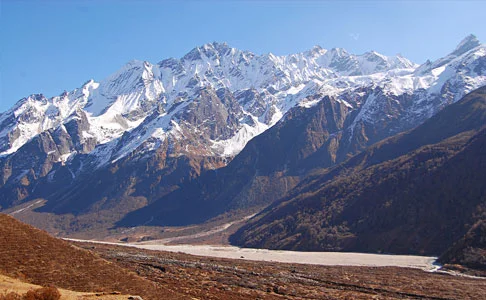
Venturing further into the Himalayas, the Langtang Range reveals its mystic allure. Nestled in this enchanting region is Langtang Lirung, an imposing peak surrounded by ancient glaciers and cascading waterfalls. The Langtang Valley, with its pristine beauty and quaint villages, offers a serene and spiritual experience, where one can immerse oneself in the tranquility of the Himalayan wilderness.
As we explore the mountains of Nepal, we encounter the captivating beauty of the Makalu-Barun region. Mount Makalu, the fifth highest peak in the world, boasts a pristine wilderness adorned with deep valleys, dense forests, and breathtaking ice falls. This hidden gem rewards intrepid trekkers with awe-inspiring vistas and an opportunity to witness rare flora and fauna, making it a paradise for nature enthusiasts.
The Kanchenjunga Massif, nestled in eastern Nepal, presents a spectacular tapestry of peaks, including the third highest mountain in the world, Mount Kanchenjunga. This region reveals an untouched and remote wilderness, where ancient cultures coexist with untouched natural splendor. Trekking through the Kanchenjunga region offers a profound connection with nature and an opportunity to witness the raw power and beauty of these towering giants.
With unwavering confidence, I assure you that Nepal's mountains will leave an indelible mark on your soul. They possess the power to ignite a fire within, to challenge your limits, and to inspire a lifelong love affair with the great outdoors. I walk beside you, radiating certainty, assuring you that this journey is worth every effort, every blister, and every moment of awe.
Nepal's majestic mountains are a treasure trove waiting to be explored, inviting us to immerse ourselves in their wonders. They are not merely geological formations; they are the custodians of ancient tales, catalysts for personal growth, and bearers of unparalleled beauty. Let us embark on this extraordinary adventure together, embracing the captivating stories, embracing the call to action, and relishing the unique experiences that Nepal's mountains have to offer. Trust me as your guide, and prepare yourself for a journey filled with wonder, discovery, and a renewed sense of purpose. The mountains are calling—are you ready to answer?
POPULAR ITINERARIES
SIMILAR POSTS
Things To Remember While Trekking in Nepal
Nepal is a paradise for trekking enthusiasts, with its towering mountains, stunning scenery, and rich cultural heritage. However, trekking in Nepal can also be challenging, with its rugged terrain and unpredictable weather conditions. In this article, we will discuss some important things to remember while trekking in Nepal to ensure a safe and enjoyable experience.
Nepal is a paradise for trekking enthusiasts, with its towering mountains, stunning scenery, and rich cultural heritage. However, trekking in Nepal can also be challenging, with its rugged terrain and unpredictable weather conditions. In this article, we will discuss some important things to remember while trekking in Nepal to ensure a safe and enjoyable experience.
Firstly, it is important to be well prepared before embarking on a trek. This includes physical fitness, appropriate gear, and a good understanding of the trekking route. Trekking in Nepal can be physically demanding, and it is important to be in good shape before starting the trek. Appropriate gear, such as sturdy hiking boots, waterproof jackets, and warm layers, is also essential. It is also recommended to carry a first aid kit and to have a good understanding of the trekking route, including altitude gain, expected weather conditions, and available facilities.
Secondly, it is important to respect the environment and local culture. Nepal is home to a diverse range of cultures and traditions, and it is important to be respectful of these. This includes dressing appropriately, avoiding littering, and being respectful of local customs and beliefs. It is also important to minimize the impact on the environment by carrying out all trash and waste and by using eco-friendly products such as reusable water bottles and biodegradable toiletries.
Finally, it is important to be aware of the risks associated with trekking in Nepal. This includes altitude sickness, harsh weather conditions, and potential natural hazards such as landslides and avalanches. It is important to be well informed and to take appropriate precautions, such as acclimatizing properly, carrying appropriate gear, and following the advice of experienced guides.
Trekking Season and Destinations in Nepal
Nepal offers a wide range of trekking destinations, each with its own unique charm and appeal. The best time to trek in Nepal is during the dry season, which runs from September to November and from March to May. During this time, the weather is mild and stable, and the skies are clear, offering breathtaking views of the surrounding mountains.
Here are five popular trekking destinations in Nepal:
Everest Base Camp Trek – This is one of the most iconic treks in Nepal, offering stunning views of the world's highest peak, Mount Everest.
Annapurna Circuit Trek – This trek takes you through some of the most diverse landscapes in Nepal, including lush forests, high-altitude deserts, and snow-capped mountains.
Langtang Valley Trek – This is a relatively short trek that takes you through the beautiful Langtang Valley, home to a wide variety of flora and fauna.
Upper Mustang Trek – This trek takes you to the remote and mystical region of Upper Mustang, where you can experience the unique culture and traditions of the local people.
Manaslu Circuit Trek – This trek takes you through the stunning Manaslu region, offering stunning views of the Manaslu mountain range and the surrounding valleys.
Hiring Guides and Porters in Nepal
Hiring a guide and/or porter in Nepal is a common practice among trekking enthusiasts. As per the recent update in regulation, solo trekking is banned in Nepal and tourists are mandated to hire a local guide,
A guide can help you navigate the trekking route, provide information on the local culture and environment, and ensure your safety. A porter, on the other hand, can help carry your gear, allowing you to focus on enjoying the trek.
Trekking in Nepal can be an unforgettable experience for those who are well-prepared and respectful of the local culture and environment. It is important to be physically fit, well-equipped, and informed about the trekking route and potential risks. The best time to trek is during the dry season, and there are many popular trekking destinations to choose from, each offering its own unique appeal.
POPULAR ITINERARIES
SIMILAR POSTS
The Picturesque Trails of Annapurna
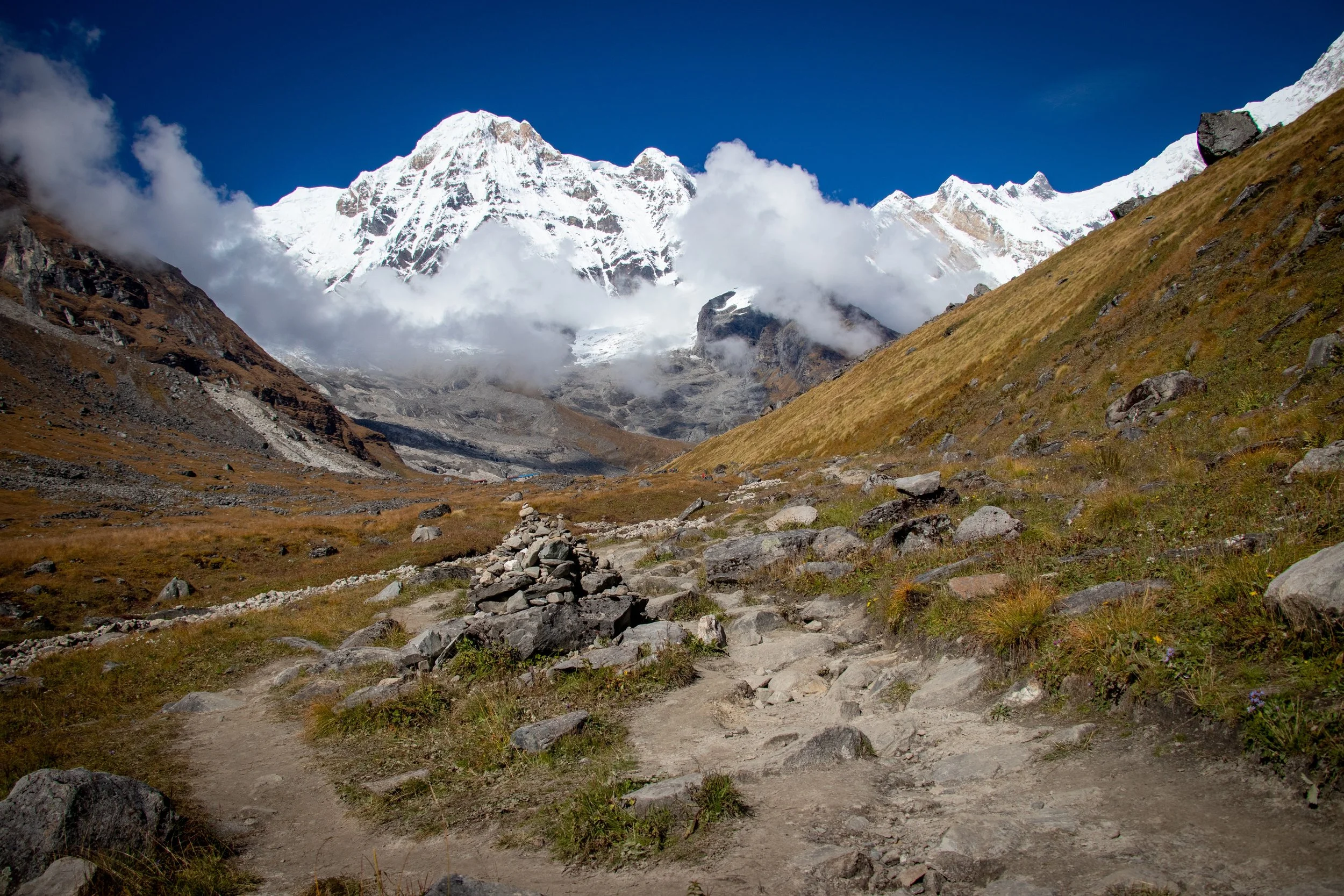
Trekking to Annapurna Base Camp is not for the faint of heart, but for those who are up for the challenge, it is a truly unforgettable experience. The breathtaking scenery of the Annapurna mountains, combined with the thrill of conquering challenging terrain and pushing oneself to new limits, makes this trek an absolute achievement.
The Annapurna Base Camp Trek is a moderate to challenging trek that takes you through lush forests, picturesque villages, and stunning mountain landscapes. The trek starts from Nayapul and follows the Modi Khola River through lush forests of oak, rhododendron, and bamboo. As you ascend, you will pass through charming Gurung villages such as Ghandruk and Chhomrong, where you can experience the local culture and hospitality.
The highlight of the trek is reaching the Annapurna Base Camp (4,130m), located at the base of the stunning Annapurna massif. The trail to the base camp offers spectacular views of the Annapurna range, including Annapurna South, Annapurna I, Hiunchuli, Gangapurna, and Machhapuchhre (Fishtail).
The Annapurna Base Camp Trek is a challenging trek, and trekkers should be physically fit and prepared for the altitude. However, the trek is accessible to most trekkers with some prior trekking experience. The best time to do the trek is from September to November and March to May when the weather is dry and clear.
Trekkers will need to be able to hike for several hours each day, with some steep uphill and downhill sections. Altitude sickness is also a potential risk, so it's important to take the necessary precautions and be aware of the symptoms. It's recommended that trekkers do some training beforehand, such as cardiovascular exercises and hiking on hilly terrain, to prepare for the trek.
The general travel route, difficulty and elevation change are as follows:
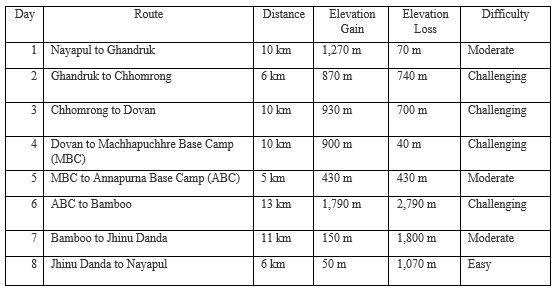
The trek can be completed in 8 to 10 days, depending on the pace and the number of rest days taken. As you can see from the table, the trek includes some challenging legs, such as the ascent to Machhapuchhre Base Camp and the descent from Bamboo to Jhinu Danda. It is important to be physically fit and prepared for the altitude and the steep terrain. Additionally, the trek involves staying in basic lodges, and trekkers should be prepared for the rustic accommodations and facilities.
Every adventure comes with its fair share of concern and risk. While trailing down the adventerous path’s of the Annapurna Base Camp Trek one must take note of the following:
Altitude sickness is a potential risk. It's important to acclimatize properly by gradually ascending to higher altitudes, staying hydrated, and avoiding alcohol and tobacco.
The weather can be unpredictable in the mountains. Trekkers should be prepared for both rain and snow, and bring appropriate gear such as waterproof jackets and pants, warm layers, and sturdy boots.
The trail can be steep and rocky in places, so it's important to have good hiking boots with ankle support and to watch your footing.
Some parts of the trail may be narrow and exposed, so it's important to take extra care and not take unnecessary risks.
Lodging and food options may be limited in some areas, so it's a good idea to bring some snacks and energy bars for the trail.
Garbage management is a major concern in the area, so it's important to pack out all your trash and dispose of it properly in designated areas.
Local culture should be respected. Trekkers should dress modestly, avoid public displays of affection, and ask for permission before taking photographs of locals or their homes.
As you make your way along the trail, through lush forests, over rocky terrain, and past snow-capped peaks, you'll be reminded of the sheer power and beauty of nature. And as you finally reach Annapurna Base Camp and take in the sweeping panoramic views, you'll know that all the hard work was worth it.
So, for anyone who's up for a challenge and ready to be rewarded with stunning scenery and a sense of accomplishment, the Annapurna Base Camp Trek is waiting for you. Get your hiking boots ready, train hard, and prepare to be amazed. The journey may be tough, but the destination is absolutely worth it.
POPULAR ITINERARIES
SIMILAR POSTS
Top 5 Mountains to Summit in Nepal During Climbing Season
As the weather warms up and the snow begins to melt, climbers from around the world flock to Nepal to take on the country's many stunning peaks. With eight of the world's highest mountains located within its borders, Nepal is a mountaineer's paradise. Here are five of the top mountains to summit during climbing season.
As the snow begins to melt and the mountaineering season approaches in Nepal, climbers from around the world gear up to tackle the country's stunning peaks. While climbing is possible throughout the year, spring is the most popular time for mountaineering expeditions, with the months of March, April, and May offering the best weather and conditions for scaling Nepal's majestic mountains. During this time, climbers can expect clear skies, mild temperatures, and relatively stable weather patterns. The autumn months of September, October, and November also offer favorable weather for climbing. However, the winter months (December to February) are typically too cold and snowy for most climbers, while the summer monsoon season (June to August) brings heavy rain and high humidity, making climbing difficult and dangerous. In this article, we will be discussing the top five mountains to summit in Nepal during the spring climbing season. So, whether you're an experienced climber or just starting out, read on to discover some of the most beautiful and challenging mountains Nepal has to offer.
1. Mount Everest
Mount Everest needs no introduction. As the highest peak in the world at 8,848 meters, it draws climbers from around the world who seek the ultimate mountaineering challenge. While it is certainly not for the faint of heart, those who reach the summit are rewarded with breathtaking views and a profound sense of accomplishment.
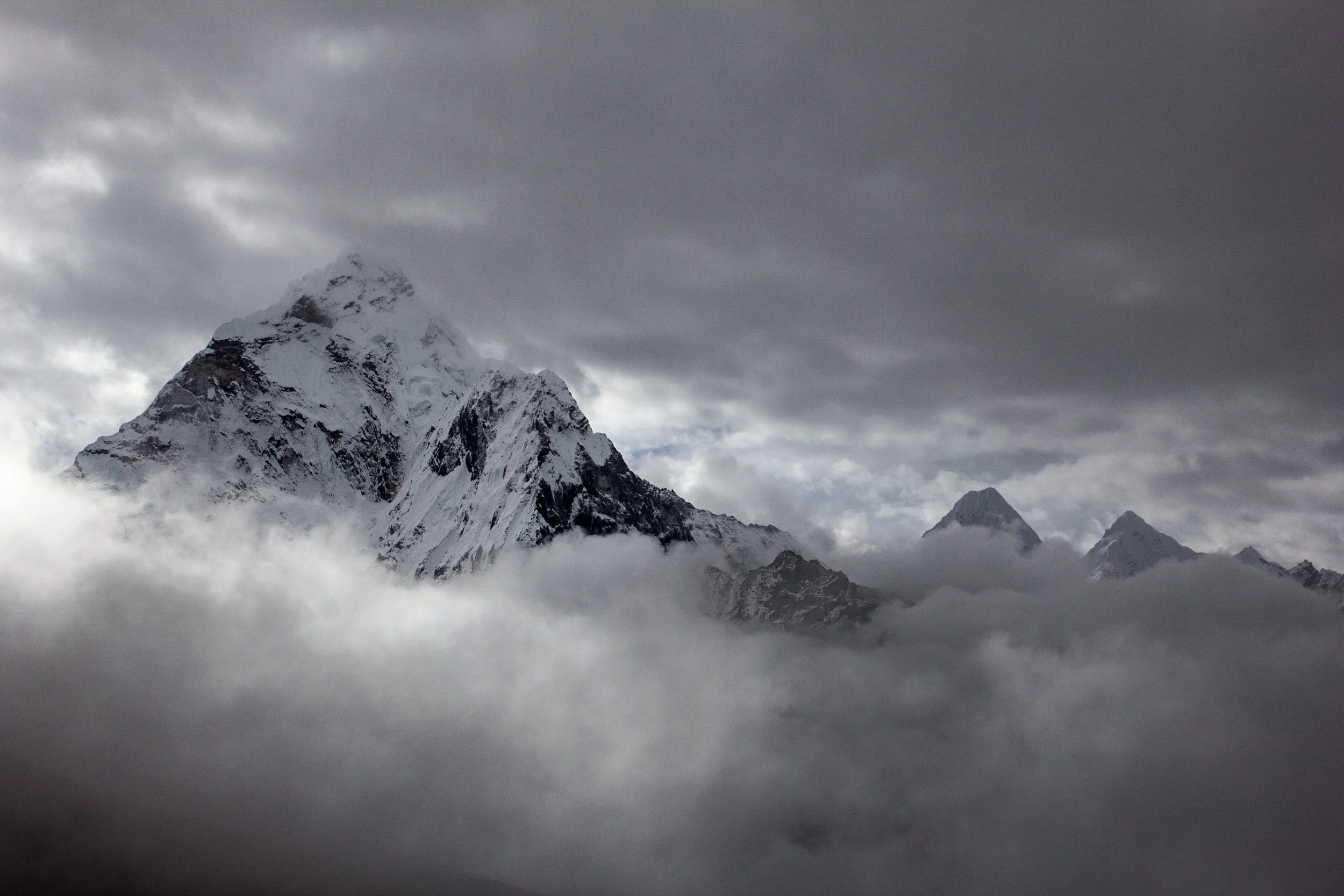
2. Ama Dablam
Located in the Khumbu region, Ama Dablam is one of Nepal's most iconic peaks. With its steep, exposed rock and ice faces, it offers a challenging climb that requires technical skill and experience. The peak is known for its striking appearance, with a sharp summit that resembles a "mother's necklace" of prayer flags.
3. Cho Oyu
Cho Oyu, the sixth-highest mountain in the world, straddles the border between Nepal and Tibet. Its relative ease of access and gentle slopes make it a popular choice for climbers looking for a high-altitude challenge that is slightly less technical than some of Nepal's other peaks. Cho Oyu is also an ideal mountain for climbers looking to make their first 8,000-meter summit.
4. Island Peak
Also known as Imja Tse, Island Peak is located in the Khumbu region and is a popular choice for climbers seeking a less technical peak that still offers a significant challenge. With an altitude of 6,189 meters, it is a great mountain for climbers who want to test their high-altitude abilities before attempting a more demanding peak.
5. Manaslu
Manaslu, located in the Himalayas in western Nepal, is the eighth-highest mountain in the world. While it is not as well-known as some of the other peaks on this list, it is a challenging climb that rewards climbers with stunning views of the surrounding Himalayan peaks. The climb requires technical skills and experience, as well as a high level of fitness.
As with any mountain climb, it is important to properly prepare and train before attempting any of these peaks. Climbers should also ensure they have the necessary permits and equipment, as well as a qualified guide to lead them on their ascent. With the right preparation and guidance, climbers can take on the challenge of Nepal's stunning peaks and experience the adventure of a lifetime.
POPULAR ITINERARIES
SIMILAR POSTS
Explore Nepal's Majestic Mountains the Easy Way
Are you interested in exploring Nepal's stunning mountain ranges, but not so keen on trekking? No problem! In this blog, we explore five amazing destinations in Nepal that can be visited by helicopter, including Mount Everest, Annapurna Base Camp, Langtang National Park, Upper Mustang, and Rara Lake. Get ready for breathtaking views and unforgettable experiences!
Have you ever dreamed of exploring the stunning natural beauty of the Himalayas but are hesitant because you don't enjoy trekking or hiking? If so, then you'll be pleased to know that there is another way to experience the majesty of the Himalayas. Helicopter tours offer an exhilarating way to explore the world's highest mountain range without the need for physical exertion. In Nepal, there are many destinations that can be visited by helicopter, allowing you to take in breathtaking views of the towering peaks, crystal-clear lakes, and verdant valleys. In this blog post, we'll explore some of the best destinations in Nepal that can be visited by helicopter, giving you a chance to see the beauty of the Himalayas up close.
It's a small and charming country located in South Asia, nestled between India and China. Nepal is famous for its incredible mountain ranges, including Mount Everest, which is the tallest peak in the world. But there's more to this country than just mountains! Nepal is home to a rich cultural heritage, with ancient temples, palaces, and monuments that speak to its long and fascinating history. Nepalese people are friendly, warm, and always happy to welcome visitors to their country. Despite facing some challenges, Nepal remains a country of remarkable resilience and beauty, with a vibrant culture and unique way of life that is sure to leave a lasting impression on anyone who visits.
Mount Everest: Helicopter tours to Mount Everest are an incredible way to experience the majesty of the world's tallest peak. The tour typically departs from Kathmandu and follows the path of the Khumbu Glacier, offering breathtaking views of snow-capped peaks and deep valleys. As you soar through the sky, you'll see stunning landscapes and get up close to the ice falls, glaciers, and rugged terrain that make up the Everest region. If you're feeling adventurous, you can even land at the Everest Base Camp and take a short trek to Kalapatthar for a breathtaking panoramic view of Mount Everest and other surrounding peaks.
Annapurna Base Camp: The Annapurna Base Camp is a popular trekking destination, but it can also be visited by helicopter. The tour departs from Pokhara and offers stunning views of the Annapurna massif, which includes peaks like Annapurna I, Annapurna South, and Machhapuchhre (also known as Fishtail). As you fly over the rugged terrain, you'll see lush forests, cascading waterfalls, and traditional Nepalese villages. Once you reach the base camp, you'll be surrounded by towering mountains on all sides, making it an unforgettable experience.
Langtang National Park: Langtang National Park is one of the most beautiful and biodiverse areas in Nepal, and helicopter tours offer a unique way to experience this stunning region. The tour departs from Kathmandu and follows the path of the Langtang Himal, offering breathtaking views of the mountains, forests, and glaciers that make up this unique landscape. You'll also get the chance to explore the park's stunning landscapes, including alpine forests, rocky terrain, and high-altitude lakes. If you're lucky, you might even spot rare and endangered wildlife like the red panda or the snow leopard.
Upper Mustang: The Upper Mustang region is a remote and fascinating area of Nepal that can be accessed by helicopter from Pokhara. The tour offers an opportunity to explore this ancient kingdom without the need for a long trek. You'll fly over the Kali Gandaki River Valley and the Annapurna Massif, taking in stunning views of the surrounding landscape. Once you reach Upper Mustang, you'll be immersed in a unique desert-like landscape that is unlike anywhere else in Nepal. You'll also get the chance to explore ancient monasteries, caves, and historic villages, learning about the rich cultural heritage of this remote region.
Rara Lake: Rara Lake is a stunning alpine lake located in the remote Karnali region of Nepal. Helicopter tours to Rara Lake depart from Kathmandu and offer breathtaking views of the Himalayas and the surrounding valleys. Once you arrive at the lake, you'll be surrounded by a pristine natural environment, with crystal-clear waters and dense forests. You can take a walk around the lake, relax on its shores, or explore the surrounding hills and forests. Rara Lake is a hidden gem of Nepal and is well worth a visit for anyone looking to experience the country's natural beauty up close.
POPULAR ITINERARIES
SIMILAR POSTS
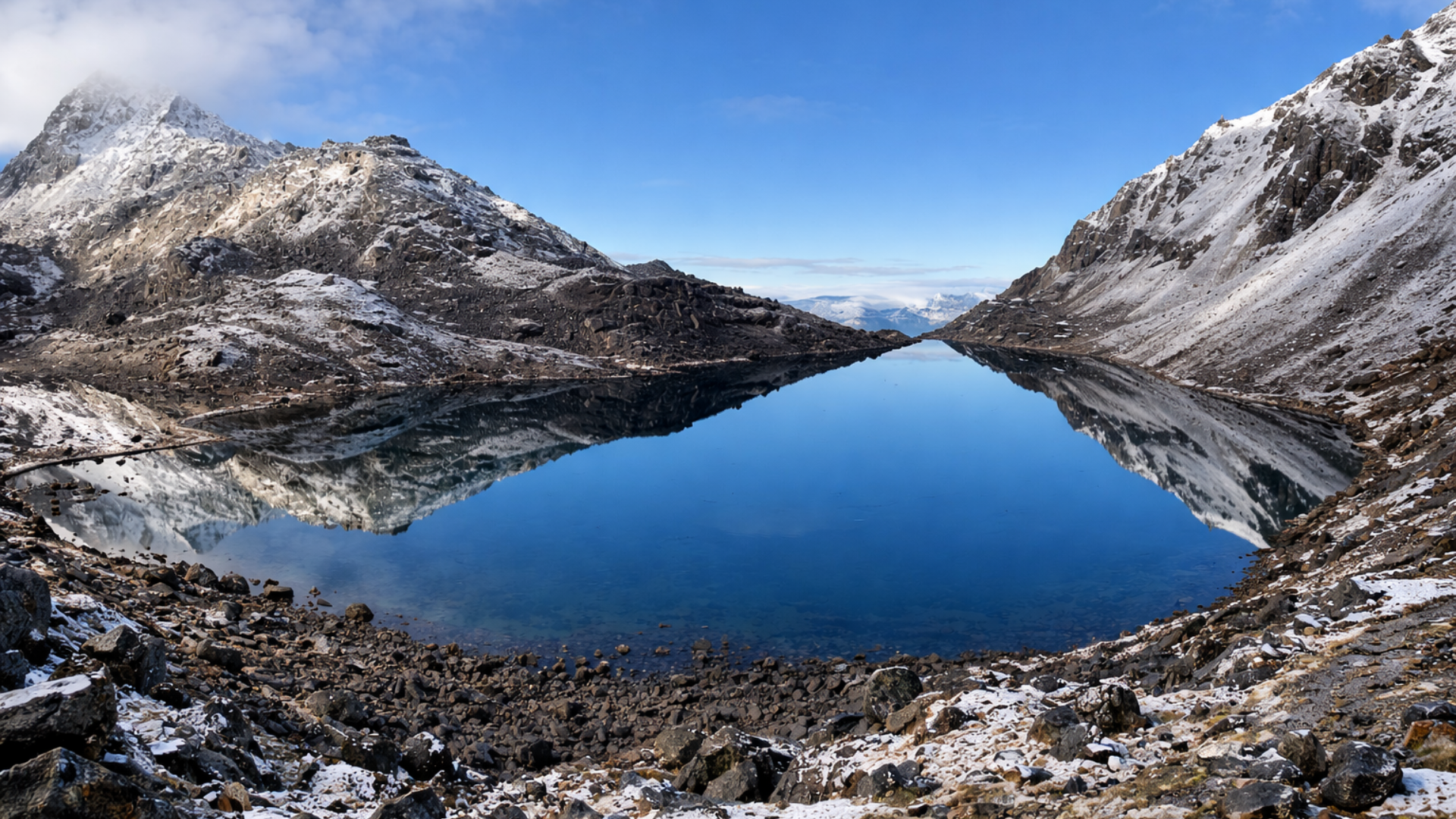
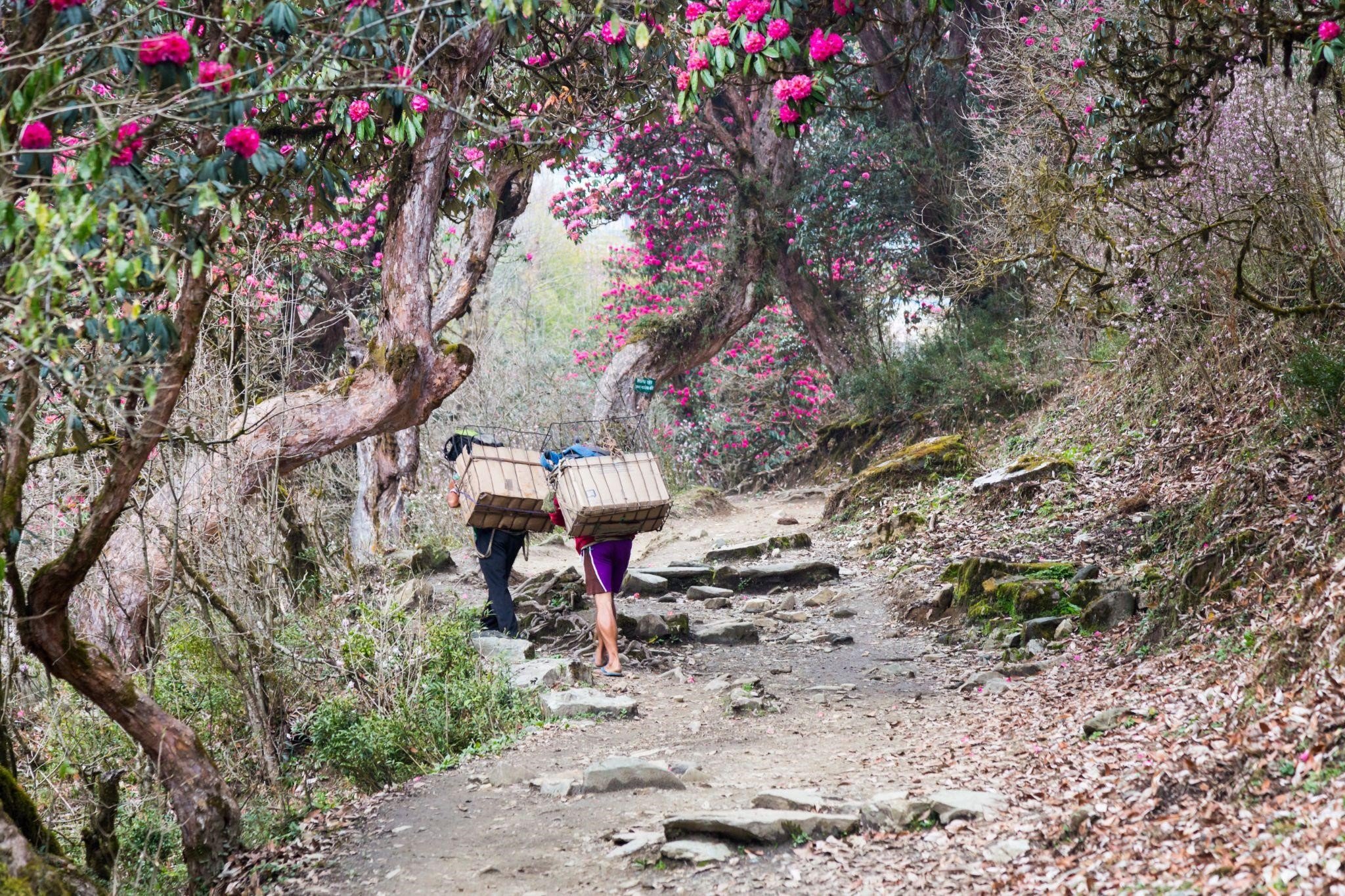
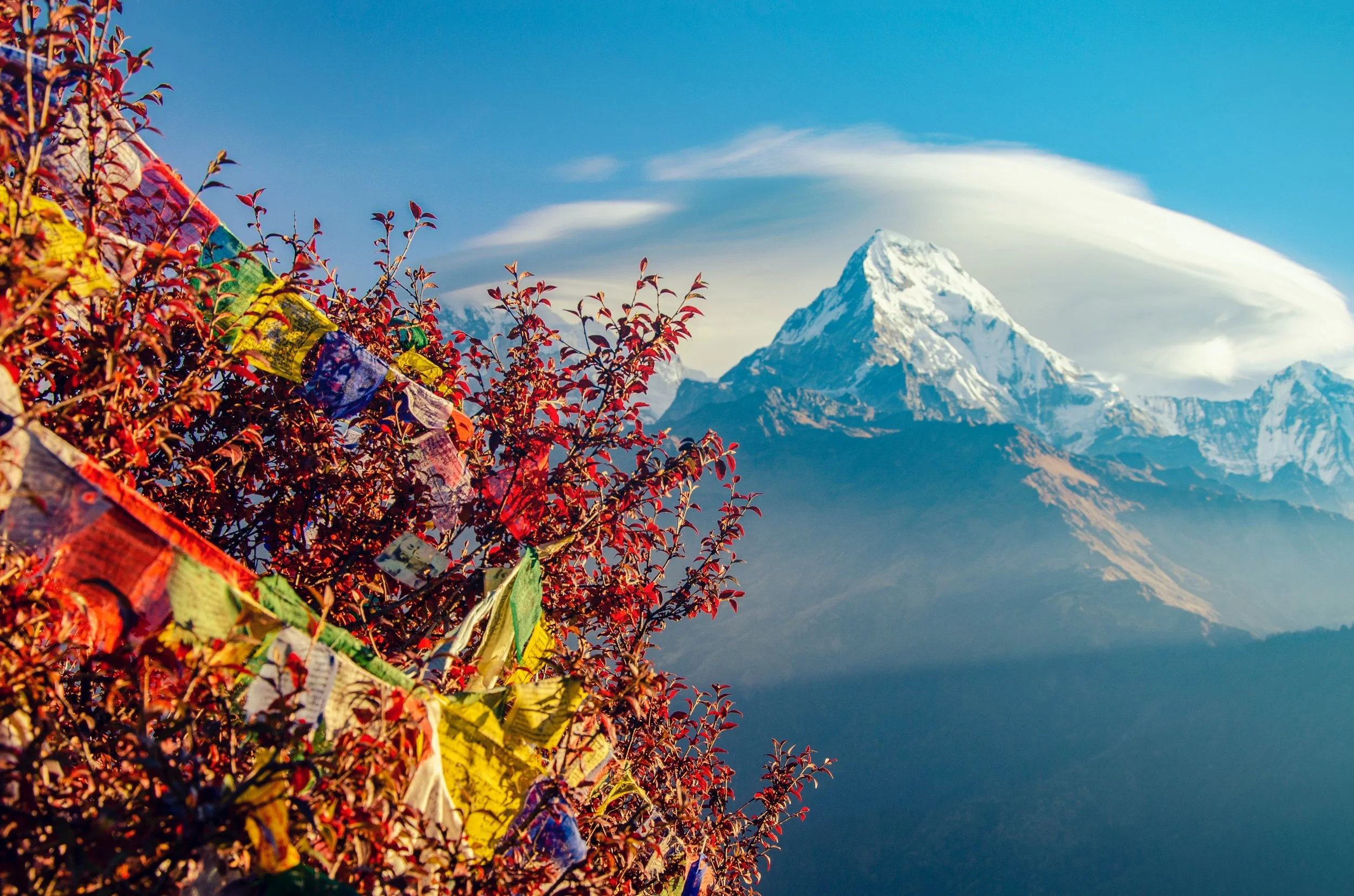
Nepal During Spring: A Sight to Behold
Nepal is a paradise for adventure enthusiasts and nature lovers alike. With its soaring peaks, rushing rivers, lush jungles, and rich cultural heritage, there's never a shortage of things to do in this breathtaking country. And during the spring season, the weather is just right for outdoor activities, making it the perfect time to visit. From trekking in the Himalayas to rafting in the rivers and exploring the temples and historical sites, this list of 10 must-do activities in Nepal will leave you feeling inspired and ready to start planning your trip. So pack your bags, grab your adventure hat, and get ready to experience the beauty of Nepal in all its glory!
Nepal, with its majestic Himalayas and rich cultural heritage, is a paradise for adventure enthusiasts and nature lovers. Spring is one of the best seasons to visit Nepal, with warm days, clear skies, and stunning blooms. In this season, the country comes to life, and travelers can indulge in a range of activities that are both exciting and rejuvenating. Here is a list of 10 must-do activities in Nepal during the spring season:
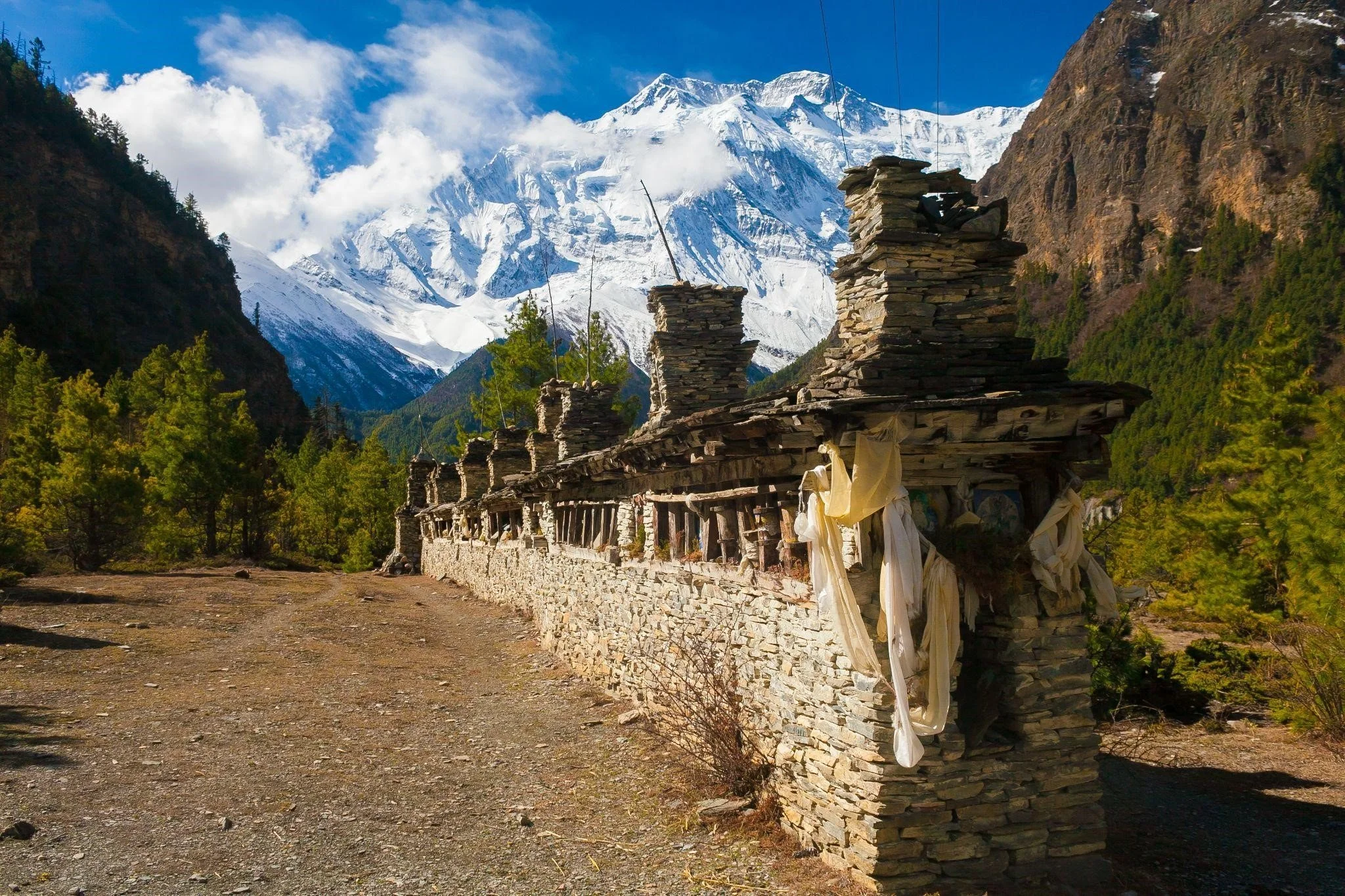
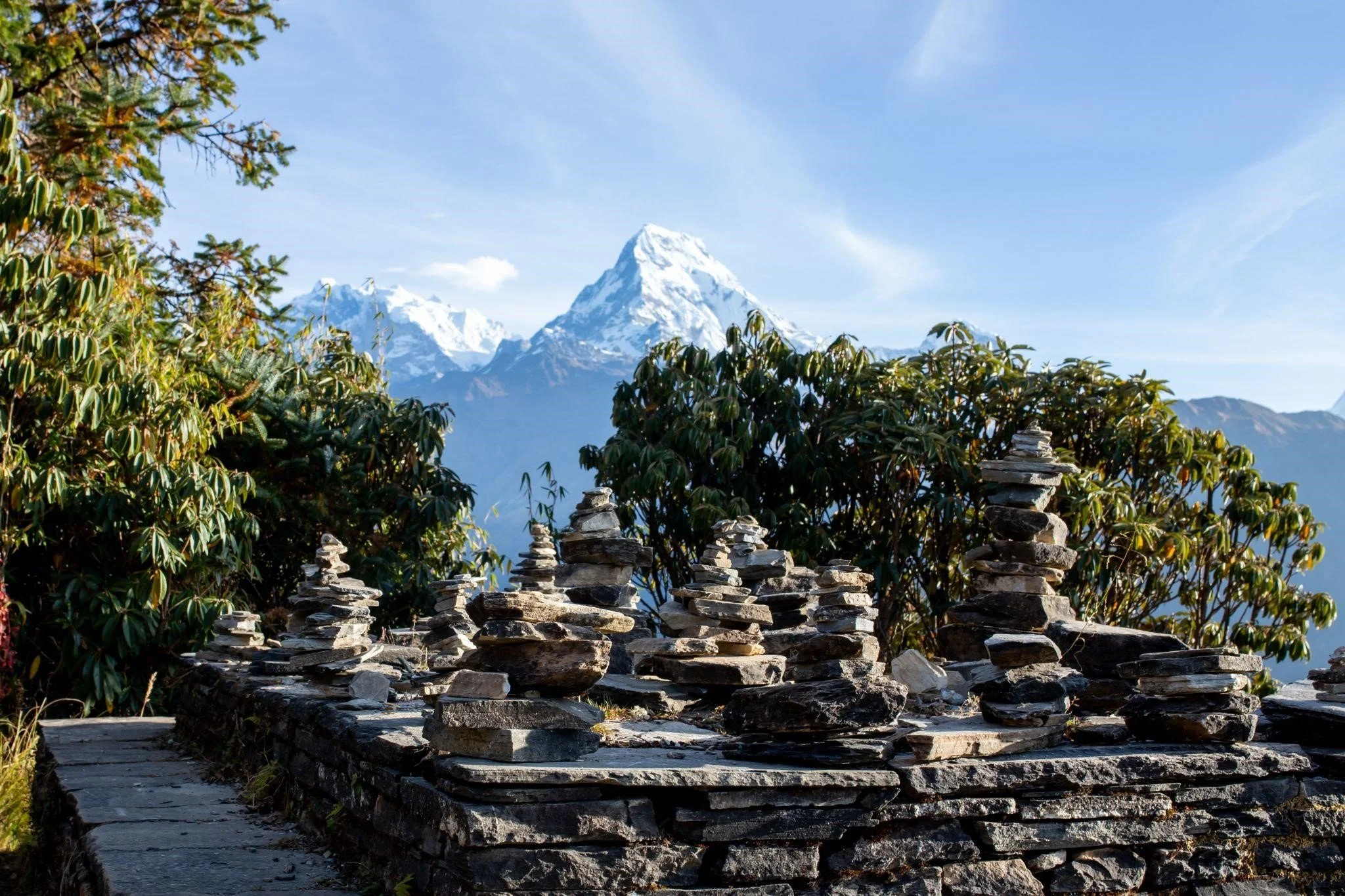
l Trekking in the Himalayas: The Annapurna Circuit, Langtang, and Everest Base Camp are some of the most popular trekking routes in Nepal, offering breathtaking views of the Himalayas. The clear skies and warm weather during spring make it an ideal time to embark on a trekking adventure. This activity is best suited for those who love hiking, nature and are in good physical shape. The trekking routes are located in the western and eastern regions of Nepal and take anywhere from 7 to 20 days to complete, depending on the trail.
l Rafting and kayaking: The fast-flowing rivers of Nepal, such as Trishuli, Marsyangdi, and Bhote Koshi, offer thrilling rafting and kayaking experiences. The warm weather and clear water make for a perfect day of rafting or kayaking, and the stunning scenery will leave you in awe. Rafting and kayaking trips can be arranged from Kathmandu or Pokhara and typically take a full day.
l Wildlife viewing: Chitwan National Park and Bardia National Park are home to exotic wildlife, including Bengal tigers, one-horned rhinos, and elephants. During spring, the animals come out to drink from the rivers, and visitors can observe them in their natural habitats. Wildlife viewing trips can be arranged from Kathmandu or Pokhara and typically take 2-3 days.
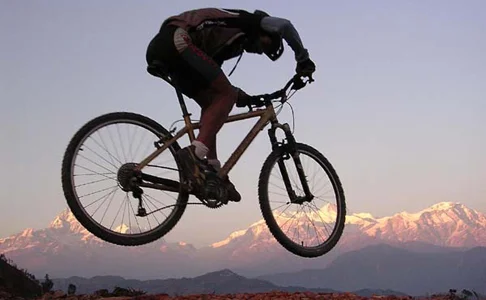
l Mountain biking: Enjoy a scenic mountain bike ride in the Himalayas and visit remote villages. With clear skies and warm weather, spring is an ideal time to explore Nepal by bike. Mountain biking trips can be arranged from Kathmandu and typically take several days.
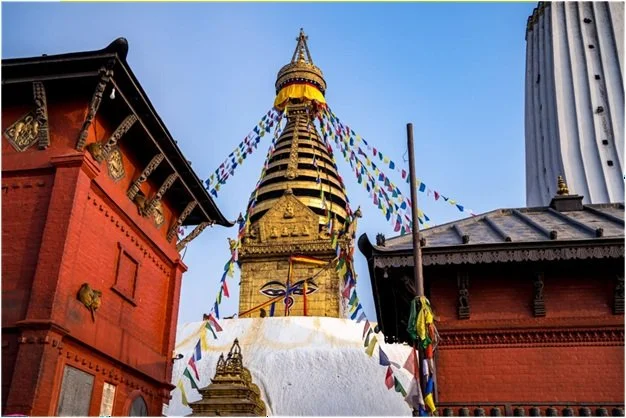
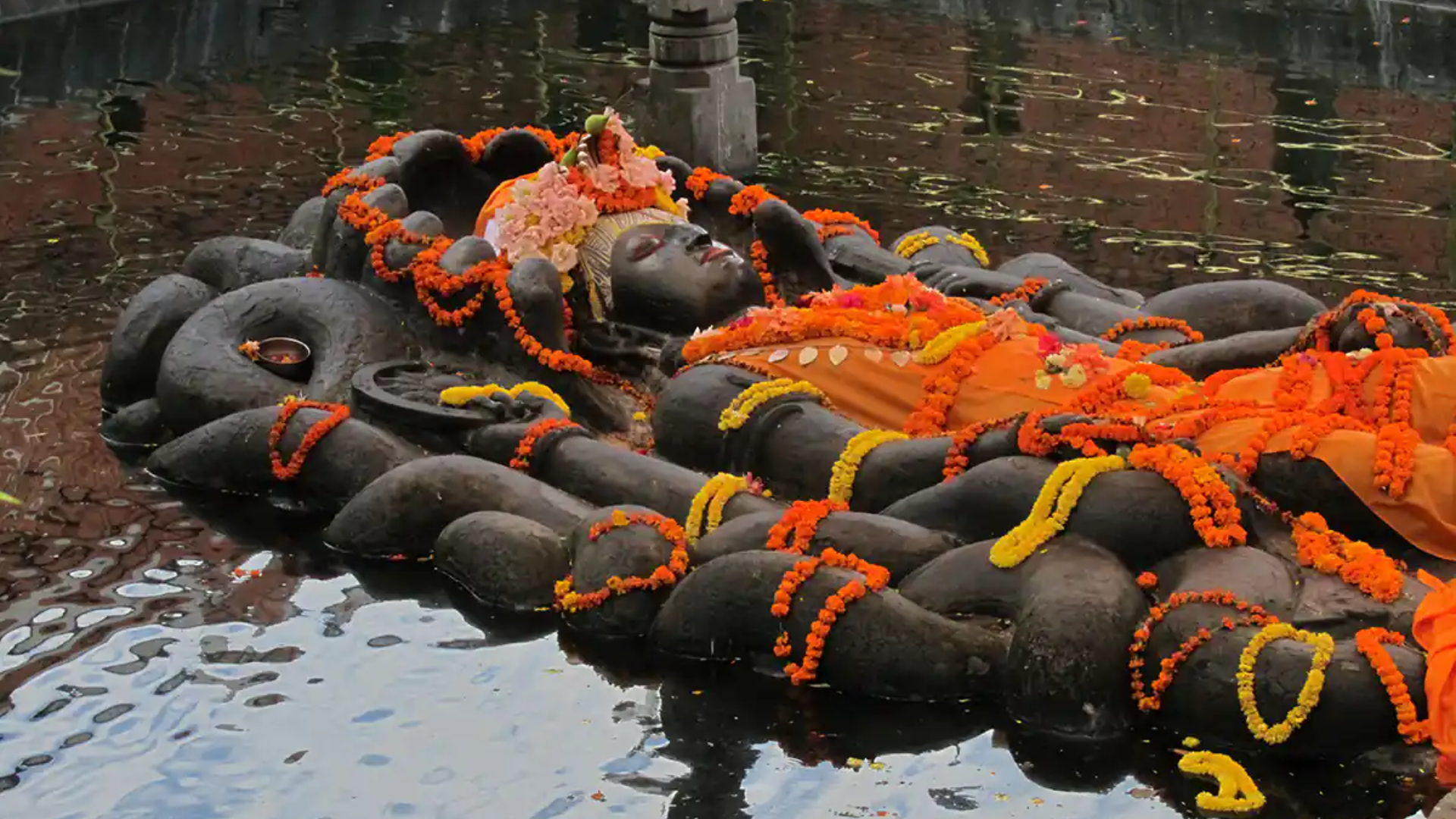
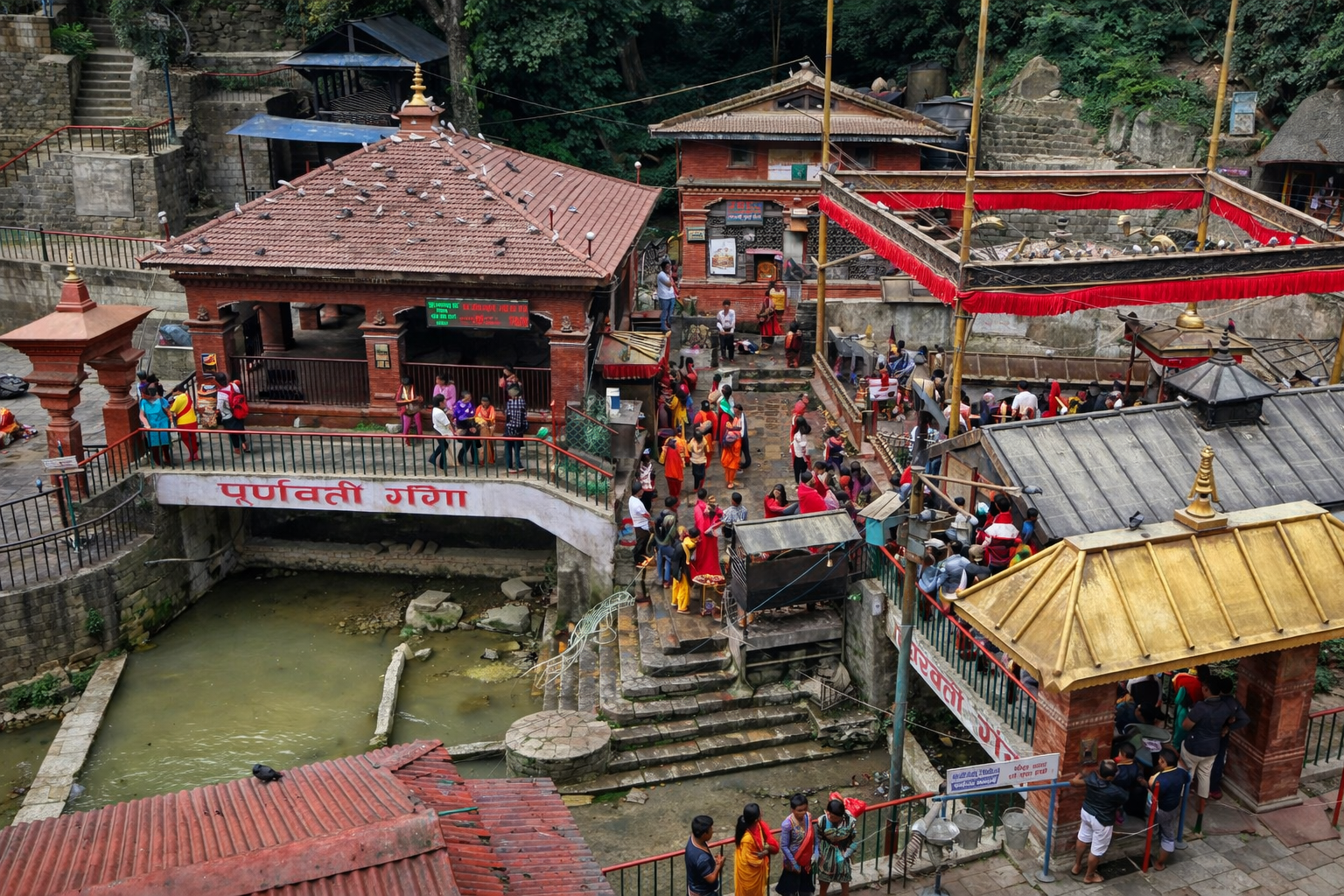
l Temple and cultural tours: Visit the famous temples and historical sites of Kathmandu, Bhaktapur, and Patan, and learn about Nepal's rich cultural heritage. The warm weather in spring makes it a comfortable time to visit these sites. Temple and cultural tours can be arranged from Kathmandu and typically take a full day.
l Paragliding: Experience the thrill of flying over the mountains and valleys of Nepal. With clear skies and stable weather in spring, it's the perfect time to try paragliding. Paragliding trips can be arranged from Pokhara and typically take several hours.
l Bungee jumping: Take a leap of faith from one of the highest bungee bridges in the world in Pokhara. The warm weather and clear skies make spring an ideal time to try this adrenaline-pumping activity. Bungee jumping can be arranged from Pokhara and typically takes a few hours.
l Hot air ballooning: Get a bird's-eye view of the Himalayas and the surrounding landscape. The clear skies in spring make for a stunning hot air balloon ride. Hot air ballooning trips can be arranged from Pokhara and typically take several hours.
l Rock climbing and mountaineering: Challenge yourself with rock climbing or attempt to summit one of Nepal's peaks. With clear skies and warm weather, spring is an ideal time for these activities. Rock climbing and mountaineering trips can be arranged from Kathmandu and typically take several days.
l Yoga and meditation: Find peace and inner calm in the tranquil surroundings of Nepal's Himalayan foothills. With the warm weather and beautiful scenery, spring is an ideal time for yoga and meditation. Yoga and meditation retreats can be arranged from Kathmandu or Pokhara and typically take several days.
Nepal in spring is a perfect destination for adventure enthusiasts and nature lovers. With its clear skies, warm weather, and stunning scenery, you are sure to have a memorable time exploring the country. Don't miss the chance to experience all that Nepal has to offer this spring.
POPULAR ITINERARIES
SIMILAR POSTS
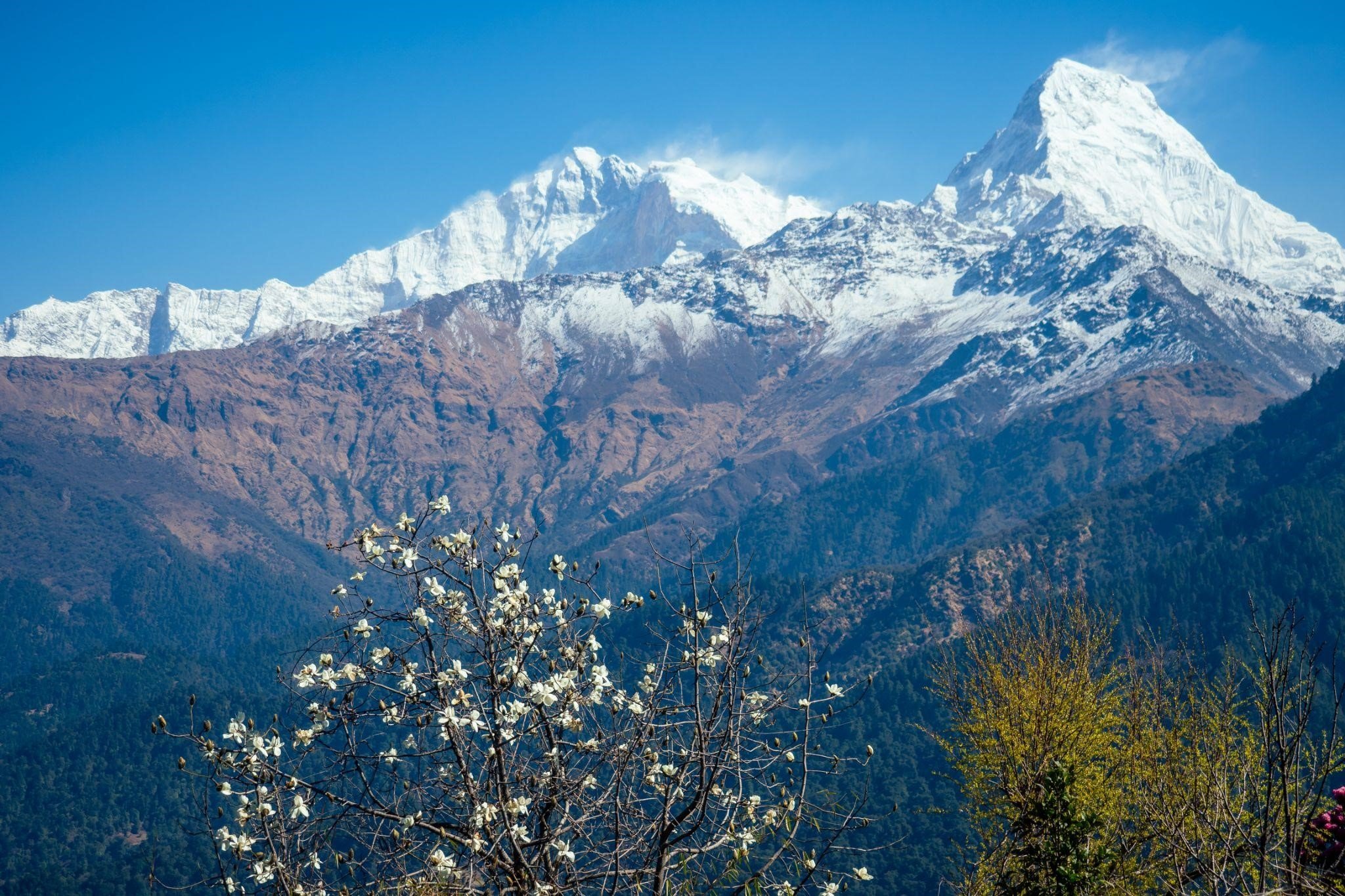
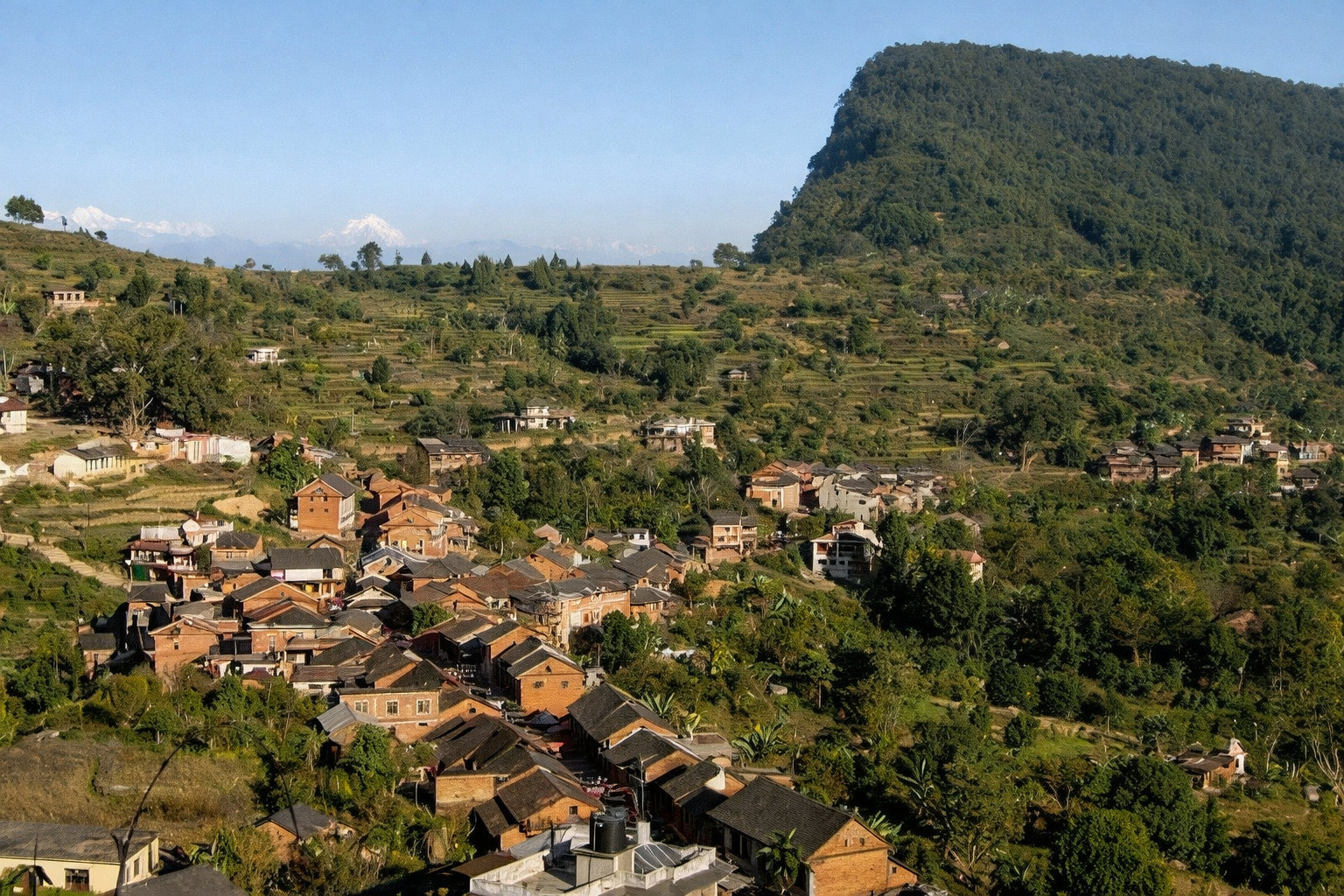
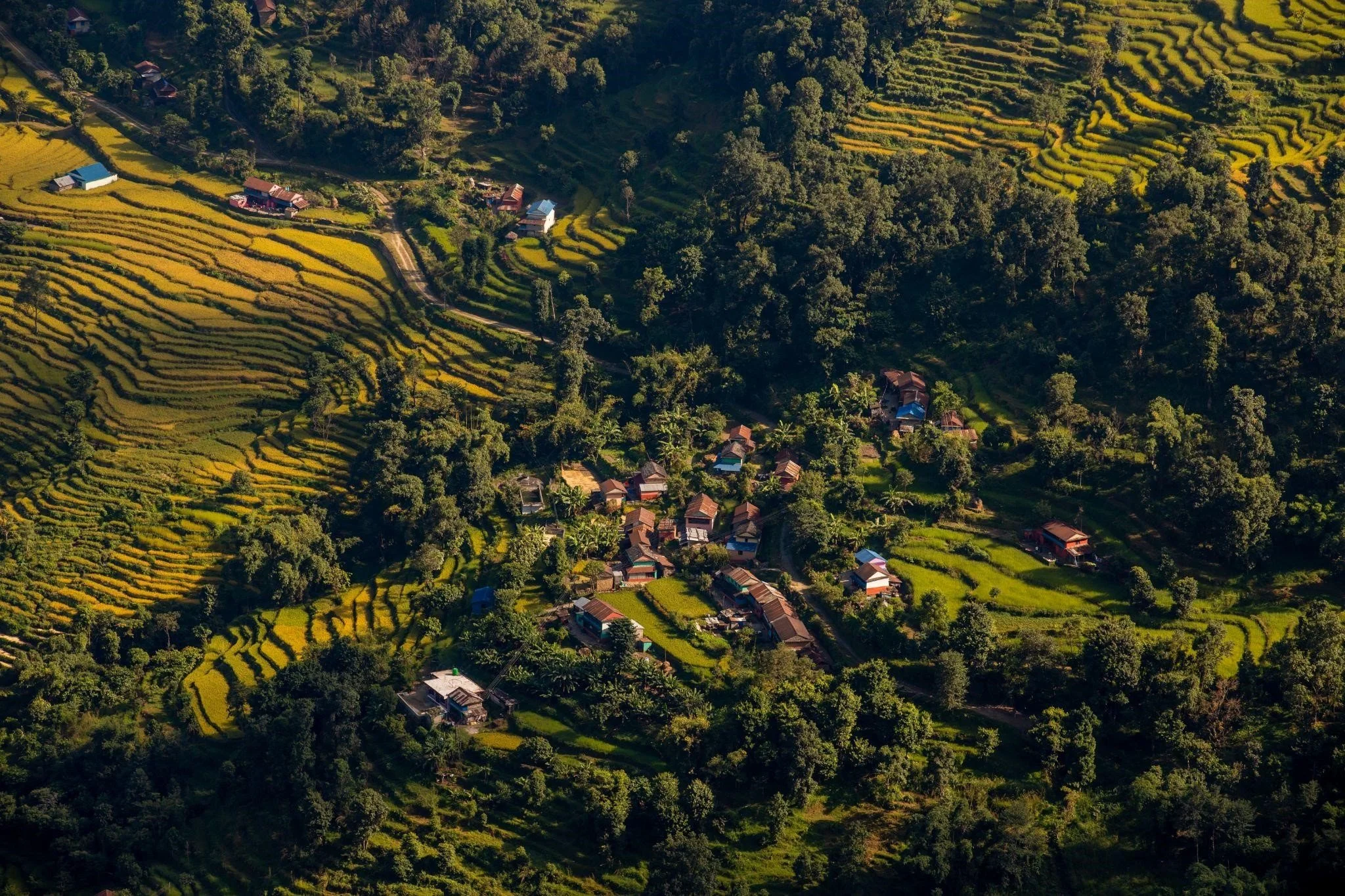
Nepal: A Land of Diverse Celebrations
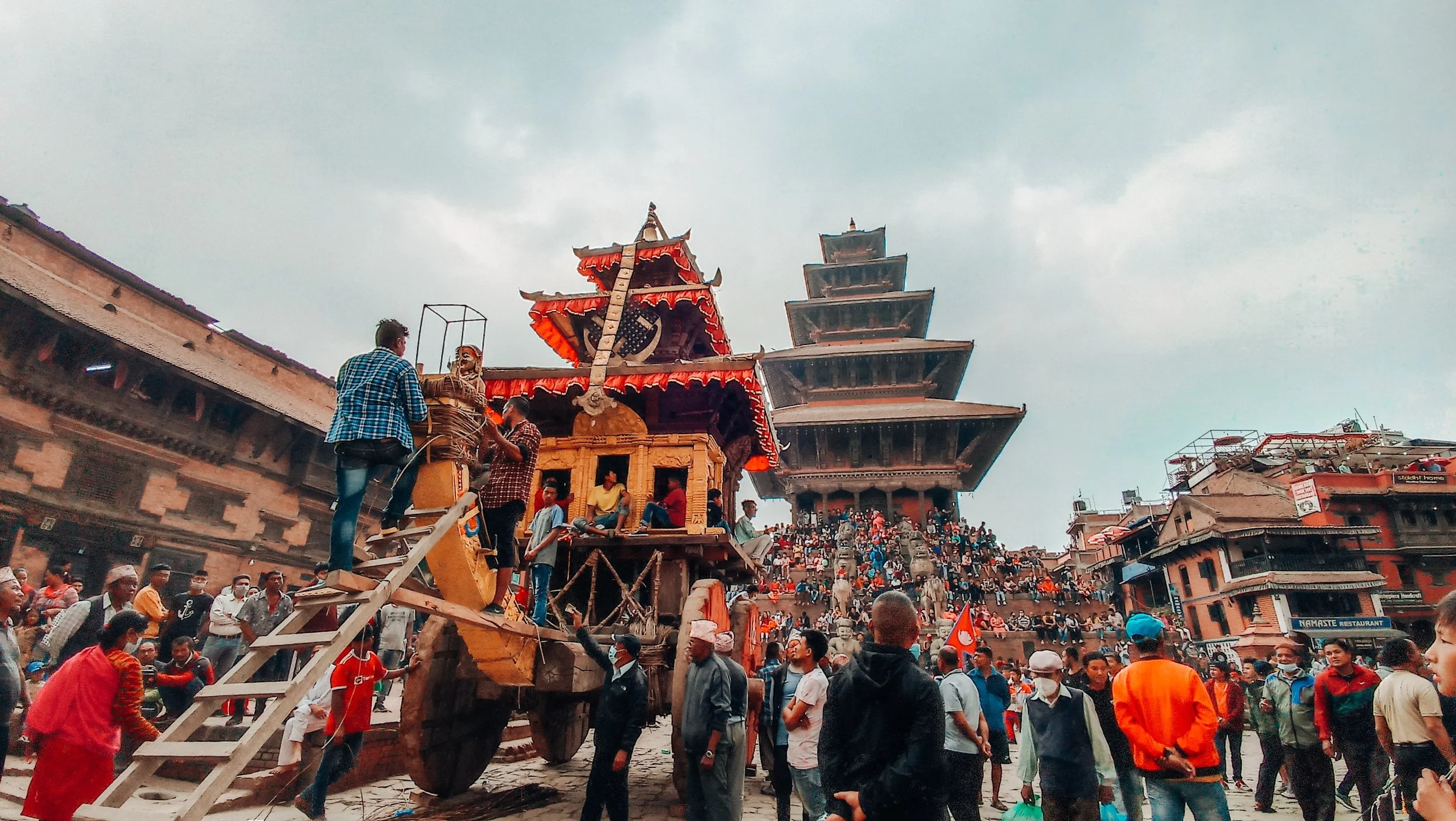
Nepal, a land of vibrant culture and traditions, where festivals are not just celebrations but a way of life. From the traditional Dashain to the colorful Holi, Nepal's festivals are a reflection of its rich history, religion and customs. A melting pot of diverse ethnic groups, these festivals bring people together, fostering a sense of community, tradition and unity.
Nestled between the towering Himalayas and the lush Terai plain, lies the small yet vibrant country of Nepal. Known for its diverse culture, Nepal is a melting pot of different ethnic groups and tribes, each with their own unique languages, customs, and traditions. From the traditional Sherpa culture in the mountains, to the vibrant Tharu culture in the Terai, Nepal's cultural landscape is as diverse as its geography. The country's varied topography, ranging from the Himalayas in the north to the flat Terai plain in the south, has played a big role in shaping its cultural diversity, with different ethnic groups adapting their culture to the local environment.
Nepal is a country with a rich history and culture, and this is reflected in the numerous festivals that are celebrated throughout the year. These festivals are an integral part of Nepal's cultural heritage and are deeply rooted in its history, religion, and tradition. They provide an opportunity for people to come together and celebrate their shared culture and heritage, and offer a glimpse into the country's rich history and customs.
Festivals are important in Nepal for several reasons:
l Cultural Preservation: Festivals are an important part of Nepal's cultural heritage and help to preserve the country's rich history, customs, and traditions. They provide an opportunity for people to come together and celebrate their shared culture and heritage.
l Social Unity: Festivals bring people together regardless of their religion, ethnicity, or social status. They provide a platform for people to connect with one another, build relationships and foster a sense of community.
l Religious Significance: Many festivals in Nepal have a religious significance and are an important part of the country's religious practices. They provide an opportunity for people to come together and offer prayers, perform religious rituals and seek blessings.
l Economic Boost: Festivals also provide an economic boost as they attract tourists, create jobs and generate income for local communities.
l Educational Value: Festivals also have an educational value as they offer a glimpse into Nepal's rich history, customs and traditions. They provide an opportunity for people to learn more about their culture and heritage, and also for visitors to learn about Nepal's culture.
l Tourist Attraction: Nepal's festivals are famous around the world and its festivals are one of the major attractions for tourists. It's a way to showcase the rich culture and diversity of Nepal.
One of the most famous festivals in Nepal is the Dashain festival, celebrated by the Hindu population. It is a time for families to come together and offer prayers to the goddess Durga, who is said to have defeated a powerful demon. The festival lasts for 15 days and is marked by the exchange of traditional gifts, the slaughter of animals, and the lighting of oil lamps.
Another popular festival is the Tihar festival, also known as the festival of lights. It is celebrated by the Hindu and Buddhist communities and is a five-day festival. During the festival, homes are decorated with oil lamps and rangolis, people offer prayers to the goddess Laxmi, and brothers put tika and jamara on their sisters forehead as a symbol of love and protection.
The festival of Teej is also celebrated with great enthusiasm, particularly by women. It's a festival of swing and it is celebrated by married and unmarried Hindu women. The women dressed in their traditional attire and they swing on decorated swings and sing and dance.
The festival of Holi is also an important festival in Nepal, celebrated by people of all ages and religions. It is a festival of colors and is celebrated to mark the end of winter and the arrival of spring. During the festival, people smear each other with colored powder and water, and feast on traditional foods.
These are just a few examples of the many festivals that are celebrated in Nepal. Each festival has its own significance and unique customs, reflecting the country's religious, cultural and social heritage. All the festivals are integral part of Nepal's culture and it reflects the unity in diversity.
POPULAR ITINERARIES
SIMILAR POSTS

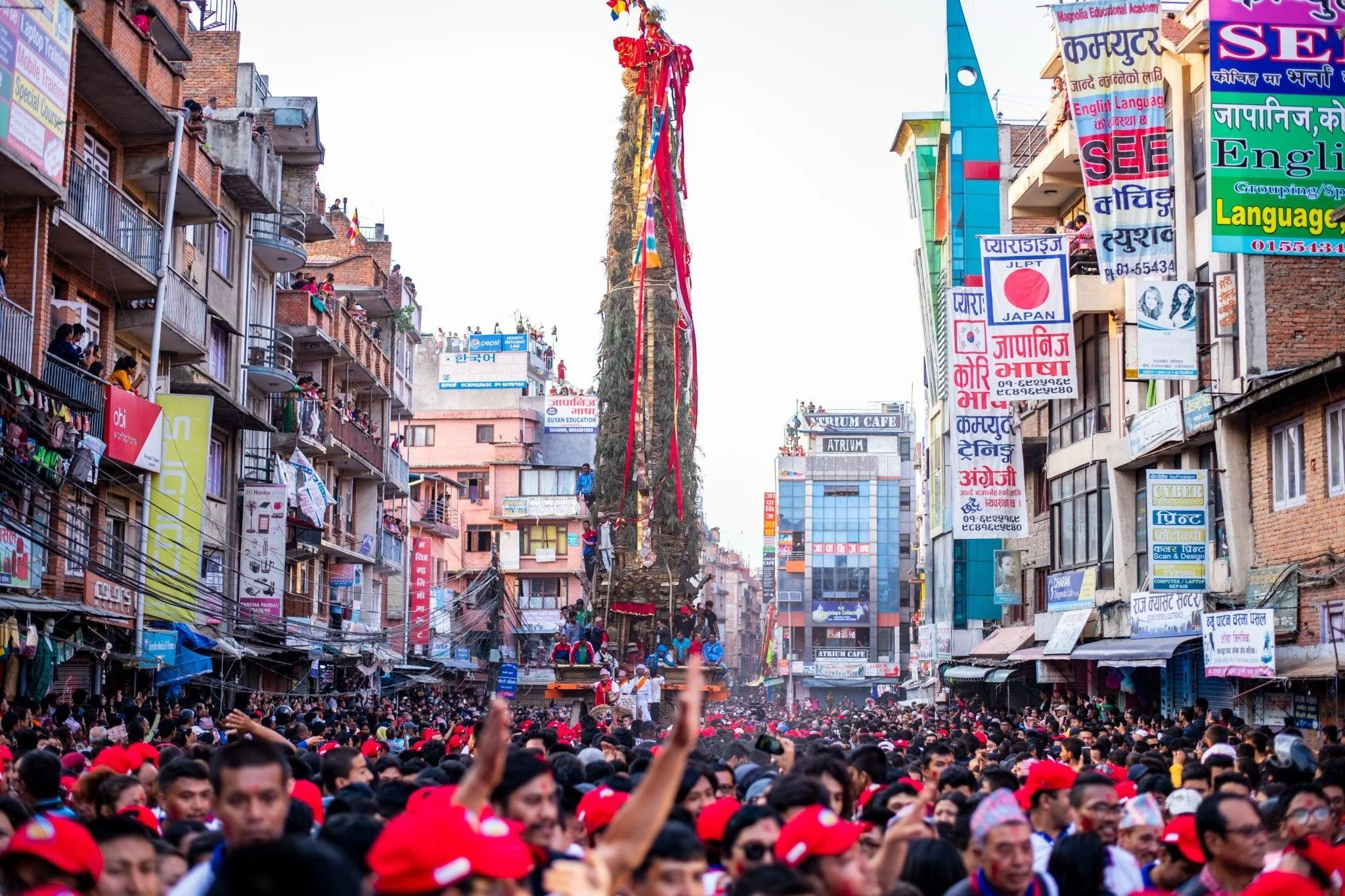
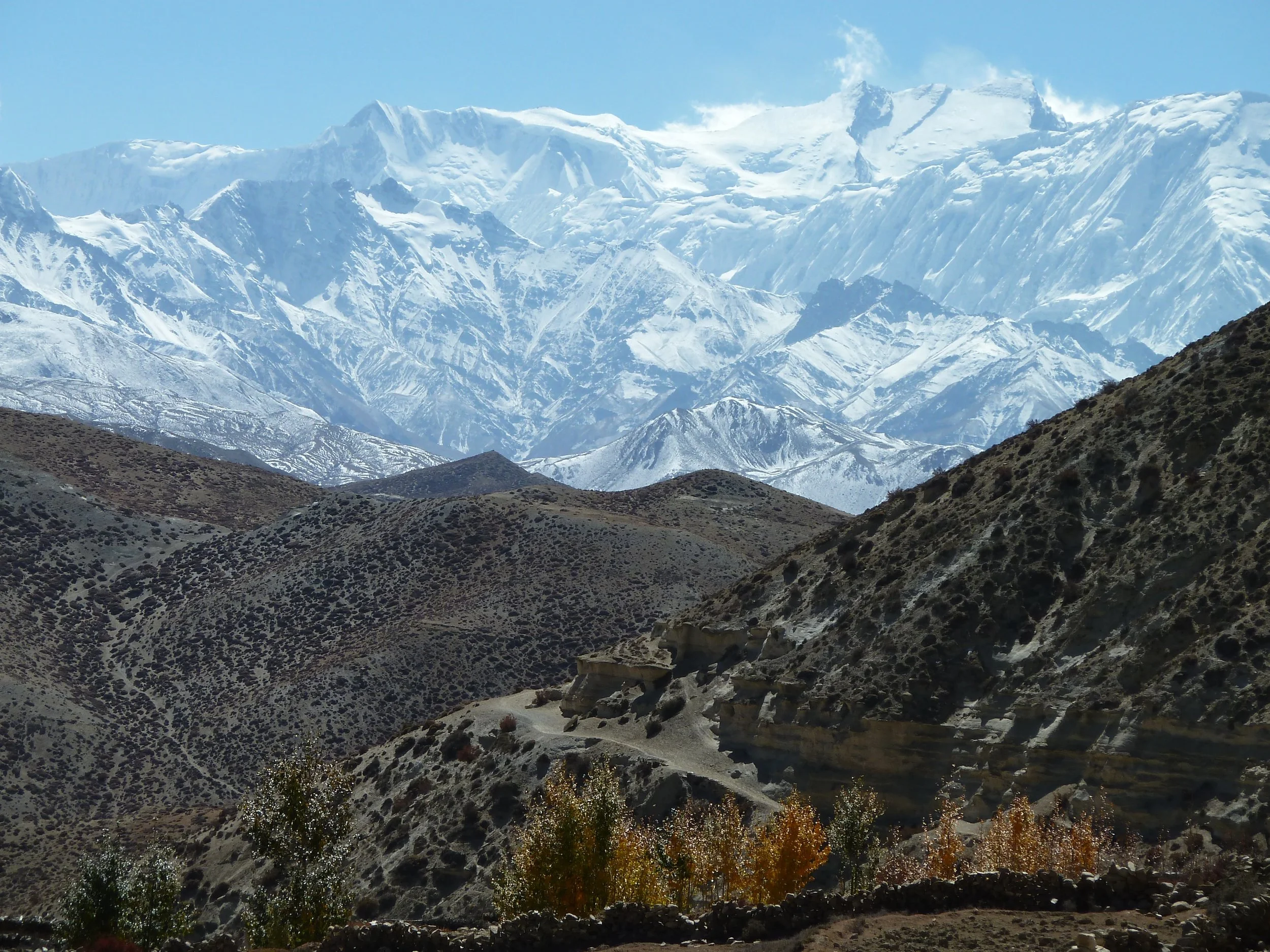
Exploring Mustang
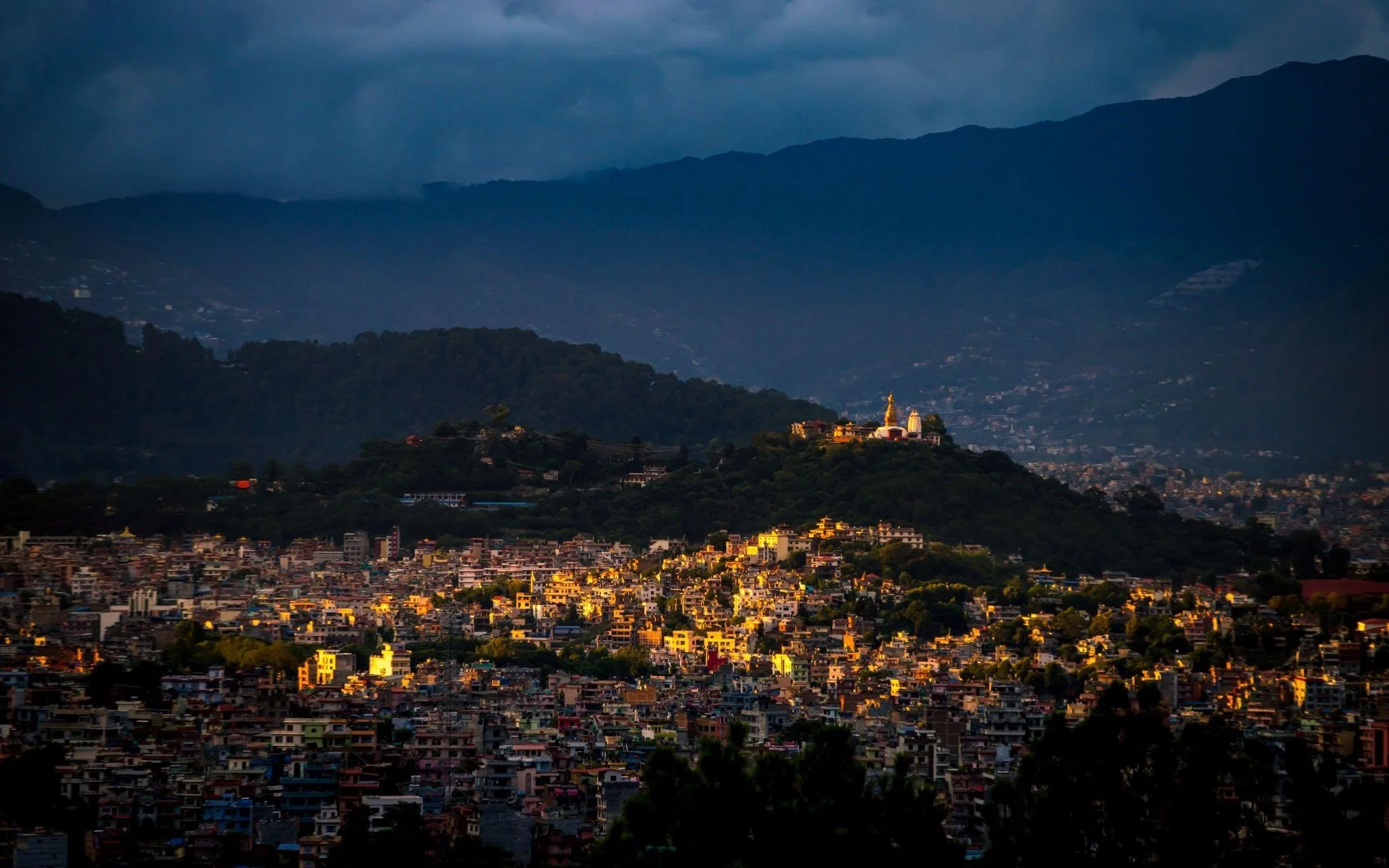
Mustang is an off-the-beaten-path destination in Nepal that offers a unique blend of adventure, culture, and history. The trek to Mustang offers a chance to explore rugged terrain, traditional villages, and ancient monasteries that are rich in spiritual and historical artifacts. The region is also famous for its unique culture and lifestyle of the people living there, and the vibrant festivals that are celebrated in the region. The trek also offers an opportunity to see the Dhaulagiri and Annapurna Mountain ranges, which are some of the highest peaks in the world.
Mustang is a hidden gem in the Himalayas, located in the northern part of Nepal. The region is known for its rugged beauty, unique culture, and ancient history. Mustang was a separate kingdom for centuries and only opened to foreigners in the early 1990s. The people of Mustang are ethnically Tibetan, and their culture is closely tied to that of Tibet.
The main attraction in Mustang is trekking. The trek to Mustang is considered one of the most interesting and off-the-beaten treks in Nepal. The trek offers an opportunity to explore the rugged terrain, traditional villages, and ancient monasteries that are rich in spiritual and historical artifacts. The region is also famous for its unique culture and lifestyle of the people living there, and the vibrant festivals that are celebrated in the region.
There are several ways to reach Mustang, Nepal:
l By air: The nearest airport to Mustang is Jomsom Airport, which is located in Jomsom, a town in Mustang district. From here, you can take a jeep or a horse to reach the Mustang region.
l By road: You can also reach Mustang by road, but the journey is long and bumpy. You can take a bus or jeep from Kathmandu or Pokhara to Jomsom and then continue on to Mustang by jeep or horse.
l Trekking: Trekking to Mustang is a popular option and the most common way to reach the region. The most popular trek is the Annapurna Circuit Trek that passes through Jomsom and Mustang.
Keep in mind that a special permit is required to enter Mustang, which can be obtained through a local trekking agency in Kathmandu. Also, the best time to visit Mustang is between September and November, as the monsoon season ends and the skies are clear.
Trekking to Mustang can be challenging due to the high altitude and rugged terrain. It's important to be in good physical condition before attempting the trek. Here are a few tips to help you prepare:
l Cardio: Engage in regular cardio exercises such as running, cycling, or swimming to improve your cardiovascular fitness.
l Strength Training: Incorporate strength training exercises such as weightlifting and bodyweight exercises to improve your overall fitness and strength.
l Altitude Training: If possible, try to spend some time at high altitude before your trek to help your body acclimatize.
l Trekking Practice: Try to practice trekking on steep and uneven terrain to help prepare your legs and feet.
Get used to carrying weight: If possible, try to get used to carrying a backpack with some weight in it, to get an idea of what to expect during the trek.
It's also important to consult with your doctor before attempting the trek, especially if you have any pre-existing health conditions. Remember, physical fitness is important but mental preparation is just as important. Be prepared for a challenging trek, but also be prepared to enjoy the beautiful scenery and experience the unique culture of Mustang.
One of the highlights of the trek is the view of the Dhaulagiri and Annapurna mountain ranges, which are some of the highest peaks in the world. The trek also offers an opportunity to explore the ancient kingdom of Lo, which is still ruled by its traditional king. The trek passes through traditional villages where you can interact with the local people, learn about their culture and way of life. The trek also offers an opportunity to explore ancient monasteries, which are rich in spiritual and historical artifacts.
POPULAR ITINERARIES
SIMILAR POSTS
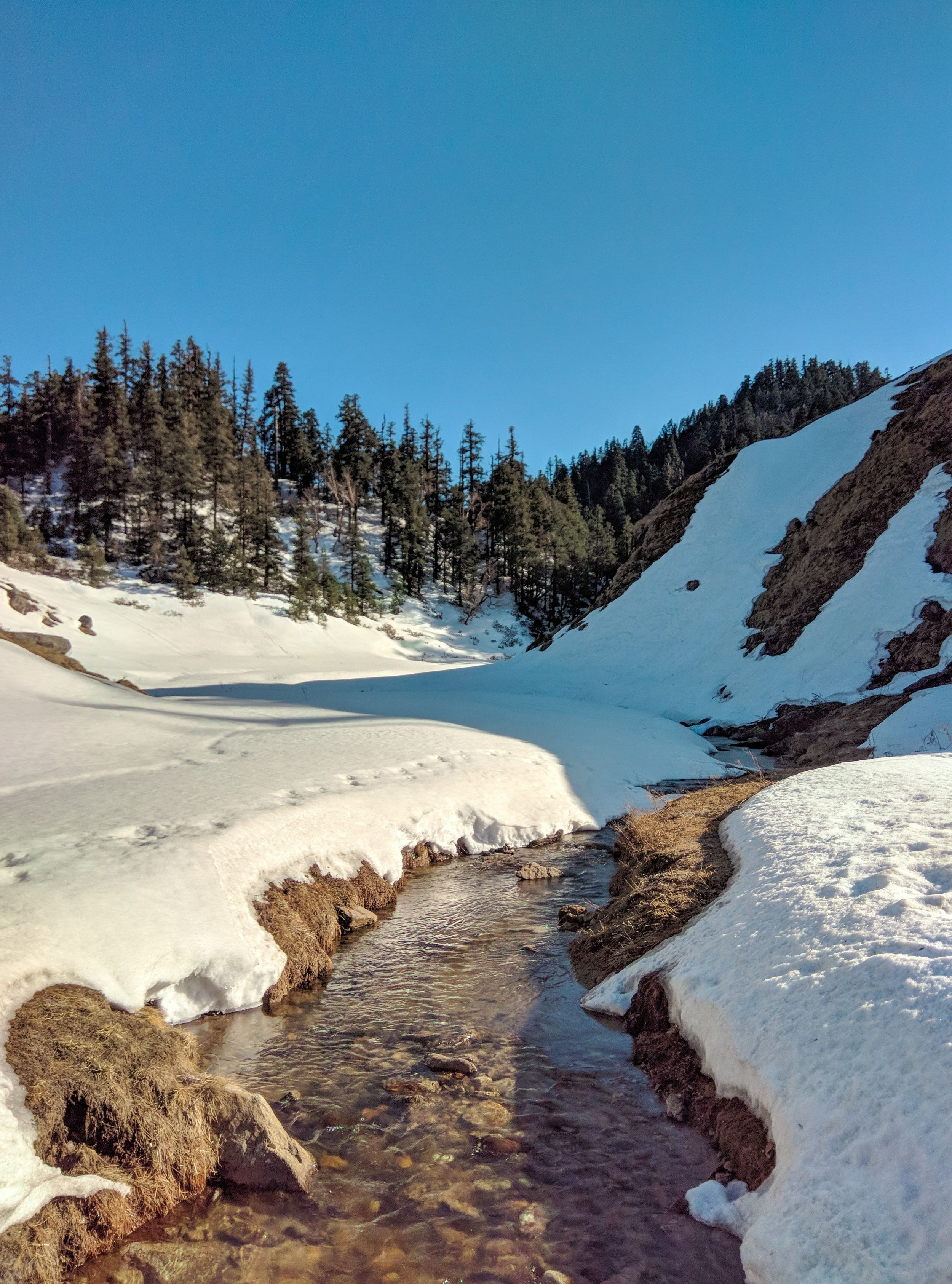
Khaptad National Park: A Gem of The West
Khaptad National Park is a protected area located in the far-western region of Nepal. It was established in 1984 and covers an area of 225 square kilometers. The park is named after Khaptad Baba, a spiritual leader who lived in the area for many years.
The park is home to a diverse range of flora and fauna, including rhododendron, oak, and pine forests, as well as a variety of wildlife such as leopards, musk deer, and Himalayan black bear. There are also more than 250 species of birds found in the park, including the endangered impeyan pheasant.
Tourists can enjoy a variety of activities in the park, including hiking, birdwatching, and picnicking. There are also several cultural and spiritual sites in the park, such as the Khaptad Baba Ashram and the Khaptad Daha (lake).
There are several ways to get to Khaptad National Park from Kathmandu:
By bus: There are regular bus services from Kathmandu to Silgadi, the nearest town to the park. From Silgadi, you can hire a jeep or a local bus to reach the park. The journey takes around 8-10 hours.
By flight: There are daily flights from Kathmandu to Nepalgunj, the nearest airport to the park. From Nepalgunj, you can hire a jeep or take a local bus to reach the park. The journey takes around 6-8 hours.
By private car: You can hire a private car or taxi from Kathmandu to reach the park. This is the most convenient and quickest way to get to the park, but it is also the most expensive. The journey takes around 6-7 hours.
It's worth noting that the park is located in a remote area, and the roads can be quite rough and bumpy, especially during the monsoon season. So, it's a good idea to allow for extra time for your journey and to be prepared for a bumpy ride.
Fauna:
Leopard
Musk deer
Himalayan black bear
Wild boar
Ghoral (goat-antelope)
Jackal
Red panda
Flora:
Rhododendron
Oak
Pine
Fir
Deodar
Spruce
Bamboo
In addition to these species, there are also over 250 species of birds found in the park, including the endangered impeyan pheasant. The park is also home to a variety of medicinal plants, including the Khaptad dandelion, which is found only in this region.
Here are a few things to consider when planning a trip to Khaptad National Park:
1. Travel documents: Make sure you have all the necessary travel documents, including a valid passport and visa (if required).
2.Accommodation: There are a few lodges and guesthouses available in the park, but it's a good idea to book in advance, especially during the peak tourist season. You can also bring a tent and camp in the park, but you will need to get a permit from the park office.
3. Transportation: As mentioned earlier, there are several ways to get to the park from Kathmandu. You can choose the mode of transportation that best suits your needs and budget.
4. Weather: The weather in the park can be quite varied, with temperatures ranging from below freezing in the winter to over 30°C in the summer. Make sure to pack clothes and gear appropriate for the season you'll be visiting.
5. Health and safety: The park is located in a remote area, so it's important to be prepared for any emergencies. Make sure you have adequate medical insurance, and bring any necessary medications with you. It's also a good idea to inform someone of your itinerary and to stick to marked trails while hiking in the park.
6. Respect local culture: The park is home to several cultural and spiritual sites, so it's important to be respectful of local customs and traditions.
POPULAR ITINERARIES
SIMILAR POSTS
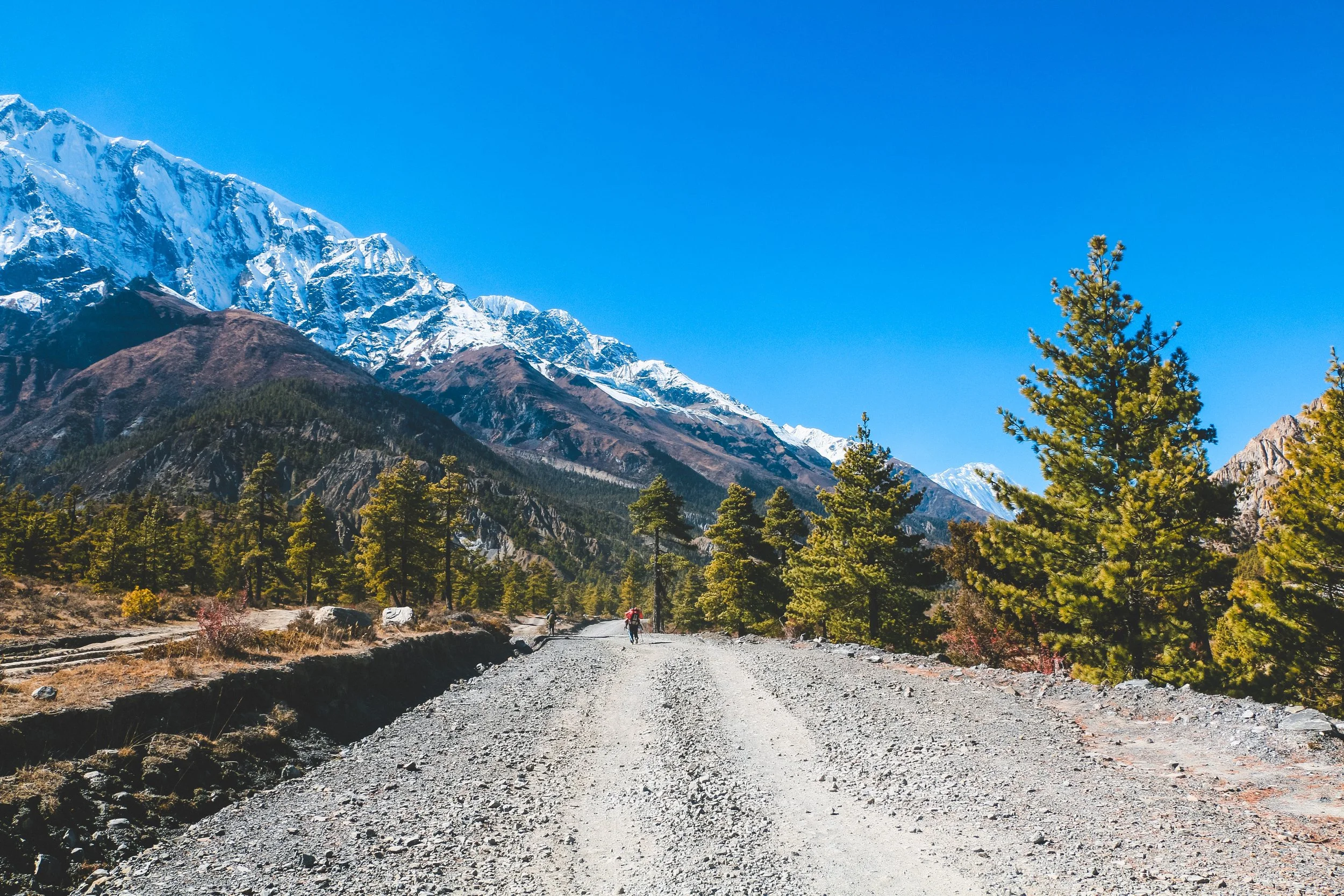
Exploring Annapurna
The Annapurna Circuit is a popular trekking route in Nepal, known for its beautiful landscapes and mountain views. Located in the Himalayas, the circuit takes trekkers through a variety of ethnic communities and offers a range of cultural experiences.
The Annapurna Circuit has a long history as a trekking route, and it has changed significantly over time. Today, the route takes trekkers through a variety of landscapes, including forests, high-altitude deserts, and snowy mountains. Along the way, trekkers can visit local villages and experience the unique cultures of the ethnic communities that live there. However, the Annapurna Circuit is not for the faint of heart – it is a physically demanding trek that requires a high level of fitness and preparation.
Despite the challenges, the Annapurna Circuit is a rewarding and unforgettable experience for trekkers. From its stunning landscapes to its rich cultural experiences, there is no shortage of reasons to add the Annapurna Circuit to your bucket list. Whether you are a seasoned trekker or a beginner looking to challenge yourself, the Annapurna Circuit has something to offer.
Some of the top destinations along the Annapurna Circuit include:
1. Thorong La Pass: Located at an altitude of 5,416 meters (17,769 feet), the Thorong La Pass is the highest point on the Annapurna Circuit. Trekkers can enjoy stunning views of the surrounding mountain peaks from the pass.
2. Manang: Manang is a picturesque village located in the Manang District of Nepal. It is a popular stopover point for trekkers on the Annapurna Circuit, and it is known for its charming traditional houses and friendly locals.
3. Jomsom: Jomsom is a town located in the Mustang District of Nepal. It is a major hub for trekkers on the Annapurna Circuit, and it is known for its apple orchards and beautiful mountain views.
4. Pokhara: Pokhara is a city located in the western region of Nepal. It is a popular starting point for the Annapurna Circuit trek, and it is known for its beautiful lakes, temples, and adventure sports.
5. Annapurna Base Camp: The Annapurna Base Camp is located at an altitude of 4,130 meters (13,550 feet) and offers stunning views of the Annapurna massif. Trekkers can visit the base camp as part of the Annapurna Circuit or as a standalone trek.
Before & during the trek one must be aware of the following:
1. Altitude: The Annapurna Circuit takes trekkers to high altitudes, with the highest point being the Thorong La Pass at an altitude of 5,416 meters (17,769 feet). Altitude sickness is a common concern for trekkers at these high altitudes, so it is important to acclimatize properly and be aware of the symptoms of altitude sickness.
2. Weather: The weather in the Annapurna region can be unpredictable, with temperatures ranging from hot and sunny to cold and snowy. Be prepared for all types of weather, and be sure to pack appropriate clothing and gear.
3. Physical demands: The Annapurna Circuit is a physically demanding trek, and it requires a good level of fitness. Be prepared for long days of walking and be sure to take breaks and rest when needed.
4. Safety: While the Annapurna Circuit is generally a safe trek, there are a few safety considerations to be aware of. Be sure to follow the guidance of your trekking company or guide, and be aware of any potential risks such as landslides or avalanches.
5. Cultural sensitivity: The Annapurna Circuit passes through a number of different ethnic communities, and it is important to be respectful of local customs and traditions. Follow the guidance of your guide and be mindful of your actions and words.
POPULAR ITINERARIES
SIMILAR POSTS
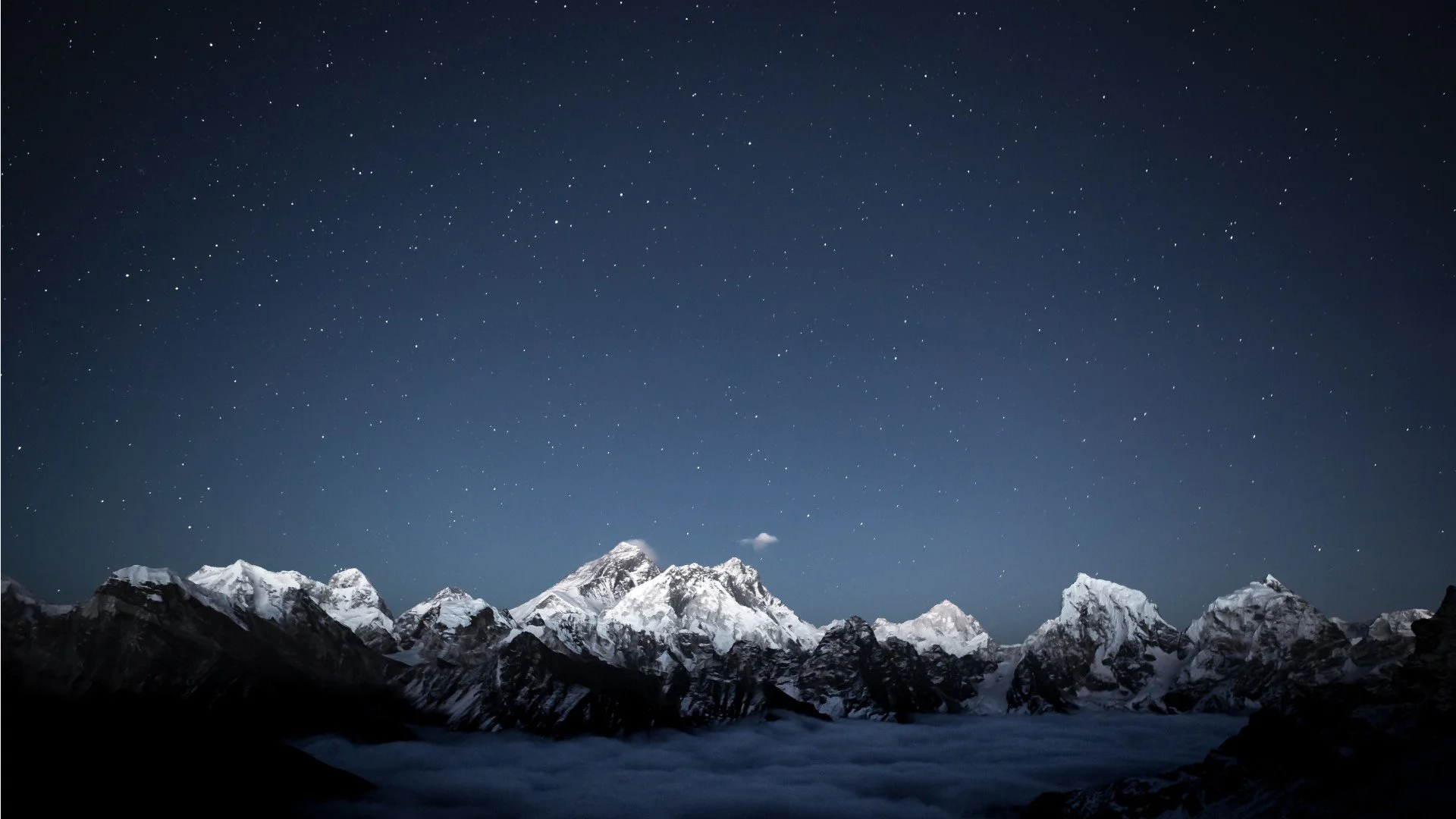
Nepal: A Land You Must Explore
Nepal is a paradise for nature lovers, with its towering snow-capped mountains, lush forests, and fast-flowing rivers. Come discover the beauty of this unique country and experience its rich culture and wildlife.
Nepal is a small country located in South Asia, between India and China. It is well known for its breathtaking natural beauty, with towering snow-capped mountains, lush forests, and fast-flowing rivers. For nature lovers, Nepal is a true paradise, with a wide range of stunning natural attractions that are sure to take your breath away.
One of the most popular destinations in Nepal is the Annapurna Circuit, a popular trekking route that takes you through some of the most beautiful landscapes in the country. The trek starts in the city of Pokhara and takes you through the stunning Annapurna range, with its towering peaks and beautiful forests. During the winter months, the trek can be especially beautiful, with snow-covered peaks and frozen waterfalls. However, it is important to be prepared for the cold weather and potential hazards, such as avalanches. Be sure to bring warm clothes and proper gear, and consider hiring a guide to help you navigate the route safely.
Another popular destination in Nepal is the Chitwan National Park, located in the southern part of the country. This national park is home to a wide variety of wildlife, including rhinos, tigers, and a variety of birds. You can take a safari tour through the park to see these animals in their natural habitat, or take a boat ride along the Rapti River to see the park from a different perspective. In the winter, the park can be especially beautiful, with misty forests and frost-covered trees. However, be prepared for colder weather and potentially muddy roads, and consider hiring a jeep or other all-terrain vehicle for your safari tour.
If you're interested in religious sites, Nepal is also home to some of the most sacred temples in the world. The temple of Pashupatinath, located in the capital city of Kathmandu, is one of the most important Hindu temples in the world. It is a popular destination for pilgrims from all over the world, and is a must-see for anyone interested in religious sites. In the winter, the temple can be especially beautiful with steaming incense. However, be prepared for colder weather and dress appropriately to avoid offending local customs.
When visiting Nepal during the winter, there are a few additional tips and tricks to keep in mind. First, it is important to be prepared for the cold weather. Nepal can be very chilly, especially at higher elevations, so be sure to bring warm clothes and rain gear. It is also important to be respectful of local customs and traditions. Nepal is a predominantly Hindu country, and many of the temples and other religious sites have strict rules about dress and behavior. Be sure to research these rules before visiting any religious sites.
Overall, Nepal is a stunning country with a rich natural beauty and a fascinating culture. Whether you're interested in trekking, wildlife, or religious sites, there is something for everyone in Nepal. The winter season can be a particularly beautiful time to visit, but be sure to plan carefully and prepare for the cold weather. It is a must-visit destination for nature lovers and anyone interested in experiencing the beauty of South Asia.
POPULAR ITINERARIES
SIMILAR POSTS
Trekking Shey Phoksundo
The Himalayas of Nepal is a wonder to behold. This pristine region of Nepal features numerous lakes- a sight for sore eyes. Amongst such tantalizing lakes is Shey Phoksundo in the Dolpo Region of Nepal.
The Shey Phoksundo lake trek ranks amongst the top 5 treks in Nepal. A trekker during the 7 day trek discovers multiple isolated regions.
About Dolpa
Situated at the north of the mid-western part of Nepal, Dolpa is the largest district surrounded by the Dhaulagiri Mountain range at the south and east, Churen Himal range at the west, and the Tibetan Plateau at the north. Accessible through land and air, the journey can be taken by a flight to Jumla and then a trek to Dolpa or a bus ride to the nearest urban centre of Dolpa.
This region features a series of treks that help you explore the last of the virgin land of Nepal. These far-off adventures take you miles from the urban settlement where life seems to have stood still. The dense forestry is home to pristine flora and fauna, and the crown jewel is the beautiful lake of Shey Phoksundo. The rugged plain rocky landscape, religious shrines and ancient monasteries are something out of the world. The amalgam of which help create an experience of a lifetime.
The treks of this region fall into the category of difficult to extreme. A trekker needs to be in the best possible shape to conquer the seemingly endless stretch of land. A direct escape to Shey Poksundo doesn't require any camping. The longer route, however, features some areas where camping is required.
Shey Phoksundo: The Turquoise Gem
· Province: 6
· Distance From Kathmandu: 315 km
· Accessibility:
By air: Shey Phoksundo can be only accessed through Nepalgunj or which has to take a flight to Nepalgunj and from there to Juphal in Dolpa and 4 days trek to Ringmo
By road: 24-25 hour bus ride from Kathmandu- Radi Bazar and 4 days trek to Ringmo
Route by road & return by air: Kathmandu- Radi Bazzar- Tallo Bagar - Supani - Suligad - Kagani - Chhepka - Rachhi - Samjhana Hotel - Jharna Hotel - Ringmo (Shey Phoksundo Lake) - Chhepka - Kagani - Suligad - Juphal Airport - Nepalgunj - Kathmandu
· Attraction: Tshwo Gompa, Highest Waterfall in Nepal, Himalayan Panaroma
· Travel Season: Spring (March-May) and Autumn (Sep-Nov)
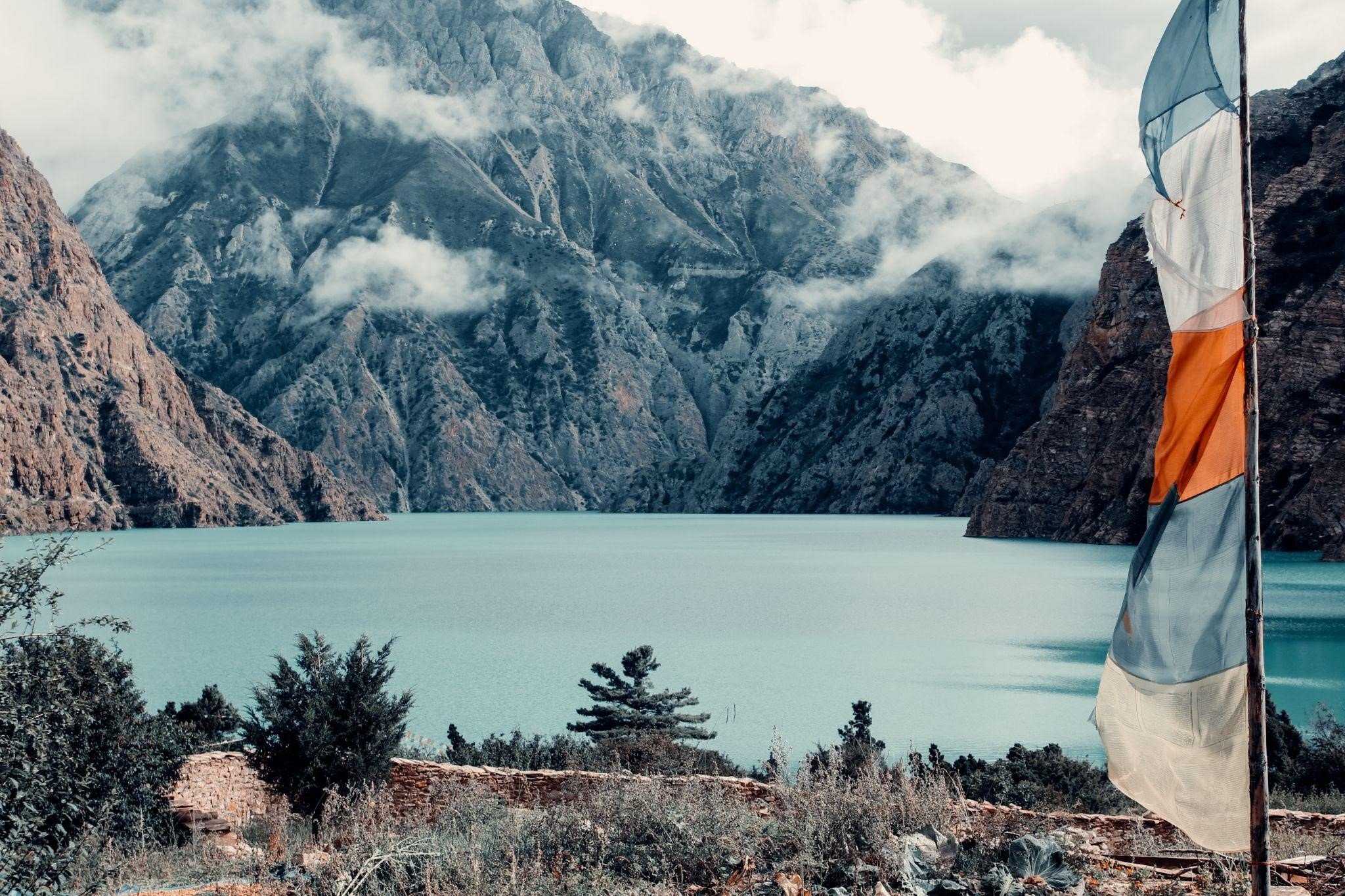
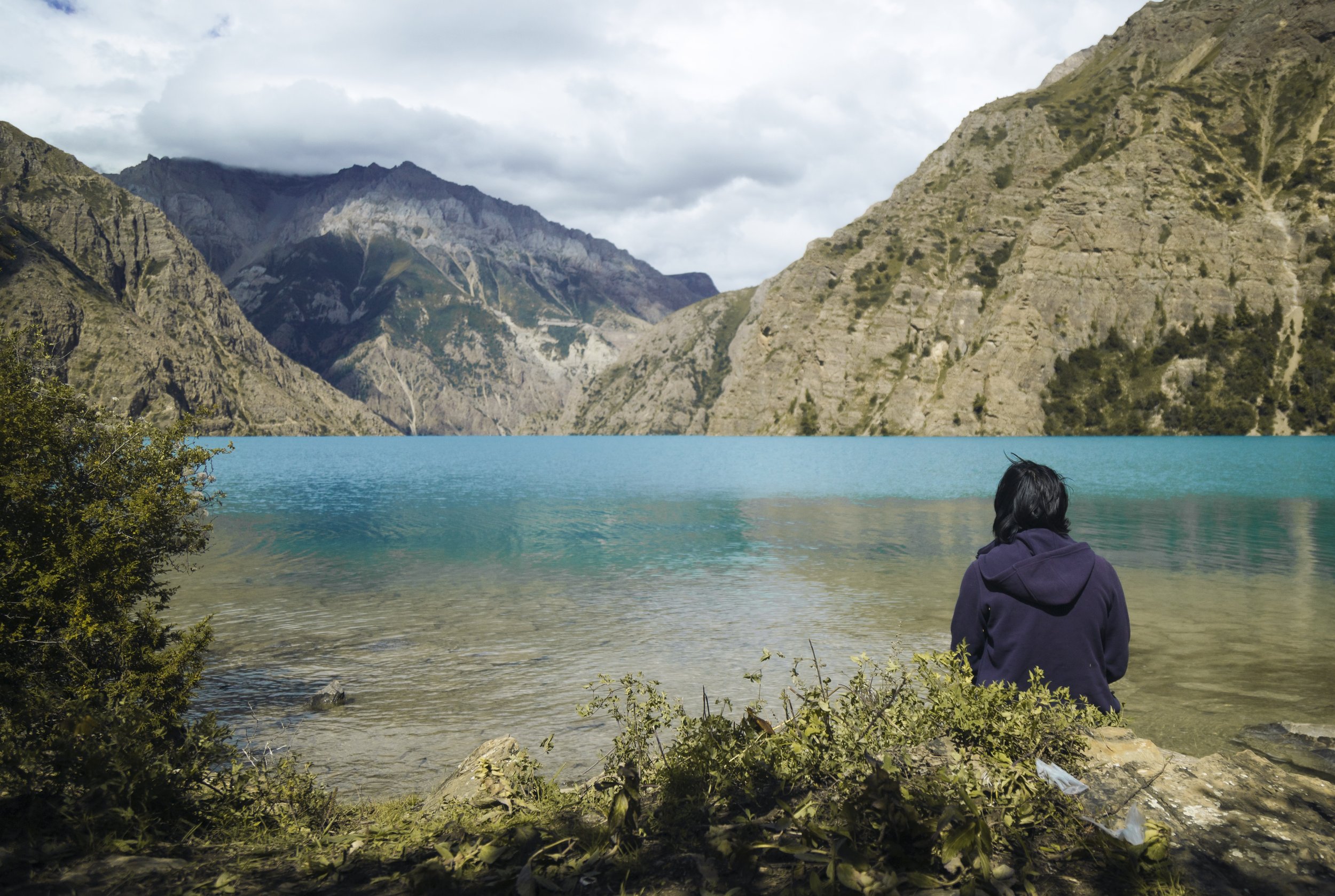
The turquoise water of this magnificent lake at golden hours is hard to describe. Sitting by it with the distant sound of a waterfall under an open blue sky is an experience straight out of heaven. The Phoksundo lake is within Shey Phoksundo National Park, the largest and only trans-Himalayan protected area of Nepal. On the southern end of the lake lies the village of Ringmo on top of a landslide dam created 30-40,000 years ago.
This body of water lies at an elevation of 3,660 m (12,010 ft). Surrounded by glaciers in its upper range, it is famous for its magnificent turquoise colour. Near the lake's outlet is the country's highest waterfall. The trek to this part of Nepal is strenuous, but the reward is an experience worth multiple lifetimes. The trip offers landscapes beyond words. Getting to experience the lifestyle of the ethnic community is a bonus.
The region is best visited between March to May (spring) and September to November (autumn). The closest airport is Juphal airport in Dolpa. The far-western region of Nepal is only accessible through the airport in Nepalgunj. The main trek ranges from 4-5 days to Ringmo. By road, the journey includes a 24-25 hour bus ride from Kathmandu to Radi Bazar.
In the next part of this article, we shall discover the lakes of Tsho Rolpa, Rupa, Gokyo and Tilicho.