

Exploring the Rich Heritage of Nepali Thangka Paintings
Thangka paintings are among Nepal's most treasured artistic traditions, representing a unique blend of craftsmanship, spirituality, and cultural heritage. These intricate paintings have been practiced for centuries and continue to hold deep significance within Himalayan Buddhist communities.
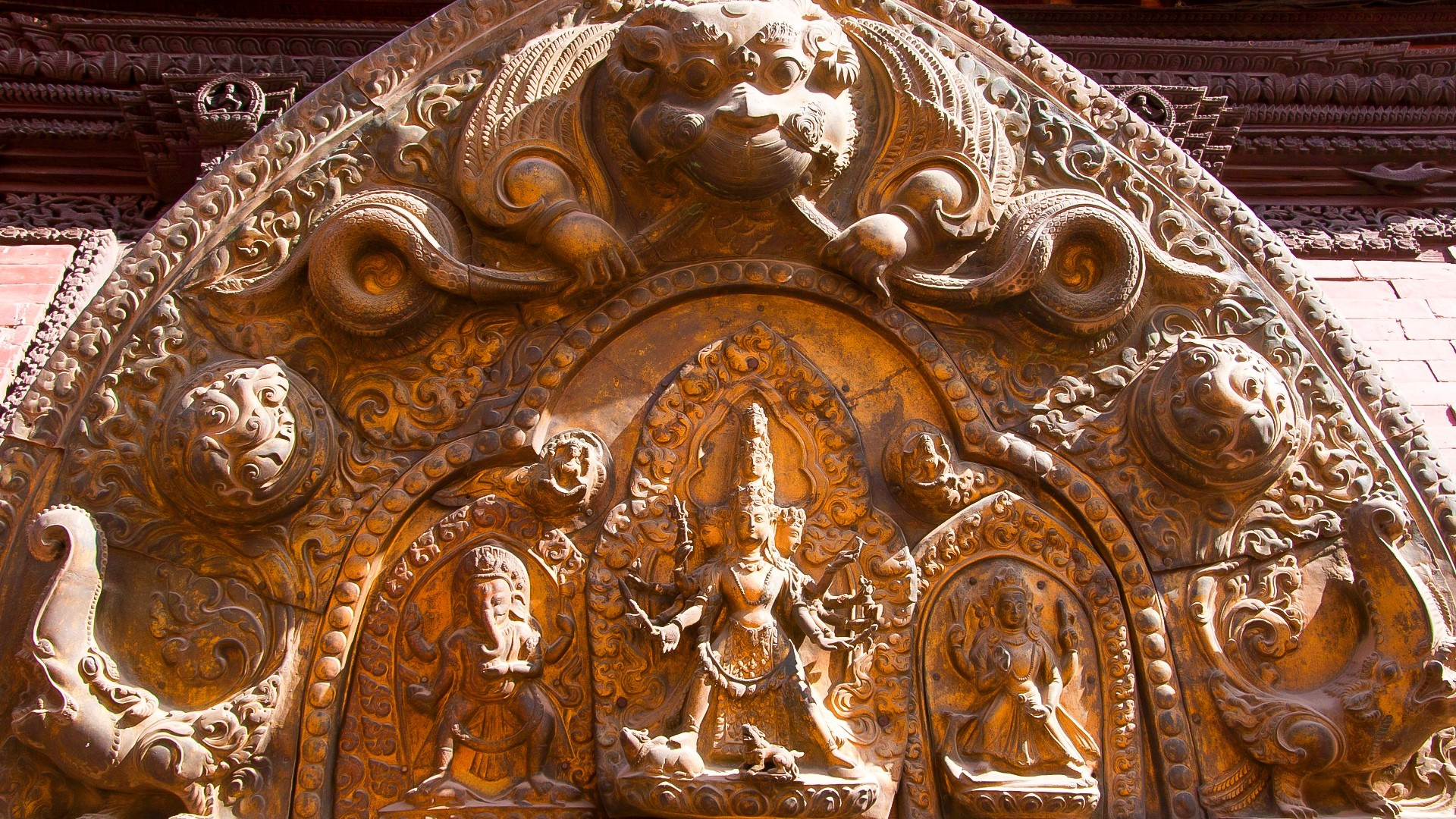
Traditionally painted on cotton or silk, Thangkas often depict Buddhist deities, mandalas, spiritual teachers, and sacred narratives. Every element within the artwork carries meaning, from the colors and patterns to the placement of symbols, each carefully designed to convey spiritual teachings and philosophical concepts.
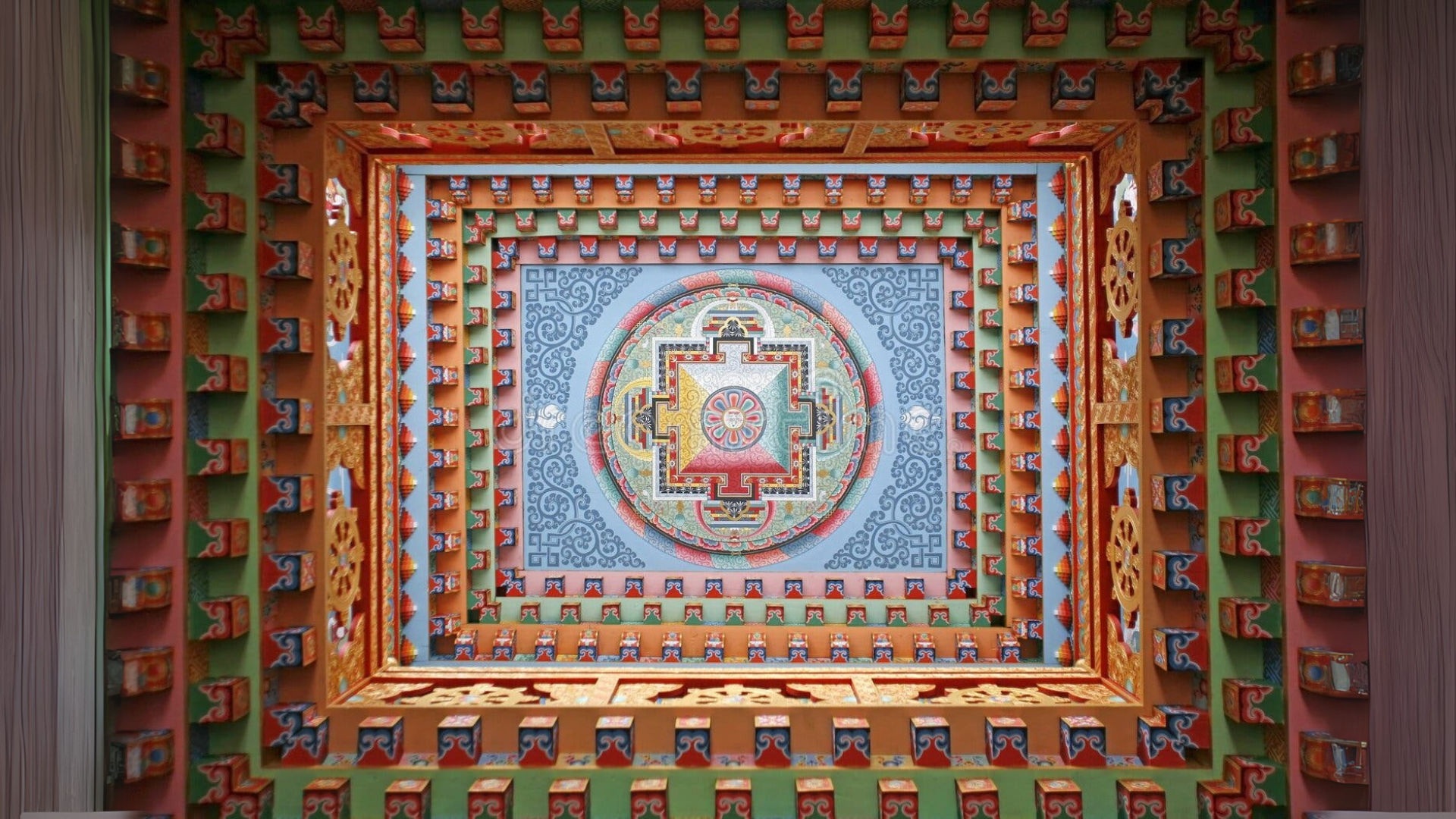
One of the most distinctive features of Thangka art is the mandala, a geometric representation of the universe. Mandalas symbolize harmony, balance, and the interconnected nature of life, serving as powerful visual tools for contemplation and meditation.
Creating a Thangka requires remarkable precision, patience, and dedication. Artists spend years learning traditional techniques that have been preserved through generations. Each painting follows established artistic principles, ensuring that both its visual beauty and symbolic meaning remain intact.
Throughout Nepal, Thangka paintings can be found in monasteries, temples, cultural institutions, and artisan workshops. Their presence reflects the enduring relationship between art and spirituality, offering insight into the beliefs and traditions that have shaped the region for centuries.
More than decorative works of art, Thangka paintings serve as cultural and spiritual expressions that preserve stories, values, and wisdom. They remain a living tradition, continuing to inspire appreciation for Nepal's rich artistic heritage and deep-rooted cultural identity.
POPULAR ITINERARIES
SIMILAR POSTS

5 Cultural Experiences to Have During Your Stay in Kathmandu
A stay in Kathmandu is more than just a visit, it is an opportunity to experience a city where culture, tradition, and everyday life exist side by side. From sacred rituals to historic streets, every corner of the valley carries a story waiting to be discovered.
Here are five cultural experiences that offer a deeper connection to the spirit of Kathmandu.
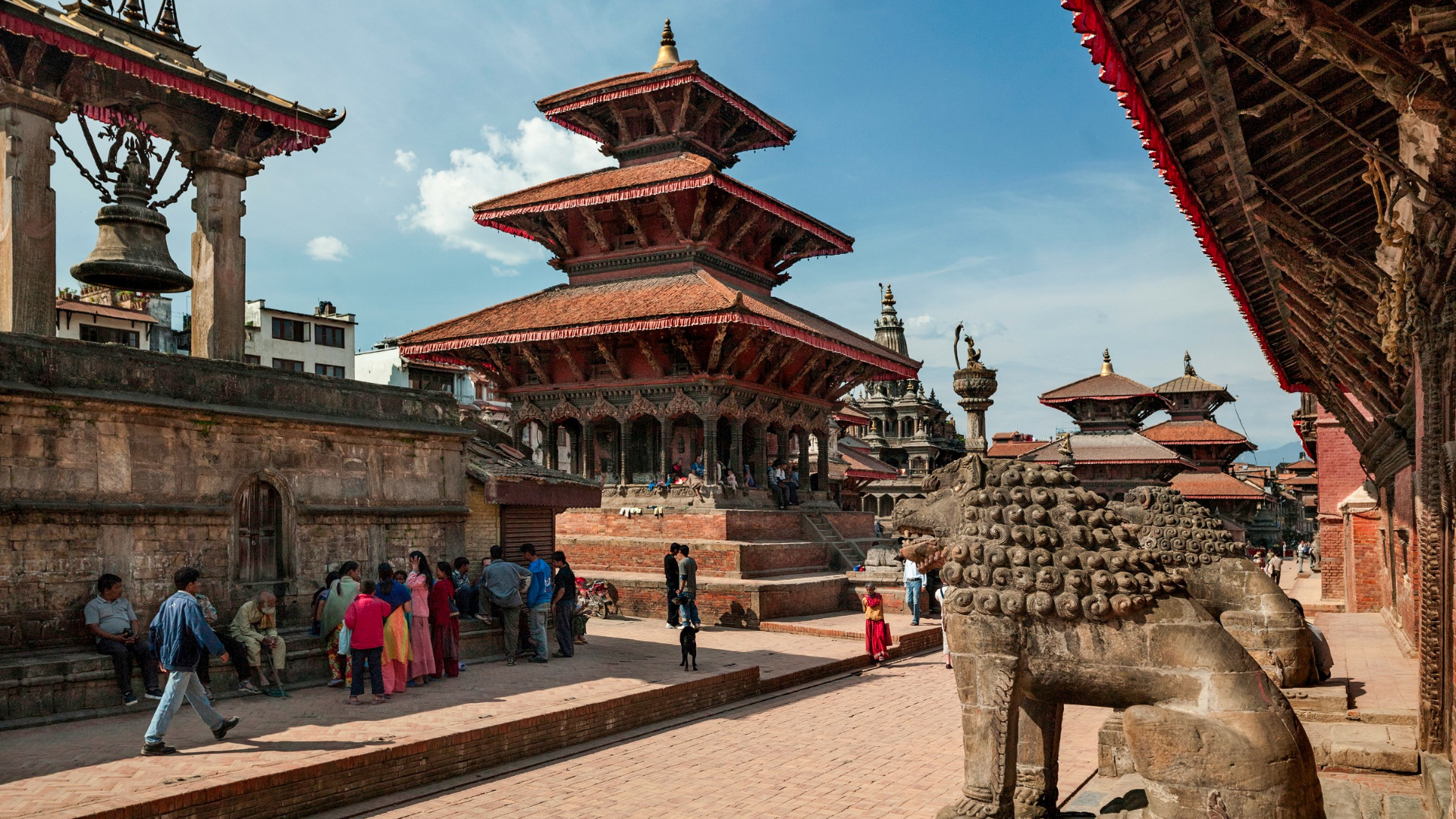
One of the most memorable experiences is exploring the heritage squares of Patan and Bhaktapur, where ancient temples, traditional architecture, and daily life come together in a living display of history and craftsmanship.
The evening aarti at Pashupatinath Temple offers a powerful spiritual experience, where chants, lamps, and rituals along the river create a deeply reflective and sacred atmosphere.
Walking through the bustling local markets of Asan and Indra Chowk gives a glimpse into the rhythm of everyday Kathmandu, filled with colors, sounds, and centuries-old trading traditions.
A traditional Newari dining experience is also a must, where every dish reflects the valley’s culture, festivals, and community-centered way of life through rich and authentic flavors.
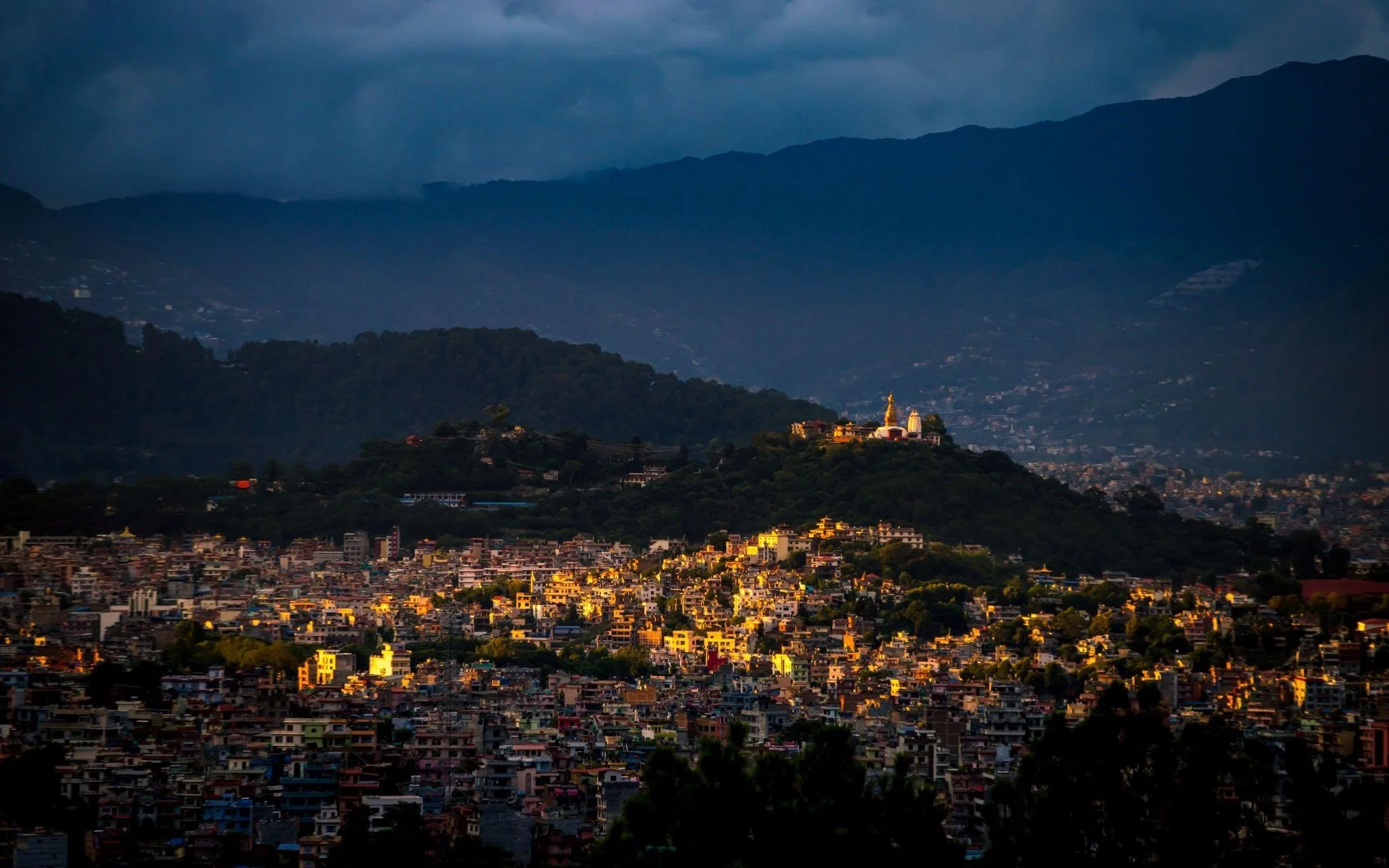
Finally, visiting Swayambhunath Stupa brings together spirituality and serenity, with prayer flags, soft chants, and panoramic views of the valley offering a peaceful cultural escape.
These experiences allow guests to feel the true essence of Kathmandu, where history is not only preserved but still lived every day.
POPULAR ITINERARIES
SIMILAR POSTS
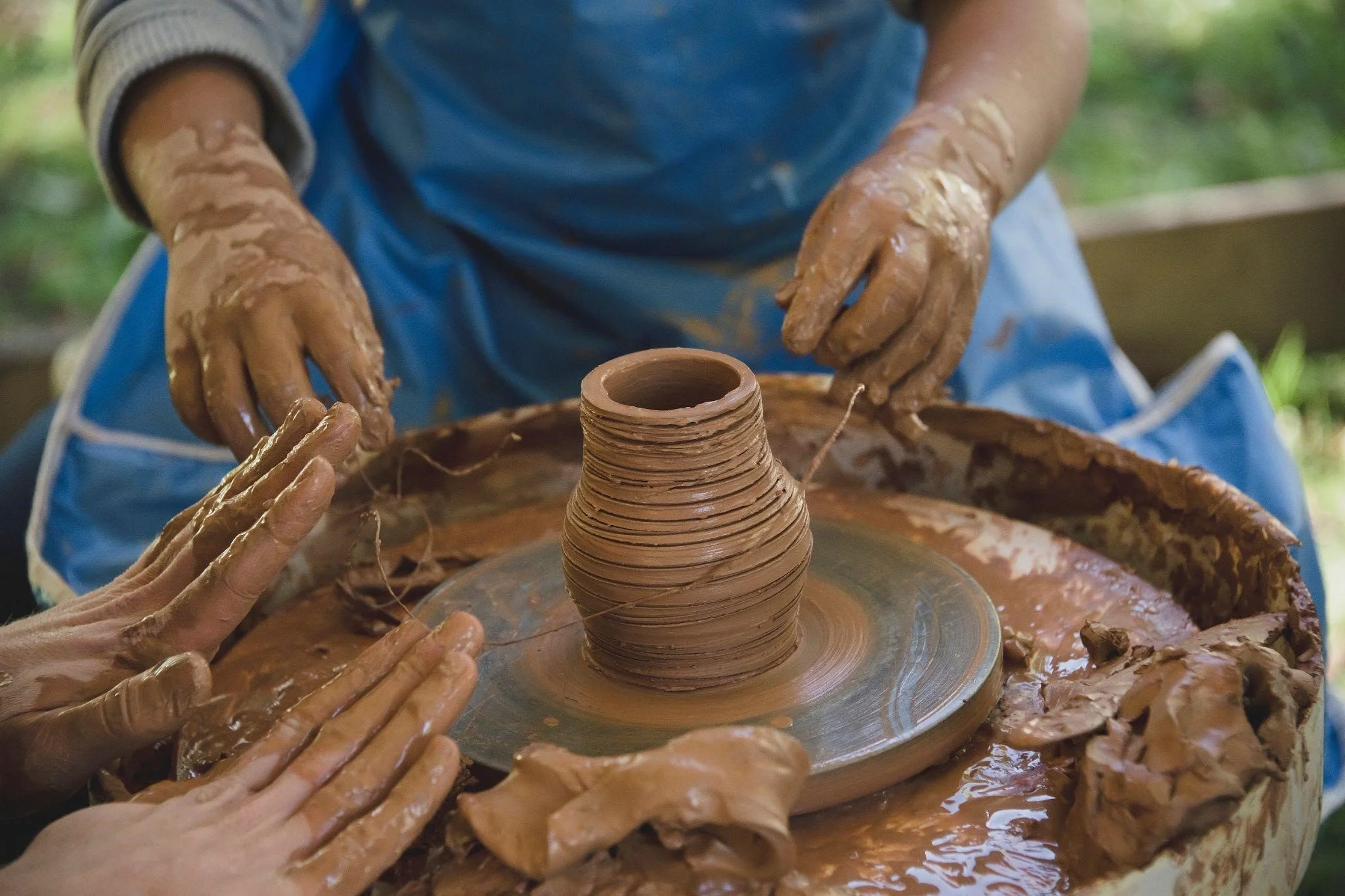
Clay, Hands, and Heritage: The Story of Patan Pottery
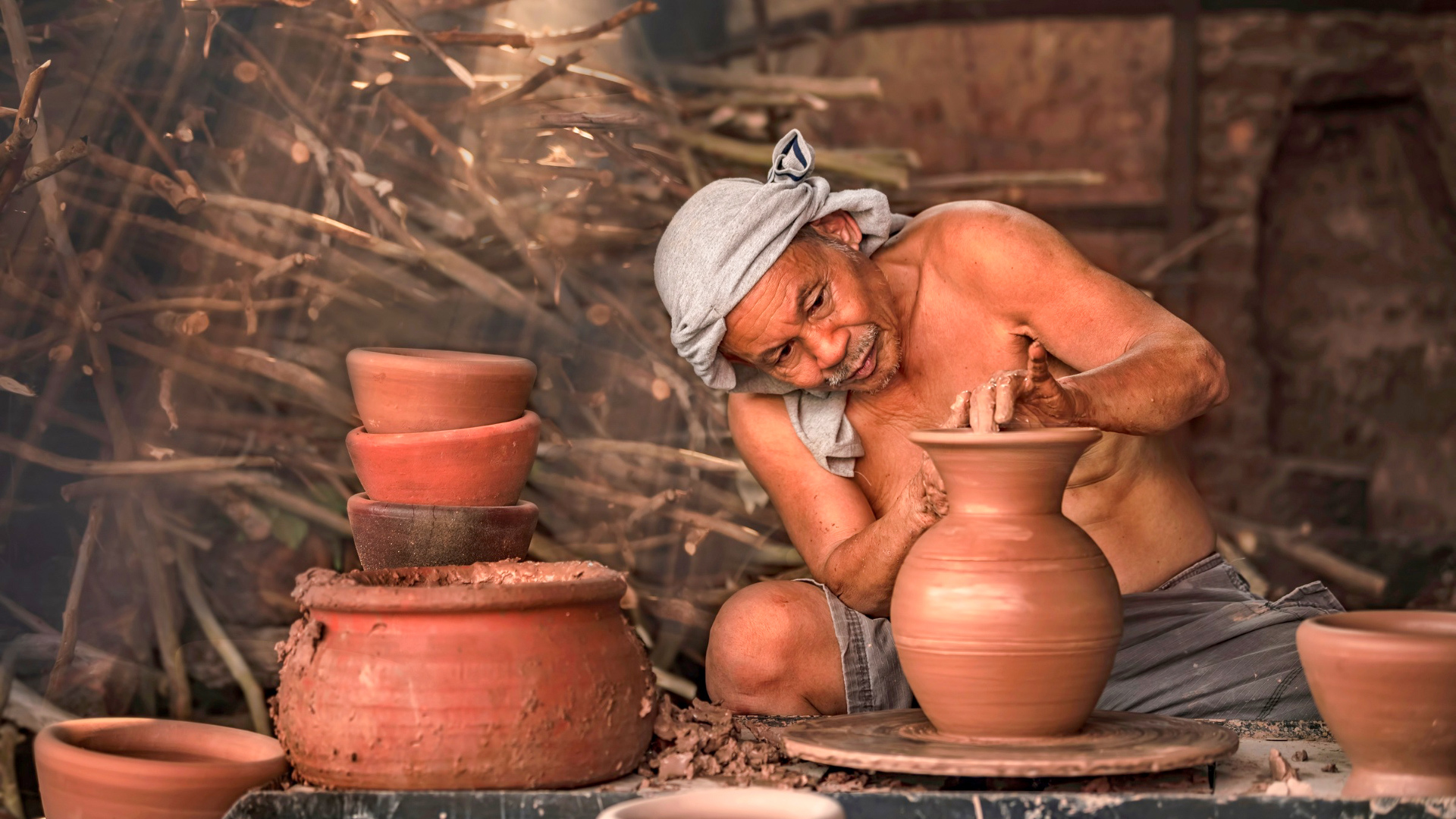
In the heart of Patan, one of Nepal’s oldest cities, pottery has been practiced for generations as both a craft and a way of life. Walk through the historic lanes and open courtyards, and you will find artisans shaping clay with skilled hands, continuing traditions that have been passed down through families for centuries. More than a profession, pottery remains an important part of the city’s cultural identity.
The journey of Patan pottery begins with simple clay, carefully prepared and molded on a spinning wheel. With patience and precision, potters transform raw earth into beautiful vessels, lamps, decorative pieces, and everyday household items. Each creation reflects not only craftsmanship but also the deep knowledge and experience gained through years of practice.
One of the most fascinating aspects of pottery making is watching the transformation take place. What starts as a lump of clay gradually takes shape through the movement of hands and the rhythm of the wheel. After drying under the sun, the pieces are fired in traditional kilns, giving them strength, character, and their distinctive finish.
Beyond the finished products, pottery represents a connection between people, heritage, and creativity. Workshops and pottery squares offer visitors the opportunity to witness the process firsthand and gain a deeper appreciation for this enduring art form. These spaces continue to keep traditional craftsmanship alive while sharing it with new generations.
As modern life evolves, the pottery traditions of Patan remain a reminder of the value of handmade artistry. Rooted in history yet relevant today, this timeless craft tells a story of skill, patience, and cultural continuity, where clay becomes a lasting expression of Nepal’s rich heritage.
POPULAR ITINERARIES
SIMILAR POSTS
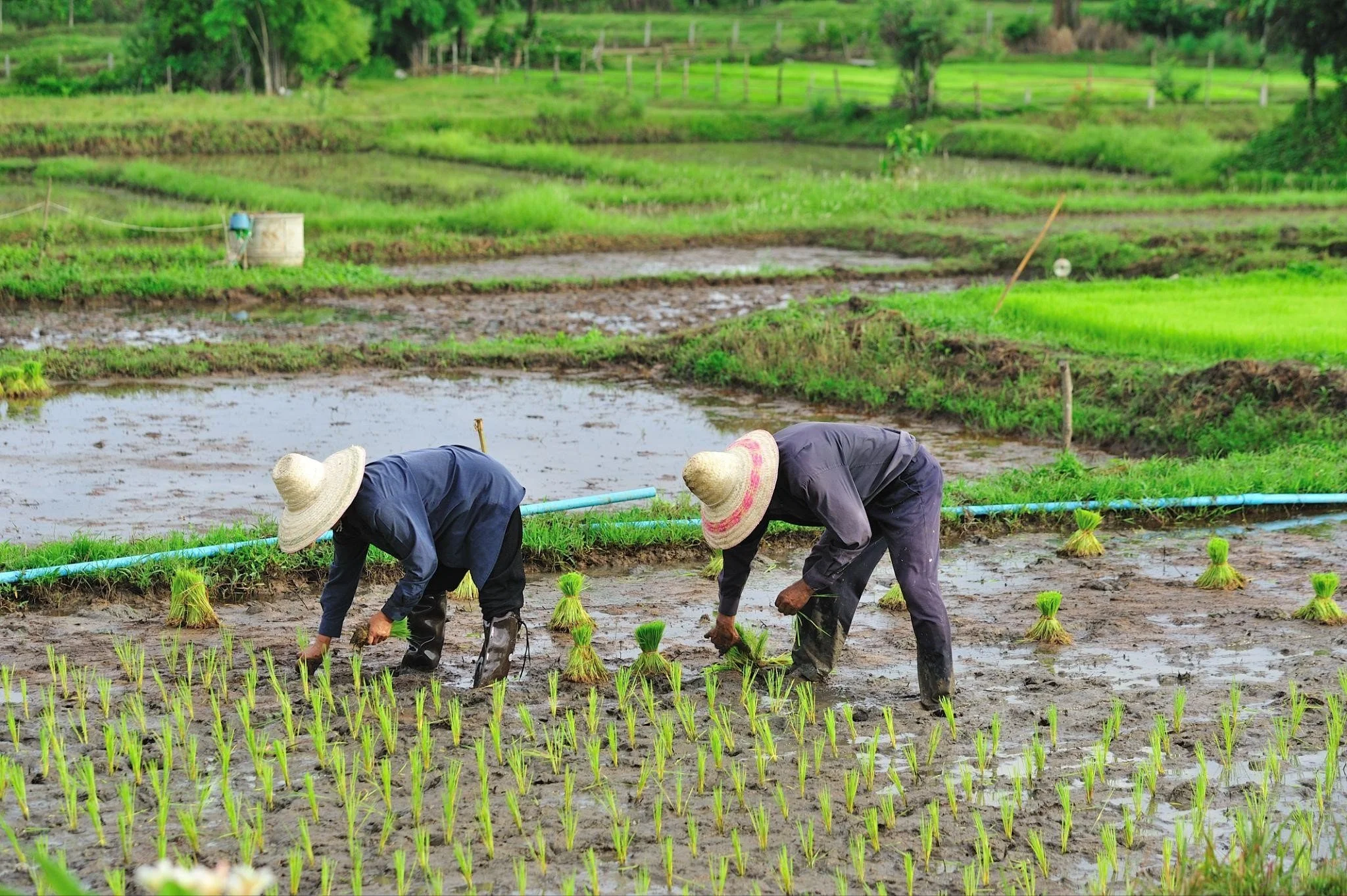
Ropain in Nepal: Where Farming Becomes a Festival
Ropain is one of Nepal’s most joyful agricultural traditions, celebrated during the monsoon season when rice planting begins across the country. As the rains arrive in the month of Asar, dry fields transform into flooded paddies, signaling the start of a season deeply connected to farming, community, and renewal.
Across villages and farmlands, people gather in muddy fields to plant rice seedlings side by side. The atmosphere is filled with laughter, folk songs, and playful energy as families and communities work together. What may appear as hard labor quickly turns into a shared celebration rooted in tradition and cooperation.
One of the most recognizable parts of Ropain is the joyful mud play that takes place during planting. People smear mud on one another, dance in the fields, and celebrate the arrival of the farming season with enthusiasm. These moments reflect the strong connection between agriculture and everyday cultural life in Nepal.
Traditional foods such as curd and beaten rice are commonly enjoyed after hours of work in the fields. These simple meals bring people together and add warmth to the celebration, creating moments of rest and togetherness during the busy planting season.
As the day comes to an end, the freshly planted rice fields stand as symbols of hope for the months ahead. More than just a farming activity, Ropain reflects Nepal’s deep relationship with land, community, and tradition, where even the hardest work becomes a celebration of life and continuity.
POPULAR ITINERARIES
SIMILAR POSTS
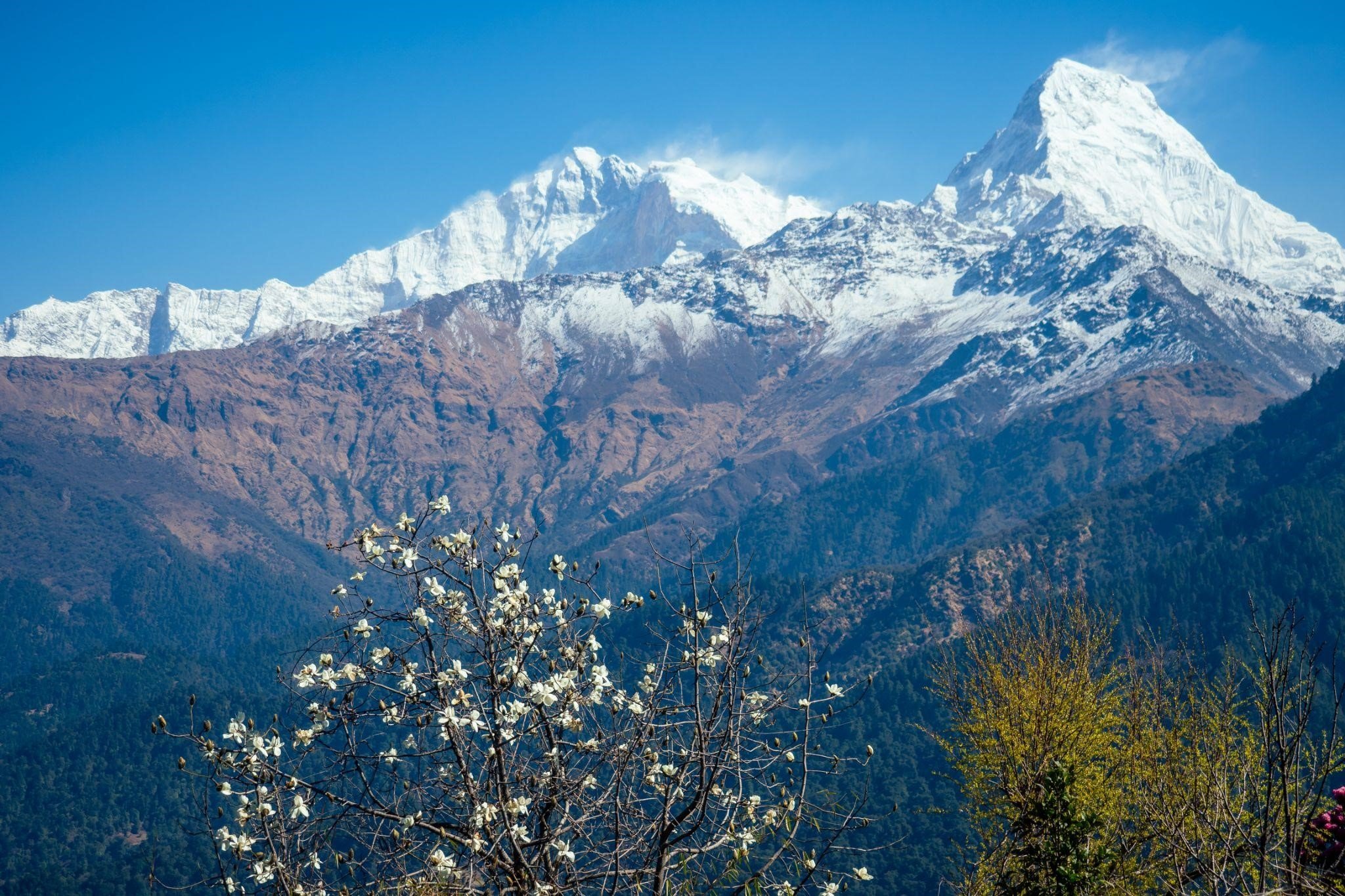
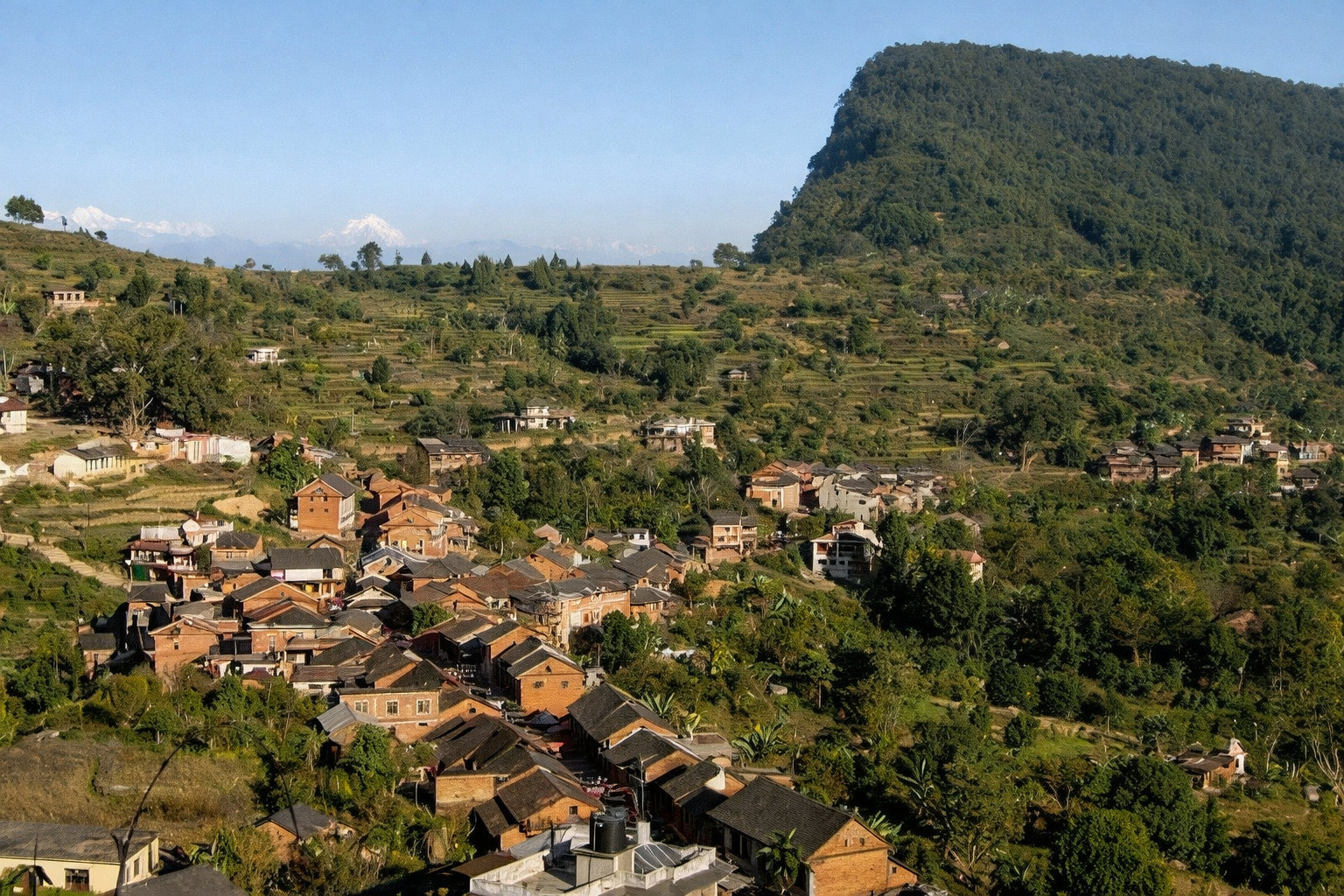
Exploring Saga Dawa: A Month of Prayer and Devotion
Saga Dawa is one of the most sacred and spiritually significant months in Tibetan Buddhism. It is widely known as the “month of merits,” as it is believed to mark the birth, enlightenment, and parinirvana of Lord Buddha, all occurring on the same full moon day.
The festival begins with the start of the fourth lunar month in the Tibetan calendar. From this time, monasteries across the Himalayan region slowly enter a period of deep spiritual practice. Devotees begin focusing more on prayer, meditation, fasting, and acts of generosity, with the belief that every good deed performed during this month carries multiplied merit.
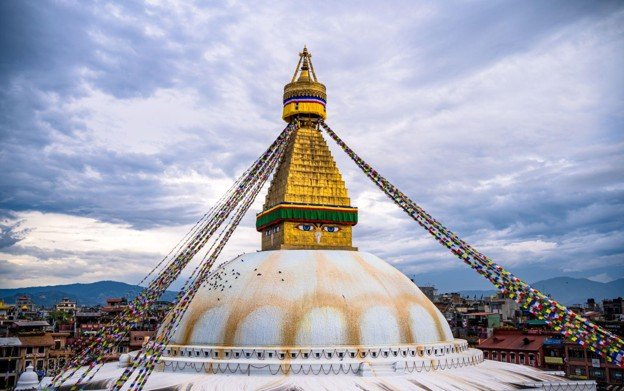
The most important moment of the festival is Saga Dawa Düchen, the full moon day. On this day, monasteries come alive with rituals and prayers. Monks perform long chanting sessions, butter lamps are lit in large numbers, and sacred texts are recited in honor of Buddha’s life and teachings. Pilgrims gather in great numbers around holy sites, especially in places like Lhasa, Boudhanath, and other Himalayan Buddhist centers, creating an atmosphere filled with devotion and silence.
A central practice during Saga Dawa is “kora,” the ritual circumambulation of sacred sites. Devotees walk slowly around stupas and monasteries, often for hours, treating each step as an offering of mindfulness. The sound of prayer wheels, whispered mantras, and steady footsteps fills the surroundings, creating a deeply reflective environment.
Along with rituals, the month also emphasizes compassion in daily life. People avoid harming living beings, give donations, release animals, and practice kindness in simple everyday actions. It is believed that even small acts of goodness during this period carry greater spiritual value than usual.
As the month gradually comes to an end, the intensity of rituals slowly settles, but the spiritual influence remains. Saga Dawa is not only a religious observance but also a reminder of mindfulness, compassion, and inner discipline.
In the Himalayan world, where spirituality is closely tied to everyday living, Saga Dawa continues to be a living tradition. It reflects how faith, culture, and daily life exist together, shaping a deeper sense of awareness and connection among those who observe it each year.
POPULAR ITINERARIES
SIMILAR POSTS
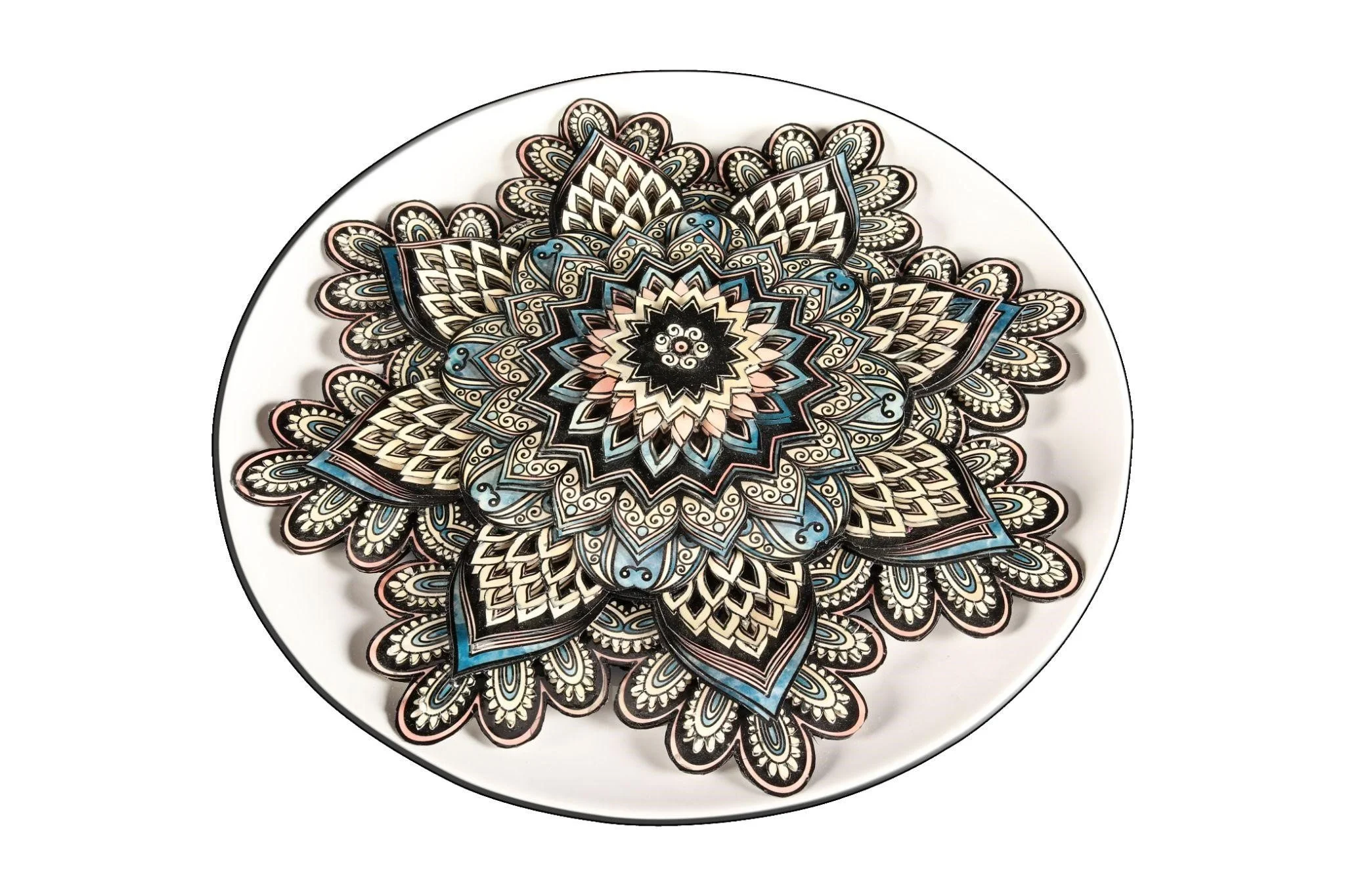
The Legacy of Mandalas: Spiritual Art in Kathmandu
In Kathmandu Valley, mandalas are more than just beautiful patterns. They are a form of spiritual art that carries deep meaning and tradition. You will often see them in temples, monasteries, and even small shops, quietly reflecting a part of Nepal’s cultural and religious life.
A mandala is usually made in a circular shape, filled with detailed patterns that represent balance, harmony, and the universe. Each line, color, and design has a purpose. For many people, creating or observing a mandala is a way to focus the mind and connect with something deeper.
While walking through places like Kathmandu, Patan, or Bhaktapur, you may come across artists carefully painting mandalas by hand. The process takes time, patience, and a lot of concentration. Some mandalas are also made using colored sand, especially in monasteries, where monks spend hours or even days creating them.
One of the most interesting parts of mandala art is that some of them are not meant to last forever. Sand mandalas, for example, are often destroyed after completion. This represents the idea that everything in life is temporary, teaching a lesson about change and letting go.
Mandalas are closely connected to both Buddhist and Hindu traditions. They are used during meditation, rituals, and spiritual practices. For locals, they are not just decorative pieces but a meaningful part of daily life and belief.
For travelers, discovering mandalas in Kathmandu can feel like stepping into a quieter, more thoughtful side of the city. Whether seen in a temple wall, a monastery floor, or an artist’s workspace, each mandala tells a story through its design.
The legacy of mandalas in Kathmandu is not only about art but also about meaning, patience, and tradition. It invites you to slow down, observe closely, and appreciate the details that often go unnoticed in everyday life.
POPULAR ITINERARIES
SIMILAR POSTS
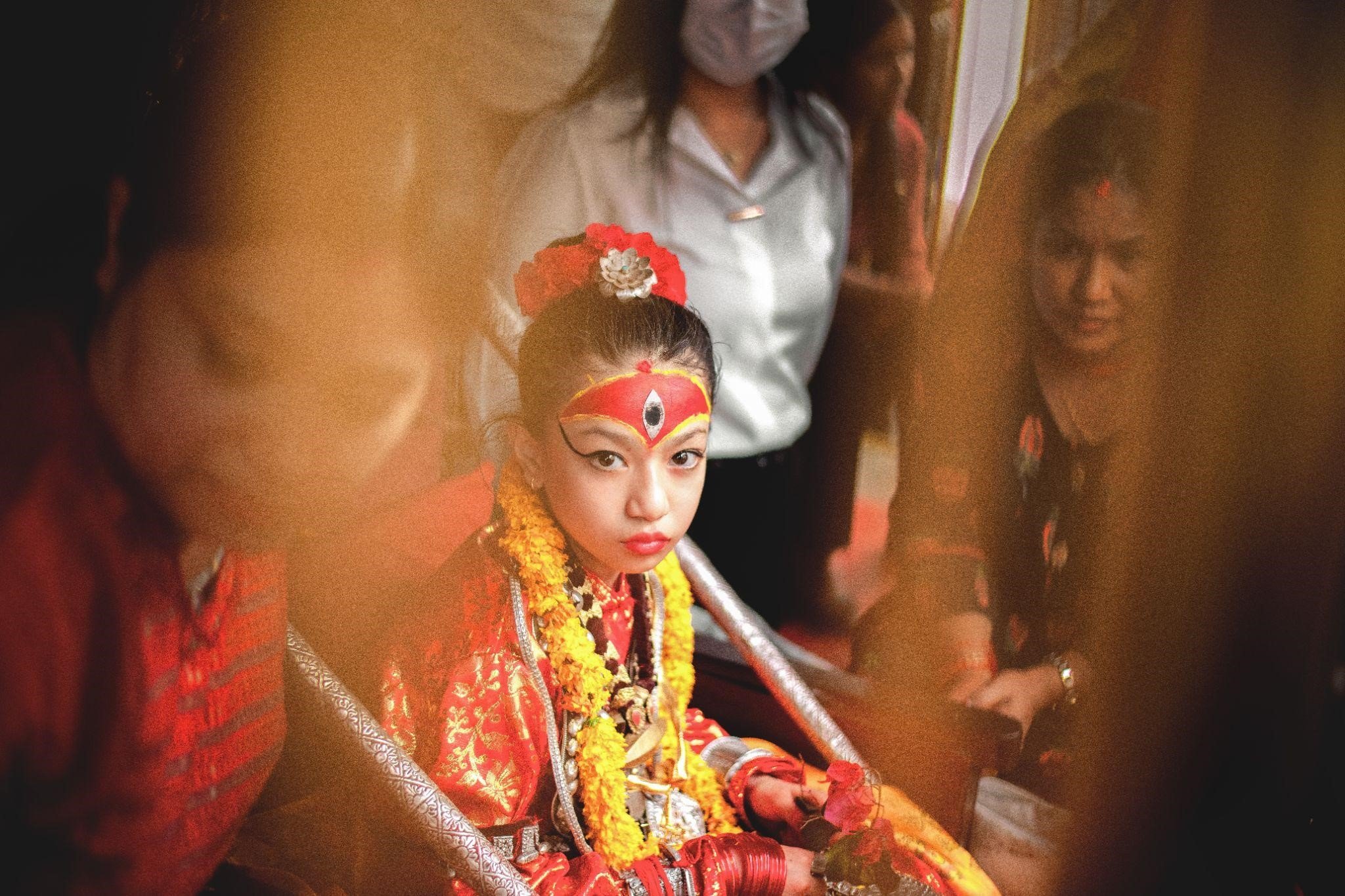
The Story of Kumari: Living Goddess of Kathmandu
The story of Kumari is not just belief, it is a living tradition that continues to shape Kathmandu’s identity.
One of Kathmandu’s most fascinating traditions is the story of the Kumari. The Living Goddess of Kathmandu unfolds as one of Nepal’s most unique and sacred traditions. She is believed to be the human embodiment of divine energy, carefully chosen from the Newar community through a traditional selection process based on specific spiritual and physical traits.
Once chosen, the young girl leaves her family home and begins living in the Kumari Ghar, where she is revered and worshipped. Her life becomes closely tied to rituals, traditions, and the cultural rhythm of the city, making her presence deeply significant in Kathmandu’s spiritual identity.
Although she lives a protected and ritual-centered life, the Kumari is not entirely separate from the world. During important festivals like Indra Jatra, she is brought out in a decorated chariot, where thousands of people gather in the streets of Kathmandu to receive her blessings. These moments turn the city into a space of devotion, silence, and celebration all at once.
From her palace window, the Kumari occasionally appears to bless devotees, creating moments that feel both intimate and powerful for those who witness them. For locals, even a brief sight of her is considered highly auspicious and meaningful.
As she grows older, the Kumari eventually steps down from her role and returns to a normal life, marking an important transition in the tradition. This change reflects the natural cycle of continuity within Nepal’s cultural and spiritual systems. The Kumari tradition is more than belief; it is a living part of Kathmandu’s identity. It reflects how spirituality, culture, and daily life are deeply connected, offering travelers a rare insight into a city where ancient traditions are still actively lived and respected today.
POPULAR ITINERARIES
SIMILAR POSTS
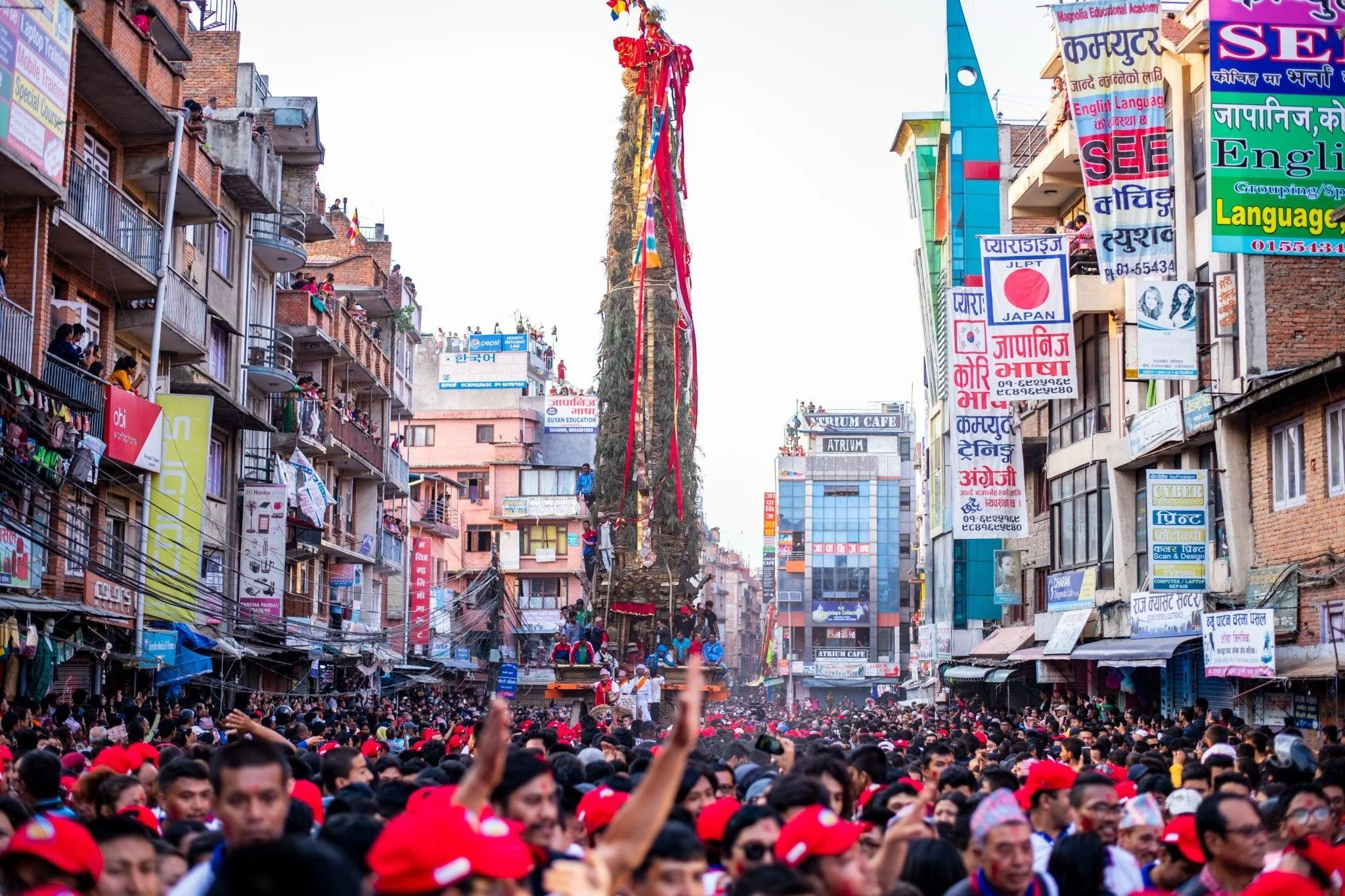
Rato Machindranath Jatra: Walking Through Kathmandu’s Living Tradition
A journey through Rato Machindranath Jatra reveals how deeply tradition and community are connected in Kathmandu Valley.
In the heart of Kathmandu Valley, Rato Machindranath Jatra is not just a festival; it feels like the city itself starts moving with a different rhythm.
The journey of this jatra begins in the ancient streets of Patan, where the tall chariot of Rato Machindranath slowly comes to life. Built with wood, ropes, and deep devotion, the chariot is pulled by hundreds of people not just as a ritual, but as a shared act of faith, culture, and community. As it moves, it doesn’t feel like a procession alone; it feels like generations walking together through time.
What makes this festival special is not just its scale, but its emotion. You will see children running alongside the chariot, elders watching quietly from the windows, and locals guiding the heavy ropes with patience and strength. The streets become narrow corridors of celebration filled with music, chanting, and the sound of wheels slowly turning over ancient stone paths.
Rato Machindranath Jatra is deeply connected with hope for rain and good harvest, and that meaning is still alive in how people participate today. Every pull of the rope carries a prayer, every stop of the chariot carries a tradition, and every gathering feels like a reminder of belonging.
As the chariot travels from Pulchowk towards different parts of Lalitpur, the atmosphere keeps changing, sometimes loud and energetic, sometimes calm and reflective. Locals offer flowers, food, and respect along the route, making the entire journey feel like a living offering rather than just a celebration.
One of the most beautiful parts of this festival is how it slows down time. In a city that is usually fast-moving, the chariot forces everything to pause. Traffic stops, conversations gather on the roadside, and strangers become part of the same shared moment. It’s not something you watch from a distance; it’s something you feel around you.
When the chariot finally reaches its destination in Jawalakhel, there is a quiet sense of completion. But the energy doesn’t end there. The festival continues in memories, in photographs, and in stories passed down through families, each year slightly different, yet always familiar.
Rato Machindranath Jatra is more than a tradition. It is Kathmandu’s way of remembering itself through movement, devotion, and community. For travelers, it offers something rare: not just a cultural experience, but a moment where the city’s past and present walk together in the same direction.
POPULAR ITINERARIES
SIMILAR POSTS
Exploring Swayambhunath: Kathmandu’s Iconic Monkey Temple
Swayambhunath is not just a destination, it’s an experience of Kathmandu’s spiritual and everyday life.
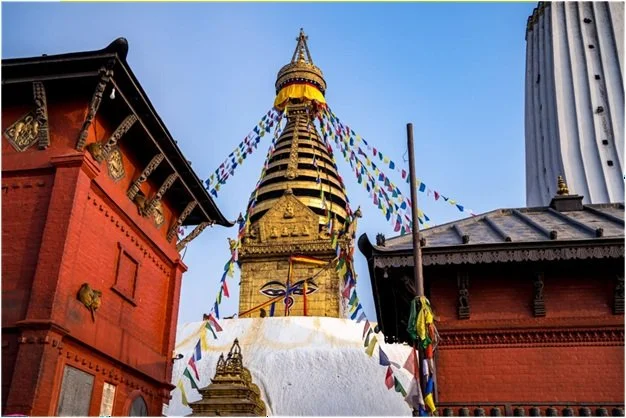
Set on a hill above Kathmandu Valley, Swayambhunath, also known as the Monkey Temple, is one of the most well-known places in Nepal. With its white dome, golden top, and the calm eyes of Buddha looking in every direction, it feels both peaceful and powerful at the same time.
The visit usually starts with a climb up a long set of stone steps. As you go higher, the busy sounds of the city slowly fade away. Instead, you start hearing prayer flags fluttering in the wind and see monkeys moving around the steps. The climb can feel tiring, but the view and the atmosphere make it worth it.
At the top, everything feels quieter. People walk around the stupa slowly, spinning prayer wheels and offering prayers. The smell of incense fills the air, and there is a calm feeling that makes you want to slow down and just take it all in.
Swayambhunath is important for both Buddhists and Hindus, which makes it a special place where different beliefs come together. It is said that the stupa has been here for a very long time, and every corner of the area feels connected to history and tradition.
The monkeys are a big part of the experience here. You will see them sitting on railings, jumping across rooftops, and moving freely around the temple. They bring energy to the place, but it’s also important to be careful around them. The experience at Swayambhunath can change depending on the time you visit. Early mornings are calm and quiet, while evenings bring more people and a warm view of the valley as the sun sets.
Exploring Swayambhunath is not just about visiting a famous place. It’s about taking a break from the rush, enjoying the view, and feeling connected to the culture and history of Kathmandu in a simple and meaningful way.
POPULAR ITINERARIES
SIMILAR POSTS
Ama Yangri Trek: Exploring Nepal’s Hidden Hills
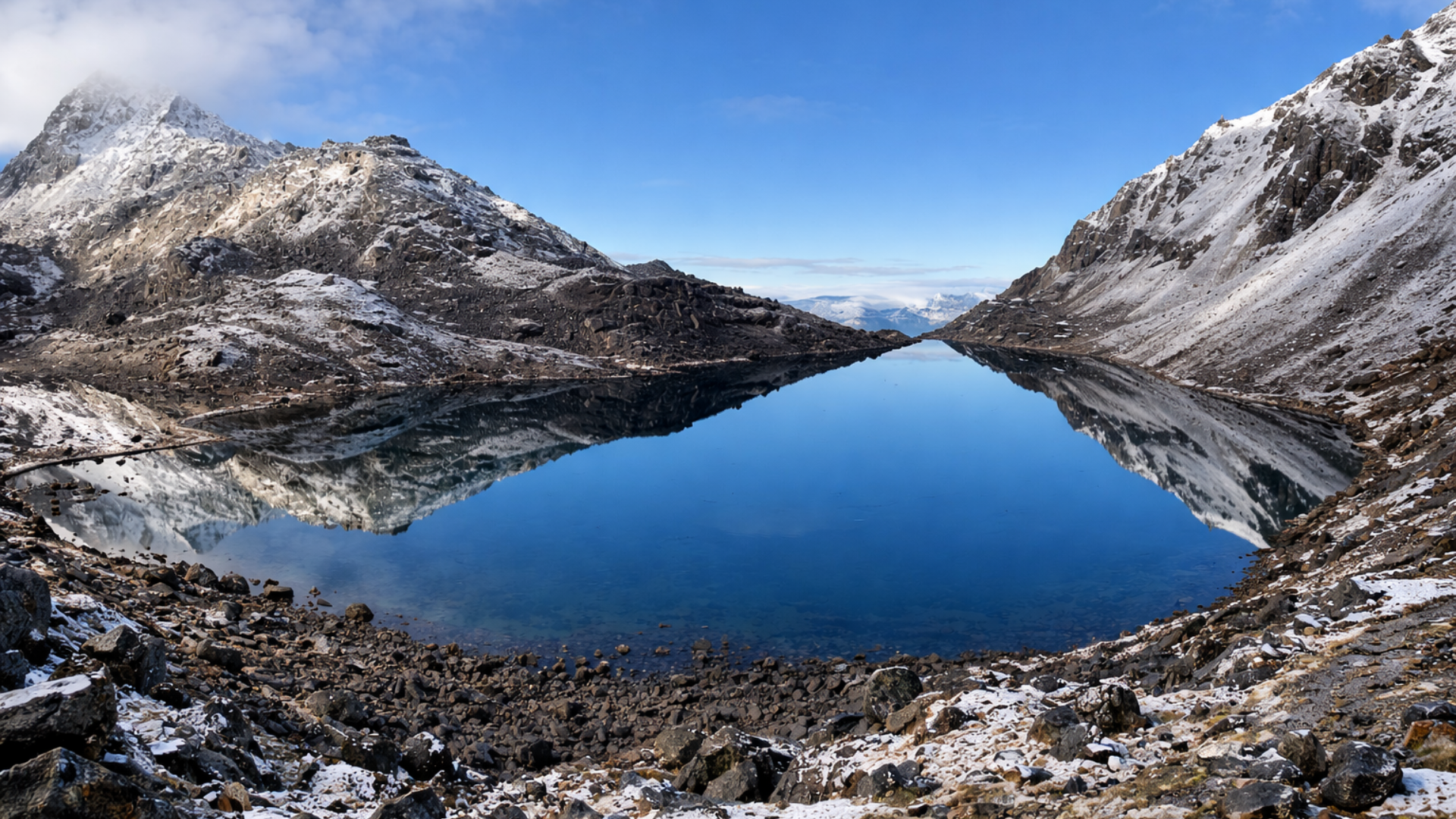
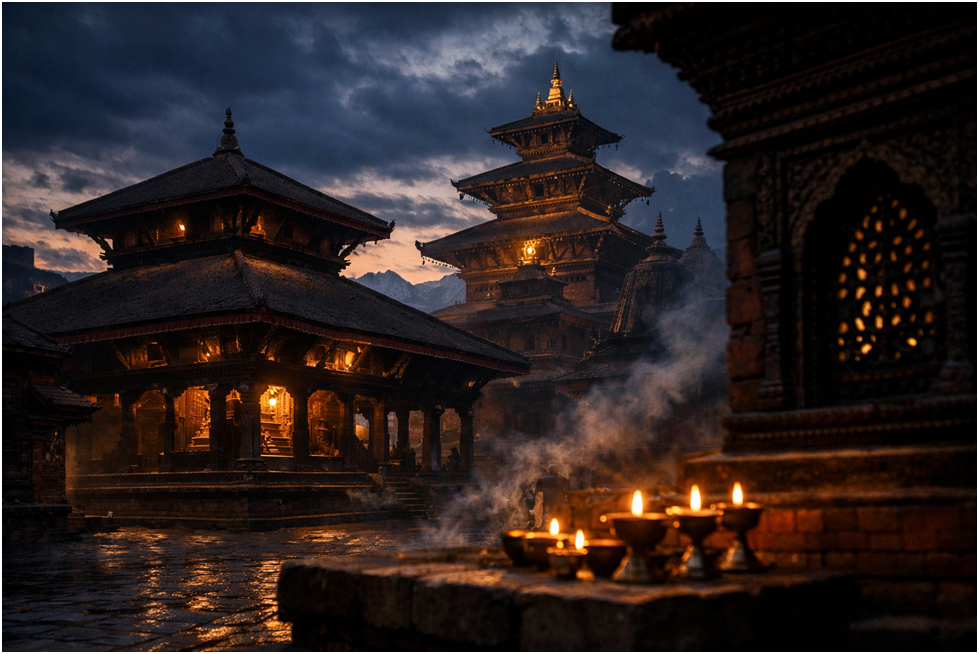
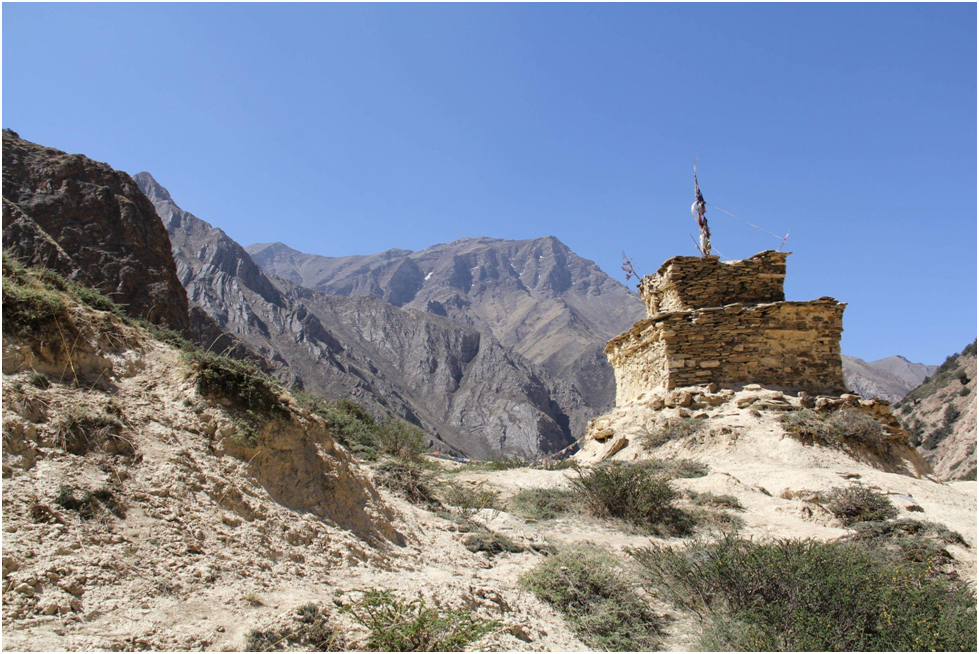
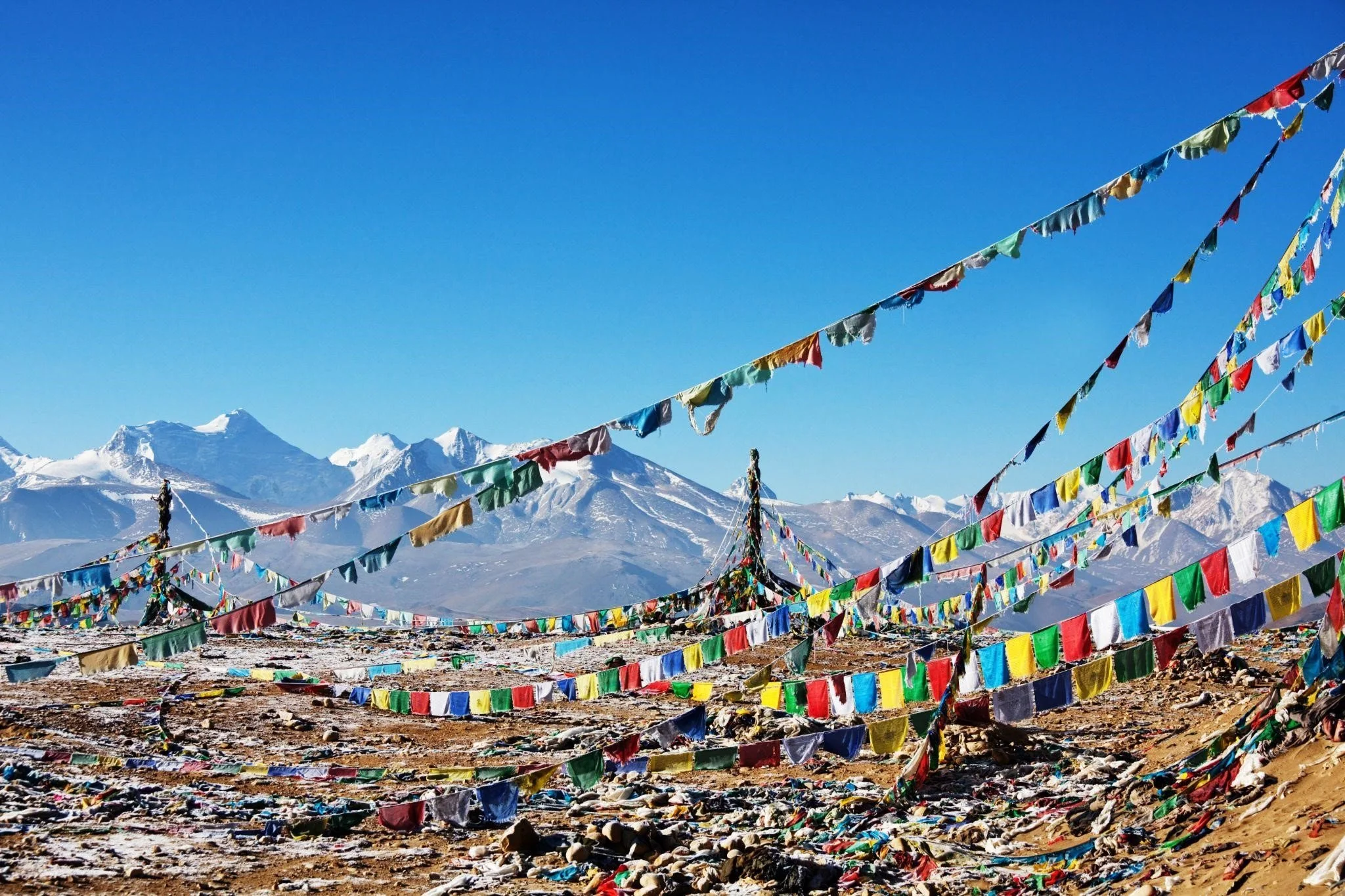
Step into Nepal’s hidden hills on the Ama Yangri Trek where rhododendron forests, quiet villages, and breathtaking Himalayan views meet every step. A journey of discovery, endurance, and unforgettable scenery awaits.
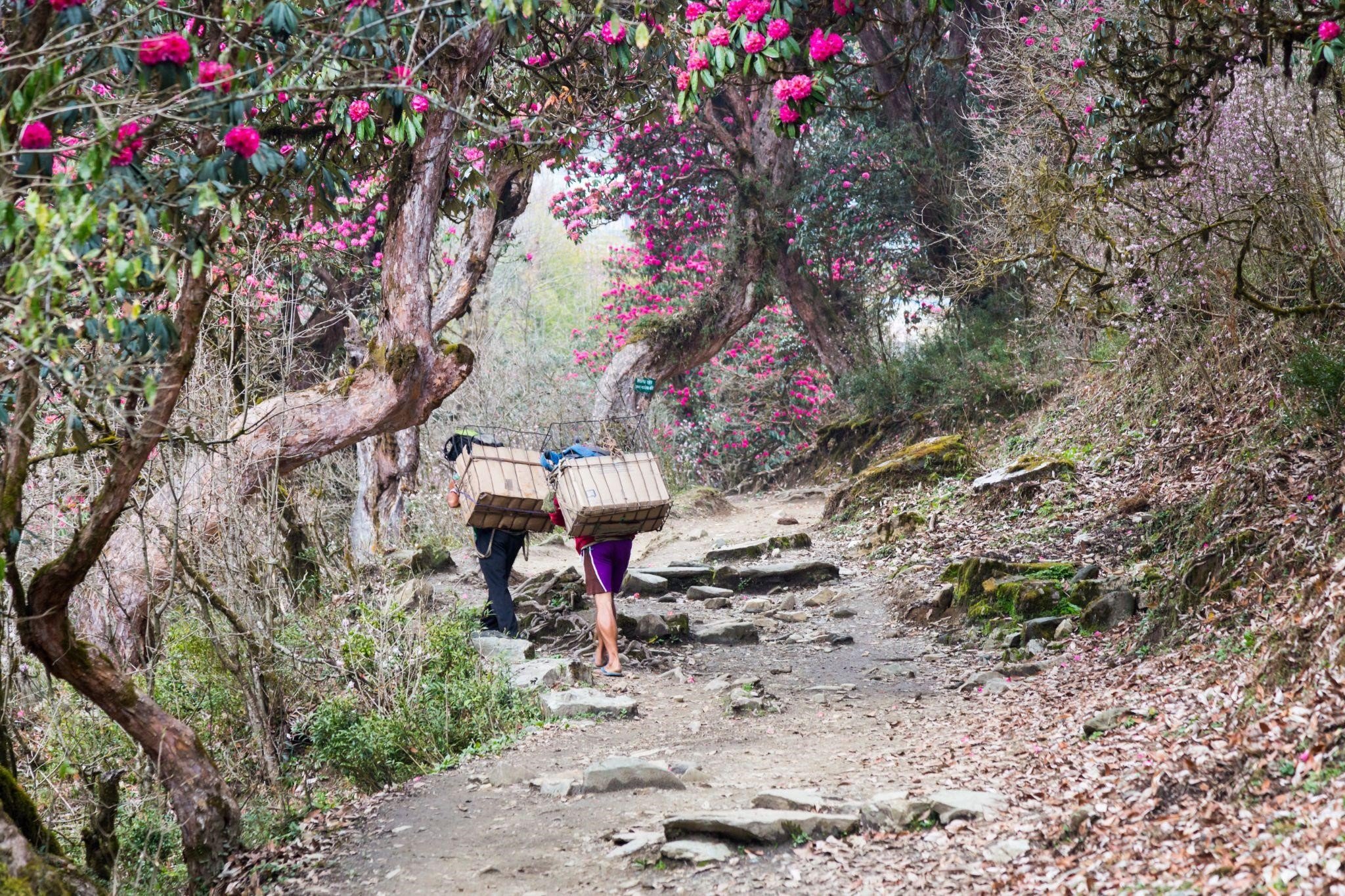
In the quiet corners of Nepal’s hills, the Ama Yangri Trek unfolds like a story waiting to be told. This trek is perfect for travelers seeking solitude, authentic village life, and vibrant spring landscapes. The trail is ideal for April, when rhododendrons and wild orchids bloom along the hillsides, painting the forests and terraces in bursts of color. At an altitude of 3771m, Ama Yangri is one of the highest peaks around Kathmandu Valley. You can admire the stunning view of the Langtang Range, the Annapurna, Manaslu, and even Everest from the peak.
The trek typically begins at Sundarijal or a nearby trailhead, with gradual ascents that allow your body to adjust to the elevation. Over the course of 3–5 days (depending on the chosen route), trekkers pass through small, traditional villages, where locals welcome visitors with smiles, hot tea, and glimpses into daily life. Tea houses along the trail provide cozy resting spots, simple meals, and warm hospitality, giving travelers a taste of Nepalese mountain culture.
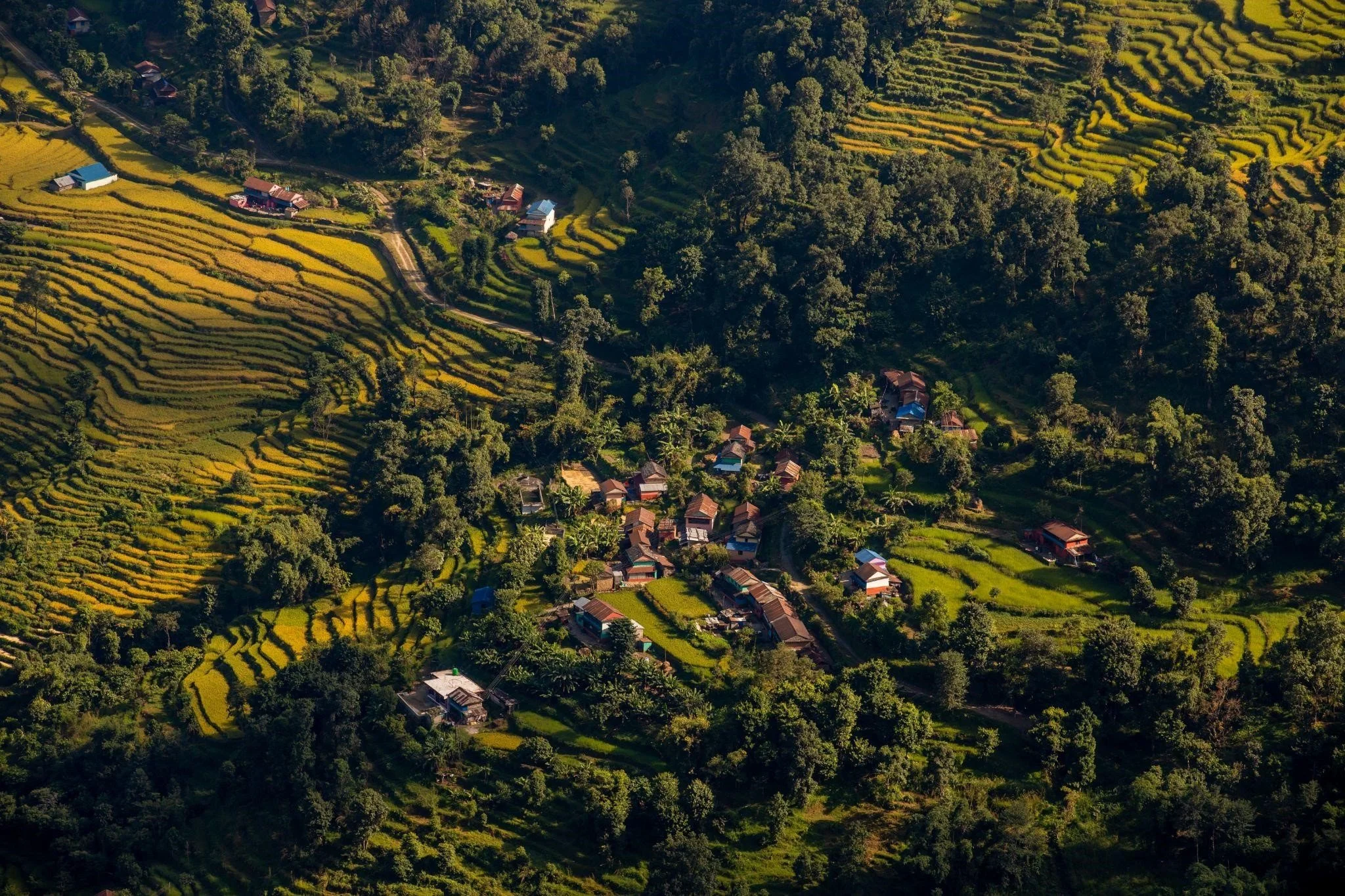
Along the way, the path winds over suspension bridges, babbling streams, and terraced farmland. Each village and hillside has a story: the crops tended by generations of farmers, the prayer flags fluttering in the wind, and the stone paths carved decades ago. It’s a trek that teaches patience and presence, encouraging trekkers to slow down and notice the small, meaningful details.
As the trail climbs toward Ma Yangri village, panoramic views of distant Himalayan peaks start to emerge. Valleys appear layered in mist, forests are sprinkled with spring colors, and every step rewards the effort with a sense of anticipation. The higher you go, the thinner the air becomes, and each breath reminds you that you are far from the bustle of the cities below.
Upon reaching Ma Yangri, trekkers are greeted with a scenery that feels almost untouched. The village sits peacefully amidst the hills, offering not only rest but also opportunities to connect with nature, local culture, and oneself. The mornings here are crisp, the views breathtaking, and the sense of accomplishment palpable. Sunrises reveal mountain ranges stretching as far as the eye can see, while the quiet of the hills invites reflection and stillness.
The Ma Yangri Trek is more than a hike; it’s a journey of discovery. It combines moderate physical challenge with cultural immersion, natural beauty, and opportunities for personal reflection. Travelers leave with not only photographs of misty peaks and vibrant forests, but also memories of authentic interactions with local communities, quiet moments in nature, and the satisfaction of following a less-traveled path.
POPULAR ITINERARIES
SIMILAR POSTS
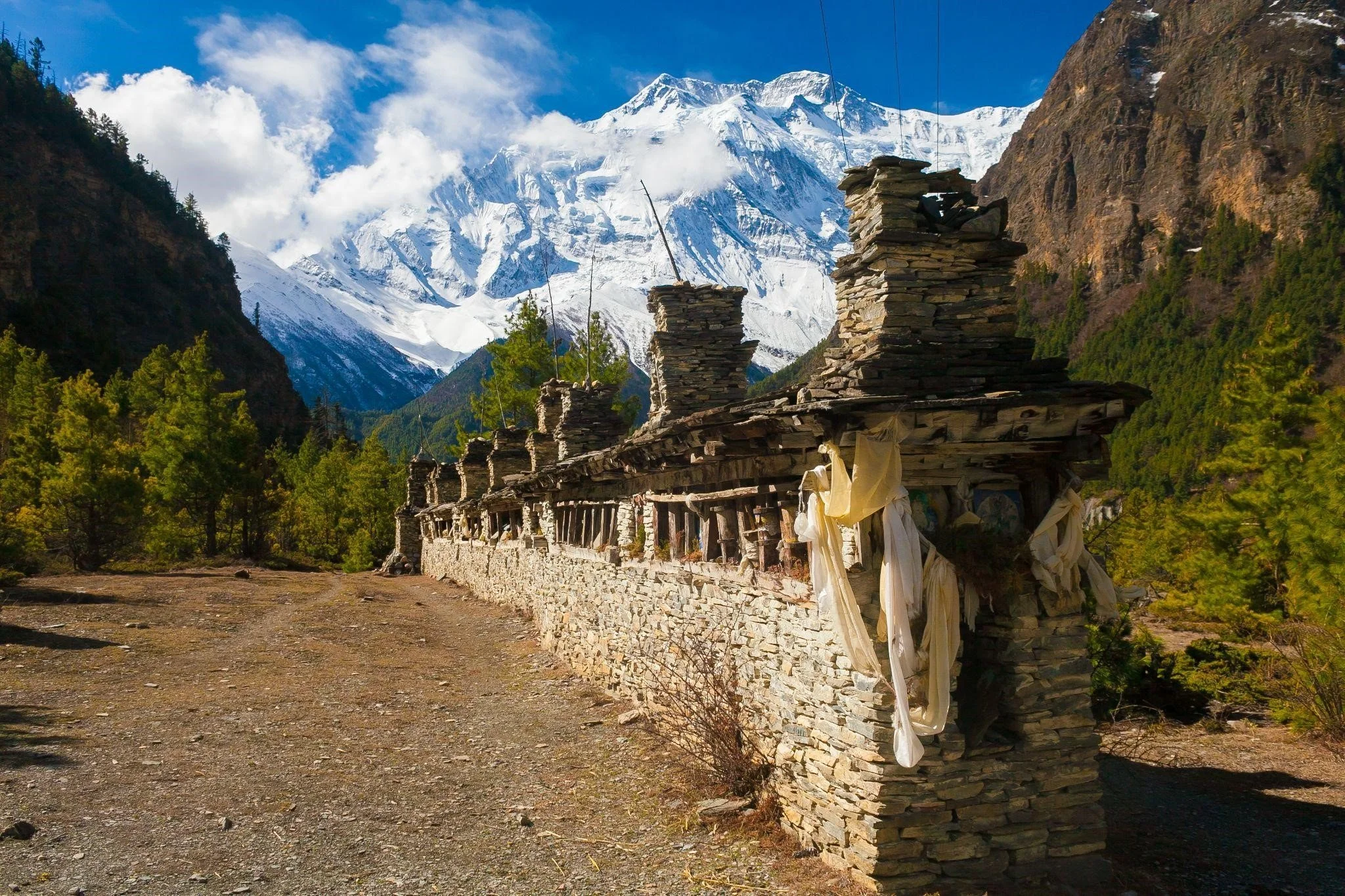
Manaslu: The Hidden Giant of the Himalayas
Step into the heart of the Himalayas on the Manaslu Trek, where snow-capped peaks, ancient villages, and prayer flags guide every step. A journey of endurance, culture, and breathtaking vistas awaits for those ready to explore Nepal’s hidden giant.
In the heart of Nepal’s highlands, the Manaslu region rises like a sentinel over the valleys below. At 8,163 meters, Mount Manaslu, the “Mountain of the Spirit,” casts its shadow over villages, rivers, and trails that have been walked for generations. This trek is more than a journey through the Himalayas; it is a passage through culture, endurance, and the quiet majesty of nature untouched.
The trail begins in Soti Khola, threading along riverbanks, terraced fields, and forested slopes. Villages appear like whispers from the past, their wooden houses and prayer flags telling stories of generations who have lived in harmony with the mountains. Each day brings new terrain: gentle rivers, dense forests, bamboo groves, and rocky ridges that reveal snow-clad peaks in the distance.
Manaslu is sacred to the local communities. The mountain itself is a living presence, and the trails are dotted with stupas, mani walls, and monasteries where monks chant prayers for safety, prosperity, and harmony. For trekkers, this is a journey of quiet reflection as much as physical challenge. The thin air, rugged paths, and the sheer scale of the Himalayas demand both respect and endurance.
As you ascend toward Larkya La Pass, the highest point of the trek at 5,160 meters, the world transforms. Valleys fall away beneath a carpet of clouds, glaciers shimmer, and the peaks of Manaslu, Himalchuli, and Ngadi Chuli rise like ancient sentinels. Every breath feels heavier, yet every glance rewards effort with vistas that linger in memory long after the trek ends.
The Manaslu trek is a journey into a region less traveled, where adventure, culture, and the grandeur of the Himalayas converge. Here, every step reminds you of the mountains’ silent power, the resilience of the people who call this land home, and the quiet joy of reaching heights both physical and spiritual.
POPULAR ITINERARIES
SIMILAR POSTS
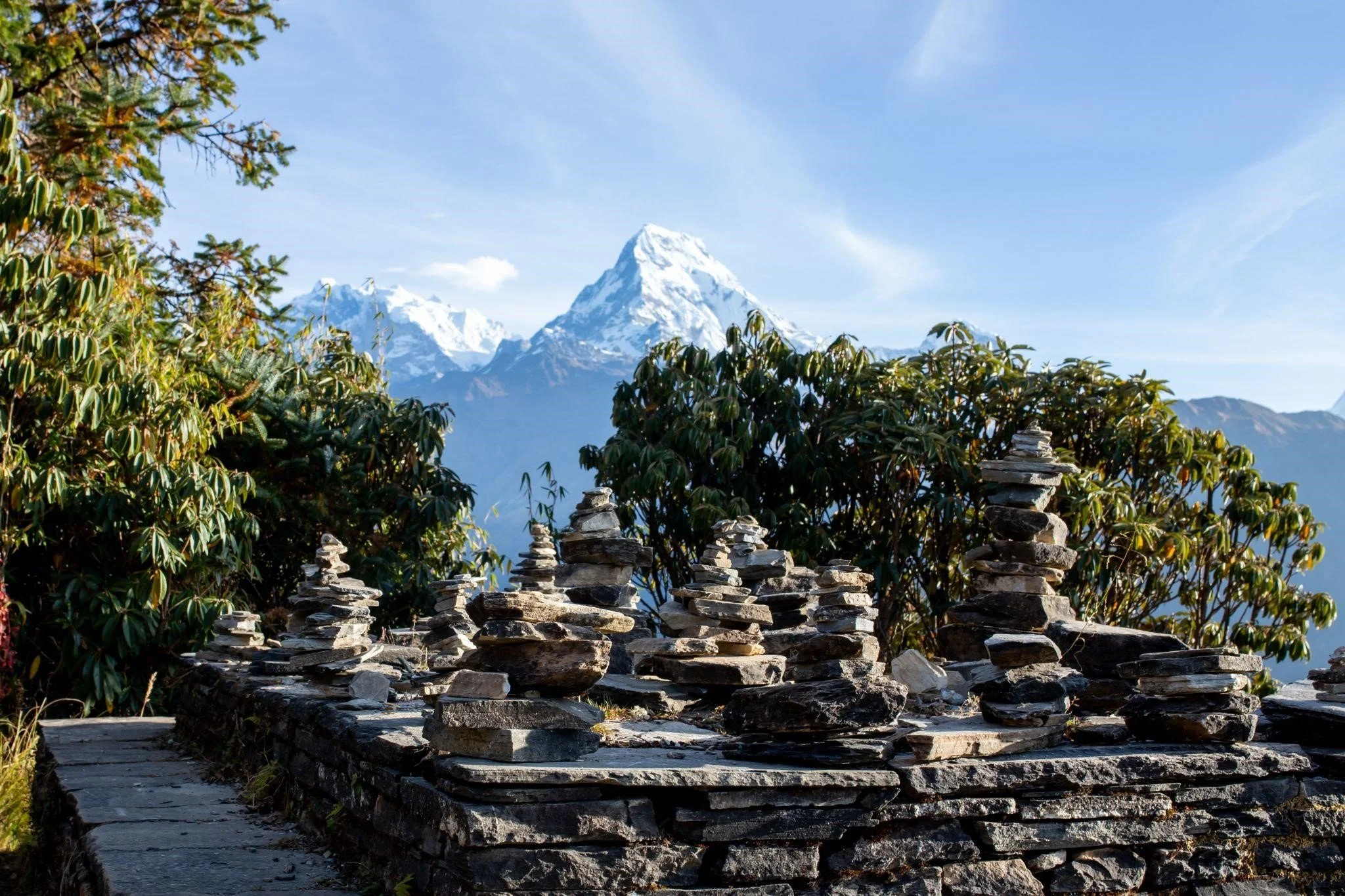
Where the Hills Whisper: A Journey to Poon Hill and Ghorepani
Rising above the hills at 3,210 meters, Poon Hill is where the mountains meet the sky. The trail from Ghorepani winds through rhododendron forests and quiet villages, revealing a journey that blends breathtaking views, local culture, and the kind of stillness only the Himalayas can offer.
High up in Nepal’s Annapurna region, the Ghorepani Poon Hill trek feels like stepping into another world. The village of Ghorepani sits quietly among the hills, a welcoming stop for travelers making their way through forests of rhododendron and pine. And then there’s Poon Hill, a viewpoint that seems to float above the world at 3,210 meters, where the first rays of the sun light up Annapurna, Dhaulagiri, and Machapuchare in gold and pink.
The journey begins at Nayapul, a few hours’ drive from Pokhara. From there, the trail winds through terraced fields and rivers, climbing slowly into the mountains. Every step is a conversation with the land. You pass small Gurung villages where children wave, women tend to their gardens, and locals carry on with daily life as they have for generations. It’s easy to forget the clock here; distance isn’t measured in hours or kilometers, but in moments of awe, breath, and quiet reflection.
The trek itself is gentle yet purposeful. You feel your lungs adjust to the thinner air, your muscles stretch and awaken, and your mind starts to slow down along with your steps. The rhododendrons bloom along the path in bursts of crimson and pink, creating a rhythm of color that guides you upward. Every tea house offers a warm welcome, a steaming cup of tea, and a glimpse into the lives of the people who call these hills home.
When you reach Poon Hill just before sunrise, the world unfolds in a spectacle that feels almost sacred. Mountains rise above mist-filled valleys, their peaks glowing in soft sunlight. For a moment, time itself seems to pause. Every climb, every breath, every tired step is forgotten in the quiet grandeur of the Himalayas.
The Ghorepani Poon Hill trek is more than a hike; it’s a chance to reconnect with nature, with culture, and with yourself. The rhythm of the trail, the smiles of villagers, and the wide-open mountain skies remind you how simple moments watching a sunrise, breathing crisp mountain air, can leave the deepest impressions.
By the time you descend, the trek is over in distance but not in memory. You carry with you the stillness of the hills, the warmth of the villages, and the golden light of Poon Hill, a story that lingers long after the journey ends.
POPULAR ITINERARIES
SIMILAR POSTS