
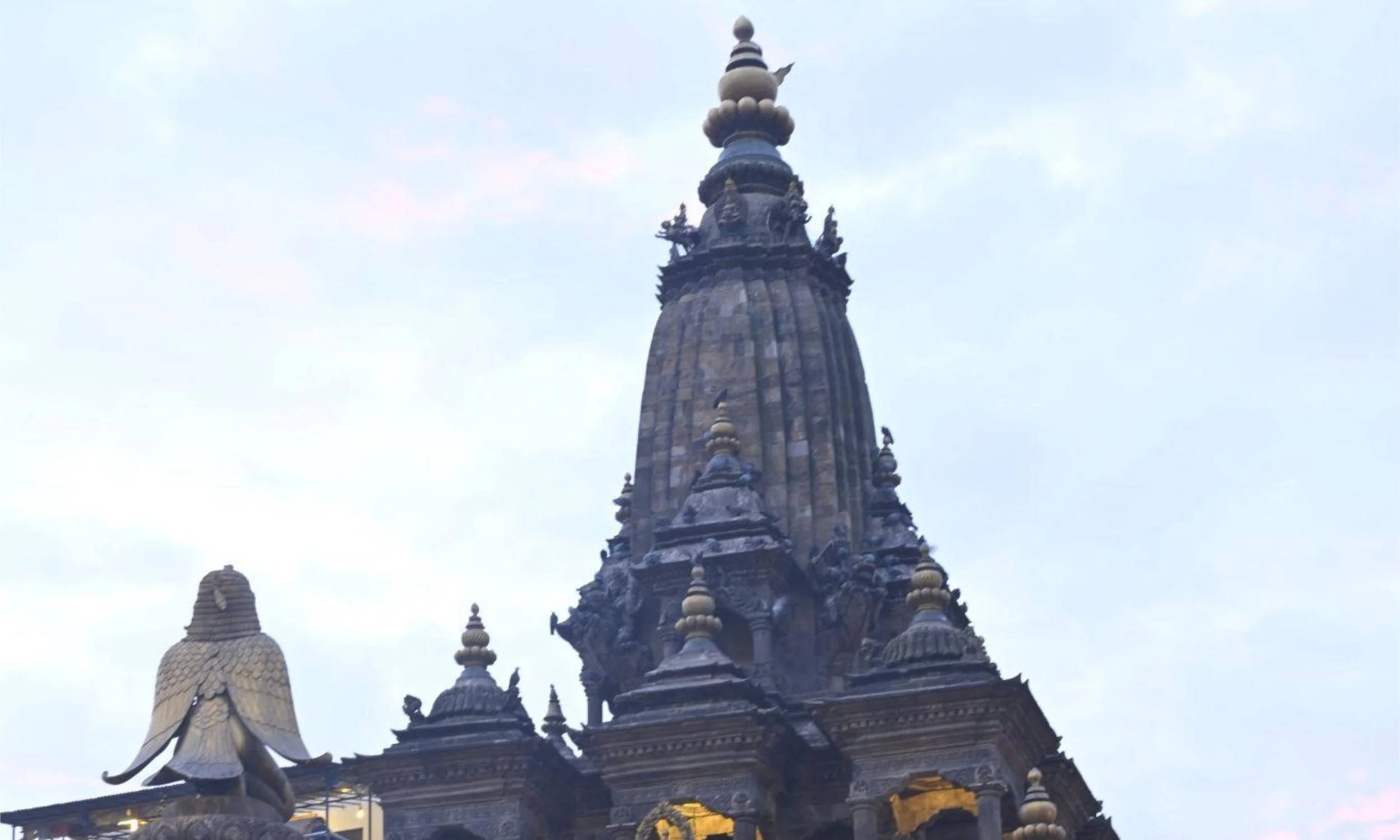
Krishna Janmashtami: A Festival of Love and Devotion
Krishna Janmashtami, a significant Hindu festival, celebrates the birth of Lord Krishna. It is typically observed on the eighth day of the dark fortnight (Krishna Paksha) of the month of Shravan (August-September). Various religious rituals and cultural events dedicated to Lord Krishna are held on this day.
Krishna Janmashtami, a significant Hindu festival, celebrates the birth of Lord Krishna. It is typically observed on the eighth day of the dark fortnight (Krishna Paksha) of the month of Shravan (August-September). Various religious rituals and cultural events dedicated to Lord Krishna are held on this day.
Significance of Krishna Janmashtami
Lord Krishna is considered the eighth avatar of Vishnu. He was born on Earth to establish righteousness and destroy evil. On Krishna Janmashtami, the story of Lord Krishna's birth is narrated, and he is worshipped. It is believed that Lord Krishna fulfills the wishes of his devotees on this day.
History of Krishna Janmashtami
The history of the Krishna Janmashtami festival dates back to ancient times. According to the Bhagavad Gita, Lord Krishna gave the Gita's teachings to Arjuna. In the Gita, Lord Krishna explained many important principles of life. Therefore, the festival of Krishna Janmashtami not only celebrates the birth of Lord Krishna but also reminds us of his teachings.
How is Krishna Janmashtami Celebrated?
On Krishna Janmashtami, people observe fasts and worship Lord Krishna. Special pujas are performed in temples. People decorate their homes with flowers and rangoli. Children dress up as Krishna and perform raaslila with girls dressed as Radha. Special festivities are organized in Mathura and Vrindavan on this day.
Cultural Significance of Krishna Janmashtami
Krishna Janmashtami has great cultural significance. This festival brings people together and promotes social unity. People feed each other sweets and sing songs on this day. The festival of Krishna Janmashtami is an integral part of Indian culture.
Key Facts of Krishna Janmashtami
● Date: Eighth day of the dark fortnight (Krishna Paksha) of the month of Shravan
● Significance: Celebration of Lord Krishna's birth
● Festivities: Puja in temples, decorating homes, raaslila
● Cultural Significance: Social unity and Indian culture
Conclusion
Krishna Janmashtami is a festival of love, devotion, and spirituality. This festival provides us with an opportunity to be inspired by the life and teachings of Lord Krishna. Let us all celebrate this festival with joy and enthusiasm.
POPULAR ITINERARIES
SIMILAR POSTS
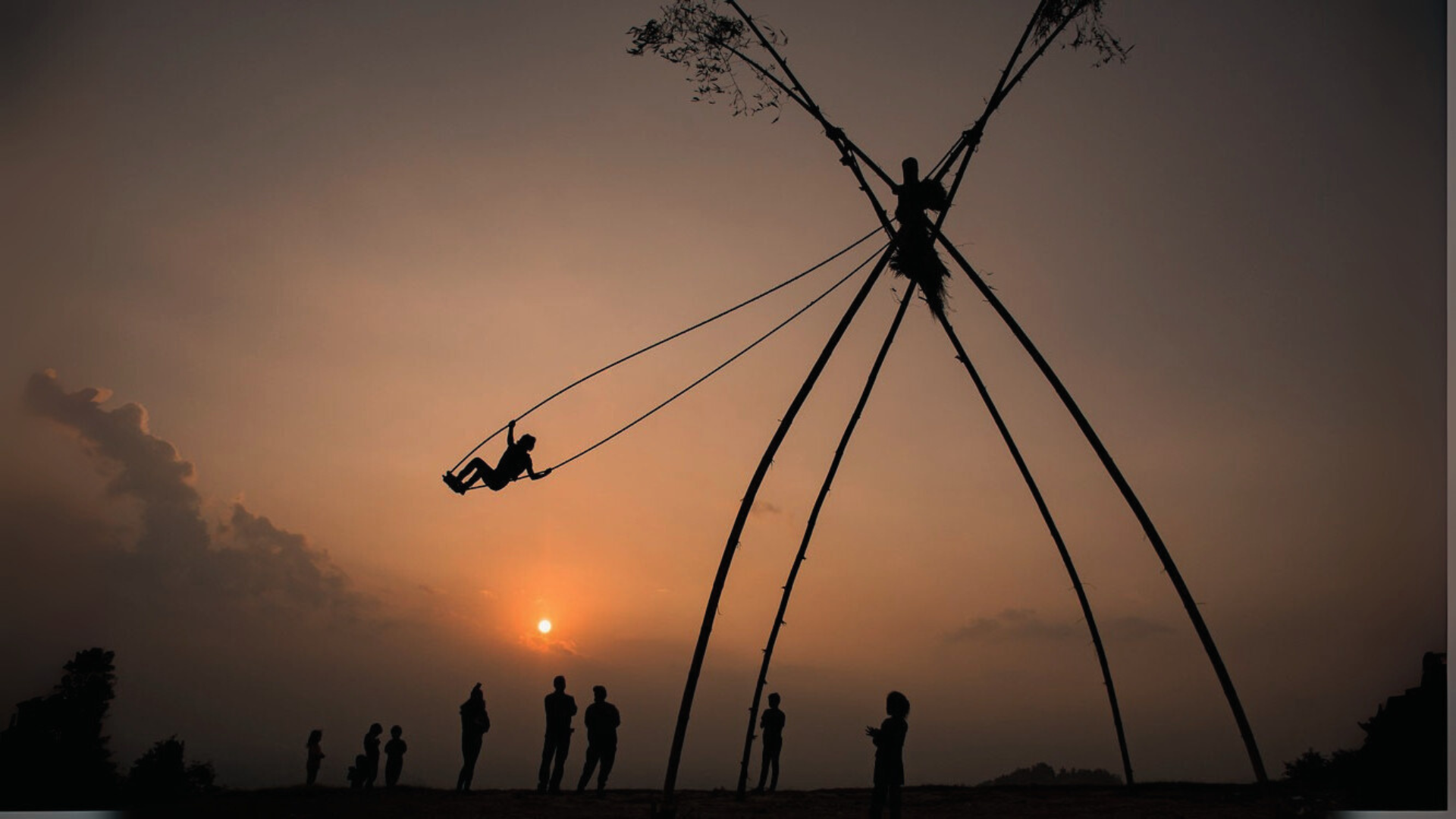
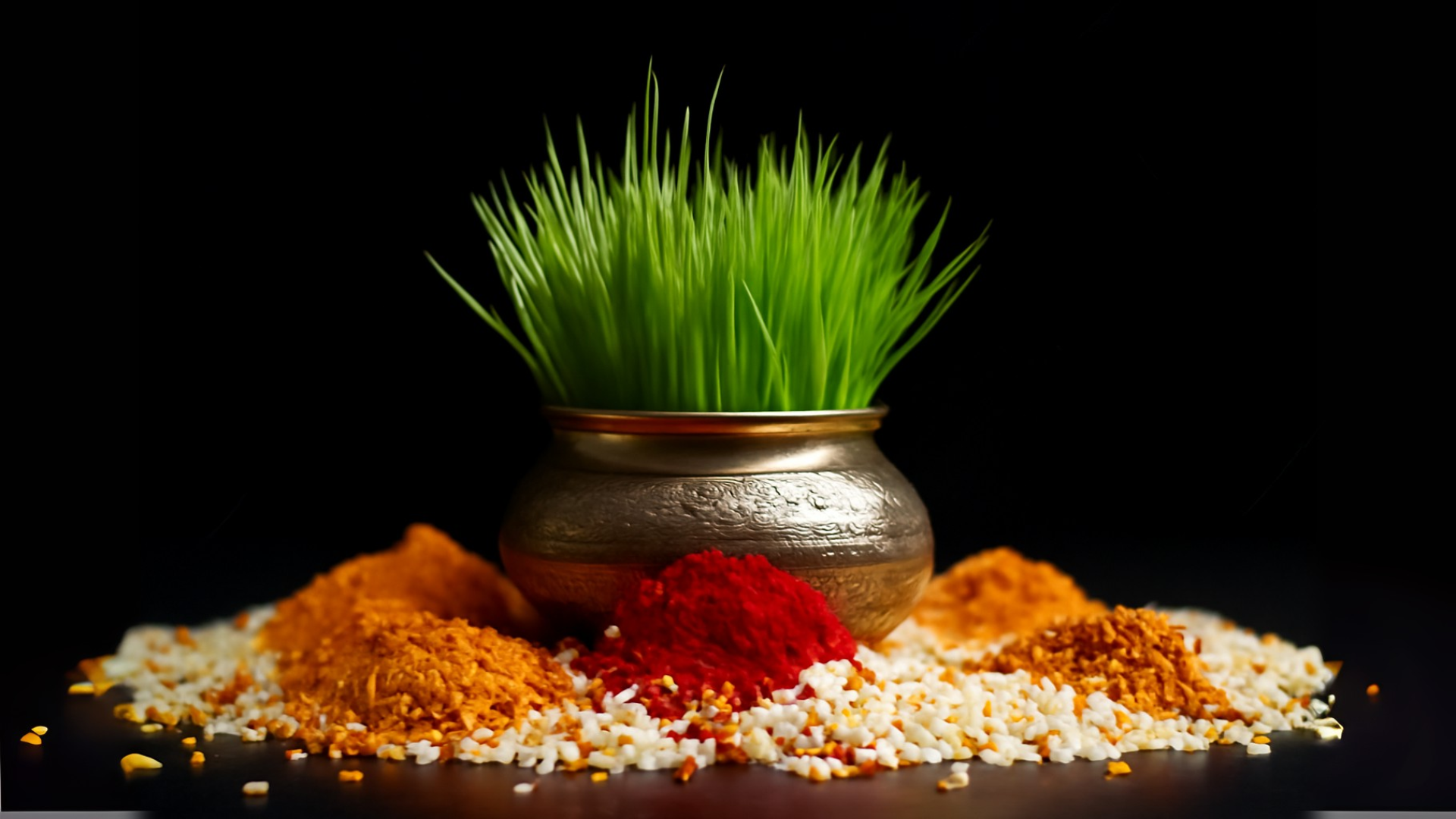
Janai Purnima: A Sacred Thread of Tradition
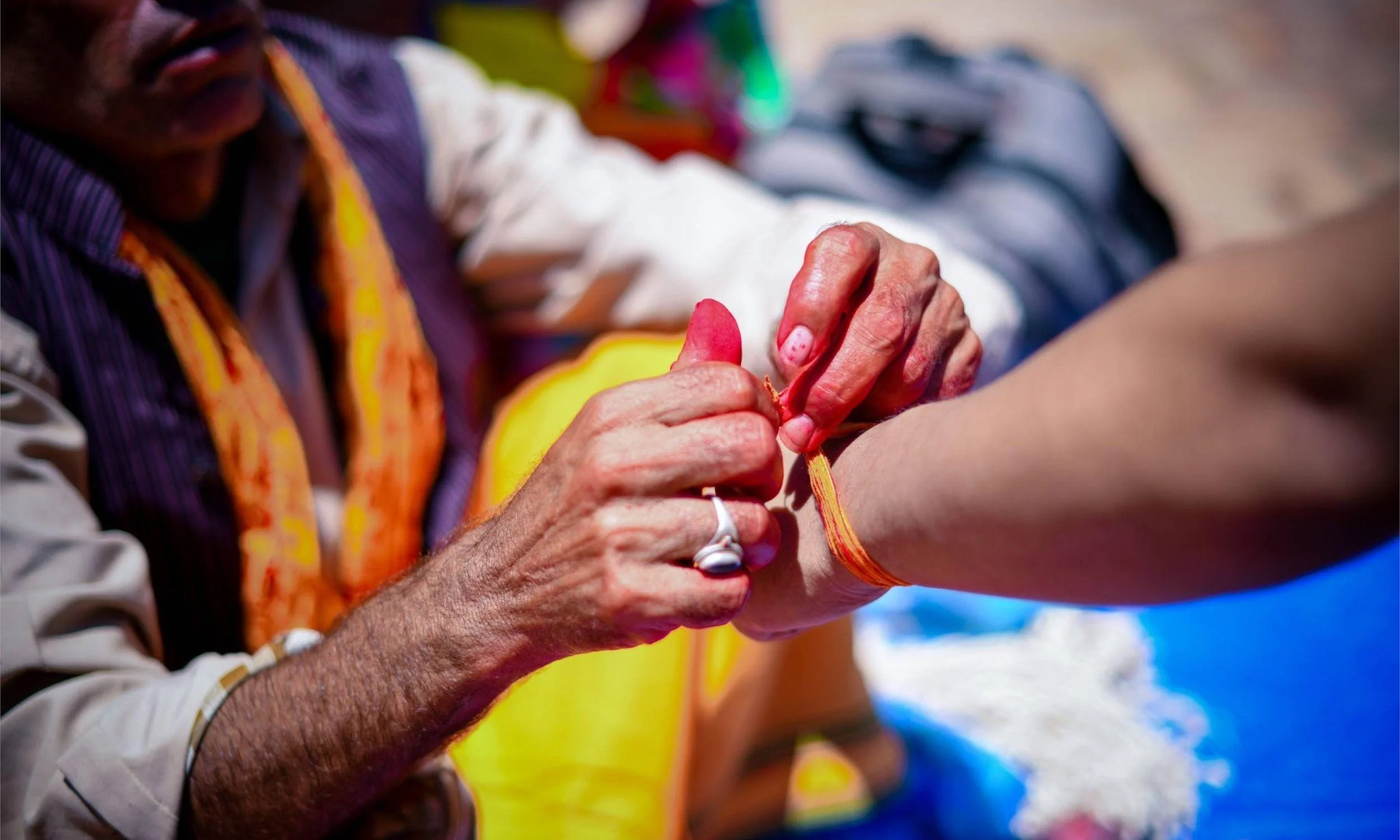
Janai Purnima, a significant Hindu festival celebrated in Nepal, marks the day of renewing the sacred thread (janai) worn by men. This thread symbolizes purity and religious commitment and is believed to protect the wearer from evil forces and bestow blessings. The festival is also known as "Raksha Bandhan" in some parts of Nepal, where sisters tie a protective thread (rakhi) on their brothers' wrists.
Janai Purnima, a significant Hindu festival celebrated in Nepal, marks the day of renewing the sacred thread (janai) worn by men. This thread symbolizes purity and religious commitment and is believed to protect the wearer from evil forces and bestow blessings. The festival is also known as "Raksha Bandhan" in some parts of Nepal, where sisters tie a protective thread (rakhi) on their brothers' wrists.
The Significance of the Sacred Thread
The janai, a cotton or silk thread, is tied around a male Hindu's right shoulder and left waist. It is believed to represent the three fundamental duties of a Hindu: dharma (righteousness), artha (wealth), and kama (pleasure). The thread is considered a spiritual connection between the individual and the divine. It is believed to purify the body, mind, and soul and provide protection from negative influences.
The Rituals of Janai Purnima
The celebration of Janai Purnima typically involves a series of rituals. On the day of the festival, men who wear the janai take a bath in a sacred river or pond to cleanse themselves. They then offer prayers to the deities associated with the festival, such as Lord Vishnu and Lord Shiva. The janai is replaced with a new one, which a Brahmin priest ties. The ceremony is accompanied by chanting of mantras and hymns.
The Cultural Significance of Janai Purnima
Janai Purnima is not only a religious festival but also a cultural event. Families have to come together and strengthen their bonds. The festival is celebrated with great enthusiasm and joy, especially in rural areas. People prepare traditional delicacies, decorate their homes, and participate in various cultural activities. The festival also serves as a reminder of the importance of upholding Hindu traditions and values.
Janai Purnima and Raksha Bandhan
In some regions of Nepal, Janai Purnima is also celebrated as Raksha Bandhan. On this day, sisters tie a rakhi, a colorful thread, on their brothers' wrists. The rakhi is a symbol of protection and love. Brothers, in turn, promise to protect their sisters and fulfill their wishes. This tradition strengthens the bond between siblings and promotes harmony within families.
In conclusion, Janai Purnima is a significant festival in Nepal that celebrates the sacred thread and its spiritual significance. It is a time for religious renewal, family bonding, and cultural expression. The festival serves as a reminder of the importance of upholding Hindu traditions and values.
POPULAR ITINERARIES
SIMILAR POSTS
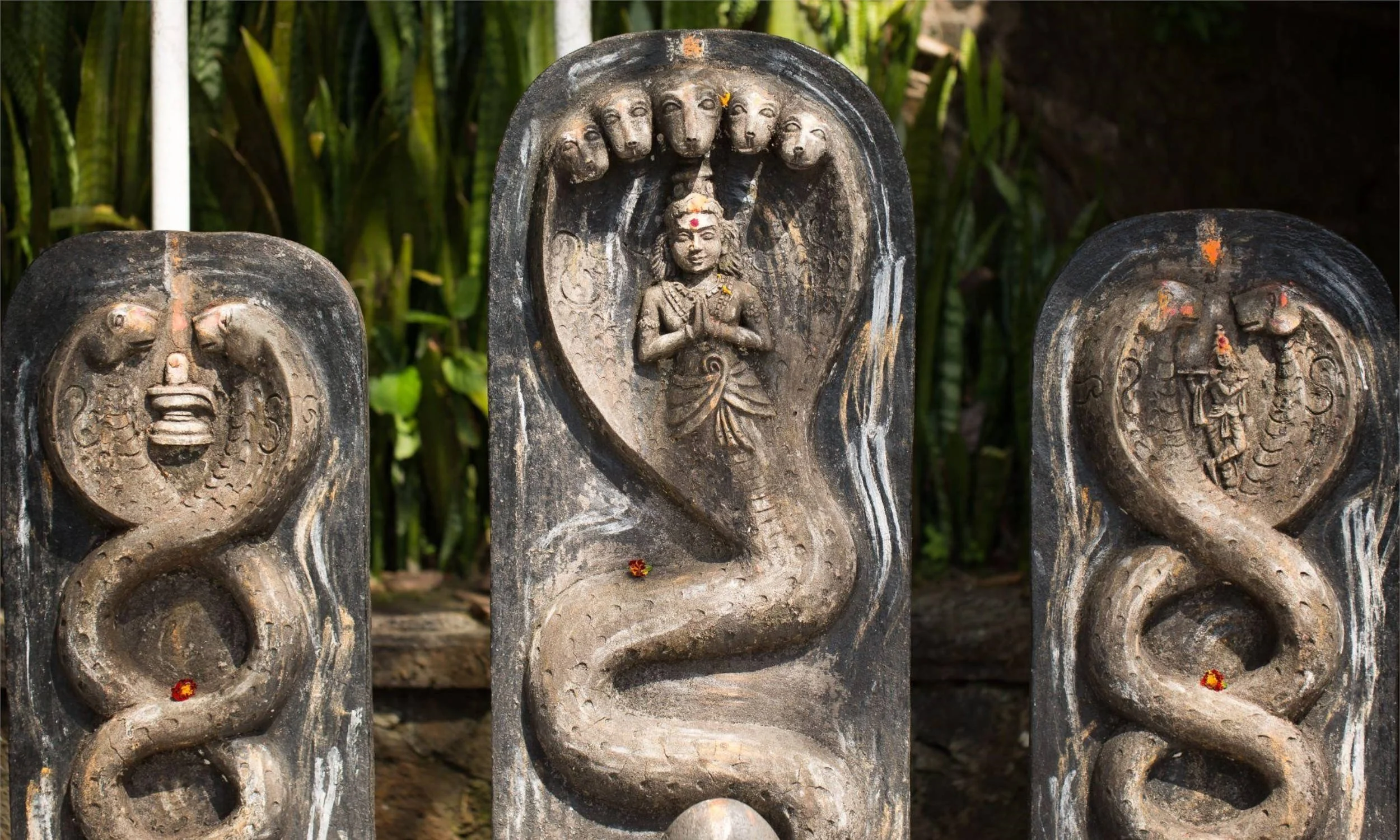
Nag Panchami: Worship the Serpent Deities
Nag Panchami, a significant Hindu festival, is dedicated to the worship of serpent deities, commonly known as Nag Devta. Celebrated annually on the fifth day of the bright fortnight of the lunar month of Shravan, this auspicious day holds immense religious and cultural importance.
Nag Panchami, a significant Hindu festival, is dedicated to the worship of serpent deities, commonly known as Nag Devta. Celebrated annually on the fifth day of the bright fortnight of the lunar month of Shravan, this auspicious day holds immense religious and cultural importance.
The origins of Nag Panchami can be traced back to Hindu mythology. According to legend, Lord Krishna defeated the venomous serpent Kaliya, symbolizing the triumph of good over evil. This victory is commemorated on Nag Panchami. Another belief associates the festival with the creation of the Kathmandu Valley. It is said that when the valley was drained, the snakes were displaced, and to appease them, people dedicated certain lands as their abode.
On this holy day, devotees observe various rituals to seek the blessings of the serpent deities. Offering milk, a symbol of purity and nourishment is considered particularly auspicious. People also create images of snakes using cow dung and rice flour, adorning them with flowers and offering prayers. In some regions, live snakes are worshipped and released into their natural habitat as a mark of respect.
The worship of snakes holds deep-rooted significance in Hindu culture. Snakes are often associated with immortality, fertility, and healing. They are also believed to be guardians of hidden treasures and protectors of the underworld. By honoring the Nag Devta, devotees seek protection from snakebites, diseases, and other misfortunes.
Nag Panchami is not just a religious observance; it is also a vibrant cultural celebration. People decorate their homes with colorful rangoli patterns depicting snakes, and children enjoy dressing up as serpent deities. The festival is an occasion for families to unite, share stories, and partake in traditional feasts.
While the rituals and customs associated with Nag Panchami may vary across different regions, the underlying devotion and reverence for the serpent deities remain constant. This festival serves as a reminder of the intricate relationship between humans and nature, emphasizing the importance of co-existence and respect for all living beings.
As we celebrate Nag Panchami, let us remember the significance of this ancient tradition and offer our prayers to the Nag Devta for peace, prosperity, and harmony.
POPULAR ITINERARIES
SIMILAR POSTS
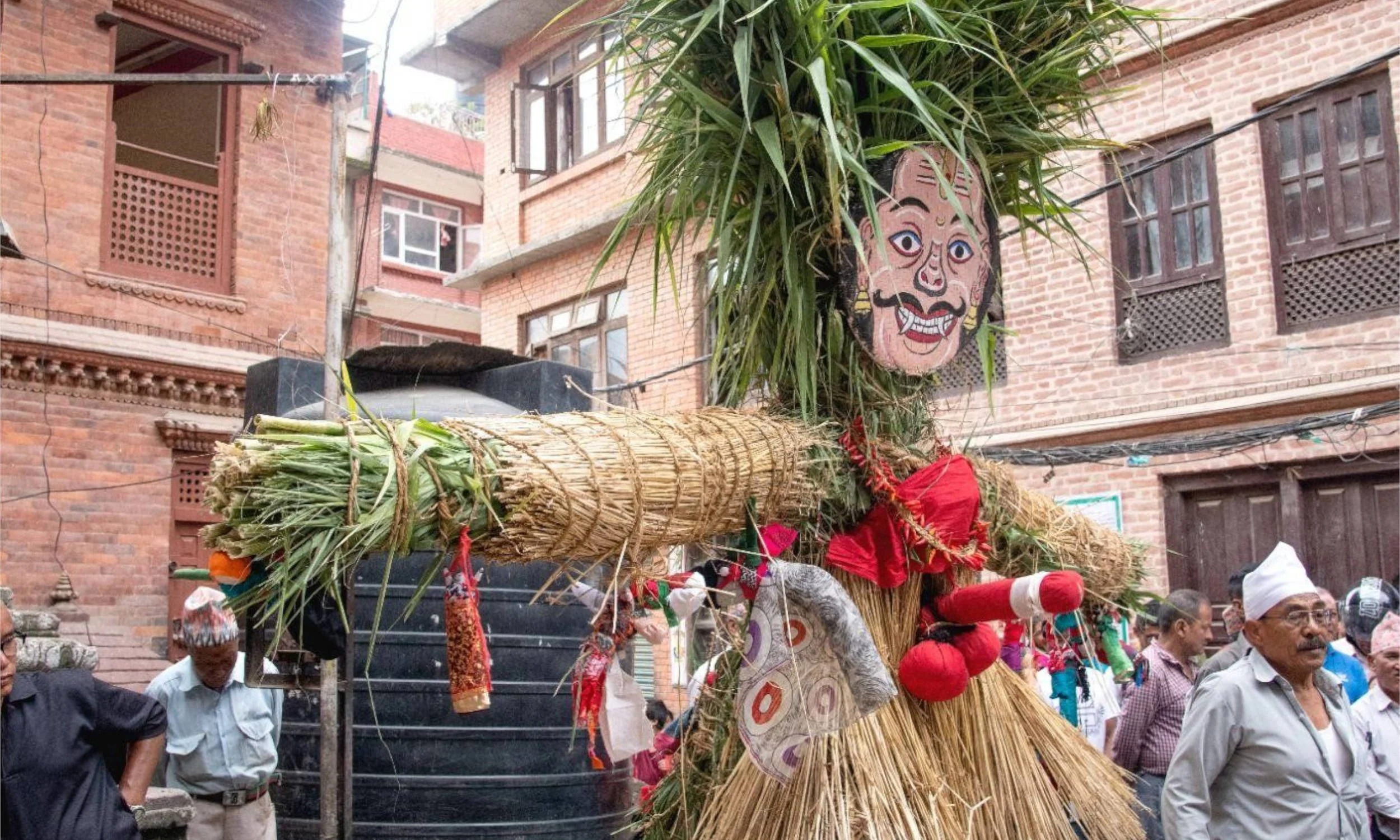
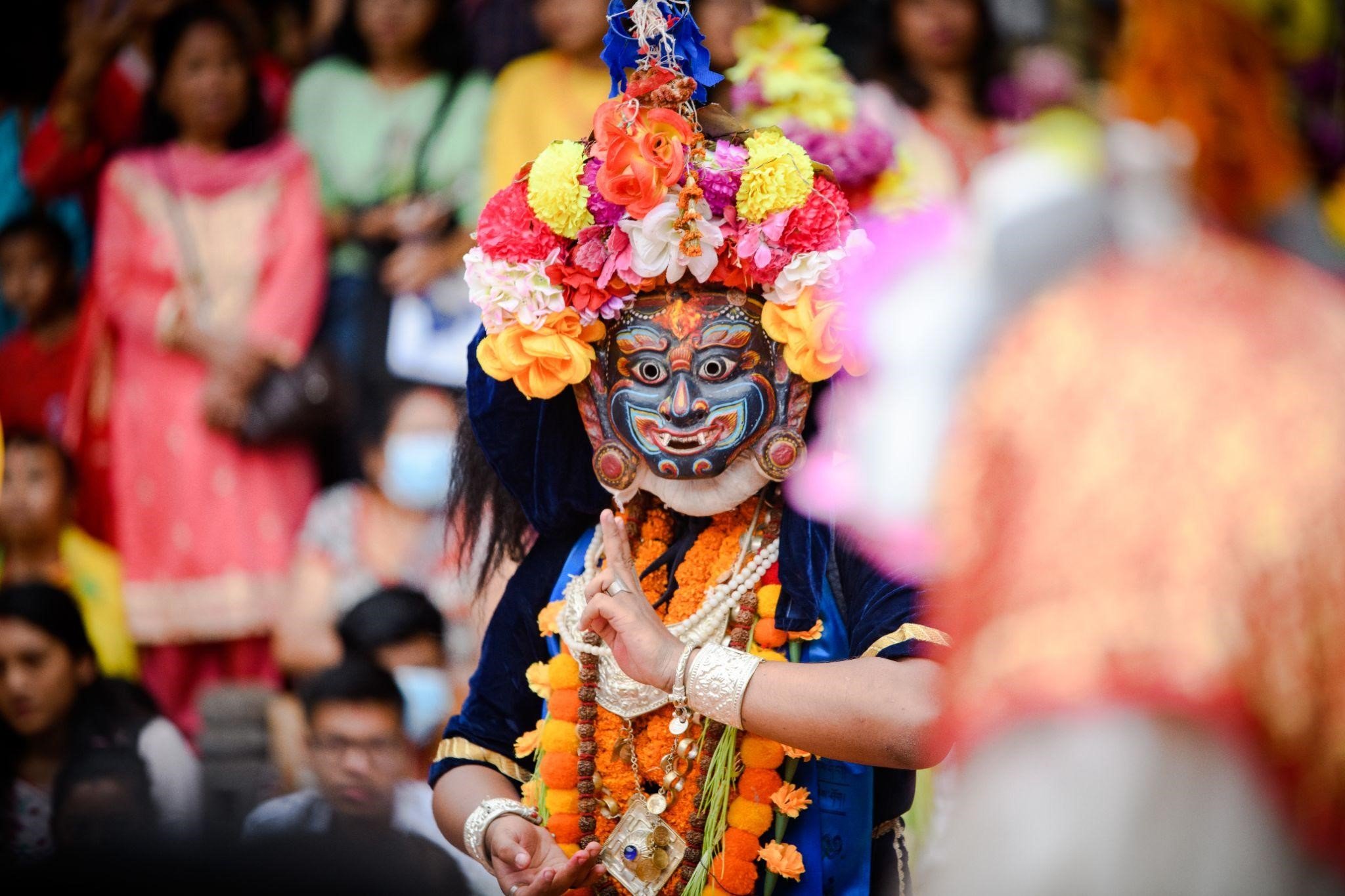
Gathemangal: Warding Off Evil Spirits in the Kathmandu Valley
Gathemangal, also known as Ghantakarna Chaturdasi, is a unique festival celebrated by the Newar community in the Kathmandu Valley of Nepal. It falls on Shrawan Krishna Chaturdashi, which typically occurs in June or July according to the Bikram Sambat calendar. This vibrant festival is a colorful display of warding off evil spirits and ushering in peace and prosperity.
Gathemangal, also known as Ghantakarna Chaturdasi, is a unique festival celebrated by the Newar community in the Kathmandu Valley of Nepal. It falls on Shrawan Krishna Chaturdashi, which typically occurs in June or July according to the Bikram Sambat calendar. This vibrant festival is a colorful display of warding off evil spirits and ushering in peace and prosperity.
The Legend of Ghantakarna
The origins of Gathemangal are steeped in legend. One popular story revolves around a fearsome demon named Ghantakarna. This evil creature wreaked havoc and spread negativity throughout the land. To combat Ghantakarna's evil influence, the Newar people devised a strategic plan.
Crafting and Parading the Effigy
In the days leading up to Gathemangal, communities come together to create a puppet of Ghantakarna. This larger-than-life figure is meticulously crafted using eco-friendly materials. Straw forms the base of the puppet, while bamboo leaves are used to create the limbs. The face is a particularly interesting detail, traditionally fashioned from clay and adorned with artistic flourishes. Large bells, the namesake of the demon (Ghanta translates to 'bell' and Karna translates to 'ears'), are attached to the puppet, creating a clanging sound as it is paraded through the town.
The Procession and Burning of the Effigy
On the day of Gathemangal, the Ghantakarna effigy is placed at the center of a lively procession. Energetic music fills the air as community members, young and old, come together to celebrate. The effigy is carried through the town, symbolically absorbing all the negativity and evil present. The clanging of the bells serves as a constant reminder of the demon's presence and the impending vanquishing.
After winding its way through the town, the procession culminates at a nearby riverbank. Here, the effigy is set ablaze in a bonfire. As the flames rise, it signifies the burning away of all negativity and the triumph of good over evil. The community gathers around the bonfire, sharing stories, laughter, and traditional delicacies. Gathemangal marks a fresh start, a time to welcome peace and harmony into the New Year.
Significance of Gathemangal
Gathemangal holds deep significance for the Newar community. It serves as a powerful reminder of the importance of unity and collective action in the face of adversity. The festival also highlights the respect for nature, evident in the use of eco-friendly materials for crafting the effigy. Gathemangal is a vibrant celebration that strengthens cultural identity and fosters a sense of community spirit.
Today, Gathemangal continues to be a cherished tradition in the Kathmandu Valley. It is a colorful spectacle that attracts not only the Newar community but also visitors from all walks of life. Witnessing the parade and participating in the festivities provides a unique window into the rich cultural heritage of Nepal.
POPULAR ITINERARIES
SIMILAR POSTS
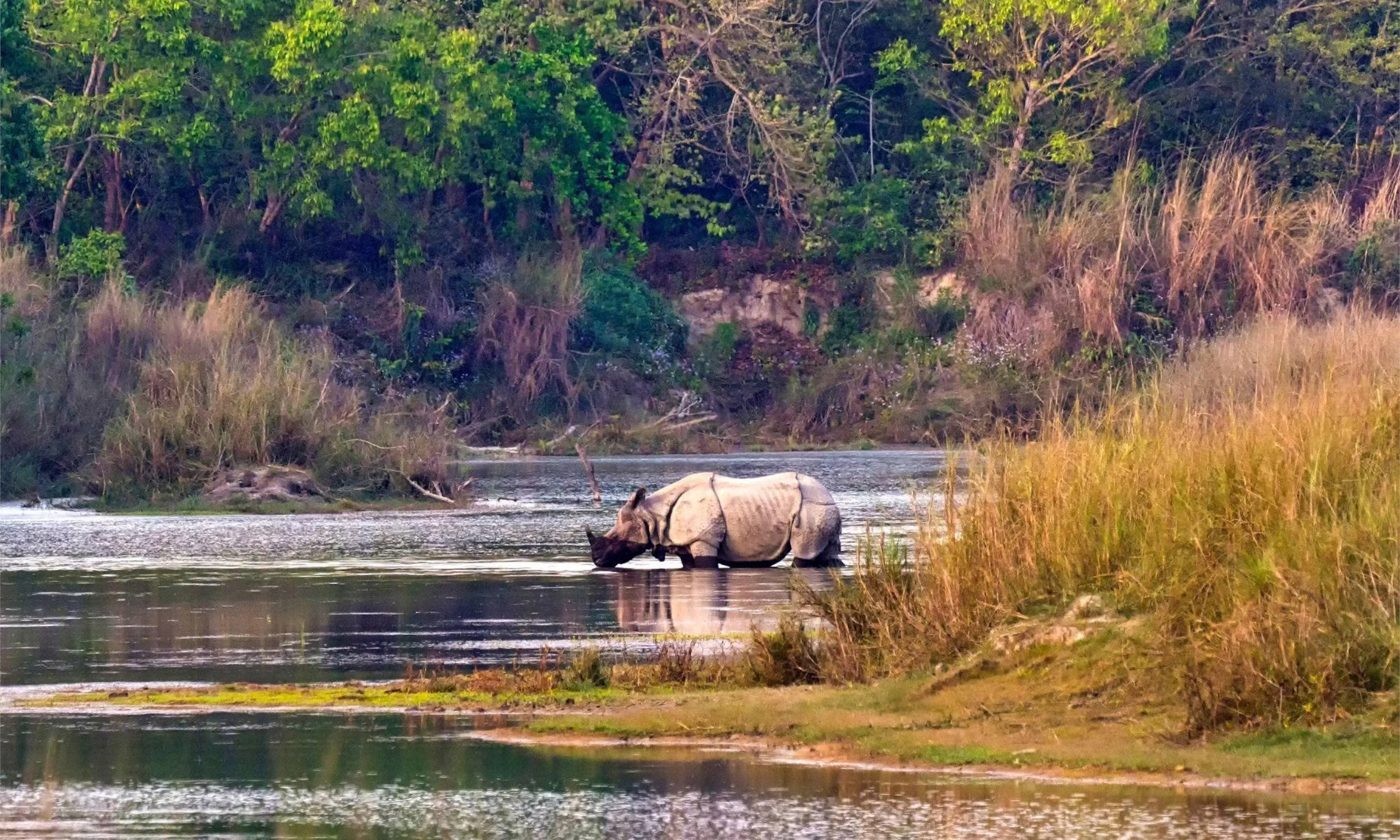
Jungle Safari in Chitwan
Chitwan National Park, a UNESCO World Heritage Site, is a wildlife enthusiast's paradise. Nestled in the heart of Nepal, this pristine jungle offers an unforgettable experience for travelers seeking an up-close encounter with nature. A jungle safari in Chitwan is an adventure that will leave you with memories to cherish for a lifetime.
Chitwan National Park, a UNESCO World Heritage Site, is a wildlife enthusiast's paradise. Nestled in the heart of Nepal, this pristine jungle offers an unforgettable experience for travelers seeking an up-close encounter with nature. A jungle safari in Chitwan is an adventure that will leave you with memories to cherish for a lifetime.
Wildlife Galore Chitwan is renowned for its rich biodiversity, and a safari is the best way to witness its splendor. You can expect to spot majestic creatures like the Royal Bengal Tiger, elusive leopards, and one-horned rhinos. If you're lucky, you might even catch a glimpse of the endangered Gharial crocodile or the playful Indian Otter. The park is also home to a diverse birdlife, making it a birder's delight.
Thrilling Safari Options Chitwan offers a variety of safari options to suit every adventure seeker.
● Jeep Safari: This is the most popular way to explore the park. Jeeps are comfortable and offer a good vantage point for spotting wildlife.
● Elephant Safari: For a truly unique experience, embark on an elephant safari. Riding on the back of these gentle giants through the jungle is an unforgettable adventure.
● Canoe Ride: Glide through the tranquil waters of the Rapti River and witness wildlife from a different perspective. You might encounter crocodiles, otters, and various bird species.
● Walking Safari: For a more intimate experience, opt for a guided walking safari. This allows you to explore the jungle on foot and learn about the flora and fauna from experienced guides.
Beyond the Safari Apart from wildlife encounters, Chitwan offers a range of other activities to keep you entertained. You can go for a jungle hike, visit a Tharu village to experience the local culture or indulge in birdwatching. For adventure enthusiasts, there's rafting, kayaking, and fishing.
Best Time to Visit The best time to visit Chitwan is from October to April when the weather is pleasant and wildlife sightings are at their peak. However, the park remains open throughout the year, offering unique experiences in different seasons.
Tips for Your Safari
● Book your safari in advance, especially during peak season.
● Carry binoculars for better wildlife spotting.
● Respect the wildlife and maintain a safe distance.
● Dress comfortably and wear appropriate footwear.
● Carry sunscreen, insect repellent, and a hat.
A jungle safari in Chitwan is an experience that will stay with you forever. It's a chance to connect with nature, witness incredible wildlife, and create memories that will last a lifetime.
POPULAR ITINERARIES
SIMILAR POSTS

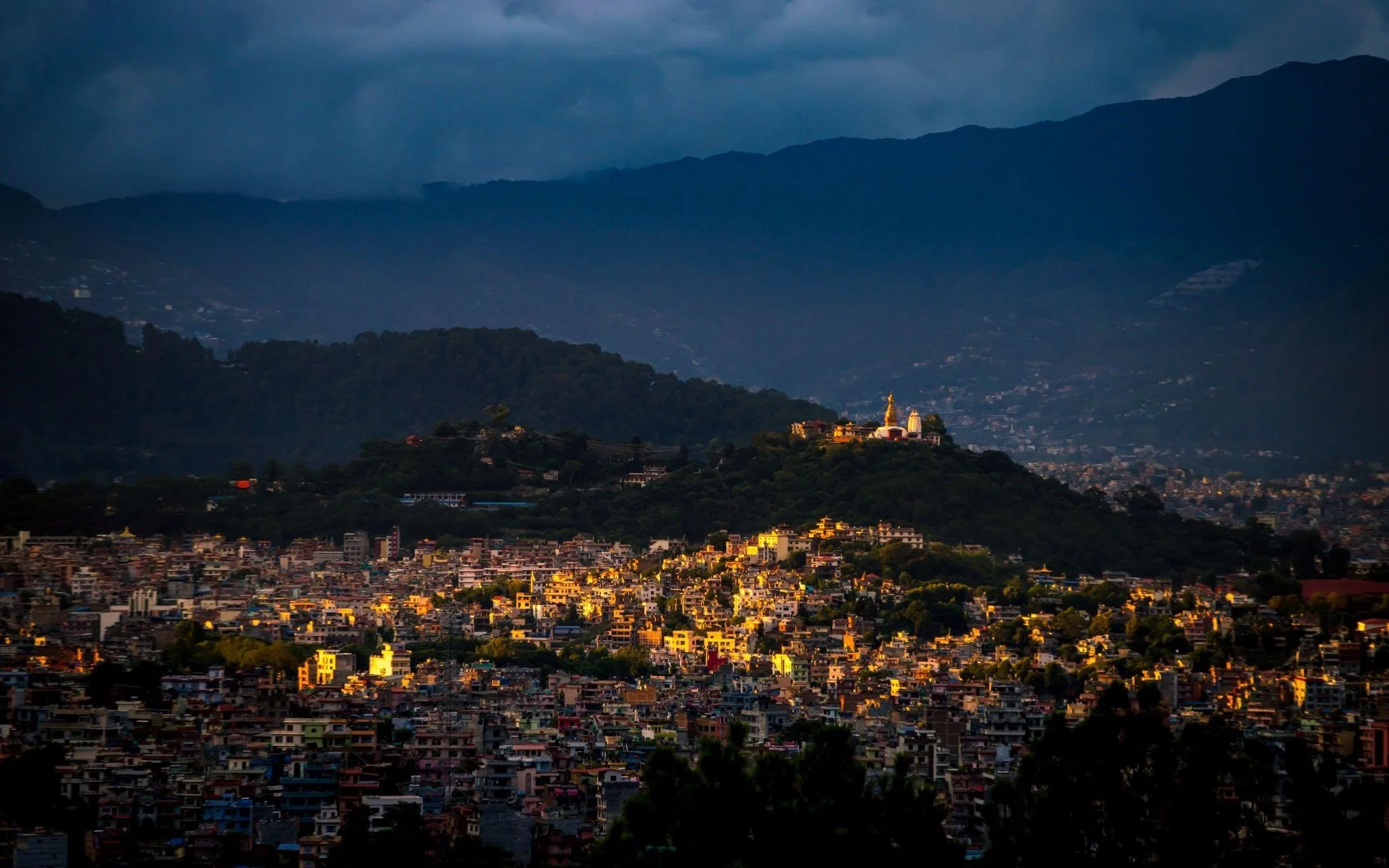

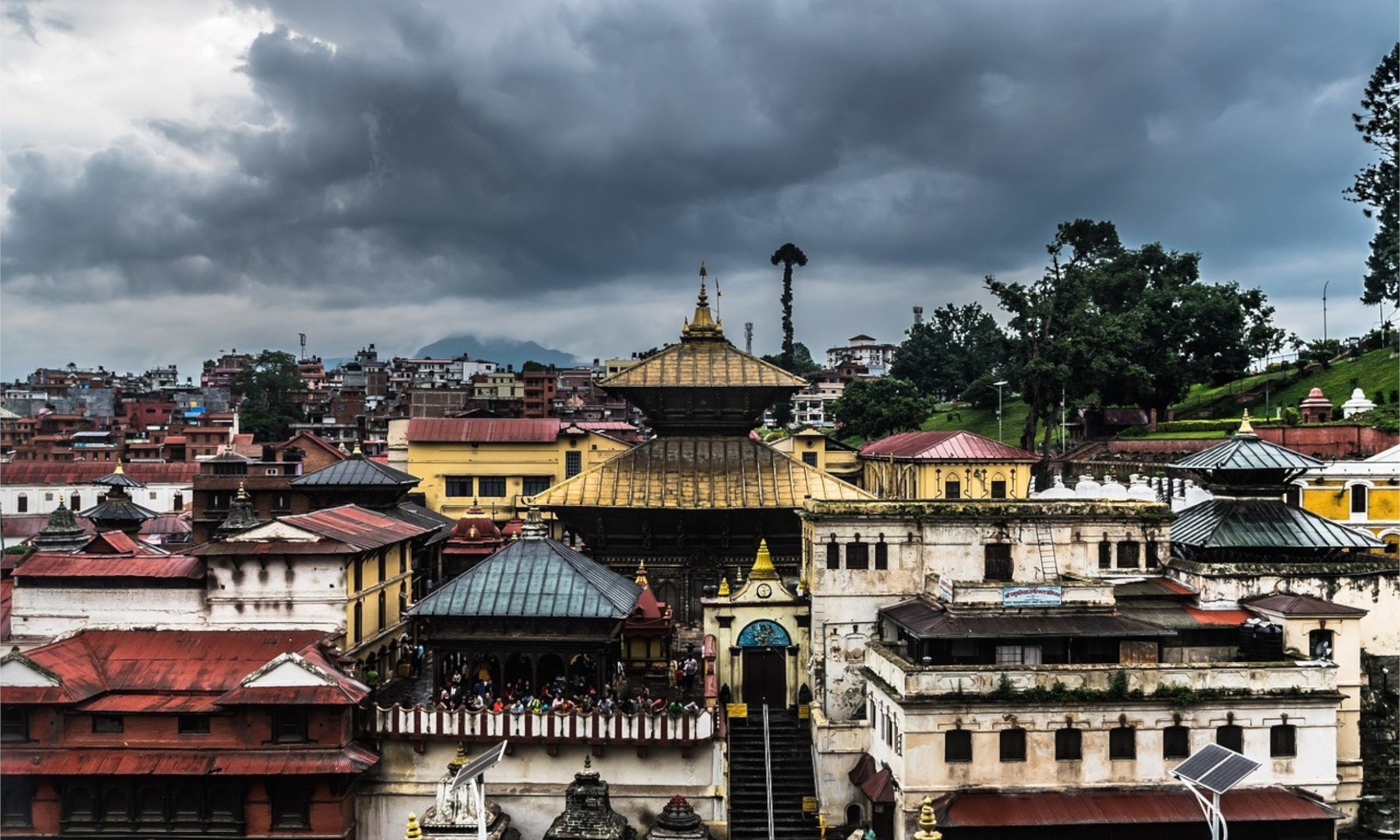
The Spiritual Significance of Shrawan: A Month for Inner Reflection and Growth
Shrawan unfolds, a symphony of nature's renewal and spiritual reflection. Monsoon rains cleanse the land, mirroring the inward journey of devotees seeking inner peace. Vibrant Teej celebrations paint the month with joy, while families gather to honor ancestors, strengthening the threads of tradition. From the fervent chants of Kanwar Yatra to quiet temple meditations, Lord Shiva's presence is felt throughout Nepal.
Shrawan, the fifth month of the Nepali calendar, holds immense significance in Nepal's cultural and spiritual landscape. This monsoon month, marked by lush greenery and rejuvenating rains, is a welcome respite from the summer heat and a time for introspection, devotion, and spiritual growth.
A Time for Inner Reflection
Shrawan coincides with the beginning of the Chaturmasya, four months traditionally dedicated to stricter religious observances. Days are often marked by early mornings, fasting, and prayer. This period of self-denial is not meant to be punitive, but rather a tool for quieting the external world and focusing on the inner self. Devotees can delve deeper into their spiritual core through disciplines like meditation and yoga, contemplate their place in the universe, and work towards achieving inner peace.
The Importance of Lord Shiva
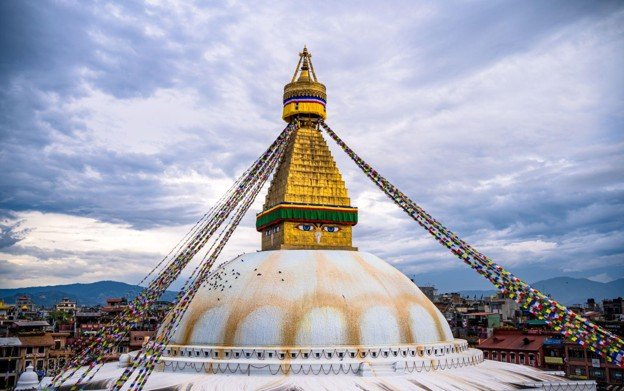
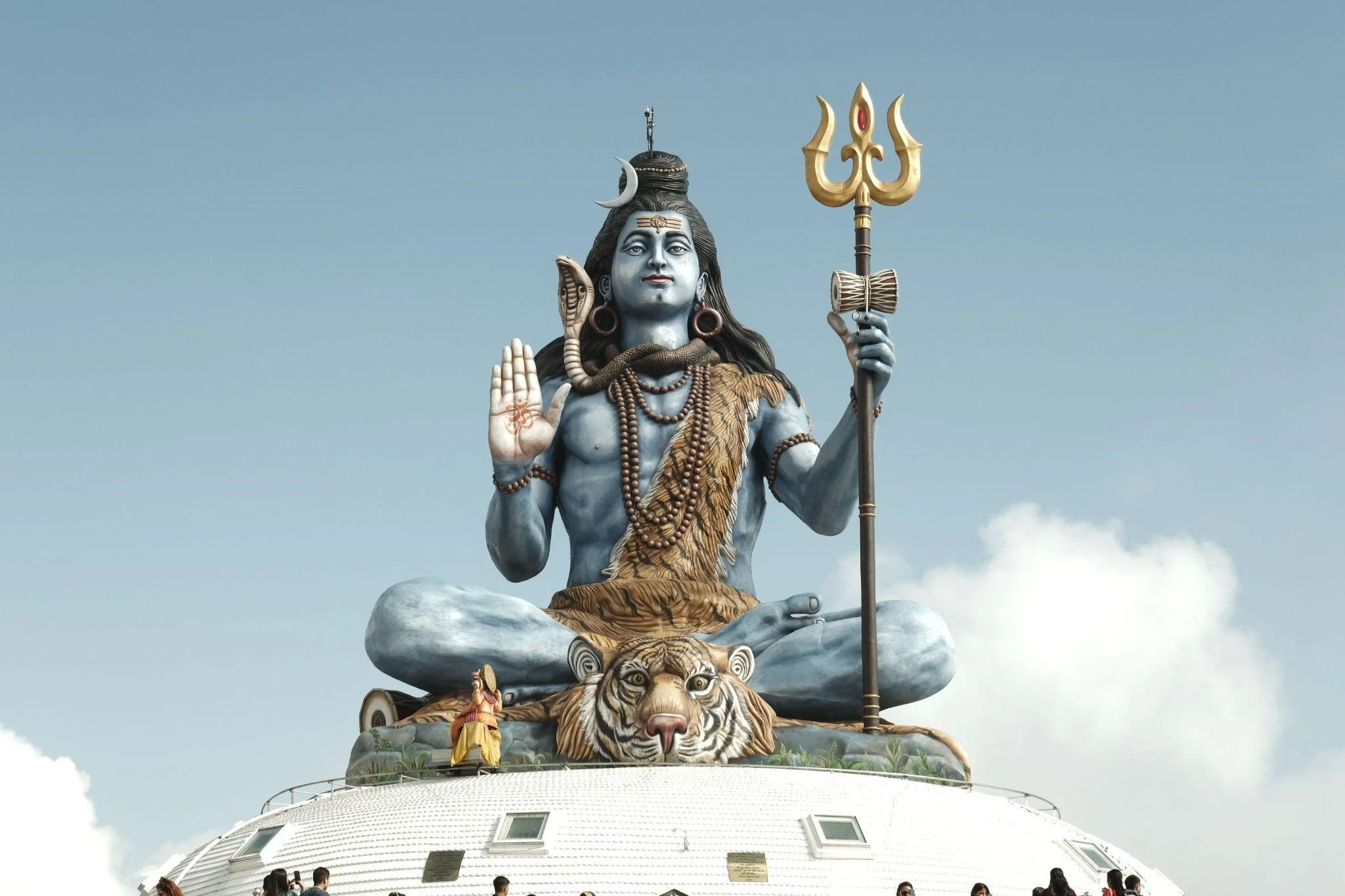
Shrawan is particularly dedicated to Lord Shiva, the "Destroyer" within the Hindu trinity. Often depicted in meditative poses, adorned with serpents, and holding the sacred Trishul (trident), Lord Shiva represents both destruction and transformation. During Shrawan, devotees pay homage to Lord Shiva through various practices. One such practice is the daily collection and offering of holy water (jal) at Shiva temples. Devotees often undertake pilgrimages to renowned Shiva shrines like the Pashupatinath Temple in Kathmandu, where long queues form for the opportunity to perform Jalabhishek (the holy water offering). Another popular observance is the Kanwar Yatra, where devotees undertake long barefoot journeys carrying sacred water from rivers like the Ganges to offer at Shiva shrines.
Celebrating with Nature
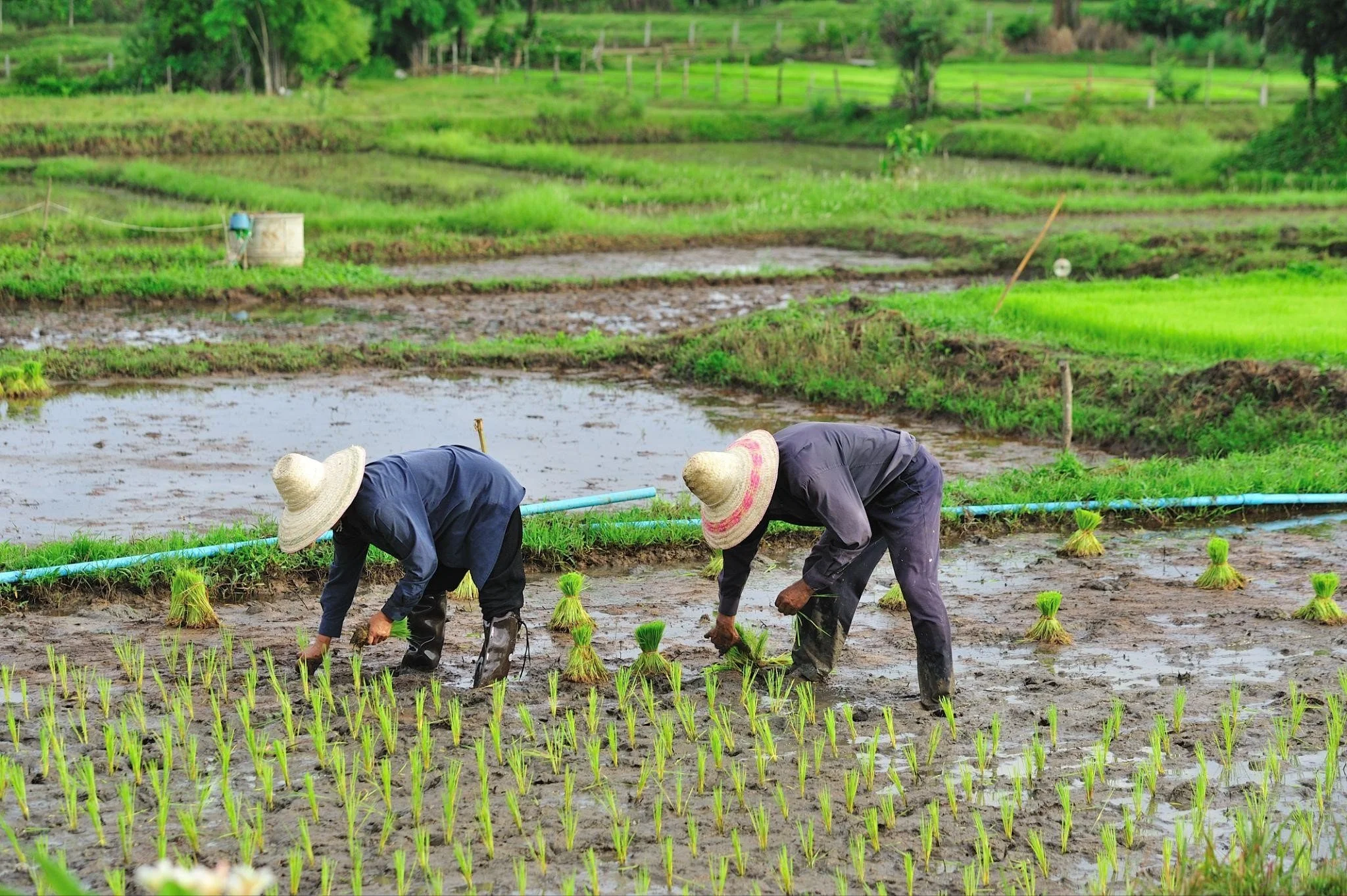
The monsoon rains of Shrawan are not just a source of life-giving water for the land but are also seen as a symbolic cleansing. The lush greenery that flourishes during this time is a reminder of the rejuvenating power of nature. Communities often come together to plant trees, a practice that embodies the importance of nurturing and protecting the environment.
Festivals and Traditions
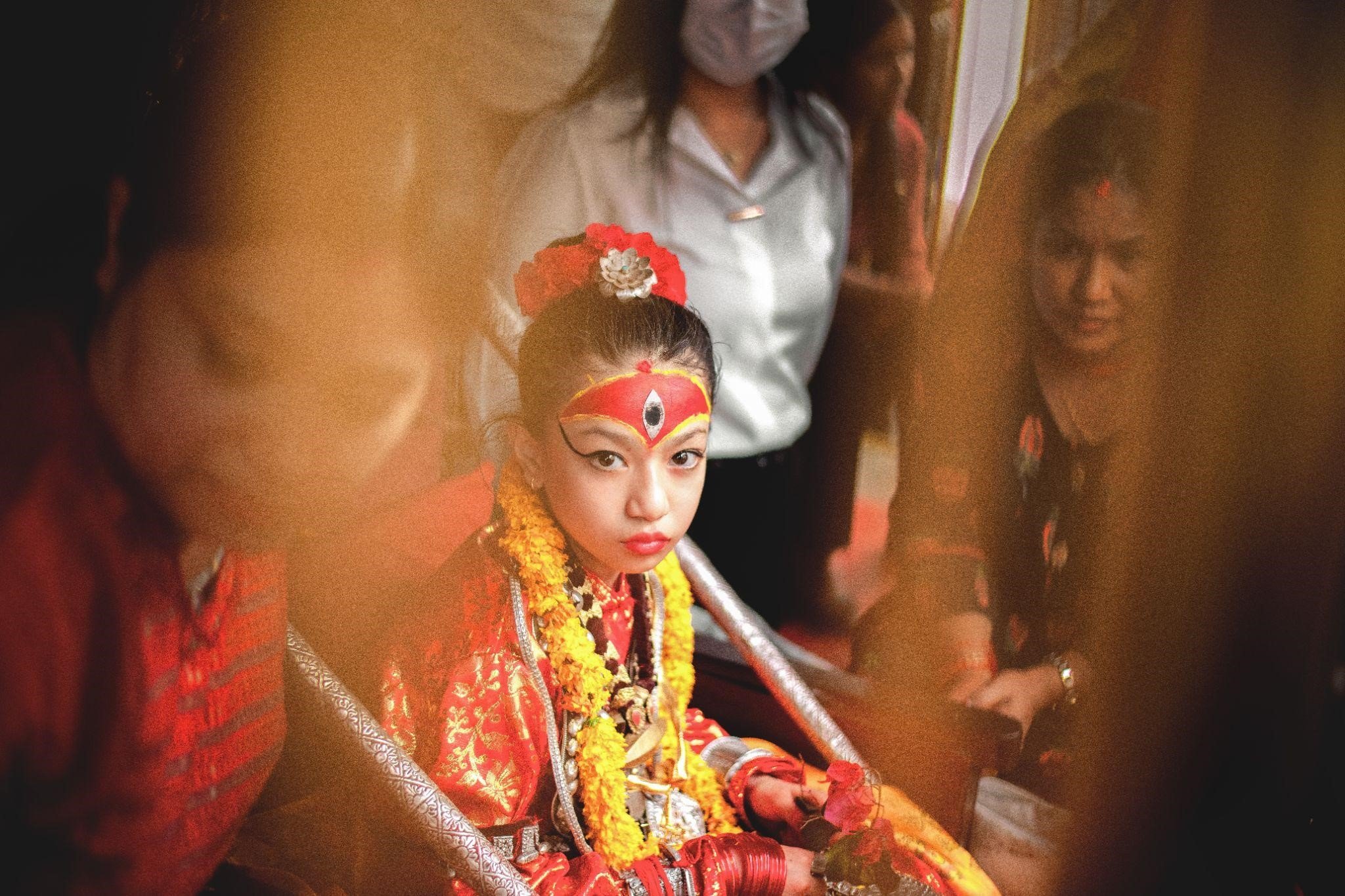
Shrawan is also a vibrant time for cultural celebrations. Teej, a major festival observed by Nepali women, falls during this month. Women dress in colorful attire, sing traditional songs, and perform dances that celebrate womanhood and marital bliss. Another noteworthy tradition is the offering of "prasad" (blessed food) to ancestors. Families gather to prepare special meals and offer them to their deceased loved ones, a beautiful way to honor their memory and strengthen family bonds.
A Month for Everyone
While Shrawan has strong religious undertones, its significance extends far beyond. The emphasis on inner reflection and spiritual growth is a message that resonates with everyone, regardless of religious affiliation. The month provides an opportunity to disconnect from the daily grind, reconnect with oneself, and appreciate the beauty and bounty of nature. So, this Shrawan, take some time to slow down, reflect, and embrace the transformative spirit of the season.
In Conclusion
Shrawan is a multifaceted Nepali month, offering a unique blend of spiritual practices, cultural celebrations, and a deep appreciation for nature. Whether you are a devout follower or simply seeking a time for inner peace, Shrawan presents an opportunity to connect with something larger than oneself and embrace the transformative power of this beautiful monsoon month.
POPULAR ITINERARIES
SIMILAR POSTS
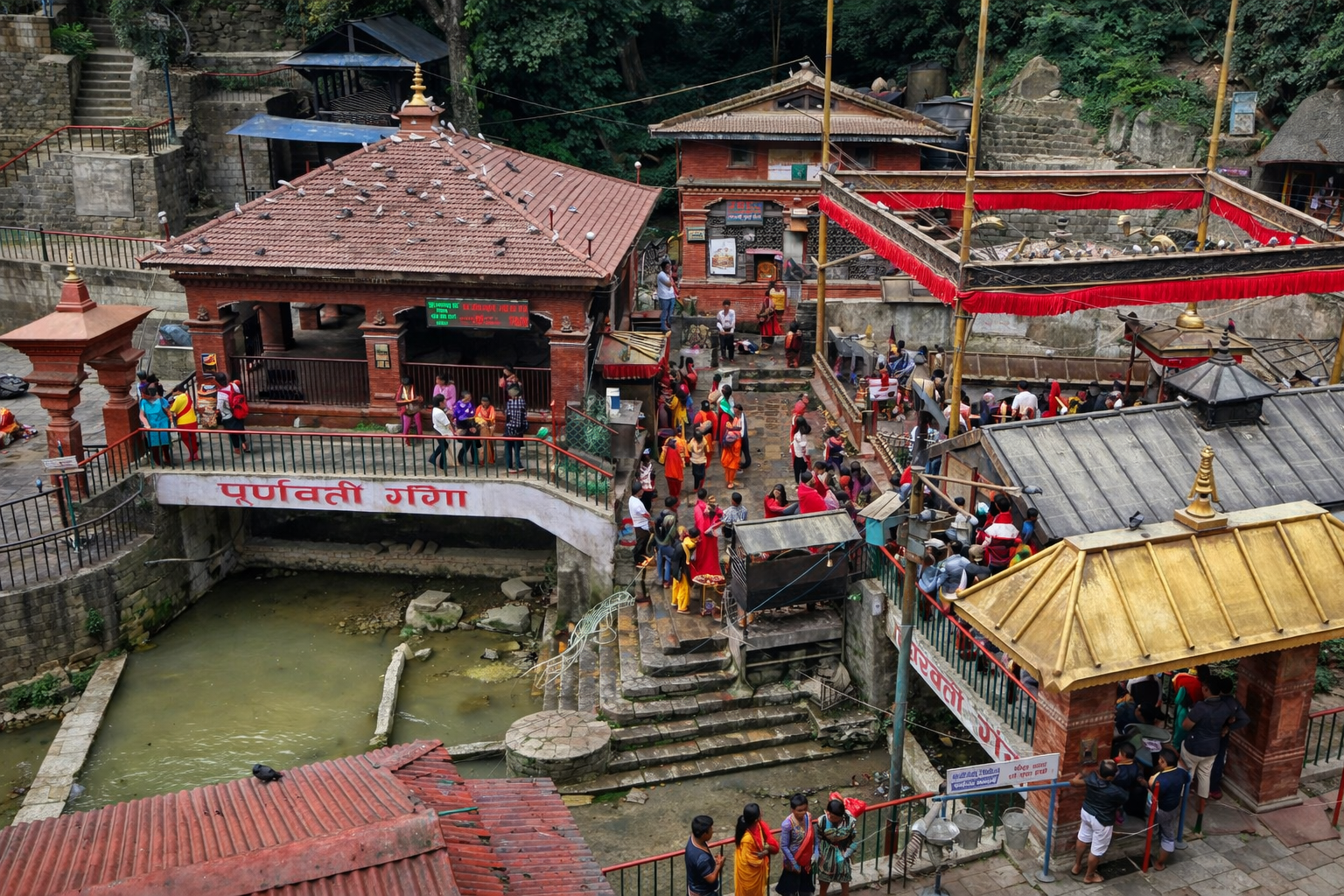
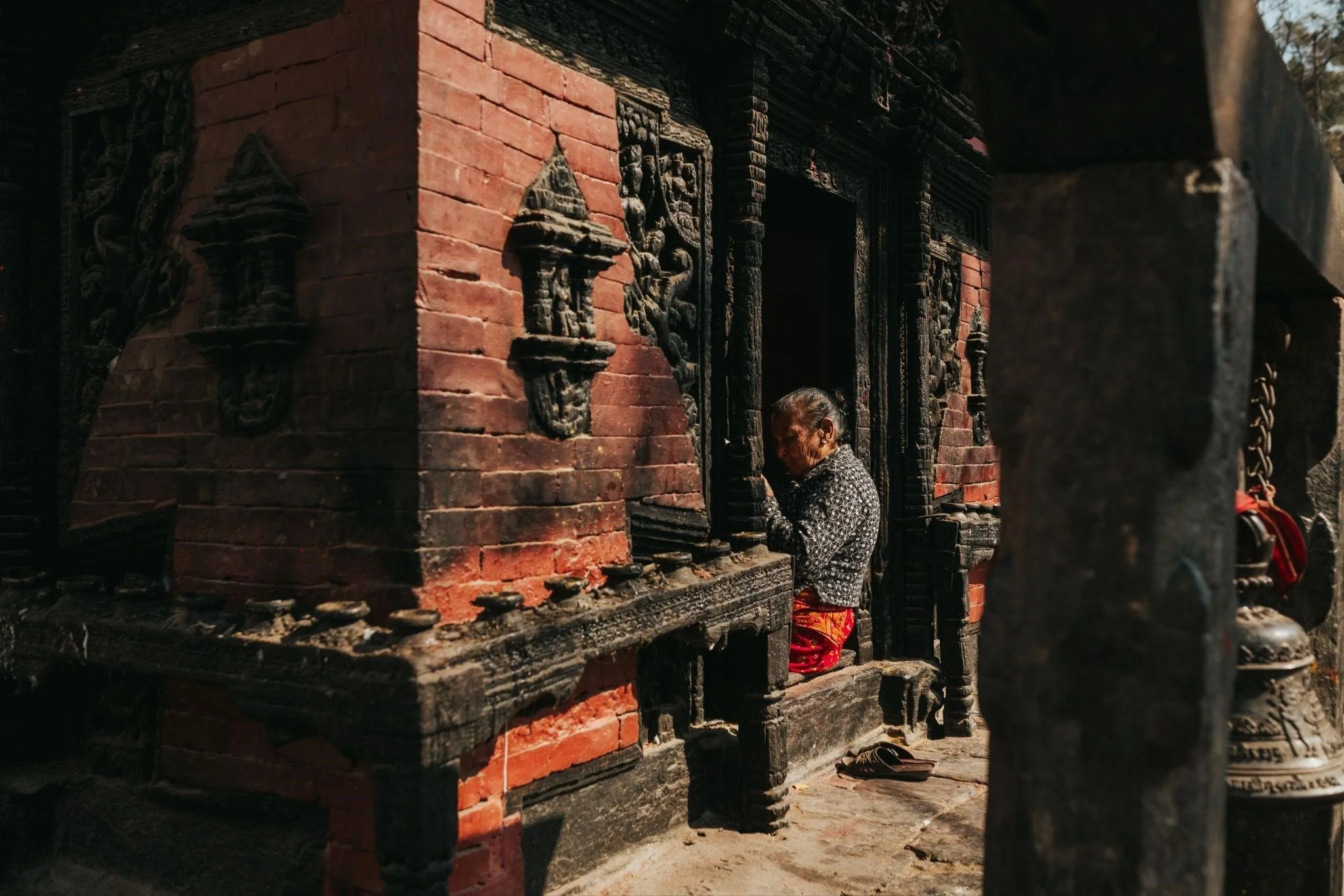
The Charm of Nepali Hill Stations
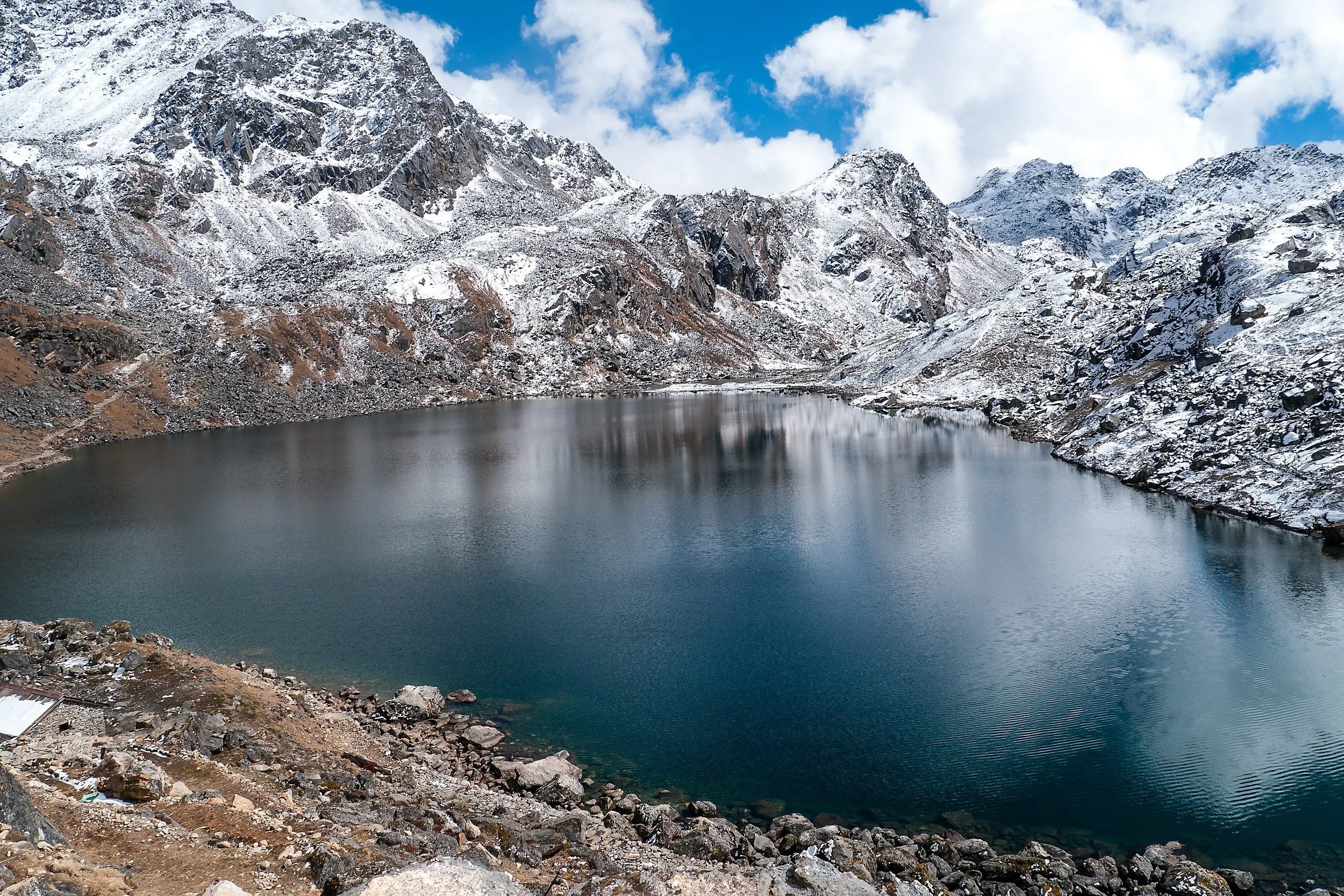
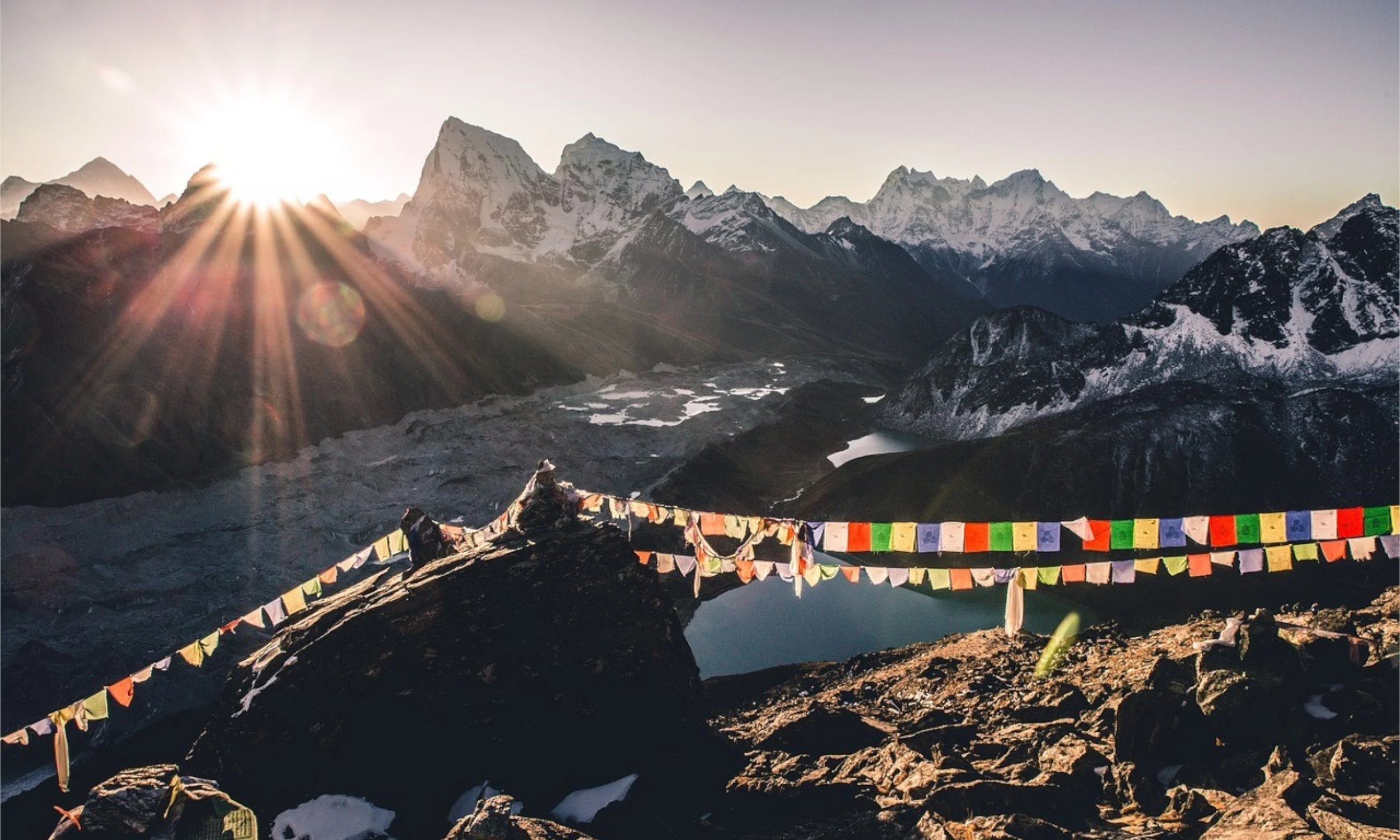
Nepal, the landlocked wonder in the Himalayas, beckons with its soaring peaks and vibrant culture. But beyond the thrill of trekking, a quieter magic awaits in the country's charming hill stations. Nagarkot, Dhulikhel, and Bandipur offer a delightful escape - a chance to breathe in fresh mountain air, soak in breathtaking vistas, and immerse yourself in a slower pace of life.
Nepal, the landlocked wonder in the Himalayas, beckons with its soaring peaks and vibrant culture. But beyond the thrill of trekking, a quieter magic awaits in the country's charming hill stations. Nagarkot, Dhulikhel, and Bandipur offer a delightful escape - a chance to breathe in fresh mountain air, soak in breathtaking vistas, and immerse yourself in a slower pace of life.
Nagarkot: A Panorama Painted by Sunsets and Snow-Capped Peaks
Nagarkot, perched at an altitude of 1950 meters, is a haven for nature enthusiasts. This hill station, east of Kathmandu, is renowned for its awe-inspiring Himalayan vistas. On a clear day, witness the majestic rise of Everest, along with Manaslu, Annapurna, and a host of other snow-capped giants.
Nagarkot's true magic unfolds at dawn and dusk. Witness the sunrise paint the mountains in a fiery palette of orange and pink. Watch the sun dip below the horizon as the day fades, casting an ethereal glow on the snow-clad peaks.
Dhulikhel: Where History Meets Mountains
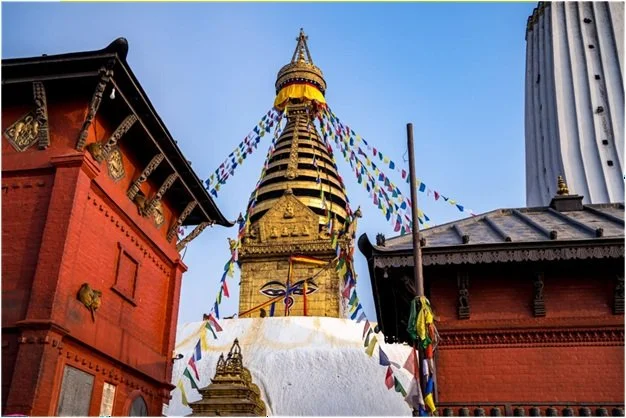
Dhulikhel, a short drive east of Kathmandu, is a treasure trove for those seeking a blend of nature and culture. This ancient Newari town boasts a rich heritage, evident in its traditional brick houses with intricately carved wooden windows.
Dhulikhel's charm lies not just in its history, but also in its breathtaking views. The Himalayas stand sentinel in the distance, offering a panoramic spectacle. Hike through the surrounding hills, dotted with ancient temples and monasteries, and discover hidden waterfalls and serene villages.
Bandipur: A Slice of Old Nepal
Nestled in the verdant Mahabharat Range, Bandipur offers a glimpse into a bygone era. This charming town, untouched by the throes of modernization, retains its traditional Newari architecture.
Wander through narrow cobbled streets lined with houses adorned with elaborately carved wooden balconies. Time seems to slow down as you explore traditional shops selling handicrafts and local produce. Bandipur's beauty extends beyond its streets. Hike through rolling hills, offering stunning views of the surrounding valleys and distant peaks.
Beyond the Scenery: Unveiling the Local Charm
The charm of these hill stations goes beyond the breathtaking scenery. Immerse yourself in the warm hospitality of the locals. Savor traditional Nepali cuisine, a symphony of flavors and spices. Learn a few basic Nepali phrases and engage in conversation with the friendly residents.
A Perfect Antidote to the Hustle and Bustle
Nagarkot, Dhulikhel, and Bandipur offer a refreshing escape from the frenetic pace of everyday life. Whether you're seeking a romantic getaway, a solo adventure, or a family retreat, these hill stations provide a tranquil haven.
Imagine waking up to the symphony of birdsong, breathing in crisp mountain air, and witnessing the grandeur of the Himalayas unfold before you. In these charming hill stations, reconnect with nature, discover a slower pace of life, and create memories that will last a lifetime.
POPULAR ITINERARIES
SIMILAR POSTS
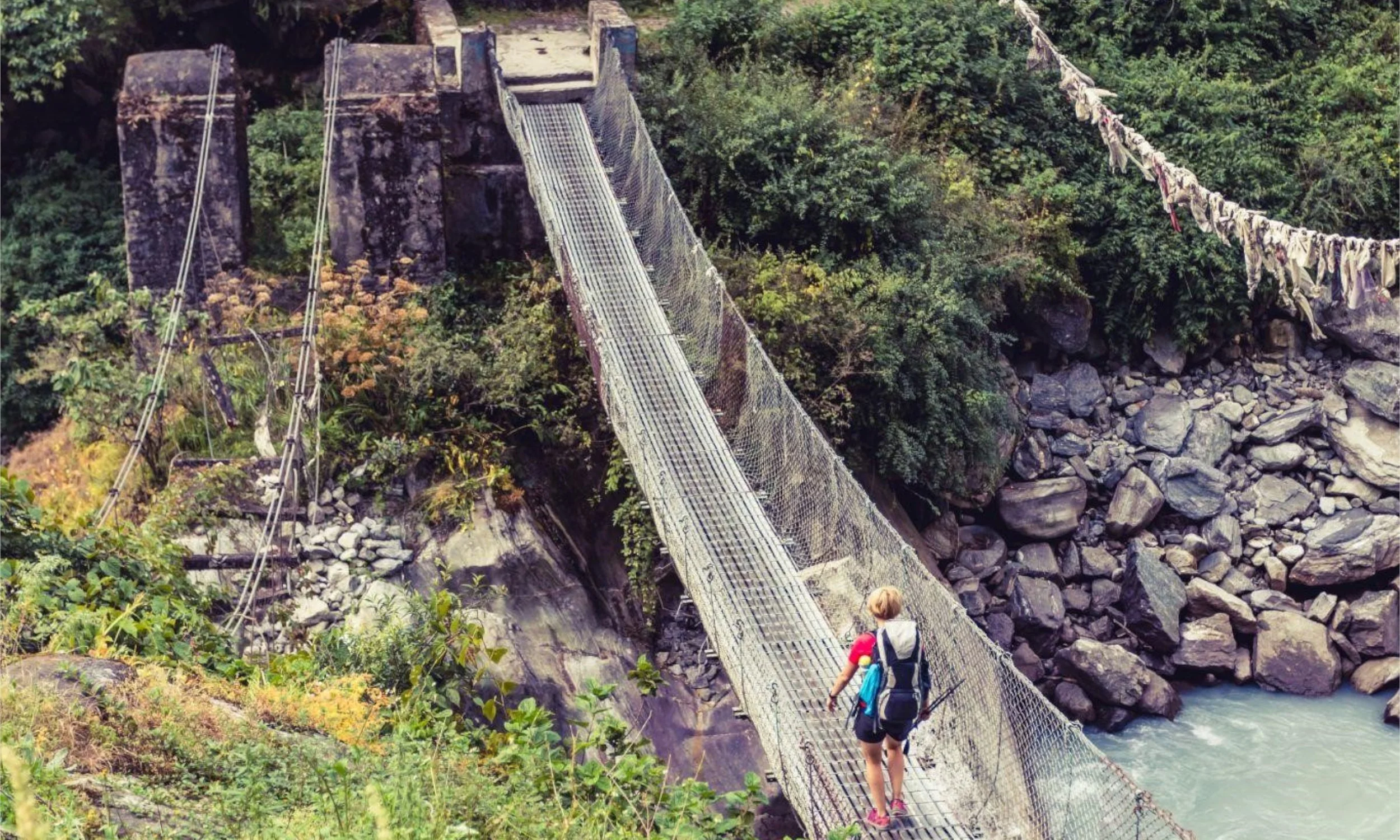
Bungee Jumping in Pokhara, Nepal
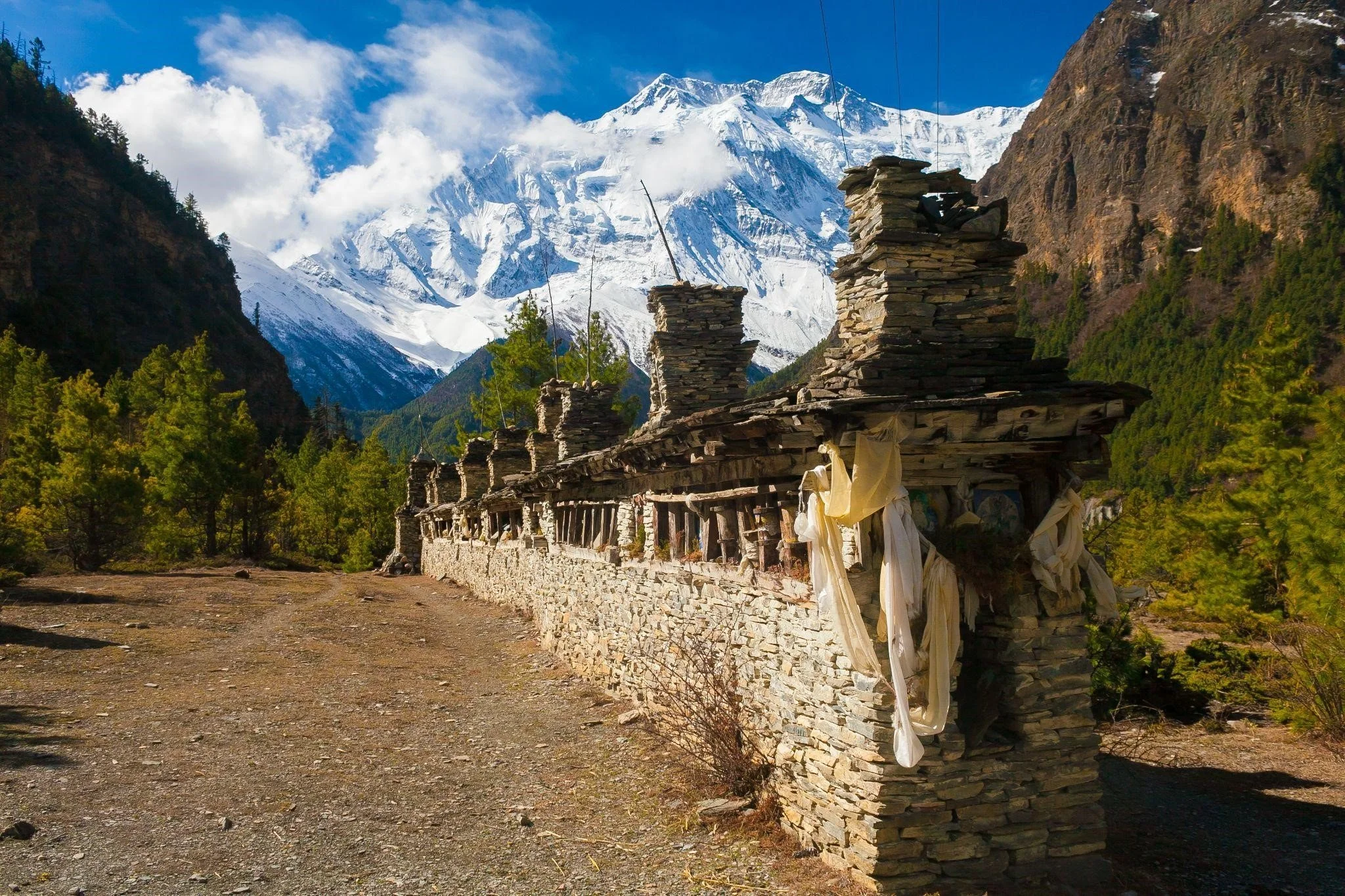
Pokhara, the jewel of Nepal, beckons with its serene lakes, majestic mountains, and a plethora of adventure activities. But for the true adrenaline junkie, bungee jumping stands out as the ultimate thrill. Imagine plummeting towards the earth, the wind whipping past your face, and the breathtaking panorama of the Himalayas unfolding beneath you. That's the magic of bungee jumping in Pokhara.
Pokhara, the jewel of Nepal, beckons with its serene lakes, majestic mountains, and a plethora of adventure activities. But for the true adrenaline junkie, bungee jumping stands out as the ultimate thrill. Imagine plummeting towards the earth, the wind whipping past your face, and the breathtaking panorama of the Himalayas unfolding beneath you. That's the magic of bungee jumping in Pokhara.
Nepal's First Tower Bungee
Pokhara boasts Nepal's first and only tower bungee jump, operated by HighGround Bungee. This 80-meter behemoth, located just 20 minutes from the Lakeside area, offers an unmatched experience. As you stand on the platform, the world seems to stretch out endlessly before you. The crisp mountain air fills your lungs, and the stunning vista of the Annapurna range takes your breath away.
Safety First, Thrill Guaranteed
While the prospect of jumping might seem daunting, safety is paramount at Pokhara's bungee site. Highly trained professionals utilize the latest equipment and follow stringent safety protocols. They'll meticulously harness you up, ensuring every detail is secure before you leap. A comprehensive briefing will address any concerns and prepare you for the exhilarating journey ahead.
The Adrenaline Rush of a Lifetime
The moment of truth arrives. With a deep breath and a surge of courage, you take a step off the platform. For a heart-stopping few seconds, you're in freefall, experiencing weightlessness unlike anything else. The world blurs as pure adrenaline courses through your veins. Then, the bungee cord kicks in, gently pulling you back up. As you swing back and forth, Pokhara's breathtaking panorama unfolds before you. Lush valleys, cascading rivers, and the snow-capped peaks of the Himalayas paint a picture of unparalleled beauty.
Beyond the Jump - A Day of Adventure
The bungee jump is just the beginning of your Pokhara adventure. HighGround Bungee offers a variety of combo packages that let you experience the thrill of zip-lining through the Hemja Valley or riding an ATV through the rugged terrain. Imagine soaring through the air on a zip-line, the wind whistling in your ears, or navigating the exciting twists and turns of an off-road ATV adventure.
Memories that Last a Lifetime
Bungee jumping in Pokhara is more than just an adrenaline rush; it's a chance to conquer your fears and create memories that will last a lifetime. It's a testament to your courage and a story you'll share for years. So, if you're looking to push your limits and experience the unparalleled beauty of Pokhara from a whole new perspective, then bungee jumping is the adventure for you.
Planning Your Jump
Here are some things to keep in mind before you take the plunge:
● Booking: It's recommended to book your jump in advance, especially during peak season.
● Eligibility: There are weight and health restrictions for bungee jumping. Ensure you meet the criteria before booking.
● What to Wear: Wear comfortable clothing and shoes you can easily move around in.
Weather: While bungee jumping happens year-round, the best weather conditions are clear skies with moderate winds.
POPULAR ITINERARIES
SIMILAR POSTS
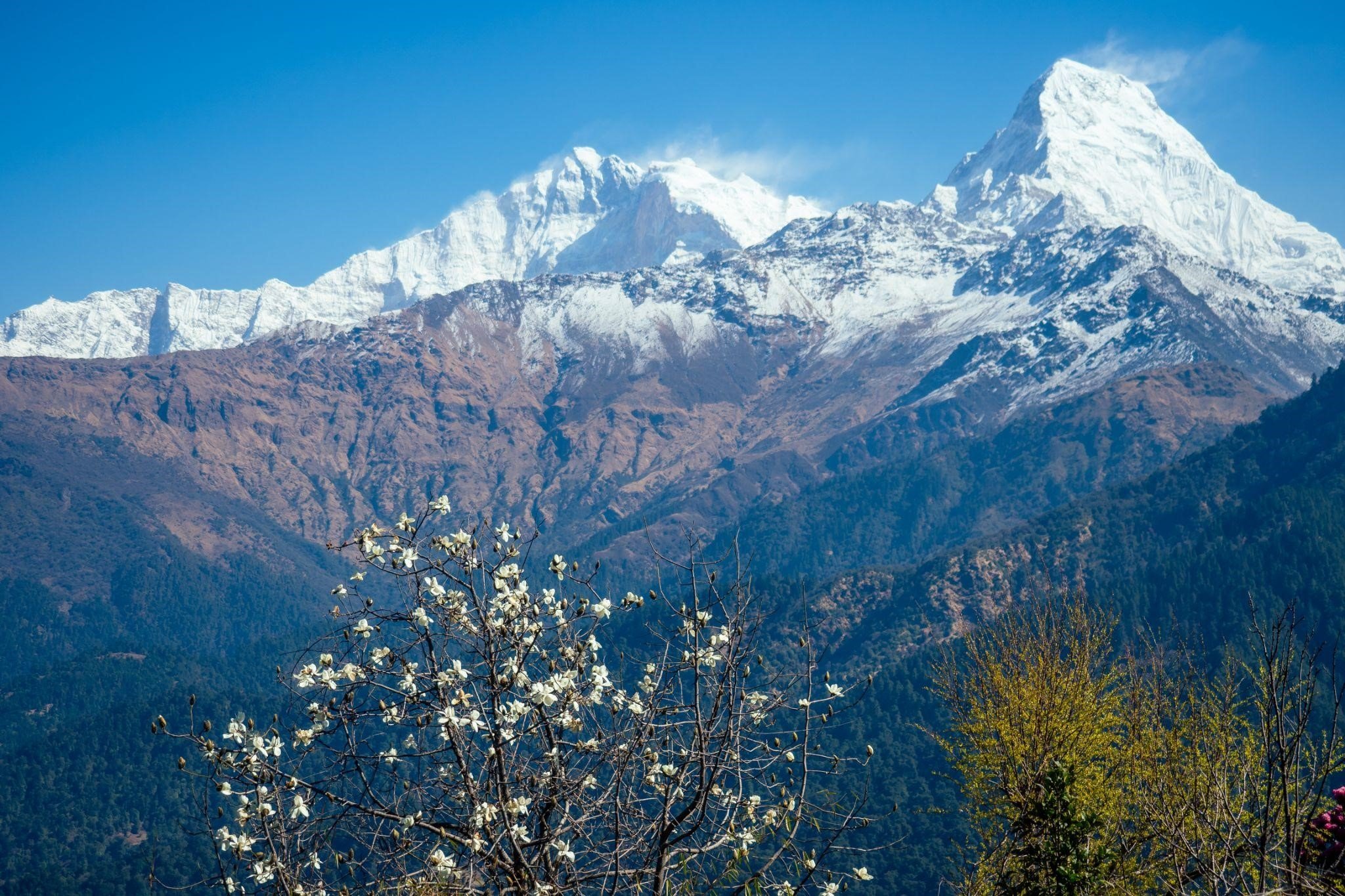
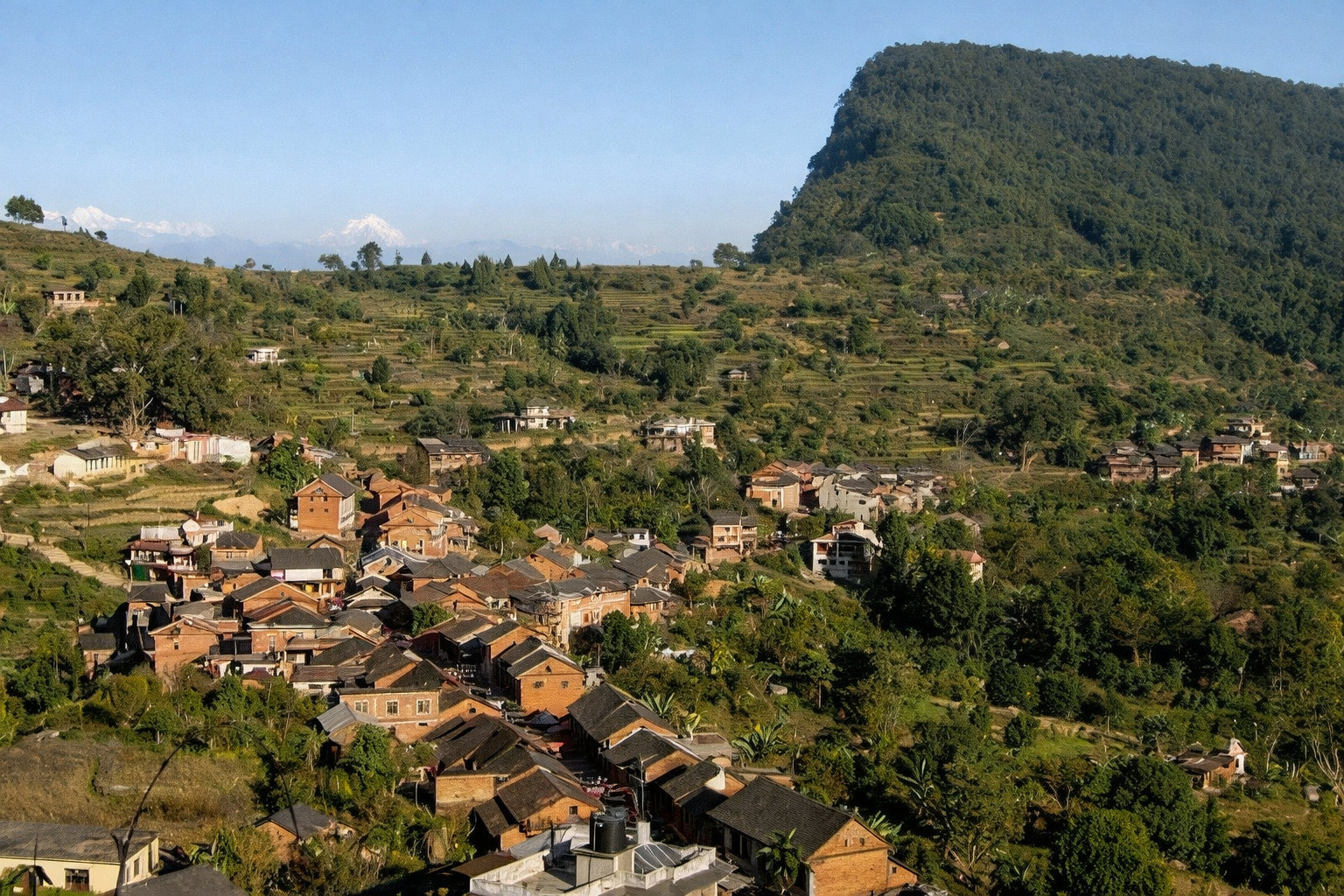
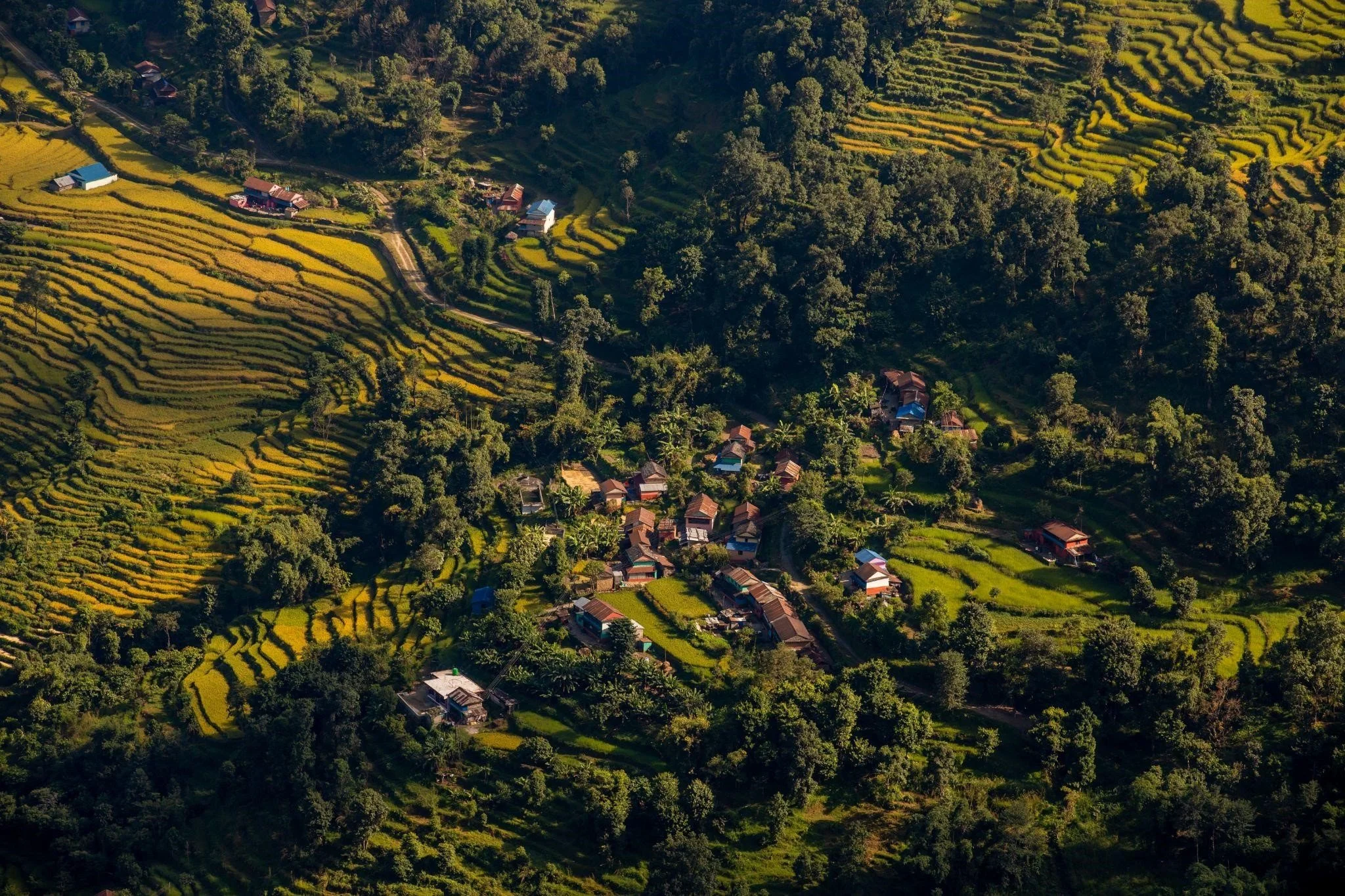
National Paddy Day: A Celebration of Rice, Rituals, and Resilience in Nepal
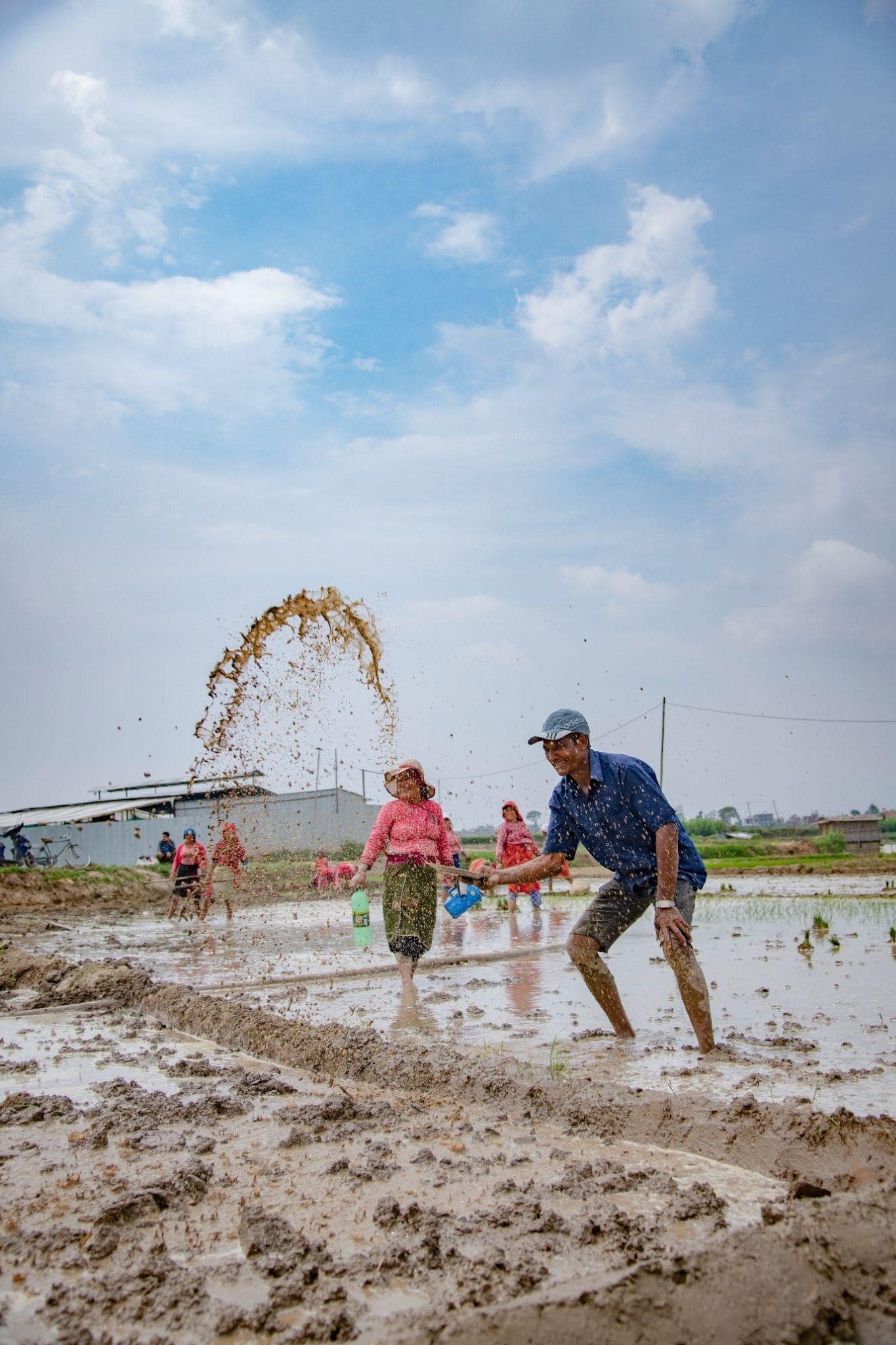
Nepal, a landlocked nation in the Himalayas, boasts a rich agricultural heritage. Among its many festivals, National Paddy Day, also known as Dhan Ropne Diwas, holds a special place in the hearts of Nepalis. Celebrated on the 15th day of the Nepali month of Asar (June-July), this vibrant festival marks the auspicious beginning of the rice planting season. Let's delve deeper into the cultural significance, rituals, and spirit of this unique celebration.
From Seed to Plate: Honoring the Journey of Rice
Nepal, a landlocked nation in the Himalayas, boasts a rich agricultural heritage. Among its many festivals, National Paddy Day, also known as Dhan Ropne Diwas, holds a special place in the hearts of Nepalis. Celebrated on the 15th day of the Nepali month of Asar (June-July), this vibrant festival marks the auspicious beginning of the rice planting season. Let's delve deeper into the cultural significance, rituals, and spirit of this unique celebration.
A Day Steeped in Tradition
National Paddy Day is more than just a day for planting rice. It's a day steeped in tradition, a time for communities to come together and express gratitude for the life-sustaining power of nature. As the monsoon paints the skies with dramatic hues, farmers and their families gather in a spirit of renewal and unity. Elders share stories of past harvests, while children learn the importance of honoring the land.
The Rhythms of Ropai: A Symphony of Labor and Music
The festivities begin with a lively procession. Villagers, adorned in their finest traditional attire, make their way towards the paddy fields. The air is filled with the joyous sounds of folk music, often accompanied by the rhythmic beating of drums and the melodious notes of the flute. This vibrant parade sets the tone for the day, creating a sense of excitement and anticipation.
A Dance with the Earth: Preparing the Fields
Upon reaching the fields, the real work begins. Men take the lead, guiding the plow pulled by oxen, turning the earth into a fertile bed. The rhythmic chant of "Hai!" fills the air as farmers work in unison, their movements a testament to generations of experience. Women follow closely, their nimble hands preparing the softened soil for the rice seedlings.
The Offering: Seeds of Hope and Prosperity
As the sun climbs higher in the sky, a sense of reverence takes hold. Farmers perform a small puja (worship ceremony), offering blessings to the land and prayers for a bountiful harvest. This simple act acknowledges the dependence on nature's blessings and expresses gratitude for the fertile soil that sustains life.
Celebrating with Dahi Chiura: A Reward Earned
No celebration in Nepal is complete without a delicious feast. After a morning of hard work, families gather under the shade of trees to enjoy Dahi Chiura, a simple yet satisfying dish of beaten rice (chiura) mixed with yogurt (dahi). This refreshing and energizing combination provides the perfect fuel for the day's labor and is a testament to the resourcefulness of Nepali cuisine. Laughter fills the air as stories are shared, and the camaraderie strengthens the bonds of community.
More Than Just Rice: A Celebration of Life
National Paddy Day transcends the act of planting rice. It signifies the beginning of the agricultural cycle, upon which Nepal's food security depends. It's a celebration of the resilience of the Nepali people, their unwavering dedication to the land, and their ability to find joy in hard work. The festival also serves as a reminder of the importance of community and the interconnectedness of all living things.
A Legacy Enduring
In a world increasingly driven by technology and urbanization, National Paddy Day stands as a beautiful reminder of the enduring importance of agriculture. It's a call to appreciate the journey of food from seed to plate and farmers' vital role in sustaining life. As the sun sets on the paddy fields, casting a warm glow on the faces of the farmers, a sense of accomplishment and hope for the future fills the air. National Paddy Day is a celebration of not just rice, but of life itself, reminding us to cherish the land and the traditions that have nourished generations.
POPULAR ITINERARIES
SIMILAR POSTS
International Yoga Day
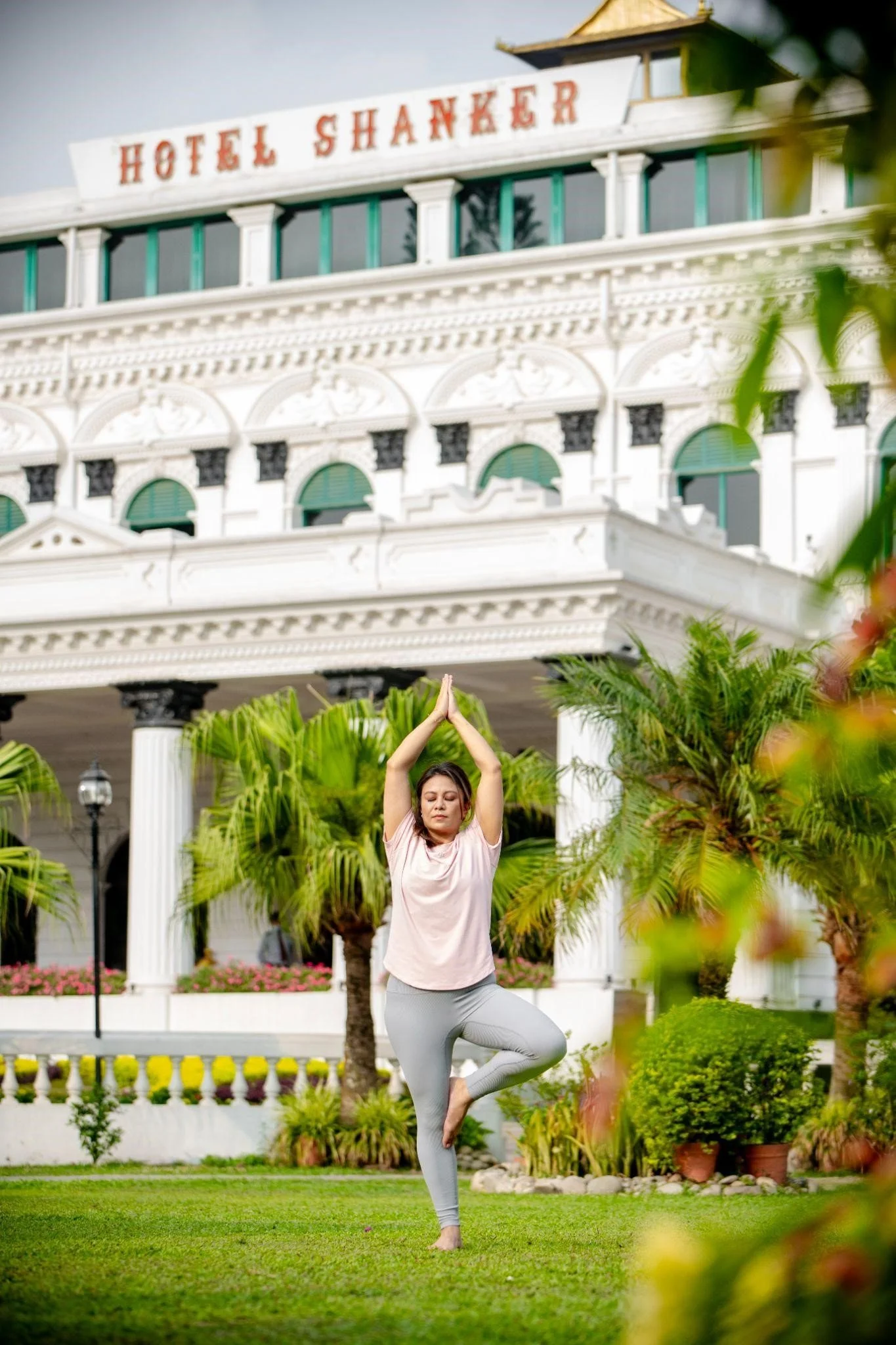
International Yoga Day, celebrated every year on June 21st, is a global phenomenon recognizing the ancient practice of yoga and its immense benefits for people of all ages and backgrounds. Yoga, originating in India thousands of years ago, is much more than just physical postures (asanas). It's a holistic approach to well-being, encompassing physical, mental, and spiritual aspects.
International Yoga Day, celebrated every year on June 21st, is a global phenomenon recognizing the ancient practice of yoga and its immense benefits for people of all ages and backgrounds. Yoga, originating in India thousands of years ago, is much more than just physical postures (asanas). It's a holistic approach to well-being, encompassing physical, mental, and spiritual aspects.
Why We Celebrate International Yoga Day
The United Nations recognized the significance of yoga by establishing International Yoga Day in 2014. This recognition highlights the growing awareness of yoga's potential to promote:
● Physical health: Yoga improves flexibility, strength, balance, and cardiovascular health.
● Mental well-being: Yoga practices like meditation and pranayama (breathing exercises) reduce stress, anxiety, and depression.
● Mind-body connection: Yoga fosters a sense of awareness and connection between the physical body and the mind.
● Inner peace: Yoga practices cultivate mindfulness and a sense of inner calm.
Yoga for Everyone
The beauty of yoga lies in its adaptability. There are various yoga styles catering to different levels of experience and fitness. Whether you're a beginner or a seasoned practitioner, there's a yoga practice waiting for you. Here are a few popular styles:
● Hatha Yoga: A foundational style focusing on basic postures, breathing techniques, and relaxation.
● Vinyasa Yoga: A dynamic flow style linking postures together with breath.
● Yin Yoga: A passive style holding floor postures for longer durations to target connective tissues.
● Restorative Yoga: A gentle style using props to support the body in restful poses.
Finding Your Yoga Practice
Ready to embark on your yoga journey? Here are some tips to get started:
● Research different styles: Explore online resources or visit local studios to learn about various styles.
● Begin with a beginner-friendly class: Look for classes specifically designed for beginners or those focusing on fundamentals.
● Invest in a good quality yoga mat: This provides comfort and support during your practice.
● Listen to your body: Don't push yourself beyond your limits. Yoga is a journey, not a competition.
● Embrace the community: Join a studio or online class to connect with other yoga enthusiasts.
Celebrate Beyond the Mat
International Yoga Day is a perfect opportunity to celebrate yoga and its benefits. You can participate in:
● Local yoga events: Many communities organize free yoga sessions in parks or public spaces.
● Online yoga classes: Numerous online platforms offer free or discounted yoga classes on International Yoga Day.
● Practice at home: Unroll your mat, follow a guided yoga video, or practice your favorite poses.
● Share your love for yoga: Spread the word about yoga's benefits on social media with the hashtags #InternationalYogaDay and #YogaForLife.
Remember, yoga is a practice, not a destination. Celebrate International Yoga Day by stepping towards a healthier, happier you. Unroll your mat, connect with your breath, and discover the transformative power of yoga!
POPULAR ITINERARIES
SIMILAR POSTS
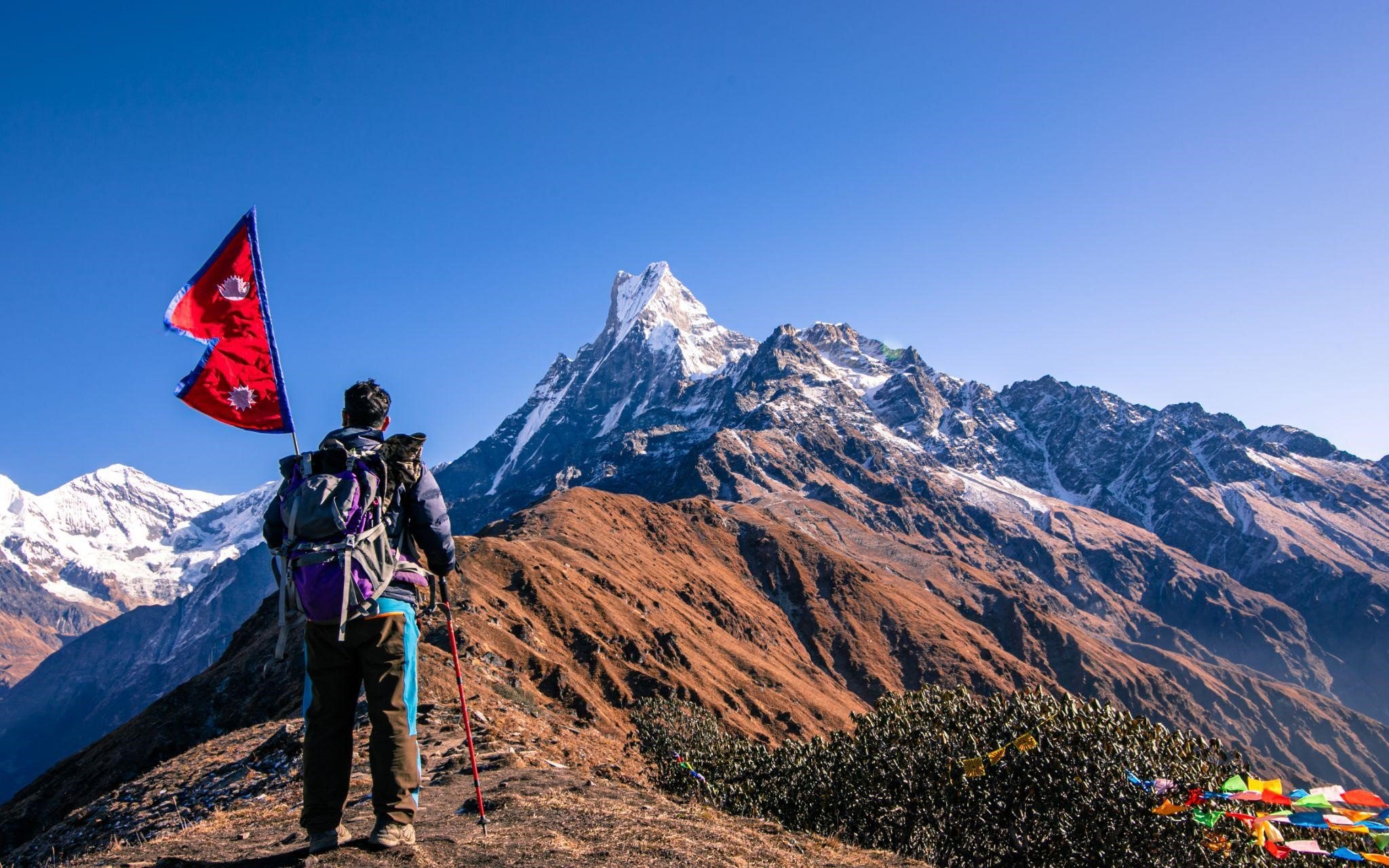
Hiking in Nepal: A Journey Through the Land of the Himalayas
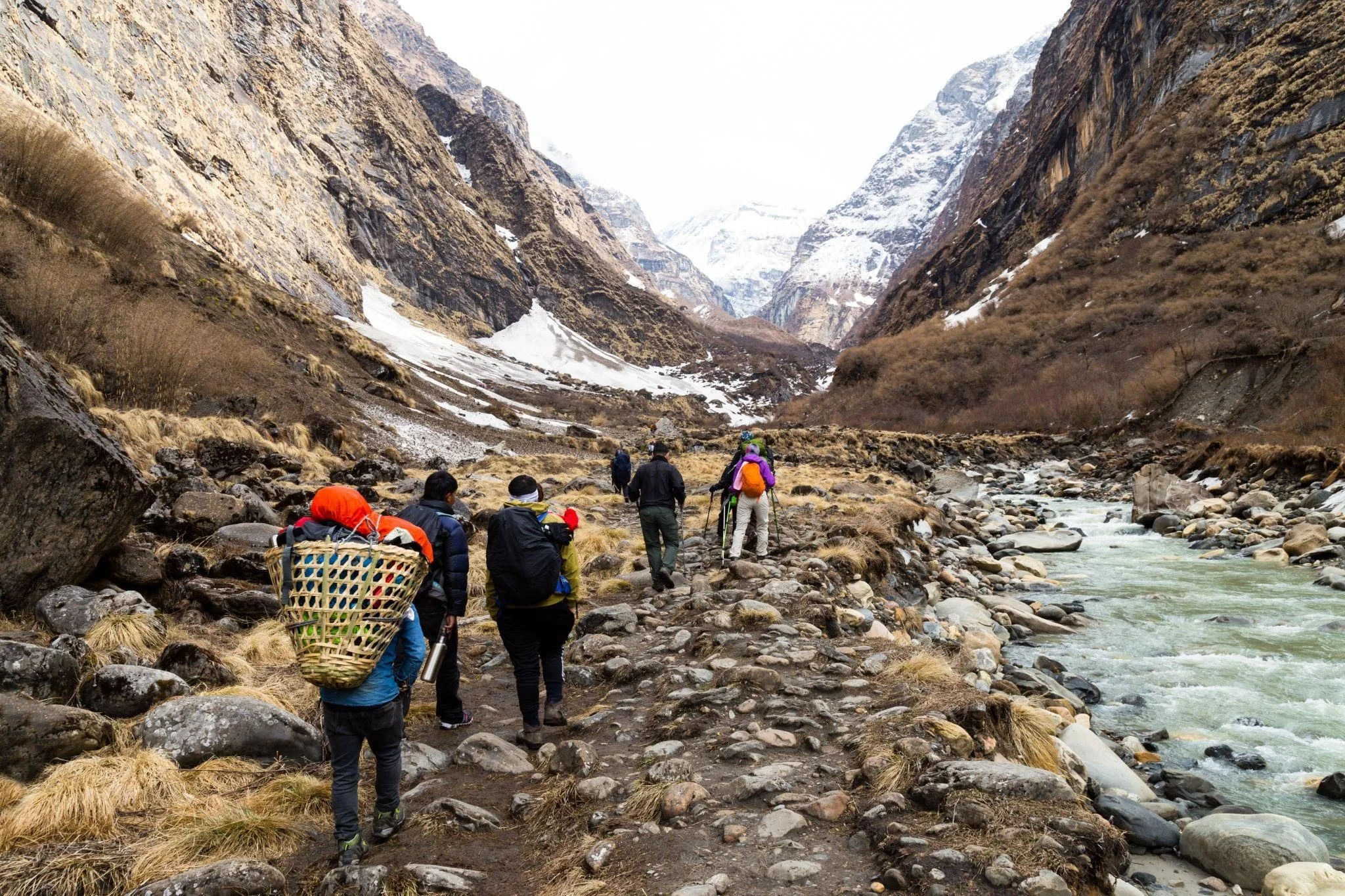
Nepal, the landlocked kingdom in the heart of the Himalayas, is a dream destination for adventure seekers. With eight of the world's fourteen highest peaks, including the mighty Everest, Nepal offers a haven for hikers of all levels. From gentle strolls through serene valleys to challenging treks culminating in breathtaking mountain panoramas, there's a perfect hike waiting to be discovered.
Nepal, the landlocked kingdom in the heart of the Himalayas, is a dream destination for adventure seekers. With eight of the world's fourteen highest peaks, including the mighty Everest, Nepal offers a haven for hikers of all levels. From gentle strolls through serene valleys to challenging treks culminating in breathtaking mountain panoramas, there's a perfect hike waiting to be discovered.
The Enchanting Diversity of Nepal's Hiking Trails:
Nepal boasts a diverse range of hiking trails, catering to various preferences and fitness levels. Here's a glimpse into some of the most popular treks:
● Everest Base Camp Trek: This legendary trek takes you to the foot of the world's tallest mountain, offering stunning views of Everest, Khumbu Glacier, and the surrounding peaks.
● Annapurna Circuit Trek: Often regarded as one of the most beautiful treks in the world, the Annapurna Circuit circumnavigates the Annapurna massif, showcasing diverse landscapes, from lush valleys to high-altitude passes.
● Langtang Valley Trek: This lesser-known trek delves into the Langtang National Park, known for its rich biodiversity and breathtaking views of the Langtang Lirung mountain range.
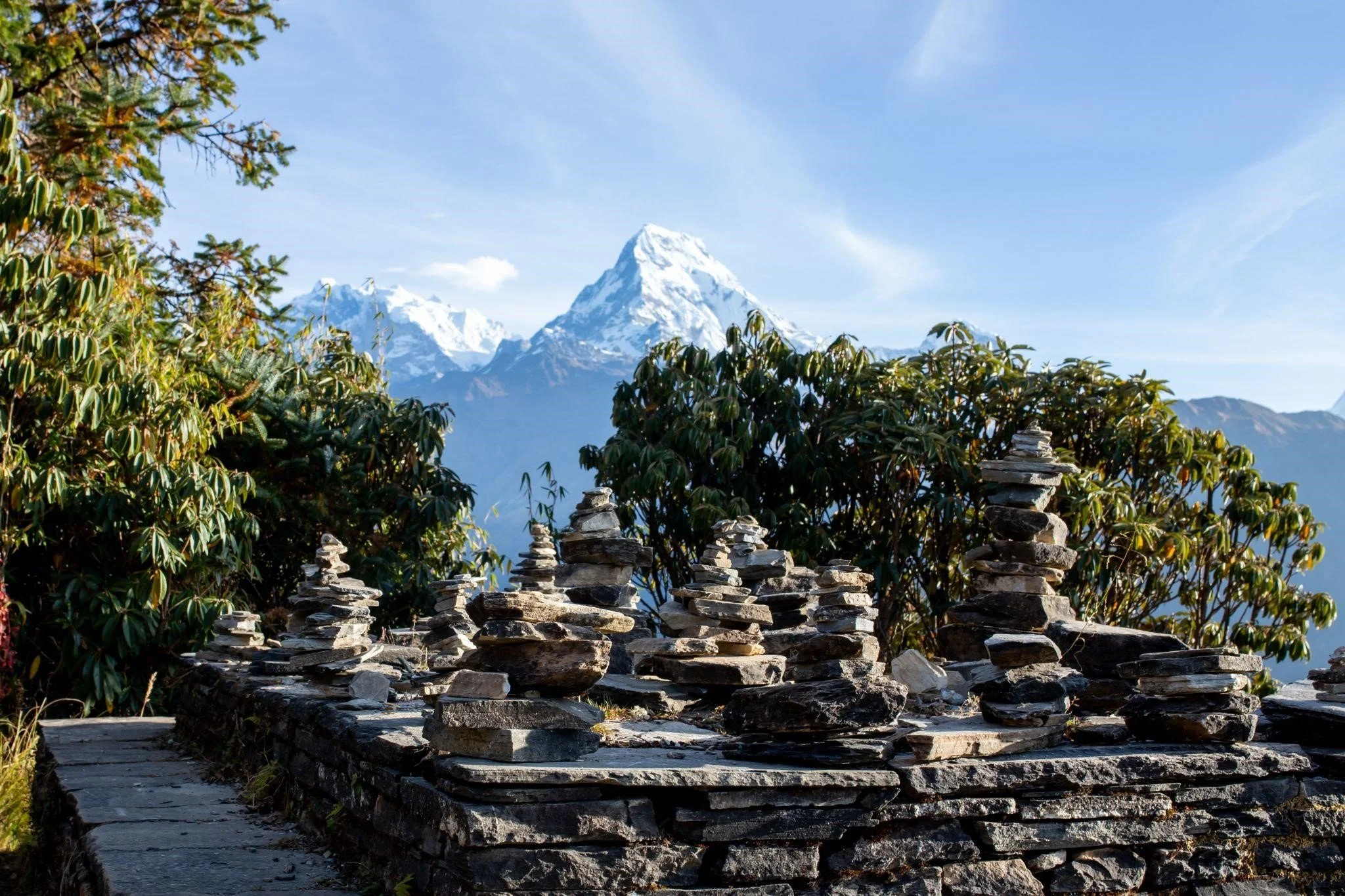
● Poon Hill Trek: This relatively short trek is ideal for those seeking panoramic views without a strenuous climb. Poon Hill offers a stunning sunrise spectacle over the Annapurna and Dhaulagiri ranges.
● Ghorepani Poon Hill Trek: Combining Poon Hill with Ghorepani, a charming village nestled in the Annapurna region, this trek provides a more immersive experience with local culture and breathtaking sunrises.
Beyond the Mountains: A Cultural Immersion
The beauty of hiking in Nepal goes beyond the stunning scenery. It's a cultural immersion that allows you to experience the warmth and hospitality of the Nepali people. The trails often wind through traditional villages where you can interact with locals, learn about their way of life, and witness ancient customs and traditions.
Essential Tips for Your Nepal Hiking Adventure
Planning a successful trek in Nepal requires some preparation. Here are some key things to keep in mind:
● Choose the right season: The trekking season in Nepal typically falls between spring (March-May) and autumn (September-November). These seasons offer pleasant weather with minimal rainfall.
● Physical fitness: While some treks are suitable for beginners, others require a good level of fitness. Be honest about your physical capabilities and choose a trek that aligns with them.
● Permits and logistics: Obtain necessary permits like trekking permits and national park entry fees. Research accommodation options and transportation to your starting point.
● Gear and equipment: Pack appropriate clothing and footwear for varying weather conditions. Consider renting essential equipment like sleeping bags and trekking poles locally.
● Acclimatization: Altitude sickness is a real concern. Allow sufficient time for acclimatization to avoid altitude-related problems.
● Respect the environment: Practice responsible tourism by minimizing your environmental impact. Pack out your trash and respect local customs.
Hiking in Nepal: An Unforgettable Experience
A trek in Nepal is more than just a physical challenge; it's a journey of self-discovery and a chance to connect with nature's grandeur. Whether you're a seasoned hiker or a curious adventurer, Nepal's trails offer something for everyone. With breathtaking scenery, rich culture, and a sense of accomplishment, a hiking adventure in Nepal will leave you with lifelong memories.
POPULAR ITINERARIES
SIMILAR POSTS

Monsoon Melodies: Explore the Rhythmic Beauty of Nepal
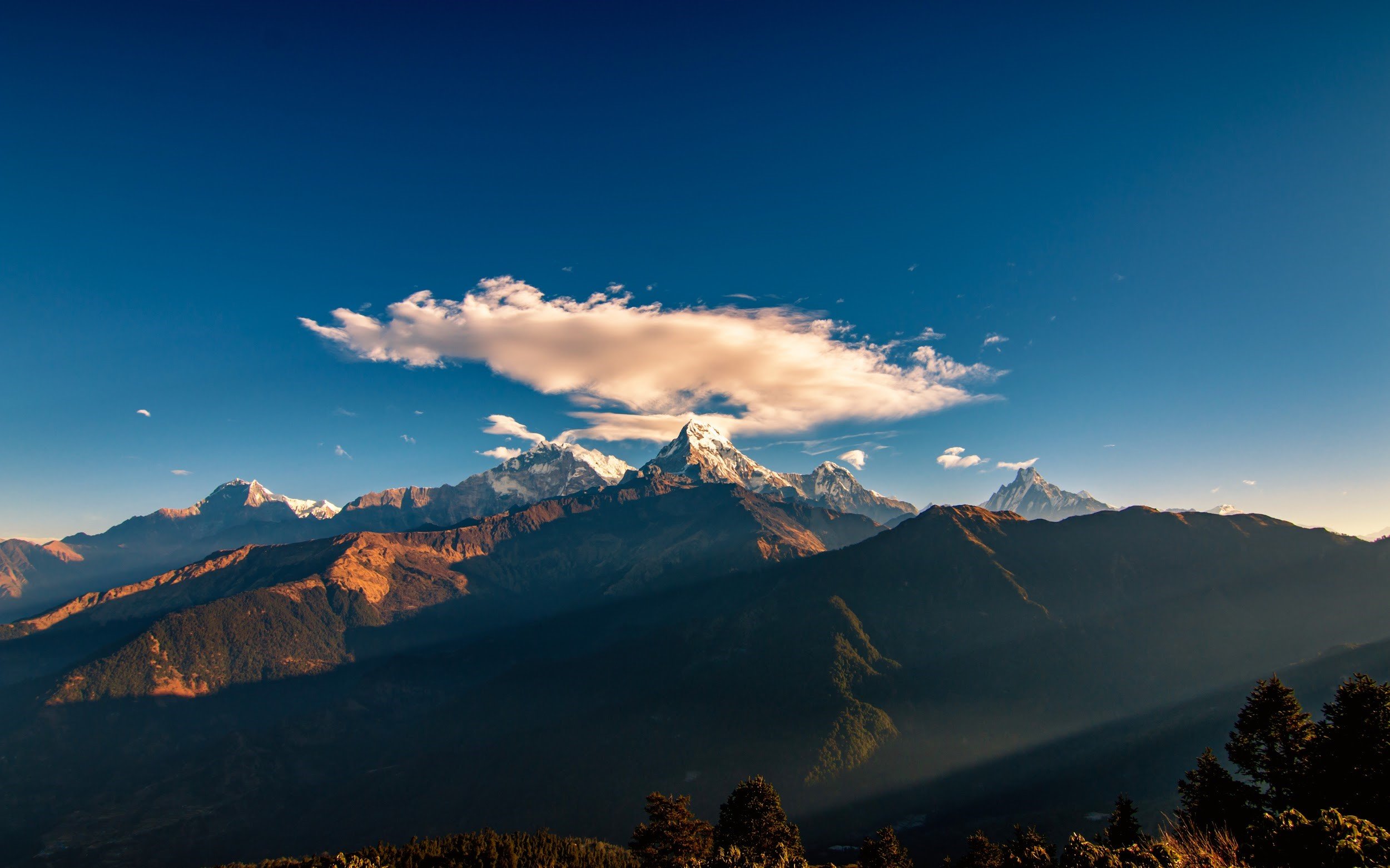
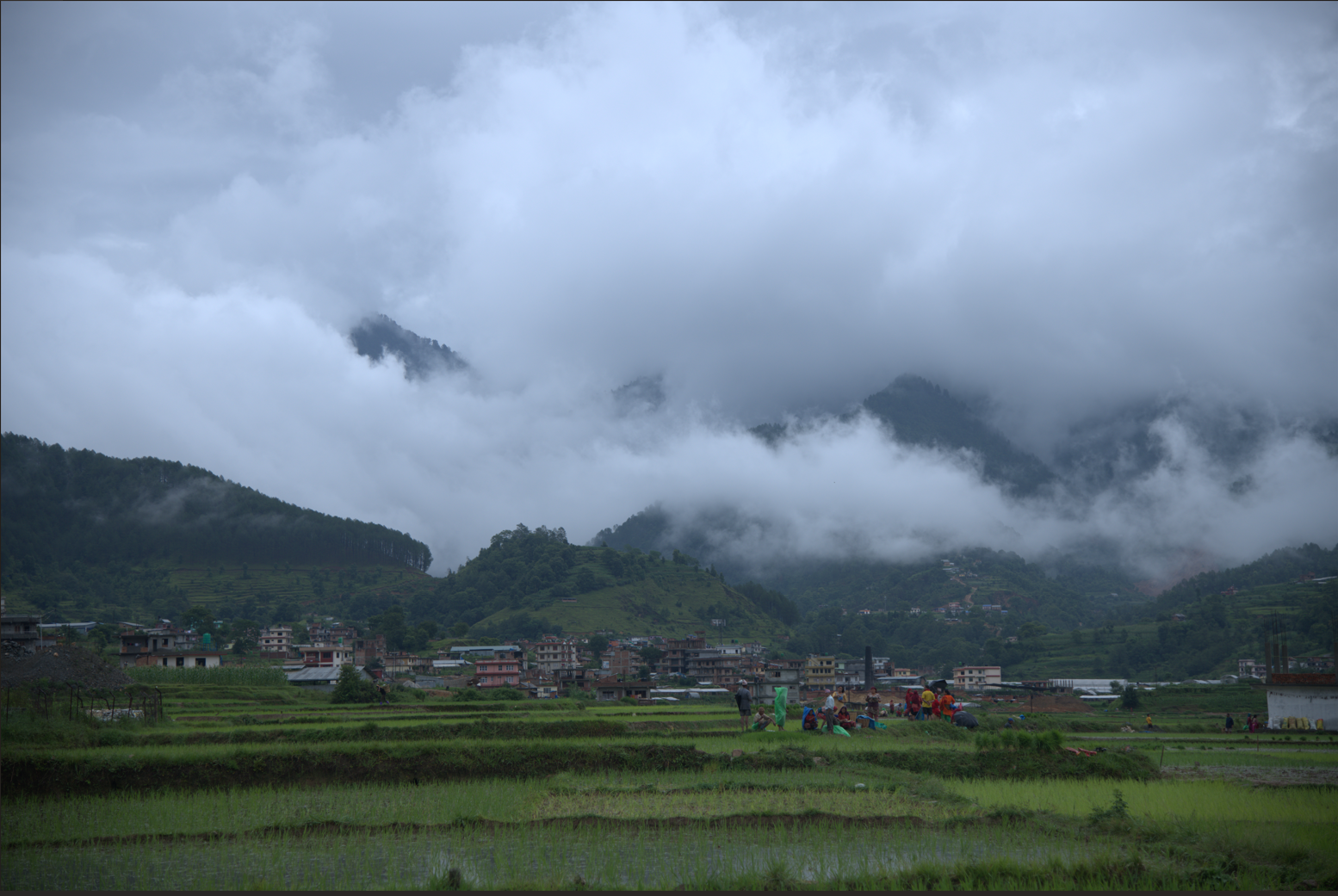
Though the Himalayas are often associated with Nepal, the country's real attraction is in the rainy season. Monsoon Nepal is a symphony of glowing waterfalls, green valleys, and a strong cultural process that awakens with the rain. Forget the postcard-perfect images of snow-capped peaks. Here's a closer look at what you can expect during this special and sometimes overlooked time of year for travel.
Though the Himalayas are often associated with Nepal, the country's real attraction is in the rainy season. Monsoon Nepal is a symphony of glowing waterfalls, green valleys, and a strong cultural process that awakens with the rain. Forget the postcard-perfect images of snow-capped peaks. Here's a closer look at what you can expect during this special and sometimes overlooked time of year for travel:
A Symphony of the Senses: Beyond the Visual
While the monsoon undoubtedly transforms Nepal's landscape into a breathtaking tapestry of emerald greens, the true magic lies in the sensory experience. The rhythmic drumming of raindrops on rooftops creates a calming soundtrack, while the earthy scent of freshly washed soil fills the air. Witnessing the dramatic cloud formations and the cleansing power of the rain awakens a sense of awe and rejuvenation.
Beyond the Crowds: Explore Hidden Gems
Monsoon offers a reprieve from the usual tourist throngs. Popular trekking routes become less crowded, allowing you to connect with the serenity of the Himalayas truly. This is the perfect time to explore lesser-known gems like the Mardi Himal Trek, offering stunning panoramic views without the usual crowds.
Nature's Power on Display: Witnessing the Majesty of Waterfalls
The monsoon season transforms Nepal's waterfalls into cascading giants. Witnessing the raw power and beauty of these natural wonders is an unforgettable experience. Whether it's the majestic fall of the Muktinath waterfall or the cascading tiers of the Chhimkeshwari waterfall, the monsoon breathes life into these natural wonders.
Cultural Immersion: Festivals Washed Clean
Nepal's vibrant culture comes alive during the monsoon. The sowing festival of Asar Panchami, where farmers celebrate with traditional dances and delicious food, becomes a joyous spectacle. Witnessing these celebrations offers a deeper understanding of the country's soul and its deep connection with nature.
A Culinary Adventure: Seasonal Delights
Monsoon brings a bounty of fresh local produce, reflected in Nepal's delectable cuisine. Sample dishes like Gundruk, a fermented green leafy vegetable soup, perfect for a cozy monsoon evening. Steaming bowls of Dhindo, a traditional Nepali dish made from cornmeal, are another must-try. Don't forget to indulge in seasonal fruits like juicy mangoes and plump litchis.
Challenges and Rewards: Embracing the Monsoon Spirit
Monsoon travel comes with its own set of challenges. Landslides and slippery trails might require itinerary adjustments. Embrace the slower pace of life during this season and enjoy leisurely afternoons sipping hot tea while watching the rain. Pack light rain gear, waterproof boots, and a flexible attitude – these are your most essential travel companions during the monsoon.
A Different Kind of Adventure: Explore the Heart of Nepal
Monsoon Nepal is not just about the rain; it's about experiencing the heart of the country. Witnessing the agricultural rhythm of life, the vibrant cultural celebrations, and the raw power of nature creates a unique and unforgettable travel experience. So, ditch the stereotypical tourist itinerary and embrace the monsoon melody. You might just discover a side of Nepal that will leave a lasting impression.
POPULAR ITINERARIES
SIMILAR POSTS