
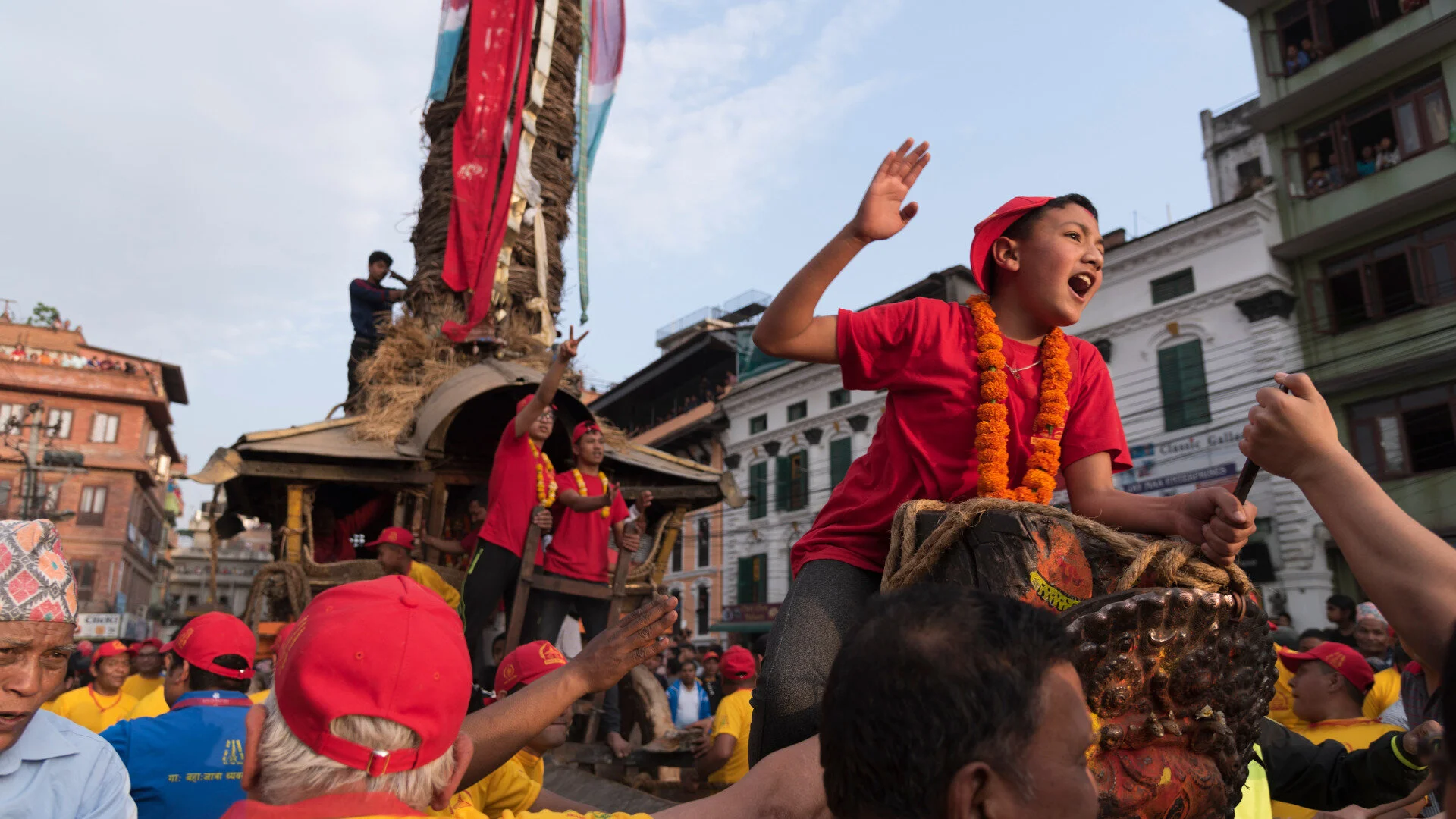
The Smaller Chariot - Part I: The Legend of Min Nath
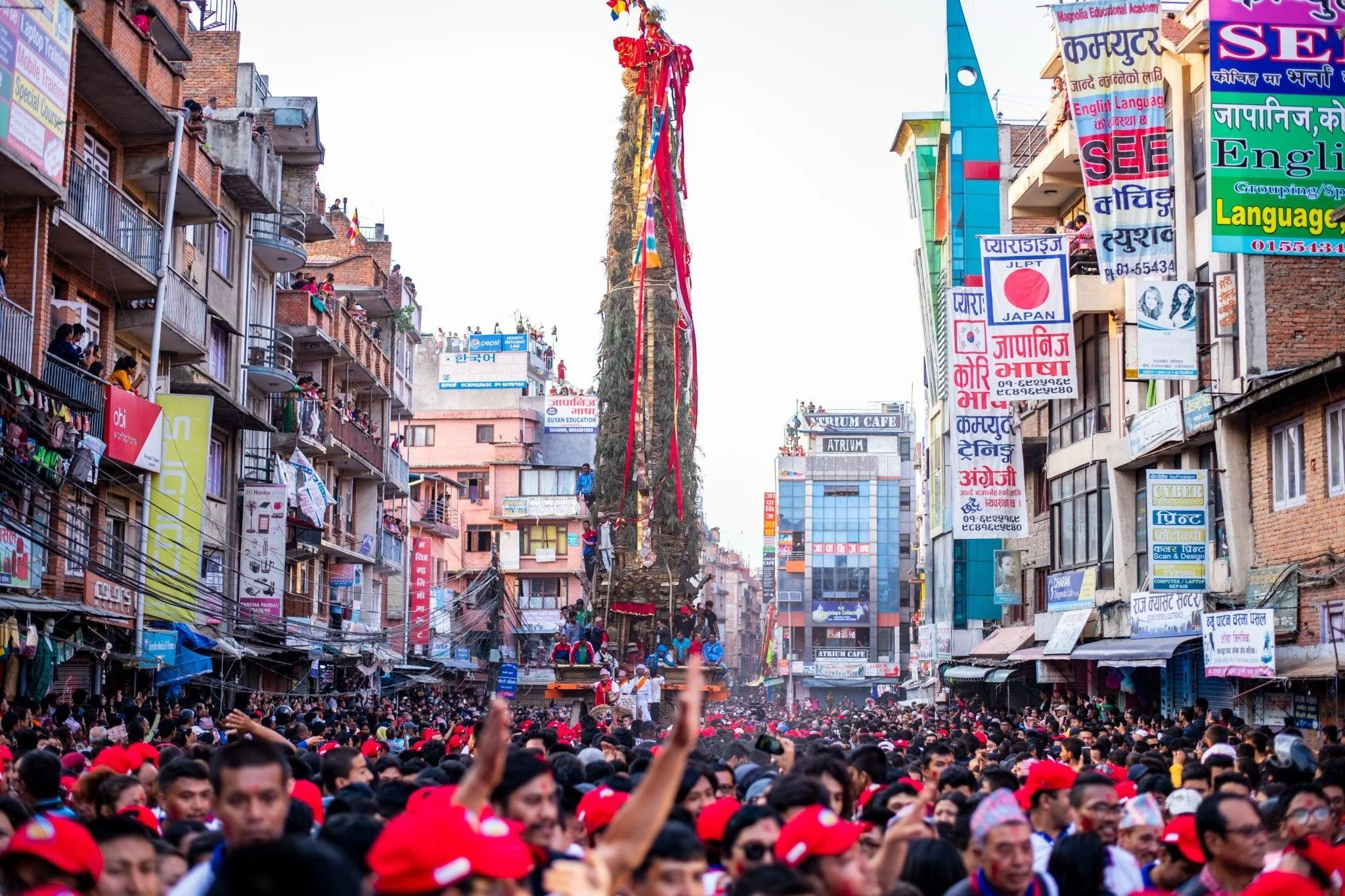
A smaller chariot pulled by children and young adults embarks from the heart of the city, to welcome Karunamaya. According to oral traditions, being the elder god of Lalitpur without his permission, Karunamaya cannot enter the city. Thus, Chak Baha Dyo comes to the outskirts of Lalitpur to ceremonially welcome Karunamaya.
Marked as the longest chariot festival in Nepal, Rato Matysendranath Jatra needs no introduction. The five-storey chariot has over time, become a symbol of cultural unity in the diverse scape of Kathmandu Valley. But little is known about the smaller chariot which leads and later follows Matysendranath also known as Karunamaya in Nepal Bhasa through the old routes of Lalitpur.
Seated in the smaller minaret styled chariot is an idol that over time has garnered many names. In the native dialect of Nepal Bhasa he is known as Chak: Baha Dyo (The god of Chak Baha in Patan of Lalitpur) and in Nepali as Jatadhari Lokeshwor ( Braided Hair Lokeshwor), but he is commonly called Min: Nath.
Tracing chronologies, research articles, oral tales and pieces of evidence; the worship and chariot festival of Chak: Baha Dyo dates back longer than of Rato Matysendranath. Before the formation of Lalitpur by King Bir Deva, the area featured multiple settlements such as Mati Rajya/ Matiligrama (Later Matilinagar), Yupagarma, Irshya Rajya and Dipavati. The city of Lalitpur was fashioned out of the merger of existing settlements and re-arrangement of principle locales and households.
“In this King’s time chariots were made for the following gods and the custom was established of having the people celebrate their festivals in the various localities of Lalitpattana from Baisakh Sukla 11 until the full moon: Matilinagar’s Minnath- Jatadhari Lokesvara, Dhalaksha;s Lokanath, Matilinagar’s Batuk Bhairav, Satha’s Naryana, Calalse’s Harisankar, Kolima’s [ Kulimha’s] Mahesvara..” - (Gellner, D. No. 1996. “ A sketch of the history of Lalitpur with special references to Buddhism.” CNAS Journal: 128
It was during the reign of his grandson King Bara Deva, Nepal Mandala (Kathmandu Valley) faced an acute famine. To relieve it King Narendra Deva ( father of King Bara Deva, who had left worldly affairs to live in a monastery in Bhadgeon), along with priest Bandhudatta and Rathacakra Jyapu left for Kamakhya in Assam to seek Karunamaya. The trio returned victoriously!
A chariot festival was instituted in honour of Karunamaya, which still makes its way through the inner routes of Lalitpur from the month of Baisakh. To anyone who has witnessed this festival cannot help but marvel at the joyous revelling, magnificent chariots, splendid tunes of Newa communities and the organized chaos of the festival, it is truly a sight to behold.
During the first day of the chariot festival, Karunamaya’s chariot is pulled some 400 metres and placed adjacent to Pucho: Thur ( Pulchowk Stupa). A special rite is conducted and revellers look on east-ward.
A smaller chariot pulled by children and young adults embarks from the heart of the city, to welcome Karunamaya. As Chak Baha Dyo’s chariot reaches a few hundred metres from Nya Tole ( Na: Tol), both idols face each other. According to oral traditions, being the elder god of Lalitpur without his permission, Karunamaya cannot enter the city. Thus, Chak Baha Dyo comes to the outskirts of Lalitpur to ceremonially welcome Karunamaya.
The chariot of Rato Matsyendranath is constructed at the outskirt of the city. The place is currently known as Pulchowk but was previously called Rath Khel, Rath meaning chariot and Khel an open field. Whereas the chariot of Chak Baha Dyo, since the inception of the festival is constructed right outside the bahal premises. Both chariots today, feature similar principles of construction but it is believed that before bringing Karunamaya into Nepal Mandala, the chariot of Chak Baha Dyo had a different design.
Major differences among the two chariots are their height and design of biman kha (the space where the idol is placed). Apart from which, both idols feature four wheels representing four Bhairavas, an elongated piece of wood known as Dhoma (God Wood), and pinnacle architecture topped by a circular base known as Byama.
Annually the chariot festival takes the same route. The chariot of Rato Matsyendranath makes its way from Rath Khel (Pulchowk) to Jhana Ko ( Near Pulchowk Stupa). Whereas the smaller chariot, leaves from Chak Baha ( locally known as Tangal) through Mangha (Mangal Bazar), Mah: Pal, Ga: Bahal and reaches Nya Tole ( Na Tole). After which, the smaller chariot makes a turn and proceeds towards Ga: Bahal and the other chariot follows.
During the second day of the chariot procession, the chariot of Chak Baha Dyo gives way to the chariot of Rato Matsyendranath to take the lead. Both chariots rest at the heart of the city, Mangha ( Mangal Bazar). In designated days, they are pulled towards Sundhara, Thapa Hiti, Laga Khel (Lagan Khel), Tha: Ti, It: i and on the final day the chariots are pulled to Ja Hwau Khel / Jawalakhel ( Ja meaning rice, Hwau; to feed in a throwing gesture and Khel an open field).
POPULAR ITINERARIES
SIMILAR POSTS
The Little Golden Bird of Prosperity - Part II
A tale that relates to Yog Narendra Malla, a 17th century Malla King who told his people that till the golden bird stays perched atop the serpent head, the elephants remain standing on the stairway, and the Gaurda doesn’t lay pearls as large as hen’s egg. Let his countrymen know that he is alive inside his Royal Palace.
After hearing Karkotaka, the wise elder accepted the serpents rewards graciously and acknowledged him. Karkotaka then took leave from Khokana and rushed back to his adobe he then drove out his wife.
In time, the wise elder became the richest man of his village. With the long life bestowed upon by the jewel, he also became the great, great, great grandfather of many children. But in time, he became tired of eating, sitting and sleeping; he began to feel his life was a burden.
One day he yearned to have an audience with his King. During the sitting, the elder presented King Yog Narendra Malla with the rare jewel of longevity. He wished for his King to live long and rule over his beloved country for many years. While presenting the precious gem, he told the story behind it and the mystery of the eight impossible things.
Accepting the present, the King thanked the elder and gave him many rewards.
Strengthened and empowered by the serpents jewel King Yog Narendra Malla ruled over his country wisely. He became the beloved King of his countrymen, who flourished in the city of art, dance, drama and music.
But as time went on the King began to ponder, “ A pity it is! My grandfather King Siddhi Narsingh Malla let go of worldly affairs and embarked as a holy saint. My father did the same. It is my turn now there is no use to live and rule the country all this time.” He remembered the words of the wise elder who had recommended him to imagine eight impossible things to pass away from this world.
Thus King Yog Narendra Malla conjured eight impossible things and proclaimed them. Amongst which the most prominent ones are as follows:
I. When the little golden bird atop the serpents head above my golden statue will fly away straight to heaven, let it be known to my countrymen their Kings' soul shall follow the golden bird in its heavenward flight.
II. For when the stone elephants erected on the stairway of Viswanath temple in front of the Royal Palace step down to the nearby three stone water spouts (Manga Hiti) and drink to their hearts’ content, let it be known King Yog Narendra Malla is no more on Earth.
III. For when the golden-winged Gaurda seated on the stone pillar opposite the Krishna Temple will lay two pearls as big as the hens’ egg, let it be known King Yog Narendra Malla is no more on Earth.
Till the golden bird stays perched atop the serpents head, the elephants remain standing on the stairway, and the Gaurda doesn’t lay pearls as large as hen’s egg. Let my countrymen know that King Yog Narendra Malla is alive inside his Royal Palace.
After proclaiming such impossible things, King Yog Narendra Malla disappeared from his royal palace. His whereabouts were unknown to his wife and daughters. The people of Lalitpur even till today believe that King Yog Narendra Malla is engaged in deep meditation somewhere inside the Royal Palace and he is alive and well.
Thus till recent times, all necessary comforts such as food, drinking water, smoking tobacco, bedding amongst others were prepared for the king daily and placed within the Royal Palace of Lalitpur (Now Patan Museum).
Even today the elders of Lalitpur who observe belief of the old oral traditions and sayings, look up to check if the little golden bird is still perched on the serpents’ head or has it flown away to heaven.
POPULAR ITINERARIES
SIMILAR POSTS


The Little Golden Bird of Prosperity - Part I
Every city has it’s riveting tales passed down from one generation to another through written or oral traditions. These folk tales help create an aura of mysticism and magic; bring life to the city. Such as the legend of “The little golden bird of prosperity,” atop a serpent head rising above the golden statue of King Yog Narendra Malla at Lalitpur Dubar Square.
Every city has it’s riveting tales passed down from one generation to another through written or oral traditions. These folk tales help create an aura of mysticism and magic; bring life to the city. Lalitpur has its share of folk tales which have contributed to continuing legacies, traditions, beliefs and culture. Amongst them is the legend of, “The little golden bird of prosperity.”
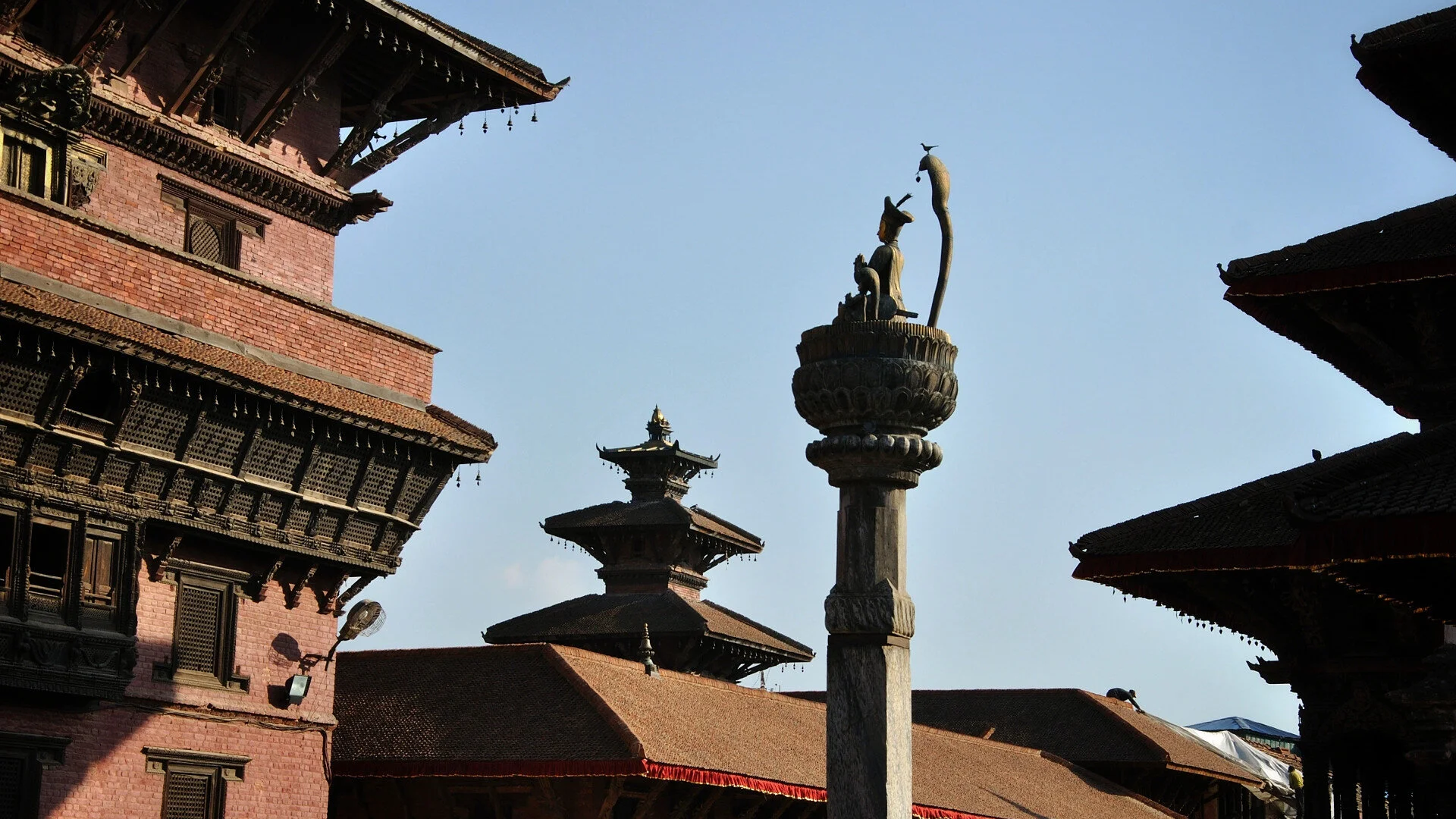
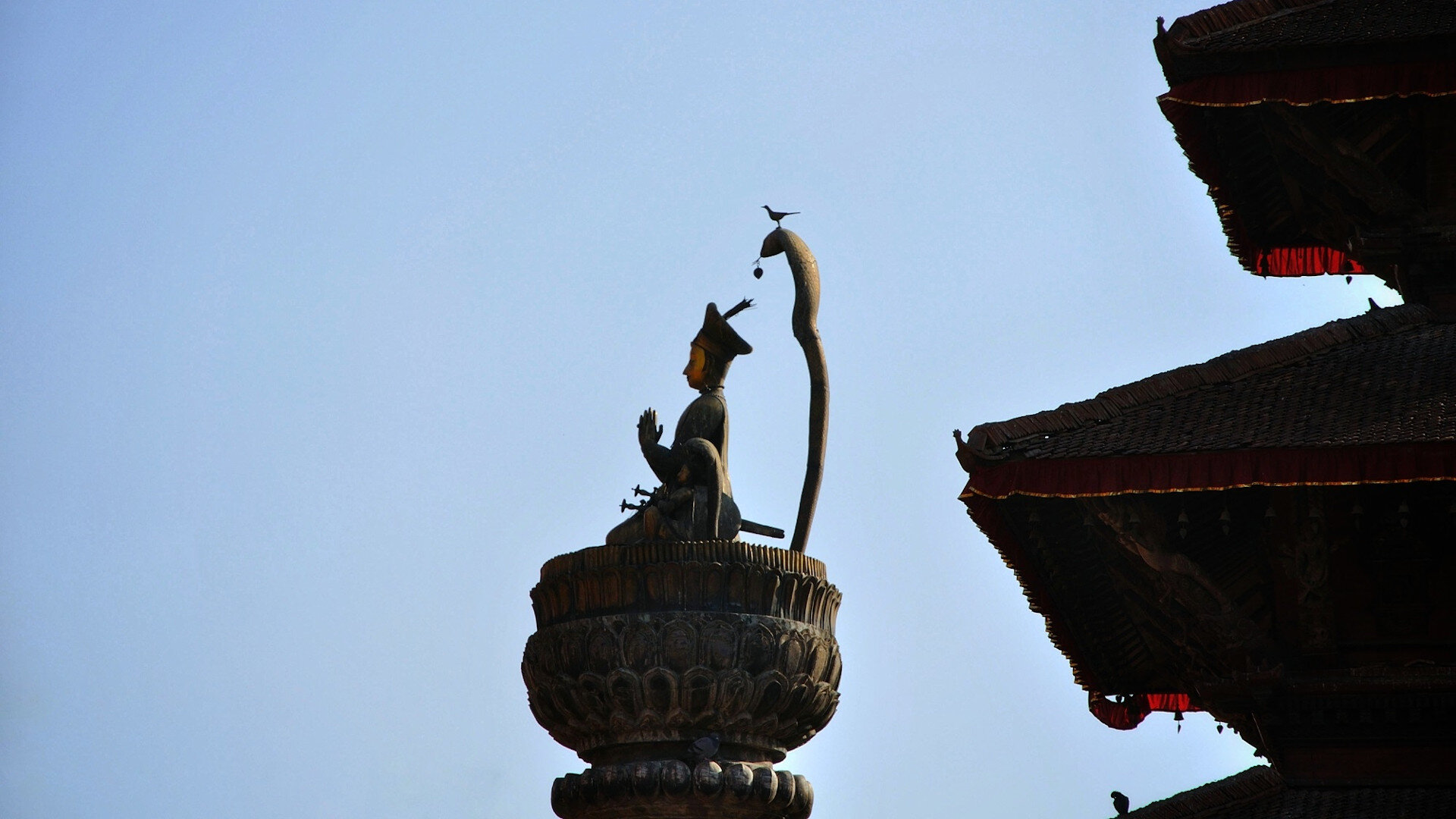
At Lalitpur Durbar Square, one can’t but be overwhelmed at the sheer beauty of the well-preserved temples of multiple architectural styles, monuments, courtyards and shrines. At the centre of this UNESCO World Heritage site lies a stone pillar some 40 feet in height which is supported by a solid stone base. Atop the column is a lotus capital ( bloomed lotus) which symbolises purity. Above it lies the golden statue of King Yog Narendra Malla in a seated position with folded hands facing the temple of the tutelary (guardian) deity of Malla Kings, “Taleju”. The statue is protected by a serpent called Karkotaka, rising high above the Kings head. Perched atop the serpents head is a little golden bird, poised in a manner where it looks like it’s about to take flight.
This little golden bird plays a fundamental part in the philosophy of longevity. This thought relates how Yog Narendra Malla, a 17th century Malla King is still alive. You like others who’ve heard or read this tale, would ask the same question, how? How can someone have such a long life?
This tale begins in the southern suburb of Lalitpur, in the town of Khokana. Here lived a wise elder who possessed a rare precious jewel, bestowed as an award for disclosing the truth about an incident to serpent Karkotaka of Taudaha Lake.
The incident goes like this, one day while the elder was taking a walk, he noticed ripened stalks of wheat crushed at his field. He looked closer to investigate and found two serpents who had turned the ground a trysting place for lovers. He recognised them quickly. The male was a serpent of his village, while the female was the wife of Karkotaka. Saddened at the crushed wheat and angered discovering the cause, he beat them with his big stick severely after which the lovers fled.
Full of bruises and pain the wife of Taudaha serpent laid on her bed. Her husband had been on his tour, returned to find his loving wife all beaten up. He asked her, “ What’s the matter! What happened?”
To which the wife of Karkotaka narrated a false story, and demanded the wise elder of Khokana be caught and punished. She claimed that he used his magical powers to inflict these wounds upon her and that until he is dead, she will be ill. Saddened and angered, the Taudaha serpent took human form and embarked to Khokhana with the motive of revenge. He found the elders house and entered through a window.
As he sneaked around the house, he heard the elder. He moved towards the room and found him telling his wife about the serpents in their field. “ Karkotaka of Taudaha Lake is viewed as the king of serpents. His good behaviour and repute are known to all, but his wife has no character at all. She came to our wheat field the other day; I discovered her making love with our Khokhana pond serpent. They had turned our wheat field into a trysting ground. Ripened stalks of wheat, crushed and trampled everywhere! I was infuriated so; I beat them with my stick severely. I think both lays in their sickbeds.”
Karkotaka after hearing the truth, couldn’t kill the wise elder. He was rather very impressed by him and grateful for revealing the truth about his wife’s mysterious sickness. So he appeared in front of the old couple and stated, “ Dear wise elder, I came to know the true story of the event that occurred in your wheat field. As a reward, I would like to present you something.” Karkotaka presented the elder with a precious jewel and said, “ If you keep this with yourself, even death cannot touch you. You will be an immortal man.”
To which the elder responded, “ What’s the point of living such a long life?”
He was old, and the world had lost its charm neither did he have the desire to lengthen his life. So he expressed his desire to pass away just like his ancestors, kin and peers.
Karkotaka found the concerns reasonable thus said, “ Please don’t worry wise elder! For when you wish to pass away from this world imagine eight impossible things to be accomplished.”
POPULAR ITINERARIES
SIMILAR POSTS
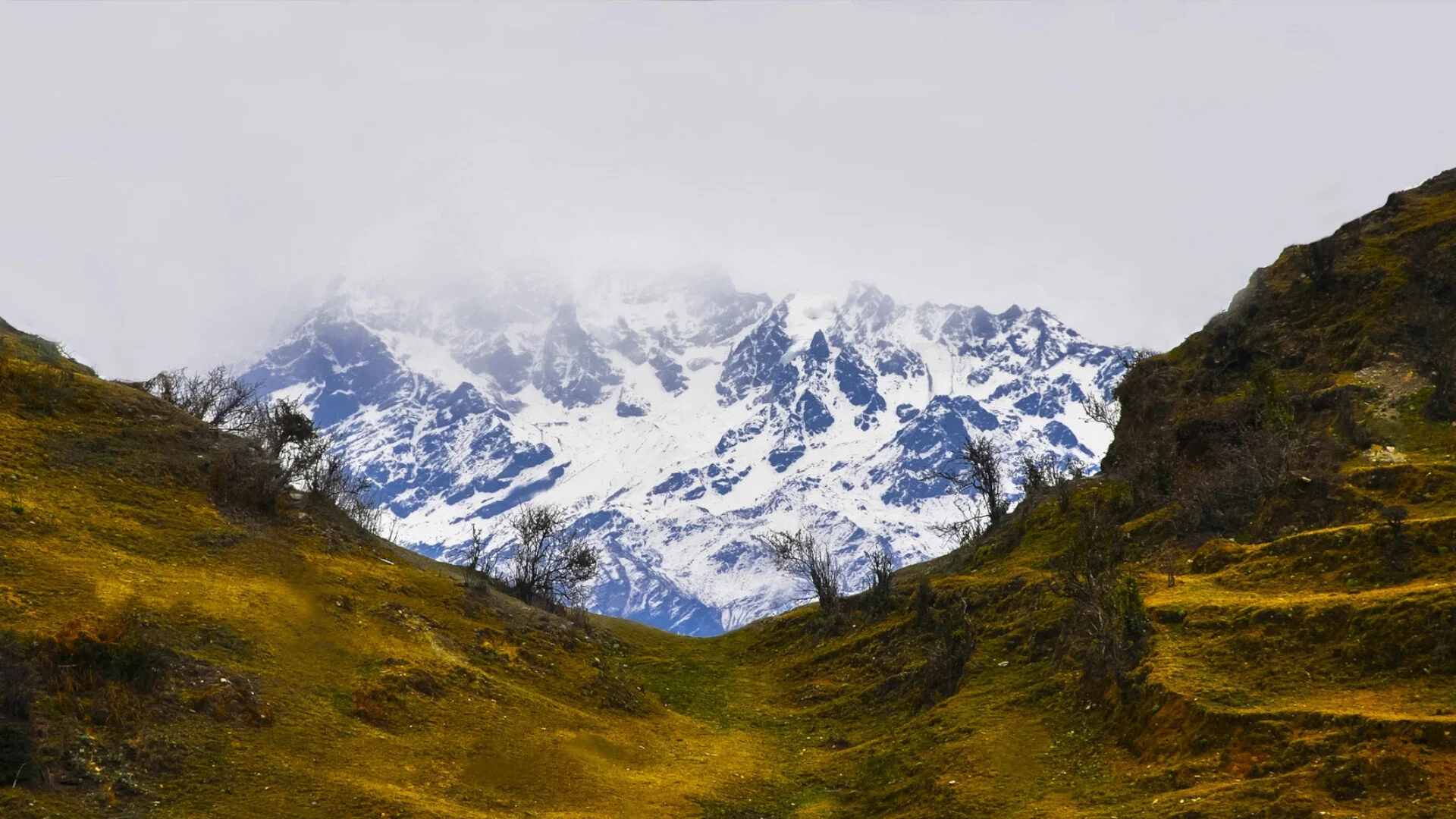
Exploring the Himalayas
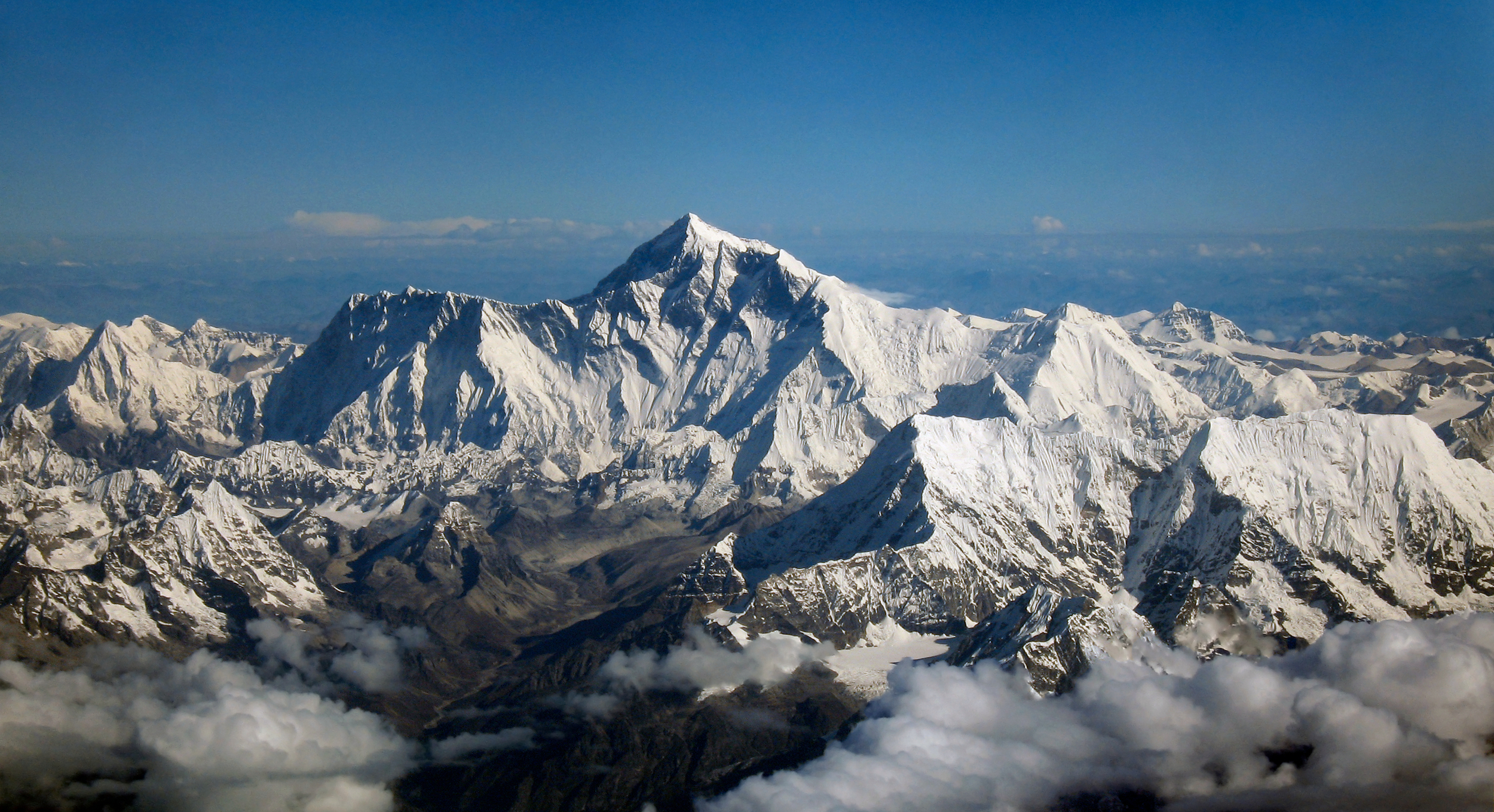
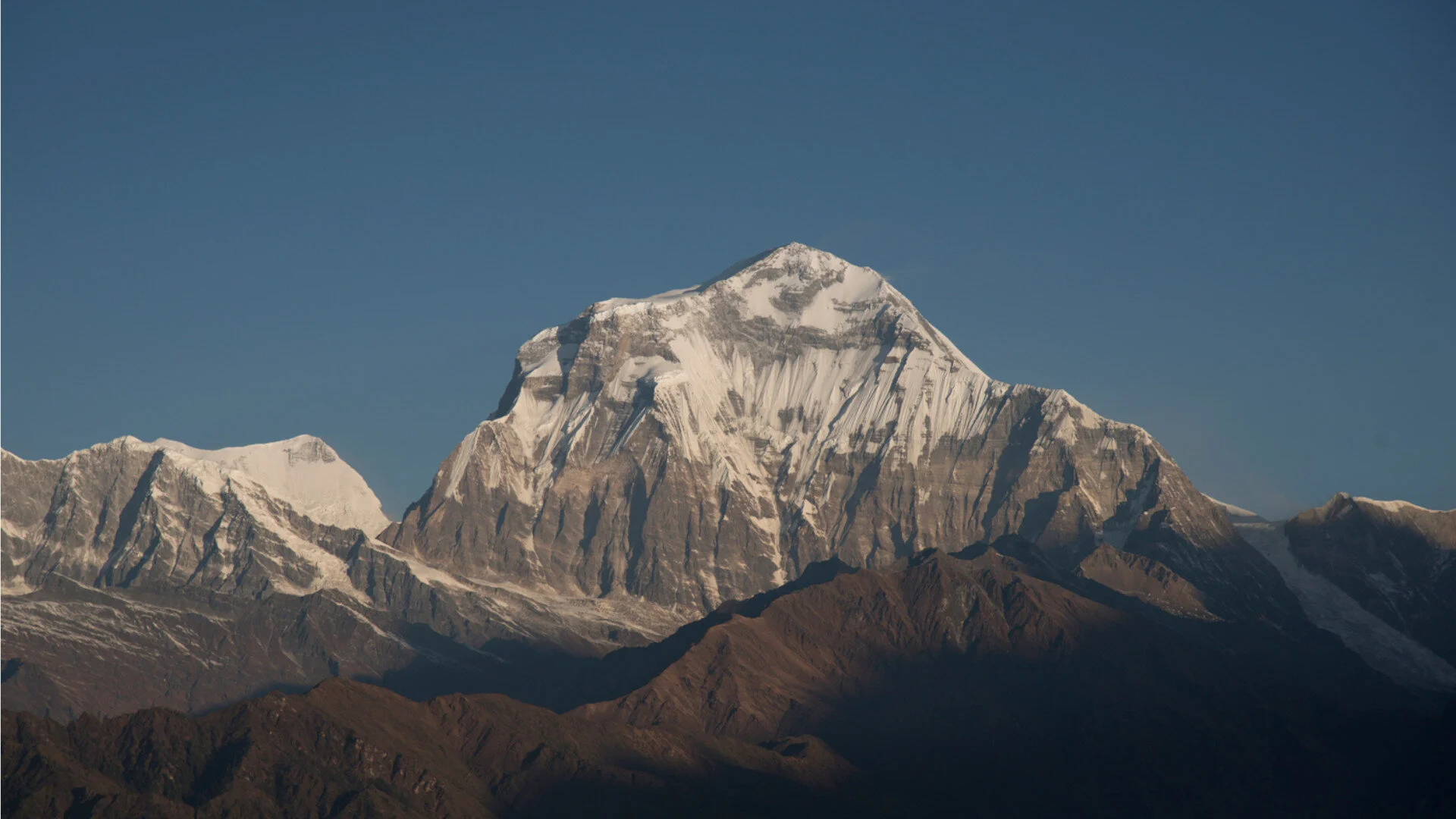
The Himalayas that belt across Northern Nepal holds some of the most magical destinations in the world. Concealed by tall peaks and clouded under the heavy snow, the experience of discovery is as close to finding Shangri-La. Places invisible, trail treacherous, and weather unpredictable but yet the fruit heavenly.
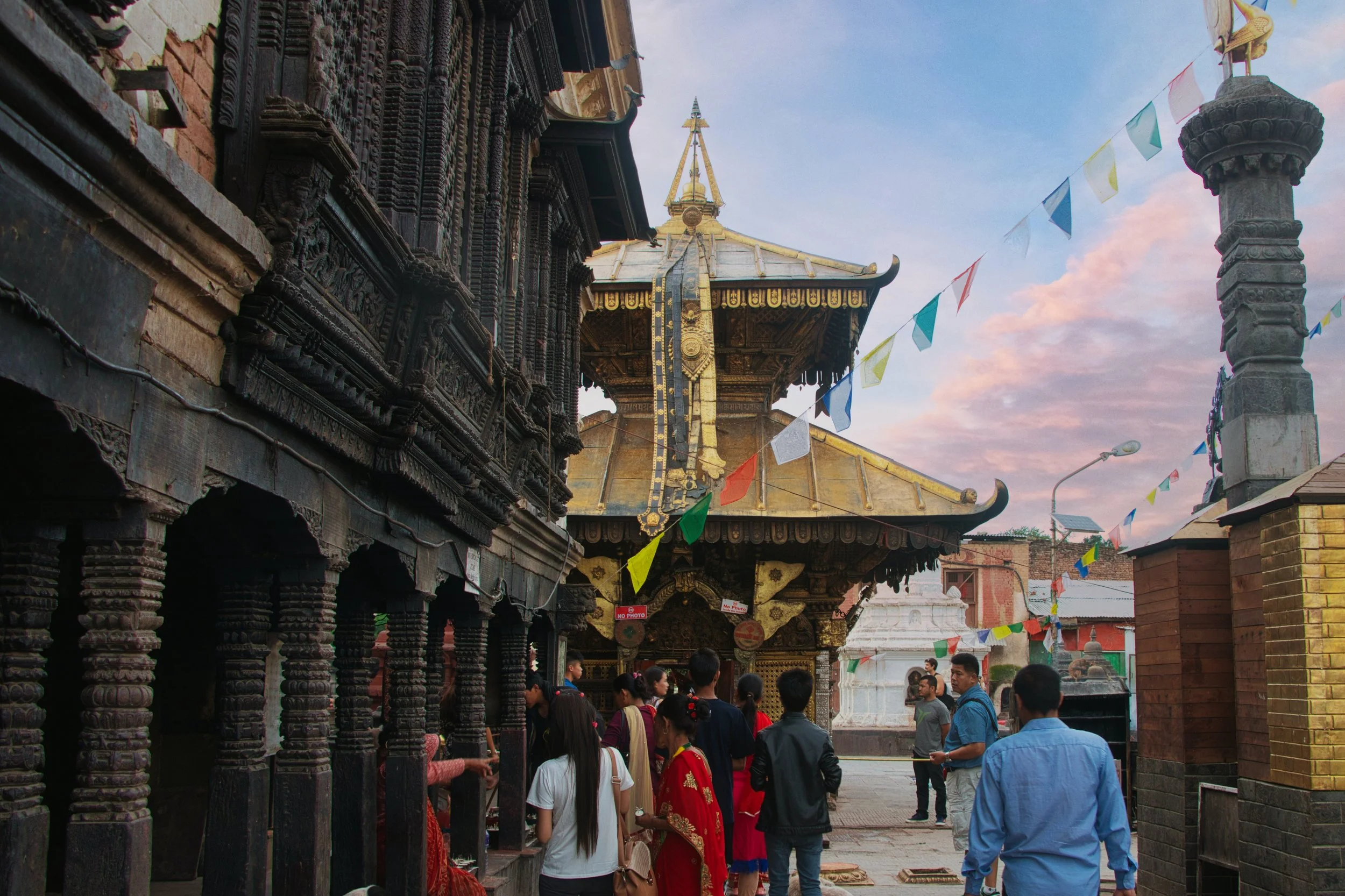
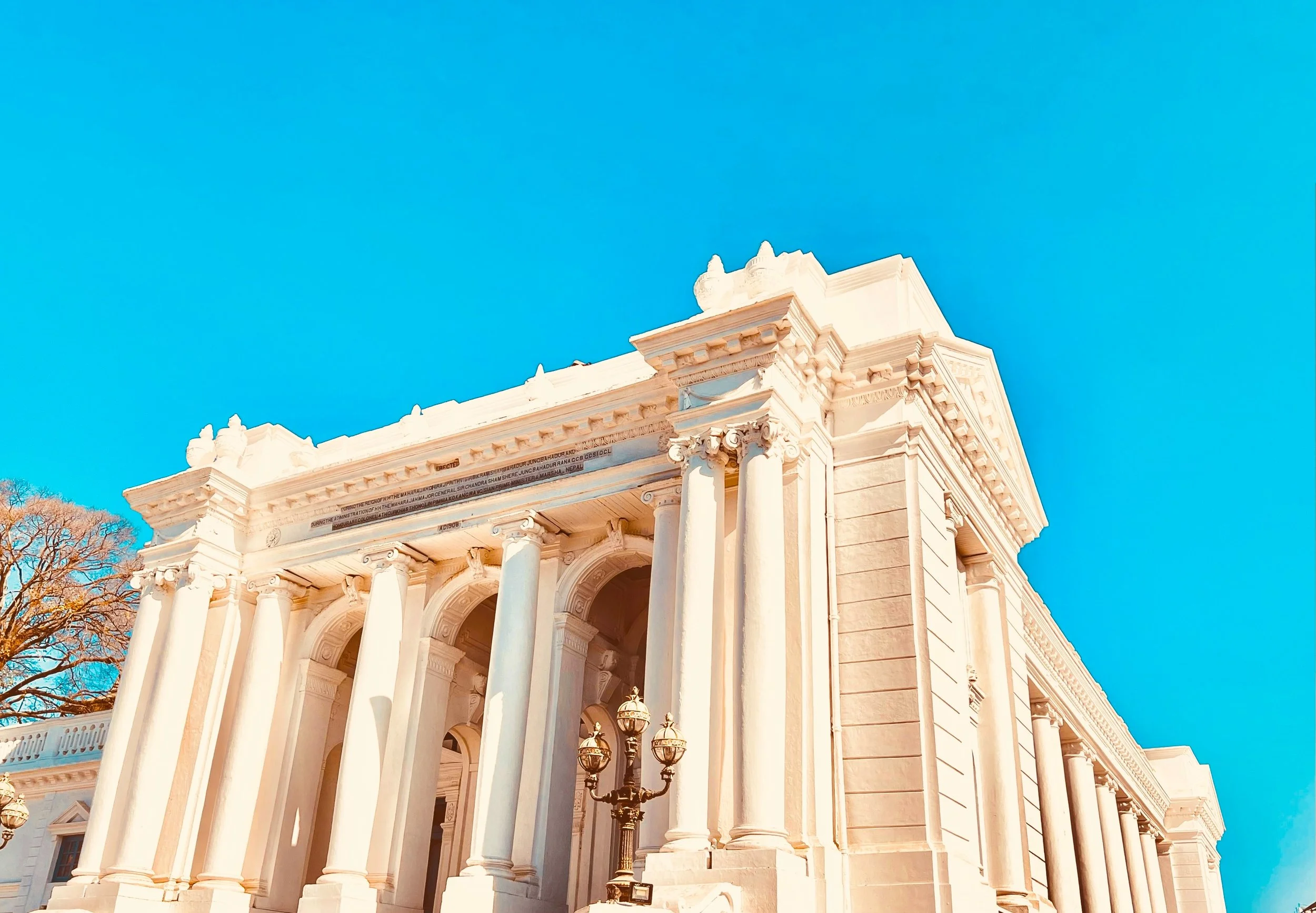
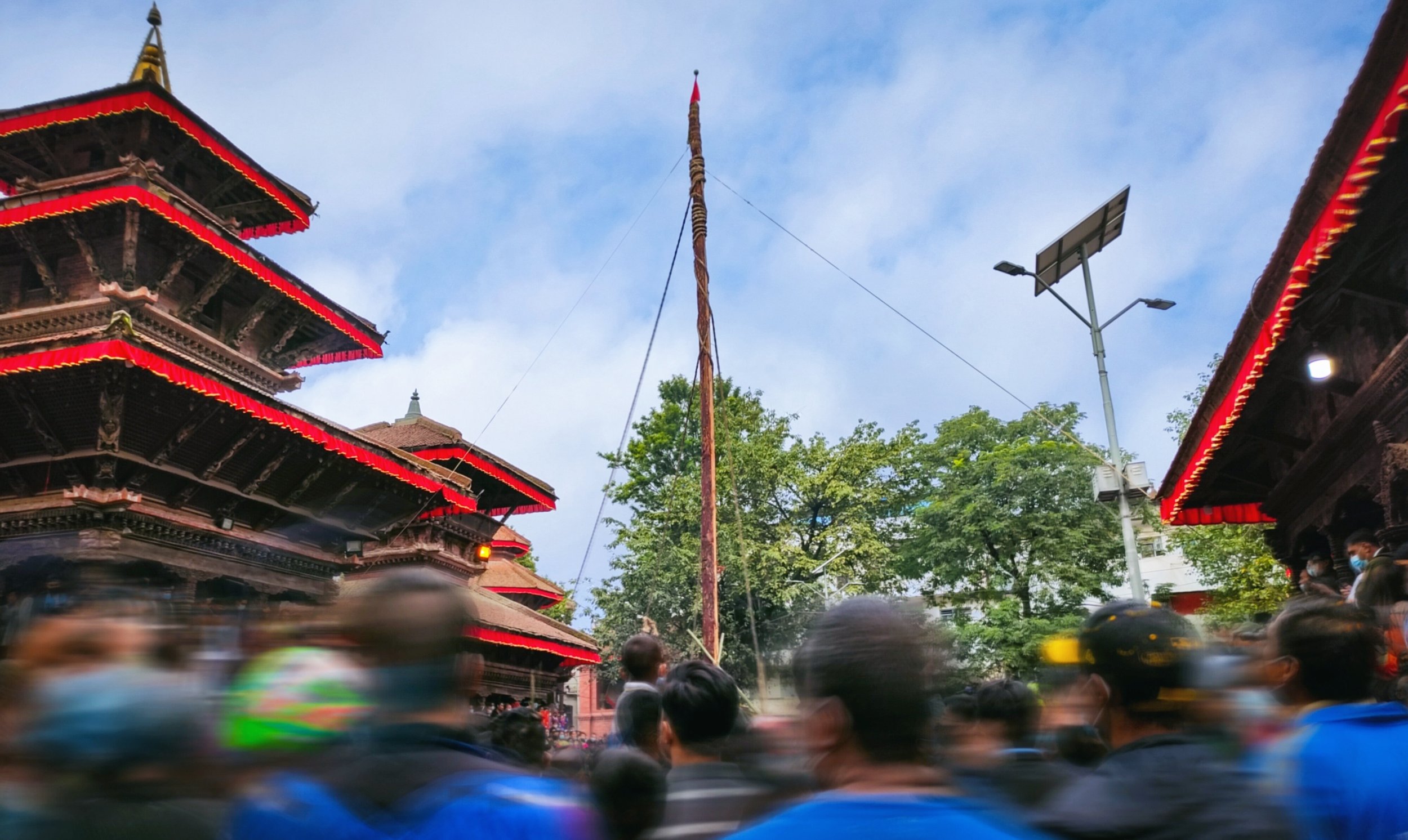
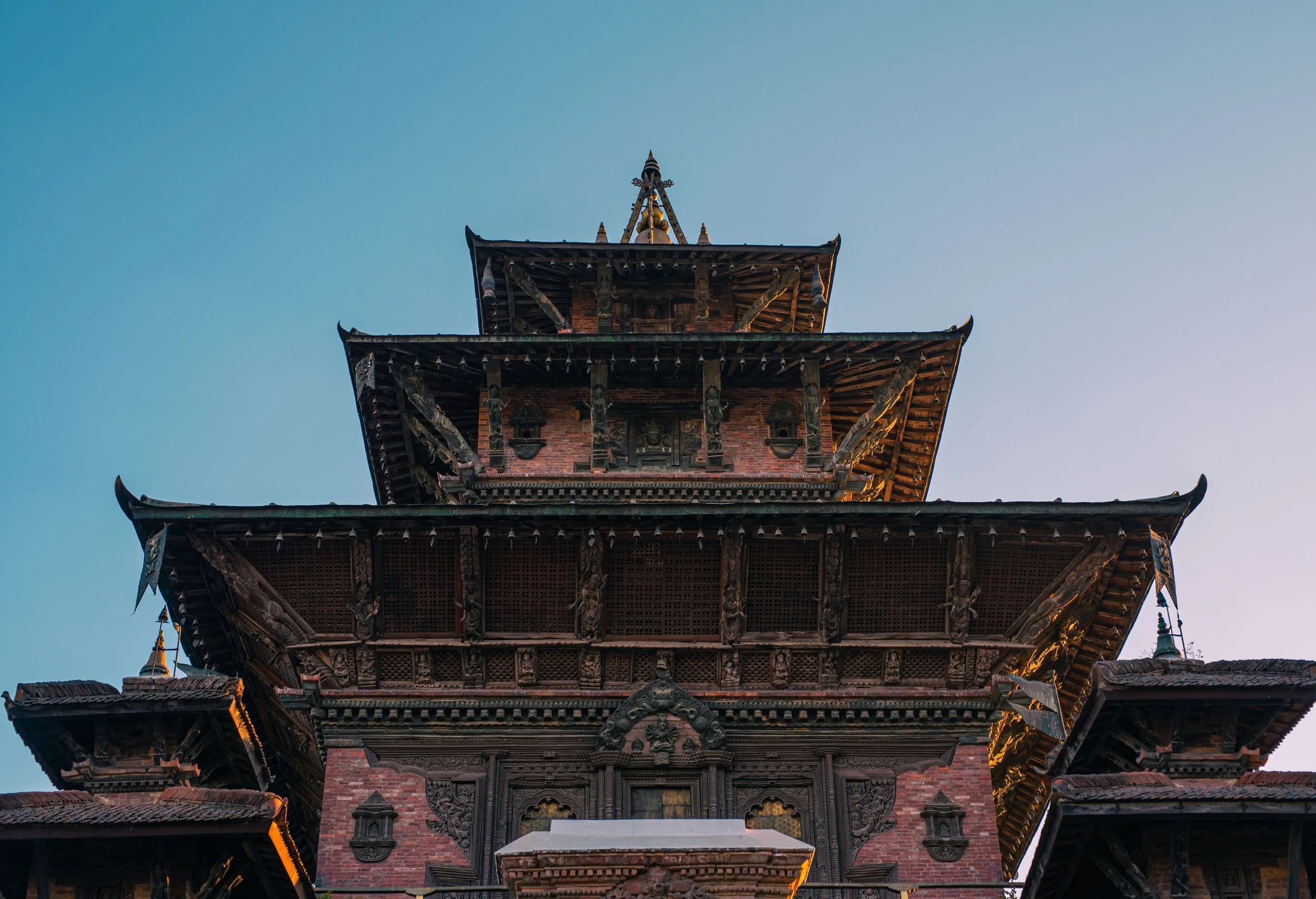
Gokyo
Junbesi
Marpha
Manang
The Himalayas that belt across Northern Nepal holds some of the most magical destinations in the world. Concealed by tall peaks and clouded under the heavy snow, the experience of discovery is as close to finding Shangri-La. Places invisible, trail treacherous, and weather unpredictable but yet the fruit heavenly.
Here is a list of four must-visit destinations in the marvellous Himalayan region of Nepal.
Gokyo Village
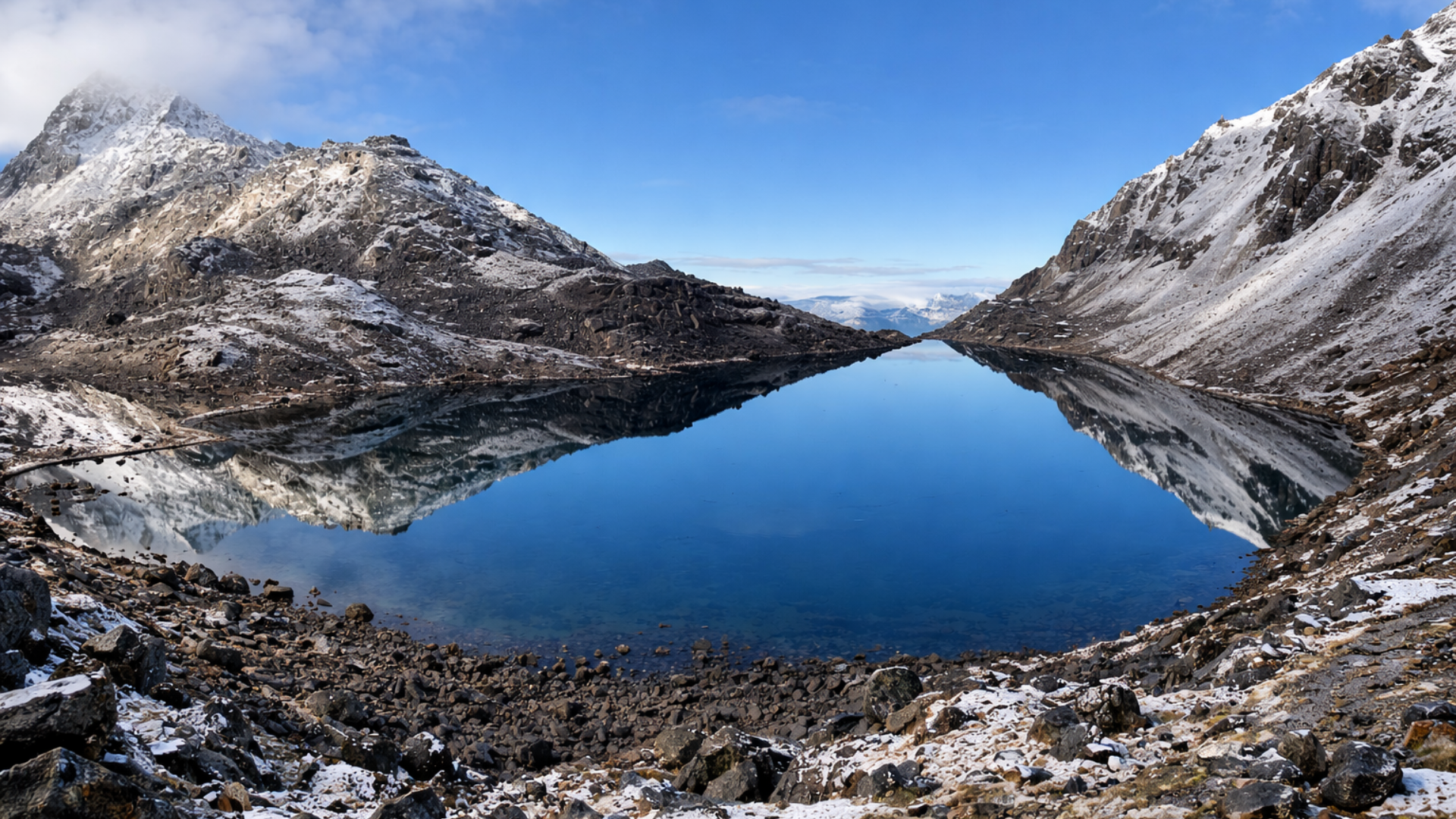
Situated near the eastern shore of Dudh Pokhari, overlooking Mt Everest in Northern Solukhumbu District lies the beautiful village of Gokyo at 4750 meters high. Chances are, you might have come across this name while you were planning a trek to Everest Base Camp.
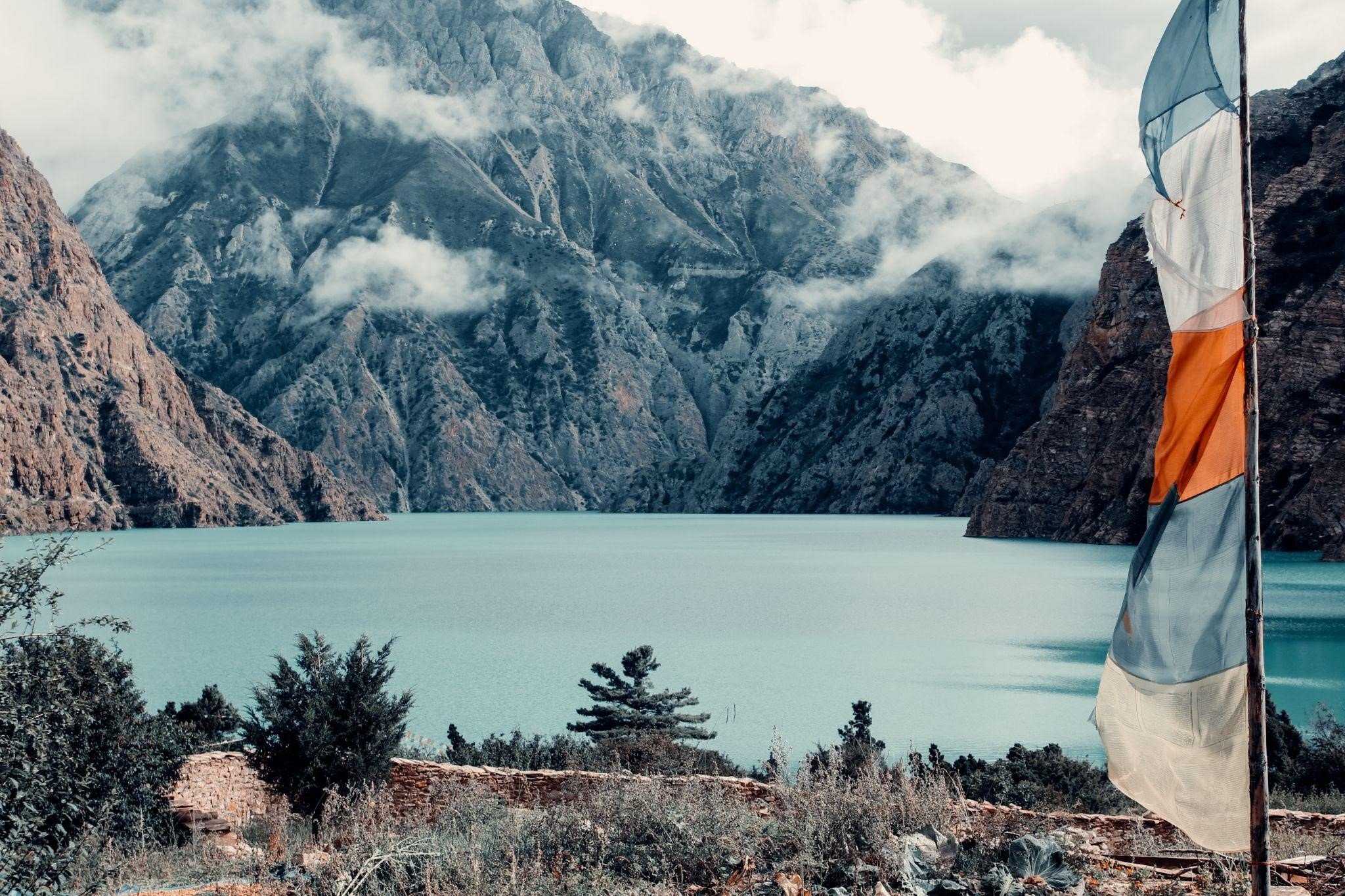
With the majestic tall mountains that surround it, this village though small holds many experiences. Regarded as a sacred religious sight by followers of Hinduism and Buddhism, the lake of Gokyo sees flocks of not just adventurers but also devotees. The beautiful rhododendron forests, suspension bridges draped with Buddhist flags, tens and hundreds of yak trains will follow you as you walk the adventurous trails of rocky mountains, cold slopes, and glaciers to this stunning village. It holds its little significance through the lifestyle of the Sherpa people living here. The emerald-coloured Gokyo lakes around the Gokyo valley reflect the beauty of the ethnic villages. It is the beating heart of the people and the very essence of the valley.
A flight from Kathmandu to Lukla followed by 10 to 13 days trek shall lead you to Gokyo. Since this small village is thinly populated, there is only one lodge inside it, while a bunch of hotels and teahouses can be found around the Khumbu region, a couple of kilometres from the village.
Junbesi
This magical Sherpa village, nestled in the lower Solukhumbu region, at an altitude of 2700m, is less known but a must-visit destination. The small houses surround the 400-year-old Buddhist Stupa overlooking the massive mountain range, is at a junction of the Everest trail and Thuptenchholing monastery.
White painted brick houses, Thankas depicting magic and mysteries line every street you’ll encounter as you step in this piece of paradise. The delicate warm sun rays hit the coloured roof of each house during the summer. From the alluring landscape to the cultural hospitality of the Sherpa people, massive celebrations of festivals like Dumje and Nyungne are regional highlights.
There are several resorts and family-run lodges that resonate home to weary travellers coming in. It is about 4 to 5-hour trek from Salleri, the district headquarters, and about 4 1/2 hours from Phaplu airport. Like Gokyo, you can stop by this beautiful village on your trek to Everest base camp and add a lively highlight to your trip.
Marpha Village
The beautiful village of Marpha is situated in Mustang district and has also become the apple capital of the country. White-painted stone houses reflecting the traditional heritage and architecture are spread all over this small ancient village wrapped by the mountain range of Annapurna. As the name suggests, mar means hardworking whereas pha means people, this little enchanted white village is the home of a thinly populated, yet diligent Thakali people and their hard-earned lives.
Along with the stunning essence of the mountains it captures and camouflages along the lines, it also holds significant religious value especially in Buddhism, and the main highlight of this heavenly village is Nyingma Monastery that is inhabited by several Buddhist Monks. Yet, the true spirit of the village reflects in the calming sound of children playing in the stoned streets while the adults spend their day caught up with the ample horticulture farming going on for more than 50 years under the sound of the fluttering Buddhist flags scattered over the houses.
Since the prime economic driver of this village is tourism, there are a good number of hotels with adequate modern facilities, pleasant resorts with beautiful sceneries, and guesthouses with welcoming hosts along with various amenities. You can either take a flight from Pokhara to Jomsom and go for a short half-an-hour hike or stop by this alluring village during your Annapurna Circuit trek.
Manang
Manang, also known as one of the most beautiful hidden valleys of South Asia, is another stunning place enclosed between the snowy Himalayas. Located in Gandaki about 250 km from the capital, that holds life at 3540m high, this peaceful village is the last stop in the Annapurna circuit route.
As you’re on the verge to enter this enticing town, their lies the Gangapurna viewpoint, 10 minutes away from it, that frames the breathtaking view of the mountains, glacier, lake, and river, almost like something straight out of a painting. The valley is home to a thousand-year-old Buddhist monastery overlooking the indigenous community who settled their years prior. Annual festivals and communal celebrations brighten up the village and chimes of it can be heard around the valley. This valley is also the gateway to Lake Tilicho, one of the highest freshwater lakes in the world.
You can travel to Manang by, first, a flight or bus ride from the capital to Pokhara, and then you can either rent a Jeep or trek your way through the adventurous Annapurna trial. Since it is a major travel destination for travellers accommodation ranges from hotels, lodges to tea houses. Modern amenities housed in traditional architecture creates a lively aura with the addition of pleasant smiles and scenic views.
POPULAR ITINERARIES
SIMILAR POSTS

Exploring Island Peak
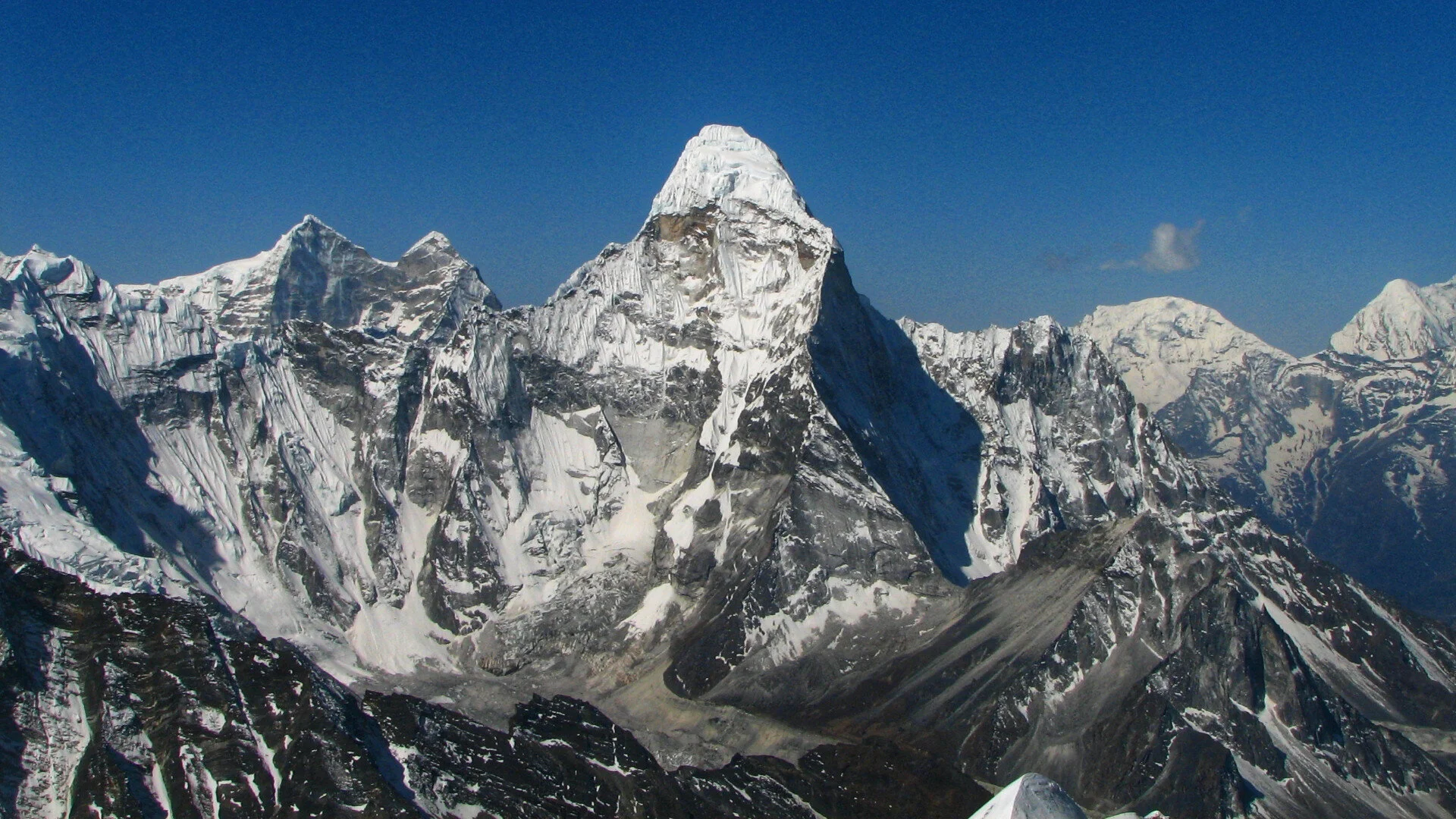
Island Peak, standing at 6189m as the extension of both the Lhotse and Mount Everest, also known as the Imja Tse, is one of the most popular, exciting, and stunning destinations to trek in Nepal.
Standing at 6189m as the extension of both the Lhotse and the Everest, Island Peak is one of the most popular, exciting, and stunning destinations to trek in Nepal. Also known as the Imja Tse, the peak, however, is a difficult one to the summit.
The mountain requires substantial physical fitness, and has a low tolerance towards health issues, making the ascent quite challenging, yet a lot more rewarding; especially in Mid-March through May, and Mid-September through November. This trek can be completed within a duration of 10 to 20 days, keeping safety considerations and the itinerary in mind.
Itinerary
DAY 1: KTM – LUKLA – PHAKDING
The easiest way to reach the Himalayan Region from the capital is via air. We will take an early flight to Lukla and from Tribhuvan International Airport, and then trek to Phakding via the picturesque Dudh Koshi Valley.
Accommodation: Lodge in Phakding
DAY 2: PHAKDING – NAMCHE
After breakfast, we will pass through beautiful pine, fir, and juniper forest to reach the entrance of the Sagarmatha National Park, crossing five long suspension bridges over the Dudh Koshi River along the way. If the weather is clear, we can even get a glimpse of Mt. Everest.
Accommodation: Lodge/ hotel in Namche Bazar.
DAY 3: NAMCHE
The rest of the trek requires acclimatization. So the day shall be spent adapting to the region of Namche and regaining strength for what is to come. Various activities such as going up to the Tengboche to get a panoramic sunset with the Himalayas, trinket shopping, and sampling local cuisine are possible activities for the day.
DAY 4: NAMCHE – MONLA – PHORTSE
With efforts to adapt more to the altitude, we shall be taking a detour and visiting some more places in the Everest region. We will trek through Monla and reach the beautiful village on Phortse, just above the tree line.
DAY 5: PHORTSE – PANGBOCHE – DINGBOCHE
We will walk to Dingboche from Phortse via the Pangboche, savouring the view of the remarkable glaciers along the way.
DAY 6: DINGBOCHE – CHHUKUNG
On the way to Chhukung from Dingboche, we will get a view of Ama Dablam, the ridge of Nuptse-Lhotse, Tawache, and Chalotse. We can even get a sight of the Island peak on the way, near Bibre Village.
DAY 7: CHHUKUNG
We will acclimatize ourselves to get used to the high altitude by climbing Chhunkung Ri, from whose summit we can see a fantastic view of Ama Dablam and Amphu Lapsa.
DAY 8: CHHUKUNG – ISLAND PEAK BASE CAMP
We will trek up to the last settlement valley of Chhukung and reach the base camp to the southern side of the peak.
DAY 9: ISLAND PEAK BASE CAMP (TRAINING)
We will learn about the various procedures, technicalities, and safety parameters required to climb the Island Peak.
DAY 10: ASCEND TO PEAK – ISLAND PEAK BASE CAMP
We will start our ascent to the peak right after midnight. After we reach the summit, we will be taking pictures and descend back to the base camp to celebrate our success.
DAY 11: ISLAND PEAK BASE CAMP – PANGBOCHE
We will descend back to Pangboche from the base camp, which is more moderate since we are going to a lower altitude. Pangboche is a beautiful village surrounded by Everest, Ama Dablam, Thamserku, and Imja Tse River.
DAY 12: PANGBOCHE – NAMCHE
We will walk from Pangboche to Namche via Tengboche a region in seasonally enveloped with rhododendrons and juniper trees. If we are lucky enough, we might catch a glimpse of mountain goats, snow leopards, and colourful pheasants as well. Overnight at Namche in a hotel/lodge.
DAY 13: NAMCHE – LUKLA
Taking the same path as that of day 1 and 2, we will go to Lukla from Namche along the Dudh–Koshi River.
Here is a short version of the same itinerary:
DAY 1: KTM – LUKLA – NAMCHE
DAY 2: NAMCHE
DAY 3: NAMCHE – TENGBOCHE
DAY 4: TENGBOCHE – DINGBOCHE
DAY 5: DINGBOCHE – ISLAND PEAK BASE CAMP
DAY 6: TRAINING AT BASE CAMP
DAY 7: ASCEND THE PEAK – CHHUKUNG
DAY 8: CHHUKUNG – NAMCHE
DAY 9: NAMCHE – LUKLA
DAY 10: LUKLA – KTM
SOME TIPS TO KNOW:
Keep a few days extra in your schedule in case there should be any unforeseen delays.
Have the proper acclimatization time as per your need.
Buy right gear and clothing.
Get training beforehand.
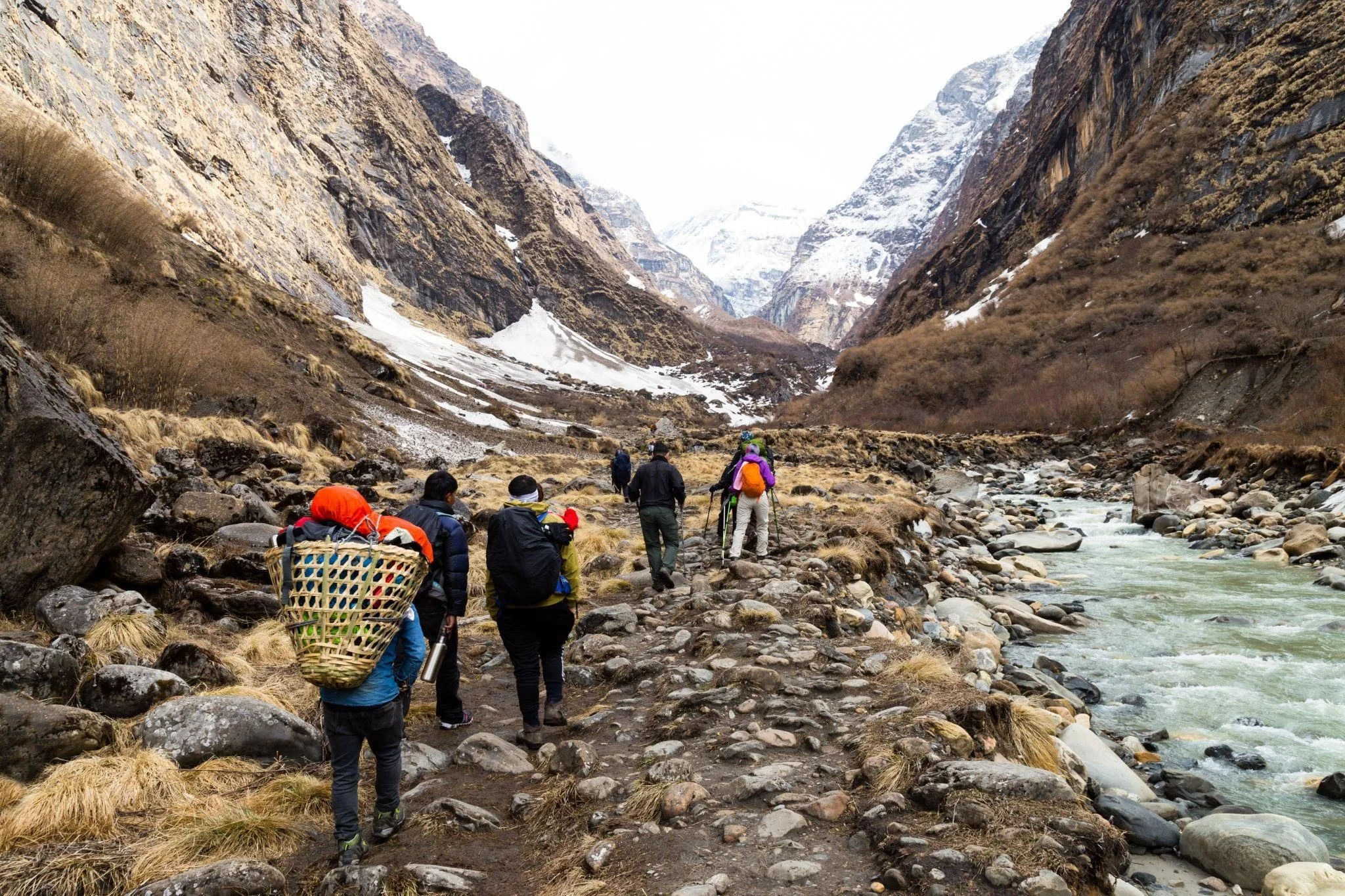
Hire licensed guide and porter.
Carry extra personal medication for unforeseen delays.
Practice deep breathing during rests.
Do not hesitate to let your guide know if you're feeling any discomfort.
POPULAR ITINERARIES
SIMILAR POSTS
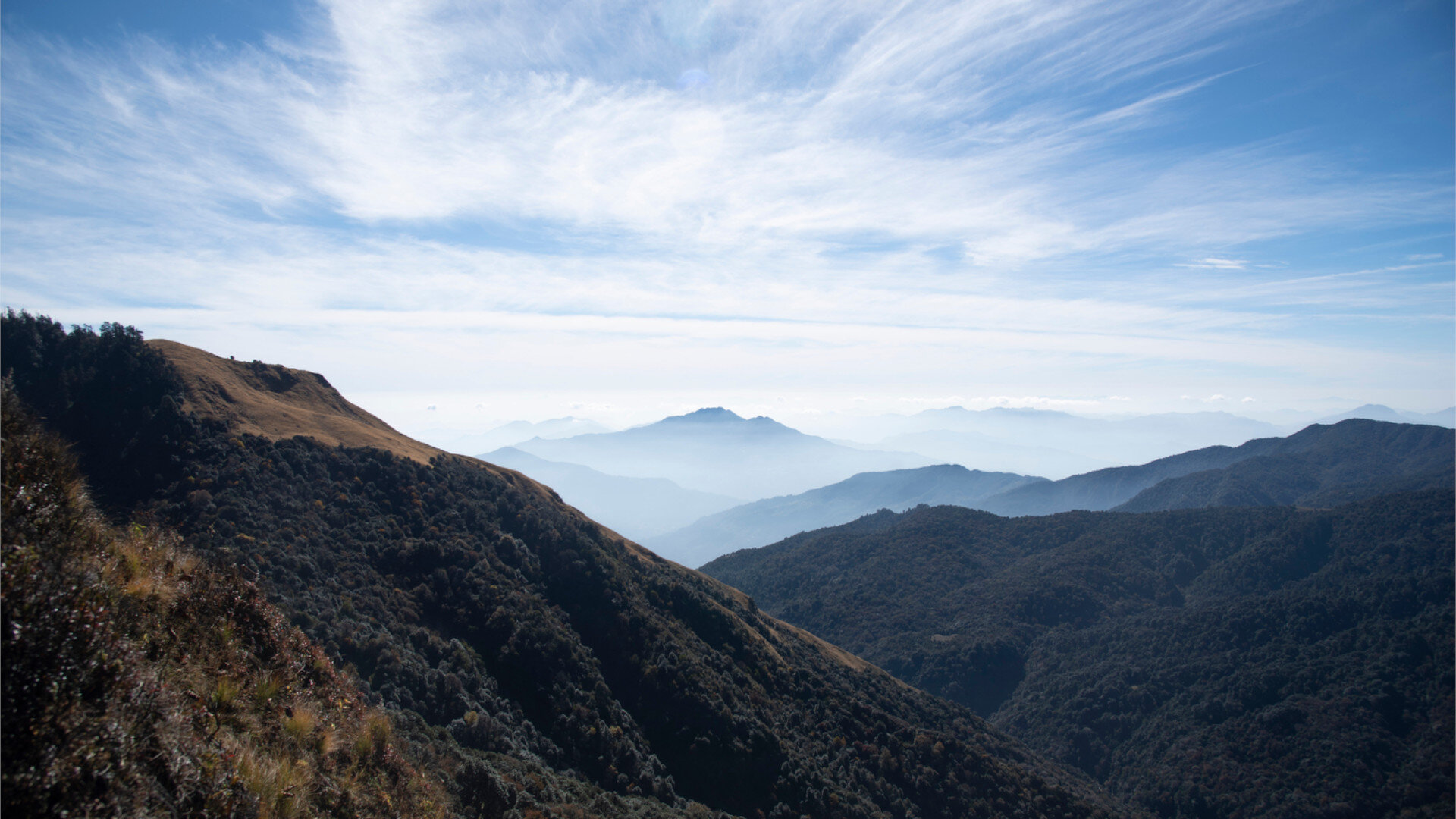
Exploring The Hills
Nepal is known for its spectrum of diversities. From culture, ethnicities, geography, to food. Here lies a bit of paradise in every nook and corner you choose to explore. Mentioned below are four must-visit travel destinations in the hilly region of the country for you to add to your next travel season.
Ilam
Shivapuri national park
Daman Hill Station
Lamjung
Nepal is known for its spectrum of diversities. From culture, ethnicity, geography, to food. Here lies a bit of paradise in every nook and corner you choose to explore. Mentioned below are four must-visit travel destinations in the hilly region of the country for you to add to your next travel season!
Ilam
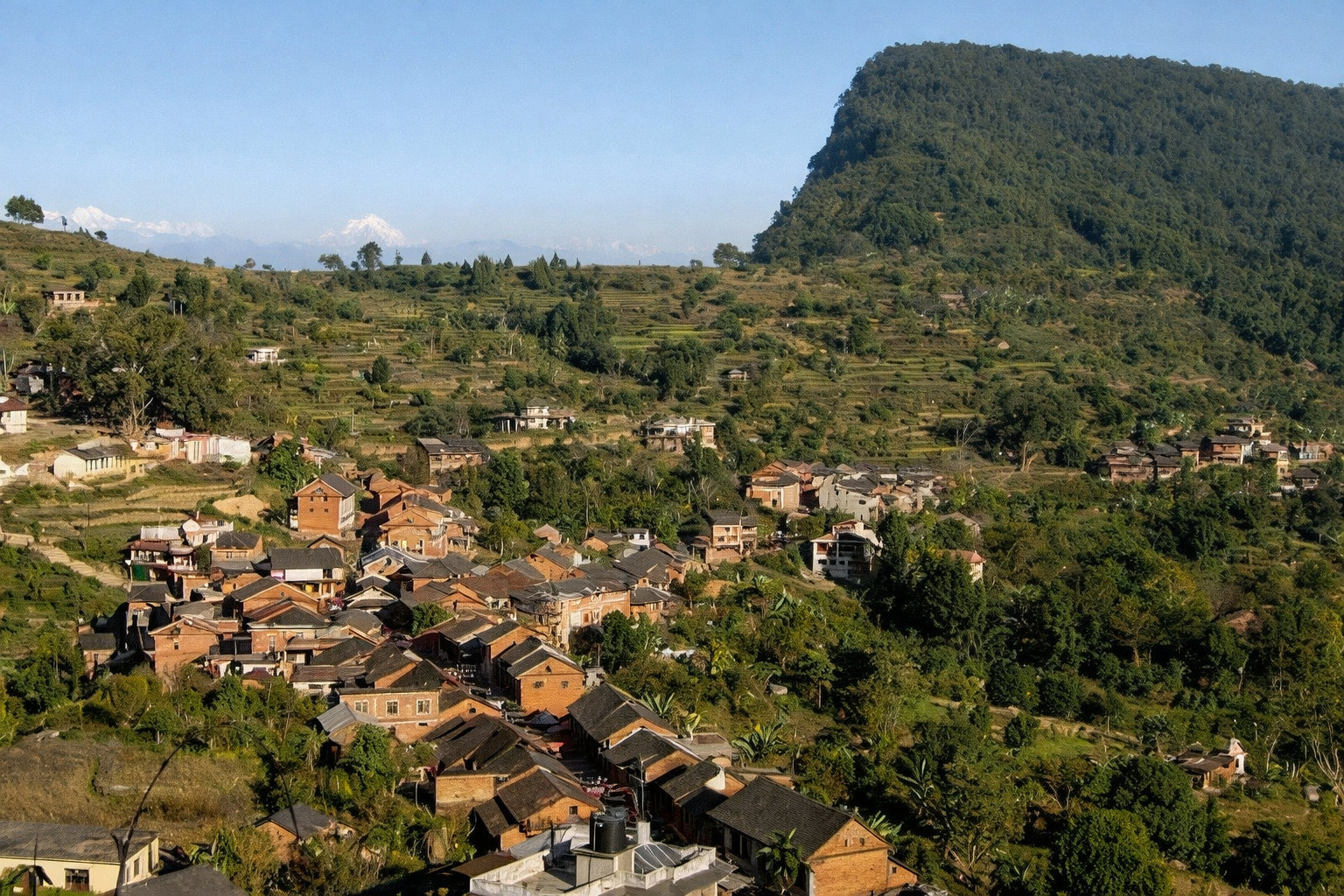
Along the green hills of the Mahabharata range of East-Nepal lies Ilam, the largest tea production region of Nepal. With the perfectly polished greenery spread all over, Ilam is a natural escape. The beautiful sloping view of the tea gardens all over the hills, surrounded by the peaceful mountain streams, dense forests, and religious sites make the entire experience here like something straight out of heaven. It is a diverse district when it comes to natural landscapes and prosperous when it comes to crop cultivation.
Some of the popular places to visit here are the viewing tower situated near the town and Mai Pokhari an hour away from the central city. You can start either by taking a brisk walk through the elegant tea garden or go for a short hike to the woods nearby. You can spend your day sightseeing through the culturally diverse lifestyle of the city as well. In terms of accommodation, lodges, tourist hotels, and a few resorts are eager to welcome travellers.
Shivapuri National Park
If you are looking for a break from the bustles of the city and want to explore more of nature, maybe take some risks along the way, Shivapuri national park is the place for you. Situated on the northern side of the capital Valley, Sundarijal is roughly 25km away from the capital, Kathmandu.
It is probably the most natural place for a morning hike with friends and family in the outskirts of Kathmandu valley. One can either drive or plan a one-day long hiking trip through the park. The glistening parade of thousands of leaves around you and the sight of small waterfalls leaves you at awe. Shivapuri national park gives you a feeling of being so far, yet so close to your daily lives.
Daman Hill Station
Another must-visit place along the capital hills of the country is Daman Hills. Situated in the southwest Tribhuvan Highway, 80km away from the Valley, Daman is one of the best places for a short getaway trip from the valley.
It offers you a panorama view of the hills with the Himalayas in the background, from Mt Dhaulagiri at the west to Mt Everest at the east. At the same time, you get the chance to reflect and connect with the beautiful local culture by visiting the villages around the corners. This hill station is also particularly famous for picnics, rock climbing, cycling, hiking, and other adventurous activities. Moreover, it includes one of the biggest and oldest botanical gardens in Nepal that attracts hundreds of visitors over the years, and the popular Shivan Temple, Risheshoe Temple is also situated here.
Daman is easily accessible via public and private mediums of transportation. It is also a popular cycling and hiking destination. Similarly, in terms of accommodation, the hill station offers community homestay, tourist hotels, and lodges. And the best time to visit is around the Spring or Autumn, where it is not too hot and not too cold for your convenient travel experience.
Lamjung
Every region has its own culture and art to offer, and there is always something for us to learn from them. Lamjung is a region nestled in the beautiful mid-hills of Nepal, which provides more than just a natural escape but also a cultural experience. It is truly a gift of all that nature has to offer as its geography spans seven climate zones: Upper Tropical, Subtropical, Temperate, Subalpine, Alpine, Nival, and Trans-Himalayan.
The district headquarter, Besishahar is a name that resonates with all adventurists who have treaded the Annapurna region and is the gateway to experiencing the majestic Himalayas, beautiful landscapes, and warm ethnic love. The ancient Lamjung Durbar, which is, as a matter of fact, one of the extensive historical monuments, is also situated here at Gaunsahar, Besishahar Municipality. On your trip to Lamjung, this particular historical shrine is a must-visit place since the beautiful multi caste settlement of Besishahar can be seen from up here, surrounded by the greenery of the hills covered by the wide Himalayan range.
The beauty of the region is reflected through the local Gurung people and their traditional norms, food culture, and interpretation of folk dance numbers around that give life to the villages and cities.
POPULAR ITINERARIES
SIMILAR POSTS
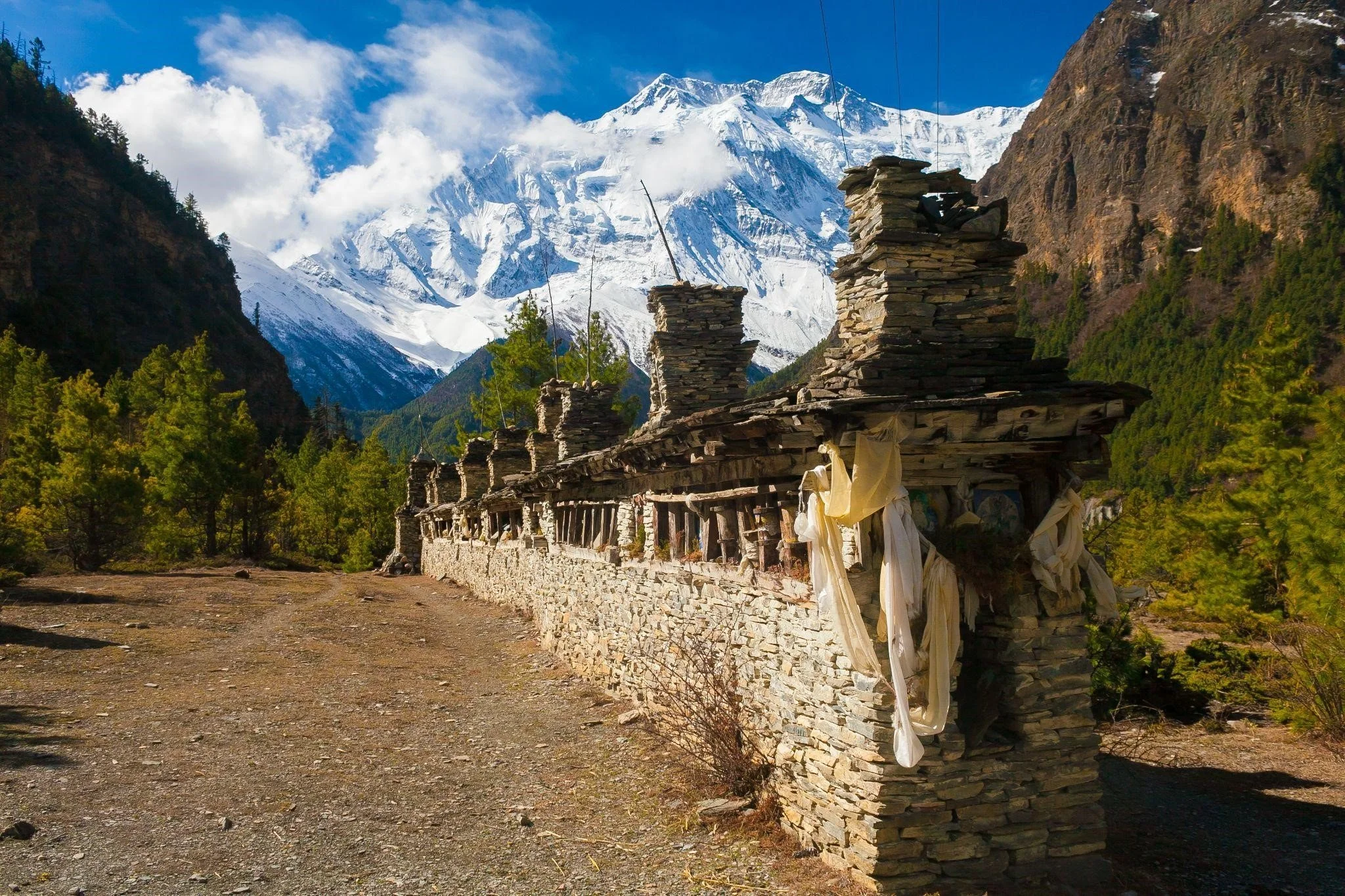
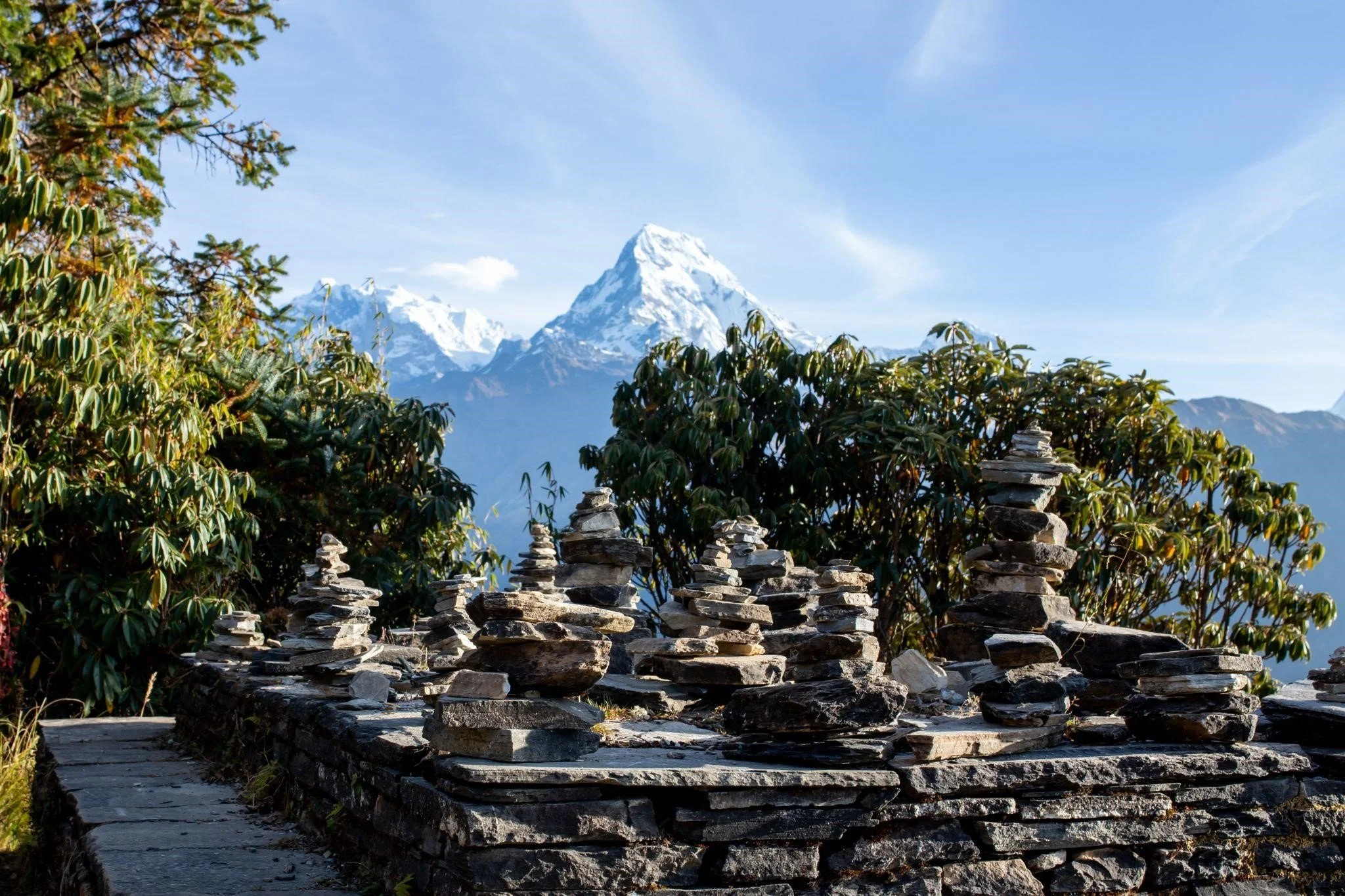
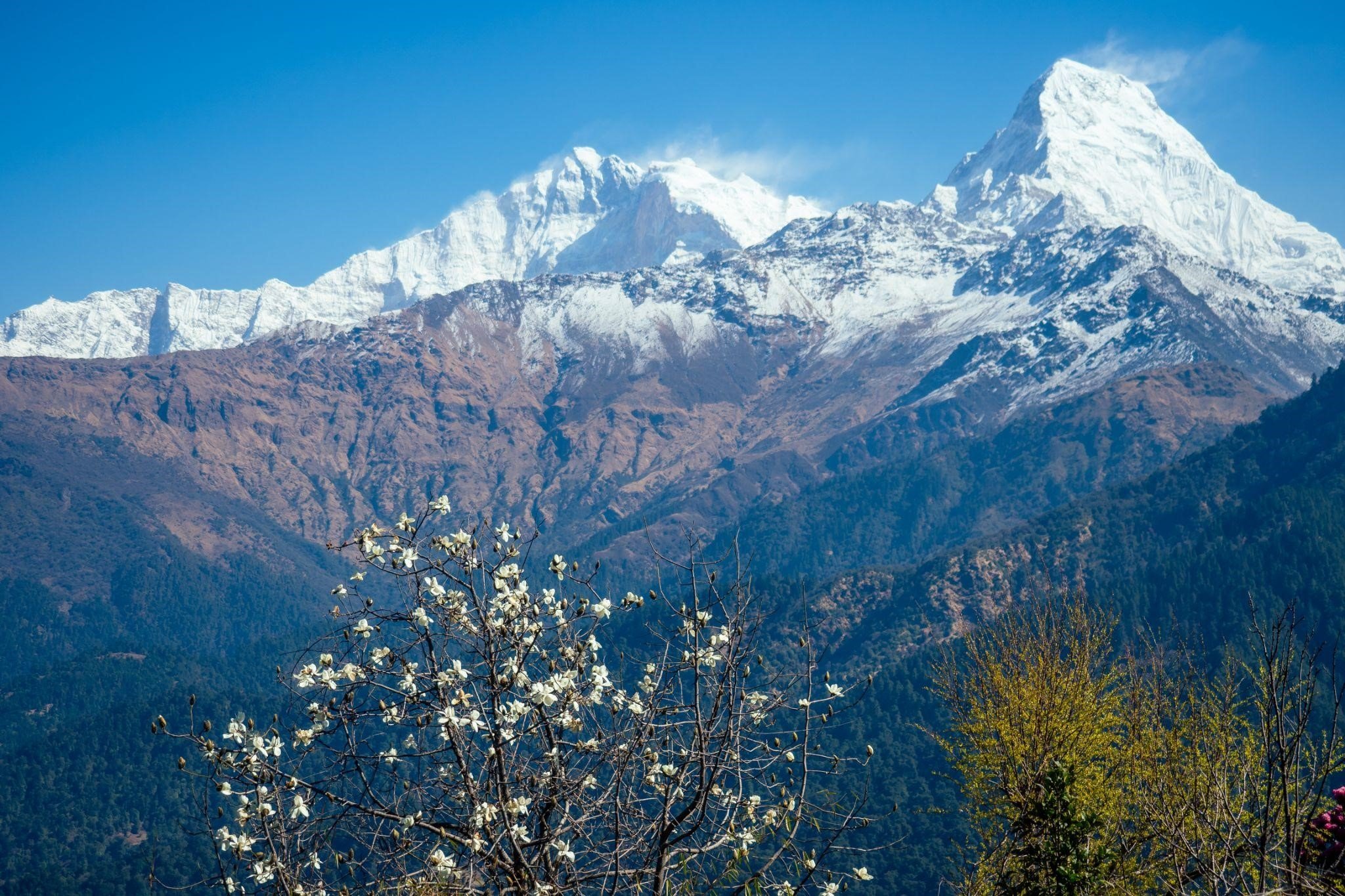
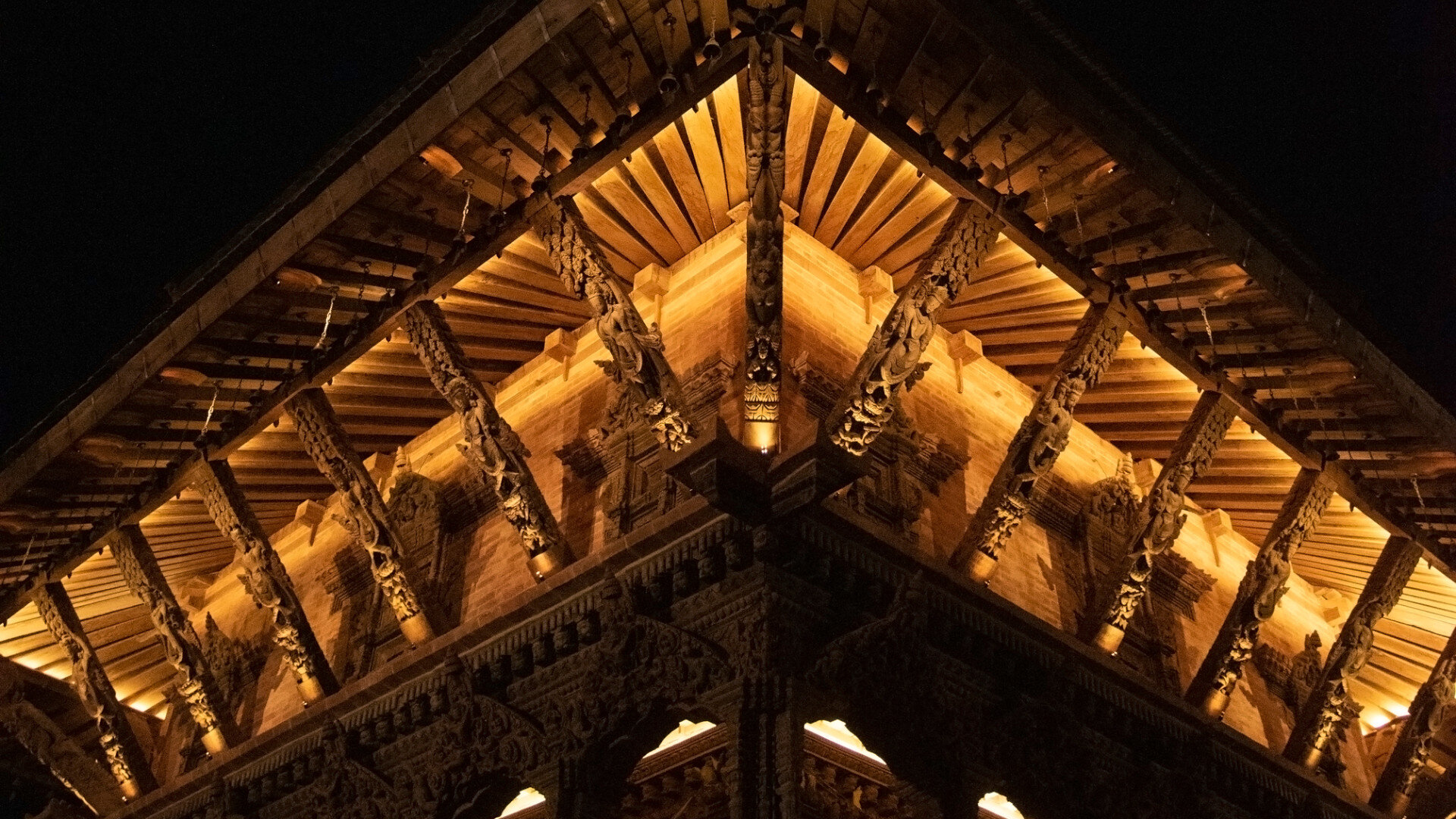
Architectural Marvel: Pagoda
Nepali architecture embodies history and tradition. The temples, shrines, palaces, and ancient buildings have stood the test of time and exhibit artistic brilliance. All these marvelous ancient architectures are the prime attraction to tourists, both local and foreign.
Nepal’s art and architecture show influences from various cultures and a prominent symbol of heritage. The marvelous ancient architecture is a prime attraction to tourists, both local and foreign. The unique architecture is present within the Kathmandu Valley and its neighbouring areas.
With both indigenous and historical styles, present not only in religious structures but also in public buildings, the country’s architectural legacy remains strong even after the damage caused by the 2015 earthquake.
Nepali architecture embodies history and tradition. The temples, shrines, palaces, and ancient buildings have stood the test of time and exhibit artistic brilliance. These magnificent structures found throughout the Kathmandu Valley are each an architectural marvel.
What makes the legacy stronger are the prominent styles that make them architectural marvels. Together with elements from the Newari people, traditional Nepali architecture comprises three groups---the Pagoda Style, the Stupa Style, and the Shikhara Style.
The Pagoda Style
Pagoda, in general, means diminishing tiered roofing. The word “pagoda” originated in English as a reference to Japanese architectural styles. This style features in Nepali temples, with multi-roofed structures supported by beautifully carved wooden struts.
In Nepali architecture, the pagoda style evolved from dome-shaped stupas prominent in Newari architecture that stored sacred relics. This influence came from across East and Southeast Asia, over time, blending with Chinese architecture.
In the 13th Century, at Emperor Kublai Khan’s invitation to China, Araniko—the young Nepali architect—helped spread the pagoda style across the region. The pagoda flourished in Nepal during the Malla dynasty, and even in history, we can find very few pagodas in Nepal before this period.
Pagodas were initially constructed in Kathmandu Valley as high structures. Hindus believed that the Gods resided in high heavens, so to provide passage between heaven and earth, these temples were built to their tall heights.
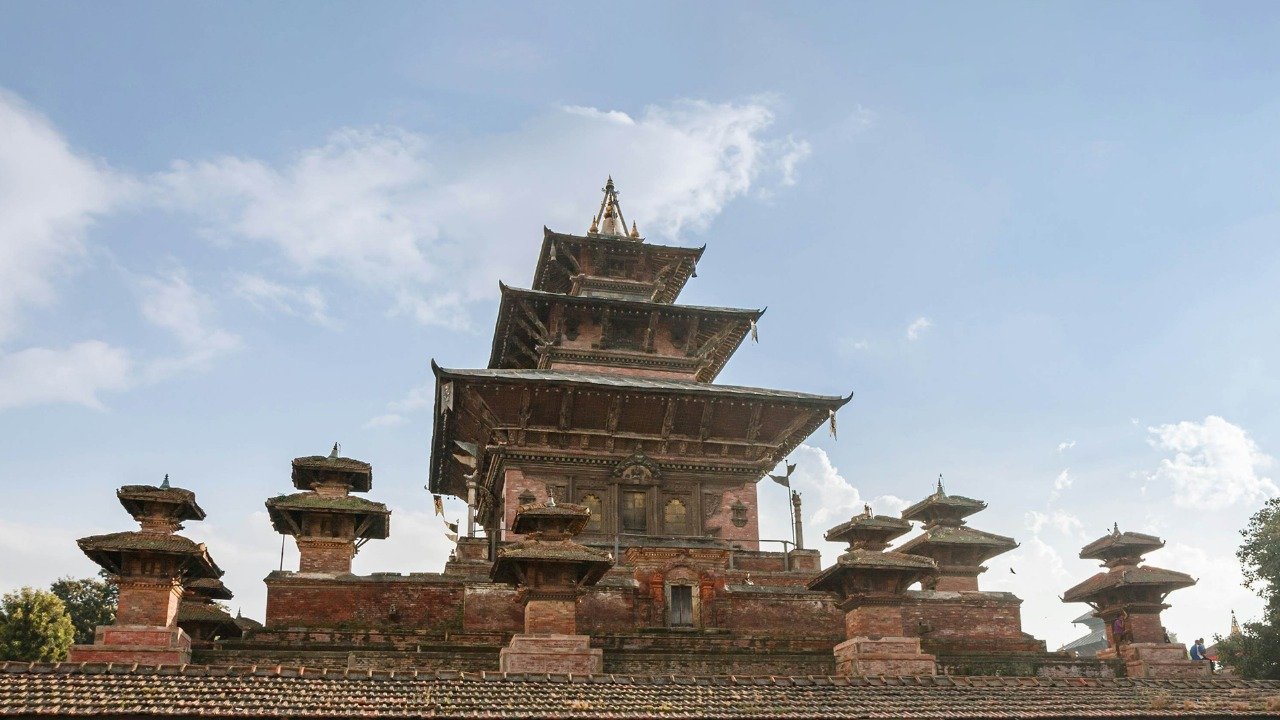
The Kasthamandap Wooden Pagoda is among the exceptional examples of the pagoda style built during the Malla period. The Basantapur Tower—built by King Prithvi Narayan Shah—is another outstanding example, while Pashupatinath, Taleju; temples in Patan Durbar Square; Nyatapola and Dattatreya temple in Bhaktapur Durbar Square, Kabindrapur and Changu Narayan temples are magnificent examples other pagoda structures.
In Nepali architecture, the Changu Narayan Temple is considered the oldest temple in Nepal. It is also the oldest pagoda-style temple in Nepal. The two-storey temple stands on a high plinth of stone and is a milestone in Nepali architecture. The temple is located in Bhaktapur and is a shrine dedicated to Lord Vishnu.
Features:
Tiered roofing is the most striking feature in this architectural practice. The projecting roofs, set one above another, diminish in size from the bottom to the top. While two and three-tiered pagodas are most common in Kathmandu, there are few single-tiered, four-tiered, and five-tiered pagodas.
While square roofs are customary, the shape depends upon the plans as well. We can find rectangular, octagonal, or circular pagodas too. These sloped roofs hang on the inner walls with wooden struts on the outer edges on wooden pillars or brick walls, providing extra support.
The wooden struts, known as Tundals, are wooden structures with carvings of different deities and gods related to the temple. They serve to support the sloped roofs, and, often, add to the aesthetics.
The tiered roofed temples and palaces also have wooden windows on each level. The uniquely decorated windows are placed in odd numbers depending on the size of the wall.
They also feature a bay window on the third floor. These windows slant outwards, providing privacy and ventilation at the same time. These windows are either closed with wooden lattices--with each lattice carved separately and interlocked--or open types.
Each element has equal emphasis as they play a unison role in defining the overall design. While the windows are an intricate part of this style, the doorways are equally important. While the design may differ based on the significance and importance of the temple, they are either carved wood or embossed metal.
The doors usually have a low height—4.5-5 ft.—to symbolize that gods and kings are superior to men, and should always have their subjects bowing their heads when entering the palace or temple.
Finally, the gajur or the pinnacle completes the temple. It is the topmost element of the structure made of heavy metals like copper, brass, and iron. The gajurs in major temples have either silver or gold platings. Although single gajurs are most prominent, some structures may have two or three smaller ones on either side of the centre gajur.
The gajur on temples were installed to cover the top joint of the four-sided sloping roof but are now the pinnacle and pride of the structures.
Hashtags: #NepaliArchitecture #KathmanduValley #PagodaStyle #NewariHeritage #CulturalLegacy #AncientTemples #2015EarthquakeRestoration
POPULAR ITINERARIES
SIMILAR POSTS
Hiking Trails In & Around Kathmandu Valley - Part II
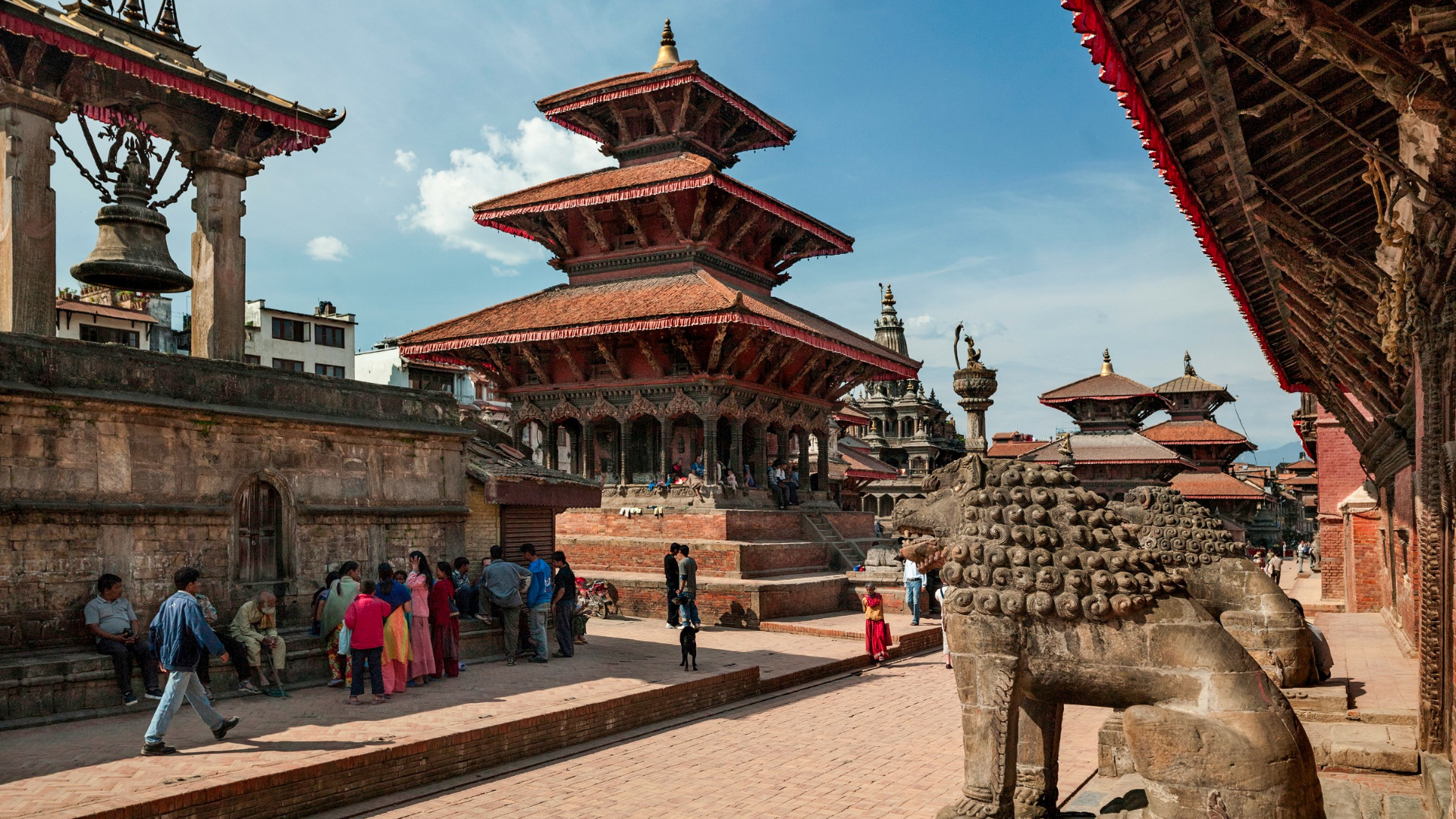
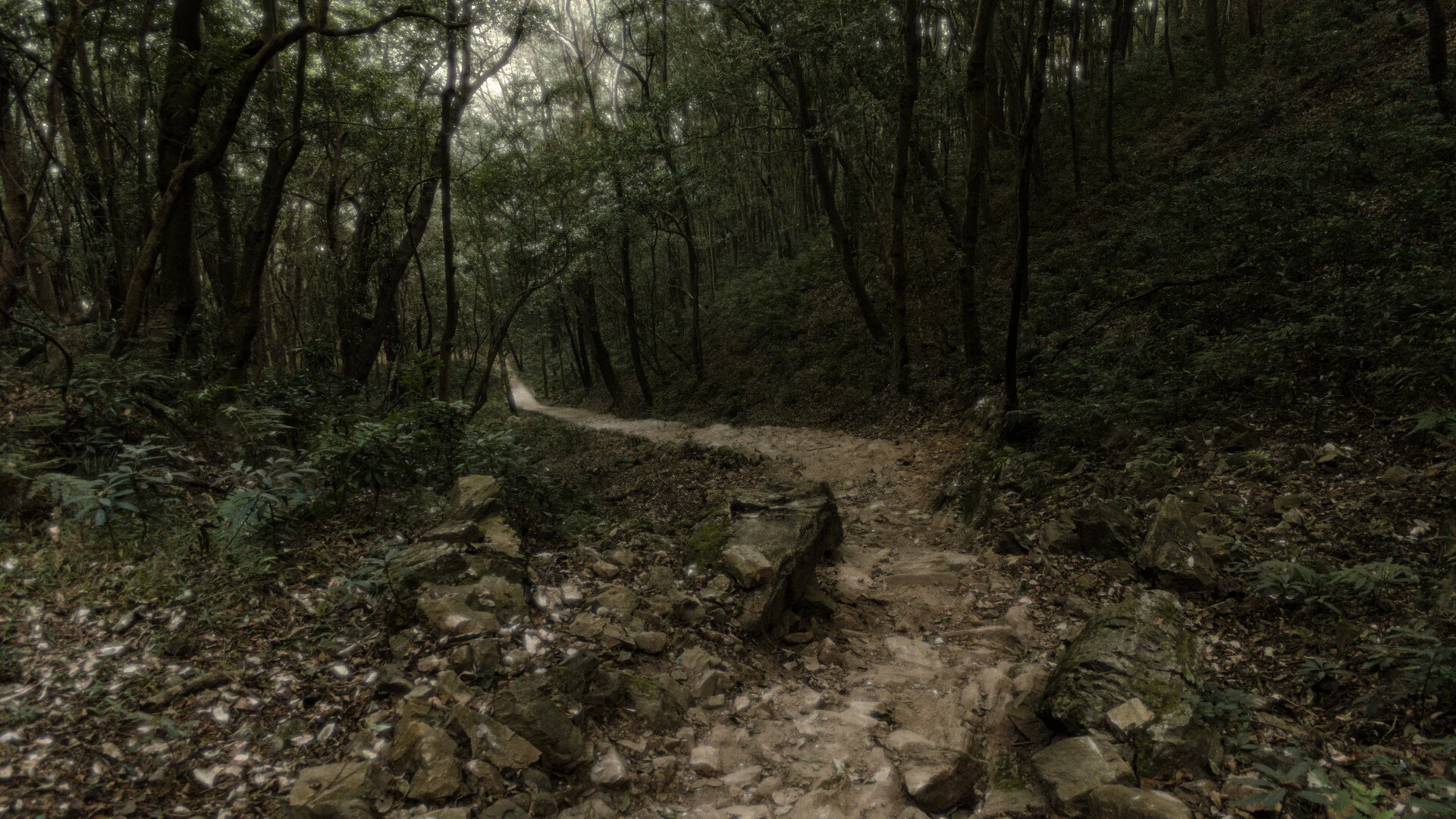
We explored the scenic hiking routes of Shivapuri National Park and Sankhu to Bajrayogini Hike. Shivapuri National Park is one of the closest national parks to the capital that offers a natural trail filled with water bodies, flora, and fauna. And Shanku, a historic Newar settlement, one of many checkpoints in the old trade route to Tibet that over time has managed to keep its ancient roots alive.
Brisk weather coupled with a scenic ambience is the perfect setting to indulge in a beautiful hike. The Kathmandu valley has numerous destinations featuring such chemistry, where one can rekindle their spirit in nature and experience serenity. These hikes range between three to six hours and can be coupled with your existing itinerary to enhance the experience.
In part II of this article, we explore the scenic routes of Shivapuri National Park, and Sankhu to Bajrayogini Hike.
Shivapuri National Park
Altitude: 2563 metres
Duration: 5 hours to Shivapuri Hill ( Hiking from Budanilkanta) or a 25-minute drive to Nagi Gumba and 2-hour hike to Shivapuri Hill
Highlights: Lantang Himalayan Range, Bagdwar (Origin of Bagmati), Nagi Gumba, water bodies, flora and fauna.
One of the closest national parks to the capital, Shivapuri National Park offers a natural trail filled with water bodies, flora and fauna at proximity to an urban area.
The most popular route of this region begins from Budanilkanta temple, 8 kilometres north of Kathmandu. The temple features a sleeping statue of Lord Vishnu carved out of a single stone, according to legends. This temple holds great religious significance for citizens of Kathmandu valley and followers of Hinduism. After viewing the temple premises and receiving blessings; one may begin his/her journey. A fair trial of 2 to 3 hours shall lead you to Nagi Gumba: a Buddhist monastery. 2 hours further into the trail you, shall reach the highest viewpoint of the park. Panoramic views of Kathmandu with the Himalayan range in the background towards the north make this destination worth the hike.
With a total trek time of 5 hours, Shivapuri hill hike averages as a day hike. Hikers are requested to equip themselves with essentials such as bottled water, snacks, energy bars, raincoat and a first aid kit. The trail can be rated average with a few challenges such as steep inclines, steps and narrow paths.
The itinerary can also include Sundarijal, which brings the total duration of the hike to 6 hours from Budanilkanta. ‘Sundari’ translates to beautiful and ‘Jal’ water from Nepali to English. Sundarijal, a village located in Gokarneshwar Municipality: is a true oasis in an urban jungle.
An escape to Sundarijal features tantalizing encounters with waterfalls, water bodies and native wildlife. The river Bagmati originates from this region and holds great social, communal and religious significance to the citizens of the valley. It is also a prime source of drinking water for the valley of Kathmandu.
Fifteen kilometres (9 miles) north-east of Kathmandu, Sundarijal falls west of Gagalphedi; east of Nayapati and Baluwa and north of Aalapot. The northern portion of Sundarijal falls within Shivapuri National Park.
Sundarijal’s biodiversity consists mostly of pine, oak and rhododendron. The region maintains an average temperature of 25.5º C in summer and 0º C during the winter. Wildlife such as Himalayan black bear, leopard, jungle cat and rhesus monkeys are sighted. It is also home to 177 species of birds amongst which nine endangered. One hundred two species of butterflies also call this region home.
Sankhu to Bajrayogini Hike
Duration: 2-3 hours
Highlights: Newari Culture, Bajrayogini temple, Milarepa Meditation Caves
Sankhu is a historic Newar settlement that over time has managed to keep its ancient roots alive. The town is 16 kilometres from Kathmandu and was one of many checkpoints in the old trade route to Tibet (Lhasa).
The hike begins from Sankhu, which is an hours drive from Kathmandu. Unlike other trails mentioned in this article, this one is cultural rather than natural. The trail features panoramic views of hills and farmscape but, the highlights are the ancient Newari architecture, monuments and temples.
The duration of the trail depends upon how you choose to spend the day at Sakhnu. Generally, the hike from Sankhu village to Bajrayogini temple is around 45 minutes one is always free to wander and experience the township of Sankhu and its offerings.
POPULAR ITINERARIES
SIMILAR POSTS

Hiking Trails In & Around Kathmandu Valley - Part I
Brisk weather coupled with scenic ambience is the perfect setting to indulge in a beautiful hike. The Kathmandu valley has numerous destinations featuring such chemistry, where one can rekindle their spirit in nature and experience serenity. These hikes range between three to six hours and can be coupled with your existing itinerary to enhance the experience.
Brisk weather coupled with scenic ambience is the perfect setting to indulge in a beautiful hike. The Kathmandu valley has numerous destinations featuring such chemistry, where one can rekindle their spirit in nature and experience serenity. These hikes range between three to six hours and can be coupled with your existing itinerary to enhance the experience.
In part I of this article, we explore the destination of Champadevi one of the highest viewpoints in Kathmandu Valley along with a hike from Nagarkot to Changu Narayan Temple in Bhaktapur.
Champadevi Hill
Altitude: 2,285 metres
Duration: 3 to 6 hours depending upon the trail taken
Highlights: Scenic pine forests, religious monuments such as stupas and monasteries, panoramic mountain views
Situated in the south-eastern corner of Kathmandu Valley, parts of this hill lie in the district of Makwanpur. Reaching the summit of Champadevi has several routes, but the most popular is through the Dollu Valley. A natural pine forest with grassy ridges creates a great ambience along with brisk weather even during peak summer.
Simple hiking gear with amenities of snacks, bottled water is recommended for this trip. During the monsoon, hikers must be cautious of leeches, if not protected correctly they can cause hinderance.
The route begins from Haatiban; the well-trodden trail makes it easy to follow. This route takes around three hours to Champadevi and back. Averaging 2,285 metres in altitude a day with perfect weather allows majestic panoramic views of Mt. Dhaulagiri, Annapurna, Manaslu, Ganesh Himal, Lantang Himal, Jugal Himal along with the Gaurishanker mountain range.
Another route to Champadevi begins from an outskirt town called Pharping which is 14.7 kilometres from the city of Lalitpur. The hike from Pharping to the summit of Champadevi also averages a total of three hours.
The summit is also reachable from the roads near Taudaha Lake. This route isn’t the most popular as one has to hike dirt roads until they reach the forest area. The trail from here is steep and leads to the point of Hattiban. Totalling 4 to 6 hours, it is best one begins the hike from Haatiban itself rather than Taudaha.
To reach the starting destination of this hike one can take the bus which leaves from Old Bus Park near Thamel. One should search for the bus that heads to Dakshinkali; get a ticket and disembark at points of either Haatiban, Pharping or Taudaha.
Nagarkot to Changu Narayan Temple
Altitude: 2,175 metres
Duration: 4 to 5 Hours
Highlights: Nagarkot Panoramic Hiking Trail, Sunrise & Sunset view, Changu Narayan Temple, Buddhist and Hindu monuments, mountain views
Nagarkot has gained popularity amongst the citizens of Kathmandu valley to being a quick and easy destination to escape the city life. Thirty-two kilometres from Kathmandu valley, the drive to Nagarkot is close to an hour. Nagarkot itself has multiple hiking trails one can experience, with the Nagarkot Panoramic Hiking Trail being the most popular. Famous for offering a vista; magnificent sunrise and sunset and panoramic views of the snow-capped Himalayas. The ranges of Annapurna, Manaslu, Ganesh Himal, Lantang, Jugal, Rolwaling, Mahalangur and Numbur are sightable along with the Kathmandu valley given proper weather conditions.
Enthusiasts, however, can hike from Nagarkot to Bhaktapur via Changu Narayan to spice up the trip.
After experiencing what Nagarkot has to offer and a nights rest, one may begin the hike to Changu Narayan in the morning. Taking up to four or five hours, the trail from Nagarkot is well-trodden and mostly downhill. Offering picturesque views of mountains, hills that surround Kathmandu Valley; Himalayan mountain ranges; scenic villages; ancient temples and Kathmandu valley this hike comes to an end at the Changu Narayan Temple.
Dating back to the 4th century, Changu Narayan Temple is one of the oldest temples within the Kathmandu valley and holds the utmost significance. The main temple is dedicated to Lord Vishnu, regarded as the preserver in the Hindu triad (Trimurti). The principal shrine dates back to 325 AD. The premises also features the oldest stone slab dating back to the 5th century featuring inscriptions from the Licchavi Era of Nepal Mandala.
Four kilometres from the city of Bhaktapur, one can savour traditional Newari cuisine overlooking the architectural marvels at Bhaktapur Durbar Square post-hike. One can easily catch a bus back to Kathmandu from various bus stops around Bhaktapur.
To know more about Changu Narayan: Click Here
POPULAR ITINERARIES
SIMILAR POSTS
Sacred Spaces: Kwa Bahal
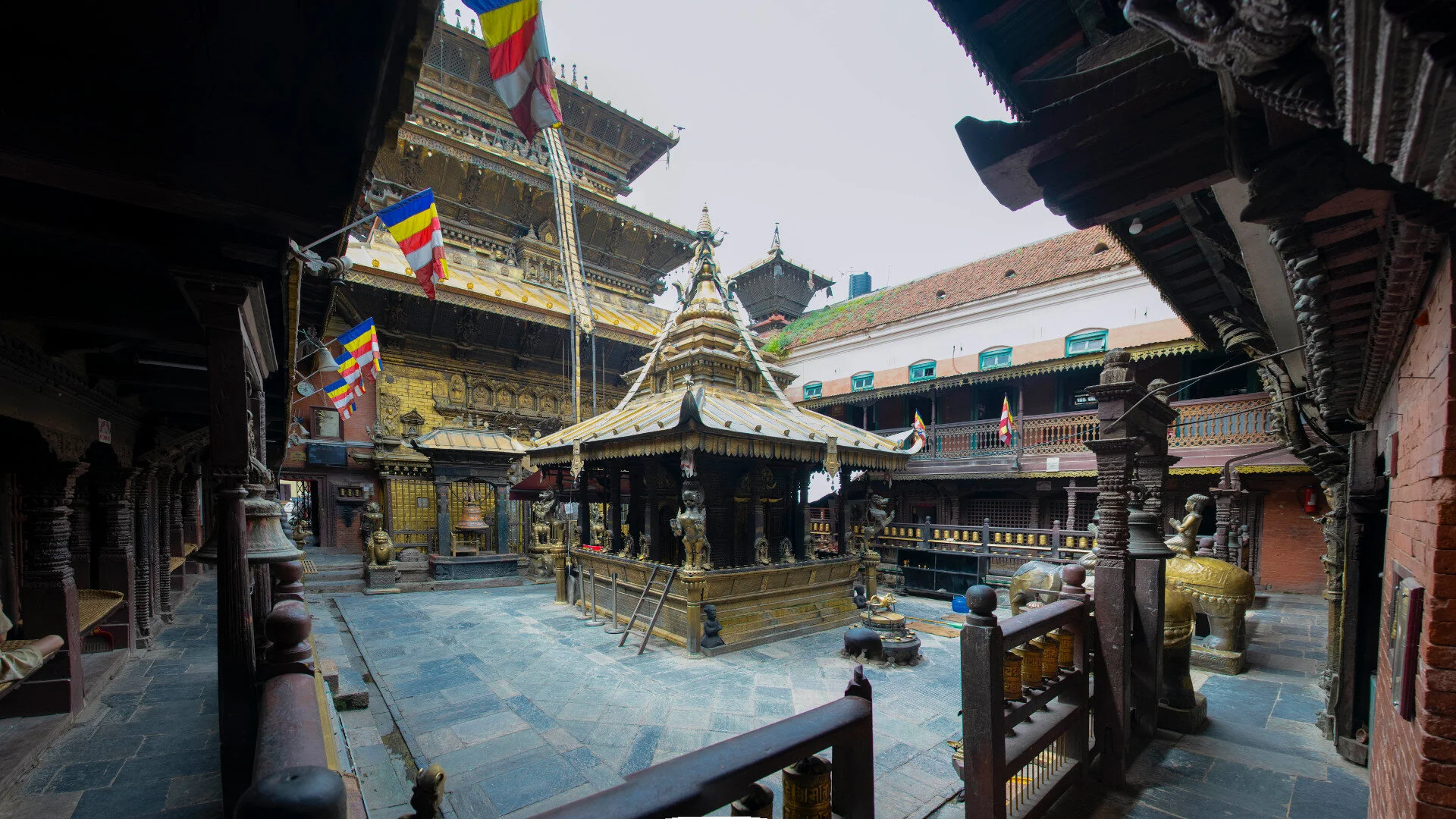
Let’s not go too far and stay close to the capital. Within the Kathmandu Valley, the Patan area is a popular hub for those seeking to admire history, art, and culture. Among the many significant places, there is one such gem just north of the Durbar Square--the Hiranya Varna Mahavihar, or The Golden Temple, as it’s informally called.
The one thing you learn when you travel across Nepal is that many places give you a feeling of home. You feel welcome and comfortable, and almost question how the setting can be so soothing. From the capital city to the farthest reaches within the border, many places hold both religious and cultural significance.
Let’s not go too far and stay close to the capital. Within the Kathmandu Valley, the Patan area is a popular hub for those seeking to admire history, art, and culture. Among the many significant places, there is one such gem just north of the Durbar Square--the Hiranya Varna Mahavihar, or The Golden Temple, as it’s informally called.
Origins
This unique Buddhist monastery founded in the 12th century by King Bhaskar Varma is a three-storey golden pagoda of Shakyamuni Buddha--locally known as Kwa Bahal. Bahal or Baha (Nepal Bhasa: बहाः) is a type of courtyard found amongst Newari communities and is the most dominant type in Newari Architecture. Baha is a Buddhist monastery and derives its name from the Sanskrit word Bihara, meaning joy or enchantment.
Generally, a family constructs the Baha where their descendants reside for generations. It is not only a unit of residence but also of kingship. The Hiranya Varna Mahavihar or Kwa Bahal houses Prajnaparamita.
Prajnaparamita means the perfection of transcendent wisdom in Mahayana Buddhism. It refers to the perfected ways of seeing the nature of reality, with references to sutras and personification of the concept of the Great Mother.
Kwa Bahal:
The Hiranya Varna Mahavihar--hiranya, meaning mouse-- gets its name from the myth of a golden mouse that chased cats. Before it grew to be called The Golden Temple, it was known as the Rat Temple as well.
The nickname Golden Temple came about through tourism rather than being made of pure gold. The temple gets its name from the gilded metal plates that cover most of its frontage, and most of the temple is polished brass.
This temple is among many arguably the most incredible temples in the world, and not merely another Buddhist temple in a city full of temples. This pagoda temple is tucked away in this quiet part of Patan and boasts an ornate interior and intricate metalwork and stone statues.
The unique architecture and the detailed carvings are always fascinating for both visiting tourists and locals. Although photography is not allowed, many tourists gather here, mostly with their guides and learn about the significance of this sacred monument.
The monastery adorns a golden facade with four gateways, a clock tower, and two lion sculptures. The lions sit at the eastern doorways with the signature of Krishnabir, the master stones man who sculpted the entrance with the cornice of Buddhist deities.
The eastern doorway leads to the central courtyard; shoes and leather articles are not allowed in the lower courtyard. The figure of two important Hindu deities, Vishnu and Shiva, is carved on the entrance doorway believed to safeguard this sacred place. When closed, the door also pictures a carved Bhairab, believed to protect the people from any bad happenings. Outside of winter, look for the tortoises hanging about the compound---these are the temple guardians.
Another door depicts the image of Buddha teaching the path of practising paramita to achieve Bodhisattva. The carvings on the entrance to the central courtyard depict the Gods of Three Yans---Sravakayana, Mahayana, and Vajrayana.
Inside, the temple is much larger than it appears. It is a getaway from the liveliness of Patan Durbar Square and the many alleys. Inside, with clean seating spaces, you can rest and listen to the Buddhist chanting that will give you goosebumps.
A smaller shrine containing a Swayambhu (self-risen) chaitya faces the main temple. There are statues of four Lokeshvaras (incarnations of Avalokiteshvara) and four monkeys holding fruits as offerings on each of the four corners of the courtyard. On the upper floor, lies a dedicated chapel to Avalokiteshvara with a wheel of life and Tibetan-style frescoes.
The main priest of the temple is a young 12-year old boy, who serves for a month before handing over the job to another young boy. Male children of that age are chosen as the Panchasheel is maintained at this age. The Panchasheel--doesn’t kill, tell lies, have corrupt thoughts, and drink or smoke. Children are suitable to don the mantle of such a role.
Going barefoot in temples is part of the culture, and it adds to the experience of visiting such sacred places. Even among the host of must-see architectural wonders and temples, this stunningly beautiful and serene piece of Nepal history, still, part of living Kathmandu, is a well worth visit.
POPULAR ITINERARIES
SIMILAR POSTS
Oases In An Urban Jungle - Part II
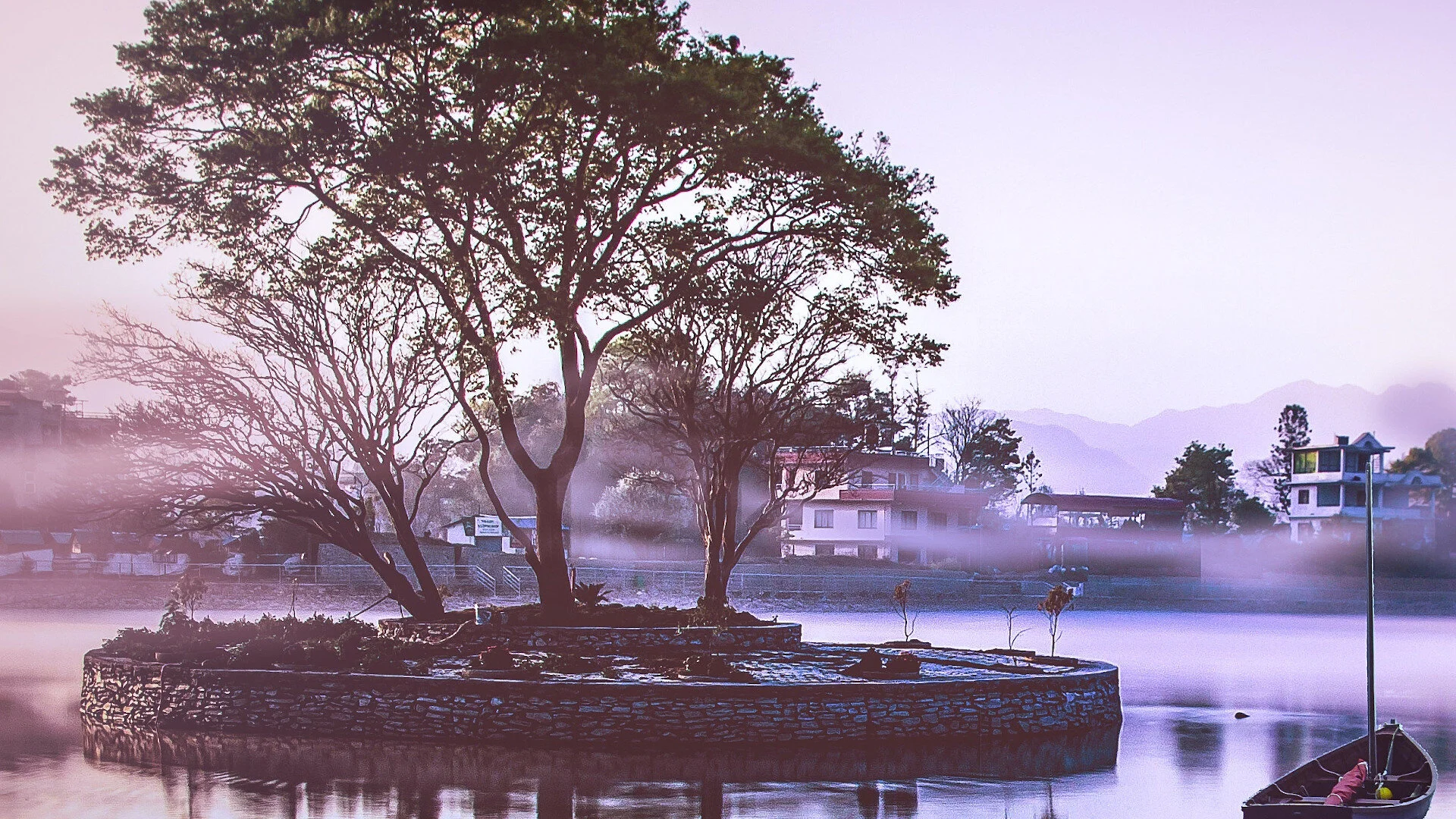
Looking down upon the Kathmandu valley from various viewpoints, the rapid urbanization at times feels like an urban jungle. Towering buildings, widening roads, and shrinking open spaces has left little room for citizens and visitors to experience nature and its wonders. Discovering lush greenery, vibrant flora and sound of flowing water is as close to stumbling upon an oasis.
Looking down upon the Kathmandu valley from various viewpoints, the rapid urbanization at times feels like an urban jungle. Towering buildings, widening roads, and shrinking open spaces has left little room for citizens and visitors to experience nature and its wonders. Discovering lush greenery, vibrant flora and sound of flowing water is as close to stumbling upon an oasis.
Mentioned below are a few such sanctums which invoke solace and tranquillity.
Taudaha
Taudaha comes from a combination of two words in Nepal Bhasa (the dialect of the Newa people) ‘Ta’ meaning snake and ‘Daha’ means lake. A freshwater lake with profound biodiversity Taudaha holds cultural and religious significance for Newa citizens of the valley. Believed to be a remnant pool of a lake that once covered the entire valley. “ According to mythology, a Buddhist mythical character Manjushree cut the hill in the valley’s south, allowing the lake’s water to drain off, thereby creating land that was duly occupied by people.”- Wikipedia
Home to 17 resident bird species, experts have recorded over 40 species in the lake area. Barn Swallow and Indian Cuckoo migrate to Taudaha during summer, whereas, The Great Cormorant, Ruddy Shelduck, Nothern Shoveler, Mallard Duck, Gadwall, Eurasian Coot, Northern Pintal and Common Teal migrate here during the winter.
Non-native fish species of carps over time have disrupted the ecosystem for native species such as barbs, catfishes and snakeheads. Reptiles such as checkered keelback and oriental garden lizard are sighted in this region frequently.
Surrounded by a well-paved path and sitting areas, locals and visitors get to indulge in morning and evening walks. Various other activities such as bird watching, meditation, yoga and hiking are also popular. Due to its cultural significance, swimming and fishing in the lake are not allowed.
Taudaha is a destination within the valley to rekindle ones spirit with nature accompanied by great hospitality and indigenous cuisine. An itinerary to Taudaha can also include a stroll in Manjushree Park and a hike to Adinath Lokeshwor Temple. The region is not just home to natural diversity but also a cultural one. Depending upon the season, various religious celebrations occur in the area such as Nag Panchami, Gunla and Kartik Mela.
Sundarijal
‘Sundari’ translates to beautiful and ‘Jal’ water from Nepali to English. Sundarijal, a village located in Gokarneshwar Municipality: is a true oasis in an urban jungle.
An escape to Sundarijal features tantalizing encounters with waterfalls, water bodies and native wildlife. The river Bagmati originates from this region and holds great social, communal and religious significance to the citizens of the valley. It is also a prime source of drinking water for the valley of Kathmandu.
Fifteen kilometres (9 miles) north-east of Kathmandu,Sundarijal falls west of Gagalphedi; east of Nayapati and Baluwa and north of Aalapot. The northern portion of Sundarijal falls within Shivapuri National Park.
Sundarijal’s biodiversity consists mostly of pine, oak and rhododendron. The region maintains an average temperature of 25.5º C in summer and 0º C during the winter. Wildlife such as Himalayan black bear, leopard, jungle cat and rhesus monkeys are sighted. It is also home to 177 species of birds amongst which nine endangered. One hundred two species of butterflies also call this region home.
Due to its proximity to Kathmandu, it receives a substantial amount of weekender’s who come for a quick getaway. Various activities such as nature walks, hikes, bird watching and canyoning have gained popularity in this region. Treks to Lantang Range, Chisapani and other routes also begin from Sundarijal.
POPULAR ITINERARIES
SIMILAR POSTS
Oases In An Urban Jungle - Part I
Looking down upon the Kathmandu valley from various viewpoints, the rapid urbanization at times feels like an urban jungle. Towering buildings, widening roads, and shrinking open spaces has left little room for citizens and visitors to experience nature and its wonders. Discovering lush greenery, vibrant flora and sound of flowing water is as close to stumbling upon an oasis.
Looking down upon the Kathmandu valley from various viewpoints, the rapid urbanization at times feels like an urban jungle. Towering buildings, widening roads, and shrinking open spaces has left little room for citizens and visitors to experience nature and its wonders. Discovering lush greenery, vibrant flora and sound of flowing water is as close to stumbling upon an oasis.
Mentioned below are a few such sanctums which invoke solace and tranquillity.
1. National Botanical Garden
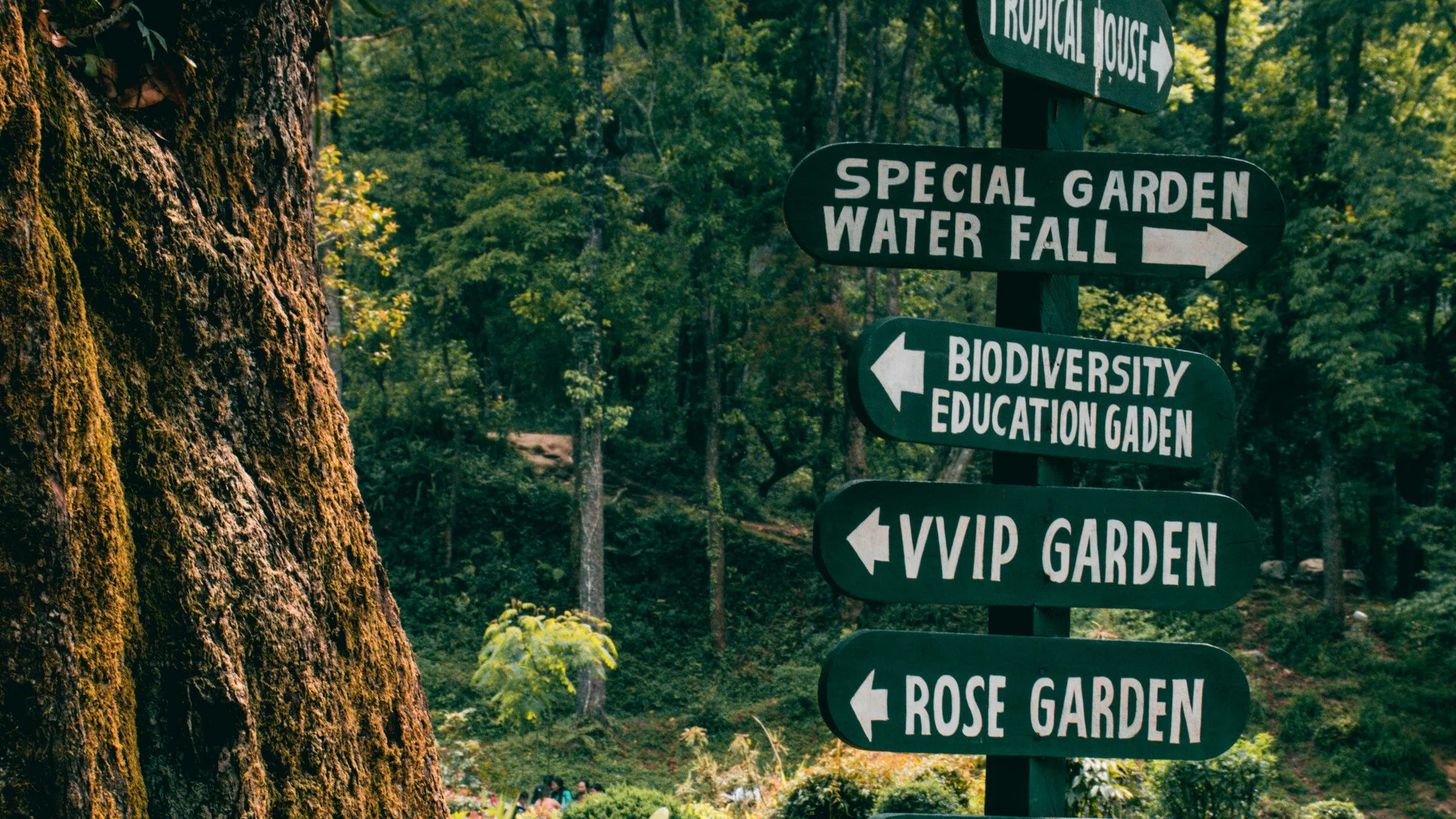
The National Botanical Garden, previously known as Royal Botanical Garden and commonly as Godavari Botanical Garden is a destination preferred by individuals of all age groups for activities such as family picnics, bird watching, butterfly spotting, hiking, research and indulging in creative works. Nestled in the foothills of Phulchowki Hill, the garden covers a total area of 59 acres and is home to an avid diversity of flora. The site also features a natural spring known as Godavari Spring, which is 200 metres from the entrance. The springs history has religious significance and is a popular pilgrimage site during the season of spring for Hindu and Buddhist devotees.
The garden is surrounded by an evergreen natural forest, which helps keep the temperature within twenty to thirty degrees during the summer and zero to twenty degrees during the winter. When the urban centres bake with the rays of the summer, the garden and its surroundings are brisk and temperate: creating a haven for more than one thousand species of flora.
The garden sees a large number of visitors during the coming of spring when the Rhododendron Arboretum bloom. The rows of Rhododendron trees which continue till Pulchowki Hill are covered with its flower and create an enchanting aura.
A small admission fee which varies for Nepalese, SAARC Visitors and Foreign Visitors allows entrance to the garden which is open from 9 AM to 5 PM during Mid-November to Mid-February and 10 AM to 4 PM during Mid-February to Mid-October.
Visitors & Other Categories
Entrance Fee (Inclusive of VAT)
Nepali Citizens below 10 years - NRS. 20
Nepali Citizens above 10 years - NRS. 50
SAARC Citizens below 10 years NRS. 100
SAARC Citizens above 10 years - NRS. 200
NON- SAARC Citizens below 10 years - NRS. 500
NON- SAARC Citizens above 10 years - NRS. 1000
Camera Fee
Digital Camera - NRS.30
Video Camera - NRS.200
Electric Vehicle Tour Fee (One Round)
Nepali Citizens below 10 years - NRS. 100
Nepali Citizens above 10 years - NRS. 200
SAARC Citizens below 10 years - NRS. 200
SAARC Citizens above 10 years - NRS. 400
NON- SAARC Citizens below 10 years - NRS. 500
NON- SAARC Citizens above 10 years - NRS. 1000
2. Garden of Dreams
Once the private garden of Field Marshal Kaiser Sumsher Rana, it was considered one of the most exquisite gardens of that time. Completed in 1920 AD the premises was inspired by Edwardian architecture. The neo-classical garden features pavilions, fountains along with distinct European marquees such as verandas, pergolas, balustrades, urns and birdhouses. After the demise of Kaiser Sumsher, the palace got handed to the Government of Nepal.
Also known as the garden of six seasons, inspired by the six seasons of Nepal. It covers a total area of 6,895 square metres which includes three pavilions; an amphitheatre; central pond; pergolas; urns and combinations of small and large gardens.
Lack of conservation and management lead to severe degradation of the premises. After extensive renovation carried out between 2000 to 2007 AD, the garden took regained its outlook but half in size.
Today the garden is open to visitors who can indulge in its serenity and Edwardian ambience. Visitors are not allowed to bring in their food but carry bottled juice, water. They can indulge in various delights prepared in the gardens own private restaurant. Open between 9 AM to 10 PM, Garden of Dreams is a great destination to escape the urban life and appease oneself in the quaint natural escape.
The entry fees to the Garden of Dreams is listed below:
Visitors
Nepali Citizens - Rs.150
Non-Nepali Citizens - Rs.400
* 25% discount provided on ten tickets.
* Children, senior citizen and disabled are provided 50% discount.
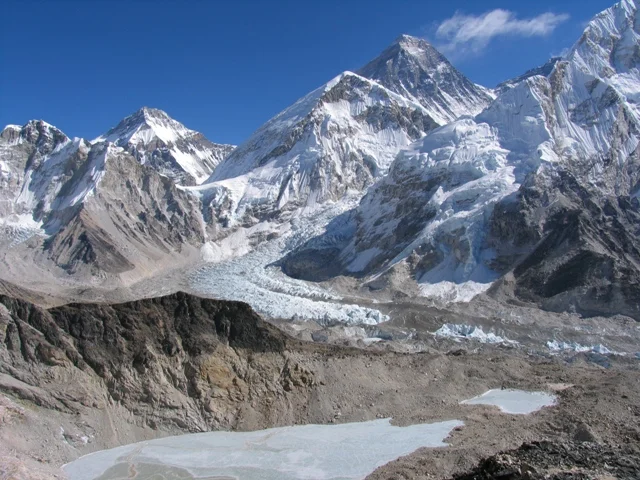
This trek is specially designed to reach the Everest Base Camp including Kala Pattar which is the best view point to view the sunrise over the high Himalayas including the Mt. Everest. This trek requires 13 days.
USD 1515 PER PERSON -- TWIN ROOM SHARING BASIS