
Great Honeymoon Destinations In Nepal
For love is to be cherished and celebrated, it can be done in Nepal too. Nepal is home to a large number of destinations that can be for a honeymoon. In comparison with most of the well-known hotspots, destinations in Nepal stand out as they are more adventurous, breath-taking, and tantalizing.
For love is to be cherished and celebrated, it can be done in Nepal too.
Nepal is home to a large number of destinations that can be for a honeymoon. In comparison with most of the well-known hotspots, destinations in Nepal stand out as they are more adventurous, breathtaking and tantalizing.
1. Shey Phoksundo Lake
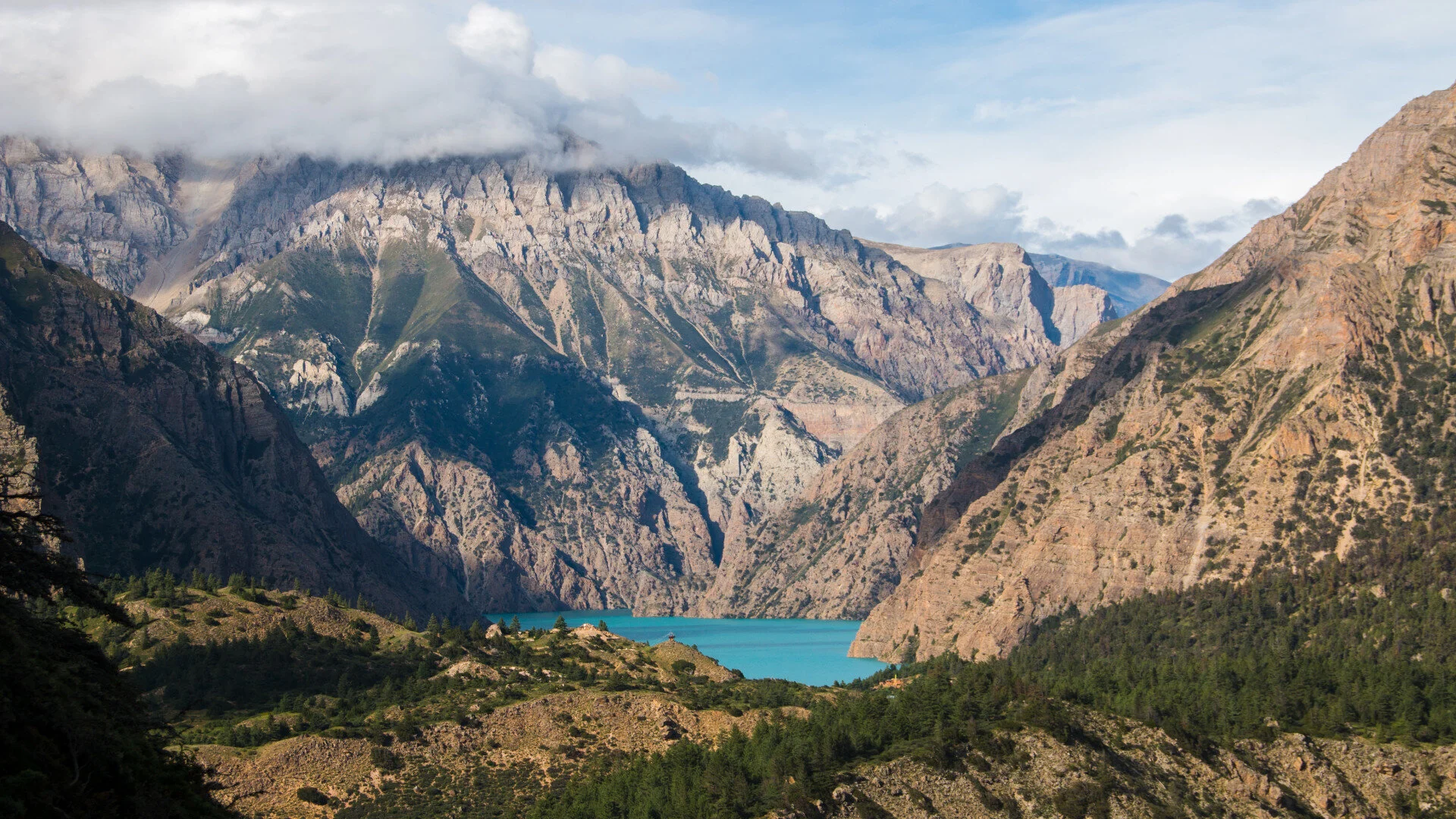
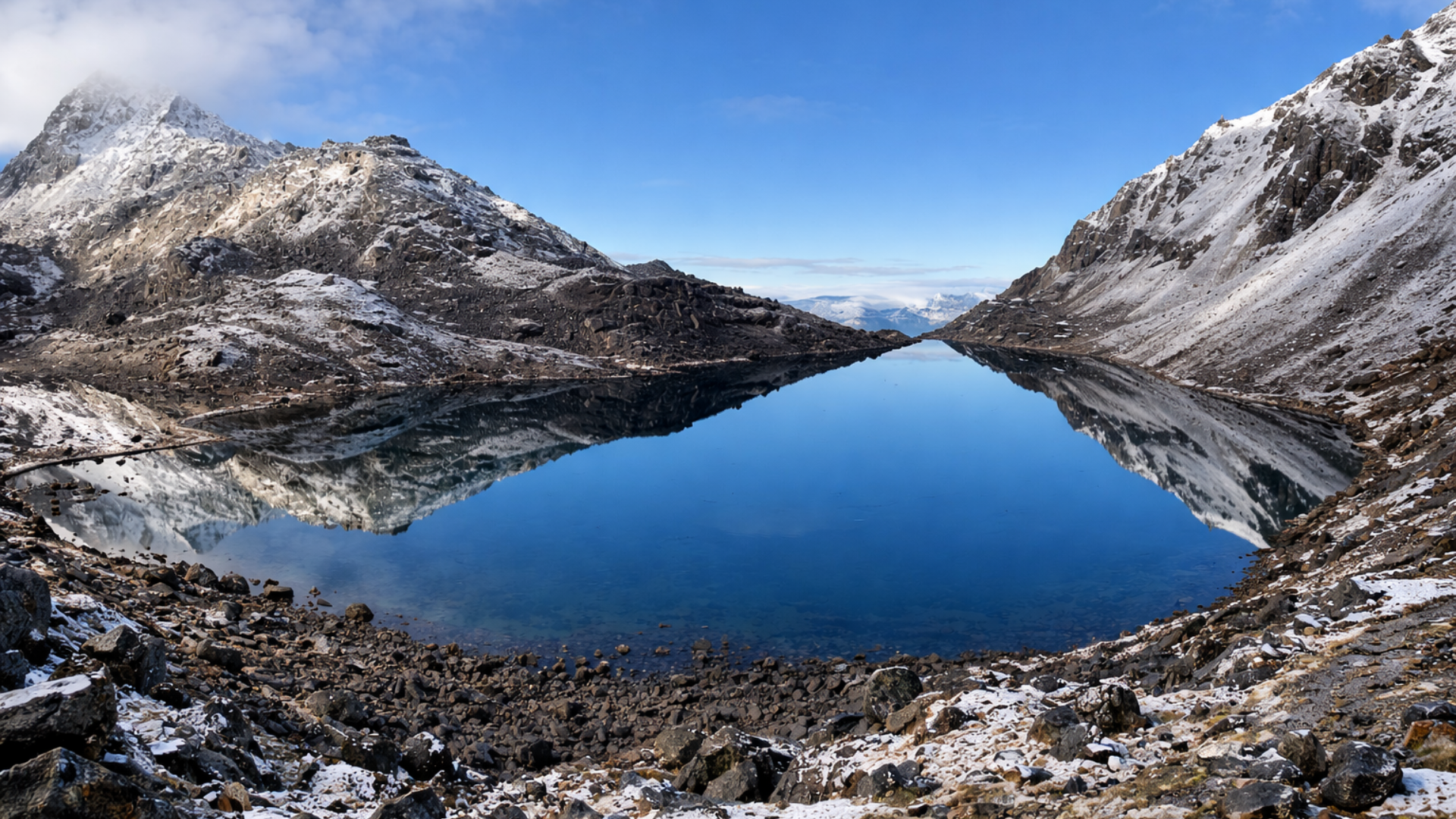
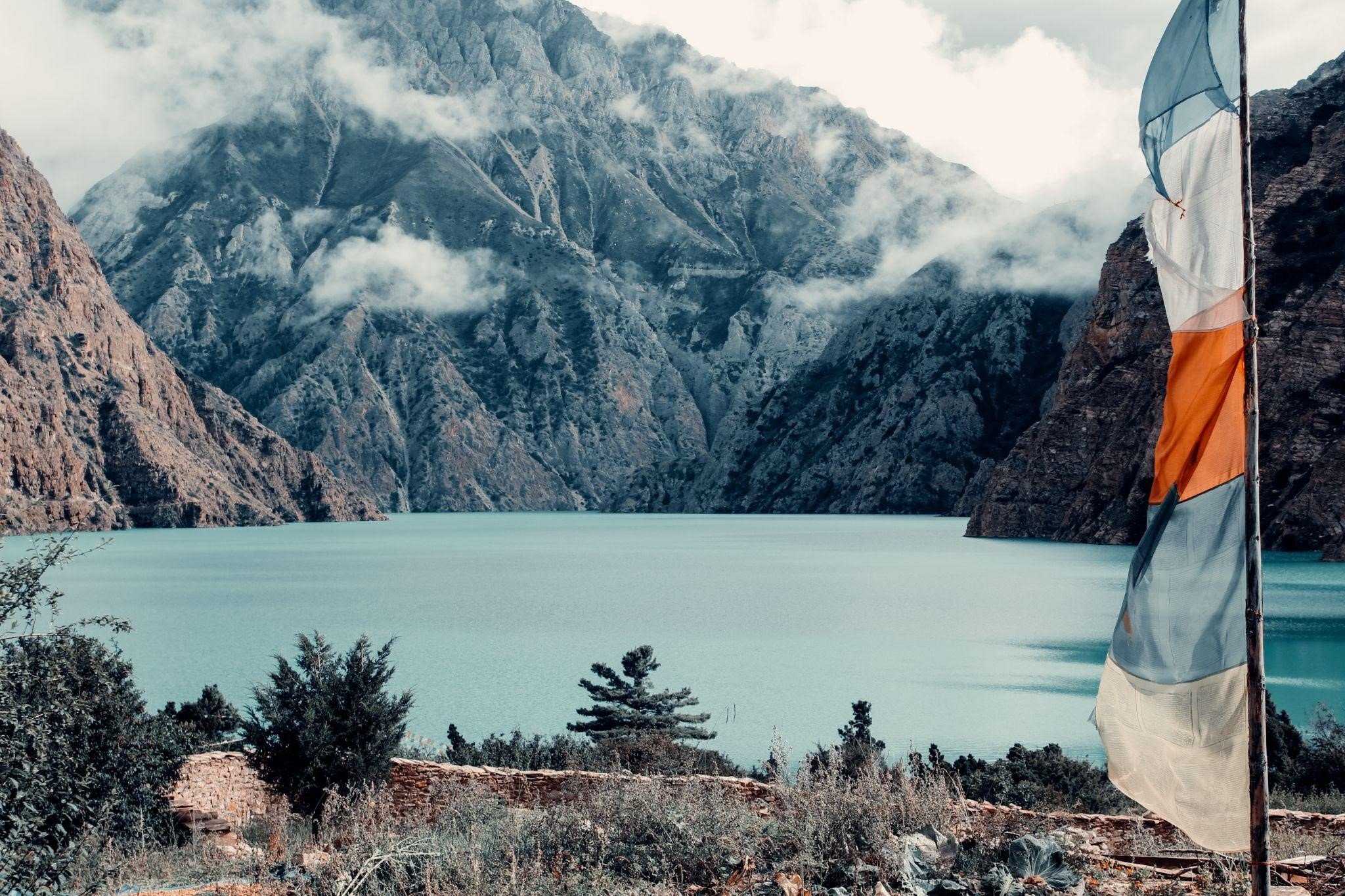
Nestled in the beautiful outback landscape of Dolpo, the tantalizing lake of Shey Phoksundo is a sight to weary eyes.
The lake lies in Shey Phoksundo National Park, which is the largest and the only Trans-Himalayan national park of Nepal. Spread over 3,555 kilometres square (1,373 square miles) in the districts of Dolpa and Mugu in the mid-western region of Nepal which is home to a variety of flora and fauna. The park ranks among the most scenic in the world as it rests in the northern region of the Himalayan crest. The crown jewel of this region is the Shey Phoksundo Lake. The lake is famous for its magnificent turquoise colour and flows downwards to create the largest waterfall in Nepal.
The lake was created by a landslide which dammed the Suligad river from the southern end 30,000-40,000 years ago. The village of Ringmo with a seasonal population of two hundred sits atop the landslide dam. It is home to an ancient Bon temple, which lies on the outside of town.
My mere words will never to do justice to the beauty of Shey Phoksundo. The freshwater lake and its turquoise hues is a sight to be taken in through all senses. A honeymoon to Shey Phoksundo shall be an adventure of a lifetime.
Reaching this lake is no small task. General itineraries stretch between 10- 15 days, this creates time for both to celebrate their love; through a journey that shall test their strength, trust, and determination. The fruit of this labour is tranquil, magnificent and heavenly.
2. Shree Antu
Looking into the eyes of your loved one over the first rays of the sun, how does that sound?
Shree Antu Danda (hill) in Illam district is where the first rays of the sun hit it in Nepal. Approximately 13.2 and 63.7 kilometres from Phikal Bazar and Bhandrapur Airport, Shree Antu is ranked amongst the best sunrise and sunset spots in Nepal.
The region is notorious for its dramatic weather, but when the skies clear the hill provides panoramic views and sights of Siliguri in India. A trek to Shree Antu is of a modest three days with a maximum elevation of 3760 metres. A flight to Bhandrapur Airport and a rented private vehicle can get you in proximity to the hill. After which it is a gentle uphill climb to the summit. The drive includes spectacular views of the tea gardens of Illam along with opportunities to witness the life of the ethnic communities of the region.
3. Chitwan National Park
If a natural escape is what you seek, then Chitwan National Park is the destination for you.
The first national park of Nepal, Chitwan National Park was established in 1973 AD and was indoctrinated into the list of World Heritage Sites by UNESCO in 1984 AD. This subtropical park lies in the Terai region of Nepal, approximately 170 kilometres from Kathmandu. Covering a threshold of 952.63 kilometres square, it spans three districts: Nawalpur, Parsa, Chitwan and Makwanpur.
The park is home to numerous endangered species of flora and fauna, most popularly the Bengal Tiger and the one-horned Rhinoceros. The park provides ample opportunities to witness a variety of bird species if bird watching is something you have in common with your significant other. Wildlife encounters are a great way to make memories, and the cultural experiences a great tale to passed down.
As of now, the park can be reached through a drive or via direct flights to Bharatpur Airport. Due to the popularity of the destination, finding the right accommodation would not be difficult and the region provides various amenities as well.
4. Everest Base Camp
Retaking vows with Mount Everest in the background. Isn't that a picture-perfect moment?
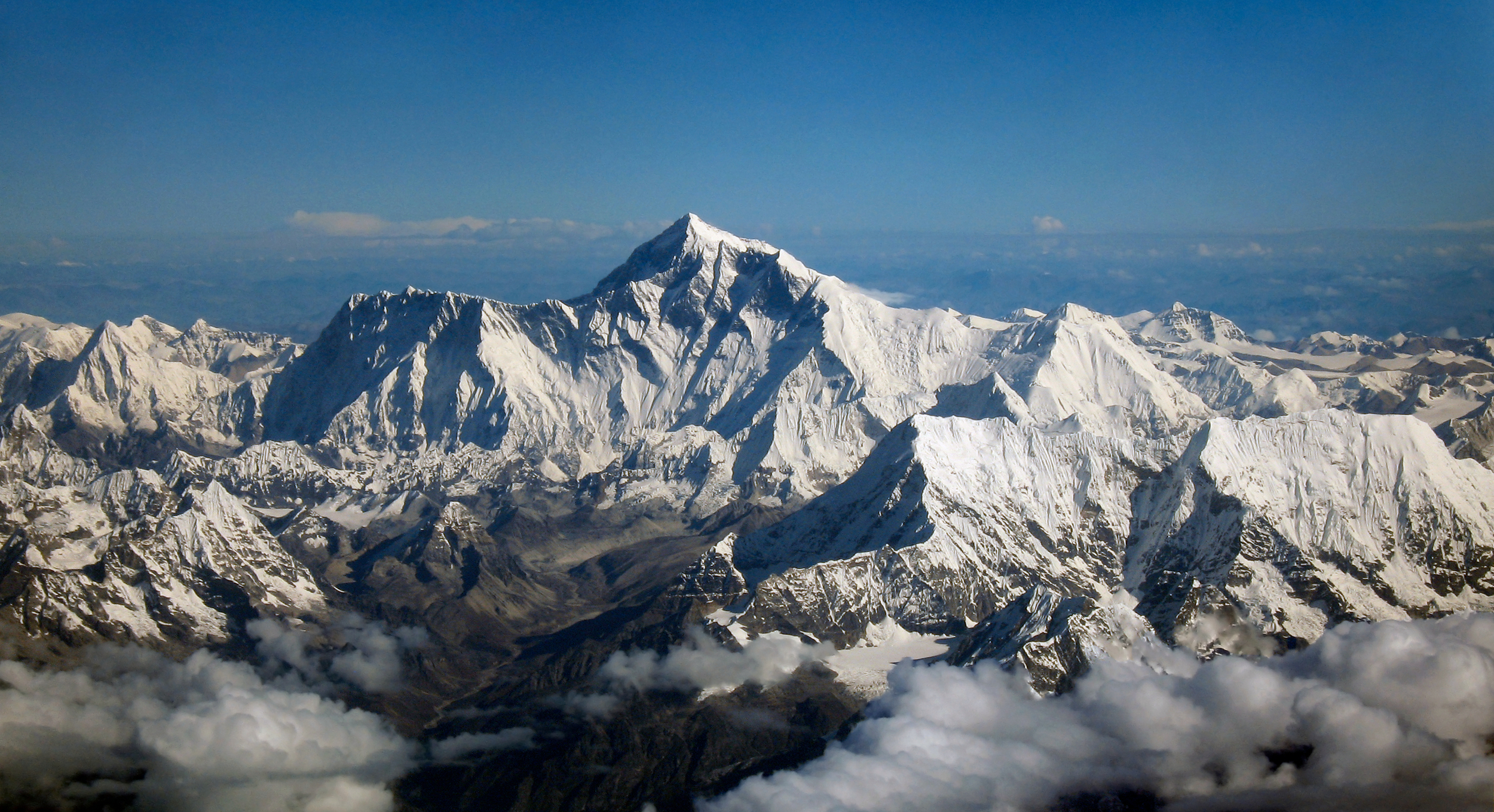
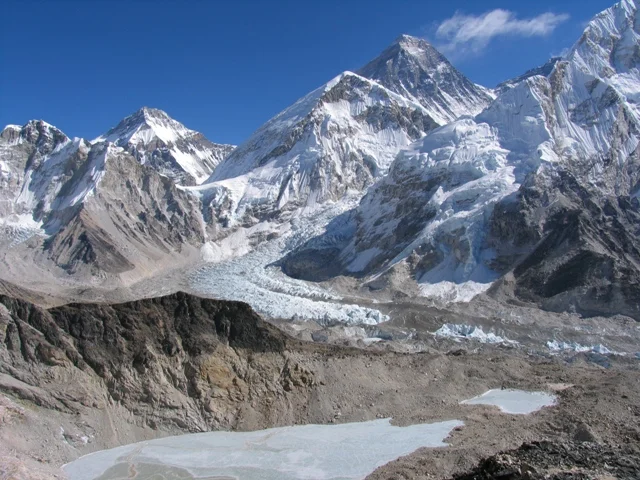
The thoughts of Nepal are never incomplete without visualizing the highest peak in the world. Over time the Everest region has grown to become the most popular destination in Nepal, with a whole spread of adventures to be experienced.
The region offers more than just climbing Mount Everest or trekking to the base camp. The Sagarmatha National Park is home to spectacular landscapes; diverse cultures; pristine wildlife; and tranquil lakes which can be combined to create the perfect honeymoon expedition.
The topography that creates a hurdle for all-round development in Nepal is the same that gives it such natural diversity. From the Himalayan ranges to the lowlands of Terai, the entirety of Nepal is yonder that screams adventure, tranquillity and paradise. This nectar of natural beauty. Coupled with rich cultural heritage is an opportunity to create memories for a lifetime.
POPULAR ITINERARIES
SIMILAR POSTS

Exploring Nepal In Monsoon
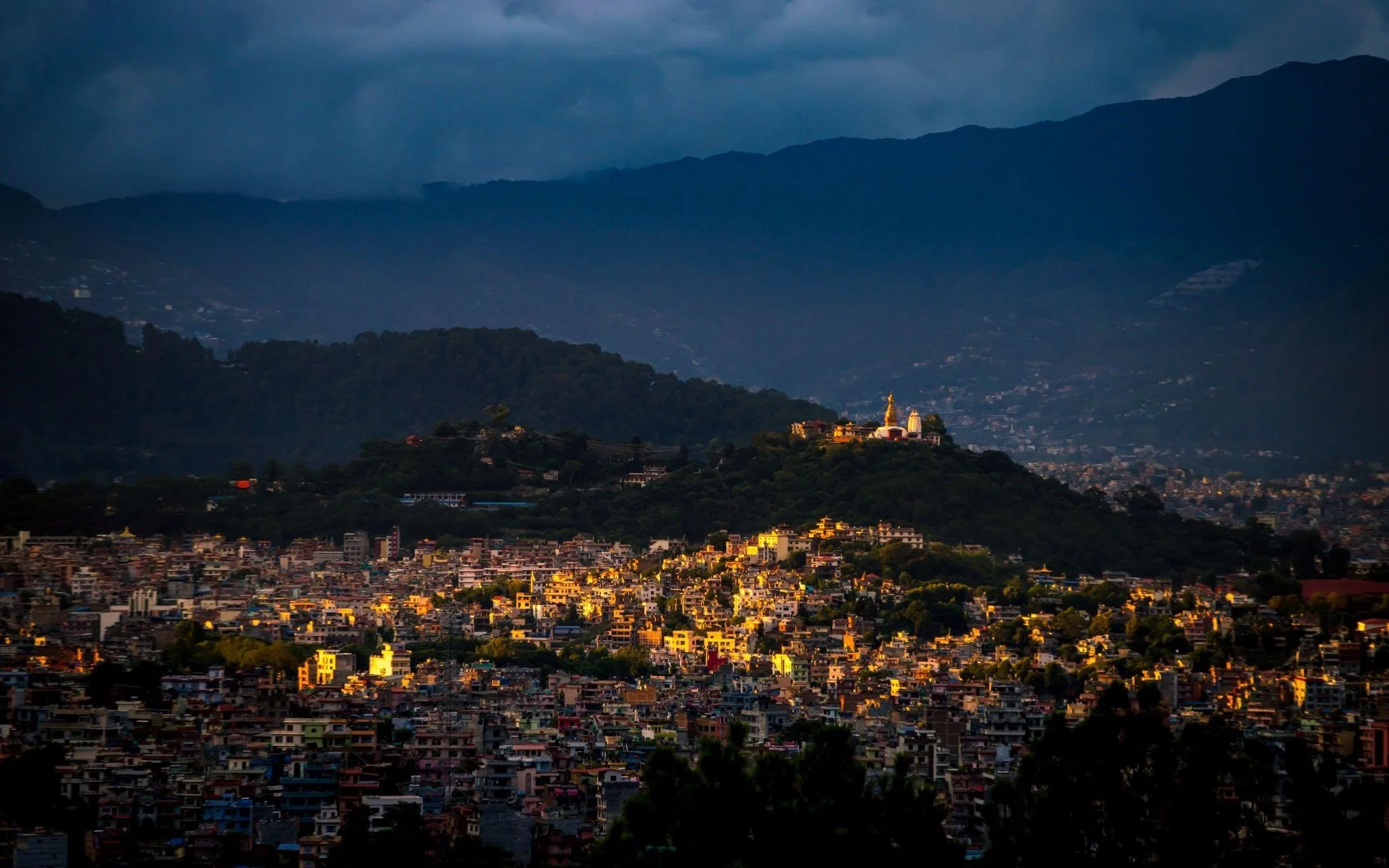
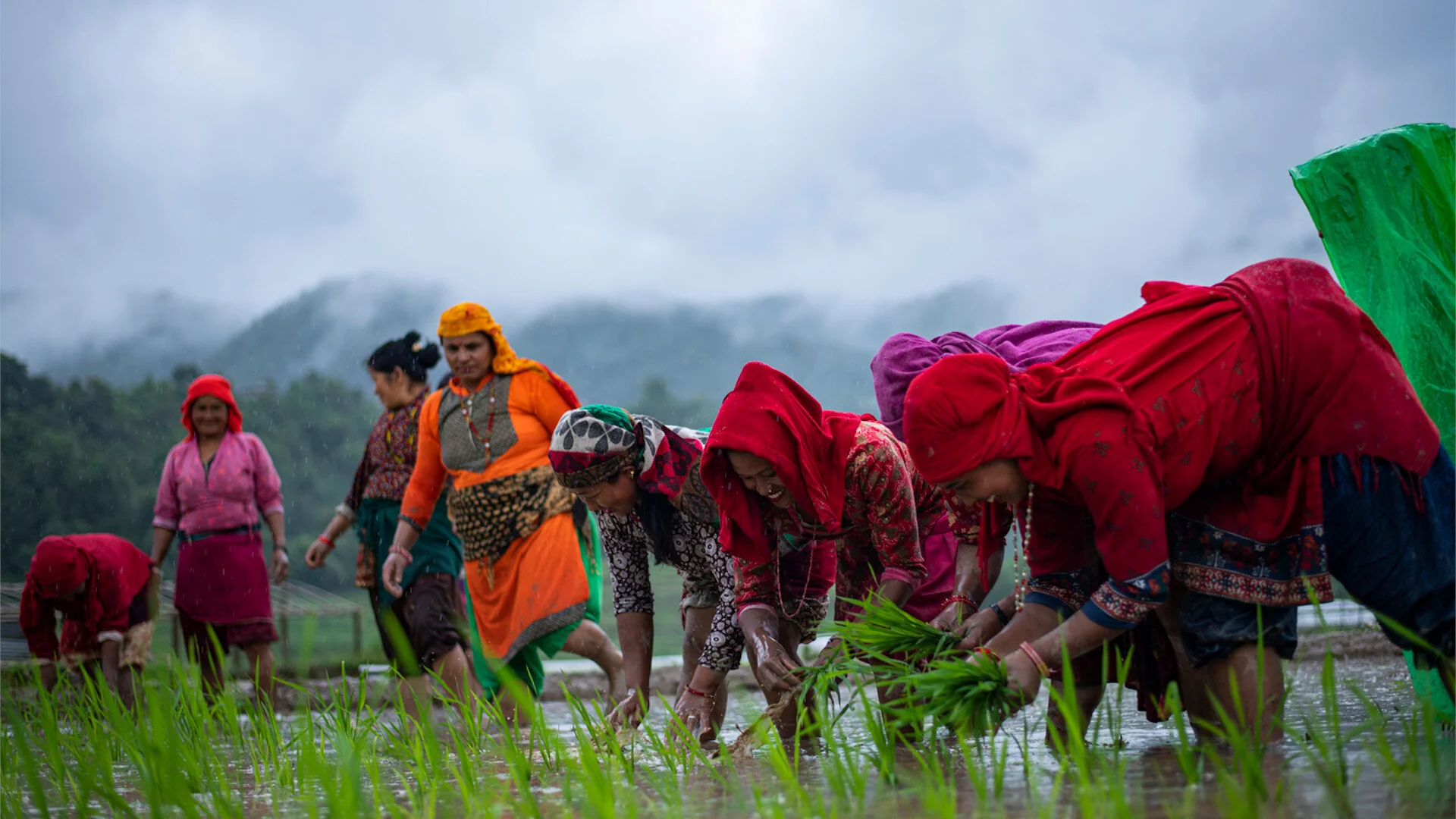
The general assumption when it comes to visiting Nepal is that one cannot do much here during the monsoon. It leads to a sharp decline in the number of international travellers and is considered off-season. Even though various adventure activities are not achievable during this period, it does not mean that one cannot experience Nepal. There are various regions which are accessible and regional activities one can experience. Before we dive into it, let us know more about the impact of the season in general.
The general assumption when it comes to visiting Nepal is that one cannot do much here during the monsoon. It leads to a sharp decline in the number of international travellers and is considered off-season. Even though various adventure activities are not achievable during this period, it does not mean that one cannot experience Nepal.
There are various regions which are accessible and regional activities one can experience. Before we dive into it, let us know more about the impact of the season in general.
The pre-monsoon period falls in the last few weeks of the Grishma, which is the hottest season in Nepal. This season features the highest temperatures in most regions of Nepal which are accompanied by light to heavy rainfall in the last weeks of the month. The monsoon also is known as the Barsha, which is also peak monsoon between Mid-July and lasts in average till Mid- Late September.
Travellers can face difficulty when it comes to connecting national and international flights due to weather disruptions. Roads in some part of Nepal become inaccessible due to the rain, landslides and flash floods. But the other elements such as communication, accommodation and amenities are available during this season.
Trekking the Trans-Himalaya Region
Most trekking trails are inaccessible during the monsoon. But routes that lie in the shadow of Trans-Himalaya which experiences minimal rainfall are at there best during this time. (Trans Himalaya was created due to the collision with the Eurasian plate. This zone is the Northernmost area in the country in the states of Jammu and Kashmir and Himachal Pradesh. It is an extension of Tibetan plateau around the Himalayas- Wikipedia).
Trails such as Upper Mustang Trek, Nar-Phu Valley Trek, Tsum Valley and Manaslu Circuit Trek, Phoksundo Lake Trek, Lower Dolpo Trek, Simikot Circuit Trek, Lower Mustang Trek, Limi Himal Trek are some of the trails that one can indulge.
Due to the prevalent trend, this season features a low number of trekkers which leads to less crowding, and the various lodges and homestays have rooms easily accessible. Travellers should be prepared with measures if rainfall occurs. Such equipment and gears are available in the tourist markets of Nepal.
The prime advantage of traversing these trails during this season is not just the low crowds, reduced rates, but also the fact that the biodiversity in these regions during this period is immense. Waterfalls which would be dry during other seasons are lush, and the flora is at peak blossom.
A Cultural Experience
The period between Mid- July to Mid- September is a time of ample cultural festivities, especially in the areas with a predominantly Newar community. The Newa people are the indigenous inhabitants of Kathmandu valley. Predominantly an agrarian society, the cultural activities of the Newa people begin after the completion of the annual harvest which falls on Mid-July to August.
Gathamung Chare, commonly known as Gatha Muga, begins the festive season. Dedicated to ridding demons and purifying one's vicinity, the highlight of the day is an effigy created from straw and bamboo symbolizing a demon. Children with the help of their elders create voodoo dolls which are hug on the effigy. After sunset, the figure is dragged by the community members and burnt at the nearest river to symbolize ridding the demon.
To know more about Gathamung Chare: Click Here
Gunla Dharma, Indra Jatra, Pancha Dan, Gai Jatra, Matya are some of the festivals celebrated during the monsoon period.
For travellers who wish to experience cultural diversity, explore and engage in the rich heritage of Newar culture, this period is optimal.
Off The Beat Adventures
Peak monsoon can cause disruptions in ones scheduled itinerary. Many can't seem to find a great way to make the most out of their time. One can always go beyond the beat and develop a productive itinerary with various activities around the area.
One may choose to explore traditional Nepali cuisine at the hotel and learn more about the rich culinary diversity of the region. A rejuvenating day at the spa could help give you the boost needed on a rainy day. Hotel Shanker includes Tranquility Spa, which offers massage and beauty services.
A quick drive to the various museums of Nepal could also be a great way to make good of the free time. Immersing oneself in the history of the region is a great way to understand the make of the people and their society.
POPULAR ITINERARIES
SIMILAR POSTS
A Guide To Newari Festivals - Part VI
Newari communities in Nepal celebrate numerous festivals every year. All these festivals are tied to its culture and heritage, events for ancient mythology, agricultural calendar, family, and communities.
Jana Baha Dyo Jatra
Celebrated In: March*
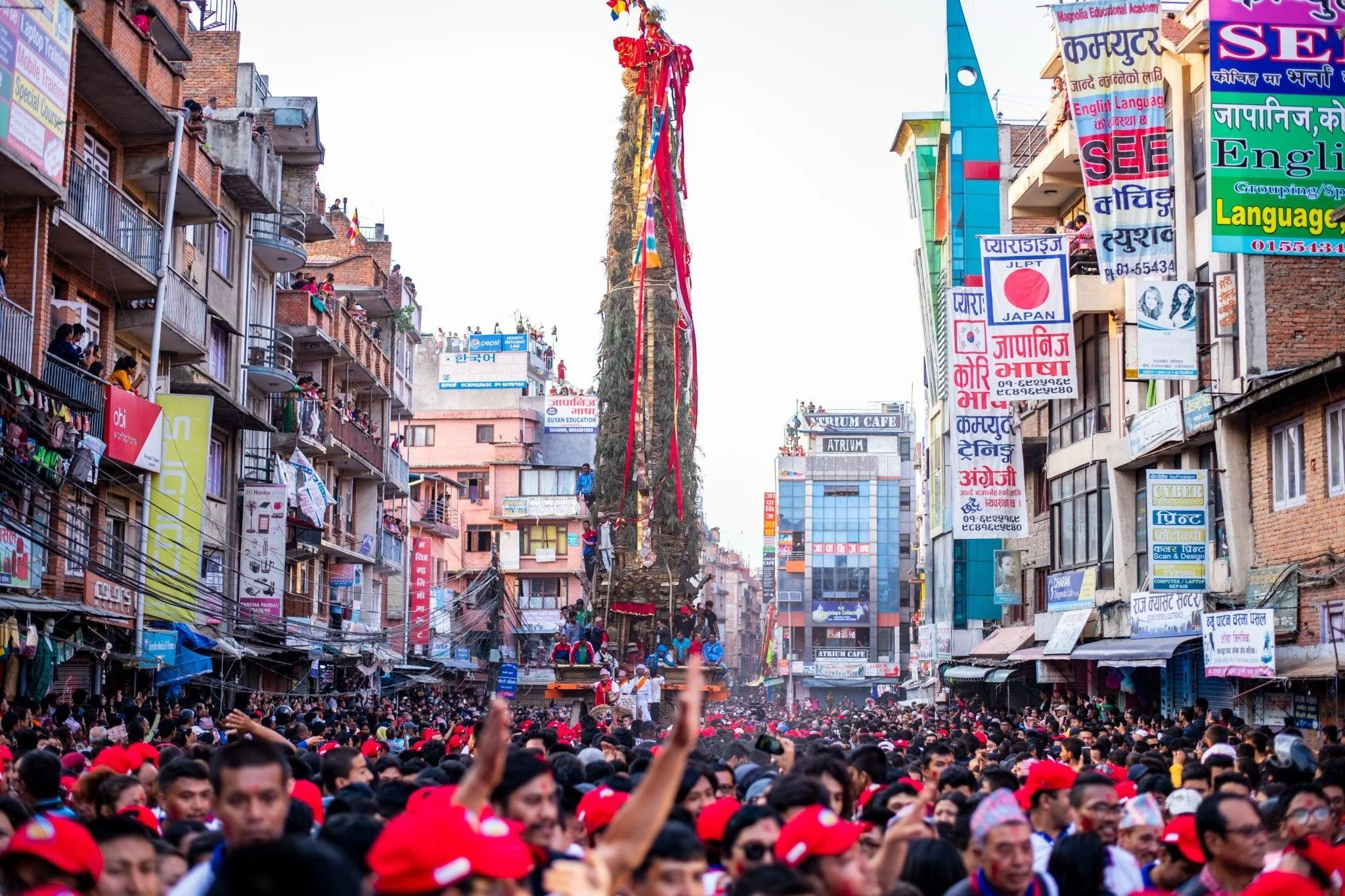
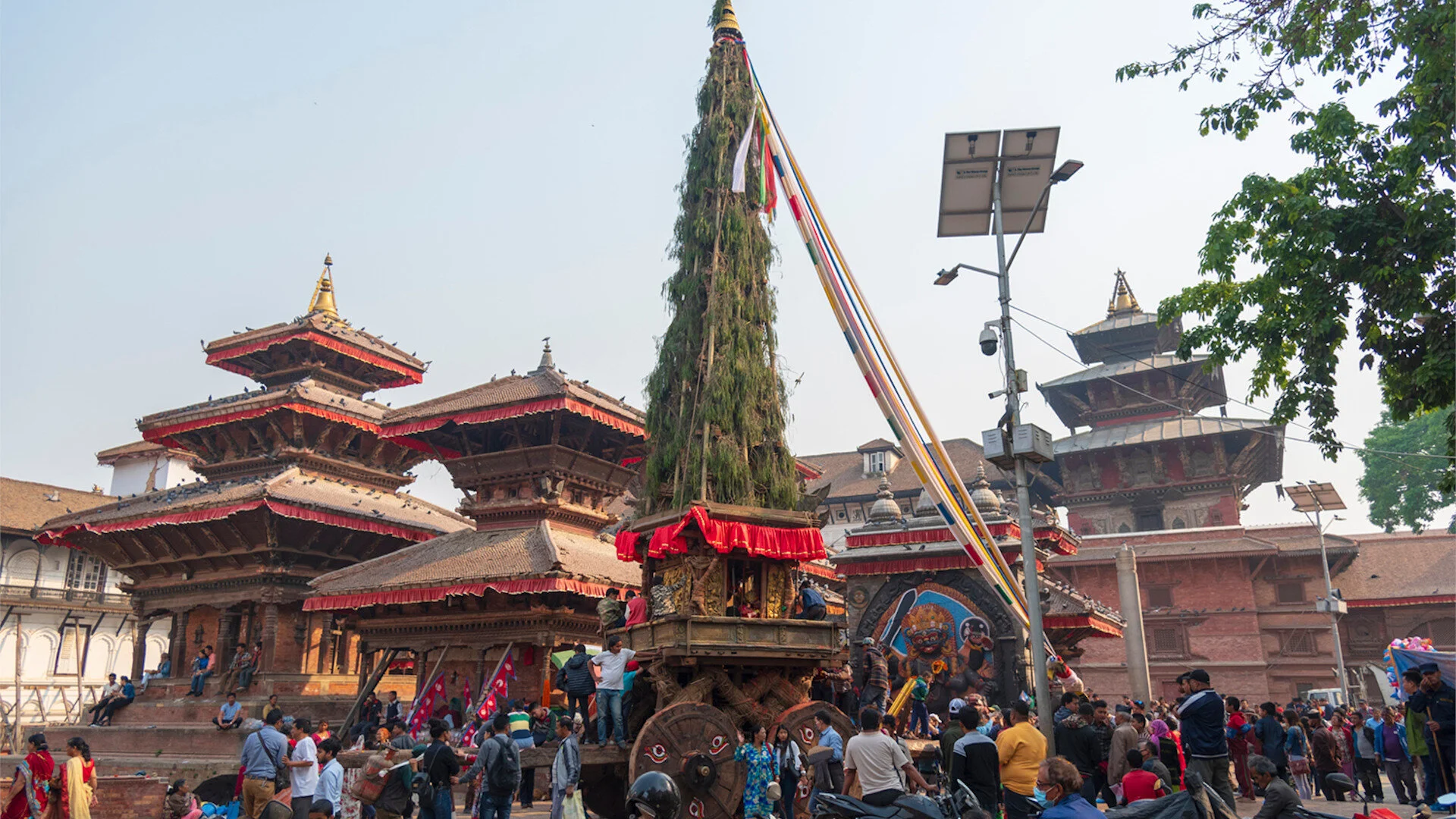
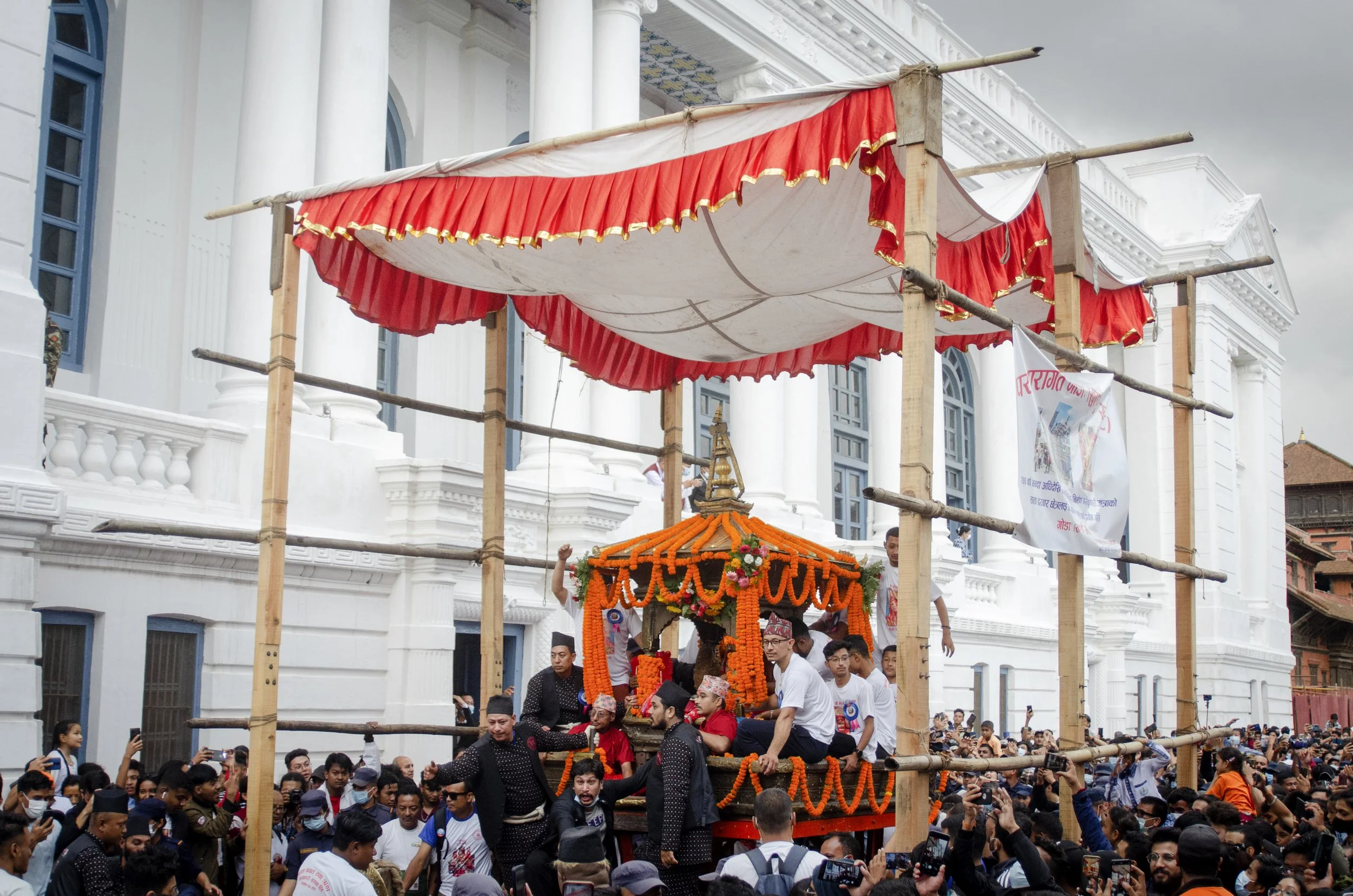
Commonly known as Seto Matsyendrath, it is natively known as Jana Baha Dyo, Yalameshwor. The chariot procession is marked for Chaitya Dashain, and the building process is commenced a week prior. A group of traditional builders with the help of volunteers build the 4 storied chariots shaped in Shikhara architecture.
The chariot makes its way through various parts of the old routes of Kathmandu. The chariot is pulled within 3 days and on the third day a special puja is conducted after which the image of Jana Baha Dyo is taken back to the temple at Jana Bahal.
The chariot makes it’s way from Durbar Marg to Bhotahity and rests in Asan on the first day. After which it is pulled to Ket Tol, Indra Chowk, and rests in Hanuman Dhoka. On the final day, it makes its way through Basantapur Durbar Square, Jasidega and circles the mother tree three times in Lagan.
Learn More About Jana Baha Dyo Jatra: The Chariot Festival of Seto Matsyendranath
Biskah Jatra
Celebrated In: April*
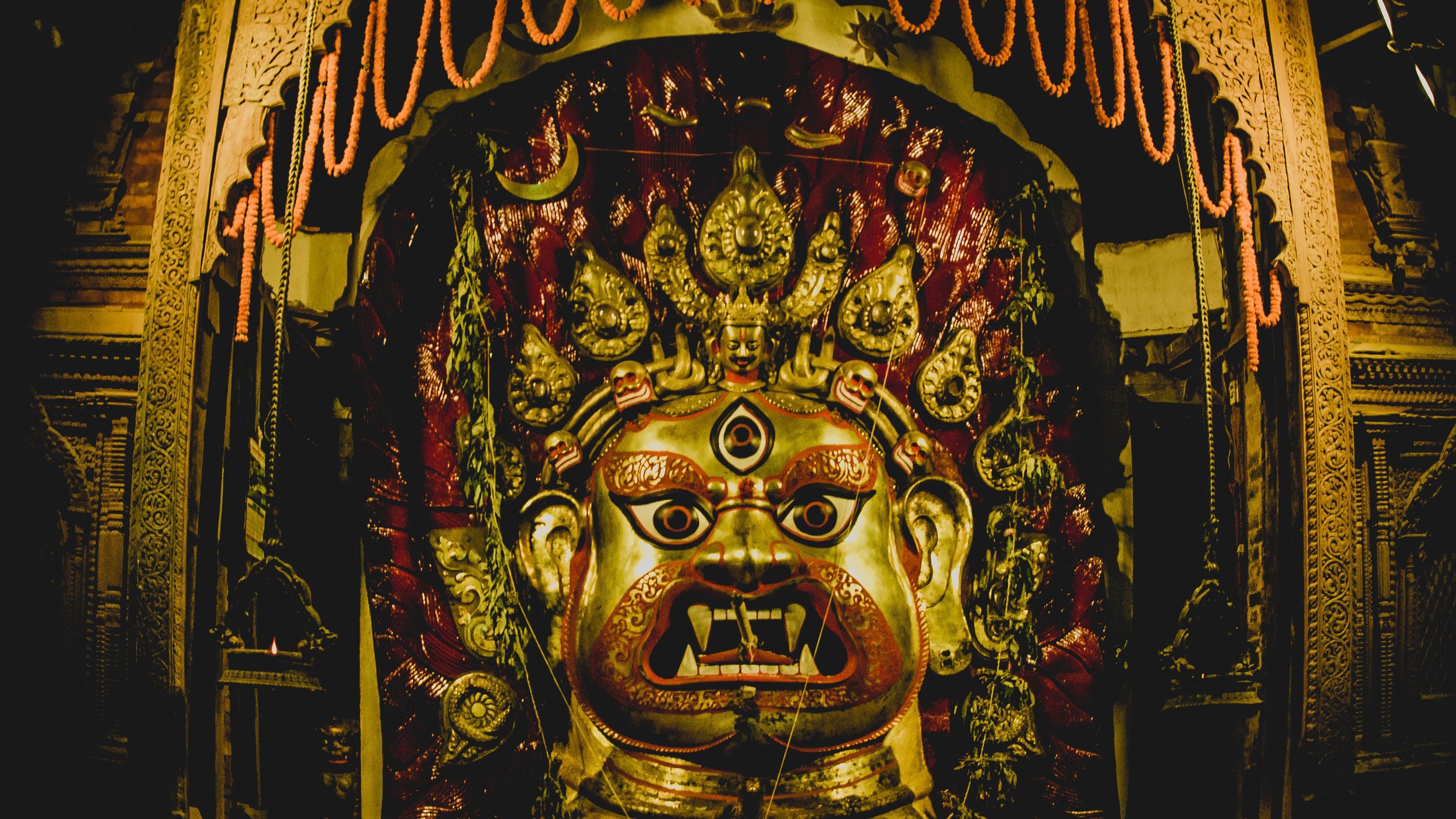
Biskah Jatra which is commonly known as Bisket Jatra is a festival which is celebrated according to the solar calendar (Bikram Sambat) rather than the lunar Nepal Era Calendar. It is derived from the word, “Bee Sikah”, which means ‘after the death of the serpents’. The festival is centred around the worship of the deities Lord Bhairav and Goddess Bhadrakali. The festival lasts for a total of 9 days from the 27th of Chaitra to 5th of Baisakh.
A procession of two chariots, being pulled in a tug-of-war setting between Thane(Upper) and Kone(Lower) part of town begins the festivities of Biskah Jatra. Two lingo’s known as Yo Shi (55-feet-tall each) are erected in two different locations of the central city on New Year’s Eve and brought crashing down on New Year’s Day symbolizing the killing of the serpents. To symbolize the consummation of the marriage, the two raths (chariots) are made to crash against each other. This occurs during midnight when the Bhairab and Bhadrakali chariots are collided symbolizing copulation.
Learn More About Biskah Jatra Here: Tales Of Biskah Jatra
Bunga Dyo Jatra
Celebrated In: April-May*
Dubbed as one of the longest chariot festivals of the world, the Bunga Dyo Jatra holds huge importance in the Newar Pantheon. Also known as Rato Matsyendranath, the festivals origin dates back to the Lichhavi era.
The chariot festival commences a day after Mata Tirtha Ausi ( National Mothers Day) when the idol of Karunamaya is placed onto the chariot which is built at Pulchowk of Lalitpur. The elements of the chariot hold multiple significance in regards to the journey of bringing Karunamaya into the valley. The chariot is pulled by revellers on the fourth day after it is placed in the chariot. It makes its way through the ancient routes of Patan and ends in Jawalakhel after which the Bhoto (Vest) is displayed. After which the idol of Karunamaya is taken home to Amarpur (Bungamati) where it spends the next six months, after which a few weeks before Yomari Punhi the idol is brought to Patan and placed at Ta Bahal of Lalitpur.
Locally known as Bunga Dyo, the deity is also known as Karunamaya Lokeshwor who is regarded as the deity of compassion according to Buddhism. In local significance, the deity is the patron deity of Bungamati thus the name Bunga Dyo. The farmers of the Nepal Mandala ( The Valley Kingdom of Nepal) worship the Bunga Dyo as the god of rain.
Learn More About The Chariot Festival Here: The Festival of Rato Matsyendranath
Learn More About The Bhoto Here: The Legend Of Bhoto Jatra
Swanya Punhi
Celebrated In: May-June*
The day of Buddha Jayanti is known as Swanya Punhi in Nepal Bhasa. This day is celebrated as the day of birth, enlightenment and death of Lord Buddha, who is regarded as the light of Asia. Devotees and worshippers take special pilgrimages to various Buddhist sites, monuments, monasteries in and around the valley.
Sithi Nakhah
Celebrated In: June*
The festival of Sithi Nakhah is the last in the festive calendar of the Newar people. It is a festival that is dedicated to Lord Kumar, which falls on the sixth day of the bright lunar fortnight. Kartikeya Kumar is traditionally known as Sithi Dyah in Nepal Bhasa. It is believed that he was born on this day. Devotees take a holy bath and also clean their households on this day. Various public areas such as well's, conduits, pathi’s and pauwa’s are cleansed on this day. Households prepare Chatamari- a typical Newari delicacy made from rice flour crepe along with which Wo- which is a flat cake of black lentils.
*: As Newar festivals are celebrated according to the lunar Nepal Era calendar, the dates in the Gregorian calendar are interchangeable.
POPULAR ITINERARIES
SIMILAR POSTS
A Guide To Newari Festivals - Part V
Newari culture is very rich and ritual throughout the year and the Newari communities celebrate numerous festivals every year. All these festivals are tied to its culture and heritage, events for ancient mythology, agricultural calendar, family, and communities.
Ghayh Chaku Sanhlhu
Celebrated In: January*
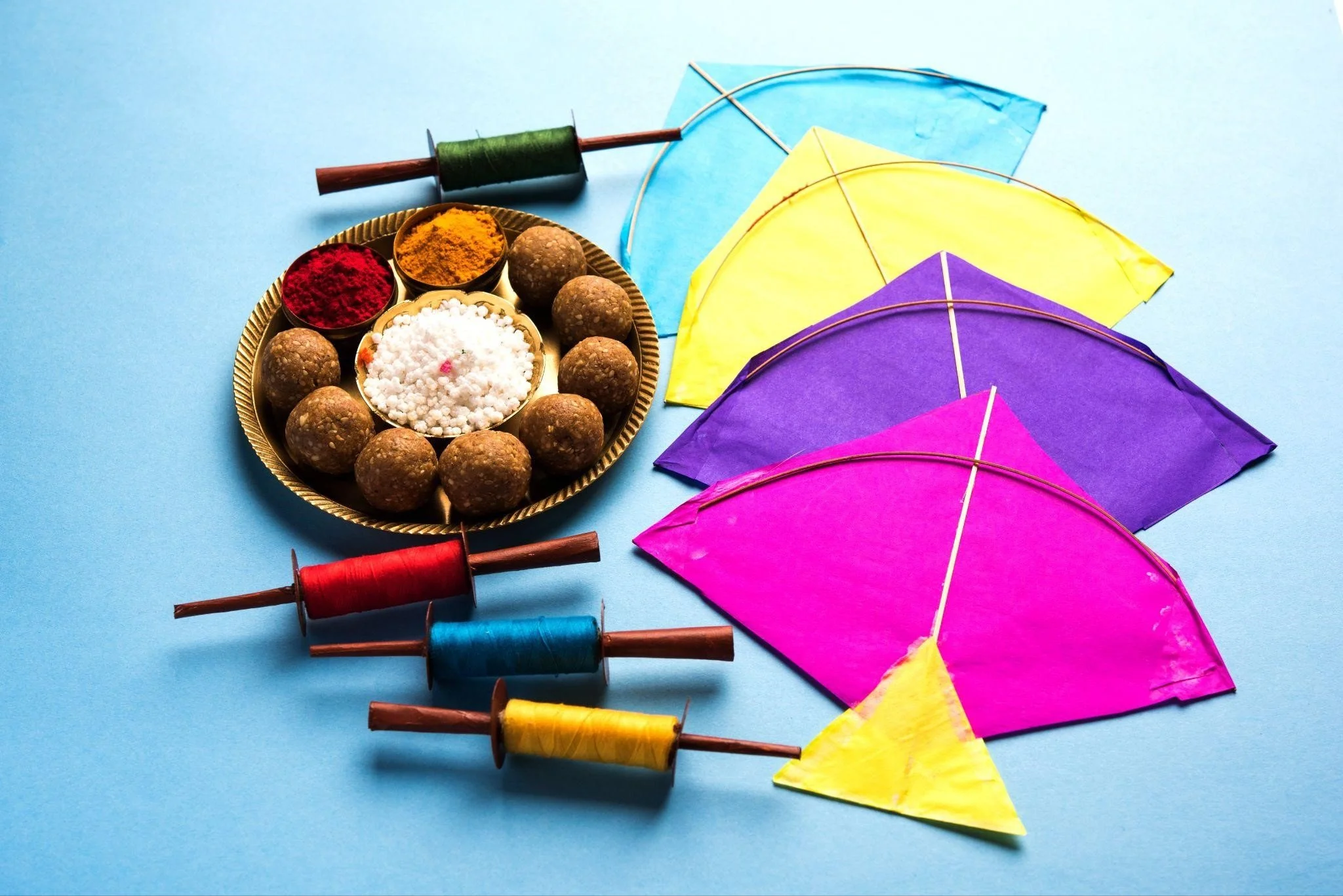
Commonly known as Maghe Sankranti, Newar households celebrate this day as Ghayh Chaku Samhlhu where Ghyah means Ghee (Clarified Butter) and Chaku which is molasses in Nepal Bhasa. This festival is observed according to the solar calendar of Bikram Sambat (B.S), rather than the traditional lunar calendar. This day begins with people taking a holy bath at the crack of dawn, which is followed by special worship.
Households prepare special delicacies such as yam, spinach, sesame candy and molasses which is consumed with the additions of ghee, ginger, and beaten rice. This day is also marked as the winter solstice, and consumption of the aforementioned foods helps warm their bodies.
Read more on the delights of Maghe Sankranti: Feasts of Maghe Sankranti
Swasthani Bakhan Kanegu
Celebrated In: January to February*
During the month of Magh, from Mila Punhi to Shi Punhi in the Nepal Era calendar, Swasthani Bakhan ( Tales of Swasthani) is recited every evening during this month. Devotees visit the Swastani temple in Sankhu and take a holy dip in the Sali Nadi, along with various other rivers. It is generally believed that worshipping Swasthani brings forth happiness, and well being in life.
Read more on Swasthani: Swasthani Bratakatha Festival In Nepal
Shree Panchami
Celebrated In: February*
Shree Panchami also is known as Basanta Panchami is regarded as the day when winter ends and spring begins. The day is centred around the worship of Goddess Saraswati, who is regarded as the Goddess of Knowledge. During this day children are taken to the nearest Saraswati temple to take blessings. A tradition during this day is to write something, on the walls in the vicinity of the temple. Buddhist households worship Lord Manjushree on this day.
Sila Charhre
Celebrated In: March*
In the lunar calendar of Nepal Era, there are a total of 24 nights dedicated to Shiva, which is commonly known as Shivaratri. Amongst all the days of dedication, Sila Chahre is celebrated as the main night. This day is also referred to as Maha Shivaratri. This day honours Lord Shiva who is known as “The Destroyer” within the Trimurti.
This festival is marked to “Overcoming darkness and ignorance”, for which Lord Shiva is remembered. Devotees on this day fast, pray and meditate and visit various Shiva temples in their vicinity. Believers from all over the world, make a special pilgrimage to the temple of Pashupatinath in Kathmandu to offer their prayers and worship.
To learn more about the temple of Pashupatinath: UNESCO World Heritage: Pashupatinath
To Learn more about the legend: The Legend of Pashupatinath
Holi Punhi
Celebrated In: April*
Also known as “The Festival of Colour”, Holi is celebrated as the coming of spring. The beginning of the festival is marked by raising a ceremonial pole known as Chir in Basantapur of Kathmandu. The Chir features, clothes of various bright colours to symbolize the coming of the month of spring. People celebrate this occasion by offering colours to each other and having a feast.
Learn More About Holi: The Coming of Spring- Falgun Purnima
Pahan Chahre
Celebrated In: April*
Pahan Chahre is a festival that is specifically observed in the Kathmandu valley. It is also known as Pasa Charhe, where Pasa means friends. Celebrated for a total of 3 days, the first day sees the worship of the deity Luku Mahadyah (Lord Shiva). The second day is Dyah Lwakegu which is celebrated at the open field of Tudikhel in the evening. This day also coincides with the annual Ghode Jatra. On the final day, a grand celebration occurs at Asan of Kathmandu. The palanquins of Lumadhi Ajima (Maheshwari) also known as Bhadrakalai, Kanga Ajima (Varahi) and Tebhana Ajima (Chamunda) are paraded in the streets.
Newar households of Kathmandu invite their neighbours, extended families and friends for a grand feast to commemorate this day.
Learn more about Pahan Charhe: Pahan Charhe- Festival in Nepal
*: As Newar festivals are celebrated according to the lunar Nepal Era calendar, the dates in the Gregorian calendar are interchangeable.
POPULAR ITINERARIES
SIMILAR POSTS
Light Trails To Get You Started - Part II
Novice trekkers and the ones who have difficulties scaling the avid landscapes of Nepal, there are various lightweight trails available that are great to enjoy outdoor pursuits while exploring the beauty of Nepal. Nepal has several trekking trails that are easy and suitable for novice trekkers.
Ghorepani Poon Hill Trek
Panchase Trek
Nepal is a greatest destinations to escape the urban world and indulge in natural merry and joy. Treading all of the avid landscapes can be difficult for novice travellers and trekkers. In this series, we explore various light walking trails which are great to begin one's journey of exploring Nepal.
Ghorepani Poon Hill Trek
Basic Itinerary Days: 4 Days
Route: KTM (Flight) -PKR - Nayapul (Jeep/Bus) - Tikledhunga (Trek)- Ulleri (Trek) - Ghorepani (Trek)- Poonhill (Hike) - Tadapani (Trek) - Ghandruk (Trek) - Nayapul (Trek)- PKR(Jeep/Bus) - KTM(Flight).
Trek Style: Tea House
Max Elevation: 3210 M
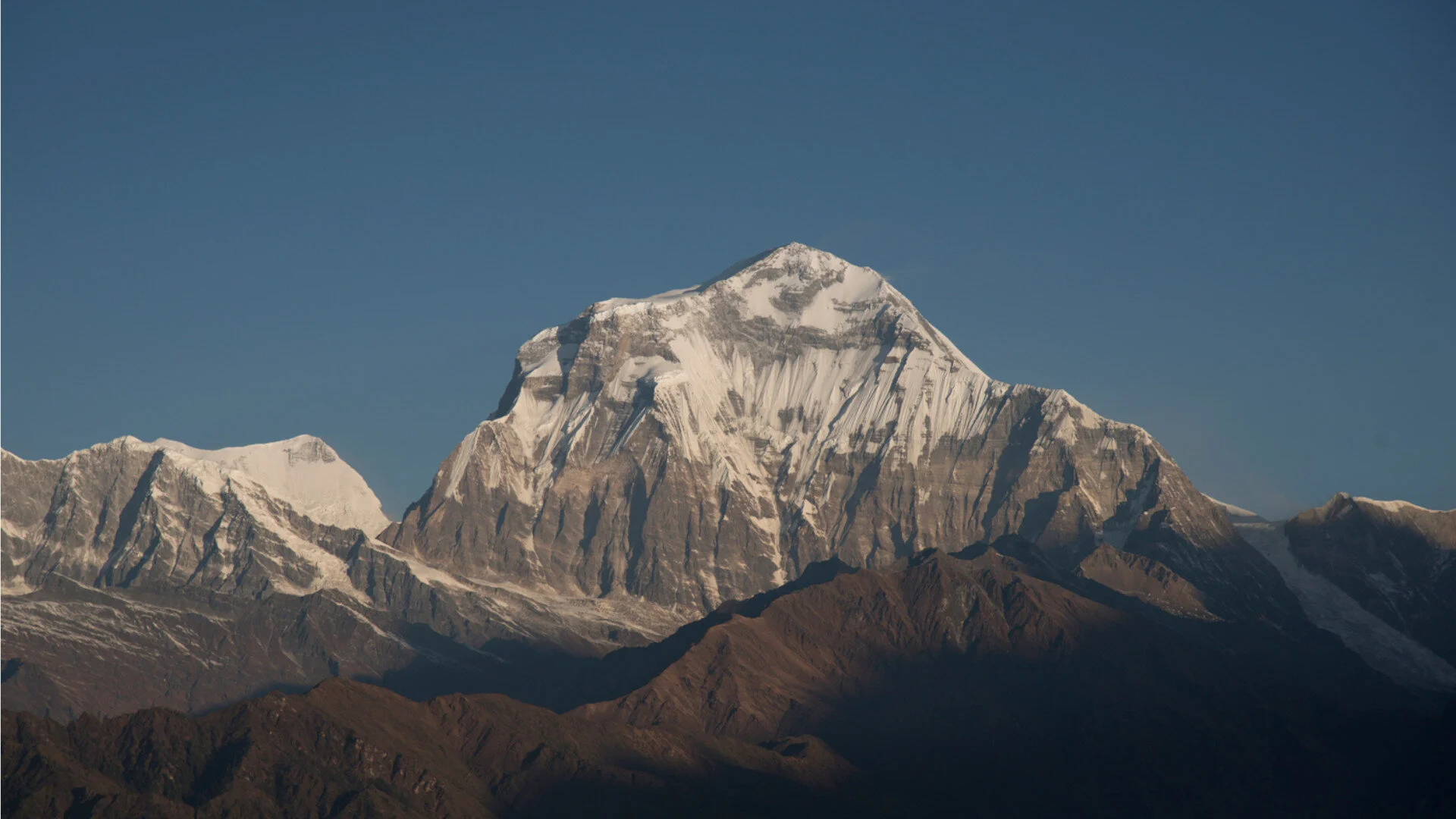
Attractions: Best Sunrise view from Poonhill, View of magnificent mountains such as Dhaulagiri (8167M), Manaslu (8163M), Annapurna I (8091 M) and other Himalayas, Experience Magar and Gurung culture.
Best Season: April - December
ACAP Trekking Permit:
SAARC USD 2
Foreigners USD 30
Tourist Service Centre
Nepal Tourism Board Office, Bhrikutimandap, Kathmandu
Nepal Tourism Board Office, Damside, Pokhara
The trail of Ghorepani in the past few years has become a popular short leg of the greater Annapurna Circuit Trail. Filled with beautiful encounters with the Himalayas, waterfalls, terrace hills, and welcoming Gurung and Magar communities. The Ghorepani trail has garnered its popularity due to its quick accessibility, and proper management.. An itinerary that can be completed between 4 to 5 days, the trail offers a greater taste of the Annapurna Region compared to the Royal and Panchase Trail. Although crowded, this trail delivers in its promise to be a gateway for its trekkers to experience Nepal, and also fuel desires to explore Nepal more.
The trail begins in Nayapul and makes its way through the villages of Tikhedunga, Ulleri Ghorepani, Tadapani and Ghandruk.
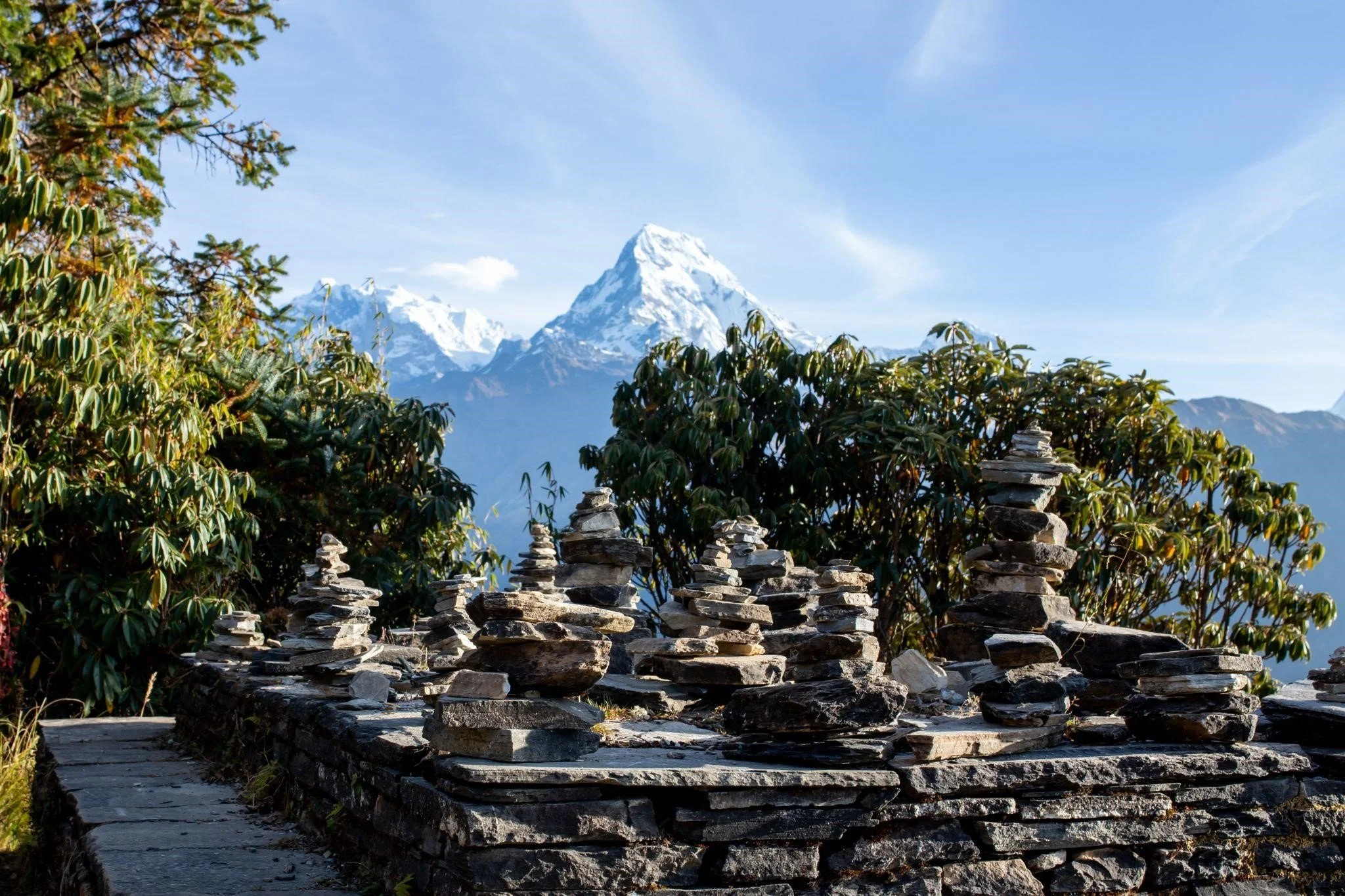
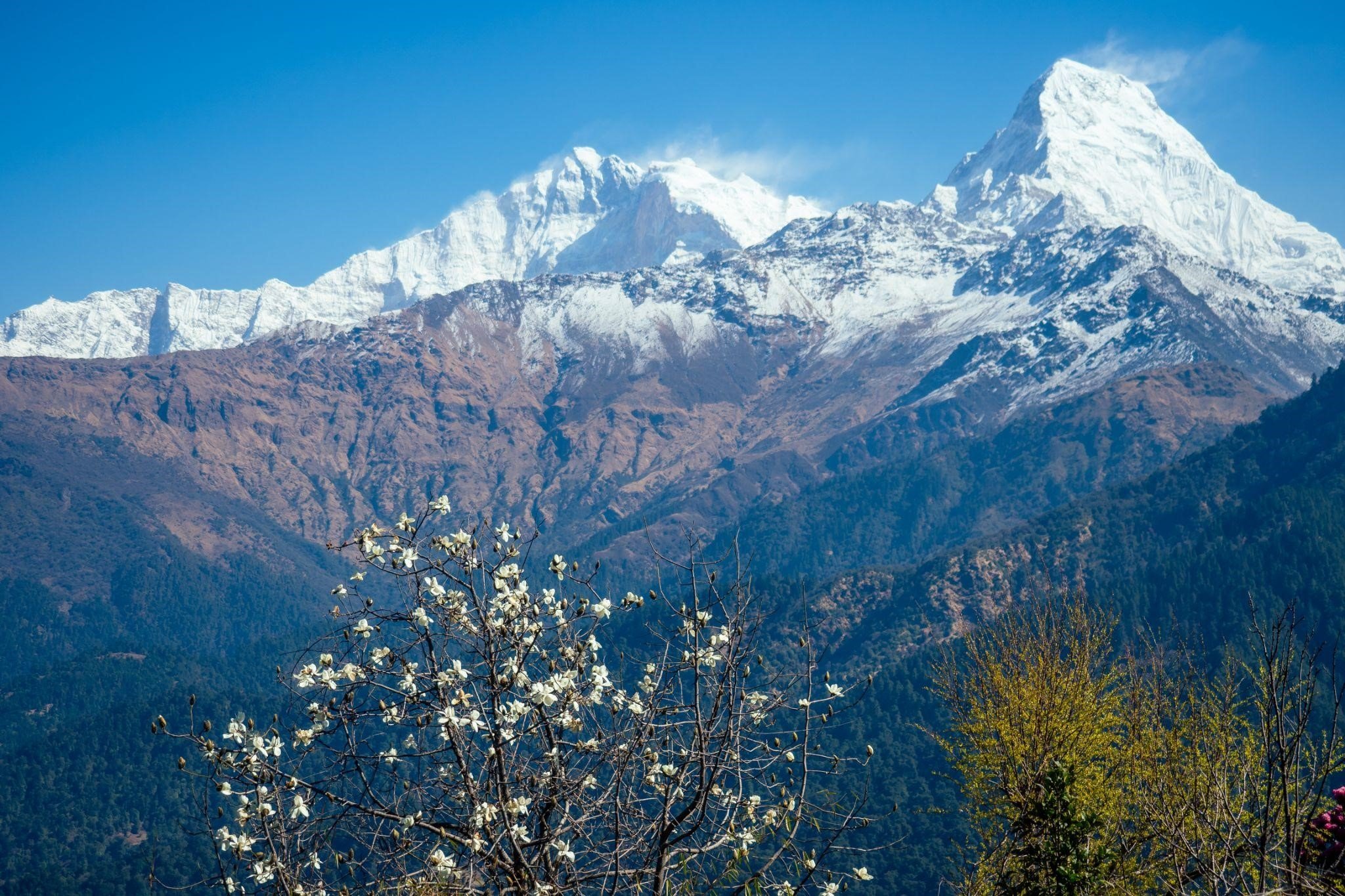
The viewpoint of Poonhill (3210M) is a popular destinations to view sunrise/sunset over the Himalayas. Depending upon the season, it offers a tantalizing view of the Himalayan range, with dense rhododendron forests filled a variety of bird species. Making to the viewpoint to witness the sunrise can be a difficult ordeal if one doesn’t plan accordingly. As the hike to the view tower is an average 30-45 minutes, making that trip early in the morning can be quite a challenge. It is recommended that you call the night early, and wake up 1.5 hours ahead of the hike. Drink warm water, and give your body enough time to fully rise awaken and make sure to do some stretches. This assures that your body isn’t caught off guard, with a steep climb. Also, make sure that your headlamp or flashlight is fully charged as it can be fairly dark.
Trekkers can opt to begin this trail by headed towards either Tikhedunga or Ghandruk. Nayapul to Ghandruk features a direct uphill if one wishes to trek from Nayapul itself, and at Tadapani as well. Whereas in comparison, Nayapul to Tikehedunga features moderate highs and lows, except for the large steps at Ulleri which can be a challenge.
Panchase Trek
Basic Itinerary Days: 3 Days
Route: KTM - PKR ( Flight/ Bus) - Cross Fewa Lake (Boat) - Bhumdi ( Trek) - Panchase Hill ( Trek) - Australian Camp ( Trek) - Phedi (Trek) - PKR(Drive)
Permit: Basic Permit (T.I.M.S)
Cost: USD 25
Trek Style: Tea House
Max Elevation: 3210 M
Attractions: Panoramic Himalayan View, Cultural Experience
Best Season: September - November
Alike Royal Trek, the Panchase trail is another great opportunity to get a glimpse of the Annapurna Region, experience its culture and diversity in a short itinerary. Panchase is a set of five tall hills west of Pokhara with landmarks of both Hindu and Buddhist significance. The area is the intersection of three districts Kaski, Parbat and Syangja and offers an impressive view of Mount Dhaulagiri, Annapurna, Machapuchre, Lamjung Himal, Manaslu and others. The area offers a view tower which is perfect to witness the sunrise and sunset.
Away from the trails of ACAP (Annapurna Conservation Area), this is a secluded off the beat trail with low to moderate crowds which can be enjoyed all year round. Recommended during the months of September- December, the post-monsoon setting offers clear skies and great panoramic views of the Himalayas. One must note if the monsoon is late, the skies can be looming with clouds even till late October. This trail can also be accomplished during the winters. With little chances of snowfall, this region fares well in terms of sudden temperature drops. Warm clothes, thermal inners and gloves are recommended for the winter trek.
POPULAR ITINERARIES
SIMILAR POSTS
A Guide To Newari Festivals - Part IV
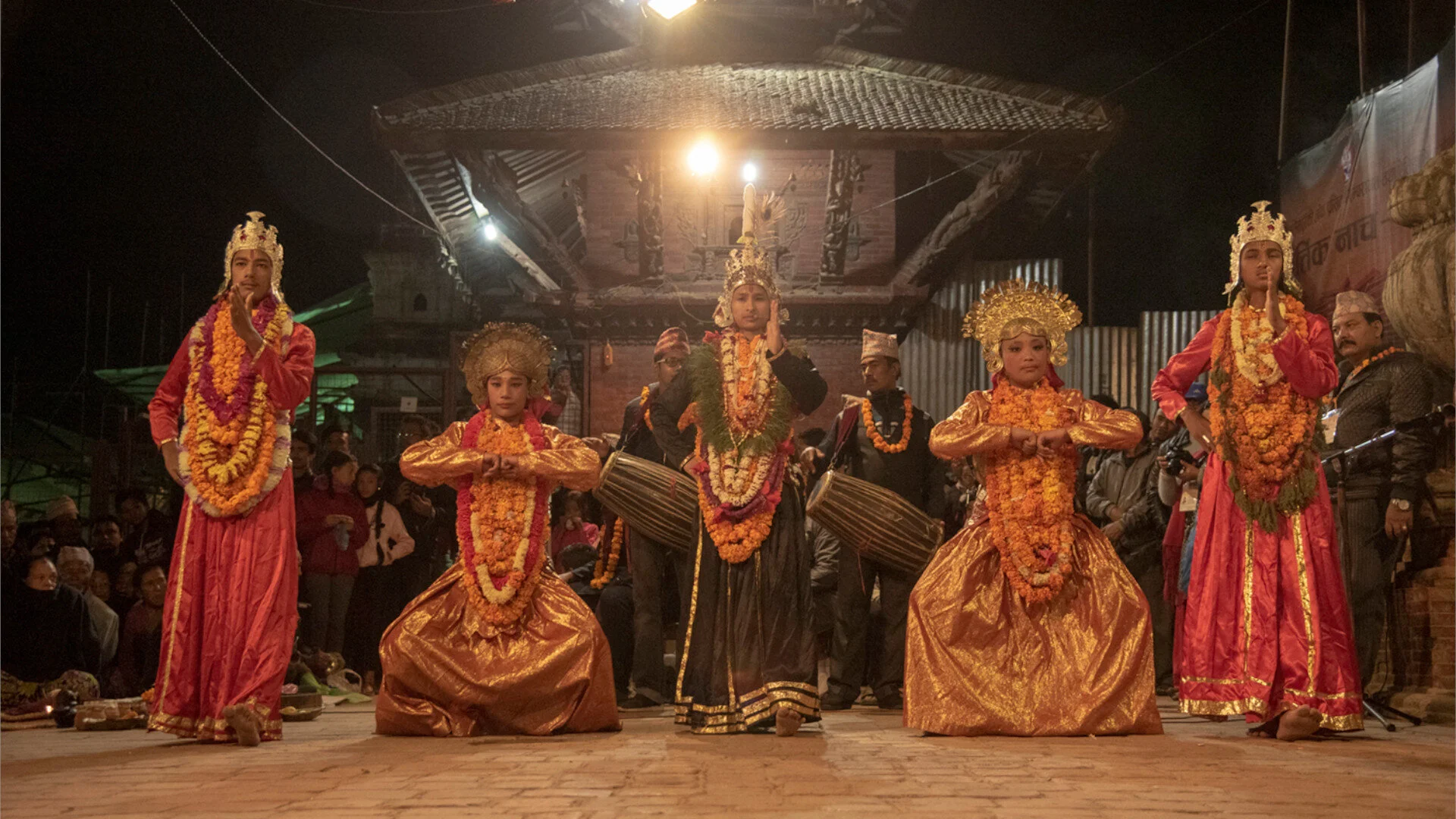
Svanti festival is known by several names: Tihar, Dipawali, Pancaka, and Yamanpanchaka. And most popularly known by its other name Tihar, is one of the national festivals of Nepal celebrated throughout the kingdom by Hindu and Buddhist populations.
Svanti
Celebrated In: October*
“Svanti is one of the national festivals of Nepal celebrated throughout the kingdom by the Hindu and Buddhist population. This festival is known by several names: Svanti, Pancaka, Yamapancaka, Tihar and Dipavali. Both the words ‘Tihar’ and ‘Dipavali’ are derived from the Hindi words ‘Tyauhara’ and ‘Divali’. Svanti, Pancaka and Yamapancaka are words from Nepalese origin (Naghabhani 1991:30).“
Svanti is derived from Swanhu Tithi (three auspicious days). Whereas Yamapancaka means ‘ Five days dedicated to Yama’.
“During this festival, Yama, the god of death is invoked and so it is called ‘Yamapancaka’. People assume that during these five days, Yama descends on this world. On the first and second day of this festival, Yama’s messengers, the crow and the dog are worshipped. On the third day, the cow is worshipped. Although the cow is worshipped as Lakshmi, the goddess of wealth, she is also respected as an animal associated with the realm of Yama. Yama’s assistance is sought in order that recently deceased people may cross the river Baitarani to reach heaven. Honouring Yama and his messengers Yamadut on the day of Mhapuja and worshipping Yama and his bookkeeper Citragupta on the day of Kijapuja clearly mark the relation of this festival to death.”1
This direction of the celebration of Svanti weakened over time, as it took on the facets of Tihar and Dipavali with the worship of Goddess Lakshmi, initiation of Bhai Tika and the overall view of the celebration as “Festival of Lights”.
“Although Yama is invoked on each of the live days during this festival, many people disagree with the name "Yamapancaka" because the lofty ways of celebrating Laksmi, the worship of the self, and the worship of brothers have weakened the worship of Yama considerably (Naghabhani 1991: 47)”
Today in the modern Newar household, Svanti is celebrated for a total of five days:
Kva Puja: Worship of crows, messengers of death;
Khicapuka: Worship of dogs;
Sa Puja and Laksmi Puja: The worship of cows and Goddess Laksmi, the goddess of wealth;
Mah Puja: The worship of the self and beginning of New Year in Nepal Sambat Calendar; and
Kija Puja: The worship of brothers by their sisters.
Saki Mila Punhi
Celebrated In: November*
Saki Mila Punhi, also known as Saki Manā Punhi is the full moon of the Newar month Kachhala. Saki stands for Taro and Mana means to boil. Thus on this day households prepare boiled taro/arum along with sweet potato. Halimali which are sacred art made from puffed rice, corn, wheat and black soybean which are exhibited in front of temples accompanied by Dapha Bhajan or Dhalcha Bhajan (chanting religious hymns).
Bala Charhe
Celebrated In: December*
Commonly known as Bala Chaturdashi, this day sees family members of the Newar Households scatter seeds (sadhbew) and pray for the souls of the departed in Pashupati of Kathmandu.
Yomari Punhi
Celebrated In: December*
Traditionally Newar Households, feature a majority population of farmers. They sow their seeds pre Gathamugah and post collect the harvest of the season. During the full moon of the month, the households celebrate Yomari Punhi. It is a post-harvest festival of worshipping Goddess Annapurna, also known as Angsa Maru Ajima located at Asan of Kathmandu. Various temples dedicated to Goddess Annapurna all over the valley, feature devotees offering prayer, worship and thanking by presenting the fruit of the first harvest, “Yomari.”
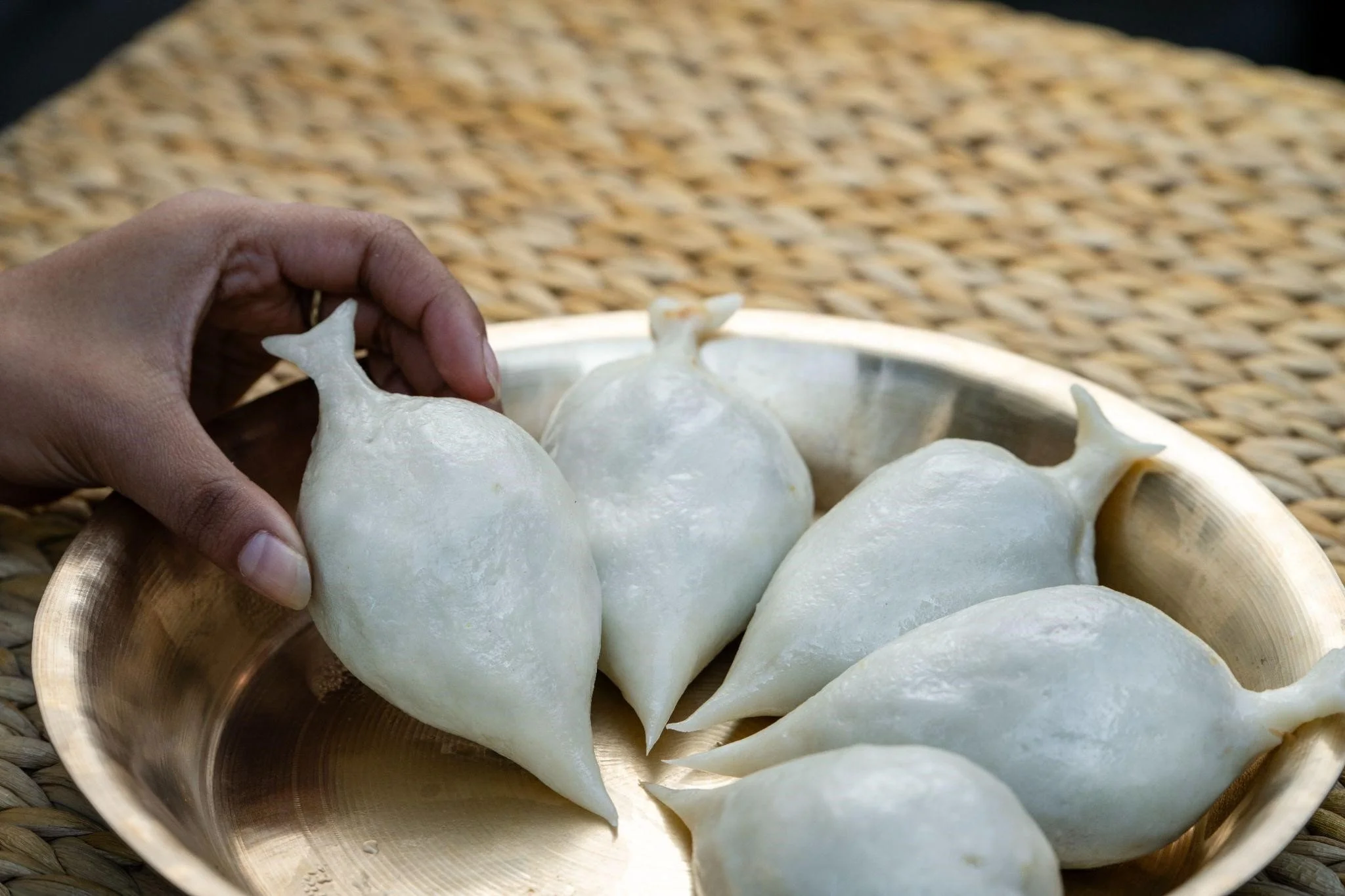
The full moon takes its name from Yomari which is a steamed rice cake filled with molasses, locally known as Chakku. Households offer prayer, worship and place a Yomari in the Dhukoo (Grain Store Room). Communal celebrations see parades of children and young go door to door with traditional music. They are offered grain, Yomari and money by the households.
Learn more about the origin of Yomari: Yomari Punhi
*: As Newar festivals are celebrated according to the lunar Nepal Era calendar, the dates in the Gregorian calendar are interchangeable.
POPULAR ITINERARIES
SIMILAR POSTS
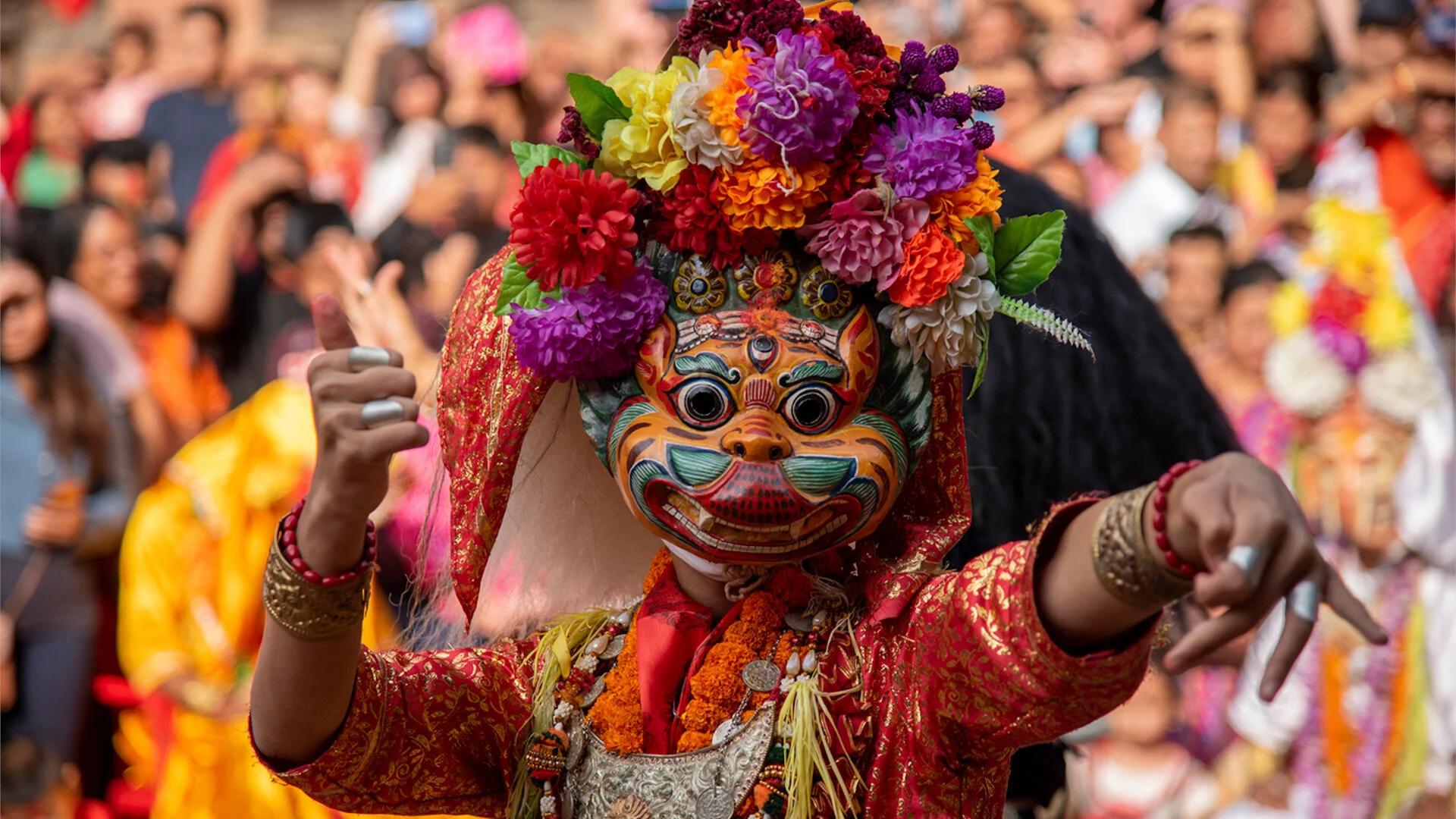
A Guide To Newari Festivals - Part III
The events of Mohani can be divided into two: Family & Communal and bears similarities with the celebration of Dashain. And, the general perception of individuals views the two festivities as the same, but Mohani is specific to the Newari communities. Mohani is centered around the family’s tutelary deity, whereas Dashain is the celebration of the victory of gods over evil.
Yenya Punhi
Celebrated In: September*
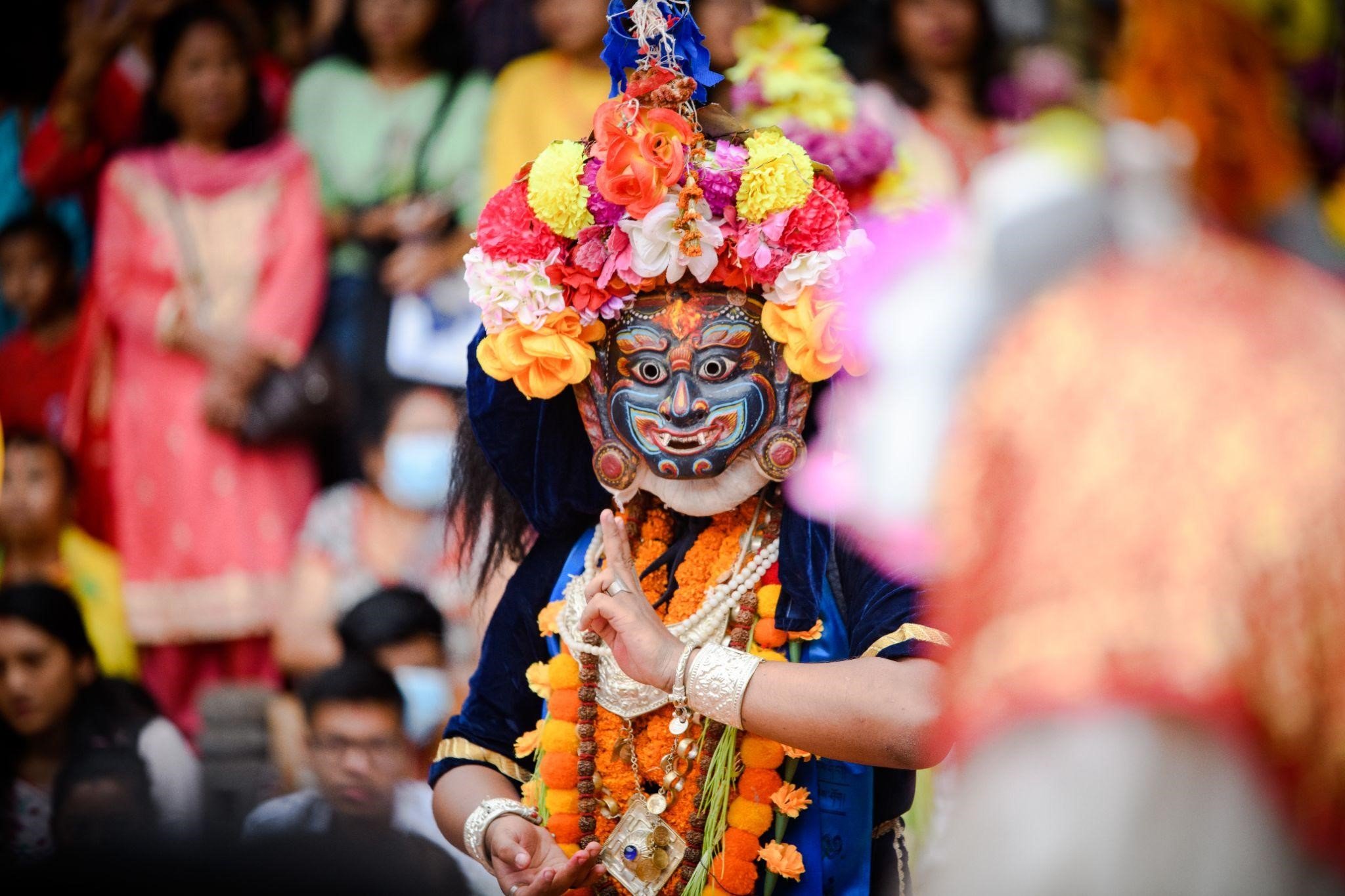
Yen denotes Kathmandu and Ya means celebration according to Nepal Bhasa, the language of the Newar people. Yenya Punhi is the beginning of “The Celebration of Kathmandu”, and is marked by masked dances ( Lakhey Aju, Dee Pyakhan, Sawa Bhaku, Phulukushi, Mahakali Naach), idols of Indra displayed at various points in the old city, along with Bhairav’s of Kathmandu (Swet Bhairav, Aakash Bhariav and Baka Bhairav), the tableau of Das Avatar is shown near Kumari Chhen (Kumari Home) and is highlighted by the chariot festival of the Royal Kumari of Kathmandu. Her chariot is followed by the chariots of the Living Ganesh and Bhairab which circumvents the old routes of Kathmandu in three days.
To know more about Indra Jatra: The Festival of Indra
Mohani
Celebrated In: October*
Amongst the numerous Newar festivals, Mohani is considered as the most important. Lasting for a total of 2 weeks, main celebrations, however, occur from 8th to 11th day of the lunar Nepal Era Calendar (Nepal Sambat).
The events of Mohani can be divided into two: Family & Communal and bears similarities with the celebration of Dashain. The general perception of individuals views the two festivities as the same, but Mohani is specific to the Newar community whereas elements of Dashain were introduced with the arrival of Hinduism brought by Lichhavi’s and Malla’s. Dashain in Hinduism signifies the victory of Goddess Durga over Mahisasur, Goddess Chamunda destroying the demon Chunda. Whereas in the Newar celebration of Mohani it is centred around the family’s tutelary deity.
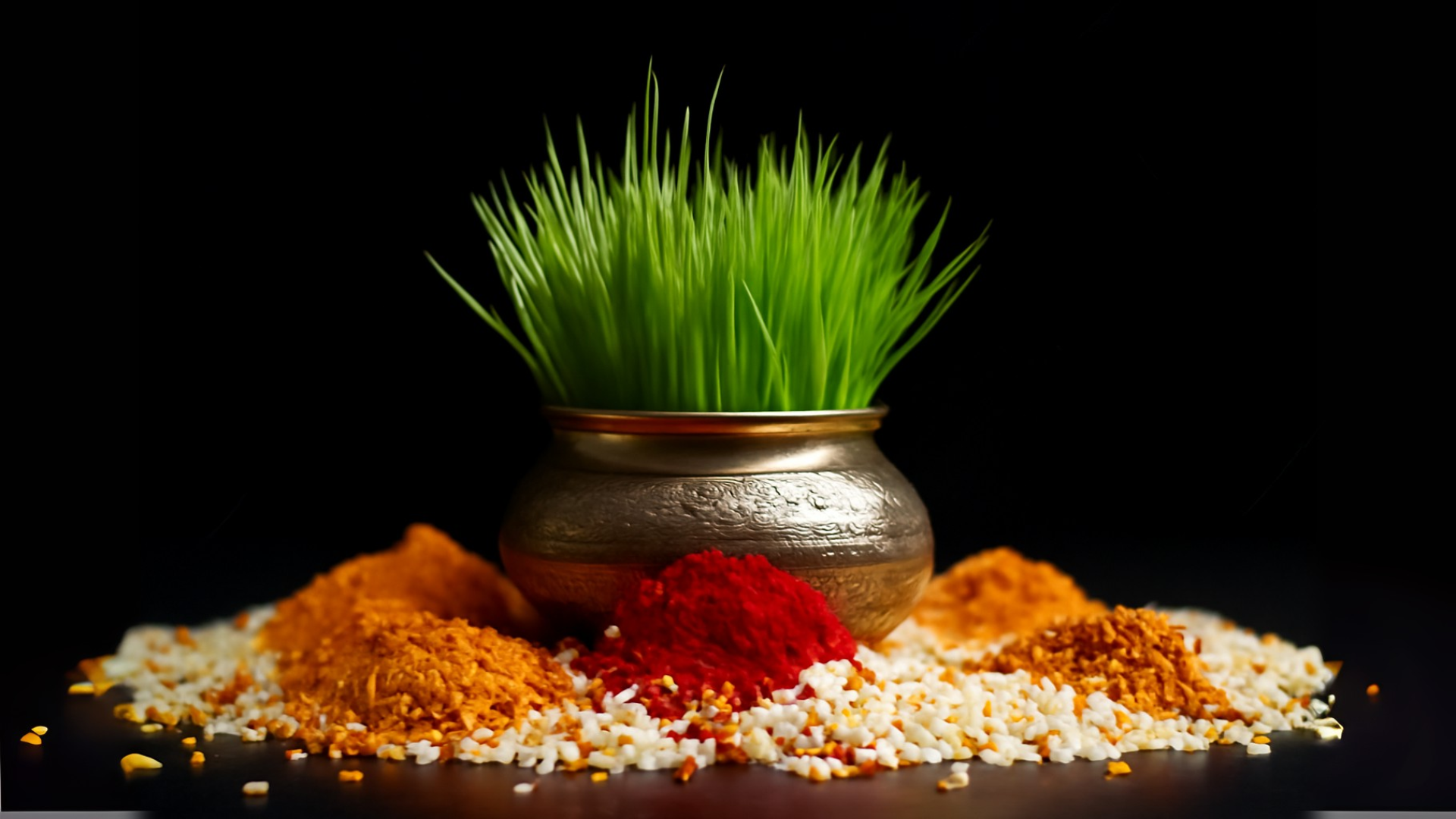
The celebrations begin on fortnight with the planting of Barley seeds in an earthen bowl on the sand. The bowl is placed in the shrine room or Agam Chhen (God House) which is where families place the tutelary deity. This process is known as Nalaswane and has the seeds be placed in the room for a total of nine days. Eight days from the fortnight is known as Astami, on this day Kuchhi Bhoya is held. Members of the family sit in a row for a feast which encompasses two mana i.e roughly two kilograms of beaten rice. The eldest takes the place of honour at the top and the youngest at the bottom. The next day is known as Syakwa Tyakwa which falls on Navami, which is the ninth day of the fortnight in the lunar calendar. During this day, special rituals are performed in the shrine room of the tutelary deity of the household. Various tools of the household and trade are cleaned and a special offering is made to them.
Individuals also get an opportunity to visit the sacred temple of Taleju Bhawani, who is the tutelary deity of the old Malla King’s of Nepal.
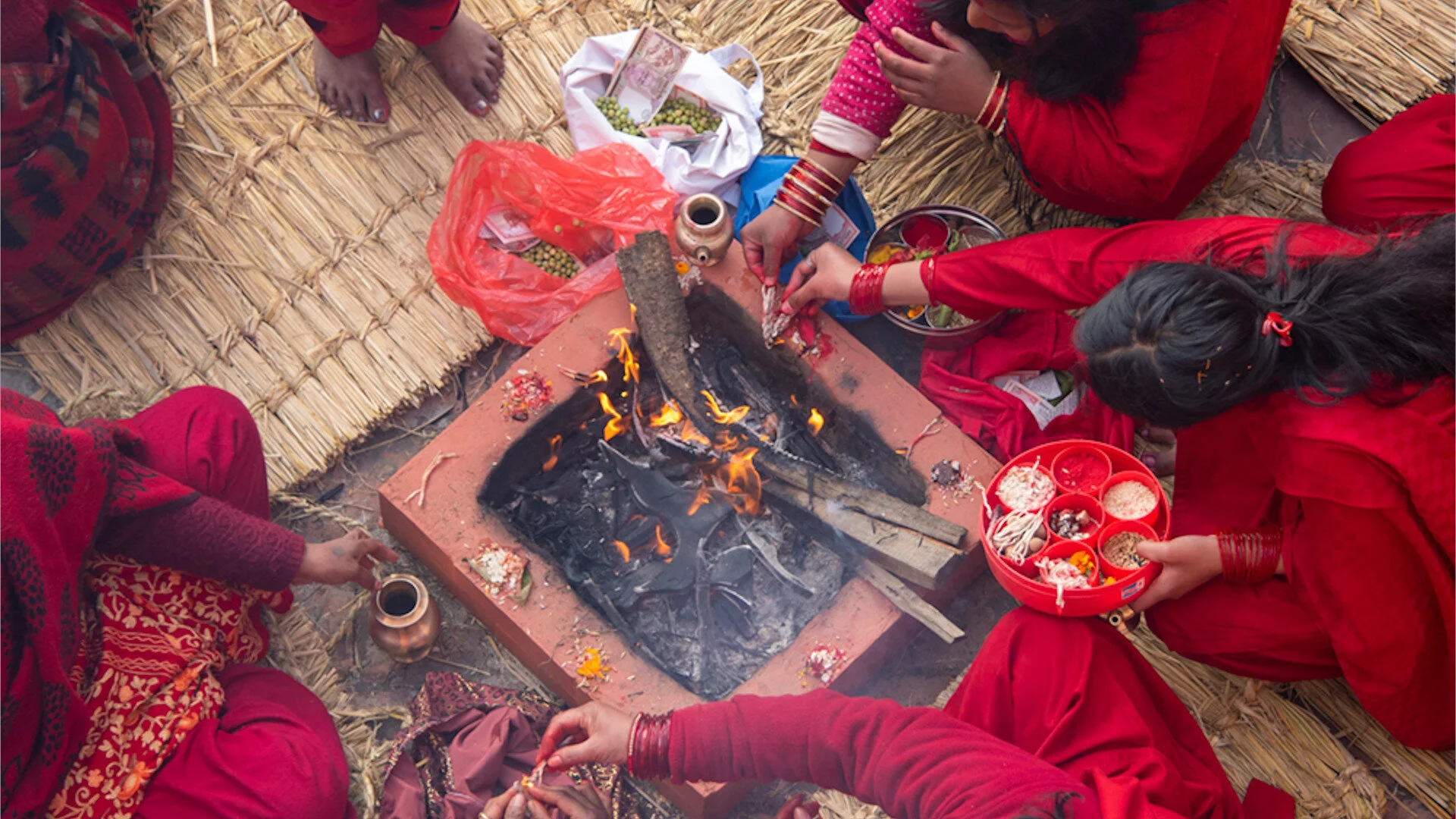
The final day is known as Chala, which occurs on Dashami, the tenth day of the fortnight. The Nalaswan shoots are taken out of the shrine room and placed in the family worship Thali (Plate). A special service is commenced at the Agam Chhen, after which members of the family take blessings from their elders. They are offered a sacred red tika ( Vermilion, Rice and Yoghurt) and a black tika which is also known as Mohani Tika. This colour is only utilized during the celebration of Mohani. This is followed by a Ko: Kha (a red shredded piece of cloth) which is tied on the neck. In cases where the household has lost a family member, all the ritual celebrations are omitted in the core home, and the elders are called onto the homes of the married daughters where they offer blessings with a yellow and black tika. During the evening, families prepare for a special ceremony known as Paya. A circular ash ground is painted to symbolize the demon and is chopped in full force by members of the family with their families ancient weapons.
Communal celebrations of Mohani, are centred in various parts of Nepal Mandala. The ceremony of Paya is conducted on a communal scale in most parts of the city, which takes the outlook of a procession with scimitars. Examples of which are the Mahalaxmi Paya in Patan and Khadga Jatra in Bhaktapur. On the fifth day of the fortnight, of the lunar calendar, the procession of Pachali Bhairav is conducted. The region of Kokhana has a unique celebration during this period known as the Sikali Jatra. The Navadurga Naach (Dance) is displayed in various locales of Bhaktapur, and central Patan indulges in Ga Pyakhan (Dance of Gods).
*: As Newar festivals are celebrated according to the lunar Nepal Era calendar, the dates in the Gregorian calendar are interchangeable.
POPULAR ITINERARIES
SIMILAR POSTS
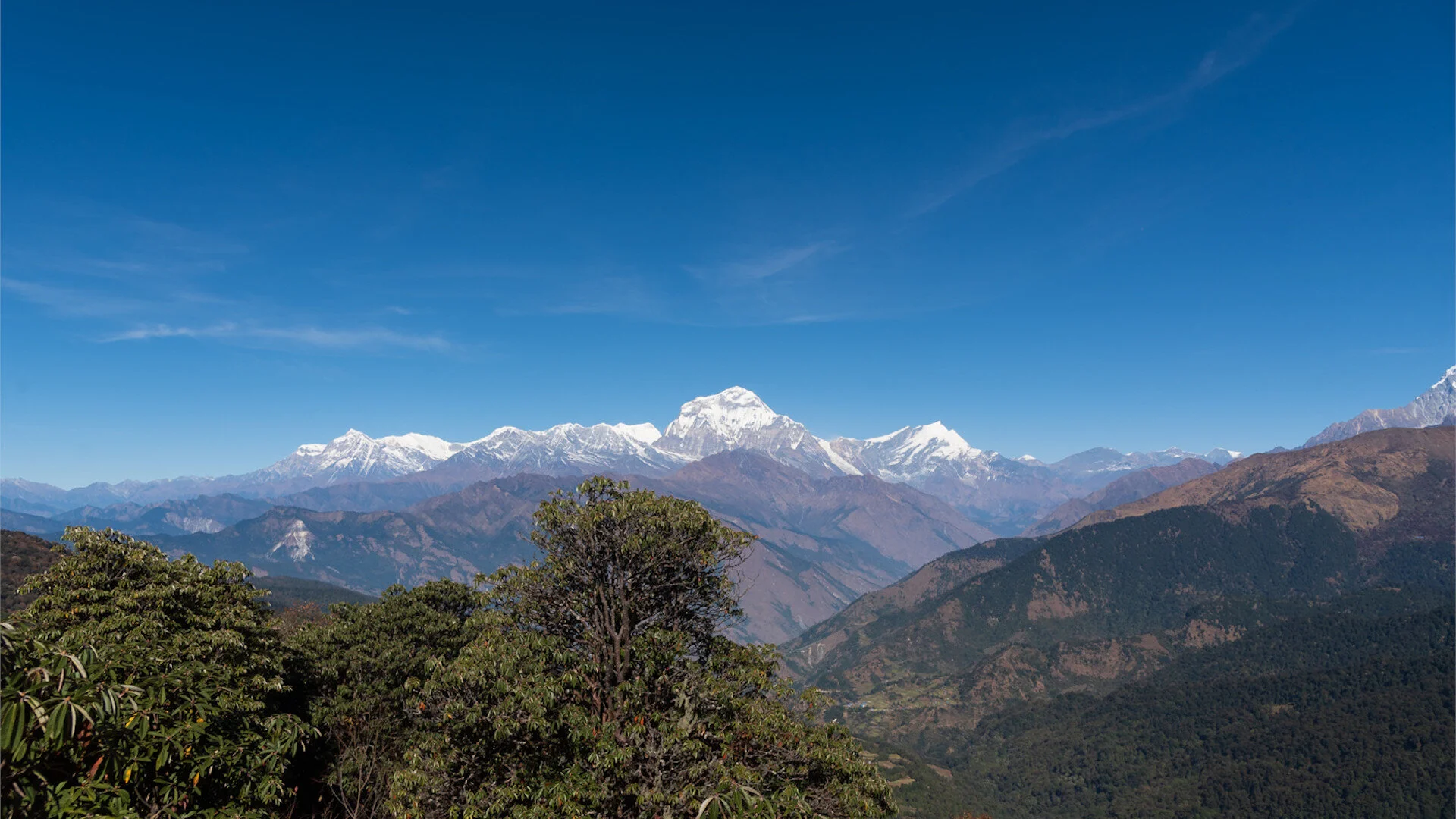
Light Trails to Get You Started - Part I
Novice trekkers and the ones who have difficulties scaling the avid landscapes of Nepal, there are various lightweight trails available that are great to enjoy outdoor pursuits while exploring the beauty of Nepal. Nepal has several trekking trails that are easy and suitable for novice trekkers.
Lower Mustang Trek
Royal Trek
Nepal is a greatest destination to escape the urban world and indulge in natural merry and joy. Treading the avid landscapes can be difficult for novice travelers and trekkers. In this series, we explore various light walking trails which are great to begin one's journey of exploring Nepal.
Required for Trek
Trekkers Information Management System (TIMS) Card
SAARC
USD 3 (Per Individual in group trekkers)
USD 6 ( Free Individual Trekkers)
Foreigners
USD 10 (Per Individual in group trekkers)
USD 20 ( Free Individual Trekkers)
Obtain TIMS card from:
Tourist Service Centre
Nepal Tourism Board Office
Bhrikutimandap, Kathmandu
Lower Mustang Trek
Basic Itinerary Days: 9 Days
Route: KTM- PKR- Jomsom ( Flight) - Kagbeni (Trek) - Jharkot (Trek) - Muktinath (Trek) - Lupra (Trek) - Jomsom - PKR (Flight)
Trek Style: Tea House
Max Elevation: 3795m
Attractions: Red Gompa, Apple Orchids, Muktinath Temple, Panoramic Peaks View, Thak Kola, Bonpo Monastery, Sayka Gompa
Best Season: May - November
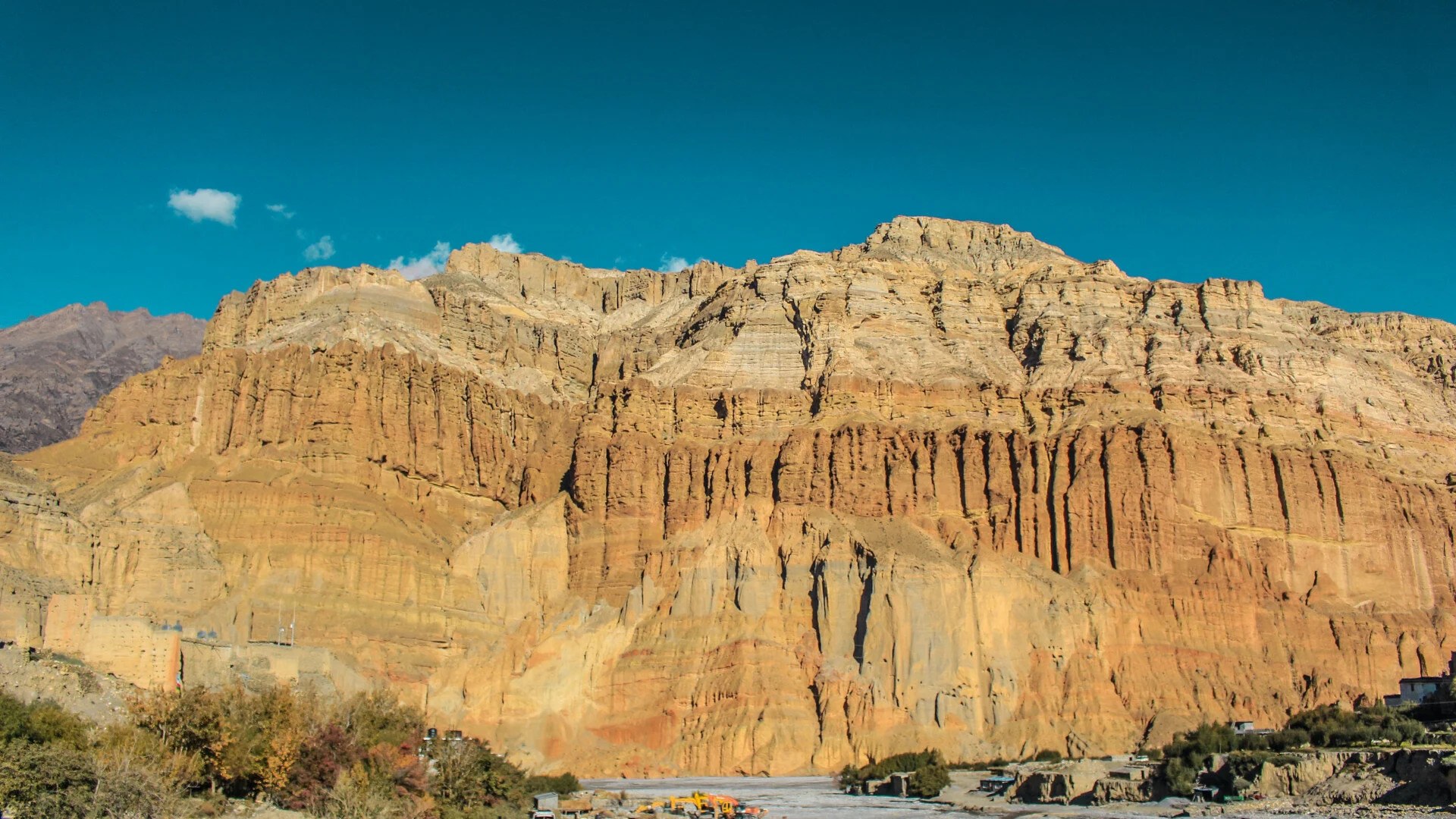
The barren landscape of Lower Mustang at times can feel like an otherworldly experience. With its rustic atmosphere, barren hills and tantalizing view of the Himalayas, it also offers the travellers an opportunity to experience the traditional lifestyle of the Thakali people who have called this region home for thousands of years. A far and easy trail which departs from Jomsom, with moderate altitude climbs and features a fair trial for all to enjoy.
This region offers a glimpse of the well-preserved architecture, history and traditions of Tibetan culture. It is also home to one of the most ancient religions of Bon which still finds a place in the settlements of Lupra and its neighbouring villages. Muktinath which is one of the holiest pilgrimage sites for believers of both Hinduism and Buddhism falls on this trail.
Mustang was a semi-autonomous kingdom ruled by the Bista family up till 2008 AD and was also known as the forbidden kingdom. The most popular destination of this region is Upper Mustang also known as the Kingdom of Lo, which doesn’t fall in this trail as it is a rigorous trek. Falling in the Trans-Himalaya region the landscape is greatly arid, which creates a rustic, outback experience. Being in the Trans-Himalaya region this trail is accessible even during the Monsoon season (June to August) as this region receives little to no rainfall. Except for the peak winter seasons, this trail can be hit in during Spring (March-May) and fall (September to November).
Royal Trek
Basic Itinerary Days: 5 Days
Route: KTM- PKR (Flight/Bus)- Bijayapur (Drive)- Kalikasthan (Trek)- Syaklung(Trek) - Chisapani(Trek)- Sundare Danda ( Trek) - Pokhara (Drive)
Permit: Basic Permit (T.I.M.S)
Cost: USD $25
Trek Style: Tea House
Max Elevation: 1730M
Attractions: Lakes such as Rupa, Begnas and Fewa, Rhododendron Forests, Panoramic Peaks View with mountains such as Dhaulagiri, Manaslu, Machhapuchhre, Annapurna and it’s sisters.
Best Season: September - December and March to May
The trail gets its name after Prince Charles and his entourage explored Annapurna region through this path in the early eighties. One of the most popular short trails in Annapurna Conservation Area, the basic itinerary of 5 days is great for adventurers who don’t have much time but still wish to explore the region. Located in the North-Western side of Pokhara, the trails of Royal Trek allows you to experience the majestic mountains of Machapuchre, Manaslu, Annapurna, Lamjung Himal and Dhaulagiri and others. It also provides you with an opportunity to witness the life of the ethnic communities of Gurungs and Magars.
The trek passes through beautiful Gurung hamlets, where one can indulge in the traditional lifestyle, culture, and traditions of the Gurung people which they have preserved and maintained even till this day.
This specific trail is far less crowded than the trails of Ghorepani and Ghandruk but is a true hidden gem in terms of experiencing the culture, tradition and majesty of the Annapurna region in such a short duration of time.
This trail can be accomplished in the seasons of Autumn, Spring and even during the winter. The winters are colder of course but allow the trekkers to walk in a crowd-free environment and enjoy the winter side of the trail. The basic itinerary can also be shortened to 4 days if one requests his/her travel agency.
POPULAR ITINERARIES
SIMILAR POSTS
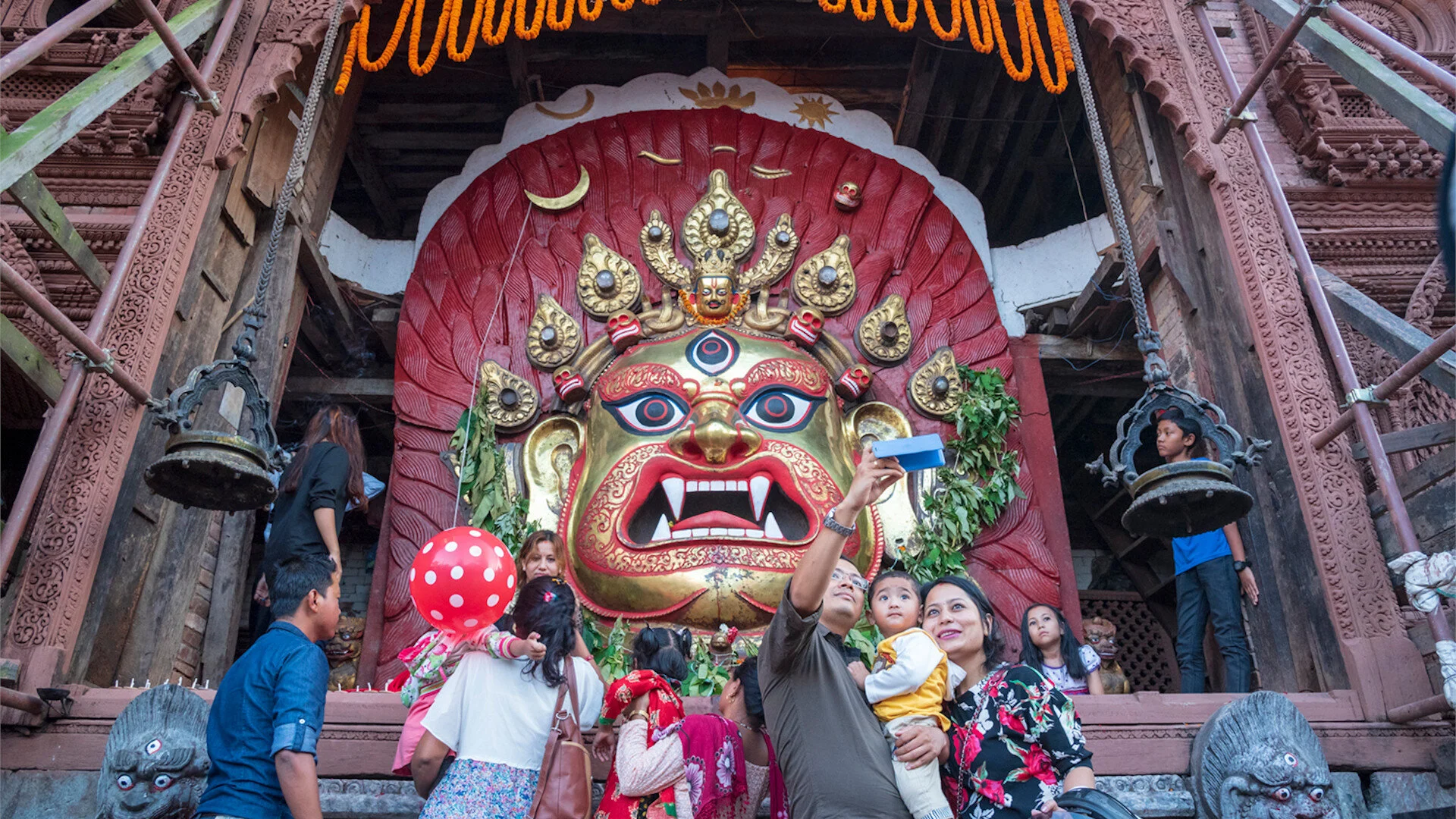
A Guide To Newari Festivals - Part II
Newari communities in Nepal celebrate numerous festivals every year. And it seems Newars always have a reason to celebrate. Several reasons: rich culture and heritage, honoring deities, marking the agricultural calendar, celebrate events from ancient mythology, and to emphasis family and community.
At times it does feel true, we the Newar people seem to always have a reason to celebrate.
The Newar people also are known as Newa in Nepal Bhasa are the historical inhabitants of the Kathmandu Valley and its surrounding territories and states. This region was historically called Nepal/ The Valley Kingdom of Nepal (Nepal Mandala). The history of this land can be divided into two: Ancient and Modern Nepal. The transition occurs after the unification campaign of Late King Prithvi Narayan Shah who is also known as the founder of Modern Nepal.
The Newar/ Newa people sociologically classified as an ethnic group. As they have their language (Nepal Bhasa), calendar( Nepal Sambat), behaviour, custom, tradition, cuisine, territorial association and heritage. Newars feature a set of diverse ethnicities who follow Hinduism and Buddhism.
“The Kathmandu Valley and surrounding territories constituted the former Newar kingdom of the Nepal Mandala. Unlike other common-origin ethnic or caste groups of Nepal, the Newars are regarded as an example of a nation community with a relict identity, derived from an ethnically-diverse, previously-existing polity. Newar community within it consists of various strands of ethnic, racial, caste and religiois heterogeneity, as they are the descendants of the diverse group of people that have lived in Nepal Mandala since prehistoric times. Indo- Aryan tribes like the Licchavis and Mallas (N) form respective Indian Mahajanapada (I.e Licchavis of Vajji and Malla(I)) that arrived at different periods eventually merged with the local population by adopting their language and customs. These tribes however retained their Vedic culture and brought with them their Sanskritic languages, socials structure and Hindu religion, which was assimilated with local cultures and gave rise to the current Newar civilization. Newar rule in Nepal Mandala ended with its conquest by the Gorkha Kingdom in 1768.” - Wikipedia
Saparu
Celebrated In: August- September*
The second day is known as Saparu, which in the local terminology is known as Gai Jatra. The day sees members of the family who have lost a member of their family during the past year, dress up in traditional outfits and parade around the city. Some households also parade cows during this day. Members of the Newar community also make a holy pilgrimage to the lake of Gosaikhunda, leaving to reach the lake on the day of Saparu. This is believed to help rid one's soul of past sins and foul.
Saparu is celebrated in various communities with each community having a different take. One of the most notable celebrations is conducted in the city of Bhaktapur. It draws an ample crowd to witness the community create humour and satire which is a traditional process created to uplift the spirits of the members of families who have lost a family member during the past year. In Patan, Matya is celebrated a day after Saparu, during when devotees make a holy pilgrimage to the various sites, temples and monuments in the core city of Patan. With over 3000 such sites, Matya is not an easy affair. Individuals clad in a special uniform carrying candles, or dress up as comical characters to help create an environment of laughter and joy. Devotees are generally members of households who have lost a family member or devotees who wish to partake. As no restrictions are placed even enthusiasts of national and international decent join in this holy pilgrimage.
The last day of Gunhu Punhi is Krishnastami, celebrated as the day of birth of Lord Krishna an incarnation of Lord Vishnu. Various micro festivities are conducted in all vicinities of the Newar communities such as Narsingha Yatra in Lalitpur, Krishna Puja in all three Newar cities and devotees queue to offer prayer and worship at the Krishna Temple in Patan.
Pancha Dan
Celebrated In: August- September*
Pancha denotes five and Dan giving alms. The name is derived from the five gifts presented as alms which include rice grains, unhusked rice grains, salt, money and pulses. Observed by the Buddhist communities of the Newar Ethnicity, this day sees various activities such as display of metal sculptures of the various Buddha’s, Lokeshwor’s and deities along with giving alms to Buddhist monks also known as dharma. Different days are designated in the cities of Kathmandu, Lalitpur and Bhaktapur, and glimpses of Pancha Dan can also be seen in Panauti and Banepa.
*: As Newar festivals are celebrated according to the lunar Nepal Era calendar, the dates in the Gregorian calendar are interchangeable.
POPULAR ITINERARIES
SIMILAR POSTS
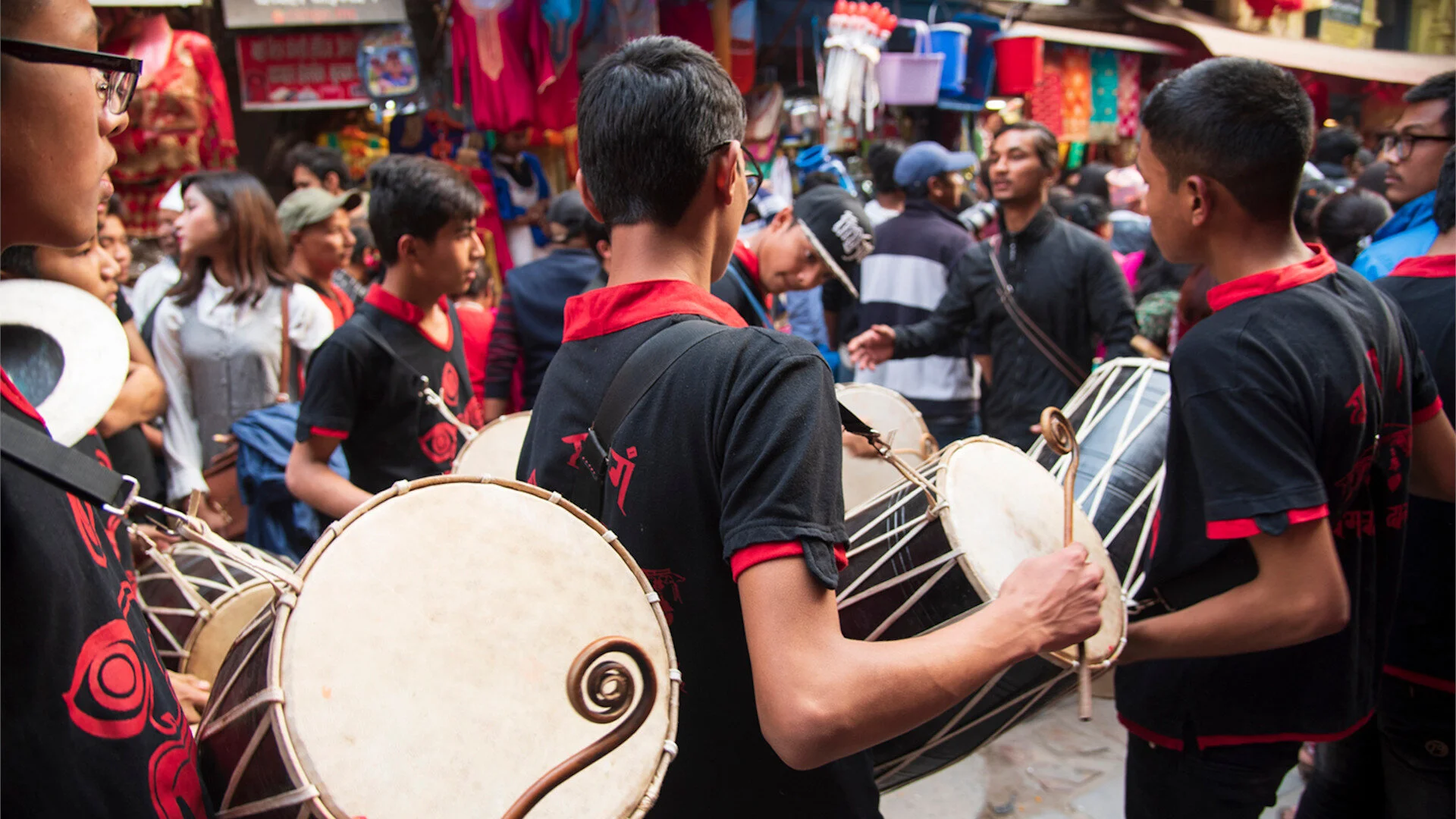
A Guide To Newari Festivals - Part I
Newari communities in Nepal celebrate numerous festivals every year. And it seems Newars always have a reason to celebrate. Several reasons: rich culture and heritage, honoring deities, marking the agricultural calendar, celebrate events from ancient mythology, and to emphasis family and community.
“It seems to be that the Newar’s always a reason to celebrate,” said a dear friend of mine during his month-long stay in the Kathmandu Valley. To give him a true taste of our culture, history and diversity I had intentionally called him to visit a week before Dashain. My mission was as a glorious success. Seeing his face glow as he took blessings from the Kumari, and him swaying to the tantalizing tunes of Gaan Pyakhan, experience the delights of Koochi Bhoya (Family Feast) gave me the utmost satisfaction of being his host.
Bidding him farewell was a difficult task, for he didn’t want to leave. He had so much to experience, from the sweetest Yomari Punhi to witnessing the sheer energy of Sila Chahre ( Maha Shivaratri). At times it does feel true, we the Newar people seem to always have a reason to celebrate.
The festivals of the Newar people begin during Gathan Mugah and ends in Sithi Nakhah.
Gathan Mugah
Celebrated In: August*
Gathan Mugah which falls in August is the awakening of the grand festivities of the Newar people. It is symbolized as a festival of cleaning. From riding one's fields from the spirits recruited to assist, to one's home and community of the evil omens. The ideology of cleaning is taken made literal with the Newar people taking a bath during the first light of this day. Clothes are washed, houses and communities cleaned. In the old days, girls used to even throw away their playing dolls, as they used to be made from straw wrapped in jute or soft cloth. Incense is burned to rid the homes of pests and bugs. The people wear a special ring locally known as, “Chahray Angu” which is a ring made of metal alloy. Bringing the festivities to a close, straw from the old harvest is set to light and the air is spread to fill the home symbolized as a process of cleaning. It is then thrown at the crossroads of one's home. A symbolic effigy of Gathan Mugah (Evil Demon) is made of green reeds, dragged by the local community, beaten and then burnt at near the riverside.
This altogether helps symbolize ridding oneself, his/her home from evil and the pests s/he has accumulated in the last year. From burning of the straws which helps eradicate mites, bugs and foul smell, to wearing a symbolic metal ring to protecting one's soul from the evil spirits. This prepares the Newar People for another year of hardship, celebration and worship.
Gunla Dharma
Celebrated In: August- September*
The month of Gunla is celebrated according to the Nepal Era calendar, according to which the period of worship falls in the mid months of the monsoon. It is considered to be a very holy period for the Buddhist community. Devotees make time to visit Buddhist monasteries, courtyards and shrines to offer prayer and worship.
A special ensemble of Gunla Bajan ( Traditional Newar Instruments of the Buddhist Community of Newar’s) is conducted during the month which includes Dhah and Naykhin ( Types of Drums) accompanied by cymbals and shwam.
The period of Gunla sees the shrines, deities and monuments decorated, cleansed and worshipped throughout the period. Individuals of the sect take holy walks, along with pilgrimages to different holy sites of Buddhism during this period.
Gunhu Punhi
Celebrated In: August- September*
Gunhu Punhi which is not to be mistaken with Guru Punhi (Teachers Day) as this is one of the most significant set of festivals celebrated by the Newar community. Lasting for a total of for nine days the first day is known as Gunhu Punhi. During when a traditional broth (locally known as Kwati) consisting of spouted mixed cereal is consumed. It is believed to help boost immunity and give strength for the upcoming change in season. A traditional doro (string), which is a protective cord is tied onto one's wrist by the Brahman priest. Also known as a Janai this day is generally celebrated by the other communities as Janai Purnima.
In the Newar farming households, food offerings are placed for frogs in their farms and community which is known as Byanja Nakegu. Frogs play a vital role in the farmlands of the Newar household, as they consume bugs and pests that can cause illness to their crops. Thus to pay homage for the service by these friendly creatures a day is separated to honour their efforts.
*: As Newar festivals are celebrated according to the lunar Nepal Era calendar, the dates in the Gregorian calendar are interchangeable.
POPULAR ITINERARIES
SIMILAR POSTS
Preparing For A Trek
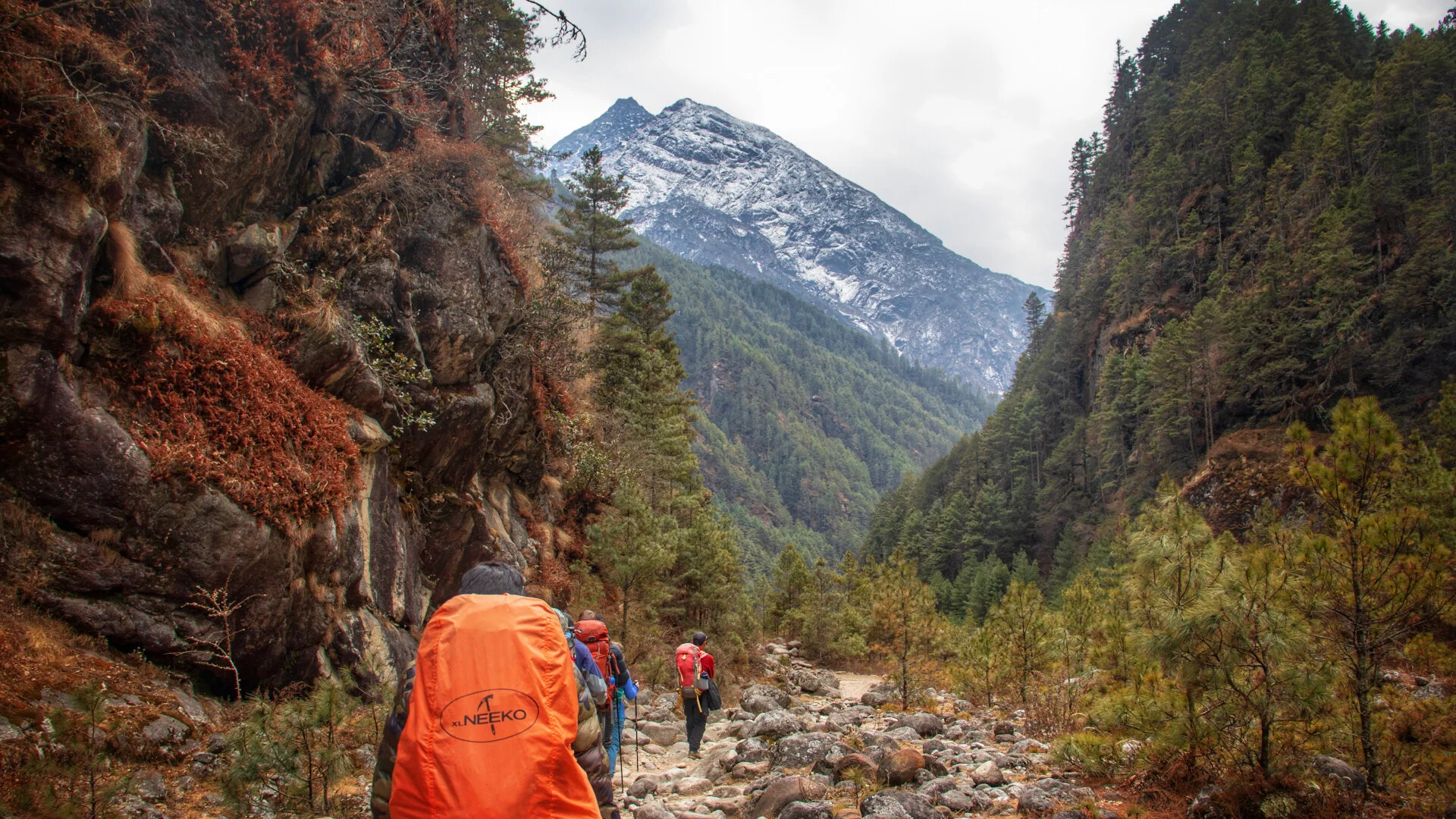
The majestic landscape of Nepal requires one to be prepared with not just the right set of gear but also with a mindset and physique which shall allow them to have a fruitful and magical experience.
A land riddled with high mountain passes, steep and rugged trails, which for an adventurer sounds like paradise. The majestic landscape of Nepal requires one to be prepared with not just the right set of gear but also with a mindset and physique which shall allow them to have a fruitful and magical experience.
1. Walk, hike and then trek
Making way through the rugged paths is not going to be an easy task. The best way to prepare oneself is by accepting that it's going to be a long walk. Thus, it is recommended to begin practising with brisk walks in similar terrain, morning runs, weekend hikes to increase one's physical capability.
If your someone who hits the gym and is confident that his/her normal workout routines are enough to conquer the landscape. I’m afraid that’s not the case. Adding a brisk morning run doesn’t just increase your endurance and stamina. Activities such as yoga and meditation are also recommended to help better one's breathing.
Step training also comes in handy as the trails are riddled with well you guessed it, steps. Uneven, never-ending at times, but certainly a great adventure one can look back and take as an accomplishment.
2. Research your destination
Apart from the basic research of cost, gear and accounts of previous trekkers. It is also recommended to research various elements such as culture, tradition, cuisine, festivals and even basic language skills to enhance one's experience and make their trek more fruitful.
I’ve heard many accounts of how travellers seem to miss cultural experiences because their agent didn’t include it in the package, or they were a few days early. Knowing the area and what it has to offer allows one to have an all-rounded experience.
3. Get comfortable using your backpack
Many seem to find it difficult carrying a backpack which is cause they never trained for it. Even if you are going to hire a porter you will have to carry it onto that point. Adding a backpack to ones training can help you get accustomed to walking, with the weight. It is recommended you carry only the necessary in your backpack, and have everything else be in a duffel bag which can be carried by your porter.
4. Don’t forget the basics and don’t overpack
When it comes to treading trails, less is more! It is when one stare at the incline one realizes, they shouldn’t have packed so much supply. To start things off, research your trip and what it demands and pack accordingly. Is it teahouse, homestay, camping or mixed? If it's not basic then choose to rent from travel gear companies which can be found in tourist centres. This doesn't just reduce cost but also makes it hassle-free.
Normally one can divide their gear into two categories: basic and specialized. Specialized pieces of equipment are required according to the trips genre, apart from which some of the basics are mentioned below:
A good pair of trekking shoes
Fleece Jackets/ Down Jackets
Raincoat and Rain Cover
Reusable Water Bottle
A good trekking pack (35-40 Litres, look for adjustable straps, waist straps, good padding and comfort)
First Aid Kit along with personal medication ( Recommended putting together at the destination due to flight restrictions)
Headlamp, Compass, Whistle and Region Map
Good Hiking Socks Trekkers Advice: Always stash an extra pair.)
Toiletries, Small Wash Towel, Sunscreen
A reuseable bag ( To place one's waste during the trail to have it disposed at the days stop. You don’t want to be the litterer of the pack.)
Spare batteries and chargers
5. Diet matters
One's diet is a very crucial factor in making the best out of one's trip. It is recommended to have a full breakfast, rather than looking forward to lunch. Check with your local nutritionist for the best pre-trek meal plan and maintaining a good diet during the trip.
Make sure to avoid the consumption of tobacco and alcoholic goods before the trip. As it greatly reduces ones immunity and stamina which are crucial for a good trek. Make sure to research meal plans, the local cuisine and to let the agency or your hosts know if you have any dietary restrictions or allergies.
POPULAR ITINERARIES
SIMILAR POSTS
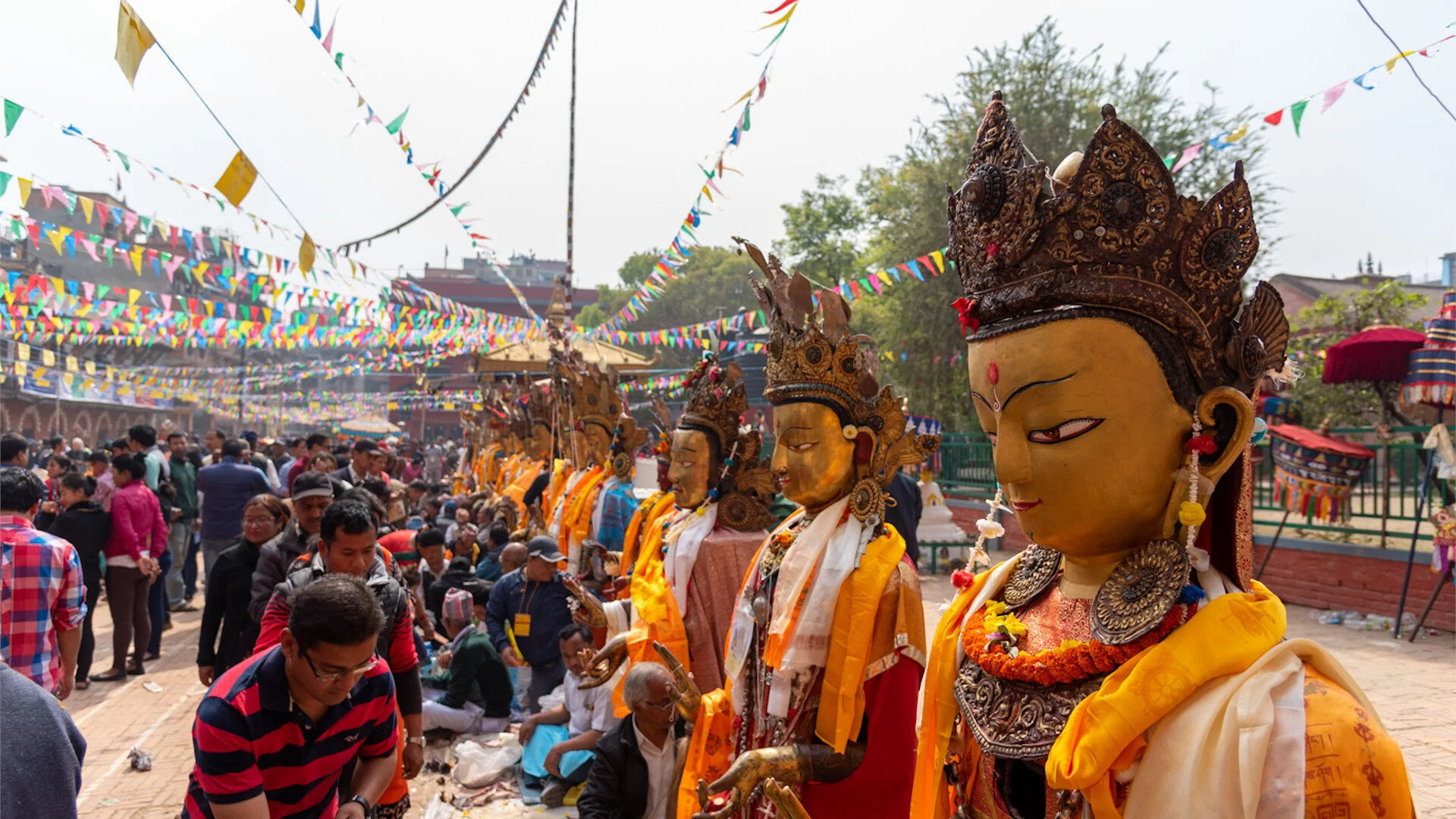
Tales of Samyak Mahadan
Samyak Mahadan is a Buddhist alms-giving festival, also known as the festival of Dipankara Budhha is celebrated once every five years in Patan, Lalitpur. The festival has been important for Buddhist Newars, as it has become a way of practising daan dharma(alms-giving).
I recall being ten and a half, walking down the streets of Gabahal heading towards my mama ghar (Mother’s Home). The streets to my surprise were quite crowded, as we reached Nakabhail Tole. “I’m going to show you something very special today.”, said my mother as we walked towards Nag Bahal. My mother made way in the hustling crowd, whereas I made sure to hold her hands tight.
Putting to words the first time I witnessed the spectacular scene of glistening statues of what seemed to be Lord Buddha lined up in rows, standing tall is still difficult. I looked to my mother in awe, thanked her for letting me witness the feat of Ilan Samyak Mahadan.
The inception of this celebration of giving is approximately dated to Nepal Sambat 135 (1015 AD). Popularly believed to have been first organized by Bhari Bharo, a Thakuri King, son of King Bhaskar Deva.
Being a wise nobleman, during those times even the Kings had to earn their share in society just like a commoner. It is believed that he engaged in nominal work disguised as a simpleton to provide for his family. Even though he shared a royal bloodline, he was believed to have been poor but had a generous heart.
He wished for all to think he was rich, thus started collecting guintha (Cow Dung) from the local Khel (Pasture) and stored them in a room under lock and key. He kept it a secret even from his wife to make her presume that he has ungodly riches. It is generally not a good idea to keep secrets from one’s wife.
She started getting curious about what her husband hid behind closed doors. King Bhari Bharo was smart enough to always have the key on him, he wore it tied to a string. One fine morning he went for his daily bath, he took off the string as it caused him discomfort. She seized the opportunity to take the key and look into the room where she found heaps of gold and riches. She was quite surprised to the ungodly amount of gold and even was King Bhari Bharo as he stared into the room where he had been storing guintha.
The King was amused and humbled by the generosity of Lord Dipankar Buddha whom he revered deeply. To commemorate this great moment and continue the act of giving, he called upon all the Bahal’s and Bhaili’s to bring their Patron Gods. King Bhari Bharo, offered the riches to all through a process of giving alms (daan) to their patron deity as an act of dharma.
It is believed that this celebration was a yearly affair till 1806 AD, after which the festival was organized once in every five years. The official opening of the festival is when a Yoshi (ceremonial pole) is erected at Nagbahal. After which the aajus (highest in the rank of Newar Buddhist community) with an entourage circumvent the valley inviting all the Bahal’s and Bahili’s to the festival. On the eve of the Samyak, the idols are brought together at the square of Mangal Bazar. At the stroke of midnight, they are carried to the courtyard of Nagbahal and placed in an orderly manner.
The next day is a grand celebration which left me speechless when I was little. The idols of brass feature deities such as Basundhara, Arya Tara, Aryavalokiteshwara and Dipankar Buddha. The larger life-size idols are carried by a caretaker from their respective Bahal or Bhaili. Smaller ones are brought in a palanquin. Devotees come in flocks to offer rice, grain, money and goods to each deity. The giving of alms lasts till 3 PM after which the Samyak is drawn to a close.
The festival is officially drawn to a close when the Yoshi is grounded and a special puja at Jal Binayak, Chobar is conducted. With this, Ilan Samyak Mahadan. Is officially brought to a close and the great glistening idols rest to be displayed in another 5 years.
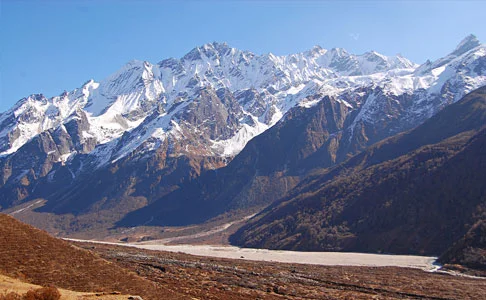
This trek is specially designed to reach the Everest Base Camp including Kala Pattar which is the best view point to view the sunrise over the high Himalayas including the Mt. Everest. This trek requires 13 days.
USD 1515 PER PERSON -- TWIN ROOM SHARING BASIS