
The Tales of Sikali Festival
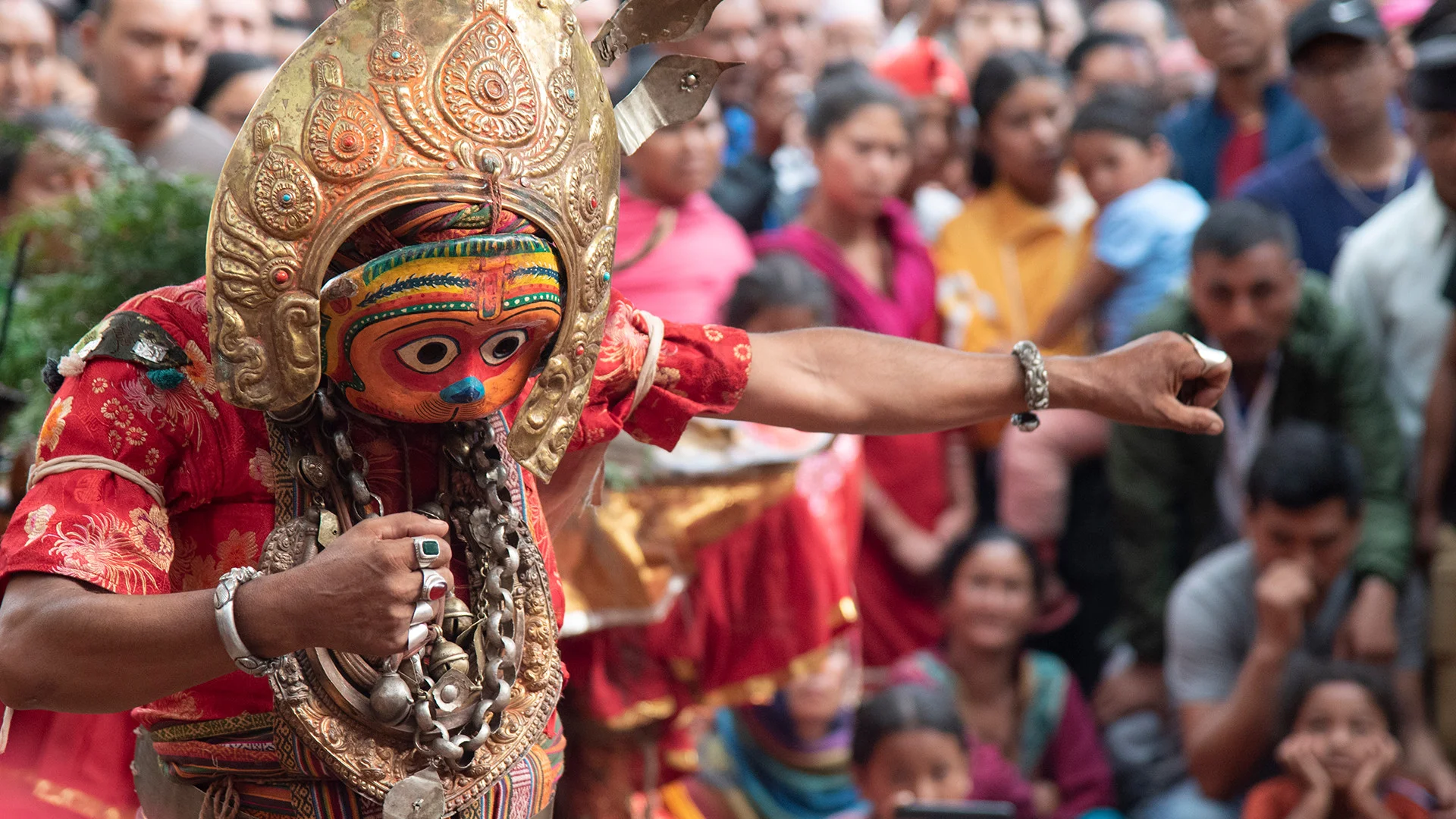
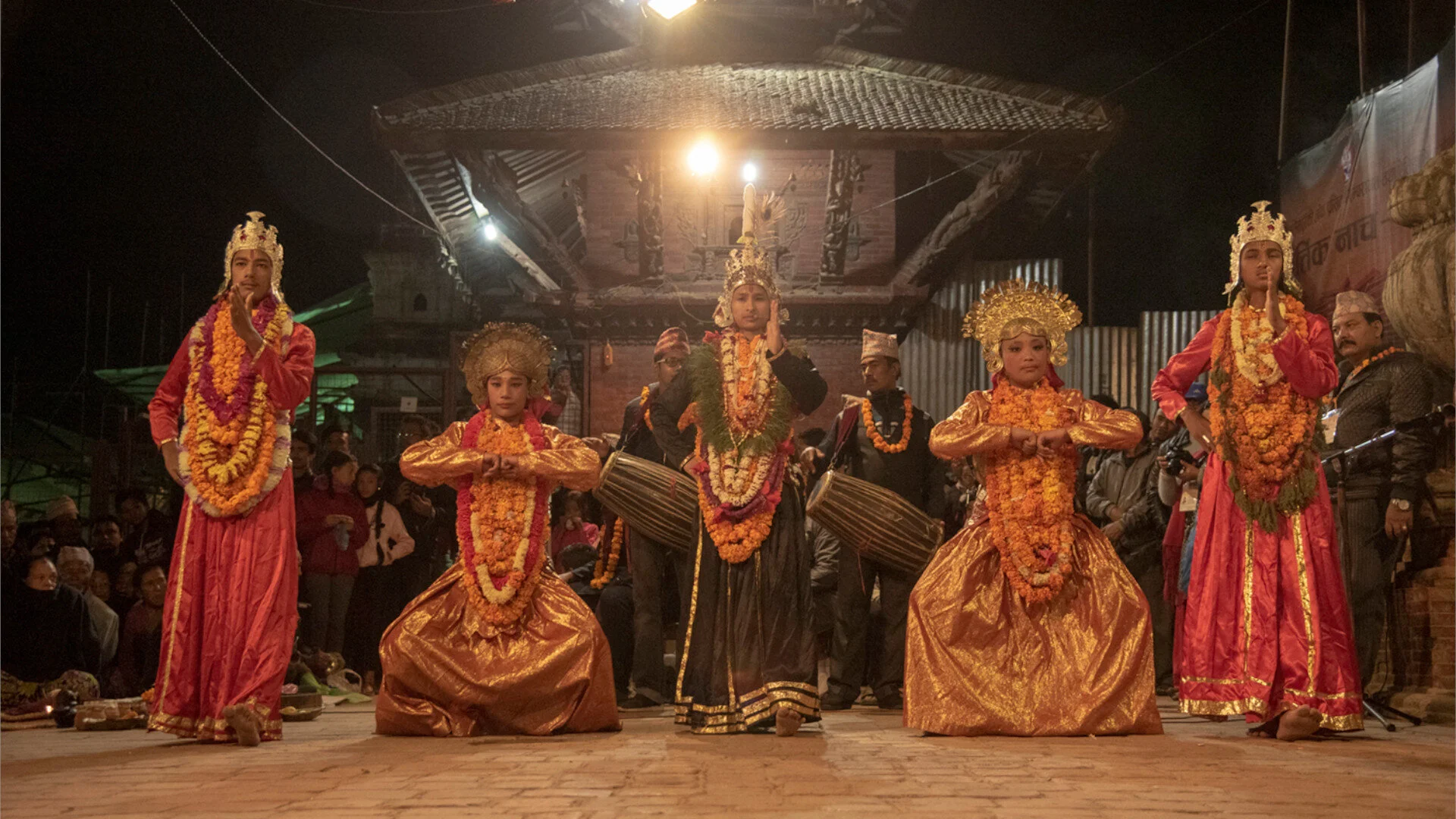
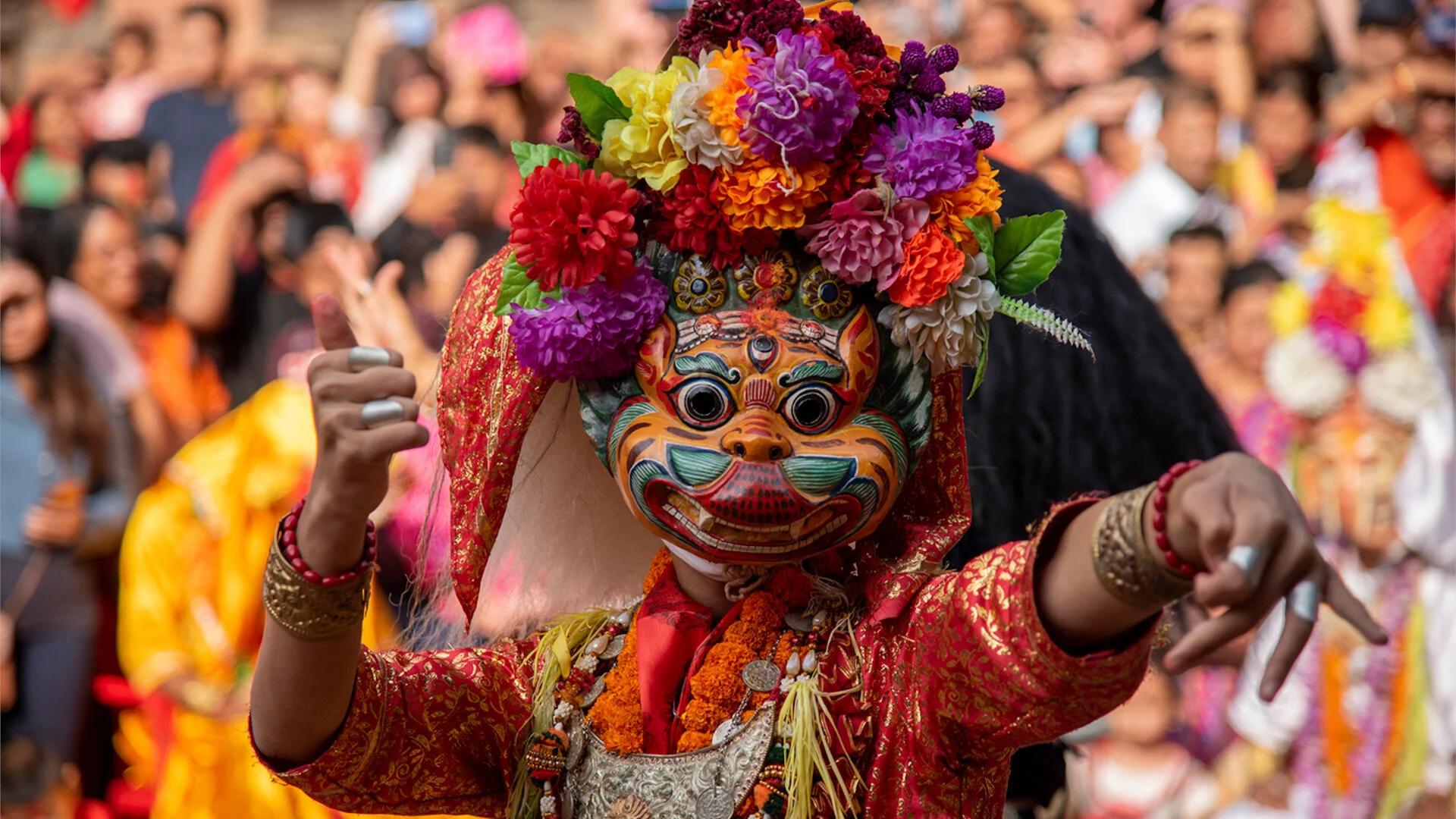
While the entire nation prepares for the celebration of the biggest festival Dashain, local of Khokana village located to the south of Lalitpur gears up for the festival of Rudrayani known as Sikali Jatra. Festival is celebrated by a section of the ethnic Newari community with a skit presentation in a form of archaic storytelling with traditional music and individuals dressed in a godly attire adorned with the masks of deities and demons.
As the entire nation prepares for the grand celebration of Dashain, the village of Khokana located south of Lalitpur gears up for the festival of Rudrayani. Popularly known as “Sikali Jatra”, the celebration trumps even the great festival of Dashain. The citizens of this once great kingdom celebrate the Sikali Jatra instead of Dashain.
A celebration of a total of five days, which begins from Ghatasthapana and concludes on the day of Fulpati. The celebration is centered around the patron deity of the town of Khokhana, the goddess Rudrayani commonly known as Maheshvari. She is believed to be the Shakti of Lord Mahes(Shiva) also known as Maheswar. She is also a form of goddess Parvati is known by many names such as Rudrayani, Shankari, Shivani and Mahesi which are derived from the names of Lord Shiva Rudra, Shiv, Shankar and Mahesh.
The festival and the cultural dance depicted during the day of Fulpati is believed to be linked with the origin of the city of Khokhana. The city is believed to have been founded by King Amar Malla during the 15th century of the Medieval Malla Era. The Malla during their reign established various temples which were dedicated to the Matrika’s (Mother Goddesses), to protect there individual cities for various epidemics, illnesses and to protect their kingdom. The temples of the Asta Matrika’s were placed in eight cardinal directions on the border of each kingdom.
The goddess Rudrayani in the Newar pantheon is worshipped as one of the Matrika’s. It is believed that the town of Khokana came into existence after the establishment of the temple. King Amar Malla had migrated the Maharjan’s and Dangol’s who resided in Pachali Bhairav to the Khokhana for catering and maintaining the temple. During the foundation of the Kingdom, the city was known to be as Jitapur.
The current name of Khokana is derived from the Newari words, “Kho:” which means to weep and “Kana” means to tell. Legend has it that once, a Maharjan priest of Pachali Bhairav of Kathmandu fainted due to high cold fever. After which the Vaidya feeling his cold body pronounced him dead and thus he was taken to the bank of Bagmati to be cremated. His body was accompanied by his wife who was to place in the pyre as “Sati”.
When the pyre was just alighted, a heavy storm broke which caused huge rains to occur which caused the people who had gathered during the cremation and arrangements to run to shelter leaving the pyre. As the pyre burned, the priest became conscious. The people of the community didn’t allow him and his wife to enter the city as they feared a bad omen. The couple then ran weeping all the way and settled in Kudesh; (Ku meaning Bad and Desh meaning country) which is believed to have been the north-west of present Khokana. It is said that the Goddess Sikali Devi blessed them and a new settlement was established. After a while, the people from the opposite bank of the river began harassing them and for their safety, they shifted towards high ground east of Kudesh. This settlement started by the weeping couple is believed to be the origin of Khokana. Today the place known as Kudesh is a ruin and due to the lack of archaeological expedition, this place has been lost to time.
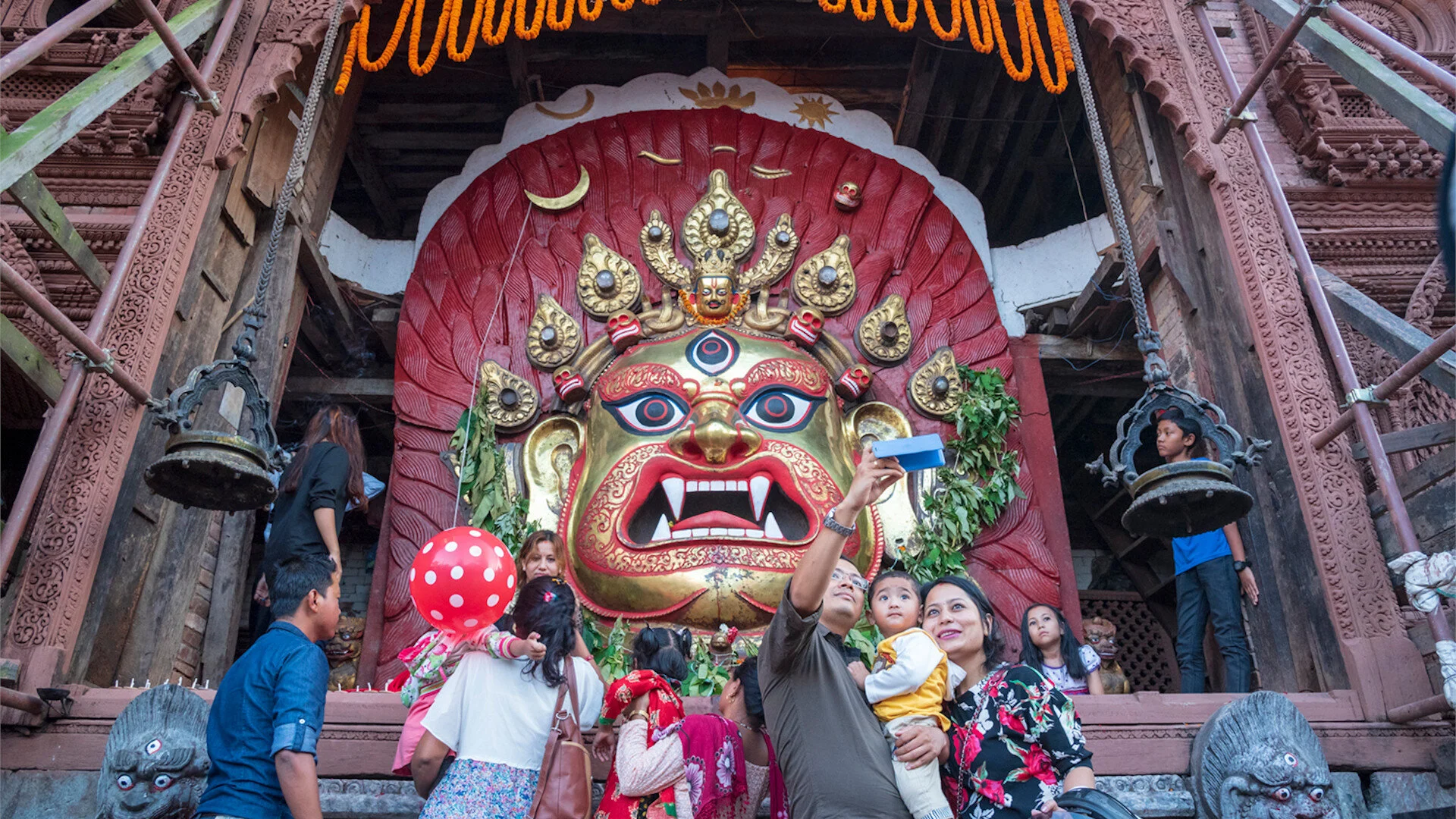
During the festival of Sikali, on the final day which aligns with Fulpati, a special skit is performed by the elders of the community. The skit is presented in a form of archaic storytelling with traditional music and individuals dressed in godly attire adorned with the masks of the deities and demons. The day before which, the deities are taken to the temple of Sikali in avid fanfare, which gathers a huge crowd to witness the spectacle and take blessings of the deities.
Due to the strict norms and regulations of the community, and a lack of research the festival is prone to lose much of its heritage with the passing generation. With all the knowledge of the rites and process in the minds of the Thakali (Eldest) and the norms forbidding the young to directly participate. The great festival of Rudrayani, which holds huge cultural values is slowly facing the same faith as many masked dances in the valley.
Currently the Sikali Jatra is celebrated twice in the lunar cycle, first during Gai Jatra after which in the five days of Dashain which begins from Gathasthapana and ends on Fulpati.
SIMILAR POSTS
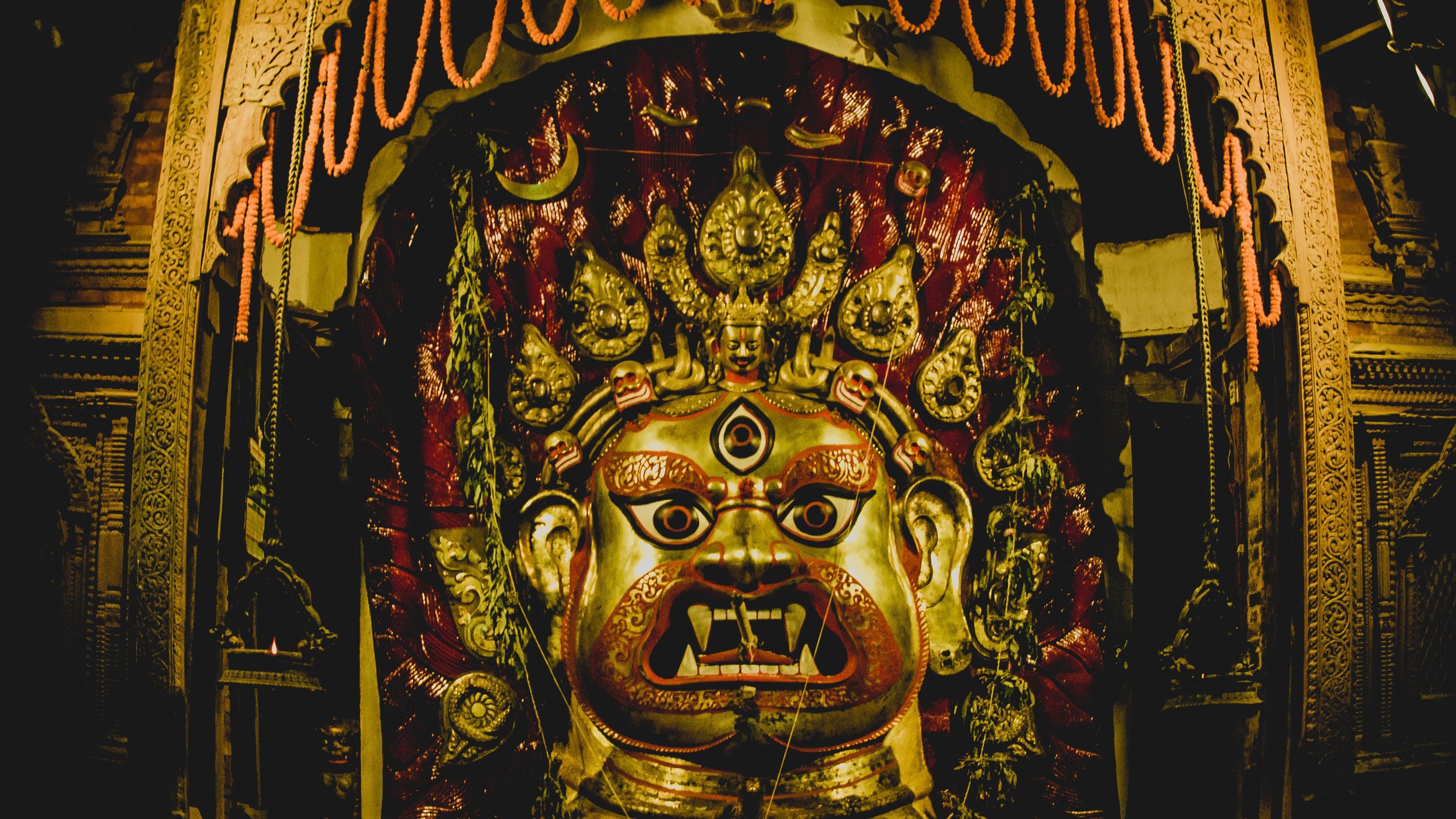
Amongst the great celebrations of this valley, nothing beats the pomp and flair of Yenya Punhi. Commonly known as Indra Jatra- a name derived from the lore of Indra- the heaven king's visit to Nepal. This festival is larger than life, with symbolism and meaning going back thousands of years- neatly preserved by the Newars.
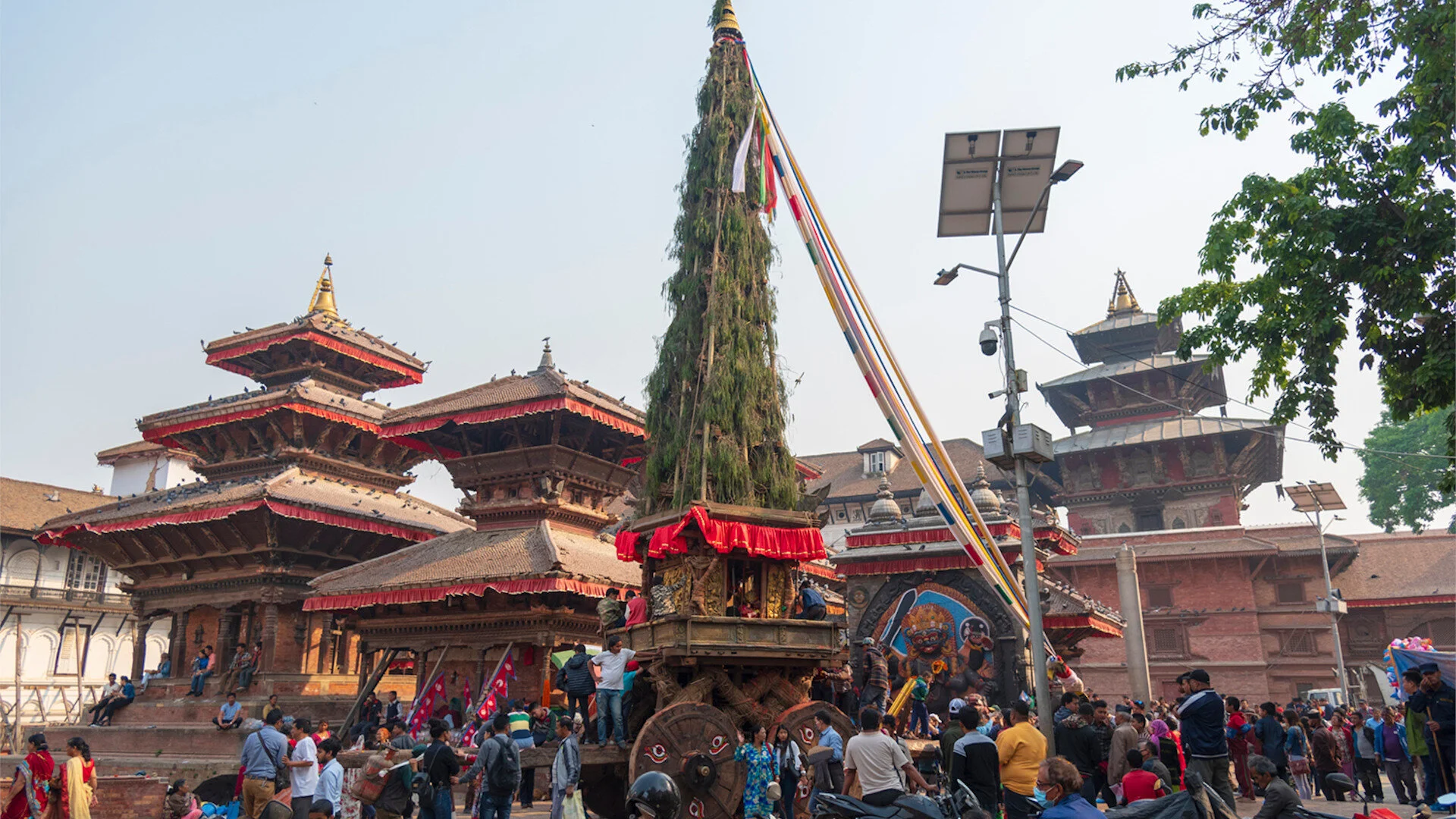
Newari communities in Nepal celebrate numerous festivals every year. All these festivals are tied to its culture and heritage, events for ancient mythology, agricultural calendar, family, and communities.
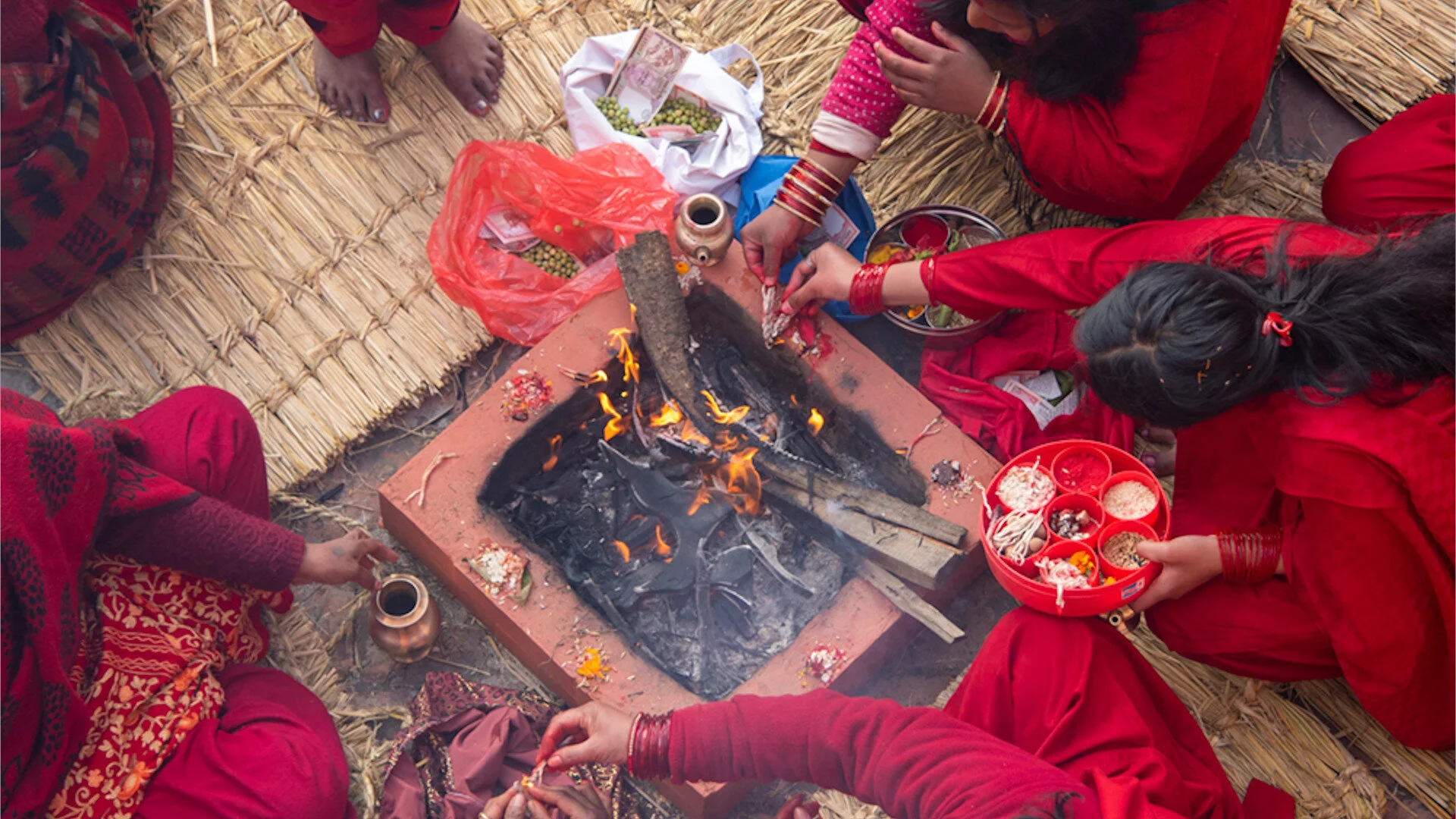
Newari culture is very rich and ritual throughout the year and the Newari communities celebrate numerous festivals every year. All these festivals are tied to its culture and heritage, events for ancient mythology, agricultural calendar, family, and communities.
Svanti festival is known by several names: Tihar, Dipawali, Pancaka, and Yamanpanchaka. And most popularly known by its other name Tihar, is one of the national festivals of Nepal celebrated throughout the kingdom by Hindu and Buddhist populations.
The events of Mohani can be divided into two: Family & Communal and bears similarities with the celebration of Dashain. And, the general perception of individuals views the two festivities as the same, but Mohani is specific to the Newari communities. Mohani is centered around the family’s tutelary deity, whereas Dashain is the celebration of the victory of gods over evil.
Newari communities in Nepal celebrate numerous festivals every year. And it seems Newars always have a reason to celebrate. Several reasons: rich culture and heritage, honoring deities, marking the agricultural calendar, celebrate events from ancient mythology, and to emphasis family and community.
Newari communities in Nepal celebrate numerous festivals every year. And it seems Newars always have a reason to celebrate. Several reasons: rich culture and heritage, honoring deities, marking the agricultural calendar, celebrate events from ancient mythology, and to emphasis family and community.
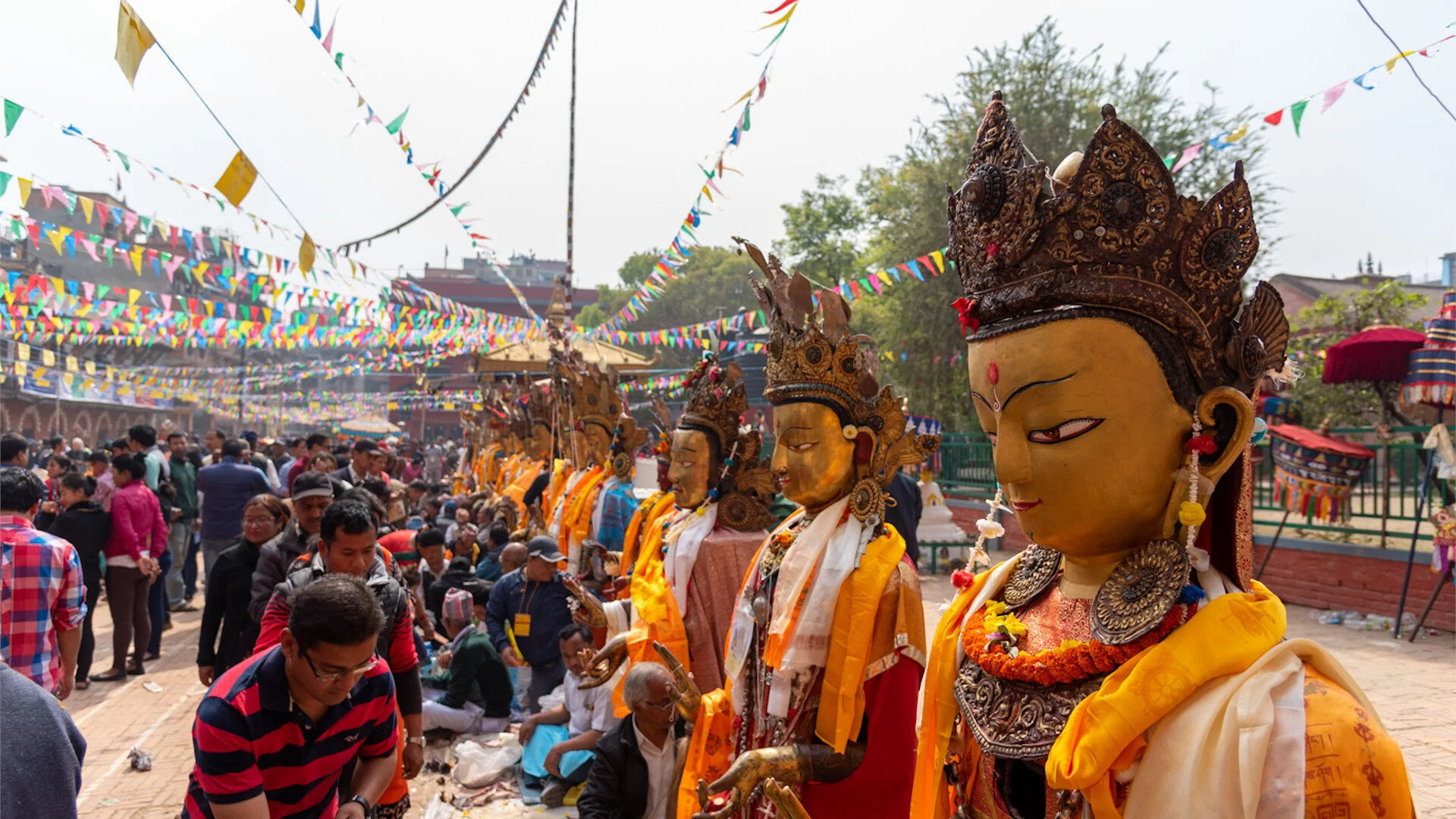
Samyak Mahadan is a Buddhist alms-giving festival, also known as the festival of Dipankara Budhha is celebrated once every five years in Patan, Lalitpur. The festival has been important for Buddhist Newars, as it has become a way of practising daan dharma(alms-giving).
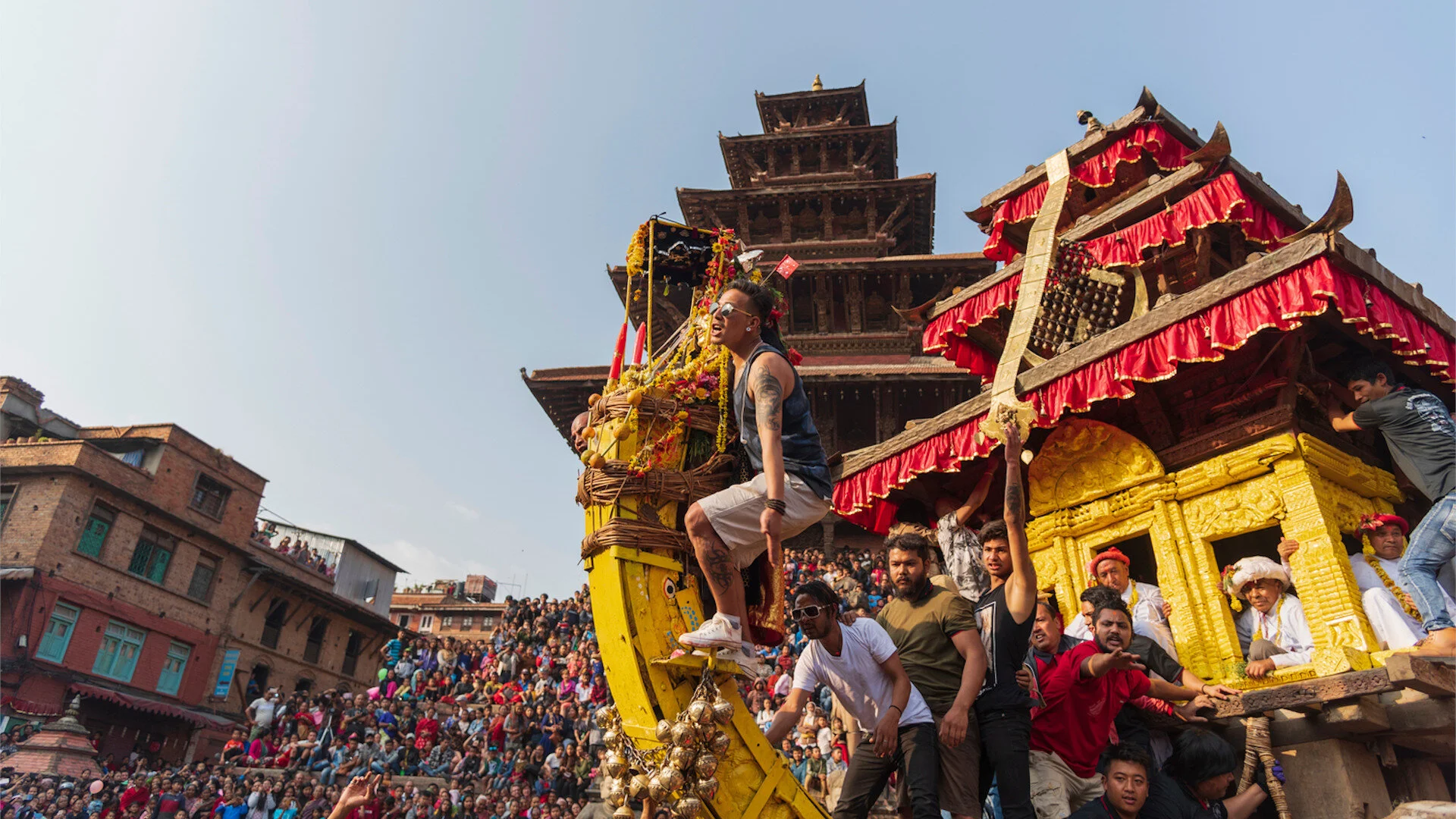
Bisket Jatra, also known as Biskah Jatra(festival) is a weeklong yearly occasion of Newari community in Bhaktapur. Among many other popular festivals in Kathmandu Valley, Biskah Jatra is celebrated with special rites and rituals in the historical and cultural city Bhaktapur.
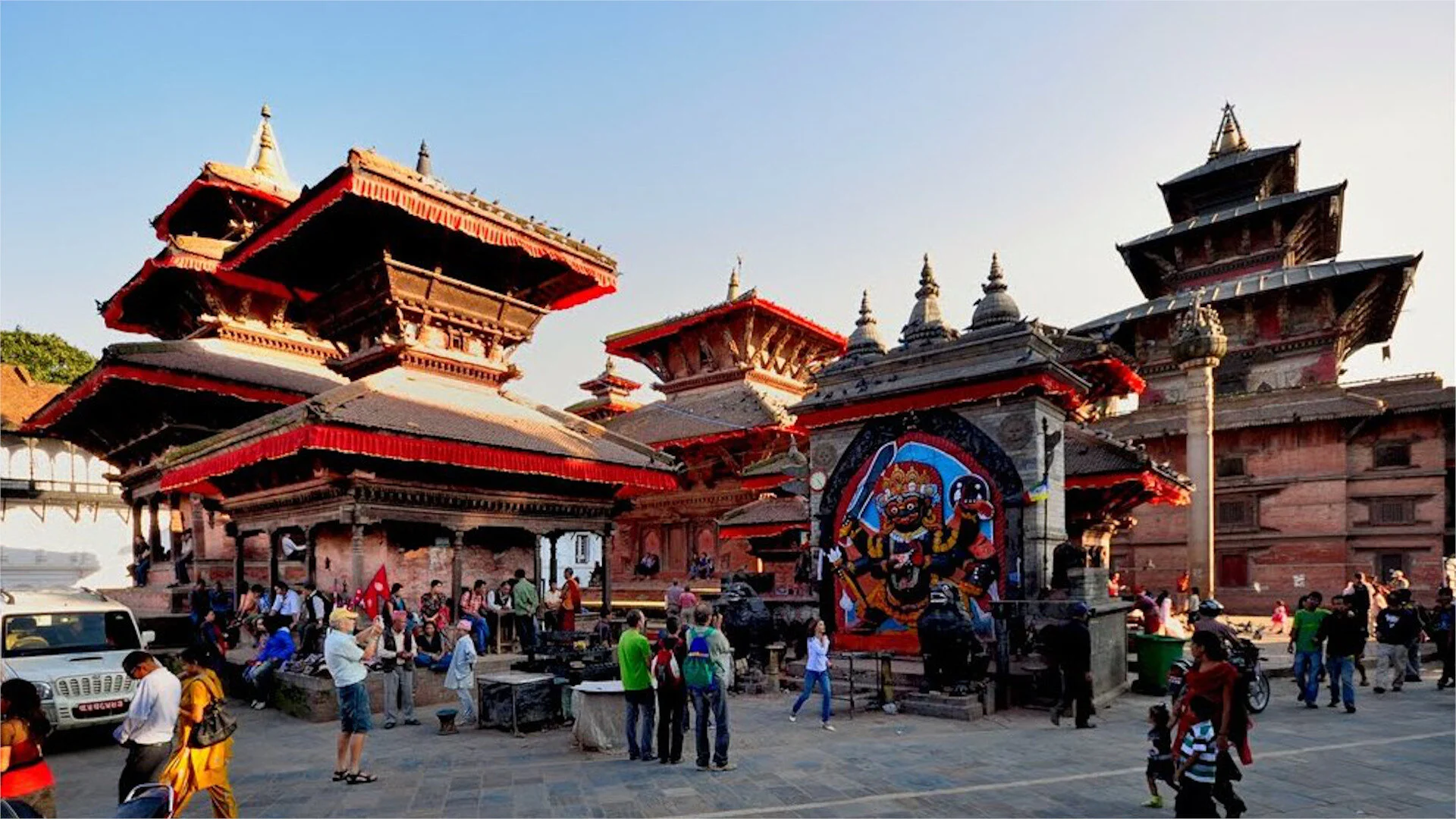
Pahan meaning guests and Charhe meaning on the fourteenth day of the lunar fortnight, the avid tunes of the festival can be heard for three consecutive days in the old towns of the city of Kathmandu. This three-day festival brings together the community in a unique manner and has helped build communal strength and friendship.
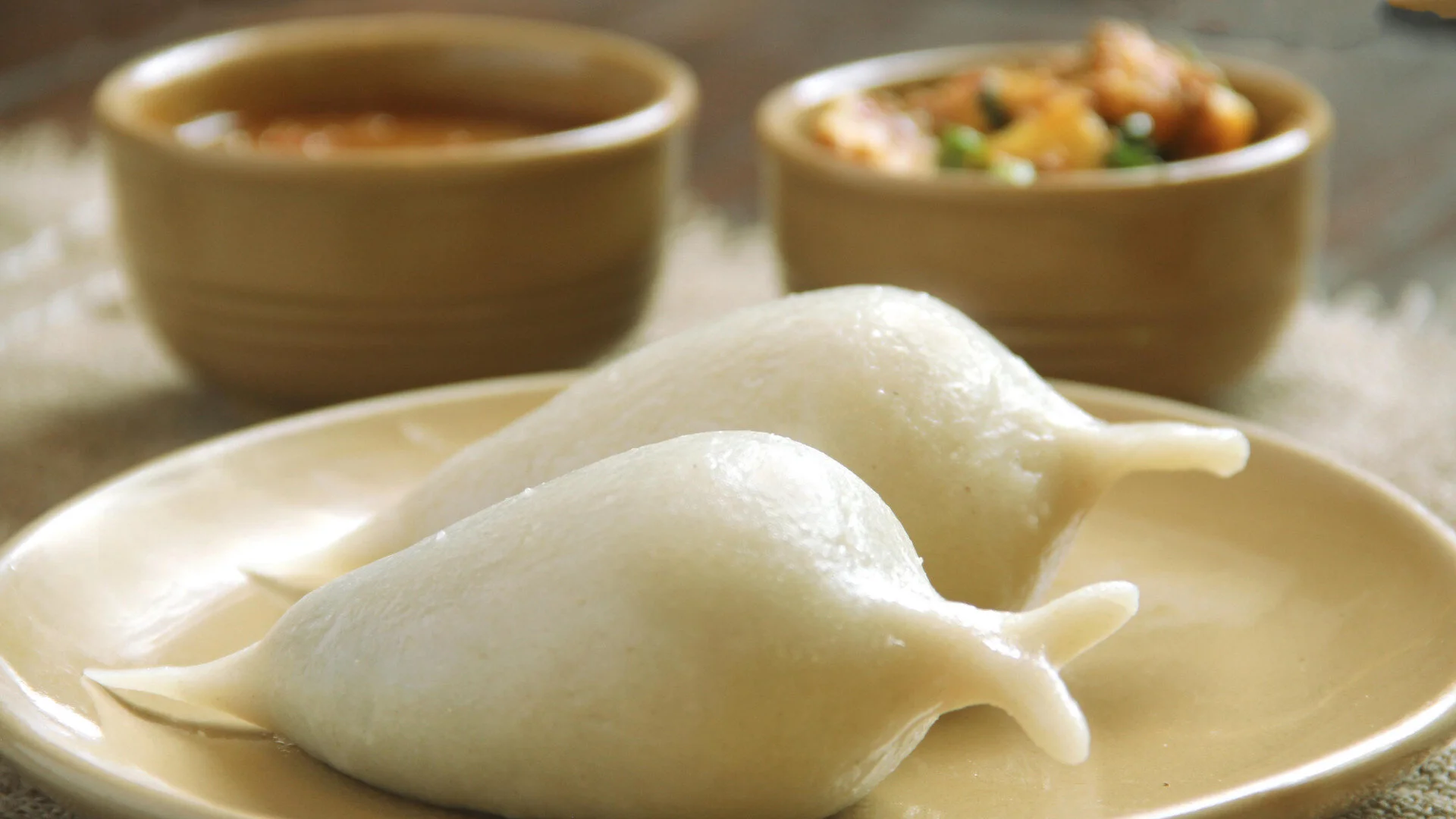
Yomari Punhi, a Newari festival in Nepal is celebrated every year by Newari Communities marking the end of the rice harvest during the full moon day of November/December. It is said that eating Yomari or Yamari, a steamed dumpling made with rice flour with sweet such as Chaku inside takes away the cold.
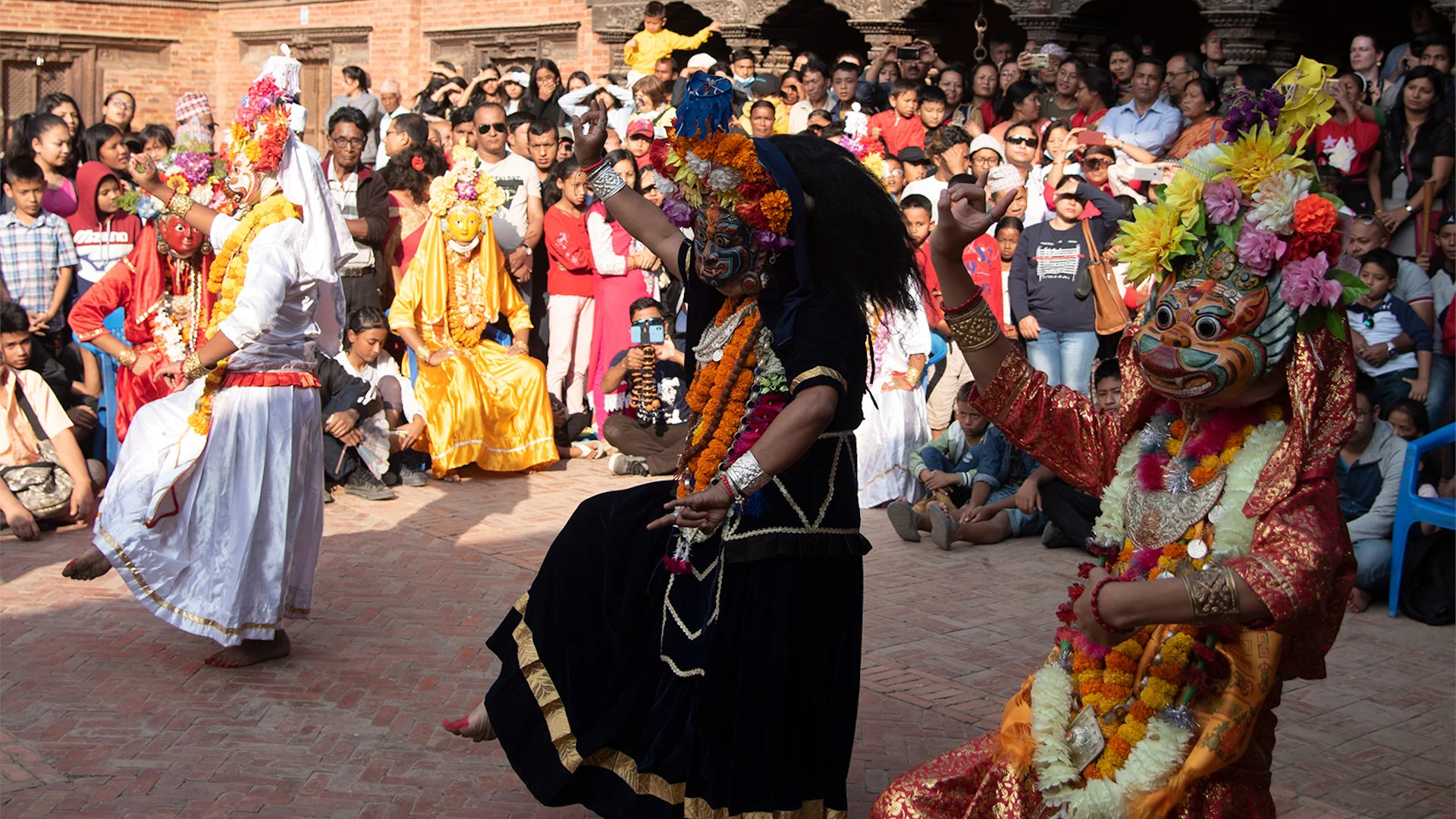
Ga: Pyakhan in Patan(Asta Matrika Dance) is popular among the locals of Patan. The dance of Eight Mother Goddesses, deities of Hindus, is performed by male Buddhist dance during the Nepalese biggest Dashain festival. The dance is staged in the royal court of Mulchowk, inside the Patan Durbar Square of Lalitpur. It is believed that the dance is performed as a worship of the deities to bring the prosperity and fortune to the people.
While the entire nation prepares for the celebration of the biggest festival Dashain, local of Khokana village located to the south of Lalitpur gears up for the festival of Rudrayani known as Sikali Jatra. Festival is celebrated by a section of the ethnic Newari community with a skit presentation in a form of archaic storytelling with traditional music and individuals dressed in a godly attire adorned with the masks of deities and demons.
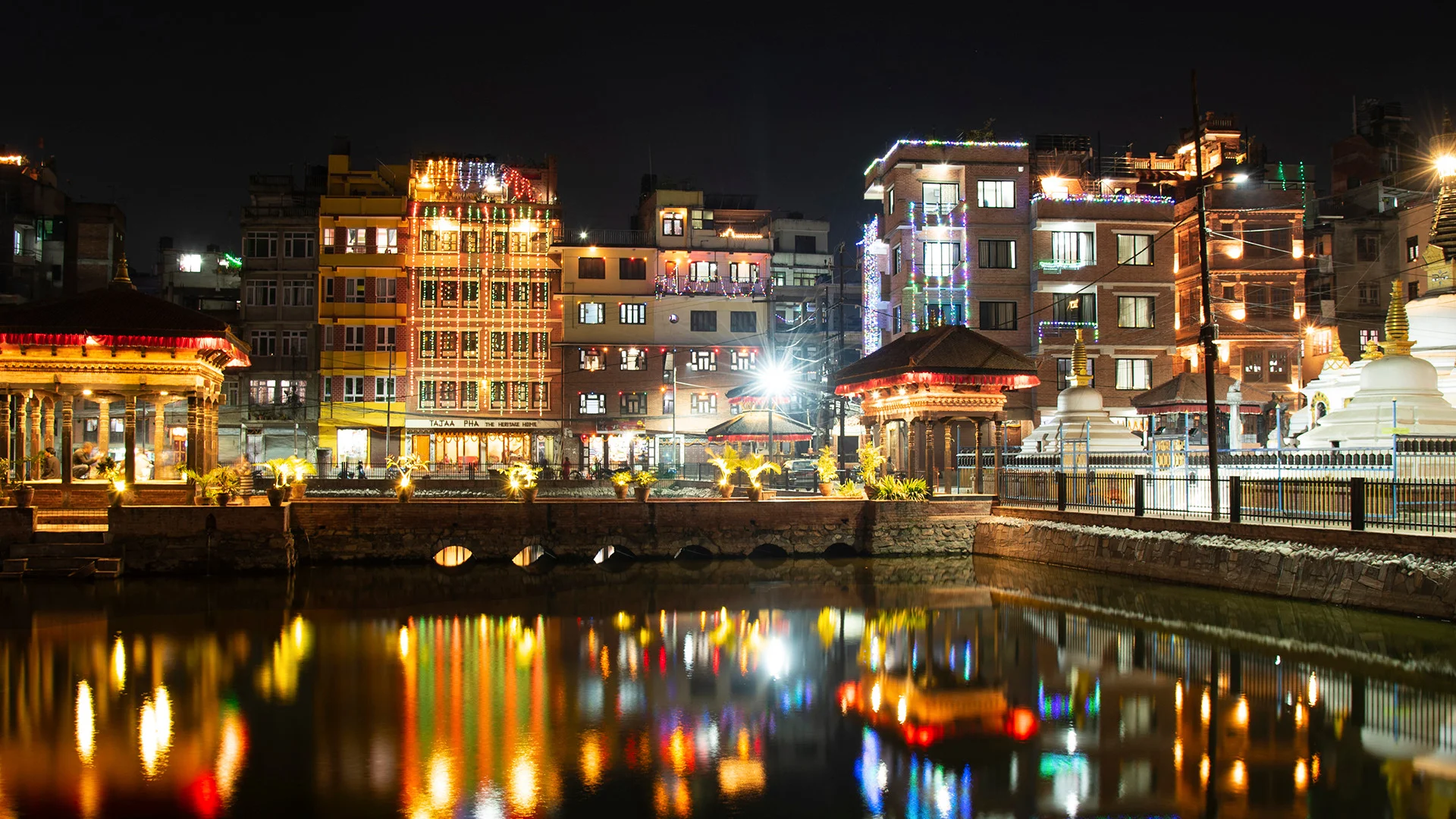
Tihar festival or the festival of Lights is Nepals' second-biggest festival after the Dashain festival. Tihar is considered to be one of the most fun-filled and celebrated festivals in Nepal. And, the festival falls under the best tourist season with the fantastic weather. One can take a tour of the Kathmandu valley and witness the majesty of the city during Tihar.
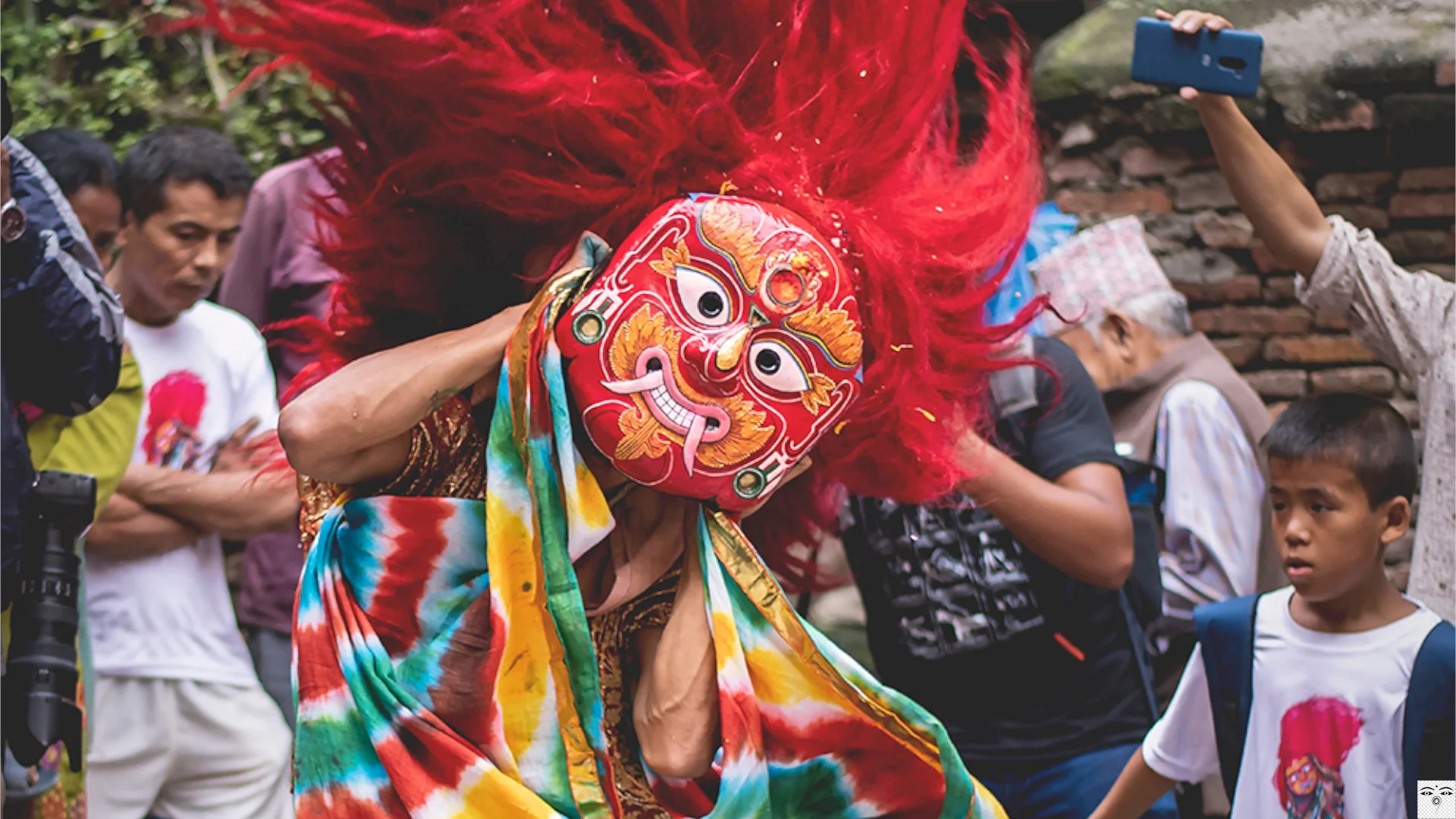
Majipa Lakhey in Newar mythology is the protective deity of all children in the Valley. During the annual festival of Indra Jatra, the dance of Majipa Lakhey is performed by the clan of Ranjitkars of Kathmandu with a traditional drum (Dhime) and a pair of Bhusya (pair of cymbals) with straps to fasten around the wrists. Devotees during the dance performance try to manage a touch the Lakhey’s rich display to take the blessings.
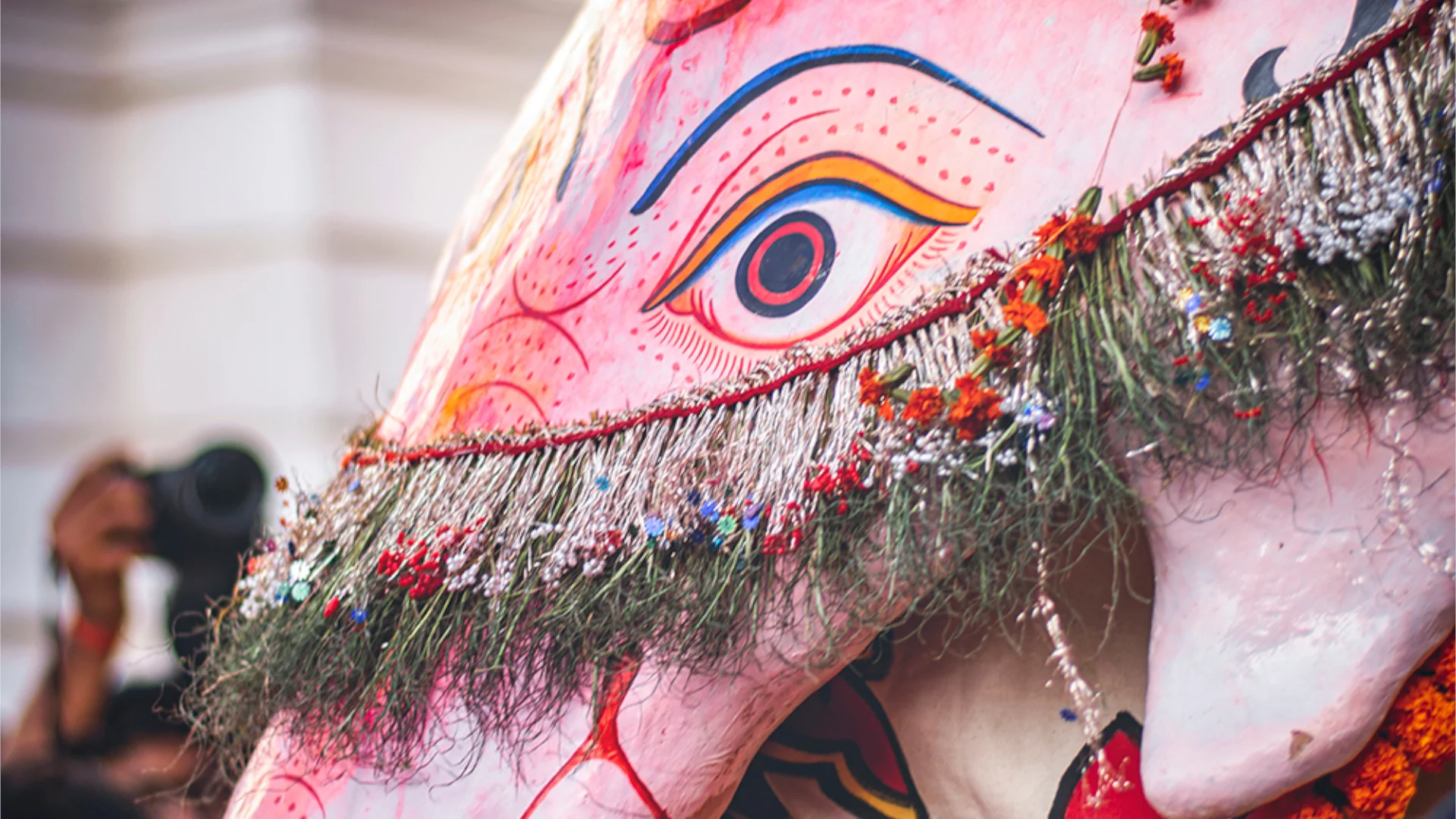
Indra Jatra, one of the highly celebrated street festival in Nepal marks beginning of the festival season and the beginning of a tourist season in Nepal. The festival is celebrated in the oldest town Basantapur Durbar Square or Hanuman Dhoka in Kathmandu by the local community with huge arrangements. The chariot of Kumari, the Living Goddess, is taken out in procession through the streets. People wear masks of various goddess and exhibit by dancing in the streets on music played with traditional musical instruments.
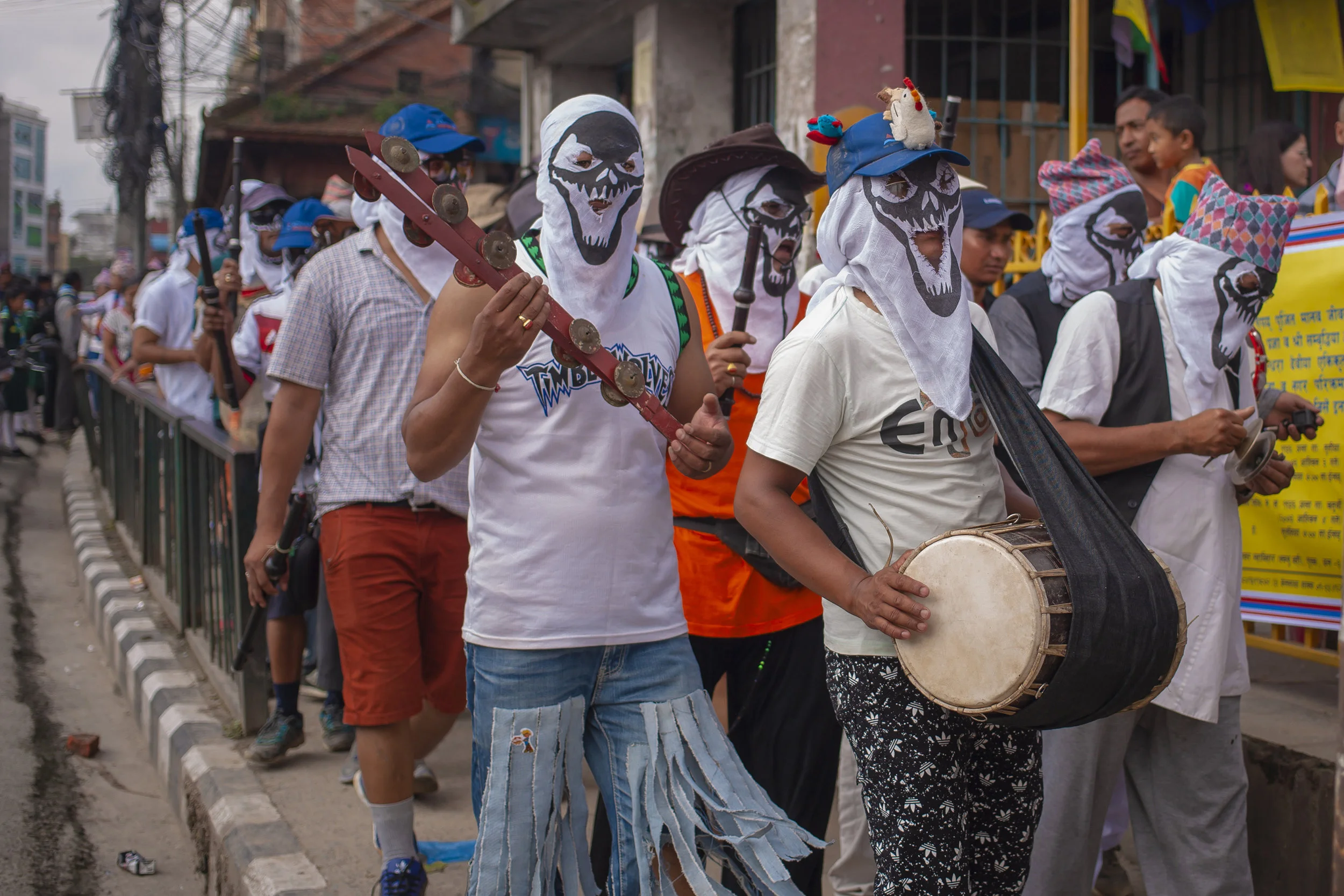
The festival of Mataya is one of the most important festivals in the Newar community in Patan. A unique Buddhist festival, during when men and women in a comical attire carrying candles and torches, traditional musicians playing merry rhythms walk to almost all the temples, stupas and monasteries in and around the old city of Lalitpur.
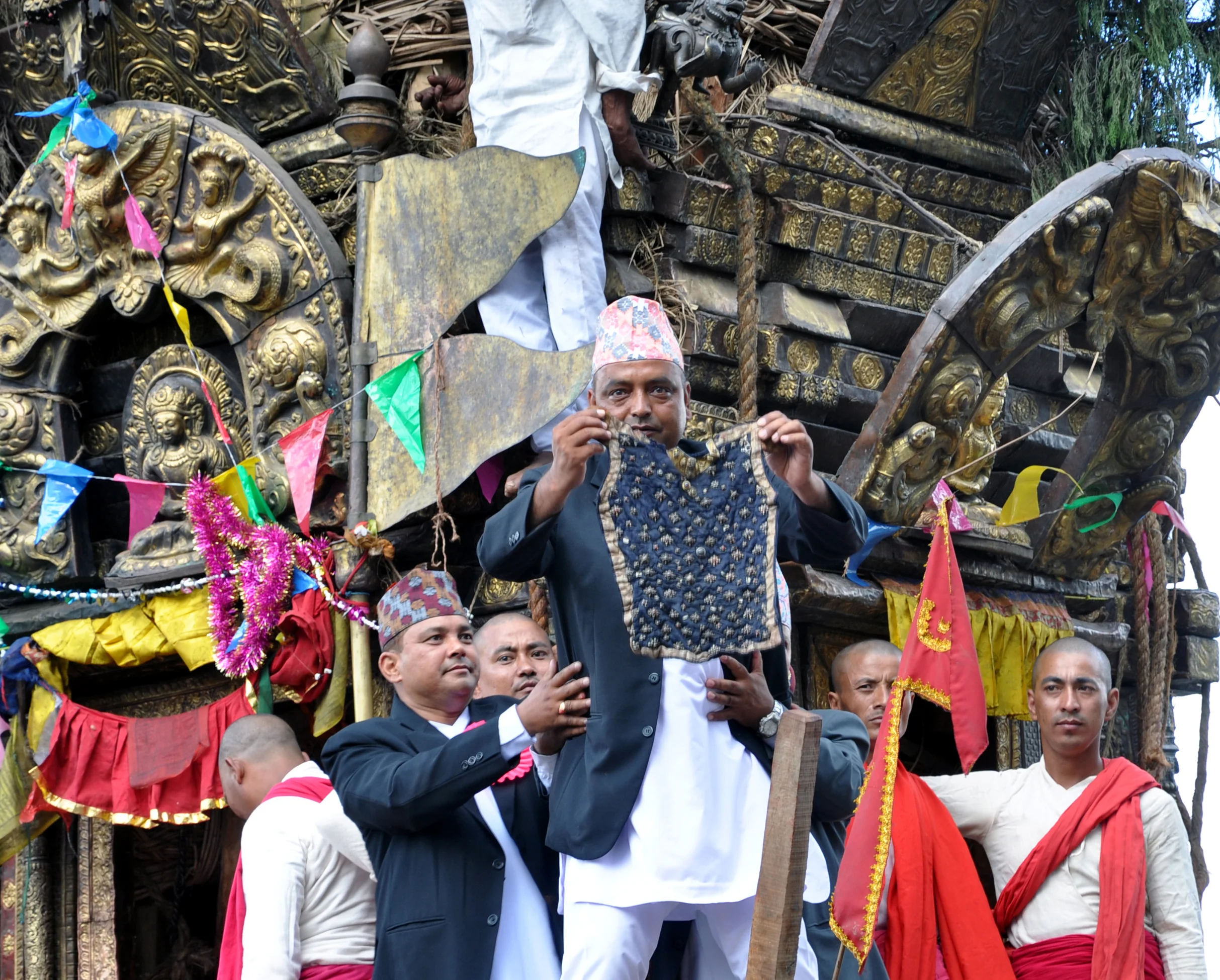
The legend of a jewel-studded vest (Bhoto) that came into possession of a priest when no one came to claim with evidence to whom it belongs. Today, the same Bhoto is displayed ending the month-long celebration of Rato Matsyendranath Festival in Lalitpur. And it is said, Bhoto is shown every year to the public as of an announcement to claim for it.
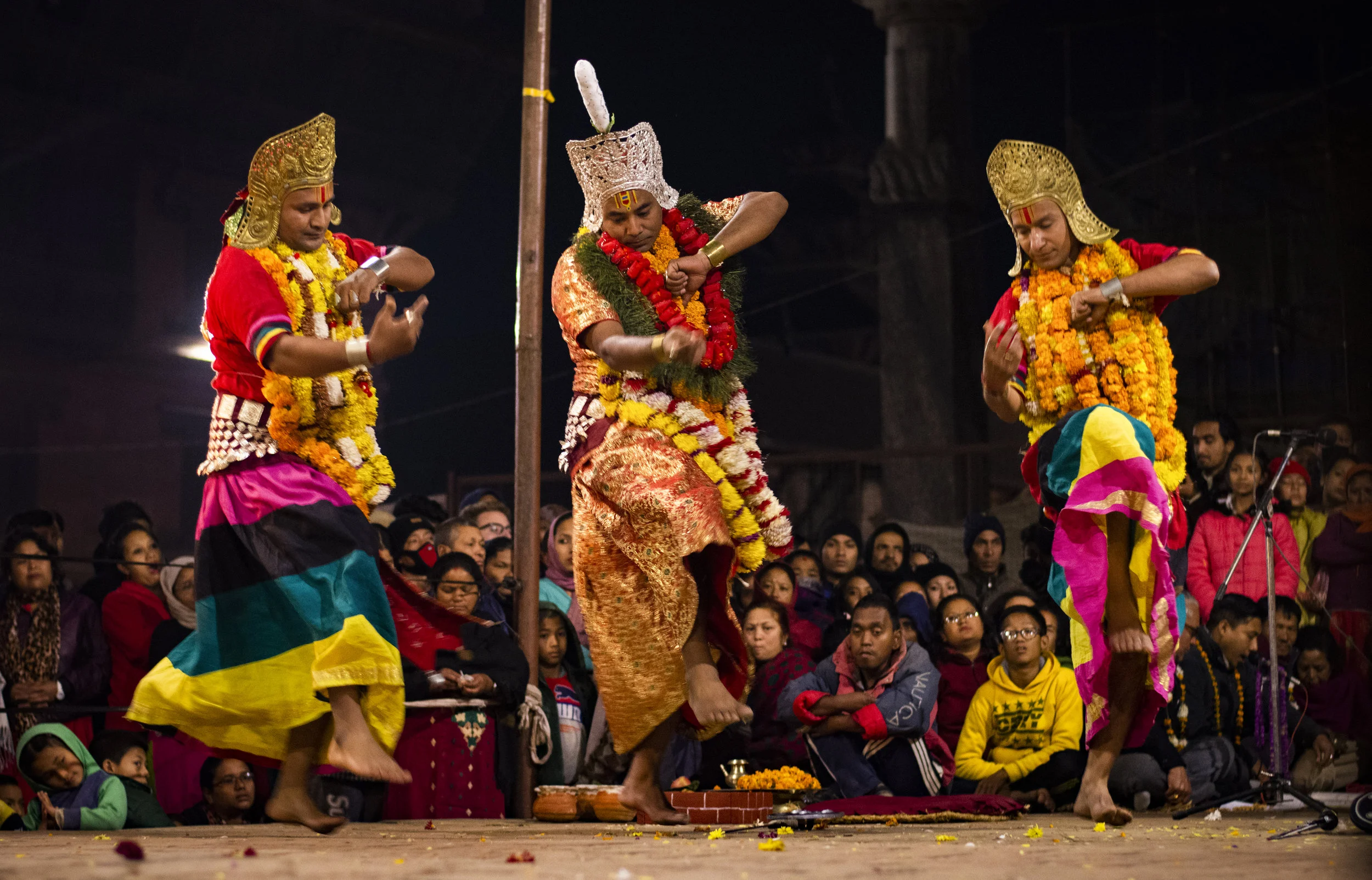
This particular act carries a message that anyone who tries to do ill and harm others, s/he is punished and no one escapes justice. A story of a powerful demon king had a son. The son refused to acknowledge his father as supreme lord of the universe and claimed that Lord Vishnu was all omnipresent
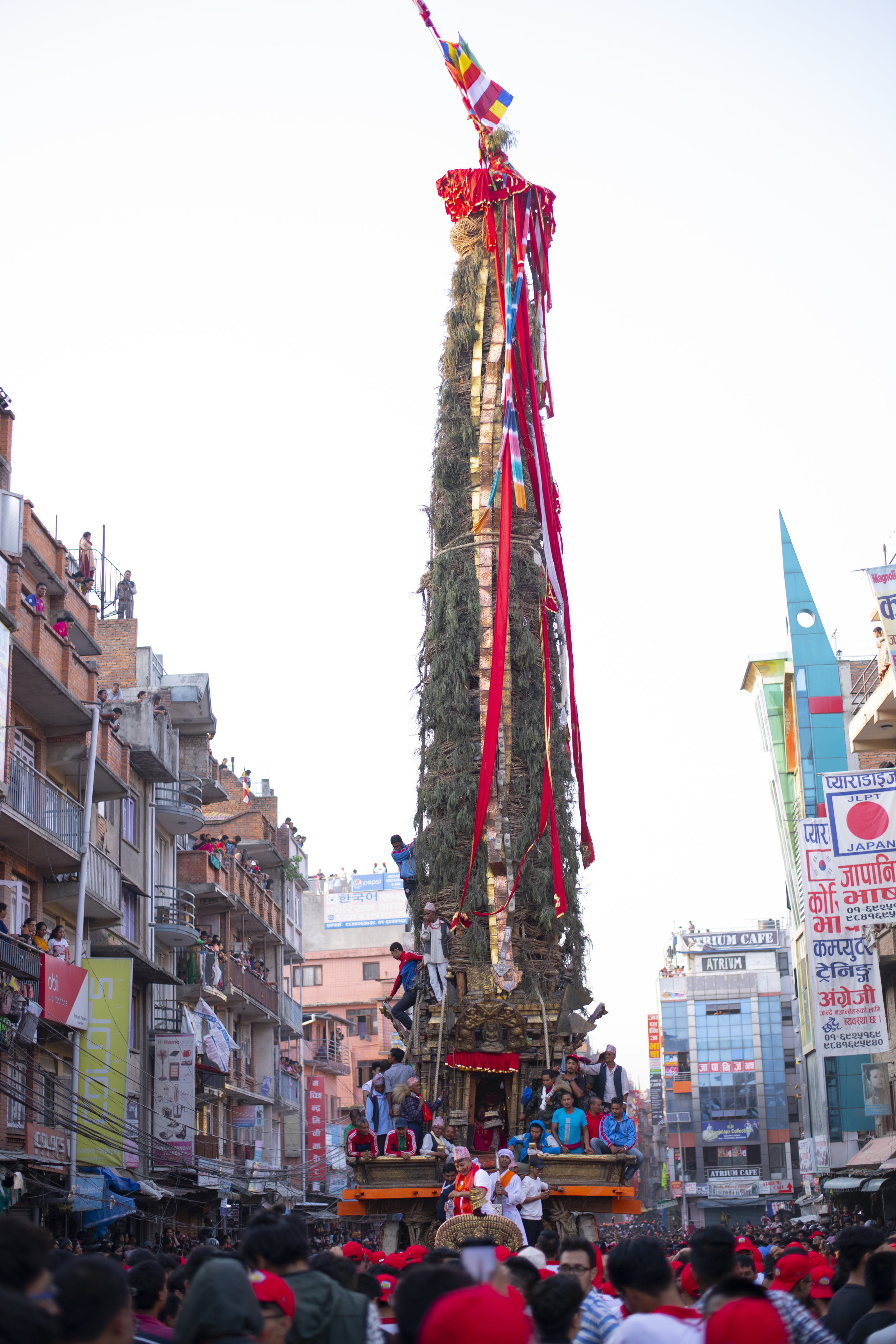
The legend of a giant chariot festival began with the Kingdom that drought for years causing misfortune and chaos as a result of disrespect to Gorakhnath. And, how Matsyendranath through devout and prayer, guru of Gorakhnath protected the valley with rain for the harvest, pulling the chariot and celebrating the coming of Lord Karunamaya.
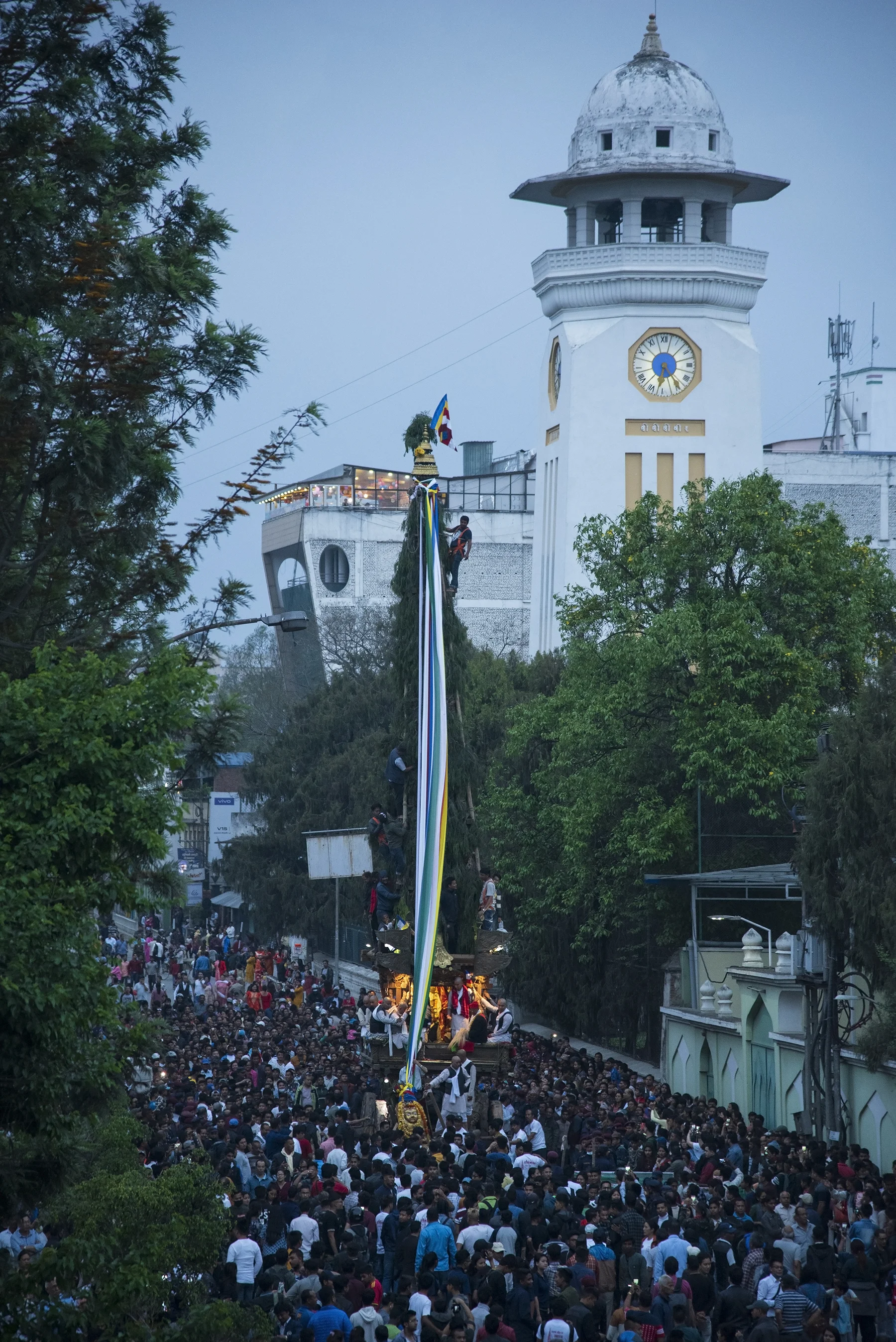
When one thinks of a chariot festival in sure you're thinking of the, Indra Jatra, Bisket Jatra or Rato Matysendranth. These festivals are the biggest in each Kingdom of the then Nepal Valley, but one chariot festival when is as historic as the three is not so known of : The Chariot Festival of Aryavalokiteswara Jana Baha Dyo.
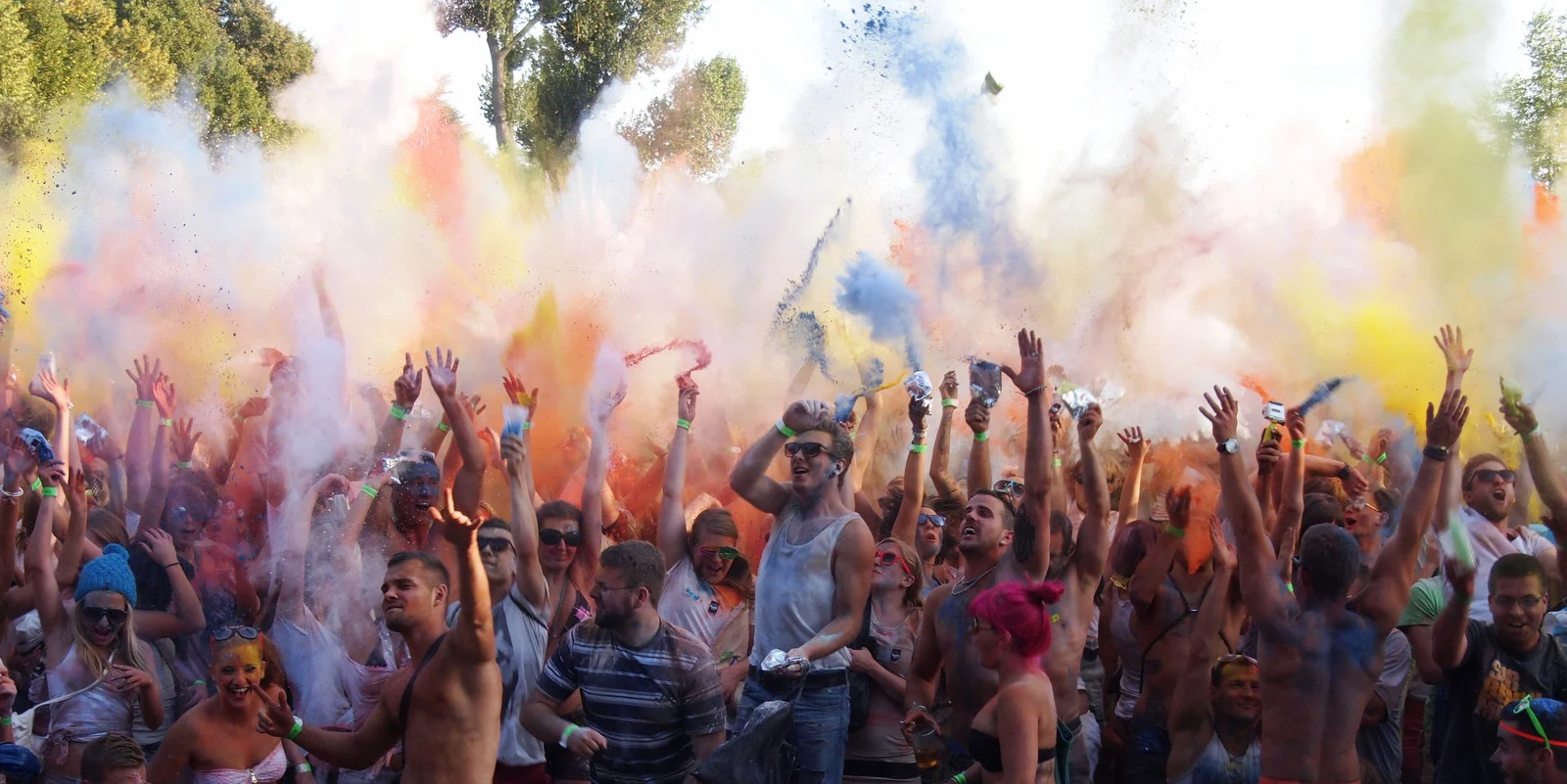
Fagun Purnima also known as Holi is a festival marking the end of winter and coming of spring and summer. Back in the days when phones and the internet didn’t exist, a ling bamboo lingo decorated with clothes of various colors (Chir) is erected a few days before the day of the festival. This tradition is still continued in Basantapur Durbar Square.
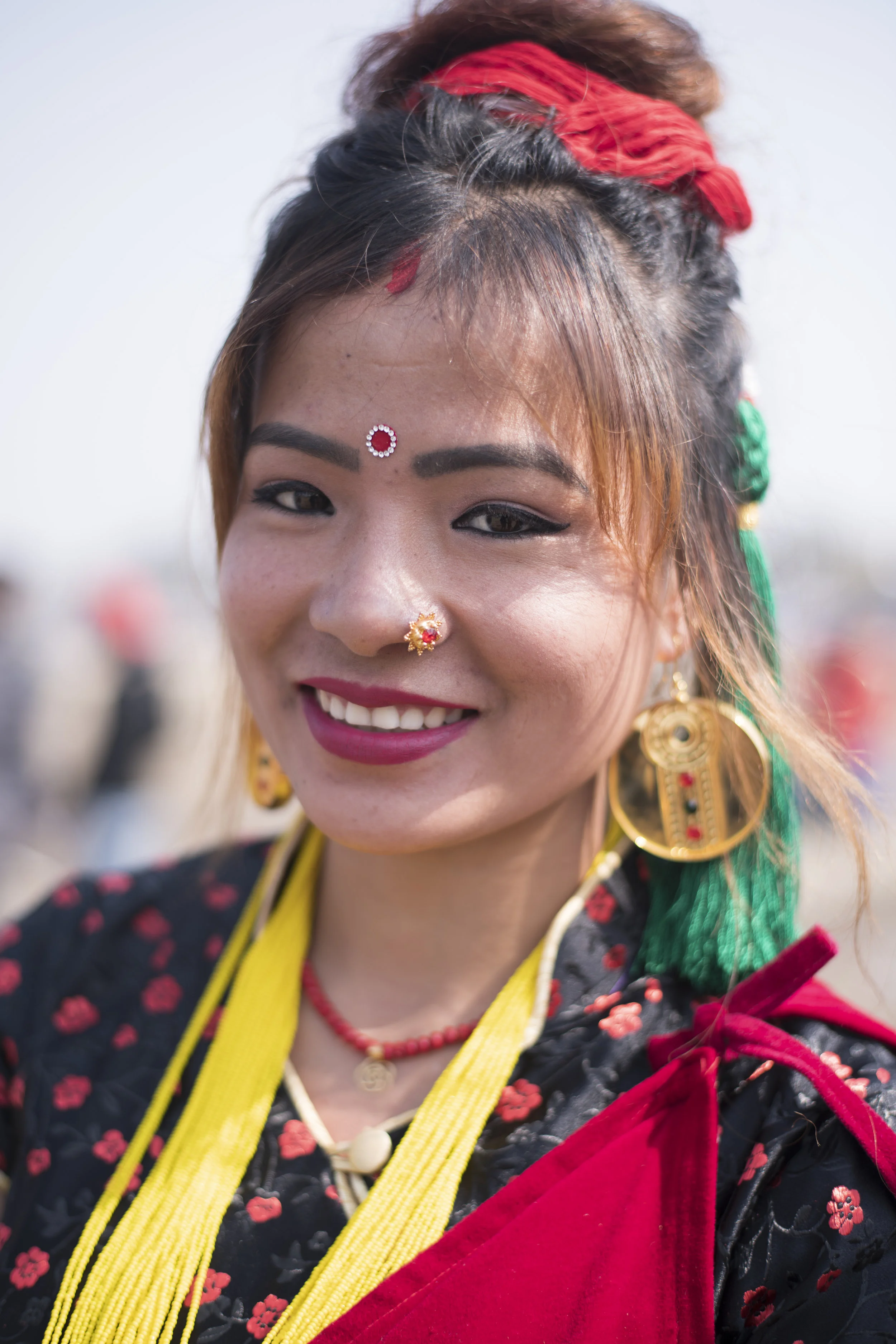
Losar is one of the main festivals celebrated by the ethnic communities of Tamang, Sherpa, Gurung and Thakali. Losar means new year according to the unisolar calendar followed by the communities, it is also known as the Tibetan Calendar which follows the cycle of 12 years called Lohokor.
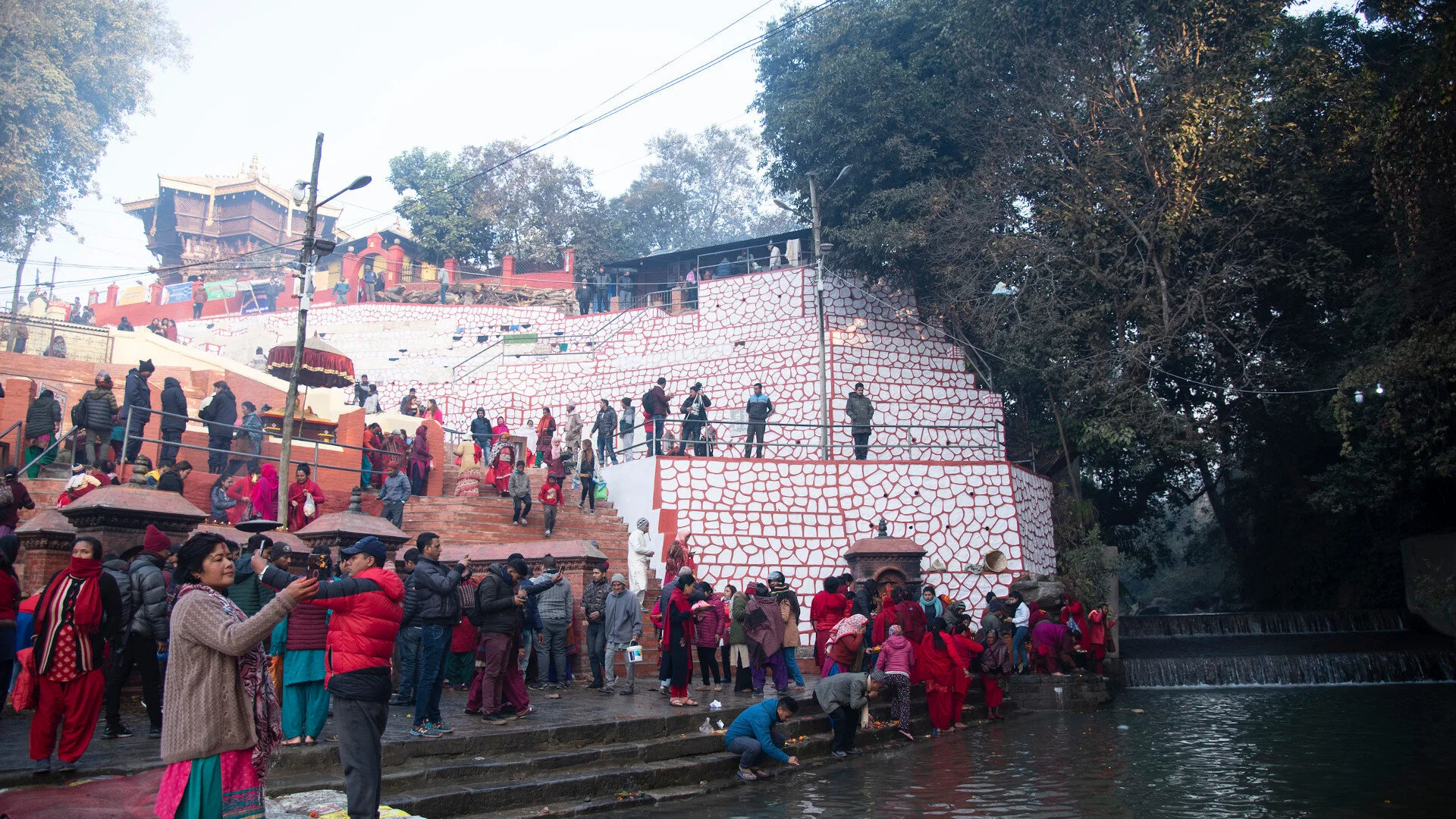
Every year during the full moon of Poush Shukla, devotees flock to the holy river of Shali Nadi in Sankhu to offer their prayers to Goddess Swasthani and God Madhav Narayan. Devotees fast for their family’s prosperity till the next full moon. During the month family members read the book of Swasthani.
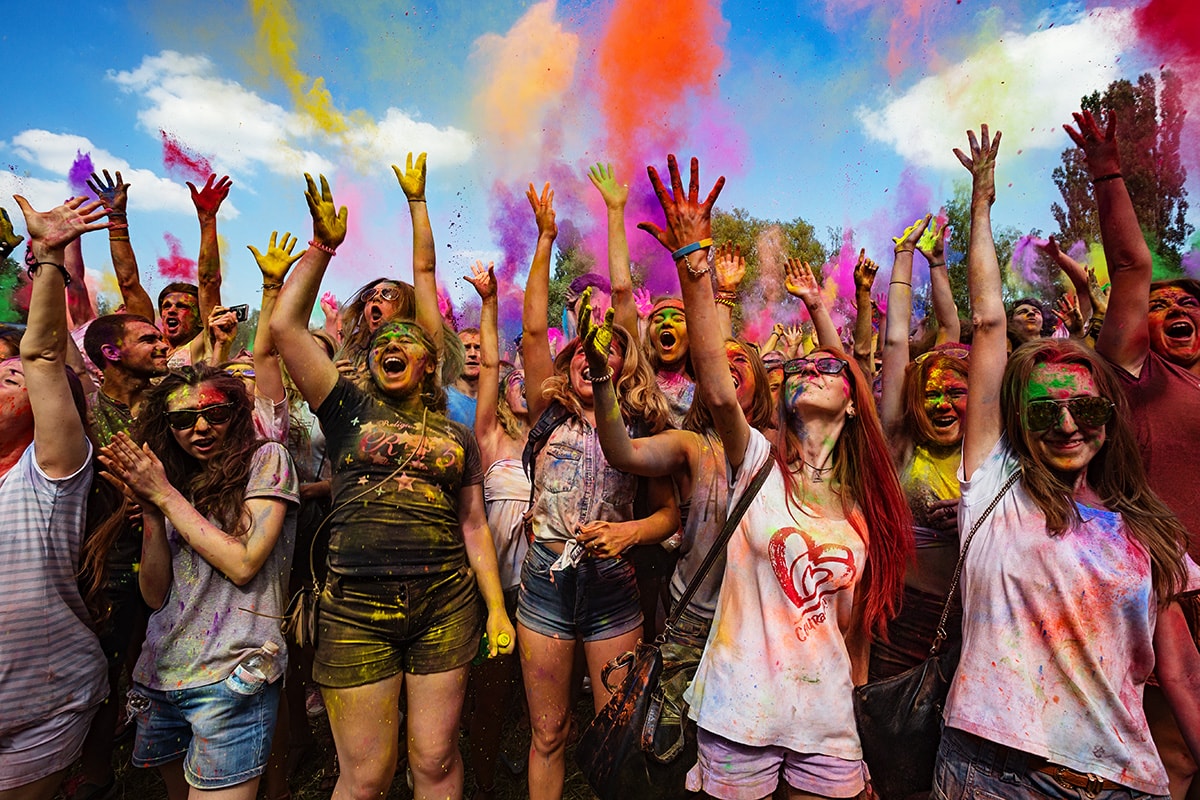
Holi, the festival of colors, is celebrated with great enthusiasm all over the country, and it is a time when one forgets and forgives.
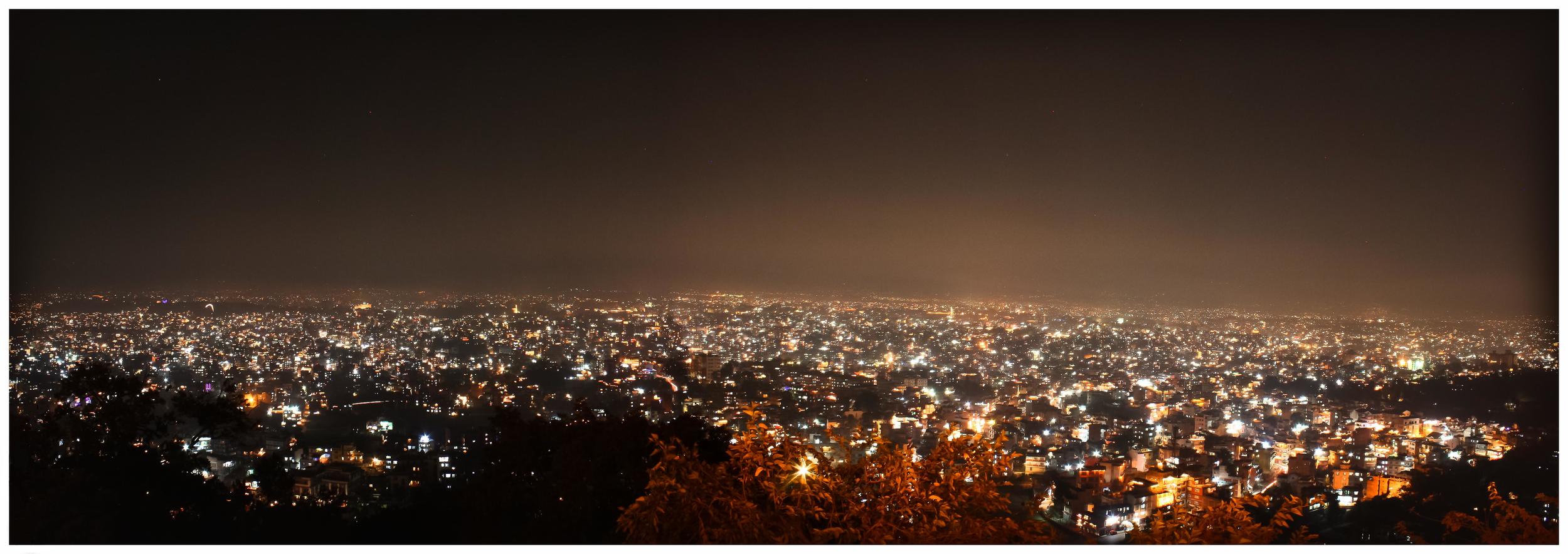
Tihar is the most popular festival for many Nepalis, and this is because of the many fun activities that take place during all of its five days.
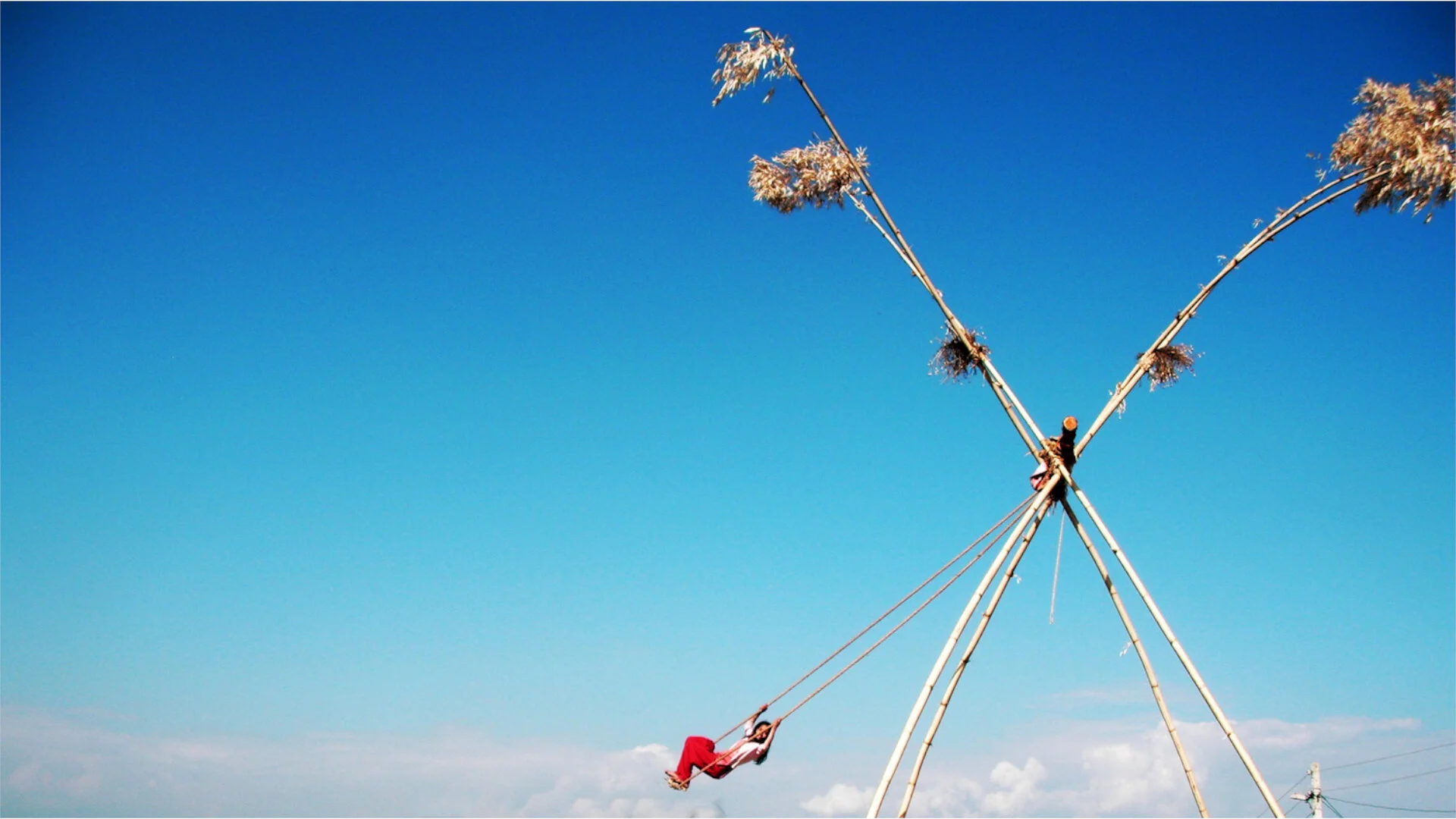
The weather is changing, and along with it, there’s a definite festive air around the country; yes, some of the country’s biggest festivals are here.
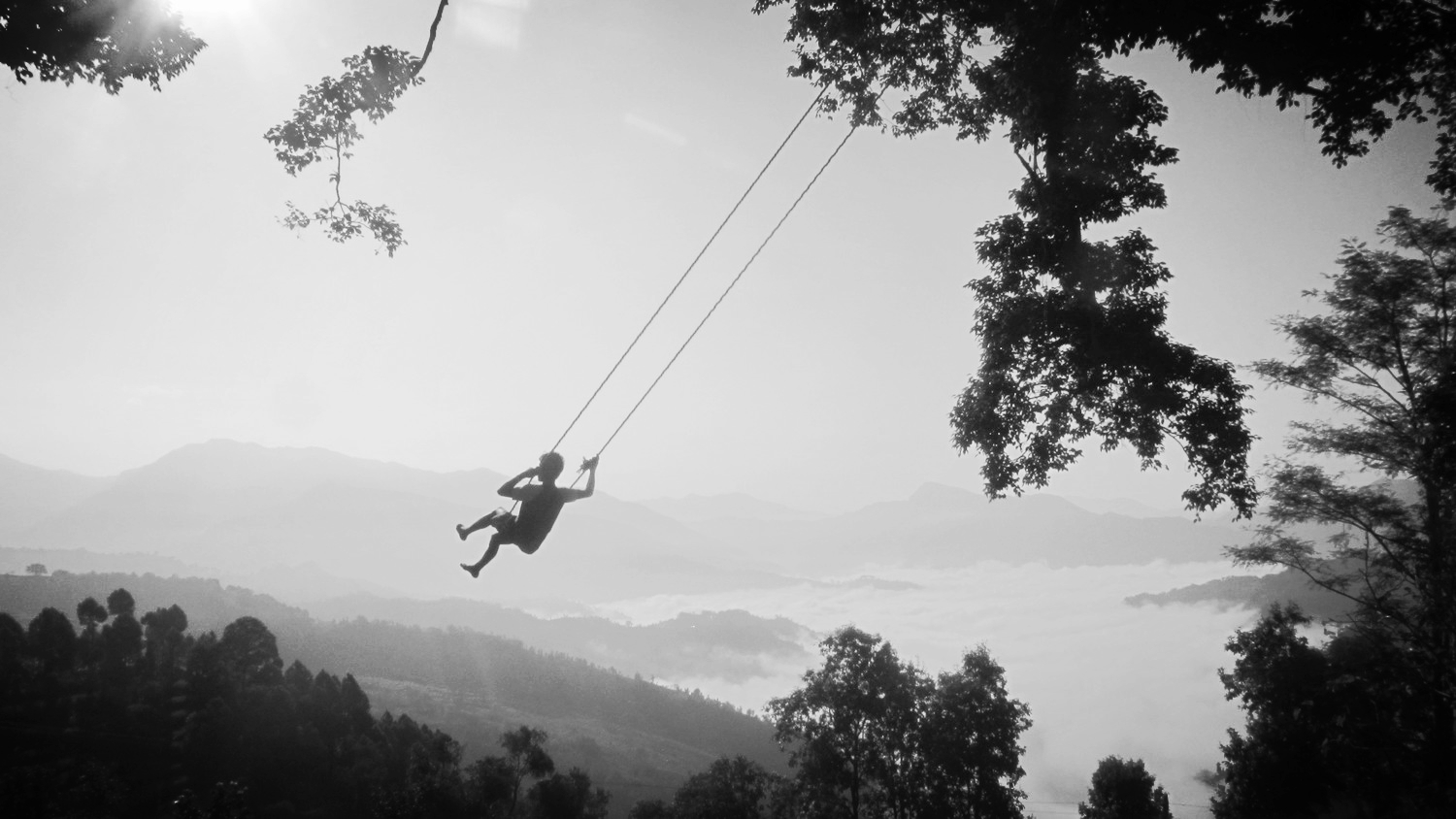
The biggest Nepali festival, Dashain, is known as a 10-day festival, but it actually ends on the 15th day, the day of Kojagrata Purnima.
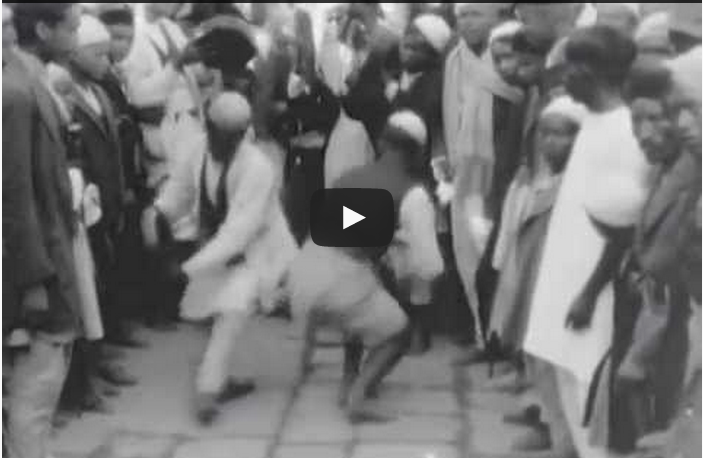
Very rare video footage of Nepalis celebrating Indra Jatra festival, biggest street festival of Nepal, with much rejoice, singing, dancing and chariot procession in Kathmandu.
Places to fathom this Tihar
Tihar festival or the festival of Lights is Nepals' second-biggest festival after the Dashain festival. Tihar is considered to be one of the most fun-filled and celebrated festivals in Nepal. And, the festival falls under the best tourist season with the fantastic weather. One can take a tour of the Kathmandu valley and witness the majesty of the city during Tihar.
Tihar is also known as Deepawali or Yamapanchak, which is celebrated for a total of five days according to Hindu mythology. Tihar in Newari is known as Swonti which directly follows after Dashain (Mo:ni) and is celebrated in avid fan fair. During when the animals and birds such as crows, cows and dogs are worshipped as avatars of the gods. Households create beautiful Rangoli’s (Mandala) at the porch of homes and light Diyo (Oil Lamps) to welcome the Goddess Laxmi who is believed to be the Goddess of wealth and prosperity.
The five major days of Tihar are Kaag Tihar during when the crow and ravens are worshipped and provided offerings of dishes placed at the roof of homes. Devotees believe that the offerings help avert grief and death in their homes. During the second day, the dogs are worshipped and offered garlands, tika and delicacies acknowledging and cherishing the bond and relation between dogs and humans. The third day is known as Gai Tihar and Laxmi Puja. During the morning of this day, devotees worship the cow (Gai) which signifies prosperity and wealth in Hinduism. In the evening the Goddess Laxmi, the Goddess of wealth is worshipped and thanked for the blessings and benefits bestowed onto the families by offering Diyo (Oil Lamps) in all gateways to the home such as the doors and windows to welcome prosperity and well-being. The fourth day is known as Govardhan Puja, during which the Ox is worshipped according to core Hindu Doctrine. The followers of the sect of Vaishnavism (Lord Vishnu) worship abound of cow dung (Gover) whereas the Newar community on the night celebrate Mha Puja (Self Worship).
The final day of Tihar is known as Bhai Tika or Kija Puja in Newari. It is observed by the sisters applying tika to the forehead of their brothers and placing sacred oil on their forehead and wishing long life and thanking them. According to Hindu Mythology, it is believed that Yamaraj (God of Death), visited his sister Goddess Yamuna on this day. She applied the auspicious tika on his forehead, garlanded him and offered delicacies. Before departing, Yamaraj gave a special gift as a token of his affection and in return Goddess, Yamuna gave him a lovely gift which she had made with her own hands.
The festivities of Tihar holds many memories for the citizens of Nepal. The festival of lights sees the nation light up with festive lights and the sounds of children playing deusi and bhailo just brights up even the darkest days. Especially in the urban centres like Kathmandu Valley, the majesty of the festival of lights turns the city into an avid display of lights all around. With string lights hanging from the exterior of homes, to do's (butter lamps) placed in and around the houses the totality of the lights in display creates a scene to fathom.
1. A View of Kathmandu from Swayambhunath
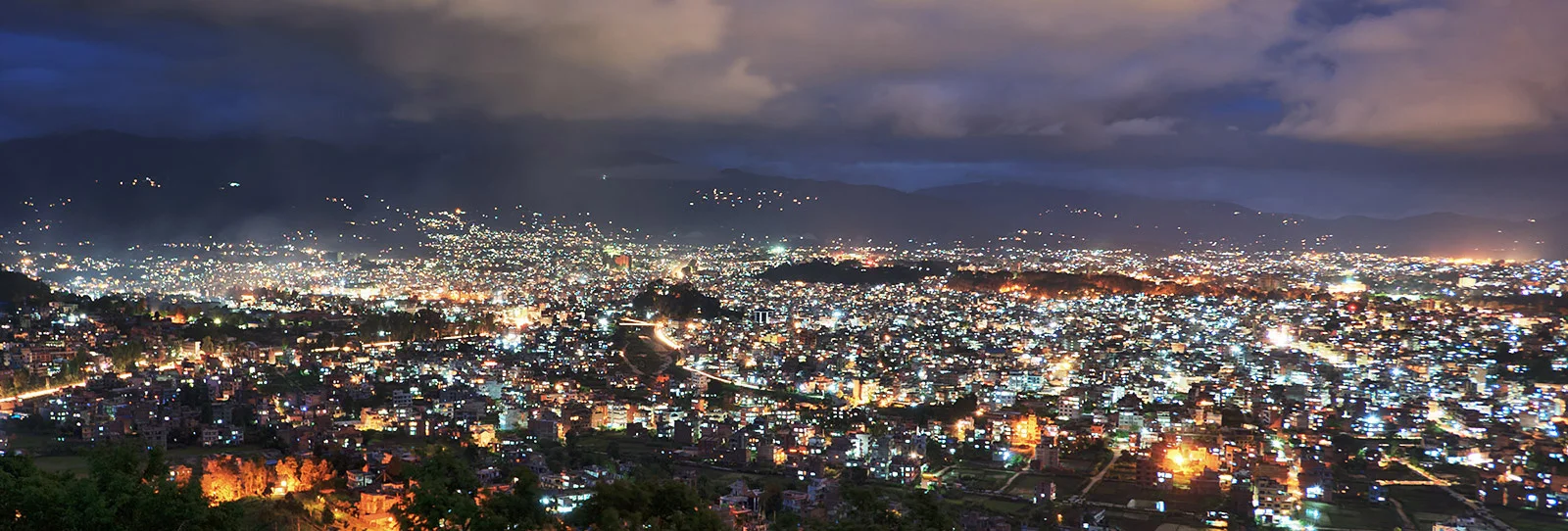
The stupa perched at the hill of Padmagiri is a beautiful destination to overlook the valley of Kathmandu and witness the majesty of the city during Tihar. The place offers a beautiful panoramic view of the city which you can enjoy with a cup of tea. As the sun sets the city lights up in all its glory and you get to witness the beauty of the valley.
It is believed that at the ending years of Dwapar Yuga, an Acharya named Santikar who is also known as Sant-Sri saw that the Kali Yuga was approaching, during which mankind would be utterly sinful. So, he covered the light of Swayambhu with stone and built a chaitya and temple over it. Entangled with this same legend is another fascinating the legend, it is believed that Sant Shri who built the chaitya also built 5 rooms surrounding the chaitya named after the 4 elements and one the soul called Santipur, where he locked himself and stayed in the state of divine meditation. He thus entered a mystic state, achieving immortality and vowed to stay in the room and emerge when the valley of Kathmandu truly needed him.
2. The pond of Pim Bahal
The pond of Pim Bahal which is locally known as the Jag Maru Puku ( Pond without a foundation) is a treat hidden inside the beautiful city of Patan ( Lalitpur). Located on the way to Patan Durbar Square, the pond saw great community effort in restoring the pond to its original state after the great earthquake of 2015. The beautiful reflections of the lights of the homes surrounding the pond bring forth a new dimension during the festive season of Tihar. One can enjoy a great stroll at Patan Durbar Square and take a brief walk to the pond, which features several pati’s (Resting Spots) and catch their breath while being surrounded by its cultural magnificence.
3. A Stroll in New Road
The heart of all trade in the city of Kathmandu, the street of New Road during the festive season of Tihar turns into a beautiful display of lights for one to fathom. Stopping at New Road gate and talking a walk through the streets to Kathmandu Durbar Square, is a definite treat to the eyes with all the beautiful dangling lights form homes with the sounds of children playing deusi and bhailo.
4. A Drive in Kathmandu
If you have a rented vehicle then talking a drive through Kathmandu is a must in Tihar. The festivities lighten up the traffic and a drive around the city is a great way to witness the magnanimous display of lights around the city.
5. The Town of Kirtipur
The town of Kirtipur perched at the eastern hill lock is a town rich with Newar culture and heritage. It also offers a beautiful panoramic view of the city of Lalitpur and Kathmandu which are bound to have you tantalized during Tihar. One can experience a great day strolling around the city and experiencing Newari hospitality to the finest and be treated to a beautiful view of the city in the late evening hours.
SIMILAR POSTS
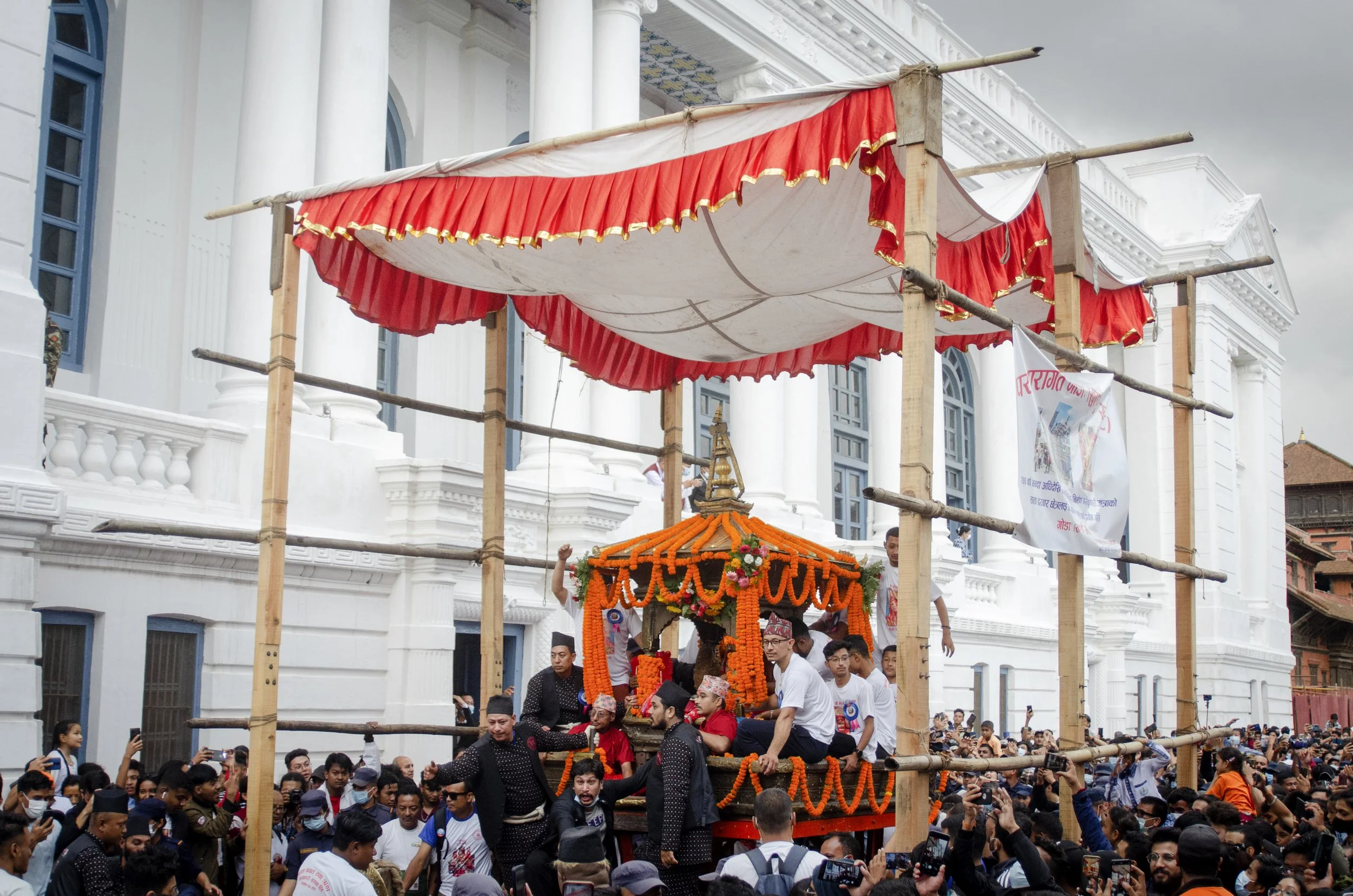
According to legends, it is believed that the mother of Lord Intra required a Parijat( a white flower) to perform a ritual. For which Lord Indra descended to earth in search of the flower. He disguised himself as a commoner and while trying to take the flower out of the lawn of a Jyapu. He caught Lord Indra and held him captive blaming him of trying to steal. Lord Indra was imprisoned and not allowed to go back to heaven.
Amongst the great celebrations of this valley, nothing beats the pomp and flair of Yenya Punhi. Commonly known as Indra Jatra- a name derived from the lore of Indra- the heaven king's visit to Nepal. This festival is larger than life, with symbolism and meaning going back thousands of years- neatly preserved by the Newars.
Newari communities in Nepal celebrate numerous festivals every year. All these festivals are tied to its culture and heritage, events for ancient mythology, agricultural calendar, family, and communities.
Newari culture is very rich and ritual throughout the year and the Newari communities celebrate numerous festivals every year. All these festivals are tied to its culture and heritage, events for ancient mythology, agricultural calendar, family, and communities.
Svanti festival is known by several names: Tihar, Dipawali, Pancaka, and Yamanpanchaka. And most popularly known by its other name Tihar, is one of the national festivals of Nepal celebrated throughout the kingdom by Hindu and Buddhist populations.
The events of Mohani can be divided into two: Family & Communal and bears similarities with the celebration of Dashain. And, the general perception of individuals views the two festivities as the same, but Mohani is specific to the Newari communities. Mohani is centered around the family’s tutelary deity, whereas Dashain is the celebration of the victory of gods over evil.
Newari communities in Nepal celebrate numerous festivals every year. And it seems Newars always have a reason to celebrate. Several reasons: rich culture and heritage, honoring deities, marking the agricultural calendar, celebrate events from ancient mythology, and to emphasis family and community.
Newari communities in Nepal celebrate numerous festivals every year. And it seems Newars always have a reason to celebrate. Several reasons: rich culture and heritage, honoring deities, marking the agricultural calendar, celebrate events from ancient mythology, and to emphasis family and community.
Samyak Mahadan is a Buddhist alms-giving festival, also known as the festival of Dipankara Budhha is celebrated once every five years in Patan, Lalitpur. The festival has been important for Buddhist Newars, as it has become a way of practising daan dharma(alms-giving).
Bisket Jatra, also known as Biskah Jatra(festival) is a weeklong yearly occasion of Newari community in Bhaktapur. Among many other popular festivals in Kathmandu Valley, Biskah Jatra is celebrated with special rites and rituals in the historical and cultural city Bhaktapur.
Pahan meaning guests and Charhe meaning on the fourteenth day of the lunar fortnight, the avid tunes of the festival can be heard for three consecutive days in the old towns of the city of Kathmandu. This three-day festival brings together the community in a unique manner and has helped build communal strength and friendship.
Yomari Punhi, a Newari festival in Nepal is celebrated every year by Newari Communities marking the end of the rice harvest during the full moon day of November/December. It is said that eating Yomari or Yamari, a steamed dumpling made with rice flour with sweet such as Chaku inside takes away the cold.
Ga: Pyakhan in Patan(Asta Matrika Dance) is popular among the locals of Patan. The dance of Eight Mother Goddesses, deities of Hindus, is performed by male Buddhist dance during the Nepalese biggest Dashain festival. The dance is staged in the royal court of Mulchowk, inside the Patan Durbar Square of Lalitpur. It is believed that the dance is performed as a worship of the deities to bring the prosperity and fortune to the people.
While the entire nation prepares for the celebration of the biggest festival Dashain, local of Khokana village located to the south of Lalitpur gears up for the festival of Rudrayani known as Sikali Jatra. Festival is celebrated by a section of the ethnic Newari community with a skit presentation in a form of archaic storytelling with traditional music and individuals dressed in a godly attire adorned with the masks of deities and demons.
Tihar festival or the festival of Lights is Nepals' second-biggest festival after the Dashain festival. Tihar is considered to be one of the most fun-filled and celebrated festivals in Nepal. And, the festival falls under the best tourist season with the fantastic weather. One can take a tour of the Kathmandu valley and witness the majesty of the city during Tihar.
Majipa Lakhey in Newar mythology is the protective deity of all children in the Valley. During the annual festival of Indra Jatra, the dance of Majipa Lakhey is performed by the clan of Ranjitkars of Kathmandu with a traditional drum (Dhime) and a pair of Bhusya (pair of cymbals) with straps to fasten around the wrists. Devotees during the dance performance try to manage a touch the Lakhey’s rich display to take the blessings.
Indra Jatra, one of the highly celebrated street festival in Nepal marks beginning of the festival season and the beginning of a tourist season in Nepal. The festival is celebrated in the oldest town Basantapur Durbar Square or Hanuman Dhoka in Kathmandu by the local community with huge arrangements. The chariot of Kumari, the Living Goddess, is taken out in procession through the streets. People wear masks of various goddess and exhibit by dancing in the streets on music played with traditional musical instruments.
The festival of Mataya is one of the most important festivals in the Newar community in Patan. A unique Buddhist festival, during when men and women in a comical attire carrying candles and torches, traditional musicians playing merry rhythms walk to almost all the temples, stupas and monasteries in and around the old city of Lalitpur.
The legend of a jewel-studded vest (Bhoto) that came into possession of a priest when no one came to claim with evidence to whom it belongs. Today, the same Bhoto is displayed ending the month-long celebration of Rato Matsyendranath Festival in Lalitpur. And it is said, Bhoto is shown every year to the public as of an announcement to claim for it.
This particular act carries a message that anyone who tries to do ill and harm others, s/he is punished and no one escapes justice. A story of a powerful demon king had a son. The son refused to acknowledge his father as supreme lord of the universe and claimed that Lord Vishnu was all omnipresent
The legend of a giant chariot festival began with the Kingdom that drought for years causing misfortune and chaos as a result of disrespect to Gorakhnath. And, how Matsyendranath through devout and prayer, guru of Gorakhnath protected the valley with rain for the harvest, pulling the chariot and celebrating the coming of Lord Karunamaya.
When one thinks of a chariot festival in sure you're thinking of the, Indra Jatra, Bisket Jatra or Rato Matysendranth. These festivals are the biggest in each Kingdom of the then Nepal Valley, but one chariot festival when is as historic as the three is not so known of : The Chariot Festival of Aryavalokiteswara Jana Baha Dyo.
Fagun Purnima also known as Holi is a festival marking the end of winter and coming of spring and summer. Back in the days when phones and the internet didn’t exist, a ling bamboo lingo decorated with clothes of various colors (Chir) is erected a few days before the day of the festival. This tradition is still continued in Basantapur Durbar Square.
Losar is one of the main festivals celebrated by the ethnic communities of Tamang, Sherpa, Gurung and Thakali. Losar means new year according to the unisolar calendar followed by the communities, it is also known as the Tibetan Calendar which follows the cycle of 12 years called Lohokor.
Every year during the full moon of Poush Shukla, devotees flock to the holy river of Shali Nadi in Sankhu to offer their prayers to Goddess Swasthani and God Madhav Narayan. Devotees fast for their family’s prosperity till the next full moon. During the month family members read the book of Swasthani.
Holi, the festival of colors, is celebrated with great enthusiasm all over the country, and it is a time when one forgets and forgives.
Tihar is the most popular festival for many Nepalis, and this is because of the many fun activities that take place during all of its five days.
The weather is changing, and along with it, there’s a definite festive air around the country; yes, some of the country’s biggest festivals are here.
The biggest Nepali festival, Dashain, is known as a 10-day festival, but it actually ends on the 15th day, the day of Kojagrata Purnima.
Very rare video footage of Nepalis celebrating Indra Jatra festival, biggest street festival of Nepal, with much rejoice, singing, dancing and chariot procession in Kathmandu.
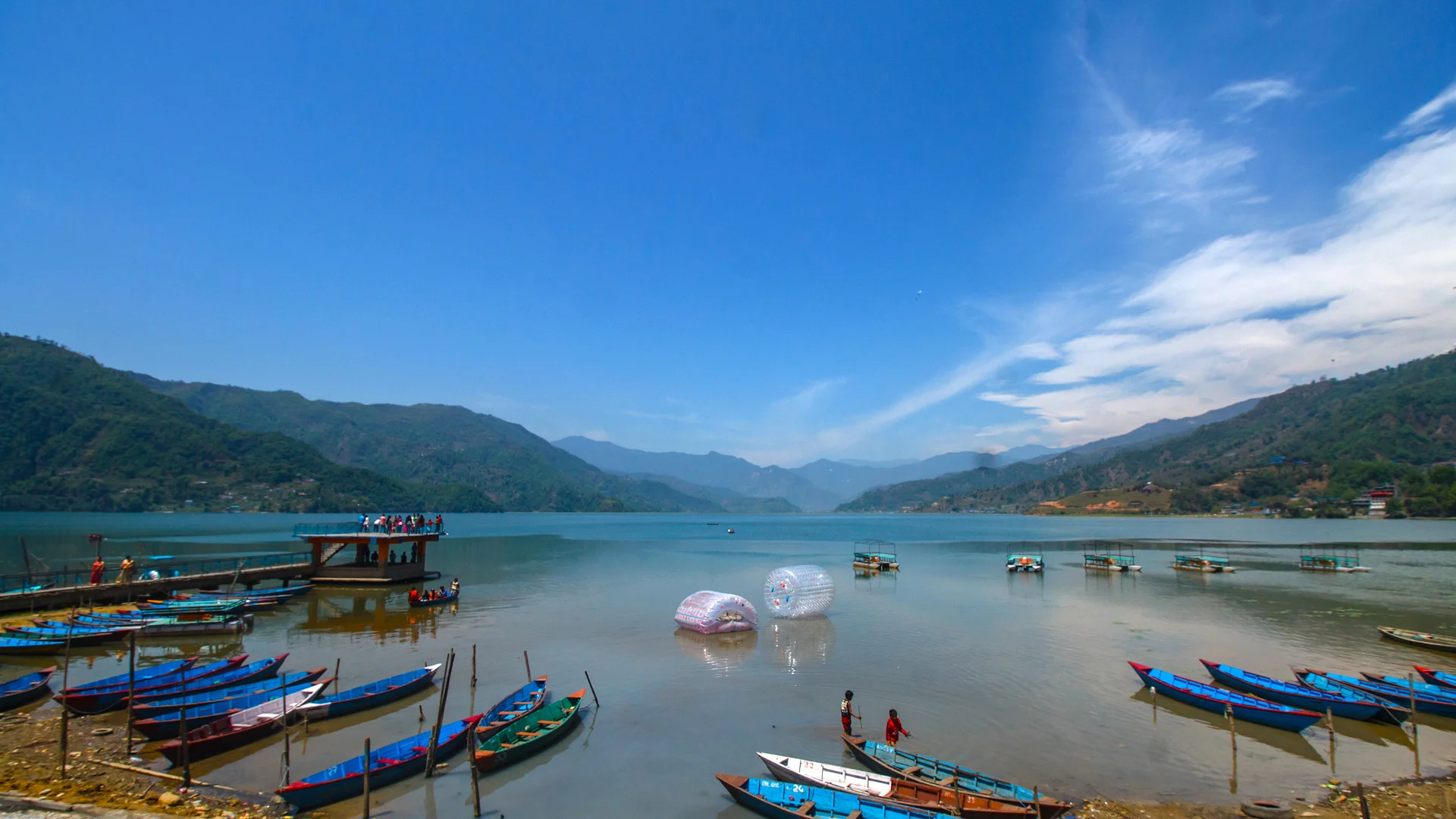
Destination Pokhara
Pokhara city, the getaway to the Annapurna circuit allows you to experience magnificent scenery, culture, and traditions. The city has established itself as a tourist hub and as one of the must-visit destinations in Nepal. An ideal place to partake in fun activities such as sightseeing, paragliding, ultra-light, para hawking, canoeing, hiking and sky diving.
Popular Activities in Pokhara
Sight Seeing
Paragliding
Ultra Light
Para Hawking
Canoeing
Hikinh
Sky Diving
Popular Places in Pokhara
Fewa Lake
Barahi Madir(Temple)
Sarangkot
Kali Mandir
Kanchi Baraha Madir(Temple)
Bindyabasini Mandir(Temple)
Mountaineering Museum
Gupteshwor Mahadev cave
Pokhara is a land of mysticism, spectacular sceneries, adventure filled activities, and a foodie’s wonderland. The city is an ideal place to partake in fun activities such as: sight seeing, paragliding, ultra light, para hawking, canoeing, hiking and sky diving.
The city has established itself as a tourist hub and as a must visit destination in Nepal. With a whole host of fun activities, you can indulge in, beautiful landscape and amenities, it is bound to fill your mobile phone with pictures of beautiful memories with your friends and family.
Arranging a holiday trip in Pokhara during Dashain can be a bit tricky. If you choose to travel by bus then it is recommended to book your trip in advance. Pokhara, being a tourist hub, is not as affected by the festivities as other cities, but brace yourself for closed shutters, and empty streets on the main days. While you are there especially if you are travelling in your personal vehicle, you may also want to put together a picnic by the lakeside.
The getaway to the Annapurna circuit gives you an opportunity to experience magnificent scenery, culture and traditions. Here you can experience best of both worlds.
If you are searching for solace, then hire a bicycle and make your way to Pame. Lying on the outskirts of Pokhara, this part of town gives you a sense of resonance with nature. The ride gets thrilling with the highs and lows of the road, and if you’re with your friends, there is bound to be laughter and joy during the trip. Begnas Lake is another beautiful sight to behold. The scenic view of the immaculately calm lake surrounded by lush greenery and gazed down by the Himalayan peaks is a perfect description of paradise. Another place you can easily get the striking views of the Annapurna range from here. The way to the top can be considered a small hiking experience.
A delightful evening during the golden hour, with the majestic Himalayas reflected upon the Fewa lake in the background of the setting sun, is truly a sight to behold. A trip to Pokhara is also never complete without witnessing the Sun rise atop the hills of Sarangkot.
Pokhara which is also known as the "city of lakes," is full of cultural and natural heritages as well. The old bazaar of Pokhara has many peculiar alleys and courtyards. The hanging beads, local handicrafts and cultural attires will draw anyone’s attention. They are worth a visit if you want souvenirs! At the least hire your own boat and visit the beautifully nestled temple of Barahi temple in the middle of the Phewa Lake.
The village of Lumle has been declared a Poetry village and indeed the journey there has poetic elements to it. It is also a religious hotspot with many historical temples like Kali Mandir and Kanchi Baraha Temple.
You can indulge yourself in the absolute calmness of the place and pray for the prosperity of your loved ones. Bindyabasini temple is another monumental temple in Pokhara located within the serenity of a lake.
The International Mountaineering Museum of Pokhara explores the past and present situation of mountaineering in Slovakia, Japan and Nepal. The museum features an excellent collection of flora and fauna. It’s a place for learning and having fun if you are academically inclined, or interested in historical details.
The mysterious Gupteshwor Mahadev cave has an eerie but peaceful atmosphere. Similarly, Mahendra cave has several stalactites and stalagmites and a statue of Lord Shiva. After experiencing all the fun things mentioned above during daytime, you can rest for a while in anticipation of a equally exciting Pokhara night life awaits you.
Aasma Aryal
popular Itineraries
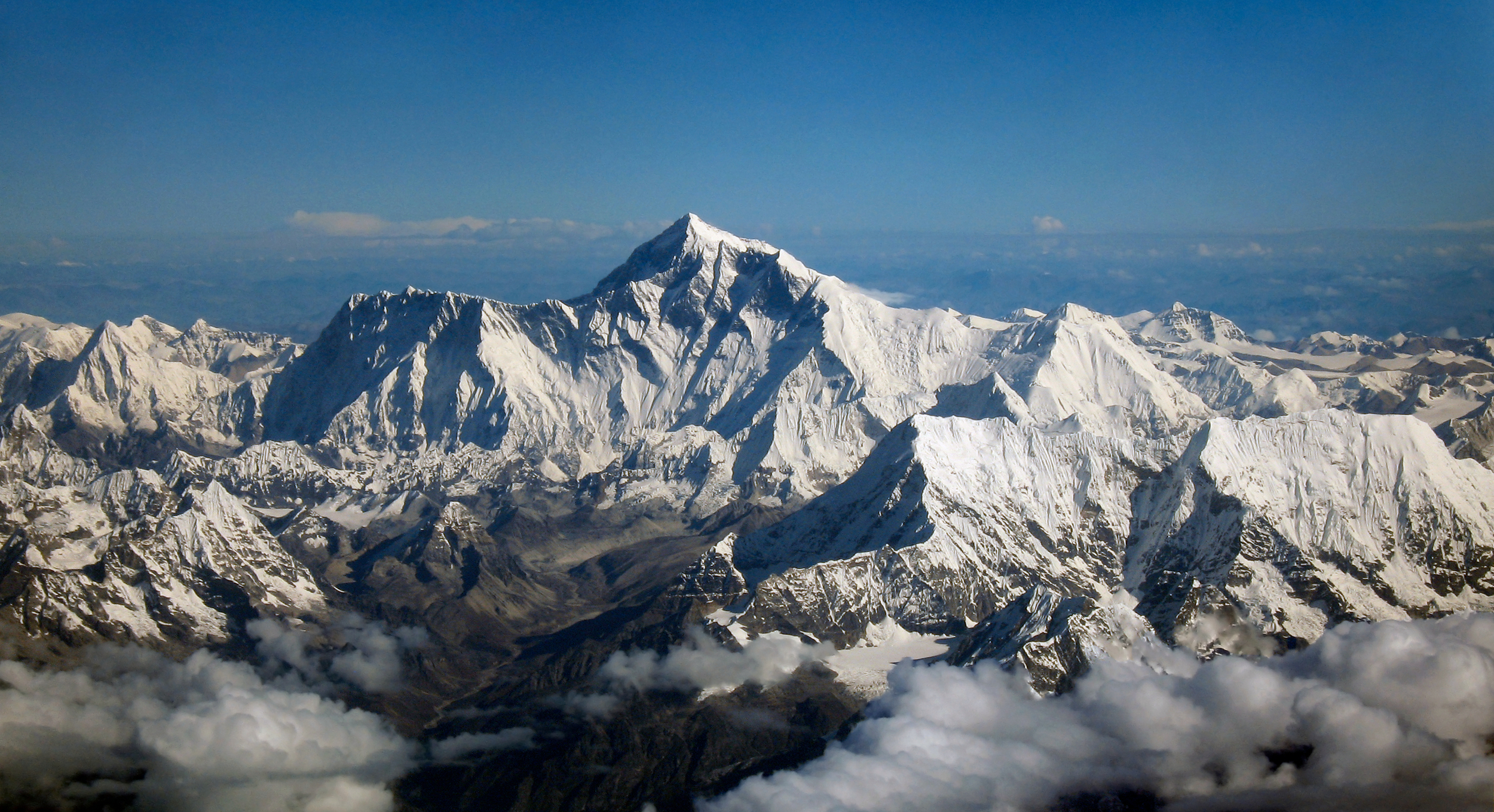
Mountain Flight Details: Early morning trip to Mt. Everest and surrounding mountains - Approx. 1 hour flight via Buddha Air OR Yeti Air (choice available) - Stunning views of mountains in Nepal - View video on Youtube of mountain flight in Nepal - Mountain Flight Cost: INR 11000/USD 250
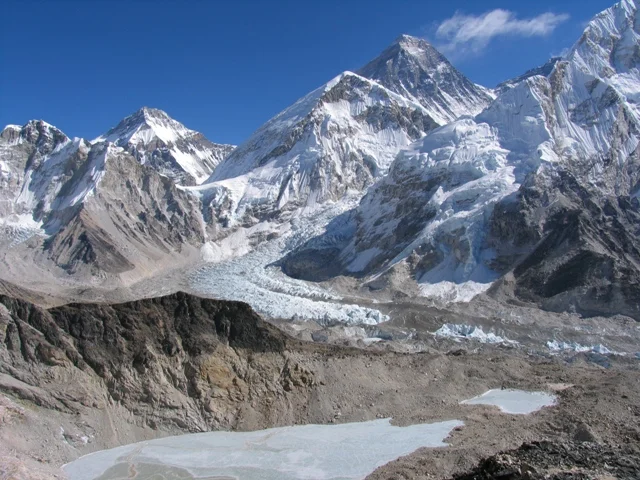
This trek is specially designed to reach the Everest Base Camp including Kala Pattar which is the best view point to view the sunrise over the high Himalayas including the Mt. Everest. This trek requires 13 days.
USD 1515 PER PERSON -- TWIN ROOM SHARING BASIS
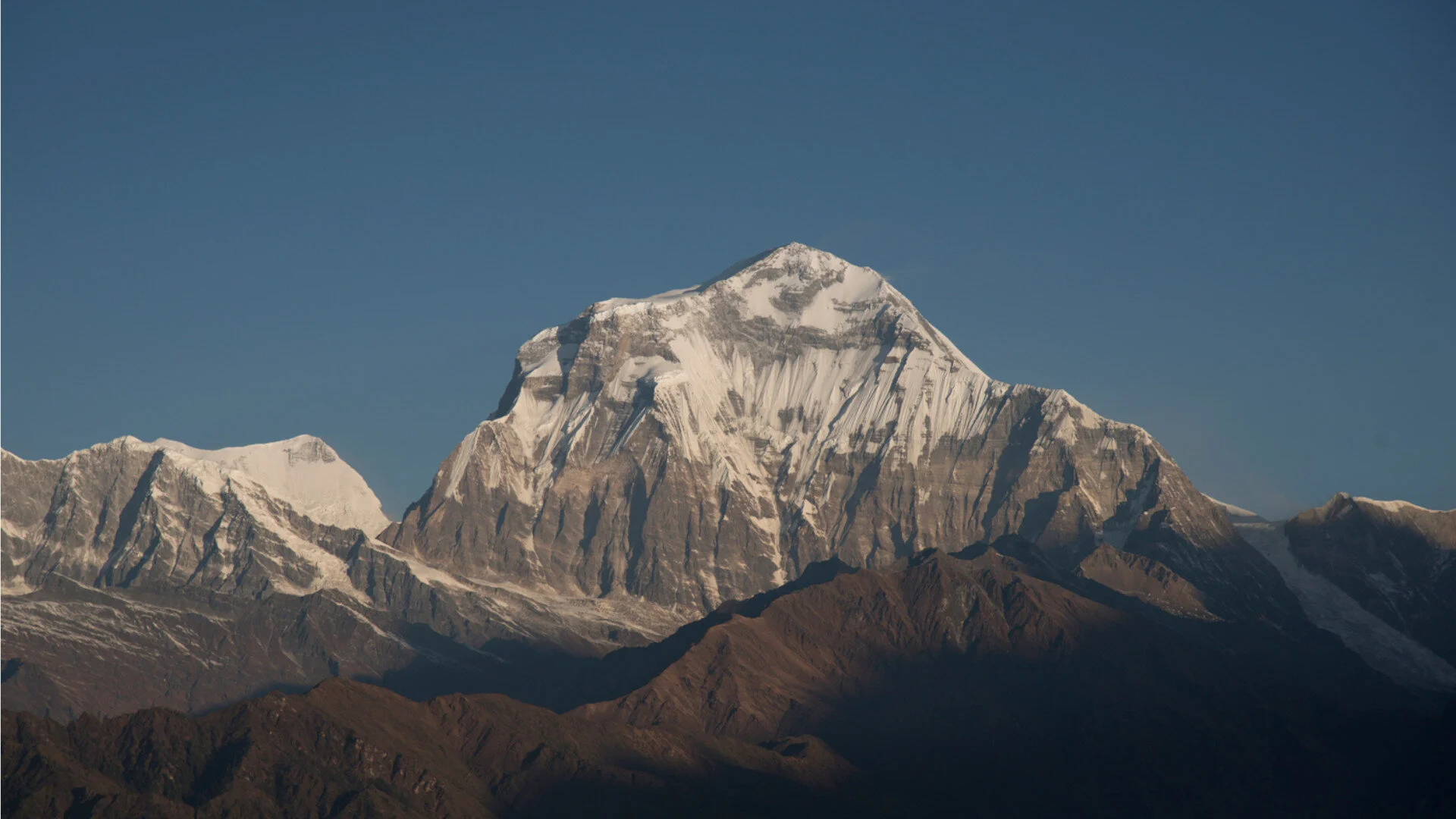
Mt. Dhaulagiri is the seventh highest mountain in the world and one of the challenging yet exhilarating adventure destinations in Nepal. The trek circling Mt. Dhaulagiri takes you through the beautiful villages, clean rivers, lush landscapes, thick forests, hidden valleys, glaciers, and mountain ranges.
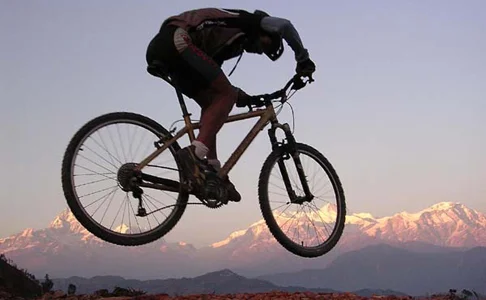
Our highest priorities in all our Nepal biking trips are safety, quality and enjoyment. You will ride on these wild and challenging trails through some of the most stunning scenic and cultural landscapes in the world. With the stunning backdrop of the Himalayan ranges, the extreme valleys and old forests of the rugged middle hills, the charming terraced fields and bright smiles in the timeless villages, you will remember this journey for its unique beauty as well as its challenging mountain biking terrain.
Pricing: Please choose among the various options available and we'll get back to you with a package that suits you best -- along with a quote.
Minimum 3 Nights Stay Kathmandu Sightseeing Package( 3 Nights/4 Days): Includes: Airport Pick Up & Drop Off, Daily Breakfast Buffet, All tours and transfers in an air conditioned coach
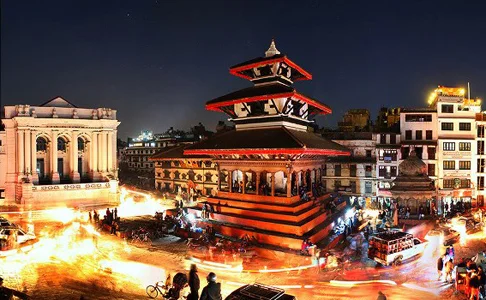
- Full day tour of Kathmandu City Swayambhunath Stupa and Patan City
- Approx 5-6 hours (split in two sessions)
- Morning: Walking tour of Kathmandu Durbar Square through (Ason) spice Market/vegetable markets
- Evening: Visit Patan Durbar Square
USD 80 PER CAR
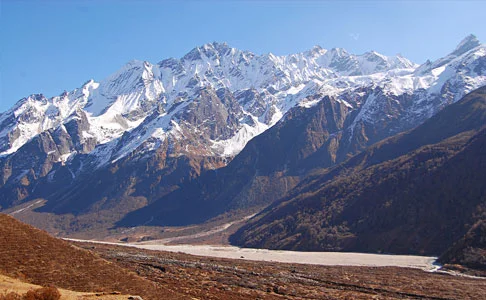
The Langtang Valley is surrounded by many high peaks of great appeal. The eminent British mountaineer Bill Tilman described it as the "most beautiful valley in the world". The Langtang Valley is also known as the treasure house of Alpine plants. The whole valley is covered with flowers during the summer.
The Lantang Valley Trek is not only offers magnificent views of Langtang Lirung (7,234m), Ganesh Himal (7,406m) and other high mountain peaks, but also provides insight into the varied ethnic lifestyles of the Tamangs and Sherpas, inhabitants of this area who share closer cultural ties with the Tibetan people.
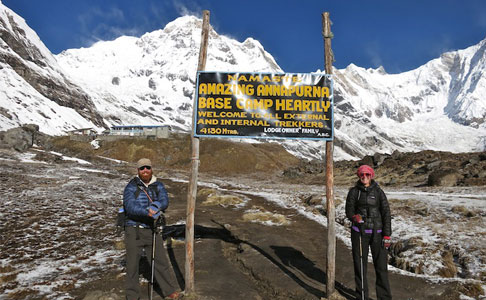
The Annapurna Base Camp Trek is considered one of the world's great treks. The walk-in to the Sanctuary provides an experience of the great variety of landscape types which serve to make Nepal such a special trekking destination. You will pass through a diverse geographical and cultural variation with an amazing range of flora and fauna in between.
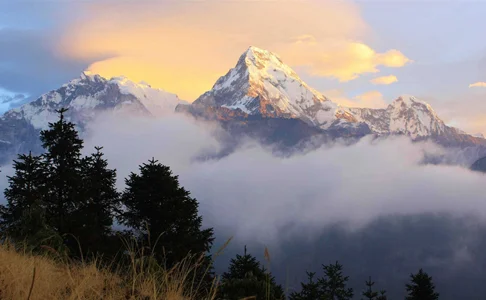
This is a short and beautiful trek, suitable for families and kids. Set in the rural mountainside with up-close Himalayan views, this trek is also known as Ghorepani Poon Hill Trek. It is a relatively easy walk meandering through villages and rhododendron forests.
This itinerary includes Poon Hill -- which is regarded as the best viewpoint in the Annapurna Region by many trekkers and is widely regarded as one of the most beautiful viewpoints that exist on this earth.
USD 575 PER PERSON -- TWIN ROOM SHARING BASIS
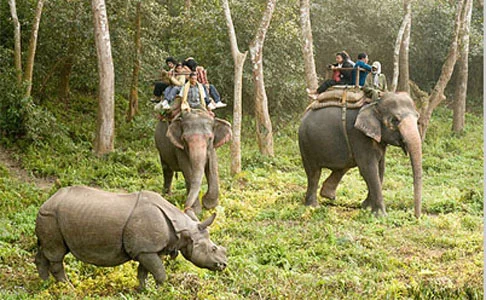
DAY 01 (Kathmandu to Chitwan by road, approx 5 hrs)
DAY 02 (In Chitwan)
DAY 03 (Chitwan to Kathmandu by road, approx 5 hrs)
Chitwan: Exotic jungle elephant-safari, nature walks, bird watching, canoeing
USD 330 PER PERSON
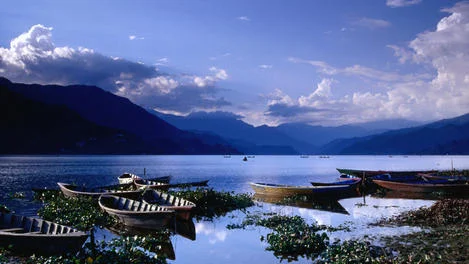
Pokhara : Stunning views of Himalayas, Boat rides, Gupteswor Mahadev, David's Fall, Barahi Temple, Cycling around the lakeside. - DAY 01 : (Kathmandu to Pokhara by road, approx 5 hrs/200km) - DAY 02 : (Spend time in Pokhara) - DAY 03 : (Pokhara to Kathmandu by road, approx 5 hrs/200km) / USD 295 PER PERSON View Youtube Video of Pokhara
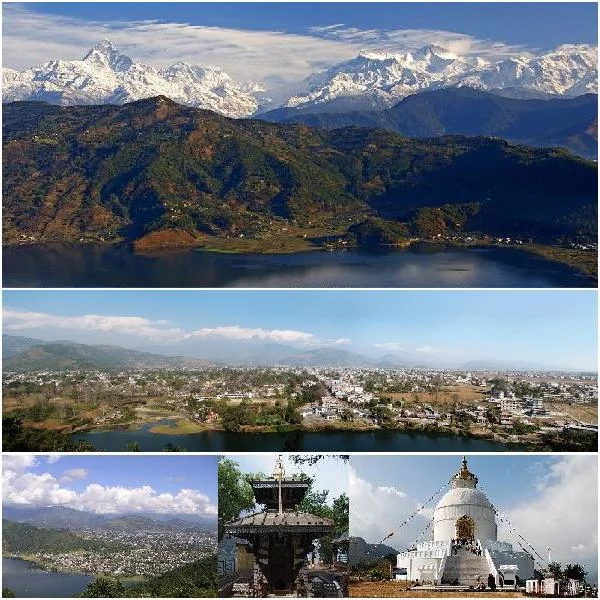
DAY 01 (Drive from Kathmandu to Pokhara)
DAY 02 (In Pokhara)
DAY 03 (Pokhara to Chitwan by road)
DAY 04 (In Chitwan)
DAY 05 (Fly from Chitwan to Kathmandu)
Pokhara: Stunning views of Himalayas, Boat rides
Chitwan: Exotic jungle elephant-safari, nature walks, bird watching, canoeing
VIEW YOUTUBE VIDEO OF POKHARA
USD 705 PER PERSON
Similar Posts

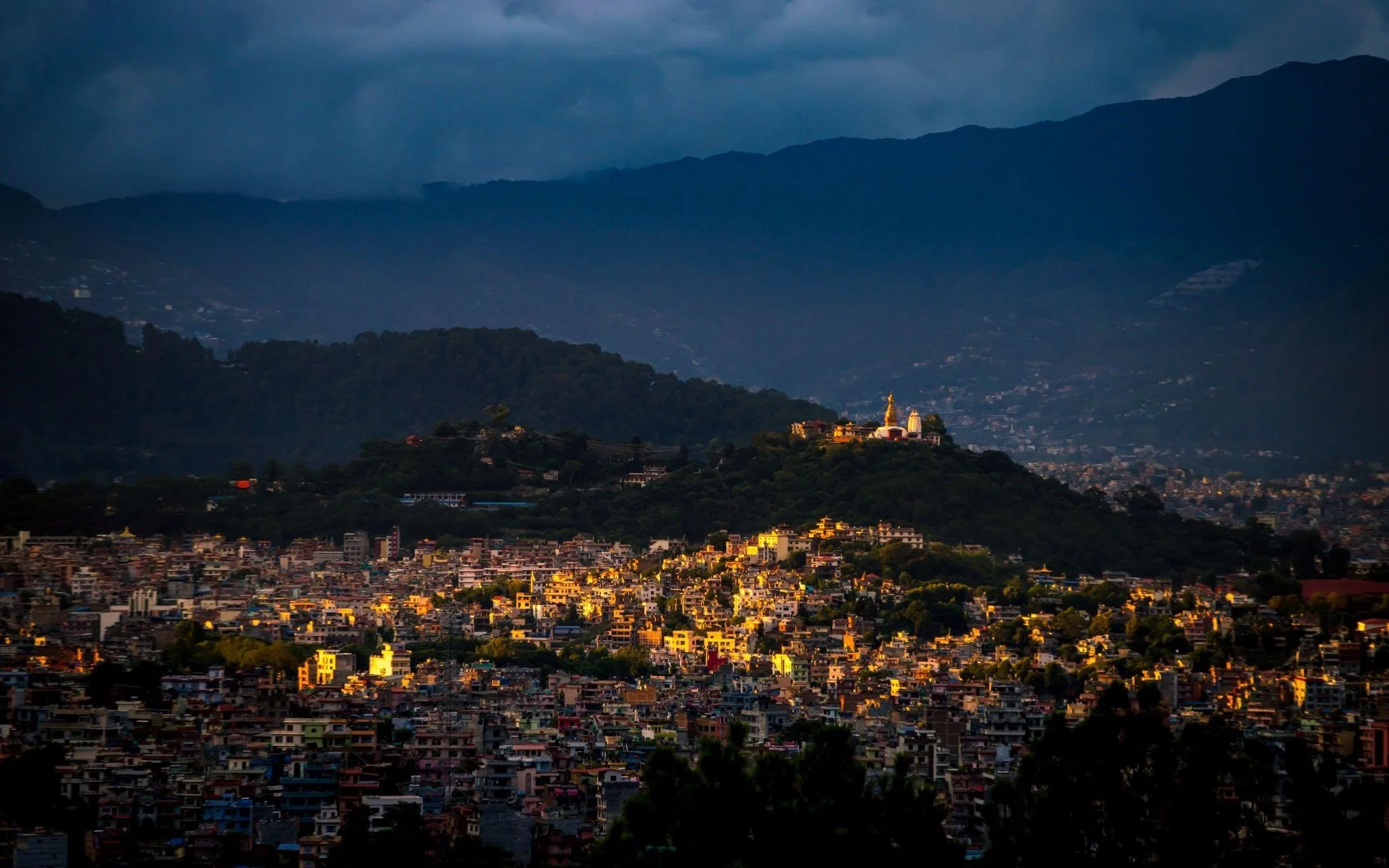
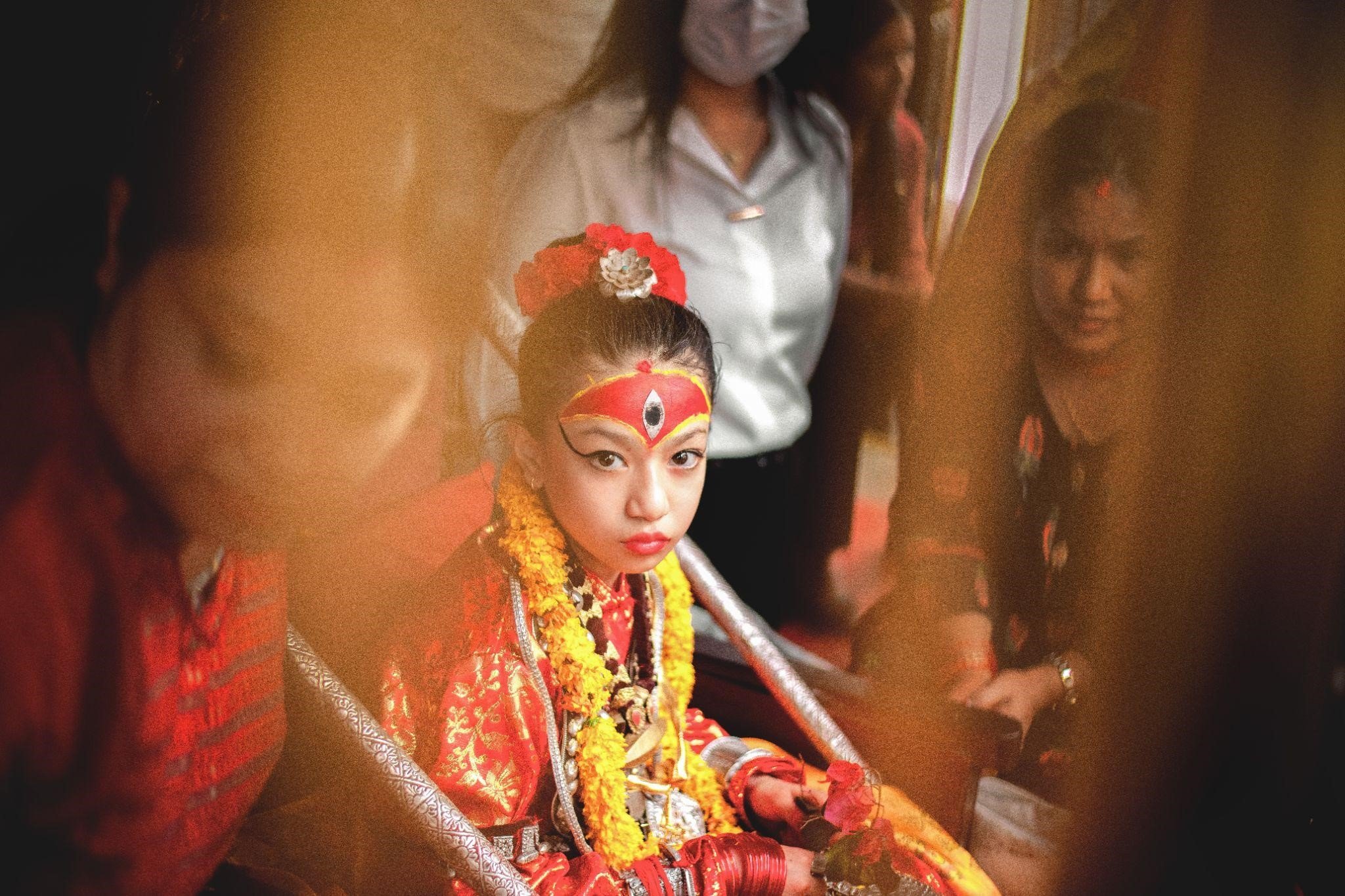
The story of Kumari is not just belief, it is a living tradition that continues to shape Kathmandu’s identity.
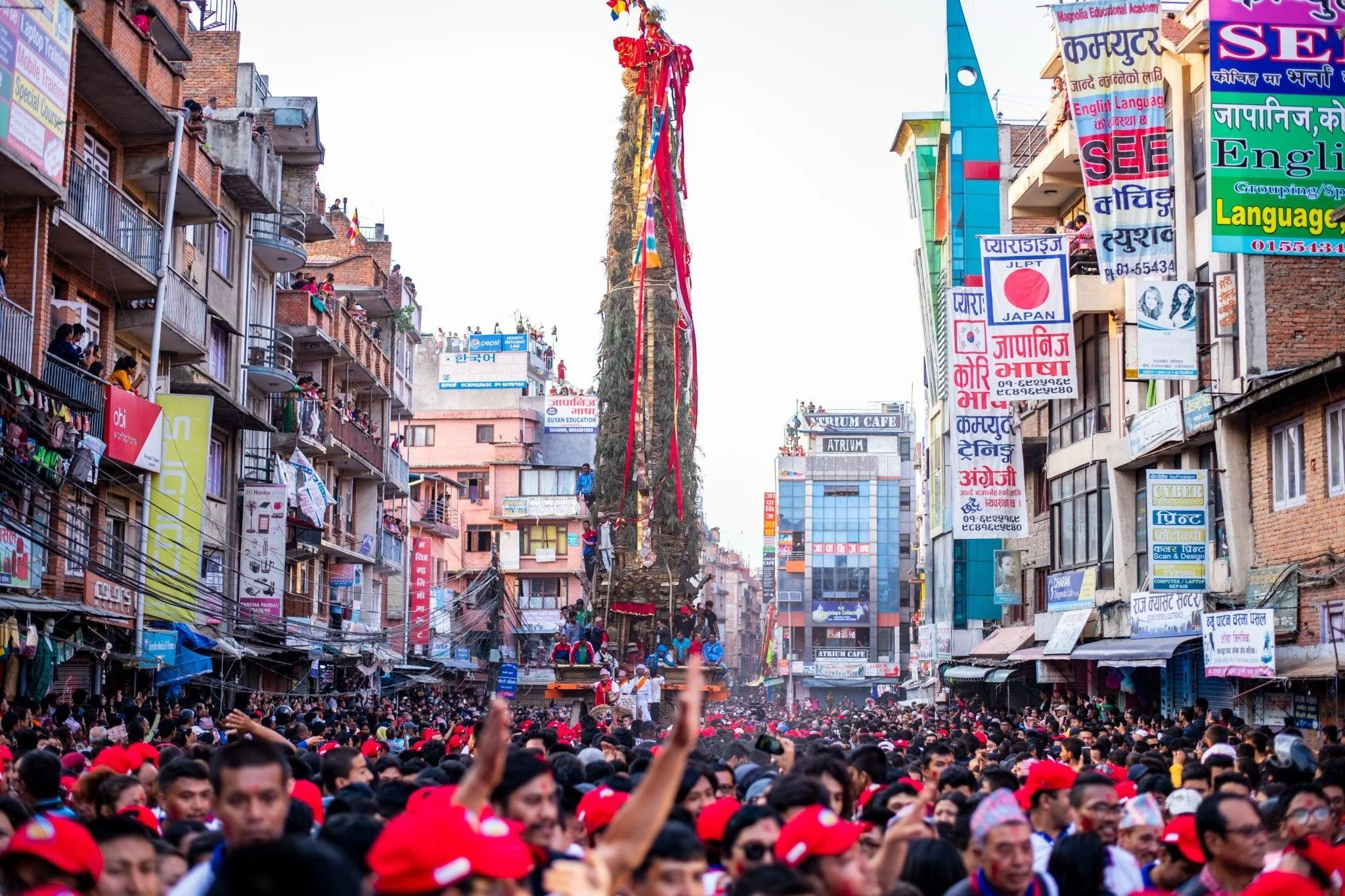
A journey through Rato Machindranath Jatra reveals how deeply tradition and community are connected in Kathmandu Valley.
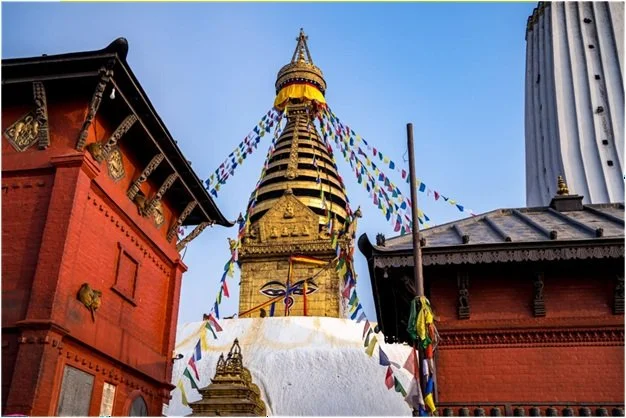
Swayambhunath is not just a destination, it’s an experience of Kathmandu’s spiritual and everyday life.
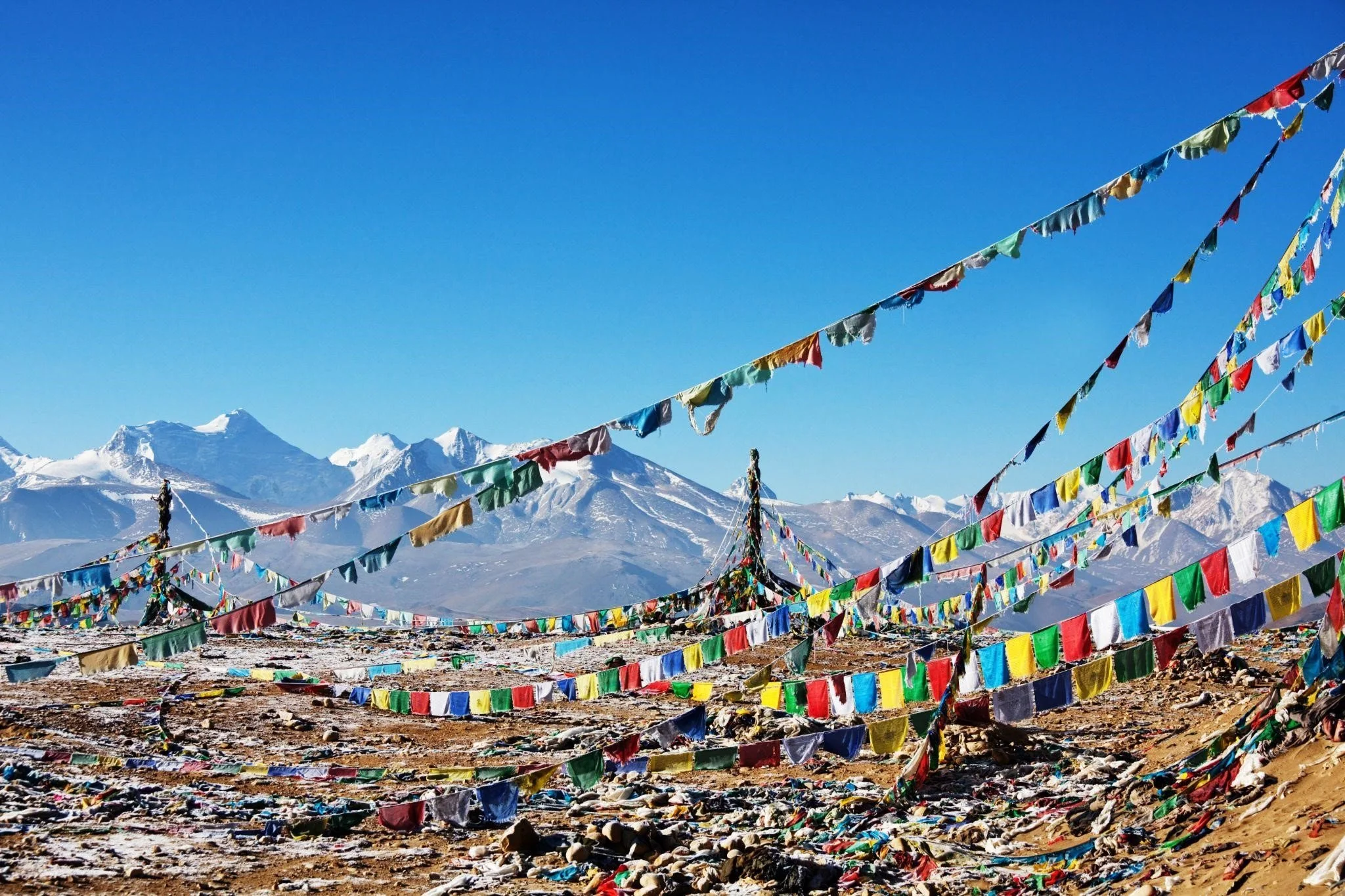
Step into Nepal’s hidden hills on the Ama Yangri Trek where rhododendron forests, quiet villages, and breathtaking Himalayan views meet every step. A journey of discovery, endurance, and unforgettable scenery awaits.
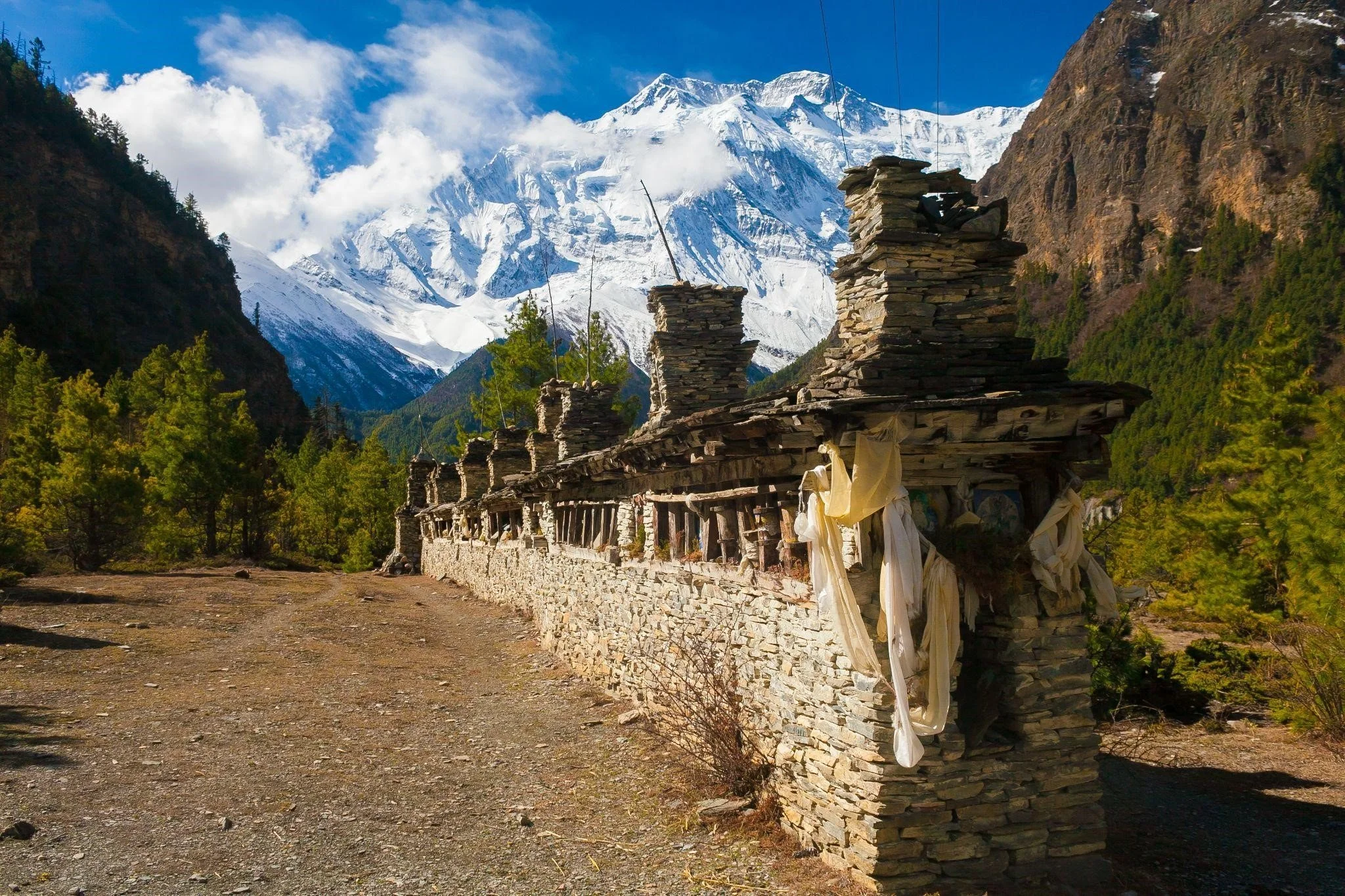
Step into the heart of the Himalayas on the Manaslu Trek, where snow-capped peaks, ancient villages, and prayer flags guide every step. A journey of endurance, culture, and breathtaking vistas awaits for those ready to explore Nepal’s hidden giant.
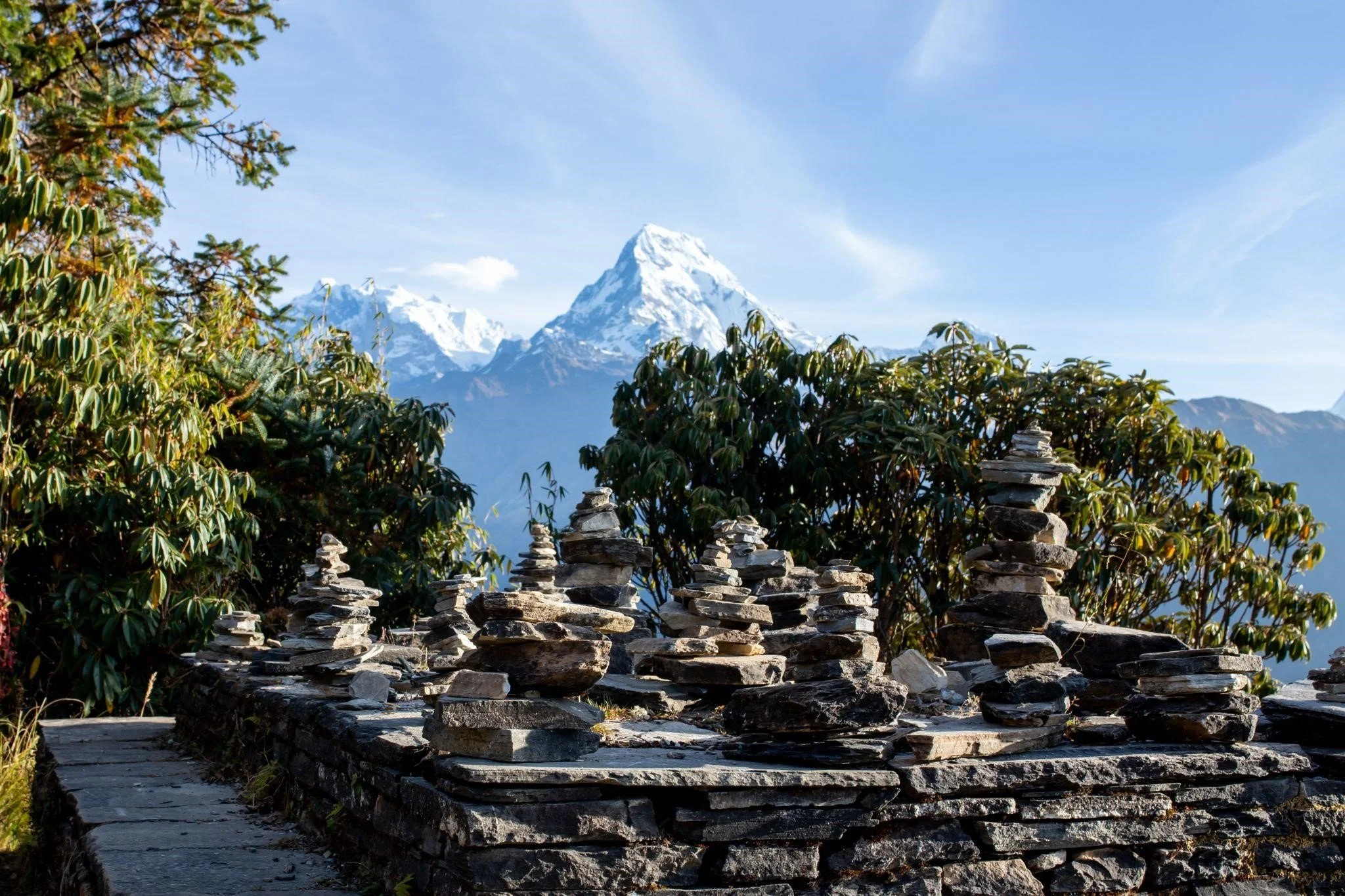
Rising above the hills at 3,210 meters, Poon Hill is where the mountains meet the sky. The trail from Ghorepani winds through rhododendron forests and quiet villages, revealing a journey that blends breathtaking views, local culture, and the kind of stillness only the Himalayas can offer.
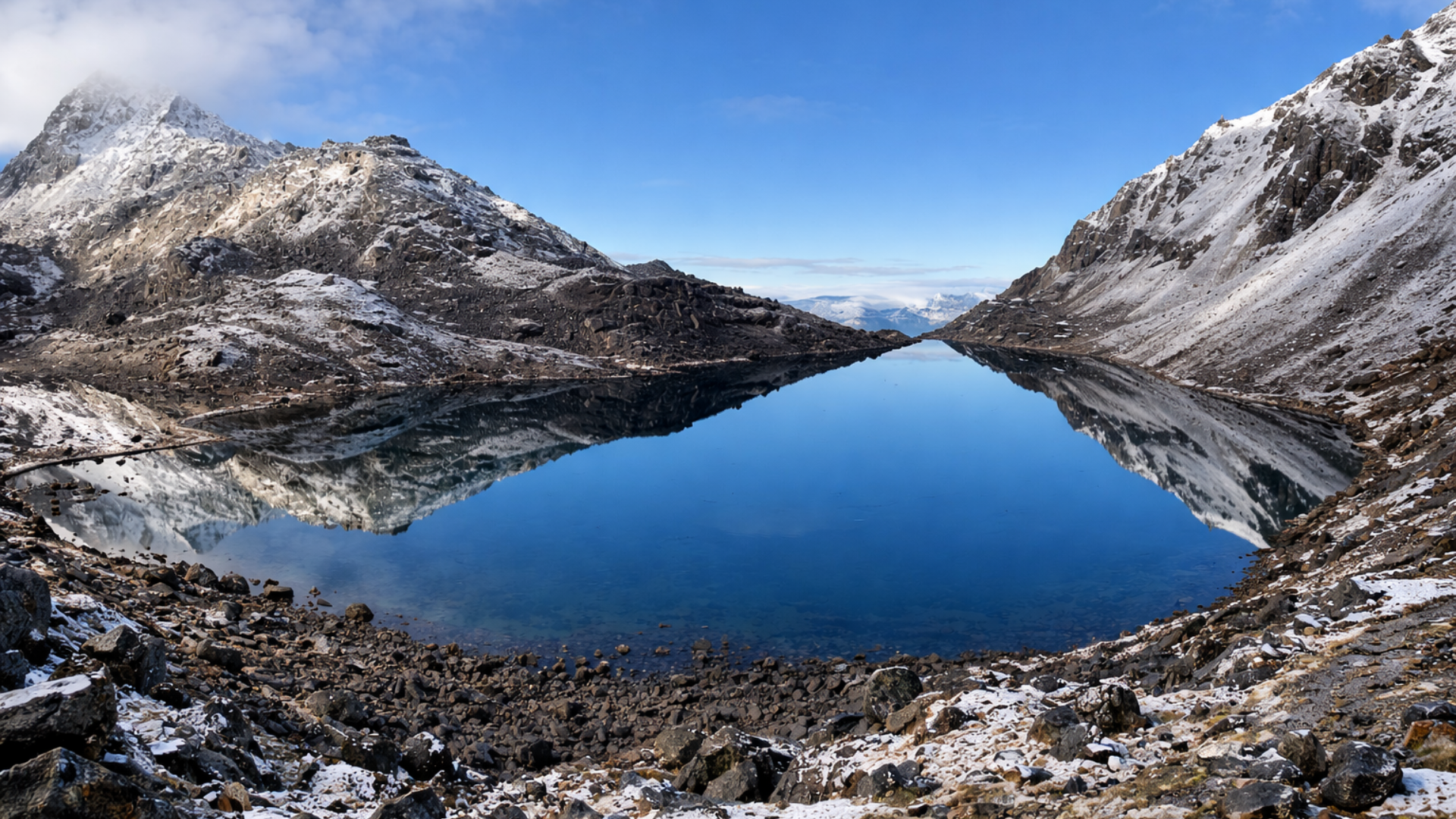
At 4,380 meters above sea level, Gosaikunda is more than a Himalayan lake. Born from the legend of Shiva’s sacrifice thousands of years ago, it remains a sacred pilgrimage site and an unforgettable trekking destination, where myth, mountain, and endurance meet in the thin alpine air.
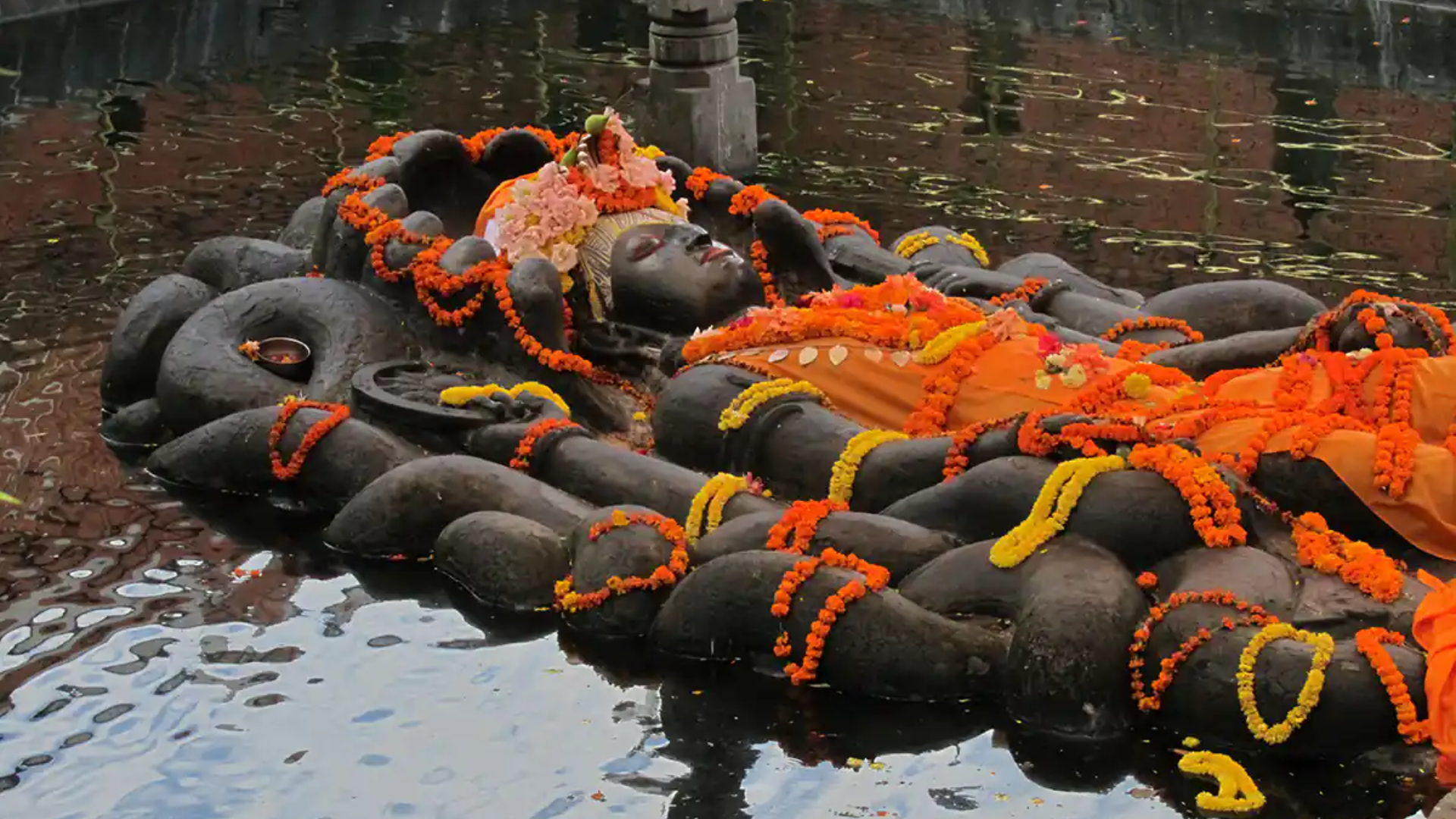
At Budhanilkantha, Lord Vishnu rests in cosmic sleep upon the serpent of infinity, dreaming worlds into existence. For centuries, a prophecy warned Nepal’s kings to stay away, reminding even monarchs that divine power stands above earthly rule.
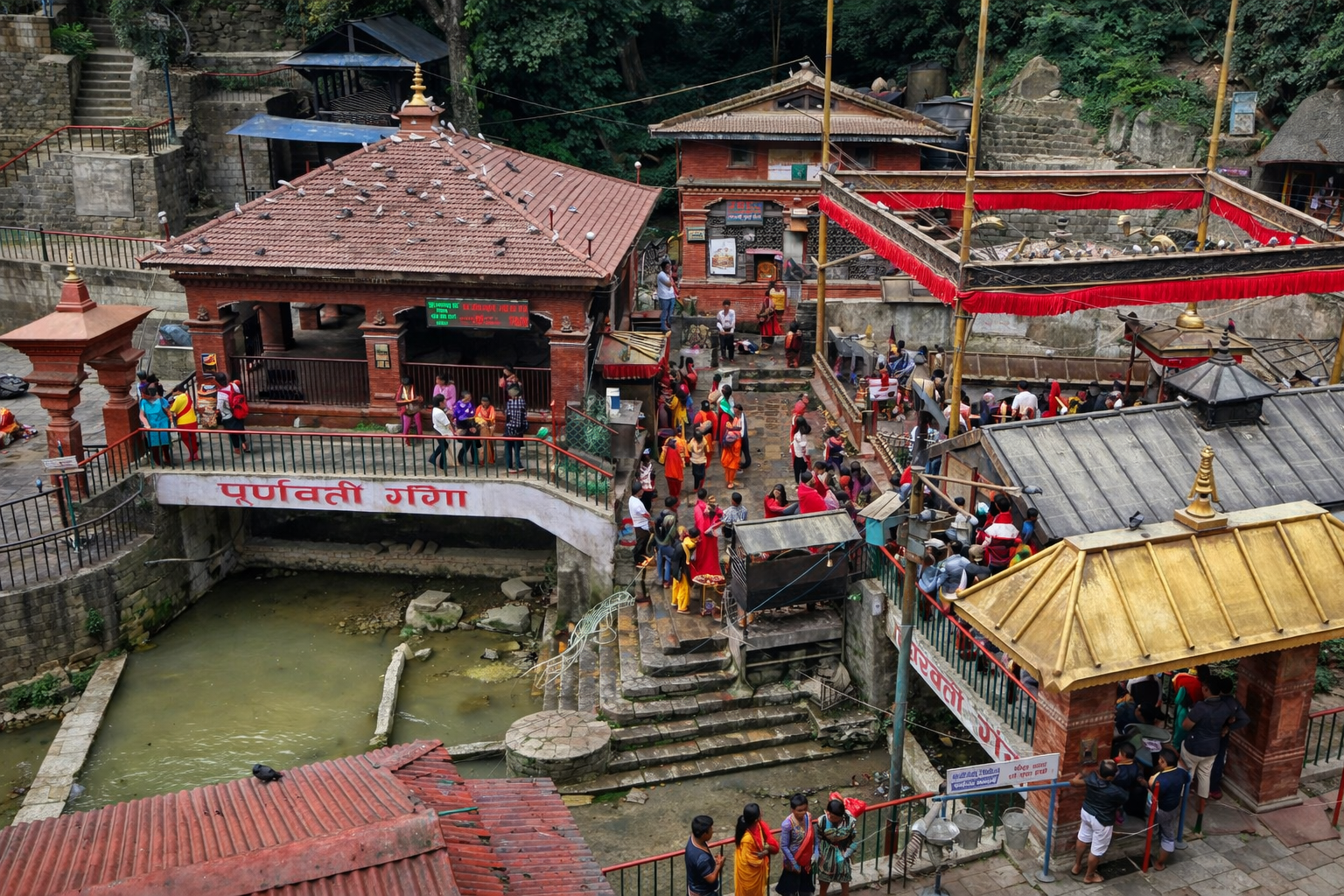
At the edge of Kathmandu, Dakshinkali stands as a sacred threshold of power and transformation.
Dedicated to Goddess Kali, the fierce force of protection and renewal, this temple is where devotion meets courage, and where surrender becomes strength.
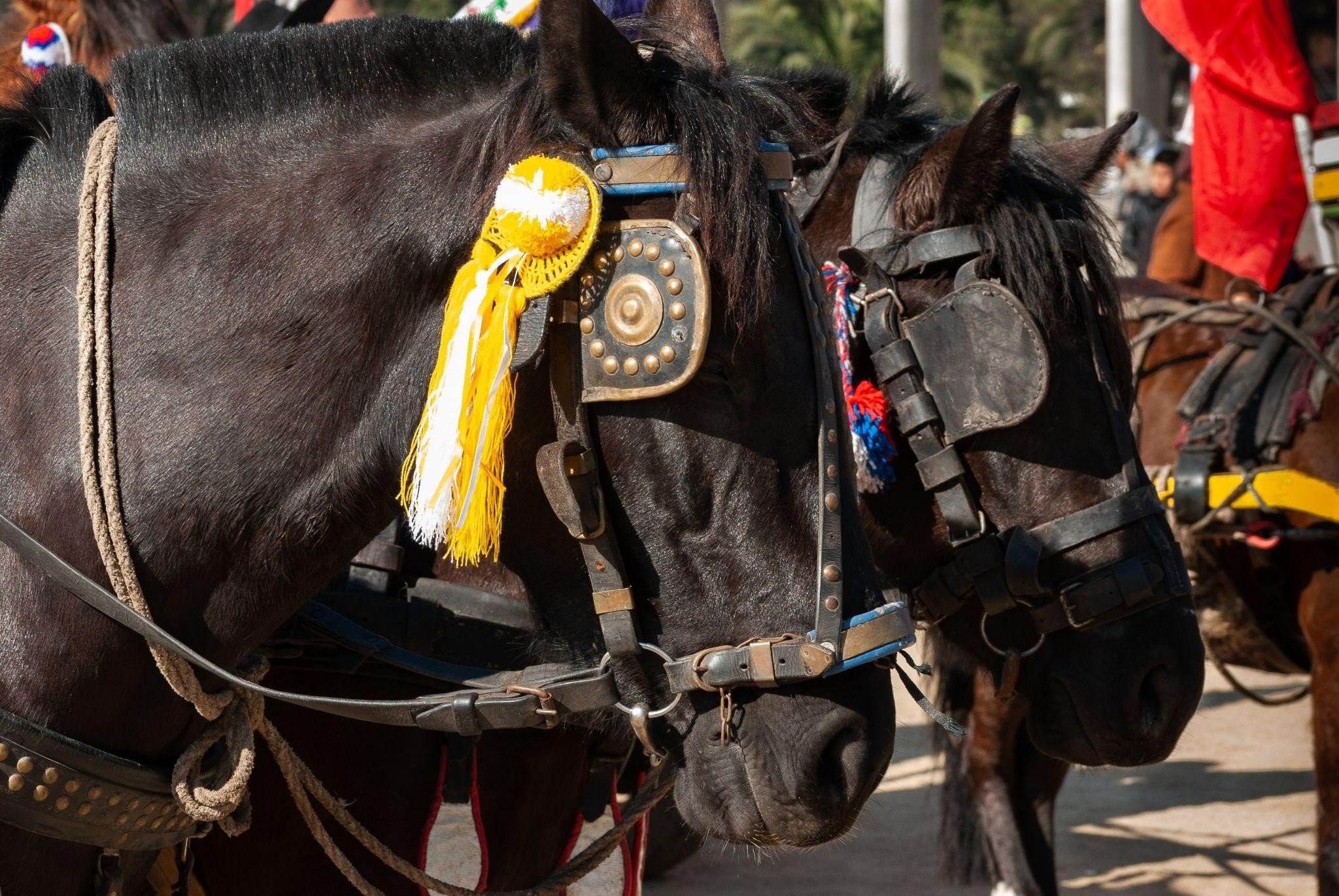
When hooves thunder across Tundikhel, Kathmandu listens.
Ghode Jatra is more than a horse parade, it’s a centuries-old ritual to drive away evil, blending folklore, royal tradition, and raw spectacle. Drums beat, riders charge, and the city gathers to celebrate strength, protection, and heritage in motion.
In the heart of the capital, tradition doesn’t whisper. It gallops.
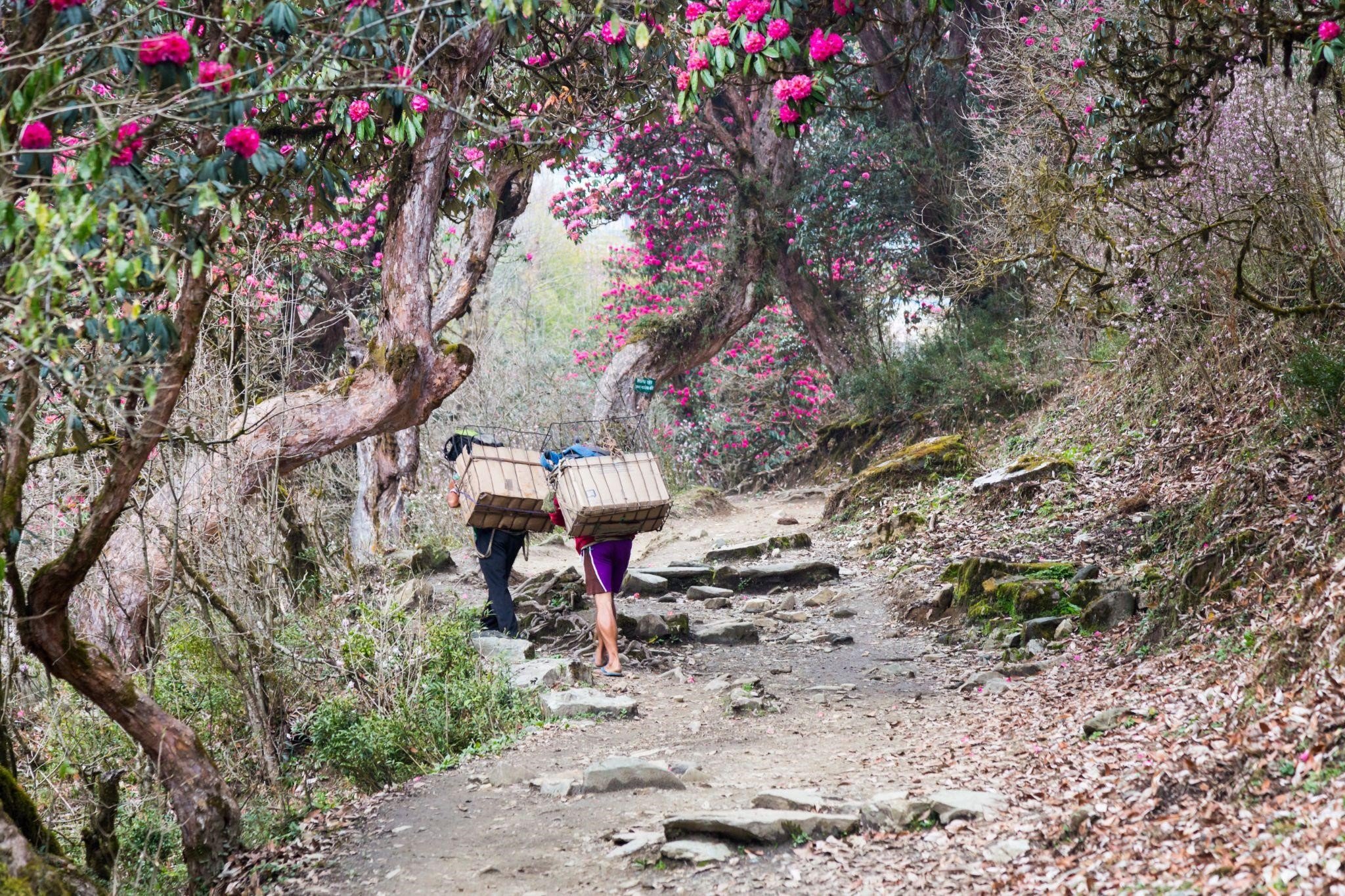
March in Nepal feels like nature pressing refresh.
Rhododendrons bloom, skies clear, and quieter trails reveal their magic; from Tinjure-Milke-Jaljale’s colorful forests to the serene heights of Gosaikunda and Panchase.
Early spring is your window to explore Nepal’s underrated treks in full bloom, with beauty and solitude walking beside you.
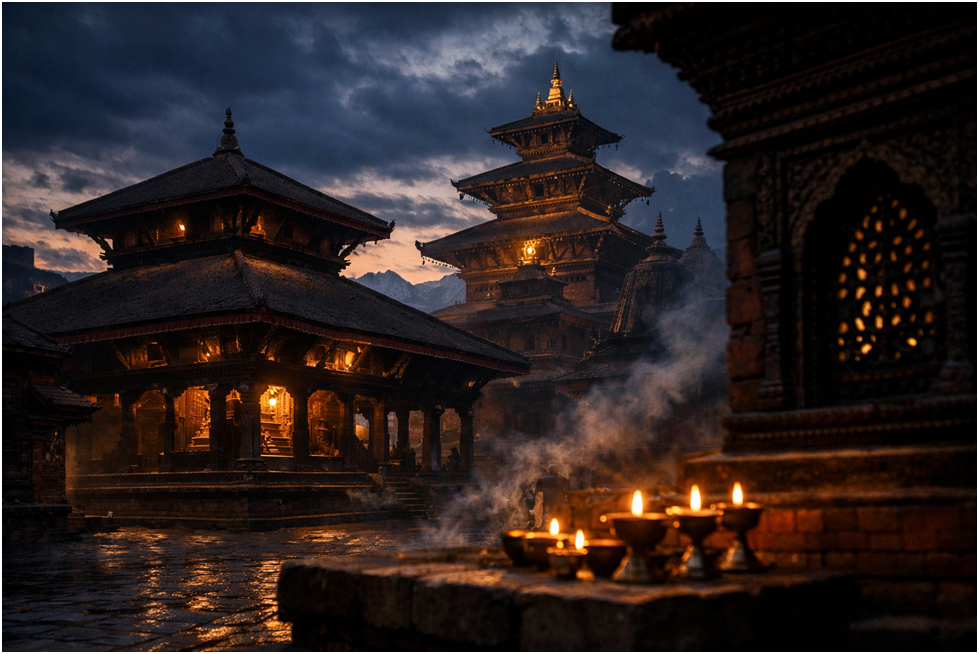
Kathmandu is more than temples; it is a city of living legends.
From the mysterious Taleju Temple to the story of Kasthamandap and the Living Kumari, these ancient spaces carry myths that have shaped the Valley for centuries. Dates tell history, but stories give it meaning.
Discover the legends that still breathe through Kathmandu’s timeless temples.
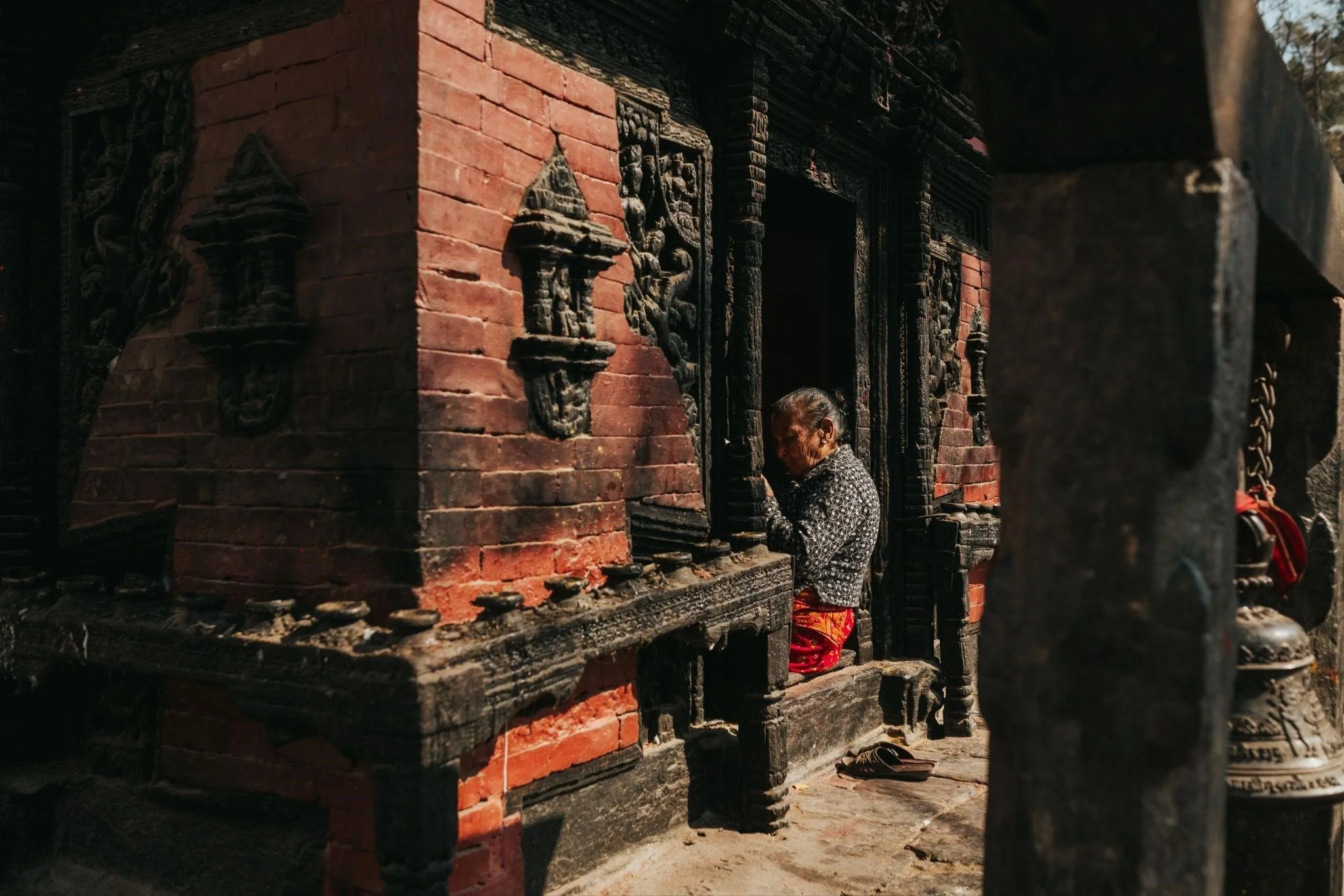
Nepal is more than just a place to visit; it's a culture that's part of everything people do.
When you say Namaste with respect or understand how to act in a temple, you're showing you care. Being aware of the culture doesn't hold you back; it actually makes your trip better.
Before you go exploring, try to get a sense of what's important to the people who live there.
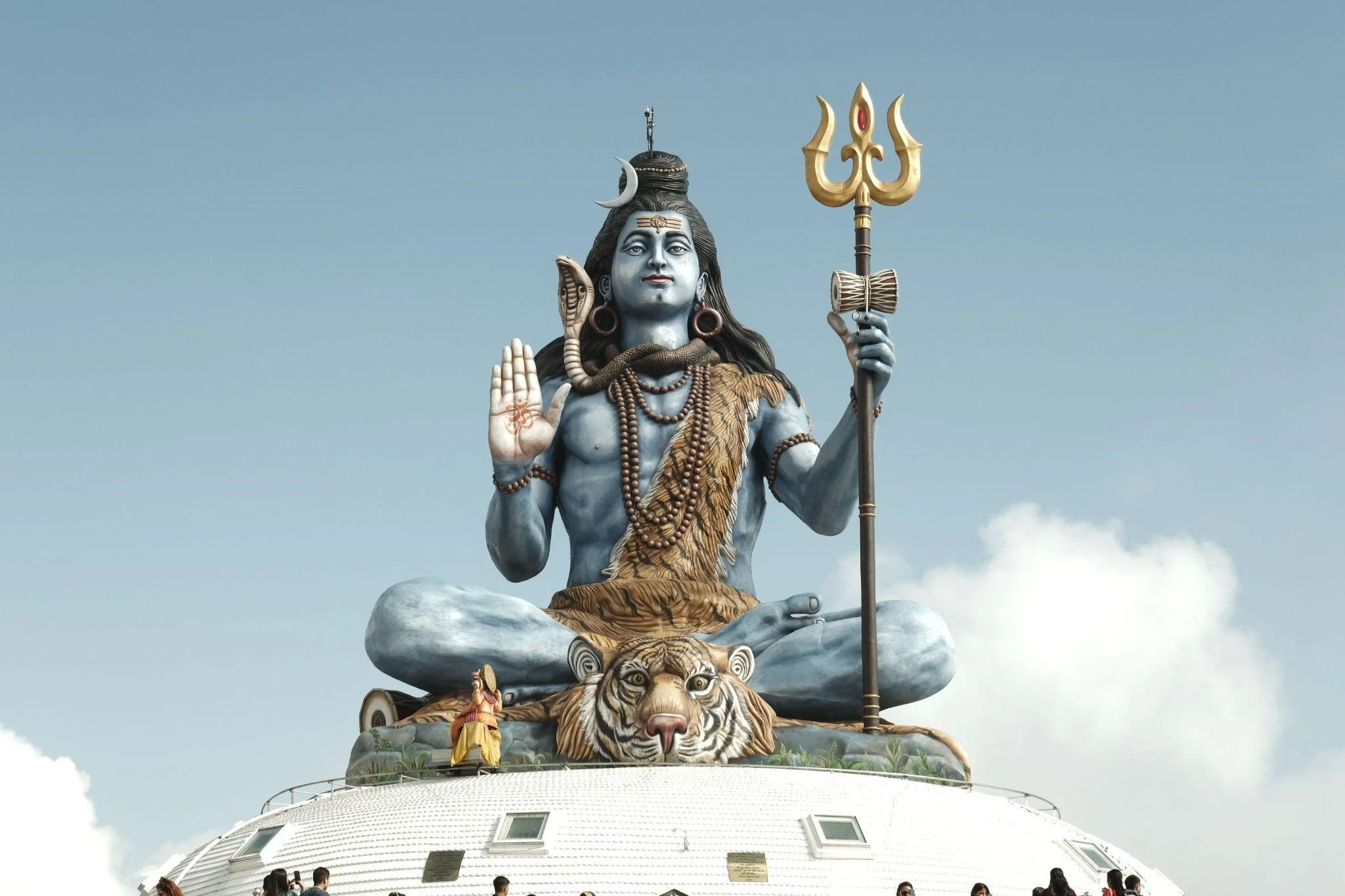
When night deepens and silence grows sacred, Nepal turns inward.
Maha Shivaratri is not just observed, it is felt. A night of stillness and chant, of oil lamps flickering against ancient stone, of breath slowing into prayer.
As bells echo and mantras rise, devotion becomes collective and time seems to soften. This is a moment where faith, culture, and cosmic rhythm move as one—inviting reflection, surrender, and quiet awakening.
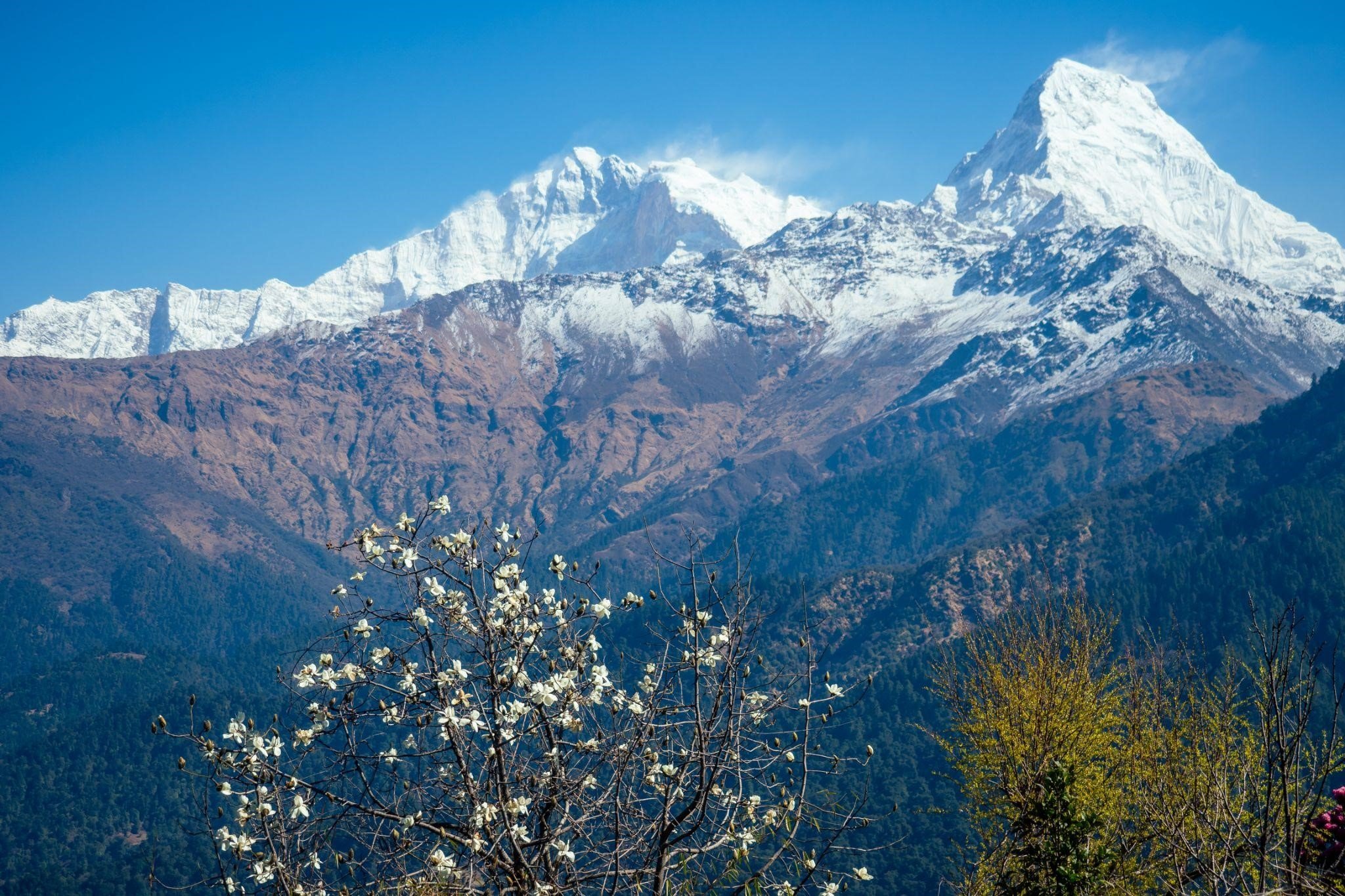
February is where seasons pause and the Himalayas breathe.
Winter’s snow still crowns the peaks, while spring quietly begins to wake the valleys—clear skies, fewer crowds, and trails at their most peaceful.
From Poon Hill’s golden sunrise to the quiet paths of Langtang and Mardi Himal, this is trekking in its most balanced form: crisp mornings, calm landscapes, and journeys that feel unhurried.
A short window. A rare mood. Nepal, in transition.
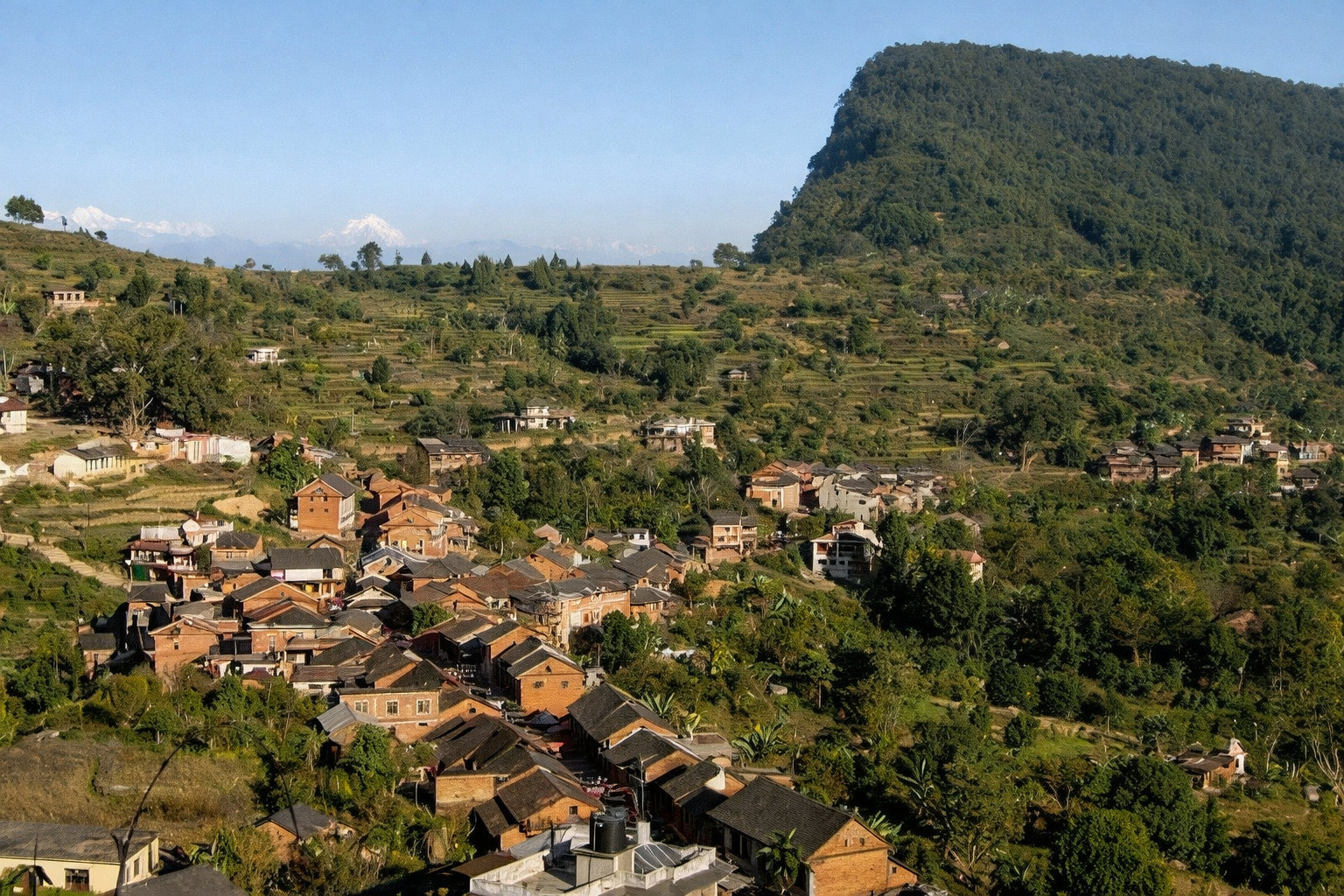
Raniban Forest, located just outside Kathmandu, offers a unique blend of natural beauty and intriguing folklore. By day, it’s a peaceful retreat with scenic walking trails and panoramic views of the valley. By night, the forest takes on an eerie atmosphere, steeped in legends of ghostly cries and mysterious occurrences. Whether you're seeking a serene escape or an adventure steeped in history and mystery, Raniban provides a distinctive experience that captivates all who visit.
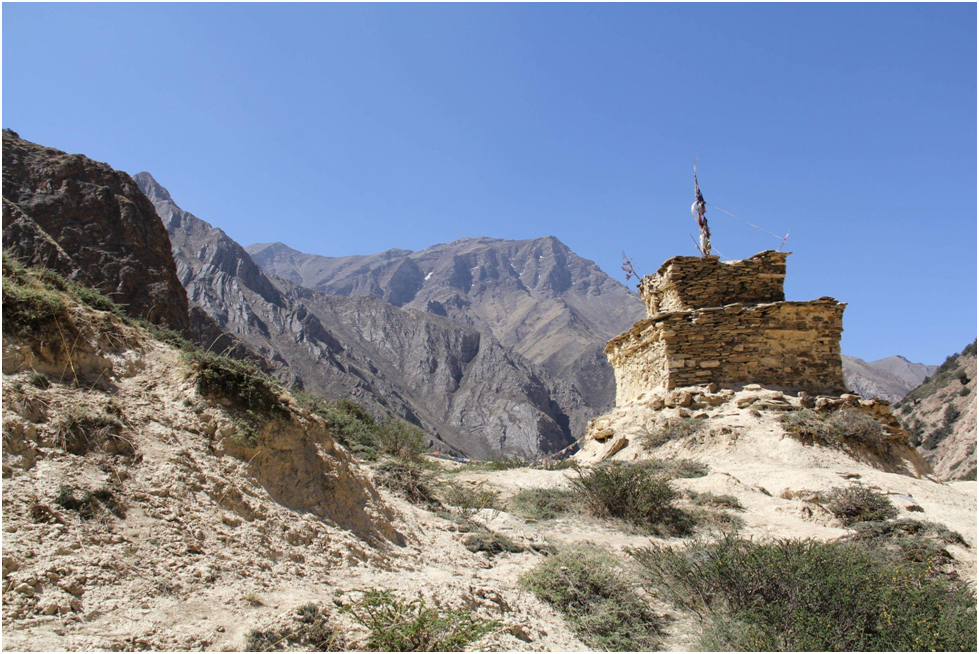
Embark on a journey like no other! Trek through the untouched wilderness of Dolpa in January, where winter reigns supreme. From frozen rivers to snow-covered passes, this remote corner of Nepal offers an adventure of isolation, beauty, and resilience. With panoramic views of the Himalayas, serene monasteries, and welcoming local communities, Dolpa in winter is the ultimate escape for those seeking raw nature and quiet reflection.
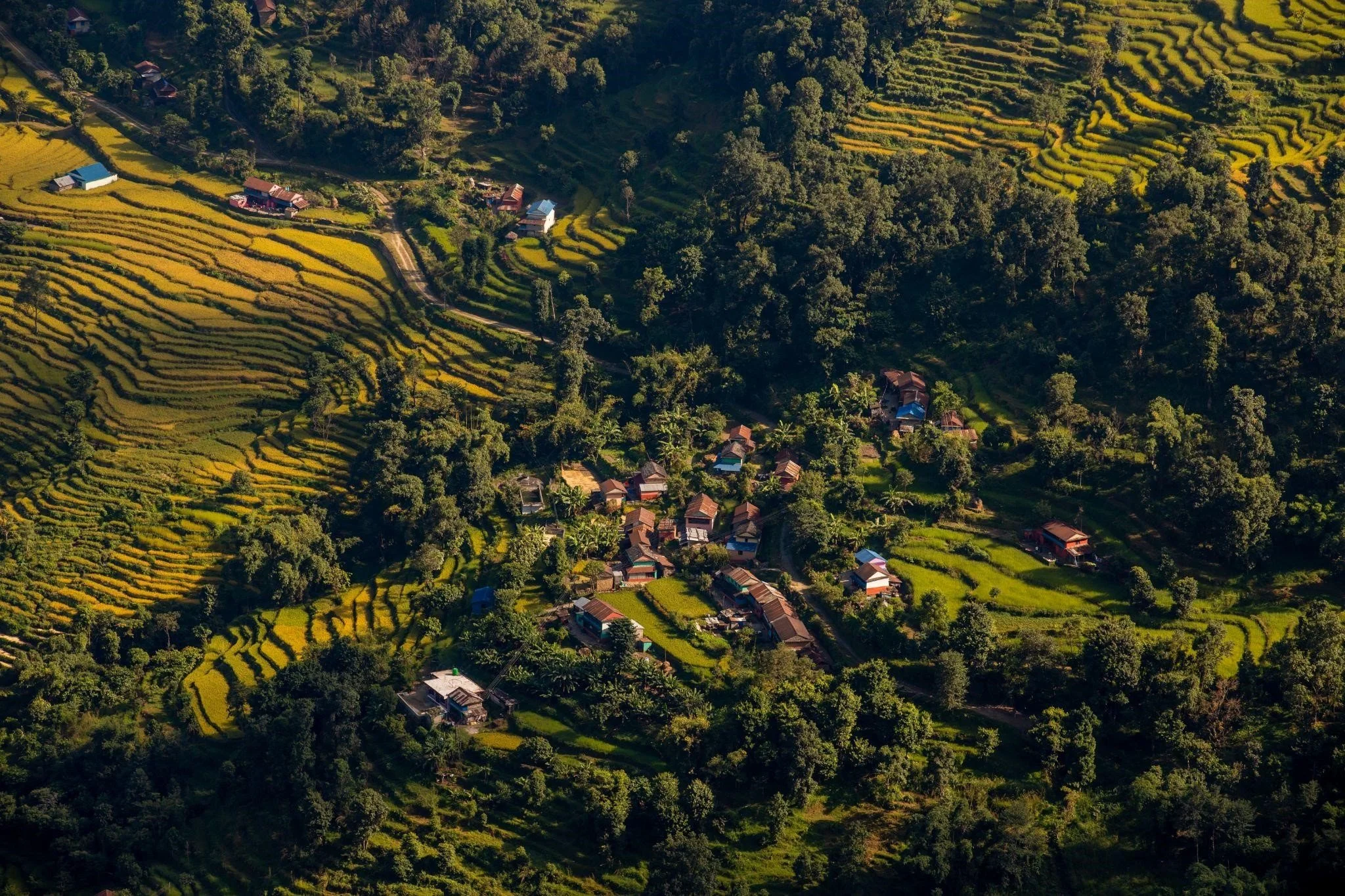
Discover the hidden winter villages of Nepal, where peace, natural beauty, and authentic village life await. From the picturesque Ghandruk, with its stunning Himalayan views, to the tranquil Tsum Valley, rich in Tibetan culture, these villages offer a serene retreat. Whether you're enjoying a warm homestay, savoring local delicacies, or exploring snow-covered landscapes, these off-the-beaten-path destinations provide the perfect escape for those seeking a peaceful and enriching winter experience.
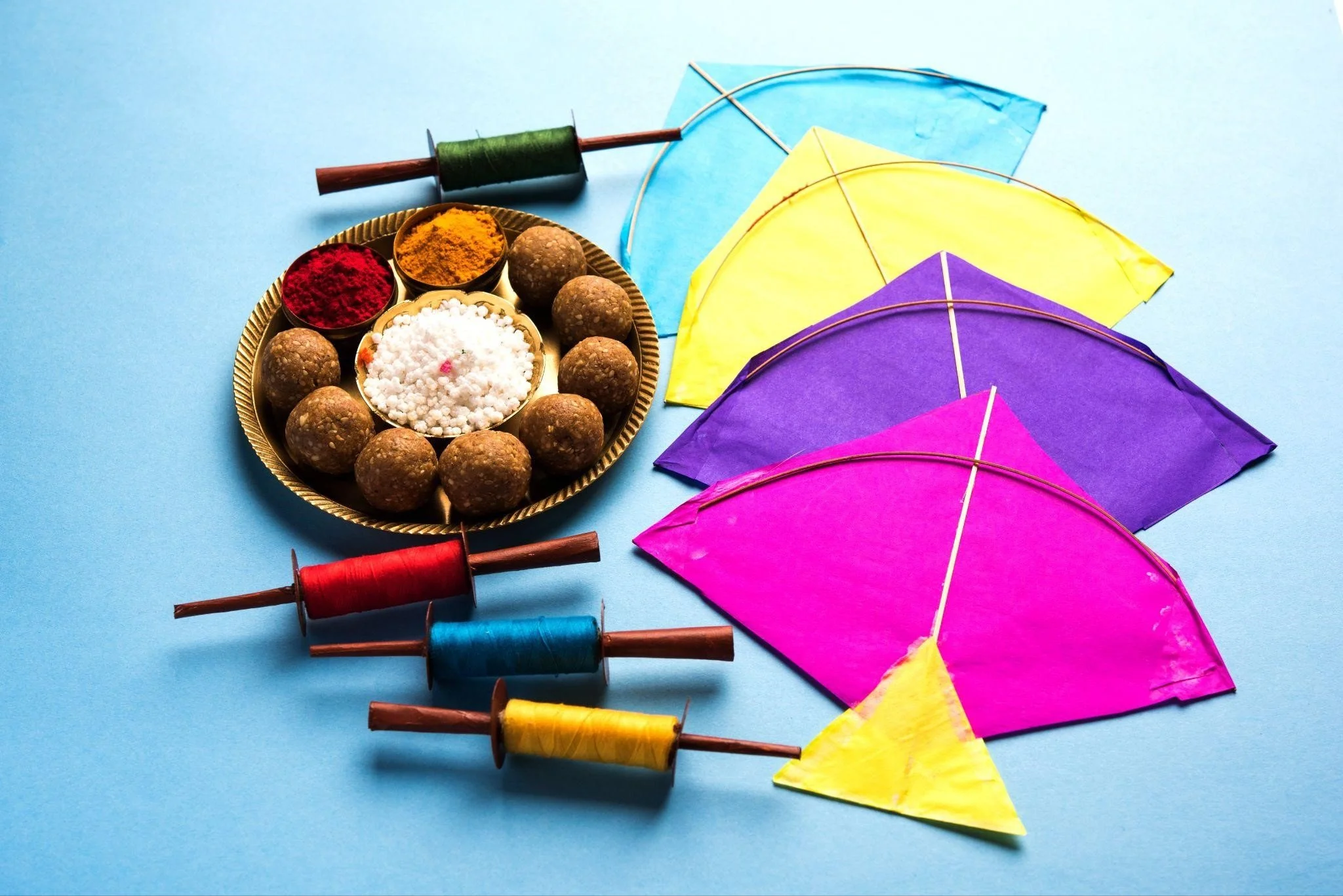
Maghe Sankranti in Nepal’s Terai: A celebration of Tharu culture through vibrant rituals, music, and most importantly delicious food! From the sweet Tilko Laddu to savory Bara, each dish carries centuries of tradition and meaning, bringing families and communities together. Don’t miss out on these festive delicacies that symbolize warmth, unity, and abundance.
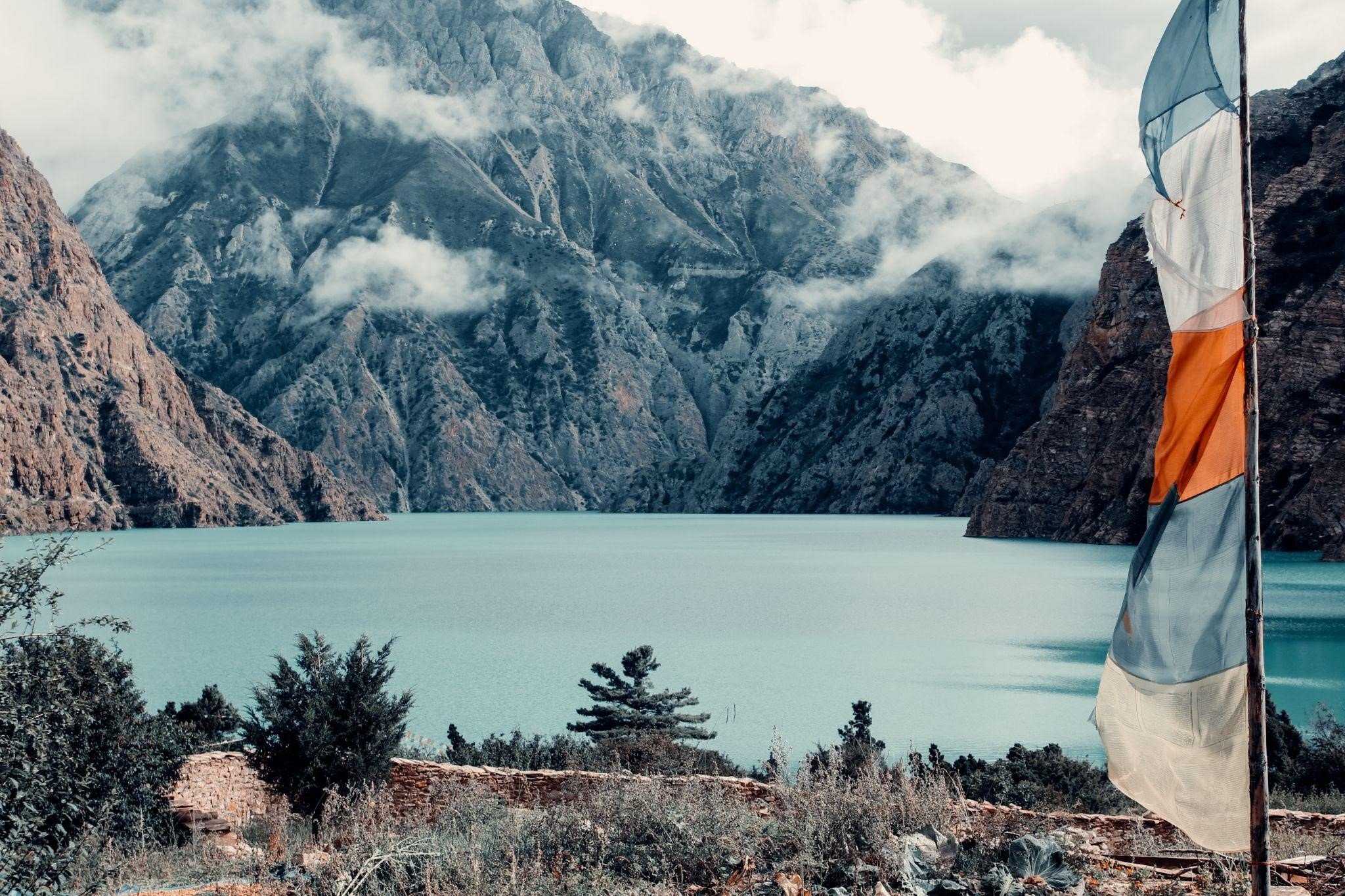
Shey Phoksundo Lake: A hidden gem above the clouds, where turquoise waters meet snow-capped peaks and misty mornings. Nestled at 3,611 meters in Dolpa, Nepal, this sacred lake offers an unforgettable blend of natural beauty and cultural significance.
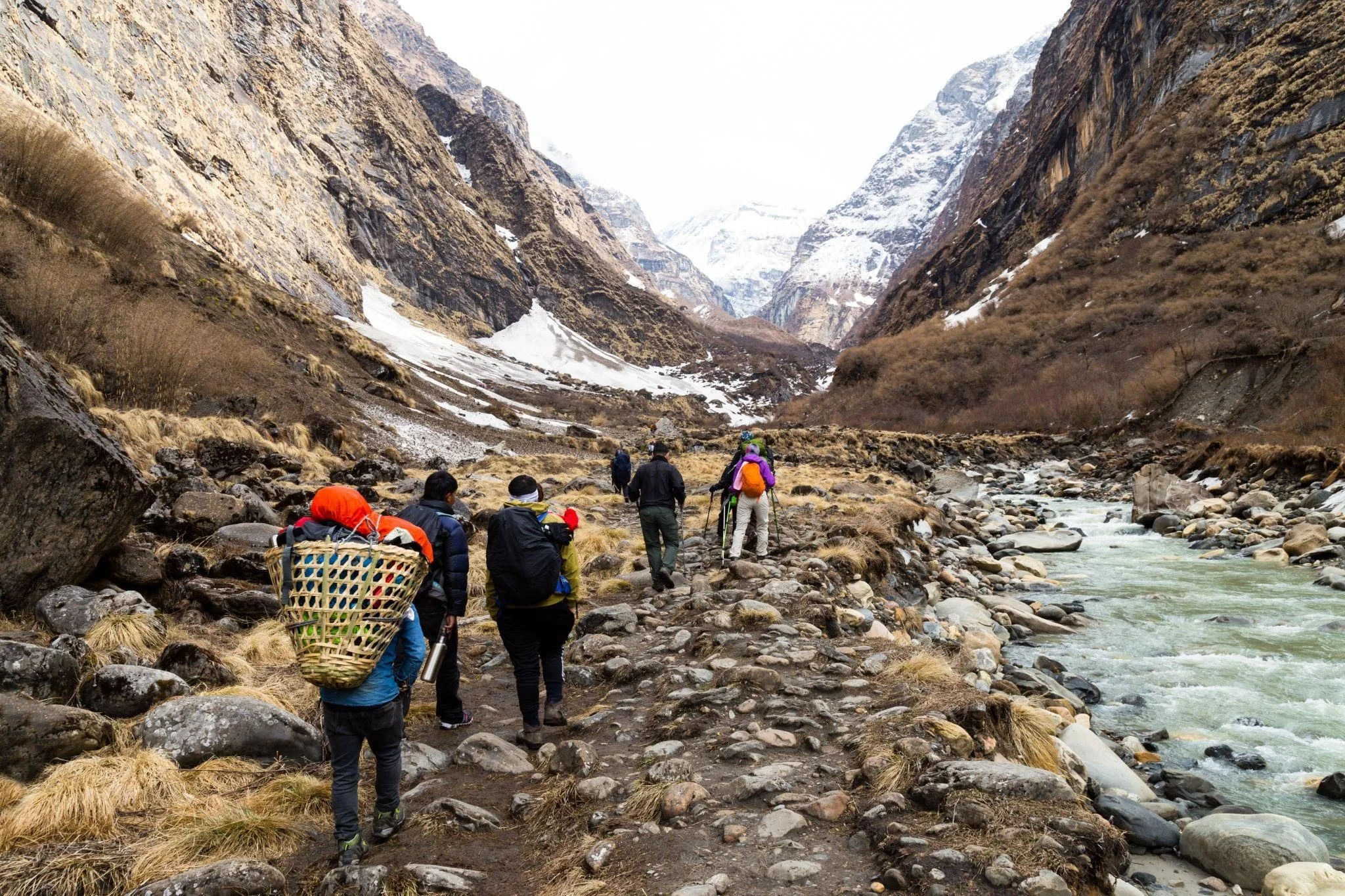
Adventure isn’t just about peaks, it’s about people! Explore the depths of kindness of the locals who make your journey warmer, safer and more special.
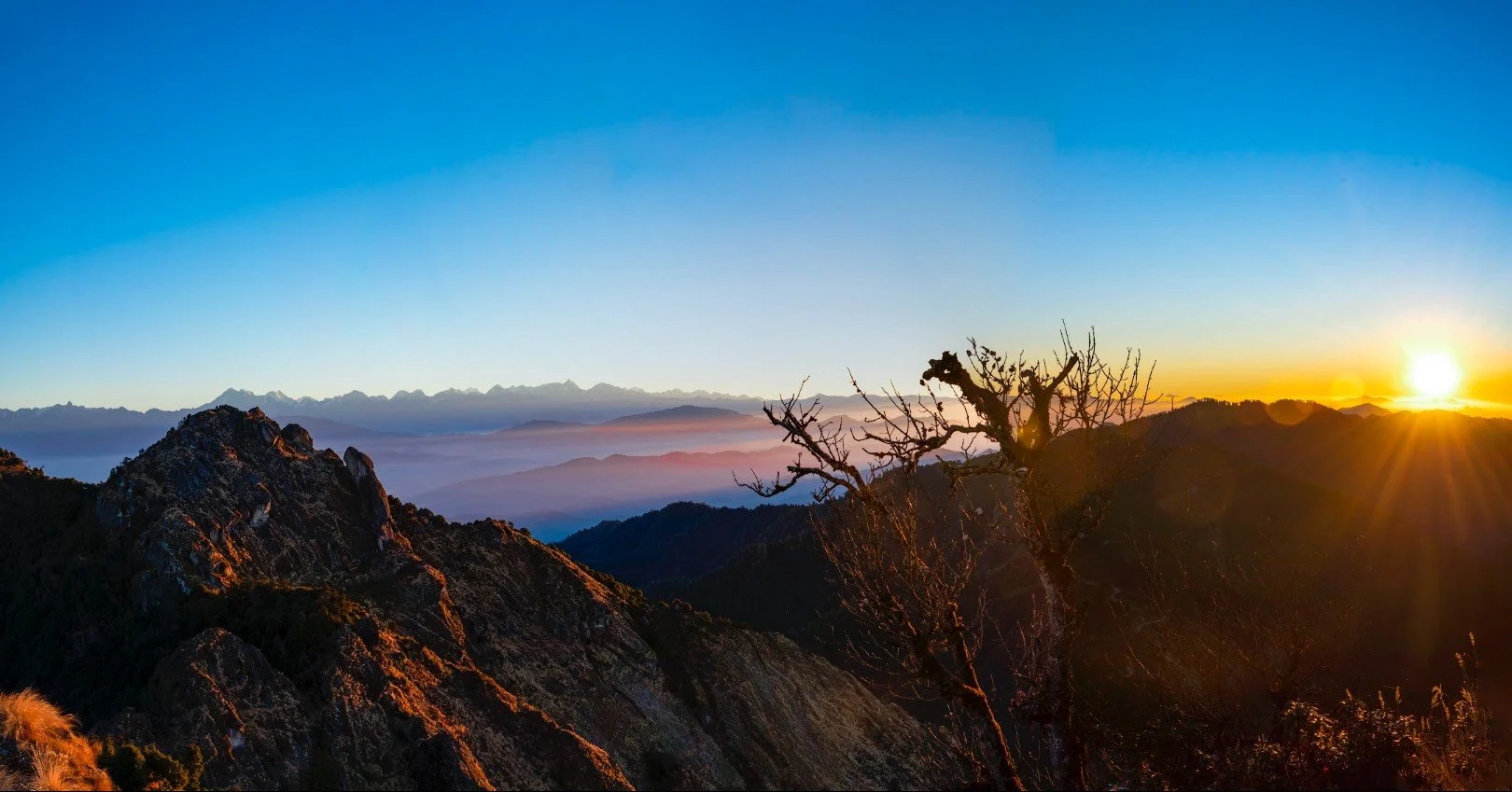
Sunrise or sunset, Kathmandu’s skies never disappoint! Discover the best spots for breathtaking views and peaceful escapes with the beautiful rise and set of the sun.
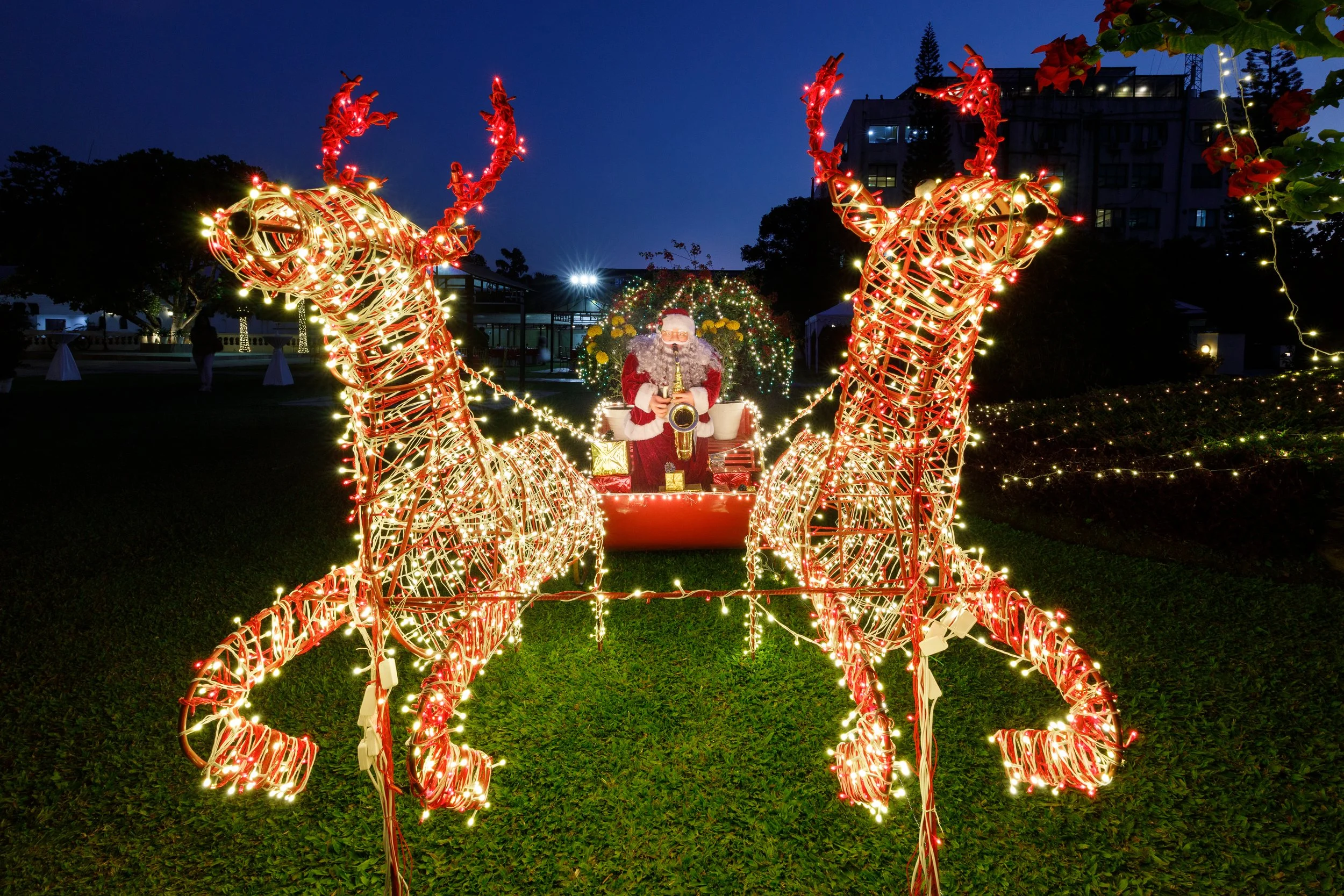
Experience the magic of Christmas in Kathmandu, where twinkling lights, festive decorations, and a sense of togetherness fill the air. In this vibrant city, Christmas is more than just a holiday; it’s a celebration of joy, warmth, and community that brings people together from all walks of life.
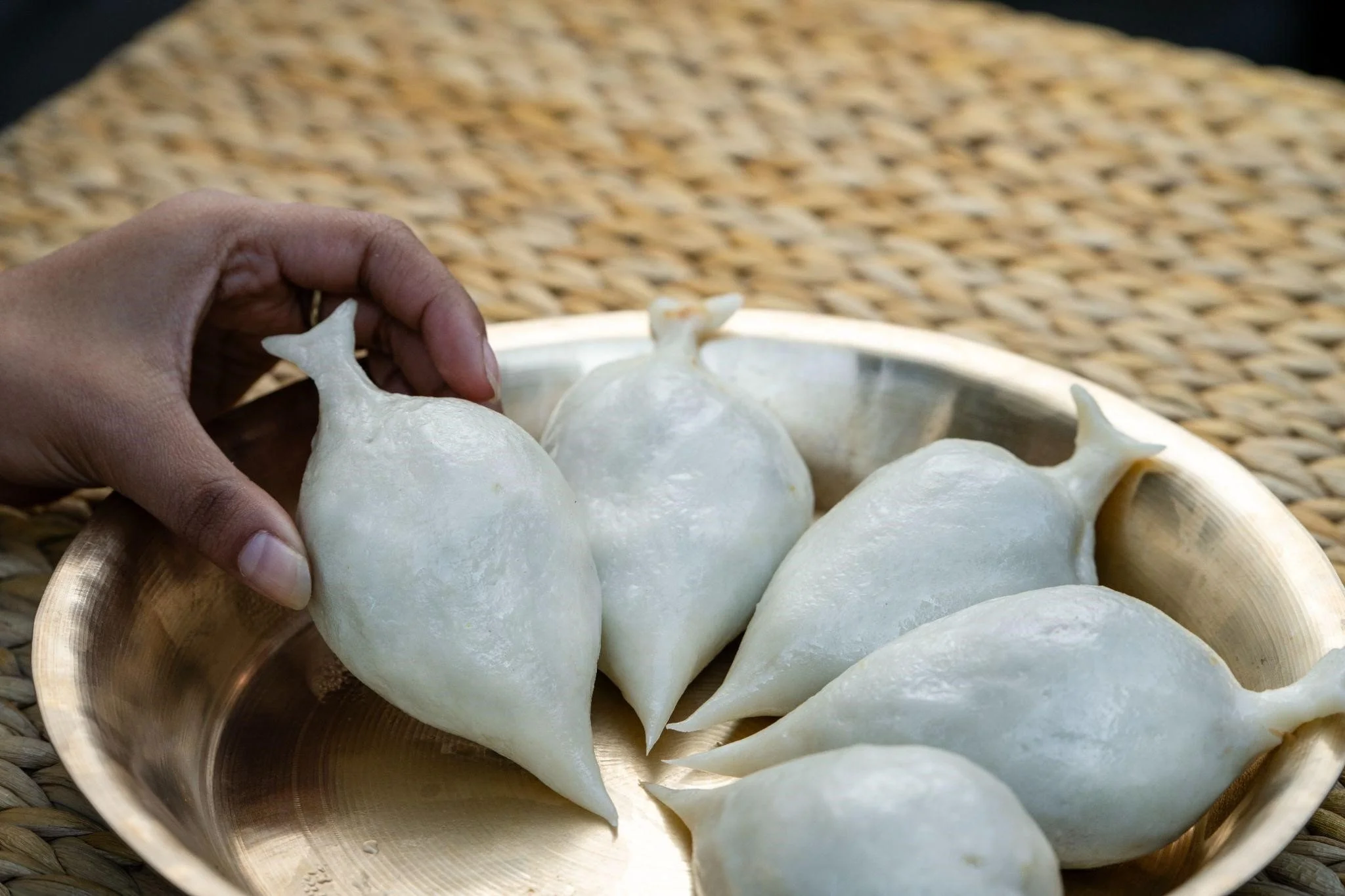
Indulge in the warmth and tradition of Yomari Punhi, where sweet, steamed yomari brings communities together to celebrate the harvest moon. A festival filled with myths, gratitude, and delicious delicacies, Yomari Punhi is not just about the food—it’s about the spirit of sharing, abundance, and honoring the goddess of nourishment.

An Experience of a Lifetime
Welcome to the land dubbed the abode of the Gods, where once in mystic lures the Gods once roamed with the people. Welcome to the land of cultural diversity, majestic Himalayas, where the magic of the ancient world still resonates in every corner. And, welcome to the homes of a kind and warm people who are always keen to share their world.
If you are a wanderer who has stumbled upon this small but majestic nation that I call home, I write this to you. I have a smile on my face and my hands are put together as I greet you “Namaste”. I thank you for choosing to travel to this very glorious nation, which has much to offer.
With Visit Nepal Year around the corner, this initiative is a momentous campaign to draw you travelers to this beautiful nation. Being born and having lived in Nepal for most of my life, exploring, encountering and experiencing the culture, cuisine, tradition and thrills of this nation, I can say this, “ Your hunger for something new shall be fulfilled, your search for adrenaline shall be quenched with a side of great hospitality, diverse cuisine, majestic landscape, and beautiful people.” The campaign of Visit Nepal Year has been anxiously awaited by the people of Nepal. As we await, to share with you all our love, culture, tradition and festivals. We await to welcome you to our homes, share our delightful cuisine, and make merry with you in our festivities.
Being a student of sociology, a fanatic of history, photography and having travelled to various parts of Nepal for my studies. I feel as if I can’t sum up the beauty of this nation in one article, as our diversity and ethnicity is home to treasures that one can explore for their entire life. During my studies, I have stumbled upon may great writers and artists, who choose to do their study in Nepal and the magic of the Himalayas, the love of the people make them choose Nepal as their new abode. It always bewildered me, meeting such individuals and I always asked, “Why?”
To which I was once told, “Nepal is a heaven, not just because of the lush landscape but because of the people. In the greatest of adversities, the people of Nepal choose to smile. They share with you their home, their food and all, and before you know it you are a part of the family.”
There is so much to explore in Nepal, some things that aren’t listed in that travel book you are holding. Everyone sees the temples, the monuments, the lakes but true intangible experiences are going to be an amalgam of sharing moments with the people. Thus, I strongly suggest learning a few words and phrases, as you are going to be replied with a beautiful smile.
To you my dear wanderers I welcome you to the land dubbed the abode of the Gods, where once in mystic lures the Gods once roamed with the people. I welcome you to the land of great cultural diversity, majestic Himalayas, where the magic of the ancient world still resonates in every corner.
I welcome you to Nepal. May your travelers be blessed, your search full filled, your diary and mind filled with memories of great adventures and experiences and your camera’s filled with moments that you shall fathom for the rest of your lives.
An op-ed of living in Nepal by Shreyashka Vikram Raj Maharjan
Popular Itineraries
Mountain Flight Details: Early morning trip to Mt. Everest and surrounding mountains - Approx. 1 hour flight via Buddha Air OR Yeti Air (choice available) - Stunning views of mountains in Nepal - View video on Youtube of mountain flight in Nepal - Mountain Flight Cost: INR 11000/USD 250
This trek is specially designed to reach the Everest Base Camp including Kala Pattar which is the best view point to view the sunrise over the high Himalayas including the Mt. Everest. This trek requires 13 days.
USD 1515 PER PERSON -- TWIN ROOM SHARING BASIS
Mt. Dhaulagiri is the seventh highest mountain in the world and one of the challenging yet exhilarating adventure destinations in Nepal. The trek circling Mt. Dhaulagiri takes you through the beautiful villages, clean rivers, lush landscapes, thick forests, hidden valleys, glaciers, and mountain ranges.
Our highest priorities in all our Nepal biking trips are safety, quality and enjoyment. You will ride on these wild and challenging trails through some of the most stunning scenic and cultural landscapes in the world. With the stunning backdrop of the Himalayan ranges, the extreme valleys and old forests of the rugged middle hills, the charming terraced fields and bright smiles in the timeless villages, you will remember this journey for its unique beauty as well as its challenging mountain biking terrain.
Pricing: Please choose among the various options available and we'll get back to you with a package that suits you best -- along with a quote.
Minimum 3 Nights Stay Kathmandu Sightseeing Package( 3 Nights/4 Days): Includes: Airport Pick Up & Drop Off, Daily Breakfast Buffet, All tours and transfers in an air conditioned coach
- Full day tour of Kathmandu City Swayambhunath Stupa and Patan City
- Approx 5-6 hours (split in two sessions)
- Morning: Walking tour of Kathmandu Durbar Square through (Ason) spice Market/vegetable markets
- Evening: Visit Patan Durbar Square
USD 80 PER CAR
The Langtang Valley is surrounded by many high peaks of great appeal. The eminent British mountaineer Bill Tilman described it as the "most beautiful valley in the world". The Langtang Valley is also known as the treasure house of Alpine plants. The whole valley is covered with flowers during the summer.
The Lantang Valley Trek is not only offers magnificent views of Langtang Lirung (7,234m), Ganesh Himal (7,406m) and other high mountain peaks, but also provides insight into the varied ethnic lifestyles of the Tamangs and Sherpas, inhabitants of this area who share closer cultural ties with the Tibetan people.
The Annapurna Base Camp Trek is considered one of the world's great treks. The walk-in to the Sanctuary provides an experience of the great variety of landscape types which serve to make Nepal such a special trekking destination. You will pass through a diverse geographical and cultural variation with an amazing range of flora and fauna in between.
This is a short and beautiful trek, suitable for families and kids. Set in the rural mountainside with up-close Himalayan views, this trek is also known as Ghorepani Poon Hill Trek. It is a relatively easy walk meandering through villages and rhododendron forests.
This itinerary includes Poon Hill -- which is regarded as the best viewpoint in the Annapurna Region by many trekkers and is widely regarded as one of the most beautiful viewpoints that exist on this earth.
USD 575 PER PERSON -- TWIN ROOM SHARING BASIS
DAY 01 (Kathmandu to Chitwan by road, approx 5 hrs)
DAY 02 (In Chitwan)
DAY 03 (Chitwan to Kathmandu by road, approx 5 hrs)
Chitwan: Exotic jungle elephant-safari, nature walks, bird watching, canoeing
USD 330 PER PERSON
Pokhara : Stunning views of Himalayas, Boat rides, Gupteswor Mahadev, David's Fall, Barahi Temple, Cycling around the lakeside. - DAY 01 : (Kathmandu to Pokhara by road, approx 5 hrs/200km) - DAY 02 : (Spend time in Pokhara) - DAY 03 : (Pokhara to Kathmandu by road, approx 5 hrs/200km) / USD 295 PER PERSON View Youtube Video of Pokhara
DAY 01 (Drive from Kathmandu to Pokhara)
DAY 02 (In Pokhara)
DAY 03 (Pokhara to Chitwan by road)
DAY 04 (In Chitwan)
DAY 05 (Fly from Chitwan to Kathmandu)
Pokhara: Stunning views of Himalayas, Boat rides
Chitwan: Exotic jungle elephant-safari, nature walks, bird watching, canoeing
VIEW YOUTUBE VIDEO OF POKHARA
USD 705 PER PERSON
Similar Posts
A journey through Rato Machindranath Jatra reveals how deeply tradition and community are connected in Kathmandu Valley.
Step into the heart of the Himalayas on the Manaslu Trek, where snow-capped peaks, ancient villages, and prayer flags guide every step. A journey of endurance, culture, and breathtaking vistas awaits for those ready to explore Nepal’s hidden giant.
Rising above the hills at 3,210 meters, Poon Hill is where the mountains meet the sky. The trail from Ghorepani winds through rhododendron forests and quiet villages, revealing a journey that blends breathtaking views, local culture, and the kind of stillness only the Himalayas can offer.
At 4,380 meters above sea level, Gosaikunda is more than a Himalayan lake. Born from the legend of Shiva’s sacrifice thousands of years ago, it remains a sacred pilgrimage site and an unforgettable trekking destination, where myth, mountain, and endurance meet in the thin alpine air.
At Budhanilkantha, Lord Vishnu rests in cosmic sleep upon the serpent of infinity, dreaming worlds into existence. For centuries, a prophecy warned Nepal’s kings to stay away, reminding even monarchs that divine power stands above earthly rule.
At the edge of Kathmandu, Dakshinkali stands as a sacred threshold of power and transformation.
Dedicated to Goddess Kali, the fierce force of protection and renewal, this temple is where devotion meets courage, and where surrender becomes strength.
When hooves thunder across Tundikhel, Kathmandu listens.
Ghode Jatra is more than a horse parade, it’s a centuries-old ritual to drive away evil, blending folklore, royal tradition, and raw spectacle. Drums beat, riders charge, and the city gathers to celebrate strength, protection, and heritage in motion.
In the heart of the capital, tradition doesn’t whisper. It gallops.
March in Nepal feels like nature pressing refresh.
Rhododendrons bloom, skies clear, and quieter trails reveal their magic; from Tinjure-Milke-Jaljale’s colorful forests to the serene heights of Gosaikunda and Panchase.
Early spring is your window to explore Nepal’s underrated treks in full bloom, with beauty and solitude walking beside you.
Kathmandu is more than temples; it is a city of living legends.
From the mysterious Taleju Temple to the story of Kasthamandap and the Living Kumari, these ancient spaces carry myths that have shaped the Valley for centuries. Dates tell history, but stories give it meaning.
Discover the legends that still breathe through Kathmandu’s timeless temples.
When night deepens and silence grows sacred, Nepal turns inward.
Maha Shivaratri is not just observed, it is felt. A night of stillness and chant, of oil lamps flickering against ancient stone, of breath slowing into prayer.
As bells echo and mantras rise, devotion becomes collective and time seems to soften. This is a moment where faith, culture, and cosmic rhythm move as one—inviting reflection, surrender, and quiet awakening.
February is where seasons pause and the Himalayas breathe.
Winter’s snow still crowns the peaks, while spring quietly begins to wake the valleys—clear skies, fewer crowds, and trails at their most peaceful.
From Poon Hill’s golden sunrise to the quiet paths of Langtang and Mardi Himal, this is trekking in its most balanced form: crisp mornings, calm landscapes, and journeys that feel unhurried.
A short window. A rare mood. Nepal, in transition.
Raniban Forest, located just outside Kathmandu, offers a unique blend of natural beauty and intriguing folklore. By day, it’s a peaceful retreat with scenic walking trails and panoramic views of the valley. By night, the forest takes on an eerie atmosphere, steeped in legends of ghostly cries and mysterious occurrences. Whether you're seeking a serene escape or an adventure steeped in history and mystery, Raniban provides a distinctive experience that captivates all who visit.
Discover the hidden winter villages of Nepal, where peace, natural beauty, and authentic village life await. From the picturesque Ghandruk, with its stunning Himalayan views, to the tranquil Tsum Valley, rich in Tibetan culture, these villages offer a serene retreat. Whether you're enjoying a warm homestay, savoring local delicacies, or exploring snow-covered landscapes, these off-the-beaten-path destinations provide the perfect escape for those seeking a peaceful and enriching winter experience.
Maghe Sankranti in Nepal’s Terai: A celebration of Tharu culture through vibrant rituals, music, and most importantly delicious food! From the sweet Tilko Laddu to savory Bara, each dish carries centuries of tradition and meaning, bringing families and communities together. Don’t miss out on these festive delicacies that symbolize warmth, unity, and abundance.
Shey Phoksundo Lake: A hidden gem above the clouds, where turquoise waters meet snow-capped peaks and misty mornings. Nestled at 3,611 meters in Dolpa, Nepal, this sacred lake offers an unforgettable blend of natural beauty and cultural significance.
Adventure isn’t just about peaks, it’s about people! Explore the depths of kindness of the locals who make your journey warmer, safer and more special.
Sunrise or sunset, Kathmandu’s skies never disappoint! Discover the best spots for breathtaking views and peaceful escapes with the beautiful rise and set of the sun.
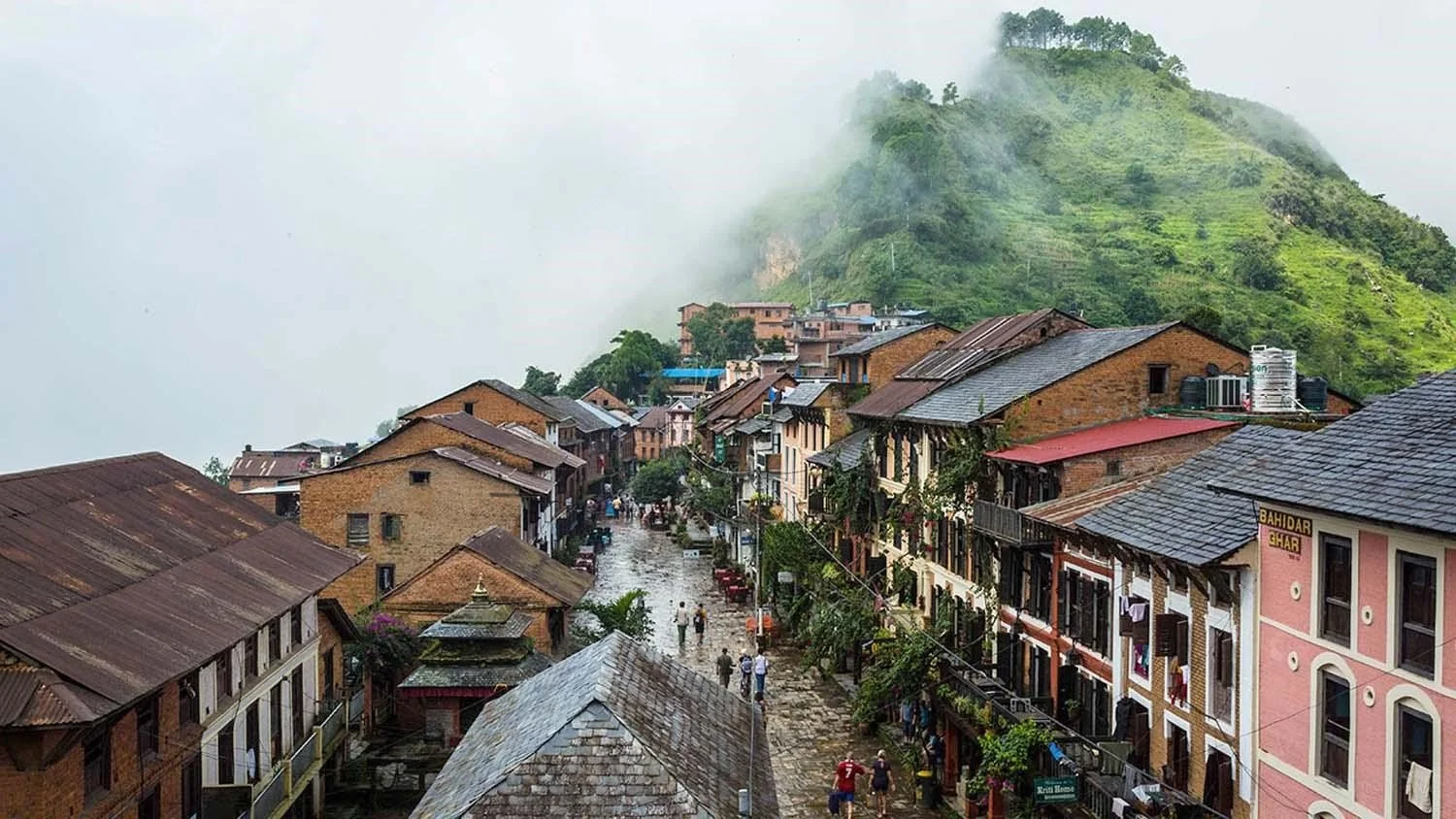
Bandipur: A Timeless Hilltop Haven – Discover the charm of Nepal’s hidden gem, where cobbled streets, vibrant culture, and breathtaking mountain views come together to create a peaceful escape from the ordinary.
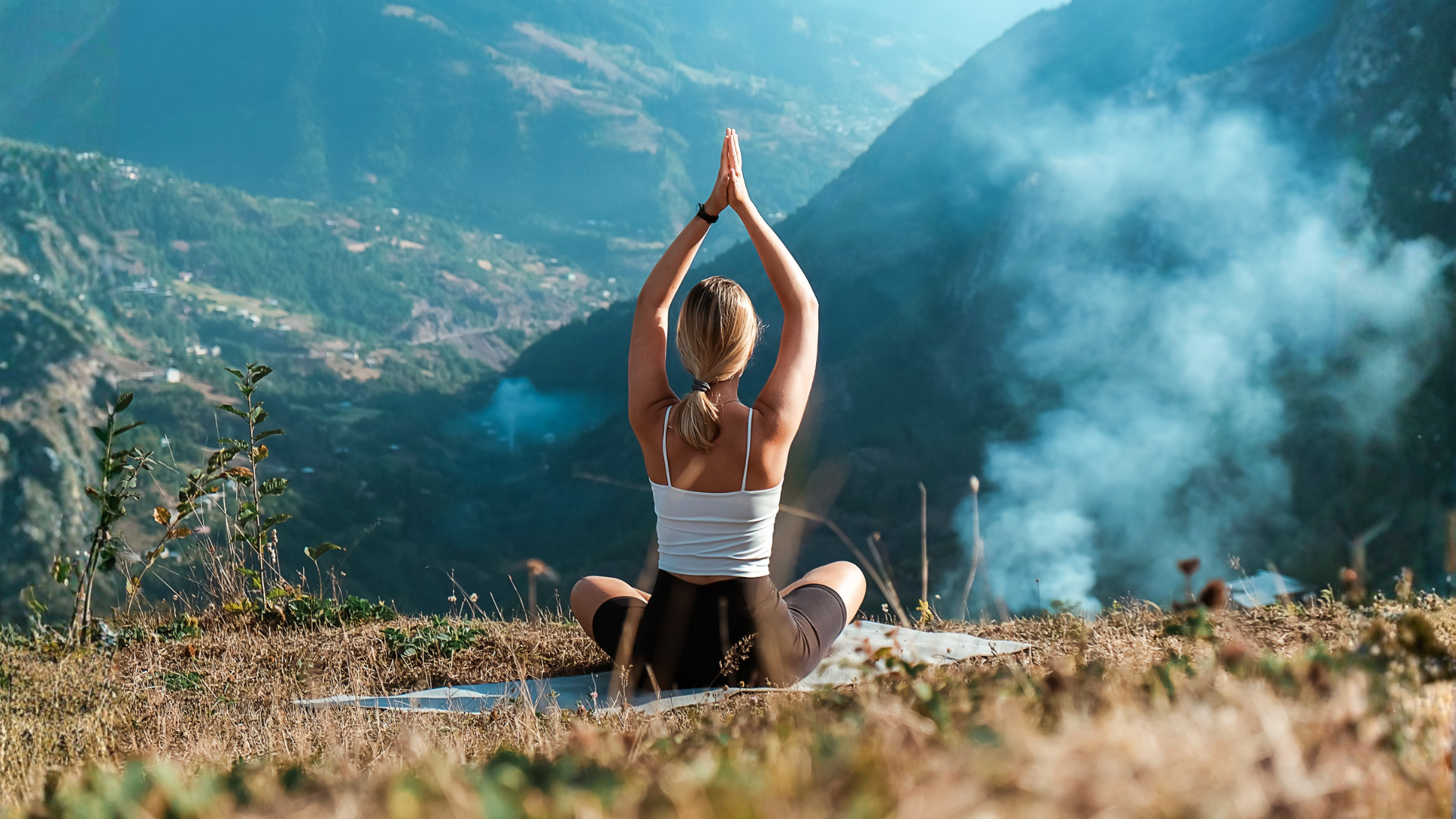
Embrace a journey of self-discovery and inner peace amidst the serene landscapes of Nepal. Whether practicing yoga by tranquil lakes, under the towering Himalayas, or in the spiritual heart of Kathmandu, Nepal’s yoga retreats offer a transformative experience that nurtures both the body and soul.
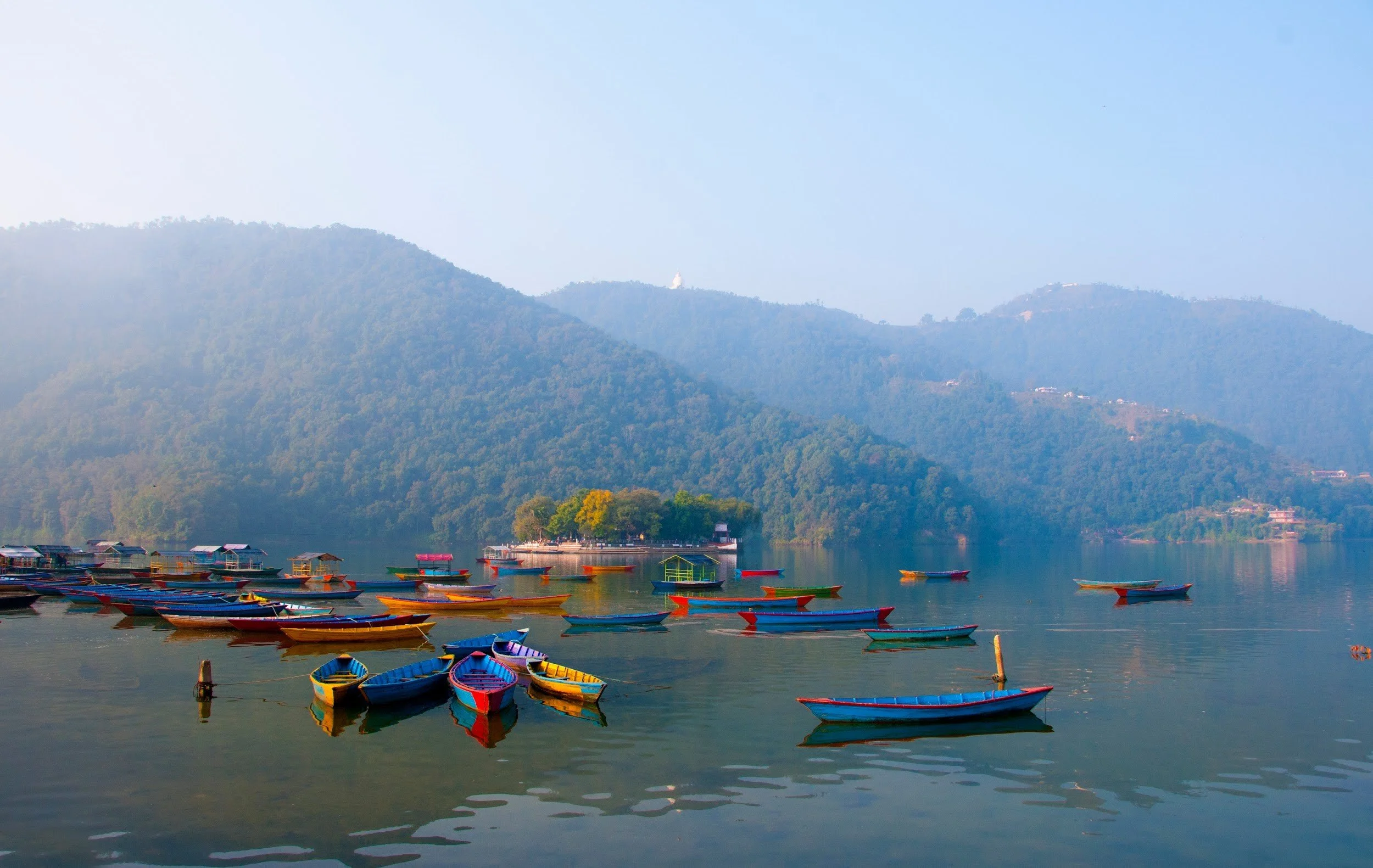
Misty ridges, golden horizons, and tranquil hill towns all just a drive away from the valley. Discover the best weekend getaways near Kathmandu, where every sunrise feels like a fresh escape.
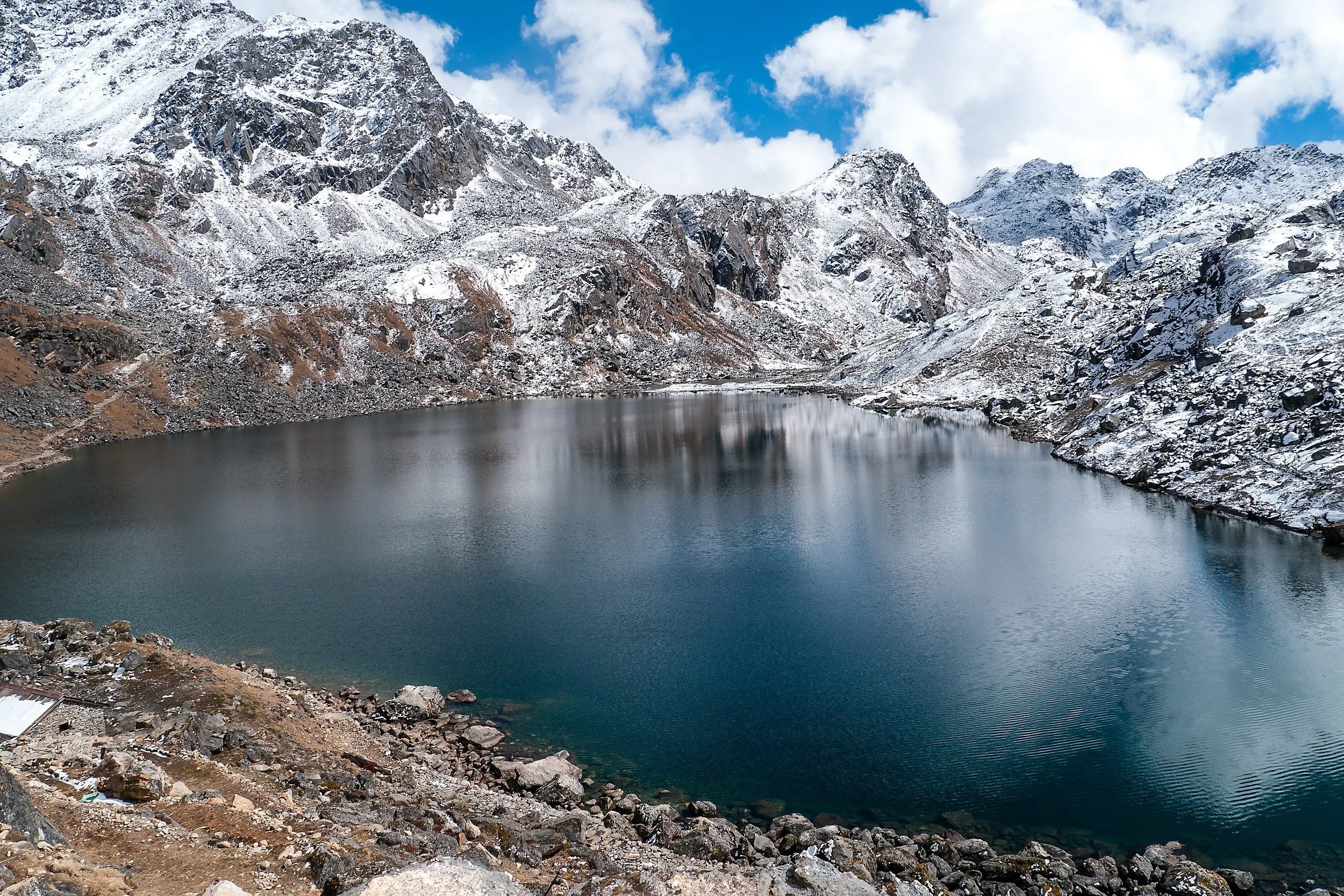
Nestled in the heart of Nepal’s Langtang Range, Gosaikunda Lake is not just a breathtaking natural wonder but also a spiritual haven for trekkers and pilgrims alike. Known for its pristine beauty and sacred significance, the Gosaikunda trek offers an adventure that combines both awe-inspiring landscapes and deep cultural meaning. But beyond the panoramic views and crystal-clear waters lies a tapestry of ancient legends and stories that make this place truly magical.
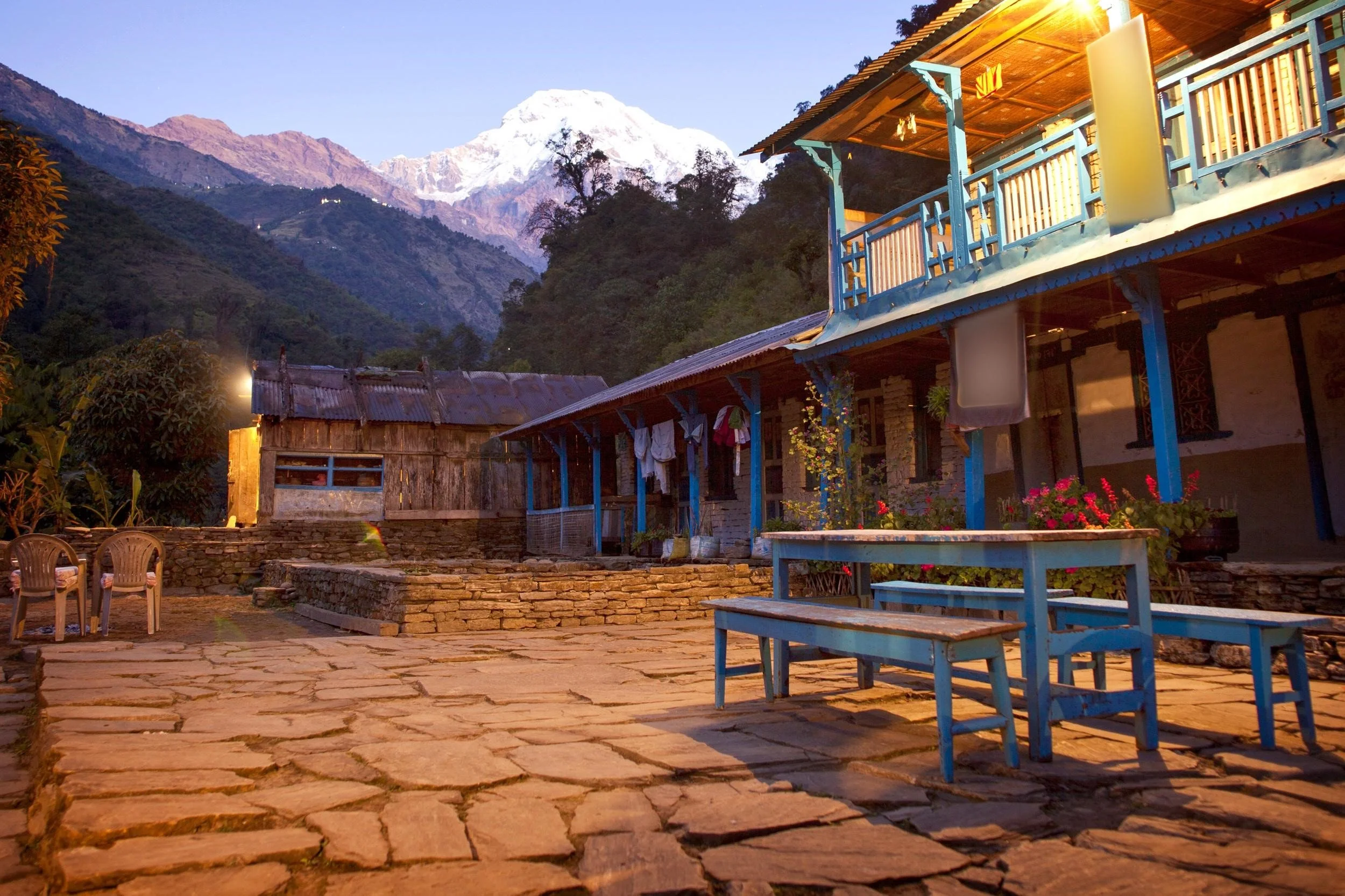
After a day of trekking through Nepal’s rugged landscapes, nothing beats the warmth of a traditional tea house. With breathtaking mountain views, hearty meals, and the genuine hospitality of local families, these humble havens offer trekkers a true taste of Nepali culture, comfort, and community in the heart of the Himalayas.
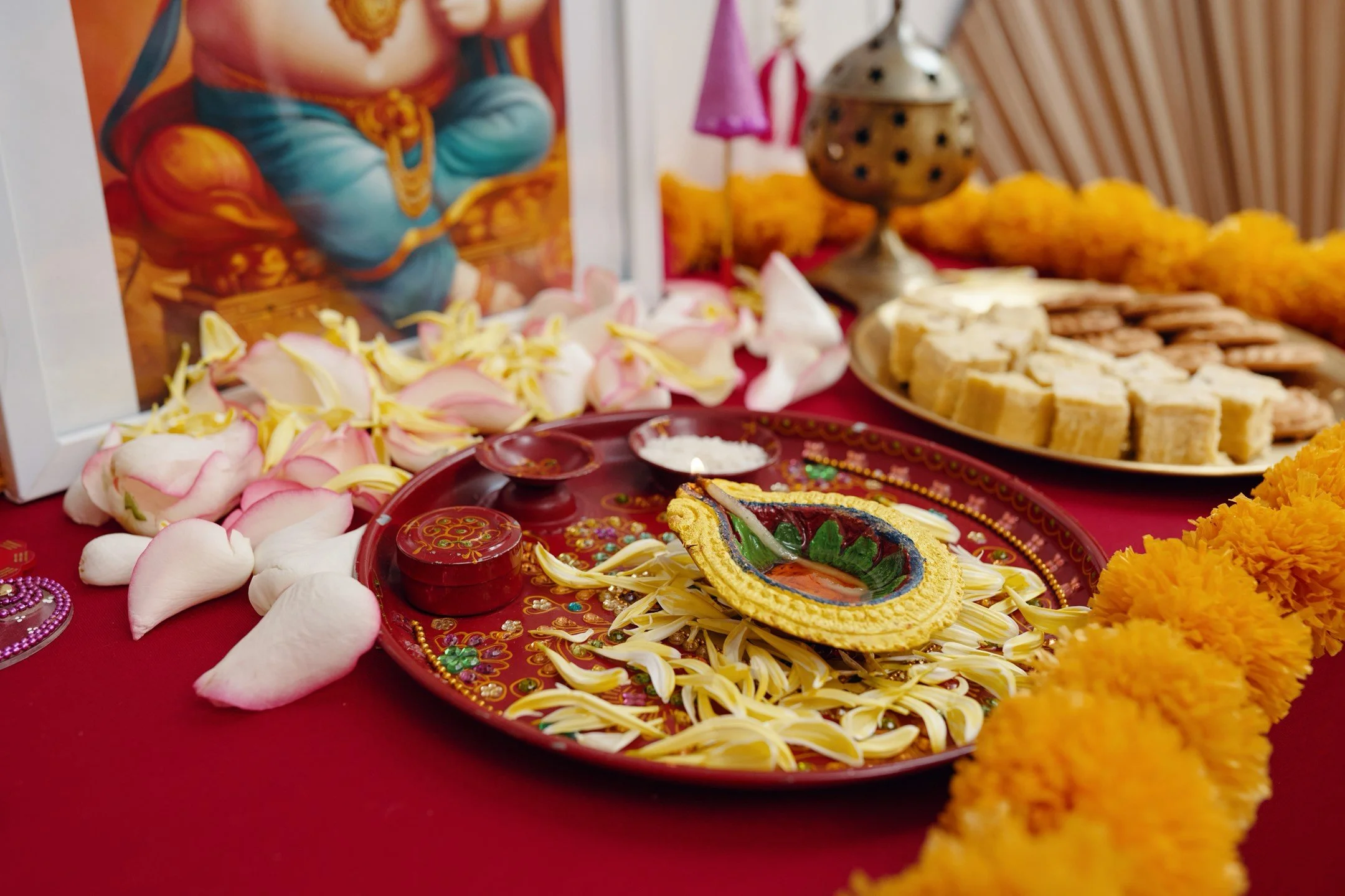
Embrace the warmth of family, tradition, and light during Tihar, Nepal’s festival of togetherness. From honoring animals to lighting diyas, it’s a celebration of love, prosperity, and the vibrant Nepali culture that brings communities closer.
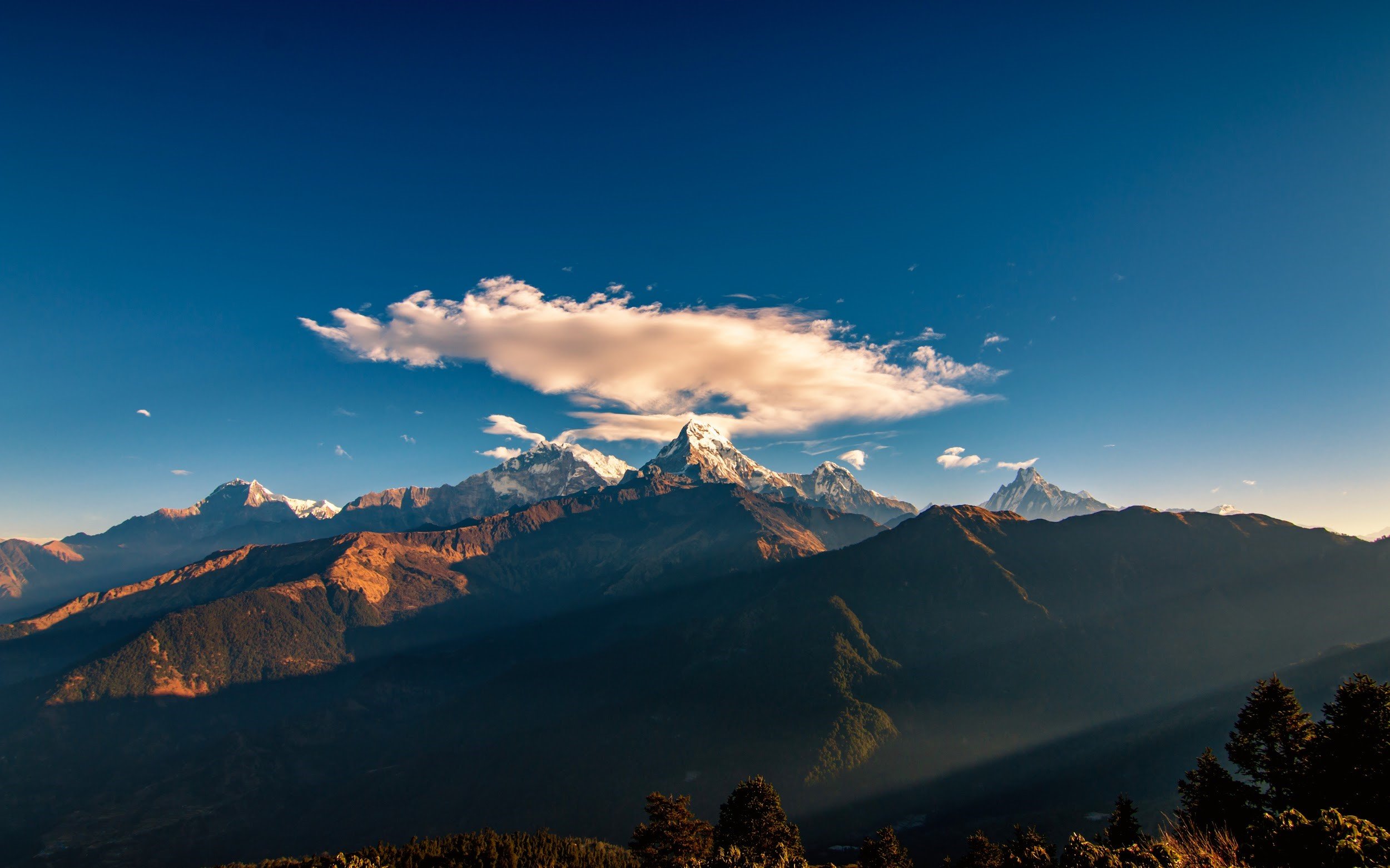
Embark on a journey through nature’s breathtaking beauty on the Annapurna Circuit Trek where diverse landscapes, rich culture, and awe-inspiring Himalayan views await.
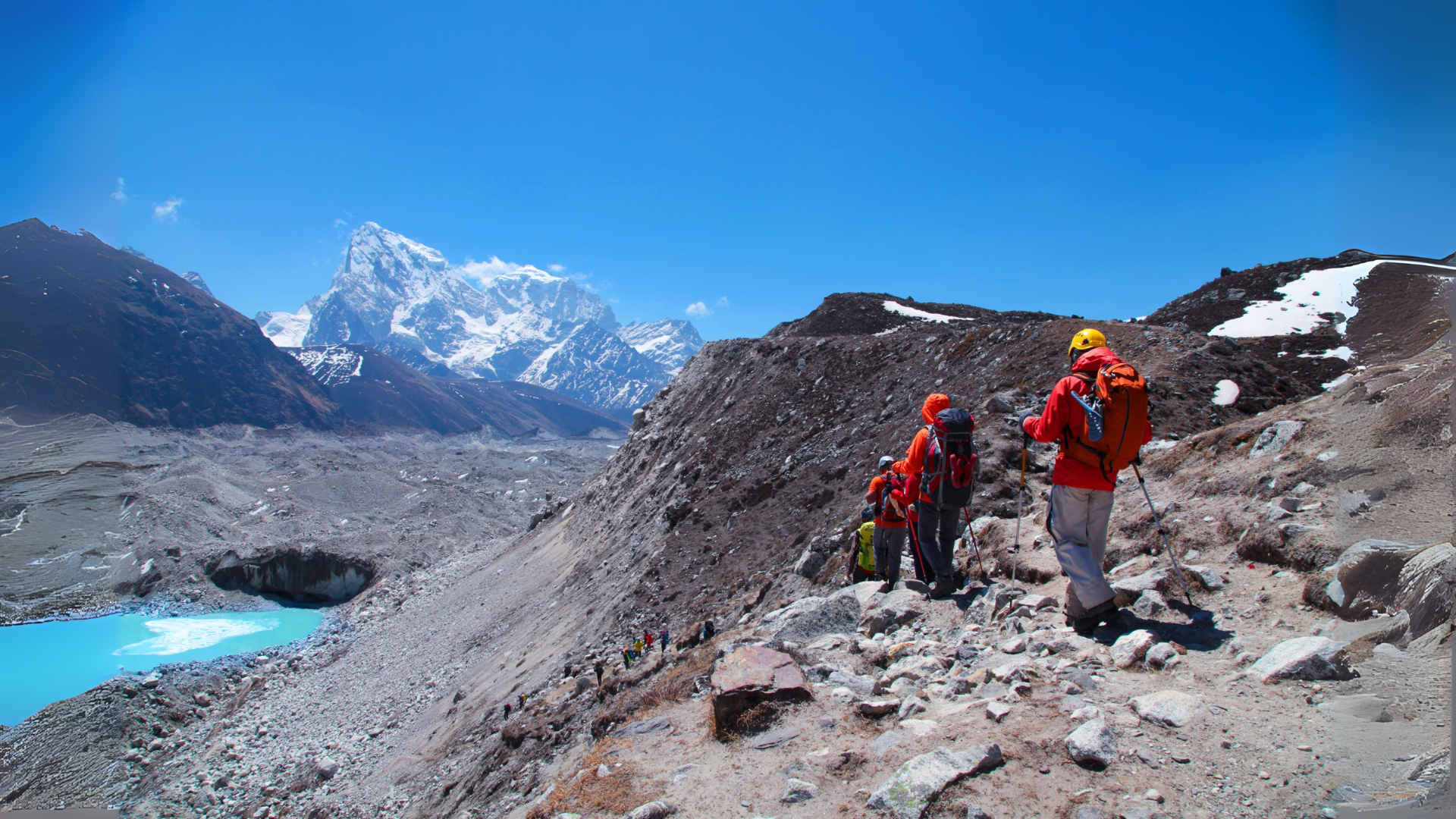
Beyond the well-trodden paths of Nepal lies a world of hidden wonders. From remote trekking trails to serene mountain lakes, discover the best-kept secrets of Nepal’s majestic landscapes and immerse yourself in the authentic, untouched beauty of the Himalayas. A journey into the heart of Nepal awaits!
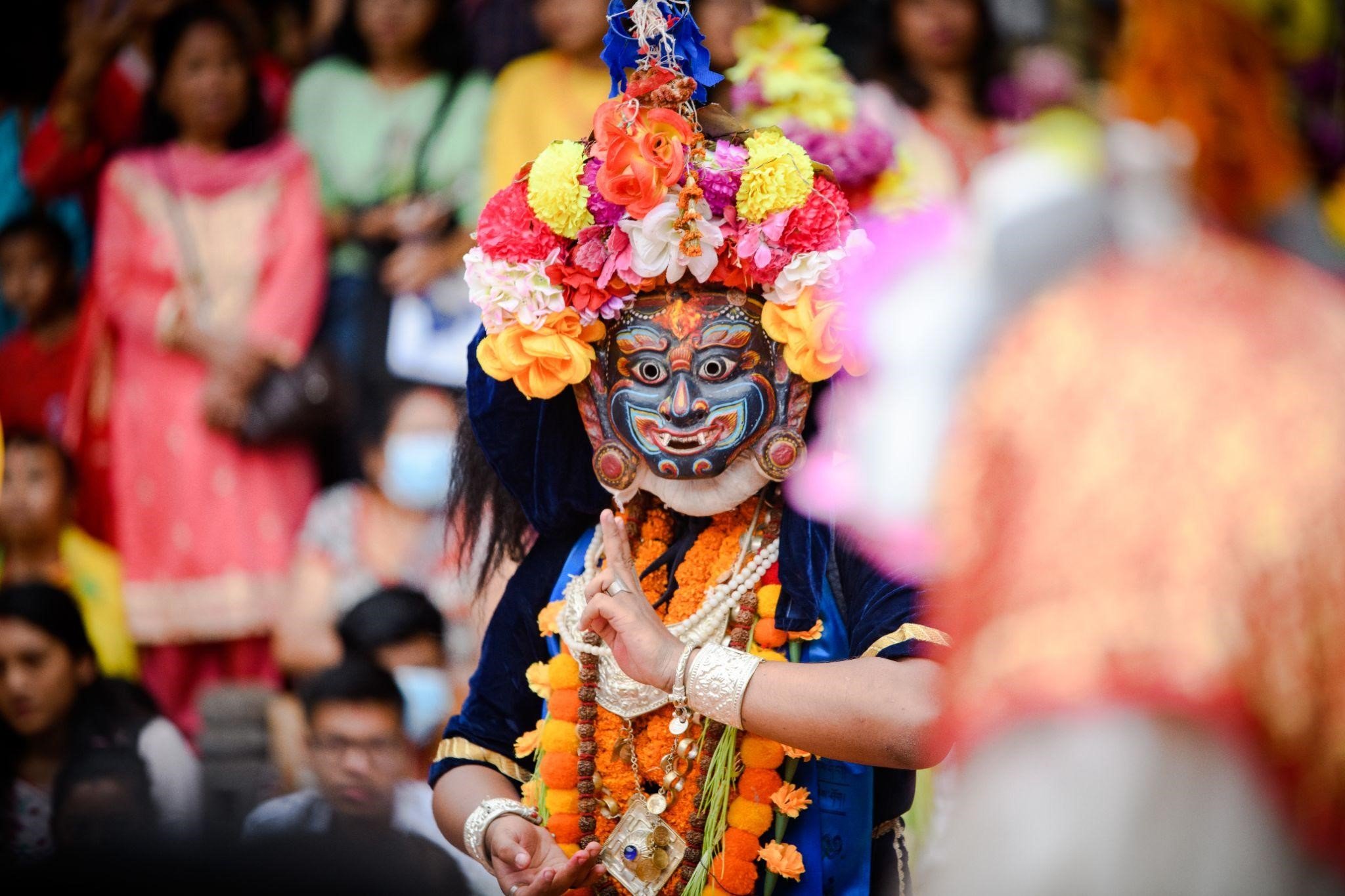
Dashain, the grandest festival of Nepal, is a time of celebration, devotion, and togetherness. Across the country, homes are adorned with flowers, kitchens fill with traditional delicacies, and families gather to honor age-old rituals. In the historic city of Patan, one tradition stands out as a vibrant symbol of devotion and cultural pride: Gaa Pyakha.

The golden Bajra at Swayambhunath Stupa in Kathmandu, a timeless guardian symbolizing strength, enlightenment, and divine protection in Nepal’s sacred traditions.” This sacred object, with its rich mythology and spiritual significance, stands firm as a reminder of the intertwined Hindu and Buddhist beliefs that continue to shape Nepal’s cultural landscape. Whether at the entrance of a temple, adorning stupas, or held during ritual practices, the Bajra represents a powerful force that connects the earthly realm with the divine.
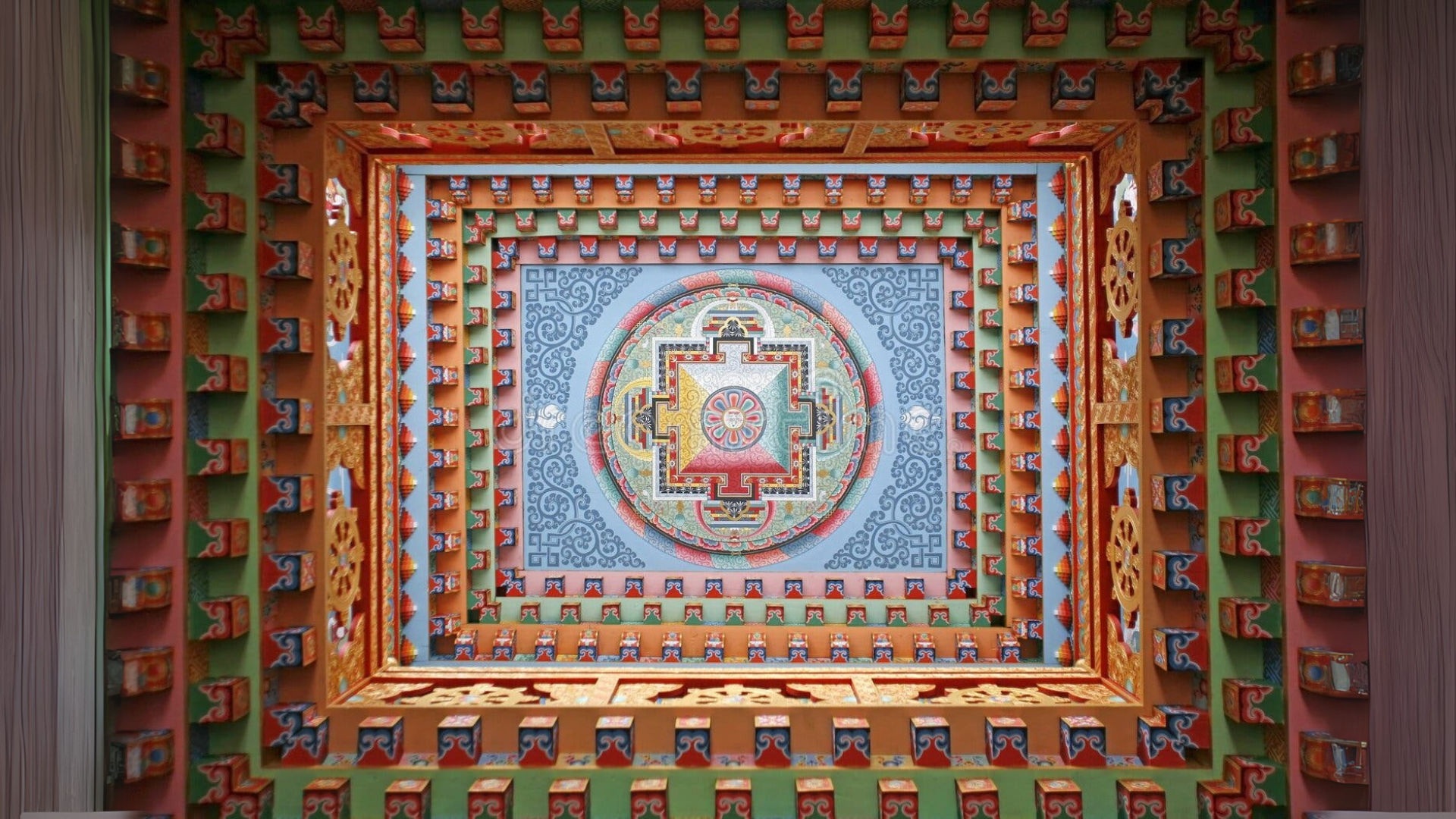
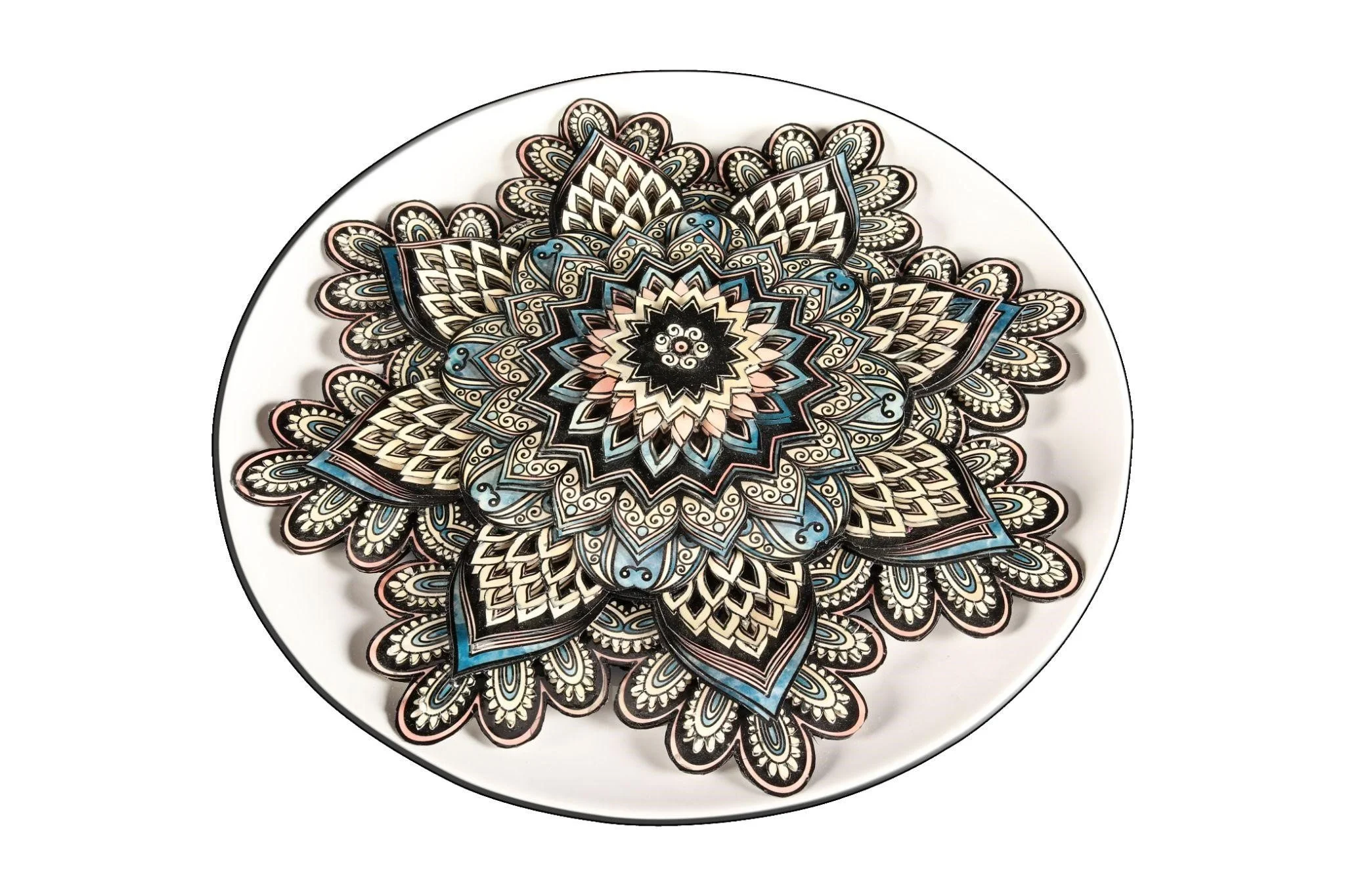
Kathmandu is a living canvas where spirituality and art meet at every corner. Among its countless expressions of faith and culture, mandalas stand as one of the most profound. These intricate circular patterns, seen in temples, monasteries, thangkas (sacred paintings), and even everyday rituals, carry deep symbolic meanings that go far beyond decoration. They are maps of the universe, pathways to meditation, and reflections of Nepal’s spiritual heart.
The Legend of Majipa
Majipa Lakhey in Newar mythology is the protective deity of all children in the Valley. During the annual festival of Indra Jatra, the dance of Majipa Lakhey is performed by the clan of Ranjitkars of Kathmandu with a traditional drum (Dhime) and a pair of Bhusya (pair of cymbals) with straps to fasten around the wrists. Devotees during the dance performance try to manage a touch the Lakhey’s rich display to take the blessings.
The celebration of Yenya Punhi, commonly known as Indra Jatra is an amalgamation of numerous festivities.From the dance of Phulakisi ( Indra’s White Elephant), to the chariot procession of the Living Goddess Kumari, along with Lord Ganesh and Bhairav. The spectacular eight days of Indra Jatra, brings together elements from all over the valley of Kathmandu in the unique celebration dedicated to Lord Indra.
Among such great celebrations is the festival of Majipa Lakhey, commonly known as the peace loving Lord Bhairav. As the Indra Dhoj ( Pole of Indra) is erected at Hamuan Dhoka Square, which marks the beginning of Yenya Punhi, the night before an which an auspicious puja is done to evoke the spirit of Majipa Lakhey. The next day the mask of Majipa Lakhey is adorned by a devotee and thus begins the dance of Majipa Lakehy.
In the folklore of the Newar Deities passed on from ages, Lakhey’s are normally considered demon’s who terrorize the people with ill activities. They are normally associated with destruction of farms, stealing children and terrorizing and frightening the citizens. But Majipa Lakhey is the antonym of what we consider a traditional Lakhey. The tales of Majipa Lakhey has been passed down from generations to generations, and with every passing age the love for the deity grows. It is believed that the Lakhey had fallen in love with a girl known as Majipa. Thus, the Lakhey took the form of a human and entered the then Valley Kingdom of Nepal to see his beloved. Majipa later on discovered that the man who she was in love with is a Lakhey, and warned the locals and thus the Lakhey was captured and taken into the Kings Court. The then King after deliberation and careful thought, then made a proposal to the Lakhey, that he will grant him a place in the city if he vows to preserve and protect the children of his kingdom from other demons and participate in the annual Yenya Punhi. The Lakhey agreed to the terms and is believed to have been given residence in the locality of Majipa.
Thus during in the annual Indra Jatra, the dance of Majipa Lakhey is performed by the clan of Ranjitkars of Kathmandu. The dance of Majipa Lakhey is quite unique, unlike other traditional dances which have an essence of Chariya Nritya ( Buddhist Dance Form), or a Bol and Bhaka ( Lyrics recited with Music). The dance of Majipa Lakhey during Indra Jatra features a traditional drum (Dhime) and a pair of Bhusya (pair of cymblas) with straps to fasten around the wrists. The instruments are normally played by the youth of the Ranjitkar clan as well. The Ranjitkars of Majipa tole state that, one does not require to train for the dance of Majipa. It is something that we all have inherited in our genes.
The customary costume of the Lakhey, constitutes of a glorious mask with stunning Abir( Traditional name for red colour). The costume features a traditional red bhoto( blouse)with golden embroidery and a full length skirt. The signature of the Majipa Lakhey is the piece of cloth that is wrapped around and inside the Lakhey’s costume. Coloured in the shades of the rainbow, the cloths ends are griped by the Majipa Lakhey during the dance. This leads to a beautiful display such as of the spreading of the feathers of the peacock. This is normally what the flocks of photographers gathered are normally there to photograph.
During the dance, the Lakhey grips the cloth between his figures and during the dance, the cloth ( dyed with lines of the rainbow) creates a image of wings. Which in association with the sound of the Ghanta ( Bells) worn as a belt bring forth a majestic scene. The dance of Majipa has another interesting character, locally known as Jyalicha( Teasing Child), the muse of Majipa Lakhey. The two in an avid display of cat and mouse tease each other during the dance, chasing in an attempt to capture the child or trick the Lakhey.
The Majipa Lakhey is worshipped by all, devotees try to manage a touch in between the Lakhey’s rich display to take blessings. The dance of Majipa during the Yenja Punhi begins from Majipa Tole, which is taken around the old city routes of Kathmandu. During the main day of Indra Jatra, Majipa Lakhey entertains the crowds of devotees and worshippers who flock to the Durbar Square for the blessings of the Kumari and to witness the chariot festival.
Text By: Shreyashka Vikram Raj Maharjan & Photographed By: Suraj Patrabansha
SIMILAR POSTS
According to legends, it is believed that the mother of Lord Intra required a Parijat( a white flower) to perform a ritual. For which Lord Indra descended to earth in search of the flower. He disguised himself as a commoner and while trying to take the flower out of the lawn of a Jyapu. He caught Lord Indra and held him captive blaming him of trying to steal. Lord Indra was imprisoned and not allowed to go back to heaven.
Amongst the great celebrations of this valley, nothing beats the pomp and flair of Yenya Punhi. Commonly known as Indra Jatra- a name derived from the lore of Indra- the heaven king's visit to Nepal. This festival is larger than life, with symbolism and meaning going back thousands of years- neatly preserved by the Newars.
Newari communities in Nepal celebrate numerous festivals every year. All these festivals are tied to its culture and heritage, events for ancient mythology, agricultural calendar, family, and communities.
Newari culture is very rich and ritual throughout the year and the Newari communities celebrate numerous festivals every year. All these festivals are tied to its culture and heritage, events for ancient mythology, agricultural calendar, family, and communities.
Svanti festival is known by several names: Tihar, Dipawali, Pancaka, and Yamanpanchaka. And most popularly known by its other name Tihar, is one of the national festivals of Nepal celebrated throughout the kingdom by Hindu and Buddhist populations.
The events of Mohani can be divided into two: Family & Communal and bears similarities with the celebration of Dashain. And, the general perception of individuals views the two festivities as the same, but Mohani is specific to the Newari communities. Mohani is centered around the family’s tutelary deity, whereas Dashain is the celebration of the victory of gods over evil.
Newari communities in Nepal celebrate numerous festivals every year. And it seems Newars always have a reason to celebrate. Several reasons: rich culture and heritage, honoring deities, marking the agricultural calendar, celebrate events from ancient mythology, and to emphasis family and community.
Newari communities in Nepal celebrate numerous festivals every year. And it seems Newars always have a reason to celebrate. Several reasons: rich culture and heritage, honoring deities, marking the agricultural calendar, celebrate events from ancient mythology, and to emphasis family and community.
Samyak Mahadan is a Buddhist alms-giving festival, also known as the festival of Dipankara Budhha is celebrated once every five years in Patan, Lalitpur. The festival has been important for Buddhist Newars, as it has become a way of practising daan dharma(alms-giving).
Bisket Jatra, also known as Biskah Jatra(festival) is a weeklong yearly occasion of Newari community in Bhaktapur. Among many other popular festivals in Kathmandu Valley, Biskah Jatra is celebrated with special rites and rituals in the historical and cultural city Bhaktapur.
Pahan meaning guests and Charhe meaning on the fourteenth day of the lunar fortnight, the avid tunes of the festival can be heard for three consecutive days in the old towns of the city of Kathmandu. This three-day festival brings together the community in a unique manner and has helped build communal strength and friendship.
Yomari Punhi, a Newari festival in Nepal is celebrated every year by Newari Communities marking the end of the rice harvest during the full moon day of November/December. It is said that eating Yomari or Yamari, a steamed dumpling made with rice flour with sweet such as Chaku inside takes away the cold.
Ga: Pyakhan in Patan(Asta Matrika Dance) is popular among the locals of Patan. The dance of Eight Mother Goddesses, deities of Hindus, is performed by male Buddhist dance during the Nepalese biggest Dashain festival. The dance is staged in the royal court of Mulchowk, inside the Patan Durbar Square of Lalitpur. It is believed that the dance is performed as a worship of the deities to bring the prosperity and fortune to the people.
While the entire nation prepares for the celebration of the biggest festival Dashain, local of Khokana village located to the south of Lalitpur gears up for the festival of Rudrayani known as Sikali Jatra. Festival is celebrated by a section of the ethnic Newari community with a skit presentation in a form of archaic storytelling with traditional music and individuals dressed in a godly attire adorned with the masks of deities and demons.
Tihar festival or the festival of Lights is Nepals' second-biggest festival after the Dashain festival. Tihar is considered to be one of the most fun-filled and celebrated festivals in Nepal. And, the festival falls under the best tourist season with the fantastic weather. One can take a tour of the Kathmandu valley and witness the majesty of the city during Tihar.
Majipa Lakhey in Newar mythology is the protective deity of all children in the Valley. During the annual festival of Indra Jatra, the dance of Majipa Lakhey is performed by the clan of Ranjitkars of Kathmandu with a traditional drum (Dhime) and a pair of Bhusya (pair of cymbals) with straps to fasten around the wrists. Devotees during the dance performance try to manage a touch the Lakhey’s rich display to take the blessings.
Indra Jatra, one of the highly celebrated street festival in Nepal marks beginning of the festival season and the beginning of a tourist season in Nepal. The festival is celebrated in the oldest town Basantapur Durbar Square or Hanuman Dhoka in Kathmandu by the local community with huge arrangements. The chariot of Kumari, the Living Goddess, is taken out in procession through the streets. People wear masks of various goddess and exhibit by dancing in the streets on music played with traditional musical instruments.
The festival of Mataya is one of the most important festivals in the Newar community in Patan. A unique Buddhist festival, during when men and women in a comical attire carrying candles and torches, traditional musicians playing merry rhythms walk to almost all the temples, stupas and monasteries in and around the old city of Lalitpur.
The legend of a jewel-studded vest (Bhoto) that came into possession of a priest when no one came to claim with evidence to whom it belongs. Today, the same Bhoto is displayed ending the month-long celebration of Rato Matsyendranath Festival in Lalitpur. And it is said, Bhoto is shown every year to the public as of an announcement to claim for it.
This particular act carries a message that anyone who tries to do ill and harm others, s/he is punished and no one escapes justice. A story of a powerful demon king had a son. The son refused to acknowledge his father as supreme lord of the universe and claimed that Lord Vishnu was all omnipresent
The legend of a giant chariot festival began with the Kingdom that drought for years causing misfortune and chaos as a result of disrespect to Gorakhnath. And, how Matsyendranath through devout and prayer, guru of Gorakhnath protected the valley with rain for the harvest, pulling the chariot and celebrating the coming of Lord Karunamaya.
When one thinks of a chariot festival in sure you're thinking of the, Indra Jatra, Bisket Jatra or Rato Matysendranth. These festivals are the biggest in each Kingdom of the then Nepal Valley, but one chariot festival when is as historic as the three is not so known of : The Chariot Festival of Aryavalokiteswara Jana Baha Dyo.
Fagun Purnima also known as Holi is a festival marking the end of winter and coming of spring and summer. Back in the days when phones and the internet didn’t exist, a ling bamboo lingo decorated with clothes of various colors (Chir) is erected a few days before the day of the festival. This tradition is still continued in Basantapur Durbar Square.
Losar is one of the main festivals celebrated by the ethnic communities of Tamang, Sherpa, Gurung and Thakali. Losar means new year according to the unisolar calendar followed by the communities, it is also known as the Tibetan Calendar which follows the cycle of 12 years called Lohokor.
Every year during the full moon of Poush Shukla, devotees flock to the holy river of Shali Nadi in Sankhu to offer their prayers to Goddess Swasthani and God Madhav Narayan. Devotees fast for their family’s prosperity till the next full moon. During the month family members read the book of Swasthani.
Holi, the festival of colors, is celebrated with great enthusiasm all over the country, and it is a time when one forgets and forgives.
Tihar is the most popular festival for many Nepalis, and this is because of the many fun activities that take place during all of its five days.
The weather is changing, and along with it, there’s a definite festive air around the country; yes, some of the country’s biggest festivals are here.
The biggest Nepali festival, Dashain, is known as a 10-day festival, but it actually ends on the 15th day, the day of Kojagrata Purnima.
Very rare video footage of Nepalis celebrating Indra Jatra festival, biggest street festival of Nepal, with much rejoice, singing, dancing and chariot procession in Kathmandu.
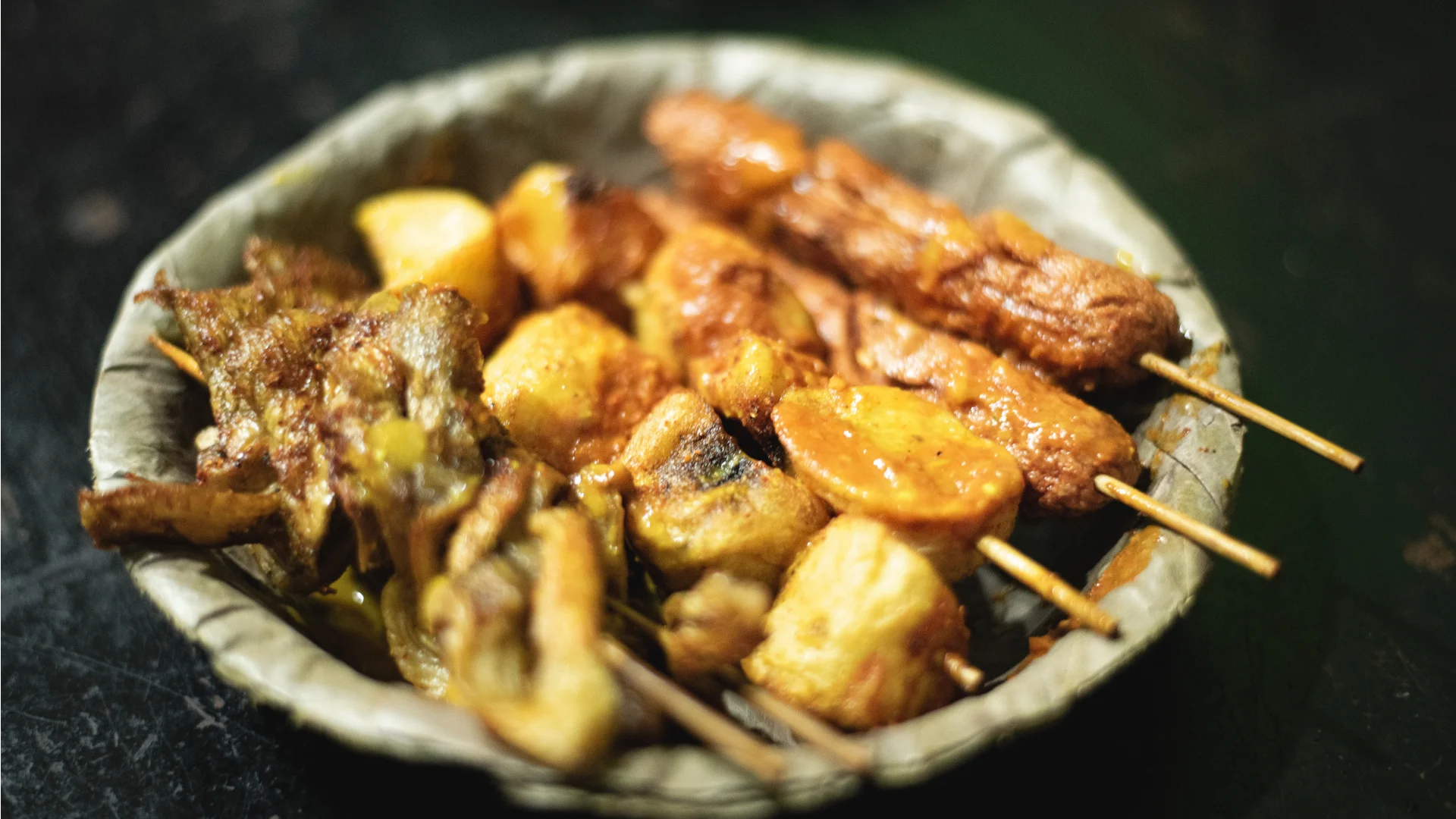
Must have stick foods in Kathmandu
Local food stalls popularity at the corners of almost every street in Kathmandu with mouthwatering dishes are growing among the people of all ages. We can see carts and moving stalls surrounded by people, especially during the evenings. Groups gathering surrounding stalls in joy while eating stick foods served in a traditional taste is an evening scene seen these days in the streets of Kathmandu.
Spicy Moist Aloo (Potatoes)
Masala Mushroom
Spicy Tofu
Sausage Stick
As college students living in the city area with limited amount pocket money, we usually look around for booming 'stick food house' enterprises for our foodie adventures. Our country is culturally rich in local cuisines and while walking across the streets of Baneshwor, Nakhipot, Jhamsikhel and Mangal bazar the culture is reflected on the spicy and delicious stick foods delicacies served with a traditional touch.
However, we aren't the only ones who enjoy these mouthwatering dishes. People of all ages, with family and friends come to enjoy the delicacies. Along with the dish, the blend of spicy Achaar motivates people to come regularly for stick foods like we do!
As college students, we are famished with hunger after long and dire lectures. The best option for us is to visit a stick food restaurant for the easy, convenient and fast food service. Also, sipping cold drinks makes the food even more appetizing!
We can see the popularity of stick foods in recent years and many carts and moving stalls are surrounded by people especially during the evenings. We don't even have to look far as the local stick food stalls are found at the corner of almost every street. It's always a joy when you stumble upon the flavorful and exciting food choices.
Similarly, in our hunger hunt adventures, we usually end up going to the N.P.P food service located near Damkal road between Pulchowk and Jawalakhel. My friend who is a fellow N.P.P enthusiast says, 'They serve great food at reasonable prices. The food is mouthwatering and very quick service. Another best thing about the place is the sauce. When the spicy and non-spicy Achaar (Sauce) are mixed with the food, it is absolutely yummy.'
Another acquaintance of mine however has a contradicting opinion, 'Though there is a downside to consuming stick foods as a little stomach ache is a possibility as it's a 'gastronomical delicacies'. But I don't mind the price I pay as long as I can eat tempting and delightful dishes.'
Other famous stick food houses of the valley are:
1. Little Kathmandu Stick Food, Mid Baneshwor
2. Bajra Chinese Stick Food & Burger House, New Road
3. Chinese Stick Food & Cafe, Naxal
And if you want to spice up your taste buds while truly embracing the local life of the valley, here are some of the must have stick foods:
Aloo
Spicy and moist Aloo (Potatoes) is one of the most enjoyed delicacies of our country. Aloo is loved by both the vegetarians and non-vegetarians. This stick food is found mainly in the streets of Kathmandu and Lalitpur. The most common and popular vegetable is an absolute favorite of both children and adults. Aloo never fails to be in the diet of any Nepali.
Mushroom
The blend of crispy and soft mushroom with flavorful masala is the best experience of having this dish at a stick food house.
Tofu
Tofu can be the most enjoyed delicacy for the vegetarians. This savory and crunchy dish with spices is loved and is a favorite of stick food lovers.
Sausages
Meat items like sausages on a stick have always been the preferable dish amongst the Nepalese crowd. It is the go-to snack for any occasion. The thought of fried and spicy sausages with 'masala' in itself is a mouth- watering experience.
Text By: Aasma Aryal & Photographed by Suraj Patrabansha
SIMILAR POSTS
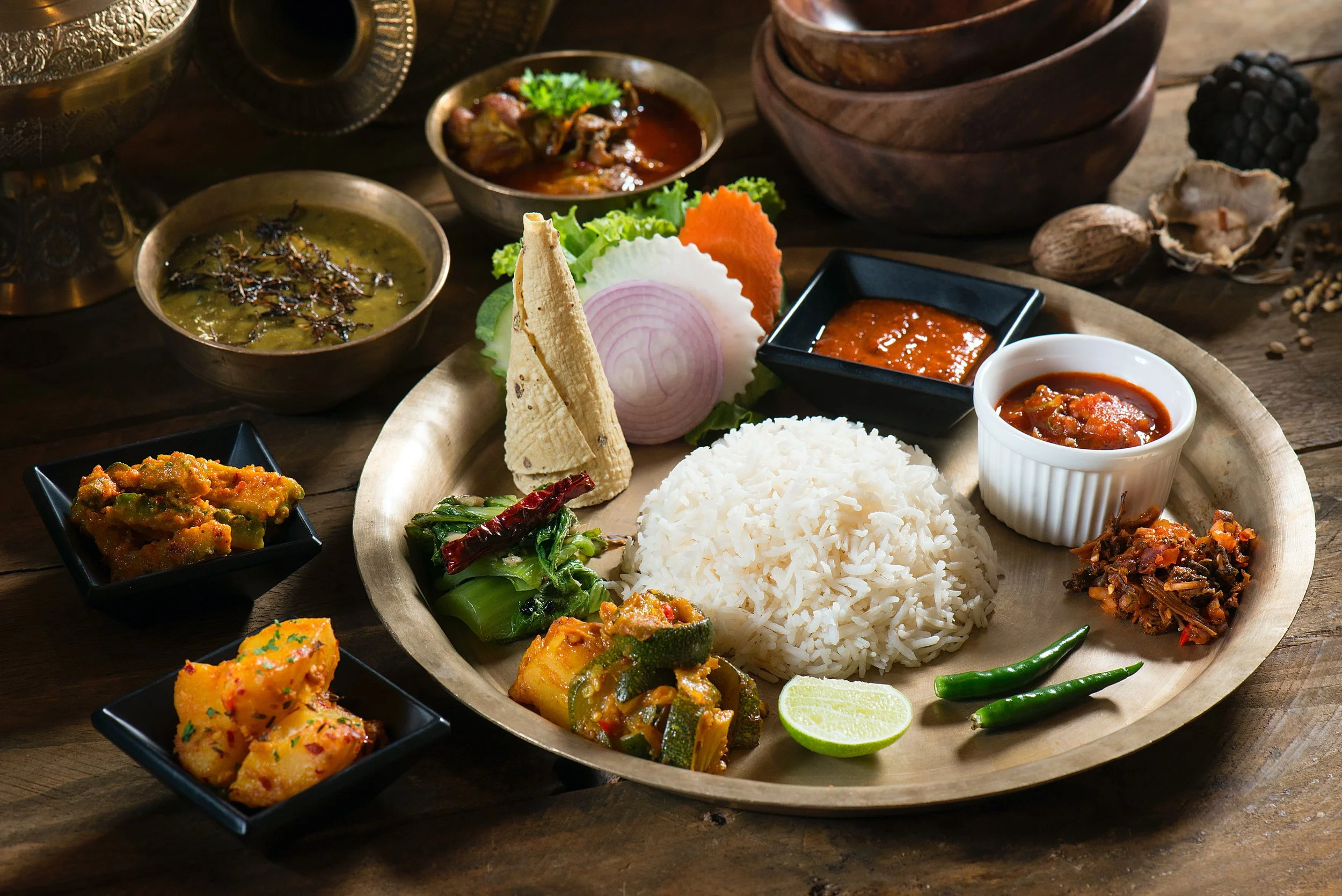
The festival of Dashain is a fiesta of flavors. The ethnic diversity of Nepal entails a symphony of beautiful delicacies put together to enjoy with friends and family. In this article we shall explore the various flavors that are celebrated during Dashain
Local food stalls popularity at the corners of almost every street in Kathmandu with mouthwatering dishes are growing among the people of all ages. We can see carts and moving stalls surrounded by people, especially during the evenings. Groups gathering surrounding stalls in joy while eating stick foods served in a traditional taste is an evening scene seen these days in the streets of Kathmandu.
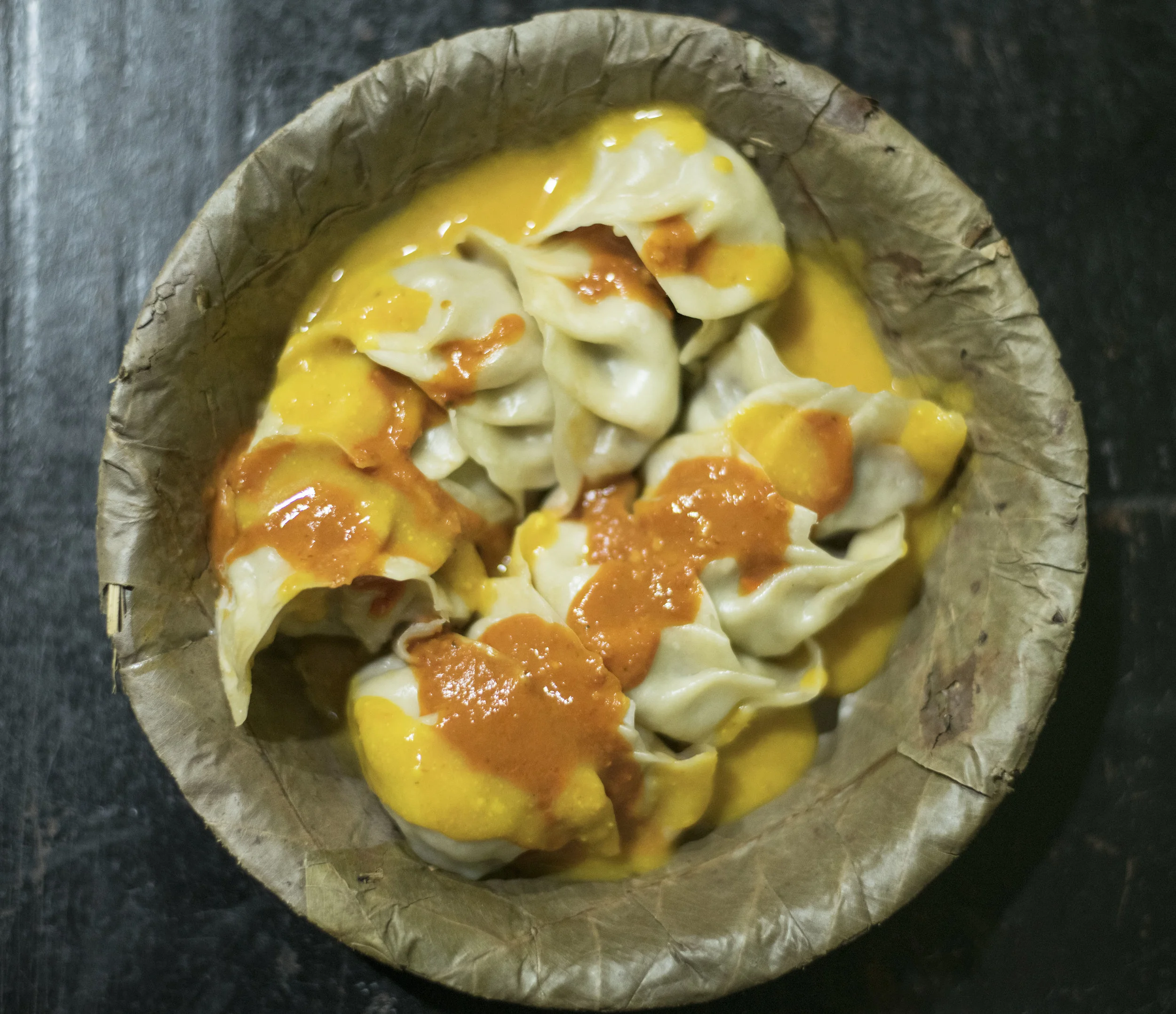
Apart from all the different eateries, the street-food scene in Nepal is equally exciting and astounding. The delicacies of the street food in Nepal is already a common delight for the people of the country. Mouthwatering food stalls in every corner of the street have been famous among the tourist and people of the country.
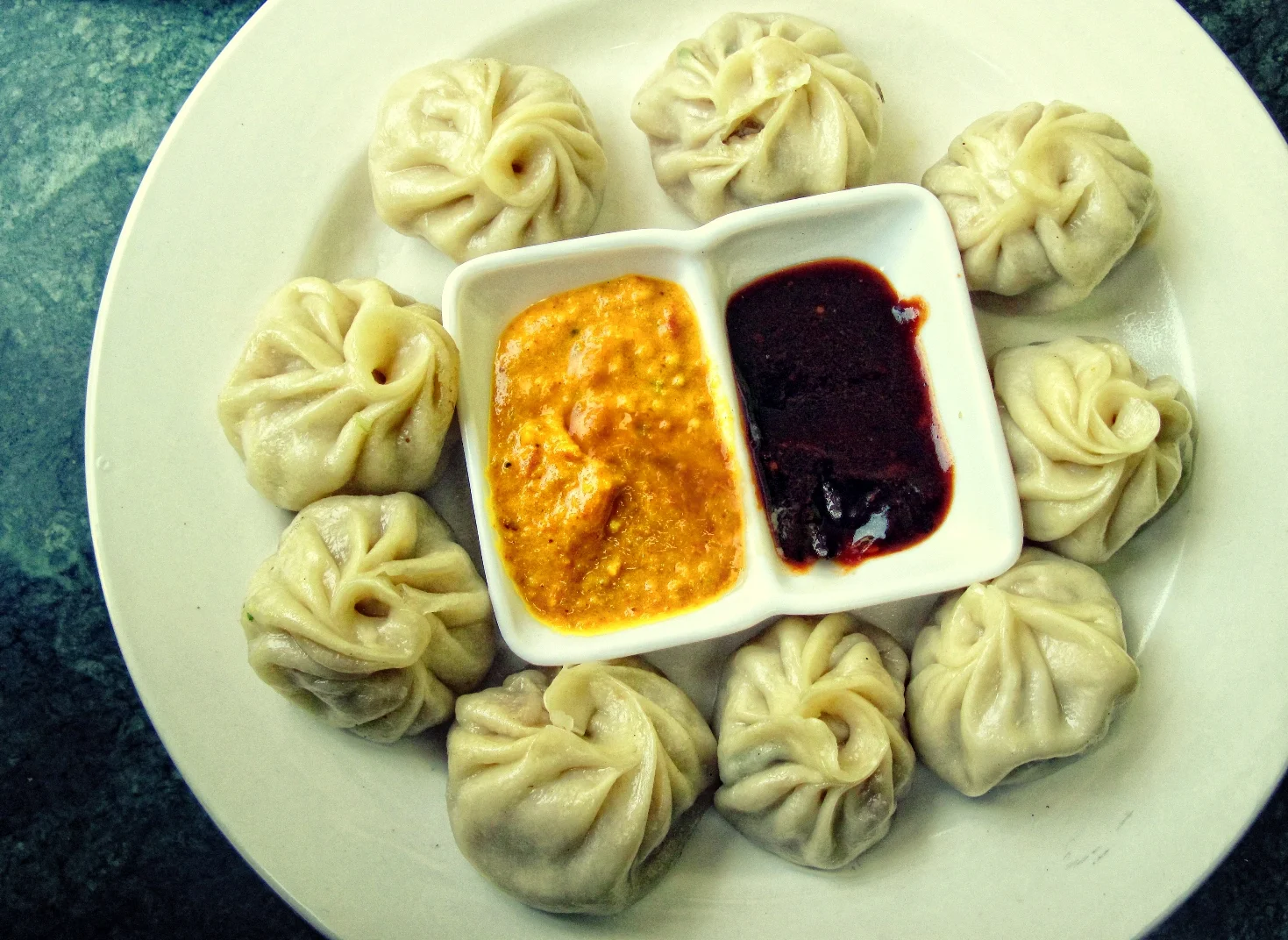
Welcome to Nepal, a country rich in nature, heritage, and adventure. Welcome to Nepal, a country also rich in exotic cuisine.
The Festival of Indra
Indra Jatra, one of the highly celebrated street festival in Nepal marks beginning of the festival season and the beginning of a tourist season in Nepal. The festival is celebrated in the oldest town Basantapur Durbar Square or Hanuman Dhoka in Kathmandu by the local community with huge arrangements. The chariot of Kumari, the Living Goddess, is taken out in procession through the streets. People wear masks of various goddess and exhibit by dancing in the streets on music played with traditional musical instruments.
Indra Jatra
With the sound of the marching band, amid the busy hustle of the morning crowd at Basantapur Durbar Square. A group of revellers slowly gathers. As the band plays its final salute, the rope tied to the yahsi(Pole), the revellers muster their strength and in a great cheer, and as the yahsi makes its ascend three muskets are raised high, the Gurkha Paltan fires the aerial salute commencing the festival of Indra.
Regarded as the biggest festival of the then Kingdom of Nepal Valley, the true origin of the festivals are still debated. But this festival is believed to be founded during the Lichhavi Era by King Gunakamadeva, the founder of the city of Kantipur (Kathamandu). The celebration of Indra Jatra is made of three different series of rituals: Kumari Jatra, Indra Jatra and Bhairava Jatra. Each have their own legends and ceremonial components but as a whole, turn the centre of Basantapur Durbar Square into a grand affair. The square is a sight to behold from the break of dawn till midnight, as the chariots of Kumari, Ganesh and Bhairava make there way through the inner city of Kathmandu. Every street comes to life with masked dances, merry music during the eight days of festivities.
According to legends, it is believed that the mother of Lord Indra required a Parijat( a white flower) to perform a ritual. For which Lord Indra descended to earth in search of the flower. He disguised himself as a commoner and while trying to take the flower out of the lawn of a Jyapu(Farmer). He caught Lord Indra and held him captive blaming him of trying to steal. Lord Indra was imprisoned and not allowed to go back to heaven.
The mother of Indra grew worry some as her son hadn’t returned from Earth. Phul Khusi(The Vahan of Indra) descended upon Earth to find his master and wondered around the streets of Kathmandu. During when a great festival was occurring in the Kathmandu and after hours of searching, Phul Khusi found Lord Indra. Phul Khusi took the news to heaven after which, his mother descended from heaven to free her son. She requested the villagers to release her son, but didn’t heed to her words. Only after Lord Indra reveled his true form. The mother of Indra made a promise to the villagers to give in return a final rainfall for their harvest to prosper and she would lead them to the gateway to heaven.
Accepting the conditions the villagers freed Lord Indra and let him go with his mother, a group of villagers followed them to the outskirts of Kathmandu to find the doorway to heaven. But Lord Indra’s mother tricked the villagers by putting forth a large mist which left the villagers confused and in dismay as Lord Indra and his mother went to heaven. To commemorate this event, during the celebration of Indra, a Dagi (Procession) takes the same path every single year. “The circumambulation of the city is performed in order to reach heaven in the Dagi’s footsteps to meet the dead relatives. The families scatter grain by the wayside so that they would not forget the way home. One finished, they throw what remains of there offerings in a place called Bhuta Satta, near Kasthamandap, and wash their faces at Maru Hiti fountain. Afterwards, they either return home or go to bathe in Indra’s Pond ( Yamki Da), which is located on a hill 12 kilometers west of Kathmandu.
The festival of Indra Jatra is a feast to all senses, the air is scented with the smell of incense, and the sound of drums and traditional instruments tranquil once ears. For the eyes, one can behold the procession of Living Goddess Kumari along with Lord Ganesh and Lord Bhairav. The chariot is pulled for three consecutive days. The first day is known as Kwaneya during when the chariot makes its way from Basantapur, Maru, Chikanmugal, Jasidewal, Lagan, Bhimsensthan, Baru and ends at Basantapur. The second day is known as Yenya Punhi on which the chariot procession begins from Basantapur to Pyaphal, Nyata, Tengal, Nhyaokha, Nhaikan Tol, Asan, Kel Tol, Indra Chowk, Makhan and ends at Basantapur. The final day of the procession is known as Nanichaya, the chariot is pulled by revellers from Basantapur to Pyaphal, Yatkha, Nyata, Kilagal, Bhedsing, Indra Chowk, Makhan and ends at Basantapur.
During the festival of Indra, various idols and masks of goddess are taken out of their normal abode to be exhibited to the people. The most prominent of which are the Sweta Bhairab mask and the idol of Akash Bhairab. Similarly an image of Indra is displayed at Maru and Indra Chowk. Various forms of dances such as of Lakhe Aju, Mahakali Naach, Halchowk Bhairab, Phul Khushi, Devi Kyakhan are performed on specific days and nights of the festival.
SIMILAR POSTS
A journey through Rato Machindranath Jatra reveals how deeply tradition and community are connected in Kathmandu Valley.
Maghe Sankranti in Nepal’s Terai: A celebration of Tharu culture through vibrant rituals, music, and most importantly delicious food! From the sweet Tilko Laddu to savory Bara, each dish carries centuries of tradition and meaning, bringing families and communities together. Don’t miss out on these festive delicacies that symbolize warmth, unity, and abundance.
Indulge in the warmth and tradition of Yomari Punhi, where sweet, steamed yomari brings communities together to celebrate the harvest moon. A festival filled with myths, gratitude, and delicious delicacies, Yomari Punhi is not just about the food—it’s about the spirit of sharing, abundance, and honoring the goddess of nourishment.
Embrace the warmth of family, tradition, and light during Tihar, Nepal’s festival of togetherness. From honoring animals to lighting diyas, it’s a celebration of love, prosperity, and the vibrant Nepali culture that brings communities closer.
Dashain, the grandest festival of Nepal, is a time of celebration, devotion, and togetherness. Across the country, homes are adorned with flowers, kitchens fill with traditional delicacies, and families gather to honor age-old rituals. In the historic city of Patan, one tradition stands out as a vibrant symbol of devotion and cultural pride: Gaa Pyakha.
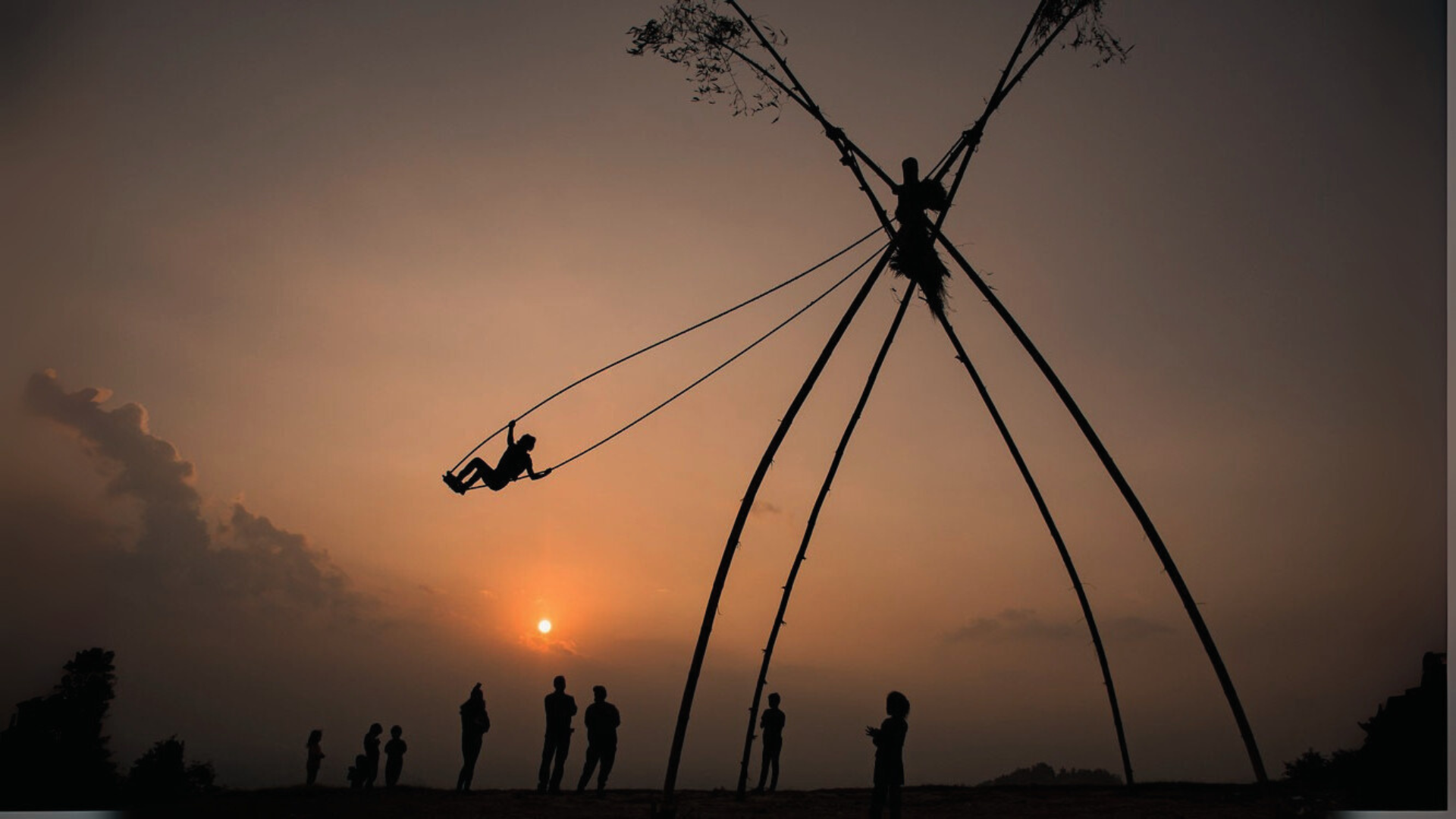
Dashain: A time of triumph, blessings, and the joyous spirit of togetherness. As families gather to honor traditions and celebrate the victory of good over evil, the festival brings moments of joy, reflection, and cultural pride. Let the swings of Dashain carry you into a new season of prosperity and unity.
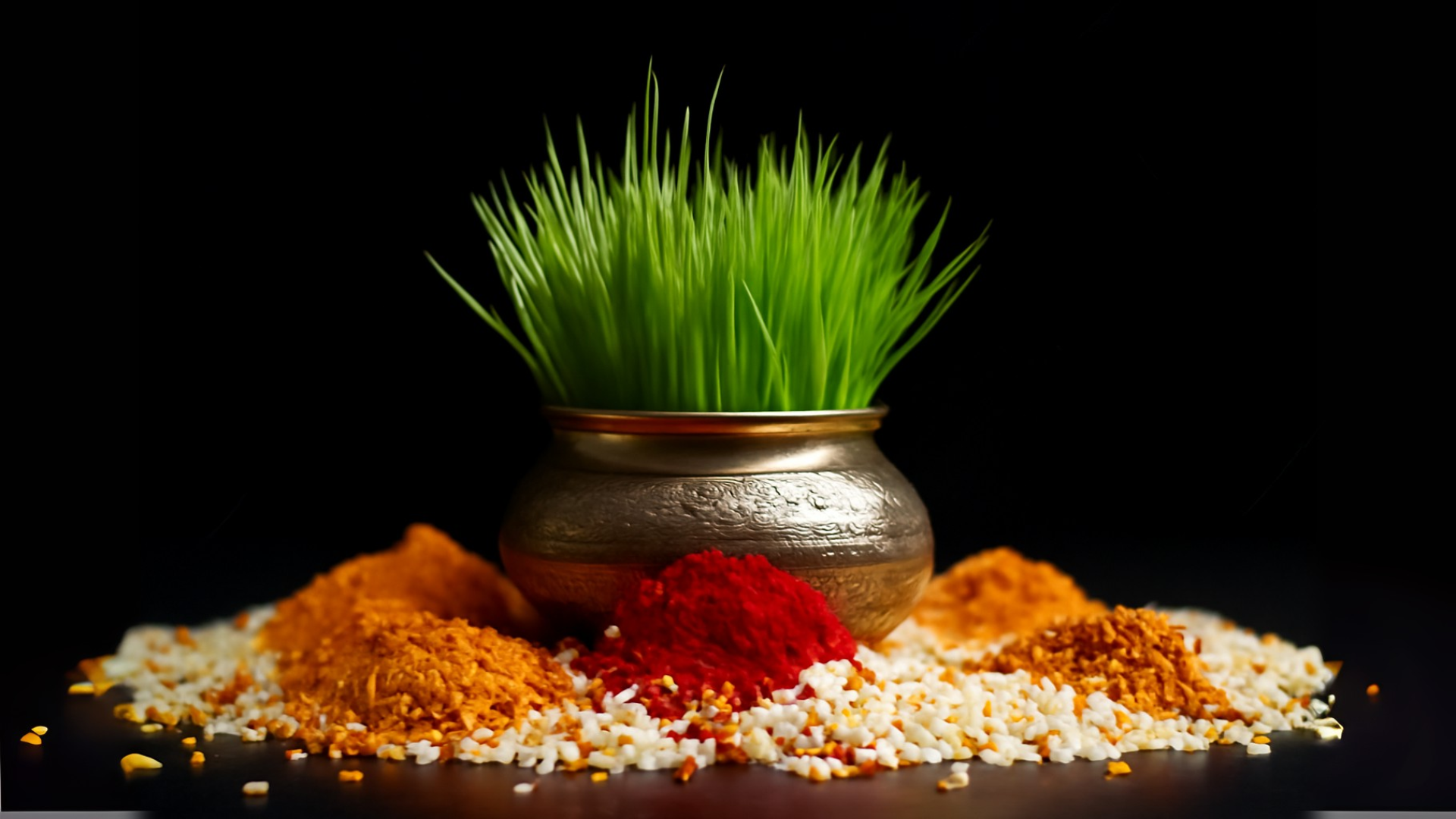
On Ghatasthapana, the sacred ritual of welcoming Goddess Durga begins the journey of Dashain. As the kalash is placed and barley sprouts grow, it marks a time for spiritual growth, prosperity, and family unity. A celebration of divine blessings and the hope for a fruitful year ahead.
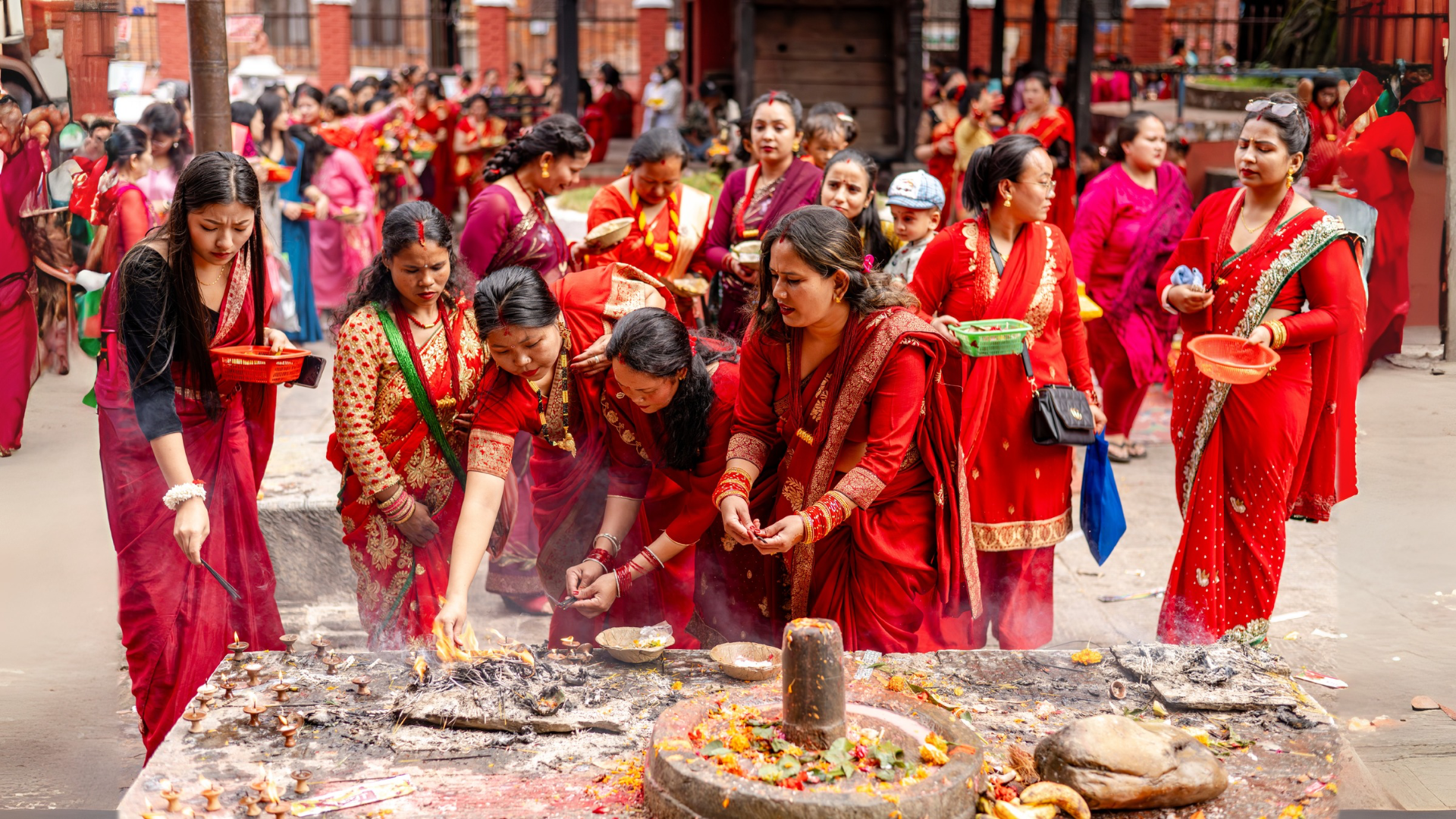
As the monsoon rains sweep across Nepal, the streets of Kathmandu transform into a vibrant sea of red. Women gather in unity to celebrate Teej, a festival that celebrates love, devotion, and resilience. This cherished tradition, marked by fasting, singing, and dancing, holds profound spiritual and cultural significance. But what makes Teej truly special? Let’s dive into the heart of this festival and explore its origins, rituals, and the enduring spirit of womanhood.
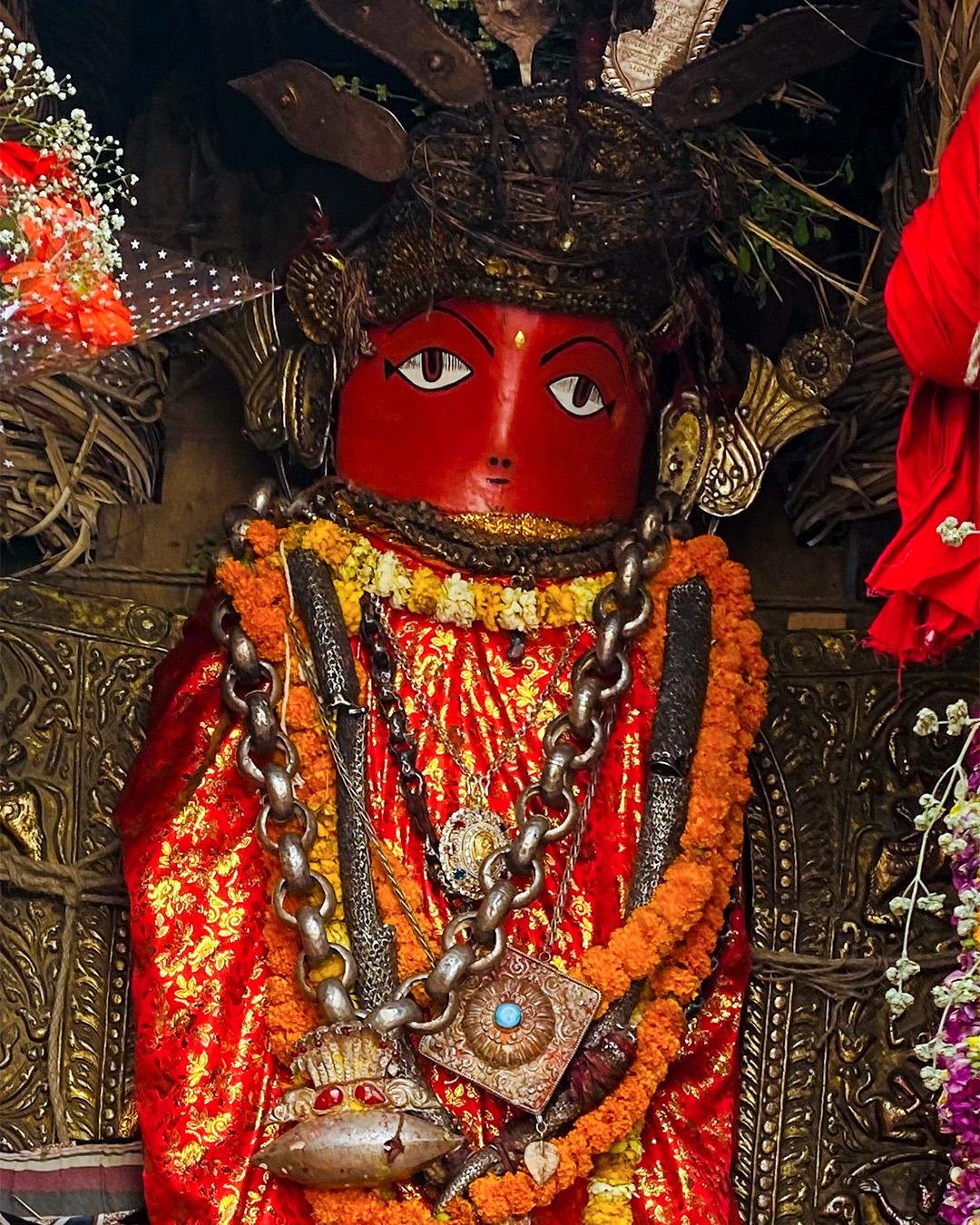
Every spring, as the air begins to warm and the days grow longer, the city of Patan prepares for a celebration unlike any other. Rato Machhindranath Jatra is one of the oldest and most respected festivals in Nepal. Its roots go back more than a thousand years, and its meaning still feels just as strong today.
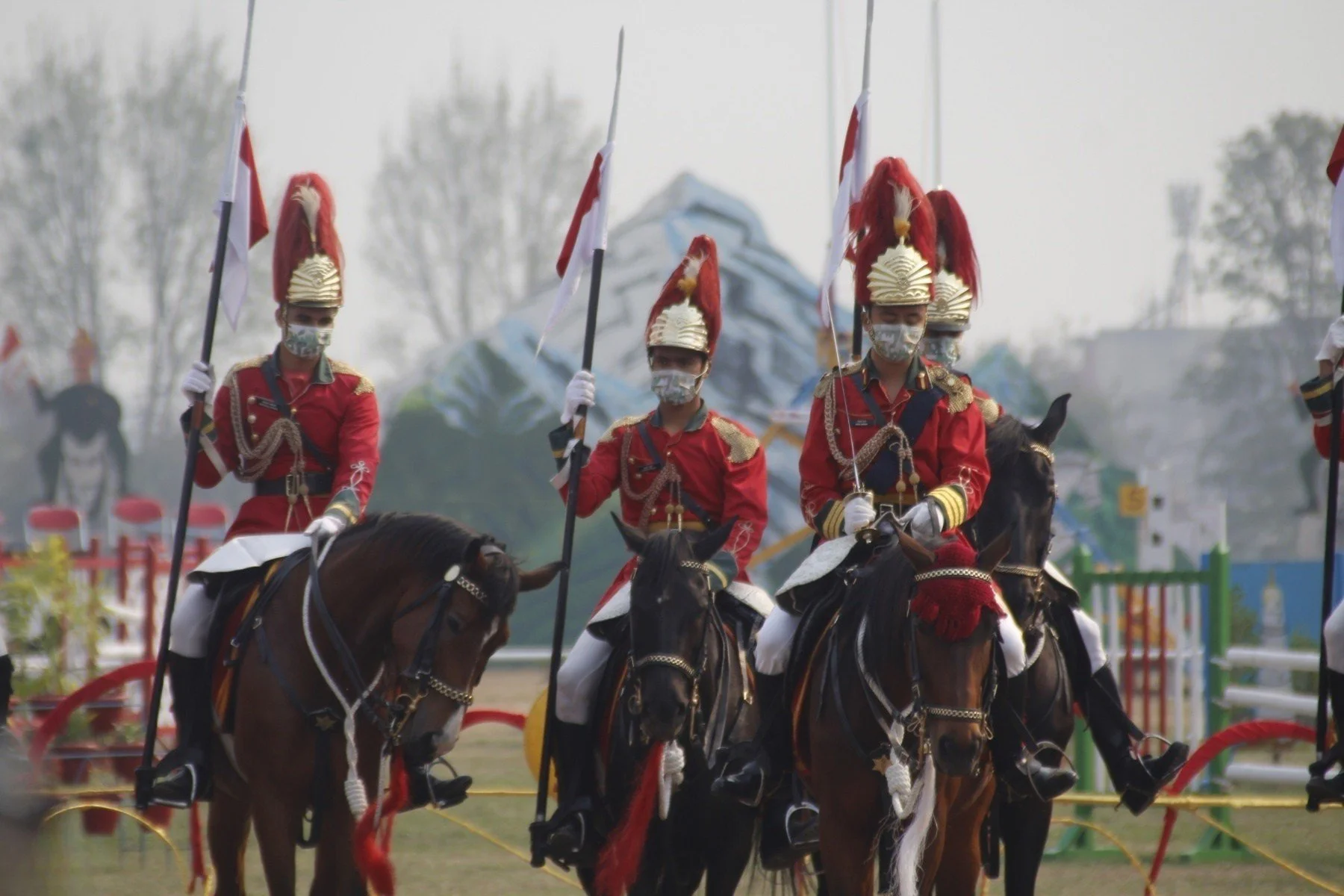
Ghode Jatra is more than just a horse race; it is a symbol of Kathmandu’s resilience, history, and strength, where the country’s finest cavalry units, skilled riders, and powerful horses come together for a spectacle that has captivated audiences for centuries.
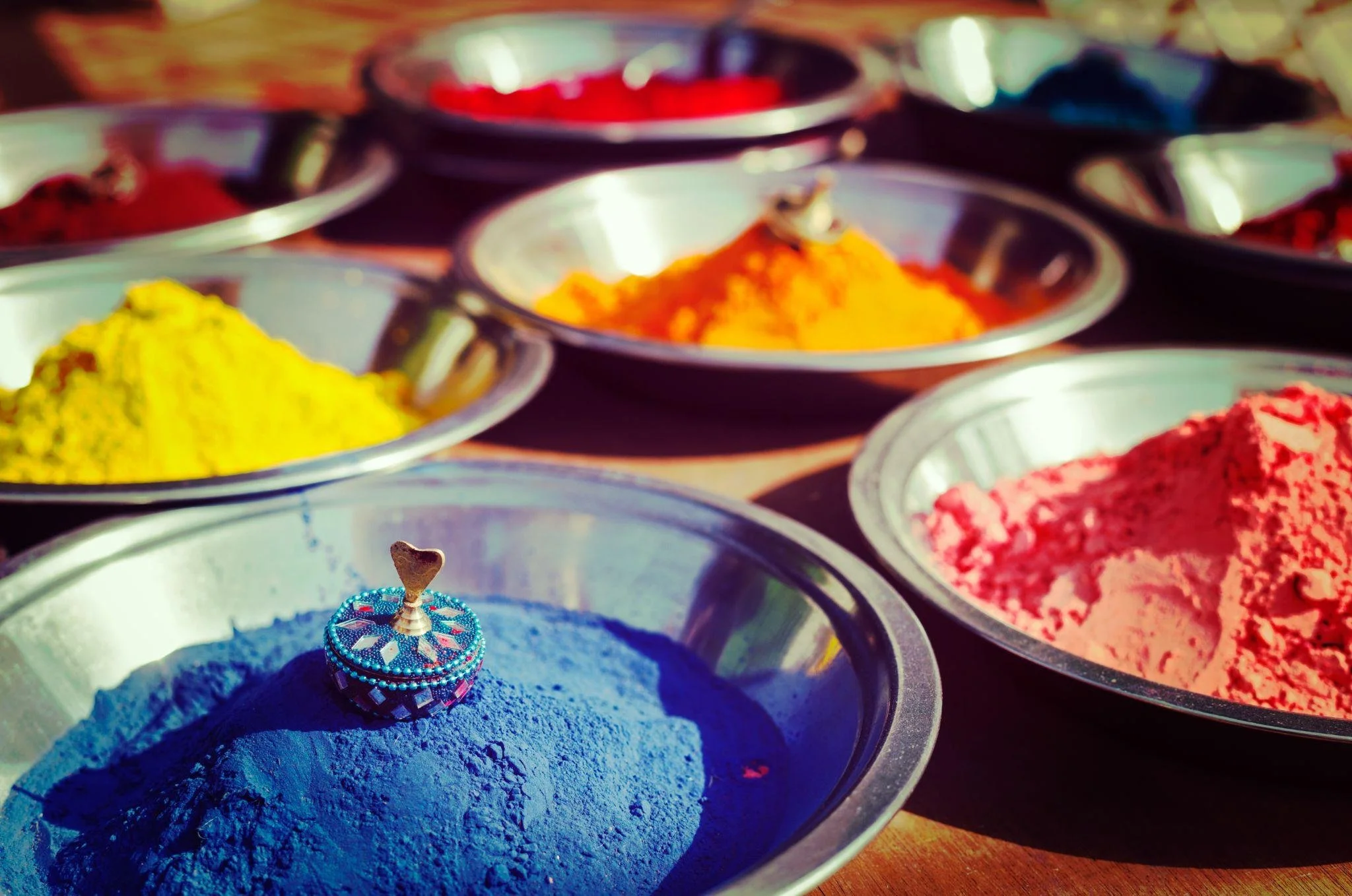
As spring arrives in Nepal, Holi, the festival of colors, transforms Kathmandu into a lively spectacle of vibrant hues, music, and joy. Celebrated across Nepal and India, Holi marks the arrival of spring and the victory of good over evil.
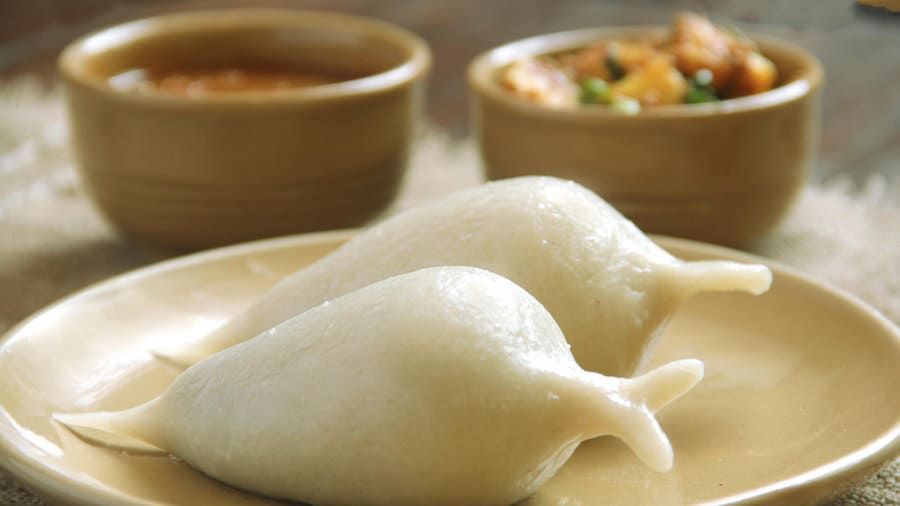
Yomari Punhi, celebrated on the full moon day of the month of Thinla in the Nepal Sambat calendar, is one of the most beloved festivals of the Newar community in Nepal. This festival, dedicated to gratitude for the harvest and prayers for prosperity, combines spirituality, tradition, and the delight of culinary art through the iconic dish, the Yomari.
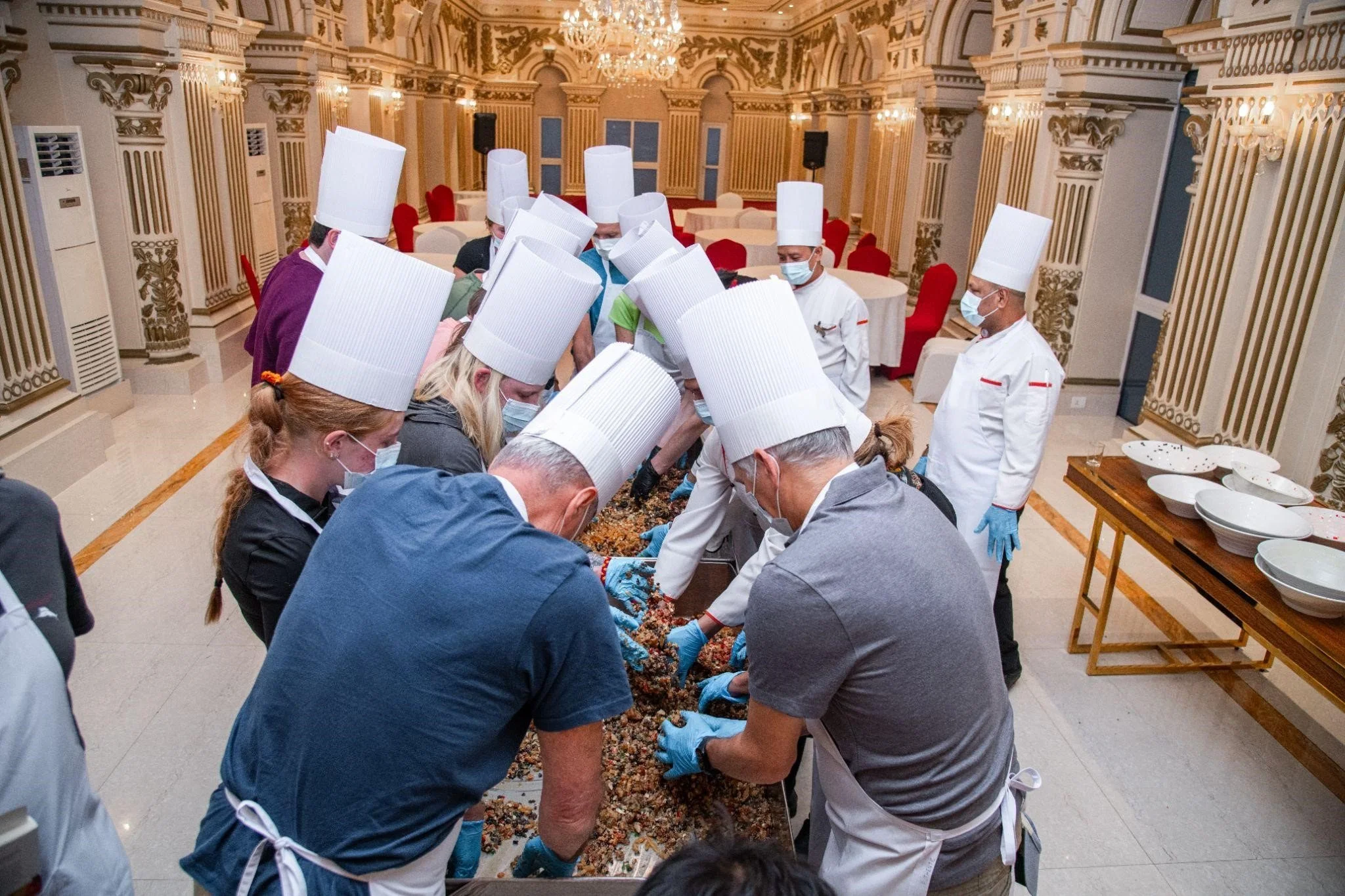
As the festive season approaches, the air fills with joy, laughter, and the aroma of celebration. At Hotel Shanker, we embraced this spirit with our annual Cake Mixing Ceremony, a heartwarming event where our guests came together to mark the beginning of a season dedicated to togetherness and traditions.
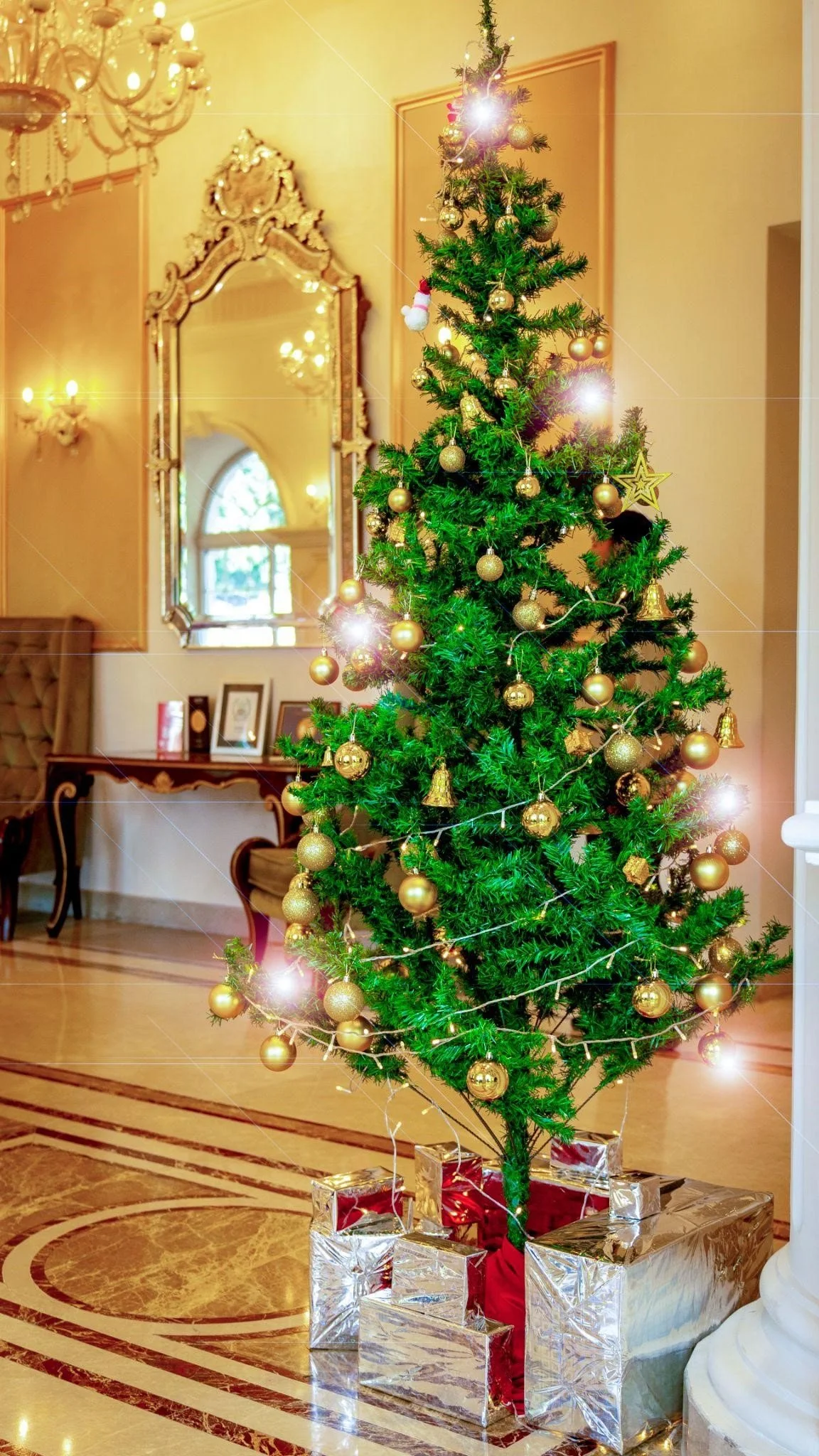
Christmas, traditionally a Christian holiday, has transcended religious boundaries to become a global celebration of joy, love, and giving. In Kathmandu, the heart of Nepal, Christmas has found a special place amidst the city's vibrant cultural tapestry. This festival is celebrated with warmth and inclusivity, reflecting Kathmandu’s embrace of diverse traditions and its ever-evolving cultural adaptation.
As the vibrant autumn leaves of Kathmandu begin to fade and the crisp chill of winter settles over the city, there’s no better time to plan your perfect winter escape. Nestled in the heart of Kathmandu, Hotel Shanker offers the ideal blend of historical grandeur, warm hospitality, and modern luxury, making it the ultimate winter retreat.
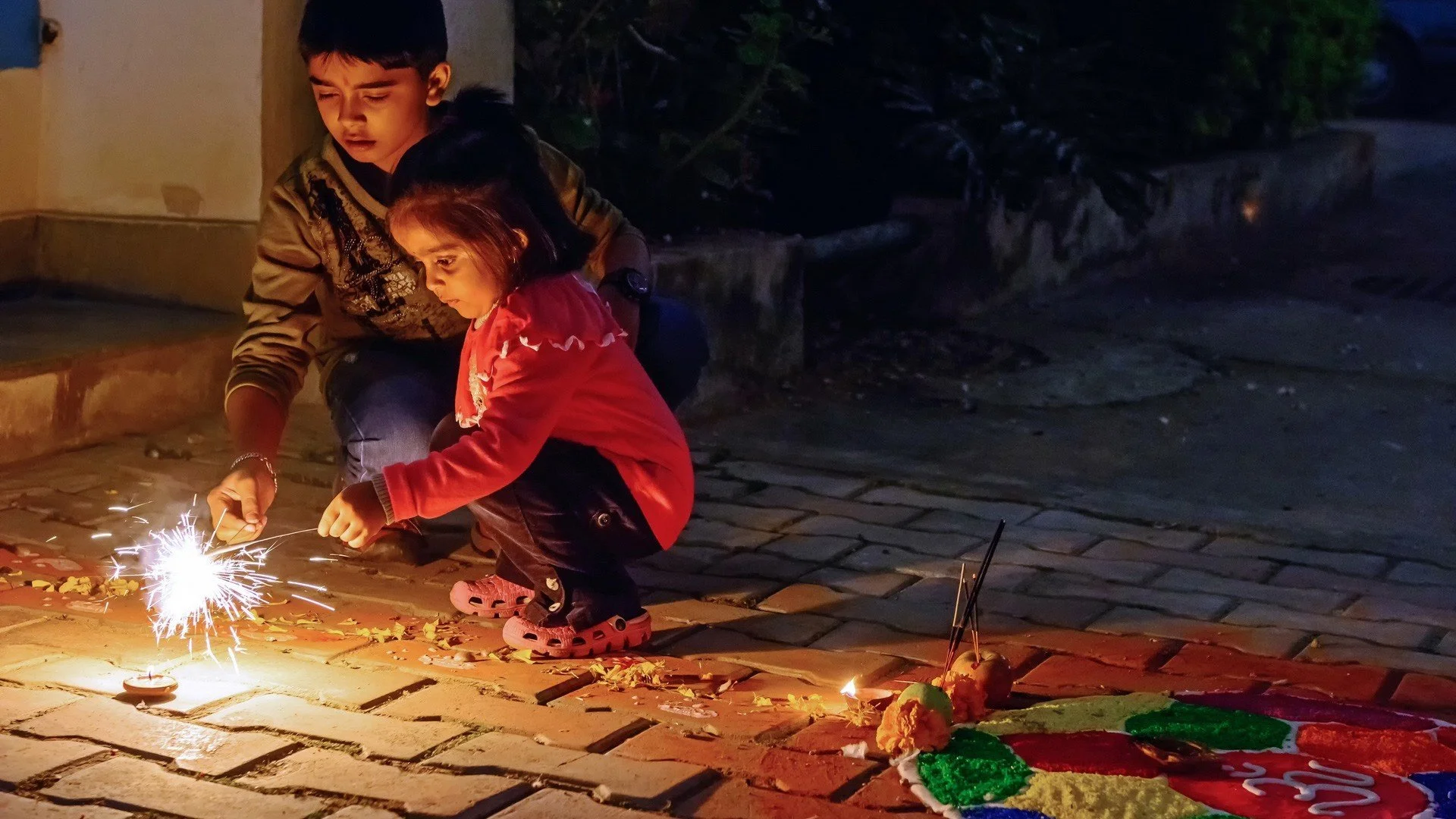
Tihar, one of Nepal's most beautiful and vibrant festivals, is a celebration of lights, joy, and gratitude. Spanning five days, Tihar honors the bond between humans, gods, and animals, making it a festival that resonates deeply with the Nepali culture. Often compared to Diwali, Tihar is unique in its own right, filled with cultural rituals, colorful decorations, and joyous festivities.
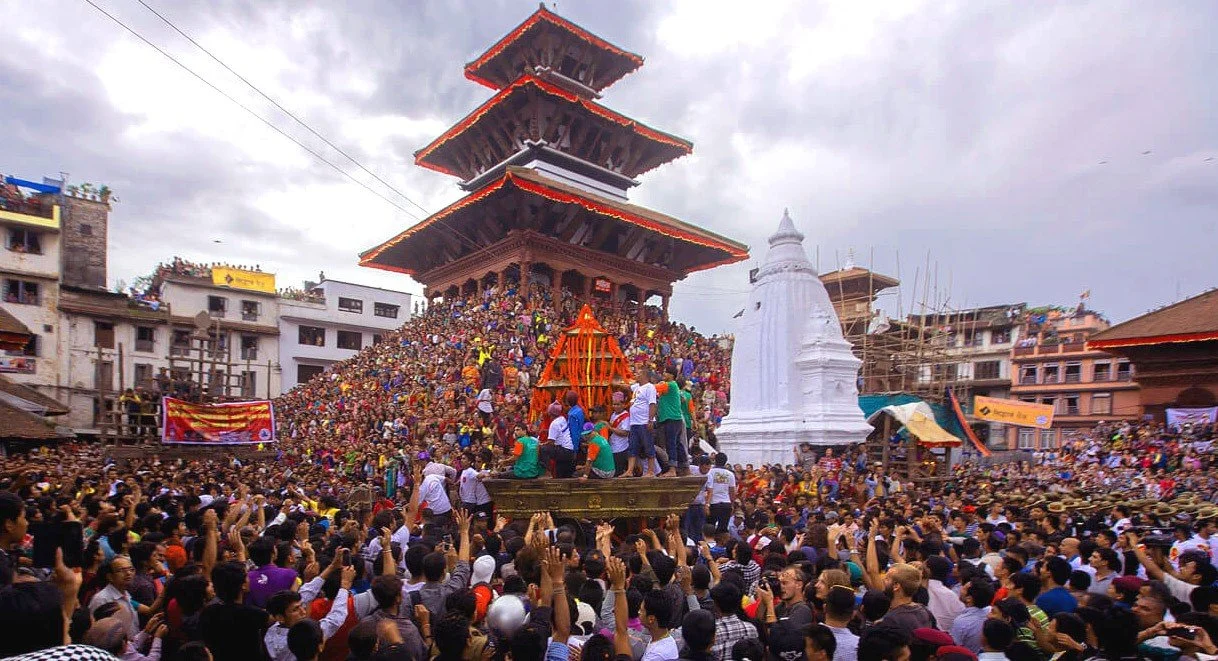
Indra Jatra, celebrated in honor of the god Indra, the King of Heaven and Rain, is a festival that has captured the heart of Kathmandu for centuries. Legend has it that Indra descended to Earth to collect a specific flower for his mother, only to be captured by locals who didn’t recognize him. Upon realizing his divine identity, they released him, and to honor the event, the festival of Indra Jatra was born.
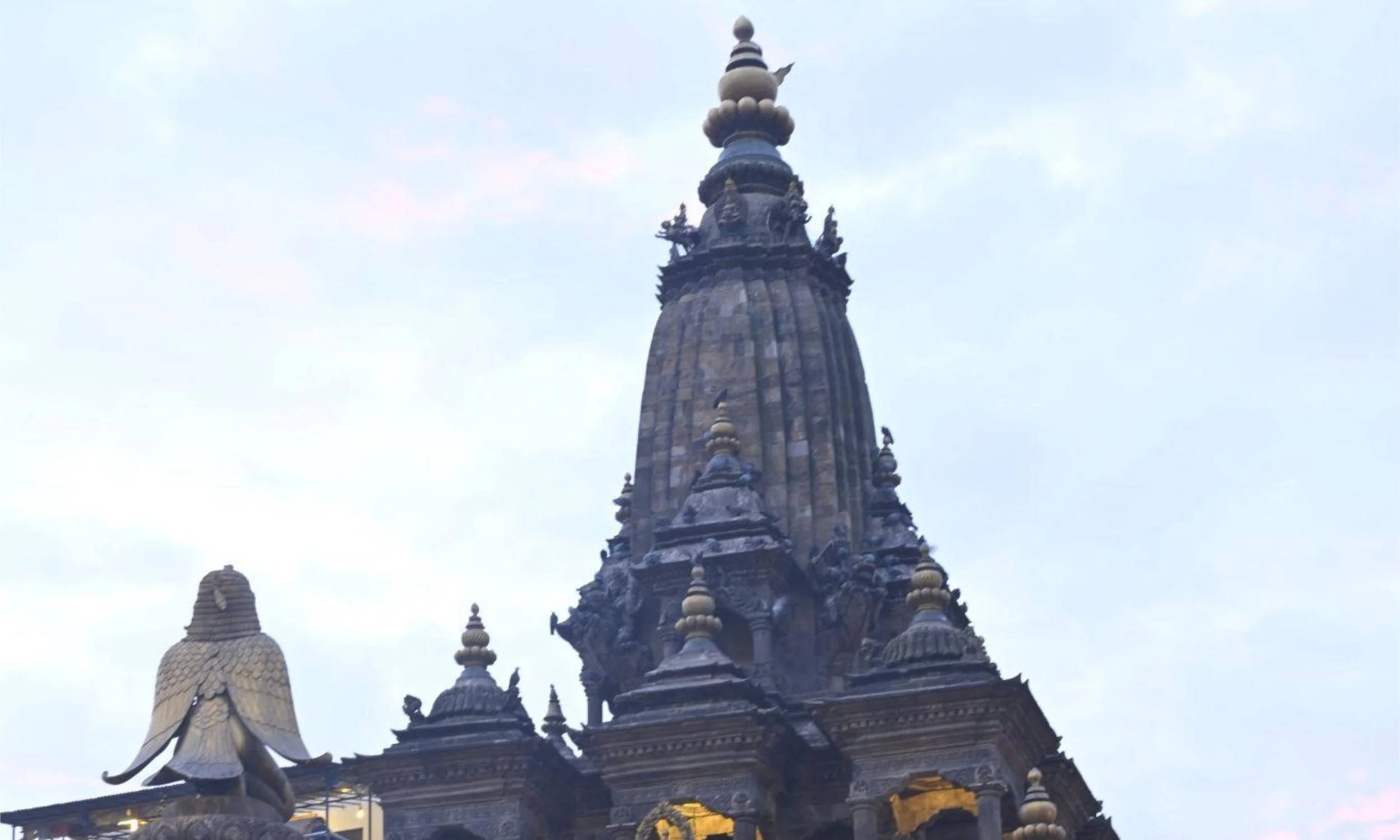
Krishna Janmashtami, a significant Hindu festival, celebrates the birth of Lord Krishna. It is typically observed on the eighth day of the dark fortnight (Krishna Paksha) of the month of Shravan (August-September). Various religious rituals and cultural events dedicated to Lord Krishna are held on this day.
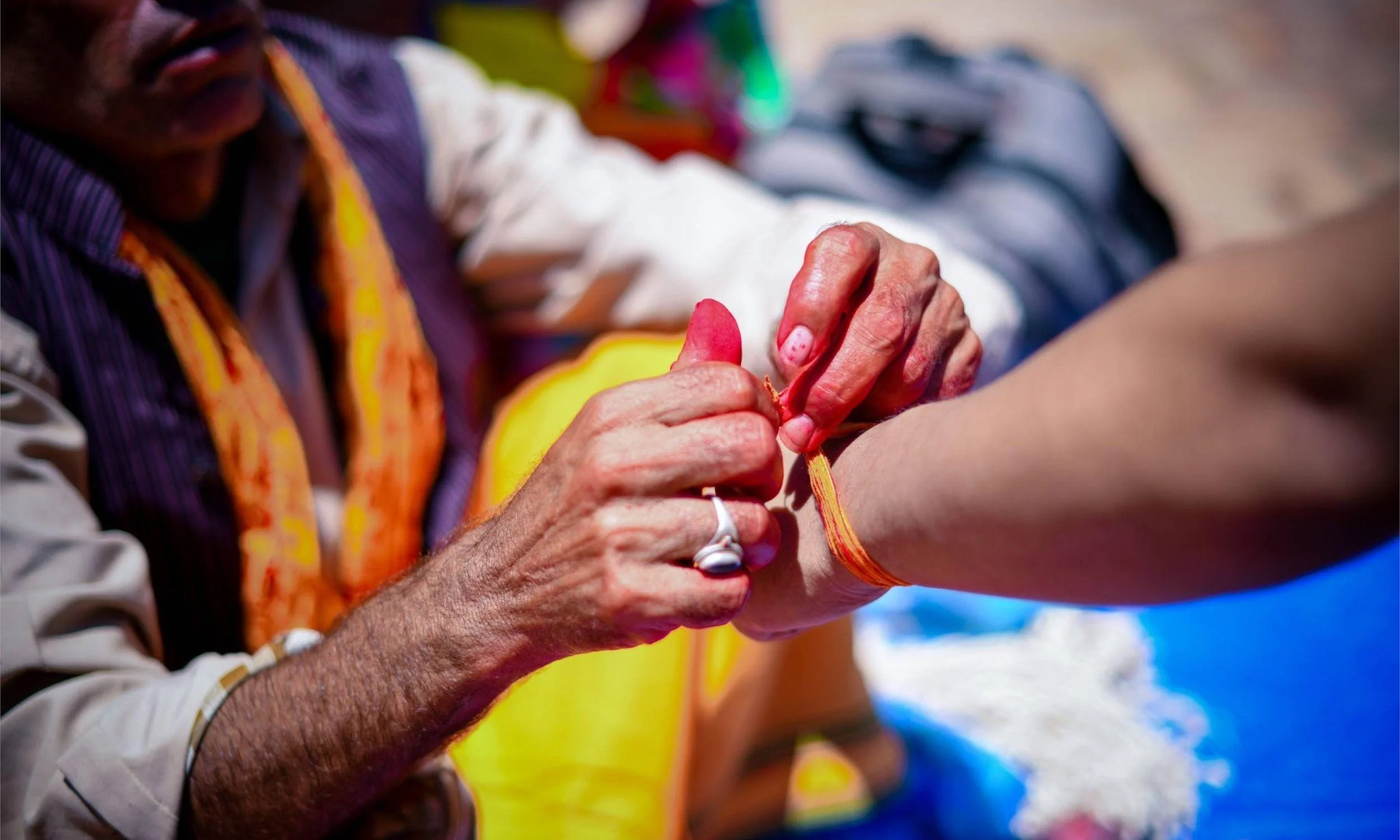
Janai Purnima, a significant Hindu festival celebrated in Nepal, marks the day of renewing the sacred thread (janai) worn by men. This thread symbolizes purity and religious commitment and is believed to protect the wearer from evil forces and bestow blessings. The festival is also known as "Raksha Bandhan" in some parts of Nepal, where sisters tie a protective thread (rakhi) on their brothers' wrists.
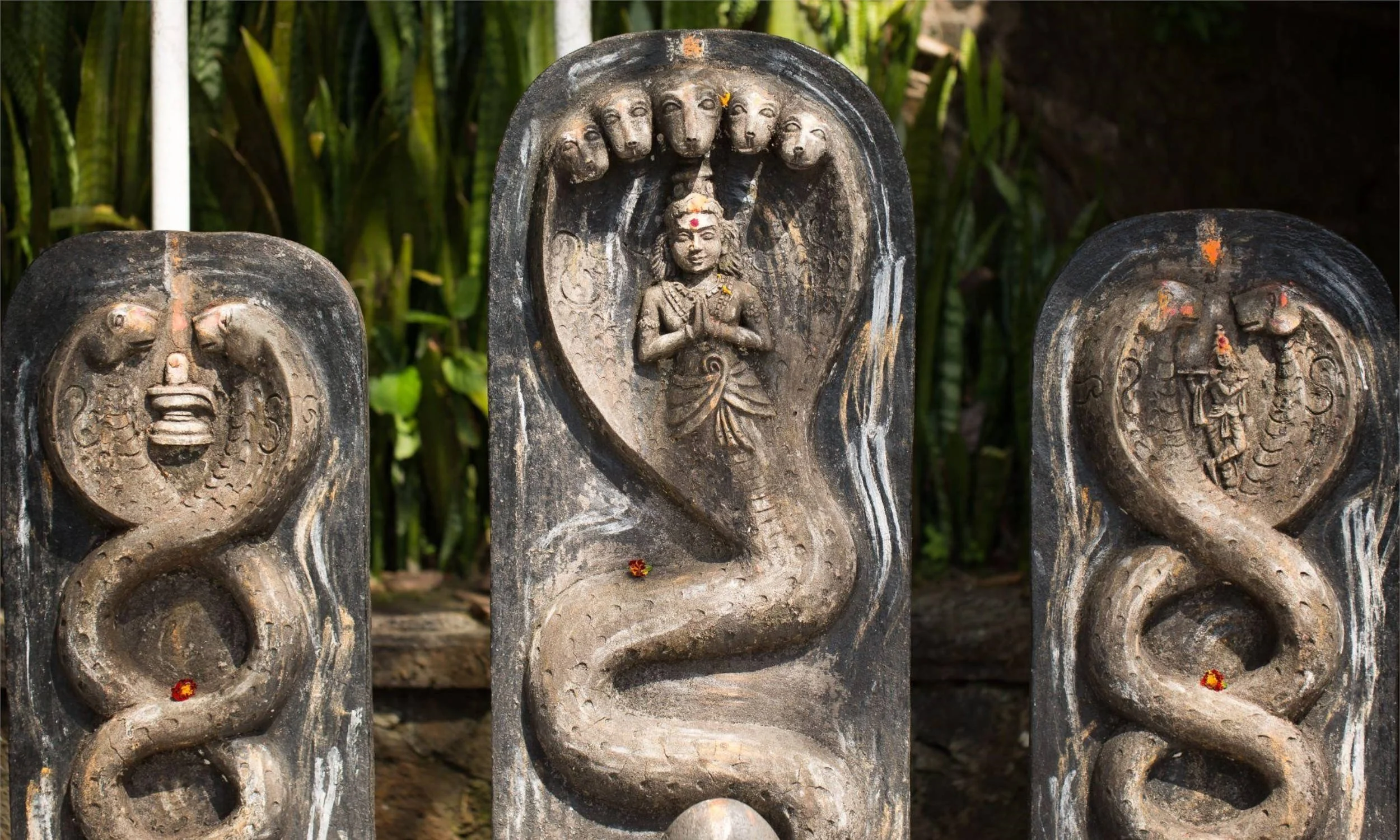
Nag Panchami, a significant Hindu festival, is dedicated to the worship of serpent deities, commonly known as Nag Devta. Celebrated annually on the fifth day of the bright fortnight of the lunar month of Shravan, this auspicious day holds immense religious and cultural importance.
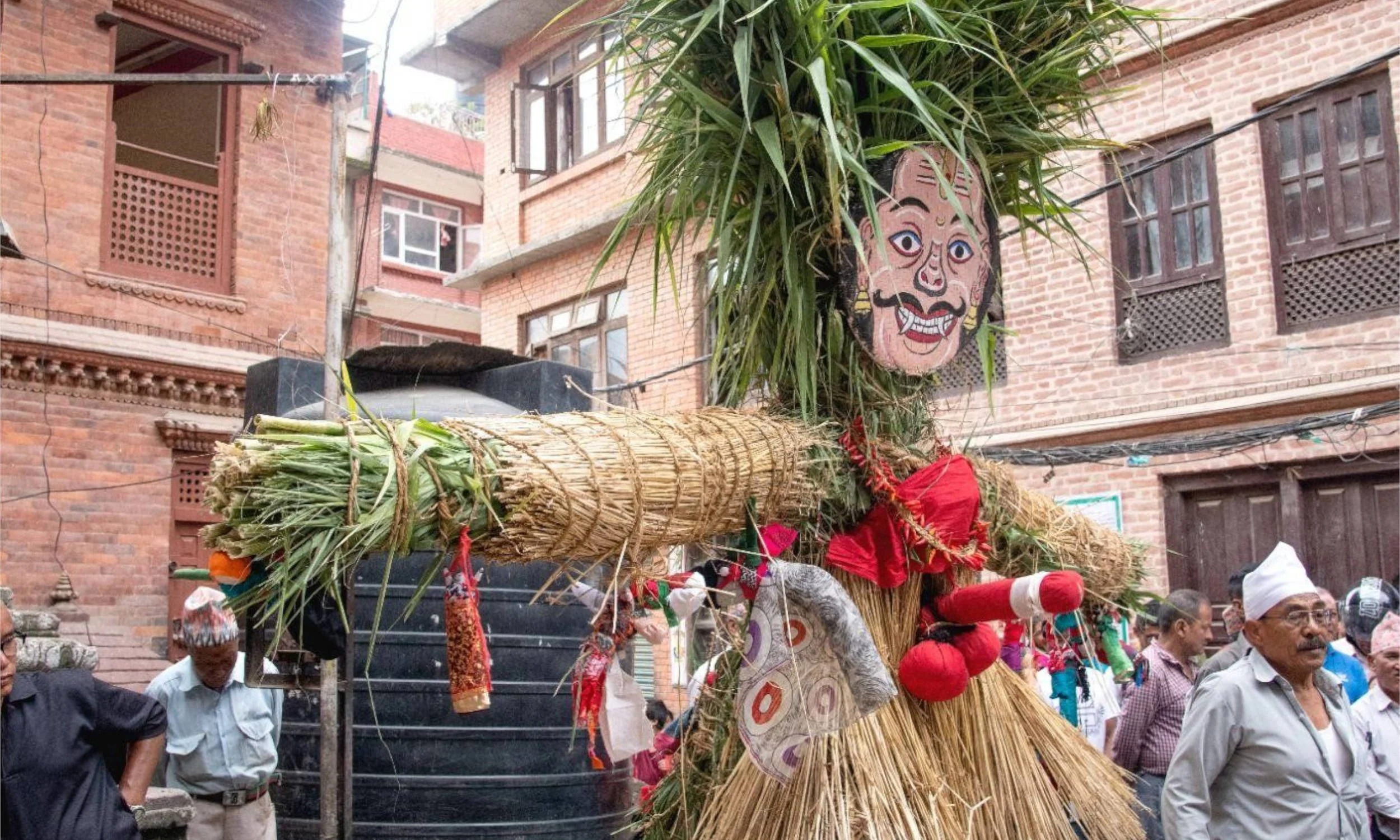
Gathemangal, also known as Ghantakarna Chaturdasi, is a unique festival celebrated by the Newar community in the Kathmandu Valley of Nepal. It falls on Shrawan Krishna Chaturdashi, which typically occurs in June or July according to the Bikram Sambat calendar. This vibrant festival is a colorful display of warding off evil spirits and ushering in peace and prosperity.
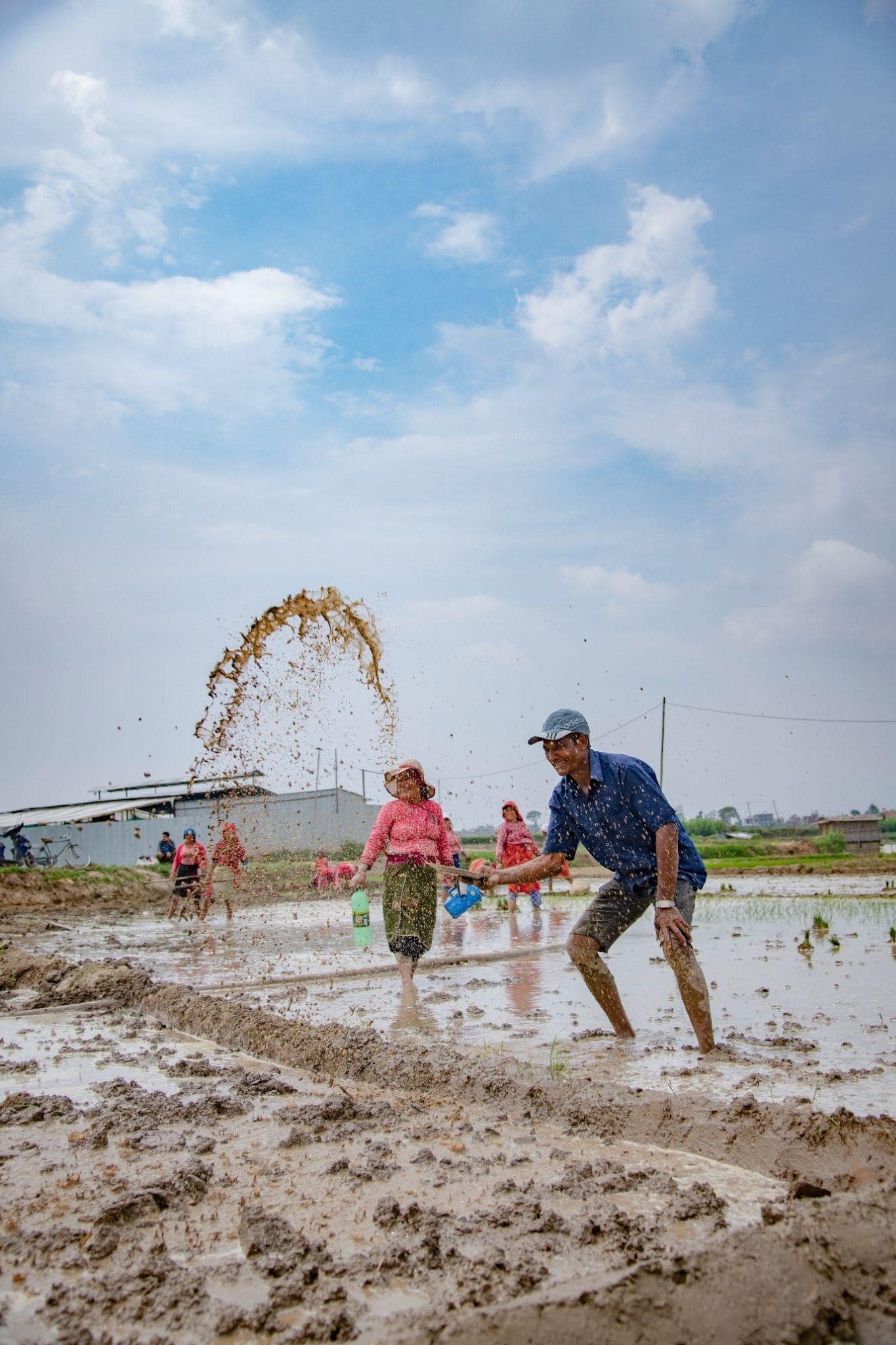
Nepal, a landlocked nation in the Himalayas, boasts a rich agricultural heritage. Among its many festivals, National Paddy Day, also known as Dhan Ropne Diwas, holds a special place in the hearts of Nepalis. Celebrated on the 15th day of the Nepali month of Asar (June-July), this vibrant festival marks the auspicious beginning of the rice planting season. Let's delve deeper into the cultural significance, rituals, and spirit of this unique celebration.
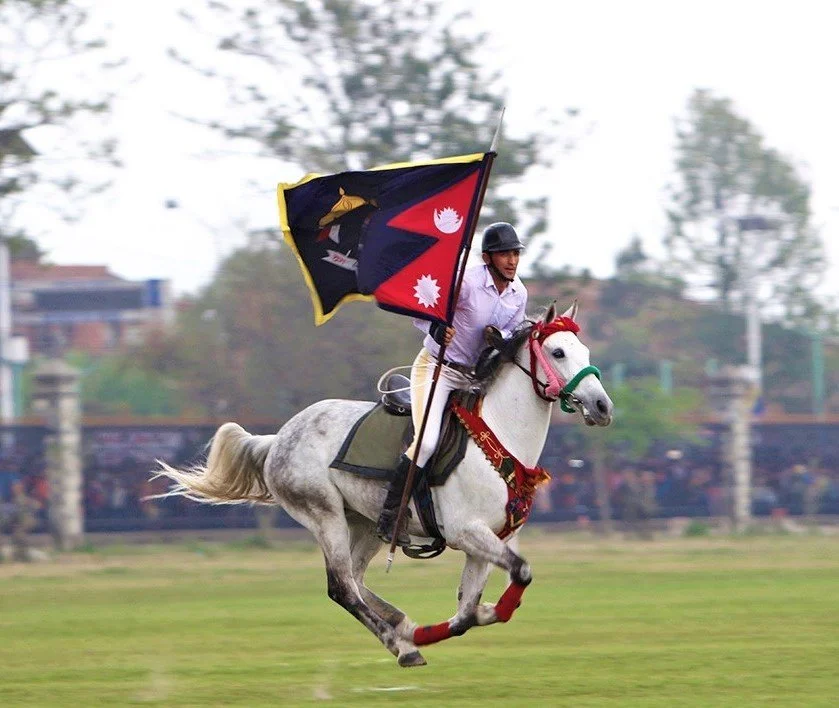
During your stay at the luxurious Hotel Shanker, be sure to experience the vibrant cultural tapestry of Nepal. One unmissable event is the Ghode Jatra, a pulsating horse festival that unfolds every year in Kathmandu, typically around mid-March to early April.

Kathmandu comes alive in a riot of colors during Holi, the exuberant Hindu festival also known as the Festival of Colors. As a guest at Hotel Shanker, you have the unique opportunity to witness and even participate in this joyous celebration. But Holi is more than just throwing colored powder around.
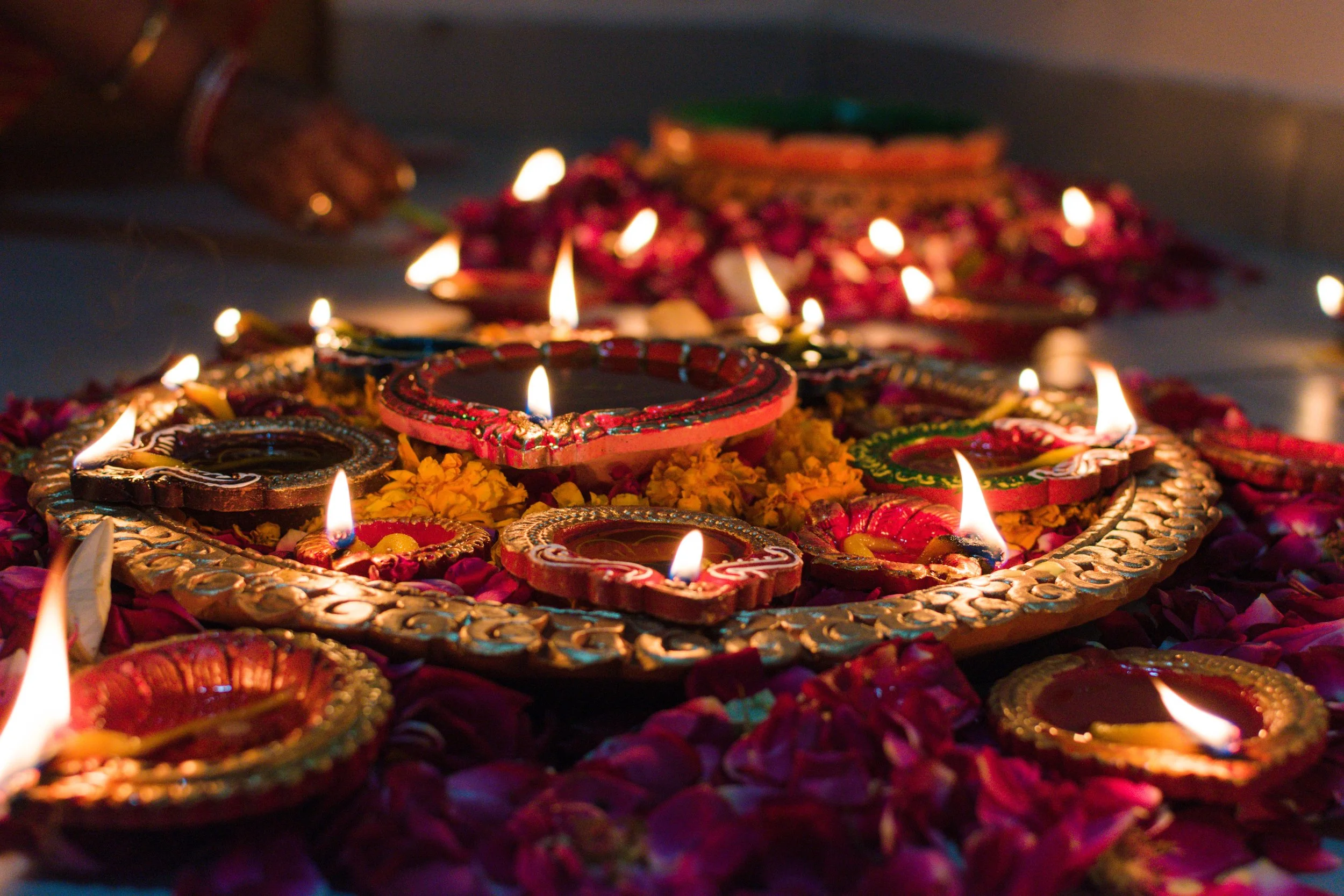
In the heart of the Himalayas, nestled among the towering peaks and lush valleys of Nepal, lies a festival that transcends time and illuminates both the night sky and the human spirit - Tihar, the Festival of Lights. This enchanting celebration, also known as Deepawali or Yamapanchak, holds a profound historical, cultural, and religious significance in the lives of Nepalese people. In this article, we will delve into the captivating world of Tihar, exploring its historical roots, the unique celebrations associated with it, its cultural importance, and its deeply ingrained religious values.
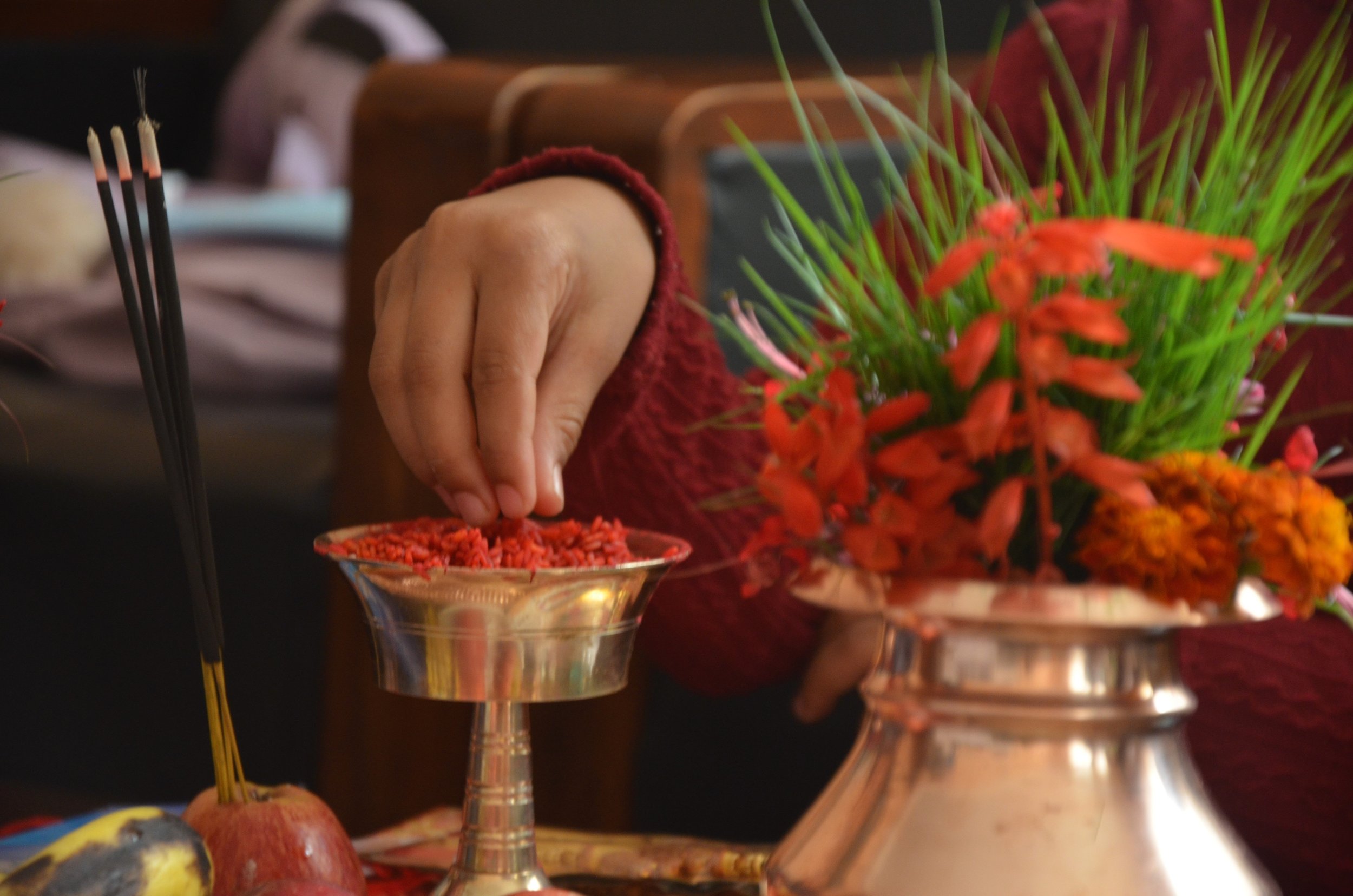
Nepal, a land of diverse cultures and traditions, boasts a rich tapestry of festivals that reflect its deep-rooted heritage. Among these, Dashain stands out as the most significant and widely celebrated festival in the country. Dashain, also known as Vijaya Dashami, is a time of devotion, family reunions, and cultural splendor. In this article, we will delve into the history, significance, and major events that make Dashain an integral part of Nepal's cultural identity.
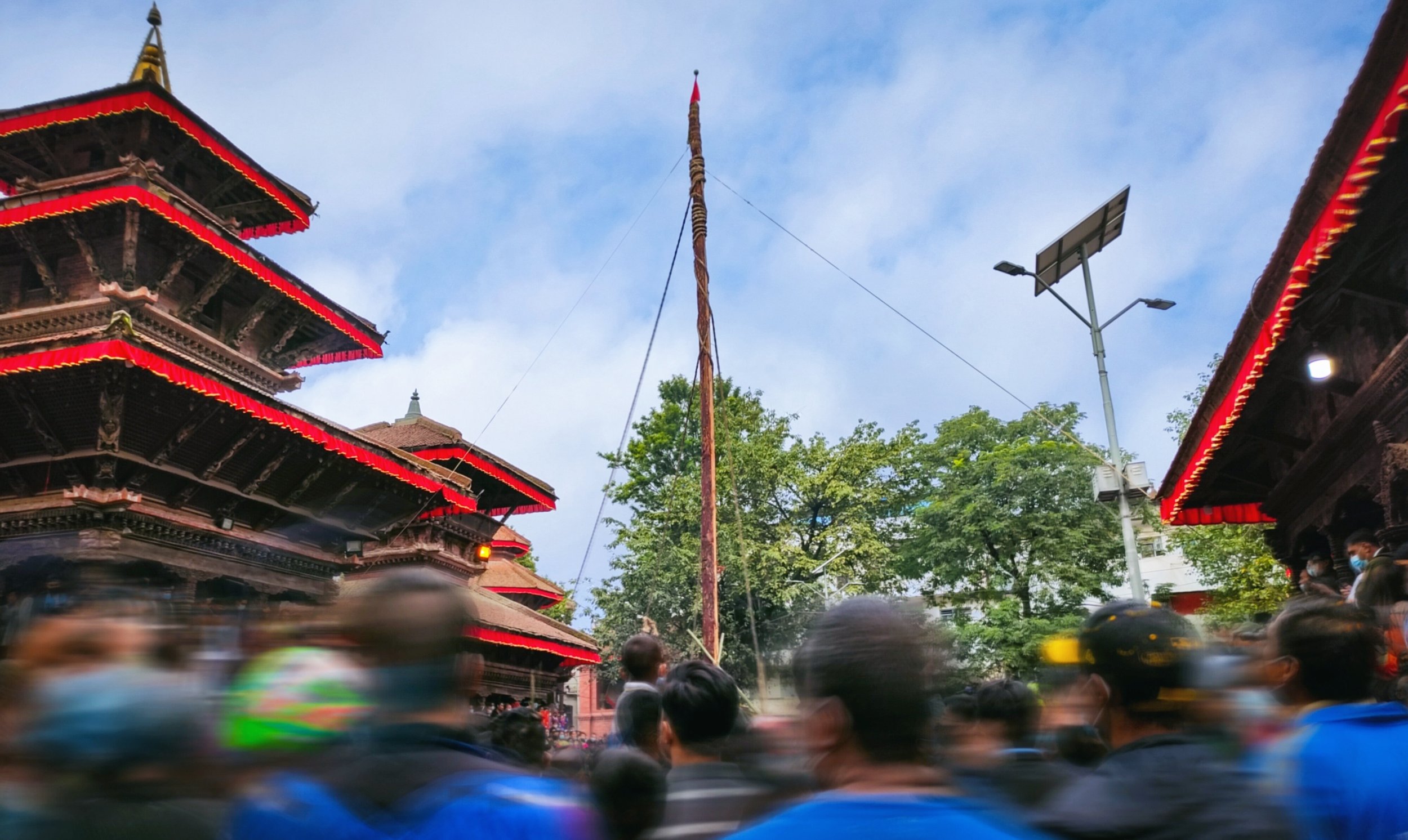
In the heart of Kathmandu, where ancient traditions intertwine with modern life, a grand celebration unfolds, reverberating through the narrow alleyways and vibrant squares. This is Indra Jatra, one of Nepal's most significant and spectacular festivals, where gods, goddesses, and people come together to celebrate culture, heritage, and spirituality. In this feature article, we delve deep into the heart of Indra Jatra, exploring its history, rituals, and the vibrant tapestry of culture that defines this extraordinary celebration.
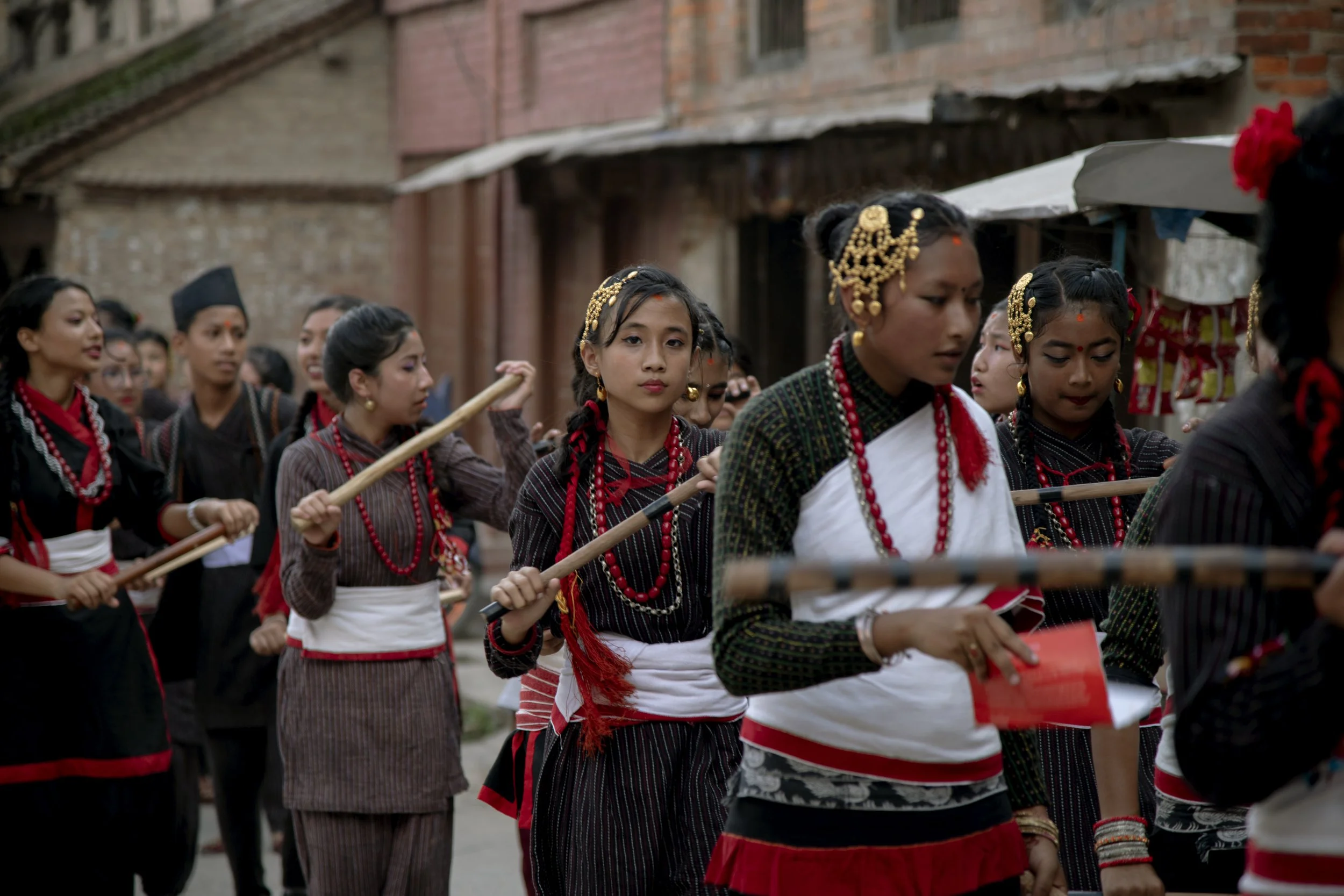
Newar culture in Nepal's Kathmandu Valley is a vibrant tapestry of artistic excellence, syncretic religions, festivals, and a unique socioeconomic structure. Challenges and preservation efforts are vital to safeguard this rich heritage and promote a deeper understanding and appreciation of its contributions to global cultural diversity.
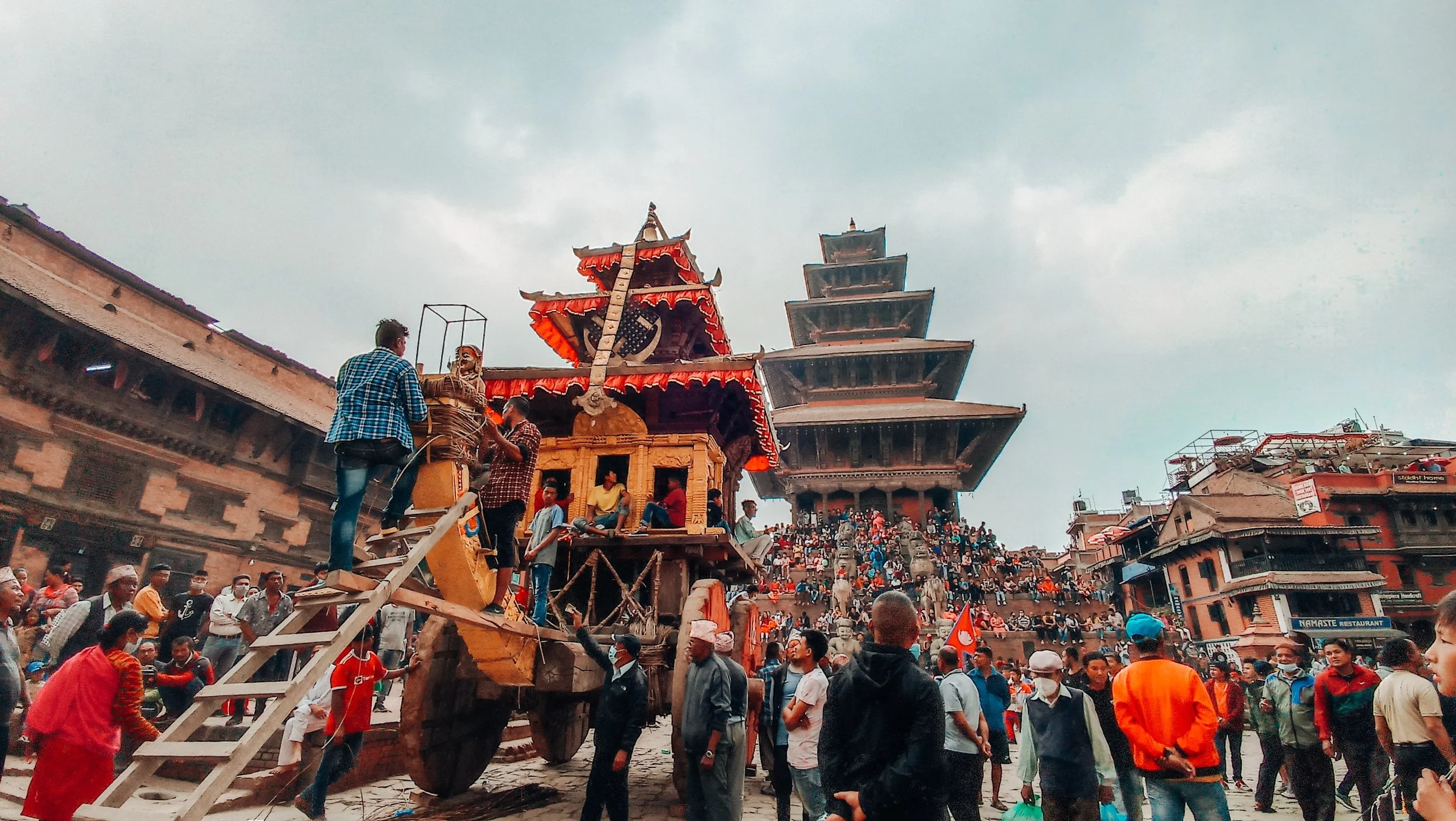
Nepal, a land of vibrant culture and traditions, where festivals are not just celebrations but a way of life. From the traditional Dashain to the colorful Holi, Nepal's festivals are a reflection of its rich history, religion and customs. A melting pot of diverse ethnic groups, these festivals bring people together, fostering a sense of community, tradition and unity.
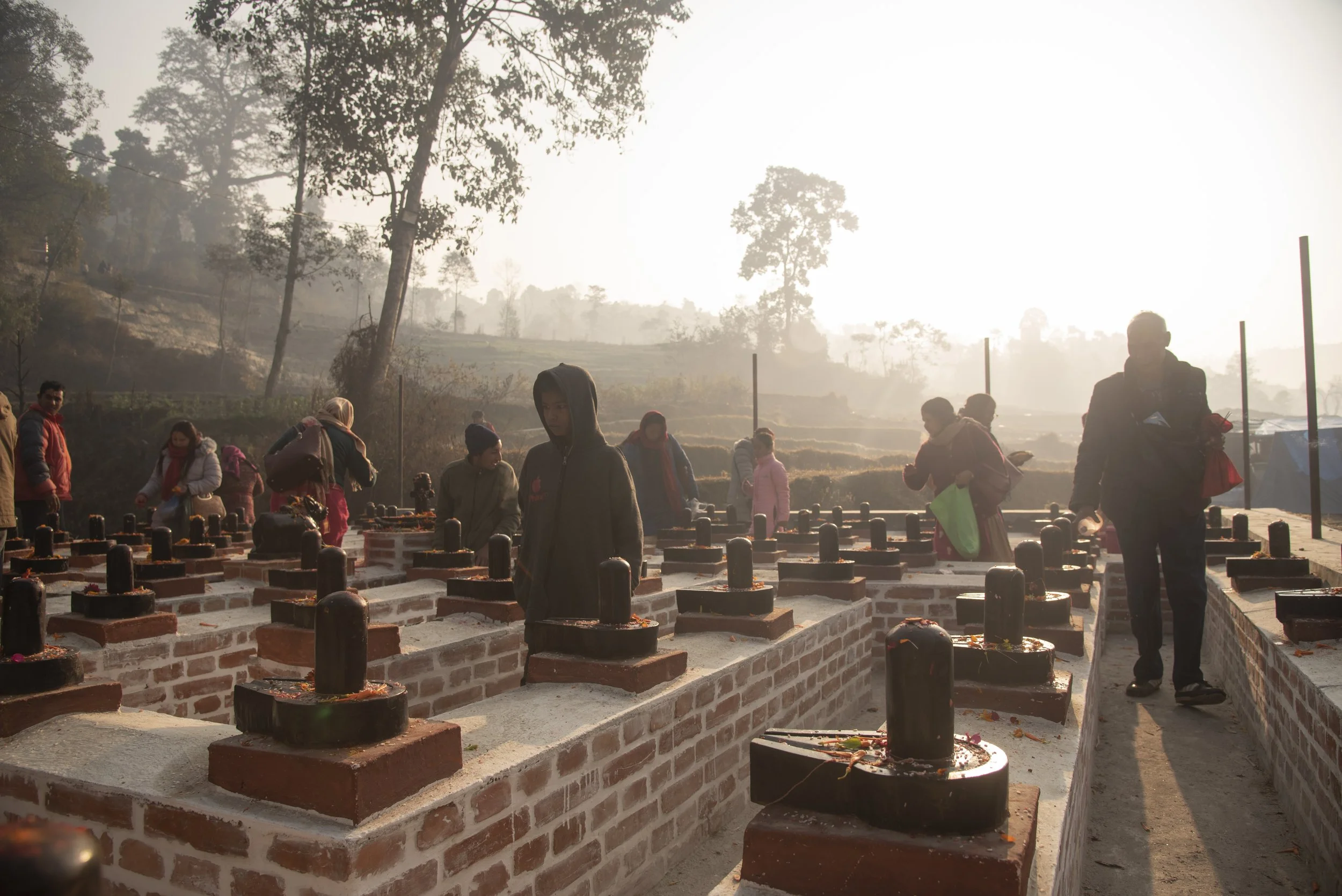
Swasthani Brata is a Hindu festival that is observed in Nepal, particularly in the Kathmandu valley. It is a month-long festival that takes place during the lunar month of Swasthani. Devotees observe a fast and perform various rituals and ceremonies to honor the goddess Swasthani, and the festival is also an important time for socializing and strengthening relationships with friends and family. It is marked by music, dance, and cultural activities.
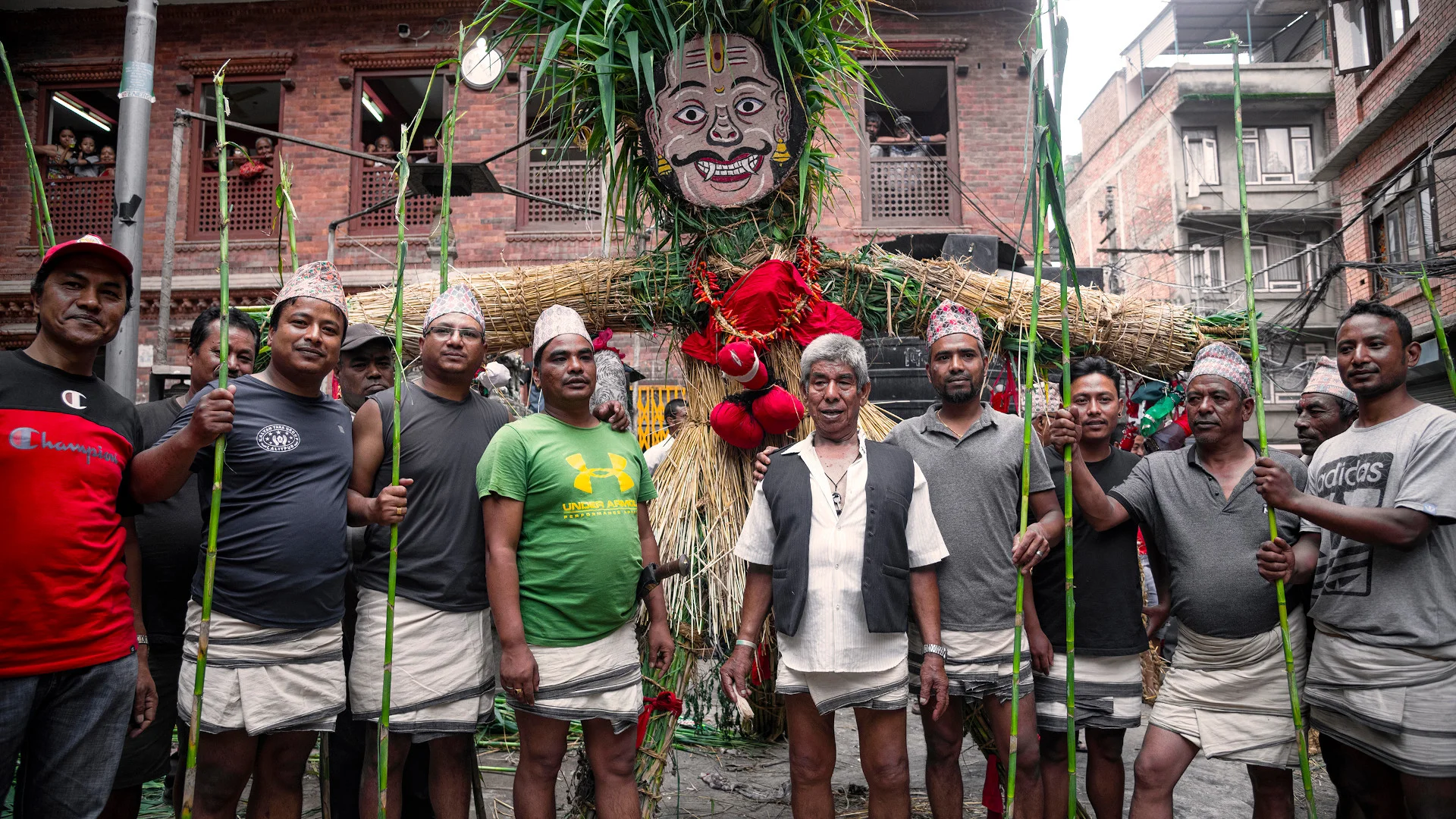
The Tales of Gatha Muga
A unique festival celebrated by the Newar communities in Nepal, Gatha-Muga or Gathe-Mangal is an ancient festival celebrated to chase away the evil spirit and usher the good fortune every year on Shrawan Shukla Chaturdashi of the lunar calendar.
On Shrawan Shukla Chaturdashi of the lunar calendar, a unique festival is celebrated by the Newar community. The festival has many names, but in the common tongue is known as Ghantakarna, but various Newar settlements call it with a different name. In the city of Bhaktapur, it is called Gatha Muga, whereas in Kathmandu and Lalitpur it's called Gathe-Mangal.
Each name aspired from a different legend which shared closer bonds with certain religions. The commonly used name of Ghantakarna refers to an ancient South Asian Raksasa (demon) who according to Mary Anderson, “Was so corrupt that he vilified the gods themselves, defiled and destroyed homes and fields, roaming the land, stealing children, maiming the weak, killing and devouring his captives. His depraved sexual orgies and unspeakable excesses with his countless wives horrified the pious people”(1971,72). Locally Ghanta refers to bells whereas Karna is ears thus during the festival effigies of the demon Ghantakarna are made out of bundles of straws from the old harvest and large ears are named from either leaves or local sieves( nanglo’s).
In Bhaktapur however, the festival is known from a completely different name and has a different legend associated with it. “Gatha Muga: was a man who believed in karma, and not in the power of gods. He loved the poor people and sat at the crossroads where he took money from the rich to give to the poor. If the rich people refused to give money to him for this purpose, he would kill them. He also lived without concern about pollution. As he lay dying he hung bells on his ears, so as not to hear the gods’ names called out. After his death, as he was not associated with any religion, no one was willing to cremate him, and his body was left at a crossroad. But then people joined together to donate money for his cremation, and they called a low caste man to perform it. Many people followed this procession because he had always protected the ordinary people.” Levy,1990, p.520
Personally photographing this festival, I have to say the most elaborate festivities are done in Bhaktapur. Where the effigies of Gatha Muga at times tower higher than eight feet, with great attention to detail. Each neighborhood constructs own representation and at times, it’s like a competition for the size, complexity, and elegance. Primarily made of bundles of straws it is masked and painted with fangs. Some go even further to dress the effigies, but none miss placing bells on the ears and placing a phallus, and two circular fruits representing testicles. Many historians and scholars have stated how the festivities and its representations were used to make the people aware of sex education. Such can be seen in the tudals (struts) as well, as during that era there was no form of formal education and due to the conservative nature, parents normally didn’t pass the knowledge to their children. Thus festivals were used as a medium to make the younger generation aware of the elements of reproduction.
In the cities of Kathmandu and Lalitpur, the common legend which even I grew up associating with the festival is of how the farmers during the season of the plantation, took help from the evil spirits and demons to plant their fields. A task which took farmer days was completed by the demons in a matter of hours. The demons needed a lot of food and the farmers realized that they would not be able them throughout the year. Demons began becoming hungry and wreaked havoc, destroying houses, stealing children and destroying farms. Thus, the farmers had enough and collectively chased the ghosts down to the river and they were never seen again. During this day, I remember huge iron nails being hammered down in the main door of our old house. The years and years of nails accumulated had now become a huge hump. Thus, to symbolize the day it is believed that Gathe Mangal is celebrated.
The legends surrounding the festival of Ghatakarna might differ in various settlements but the end of these brightly painted is the same in all. It is known as Bha Kayegu which refers to processions accompanied by shouting victorious phrases. As the sun sets, these effigies are dragged, beaten and taken to the nearest river to have them burnt. Procession goers wash their faces and eyes in the river for purification and bundles of straws are burnt in the crossroads to purify it of evil spirits and demons. In some neighborhoods, a communal feast is prepared to celebrate the day.
SIMILAR POSTS
A journey through Rato Machindranath Jatra reveals how deeply tradition and community are connected in Kathmandu Valley.
Maghe Sankranti in Nepal’s Terai: A celebration of Tharu culture through vibrant rituals, music, and most importantly delicious food! From the sweet Tilko Laddu to savory Bara, each dish carries centuries of tradition and meaning, bringing families and communities together. Don’t miss out on these festive delicacies that symbolize warmth, unity, and abundance.
Indulge in the warmth and tradition of Yomari Punhi, where sweet, steamed yomari brings communities together to celebrate the harvest moon. A festival filled with myths, gratitude, and delicious delicacies, Yomari Punhi is not just about the food—it’s about the spirit of sharing, abundance, and honoring the goddess of nourishment.
Embrace the warmth of family, tradition, and light during Tihar, Nepal’s festival of togetherness. From honoring animals to lighting diyas, it’s a celebration of love, prosperity, and the vibrant Nepali culture that brings communities closer.
Dashain, the grandest festival of Nepal, is a time of celebration, devotion, and togetherness. Across the country, homes are adorned with flowers, kitchens fill with traditional delicacies, and families gather to honor age-old rituals. In the historic city of Patan, one tradition stands out as a vibrant symbol of devotion and cultural pride: Gaa Pyakha.
Dashain: A time of triumph, blessings, and the joyous spirit of togetherness. As families gather to honor traditions and celebrate the victory of good over evil, the festival brings moments of joy, reflection, and cultural pride. Let the swings of Dashain carry you into a new season of prosperity and unity.
On Ghatasthapana, the sacred ritual of welcoming Goddess Durga begins the journey of Dashain. As the kalash is placed and barley sprouts grow, it marks a time for spiritual growth, prosperity, and family unity. A celebration of divine blessings and the hope for a fruitful year ahead.
As the monsoon rains sweep across Nepal, the streets of Kathmandu transform into a vibrant sea of red. Women gather in unity to celebrate Teej, a festival that celebrates love, devotion, and resilience. This cherished tradition, marked by fasting, singing, and dancing, holds profound spiritual and cultural significance. But what makes Teej truly special? Let’s dive into the heart of this festival and explore its origins, rituals, and the enduring spirit of womanhood.
Every spring, as the air begins to warm and the days grow longer, the city of Patan prepares for a celebration unlike any other. Rato Machhindranath Jatra is one of the oldest and most respected festivals in Nepal. Its roots go back more than a thousand years, and its meaning still feels just as strong today.
Ghode Jatra is more than just a horse race; it is a symbol of Kathmandu’s resilience, history, and strength, where the country’s finest cavalry units, skilled riders, and powerful horses come together for a spectacle that has captivated audiences for centuries.
As spring arrives in Nepal, Holi, the festival of colors, transforms Kathmandu into a lively spectacle of vibrant hues, music, and joy. Celebrated across Nepal and India, Holi marks the arrival of spring and the victory of good over evil.
Yomari Punhi, celebrated on the full moon day of the month of Thinla in the Nepal Sambat calendar, is one of the most beloved festivals of the Newar community in Nepal. This festival, dedicated to gratitude for the harvest and prayers for prosperity, combines spirituality, tradition, and the delight of culinary art through the iconic dish, the Yomari.
As the festive season approaches, the air fills with joy, laughter, and the aroma of celebration. At Hotel Shanker, we embraced this spirit with our annual Cake Mixing Ceremony, a heartwarming event where our guests came together to mark the beginning of a season dedicated to togetherness and traditions.
Christmas, traditionally a Christian holiday, has transcended religious boundaries to become a global celebration of joy, love, and giving. In Kathmandu, the heart of Nepal, Christmas has found a special place amidst the city's vibrant cultural tapestry. This festival is celebrated with warmth and inclusivity, reflecting Kathmandu’s embrace of diverse traditions and its ever-evolving cultural adaptation.
As the vibrant autumn leaves of Kathmandu begin to fade and the crisp chill of winter settles over the city, there’s no better time to plan your perfect winter escape. Nestled in the heart of Kathmandu, Hotel Shanker offers the ideal blend of historical grandeur, warm hospitality, and modern luxury, making it the ultimate winter retreat.
Tihar, one of Nepal's most beautiful and vibrant festivals, is a celebration of lights, joy, and gratitude. Spanning five days, Tihar honors the bond between humans, gods, and animals, making it a festival that resonates deeply with the Nepali culture. Often compared to Diwali, Tihar is unique in its own right, filled with cultural rituals, colorful decorations, and joyous festivities.
Indra Jatra, celebrated in honor of the god Indra, the King of Heaven and Rain, is a festival that has captured the heart of Kathmandu for centuries. Legend has it that Indra descended to Earth to collect a specific flower for his mother, only to be captured by locals who didn’t recognize him. Upon realizing his divine identity, they released him, and to honor the event, the festival of Indra Jatra was born.
Krishna Janmashtami, a significant Hindu festival, celebrates the birth of Lord Krishna. It is typically observed on the eighth day of the dark fortnight (Krishna Paksha) of the month of Shravan (August-September). Various religious rituals and cultural events dedicated to Lord Krishna are held on this day.
Janai Purnima, a significant Hindu festival celebrated in Nepal, marks the day of renewing the sacred thread (janai) worn by men. This thread symbolizes purity and religious commitment and is believed to protect the wearer from evil forces and bestow blessings. The festival is also known as "Raksha Bandhan" in some parts of Nepal, where sisters tie a protective thread (rakhi) on their brothers' wrists.
Nag Panchami, a significant Hindu festival, is dedicated to the worship of serpent deities, commonly known as Nag Devta. Celebrated annually on the fifth day of the bright fortnight of the lunar month of Shravan, this auspicious day holds immense religious and cultural importance.
Gathemangal, also known as Ghantakarna Chaturdasi, is a unique festival celebrated by the Newar community in the Kathmandu Valley of Nepal. It falls on Shrawan Krishna Chaturdashi, which typically occurs in June or July according to the Bikram Sambat calendar. This vibrant festival is a colorful display of warding off evil spirits and ushering in peace and prosperity.
Nepal, a landlocked nation in the Himalayas, boasts a rich agricultural heritage. Among its many festivals, National Paddy Day, also known as Dhan Ropne Diwas, holds a special place in the hearts of Nepalis. Celebrated on the 15th day of the Nepali month of Asar (June-July), this vibrant festival marks the auspicious beginning of the rice planting season. Let's delve deeper into the cultural significance, rituals, and spirit of this unique celebration.
During your stay at the luxurious Hotel Shanker, be sure to experience the vibrant cultural tapestry of Nepal. One unmissable event is the Ghode Jatra, a pulsating horse festival that unfolds every year in Kathmandu, typically around mid-March to early April.
Kathmandu comes alive in a riot of colors during Holi, the exuberant Hindu festival also known as the Festival of Colors. As a guest at Hotel Shanker, you have the unique opportunity to witness and even participate in this joyous celebration. But Holi is more than just throwing colored powder around.
In the heart of the Himalayas, nestled among the towering peaks and lush valleys of Nepal, lies a festival that transcends time and illuminates both the night sky and the human spirit - Tihar, the Festival of Lights. This enchanting celebration, also known as Deepawali or Yamapanchak, holds a profound historical, cultural, and religious significance in the lives of Nepalese people. In this article, we will delve into the captivating world of Tihar, exploring its historical roots, the unique celebrations associated with it, its cultural importance, and its deeply ingrained religious values.
Nepal, a land of diverse cultures and traditions, boasts a rich tapestry of festivals that reflect its deep-rooted heritage. Among these, Dashain stands out as the most significant and widely celebrated festival in the country. Dashain, also known as Vijaya Dashami, is a time of devotion, family reunions, and cultural splendor. In this article, we will delve into the history, significance, and major events that make Dashain an integral part of Nepal's cultural identity.
In the heart of Kathmandu, where ancient traditions intertwine with modern life, a grand celebration unfolds, reverberating through the narrow alleyways and vibrant squares. This is Indra Jatra, one of Nepal's most significant and spectacular festivals, where gods, goddesses, and people come together to celebrate culture, heritage, and spirituality. In this feature article, we delve deep into the heart of Indra Jatra, exploring its history, rituals, and the vibrant tapestry of culture that defines this extraordinary celebration.
Newar culture in Nepal's Kathmandu Valley is a vibrant tapestry of artistic excellence, syncretic religions, festivals, and a unique socioeconomic structure. Challenges and preservation efforts are vital to safeguard this rich heritage and promote a deeper understanding and appreciation of its contributions to global cultural diversity.
Nepal, a land of vibrant culture and traditions, where festivals are not just celebrations but a way of life. From the traditional Dashain to the colorful Holi, Nepal's festivals are a reflection of its rich history, religion and customs. A melting pot of diverse ethnic groups, these festivals bring people together, fostering a sense of community, tradition and unity.
Swasthani Brata is a Hindu festival that is observed in Nepal, particularly in the Kathmandu valley. It is a month-long festival that takes place during the lunar month of Swasthani. Devotees observe a fast and perform various rituals and ceremonies to honor the goddess Swasthani, and the festival is also an important time for socializing and strengthening relationships with friends and family. It is marked by music, dance, and cultural activities.

A Guide to Newari Desserts to Get You Sorted
Here are some of the must-try Nepalese Newari sweets while you visit Nepal. Most common Newari delights which are available as a dessert, at breakfast, in the afternoon tea snacks or after dinner. And, the traditional sweets enjoyed during celebrations and festivals or along with Newari cuisine.
Jeri
Anarsaa
Festive Peda
Laddu
Ainthe Mari
Khajuri (Flaky Fried Cookies)
Cashew Burfi
Gulaab Jamun or Lal Mohan
Rasbari
Doodh-Bari (Milk Patties in Pistachio Cream)
Gud-Paak
Gulmari Sweets (crunchy glazed and shaped like a thin noodle)
You can call them desserts but they are mighty adaptive. The confections can be enjoyed at breakfast, as an afternoon tea snack or after dinner. The traditional mithais are enjoyed especially during celebrations and festivities and along with the wonderful array of Newari cuisine, the confections have their own charms. The confections are made from a wide variety of ingredients, including milk, fruits, vegetables, flours, grains and beans, nuts and seeds.
Now let’s dive into these sweet treats, shall we?
1. Jeri
Jeri, also known as Jalebi, is one of the most common delights in Nepal. These pretzel-shaped or rather free-shaped loops dipped in saffron syrup are to die for, and they taste even more heavenly when freshly made. The aromatic and succulent sugar heaven of jeri loses its crispness when left till the next day but worry not, they are are still wonderfully delicious. Traditionally, jeri is pared with a soft Nepali bread called Swaari.
2. Anarsaa
Anarsaa rotis are hand-stretched old fashioned sweet rice patties that resemble cookies, large ones. The crispy texture comes from the rice flour while the poppy seeds add a nutty flavour. Once fried they are stacked up so that the clarified butter is drained properly.
3. Festive Peda
Now pedas come in different shapes and sizes. Pedas are simple milk fudge made with whole milk, sugar, green cardamom powder and decorated with chopped pistachios. You can find these sweets made with other major ingredients such as khuwa, malai, kaju. paneer and saffron. Prashad or offering pedas can be found made simple and separately for festivals.
4. Laddu
Laddus are the most well-known sweets in the market. When it comes to talking traditional sweet, none are as quickly recognized as laddus. The most common laddus we see and find are motichoor laddus--golden yellow, granular and round festive treat made from chickpea flour droplets and sugar syrup. To make this sweet, there are a few steps involved. First, the chickpea flour is made into a batter. Then, using a flat perforated spatula (jhanjar), the batter is dropped into hot oil to form tiny pearl-like droplets (boondi). These droplets are fried, then soaked in saffron-cardamom syrup, and rolled into round balls. The sweet is very time-consuming and requires considerable skill and experience, but the savory result is rewarding.
5. Ainthe Mari
This is one of the most popular traditional Newari Mari sweets and is a variation of Laakha-Mari bread. They are flaky-crunchy textured delicious cookie-bread. The dough is hand-rolled and shaped into beautiful designs. They are deep-fried and glazed with a light icing to create a translucent satin finish.
6. Khajuri (Flaky Fried Cookies)
These are delicious buttery traditional cookies, that are very popular in Nepal. The khajuri dough is prepared with flour, sugar and clarified butter. The dough is rolled into a ball first, then shaped into small and round, slightly curved patties (like small bowls). The base of the cookie is pressed by a wooden khajuri press, creating a vertically lined design. It is then fried in clarified butter until crisp. The impression made by the khajuri press remains in the cookies after it is fried.
7. Cashew Burfi
These are one of the most delicious diamond shape burfi, highly popular during Tihar and Bhai Tika, made from pure ground cashew nuts, sugar, flavouring and garnished with silver varak paper. Almond-Coconut Burfi is an alternative flavour, made from blanched almond and ground coconut, and topped with sliced almond and pistachios. You can taste bits of ground almond in every bite.
8. Gulaab Jamun or Lal Mohan
Gulaab Jamun, also called Lal Mohan, are round fried dumplings soaked in saffron-cardamom syrup. They resemble small reddish-brown plums and have a soft, spongy texture. They are one of the most popular sweets for any celebration.
9. Rasbari
Rasbaris are lighter alternatives to Gulab Jamuns. Prepared in similar ways as gulab jamuns, rasbaris are soft cottage cheese or chhana cheese balls soaked in cardamom syrup. For less of a bite and more of the syrup, this sweet is hugely popular among children and equally delightful for adults.
10. Doodh-Bari (Milk Patties in Pistachio Cream)
An exceptionally flavorful, dairy-rich dessert of cheese patties soaked in thickened milk, delicately flavoured with cardamom and saffron and garnished with pistachios. Doodh-baris are exceptional choices for the sweet yet savoury dessert to sweeten your day.
11. Gud-Paak
This visually appealing, rich and a traditional favourite sweet dish is made from flour, edible gum, brown sugar, khuwaa, and chopped assorted nuts. It is an absolutely delicious sweet dish that melts in your mouth.
12. Gulmari Sweets (crunchy glazed and shaped like a thin noodle)
Gulmari is a combination of rice flour, urad beans flour, clarified butter and sugar. The gulmari batter is first shaped into thin noodles, then deep-fried and glazed. There is an assortment of mari sweets and treats that you can find and could be your new favourites such as Fini, Chimti (flaky bread specially made during Dashain, Tihar, and other religious festivals), Triangular Flaky Nimki or one of the many variations of Nimki itself.
POPULAR ITINERARIES
Mountain Flight Details: Early morning trip to Mt. Everest and surrounding mountains - Approx. 1 hour flight via Buddha Air OR Yeti Air (choice available) - Stunning views of mountains in Nepal - View video on Youtube of mountain flight in Nepal - Mountain Flight Cost: INR 11000/USD 250
This trek is specially designed to reach the Everest Base Camp including Kala Pattar which is the best view point to view the sunrise over the high Himalayas including the Mt. Everest. This trek requires 13 days.
USD 1515 PER PERSON -- TWIN ROOM SHARING BASIS
Mt. Dhaulagiri is the seventh highest mountain in the world and one of the challenging yet exhilarating adventure destinations in Nepal. The trek circling Mt. Dhaulagiri takes you through the beautiful villages, clean rivers, lush landscapes, thick forests, hidden valleys, glaciers, and mountain ranges.
Our highest priorities in all our Nepal biking trips are safety, quality and enjoyment. You will ride on these wild and challenging trails through some of the most stunning scenic and cultural landscapes in the world. With the stunning backdrop of the Himalayan ranges, the extreme valleys and old forests of the rugged middle hills, the charming terraced fields and bright smiles in the timeless villages, you will remember this journey for its unique beauty as well as its challenging mountain biking terrain.
Pricing: Please choose among the various options available and we'll get back to you with a package that suits you best -- along with a quote.
Minimum 3 Nights Stay Kathmandu Sightseeing Package( 3 Nights/4 Days): Includes: Airport Pick Up & Drop Off, Daily Breakfast Buffet, All tours and transfers in an air conditioned coach
- Full day tour of Kathmandu City Swayambhunath Stupa and Patan City
- Approx 5-6 hours (split in two sessions)
- Morning: Walking tour of Kathmandu Durbar Square through (Ason) spice Market/vegetable markets
- Evening: Visit Patan Durbar Square
USD 80 PER CAR
The Langtang Valley is surrounded by many high peaks of great appeal. The eminent British mountaineer Bill Tilman described it as the "most beautiful valley in the world". The Langtang Valley is also known as the treasure house of Alpine plants. The whole valley is covered with flowers during the summer.
The Lantang Valley Trek is not only offers magnificent views of Langtang Lirung (7,234m), Ganesh Himal (7,406m) and other high mountain peaks, but also provides insight into the varied ethnic lifestyles of the Tamangs and Sherpas, inhabitants of this area who share closer cultural ties with the Tibetan people.
SIMILAR POSTS

Winter in Nepal is not just a season; it’s a celebration of hearty and comforting flavors. Traditional Nepali winter dishes bring warmth and energy, perfectly complementing the crisp, cool weather. From savory soups to rich curries, these dishes are a must-try for anyone looking to explore the country’s culinary heritage. At Hotel Shanker, we take pride in incorporating these local flavors into our festive menus, offering guests an unforgettable gastronomic experience.
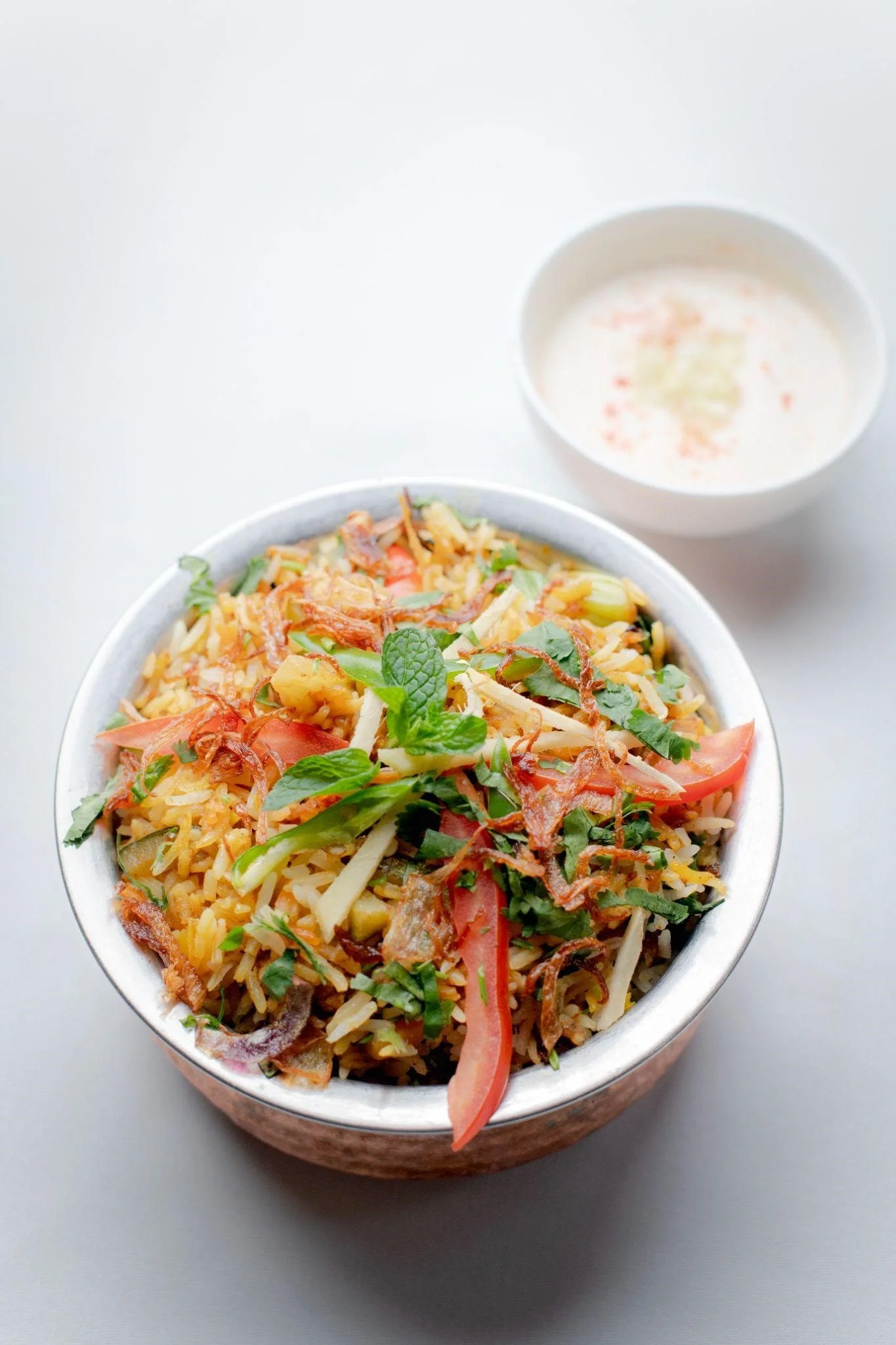
Hotel Shanker, a historic gem in Kathmandu, offers a dining experience that seamlessly blends Nepal's rich culinary heritage with international flavors. Our chefs craft dishes that honor traditional Nepali recipes while incorporating global influences, ensuring a memorable gastronomic journey for every guest.
Fruits are said to be the food of the gods, and if so, Nepal is a blessed country, what with a large variety of delicious fruits available throughout the year.
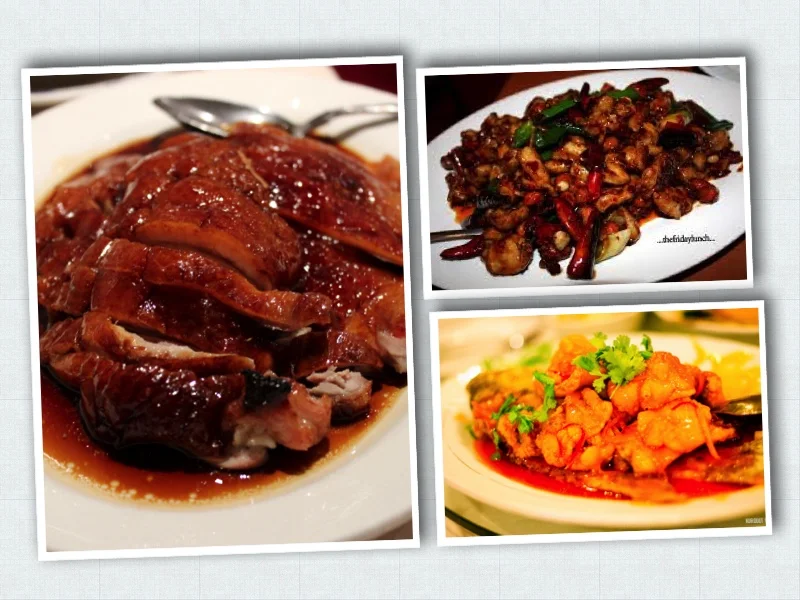
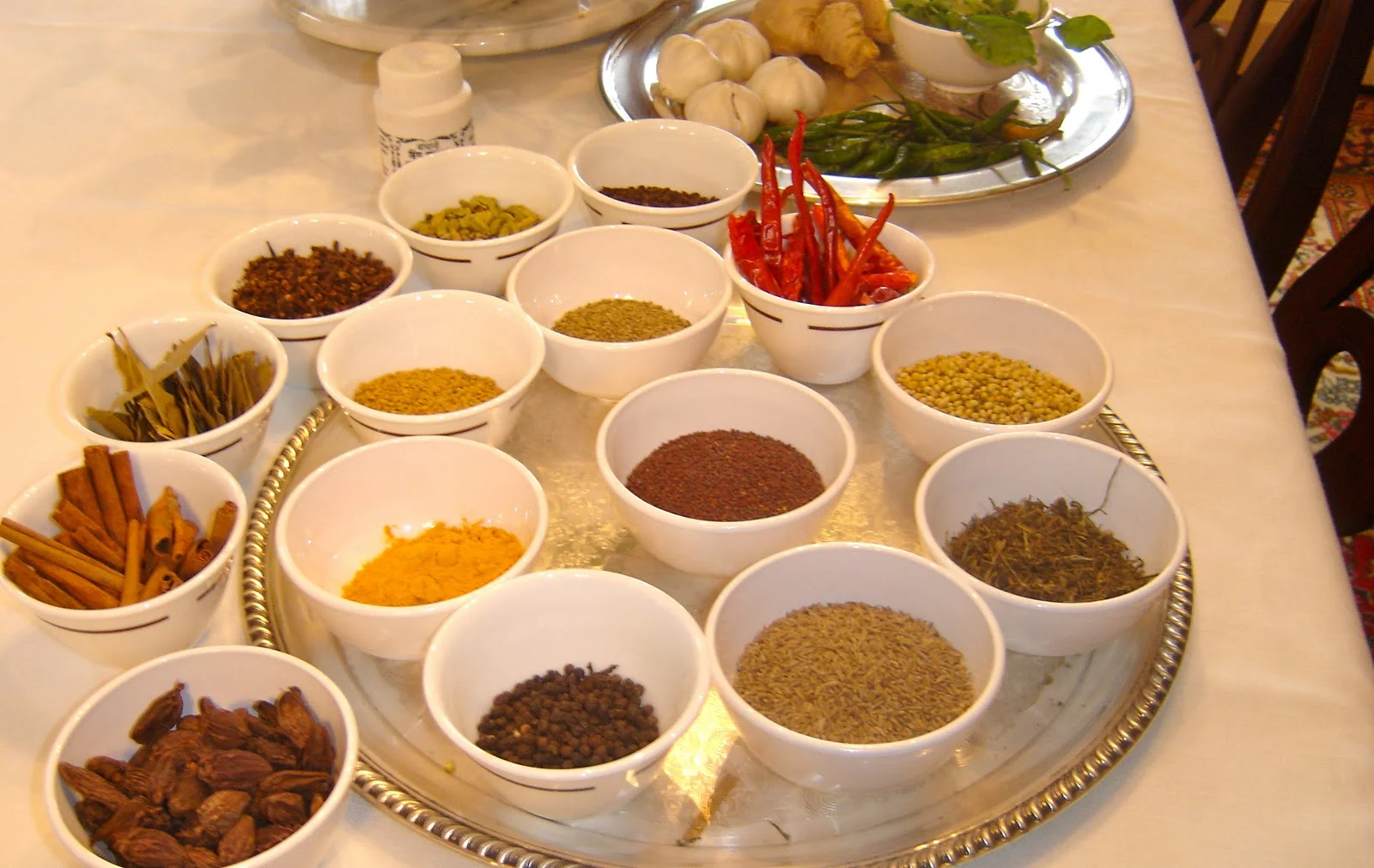
Nepalis love spices (masala) and use them to the hilt when conjuring up their delicious cuisine. What’s more, Nepal is also a global leader in production of some spices!
Welcome to Nepal, a country rich in nature, heritage, and adventure. Welcome to Nepal, a country also rich in exotic cuisine.
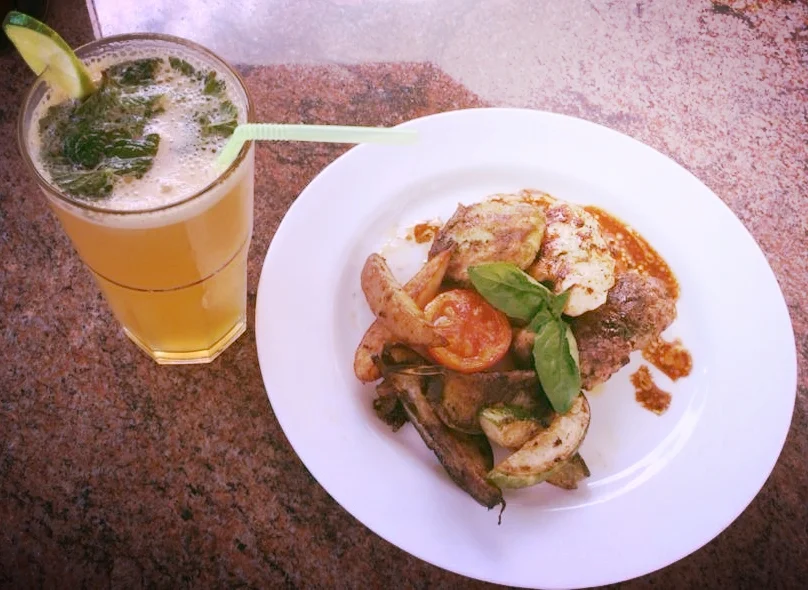
Mataya: A Journey of Light
The festival of Mataya is one of the most important festivals in the Newar community in Patan. A unique Buddhist festival, during when men and women in a comical attire carrying candles and torches, traditional musicians playing merry rhythms walk to almost all the temples, stupas and monasteries in and around the old city of Lalitpur.
It was a very early morning, and my mother woke me up to show me something magnificent. I was still half asleep as she pulled me out of bed and took me to the lachi(Square) at Pulchowk. As we reached the square, I remember a huge crowd had amassed. For a child I couldn’t conjure up why they had gathered.
A few moments later, still sleepy I heard an unfamiliar sound approaching towards us. It was the sounds of paujus (anklets). As the beautiful steps got closer the traditional tunes of dheme drumed in the distance. In a split second, I saw this long procession heading towards us. I wasn’t asleep anymore I was wide wake with excitement. I saw these gentlemen clad in daura and women in the traditional Haku Patasi( Newari Dress) and what followed had me smiling and laughing. Men and women dressed up in my then, little vocabulary weird and funny. Men with masks, some dressed as women,some as gods and some in a crazy mix of all. I asked my mother, “ What is this?” and she looked at me and said, this is Mataya. The next thing I remember I saw this man running towards me who had this crazy mask on, and I being the child ran as fast as I could.
The festival of Mataya also known as Neyaku Jatra, is one of the most important festivals in the Newar community in Patan. Mata in Newari means light and ya means a scared journey. Celebrated normally in the month of August in the Gregorian calendar. It is celebrated the day after, the auspicious festival of Gai Jatra. This year Matya shall be celebrated on 17th of August 2019. It is believed that the festival of Mataya was established the Lichhavi King Gunakamadeva, who is also believed to have been the King who founded the city of Kantipur( Kathmandu).(Wright, 1877, 155)
The festival of Mataya is a unique Buddhist festival, during when individuals walk to almost all the temples, stupas and monasteries in and around the old city of Lalitpur. The festival every year amasses an attendance of thousands with individuals carrying candles and torches, traditional musicians playing merry rhythms and men and women who dress in comical attire.
According to Min Bahadur Shakya, Director- Nagarjuna Institute of Exact Methods,” The preparation for Mataya begins on the first day of Gunla. After mid-night on this day a group of hundred people with nava bajan( traditional Newari instrument) gather and follow the exact path that they are to follow on the day of Mataya. They don’t finish the whole route on a single go, but gather every night for the upcoming days and mark the shrines and courtyards with vermilion, husked rice and coins as they pass by. This event is called Bogiwonegu(To Give Offering). During the day of Matya individuals gather at the lead locality from where Matya is to begin and start their journey. They walk the entire route in one day, and some choose to make the journey bare foot. They offer their prayers at the shrines marked and present offerings.”
Members of family stay show their support by offering them refreshments and various communities place stalls to offer water and refreshments to the attendees. It is roughly estimated that the devotees visit 1400, 1500 local and private shrines during Matya.
According to a local legend, it is believed that once Sakya Muni Gautam was in deep penance to attain Nirvana when the jealous Maras came to distract him. They had disguised themselves in various forms and some were in the form of fierce looking demons while some were beautiful damsels. They tried to tempt the muni but he overcame the Maras and achieved Nirvana. It is also believed that the Maras later came to Lord Buddha and confessed their sins and worshiped the lord.
For this years edition of Mataya, it is being organized by Haku Bahal Tole which is west from the cross roads of Patan Durbar Square. The festival shall normally begins before the crack of dawn at around 4 AM and make their way to the shrines marked during Bogiwonegu. It is a beautiful sight to behold, with merry music, comical dancers, and the energy is exhilarating.
SIMILAR POSTS
A journey through Rato Machindranath Jatra reveals how deeply tradition and community are connected in Kathmandu Valley.
Maghe Sankranti in Nepal’s Terai: A celebration of Tharu culture through vibrant rituals, music, and most importantly delicious food! From the sweet Tilko Laddu to savory Bara, each dish carries centuries of tradition and meaning, bringing families and communities together. Don’t miss out on these festive delicacies that symbolize warmth, unity, and abundance.
Indulge in the warmth and tradition of Yomari Punhi, where sweet, steamed yomari brings communities together to celebrate the harvest moon. A festival filled with myths, gratitude, and delicious delicacies, Yomari Punhi is not just about the food—it’s about the spirit of sharing, abundance, and honoring the goddess of nourishment.
Embrace the warmth of family, tradition, and light during Tihar, Nepal’s festival of togetherness. From honoring animals to lighting diyas, it’s a celebration of love, prosperity, and the vibrant Nepali culture that brings communities closer.
Dashain, the grandest festival of Nepal, is a time of celebration, devotion, and togetherness. Across the country, homes are adorned with flowers, kitchens fill with traditional delicacies, and families gather to honor age-old rituals. In the historic city of Patan, one tradition stands out as a vibrant symbol of devotion and cultural pride: Gaa Pyakha.
Dashain: A time of triumph, blessings, and the joyous spirit of togetherness. As families gather to honor traditions and celebrate the victory of good over evil, the festival brings moments of joy, reflection, and cultural pride. Let the swings of Dashain carry you into a new season of prosperity and unity.
On Ghatasthapana, the sacred ritual of welcoming Goddess Durga begins the journey of Dashain. As the kalash is placed and barley sprouts grow, it marks a time for spiritual growth, prosperity, and family unity. A celebration of divine blessings and the hope for a fruitful year ahead.
As the monsoon rains sweep across Nepal, the streets of Kathmandu transform into a vibrant sea of red. Women gather in unity to celebrate Teej, a festival that celebrates love, devotion, and resilience. This cherished tradition, marked by fasting, singing, and dancing, holds profound spiritual and cultural significance. But what makes Teej truly special? Let’s dive into the heart of this festival and explore its origins, rituals, and the enduring spirit of womanhood.
Every spring, as the air begins to warm and the days grow longer, the city of Patan prepares for a celebration unlike any other. Rato Machhindranath Jatra is one of the oldest and most respected festivals in Nepal. Its roots go back more than a thousand years, and its meaning still feels just as strong today.
Ghode Jatra is more than just a horse race; it is a symbol of Kathmandu’s resilience, history, and strength, where the country’s finest cavalry units, skilled riders, and powerful horses come together for a spectacle that has captivated audiences for centuries.
As spring arrives in Nepal, Holi, the festival of colors, transforms Kathmandu into a lively spectacle of vibrant hues, music, and joy. Celebrated across Nepal and India, Holi marks the arrival of spring and the victory of good over evil.
Yomari Punhi, celebrated on the full moon day of the month of Thinla in the Nepal Sambat calendar, is one of the most beloved festivals of the Newar community in Nepal. This festival, dedicated to gratitude for the harvest and prayers for prosperity, combines spirituality, tradition, and the delight of culinary art through the iconic dish, the Yomari.
As the festive season approaches, the air fills with joy, laughter, and the aroma of celebration. At Hotel Shanker, we embraced this spirit with our annual Cake Mixing Ceremony, a heartwarming event where our guests came together to mark the beginning of a season dedicated to togetherness and traditions.
Christmas, traditionally a Christian holiday, has transcended religious boundaries to become a global celebration of joy, love, and giving. In Kathmandu, the heart of Nepal, Christmas has found a special place amidst the city's vibrant cultural tapestry. This festival is celebrated with warmth and inclusivity, reflecting Kathmandu’s embrace of diverse traditions and its ever-evolving cultural adaptation.
As the vibrant autumn leaves of Kathmandu begin to fade and the crisp chill of winter settles over the city, there’s no better time to plan your perfect winter escape. Nestled in the heart of Kathmandu, Hotel Shanker offers the ideal blend of historical grandeur, warm hospitality, and modern luxury, making it the ultimate winter retreat.
Tihar, one of Nepal's most beautiful and vibrant festivals, is a celebration of lights, joy, and gratitude. Spanning five days, Tihar honors the bond between humans, gods, and animals, making it a festival that resonates deeply with the Nepali culture. Often compared to Diwali, Tihar is unique in its own right, filled with cultural rituals, colorful decorations, and joyous festivities.
Indra Jatra, celebrated in honor of the god Indra, the King of Heaven and Rain, is a festival that has captured the heart of Kathmandu for centuries. Legend has it that Indra descended to Earth to collect a specific flower for his mother, only to be captured by locals who didn’t recognize him. Upon realizing his divine identity, they released him, and to honor the event, the festival of Indra Jatra was born.
Krishna Janmashtami, a significant Hindu festival, celebrates the birth of Lord Krishna. It is typically observed on the eighth day of the dark fortnight (Krishna Paksha) of the month of Shravan (August-September). Various religious rituals and cultural events dedicated to Lord Krishna are held on this day.
Janai Purnima, a significant Hindu festival celebrated in Nepal, marks the day of renewing the sacred thread (janai) worn by men. This thread symbolizes purity and religious commitment and is believed to protect the wearer from evil forces and bestow blessings. The festival is also known as "Raksha Bandhan" in some parts of Nepal, where sisters tie a protective thread (rakhi) on their brothers' wrists.
Nag Panchami, a significant Hindu festival, is dedicated to the worship of serpent deities, commonly known as Nag Devta. Celebrated annually on the fifth day of the bright fortnight of the lunar month of Shravan, this auspicious day holds immense religious and cultural importance.
Gathemangal, also known as Ghantakarna Chaturdasi, is a unique festival celebrated by the Newar community in the Kathmandu Valley of Nepal. It falls on Shrawan Krishna Chaturdashi, which typically occurs in June or July according to the Bikram Sambat calendar. This vibrant festival is a colorful display of warding off evil spirits and ushering in peace and prosperity.
Nepal, a landlocked nation in the Himalayas, boasts a rich agricultural heritage. Among its many festivals, National Paddy Day, also known as Dhan Ropne Diwas, holds a special place in the hearts of Nepalis. Celebrated on the 15th day of the Nepali month of Asar (June-July), this vibrant festival marks the auspicious beginning of the rice planting season. Let's delve deeper into the cultural significance, rituals, and spirit of this unique celebration.
During your stay at the luxurious Hotel Shanker, be sure to experience the vibrant cultural tapestry of Nepal. One unmissable event is the Ghode Jatra, a pulsating horse festival that unfolds every year in Kathmandu, typically around mid-March to early April.
Kathmandu comes alive in a riot of colors during Holi, the exuberant Hindu festival also known as the Festival of Colors. As a guest at Hotel Shanker, you have the unique opportunity to witness and even participate in this joyous celebration. But Holi is more than just throwing colored powder around.
In the heart of the Himalayas, nestled among the towering peaks and lush valleys of Nepal, lies a festival that transcends time and illuminates both the night sky and the human spirit - Tihar, the Festival of Lights. This enchanting celebration, also known as Deepawali or Yamapanchak, holds a profound historical, cultural, and religious significance in the lives of Nepalese people. In this article, we will delve into the captivating world of Tihar, exploring its historical roots, the unique celebrations associated with it, its cultural importance, and its deeply ingrained religious values.
Nepal, a land of diverse cultures and traditions, boasts a rich tapestry of festivals that reflect its deep-rooted heritage. Among these, Dashain stands out as the most significant and widely celebrated festival in the country. Dashain, also known as Vijaya Dashami, is a time of devotion, family reunions, and cultural splendor. In this article, we will delve into the history, significance, and major events that make Dashain an integral part of Nepal's cultural identity.
In the heart of Kathmandu, where ancient traditions intertwine with modern life, a grand celebration unfolds, reverberating through the narrow alleyways and vibrant squares. This is Indra Jatra, one of Nepal's most significant and spectacular festivals, where gods, goddesses, and people come together to celebrate culture, heritage, and spirituality. In this feature article, we delve deep into the heart of Indra Jatra, exploring its history, rituals, and the vibrant tapestry of culture that defines this extraordinary celebration.
Newar culture in Nepal's Kathmandu Valley is a vibrant tapestry of artistic excellence, syncretic religions, festivals, and a unique socioeconomic structure. Challenges and preservation efforts are vital to safeguard this rich heritage and promote a deeper understanding and appreciation of its contributions to global cultural diversity.
Nepal, a land of vibrant culture and traditions, where festivals are not just celebrations but a way of life. From the traditional Dashain to the colorful Holi, Nepal's festivals are a reflection of its rich history, religion and customs. A melting pot of diverse ethnic groups, these festivals bring people together, fostering a sense of community, tradition and unity.
Swasthani Brata is a Hindu festival that is observed in Nepal, particularly in the Kathmandu valley. It is a month-long festival that takes place during the lunar month of Swasthani. Devotees observe a fast and perform various rituals and ceremonies to honor the goddess Swasthani, and the festival is also an important time for socializing and strengthening relationships with friends and family. It is marked by music, dance, and cultural activities.
5 Must-Have Street Foods in Nepal
Apart from all the different eateries, the street-food scene in Nepal is equally exciting and astounding. The delicacies of the street food in Nepal is already a common delight for the people of the country. Mouthwatering food stalls in every corner of the street have been famous among the tourist and people of the country.
Mo:Mo
Pani Puri & Chatpate
Bara, Malpuwa & Aloo Chop
Samosa
Lassi
Trying new food at places and stations you hadn’t previously tried is an adventure in itself. It is exciting, interesting, satisfying and well its food! Nepal has a lot of eateries (khaja ghar, bhatti, restaurants) around every corner of almost every city. Each with their own style and taste even in ridiculously same dishes and that in itself is the charm that is held.
Apart from all the different eateries, the street-food scene in Nepal is equally exciting and astounding. If you’re ever traveling around the valley and away, make sure to try as many different stalls as you can. The delicacies of the street food in Nepal is already a common delight for the people of the country, but let’s see what street foods never fail to catch the eye.
Precious Mo:Mo
This isn’t a surprise, is it? Mo;mos are hands down the most popular eats in the country. You can find them anywhere and I mean ANYWHERE! This fast food can be found in many stalls set up around different locations and if you’re ever on a food hunt, I doubt you would miss this. The charm is in the achaar that compliments the mo:mos and adds a whole new dimension to the taste. Put simply, you couldn’t possibly pass on an opportunity to try this dish.
Pani Puri and Chatpate
Pani puris are already famous. Like the beloved mo:mo this treat needs no introduction. Maybe the most popular street food, pani puri and chatpate can be found in all the major places that you can think of and the best part is that the guys that sell them tend to move from one place to the next, almost like ice cream trucks in the Western world. The spice brings everyone towards it and it doesn’t really fail to bring fun moments.
Bara, Malpuwa and Aloo Chops
If you are moving around Patan or through any Newar community, bara and malpuwas are very popular. While bara is a savoury treat which is majorly eaten during festivals and celebrations, it has since become flexible as a street treat as well. Malpuwas go the sweet-savoury way and are wonderful treats to satisfy your sweet tooth. Aloo Chops are impressively popular fast food, amusingly as early morning treats to some. The thin potato patties rolled around in batter and deep-fried is a much-loved treat indeed.
Samosa
Samosas are already a popular treat in India and in Nepal. This popular treat can be found even in the most aloof courtyards you can think of. Like all the dishes in this list, samosas can taste different depending on the place that you have it in, so its a mystery what kind of new taste you might get to indulge in.
Lassi
The Narayan Chowk lassi grows in popularity every single day. If you are making your way through the capital on a humid day, chances are you are going to stop for a sweet, cold glass of lassi. A nice glass of lassi can be the perfect end to your food tour if you have been trying out new tastes in the valley.
SIMILAR POSTS
The festival of Dashain is a fiesta of flavors. The ethnic diversity of Nepal entails a symphony of beautiful delicacies put together to enjoy with friends and family. In this article we shall explore the various flavors that are celebrated during Dashain
Local food stalls popularity at the corners of almost every street in Kathmandu with mouthwatering dishes are growing among the people of all ages. We can see carts and moving stalls surrounded by people, especially during the evenings. Groups gathering surrounding stalls in joy while eating stick foods served in a traditional taste is an evening scene seen these days in the streets of Kathmandu.
Apart from all the different eateries, the street-food scene in Nepal is equally exciting and astounding. The delicacies of the street food in Nepal is already a common delight for the people of the country. Mouthwatering food stalls in every corner of the street have been famous among the tourist and people of the country.
Welcome to Nepal, a country rich in nature, heritage, and adventure. Welcome to Nepal, a country also rich in exotic cuisine.
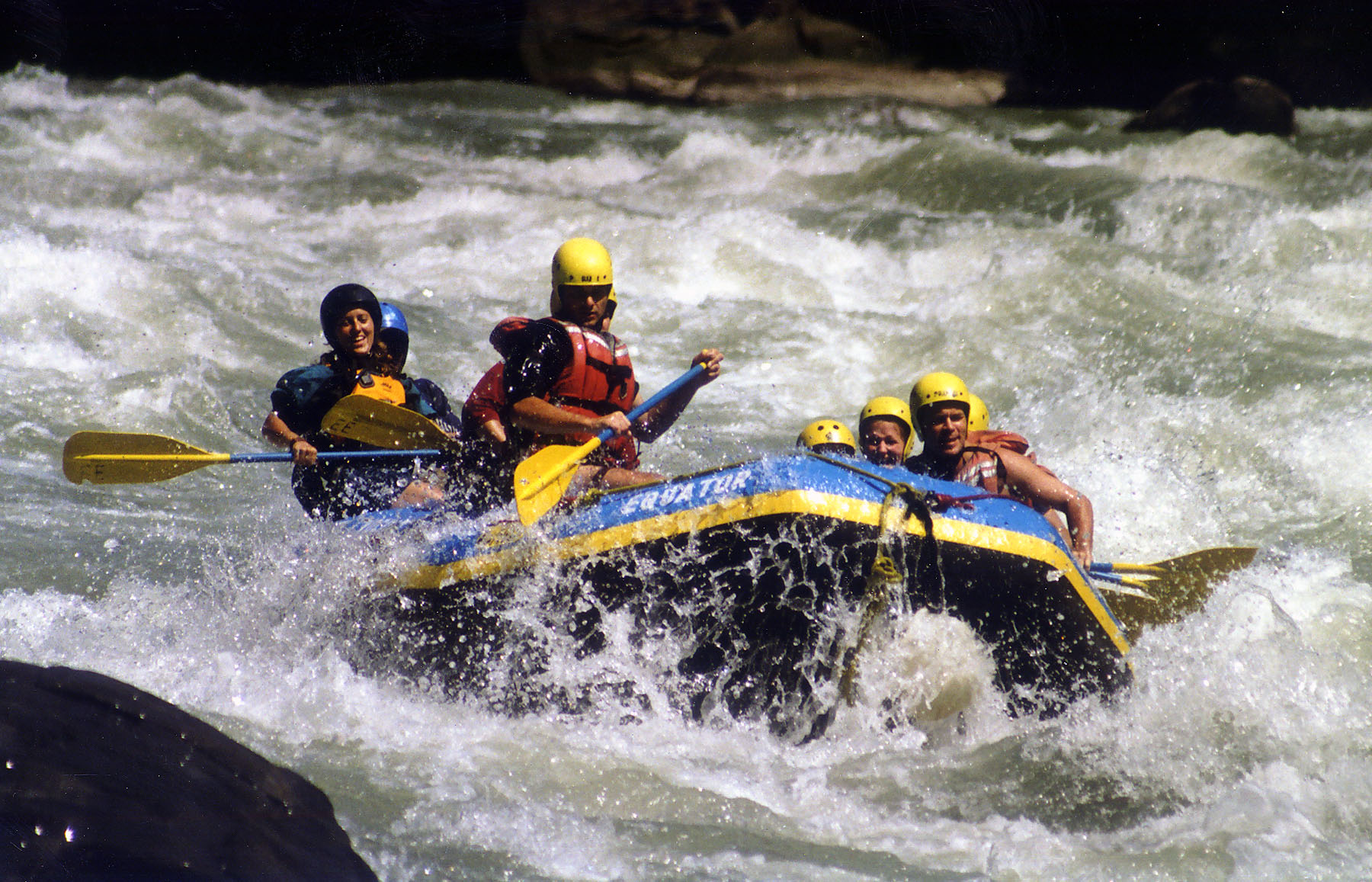
Seeking adrenaline in Nepal. Part 2
Nepal is a country where there are adventurous destinations and most beautiful cultural heritage full of temples, rivers, and magnificent mountains. Whether you want to see the beauty or you want to make an unforgettable moment by experiencing the breathtaking adventure activities of Nepal.
If you are looking for ways to conquer your fear or just want to do something crazy for your adrenaline kicks in, the high lands of our country can help you achieve this goal. It is an adventure playground for thrill seekers and adrenaline junkies. For all you risk takers and brave hearts, our country excels in adventure tourism and here's some of the adrenaline arousing activities in our country:
Crossing a suspension bridge
- For people who are scared of heights, walking in a suspension bridge can be a nightmare. The longest suspension bridge can be found in Kusma, which is a small town only a couple of hours outside of Pokhara. The walk through the bridge is scary and it becomes a never-ending journey as the bridge is 344 meters long and 135 meters high. The view of Kali Gandaki below can make your head spin and your heart can race uncontrollably.
- However, you can experience different kind of thrill on a suspension in the Himalayas. The Edmund Hillary suspension bridge, located in the Himalayas is 160 meters high. It may not be as long as the one in Kusma but as the porters pass you while crossing the bridge, the large hauls that they carry can make it very bouncy. Also, if mules and yak are walking beside you, get ready to experience mini heart attack!
River rafting down the Bhote Koshi River
- Bhote Koshi is the most popular whitewater rafting destination in Nepal. The upper section of this river features class V rapids and this has been the main attraction for skilled kayakers while its lower sections and their class III rapids are mostly preferred by the new-bies who are exploring their rafting skills. Along with this, Bhote Koshi also provides mind blowing views of the enchanting waterfalls, lush green jungles and ancient villages.
Canyoning
- Canyoning can be a bold adventure choice to experience the thrills of nature in the wild. Imagine the level of adrenaline rush you experience while descending down streams on a rope and jumping down to spotless pools from canyon walls. You can get a special package of canyoning along with hiking, trekking with other thrilling adventures. Canyoning sites are available at Marsyandi, Kakani, Sunkoshi, Kulekhani, Sundarijal, Bhotekoshi.
Waterfall Ice Climbing
- As Nepal has eight of the highest peaks of the world, it's no wonder many mountaineers have come here to explore and get a taste of their own adventures. What better way to arouse their adrenaline then by ice climbing?
- If you choose to literally push yourself to the limit by battling extreme altitudes, taking on the toughest icefall and jagged peaks, then this mind blowing experience is just the thing for you. While climbing this incredibly frozen water, you get to witness amazing landscapes which are completely different to experience. You can try ice climbing in places like Thame, Annapurna, Langtang valley.
Ultra light flying
- This adventure can be pretty similar to mountain flights but with extra chills! The microlight aircraft helps you fly through the clouds with the wind on your face and with a view of the unhindered mountain peaks. It's an experience of a lifetime with the feeling of freefalling in the mountains. If you cannot contain the excitement anymore, Pokhara airport is calling you!
Parahawking
- Parahawking can best be described as paragliding with falconry. You can actually fly with birds of prey! Parahawking combines the modern technique of paragliding capturing a bird's natural instinct. You get to explore the jungles through the eyes of this bird.
- During the flight, the passenger regularly place small chucks of meat on their hand for the bird to refuel. This is a unique adventure which deals with conservation and eco- tourism and gives the opportunity to interact with the birds of prey while experiencing the Himalaya from the sky. Paragliding and Parahawking can be experienced together in Pokhara.
Heli Skiing
- Nepal offers an excellent location for heli- skiing activities with amazing height of the Himalayas as the helicopter drops you off at the start of your run with the longest distance starting at 5,000 meters above sea level.
- Your adventure begins as you make your own tracks through the beautiful powdered snow while praising the forest scenery and mountains views on your way down. You can try heli skiing in the Makalu, Dhaulagiri, Kangchenjunga, Everest and the Dolpo regions.
Jungle safari
- The Himalayan region is famous for mountaineering but we cannot forget the plains. You can go on a Jungle safari and observe magnificent creatures in their natural habitat. Chitwan and Bardiya national park can be the perfect place to enjoy and relax in the tropical climate and greenery if you are a lover of wilderness.
Similar Posts
Step into the heart of the Himalayas on the Manaslu Trek, where snow-capped peaks, ancient villages, and prayer flags guide every step. A journey of endurance, culture, and breathtaking vistas awaits for those ready to explore Nepal’s hidden giant.
Rising above the hills at 3,210 meters, Poon Hill is where the mountains meet the sky. The trail from Ghorepani winds through rhododendron forests and quiet villages, revealing a journey that blends breathtaking views, local culture, and the kind of stillness only the Himalayas can offer.
February is where seasons pause and the Himalayas breathe.
Winter’s snow still crowns the peaks, while spring quietly begins to wake the valleys—clear skies, fewer crowds, and trails at their most peaceful.
From Poon Hill’s golden sunrise to the quiet paths of Langtang and Mardi Himal, this is trekking in its most balanced form: crisp mornings, calm landscapes, and journeys that feel unhurried.
A short window. A rare mood. Nepal, in transition.
Raniban Forest, located just outside Kathmandu, offers a unique blend of natural beauty and intriguing folklore. By day, it’s a peaceful retreat with scenic walking trails and panoramic views of the valley. By night, the forest takes on an eerie atmosphere, steeped in legends of ghostly cries and mysterious occurrences. Whether you're seeking a serene escape or an adventure steeped in history and mystery, Raniban provides a distinctive experience that captivates all who visit.
Discover the hidden winter villages of Nepal, where peace, natural beauty, and authentic village life await. From the picturesque Ghandruk, with its stunning Himalayan views, to the tranquil Tsum Valley, rich in Tibetan culture, these villages offer a serene retreat. Whether you're enjoying a warm homestay, savoring local delicacies, or exploring snow-covered landscapes, these off-the-beaten-path destinations provide the perfect escape for those seeking a peaceful and enriching winter experience.
Shey Phoksundo Lake: A hidden gem above the clouds, where turquoise waters meet snow-capped peaks and misty mornings. Nestled at 3,611 meters in Dolpa, Nepal, this sacred lake offers an unforgettable blend of natural beauty and cultural significance.
Adventure isn’t just about peaks, it’s about people! Explore the depths of kindness of the locals who make your journey warmer, safer and more special.
Sunrise or sunset, Kathmandu’s skies never disappoint! Discover the best spots for breathtaking views and peaceful escapes with the beautiful rise and set of the sun.
Embrace a journey of self-discovery and inner peace amidst the serene landscapes of Nepal. Whether practicing yoga by tranquil lakes, under the towering Himalayas, or in the spiritual heart of Kathmandu, Nepal’s yoga retreats offer a transformative experience that nurtures both the body and soul.
Nestled in the heart of Nepal’s Langtang Range, Gosaikunda Lake is not just a breathtaking natural wonder but also a spiritual haven for trekkers and pilgrims alike. Known for its pristine beauty and sacred significance, the Gosaikunda trek offers an adventure that combines both awe-inspiring landscapes and deep cultural meaning. But beyond the panoramic views and crystal-clear waters lies a tapestry of ancient legends and stories that make this place truly magical.
After a day of trekking through Nepal’s rugged landscapes, nothing beats the warmth of a traditional tea house. With breathtaking mountain views, hearty meals, and the genuine hospitality of local families, these humble havens offer trekkers a true taste of Nepali culture, comfort, and community in the heart of the Himalayas.
Embark on a journey through nature’s breathtaking beauty on the Annapurna Circuit Trek where diverse landscapes, rich culture, and awe-inspiring Himalayan views await.
Beyond the well-trodden paths of Nepal lies a world of hidden wonders. From remote trekking trails to serene mountain lakes, discover the best-kept secrets of Nepal’s majestic landscapes and immerse yourself in the authentic, untouched beauty of the Himalayas. A journey into the heart of Nepal awaits!
On Ghatasthapana, the sacred ritual of welcoming Goddess Durga begins the journey of Dashain. As the kalash is placed and barley sprouts grow, it marks a time for spiritual growth, prosperity, and family unity. A celebration of divine blessings and the hope for a fruitful year ahead.
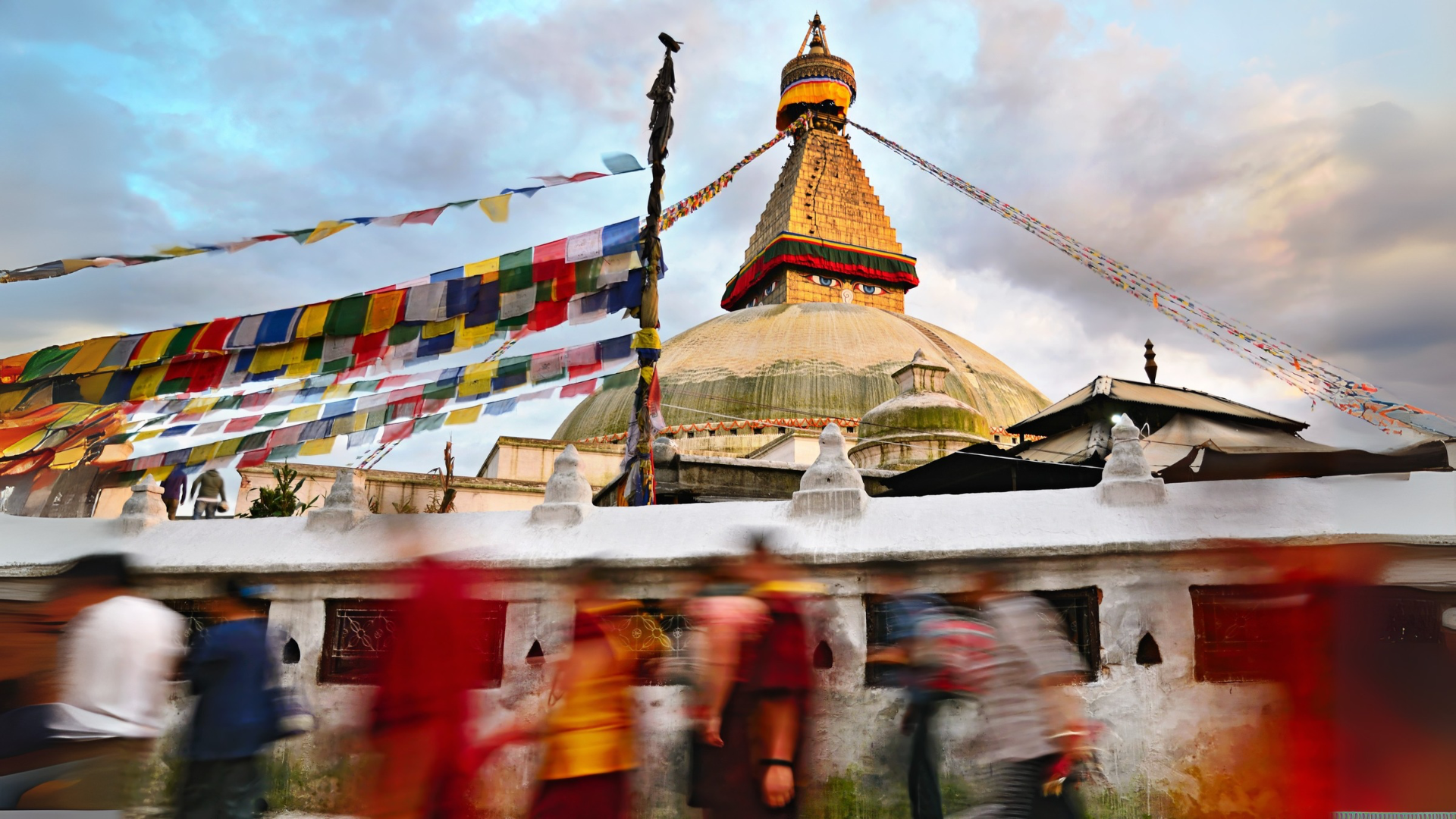
Kathmandu, Nepal’s bustling capital, is a city of deep spiritual roots, rich traditions, and vibrant culture. For centuries, pilgrims, travelers, and those on a spiritual quest have flocked to this sacred city to visit its temples, monasteries, and landmarks. Kathmandu’s spiritual journey is more than just about its history it’s about the connection between its people, their traditions, and a higher sense of divinity. Come with us as we explore some of Kathmandu’s most revered sacred sites and dive into the essence of what makes this city a spiritual sanctuary.
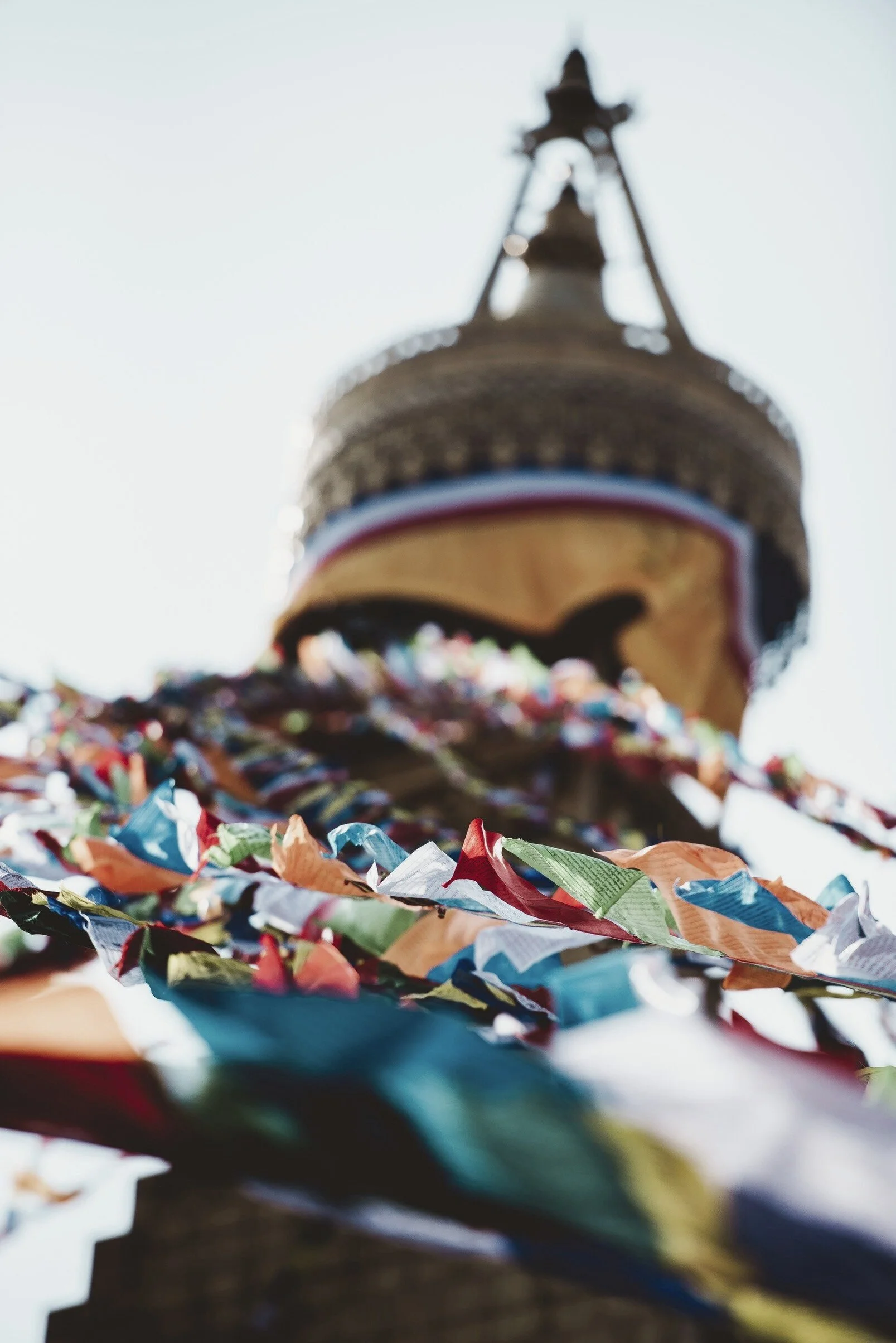
Kathmandu is a place that holds its history close. Every corner, every alley, every old building has a story to tell. It’s a city that rewards slow walks and curious minds.
Every spring, as the air begins to warm and the days grow longer, the city of Patan prepares for a celebration unlike any other. Rato Machhindranath Jatra is one of the oldest and most respected festivals in Nepal. Its roots go back more than a thousand years, and its meaning still feels just as strong today.

For those seeking an unforgettable adventure, spring is the perfect time to trek Nepal’s legendary routes, offering clear skies, breathtaking scenery, and trails alive with culture and nature.
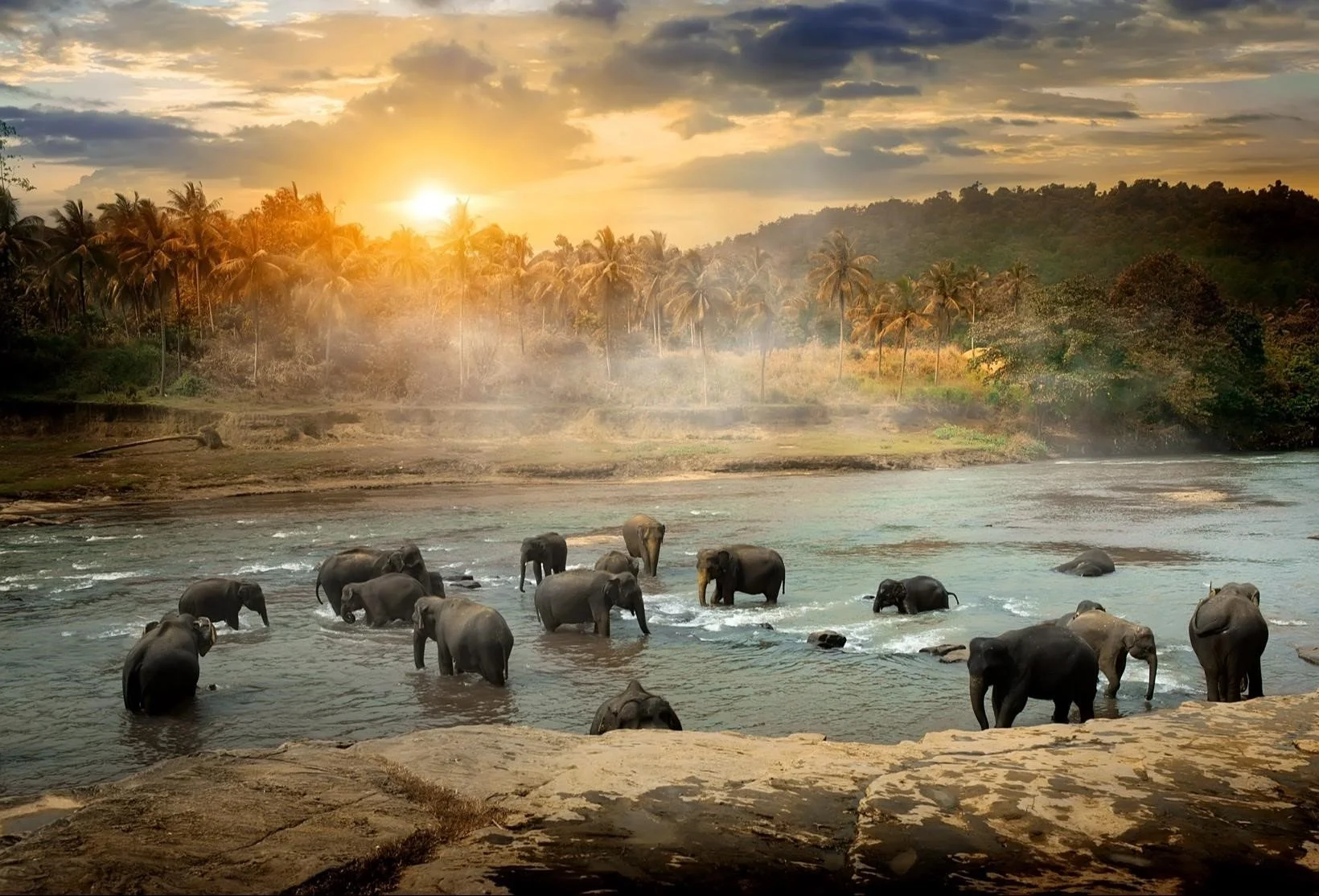
From the lush grasslands of Chitwan to the untamed wilderness of Bardia, Nepal’s national parks are teeming with rare wildlife, migratory birds, and breathtaking landscapes, offering an unforgettable adventure for every explorer.
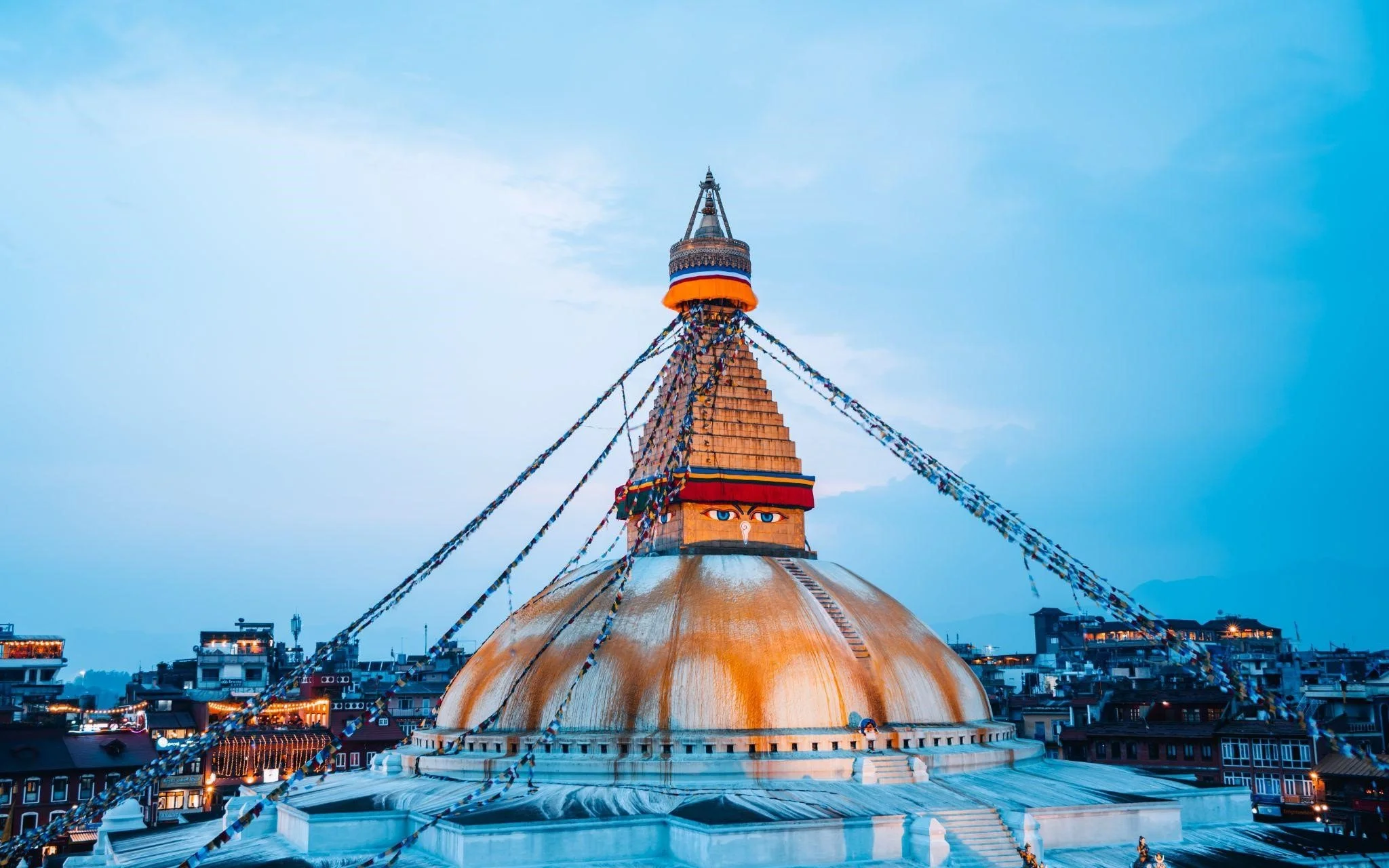
As spring blooms, Nepal transforms into a vibrant paradise of colors, clear skies, and fresh mountain air. Whether you're craving a serene getaway or an adventurous exploration, Hotel Shanker’s Travel Desk is here to make your journey seamless and unforgettable. Discover Nepal’s treasures with expert guidance, curated itineraries, and the warmth of our hospitality.

Every moment in Nepal is a story woven in tradition. Witness centuries-old rituals, vibrant festivals, and warm hospitality that make this land truly unique.
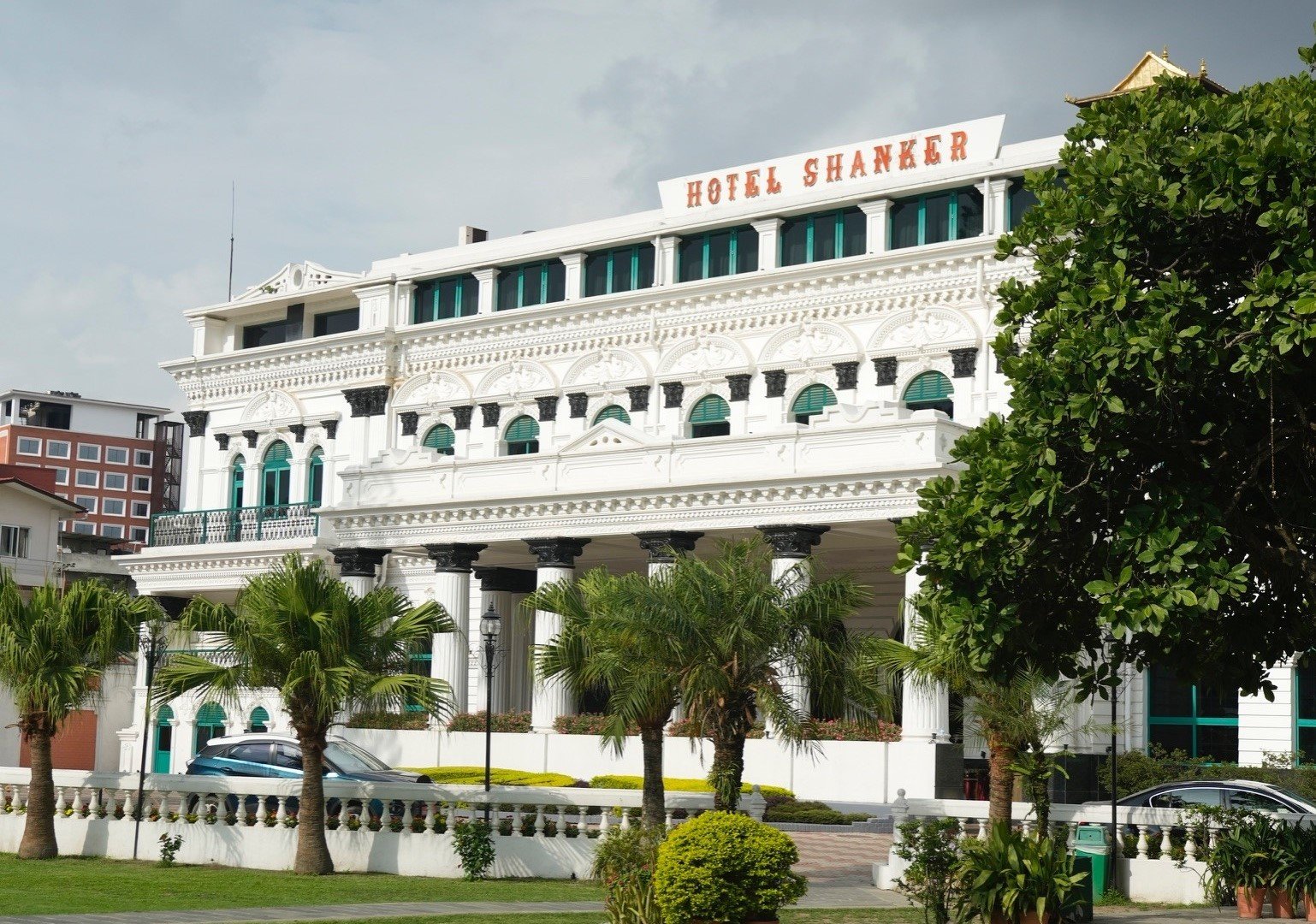
As the monsoon fades away and the crisp, cool air of autumn settles in, October in Kathmandu unveils a stunning transformation. The city comes alive with golden sunlight, clear blue skies, and the promise of adventure. Nestled in the heart of this vibrant city, Hotel Shanker offers the perfect tranquil retreat, blending luxury and heritage for guests seeking both relaxation and exploration. This October, we invite you to experience a serene escape amidst the grandeur of Kathmandu’s history and culture.
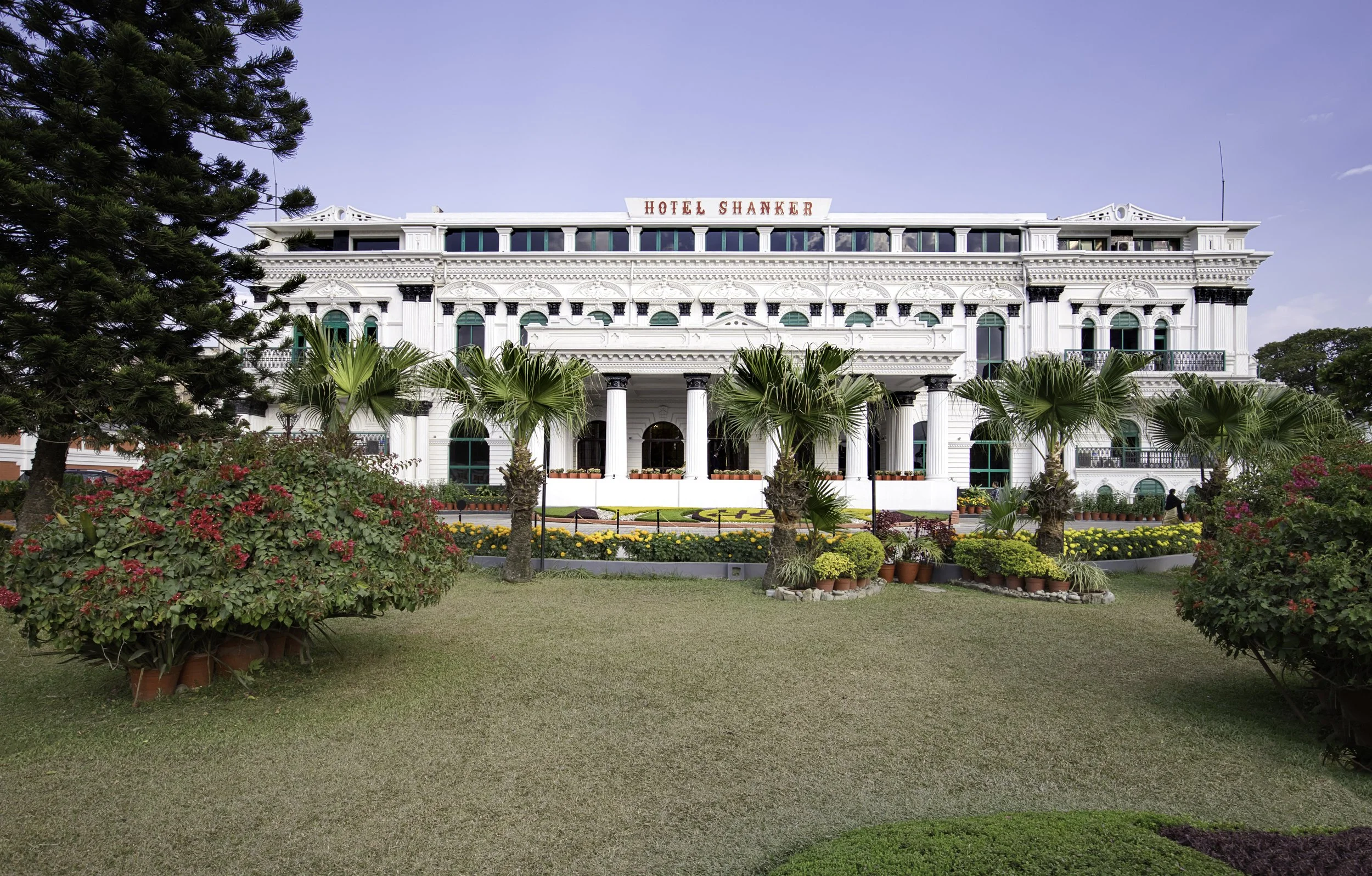
As the vibrant colors of autumn paint Kathmandu, October ushers in a season of breathtaking beauty and a refreshing chill in the air. It’s the perfect time to visit the bustling capital, and what better place to enjoy the splendor of the season than at Hotel Shanker? Located in the heart of Kathmandu, this heritage hotel offers a blend of old-world charm, luxurious comfort, and an ideal base for exploring the city’s attractions. Here’s why Hotel Shanker should be your top choice this fall.
Indra Jatra, celebrated in honor of the god Indra, the King of Heaven and Rain, is a festival that has captured the heart of Kathmandu for centuries. Legend has it that Indra descended to Earth to collect a specific flower for his mother, only to be captured by locals who didn’t recognize him. Upon realizing his divine identity, they released him, and to honor the event, the festival of Indra Jatra was born.
Janai Purnima, a significant Hindu festival celebrated in Nepal, marks the day of renewing the sacred thread (janai) worn by men. This thread symbolizes purity and religious commitment and is believed to protect the wearer from evil forces and bestow blessings. The festival is also known as "Raksha Bandhan" in some parts of Nepal, where sisters tie a protective thread (rakhi) on their brothers' wrists.
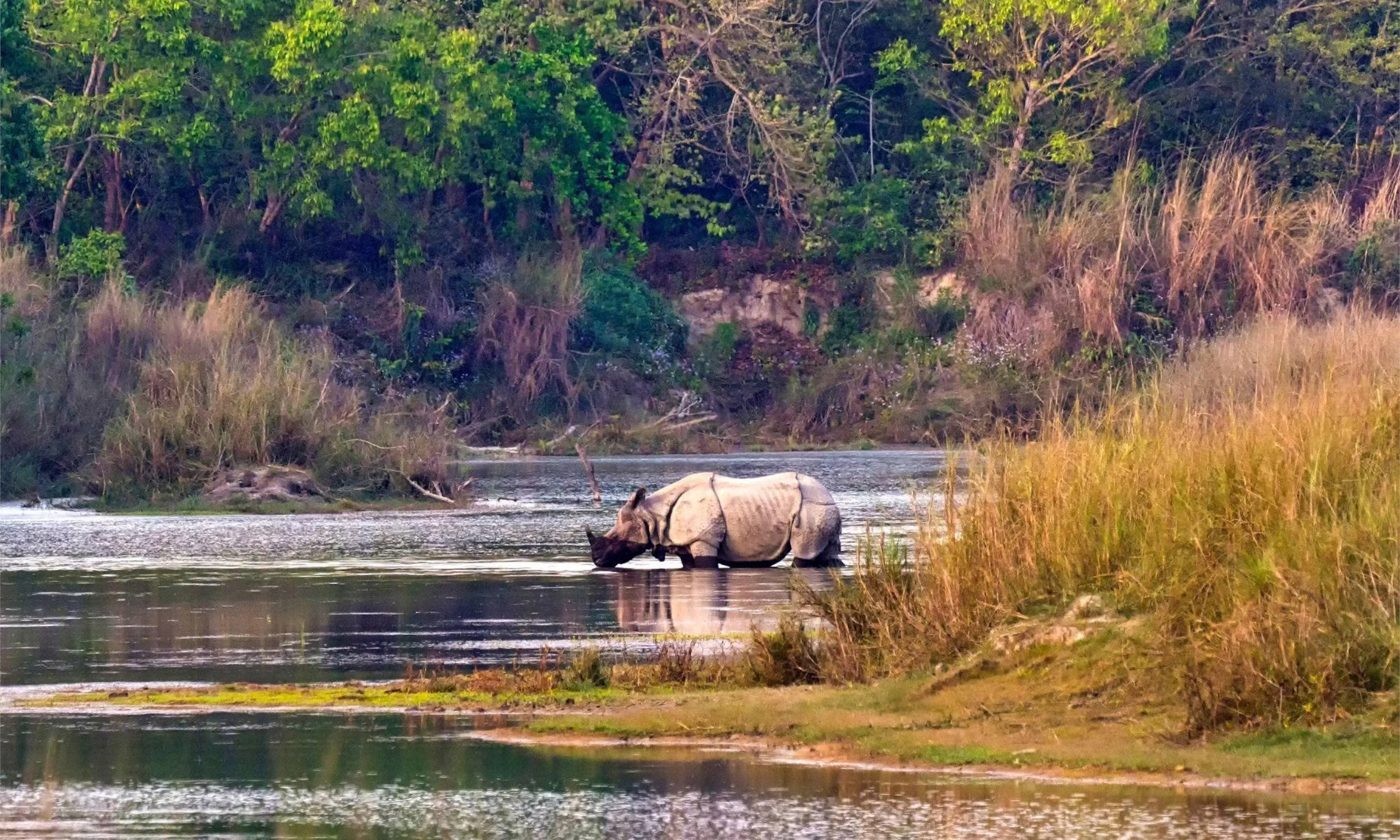
Chitwan National Park, a UNESCO World Heritage Site, is a wildlife enthusiast's paradise. Nestled in the heart of Nepal, this pristine jungle offers an unforgettable experience for travelers seeking an up-close encounter with nature. A jungle safari in Chitwan is an adventure that will leave you with memories to cherish for a lifetime.
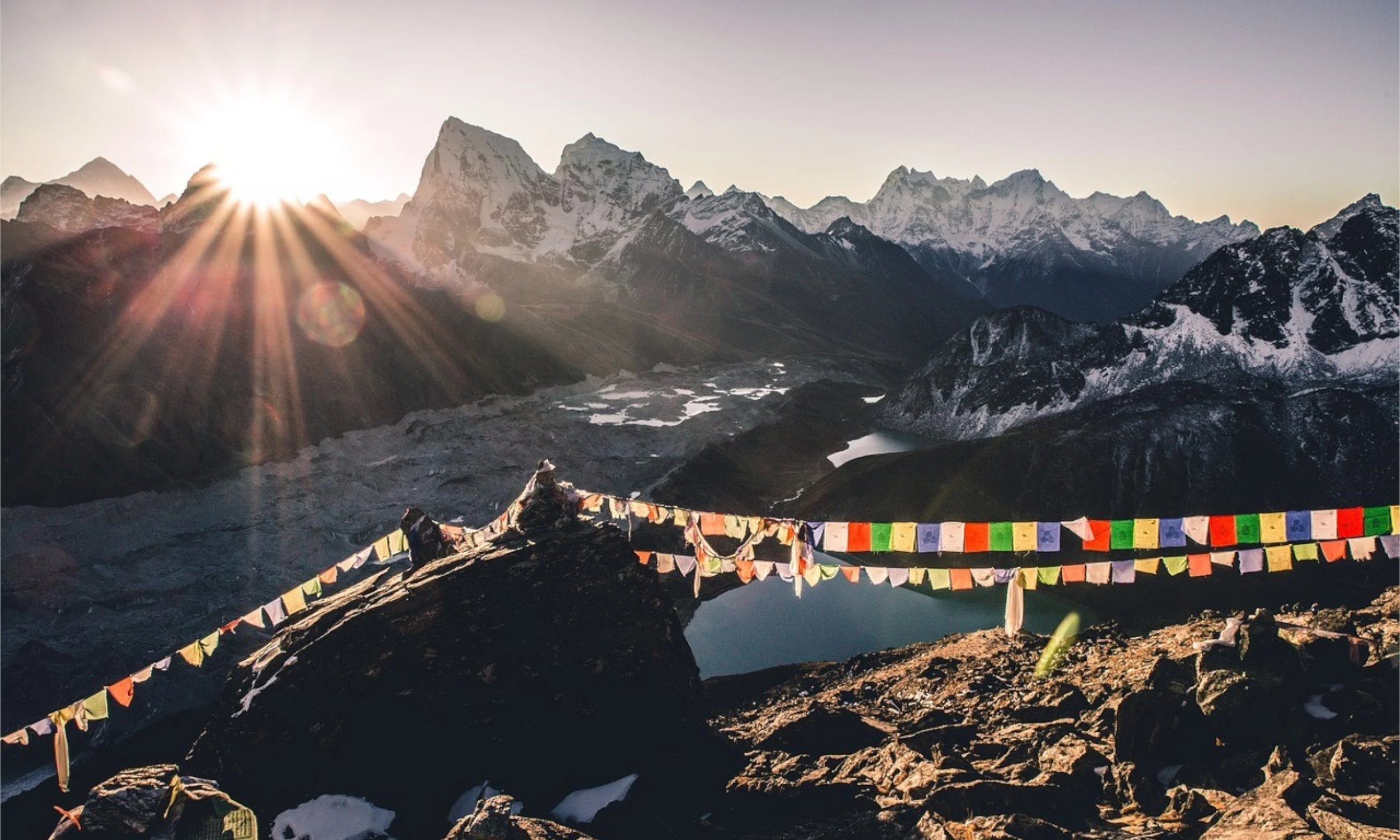
Nepal, the landlocked wonder in the Himalayas, beckons with its soaring peaks and vibrant culture. But beyond the thrill of trekking, a quieter magic awaits in the country's charming hill stations. Nagarkot, Dhulikhel, and Bandipur offer a delightful escape - a chance to breathe in fresh mountain air, soak in breathtaking vistas, and immerse yourself in a slower pace of life.
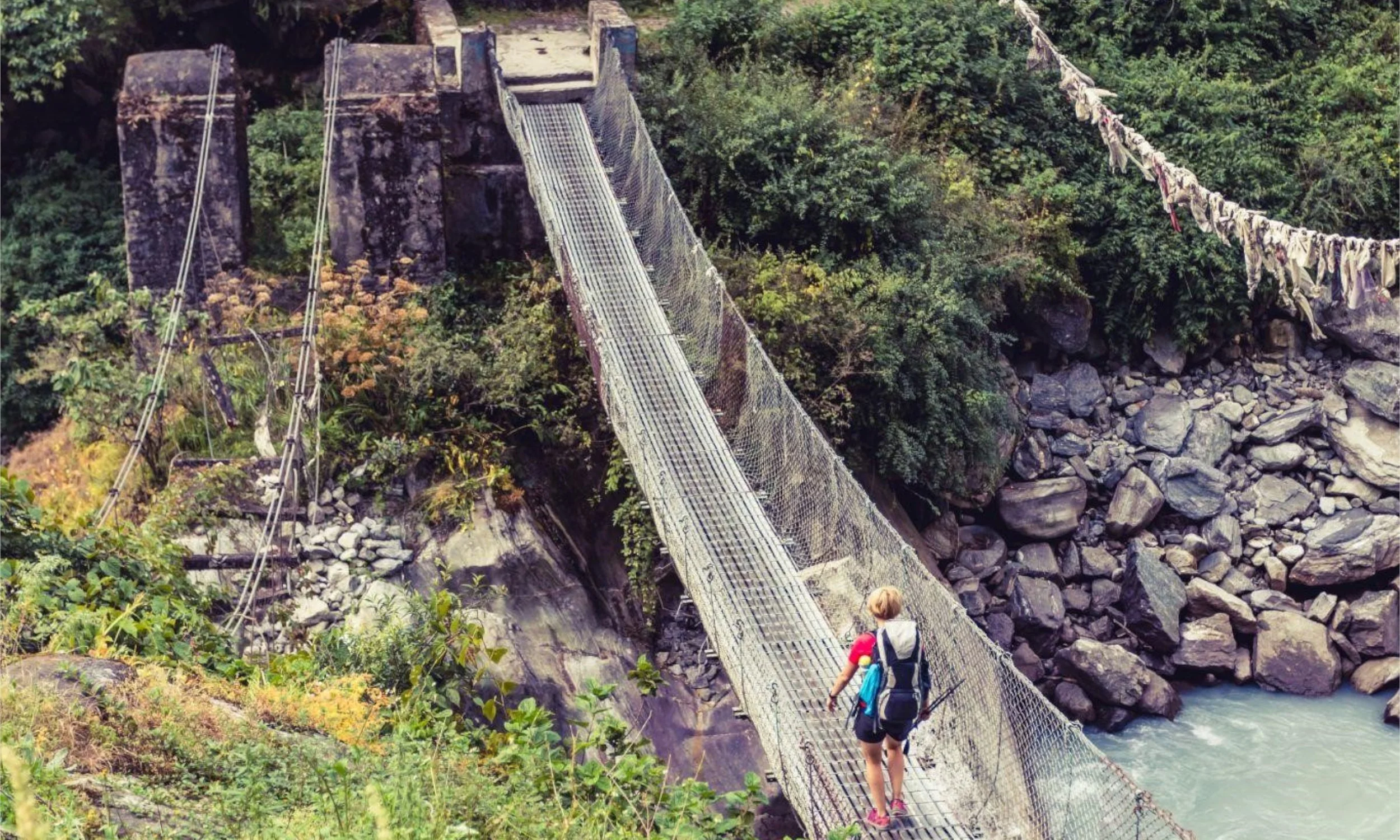
Pokhara, the jewel of Nepal, beckons with its serene lakes, majestic mountains, and a plethora of adventure activities. But for the true adrenaline junkie, bungee jumping stands out as the ultimate thrill. Imagine plummeting towards the earth, the wind whipping past your face, and the breathtaking panorama of the Himalayas unfolding beneath you. That's the magic of bungee jumping in Pokhara.
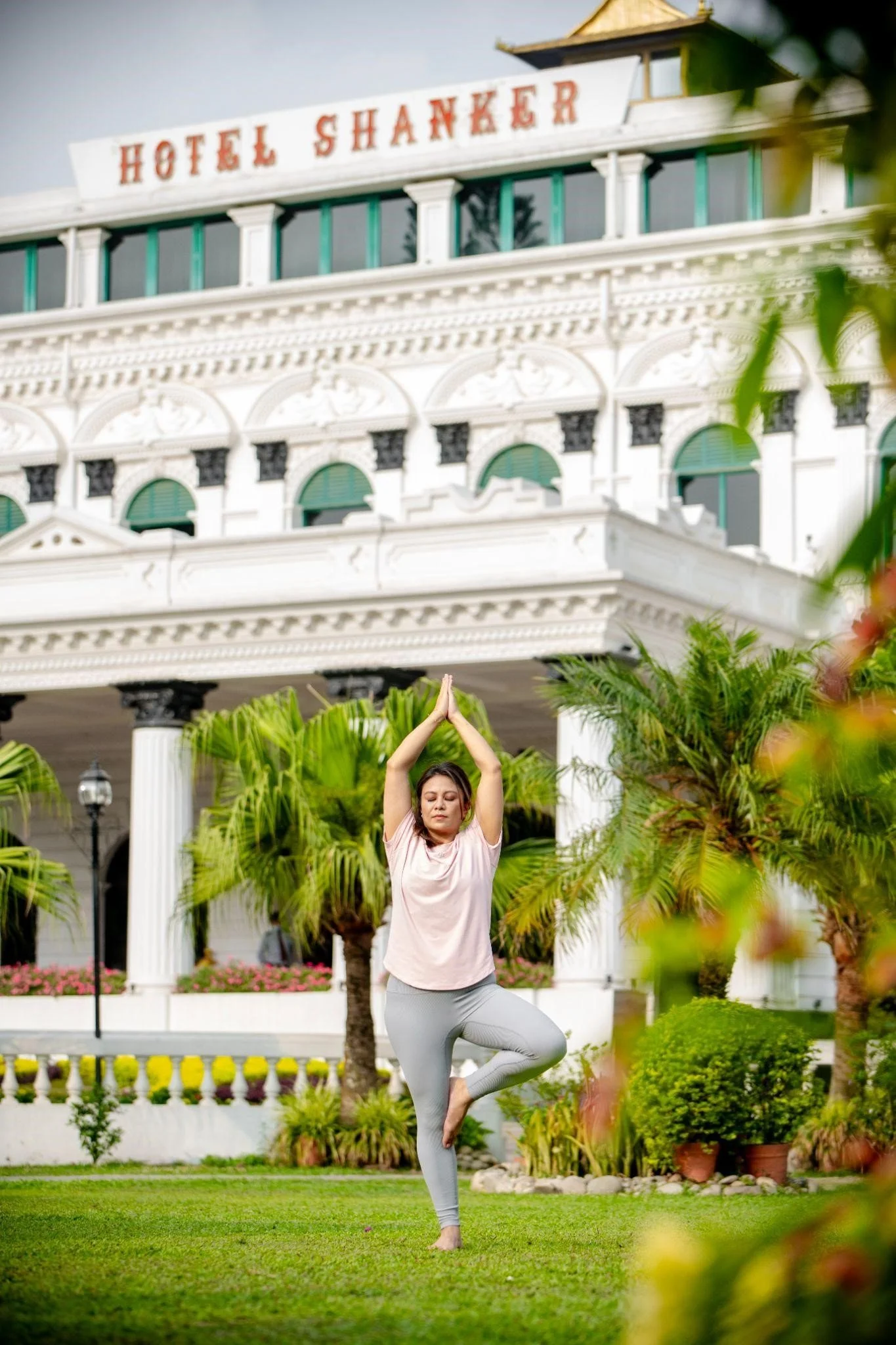
International Yoga Day, celebrated every year on June 21st, is a global phenomenon recognizing the ancient practice of yoga and its immense benefits for people of all ages and backgrounds. Yoga, originating in India thousands of years ago, is much more than just physical postures (asanas). It's a holistic approach to well-being, encompassing physical, mental, and spiritual aspects.
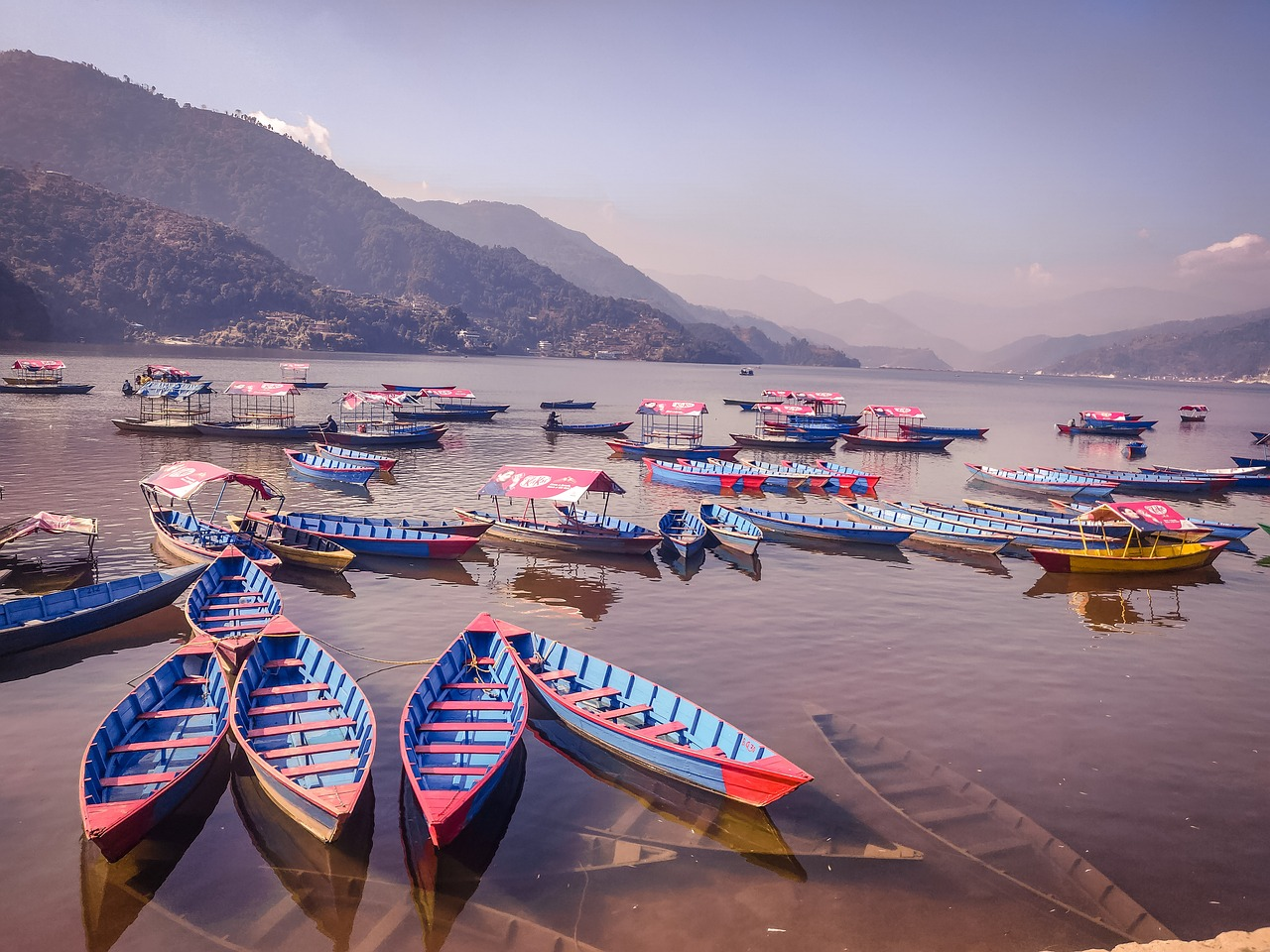
Pokhara, which is more than simply a starting point for hikes, lies tucked away within the breathtaking Annapurna range. This charming Phewa Lake city provides a special fusion of adventure, tranquility, and cultural immersion. Pokhara has something for everyone, regardless of your interests—it is a haven for nature lovers, adventure seekers, or peaceful souls.
According to legends, it is believed that the mother of Lord Intra required a Parijat( a white flower) to perform a ritual. For which Lord Indra descended to earth in search of the flower. He disguised himself as a commoner and while trying to take the flower out of the lawn of a Jyapu. He caught Lord Indra and held him captive blaming him of trying to steal. Lord Indra was imprisoned and not allowed to go back to heaven.