
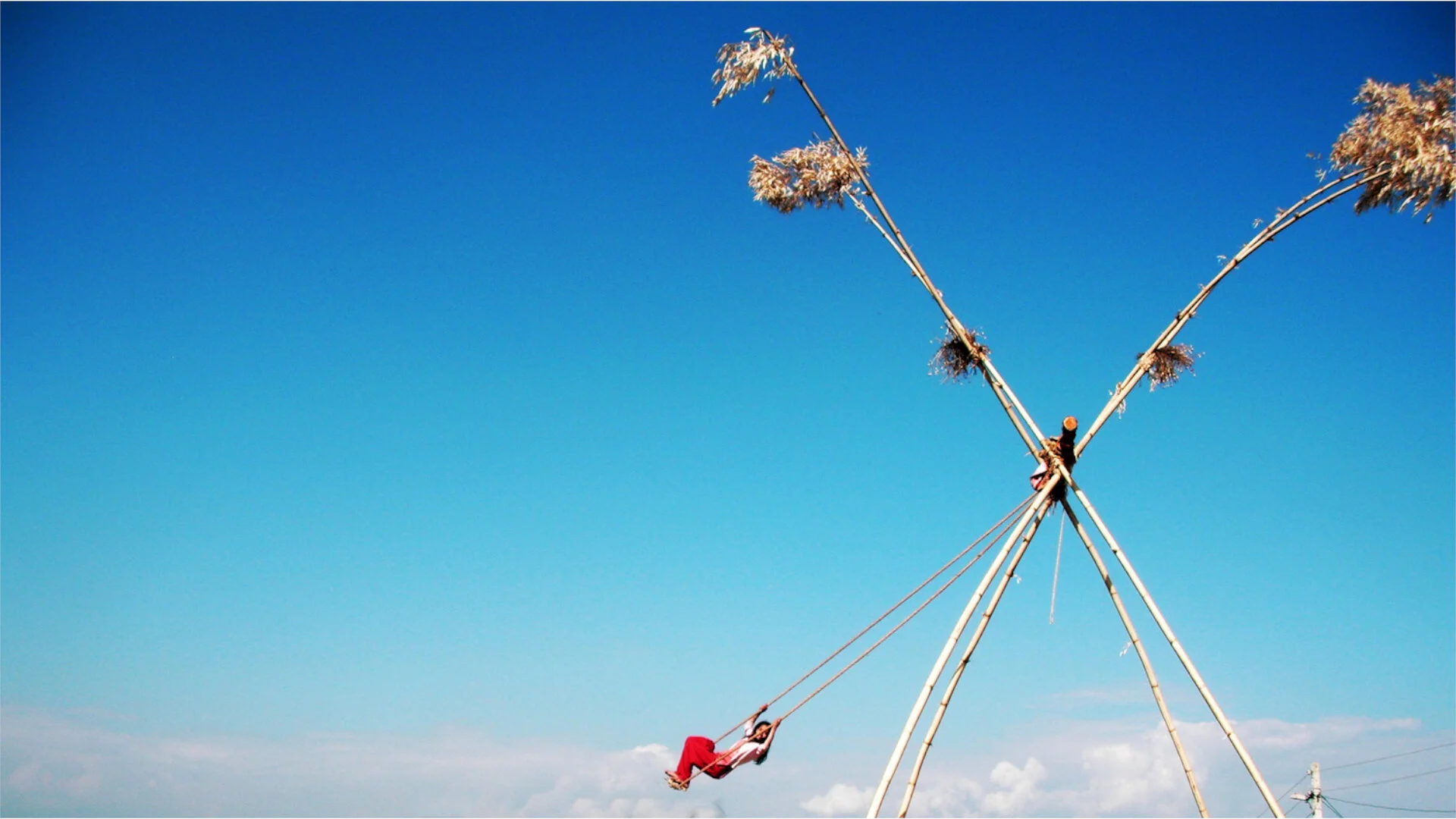
There’s a Festive Air in Nepal
The weather is changing, and along with it, there’s a definite festive air around the country; yes, some of the country’s biggest festivals are here.
As I write this, all the factories and workshops and wherever mechanical implements are used in Nepal are festooned with colorful pennants. Owners and workers alike are enjoying a holiday to commemorate Viswakarma, the divine architect and carpenter, one of whose major achievements was the creation of Dwarka city, the birthplace of Lord Krishna, and who is credited with designing and making numerous weapons for the gods of the Hindu pantheon. A statue of the god is installed in the above-mentioned establishments and homage is paid with worship and offerings. This festival is known as Viswakarma Puja.
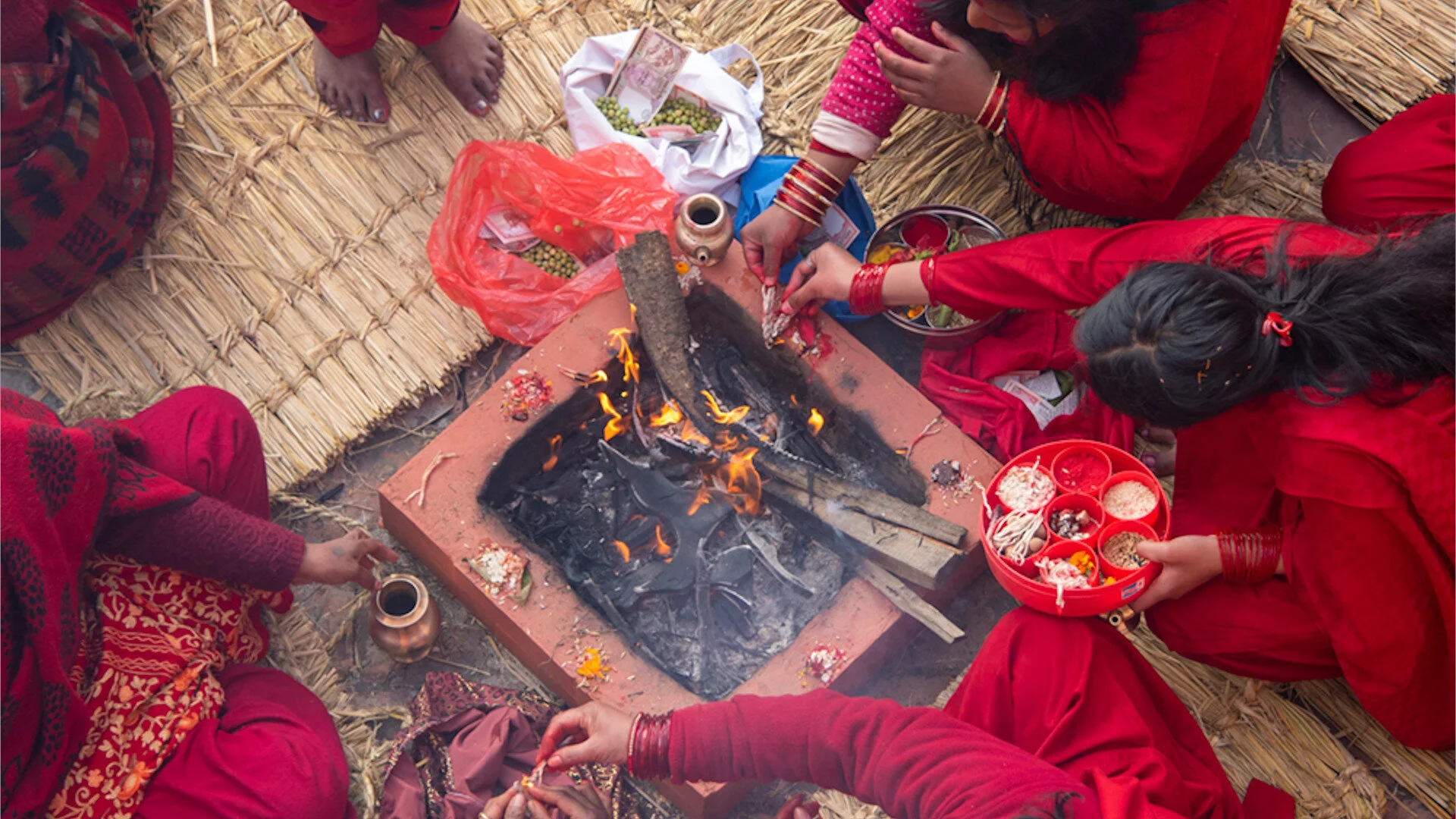
This day, too, women are flocking to temples to cleanse themselves of any sins committed, consciously or unconsciously, during the year, by worshipping the Sapta Rishis (seven powerful sages; namely, Atri, Bharadvaja, Gautama, Jamadagni, Kasyapa, Vashishta, and Vishwamitra), whose figures are made using cow dung. This day is known as Rishi Panchami, and it is the culmination of the Teej festival that was observed with great joy over the last three days. The women take a purification bath before sunrise in a sacred river such as the Bagmati. In Kathmandu, the focal point is a particular temple in Teku, where a fair is also held on the day. According to tradition, the women are supposed to scrub themselves with mud from beneath an elephant’s foot, along with roots of the tulsi and amala plants. Teeth are brushed vigorously with the stem of an herbal tree (datiyon), and leaves of this tree are also part of the offerings to the sages.
Now, to add to the festive air, the powers-that-be have requested all the countrymen and women to observe the promulgation of the new Constitution on September 20 by lighting lamps in their homes. It’s also a holiday, as perhaps September 21 is too, when the government has planned all sorts of celebratory events. Only thing is, they might be limited to only some parts of the country, the Terai and many other parts having declared September 20 as a ‘Black Day’, and calling for the people to observe a total blackout in their homes. All in all, the following week will be a very interesting week indeed!
Whatever happens in the coming days, no matter who lights lamps and who observes a blackout, all this will probably not dampen the expectancy of all towards the coming month, when the biggest festival of the country, Dashain, will be celebrated from Oct 13 to Oct 27. In fact, most people will have already started planning for it, beginning this month itself, since for many there’s a lot of travel involved. The major highlight of Dashain is that it brings families together, even if it’s just for a few days. People, no matter where they are, make it a point to visit their ancestral homes to celebrate this great festival with their families.
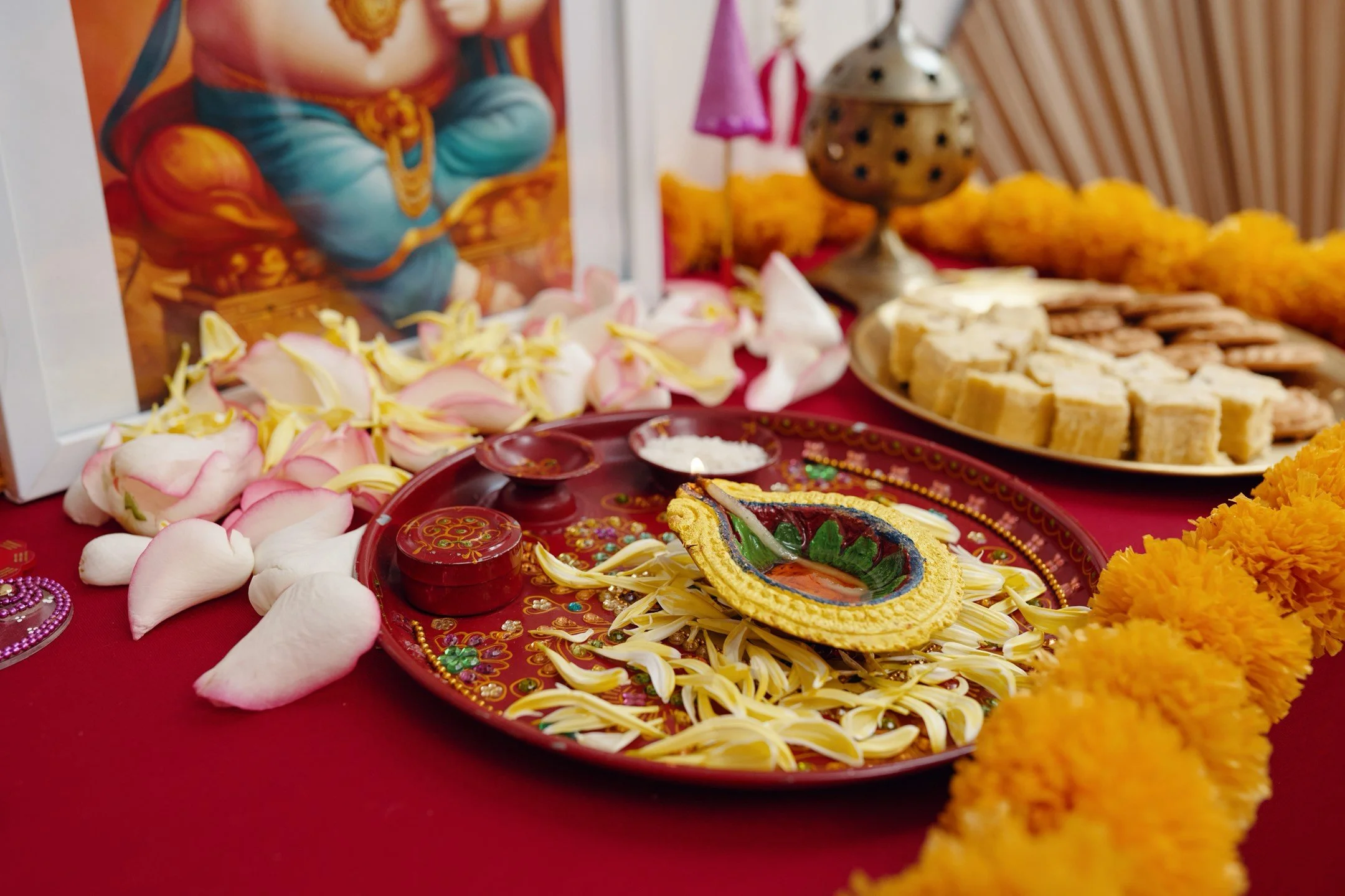
Dashain lasts for 14 days, beginning with Ghatasthapna on Oct 13, when barley seeds are sown in sand-filled earthen pots in all Hindu household puja rooms. The sand will be brought from nearby riverbanks. A thick-wicked lamp is lighted, as well, and the lamp holder is filled with oil continuously to ensure that it remains lighted for the duration of the lengthy festival. Unlike at other times, when women do the daily puja, during Dashain, a male member does the needful for the period. The barley seeds will sprout into lovely yellow leaves (jamara), which have a significant role on the main day of Dashain, that is, Viajaya Dashami on the tenth day.
The first nine days are known as Navaratri (nava: nine and ratri: night). People wake up early all nine days to visit all the temples dedicated to Goddess Durga and her various incarnations. In all homes, families have hearty meals that include plenty of meat dishes. The seventh day is called Phulpati; it is when jamara is brought in from Gorkha to Kathmandu in a palanquin, escorted by -musket carrying soldiers. This ritual apparently has royal tones, since Gorkha is from where its king, Prithvi Narayan Shah, set out to unify the country. The eighth day (Oct 21) is Maha Asthami, when hundreds of thousands of buffaloes, goats, ducks, and pigeons are sacrificed in Durga temples throughout the country. Young men vie to test their mettle by slicing the necks of buffaloes and goats with a single slice of the khukuri. The night is called Kal Ratri (black night).
The next days is Maha Nawami. It is when soldiers of the Nepal Army perform their own sacrifices at the Hanuman Dhoka courtyard, with officers and foreign dignitaries in full regalia in attendance. The scene is all the livelier with the military band belting out vigorous tunes, and cannons blasting off salutary shots. The Taleju Temple nearby is also a focal point on this day, because its doors will be opened to the public on this particular day only. A lot of devotees will line up patiently for hours to get a rare darshan of Goddess Taleju.
The tenth day is the main day of Dashain. It is called Vijaya Dashami, as well as Tika. Family seniors will put tika (mix of vermillion powder, rice, and curd) on juniors’ foreheads, and offer sweets, fruits, and money, along with some jamara, which will be either put on the head, or behind the ear. After tika is over in their home, people will go visit all their relatives to put on tika and get blessings from elders. It is quite a hectic day, even if it is full of joy. Though it’s the last festival day, the coming four days are also observed as part of Dashain, these four days being used to complete visits to more relatives. The final two days are known as Kojagrat Brata (Oct 26), and Purnima (Oct 27), which is a full moon day, and the end of the greatest festival of Nepal.
Oh yes, there certainly is a festive air around the country, and people are certainly going to have a great time, regardless of the political shenanigans and the aftermath effects of the great earthquake of April 25, 2015.
POPULAR ITINERARIES
SIMILAR POSTS
Bouncing Back, Nepal’s Season of Recovery
Six months later, the devastating earthquake is becoming a distant memory, and Nepalis are gearing up to bounce back strongly with renewed fervor
It’s now six months since we were shocked by the biggest earthquake in 80 years in the country. It has been a most eventful six months, with all Nepalis coming together in the momentous task of recovery and rebuilding. Restoration is also on the anvil. Side by side, the Constituent Assembly has passed the new Constitution of Nepal, something that had been awaited for the last 60 years. Just as recovery and rebuilding have not been easy, and are still ongoing, constitution making has also faced many hurdles, which are also still ongoing. The Terai has seen continuous disturbances for many months and there have been tragic loss of many lives.
At the same time, proving the inherent resilience in the nation’s character, people are bouncing back with new zeal and enthusiasm. And nowhere is this more evident than in the joy with which everybody is celebrating, and are determined to celebrate, some of the country’s greatest festivals in this season of festivals. Indeed, it is the season of festivals in Nepal. Here are two of them.
Teej: September 16
This is a really celebratory occasion, and mostly an all women affair. No doubt all festivals are colorful, but Teej perhaps is the most colorful, with thousands and thousands of married and unmarried women decked out in bright red and ravishing green dresses (mostly saris), with long strings of red, green, and yellow pote (glass beads) necklaces around their neck and shoulders. Celebrated over three days, the main day of Teej is preceded by a lot of feasting. It’s necessary, too, since they have to observe a fast (no food, no water) next day for 24 hours. In fact, the day before, the women are invited to their maternal homes to partake of lots and lots of rich nutritious food, a day known as dar khane din. The feasting goes on till midnight, and is accompanied by singing and dancing by the women present, which includes many female relatives. The day after Teej, the women break their fasts with karkalo ko tarkari (lotus leaves curry) and ritually pure food made in ghiu (clarified butter), after doing some special pujas in which banana and basil leaves play a significant role.
On the main day, they visit a temple dedicated to Lord Shiva; most women of Kathmandu make a beeline for Pashupatinath Temple, one of the biggest Shiva temples in the world, and a UNESCO designated world heritage site monument zone. You can expect a carnival like atmosphere there, with long queues of women waiting to get a darshan of the Shiva Linga inside the famous shrine, and to make their offerings. They will all seek the lord’s blessings for the long life and prosperity of their husbands, as well as of their families. Unmarried women will seek blessings for a husband as greatly endowed as Lord Shiva himself. Teej is celebrated in remembrance of Goddess Parvati’s dedication to acquire Lord Shiva’s affections and companionship for life as her husband. It was an endeavor that required her to fast and pray for a very long time. In the end, Lord Shiva was aroused form his state of deep meditation high up on Mount Kailash, and he couldn’t help himself from falling in love with his determined paramour.
Indra Jatra: September 27
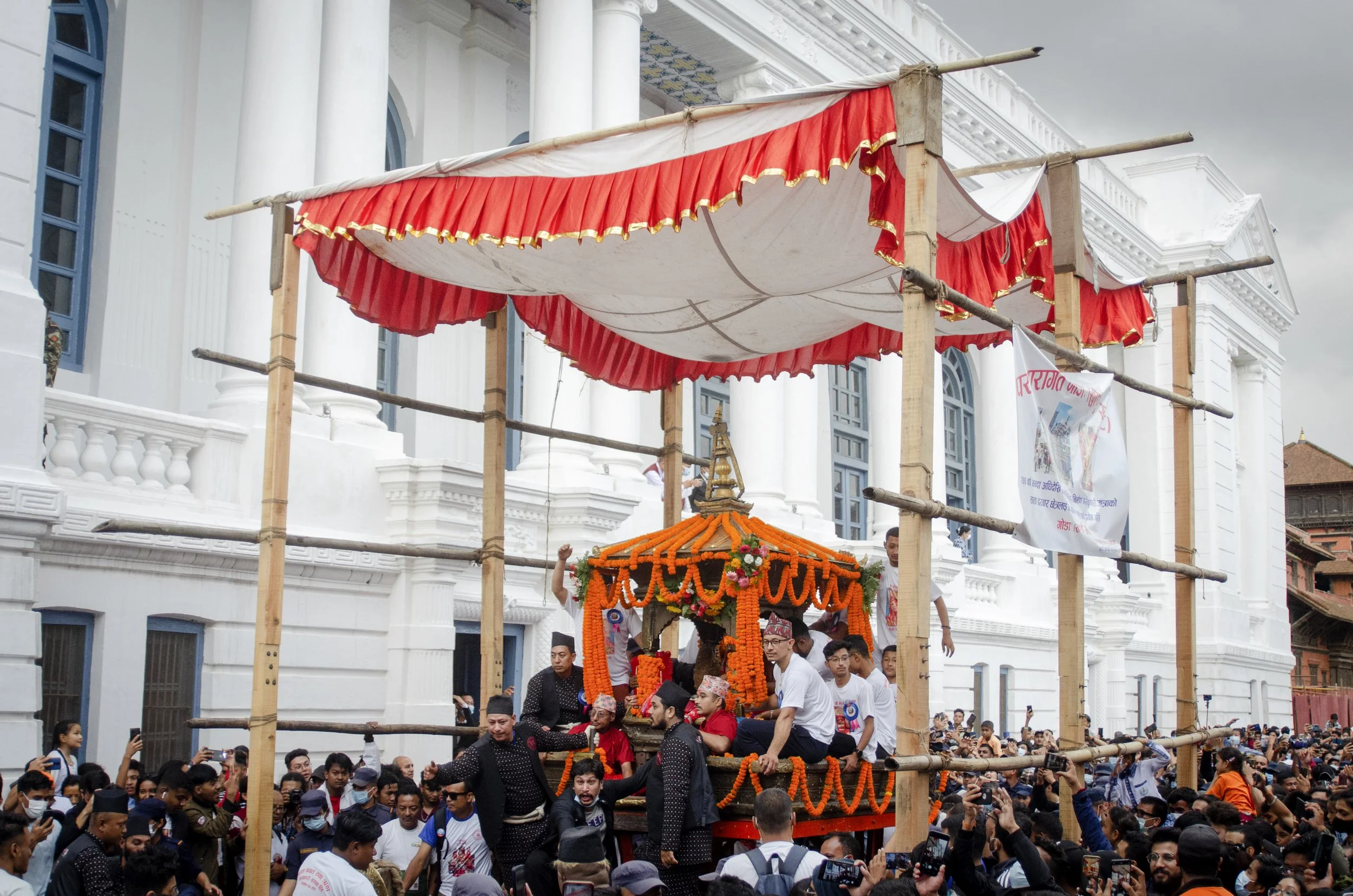
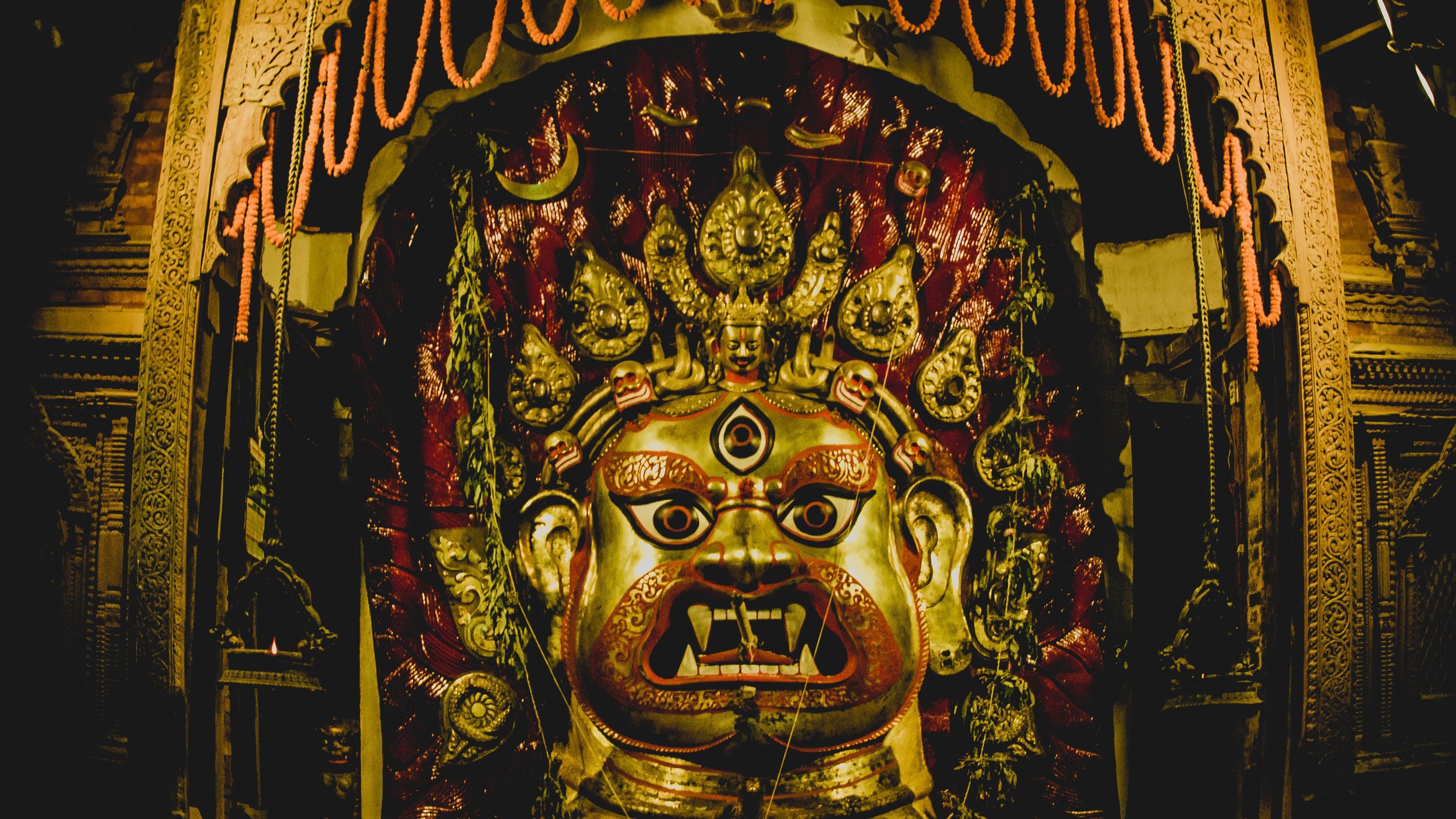
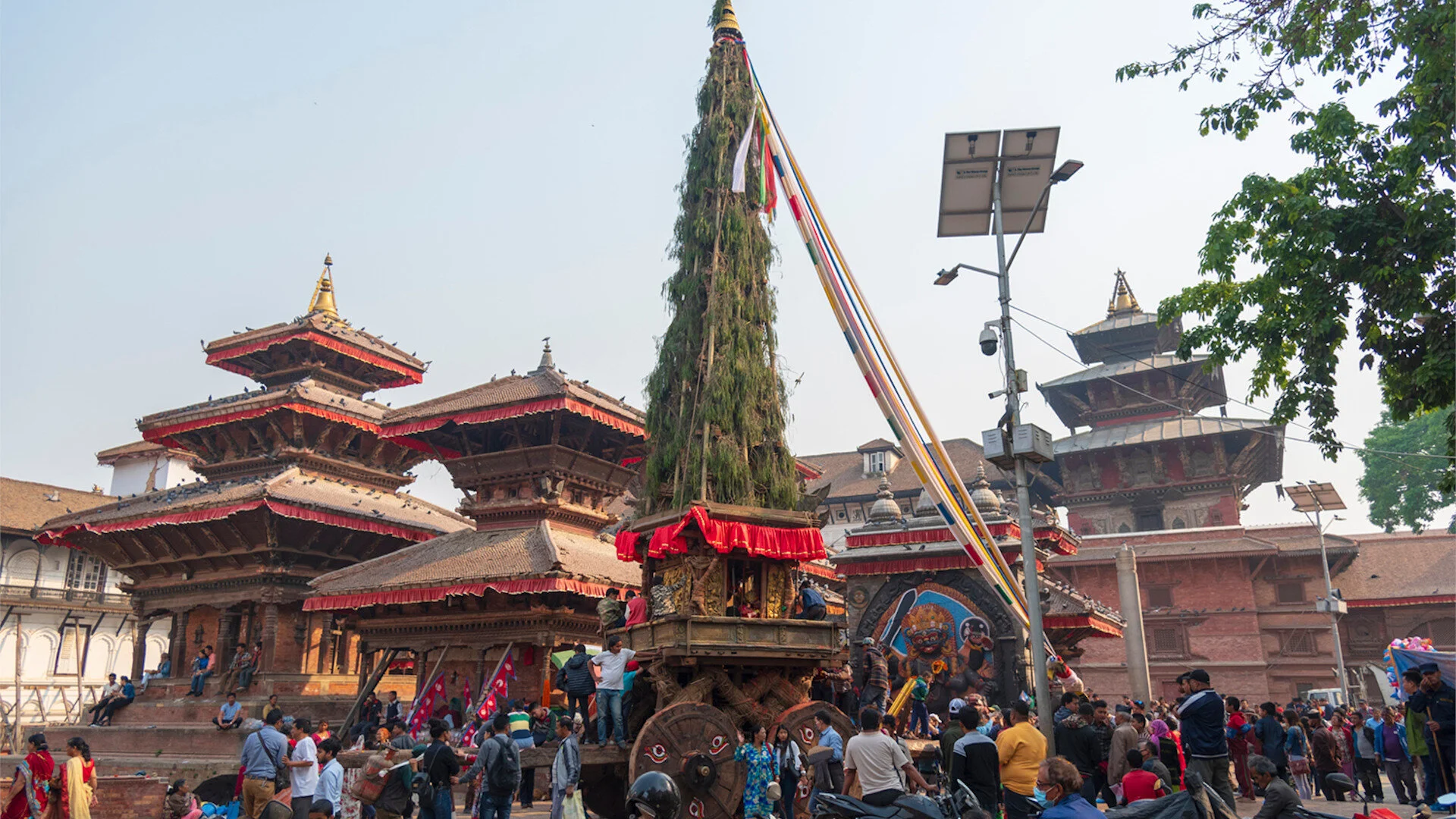
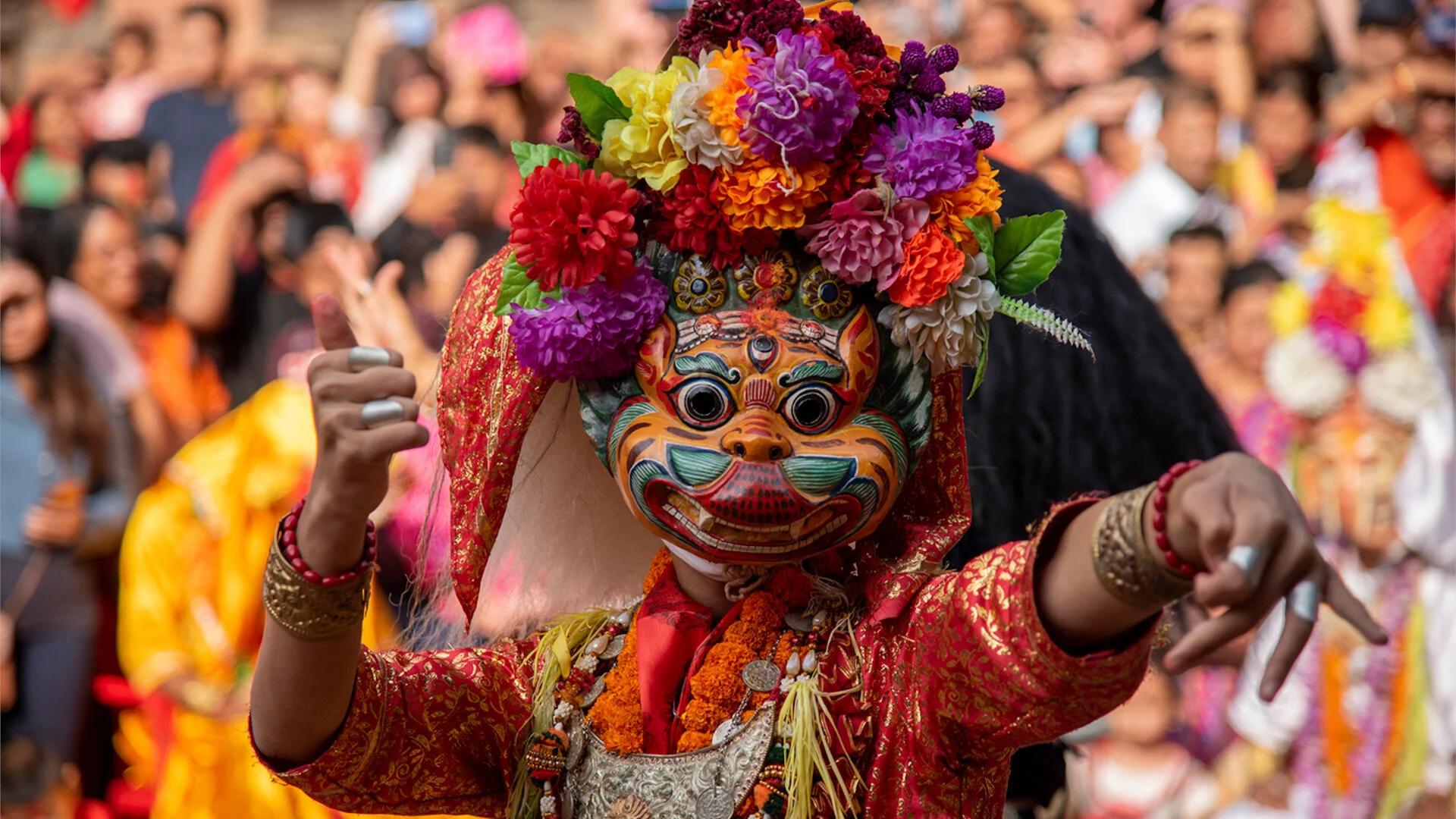
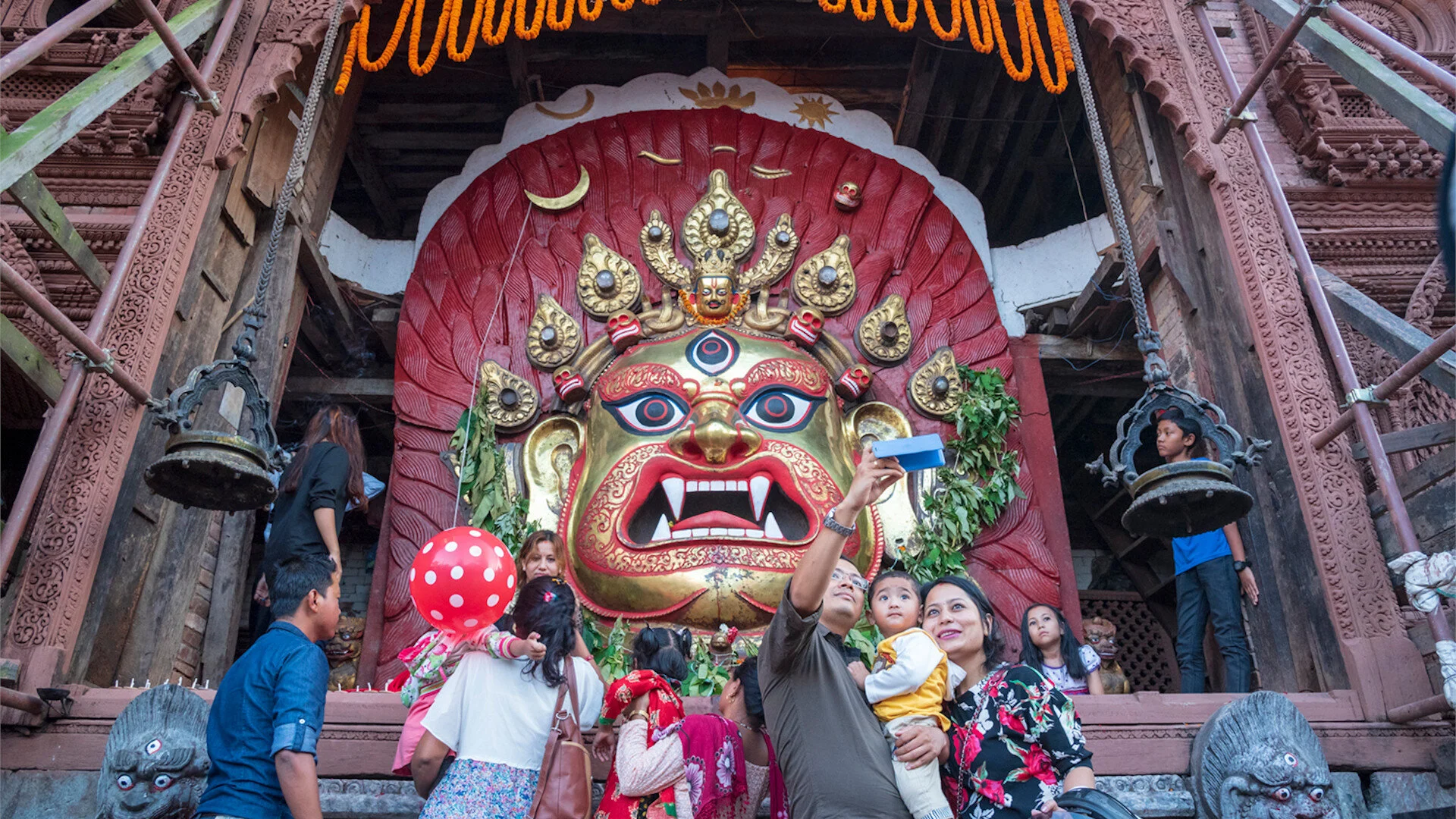
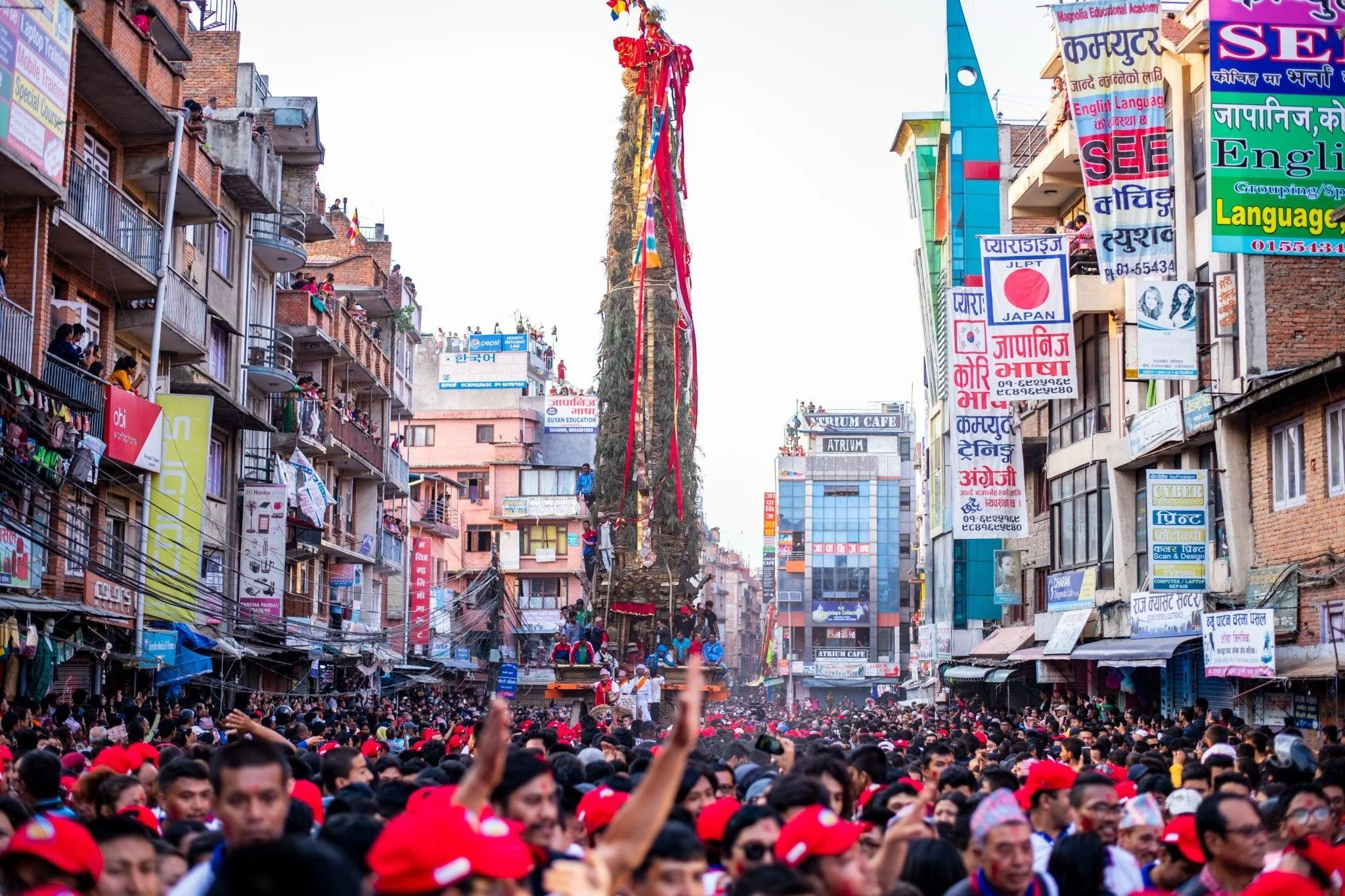
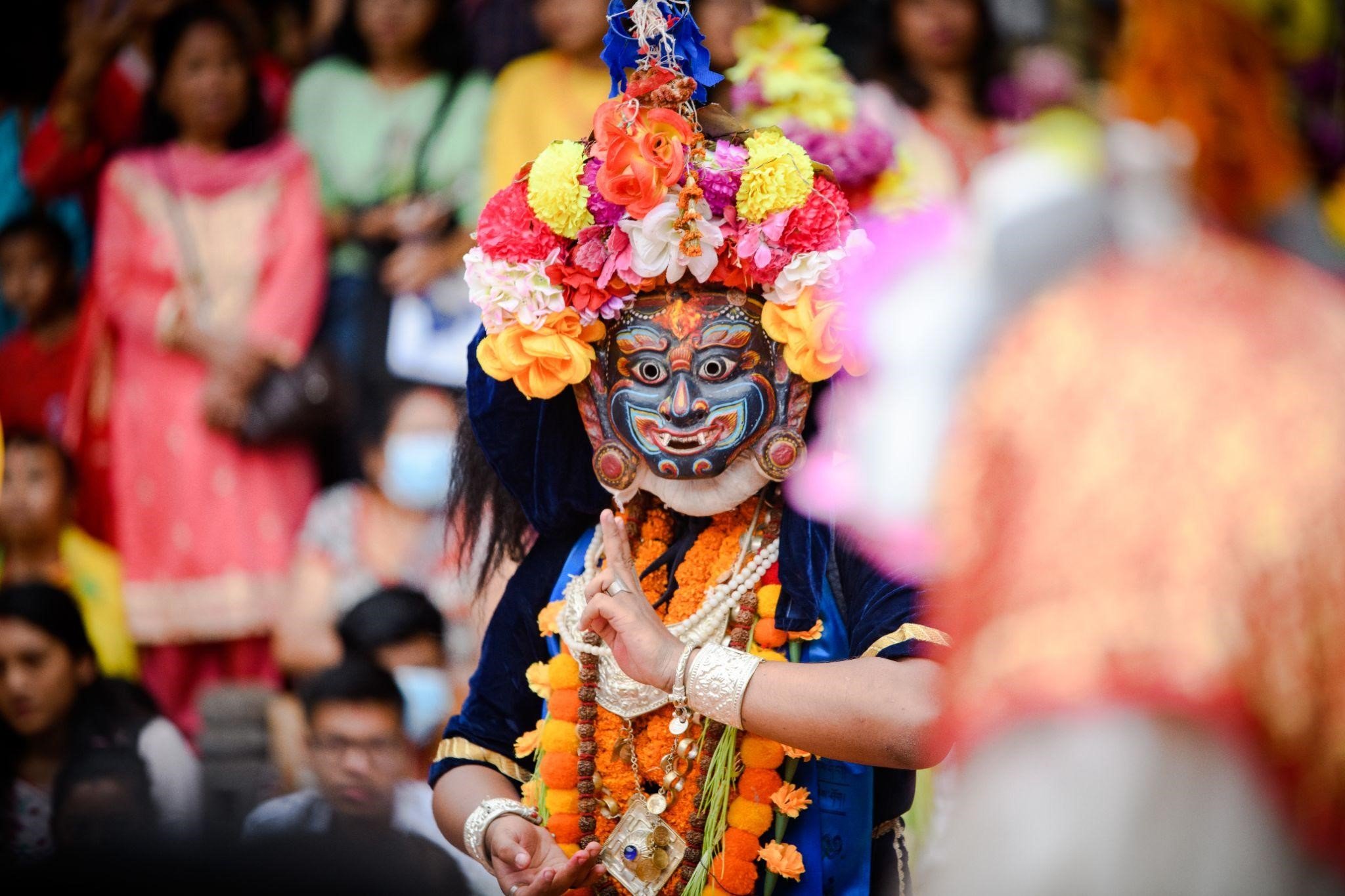
With the end of the monsoon season, denizens of Kathmandu Valley will pay homage to the god of rain, Lord Indra, to thank him for his benevolence, and to ensure that in the coming year, too, the valley will have plenty of rain. It’s a tradition that has continued from as far back as one can remember. Celebrated over eight days, this festival has many highlights—a procession of chariots, one of which carries the Living Goddess Kumari; the once-a-year display of the giant masks of the gods Swet Bhairava and and Akash Bhairava, with free flowing alcohol pouring out of the former’s mouth during the festival; plenty of traditional dances and dramas, most of them involving masked performers; and huge throngs in Kathmandu Durbar Square, another world heritage site monument zone, where the lively festival is held.
Indra Jatra is only celebrated in Kathmandu, and its name in Newrai is Yenya, which means “Kathmandu festival”. It’ a festival that historians say was first initiated in the 10th century by King Gunkama Dev to celebrate the founding of Kathmandu city, aside from the rain factor as mentioned above. The first day sees a totem pole (linga) with Lord Indra’s banner flying on top being erected in the renowned square. On the third day, statues of Lord Ganesh and Lord Bhirava, along with Living Goddess Kumari, are taken out on chariots in a regal procession through the old parts of the city.
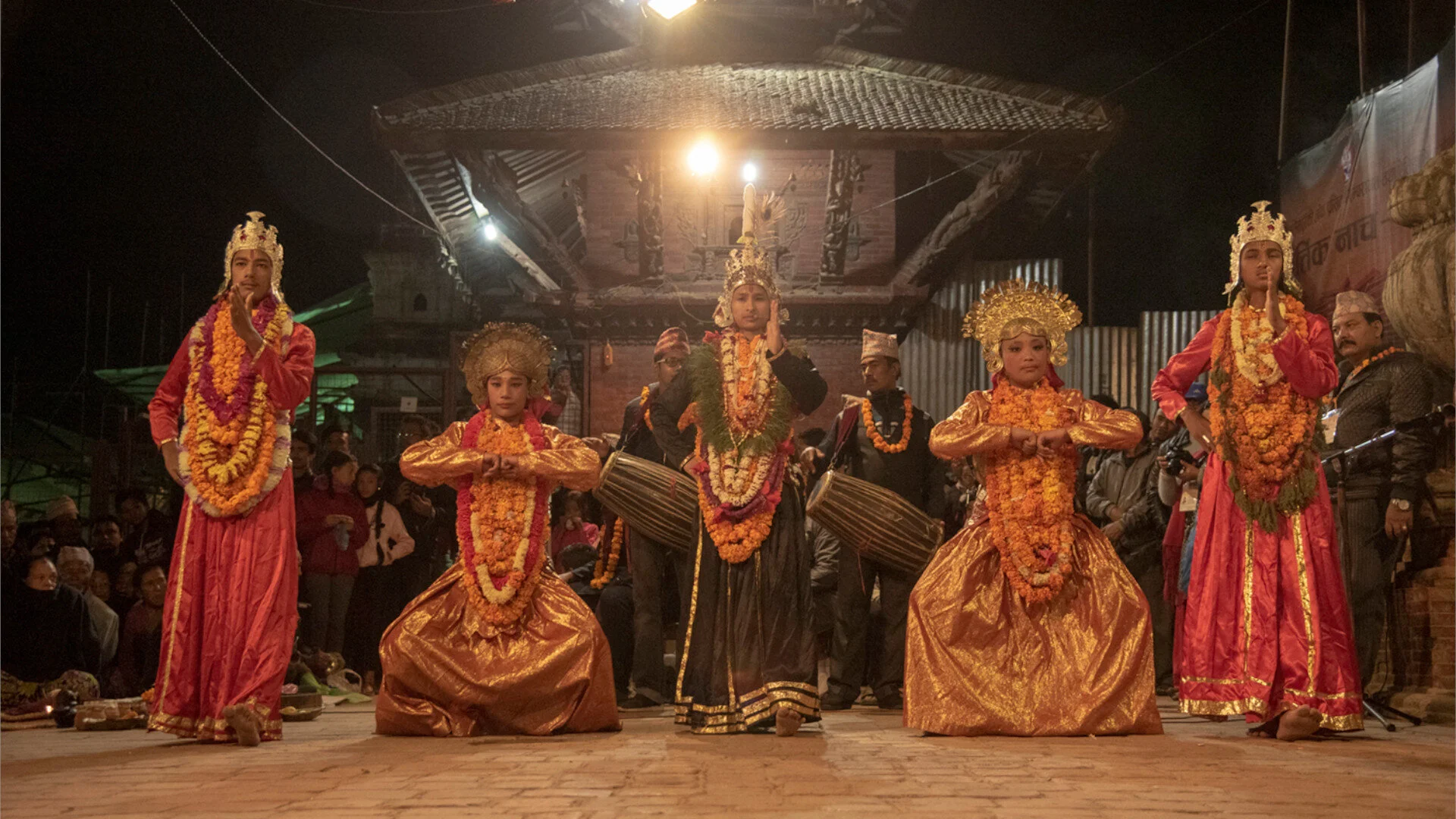
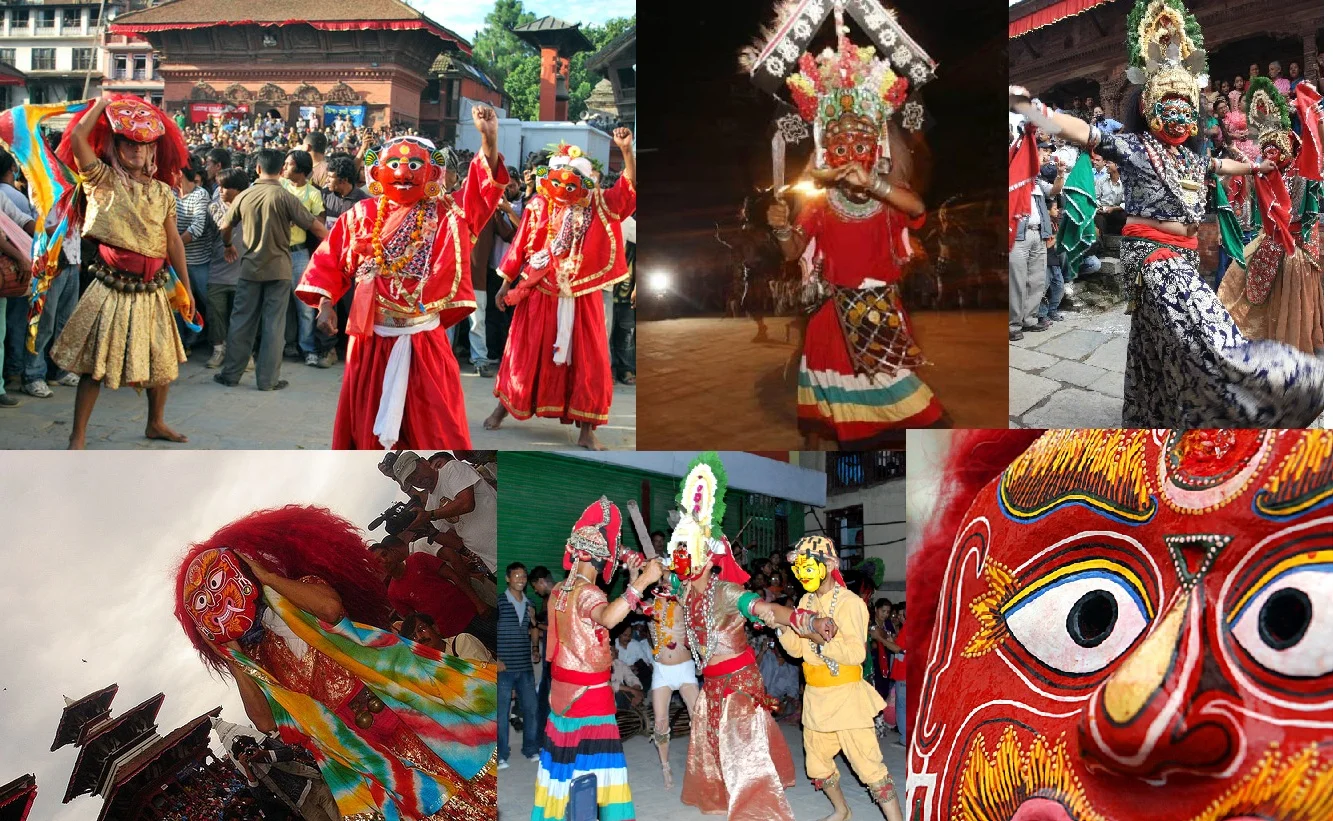
This festival includes performance of many types of traditional dances by vigorous dancers. Some of the notable dances being Majipa Lakhey (a demon dance); Devi Pykhan (a masked deity dance); Mahakali Pykhan (a dance of black-furred mythical creatures called khyaks); Sawa Bhakku (dance of Bhairava’s blue incarnation); and so on. The ancient tradition of Dabu Pyakhan (dramas held at street corners) is also upheld. In some temples, a tableau of Lord Vishnu’s 10 incarnations (Dus Avatar) is presented as well.
In Hanuman Dhoka, throngs of men swarm towards the Sweta Bhairava mask to take a few sips of the alcohol flowing out of the giant mask’s mouth. In the meanwhile, in nearby Indra Chowk, another giant mask, that of Akash Bhairava, is also displayed to the public. The festival ends on the eighth day with the bringing down of the linga.
Kathmandu’s Chinese Cuisine with Jin Jin Cheung
Part 3 of “Two Chinese Girls in Kathmandu”
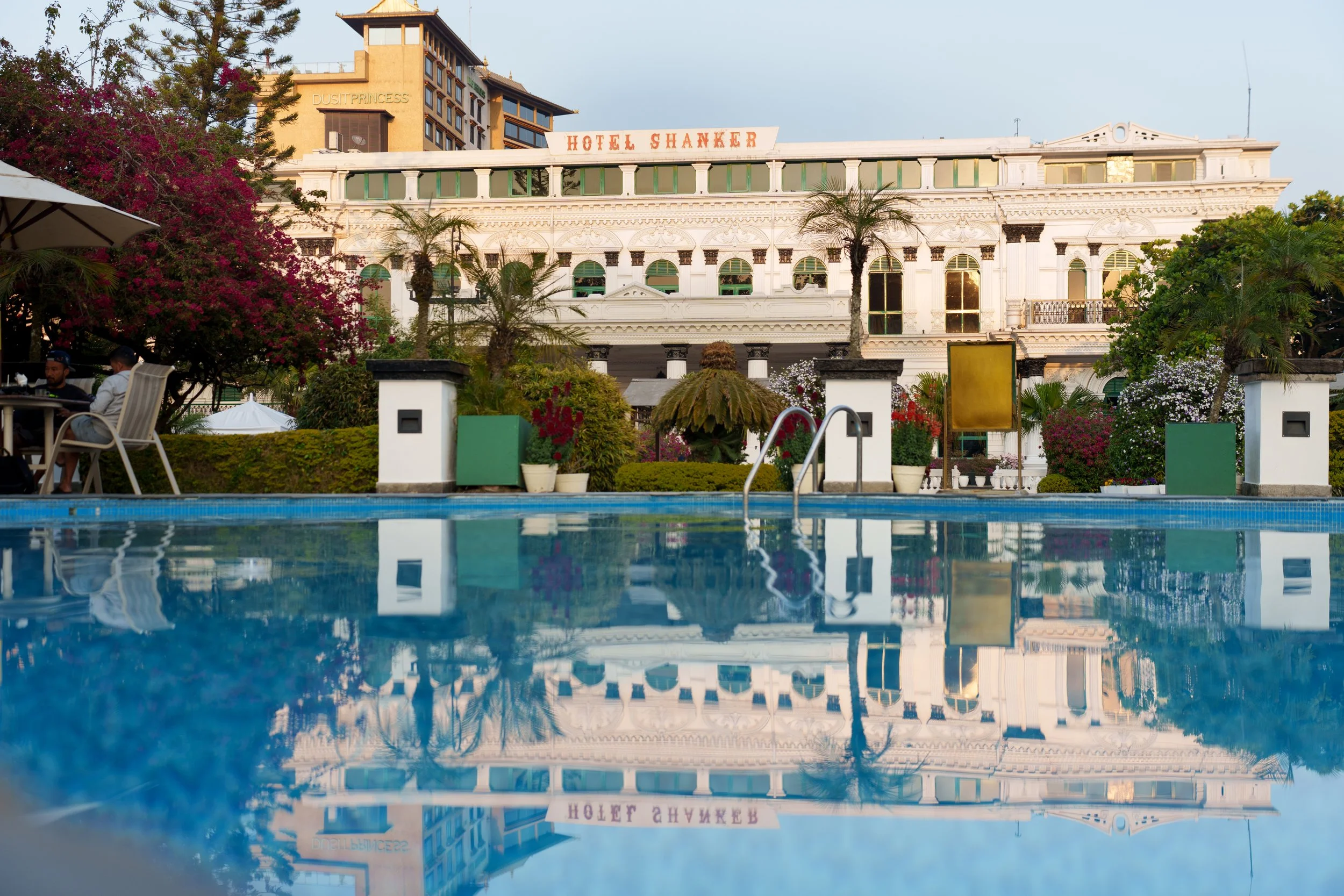
While Jin Jin Cheung and I were being treated to a lavish breakfast at Hotel Shanker, the manager, Mr. Bijay Krishna Shrestha, casually mentioned that they also had great Chinese cuisine. Jin Jin was quick to take him up on that, and said that she would like to taste some of the dishes before she left for China. Apparently, her fertile mind had come up with the idea to do an article on Chinese food in some of the swankiest hotels in Kathmandu. We decided on three popular ones, namely, Hotel Shanker, Hotel Yak & Yeti, and Hotel Annapurna, which we thought would be enough to get a good idea of what was on offer in the capital.
We started with Hotel Shanker, where they invited us to a Chinese dinner in the cozy Kailash Restaurant. We were requested to order what we wanted from the big menu. (The hotel hadn’t yet made a separate Chinese cuisine menu, although they had a separate chef specializing in Chinese food. This was something common with the other two hotels, too; that is, no special menu.) Speaking for myself, I thought this was something worth considering, what with the increasing number of Chinese tourists visiting Nepal. However, when I shared this with Jin Jin, she said that most Chinese going abroad first preferred to try out more of Western cuisine, since they were now getting more used to it back in China. An interesting aside here is that, when I took Jin Jin to an Indian tandoori fast food restaurant in Jawalakhel, she really loved the butter naan and chicken tandoori. We visited the place a couple of times, since she relished the Indian dishes.
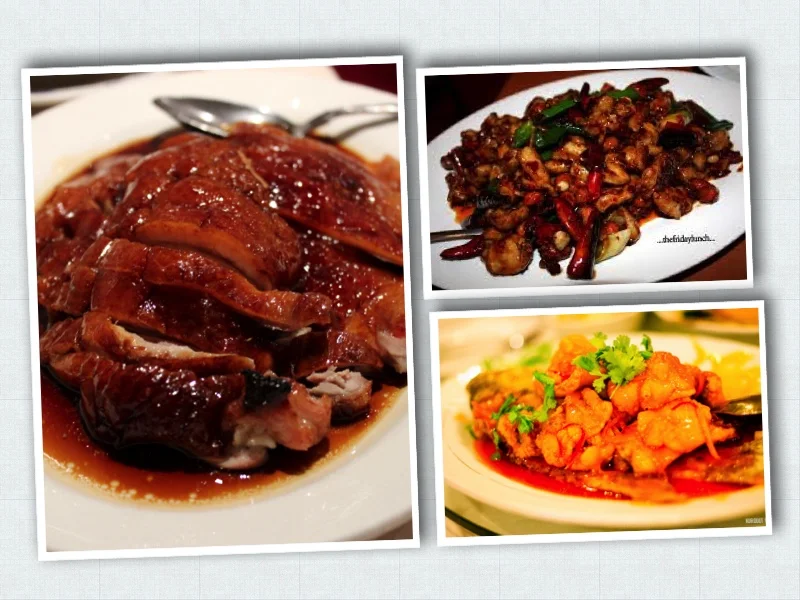
Anyway, Jin Jin took her time going over the menu at Hotel Shanker, and made the following selection: Kong Pao Chicken, Sweet and Sour Fish, and Roast Duck (Cantonese style). The Executive Chef, Mr. Keshav, joined us at the table along with Mr. Bijay Krishna, and we spent an interesting 20 minutes or so over pleasant conversation and iced latte coffee. Finally, two waiters came carrying our food. As you can imagine, we were in a pretty famished state by now, and immediately, we dug in. At this point, Mr. Bijay Krishna politely pointed out to Jin Jin that there were chopsticks on the table if she wanted them. Laughingly, she exclaimed that if she stayed some more days in Kathmandu she would forget how to use chopsticks, the fork having become more of a familiar implement since her arrival two months ago.
The Executive chef and manager looked on expectantly, waiting for her pronouncement on the dishes. The first thing she noted was that we were served long-grain rice along with the other dishes, and she told her attentive audience that, back home in China, people preferred to eat sticky rice. The roast duck, she said, was excellent, and had the authentic Cantonese taste and flavor. The Kong Pao Chicken and Sweet and Sour Fish, too, received her high commendations. We ended our nutritious and tasty meal with delicious ice cream. The Executive chef and the manager, in the meantime, had bid us adieu, and we two sat for a long, long time in the cozy restaurant, just mulling over things in general, feeling sated and relaxed.
The next day, we went to Hotel Yak & Yeti in Durbar Marg, at the invitation of Associate Director (Marketing) Mr. Surendra Singh Thakuri, for a Chinese lunch. He received us warmly and introduced us to the head chef, who explained that they had all the raw ingredients prepared and ready for cooking. This time, we had left it totally to the hotel to decide on the selection. We were taken to the kitchen, where Jin Jin and I surveyed the neatly cut vegetables, meat, and other ingredients. The head chef asked us if we would like to watch the cooking, and we did so for some minutes, before excusing ourselves to go back to our table where we enjoyed some cool drinks in the restaurant adjoining the lobby.
The food arrived shortly; there were quite a few varieties, and all looked appetizing. As we started tasting the different dishes, including noodles and rice (again, long grained), the general manager joined us. He is an interesting character with an international flair, having come from overseas a year ago to manage the five start hotel. The food was delicious, with the different dishes having distinct flavors. The pork dish was particularly outstanding, in my view, while Jin Jin loved the pickled cucumber side dish. She was happy with the other offerings, as well, and perhaps gave the most suitable compliment by saying that she felt like she was eating in some restaurant in China. (She used the chopsticks more often this time, and tried very sincerely to teach me how to use them, saying that it was ‘simply physics’.) After the meal, the two of us took a stroll around the garden behind the hotel, and visited the organic garden there, which actually wasn’t much. We thought that what we saw grown there would fall far short of the hotel’s daily demands. Anyway, all those delicately prepared Chinese dishes gave us a pleasant glow for a long time afterwards.
We could visit Hotel Annpaurna, also in Durbar Marg, for dinner only after a few days, on account of the Nepal bandh over two consecutive days. The marketing officer, Ms. Suarpana Shah, welcomed us with a warm smile and led us into the Arniko Room, a restaurant with an oriental décor in which the color red predominates. The table setting was exquisite, with elegant looking chopsticks inside paper coverings. Ms. Shah introduced us to the restaurant manager, who presented us with sophisticated looking menus. He suggested fresh strawberry juice to start off with, while Jin Jin cast an expert glance through the menu. However, she decided to ask for the manager’s advice, and he suggested Runner Beans, Who Fish Fried, and Singapore Chicken, along with steamed rice.
Another marketing lady joined us, and soon, we had a pleasant conversation going, with the focus being on relationships (three women at the table, remember? and a guy always on the lookout for newer relationships!). Anyway, it was enjoyable. The food arrived soon enough, and the fish looked especially impressive, but Jin Jin, our Chinese cuisine expert, said that it didn’t look to be a Chinese dish. Ms. Shah explained that the Arniko Room actually served more of oriental fare, rather than strictly Chinese. It didn’t matter much to me, since I found it to be pretty tasty stuff.
At the end of the fulfilling meal, we ordered iced litchi for dessert, which was of course fantastic. To the query as to which dish she had liked best, Jin Jin took a few moments to ponder before answering that the Running Beans was what had pleased her the most. Elaborating on this, she explained that she had liked its freshness, that it was not oily, and that it had been only slightly cooked, which made it very nutritious. Her choice made us all think, I think. I doubt if I would have chosen a vegetable over meat and fish, if I had to make a similar choice.
So, all said and done, Jin Jin was quite happy with the Chinese cuisine at all the three hotels. As for me, it was great to have had the opportunity to be a gourmet of exotic cuisine with such a pretty and knowledgeable expert at my side. She will be writing her reviews in the Chinese edition of ECS NEPAL.
10 Days in Kathmandu with Jin Jin Cheung
Jin Jin extended her stay in Kathmandu by another 10 days, because in the two months she was here, she found that there was so much more to be discovered. It was a power-packed 10 days, all right!
2nd part of ‘Two Chinese Girls in Kathmandu’
Having seen off Sun Yang (Emily) on Saturday, Jin Jin was back early in the office the next day. She was pretty perked up, but did have a look of some concern on her bright face; she was probably wondering how fruitful her 10-day extension in Kathmandu would be. Well, as it turned out, it went on to become perhaps the busiest 10-days of her young life, and certainly one of the most interesting. I am glad that I had a big role to play in that.
We planned on visiting some of the Valley’s most accomplished proponents of traditional art and craft. This was something I had to do anyway, since I was working on a book about them for an organization. Jin Jin—as smart as they come, and not one to waste a good opportunity when she sees one—was ever-ready and willing to go wherever and whenever with me. However, before starting on our traditional art and craft odyssey, she wanted to visit the famous Hotel Shanker, a result of her reading some of my articles extolling its many virtues.
The next morning found us driving down the hotel’s long driveway, and then after parking my bike, we carried on to the magnificent Kailash Hall where some NGO program was about to begin. As was her bent, Jin Jin wanted to meet the organizers and ask some questions, which she did. I had to drag her away to meet the hotel manager, Mr. Bijay Krishna Shrestha, in the adjoining banquet area, which also served as a restaurant. He invited us to partake of the munificent breakfast buffet set out on a dozen long tables.
I should point out here that Hotel Shanker offers complimentary breakfast to all its guests. The genial head chef, Mr. Keshav, joined us, and asserted “Our hotel’s breakfast fare is the best among all hotels here; I take special care to ensure that there’s a lot of variety.” After having tasty morsels of a range of delicacies, we were given a tour of the hotel; some repair works were being undertaken in some parts. However, there was plenty to see, and Jin Jin was enchanted. A stroll in its expansive garden ended our tour of the day in the famous hotel. (We came back later, on a nice evening, to have a great dinner of Chinese cuisine; Jin Jin was doing a review feature of Chinese food in Kathmandu’s hotels for the Chinese edition of ECS NEPAL. More on this later.)
That evening onwards, we visited the homes and workshops of some of Kathmandu Valley’s greatest artists and craftspeople. We met paubha: painters, repousse artists, stone and metal sculptors, and teachers of traditional art. We spent plenty of time with each, for they were after all the masters of their crafts. Jin Jin never stopped asking questions—Why? How? What? Where?—with Why? being her favorite. So much so, that I started calling her Jin Jin Why? She took careful notes in her exquisite handwriting (Chinese and English), and photos of each and everything. Not only is she one smart cookie, she is a meticulous one, too!
Here are some of the masters we visited:
Stone sculptor Dharma Raj Shakya, maker of the famous Dharma Raj Shakya lions guarding Basantpur Durbar Square, at his establishment, Arnico Stone Carving, in Patan Industrial Estate.
Repousse artist, metal sculptor, and trainer of traditional art, Mr. Prachanda Shakya, at his school, Nepal Traditional Handicrafts Training Center, located just below Akheswor Mahavihar in Pulchowk.
Paubha: painter Lok Chitrakar, whose unbelievably intricate paubhas: are a source of joy here and around the world, at his studio/school, Simrik Atelier in Patan Dhoka.
Silver repousse artist and trophy-maker Chinikaji Tamrakar, who designed the country’s highest award, Nepal Ratna, at his home/workshop in Maru right behind Kasthmandap.
Bust and statue maker Bal Krishna Tuladhar, who with his father made the busts of the four martyrs and King Tribhuvan installed at Shahid Gate, in his home cum workshop in Bafal Chowk, Tahachal.
Metal sculptor Kalu Kumale, who is renowned for his wrathful deity figures, especially Megh Sambhar, at his spacious home cum workshop in Haatiban.
What’s more, at the invitation of the chairperson of Handicraft Design and Development Center (HANDECEN), Mr. Dharma Raj Shakya, Jin Jin and I also attended a meeting at the organization’s office in Thapathali, where many celebrated artists and craftspeople were present.
Well, Jin Jin certainly can now claim to be more proficient in Nepal’s traditional art and craft, having spent so many hours with some of the leading lights of the country. Hope she will use her newfound knowledge to promote Nepal’s amazing art and craft in her own country. Let me add that she was most Jin Jin ‘How?’ at Mr. Kalu Kumale’s workshop, where she wanted to know all the how’s of making metal statues through the lost wax method that’s used by most metal sculptors in the valley.
You are probably thinking that, indeed, it seems to have been a busy 10 days, but really, there’s much more we managed to do during this time. For instance, we visited the oldest mari (Newari bread) shops in Maru, where Jin Jin tasted genuine Newari sweetmeats; we sat in Snowman’s Café in Freak Street, digging into its fantastic apple pies and chocolate banana cakes (still exactly same as in those glory days when it was one of the most popular hangouts of hippies high on hashish and marijuana); and yes, we went around town to review the Chinese cuisine at different hotels. You’ll read about it in the next blog. Huítóu jiàn! Zài jiàn! One of them got be right—I meant to say, “See you again, soon”. Maybe I’ll ask Jin Jin.
Two Chinese Girls in Kathmandu
Going around Kathmandu and Patan with first-time visitors gives you a fresh perspective, as one gets to look at everything, however familiar, through their enthralled eyes.
The past one month has been an interesting one, a time when I’ve had the chance to show off the various aspects of Kathmandu and Patan to two young Chinese girls, Jin Jin Cheung and Sun Yang (a.k.a. Emily) who are journalism students at Shantung University in Guangzhou province, and here on internship at ECS Media where I work. Both of them speak and write English quite well, and so it was no problem communicating with them.
The first place I took one of them, Jin Jin, was to a center in Gongabu called Entire Power in Social Work (EPSA) that provides skill training, employment, and shelter to some 25 women with various physical disabilities. The next evening, we visited another center in Chabel, Voice of Creative Disabled (Srijanshil Apang Awaaz) that provides refuge and education to about 15 young girls with physical disabilities. Jin Jin and I spent almost four hours, from around 4:00 p.m. to 9:00 p.m. at the second center, so engrossed was she in conversations with the girls and their founder Ms. Tulasa KC. Jin Jin took a lot of photos and plenty of notes. Some days later, she visited EPSA again on her own to have a more detailed talk with the center’s founder, Ms. Sangita Pant. There are many such centers in the valley, a side of Kathmandu that most tourists usually don’t see. I’m sure something good will result out of our visits, at the least, some useful features in some magazine or the other, here and in China.
The next week, I took Sun Yang (Emily) for a stroll around Okubahal in Lalitpur, home to many talented metal sculptors. We went through a narrow alley that opened out onto a spacious courtyard at the center of which is a large white stupa. Rows of houses surround the courtyard, which is known as Ta:Go Chiva, meaning ‘Big Stupa’. At the front is the famous Rudra Varna Mahavihar, one of the best maintained mahavihars in the valley. I expected Sun Yang to be amazed at the location, and I wasn’t disappointed. Her first action was to start snapping away with her camera. Before entering the mahavihar, we visited one of the country’s masters in the art of statue making, Mr. Sanat Kumar Shakya, whose house is the first one at the alley’s entrance to the courtyard.
He and his son, Sabin, took us around the various rooms in his house where different aspects of statue making were in progress. Mr. Shakya is especially famous for his Sahasra-bhuja Sahasra-netra ((Thousand-armed, Thousand-eyed Avalokitesvara) figures, many of which can be seen in various monasteries around the valley. Sun Yang (Emily) was rightly delighted to get the chance to see a number of men and women, including Sabin’s sister Sabina, at work, and the beautiful finished statues on display simply enthralled her.
After this informative tour, Sabin was good enough to accompany us inside Rudra Varna Mahavihar. It is such a clean and beautiful shrine, with so many lovely works of art, many of which are ancient, that we spent quite some time there taking photos from every conceivable angle, and of everything on view. Then, since there was still half-an-hour or so for the evening prayers to begin, we went to the equally renowned Mahaboudha Temple nearby. This shrine has a thousand Buddhas made of terracotta, and at the moment had steel scaffolding around it due to some damage due to the recent devastating earthquake.
We got permission to watch the evening worship and prayer recitals, after which Sabin took us inside the adjacent house, which has been converted into a guest house without changing its traditional features. There were a couple of small single rooms and some double beds. The interesting thing was the ambience—low ceilings, ethnic furnishing, lots of wood and metal craft décor, and of course, the grand Mahaboudha right next to the windows. There’s also a café on the ground floor that looks quite cozy.
Then, we went back to Rudra Varna Mahavihar to witness the daily evening worship, which is conducted by a priest and a group of elders of the Shakya clan. According to Sabin, every Bajracharya male of his particular clan has to do a two-week duty as the mahavihar priest once in his lifetime. The current priest was young, and dressed in the customary black priest’s robes. He went around the mahavihar with a smoking incense holder in his hand, and while he was going to all corners, everyone inside the mahavihar, including us, had to stay completely still. Then the priest, along with four or five elders, sat down in front of the main shrine and started reciting prayers. After watching all this for some time, Sun Yang (Emily) and I took our leave.
Our next stop was Honacha, the very popular eatery in the durbar square. It was pretty crowded, as always, with people sitting down on low stools all over the place, in front of the open kitchen where a matronly lady was busy cooking the eatery’s famous badas (pancake-like lentil dish with either egg on top or minced meat, or both, according to preference) on a large black iron wok. Large containers around her held more of other delicious Newar cuisine. We ordered egg and minced meat badas, choila (a very spicy meat dish), bhuttan (fried intestinal parts of buffalo), and glasses of thwon (sweetish rice wine) that went very well with the meat dishes, especially with the hot choila. Again, needless to say, Sun Yang (Emily) was thrilled, and in fact said that she was sure that this was the best restaurant she had visited yet. We asked for some of the dishes to be packed for her to take home to Jin Jin.
The evening was probably one of the highlights of Sun Yang’s stay in Kathmandu, during which time other friends took her to many of the interesting sites around the valley, as well. Nevertheless, despite being delighted to see so many exotic places, Patan became her favorite place, and till the day she went back some 10 days ago, she made it a point to visit the ‘City of the Arts’ again and again. She went back to China, no doubt, with very happy memories. However, one wish of hers remained unfulfilled. She wanted to spend a night in some house near the durbar square so that she could roam around it late into the night and see what it was like in the morning, Maybe next time, Sun Yang?
What about Jin Jin? Well, she didn’t want to go back as yet, she wanted to see much more and do more stories, so she extended her stay for 10 more days. What has she been doing, then? I’ll tell you, because I have been with her most of the time, meeting master artists and craftspeople, reviewing Chinese cuisine at different hotels and restaurants, and generally hanging around in interesting places. The story will continue in part two of this blog—‘Around Kathmandu with Jin Jin Cheung’.
POPULAR ITINERARIES
SIMILAR POSTS

Many Good Reasons for Visiting Tansen
There are excellent reasons why you should visit Tansen in western Nepal, one of them being to see the biggest karuwa in the world.
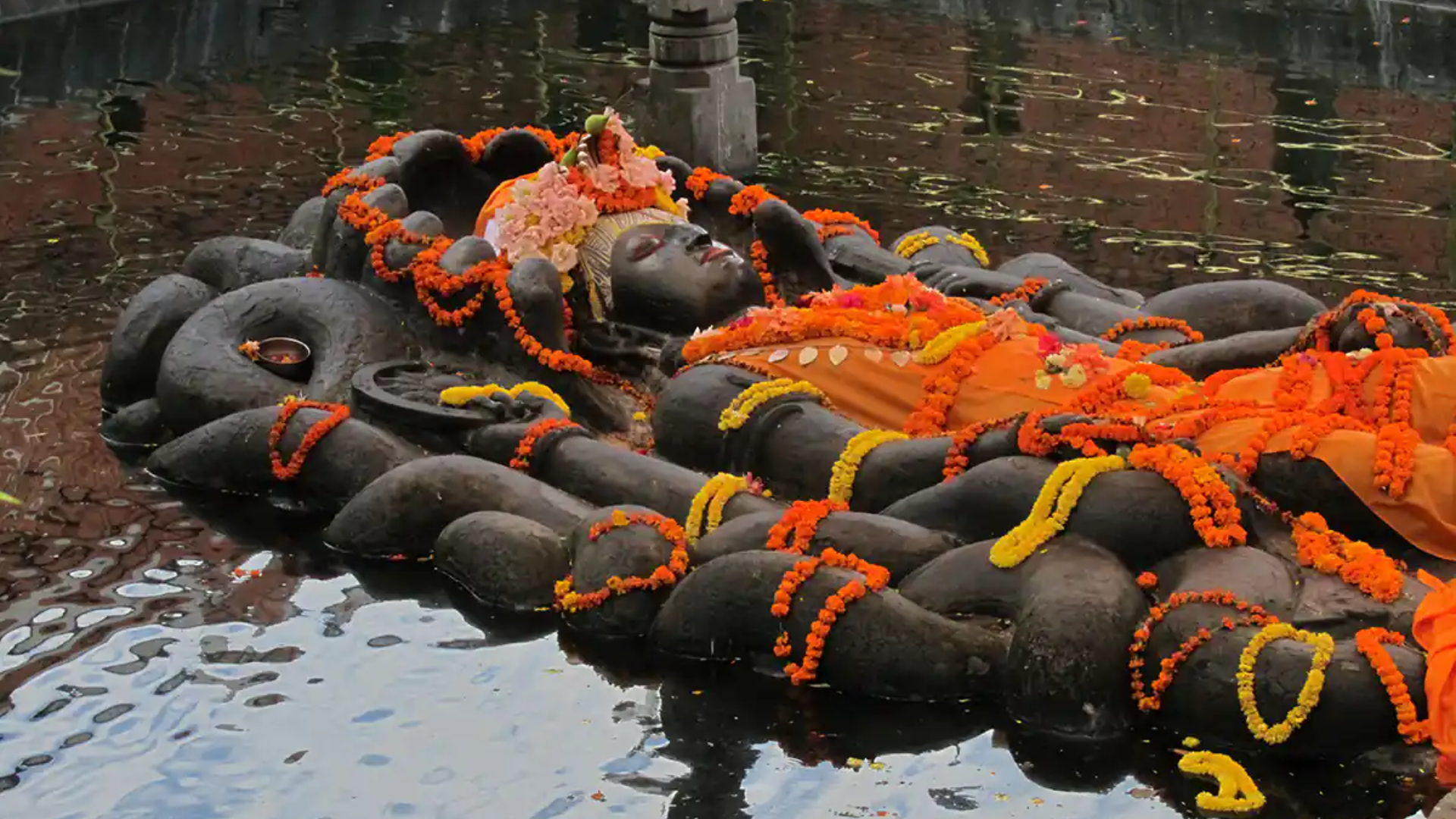
Visitors to Nepal become familiar with a water-bearing snout-nosed bronze vessel called a karuwa sooner rather than later. It is a ubiquitous presence in any restaurant claiming to be ethnic (plenty of these in the capital, Kathmandu); on display as decoratives in lobbies and rooms of hotels; on the shelves of tasteful drawing rooms; in showcases in souvenir shops; and in most Nepalis’ homes. The karuwa is not only a utilitarian utensil for pouring water, but a work of art in itself, with lovely curves and beautiful etchings. Yes, you’ll come across a karuwa somewhere or the other during your visit to Nepal. And, if you want to see the biggest karuwa in the country, and no doubt in the world, you’ll have to go to a lovely little town called Tansen in Palpa district of western Nepal.
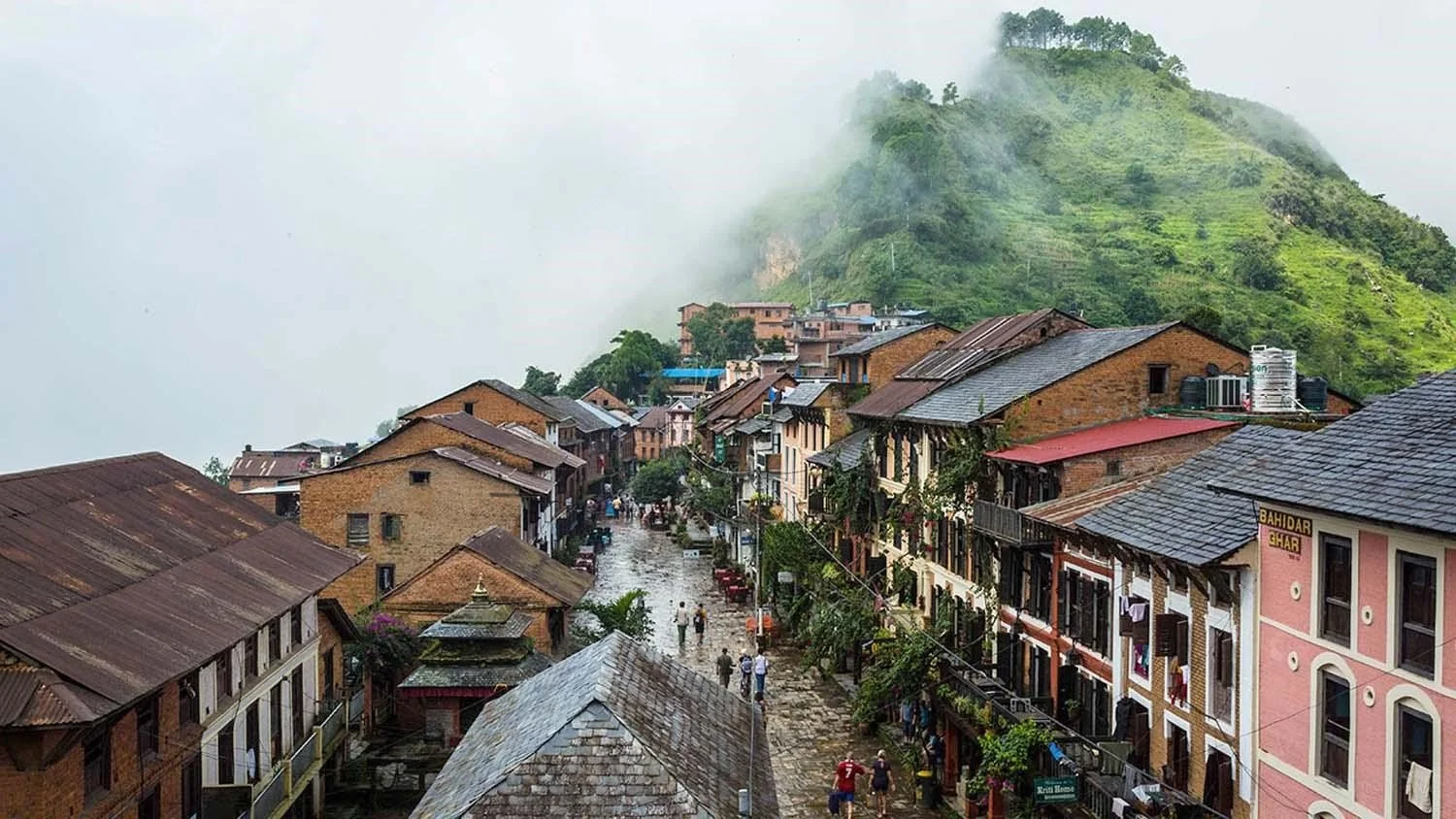
This town is akin to a hill station, with pleasant weather all year around, and with the typical characteristics of any town located in the hills of Nepal. That is to say, you’ll find lots of winding stone-paved lanes and alleys and stone steps meandering through the town; a central market area where is held a ‘haat bazaar’ where people from adjoining hills villages converge to sell their produce once a week; hardy and smiling men and women living simple hardworking lives; and so on. You get the picture. And, yes, not to forget, beautiful scenery all around.
Well, while many things are similar among all towns and villages of the hills, there are also bound to be some unique characteristics, Tansen has quite a few, one of them being Taksar Tole. This is where the biggest karuwa in the world was born, specifically, in the ‘Palpali Karuwa Udyhog’, one of many such establishments in this site famous for manufacturing a plethora of bronze products used in the everyday life of various communities, and particularly more so of Newari households. While many such products are for common use (mostly in the kitchen), there are as many meant for religious purposes. You might like to know who made the biggest karuwa; well it was the work of Mr. Suresh Man Bajracharya, as skilled a metal-smith as any found in Taksar Tole.
When you go to Tansen, which is actually not far from Lumbini, the birthplace of the Buddha, you’ll of course be visiting this place. You’ll surely enjoy looking at the adept hands of the Newari metal-smiths at work, and of course you’ll buy a couple of bronze souvenirs, even if they may be a bit of a heavy purchase, in the literal sense. Other souvenirs you must also buy are clothing made out of Dhaka fabric, a fabric unique to Nepal that’s made in Tansen. It’s another thing that you have already become very familiar with, having seen it adorning numerous heads in the form of a Dhaka Nepali topi (cap) all over the country, more so in villages and more traditional parts of towns and cities. The immigration officer at the airport probably had one on. The Dhaka Nepali cap is one of the unique identifying features of Nepal and Nepalis; a national symbol, as evident from the fact that the President, the Prime Minister, ministers, etc. will never be seen without one.
So, you see, there are already some very good reasons for visiting Tansen. You should also know that it is pretty historical, and the presence of a royal durbar (est. 1927) in the center of the town validates this claim. It was the capital of the Magar kingdom Tanahun, a powerful regional principality once upon a time (before the country was unified), and at no time was it more powerful than in the 16th century under King Mukunda Sen, when it nearly conquered even Kathmandu. Although so far from the principal Newari settlement of Kathmandu Valley, you’ll find plenty of Newars in Tansen, their forefathers having migrated from the Valley sometime in the 18th century, seeking their fortune. .
In more recent times, Tansen was a prime target for the Maoists during their 10-year insurgency (1996-2006), at the fag end of which, they set fire to the historic royal palace. Conservationists were pretty upset, it must be said, but with funds arranged from here and there, they set about restoring this monument to history. So, when you are in Tansen, you’ll no doubt take a tour of the palace. It’s only a five-minute walk from Taksar Tole to the market square known as Sitalpati where the place is located. The square around the palace is a pretty interesting place to laze around on a sunny afternoon. You’ll come cross villagers selling dried river fish and pure ghee (clarified butter) that are must buys for most domestic tourists.
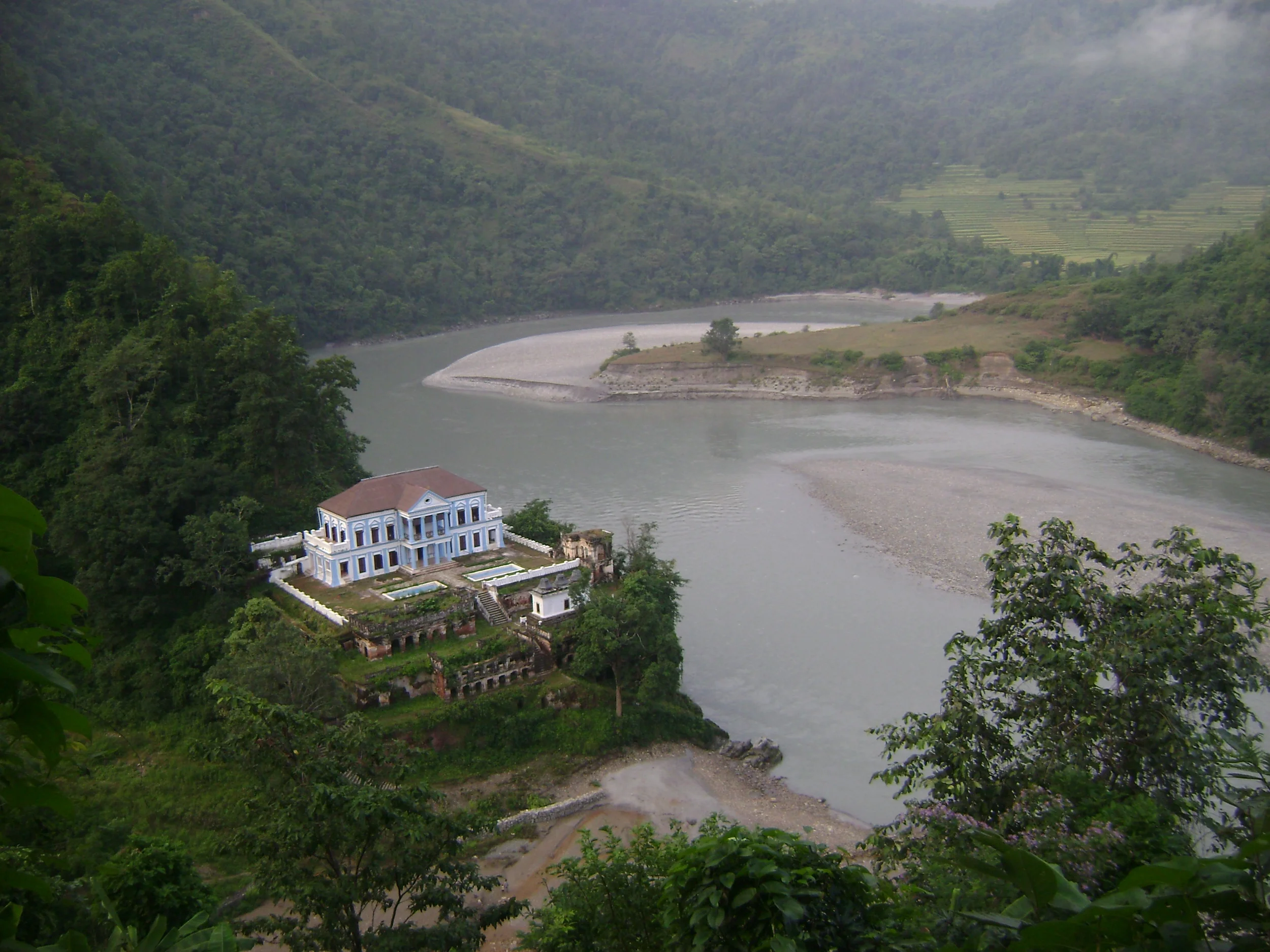
Some places of interest around Tansen are also worth visiting. There’s a hilltop site called Srinagar Danda nearby from where the best views are to be had, including panoramic ones of Himalaya peaks like Annapurna, Dhaulagiri, Kanjiroba, Mansiri, Macchapuchre, Ganesh Himal, and Langtang. Then there’s Ranighat, a Rana-period palace situated on the bank of the Kaligandaki River, and a sacred site called Rid Bazaar at the confluence of the Kalingandaki and Ridi Rivers that sees hordes of pilgrims around mid January every year when the Maghe Sankranti festival is held. As a matter of interest, about one mile east of the town center is the 160-bed United Mission Hospital that was established way back in 1954, the first project in the country of the United Mission to Nepal (UMN), a missionary organization of the Christian faith.
As said before, there are indeed many good reasons for visiting Tansen.
Restoring Original Glory
The restoration of heritage monuments destroyed or damaged by the April 25 quake is a priority today, and a great challenge.
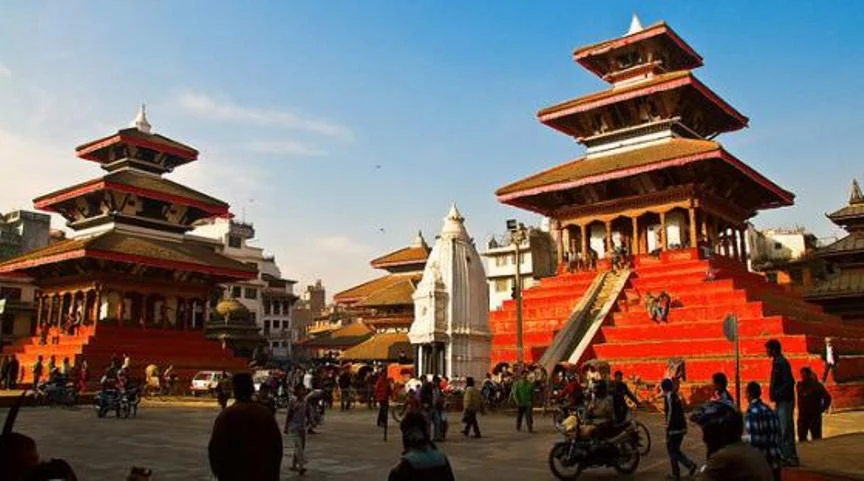
Nothing can compare to the great loss in lives and property due to the April 25 earthquake and its aftershocks, but the destruction of many priceless heritage monuments has also been a terrible blow to the country. It has been all the more severe in Kathmandu Valley, which is a world heritage site because of its seven world heritage monuments, namely: the three Durbar Squares of Kathmandu, Lalitpur, and Bhaktapur; the two stupas of Swoyambhunath and Boudhanath; and the two temples of Pashupatinath and Changunarayan.
Sad to say, except for Pashupatinath, all the others suffered substantial damages due to the quake. Reportedly, Changunarayan, the oldest temple in the valley, suffered the greatest damage, while a number of ancient temples and other monuments in all the three durbar squares were either reduced to rubble, or were damaged to some extent. Similar was the case in the Swoyambhunath Stupa complex.
At the same time, it is fortunate that the three durbar squares, as well as the stupa and temple complexes, have many heritage monuments and shrines that have remained unscathed. In other words, there’s still much to see at the world heritage monument zones, and that is the reason that immediately after clearing the debris and ensuring safeguard of the salvaged artifacts, they have been declared open for the public, including tourists. It’s worth repeating: there are still a lot of wonderful things to see and be wondrous about at these sites.
At the same time, the destroyed and damaged monuments have to be restored to their original glory, for they are part of the country’ proud heritage besides, of course, being important to world heritage monument zones. Restoration is the watchword today, and thankfully, there are some experienced individuals who have been busy in this field for at least the last couple of decades, or to be more exact, from the early 1970s. That was the time when the concept of restoration was introduced to the country, with UNESCO’s help being sought to get Hanuman Dhoka ready for what would be the first truly international event in Nepal’s history—the coronation of Crown Prince Birendra.
Since then, there have been many restoration projects undertaken in the valley by both local and international experts, the pioneers and those in the limelight being prominent architects such as Eduard F. Sekler, John Sanday, Gotz Hagmuller, Eric G. Theophile, Prof. Sudarshan Tiwari, Dr. Rohit Ranjitkar, Rabindra Puri, etc. Sanday was the first of the consultants appointed by UNESCO to do restoration of some projects, including Hanuman Dhoka and Swoyambhunath Stupa. Hagmuller’s masterpieces are undoubtedly the Patan Museum and the Garden of Dreams, while Theophile and Ranjitkar work under the auspices of Kathmandu Valley Preservation Trust, a New York headquartered organization that is responsible for many restorations in Kathmandu Valley. Prof. Tiwari’s particular area of focus is the locality of Handigaon in Kathmandu that was once an independent kingdom, and his book “The Brick and the Bull” details architectural aspects of the area. Rabindra Puri came into prominence with his restoration of a cow shed into what is now famous as “Namuna Ghar” in Dattareya Square of Bhaktapur, a striking example of what is possible in the field of restoration.
These, and others similarly experienced architects, are the kind of individuals that the valley is looking forward to now to restore the original glory of many of its priceless monuments. It promises to be a long-drawn out effort, since restoration is an extremely time consuming affair. In fact, since most of the attention will be on the world heritage monument zones, one can also expect there to be some debate on the best way to go about the painstaking task. This is because there are differences in opinion even among experts about what is true restoration and what is not.
For purists, the restored site has to be an exact replica of what it was before, but also, the very same materials have to be used, and exactly the same methods. It is understandable for somebody to question whether this is wise since it will mean that the site might be vulnerable in the event of a future disaster. A case in point: the Dharahara tower fell for the second time on April 25; the first time was during the great earthquake of 1934. So, should it be restored in the very same way? Or should it be reinforced with modern material and methods?
Perhaps in the case of many destroyed/damaged monuments, some compromise is possible, but what about UNESCO designated sites? One hears that they have pretty strict rules governing such things. One gets the feeling that some monuments in world heritage monument zones may no longer be eligible to be called a part of world heritage if there is even a hint that material and methods other than prescribed have been used in their restoration.
The now universal agreement that Kathmandu Valley is prone to regular earthquakes complicates the matter, because if the purist way is taken, who can guarantee that the restored monuments will not fall again due to an earthquake of large magnitude? And, wouldn’t it be a great pity to see all that painstaking and time consuming work being reduced to rubble once again? Perhaps the experts will find out a means to an end where the priceless heritage monuments of Kathmandu Valley are restored to their original glory without the danger of them being destroyed again in the future due to another earthquake. Therein lies a great challenge.
Hashtags: #KathmanduValley #UNESCOWorldHeritage #CulturalPreservation #HeritageRestoration #NepalEarthquake2015 #Swayambhunath #RebuildNepal
POPULAR ITINERARIES
SIMILAR POSTS


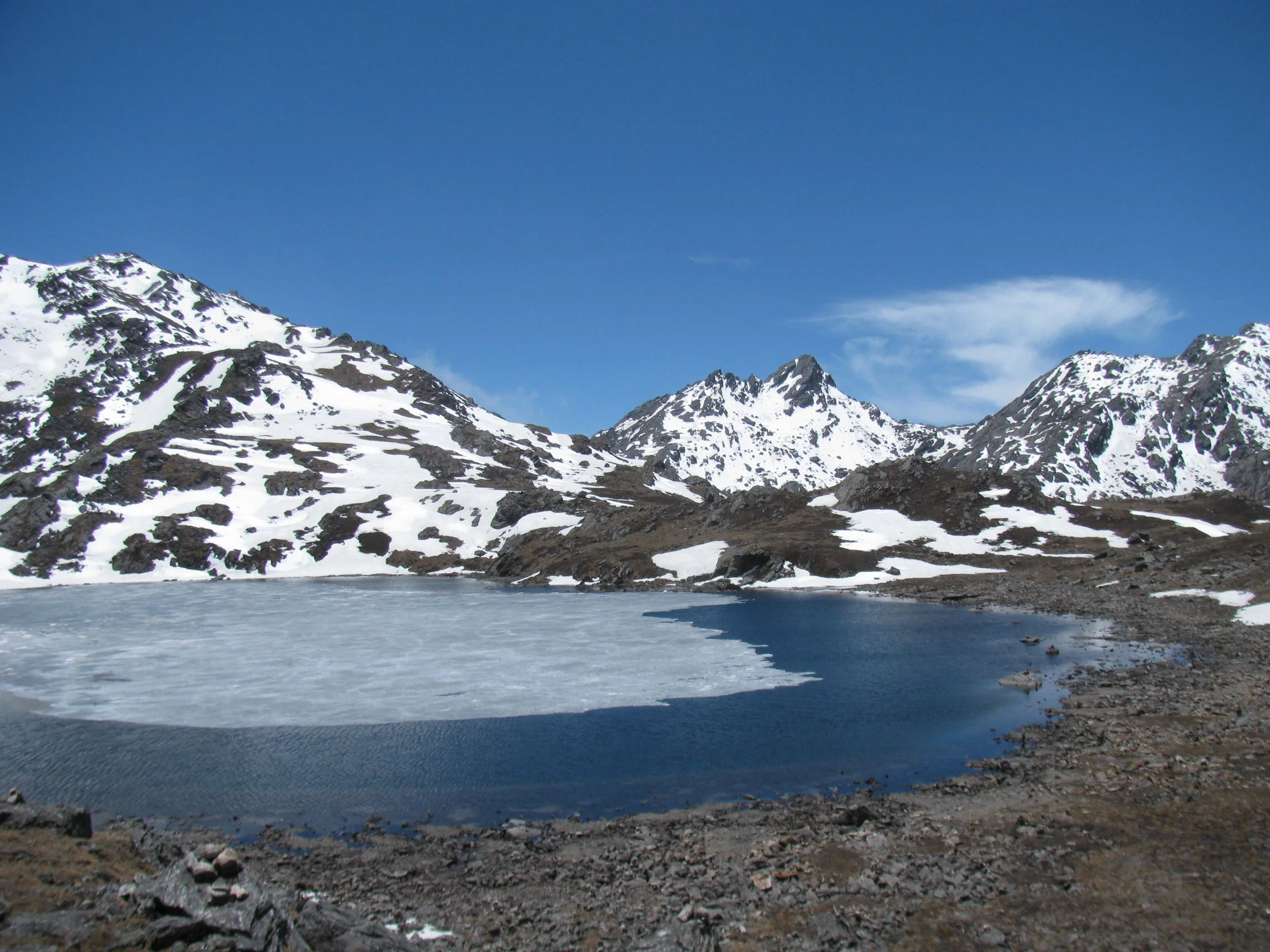
Sindhupalchok Sojourn
It is the largest of Bagmati Zone’s eight districts, with plenty of tourism potential; but it’s reeling from heavy quake casualties today.
This year, Nepal has been in the world headlines for a pretty bad reason—the destructive 7.8 M earthquake of April 25, 2015, that left thousands dead and hundreds of thousands homeless, besides destroying precious heritage monuments, quite a few of which were situated in world heritage monument zones. More than three months later, the news is that all of the zones have been opened to the public, and that rebuilding is going on in a big way in all the earthquake affected districts.
Some 14 of the country’s 75 districts, all in the central region in the proximity of Kathmandu valley, were the ones to bear the most severe brunt of the catastrophic quake. Among these, too, it is the Sindhupalchok district that has witnessed the most devastation, both in terms of lives and property. The fact that it is a mere 85 km to the north-east of Kathmandu Valley makes the catastrophic situation there all the more real to the capital dwellers, which means, also, the government as well as numerous national and international NGOs based in Kathmandu.
Relief efforts were quick to reach the district, and now reconstruction is being undertaken with a view to at least provide some sort of temporary shelter to the homeless to protect them from the elements, particularly the monsoon rains. No doubt, it will take some time before some semblance of normalcy returns to the area, but let’s hope it does sooner rather than later, because this district has so many possibilities for tourists looking out for adventure and excitement when in Nepal. Sindhupalchok has some great treks on offer, and spectacular scenery and interesting culture.
The 2,542 sq km district is surrounded by Nuwakot, Kathmandu, Kavre, Rasuwa, and Dolakha districts, as well as by China (Tibet), which add to the diversity of the region. While Chautara, its district headquarters, is a bustling municipality, places like Helambu, Tatopani, Bhairav Kunda, Panch Pokhari, Palanchok Bhagwati, etc. are attractive tourist destinations, with most of them having religious significance.
Helambu is home to the Hyolmo (Yolmo) people, who are also sometimes referred to as the Helambu Sherpas, to differentiate them from the Sherpas of Solukhumbu, and is famous for its apples, as well as for its lovely monasteries. The Helambu Trek is quite popular with tourists without the luxury of too much time to spend in Nepal. The starting point is generally Sundarijal, which you can reach by bus from Boudhanath in Kathmandu. Nagarkot, Kakani, and Sankhu could be other starting points as well. The route goes from Sundarijal to Chisopani, Kutumsng, Tharepati, Tarkeghyang, Sermanthang, and Melamchi Pul, and you’ll be generally hiking for some five-six hours every day through beautiful scenery.
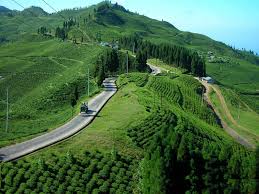
Ilam, Emerald of Eastern Nepal
Tea is what defines Ilam in eastern Nepal, for this is the region producing the best and most tea in the country; it is also famous for its alainchi.
A very visible destruction of heritage due to the massive April 25 earthquake was that of the Gaddhi Baithak, the white-plastered neo-colonial structure with Greek columns that is part of the Hanuman Dhoka palace complex, a world heritage monument zone. It was made in 1908 by Maharaja Chandra Shumhser (1863-1929) following in the footsteps of his famous uncle, Prime Minister Jung Bahadur Rana (1816-1877), who started the fad of building such palaces after his trip to England and France. Jung Bahadur was famous for such things. Colonel Gajraj Singh Thapa, his eldest son-in-law, is not famous, hardly anybody has heard of him, but he played an important role in imparting a distinct identity to eastern Nepal, especially Ilam.
In the late 1870s, as Governor General of the eastern region, he went on a visit to Darjeeling, where he was introduced to a refreshing beverage that he had never tasted before. It was tea. So invigorated was he that he immediately set about establishing two 103-acre plantations in eastern Nepal, a region that has similar climatic conditions as its neighbor, Darjeeling. The first saplings planted were gifts to Jung Bahadur from the emperor of China. Ilam Tea Estate (est. 1878) is the first tea estate of Nepal, and it is what has given Ilam its unique identity.
The very mention of tea estate brings to mind acres and acres of short stunted green bushes all over hillsides; a most pleasant sight. And, none of the tea estates is as beautiful as Kanyam Tea Estate that sprawls over some 240 hectares at a height of 1,676 meters above sea level. It is the largest producer of orthodox tea, with some 125 kg produced every year. As a matter of interest, near to it is where a lot of Nepali film dances shot, so the locals call it, “Shooting Hill”! Anyway, this aside, while tea reigns supreme in the eastern hills, Ilam is also famous as the region of the six “A’s”, that is: alu (potato), alan (milk), alainchi (cardamom), aduwa (ginger), amriso (broom grass), and akbare khursani (extremely hot small round chili). Alainchi, especially, is a great success story, with its rich cultivation in the eastern region making Nepal one of the world’s top producers of this aromatic spice.
Ilam municipality also gained a place in the country’s history in 2010 as the first in Nepal to ban the use of plastic, something that was implemented only in 2015 in Kathmandu. Aside from this interesting snippet, there’s a place called Antu Danda (2,328 m) about 35 km southeast of Ilam Bazaar, from where the sunrise and sunset views over Kangchenjunga (8,586 m), the third highest peak in the world, are just breathtaking. You may be even able to see the Darjeeling hills on a clear day. A Lepcha Museum here displays the culture and lifestyle of the Lepcha community, an ethnic group that, along with Magars, Gurungs, Rais, Limbus, and Sherpas, is predominant in the region.
A significant place of interest is Mai Pokhari (2,121 m), about 13 km north of Ilam Bazaar, that’s famous as a pilgrimage site. This lovely nine-cornered lake, with a one-kilometer circumference, is surrounded by forests of pine, juniper, fir, birch, and medicinal plants. If you are lucky, you could come across animals like musk deer, leopard, porcupine, etc. You’ll certainly see quite a few migratory birds. Mai Pokhari is the place to be during Kartik Ekadasi, an annual festival in October-November, when a lot of devotees make their way to pay homage to Goddess Bhagwati. Another big draw is Sandakphu (3,636 m) on the Nepal-India border, because of its awesome panoramic views of Kangchenjunga and Everest, as well as of the entire district and its adjoining regions such as Siliguri and Darjeeling in India.
Similarly, other places of interest are: Sidhi Thumka (1,800 m), a three-hour trek from Ilam Bazaar, that gives you excellent sunrise and sunset views, and Chhintapu (3,353 m) around which you get to see 11 varieties of rhododendrons and rare herbs, besides some endangered animals like musk deer and red panda. Actually, mentioning all this, it must be noted that Ilam district is a favored region for research and study for botanists and anthropologists because of its rich ecology and interesting ethnicities. Some international universities even have an annual wildlife studies program whereby students visit Ilam for a fortnight in April-May to study the flora and fauna, as well as the culture and lifestyle of different ethnic groups.
Indeed, Ilam is the emerald of eastern Nepal in more ways than one.
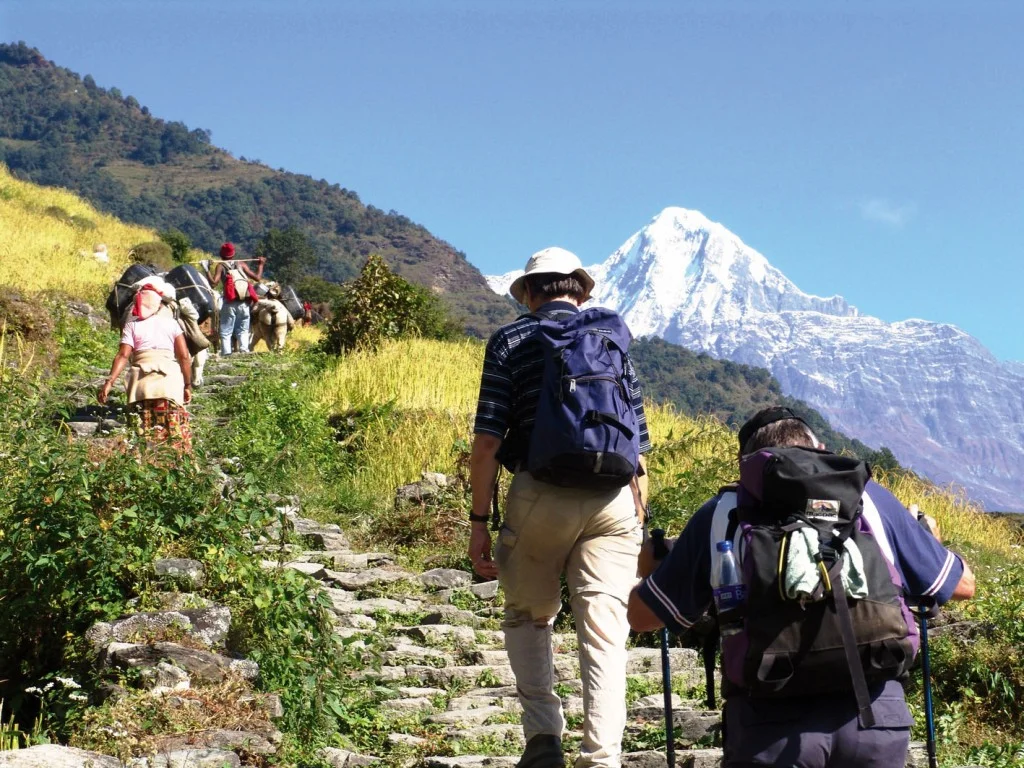
Eastern Nepal for an Exhilarating Experience
It is one of the most beautiful regions in Nepal, and it has some really exciting treks
I read in a newspaper recently that a committee had been formed to celebrate 2016 as Visit Eastern Nepal Year. That’s a great idea, and one that has been a long time in the coming, for eastern Nepal is full of great natural beauty and extremely hospitable people. Unlike the far-west, there is no far-east in the country, but the further east you go, the better is everything, including the weather. You get good rains here, and so the forests are verdant, the paddy fields are lush green, and the rolling tea estates are very pleasant to look at.
While Ilam, where most of Nepal’s tea estates are, and Taplejung get a fair amount of tourists, there’s a district called Sankhuwasabha that is also pretty fetching, and where the best khukuris are made. Yes, the very same khukuris that the Gurkhas made so famous in the two Great Wars. The prima donna of eastern Nepal, however, is Kangchenjunga, which at 8,586 m, is the third highest peak in the world. It’s not only for its height that it is so well known, it is also one of the best looking mountains in the Himalayan range, equal to Machhapuchchhre of Pokhara in beauty. It borders India, and is the highlight of Darjeeling—a most iconic backdrop to the queen of hill stations. Another famous peak in this region is Jannu (or Kumbakarna), which is 7,710 meters tall, and which used to be once called “Mystery Peak”.
Then, there is also the Makalu-Barun National Park here, established as an extension of Sagarmatha National Park (world’s highest national park) in 1992. It sprawls for some 1,500 km2 across Solukhumbu and Sankhuwasabha districts, and has Makalau (at 8,463 m, world’s 5th highest peak), Chamalangu (7,319 m), Baruntse (7,129 m), and Mera (6,654 m) within its precinct. This park has amazing elevation, with the Arun River valley (344-377 m) in the southeast arising to 8,463 m at the apex of Makalu. The park has many diverse species of fauna, including exotic ones like snow leopard, clouded leopard, red panda, Himalayan tahr, etc., with the Asian golden cat being one of the rarest. Plenty of bird species, too, including the rare rose-ringed parakeet, Blyth’s kingfisher, deep-blue kingfisher, blue-naped pitta, sultan tit, white-naped vuhina, and so on.
Now, you can trek through this area on your way to Makalu base camp. Generally, you start off by taking a 40-minute flight from Kathmandu to Tumlingtar (457 m). From here, you take a one-hour drive to Khandbari (1,036 m), the district headquarter, from where your trekking adventure begins. Here is where you’ll find people making the best khukuris. After a halt for the night in a lodge or homestay, the next morning you begin walking to Chichilla (1,920 m), about a five-hour hike. There’s a place called Chhyankuti Chhyankuti on the way, 10 km to the north of Khandbari that has spectacular views all around, including that of the magnificent Himalayan peaks. At Chichilla, you get comfortable lodgings for the night. Come the dawn, and you are again on the trail, this time to Mude (2,060 m), which will require about 5-6 hours. Along the route, you’ll be treated to some really rugged mountain landscapes.
After a night of rejuvenating sleep, you should be ready next day to take the 3-4 hour walk to Saduwa, which is in fact the last village before entering the Makalu-Barun National Park. Your hike will first take you steeply downhill, before again going steeply uphill. The next day, you trek to Tashigaon, stay in a teahouse, and enjoy the local culture. Your guides will usually allow you a day of rest and recuperation at Tashigaon. And, you will appreciate this, because the next day you walk up, up, and up for 6-8 hours to reach Khongma (3,400 m). Early the following morning, you go to Dobate, or Mombuk, (3,540 m), walking for some 4-5 hours. You got to start early so as to avoid landslides risks further in the day.
The coming days, you’ll be first hiking to Yangle, or Nhe Kharka, (3, 750 m, 4-5 h), then to Langmale, or Shersong (4,600 m, 6 h), before finally reaching the Makalu base camp which is at a height of 4,800 meters. There’s a lovely glacial lake called Dudh Pokhari that will mesmerize you with its serene beauty. The return trip is along the same route, and you’ll be back in Khandbari in 5-6 days time from the base camp. There are some other routes on this trek as well, and it’s up to you which one you choose. However, no matter which route you opt for, it will be one of the most exhilarating times of your entire life, that much can be assured! So, what say, do we now plan a trek in beautiful eastern Nepal?
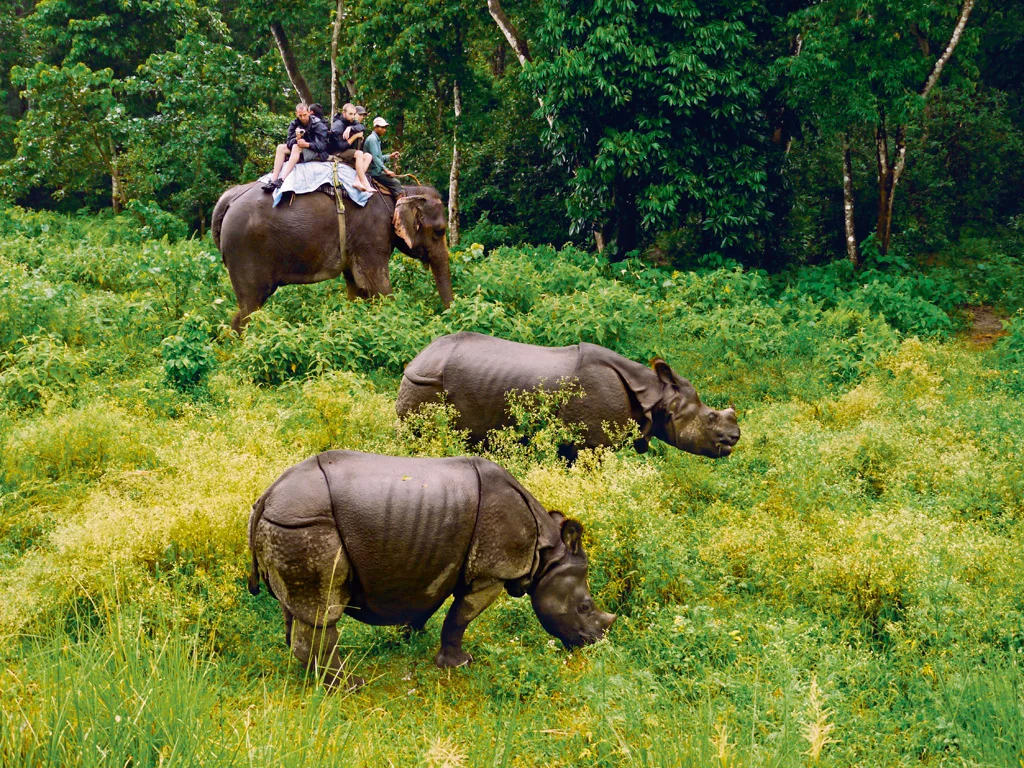
Nepal Today, Bargain of a Lifetime
Visit Nepal now to take advantage of some really fabulous bargains, and in some really exciting places.
“People have been traumatized, but you can’t cry all the time. People are united to work together to overcome the national crisis…Things are getting better...Schools have opened. People are quite positive, they have started laughing and partying…There is a strong sense of unity to rebuild Nepal.” So says the owner of a travel agency in a feature titled, “Nepal prays for return of tourists after earthquakes” by Natalie Paris (http://goo.gl/lvpzIl).
Indeed he is right. Kathmandu has gained backed much of its vibrancy. There is optimism in the air. The making of a “New Nepal” is the mantra that’s very much in vogue today. Even the official bodies, which have more or less been criticized in the past as being laggardly in their duties, appear to be galvanized. The World Heritage Sites are being opened to the public very soon. Most of the popular trekking routes are in operation, and tourist destinations are offering fantastic discounts on lodging, boarding, and many adventure activities.
For instance, Pokhara hotels are offering a hefty 50% discount on their rooms, and attractive rebates on transport fares and adventure activities. Pokhara Tourism Revival Committee Coordinator Ganesh Bahadur Bhattarai has been reported as saying, “We have offered 50 per cent discount on hotels, zip flight and bungee jump, 20 per cent discount on bus fare, 30 per cent in paragliding and 15 per cent on ultra light flights.” (http://goo.gl/ls8ctC).
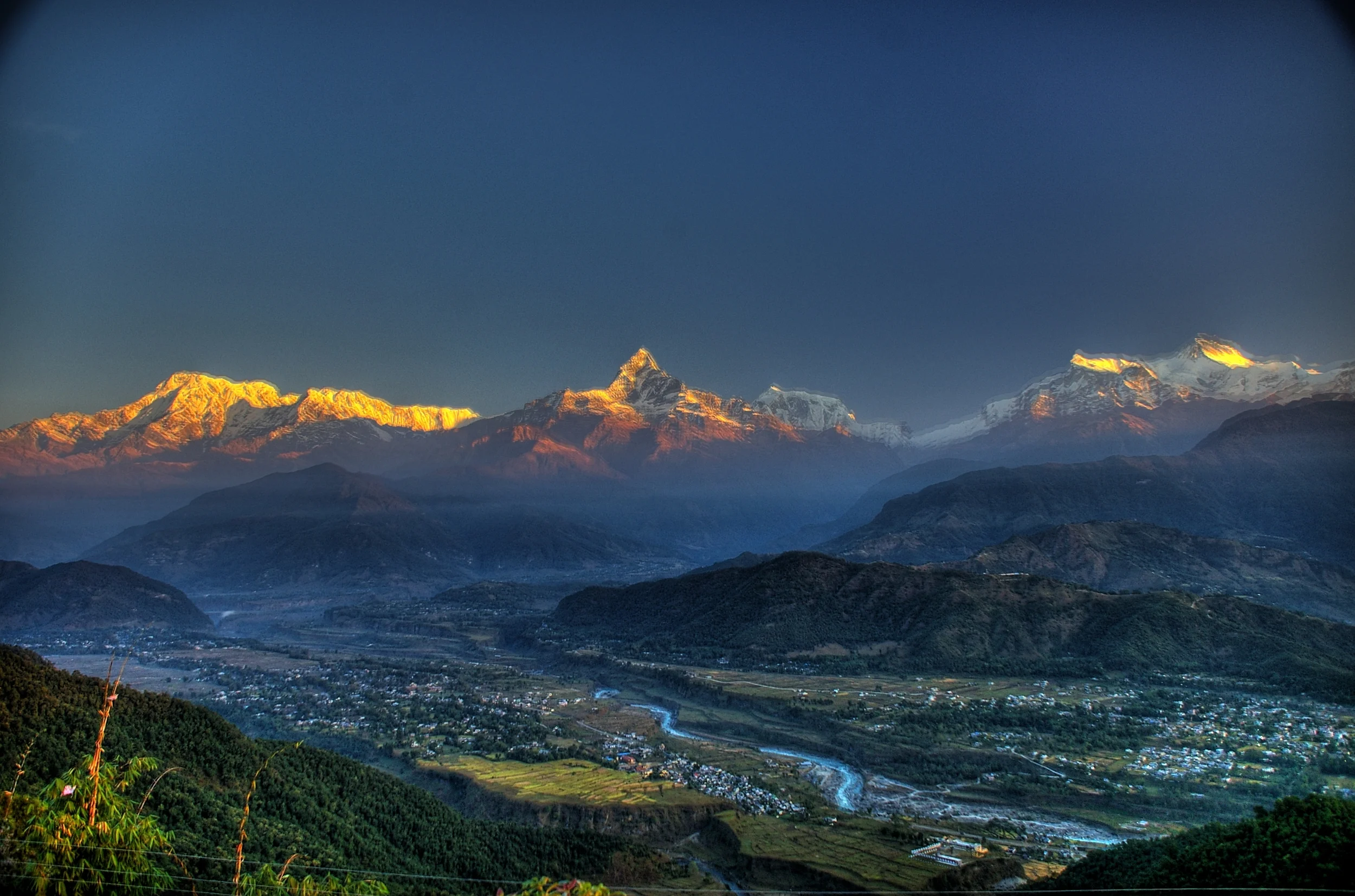
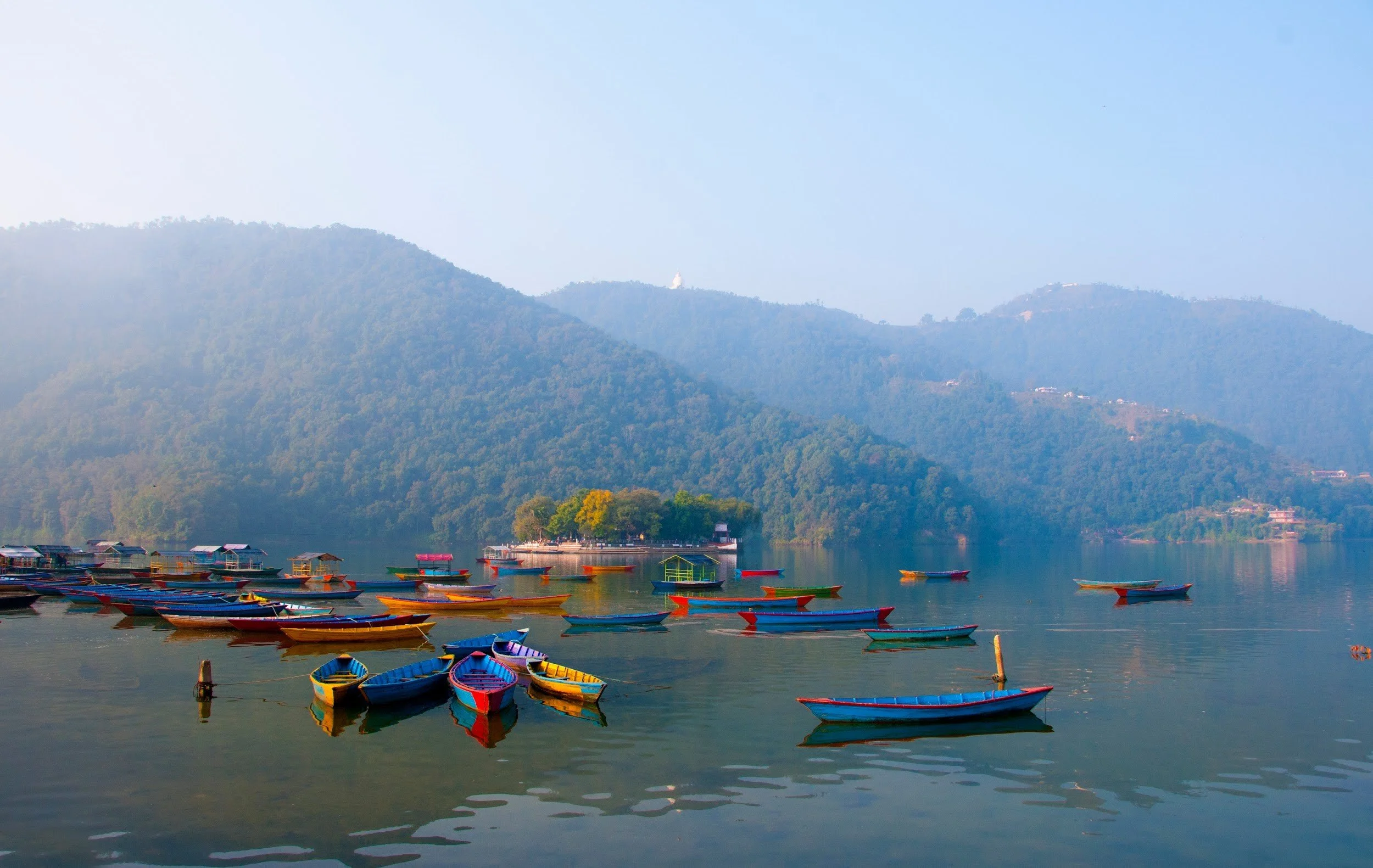
Lying about 200 km west of Kathmandu, by air, it’s a short flight of just 30 minutes. Driving down from Kathmandu can also be a most pleasant trip, taking around 5-6 hours. Also known as the ‘Lake City’, Pokhara has a number of lovely lakes, with Phewa Tal, the second largest lake in Nepal, being the most famous. The richness of its natural beauty has to be seen to be believed, and the reflection of the magnificent Machhapuchchhre Himal (6,993 m), on Phewa’s serene surface is an unforgettable sight.
Pokhara is also one of the best places to go to for some adrenaline rushing activities. It is reportedly one of the top five destinations worldwide for paragliding. You take off from Sarangkot (1,592 m) that is a little over two kilometers from the tourist hub of Pokhara’s Lakeside. Another activity that has become a must-do is flying high on an ultra-light aircraft, which flies up to 5,000 ft for a 15 min-flight over scenic Pokhara. If you wish, 30-min and 60-min flights can also be availed of. The former takes you near to Machhapuchchhre, while the latter takes you up to 12,000 ft for a fantastic bird’s eye view of the entire Annapurna Range. There are other exciting activities, as well, such as white water rafting, ziplining, bungee jumping, and so on.
Similarly, Chitwan hospitality entrepreneurs are offering massive rebates to visitors coming to Sauraha, where the Chitwan National Park, another World Heritage Site, is situated. The Regional Hotel Association, Chitwan, has decided to offer 50 per cent discount to both domestic and international tourists on all accommodation, which include about 100 hotels and some of the finest resorts in the world. Elephant safaris, jungle walks, canoeing, wildlife watching, and bird watching, etc. are extremely popular activities in the world famous park. Of the around 2000 remaining one-horned rhinos in the wild today, Chitwan National Park has about 500 of them. It also has many royal Bengal tigers, another rare animal, as well as the endangered snout-nosed gharial, besides numerous other mammal, bird, reptile, and amphibian species.
Doubtless, visiting Nepal now could be one of the wisest decisions you make—easy on the pocket, and rich in exciting activities.
Now’s a Good Time to Visit Nepal
The devastating April 25 earthquake caused many deaths and much destruction, but Nepal is rapidly rising out of the rubble to create a ‘Naya(New) Nepal’.
June 15 is when all the seven world heritage monument zones that go to make Kathmandu Valley a World Heritage Site are again open to tourists. The April 25 earthquake reduced some of the relics inside these seven zones to dust, or caused partial damage to some others. Restoration plans are well underway, and this will of course be a prolonged affair, since it is quite an intricate process. And, because Kathmandu has some of the best restorers in the world—restorers who are well versed in their highly specialized craft—one can rest assured that something beautiful is sure to come out of their efforts.
No doubt, even with the destruction caused by the Great April 25 Earthquake, Kathmandu Valley still overflows with such sights and experiences as does justice to its claim to be one of the most interesting places to visit in the world. June 2 was when the highest temperature, 34 degrees Centigrade, was recorded in the valley. A pittance, compared to the near-50s sweeping over neighboring India. Most times, the valley enjoys mild temperate climate, and with the onset of the pre monsoon season, weather-wise, the valley will revert back to its lovely climate again. Just as, with the back-to-business sense of urgency that is very much evident now, Kathmandu is once again open for business, and waits with wide open arms to welcome visitors from around the globe.
While the quake caused untold suffering and many tragic deaths, it also resulted in world media attention on Nepal, leading to millions of viewers becoming witness to the never-say-die-spirit of the Nepali people. It is true that, in addition to its rich culture and heritage and its fantastic natural beauty, Nepal is also known equally as a land of the brave, the hardy, and the hospitable. All this have been on world view for the past month or so. The resolute villagers of the quake affected areas have already begun the process of rehabilitating themselves, and the government and international organization are lending the much needed helping hand with vigor.
The quake has brought people together in a very symbolic way that will hopefully transform into something concrete in the future. The mantra is now of rising from the rubble with strengthened resolve to create a ‘New Nepal’. This is not to mean that ancient heritage will be kept in the backseat. Not at all. Heritage will continue to be part and parcel of whatever route the country’s development takes now, because its proud heritage is what gives Nepal its unique identity. An identity that is synonymous with a high degree of artistic and cultural finesse, a sumptuous richness of natural beauty, and a well established reputation as a country with some of the happiest and most hospitable people on planet Earth.
No wonder then that so many visitors are so deeply impressed when they come here. The wealth of art, craft, culture, and heritage everywhere is impressive, the fabulous scenery all around is breathtaking, and the welcoming smiles of the people is heartwarming. Right now, with the country at the crossroads between the old and the new, could well be one of the most interesting times to visit this interesting country.
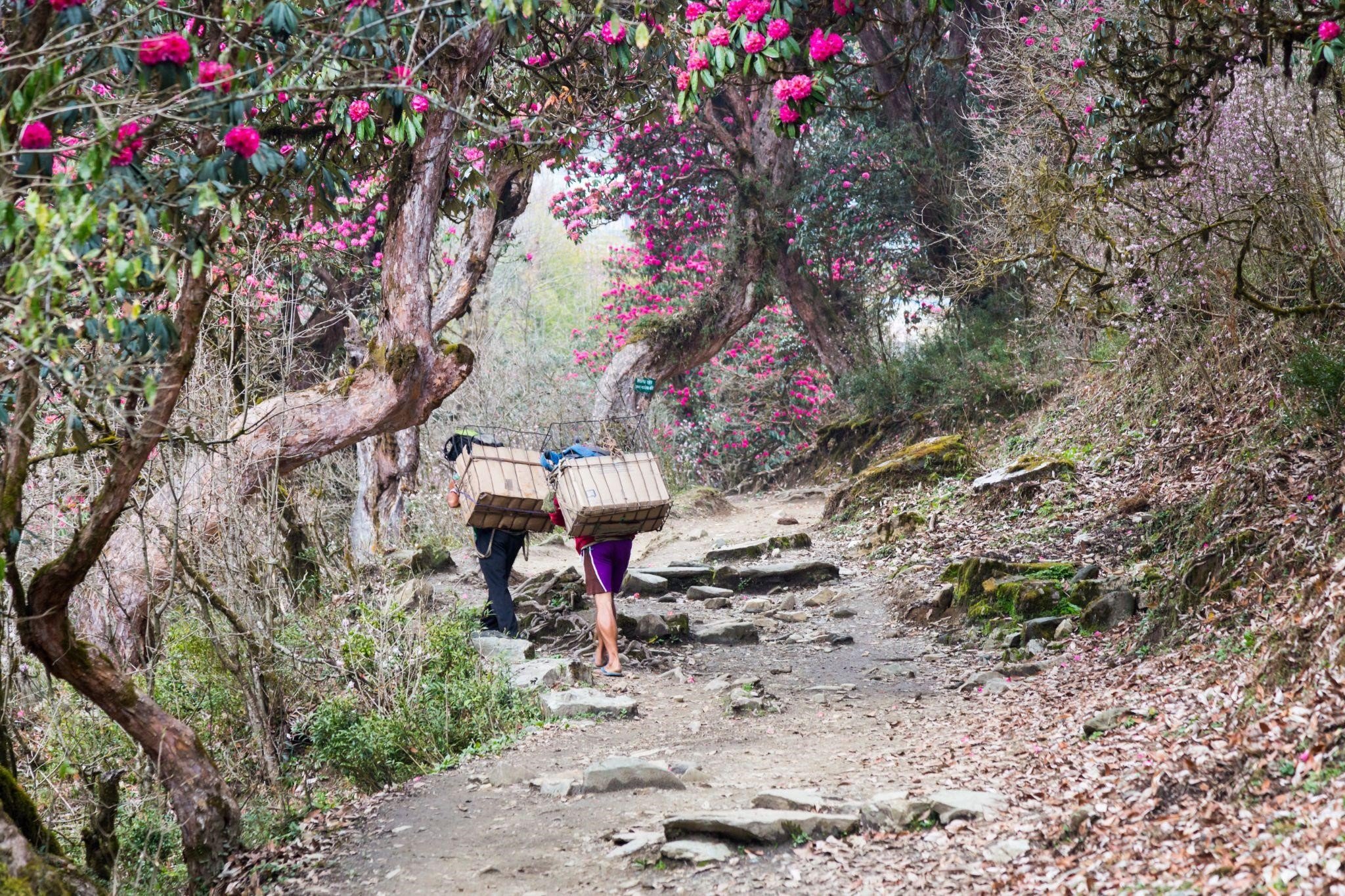
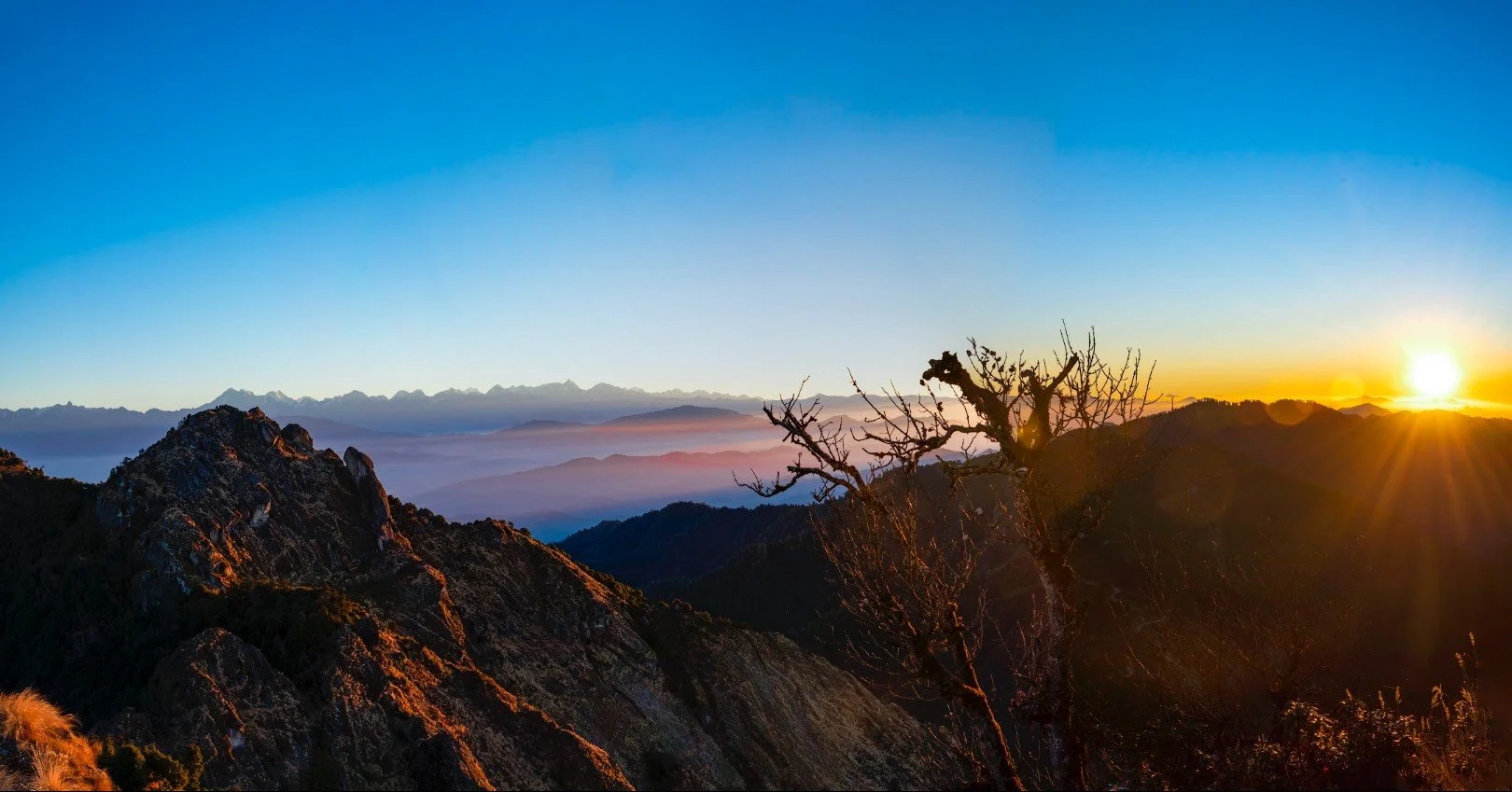
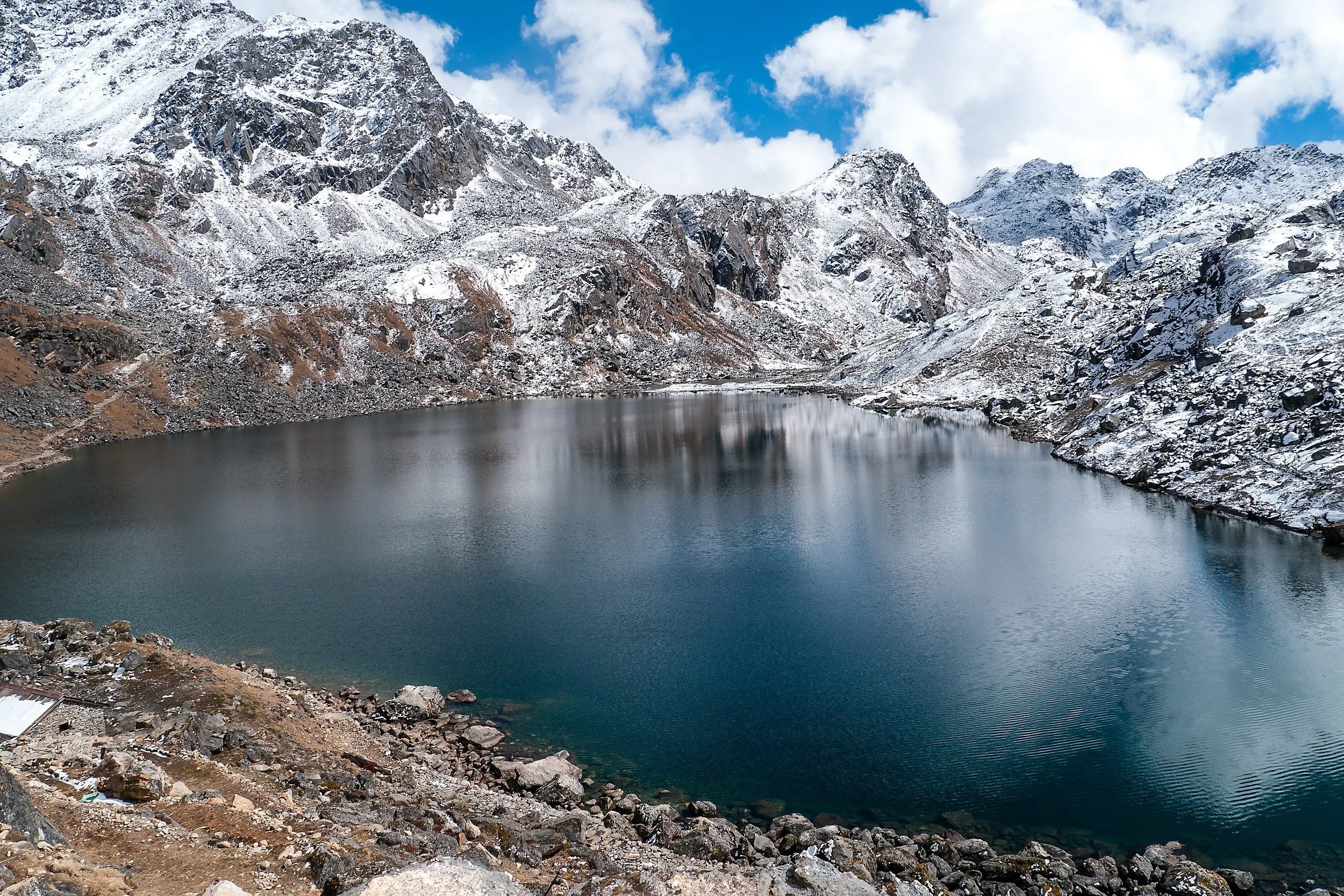
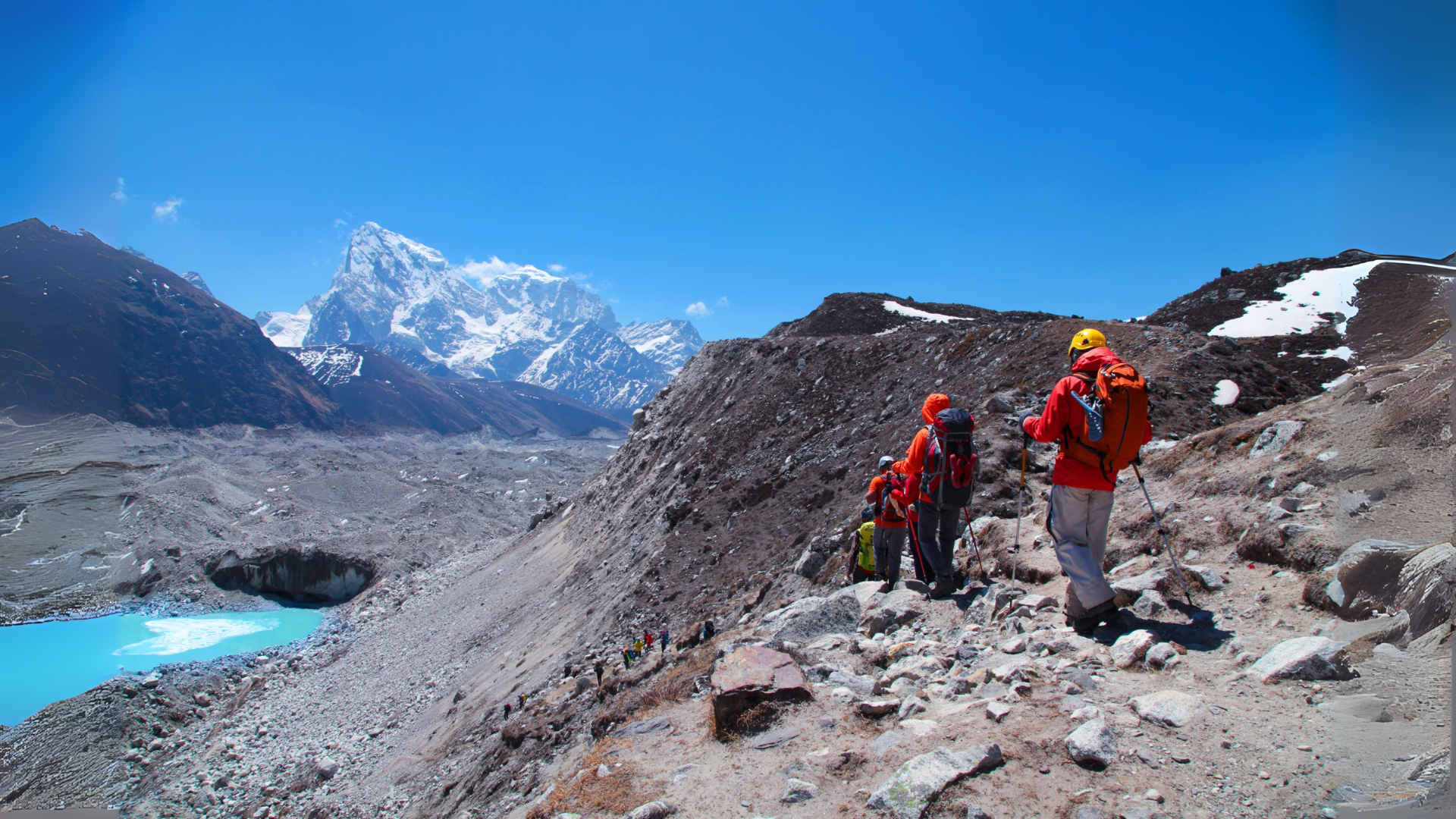
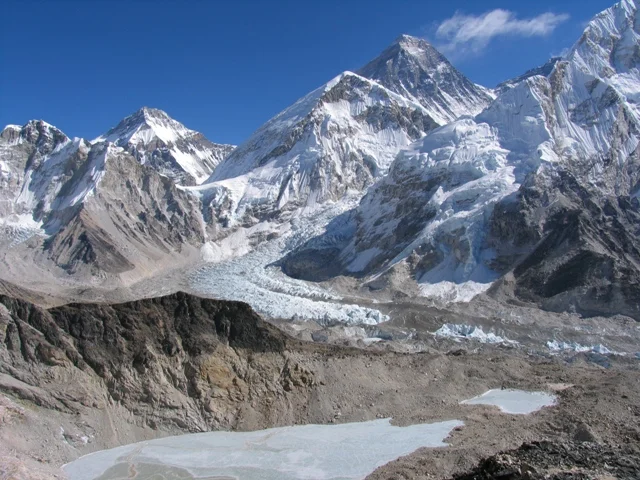
This trek is specially designed to reach the Everest Base Camp including Kala Pattar which is the best view point to view the sunrise over the high Himalayas including the Mt. Everest. This trek requires 13 days.
USD 1515 PER PERSON -- TWIN ROOM SHARING BASIS