
Adrenaline Adventure In Nepal - Part II
Nepal is viewed as a natural or cultural destination. Through efforts from various sectors, Nepal is slowly climbing the ranks of being known as an adventurous destination as well. Over the years, the inception of various adrenaline thrills in Nepal has opened a new genre of tourism altogether in this small but humble nation.
In part one of this article, we looked into 5 adrenaline activities that one must try during their visit to Nepal. Continuing further, we look into 5 more adventurous activities in this part of the article.
Rafting
Did you know that Nepal has approximately 6000 rivers? Each river is an opportunity for adrenaline seekers to indulge in the pure serenity of water. The strength of rivers are classified into 6 classes:
a. Class 1: Easy
b. Class 2: Novice
c. Class 3: Beginner/ (intermediate) level
d. Class 4: Advanced Level
e. Class 5: Expert Level
f. Class 6: Extreme
Amongst the rivers currently open to rafting the grading is as follows:
I. Karnali River: Class IV-V (180 Km in length)
II. Tamur River: Class IV (120 Km in length)
III. Sunkoshi River: Class III-IV (270 Km in length)
IV. Kali Gandaki River: Class IV- V (90 Km in length)
V. Seti River: Class III-IV
VI. Bhotekoshi River: Class III to V (22 km in length)
VII. Marshyandgdi River: Class IV-V (27 km in length)
VIII. Trisuli River: Class III-IV
IX. Bheri River: Class III (105 Km in length)
Many potential sites exist, but dams and weirs are hindering the growth of rafting. The rafting season in Nepal spans from March-May and September to November. The months from June to mid-September features massive flooding due to the monsoon.
Mountain Biking
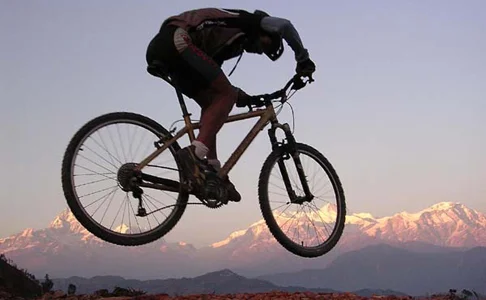
The thrill of experiencing the rugged terrain of Nepal on a mountain bike is an opportunity like no other. Nepal's potential in this sport is immense due to our nation's geography that provides the rider with the chance to experience the world in an oyster. The current go to destinations are Mustang and the epic Annapurna circuit in the Himalayas; Manjushri Trail in Kathmandu; Lakure via Surya Binayak in Bhaktapur and Sunpandali- Thulakot Loop in western Nepal.
1.Trekking
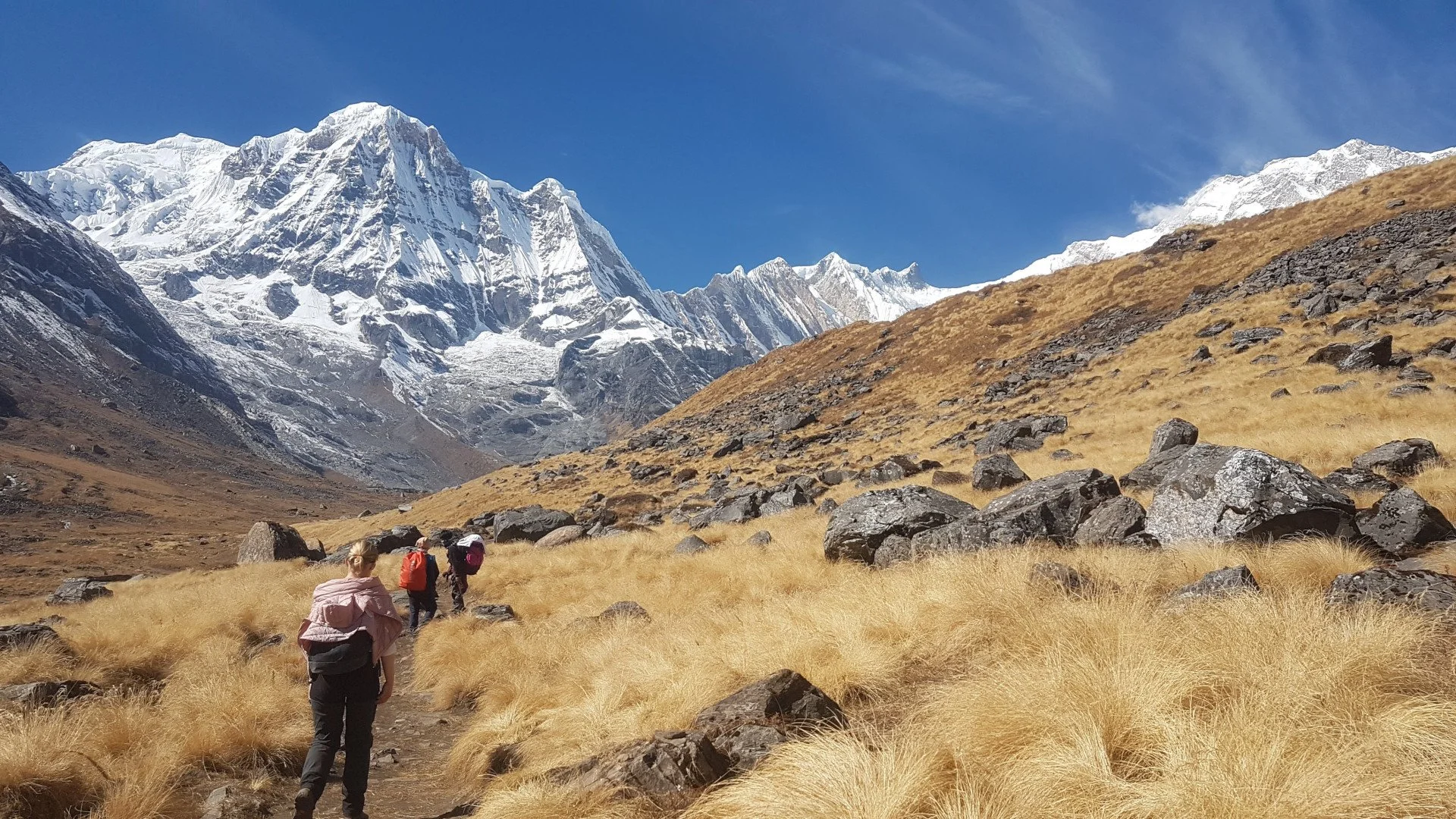
As they say, while on foot, an individual gets to truly take in the beauty of the surrounding. Nepal is an acclaimed trekking destination with multiple trails and circuits that allow a trekker to truly breathe in the beauty of nature. Nepal's geological diversity is both a blessing and a curse, but the rise in trekking has allowed remote households the opportunity to expand their income.
The landscape of Nepal offers trails of every grade and class. It doesn't matter if you're a novice or an adrenaline junkie who wishes to conquer the Himalayas on foot. Nepal offers a prospect for all. Various private and governmental interventions such as community tourism projects and the national conservation act has ensured the sustainability of tourism and trekking in Nepal.
Some of the major trekking routes of Nepal are as follows:
1. Annapurna Circuit Trek
2. Everest Base Camp Trek
3. The newly mapped Sisne Upper and Lower Trek in Western Nepal
4. Mardi Himal Trek
5. Ghorepani- Poon Hill Trek
6. Upper Mustang Trek
7. Shey Phoksundo Lake Trek
8. Manslu Trek
9. Langtang Trek
10. Kanchenjunga Region Trek
11. Limi Valley Trek in Humla
12. Rolwaling Valley Trek
13. Tsum Valley Trek
14. Kapuche Lake Trek
Trekking in Nepal is seasonal. The best time of the year is Spring, Autumn and Pre-Winter. But, trekking routes that fall under the shadow of the Trans-Himalaya can trek during the monsoon. The major hurdle during the monsoon is the disruption in the road and air networks of the country due to heavy rainfall.
Ultralight
Ultralight aircraft allow the adventurer to discover the majesty of the land from an eagle-eye perspective. Currently, micro-flights are run in the valley of Pokhara. Ultralight flights were introduced in the year 1997 AD. With the first successful professional flight in Pokara, the sport gained rapid popularity.
Ultralight Flight Facts
Best Season: From September to May
Take off and Landing Location: Pokhara Airport
Maximum Body Weight: Up to 100 KG
Flight Durations: 15, 30, 60 and 90 minutes
POPULAR ITINERARIES
SIMILAR POSTS
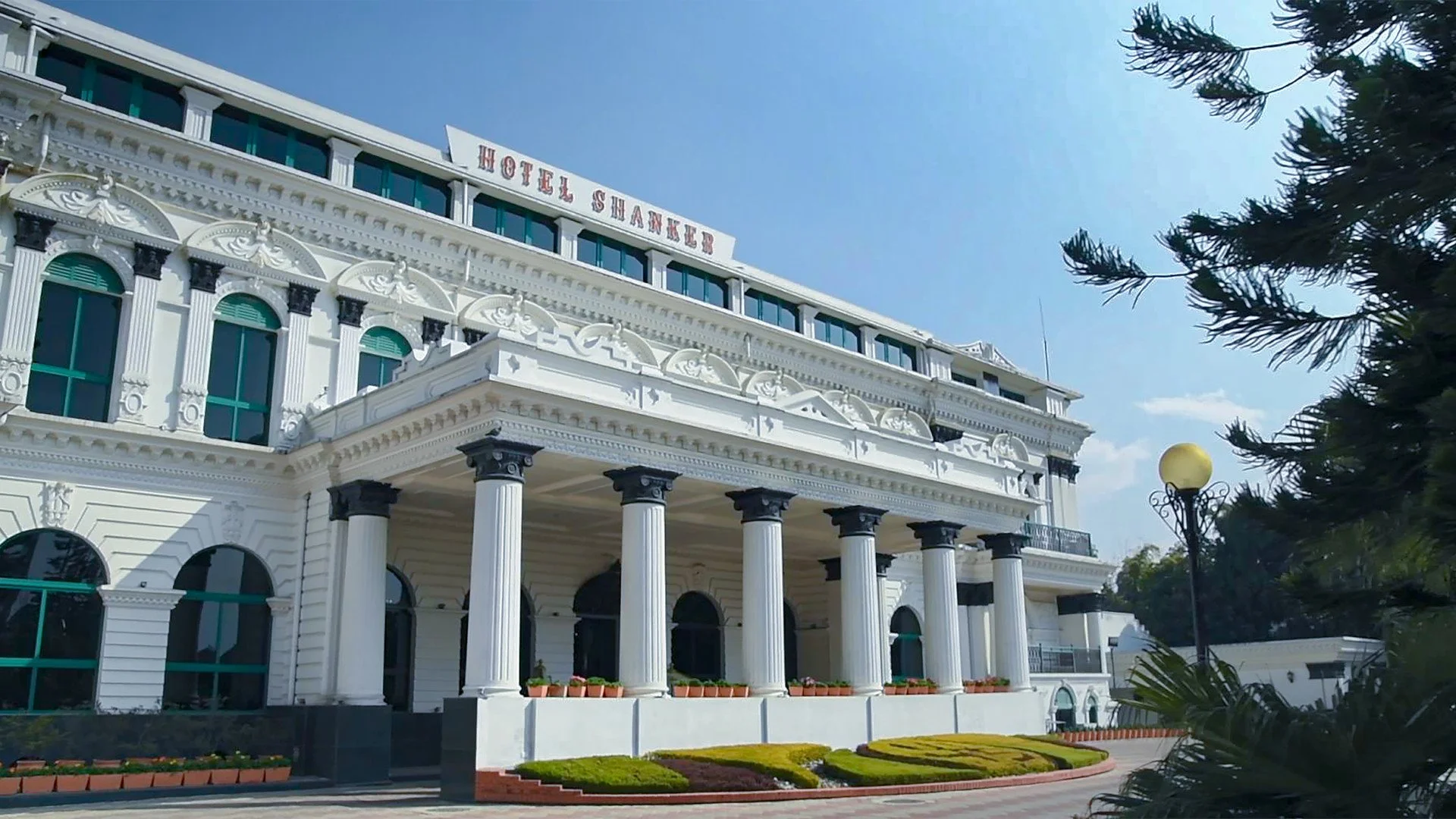
Hotel Shanker: An Architectural and Historical Landmark
Timeless and a class apart are a few words that are enough to describe a piece of architecture that has stood the testament of time. Hotel Shanker, over the years, has grown as a landmark of this city and shall forever be an example of heritage that meets hospitality.
Acknowledgement of one's history is what makes a concept ever so beautiful. Hotel Shanker is a living, breathing example of such a thought. Before its establishment as a luxury hotel, the estate was known as Lazimpat Durbar and Agni Bhawan. You might wonder, how did the estate get its names?
Toponymy
As per local accounts, this lane was formerly known as "lodge path". The area got its title from the magnitude of lodges available during the 19th century. It is said that the title was used by British residents who came to reside in Nepal after the Sugauli Treaty in 1816. Over the years, the name was localized to Lazimpat. Another account of history (Chief Historical Palaces of the Rana Era by Purushottam Shamsher Jawara) states that the locale got its name from the very palace of Lazimpat.
From 1914, the palace complex was known as Agni Bhawan as the estate was handed over to Agni Shamsher JB Rana. Digging deep into history, the original structure that occupied this land was built by Kaji Bir Keshar Pande, cousin- uncle of Damodar Pande. Damodar Pande is an influential figure in Nepalese history. Historians argue that the first prime minister of Nepal was Damodar Pande and not Bhimsen Thapa. Damodar Pande was the youngest son of Kalu Pande, the chief Kaji of King Prithivi Narayan Shah.
Thapathali, originally Nwakhusicho in Newari, is known as the abode of Thapa (Thapa- thalo). Similarly, Lazimpat Durbar is known as the abode of the Pande families. Kaji Bir Keshar Pande was amongst the nobles massacred in 1846 during the Kot Parva (Kot Massacre). After his death, the palace complex came under the occupancy of Kaji Mama Col. Tribikram Singh Thapa. During the army revolution, the old complex took significant damage. The property was taken over by Prime Minister Bir Shumsher JB Rana, who demolished the old structure and erected a new palace designed by Jogbir Sthapit in neoclassical style. The complex was built for his brother General Jit Shumsher. As he (Jit Shumsher) had no heir. In 1913, the place was captured by Juddha Shumsher after Jit Shumsher died. He gave it to his son Agni Shumsher JB Rana.
After Agni Shumsher passed away. The estate was equally distributed amongst his children. Kendra Shumsher sold his share to Ram Shanker Shrestha. Mr Shrestha then converted the place complex into the historical palace hotel that we know of today.
Humble beginnings
Late Mr Ram Shanker Shrestha, a renowned industrialist, inaugurated the palace complex as a hotel in 1964 AD. In between those years, he remodelled the interior but maintained the exterior. Operations began with just 23 rooms and expanded to its current capacity. For his service to the king and country, he was posthumously awarded the Order of the Gorkha Dakshina Bhau (Order of knighthood of Nepal).
A Neoclassical Abode
When you enter the premises, the grandeur makes you rethink which side of the planet you're on. The exterior facade takes you back not just to 19th century Nepal. But also mid-18th century Europe, a time when neoclassical movement was born. But we missed something important here. We leaned much towards the neoclassical elements of Europe.
This hotel is a symbol of the splendour of Newar neoclassical architecture. Best defined by a quote from the study conducted by Katharina Maria Lucia Weiler of Heidelberg, "Their residences, built during the first half of the 20th century in the larger cities of Kathmandu, Patan and Bhaktapur, adapted and incorporated neoclassical elements. In fact, the Ranas and Newars were attracted by universal themes that were appropriated into indigenous Nepalese buildings. This architecture thus exhibits a unique Newar building style, the Newar neoclassical, or "Rana style", as it is often called by the Newars themselves. Besides neoclassical forms, certain elements originating from Mughal architecture in India were introduced into the Newar vernacular architecture."
This amalgam is exhibited at Hotel Shanker, with elements of both Newar and European traditions coming together to create perfect eye candy.
POPULAR ITINERARIES
SIMILAR POSTS

Adrenaline Adventure In Nepal
Nepal’s potential as an adventurous destination is immense. Over the years, various sectors tapped into this growing segment of adrenaline seekers by understanding their nation. Nepal is climbing the ranks quickly as a go-to adventure destination. Adrenaline seekers see Nepal as a great holiday to satisfy their kick. Nepal offers so much in a minimal footprint, and there is still more room to grow.
Ice Climbing
The first on our list is the newest addition to an adrenaline escapade in Nepal. Even though it falls under mountaineering, it is being simplified for adventure seekers who want to experience ice like never before. To date, there are two sites where one can indulge in this chilling sport, Humde in Manang and Thame in Khumbu. The sport is being facilitated by Nepal Mountaineering Association (NMA) and Nepal National Mountain Guide Association (NNMGA). The Visit Nepal Year 2020, which unfortunately couldn’t be executed due to the pandemic, featured a plan to accelerate the growth of this activity.
Paragliding
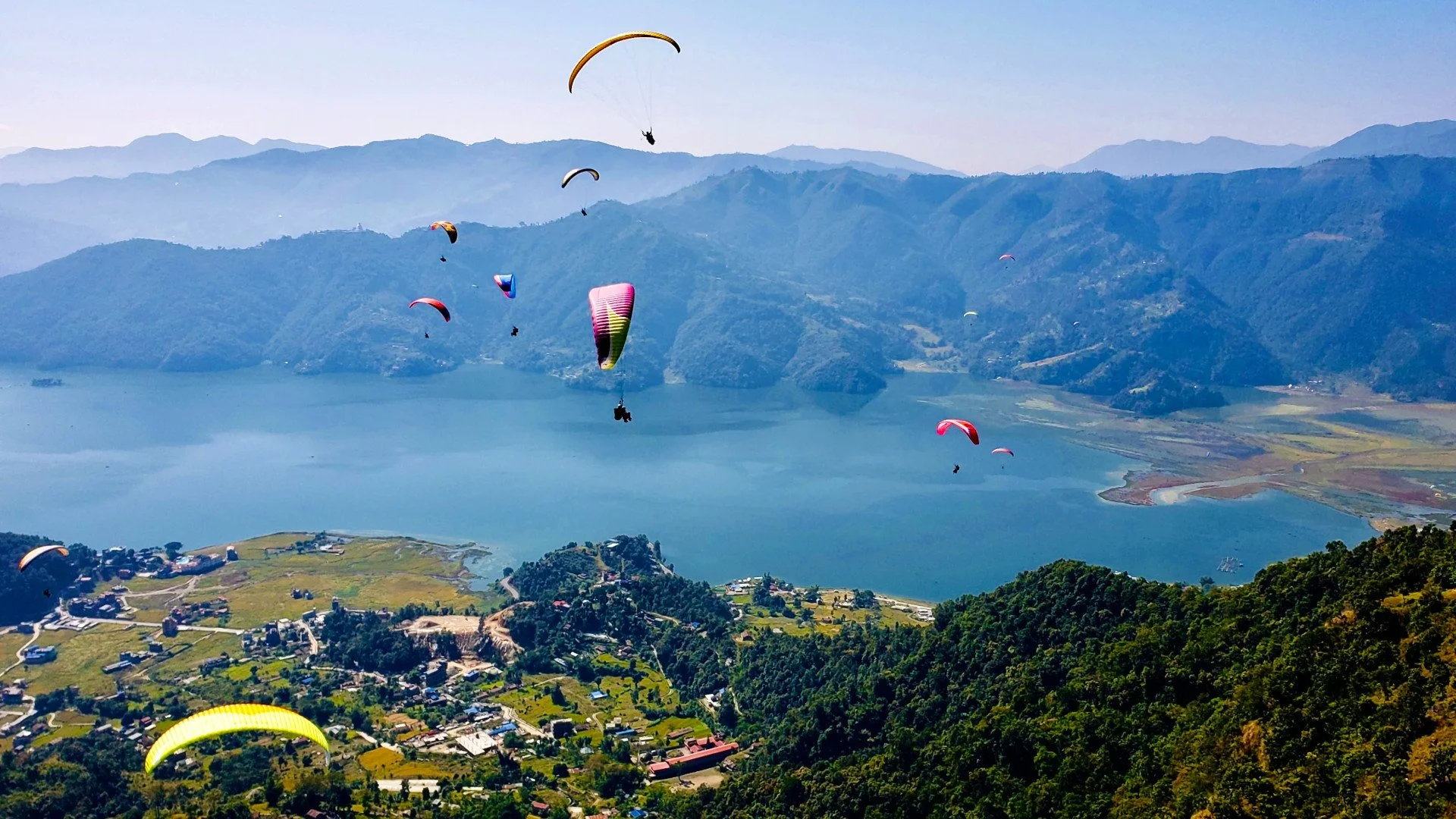
When it comes to feeling the wind, paragliding is the adventure of choice. The most popular destination for this sport is non-other than Pokhara. Sarangkot Hill is the take-off point for paragliders in this scenic valley.
Bandipur is also rising in the ranks as a go-to destination for this sport.
Both sites offer a great view of the Himalayas, along with an unobstructed view of the endless hills and farms. Flights last anywhere between 15, 30 or 45 minutes. If you plan on soaring high in the sky, please ensure you wear a good windproof jacket and light but comfortable shoes. Please make sure you are physically sound and communicate with your pilot. If you want the complete experience, let your pilot know you are up for acrobatic tumblings.
Ziplining
Where there is a hill, there is a zipline!
When zipline was introduced in Nepal, it was dubbed a crazy sport. The first adventurers shared their experience, and the sport went viral. Today, this sport is available in multiple destinations in Nepal. Ziplining can be experienced in Sarangkot of Pokhara, Makawanpur, Dhulikhel, Bhedetar, Kusma of Parbat, Kurintar of Chitwan, Chandragiri of Kathmandu, Nuwakot and Bhaktapur. It can be experienced by two individuals at the very same time or done solo.
The first zipline service in Nepal was established in 2010 AD in Sarangkot of Pokhara. The facility is 1,850 meters long and features international safety standards. American zip veteran company Zipflyer assisted Highground Adventures facility development.
The most popular destination for this experience is Pokhara. Dhulikhel Zipline takes second place. The unique selling point of Dhulikhel Zipline is your chance to become superman. The facility can give you a one in a lifetime opportunity to be superman unless you choose to zip again. You move in a horizontal position facing towards your destination. The harness is attached to the line at 90 degrees.
Canyoning
During canyoning, an enthusiast travels down a river tucked inside a canyon. S/he uses various techniques such as scrambling, abseiling, floating and swimming. Nepal is home to numerous exotic canyoning destinations for enthusiasts of all experiences. In terms of risk, it ranges from mild to high-risk depending upon the canyon.
The first canyon that gained popularity in this genre is situated in Jalbire. The Lamo Jharana (Long Waterfall) became a viral sensation due to its sheer natural beauty and canyoning prospect. It is located inside Chitwan National Park. To reach the waterfall, one must hike 20 minutes from Jalbire Temple situated on Muglin- Narayangarh Highway. The waterfall is 60 meters tall and is surrounded by lush green greenery.
Sky Diving
Sky diving in Nepal a few decades ago felt like an impossible dream, but today it is as real as it gets. On the scale of adrenaline-seeking, it ranks at the top of the scale. Merging two greats, ‘The Everest Skydive’ is a chance to witness Mt. Everest from a perspective like never before. The dive gives you a birds-eye view of the breathtaking Himalayas over the Khumbu region. From one Himalayan view to another, Pokhara Skydive gives you the chance to witness the beauty of the Annapurna range and a never seen view of Pokhara. It is a seasonal activity occurring only during autumn at Pame Lauruk dropzone, 11 km north of Phewa lake. The drop is from 11000-13000 ft above sea level from an AS 350 B3/B2 helicopter
POPULAR ITINERARIES
SIMILAR POSTS
The Making of ACA
In 1986 AD, The NTNC (National Trust for Nature Conservation) launched a visionary project. The aim was to convert 7,629 sq. km of land in the Annapurna region home to 1,226 species of flowering plants, 105 mammals, 40 reptiles and 23 amphibians to a conservation area. This project was called Annapurna Conservation Area Project (ACAP), commonly known as Annapurna Conservation Area (ACA).
The Annapurna Conservation Area was established in 1992 AD. The project headed by National Trust for Nature Conservation (NTNC) began in 1986 AD. The boundary of this project to its north is the border to Tibet (China) and the Kali Gandaki river to its west. TO its east lies the Marsyandi Valley and the Pokhara valley in the south. The NTNC, formally King Mahendra Trust for Nature Conservation, began the pilot project from one single VDC, Ghandruk, in 1986 AD. The project area during that time was just 200 sq. km. In the year 1990 AD, the project area expanded to 16 VDC. In 1992 AD, 39 VDCs more VDCs were incorporated. The size of the project remains the same to date, with 55 VDCs in total.
The region features two climatic zones within a span of 120 km. The altitude within the conservation area ranges from 1000 to 8000 (3,300 ft to 26,200 ft). The lower parts of Annapurna receive higher rainfall than the higher as regions fall under the shadow of trans-Himalaya.
Annapurna Conservation Area is a culturally and naturally diverse scape. It is home to the deepest river gorge in the world- Kali Gandaki Gorge, which is 3 miles long and 1.5 miles wide. The valley is home to fossils from the Tethys Sea dating back 60 million years ago. Tilicho lake, north of Annapurna massif, is the highest altitude freshwater lake in the world. The world’s largest Rhododendron forest is located in Ghorepani. In terms of cultural diversity, the region features residents of Hindu Buddhist and pre-Buddhist religions. The dominant groups in the south are Gurung and Magar, whereas Loba, Manage and Thakali ethnicities dominate the north. These ethnicities have their dialect, cultural heritage and traditions.
Amongst the various conservation projects in Nepal, ACA was the first protected area to refrain from using the National Army for assistance. The locals reside within the protected area and also own private land. The project is directly operated by the NTNC with no funding from the government. The entry fees are used for the management of the area. NTNC uses a circular approach where the funds collected is invested into the region and its communities. NTNC also relies on various national and international donors.
The project utilises a community-based conservation and development approach. In this model, the community members are made aware of their habitat, duty towards conservation and protection of the environment. This instils ownership amongst all the community members, and each is a vanguard of the area.
ACA features 7 unit conservation offices.
Jomson
Manang
Lo-Manthang
Bhujung
Sikles
Ghandruk and
Lwang
This decentralised approach was devised to smoothen the operation and management of the area. In terms of the focus of offices, Jomsom, Manang, and Ghandruk work on integrating tourism management and other development activities. In Bhujung, Sikles and Lwang, the mission is poverty alleviation, integrated agriculture development and agro-forestry. In Lo-Manthang, the focus is on promoting heritage conservation and controlled tourism.
ACA over the years has gained national and international recognition. The biodiversity of the region under the leadership of the community members is flourishing. Multiple trekking routes were created in this region. Amongst them, some are voted as the best natural trails in Nepal.
Here are the top 10 trails in the region
Annapurna Circuit Trek
Poon Hill Trek
Mardi Himal Trek
Annapurna Base Camp Trek
Annapurna Trek (Manag to Tilicho)
Manaslu- Tsum Valley Trek
Kapuche Lake Trek
Sikles Eco Trek
Nar Phu Trek
Upper Mustang Trek
The best time of the year to embark on these trails is during spring, autumn and pre-winter. Trekkers can receive their permit (TIMS) from the NTB (Nepal Tourism Board) office located in Kathmandu and Pokhara.
POPULAR ITINERARIES
SIMILAR POSTS
The Jewels of Province 1
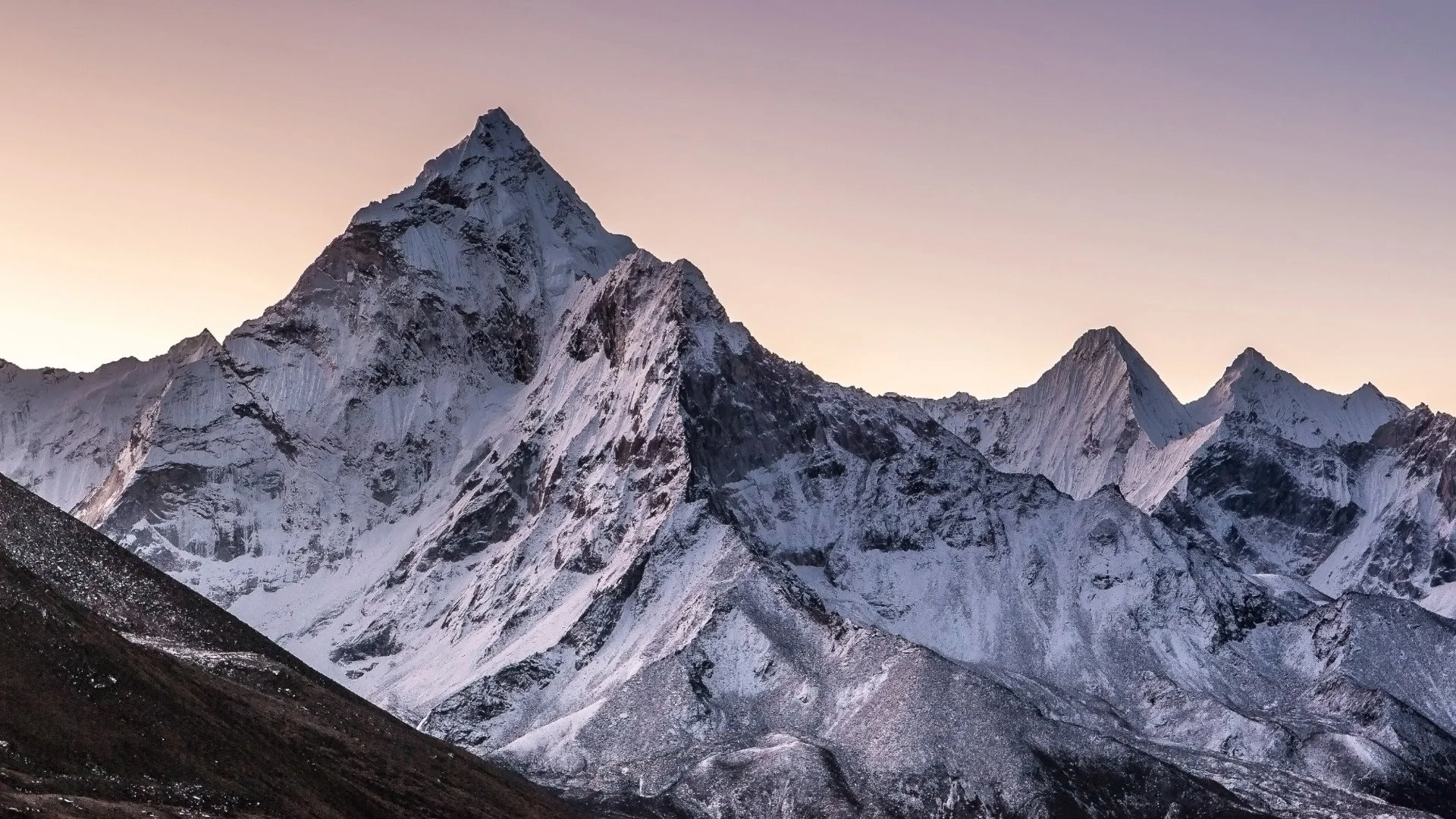
When it comes to natural wonders, province 1 boasts a good stock. It also features multiple religious sites. The province is also home to Nepal's crown jewel and the forehead of the world, Mt Everest.
The new constitution of Nepal was established in 2015 AD. It featured the provincial system. As part of this, Nepal was divided into seven provinces. Province 1 is the easternmost of these seven. It covers 17.5% of the landmass of the nation. A total area of 25,905 km2. It is home to numerous great mountain peaks such as Everest (8848 m), Kanchenjunga (8586 m), Ama Dablam (6812 m) and others. Everest is the highest mountain in the world. Kanchenjunga is ranked third in the highest peaks index. Other peaks in this region are Cho Oyu (8188 m), Gokyo Ri (5357 m), Imja Tse (6160 m and Mera Peak (6476 m). These world giants help create Koshi- the largest river in the nation.
The province features multiple protected areas such as:
Sagarmatha National Park
Makalu Barun National Park
Koshi Tappu Wildlife Reserve (Also a Ramsar Site)
Kanchenjunga Conservation Area
Gokyo Lake Complex (Ramsar Site)
Mai Pokhari (Ramsar Site)
Amongst the proposed new destinations, Province 1 features sites such as Okhaldhunga and Tehrathum. Okhaldunga is famous for its scenic hills and cultural diversity. The place is also popular due to the famous poem by Siddicharan Shrestha titled 'Mero Pyaro Okhaldhunga' (My Lovely Okhaldhunga). It was converted into a song by famous Nepali singer Narayan Gopal.
Therathum is a site proposed by the Tourism Board of Nepal as a new destination years ago. Therathum is now a popular stopover location for trekking enthusiasts on the way to Kanchenjunga Base Camp.
This site is also home to 28 species of Rhododendron flowers. Rhododendron is also the national flower of Nepal. During spring, the hills become picturesque with full blossom and bloom of these flowers.
Another facet of tourism in Nepal is religious tourism. In this sector province, 1 features prominent shrines such as Haleshi Mahadev Temple, Pathivara Temple and Barachachhetra. Some of these shrines are worshipped by Hindus, Buddhists and Kirat's. The temple of Haleshi Mahadev is an example of multiple faiths intertwining. The cave is associated with Mahadeva (Shiva) by the Hindus. The Buddhists view it as Pashupati (Lord of the Animals). Buddhists of the Tibetan sect connect the cave to the legend of Padmasambhava. Halesi is worshipped as an ancestral deity by the Kirati Rai community of this region. Citations of this cave can be found in ancient texts as far as the 12th century. This cave was referred to as Halesi- Maratika in a biography of Padmasambhava.
As per Hindu legends, Mahadeva hid in this cave from the monster Bhasmasur for 6000 years. The cave is nicknamed 'Pashupati of the East' due to its close association with Mahadev and Pasupati. Devotees embark on a religious pilgrimage from both Nepal and India to this location in the month of Shrawan. Festivals are also held during the holidays of Rama Navami and Ganesh Chaturthi.
Pathibhara Devi, also known as Pathibhara Mai of Taplejung, is also a holy site. It is located on Pathibhara Hill. Trekking enthusiasts can embark on the Limbu Cultural Trek or take a side route from the Kanchenjunga Base Camp Trek to visit this temple. The hill is also famous for its panoramic natural views. Mountains such as Everest, Lhotse and Makalu are visible on a clear day. The lookout tower view also features most of Panchthar and Illam. Sikkim and the West Bengal of India are also visible.
Barahachhetra is a renowned Hindu and Kirat Pilgrimage site located in Sunsari. The shrine of this temple is the oldest mentioned in the Puranas. The epic Mahabharata also mentions and glorifies this shrine. It is one of the Char Dham (Four Great Religious Sites) in Nepal.
POPULAR ITINERARIES
SIMILAR POSTS
Resilience and Heart
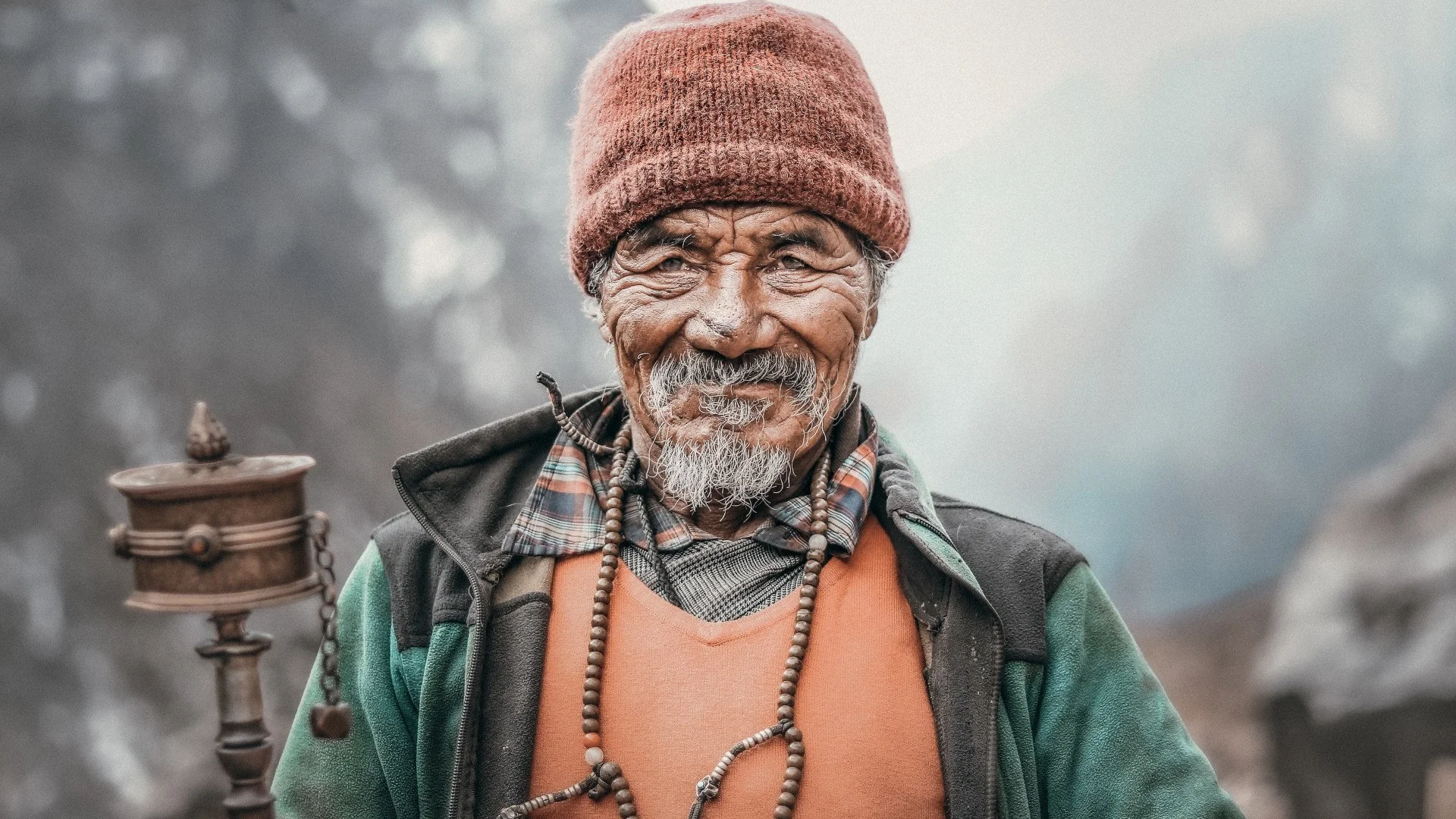
Ever since Nepal opened its doors to the outside world in 1950AD, tourism grew as an avenue of income for various communities of Nepal. The pandemic derailed the nations ambitious plan of welcoming the world in 2020 AD. It became a year of survival and resilience for the Nepalese people. The people saw 2022 as the year they could slowly recover the mountain of debt lost, but with a fresh new wave, things were darker and gloomier than ever.
Tourism over the years became the backbone of this humble nation. Nepal is a land blessed with natural yonder and great adventure potential.
It slowly became a prime destination for travel bugs. During this process, communities all over Nepal flourished as their area saw foot traffic. The pandemic stunned Nepal’s rapid growth. It brought to a halt various leaps taken in the tourism sector.
The situation got darker day by day.
As normalcy was within grasps, a new wave has grappled this nation. It has struck communities far and wide, some prepared while others can do nothing but wait. Through all of this, the Nepalese people have not let down hope. Resilient at heart. Nepalese have in the darkest days shown great dexterity in making the most out of every situation. In the year 2021, arrivals were down 35% from the past year. In 2020, Nepal welcomed 230,085 travellers whereas the figure was just 150,962 in 2021.
These aren’t just numbers. The major contributor to development through tourism was trekking. In 2021, only 34,000 travellers visited Nepal for trekking purposes. Routes once dense were deserted, and domestic trekkers were also low. Trekking brought the income right in front of a simple Nepali families doorstep. Regions such as Annapurna, Everest, Kanchanjunga and Mustang flourished greatly due to trekking and tourism. Trekking and mountaineering were both contributors to the national GDP. The industry took a 6.7 % share of the GDP in 2019 and was responsible for 6.9 % of all employment.
Even with low arrival’s, the businesses are doing their best to survive. Most businesses owners are dilemmatic. They can neither move forward nor shut down. Some have a large debt, whereas others hang on by a thread. In all of this, Nepalese souls still have hope. They see good days ahead of them, a new normal where they can bring back the glory of the yesteryears.
Development experts had always warned of a dire economic crisis that would emerge out of dependency in only one sector. On paper, tourism is only a minimal contributor. But for communities in tourism centred destinations, it was the prime source of income. Families had to find new means or go back to traditional methods to sustain themselves.
So, what can be done? Even though it isn’t just Nepal that is grappling with the pandemic, we can learn a lesson from our failures. Firstly, income needs to be diversified, especially for small communities heavily reliant on tourism. Secondly, better protocols for safety and hygiene must be drawn. It must be followed by not just major establishments in the urban centres but also in the trekking regions of Nepal. Thirdly, domestic travel should be heavily promoted with incentives and vacation days provided via legislation. Finally, businesses and the tourism entities of Nepal need to start thinking outside the box to attract more travellers.
Apart from these measures, all the tourism industry can do is wait and watch. In solidarity must all the sectors work together to support each other in these difficult times. For travel bugs however, they can plan today and travel tomorrow.
POPULAR ITINERARIES
SIMILAR POSTS
The Trails of Poonhill - Part 2
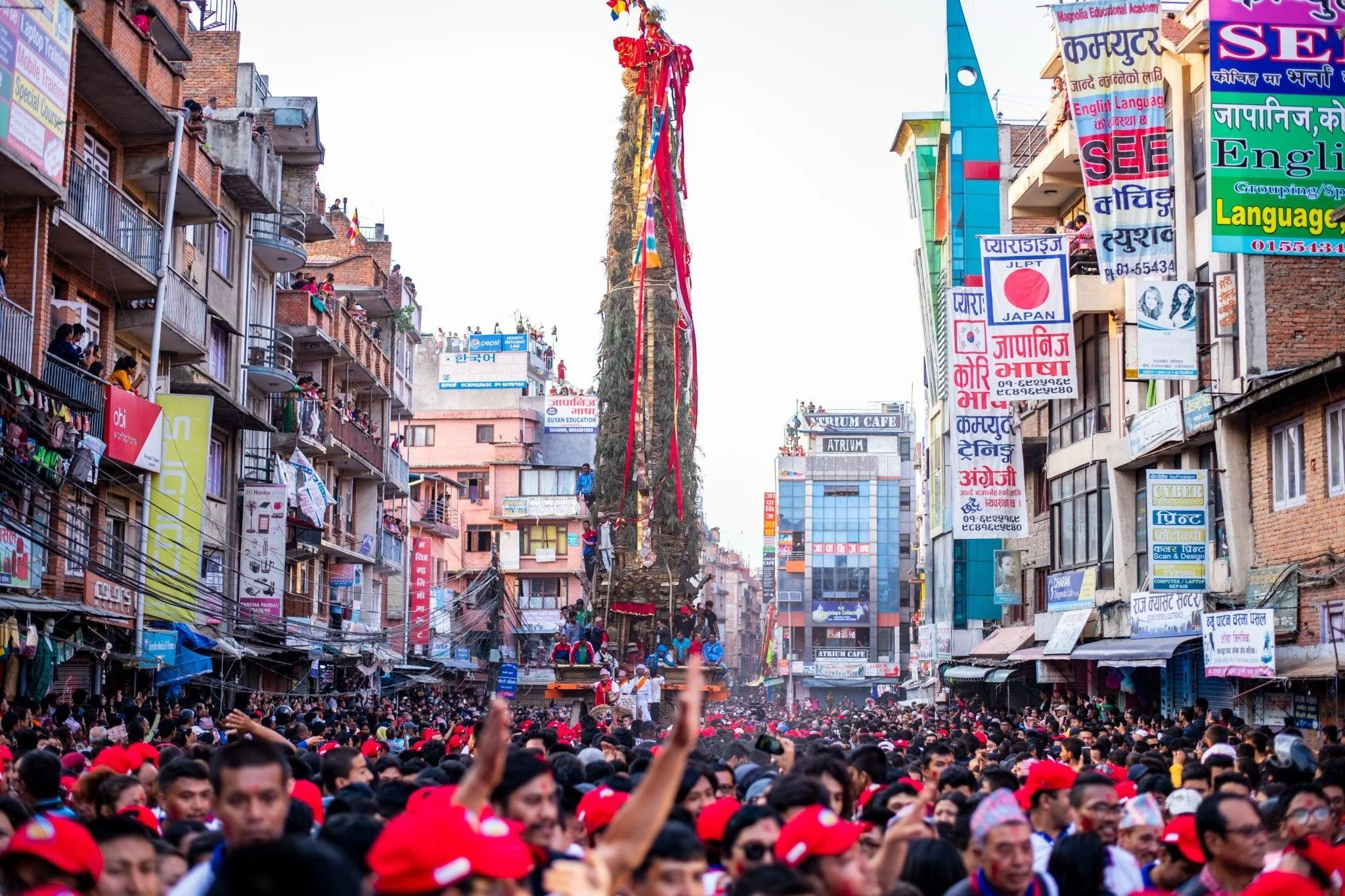
Poonhill is a destination that one must experience in a lifetime. The view is spectacular, the journey is beautiful, and the hospitality is the cherry on top.
I am not a notorious trekker but I cannot help resist experiencing Nepal through its riveting trails. When I decided to trek the Annapurna region, Poonhill trek was the obvious choice for me. The route I choose is as follows:
1. Pokhara to Nayapul
2. Nayapul to Tikhedhunga (Overnight)
3. Tikhedhunga to Ghorepani (Overnight)
4. Ghorepani to Ghandruk (Overnight)
5. Ghandruk to Pokhara (Overnight)
The most alluring factor for me was the diverse ecosystem of this trial. It would take me on a mini adventure of the Annapurna region. 5 beautiful nights would be spent inside cosy tea houses, which I always choose over camping. It's not because camping reminds me of the primitive days but, I wouldn't be able to share great memories with the innkeepers and their families. Plus, the added equipment is always a hassle.
The famed sunrise view from Poonhill was like a wanted poster inside of my head. It motivated me during the strenuous inclines, which felt never-ending.
As I was travelling in a group, our driver was kind enough to take us a bit higher than Nayapul. As it was growing dark, he was concerned for our safety, thus ensuring us that he'd take the bus as close to Tikhedhunga as possible.
We thanked him for his help and began our trek to Tikhedunga. As it was already getting dark, visibility was minimal. The power of the Himalayan river could be felt in its thunderous sound. When I arrived in Tikhedunga, the village was already asleep. However, our innkeeper and his family were patiently waiting for our arrival.
They couldn't offer us a traditional welcome because it was very late. The hot water had already been exhausted by my friends, who finished their meal quick and bolted. Tikhedhunga is a lovely village, and I couldn't explore it much. Early morning we had breakfast and began our trek for Ghorepani. This is the longest part of the journey. We left at around 7 in the morning and reached at 5 in the evening. Once our beds were decided, we explored the beautiful village.
The Poonhill and its breathtaking view brought the villagers ample fortune. They talked about how before this route was established, there was nothing much here. But now, it looks similar to a bustling semi-urban community during peak season.
We came back to our lodge and gathered in the commons. We indulged ourselves in the radiation of the boiler. Once dinner was complete, we slept early. As we would be leaving for Poonhill before the break of dawn.
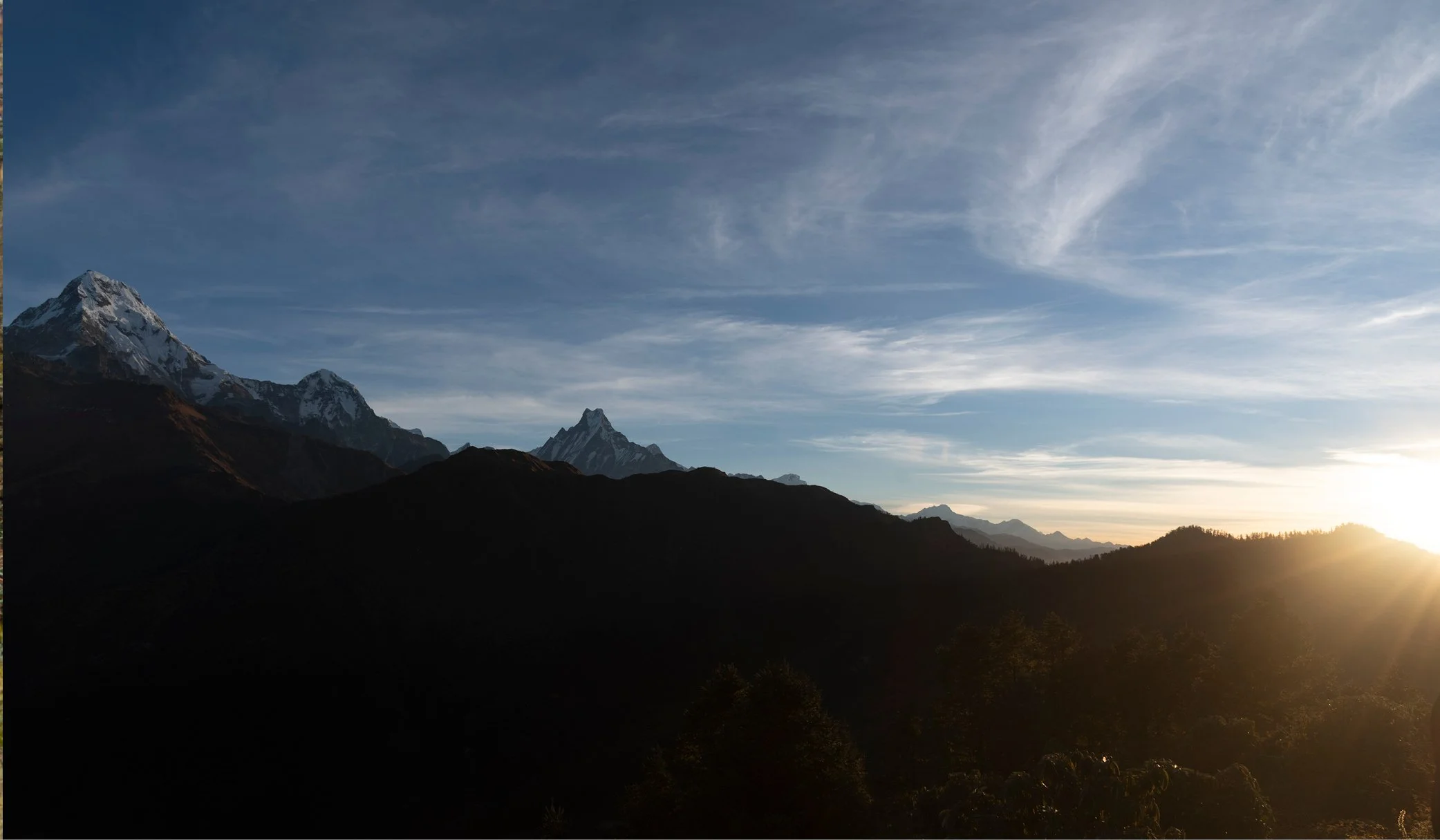
The hike to Poonhill felt a bit difficult because I woke up late. I reached the viewpoint before sunrise and readied by equipment to photograph the moment. With the break of dawn, the grey mountains slowly turned to gold. The view was riveting, and I was in total awe.
We then made a break for the lodge. Breakfast and check-out later, we marched towards Ghandruk. I was the last guy in the pack because I took too many pauses taking pictures of beautiful waterfalls. I then ramped my pace to catch up with the lot. I was hungry and tired. Thus the incline of Tadapani felt like ages.
When I reached the Tadapani viewpoint, I couldn't help but sit on the bench for 5 minutes and marvel at the sheer beauty that laid ahead of me. I wanted to spend the night, but we were already booked at Ghandruk. Post lunch, I began my hike. I reached Ghandruk late because of my photographic stops. Dinner and a warm cup of tea later, I called it a night. Exploring Ghandruk never gets old. A trip to the museum, walking along tight alleys paved with stone and just staring at the beautiful mountains.
The majority of my trip was now over, and given the bus stand is just a few hours walk from Ghandruk, I too it slow. We boarded the bus and made our way to Pokhara.
POPULAR ITINERARIES
SIMILAR POSTS
The Trails of Poonhill - Part 1
Witnessing the sunrise from Poonhill is something hard to explain. It's an experience that shoots a bolt down your spine, and with the first rays of light, you learn to see the good in your bad. The journey to this hill is a challenge, but it is not impossible.
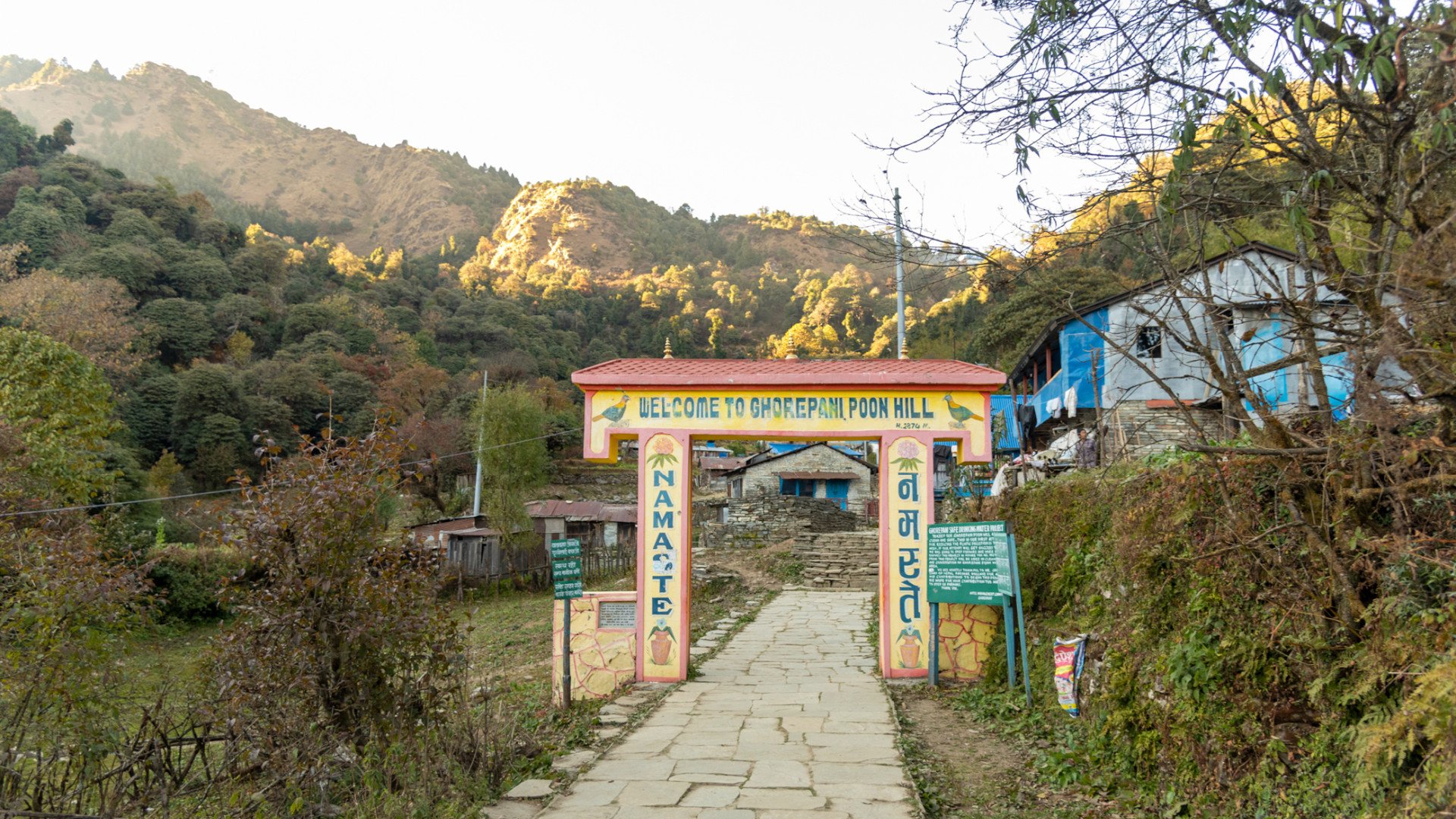
The Annapurna region for years has been the picturesque image of Nepal. Its villages and lifestyle have been the inspiration for numerous paintings. Over the years, it became one of the most trekked regions along with Everest. Amongst the trails in the region, the trek to Ghorepani- Poonhill became widely popular because of its accessibility and varied eco-systems it covers during the journey. The highlight of this trip is a magnificent panoramic view of the Himalayan range from Poonhill at 3210m.
The trek falls under the category of medium difficulty because it doesn't feature extreme walking periods. The average walking time per day is 8 hours. During peak season, this trail is jam-packed with trekkers. During the off-season, the tea houses and paths are normally empty. It falls under three major trekking routes:
A. Ghorepani - Ghandruk Trek
B. Khayar Barah Trek and,
C. Annapurna Circuit Trek
Apart from which, customs itineraries can be drawn to end the trek at various other points at Annapurna Conservation Area as well.
Where can I get my TIMS card?
Nepal Tourism Board provides the TIMS card. You may acquire your permit either at the central office in Kathmandu or at their regional office in Pokhara.
How long is the trek?
Ghorepani- Poonhill Trek can be completed in 3-4 days, excluding travel time to Pokhara from Kathmandu.
How do I start?
Once you have landed at TIA (Tribhuvan International Airport), you can either choose to experience a bit of the capital (Kathmandu) for a few days or get a connecting flight to Pokhara. The distance between Pokhara and Kathmandu is 200 KM. You can opt to take a bus instead of a flight as well. Your available options are either local or deluxe buses.
Deluxe buses leave every morning at 7 AM from Sorakhute Bus Station in Kathmandu. You may either book a ticket beforehand or arrive an hour early, pay and embark directly at the terminal. We recommend these buses as they have air conditioning. The travel time ranges between 7-8 hours, with stops for lunch and snacks at good quality rest stops.
You can skip all of the hassles by contacting the front desk officer at the hotel. S/he shall do their best to arrange these services for you. They can also develop a proper itinerary to experience Ghorepani-Poonhill at a reasonable rate.
When is the right time to visit this region?
The season of spring and autumn are optimum to visit this region. Pre- winter is a preferred time to visit the region. Nepal is open throughout the year, apart from peak winter season this trek is possible in any other months.
What is the highest altitude during this trek?
The highest elevation is at Poon Hill, which is at 3210m.
Do I need camping equipment for this trek?
No, the Ghorepani- Poonhill trek is a tea house trek, meaning ample tea houses which double as lodges exist along the route to accommodate the trekkers.
Do I require added payments to enter certain areas?
The total cost in permits during the trip includes TIMS Trekkers Permit and Annapurna Conservation Permit. Apart from which, you will require a minimal amount to enter Poonhill viewpoint.
What is the most popular route?
Nayapul- Tikhedunga- Ghorepani- Tadapani- Ghandruk is the most popular route
Do I need acclimatization days ?
No, as this trek features gentle gains, an extra day for acclimatization is not required. Trekkers are however, recommended to not fast track the itinerary and enjoy the extra time exploring the area.
The next part of this article shall feature a review of the destination.
POPULAR ITINERARIES
SIMILAR POSTS
Museums in the Kathmandu Valley - Part 2
The Kathmandu Valley is an ancient city, parts of which are still left to be studied. It is abundant of stories and artefacts from decades and centuries ago, waiting to be told. The museums of the valley do exactly that; giving a sensation of reflecting and reliving the history through details and artefacts that come from its history.
Hanuman Dhoka Museum
The Hanuman Dhoka palace was built during the Licchavi period, around the 4th to 8th century, and it was expanded in the 17th century by king Pratap Malla. The main palace was constructed during the Malla period, and the rest of it was later constructed by the Ranas.
Surviving through the earthquake of 1934 and 2015, after multiple reconstructions, today, it stands tall with the integrity of its history and is now turned into Hanuman Dhoka Museum. In the entrance, a more than three hundred years old statue of Hanuman is situated as a symbol of protection. The main courtyard after the entrance of the museum is Nasal Chowk. This extravagant area used to be the place that held coronations for the former Kings. With that, the Narsingha Statue, the statue of Lord Vishnu in its man-lion form is located that was built by King Pratap Malla in 1673. In the Galleries of the museum lies the age-old objects and artefacts from the Licchavi dynasty to the Malla dynasty to the Shah dynasty. It is situated in the heart of the Kathmandu Durbar Square in Kathmandu Valley.
Bhaktapur Museum
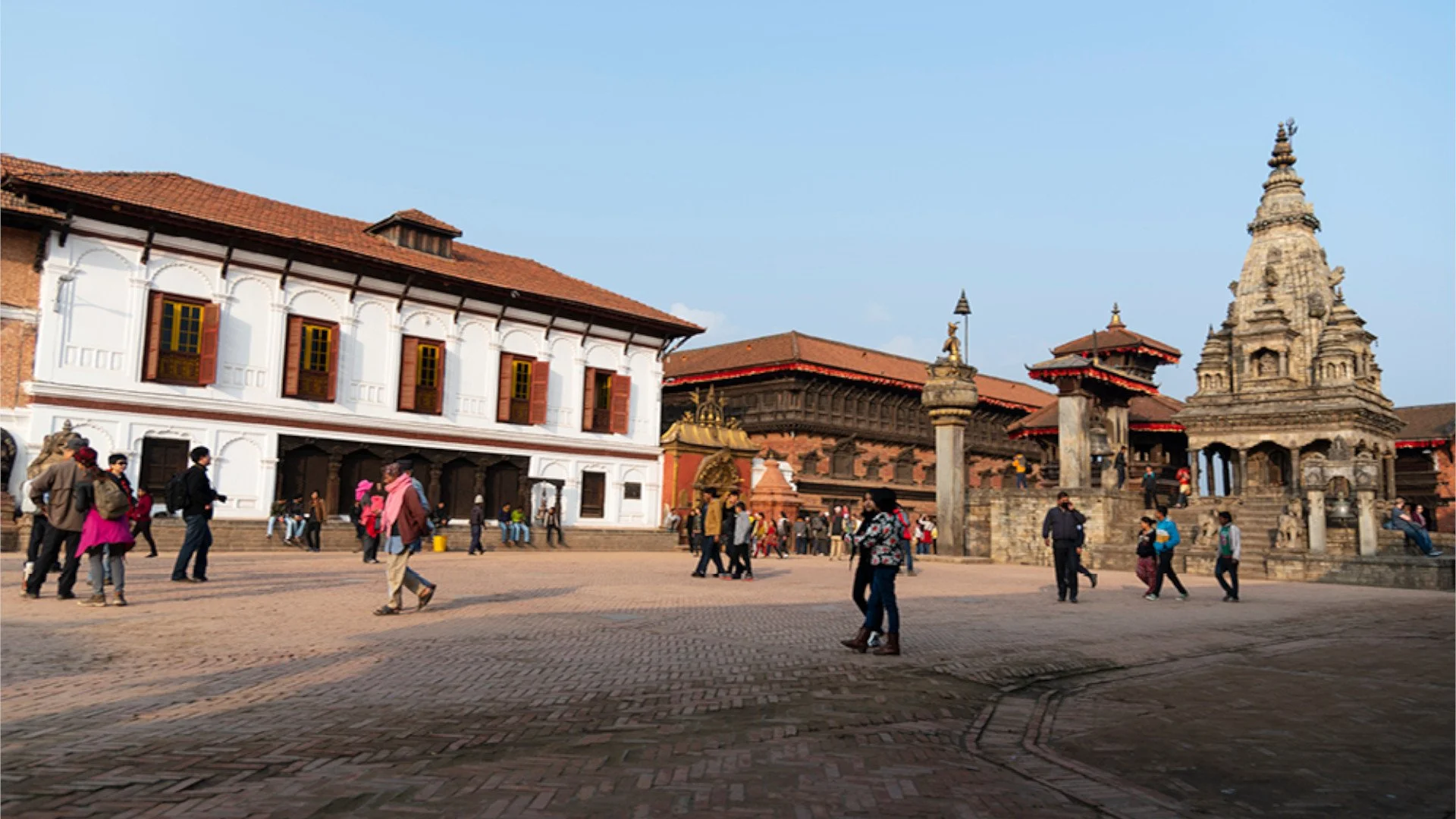
The ancient city of Bhaktapur is built with centuries-old rich architecture among its bricked temples, palaces and is home to three museums, out of which the National Museum is one of the most significant museums in the valley.
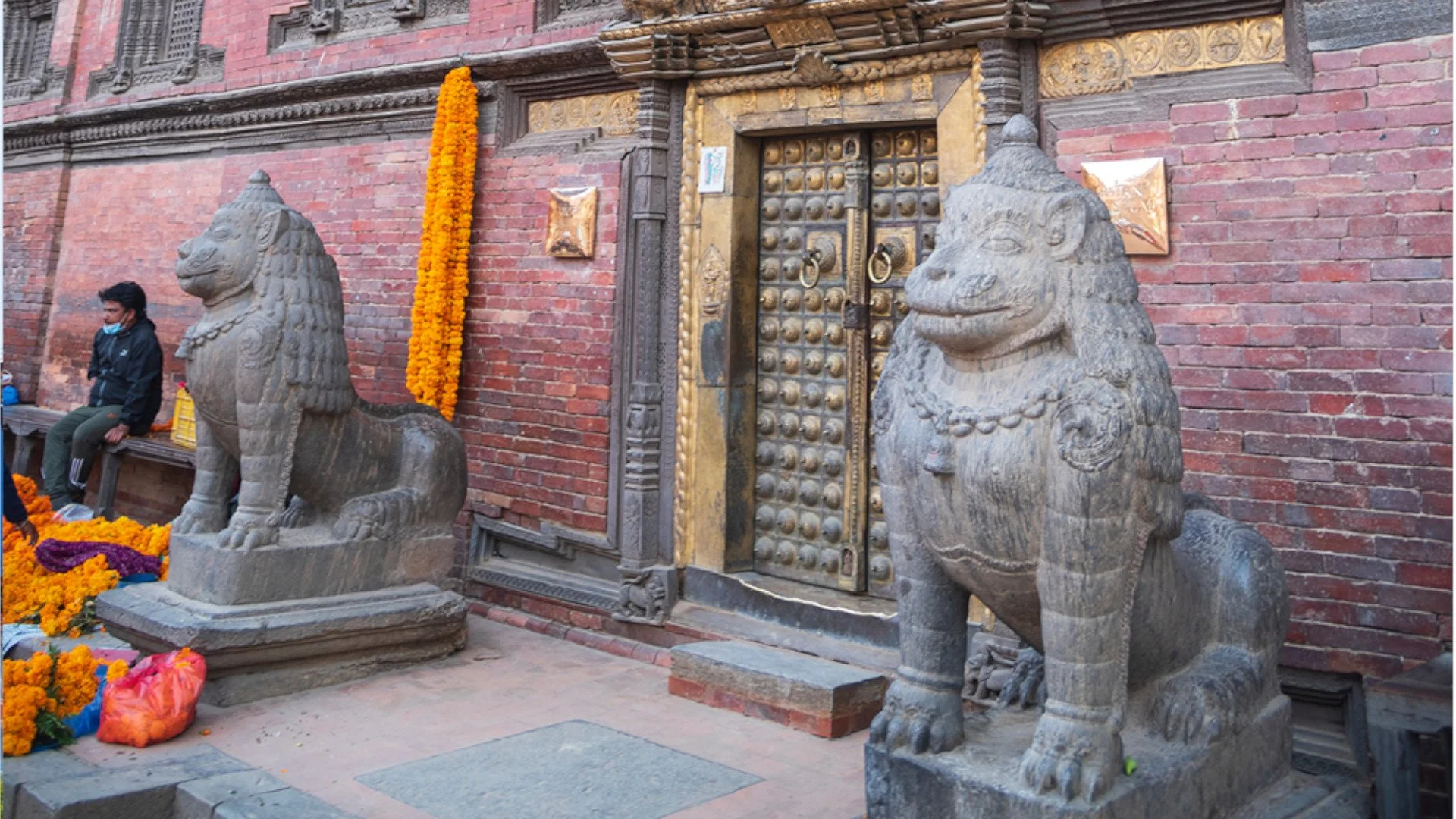
Tucked in between two serene statues of lions, The National art museum was opened, formally as a palace, in 1980 by King Bhupatindra Malla. Later, in 1960, it was set up as the National art gallery by the Government of Nepal. For centuries, this palace, now a museum, has been the hub for medieval and Licchavi art and history. This tiny haven of wonders, although covering a small area, encompasses the collection of manuscripts and chronicles coming from the 11th century. It also holds on to ancient paubha paintings, Hindu versions of Thangka paintings along with classic paintings of deities, gods, and goddesses surviving the age of time. The gallery is also lined up with portraits of all the Shah Kings until the end of the monarchy. This museum is located at the west entrance of the Bhaktapur Durbar Square in Kathmandu Valley.
National Museum
Once known as ‘Chhauni Silkhana’ meaning ‘the stone house of arms and ammunitions’, was established in 1928. The National Museum or the Chhauni Museum is one of the most popular museums of the country that has been a major attraction to re-living through the incidents and artefacts of the wider history.
The courtyard of the building once was used as a space to worship and perform rituals during the time of Dashain as a symbol of purity. The starting attraction of the museum is the historical artworks in the form of sculptures, murals, and paintings that are out up in the gallery.
Different weapons used in the wars of the 18th to 19th century are also displayed. This museum also safeguards natural historical artefacts of different animals, reptiles, and insect species as well. Not only that, but this museum is also the home to moon rocks collected from the moon, the mandibular bones of the whale that is the largest mammal in the world, a fossil of reptiles from the Jurassic period, and many more. It stands as a symbol of national history and artefacts, showcasing astonishing objects and moments of a different time.This museum is located in Chhauni, Kathmandu Valley.
POPULAR ITINERARIES
SIMILAR POSTS

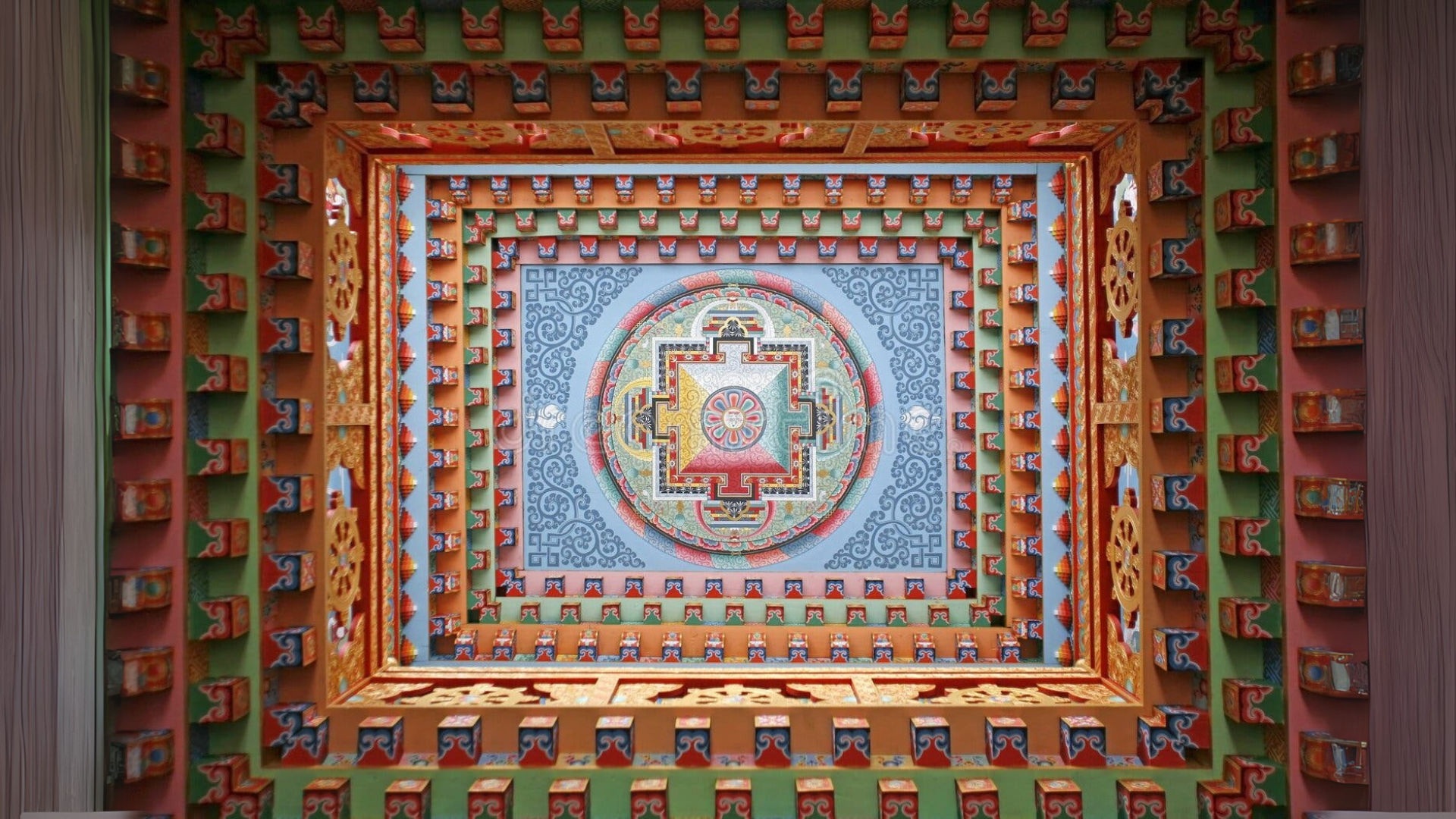
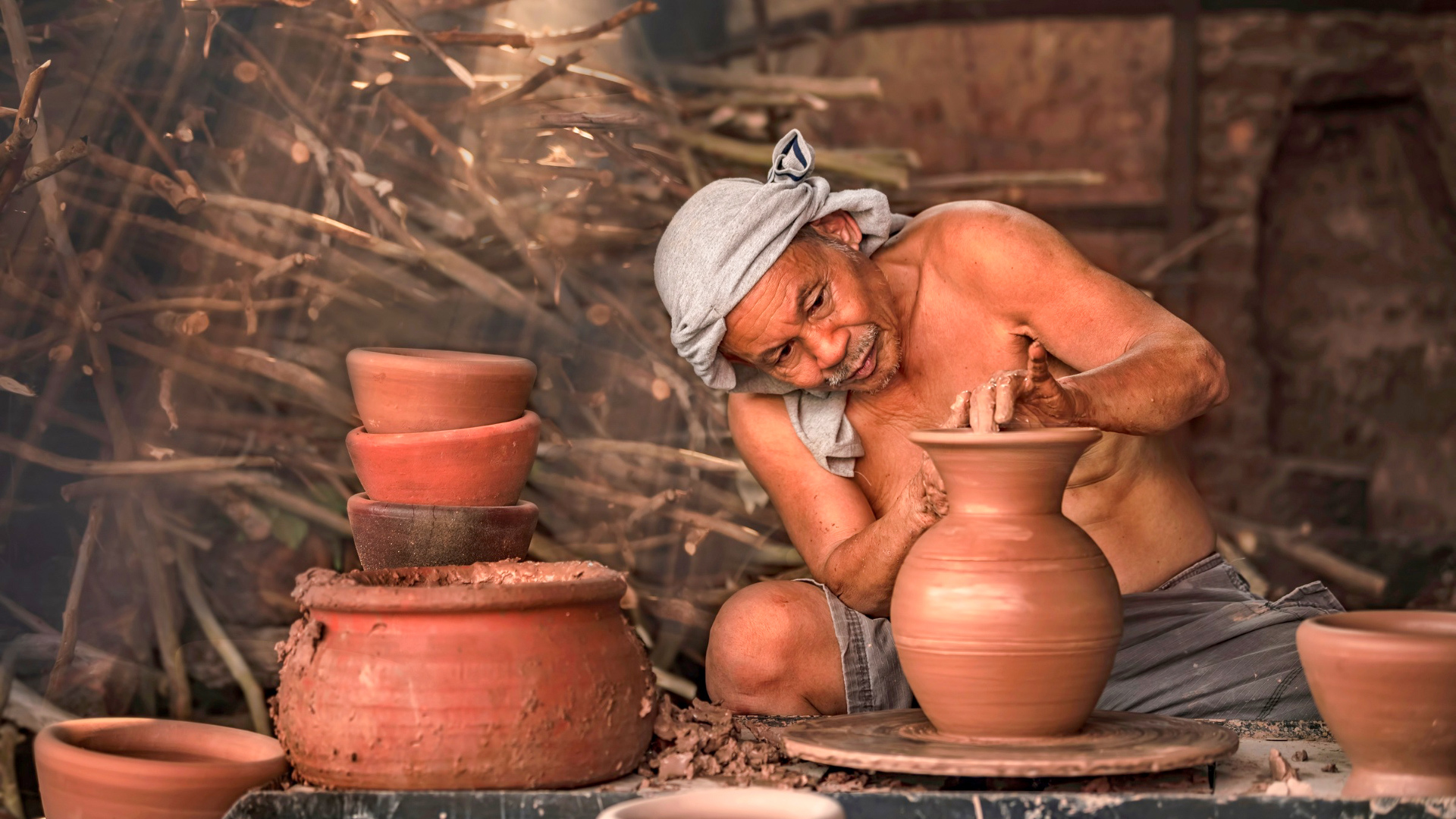
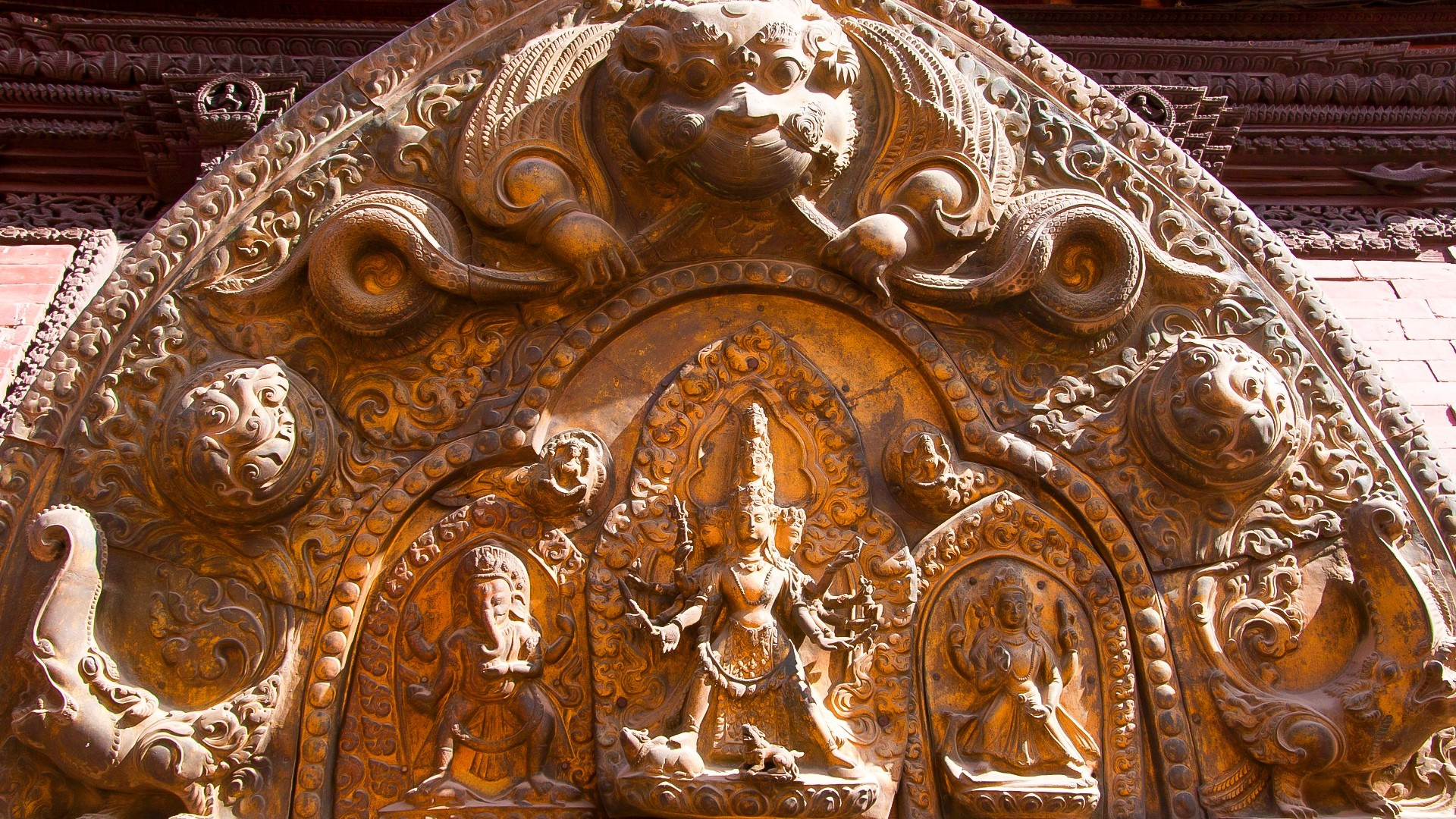
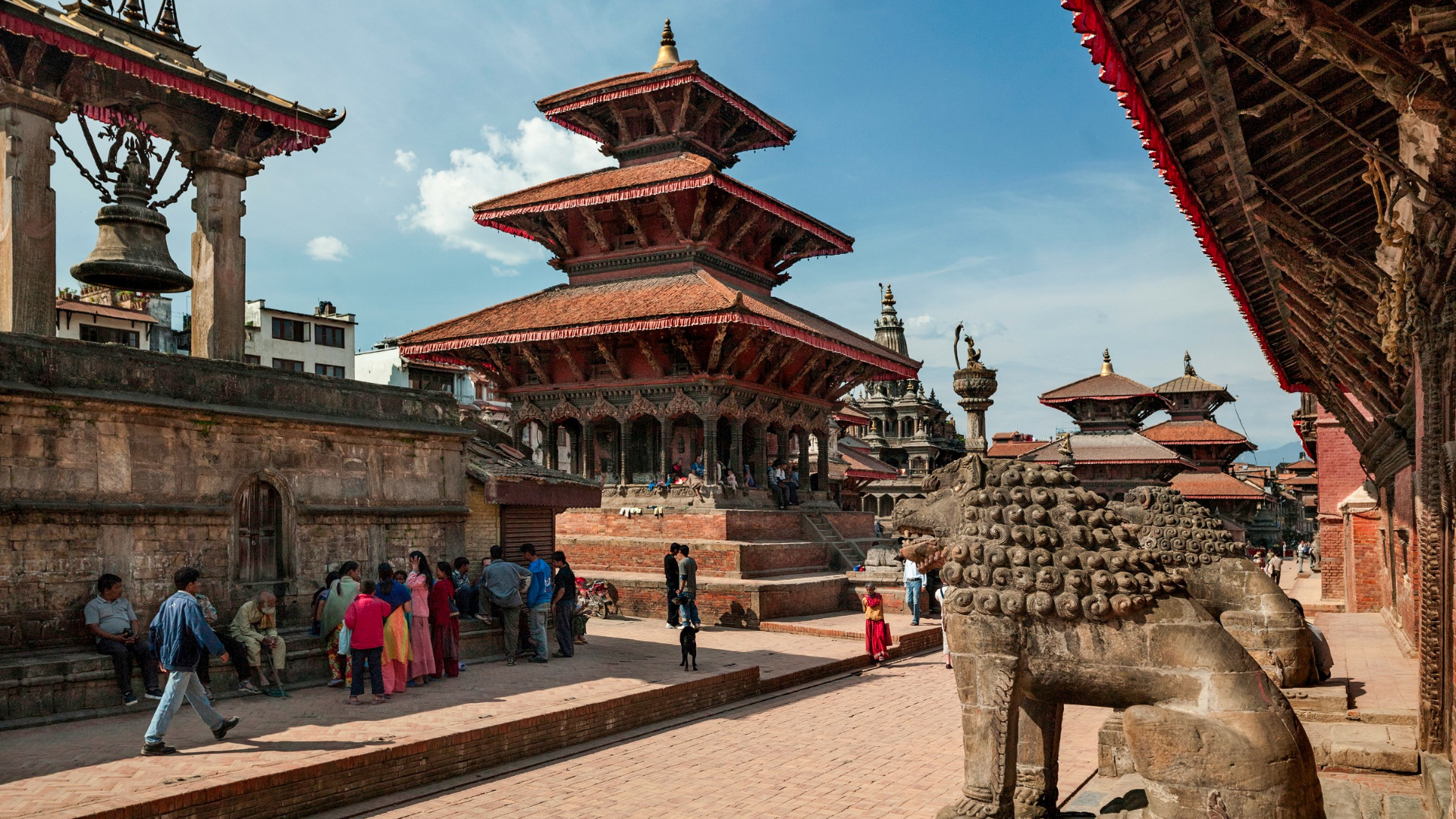
Museums in the Kathmandu Valley - Part 1
Museums are the storytellers of history. They don’t just tell the stories through written and recorded but make a home for details of various arts, antiquities and remains of a bygone era. The Kathmandu valley is home many of these beautiful spaces which house the lineage and history of this nation.
The general public over the years has lost interest in museums. Its sad to see how these structures that house the lineage and history of the nation and its people is forsaken. But, they play a crucial role in protecting and conserving the remains of the past. In Kathmandu, the capital city of Nepal, there are numerous museums which help bring to the people the true beauty of the nation.
Narayanhiti Palace Museum
The modern Naryanhiti Palace was established by King Mahendra Bir Bikram Shah in 1963 AD. The old palace featuring baroque architecture was commissioned by Prime Minister Bir Shumsher. After its completion, the residence was moved to Naraynhiti from Hanuman Dhoka.
Today, in the remembrance of the lives of the Royal Family, the palace has been turned into a museum that safeguards valuable items and artefacts under the serene semi-modern Nepalese architecture surviving through the decades. It stands as an image of the Royal families. The rooms in the palace museum feature names derived from the various districts of Nepal. It is also the home of the Royal Crown. The museum portrays how the royal family spent their daily lives in each room, from where they dined together and celebrated events. Today, it has become a place of exploring the mystery of the Royal Massacre with the bullet scars and bloodstains still remaining. The palace museum is located in Durbarmarg, Kathmandu.
Jyapu Museum
Jyapu Museum offers a journey through the history of the Jyapu community, their lifestyles, and artefacts all the way from the Kirat and Licchavi dynasty to the present times. It was established by the local Jyapu Community of Patan in 2012 to nurture and preserve the stories of their ancestors for the present and future generations. Jyapus are known for their hard work as farmers, musicians, and artists.
The museum starts with a portrayal of the ancient lifestyle through clay utensils and artefacts of Jyapu culture. It follows through the periods in chronological order, showcasing household objects and modes of presenting the art from the time of their ancestors. Today it serves as a symbol of their hard work and integrity. From traditional handlooms and water vessels to more than fifty ancient Newari musical instruments that used to be played in the ceremony, this museum stands as a reflection and resonation of the history built by this community. It is located amid the Jyapu community settlement in Patan, Lalitpur.
It all together combines the intricacies that make up the Jyapu community who are credited as the true native inhabitants of this valley. The space also doubles as the head quarter for Jyapu Samaj, an organization created for the upliftment of the Jyapu community.
Patan Museum
The Patan Durbar, built-in 1734, used to be one of the royal palaces of the former Malla king of the Kathmandu Valley. However, its origin is believed to go as old as the Licchavi Period. After multiple renovations and restoration of the ancient glory, Patan Museum opened in 1997 to safeguard the culture and artefacts preserved through centuries. Historians and archaeologists believe that the main structure during ancient times was part of a monastery which was then converted into the residence for the monarchs during the Lichhavi Era.
The Lichhavi development structure always features the concept of the divine centre. Patan, one of the most ancient cities of the valley features the same style with the royal palace right at its heart. Today it houses unique antiquities of the Newar culture, especially of Lalitpur and presents them in an organized manner for the public. The square of Patan Dubar is credited as an open air museum due to the high significance of its various temples and monuments.
It is constructed with a blend of ancient and modern architecture. The rooms are built of timber wood and brick, and the carefully preserved artefacts are lined up in the room. It protects ancient artefacts ranging from paintings, weapons, and musical instruments to costumes, statues, and weapons. It is situated inside Patan Durbar Square, and it takes about 2 hours to take a breath into its wonders.
POPULAR ITINERARIES
SIMILAR POSTS
The Legend of Bhimsen - Part II
While walking down the narrow allies of Newar dwellings, you might hear the phrase, Bhimsen maharaj ki jaya (Cheers to Lord Bhimsen). His name is invoked by his patrons while lifting heavy weights or before a trading venture. Worshipped by both Hindus and Buddhists, he holds a special place in the pantheon of Newar deities.
Continued…
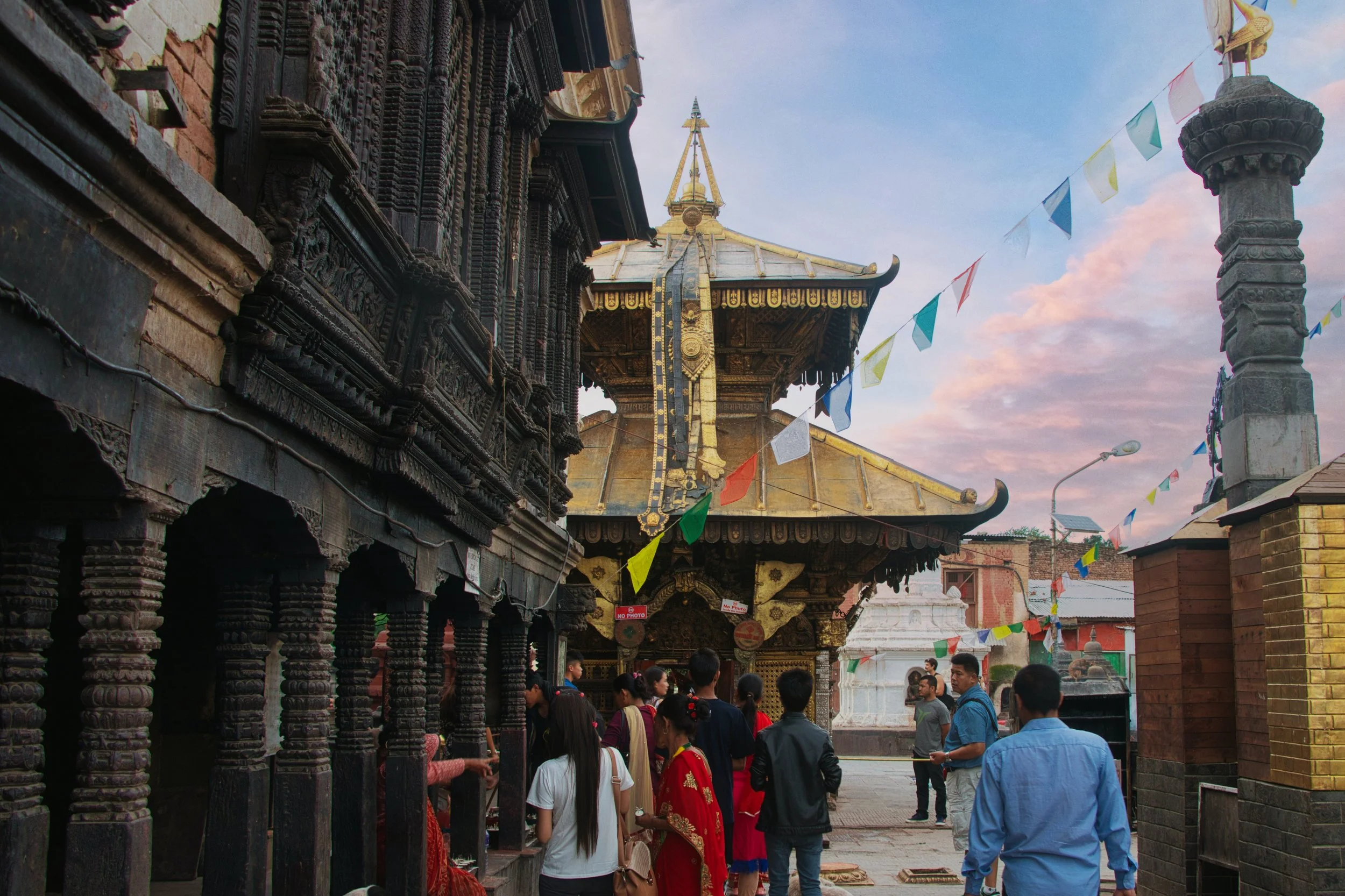
The king was impressed with the artist's creation and gave his approval. It was brought to the hall of the temple for the installation ceremony by the priests. During the installation process, the king personally paid a visit. He wished to bask under the aura of the triumphant statue.
The priests initiated the ritual process to bring life into it. He began chanting spells and bestowed many offerings to Bhimsen. To demonstrate his tantric capacity, the priest inserted a piece of cotton inside its nostrils. To the surprise of all, the idol sneezed thrice. During this process, light emanated from the idols nostrils, concluded that it had come to life.
The king was astounded seeing this magnificent feat. He quickly took off a ring of nine jewels from his right hand and presented it to his guardian deity. From this point on, the square opposite the temple was renamed tuyulako by the people, meaning a place blessed by Bhimsen light.
The people of Lalitpur amongst all the Newar dominions worship Bhimsen the most.
He is revered as the god of wealth and prosperity by them. Households engaged in trade and commerce regard him as their patron saint.
Bhimsen his strength and fierceness are desired by all. Children chant, I want to be like Bhimsen; strong and mighty.
In Lalitpur, we have two festivals dedicated to Bhimsen; Bhin dyo Puja and Bhimsen Jatra. The first is a linear procession that features devotees clad in traditional attire. They circumvent the city and offer their prayers to the numerous temples dedicated to him. It is celebrated annually in the month of Magh (January-February).
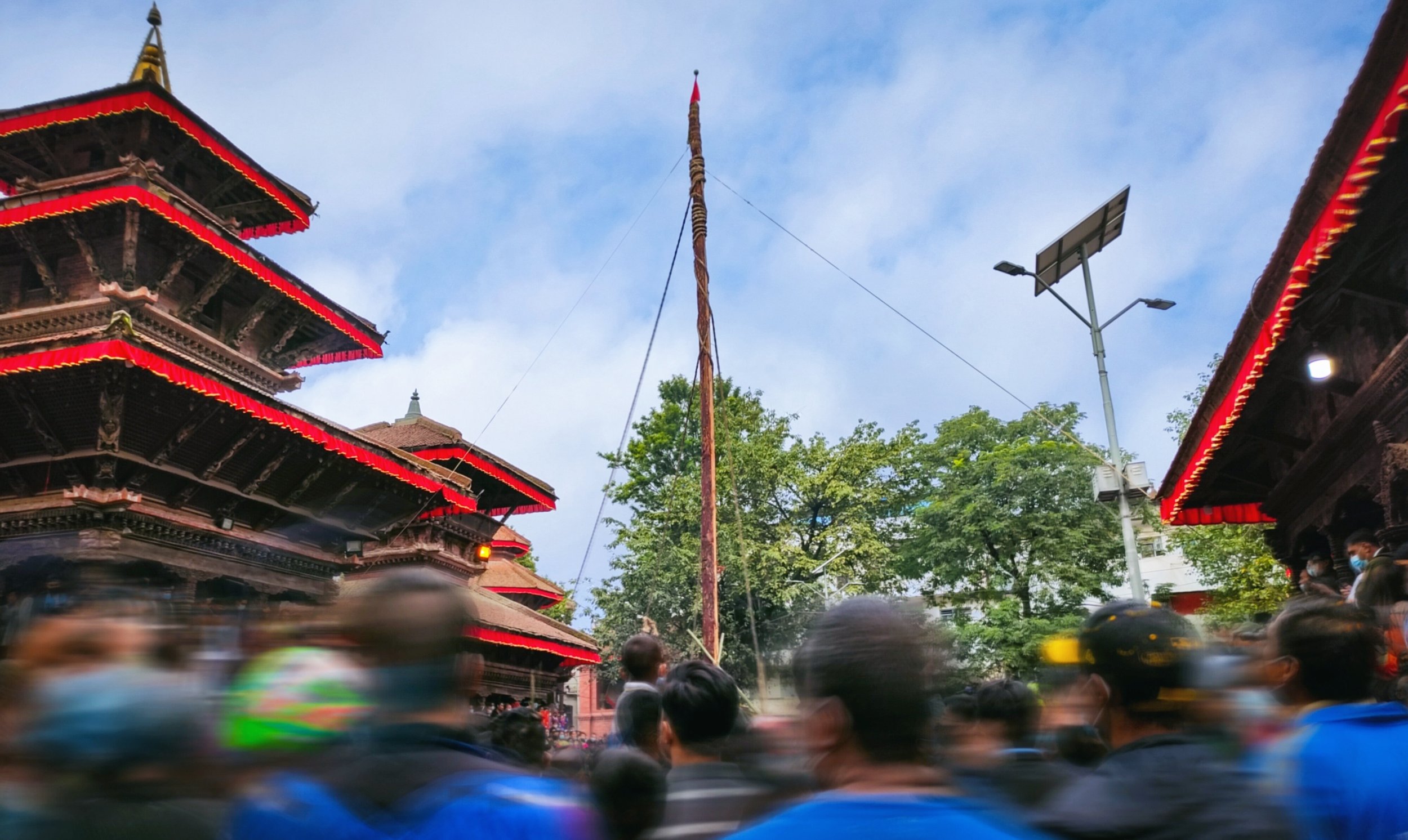
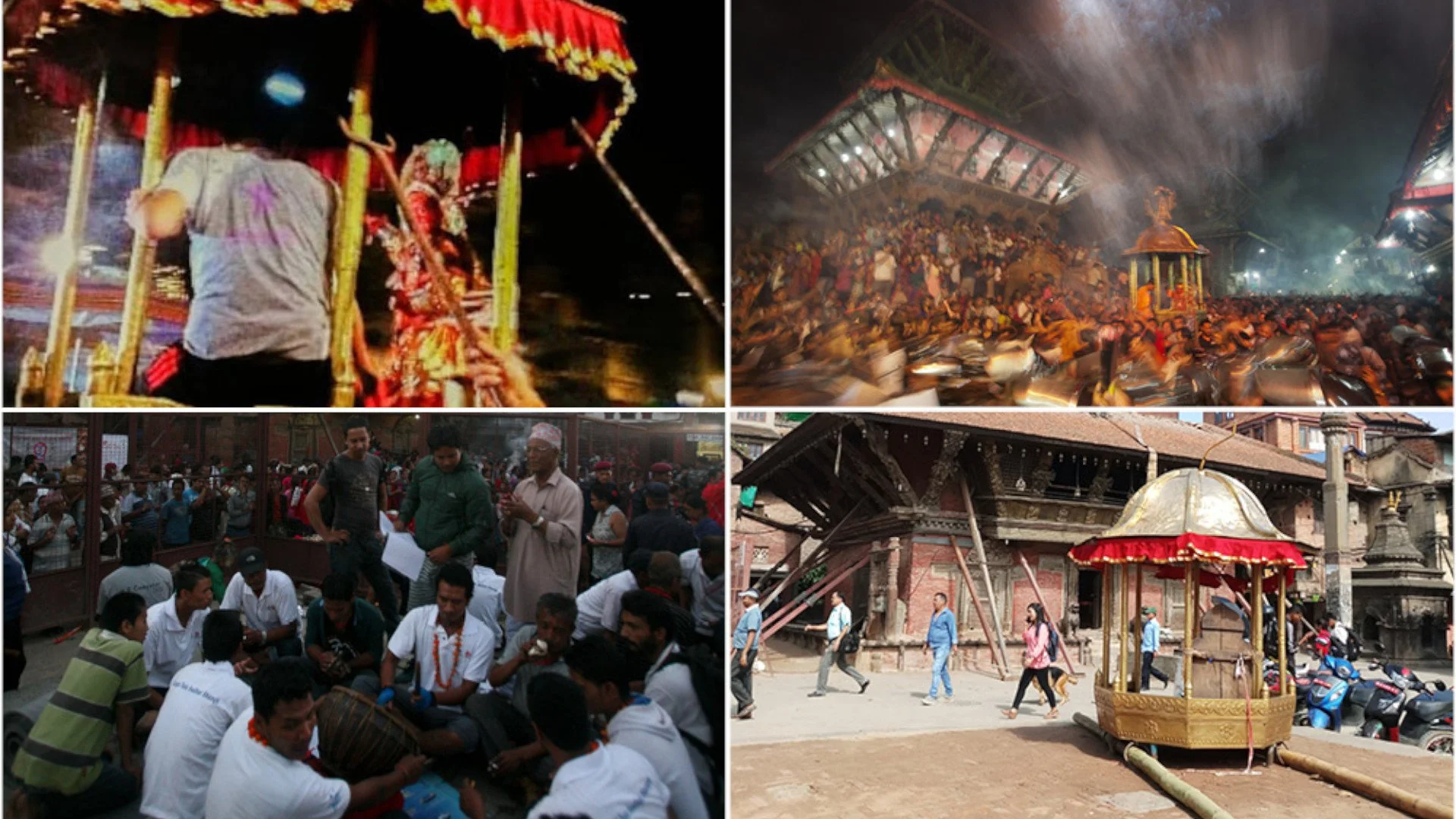
The second festival, Bhimsen Jatra, is celebrated with great pop and flare. On the ninth day of Bhadras (August- September) dark moon, a gilded chariot is placed on the dabbali (raised platform) in front of the temple by devotees.
Thousands of devotees wait to witness a procession that makes a designated route around the city. The temple priest ventures onto the upper floor of the temple to take a replica idol of Bhimsen. Legend has it that it is full of many replicas. A statue automatically comes forward while the priest enters the room.
He then gently brings it down onto the second floor and performs an invoking ritual. It is then taken outside the temple by him, and a loud cheer follows. The revellers make ready the chariot, and the idol is placed onto it by the priest. The revellers chant Bhimsen maharaj ki jaya as they lift the heavy chariot. Musical ensembles provide tunes of encouragement, and the procession moves forward. Patrons holding incenses lead the parade.
The prescribed route is within the old city. It makes its way through narrow allies and stops time and again due to an overhead maze of wires. Revellers take turns to lift the chariot, and the festival ends almost at midnight after it completes its circular route.
It is then rested in front of the temple by the revellers. The priest carries the idol back into the temple. The festival is then drawn to a close. The revellers complain of aching shoulders but tell tales of a glorious night the next day.
This festival is the hallmark of Newari culture, the Newars credit Bhimsen for their blessed fortunes. Newars dominated branches of the silk route and became renowned traders and merchants.
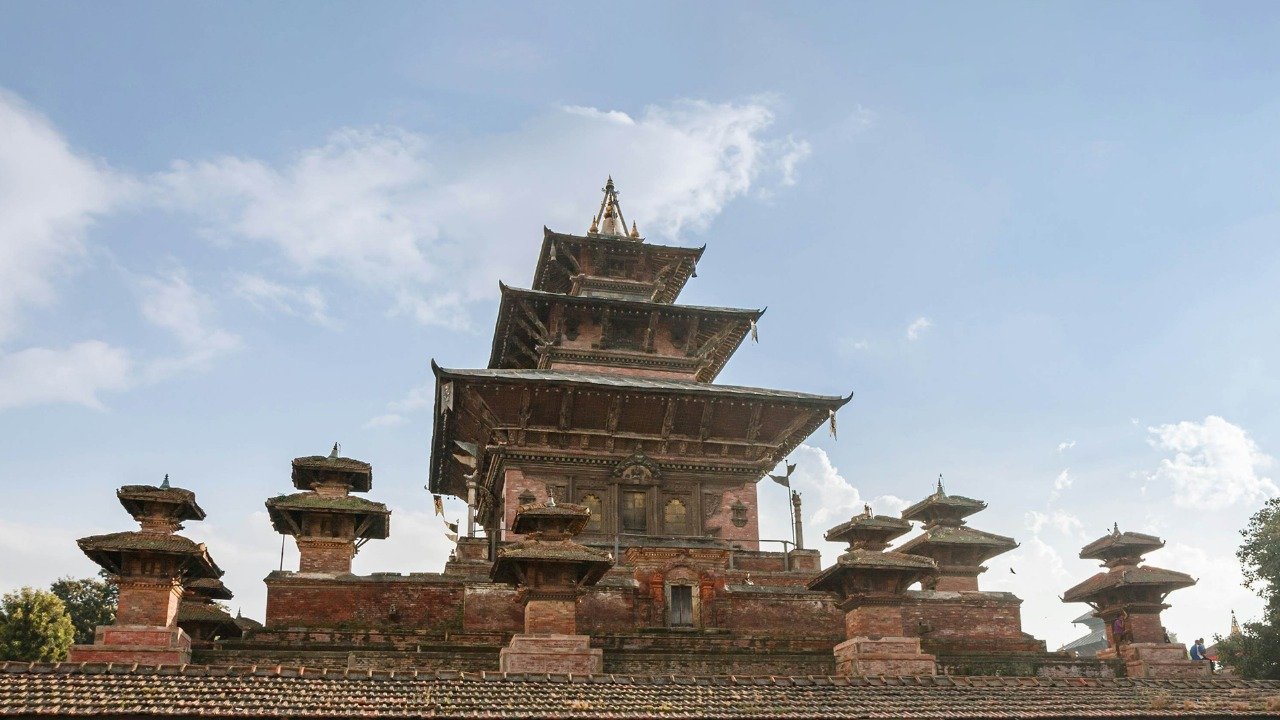
The farming community worships Karunamaya (Rato Matysendranath) and the merchants, Bhimsen. These two living deities who attained divinity through their compassion, strength and grace hold a special place in the heart of all Newars. The temple sustained damage during the 2015 earthquake. The restoration was completed recently with the help of patrons and agencies.
POPULAR ITINERARIES
SIMILAR POSTS

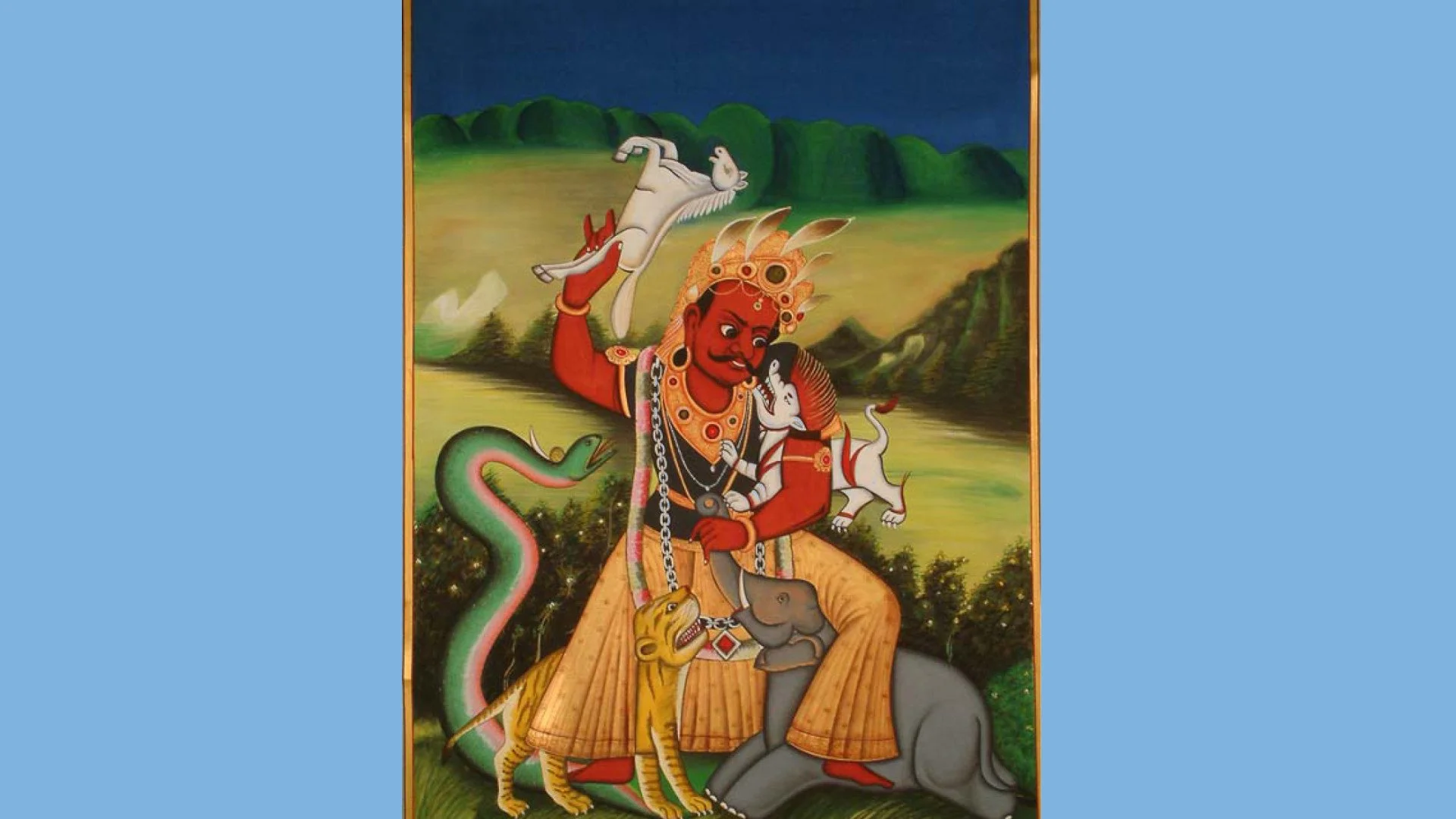
The Legend of Bimsen - Part I
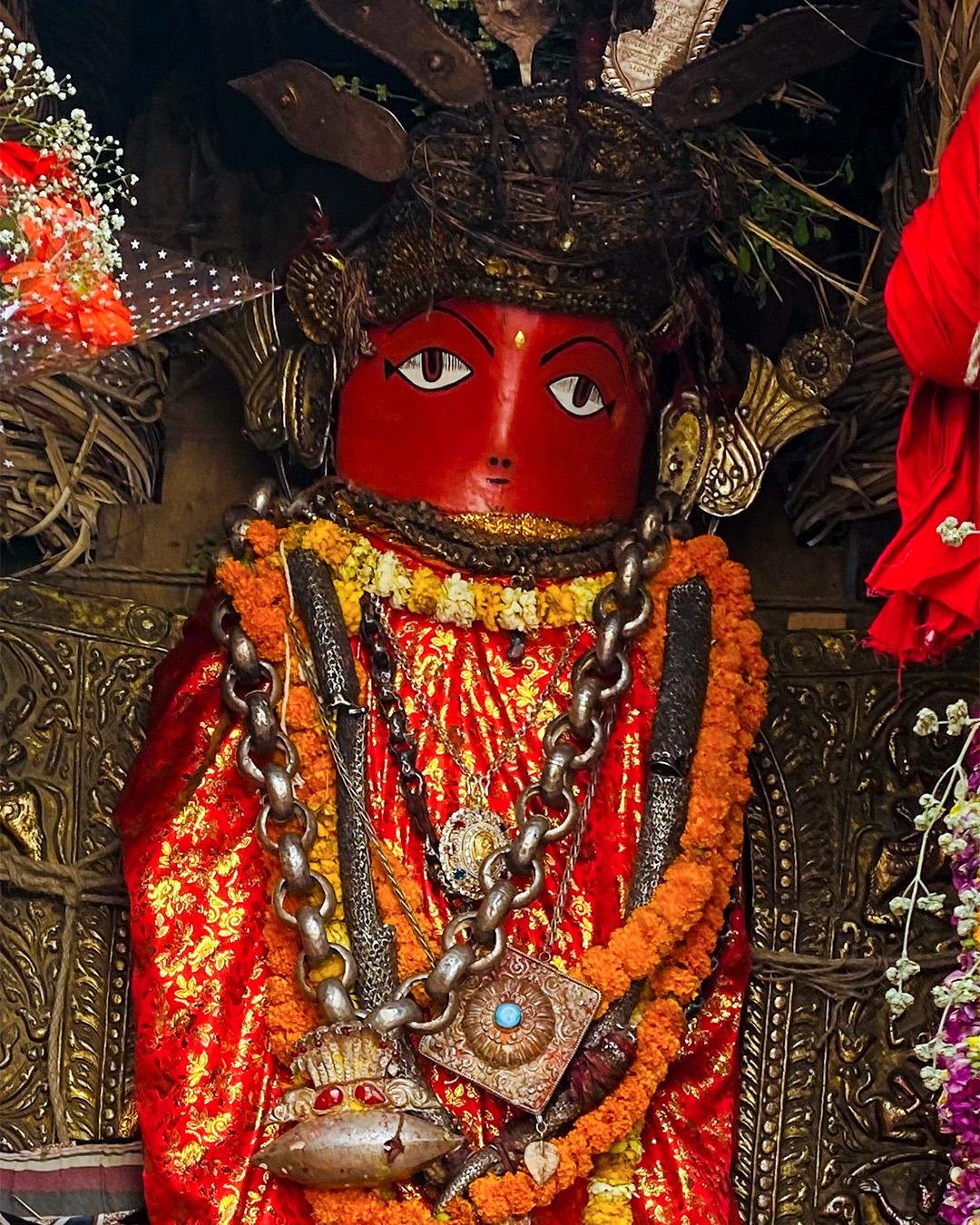
The Newar pantheon features a multitude of deities. It is a diverse array of gods and goddesses of both Hinduism and Buddhism. Amongst them is Lord Bhimsen, worshipped by the households with the occupation of trade and commerce. Revered as the god of wealth and physical strength, he also has a festival known as Bhimsen Jatra. How he entered our pantheon is foretold by a legend, something that I, like other Newars, grew up with as a classic bedtime story.
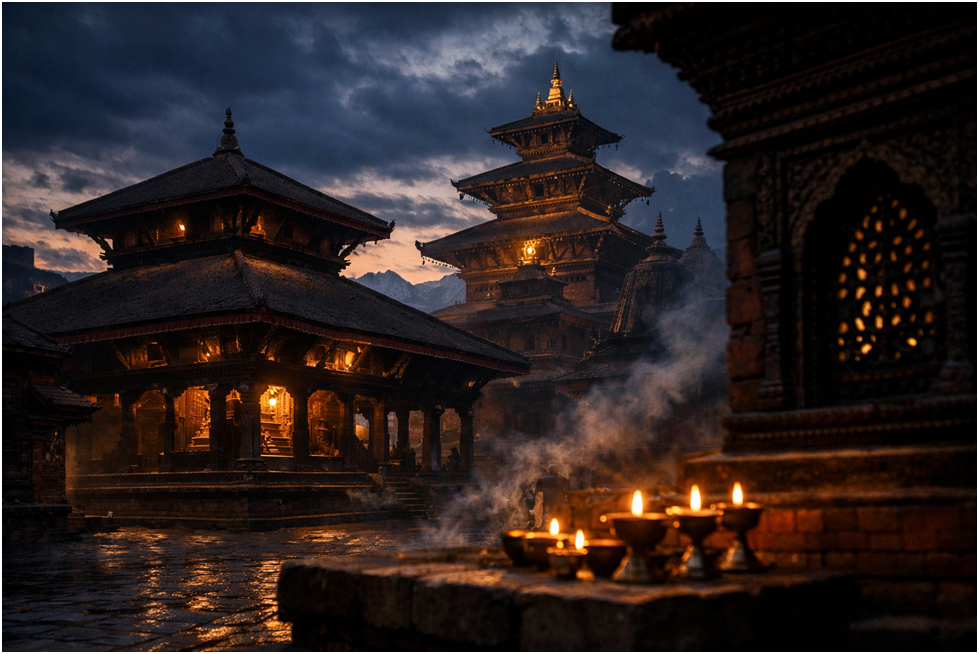
In the square of Patan Durbar lies a beautiful temple dedicated to Lord Bhimsen. In Newari, he is called Bhin Dyo. He (Lord Bhimsen) is one of the five Pandava brothers of the epic Mahabharata. Amongst them, he is the only one worshipped as people believe he alone attained divinity.
He was an extraordinary child with great strength and bravery. Hence he was named Bhimsen, meaning terrific. During his youth, he was famous for two things: his brute strength and a large appetite. Reaching adulthood, he grew a robust moustache, one to match his terrific and fierce outlook.
The highlight of his life was a great battle fought against Dushasana, his rival. He (Dushasana) was one of the Kauravas who dragged Draupadi. She was the common wife of the Pandavas. During an event, Draupadi was pulled by her hair and stripped naked right before her husbands. Bhimsen was consumed with rage but was helpless. He upheld the code of honour but marked Dushasana and vowed to kill him.
During the great war of Kurukshetra, he killed Dushasana with one blow from his mace.
In a land, east of Kathmandu valley lies Dolakha. Here it is believed the Pandavas spent their twelve years of exile. It is also home to a unique temple dedicated to Bhimsen. In the centre of this temple is a triangular shaped stone idol of Bhimsen. The local people worship it as an idol. The temples uniqueness comes from its ability to foretell danger.
The idol perspires from time to time, and it symbolises a bad omen for the country. The locals believe that it is Bhimsen trying to protect his people by warning them through sweating. The idol is said to have sweated in:
1. 2007 B.S: When the Rana Regime ended
2. 1934 A.D: Before the great earthquake
3. 2001 A.D: A few days before the royal massacre
In an ancient time, a lady of Dolakha was married to the prince of Lalitpur. She brought with her a clay idol of Bhimsen as dowry. It depicted him engaged in battle with Dushasana. The figure was enshrined in a small temple by them.
The temple was restored after a fire in the 17th century by King Sri Nivas Malla. He raised it to 4 storeys high and placed three roofs.
After the death of Sri Navas Malla, his son Yog Narendra Malla became King. He desired to replace the clay idol with a metal one. He paid a visit to the workshop of a renowned artist and put forth his request. This craftsman was known for being the best in metal casting and modelling. The King envisioned a magnificent statue of Bhimsen stance in a fighting pose against his rival.
The artist began work, and within a few days, he prepared a handsome wax model. An ancient technique where molten metal is poured onto a wax mould to develop a cast.
The King inspected the model but was disappointed as it lacked life. He requested the artist to remodel and focus on a more lively fighting style. The artist remodelled it as requested, but the King was still disappointed. The King became so furious that he caught hold of the artist's neck.
The artist cried loudly, my King, forgive me. I know what is missing, and you have shown it to me. Give me another chance. I shall not disappoint again. He let go of his neck and gave him one last chance.
He was able to satisfy the King in his final attempt. The idol looked fierce, lifelike and portrayed Bhimsen in a fighting stance about to kill Dushasana.