
Trekking Shey Phoksundo
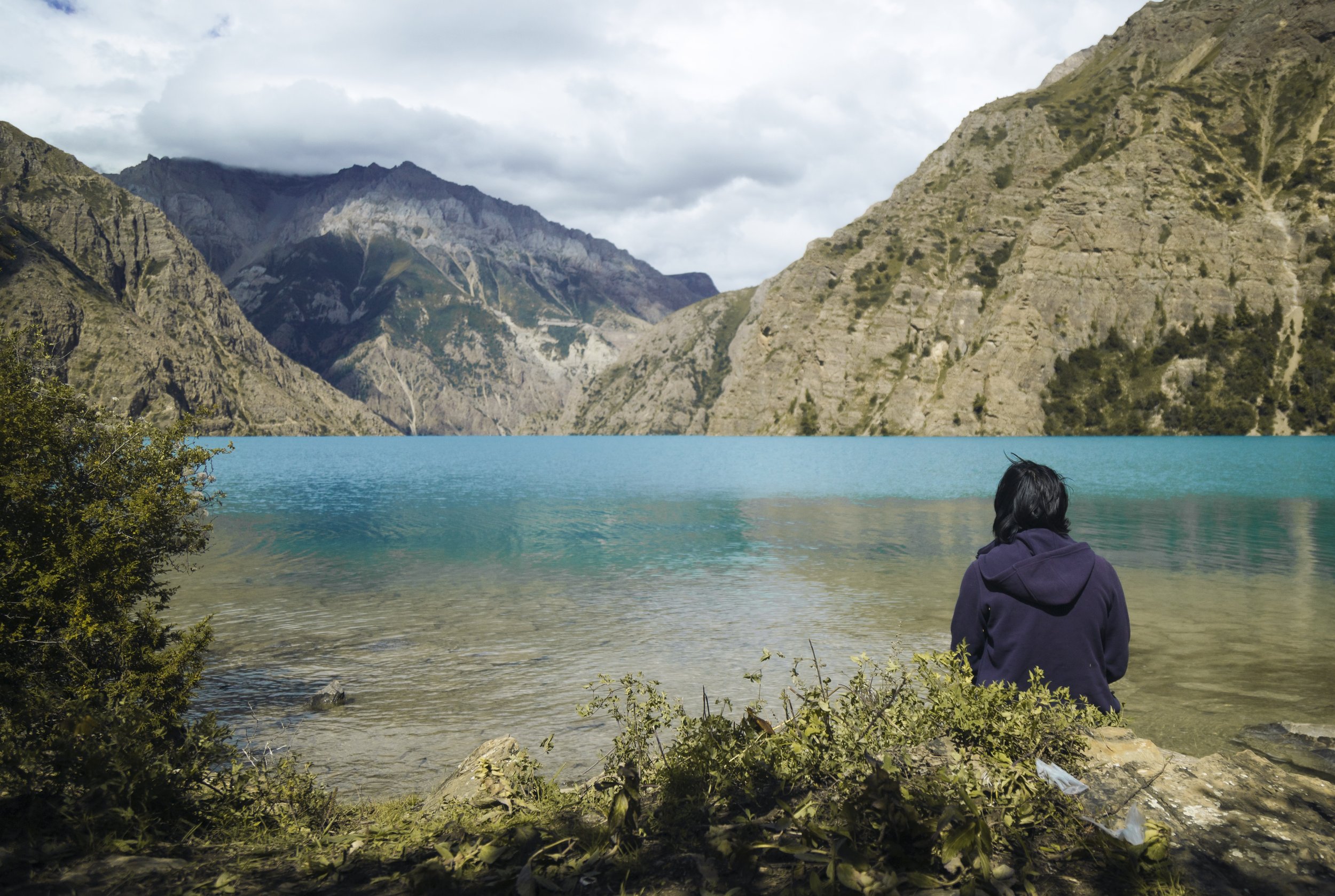
The Himalayas of Nepal is a wonder to behold. This pristine region of Nepal features numerous lakes- a sight for sore eyes. Amongst such tantalizing lakes is Shey Phoksundo in the Dolpo Region of Nepal.
The Shey Phoksundo lake trek ranks amongst the top 5 treks in Nepal. A trekker during the 7 day trek discovers multiple isolated regions.
About Dolpa
Situated at the north of the mid-western part of Nepal, Dolpa is the largest district surrounded by the Dhaulagiri Mountain range at the south and east, Churen Himal range at the west, and the Tibetan Plateau at the north. Accessible through land and air, the journey can be taken by a flight to Jumla and then a trek to Dolpa or a bus ride to the nearest urban centre of Dolpa.
This region features a series of treks that help you explore the last of the virgin land of Nepal. These far-off adventures take you miles from the urban settlement where life seems to have stood still. The dense forestry is home to pristine flora and fauna, and the crown jewel is the beautiful lake of Shey Phoksundo. The rugged plain rocky landscape, religious shrines and ancient monasteries are something out of the world. The amalgam of which help create an experience of a lifetime.
The treks of this region fall into the category of difficult to extreme. A trekker needs to be in the best possible shape to conquer the seemingly endless stretch of land. A direct escape to Shey Poksundo doesn't require any camping. The longer route, however, features some areas where camping is required.
Shey Phoksundo: The Turquoise Gem
· Province: 6
· Distance From Kathmandu: 315 km
· Accessibility:
By air: Shey Phoksundo can be only accessed through Nepalgunj or which has to take a flight to Nepalgunj and from there to Juphal in Dolpa and 4 days trek to Ringmo
By road: 24-25 hour bus ride from Kathmandu- Radi Bazar and 4 days trek to Ringmo
Route by road & return by air: Kathmandu- Radi Bazzar- Tallo Bagar - Supani - Suligad - Kagani - Chhepka - Rachhi - Samjhana Hotel - Jharna Hotel - Ringmo (Shey Phoksundo Lake) - Chhepka - Kagani - Suligad - Juphal Airport - Nepalgunj - Kathmandu
· Attraction: Tshwo Gompa, Highest Waterfall in Nepal, Himalayan Panaroma
· Travel Season: Spring (March-May) and Autumn (Sep-Nov)
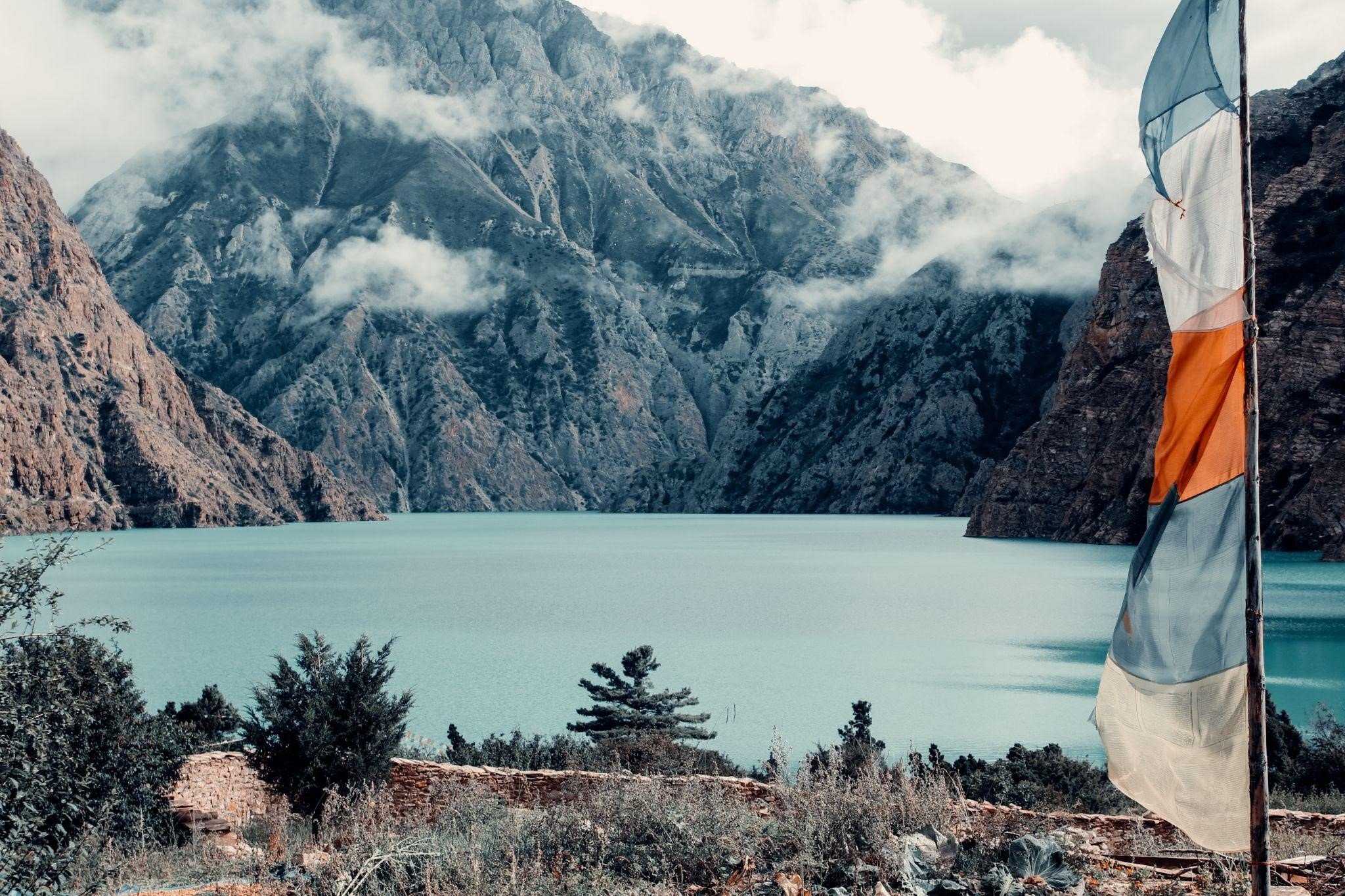
The turquoise water of this magnificent lake at golden hours is hard to describe. Sitting by it with the distant sound of a waterfall under an open blue sky is an experience straight out of heaven. The Phoksundo lake is within Shey Phoksundo National Park, the largest and only trans-Himalayan protected area of Nepal. On the southern end of the lake lies the village of Ringmo on top of a landslide dam created 30-40,000 years ago.
This body of water lies at an elevation of 3,660 m (12,010 ft). Surrounded by glaciers in its upper range, it is famous for its magnificent turquoise colour. Near the lake's outlet is the country's highest waterfall. The trek to this part of Nepal is strenuous, but the reward is an experience worth multiple lifetimes. The trip offers landscapes beyond words. Getting to experience the lifestyle of the ethnic community is a bonus.
The region is best visited between March to May (spring) and September to November (autumn). The closest airport is Juphal airport in Dolpa. The far-western region of Nepal is only accessible through the airport in Nepalgunj. The main trek ranges from 4-5 days to Ringmo. By road, the journey includes a 24-25 hour bus ride from Kathmandu to Radi Bazar.
In the next part of this article, we shall discover the lakes of Tsho Rolpa, Rupa, Gokyo and Tilicho.
POPULAR ITINERARIES
SIMILAR POSTS

The Dance of Nayata Bhulu Ajima - A Sacred Dance Part II
In ancient times, the ajima’s were regarded the ultimate protectors of the valley. They were strategicallly placed in cardinal points along with military infrastructre to ensure the cities protection from both physcial and supernatural forces. Amongst, the mother goddesses of Kathmandu is Nyata Bhulu Ajiima.
In the previous blog, we looked into various historical elements of Nayata Maru Ajima and the legends surrounding her origin. The iconic 12-year presentation was conducted this year by the Management Committee.
The dance and skit were presented in Trishul Chowk inside the Hanuman Dhoka Palace by the Nardevi Shweta Kali Conservation and Management Committee. Even though the dance is performed annually, the 12-year presentation is unique. It features godly characters who had only passive/dormant roles in the yearly rituals.
The most iconic of all is Su:tha Maju. Su:tha means morning, and Maju means mother in Nepal Bhasa. As per ritualistic traditions, the performances for the day only begin after she (Su:tha Maju) performs at the break of dawn. Locals state that even though Su:tha Maju, commonly referred to as Lokeshwor, is revered in the Buddhist community, the tradition binds all religions, faith and ideals found in this valley. Elders state how the manifestation of Su:tha Maju is an avatar of Nyata Maru Ajima.
The dance and skit last for four days in total. For two days, the artists perform at Trishul Chowk inside the main palace complex of Hanuman Dhoka. The remaining two days are at the open-air stage (Dabali) adjacent to the Gadhi Baithak, in front of Kumari Chhen (House).
Each character presents their opening, followed by the skit of Chandeshwari. The story summarized is as follows- Chandashur Daitya is a powerful demon. He is strong, mighty and fearless. The daitya (demon) falls in love with Chandi- the daughter of Nyata Bhulu Ajima. Ajima learns of this unholy union and tries their best to persuade her daughter. It seemed like nothing worked, but she created a powerful potion to intoxicate and hypnotize her daughter. In her influenced state, she turns on her lover- the daitya. She trades her sword with her mother and delivers a lethal blow killing the demon. After that day, Chandi was known as Chandeshwari- the slayer of Chandashur.
The 12-year celebration features special pujas at the mother goddess temples of Kathmandu valley. The mother goddesses featured in the dance and skit of Nayata Maru Ajima are found in its sister cities as well. These mother goddesses protect the kingdom from supernatural evil and create a tantric shield around the city. Most were established during the Lichhavi Era, and the custom of establishing an army camp or military facility near these goddesses continued till the Mala Era. An example of this can only be seen at Lumadi Ajima, today known as Bhadrakali.
POPULAR ITINERARIES
SIMILAR POSTS

Chhath: A Grand Celebration of the Sun
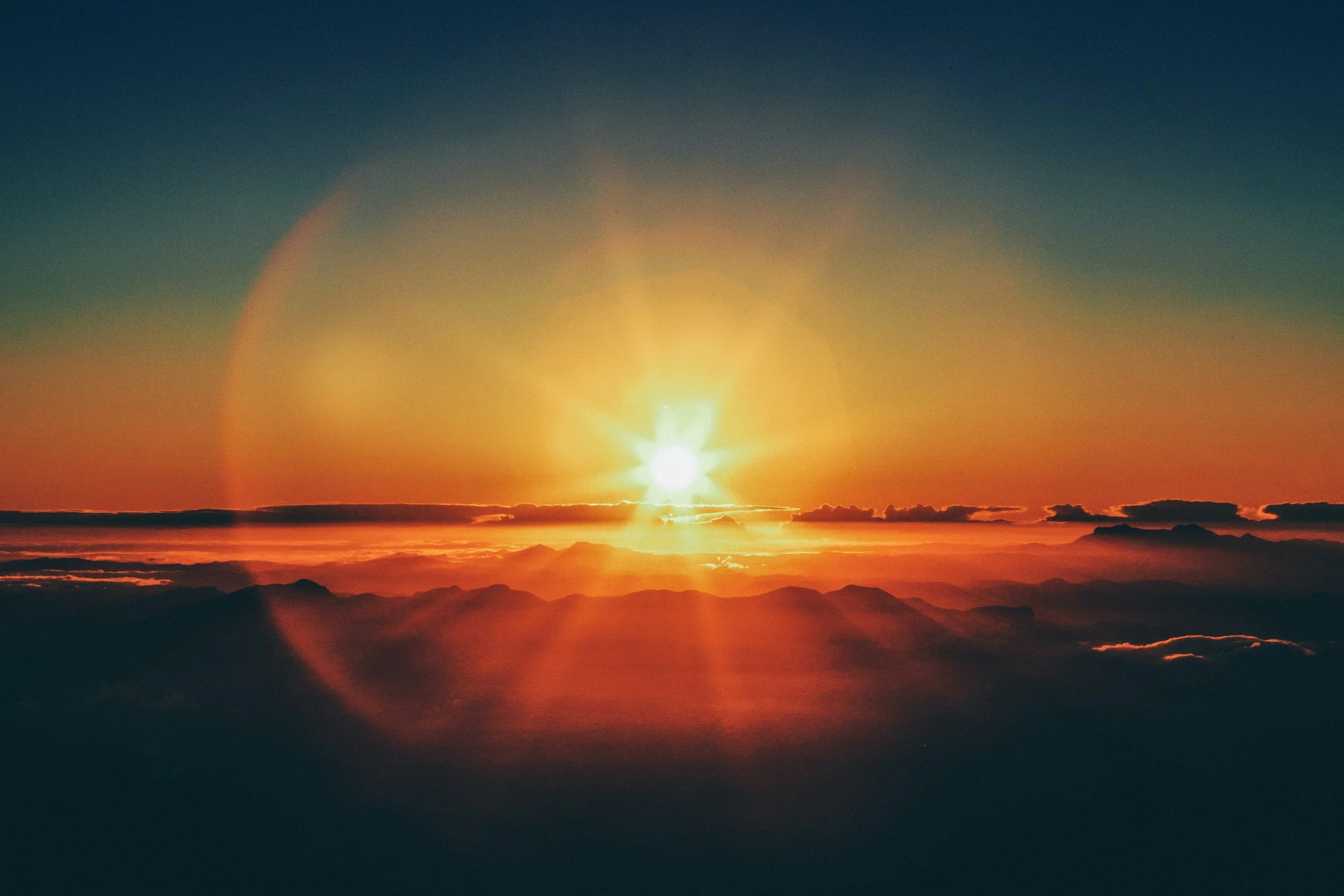
Chhath is a festival committed to worshiping the Sun god and his beloved wife Usha. The sole purpose of this special day is to thank god for supporting life on our planet and seek blessings from the holy Sun god.
Chhath is a festival committed to worshiping the Sun god and his beloved wife Usha. The sole purpose of this special day is to thank god for supporting life on our planet and seek blessings from the holy Sun god.
Sun is significant in healing several health conditions like progress, longevity, prosperity, positivity, and well-being. People follow a meticulous routine that lasts for four days. The ritual focuses on fasting, offering prayers to the rising and setting sun, meditation, and holy bathing all while standing in the water.
This prominent festival of the South has another importance of Chhath Puja. In an agricultural country like ours, we celebrate in the form of a post-harvest festival. People show gratitude for a good harvest in the coming year as the season ends.
A key part of history states that Chhath is one of the oldest rituals as jotted down in mythological scriptures. Even the Rigveda includes hymns with prayers of worship to Lord Surya. Similarly, Chhath has also made a mark on the pages of Mahabharata and Ramayana. Also, in the holy Ramayana, it is believed Lord Rama and Sita exercised this ceremony after their return from 14 years of exile.
Along with that, Chhath has a major scientific implication. For instance, your body gets detoxified as you take dips in the water. While paying homage to Sun, it increases the natural flow of solar bio-electricity resulting in improved functionality of the human body. Not just that, this unique puja also kills harmful bacteria and gives your body a new head start before the coming winter season.
Now, let’s break down the celebratory days of this auspicious festival:
Day 1
Nahay Khay: On the first day, devotees take a dip in the River Ganga, Kosi, and Karnali. They then take holy water home and assemble their offerings to the Sun god. It is considered the most important part of the four-day-long festivities.
Day 2
Lohanda or Kharna: The second day of the Sun festival means fasting for the whole day and ending the fast sometime after sunset. Devotees arrange offerings like bananas, rice, and kheer for the family after wholeheartedly praying to the Sun and the Moon. After taking the prasad, you have to start another fast for 36 hours, and that too without water.
Day 3
Sandhya Arghya (evening offerings): The third day of Chhath means to observe fast without consuming water for the entire day. People dedicate their time to preparing the needful offerings which are then kept in a bamboo tray. The prasad includes coconut, thekua, banana, and many other seasonal fruits. To cleanse their body, devotees flock around the banks of rivers or ponds. As part of the final rite, they offer araghya to the setting sun.
Day 4
Bihaniya Arghya: Honoring the last day of this grand occasion, devotees gather around the bank of the River or any water body to extend their prayers and prasad to the rising Sun. Finally, the devotees are at liberty to break their fast. However, they are only allowed to eat ginger and sugar or other local products. That brings the end of this highly cultural festival rejoiced by the Madesh community.
Overall, Chhath puja is considered to be an environment-friendly Hindu festival requiring no form of idol worshiping. Throughout history, Surya (Solar Deity) is regarded as a prominent natural force worshipped by humans. As it has its relationship with harvest, humans also acknowledge their connection and identity with nature.
This gender-neutral festival where both men and women can perform the function has the utmost spiritual, cultural, and social association.
POPULAR ITINERARIES
SIMILAR POSTS
Tihar: Victory of Light
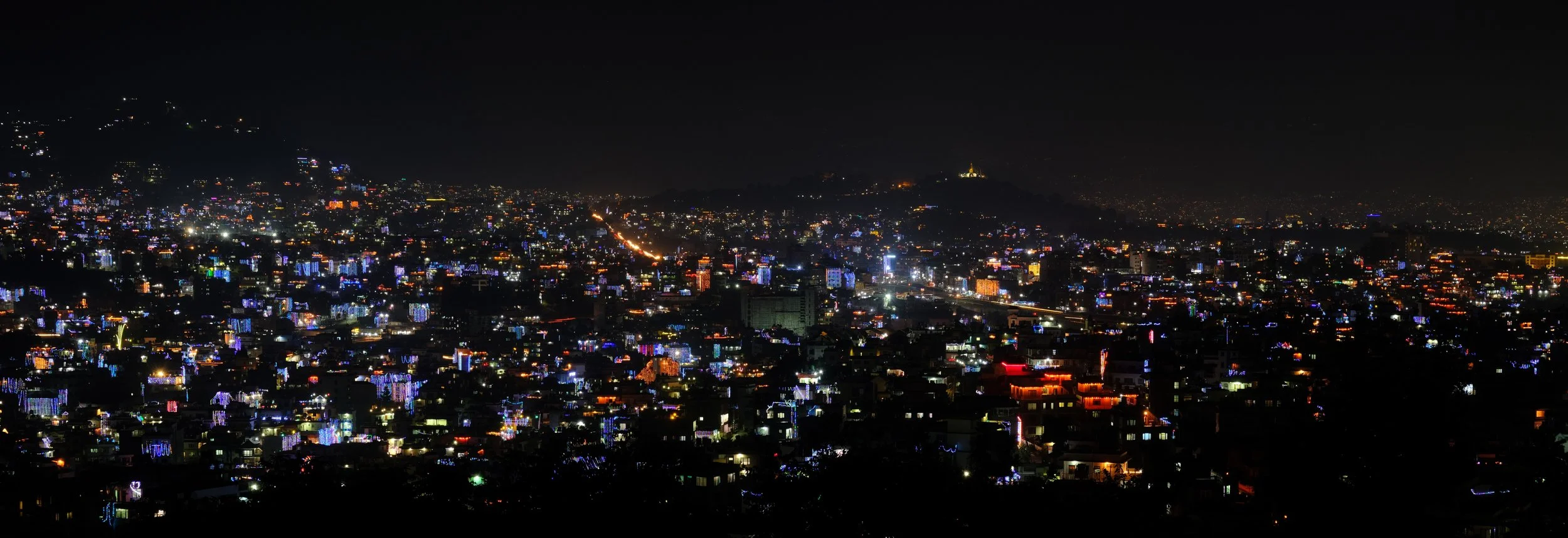
Tihar is the second largest national festival of Nepal. It bares similarities to Dipwawali celebrated in our neighboring nation. The festival is celebrated for a total of 5-days. During which various animals, birds and gods are worshipped. Each day has its own symbolism and each community has its own tradition and ritual process of observing the festival.
Tihar or ‘The Festival of Lights,’ is the second biggest festival after Dashain. It is a five-day-long celebration with houses emitting iridescent lights, artistic rangolis, and flowery decorations.
We also call these five days Yama Panchak where we do everything we can to keep Yama Raj happy. Keeping our good deeds in mind, he will judge our character after death and decide our path to heaven or hell accordingly.
In this remarkable observation, we honor animals to commemorate their unique bond with humans. Tihar means victory of good over evil and in that context people consider different creatures as divine gifts from Mother Nature who help stir our everyday community life.
Talking about various ways of celebration, on the first day of Tihar, people offer rice to crows aka the messenger of death. As crows are busy delivering important information to Yama Raj all year round, they rest on this auspicious day. We should strive to keep the crows satisfied in the hopes of avoiding bad news in the forthcoming year.
Likewise, the second day is dedicated to Kukur Puja honoring dogs for their loyalty to human beings. They are known to be our protectors and play a significant role in safeguarding our community. If you take a stroll around your area, you can see dogs beautified with flower garlands and a huge tika applied to their forehead. Also, after the ceremony is over, they get to feast on a scrumptious meal and they are left with a happy tummy.
Then on the third day comes Gai Tihar where we worship cows and Laxmi (the goddess of wealth). Being the most important holiday of Tihar, people get up early in the morning to clean the room thoroughly in order to appease the divine Goddess. Traditionally, she is known to visit every household to shower her blessing. After that, the cows get a cozy bath and we accessorize them with intricately designed garland. The priest even ties holy strings to their tails as part of the custom.
Goru Tihar, Govardhan Puja, and Mah puja are celebrated on the fourth day and three separate pujas are performed to celebrate this momentous day. As part of Goru Puja, we worship the Oxen. Followed by Govardhan Puja where we make a hill of Govardhan Parbat using the holy cow dung which is known to purify the surroundings. Having major importance in Hindu culture, it was used to polish mud floors of traditional houses.
A ceremony big in the Newar community, Mha Puja is also called self-puja where we intend to cleanse our body and soul. Each member of the family has a distinct mandap and a female member of the family offers shagun with her hands crossed. The shagun can be anything from fruits, eggs, fish, meat, pastries, and lentil. This also marks the starting of Newari New Year.
The fifth day or Bhai Tika celebration is best explained through a popular story about Yama the god of death, and his sister Yamuna. The two of them had been apart for a long time so the sister makes a request to her brother to pay a visit. She sent a message through a crow, dog, and cow until finally, she decided to meet her brother. Following a special ritual, she worships him with tika and flowers and puts five colored tika. Along with that, Yamuna made a circle with mustard oil, Dubo Grass (Cynodon Cactylon), and ended the ceremony with Makhmaali Mala (Globe Amaranth).
For five days, she kept her brother happy and on the last day in form of gratitude, Yama gives her presents thus marking the celebration of Bhai Tika. This is how we celebrate the festival of Light over Darkness.
POPULAR ITINERARIES
SIMILAR POSTS
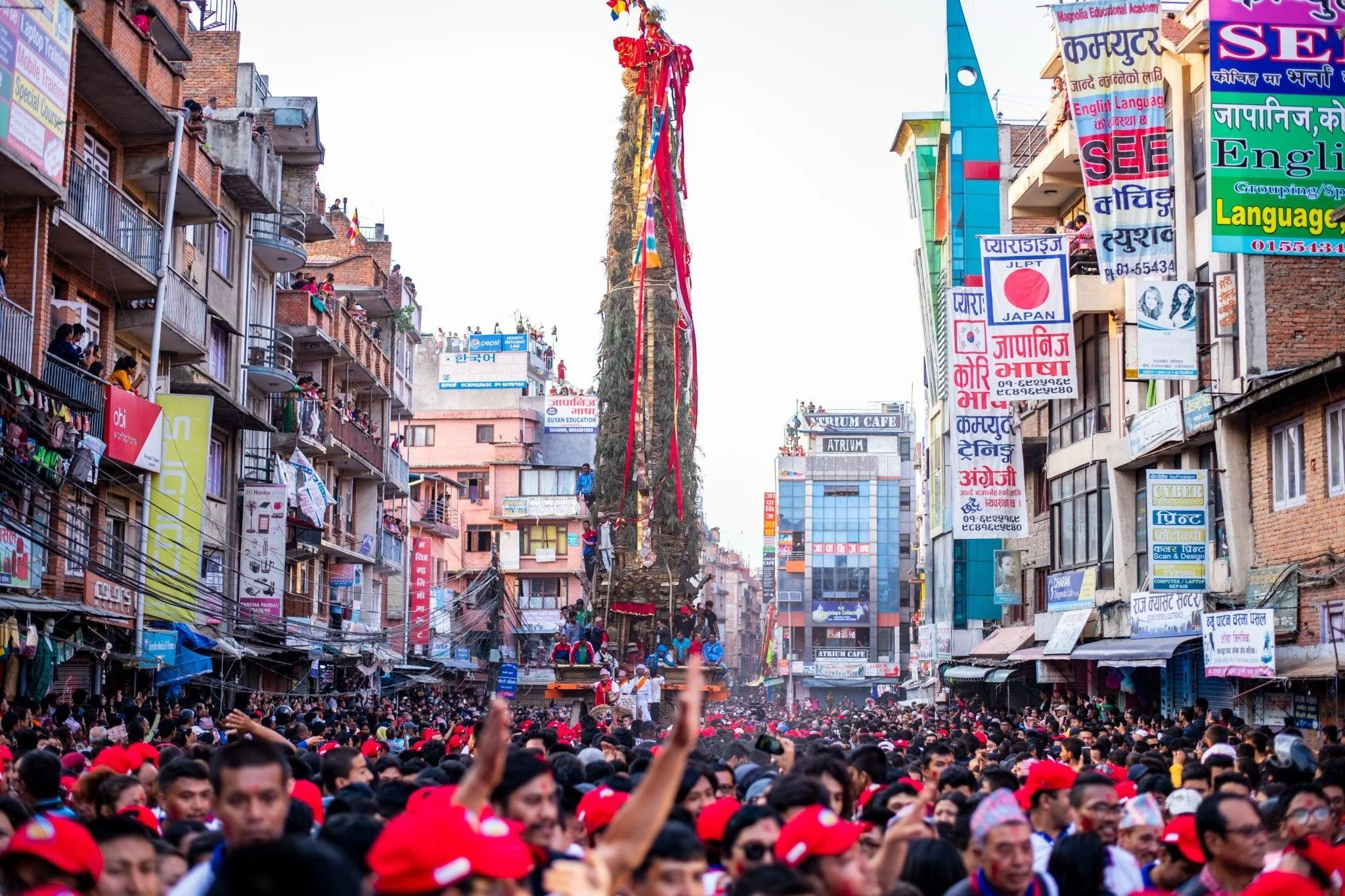
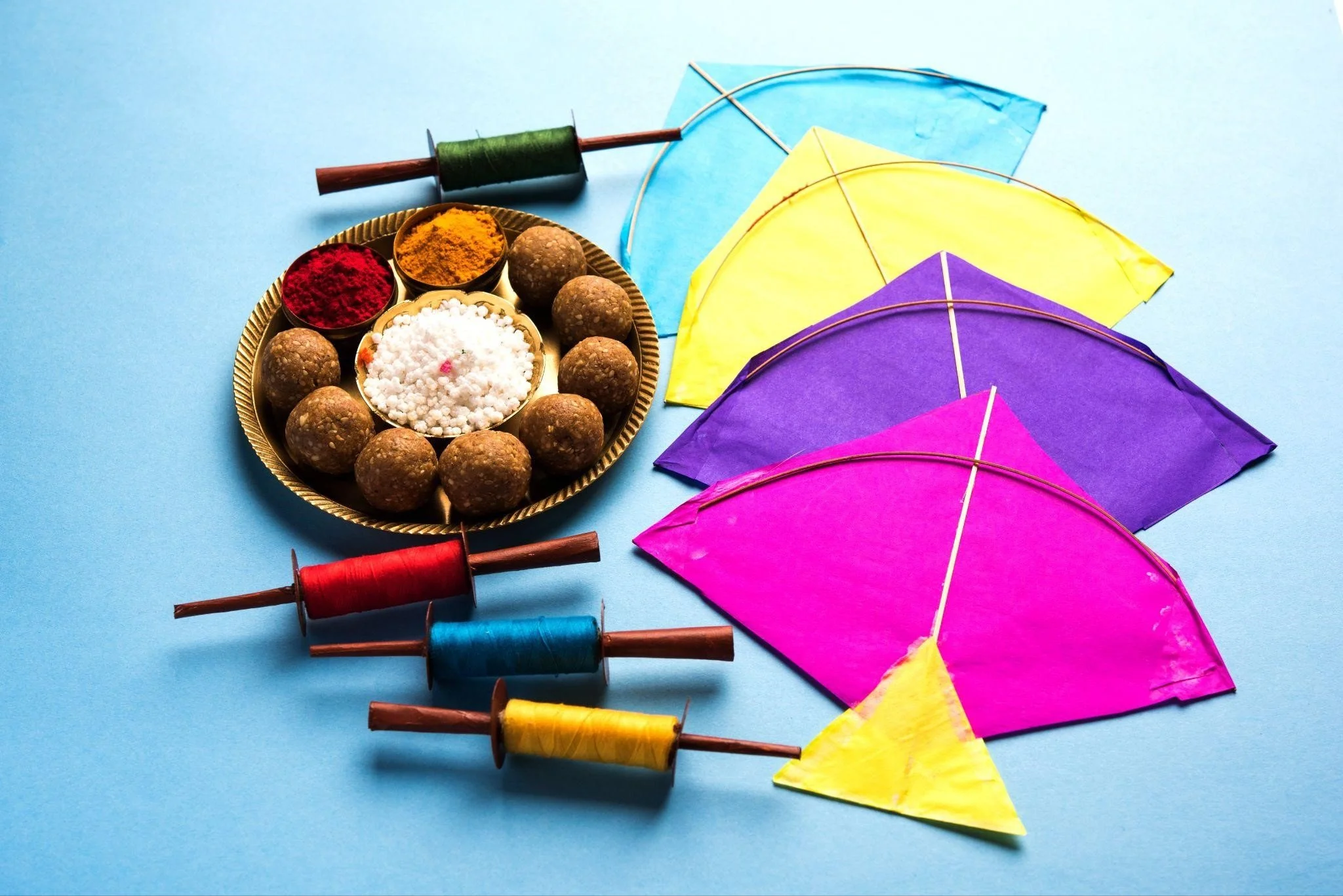
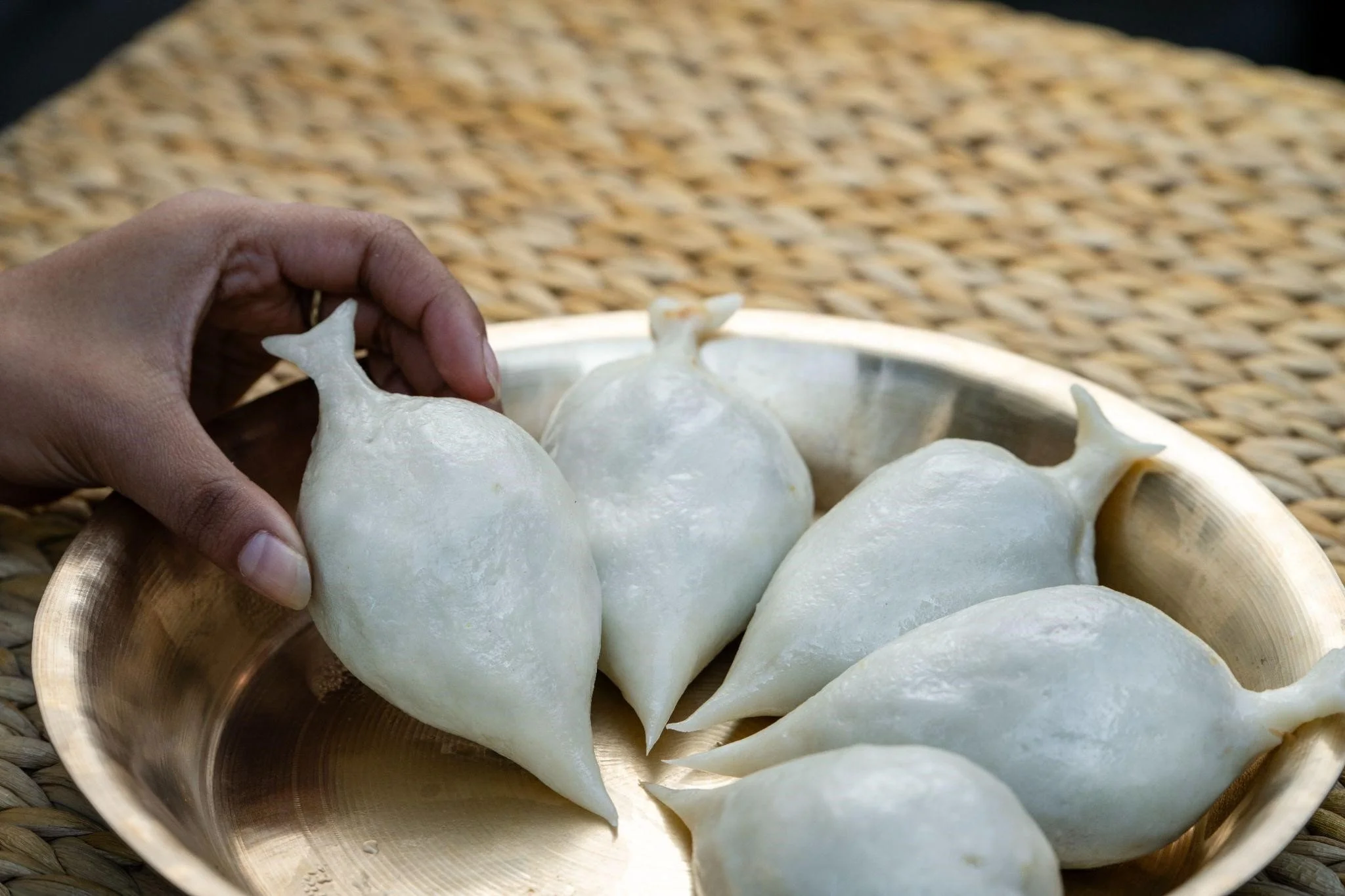
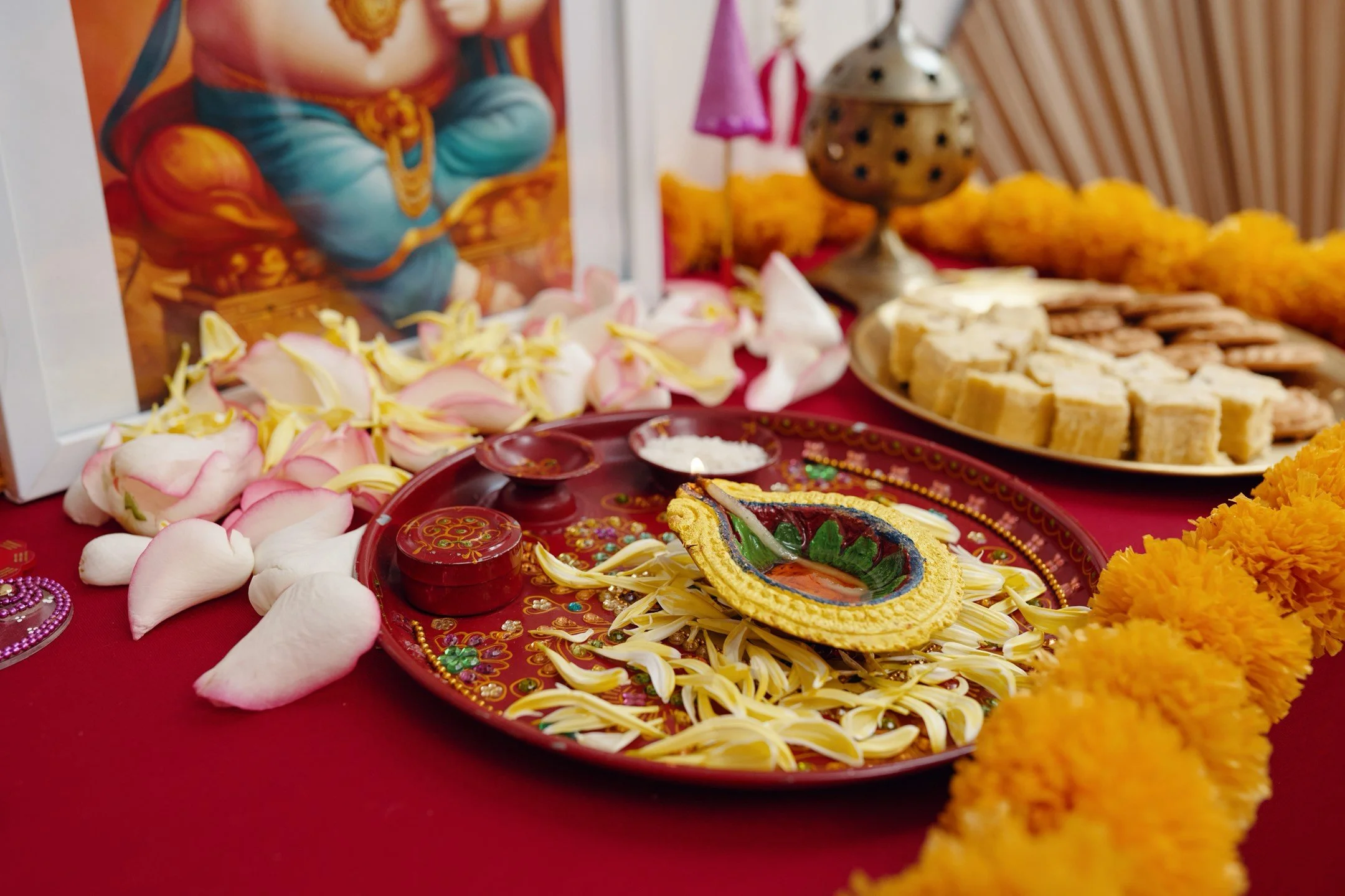
Flavor of Dashain
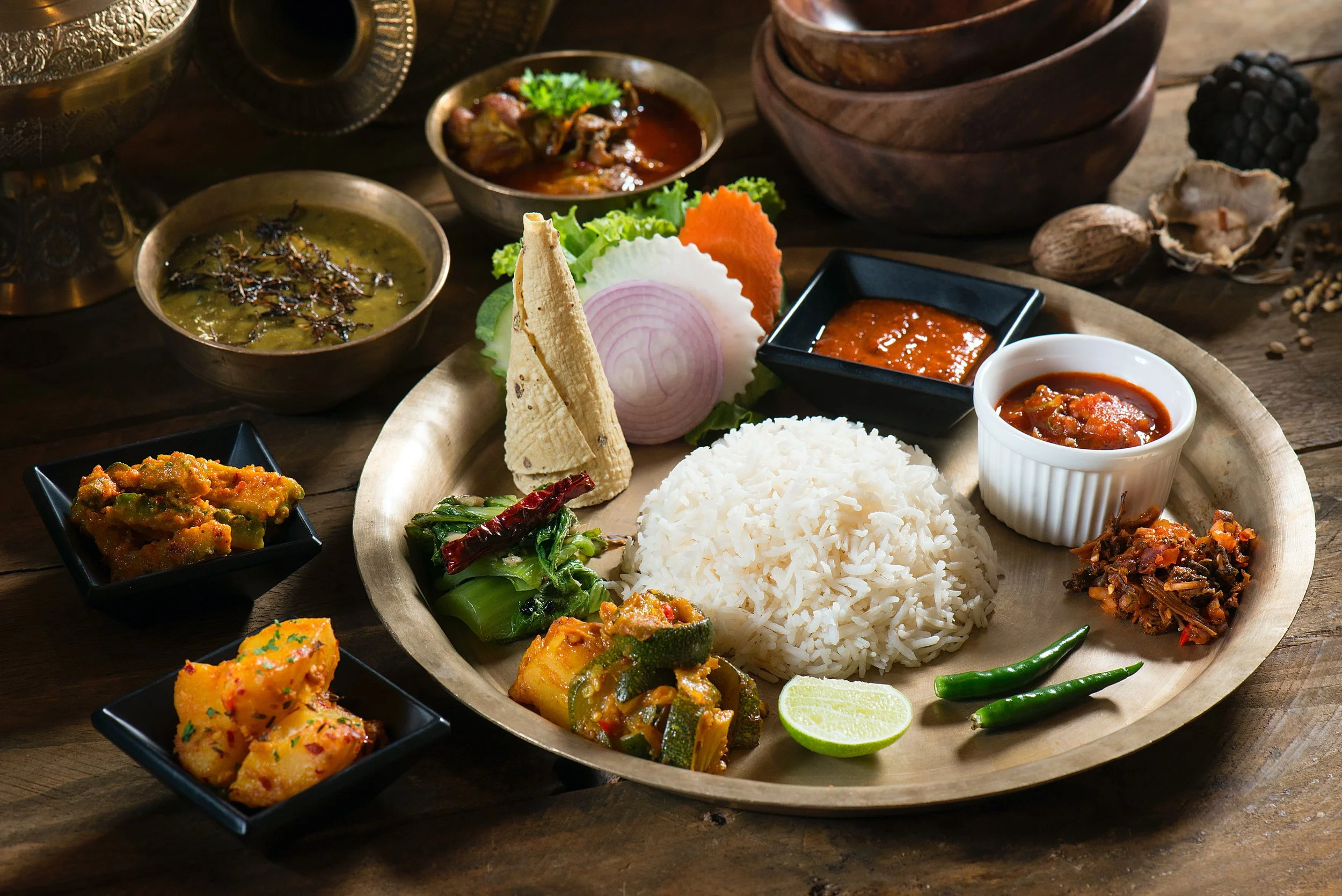
The festival of Dashain is a fiesta of flavors. The ethnic diversity of Nepal entails a symphony of beautiful delicacies put together to enjoy with friends and family. In this article we shall explore the various flavors that are celebrated during Dashain
‘Dal Bhaat Masu’, we love to eat during Dashain! A nearly seven-day holiday means playing cards and feasting on various delicacies. Every household engages in making an age-old food recipe with absolute joy. Since food has a way of bringing all of us together, let’s talk about staple food eaten during this festive season.
A tantalizing appetizer popular in a Newari household, Chhoila is a famous dish served with chiura (beaten ride). Commonly there are two types of Chhoila, Haku and Mana wherein mana means ‘boiled’ and Haku means ‘black’ referring to meat cooked over fire. It is made with buffalo meat, nowadays we make the dish with other types of meat as well.
In the same genre of unique eats, Sukuti is dried meat marinated with spices over charcoal or a fireplace. Sukuti Sadheko is a dish that is a mixture of cumin, coriander, garlic, ginger, red onions, and chilies. Largely served as a snack with noodles or chowmein, extra crunchy peanuts, and raw shelled green peas are also a good addition.
We all crave the savory taste of Sekuwa which is a Nepali way of cooking barbecue. An iconic food found especially in eastern Nepal and Kathmandu, it’s a true meat lover's dish. It could be a goat, lamb, pork, chicken, or even a mixture of it all. Now that sounds like fun!
Experience the delicate and rich flavor of Jhuku aka Blood Sausage. The diced, boiled and fried intestine consisting of white blood cells might not be the go-to choice. However, for people who love experimenting with their food, this dish is a must-try!
Enjoying a piece of grilled Mutton Sekuwa meat with a hint of lime, chili, and Sichuan pepper sure takes us down the road of nostalgia. Am I right? The cuts in the tender boneless meat give a smoky taste and add a bit of crispiness to each bite. Traditionally, we enjoy this treasured food with local Dashain drinks while playing cards.
As part of reminiscing exquisite recipes, consuming Mutton Curry among the Kshatriyas and Brahmins has its own significance. Some families buy a goat and keep it in the house for a few days. On the eighth day of Dashain, the goat is sacrificed and offered to God. Every part of the meat is enjoyed. Bhutan (fried intestine) is eaten with drinks while Mutton Kebab is devoured at all times.
Also, ever heard of pakku? A marinated dish with immense spices cooked in a low level of heat for a long time giving it the texture of pakku which is tender and flavorful. Due to culinary diversity, every household has its own cooking of this meaty treat. That’s why you get to try different variations of the classic goat pakku!
Talking about options that appeal to all vegetarians out there, Bhatmas Sadheko is the perfect appetizer eaten in the form of a snack or side dish. Also found in a Newari platter, people of all ages relish its well-seasoned taste. Another dominant cuisine is fermented radish pickle. Mula Ko Achar gives off a certain kick of spices making the experience really enjoyable. For all kimchi lovers, give this a try!
Once the holiday starts, there’s no work, no obligation and the only thing to think about is FOOD! Nowadays, we can even see people sharing their unique customs, traditions, and family recipes bringing in a lot more palatable options as part of a cultural amalgam.
Having said that, this Dashain you can create your own signature dish or stick to your grandma's curated recipes. Either way, it’s going to be a flavorful season!
POPULAR ITINERARIES
SIMILAR POSTS


Places to visit this Dashain Break
As everyone gets a holiday during the Dashain season, it has become a trend to go on a short break. The ultimate escape from work and study calls for a rejuvenating adventure. So, call up your loved ones and arrange a package service to head on out and about
The first place that comes to mind when we talk about inbound travel is going to Nagarkot. A hill station famously known for camping and night stay purpose gives you the best sunrise and sunset view. If the weather is in your favor, you get to witness the glorious sight of the mountains in just an hour’s drive.
Talking about a journey that takes about 5 hours of time, a short stay at Kalinchowk is a wonderful choice. After getting on a cable car, a picturesque view awaits you on top of the Bhagwati temple that will leave you in awe. We recommend renting a private vehicle or hiring a jeep as it’s convenient.
Without mentioning Pokhara, this article would be incomplete as it’s a major internal and external tourist hub. Surrounded by Fewa, Begnash lake, and Sarankot for early morning sunrise, the city has it all. Along with that, David Fall, Peace Pagoda, International Mountain Museum, and Mahendra Cave are other major attractions.
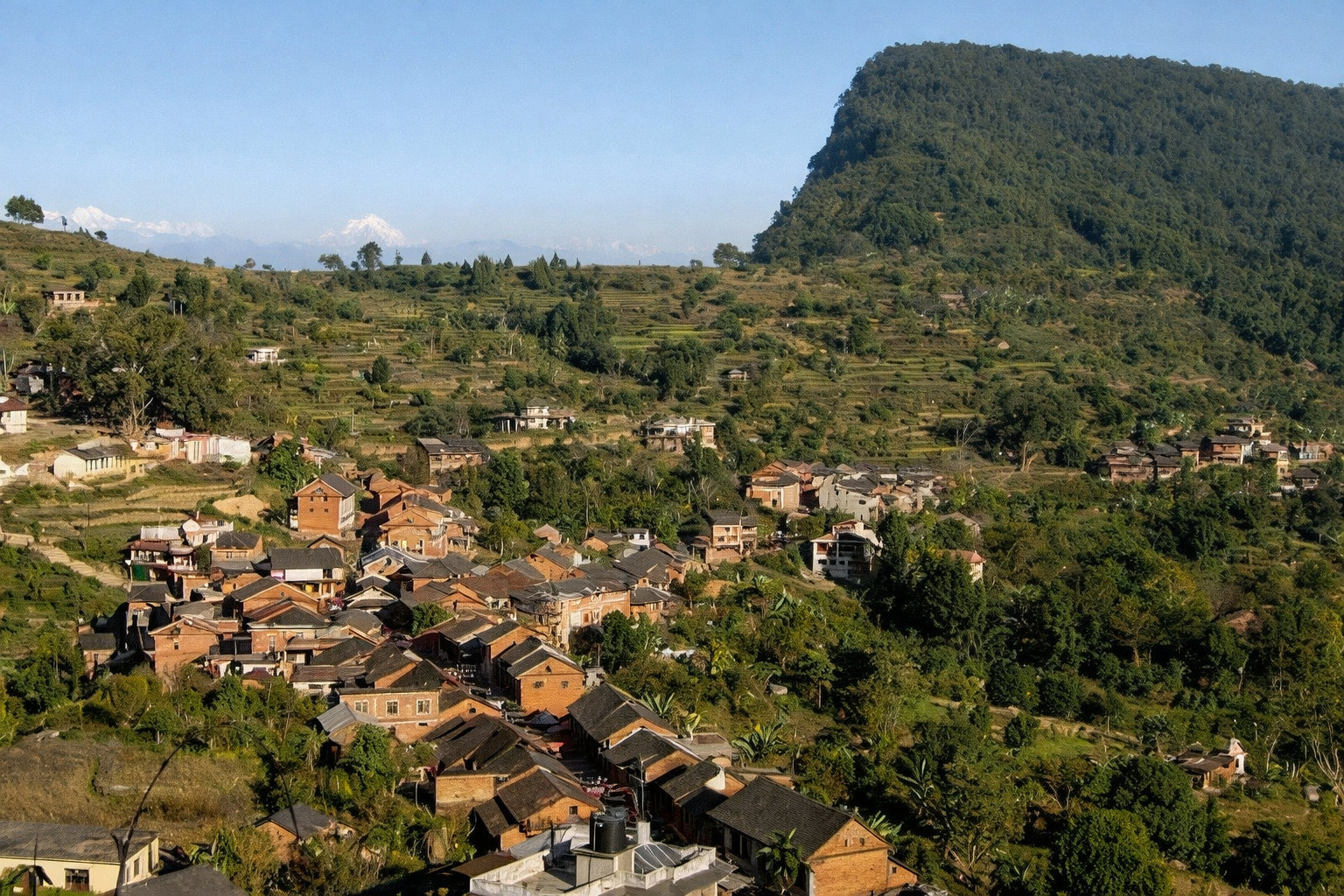
If there’s one place that preaches peace and tranquility, it’s Bandipur. An old Newari town located in the heart of Tanahu district is worth traveling for a day or even overnight for an authentic experience. The housing style here is quite the sight. As part of a hill station, you get a scenic view of a wide range of mountains. Just take a stroll around the evening time with your friend and see how wonderful it feels!
For people who aren’t celebrating Dashain this year, we’ve got you sorted with a perfect escape plan to wander in nature. A superb monsoon cloud-free weather greets you no matter which path you follow. Take your family for a visit to either see the unhindered 180-degree scene of the snow-capped mountains or a picnic around the vibrant Godavari area.
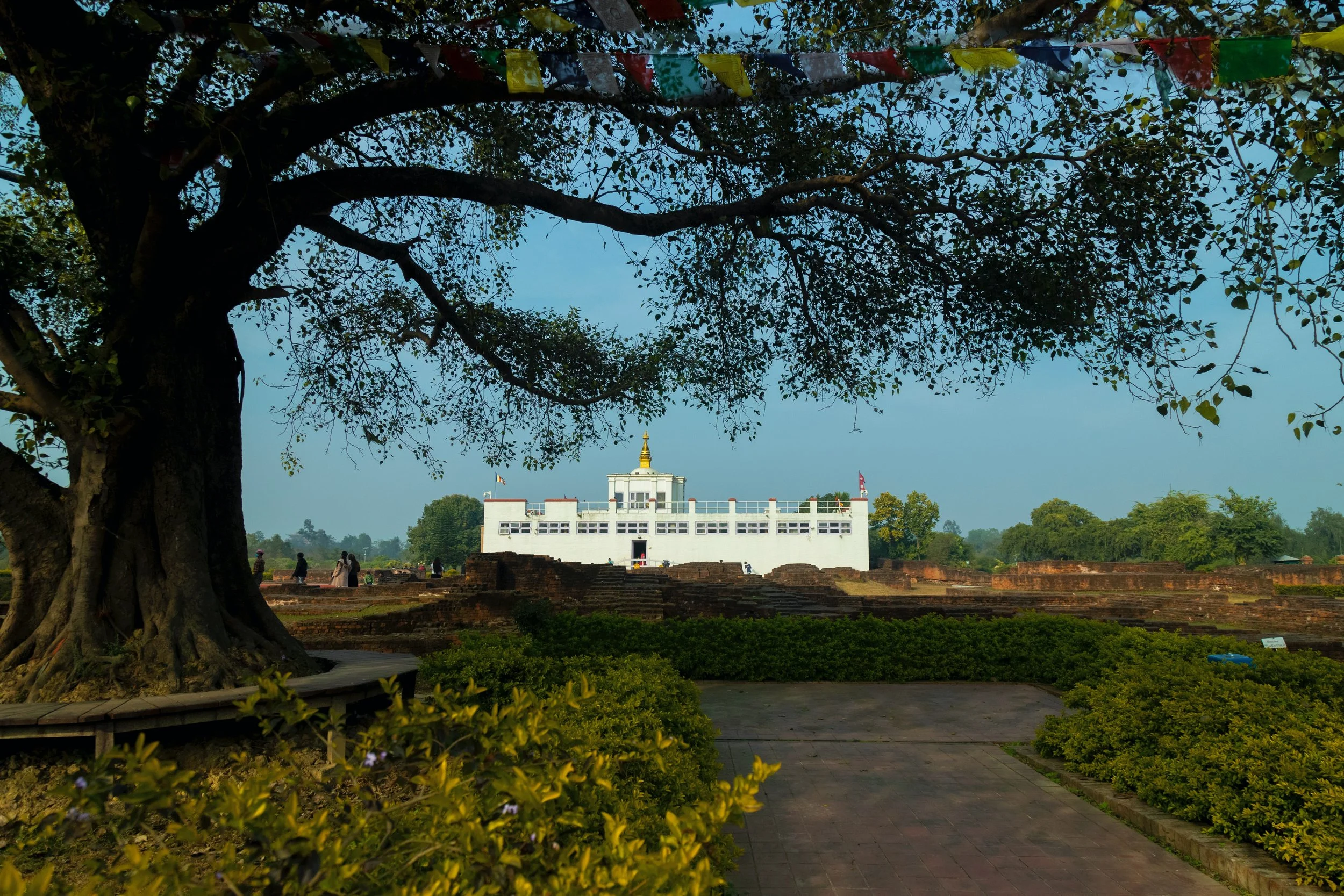
We all want to attain peace during our break right? So why not visit the birthplace of The Light of Asia in Lumbini? Remember to go to Maya Devi Temple, Ashok Pillar, Shanti Stupa, and Bidhi Tree while you’re at it. In a place with rich flora and fauna, take a trip to Chitwan National Park and be a part of nature. Hop on a safari ride and there’s a chance of spotting Bengal Tiger, Rhino, Crocodile, Elephant, and many more diverse creatures. Also, the world’s littlest vertebrate, the dwarf shrew is here, isn’t that exciting?
Only with an hour’s drive, embark upon the luscious green forest of Chitlang village. Consisting of more than 160 species of animals and birds, it’s a real treat for the eyes where you get to soak in every element of nature. Did you know about a big apple garden with more than a thousand apple trees? Well, you have to take a look at it! They have even established a few cottages between the gardens.
Although visiting a heritage site might not be on your bucket list, there will be less traffic and crowd to go to sites like Kathmandu Durbar Square, Swayambhunath, Kritipur, Bhaktapur, and Bouddha. You will get a whole new outlook on familiar places. Who knows, you may even find some hidden gems.
The month of September and October are considered to be the finest time to explore the nooks and corners of Nepal. So, where will you visit this Dashain?
POPULAR ITINERARIES
SIMILAR POSTS
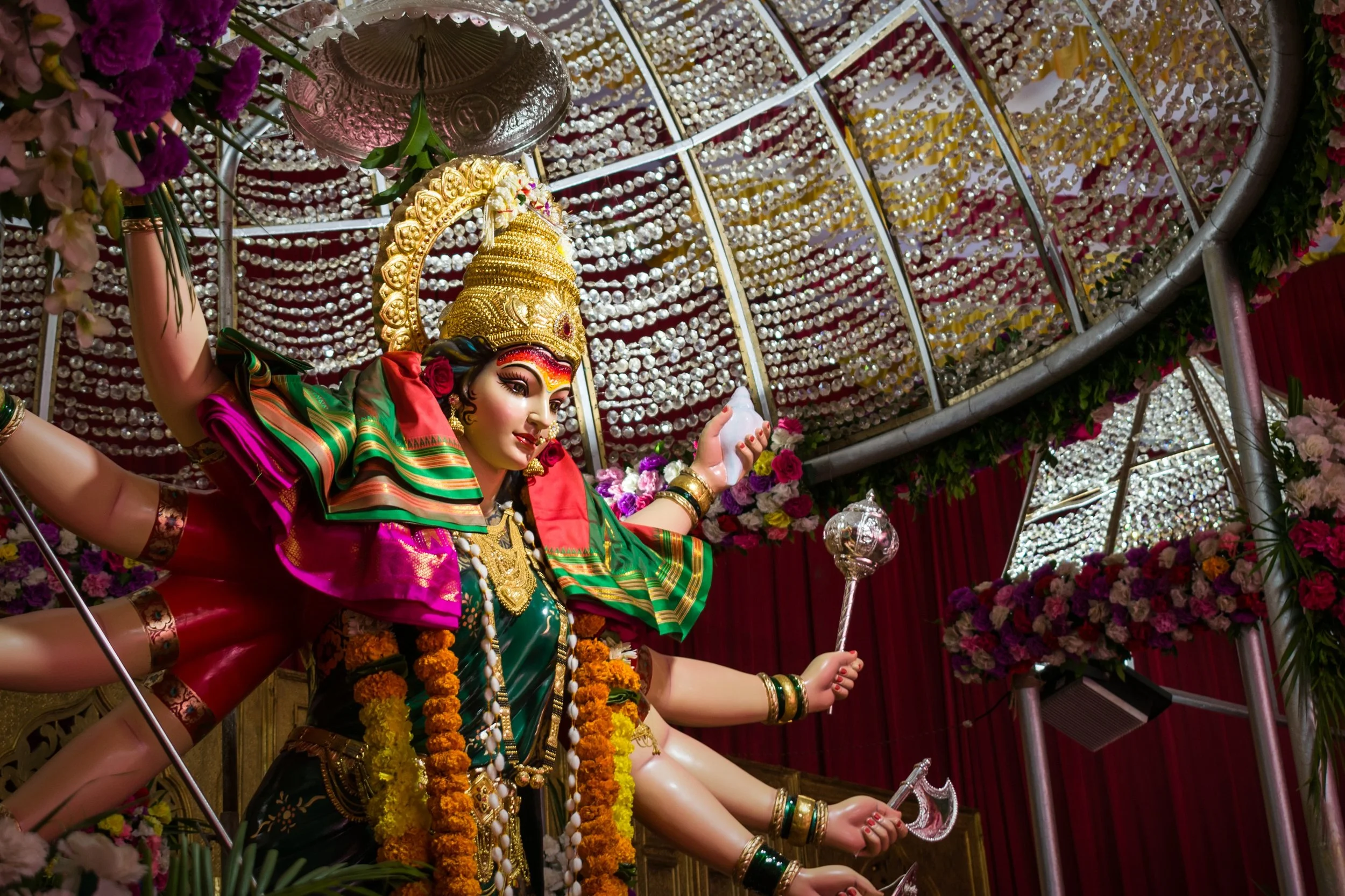
Symbolism of Dashain
Dashain- a grand celebration of victory over evil. The festival at its core is similar to Dashera celebrated in India but over time numerous elements have been through cultural practise. It is a festival with deep symbolism and roots in all of our cultures
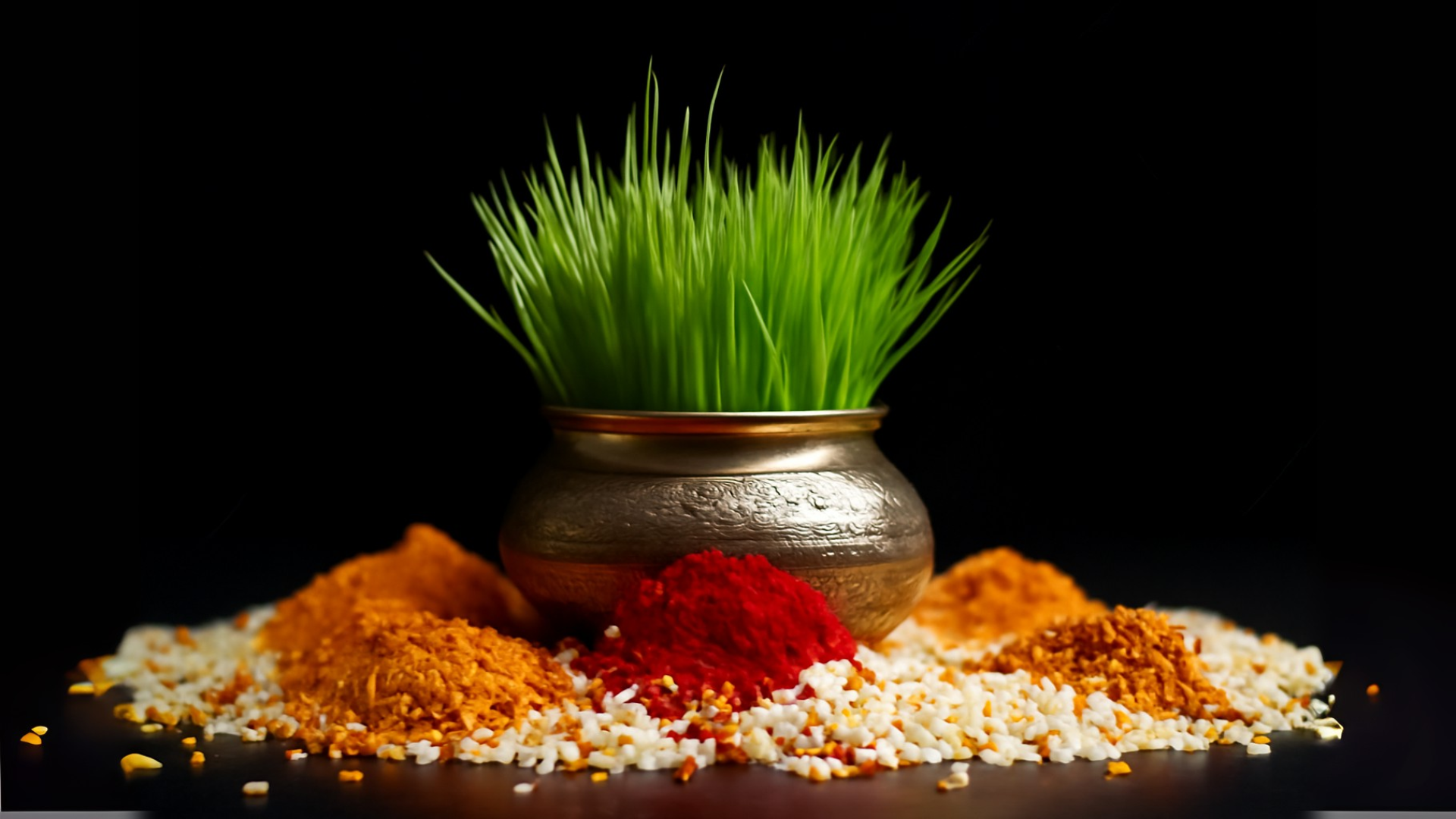
Upon hearing Dashain people envision a long holiday where people rejoice in flying kites, wearing new clothes, eating good food, and exchanging kind greetings with loved ones. The most powerful symbolic message is the celebration of the victory of truth and virtue against injustice. This auspicious festival starts with Ghatasthapana where people fill a vessel to the brim with sand. Then they sow barley seeds and maize while covering it in a pitch black room and worshipping it for 10 days.
Similarly, on the seventh day, Phulpati is observed in the form of Saptami and is commemorated by an official ceremony held in Dhulikhel. After that, the Fulpati parade is taken to the residence of the president of Nepal as he’s a leader of the country. Followed by the eighth day, Maha Asthami is devoted to the name of Goddess Kali, who is a manifestation of Goddess Durga. To appease the fiery rage of Kali, people tend to sacrifice hens, goats, and buffaloes in temples. Now comes the ninth day of Dashain Mahanavami where we remember Lord Vishwakarma who is famously known as the divine creator of the world. People spent their day worshiping their tools, equipment, and vehicles. Another value of this important day is the opening of Taleju Temple. Its gates are open to the public only on Mahanavami.
Commonly, it’s considered to be a nine-day festival and is called Nauratha or Navaratri. During this time, we dedicate our time to worshipping many avatars of Goddess Durga like Brahmacharini, Shailputri, Kushmanda, Chandraghanta, Katyayani, Skandamata, Siddhidatri, and Mahagauri. On the tenth day, to mark the end of the ritual, people distribute Prasad as sweets and Jamara. Not to forget the most exciting part for children, elders bless them with Dakshina (money). It symbolizes blessings passed down from one generation to another. To give the exact timeline, the tradition of receiving Tika and Prasad starts from Ashwin Shukladashami and ends on Ashwin Shuklapoornim.
The fifteenth day is the last of this festival and falls on a full moon day. Preserving the historical ethos of the vibrant festival, it concludes after staying awake for the whole night and following various proceedings in the name of Mahalaxmi. This night is popularly called Kojagrat Purnima. The actual meaning of Kojagrata is someone ‘who is awake.’ There’s a common belief that Goddess Lakshmi visits earth and she keeps tabs on people who stayed awake to worship her. She brings prosperity and luck to people who prove their unyielding commitment.
However, there are some superstitious elements at play during this season as well. Animal sacrifices are done in the name of the weapon, Maulo, and Kotpuja. Although this practice has been notably reduced, they are still apparent in some typical Nepalese neighborhood. Our values should lie in the fact that saving the lives of harmless creatures should be done even if the tradition says otherwise.
Overall, the Dashain festival represents Nepal as being rich in cultural diversity. The Malshree dhun is integrated as a piece of mainstream Nepalese music and represents the tune of Dashain. Since the start of Nauratha, the pleasant melodies of Mohalibaja, Fluit, Dhime, and Jhyamtebaja denotes the arrival of our most awaited festival.
Also, the appealing weather with warm and lovely sunrays in the daytime and foggy mornings make the festival even more joyous. It falls under the perfect time, the ending of the rainy season, and the beginning of the winter season.
The elements of bonding and family reunion make Dashain a valuable and memorable time for all. Other key aspect includes bonding, elder’s blessings, family reunion, and entertainment making it a heartwarming time spent with loved ones.
POPULAR ITINERARIES
SIMILAR POSTS
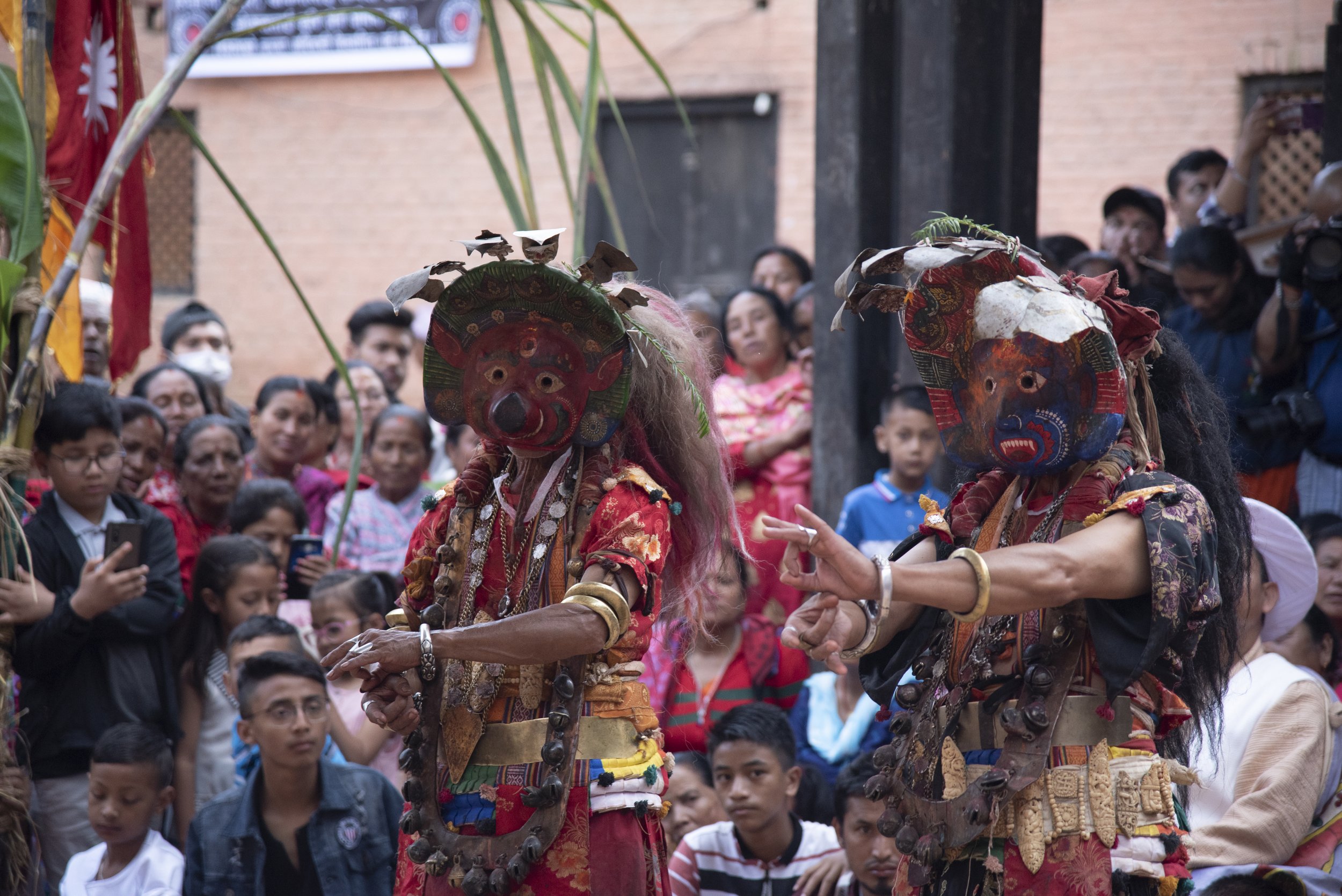
Sikali: A Unique Take on Dashain
While most of us rejoice for nine days in the most auspicious festivity of Dashain, people of the Newa community partake in a unique cultural blend in a historic town. For ages, the post-harvest celebration has had its own significance and this Newar festival for the people of Khokana is parallel to the ideologies of Dashain, ‘Victory of good over evil.’
Historically speaking, the festival is dedicated to the name of the goddess Sikali, more commonly known as Rudrayani and Ajima. Famously known for carrying the reputation of a healer in society, Sikali are guardians committed to being the protector of children. During the seven days long festivals starting from Ghatasthapana, Goddess Rudrayani is carried in a wooden chariot for a stroll throughout the village. She then rests in front of the Sikali temple where she belongs surrounded by religious copper vessels.
On the day of Fulpati, they commemorate the occasion with a special cultural dance in the heart of Khokana. In the Malla era of the 15th century under the ruling of the King, Amar Malla made various temples under the name Matrika’s (Mother Goddesses). Amongst them, Rudrayani, commonly known as Maheshwari became a well-renowned deity. A special temple was made in her name and the town of Khokana dedicated its life to her service. For that matter, the King selected Dangols and Maharjans and relocated them to Pachali Bhairav for maintaining and catering service. While establishing the foundation of the Kingdom, the city was famously known as Jitapur.
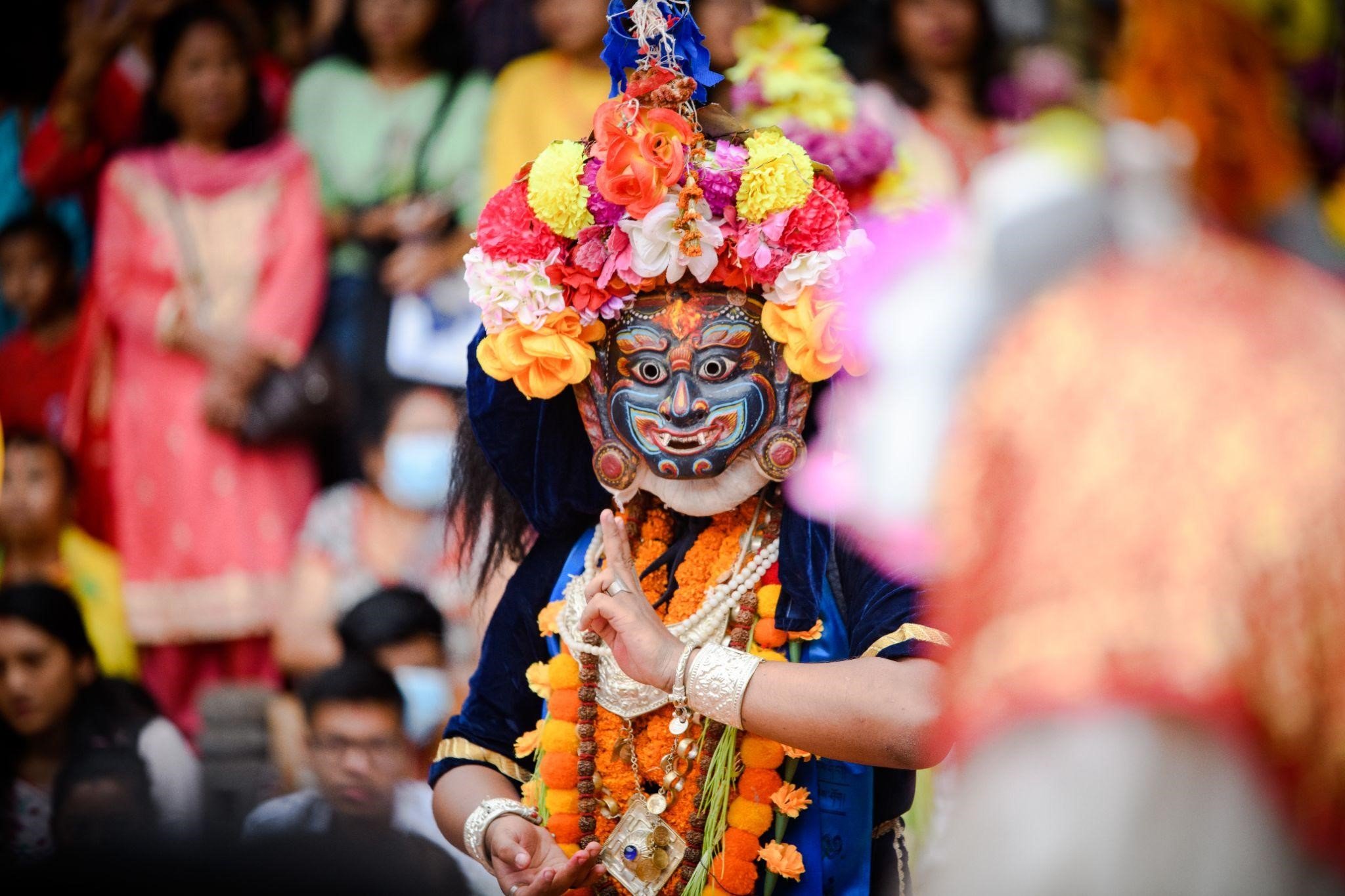
So, in today’s era, how is tradition conducted? Well, it is conducted by the prestigious priests with decorative ornaments and plain white robes. About 14 masked goddesses come together to perform a graceful dance with each other. Locals have strong faith that their devotion to protecting them and their town from grave calamities and misfortunes. Previously, the deeds performed in the festivity were also known to reduce the high child mortality rate in Nepal. It was a common myth before modern medicines and vaccines came into existence.
Talking about the origin of the word Khokana, it is a Newari word Khokana where “Kho” means to weep and “Kana” means to tell. Legend says that in this land a respected Maharjan priest of Pachali Bhairav residing in Kathmandu lost consciousness because of a high cold fever. The village Vaidya, in a state of shock and confusion, thought he was dead and was taken to the bankside of Bagmati for cremation. His wife joined beside him in the pyre following the historical Hindu practice of Sati Pratha.
A heavy downpour then resulted in everyone leaving the cremation and running towards the shelter. But surprisingly, as the pyre started burning, the priest gained consciousness. Thinking of this as a bad omen, the people of the locality didn’t allow both of them to enter the city again.
With nowhere else to go, they decided to make their living in Kudesh, ‘Ku’ meaning Bad and ‘Desh’ meaning country. There’s a hearsay that claims Goddess Sikali Devi blessed the couple and they started a new settlement on the northwest side of Khokana, the rest is history.
During the final day, a distinct performance is held by the elders of the community. Presented in an archaic form of storytelling, it involves traditional music with people in godly dress up and a mask of famous gods and notorious demons. This represents a great diversity of people coming together as one. A huge commotion is created by individuals to witness the auspicious occasion of Sikali being taken to the temple. The spectacles take blessing from her for health and prosperity. Even tourists from far and long come to get a glimpse of this holy entity.
POPULAR ITINERARIES
SIMILAR POSTS
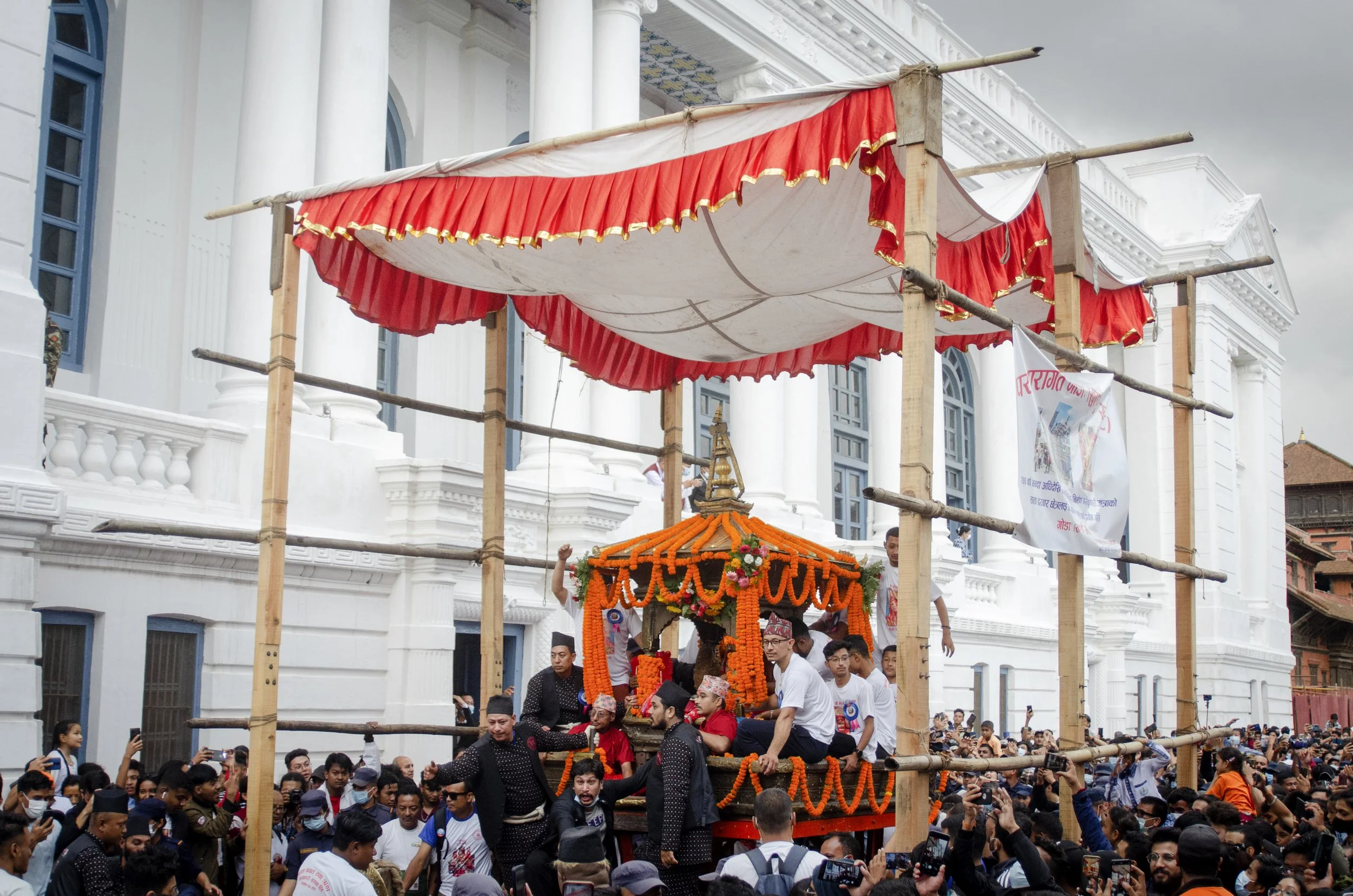
Yenya Punhi: A Jubilation of Kathmandu - Part II
According to legends, it is believed that the mother of Lord Intra required a Parijat( a white flower) to perform a ritual. For which Lord Indra descended to earth in search of the flower. He disguised himself as a commoner and while trying to take the flower out of the lawn of a Jyapu. He caught Lord Indra and held him captive blaming him of trying to steal. Lord Indra was imprisoned and not allowed to go back to heaven.
Regarded as the biggest festival of the then Kingdom of Nepal Valley, the true origin of the festivals are still debated. But this festival is believed to be founded during the Licchavi Era by King Gunakamadeva, the founder of the city of Kantipur (Kathamandu). The celebration of Indra Jatra is made of three different series of rituals: Kumari Jatra, Indra Jatra and Bhairava Jatra. Each have their own legends and ceremonial components but as a whole, turn the centre of Basantapur Durbar Square into a grand affair. The square is a sight to behold from the break of dawn till midnight, as the chariots of Kumari, Ganesh and Bhairava make there way through the inner city of Kathmandu. Every street comes to life with masked dances, merry music during the eight days of festivities.
According to legends, it is believed that the mother of Lord Intra required a Parijat( a white flower) to perform a ritual. For which Lord Indra descended to earth in search of the flower. He disguised himself as a commoner and while trying to take the flower out of the lawn of a Jyapu. He caught Lord Indra and held him captive blaming him of trying to steal. Lord Indra was imprisoned and not allowed to go back to heaven.
The mother of Indra grew worry some as her son hadn’t returned from Earth. Phul Khusi ( The Vahan of Indra) descended upon Earth to find his master and wondered around the streets of Kathmandu. During when a great festival was occuring in the Kathmandu and after hours of searching, Phul Khusi found Lord Indra. Phul Khusi took the news to heaven after which, his mother descended from heaven to free her son. She requested the villagers to release her son, but didn’t heed to her words. Only after Lord Indra reveled his true form. The mother of Indra made a promise to the villagers to give in return a final rainfall for their harvest to prosper and she would lead them to the gateway to heaven.
Accepting the conditions the villagers freed Lord Indra and let him go with his mother, a group of villagers followed them to the outskirts of Kathmandu to find the doorway to heaven. But Lord Indra’s mother tricked the villagers by putting forth a large mist which left the villagers confused and in dismay as Lord Indra and his mother went to heaven. To commemorate this event, during the celebration of Indra, a Dagi ( Procession) takes the same path every single year. “The circumbulation of the city is performed in order to reach heaven in the Dagi’s footsteps to meet the dead relatives. The families scatter grain by the wayside so that they would not forget the way home. One finished, they throw what remains of there offerings in a plce called Bhuta Satta, near Kasthamandap, and wash their faces at Maru Hiti fountain. Afterwards, they either return home or go to bathe in Indra’s Pond ( Yamki Da), which is located on a hill 12 kilometers west of Kathmandu.” Toffin,1992,86)
The festival of Indra Jatra is a feast to all senses, the air is scented with the smell of incense, and the sound of drums and traditional instruments tranquil once ears. For the eyes, one can behold the procession of Living Goddess Kumari along with Lord Ganesh and Lord Bhairav. The chariot is pulled for three consecutive days. The first day is known as Kwaneya during when the chariot makes its way from Basantapur, Maru, Chikanmugal, Jasidewal, Lagan, Bhimsensthan, Baru and ends at Basantapur. The second day is known as Yenya Punhi on which the chariot procession begins from Basantapur to Pyaphal, Nyata, Tengal, Nhyaokha, Nhaikan Tol, Asan, Kel Tol, Indra Chowk, Makhan and ends at Basantapur. The final day of the procession is known as Nanichaya, the chariot is pulled by revellers from Basantapur tp Pyaphal, Yatkha, Nyata, Kilagal, Bhedsing, Indra Chowk, Makhan and ends at Basantapur.
During the festival of Indra, various idols and masks of goddess are taken out of their normal abode to be exhibited to the people. The most prominent of which are the Sweta Bhairab mask and the idol of Akash Bahiran. Similarly an image of Indra is displayed at Maru and Indra Chowk. Various forms of dances such as of Lakhe Aju, Mahakali Naach, Halchowk Bairab, Phul Kushi, Devi Kyakhan are performed on specific days and nights of the festival.
POPULAR ITINERARIES
SIMILAR POSTS

10 Essential Things To Do In Kathmandu Valley - Part II
The valley- is an astonishing amalgam of religions, culture and heritage. It isn’t just the political centre point of our nation but also the melting pot where you can discover the country through one beautiful melting pot.
In the previous article, we mentioned visiting the Hanuman Dhoka Palace Museum and hunting down UNESCO World Heritage sites of the valley. In this part, we shall explore more activities.
3. Visit Chandragiri
Chandragiri is a popular hill station in Kathmandu Valley. Before the gondola transportation system, this region was under the radar. This point is a great vantage to see the valley basin. It also has historical significance.
The hills are 16 km from central Kathmandu. A drive or ride would face South-West. It is situated at an altitude of 2551 metres, making it the second highest hill point in the valley after Shivapuri at 2732m. The last two hills are Pulchhowki at 2695m and Nagarjun at 2095m.
If a gondola isn’t your cup of tea, you can hike, drive or ride to reach the top. The trip would be nothing short of an adventure as the terrain is uneven and rocky.
From the highest point in Chandragiri, depending upon the season, you can see numerous peaks of the Himalayan Range. During perfect weather, you can even see Mount Everest.
4. Indulge in the local cuisine
A diverse cultural scene equals culinary diversity. The melting pot of Kathmandu Valley has establishments that serve numerous ethnic cuisines. Even though it might seem like fast food and Newari cuisine dominate the landscape, it is not true. With a bit of research, you can create a beautiful culinary exploration map to try mouth-watering delicacies.
Two regional cuisines are dominant- Thakali & Newari. Thakali flavours are from Western Nepal, and their staple dish is a divine Thali.
The second cuisine is of the indigenous inhabits of the Kathmandu Valley- The Newars! Their stride in the crafts can be seen in the iconic squares, whereas their exceptional choice of taste is visible in their assortment of dishes.
The Newar cuisine represents the migratory roots of the Newar people. Multiple ingredients were brought to this valley by merchant families during their trade adventure. Some dishes are similar to out neighbour nations. However the Newar touch makes the version available in the valley unique.
Other ethnic groups as Rai, Tamang, Sherpa have their eateries set up in this valley. They stride to serve you an authentic taste using native ingredients and spices.
VIDEO GALLERY




POPULAR ITINERARIES
SIMILAR POSTS
10 Essential Activities In Kathmandu Valley - Part I
The valley of Kathmandu at times feels like a chaotic amalgam of traditional and modern culture. This transitional era of Nepal has given birth to numerous activities in the Kathmandu Valley both traditional and modern
The Valley of Kathmandu is home to numerous cities. The most popular are Kathmandu (Capital of Nepal), Lalitpur, Bhaktapur & Kirtipur. These three, along with their confederate states, were considered the Kingdom of Nepal (Nepal Mandala) before the formation of the modern kingdom of Nepal by King Prithvi Narayan Shah.
In 1769 AD, after the successful assault on Bhaktapur where he had cornered all the (King Jaya Prakash Malla of Kathmandu, King Tej Narsigha Malla of Patan & King Ranjit Malla of Bhaktapur) claimed victory over the valley.
King Shah made the valley a focal point of his expansion campaign due to the power and treasures accumulated by the Malla kings. Once conquered, the Malla controlled checkpoints, and their treasures and strategic forts now belonged to King Shah.
1. Visit The Hanuman Dhoka Palace Museum
The history mentioned above is just a teaser of the rich political past of Nepal. King Shah, after 1769, moved to the former royal palace of the Mallas. This valley later became the centre of his political and military advance. He and his descendants walked the halls of this palace museum, once a glorious palace home.
This palace museum hosts well-preserved artefacts, relics and reliefs of the bygone era of Nepal. This place is the perfect place to start your deep dive into rich cultural, political and military history.
2. UNESCO Heritage Site Hunt
The valley of Kathmandu is home to 7 of the 10 listed UNESCO World Heritage Sites of Nepal. The list goes as follows:
These sites are in close proximity to each other. You can explore them with ease. During your visit to these iconic sites, absorb as much of the place as possible.
The furthest location on this list is the magnificent temple of Changu Narayan. Historians believe that this temple is the oldest in Nepal. Some sources are that it was built during the 2nd century during the Lichhavi rule. However, the local experts state that the temple is much older.
In the upcoming blog, we shall explore more essential activities for Kathmandu Valley.
VIDEO GALLERY
POPULAR ITINERARIES
SIMILAR POSTS
Trekking Annapurna
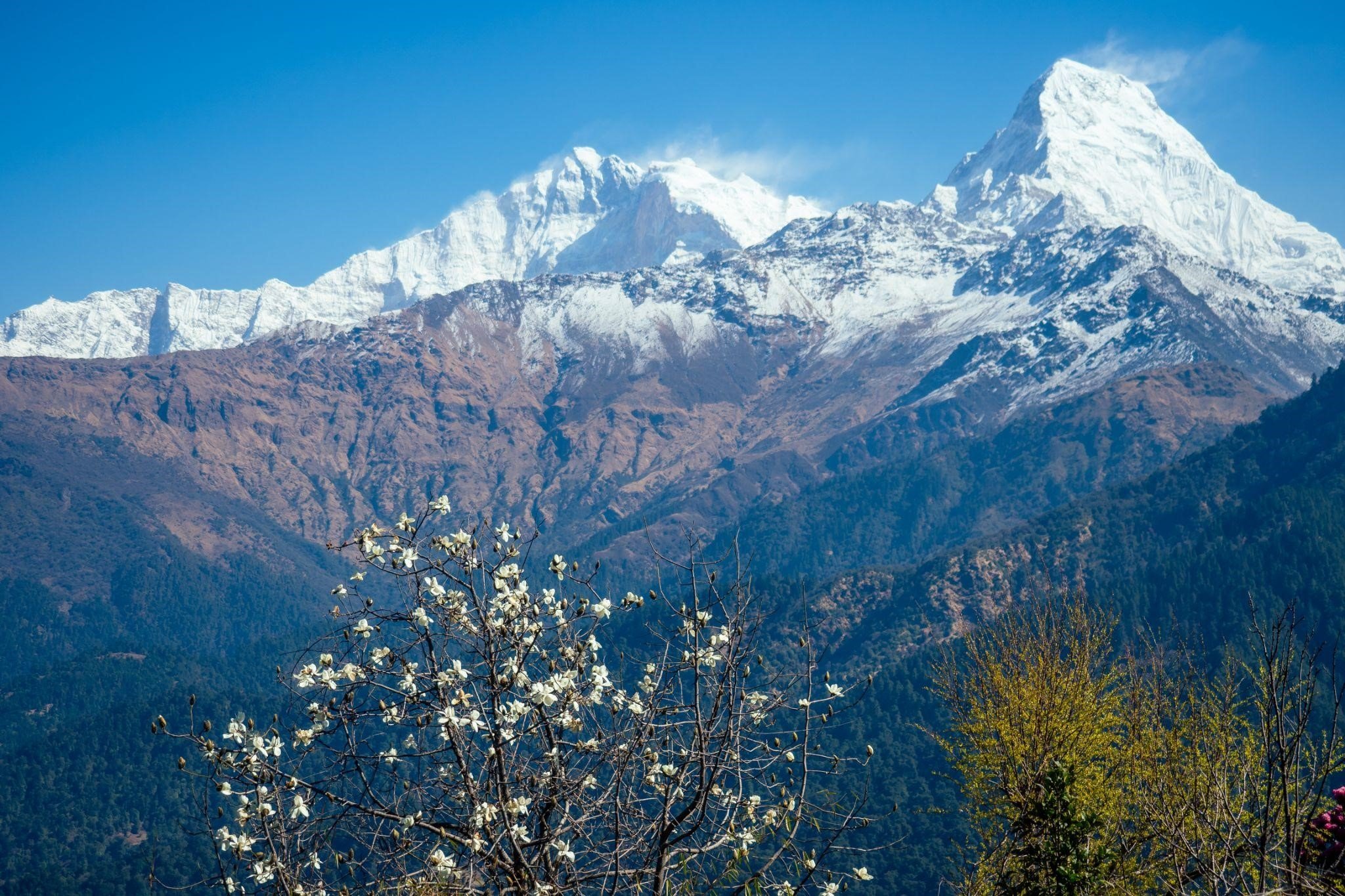
The Annapurna region of Nepal is a surreal gem of Nepal. This region is home to ample natural beauty, flora and fauna. This region today features the most traversed trails in our nation.
Annapurna- the giver of food and nourishment! The region named after the snowy peaks of Annapurna stands true to its name. Since time immemorial, these mountains have been the source of the elixir of life- water! The stream and rivers that flow from these mountains helped shape its unique lifestyle and beauty. Even today, these mountains and their ecosystem provide bread and nourishment to numerous families all over Nepal. The world comes to witness this natural yonder and traverse its beaten trails.
The gateway to this immaculate wonder is the peaceful lake town of Pokhara. This picturesque valley is a bustling tourist hub featuring ample amenities set up to cater for the flock of adventurers and trekkers who descend upon this valley all-around the year, especially during spring and autumn, to escape in the tranquil lap of nature.
Every day and every mile in this region is a new adventure here. The diversity of ecosystems and terrain is out of this world. The Annapurna Conservation Area begins at 790 m above sea level and reaches 8,091 m at the summit of Mount Annapurna I, the 10th tallest peak in the world.
Enchanted forests, magical high passes and breathtaking scenes await a traveller in this region. Some of the most popular treks in the region are as follows:
Poonhill Trek
Basic Itinerary Days: 4-5
Route: KTM-PKR (Flight)-Naya Pul (Drive)- Tikhe Dhunga- Ghorepani- Tadapani- Poonhill (morning hike)- Ghandruk- Naya Pul- Pokhara (Drive)- Kathmandu (Flight)
Trek Style: Tea House
Max Elevation: 3210m
Attractions: Poonhill view point, sunrise view, culture and lifestyle of gurung people, panoramic mountain views
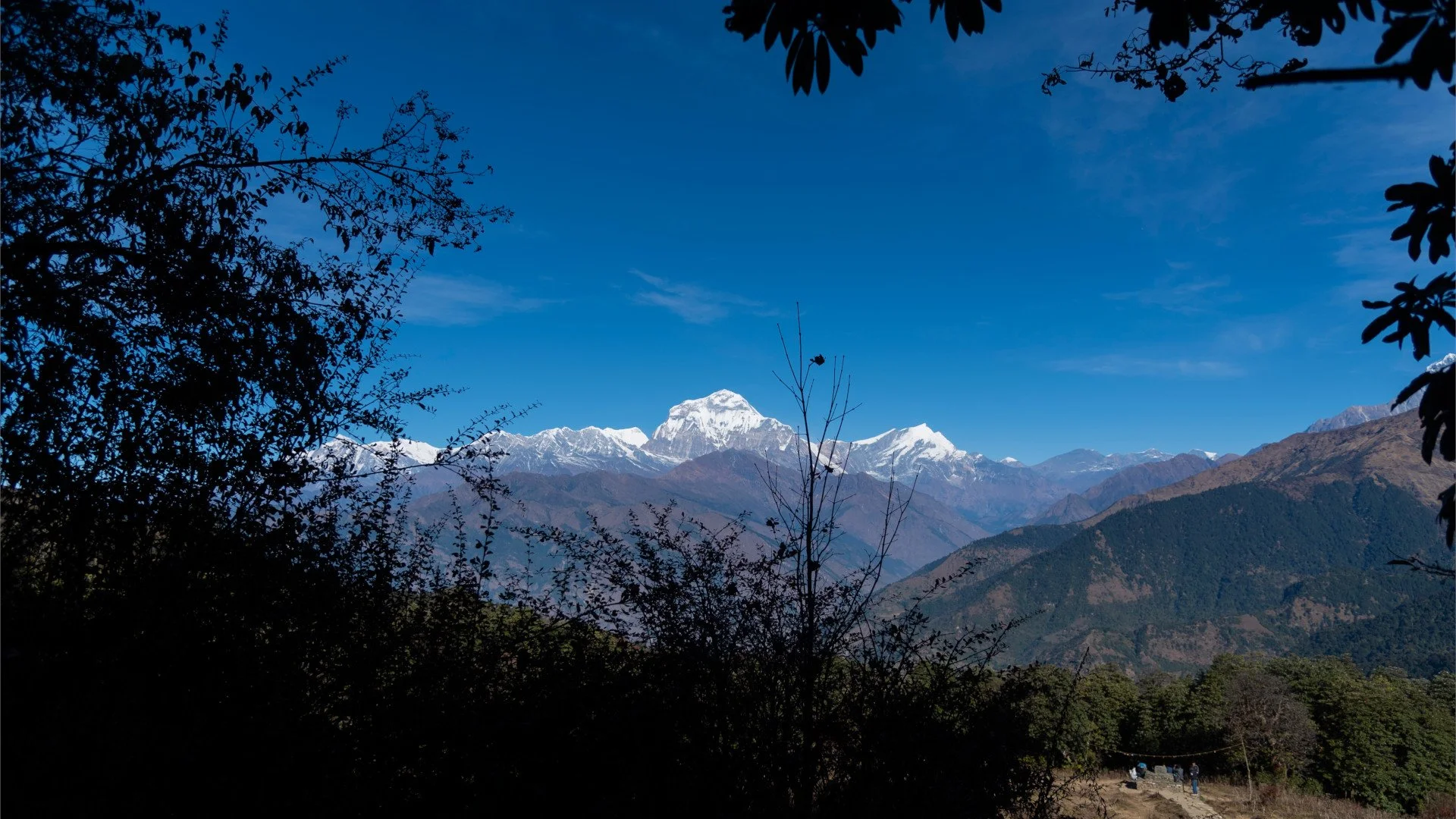
Ghodepani is synonymous with Poonhill, the magnicent mountain viewing station literally takes ones breath away with surreal views of the Annapurna Range and Dhaulagiri Range. A strenuous trek of 5 days bears the fruits of beautiful opportunity to experience the himalayan lifestyle and indulge in the beauty of the Himalayas.
The Ghodepani Circuit is part of the larger Annapurna Circuit which starts from Besiahar Lamjung and ends in the pareses known as Pokhara. The 21-26 day tour is a stretch that most cannot endure thus the Ghodepani Circuit though challenging is short enough for most to conquer and experience the Himalayas.
Lower Mustang Trek
Basic Itinerary Days: 9 Days
Route: KTM- PKR- Jomsom ( Flight) - Kagbeni (Trek) - Jharkot (Trek) - Muktinath (Trek) - Lupra (Trek) - Jomsom - PKR (Flight)
Trek Style: Tea House
Max Elevation: 3795 M
Attractions: Red Gompa, Apple Orchids, Muktinath Temple, Panoramic Peaks View, Thak Kola, Bonpo Monastery, Sayka Gompa
Best Season: May- Nov
The barren landscape of Lower Mustang at times can feel like an otherworldly experience. With its rustic atmosphere, barren hills and tantalizing view of the Himalayas, it also offers the travellers an opportunity to experience the traditional lifestyle of the Thakali people who have called this region home for thousands of years. A far and easy trail which departs from Jomsom, with moderate altitude climbs and features a fair trial for all to enjoy.
Royal Trek
Basic Itinerary Days: 5 Days
Route: KTM- PKR (Flight/Bus)- Bijayapur (Drive)- Kalikasthan (Trek)- Syaklung(Trek) - Chisapani(Trek)- Sundare Danda ( Trek) - Pokhara (Drive)
Permit: Basic Permit (T.I.M.S)
Cost: USD $25
Trek Style: Tea House
Max Elevation: 1730M
Attractions: Lakes such as Rupa, Begnas and Fewa, Rhododendron Forests, Panoramic Peaks View with mountains such as Dhaulagiri, Manaslu, Machhapuchhre, Annapurna and it’s sisters.
Best Season: September - December and March to May
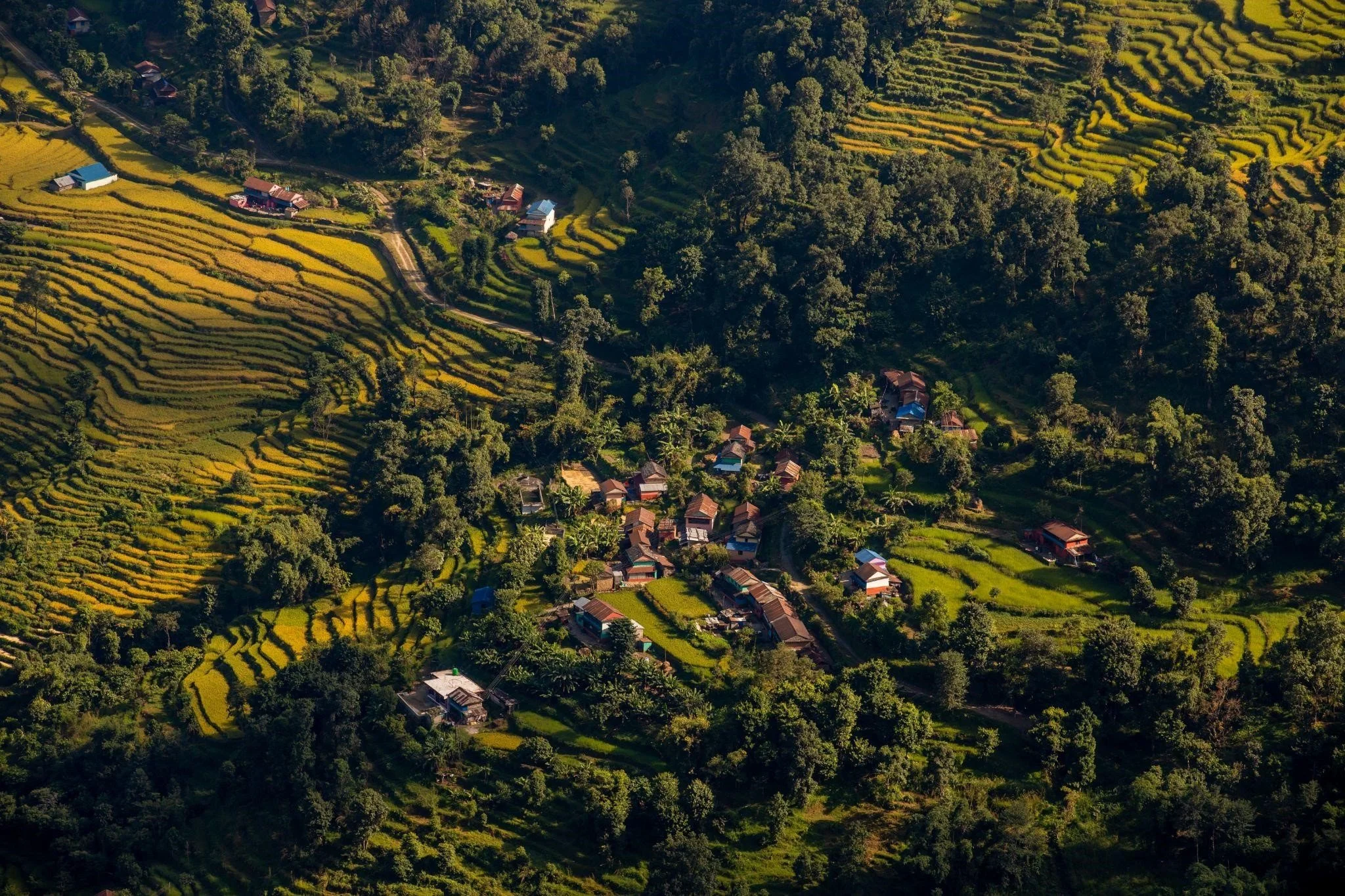
The trail gets its name after Prince Charles and his entourage explored Annapurna region through this path in the early eighties. One of the most popular short trails in Annapurna Conservation Area, the basic itinerary of 5 days is great for adventurers who don’t have much time but still wish to explore the region. Located in the North-Western side of Pokhara, the trails of Royal Trek allows you to experience the majestic mountains of Machapuchre, Manaslu, Annapurna, Lamjung Himal and Dhaulagiri and others. It also provides you with an opportunity to witness the life of the ethnic communities of Gurungs and Magars.
The trek passes through beautiful Gurung hamlets, where one can indulge in the traditional lifestyle, culture, and traditions of the Gurung people which they have preserved and maintained even till this day.
VIDEO GALLERY