
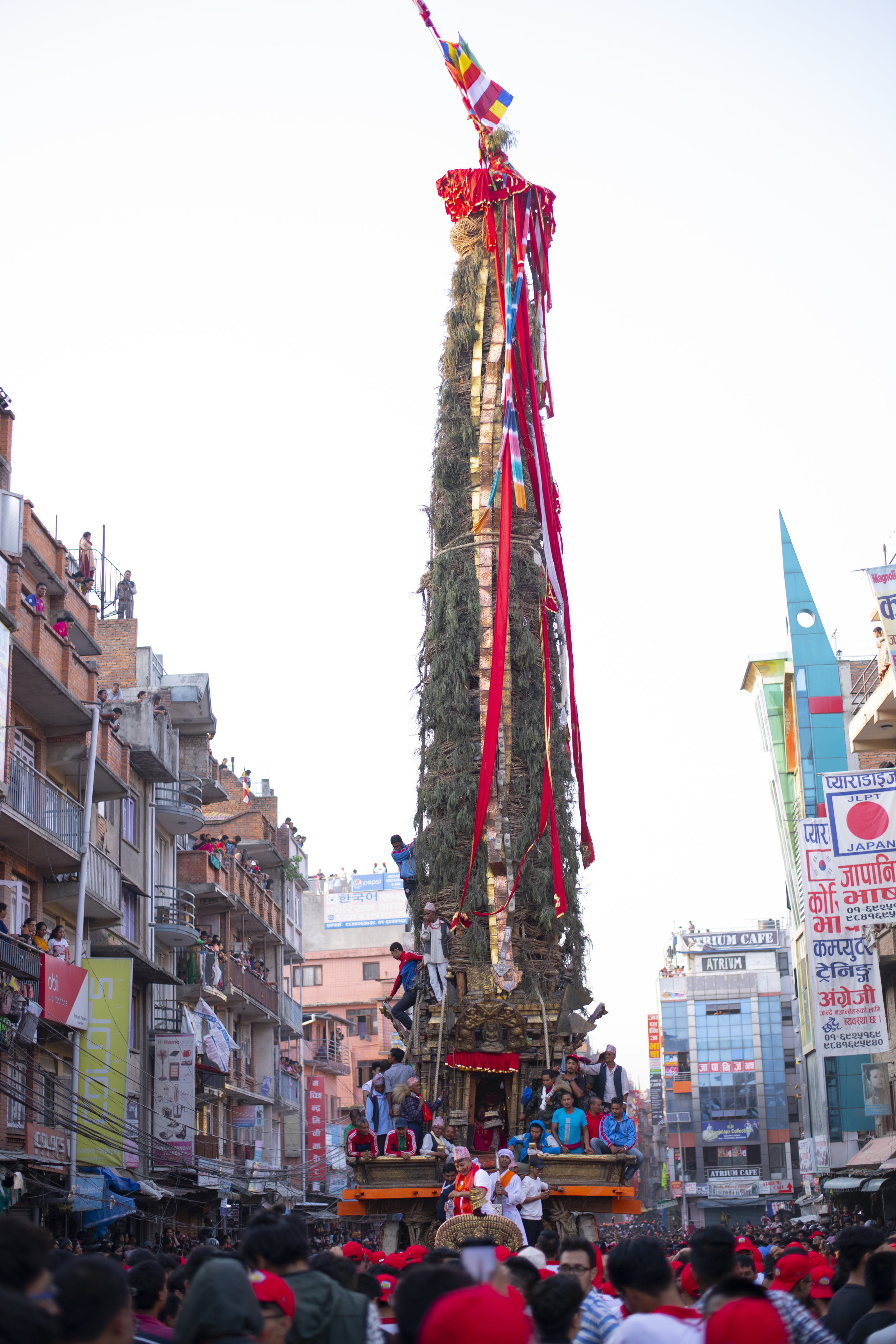
The Festival of Rato Matsyendranath
The legend of a giant chariot festival began with the Kingdom that drought for years causing misfortune and chaos as a result of disrespect to Gorakhnath. And, how Matsyendranath through devout and prayer, guru of Gorakhnath protected the valley with rain for the harvest, pulling the chariot and celebrating the coming of Lord Karunamaya.
Rato Matsyendranath Festival in Nepal
As you look up at the pinnacle you can't help but marvel at the feat of architecture that is achieved every single year. You can't help but fathom and hold a breath when the revellers put all their hearts and strength to pulling the chariot to the words of, "Haste Haiste."
The annual chariot festival of Rato Matsyendranath in Nepal, dubbed the longest chariot festival is the biggest chariot festival for the people of Lalitpur. The deity known by various names in various regions and religious doctrines, Bunga Dyo(God of Bungamati), Matsyendranath(In Hinduism), Aryavalokiteswara Padmapani(In Buddhism) and Karunamaya(In Newar Pantheon) is celebrated as the god of rain, protector of the city and lord of prosperity.
The origins of the chariot festival is entangled with a great tale of devotion, endevoured to relieve the kingdom of a drought that had stricken the city for twelve years. One of the best documented legends, the tale of bringing Karunamaya to the valley kingdom of Nepal dates back to the Lichhavi Era. During when, a drought which had caused great chaos and misfortune caused by the disciple of Karunamaya, Goraknath who had been meditating atop the naags(Snakes) to achieve great blessings from Karunamaya.
King Baradeva, son of Narendradeva struggled to relieve his kingdom. With every measure taken and none yielding the gift of rain. The King then left his court in secret, disguised as a commoner to listen to his people. He eavesdropped upon the elders to know his people’s pain and if the elders had a way out of this. One night, the King went to Triratna Bihar where an Acharya named Bandhudatta lived. The King eavesdropped upon the conversation he was having with his wife. The wife asked, "Acharya, what is causing this great drought? Is there no remedy?" to which the Acharya replied, "The only one who is able to put a stop to this is Aryavalokiteswara, who resides in the Kapotal mountain; and he can be brought only by the prayers of the ruler of the country. Now the Raja is young and foolish, and the old man his father, Narendra-Deva is living in a lonely Bihar because he and his son do not agree."
"There was still hope, not all was lost." The King went back to his palace, and the next morning he went to visit his father at Ak-Bahal in Bhatgaon. King Bar-Deva must have hesitated for some time, for he was to meet his father who left the riches of the Kingdom for a life of meditation and harmony. He sat with him and told everything he had heard at Triratna Bihar. "We must act now. I may be a King by the crown but you are my father. This is your Kingdom, if not for me then for the people you must."
The Acharya was summoned to the palace. He was asked to relieve the distress upon the Kingdom for which the Acharya promised he do everything in his power. But, he would not be successful without his Yajamana(King) for which Narendra-Deva left with the Acharya. The Acharya instructed King Bara-Deva to take a large supply of offerings and halt at a spot south of Patan where they will find a Dolana Tree. Here they were to perform great ceremonies and offerings, starting with one thousand and then up to ten million.
As the Acharya foresaw the journey ahead, only one element remained, for which he performed a purascharana (prayer) reciting the mantra one crore times. The winds must have howled and the sun beamed away from trees as Jogambara-Gyana-Dakini appeared. The goddess pleased promised to offer her assistance. The Acharya then ascended the hillock upon which Gorakh-Natha was in devout meditation and was performing Nag-sadhana (bringing the Nags under his control). He freed Karkotak Nag from his grasp. And thus they began the journey to bring home the Aryavalokiteswara- Matsyendranatha, in the native dialect called Karunamaya - the Lord of Compassion.
Encountering many frights placed along the way - bad terrain and high rivers - the Acharya took assistance from Karkotak Nag riding on its back to overcome the mighty rivers. When they reached Kapotal mountains the Acharya performed purascharana to invoke Aryavalokiteswara. They then came to know that Aryavalokiteswara resided in the home of a Yakshini (Demon Queen) who was known as Gyana-Dakini. The Acharya recited mantras to summon Aryavalokiteswara, but just as he was about to go to Bandhudatta, his mother prevented him. Aryavalokiteswara thus transformed himself into a large black bee and entered into the kalas. As the party was about to leave, Gyana-Dakini, with numerous gods, yakshas, and devils, attacked Bandhudatta who called upon the gods of Nepal for assistance. The Queen thus gave into the gods of Nepal and let the party leave for the valley of Nepal.
The kalas, in which Aryavalokiteswara resided, was carried by four Bhairava, Hayagriva, Harisiddhi, Lutabaha, and Tyanga. They entered the valley through Kotwal Dwar where the valley had been drained by Boddhistva Manjusri, whereupon the back of Karkotak Nag they crossed the grear river. Thereafter plentiful rain fell in Nepal, as they moved towards the valley center. At a certain spot Harisiddhi Bhairava in the shape of a dog barked and said, "Bu"" which the Acharya explained to the King to mean "Birth-Place." Thus in consultation with the King they built the city of Amarapur (Bungamati) where he placed the kalas in a temple. They assigned priests and plentiful land for the maintenance of the city and the temple.
They then made their journey to Lalitpattan (Lalitpur) when they decided to institute a rath-jatra with an image of the god. The image created from the earth from Hmayapido mound (across Balaju) is believed to be the chaitya of Swayambhu that was built from the same mound. After this they took the image to Amarapur (Bungamati) to worship it and then the spirit of the god was transferred to the image.
Bandhudatta Acharya then established all the rites of worship. He stated that the image of was to be brought from Amarapur (Bungamati) and to be placed facing the northern hemisphere and kept in Tirtha Bihar (Te Bahal) The image was to be bathed on the 1st of Chait Badi and be kept in the sun on the 8th. On the 12th and 13th the das-karma was to be performed. On 1st of Baisakh, Sudi was to be placed on a rath and taken around the city of Lalitpattan (Laitpur) and later be taken back to Amarapur (Bungamati).
Thus began the festival of Karunamaya. Today known as Rato Matsyendranath, the festival is still conducted still upon the very set of instructions issued by Bandhudatta Acharya. The rath (chariot) is a marvel of architecture symbolizing the elements of how Aryavalokiteswara was brought into the valley of Nepal. The four wheels represent the four Bhairavas that carried the kalas from Kotpal (the mountains near Kotwal Dwar) to the valley. The Gyo Si, or Dhoma (longinsh piece of wood protruding outward) represents Karkotak Nag, upon the back of which all obstacles are overcome. On the forehead of Karkotak Nag is a bronze face of Hawo Grawo Bhairava who is believed to ward away all obstacles during the chariot festival. The image of Karunamaya is placed at the center of the chariot atop which is a log of sal (pine) held by traditional rope with a wooden joint core. It is said to symbolize the Shikhara temple of Karunamaya at Bungamati. The pinnacle is topped by a Ba: Mwo (circular base created with traditional rope) atop of which the Swayambhu yantra is placed.
Worshipped as the Lord of compassion and rain, the chariot festival of Karunamaya begins from Baisakh Chaturthi and is dubbed the longest chariot festival in Nepal. Devotees flock in numbers to worship and take part in the chariot festival from all over Nepal. The festival ends with the ceremonial display of a Bhoto and the image of Karunamaya is placed in a palanquin and taken to Bungamati. This is where Karunamaya resides for the next six months after which the image is brought to Patan and placed in Te Bahal.
The love and compassion shown by Karunamaya through the protection of the valley and provision of plentiful rain for the harvests is returned by the people of the valley through devout worship and prayer. It is not just a festival for the gods but also a medium of communal gathering and celebration which has helped built strong communal bonds between communities of Patan. In turns they pull the chariot of Karunamaya through the passages of the city of Patan, celebrating the coming of the Lord and rejoicing in the grace of Aryavalokiteswara Karunamaya Padmapani.
Similar Posts
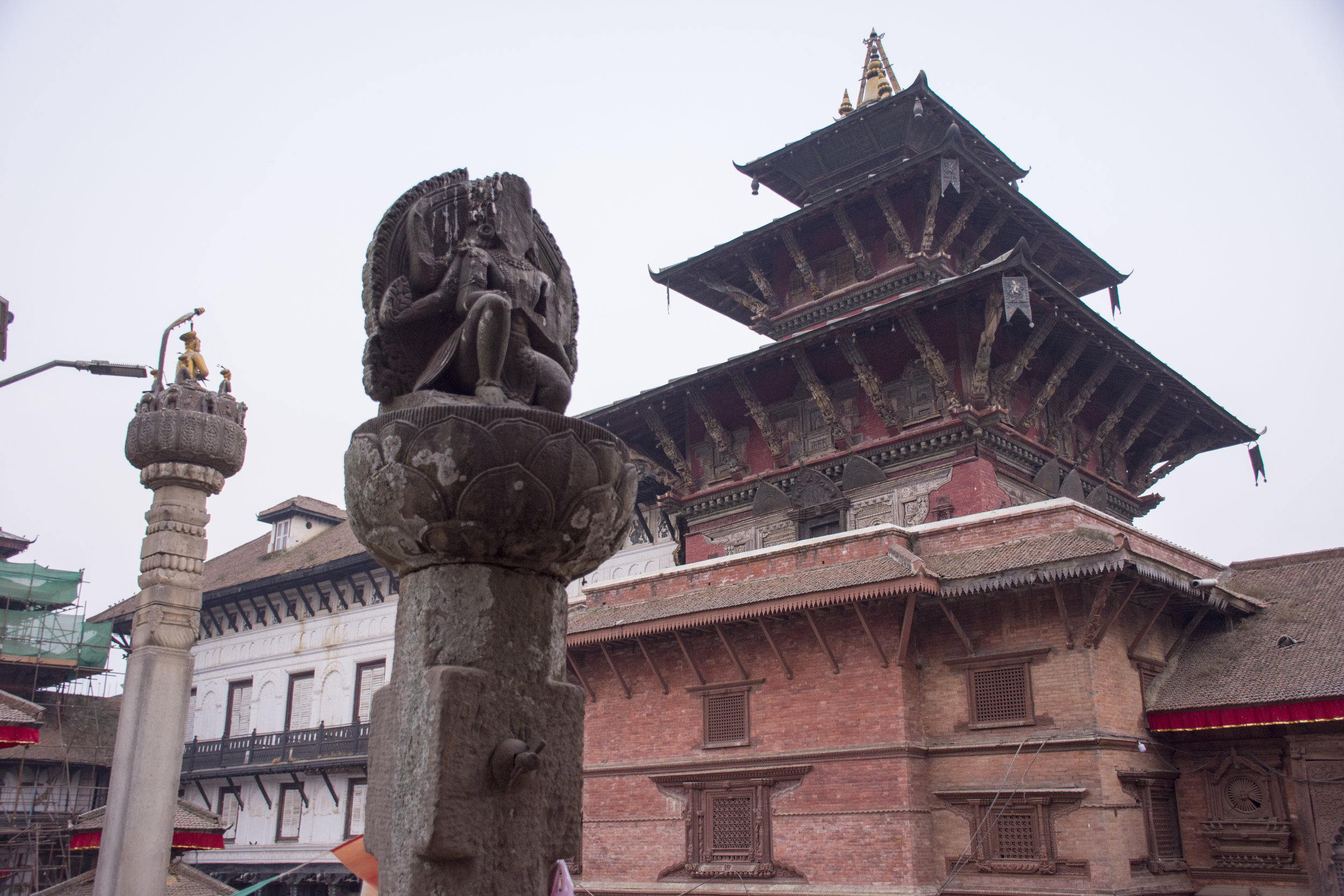
UNESCO Heritage Edition: Kathmandu Durbar Square
Nepal is a country known for many things, be it the rich culture and colorful traditions, the diverse harmony of all religions and beliefs, the abundant natural sceneries, and the unique story of its history. Within the heart of all these features is the diverse love of art and architecture mixed thoroughly with religious beliefs and imagery. Filled with immense architectural beauty that have stood the test of time, the prime examples of the brilliance of such creations lie within three places around Nepal valley.
Nepal is a country known for many things, be it the rich culture and colorful traditions, the diverse harmony of all religions and beliefs, the abundant natural sceneries, and the unique story of its history. Within the heart of all these features is the diverse love of art and architecture mixed thoroughly with religious beliefs and imagery. Filled with immense architectural beauty that have stood the test of time, the prime examples of the brilliance of such creations lie within three places around Nepal valley.
Nepal has a rich cultural history that is tangible in the country’s architecture, traditions and festivals. The UNESCO World Heritage enlists 10 sites from Nepal, due to the history, architecture, global importance and need for conservation.
Divided into three squares in three corners of the valley, Patan Durbar Square, Bhaktapur Durbar Square and Kathmandu Durbar Square portray the unique blend of art, architecture and tradition all at once. Kathmandu Durbar Square lies in the heart of the capital, and despite the earthquake that shook Nepal in 2015, it is still as lively as ever.
Kathmandu Durbar Square was originally formed from the palaces and courtyards of the old Malla and Shah kings. Durbar Square literally means "Place of Palaces." The oldest temples were built in 1560-1574 by King Mahendra Malla, though the oldest palaces date back to the 3rd century. The square was still used for royal ceremonies up until 2001. Today Kathmandu durbar square is still used for official religious ceremonies including that of the Kathmandu Kumari (living goddess) whose residence is located there. Many of the intricate temple carvings on the roof struts in durbar square depict scenes of erotic art.
Entrance fees for Non-Nationals are set at Rs.1000 and Rs.150 for SAARC Nations. The square is riddled with tiny gullies and souvenir shops. Non-Nationals should be aware of hustlers and possibilities of being scammed, so before buying something just ask around a lot of stores best stores at opposite ends of the squares.
An unbelievable 50 temples lie within the vicinity including the temple of the titular deity, Taleju Bhawani. The Durbar is divided into two courtyards, the outer Kasthamandap, Kumari Ghar, and Shiva-Parvati Temple, and the inner section consisting of Hanuman Dhoka and the main palace. Some floors have been converted to museums dedicated to three generations of Shah kings. Most parts of the palace premises are open to tourists throughout the week.
Some important monuments to see in this area are: The Taleju Temple is the tallest of all structures, built by King Mahendra Malla in 1549 AD. This temple is open to the public for one day each year during the Dashain festival.
The Jagannath Temple, built in the 16th century is known for the fascinating erotic figures carved on the wooden struts.
The Kal Bhairav, one of the largest 17th century stone statues in Kathmandu, representing the terrifying aspect of Lord Shiva.
Swet-Bhairav - the temple is open to the public once in year during Indra Jatra Festival. The 17th century Kumari Temple (the temple of Living Goddess) is an example of highly developed Nepali craftsmanship.
Kaandasthamp, from which Kathmandu derives its name, is said to have been built from the timber of a single tree.
Nau-Talle Durbar (the nine storied palace).
Mul Chowk, as the occasional abode of the goddess Taleju, is opened to Hindus once a year when, on the ninth day of the Dashain Festival, hundreds of buffaloes and goats are sacrificed to the goddess. Bhandarkal is a botanical garden created by King Pratap Mall in the mid 17th century. With its diverse flora, Bhandarkal is a treat for nature lovers and ecologists. The garden has been named after a seven-storied palace that possesses a statue of the Sleeping Vishnu, Jalashayana Narayan.
Reliving History on the Daha Chowk Hike
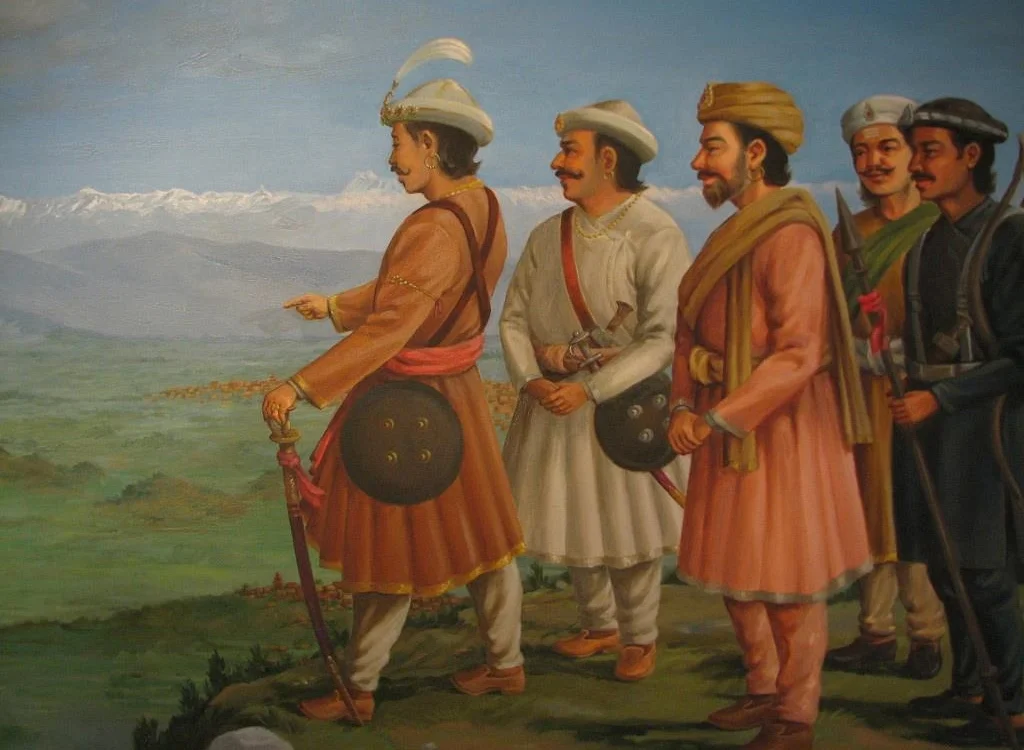
Up on the hills, near a village called Daha Chowk, is where lies the tomb of one of Nepal’s greatest generals, Kazi Kalu Pandey.
After the death of his father, Nara Bhupal, Prithvi Narayan Shah (1723-1775) became the king of Gorkha on April 3, 1743. A young man brimming with farsightedness and determination, his overriding ambition was to enlarge his small kingdom. And so, he set about conquering other kingdoms, a campaign that eventually led to victory over many of the 22 kingdoms known collectively as baisi raijya, as well as the 24 kingdoms known as chaubasi rajya west of Gorkha, the Sen kingdom in the east, and Kathmandu Valley. In 1769, he shifted his capital to Kathmandu, and named his unified kingdom as Nepal.
His conquest of the Valley was the most challenging of his entire campaign. In this endeavor, one of his most strategically valuable conquests was that of Nuwakot. It was not an easy task, and his army was repelled on the first try. Not only was his army ill-equipped, there was another reason for his defeat—his two ablest supporting clans, the Pandeys and the Basnets, were at loggerheads. The king decided that unless he settled their dispute, he wouldn’t be able to go far. So, he promoted the leader of the Pandeys, Kalu Pandey, to the post of Mul Kazi, equivalent to the post of a prime minister. Now, Kazi Kalu Pandey was one of the most war-savvy and bravest warriors around, and he put in his all to win Nuwakot for his king, which he did on Oct 2, 1744.
This was the beginning of the end for the various kingdoms of the Valley. Kazi Kalu Pandey’s strategy was to blockade the Valley by taking over strategic positions on the surrounding hills. In the next two years, the Gorkha army under his generalship seized important sites such as Pharping, Shivapuri, Mahadevpokhari, Chitlang, Naldrum, Dharmasthali, and Siranchok. He then made Kirtipur the center of his attention because he reckoned that its subjugation would ease the conquest of the whole Valley. However, the Kirtipur army was a tough nut to crack, and on December 4, 1757, during the first attack on the town, Kalu Pandey was killed, and the king himself nearly beheaded. It was the worst possible thing to happen to an army at war, the loss of its greatest general, a warrior of legendary proportions. The Gorkha army’s second attempt in August 1765 was also repelled. A severe blockade was the applied, which resulted, finally, in Kirtipur’s surrender on March 17, 1766.
To say that Kazi Kalu Pandey was one of the foremost figures responsible for the unification of Nepal would not be an understatement. He inspired great confidence in his soldiers as also in his king, and it was due to his excellent strategies that King Prithvi Narayan Shah could fulfill his ambition of creating a single country out of numerous smaller kingdoms. The body of the legendary Kazi Kalu Pandey was buried in a place called Daha Chowk of Chandragiri Municipality, Kathmandu District.
Knowing a bit of the country’s history and Kazi Kalu Pandey’s role in it certainly makes the day-long hiking trip to this historic place more interesting. The hike begins from Thankot, goes through Naikap and Balambu, and then carries on up a steadily climbing dusty road towards Daha Chowk. The route is lined with rhododendron trees, and the thickly-wooded Chandragiri hills present an imposing backdrop. By and by, your hike finds you walking up a set of stairs, at the top of which is a small hexagonal temple dedicated to Goddess Bindabasini. Originally, before the statue of the goddess was made, a tree stub used to be worshipped instead as the Baan Kali deity, and the story is that this is where King Prithvi Narayan Shah prayed for success before embarking on his conquest of Kirtipur.
Passing the temple, soon enough, you come to a pasture, and it too is a part of history due to the fact that the king’s army did their drills here to keep themselves in shape for the upcoming attack. Up ahead is a small settlement called Indrasthan where there’s a communication tower guarded by some soldiers. This tower’s history isn’t good; in 1999, a passenger plane flying the domestic route crashed into it, killing all 15 onboard. After walking for some more time, you come to the village of Daha Chowk, where there’s a sacred pond called Indra Daha, and nearby, at some 10-minutes walking distance, the tomb of the man who helped make King Prithvi Narayan Shah’s dream come true, that is, Kazi Kalu Pandey. Apparently, the general, in his dying moments, made a wish to be buried at a site from where Gorkha could be seen, as also Manakamana Temple, one of the more famous shrines of Nepal. There’s a replica of this temple here, as well, which was built in 1757, and dedicated to Goddess Bhagawati.
So, you see, a hike to Daha Chowk is a hike through the pages of history, for some very important events took place in and around it during the time when a new country by the name of Nepal was being created.
The Gorkha Story
Much before it opened its doors to the outside world; much before mountaineers everywhere started coming to climb the highest mountains on earth; Nepal was already gaining fame due to the extraordinary bravery of the Gorkhas.
Once upon a time, the Gorkha kingdom extended from Trisul Ganga in the east to the Marsyangdi River in the west, with its capital being the hill state of Gorkha, which gave them the name ‘Gorkhali’. The late 1700s were a period of great expansion of the Gorkha kingdom. In 1789 they annexed Sikkim, and then invaded Tibet, but were driven back by a huge Chinese and Tibetan army. In 1794, they occupied Kumaon and Garhwal in India. These aggressive excursions eventually resulted in war in 1814 with the colonial power of the time, the imperial British forces of India. The major highlight of this war was the British army’s siege of the Khalanga-Nalapani fort in Dehradun—the famous ‘battle of Nalapani’.
The British, led by General Gillespie, had impressive resources: 20 battalions of infantry and cavalry, 20 pieces of artillery, and two troops of horsed artillery. At the time, the entire Gorkhali army numbered just 12,000 soldiers, and the Nalapani fort was manned by a meager 600 Gorkhas. The battle dragged on for over a month, at the end of which, 750 soldiers and 31 officers of the British army had been killed or wounded. The Gorkha leader, General Balbhadra Singh Thapa (Kunwar), managed to escape with just 90 soldiers. In a place called Jyathak, 300 fresh Gorkhas joined their depleted ranks, which, soon after, came under attack by three British detachments, and a ferocious battle ensued. At the end of it, 12 British officers and 1,500 of their soldiers were either dead or wounded. On February 17, 1815, 2,000 Indian soldiers under Lieutenant Fredrick Young panicked and ran for their lives on coming face to face with 200 Gorkhas under Ranjore Singh Thapa. Young was taken prisoner.
Finally, in 1816, the war came to an end with the signing of the Sugauli Treaty on March 4, 1816, the British finally having managed to defeat Amar Singh Thapa’s army in Makanpur. A major term of the treaty was that Gorkhas should be allowed to be recruited into the British army. There could not have been a greater recognition of an adversary’s valor. Now, true to their fondness for order and discipline, the British set about identifying the true Gorkhas; to them, all the martial races of Nepal were ‘Gorkhas’. They discovered that the Gorkhas in the Nalapani fort had been mostly Magars. Besides this fearsome clan, Gurungs, Tamangs, Thakuris, and Puns (most of them living in the western hills) also had an excellent aptitude for soldiering. The British also realized that there were some pretty tough clans in eastern Nepal, as well: the Rais, Limbus, and Sunwars, as well as Tamangs. People of another martial community, the Chettris, were spread throughout the country. It was from Amar Singh Thapa’s defeated forces that the first three battalions of British Gorkha soldiers were raised on April 24, 1816, in Dehradun. Eleven Gorkha regiments were serving in the British Indian Army by the time World War I started.
During the course of World War I, heavy recruitments led to the formation of 33 battalions consisting of 200,000 Gorkhas. How vital was their contribution to the allied efforts is evident from the fact that 2,000 gallantry awards were awarded to the Gorkhas. Similarly, the Gorkhas played an equally vital role in World War II, when 250,000 of them in 42 infantry battalions further added to the already legendary status of the Gorkhas as the best fighting soldiers in the world by winning 2,734 different awards for courage under fire. Till date, the Gorkhas have won a total of 26 Victoria Crosses, the highest possible recognition for valor.
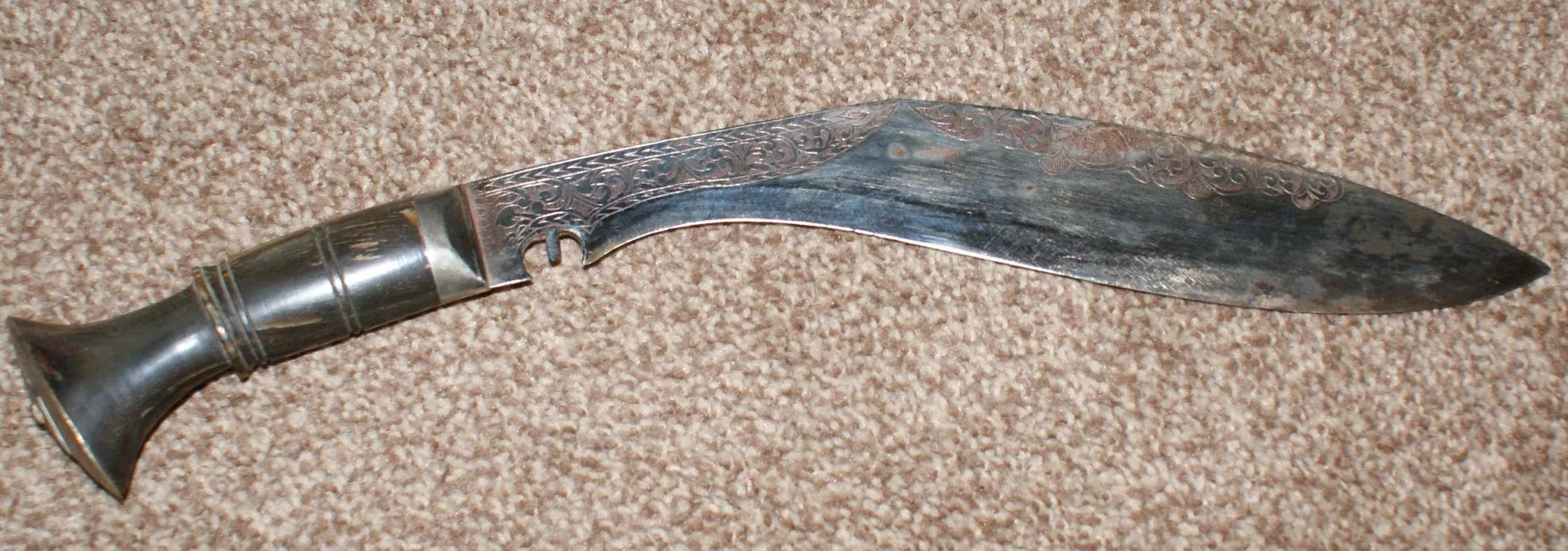
The Gorkhas have exhibited their tremendous courage and bravery in many arenas of war at different times around the world, and undoubtedly, the two World Wars have been the biggest arenas by far. Many legends have arisen out of their exploits, and some are close to mythical, so fantastic are the tales. Here’s one—during World War 1, an officer ordered some Gorkhas to bring back as many severed heads of the enemy as they could, and in quick enough time, one Gorkha, returning from the dense jungle, came up to the officer and threw some two dozen human ears to the ground. Before the gawping officer could utter a single word, the Gorkha explained in a matter of fact manner, “The heads were too heavy.” Here’s another: a Japanese officer with a samurai sword comes face to face with a Gorkha carrying a khukuri, the dreaded weapon of the Gorkhas. What ensues is a slash and hack duel, during which, the Japanese slices off one arm of the Gorkha. His exultation is evident on his face. It is, however, short lived, because the Gorkha tells him, “Okay, so you cut my arm, but why don’t you just nod your head?”
Indeed, it’s difficult to say where fact ends and fiction begins when talking about the exploits of Gorkhas in the fields of battle. Whatever the case may be, an awesome reputation precedes them wherever they go, and this was well vindicated during the Falkland War in 1985. At the end of it, this is what Brigadier David Morgan said, “It was the Gorkhas’ reputation that helped win the war in the Falklands.” The surrender of the Argentinean forces was hastened by the sight of hundreds of deadly blades glinting in the sunlight, as the Gorkhas landed on the beach with their khukuris in their hands. One Argentinean soldier reportedly said later that they didn’t want their heads to be chopped off!
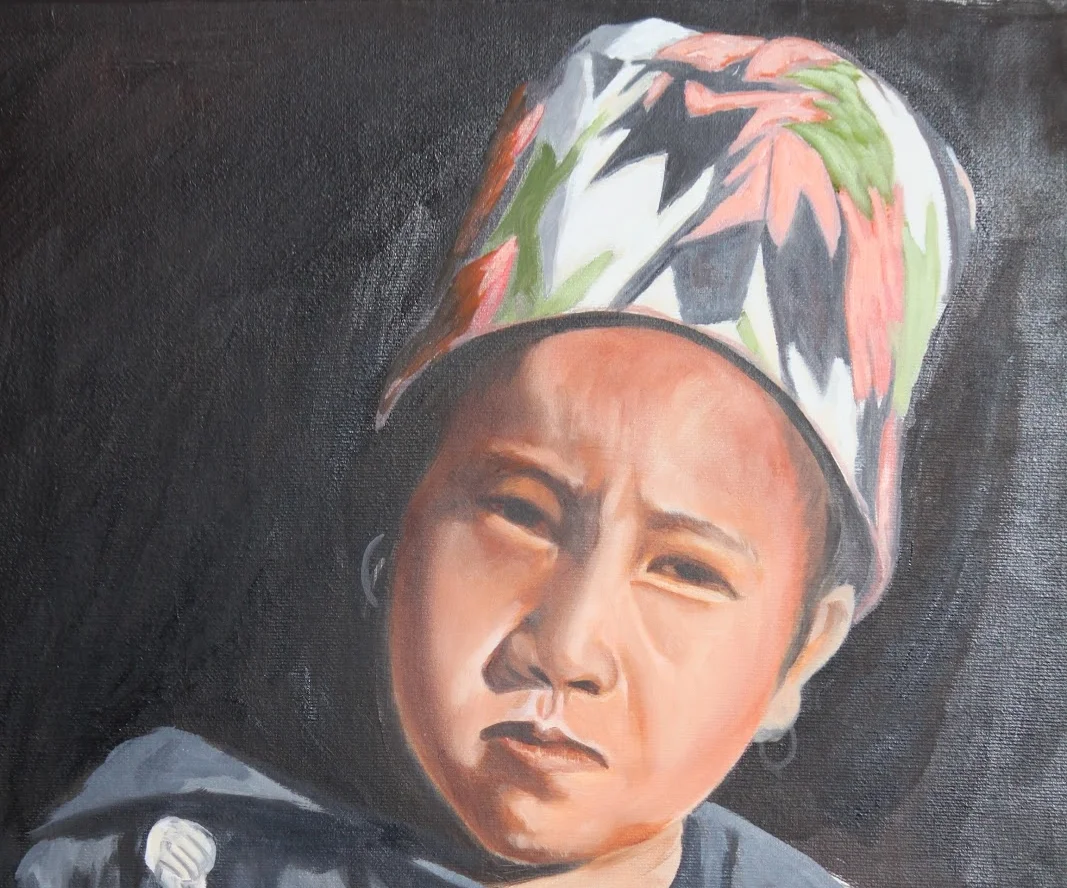
Nepali Topi, Mark of the Nepali Man
Whether in the cities’ bazaars, or in the countryside’s paddy fields; whether on the trekking routes, or in immigration counters and government offices, the one thing you cannot miss is the sight of the Nepali topi on many heads.
Perhaps the most distinguishing feature that sets a Nepali man apart from all others is the cloth cap that he wears on his head. They may be in varied hues; they may be crumpled, or they may be sharply ironed, with knife-edge creases; they be of different types of fabrics (usually two types); they may be worn in different ways, some wear it crested arrogantly like a Himalayan peak, while some take great care to have the creases just exactly right, and then there are many who don’t really care a hoot; they just crumple it over their head.
Once upon a time, not many decades ago, wearing a Nepali topi (Nepali cap) was mandatory at many official functions and for gaining access to most government offices. Maybe this has not been completely done away with in some places, at least, but with the collapse of royalist power and rise of people power, along with drastic changes in the very structure of the country, the Nepali topi, once the most unifying factor among the country’s 100 and more different ethnicities, now has very little importance as a commonality to bind the people into one nationality.
However, even if the Nepali topi has less of a role in the political scenario, it is still dearly loved by millions and millions of Nepalis all over the country. What make it such a popular part of attire? Simplicity—could be the first response. Unlike the flamboyant hats of other countries (think sombrero, think 8-gallon cowboy hat, to name just two), the Nepali topi perfectly symbolizes the very nature of the typical Nepali man. One who is simple and naïve to the extreme, one who trusts without any hesitance, one who will let you know exactly what he thinks, even if you’ve never met him before. And so on and so forth. And, yes, one whose lifestyle is so simple and basic that he has no time for convoluted thoughts and shrewd maneuverings. Well, actually, if you take a Nepali topi in your hand and think about all this, you’ll probably agree that there couldn’t be a simpler mode of headwear in the whole wide world. And, if you have been here for even a short time, you’ll agree that there couldn’t be a simpler people as well!
Talking about the Nepali topi, there are, in fact, two kinds—the most popular is the Palpale Dhaka topi, while the other is the more traditional, and known as the Bhadgaunle topi. Let’s talk about the latter first, since it carries the weight of seniority. It is named after Bhadgaun, which is what present day Bhaktapur was once called. It is almost always black in color, and has quite a distinctive texture and pattern. If you happen be at a photography exhibition in town, you’ll be sure to see lots of very old black and white shots of scenes around the valley, and most certainly, all the men in those photos will be wearing Bhadgaunle topis. In fact, the Bhandgaunle was, for many years, part of the national attire, capping off, as it were, the debonair daura suruwal and the jazzy waistcoat. In today’s times, however, the Bhadgaunle can be seen mostly only on the heads of people of Bhaktapur and thereabouts. And, interestingly, it is still only made in Bhaktapur. Nowhere else!
The main reason for its decline was the rise of the Palpale Dhaka topi, which is available in a large variety of colors and patterns, so that one can choose the perfect match for the dress worn for the occasion, whatever it may be. Of course, that is not to say that the stately Bhadgaunle is not a show stopper; in fact, because of its solid black color and intricate design, it is a fitting tribute to the status of any man, be it a diplomat or a bureaucrat, a soldier or an officer of the army, a politician or a businessman. Nevertheless, one has to go with the times, and the Palpale Dhka topi is now the Nepali topi in vogue.
Palpali Dhaka topi is made out of a textile known as Dhaka that originated in Palpa in western Nepal, which is mostly inhabited by Newars who had migrated from Kathmandu Valley ages ago. Skilled artisans that they are, they established Palpa as a center of excellence in many types of handicrafts, including handlooms like Dhaka. Creative to the extreme, these Newars have introduced so many textures, so many lovely subtle colors, and so many sophisticated patterns in the Dhaka that the Palpale Dhaka topi has become, in actuality, a pretty posh part of the Nepali man’s attire. If you have attended typical Nepali wedding, you may have noticed the groom dressed in a daura suruwal made entirely of Dhaka, and with a matching Palpale Dhaka topi, to boot. You’ll be hard put to find a more debonair groom, is what we say!
Just as you’ll be hard put to find a more happy-go-lucky man than the one bending his strong back when plowing his field, the ubiquitous Nepali topi pulled tight over his head, stopping the sweat from getting into his eyes. Once in a while, he’ll straighten up, take the cap off his head, and wipe his face with it. Then, the short break over, the topi is back where it belongs, and even from afar, anyone can see that it is a Nepali man.
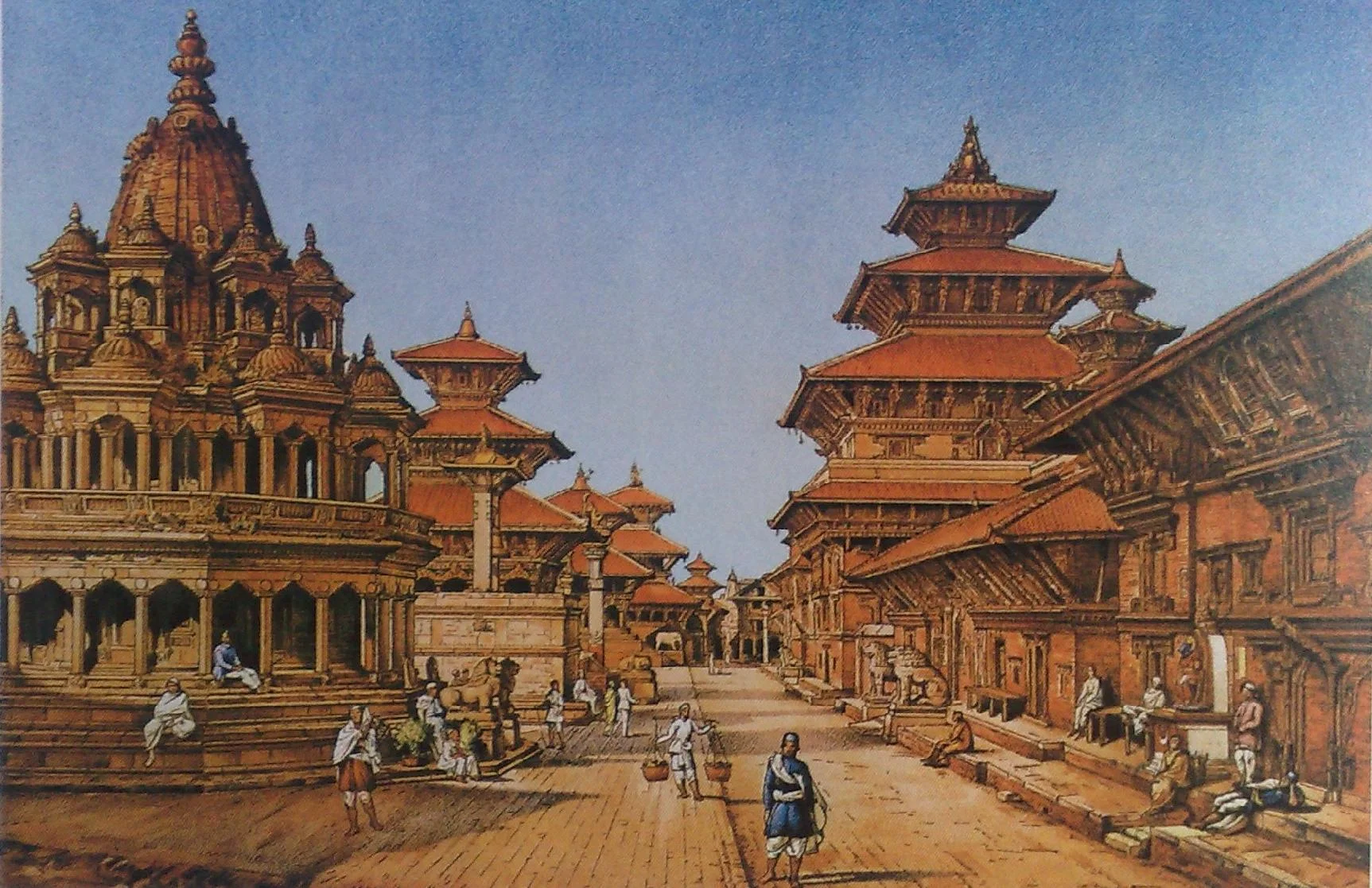
Hidden Gems of Patan
Patan (Lalitpur), the ‘City of the Arts’, is chock-a-block with treasures at every nook and cranny. There are also many fascinating but lesser known places that can pique your curiosity and sense of adventure.
You’ve heard about Patan’s world heritage monument, the Durbar Square, with its many fascinating monuments, including temples of many different architectural styles. You’ve also probably heard about the restorations completed in recent times, such as that of Tusha Hiti, as well as ongoing restorations at sites such as the Bhaideval Temple. Patan Museum inside the former royal palace is one of the more famous renovation projects, a successfully completed Nepal-Austrian joint venture with architect Gotz Hagmueller (also responsible for ‘Garden of Dreams’ in Keshar Mahal in Thamel) at the helm. However, most other restoration/renovation works around the locality are the efforts of an organization called Kathmandu Valley Preservation Trust (KVPT).
Kathmandu Valley Preservation Trust
Many renowned restorers/architects are part of this trust, which was also responsible for the making of the famous Baber Mahal Revisited, an extensive renovation of what was once just a cowshed that was part of a 250-room palace called Baber Mahal, one of nine neo-classical palaces built by Prime Minister Chandra S.J.B. Rana in 1901-1929. Baber Mahal Revisited is one of KPVT’s most visible accomplishments, but there are many more important works to their credit. Now, if you’re in Nepal, make it a point to visit their office, located in an old building in one corner of the Patan Durbar Square.
Besides its architectural offices, there’s also a library with a collection of some pretty interesting hard-to-find photographs, old drawings, and historical books. The top floor is a guest quarter with tasteful and comfortable ethnic interiors where you could spend a night or two. The small veranda has a sweeping view of the durbar square, and really, sitting there watching the activities below throughout the day, you’ll realize why we keep on talking about ‘living culture’ all the time.
Birth-to-death Shop
There’s a shop on the ground floor of the same building that’s referred to by locals as the ‘Birth-to-death Shop” (real name: Hem Narsingh ko Pasal). Ask, and the shopkeeper will show you a file full of lists pertaining to items needed for rituals ranging from birth to death for the Newar community, as well as for parbates (hill people), and Buddhists. The shop’s reputation is based on the precinct that it will have available, at all times, even the smallest item needed. The shop also sells the rare Matsyendranath flower that’s meant for offering at the sacred Matsyendranath Temple, and root-like herbs called sadewa and sadewi (male-female in English) that are said to have the power to make anyone besotted to you if you just touch them with it.
Dare if you want to, but know that the one besotted will be after you forever and more, and if the love is unrequited, you’ll be in serious trouble! Among the shop’s regular clients are shamans who come shopping for such things, as well as for bear’s hair, tiger’s whisker, etc. for their tantric practices. So, visit the ‘Birth-to-Death-Shop’ and browse around for some truly exotic souvenirs.
Jyotishis and shamans
Although there are plenty of excellent hospitals in Patan, jyotisis (astrologers) and shamans, too, have thriving practices, with many clients seeking out-of-the-world cures for various ailments. Here’s a typical scene at one: Time: evening. The jyotishi: a man in his 70s who sits on a sofa behind a table full of parchments, scrolls, and a brass plate containing raw rice. The client: a well-dressed middle-aged woman. The conversation: “My husband is an important government official. Things are not going well for him; a promotion is overdue.” She hands over her husband’s janma patra (document showing planetary positions at time of birth). The jyotishi studies it for some time, and does some calculations. “Your husband’s graha dasha (planetary configuration) is not favorable for the next six months. I will give you a mantra (Vedic incantation). Ask him to repeat it 100,000 times. He should also wear a coral Ganesh ring. Things will start getting better.”
You don’t need a janma patra; your birthday and year will also do if you want to have your fortune told and want a cure for some bad karma. Look around for signboards, you’ll find quite a few around the area known as Prayag Pokhari, as well as in Satdobato. You’ll also find jyotishis in well-known tantric shrines like the Baglamukhi and Bhairabhnath temples.
What bout shamans? Well, here’s what I observed at Buddhi Kumar ‘Gurujyu’’s place of work in Kutisawagal, a 15-minute-walk from Patan Durbar Square, A ‘Shiva tantric’, he sat under a canopy of colorful wooden snakes. Shelves held deity figures as well as plastic bags containing herbs and vials of so-called ‘Himalayan Oil’. A woman and a frail-looking boy of about five sat cross-legged facing him across a brass topped counter.
The woman said, “He keeps on crying all the time. Don’t know why.” She handed over a plastic bag of rice. Gurujyu poured the rice on a brass plate, picked up a few, and then let them fall on the plate. He repeated this procedure a couple of times, and then declared, “Runche bimari (crybaby syndrome)”. He offered some rice to one of the deities, and then flicked some on the child. Next, he blew forcefully on the boy’s face. The young mother murmured, “Doctor said...pneumonia…” The shaman again flicked some grains at the child, waved a black-feathered broom over his head, and blew forcefully twice more on his face. “He will be all right now,” he said. The woman thanked him, and bowing respectfully, went out with her son.
Next, a young woman entered and handed over 10 rupees. In return, Gurujyu handed over a small plastic bag with some herb inside. “They are ‘karne paat’ (a variety of leaf),” he said, adding, “They can only be collected at midnight in the jungle.” Apparently, it is a cure for alcoholics and the woman is a regular customer. One can assume that she must be administering the cure in a surreptitious manner to her husband. If you are interested in shamanism, do visit the Gurujyu. He’s a robust middle-aged man with an open and forthcoming manner. Among his clients are many women who come to look for a cure to prevent their husbands from deserting them. He also claims to communicate with spirits, especially for patients suffering from acute depression.
Fire temple
Another fascinating but less well-known site in Patan is a fire shrine called Agnishala Temple that’s located at the end of a lane opposite Kumaripatti (where Patan’s Living Goddess Kumari give audience during big festivals) in Kumaripati Road near Jawalakhel. As far as anybody knows, a fire has been kept burning at one or more of its five fire altars for the last 4000 years or so. According to the priests here, it may perhaps be the only fire temple in the world with five kundas (fire altars), most of the others making do with only one. These are called Vishnu Kunda, Brahma Kunda, Shiva Kunda, Surya Kunda, and Savya Kunda. The first is the largest and most important while the last is meant for end-of-life rites. Homs (fire rites) are conducted for those wanting to negate the impacts of bad graha dashas or to enhance their fortune by appeasing various gods/goddesses as well as the planets. Birthdays are special days, when visitors have a hom done to please their planetary ruler/s as determined by their birth charts.
Sacred pear tree
There’s something else about this unique temple that is worth knowing about. On its premises are some tall dense trees, the likes of which are not to be found anywhere else in the country. Called Barun Brikshyas (Barun: god of water; brikshya: tree), it is said that water will never dry out in wells around its locality. Scientifically named Crateava religiosa, they are also called ‘sacred garlic pear trees’. Myth has it that sages in ancient times ate one of these pears to stave off hunger for a whole month of meditation. You might be lucky to get one too!
Well, there you have it. These are but a few of the many hidden gems of Patan that are pretty fascinating; and you should not only make it a point to visit them, but also make the effort to discover more during your Nepal tour. Oh yes, you can rest assured that there’s plenty more!
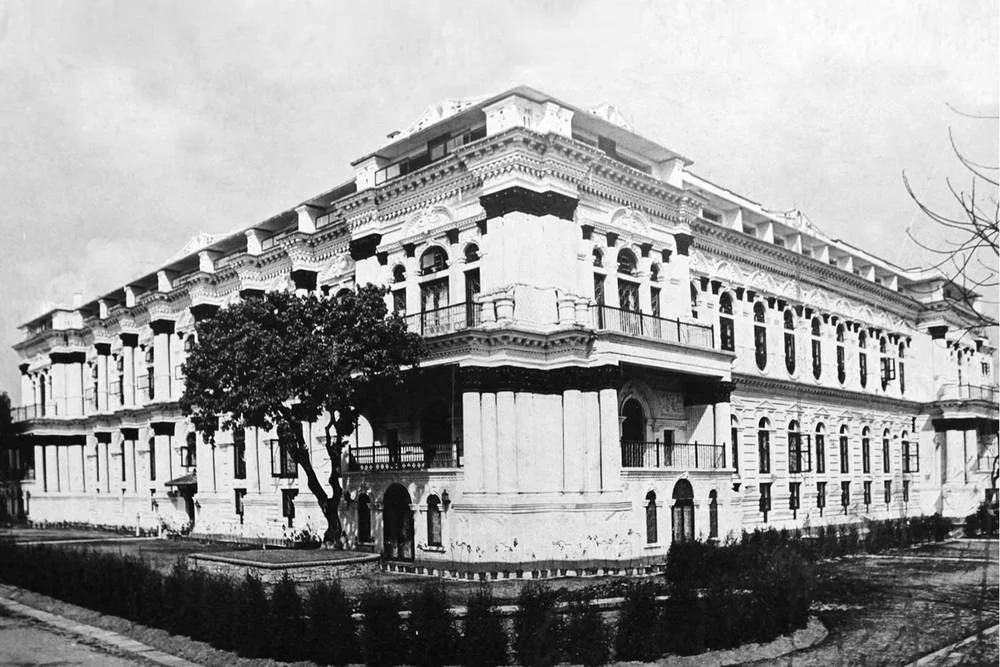
The Historic Durbars of Kathmandu
The Rana Period (1846-1951) was witness to a great many historic events, not least being the building of durbars on a scale not seen before in Nepal.
A former Nepali diplomat is the proud owner of a house in Tinchule, near Bouddha of Kathmandu, that once belonged to Juddha Shumsher Jung Bahadur Rana, one of the more famous Rana prime ministers of the country. More than 150 years old, it was the prime minister’s summer house, and it is a property that anybody would cherish. However, it is only a small legacy compared to the great architectural legacies of the Ranas during the Rana Period (1846-1951), principally, the magnificent durbars that are strewn all over Kathmandu.
What sets them apart, aside from their huge sizes, is their completely different style of architecture from the hereto traditional styles of the Newars and the Shahs. The Ranas, indeed, introduced as radical a change as was possible in both scale and design from the existing architecture in Kathmandu. Built in neo-classical or Baroque style, these grand durbars were generally white-plastered and with arresting French windows. Grecian columns were everywhere, and they came in different sizes, the more imposing ones adorning the spacious porticos.
The Narayanhiti Durbar is, of course, what first comes to mind when talking about Rana Period architecture. Prime Minister Jung Bahadur Rana built it in 1847 as a gift for his brother Rana Uddip Singh. Originally, the style was totally neo-classical, but after it became the royal palace of the Shah Kings, renovations and remodelling followed in 1889, along with quite a bit of expansion. Later still, in 1969, King Mahendra Bir Bikram Shah constructed a more modern-style palace.
Today, the Shah Kings have become part of history, and the royal palace is now a museum, with one part taken over by the Foreign Ministry. For himself, Jung Bahadur built another grand durbar, the Thapathali Durbar, besides the Bagmati River in Thapathali. This one was primarily designed in the colonial style, and with the passage of time, much of it has been demolished. However, the main part remains to remind us of what was once Jung Bahadur’ grand durbar. Today, Nepal Rastra Bank’s Currency Management Department has its offices there.
The earliest durbar to be converted into a hotel was Bahadur Bhawan in Kantipath, near the former royal palace. Constructed in 1889, it was later refurbished into what is believed to be the first hotel in the country, and appropriately enough, it was named the Royal Hotel. For reasons unknown, the hotel closed down later, and today, the durbar is home to the Election Commission. Another durbar that went on to become a hotel was Lal Durbar near Durbar Marg, which was built by Prime Minister Bir Sumsher In 1890. Much later, extensive renovations were made to a part of this impressive durbar to convert it into the famous Hotel Yak & Yeti, a luxurious five-star property.
Bir Shumsher was also responsible for making the Seto Durbar on Durbar Marg in 1893, as well as the Phora Durbar in front of the royal palace in 1895. Unfortunatly, during the great earthquake of 1934, fire broke out, and most of Seto Durbar was destroyed, leaving only a small wing intact. Phora Durbar was famous for its lovely gardens and its many beautiful fountains. Today, it is a club for Americans in Nepal. Around the time Phora Durbar was built, another durbar was built nearby around a courtyard with beautiful gardens and water bodies. It was named Keshar Mahal, and today, besides the Ministry of Education and the Keshar Library, which are lodged there, the garden has been lovingly renovated into what is now called the ‘Garden of Dreams’. .
In 1903, the biggest durbar of them all was built by Chandra Shumsher. He called it Singha Durbar, and it was where he set up his residence. Arranged around seven quadrangles were more than a thousand rooms. So large was the durbar that it ranked high amongt the largest buildings in South Asia. Then, in 1973, a fire raged through the durbar, and except for the front wing, everything else was destroyed.
Today, Singha Durbar is the focal point of governance in the country, with the parliament and many ministeries inside its premises, which also houses the Nepal Television and Nepal Planning Commission establishments. Another historic durbar to sustain extensive damages during the great earthquale of 1934 was Sital Niwas in Maharajgunj. The construction of the original durbar was completed in 1923, and after the earthquake, much of it had to be rebuilt. Today, it houses the President of Nepal and is known as Rastrapati Bhawan.
And, finally, how can an article on durbars be complete without mentioning the 120-year-old Agni Bhawan in Lazimpat, which was built by General Jit Shumsher Rana, brother of Jung Bahadur Rana, in 1894? Furnished with the finest accessories imported from Europe, Agni Bhawan was one of the most elegant of all durbars in Kathmandu. In due time, it became the property of General Agni Shumsher Rana, son of Juddha Shumsher JB Rana, and grandfather of the late Queen Aishwarya, former Queen Komal, and the late Princess Prekshya, who were all born here. Historical to the extreme, it was taken over in 1964 by an enterprising hotelier, the late Mr. Ram Shanker Shrestha, who converted it into the country’s premier heritage hotel—Hotel Shanker—by keeping its unique identity intact even while ensuring most modern amenities to its guests.
Well, there’s a lot to be said for the Rana years, not everything was good, of course. However, one cannot deny that the durbars they built were truly fitting tributes to their high ambitions and love for the grandiose.