
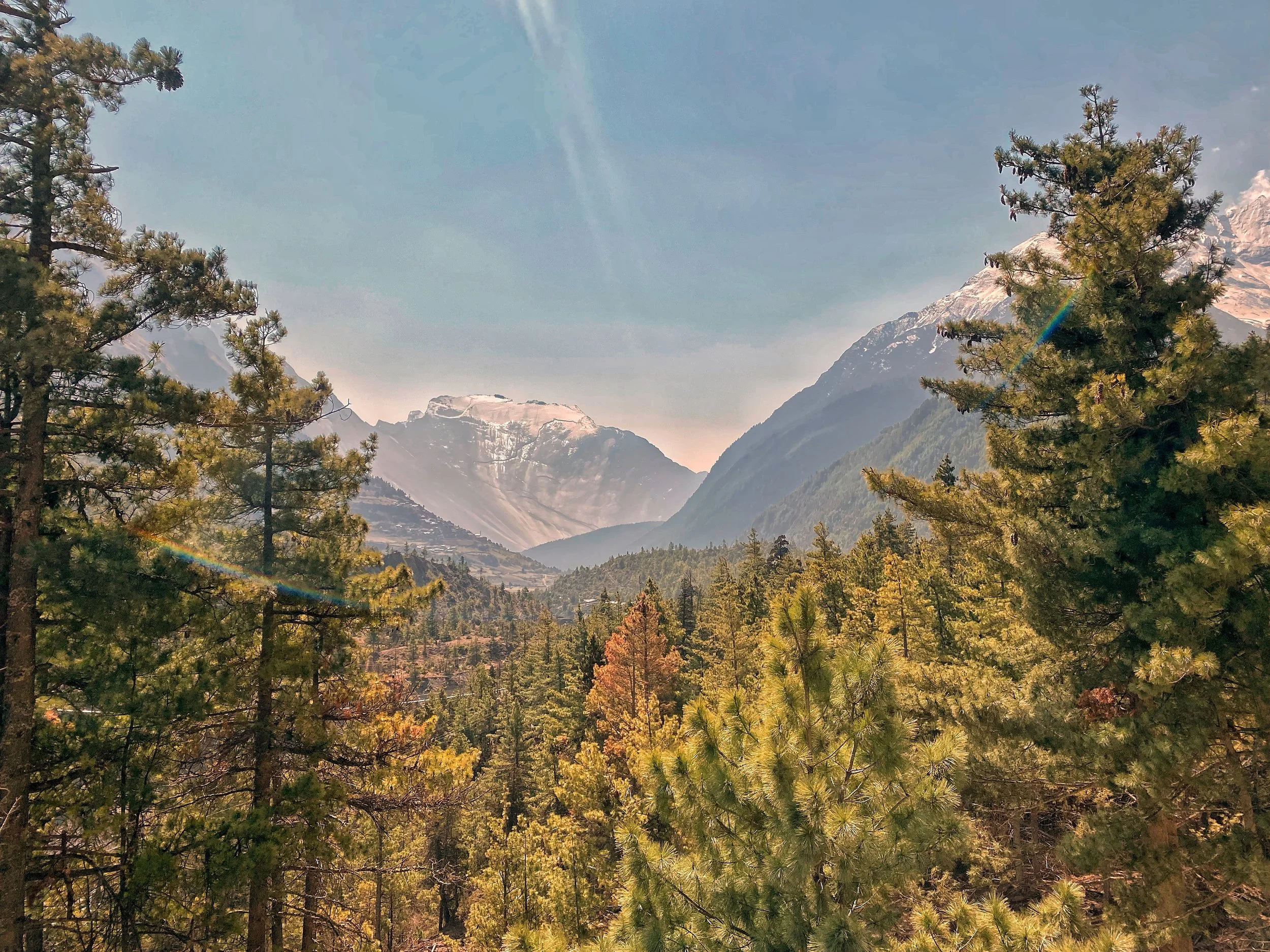
The Challenges of Annapurna Circuit: Trekking through Nature's Triumphs and Trials
Nestled in the heart of the Himalayas, the Annapurna Circuit is a legendary trekking route that has drawn adventurers, nature enthusiasts, and seekers of solitude for decades. This awe-inspiring journey promises breathtaking vistas, cultural encounters, and a profound connection with the mountains. However, it is not without its challenges, both physical and logistical. In this article, we will explore the trials and tribulations of trekking the Annapurna Circuit, a path that tests the limits of endurance and rewards with unparalleled natural beauty.
The Annapurna Circuit is a renowned trekking trail that circumnavigates the Annapurna Massif in Nepal, offering trekkers an opportunity to experience diverse landscapes, from lush subtropical forests to arid alpine deserts. The circuit passes through picturesque villages inhabited by diverse ethnic communities, providing a unique cultural immersion along with the natural beauty.
Challenges of Altitude: Acclimatization
One of the most formidable challenges of the Annapurna Circuit is dealing with high altitudes. As trekkers ascend through the rugged terrain, they encounter altitudes exceeding 5,000 meters (16,500 feet) at Thorong La Pass, the highest point on the circuit.
Altitude sickness is a real concern, and it's crucial to acclimatize properly. Rushing the ascent can lead to symptoms like headaches, nausea, and dizziness. Trekkers are advised to take rest days, stay well-hydrated, and listen to their bodies to minimize the risks associated with altitude.
Weather Woes: The Monsoon Season
The Annapurna Circuit has distinct trekking seasons, with the most popular being spring (March to May) and autumn (September to November). However, the monsoon season, from June to August, poses a significant challenge.
During the monsoon, heavy rainfall can make the trails slippery and prone to landslides. The lush greenery is offset by leech-infested forests, and frequent cloud cover can obscure the otherwise breathtaking mountain views. Trekkers must exercise caution and be prepared for the added difficulties of trekking during the monsoon.
Physical Endurance: Long Days on the Trail
Trekking the Annapurna Circuit is physically demanding. Days can be long and strenuous, with steep ascents and descents. The circuit typically takes around 15 to 20 days to complete, depending on one's pace and the chosen route.
Long hours of walking can be tough on the body, especially for those not accustomed to such exertion. It's essential to be in good physical condition and undertake appropriate training before embarking on this trek.
Lodging and Facilities: Basic Amenities
While trekking in the Annapurna region has become more accessible over the years, it's important to note that accommodations and facilities along the trail can be quite basic. Teahouses, which provide lodging and meals, may not offer the comforts of urban hotels. Trekkers should be prepared for shared rooms, limited hot water, and simple meals.
Additionally, amenities like Wi-Fi and electricity may not be consistently available in all villages, making it essential to disconnect from the digital world and embrace the simplicity of mountain living.
Cultural and Language Barriers
The Annapurna Circuit is not just about trekking; it's an opportunity to engage with the local communities that call these remote mountains home. However, cultural and language differences can pose challenges.
Many villagers along the circuit speak their native languages and dialects, which can make communication challenging for non-Nepali speakers. Learning a few basic Nepali phrases can go a long way in fostering connections and understanding local customs.
Permits and Regulations: Navigating the Red Tape
Trekking in the Annapurna region requires trekkers to obtain permits, which vary based on the specific route and duration. Navigating the permit process can be a bit complex, with multiple checkpoints and fees to consider.
Additionally, trekkers are expected to follow environmental regulations, such as carrying out their waste and not disturbing the natural habitat. Understanding and adhering to these regulations is essential for responsible trekking in the region.
Triumphs Amidst Trials
The Annapurna Circuit is not a trek for the faint-hearted, but its challenges are what make the journey so rewarding. The physical exertion, the altitude, and the unpredictable weather all combine to create a test of one's mettle. However, it is within these trials that trekkers find triumphs.
The sense of accomplishment when reaching Thorong La Pass, the camaraderie formed with fellow trekkers, and the unparalleled beauty of the Annapurna range are experiences that stay with trekkers for a lifetime. The challenges of the Annapurna Circuit are not obstacles but stepping stones to an adventure of a lifetime, where nature's grandeur meets the resilience of the human spirit.
POPULAR ITINERARIES
SIMILAR POSTS
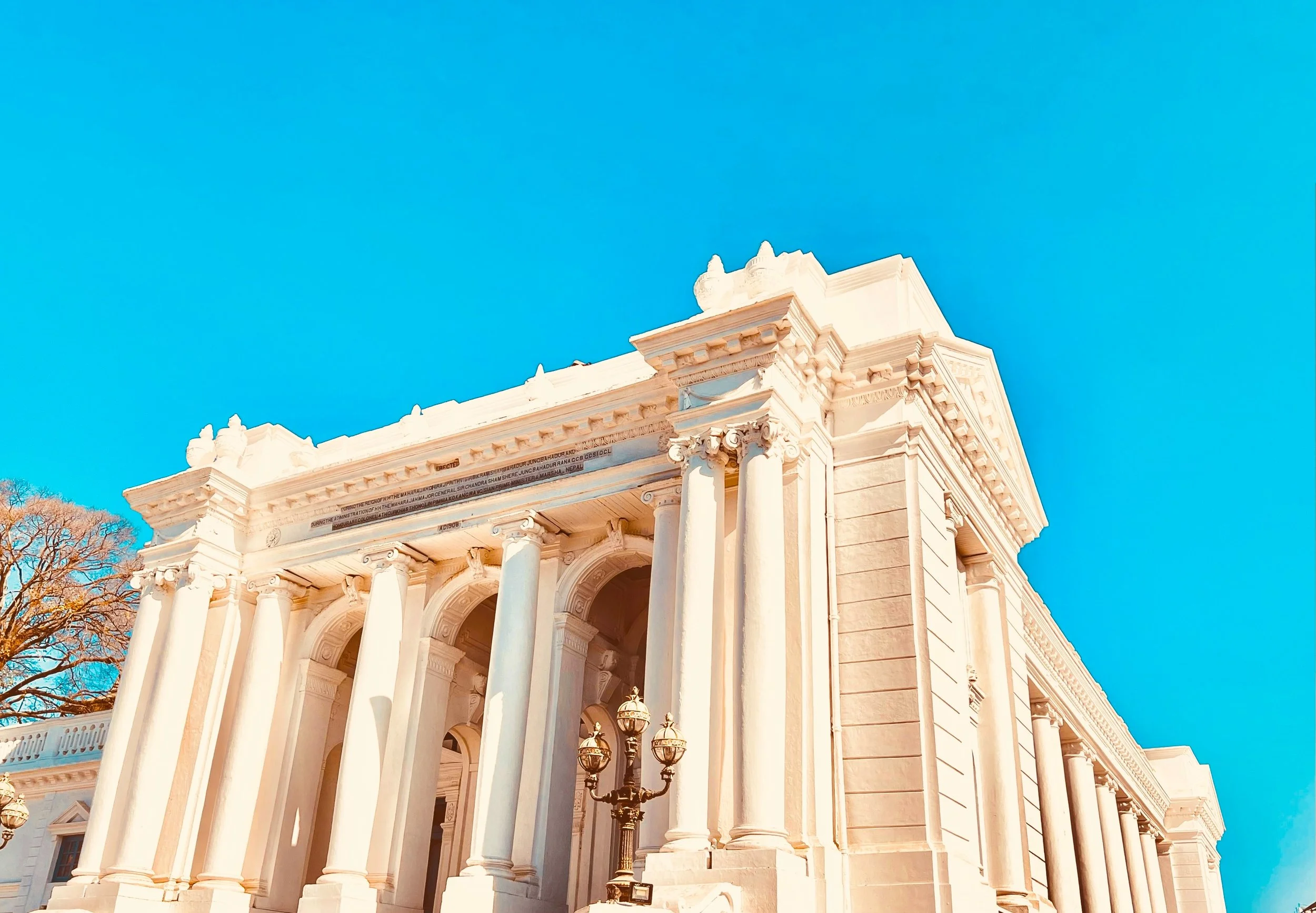
Historic Gadi Baithak of Basantapur: A Timeless Treasure
In the heart of Kathmandu's historic Basantapur Durbar Square stands a magnificent architectural gem that resonates with the grandeur of Nepal's royal past - the Gadi Baithak. This ornate palace, a testament to the craftsmanship of its time, showcases the rich history and cultural heritage of Nepal.
The Gadi Baithak, also known as the White Palace, is a captivating blend of architectural styles that reflect Nepal's diverse cultural influences. The palace, constructed during the early 20th century by Chandra Shumsher Jang Bahadur Rana in 1908, boasts a remarkable fusion of Newari, Mughal, and Tibetan architectural elements.
The most striking feature of the Gadi Baithak is its multi-tiered pagoda-style roof adorned with intricate wood carvings and golden embellishments. The façade of the palace is adorned with ornate windows and doorways, each showcasing the superb craftsmanship of the Newari artisans. The palace's fusion of aesthetics is a testament to Nepal's history as a crossroads of diverse cultures and artistic influences.
Historical Significance: A Royal Legacy
The Gadi Baithak has a storied history intertwined with the dynasties that ruled over Nepal. Originally constructed during the reign of Chandra Shumsher Jang Bahadur Rana in 1908, it served as a royal court where the king would hold audiences, make proclamations, and receive dignitaries and ambassadors. The palace also played a central role in hosting religious ceremonies and festivals.
One of the most significant events associated with the Gadi Baithak was the declaration of the abdication of King Gyanendra in 1950, marking the end of the Shah monarchy. This historic moment unfolded within the grand halls of the palace, making it a symbol of political change in Nepal.
Over the centuries, the Gadi Baithak has witnessed a transformation in its usage. From its origins as a royal court, it has evolved into a cultural center and an architectural treasure of Nepal. Today, it continues to serve as a venue for cultural events, exhibitions, and public gatherings.
The Gadi Baithak also houses a museum that showcases Nepal's royal history, traditional art, and artifacts from the Malla period. The museum provides visitors with insights into the rich cultural tapestry of Nepal and the artistic achievements of its people.
Basantapur Durbar Square: A Cultural and Historical Oasis
The Gadi Baithak is a pivotal component of the larger Basantapur Durbar Square, a UNESCO World Heritage Site that encompasses a rich collection of palaces, temples, and courtyards. The square itself is a vibrant cultural hub, a place where traditional festivals, rituals, and daily life converge.
Among the notable attractions within Basantapur Durbar Square is the Hanuman Dhoka Durbar, a palace complex that served as the royal residence for many centuries. Its intricately carved wooden balconies and courtyards offer a glimpse into the opulence of Nepal's past.
Additionally, the Kumari Ghar, or Kumari's Residence, is another highlight. It is the home of the Kumari, a living goddess, and visitors may catch a glimpse of her during scheduled appearances.
Preserving a Cultural Heritage
The Gadi Baithak, like many historic structures in Nepal, has faced challenges over the years due to earthquakes and the passage of time. However, concerted efforts have been made to preserve and restore this architectural treasure.
Various restoration projects, supported by both local and international organizations, have contributed to the ongoing maintenance and protection of the Gadi Baithak and other heritage sites in Basantapur Durbar Square. These efforts aim to ensure that these landmarks continue to stand as testaments to Nepal's rich cultural heritage and history.
The Gadi Baithak of Basantapur stands as a timeless testament to Nepal's rich history, architectural splendor, and cultural significance. Its fusion of diverse architectural styles and its role in Nepal's royal and political history make it a must-visit destination for travelers and history enthusiasts alike.
As visitors explore the grandeur of the Gadi Baithak within the historic Basantapur Durbar Square, they are transported to a bygone era, where the echoes of royal proclamations and the artistry of the Newari craftsmen continue to resonate. The preservation of such architectural treasures is not just a duty; it is a celebration of Nepal's cultural heritage and a bridge between the past and the present, ensuring that the legacy of the Gadi Baithak endures for generations to come.
POPULAR ITINERARIES
SIMILAR POSTS

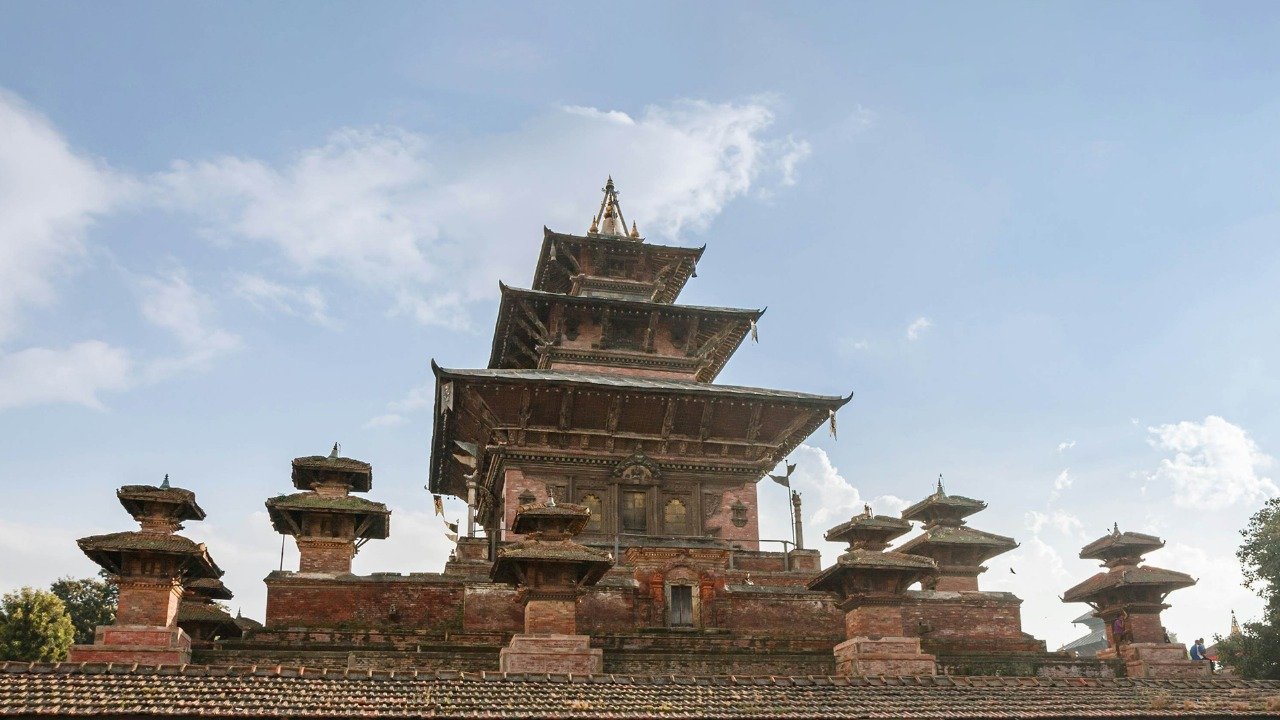
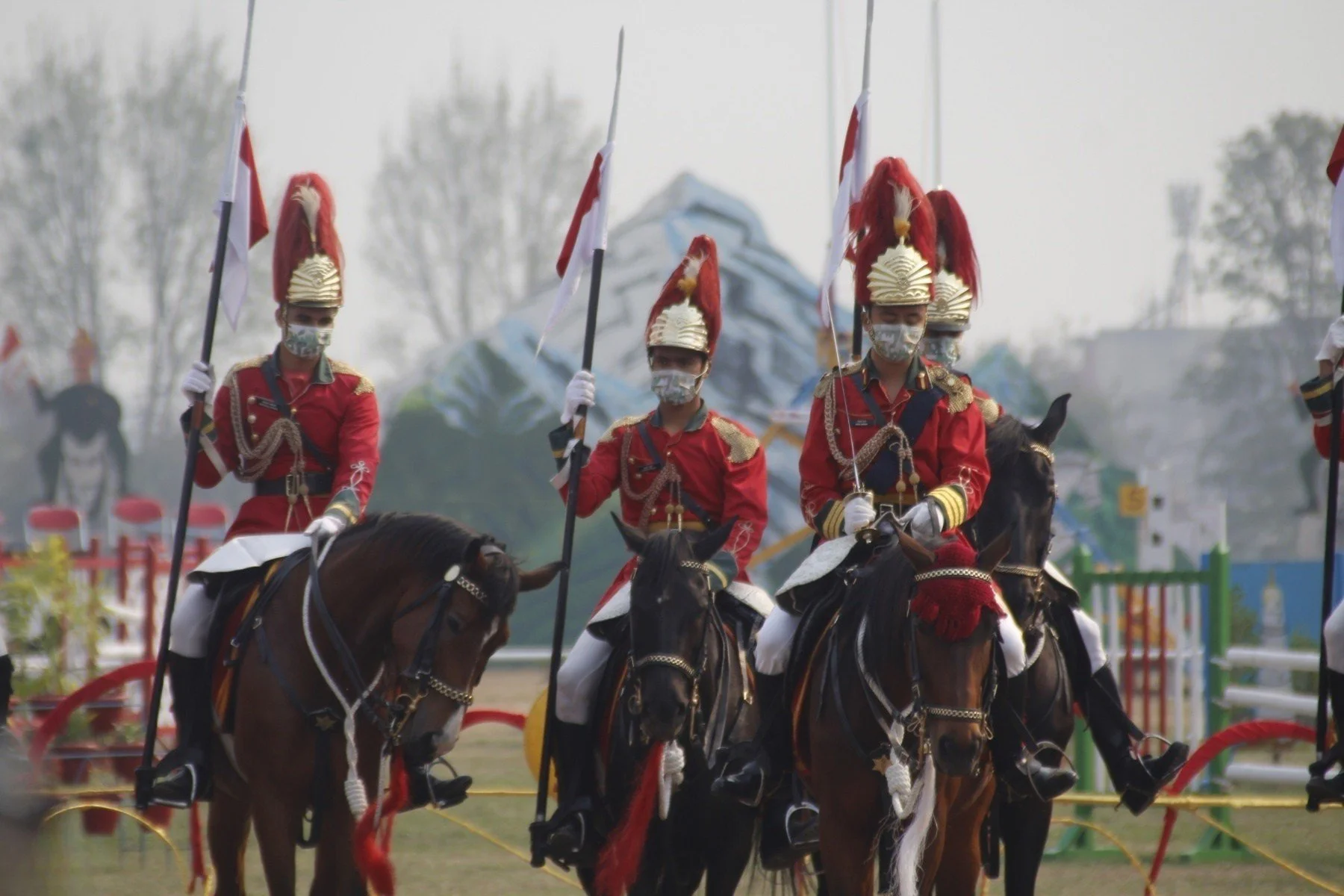
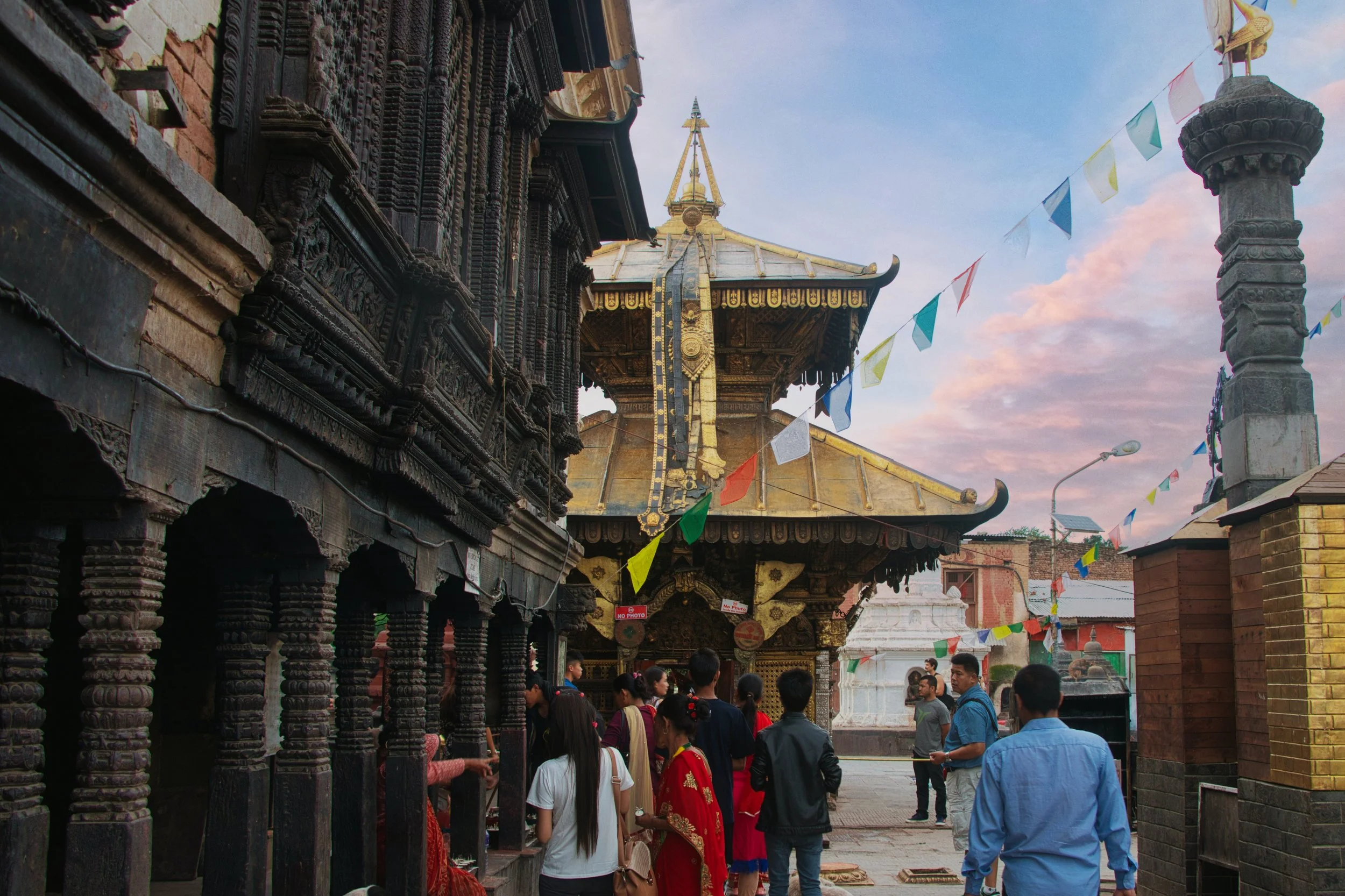
10 Things To Do In Bouddha
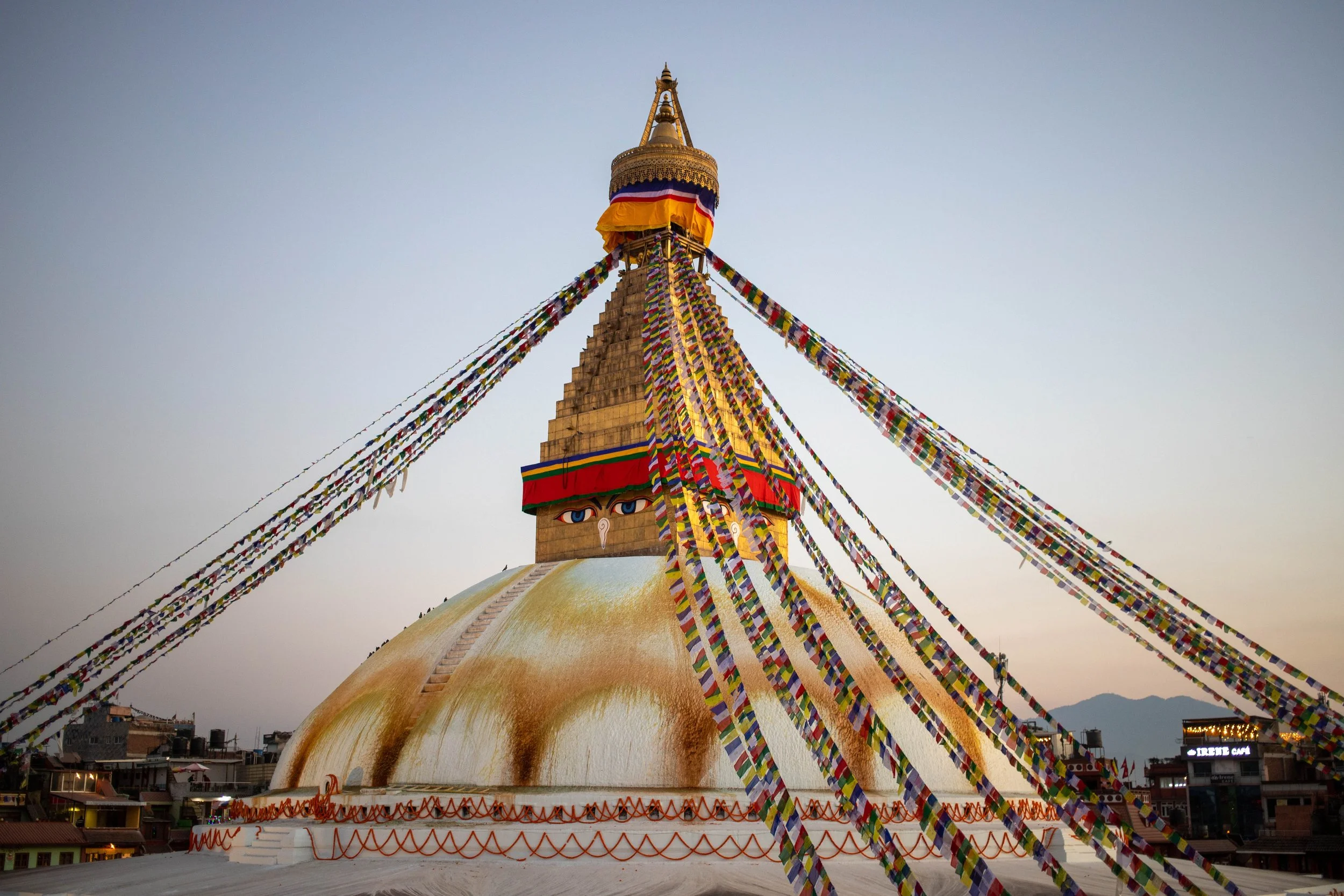
Nestled in the vibrant city of Kathmandu, Bouddha (also spelled Boudhanath) is a remarkable neighborhood that exudes a unique blend of spirituality, culture, and history. As one of the most sacred sites for Tibetan Buddhists and a thriving cultural hub, Bouddha offers a multitude of experiences that cater to both spiritual seekers and curious travelers. In this article, we will embark on a journey to explore 10 captivating things to do in Bouddha, starting with the star attraction, Bouddhanath.
Before we delve into the activities, let's touch upon the rich history of Bouddha. This ancient neighborhood has been a center of Tibetan Buddhism and culture in Nepal for centuries. Its history can be traced back to the 5th century when a stupa, believed to contain the relics of the Buddha himself, was constructed. Over time, Bouddhanath has evolved into a sacred pilgrimage site, attracting devotees from all corners of the world. Its significance extends beyond its spiritual allure, as it has also become a vibrant center for Tibetan refugees, monasteries, and a thriving community of artists and artisans.
The Star Attraction: Bouddhanath Stupa
Bouddhanath Stupa, often referred to as the "Great Stupa," is the undisputed centerpiece of Bouddha and one of the most revered Buddhist stupas in the world. This colossal white dome, adorned with the watchful eyes of the Buddha, is an architectural masterpiece and a spiritual epicenter for Tibetan Buddhists.
Activity 1: Circumambulate the Stupa
As you step into Bouddha, your eyes will be drawn to the magnificence of the stupa. A ritual that should top your list is circumambulating the stupa. Join the pilgrims as they walk clockwise around the stupa, spinning prayer wheels and reciting mantras. The rhythmic sound of the spinning wheels and the scent of burning juniper incense create an atmosphere of profound spirituality.
Activity 2: Visit Monasteries and Gompas
Bouddha is home to numerous monasteries and gompas (Tibetan Buddhist temples), each with its unique charm and spiritual significance. Take your time to explore these tranquil sanctuaries, engage in meditation sessions, and gain insights into Tibetan Buddhism's philosophy and practices.
Activity 3: Explore the Shops and Souvenirs
Bouddha's narrow alleys are lined with shops selling Tibetan and Nepali handicrafts, thangka paintings, jewelry, and religious artifacts. It's an ideal place to pick up authentic souvenirs and immerse yourself in the local arts and crafts scene.
Activity 4: Savor Tibetan Cuisine
Indulge your taste buds in the rich and flavorful Tibetan cuisine available in Bouddha. Savor momo (dumplings), thukpa (noodle soup), and butter tea at local eateries. You can also find international cuisines that cater to various tastes.
Activity 5: Attend Puja Ceremonies
Participate in traditional Buddhist puja ceremonies held in Bouddha's monasteries. These spiritual gatherings are an opportunity to witness age-old rituals and receive blessings from resident monks.
Activity 6: Experience Tibetan Music and Dance
Many evenings in Bouddha come alive with cultural performances featuring traditional Tibetan music and dance. Check local event listings to catch these vibrant displays of Tibetan art and culture.
Activity 7: Yoga and Meditation Retreats
Bouddha's serene environment makes it an ideal place for yoga and meditation retreats. Join one of the many retreats held by experienced instructors and find your inner peace amidst the bustling city.
Activity 8: Attend Workshops and Art Exhibitions
Bouddha is home to a thriving community of artists and artisans. Attend workshops and art exhibitions to gain insights into traditional Tibetan art forms such as thangka painting, carpet weaving, and sculpture.
Activity 9: Capture the Moment
Photographers will find Bouddha a paradise for capturing stunning images. From the timeless architecture of the stupa to the colorful prayer flags fluttering in the wind, every corner of Bouddha offers photographic opportunities.
Activity 10: Visit Nearby Attractions
Bouddha's strategic location in the Kathmandu Valley allows for easy access to other cultural and historical attractions in the region. Explore nearby sites such as Swayambhunath Stupa (Monkey Temple), Pashupatinath Temple, and the historic city of Bhaktapur.
Bouddha is not merely a destination; it is a spiritual and cultural journey that offers a profound connection to Tibetan Buddhism and the timeless traditions of Nepal. The Great Stupa stands as a symbol of spirituality and unity, drawing people from all walks of life to its sacred grounds. Whether you seek spiritual enlightenment, cultural immersion, or simply a peaceful retreat within the bustling city of Kathmandu, Bouddha provides a tapestry of experiences that will leave an indelible mark on your heart and soul. As you explore its treasures, you'll find that Bouddha truly captures the essence of Nepal's spiritual and cultural heritage.
POPULAR ITINERARIES
SIMILAR POSTS
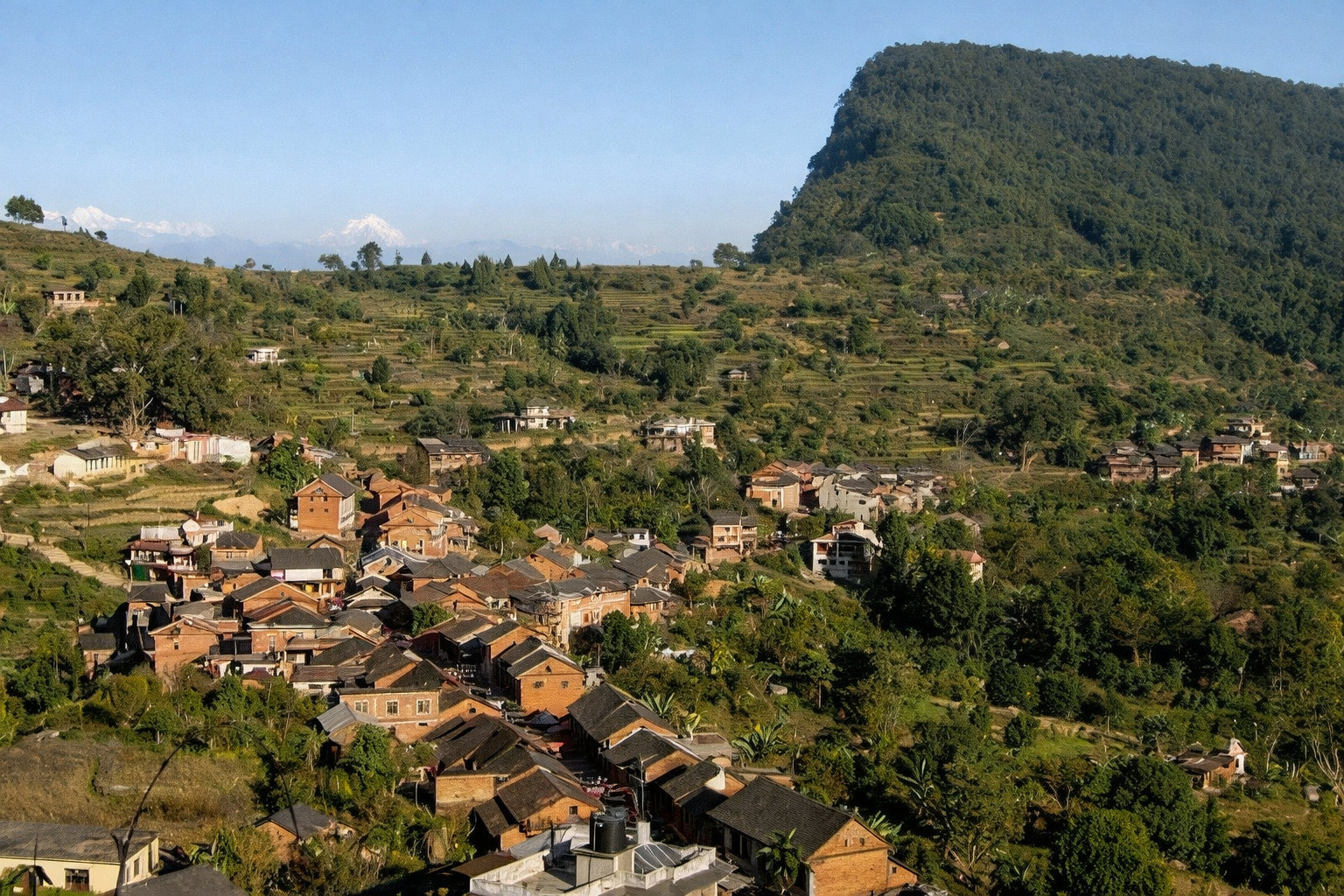
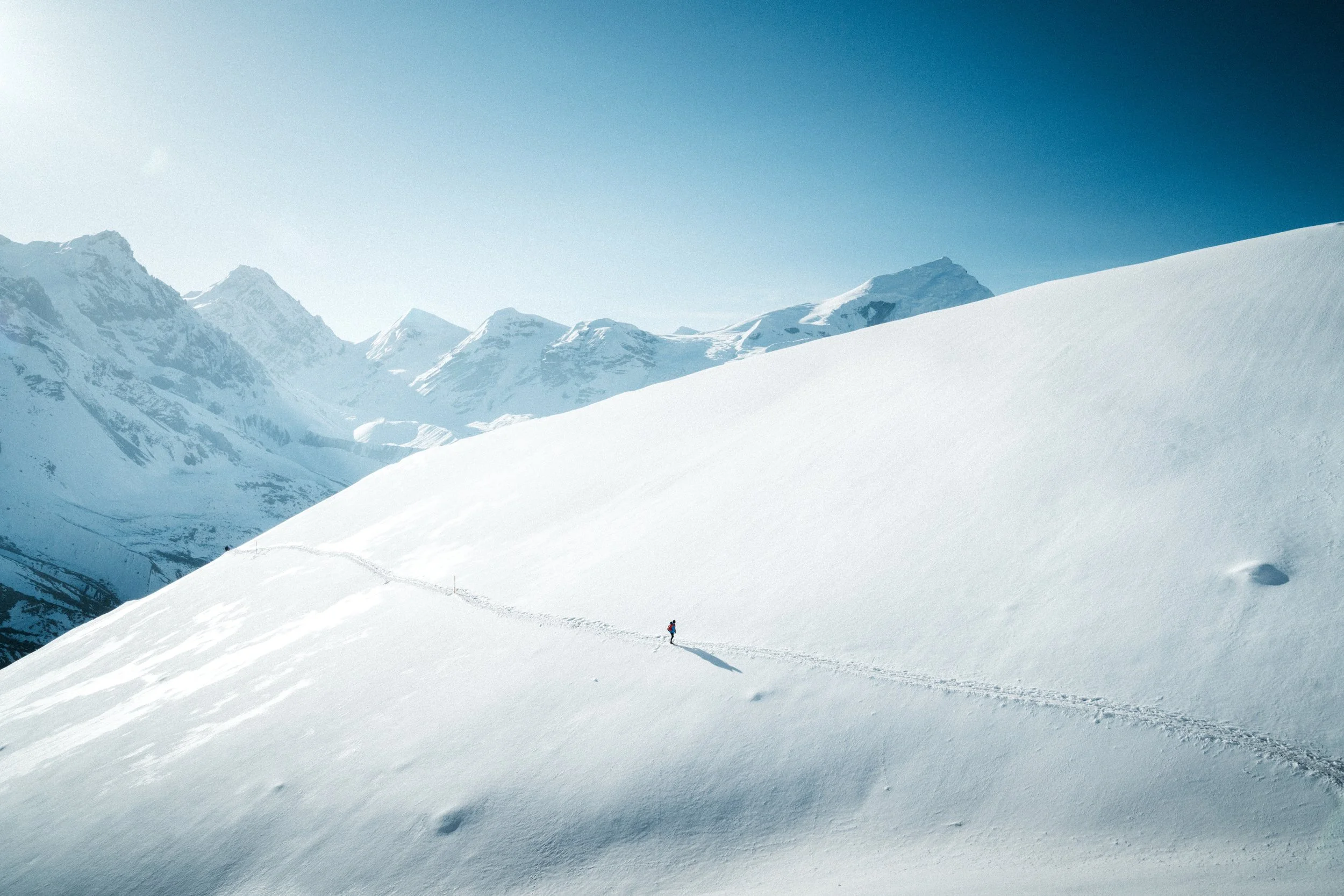
Thorang-la Pass: An Adventurer's Dream
In the heart of the Himalayas, at an elevation that challenges the limits of human endurance, lies a passage that has lured adventurers and trekkers from around the world for decades – the Thorang-la Pass. This breathtaking high mountain pass is a jewel of the Annapurna Circuit in Nepal, offering a thrilling blend of natural beauty, challenging terrain, and the allure of a remarkable achievement. In this article, we will take you on a journey through the highlights, itinerary, and invaluable tips for conquering the Thorang-la Pass, an adventurer's dream come true.
The Highlights of Thorang-la Pass:
Stunning Alpine Landscapes: The journey to Thorang-la Pass takes you through a mesmerizing landscape that includes lush forests, serene alpine meadows, and rugged mountain terrains. As you ascend, the vistas transform into a breathtaking snowy wonderland.
Highest Trekking Pass in the World:
At a staggering altitude of 5,416 meters (17,769 feet), Thorang-la is one of the highest trekking passes in the world. Reaching the pass is a test of physical and mental endurance, offering an unparalleled sense of accomplishment.
Cultural Exploration:
The trek to Thorang-la Pass passes through picturesque villages like Manang and Yak Kharka, where you can immerse yourself in the local culture and traditions of the Gurung and Thakali people. Visit ancient monasteries and witness the daily lives of the inhabitants.
Spiritual Significance:
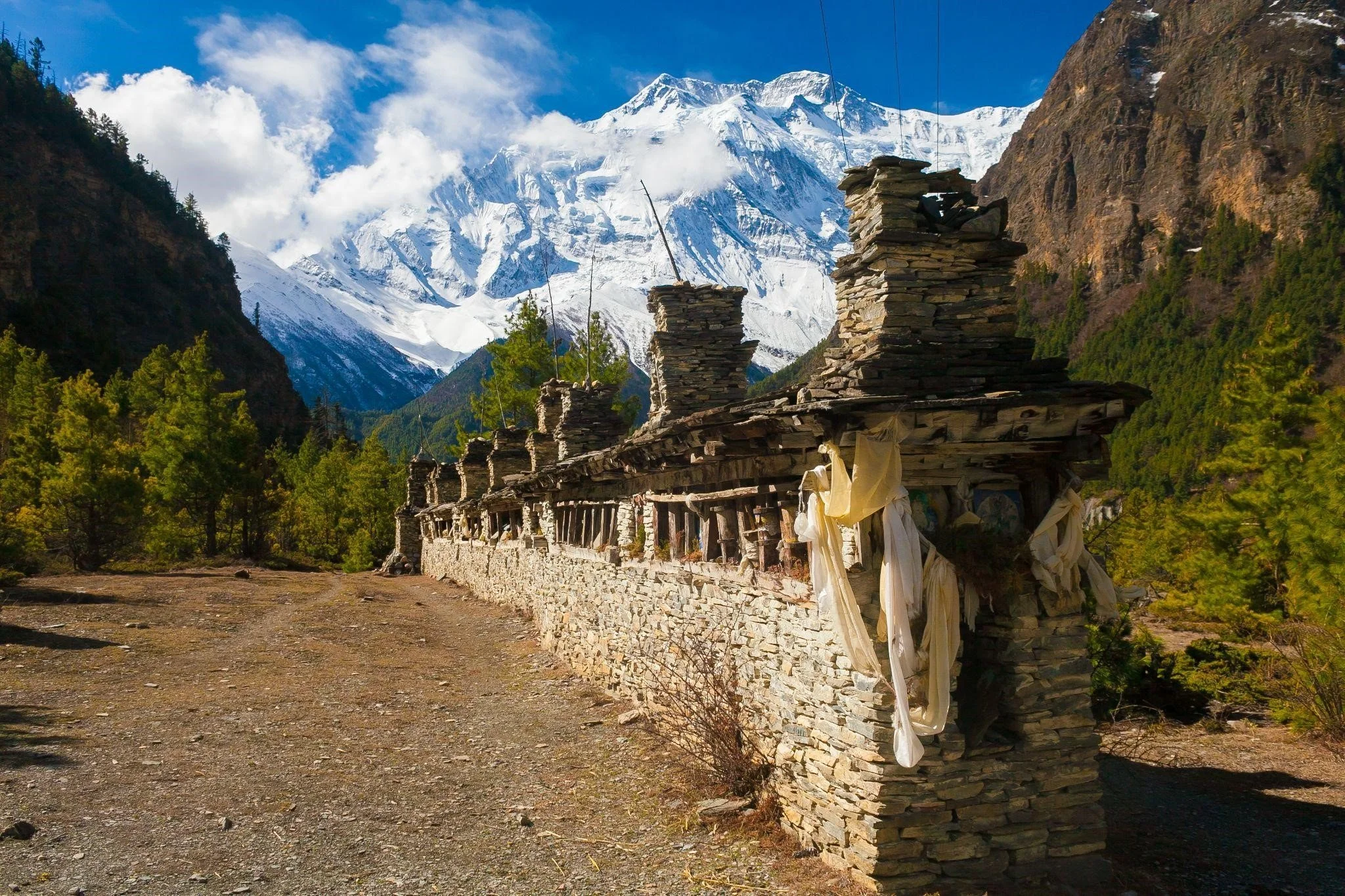
Thorang-la holds spiritual significance for the people of the region. Local Buddhists and Hindus consider the pass a sacred site, and you will encounter chortens (stone shrines) and prayer flags along the trail. The pass offers stunning panoramic views of the Annapurna and Dhaulagiri mountain ranges.
Itinerary for Conquering Thorang-la Pass:
Trekking to Thorang-la Pass requires careful planning and acclimatization to the high altitude. Here's a suggested itinerary for the adventure:
Day 1: Arrival in Kathmandu - Arrive in Nepal's capital, Kathmandu, and take time to prepare for your trek, including obtaining necessary permits.
Day 2: Drive to Besi Sahar - Begin your journey by driving to Besi Sahar, the starting point of the Annapurna Circuit.
Day 3-4: Trek to Manang - Embark on the trekking trail, passing through villages like Chamje, Tal, and Chame. Reach Manang, a beautiful village known for its cultural richness and breathtaking views.
Day 5-6: Acclimatization in Manang - Spend a couple of days in Manang to acclimatize to the altitude. Explore the village and visit the Gangapurna Lake and Ice Lake for acclimatization hikes.
Day 7: Trek to Yak Kharka - Resume your trek, heading to Yak Kharka, a high-altitude grazing area with stunning mountain views.
Day 8: Trek to Thorang Phedi - Continue your ascent, reaching Thorang Phedi, the base camp for Thorang-la Pass.
Day 9: Thorang-la Pass Day - Start early in the morning for the challenging climb to Thorang-la Pass. The hike is strenuous due to the high altitude and steep ascent. Reaching the pass is a triumphant moment, offering incredible views of the surrounding peaks.
Day 10: Descend to Muktinath - After celebrating your achievement at Thorang-la Pass, descend to Muktinath, a significant pilgrimage site for both Hindus and Buddhists.
Day 11: Trek to Jomsom - Continue your journey to Jomsom, known for its arid landscapes and unique charm.
Day 12: Flight to Pokhara - Conclude your trek by taking a scenic flight from Jomsom to Pokhara, where you can relax and reflect on your adventure.
Day 13: Return to Kathmandu - Fly back to Kathmandu, bringing an end to your exhilarating journey.
Tips for Conquering Thorang-la Pass:
Proper Acclimatization: Acclimatization is crucial when trekking at high altitudes. Spend a couple of days in Manang to adapt to the thin air before attempting the pass.
Physical Fitness: Prior physical preparation is essential. Engage in regular cardio and strength training exercises to build endurance and strength for the trek.
Packing Essentials: Pack warm clothing, including layers, gloves, and a down jacket. Ensure you have sturdy, comfortable trekking boots, a good-quality sleeping bag, and a reliable backpack.
Stay Hydrated and Nourished: Drink plenty of water and consume calorie-rich foods to maintain energy levels. Carry water purification tablets or a filter to access safe drinking water on the trail.
Know Your Limits: Listen to your body and recognize the signs of altitude sickness. If you experience severe symptoms, it's essential to descend to a lower altitude immediately.
Travel Insurance: Invest in comprehensive travel insurance that covers high-altitude trekking, medical emergencies, and evacuation if necessary.
Trekking to Thorang-la Pass is not for the faint of heart, but for adventurers and nature enthusiasts seeking the thrill of a lifetime, it is an experience like no other. The stunning alpine landscapes, the sense of accomplishment at reaching one of the world's highest trekking passes, and the cultural immersion along the way make this journey truly unforgettable.
By following the suggested itinerary, preparing meticulously, and respecting the challenges posed by high altitudes, you can turn your dream of conquering Thorang-la Pass into a reality. The reward is not only the panoramic views from the pass but also the indelible memories of a Himalayan adventure that will stay with you for a lifetime.
POPULAR ITINERARIES
SIMILAR POSTS
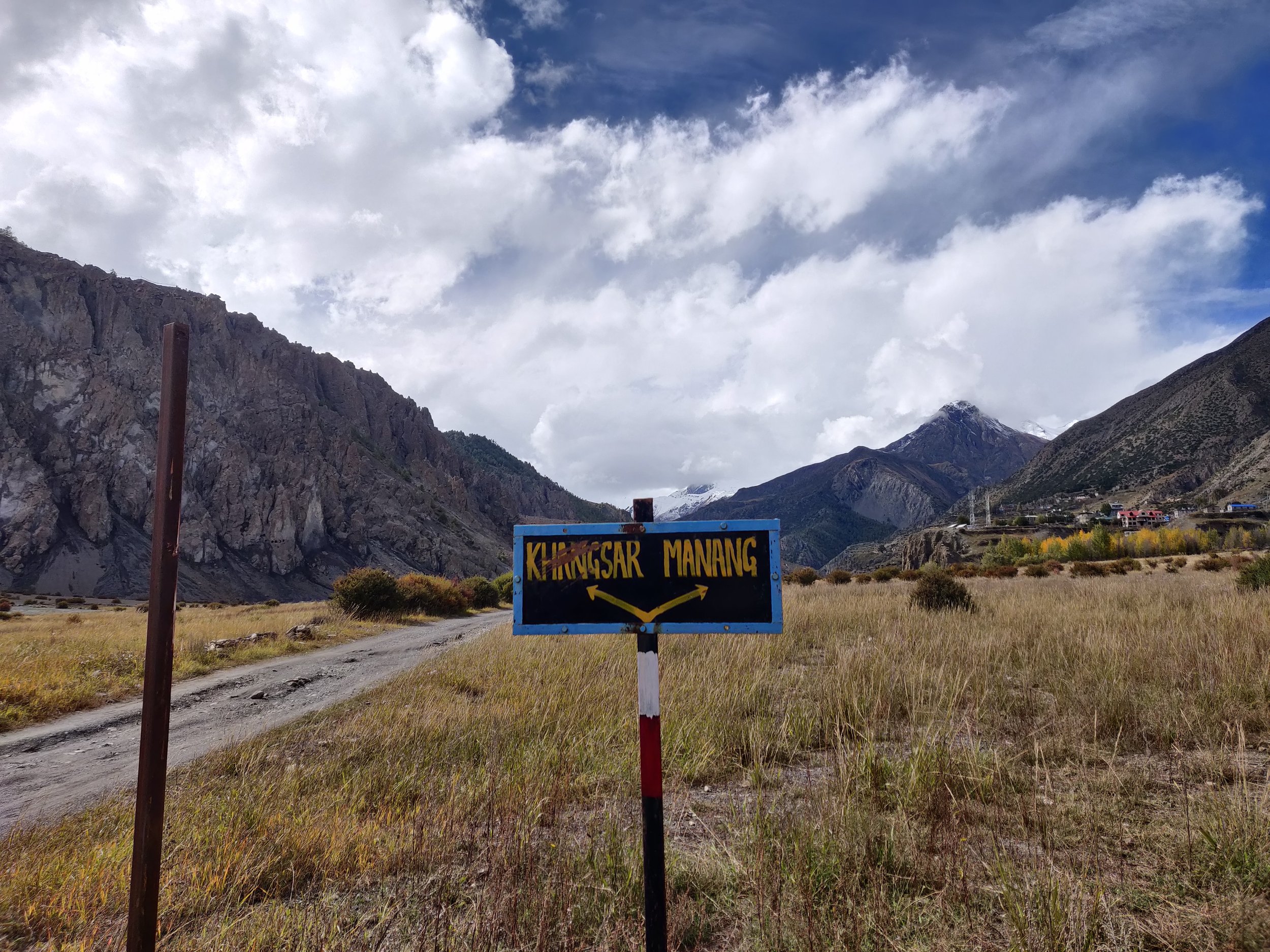
Khangsar and Manang: Two Incredible Destinations in Nepal's Annapurna Region
Nestled in the rugged terrain of the Himalayas, Khangsar and Manang are two hidden gems that beckon adventurers and nature enthusiasts to explore their untouched beauty. Located in the Annapurna region of Nepal, these destinations offer a unique blend of breathtaking landscapes, rich culture, and warm hospitality. In this article, we will take a closer look at the highlights, itinerary suggestions, and some invaluable tips to make the most of your visit to Khangsar and Manang.
Khangsar: A Picture Perfect Village
Khangsar, a picturesque village in the Annapurna Conservation Area, is often overshadowed by its more famous neighbor, Manang. However, it holds its own charm and allure that make it a must-visit destination for those seeking tranquility amidst nature.
Highlights of Khangsar:
Scenic Hikes: Khangsar offers numerous hiking trails that lead to stunning viewpoints. A popular option is the trek to Tilicho Lake, one of the highest lakes in the world, surrounded by dramatic mountain peaks. The journey to the lake takes you through alpine meadows, lush forests, and traditional settlements.
Cultural Immersion: Khangsar allows travelers to immerse themselves in the local culture. The village is inhabited by warm and friendly Gurung people who are eager to share their customs and traditions. Don't miss the opportunity to savor traditional Nepali dishes and learn about the unique architecture of the local houses.
Serene Environment: Unlike the bustling tourist hubs, Khangsar offers a peaceful retreat. The absence of vehicular traffic and the harmonious coexistence of nature and humanity create an environment that promotes relaxation and reflection.
Khangsar Itinerary:
Day 1: Arrival in Khangsar - Spend your first day acclimatizing and exploring the village.
Day 2: Hike to Tilicho Base Camp - Enjoy breathtaking views and immerse yourself in nature.
Day 3: Visit Tilicho Lake - Witness the pristine beauty of one of the highest lakes in the world.
Day 4: Return to Khangsar - Reflect on your adventure and savor local cuisine.
Day 5: Departure - Bid farewell to the serene village of Khangsar.
Tips for Khangsar:
Altitude Precautions: Khangsar is situated at a high altitude, so it's essential to acclimatize properly. Spend a couple of days in Manang or other lower-altitude villages before heading to Khangsar.
Pack Light: Since Khangsar is a remote destination, facilities may be limited. Pack essentials and consider hiring a porter to carry your belongings during treks.
Respect Local Culture: Embrace the local customs and traditions, and always ask for permission before taking photographs of people or their property.
Manang: A Cultural and Natural Haven
Manang, a vibrant town in the Annapurna region, is a gateway to some of the most magnificent trekking routes in the world. Its unique blend of cultural heritage and awe-inspiring landscapes has made it a favorite among trekkers and travelers.
Highlights of Manang:
Trekking Paradise: Manang serves as a starting point for treks to Annapurna Circuit, Thorong La Pass, and other stunning destinations. The trekking routes offer panoramic views of the Annapurna and Dhaulagiri mountain ranges, pristine forests, and charming villages.
Rich Culture: Explore the distinct culture of the Manangi people, who have preserved their Tibetan-influenced traditions for generations. Visit monasteries like Braga Monastery, where you can witness religious rituals and intricate artwork.
Natural Hot Springs: After a long day of trekking, unwind in the soothing waters of the natural hot springs in the nearby village of Chame. It's a perfect way to rejuvenate and relax your muscles.
Manang Itinerary:
Day 1: Arrival in Manang - Acclimatize and explore the town's cultural attractions.
Day 2: Braga Monastery - Visit this ancient monastery and immerse yourself in the local culture.
Day 3: Trekking Begins - Start your trek towards Tilicho Lake or Thorong La Pass.
Day 4-6: Trekking - Explore the stunning landscapes, villages, and mountain views along your chosen trekking route.
Day 7: Return to Manang - Rest and reflect on your trekking adventures.
Day 8: Departure - Bid farewell to Manang, taking with you memories of its beauty and culture.
Tips for Manang:
Permit Requirements: Ensure you have the necessary permits for trekking in the Annapurna Conservation Area. Check the current regulations and acquire your permits in advance.
Weather Awareness: The weather in the Himalayas can be unpredictable. Be prepared for changing conditions and carry appropriate gear, including warm clothing and rain protection.
Hydration and Nutrition: Staying hydrated and well-fed is crucial at high altitudes. Carry enough water and energy-rich snacks during your treks.
Khangsar and Manang, two incredible destinations in Nepal's Annapurna region, offer a unique blend of natural beauty, rich culture, and spiritual serenity. Whether you choose to explore the tranquil village of Khangsar or embark on a trekking adventure from bustling Manang, both destinations promise an unforgettable experience in the heart of the Himalayas. Remember to plan your itinerary carefully, respect local customs, and embrace the stunning landscapes and warm hospitality that these hidden gems have to offer.
POPULAR ITINERARIES
SIMILAR POSTS
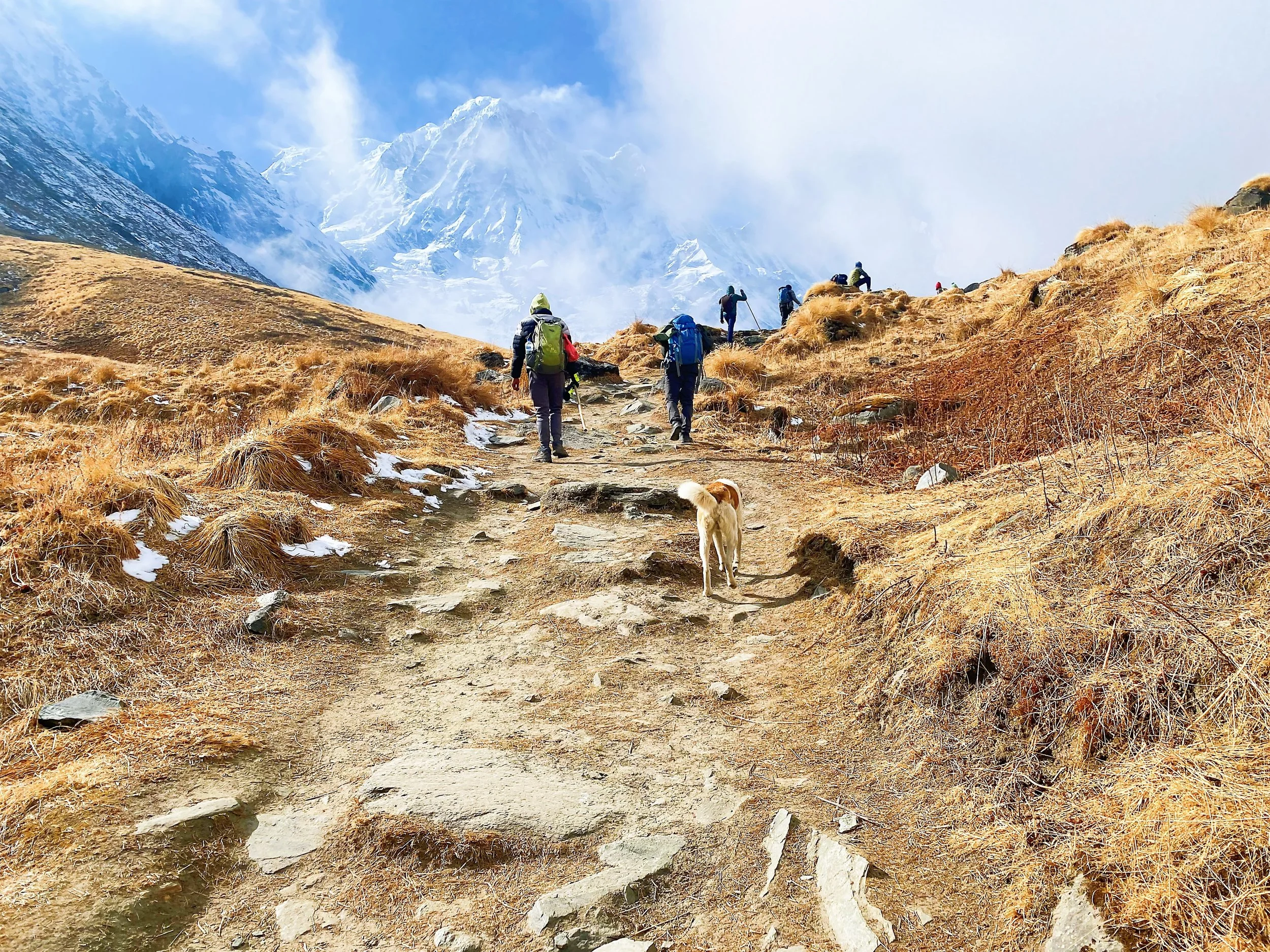
Wandering In the Himalayas: A Trekker's Paradise
The Himalayas, the towering giants that cradle Nepal, have always beckoned adventurers, seekers of solace, and nature enthusiasts. To truly experience the majesty of these mountains, trekking in the Himalayas is an unparalleled journey into the heart of nature. This article will introduce you to the essence of trekking in Nepal and present the five best trekking routes, along with their highlights and mini-itineraries, inviting you to wander in the Himalayas.
Trekking in Nepal: An Enriching Experience
Trekking in Nepal isn't just about conquering peaks; it's about immersing yourself in a world of natural beauty, culture, and adventure. It's about forging a connection with the people of the mountains, experiencing their way of life, and witnessing landscapes that will leave you in awe. Whether you're an experienced trekker or a novice, Nepal offers routes that cater to all levels, ensuring everyone can explore the Himalayas.
1. Everest Base Camp Trek
Introduction:
The Everest Base Camp Trek, the crown jewel of trekking in Nepal, offers a remarkable blend of natural grandeur and cultural richness. It's a journey that leads you to the base of the world's highest peak, Mount Everest, and through the enchanting Sherpa heartland.
Highlights:
Iconic views of Mount Everest and surrounding peaks.
Immersion in Sherpa culture and monasteries.
Adventurous flight to Lukla, the gateway to Everest.
Visiting the stunning Sagarmatha National Park.
Mini Itinerary:
Day 1: Fly to Lukla and trek to Phakding.
Day 2: Trek to Namche Bazaar.
Day 3: Acclimatization day in Namche.
Day 4: Trek to Tengboche.
Day 5: Trek to Dingboche.
Day 6: Acclimatization day in Dingboche.
Day 7: Trek to Lobuche.
Day 8: Trek to Everest Base Camp and back to Gorak Shep.
Day 9: Hike to Kala Patthar for sunrise and return to Lukla.
2. Annapurna Circuit Trek
The Annapurna Circuit Trek is a classic journey through diverse landscapes, lush forests, terraced fields, and high mountain deserts. It offers a taste of authentic Nepali culture and stunning views of the Annapurna and Dhaulagiri mountain ranges.
Highlights:
A diverse range of landscapes from lush forests to arid highlands.
Thorong La Pass, one of the highest trekking passes in the world.
Encounters with diverse ethnic groups and villages.
Relaxation in the natural hot springs of Tatopani.
Mini Itinerary:
Day 1: Begin in Besisahar and trek to Bhulbhule.
Day 2: Trek to Jagat.
Day 3: Trek to Dharapani.
Day 4: Trek to Chame.
Day 5: Trek to Upper Pisang.
Day 6: Trek to Manang.
Day 7: Acclimatization day in Manang.
Day 8: Trek to Yak Kharka.
Day 9: Trek to Thorong Phedi.
Day 10: Cross Thorong La Pass and descend to Muktinath.
Day 11: Trek to Jomsom via Kagbeni.
Day 12: Fly to Pokhara.
3. Langtang Valley Trek
The Langtang Valley Trek is a shorter and less crowded option that takes you into the stunning Langtang region. It offers a taste of pristine wilderness, dense forests, and encounters with friendly Tamang communities.
Highlights:
Proximity to Kathmandu; a shorter trek.
Spectacular mountain views including Langtang Lirung.
Exploration of the picturesque Langtang village.
Interactions with Tamang communities.
Mini Itinerary:
Day 1: Drive to Syabrubesi.
Day 2: Trek to Lama Hotel.
Day 3: Trek to Langtang Village.
Day 4: Trek to Kyanjin Gompa.
Day 5: Explore Kyanjin Gompa and Langtang Glacier.
Day 6: Trek back to Lama Hotel.
Day 7: Trek to Syabrubesi.
Day 8: Drive back to Kathmandu.
4. Manaslu Circuit Trek
The Manaslu Circuit Trek takes you on an off-the-beaten-path adventure, circling the magnificent Manaslu massif. This remote trek offers pristine wilderness, ethnic diversity, and the challenge of crossing the Larke Pass.
Highlights:
Off-the-beaten-path trekking experience.
Pristine wilderness and diverse ecosystems.
Crossing the challenging Larke Pass.
Interactions with Tibetan and Nepalese cultures.
Mini Itinerary:
Day 1: Drive to Soti Khola.
Day 2: Trek to Machha Khola.
Day 3: Trek to Jagat.
Day 4: Trek to Deng.
Day 5: Trek to Namrung.
Day 6: Trek to Samagaon.
Day 7: Acclimatization day in Samagaon.
Day 8: Trek to Samdo.
Day 9: Trek to Dharamsala.
Day 10: Cross Larke Pass and descend to Bimthang.
Day 11: Trek to Tilje.
Day 12: Trek to Dharapani and drive to Kathmandu.
5. Upper Mustang Trek
The Upper Mustang Trek offers a unique opportunity to explore the forbidden kingdom of Lo Manthang. It's a journey through stark landscapes, Tibetan-influenced culture, and ancient monasteries.
Highlights:
The unique Tibetan-influenced culture and landscape.
Exploring the ancient walled city of Lo Manthang.
Visiting monasteries and caves.
Restricted region, preserving its pristine beauty.
Mini Itinerary:
Day 1: Fly to Jomsom and trek to Kagbeni.
Day 2: Trek to Chele.
Day 3: Trek to Syanboche.
Day 4: Trek to Gheling.
Day 5: Trek to Charang.
Day 6: Trek to Lo Manthang.
Day 7: Explore Lo Manthang.
Day 8: Trek to Yara.
Day 9: Explore Yara and Luri Gompa.
Day 10: Trek to Tangge.
Day 11: Trek to Tetang.
Day 12: Trek to Muktinath and drive back to Jomsom.
Trekking in the Himalayas of Nepal is not just an adventure; it's a journey of the heart and soul. The trails offer more than just breathtaking vistas; they open doors to unique cultures, humble villages, and serene landscapes. From the world-famous Everest Base Camp to the mystical Upper Mustang, each trek has its own charm and allure. So, whether you seek the thrill of high mountain passes or the tranquility of remote valleys, Nepal's Himalayas have a trek waiting for you, promising an unforgettable adventure of a lifetime.
POPULAR ITINERARIES
SIMILAR POSTS
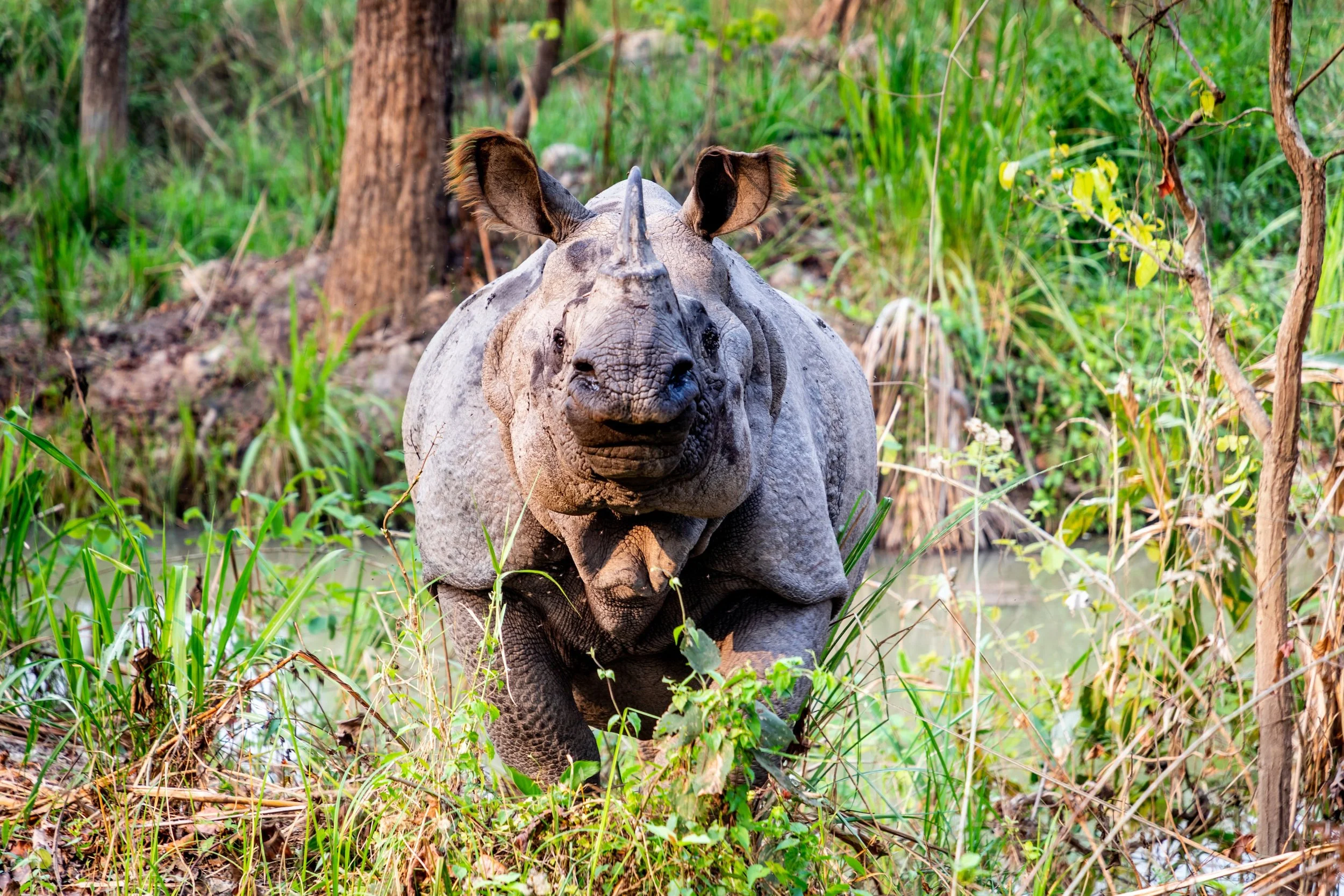
Chitwan National Park: A Wildlife Wonderland
Nepal, often celebrated for its towering peaks and the allure of the Himalayas, is a diverse country that has much more to offer than just mountainous landscapes. One of its hidden gems is Chitwan, a region located in the southern lowlands known as the Terai. This article will take you on a journey to Chitwan, where lush jungles, exotic wildlife, and rich cultural experiences await the intrepid traveler.
Chitwan National Park: The Jewel of Chitwan
At the heart of Chitwan lies the Chitwan National Park, a UNESCO World Heritage Site and a haven for nature enthusiasts. Covering an area of 932 square kilometers, the park is home to a remarkable variety of flora and fauna.
Established in 1973, Chitwan National Park is a living testament to Nepal's commitment to preserving its natural heritage. Originally designated as a hunting reserve for the ruling elite, it underwent a transformation into a protected area due to the burgeoning threats to its unique ecosystem. This park, with its rich history, has since flourished into one of Asia's most renowned wildlife sanctuaries.
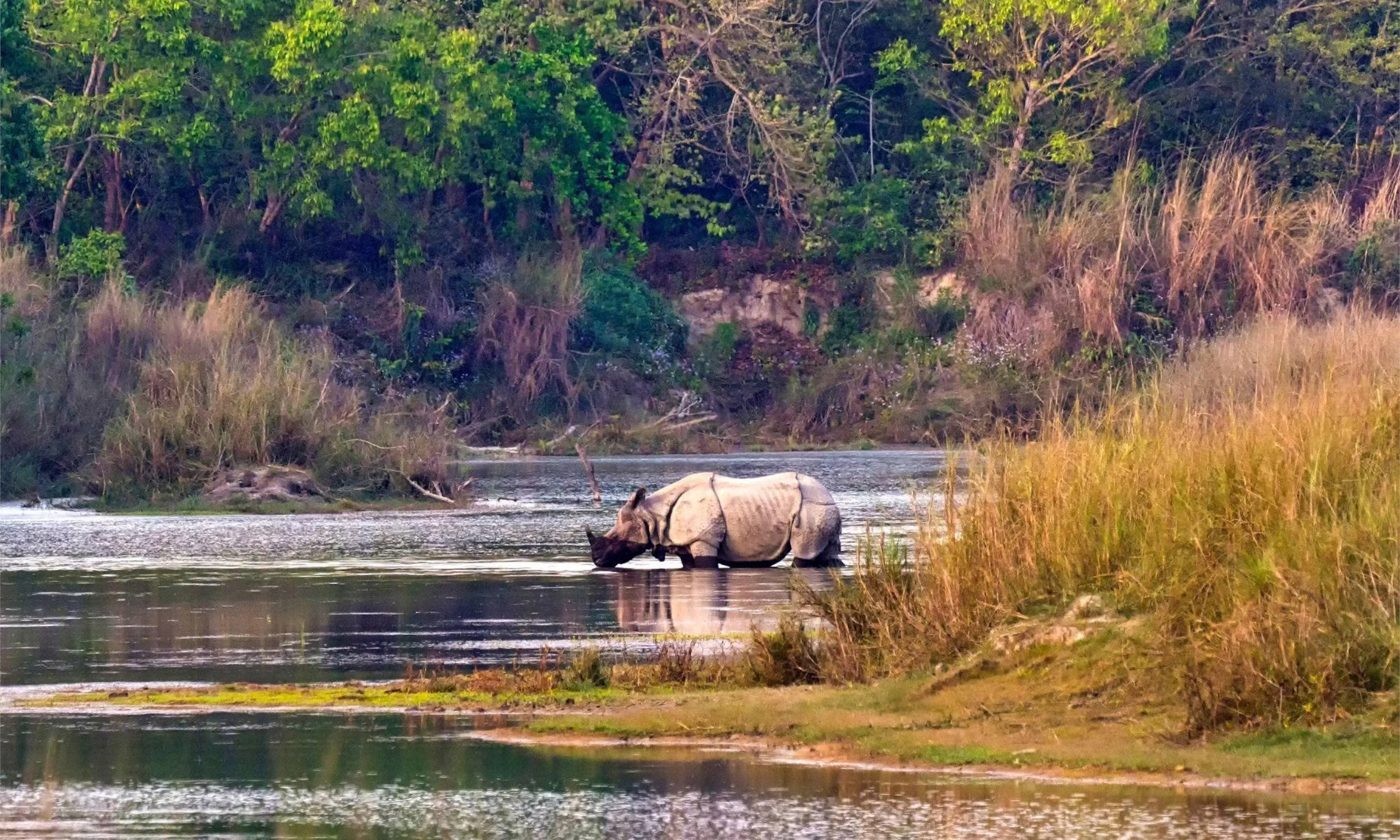
One of the park's most significant highlights is its successful conservation of charismatic mega-fauna, including the endangered Bengal tiger and the one-horned rhinoceros. With more than 68 species of mammals, 544 species of birds, and a multitude of reptiles and amphibians, Chitwan National Park provides an unparalleled opportunity for wildlife enthusiasts and researchers alike. Its lush jungles and the meandering Rapti River create a picturesque backdrop for activities such as jungle safaris, canoeing, and guided walks, ensuring that visitors can immerse themselves in the park's natural wonders while contributing to its ongoing preservation efforts.
Wildlife Encounters
Chitwan National Park is famed for its thriving populations of endangered species, including the Bengal tiger and the one-horned rhinoceros. Visitors can embark on jungle safaris, either on elephant-back or in a jeep, to catch a glimpse of these majestic creatures.
Avian Paradise
Birdwatchers will find Chitwan a true paradise, with over 540 species of birds inhabiting the park. The vibrant plumage of tropical birds, such as the vibrant Indian Pitta and the elusive Great Hornbill, make it a birdwatcher's dream destination.
Cultural Experiences: The Heart of Terai Culture
Tharu Culture
The indigenous Tharu people have inhabited the Terai region for centuries and offer visitors a unique opportunity to immerse themselves in their rich culture. Learn about their traditional dances, colorful attire, and their deep connection to the land.
Festivals and Traditions
Chitwan celebrates various festivals throughout the year, with Dashain and Tihar being the most significant. These festivals provide an excellent chance to witness vibrant rituals and celebrations.
Adventure in the Jungle: Activities Beyond Wildlife Watching
Canoeing on the Rapti River
Glide along the serene Rapti River in a traditional dugout canoe, where you can spot crocodiles and various bird species while enjoying the tranquility of the water.
Elephant Bathing
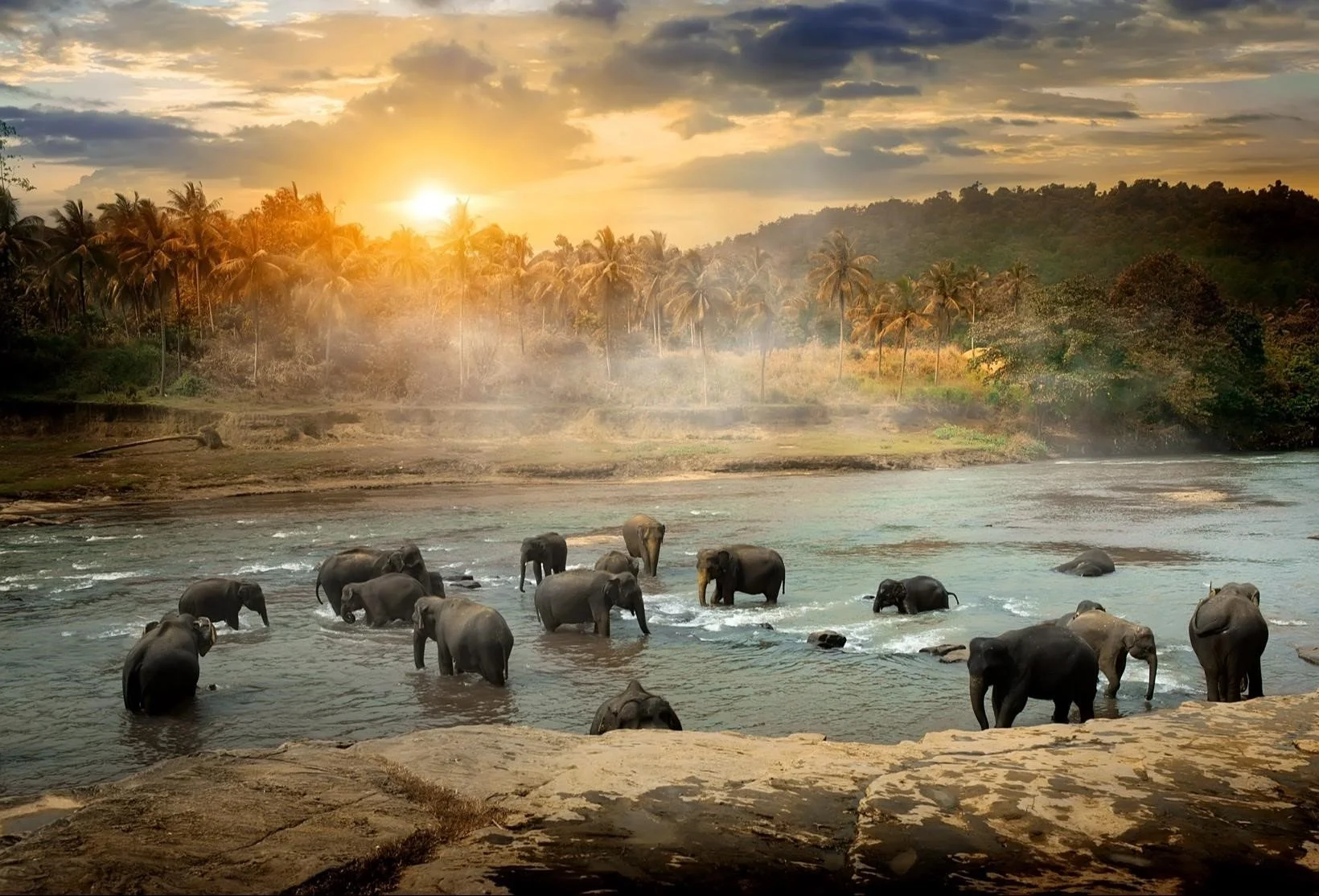
Get up close and personal with these gentle giants in a responsible and ethical manner. Participate in elephant bathing sessions, which are not only fun but also promote conservation.
Jungle Walks
Experienced guides will take you on thrilling jungle walks, providing insights into the park's biodiversity, including tracking animal footprints and identifying exotic plant species.
Local Flavors
Don't miss the opportunity to savor local Tharu cuisine, characterized by its use of rice, lentils, and locally grown vegetables. Try traditional dishes like dhindo (a type of millet porridge) and sel roti (rice doughnuts).
Practical Tips for Travelers
• Best Time to Visit: The ideal time to visit Chitwan is during the winter months from October to March when the weather is pleasant and wildlife sightings are frequent.
• Responsible Tourism: Respect the park's rules and regulations, such as maintaining a safe distance from wildlife and refraining from littering. Support responsible tour operators who prioritize conservation efforts.
• Vaccinations and Health Precautions: Consult your doctor for recommended vaccinations and health precautions, as Chitwan is in a malaria-prone region.
Chitwan, often overshadowed by Nepal's towering peaks, is a destination that deserves recognition in its own right. Whether you are a wildlife enthusiast, a culture buff, or an adventure seeker, Chitwan offers an array of experiences to satisfy every traveler's desires. From thrilling jungle safaris to immersing yourself in Tharu culture, Chitwan beckons with open arms. So, when Nepal calls, don't forget to answer and explore the wonders of Chitwan. It's a journey you won't forget soon.
POPULAR ITINERARIES
SIMILAR POSTS
Capturing the Stars in the Himalayas
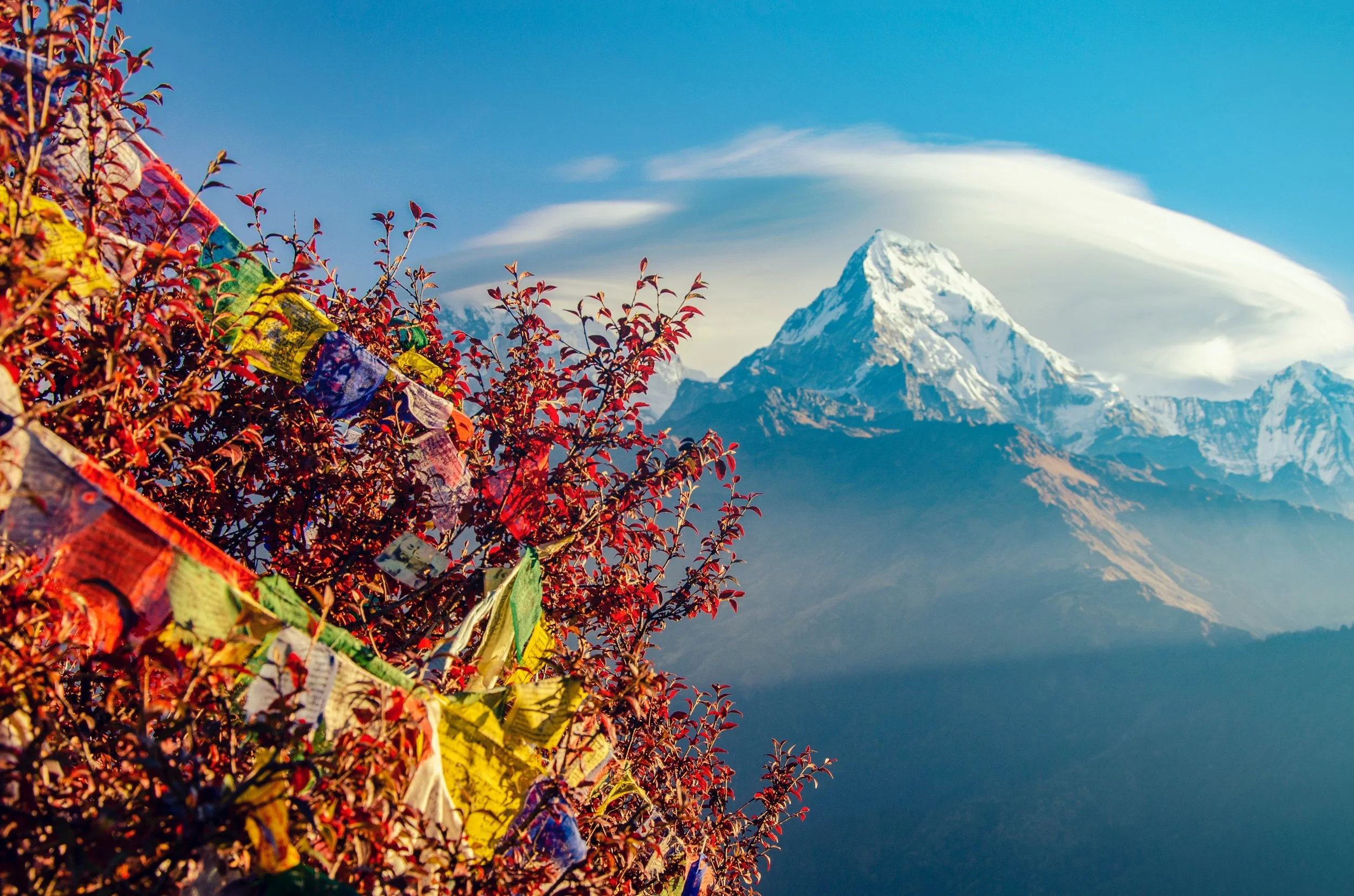
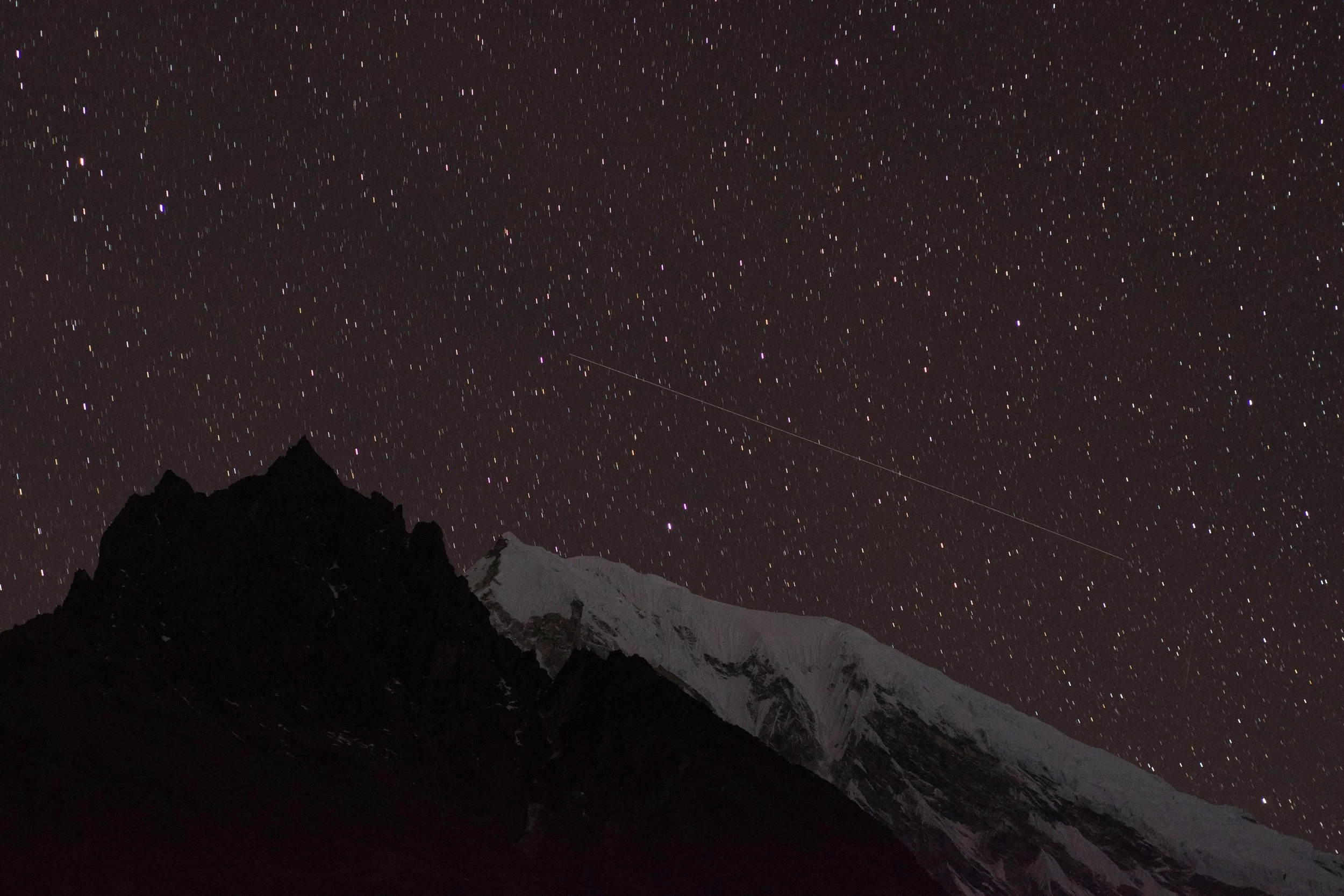
Nepal, renowned for its stunning mountain landscapes, rich culture, and warm hospitality, has also emerged as a hidden gem for astrophotographers. The Himalayan nation offers a unique opportunity to capture the celestial wonders amidst its breathtaking scenery. In this article, we will explore some of the best astro photography destinations in Nepal, where you can capture the beauty of the night sky against the backdrop of the majestic mountains.
Nepal, renowned for its stunning mountain landscapes, rich culture, and warm hospitality, has also emerged as a hidden gem for astrophotographers. The Himalayan nation offers a unique opportunity to capture the celestial wonders amidst its breathtaking scenery. In this article, we will explore some of the best astro photography destinations in Nepal, where you can capture the beauty of the night sky against the backdrop of the majestic mountains.
1. Sagarmatha National Park
Nestled in the heart of the Khumbu region, Sagarmatha National Park is home to the world's highest peak, Mount Everest. It's not only a paradise for trekkers but also for astrophotographers. The clear, unpolluted skies at high altitudes provide a canvas for capturing the Milky Way, constellations, and even the occasional shooting star. Gazing up at the starry sky with the silhouette of Everest and neighboring peaks is an experience that transcends words.
2. Annapurna Conservation Area
The Annapurna Conservation Area is another prime astro photography destination in Nepal. With its diverse terrain, including lush forests, terraced fields, and serene lakes, this region offers an array of compositions for night photography. The tranquil Phewa Lake in Pokhara, surrounded by the Annapurna Range, is a perfect spot for capturing reflections of the stars in the water.
3. Rara Lake
Rara Lake, located in the remote northwestern corner of Nepal, is the largest lake in the country and one of the least explored astro photography destinations. The serene and pristine surroundings make it an ideal location for capturing the night sky in all its glory. Away from the light pollution of urban areas, Rara Lake offers a chance to photograph the Milky Way in its full splendor.
4. Langtang National Park
Langtang National Park, with its rugged terrain and diverse flora and fauna, is a haven for astro photographers. The picturesque Langtang Valley, with its dramatic landscapes and high vantage points, provides ample opportunities to capture star trails and the interplay of light and shadow on the mountains during the night.
5. Gosaikunda Lake
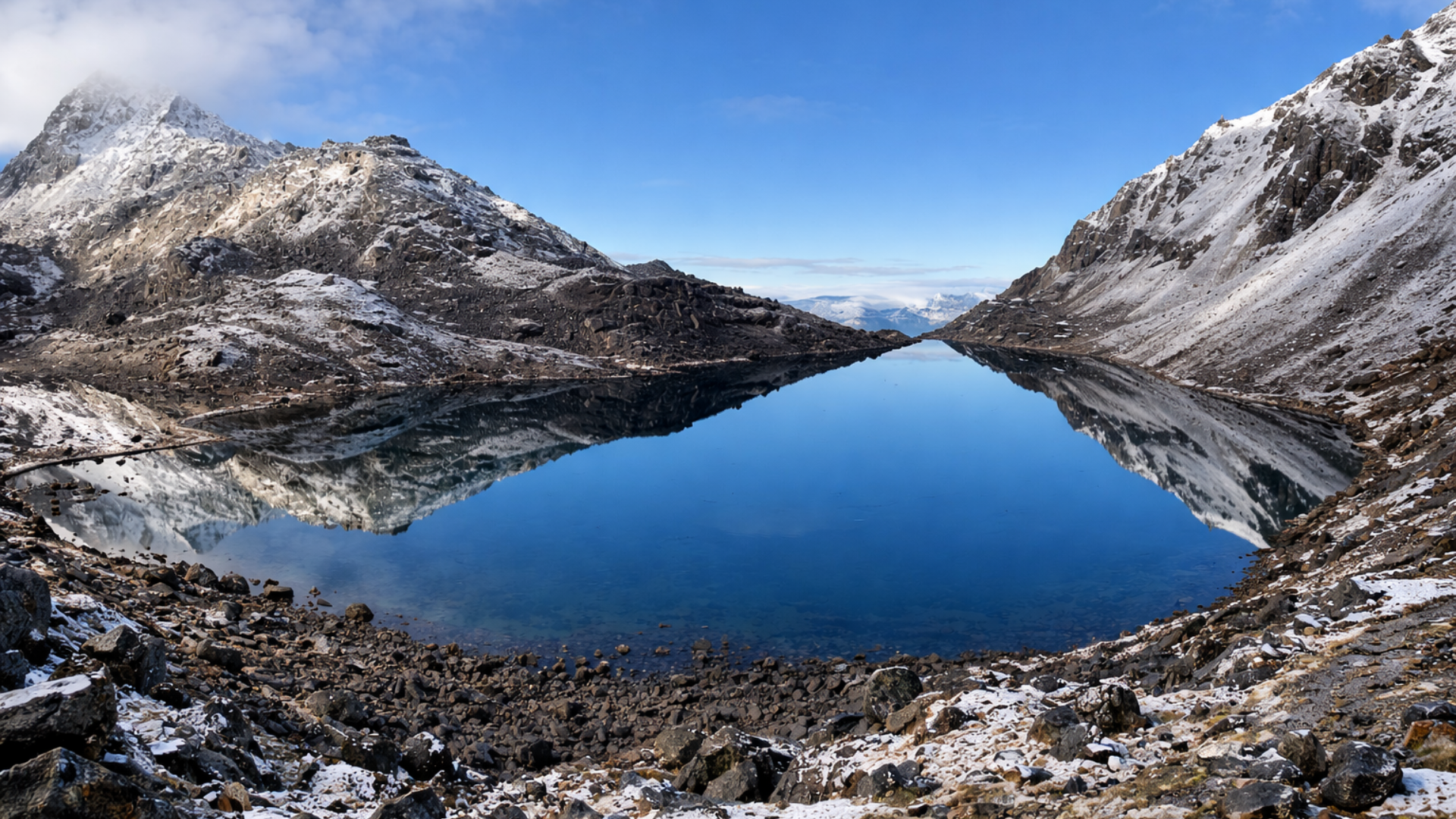
Located at an altitude of over 4,380 meters, Gosaikunda Lake is not just a pilgrimage site but also a remarkable astro photography destination. The high altitude and pristine environment make it an ideal place for capturing the night sky. The lake's calm waters mirror the stars above, creating stunning reflections that add depth to your astrophotography compositions.
6. Manang
Manang, a picturesque village on the Annapurna Circuit, is a strategic base for astrophotographers. The village's high altitude and minimal light pollution make it an excellent spot to capture the celestial wonders. The clear night skies here reveal intricate details of the Milky Way, making it a must-visit destination for avid astrophotographers.
7. Upper Mustang
Upper Mustang, a remote region bordering Tibet, offers a unique landscape for astro photography. The stark, arid terrain and ancient cave dwellings provide a surreal contrast to the night sky. The region's isolation ensures minimal light pollution, allowing you to capture stunning images of stars and galaxies.
Tips for Astro Photography in Nepal
Pack Proper Gear: Ensure you have a sturdy tripod, a fast lens with a wide aperture, and a remote shutter release to minimize camera shake during long exposures.
Check the Weather: Plan your trip during the dry season (October to April) when the skies are clear and the chances of capturing the stars are higher.
Acclimatize: If you're heading to high-altitude destinations like Everest Base Camp or Manang, take time to acclimatize to prevent altitude sickness.
Learn Astrophotography Techniques: Familiarize yourself with techniques such as long-exposure photography, stacking, and image processing to enhance the quality of your astrophotographs.
Respect the Environment: Practice responsible photography by leaving no trace and respecting the natural beauty of Nepal's landscapes.
Nepal's astro photography destinations offer a unique blend of natural beauty and celestial wonders. From the towering peaks of Sagarmatha National Park to the tranquil lakes of Annapurna, and the remote landscapes of Upper Mustang, there's a plethora of opportunities to capture the magic of the night sky. So, pack your camera gear, head to Nepal, and prepare to be mesmerized by the celestial symphony above the Himalayas. With a clear sky, a keen eye, and the right techniques, you'll create stunning astro photographs that will leave a lasting impression. Happy shooting!
POPULAR ITINERARIES
SIMILAR POSTS
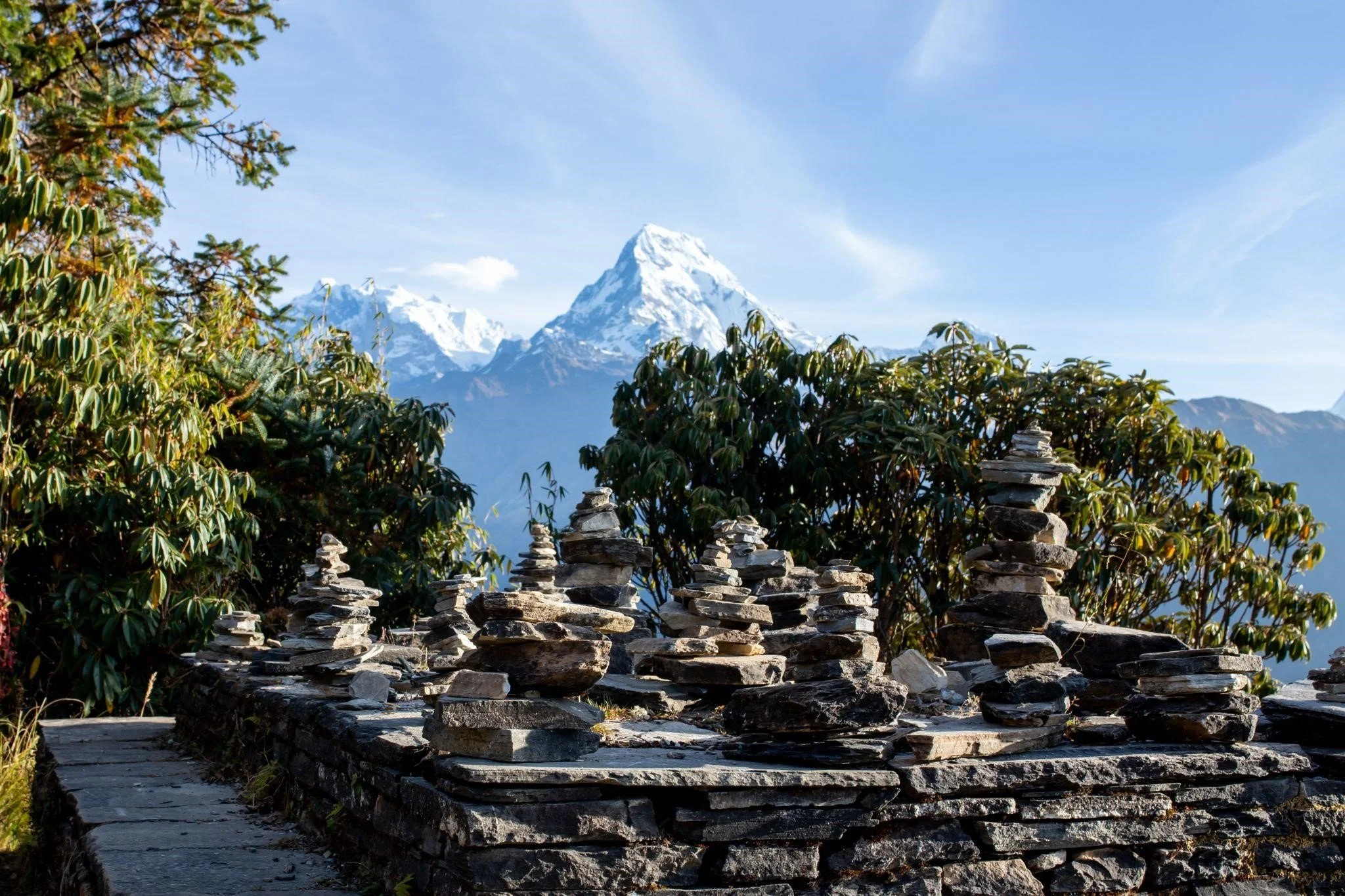
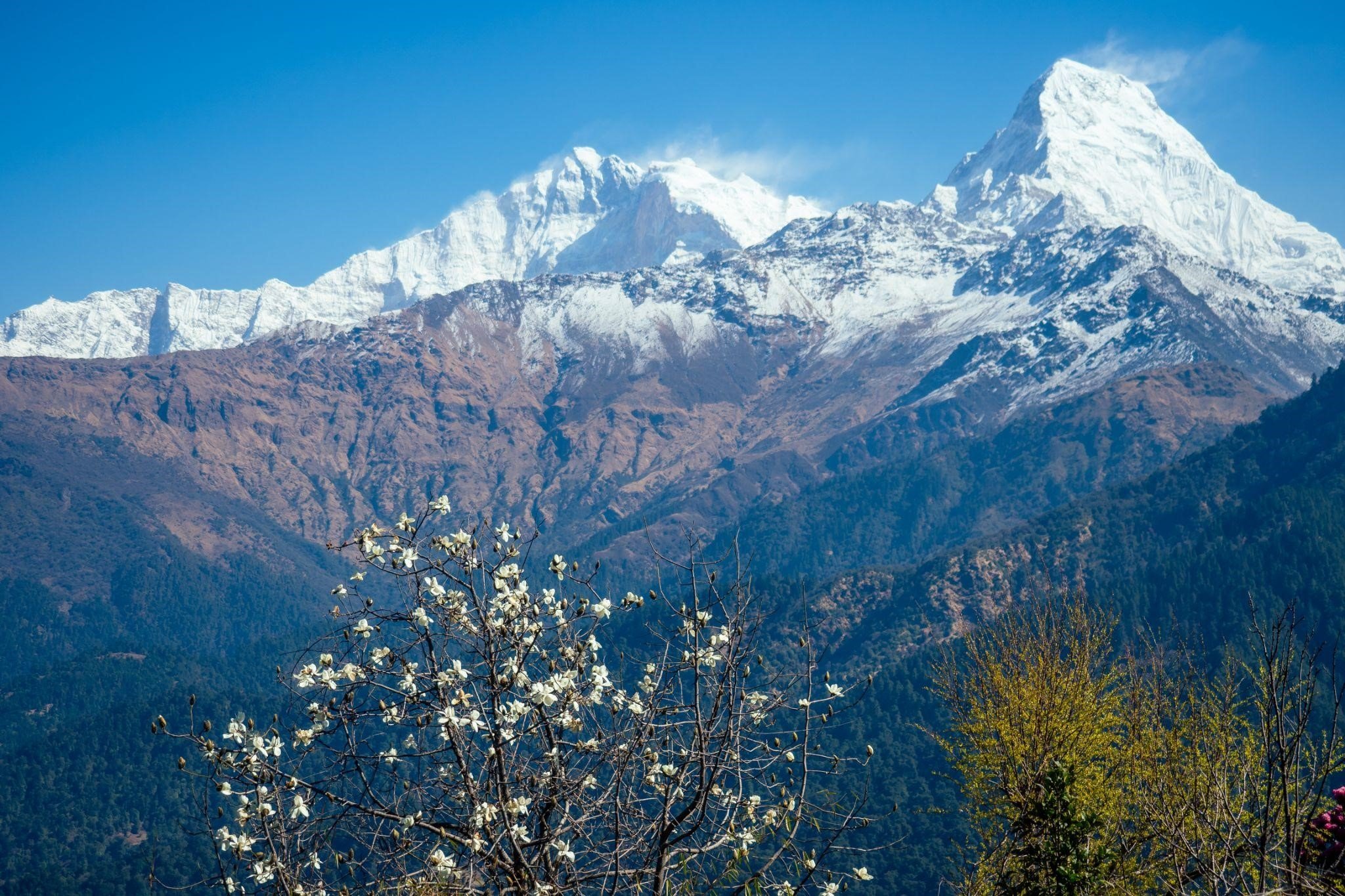
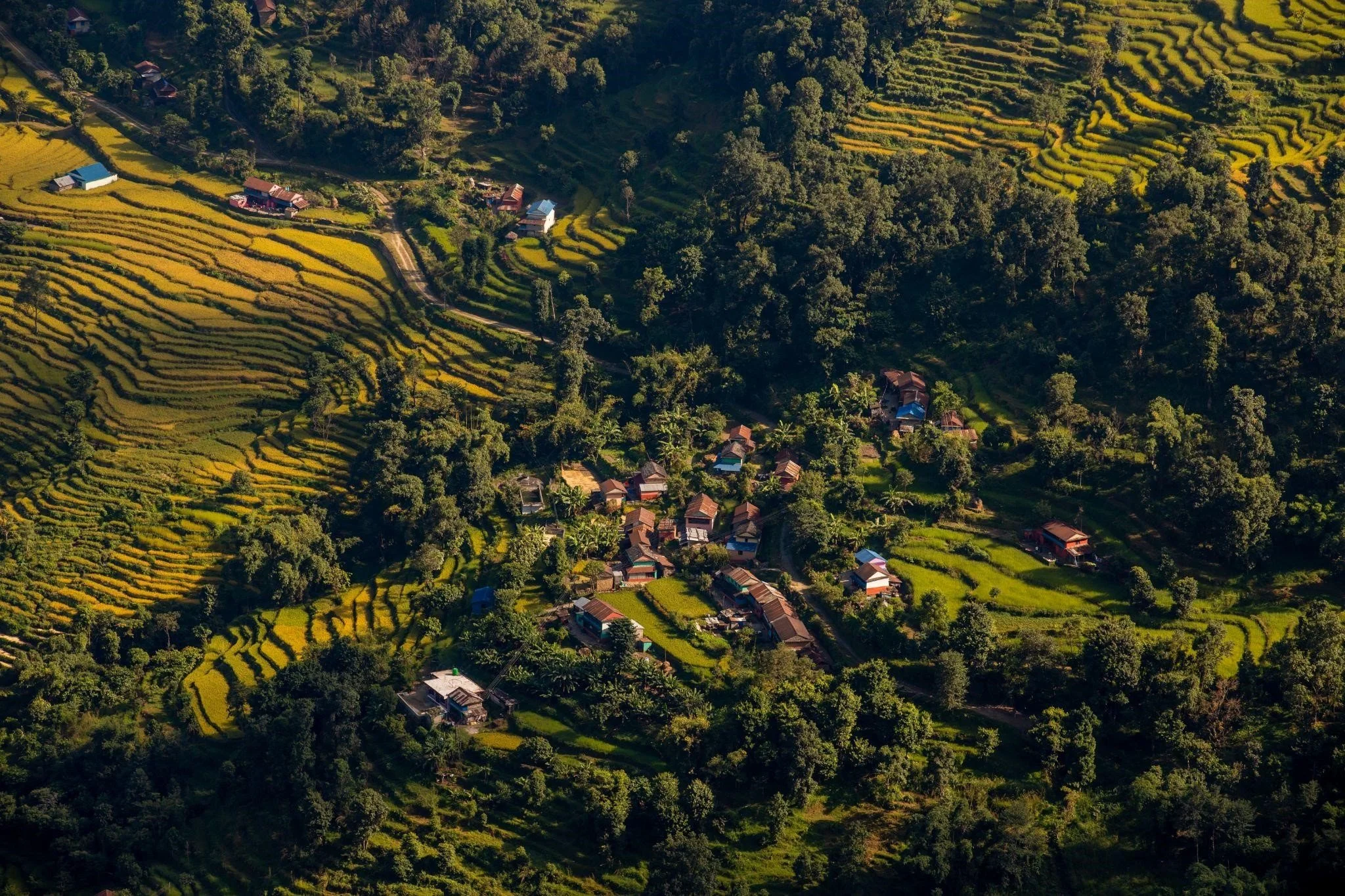
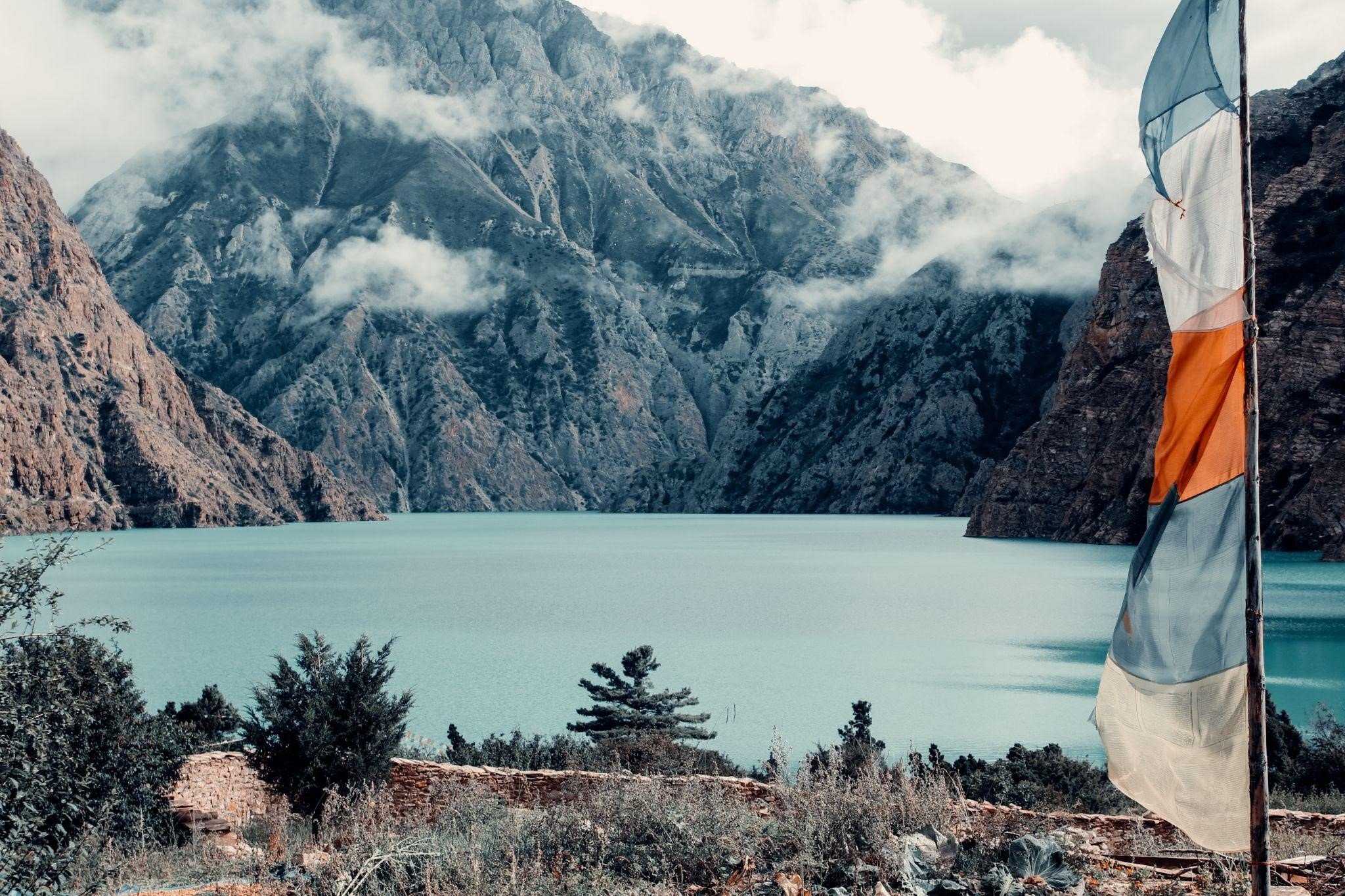
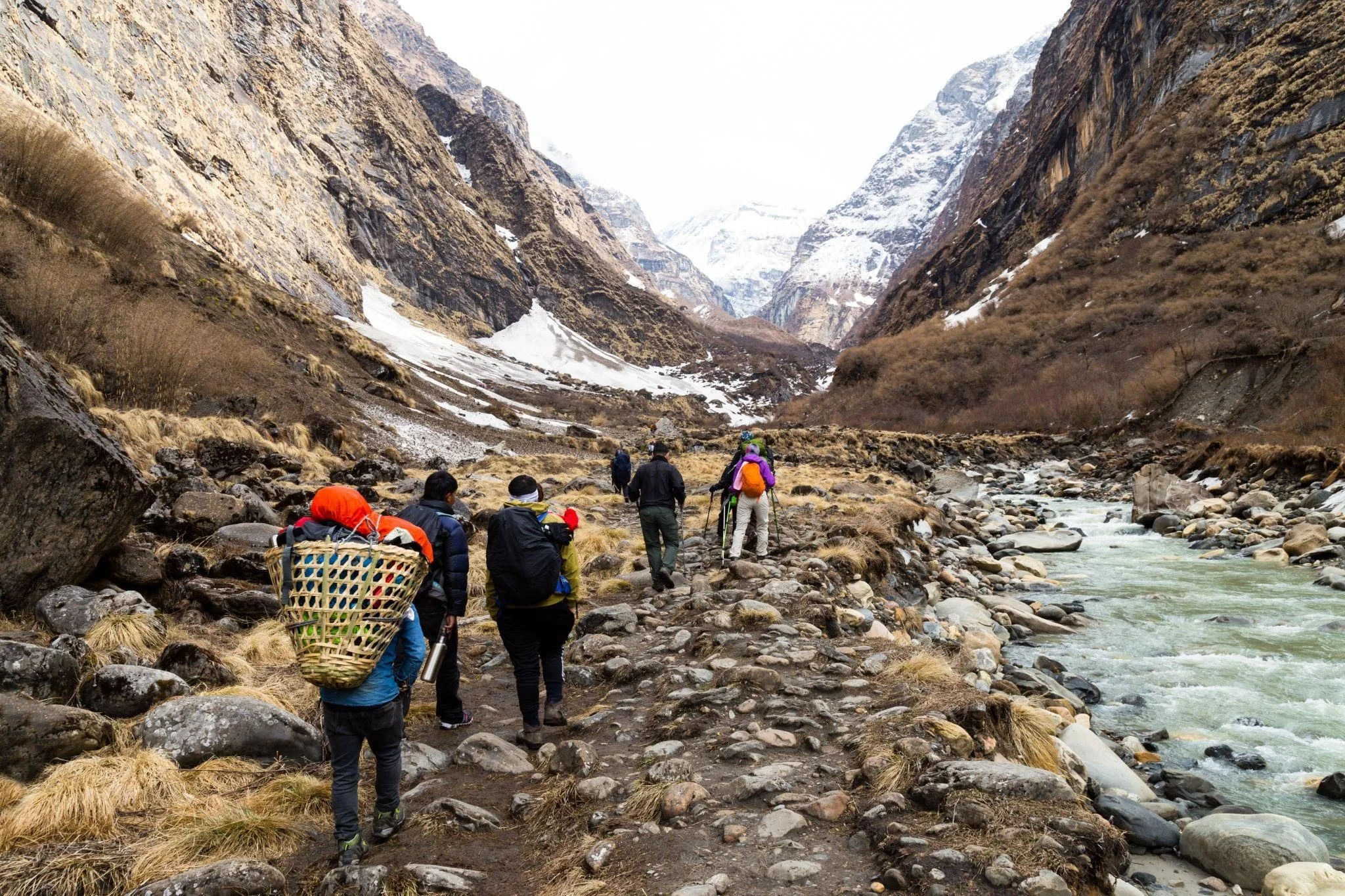
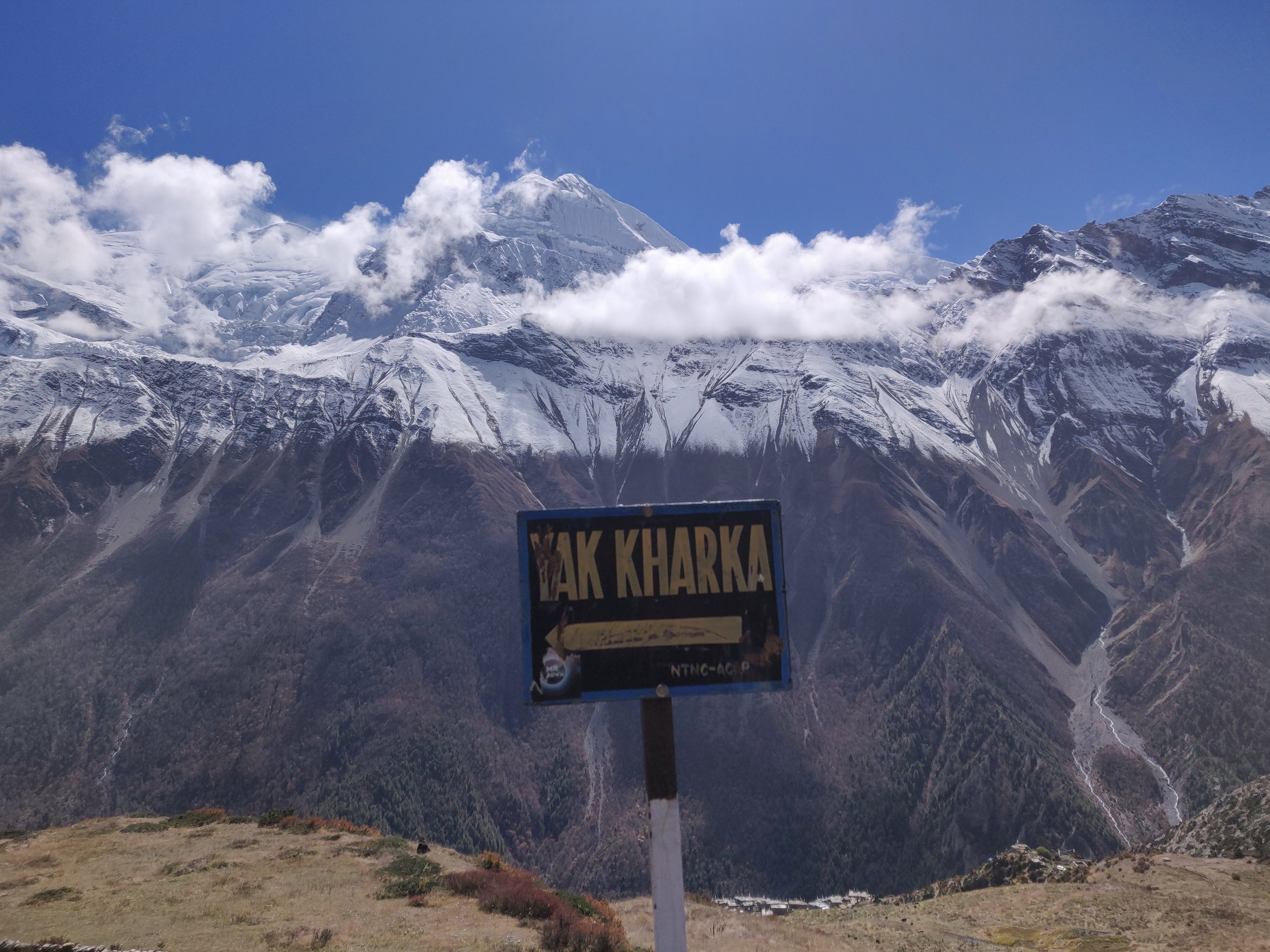
The Allure of the Yak Kharka Trekking Route
Nepal, with its towering peaks and breathtaking landscapes, has long been a haven for trekkers and adventure enthusiasts. Among the numerous trekking routes that crisscross this Himalayan paradise, the Yak Kharka Trekking Route stands out for its mesmerizing beauty and unique cultural experiences. In this feature article, we invite you to embark on an unforgettable journey as we explore the itinerary of the Yak Kharka Trekking Route, where pristine nature, traditional villages, and awe-inspiring vistas await.
The Yak Kharka Trekking Route, nestled in the heart of Nepal's Annapurna region, is a hidden gem waiting to be discovered by adventurers seeking an authentic Himalayan experience. This trek combines the splendor of high mountain landscapes with encounters with the warm-hearted local communities of Nepal.
Route Highlights
Spectacular Mountain Views: The Yak Kharka Trek offers panoramic views of some of the world's highest peaks, including Annapurna, Dhaulagiri, and Machapuchare.
Cultural Immersion: You'll have the opportunity to interact with locals in traditional Gurung and Magar villages, learning about their customs and way of life.
Wildlife Encounters: Keep an eye out for rare Himalayan wildlife, such as blue sheep and the elusive snow leopard, as you traverse the rugged terrain.
Itinerary:-
Day 1: Arrival in Kathmandu
Day 2: Kathmandu to Pokhara
Day 3: Pokhara to Nayapul to Tikhedhunga
Day 4: Tikhedhunga to Ghorepani
Day 5: Ghorepani to Poon Hill to Tadapani
Day 6: Tadapani to Chhomrong
Day 7: Chhomrong to Bamboo
Day 8: Bamboo to Deurali
Day 9: Deurali to Yak Kharka
Day 10: Yak Kharka to Thorong Phedi
Day 11: Thorong Phedi to Muktinath via Thorong La Pass
Day 12: Muktinath to Jomsom
Day 13: Jomsom to Pokhara
Day 14: Return to Kathmandu
Itinerary: A Trekker's Dream Journey
The Yak Kharka Trek typically spans 7 to 10 days, depending on your pace and the specific route you choose. Here, we outline a 9-day itinerary that covers the highlights of this remarkable trek.
Day 1: Arrival in Kathmandu
Your journey begins with your arrival in Nepal's capital, Kathmandu. Spend your first day exploring the vibrant streets of the city, where ancient temples, bustling markets, and a rich tapestry of cultures await.
Day 2: Kathmandu to Pokhara
Leave Kathmandu behind as you embark on a scenic drive or a short flight to the lakeside city of Pokhara. Take in the serene beauty of Phewa Lake and the towering Annapurna Range as you prepare for your trek.
Day 3: Pokhara to Nayapul to Tikhedhunga
After breakfast in Pokhara, drive to Nayapul, the starting point of your trek. The trail takes you through terraced fields, forests, and picturesque villages like Tikhedhunga, where you'll spend your first night in a local teahouse.
Day 4: Tikhedhunga to Ghorepani
As you ascend higher into the Annapurna Conservation Area, the landscapes transform. Today's journey leads you to Ghorepani, a charming village known for its stunning sunrise views over the Himalayas.
Day 5: Ghorepani to Poon Hill to Tadapani
Wake up early and make the steep climb to Poon Hill, a renowned vantage point offering breathtaking sunrise vistas. After capturing the beauty in your memories and your camera, continue your trek to Tadapani, a quaint village surrounded by lush forests.
Day 6: Tadapani to Chhomrong
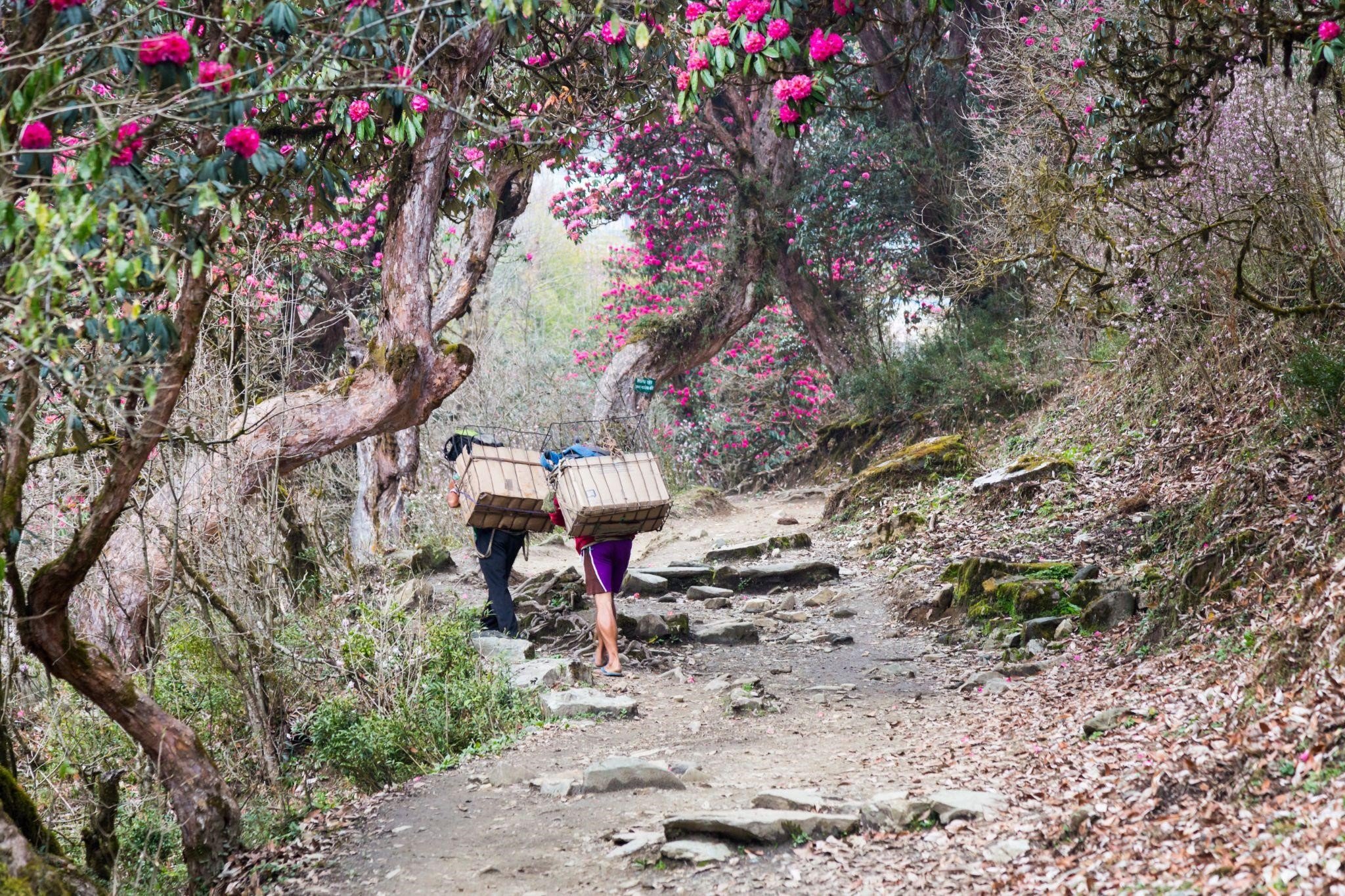
Trek through rhododendron forests and charming hamlets as you make your way to Chhomrong. This village, nestled at the base of the imposing Annapurna Massif, provides a glimpse into the local Gurung culture.
Day 7: Chhomrong to Bamboo
The trail descends to the Modi Khola River before ascending once more to Bamboo. Along the way, you'll cross suspension bridges and marvel at the ever-changing scenery.
Day 8: Bamboo to Deurali
Today's trek takes you through lush bamboo forests and into the alpine region. Deurali, situated in a serene forested area, offers a peaceful place to rest and soak in the natural beauty.
Day 9: Deurali to Yak Kharka
As you continue your ascent, you'll reach Yak Kharka, a picturesque grazing pasture surrounded by high mountains. This is a perfect spot to acclimatize and enjoy the serene mountain ambiance.
Day 10: Yak Kharka to Thorong Phedi
On this day, you'll make your way to Thorong Phedi, the last stop before the challenging Thorong La Pass. Rest and prepare for the altitude gain and demanding crossing ahead.
Day 11: Thorong Phedi to Muktinath via Thorong La Pass
The highlight of your trek awaits as you ascend to Thorong La Pass, the highest point of the trek at 5,416 meters (17,769 feet). The breathtaking views from the pass are well worth the effort. Descend to the sacred village of Muktinath, known for its temples and natural gas fires.
Day 12: Muktinath to Jomsom
The final leg of your trek takes you to Jomsom, a windswept town in the Kali Gandaki Valley. Along the way, you'll pass through arid landscapes and quaint villages.
Day 13: Jomsom to Pokhara
Take a short flight from Jomsom to Pokhara, where you can relax by the lake or explore the city's charming streets. It's a well-deserved rest after your trekking adventure.
Day 14: Return to Kathmandu
Bid farewell to the enchanting landscapes of Pokhara as you return to Kathmandu, where you can reflect on your unforgettable journey through the Himalayas.
The Yak Kharka Trekking Route is not just a journey; it's an adventure of a lifetime. From the cultural immersion in traditional Nepali villages to the awe-inspiring vistas of the Annapurna Range, this trek offers a glimpse into the heart and soul of Nepal.
As you embark on this remarkable journey, you'll not only conquer challenging trails but also forge connections with the warm and welcoming people who call these high-altitude regions home. The Yak Kharka Trek is a testament to the enduring allure of Nepal, where nature, culture, and adventure converge in perfect harmony.
POPULAR ITINERARIES
SIMILAR POSTS
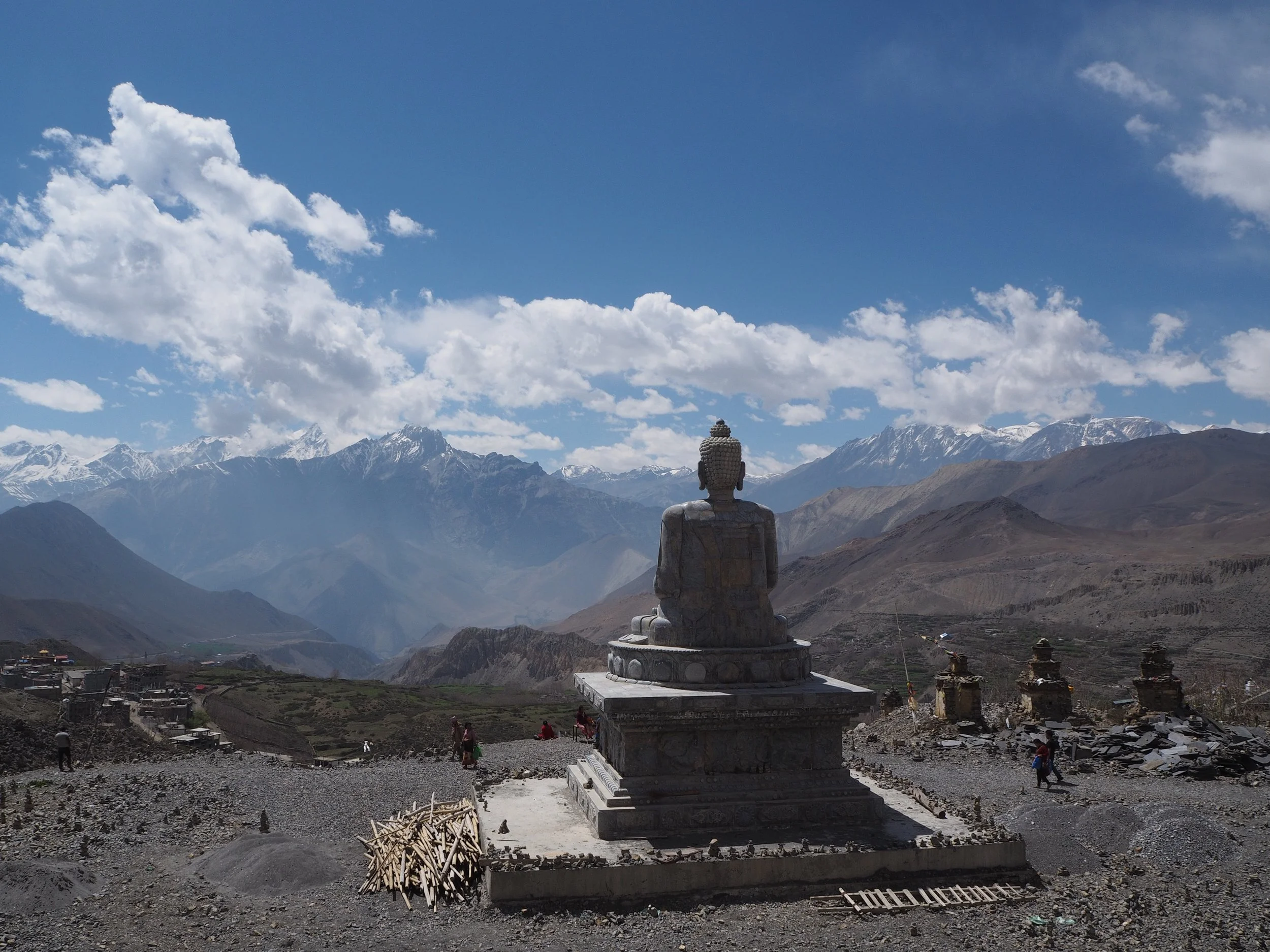
Exploring Muktinath: A Spiritual Journey to the Himalayas
Muktinath's history dates back thousands of years, and it has been a revered pilgrimage site for Hindus and Buddhists since ancient times. For Hindus, it is one of the 108 sacred Vishnu temples known as "Divya Desams." The temple's main deity is Lord Vishnu, often depicted as "Muktinath" or "Chakrapani," holding a chakra (discus) in one hand and a conch shell in the other. Hindus believe that bathing in the holy waters of the Muktinath temple's 108 water spouts brings salvation and liberates them from the cycle of birth and rebirth.
Welcome to the mystical land of Muktinath, a place of profound spiritual significance and breathtaking natural beauty. Nestled in the Annapurna mountain range of Nepal, Muktinath holds a unique place in the hearts of both Hindu and Buddhist pilgrims. The word "Muktinath" is derived from two Sanskrit words: "Mukti," meaning liberation or salvation, and "Nath," meaning lord. Thus, Muktinath is considered a place of ultimate liberation, attracting devotees from all walks of life.
Muktinath's history dates back thousands of years, and it has been a revered pilgrimage site for Hindus and Buddhists since ancient times. For Hindus, it is one of the 108 sacred Vishnu temples known as "Divya Desams." The temple's main deity is Lord Vishnu, often depicted as "Muktinath" or "Chakrapani," holding a chakra (discus) in one hand and a conch shell in the other. Hindus believe that bathing in the holy waters of the Muktinath temple's 108 water spouts brings salvation and liberates them from the cycle of birth and rebirth.
For Buddhists, Muktinath is equally significant as it is believed to be one of the 24 tantric places, where Guru Padmasambhava, also known as Guru Rinpoche, meditated during his journey to Tibet. The surrounding area is dotted with ancient monasteries, stupas, and prayer flags, providing a serene atmosphere for meditation and reflection.
Day 1: Arrival in Kathmandu
Welcome to Kathmandu, the capital city of Nepal. Upon arrival, check-in at your hotel and take some rest after your journey. In the evening, explore the vibrant Thamel neighborhood, filled with shops, restaurants, and cultural delights.
Day 2: Kathmandu Sightseeing
Visit the UNESCO World Heritage Sites of Kathmandu, including Swayambhunath (Monkey Temple), Pashupatinath Temple, and Boudhanath Stupa. Immerse yourself in the rich spiritual and cultural heritage of Nepal.
Day 3: Kathmandu to Pokhara
Travel to Pokhara, a picturesque city surrounded by the Annapurna and Dhaulagiri mountain ranges. Enjoy a boat ride on Phewa Lake and soak in the breathtaking views of the Himalayas.
Day 4: Pokhara to Muktinath
Take a scenic flight from Pokhara to Jomsom, a beautiful town in the Mustang region.
Begin the trek from Jomsom to Muktinath, passing through Kagbeni, a charming village with Tibetan influences.
Day 5: Muktinath Temple
Reach Muktinath and visit the sacred Muktinath Temple. Explore the temple complex, including the 108 water spouts and the eternal flame that is said to burn without any natural fuel.
Day 6: Excursion to the Stone Buddha Statue
Embark on an excursion to the newly constructed 35-foot-tall Stone Buddha Statue in the region.Learn about the significance of this magnificent statue and enjoy the panoramic views of the surrounding landscapes.
Day 7: Return to Pokhara
Trek back to Jomsom and take a flight back to Pokhara. Spend the rest of the day at leisure, exploring Pokhara's markets or indulging in adventure activities like paragliding or zip-lining.
Day 8: Pokhara to Kathmandu
Bid farewell to Pokhara and return to Kathmandu. Use this day for any last-minute shopping or additional sightseeing in the capital.
Day 9: Departure
Your spiritual journey to Muktinath concludes today. Transfer to the airport for your onward journey with cherished memories of the Himalayan adventure.
Please note that this is a general itinerary, and it can be customized according to your preferences, time constraints, and physical fitness. Muktinath offers an enriching experience for spiritual seekers and nature lovers alike, leaving an everlasting impression on the hearts of those who visit this sacred destination.
Do’s and Don’ts for Muktinath Journey
Dos:
Respect the Local Culture: Muktinath is a sacred place for both Hindus and Buddhists. Show respect for the local culture and religious practices. Dress modestly when visiting temples and monasteries, and remove your shoes before entering any religious site.
Seek Blessings with Humility: Whether you are a religious pilgrim or a curious traveler, approach the Muktinath Temple and other religious sites with a humble and open heart. Seek blessings and participate in rituals with sincerity.
Carry Essential Items: While trekking to Muktinath, ensure you have proper trekking gear, including sturdy hiking shoes, warm clothing, a hat, sunglasses, and sunscreen. Stay hydrated and carry water bottles and snacks during the trek.
Follow Trekking Guidelines: If you are trekking to Muktinath, hire a registered guide and follow designated trekking trails. Inform your guide or hotel about your travel plans for safety purposes.
Experience Local Cuisine: Taste the local Nepali and Tibetan cuisine, as it is an essential part of experiencing the culture. Try momos, thukpa, dal bhat, and other traditional dishes.
Carry Cash: While major towns might have ATMs, it's advisable to carry enough cash for your entire trip, as remote areas like Muktinath might have limited access to banking facilities.
Be Environmentally Conscious: Respect the natural beauty of the region by not littering. Carry a reusable water bottle and avoid single-use plastics.
Don'ts:
Avoid Disrespectful Behavior: Refrain from any behavior that may be considered disrespectful to the local culture, traditions, or religious sites. Avoid touching religious artifacts or statues without permission.
Don't Disturb Wildlife: The region around Muktinath is ecologically fragile. Avoid disturbing wildlife or their natural habitats during your trek.
Don't Use Drones: Using drones in the region may not only disturb the serene atmosphere but may also violate local regulations.
Respect Photography Restrictions: Some monasteries and temples might have photography restrictions. Always ask for permission before taking photographs of people or religious sites.
Avoid Alcohol and Substance Abuse: Muktinath is a spiritual place, and it is best to avoid alcohol and substance abuse during your visit. Such behavior is not only disrespectful but may also be unsafe during treks.
Don't Engage in Public Display of Affection: Nepali culture tends to be conservative regarding public displays of affection. Show respect for local customs by keeping such displays private.
Don't Ignore Altitude Precautions: If you're trekking to Muktinath, be mindful of altitude sickness. Acclimatize properly and seek medical attention if you experience any symptoms.
POPULAR ITINERARIES
SIMILAR POSTS
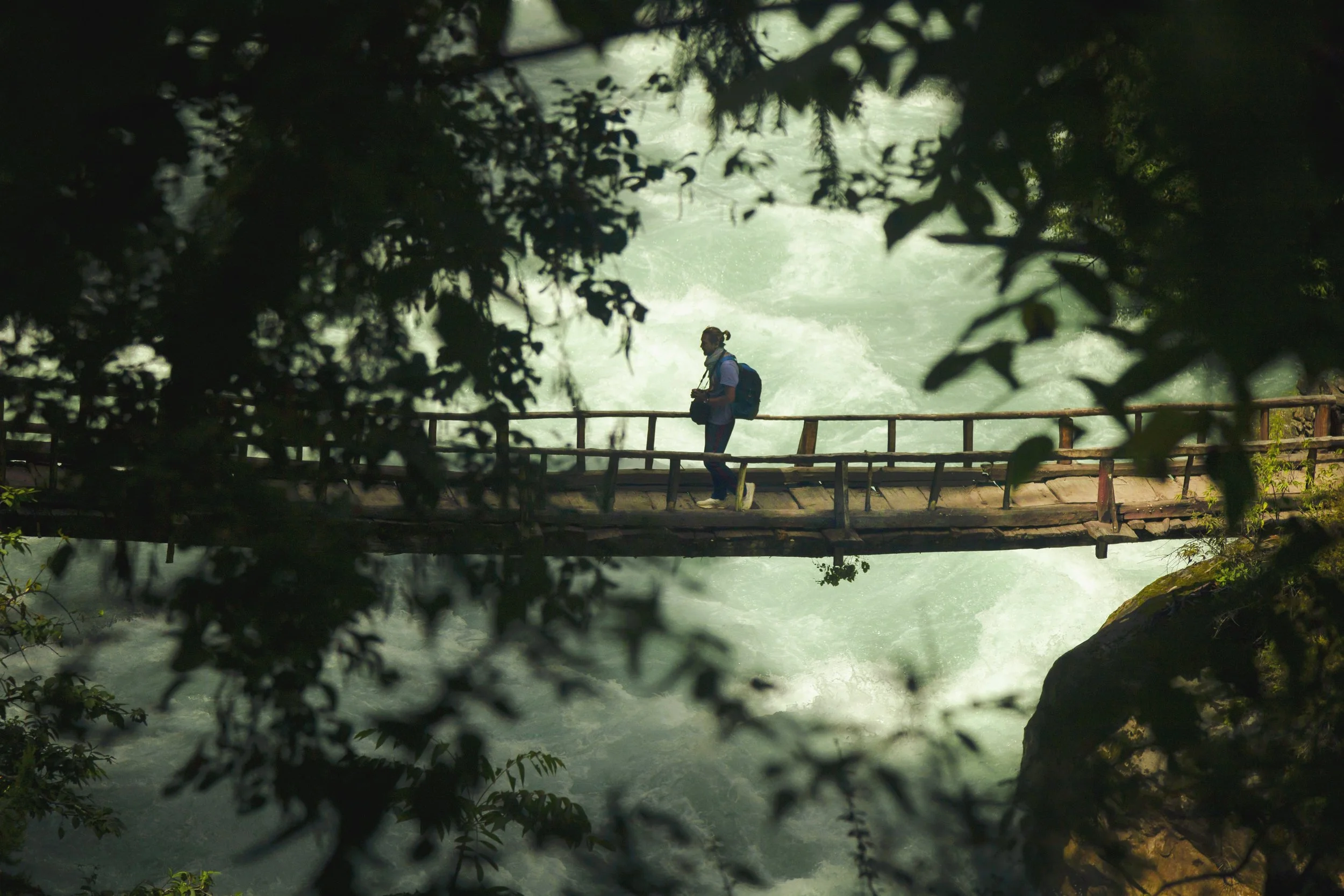
The Call of the Enchanted Hills
Explore Nepal's enchanting hilly region, where trails lead to breathtaking vistas, locals welcome with warmth, and towering peaks inspire courage. Embark on a transformative journey, embracing the spirit of adventure, as nature weaves its magic, leaving a lasting impression on travelers' hearts.
In the embrace of the majestic Himalayas lies a land of wonder and enchantment: Nepal, a country that beckons travelers with its picturesque hills, rich cultural heritage, and the promise of unforgettable adventures. As if the mountains themselves are calling out to the wandering souls, Nepal's hilly region stands ready to reveal its secrets to those seeking warmth, exploration, and adventure.
Nepal's hilly landscape can be likened to a mesmerizing dance between the earth and the sky. Each step on the undulating terrain leads to new discoveries, and every turn unravels a breathtaking vista. As the sun rises, the hills come alive with the colors of saffron and gold, painting a canvas that feels almost surreal. The landscape changes as if it has a heartbeat of its own, beating in harmony with nature's rhythm.
Imagine standing on the edge of a hill, with the wind gently whispering in your ears, and the distant calls of birds creating a symphony of their own. Here, one becomes one with the elements, and the hills become a companion in this dance of existence.
Venturing into the hilly region of Nepal is akin to embarking on an odyssey of self-discovery. The trails are a metaphor for life's journey – sometimes steep and challenging, other times gentle and meandering. Each step forward is an exploration of both the outer landscape and the inner realms of the soul.
Amidst the emerald hues of terraced farms, travelers encounter welcoming smiles of locals, who embody the spirit of hospitality and resilience. The hillside villages, adorned with prayer flags fluttering like colorful butterflies, seem to carry prayers to the heavens. The quaint teahouses offer a sanctuary to rest and refuel, where travelers share tales of their adventures and form connections that transcend borders.
A fellow traveler once eloquently expressed, "In the embrace of Nepal's hills, one finds a part of oneself that had been lost. The mountains teach me to stand tall, the rivers teach me to flow, and the people teach me the true meaning of warmth."
Among the many wonders that Nepal's hilly region has to offer, the towering peaks hold a special place. They are like dreams manifesting into reality – their grandeur humbling and inspiring all at once. Standing at the foot of these giants, adventurers feel a surge of courage, urging them to conquer not only the mountains but also their fears and limitations.
The journey to Nepal's hilly region is not merely about reaching the summits; it is about savoring every moment of the ascent. The progressive storytelling of this adventure unfolds like the turning of pages in a captivating book. With each chapter, there is growth, enlightenment, and a sense of awe at the marvels that lie ahead.
Exploring the hilly region of Nepal is not a one-time affair; it is a lifelong romance. The hills weave their magic into the hearts of those who tread upon their soil, leaving an indelible mark that draws them back time and again. It is a love affair with nature, with culture, and with the self.
Beyond the popular tourist trails, the true essence of Nepal's hills lies in the unexplored corners. It is the joy of stumbling upon a hidden waterfall, the thrill of witnessing a rare Himalayan bird, or the peaceful solitude found in a secluded monastery. Here, exploration knows no bounds, and every discovery fuels the desire for more.
As the sun bids farewell to the day, casting a golden glow over the hills, travelers depart with hearts full of gratitude and memories that will last a lifetime. The hilly region of Nepal leaves an indelible mark, transforming visitors in profound ways.
The journey to Nepal's hills is like a rite of passage, where one leaves behind the person they were and emerges anew. It is a pilgrimage to the soul, an odyssey of warmth, exploration, and adventure. For those who heed the call of the enchanted hills, life is forever changed, and the hills become a part of who they are.
In the end, Nepal's hilly region is more than a destination; it is an experience that envelopes travelers in its warmth, invites them to explore both the outer world and the depths of their hearts, and leads them on an adventure of a lifetime.
To all the intrepid travelers out there, let the trails guide your footsteps, let the hills enchant your spirit, and let Nepal's hilly region captivate your heart. Embrace the warmth that surrounds you, immerse yourself in the thrill of exploration, and savor every moment with the passion of an adventurer. The hills eagerly await your arrival, promising a journey unlike any other.
POPULAR ITINERARIES
SIMILAR POSTS

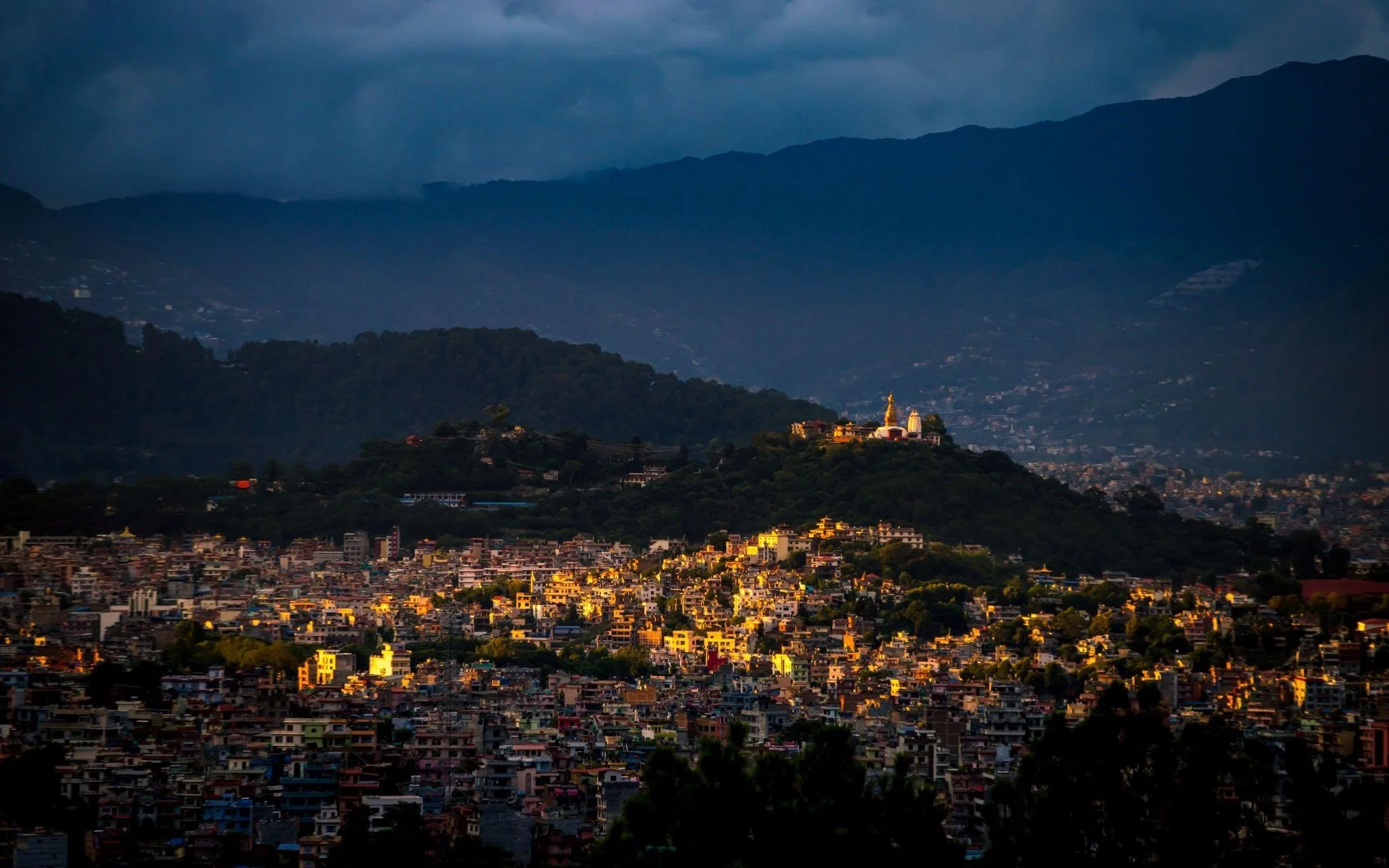
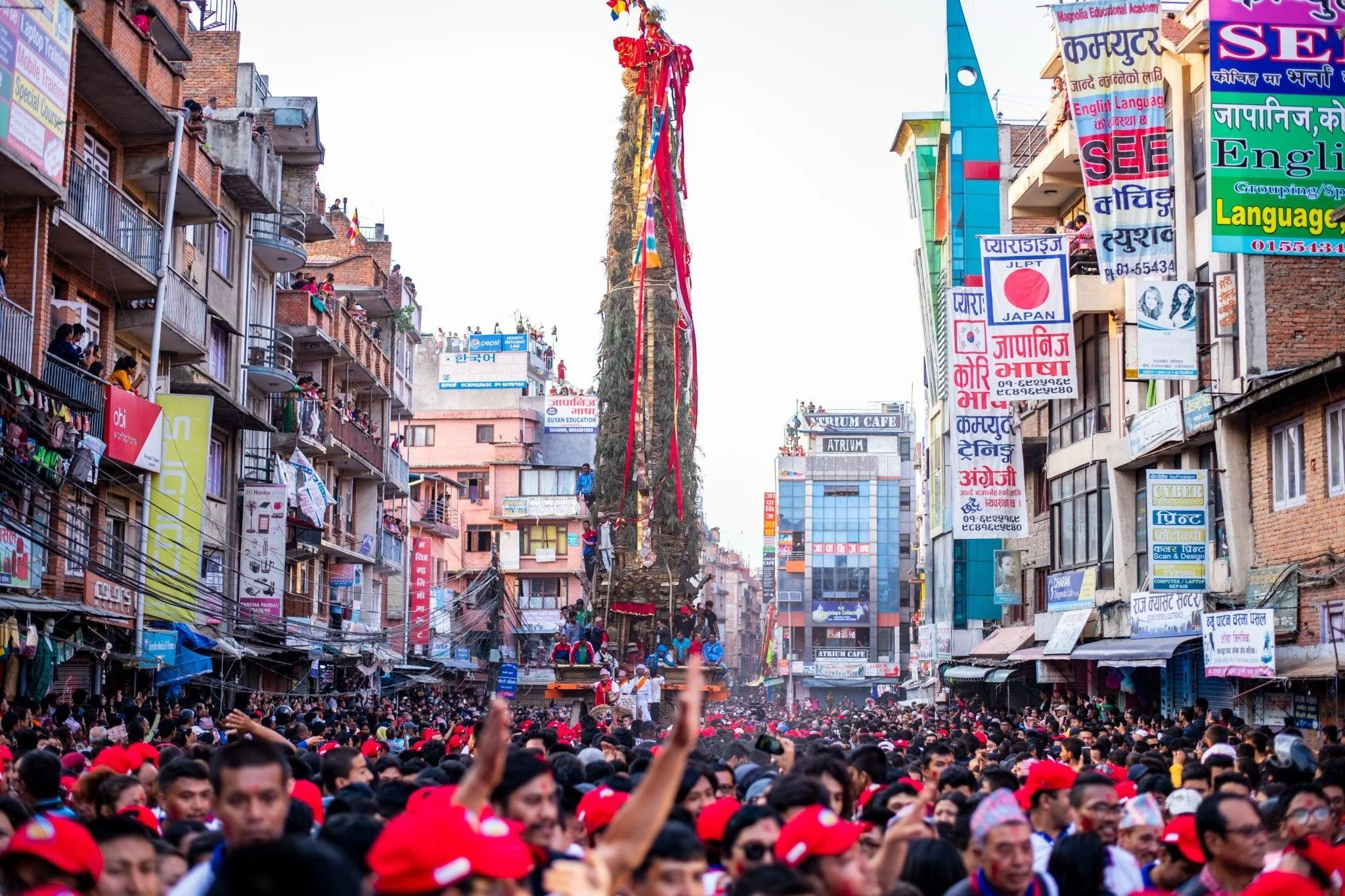
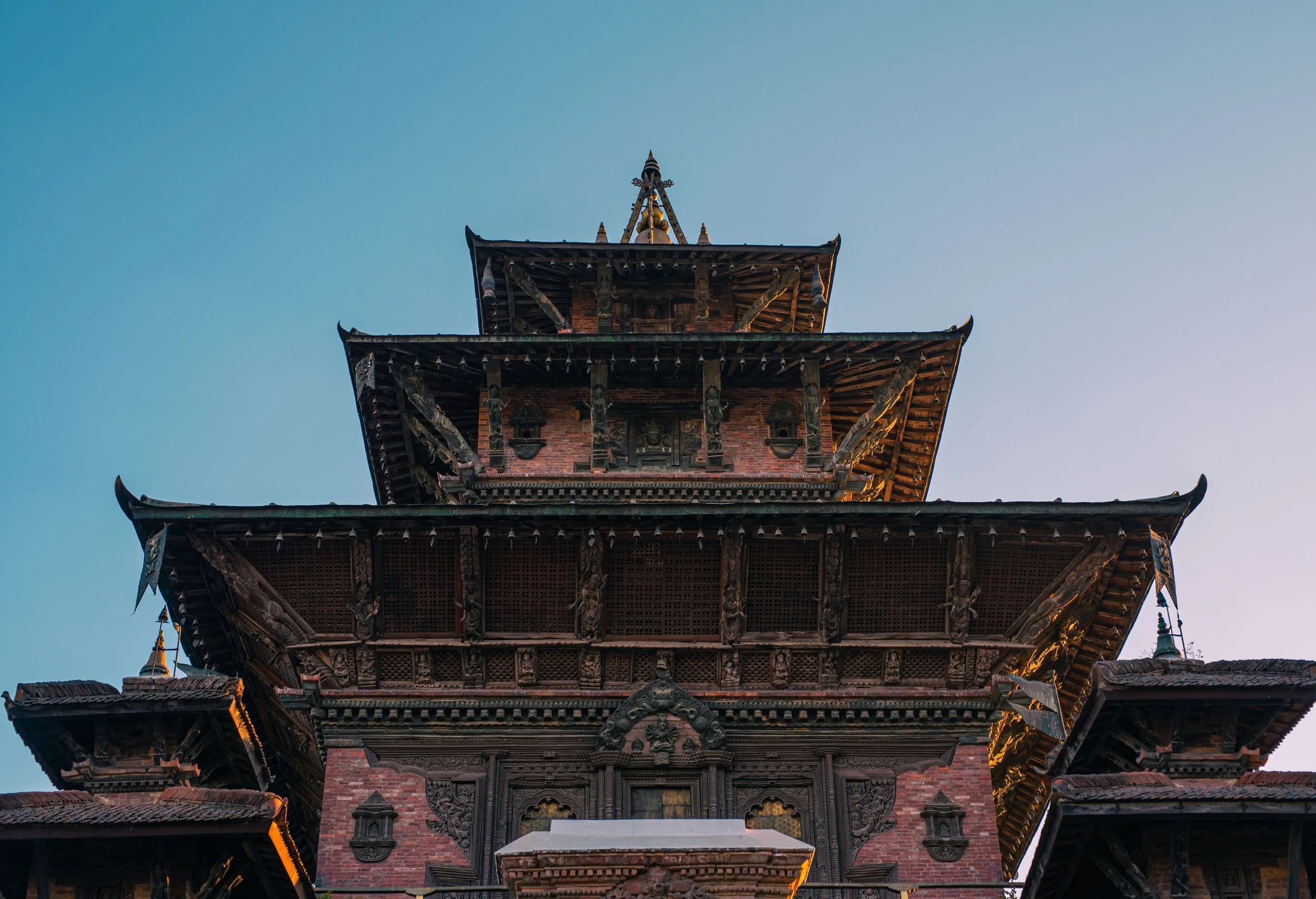
The Taleju Temple of Kathmandu: A Marvel of Art and Devotion
The Taleju Temple in Kathmandu, Nepal, is a captivating blend of Newar and pagoda-style architecture. With a rich history dating back to the 12th century, its intricate wooden carvings, gilded roofs, and religious significance attract pilgrims and art enthusiasts. Conservation efforts preserve this UNESCO World Heritage Site as a cultural treasure.
The Taleju Temple, nestled in the heart of Kathmandu, Nepal, stands as a testament to the city's rich cultural and architectural heritage. This sacred site holds immense historical and religious significance, drawing countless pilgrims and visitors from around the world. Let us explore the architectural style, historical background, construction type, and the enduring significance of this awe-inspiring temple.
Architectural Style:
The Taleju Temple showcases a distinctive blend of indigenous Newar architecture and classic pagoda-style elements. Its multi-tiered structure, intricate wooden carvings, and golden spire exemplify the finest craftsmanship of the medieval Malla period. The temple's design reflects a harmonious fusion of Hindu and Buddhist styles, reflecting Nepal's syncretic cultural traditions.
The main entrance of the temple, adorned with a wooden torana (gateway), features detailed carvings depicting divine figures and mythological scenes. The torana is a hallmark of Newar architecture and represents the transition from the earthly to the spiritual realm.
History:
The history of the Taleju Temple is steeped in ancient legends and myths. According to local lore, the temple's origin can be traced back to the reign of King Gunakamadeva in the 12th century. However, historical records suggest that the temple underwent significant renovations and expansions under the rule of different Malla kings in the subsequent centuries.
One of the most crucial periods in the temple's history was during the reign of King Pratap Malla in the 17th century. He is credited with adding the resplendent gilded roofs and intricately carved woodwork that have come to define the temple's iconic appearance today.
Construction Type:
The construction of the Taleju Temple primarily utilized traditional building materials such as wood, brick, and stone. Its foundation is made of stone, and the main structure features intricately carved wooden beams and columns. The temple's roof is adorned with gilded copper, which not only enhances its aesthetic appeal but also protects the temple from adverse weather conditions.
The temple's wooden elements are a testament to the unparalleled craftsmanship of Newar artisans. The intricate wood carvings on the struts, pillars, and windows depict various deities, celestial beings, and floral motifs, showcasing the skill and creativity of the artisans of that era.
Significance:
The Taleju Temple holds immense religious significance for both Hindus and Buddhists. The temple is dedicated to the goddess Taleju Bhawani, an incarnation of Goddess Durga, revered as the patron deity of the Malla kings. Access to the temple was historically restricted to the royalty and selected devotees during special occasions. The temple served as a center for royal ceremonies and played a pivotal role in shaping the socio-religious fabric of Kathmandu.
Moreover, the Taleju Temple is an architectural gem and a UNESCO World Heritage Site. Its historical and artistic value has made it a focal point for preservation efforts by both national and international authorities. The temple's intricate wood carvings, skillful craftsmanship, and unique architecture draw art enthusiasts, scholars, and travelers alike.
Apart from its religious and artistic significance, the Taleju Temple also played a strategic role in the defense of the Kathmandu Valley. The temple's elevated position and commanding views made it an ideal vantage point for the kings to assess potential threats and invaders.
Continued Devotion:
Even in modern times, the Taleju Temple continues to be a site of religious devotion and cultural significance. Festivals and ceremonies are held within its premises throughout the year, attracting large gatherings of devotees and tourists.
One of the most prominent festivals celebrated at the temple is the "Indra Jatra" or "Yenya" festival. During this vibrant event, the living goddess Kumari, adorned in elaborate traditional attire, blesses the people from the temple's chariot. The festival also features masked dances, music, and processions, creating a colorful spectacle that captivates both locals and visitors.
Preservation Efforts:
As a cultural treasure, the Taleju Temple requires continuous preservation efforts to protect its delicate wood carvings and structural integrity. Various governmental and non-governmental organizations are actively involved in conservation initiatives to ensure that this architectural wonder stands tall for future generations to marvel at.
The Taleju Temple of Kathmandu stands as a living testament to Nepal's rich history, religious devotion, and architectural brilliance. Its unique blend of indigenous and pagoda-style architecture captivates the hearts of all who visit. As a symbol of Nepal's cultural heritage, the temple continues to inspire awe and reverence, ensuring that the legacy of this remarkable edifice endures for generations to come. With ongoing preservation efforts and the unwavering devotion of the people, the Taleju Temple remains a beacon of spirituality and a cherished jewel in the crown of Kathmandu.