
Monsoon Marvels: Unveiling Adventure in Nepal's Rainy Season
Discover the allure of Nepal's monsoon season with thrilling adventures in Pokhara, Chitwan National Park, Bandipur, Rara Lake, and Upper Mustang. From serene lakes to hidden caves, each destination offers unique experiences amidst lush landscapes. Embrace the beauty and tranquility of Nepal's monsoon marvels for an unforgettable adventure.
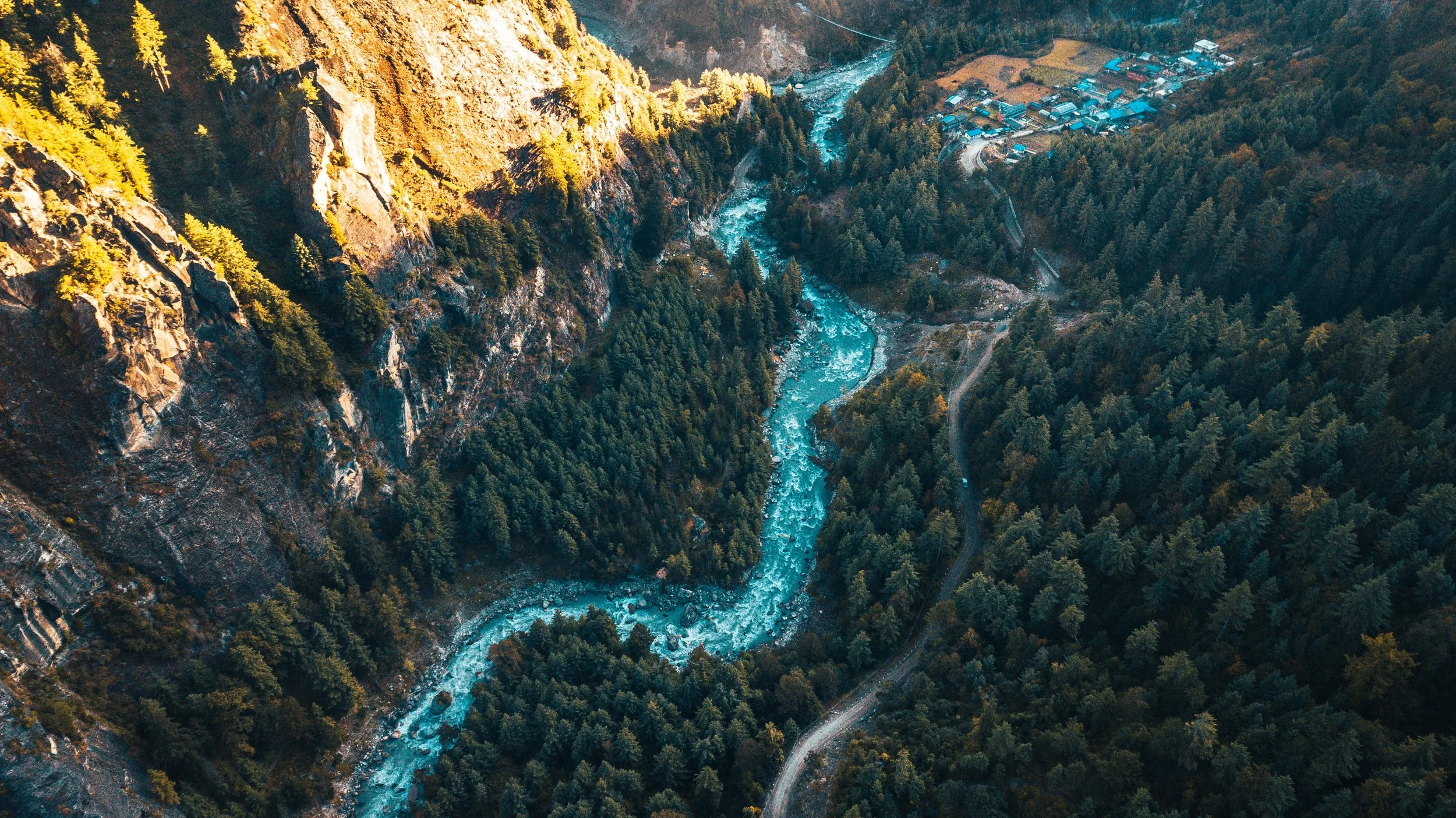
Nepal, the land of the Himalayas, offers breathtaking adventures throughout the year. While most travelers associate Nepal with trekking during the dry seasons, the monsoon months bring their own unique charm and allure. The lush green landscapes, cascading waterfalls, and a sense of tranquility make Nepal an ideal destination for adventure enthusiasts seeking offbeat experiences. In this article, we will explore five captivating destinations in Nepal that come alive during the monsoon, offering thrilling adventures amidst nature's bounty.
Pokhara
Known as the "City of Lakes," Pokhara is a picturesque paradise nestled in the lap of the Annapurna mountain range. To reach Pokhara, you can take a short 25-minute flight from Kathmandu or enjoy a scenic 6-7 hour drive through the Prithvi Highway. The monsoon showers enhance the city's beauty, filling the lakes and rejuvenating the surrounding hills.
Highlights:
Explore Phewa Lake: Take a boat ride on Phewa Lake, surrounded by lush hills and reflected snow-capped peaks.
Sarangkot Sunrise: Hike to Sarangkot before dawn and witness a spectacular sunrise over the Annapurna and Dhaulagiri mountain ranges.
Davis Falls and Gupteshwor Mahadev Cave: Visit these natural wonders where water cascades underground, creating a surreal experience.
Chitwan National Park
For wildlife enthusiasts, Chitwan National Park is a monsoon wonderland. Accessible via a 6-7 hour scenic drive from Kathmandu or a short flight to Bharatpur, this UNESCO World Heritage site is home to diverse flora and fauna.
Highlights:
Jungle Safari: Embark on an exciting jeep or elephant safari to spot endangered species like the one-horned rhinoceros and Bengal tiger.
Canoeing in Rapti River: Navigate through the serene Rapti River and witness exotic bird species, mugger crocodiles, and other aquatic life.
Tharu Cultural Experience: Immerse yourself in the vibrant Tharu culture by visiting local villages, enjoying traditional dance performances, and savoring authentic cuisine.
Bandipur
Located midway between Kathmandu and Pokhara, the charming hilltop town of Bandipur offers a glimpse into Nepal's rich cultural heritage. To reach Bandipur, take a 4-5 hour drive from Kathmandu or Pokhara.
Highlights:
Old Town Exploration: Wander through the well-preserved Newari architecture, narrow streets, and ancient temples that showcase the town's historical significance.
Siddha Cave: Explore the largest cave in Nepal, Siddha Cave, and witness its impressive stalactite formations.
Hike to Thani Mai: Trek to Thani Mai, a scenic viewpoint where you can enjoy panoramic views of the Annapurna and Manaslu ranges.
Rara Lake
Situated in the remote Karnali region of Nepal, Rara Lake is a hidden gem that truly comes to life during the monsoon. To reach Rara Lake, take a short flight from Kathmandu to Talcha Airport, followed by a picturesque 3-4 hour drive.
Highlights:
Tranquil Lake Experience: Enjoy the serenity of Rara Lake, the largest freshwater lake in Nepal, surrounded by pristine forests and mirrored peaks.
Wildlife Encounters: Spot rare wildlife species such as red pandas, musk deer, and Himalayan black bears as you explore Rara National Park.
Trekking Around the Lake: Embark on a scenic trek around the lake, discovering charming villages, alpine meadows, and breathtaking vistas.
Upper Mustang:
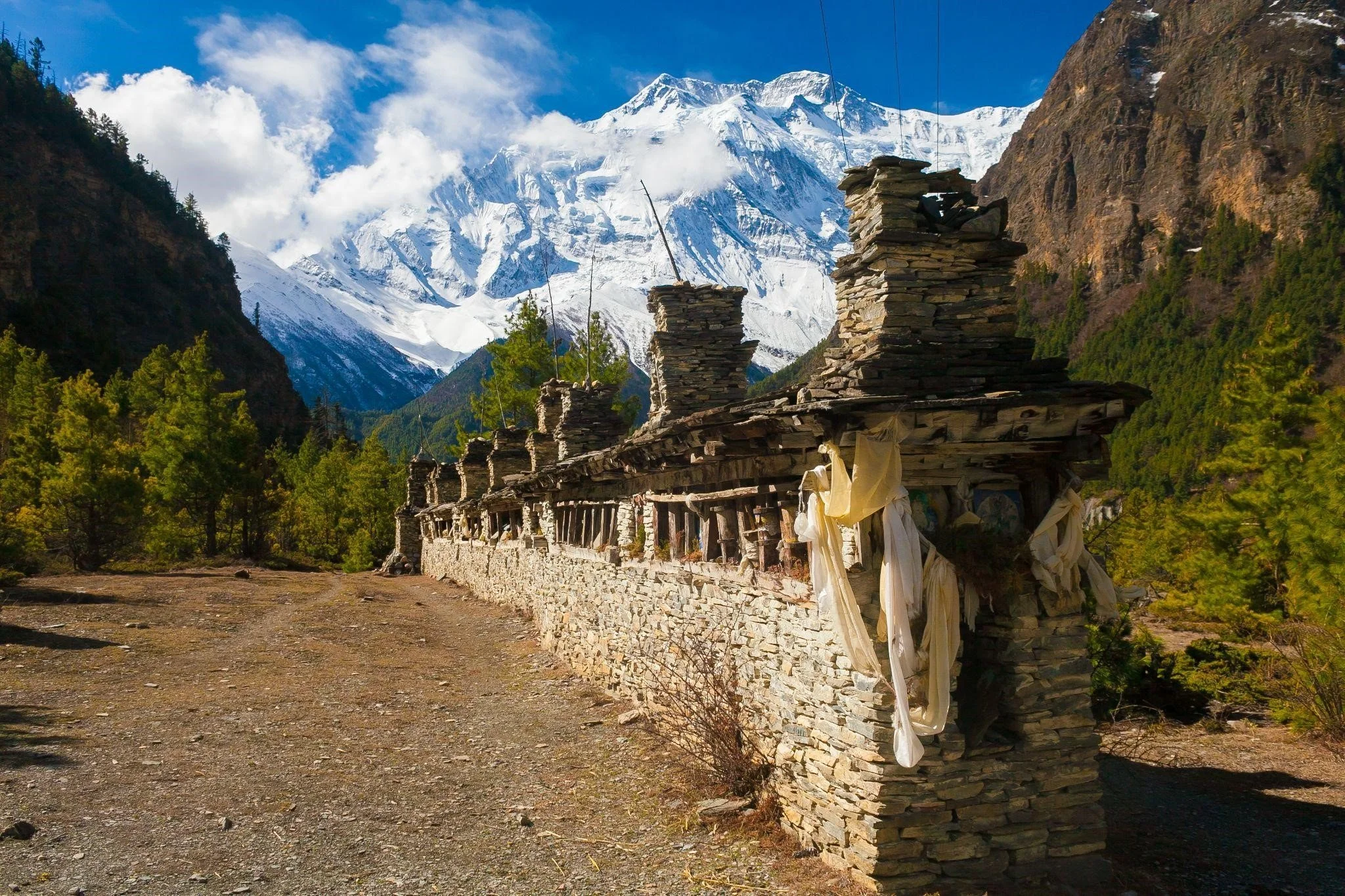
For those seeking a unique adventure during the monsoon, Upper Mustang offers a distinct experience with its arid landscapes reminiscent of the Tibetan plateau. To reach Upper Mustang, take a flight from Pokhara to Jomsom, followed by a mesmerizing 4-5 day trek.
Highlights:
Ancient Cave Exploration: Discover the mystique of the "Sky Caves" that dot the cliffs of Mustang, featuring centuries-old Buddhist murals and artifacts.
Lo Manthang: Visit the ancient walled city of Lo Manthang, known for its rich Tibetan culture, monasteries, and the royal palace.
Stunning Desert-like Scenery: Traverse the rugged landscapes of Upper Mustang, characterized by unique rock formations, eroded cliffs, and vibrant earth tones.
Nepal's monsoon season presents an opportunity to explore its natural wonders beyond the conventional trekking seasons. From the serene lakes of Pokhara to the hidden treasures of Upper Mustang, each destination offers a distinct adventure amidst breathtaking landscapes. Embrace the allure of Nepal's monsoon marvels, and embark on an unforgettable journey of discovery and exploration in the Himalayan kingdom.
POPULAR ITINERARIES
SIMILAR POSTS

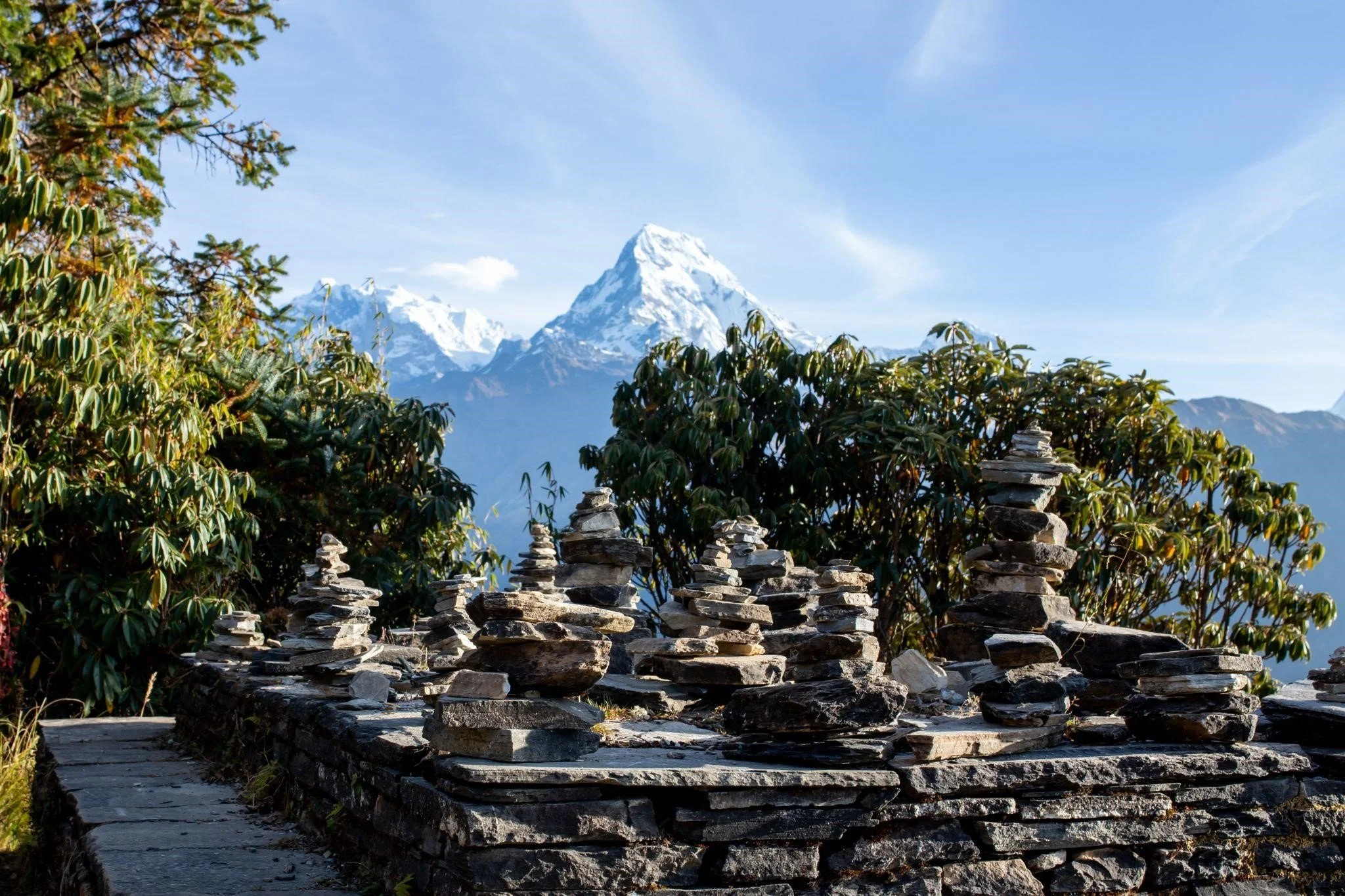
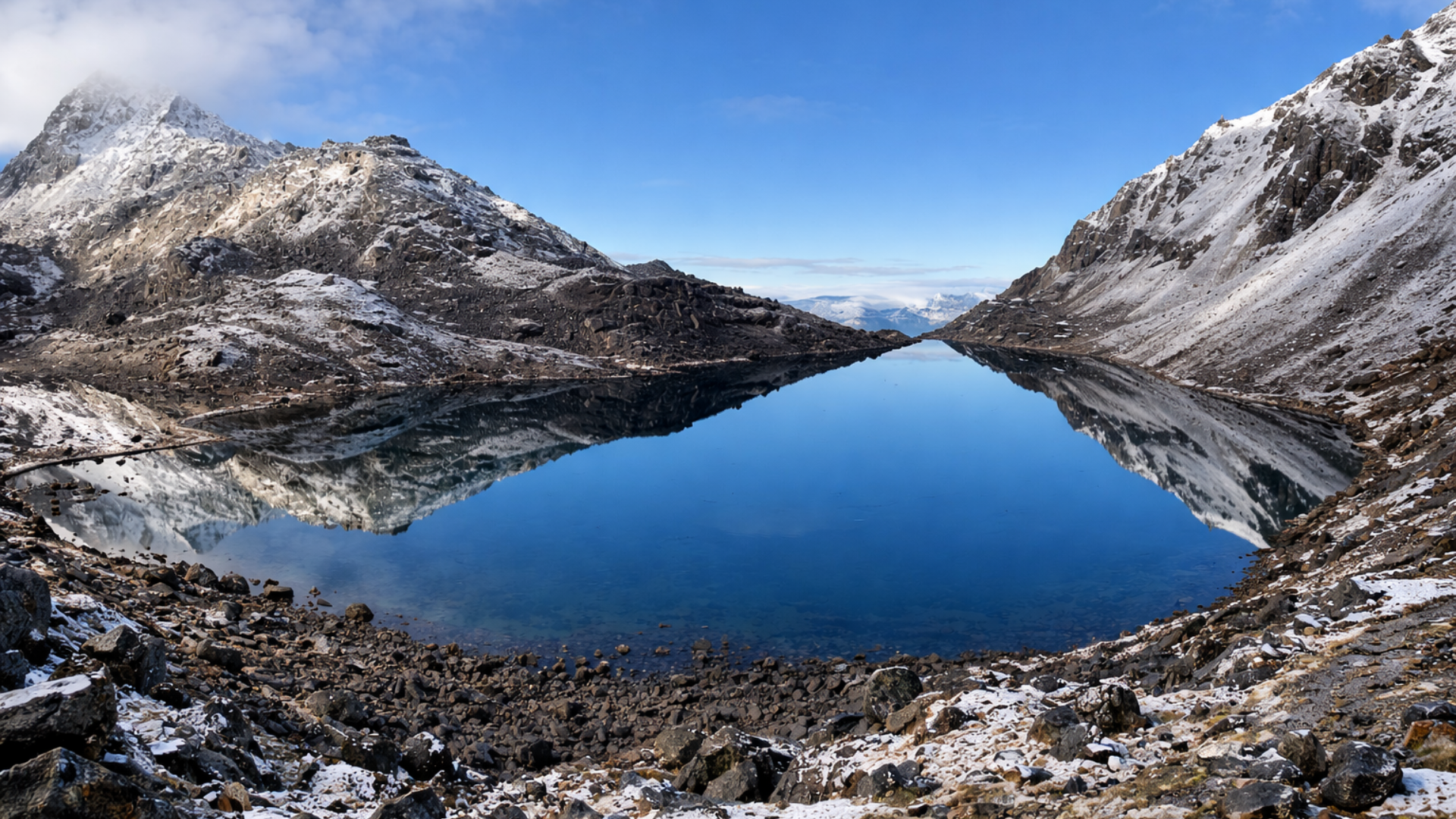
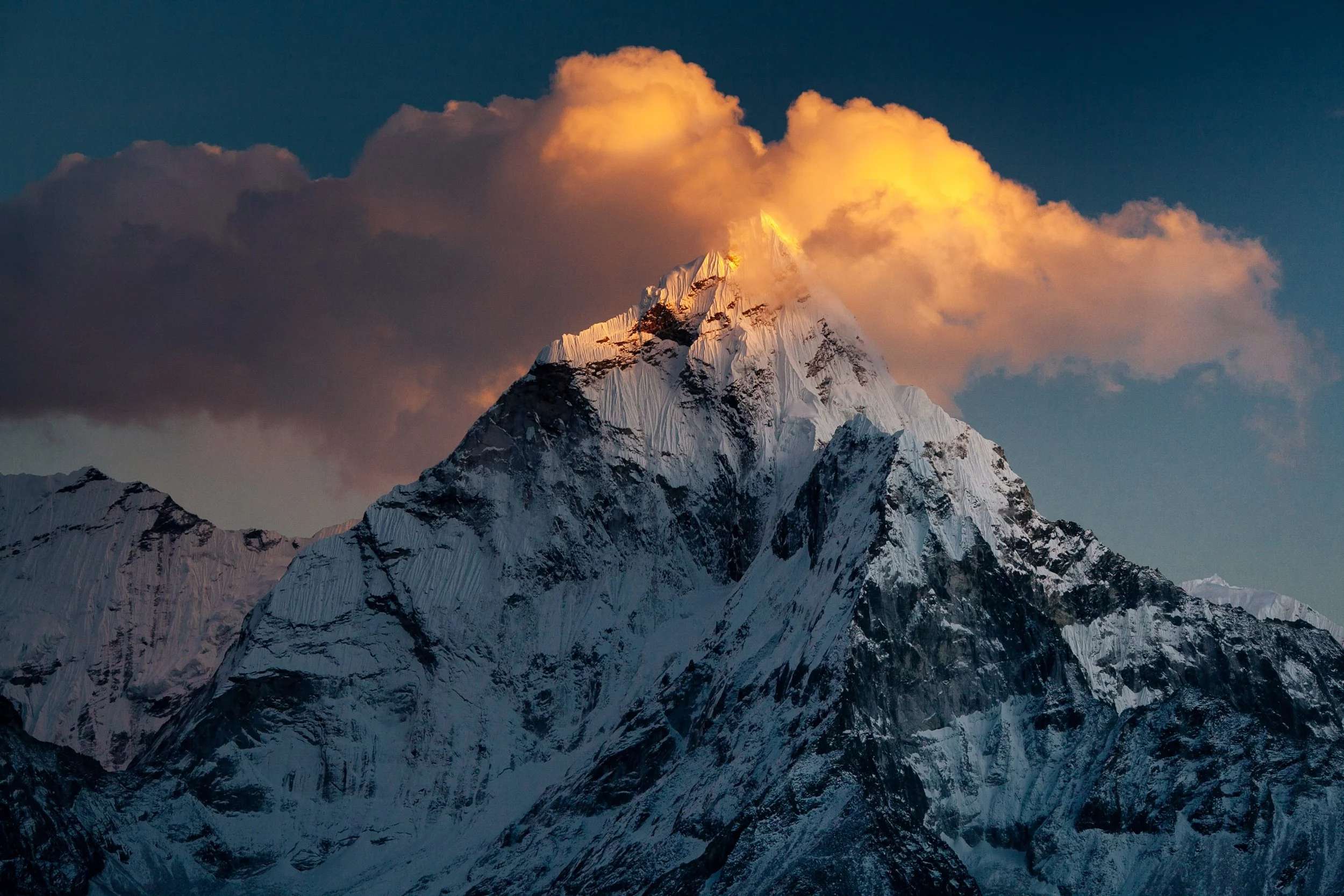
Nepal's Majestic Mountains: Exploring the Wonderful Gems
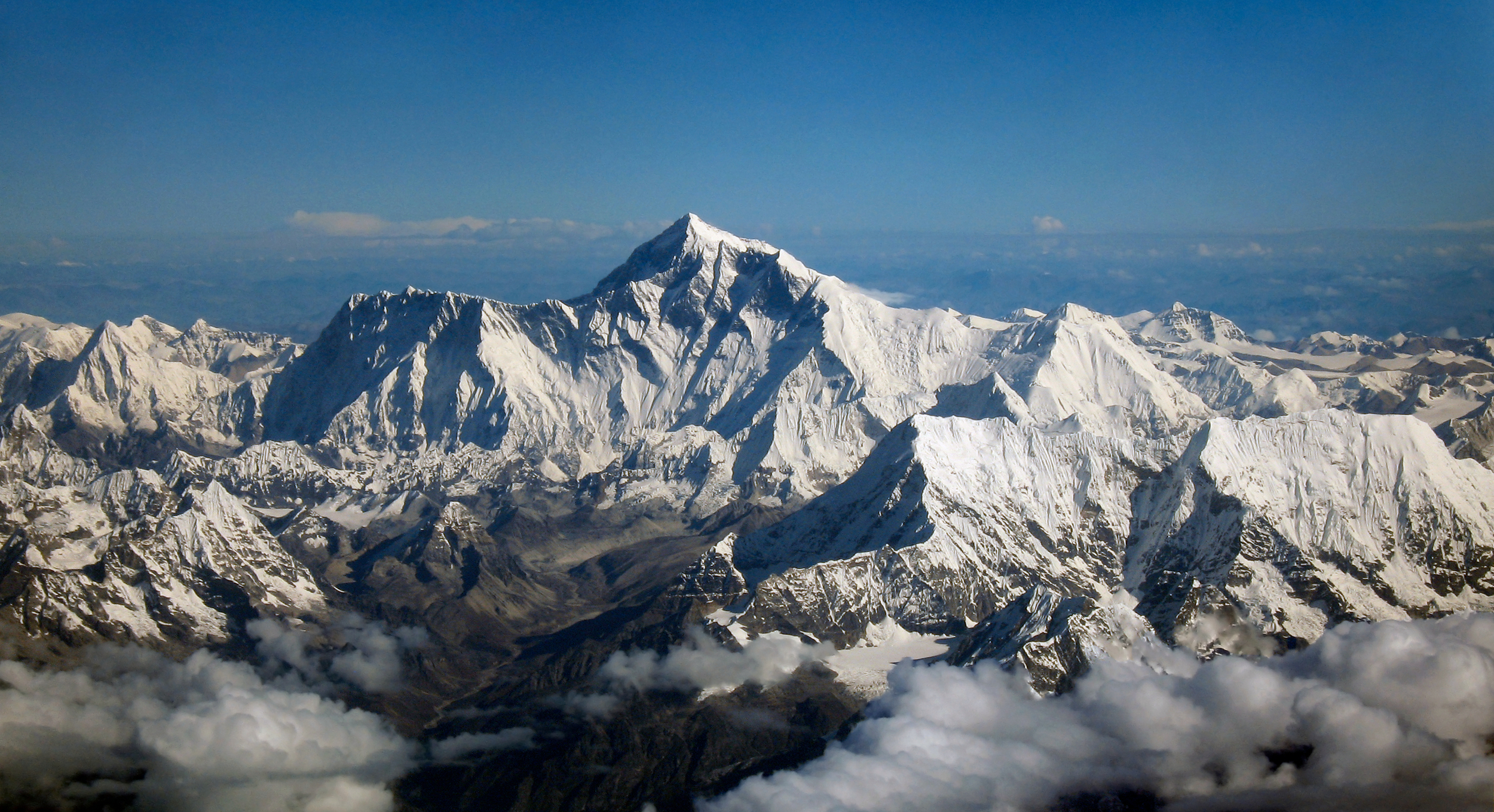
Nepal's majestic mountains, including Mount Everest, the Annapurna Range, Langtang, Makalu-Barun, and Kanchenjunga, offer diverse landscapes and captivating beauty. They challenge and inspire adventure seekers, with each range possessing unique characteristics and captivating stories waiting to be discovered in the awe-inspiring wilderness of the Himalayas.
Welcome to the realm of Nepal's majestic mountains, where nature's grandeur takes center stage. Join me on an extraordinary adventure as we traverse these breathtaking wonders, weaving together captivating stories, urging you to embrace the call of the mountains, and infusing my own personality and confidence into this narrative. Get ready to embark on a journey that will leave you spellbound by the awe-inspiring landscapes of Nepal.
Imagine a serene morning in the Himalayas, where the first rays of sunlight delicately touch the towering peaks, casting a golden glow upon the rugged terrain. These mountains rise with an undeniable majesty, shrouded in an aura of mystery, their jagged silhouettes captivating the imagination. Every step forward unravels tales of ancient traditions, mythical legends, and the indomitable spirit of the Nepalese people.
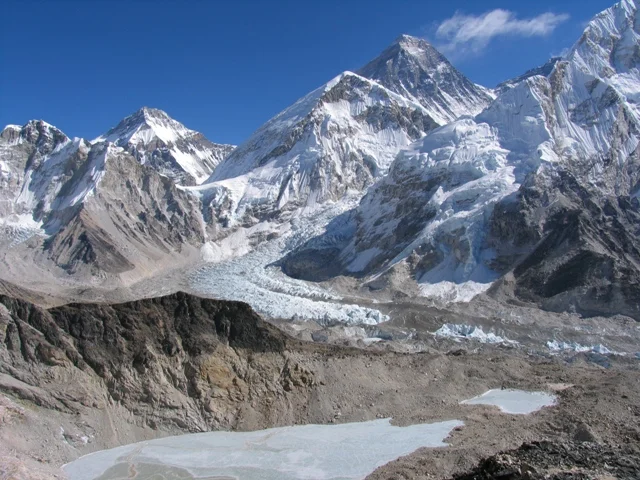
One such tale lies within the realm of Mount Everest, the epitome of adventure and human resilience. This magnificent peak has borne witness to triumphs and tragedies, embodying the dreams and aspirations of countless mountaineers. Standing at the base camp, inhaling the thin mountain air, one cannot help but be humbled by the sheer magnitude of this natural wonder. It beckons us to push beyond our limits, conquer our own personal Everests, and discover the strength within us.
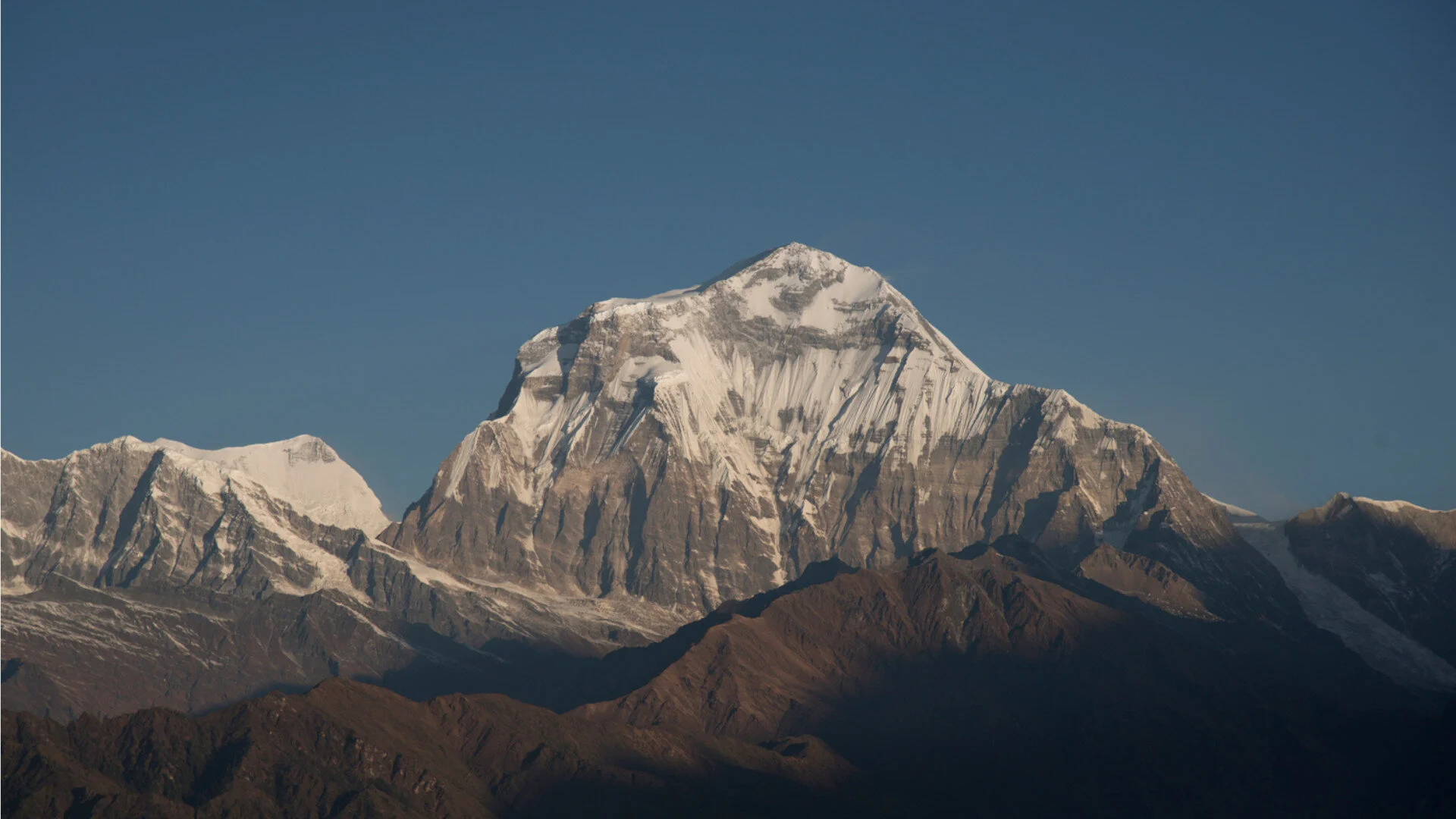
Imagine yourself trekking through the Annapurna Circuit, where every turn reveals new vistas and diverse landscapes. Experience the thrill of conquering challenging trails, crossing suspension bridges over roaring rivers, and immersing yourself in the warm hospitality of the locals. Nepal's mountains demand that we step out of our comfort zones, challenge ourselves, and awaken our senses to the wonders that lie beyond our everyday lives.
Venturing further into the Himalayas, the Langtang Range reveals its mystic allure. Nestled in this enchanting region is Langtang Lirung, an imposing peak surrounded by ancient glaciers and cascading waterfalls. The Langtang Valley, with its pristine beauty and quaint villages, offers a serene and spiritual experience, where one can immerse oneself in the tranquility of the Himalayan wilderness.
As we explore the mountains of Nepal, we encounter the captivating beauty of the Makalu-Barun region. Mount Makalu, the fifth highest peak in the world, boasts a pristine wilderness adorned with deep valleys, dense forests, and breathtaking ice falls. This hidden gem rewards intrepid trekkers with awe-inspiring vistas and an opportunity to witness rare flora and fauna, making it a paradise for nature enthusiasts.
The Kanchenjunga Massif, nestled in eastern Nepal, presents a spectacular tapestry of peaks, including the third highest mountain in the world, Mount Kanchenjunga. This region reveals an untouched and remote wilderness, where ancient cultures coexist with untouched natural splendor. Trekking through the Kanchenjunga region offers a profound connection with nature and an opportunity to witness the raw power and beauty of these towering giants.
With unwavering confidence, I assure you that Nepal's mountains will leave an indelible mark on your soul. They possess the power to ignite a fire within, to challenge your limits, and to inspire a lifelong love affair with the great outdoors. I walk beside you, radiating certainty, assuring you that this journey is worth every effort, every blister, and every moment of awe.
Nepal's majestic mountains are a treasure trove waiting to be explored, inviting us to immerse ourselves in their wonders. They are not merely geological formations; they are the custodians of ancient tales, catalysts for personal growth, and bearers of unparalleled beauty. Let us embark on this extraordinary adventure together, embracing the captivating stories, embracing the call to action, and relishing the unique experiences that Nepal's mountains have to offer. Trust me as your guide, and prepare yourself for a journey filled with wonder, discovery, and a renewed sense of purpose. The mountains are calling—are you ready to answer?
POPULAR ITINERARIES
SIMILAR POSTS
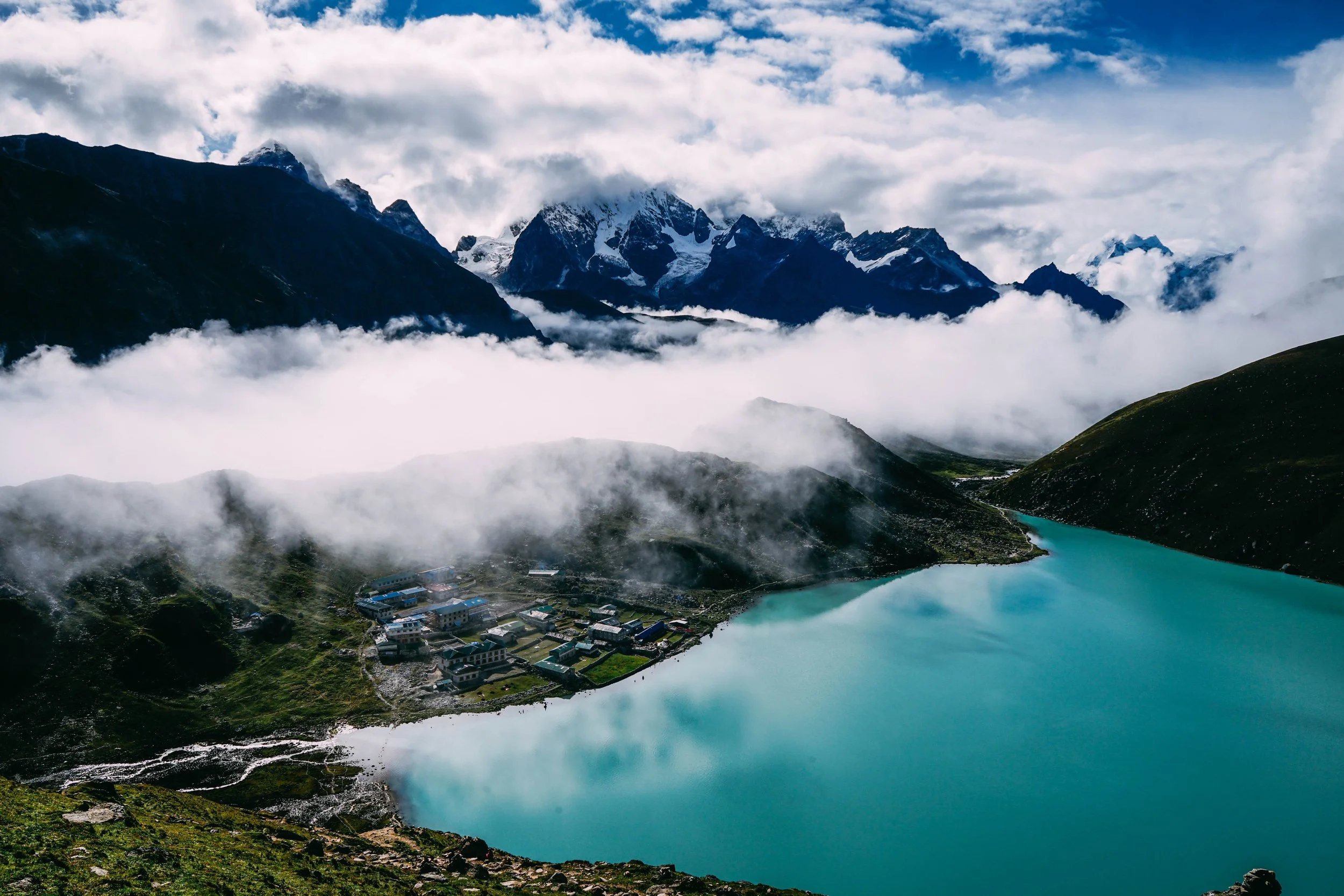
Nepal: Beyond The Himalayas
Welcome to Nepal, a land of enchantment and wonder, nestled in the lap of the majestic Himalayas. This small yet diverse country is a treasure trove of natural beauty, rich cultural heritage, and thrilling experiences that extend far beyond mountaineering. As a travel guide and tourism expert, with a PhD in tourism and hospitality, specializing in Nepal, I invite you to explore the many facets of this incredible nation.
Let's begin with some captivating facts and figures about Nepal. With a population of over 30 million, Nepal is known as the birthplace of Gautam Buddha, the founder of Buddhism. It is home to eight of the world's ten highest peaks, including Mount Everest, standing tall at 8,848 meters, making it a magnet for mountaineers and adventurers from around the globe. However, Nepal offers so much more than just towering mountains.
Prepare to be amazed as you venture into the diverse landscapes of Nepal. From the lush green valleys of Kathmandu and Pokhara to the dense forests of Chitwan and Bardia, Nepal's natural beauty is unparalleled. Explore the serene lakes, such as Phewa Lake in Pokhara or the iconic Rara Lake in the remote western region. These breathtaking water bodies offer a tranquil respite and stunning views that will leave you awe-inspired.
In addition to its awe-inspiring scenery, Nepal is a cultural melting pot. The capital city, Kathmandu, boasts an array of UNESCO World Heritage Sites, including the ancient Durbar Squares of Kathmandu, Bhaktapur, and Patan, which exhibit exquisite architecture and showcase the country's rich history. The vibrant city streets are lined with bustling markets, where you can immerse yourself in the local culture, savoring the aroma of traditional spices and handicrafts.
While trekking and mountaineering are undoubtedly popular activities in Nepal, there is so much more to experience. Embark on a thrilling wildlife safari in one of Nepal's national parks, such as Chitwan or Bardia, where you can spot rare species like the one-horned rhinoceros and the elusive Bengal tiger. Set out on an adventurous white-water rafting trip along the Trishuli or Seti rivers, navigating through thrilling rapids and enjoying the scenic beauty of the countryside.
For those seeking spiritual enlightenment, a visit to Lumbini, the birthplace of Lord Buddha, is a must. The tranquil surroundings and sacred sites in Lumbini provide an opportunity for introspection and inner peace. Explore the ancient monasteries and pay homage to the sacred Bodhi Tree, where Lord Buddha is said to have attained enlightenment.
Nepal is also a haven for adventure enthusiasts. Take to the skies and experience the thrill of paragliding in Pokhara, gliding over the picturesque landscape with the snow-capped peaks as your backdrop. Indulge in a heart-pounding bungee jump from one of the world's highest suspension bridges, located in the lush hills of Bhote Koshi. These adrenaline-pumping activities will leave you with memories that last a lifetime.
In conclusion, Nepal offers a myriad of experiences that extend far beyond its legendary Himalayan peaks. Whether you are seeking natural beauty, cultural immersion, spiritual enlightenment, or adventure, Nepal has it all. Let the charm of this enchanting nation capture your heart as you explore its diverse landscapes, immerse yourself in its rich heritage, and embark on thrilling adventures. Come, discover Nepal: Beyond the Himalayas.
Do's:
Respect the local customs and traditions. Nepalese people are warm and welcoming, so it's important to show appreciation for their culture.
Dress modestly, especially when visiting religious sites. Cover your shoulders and avoid wearing revealing clothing.
Try the delicious local cuisine, such as momo (dumplings), dal bhat (lentil soup with rice), and sel roti (sweet rice bread). The diverse flavors will delight your taste buds.
Stay hydratedand drink bottled or filtered water to avoid water-borne illnesses.
Engage with the local community and learn about their way of life. Participate in cultural activities, festivals, and interact with the locals to gain a deeper understanding of their traditions.
Bargain respectfully in local markets, as haggling is common. However, remember to be fair and not push the limits of negotiation.
Don'ts:
Don't disrespect religious sites or artifacts. Be mindful of your actions and follow any instructions or guidelines given by the authorities.
Avoid giving money or sweets to children on the streets. It is better to support local charities or organizations that work towards their welfare.
Don't consume tap water or eat raw vegetables and fruits without washing them thoroughly. This will help prevent foodborne illnesses.
Avoid public displays of affection, as Nepalese society is conservative in nature. Show respect for local customs and cultural norms.
Don't take photographs without permission, especially of people, as it may be considered intrusive or disrespectful in certain situations.
Refrain from buying or selling illegal or endangered wildlife products, as it contributes to the illegal wildlife trade and threatens biodiversity.
By following these do's and don'ts, you can ensure a respectful and enjoyable experience during your visit to Nepal. Embrace the beauty, diversity, and warmth of this captivating country as you go beyond the Himalayas and discover the true essence of Nepal.
POPULAR ITINERARIES
SIMILAR POSTS
Timeless Craftsmanship of Nepal: A Treasure of Cultural Significance
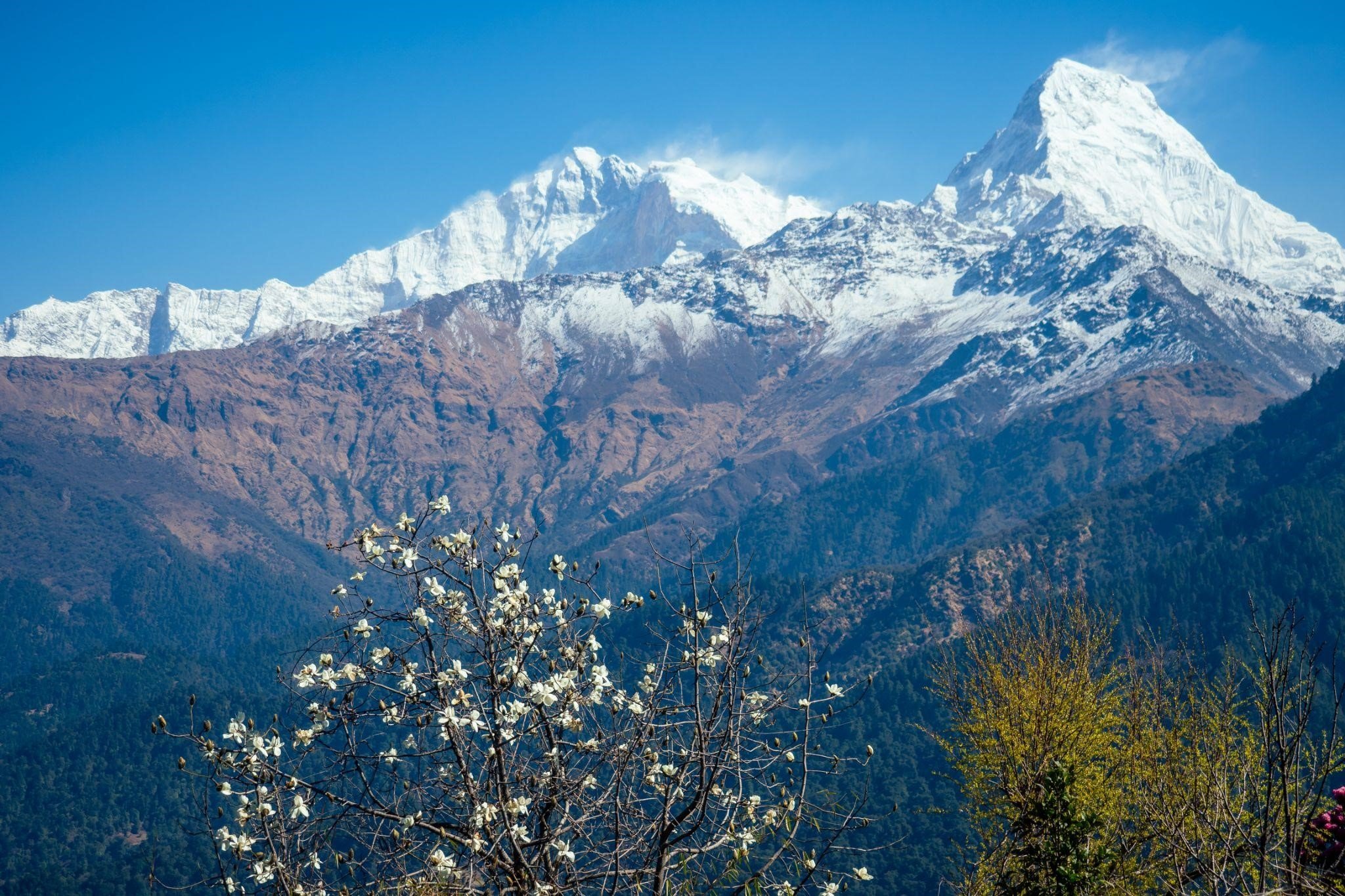
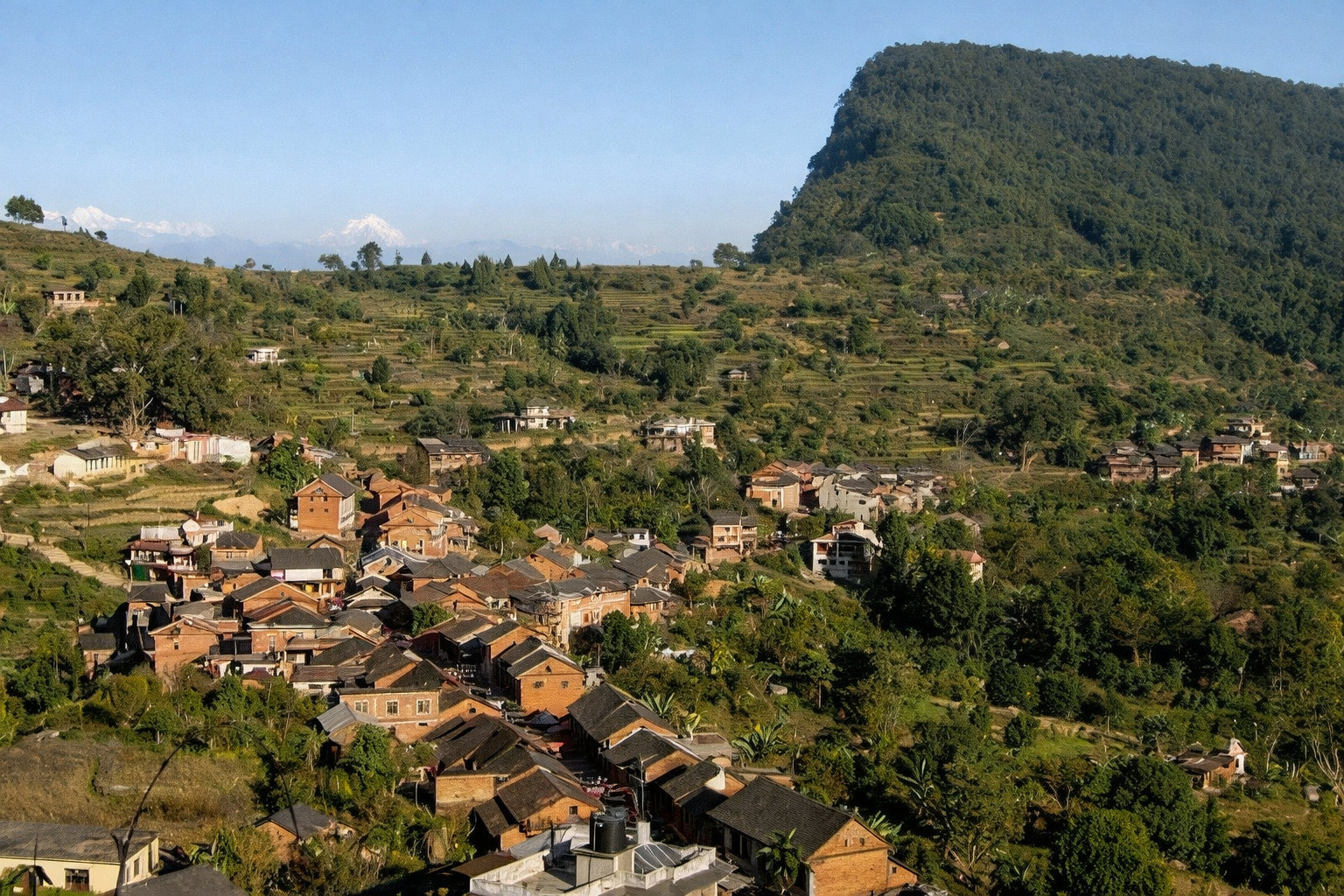
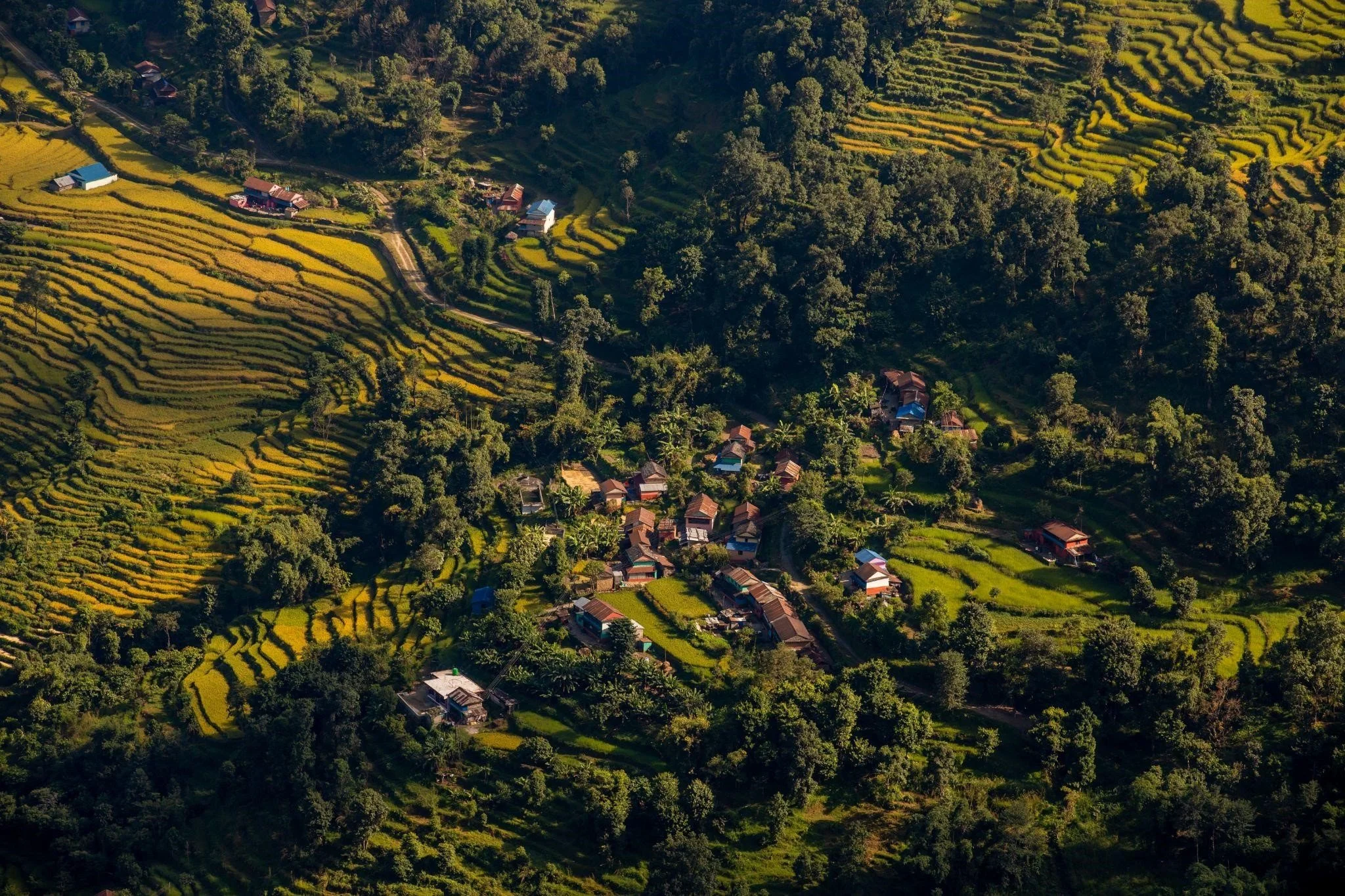
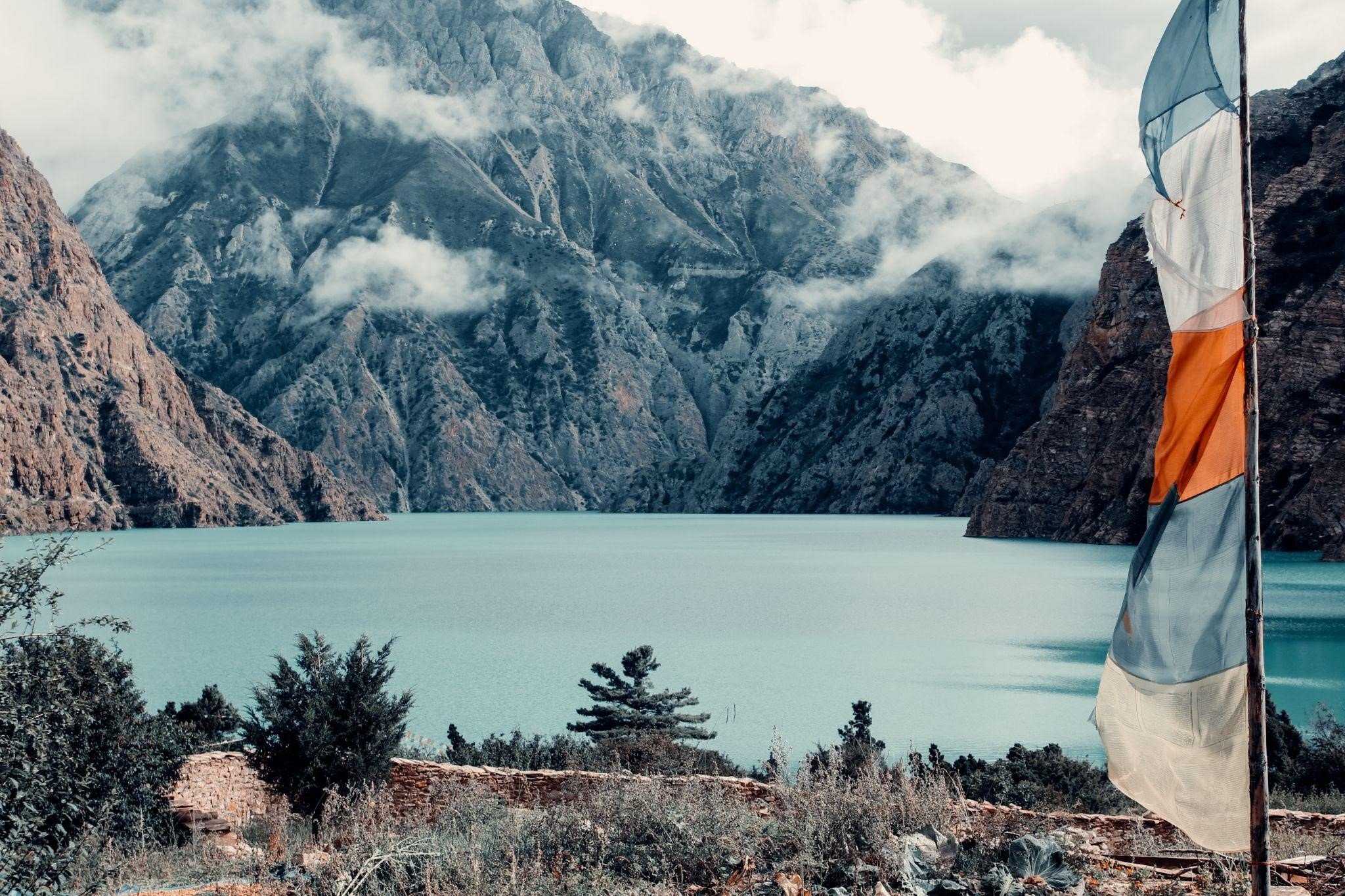
In the lap of the majestic Himalayas, Nepal is a country renowned for its rich cultural heritage and exquisite craftsmanship. The artisanal traditions that have been passed down through generations in this landlocked nation are a testament to the ingenuity and skill of its people. With a deep-rooted connection to the country's history, the craftsmanship of Nepal stands as a beacon of cultural significance, reflecting the unique identity and artistic prowess of its diverse communities.
In the lap of the majestic Himalayas, Nepal is a country renowned for its rich cultural heritage and exquisite craftsmanship. The artisanal traditions that have been passed down through generations in this landlocked nation are a testament to the ingenuity and skill of its people. With a deep-rooted connection to the country's history, the craftsmanship of Nepal stands as a beacon of cultural significance, reflecting the unique identity and artistic prowess of its diverse communities.
The history of Nepali craftsmanship is intertwined with the rich tapestry of the country's past. Dating back centuries, the art forms and techniques employed by Nepali artisans have evolved and flourished, embodying the country's cultural, religious, and socio-economic aspects. From the intricate woodwork seen in temples and palaces to the mesmerizing thangka paintings adorning monasteries, each craft carries with it a narrative of Nepal's past. The meticulous attention to detail and reverence for tradition displayed in these crafts make them not only objects of beauty but also living symbols of the nation's heritage.
The craftsmanship of Nepal encompasses a wide array of art forms, each with its unique characteristics and artistic merits. Let us explore a few prominent crafts that exemplify the rich cultural diversity of the country:
Woodcarving: Renowned for its exquisite detailing and ornate designs, Nepali woodcarving is a craft that has graced the country's architectural wonders for centuries. Intricately carved windows, doors, and pillars showcase the mastery of artisans, bringing life and elegance to palaces, monasteries, and traditional homes.
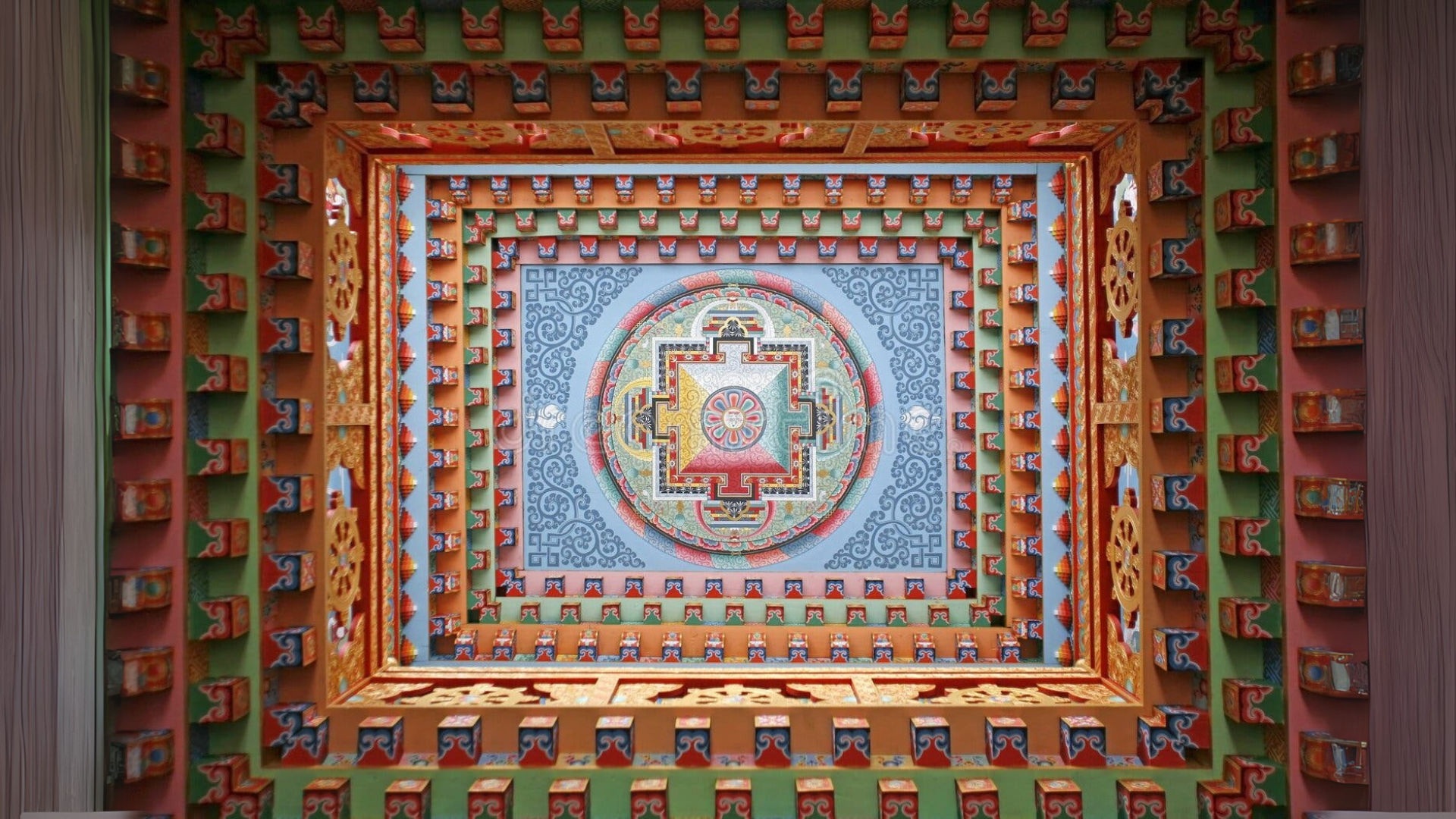
Thangka Painting: A form of religious art, thangka painting is a spiritual expression of the Buddhist and Hindu faiths. These intricate scroll paintings, usually depicting deities, mandalas, and religious narratives, require immense skill and precision. Thangkas serve not only as objects of devotion but also as sources of enlightenment and meditation.
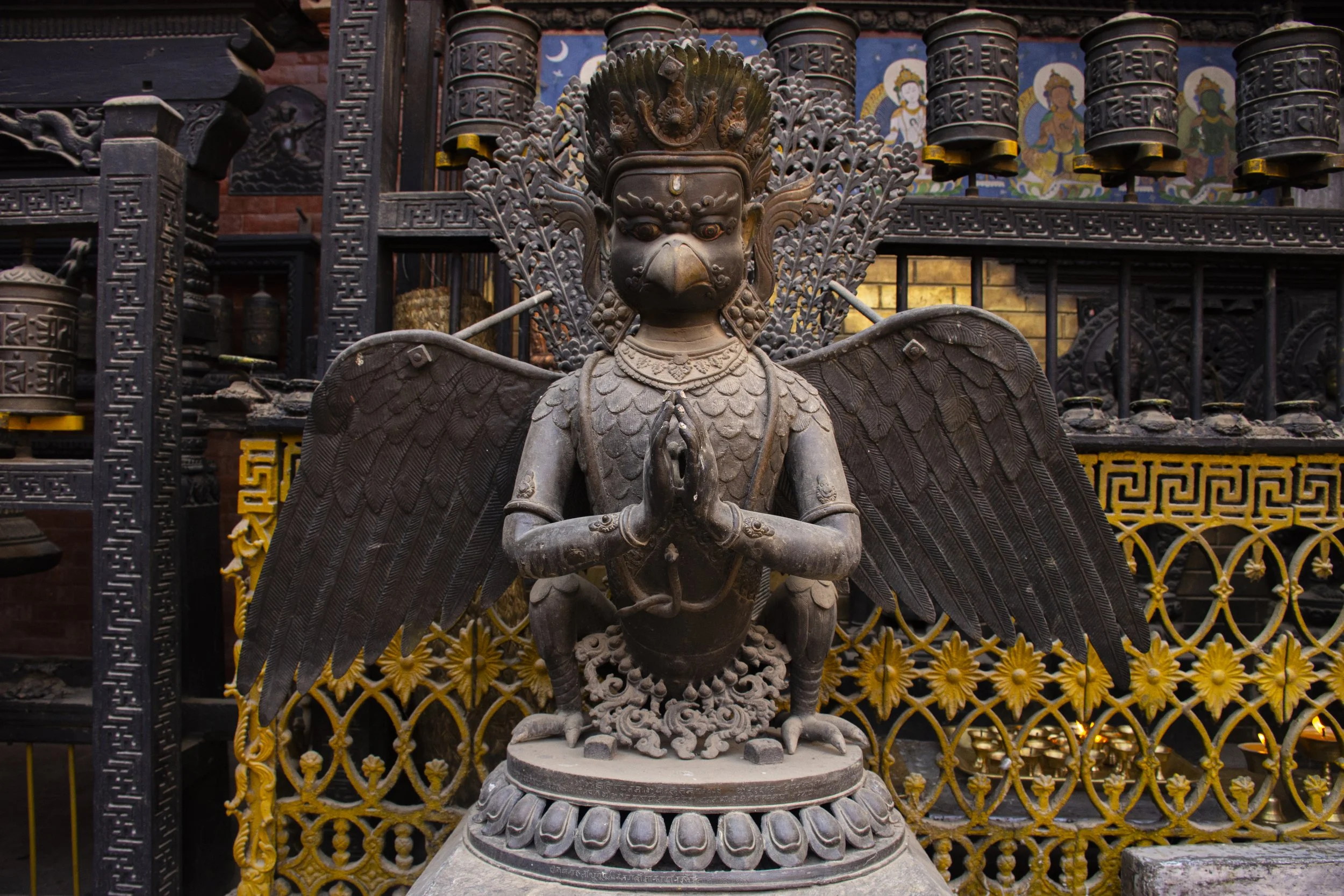
Metalwork: Metalwork holds a significant place in the craftsmanship of Nepal, showcasing the meticulous skill and ingenuity of its artisans. With a history spanning centuries, the art of metalwork has left an indelible mark on Nepal's cultural landscape. From religious statues to intricately designed bells and ritual objects, Nepali metalwork exemplifies the fusion of artistic expression and spiritual devotion.
One of the most remarkable aspects of Nepali metalwork is the mastery of various techniques employed by artisans. Repoussé, a method in which metal sheets are shaped and embossed from the reverse side, creates captivating three-dimensional designs that adorn statues and temple doors. The art of casting enables artisans to produce intricate metal sculptures with remarkable precision and detail. Filigree, characterized by delicate threads of metal formed into decorative patterns, adds an ethereal touch to jewelry and ornamental objects.
The materials used in Nepali metalwork are carefully selected to ensure durability and aesthetic appeal. Copper, renowned for its malleability and corrosion resistance, is a favored choice among artisans. Bronze, an alloy of copper and tin, lends strength and a warm golden hue to sculptures and religious artifacts. Silver, highly valued for its luster, is often utilized for intricate filigree work, adding an element of luxury and refinement to the creations.
The craftsmanship of Nepal is not just an aesthetic expression but also a vital economic driver. The artisan communities, often belonging to marginalized groups, depend on their craft for their livelihood. By preserving and promoting these traditional crafts, Nepal can empower these communities, uplift their socio-economic status, and foster sustainable development.
Furthermore, the artistic traditions of Nepal have immense cultural value, acting as a bridge between generations and fostering a sense of pride and identity among Nepali people. Visitors to Nepal are captivated by the country's craftsmanship, which serves as a testament to its vibrant cultural heritage. The preservation and promotion of these crafts have the potential to drive tourism, attracting individuals from all corners of the globe who seek to immerse themselves in the country's art and culture.
The craftsmanship of Nepal, steeped in historical legacy and cultural significance, is a treasure that deserves our utmost admiration and appreciation. From the awe-inspiring woodcarvings to the enchanting thangka paintings and intricate metalwork, Nepal's artisans have created timeless masterpieces that transcend time and borders. By valuing and supporting the craftsmen and women who uphold these traditions, we can ensure the preservation of Nepal's cultural heritage for future generations. Let us embrace and celebrate the richness of Nepali craftsmanship, allowing it to shine as a beacon of artistic excellence and cultural pride in the global arena.
POPULAR ITINERARIES
SIMILAR POSTS

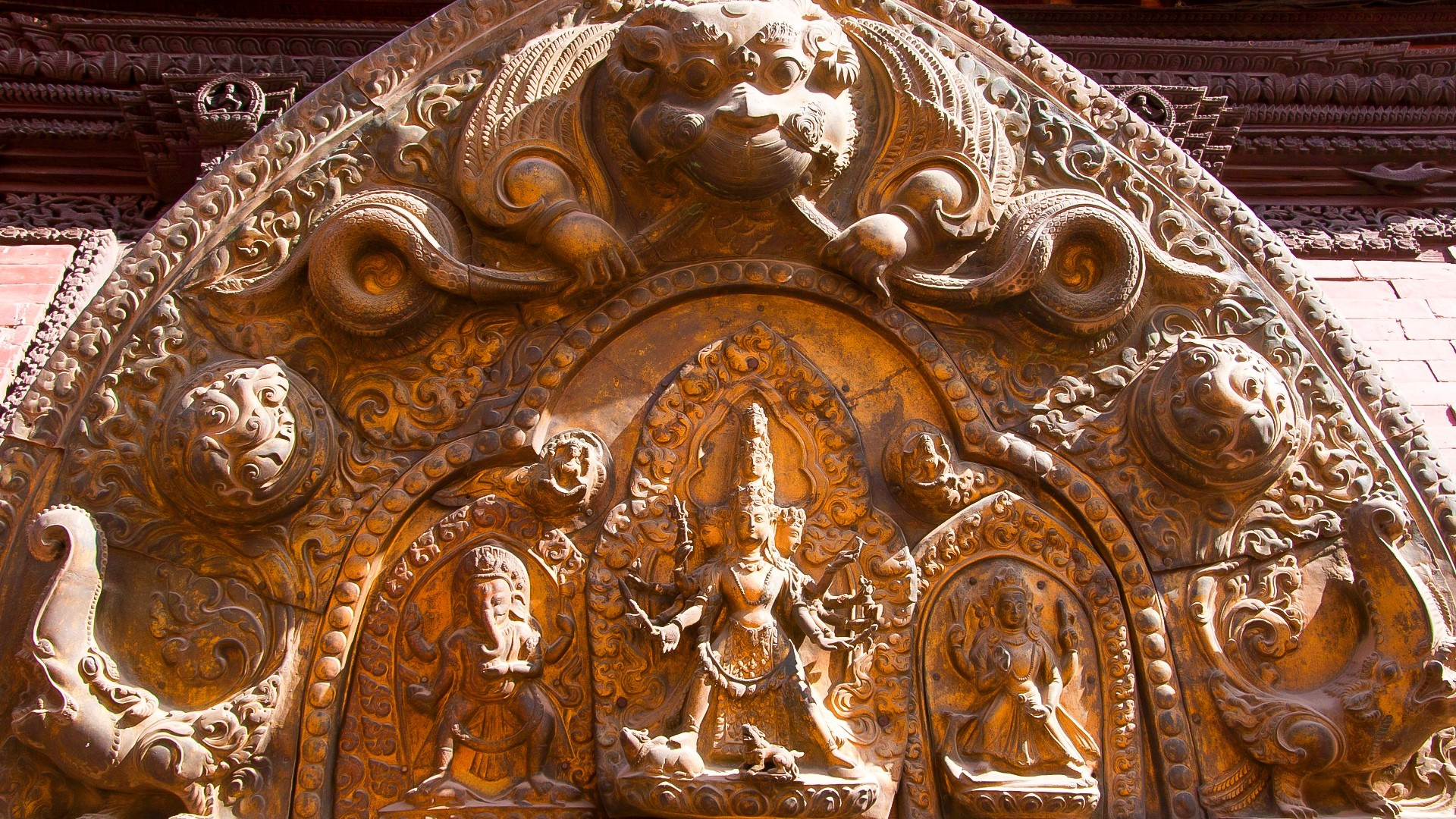
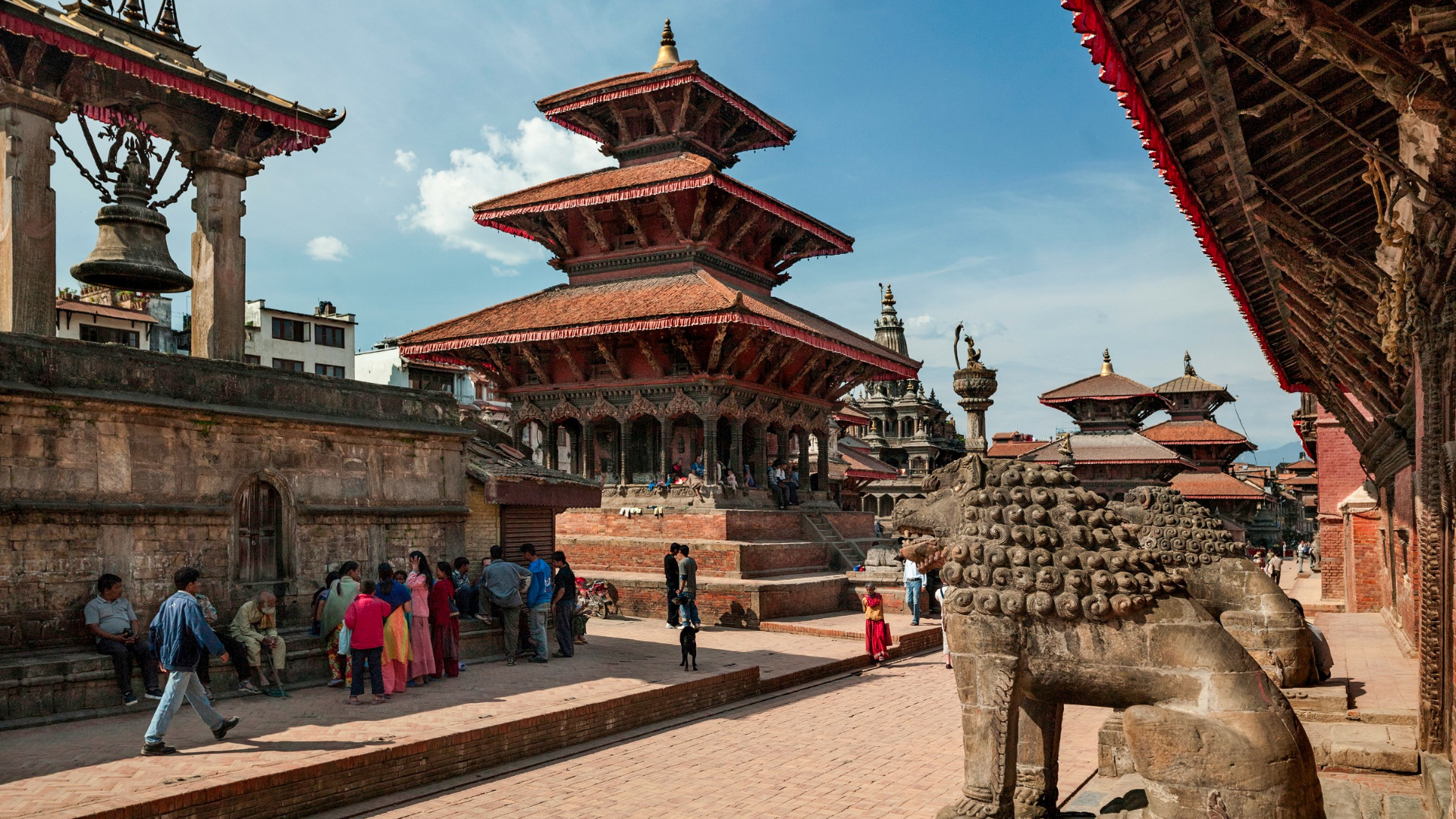
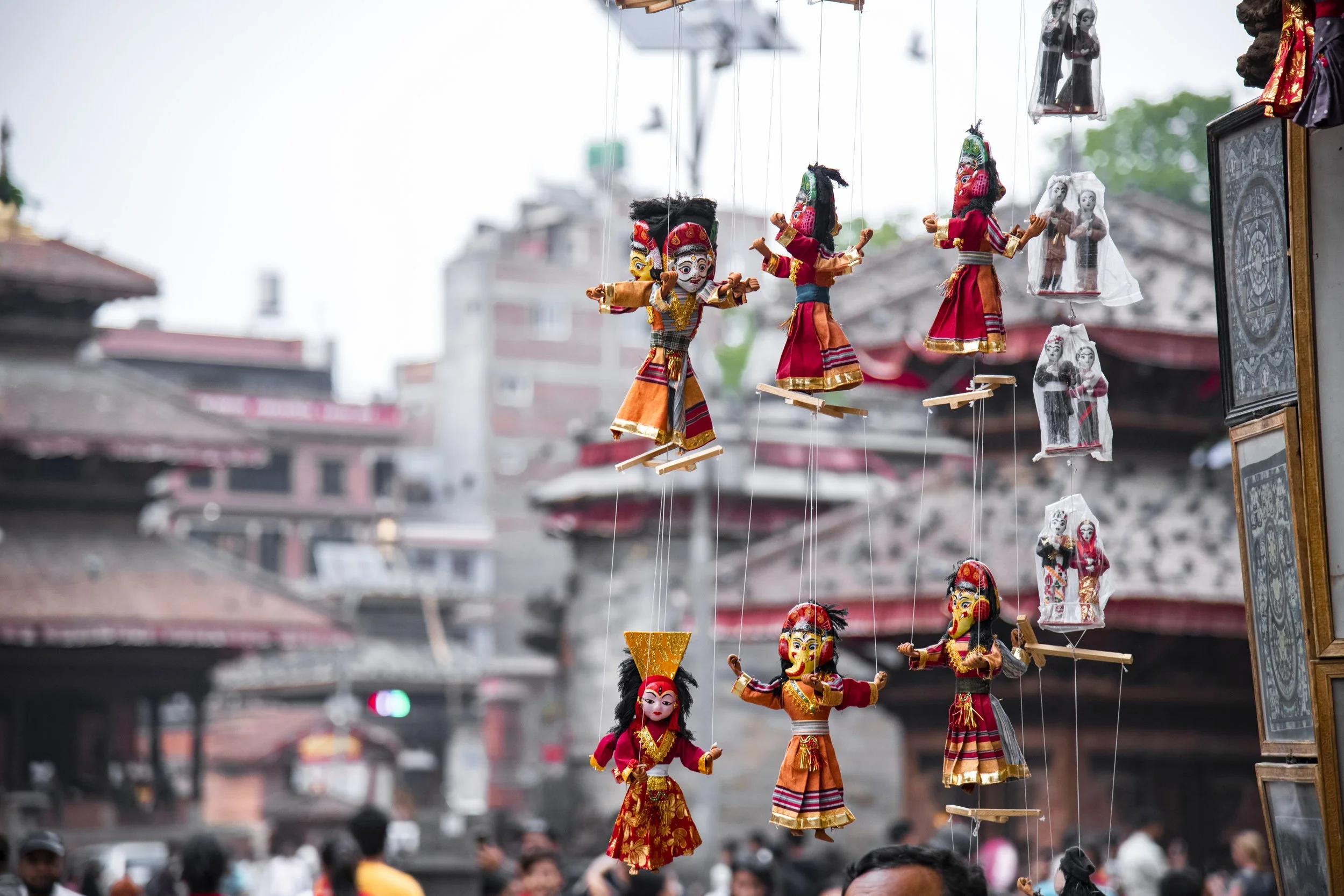
Basantapur Durbar Square: A Timeless Gem
Once you step foot in this timeless sanctuary, you are immediately enveloped by an atmosphere that resonates with the echoes of centuries past. The air is thick with the whispers of ancient tales and the weight of historical significance. Each intricate architectural marvel, meticulously crafted by skilled artisans of yesteryears, holds within it a saga waiting to be unraveled.
Basantapur Durbar Square not only offers a feast for the senses but also a stage for vibrant festivals and cultural celebrations that ignite the soul. Time your visit to witness the ethereal spectacle of Indra Jatra, where the streets come alive with elaborate processions, resounding music, and elaborate dances, all in honor of the revered deity Indra. Immerse yourself in the intoxicating energy of Maha Shivaratri, as devotees pay homage to Lord Shiva through mesmerizing rituals and fervent devotion. These immersive experiences allow you to witness the very essence of Nepali culture, where spirituality and tradition intertwine in a captivating dance.
Immerse Yourself in Architectural Marvels:
Prepare to be mesmerized by the architectural splendor that surrounds you in Basantapur Durbar Square. This captivating square boasts an array of ancient palaces, courtyards, temples, and intricate stone carvings that reflect the rich artistic heritage of Nepal. Marvel at the awe-inspiring intricacies of the 55-window Palace, an architectural masterpiece showcasing exquisite craftsmanship. Visit the Taleju Temple, a sacred shrine dedicated to the goddess Taleju Bhawani, and soak in the spiritual ambiance that permeates the air.
Discover Living History:
Beyond its architectural grandeur, Basantapur Durbar Square is a living testament to Nepal's history and cultural heritage. The square has witnessed the rise and fall of dynasties and the unfolding of significant events. Take a moment to reflect upon the stories and legends that have shaped the nation. Engage with the locals, as they graciously share their knowledge and insights, providing you with a deeper understanding of Nepal's vibrant past and present.
Indulge in Culinary Delights:
No visit to Basantapur Durbar Square is complete without savoring the diverse flavors of Nepali cuisine. Treat your taste buds to a gastronomic adventure as you explore the numerous food stalls and local eateries surrounding the square. Sample the iconic momo, a delectable dumpling filled with a variety of savory fillings, or indulge in traditional Newari dishes like the mouthwatering samay baji, a platter of rice, lentils, beaten rice, and a selection of savory accompaniments. Allow the tantalizing aromas and vibrant flavors to transport you to the heart of Nepali culture.
Capture the Essence through Photography:
Basantapur Durbar Square presents an abundance of photogenic scenes that will captivate any shutterbug. From the ornate details of the palaces and temples to the colorful rituals and bustling markets, there are endless opportunities to capture the essence of Nepali culture through your lens. Whether you're a professional photographer or an enthusiastic amateur, allow the vibrant surroundings to inspire your creativity and document your journey in stunning visuals.
Support Local Artisans and Craftspeople:
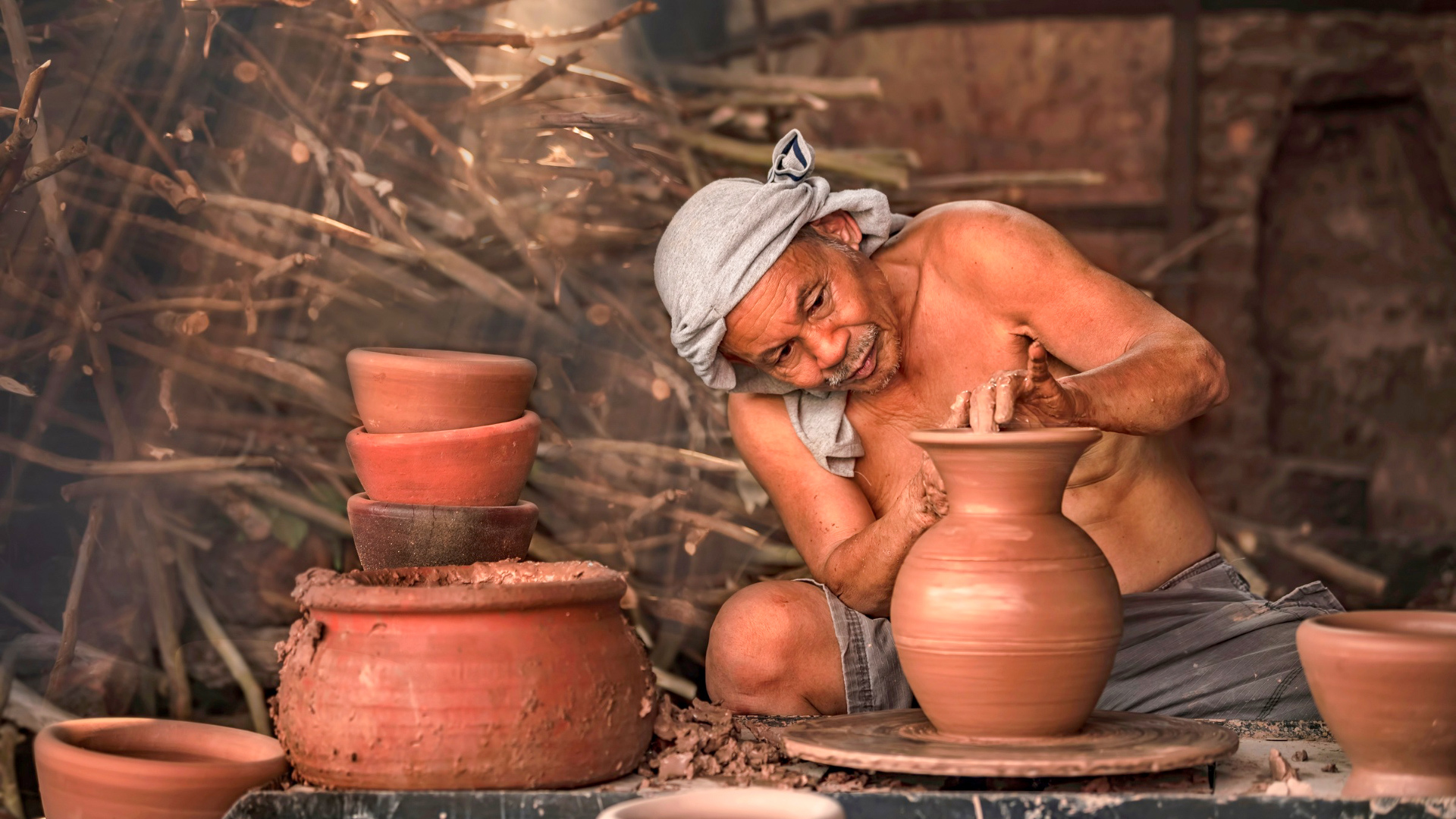
Take a moment to appreciate the exquisite craftsmanship of the local artisans and craftspeople. Basantapur Durbar Square is a treasure trove of traditional arts and crafts, including woodwork, metalwork, pottery, and intricate hand-woven textiles. Explore the narrow alleys surrounding the square to discover hidden workshops and galleries where these skilled artisans bring their creations to life. By purchasing authentic Nepali handicrafts, you not only take home a unique memento but also support the local economy and contribute to the preservation of these age-old traditions.
Attend Cultural Workshops and Performances:
Engage in cultural workshops and performances that are often organized in Basantapur Durbar Square. Learn traditional art forms like Thangka painting or pottery-making from skilled local artisans who are eager to share their knowledge. Attend cultural performances such as traditional dance or music shows that showcase the rich heritage of Nepal. These interactive experiences provide a hands-on understanding of the artistic traditions and offer a chance to engage with the local community.
Basantapur Durbar Square is a captivating destination that offers a kaleidoscope of experiences for travelers and cultural enthusiasts alike. From its architectural splendor to its living history, from its culinary delights to its vibrant festivals, the square provides a multidimensional exploration of Nepal's rich cultural tapestry. As you embark on this remarkable journey, open your heart and mind to the diverse perspectives that Basantapur Durbar Square presents, and let the magic of Nepal envelop you.
POPULAR ITINERARIES
SIMILAR POSTS
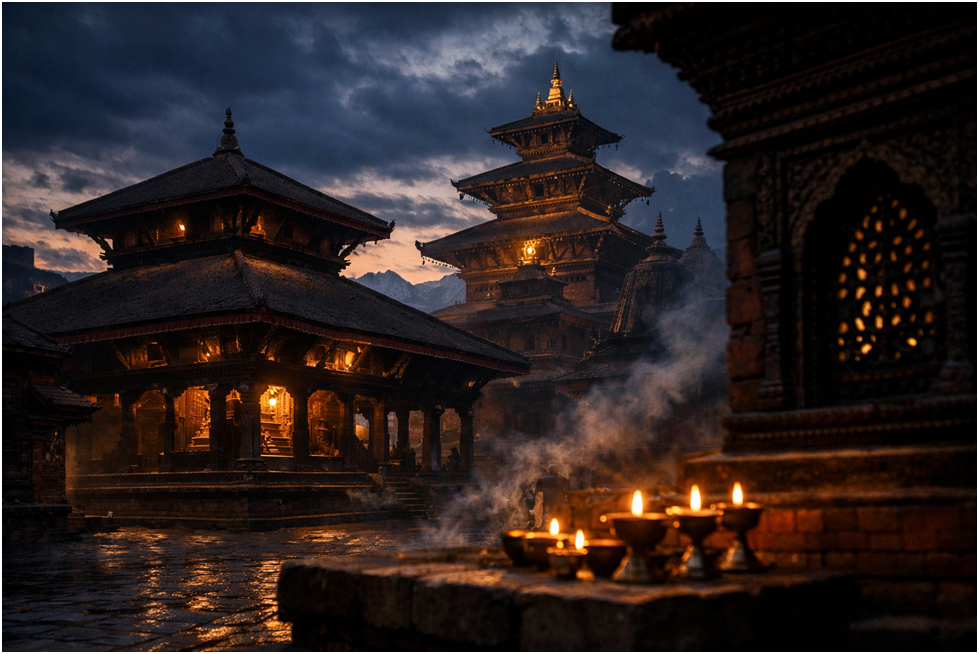

The Picturesque Trails of Annapurna
Trekking to Annapurna Base Camp is not for the faint of heart, but for those who are up for the challenge, it is a truly unforgettable experience. The breathtaking scenery of the Annapurna mountains, combined with the thrill of conquering challenging terrain and pushing oneself to new limits, makes this trek an absolute achievement.
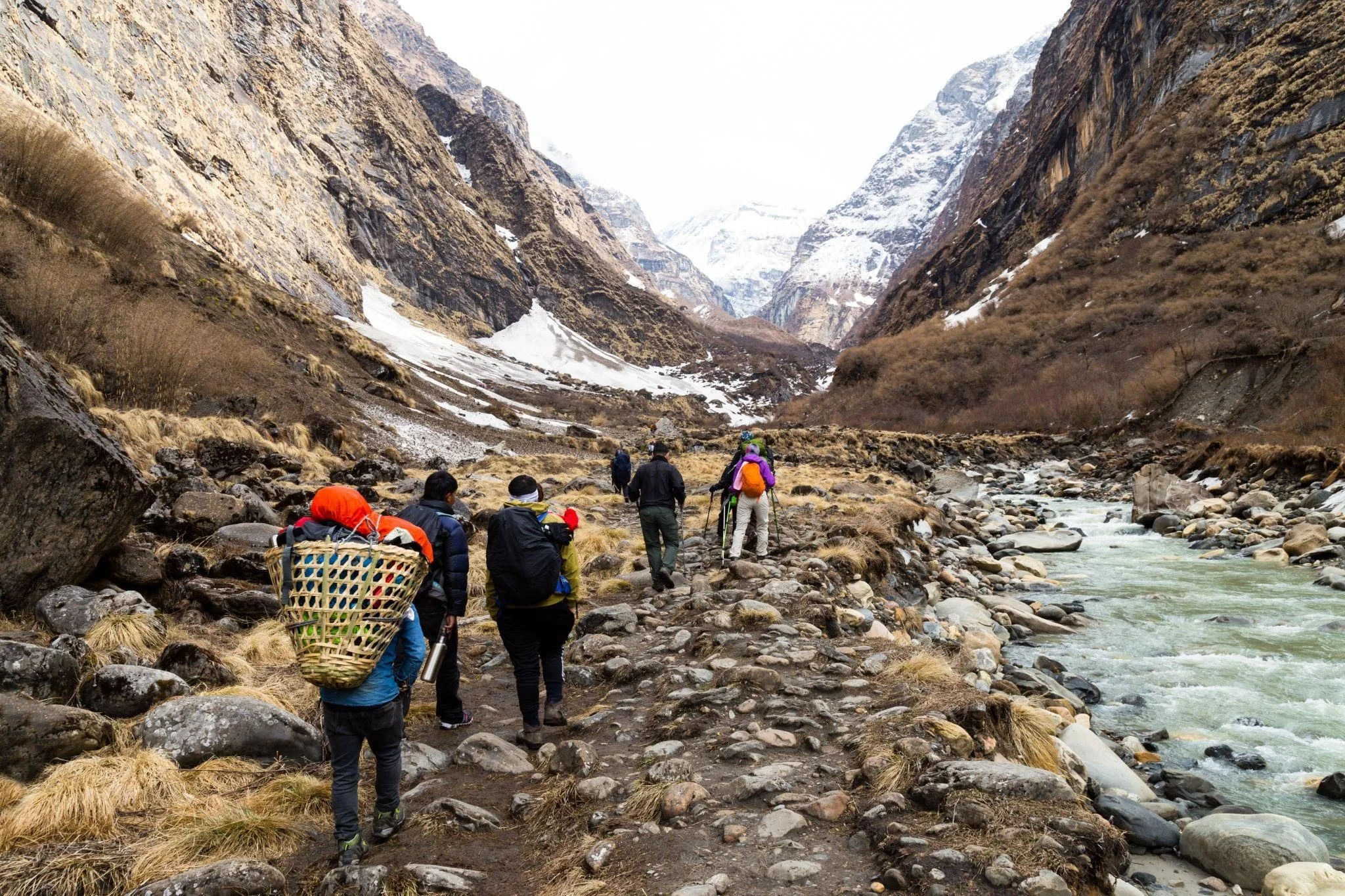
The Annapurna Base Camp Trek is a moderate to challenging trek that takes you through lush forests, picturesque villages, and stunning mountain landscapes. The trek starts from Nayapul and follows the Modi Khola River through lush forests of oak, rhododendron, and bamboo. As you ascend, you will pass through charming Gurung villages such as Ghandruk and Chhomrong, where you can experience the local culture and hospitality.
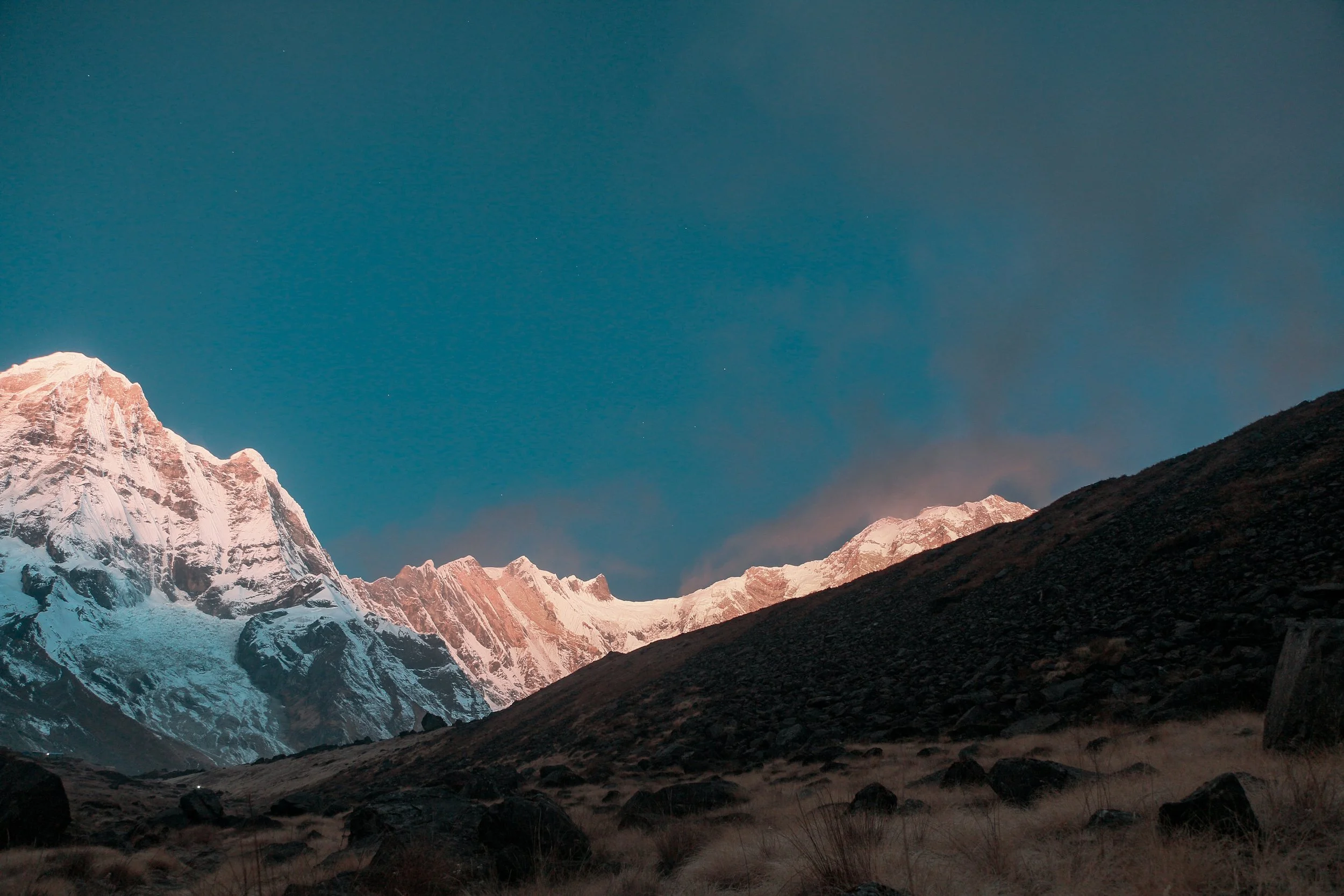
The highlight of the trek is reaching the Annapurna Base Camp (4,130m), located at the base of the stunning Annapurna massif. The trail to the base camp offers spectacular views of the Annapurna range, including Annapurna South, Annapurna I, Hiunchuli, Gangapurna, and Machhapuchhre (Fishtail).
The Annapurna Base Camp Trek is a challenging trek, and trekkers should be physically fit and prepared for the altitude. However, the trek is accessible to most trekkers with some prior trekking experience. The best time to do the trek is from September to November and March to May when the weather is dry and clear.
Trekkers will need to be able to hike for several hours each day, with some steep uphill and downhill sections. Altitude sickness is also a potential risk, so it's important to take the necessary precautions and be aware of the symptoms. It's recommended that trekkers do some training beforehand, such as cardiovascular exercises and hiking on hilly terrain, to prepare for the trek.
The general travel route, difficulty and elevation change are as follows:
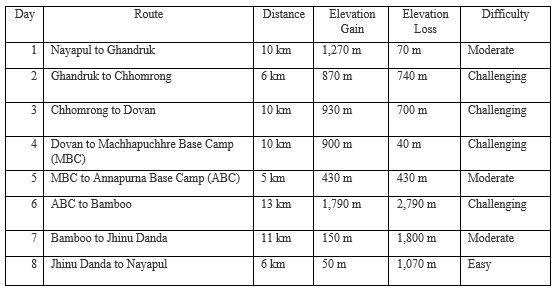
The trek can be completed in 8 to 10 days, depending on the pace and the number of rest days taken. As you can see from the table, the trek includes some challenging legs, such as the ascent to Machhapuchhre Base Camp and the descent from Bamboo to Jhinu Danda. It is important to be physically fit and prepared for the altitude and the steep terrain. Additionally, the trek involves staying in basic lodges, and trekkers should be prepared for the rustic accommodations and facilities.
Every adventure comes with its fair share of concern and risk. While trailing down the adventerous path’s of the Annapurna Base Camp Trek one must take note of the following:
Altitude sickness is a potential risk. It's important to acclimatize properly by gradually ascending to higher altitudes, staying hydrated, and avoiding alcohol and tobacco.
The weather can be unpredictable in the mountains. Trekkers should be prepared for both rain and snow, and bring appropriate gear such as waterproof jackets and pants, warm layers, and sturdy boots.
The trail can be steep and rocky in places, so it's important to have good hiking boots with ankle support and to watch your footing.
Some parts of the trail may be narrow and exposed, so it's important to take extra care and not take unnecessary risks.
Lodging and food options may be limited in some areas, so it's a good idea to bring some snacks and energy bars for the trail.
Garbage management is a major concern in the area, so it's important to pack out all your trash and dispose of it properly in designated areas.
Local culture should be respected. Trekkers should dress modestly, avoid public displays of affection, and ask for permission before taking photographs of locals or their homes.
As you make your way along the trail, through lush forests, over rocky terrain, and past snow-capped peaks, you'll be reminded of the sheer power and beauty of nature. And as you finally reach Annapurna Base Camp and take in the sweeping panoramic views, you'll know that all the hard work was worth it.
So, for anyone who's up for a challenge and ready to be rewarded with stunning scenery and a sense of accomplishment, the Annapurna Base Camp Trek is waiting for you. Get your hiking boots ready, train hard, and prepare to be amazed. The journey may be tough, but the destination is absolutely worth it.
POPULAR ITINERARIES
SIMILAR POSTS
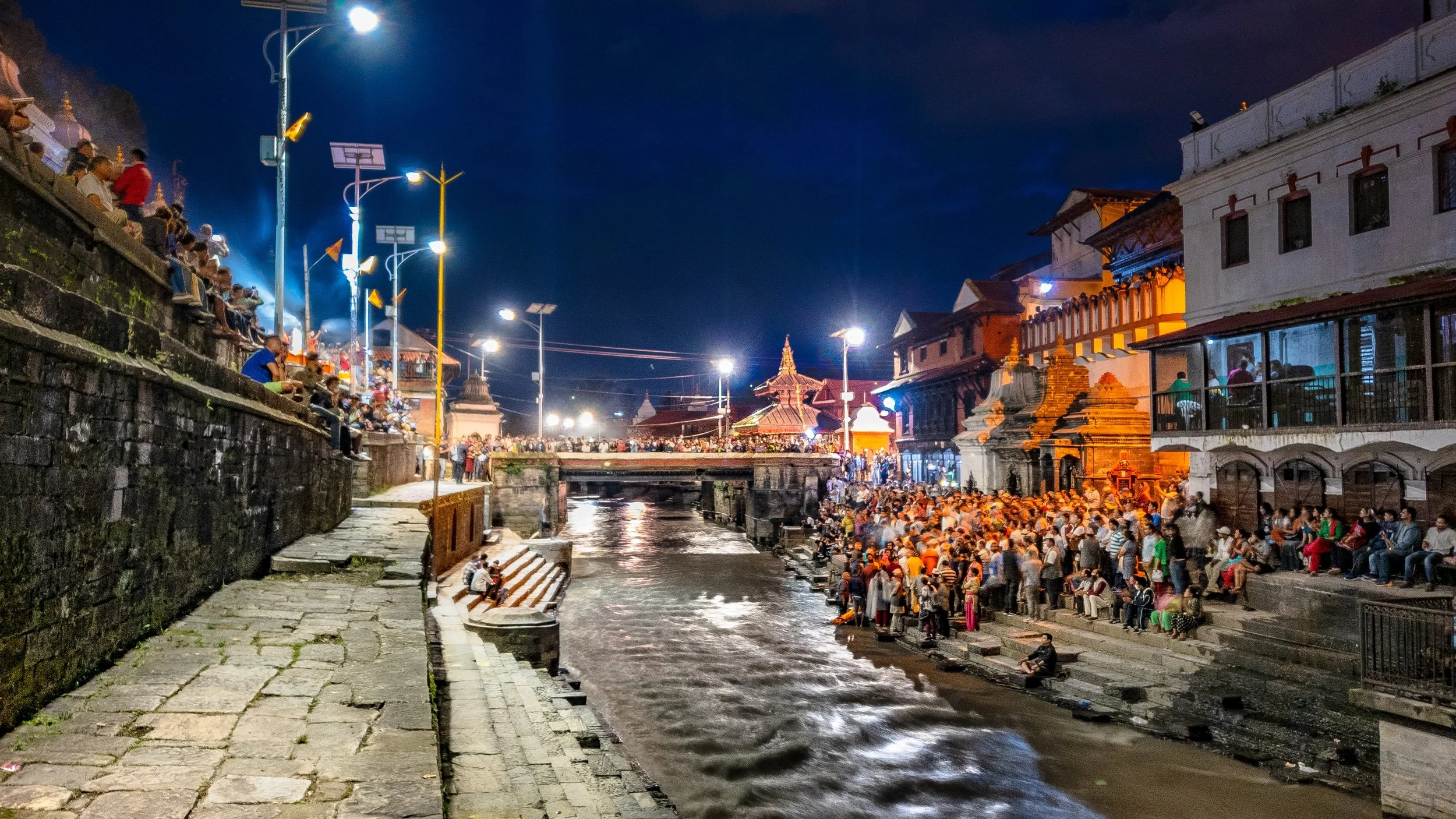
Exploring the Pashupatinath Area: Insights and Recommendations
Whether you're looking to connect with your spiritual side, immerse yourself in Nepali culture, or simply take in the beauty of this breathtaking region, the Pashupatinath area has something for everyone. So sit back, relax, and let us be your guide as we explore the best that this unique corner of Nepal has to offer.
Nepal's Pashupatinath area is a spiritual hub, drawing visitors from all corners of the world to its sacred sites, including the revered Pashupatinath Temple. As a result, the area is also home to a number of hotels and accommodations, offering travelers the chance to fully immerse themselves in this unique cultural experience.
In this article, we'll provide you with insights and recommendations to help you make the most of your visit to the Pashupatinath area. We've talked to locals, scoured travel blogs, and pulled from our own experiences to compile a comprehensive guide for anyone planning to explore this vibrant and spiritual corner of Nepal.
Historical Insight
The Pashupatinath area has a rich and complex history, dating back centuries to the dawn of Hinduism and Buddhism in Nepal. The region has long been considered one of the most important spiritual centers in the country, and its influence can be felt throughout Nepali culture and society.
One of the most significant landmarks in the area is the Pashupatinath Temple, which is believed to have been built in the 5th century CE. The temple is dedicated to Lord Shiva, one of the three most important Hindu deities, and is considered one of the most sacred Hindu temples in the world. The temple's architecture and design reflect the ancient Nepali and Indian styles that were popular at the time of its construction.
Over the centuries, the Pashupatinath Temple has undergone numerous renovations and additions, as well as periods of neglect and disrepair. Despite these challenges, the temple has remained a vital center of religious and cultural life in Nepal, drawing devotees and visitors from around the world.
In addition to the Pashupatinath Temple, the area is also home to a number of other important religious sites, including the Guhyeshwari Temple and the Dakshinkali Temple. These temples are dedicated to a variety of deities and have their own unique histories and traditions.
Outside of its religious significance, the Pashupatinath area has played an important role in Nepal's political and social history as well. The area was once the site of important royal ceremonies and festivals, and was even used as a venue for public executions during certain periods of Nepali history.
he Pashupatinath area in Nepal offers a wealth of cultural and religious experiences for travelers to explore. Here are some recommendations for things to do and see in the region:
Take a guided tour: To truly appreciate the history and significance of the Pashupatinath area, consider taking a guided tour facilitated via our Travel Desk with a knowledgeable local guide. You'll learn about the complex religious and cultural traditions of the region, and gain insights into the historical significance of the temples, shrines, and other landmarks in the area. A guided tour can also help you avoid getting lost or missing important sites, and can provide helpful context and background for your visit.
2. Visit the nearby Boudhanath Stupa: This ancient Buddhist stupa is located just a short distance from the Pashupatinath area, and is another important pilgrimage site in Nepal. Explore the complex, which includes numerous monasteries and temples, and take in the serene atmosphere.
3. Take a stroll through the Pashupati Nath Forest: Just a short distance from the Pashupatinath Temple is the beautiful Pashupati Nath Forest, a peaceful and serene area that provides a welcome respite from the hustle and bustle of the city. The forest is home to a variety of flora and fauna, and is a popular spot for picnics and relaxing walks. Take a leisurely stroll through the forest and enjoy the natural beauty of the area, or simply find a quiet spot to sit and meditate. The Pashupati Nath Forest is a hidden gem of the region, and is well worth a visit.
POPULAR ITINERARIES
SIMILAR POSTS
World Peace Pagoda in Pokhara: A Symbol of Harmony and Tranquility
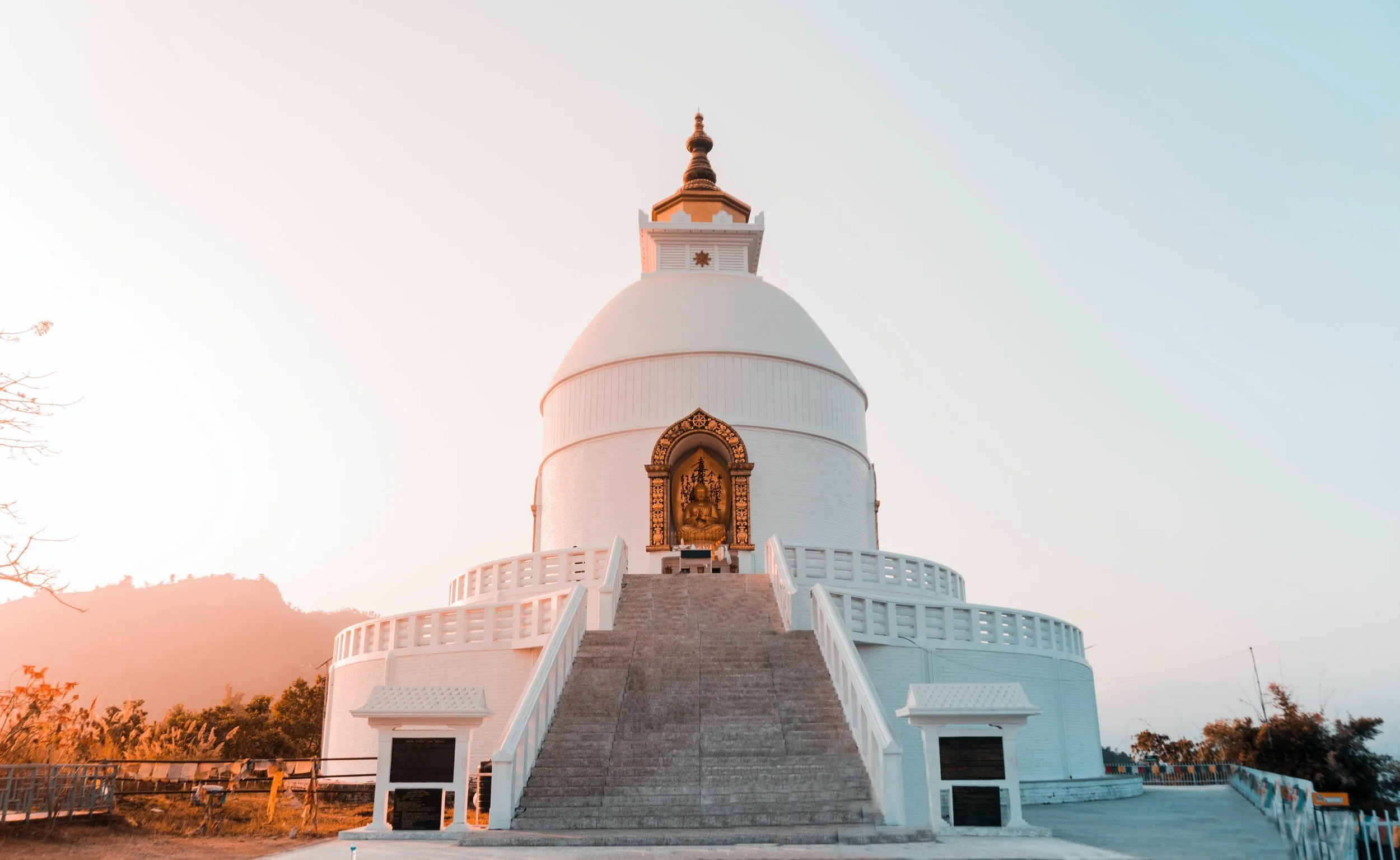
Discover the World Peace Pagoda, a stunning example of traditional Buddhist architecture located in Pokhara, Nepal. Built in 1973, this shimmering white pagoda offers panoramic views of Pokhara and the surrounding mountains. Come and immerse yourself in the peace and harmony of this iconic symbol of hope.
Nestled atop Ananda Hill in Pokhara, Nepal, stands the iconic World Peace Pagoda. This shimmering white structure is not only a symbol of peace but also a stunning example of traditional Buddhist architecture. Built in 1973 by the Nipponzan-Myohoji Buddhist Order, the World Peace Pagoda serves as a beacon of hope and harmony for people of all faiths. With its panoramic views of Pokhara and the surrounding Annapurna range, the pagoda is a popular destination for visitors seeking to escape the hustle and bustle of city life and immerse themselves in the tranquility of nature. Whether you arrive by boat or on foot, the World Peace Pagoda is a must-see destination that will leave you feeling inspired and uplifted. So, come and discover the beauty and serenity of the World Peace Pagoda in Pokhara, where peace and harmony reign supreme.
The History of the World Peace Pagoda
The idea of building a peace pagoda in Pokhara was first proposed by the Japanese Buddhist monk, Nichidatsu Fujii, who was the founder of the Nipponzan-Myohoji Buddhist Order. Fujii was a strong advocate of non-violence and world peace, and he believed that building peace pagodas around the world would help promote his message of peace. After getting approval from the Nepalese government, construction of the World Peace Pagoda began in 1973, with the help of local and international volunteers. The pagoda was built using traditional Buddhist techniques and features four ornate Buddha statues facing the four cardinal directions. Today, the World Peace Pagoda is considered one of the most important Buddhist shrines in Nepal and a testament to the power of peace and unity.
Architectural Design of the World Peace Pagoda
The World Peace Pagoda in Pokhara is a magnificent example of traditional Buddhist architecture. The pagoda's gleaming white exterior is immediately eye-catching, and its position on a hill overlooking Phewa Lake makes it one of Pokhara's most iconic landmarks. The pagoda's construction was guided by the principles of Buddhist architecture, which prioritize harmony between the natural world and the built environment. The pagoda is built using a mixture of local materials and traditional techniques, and features intricate carvings and statues that depict important figures from the Buddhist faith.
At the top of the pagoda is a large dome-shaped structure, which is adorned with a golden spire that glints in the sunlight. The golden spire is called the finial and is an important symbol in Buddhist architecture, representing the enlightenment of the Buddha. The finial sits atop a structure known as the harmika, which is a square platform that sits on the dome. The harmika is decorated with carvings of lotus petals and other symbols of Buddhist iconography.
The inside of the pagoda features four ornate Buddha statues, each facing a different cardinal direction. These statues are made of gilded bronze and are adorned with precious gems and intricate designs. The walls of the pagoda are adorned with murals and paintings depicting important events from the life of the Buddha and other Buddhist figures. Visitors to the pagoda are welcome to enter and pay their respects, and the peaceful atmosphere inside the pagoda is a testament to the skill of its builders and the enduring beauty of Buddhist architecture.
Getting to the World Peace Pagoda is relatively easy as it is located on top of Ananda Hill on the southern shore of Phewa Lake in Pokhara. You can reach the base of the hill by taking a taxi or local bus from the Lakeside area in Pokhara, which is a popular tourist destination with plenty of restaurants, cafes, and shops.
Once you reach the base of the hill, you can either hike up the steep trail to the top or take a boat ride across the lake and hike up from the other side. The hike up to the World Peace Pagoda takes about an hour, but the stunning views of the surrounding mountains and lake make it worth the effort.
POPULAR ITINERARIES
SIMILAR POSTS
Top 5 Mountains to Summit in Nepal During Climbing Season
As the weather warms up and the snow begins to melt, climbers from around the world flock to Nepal to take on the country's many stunning peaks. With eight of the world's highest mountains located within its borders, Nepal is a mountaineer's paradise. Here are five of the top mountains to summit during climbing season.
As the snow begins to melt and the mountaineering season approaches in Nepal, climbers from around the world gear up to tackle the country's stunning peaks. While climbing is possible throughout the year, spring is the most popular time for mountaineering expeditions, with the months of March, April, and May offering the best weather and conditions for scaling Nepal's majestic mountains. During this time, climbers can expect clear skies, mild temperatures, and relatively stable weather patterns. The autumn months of September, October, and November also offer favorable weather for climbing. However, the winter months (December to February) are typically too cold and snowy for most climbers, while the summer monsoon season (June to August) brings heavy rain and high humidity, making climbing difficult and dangerous. In this article, we will be discussing the top five mountains to summit in Nepal during the spring climbing season. So, whether you're an experienced climber or just starting out, read on to discover some of the most beautiful and challenging mountains Nepal has to offer.
1. Mount Everest
Mount Everest needs no introduction. As the highest peak in the world at 8,848 meters, it draws climbers from around the world who seek the ultimate mountaineering challenge. While it is certainly not for the faint of heart, those who reach the summit are rewarded with breathtaking views and a profound sense of accomplishment.
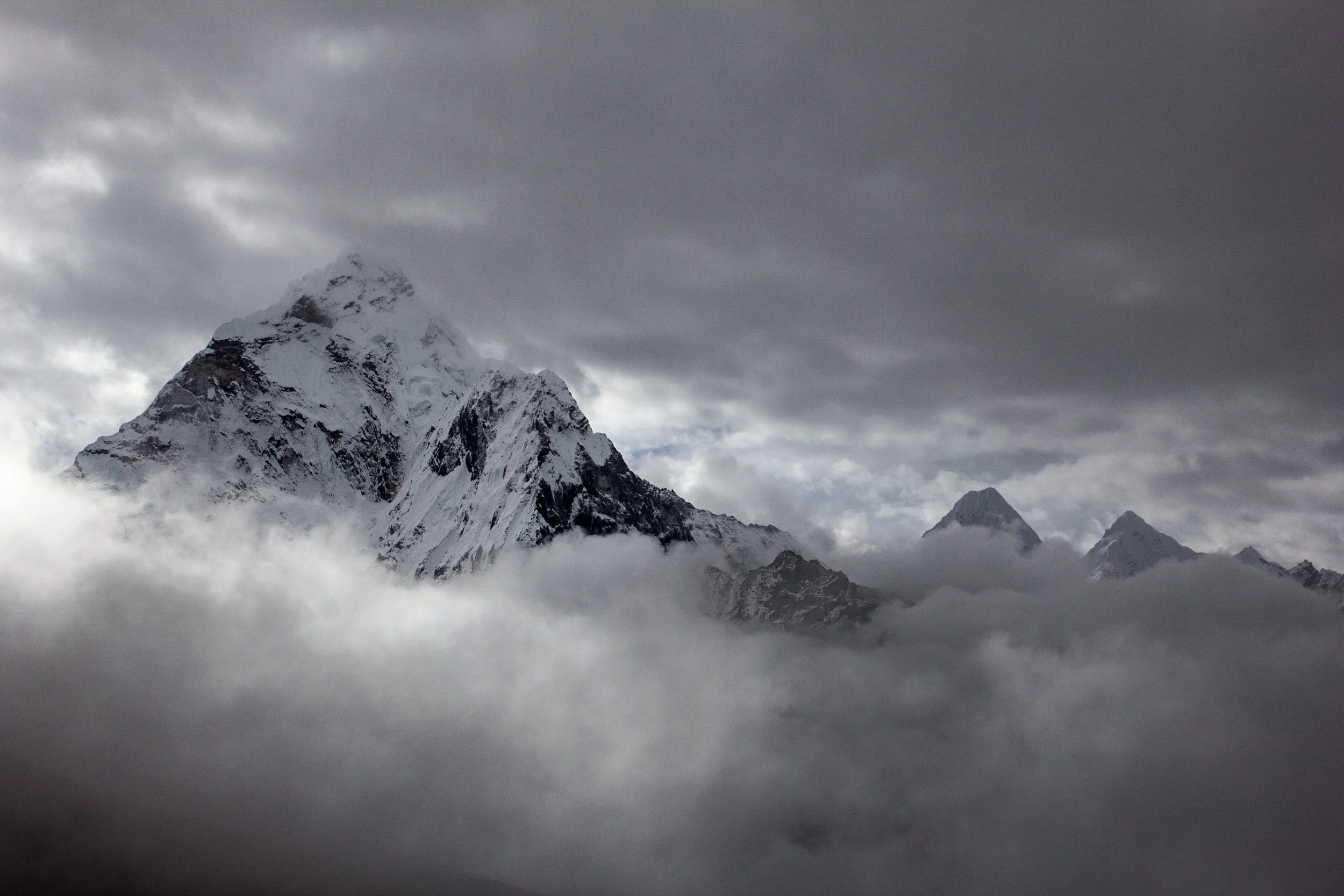
2. Ama Dablam
Located in the Khumbu region, Ama Dablam is one of Nepal's most iconic peaks. With its steep, exposed rock and ice faces, it offers a challenging climb that requires technical skill and experience. The peak is known for its striking appearance, with a sharp summit that resembles a "mother's necklace" of prayer flags.
3. Cho Oyu
Cho Oyu, the sixth-highest mountain in the world, straddles the border between Nepal and Tibet. Its relative ease of access and gentle slopes make it a popular choice for climbers looking for a high-altitude challenge that is slightly less technical than some of Nepal's other peaks. Cho Oyu is also an ideal mountain for climbers looking to make their first 8,000-meter summit.
4. Island Peak
Also known as Imja Tse, Island Peak is located in the Khumbu region and is a popular choice for climbers seeking a less technical peak that still offers a significant challenge. With an altitude of 6,189 meters, it is a great mountain for climbers who want to test their high-altitude abilities before attempting a more demanding peak.
5. Manaslu
Manaslu, located in the Himalayas in western Nepal, is the eighth-highest mountain in the world. While it is not as well-known as some of the other peaks on this list, it is a challenging climb that rewards climbers with stunning views of the surrounding Himalayan peaks. The climb requires technical skills and experience, as well as a high level of fitness.
As with any mountain climb, it is important to properly prepare and train before attempting any of these peaks. Climbers should also ensure they have the necessary permits and equipment, as well as a qualified guide to lead them on their ascent. With the right preparation and guidance, climbers can take on the challenge of Nepal's stunning peaks and experience the adventure of a lifetime.
POPULAR ITINERARIES
SIMILAR POSTS
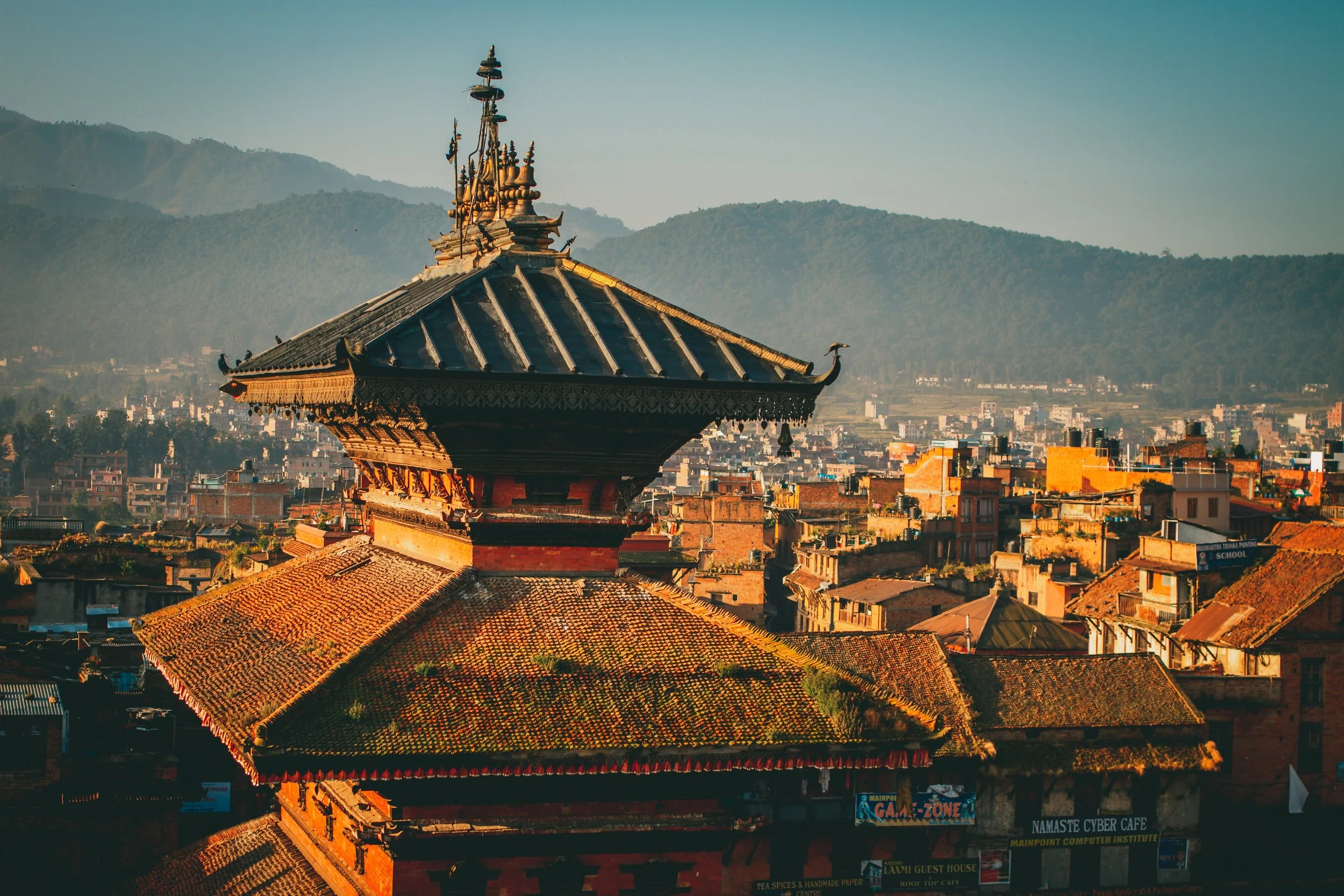
When In Bhaktapur...
As you make your way through the winding streets of Bhaktapur, you can feel the city's ancient history and rich culture seeping through every corner.
Bhaktapur is a city in Nepal that is known for its stunning architecture, intricate carvings, and traditional Newari culture. If you're a history buff or simply enjoy exploring new cultures, then Bhaktapur is a must-visit destination.
Brief History
Bhaktapur is an ancient city in Nepal with a fascinating history that dates back to the 12th century. At that time, the city was known as "Khawokti" and was ruled by the Malla dynasty. It was a vibrant hub of trade, art, and culture, and the people of the city took great pride in their architecture, crafts, and traditions. They built stunning temples, palaces, and buildings that showcased their unique Newari style, and the city flourished for centuries. Over time, the city's name changed to "Bhaktapur," which means "City of Devotees," reflecting the deep religious beliefs of the people. However, in the 18th century, the city fell under the rule of the Gorkha kingdom, and its power and influence began to decline. Despite this, the people of Bhaktapur have preserved their rich history and culture, and the city remains a testament to their enduring spirit and creativity.
It is a city with a rich cultural heritage that reflects the many different ethnic groups that call it home. The people of the city are proud of their diverse roots, which have contributed to the unique character of the place. The Newars are the largest ethnic group in Bhaktapur and have a distinct culture and language. They are renowned for their artistic skills, especially in wood and metal crafts, pottery, and cooking delicious local cuisine. Besides the Newars, other ethnic groups such as the Brahmins, Chhetris, Tamangs, and Dalits also live in Bhaktapur. Each group has its own distinct customs, traditions, and way of life, which combine to create a rich cultural tapestry. Religion is also a significant part of the culture, and Bhaktapur is home to many temples and religious sites that attract visitors from all over the world. The city also hosts numerous festivals and celebrations throughout the year, which offer a window into the vibrant cultural heritage of Bhaktapur.
Exciting Activities
Explore Bhaktapur Durbar Square
Bhaktapur Durbar Square is the main square of Bhaktapur and is home to many historic buildings, temples, and statues. The square is surrounded by ancient buildings and palaces, which showcase the city's rich history and culture. You can take a leisurely stroll around the square and marvel at the intricate carvings and architecture. Don't forget to visit the Golden Gate, which is the entrance to the 55-window palace and is adorned with intricate carvings.
Visit the Nyatapola Temple
Nyatapola Temple is a famous five-story temple located in Bhaktapur. The temple is dedicated to the goddess Siddhi Laxmi and is one of the tallest structures in the Kathmandu Valley. The temple's architecture is impressive, with steep steps leading up to each level. From the top of the temple, you can enjoy breathtaking views of the city.
Check out the Pottery Square
Pottery Square is a traditional pottery-making area in Bhaktapur. You can watch the potters at work and even try your hand at making a pottery piece. The pottery-making process is fascinating, and you can learn about the traditional techniques used by the potters. You can also buy some souvenirs made by the potters, such as cups, bowls, and vases.
Visit the Dattatreya Temple
Dattatreya Temple is an ancient temple dedicated to the Hindu god Dattatreya. The temple is believed to be over 600 years old and is one of the oldest temples in Bhaktapur. The temple's architecture is impressive, with intricate carvings and a pagoda-style roof. You can learn about the temple's history and significance from the temple priests.
Take a walk along the city walls
Bhaktapur is surrounded by a wall that was built in the 12th century. You can take a leisurely walk along the walls and enjoy the beautiful views of the city. The walls offer a panoramic view of the valley, and you can see the various temples and buildings from a different perspective. You can also visit the city gates and learn about the city's history and significance.
Visit the Bhaktapur Art Gallery
Bhaktapur Art Gallery is a small art gallery in Bhaktapur that features traditional Newari art and crafts. The gallery has a collection of paintings, sculptures, and crafts that showcase the city's artistic heritage. You can buy souvenirs and gifts to take back home.
POPULAR ITINERARIES
SIMILAR POSTS
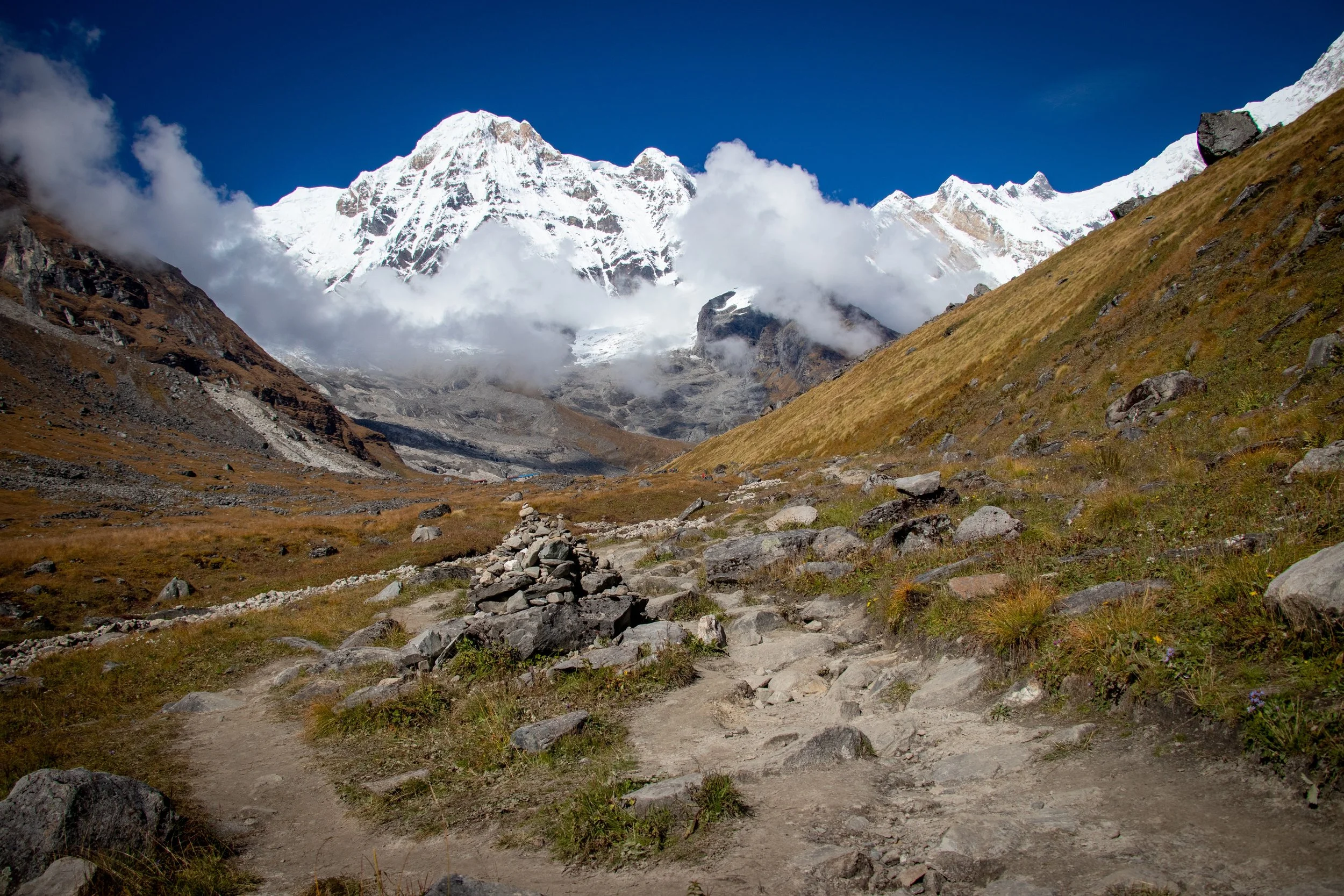
Explore Nepal's Majestic Mountains the Easy Way
Are you interested in exploring Nepal's stunning mountain ranges, but not so keen on trekking? No problem! In this blog, we explore five amazing destinations in Nepal that can be visited by helicopter, including Mount Everest, Annapurna Base Camp, Langtang National Park, Upper Mustang, and Rara Lake. Get ready for breathtaking views and unforgettable experiences!
Have you ever dreamed of exploring the stunning natural beauty of the Himalayas but are hesitant because you don't enjoy trekking or hiking? If so, then you'll be pleased to know that there is another way to experience the majesty of the Himalayas. Helicopter tours offer an exhilarating way to explore the world's highest mountain range without the need for physical exertion. In Nepal, there are many destinations that can be visited by helicopter, allowing you to take in breathtaking views of the towering peaks, crystal-clear lakes, and verdant valleys. In this blog post, we'll explore some of the best destinations in Nepal that can be visited by helicopter, giving you a chance to see the beauty of the Himalayas up close.
It's a small and charming country located in South Asia, nestled between India and China. Nepal is famous for its incredible mountain ranges, including Mount Everest, which is the tallest peak in the world. But there's more to this country than just mountains! Nepal is home to a rich cultural heritage, with ancient temples, palaces, and monuments that speak to its long and fascinating history. Nepalese people are friendly, warm, and always happy to welcome visitors to their country. Despite facing some challenges, Nepal remains a country of remarkable resilience and beauty, with a vibrant culture and unique way of life that is sure to leave a lasting impression on anyone who visits.
Mount Everest: Helicopter tours to Mount Everest are an incredible way to experience the majesty of the world's tallest peak. The tour typically departs from Kathmandu and follows the path of the Khumbu Glacier, offering breathtaking views of snow-capped peaks and deep valleys. As you soar through the sky, you'll see stunning landscapes and get up close to the ice falls, glaciers, and rugged terrain that make up the Everest region. If you're feeling adventurous, you can even land at the Everest Base Camp and take a short trek to Kalapatthar for a breathtaking panoramic view of Mount Everest and other surrounding peaks.
Annapurna Base Camp: The Annapurna Base Camp is a popular trekking destination, but it can also be visited by helicopter. The tour departs from Pokhara and offers stunning views of the Annapurna massif, which includes peaks like Annapurna I, Annapurna South, and Machhapuchhre (also known as Fishtail). As you fly over the rugged terrain, you'll see lush forests, cascading waterfalls, and traditional Nepalese villages. Once you reach the base camp, you'll be surrounded by towering mountains on all sides, making it an unforgettable experience.
Langtang National Park: Langtang National Park is one of the most beautiful and biodiverse areas in Nepal, and helicopter tours offer a unique way to experience this stunning region. The tour departs from Kathmandu and follows the path of the Langtang Himal, offering breathtaking views of the mountains, forests, and glaciers that make up this unique landscape. You'll also get the chance to explore the park's stunning landscapes, including alpine forests, rocky terrain, and high-altitude lakes. If you're lucky, you might even spot rare and endangered wildlife like the red panda or the snow leopard.
Upper Mustang: The Upper Mustang region is a remote and fascinating area of Nepal that can be accessed by helicopter from Pokhara. The tour offers an opportunity to explore this ancient kingdom without the need for a long trek. You'll fly over the Kali Gandaki River Valley and the Annapurna Massif, taking in stunning views of the surrounding landscape. Once you reach Upper Mustang, you'll be immersed in a unique desert-like landscape that is unlike anywhere else in Nepal. You'll also get the chance to explore ancient monasteries, caves, and historic villages, learning about the rich cultural heritage of this remote region.
Rara Lake: Rara Lake is a stunning alpine lake located in the remote Karnali region of Nepal. Helicopter tours to Rara Lake depart from Kathmandu and offer breathtaking views of the Himalayas and the surrounding valleys. Once you arrive at the lake, you'll be surrounded by a pristine natural environment, with crystal-clear waters and dense forests. You can take a walk around the lake, relax on its shores, or explore the surrounding hills and forests. Rara Lake is a hidden gem of Nepal and is well worth a visit for anyone looking to experience the country's natural beauty up close.
POPULAR ITINERARIES
SIMILAR POSTS
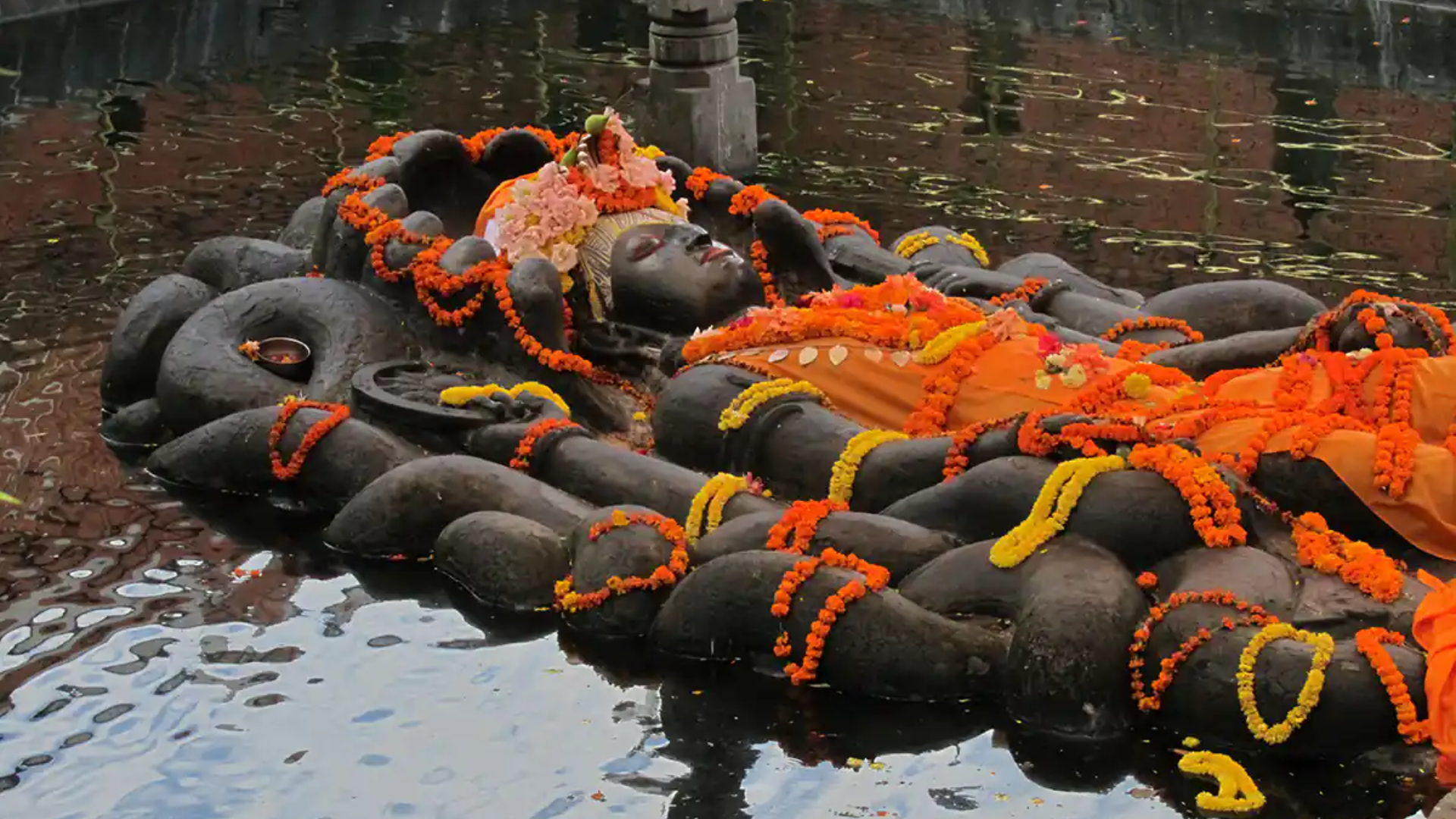
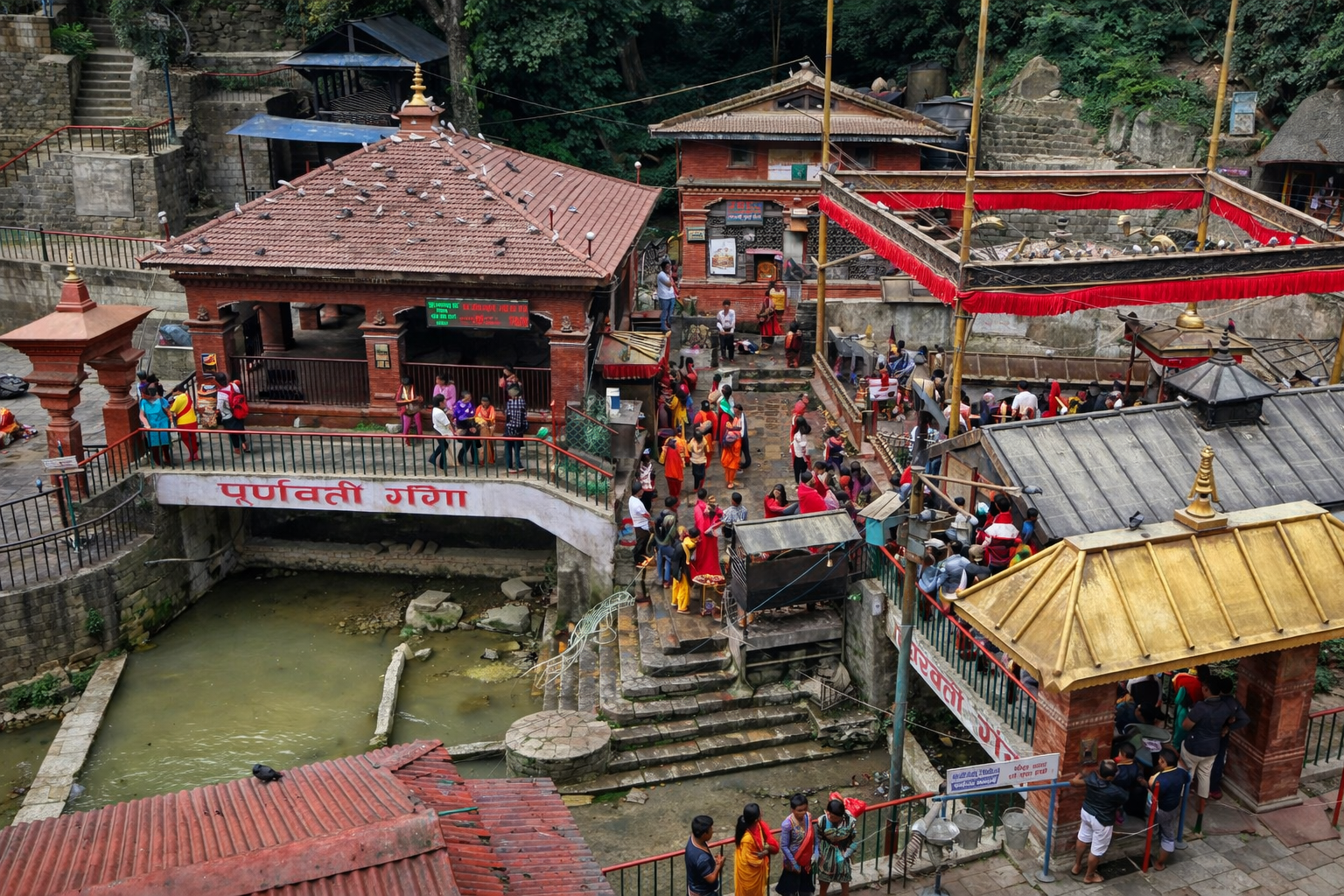
Pokhara: A Charming Lake Town
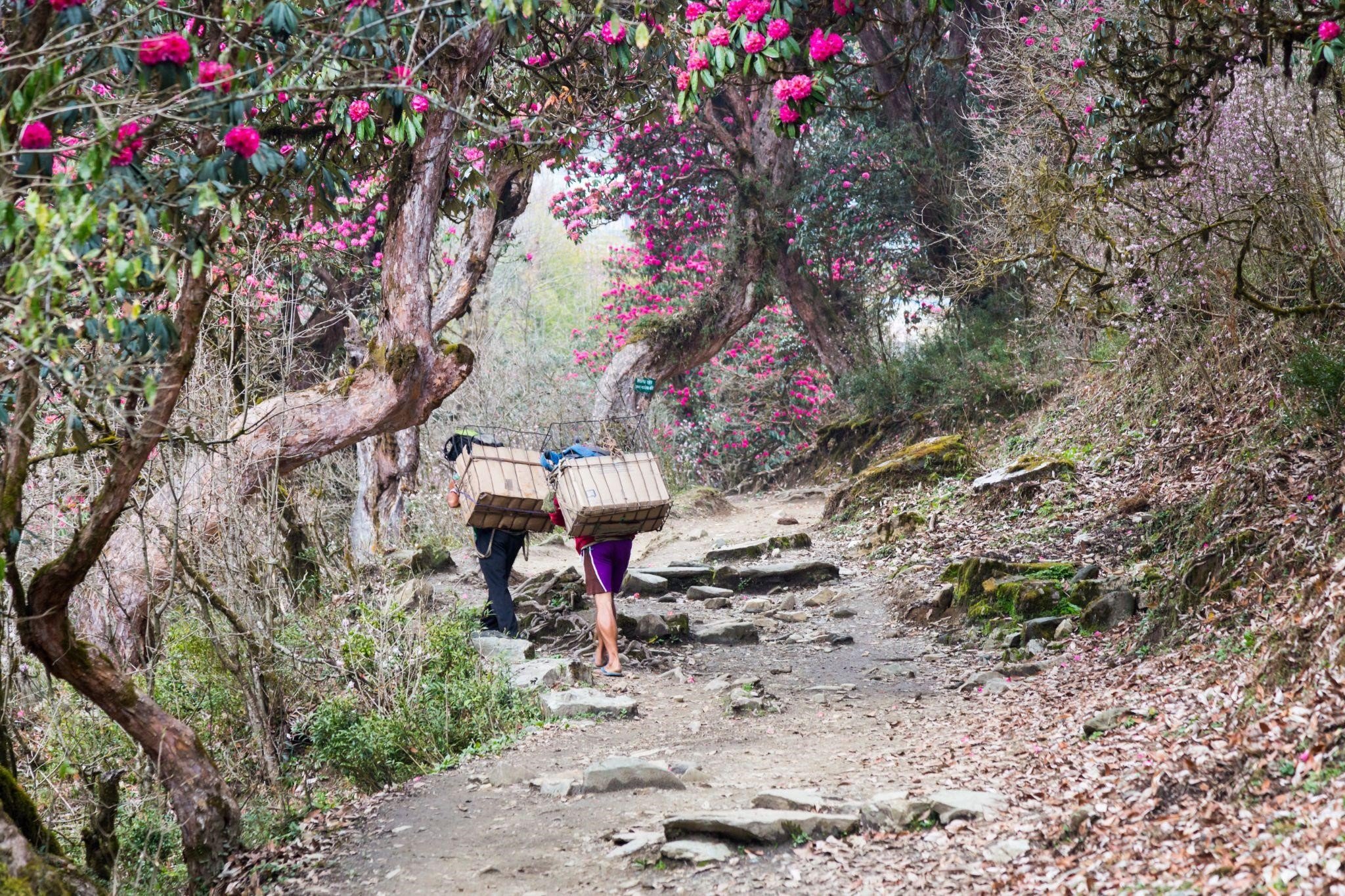
Welcome to the picturesque city of Pokhara, where adventure meets natural beauty. Surrounded by stunning mountain ranges and serene lakes, this charming city is a paradise for adventure enthusiasts. Whether you're looking to soar through the skies with paragliding, bungee jump off a suspension bridge, or go on a trekking expedition, Pokhara has something for every adventure seeker. With its vibrant culture and breathtaking landscapes, Pokhara is the perfect destination to indulge in thrilling activities while taking in the stunning natural beauty.
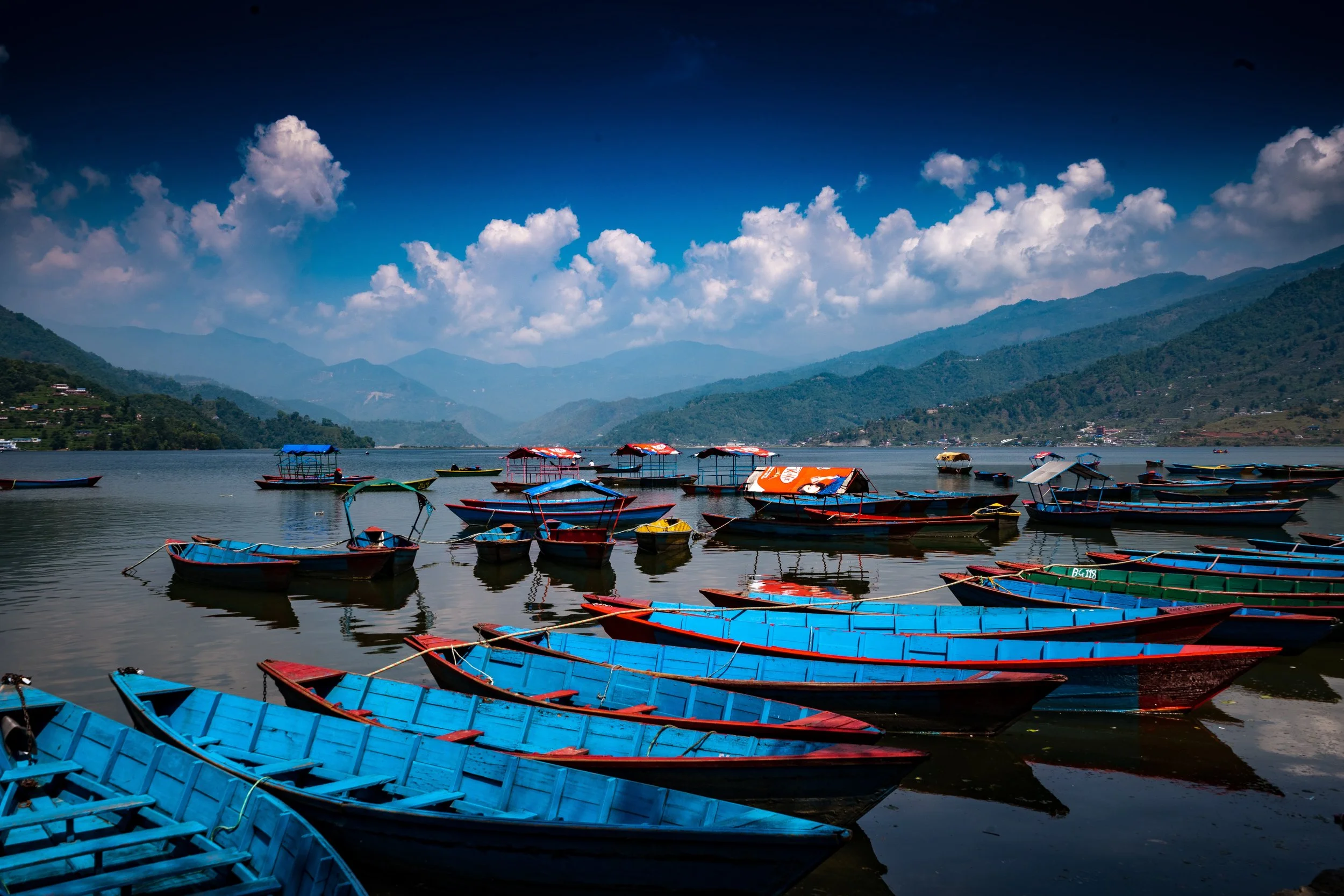
Pokhara is a charming city located in the western part of Nepal, surrounded by the stunning Himalayas and situated beside the picturesque Phewa Lake. The city has a rich cultural and historical significance as it once served as an important trading hub between India and Tibet and played a significant role during the Anglo-Nepalese War. Today, it is a popular tourist destination, known for its natural beauty and adventure activities. With a population of approximately 350,000 people, the city is also known for its diversity, with people from various ethnic and linguistic backgrounds living there. The predominant ethnic groups are the Brahmins, Chhetris, Gurungs, and Newars.
Pokhara is an important city in Nepal, both economically and culturally. It's famous for its natural beauty and adventure activities, which attract thousands of visitors every year. In fact, in 2019, over 1.2 million tourists visited Pokhara, making it the second-most visited destination in Nepal after Kathmandu. Agriculture is the primary economic activity in Pokhara, with the city producing rice, maize, wheat, and vegetables. Additionally, the city is home to several educational institutions, including one of the largest universities in Nepal, Pokhara University. Pokhara is also an important military base for Nepal, as it's home to the Nepalese Army's Western Division Headquarters. The city is known for its diversity, with people from various ethnic and linguistic backgrounds living there. The Brahmins, Chhetris, Gurungs, and Newars are some of the prominent ethnic groups in the city, each with their own unique culture and traditions.
Phewa Lake
One of the main attractions of Pokhara is Phewa Lake, located in the heart of the city. This serene lake offers boat rides and scenic views, making it a must-visit location for any tourist. Visitors can take a boat ride from the Phewa Ghat or hike up to the World Peace Pagoda to get a panoramic view of the surrounding mountains. Phewa Lake can be visited all year round, but it is best visited during the morning or evening to avoid crowds.
Sarangkot
Another popular location in Pokhara is Sarangkot, a hilltop located on the outskirts of the city. Sarangkot offers breathtaking views of the sunrise and sunset over the Annapurna and Dhaulagiri mountain ranges. Visitors can hike up to the hilltop or take a jeep ride to enjoy the panoramic views. Sarangkot is best visited during the sunrise or sunset for the most stunning views.
Devi’s Fall
Devi's Fall is a unique waterfall located on the outskirts of Pokhara that flows underground through a natural tunnel and reemerges as a waterfall. Visitors can hike up to the waterfall and enjoy the stunning views of the cascading water. The waterfall can be visited all year round.
Gupteshwor Mahadev
For those interested in cultural attractions, Gupteshwor Mahadev Cave is a sacred Hindu cave located near Devi's Fall. The cave is adorned with natural rock formations and features a shrine dedicated to Lord Shiva. Visitors can explore the cave and learn about the Hindu religion. The cave is open to visitors all year round.
Adventure Sports
Pokhara is known for its thrilling adventure activities, and visitors to the city have a plethora of options to choose from. One of the most popular activities is paragliding, which allows visitors to soar above the city and take in the stunning views of the surrounding mountains and lakes. For those seeking a rush of adrenaline, bungee jumping is available at the Hemja Bungee Jumping site, where visitors can take a leap of faith from a suspension bridge over the Bhote Koshi River. Visitors can also enjoy zip-lining across the lush forests of Pokhara or go on a trekking expedition to explore the Annapurna mountain range. For water sports enthusiasts, kayaking and canoeing on the Seti River or whitewater rafting on the Trishuli River are also popular options. Additionally, visitors can opt for a motorbike or mountain bike ride to explore the city and its surroundings. With so many thrilling adventure activities available, Pokhara is a dream destination for adventure seekers.