The Rich Tapestry of Newar Culture
Newar culture in Nepal's Kathmandu Valley is a vibrant tapestry of artistic excellence, syncretic religions, festivals, and a unique socioeconomic structure. Challenges and preservation efforts are vital to safeguard this rich heritage and promote a deeper understanding and appreciation of its contributions to global cultural diversity.
The Newar community, nestled in the Kathmandu Valley of Nepal, boasts a vibrant cultural heritage that is a testament to their remarkable history and resilience. As an expert in Newar culture with a deep understanding garnered through academic qualifications in anthropology, it is my privilege to shed light on the multifaceted aspects of this captivating culture. By exploring various perspectives, we can gain a comprehensive understanding of the Newar culture and appreciate its uniqueness. Let us embark on a journey that uncovers the essence of the Newar people and their rich cultural tapestry.
Historical Context
The Newar culture thrives in the cradle of the Kathmandu Valley, where its origins can be traced back to the Licchavi and Malla periods, spanning several centuries. These ancient civilizations left an indelible mark on Newar culture, influencing its language, architecture, arts, rituals, and social structure. The amalgamation of indigenous traditions, Hinduism, Buddhism, and tantric practices has shaped the diverse and inclusive fabric of Newar society.
Artistic Excellence
Newar culture is renowned for its artistic excellence, prominently showcased in various forms such as wood and stone carving, metalwork, painting, pottery, and textile weaving. The intricate craftsmanship and attention to detail exemplify the Newar people's deep-rooted creativity and aesthetics. Traditional art forms like Paubha painting, clay idols, and woodcarvings are not only visually captivating but also imbued with spiritual and cultural significance.
Festivals and Rituals
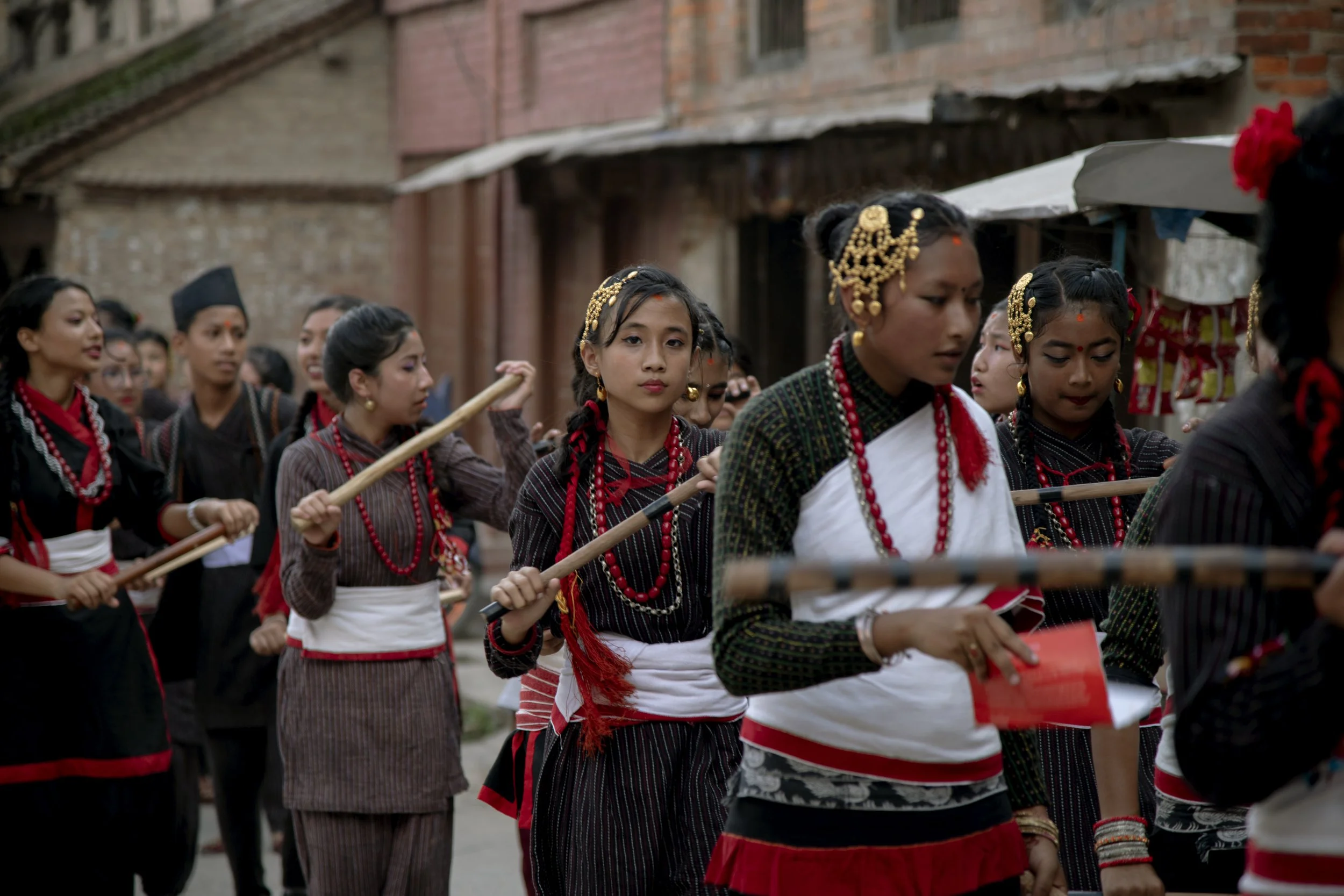
Newar culture is synonymous with vibrant festivals and rituals that reflect a harmonious fusion of Hindu and Buddhist traditions. Celebrations like Bisket Jatra, Indra Jatra, and Gai Jatra provide a platform for communal bonding, spiritual rejuvenation, and cultural exchange. These festivities serve as a gateway to the Newar world, where ancient myths, legends, and religious beliefs come alive in vivid displays of music, dance, processions, and rituals.
Religious Syncretism
One of the distinguishing features of Newar culture is its religious syncretism, blending elements of Hinduism and Buddhism seamlessly. The historical interplay between these two religions has given rise to unique practices, such as the worship of both Hindu and Buddhist deities within the same household or temple. This coexistence not only symbolizes tolerance and inclusivity but also showcases the adaptability and open-mindedness of the Newar people.
Socioeconomic Structure
The Newar society has a distinct socioeconomic structure known as the "Shrestha" system. This hierarchical framework categorizes individuals into different occupational groups, each with its specific roles and responsibilities. While this system has faced criticism for perpetuating inequalities, it also highlights the specialized skills and interdependence among the various groups. Recognizing the contributions of each segment fosters social cohesion and ensures the preservation of traditional crafts and knowledge.
Challenges and Preservation Efforts
In the face of modernization, urbanization, and globalization, the Newar culture confronts challenges that threaten its preservation. The rapid urban development in the Kathmandu Valley poses a risk to historical architecture and cultural landmarks. Additionally, the younger generation's exposure to external influences brings forth the need to strike a balance between preserving traditions and embracing change.
To safeguard the Newar culture, concerted efforts are being made by local communities, scholars, and organizations. Initiatives such as cultural festivals, museums, documentation projects, and educational programs are vital in nurturing a sense of pride, awareness, and continuity. Moreover, encouraging the transmission of traditional knowledge from elders to the younger generation plays a pivotal role in maintaining the cultural fabric of the Newar community.
The Newar culture stands as a testament to the richness and resilience of Nepal's heritage. Its art, festivals, religious syncretism, and socioeconomic structure are all integral aspects that contribute to its unique identity. By exploring multiple perspectives, we gain a comprehensive understanding of the Newar culture and recognize the importance of its preservation.
As we navigate an increasingly interconnected world, it is crucial to appreciate and celebrate cultural diversity. Let us embrace the tapestry of the Newar culture, recognizing its invaluable contributions to our shared global heritage. Through preservation, support, and a deeper understanding, we can ensure the Newar culture thrives for generations to come.
POPULAR ITINERARIES
SIMILAR POSTS

Spiritual Healing in Nepal: Unveiling Timeless Wisdom
Nepal's spiritual healing practices offer seekers a transformative journey amidst the sacred Himalayas. Rooted in ancient wisdom, energy healing, sound therapy, and pilgrimage to sacred sites, these practices restore balance, harmony, and inner transformation, fostering a profound connection between mind, body, and spirit.
Nepal, a land of awe-inspiring mountains and vibrant cultural heritage, holds within its mystical landscapes a treasure trove of ancient spiritual healing practices. Nestled in the lap of the Himalayas, this enchanting country has long been a sanctuary for seekers of spiritual wisdom and healing. With its rich tapestry of diverse spiritual traditions, Nepal offers a profound and transformative journey for those who embark on the path of spiritual healing. Join us as we unveil the captivating world of spiritual healing practices in Nepal, where ancient wisdom meets modern seekers, igniting a flame of restoration, renewal, and profound inner transformation.
The Sacred Himalayas: Nurturing the Soul's Journey
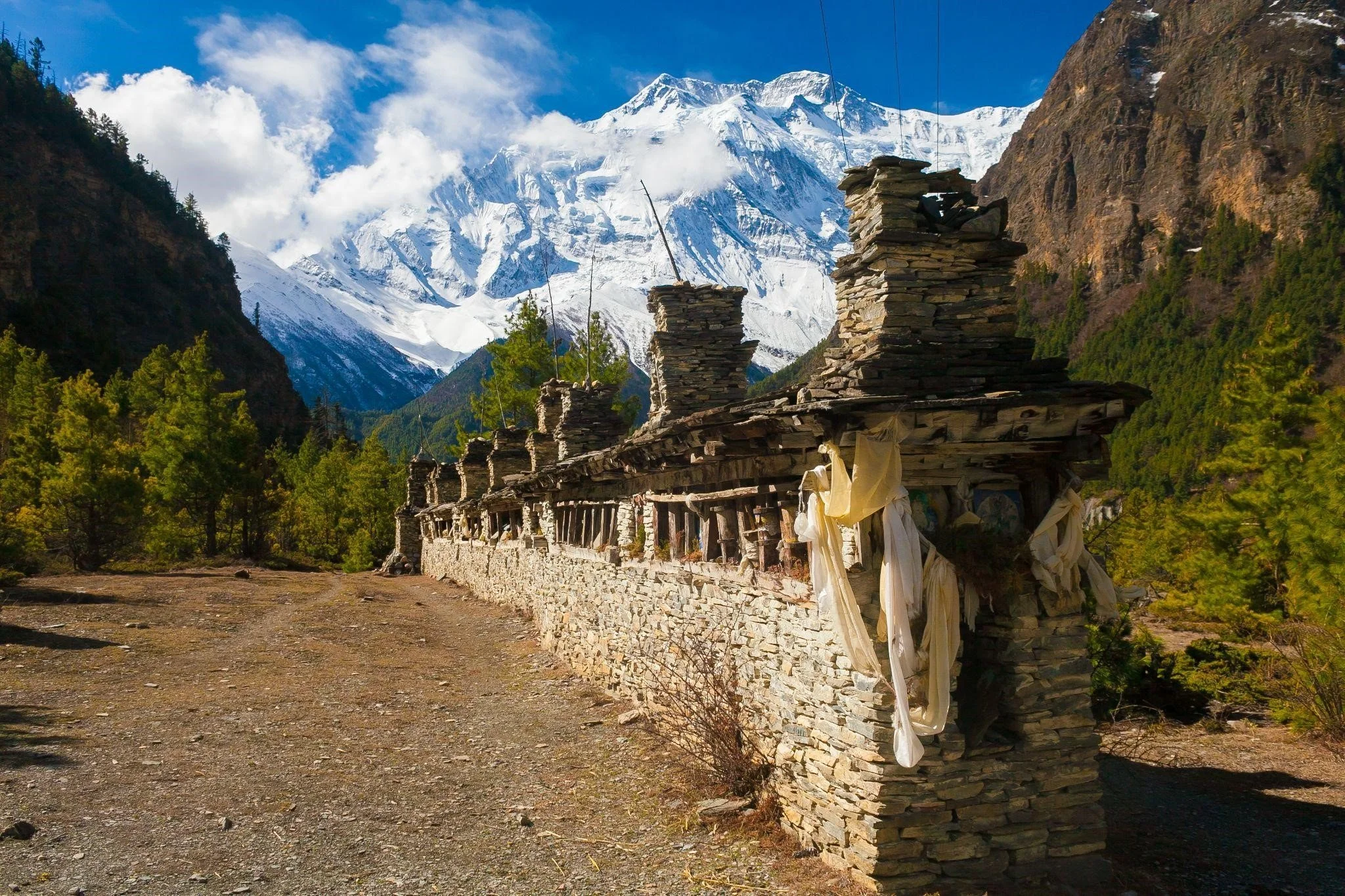
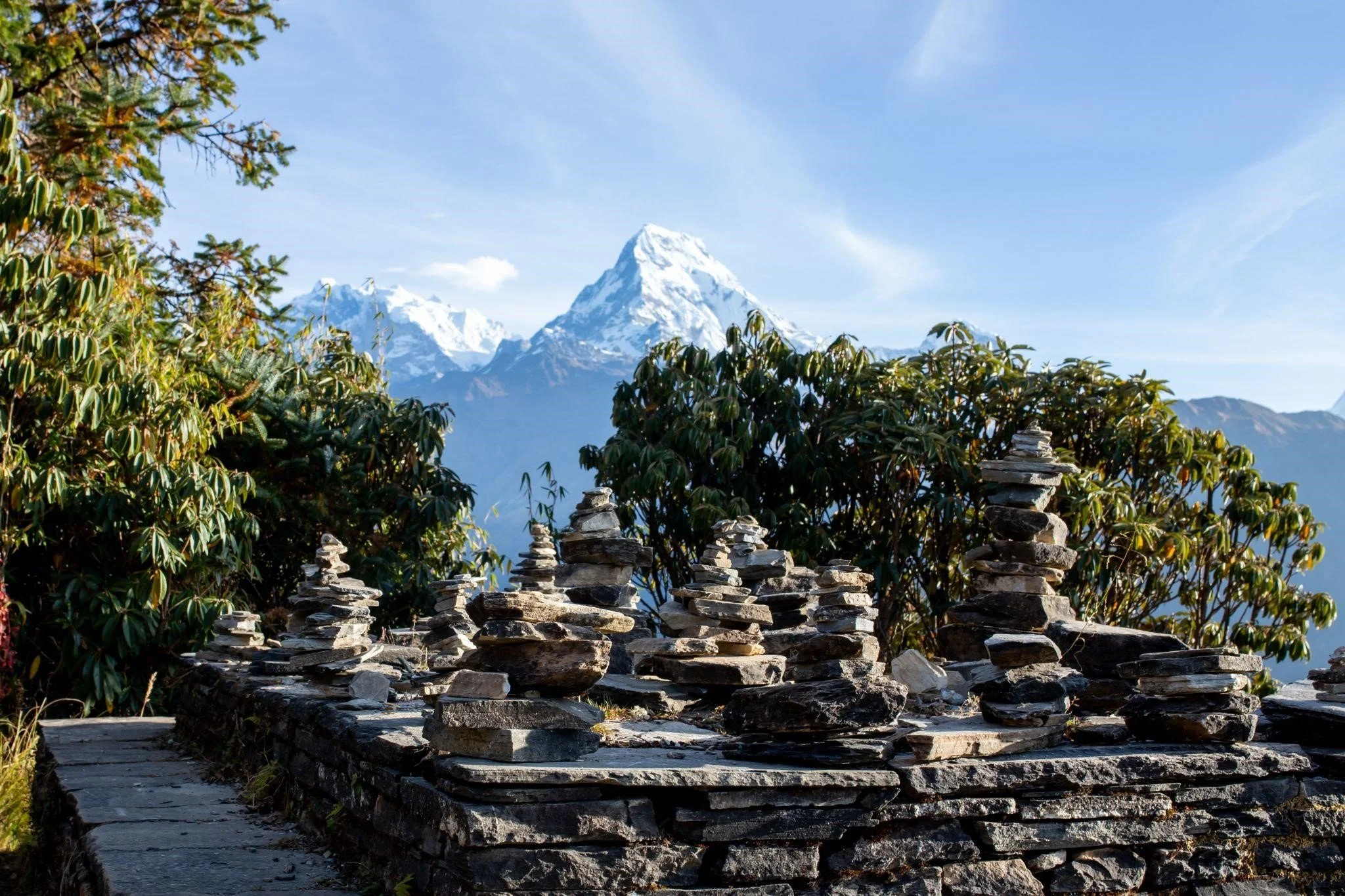
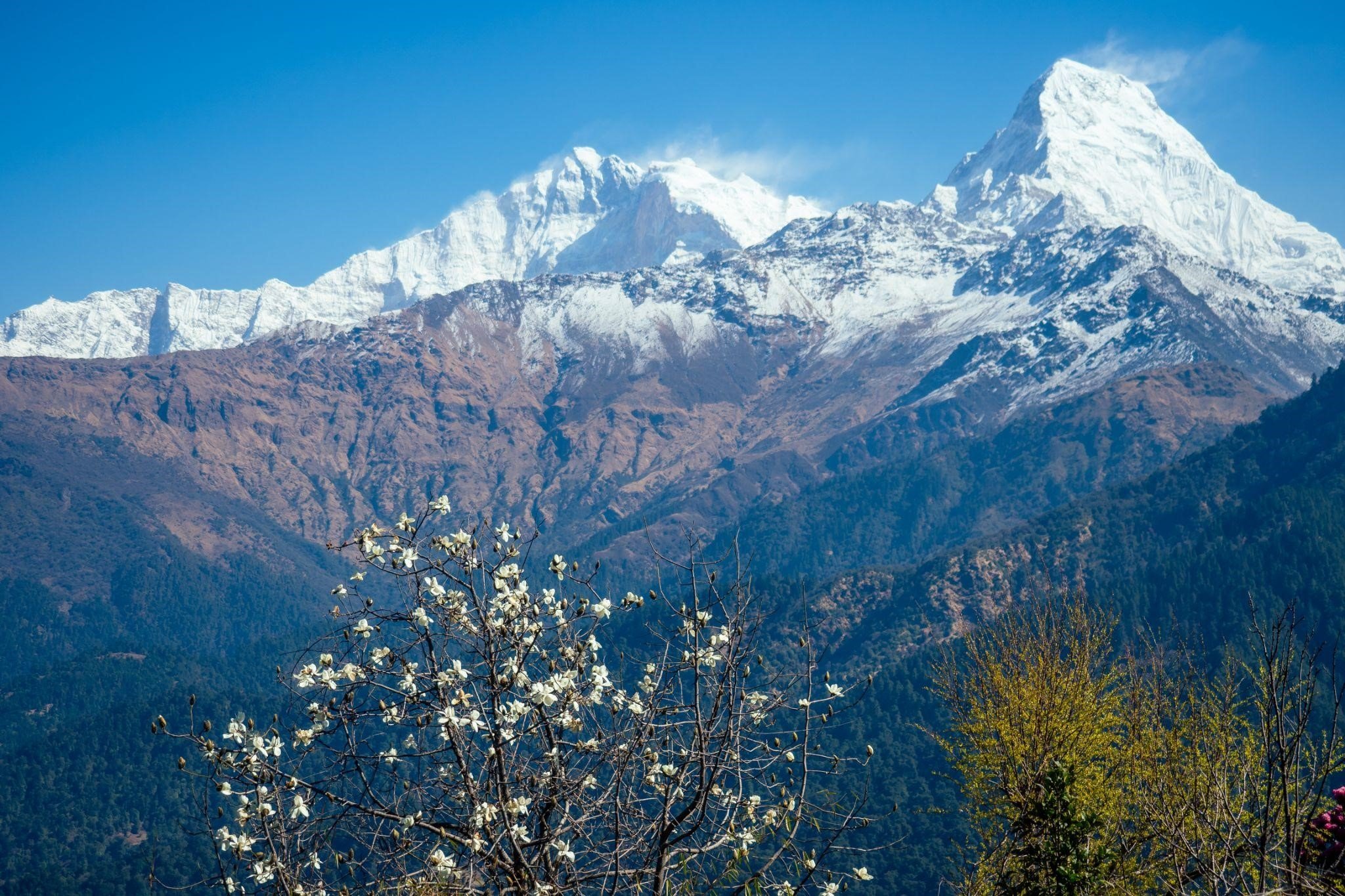
Nepal's majestic Himalayan range serves as a gateway to spiritual awakening and healing. The towering peaks, shrouded in an ethereal aura, have long been revered as dwelling places of gods and goddesses. Here, amidst the pristine beauty of nature, seekers are drawn to meditate, contemplate, and immerse themselves in the healing energies that permeate the mountains. The Himalayas offer an ideal environment for self-reflection, inner exploration, and connecting with the deeper aspects of our being.
Ancient Wisdom: The Heartbeat of Spiritual Healing
At the heart of Nepal's spiritual healing practices lies a rich tapestry of ancient wisdom and teachings. Rooted in diverse spiritual traditions like Hinduism, Buddhism, and Shamanism, these practices have been passed down through generations, embodying the essence of spirituality and healing. From the sacred rituals of Pujas and Homas to the profound wisdom of Buddhist meditation and mantra chanting, Nepal offers a vast array of tools and techniques to facilitate healing on a holistic level.
Energy Healing: Restoring Balance and Harmony
Energy healing forms a cornerstone of spiritual healing practices in Nepal. Traditional healers, known as "jhankris," possess a deep understanding of the subtle energy systems that govern our physical, mental, and emotional well-being. Using techniques such as Prana healing, Reiki, and Chakra balancing, these practitioners channel healing energy to restore harmony and balance within the individual. The healing touch of these ancient modalities helps release stagnant energy, alleviate physical ailments, and promote overall well-being.
Sound Therapy: Harmonizing the Soul
The power of sound in healing is deeply ingrained in Nepal's spiritual traditions. Sacred instruments like the singing bowls, bells, and drums are used to create resonant vibrations that penetrate deep into the energetic fabric of our being. The entrancing melodies and harmonious frequencies of these instruments have a profound impact on our consciousness, inducing deep relaxation, releasing emotional blockages, and facilitating healing at the cellular level. Sound therapy has become increasingly popular in Nepal as seekers recognize its transformative potential.
Pilgrimage and Sacred Sites: Embarking on a Soulful Journey
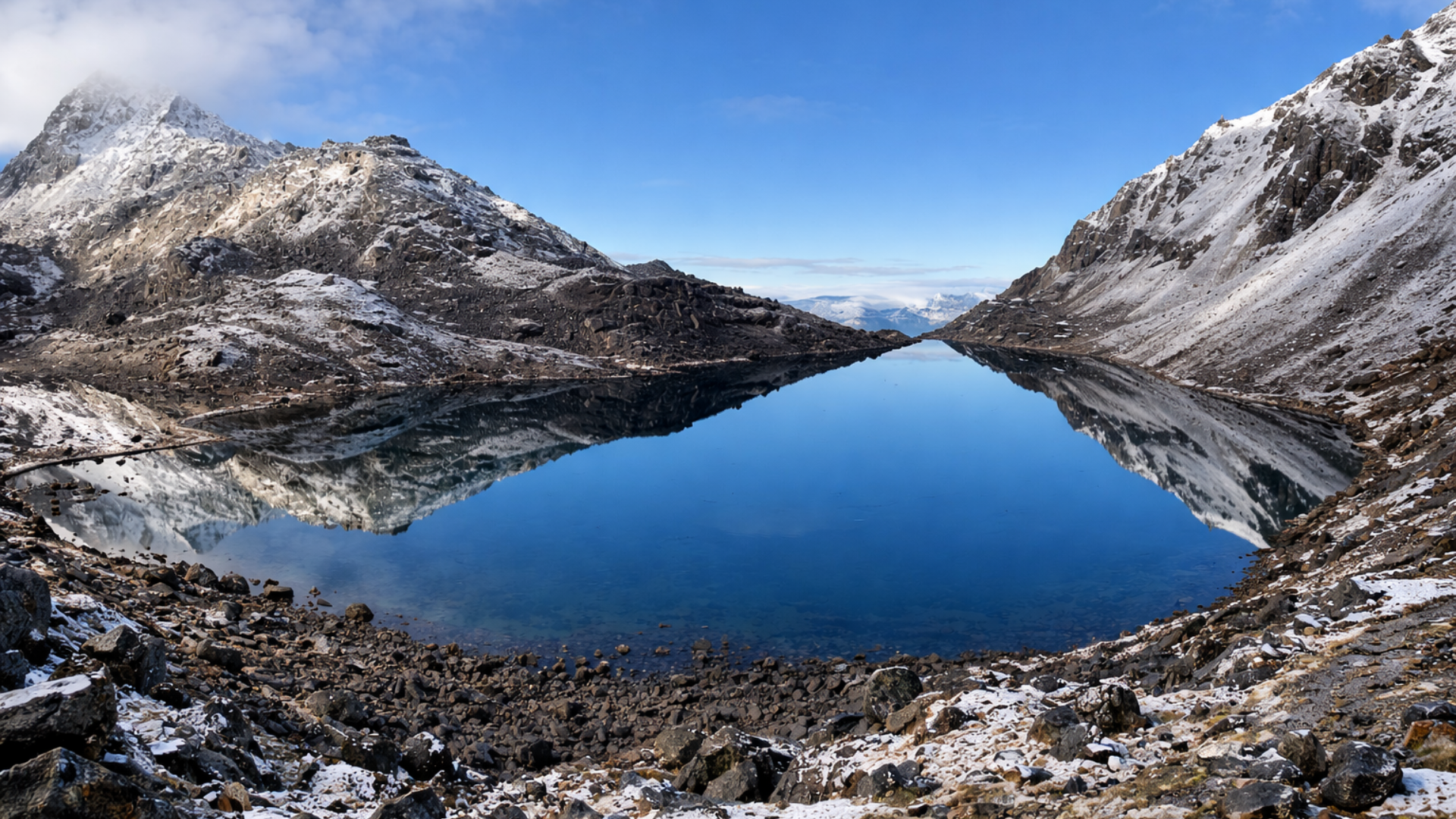
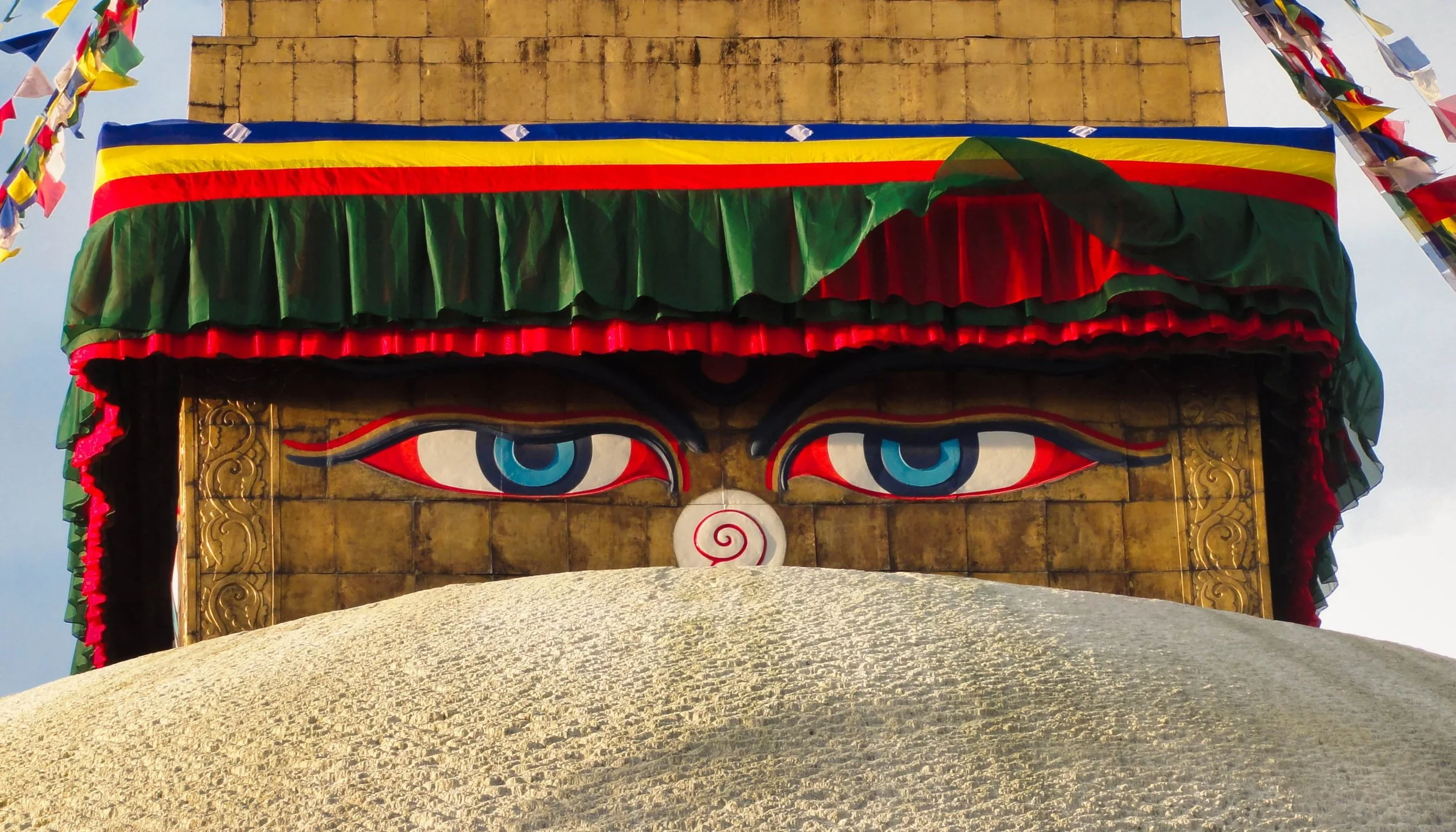
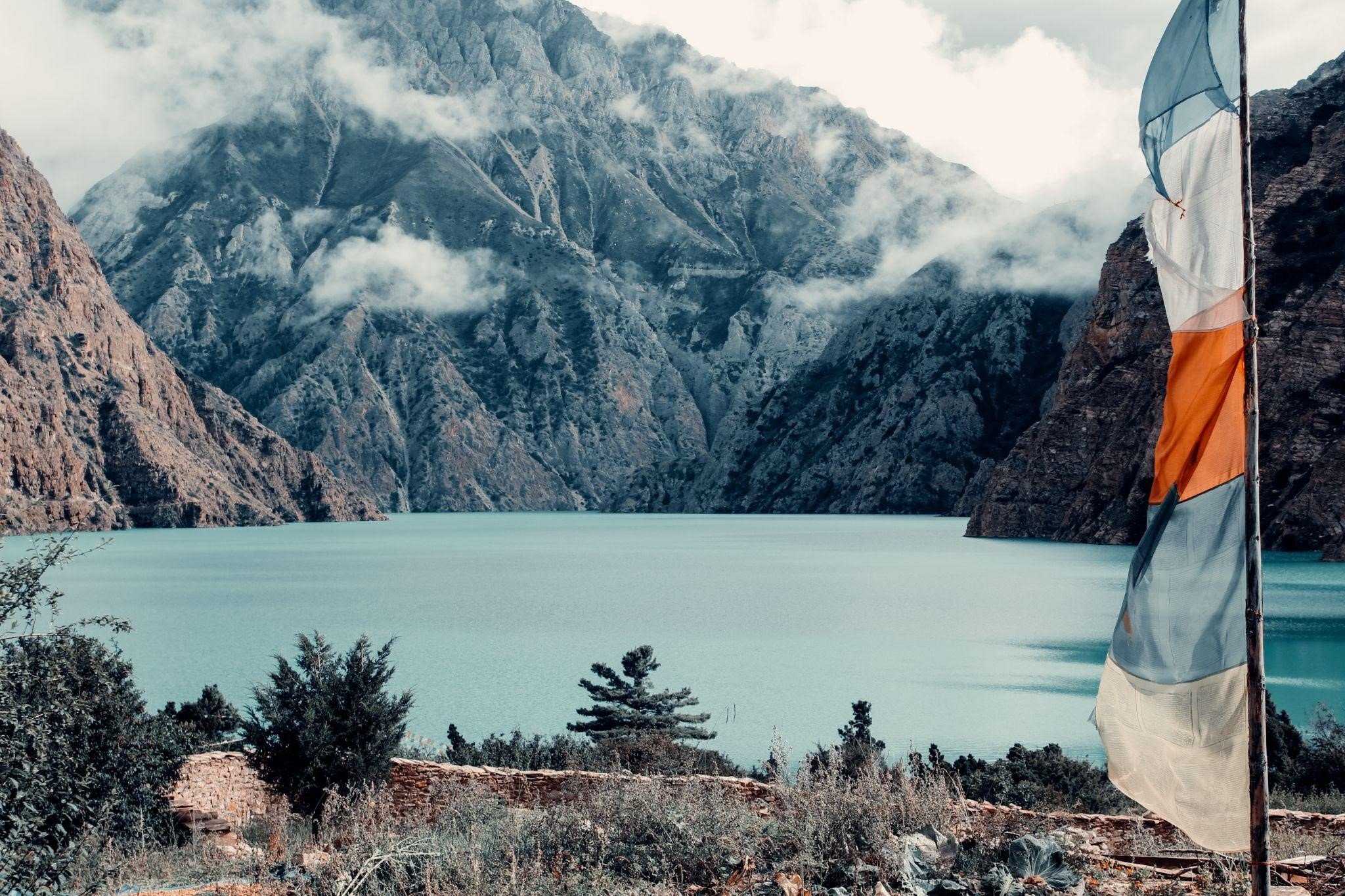
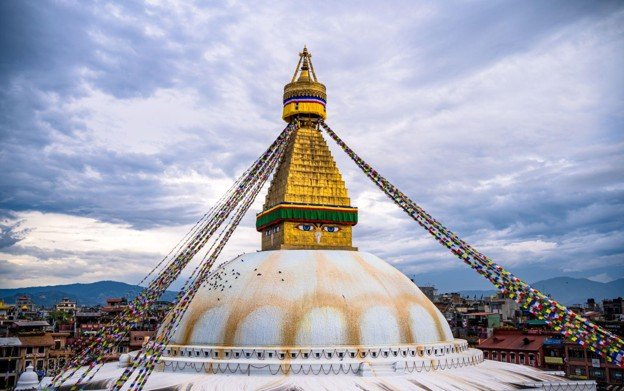
Nepal is blessed with a multitude of sacred sites that hold immense spiritual significance. From the ancient temples of Kathmandu Valley, such as Pashupatinath and Boudhanath, to the sacred lakes of Gosaikunda and Rara, these pilgrimage destinations offer seekers a unique opportunity to immerse themselves in the vibrancy of Nepal's spiritual heritage. The energy of these sacred sites acts as a catalyst for personal transformation and serves as a powerful backdrop for spiritual healing practices, inspiring seekers to delve deeper into their own inner landscapes.
Nepal, with its rich spiritual tapestry and awe-inspiring landscapes, provides a fertile ground for seekers of spiritual healing to embark on a transformative journey of self-discovery and restoration. The ancient wisdom, energy healing practices, sound therapy, and sacred sites intertwine to create a profound and holistic approach to healing. As seekers immerse themselves in Nepal's spiritual embrace, they discover the interconnectedness of mind, body, and spirit and experience a profound sense of inner harmony. The land of Nepal beckons with open arms, inviting all who seek solace, restoration, and enlightenment to embark on a soulful journey of spiritual healing.
As we embrace the transformative path of spiritual healing in Nepal, we are enveloped by a persuasive and warm embrace of wisdom that transcends time and space. Let us weave together the threads of Reiki, Tibetan Buddhist healing, shamanic rituals, Ayurveda, and yoga, merging them into our own unique tapestry of well-being. In this captivating journey, may we find solace, harmony, and renewed purpose, as we honor the interconnectedness of our mind, body, and spirit.
POPULAR ITINERARIES
SIMILAR POSTS
The Dance of Nayata Bhulu Ajima - A Sacred Dance Part I
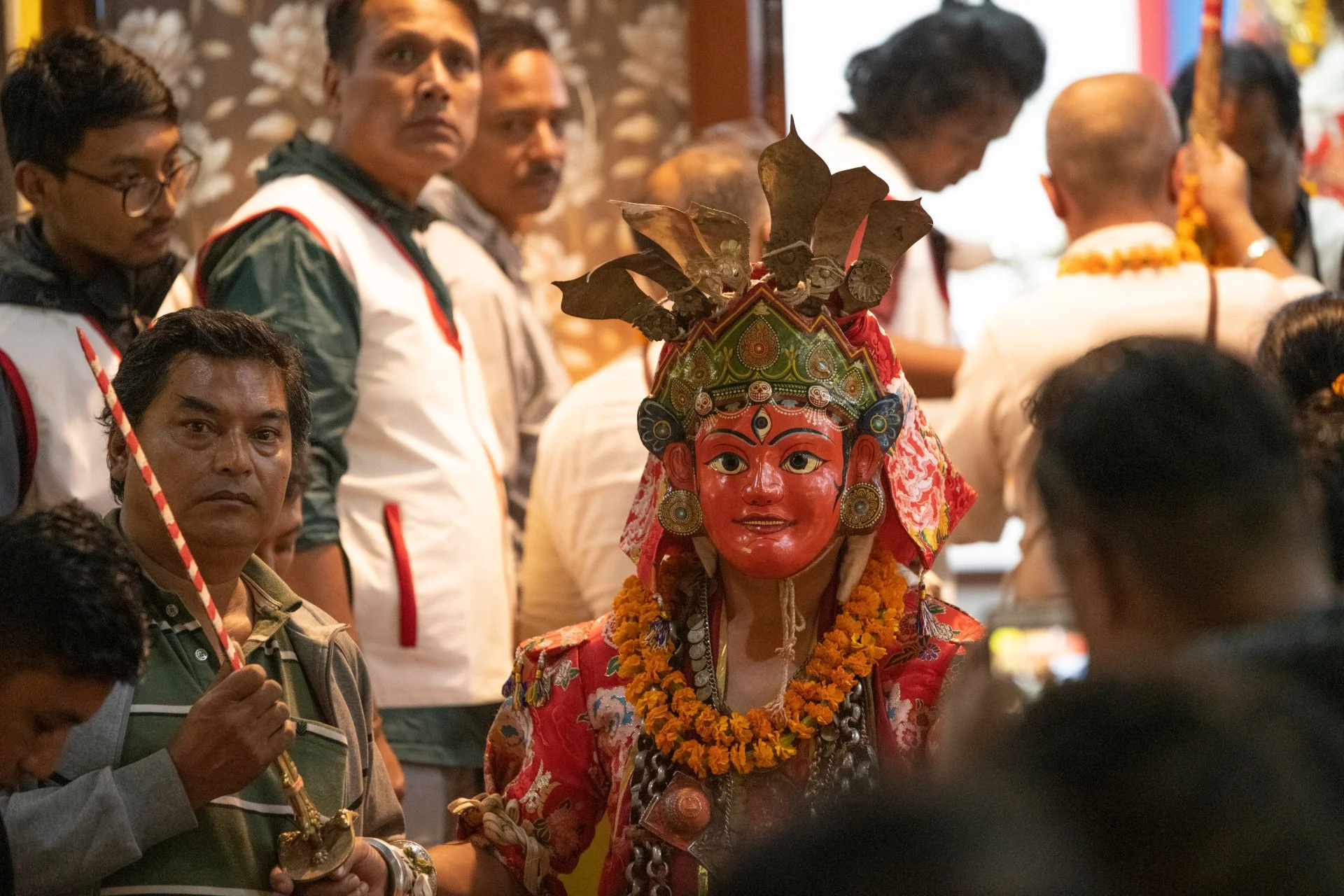
Mysticism is the greatest suite of Kathmandu. In the labrynth of allies and temples lie symbolism deeper than seen by the eye. One of such mystical elements of the city of Kathmandu is the celebration of Nyatabhhulu at its centre
Nayata Bhulu, a name that only a few ditizens of this valley know the meaning and location of once held high ranks in the sites of Kathmandu. Today, this area is known as Naradevi- one of many change of addresses that occurred after the occupation of Kathmandu Valley by Prithivi Narayan Shah. Nyata means centre, Bhulu means protector. As per Devmala Chronicles, the goddess of Nyata Bhulu was established by King Gunakamadev.
He is credited by numerous chronicles as the founder of the city of Kantipur. Chronicles states that he shaped the city in the outline of a sword- to be precise, the sword of Boddhisatva Manjushree. Historians have long emphasised the need for good research to better understand and preserve this unique culture of Kathmandu. “ As most meaning and symbolism of various temples and monuments in this valley are passed down orally, it is open to being highly twisted or misinterpreted. In the case of Nyatabhulu Ajima, we do not have any concrete inscription, script or cross-citations to create an authentic narrative. The Devmala Chronicle states that the area of Nayatabhulu is the ‘centre’ of the city. But other chronicles state how the city of Kantipur was founded with Kanteshwor Mahadev, today known as Aakash Bhairav, as its centre.” said Shreyashka Maharjan, a sociologist and cultural archivist.
The dance of Nayata Bhulu Ajima is a unique spectacle to behold. It is performed annually. But, once in 12 years- it is performed on a larger scale. This year was the year of the grand presentation. When performed annually, 12 deities are invoked, whereas in the 12-year show, 19 deities are invoked they are as follows:
1. Su:tha Maju (Lokeshwor/ Karunamaya)
2. Nyata Bhulu
3. Bhairav
4. Chandeshwari
5. Ganesh
6. Brahmayani
7. Rudrayani
8. Narayani
9. Kumari
10. Barahi
11. Indrayani
12. Mahalaxmi
13. Simhini
14. Byangini
15. Kumar
16. Chanashur Daitya (Demon)
17. Mahadev (Lord Shiva)
18. Dhwa (Tiger)
19. Khicha (Dog)
Legends state that the temple and goddess were established during the reign of Gunakamadeva, but the performance/ dance was initiated by King Amar Malla. Local experts mention that King Malla held Nayata Bhulu Ajima in high regard and credited her for his military victories against his neighbouring kingdoms. Thus, to honour her, he facilitated various rituals and sacred dances to be conducted annually to memorialise her for countless generations.
We shall explore various facets of dance in the next blog.
POPULAR ITINERARIES
SIMILAR POSTS
Symbolism of Dashain
Dashain- a grand celebration of victory over evil. The festival at its core is similar to Dashera celebrated in India but over time numerous elements have been through cultural practise. It is a festival with deep symbolism and roots in all of our cultures
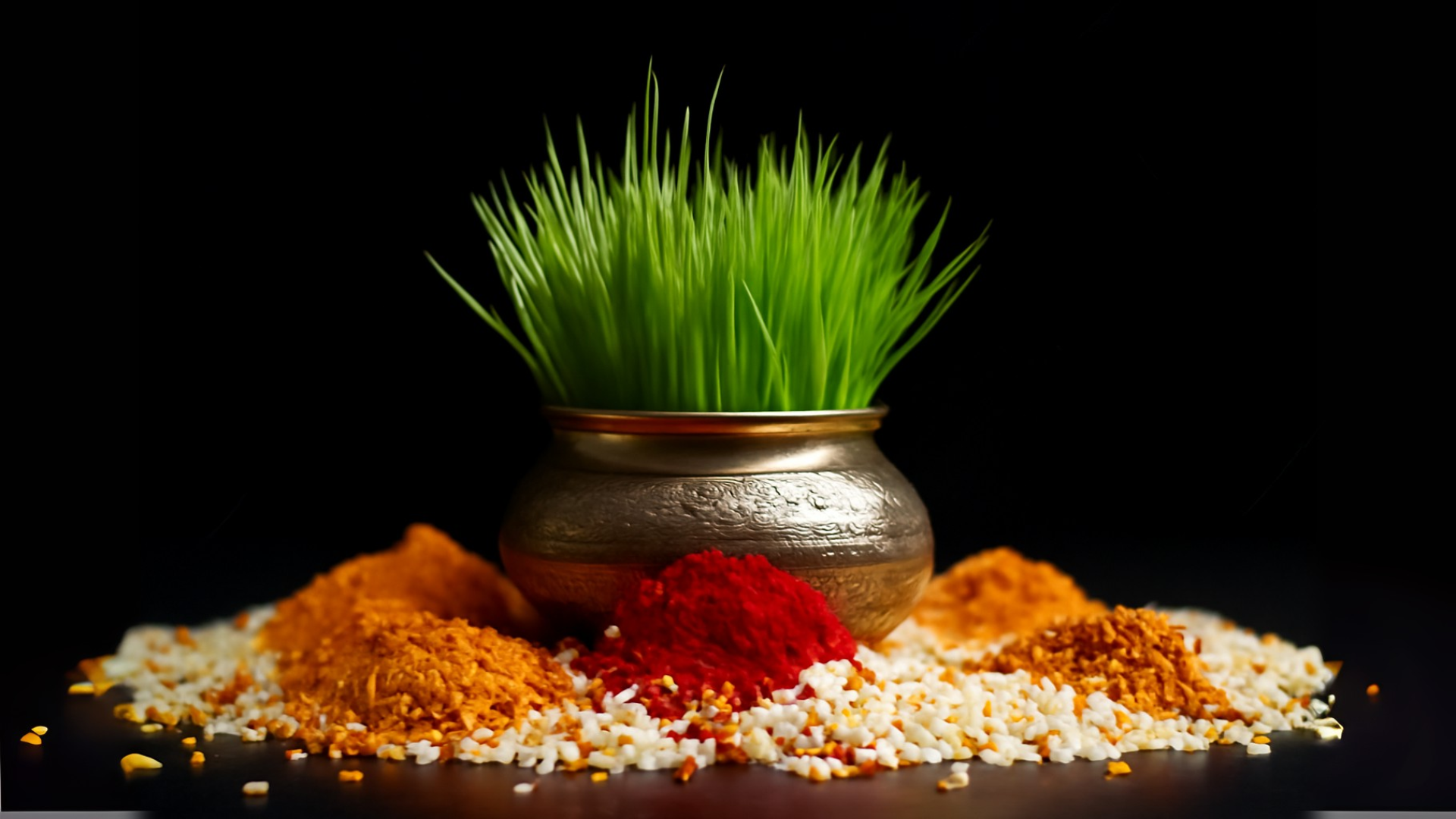
Upon hearing Dashain people envision a long holiday where people rejoice in flying kites, wearing new clothes, eating good food, and exchanging kind greetings with loved ones. The most powerful symbolic message is the celebration of the victory of truth and virtue against injustice. This auspicious festival starts with Ghatasthapana where people fill a vessel to the brim with sand. Then they sow barley seeds and maize while covering it in a pitch black room and worshipping it for 10 days.
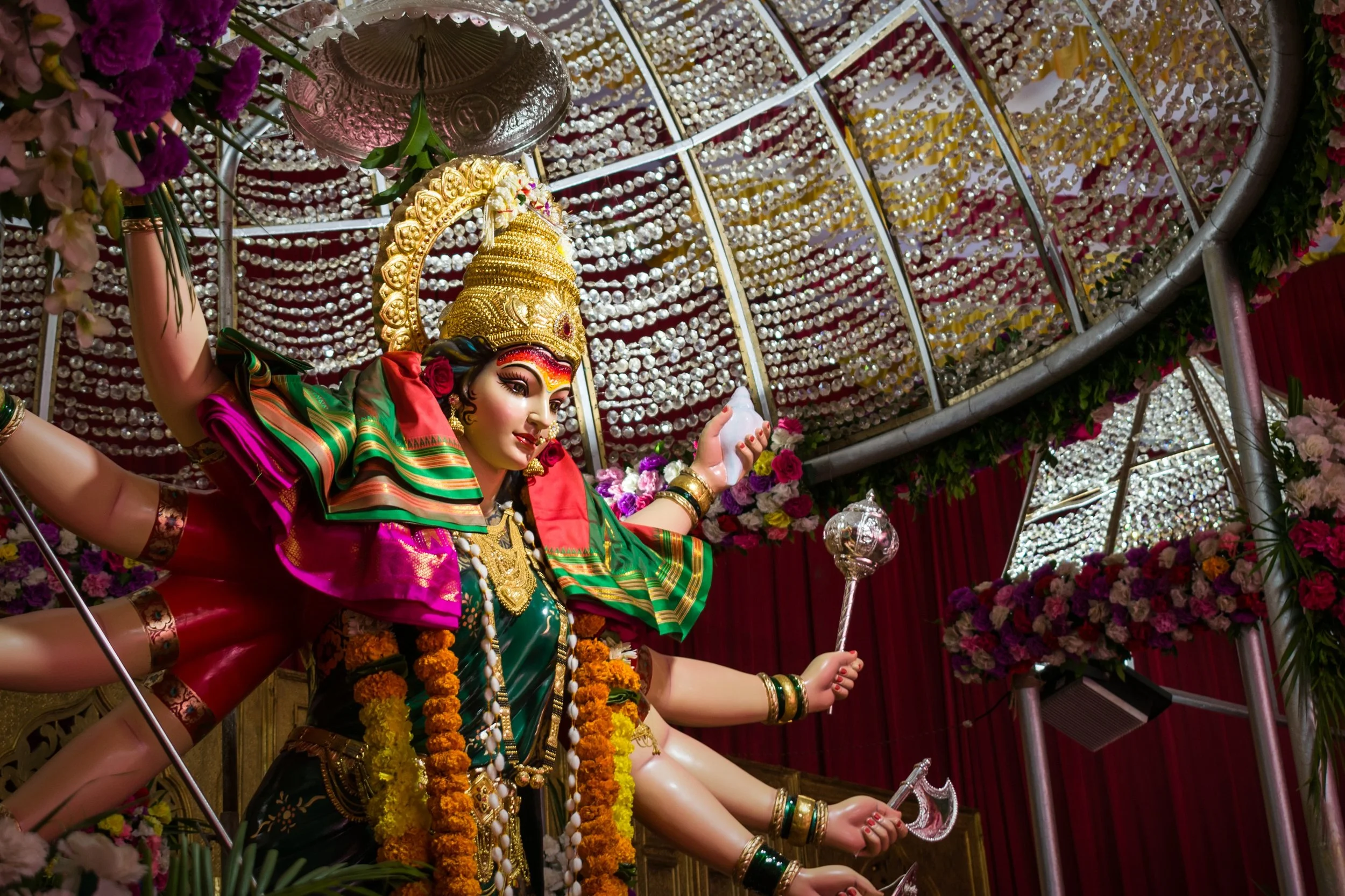
Similarly, on the seventh day, Phulpati is observed in the form of Saptami and is commemorated by an official ceremony held in Dhulikhel. After that, the Fulpati parade is taken to the residence of the president of Nepal as he’s a leader of the country. Followed by the eighth day, Maha Asthami is devoted to the name of Goddess Kali, who is a manifestation of Goddess Durga. To appease the fiery rage of Kali, people tend to sacrifice hens, goats, and buffaloes in temples. Now comes the ninth day of Dashain Mahanavami where we remember Lord Vishwakarma who is famously known as the divine creator of the world. People spent their day worshiping their tools, equipment, and vehicles. Another value of this important day is the opening of Taleju Temple. Its gates are open to the public only on Mahanavami.
Commonly, it’s considered to be a nine-day festival and is called Nauratha or Navaratri. During this time, we dedicate our time to worshipping many avatars of Goddess Durga like Brahmacharini, Shailputri, Kushmanda, Chandraghanta, Katyayani, Skandamata, Siddhidatri, and Mahagauri. On the tenth day, to mark the end of the ritual, people distribute Prasad as sweets and Jamara. Not to forget the most exciting part for children, elders bless them with Dakshina (money). It symbolizes blessings passed down from one generation to another. To give the exact timeline, the tradition of receiving Tika and Prasad starts from Ashwin Shukladashami and ends on Ashwin Shuklapoornim.
The fifteenth day is the last of this festival and falls on a full moon day. Preserving the historical ethos of the vibrant festival, it concludes after staying awake for the whole night and following various proceedings in the name of Mahalaxmi. This night is popularly called Kojagrat Purnima. The actual meaning of Kojagrata is someone ‘who is awake.’ There’s a common belief that Goddess Lakshmi visits earth and she keeps tabs on people who stayed awake to worship her. She brings prosperity and luck to people who prove their unyielding commitment.
However, there are some superstitious elements at play during this season as well. Animal sacrifices are done in the name of the weapon, Maulo, and Kotpuja. Although this practice has been notably reduced, they are still apparent in some typical Nepalese neighborhood. Our values should lie in the fact that saving the lives of harmless creatures should be done even if the tradition says otherwise.
Overall, the Dashain festival represents Nepal as being rich in cultural diversity. The Malshree dhun is integrated as a piece of mainstream Nepalese music and represents the tune of Dashain. Since the start of Nauratha, the pleasant melodies of Mohalibaja, Fluit, Dhime, and Jhyamtebaja denotes the arrival of our most awaited festival.
Also, the appealing weather with warm and lovely sunrays in the daytime and foggy mornings make the festival even more joyous. It falls under the perfect time, the ending of the rainy season, and the beginning of the winter season.
The elements of bonding and family reunion make Dashain a valuable and memorable time for all. Other key aspect includes bonding, elder’s blessings, family reunion, and entertainment making it a heartwarming time spent with loved ones.
POPULAR ITINERARIES
SIMILAR POSTS

10 Essential Things To Do In Kathmandu Valley - Part II
The valley- is an astonishing amalgam of religions, culture and heritage. It isn’t just the political centre point of our nation but also the melting pot where you can discover the country through one beautiful melting pot.
In the previous article, we mentioned visiting the Hanuman Dhoka Palace Museum and hunting down UNESCO World Heritage sites of the valley. In this part, we shall explore more activities.
3. Visit Chandragiri
Chandragiri is a popular hill station in Kathmandu Valley. Before the gondola transportation system, this region was under the radar. This point is a great vantage to see the valley basin. It also has historical significance.
The hills are 16 km from central Kathmandu. A drive or ride would face South-West. It is situated at an altitude of 2551 metres, making it the second highest hill point in the valley after Shivapuri at 2732m. The last two hills are Pulchhowki at 2695m and Nagarjun at 2095m.
If a gondola isn’t your cup of tea, you can hike, drive or ride to reach the top. The trip would be nothing short of an adventure as the terrain is uneven and rocky.
From the highest point in Chandragiri, depending upon the season, you can see numerous peaks of the Himalayan Range. During perfect weather, you can even see Mount Everest.
4. Indulge in the local cuisine
A diverse cultural scene equals culinary diversity. The melting pot of Kathmandu Valley has establishments that serve numerous ethnic cuisines. Even though it might seem like fast food and Newari cuisine dominate the landscape, it is not true. With a bit of research, you can create a beautiful culinary exploration map to try mouth-watering delicacies.
Two regional cuisines are dominant- Thakali & Newari. Thakali flavours are from Western Nepal, and their staple dish is a divine Thali.
The second cuisine is of the indigenous inhabits of the Kathmandu Valley- The Newars! Their stride in the crafts can be seen in the iconic squares, whereas their exceptional choice of taste is visible in their assortment of dishes.
The Newar cuisine represents the migratory roots of the Newar people. Multiple ingredients were brought to this valley by merchant families during their trade adventure. Some dishes are similar to out neighbour nations. However the Newar touch makes the version available in the valley unique.
Other ethnic groups as Rai, Tamang, Sherpa have their eateries set up in this valley. They stride to serve you an authentic taste using native ingredients and spices.
VIDEO GALLERY





POPULAR ITINERARIES
SIMILAR POSTS
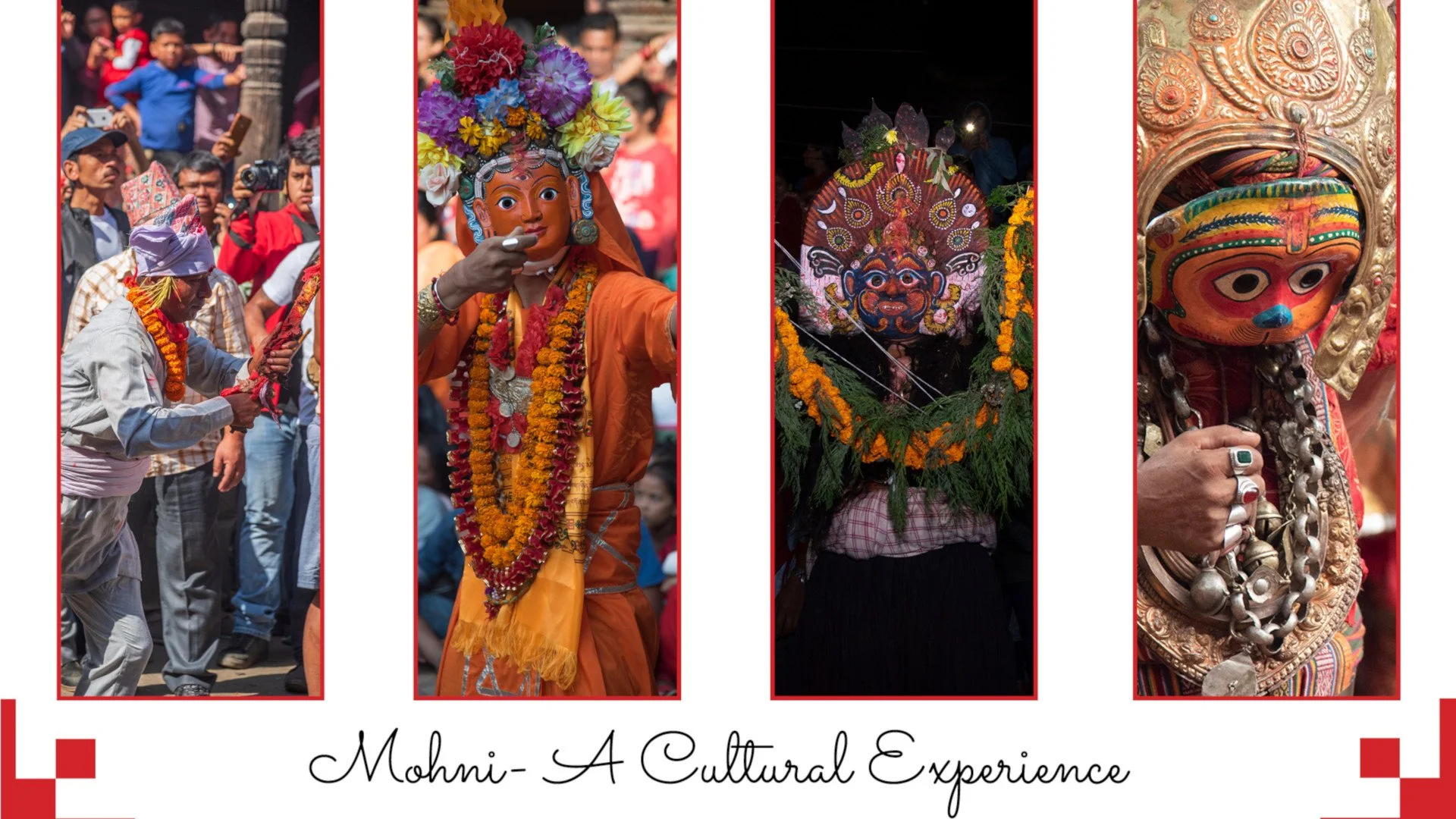
Mohni- A Cultural Experience
For an outsider to truly experience Mohni, s/he has to be invited by a Newar to their home. Over the years, due to its close celebratory proximity to Dashera, the grand festival of India, it was also considered Dashain- the Nepali rendition of Dashera. But, in reality, Mohni features a few similar elements brought by migrants from the south. Apart from this, the customs and traditions are completely different.
The core celebrations are private. But the Newars, over the years, found a way to liven the public atmosphere as well. Thus, various smaller events take place during the core two-week festival. As these cultural traditions take place in public spaces, one can absorb the cultural experiences easily.
To learn more about the celebration: Click Here
Mentioned below are a few of these events. They amplify the celebrations of Mohni via the presentation of numerous dances, skits and others.
Sikali Jatra
On the southern end of the city of Lalitpur lies the picturesque village of Khokana. Historic in nature, stepping foot inside the settlement is equal to walking back in time. The old mud-brick houses and ancient heritage mingle with the new concrete construction.
A unique aspect of this village is how the inhabitants do not celebrate the main festival of Dashain. They, however, rejoice in a celebration known as Sikali Jatra. It begins on the day of Ghatasthapana and ends on the day of Fulpati.
During this period, the inhabitants perform ancient rituals. Amongst these are the Sikali Naach and the skit of Khokhana. Elders adorn the masks of various deities and re-create a play depicting old tales. Whereas in the premises of the Sikali temple, an arcane ritual takes place.
Asta Matrika Dance
Traditionally known as Ga Pyakhan, this ensemble features 13 masked dancers who embody the principal mother deities of the city and chief gods. In Nepal Bhasa (Newari), Ga means group and Pyakhan- dance, whereas Asta Matrika Dance in Nepali.
This dance originated in the 17th century. As per chronicles, the king saw the deities dance towards his palace and enter the courtyard. The king rushed to take their blessings, but as he entered the court, they vanished. To commemorate this auspicious event, he initiated this dance.
This performance is annual and begins on Ghatasthapana- the first day of Mohni. The dancers follow strict discipline for eleven days. Primarily the presentation takes place in the evening, but on the seventh and tenth day, the show takes place during the day at Mul Chowk of Patan Durbar.
Pachali Bhairab Jatra
Towards the southern end of Kathmandu lies an open-air temple with a peculiar deity. The worship of Pachali Bhairab, as per numerous chronicles, began in the 10th century, during the rule of king Gunakamadev. The festival of Pachali Bhairab takes place on the fifth day of Mohni. Devotees flock to the temple to seek his blessing and to witness the chariot festival. The deity is carried on a palanquin by community members and take a designed route on the old city roads. At Hanuman Dhoka, the idol rests, and special puja is conducted. Post which, the procession heads towards Kumari Chhen (House), where the living goddess locks eyes with the bronze idol. Until she instructs that she is satisfied, the ritual doesn’t stop. After her instructions, the procession completes the circuit, and the statue rests inside the temple premises.
Khadga Jatra
On the morning of the tenth day, three scared swords are brought to Patan Durbar Square from the temple of Mahalaxmi in Lagankhel. Young boys tease the sword-bearer, and a deadly chase ensues. It is a spectacle that attracts a handsome crowd. Once they reach the palace cortex, the sword-bearers are welcomed with a special ceremony. The swords are then placed inside the temple and taken out in the evening.
Thecho Navadurga
The ensemble from Thecho, a semi-urban village south of Lalitpur, visits Patan Durbar Square on the evening of the tenth day. It features masked dancers who embody mother goddesses and other chief gods. They perform a sacred dance in the palace courtyard and indulge in a feast as well.
POPULAR ITINERARIES
SIMILAR POSTS
A World Within A World
Even though Nepal occupies only a tiny portion of the world, it is a world within a world. The diversity of Nepal's terrain and climates gives you- the traveller, an opportunity to explore what the world offers within our nation's small boundary.
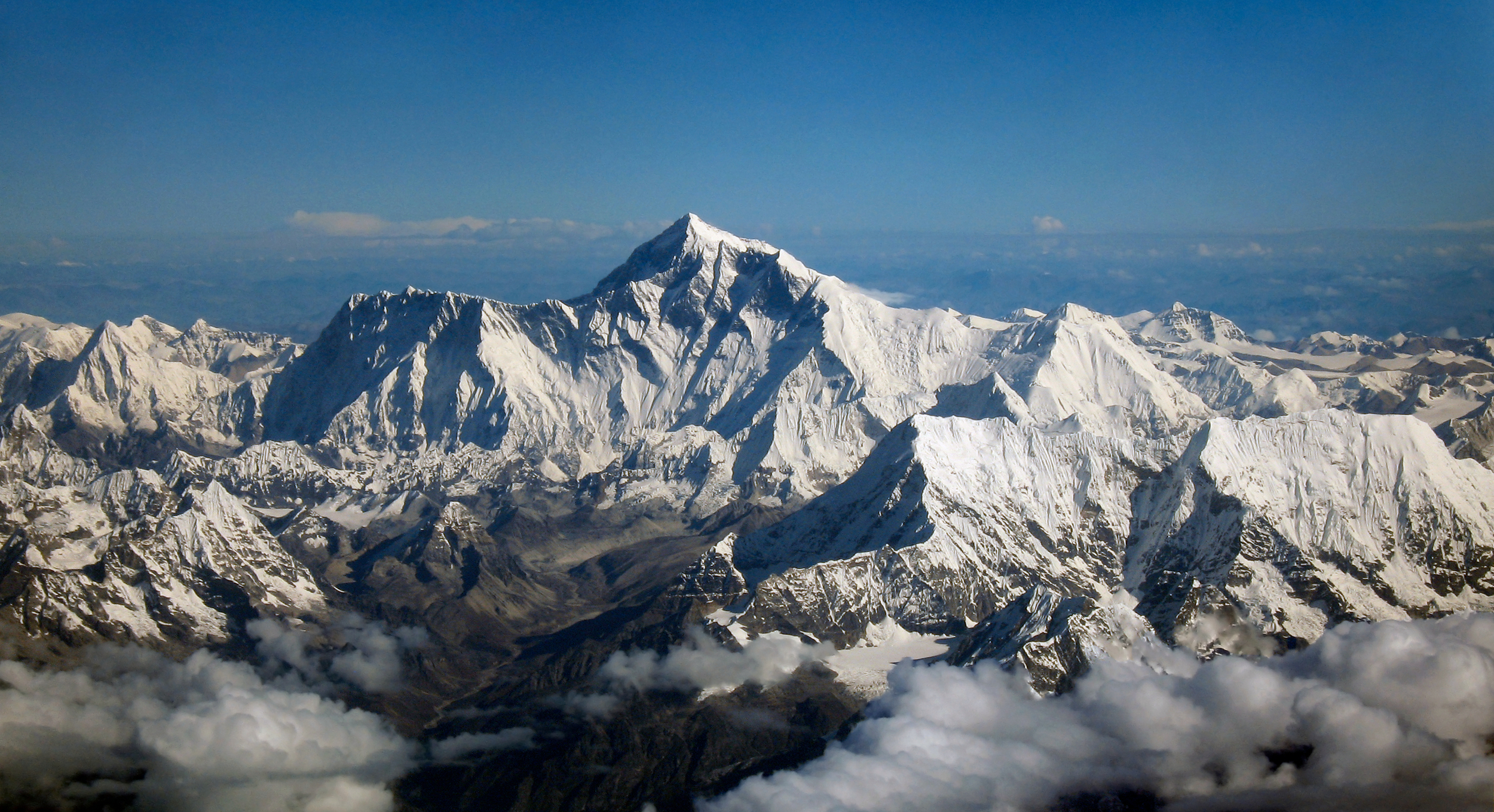
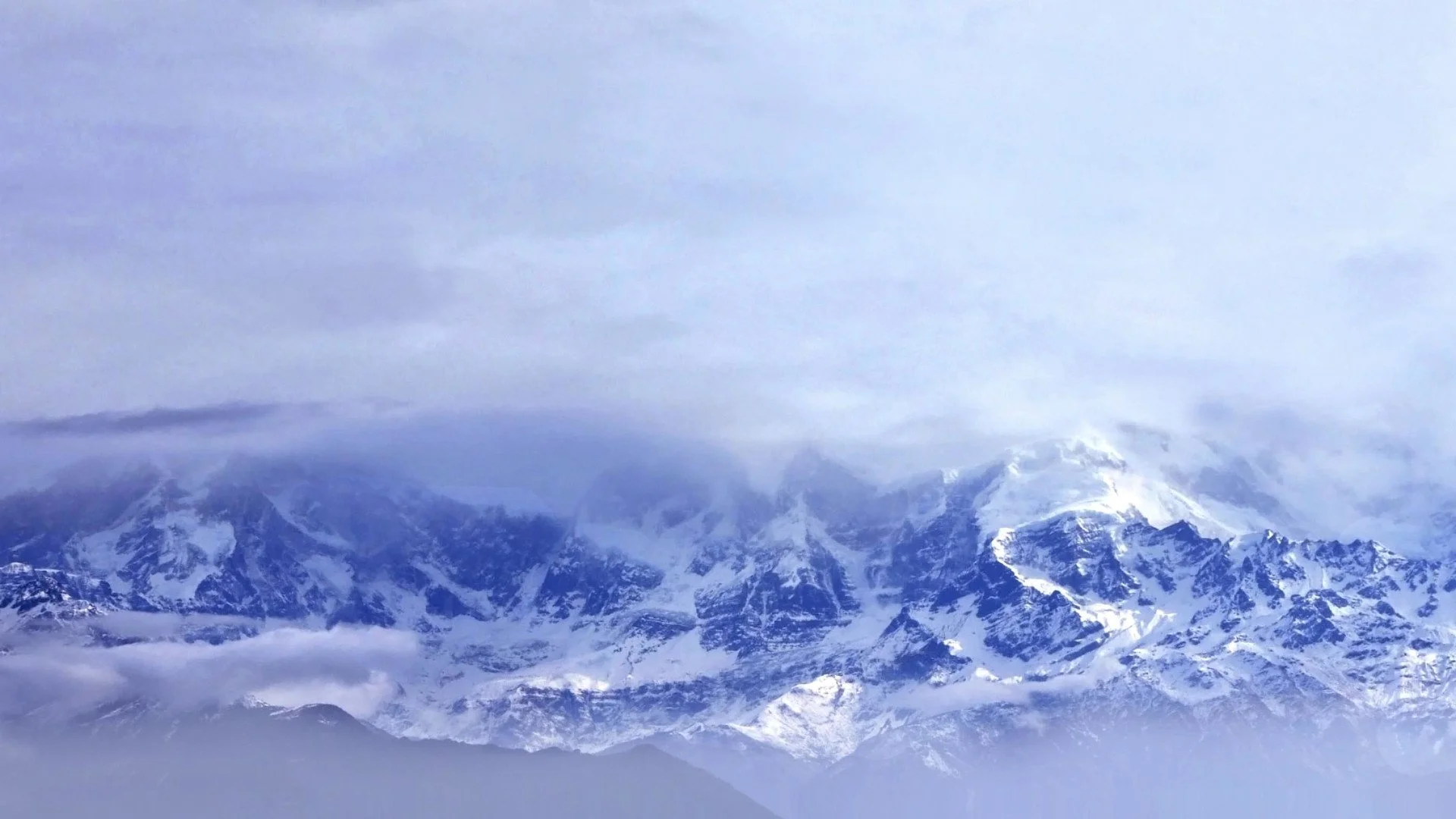
Those familiar with the geography of Nepal know that it is a miraculous haven. Within the area of 143,350 sq km that stretches 241 km west to east and 193 km north to the south lies countless opportunities to reconnect with nature. To the south are tropical alluvial plains at 60m above sea level. To the north is the forehead of the world- Mt. Everest at 8,848.86m. The Himalayan mountains are rugged and permanently covered with snow and ice.
Unearthing the wonders of Nepal, researchers have identified a total of 118 ecosystems in Nepal. Amongst them are 112 forest ecosystems, four cultivation ecosystems, one water body ecosystem and one glacier ecosystem. Such is the diversity of this small but humble nation. In terms of fauna, Nepal is home to 175 species of mammals, 836 bird species, 147 reptile and amphibian species, 180 species of fish, 640 species of butterflies and a staggering 6000+ species of moths.
Facts aside, Nepal truly is heaven on earth! Our natural beauty is our greatest strength. We must take great strides to balance our need for modernization to maintain this pristine beauty. It isn't just for our environment but our livelihood as well. Our economy is heavily reliant on our natural resources. Agriculture and tourism greatly rely on the presence of our natural wonders.
As we expand our cities and footprints around the nation, we must remember- we are the guests! We must think creatively and develop sustainable measures to reduce encroach and push more species into extinction. The theme of this year, World Environment Day, captures this very thought at best, 'Only One Earth'. The time is now, and every second that we fail to understand the importance of harmony with nature, we come close to disastrous encounters. From climate change to wildlife attacks, they're all interlinked.
The celebration of World Environment Day isn't just about parading and increasing awareness. The thoughts must come into action. As famously said, change begins from one, and it's up to all of us to take greener measures in our daily lives to shorten the production and consumption cycles that are deteriorating our environment.
Every year post the climbing season, we see pictures of camps just filled with waste. Yes, waste occurs, but if you analyse it in a calm setting, even you wonder, Why? You can say no to single-use plastic and make sure to not litter during your escapade in the Himalayas. During your adventure in the Himalayas, you can rent your equipment instead of buying them. It reduces the chance of them becoming baggage after your trip is over. A diverse scape always means diverse cuisine! On your next adventure, try and tingle your taste buds with native flavours.
The list of sustainable activities is plentiful. While on your journey, think of the most sustainable actions to reduce your carbon footprint.
POPULAR ITINERARIES
SIMILAR POSTS
Adrenaline Adventure In Nepal
Nepal’s potential as an adventurous destination is immense. Over the years, various sectors tapped into this growing segment of adrenaline seekers by understanding their nation. Nepal is climbing the ranks quickly as a go-to adventure destination. Adrenaline seekers see Nepal as a great holiday to satisfy their kick. Nepal offers so much in a minimal footprint, and there is still more room to grow.
Ice Climbing
The first on our list is the newest addition to an adrenaline escapade in Nepal. Even though it falls under mountaineering, it is being simplified for adventure seekers who want to experience ice like never before. To date, there are two sites where one can indulge in this chilling sport, Humde in Manang and Thame in Khumbu. The sport is being facilitated by Nepal Mountaineering Association (NMA) and Nepal National Mountain Guide Association (NNMGA). The Visit Nepal Year 2020, which unfortunately couldn’t be executed due to the pandemic, featured a plan to accelerate the growth of this activity.
Paragliding
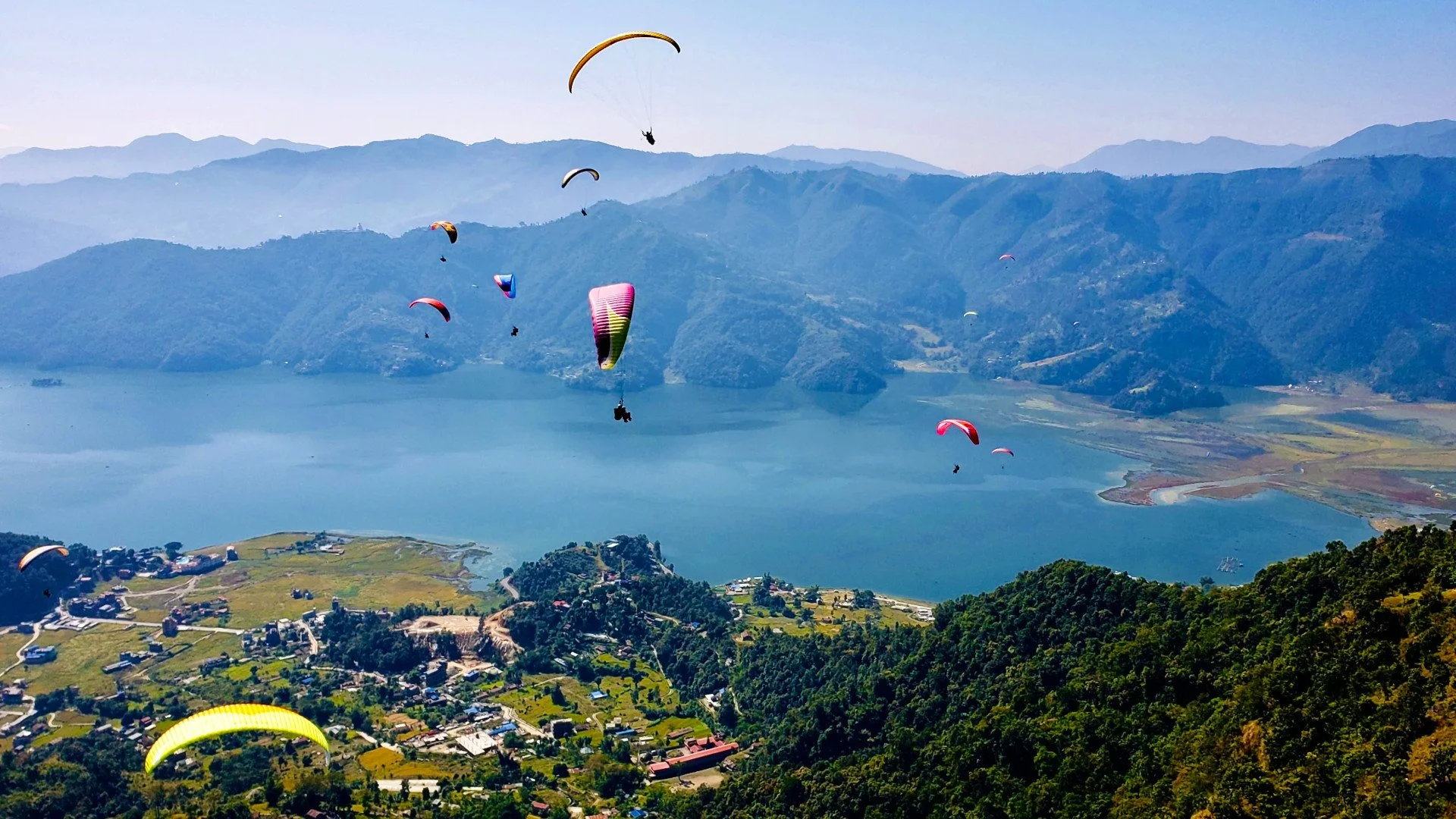
When it comes to feeling the wind, paragliding is the adventure of choice. The most popular destination for this sport is non-other than Pokhara. Sarangkot Hill is the take-off point for paragliders in this scenic valley.
Bandipur is also rising in the ranks as a go-to destination for this sport.
Both sites offer a great view of the Himalayas, along with an unobstructed view of the endless hills and farms. Flights last anywhere between 15, 30 or 45 minutes. If you plan on soaring high in the sky, please ensure you wear a good windproof jacket and light but comfortable shoes. Please make sure you are physically sound and communicate with your pilot. If you want the complete experience, let your pilot know you are up for acrobatic tumblings.
Ziplining
Where there is a hill, there is a zipline!
When zipline was introduced in Nepal, it was dubbed a crazy sport. The first adventurers shared their experience, and the sport went viral. Today, this sport is available in multiple destinations in Nepal. Ziplining can be experienced in Sarangkot of Pokhara, Makawanpur, Dhulikhel, Bhedetar, Kusma of Parbat, Kurintar of Chitwan, Chandragiri of Kathmandu, Nuwakot and Bhaktapur. It can be experienced by two individuals at the very same time or done solo.
The first zipline service in Nepal was established in 2010 AD in Sarangkot of Pokhara. The facility is 1,850 meters long and features international safety standards. American zip veteran company Zipflyer assisted Highground Adventures facility development.
The most popular destination for this experience is Pokhara. Dhulikhel Zipline takes second place. The unique selling point of Dhulikhel Zipline is your chance to become superman. The facility can give you a one in a lifetime opportunity to be superman unless you choose to zip again. You move in a horizontal position facing towards your destination. The harness is attached to the line at 90 degrees.
Canyoning
During canyoning, an enthusiast travels down a river tucked inside a canyon. S/he uses various techniques such as scrambling, abseiling, floating and swimming. Nepal is home to numerous exotic canyoning destinations for enthusiasts of all experiences. In terms of risk, it ranges from mild to high-risk depending upon the canyon.
The first canyon that gained popularity in this genre is situated in Jalbire. The Lamo Jharana (Long Waterfall) became a viral sensation due to its sheer natural beauty and canyoning prospect. It is located inside Chitwan National Park. To reach the waterfall, one must hike 20 minutes from Jalbire Temple situated on Muglin- Narayangarh Highway. The waterfall is 60 meters tall and is surrounded by lush green greenery.
Sky Diving
Sky diving in Nepal a few decades ago felt like an impossible dream, but today it is as real as it gets. On the scale of adrenaline-seeking, it ranks at the top of the scale. Merging two greats, ‘The Everest Skydive’ is a chance to witness Mt. Everest from a perspective like never before. The dive gives you a birds-eye view of the breathtaking Himalayas over the Khumbu region. From one Himalayan view to another, Pokhara Skydive gives you the chance to witness the beauty of the Annapurna range and a never seen view of Pokhara. It is a seasonal activity occurring only during autumn at Pame Lauruk dropzone, 11 km north of Phewa lake. The drop is from 11000-13000 ft above sea level from an AS 350 B3/B2 helicopter
POPULAR ITINERARIES
SIMILAR POSTS
The Making of ACA
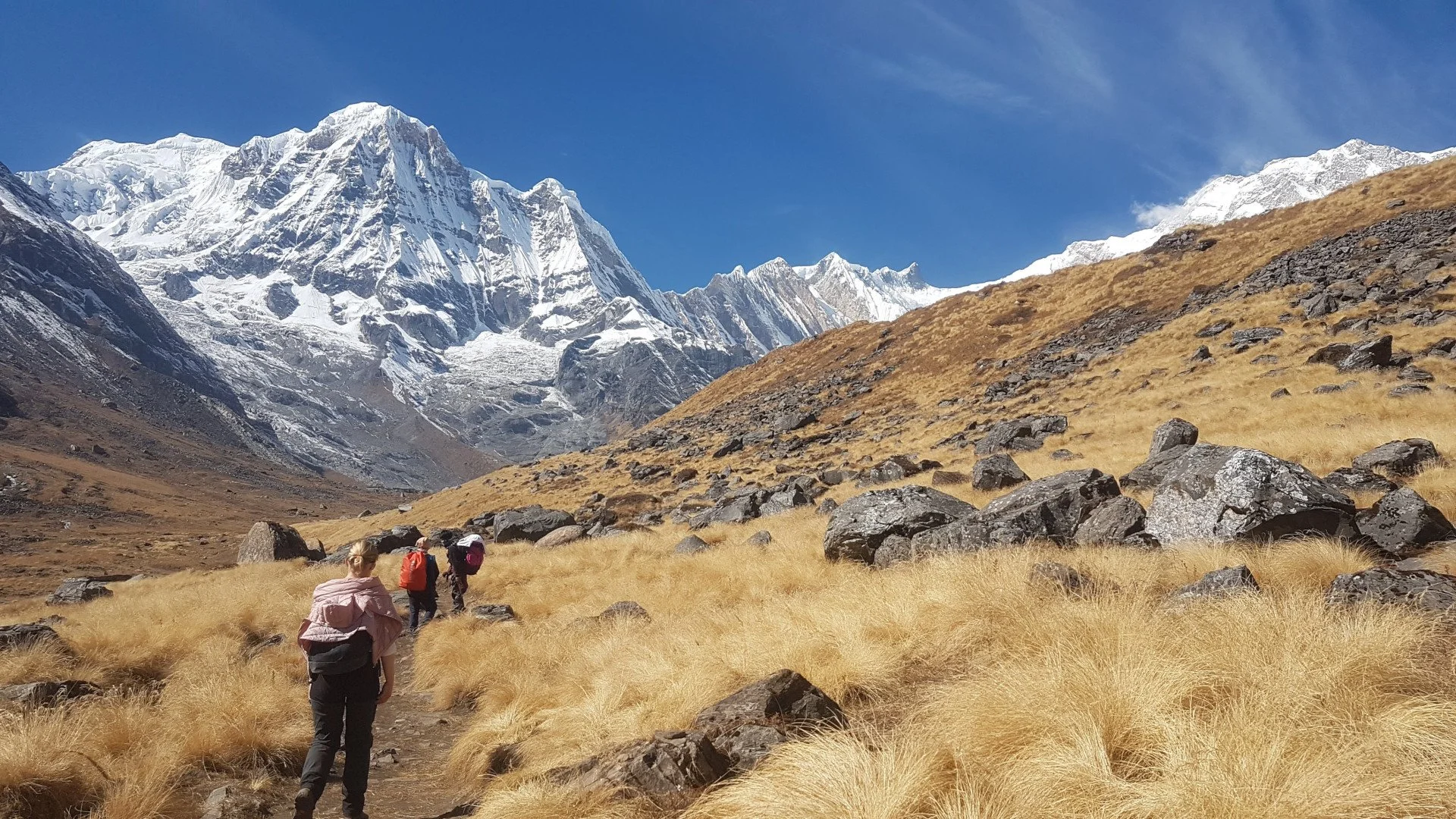
In 1986 AD, The NTNC (National Trust for Nature Conservation) launched a visionary project. The aim was to convert 7,629 sq. km of land in the Annapurna region home to 1,226 species of flowering plants, 105 mammals, 40 reptiles and 23 amphibians to a conservation area. This project was called Annapurna Conservation Area Project (ACAP), commonly known as Annapurna Conservation Area (ACA).
The Annapurna Conservation Area was established in 1992 AD. The project headed by National Trust for Nature Conservation (NTNC) began in 1986 AD. The boundary of this project to its north is the border to Tibet (China) and the Kali Gandaki river to its west. TO its east lies the Marsyandi Valley and the Pokhara valley in the south. The NTNC, formally King Mahendra Trust for Nature Conservation, began the pilot project from one single VDC, Ghandruk, in 1986 AD. The project area during that time was just 200 sq. km. In the year 1990 AD, the project area expanded to 16 VDC. In 1992 AD, 39 VDCs more VDCs were incorporated. The size of the project remains the same to date, with 55 VDCs in total.
The region features two climatic zones within a span of 120 km. The altitude within the conservation area ranges from 1000 to 8000 (3,300 ft to 26,200 ft). The lower parts of Annapurna receive higher rainfall than the higher as regions fall under the shadow of trans-Himalaya.
Annapurna Conservation Area is a culturally and naturally diverse scape. It is home to the deepest river gorge in the world- Kali Gandaki Gorge, which is 3 miles long and 1.5 miles wide. The valley is home to fossils from the Tethys Sea dating back 60 million years ago. Tilicho lake, north of Annapurna massif, is the highest altitude freshwater lake in the world. The world’s largest Rhododendron forest is located in Ghorepani. In terms of cultural diversity, the region features residents of Hindu Buddhist and pre-Buddhist religions. The dominant groups in the south are Gurung and Magar, whereas Loba, Manage and Thakali ethnicities dominate the north. These ethnicities have their dialect, cultural heritage and traditions.
Amongst the various conservation projects in Nepal, ACA was the first protected area to refrain from using the National Army for assistance. The locals reside within the protected area and also own private land. The project is directly operated by the NTNC with no funding from the government. The entry fees are used for the management of the area. NTNC uses a circular approach where the funds collected is invested into the region and its communities. NTNC also relies on various national and international donors.
The project utilises a community-based conservation and development approach. In this model, the community members are made aware of their habitat, duty towards conservation and protection of the environment. This instils ownership amongst all the community members, and each is a vanguard of the area.
ACA features 7 unit conservation offices.
Jomson
Manang
Lo-Manthang
Bhujung
Sikles
Ghandruk and
Lwang
This decentralised approach was devised to smoothen the operation and management of the area. In terms of the focus of offices, Jomsom, Manang, and Ghandruk work on integrating tourism management and other development activities. In Bhujung, Sikles and Lwang, the mission is poverty alleviation, integrated agriculture development and agro-forestry. In Lo-Manthang, the focus is on promoting heritage conservation and controlled tourism.
ACA over the years has gained national and international recognition. The biodiversity of the region under the leadership of the community members is flourishing. Multiple trekking routes were created in this region. Amongst them, some are voted as the best natural trails in Nepal.
Here are the top 10 trails in the region
Annapurna Circuit Trek
Poon Hill Trek
Mardi Himal Trek
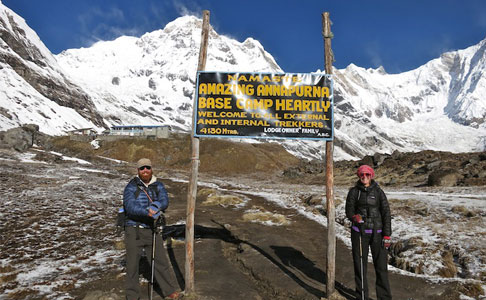
Annapurna Base Camp Trek
Annapurna Trek (Manag to Tilicho)
Manaslu- Tsum Valley Trek
Kapuche Lake Trek
Sikles Eco Trek
Nar Phu Trek
Upper Mustang Trek
The best time of the year to embark on these trails is during spring, autumn and pre-winter. Trekkers can receive their permit (TIMS) from the NTB (Nepal Tourism Board) office located in Kathmandu and Pokhara.
POPULAR ITINERARIES
SIMILAR POSTS
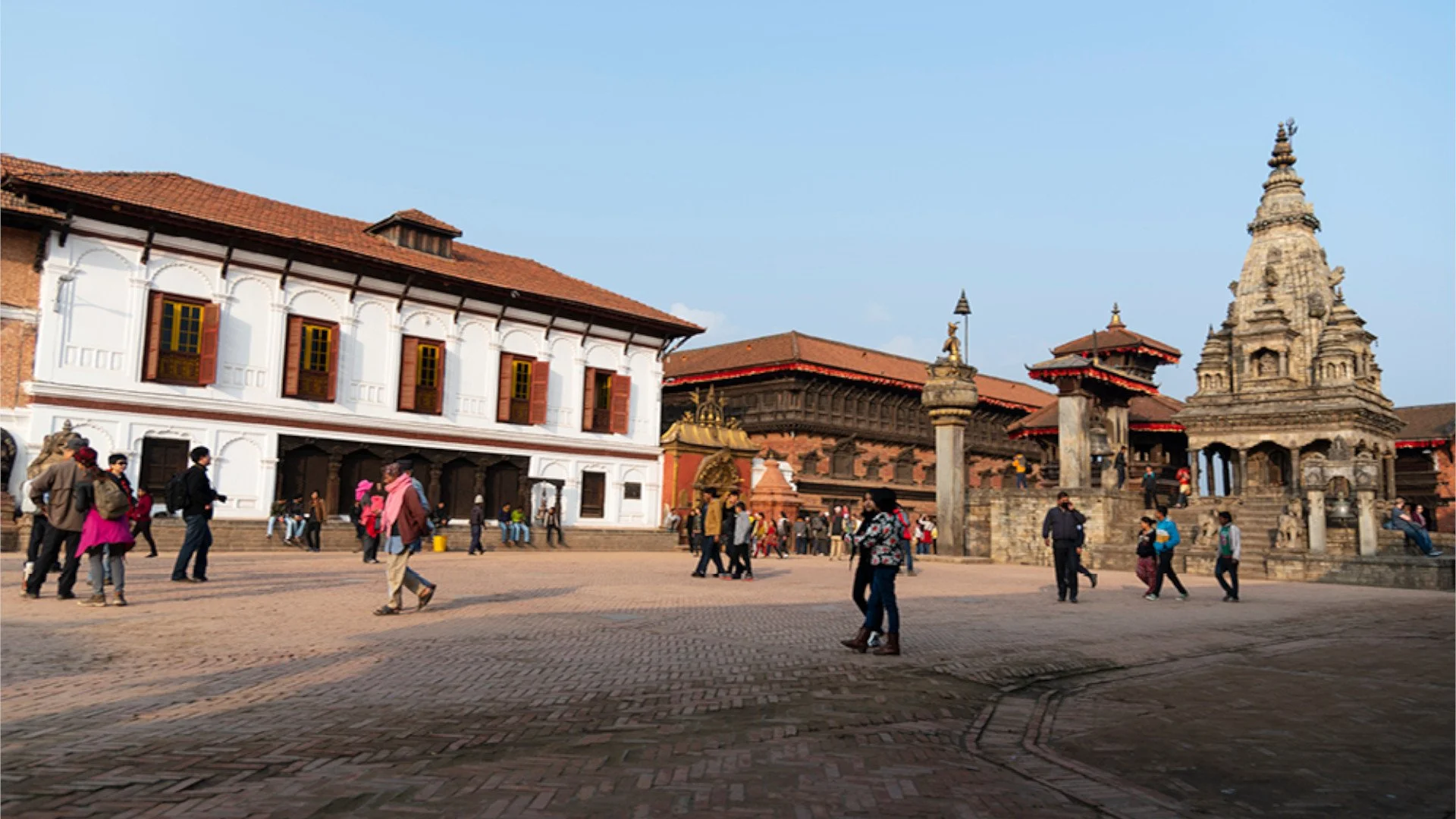
Museums in the Kathmandu Valley - Part 2
The Kathmandu Valley is an ancient city, parts of which are still left to be studied. It is abundant of stories and artefacts from decades and centuries ago, waiting to be told. The museums of the valley do exactly that; giving a sensation of reflecting and reliving the history through details and artefacts that come from its history.
Hanuman Dhoka Museum
The Hanuman Dhoka palace was built during the Licchavi period, around the 4th to 8th century, and it was expanded in the 17th century by king Pratap Malla. The main palace was constructed during the Malla period, and the rest of it was later constructed by the Ranas.
Surviving through the earthquake of 1934 and 2015, after multiple reconstructions, today, it stands tall with the integrity of its history and is now turned into Hanuman Dhoka Museum. In the entrance, a more than three hundred years old statue of Hanuman is situated as a symbol of protection. The main courtyard after the entrance of the museum is Nasal Chowk. This extravagant area used to be the place that held coronations for the former Kings. With that, the Narsingha Statue, the statue of Lord Vishnu in its man-lion form is located that was built by King Pratap Malla in 1673. In the Galleries of the museum lies the age-old objects and artefacts from the Licchavi dynasty to the Malla dynasty to the Shah dynasty. It is situated in the heart of the Kathmandu Durbar Square in Kathmandu Valley.
Bhaktapur Museum
The ancient city of Bhaktapur is built with centuries-old rich architecture among its bricked temples, palaces and is home to three museums, out of which the National Museum is one of the most significant museums in the valley.
Tucked in between two serene statues of lions, The National art museum was opened, formally as a palace, in 1980 by King Bhupatindra Malla. Later, in 1960, it was set up as the National art gallery by the Government of Nepal. For centuries, this palace, now a museum, has been the hub for medieval and Licchavi art and history. This tiny haven of wonders, although covering a small area, encompasses the collection of manuscripts and chronicles coming from the 11th century. It also holds on to ancient paubha paintings, Hindu versions of Thangka paintings along with classic paintings of deities, gods, and goddesses surviving the age of time. The gallery is also lined up with portraits of all the Shah Kings until the end of the monarchy. This museum is located at the west entrance of the Bhaktapur Durbar Square in Kathmandu Valley.
National Museum
Once known as ‘Chhauni Silkhana’ meaning ‘the stone house of arms and ammunitions’, was established in 1928. The National Museum or the Chhauni Museum is one of the most popular museums of the country that has been a major attraction to re-living through the incidents and artefacts of the wider history.
The courtyard of the building once was used as a space to worship and perform rituals during the time of Dashain as a symbol of purity. The starting attraction of the museum is the historical artworks in the form of sculptures, murals, and paintings that are out up in the gallery.
Different weapons used in the wars of the 18th to 19th century are also displayed. This museum also safeguards natural historical artefacts of different animals, reptiles, and insect species as well. Not only that, but this museum is also the home to moon rocks collected from the moon, the mandibular bones of the whale that is the largest mammal in the world, a fossil of reptiles from the Jurassic period, and many more. It stands as a symbol of national history and artefacts, showcasing astonishing objects and moments of a different time.This museum is located in Chhauni, Kathmandu Valley.
POPULAR ITINERARIES
SIMILAR POSTS

Revisiting Nepal
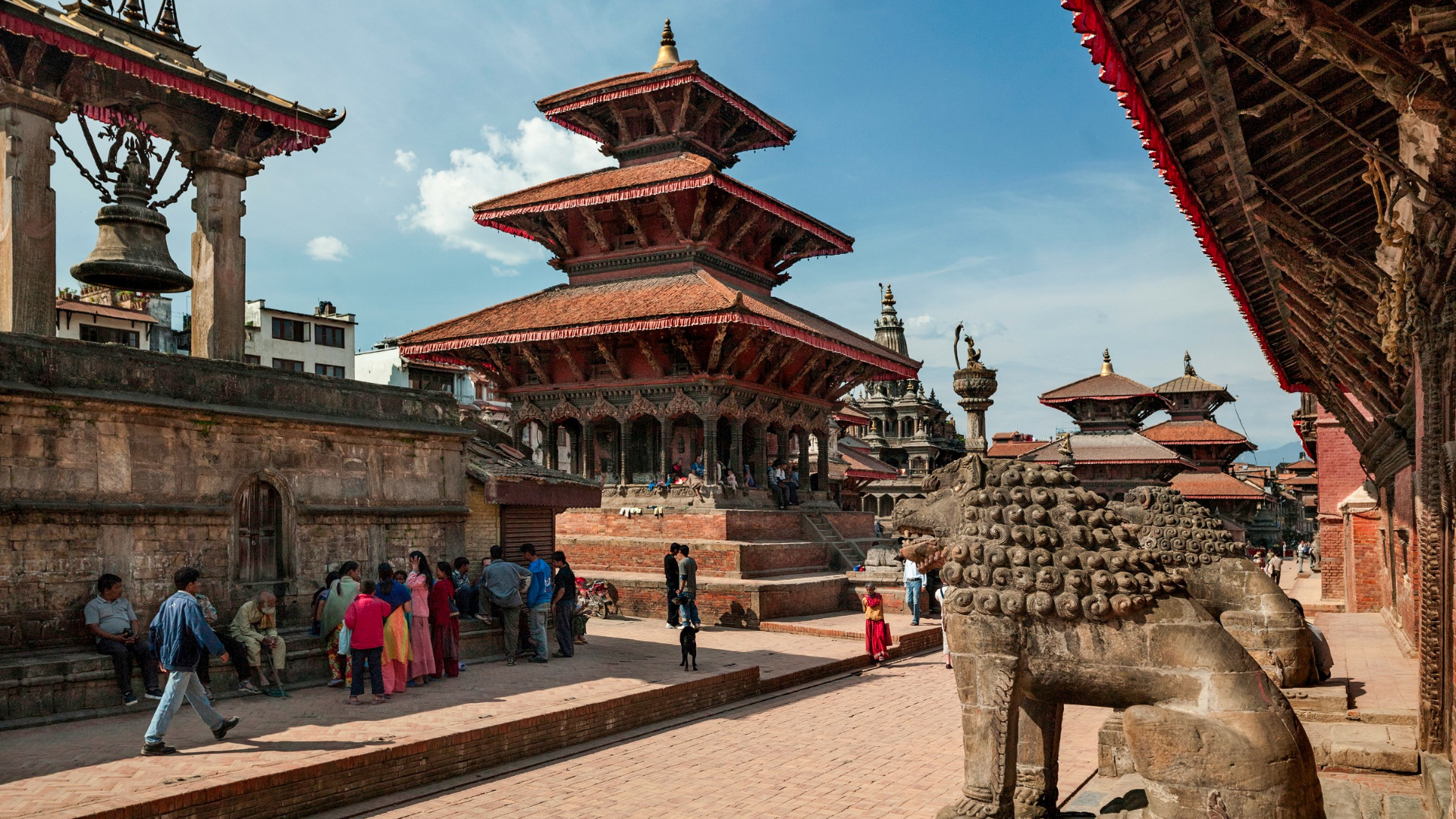
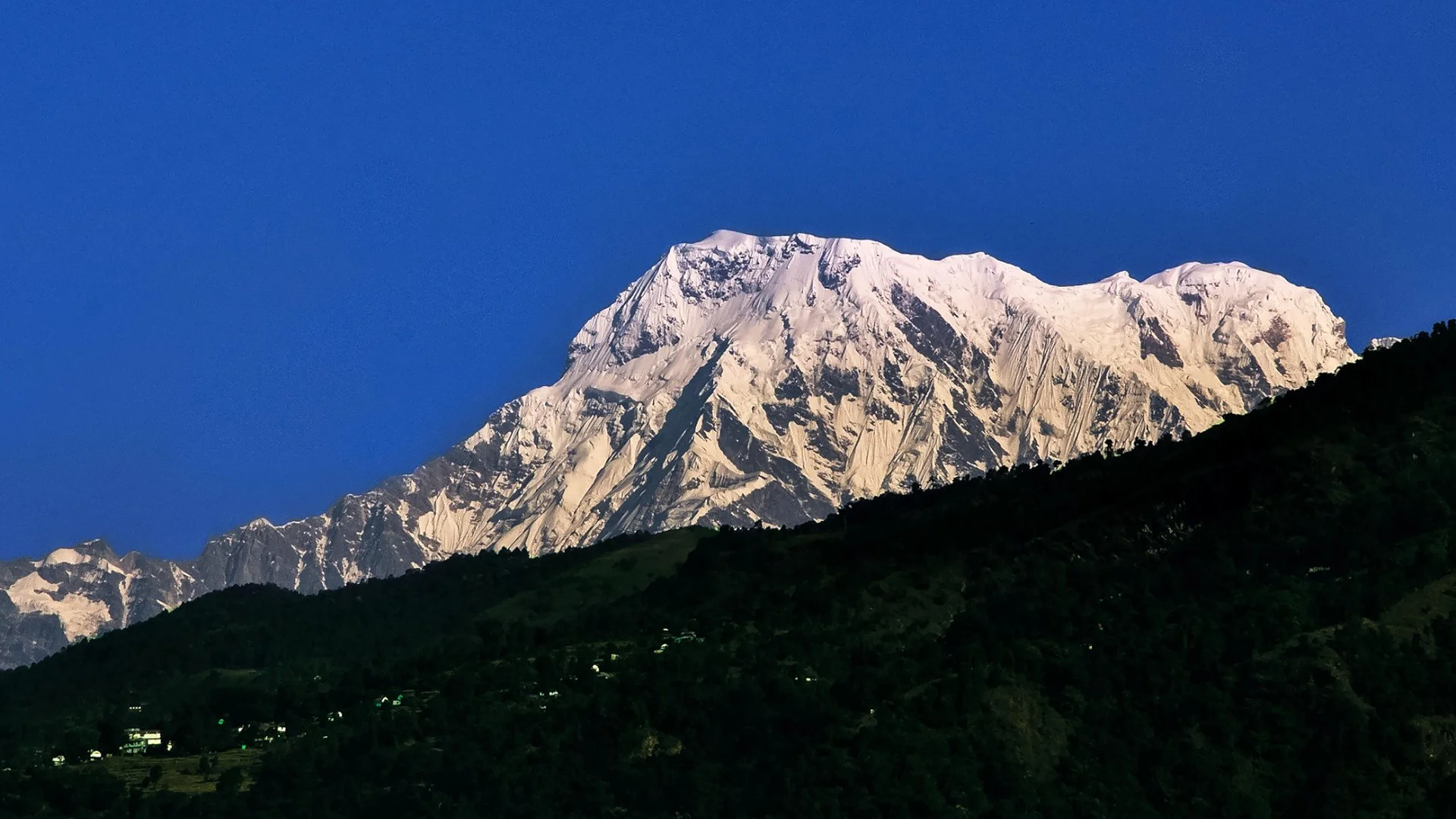
Ever since Nepal opened its doors to the outside travelers, it became a beacon to escape the world. The journey for the tourism industry has been turbulent, but nothing was as surprising as the pandemic. Now that the old and the new have fused to create a contemporary normal, it's time to revisit Nepal and once again escape into serenity.
This small but humble nation for years has been an escape to countless tired souls. An adventure into the wilderness of its diverse ecosystem has quenched the thirst of many wanderers. The open hearts of the people have welcome travelers into their homes, given them the utmost hospitality and made sure they always felt welcomed.
The pandemic hit this nation hard. The damage was not just the loss of life but also an economic crisis. We did not anticipate to close our doors, but we had no choice. Prior to the C-19 pandemic, tourism contributed 10 % in the annual GDP of the nation. Indirectly its impact in uplifting livelihood of Nepalese was even greater. But in 2020, the year when we were to give the world a lifetime experience the contribution to the GDP came down to 5%.
Tourism supported over a million jobs in Nepal, the indirect figures are even larger. The pandemic crippled their livelihood by taking away income that supported them and their family. Many businesses were shuttered as it became impossible to cope with the mounting debt. The stress and troubles were greatly amplified during this period.
The span of almost two years felt like a decade because time moved slow. The people could no longer attend to their jobs, which is equal to saying that they could not tend to their guests. On 24th September 2021, the joy for the tourism industry was immense. Tourists fully vaccinated 14 days before arrival do not require quarantine and are eligible for visa on arrival. The procedure for entry was again updated on 4th October 2021, which gave more precise details.
Click Here: To View COVID-19 Status Update Page by Nepal Tourism Board
Slowly but steadily, life is coming back to normal. But it is not the same due to multiple factors. The C-19 stress left a scar that would take a very long time to heal. The danger is still out there, and one must take precautions to not get infected. Even though the situation is better, it isn't the best, and we all have to deal with the new normal a step at a time.
Now that Nepal is open- visit us!
This country has so much to offer, and the people shall ensure that you experience the best of everything during your stay. Some amenities will take time to fully open, but the basic is ready for your arrival.
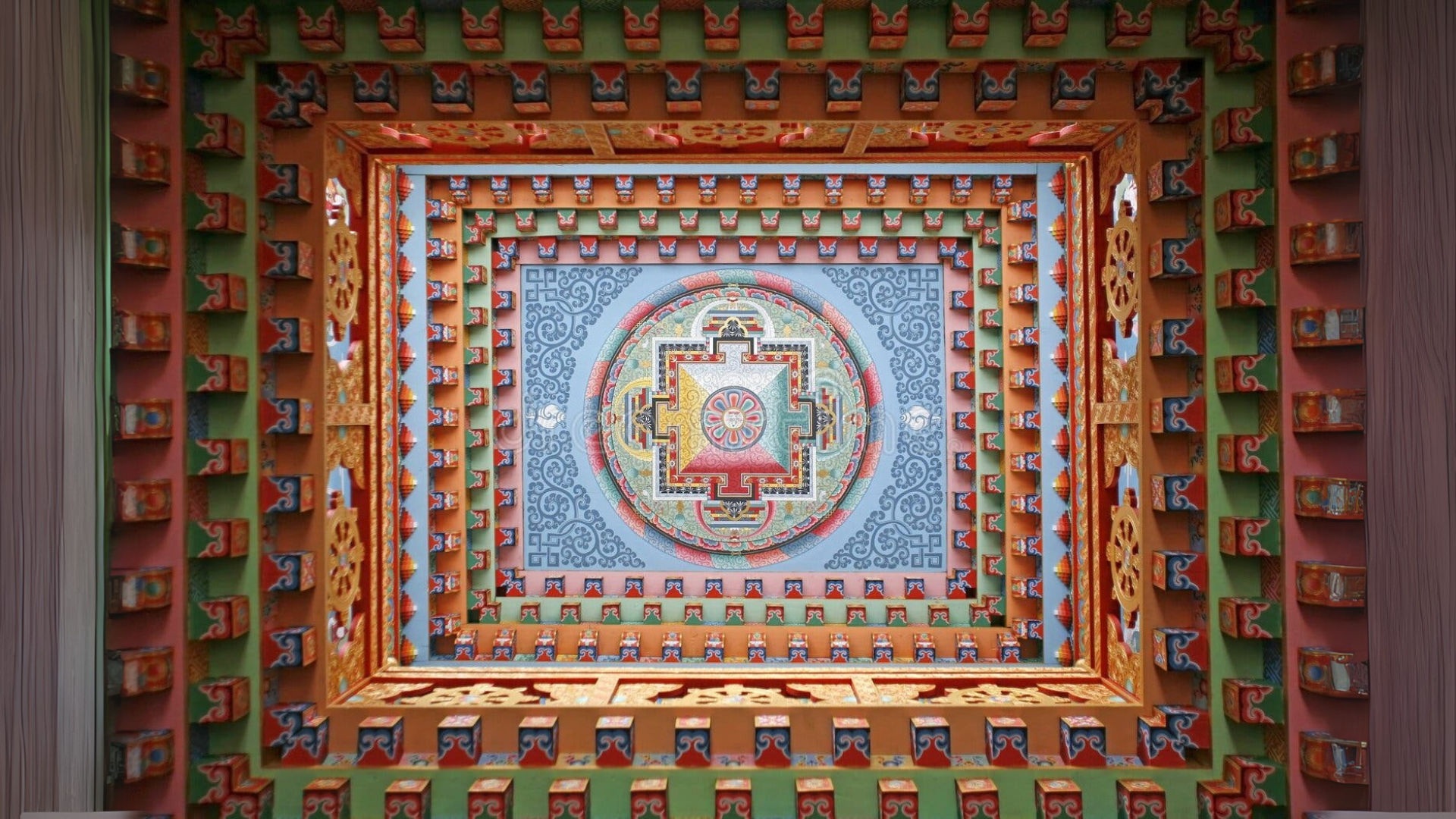
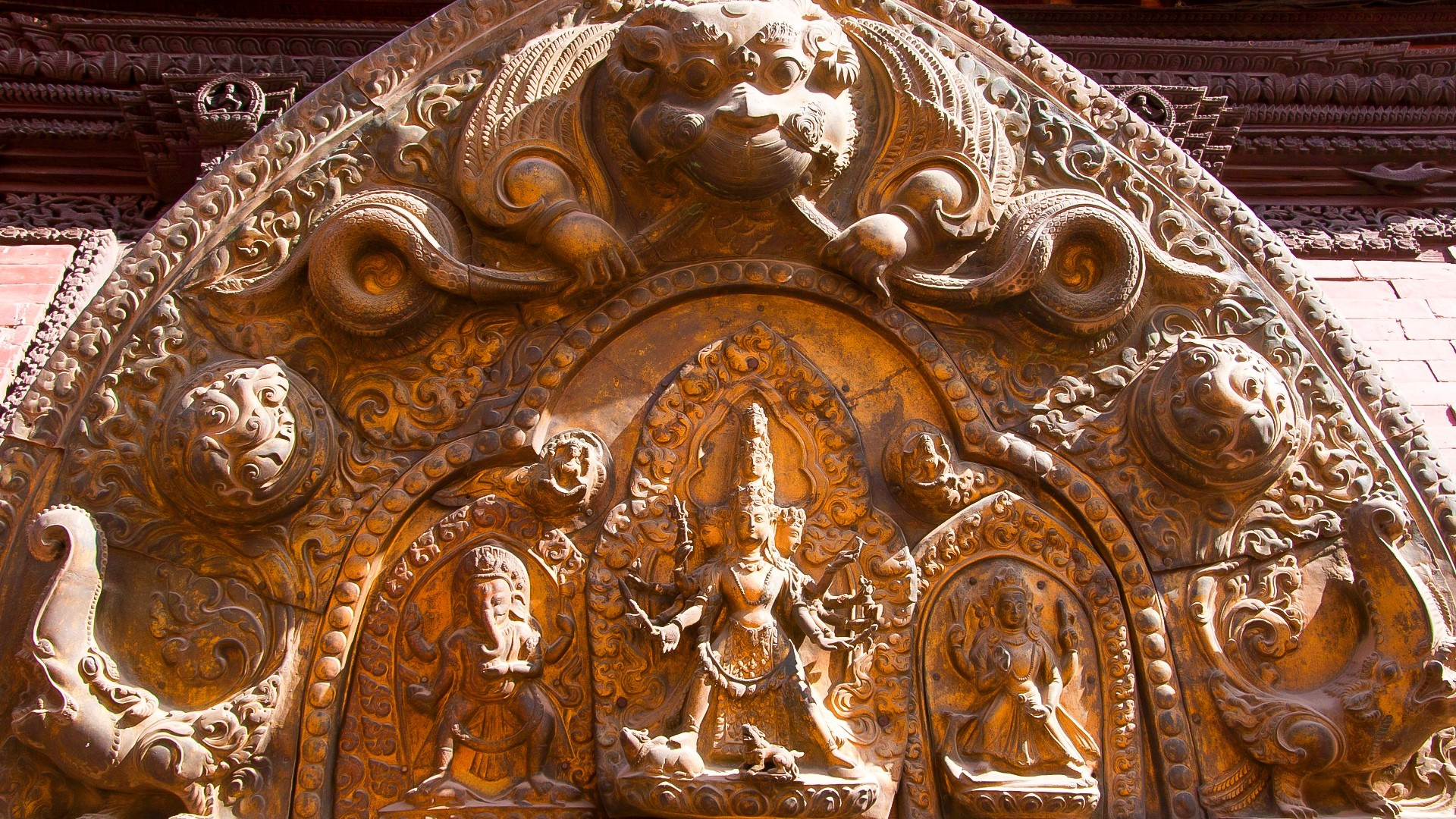
One can choose from a long list of treks and adventures. You can bask in the eternal glory of the Himalayas or explore the vast wilderness of the Terai region. A plethora of cultural experiences awaits you in the ancient cities of Kathmandu, Lalitpur and Bhaktapur. Indulge yourself in a tranquil and artistic experience absorbing the beautiful architecture, art and masonry.
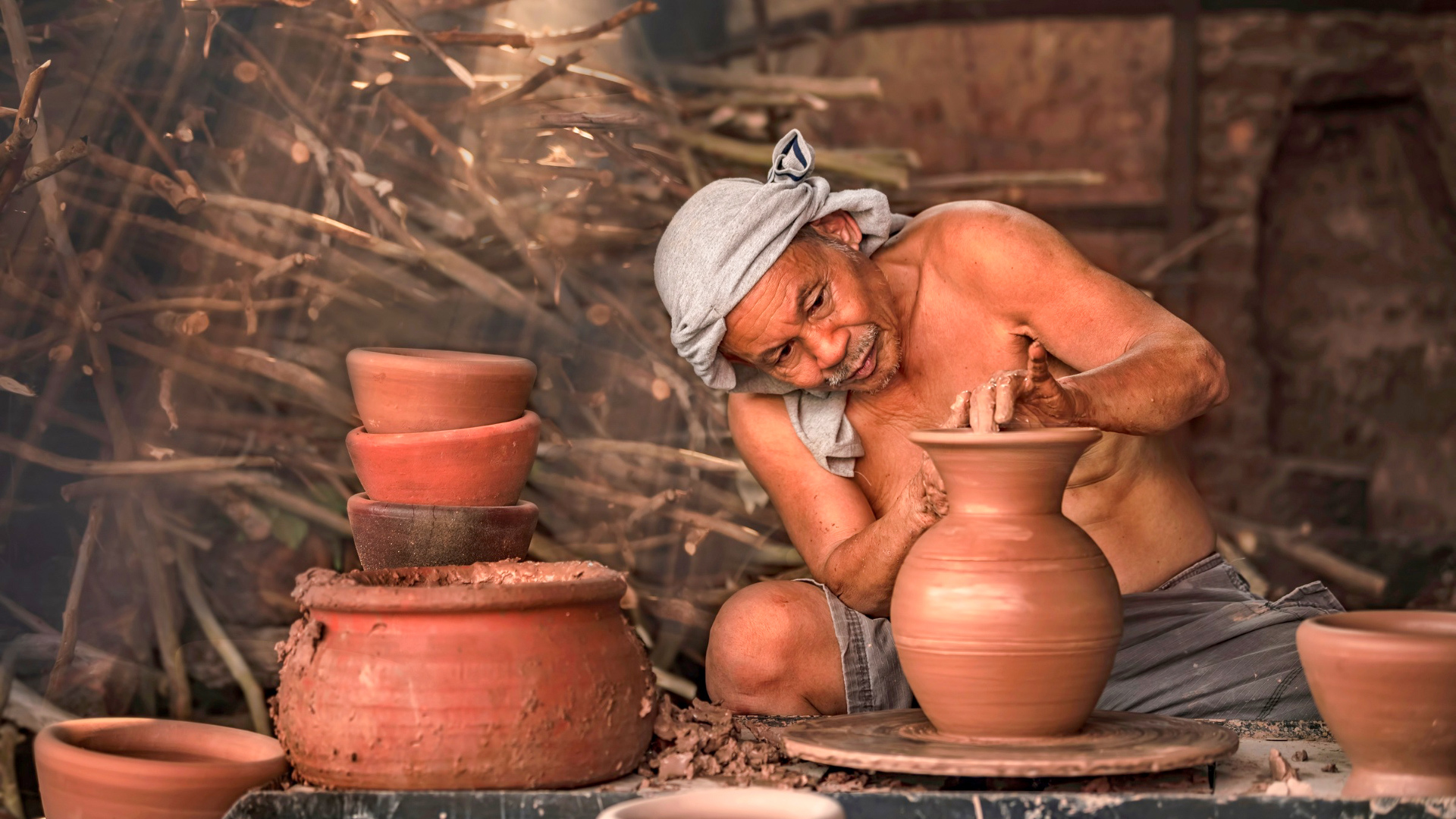
At the end of your trip consider taking with you something made by the people. You'll take with you the memories of people, who regardless of their circumstances, made sure to take care of you. In frame and memory shall be the image of tranquillity - the high snowy mountains, the silent yet riveting outback, and lush wilderness.
Once will never be enough when it comes to exploring Nepal. Choose to revisit us, and take on challenges and absorb something new every time. We are here, and we are ready!
POPULAR ITINERARIES
SIMILAR POSTS

An Experience of a Lifetime
Welcome to the land dubbed the abode of the Gods, where once in mystic lures the Gods once roamed with the people. Welcome to the land of cultural diversity, majestic Himalayas, where the magic of the ancient world still resonates in every corner. And, welcome to the homes of a kind and warm people who are always keen to share their world.
If you are a wanderer who has stumbled upon this small but majestic nation that I call home, I write this to you. I have a smile on my face and my hands are put together as I greet you “Namaste”. I thank you for choosing to travel to this very glorious nation, which has much to offer.
With Visit Nepal Year around the corner, this initiative is a momentous campaign to draw you travelers to this beautiful nation. Being born and having lived in Nepal for most of my life, exploring, encountering and experiencing the culture, cuisine, tradition and thrills of this nation, I can say this, “ Your hunger for something new shall be fulfilled, your search for adrenaline shall be quenched with a side of great hospitality, diverse cuisine, majestic landscape, and beautiful people.” The campaign of Visit Nepal Year has been anxiously awaited by the people of Nepal. As we await, to share with you all our love, culture, tradition and festivals. We await to welcome you to our homes, share our delightful cuisine, and make merry with you in our festivities.
Being a student of sociology, a fanatic of history, photography and having travelled to various parts of Nepal for my studies. I feel as if I can’t sum up the beauty of this nation in one article, as our diversity and ethnicity is home to treasures that one can explore for their entire life. During my studies, I have stumbled upon may great writers and artists, who choose to do their study in Nepal and the magic of the Himalayas, the love of the people make them choose Nepal as their new abode. It always bewildered me, meeting such individuals and I always asked, “Why?”
To which I was once told, “Nepal is a heaven, not just because of the lush landscape but because of the people. In the greatest of adversities, the people of Nepal choose to smile. They share with you their home, their food and all, and before you know it you are a part of the family.”
There is so much to explore in Nepal, some things that aren’t listed in that travel book you are holding. Everyone sees the temples, the monuments, the lakes but true intangible experiences are going to be an amalgam of sharing moments with the people. Thus, I strongly suggest learning a few words and phrases, as you are going to be replied with a beautiful smile.
To you my dear wanderers I welcome you to the land dubbed the abode of the Gods, where once in mystic lures the Gods once roamed with the people. I welcome you to the land of great cultural diversity, majestic Himalayas, where the magic of the ancient world still resonates in every corner.
I welcome you to Nepal. May your travelers be blessed, your search full filled, your diary and mind filled with memories of great adventures and experiences and your camera’s filled with moments that you shall fathom for the rest of your lives.
An op-ed of living in Nepal by Shreyashka Vikram Raj Maharjan