
Celebrating Christmas in Kathmandu: A Festive Blend of Cultures and Traditions
Christmas, traditionally a Christian holiday, has transcended religious boundaries to become a global celebration of joy, love, and giving. In Kathmandu, the heart of Nepal, Christmas has found a special place amidst the city's vibrant cultural tapestry. This festival is celebrated with warmth and inclusivity, reflecting Kathmandu’s embrace of diverse traditions and its ever-evolving cultural adaptation.
Christmas, traditionally a Christian holiday, has transcended religious boundaries to become a global celebration of joy, love, and giving. In Kathmandu, the heart of Nepal, Christmas has found a special place amidst the city's vibrant cultural tapestry. This festival is celebrated with warmth and inclusivity, reflecting Kathmandu’s embrace of diverse traditions and its ever-evolving cultural adaptation.
A Melting Pot of Cultures
Kathmandu, known for its rich history and deep-rooted Hindu and Buddhist traditions, showcases a remarkable ability to adapt and celebrate cultures from around the world. While Nepal is predominantly Hindu, the city comes alive during Christmas, with locals and expatriates alike joining in the festivities. This acceptance and celebration of diversity underline the city's evolving cosmopolitan character.
How Christmas is Celebrated in Kathmandu
Christmas in Kathmandu is not just a religious occasion but a community celebration. Here’s how it unfolds in the valley:
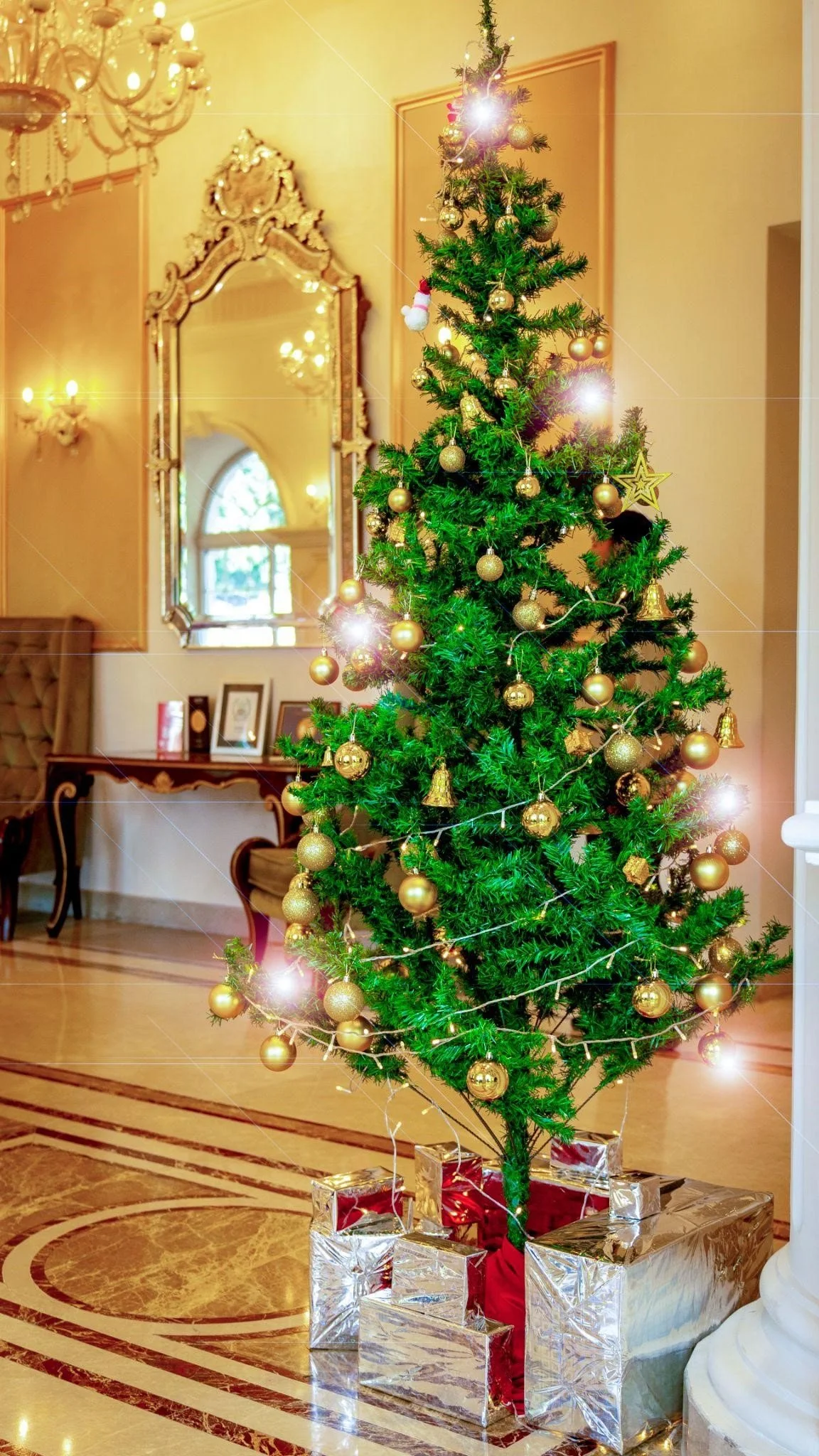
Festive Decorations: Shops, malls, and restaurants in Kathmandu light up with Christmas-themed decorations. Glittering Christmas trees, colorful lights, and festive garlands adorn public spaces. Popular hubs like Thamel, Durbar Marg, and shopping centers are transformed into winter wonderlands, drawing crowds from all walks of life.
Christmas Markets: Various Christmas bazaars and markets spring up across the city. These markets offer unique handicrafts, festive ornaments, and delicious baked goods. Expat communities often organize special markets, introducing locals to Christmas traditions while fostering cultural exchange.
Midnight Mass: Churches in Kathmandu, such as the Assumption Church in Lalitpur, host midnight mass for the Christian community and anyone curious about the tradition. The solemn yet uplifting service is a cornerstone of Christmas celebrations, symbolizing unity and peace.
Festive Dining: Hotels, cafes, and restaurants across Kathmandu curate special Christmas menus, featuring everything from traditional roast dinners to locally inspired festive treats. This culinary fusion attracts locals, expatriates, and tourists, offering them a taste of Christmas in the Himalayas.
Gift-Giving and Charity: The spirit of giving is alive and well in Kathmandu during Christmas. Many organizations and individuals organize charity drives, distributing gifts and necessities to underprivileged communities, spreading love and joy throughout the city.
Embracing Diverse Traditions
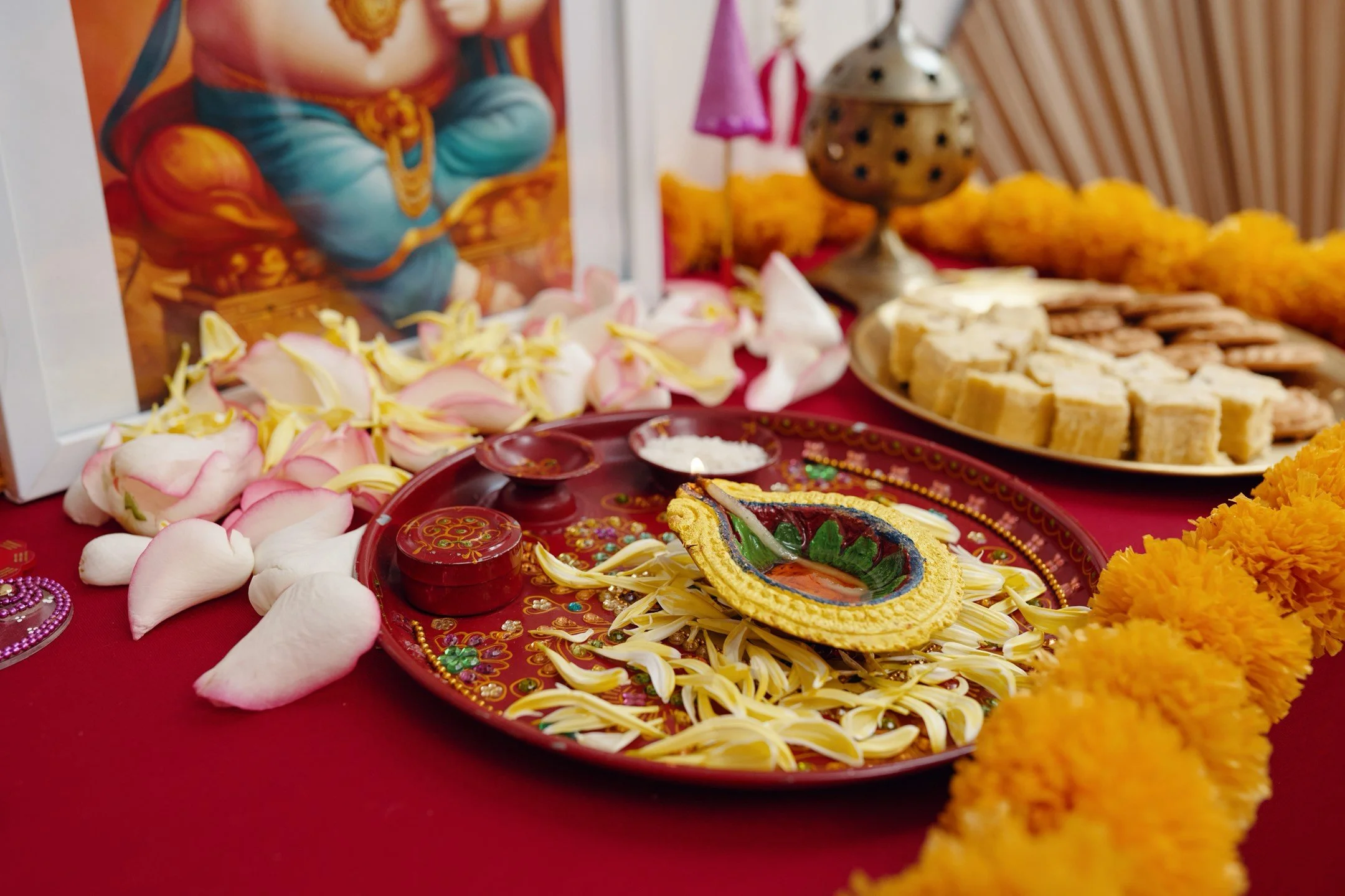
What makes Christmas in Kathmandu particularly special is its blend of traditional customs with local flavors. While expatriate communities bring their customs, Nepalis infuse their own warmth and creativity into the celebrations. It’s not uncommon to see children singing Christmas carols in Nepali or homes decorated with a mix of tinsel and traditional Nepali lamps.
This celebration of Christmas is a testament to Kathmandu's ability to embrace diversity without losing its unique identity. It reflects the growing awareness and appreciation of global cultures among Nepalis, while also offering expatriates and tourists a sense of belonging during the holidays.
Hotel Shanker: Your Festive Retreat
For those looking to experience Christmas in Kathmandu with a touch of elegance, Hotel Shanker offers the perfect setting. Nestled in the heart of the city, this heritage hotel blends timeless charm with modern comforts. Its festive ambiance, special Christmas dining experiences, and luxurious accommodations make it an ideal retreat for the holiday season. Whether you're sharing a meal with loved ones or simply soaking in the festive spirit, Hotel Shanker provides a warm and inviting space to celebrate.
A Celebration of Togetherness
Christmas in Kathmandu is more than just a holiday; it’s a celebration of togetherness and harmony. It’s a time when people from all backgrounds come together to share joy, exchange traditions, and embrace the beauty of diversity. This spirit of inclusion and cultural adaptation not only enriches the celebration but also strengthens the bonds of the Kathmandu community.
This year, as the Christmas bells ring and the city glows with festive cheer, Kathmandu reminds us that the true essence of the season lies in unity, kindness, and the joy of giving. Whether you're a local, an expatriate, or a visitor, Kathmandu offers a Christmas experience that’s as unique as it is heartwarming.
POPULAR ITINERARIES
SIMILAR POSTS
Discovering October’s Tranquil Escapes at Hotel Shanker
As the monsoon fades away and the crisp, cool air of autumn settles in, October in Kathmandu unveils a stunning transformation. The city comes alive with golden sunlight, clear blue skies, and the promise of adventure. Nestled in the heart of this vibrant city, Hotel Shanker offers the perfect tranquil retreat, blending luxury and heritage for guests seeking both relaxation and exploration. This October, we invite you to experience a serene escape amidst the grandeur of Kathmandu’s history and culture.
As the monsoon fades away and the crisp, cool air of autumn settles in, October in Kathmandu unveils a stunning transformation. The city comes alive with golden sunlight, clear blue skies, and the promise of adventure. Nestled in the heart of this vibrant city, Hotel Shanker offers the perfect tranquil retreat, blending luxury and heritage for guests seeking both relaxation and exploration. This October, we invite you to experience a serene escape amidst the grandeur of Kathmandu’s history and culture.
A Heritage Retreat Amidst the City’s Bustle
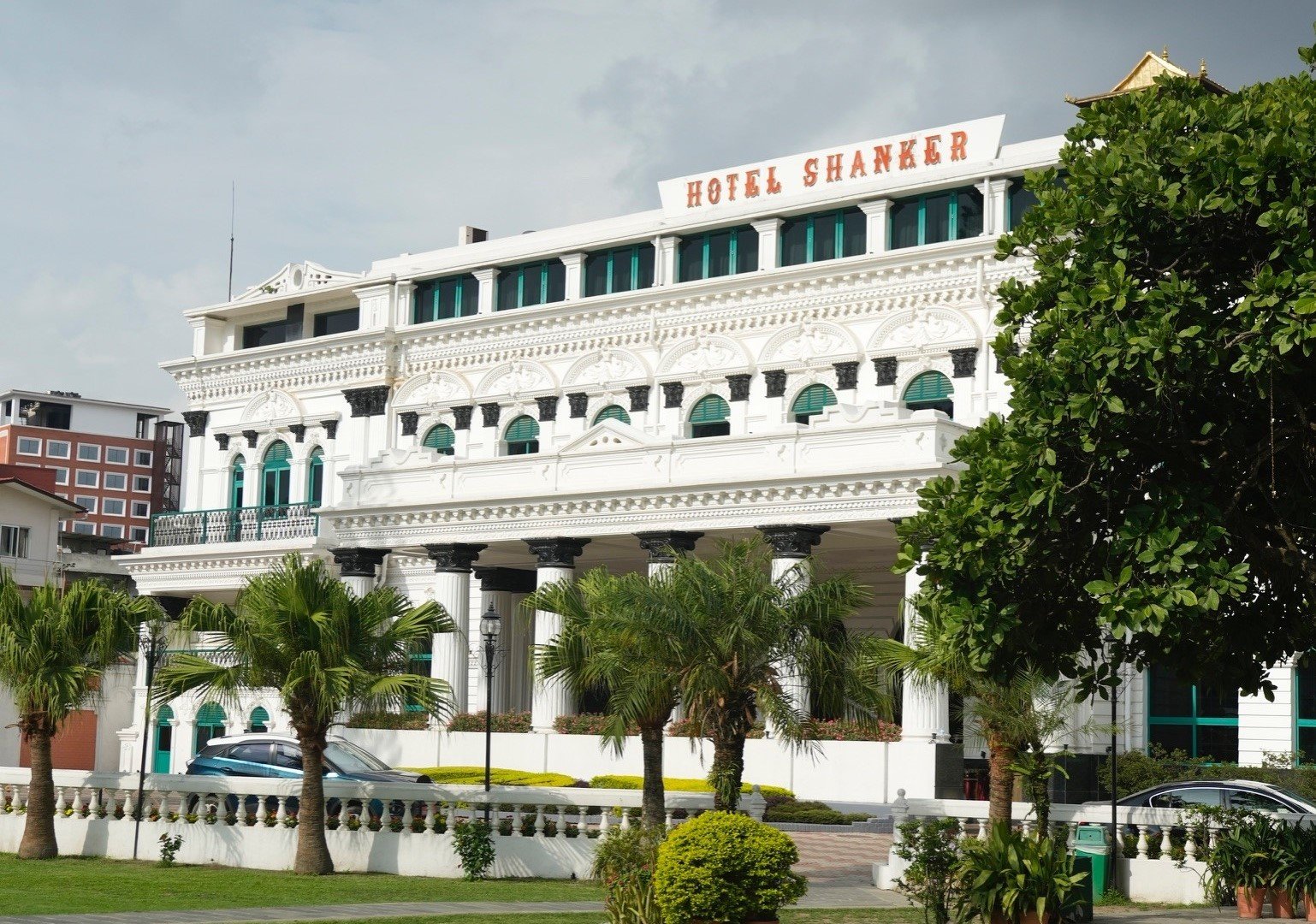
Hotel Shanker stands as a testament to the architectural splendor of 19th-century Nepal. Originally a Rana palace, the property has been carefully restored and reimagined to preserve its rich heritage while offering modern comforts. As you walk through our ornate hallways and marvel at the intricate wood carvings and chandeliers, you’ll find yourself immersed in a story that spans over a century.
Whether you are enjoying a peaceful afternoon in our garden, taking a dip in the pool, or relaxing with a book in our plush lounge areas, the tranquil atmosphere at Hotel Shanker is the perfect antidote to the hustle and bustle of Kathmandu’s streets. With the festive season just around the corner, this is the ideal time to indulge in a quiet, contemplative retreat.
Explore Kathmandu’s Hidden Gems
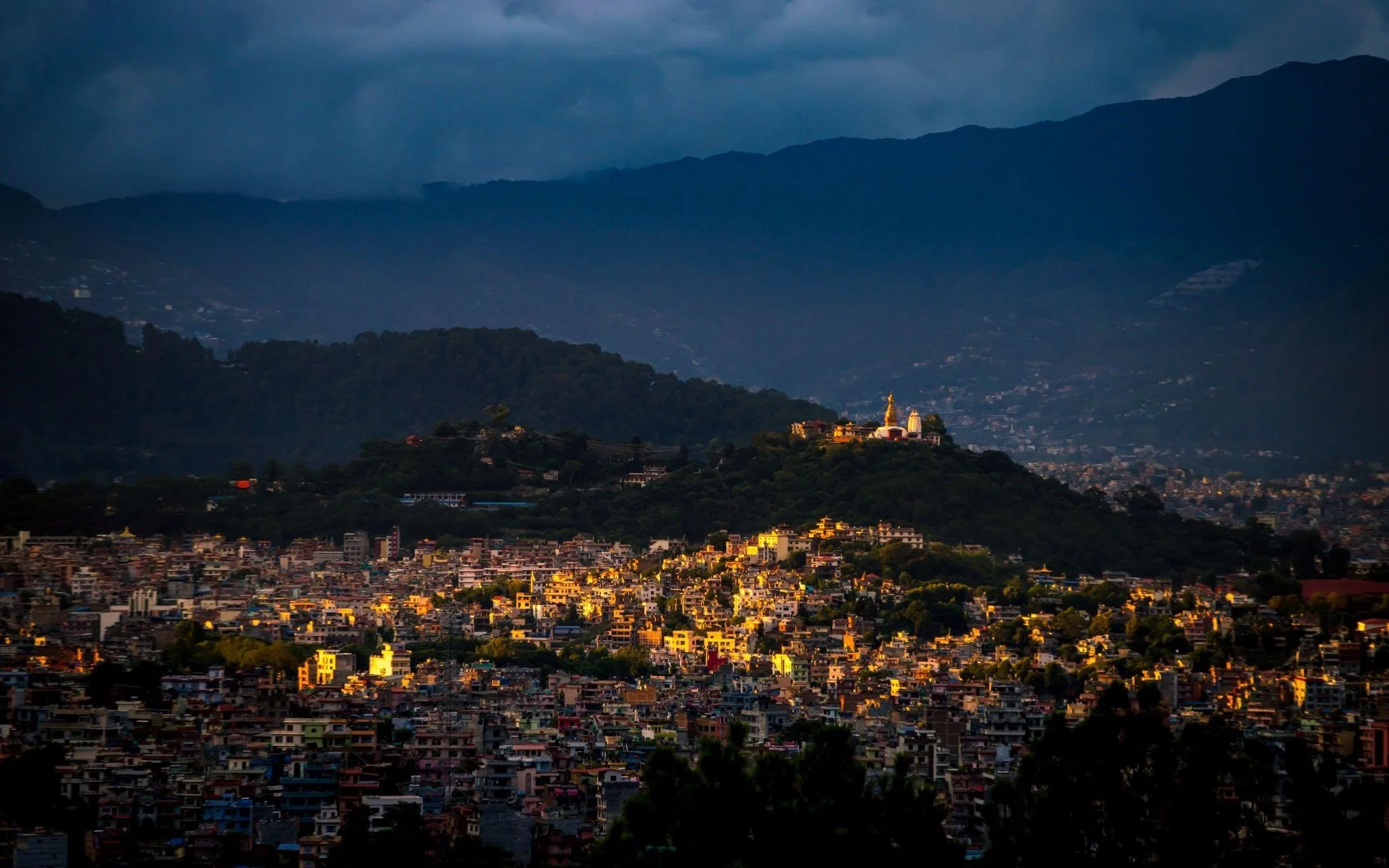
October is one of the best months to explore Kathmandu, with comfortable temperatures and clear skies that reveal the city’s stunning skyline against the backdrop of the Himalayas. Use Hotel Shanker as your base to discover the lesser-known treasures of Kathmandu. Beyond the popular destinations like Durbar Square and Swayambhunath Stupa, explore hidden courtyards, traditional tea shops, and local markets that are brimming with charm and character.
For those seeking outdoor adventure, a day trip to the nearby Shivapuri National Park offers a refreshing escape into nature. Enjoy a guided hike through lush forests, encounter local wildlife, and capture breathtaking views of the Kathmandu Valley.
Unwind with October’s Seasonal Delights
October is the season of harvest in Nepal, bringing a bounty of fresh produce and seasonal flavors to our menus. Indulge in our chef’s special autumn-inspired dishes, featuring locally sourced ingredients that celebrate the region’s culinary heritage. From warm, hearty stews to delicately spiced desserts, every dish is crafted to offer a taste of the season’s finest.
For a truly relaxing experience, unwind at our in-house spa with a traditional Ayurvedic massage or spend a tranquil evening by the poolside, savoring a glass of your favorite wine as the sun sets over our beautiful heritage grounds.
Join Us for an Enriching October
At Hotel Shanker, every stay is designed to be a memorable experience, where guests can reconnect with history, relax in comfort, and explore the vibrant cultural tapestry of Kathmandu.
POPULAR ITINERARIES
SIMILAR POSTS

Celebrate Dashain in Kathmandu: A Traveler’s Guide to Nepal’s Grand Festival
Dashain is Nepal’s biggest and most anticipated festival, celebrated with grandeur and joy throughout the country. As the longest and most significant Hindu festival, Dashain marks a time of family reunions, joyous celebrations, and cultural traditions. If you’re planning to visit Nepal during this vibrant period, you’re in for an experience like no other! Here’s how to make the most of your Dashain celebrations in Kathmandu and why staying at Hotel Shanker can enhance your festive experience.
Dashain is Nepal’s biggest and most anticipated festival, celebrated with grandeur and joy throughout the country. As the longest and most significant Hindu festival, Dashain marks a time of family reunions, joyous celebrations, and cultural traditions. If you’re planning to visit Nepal during this vibrant period, you’re in for an experience like no other! Here’s how to make the most of your Dashain celebrations in Kathmandu and why staying at Hotel Shanker can enhance your festive experience.
What is Dashain? A Celebration of Victory and Renewal
Dashain, also known as Vijaya Dashami, is celebrated to commemorate the victory of good over evil. The festival, which lasts for 15 days, honors the goddess Durga and her triumph over the demon Mahishasura. Families come together to offer prayers, fly kites, enjoy special feasts, and participate in traditional rituals. Every house is cleaned and decorated, symbolizing a fresh start and a prosperous year ahead.
For travelers, Dashain offers a unique opportunity to witness the rich cultural heritage of Nepal and experience the warm hospitality of its people.
Top Dashain Experiences in Kathmandu
If you’re visiting Kathmandu during Dashain, there are several cultural experiences and activities you shouldn’t miss. Here are some highlights to include in your itinerary:
1. Attend the Tika Ceremony
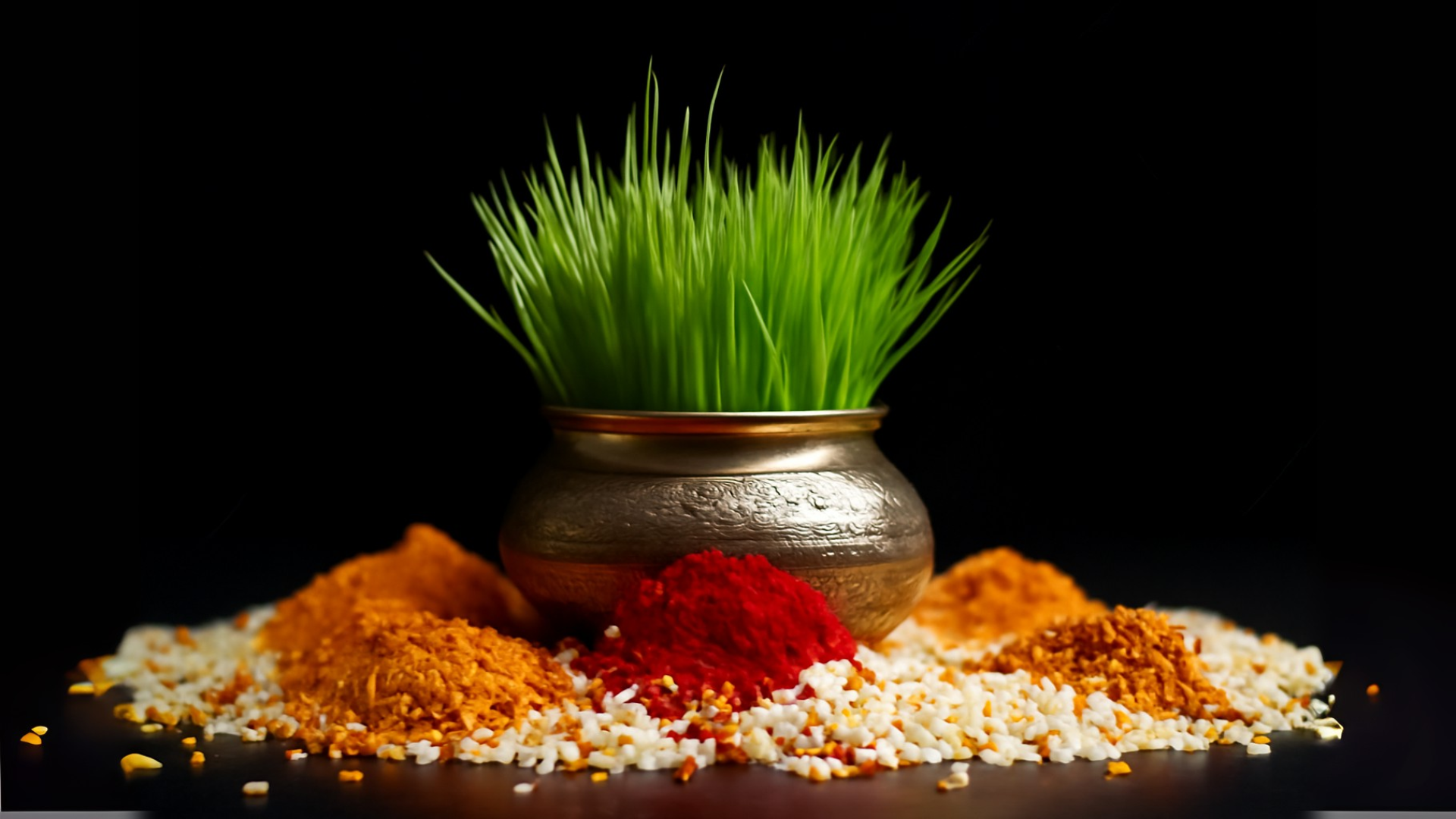
One of the most iconic parts of Dashain is the Tika ceremony, where elders place a mixture of rice, yogurt, and vermilion on the foreheads of younger family members. This blessing is believed to bring good fortune and protection. Guests at Hotel Shanker can arrange to witness or even participate in this sacred ritual, offering a deeper understanding of Nepali traditions.
2. Fly Kites from the Rooftop
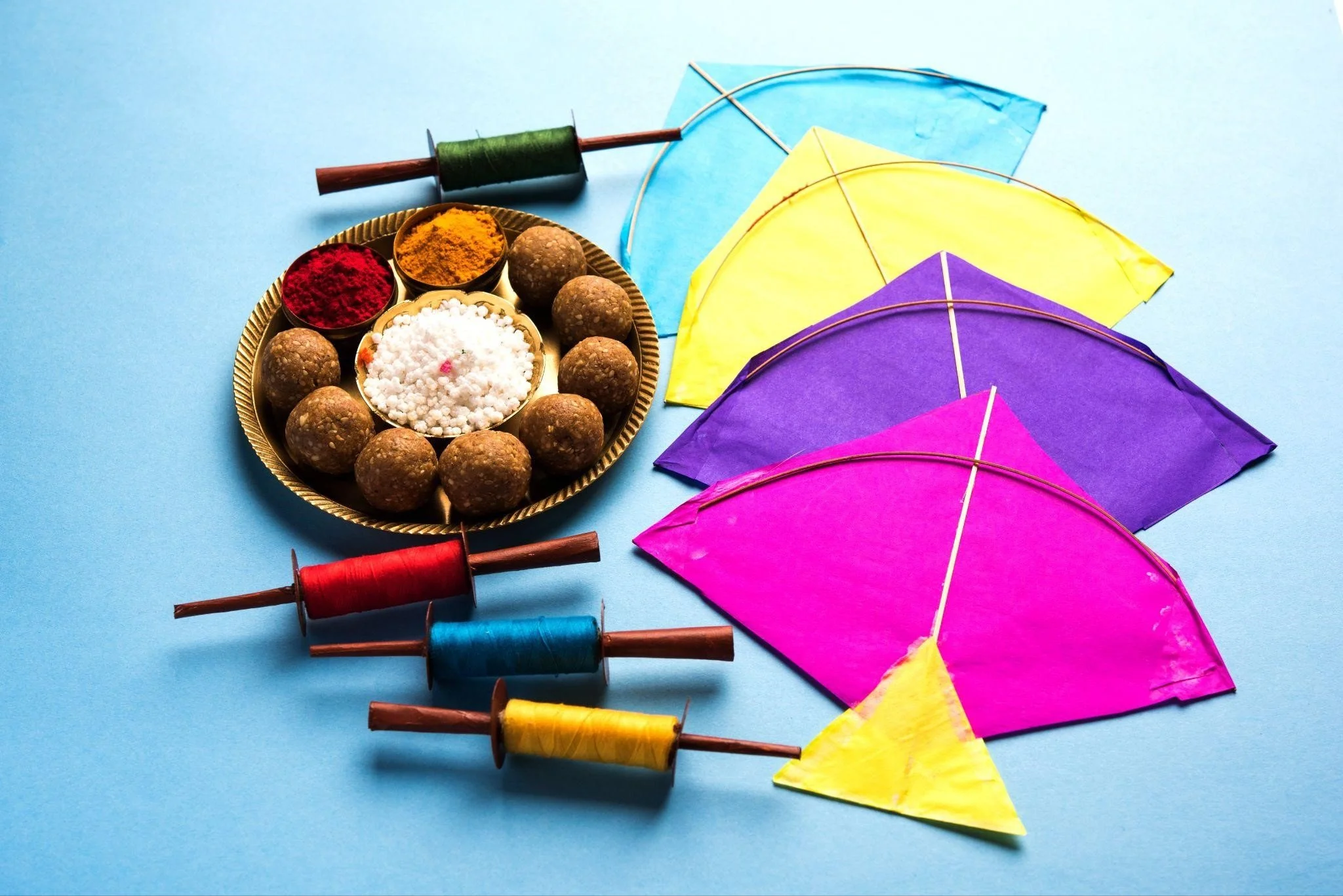
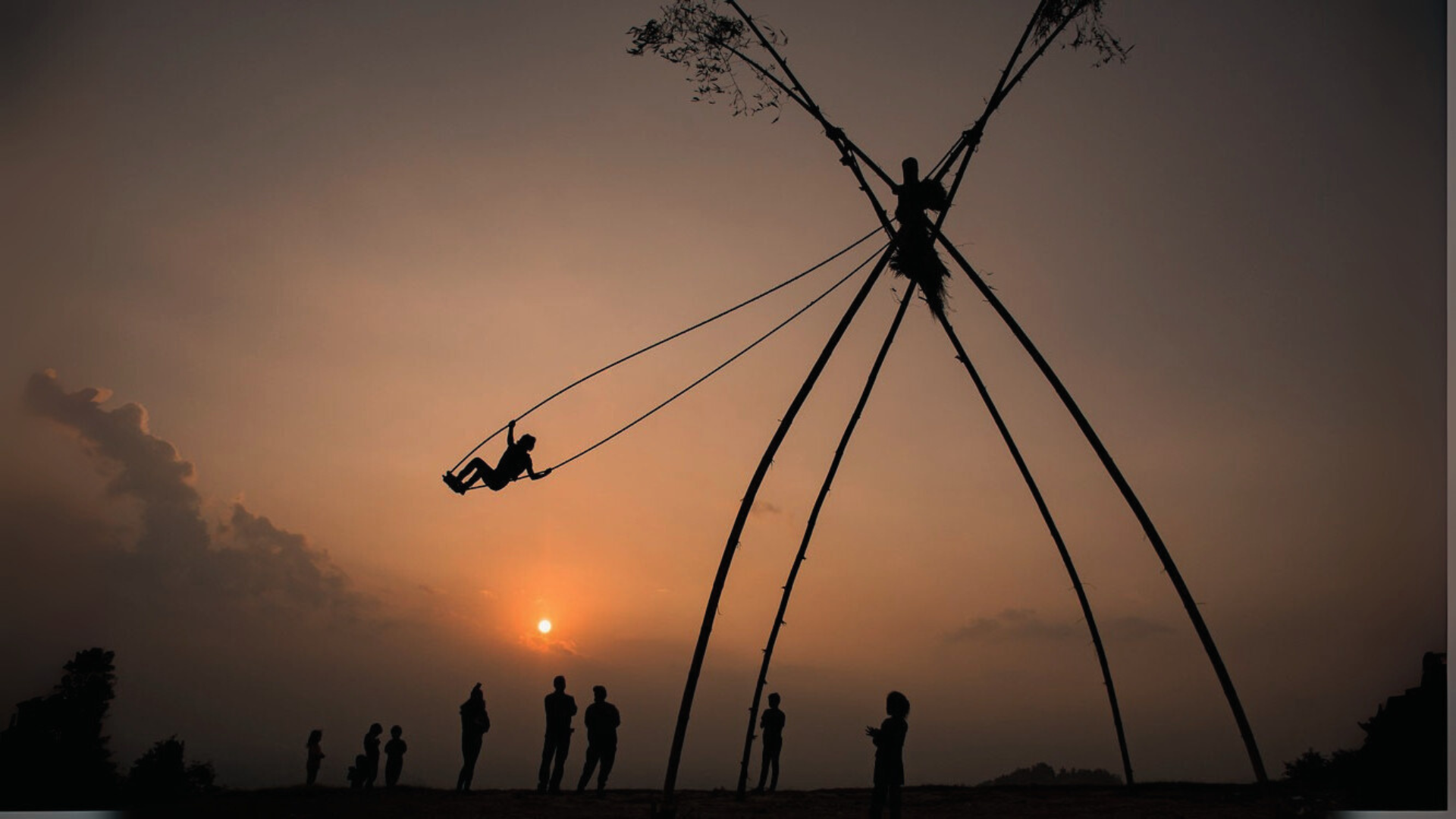
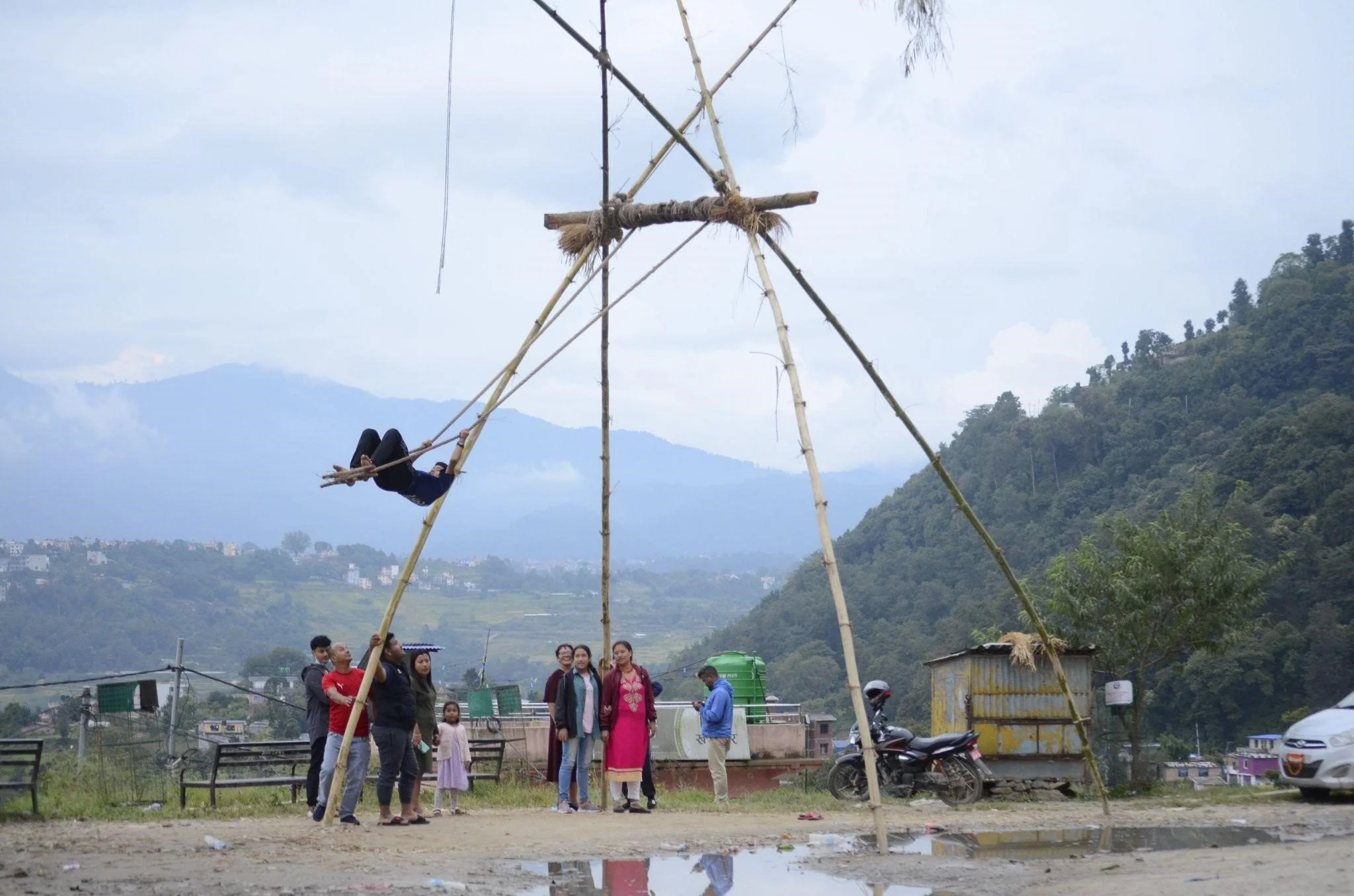
Dashain is synonymous with kite flying. Locals take to rooftops and open fields to fly colorful kites, which symbolize freedom and joy. You can join in the fun by flying kites from the scenic rooftop of Hotel Shanker, enjoying panoramic views of the Kathmandu Valley.
3. Explore the Decorated Temples
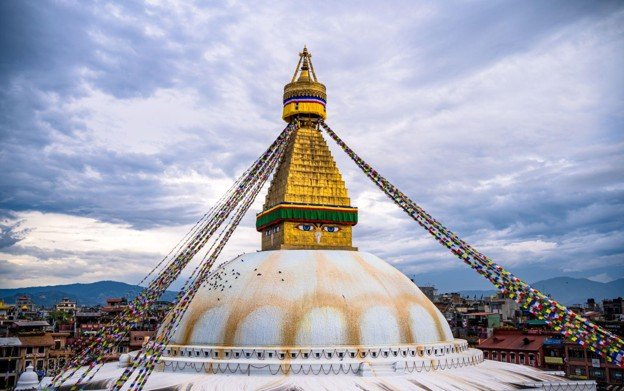
During Dashain, temples and shrines are adorned with beautiful flowers and lights. Visit Durbar Square and the Swayambhunath Stupa (Monkey Temple) to see the temples come alive with festivities. Participate in rituals, offer prayers, and soak in the spiritual atmosphere.
4. Indulge in Festive Feasts
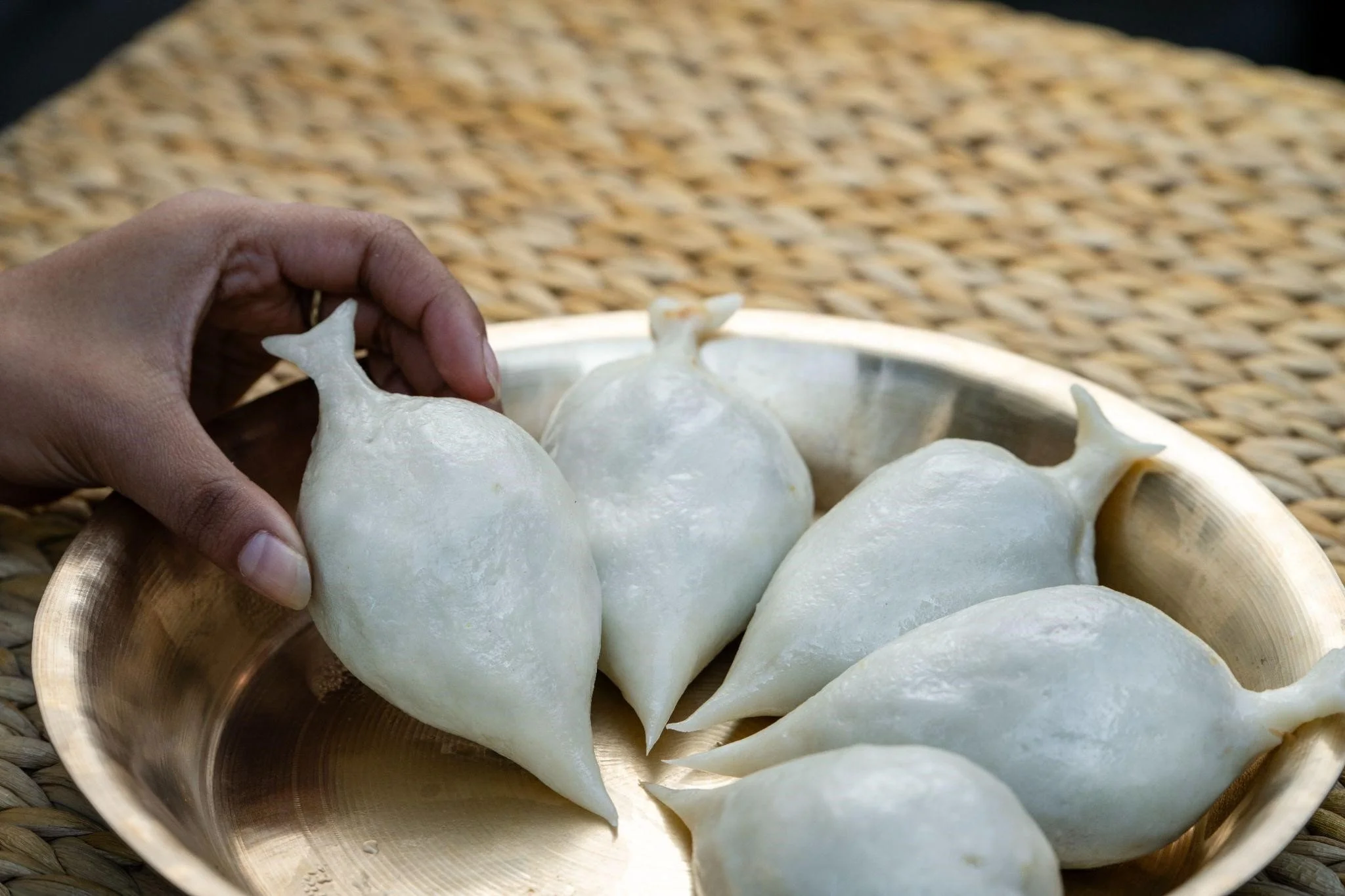
Dashain is also about food! Traditional dishes like mutton curry, sel roti (a type of rice flour bread), and yomari (sweet dumplings) are prepared in every household. At Hotel Shanker, the chefs offer a special Dashain menu featuring these delicacies, giving guests a chance to taste authentic Nepali cuisine in a luxurious setting.
Why Stay at Hotel Shanker During Dashain?
Staying at Hotel Shanker during the Dashain festival is not just about comfort and luxury; it’s about being at the heart of the celebrations. Here’s why Hotel Shanker is the ideal choice for travelers looking to immerse themselves in the Dashain festivities:
● Prime Location: Located in the heart of Kathmandu, Hotel Shanker is just a stone’s throw away from the city’s most iconic cultural landmarks, making it easy for guests to explore the vibrant streets and temples during the festival.
● Cultural Programs: Hotel Shanker hosts special cultural programs during Dashain, including traditional music and dance performances, allowing guests to experience Nepali culture up close.
● Special Dashain Packages: Take advantage of our exclusive Dashain packages, which include complimentary traditional meals, guided tours to nearby temples, and participation in Dashain rituals.
● Family-Friendly Atmosphere: Dashain is all about family, and Hotel Shanker’s warm, welcoming atmosphere ensures that guests of all ages feel at home.
Tips for Travelers Visiting Kathmandu During Dashain
1. Plan Ahead: Dashain is the busiest time of the year in Nepal. Make sure to book your accommodations and flights early, as hotels and transportation fill up quickly.
2. Respect Local Customs: Remember that Dashain is a deeply religious and cultural festival for Nepalis. Dress modestly when visiting temples and participate respectfully in any rituals.
3. Enjoy the Festivities, But Be Cautious: The streets can get crowded, especially in major marketplaces and temples. Keep your belongings secure and avoid traveling alone late at night.
4. Capture the Moments: Dashain is a photographer’s dream. From vibrant decorations to joyful celebrations, there’s plenty to capture. Just be mindful of personal space and seek permission before photographing ceremonies or individuals.
Book Your Dashain Experience at Hotel Shanker Today
Experience the grandeur and spirit of Dashain in Kathmandu while enjoying the luxury and comfort of Hotel Shanker. Whether you’re here to immerse yourself in the cultural festivities or just want to relax in a serene environment, our hotel offers the perfect blend of tradition and modernity.
Contact us today to book your Dashain stay and take advantage of our exclusive festive packages!
POPULAR ITINERARIES
SIMILAR POSTS
Immerse in the Culture: Experience the Thrill of Indra Jatra
Indra Jatra, celebrated in honor of the god Indra, the King of Heaven and Rain, is a festival that has captured the heart of Kathmandu for centuries. Legend has it that Indra descended to Earth to collect a specific flower for his mother, only to be captured by locals who didn’t recognize him. Upon realizing his divine identity, they released him, and to honor the event, the festival of Indra Jatra was born.
During your stay at the elegant Hotel Shanker, immerse yourself in one of Kathmandu’s most captivating cultural events—Indra Jatra. This dynamic festival, brimming with ancient rituals, colorful processions, and joyful celebrations, just wrapped up this week, leaving behind a city buzzing with excitement and awe.
A Celebration Steeped in Legend
Indra Jatra, celebrated in honor of the god Indra, the King of Heaven and Rain, is a festival that has captured the heart of Kathmandu for centuries. Legend has it that Indra descended to Earth to collect a specific flower for his mother, only to be captured by locals who didn’t recognize him. Upon realizing his divine identity, they released him, and to honor the event, the festival of Indra Jatra was born.
A Week-Long Extravaganza
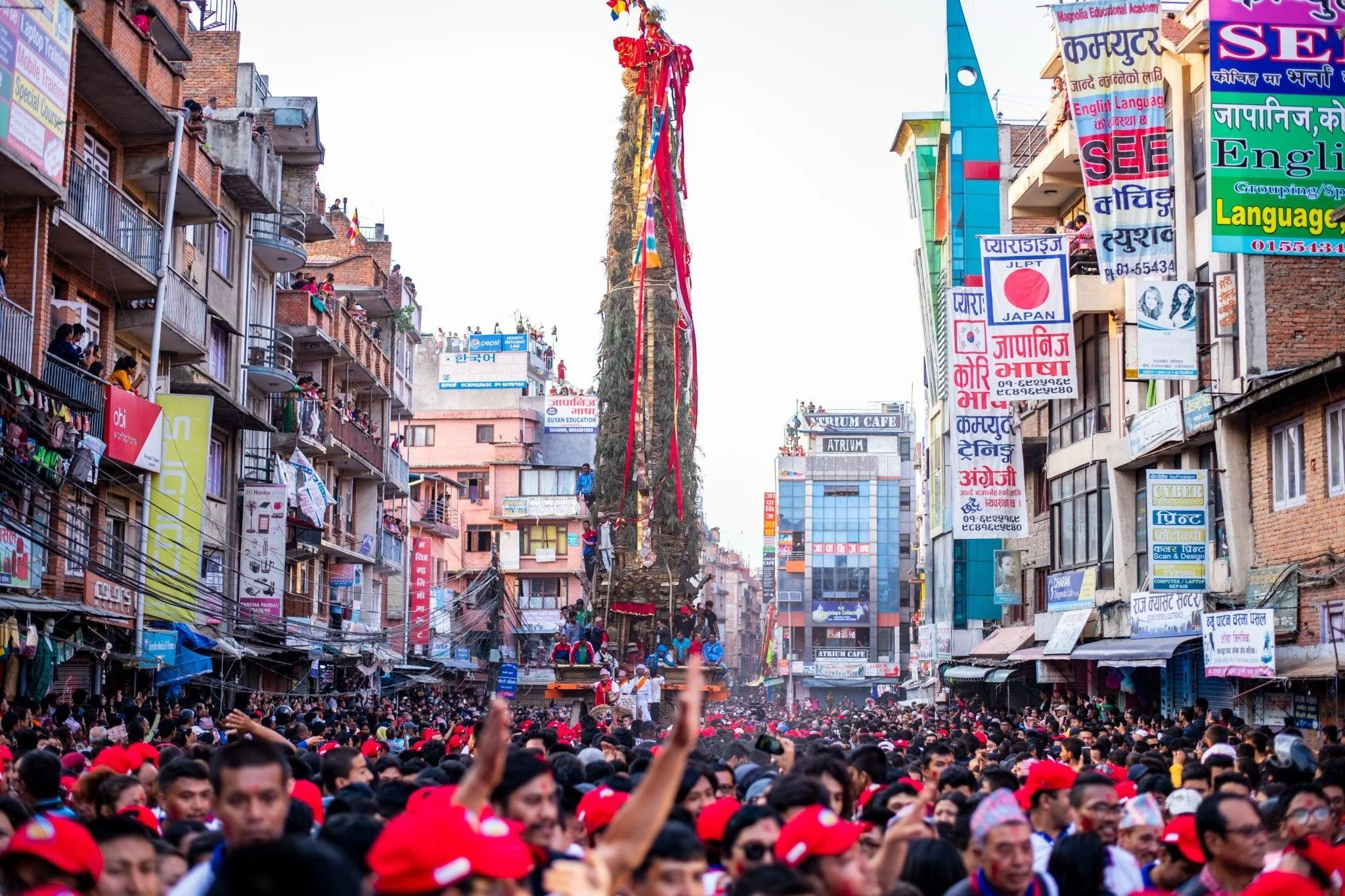
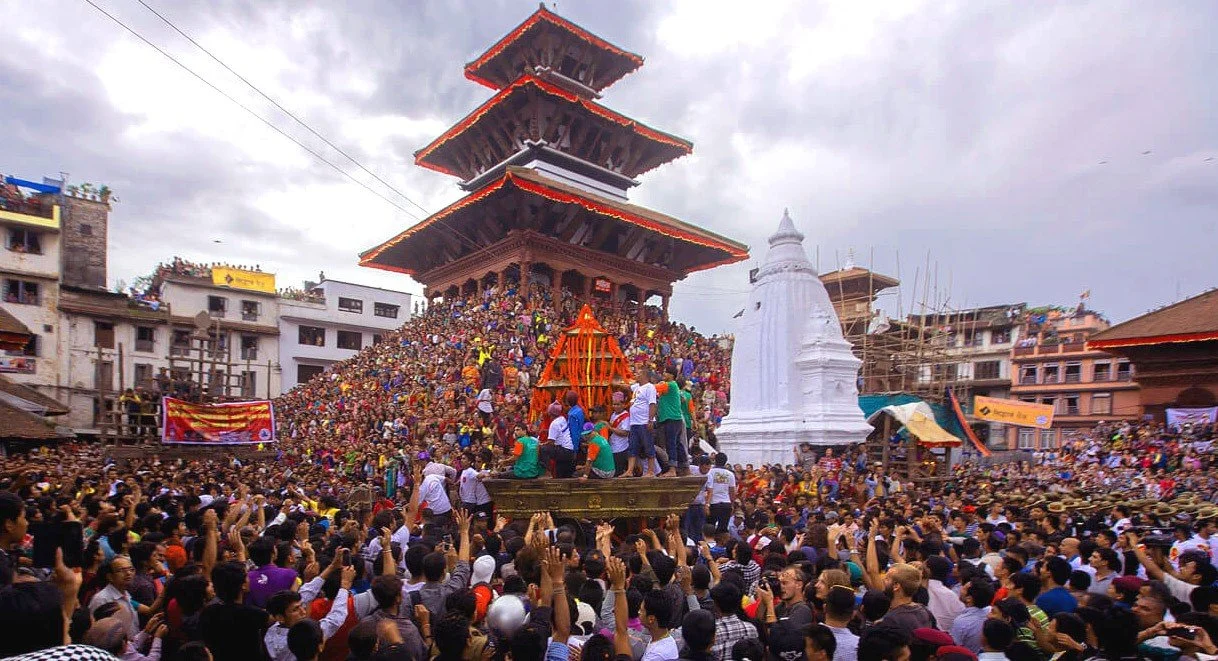
Stretching over eight days, Indra Jatra is a vivid celebration that takes over the streets of Kathmandu. This year’s festivities, culminating just this week, were no exception. The center of attention was Basantapur Durbar Square, a UNESCO World Heritage Site, where thousands of locals and tourists alike gathered to witness the lively events unfold.
Kumari: The Living Goddess
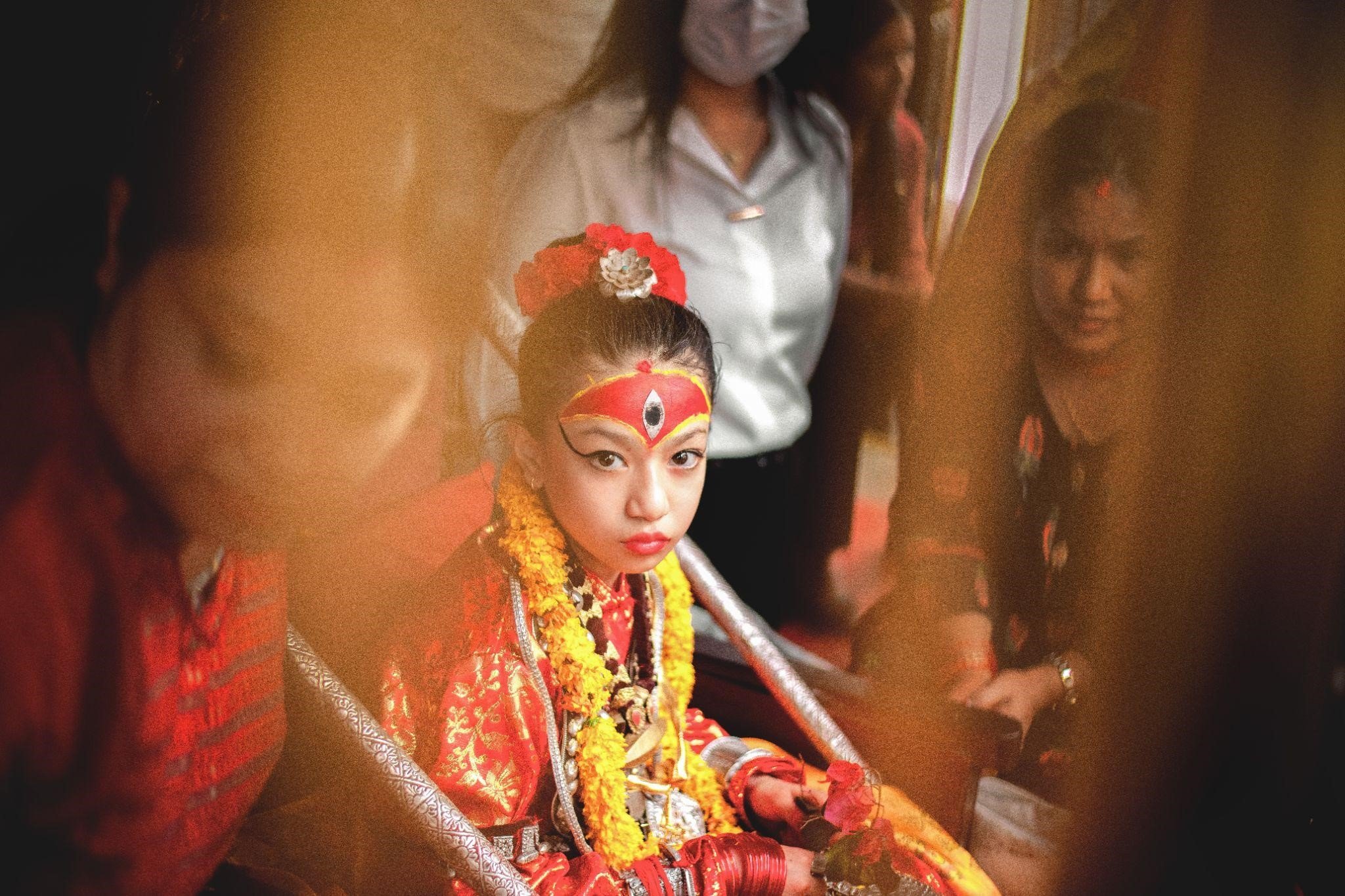
One of the most anticipated highlights of Indra Jatra is the chariot procession of the Kumari, the Living Goddess. This year, the Kumari, draped in her vibrant red robes, was paraded through the streets of Kathmandu on her intricately designed chariot, accompanied by the deities Ganesh and Bhairab. The sight of the Kumari, with her serene expression, mesmerized onlookers, offering a glimpse into Nepal's deep-rooted spiritual traditions.
Lakhey Dance: A Fierce Spectacle
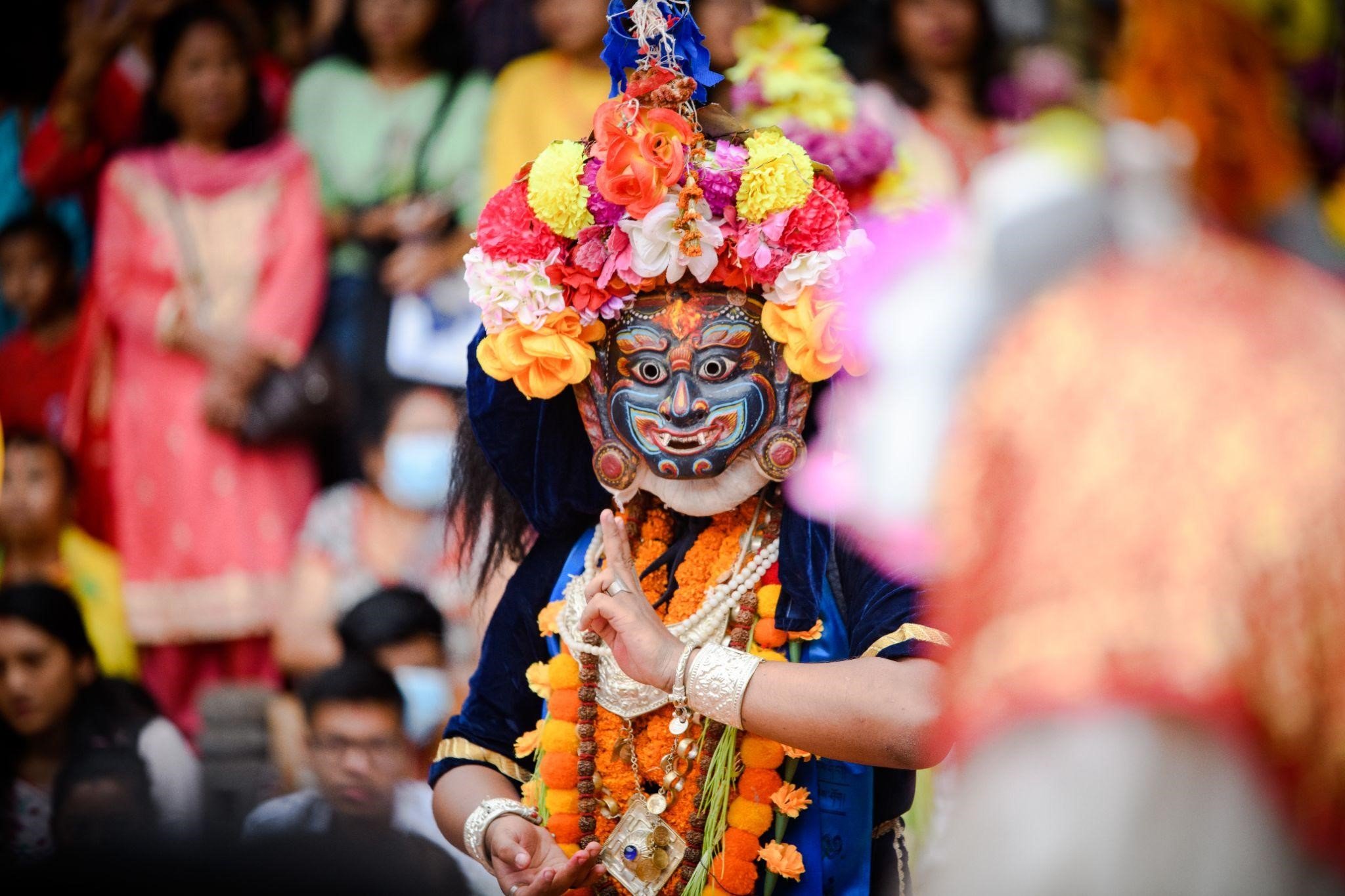
No Indra Jatra celebration is complete without the captivating Lakhey dance, a traditional masked dance said to ward off evil spirits. This year’s performance was as thrilling as ever, with dancers dressed as the Lakhey demon, leaping and twirling with ferocious energy through the streets. The rhythmic beat of drums filled the air, drawing spectators into the hypnotic movements of the performers.
Devotion and Tradition at Every Corner
Throughout the festival, the streets of Kathmandu were alive with offerings to Indra and various other deities. From the display of Bhairab's fierce face, with crowds lining up to receive blessings from this terrifying form of Lord Shiva, to the long-standing tradition of erecting a tall ceremonial pole, the festival was a visual and spiritual feast.
A Blend of Old and New
While the festival is deeply rooted in tradition, modern elements are increasingly woven into the celebrations. This year, vibrant lights and decorations illuminated the streets of Basantapur Durbar Square, enhancing the already electric atmosphere. Locals dressed in traditional attire, and many visitors took the opportunity to blend in, donning kurtas and saris to partake in the celebration.
Why You Can’t Miss It
Indra Jatra is not just a festival; it's an experience that pulls you into the rhythm of Kathmandu’s vibrant culture. With its mix of religious devotion, lively parades, and community spirit, it’s a festival that transcends time. And while this year's festivities have just ended, the memories of the vibrant chariot processions, Lakhey dances, and offerings linger in the minds of those who witnessed it.
If you find yourself in Kathmandu next year, don’t miss your chance to witness this breathtaking spectacle firsthand. Stay at Hotel Shanker, where luxury meets history, and step outside into a city alive with culture, just waiting to welcome you into the heart of one of Nepal’s most enchanting festivals.
POPULAR ITINERARIES
SIMILAR POSTS

Celebrate Life with Colors
Kathmandu comes alive in a riot of colors during Holi, the exuberant Hindu festival also known as the Festival of Colors. As a guest at Hotel Shanker, you have the unique opportunity to witness and even participate in this joyous celebration. But Holi is more than just throwing colored powder around.
Kathmandu comes alive in a riot of colors during Holi, the exuberant Hindu festival also known as the Festival of Colors. As a guest at Hotel Shanker, you have the unique opportunity to witness and even participate in this joyous celebration. But Holi is more than just throwing colored powder around.
One of the most popular and entertaining events in Kathmandu throughout the months of February and March is Holi. Splashing colors and nicely throwing water balloons, however with friends and family, is a great method for everyone in Nepal to have fun. Due of its popularity as a location for Holi celebrations in Kathmandu, the Basantapur Durbar area hosts a carnival on Holi day. Not all of them come here to party; the others are happy to be with their families or in gated communities. In order to see the grandeur of the event on the streets, many travelers choose to travel to Nepal around this period. The people who live in the mountainous regions also like Holi, therefore even the Terai region hosts smaller-scale celebrations of this holiday.
Here's a glimpse into the heart of this vibrant festival:
The Legend Behind the Colors
Holi commemorates the triumph of good over evil, as depicted in the legend of Krishna and the demon Putana. According to the story, Putana disguised herself as a caregiver to poison Krishna. But Krishna, recognizing her evil intent, playfully smeared colors on her face. Holi signifies the victory of good and the playful spirit of life.
The Ritual of Bonfire (Holika Dahan)
The festivities begin a night before Holi with Holika Dahan, the bonfire ritual. People gather around bonfires, symbolizing the burning of Putana and negativity. Crackling flames illuminate the night sky, casting an ethereal glow over the city.
The Day of Colors (Rangwali Holi)
The main event unfolds on the day of Holi, Rangwali Holi. Streets transform into a kaleidoscope of colors as people playfully chase each other, throwing colored powder (gulal) and water balloons filled with colored water. Laughter and joy fill the air as inhibitions melt away. Hotel Shanker can help you acquire safe and eco-friendly colors for a memorable experience.
The Significance of Colors
Each color in the vibrant palette of Holi holds a special meaning:
● Red symbolizes love and prosperity.
● Blue represents Krishna, the divine prankster.
● Green signifies new beginnings and spring.
● Yellow reflects the optimism and energy of life.
Beyond the Colors: Traditions and Delights
Holi is not just about the colors; it's a celebration of community and togetherness. Families and friends gather to share sweets like Gujiya and drink refreshing Thandai, a special Holi beverage. Traditional music fills the air, and some people even break into impromptu dance routines.
Embrace the Spirit of Holi
Holi is a celebration of life, joy, and the triumph of good over evil. While the vibrant colors are a visual treat, the true essence lies in the spirit of togetherness and the shedding of inhibitions.
POPULAR ITINERARIES
SIMILAR POSTS
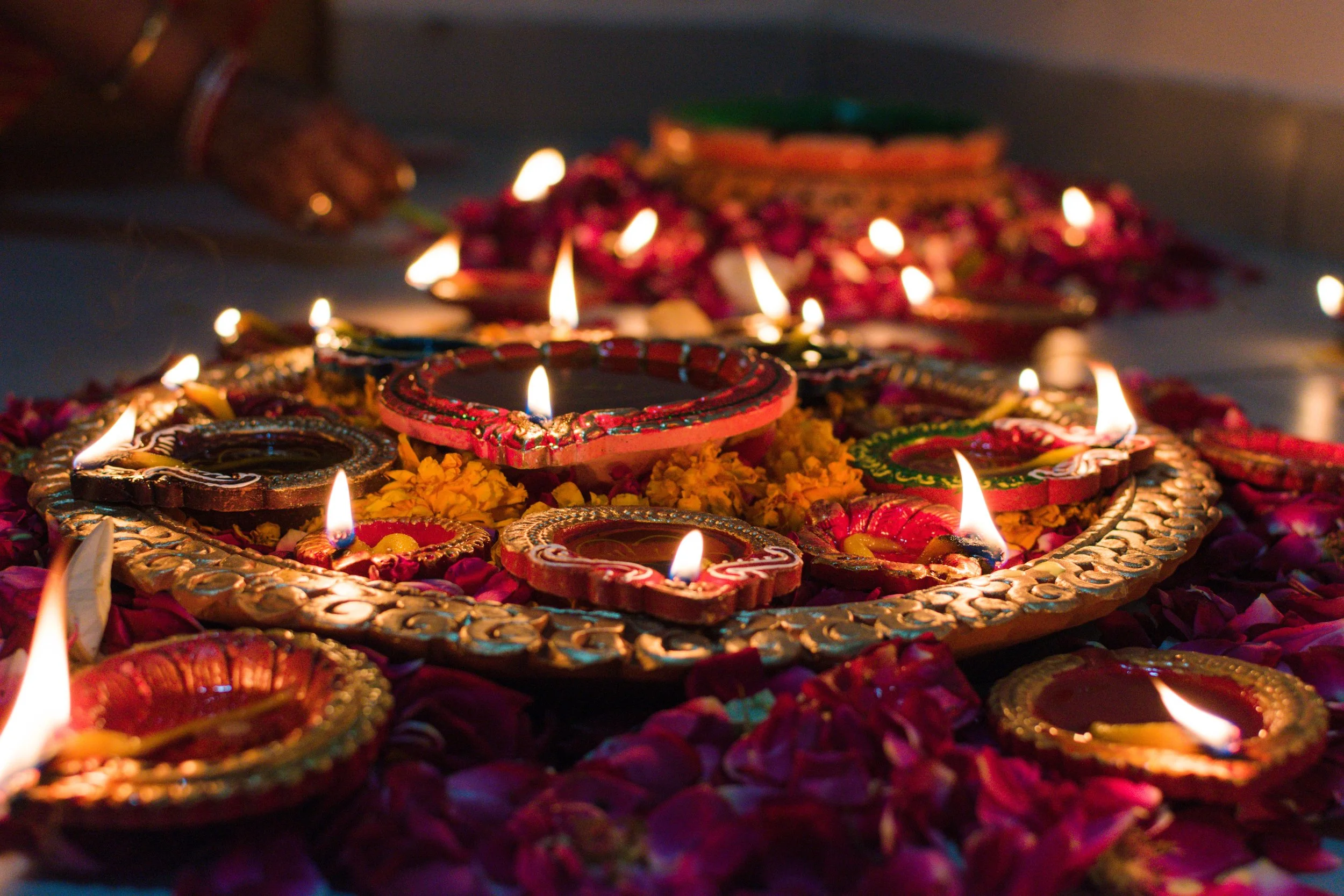
Tihar: The Festival of Lights
In the heart of the Himalayas, nestled among the towering peaks and lush valleys of Nepal, lies a festival that transcends time and illuminates both the night sky and the human spirit - Tihar, the Festival of Lights. This enchanting celebration, also known as Deepawali or Yamapanchak, holds a profound historical, cultural, and religious significance in the lives of Nepalese people. In this article, we will delve into the captivating world of Tihar, exploring its historical roots, the unique celebrations associated with it, its cultural importance, and its deeply ingrained religious values.
Tihar's origins can be traced back to ancient Hindu mythology. According to Hindu beliefs, Tihar celebrates the triumph of light over darkness, good over evil. One of the most prominent legends associated with the festival is the worship of Yama, the God of Death. It is believed that Yama's sister, Yamuna, welcomed him home with a special garland and a tilak (vermilion mark) on his forehead to protect him from any harm. In remembrance of this story, the first day of Tihar is dedicated to honoring and worshipping crows, believed to be messengers of Yama.
Another legend central to Tihar is the veneration of the sacred cow. In Hinduism, cows are considered sacred, symbolizing divine and natural beneficence. The second day of Tihar is known as "Kukur Tihar," during which dogs, known as the guardians of Yama's abode, are also honored. This practice stems from the belief that dogs guard the gates of the afterlife.
Each day of Tihar has its unique significance, with the third day being reserved for the worship of the cow, while the fourth day is dedicated to celebrating the bond between siblings, particularly the love between brothers and sisters.
The fifth and final day of Tihar is perhaps the most dazzling and awe-inspiring. It is dedicated to honoring and worshiping oxen, as they play a vital role in the agricultural landscape of Nepal. Homes and public spaces are adorned with intricate rangoli (colorful floor designs) and oil lamps or diyas. The night sky comes alive with the glow of thousands of oil lamps and candles, creating a mesmerizing spectacle.
Kag Tihar (Day 1 - Crow Worship): On the first day of Tihar, families wake up early to offer food to crows, who are believed to bring messages from the spirit world. The offerings usually include grains, sweets, and other treats.
Kukur Tihar (Day 2 - Dog Worship): The second day is dedicated to honoring dogs, who are considered loyal and protective animals. Dogs are offered garlands, tika (vermilion mark), and delicious treats as a gesture of gratitude for their companionship.
Gai Tihar (Day 3 - Cow Worship): On the third day, cows are adorned with colorful garlands and painted with tika on their foreheads. People express their reverence for these gentle creatures, and dairy products like milk, yogurt, and ghee are considered especially auspicious.
Gobardhan Puja and Mha Puja (Day 4 - Ox and Self Worship): The fourth day is dedicated to performing rituals that honor oxen, who play a crucial role in agriculture. This day is also an occasion for self-purification, with individuals performing Mha Puja, a ceremony that includes worshiping one's own body and soul.
Laxmi Puja (Day 5 - Worship of the Goddess of Wealth): The grand finale of Tihar is Laxmi Puja, dedicated to the goddess of wealth, Laxmi. Homes are meticulously cleaned and decorated with rangoli, oil lamps, and flowers. A special puja is performed in the evening, with offerings of sweets, fruits, and coins. It is believed that Goddess Laxmi blesses those who keep their homes clean and well-lit with prosperity.
Cultural Significance
Tihar is not just a religious festival; it is a celebration of Nepalese culture and community. Families come together to clean and decorate their homes, share meals, and exchange blessings. The festival promotes a sense of unity and harmony among the diverse communities of Nepal, transcending caste and creed.
The vibrant decorations, the melodious tunes of traditional songs and dances, and the exchange of tika and garlands between siblings and loved ones create an atmosphere of joy and togetherness. Tihar is also a time for expressing gratitude to animals, which have been vital to the livelihoods of many Nepalese people for generations.
As the oil lamps flicker and the rangoli designs adorn the streets, Tihar not only illuminates the physical world but also shines a light on the spiritual and cultural richness of Nepal. It is a time for reflection, gratitude, and unity, reminding us all of the enduring power of light, love, and community in our lives. Tihar truly embodies the essence of Nepal's heritage, offering a profound experience that continues to captivate both locals and visitors alike.
POPULAR ITINERARIES
SIMILAR POSTS
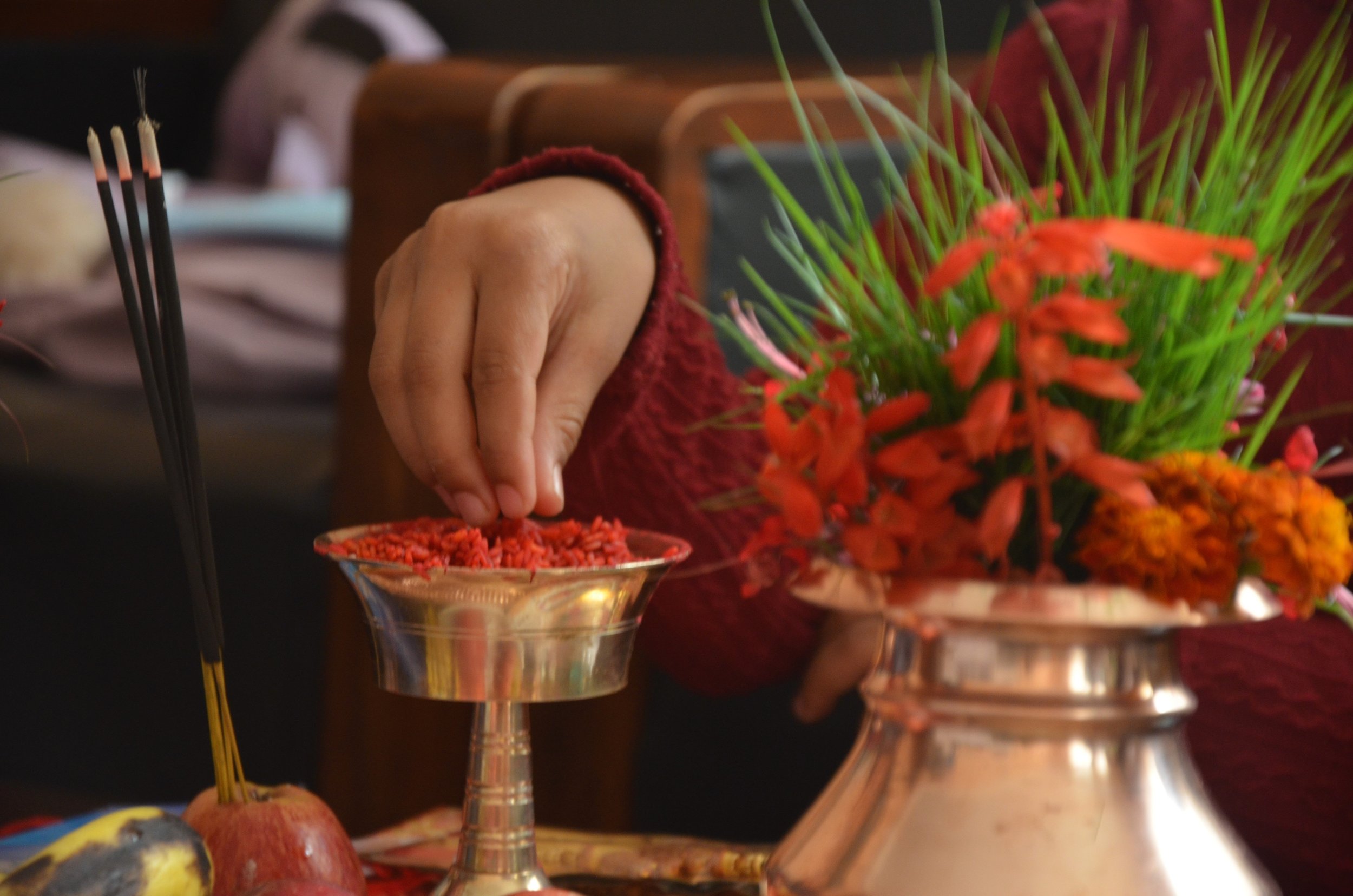
Dashain: A Festival of Devotion, Reunion, and Traditions
Nepal, a land of diverse cultures and traditions, boasts a rich tapestry of festivals that reflect its deep-rooted heritage. Among these, Dashain stands out as the most significant and widely celebrated festival in the country. Dashain, also known as Vijaya Dashami, is a time of devotion, family reunions, and cultural splendor. In this article, we will delve into the history, significance, and major events that make Dashain an integral part of Nepal's cultural identity.
Ancient Roots
Dashain has its origins in ancient Hindu mythology, specifically the Ramayana, an epic that narrates the life and adventures of Lord Rama. According to the legend, Lord Rama embarked on a journey to rescue his wife, Sita, from the demon king Ravana. Dashain commemorates the victory of Lord Rama over evil and the triumph of virtue.
The Slaughter of the Demon
One of the most iconic rituals during Dashain is the Gadhimai Jatra, where animals, typically goats, buffaloes, and in some cases, even chickens, are ritually sacrificed as a symbolic act of good prevailing over evil. This tradition harks back to the belief that Goddess Durga granted victory to Lord Rama after he invoked her blessings before his battle with Ravana.
Significance of Dashain
Spiritual Renewal
Dashain is a time for spiritual reflection and renewal. It is believed that during this festival, the goddess Durga, a symbol of divine power, visits each home, blessing families and individuals. Devotees engage in prayers, rituals, and visits to temples to seek her divine favor and protection.
Family Reunions
Dashain is synonymous with family reunions. Nepali people, whether living in the country or abroad, make every effort to return to their hometowns to celebrate Dashain with their loved ones. It's a time when the bonds of family and community are strengthened, and generations come together to celebrate their shared culture.
Cultural Showcase
Dashain is a vibrant display of Nepal's cultural heritage. People wear new clothes, often red or other auspicious colors, and exchange tika (a mixture of yogurt, rice, and vermillion) and jamara (barley grass). Elders bless the younger generations, and this exchange symbolizes the bestowing of good fortune and protection.
Major Events During Dashain
Jamara Planting
The planting of jamara, a type of barley grass, is a significant prelude to Dashain. Families sow the seeds in small containers, and over the course of the festival, the jamara grows symbolizing the blessings of Goddess Durga.
Tika and Blessings
On the main day of Dashain, known as Vijaya Dashami, families gather to receive tika and jamara from their elders. Elders apply tika on the foreheads of the younger family members and provide blessings for prosperity and success.
Animal Sacrifices
While controversial and facing growing criticism for its impact on animal welfare, animal sacrifices remain a key aspect of Dashain rituals, especially in rural areas. Devotees offer animals to the goddess Durga as a way of seeking her favor.
Flying Kites
Dashain is also known for the tradition of flying kites. People of all ages take to rooftops to compete in kite-flying contests, turning the sky into a colorful spectacle.
Cultural Performances
Throughout Dashain, communities organize cultural performances, including traditional dances, music, and dramas. These events showcase the diversity and vibrancy of Nepali culture.
Feasting
Dashain is synonymous with delicious feasts. Families prepare elaborate meals, with a special focus on meat dishes, including goat and buffalo, which are consumed as a part of the festive celebration.
Fulpati
On the seventh day of Dashain, a procession known as "Fulpati" takes place. It involves the ceremonial bringing of jamara, sugar cane, and other auspicious items to the homes of government officials and the Royal Palace in Kathmandu.
Maha Ashtami and Kalaratri
On the eighth day of Dashain, devotees visit temples, including the Taleju Bhawani Temple in Kathmandu, to seek the blessings of the goddess Durga. On the same night, families light oil lamps and worship goddess Kalaratri, the fierce form of Durga.
Nawami and Vijaya Dashami
The ninth day, known as "Nawami," is dedicated to the worship of goddess Siddhidatri. On Vijaya Dashami, the final day of Dashain, people receive tika and jamara from their elders, and young members of the family seek the blessings of their elders.
Dashain, steeped in history and cultural significance, is a testament to the enduring traditions of Nepal. It's a festival that brings families and communities closer, reaffirms their spiritual beliefs, and offers a window into the rich tapestry of Nepali culture. While it is rooted in ancient mythology, Dashain continues to evolve and adapt to contemporary times, ensuring its place as the most cherished festival in the hearts of Nepali people. As you witness the vibrancy of Dashain, you not only experience the devotion and reunion but also gain a deeper understanding of Nepal's cultural heritage, which is as diverse and enduring as the Himalayan landscapes that define this beautiful nation.
POPULAR ITINERARIES
SIMILAR POSTS
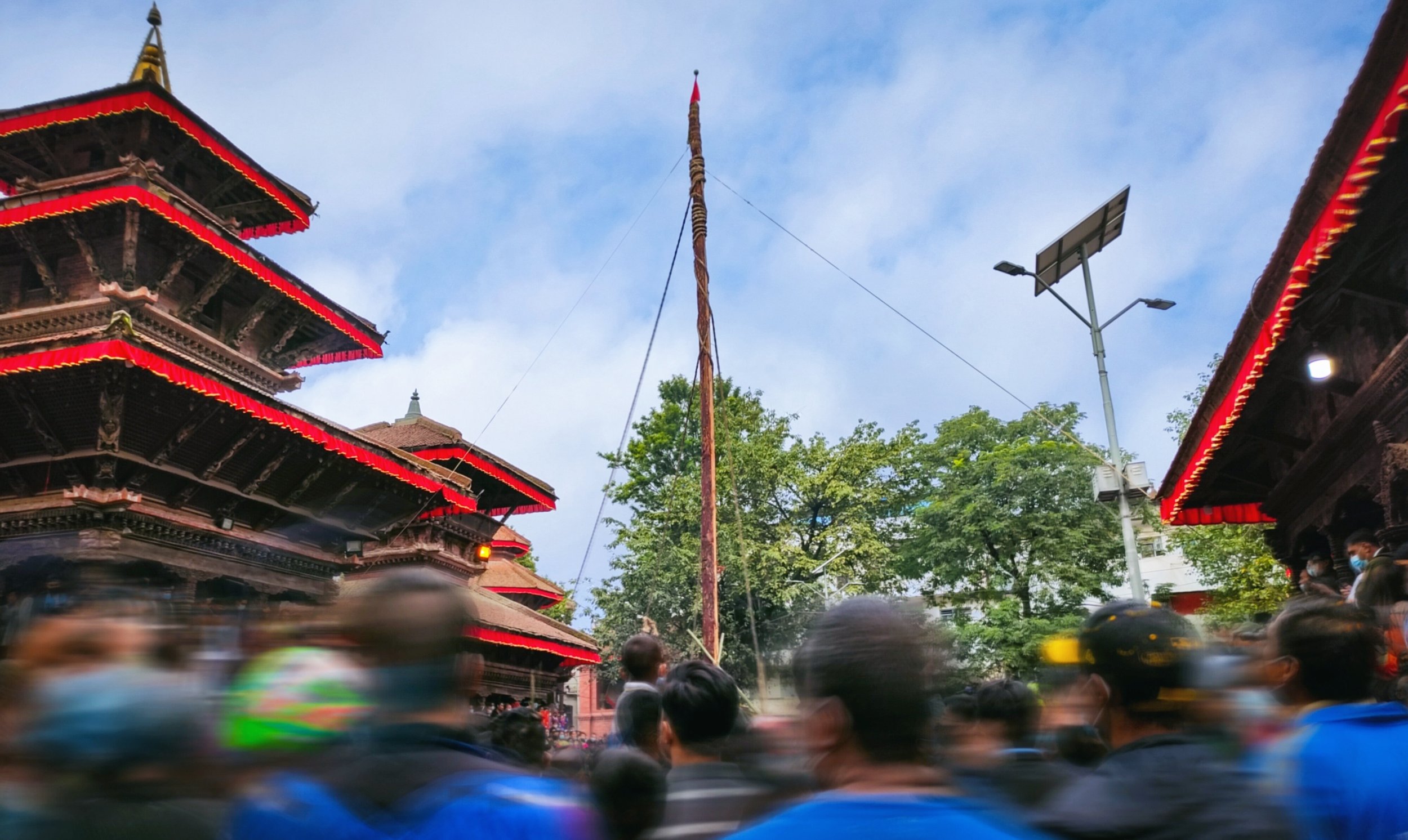
Indra Jatra: Nepal's Spectacular Festival
In the heart of Kathmandu, where ancient traditions intertwine with modern life, a grand celebration unfolds, reverberating through the narrow alleyways and vibrant squares. This is Indra Jatra, one of Nepal's most significant and spectacular festivals, where gods, goddesses, and people come together to celebrate culture, heritage, and spirituality. In this feature article, we delve deep into the heart of Indra Jatra, exploring its history, rituals, and the vibrant tapestry of culture that defines this extraordinary celebration.
The Legacy of Indra Jatra: A Historical Prelude
Indra Jatra has deep historical roots that harken back to Nepal's medieval era. This annual festival takes its name from Lord Indra, the god of rain and the ruler of heaven in Hindu mythology. The festival finds its origins in the 10th century during the Malla Dynasty, which ruled the Kathmandu Valley. King Gunakamadeva initiated Indra Jatra as a way to honor Lord Indra for providing rain, essential for the agricultural prosperity of the region. Over time, the festival evolved to include both Hindu and Buddhist traditions.
The Tale of the Kumari Jatra
One of the most iconic elements of Indra Jatra is the Kumari Jatra, a procession that includes the Kumari, the living goddess of Kathmandu. The Kumari, a prepubescent girl chosen for her divine qualities, is a central figure in the festival. The Kumari Jatra serves as a symbolic way for the goddess to bless the city and its people. At the heart of Indra Jatra lies the "lingo," an intricately carved ceremonial pole that stands as the focal point of the festival. The raising of the lingo marks the official commencement of the festivities.
The Raising Ceremony
On the first day of Indra Jatra, the Kumari, clad in her resplendent attire, emerges from her residence, the Kumari Ghar. She is carried in a palanquin and accompanied by musicians, dancers, and devotees. Together, they make their way to Durbar Square, where the lingo awaits. The lingo represents a sword of Lord Indra, and its erection symbolizes the reestablishment of Indra's power. It is believed to bring protection and prosperity to the city. The ceremony itself is a mesmerizing spectacle, with skilled artisans and laborers using ropes and teamwork to hoist the heavy wooden pole into an upright position. One of the most captivating aspects of Indra Jatra is the vibrant display of traditional masked dances and cultural performances, which take place at Rani Pokhari, the historic artificial pond in the heart of Kathmandu.
Sawa Bhaku Dance
Another highlight is the Sawa Bhaku dance, where dancers don colorful and intricate costumes that represent different animals and deities. The dance is a rhythmic and synchronized performance that mesmerizes onlookers with its precision and energy. Indra Jatra is not just a celebration of culture; it's also a time for spiritual reflection and devotion. Devotees flock to the temples and shrines of Kathmandu to offer prayers and seek blessings.
Offerings to the Kumari
Devotees offer flowers, fruits, and traditional offerings to the Kumari, seeking her blessings for health, prosperity, and protection. The Kumari, in her divine role, watches over the city and its inhabitants during this sacred time. Many devotees visit the Kathmandu Durbar Square, home to a multitude of temples and shrines dedicated to various deities. The square is transformed into a bustling hub of religious activity, with incense wafting through the air and the sound of bells and drums filling the atmosphere.
One remarkable aspect of Indra Jatra is its inclusivity. While rooted in Hindu and Buddhist traditions, the festival is celebrated by people of all backgrounds and beliefs. It serves as a symbol of Nepal's cultural diversity and unity. Indra Jatra has garnered international attention, drawing tourists and cultural enthusiasts from around the world. It's not just a spectacle but also a gateway to understanding the rich cultural heritage of Nepal.
Indra Jatra is not merely a festival; it's a living testament to Nepal's rich history, spirituality, and cultural diversity. It's a time when the people of Kathmandu come together to celebrate their shared heritage, bridging the gap between the past and the present. As you wander through the vibrant streets of Kathmandu during Indra Jatra, you'll witness a breathtaking display of masked dances, hear the enchanting melodies of traditional music, and feel the devotion that permeates the air. The festival is a reminder that amidst the hustle and bustle of modern life, Nepal continues to honor its traditions and gods, embracing the spiritual and cultural essence that defines this Himalayan nation.
POPULAR ITINERARIES
SIMILAR POSTS
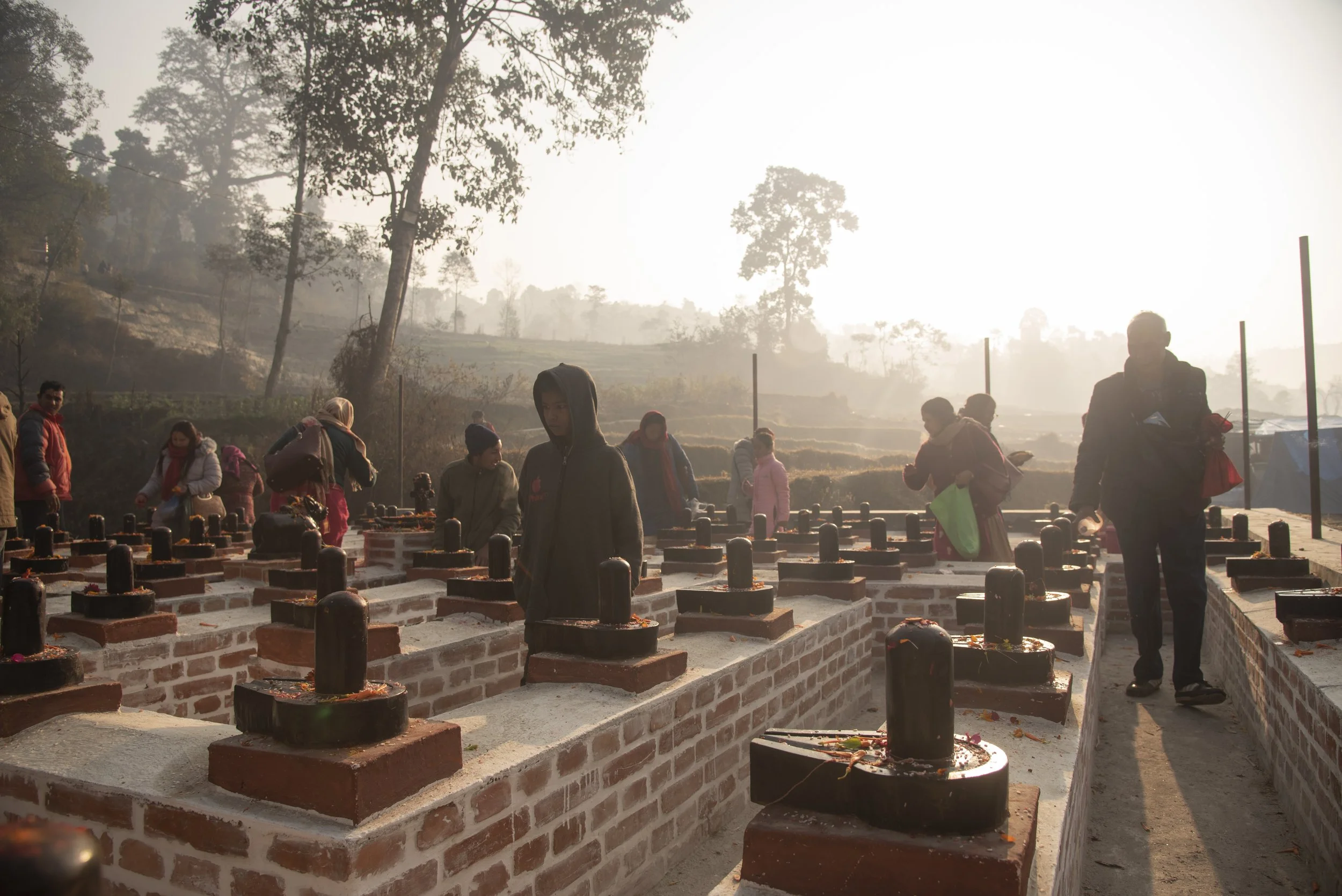
The Month of Swasthani
Swasthani Brata is a Hindu festival that is observed in Nepal, particularly in the Kathmandu valley. It is a month-long festival that takes place during the lunar month of Swasthani. Devotees observe a fast and perform various rituals and ceremonies to honor the goddess Swasthani, and the festival is also an important time for socializing and strengthening relationships with friends and family. It is marked by music, dance, and cultural activities.
The Life of Swasthani
According to Hindu mythology, Swastani was once a mortal princess who was married to the god Surya, the personification of the sun in Hinduism. She was known for her devotion to her husband and her kind and charitable nature, and after her death, she was elevated to the status of a goddess. During the festival of Swasthani Brata, devotees honor the goddess by performing various rituals and ceremonies, such as the reading of the Swasthani Purana and the offering of flowers, incense, and other gifts to the goddess.
The Social Importance of Festivals
The festival is also an important time for socializing and strengthening relationships with friends and family. Many people use the occasion to visit with loved ones, exchange gifts, and hold feasts and other social gatherings. In addition to its religious significance, the festival is also an important cultural event in Nepal, as it is a time for celebrating the music, dance, and other artistic traditions of the country. It is a time for people to come together and celebrate the diversity and richness of Nepali culture.
Swasthani Bratakatha: The Book of Swasthani
The Swasthani Bratakatha is a Hindu religious text that is traditionally read during the festival of Swasthani Brata, which takes place in Nepal. The text tells the story of the goddess Swasthani and her powers, and it is believed to have the power to grant wishes to those who read it with devotion. The Swasthani Bratakatha is a collection of stories and legends about the goddess Swasthani and the various miracles and blessings she has bestowed upon her devotees. It is considered an important religious text for Hindus in Nepal, and it is widely read and revered during the festival of Swasthani Brata.
The exact date of the composition of the Swasthani Bratakatha is not known, as it is an ancient text that has been passed down through the generations. However, it is generally believed to be a very old text, possibly dating back several centuries. Despite its age, the Swasthani Bratakatha remains an important religious text for Hindus in Nepal, and it is widely read and revered during the festival of Swasthani Brata. It is also a valuable source of information about the history and beliefs of Hinduism, and it is often studied by scholars and students of religion.
In today's world, the Swasthani Bratakatha continues to be an important part of the cultural and religious traditions of Nepal, and it is widely read and revered by Hindus in the country. It is seen as a source of inspiration and guidance for Hindus, and it is believed to have the power to grant wishes to those who read it with devotion. The text is also a valuable source of information about the history and beliefs of Hinduism, and it is often studied by scholars and students of religion.
During the month of Swasthani Brata, devotees observe a fast and perform various rituals and ceremonies to honor the goddess Swasthani. These may include reading the Swasthani Purana, offering flowers and other gifts, performing puja, visiting temples and shrines, and participating in cultural activities such as music and dance performances.
POPULAR ITINERARIES
SIMILAR POSTS

The Dance of Nayata Bhulu Ajima - A Sacred Dance Part II
In ancient times, the ajima’s were regarded the ultimate protectors of the valley. They were strategicallly placed in cardinal points along with military infrastructre to ensure the cities protection from both physcial and supernatural forces. Amongst, the mother goddesses of Kathmandu is Nyata Bhulu Ajiima.
In the previous blog, we looked into various historical elements of Nayata Maru Ajima and the legends surrounding her origin. The iconic 12-year presentation was conducted this year by the Management Committee.
The dance and skit were presented in Trishul Chowk inside the Hanuman Dhoka Palace by the Nardevi Shweta Kali Conservation and Management Committee. Even though the dance is performed annually, the 12-year presentation is unique. It features godly characters who had only passive/dormant roles in the yearly rituals.
The most iconic of all is Su:tha Maju. Su:tha means morning, and Maju means mother in Nepal Bhasa. As per ritualistic traditions, the performances for the day only begin after she (Su:tha Maju) performs at the break of dawn. Locals state that even though Su:tha Maju, commonly referred to as Lokeshwor, is revered in the Buddhist community, the tradition binds all religions, faith and ideals found in this valley. Elders state how the manifestation of Su:tha Maju is an avatar of Nyata Maru Ajima.
The dance and skit last for four days in total. For two days, the artists perform at Trishul Chowk inside the main palace complex of Hanuman Dhoka. The remaining two days are at the open-air stage (Dabali) adjacent to the Gadhi Baithak, in front of Kumari Chhen (House).
Each character presents their opening, followed by the skit of Chandeshwari. The story summarized is as follows- Chandashur Daitya is a powerful demon. He is strong, mighty and fearless. The daitya (demon) falls in love with Chandi- the daughter of Nyata Bhulu Ajima. Ajima learns of this unholy union and tries their best to persuade her daughter. It seemed like nothing worked, but she created a powerful potion to intoxicate and hypnotize her daughter. In her influenced state, she turns on her lover- the daitya. She trades her sword with her mother and delivers a lethal blow killing the demon. After that day, Chandi was known as Chandeshwari- the slayer of Chandashur.
The 12-year celebration features special pujas at the mother goddess temples of Kathmandu valley. The mother goddesses featured in the dance and skit of Nayata Maru Ajima are found in its sister cities as well. These mother goddesses protect the kingdom from supernatural evil and create a tantric shield around the city. Most were established during the Lichhavi Era, and the custom of establishing an army camp or military facility near these goddesses continued till the Mala Era. An example of this can only be seen at Lumadi Ajima, today known as Bhadrakali.
POPULAR ITINERARIES
SIMILAR POSTS
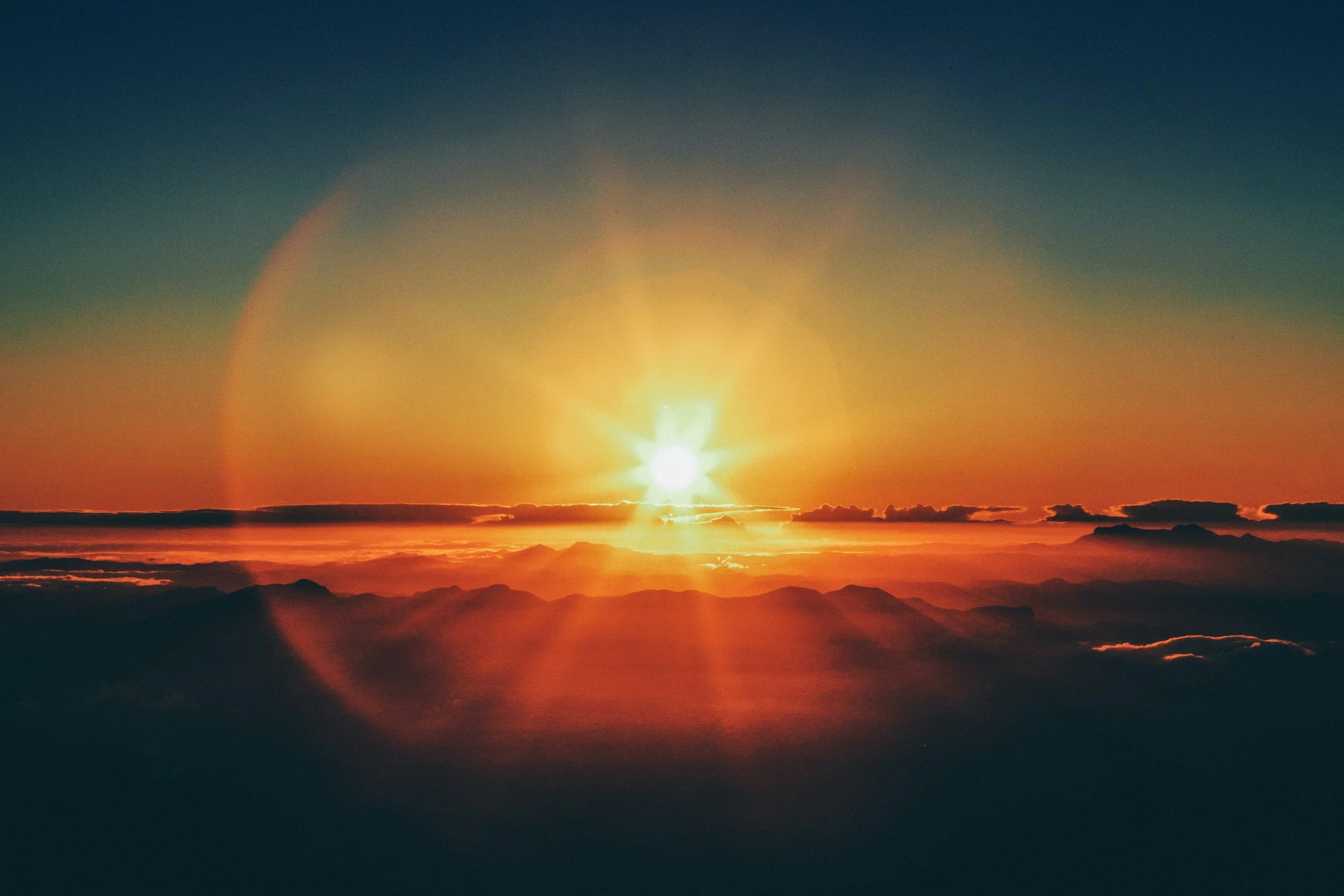
Chhath: A Grand Celebration of the Sun
Chhath is a festival committed to worshiping the Sun god and his beloved wife Usha. The sole purpose of this special day is to thank god for supporting life on our planet and seek blessings from the holy Sun god.
Chhath is a festival committed to worshiping the Sun god and his beloved wife Usha. The sole purpose of this special day is to thank god for supporting life on our planet and seek blessings from the holy Sun god.
Sun is significant in healing several health conditions like progress, longevity, prosperity, positivity, and well-being. People follow a meticulous routine that lasts for four days. The ritual focuses on fasting, offering prayers to the rising and setting sun, meditation, and holy bathing all while standing in the water.
This prominent festival of the South has another importance of Chhath Puja. In an agricultural country like ours, we celebrate in the form of a post-harvest festival. People show gratitude for a good harvest in the coming year as the season ends.
A key part of history states that Chhath is one of the oldest rituals as jotted down in mythological scriptures. Even the Rigveda includes hymns with prayers of worship to Lord Surya. Similarly, Chhath has also made a mark on the pages of Mahabharata and Ramayana. Also, in the holy Ramayana, it is believed Lord Rama and Sita exercised this ceremony after their return from 14 years of exile.
Along with that, Chhath has a major scientific implication. For instance, your body gets detoxified as you take dips in the water. While paying homage to Sun, it increases the natural flow of solar bio-electricity resulting in improved functionality of the human body. Not just that, this unique puja also kills harmful bacteria and gives your body a new head start before the coming winter season.
Now, let’s break down the celebratory days of this auspicious festival:
Day 1
Nahay Khay: On the first day, devotees take a dip in the River Ganga, Kosi, and Karnali. They then take holy water home and assemble their offerings to the Sun god. It is considered the most important part of the four-day-long festivities.
Day 2
Lohanda or Kharna: The second day of the Sun festival means fasting for the whole day and ending the fast sometime after sunset. Devotees arrange offerings like bananas, rice, and kheer for the family after wholeheartedly praying to the Sun and the Moon. After taking the prasad, you have to start another fast for 36 hours, and that too without water.
Day 3
Sandhya Arghya (evening offerings): The third day of Chhath means to observe fast without consuming water for the entire day. People dedicate their time to preparing the needful offerings which are then kept in a bamboo tray. The prasad includes coconut, thekua, banana, and many other seasonal fruits. To cleanse their body, devotees flock around the banks of rivers or ponds. As part of the final rite, they offer araghya to the setting sun.
Day 4
Bihaniya Arghya: Honoring the last day of this grand occasion, devotees gather around the bank of the River or any water body to extend their prayers and prasad to the rising Sun. Finally, the devotees are at liberty to break their fast. However, they are only allowed to eat ginger and sugar or other local products. That brings the end of this highly cultural festival rejoiced by the Madesh community.
Overall, Chhath puja is considered to be an environment-friendly Hindu festival requiring no form of idol worshiping. Throughout history, Surya (Solar Deity) is regarded as a prominent natural force worshipped by humans. As it has its relationship with harvest, humans also acknowledge their connection and identity with nature.
This gender-neutral festival where both men and women can perform the function has the utmost spiritual, cultural, and social association.
POPULAR ITINERARIES
SIMILAR POSTS
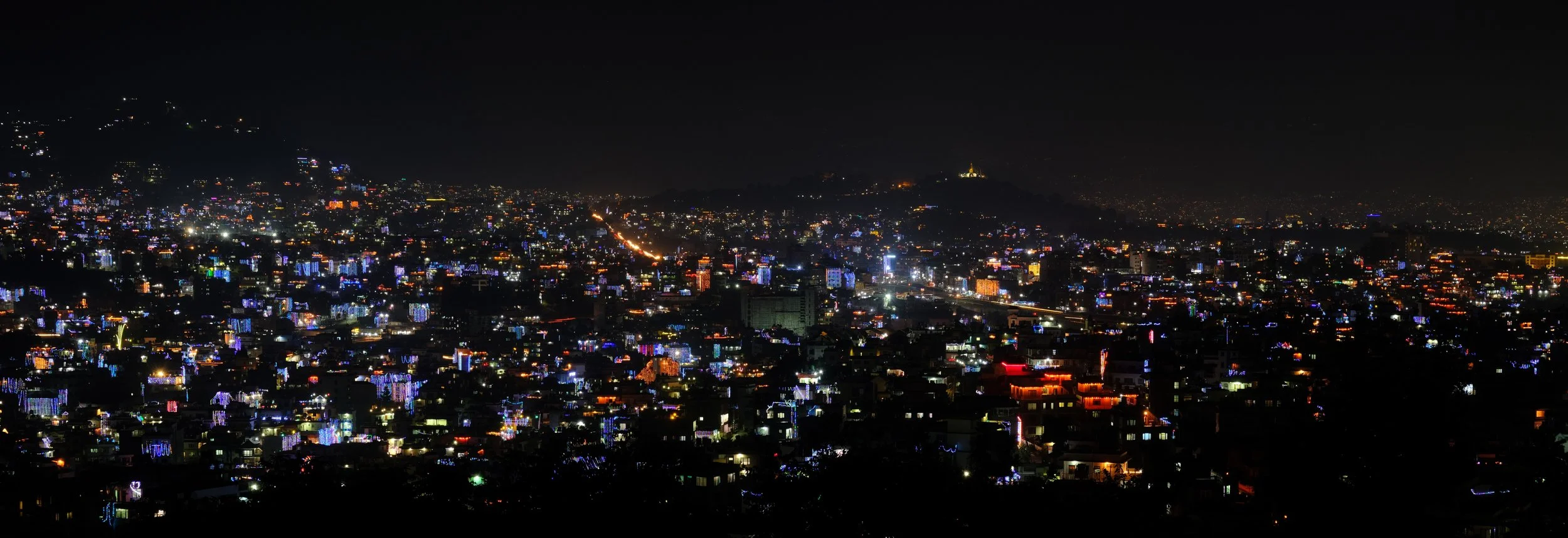
Tihar: Victory of Light
Tihar is the second largest national festival of Nepal. It bares similarities to Dipwawali celebrated in our neighboring nation. The festival is celebrated for a total of 5-days. During which various animals, birds and gods are worshipped. Each day has its own symbolism and each community has its own tradition and ritual process of observing the festival.
Tihar or ‘The Festival of Lights,’ is the second biggest festival after Dashain. It is a five-day-long celebration with houses emitting iridescent lights, artistic rangolis, and flowery decorations.
We also call these five days Yama Panchak where we do everything we can to keep Yama Raj happy. Keeping our good deeds in mind, he will judge our character after death and decide our path to heaven or hell accordingly.
In this remarkable observation, we honor animals to commemorate their unique bond with humans. Tihar means victory of good over evil and in that context people consider different creatures as divine gifts from Mother Nature who help stir our everyday community life.
Talking about various ways of celebration, on the first day of Tihar, people offer rice to crows aka the messenger of death. As crows are busy delivering important information to Yama Raj all year round, they rest on this auspicious day. We should strive to keep the crows satisfied in the hopes of avoiding bad news in the forthcoming year.
Likewise, the second day is dedicated to Kukur Puja honoring dogs for their loyalty to human beings. They are known to be our protectors and play a significant role in safeguarding our community. If you take a stroll around your area, you can see dogs beautified with flower garlands and a huge tika applied to their forehead. Also, after the ceremony is over, they get to feast on a scrumptious meal and they are left with a happy tummy.
Then on the third day comes Gai Tihar where we worship cows and Laxmi (the goddess of wealth). Being the most important holiday of Tihar, people get up early in the morning to clean the room thoroughly in order to appease the divine Goddess. Traditionally, she is known to visit every household to shower her blessing. After that, the cows get a cozy bath and we accessorize them with intricately designed garland. The priest even ties holy strings to their tails as part of the custom.
Goru Tihar, Govardhan Puja, and Mah puja are celebrated on the fourth day and three separate pujas are performed to celebrate this momentous day. As part of Goru Puja, we worship the Oxen. Followed by Govardhan Puja where we make a hill of Govardhan Parbat using the holy cow dung which is known to purify the surroundings. Having major importance in Hindu culture, it was used to polish mud floors of traditional houses.
A ceremony big in the Newar community, Mha Puja is also called self-puja where we intend to cleanse our body and soul. Each member of the family has a distinct mandap and a female member of the family offers shagun with her hands crossed. The shagun can be anything from fruits, eggs, fish, meat, pastries, and lentil. This also marks the starting of Newari New Year.
The fifth day or Bhai Tika celebration is best explained through a popular story about Yama the god of death, and his sister Yamuna. The two of them had been apart for a long time so the sister makes a request to her brother to pay a visit. She sent a message through a crow, dog, and cow until finally, she decided to meet her brother. Following a special ritual, she worships him with tika and flowers and puts five colored tika. Along with that, Yamuna made a circle with mustard oil, Dubo Grass (Cynodon Cactylon), and ended the ceremony with Makhmaali Mala (Globe Amaranth).
For five days, she kept her brother happy and on the last day in form of gratitude, Yama gives her presents thus marking the celebration of Bhai Tika. This is how we celebrate the festival of Light over Darkness.