Janai Purnima: A Sacred Thread of Tradition
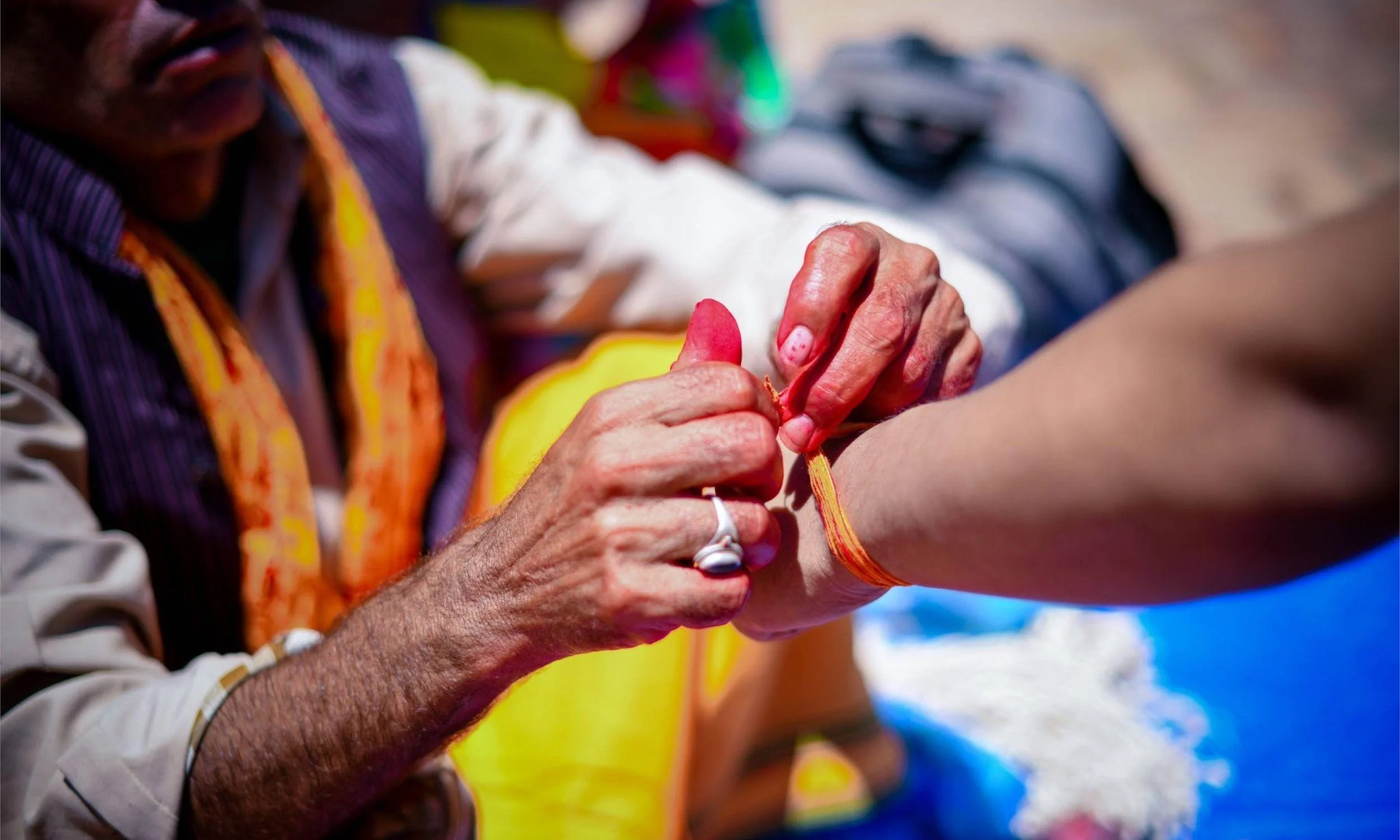
Janai Purnima, a significant Hindu festival celebrated in Nepal, marks the day of renewing the sacred thread (janai) worn by men. This thread symbolizes purity and religious commitment and is believed to protect the wearer from evil forces and bestow blessings. The festival is also known as "Raksha Bandhan" in some parts of Nepal, where sisters tie a protective thread (rakhi) on their brothers' wrists.
Janai Purnima, a significant Hindu festival celebrated in Nepal, marks the day of renewing the sacred thread (janai) worn by men. This thread symbolizes purity and religious commitment and is believed to protect the wearer from evil forces and bestow blessings. The festival is also known as "Raksha Bandhan" in some parts of Nepal, where sisters tie a protective thread (rakhi) on their brothers' wrists.
The Significance of the Sacred Thread
The janai, a cotton or silk thread, is tied around a male Hindu's right shoulder and left waist. It is believed to represent the three fundamental duties of a Hindu: dharma (righteousness), artha (wealth), and kama (pleasure). The thread is considered a spiritual connection between the individual and the divine. It is believed to purify the body, mind, and soul and provide protection from negative influences.
The Rituals of Janai Purnima
The celebration of Janai Purnima typically involves a series of rituals. On the day of the festival, men who wear the janai take a bath in a sacred river or pond to cleanse themselves. They then offer prayers to the deities associated with the festival, such as Lord Vishnu and Lord Shiva. The janai is replaced with a new one, which a Brahmin priest ties. The ceremony is accompanied by chanting of mantras and hymns.
The Cultural Significance of Janai Purnima
Janai Purnima is not only a religious festival but also a cultural event. Families have to come together and strengthen their bonds. The festival is celebrated with great enthusiasm and joy, especially in rural areas. People prepare traditional delicacies, decorate their homes, and participate in various cultural activities. The festival also serves as a reminder of the importance of upholding Hindu traditions and values.
Janai Purnima and Raksha Bandhan
In some regions of Nepal, Janai Purnima is also celebrated as Raksha Bandhan. On this day, sisters tie a rakhi, a colorful thread, on their brothers' wrists. The rakhi is a symbol of protection and love. Brothers, in turn, promise to protect their sisters and fulfill their wishes. This tradition strengthens the bond between siblings and promotes harmony within families.
In conclusion, Janai Purnima is a significant festival in Nepal that celebrates the sacred thread and its spiritual significance. It is a time for religious renewal, family bonding, and cultural expression. The festival serves as a reminder of the importance of upholding Hindu traditions and values.
POPULAR ITINERARIES
SIMILAR POSTS
Monsoon Melodies: Explore the Rhythmic Beauty of Nepal
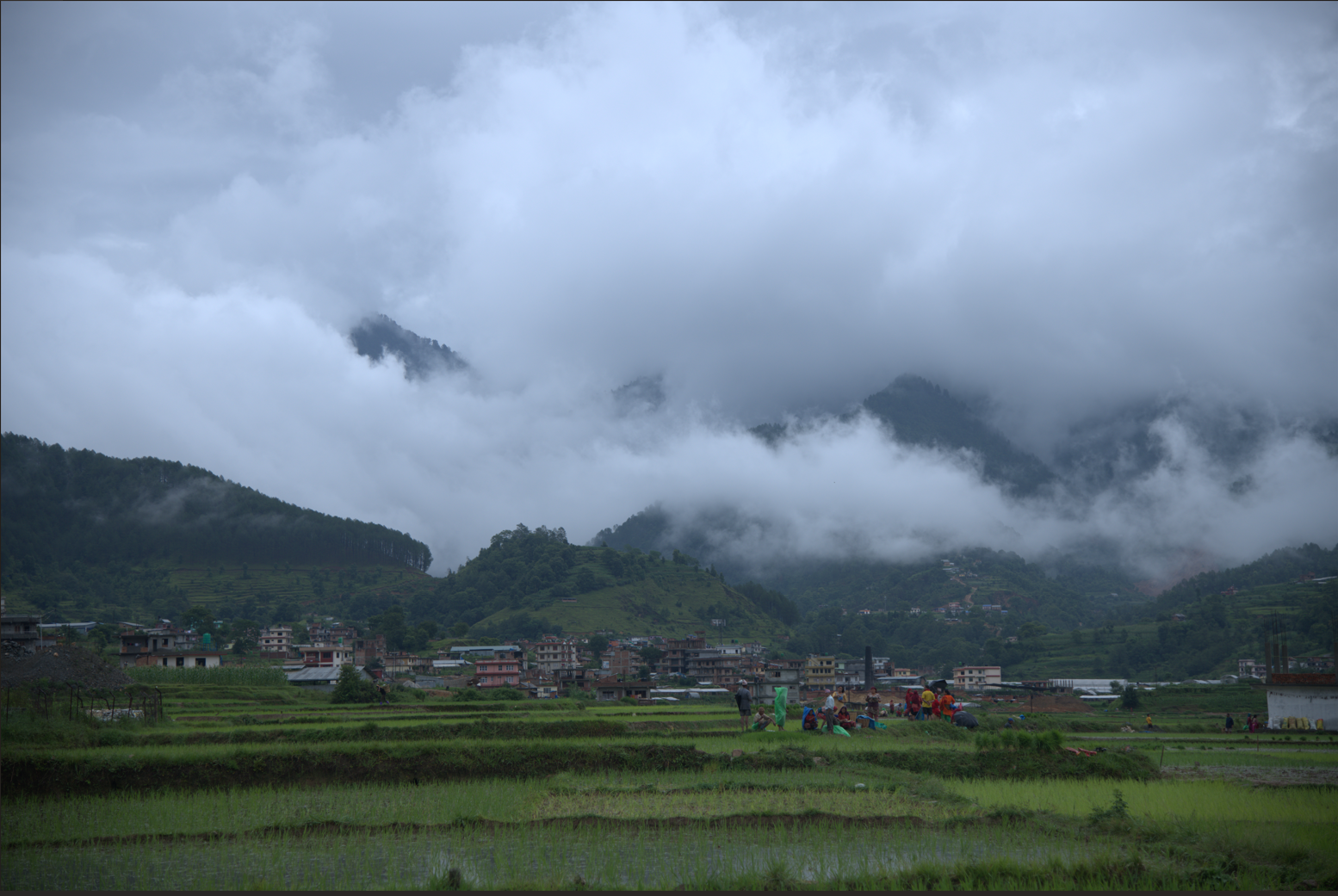
Though the Himalayas are often associated with Nepal, the country's real attraction is in the rainy season. Monsoon Nepal is a symphony of glowing waterfalls, green valleys, and a strong cultural process that awakens with the rain. Forget the postcard-perfect images of snow-capped peaks. Here's a closer look at what you can expect during this special and sometimes overlooked time of year for travel.
Though the Himalayas are often associated with Nepal, the country's real attraction is in the rainy season. Monsoon Nepal is a symphony of glowing waterfalls, green valleys, and a strong cultural process that awakens with the rain. Forget the postcard-perfect images of snow-capped peaks. Here's a closer look at what you can expect during this special and sometimes overlooked time of year for travel:
A Symphony of the Senses: Beyond the Visual
While the monsoon undoubtedly transforms Nepal's landscape into a breathtaking tapestry of emerald greens, the true magic lies in the sensory experience. The rhythmic drumming of raindrops on rooftops creates a calming soundtrack, while the earthy scent of freshly washed soil fills the air. Witnessing the dramatic cloud formations and the cleansing power of the rain awakens a sense of awe and rejuvenation.
Beyond the Crowds: Explore Hidden Gems
Monsoon offers a reprieve from the usual tourist throngs. Popular trekking routes become less crowded, allowing you to connect with the serenity of the Himalayas truly. This is the perfect time to explore lesser-known gems like the Mardi Himal Trek, offering stunning panoramic views without the usual crowds.
Nature's Power on Display: Witnessing the Majesty of Waterfalls
The monsoon season transforms Nepal's waterfalls into cascading giants. Witnessing the raw power and beauty of these natural wonders is an unforgettable experience. Whether it's the majestic fall of the Muktinath waterfall or the cascading tiers of the Chhimkeshwari waterfall, the monsoon breathes life into these natural wonders.
Cultural Immersion: Festivals Washed Clean
Nepal's vibrant culture comes alive during the monsoon. The sowing festival of Asar Panchami, where farmers celebrate with traditional dances and delicious food, becomes a joyous spectacle. Witnessing these celebrations offers a deeper understanding of the country's soul and its deep connection with nature.
A Culinary Adventure: Seasonal Delights
Monsoon brings a bounty of fresh local produce, reflected in Nepal's delectable cuisine. Sample dishes like Gundruk, a fermented green leafy vegetable soup, perfect for a cozy monsoon evening. Steaming bowls of Dhindo, a traditional Nepali dish made from cornmeal, are another must-try. Don't forget to indulge in seasonal fruits like juicy mangoes and plump litchis.
Challenges and Rewards: Embracing the Monsoon Spirit
Monsoon travel comes with its own set of challenges. Landslides and slippery trails might require itinerary adjustments. Embrace the slower pace of life during this season and enjoy leisurely afternoons sipping hot tea while watching the rain. Pack light rain gear, waterproof boots, and a flexible attitude – these are your most essential travel companions during the monsoon.
A Different Kind of Adventure: Explore the Heart of Nepal
Monsoon Nepal is not just about the rain; it's about experiencing the heart of the country. Witnessing the agricultural rhythm of life, the vibrant cultural celebrations, and the raw power of nature creates a unique and unforgettable travel experience. So, ditch the stereotypical tourist itinerary and embrace the monsoon melody. You might just discover a side of Nepal that will leave a lasting impression.
POPULAR ITINERARIES
SIMILAR POSTS
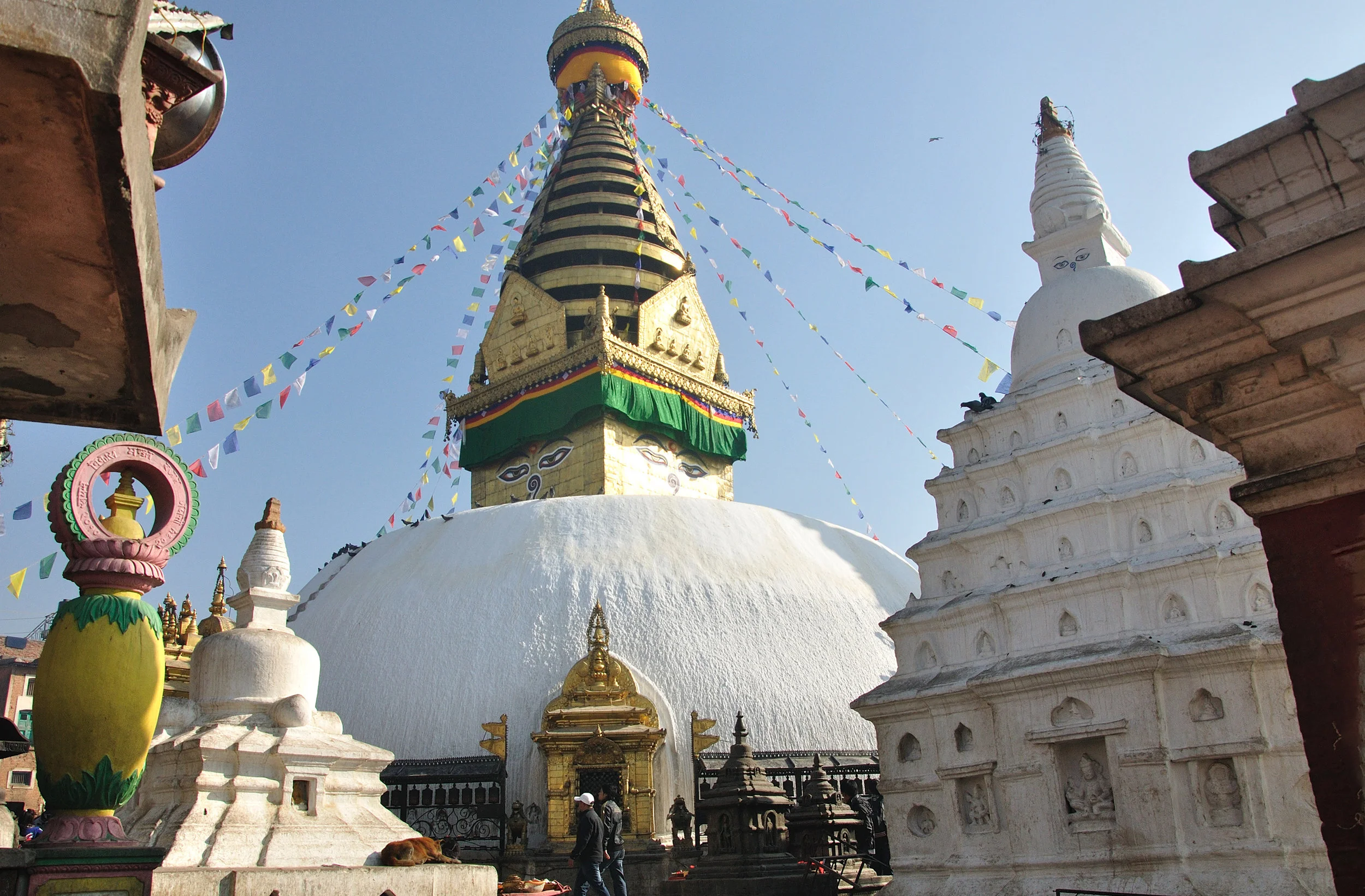
UNESCO World Heritage: Swayambhu Nath
"In Satya Yuga, Bipaswi Buddha came from a city known by the name of Bandhumati; and having taken up his abode on the mountain to the west of Nag Hrad(Kathmandu Valley) sowed a lotus-seed in the tank, on the day of the full moon in the month of Chait. The lotus seed that had been sown brought forth a lotus flower, in the middle of which Swayambhu (who had come from Aknisht Bhuban) appeared in the form of light, on the day of the full moon in Aswin." Wright 1877: 77-78
"In Satya Yuga, Bipaswi Buddha came from a city known by the name of Bandhumati; and having taken up his abode on the mountain to the west of Nag Hrad(Kathmandu Valley) sowed a lotus-seed in the tank, on the day of the full moon in the month of Chait. The lotus seed that had been sown brought forth a lotus flower, in the middle of which Swayambhu (who had come from Aknisht Bhuban) appeared in the form of light, on the day of the full moon in Aswin." Wright 1877: 77-78
Most of the historic chronicles have the lotus seed that brought light be marked as the beginning of the history of the Kathmandu Valley. The light of Swayambhu was inaccessible till the age of Treta Yuga, when Bodhistva Manjushri came from Mahachin(China) and drained the lake from the pass at Kotwal(The place where Bagmati passes out of the Valley) with other passes drawn at Chobar. With the valley drained, Bodhistva Manjuri made the valley inhabitable and the light of Swayambhu accessible to its worshippers.
The shrine of Swayambhu, the dome stupa with eyes of the enlightenment and the pinnacle was built only in the Kali Yuga. Before which it is believed that at the summit of Padma (Padma- Giri Hill; the mountain upon which Swayambhu stands) the place where the shrine is today was a great beam of light that penetrated heaven and even the depths of hell.
"The Kali Yuga, in which mankind would be utterly sinful, was approaching. He (Sant-sri) therefore covered the Swayambhu light with a stone, and built a chaitya and temple over it. He then built five rooms named Basupur, Agnipur, Bayupur, Nagpur and Santipur in the last which he lived, absorbed in devout meditation." Wright 1877:84
It is believed in local legends that even till this date Sant-sri, is in devout meditation in Santipur and shall emerge to protect the valley in times of grave danger. I remember the first time I climbed the steps to the top of Padma-Giri, as I took the last step with deep breaths. The shrine of Swayambhu was a sight to behold, view it form any perspective you wish.
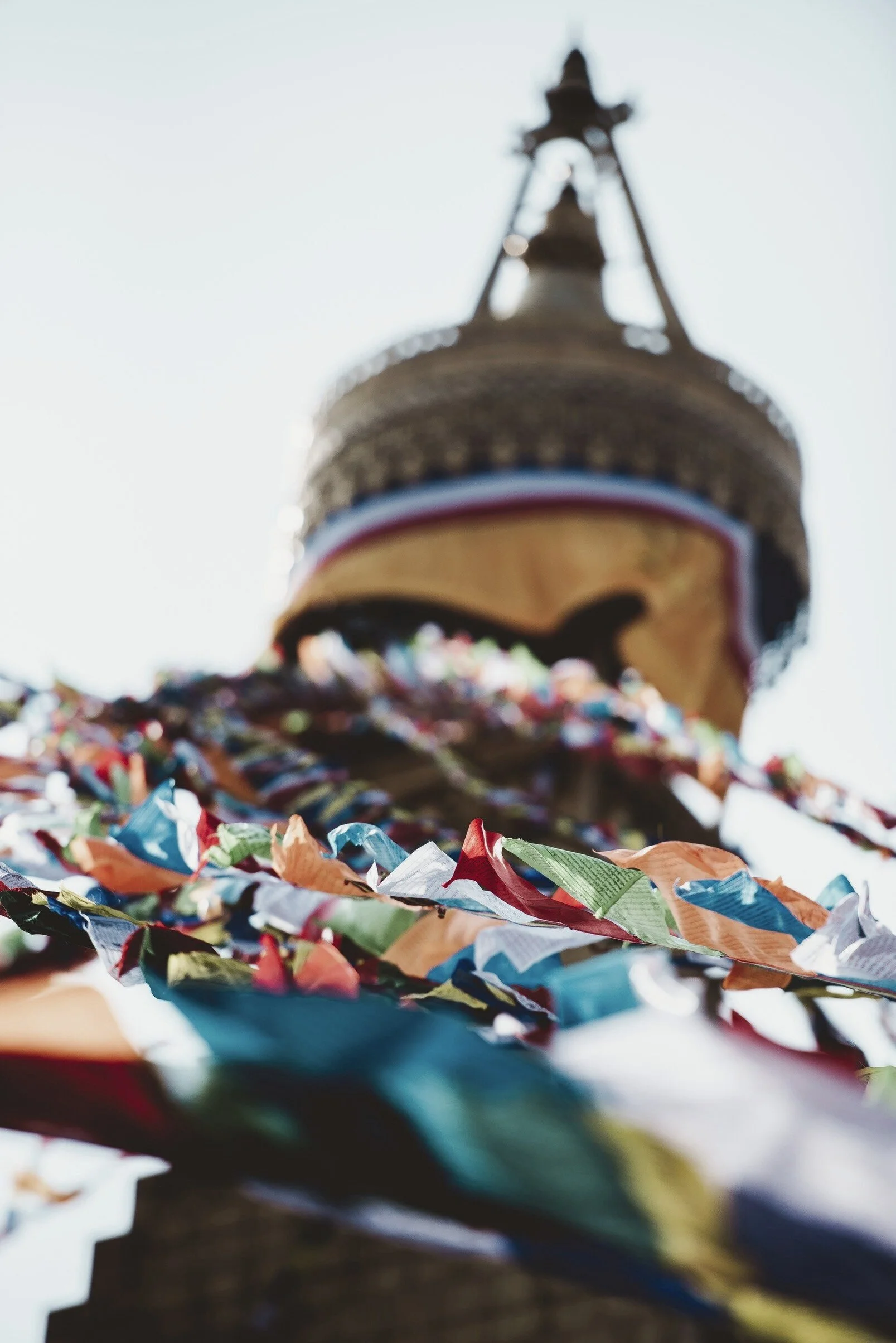
Architecturally it is a phenomena, the dome base atop which a cubical structure painted with the eyes of Shakya-Muni (Lord Buddha) in all four direction shielded by the pentagonal Torana with symbolic engravings. Above the Toranas are thirteen tiers crowned by a Gajur, now imagine a time lapse of its creation? Symbolically the base dome represents the world; the eyes of Shakya-Muni represent the status of enlightenment free from all bonds of the world. The thirteen tiers of the pinnacle symbolize thirteen stages of spiritual realizations to the enlightenment.
Spiritually as a native Newar it is the center of all our devotion and from the perspective of a sociologist, a beautiful lineage of history which has become the epicenter of Newar culture.
Today, the shrine of Swayambhu is known as Swayambhu-Nath or The Monkey Temple and is a major tourist attraction of Kathmandu Valley. Riddled with numerous shrines of Bodhistva's, Lichavi chaitya and stupas, mists of incents and chants of prayer. The Padma-Giri is a hill of spiritual awakening, the light of Swayambhu ever since history began has been a beacon of enlightenment attracting its seekers to the valley, even till this date many take great journeys to find sanctum in its light.
During the 2015 earthquake, the principal stupa didn’t suffer major damage but the surrounded chaityas, shikharas and temples along with living residents of the priests suffered major damage. The most notable difference was not seeing the two Shikharas built by Late King Pratap Malla in 1668 AD. Flanking the principal stupa, Late King Pratap Malla had built the two Shikharas with Agam Devtas within them along with which he placed a Bajra( Thunderbolt) in the Dharmadhatu mandala in front of Akshobhya Buddha. Having them being fully restored with other shrines and chaityas repaired, the area of Swayambhu was one of the very first UNESCO sites to reach a full restoration state.
For it may withstand many quakes to come, shall the eyes of enlightenment forever bring peace to its beholders. For may it always be a sanctum for its seekers and the light of Swayambhu always shine.
Hashtags: #Swayambhu #KathmanduValley #NewarCulture #BuddhistHeritage #EnlightenmentJourney #UNESCOSites #NepalEarthquake2015
POPULAR ITINERARIES
SIMILAR POSTS