
Flavor of Dashain
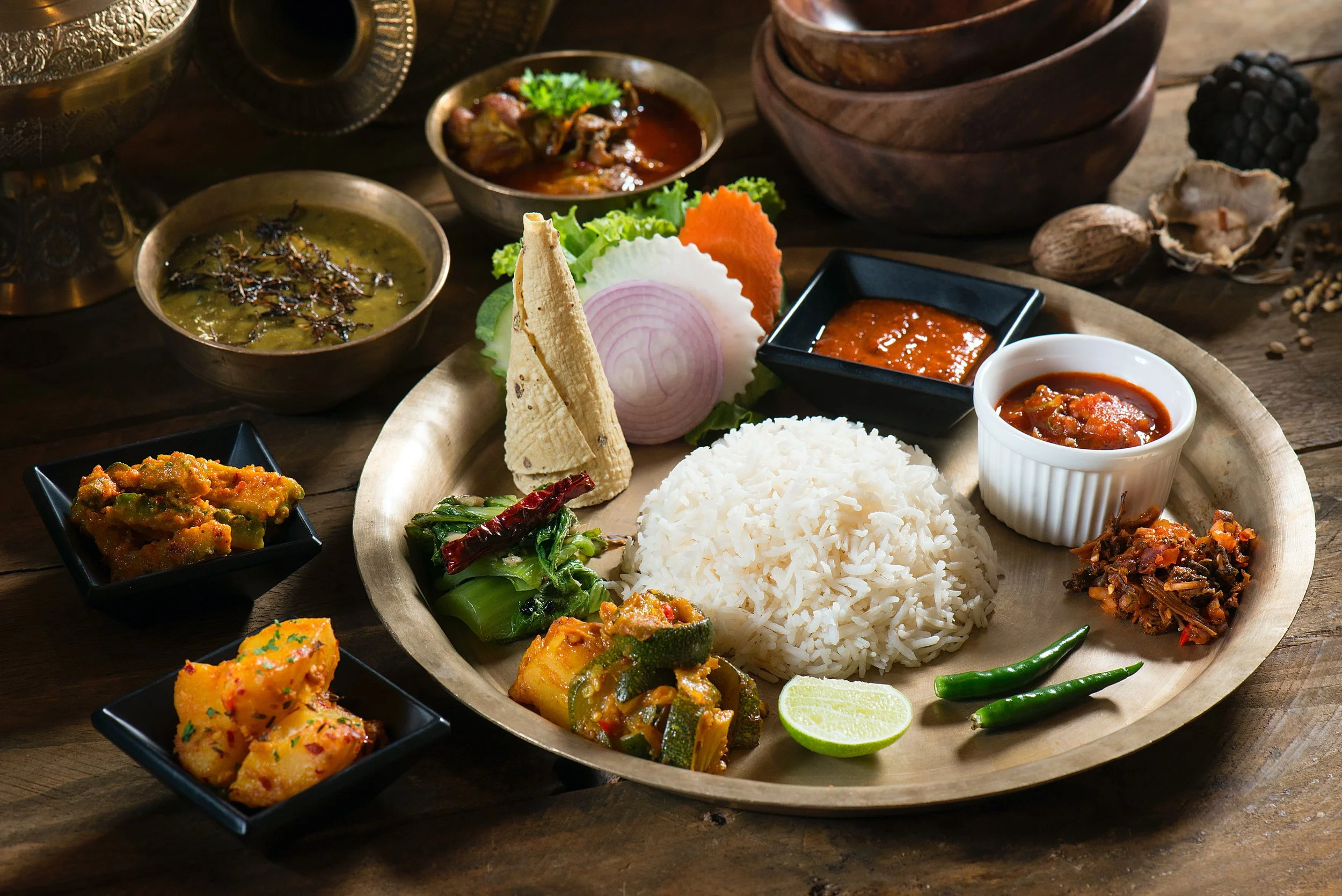
The festival of Dashain is a fiesta of flavors. The ethnic diversity of Nepal entails a symphony of beautiful delicacies put together to enjoy with friends and family. In this article we shall explore the various flavors that are celebrated during Dashain
‘Dal Bhaat Masu’, we love to eat during Dashain! A nearly seven-day holiday means playing cards and feasting on various delicacies. Every household engages in making an age-old food recipe with absolute joy. Since food has a way of bringing all of us together, let’s talk about staple food eaten during this festive season.
A tantalizing appetizer popular in a Newari household, Chhoila is a famous dish served with chiura (beaten ride). Commonly there are two types of Chhoila, Haku and Mana wherein mana means ‘boiled’ and Haku means ‘black’ referring to meat cooked over fire. It is made with buffalo meat, nowadays we make the dish with other types of meat as well.
In the same genre of unique eats, Sukuti is dried meat marinated with spices over charcoal or a fireplace. Sukuti Sadheko is a dish that is a mixture of cumin, coriander, garlic, ginger, red onions, and chilies. Largely served as a snack with noodles or chowmein, extra crunchy peanuts, and raw shelled green peas are also a good addition.
We all crave the savory taste of Sekuwa which is a Nepali way of cooking barbecue. An iconic food found especially in eastern Nepal and Kathmandu, it’s a true meat lover's dish. It could be a goat, lamb, pork, chicken, or even a mixture of it all. Now that sounds like fun!
Experience the delicate and rich flavor of Jhuku aka Blood Sausage. The diced, boiled and fried intestine consisting of white blood cells might not be the go-to choice. However, for people who love experimenting with their food, this dish is a must-try!
Enjoying a piece of grilled Mutton Sekuwa meat with a hint of lime, chili, and Sichuan pepper sure takes us down the road of nostalgia. Am I right? The cuts in the tender boneless meat give a smoky taste and add a bit of crispiness to each bite. Traditionally, we enjoy this treasured food with local Dashain drinks while playing cards.
As part of reminiscing exquisite recipes, consuming Mutton Curry among the Kshatriyas and Brahmins has its own significance. Some families buy a goat and keep it in the house for a few days. On the eighth day of Dashain, the goat is sacrificed and offered to God. Every part of the meat is enjoyed. Bhutan (fried intestine) is eaten with drinks while Mutton Kebab is devoured at all times.
Also, ever heard of pakku? A marinated dish with immense spices cooked in a low level of heat for a long time giving it the texture of pakku which is tender and flavorful. Due to culinary diversity, every household has its own cooking of this meaty treat. That’s why you get to try different variations of the classic goat pakku!
Talking about options that appeal to all vegetarians out there, Bhatmas Sadheko is the perfect appetizer eaten in the form of a snack or side dish. Also found in a Newari platter, people of all ages relish its well-seasoned taste. Another dominant cuisine is fermented radish pickle. Mula Ko Achar gives off a certain kick of spices making the experience really enjoyable. For all kimchi lovers, give this a try!
Once the holiday starts, there’s no work, no obligation and the only thing to think about is FOOD! Nowadays, we can even see people sharing their unique customs, traditions, and family recipes bringing in a lot more palatable options as part of a cultural amalgam.
Having said that, this Dashain you can create your own signature dish or stick to your grandma's curated recipes. Either way, it’s going to be a flavorful season!
POPULAR ITINERARIES




SIMILAR POSTS


Must have stick foods in Kathmandu
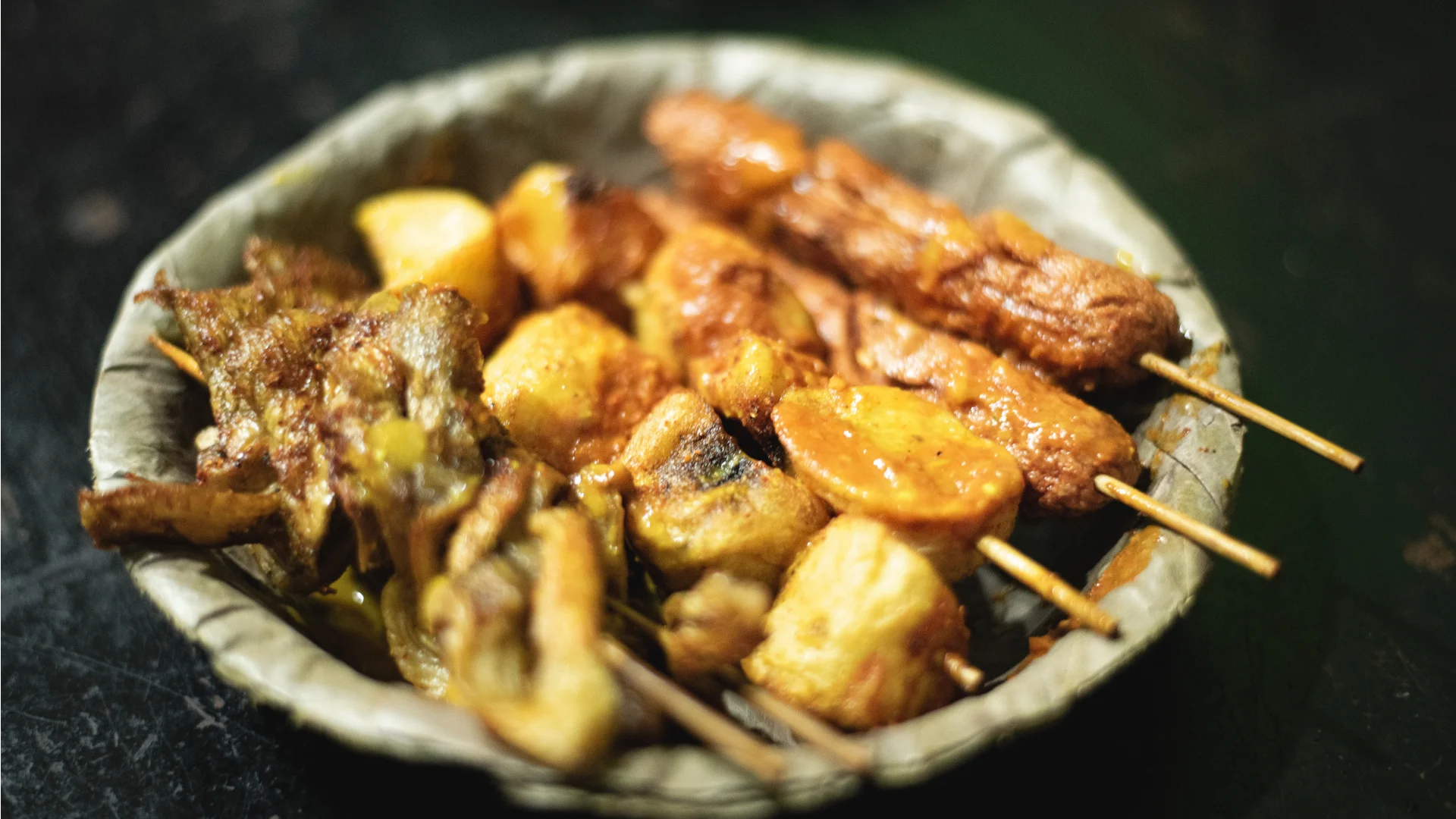
Local food stalls popularity at the corners of almost every street in Kathmandu with mouthwatering dishes are growing among the people of all ages. We can see carts and moving stalls surrounded by people, especially during the evenings. Groups gathering surrounding stalls in joy while eating stick foods served in a traditional taste is an evening scene seen these days in the streets of Kathmandu.
Spicy Moist Aloo (Potatoes)
Masala Mushroom
Spicy Tofu
Sausage Stick
As college students living in the city area with limited amount pocket money, we usually look around for booming 'stick food house' enterprises for our foodie adventures. Our country is culturally rich in local cuisines and while walking across the streets of Baneshwor, Nakhipot, Jhamsikhel and Mangal bazar the culture is reflected on the spicy and delicious stick foods delicacies served with a traditional touch.
However, we aren't the only ones who enjoy these mouthwatering dishes. People of all ages, with family and friends come to enjoy the delicacies. Along with the dish, the blend of spicy Achaar motivates people to come regularly for stick foods like we do!
As college students, we are famished with hunger after long and dire lectures. The best option for us is to visit a stick food restaurant for the easy, convenient and fast food service. Also, sipping cold drinks makes the food even more appetizing!
We can see the popularity of stick foods in recent years and many carts and moving stalls are surrounded by people especially during the evenings. We don't even have to look far as the local stick food stalls are found at the corner of almost every street. It's always a joy when you stumble upon the flavorful and exciting food choices.
Similarly, in our hunger hunt adventures, we usually end up going to the N.P.P food service located near Damkal road between Pulchowk and Jawalakhel. My friend who is a fellow N.P.P enthusiast says, 'They serve great food at reasonable prices. The food is mouthwatering and very quick service. Another best thing about the place is the sauce. When the spicy and non-spicy Achaar (Sauce) are mixed with the food, it is absolutely yummy.'
Another acquaintance of mine however has a contradicting opinion, 'Though there is a downside to consuming stick foods as a little stomach ache is a possibility as it's a 'gastronomical delicacies'. But I don't mind the price I pay as long as I can eat tempting and delightful dishes.'
Other famous stick food houses of the valley are:
1. Little Kathmandu Stick Food, Mid Baneshwor
2. Bajra Chinese Stick Food & Burger House, New Road
3. Chinese Stick Food & Cafe, Naxal
And if you want to spice up your taste buds while truly embracing the local life of the valley, here are some of the must have stick foods:
Aloo
Spicy and moist Aloo (Potatoes) is one of the most enjoyed delicacies of our country. Aloo is loved by both the vegetarians and non-vegetarians. This stick food is found mainly in the streets of Kathmandu and Lalitpur. The most common and popular vegetable is an absolute favorite of both children and adults. Aloo never fails to be in the diet of any Nepali.
Mushroom
The blend of crispy and soft mushroom with flavorful masala is the best experience of having this dish at a stick food house.
Tofu
Tofu can be the most enjoyed delicacy for the vegetarians. This savory and crunchy dish with spices is loved and is a favorite of stick food lovers.
Sausages
Meat items like sausages on a stick have always been the preferable dish amongst the Nepalese crowd. It is the go-to snack for any occasion. The thought of fried and spicy sausages with 'masala' in itself is a mouth- watering experience.
Text By: Aasma Aryal & Photographed by Suraj Patrabansha
SIMILAR POSTS
5 Must-Have Street Foods in Nepal
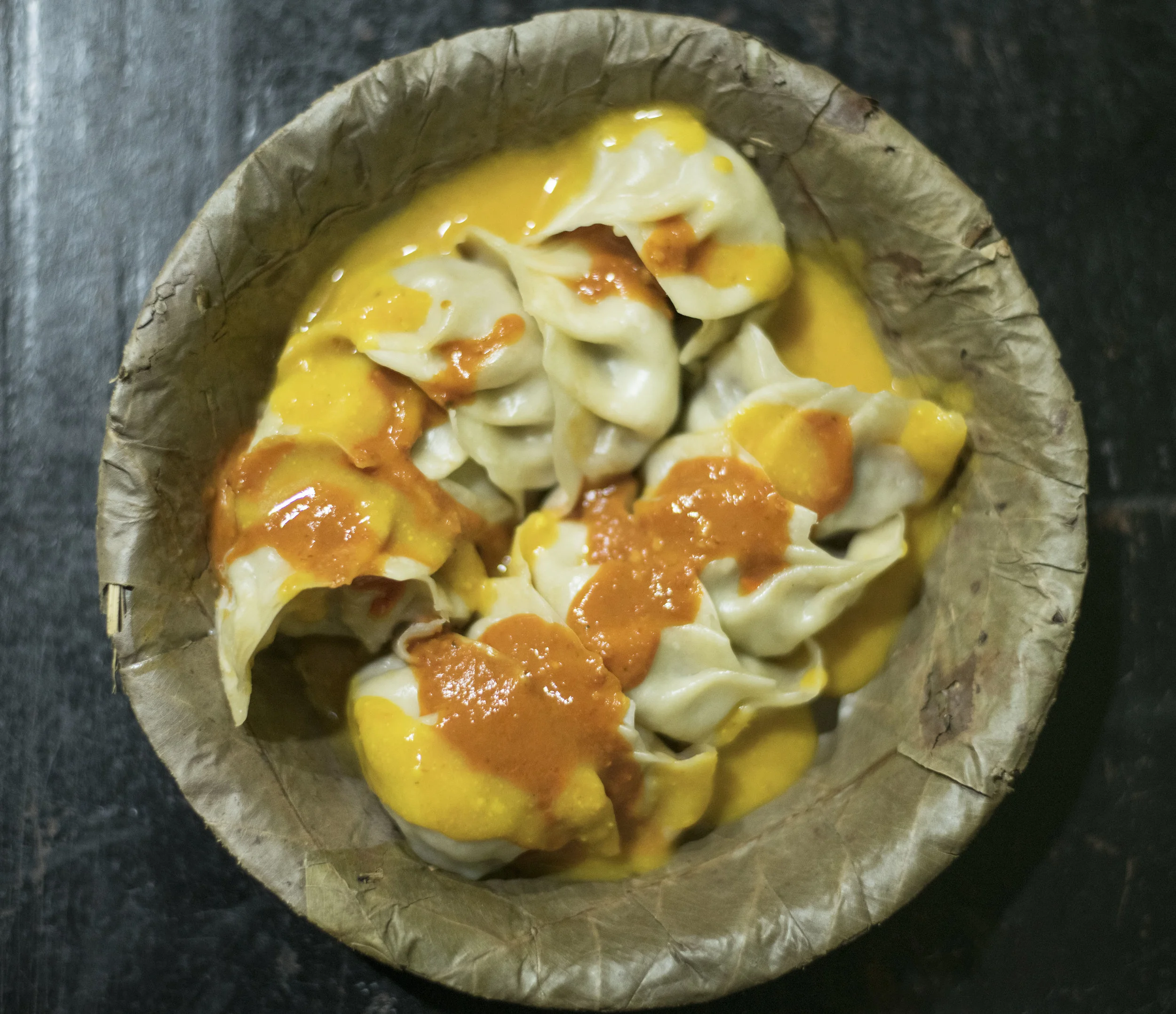
Apart from all the different eateries, the street-food scene in Nepal is equally exciting and astounding. The delicacies of the street food in Nepal is already a common delight for the people of the country. Mouthwatering food stalls in every corner of the street have been famous among the tourist and people of the country.
Mo:Mo
Pani Puri & Chatpate
Bara, Malpuwa & Aloo Chop
Samosa
Lassi
Trying new food at places and stations you hadn’t previously tried is an adventure in itself. It is exciting, interesting, satisfying and well its food! Nepal has a lot of eateries (khaja ghar, bhatti, restaurants) around every corner of almost every city. Each with their own style and taste even in ridiculously same dishes and that in itself is the charm that is held.
Apart from all the different eateries, the street-food scene in Nepal is equally exciting and astounding. If you’re ever traveling around the valley and away, make sure to try as many different stalls as you can. The delicacies of the street food in Nepal is already a common delight for the people of the country, but let’s see what street foods never fail to catch the eye.
Precious Mo:Mo
This isn’t a surprise, is it? Mo;mos are hands down the most popular eats in the country. You can find them anywhere and I mean ANYWHERE! This fast food can be found in many stalls set up around different locations and if you’re ever on a food hunt, I doubt you would miss this. The charm is in the achaar that compliments the mo:mos and adds a whole new dimension to the taste. Put simply, you couldn’t possibly pass on an opportunity to try this dish.
Pani Puri and Chatpate
Pani puris are already famous. Like the beloved mo:mo this treat needs no introduction. Maybe the most popular street food, pani puri and chatpate can be found in all the major places that you can think of and the best part is that the guys that sell them tend to move from one place to the next, almost like ice cream trucks in the Western world. The spice brings everyone towards it and it doesn’t really fail to bring fun moments.
Bara, Malpuwa and Aloo Chops
If you are moving around Patan or through any Newar community, bara and malpuwas are very popular. While bara is a savoury treat which is majorly eaten during festivals and celebrations, it has since become flexible as a street treat as well. Malpuwas go the sweet-savoury way and are wonderful treats to satisfy your sweet tooth. Aloo Chops are impressively popular fast food, amusingly as early morning treats to some. The thin potato patties rolled around in batter and deep-fried is a much-loved treat indeed.
Samosa
Samosas are already a popular treat in India and in Nepal. This popular treat can be found even in the most aloof courtyards you can think of. Like all the dishes in this list, samosas can taste different depending on the place that you have it in, so its a mystery what kind of new taste you might get to indulge in.
Lassi
The Narayan Chowk lassi grows in popularity every single day. If you are making your way through the capital on a humid day, chances are you are going to stop for a sweet, cold glass of lassi. A nice glass of lassi can be the perfect end to your food tour if you have been trying out new tastes in the valley.
SIMILAR POSTS
The Diverse Tastes of Nepal
Welcome to Nepal, a country rich in nature, heritage, and adventure. Welcome to Nepal, a country also rich in exotic cuisine.
Nepal is well-known throughout the globe for many things, primarily, its natural beauty, its ancient heritage, and its mighty Himalayan peaks. The first is evident especially when on a trek; the second is to be found in every nook and corner of a city like Kathmandu, as well as in many heritage hotels in Nepal (such as Hotel Shanker), while the third is something that you’ll be delighted to see even as you fly into Kathmandu. These are but a few of Nepal’s many attractions, among which is also Nepali cuisine.
It is said that the prosperity of any particular region in any country can be judged by the quality of its cuisine, that is, the better off the region; the more evolved its cuisine. Well, that holds true for Nepal as well. And, thus, you’ll find greater variety of dishes in a place like the Kathmandu Valley, of which Newars are the original inhabitants. So, one hears a lot about Newar cuisine when talking about Nepal’s food culture. That is not to say that other regions do not have as good cuisine, it is just that Newar food has more variety.
At the same time, it must be said that Nepal, although a small country, has close to a hundred different ethnicities, and great ecological diversity ranging from the lowlands (Terai) at below 100 meters above sea level to the highest point on earth, that is, Mount Everest at 8,048 meters. So, it is natural that there should also be many different types of food culture in different parts of the country. At the same time, it should also be known that no matter which region you go to, the staple meal of most Nepalis is ‘daal, bhaat, tarkari’ (lentil soup, steamed rice, and vegetable curry), a phrase that becomes pretty familiar very soon with most tourists coming to Nepal.
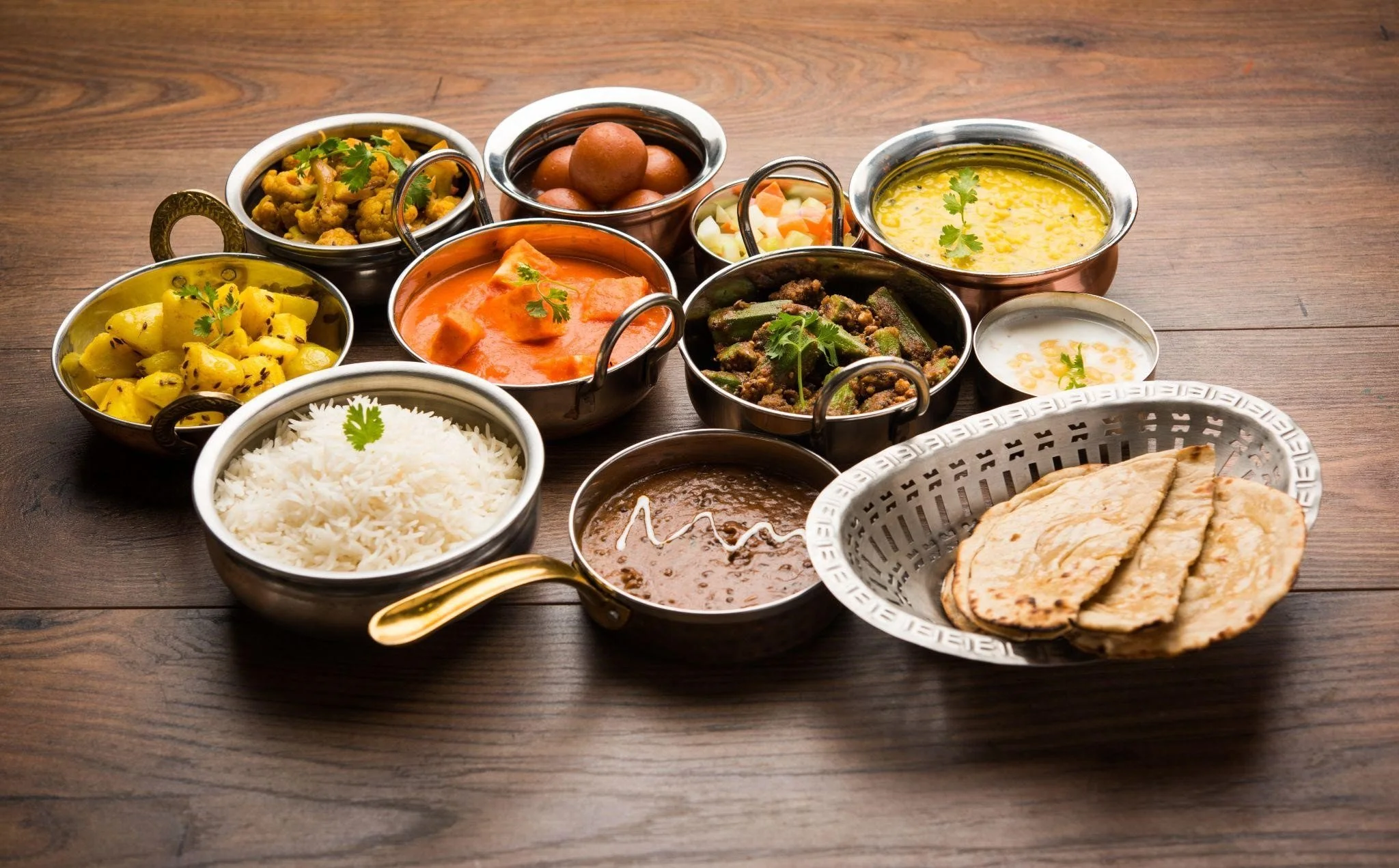
If you want to have a sampling of this nutritious and wholesome meal, all you have to do is to ask whatever hotel in Nepal you’re staying in to serve it to you. Most restaurants will be glad to provide you with this, and, in fact, quite a few restaurants with a tourist clientele specialize in providing typical Nepali cuisine. At such places, what you get when ordering ‘daal, bhaat, tarkari’ is this: steaming white rice, thick yellow (or black) lentil soup, vegetable curry (of the vegetable in season), dark green spinach, a bowl of mutton (or chicken) curry with rich gravy (or deep fried), a vegetable salad of sorts (cucumber, radish, tomato, onion), and a pickle (tomato or radish and potato). You will also be asked if you want to have ghee (warm clarified butter) poured over your rice. Our suggestion is: ask for it, and consider it an off-day from your weight-conscious lifestyle, because the rice gets on a new and fragrant life with some ghee in it. Certainly increases your appetite! Anyway, leaving this fulsome meal aside, let’s get a glimpse into what else there is in Nepali cuisine. Let’s begin from the Terai.
Sattoo and Mahuwa of the Terai
People of the Terai have a taste for spicier and hotter food than elsewhere in the country, thus, you’ll find the curry to be a real tongue tingler, and naturally, the pickle will test your courage. They also prefer to have raw onions, the more the better, along with their meals. One reason is because raw onion is supposed to be good for combating prickly heat. You are also likely to be served a couple of chili peppers on the side. Besides the usual, that is, ‘daal, bhaat, and tarkari’, Terai dwellers like to have a mix made from soybean, maize, and gram called sattoo. It is pretty energizing due to its high protein content. Mostly, sattoo is mixed with water to make a thick paste; seasoned with salt, it tastes great. Sometimes, sattoo is also eaten dry, and often, sattoo mixed with water, salt, and lime juice makes for a cool and rejuvenating drink. However, speaking of drinks, per se, mahuwa raksi is the preferred choice. Derived from the juice of the mahuwa flower, it’s a pretty heady alcoholic drink. Another strong alcoholic drink is toddy, which is derived from the sap of palm trees.
Hilly Fare, Dheendo-Gundruk
Maize and wheat are the primary crops in the hills, and so the cuisine is also based on those staples, the main one being dheendo, a mix of maize and wheat; a sort of a porridge. It’s filling, all right, and nutritious as well, but bland. And so, it is accompanied by gundruk, a dish made from fermented leafy vegetables, which can either be in the form of a soup (gundruk ko jhol), or just pickled and spiced. Dehhendo-gundruk makes for a tasty and filling meal, and it becomes all the tastier when served with sinki, a pickle made from fermented root parts of carrots. Both gundruk and sinki, being fermented products, can be preserved for quite some time.
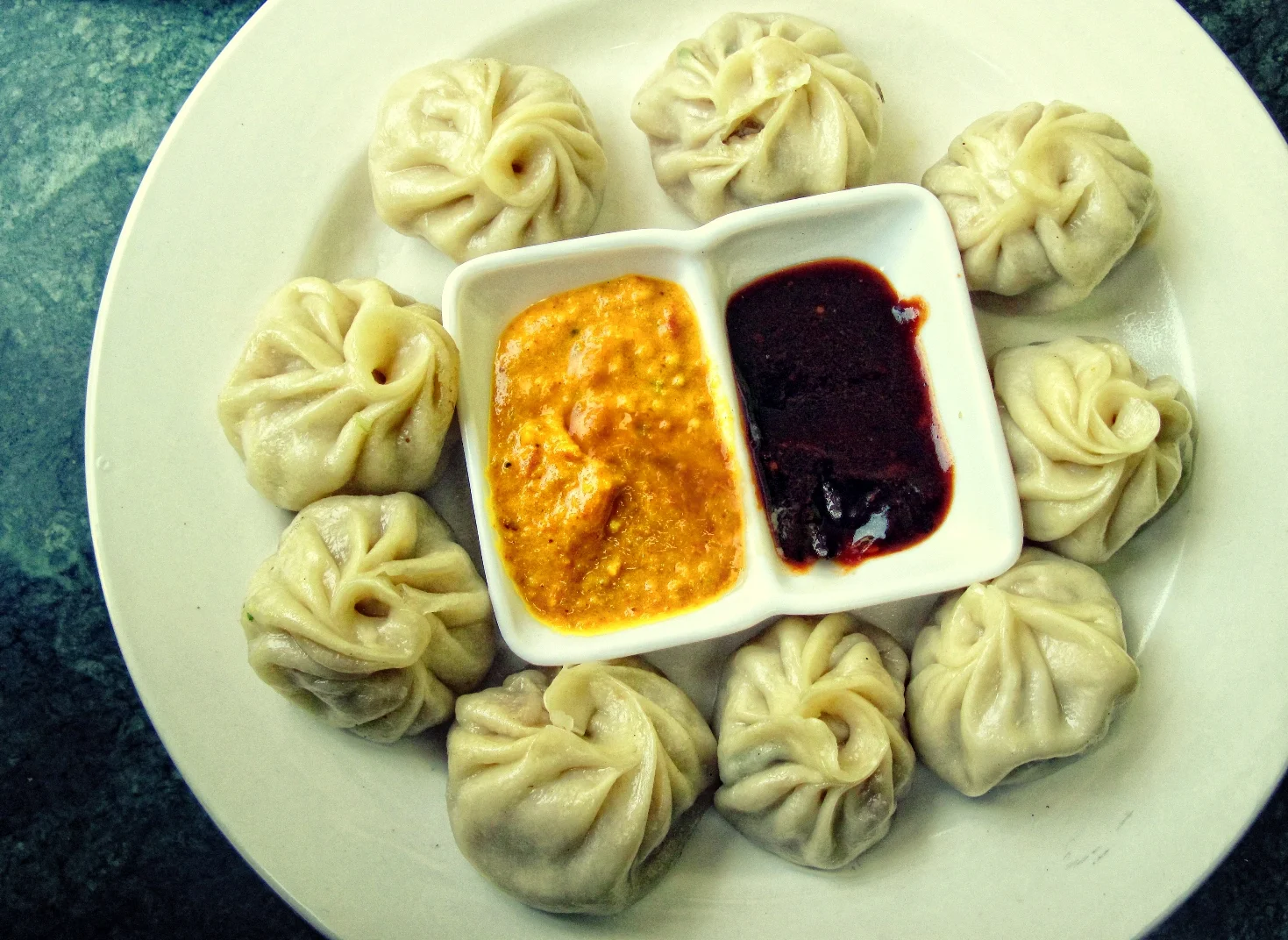
Higher up in the hills, noodle dishes such as chowmein and thukpa (soup with vegetable and meat), and Tibetan style momos (large-sized meat dumplings) are the preferred dishes. In the hills of eastern Nepal, you’ll get to taste a pungent-smelling dish called kinema made from fermented soybean. Other unique dishes are the breakfast food, khatte, which is made from brown rice, and poko, a dish made from the base derivative of the local liquor-making process. Naturally, poko has an alcoholic flavor; but it’s quite tasty, and what’s more, it gives you an immediate lift. Talking about drinks, tongba, a freshly fermented barley drink, is very popular, as are chaang (a fermented product of millet) and rakshi, a strong alcoholic drink. If you like tea, you might not get what you are used to up in the mountains; you are more likely to be offered Tibetan-style tea, which is thick and buttery. Pretty warming, too!
Kathmandu Valley’s Newar cuisine
The Newars of Kathmandu Valley take great pride in the variety of their cuisine. They excel in different culinary arts, from almost a score of delicacies from different parts of buffalo meat to a dozen and more varieties of bread. Buffalo meat (buff, in short) contributes to a diverse range of delicious dishes: haku choila (spicy grounded meat broiled on high heat), kachilaa (minced meat, raw and marinated), takhaa (soup of jellied meat), senla:mu (liver parts, steamed, then sautéed), swanpu:ka (filled lungs, fried), bhuttan (intestine/stomach parts, deep fried), mainh (tongue pieces, fried), cho:hi (blood, boiled with marrow and spice), mamachas (dumplings), etc. Most hotels in Nepal should have some of these in their restaurant menus; if not, do ask about nearby restaurants where you can get these exotic delicacies. Not to be left un-savored, certainly, during your Nepal tour!
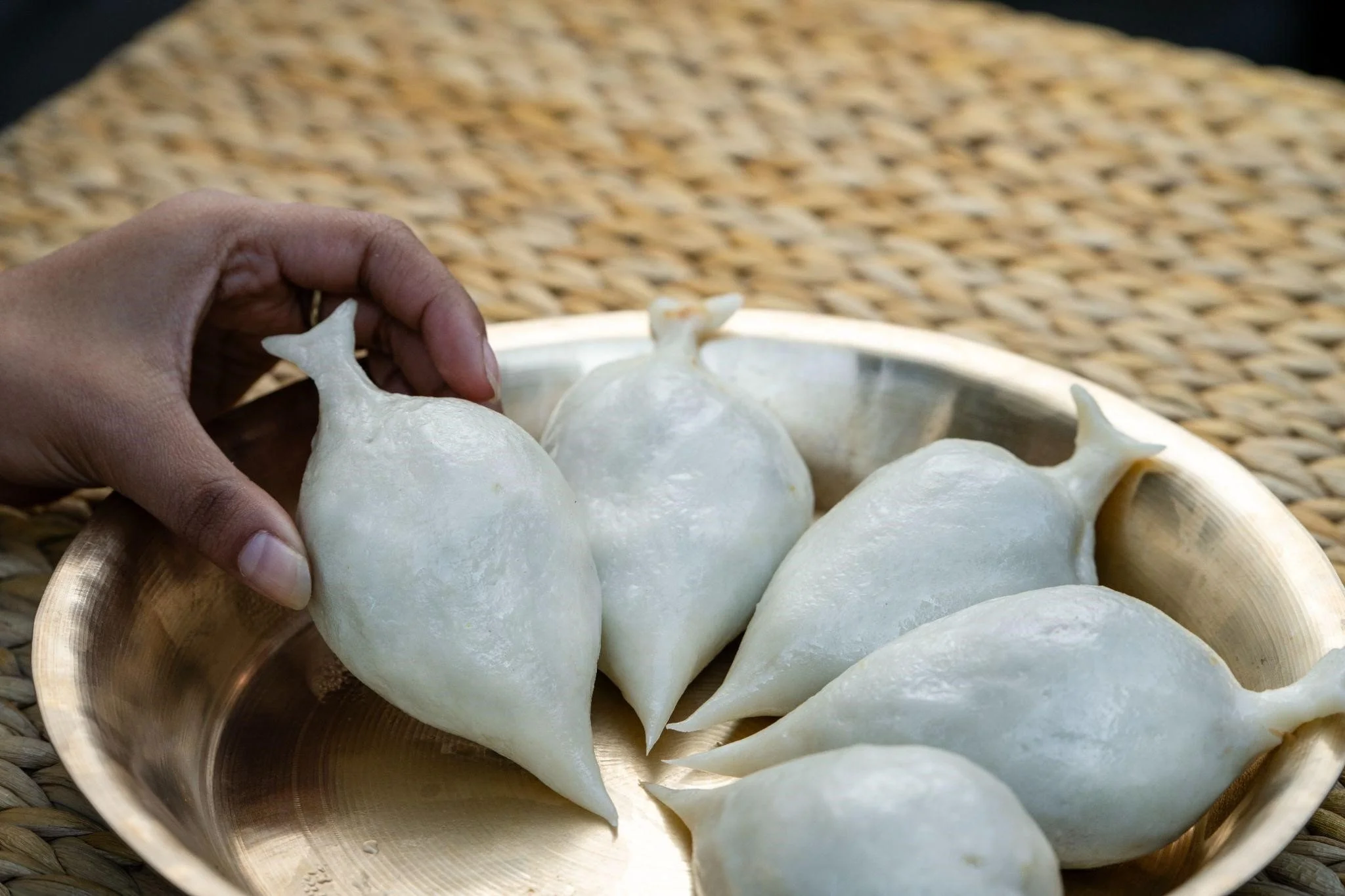
And, yes, you’re right in assuming that the Newars re a meat-loving people; however, they don’t lag behind in the non-meat department, too. These include a kind of rice pancake called chatamari, a sort of doughnut called bara, made from pulses, and a cake-type snack called wo, also based on pulses. Some dishes are generally made only during festive occasions; these include the special stupa-shaped dumplings called yo mari, that are packed with brown cane sugar and sesame seeds; a special circular bread with a hole in the middle called sel roti; and a thick and delicious soup made from nine kinds of beans called kwantin. When talking about Newari food, one cannot miss out on mentioning juju dhau (king curd), which is a specialty of Bhaktapur, and delicious to a fault.
As far as drinks are concerned, Newars pride themselves on their liquor-making skills, too. Ai:la and thown are the traditional drinks of the Newar community. They are not only real belly-warmers, they are also auspicious offerings during many religious rituals. Ai:la is a fiery liquor, and a fitting accompaniment to the meat dishes mentioned above, since it is a surefire way to ensure good digestion of all that protein. Some hotels in Nepal will offer you ai:la as a welcoming drink, and the moment you gulp it down from the small clay vessel in which it will be served, you’ll have had the first taste of Nepal! A taste promising high-spirited adventure ahead!