
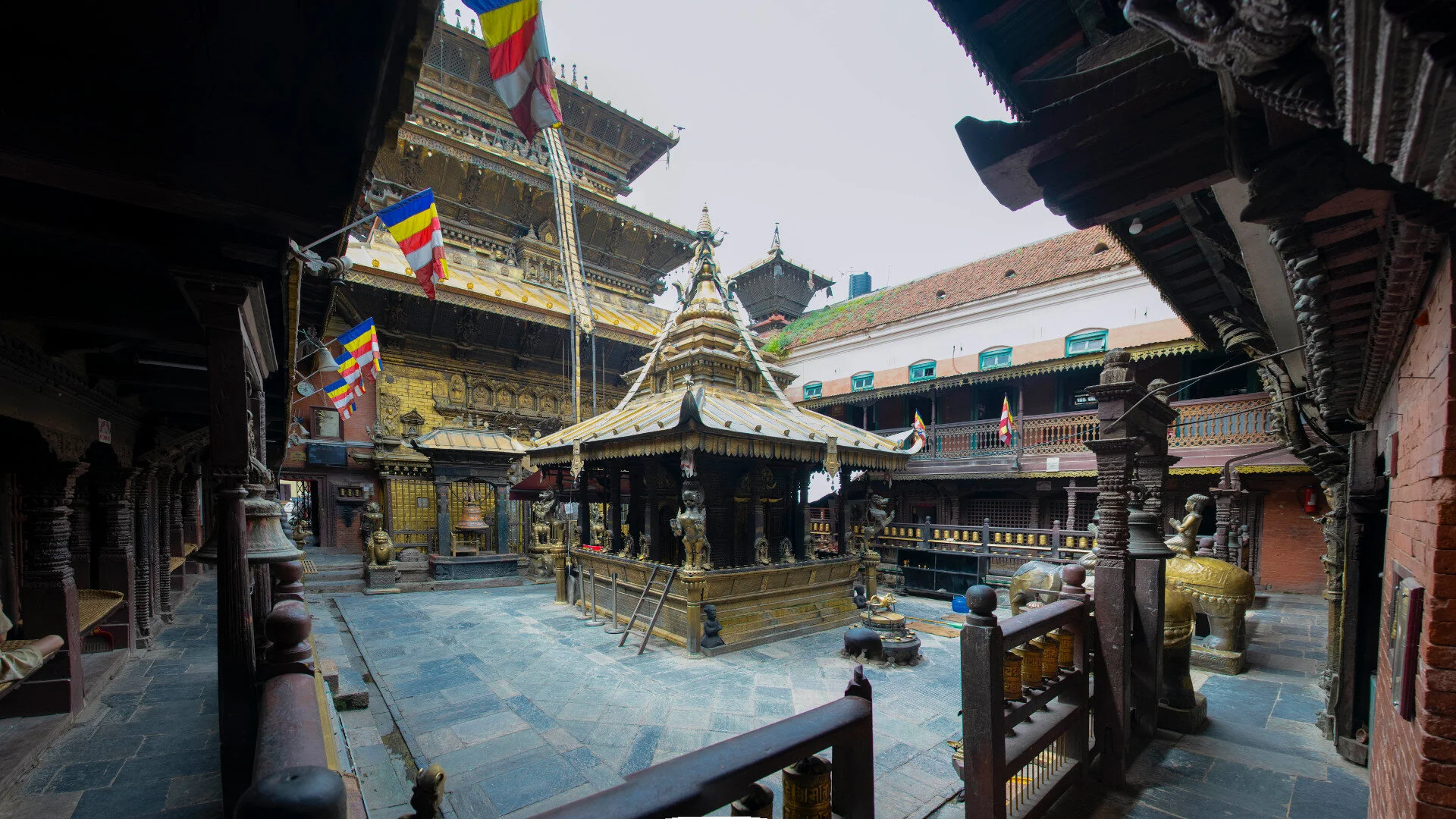
Sacred Spaces: Kwa Bahal
Let’s not go too far and stay close to the capital. Within the Kathmandu Valley, the Patan area is a popular hub for those seeking to admire history, art, and culture. Among the many significant places, there is one such gem just north of the Durbar Square--the Hiranya Varna Mahavihar, or The Golden Temple, as it’s informally called.
The one thing you learn when you travel across Nepal is that many places give you a feeling of home. You feel welcome and comfortable, and almost question how the setting can be so soothing. From the capital city to the farthest reaches within the border, many places hold both religious and cultural significance.
Let’s not go too far and stay close to the capital. Within the Kathmandu Valley, the Patan area is a popular hub for those seeking to admire history, art, and culture. Among the many significant places, there is one such gem just north of the Durbar Square--the Hiranya Varna Mahavihar, or The Golden Temple, as it’s informally called.
Origins
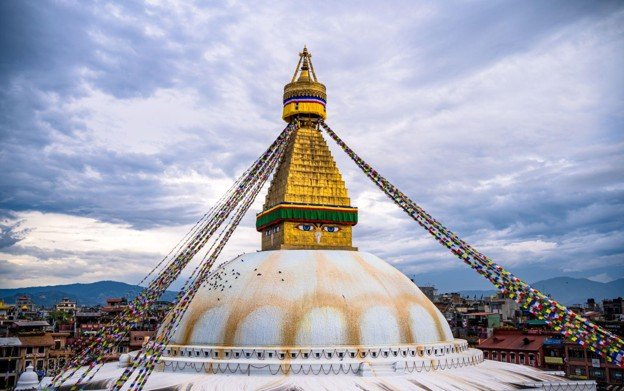
This unique Buddhist monastery founded in the 12th century by King Bhaskar Varma is a three-storey golden pagoda of Shakyamuni Buddha--locally known as Kwa Bahal. Bahal or Baha (Nepal Bhasa: बहाः) is a type of courtyard found amongst Newari communities and is the most dominant type in Newari Architecture. Baha is a Buddhist monastery and derives its name from the Sanskrit word Bihara, meaning joy or enchantment.
Generally, a family constructs the Baha where their descendants reside for generations. It is not only a unit of residence but also of kingship. The Hiranya Varna Mahavihar or Kwa Bahal houses Prajnaparamita.
Prajnaparamita means the perfection of transcendent wisdom in Mahayana Buddhism. It refers to the perfected ways of seeing the nature of reality, with references to sutras and personification of the concept of the Great Mother.
Kwa Bahal:
The Hiranya Varna Mahavihar--hiranya, meaning mouse-- gets its name from the myth of a golden mouse that chased cats. Before it grew to be called The Golden Temple, it was known as the Rat Temple as well.
The nickname Golden Temple came about through tourism rather than being made of pure gold. The temple gets its name from the gilded metal plates that cover most of its frontage, and most of the temple is polished brass.
This temple is among many arguably the most incredible temples in the world, and not merely another Buddhist temple in a city full of temples. This pagoda temple is tucked away in this quiet part of Patan and boasts an ornate interior and intricate metalwork and stone statues.
The unique architecture and the detailed carvings are always fascinating for both visiting tourists and locals. Although photography is not allowed, many tourists gather here, mostly with their guides and learn about the significance of this sacred monument.
The monastery adorns a golden facade with four gateways, a clock tower, and two lion sculptures. The lions sit at the eastern doorways with the signature of Krishnabir, the master stones man who sculpted the entrance with the cornice of Buddhist deities.
The eastern doorway leads to the central courtyard; shoes and leather articles are not allowed in the lower courtyard. The figure of two important Hindu deities, Vishnu and Shiva, is carved on the entrance doorway believed to safeguard this sacred place. When closed, the door also pictures a carved Bhairab, believed to protect the people from any bad happenings. Outside of winter, look for the tortoises hanging about the compound---these are the temple guardians.
Another door depicts the image of Buddha teaching the path of practising paramita to achieve Bodhisattva. The carvings on the entrance to the central courtyard depict the Gods of Three Yans---Sravakayana, Mahayana, and Vajrayana.
Inside, the temple is much larger than it appears. It is a getaway from the liveliness of Patan Durbar Square and the many alleys. Inside, with clean seating spaces, you can rest and listen to the Buddhist chanting that will give you goosebumps.
A smaller shrine containing a Swayambhu (self-risen) chaitya faces the main temple. There are statues of four Lokeshvaras (incarnations of Avalokiteshvara) and four monkeys holding fruits as offerings on each of the four corners of the courtyard. On the upper floor, lies a dedicated chapel to Avalokiteshvara with a wheel of life and Tibetan-style frescoes.
The main priest of the temple is a young 12-year old boy, who serves for a month before handing over the job to another young boy. Male children of that age are chosen as the Panchasheel is maintained at this age. The Panchasheel--doesn’t kill, tell lies, have corrupt thoughts, and drink or smoke. Children are suitable to don the mantle of such a role.
Going barefoot in temples is part of the culture, and it adds to the experience of visiting such sacred places. Even among the host of must-see architectural wonders and temples, this stunningly beautiful and serene piece of Nepal history, still, part of living Kathmandu, is a well worth visit.
POPULAR ITINERARIES
SIMILAR POSTS


Oases In An Urban Jungle - Part I
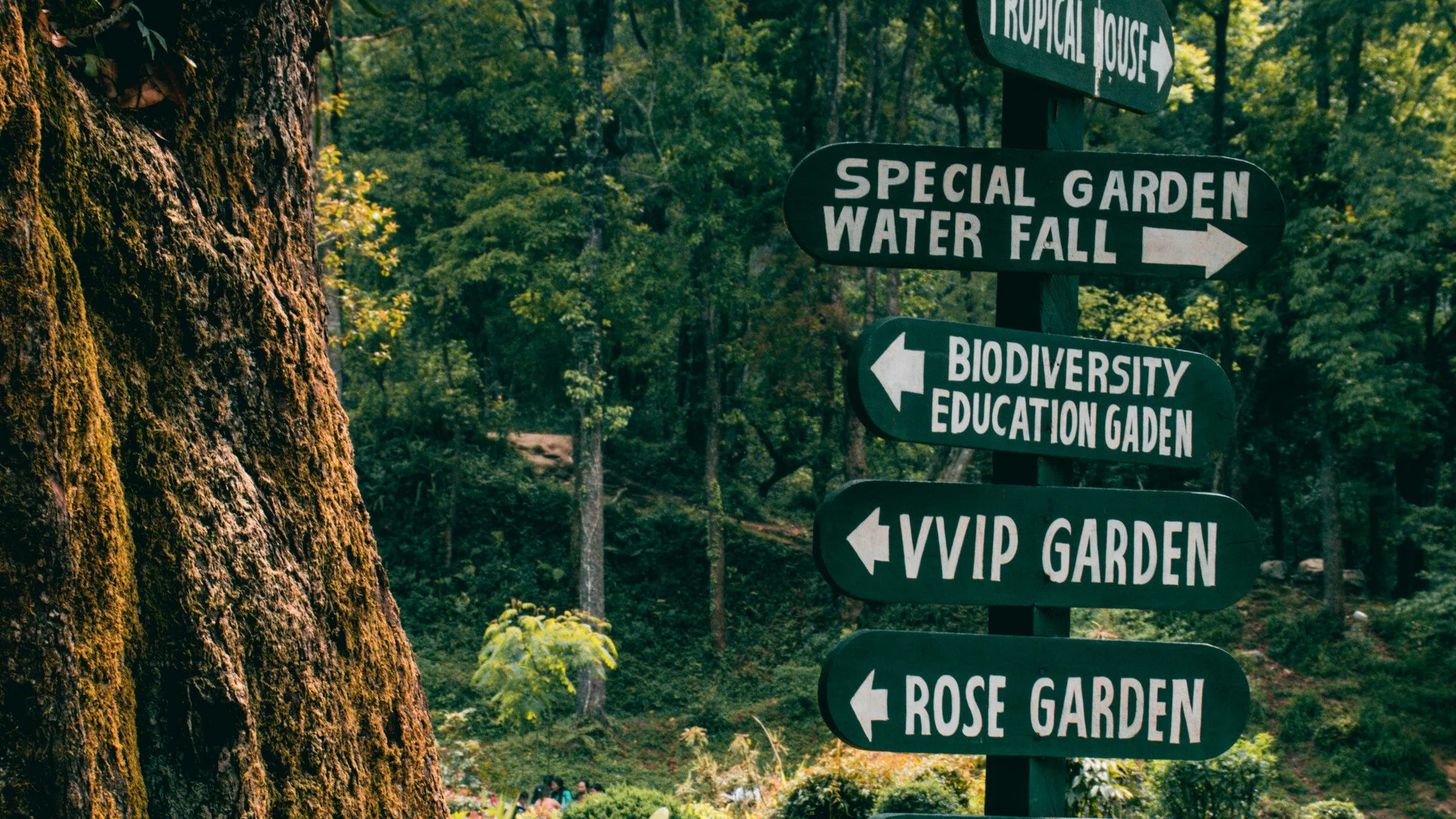
Looking down upon the Kathmandu valley from various viewpoints, the rapid urbanization at times feels like an urban jungle. Towering buildings, widening roads, and shrinking open spaces has left little room for citizens and visitors to experience nature and its wonders. Discovering lush greenery, vibrant flora and sound of flowing water is as close to stumbling upon an oasis.
Looking down upon the Kathmandu valley from various viewpoints, the rapid urbanization at times feels like an urban jungle. Towering buildings, widening roads, and shrinking open spaces has left little room for citizens and visitors to experience nature and its wonders. Discovering lush greenery, vibrant flora and sound of flowing water is as close to stumbling upon an oasis.
Mentioned below are a few such sanctums which invoke solace and tranquillity.
1. National Botanical Garden
The National Botanical Garden, previously known as Royal Botanical Garden and commonly as Godavari Botanical Garden is a destination preferred by individuals of all age groups for activities such as family picnics, bird watching, butterfly spotting, hiking, research and indulging in creative works. Nestled in the foothills of Phulchowki Hill, the garden covers a total area of 59 acres and is home to an avid diversity of flora. The site also features a natural spring known as Godavari Spring, which is 200 metres from the entrance. The springs history has religious significance and is a popular pilgrimage site during the season of spring for Hindu and Buddhist devotees.
The garden is surrounded by an evergreen natural forest, which helps keep the temperature within twenty to thirty degrees during the summer and zero to twenty degrees during the winter. When the urban centres bake with the rays of the summer, the garden and its surroundings are brisk and temperate: creating a haven for more than one thousand species of flora.
The garden sees a large number of visitors during the coming of spring when the Rhododendron Arboretum bloom. The rows of Rhododendron trees which continue till Pulchowki Hill are covered with its flower and create an enchanting aura.
A small admission fee which varies for Nepalese, SAARC Visitors and Foreign Visitors allows entrance to the garden which is open from 9 AM to 5 PM during Mid-November to Mid-February and 10 AM to 4 PM during Mid-February to Mid-October.
Visitors & Other Categories
Entrance Fee (Inclusive of VAT)
Nepali Citizens below 10 years - NRS. 20
Nepali Citizens above 10 years - NRS. 50
SAARC Citizens below 10 years NRS. 100
SAARC Citizens above 10 years - NRS. 200
NON- SAARC Citizens below 10 years - NRS. 500
NON- SAARC Citizens above 10 years - NRS. 1000
Camera Fee
Digital Camera - NRS.30
Video Camera - NRS.200
Electric Vehicle Tour Fee (One Round)
Nepali Citizens below 10 years - NRS. 100
Nepali Citizens above 10 years - NRS. 200
SAARC Citizens below 10 years - NRS. 200
SAARC Citizens above 10 years - NRS. 400
NON- SAARC Citizens below 10 years - NRS. 500
NON- SAARC Citizens above 10 years - NRS. 1000
2. Garden of Dreams
Once the private garden of Field Marshal Kaiser Sumsher Rana, it was considered one of the most exquisite gardens of that time. Completed in 1920 AD the premises was inspired by Edwardian architecture. The neo-classical garden features pavilions, fountains along with distinct European marquees such as verandas, pergolas, balustrades, urns and birdhouses. After the demise of Kaiser Sumsher, the palace got handed to the Government of Nepal.
Also known as the garden of six seasons, inspired by the six seasons of Nepal. It covers a total area of 6,895 square metres which includes three pavilions; an amphitheatre; central pond; pergolas; urns and combinations of small and large gardens.
Lack of conservation and management lead to severe degradation of the premises. After extensive renovation carried out between 2000 to 2007 AD, the garden took regained its outlook but half in size.
Today the garden is open to visitors who can indulge in its serenity and Edwardian ambience. Visitors are not allowed to bring in their food but carry bottled juice, water. They can indulge in various delights prepared in the gardens own private restaurant. Open between 9 AM to 10 PM, Garden of Dreams is a great destination to escape the urban life and appease oneself in the quaint natural escape.
The entry fees to the Garden of Dreams is listed below:
Visitors
Nepali Citizens - Rs.150
Non-Nepali Citizens - Rs.400
* 25% discount provided on ten tickets.
* Children, senior citizen and disabled are provided 50% discount.
POPULAR ITINERARIES
SIMILAR POSTS

A trip to "Home" Janakpur
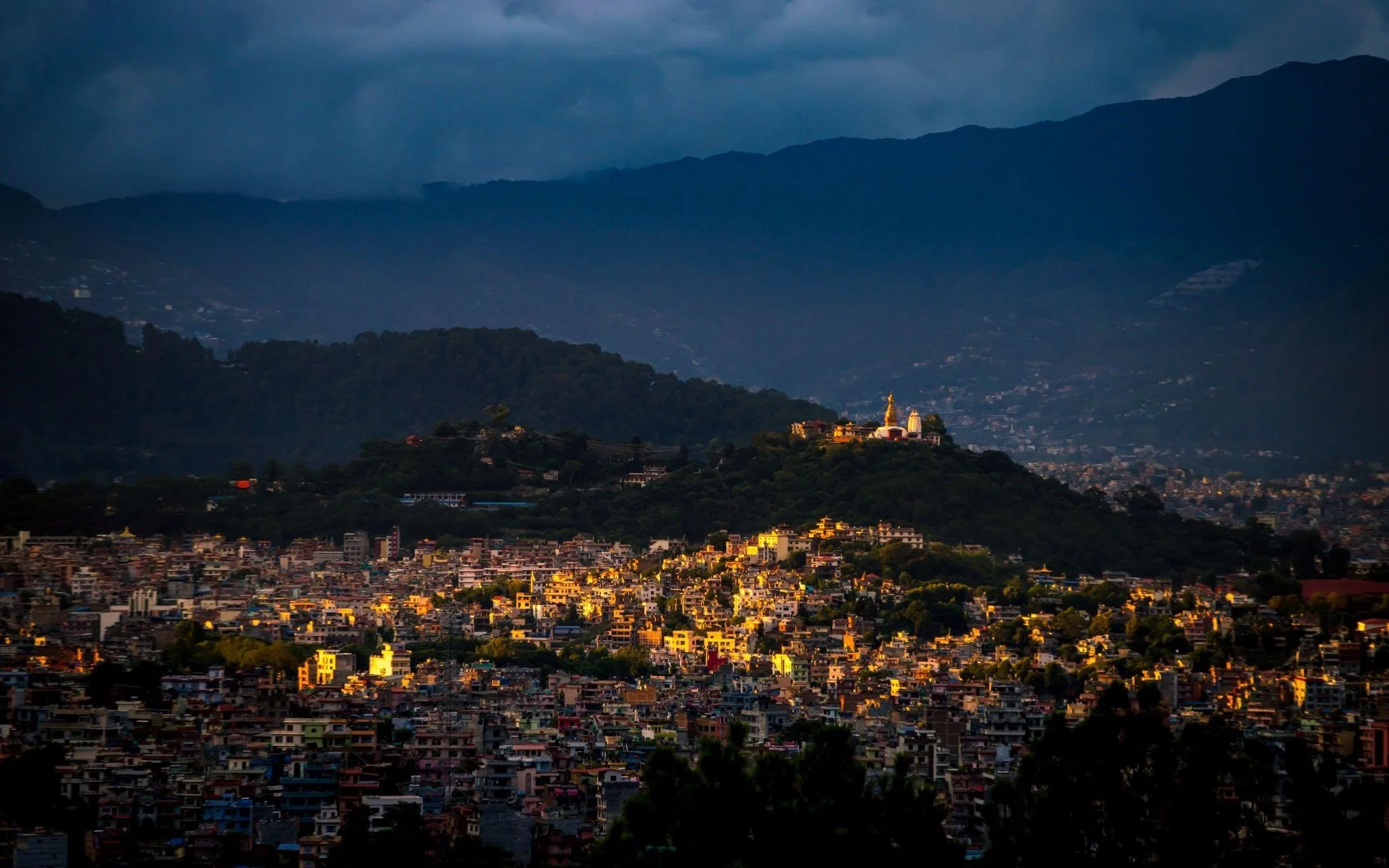
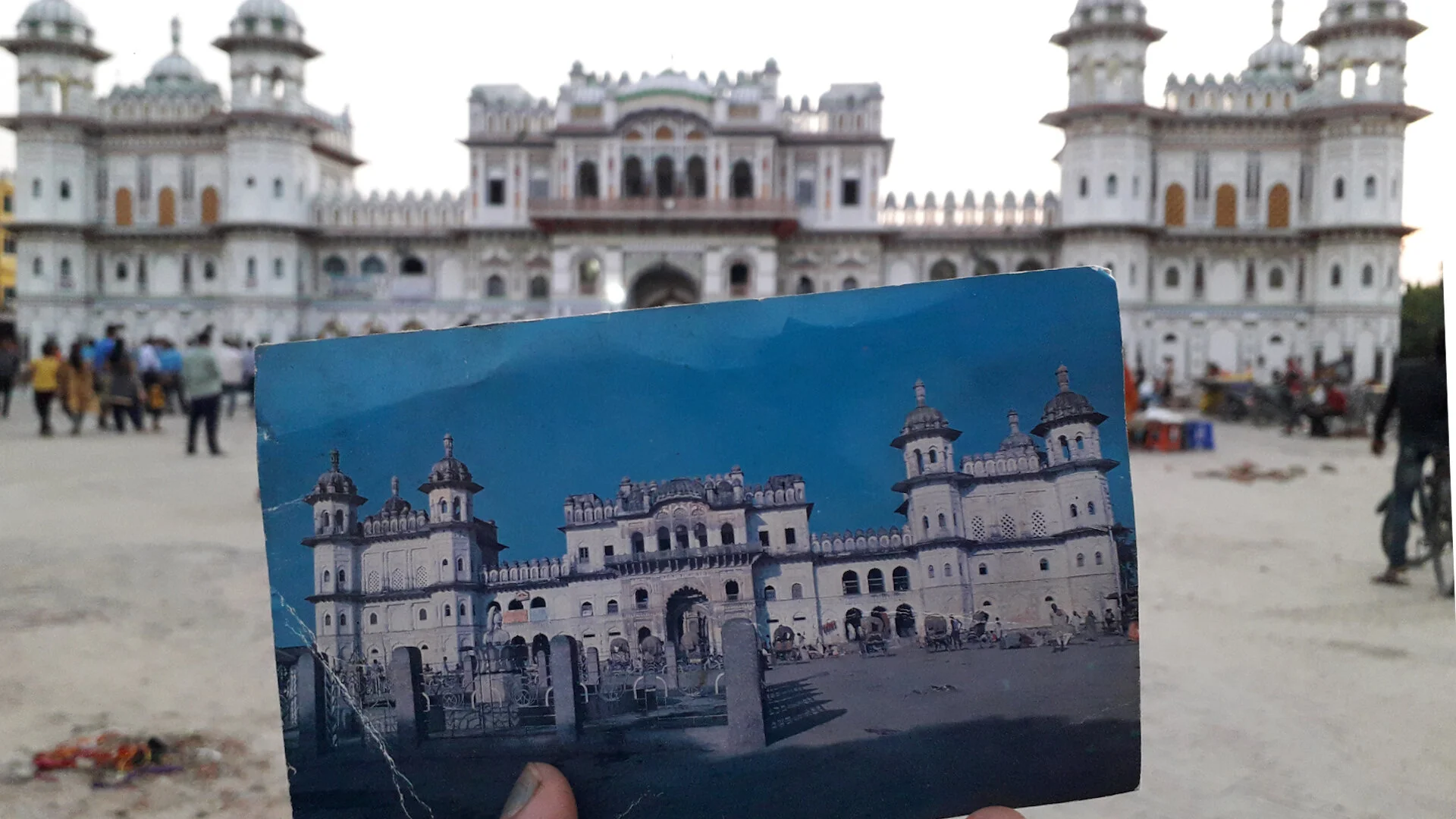
Janakpurdham featured prominently in Ramayana, one of the two most popular epics of Hinduism, the other being Mahabharata. Janakpur is the birthplace of Goddess Sita (a.k.a. Janaki, daughter of King Janak). Janakpur, or Janakpurdham, was once the capital of the Mithila kingdom, and it is about 400 km from Kathmandu city.
I was told I belong to Janakpur but, growing up in the bustling capital, Kathmandu, I’d never gotten the chance to even visit my hometown properly. Just by looking at postcards and brochures, I taught myself how to identify my originality. This year, however, my family decided it was finally about time we know where we come from and planned a nice, short family trip to Janakpur. It was just me, my older brother, my mom and my dad, packing up whatever we think we need in such a short time, and rushing to what they called ‘home’. As a family that rarely makes any travel plans at all, it was a very fresh family bonding experience for once. The trip started as we carried our backpacks and decided to go by bus because we wanted to have the whole road trip experience on the course.
You see, the thing is, when you’ve lived in a city surrounded by hills on all four sides your entire life, your eye catches a habit of always knowing that there are hills somewhere along the lines, no matter where you look. So watching the hills blend into the plains as we entered the Terai Region, my eyes had already gotten homesick looking at the sky stand upon the empty plains with nothing in between. Nevertheless, I still had the excitement rushing through my body when we entered the different surroundings in such a closure. They say every city gives you a new feeling. As a matter of fact, I realized it was true as I slowly watched myself enter the city of Janakpur through the delicate blue light of dusk hitting the green farms and the colorful houses.
The smell of fresh fruit being sold on the early morning streets, the faint lights slowly turning off from the houses as the sun was about to come up and the gentle sound of radio playing from somewhere around was what welcomed me to the city. As we walked softly from the highway to the narrow streets, from one neighbourhood to the other, I couldn’t help but admire the small quiet houses and the morning eagerness of the people. It was as though I was breathing a whole new type of air, the kind that gives you a strange feeling of comfort. Soon enough we reached the house we were supposed to stay at and the summer temperature slowly started increasing. Which, unfortunately, obligated us to stay inside for the entire day and only go out during the evenings and the night as the cool, lively breeze passed right through us. I wasn’t too disappointed though. Sleeping in all day and going out as the sun slowly goes down until late night is like every average teenager’s dream.
We, first, took our chances and visited every temple we possibly could that evening after my mother constantly insisted to do so all day. We were walking and exploring the streets that were completely new and adventurous for me and my brother while our parents seemed to know every nook and corner of that same street. Our parents, mom especially, as we walked through the random streets, told us stories about how they grew up right there with their siblings and friends. Stories that made that ‘random’ street so much more special with those nostalgic smile on their faces. It is kind of strange, how such new places can make you feel so many new feelings you never knew. Laughing around with the dumb, yet funny stories of how our parents were when they were just kids and enjoying the cheap street foods that tasted so much better than we expected, our evening just flew by with a pleasing breath of satisfaction as we went to sleep that night.
The next morning we woke up at like am in the morning with this whole energetic and enthusiastic spirit of my dad. He somehow convinced us all to go for a nice morning walk all around the city and pulled us outside right away, before even giving us a chance to say yes. As we walked through the city, we realized that people here always tend to wake up that early in the mornings, finish their household chores and leave for work or school already. We visited more temples, ponds and streams, neighborhoods and parks that still managed to return home before the sunlight got stronger.
We realized how we didn’t have too many days left here now so we decided to go for a long ride through the villages in our motorbikes in the early afternoon, despite the heat. And let me tell you, there’s nothing better than riding through the straight, long road with greenery in every corner that catches your eye and tiny houses and villages that come around pretty often with the fresh smell of livelihood. I felt peaceful, out of the chaotic everyday environment of Kathmandu, between nature at its purest form. Later, when we reached home that night, it was already late and the heat inside was killing us. So we decided to sleep on the terrace, under the stars, as the cool night wind blows through. Again, unlike Kathmandu, the stars were so much clearer and brighter there, I couldn’t help but stare at the sky until I fell asleep under the warm embrace of the peaceful night sky. It was right then when I realized, as such busy people in today’s fast moving world, we rarely take our chances to simply admire the beautiful nature.
My favorite thing about the trip, however, was watching my parents relive their childhood and look at their home with such love and admiration after so long. They had this smile on their faces all along as they slowly realized how precious their life here had actually become. Exploring the old abandoned mud houses in the villages that once used to be their happy place every single day finally gave me the excuse to look at how their lives used to be, how different my life is and how I wish I was a part of that age old life as well. I realized how one can never learn what’s beyond the walls without taking an extra step outside of it. How our limitations never exceed if we keep ourselves to just one way of thinking. Although we returned with only a couple of days of memories, I can now totally see myself planning more trips with my family, or even solo trips to places least expected.
POPULAR ITINERARIES
SIMILAR POSTS
Decoding The Seasons of Nepal
Seasons in Nepal might not be a surprise for those who have traveled to Nepal multiple times. And, those who haven't had the opportunity and yet planning to travel Nepal might find it quite difficult to choose when to travel to Nepal. Understanding the seasons of Nepal can be quite helpful for those who have been planning a trip to Nepal.
To those who have traversed Nepal multiple times, the spontaneous diversity of the seasons in Nepal might not be a surprise. But to those, who haven’t had the opportunity it might be quite difficult to decode.
Basanta Ritu ( Mid- March to Mid-May)
Grishma Ritu (Mid-May to Mid- July)
Barsha Ritu (Mid- July to Mid-September)
Sharad Ritu (Mid- September to Mid- November)
Hemanta Ritu (Mid-November to Mid-January)
Shishir Ritu (Mid- January to Mid-March)
Generally, seasons around the world are divided into four; Spring, Summer, Fall and Winter. But to the surprise of many travellers, Nepal boasts six seasons; Basanta (Spring), Grishma (Early Summer), Barkha (Summer Monsoon), Sharad (Early Autumn), Hemanta (Late Autumn) and Shishir(Winter). These six seasons are results of the geography of this ever so beautiful mountainous region. Many might think that this is just a local exaggeration but if you desire to truly travel the serene scapes of Nepal, having an understanding of the local definition of the seasons can be quite helpful.
To begin with, one must keep to mind the five climatic zones of Nepal which broadly correspond to the altitudes. The tropical and subtropical zones lie below 1,200 metres (3,900 ft), the temperate zone 1,200 to 2,400 metres (3,900 to 7,900 ft), the cold zone 2,400 to 3,600 metres (7,900 to 11,800 ft), the subarctic zone 3,600 to 4,400 metres (11,800 to 14,400 ft), and the Arctic zone above 4,400 metres (14,400 ft).
This leads to a variation in climate patterns throughout Nepal, even during the same season. The Northern region of Nepal due to their proximity to the Himalayan range experience harsh winters whereas the southern plains of Nepal the temperatures are not so extreme. Whereas during the summer, the Terai ( Southern Nepal) experiences temperatures between 40 - 45 C, while the hills and mountainous regions experience temperate temperatures.
In the local dialect, seasons are called Ritu’s which have been brought into the tradition following the weather patterns the nation experiences as a whole.
1. Basanta Ritu ( Mid- March to Mid-May)
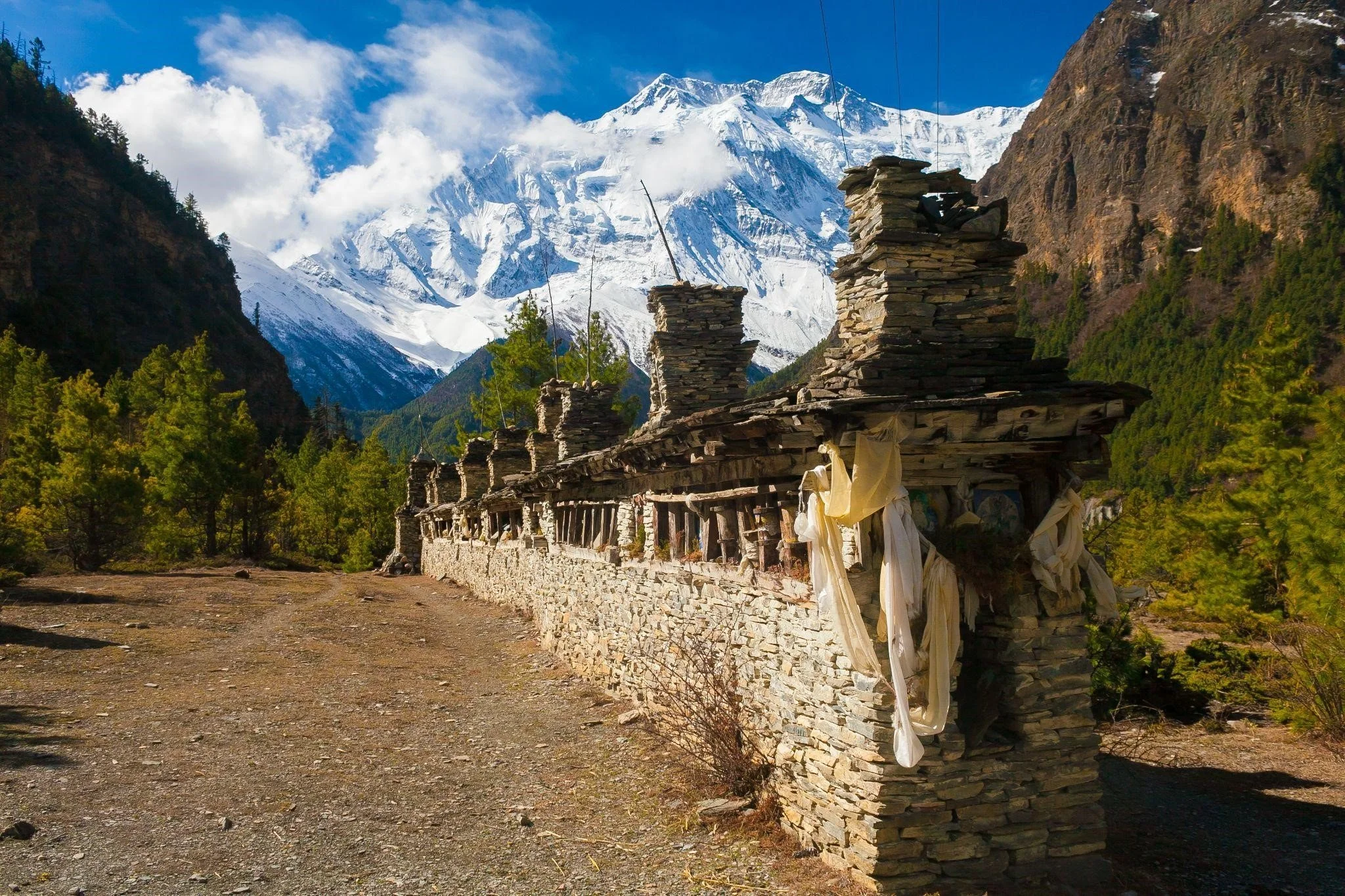
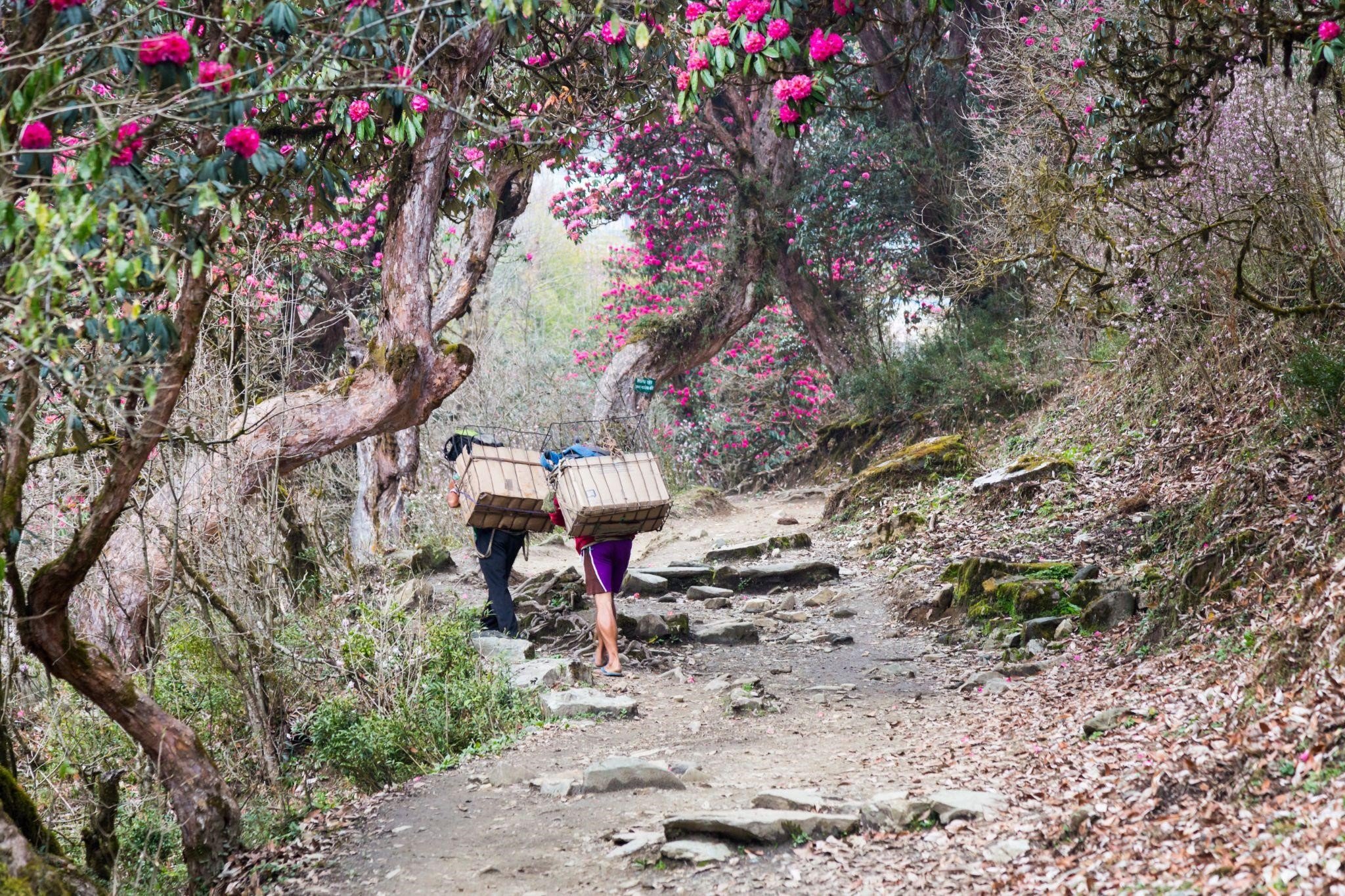
What the west calls Spring is called Basanta in traditional Nepali. The season spans for a period between Mid-March to Mid-May. This period is one of the most favourable travellings throughout Nepal, trekking is especially recommended during this season as the weather is generally stable, but features high winds and light rainfall in some regions. Trails are especially beautiful this time around the year, due to the blossom.
2. Grishma Ritu (Mid-May to Mid- July)
Grishma entails the honest season in Nepal, this season sees harsh temperature gains in all parts of Nepal. The Northern destinations are spared from the high heat; treks such as Upper Mustang, Lower Mustang, Upper and Lower Dolpa are quite popular.
3. Barsha Ritu (Mid- July to Mid-September)
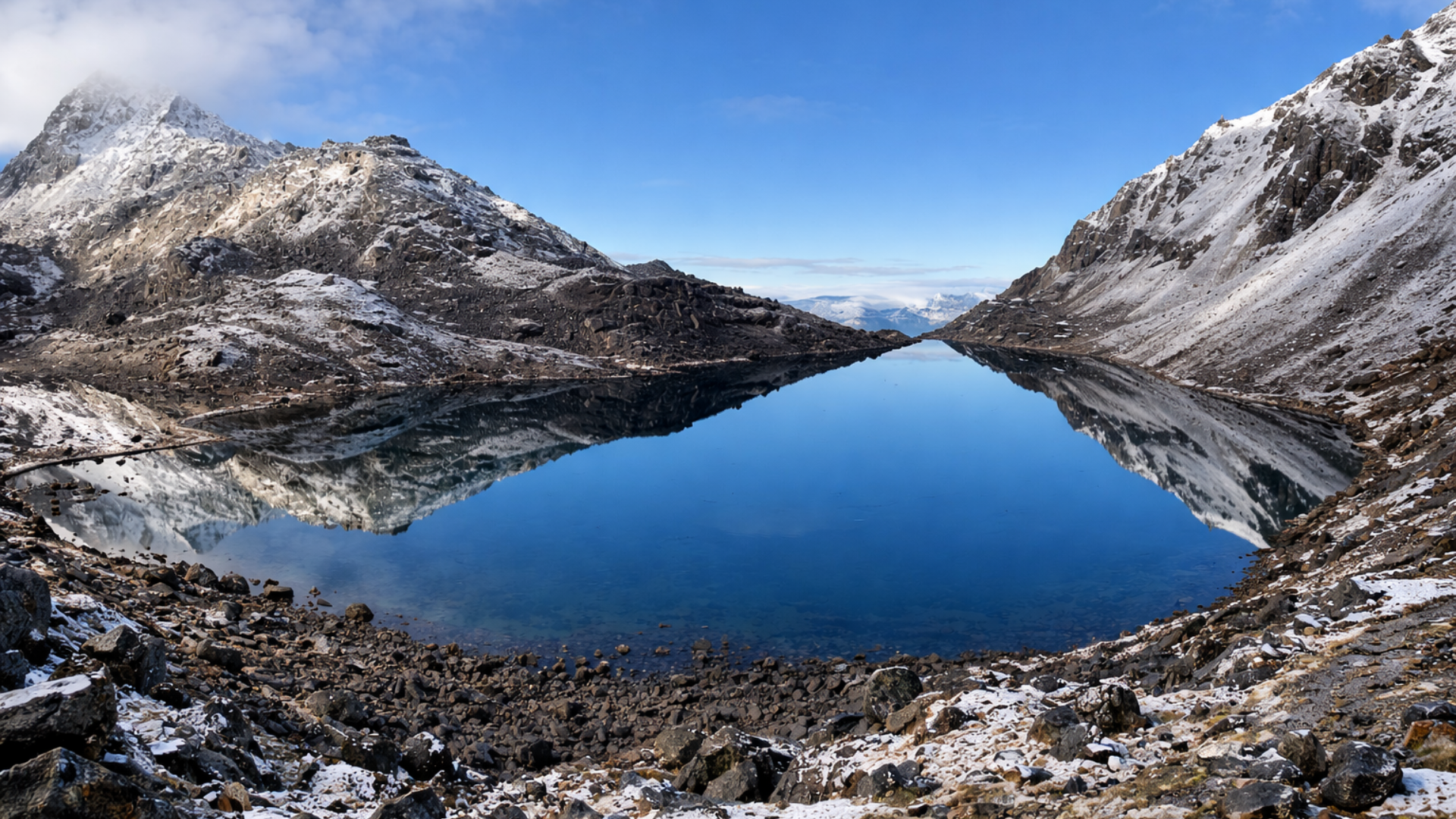
Barsha translates to rain in English. Lasting from mid of July to September, this season sees most of the regions of Nepal experience light to heavy rainfall daily. A region which is not affected much by this season is the Trans Himalayan Region, thus trekking routes in this region is quite popular such as of Upper Mustang, Nar Phu Valley Trek, Limi Himal Trek and others.
4. Sharad Ritu (Mid- September to Mid- November)
Autumn in the local culture of Nepal is referred to as Sharad. This season sees rapid changes in the landscape of Nepal and even in the urban centres as it is also the festival season. Major festivals such as Teej, Kartik Naach, Dashain and Tihar fall in during this season. For travellers who wish to experience the entirety of Nepal, this season is regarded as the perfect season to travel and experience Nepal.
Mid-September to Mid November is regarded as the perfect time for adventure activities throughout Nepal. The skies are mostly clear, moderate temperatures, and the cool breeze helps create a relaxed environment.
5. Hemanta Ritu (Mid-November to Mid-January)
In Nepal, winter is divided into two parts, with Hemanta being the pre-winter season in Nepal. This period sees a gradual decrease in the average temperature around Nepal and is also considered a fair season for trekking activities. Popular trekking routes during this season are Ghorepani Poonhill Trek, Manang Gosaikunda Trek, Manjushree Trail and others. For the native farmers of the region, pre-winter is also the harvesting season, farmers make sure to collect their crops and store them for the upcoming winter.
6. Shishir Ritu (Mid- January to Mid-March)
The winters in Nepal have quite a variation according to its various geographical regions. The Southern plains of Nepal experience an average temperature of 20-24ºC whereas the mountainous regions experience heavy snowfall. Mostly known as the dry season of tourism, it is fair to say that travelling to Nepal requires no season as one can experience and encounter the magic, mystery and beauty of Nepal all year round.
Average temperature and rainfall char during peak summer and winter in the three most popular tourist areas of Nepal.
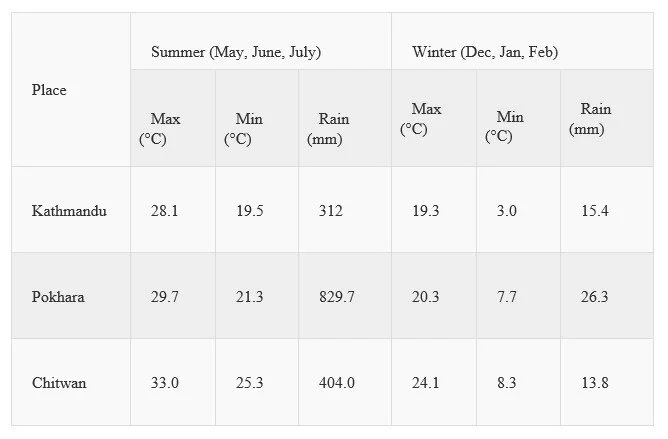
To know more about Nepal’s climatic conditions, please visit the official website of the ☛ Department of Hydrology & Meteorology, Ministry of Environment.
POPULAR ITINERARIES
SIMILAR POSTS


UNESCO World Heritage: Pashupatinath
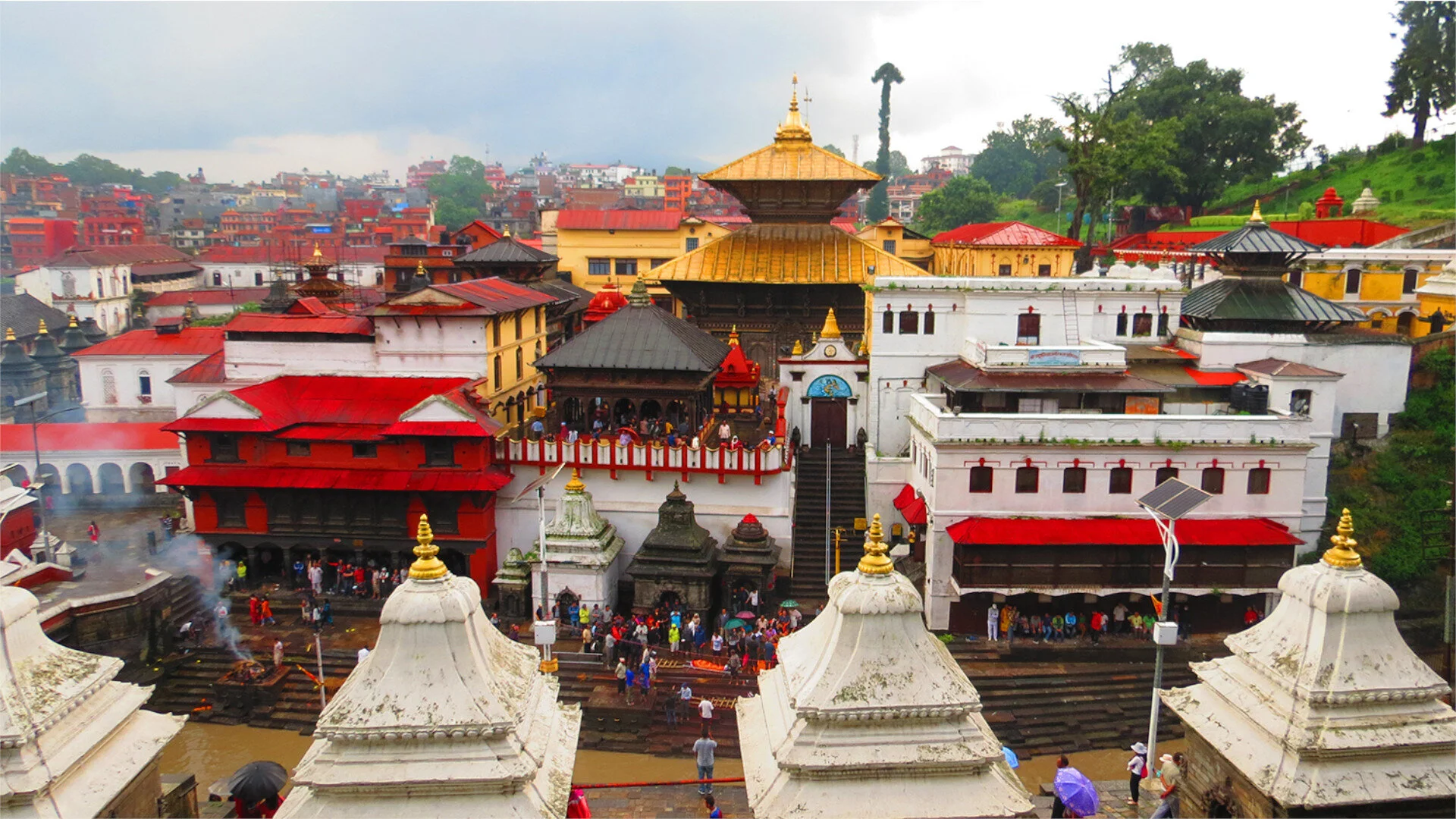
Being the most important Hindu shrine, the site receives a huge number of pilgrims travelling from all around the world to take blessings of Pashupati and bathe in the holy waters of the Bagmati. Be it an occasion, celebration or a basic Saturday, this site is overwhelmed with worshippers of Lord Shiva. It is highly recommended to visit the temple during the morning and evening aratis.
The site was inscribed into the list of UNESCO World Heritage in 1979 AD. It span’s a total area of 246 hectors which encompass, the temples, ghats and monuments. The site is one to hundreds of sacred rituals performed by the priests every day.
Legend has it, Manjusri after draining the Nagardha (Kathmandu Valley) established a beautiful Slesamantaka Forest near Guhyesvari for the services of Swayambhu and Guhyesvari. As the forest grew dense and beings began populating the great forest. It was then Krakucchanda Buddha visited the valley. One fine day he was near the Slesamantaka forest and saw Brahma, Visnu and Mahesvara who had manifested themselves in the form of a deer and lived in the forest. The place was since then called Mrgasthali from that day on.
In time Brahma, Visnu and Mahesvara agreed to leave their deer from in the forest and go back to abodes. During when, Mahesvara (Shiva) left his deer form at the bank of the Vagmati(Bagmati), as he manifested as a light that pervaded through seven worlds upwards from Earth and seven worlds downwards from hell. Lord Brahma went upwards to cross the light of Mahadeva, which had extended beyond seven worlds from the earth whereas Lord Visnu did the same in the downward direction. The place from where Visnu departed towards hell is known as Visnugupta. Similarly, the place from which Mahadeva left his deer from into light is known as Pashupati.
The given text has been phrased from the Chronicles of Daniel Wright, which were translated from the Nepal Vamshawali and is the first mention of the site of Pashupati. The true origin of the temple complex has been debated and a definite conclusion even till this day has not been made. According to the Nepal Vamshawali, the temple is said of have been built by King Dharmadatta, “During his rule, King Dharmadatta built the temple of Pasupatinatha with a large linga, following the advice of astrologers and wise panditas. He performed the consecration ritual, offered valuable goods, and pleased the god. To the northwest of Pashupati, he built a caitya as the abode of all the gods and decorated it with accompanying deities. He named it Dharmadatta Caitya, observed vows day and night, and established the dharma.” (Bajracharya & Michaels,2016, p.14)
In the time it is believed that the original temple collapsed and it was rediscovered during the era of Ne Muni. “This Raja, by name Bhuktamana, reigned 88 years and Pashupati was discovered in his reign.” ( Wright,1877, 108) Following the trail, it seems that Gopala King Bhuktamana had rebuilt the temple of Pashupati but it again had collapsed to be rebuilt during the rule of Somavamsi Kings, “His son, King Pasupresadeva, 4th generation. This king settled the valley with the people of four castes. The temple of the linga of Pashupatinatha, which had been built earlier by the Gopala Kings, was ruined. In the year 1234 of the Kaligata Era, he rebuilt it into a five-storey temple adorned with golden roofs, a pinnacle (Gajura) and a jewel on its top. Since this day, the temple of Pasupatinatha became taller, and people could pay darsana to it from far away.” (Bajracharya & Michaels, 2016 Pg. 35)
The temple was later revised into 2 stories and various Lichhavi and Malla Kings offered golden roofs and built various sites and monuments around the main temple. The current temple complex features a multitude of shrines, dharamsala's and temples. The site was inscribed into the list of UNESCO World Heritage in 1979 AD. It span’s a total area of 246 hectors which encompass, the temples, ghats and monuments. The site is one to hundreds of sacred rituals performed by the priests every day.
Being the most important Hindu shrine, the site receives a huge number of pilgrims traveling from all around the world to take blessings of Pashupati and bathe in the holy waters of the Bagmati(Bagmati). Looking from atop the bridge, near the Ghat its a surreal experience which is shared by multiple visitors as they witness the final rites before cremation, and the openness of death. Besides to which individuals are bathing in the same waters where the ashes are poured. It is a spectacle which has become a sort of attraction in the area, which for many is a time of great reflection of one's life, actions and virtues.
The history of the region might be vague, but the believes and values the site of Pashupati portrays is not. It stands as a beacon of light, uniting the world through its history, symbolism, religious importance and architecture.
POPULAR ITINERARIES
SIMILAR POSTS
Great Souvenirs to Take Back Home This 2020
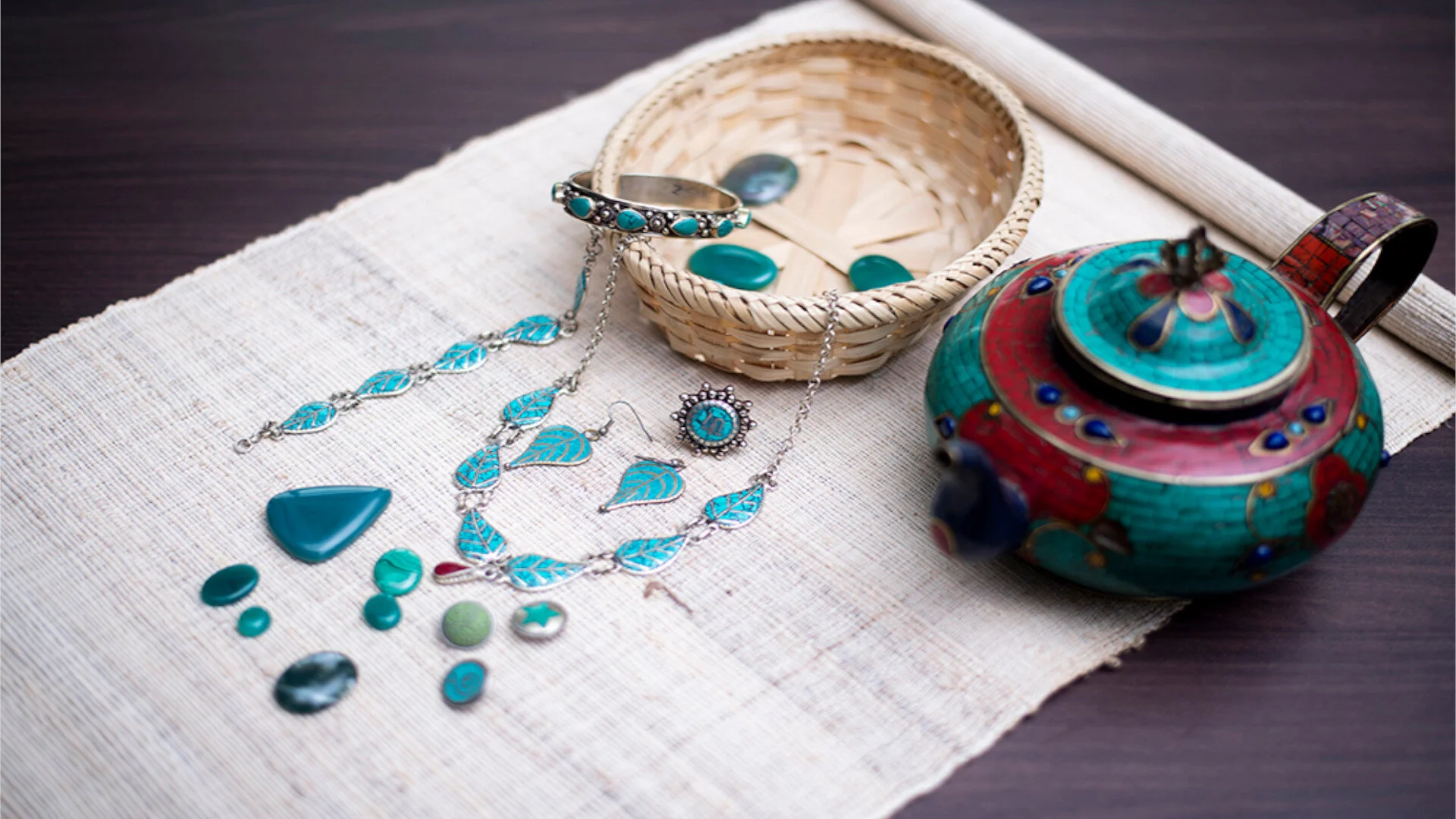
Take home the best and the popular Nepali souvenirs as a memory to remember the visit to the Himalayan country, Nepal. After each visit to Nepal, every tourist carries back these popular souvenirs as memory and gifts to family and friends.
Nepal, a country where one can find diverse culture and traditions, is a world in itself. Lying along the southern slope of the Himalayas, the country is not only enriched with exquisite floras and faunas upholding a harmonious relationship, but also with numerous culture tradition dialects and people of all walks of life. From the magnificent snow-clad mountains in the north to the humongous plains of the Terai, one can find extreme serenity admiring the complexity of natural beauty the country beholds. The country has so much to offer which can be a sweetener to your family, friends or yourself as a remembrance. Various relics that depict the country and its culture makes anyone not go back home empty-handed.
Anything That’s Dhaka
The eccentric piece of clothing i.e. Dhaka has an all-pervading influence in the culture and traditions of the people living in Nepal and has been reckoned as the artefact of honour and culture of the nation. The Dhaka cloth is very well-liked and admired by the locals along with visitors which has led the textile to be affirmative when it comes to export. Moreover, the handwoven fabric from organic cotton yarns has successfully arrested the curiosity and the attention of the tourists. Nowadays, Dhaka is being used to make various goods and accessories such as shirts, shawls, scarves, purses, bags, hats for men and sarees for women by utilizing numerous vibrant and ranges of colors to make it look more alluring and attractive. The peculiar style and noteworthy quality can be sublime to the taste of the tourists which could be a good souvenir to take back home.
Buddhist Prayer Flags
“The most eye-catching and homestyle memento is no doubt those decorative Buddhist prayer flags which endorse the concept of peace, empathy, warmth and wisdom. The simplicity and the beauty itself is the key excuse for tourists to take them back home,” says the reporter, Juliyana Shah, from Tourism Mail, ensuring the aesthetic along with its importance. “They are more than just a piece of art, they give you ethereal and intangible triumph which is something you would love to share and give to someone you want to make happy.” Buddhist prayer flags might not be extravagant but they have deep spiritual significance and make for thoughtful souvenirs.
Singing Bowls
The artistic hand-hammered antique allows oneself to cherish the plentiful euphony produced by it which can be used for healing and meditative gains. Singing bowls are one of the most delicate and pleasant pieces that are available here in Nepal. These metallic bowls make calming and reassuring sounds which take anyone to their euphoric state. There are some benefits of it and one being that it gives clarity to the mind, body, soul and intuition. Highly beautified and well-thought bowls have a small wooden stick that works as an accessory for us to knead the rim of the bowl in a circular way to create the soothing chime.
Lokta Paper
Made out of rice husks, rice paper is a very popular textile that is patently available in the markets of Nepal. Also known as “Nepali Paper”, it is often used as a base for various art paintings and documents paper. The country is a huge producer of rice paper and has managed to make its place in foreign markets. Many items are being produced with the help of rice paper such as journals, lanterns, albums, diaries and many more. Rice paper has flourished itself in the tourism domain.
Khukuri (Gurkha Knives)
Both used as a tool and a weapon, Khukuri is the national armour as it represents the galore of the country. “One notable thing is that tourists are very fascinated towards Khukuri,” Dipchandra Kalika says. “The sole reason behind this interest maybe because they see these knives on sale which symbolizes as a token of bravery which perhaps is a rare case in the western countries. Another excuse would be because they find it fancy as the knives we have here are differently structured or have a distinct recurved blade.” With the opinion of Khukuri being a new concept when it comes to craftsmanship, he concludes by saying that despite the ravishing design, this makes a thoughtful souvenir from the country itself to its visitors.
SIMILAR POSTS
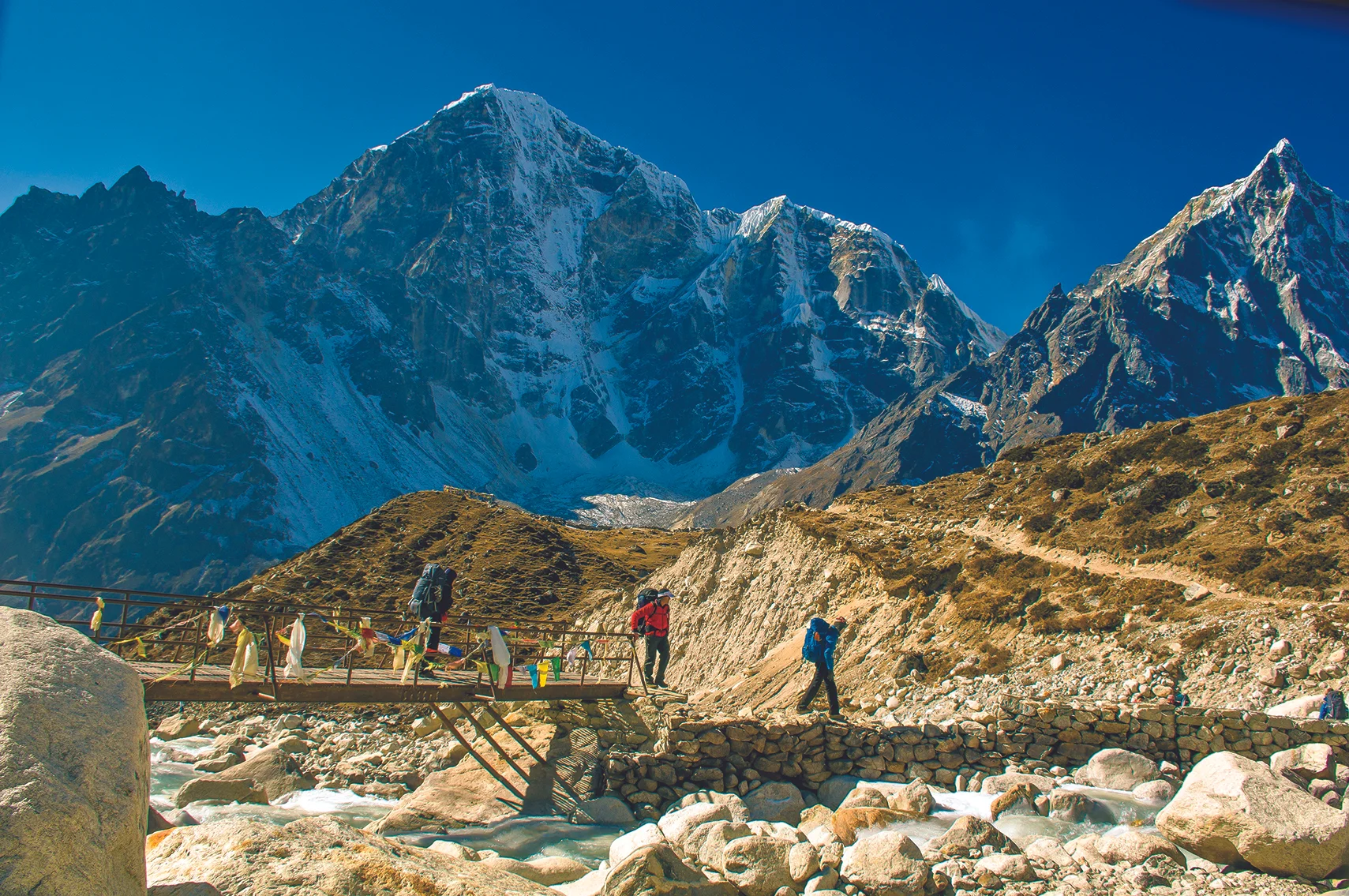
A Tranquil Escape: Trekking In Nepal
If you are planning to trek in Nepal but don't know where and when is the best to plan a trek in Nepal or wondering to visit Nepal to make an enjoyable and memorable trip with your loved ones. There are numerous popular trek destinations and various activities in Nepal for solo to a group of families and friends from all over the world.
There are numerous trekking routes to venture upon this high land and it is known as the 'Great Himalaya Trails.' It is an immense trail system that covers areas of Nepal from Humla and Darchula which lies in the west to Kanchenjunga in the east.
Trekking in Nepal is found to be completely different than that of mid 1960s. Only a few trekkers visited Nepal as a part of expedition group. But now, situation has completely changed and with the facility of accommodation with food and lodging facilities, trekkers from all around the world are encouraged to visit our country.
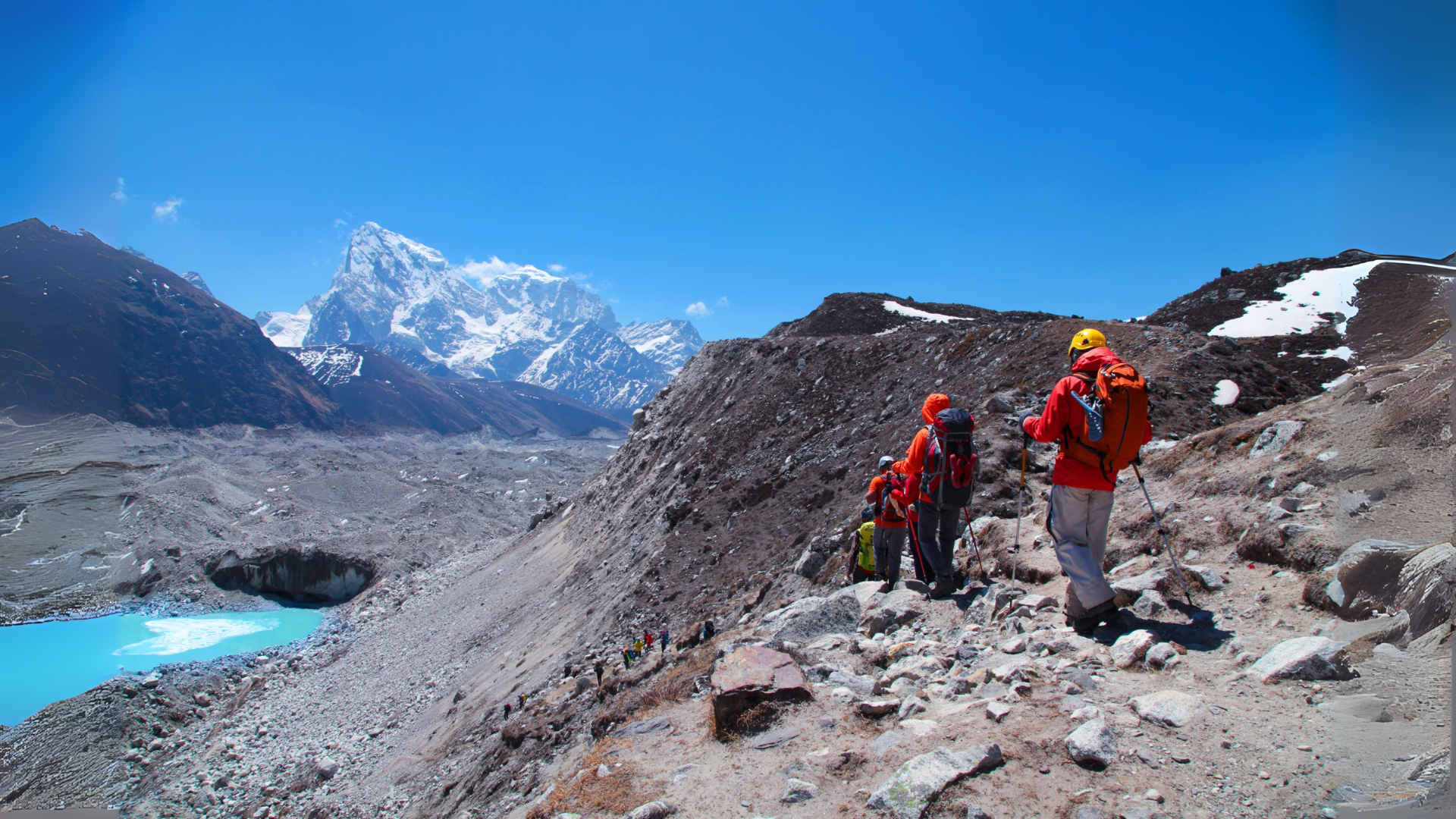
The three major trekking areas and the easily accessible ones are Langtang, Everest and the Annapurna regions. Amongst three, Annapurna and Langtang have an advantage as they can be reached through road connections. The Great Himalaya Trails has substantial amount of information on other hiking regions which can be easily accessible on domestic flights. Kanchenjunga, Dolpo, Makalu and Far West are some grounds covered by flights. However, this is just the starting of the journey and it takes several days of trekking to reach higher mountain areas from the local centers of population and administration.
Domestic flights usually occur early morning and two domestic flights are required to reach the starting destination of the trek. The popular trek areas in Everest, Manaslu, Annapurna and Kanchenjunga are able to provide lodge with better accommodation. Similarly, the west of Annapurna is the less visited trekking route and they may not have proper lodging facility; but they most definitely have camping style trek support.
Mustang trek has become of the most popular and common trekking destination among the visitors and travelers. It is famous for international as well as national tourists. Mustang Trekking is a superb trekking route in the Western Nepal as it takes tourists to the hinterlands of the western region of Nepal. Previously, Mustang Trekking was restricted for expedition and the land was alienated from the travelers. But now, it is be swarming with visitors and has become a major tourist hub.
Along with this, Manaslu Circuit Trek is another famous trekking route. It has successfully attracted the intended tourists and adventure seekers. Many come here for the purpose of hiking and trekking. They get full experience of the serene beauty of high lands. Nepal has captured the imagination of the entire world with its unsurpassed beauty.
The southern areas of Nepal are usually preferred to trek as they receive higher level of precipitation. We can find climate variations as some routes along the Great Himalaya Trails lie in the rain shadow. These dry lands on the north fall on the leeward side of mountains. The places that fall under it are Mustang to the north of Annapurna with Manaslu and Dolpo to the north of Dhaulagiri.
Post monsoon season can be a great time for trekking as the weather tends to be clearer. Winter can be good but the trekkers have a disadvantage as this season has shorter days. Spring season can also be affected by the seasonal rain and snow storms. Summer season does not last long and it is quickly followed by the monsoon season. Thus, no season is perfect for trekking purpose and the trekkers have to make though decision about which kind of season is most desirable for them.
- Here are few of the refreshment activities that you can try on the Himalayas:
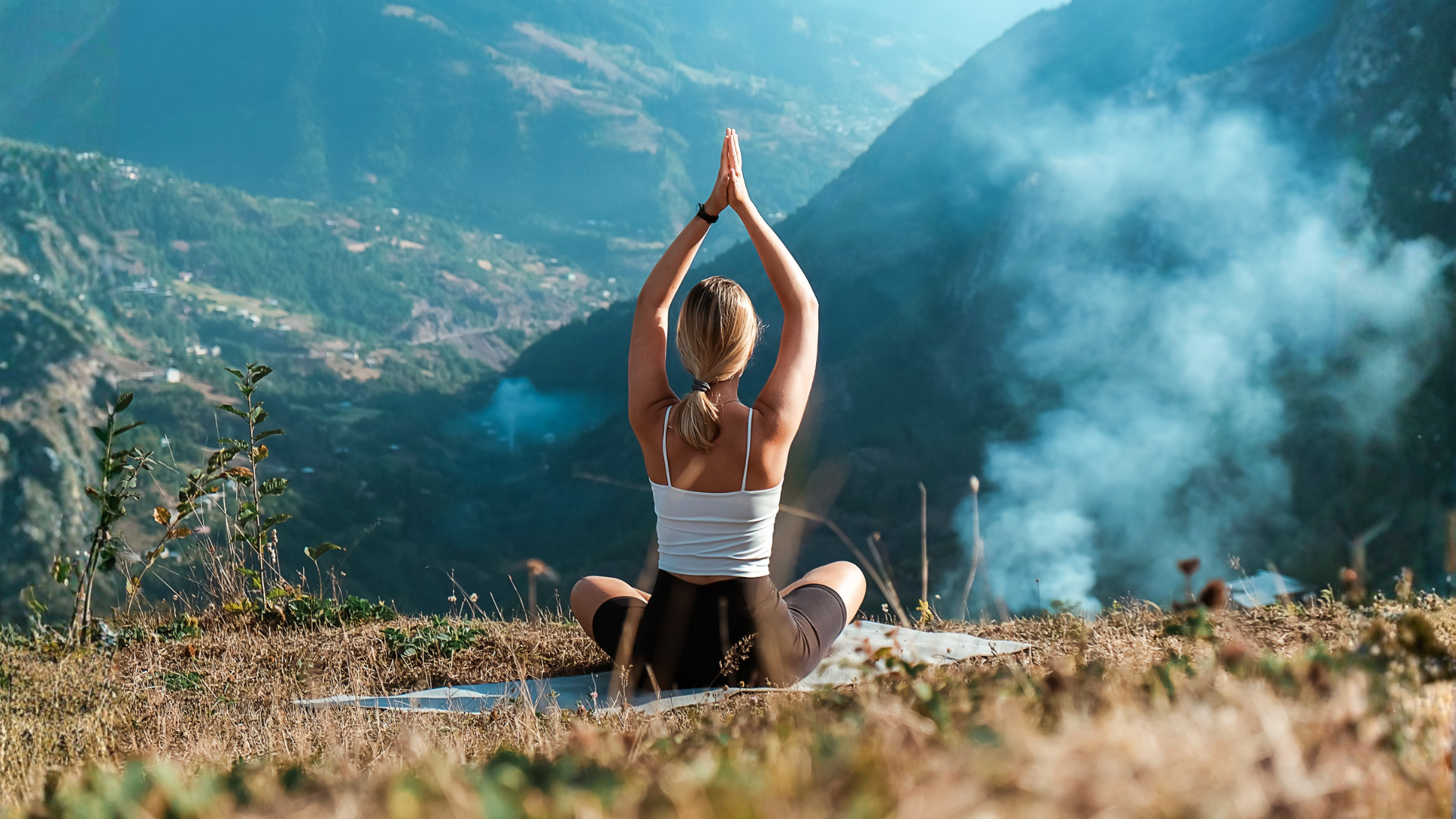
- Yoga and meditation – As dramatic as it sounds to climb to the top for meditation; yoga is a stress reliever and you can relax peacefully in a calm environment.
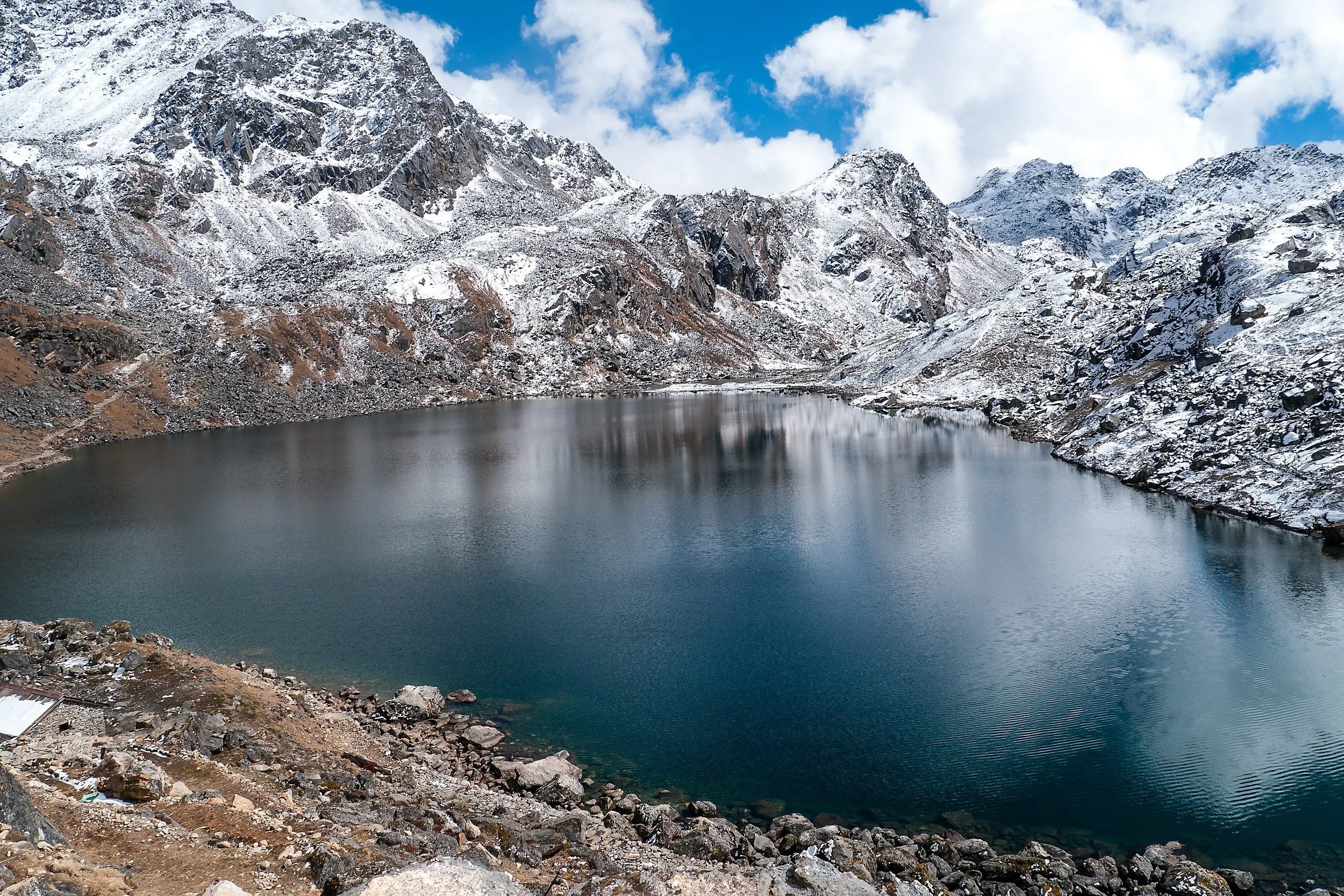
- Indulge yourself with nature – Flora and fauna found in abundance in the mountains and you can carry your camera and explore this rich land. Who knows, you may even stumble upon a Yeti! You can immerse yourself in the lakes, rivers and lowest gorges.
- Mountain biking - You may want to test your physical limit by taking a mountain bike up to the high lands. As the trail is diverse, you can bike on a clean bumpy road to bumpy rough trails. You will enjoy delightful greenery and elevated mountains in the backdrop.
- Everest Skydive?! – As crazy as it sounds, you can have the best spine chilling adventure with the combination of the highest peak of the world and mind blowing sport of skydiving. You can get view of the Everest region with stupendous mountain views and the Sherpa settlement below makes this experience a lifetime achievement.
- Take mountain flights – You can choose to fly close to the Himalayas to get an unbelievable scenic view of this tremendous chain of snow covered mountains.
- Shopping! – Who does not like doing good old shopping? Astounding handicrafts items of excellent craftsmanship are found in the Himalayas. You can get souvenirs for you and your loved ones. Items like thangkas, pashmina, carpets, jewelry, prayer wheels, stone carvings etc. has great cultural significance.
- Faith healing – You can explore the mysticism of the animalistic of Himalayan culture. The process involves honoring the earth and respecting the spirit which is believed to reside in all of us.
- Mingle with the locals – Nepalese are considered to be the friendliest of the lot and you can always socialize with them. You can feel their optimism, simple yet powerful spirit and get a taste of their genuine warmth. A simple gesture of 'Namaste' can lead to great friendships with unforgettable memories.
The trekkers can be enthusiastic about the idea of solo trek with their own schedule and convenience. But do you want to risk the unknown and get stranded in a situation with a major storm, temperature of at possibly 5,000 m and zero visibility? Thus if you want to avoid the risk, it is advisable to you travel with a group of trekkers for support and guidance.
Similar Posts
‘Namaste’, a Most Gracious Greeting
‘Namaste’, the customary form of greeting in Nepal, is one of the most humble, respectful, and gracious forms of greeting found anywhere around the world.
The traditional Nepali greeting of putting palms together and saying “Namaste” has taken on a new dimension.
Ever since it was disclosed that one of the precautions against being infected with swine flu was to avoid shaking hands, I have made it a point to avoid shaking anybody’s hand. That’s also because it is being increasingly accepted that it’s best not to be too touchy-touchy if you want to avoid getting any sort of germs transferred. Nowadays, the big talk is about the importance of hand-washing, especially in this part of the world, where the hands are used for everything. So, the traditional Nepali greeting of putting both palms together and saying ‘Namaste’ has taken on a new dimension.
Namaste Meaning
Not that ‘Namaste’ was any less important, and any less significant, at any other point in time. It has always been one of the gentlest, and politest, forms of greeting anybody. It’s elegant, too. In fact, the meaning of the word itself says a lot about the culture here. ‘Namaste’ is a word derived from the ancient Sanskrit script, according to which it means, ‘I bow to the divine in you’. In a country where the culture dictates that guests are to be regarded as gods, it is apt that our greeting should be in sync with that dictum.
When you are traveling to Nepal, you’ll probably first experience this greeting when boarding your plane, when the pretty air hostess welcomes with a warm smile and a graceful ‘Namaste’. You’ll probably return the greeting similarly, and continue to repeat the process at different times during your stay here. You can’t help it, since it’s the kind of greeting that calls for an equally gracious response, and none is more gracious than a ‘Namaste’! Anyway, aside from that, it’s a fine way to start absorbing some of the ancient culture of Nepal. A ‘Namaste’, accompanied with a smile, will take you miles. At the least, it will endear you to the locals you come across, and make you more welcome anywhere you go. A proper ‘Namaste’ can unlock many doors, and open hearts, too. So, go ahead, practice a couple of ‘Namaste’s’ even before you embark on your journey to this Himalayan country.
A ‘Dhanyabad’ (thank you) accompanied by a ‘Namaste’ gesture is sure to be pretty well appreciated.
Leave the strong and hearty handshake behind, although nowadays, you’ll meet plenty of folks out here who’ll prefer to push their hand forward to receive one. A sign of the times, but all said and done, they’ll still be likely to give you a ‘Namaste’ before doing so. So deeply ingrained are Nepalis in the culture of their land. A ‘Namaste’ is not only used for greeting and welcoming, it’s also used for farewells, and for demonstrating your gratitude too. A ‘Dhanyabad’ (thank you) accompanied by a ‘Namaste’ gesture is sure to be pretty well appreciated. An all-in-one-greeting, that’s what a ‘Namaste’ is. Whatever the case may be—greeting, welcoming, goodbye, or demonstrating thanks—one cannot go wrong with a ‘Namaste’ since it is such a humble gesture that anybody will appreciate it heartily.
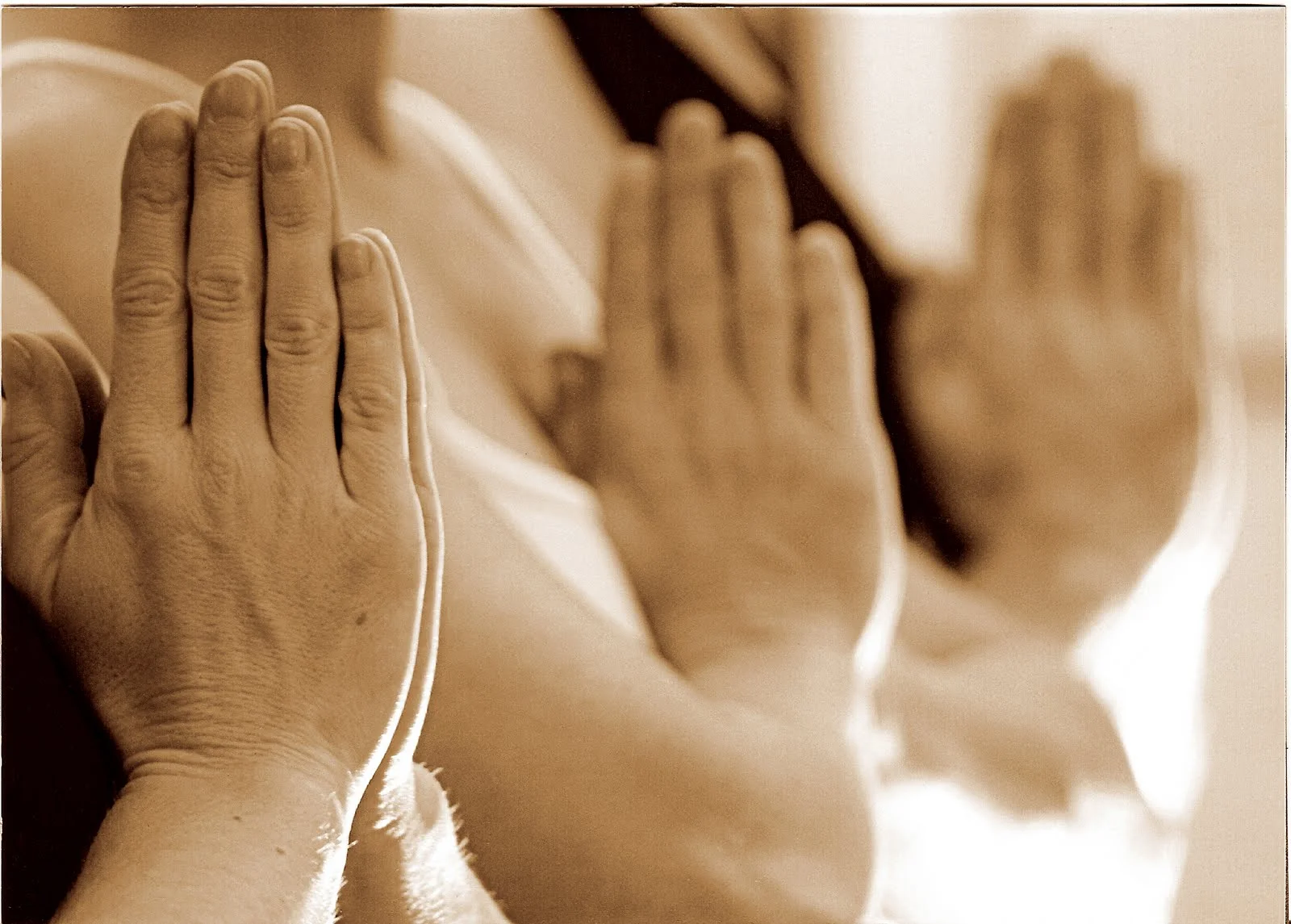
What’s the proper way of doing a ‘Namaste’, you may ask? Well, here’s what you do—first you bring your hands together, the palms pressed against each other; then you place them just below your chin; now, slightly bowing your head, you bring a gentle smile to your lips (and your eyes, too, for that matter), and say, ‘Namaste’ in a polite voice. Some people have their eyes downcast when doing so, while some look into your eyes; it doesn’t matter all that much what you do.
Your humility-signifying folded hands, the warm smile on your face, well, that’s more than enough to convey your warmth and respect for the one you are saying ‘Namaste’ to.
Yes, in the final analysis, that’s what a ‘Namaste’ signifies—respect. Respect for the god in others, respect for their inherent goodness. And, humility, that’s what the person saying ‘Namaste’ is displaying. Well, anybody would want to reciprocate such beautiful feelings, wouldn’t you say? How do you do that? By doing likewise, of course, which means giving an equally heartfelt ‘Namaste’ in return.
SIMILAR POSTS
Riding the Rapids: Whitewater Rafting in Nepal
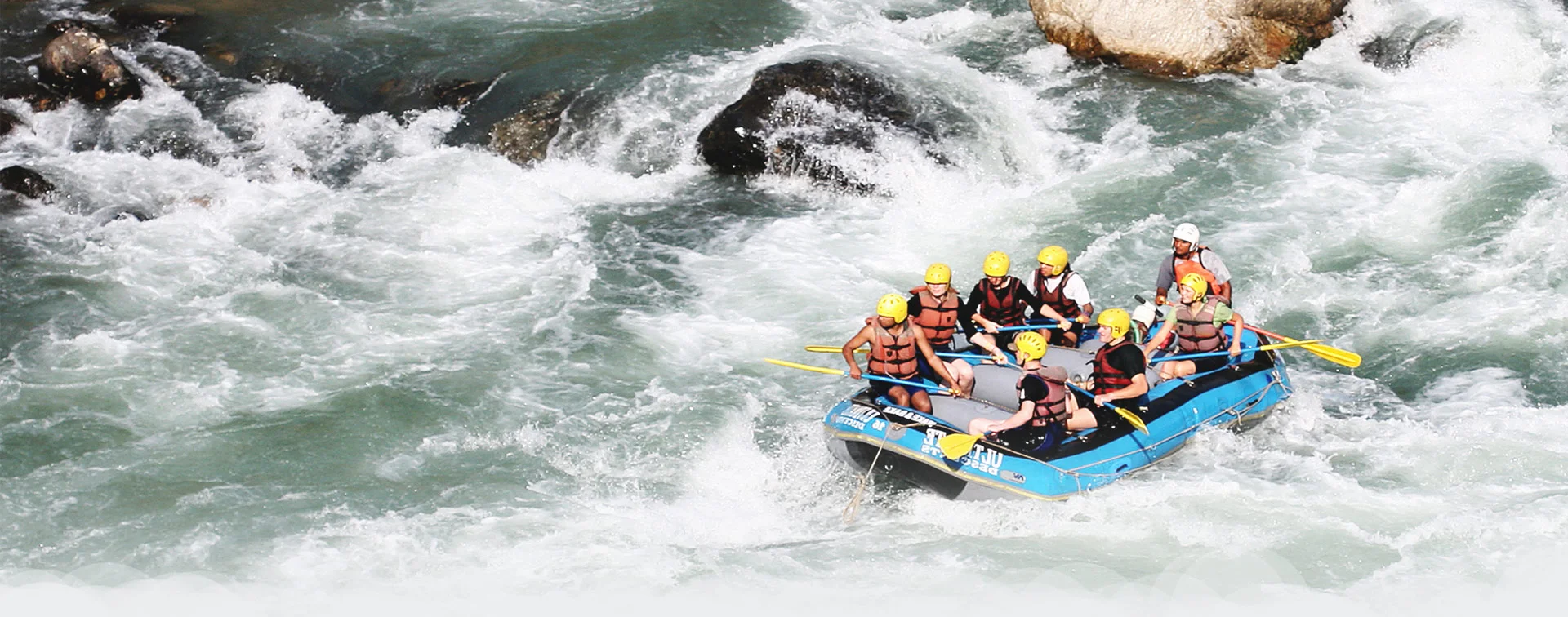
Whitewater rafting is one of the main attractions of Nepal’s many thrilling adventure activities; it’s enjoyable, exciting, and exhilarating.
In whichever hotel in Nepal you are staying at during your Nepal visit, don’t forget to ask about how to go whitewater rafting. This is to ensure that you don’t miss out on the experience of a lifetime in this country full of adventure and discovery. What’s more, the season has just begun! Yes, October to mid December is a great time to go whitewater rafting, as is the period from early March to May.
Nepal has a surplus of mighty rivers originating from the majestic Himalayas and flowing down to the lowlands (Terai). This makes for an ideal situation for going whitewater rafting. Stretches of placid waters combined with stretches of swirling rapids, and huge boulders strewn all along the way—all these point towards excitement aplenty. As you read this, the question could have popped up in your mind: “and what about spills?’ Well, that’s all part of the thrill of whitewater rafting. However, you can put your mind to rest about this, since the many whitewater rafting operators here have decades of experience behind them, and they will strictly adhere to all safety measures. There are 10 river systems in different parts of the country that are open for whitewater rafting. Rapids on these rivers are graded on a scale of 1 to 6, with the first being the most tranquil and the last being the most ferocious. Obviously, you would probably prefer somewhere in between. One thing to be realized is that it’s best not to go it alone; other rafts alongside will be useful in case help is needed.
Rafting down the Trishuli River is perhaps most popular with tourists. It has rapids of 3 and 4 grades. Most rafting operators take you on a three-hour drive down from Kathmandu to put-in points like Fishling and Charaudi. From these points, you can raft for up to 60 kilometers, or shorter distances if you are short of time, such as a three-hour trip to Kurintar. The Trishuli experience can either be a one-day, or two- to three-day affair. Some operators prefer another route, one in which you are driven down to a bustling town called Besi Sahar (8 h), and from there to Khudi, the start of your rafting adventure. You raft down for some 38 km until you reach a quaint Newari town called Bimal Nagar. It’s a trip that won’t worry you much, since the waters are quite tranquil most of the way. Another popular site for Nepal whitewater rafting is the Bhotekosi River (grade 4), which is located close to the Tibet-Nepal border; about a three-hour drive from the capital.
Also close to Kathmandu is the Sun Kosi River. You first take a three-hour drive down to Dolalghat, and then take off on your raft. You’ll come across rapids of grade 4 and 5 along the way, with some stretches perfectly calm, while other stretches are pretty wild. You’ll also be maneuvering your raft through quite a few rock strewn passages. The rafting is a lot of fun, and since it’s a long ride of about 120 km, you get to experience many highs and lows, not only of the rapid grades, but we daresay, the limits of your courage, too! Like in the case of other higher-graded rivers, the Sun Kosi, too, is recommended for fairly advanced rafters.
The Kali Gandaki River in far-western Nepal is another great site to go whitewater rafting in. It has rapids of grades 4 and 5, and flows through the famous Kali Gandaki gorge, said to be the deepest in the world. You’ll notice some cremation sites and burial mounds at the junctions, and this, too, should add more flavor to the journey! Another far-west river, the Karnali, is Nepal’s longest river, and it has rapids of grades 5 and 6, which makes whitewater rafting down its length a most exciting adventure. The Karnali River has its origins in the Mount Kailash region. Another river that offers exhilaration galore is the Marshyangdi River (grade 5), with its steeper rapids that continue for long periods, which mean it is also an excellent river for kayaking.
The Seti, which slopes down from the Macchhapuchre Himal in the Annapurna region, is a much gentler river with only grade 2 and three rapids. Rafting down its length is a moving experience, what with the fantastic scenery all around, including splendid views of the Manaslu and Annapurna ranges. What’s more, this river has quite warm waters, so you can do a bit of whitewater rafting in cooler months as well. On the other hand, rafting on the Tamur River, which originates in the Kangchenjunga range, is for more proficient rafters, since it has grade 5 and 6 rapids. The distance is also a long one, almost 120 kilometers, and you’ll get plenty of non-stop excitement since there are almost 100 rapids to be traversed through!
Many whitewater rafting expeditions are usually combined with a bit of safari in the jungles or with some short trekking in the mountains, depending on where the river is situated. Whatever the river you choose in Nepal to go whitewater rafting in, you can rest assured that you will have one heck of a roller coaster ride down the swirling waters of the mighty Himalayan rivers!
| Name of River | Duration | Grade | Start Point | End Point |
|---|---|---|---|---|
| Trishuli | 1 - 3 days | 3+ | Baireni Chauradi | Simaltar |
| Bhote Kosi | 2 days | 5+ | Bahrabise | Dam |
| Kaligandaki | 3 days | 4+ | Baglung | Mirmi |
| Seti | 2 days | 3+ | Damauli | Gaighat |
| Sunkosi | 10 days | 5 | Dolalghat | Chataira |
| Karnali | 10 days | 5 | Sauli | Bhen Bridge |
| Marshyangdi | 5 days | 5+ | Ngadi | Bimal Nagar |
20 Things Every Nepal Traveler Needs to Know
The form of greeting in Nepal is “Namaste” performing by joining both palms together. It literally means “the divine in me salutes the divine in you”.
1 – Do not trek alone. There have been numerous disappearances of solo trekkers in recent years. Always hire a guide or trek with other people. There are online forums where travelers can look for fellow-trekkers. This applies to everyone but especially women that are travelling single – they seem to more vulnerable. Always communicate your travel plans to your next of kin.
2 – Food safety - Avoid water that is not bottled or boiled. Avoid raw vegetables and pre-cut fruit as much as possible.
The form of greeting in Nepal is “Namaste” performing by joining both palms together. It literally means “the divine in me salutes the divine in you”.
1 – Do not trek alone. There have been numerous disappearances of solo trekkers in recent years. Always hire a guide or trek with other people. There are online forums where travelers can look for fellow-trekkers. This applies to everyone but especially women that are travelling single – they seem to more vulnerable. Always communicate your travel plans to your next of kin.
2 – Food safety - Avoid water that is not bottled or boiled. Avoid raw vegetables and pre-cut fruit as much as possible.
3 – Even though Nepal is known for its pristine environment and beauty – not the highways and major city streets. They are crowded with traffic, full of smoke and bumpy and dusty. Hence travelling on a bicycle or a motorbike for the most part is not advisable. There are some off-road mountain bike trails that are ok to do.
4 - Do not give money to beggars that you see on the streets. Even though they look pitiful, your giving away of money encourages them only to beg for more. If you really care support one of many charity organizations working in Nepal .
5 – Be sure to exchange back all the Nepalese currencies before you leave. They are not accepted (or even exchanged for that matter) outside of Nepal . Besides, taking currency out of the country is against the law.
6 – Do not touch someone’s head or sit showing the bottom of your feet towards them. It is considered rude.
7 – Do not fully rely on schedules and times that are committed to you whether in verbal or written while you are in Nepal . They may not commence in time as stated or committed and may end up disrupting all your subsequent schedule. Have time buffer as much as you can between your major plans and activities, especially if you have a hard stop date that you need to fly out by.
8 - Always be alert/aware of “Bandhs” (Strikes – where no transportation is allowed) as they can alter all your travel plans substantially.
9 – Do not assume that “ganja” (marijuana) is legal in Nepal . It is not. Even though it is a common weed on hillsides you can get in trouble for picking it and carrying it for consumption purpose.
10 – Do not assume that when a Nepali says “yes” or shakes the head in affirmation that it is a done deal or they agree with you. Re-confirm using simplest of words but being as direct as possible to make sure.
11 - Stay away from dance bars in KTM and PKR. These are tourist traps where they scam you on buying alcohol and food at much inflated prices. Some of these places have a history of intimidation and violence.
12- If you are planning to apply for the Visa at the airport, make sure to have passport size photo available. Plan B is to have your photo taken at the booth at the airport.
13- There are daily scheduled power outages. Have a flashlight handy all the times.
14 - All nightlife pretty much ends by 10 pm with only a few places around the Thamel area that may stay open a little later.
15 - Bring a universal plug and voltage adapter kit for your Electronics. Nepal uses 220V.
16 - Keep in mind that there may be an entrance fee to some of the common temples and public areas applicable only to foreigners ranging anywhere from 250R's - 700R's.
17 - Always have some tissue paper and hand sanitizer with you at all times – and note that some of the toilets may require squatting.
18 – Insist for a Running Meter in the Taxi. After 10 PM you do pay double of the meter fare however – that’s the commonly accepted norm.
19 - Avoid displaying food around monkeys around temples, as they are used to snatching it.
20 - Support the NON-Plastic Initiative, please limit your use of plastic items, and help make Nepal a better place.
This post originally appeared at Trip Advisor