
Exploring Nepal In Monsoon
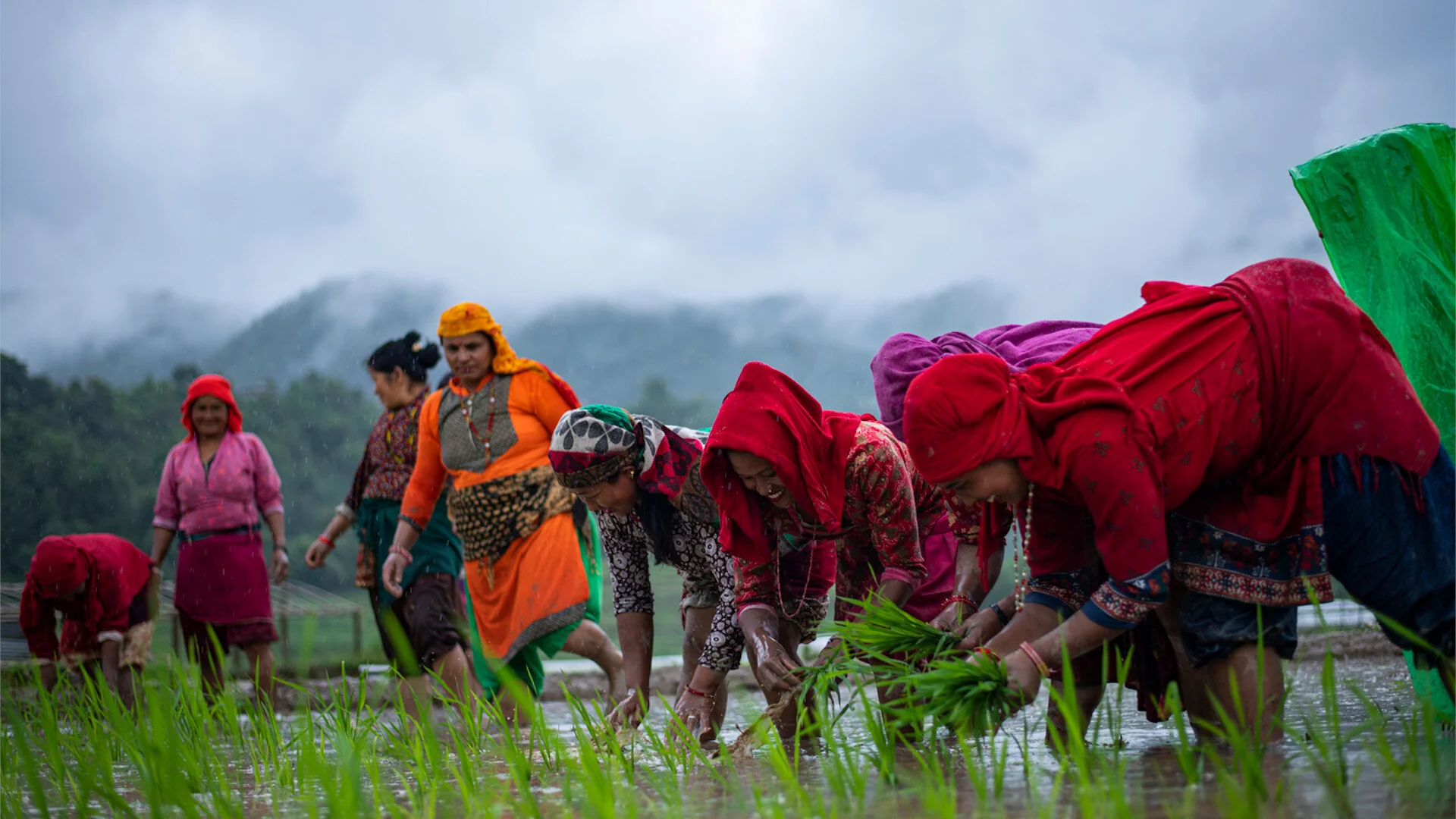
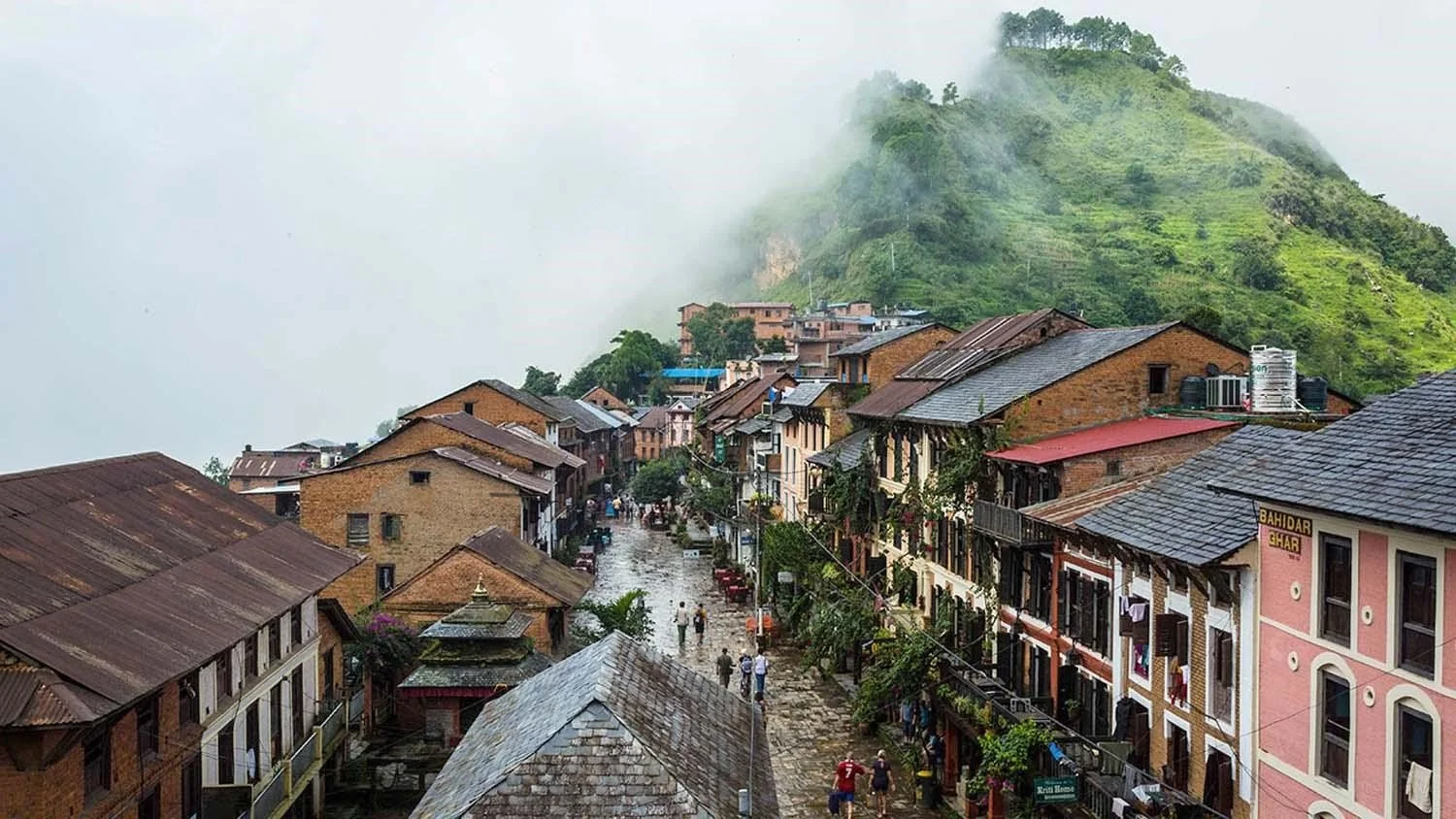
The general assumption when it comes to visiting Nepal is that one cannot do much here during the monsoon. It leads to a sharp decline in the number of international travellers and is considered off-season. Even though various adventure activities are not achievable during this period, it does not mean that one cannot experience Nepal. There are various regions which are accessible and regional activities one can experience. Before we dive into it, let us know more about the impact of the season in general.
The general assumption when it comes to visiting Nepal is that one cannot do much here during the monsoon. It leads to a sharp decline in the number of international travellers and is considered off-season. Even though various adventure activities are not achievable during this period, it does not mean that one cannot experience Nepal.
There are various regions which are accessible and regional activities one can experience. Before we dive into it, let us know more about the impact of the season in general.
The pre-monsoon period falls in the last few weeks of the Grishma, which is the hottest season in Nepal. This season features the highest temperatures in most regions of Nepal which are accompanied by light to heavy rainfall in the last weeks of the month. The monsoon also is known as the Barsha, which is also peak monsoon between Mid-July and lasts in average till Mid- Late September.
Travellers can face difficulty when it comes to connecting national and international flights due to weather disruptions. Roads in some part of Nepal become inaccessible due to the rain, landslides and flash floods. But the other elements such as communication, accommodation and amenities are available during this season.
Trekking the Trans-Himalaya Region
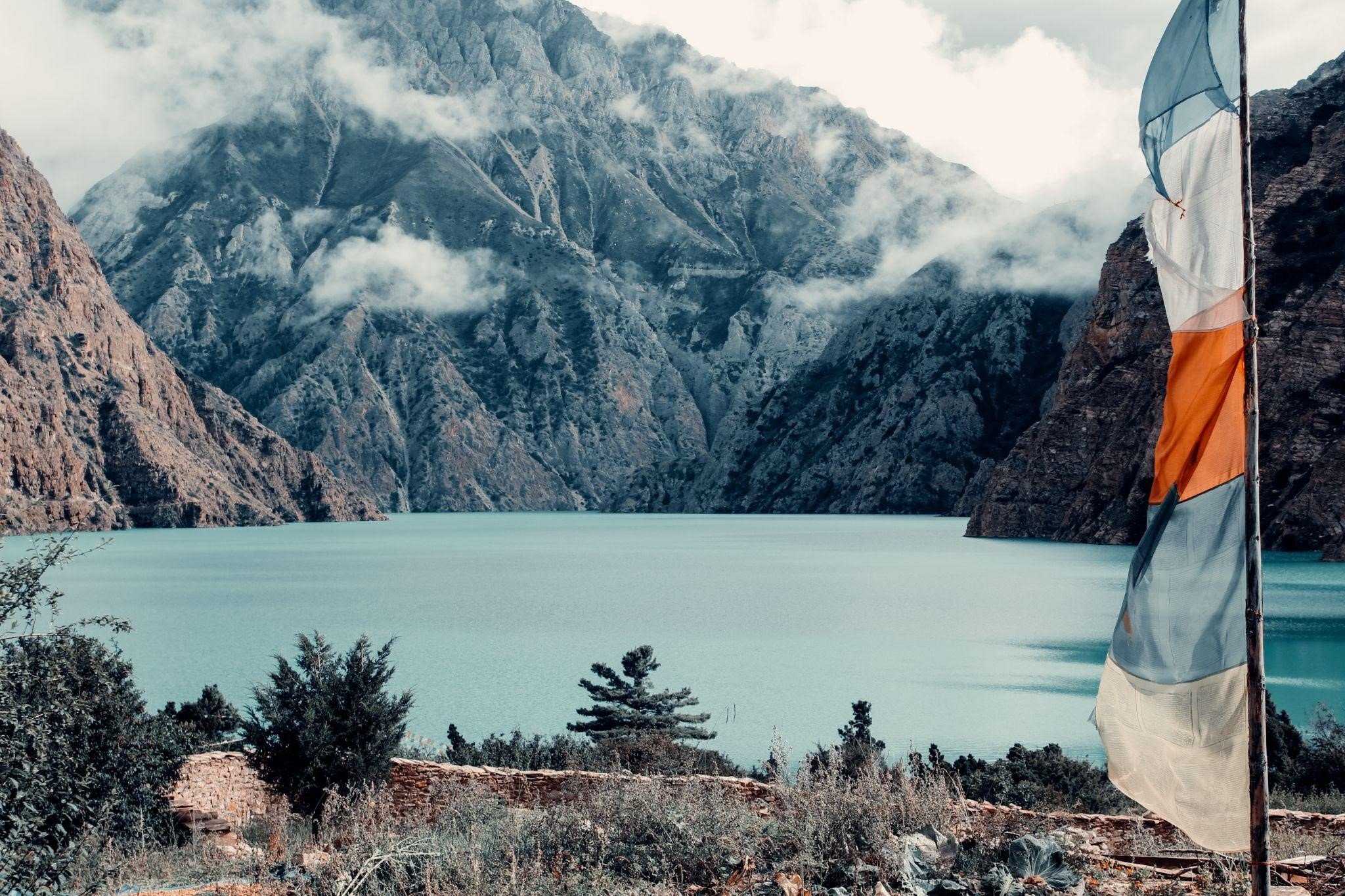
Most trekking trails are inaccessible during the monsoon. But routes that lie in the shadow of Trans-Himalaya which experiences minimal rainfall are at there best during this time. (Trans Himalaya was created due to the collision with the Eurasian plate. This zone is the Northernmost area in the country in the states of Jammu and Kashmir and Himachal Pradesh. It is an extension of Tibetan plateau around the Himalayas- Wikipedia).
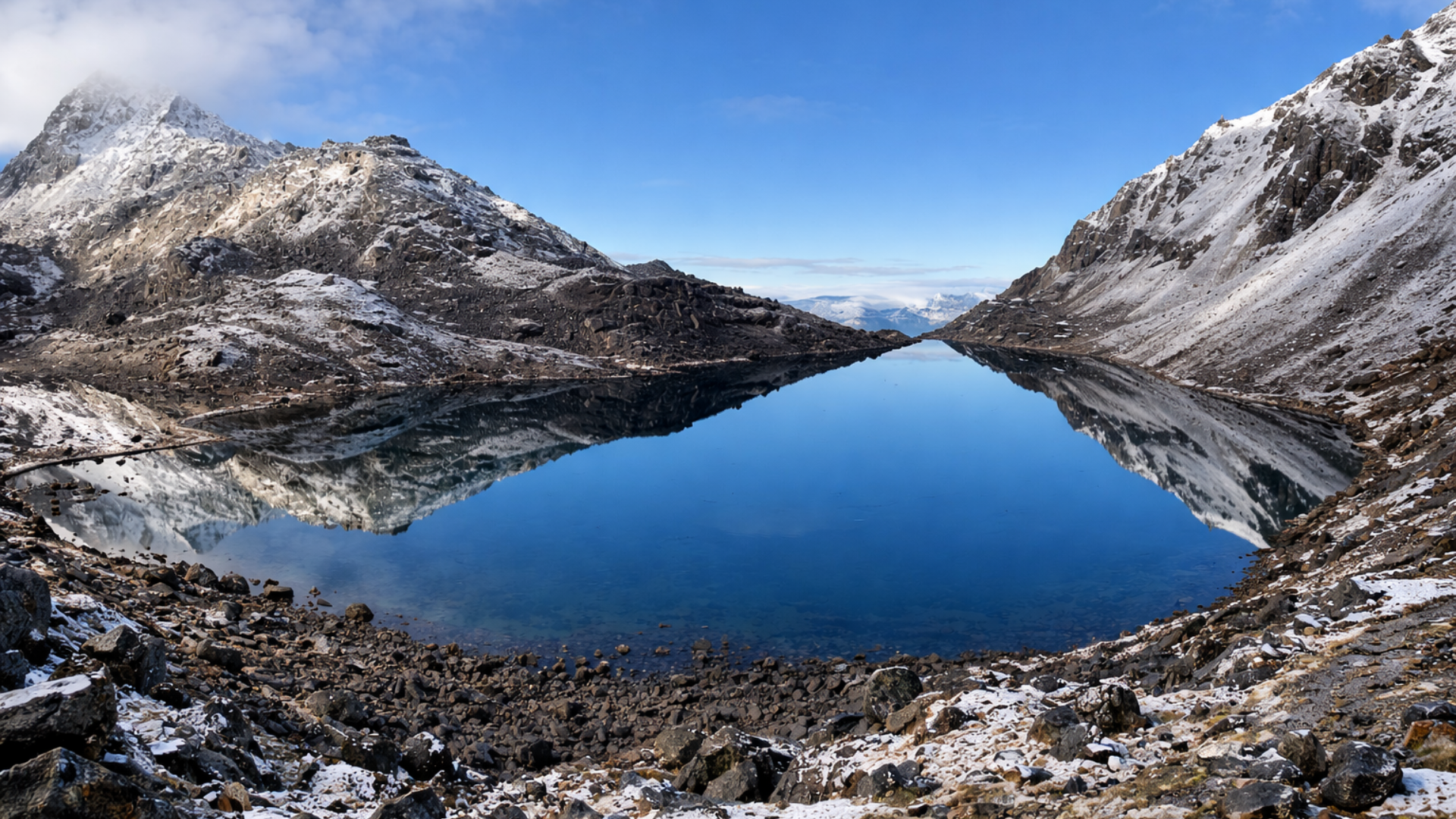
Trails such as Upper Mustang Trek, Nar-Phu Valley Trek, Tsum Valley and Manaslu Circuit Trek, Phoksundo Lake Trek, Lower Dolpo Trek, Simikot Circuit Trek, Lower Mustang Trek, Limi Himal Trek are some of the trails that one can indulge.
Due to the prevalent trend, this season features a low number of trekkers which leads to less crowding, and the various lodges and homestays have rooms easily accessible. Travellers should be prepared with measures if rainfall occurs. Such equipment and gears are available in the tourist markets of Nepal.
The prime advantage of traversing these trails during this season is not just the low crowds, reduced rates, but also the fact that the biodiversity in these regions during this period is immense. Waterfalls which would be dry during other seasons are lush, and the flora is at peak blossom.
A Cultural Experience
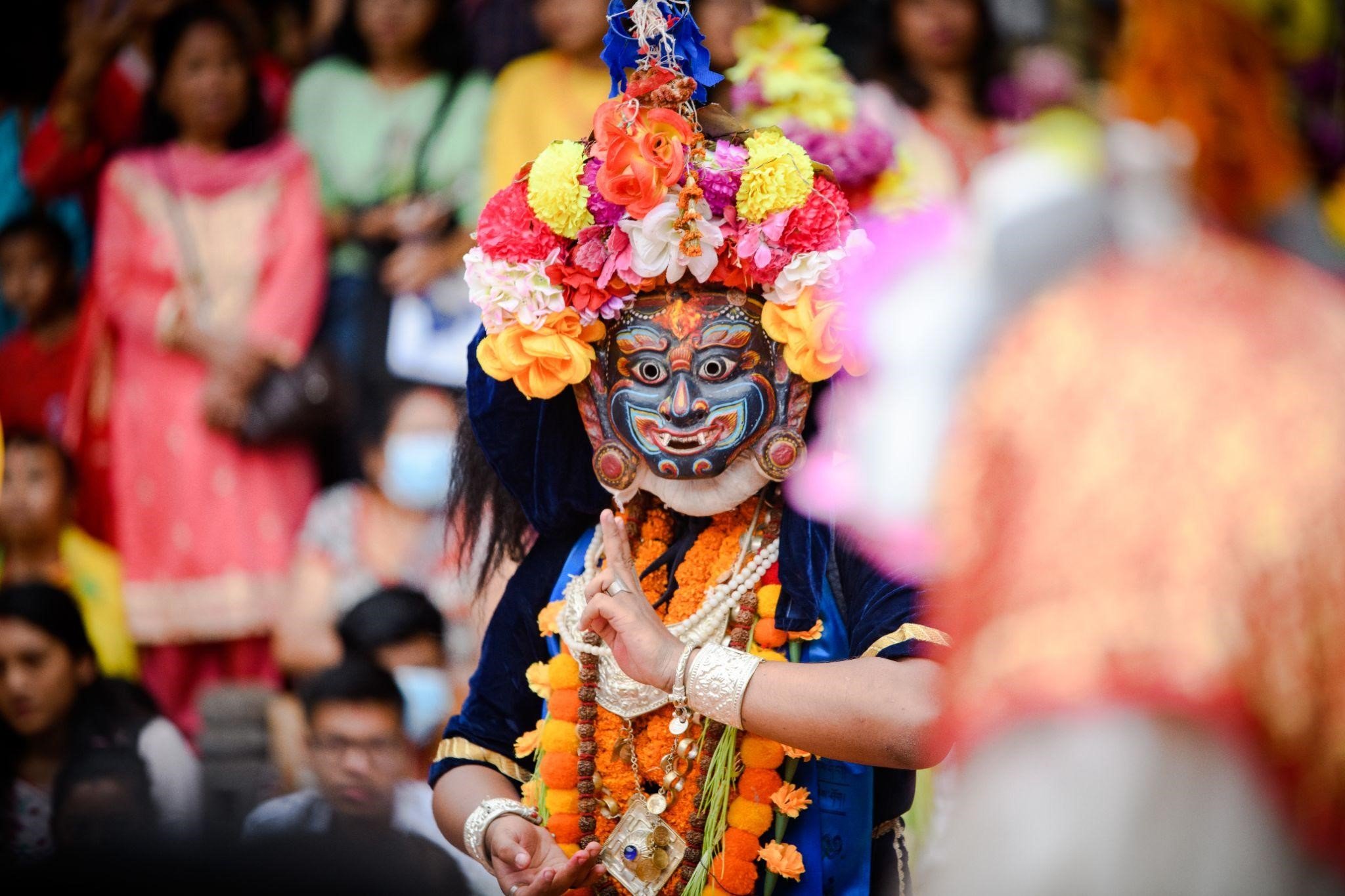
The period between Mid- July to Mid- September is a time of ample cultural festivities, especially in the areas with a predominantly Newar community. The Newa people are the indigenous inhabitants of Kathmandu valley. Predominantly an agrarian society, the cultural activities of the Newa people begin after the completion of the annual harvest which falls on Mid-July to August.
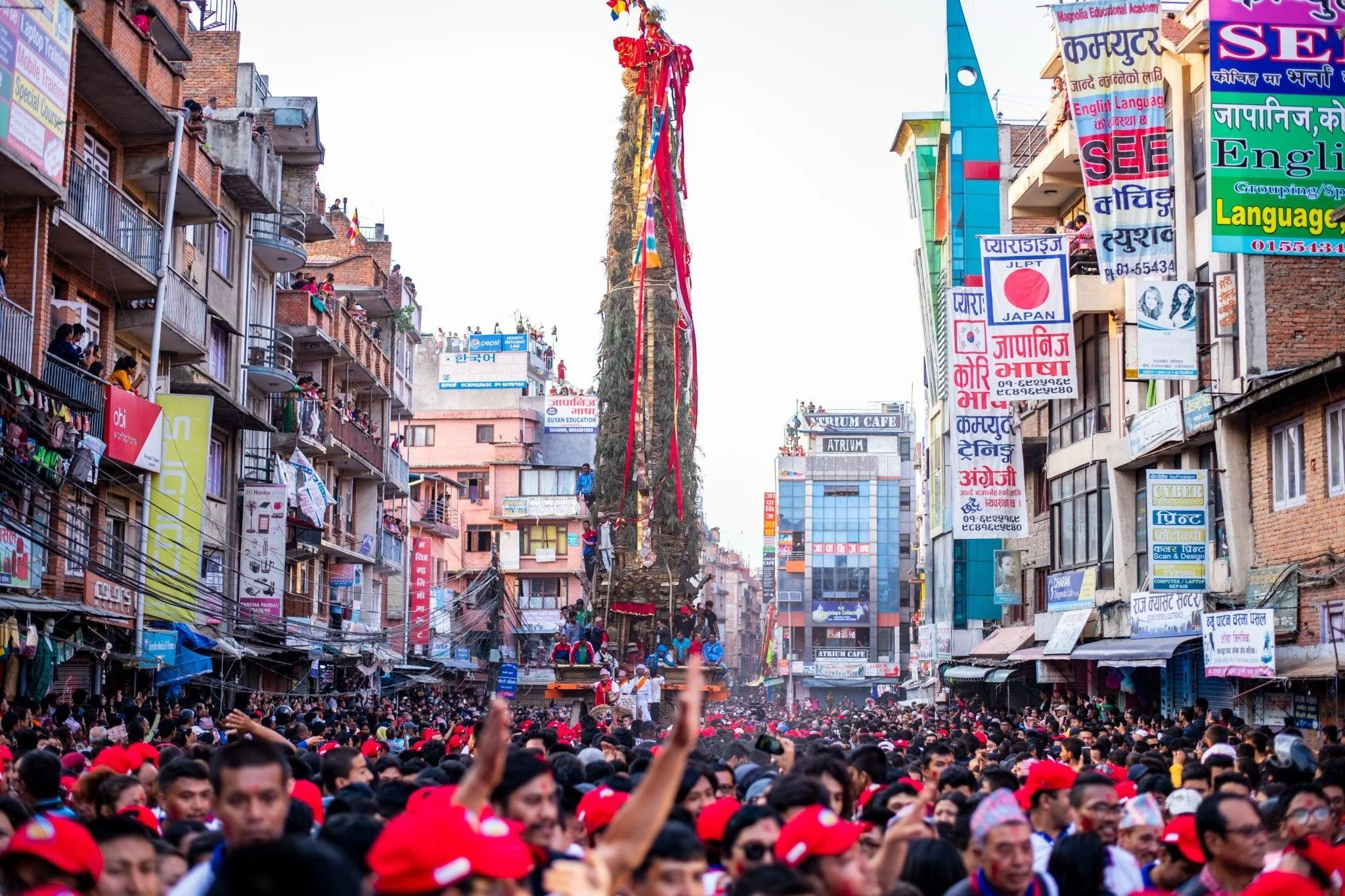
Gathamung Chare, commonly known as Gatha Muga, begins the festive season. Dedicated to ridding demons and purifying one's vicinity, the highlight of the day is an effigy created from straw and bamboo symbolizing a demon. Children with the help of their elders create voodoo dolls which are hug on the effigy. After sunset, the figure is dragged by the community members and burnt at the nearest river to symbolize ridding the demon.
To know more about Gathamung Chare: Click Here
Gunla Dharma, Indra Jatra, Pancha Dan, Gai Jatra, Matya are some of the festivals celebrated during the monsoon period.
For travellers who wish to experience cultural diversity, explore and engage in the rich heritage of Newar culture, this period is optimal.
Off The Beat Adventures
Peak monsoon can cause disruptions in ones scheduled itinerary. Many can't seem to find a great way to make the most out of their time. One can always go beyond the beat and develop a productive itinerary with various activities around the area.
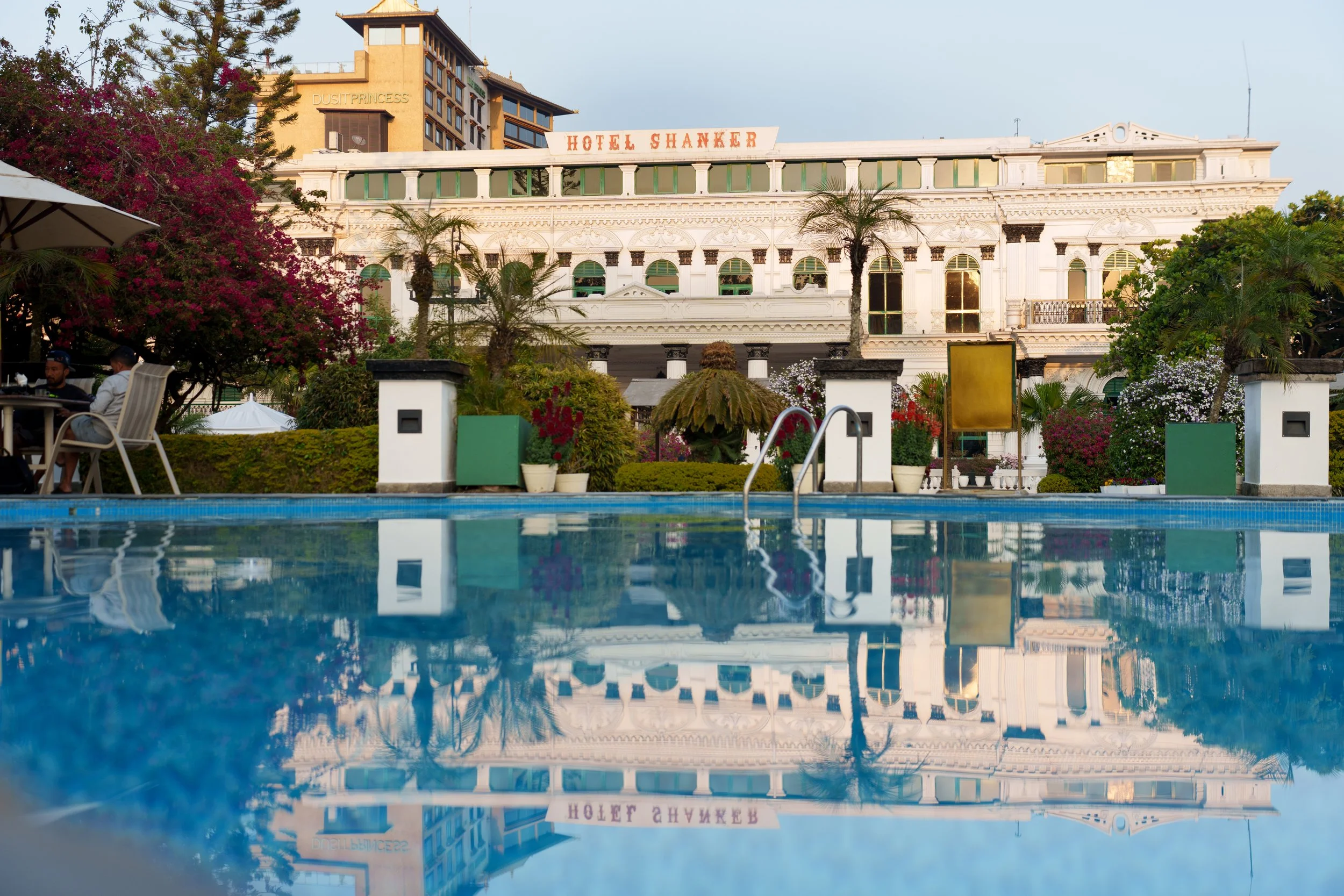
One may choose to explore traditional Nepali cuisine at the hotel and learn more about the rich culinary diversity of the region. A rejuvenating day at the spa could help give you the boost needed on a rainy day. Hotel Shanker includes Tranquility Spa, which offers massage and beauty services.
A quick drive to the various museums of Nepal could also be a great way to make good of the free time. Immersing oneself in the history of the region is a great way to understand the make of the people and their society.
POPULAR ITINERARIES
SIMILAR POSTS
Exploring a part of Far West - Nepal
Far-West Region, less known part of Nepal holds the beauty that one should visit while traveling to Nepal. Jungle Safari at Shuklaphanta National Park, visiting Dohara Chandani bridge Nepal’s longest bridge touring around Mahendranagar, are undoubtedly becoming newest tourist destinations in Nepal.
Travelling to a city that is underrated for its beauty has a different feel. Far-West is the region, where most people are aware of its existence but rarely consider it as a travel destination. I and my amigos take on a road trip to this unknown destination to explore the place, culture and food.
You always have an option to fly, but for me, 18 hours of night bus journey with my amigos sounds more fun. We left the valley at around 6 in the evening and reached Dhangadi by noon the very next day. Fortunately, enough one of my friends is from Dhangadi and her family welcomed us wholeheartedly. Our plan for this trip was to explore Dhangadi, Mahendranagar and visit the nearest Indian border, Paliya.
As soon as we reached Dhangadi the first thing to try is the local “Tato Panipuri”. One can find these stalls almost everywhere. Crunchy puri filled with warm and spicy mashed potato and beans dipped in mouthwatering spiced water is all you would have wanted. Typically panipuri found in the valley offers cold mashed potato with onions, spices and only one type of pani (water) however the warm fillings with khatha (sour) and mitha (sweet) pani is just lips smacking good.
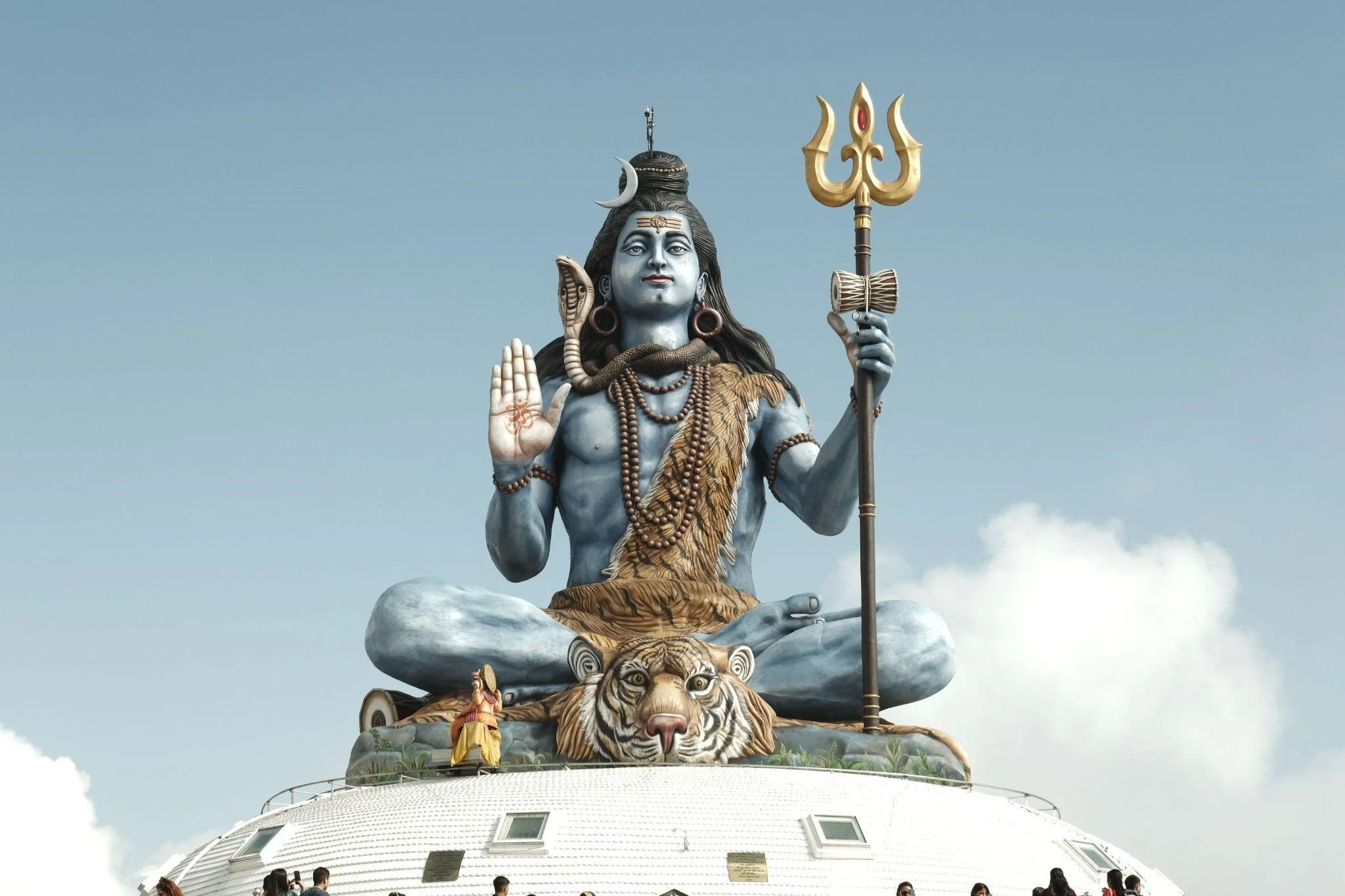
Just a few kilometres away from the main city is Shivapuri Dham which houses the world’s tallest Shiva linga. Taking a tuk-tuk from there, we visited Jhokhar Taal, a place where one can enjoy peace of mind and appreciate the beauty of nature.
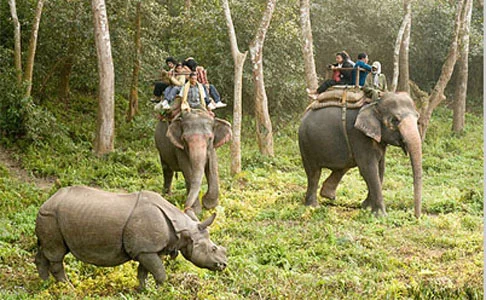
Almost an hour drive from Dhangadi is Mahendranagar. Places you shouldn’t be missing out here are Shuklaphanta National Park, Dodhara Chandani Bridge and Linga. We booked a Jeep for our jungle safari at Shuklaphanta, which is a must-try activity. Our tour guide was kind enough to share a cup of tea and some cookies for each one of us during our safari and explain the history of Shuklaphanta and how the place Mahendranagar was born. Almost after 4 hours of jungle safari which was breathe taking we visited Dodhara Chandani Bridge, which is Nepal’s longest bridge measuring 1 kilometre. An hour of a bumpy ride on a tuk-tuk from Mahendranagar bus park, Linga is a religious place with naturally formed stones which resembles tall sandcastles. A photograph of this place cannot justify the beauty which was seen at the moment. According to locals, the stones grow tall gradually as time passes.
Our next destination was Paliya, the nearest border of India from Dhangadi. An hour of the bus ride (which has a terrifying story in itself) from Nepal-India Border, we reached Paliya, India. With some shopping done, we went to a dhaba (local Indian restaurant) which serves one of “The best Indian food”.
A week journey to the far-west was joyous and fun. My favourite part of travelling with my amigos was making memories that will remain forever and the jungle safari at Shuklaphanta National Park. The less known part of our country holds the beauty that should be visited at least once.
Unnati Nyachhyon
POPULAR ITINERARIES
SIMILAR POSTS


The Magic of Boudhanath
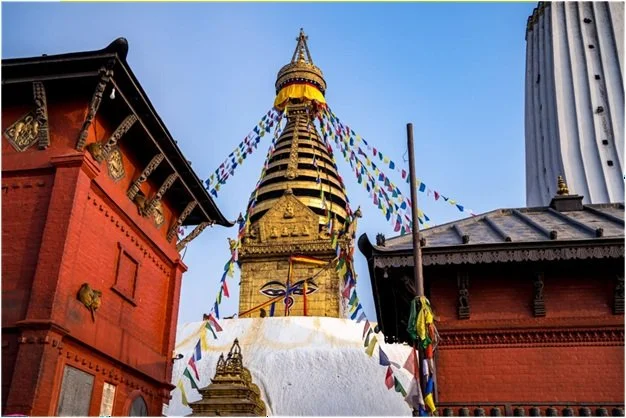
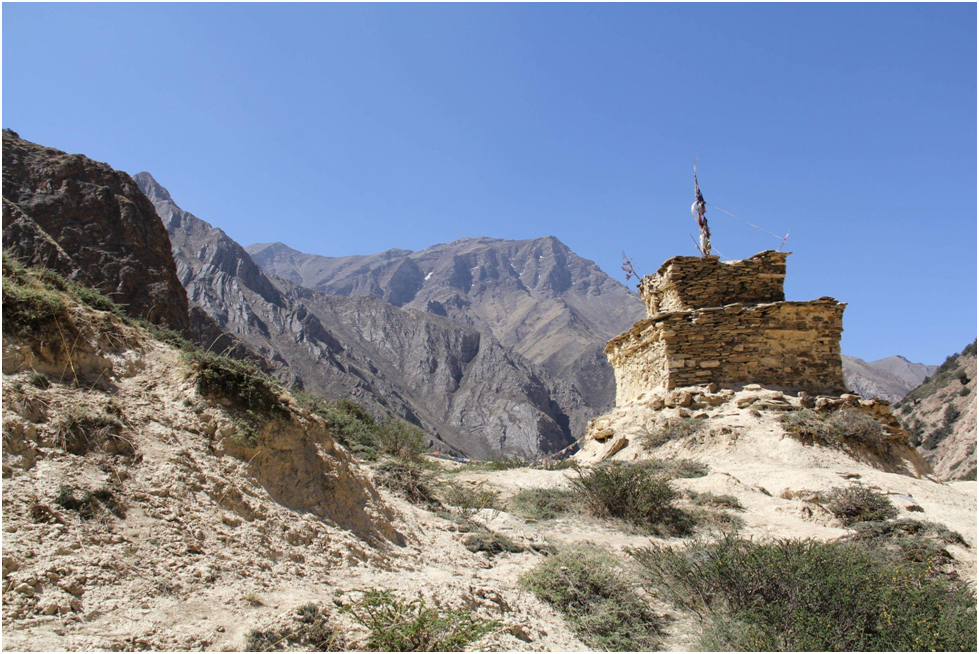
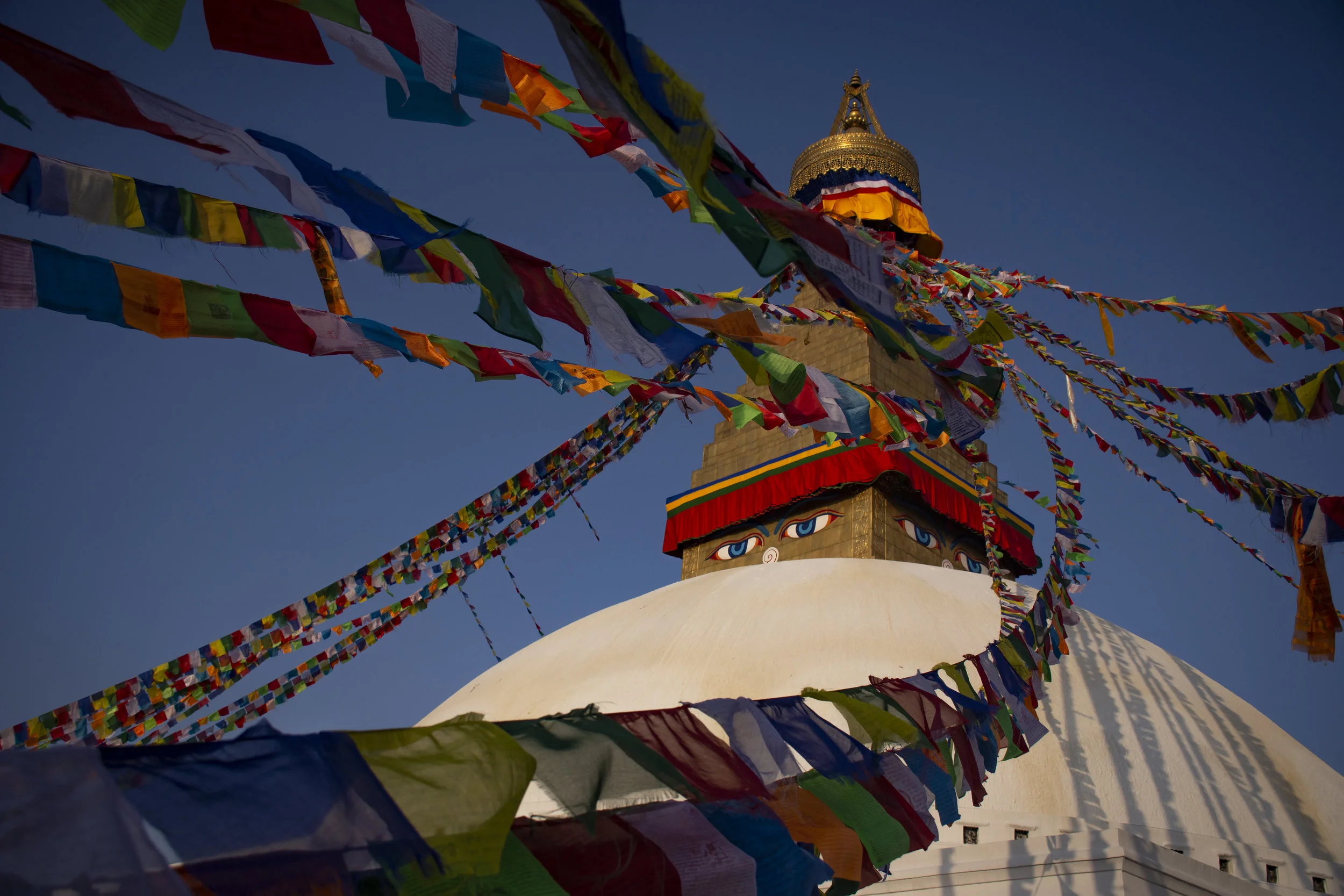
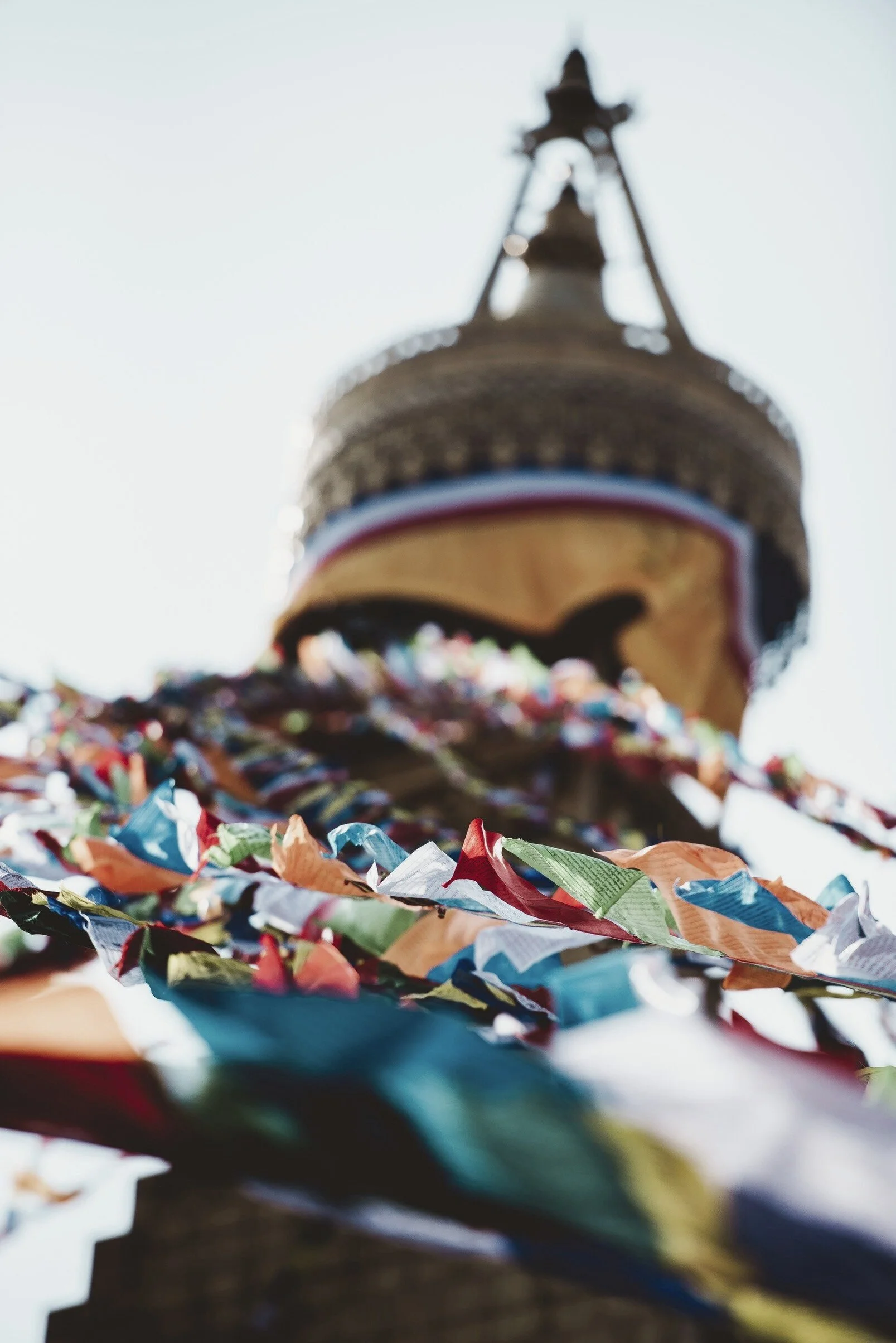
We have heard the origin of Swayambhunath Temple atop the hill of Kathmandu. Similarly, like a Swayambhunath, Boudhanath which is one of the largest stupas of its kind and another pilgrimage to the Hindu and Buddhist all over the world. Many of us are still unknown to the origin of 36-meters sky high stupa, Boudhanath yet.
Shreyashka Vikram Raj Maharjan
Entering the premises of Boudhanath, at times feels as if I magically transitioned into an other worldly dimension. As I sat down, by the bench, I couldn’t but help but question, what makes Boudhanathso magical?
The sites and sounds at this tiny mescocosm, has a tint of serenity. From the melodious chants, to the aroma of incense, one can’t help but close their eyes and just escape in the magic. When a site amazes me, the first thing I do is photograph everything that gives the place life. The monuments, people, relics and buildings. Resting my camera atop the table, scrolled through the catches of the day. I looked up how the place was in ancient times, the pictures that came up made me wish I had H.G Well’s time machine.
The second thing on my list is looking up the history and seeking the masters who gave this its transcendent magic. Flipping through my archives of chronicles, I found the most accurate writings of the creation of Boudhanath in the pages of the “History of Kings of Nepal” compiled by Daniel Wright. As the legend go, King Vikrama-Kesari found that the shrine of his forefathers the Narayana fountain suddenly went dry. He was at dismay and grieved at the loss of the memorial of his forefathers and thus to find a malady he went to Buddha Nil-kantha for advice. “ The deity told him to consult the astrologers. He did so, and after some deliberation they said that it required a sacrifice of a human being possessed of the thirty-two attributes. The raja resolved to obey these directions; but thinking that to sacrifice a subject would be a sin, and to kill his own son, who possessed all the requisite attributes, would be cruel, he determined to be himself the victim. He therefore called his so Bhup-Kesari and ordered hum to kill, without looking at his face, a certain man, whom on the fourth day after that, he should find lying covered over on the fountain. The price, going there on the appointed day, in accordance with his father’s commands, and not knowing who the person was, cut off his head. Blood rushed out of the dhara, and the crocodile on the fountain turned back his head that he might not see a parricide. The son then went to wash his hands in the Ikshumati river, and was surprised to see swarms of worms floating in the water. On returning to his house, he heard a great noise of people shouting out that the price had killed his father. The prince then silently performed his father;s funeral ceremonies, and making over charge of the government to his mother, he went to Mani Jogini to expiate the sin of parricide. Seeing him very forlorn, the Jogini informed him that he could expiate his crime by building a large Buddhist temple, two miles in circumference, and having four circles of gods. The spot for the temple would be indicated by the perching of a kulang (crane) which would take it’s flight from the mountain. The bird accordingly alighted, the spot for the temple was marked out, and the work begun.” - Wright, 1877, 99-100
The stupa of Boudhanath is also called the “Stupa of a million due drops” as during the construction of the temple a great drought had over shadowed the Nepal Valley and the workmen made the bricks for the temple collecting water from dew. They also according to the legends, soaked their cloth in the streams wrang out the moisture. It is said, “When the bricks were being made, Barahi Devi to test their strength, came in the shape of a sow and trod on them. This visit being repeated the Raja inquired who she was and the Devi, acceding to his prayer, disclosed herself in her true form. The Raja to show his gratitude, placed her image at the entrance of the Buddhist temple which contained all the deities.” - Wright, 1877, 100-101
After finishing the temple, the Prince presented himself to Mani Jogini. She was well pleased with him for having punctually carried out the directions which she had given for building the temple, and said. “You have been cleansed from sin, and your grandfather who got the tree of riches and expended them in charity will again appear in the world, when three thousand years of the Kali Yuga have passed away, and he will change the era, when will then be known as Vikram Sambat, or the era of Vikramaditya.”
When hearing the legends today, they might sound out of place but that’s the beauty of time and lineage. It is a testament of how out of darkness comes light and that is what the stupa of Boudhanath is. It has been the centre of faith of not just the natives of this valley but also to travelling pilgrims who view the stupa with great veneration and hold it close to their heart. It is the same faith and devotion that lead to the stupa to be rebuilt the quickest among the the monuments that were affected by the 2015 earthquake.
The city around the stupa of Boudhanath might have changed. The traditional houses now, towers of steel and concrete, the streets leading to Boudhanath now paved with asphalt. But the stupa, which has withstood the test of time is still a remarkable example of faith and devotion.
Similar Posts
Swayambhu: A Symbol of Buddhism
Legend continues as the same lotus-seed brought forth a lotus-flower and in the center was Swayambhu, who came from Aknisht Bhuban (Sacred Land) appeared in the form of light. In Treta Yuga, Manjusri came from Mahachin(China) and saw the light of Swayabhu, he then cut a passage through a mountain that drained ...
The Sacred Origins
Bipaswi Buddha came from a city named Bandhumati: and took abode on a mountain west of Nag Hrad(Ancient name of the valley when it was a lake). He sowed a lotus-seed in the Hrad on the full moon in the month of Chaitya. In honor of this a Mela is held on the mountain on the full moon on the month. Today its known as Gunla Festival(Newari Festival in Nepal) where it is believed one must visit the chaitya at least once. “Gunla Baja” is played every morning by the various tole’s(communities) around Swayambhu, People ascend the 365 and venerate shrine before returning home.
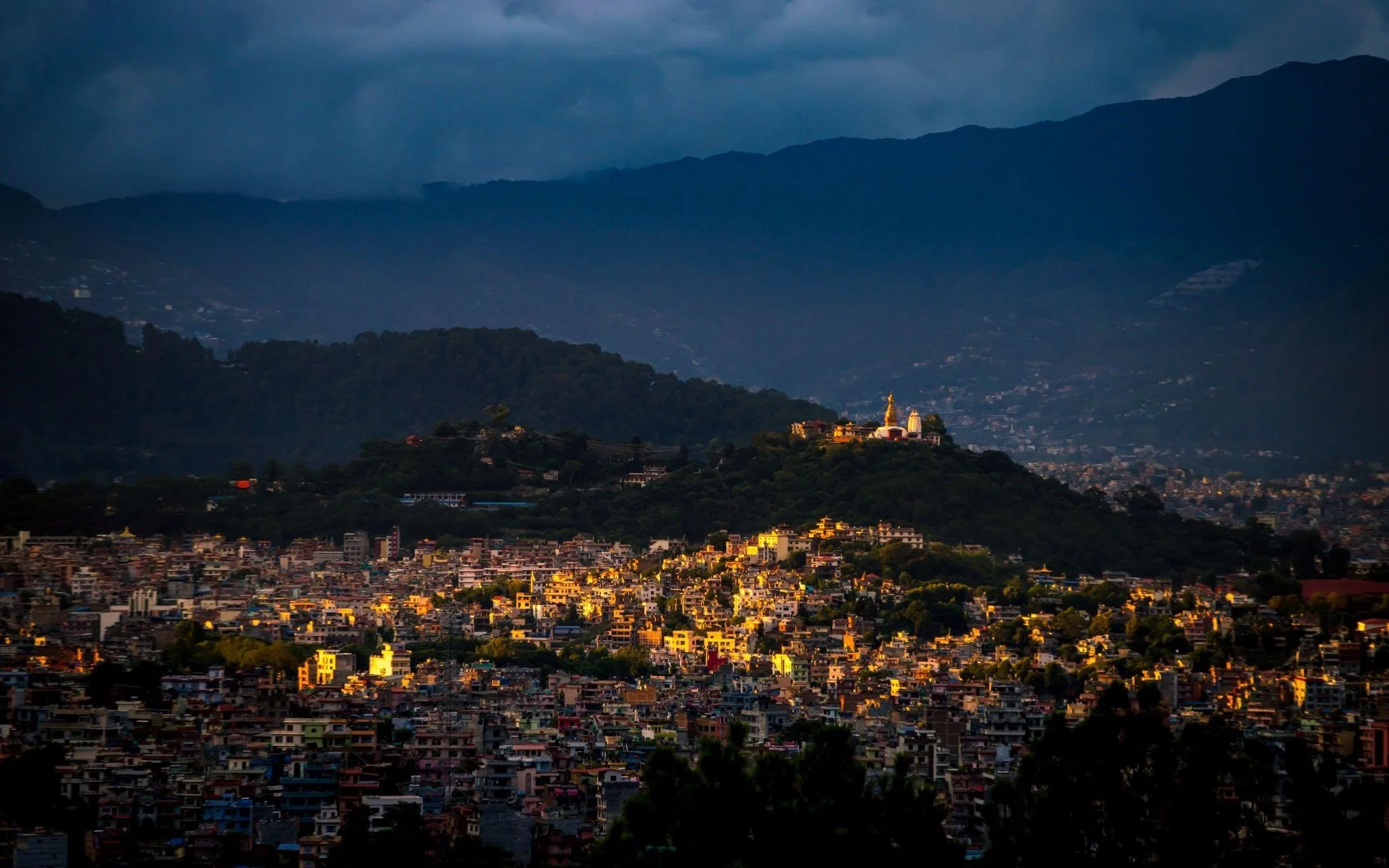
The legend continues as the same lotus -seed brought forth a lotus-flower and in the center was Swayambhu, who came from Aknisht Bhuban ( Sacred Land) appeared in the form of light. In Treta Yuga, Manjusri came from Mahachin(China) and saw the light of Swayambhu, he then cut a passage through a mountain that drained this ancient lake and thus emerged the valley of Kathmandu.
In today’s modern and skeptical world, one might find it hard to believe these mystical tales of faith and Gods. Kathmandu Valley is a sacred land where you are guided in every turn by a temple or a chaitya, “You are never alone” is a statement that fits right at home in the 3 sister states of Kathmandu, Lalitpur and Bhaktapur. But Swayabhu is center of all the Newars of the valley and is revered by not just people of faith but by everyone for its sheer beauty, design and architecture. When you look up to the shrine atop of the chaitya as you ascend the steps of a year, you feel a jolt go down your spine and goosebumps in your arms as you get charmed by the inscents, enormity and aura of this wonder.
The Origin of Swayambhu Shrine
At the ending years of Dwapar Yuga, an Acharya named Santikar who is also known as Sant-sri saw that the Kali Yuga was approaching, during which mankind would be utterly sinful. So, he covered the light of Swayambhu with a stone and built a chaitya and temple over it. Entangled with this same legend is another fascinating the legend, it is believed that Sant Shri who built the chaitya also built 5 rooms surrounding the chaitya named after the 4 elements and one the soul called Santipur, where he locked himself and stayed in the state of divine meditation. He thus entered a mystic state, achieving immorality and vowed to stay in the room and emerge when the valley of Kathmandu truly needed him.
Swayambhu Today
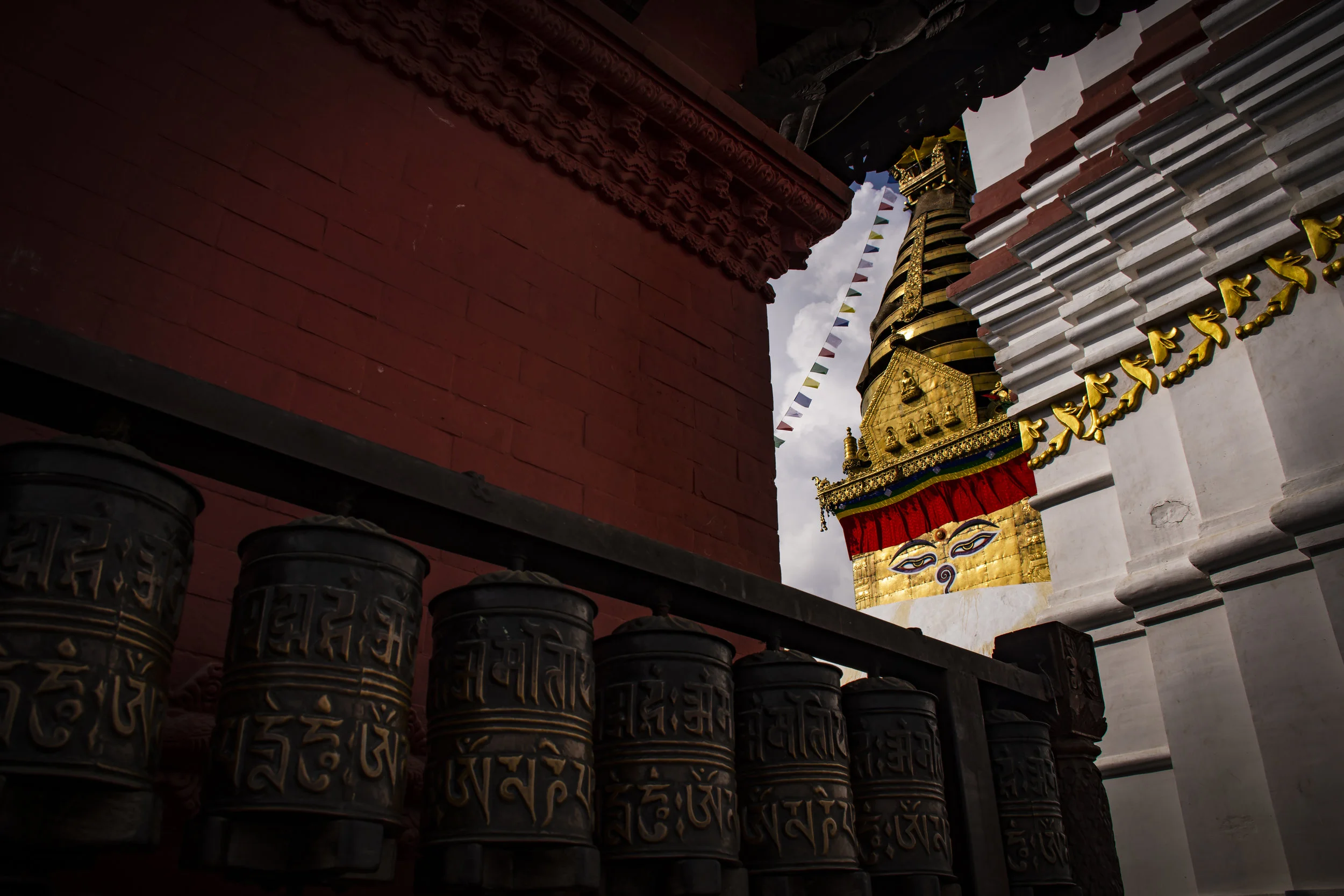
In Newar Buddhism it’s called Semgu, meaning "self-sprung” in Tibetan “Sublime Tress” , it is also known to many travelers as the monkey temple. Entering the periphery of the Swayambhu hill you will be greeted first by obviously monkeys allot of monkeys. The lush vegetation, high trees have created a rich habitat for them to live and amuse the locals Just don’t carry any food in your hand or in a bag, they are known to be quite mischievous sometimes stealing foods and drinks from the people and leaving many crying children stealing.
The base of the chaitya is rimmed with prayer wheels and the stupa is surrounded by many other temples and monasteries. The Harati Temple is on the north side of the shrine and there are two shikhara temples erected by Pratap Malla which collapsed during the earthquake of 2015. The Semi-peripheri is littered with souvenir shops and tea shops for the travelers and locals who enjoy there hours looking at the scenic view of the valley with there cup of tea.
As the eyes of Swayambhu, ever omnipresent watch over this city, one can only smile over the everlasting awe of this beautiful hill. One who has seen this beauty can never unseeing it and one can never again imagine the valley without it.
Hashtags: #MonkeyTemple #HeritageNepal #HeritageKathmandu #WorldHeritage #TimelessWonder #KathmanduValley #Nepal
POPULAR ITINERARIES
SIMILAR POSTS

Avifauna Jewels Of Chitwan National Park
Chitwan national park is 12th national parks of Nepal, also enlisted in the UNESCO World Heritage site. It was inscribed in the heritage book in 1984 AD under the criteria of Natural sites. It spans a total area of 932 Sq.Km and is located in the Inner Terai Low Lands of South-Central Nepal.
Chitwan National Park is of 12 national parks of Nepal, it is also enlisted in the UNESCO World Heritage site. It was inscribed in the heritage book in 1984 AD under the criteria of Natural sites. It spans a total area of 932 Sq. Km and is located in the Inner Terai Low Lands of South-Central Nepal.
Chitwan National Park is home to more than 543 species and more than 180 visiting bird species. Some of the species that dwell in the area of the Nepal are threatened and on the endangered species list, such as Bengal Florican, Lesser Adjutant, Grey-Crowned Prinia, Swamo Francolin, GFrass Warblers, Oriental Darter, Spotted Eagle and many more.
The Nepal is a home to beautiful and vibrant bird species which call this national park home due to its suitability for habitat. This list consists of 5 Jewels one can spot in Chitwan National Park.
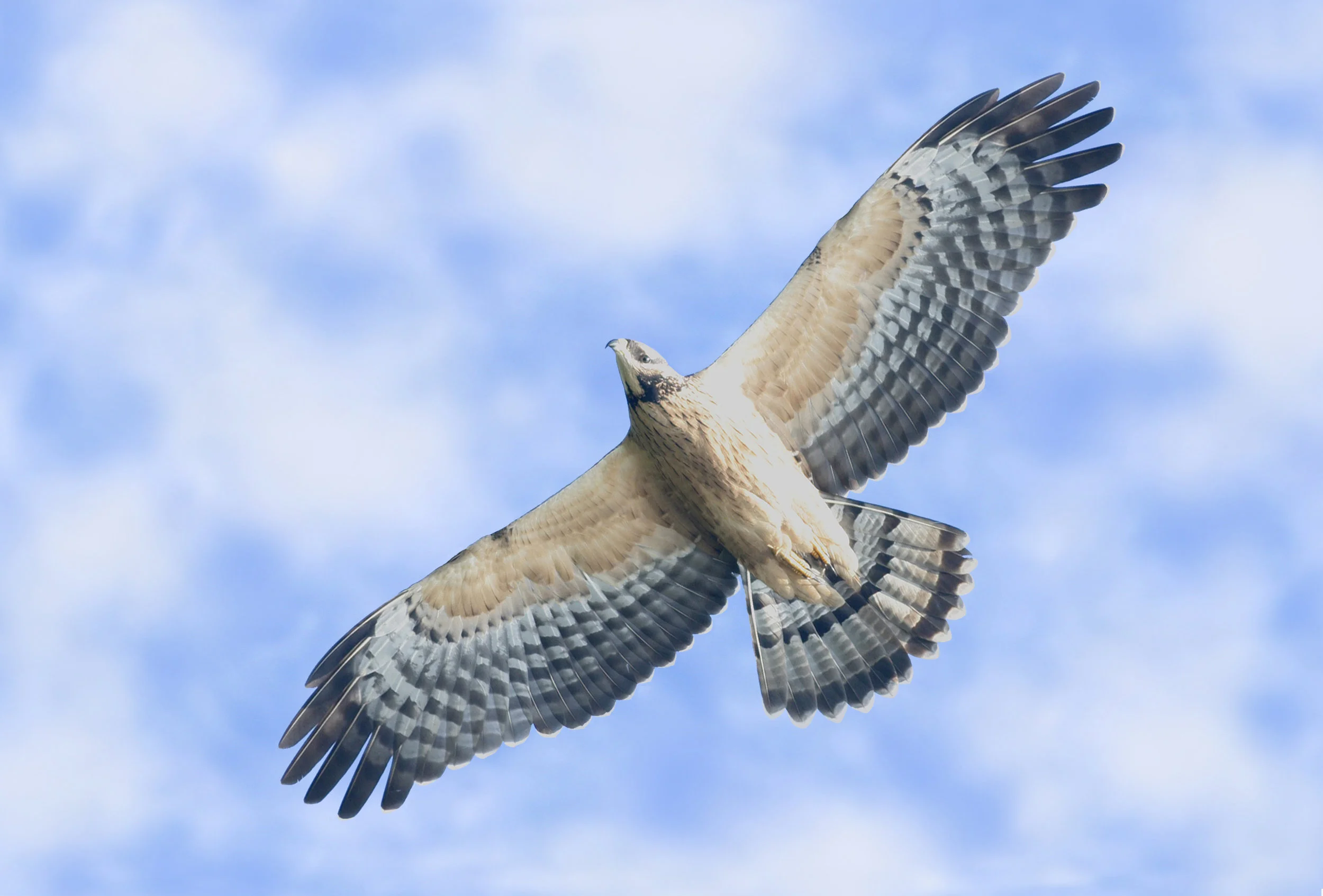
Honey Buzzard
The crested honey buzzard (Pernis ptilorhynchus) is a bird of prey in the family Accipitridae, which also includes many other diurnal raptors such as kites, eagles, and harriers. This species is also known as the Oriental honey buzzard.
Darter
The darters or snakebirds are mainly tropical waterbirds in the family Anhingidae having a single genus Anhinga. There are four living species, three of which are very common and widespread while the fourth is rarer and classified as near-threatened by the IUCN. The term "snakebird" is usually used without any additions to signify whichever of the completely allopatric species occurs in any one region. It refers to their long thin neck, which has a snake-like appearance when they swim with their bodies submerged, or when mated pairs twist it during their bonding displays. "Darter" is used with a geographical term when referring to particular species. It alludes to their manner of procuring food, as they impale fisheswith their thin, pointed beak. The American darter (A. anhinga) is more commonly known as the anhinga. It is sometimes called "water turkey" in the southern United States for little clearly apparent reason; though the anhinga is quite unrelated to the wild turkey, they are both large, blackish birds with long tails that are sometimes hunted for food.
Alexandrine parakeet
The Alexandrine parakeet or Alexandrian parrot (Psittacula eupatria) is a member of the psittaciformes order and of the family Psittaculidae. The species is named after Alexander the Great, who is credited with the exporting of numerous specimens of this bird from Punjab into various European and Mediterranean countries and regions, where they were considered prized possessions for the nobles, royalty & warlords.
Hoopoe
Hoopoes /ˈhuːpuː/ are colourful birds found across Afro-Eurasia, notable for their distinctive "crown" of feathers. Three living and one extinct species are recognized, though for many years all were lumped as a single species—Upupa epops.
Grey Heron
The grey heron (Ardea cinerea) is a long-legged predatorywading bird of the heron family, Ardeidae, native throughout temperate Europe and Asia and also parts of Africa. It is resident in much of its range, but some populations from the more northern parts migrate southwards in autumn. A bird of wetland areas, it can be seen around lakes, rivers, ponds, marshes and on the sea coast. It feeds mostly on aquatic creatures which it catches after standing stationary beside or in the water or stalking its prey through the shallows.
Grey Head Fish Eagle
The grey-headed fish eagle (Haliaeetus ichthyaetus) is a fish-eating bird of prey from South East Asia.[2] It is a large stocky raptor with adults having dark brown upper body, grey head and lighter underbelly and white legs. Juveniles are paler with darker streaking. It is often confused with the lesser fish eagle (Haliaeetus humilis) and the Pallas's fish eagle. The lesser fish eagle is similar in plumage but smaller and the Pallas’s fish eagle shares the same habitat and feeding behaviour but is larger with longer wings and darker underparts.
Green Bee Eater
The green bee-eater (Merops orientalis) (sometimes little green bee-eater) is a near passerine bird in the bee-eaterfamily. It is resident but prone to seasonal movements and is found widely distributed across sub-Saharan Africa from Senegal and the Gambia to Ethiopia, the Nile valley, western Arabia and Asia through India to Vietnam. They are mainly insect eaters and they are found in grassland, thin scrub and forest often quite far from water. Several regional plumage variations are known and several subspecies have been named.
Great White Pelican
The great white pelican (Pelecanus onocrotalus) also known as the eastern white pelican, rosy pelican or white pelicanis a bird in the pelican family. It breeds from southeastern Europe through Asia and Africa, in swamps and shallow lakes.
Cattle Egret
The cattle egret (Bubulcus ibis) is a cosmopolitan species of heron (family Ardeidae) found in the tropics, subtropics and warm temperate zones. It is the only member of the monotypicgenus Bubulcus, although some authorities regard two of its subspecies as full species, the western cattle egret and the eastern cattle egret. Despite the similarities in plumage to the egrets of the genus Egretta, it is more closely related to the herons of Ardea. Originally native to parts of Asia, Africa and Europe, it has undergone a rapid expansion in its distributionand successfully colonised much of the rest of the world in the last century.
Lesser Adjutant
The lesser adjutant (Leptoptilos javanicus) is a large wading bird in the stork family Ciconiidae. Like other members of its genus, it has a bare neck and head. It is however more closely associated with wetland habitats where it is solitary and is less likely to scavenge than the related greater adjutant. It is a widespread species found from India through Southeast Asia to Java.
Purple Swanphen
Grey-headed swamphen (Porphyrio poliocephalus) is a species of swamphen occurring from the Middle East and the Indian subcontinent to southern China and northern Thailand. It used to be considered a subspecies of the purple swamphen, but was elevated to full species status in 2015; today the purple swamphen is considered a superspecies and each of its six races are designated full species.
Rufous Necked Laughingthrush
The rufous-necked laughingthrush (Garrulax ruficollis) is a bird species in the laughingthrush family, Leiothrichidae. It was formerly placed in the genus Dryonastes.[2] It is found in Bangladesh, Bhutan, China, India, Myanmar and Nepal, where its natural habitats are subtropical or tropical moist lowland forests and subtropical or tropical moist montane forests.
Little Egret
The little egret (Egretta garzetta) is a species of small heron in the family Ardeidae. The genus name comes from the Provençal French Aigrette, "egret", a diminutive of Aigron," heron". The species epithet garzetta is from the Italian name for this bird, garzetta or sgarzetta.
Recommendations for my friend visiting Nepal
Nepal’s adventure activities are challenging and thrilling, what’s more, they are conducted with the utmost regard for your safety.
For a Singaporean friend, who spent three months in Kathmandu, one of Nepal’s adventure activities included moving around in darkness quite often, what with the constant load shedding. He claimed to have returned with improved night vision! Well, even though most hotels in Nepal have adequate backup electricity arrangements, it does give the eyes some exercise while walking on dark streets. It’s clear, anyway, that visitors are likely to find various aspects of their Nepal tour to be an adventure of sorts, one typical example being traveling by public transport. Now, that is also an adventure! Anyway leaving the mundane aside, let’s get down to the real nitty-gritty of Nepal’s adventure activities you get to experience on your Nepal tour.
Nepal Treks
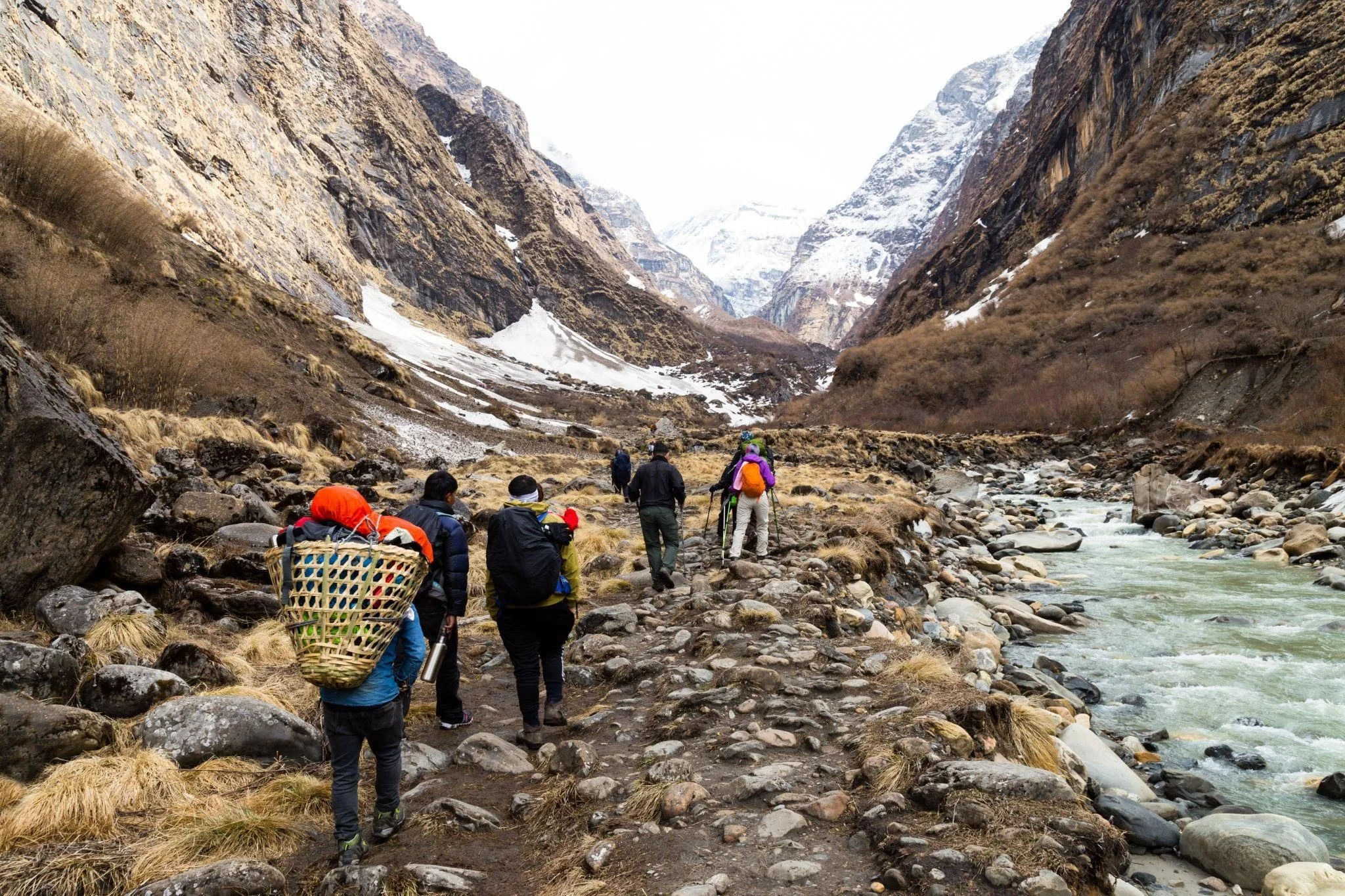
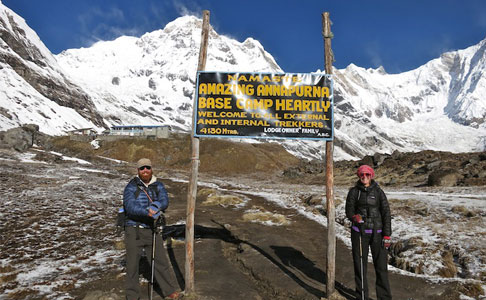
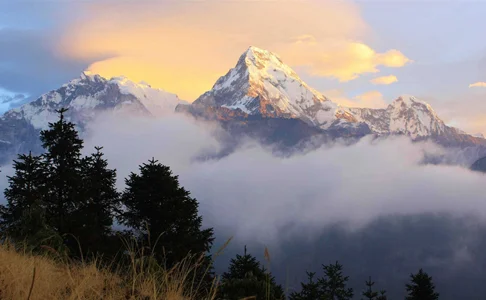
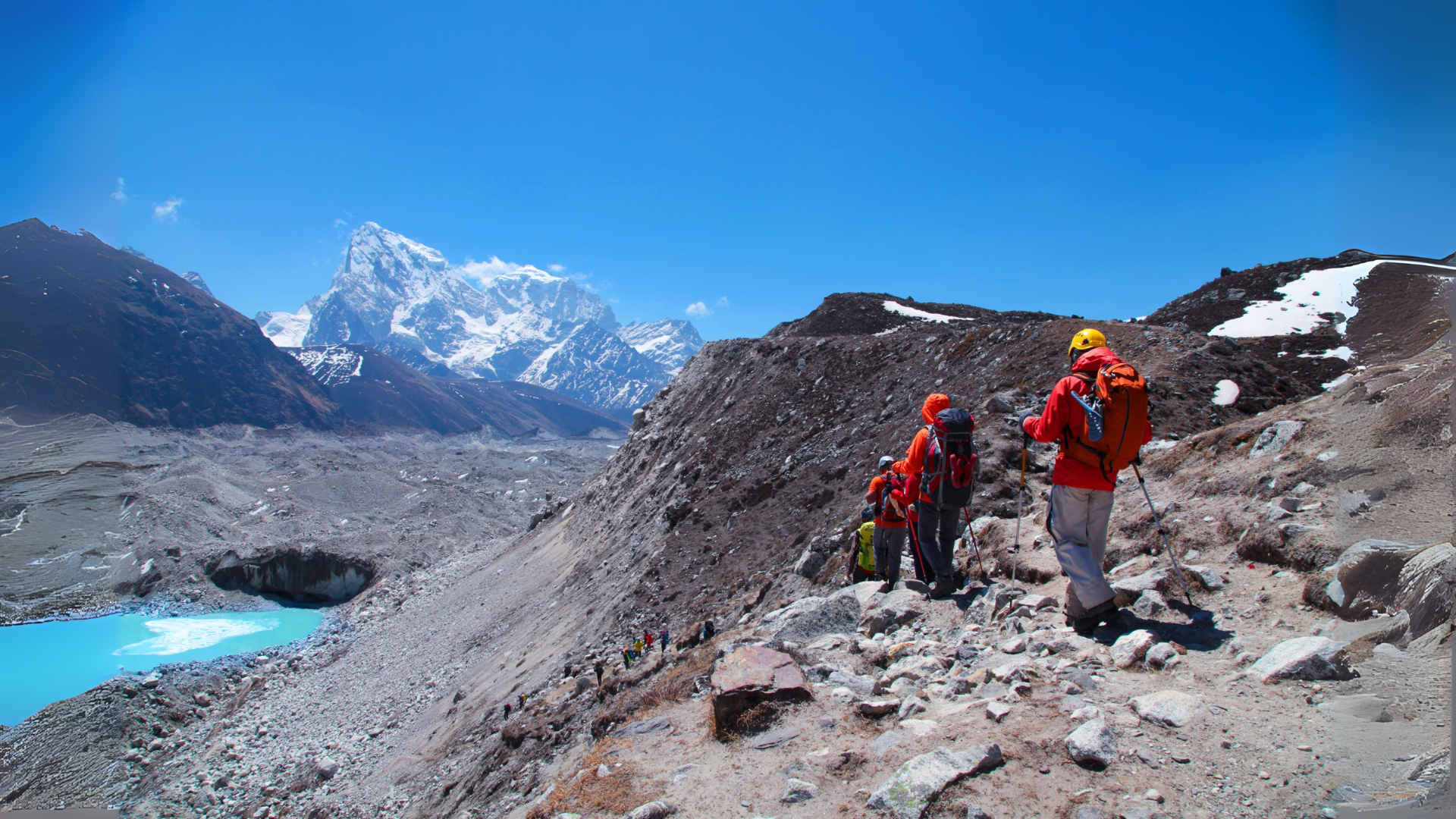
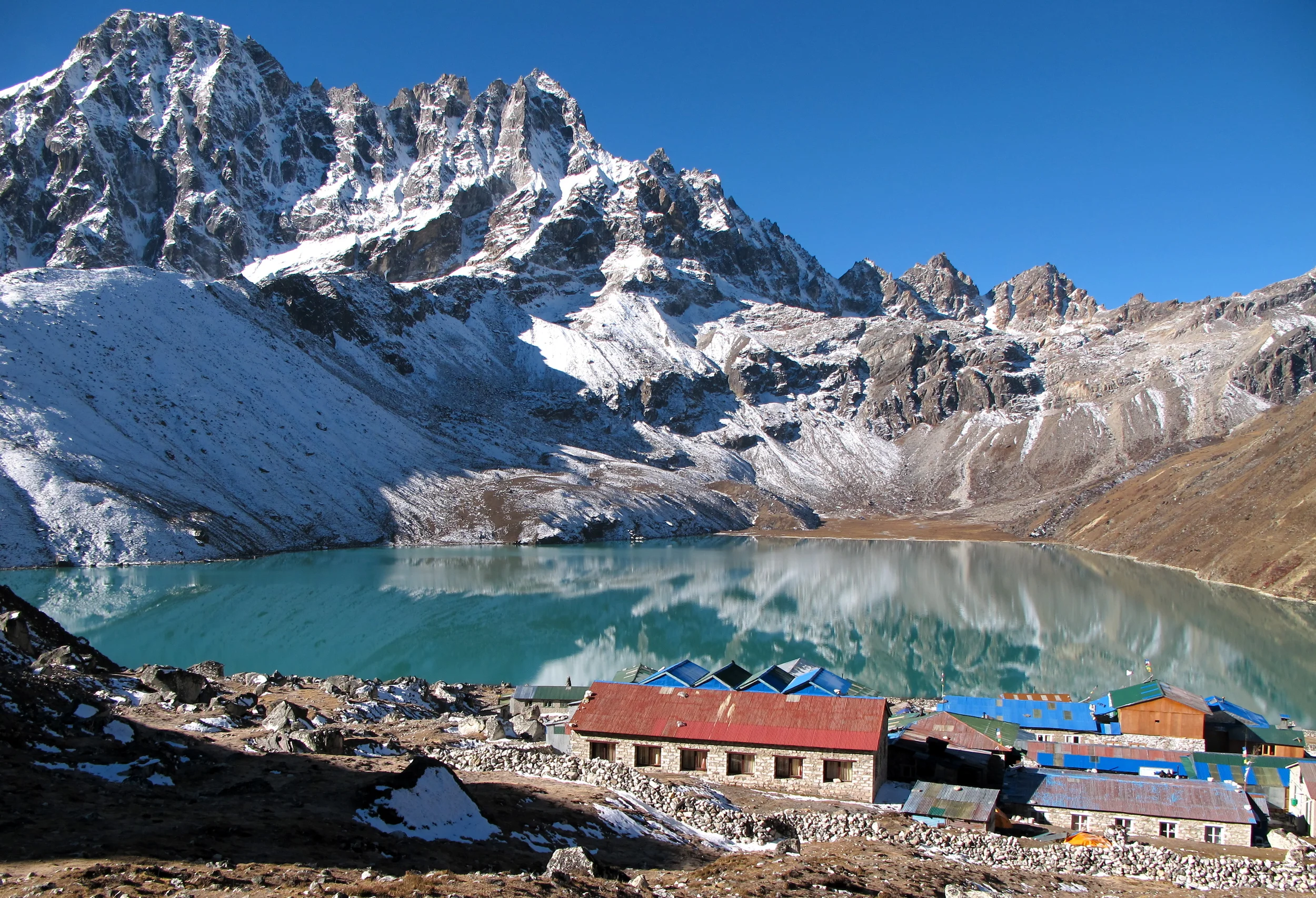
Trekking high on the mountains, close to the world’s highest peaks is certainly the most popular of Nepal’s adventure activities, with almost 40% of all visitors on a Nepal tour going on one trek or the other. Some of the most popular Nepal treks are as follows: 1. Everest Base Camp trek, which takes you through fascinating landscapes and quite a few Sherpa villages, before eventually reaching the base camp on the Khumbu Glacier, with Mount Everest towering above you. 2. Annapurna Circuit trek, which starts from Besisahar, goes along the Marsyangdi River, passing through Tamang and Gurung villages, and takes you to Muktinath, Jomsom, and Pokhara. 3. Mustang trek, which takes you to the once forbidden kingdom of Lo Manthang in Mustang district, where you will find yourself immersed in Tibetan culture and lifestyle. 4. Imjatse (Island Peak) trek, which goes through the valleys and glaciers of Khumbu, and gives you the chance to climb an authentic Himalayan peak, that is, Imjatse Peak (6,189 m). 5. Ghalegaun village trek, which goes through the villages of the famous honey hunters of Nepal.
Nepal Whitewater Rafting
What else awaits you besides trekking, as far as Nepal’s adventure activities are concerned? Well, whitewater rafting, for one. Nepal whitewater rafting is said to be one of the best in the world, what with its great mountain rivers flowing majestically down from the snow-clad peaks of the Himalayas to the lowlands of the Terai. Imagine yourself on an inflatable rubber raft riding down the swirling rapids of these great mountain rivers rushing between huge mountains on either side. It’s sure to be an experience you’ll never forget. You don’t have to worry about the risks either, since you’ll have highly experienced people looking out for your safety all the time. Just so you know, river are graded from one to six depending on their being more tranquil or more hazardous, which means you get to choose your ride. Grade 1 to Grade 3 rivers are supposed to be easy ones; good for first timers, and the best time to go rafting is between September and early December, as well as between March and early June. Some popular rivers for Nepal whitewater rafting are stretches of the Trishuli, Kali Gandaki, Marshyangdi, Karnali, Bhote Kosi, Seti , and Tamur.
Nepal Mountain Biking
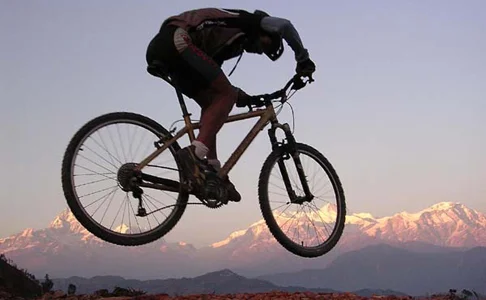
Challenging terrain is what’s important for mountain biking, and that’s what you get in plenty in Nepal. Many on a Nepal tour make it a point to go mountain biking, especially in and around the Kathmandu valley with its many interesting biking trails, and around Pokhara, as well. You’ll be pedaling on tracks that sometimes go uphill all the way and then downhill on the return, or sometime, you’ll be going up and then down at regular intervals, the lay of the land being what it is. The rides will take you through paddy fields, villages, riverbanks, temples, and so on and so forth. ‘Never a dull moment’ is what you’ll be thinking as you give your stamina a tryout. One route that many riders really like is the one to Nagarkot. Nepal travel agencies usually organize this mountain biking experience as a three-day affair, with you going first to Nagarkot, that beautiful hill station, where you spend a night. The next day, you ride downhill to Namo Buddha (famous pilgrimage site) and on to Dhulikhel (another popular hill station), where you again hunker down for the night. Both Nagarkot and Dhulikhel are known for their many beautiful resorts, aside from their fantastic views (including sunrise and sunsets), so you’ll appreciate your stay at both places. Next day, you pedal across to Panauti (an ancient Newari town), and then onwards to Sisneri, Patan, and Kathmandu. This is just one example of what you can expect when mountain biking around the valley; there are plenty more trails which you can chose to ride on at your pleasure. And, as mentioned before, biking around Pokhara is another experience that’s sure to make you happy…and healthy.
Nepal Bungee Jumping
No need to say that bungee jumping is one of the most thrilling adventures for any individual; it challenges courage like few other activities do. Here, in Nepal, there’s some fantastic bungee jumping to be done, from a platform 160 m high over the wild Bhote Kosi River. It will take you some three-and-a-half hours to drive from the capital to this famous bungee jumping site near the Nepal–Tibet border, that’s a part of The Last Resort, which also organizes other activities like mountain biking, rafting, canyoning, and so on. Bungee jumping is, however, their major forte. They take all the necessary precautions to ensure that your jump is safe. And, thrilling? Well, more like an ‘adrenaline rush’; that’s the usual response of jumpers. An instructor will brief you thoroughly, and tell you to ‘walk like a penguin and fly like a bird’. They’ll photograph and video record your leap of faith, and present you with a souvenir t-shirt as well. You’ll probably be spending just around Rs.2000 for all this. A fantastic adventure all around, undoubtedly.
Nepal Canyoning
First, know that canyoning consists of traveling down steep canyon walls, wading across rock strewn creeks and streams, and going through cascading waterfalls. How? Well, you hike, you scramble, you wade, you boulder-hop, you climb over rocks, and you do abseiling and rappelling, as well. An all-in-one-affair, that’s what canyoning is all about. You can take a one-day trip or a three-day trip, the choice is yours; the latter obviously being the preferred option as it allows you experience everything. Might sound like a lot of adventure, a lot of risks, but not to worry, trained instructors will be with you all the way. They know what techniques are to be used and they’ll be using the best equipment available, and, of course, are mindful of maintaining the highest safety standards. The nearest site for going canyoning is the Bhotekoshi River, some 100 km from Kathmandu.
Nepal Paragliding
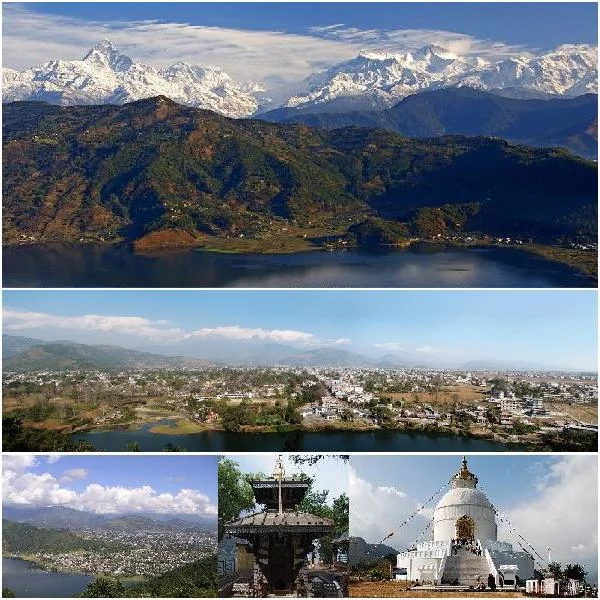
Paragliding is another of Nepal’s adventure activities that’s sure to fulfill your spirit of adventure and set it soaring to a new high. November through February is the period for Nepal paragliding, with November and December considered the best months. Pokhara gets pride of place when talking paragliding; near to the city is a place called Sarangkot that’s at a height of 1,592 meters, and this place has become the mecca for those on a Nepal tour who want to go paragliding. There are other sites, as well, in different parts of the country, but Sarangkot is the favorite. Qualified pilots provide a short briefing before launching. It’s a fact that most enthusiasts get butterflies in their stomachs before taking off, and that’s natural. However, qualified pilots will do all they can to reassure you and tell you the dos and don’ts beforehand. What’s more, they’ll be flying with you, so it’s something like holding your hand all the while as you soar over the Pokhara valley. Tandem flights are the norm, meaning, a pilot will be in a special harness with you on the same glider. You’ll be more of a spectator, really, since the pilot does the flying, but you’ll find that it’s a good deal since that leaves you free to focus your attention on the splendid vista below you. During the 20-30 minutes of flight, there are good chances of having company in the form of soaring vultures and eagles flying beside you. This exhilarating experience should cost you around USD100 per flight.
Nepal Ultra Flights
Ultra flight is another of Nepal’s adventure activities that will give you a different type of thrill. Ultra flights involve special two-seater planes carrying one pilot and one passenger in every flight. Since their purpose is to give you a fantastic viewing experience, these planes have large openings on both sides. Again, Pokhara is where it all happens. Before taking off from the airport, the pilot will give you a thorough briefing, so you know what’s what, such as the path and the height you’ll be flying. You’ll be taken up to 5,000 ft and fly over Pokhara at 50 to 90 km/h for about 15 minutes. If you want to, you can also opt for a 30-mimute flight that’ll fly at 90 km/h and take you close to Machhapuchchhre Himal. Another option is an one-hour flight that will fly at 12,000 ft at 90 to 130 km/h over the length of the entire Annapurna Range. Another lifetime experience, that’s what an ultra flight is!
All said and done...
Nepal’s adventure activities are many in number, and all are highly enjoyable and healthy pastimes. Beside those mentioned above, there are other adventure activities, too (jungle safari, ballooning, climbing, etc.), so make sure you ask the people concerned, no matter which hotel in Nepal you’re staying in, for more information.