
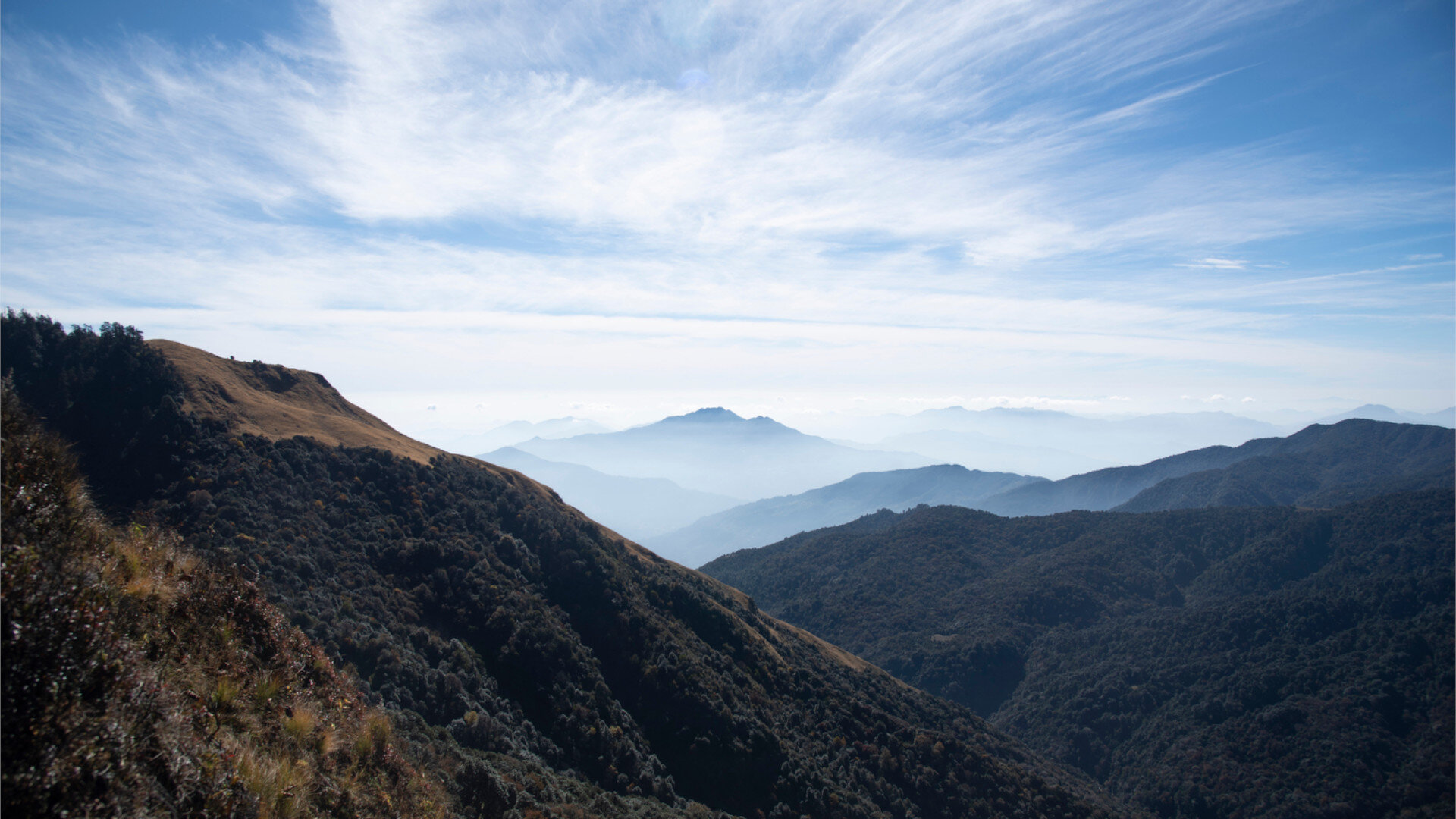
Exploring The Hills
Nepal is known for its spectrum of diversities. From culture, ethnicities, geography, to food. Here lies a bit of paradise in every nook and corner you choose to explore. Mentioned below are four must-visit travel destinations in the hilly region of the country for you to add to your next travel season.
Ilam
Shivapuri national park
Daman Hill Station
Lamjung
Nepal is known for its spectrum of diversities. From culture, ethnicity, geography, to food. Here lies a bit of paradise in every nook and corner you choose to explore. Mentioned below are four must-visit travel destinations in the hilly region of the country for you to add to your next travel season!
Ilam
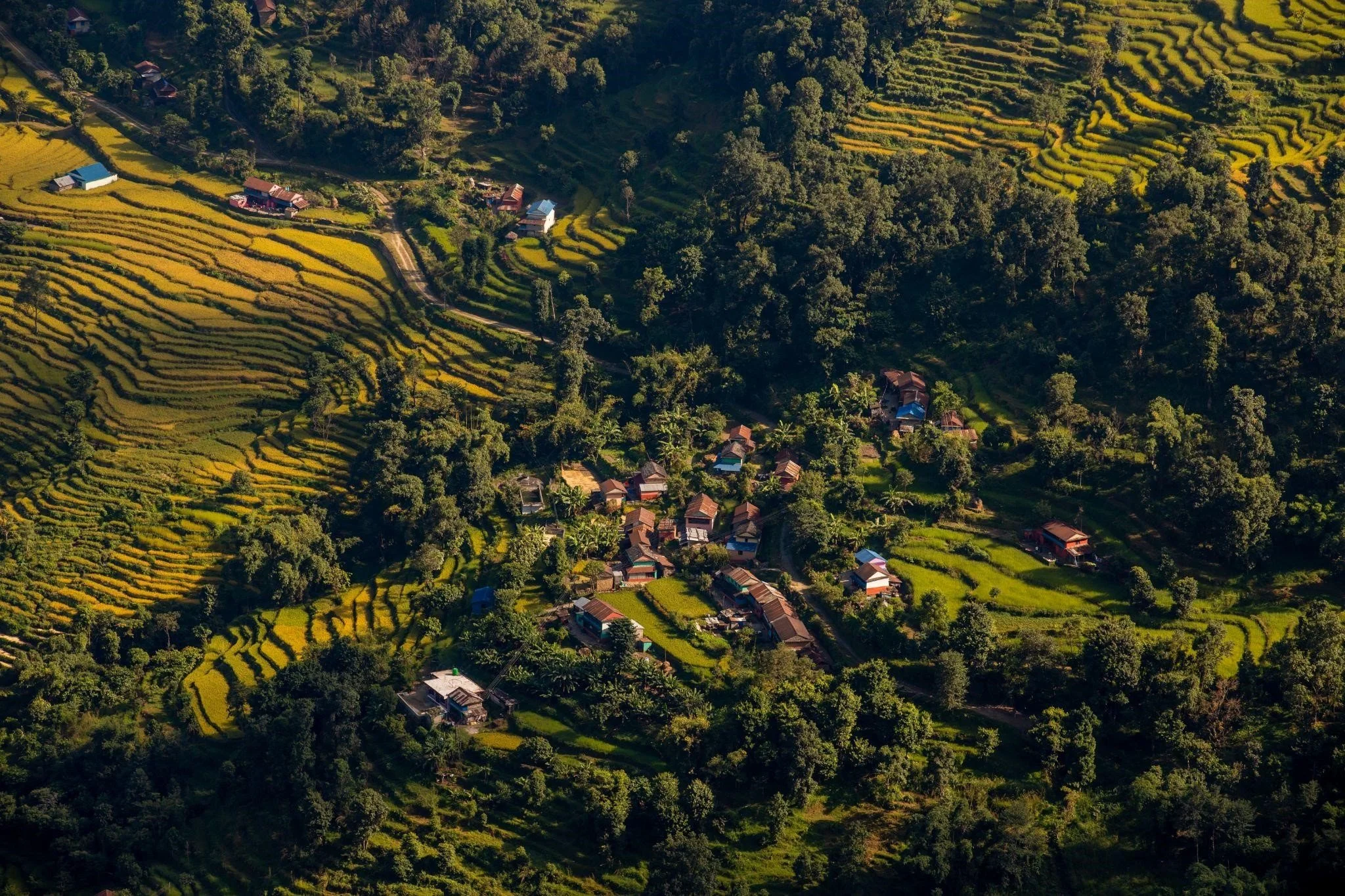
Along the green hills of the Mahabharata range of East-Nepal lies Ilam, the largest tea production region of Nepal. With the perfectly polished greenery spread all over, Ilam is a natural escape. The beautiful sloping view of the tea gardens all over the hills, surrounded by the peaceful mountain streams, dense forests, and religious sites make the entire experience here like something straight out of heaven. It is a diverse district when it comes to natural landscapes and prosperous when it comes to crop cultivation.
Some of the popular places to visit here are the viewing tower situated near the town and Mai Pokhari an hour away from the central city. You can start either by taking a brisk walk through the elegant tea garden or go for a short hike to the woods nearby. You can spend your day sightseeing through the culturally diverse lifestyle of the city as well. In terms of accommodation, lodges, tourist hotels, and a few resorts are eager to welcome travellers.
Shivapuri National Park
If you are looking for a break from the bustles of the city and want to explore more of nature, maybe take some risks along the way, Shivapuri national park is the place for you. Situated on the northern side of the capital Valley, Sundarijal is roughly 25km away from the capital, Kathmandu.
It is probably the most natural place for a morning hike with friends and family in the outskirts of Kathmandu valley. One can either drive or plan a one-day long hiking trip through the park. The glistening parade of thousands of leaves around you and the sight of small waterfalls leaves you at awe. Shivapuri national park gives you a feeling of being so far, yet so close to your daily lives.
Daman Hill Station
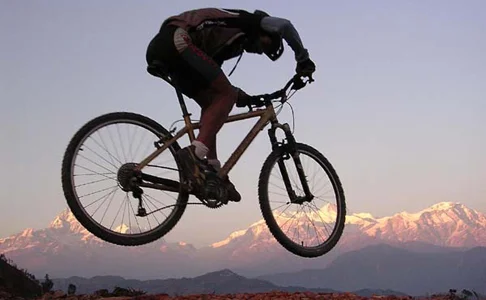
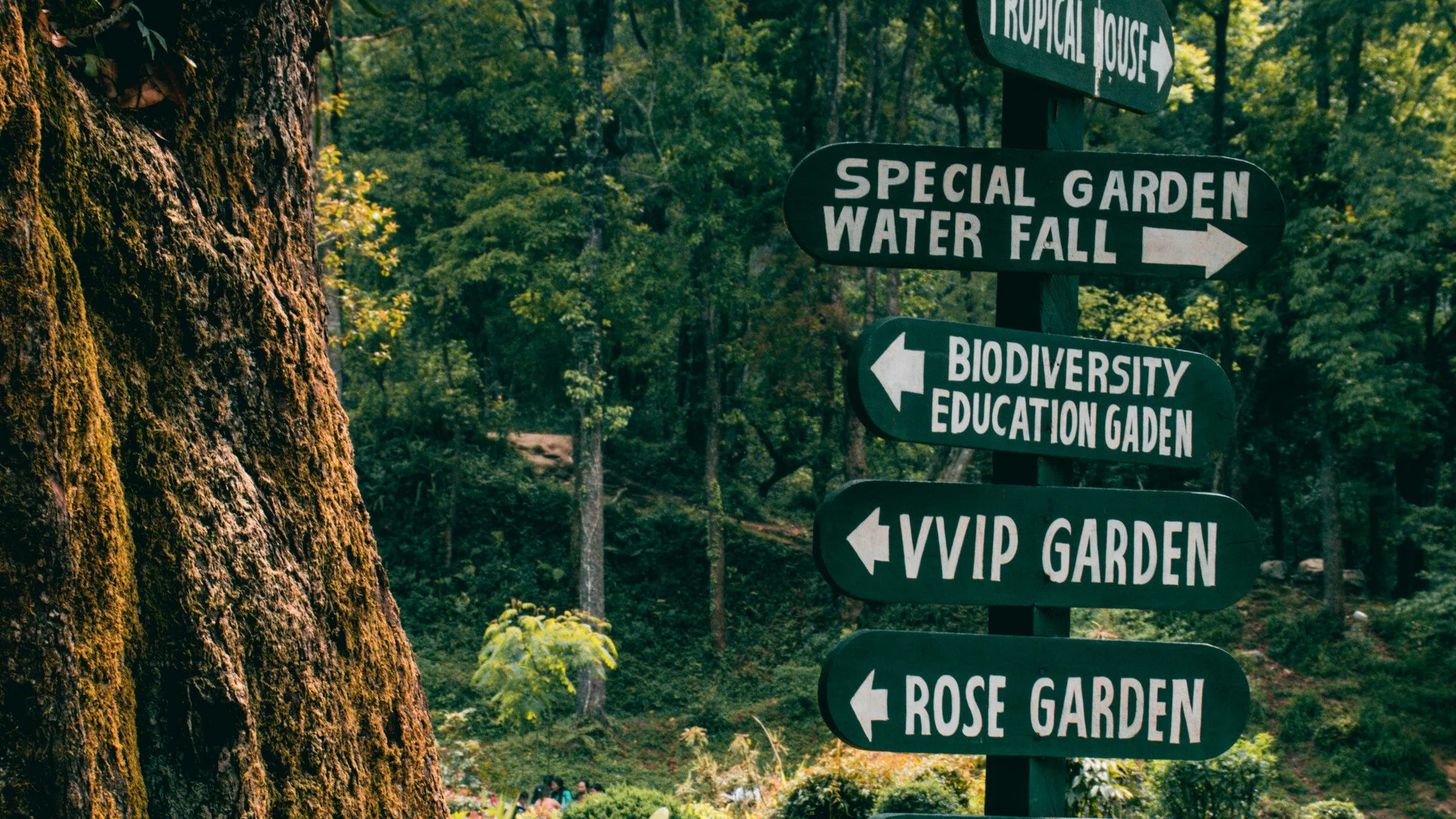
Another must-visit place along the capital hills of the country is Daman Hills. Situated in the southwest Tribhuvan Highway, 80km away from the Valley, Daman is one of the best places for a short getaway trip from the valley.
It offers you a panorama view of the hills with the Himalayas in the background, from Mt Dhaulagiri at the west to Mt Everest at the east. At the same time, you get the chance to reflect and connect with the beautiful local culture by visiting the villages around the corners. This hill station is also particularly famous for picnics, rock climbing, cycling, hiking, and other adventurous activities. Moreover, it includes one of the biggest and oldest botanical gardens in Nepal that attracts hundreds of visitors over the years, and the popular Shivan Temple, Risheshoe Temple is also situated here.
Daman is easily accessible via public and private mediums of transportation. It is also a popular cycling and hiking destination. Similarly, in terms of accommodation, the hill station offers community homestay, tourist hotels, and lodges. And the best time to visit is around the Spring or Autumn, where it is not too hot and not too cold for your convenient travel experience.
Lamjung
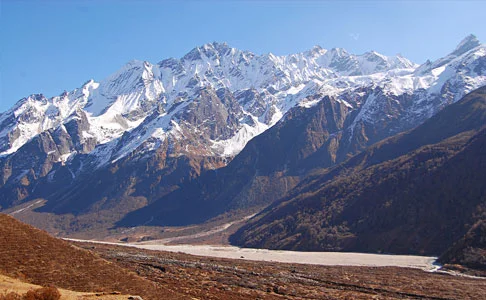
Every region has its own culture and art to offer, and there is always something for us to learn from them. Lamjung is a region nestled in the beautiful mid-hills of Nepal, which provides more than just a natural escape but also a cultural experience. It is truly a gift of all that nature has to offer as its geography spans seven climate zones: Upper Tropical, Subtropical, Temperate, Subalpine, Alpine, Nival, and Trans-Himalayan.
The district headquarter, Besishahar is a name that resonates with all adventurists who have treaded the Annapurna region and is the gateway to experiencing the majestic Himalayas, beautiful landscapes, and warm ethnic love. The ancient Lamjung Durbar, which is, as a matter of fact, one of the extensive historical monuments, is also situated here at Gaunsahar, Besishahar Municipality. On your trip to Lamjung, this particular historical shrine is a must-visit place since the beautiful multi caste settlement of Besishahar can be seen from up here, surrounded by the greenery of the hills covered by the wide Himalayan range.
The beauty of the region is reflected through the local Gurung people and their traditional norms, food culture, and interpretation of folk dance numbers around that give life to the villages and cities.
POPULAR ITINERARIES
SIMILAR POSTS
Oases In An Urban Jungle - Part II
Looking down upon the Kathmandu valley from various viewpoints, the rapid urbanization at times feels like an urban jungle. Towering buildings, widening roads, and shrinking open spaces has left little room for citizens and visitors to experience nature and its wonders. Discovering lush greenery, vibrant flora and sound of flowing water is as close to stumbling upon an oasis.
Looking down upon the Kathmandu valley from various viewpoints, the rapid urbanization at times feels like an urban jungle. Towering buildings, widening roads, and shrinking open spaces has left little room for citizens and visitors to experience nature and its wonders. Discovering lush greenery, vibrant flora and sound of flowing water is as close to stumbling upon an oasis.
Mentioned below are a few such sanctums which invoke solace and tranquillity.
Taudaha
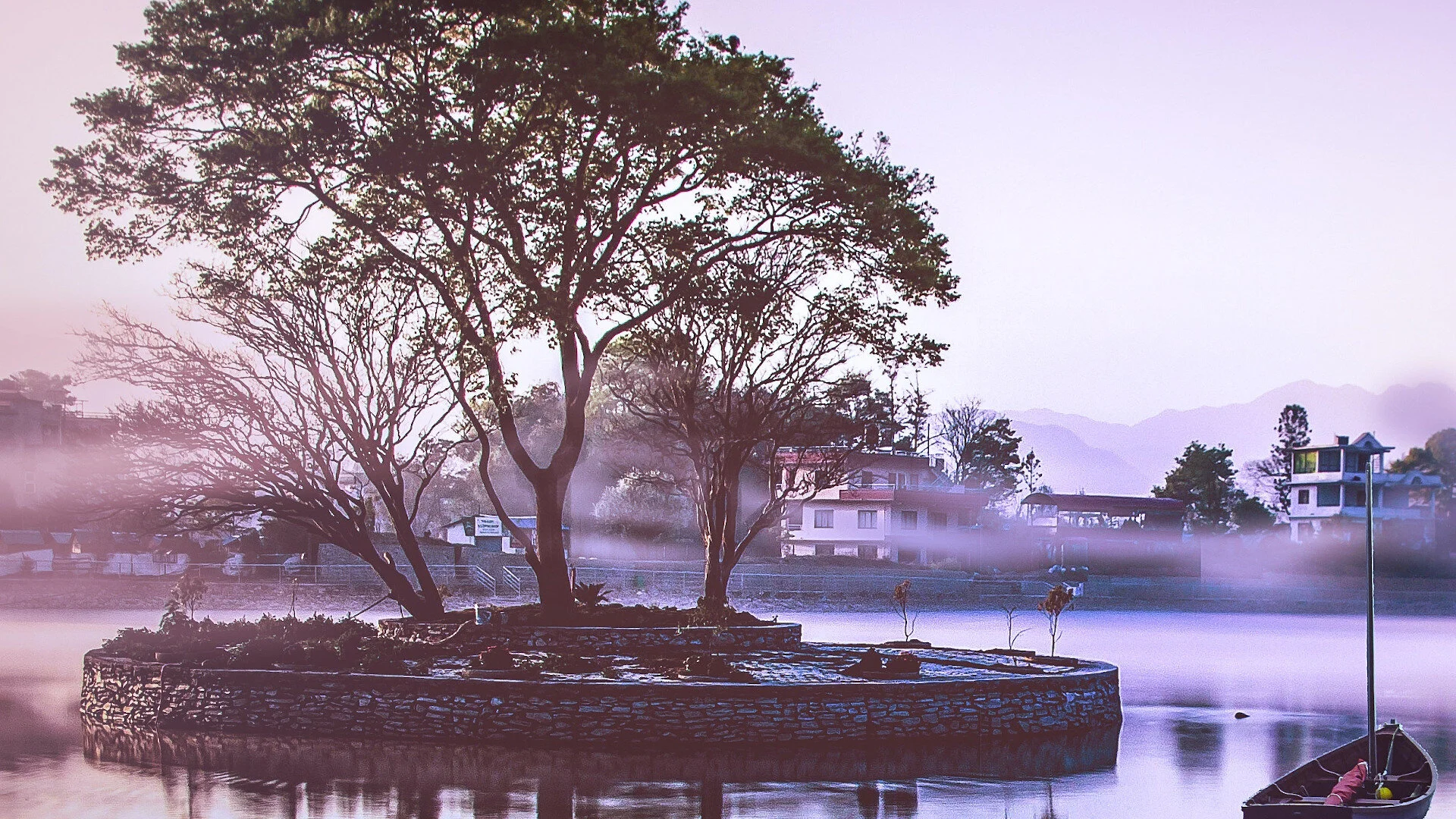
Taudaha comes from a combination of two words in Nepal Bhasa (the dialect of the Newa people) ‘Ta’ meaning snake and ‘Daha’ means lake. A freshwater lake with profound biodiversity Taudaha holds cultural and religious significance for Newa citizens of the valley. Believed to be a remnant pool of a lake that once covered the entire valley. “ According to mythology, a Buddhist mythical character Manjushree cut the hill in the valley’s south, allowing the lake’s water to drain off, thereby creating land that was duly occupied by people.”- Wikipedia
Home to 17 resident bird species, experts have recorded over 40 species in the lake area. Barn Swallow and Indian Cuckoo migrate to Taudaha during summer, whereas, The Great Cormorant, Ruddy Shelduck, Nothern Shoveler, Mallard Duck, Gadwall, Eurasian Coot, Northern Pintal and Common Teal migrate here during the winter.
Non-native fish species of carps over time have disrupted the ecosystem for native species such as barbs, catfishes and snakeheads. Reptiles such as checkered keelback and oriental garden lizard are sighted in this region frequently.
Surrounded by a well-paved path and sitting areas, locals and visitors get to indulge in morning and evening walks. Various other activities such as bird watching, meditation, yoga and hiking are also popular. Due to its cultural significance, swimming and fishing in the lake are not allowed.
Taudaha is a destination within the valley to rekindle ones spirit with nature accompanied by great hospitality and indigenous cuisine. An itinerary to Taudaha can also include a stroll in Manjushree Park and a hike to Adinath Lokeshwor Temple. The region is not just home to natural diversity but also a cultural one. Depending upon the season, various religious celebrations occur in the area such as Nag Panchami, Gunla and Kartik Mela.
Sundarijal
‘Sundari’ translates to beautiful and ‘Jal’ water from Nepali to English. Sundarijal, a village located in Gokarneshwar Municipality: is a true oasis in an urban jungle.
An escape to Sundarijal features tantalizing encounters with waterfalls, water bodies and native wildlife. The river Bagmati originates from this region and holds great social, communal and religious significance to the citizens of the valley. It is also a prime source of drinking water for the valley of Kathmandu.
Fifteen kilometres (9 miles) north-east of Kathmandu,Sundarijal falls west of Gagalphedi; east of Nayapati and Baluwa and north of Aalapot. The northern portion of Sundarijal falls within Shivapuri National Park.
Sundarijal’s biodiversity consists mostly of pine, oak and rhododendron. The region maintains an average temperature of 25.5º C in summer and 0º C during the winter. Wildlife such as Himalayan black bear, leopard, jungle cat and rhesus monkeys are sighted. It is also home to 177 species of birds amongst which nine endangered. One hundred two species of butterflies also call this region home.
Due to its proximity to Kathmandu, it receives a substantial amount of weekender’s who come for a quick getaway. Various activities such as nature walks, hikes, bird watching and canyoning have gained popularity in this region. Treks to Lantang Range, Chisapani and other routes also begin from Sundarijal.
POPULAR ITINERARIES
SIMILAR POSTS

Oases In An Urban Jungle - Part I
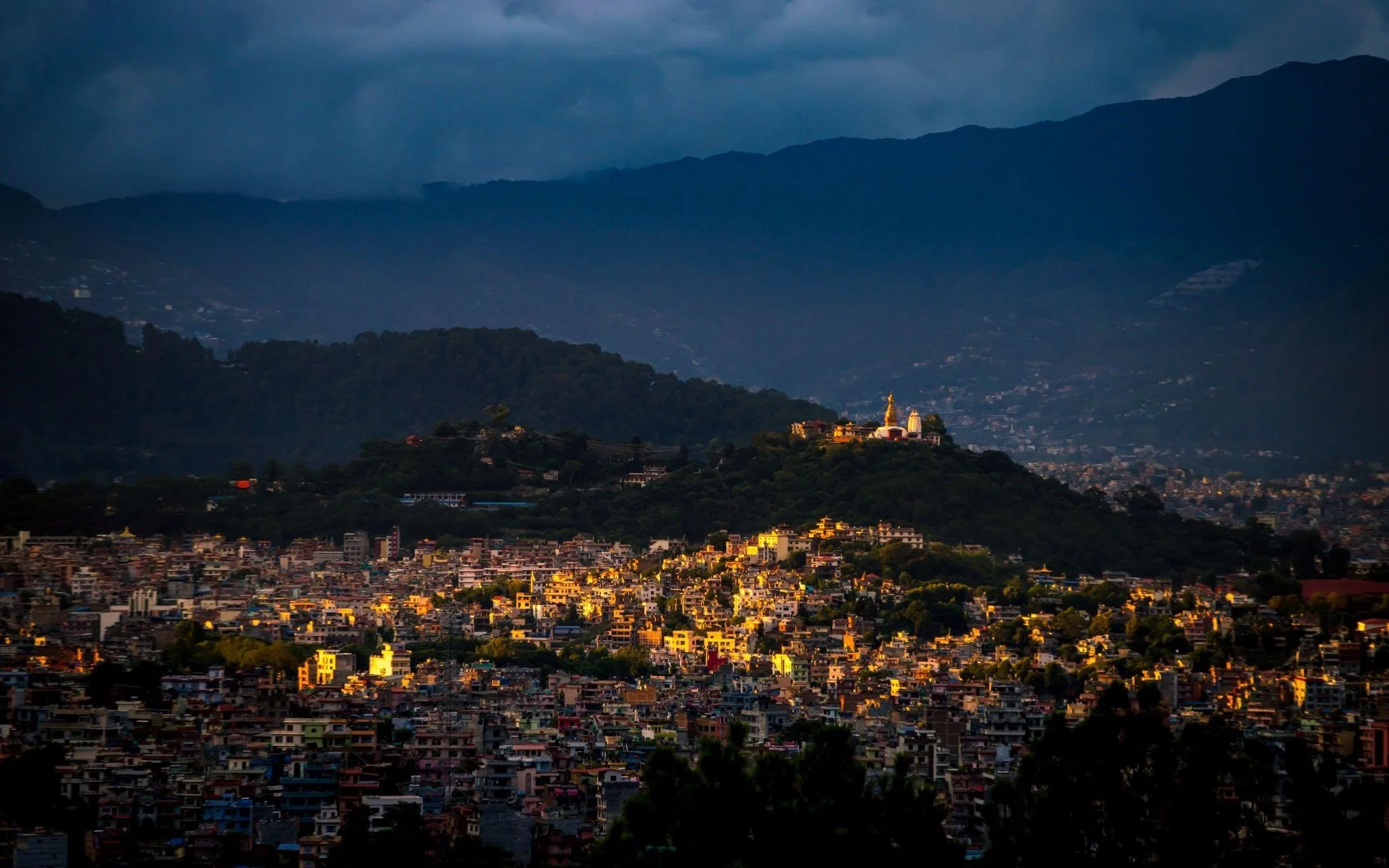
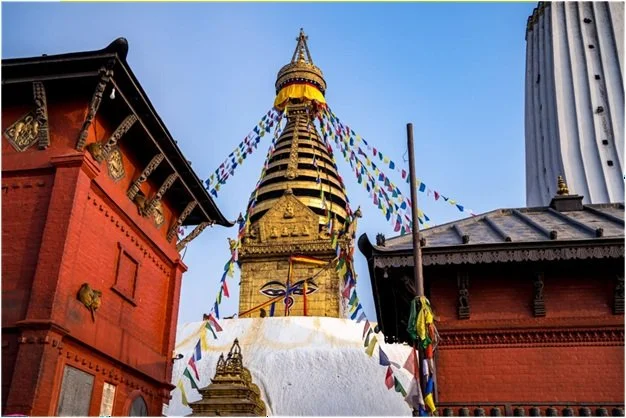
Looking down upon the Kathmandu valley from various viewpoints, the rapid urbanization at times feels like an urban jungle. Towering buildings, widening roads, and shrinking open spaces has left little room for citizens and visitors to experience nature and its wonders. Discovering lush greenery, vibrant flora and sound of flowing water is as close to stumbling upon an oasis.
Looking down upon the Kathmandu valley from various viewpoints, the rapid urbanization at times feels like an urban jungle. Towering buildings, widening roads, and shrinking open spaces has left little room for citizens and visitors to experience nature and its wonders. Discovering lush greenery, vibrant flora and sound of flowing water is as close to stumbling upon an oasis.
Mentioned below are a few such sanctums which invoke solace and tranquillity.
1. National Botanical Garden
The National Botanical Garden, previously known as Royal Botanical Garden and commonly as Godavari Botanical Garden is a destination preferred by individuals of all age groups for activities such as family picnics, bird watching, butterfly spotting, hiking, research and indulging in creative works. Nestled in the foothills of Phulchowki Hill, the garden covers a total area of 59 acres and is home to an avid diversity of flora. The site also features a natural spring known as Godavari Spring, which is 200 metres from the entrance. The springs history has religious significance and is a popular pilgrimage site during the season of spring for Hindu and Buddhist devotees.
The garden is surrounded by an evergreen natural forest, which helps keep the temperature within twenty to thirty degrees during the summer and zero to twenty degrees during the winter. When the urban centres bake with the rays of the summer, the garden and its surroundings are brisk and temperate: creating a haven for more than one thousand species of flora.
The garden sees a large number of visitors during the coming of spring when the Rhododendron Arboretum bloom. The rows of Rhododendron trees which continue till Pulchowki Hill are covered with its flower and create an enchanting aura.
A small admission fee which varies for Nepalese, SAARC Visitors and Foreign Visitors allows entrance to the garden which is open from 9 AM to 5 PM during Mid-November to Mid-February and 10 AM to 4 PM during Mid-February to Mid-October.
Visitors & Other Categories
Entrance Fee (Inclusive of VAT)
Nepali Citizens below 10 years - NRS. 20
Nepali Citizens above 10 years - NRS. 50
SAARC Citizens below 10 years NRS. 100
SAARC Citizens above 10 years - NRS. 200
NON- SAARC Citizens below 10 years - NRS. 500
NON- SAARC Citizens above 10 years - NRS. 1000
Camera Fee
Digital Camera - NRS.30
Video Camera - NRS.200
Electric Vehicle Tour Fee (One Round)
Nepali Citizens below 10 years - NRS. 100
Nepali Citizens above 10 years - NRS. 200
SAARC Citizens below 10 years - NRS. 200
SAARC Citizens above 10 years - NRS. 400
NON- SAARC Citizens below 10 years - NRS. 500
NON- SAARC Citizens above 10 years - NRS. 1000
2. Garden of Dreams
Once the private garden of Field Marshal Kaiser Sumsher Rana, it was considered one of the most exquisite gardens of that time. Completed in 1920 AD the premises was inspired by Edwardian architecture. The neo-classical garden features pavilions, fountains along with distinct European marquees such as verandas, pergolas, balustrades, urns and birdhouses. After the demise of Kaiser Sumsher, the palace got handed to the Government of Nepal.
Also known as the garden of six seasons, inspired by the six seasons of Nepal. It covers a total area of 6,895 square metres which includes three pavilions; an amphitheatre; central pond; pergolas; urns and combinations of small and large gardens.
Lack of conservation and management lead to severe degradation of the premises. After extensive renovation carried out between 2000 to 2007 AD, the garden took regained its outlook but half in size.
Today the garden is open to visitors who can indulge in its serenity and Edwardian ambience. Visitors are not allowed to bring in their food but carry bottled juice, water. They can indulge in various delights prepared in the gardens own private restaurant. Open between 9 AM to 10 PM, Garden of Dreams is a great destination to escape the urban life and appease oneself in the quaint natural escape.
The entry fees to the Garden of Dreams is listed below:
Visitors
Nepali Citizens - Rs.150
Non-Nepali Citizens - Rs.400
* 25% discount provided on ten tickets.
* Children, senior citizen and disabled are provided 50% discount.
POPULAR ITINERARIES
SIMILAR POSTS

Great Honeymoon Destinations In Nepal
For love is to be cherished and celebrated, it can be done in Nepal too. Nepal is home to a large number of destinations that can be for a honeymoon. In comparison with most of the well-known hotspots, destinations in Nepal stand out as they are more adventurous, breath-taking, and tantalizing.
For love is to be cherished and celebrated, it can be done in Nepal too.
Nepal is home to a large number of destinations that can be for a honeymoon. In comparison with most of the well-known hotspots, destinations in Nepal stand out as they are more adventurous, breathtaking and tantalizing.
1. Shey Phoksundo Lake
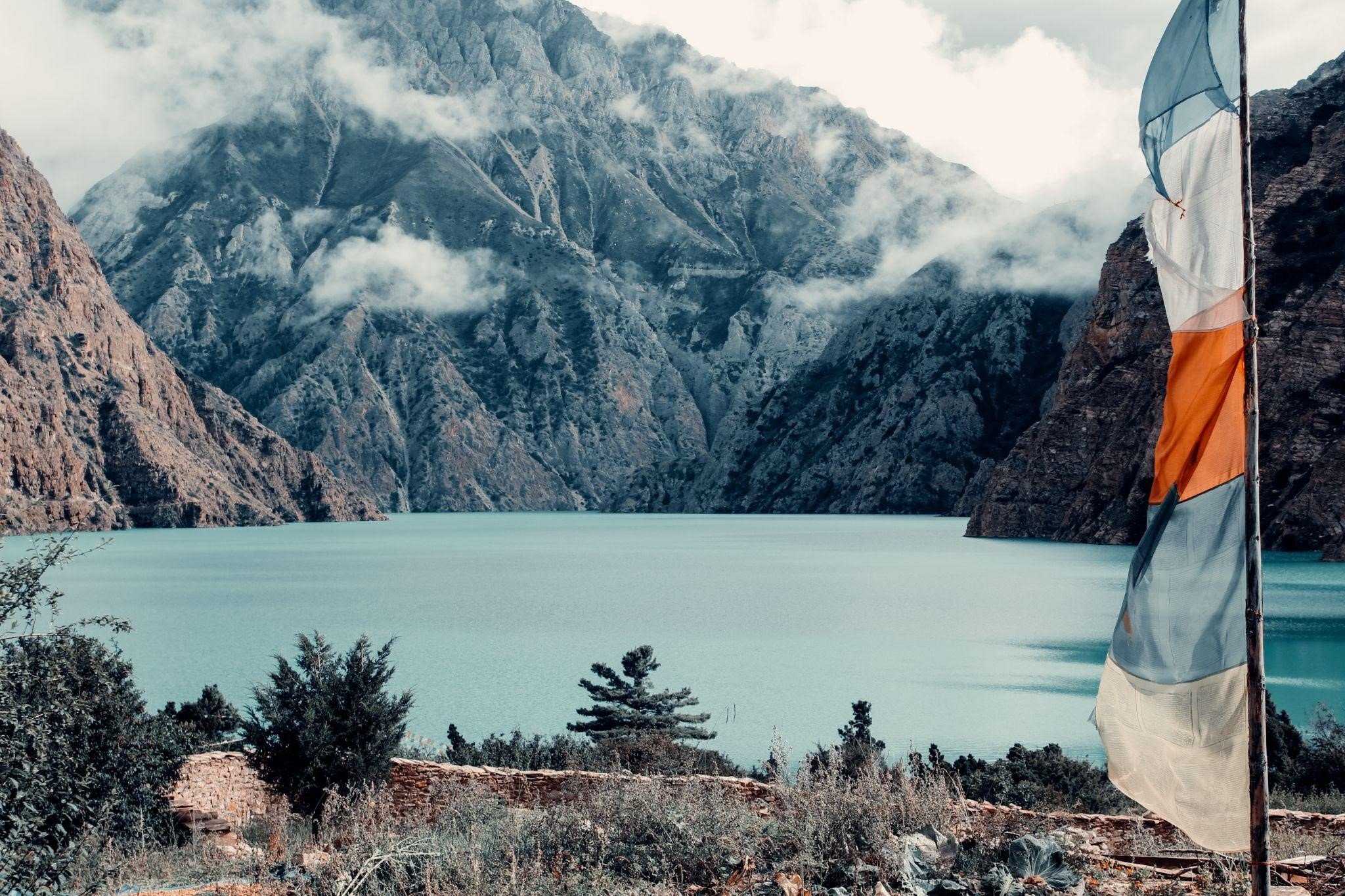
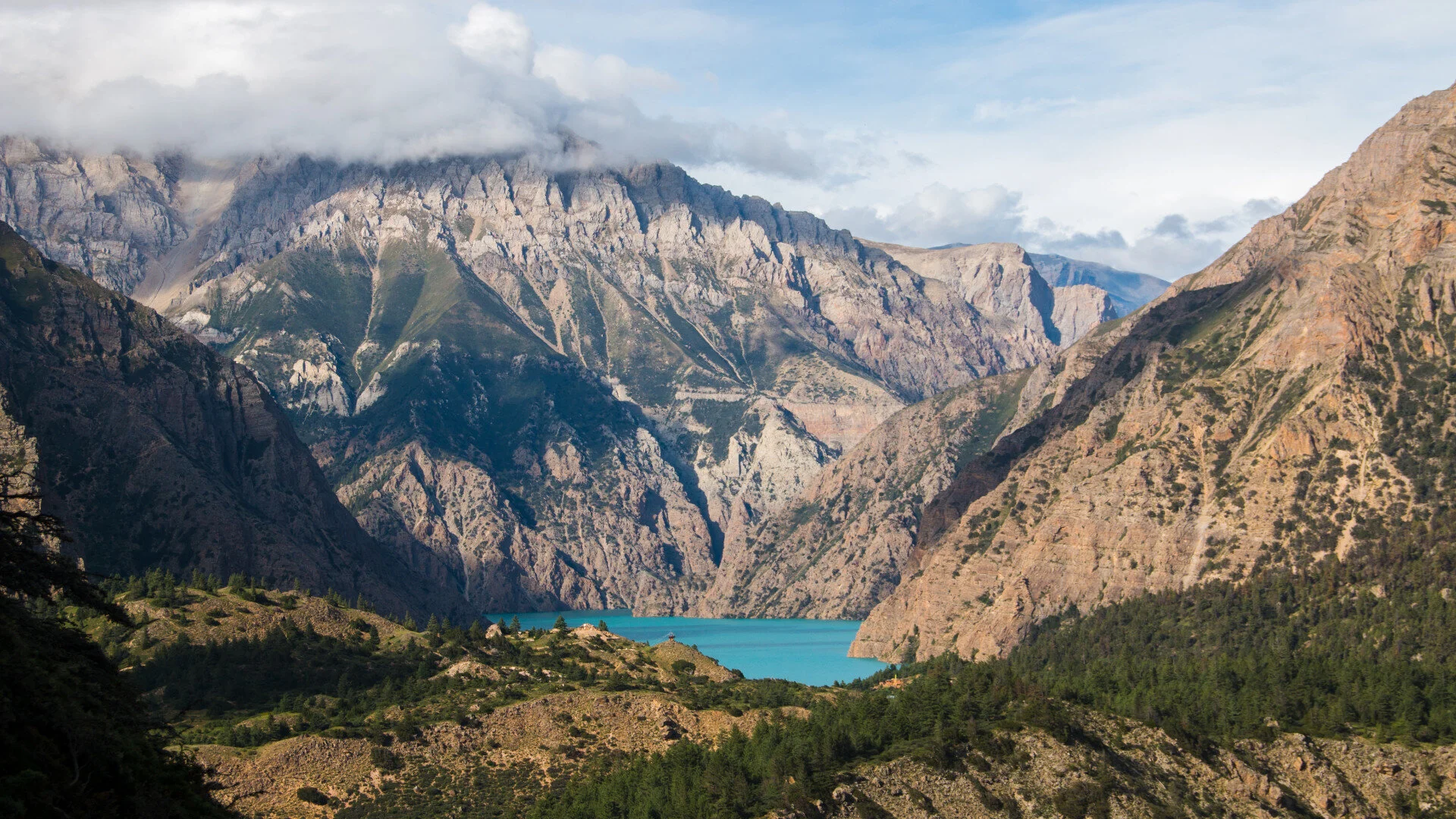
Nestled in the beautiful outback landscape of Dolpo, the tantalizing lake of Shey Phoksundo is a sight to weary eyes.
The lake lies in Shey Phoksundo National Park, which is the largest and the only Trans-Himalayan national park of Nepal. Spread over 3,555 kilometres square (1,373 square miles) in the districts of Dolpa and Mugu in the mid-western region of Nepal which is home to a variety of flora and fauna. The park ranks among the most scenic in the world as it rests in the northern region of the Himalayan crest. The crown jewel of this region is the Shey Phoksundo Lake. The lake is famous for its magnificent turquoise colour and flows downwards to create the largest waterfall in Nepal.
The lake was created by a landslide which dammed the Suligad river from the southern end 30,000-40,000 years ago. The village of Ringmo with a seasonal population of two hundred sits atop the landslide dam. It is home to an ancient Bon temple, which lies on the outside of town.
My mere words will never to do justice to the beauty of Shey Phoksundo. The freshwater lake and its turquoise hues is a sight to be taken in through all senses. A honeymoon to Shey Phoksundo shall be an adventure of a lifetime.
Reaching this lake is no small task. General itineraries stretch between 10- 15 days, this creates time for both to celebrate their love; through a journey that shall test their strength, trust, and determination. The fruit of this labour is tranquil, magnificent and heavenly.
2. Shree Antu
Looking into the eyes of your loved one over the first rays of the sun, how does that sound?
Shree Antu Danda (hill) in Illam district is where the first rays of the sun hit it in Nepal. Approximately 13.2 and 63.7 kilometres from Phikal Bazar and Bhandrapur Airport, Shree Antu is ranked amongst the best sunrise and sunset spots in Nepal.
The region is notorious for its dramatic weather, but when the skies clear the hill provides panoramic views and sights of Siliguri in India. A trek to Shree Antu is of a modest three days with a maximum elevation of 3760 metres. A flight to Bhandrapur Airport and a rented private vehicle can get you in proximity to the hill. After which it is a gentle uphill climb to the summit. The drive includes spectacular views of the tea gardens of Illam along with opportunities to witness the life of the ethnic communities of the region.
3. Chitwan National Park
If a natural escape is what you seek, then Chitwan National Park is the destination for you.
The first national park of Nepal, Chitwan National Park was established in 1973 AD and was indoctrinated into the list of World Heritage Sites by UNESCO in 1984 AD. This subtropical park lies in the Terai region of Nepal, approximately 170 kilometres from Kathmandu. Covering a threshold of 952.63 kilometres square, it spans three districts: Nawalpur, Parsa, Chitwan and Makwanpur.
The park is home to numerous endangered species of flora and fauna, most popularly the Bengal Tiger and the one-horned Rhinoceros. The park provides ample opportunities to witness a variety of bird species if bird watching is something you have in common with your significant other. Wildlife encounters are a great way to make memories, and the cultural experiences a great tale to passed down.
As of now, the park can be reached through a drive or via direct flights to Bharatpur Airport. Due to the popularity of the destination, finding the right accommodation would not be difficult and the region provides various amenities as well.
4. Everest Base Camp
Retaking vows with Mount Everest in the background. Isn't that a picture-perfect moment?
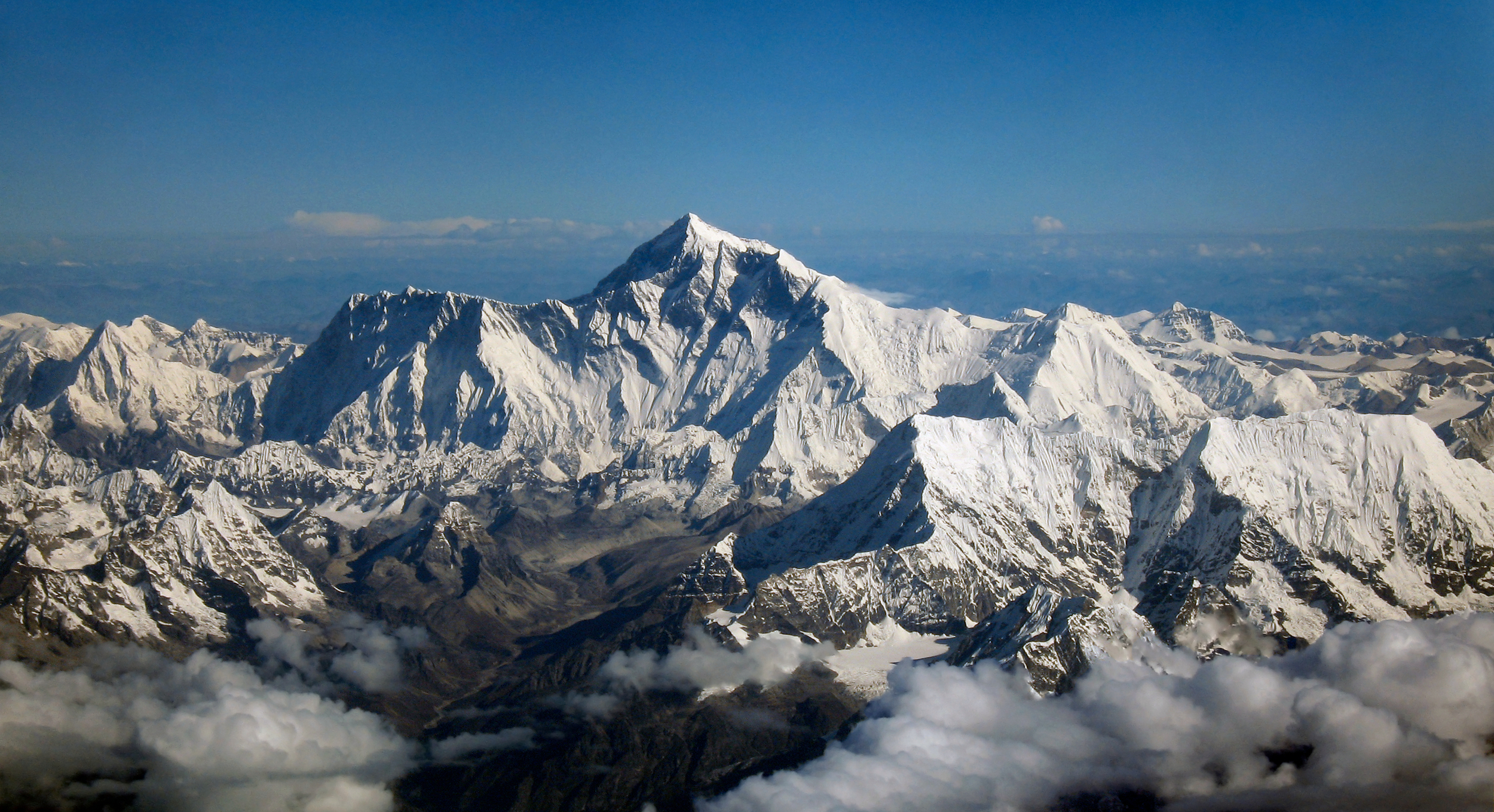
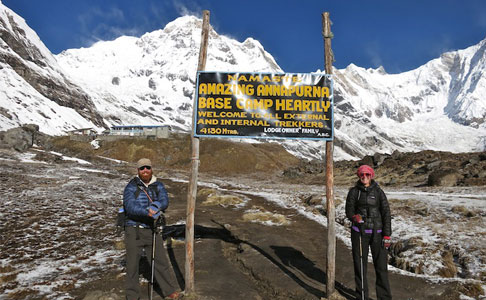
The thoughts of Nepal are never incomplete without visualizing the highest peak in the world. Over time the Everest region has grown to become the most popular destination in Nepal, with a whole spread of adventures to be experienced.
The region offers more than just climbing Mount Everest or trekking to the base camp. The Sagarmatha National Park is home to spectacular landscapes; diverse cultures; pristine wildlife; and tranquil lakes which can be combined to create the perfect honeymoon expedition.
The topography that creates a hurdle for all-round development in Nepal is the same that gives it such natural diversity. From the Himalayan ranges to the lowlands of Terai, the entirety of Nepal is yonder that screams adventure, tranquillity and paradise. This nectar of natural beauty. Coupled with rich cultural heritage is an opportunity to create memories for a lifetime.
POPULAR ITINERARIES
SIMILAR POSTS
A trip to "Home" Janakpur
Janakpurdham featured prominently in Ramayana, one of the two most popular epics of Hinduism, the other being Mahabharata. Janakpur is the birthplace of Goddess Sita (a.k.a. Janaki, daughter of King Janak). Janakpur, or Janakpurdham, was once the capital of the Mithila kingdom, and it is about 400 km from Kathmandu city.
I was told I belong to Janakpur but, growing up in the bustling capital, Kathmandu, I’d never gotten the chance to even visit my hometown properly. Just by looking at postcards and brochures, I taught myself how to identify my originality. This year, however, my family decided it was finally about time we know where we come from and planned a nice, short family trip to Janakpur. It was just me, my older brother, my mom and my dad, packing up whatever we think we need in such a short time, and rushing to what they called ‘home’. As a family that rarely makes any travel plans at all, it was a very fresh family bonding experience for once. The trip started as we carried our backpacks and decided to go by bus because we wanted to have the whole road trip experience on the course.
You see, the thing is, when you’ve lived in a city surrounded by hills on all four sides your entire life, your eye catches a habit of always knowing that there are hills somewhere along the lines, no matter where you look. So watching the hills blend into the plains as we entered the Terai Region, my eyes had already gotten homesick looking at the sky stand upon the empty plains with nothing in between. Nevertheless, I still had the excitement rushing through my body when we entered the different surroundings in such a closure. They say every city gives you a new feeling. As a matter of fact, I realized it was true as I slowly watched myself enter the city of Janakpur through the delicate blue light of dusk hitting the green farms and the colorful houses.
The smell of fresh fruit being sold on the early morning streets, the faint lights slowly turning off from the houses as the sun was about to come up and the gentle sound of radio playing from somewhere around was what welcomed me to the city. As we walked softly from the highway to the narrow streets, from one neighbourhood to the other, I couldn’t help but admire the small quiet houses and the morning eagerness of the people. It was as though I was breathing a whole new type of air, the kind that gives you a strange feeling of comfort. Soon enough we reached the house we were supposed to stay at and the summer temperature slowly started increasing. Which, unfortunately, obligated us to stay inside for the entire day and only go out during the evenings and the night as the cool, lively breeze passed right through us. I wasn’t too disappointed though. Sleeping in all day and going out as the sun slowly goes down until late night is like every average teenager’s dream.
We, first, took our chances and visited every temple we possibly could that evening after my mother constantly insisted to do so all day. We were walking and exploring the streets that were completely new and adventurous for me and my brother while our parents seemed to know every nook and corner of that same street. Our parents, mom especially, as we walked through the random streets, told us stories about how they grew up right there with their siblings and friends. Stories that made that ‘random’ street so much more special with those nostalgic smile on their faces. It is kind of strange, how such new places can make you feel so many new feelings you never knew. Laughing around with the dumb, yet funny stories of how our parents were when they were just kids and enjoying the cheap street foods that tasted so much better than we expected, our evening just flew by with a pleasing breath of satisfaction as we went to sleep that night.
The next morning we woke up at like am in the morning with this whole energetic and enthusiastic spirit of my dad. He somehow convinced us all to go for a nice morning walk all around the city and pulled us outside right away, before even giving us a chance to say yes. As we walked through the city, we realized that people here always tend to wake up that early in the mornings, finish their household chores and leave for work or school already. We visited more temples, ponds and streams, neighborhoods and parks that still managed to return home before the sunlight got stronger.
We realized how we didn’t have too many days left here now so we decided to go for a long ride through the villages in our motorbikes in the early afternoon, despite the heat. And let me tell you, there’s nothing better than riding through the straight, long road with greenery in every corner that catches your eye and tiny houses and villages that come around pretty often with the fresh smell of livelihood. I felt peaceful, out of the chaotic everyday environment of Kathmandu, between nature at its purest form. Later, when we reached home that night, it was already late and the heat inside was killing us. So we decided to sleep on the terrace, under the stars, as the cool night wind blows through. Again, unlike Kathmandu, the stars were so much clearer and brighter there, I couldn’t help but stare at the sky until I fell asleep under the warm embrace of the peaceful night sky. It was right then when I realized, as such busy people in today’s fast moving world, we rarely take our chances to simply admire the beautiful nature.
My favorite thing about the trip, however, was watching my parents relive their childhood and look at their home with such love and admiration after so long. They had this smile on their faces all along as they slowly realized how precious their life here had actually become. Exploring the old abandoned mud houses in the villages that once used to be their happy place every single day finally gave me the excuse to look at how their lives used to be, how different my life is and how I wish I was a part of that age old life as well. I realized how one can never learn what’s beyond the walls without taking an extra step outside of it. How our limitations never exceed if we keep ourselves to just one way of thinking. Although we returned with only a couple of days of memories, I can now totally see myself planning more trips with my family, or even solo trips to places least expected.
POPULAR ITINERARIES
SIMILAR POSTS
Decoding The Seasons of Nepal
Seasons in Nepal might not be a surprise for those who have traveled to Nepal multiple times. And, those who haven't had the opportunity and yet planning to travel Nepal might find it quite difficult to choose when to travel to Nepal. Understanding the seasons of Nepal can be quite helpful for those who have been planning a trip to Nepal.
To those who have traversed Nepal multiple times, the spontaneous diversity of the seasons in Nepal might not be a surprise. But to those, who haven’t had the opportunity it might be quite difficult to decode.
Basanta Ritu ( Mid- March to Mid-May)
Grishma Ritu (Mid-May to Mid- July)
Barsha Ritu (Mid- July to Mid-September)
Sharad Ritu (Mid- September to Mid- November)
Hemanta Ritu (Mid-November to Mid-January)
Shishir Ritu (Mid- January to Mid-March)
Generally, seasons around the world are divided into four; Spring, Summer, Fall and Winter. But to the surprise of many travellers, Nepal boasts six seasons; Basanta (Spring), Grishma (Early Summer), Barkha (Summer Monsoon), Sharad (Early Autumn), Hemanta (Late Autumn) and Shishir(Winter). These six seasons are results of the geography of this ever so beautiful mountainous region. Many might think that this is just a local exaggeration but if you desire to truly travel the serene scapes of Nepal, having an understanding of the local definition of the seasons can be quite helpful.
To begin with, one must keep to mind the five climatic zones of Nepal which broadly correspond to the altitudes. The tropical and subtropical zones lie below 1,200 metres (3,900 ft), the temperate zone 1,200 to 2,400 metres (3,900 to 7,900 ft), the cold zone 2,400 to 3,600 metres (7,900 to 11,800 ft), the subarctic zone 3,600 to 4,400 metres (11,800 to 14,400 ft), and the Arctic zone above 4,400 metres (14,400 ft).
This leads to a variation in climate patterns throughout Nepal, even during the same season. The Northern region of Nepal due to their proximity to the Himalayan range experience harsh winters whereas the southern plains of Nepal the temperatures are not so extreme. Whereas during the summer, the Terai ( Southern Nepal) experiences temperatures between 40 - 45 C, while the hills and mountainous regions experience temperate temperatures.
In the local dialect, seasons are called Ritu’s which have been brought into the tradition following the weather patterns the nation experiences as a whole.
1. Basanta Ritu ( Mid- March to Mid-May)
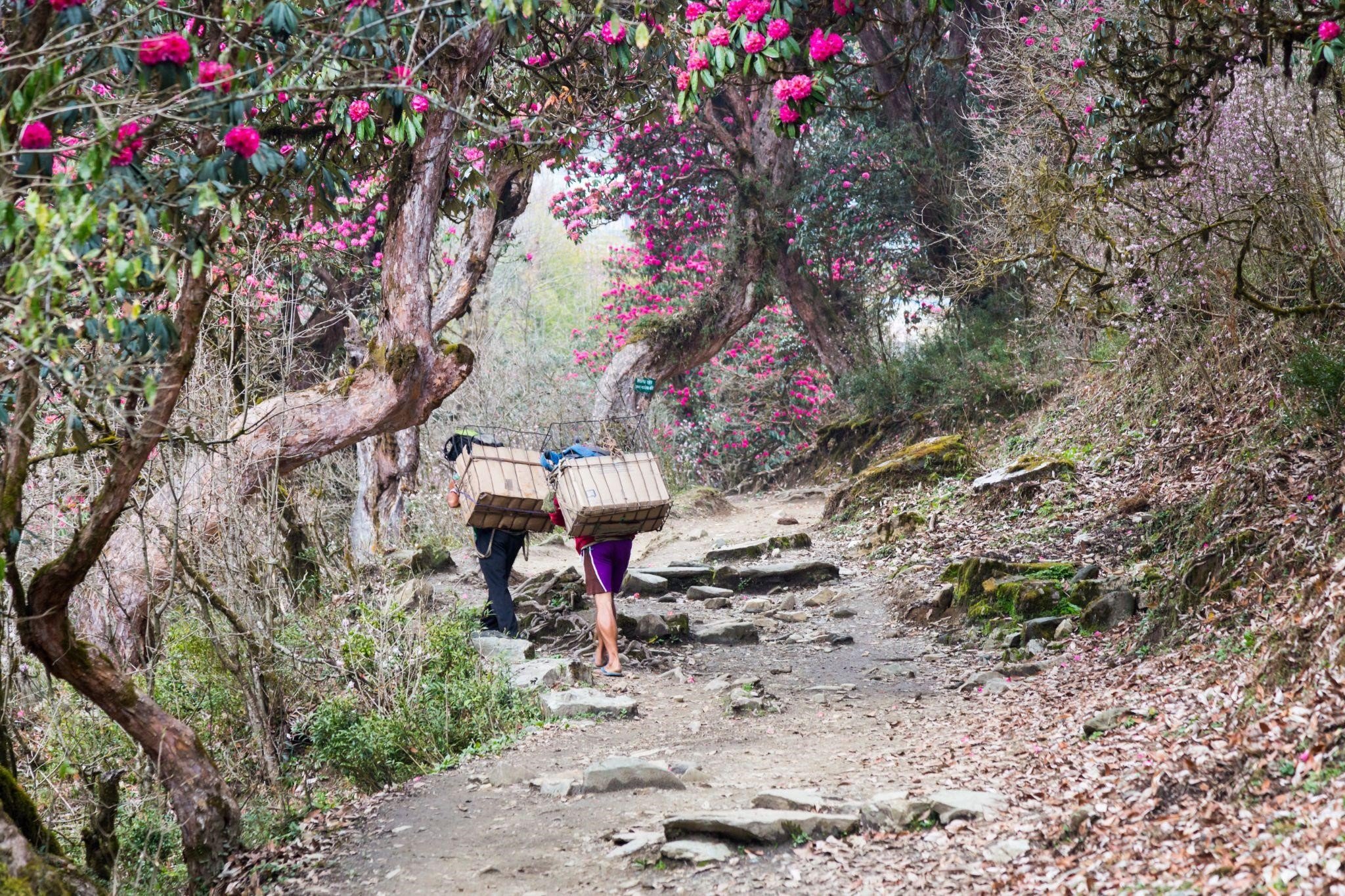
What the west calls Spring is called Basanta in traditional Nepali. The season spans for a period between Mid-March to Mid-May. This period is one of the most favourable travellings throughout Nepal, trekking is especially recommended during this season as the weather is generally stable, but features high winds and light rainfall in some regions. Trails are especially beautiful this time around the year, due to the blossom.
2. Grishma Ritu (Mid-May to Mid- July)
Grishma entails the honest season in Nepal, this season sees harsh temperature gains in all parts of Nepal. The Northern destinations are spared from the high heat; treks such as Upper Mustang, Lower Mustang, Upper and Lower Dolpa are quite popular.
3. Barsha Ritu (Mid- July to Mid-September)
Barsha translates to rain in English. Lasting from mid of July to September, this season sees most of the regions of Nepal experience light to heavy rainfall daily. A region which is not affected much by this season is the Trans Himalayan Region, thus trekking routes in this region is quite popular such as of Upper Mustang, Nar Phu Valley Trek, Limi Himal Trek and others.
4. Sharad Ritu (Mid- September to Mid- November)
Autumn in the local culture of Nepal is referred to as Sharad. This season sees rapid changes in the landscape of Nepal and even in the urban centres as it is also the festival season. Major festivals such as Teej, Kartik Naach, Dashain and Tihar fall in during this season. For travellers who wish to experience the entirety of Nepal, this season is regarded as the perfect season to travel and experience Nepal.
Mid-September to Mid November is regarded as the perfect time for adventure activities throughout Nepal. The skies are mostly clear, moderate temperatures, and the cool breeze helps create a relaxed environment.
5. Hemanta Ritu (Mid-November to Mid-January)
In Nepal, winter is divided into two parts, with Hemanta being the pre-winter season in Nepal. This period sees a gradual decrease in the average temperature around Nepal and is also considered a fair season for trekking activities. Popular trekking routes during this season are Ghorepani Poonhill Trek, Manang Gosaikunda Trek, Manjushree Trail and others. For the native farmers of the region, pre-winter is also the harvesting season, farmers make sure to collect their crops and store them for the upcoming winter.
6. Shishir Ritu (Mid- January to Mid-March)
The winters in Nepal have quite a variation according to its various geographical regions. The Southern plains of Nepal experience an average temperature of 20-24ºC whereas the mountainous regions experience heavy snowfall. Mostly known as the dry season of tourism, it is fair to say that travelling to Nepal requires no season as one can experience and encounter the magic, mystery and beauty of Nepal all year round.
Average temperature and rainfall char during peak summer and winter in the three most popular tourist areas of Nepal.
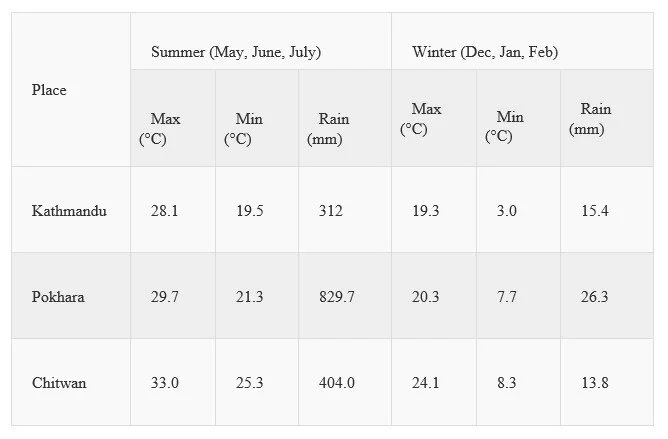
To know more about Nepal’s climatic conditions, please visit the official website of the ☛ Department of Hydrology & Meteorology, Ministry of Environment.
POPULAR ITINERARIES
SIMILAR POSTS
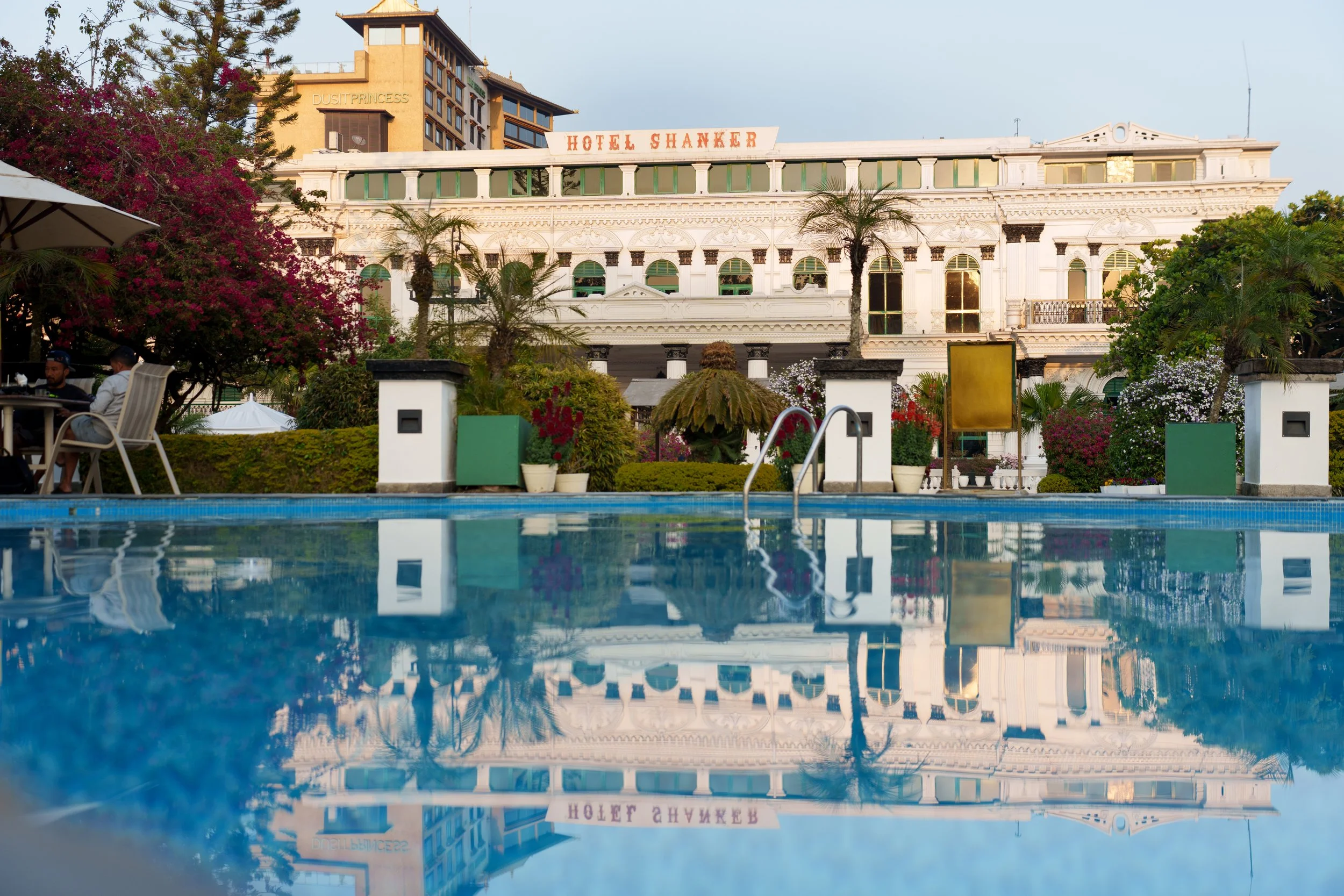

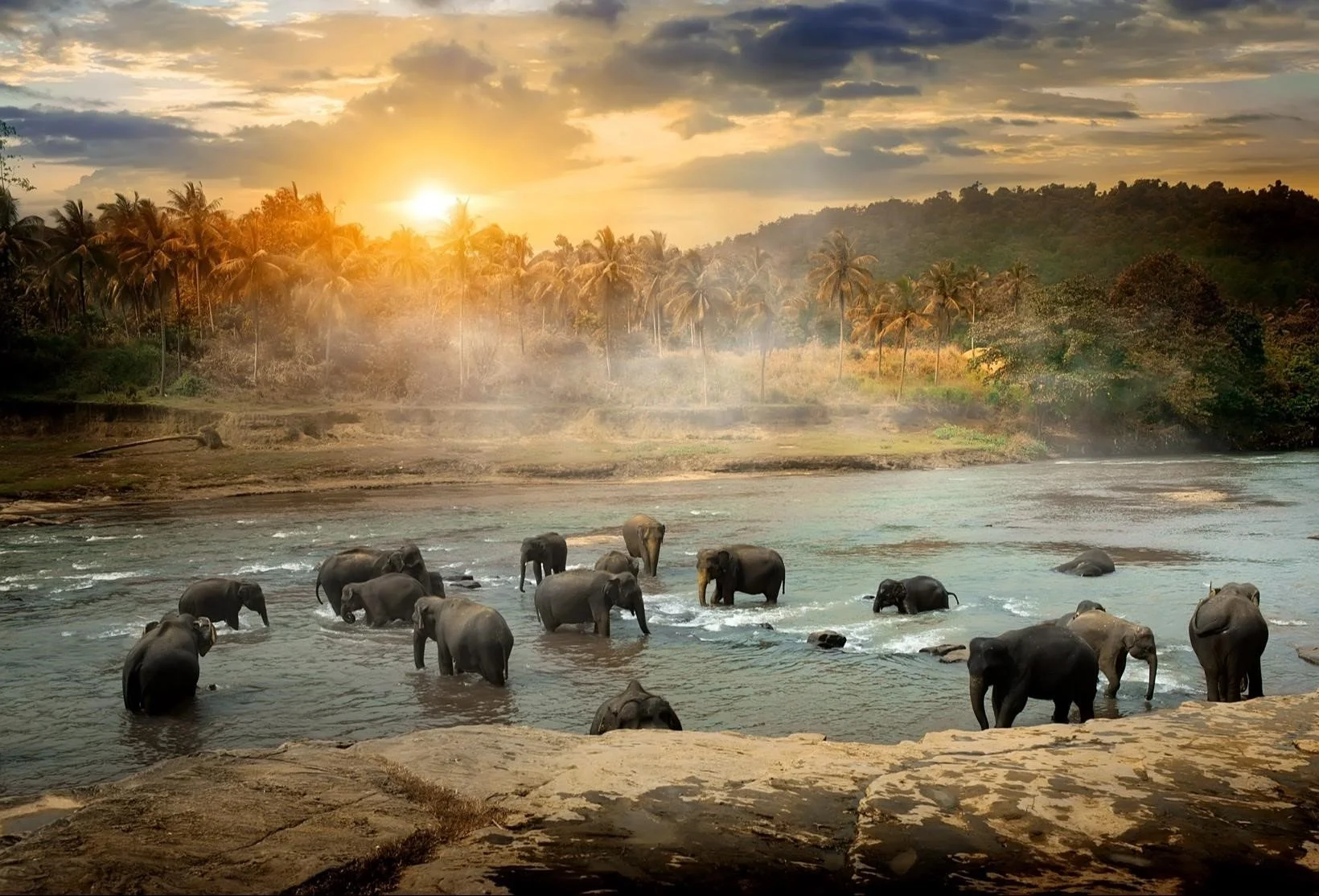

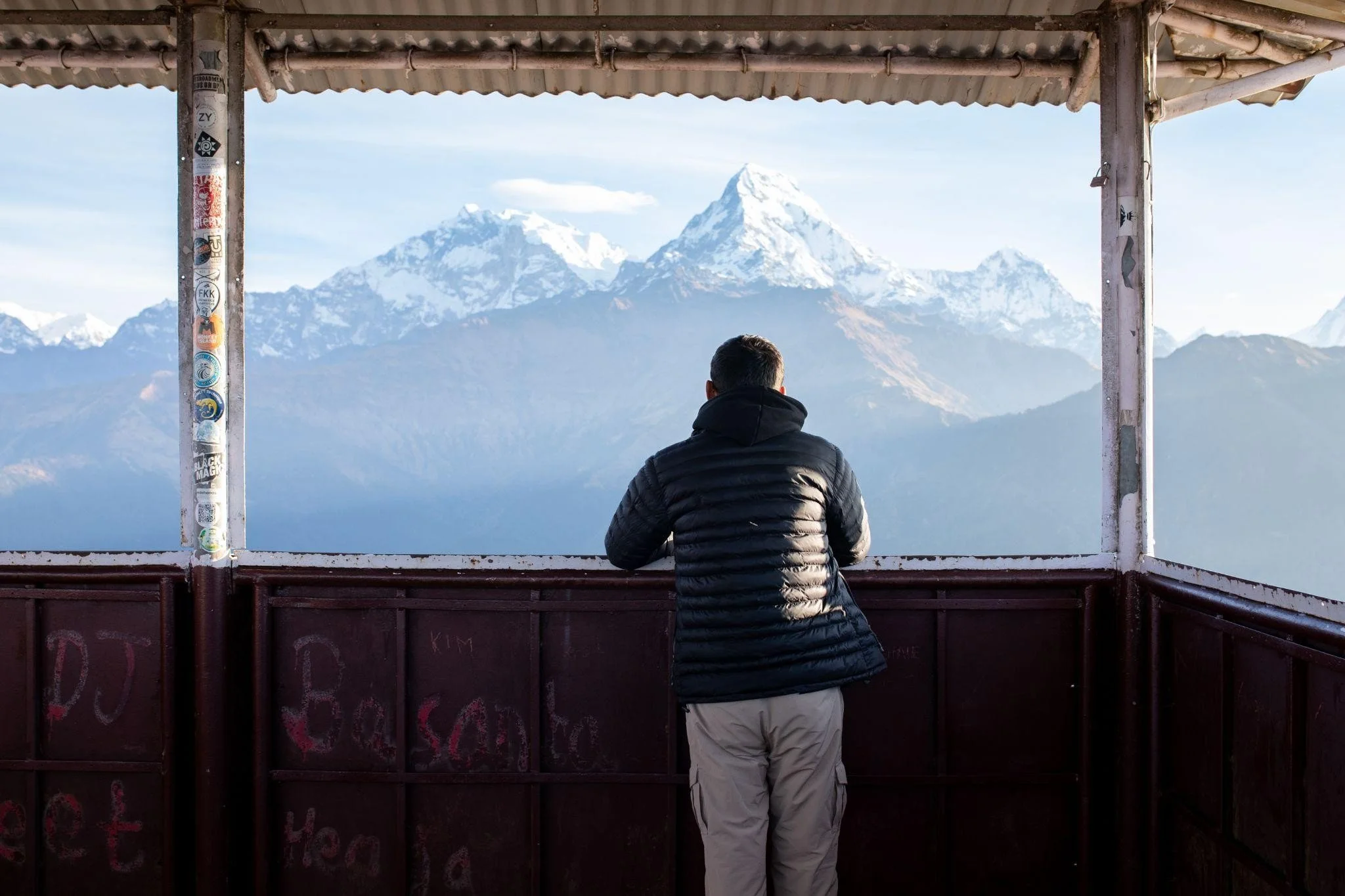

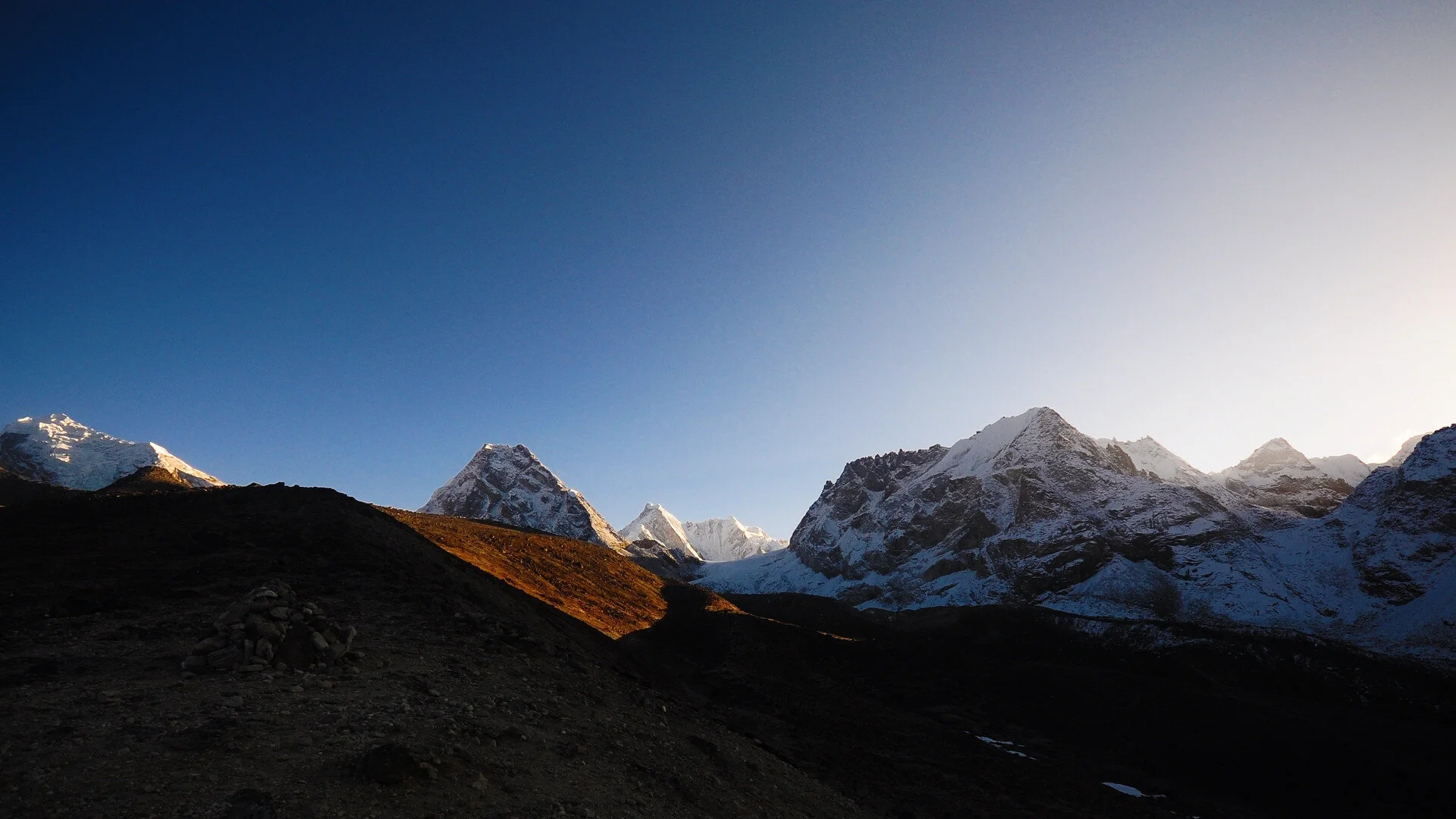
Best Sunrise Views In Nepal - Part I
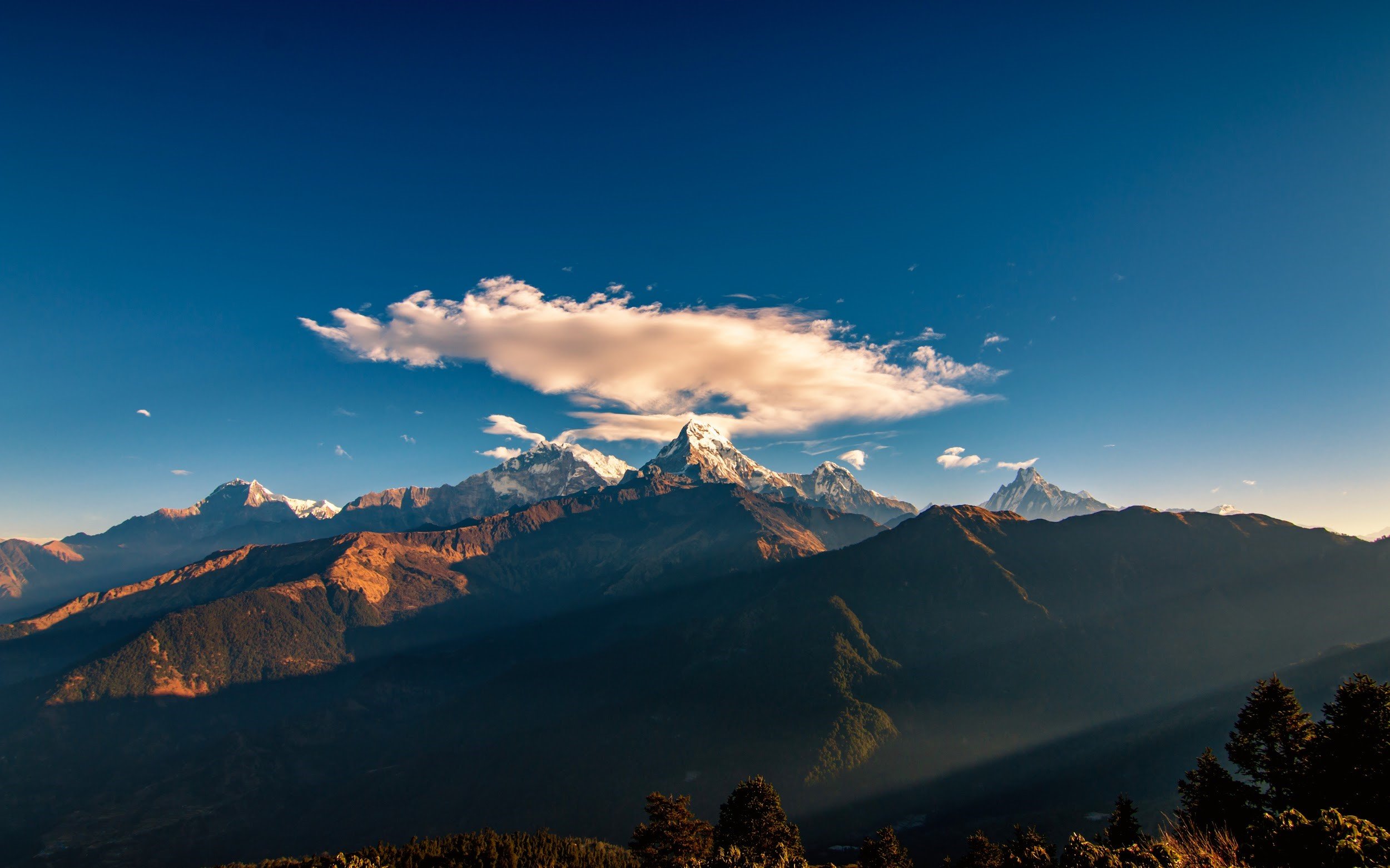
Sunrise view in Nepal is one of the popular and most rewarding tour activities in Nepal on several popular mountain view points in Nepal. Not only popular for the breathtaking views of the sunrise and sunset over the giant mountain peaks, it is also one of the best way to view the heavenly panoramic Himalayas of Nepal.
Nothing beats a warm cup of tea as you wait for the sun to bring light to the world. A country blessed with serene mountains and topography, Nepal truly at times resonates with the thoughts of Shangri-La. Amidst the numerous destinations to visit and experience in Nepal, the sites mentioned below share in common a vantage to experience the beauty of a sunrise and sunset.
Thus if you plan on visiting these destinations shortly, make sure to have your itinerary include this magical experience.
Nagarkot
Sarangkot
Shree Antu
Nagarkot
Attraction: Cultural Experience, Sunrise and Sunset Views, Buddha Peace Park, Quad Biking, Panoramic Hiking Trail
Altitude: 2195 M
Accessibility:
Closest Airport: Tribhuwan International Airport (TIA)
Distance From Kathmandu: 27.5 KM
If your looking for a quick getaway within the outskirts of the Kathmandu Valley, the destination of Nagarkot fits the bill. Located just 27.5 kilometres from the main city of Kathmandu, the city of Nagarkot in the Changun Nagrayan municipality of Bhaktapur is a great view station for you to enjoy scenic views of the greenery of the Valley. Famous for its great hills and view station it is also a great destination to view the sunrise and sunset.
The city of Nagarkot during the months from October to December and March to April features clear skies for you to enjoy a panoramic view of the Himalayan range. The mountains of Annapurna, Manaslu, Ganesh Himal, Lantang, Jugal Himal, Rolwaling, and Number are visible during clear skies. One can also enjoy a quick cultural hike from Changu Narayan to Nagarkot and experience the Panoramic Hiking trail and indulge in activities such as Quad Biking.
Sarangkot
Attraction: Annapurna View Point, Sunrise and Sunset View from Sarangkot View Tower, Fewa Lake, Begnas Lake, Davi’s Fall, Mahendra Cave, Tal Barahi Temple, International Mountain Museum, World Peace Pagoda, Matepani Gumba
Altitude: 1600 M
Accessibility:
Closest Airport: Pokhara Airport (PKR)
Distance from Kathmandu: 211.5 KM
Distance from Pokhara: 10.6 KM
A visit to Pokhara is never complete without experiencing the first and last light of the sun from the view station of Sarangkot. Located 10.6 Kilometres from the main city of Pokhara, the station of Sarangkot is the prime spot to view the Annapurna Himalayan Range. The station requires a permit ticket which costs Rs.50/Rs.20 for foreigners and Nepalese respectively. Sweeping views of the Dhaulagiri in the west is followed by the range of Machhapuchhare, Annapurna II and Lamjung to the east.
A brief hike is required to reach the view station and early birds can set up their camera’s to photograph the first rays of the sun during the golden hours. One can reach the view station of Sarangkot by road and a great travellers secret is to experience the ruins of the Kaskikot for which is an hour walk from to the west of Sarangkot.
Shree Antu
Attraction: Sunrise and Sunset View from Shree Antu View Tower, Shree Antu Pokhari, Tea Garden Hike, Antu Data Camping
Altitude: 1628 M
Accessibility:
Closest Airport: Bhadrapur Airport (BDP)
Distance From Kathmandu: 498.4 KM
Distance from Phikal Bazar: 13.2 KM
Shree Antu is one of the most popular destinations to view the sunrise and sunset in Nepal. It is also the region which gets the first rays of the sun, as it is towards the easterly side of the country. The village of Shree Antu which lies in the Illam district, an approximately 13.2 Kilometres from Phikal Bazar is a spot you cannot miss. Notorious for its dramatic weather, decoding the weather pattern is a must if you are to experience the tantalizing views of the sunrise in this region. Located to the south of the third highest mountain, Kanchenjunga, this region also features great tea gardens and the iconic Shree Antu Lake. Apart from the sunrise and sunset views, one can indulge in a cultural experience learning about the modes of life of the ethnic communities of Limbu, Tamang, Rai, Lepcha and Magar people.
Another travellers secret is to camp at the Shree Antu Hill, where if the weather permits one can experience an amazing panoramic of Siliguri during the blue hours of the evening and wake up to an amazing sunrise. Reaching Shree Antu is a gentle 3-day trek with a maximum elevation of 3760 m. One can also fly directly to Bhadrapur Airport and rent a private vehicle to the foot of the Shree Antu Hill. An approximate 3 hour drive through the Mechi Highway is filled with great views of the tea gardens of Illam, one can stop at Fikkal Bazar to experience the serenity of the destination of Illam.
POPULAR ITINERARIES
SIMILAR POSTS
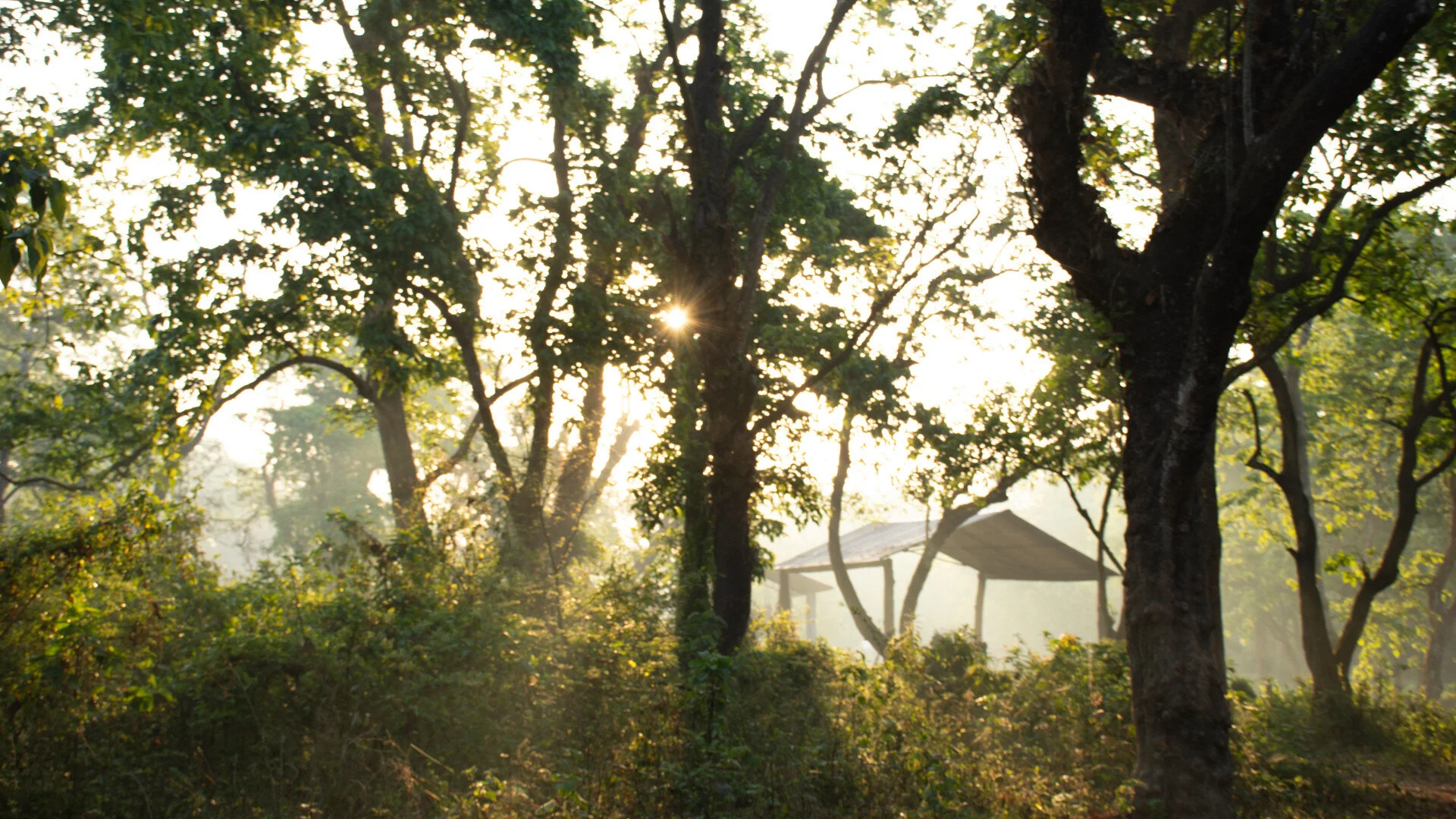
Exploring the Terai
All the way from the edge of the Himalayas, the beauty of the country is spread all over to the plains of the Terai. From the exquisite green wonders of mother nature to the beautifully built culture of the people from hundreds of years, Terai is filled with some of the most fascinating places with a diverse lifestyle, both culturally and geographically.
Dharan
Koshi Tappu Wildlife Reserve
Janakpur
Lumbini
Bardia National Park
All the way from the edge of the Himalayas, the beauty of the country is spread all over to the plains of the Terai. From the exquisite green wonders of mother nature to the beautifully built culture of the people from hundreds of years, Terai is filled with some of the most fascinating places with a diverse lifestyle, both culturally and geographically.
Here is an overview of five travel destinations in Terai for you to add into your travel bucket list for your next expedition!
Dharan
All the way from the east, you can start your Terai expedition from this beautiful city of eastern Nepal. Situated in the Sunsari District, right around the foothills of Mahabharat range, Dharan is one of the, surprisingly, best tourist attracting cities with a series of places to offer. For instance, it is an optimal spiritual hub because of the five; Buddhasubba Temple, Dantakali Temple, Vijayapur Hill, Pindeshwor Temple and Panchakanya Temple situated here. For all the social extroverts out there, this city also holds a different kind of night life with the homey yet exciting lifestyle of the people. If you’re, rather, a nature lover, a 20 minutes short hike to Namche is enough satisfaction for your adventure seeking mood here at Dharan. Along with that, another spontaneous adventure option is rafting from Tamor River to Koshi River and, now, Dharan has been offering services for Paragliding as well. When it comes to accommodation, this city provides its visitors with different types of hotel ranging from normal lodges to star rated hotels. It takes a 20-minute drive from Itahari and a 12 to 14 hours bus ride from Kathmandu to reach.
Koshi Tappu Wildlife Reserve
If you’re more of a nature lover and a wild adventure seeker, and the life within the trees captivate you, chances are you’ll truly admire this particular wildlife reserve. Situated on the eastern Terai, Koshi Tappu Wildlife Reserve is a sanctuary for hundreds of species of animals and birds, both rare and common ones, comprising the wetlands of Sunsari, extensive mudflats, reed beds and freshwater marshes for the diversity of species it holds. All you need is a nice pair of binoculars, a jeep and an adventurous heart to explore through the woods and observe the different lives of all the different species preserved and protected here. The reserve is about a 90-minute drive from the Biratnagar Airport and a 12-hour bus ride from Kathmandu. Either way, your time here will be worth the while and you’ll leave with a newly grown love for nature within yourself.
Janakpur
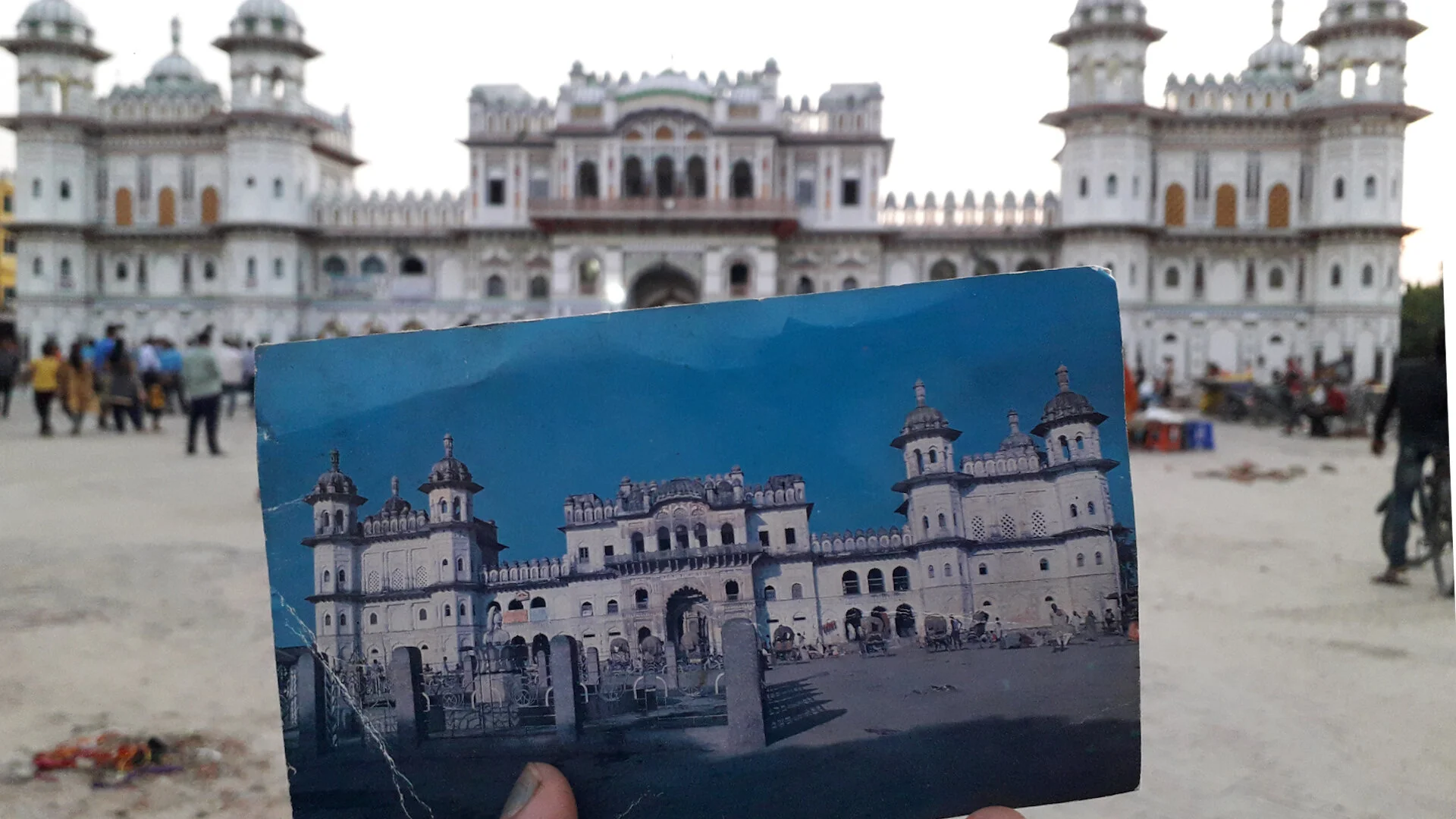
Everyone has heard of the famous city of Janakpur, one of the most fascinating cities which is also known as the hometown of the goddess Sita. The key historical holy site of Hindus, Janaki Mandir, is situated here, where the astonishing form of ancient architecture will baffle you with the rich culture that it reflects. Not only this, from the bright coloured houses spread all over the city to the beautiful sacred ponds reflect the colours of the houses make the city feel more appealing than any other. Moreover, the warm welcoming traditional lifestyle of the Mithila people will make your trip feel like an escape from the busy hurdles of your daily life, giving you a series of experiences you’ll treasure for sure. Plus, the accommodation and settlement facilities are easily made available near the heart of the city, making your trip more convenient and comfortable.
Lumbini
Lumbini, the birthplace of Gautam Buddha and a centre point archaeological findings of Nepal, carries, undoubtedly, the most historical significance of the religion of the country. Along with being the origin of Buddhism for the entire world, Lumbini holds a series of sacred temples, ponds and places for centuries now. The entire city is mostly scattered with holy sites and is a great option if you’re willing to explore the rich culture of Buddhism from the core. Because of this, it has become one of the major tourist destinations of Nepal, as a result of which the accommodation and settlements facilities are well-managed and easily accessible. It takes a 6 to 9 hours long bus ride or a 30-minute flight to reach from the capital.
Bardia National Park
If you’re looking for a reason to step out of your comfort zone and go for a new adventure, this National Park is the place for you. Being a harder destination to reach, it is not like other national parks that are famous for commercial tourism. After a one-hour flight or a 12-hour long bus ride to the west from Kathmandu, you can reach the Jungle of Bardia National Park. It is the perfect option for a wild Jungle Safari, as you find your way through the green forests of the Natural wonder this place holds. Along with that, elephant rides, jeep safari, rafting, sports fishing and bird watching accompanied by a naturalist are other popular activities to do here. There are a bunch of safari Lodges here as well that provide excellent accommodation facilities for you and the perfect time to visit is autumn, winter and early summer.
POPULAR ITINERARIES
SIMILAR POSTS

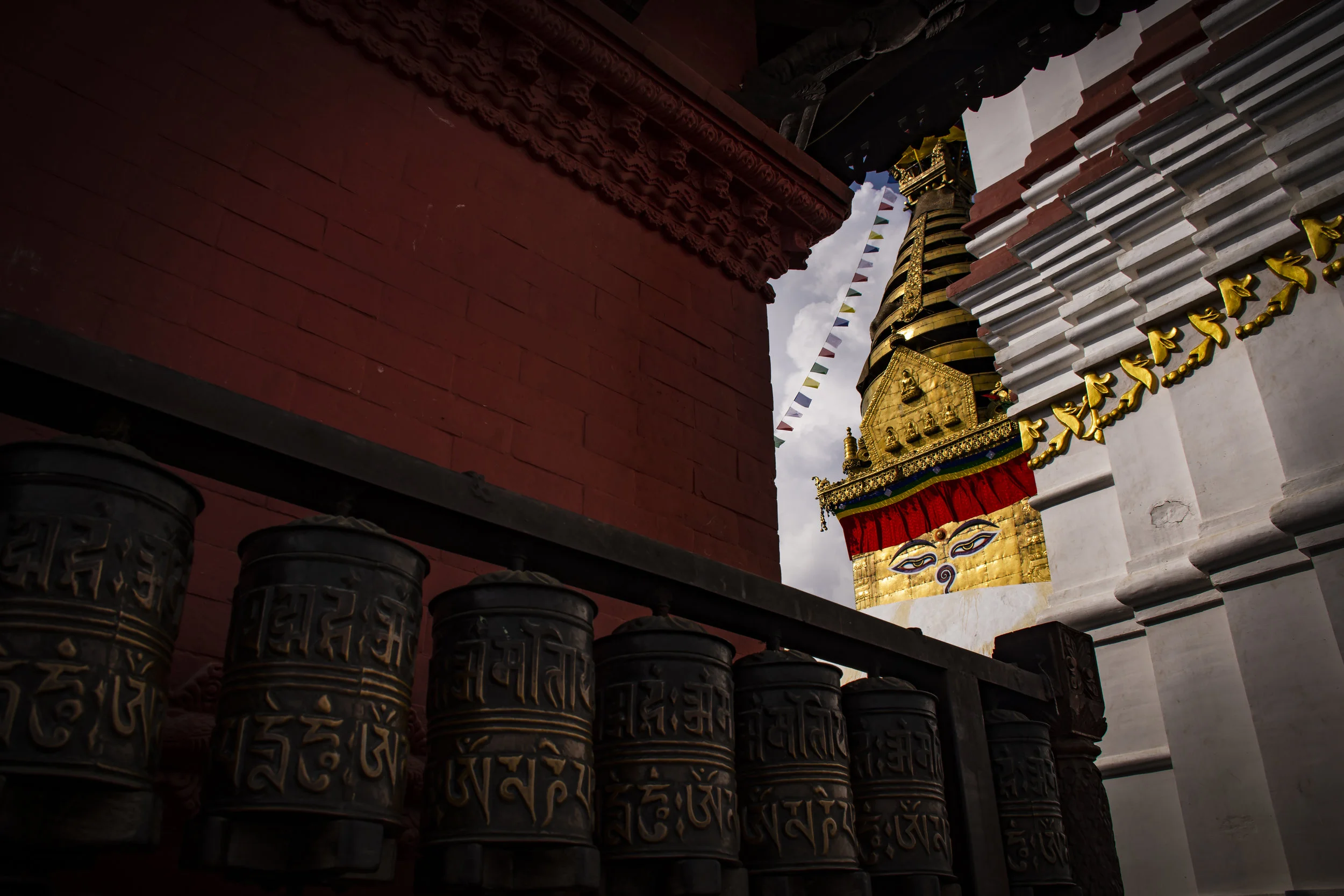
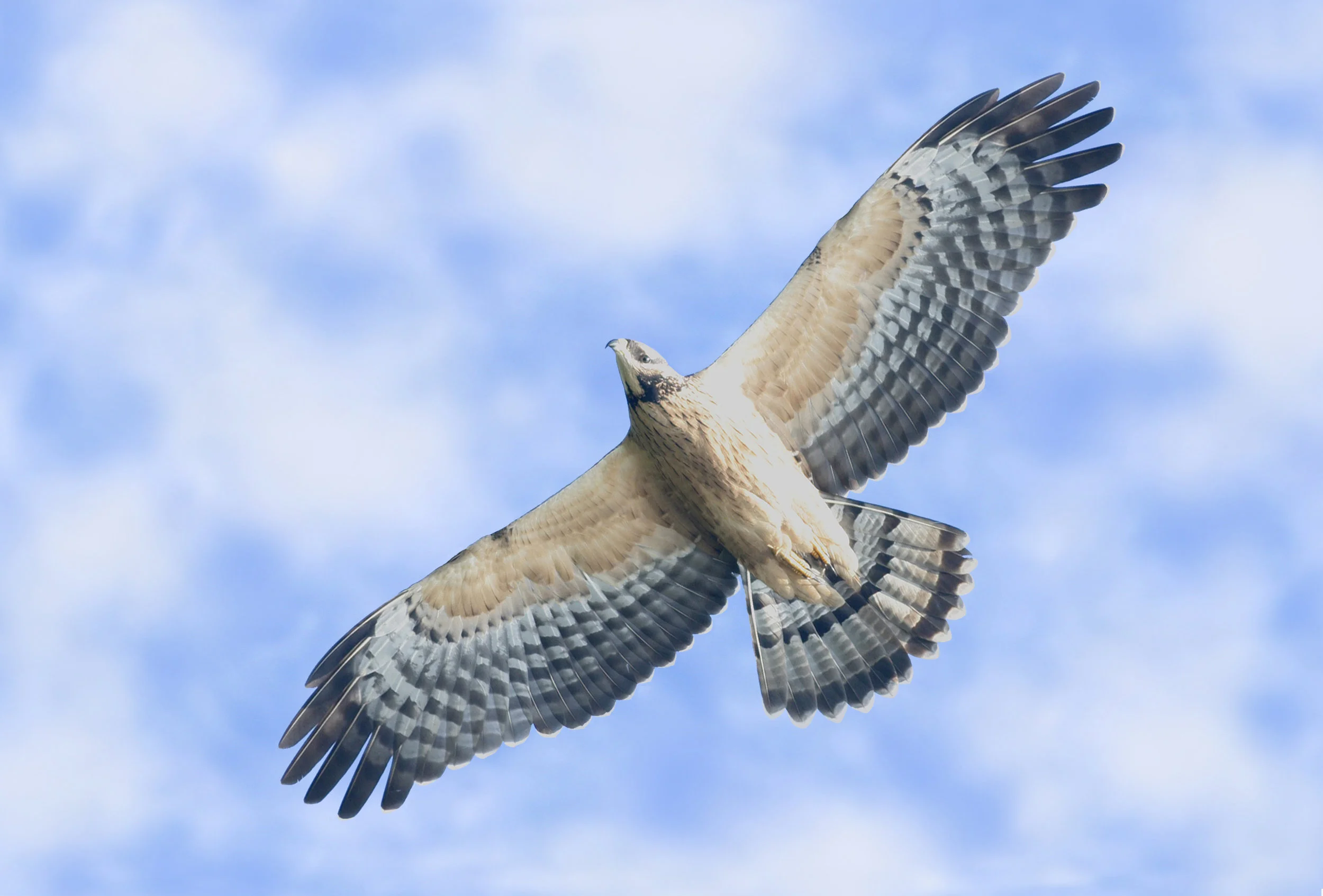
A Captivating Adventure through Nepali Lakes
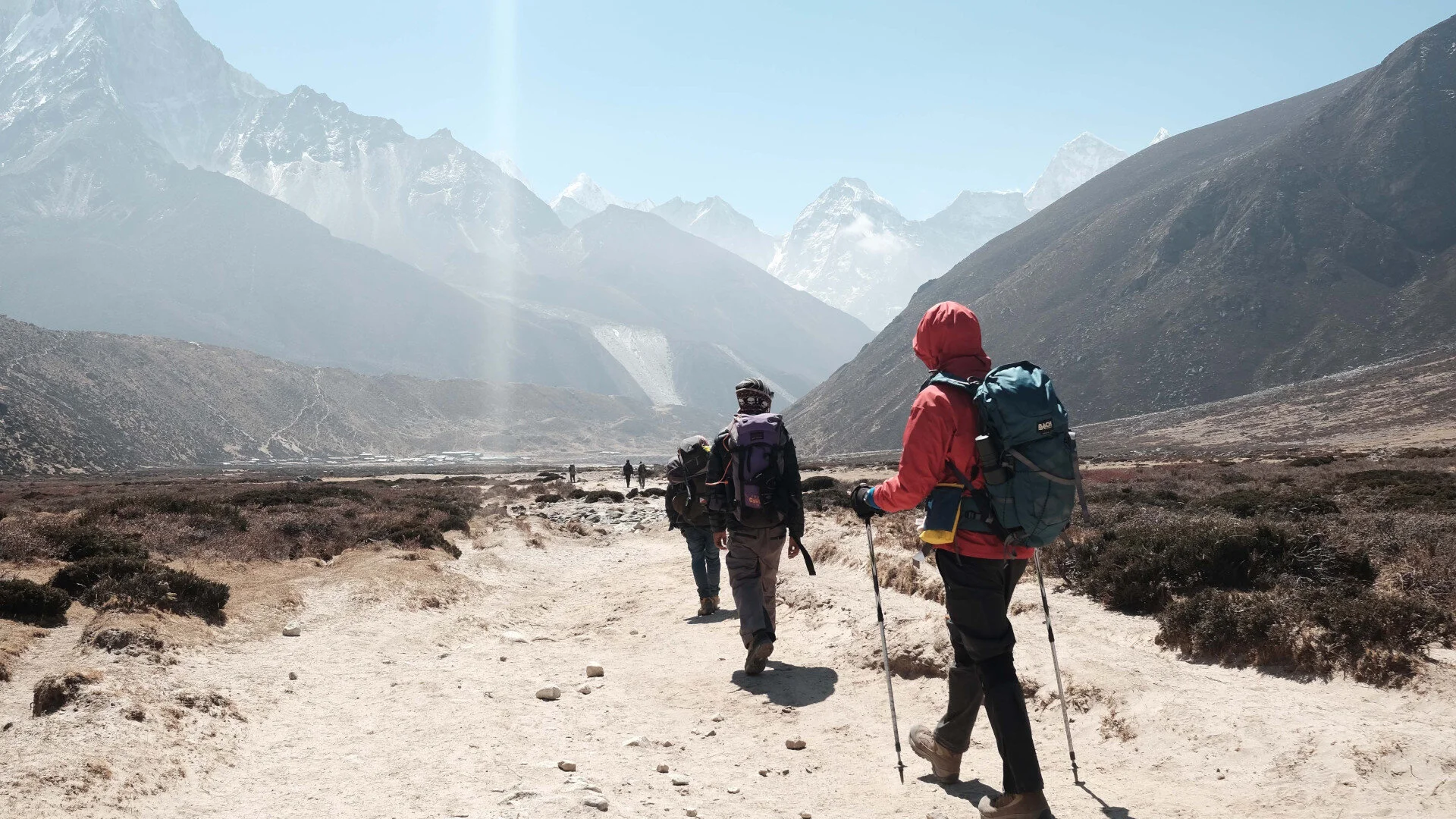
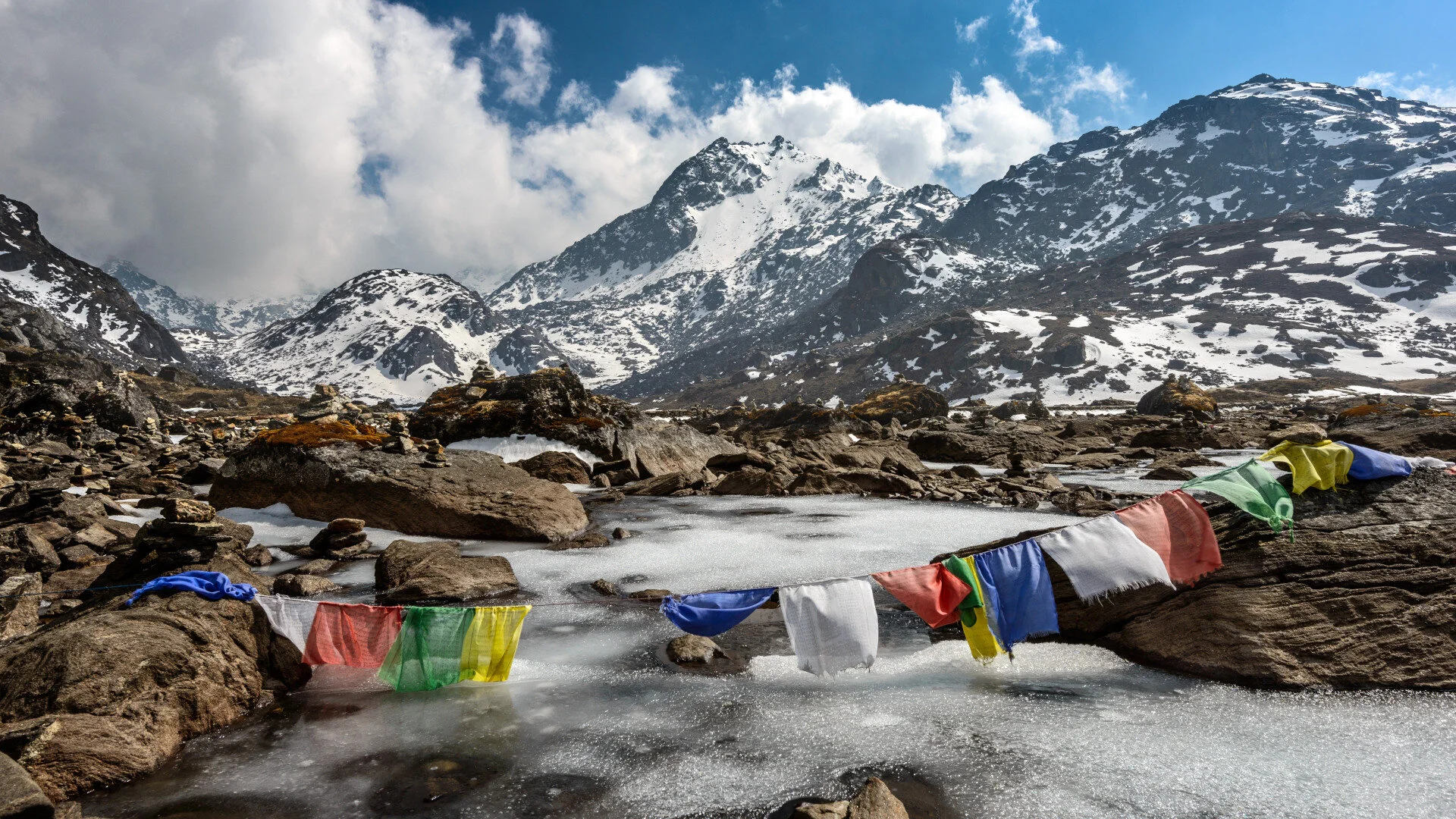
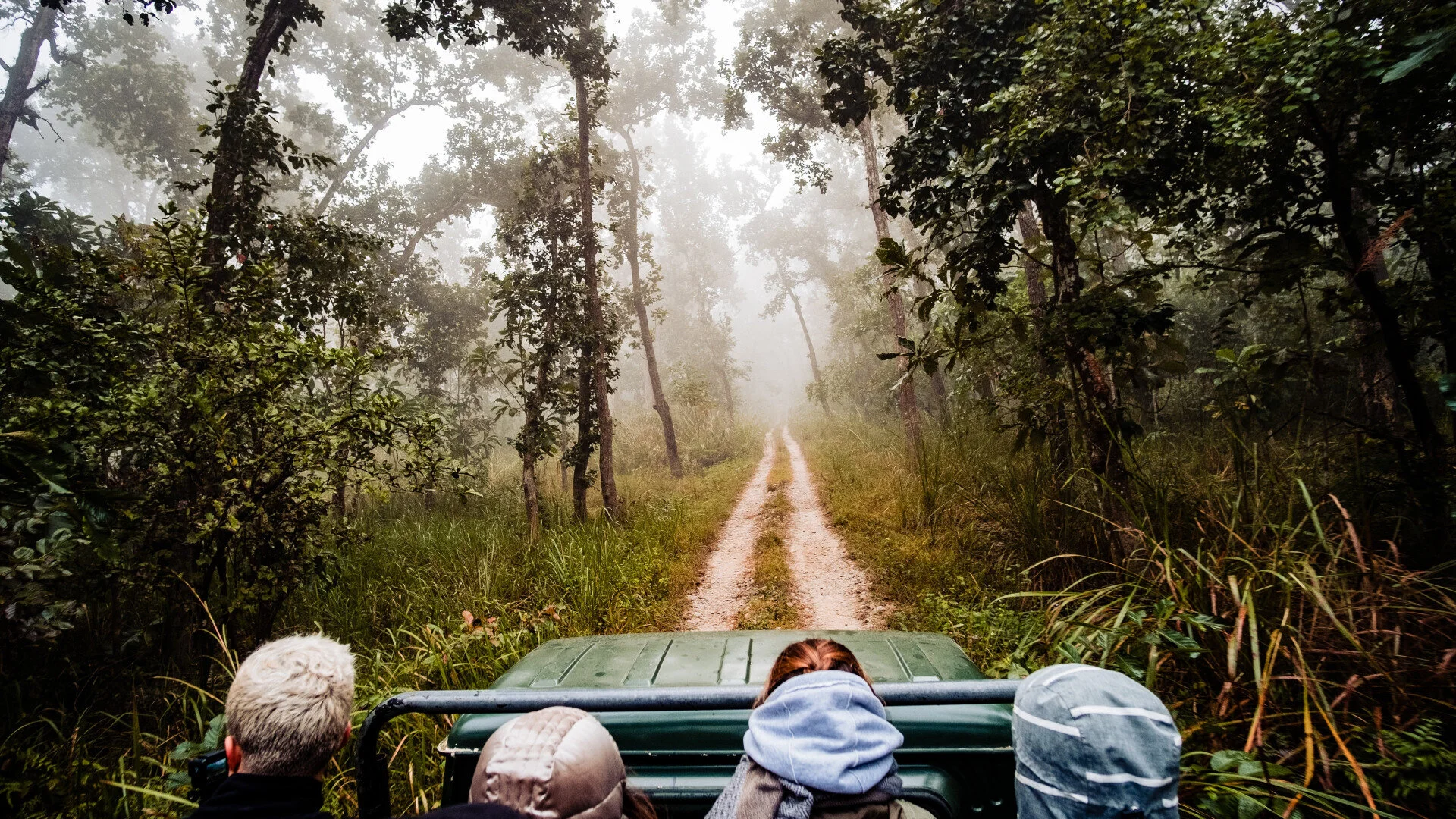
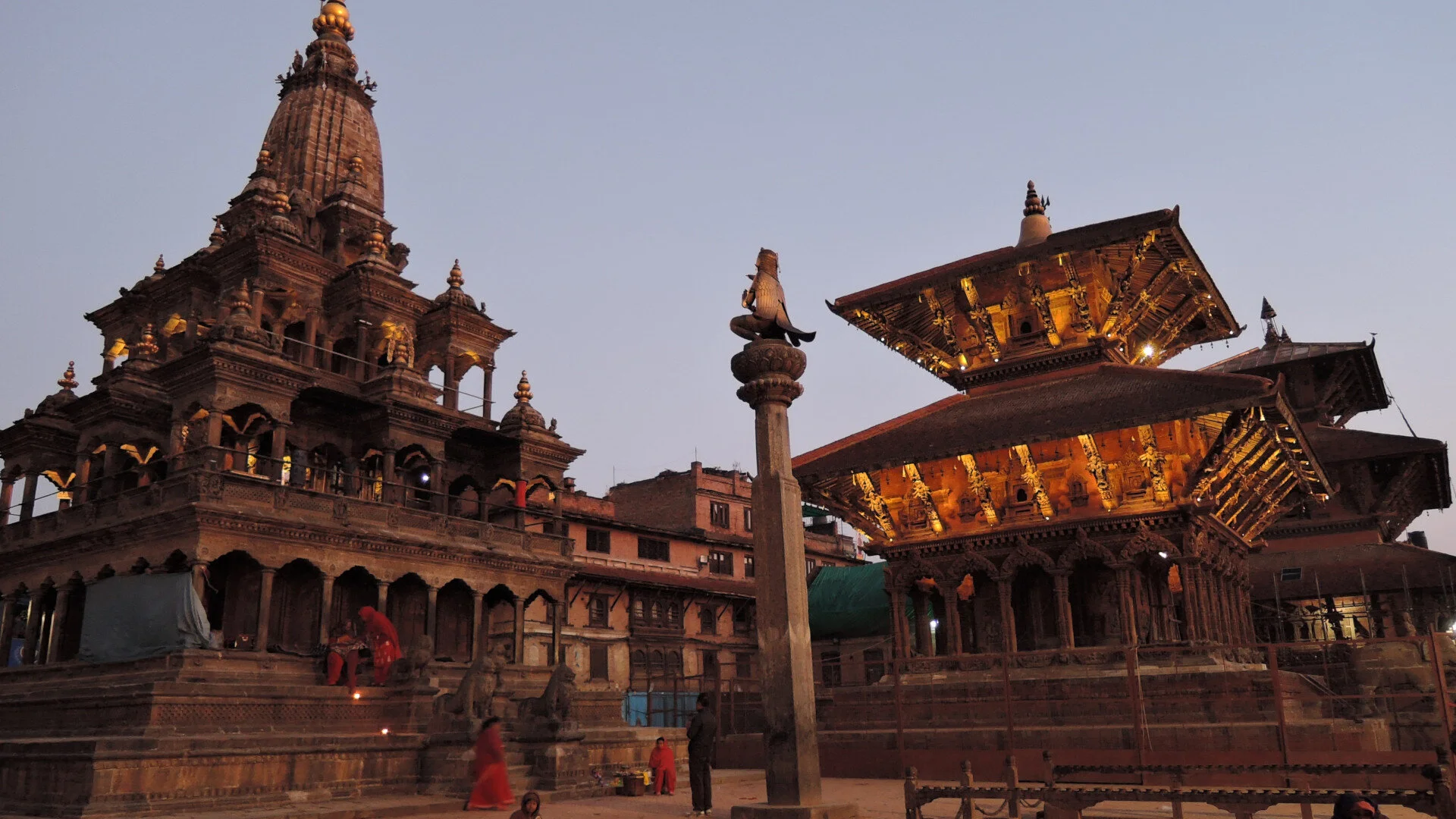
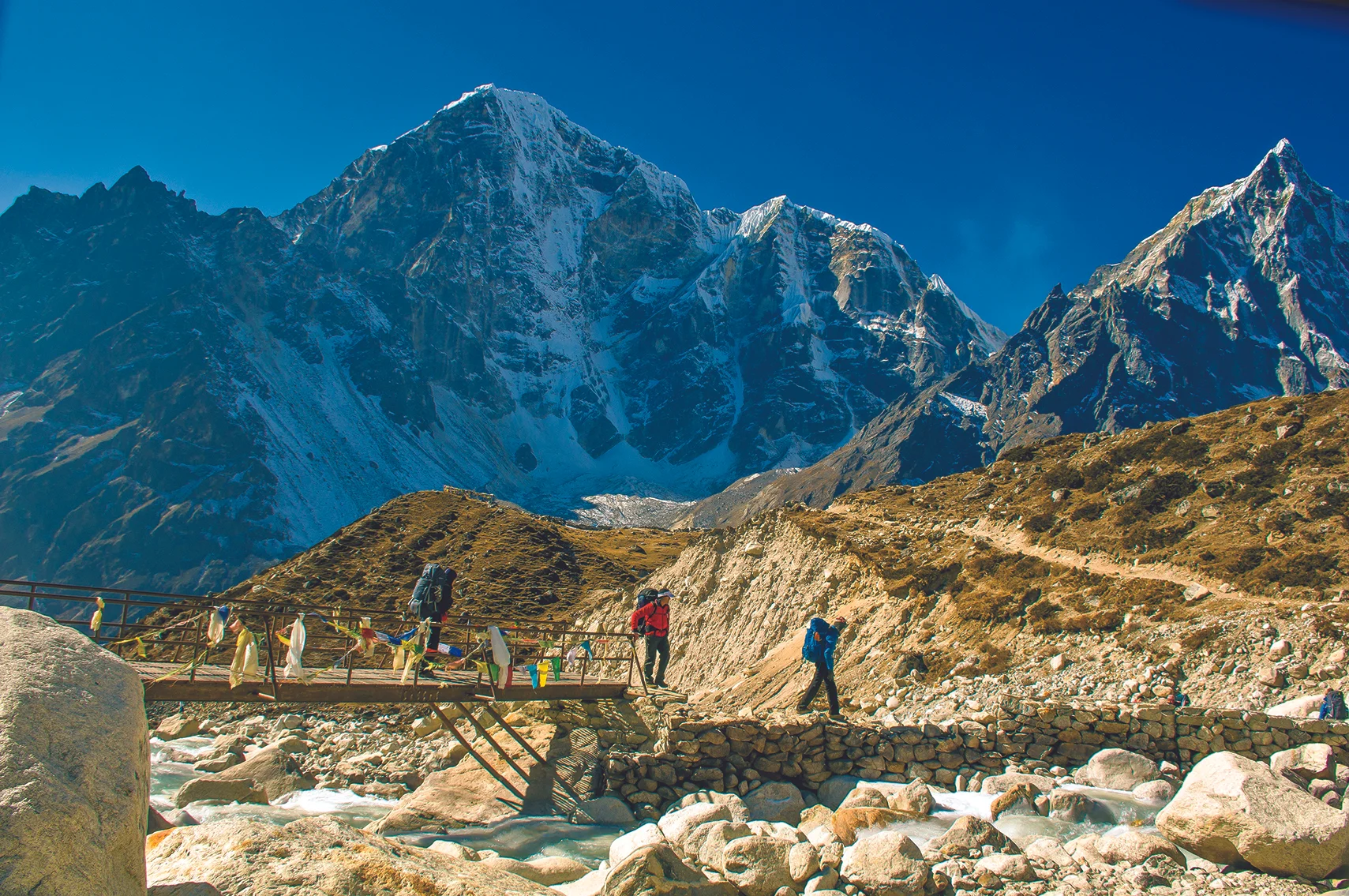
Nepal, although being a small country, holds a surprising number of natural wonders all over in it. Nepal is not only the home for most of the highest peaks but also a sanctuary of lakes that give you heavenly experience through their beauty. Some of the most beautiful lakes to add in adventure bucket list to keep wander list spirit moving.
· Gokyo Lakes
· Gosaikunda Lake
· Tilicho Lake
· Rara Lake
· Phewa Tal
· Paanch Pokhari
In the world entirely built by the impeccable mother nature, Nepal, although being a small country, holds a surprising number of natural wonders all over it. There are astonishing places to see in every corner of it, with nature in its purest form holding wildly diverse geographical features. Nepal is not only the home for most of the highest peaks of the world but also a sanctuary of stunning lakes that are sure to give you a heavenly experience through their beauty. From the most elegant lakes hidden behind the tall mountains to the quite subtle ones lost somewhere along the road less travelled, Nepal has a total of more than five thousand lakes, among which almost two thousand are glacial lakes. Due to these gifted features of the country and the wide-ranged possibility of tourism development, the government of Nepal has authorized this year with “Visit Nepal 2020” to make it a year committed to the development of tourism industry and making it one of the ideal travel destinations.
Below are some of the most beautiful lakes for you to add to your adventure bucket list this year to keep that wanderlust spirit moving!
Gokyo Lakes
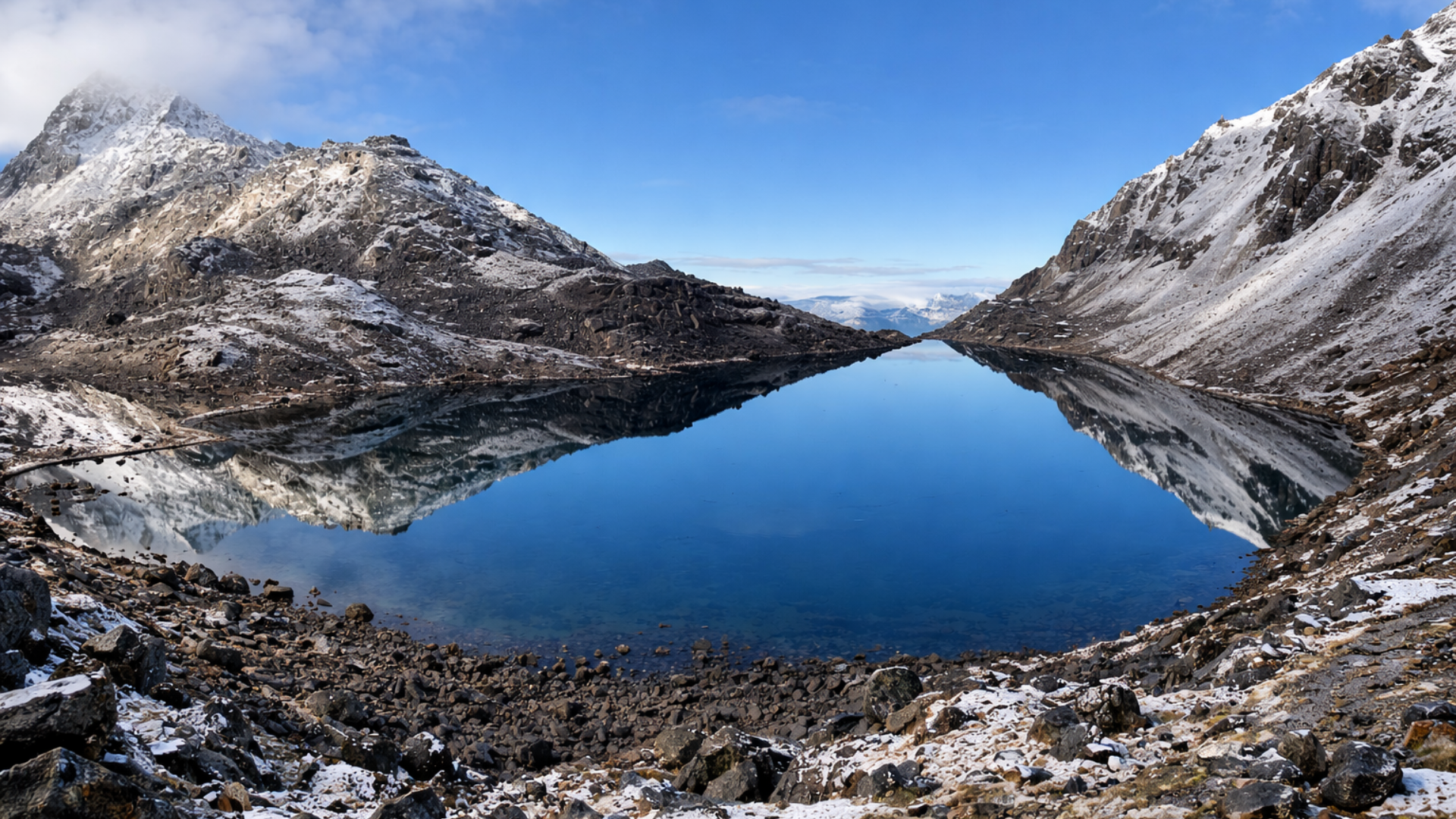
Situated in the altitude of 4,700 to 5000 meters above sea level in Sagarmatha National Park, Gokyo lakes consist of a total of 19 lakes, carrying the world’s purest freshwater in such high altitude. Lying somewhere between the range of the one and only mount Cho Oyu; Gokyo Cho, Thonak Cho , Gyazumpa Cho, Tanjung Cho, Ngozumpa Cho, and Longbanga Cho are the six main lakes of Gokyo lake system where Thonak Cho is the largest one and Gokyo Cho is also called Dudh Pokhari. It takes a two-day long hike from Namche Bazar to reach the Gokyo lakes through the Gokyo lakes trek. Since the place is one of the main pilgrimage sites for Hindus and Buddhists, and it comes with a breath-taking view of the huge mountains and their reflection on the clear blue water of the lakes, it is a famous site for tourism and has won the admiration of thousands of visitors.
Gosaikunda Lake
Another one of the biggest freshwater lakes, Gosaikunda lake is situated at an altitude of 4,380 meters above sea level in Langtang National parks. It is one of the most famous lakes of the country that is surrounded by the captivating breath of the magnificent mountains of Rasuwa district. It also holds a whole lot of religious values where people from Nepal and India come here to take a holy bath, especially during the occasion of Janai Purnima. Alongside, it is one of the major tourist sites, as well, that needs a hardcore four-day trek on Dhunche-Helamby trekking route and Langtang valley trek route to be reached.
Tilicho Lake
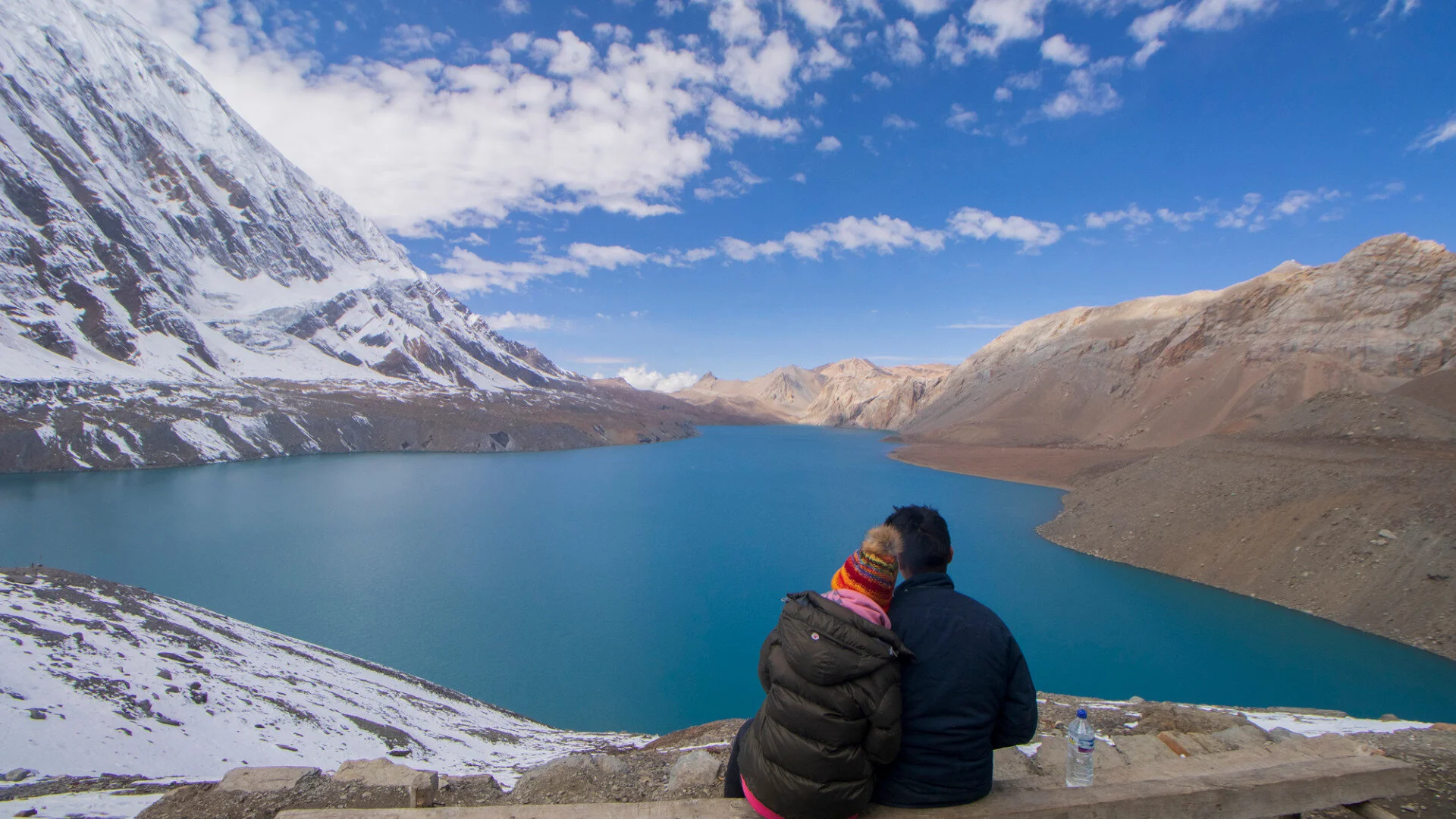
When talking of magical places to visit, Tilicho Lake definitely comes at the top of the list. Situated at an altitude of 4919 meters beside the famous Annapurna range of Himalaya, Tilicho lake is one of the most beautiful lakes of Nepal as it is heavily surrounded by some of the thick snowy mountains like Khangsar, Nilgiri, Tilicho and Muktinath peak. which takes almost three to four days of hiking through the Annapurna Circuit trek to reach. The hiking route goes through the watershed between Manang and Kali Gandaki Valleys, because of which it is the most preferred route for common visitors. However, there is another alternative route from the north for the risk-takers to reach the lake. So if you’re an adventure seeker, looking for a new spontaneous experience in your life, Tilicho lake is the place for you!
Rara Lake
The largest and deepest lake of Nepal at an altitude of 2990 meters above sea level, Rara lake perfectly fits in between the dense green hills of Mugu and Jumla districts. Despite the difficult and complicated path that leads to this lake, it is still immensely admired by the visitors because of its miraculous natural beauty through its strange ability to change into seven different colours in the light of the day. The journey has to start with a flight from Nepalgunj to Mugu, from where you can either go on a long adventurous trek of nineteen days or choose to fly on a helicopter for a couple of hours. Either way, the breathtaking view of the Rara is worth the while.
Phewa Tal
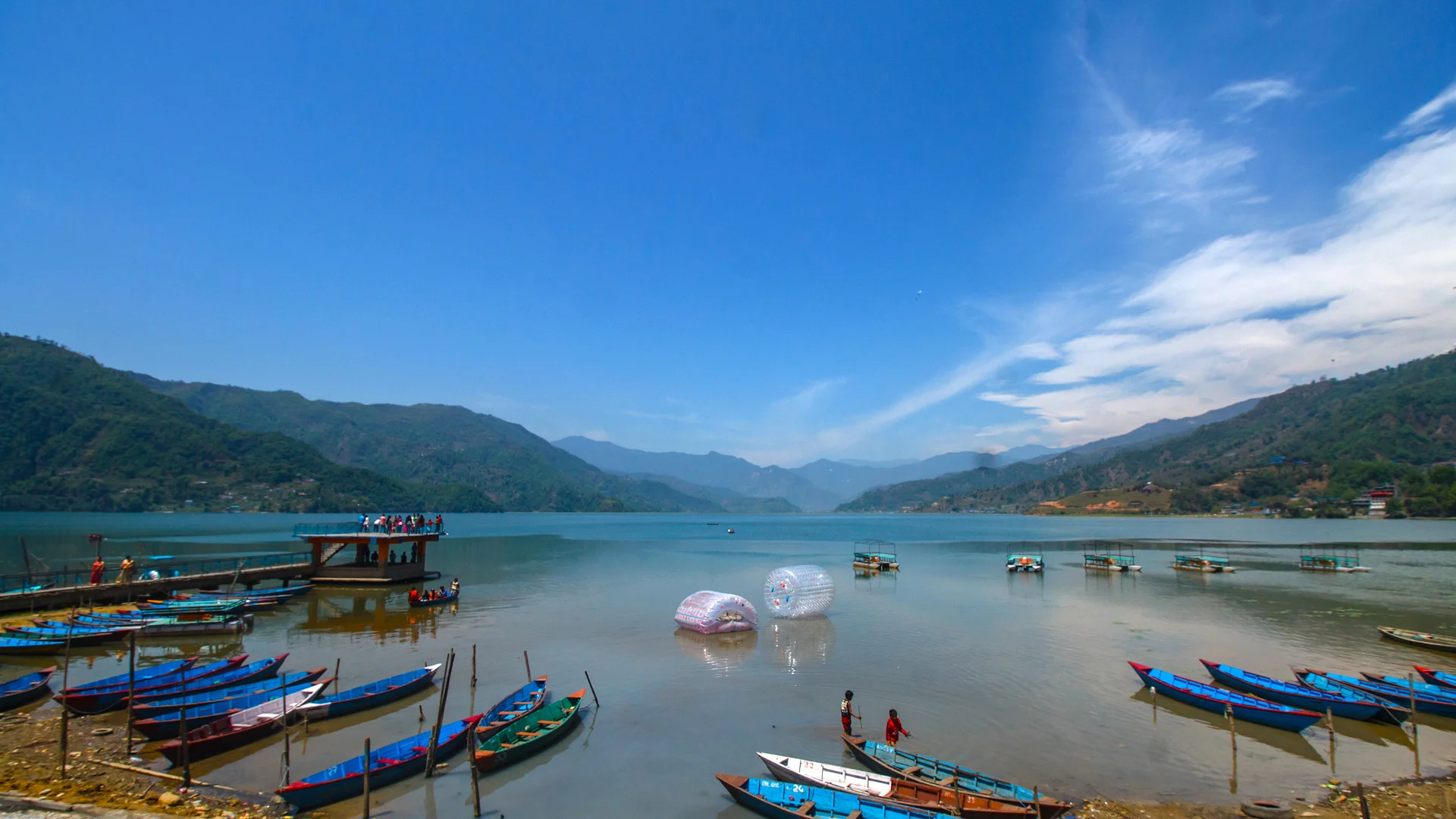
As cliche as it may have become, Phewa Lake still remains, hands-down, the most favoured lake in almost every traveller’s itinerary and in every Nepali’s to-visit bucket list. Situated at the south of Pokhara city, Phewa lake finds its immense life-like beauty with the clear reflection of Mount Annapurna, Machhapuchhre and Dhaulagiri over the forests during the day time and the reflection of a thousand different golden lights of the most beautiful city of the country during the night. Also, In the heart of the Lake, Tal Barahi temple is situated. If you’re a non-trek kind of person and prefer an effortless vacation, Phewa Tal is the lake for you.
Paanch Pokhari
The most underrated yet absolutely beautiful lakes have to be Paanch Pokhari, situated at an altitude of 4100 meters in Langtang National park. As the name suggests, five different sized lakes are situated together between the midst rocky Himalayas a couple of kilometres above Sindhupalchowk. Either during the monsoon weather, when the lakes are surrounded with wet green grasses and smokey mists or during the winter when the edgy features of the rocky mountains are reflected, this place serves one of the wildest and exquisite beauties that definitely deserves more recognition. With rich religious importance and tourists preferences, now the trek to Paanch Pokhari is newly opened, starting from a bus ride from the capital to Chautara, from where an eight days long trek is needed to reach the beautiful destination.
POPULAR ITINERARIES
SIMILAR POSTS
Destination Pokhara
Pokhara city, the getaway to the Annapurna circuit allows you to experience magnificent scenery, culture, and traditions. The city has established itself as a tourist hub and as one of the must-visit destinations in Nepal. An ideal place to partake in fun activities such as sightseeing, paragliding, ultra-light, para hawking, canoeing, hiking and sky diving.
Popular Activities in Pokhara
Sight Seeing
Paragliding
Ultra Light
Para Hawking
Canoeing
Hikinh
Sky Diving
Popular Places in Pokhara
Fewa Lake
Barahi Madir(Temple)
Sarangkot
Kali Mandir
Kanchi Baraha Madir(Temple)
Bindyabasini Mandir(Temple)
Mountaineering Museum
Gupteshwor Mahadev cave
Pokhara is a land of mysticism, spectacular sceneries, adventure filled activities, and a foodie’s wonderland. The city is an ideal place to partake in fun activities such as: sight seeing, paragliding, ultra light, para hawking, canoeing, hiking and sky diving.
The city has established itself as a tourist hub and as a must visit destination in Nepal. With a whole host of fun activities, you can indulge in, beautiful landscape and amenities, it is bound to fill your mobile phone with pictures of beautiful memories with your friends and family.
Arranging a holiday trip in Pokhara during Dashain can be a bit tricky. If you choose to travel by bus then it is recommended to book your trip in advance. Pokhara, being a tourist hub, is not as affected by the festivities as other cities, but brace yourself for closed shutters, and empty streets on the main days. While you are there especially if you are travelling in your personal vehicle, you may also want to put together a picnic by the lakeside.
The getaway to the Annapurna circuit gives you an opportunity to experience magnificent scenery, culture and traditions. Here you can experience best of both worlds.
If you are searching for solace, then hire a bicycle and make your way to Pame. Lying on the outskirts of Pokhara, this part of town gives you a sense of resonance with nature. The ride gets thrilling with the highs and lows of the road, and if you’re with your friends, there is bound to be laughter and joy during the trip. Begnas Lake is another beautiful sight to behold. The scenic view of the immaculately calm lake surrounded by lush greenery and gazed down by the Himalayan peaks is a perfect description of paradise. Another place you can easily get the striking views of the Annapurna range from here. The way to the top can be considered a small hiking experience.
A delightful evening during the golden hour, with the majestic Himalayas reflected upon the Fewa lake in the background of the setting sun, is truly a sight to behold. A trip to Pokhara is also never complete without witnessing the Sun rise atop the hills of Sarangkot.
Pokhara which is also known as the "city of lakes," is full of cultural and natural heritages as well. The old bazaar of Pokhara has many peculiar alleys and courtyards. The hanging beads, local handicrafts and cultural attires will draw anyone’s attention. They are worth a visit if you want souvenirs! At the least hire your own boat and visit the beautifully nestled temple of Barahi temple in the middle of the Phewa Lake.
The village of Lumle has been declared a Poetry village and indeed the journey there has poetic elements to it. It is also a religious hotspot with many historical temples like Kali Mandir and Kanchi Baraha Temple.
You can indulge yourself in the absolute calmness of the place and pray for the prosperity of your loved ones. Bindyabasini temple is another monumental temple in Pokhara located within the serenity of a lake.
The International Mountaineering Museum of Pokhara explores the past and present situation of mountaineering in Slovakia, Japan and Nepal. The museum features an excellent collection of flora and fauna. It’s a place for learning and having fun if you are academically inclined, or interested in historical details.
The mysterious Gupteshwor Mahadev cave has an eerie but peaceful atmosphere. Similarly, Mahendra cave has several stalactites and stalagmites and a statue of Lord Shiva. After experiencing all the fun things mentioned above during daytime, you can rest for a while in anticipation of a equally exciting Pokhara night life awaits you.
Aasma Aryal
popular Itineraries
Similar Posts
The Festival of Indra
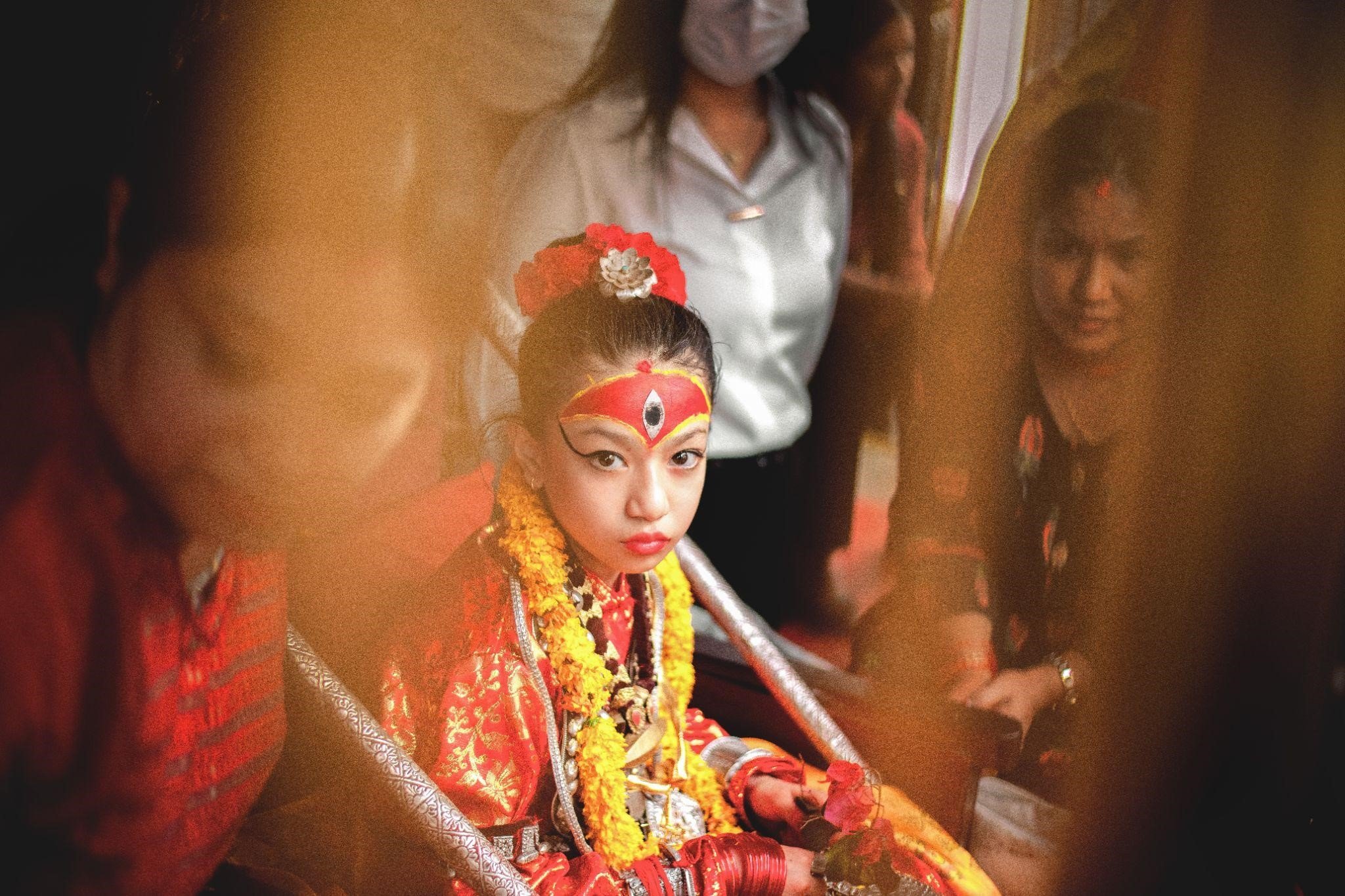
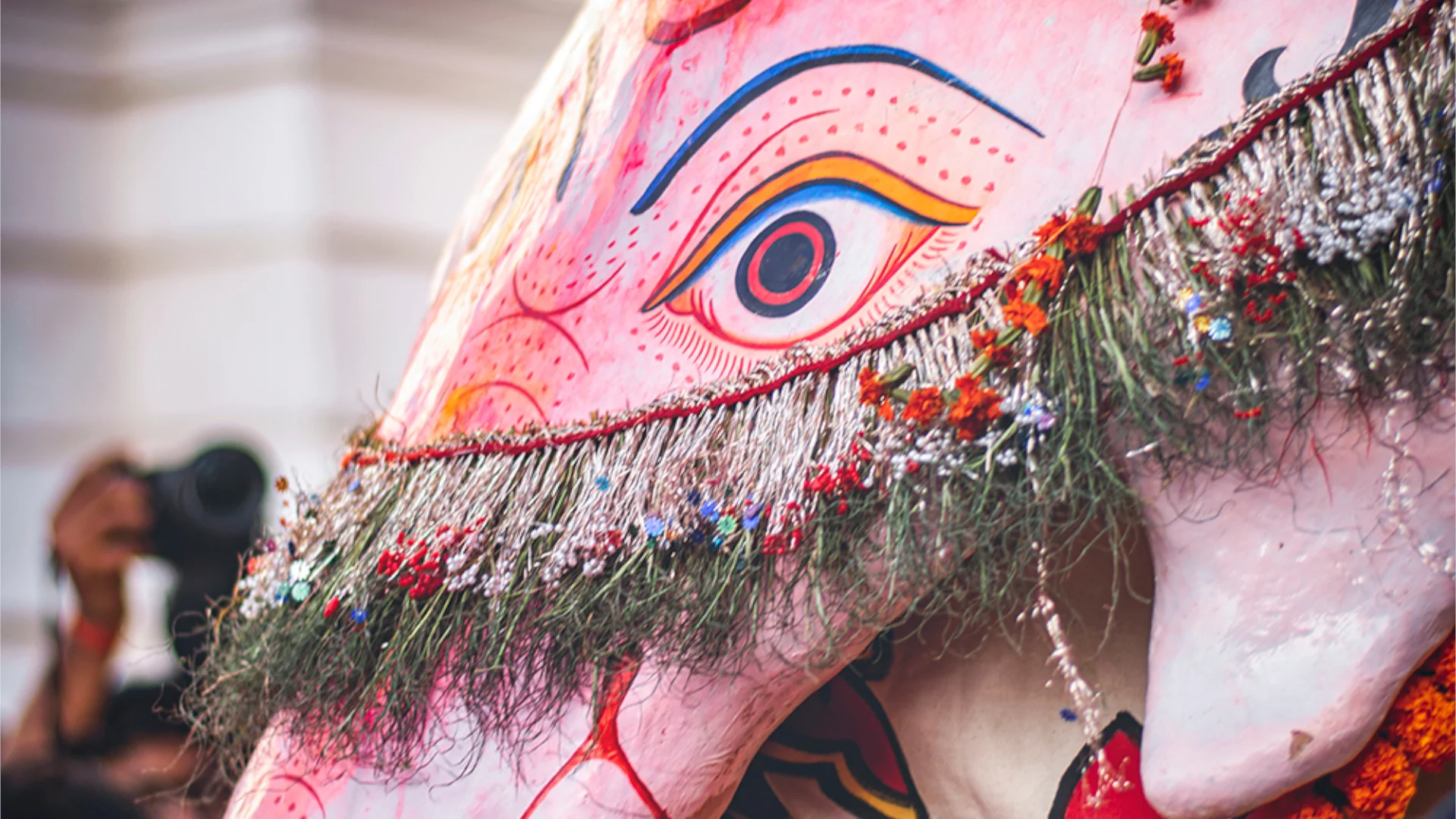
Indra Jatra, one of the highly celebrated street festival in Nepal marks beginning of the festival season and the beginning of a tourist season in Nepal. The festival is celebrated in the oldest town Basantapur Durbar Square or Hanuman Dhoka in Kathmandu by the local community with huge arrangements. The chariot of Kumari, the Living Goddess, is taken out in procession through the streets. People wear masks of various goddess and exhibit by dancing in the streets on music played with traditional musical instruments.
Indra Jatra
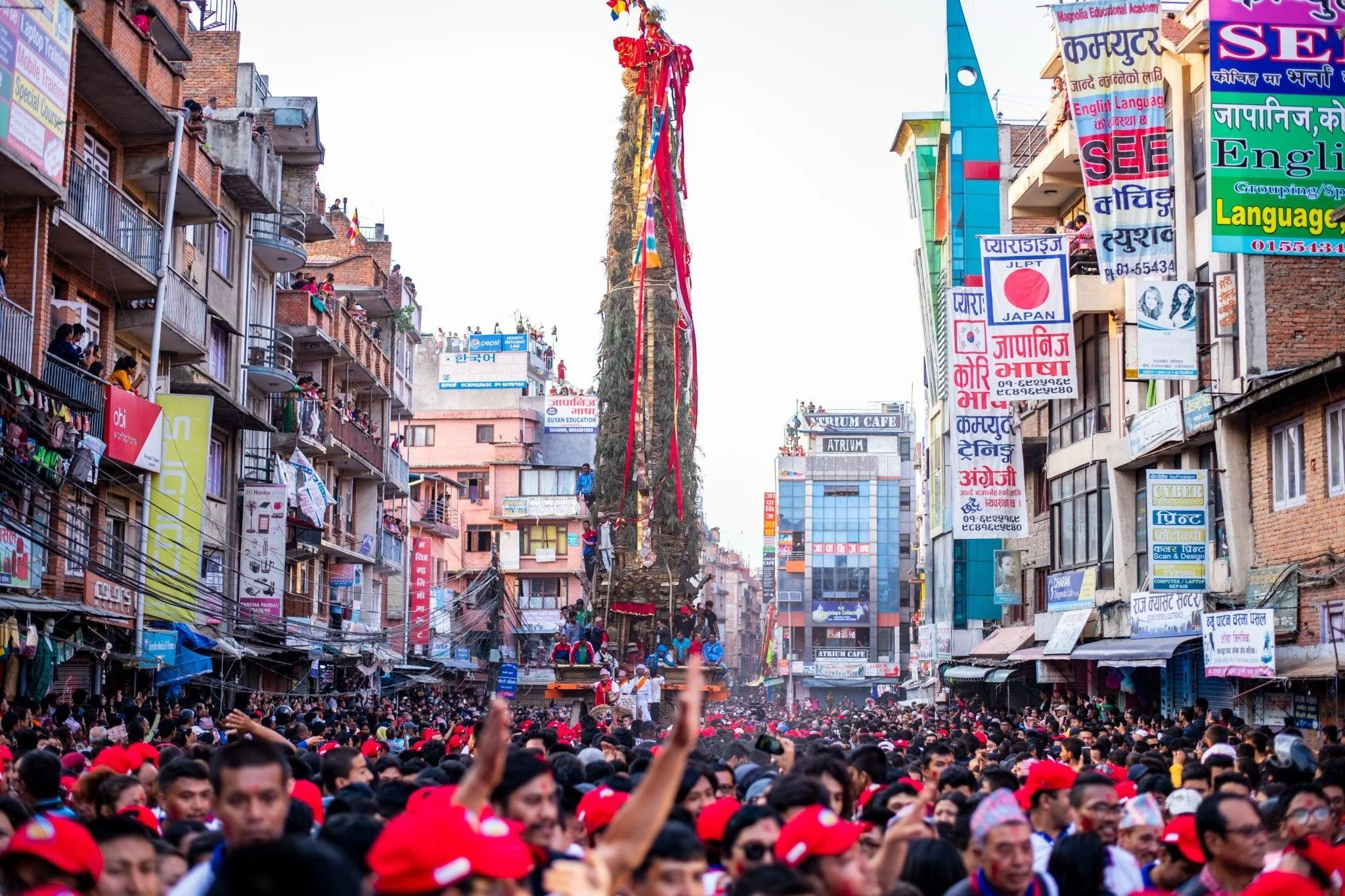
With the sound of the marching band, amid the busy hustle of the morning crowd at Basantapur Durbar Square. A group of revellers slowly gathers. As the band plays its final salute, the rope tied to the yahsi(Pole), the revellers muster their strength and in a great cheer, and as the yahsi makes its ascend three muskets are raised high, the Gurkha Paltan fires the aerial salute commencing the festival of Indra.
Regarded as the biggest festival of the then Kingdom of Nepal Valley, the true origin of the festivals are still debated. But this festival is believed to be founded during the Lichhavi Era by King Gunakamadeva, the founder of the city of Kantipur (Kathamandu). The celebration of Indra Jatra is made of three different series of rituals: Kumari Jatra, Indra Jatra and Bhairava Jatra. Each have their own legends and ceremonial components but as a whole, turn the centre of Basantapur Durbar Square into a grand affair. The square is a sight to behold from the break of dawn till midnight, as the chariots of Kumari, Ganesh and Bhairava make there way through the inner city of Kathmandu. Every street comes to life with masked dances, merry music during the eight days of festivities.
According to legends, it is believed that the mother of Lord Indra required a Parijat( a white flower) to perform a ritual. For which Lord Indra descended to earth in search of the flower. He disguised himself as a commoner and while trying to take the flower out of the lawn of a Jyapu(Farmer). He caught Lord Indra and held him captive blaming him of trying to steal. Lord Indra was imprisoned and not allowed to go back to heaven.
The mother of Indra grew worry some as her son hadn’t returned from Earth. Phul Khusi(The Vahan of Indra) descended upon Earth to find his master and wondered around the streets of Kathmandu. During when a great festival was occurring in the Kathmandu and after hours of searching, Phul Khusi found Lord Indra. Phul Khusi took the news to heaven after which, his mother descended from heaven to free her son. She requested the villagers to release her son, but didn’t heed to her words. Only after Lord Indra reveled his true form. The mother of Indra made a promise to the villagers to give in return a final rainfall for their harvest to prosper and she would lead them to the gateway to heaven.
Accepting the conditions the villagers freed Lord Indra and let him go with his mother, a group of villagers followed them to the outskirts of Kathmandu to find the doorway to heaven. But Lord Indra’s mother tricked the villagers by putting forth a large mist which left the villagers confused and in dismay as Lord Indra and his mother went to heaven. To commemorate this event, during the celebration of Indra, a Dagi (Procession) takes the same path every single year. “The circumambulation of the city is performed in order to reach heaven in the Dagi’s footsteps to meet the dead relatives. The families scatter grain by the wayside so that they would not forget the way home. One finished, they throw what remains of there offerings in a place called Bhuta Satta, near Kasthamandap, and wash their faces at Maru Hiti fountain. Afterwards, they either return home or go to bathe in Indra’s Pond ( Yamki Da), which is located on a hill 12 kilometers west of Kathmandu.
The festival of Indra Jatra is a feast to all senses, the air is scented with the smell of incense, and the sound of drums and traditional instruments tranquil once ears. For the eyes, one can behold the procession of Living Goddess Kumari along with Lord Ganesh and Lord Bhairav. The chariot is pulled for three consecutive days. The first day is known as Kwaneya during when the chariot makes its way from Basantapur, Maru, Chikanmugal, Jasidewal, Lagan, Bhimsensthan, Baru and ends at Basantapur. The second day is known as Yenya Punhi on which the chariot procession begins from Basantapur to Pyaphal, Nyata, Tengal, Nhyaokha, Nhaikan Tol, Asan, Kel Tol, Indra Chowk, Makhan and ends at Basantapur. The final day of the procession is known as Nanichaya, the chariot is pulled by revellers from Basantapur to Pyaphal, Yatkha, Nyata, Kilagal, Bhedsing, Indra Chowk, Makhan and ends at Basantapur.
During the festival of Indra, various idols and masks of goddess are taken out of their normal abode to be exhibited to the people. The most prominent of which are the Sweta Bhairab mask and the idol of Akash Bhairab. Similarly an image of Indra is displayed at Maru and Indra Chowk. Various forms of dances such as of Lakhe Aju, Mahakali Naach, Halchowk Bhairab, Phul Khushi, Devi Kyakhan are performed on specific days and nights of the festival.
SIMILAR POSTS
The Tales of Gatha Muga
A unique festival celebrated by the Newar communities in Nepal, Gatha-Muga or Gathe-Mangal is an ancient festival celebrated to chase away the evil spirit and usher the good fortune every year on Shrawan Shukla Chaturdashi of the lunar calendar.
On Shrawan Shukla Chaturdashi of the lunar calendar, a unique festival is celebrated by the Newar community. The festival has many names, but in the common tongue is known as Ghantakarna, but various Newar settlements call it with a different name. In the city of Bhaktapur, it is called Gatha Muga, whereas in Kathmandu and Lalitpur it's called Gathe-Mangal.
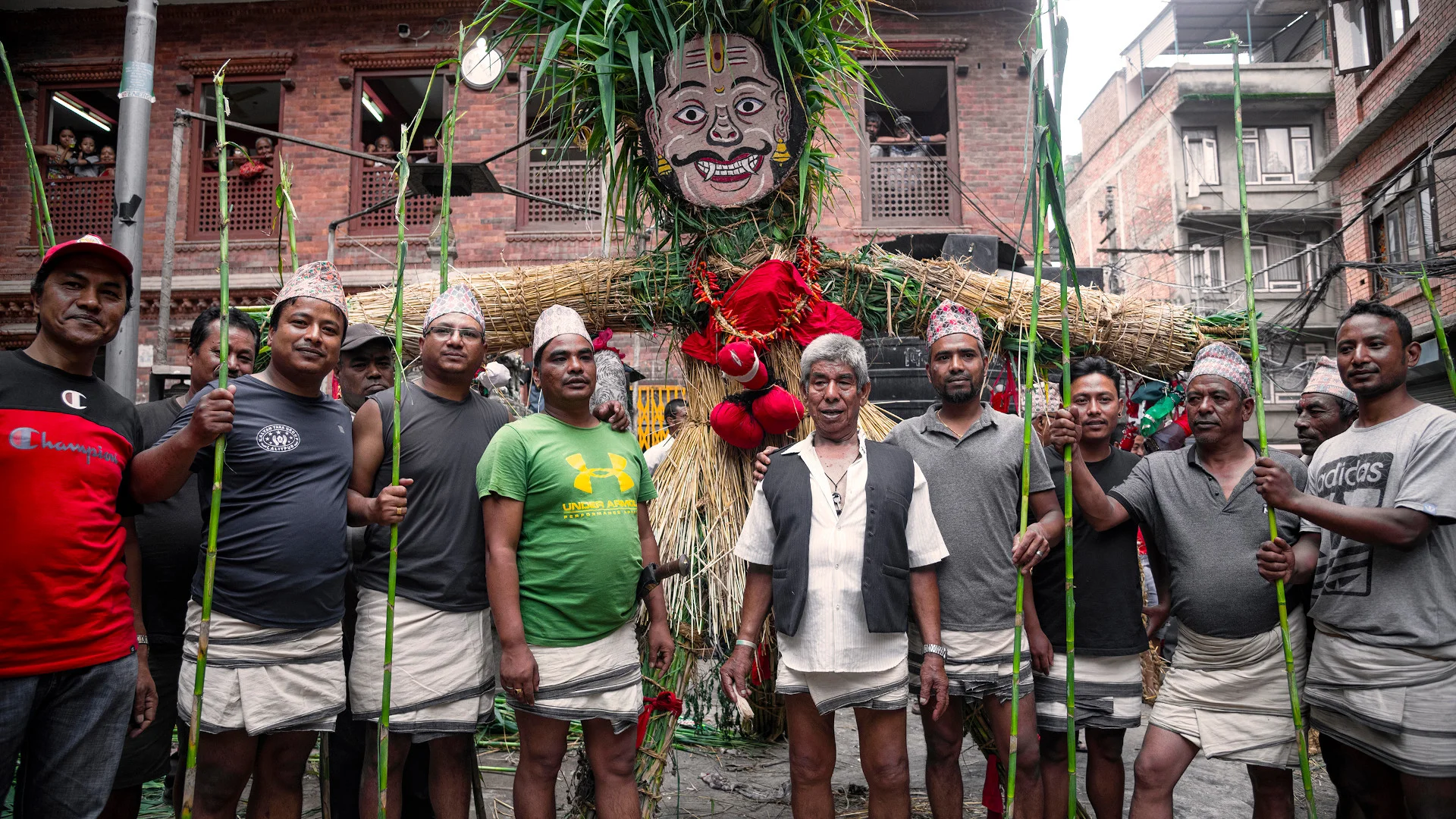
Each name aspired from a different legend which shared closer bonds with certain religions. The commonly used name of Ghantakarna refers to an ancient South Asian Raksasa (demon) who according to Mary Anderson, “Was so corrupt that he vilified the gods themselves, defiled and destroyed homes and fields, roaming the land, stealing children, maiming the weak, killing and devouring his captives. His depraved sexual orgies and unspeakable excesses with his countless wives horrified the pious people”(1971,72). Locally Ghanta refers to bells whereas Karna is ears thus during the festival effigies of the demon Ghantakarna are made out of bundles of straws from the old harvest and large ears are named from either leaves or local sieves( nanglo’s).
In Bhaktapur however, the festival is known from a completely different name and has a different legend associated with it. “Gatha Muga: was a man who believed in karma, and not in the power of gods. He loved the poor people and sat at the crossroads where he took money from the rich to give to the poor. If the rich people refused to give money to him for this purpose, he would kill them. He also lived without concern about pollution. As he lay dying he hung bells on his ears, so as not to hear the gods’ names called out. After his death, as he was not associated with any religion, no one was willing to cremate him, and his body was left at a crossroad. But then people joined together to donate money for his cremation, and they called a low caste man to perform it. Many people followed this procession because he had always protected the ordinary people.” Levy,1990, p.520
Personally photographing this festival, I have to say the most elaborate festivities are done in Bhaktapur. Where the effigies of Gatha Muga at times tower higher than eight feet, with great attention to detail. Each neighborhood constructs own representation and at times, it’s like a competition for the size, complexity, and elegance. Primarily made of bundles of straws it is masked and painted with fangs. Some go even further to dress the effigies, but none miss placing bells on the ears and placing a phallus, and two circular fruits representing testicles. Many historians and scholars have stated how the festivities and its representations were used to make the people aware of sex education. Such can be seen in the tudals (struts) as well, as during that era there was no form of formal education and due to the conservative nature, parents normally didn’t pass the knowledge to their children. Thus festivals were used as a medium to make the younger generation aware of the elements of reproduction.
In the cities of Kathmandu and Lalitpur, the common legend which even I grew up associating with the festival is of how the farmers during the season of the plantation, took help from the evil spirits and demons to plant their fields. A task which took farmer days was completed by the demons in a matter of hours. The demons needed a lot of food and the farmers realized that they would not be able them throughout the year. Demons began becoming hungry and wreaked havoc, destroying houses, stealing children and destroying farms. Thus, the farmers had enough and collectively chased the ghosts down to the river and they were never seen again. During this day, I remember huge iron nails being hammered down in the main door of our old house. The years and years of nails accumulated had now become a huge hump. Thus, to symbolize the day it is believed that Gathe Mangal is celebrated.
The legends surrounding the festival of Ghatakarna might differ in various settlements but the end of these brightly painted is the same in all. It is known as Bha Kayegu which refers to processions accompanied by shouting victorious phrases. As the sun sets, these effigies are dragged, beaten and taken to the nearest river to have them burnt. Procession goers wash their faces and eyes in the river for purification and bundles of straws are burnt in the crossroads to purify it of evil spirits and demons. In some neighborhoods, a communal feast is prepared to celebrate the day.