
A Sweet Start to the Festive Season at Hotel Shanker: The Joy of Cake Mixing
As the festive season approaches, the air fills with joy, laughter, and the aroma of celebration. At Hotel Shanker, we embraced this spirit with our annual Cake Mixing Ceremony, a heartwarming event where our guests came together to mark the beginning of a season dedicated to togetherness and traditions.
As the festive season approaches, the air fills with joy, laughter, and the aroma of celebration. At Hotel Shanker, we embraced this spirit with our annual Cake Mixing Ceremony, a heartwarming event where our guests came together to mark the beginning of a season dedicated to togetherness and traditions.
A Celebration of Togetherness
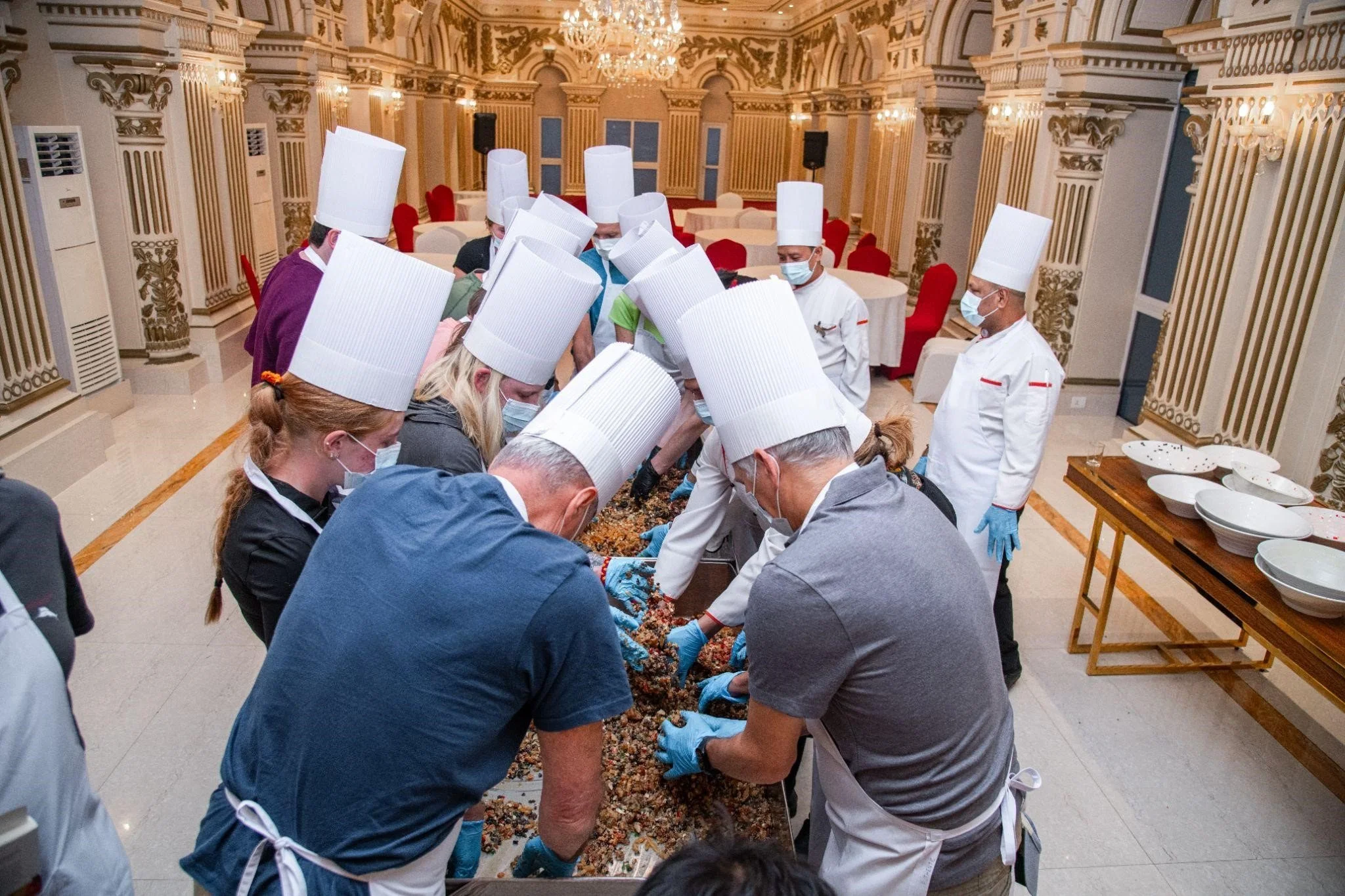
The Cake Mixing Ceremony is more than just a culinary activity; it is a celebration of unity and the joy of creating something meaningful together. Held in our heritage-rich premises, this year’s event brought guests, staff, and our talented chefs together for a delightful and interactive experience. With aprons on and hands ready to mix, the event was a lively start to the festive season.
A Festive Tradition
The art of cake mixing has a deep-rooted tradition, symbolizing the warmth and love shared during the holidays. Guests had the opportunity to mix a variety of ingredients, including dried fruits, nuts, and fragrant spices, all soaked in flavorful spirits. The vibrant colors of the mix mirrored the joyous atmosphere of the festive season.
An Unforgettable Experience
Under the guidance of our skilled chefs, guests indulged in the process of blending tradition and flavor, sharing stories, and creating cherished memories. The Cake Mixing Ceremony offered a glimpse into the behind-the-scenes preparations of festive delicacies, making the experience both fun and educational.
The highlight of the event was the laughter shared and the connections forged among the guests, creating a sense of community that defines the festive spirit. Each mix carried the essence of togetherness, anticipation, and celebration that is at the heart of the season.
Looking Ahead to the Festivities
As we look forward to the upcoming holidays, the Cake Mixing Ceremony serves as a reminder of the values we cherish—family, tradition, and joy. The mixes prepared during the event will now mature to perfection, ready to be baked into rich, flavorful cakes that will grace the tables of our festive celebrations.
At Hotel Shanker, the festive season is not just about luxury and grandeur; it is about creating heartfelt moments that our guests will treasure. We are grateful to everyone who participated in this joyful event and helped us kick off the season with smiles, flavors, and festive cheer.
Celebrate With Us
Whether it’s indulging in holiday feasts, enjoying our warm hospitality, or participating in special events like the Cake Mixing Ceremony, Hotel Shanker invites you to celebrate the festive season with us. Join us for a season filled with tradition, elegance, and memories that last a lifetime.
Wishing you a joyful and flavorful festive season!
Hashtags: #CakeMixingCeremony #FestiveSeason #HotelShanker #HeritageCelebrations #TogetherWeCelebrate
POPULAR ITINERARIES

SIMILAR POSTS
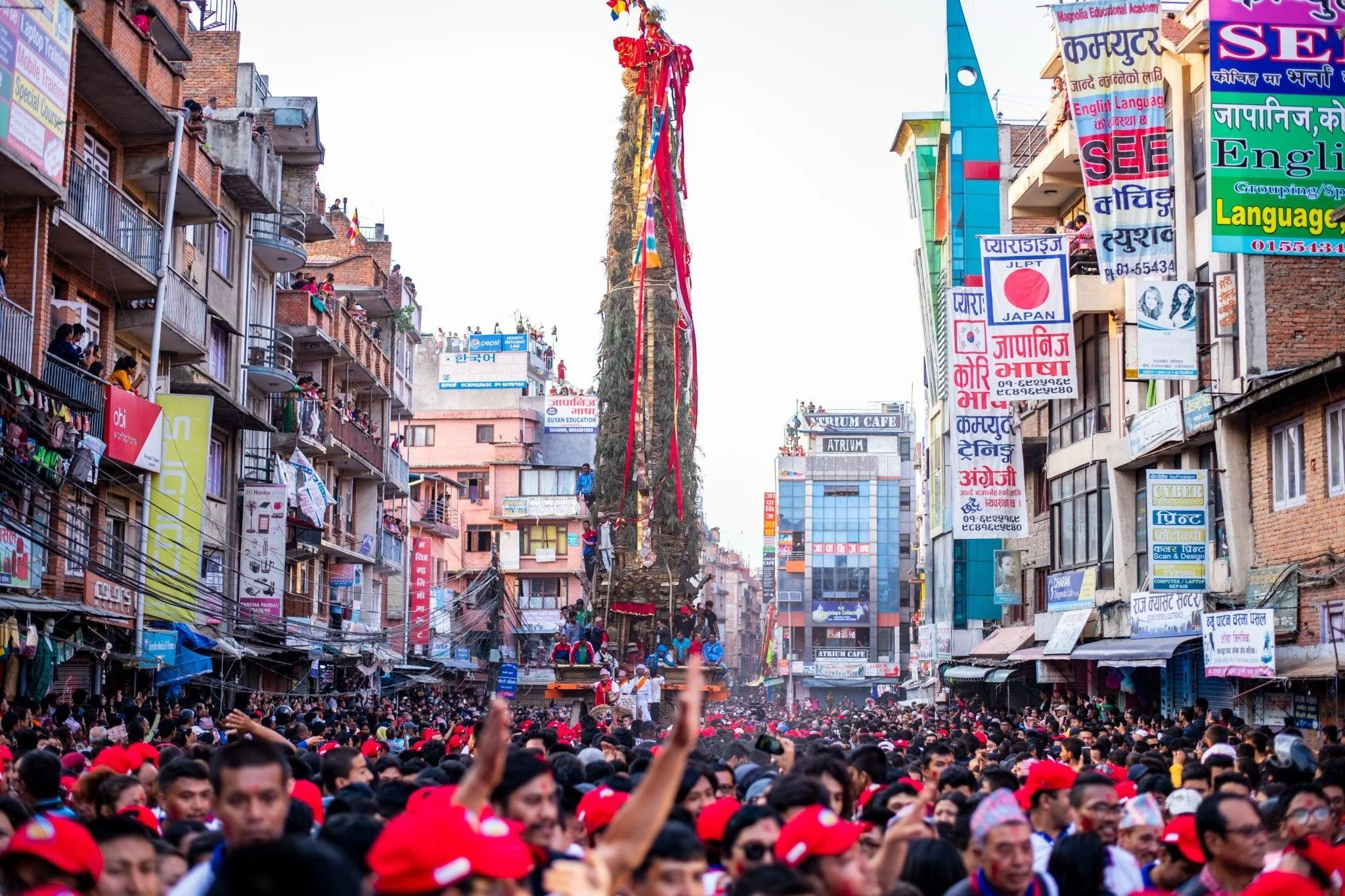
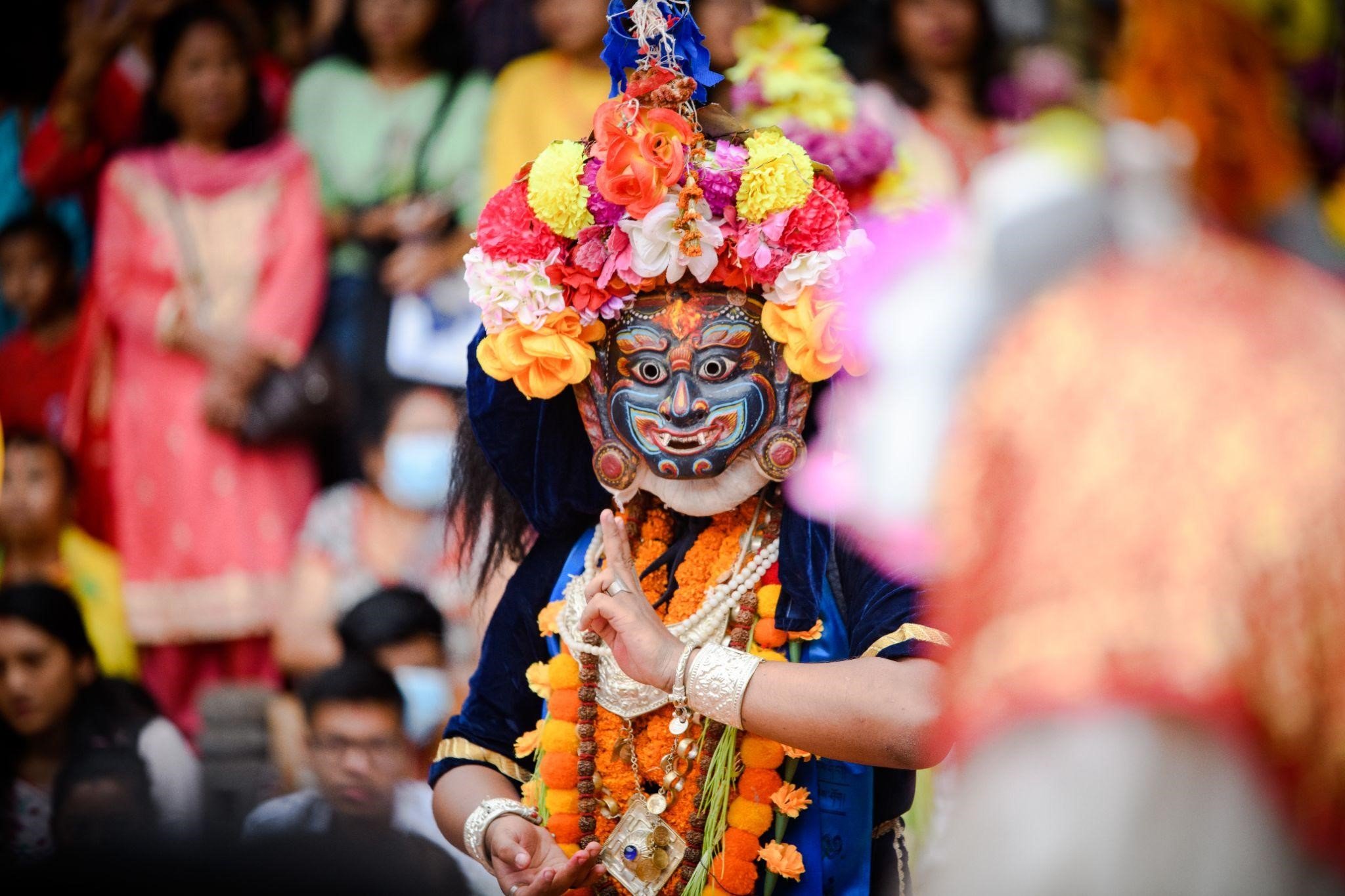
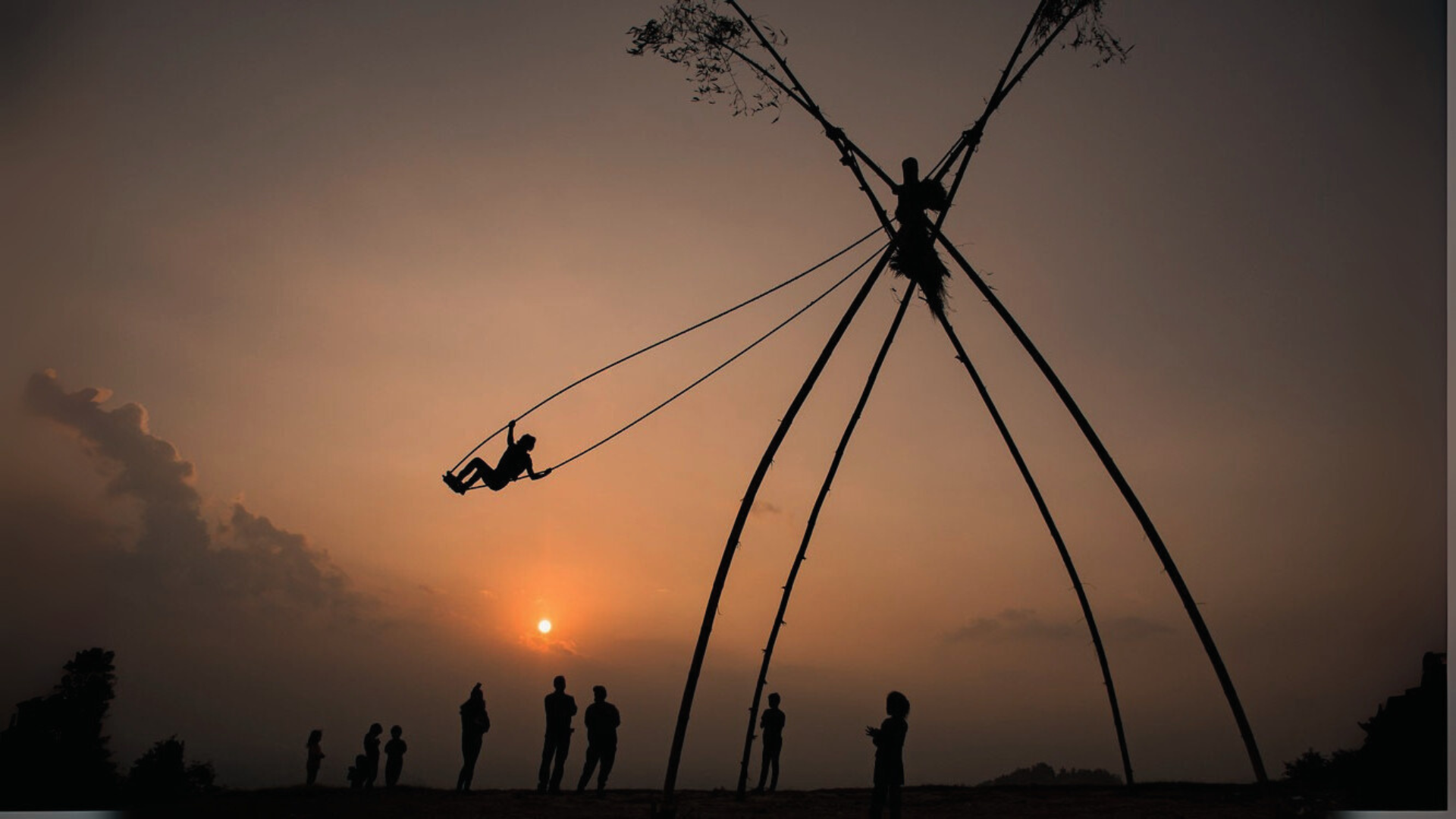
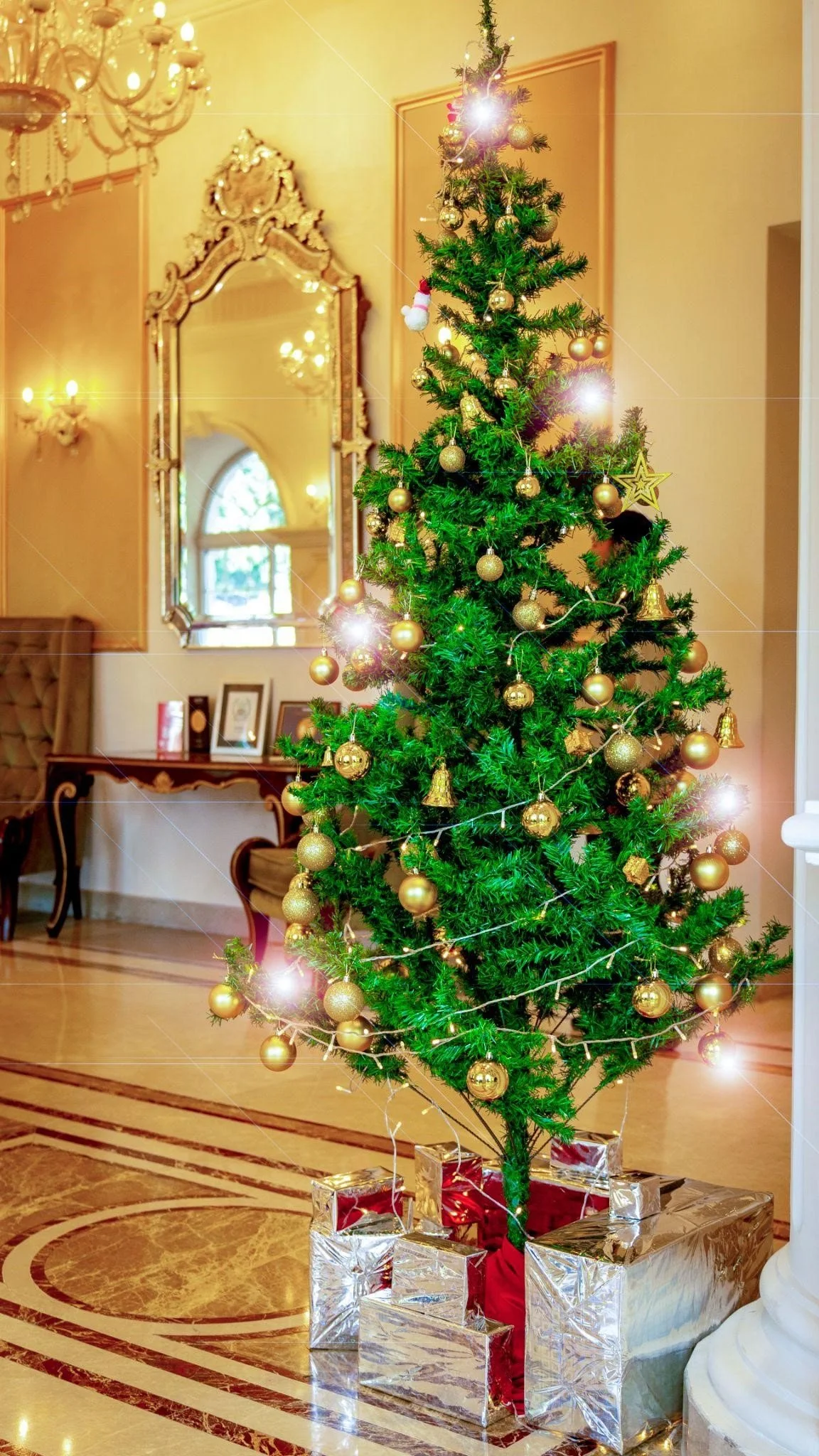
Celebrating Christmas in Kathmandu: A Festive Blend of Cultures and Traditions
Christmas, traditionally a Christian holiday, has transcended religious boundaries to become a global celebration of joy, love, and giving. In Kathmandu, the heart of Nepal, Christmas has found a special place amidst the city's vibrant cultural tapestry. This festival is celebrated with warmth and inclusivity, reflecting Kathmandu’s embrace of diverse traditions and its ever-evolving cultural adaptation.
Christmas, traditionally a Christian holiday, has transcended religious boundaries to become a global celebration of joy, love, and giving. In Kathmandu, the heart of Nepal, Christmas has found a special place amidst the city's vibrant cultural tapestry. This festival is celebrated with warmth and inclusivity, reflecting Kathmandu’s embrace of diverse traditions and its ever-evolving cultural adaptation.
A Melting Pot of Cultures
Kathmandu, known for its rich history and deep-rooted Hindu and Buddhist traditions, showcases a remarkable ability to adapt and celebrate cultures from around the world. While Nepal is predominantly Hindu, the city comes alive during Christmas, with locals and expatriates alike joining in the festivities. This acceptance and celebration of diversity underline the city's evolving cosmopolitan character.
How Christmas is Celebrated in Kathmandu
Christmas in Kathmandu is not just a religious occasion but a community celebration. Here’s how it unfolds in the valley:
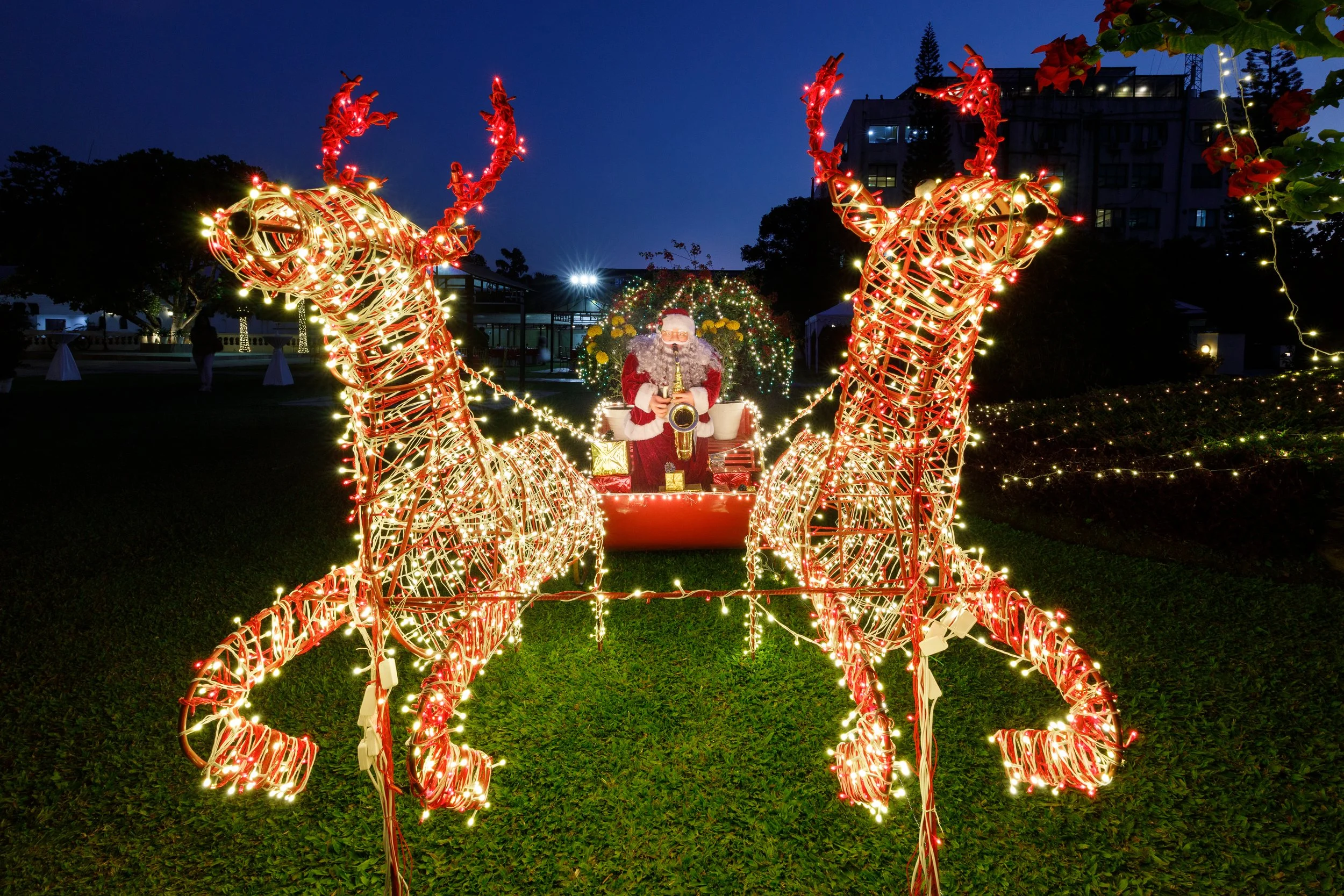
Festive Decorations: Shops, malls, and restaurants in Kathmandu light up with Christmas-themed decorations. Glittering Christmas trees, colorful lights, and festive garlands adorn public spaces. Popular hubs like Thamel, Durbar Marg, and shopping centers are transformed into winter wonderlands, drawing crowds from all walks of life.
Christmas Markets: Various Christmas bazaars and markets spring up across the city. These markets offer unique handicrafts, festive ornaments, and delicious baked goods. Expat communities often organize special markets, introducing locals to Christmas traditions while fostering cultural exchange.
Midnight Mass: Churches in Kathmandu, such as the Assumption Church in Lalitpur, host midnight mass for the Christian community and anyone curious about the tradition. The solemn yet uplifting service is a cornerstone of Christmas celebrations, symbolizing unity and peace.
Festive Dining: Hotels, cafes, and restaurants across Kathmandu curate special Christmas menus, featuring everything from traditional roast dinners to locally inspired festive treats. This culinary fusion attracts locals, expatriates, and tourists, offering them a taste of Christmas in the Himalayas.
Gift-Giving and Charity: The spirit of giving is alive and well in Kathmandu during Christmas. Many organizations and individuals organize charity drives, distributing gifts and necessities to underprivileged communities, spreading love and joy throughout the city.
Embracing Diverse Traditions
What makes Christmas in Kathmandu particularly special is its blend of traditional customs with local flavors. While expatriate communities bring their customs, Nepalis infuse their own warmth and creativity into the celebrations. It’s not uncommon to see children singing Christmas carols in Nepali or homes decorated with a mix of tinsel and traditional Nepali lamps.
This celebration of Christmas is a testament to Kathmandu's ability to embrace diversity without losing its unique identity. It reflects the growing awareness and appreciation of global cultures among Nepalis, while also offering expatriates and tourists a sense of belonging during the holidays.
Hotel Shanker: Your Festive Retreat
For those looking to experience Christmas in Kathmandu with a touch of elegance, Hotel Shanker offers the perfect setting. Nestled in the heart of the city, this heritage hotel blends timeless charm with modern comforts. Its festive ambiance, special Christmas dining experiences, and luxurious accommodations make it an ideal retreat for the holiday season. Whether you're sharing a meal with loved ones or simply soaking in the festive spirit, Hotel Shanker provides a warm and inviting space to celebrate.
A Celebration of Togetherness
Christmas in Kathmandu is more than just a holiday; it’s a celebration of togetherness and harmony. It’s a time when people from all backgrounds come together to share joy, exchange traditions, and embrace the beauty of diversity. This spirit of inclusion and cultural adaptation not only enriches the celebration but also strengthens the bonds of the Kathmandu community.
This year, as the Christmas bells ring and the city glows with festive cheer, Kathmandu reminds us that the true essence of the season lies in unity, kindness, and the joy of giving. Whether you're a local, an expatriate, or a visitor, Kathmandu offers a Christmas experience that’s as unique as it is heartwarming.
POPULAR ITINERARIES
SIMILAR POSTS
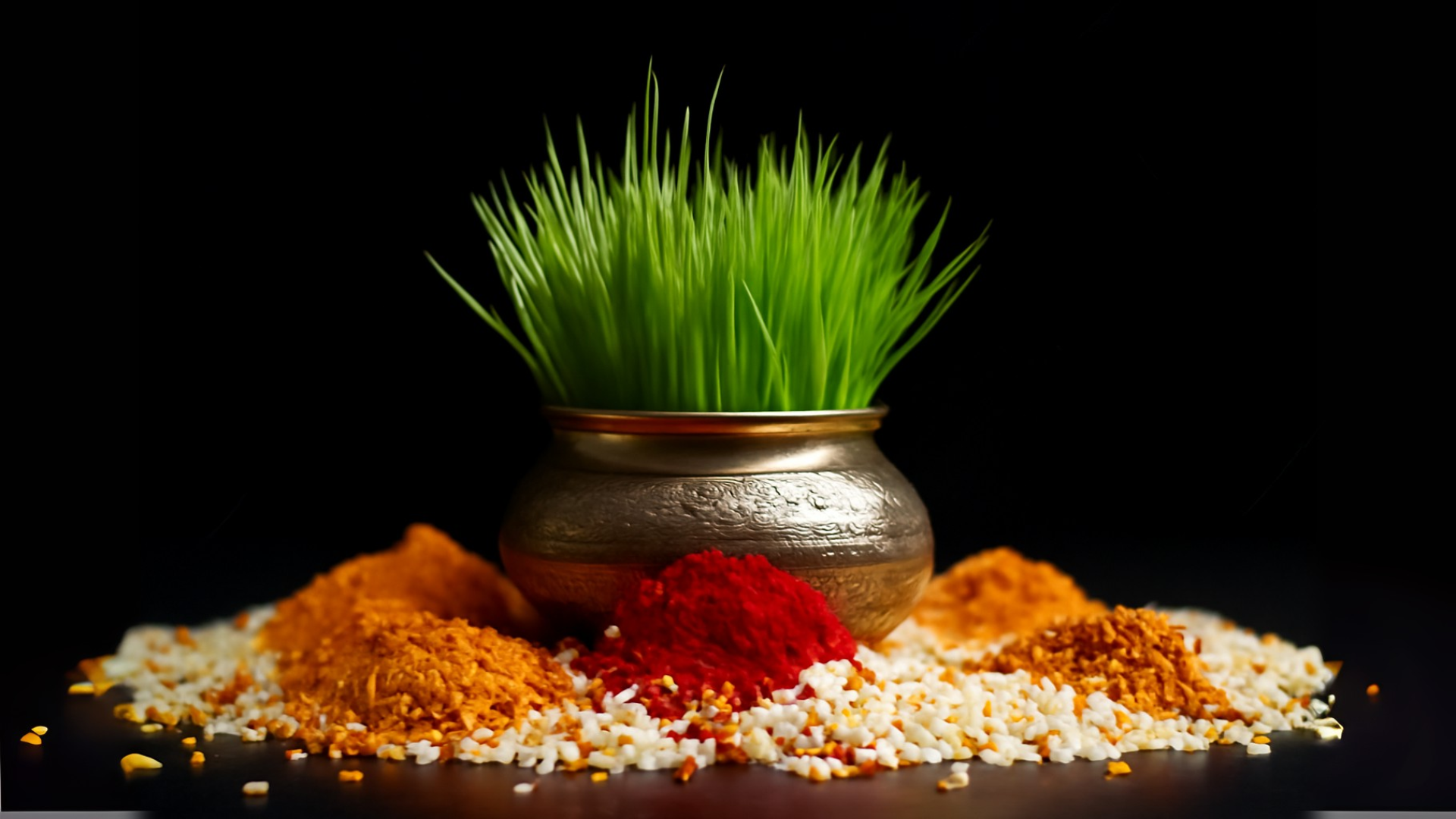
Embrace Winter in Style: Why Hotel Shanker is the Perfect Winter Retreat
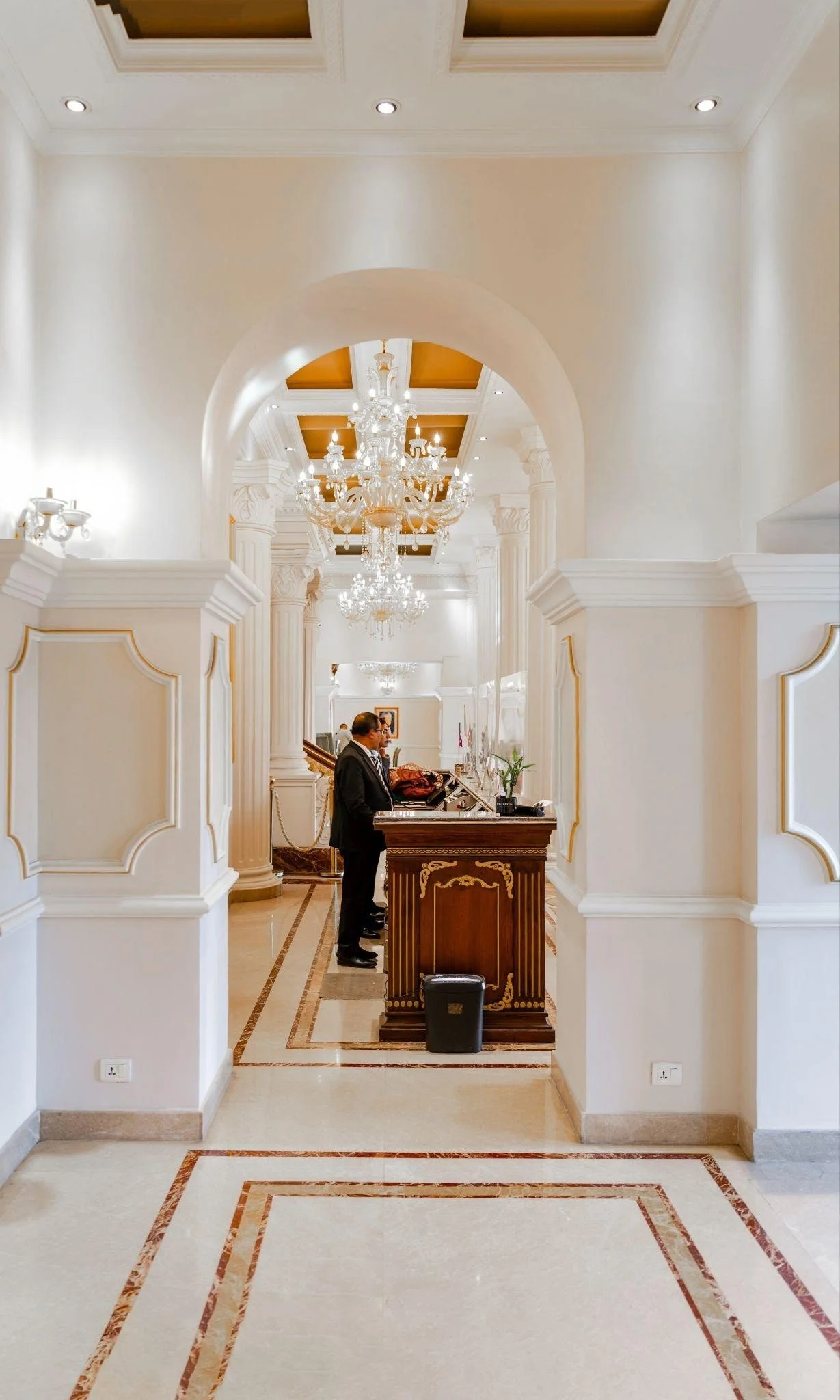
As the vibrant autumn leaves of Kathmandu begin to fade and the crisp chill of winter settles over the city, there’s no better time to plan your perfect winter escape. Nestled in the heart of Kathmandu, Hotel Shanker offers the ideal blend of historical grandeur, warm hospitality, and modern luxury, making it the ultimate winter retreat.
As the vibrant autumn leaves of Kathmandu begin to fade and the crisp chill of winter settles over the city, there’s no better time to plan your perfect winter escape. Nestled in the heart of Kathmandu, Hotel Shanker offers the ideal blend of historical grandeur, warm hospitality, and modern luxury, making it the ultimate winter retreat.
A Cozy Heritage Escape
Winter in Kathmandu brings a special charm – the cool weather, the soft fog that lingers in the mornings, and the stunning views of snow-capped peaks in the distance. At Hotel Shanker, this season becomes even more magical. The hotel’s elegant rooms, designed with a mix of traditional Nepali art and modern comforts, provide the perfect sanctuary from the winter cold. Curl up in the plush bedding, sip a warm cup of tea, and take in the serene ambiance of this heritage hotel.
Luxurious Comfort in Every Corner
Whether you’re exploring the city or seeking a cozy hideaway, Hotel Shanker offers an array of luxurious amenities to make your winter stay unforgettable. Enjoy a leisurely breakfast in our beautifully appointed dining areas, or take advantage of our in-room dining service for a more intimate experience. The hotel’s rich history adds warmth and character to every corner, from the grand chandeliers to the intricately carved wooden décor, creating an inviting atmosphere to relax and rejuvenate.
Winter Activities at Your Doorstep
Kathmandu transforms in winter, with fewer crowds and a peaceful serenity that invites exploration. Hotel Shanker is ideally located for those who want to discover the city’s treasures while avoiding the bustle. Visit nearby attractions like the historic Narayanhiti Palace Museum or take a stroll through the lively streets of Durbar Marg. After a day of sightseeing, return to the hotel for a warm drink at our bar, where you can unwind by the fire.
Celebrate the Festive Spirit
Winter is also a time of celebration, with festivals like Tihar and Christmas adding a festive glow to the city. Hotel Shanker celebrates these moments with special packages and festive events, making it an ideal destination for those looking to experience the joyous spirit of the season.
Whether you’re spending a romantic getaway or enjoying a family vacation, our team will ensure you make the most of this beautiful season.
Plan Your Perfect Winter Getaway
As the temperatures dip, let Hotel Shanker be your cozy retreat in the heart of Kathmandu. With its blend of historical charm and modern luxury, our hotel offers everything you need for a memorable winter stay. From comfortable, warm interiors to the excitement of exploring Kathmandu’s winter beauty, Hotel Shanker promises a stay that is both relaxing and full of adventure.
Book Your Winter Stay Today!
Experience the magic of winter at Hotel Shanker. Reserve your room now for an unforgettable stay filled with warmth, luxury, and timeless elegance.
POPULAR ITINERARIES
SIMILAR POSTS
Celebrate the Spirit of Tihar: Nepal's Festival of Lights
Tihar, one of Nepal's most beautiful and vibrant festivals, is a celebration of lights, joy, and gratitude. Spanning five days, Tihar honors the bond between humans, gods, and animals, making it a festival that resonates deeply with the Nepali culture. Often compared to Diwali, Tihar is unique in its own right, filled with cultural rituals, colorful decorations, and joyous festivities.
Tihar, one of Nepal's most beautiful and vibrant festivals, is a celebration of lights, joy, and gratitude. Spanning five days, Tihar honors the bond between humans, gods, and animals, making it a festival that resonates deeply with the Nepali culture. Often compared to Diwali, Tihar is unique in its own right, filled with cultural rituals, colorful decorations, and joyous festivities.
As the festival approaches in October, Nepal transforms into a glowing land of oil lamps, vibrant colors, and music. Whether you’re a local or a traveler, experiencing Tihar is something truly special.
The Five Days of Tihar
Day 1: Kaag Tihar (Day of Crows)
Tihar begins with the worship of crows, known as messengers of the gods. People place food outside their homes to honor the crows, symbolizing the connection between humans and the divine.
Day 2: Kukur Tihar (Day of Dogs)
On the second day, dogs, known for their loyalty, are honored with garlands, tika (red powder), and delicious treats. Temples and homes are filled with offerings as people thank these loyal companions for their service.
Day 3: Gai Tihar and Laxmi Puja (Day of Cows & Worship of Wealth)
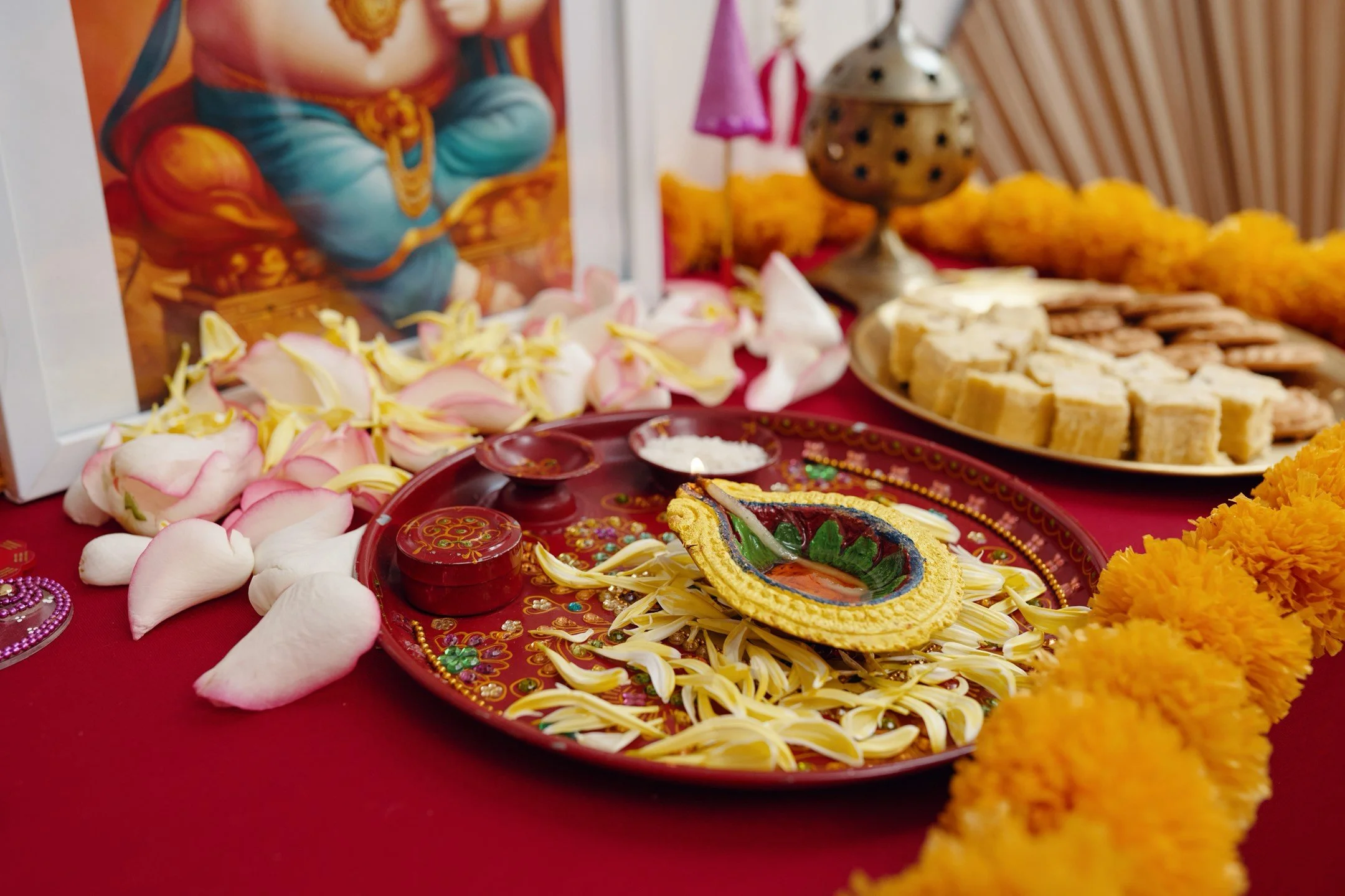
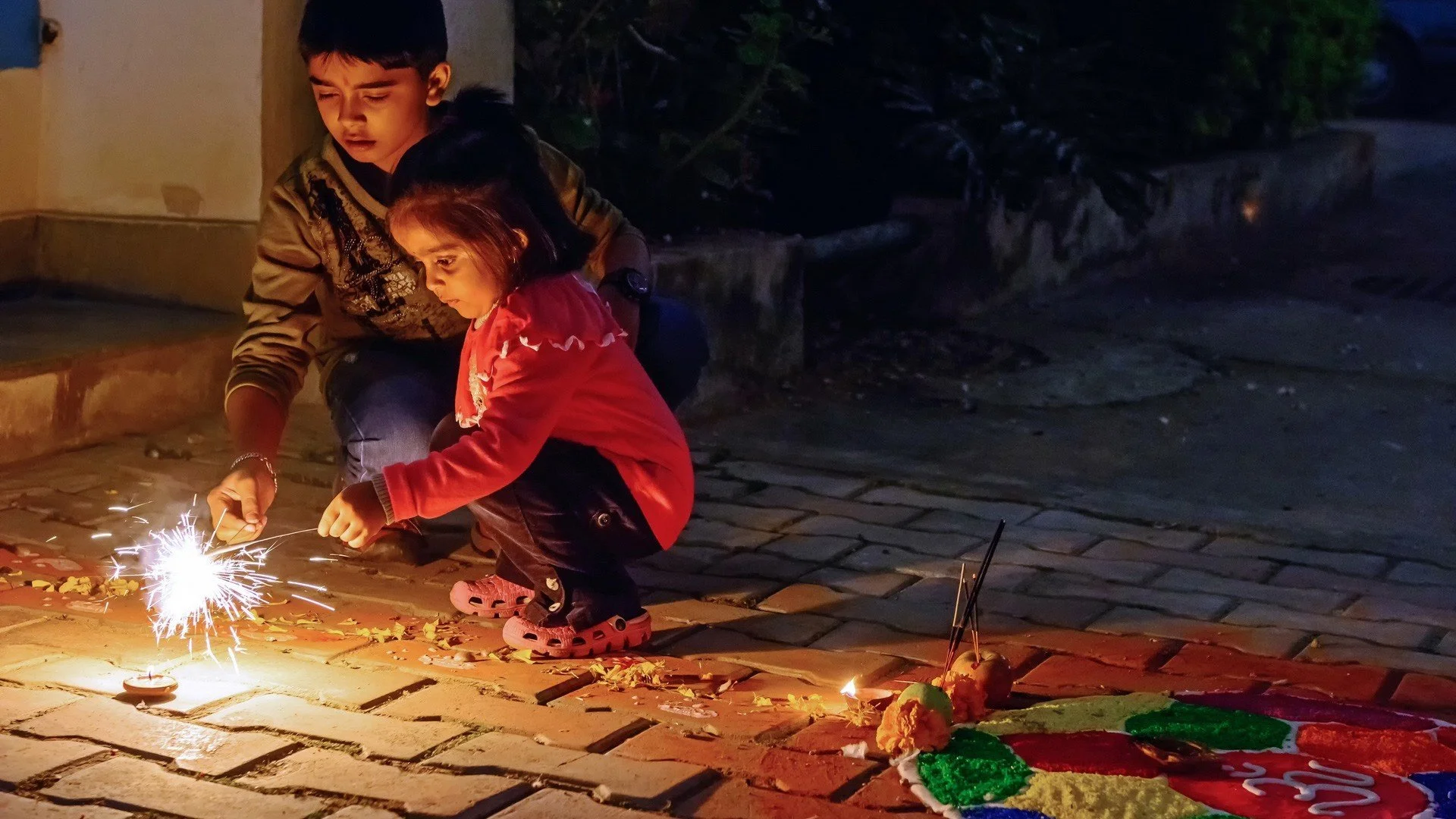
The third day is the most important, dedicated to the cow, a sacred animal in Hinduism. Cows are decorated with flowers and tika, and offerings are made to them. In the evening, homes are lit with oil lamps and candles to welcome Goddess Laxmi, the goddess of wealth and prosperity. Rangoli, intricate patterns made from colored powders, adorn courtyards and doorways to invite good fortune.
Day 4: Govardhan Puja (Day of Oxen)
On this day, oxen are worshipped for their agricultural importance, and people celebrate by performing Govardhan Puja, which marks the victory of Lord Krishna over the demon Indra. This day also involves family feasts and merriment.
Day 5: Bhai Tika (Day of Brothers)
Tihar concludes with Bhai Tika, a special day dedicated to the bond between brothers and sisters. Sisters apply tika on their brothers’ foreheads, offer garlands, and pray for their long life and success. In return, brothers give gifts and vow to protect their sisters.
The Beauty of Tihar: Lights, Music, and Togetherness
One of the most captivating elements of Tihar is the way homes, temples, and streets are illuminated with diyas (oil lamps) and colorful lights. As the sun sets, Kathmandu and other cities across Nepal shimmer with warmth and light. The flickering of candles, the sound of traditional songs, and the aroma of festival delicacies fill the air, creating an atmosphere of joy and celebration.
Children go door-to-door singing traditional Deusi-Bhailo songs, receiving gifts and blessings in return. These songs are an essential part of the Tihar celebration, spreading happiness and unity in every neighborhood.
How to Enjoy Tihar as a Visitor
Tihar is a time of family gatherings and community celebrations, but visitors are always welcome to participate in the festivities. Here’s how you can experience the festival:
● Witness the Laxmi Puja Ceremony: Visit a local temple or be a guest in a Nepali home to witness the grand Laxmi Puja. The evening will be filled with lights, music, and offerings made to Goddess Laxmi.
● Make Rangoli: Many homes create beautiful rangoli designs in their courtyards. Join in and learn the art of making these colorful patterns.
● Participate in Deusi-Bhailo: Experience the joy of singing and dancing with locals during Deusi-Bhailo. It’s a fun way to engage with the community and enjoy the festival spirit.
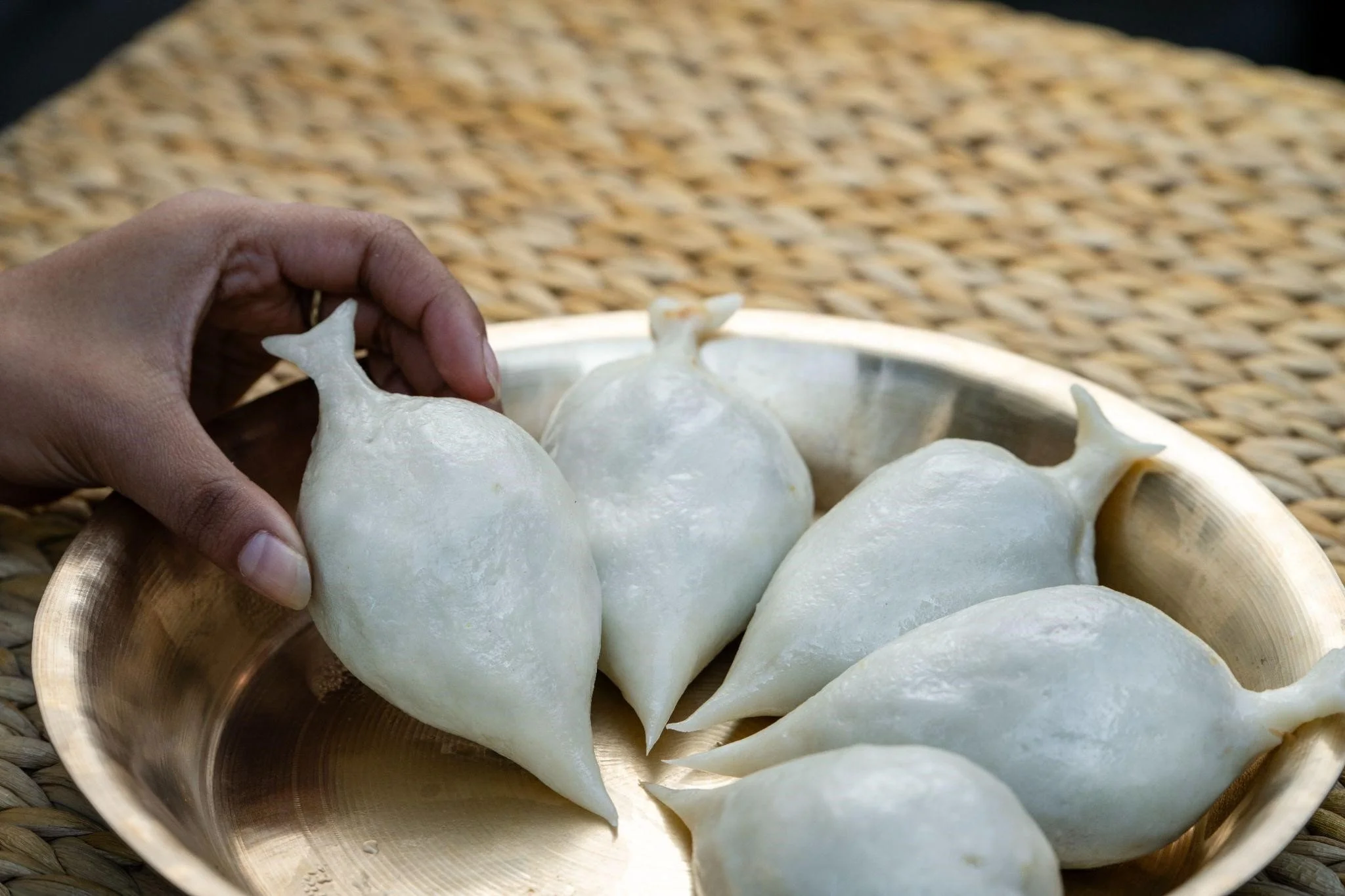
● Taste Traditional Tihar Dishes: Indulge in special festival foods such as sel roti (a traditional rice flour doughnut), yomari, and delicious sweets that are prepared in homes across Nepal.
Why Visit Nepal During Tihar?
Tihar is one of the most vibrant times to visit Nepal, offering a unique glimpse into the rich cultural and spiritual traditions of the country. The festival not only showcases the beauty of Hindu rituals but also emphasizes the importance of family, nature, and the balance of life. As the cities light up and families come together, the warmth of Nepali hospitality shines brighter than ever.
Visitors can take advantage of the mild autumn weather, perfect for exploring Nepal’s iconic landmarks, temples, and markets. The festive spirit extends to every corner of the city, making your stay in Kathmandu an unforgettable experience.
Plan Your Tihar Experience
Whether you are visiting Nepal for the first time or you’re a returning traveler, Tihar offers a unique opportunity to immerse yourself in the country's rich cultural heritage. Enjoy the sights, sounds, and traditions of this vibrant festival while exploring the historic and spiritual beauty of Kathmandu.
For those staying at Hotel Shanker, we offer a special Tihar experience with a range of activities and cultural programs that allow our guests to fully participate in the festival. Join us in lighting diyas, making rangoli, and savoring traditional Nepali dishes, all while enjoying the luxury and comfort of our heritage hotel.
POPULAR ITINERARIES
SIMILAR POSTS
Immerse in the Culture: Experience the Thrill of Indra Jatra
Indra Jatra, celebrated in honor of the god Indra, the King of Heaven and Rain, is a festival that has captured the heart of Kathmandu for centuries. Legend has it that Indra descended to Earth to collect a specific flower for his mother, only to be captured by locals who didn’t recognize him. Upon realizing his divine identity, they released him, and to honor the event, the festival of Indra Jatra was born.
During your stay at the elegant Hotel Shanker, immerse yourself in one of Kathmandu’s most captivating cultural events—Indra Jatra. This dynamic festival, brimming with ancient rituals, colorful processions, and joyful celebrations, just wrapped up this week, leaving behind a city buzzing with excitement and awe.
A Celebration Steeped in Legend
Indra Jatra, celebrated in honor of the god Indra, the King of Heaven and Rain, is a festival that has captured the heart of Kathmandu for centuries. Legend has it that Indra descended to Earth to collect a specific flower for his mother, only to be captured by locals who didn’t recognize him. Upon realizing his divine identity, they released him, and to honor the event, the festival of Indra Jatra was born.
A Week-Long Extravaganza
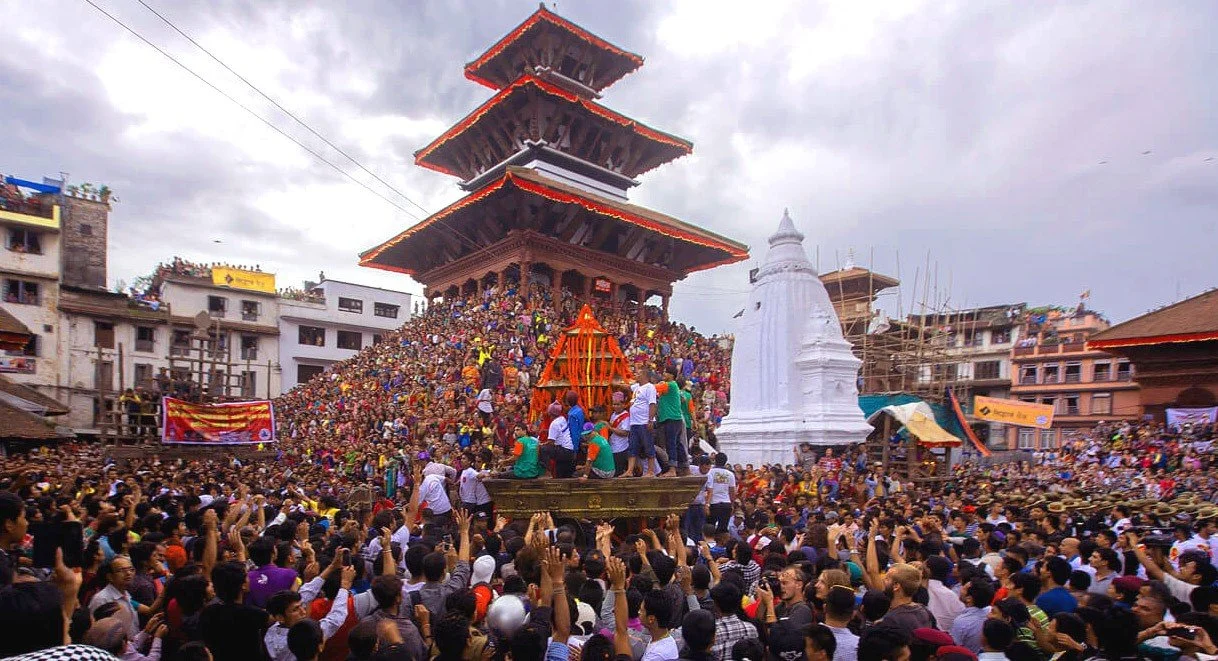
Stretching over eight days, Indra Jatra is a vivid celebration that takes over the streets of Kathmandu. This year’s festivities, culminating just this week, were no exception. The center of attention was Basantapur Durbar Square, a UNESCO World Heritage Site, where thousands of locals and tourists alike gathered to witness the lively events unfold.
Kumari: The Living Goddess
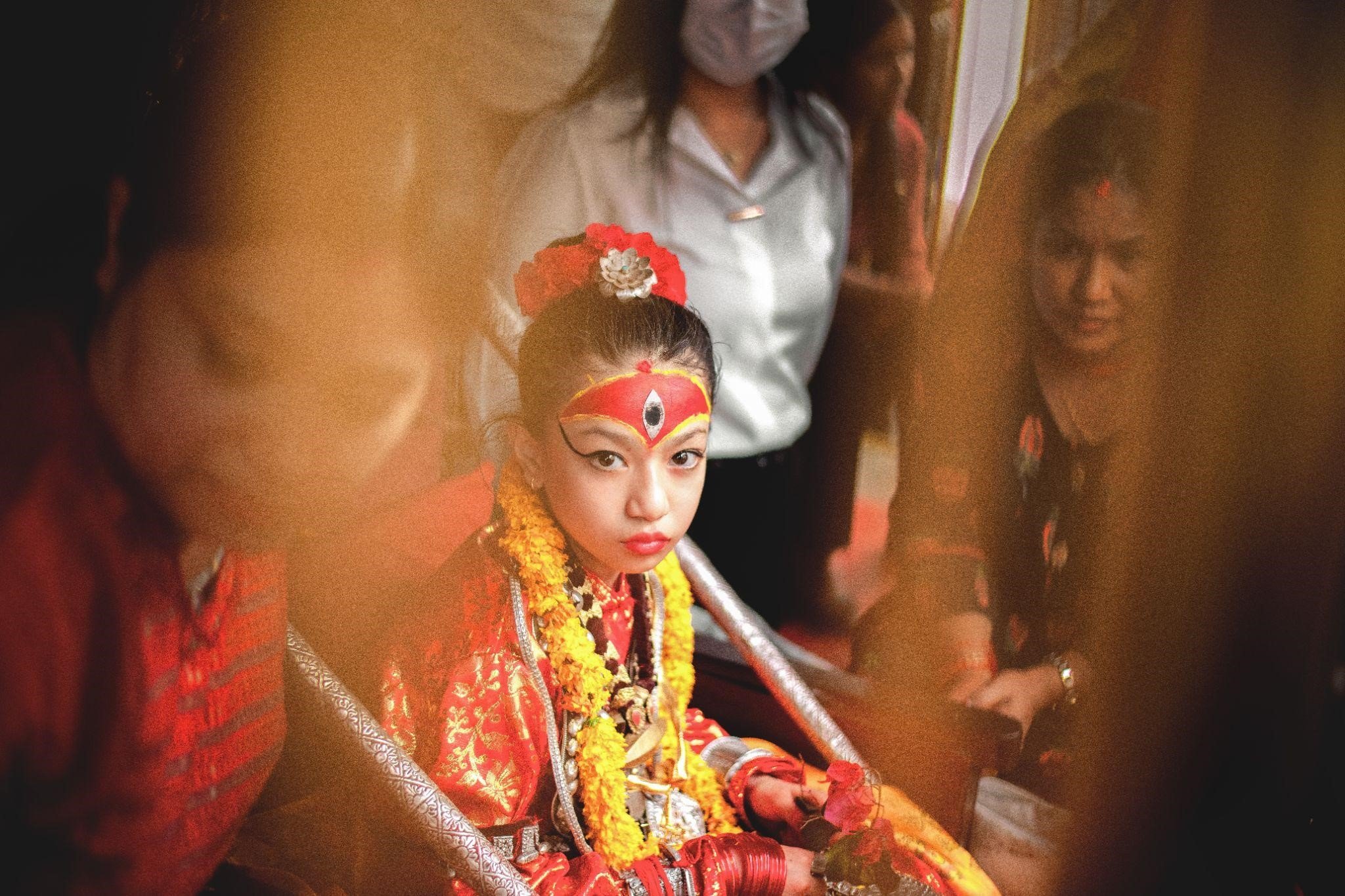
One of the most anticipated highlights of Indra Jatra is the chariot procession of the Kumari, the Living Goddess. This year, the Kumari, draped in her vibrant red robes, was paraded through the streets of Kathmandu on her intricately designed chariot, accompanied by the deities Ganesh and Bhairab. The sight of the Kumari, with her serene expression, mesmerized onlookers, offering a glimpse into Nepal's deep-rooted spiritual traditions.
Lakhey Dance: A Fierce Spectacle
No Indra Jatra celebration is complete without the captivating Lakhey dance, a traditional masked dance said to ward off evil spirits. This year’s performance was as thrilling as ever, with dancers dressed as the Lakhey demon, leaping and twirling with ferocious energy through the streets. The rhythmic beat of drums filled the air, drawing spectators into the hypnotic movements of the performers.
Devotion and Tradition at Every Corner
Throughout the festival, the streets of Kathmandu were alive with offerings to Indra and various other deities. From the display of Bhairab's fierce face, with crowds lining up to receive blessings from this terrifying form of Lord Shiva, to the long-standing tradition of erecting a tall ceremonial pole, the festival was a visual and spiritual feast.
A Blend of Old and New
While the festival is deeply rooted in tradition, modern elements are increasingly woven into the celebrations. This year, vibrant lights and decorations illuminated the streets of Basantapur Durbar Square, enhancing the already electric atmosphere. Locals dressed in traditional attire, and many visitors took the opportunity to blend in, donning kurtas and saris to partake in the celebration.
Why You Can’t Miss It
Indra Jatra is not just a festival; it's an experience that pulls you into the rhythm of Kathmandu’s vibrant culture. With its mix of religious devotion, lively parades, and community spirit, it’s a festival that transcends time. And while this year's festivities have just ended, the memories of the vibrant chariot processions, Lakhey dances, and offerings linger in the minds of those who witnessed it.
If you find yourself in Kathmandu next year, don’t miss your chance to witness this breathtaking spectacle firsthand. Stay at Hotel Shanker, where luxury meets history, and step outside into a city alive with culture, just waiting to welcome you into the heart of one of Nepal’s most enchanting festivals.
POPULAR ITINERARIES
SIMILAR POSTS
Krishna Janmashtami: A Festival of Love and Devotion
Krishna Janmashtami, a significant Hindu festival, celebrates the birth of Lord Krishna. It is typically observed on the eighth day of the dark fortnight (Krishna Paksha) of the month of Shravan (August-September). Various religious rituals and cultural events dedicated to Lord Krishna are held on this day.
Krishna Janmashtami, a significant Hindu festival, celebrates the birth of Lord Krishna. It is typically observed on the eighth day of the dark fortnight (Krishna Paksha) of the month of Shravan (August-September). Various religious rituals and cultural events dedicated to Lord Krishna are held on this day.
Significance of Krishna Janmashtami
Lord Krishna is considered the eighth avatar of Vishnu. He was born on Earth to establish righteousness and destroy evil. On Krishna Janmashtami, the story of Lord Krishna's birth is narrated, and he is worshipped. It is believed that Lord Krishna fulfills the wishes of his devotees on this day.
History of Krishna Janmashtami
The history of the Krishna Janmashtami festival dates back to ancient times. According to the Bhagavad Gita, Lord Krishna gave the Gita's teachings to Arjuna. In the Gita, Lord Krishna explained many important principles of life. Therefore, the festival of Krishna Janmashtami not only celebrates the birth of Lord Krishna but also reminds us of his teachings.
How is Krishna Janmashtami Celebrated?
On Krishna Janmashtami, people observe fasts and worship Lord Krishna. Special pujas are performed in temples. People decorate their homes with flowers and rangoli. Children dress up as Krishna and perform raaslila with girls dressed as Radha. Special festivities are organized in Mathura and Vrindavan on this day.
Cultural Significance of Krishna Janmashtami
Krishna Janmashtami has great cultural significance. This festival brings people together and promotes social unity. People feed each other sweets and sing songs on this day. The festival of Krishna Janmashtami is an integral part of Indian culture.
Key Facts of Krishna Janmashtami
● Date: Eighth day of the dark fortnight (Krishna Paksha) of the month of Shravan
● Significance: Celebration of Lord Krishna's birth
● Festivities: Puja in temples, decorating homes, raaslila
● Cultural Significance: Social unity and Indian culture
Conclusion
Krishna Janmashtami is a festival of love, devotion, and spirituality. This festival provides us with an opportunity to be inspired by the life and teachings of Lord Krishna. Let us all celebrate this festival with joy and enthusiasm.
POPULAR ITINERARIES
SIMILAR POSTS
Janai Purnima: A Sacred Thread of Tradition
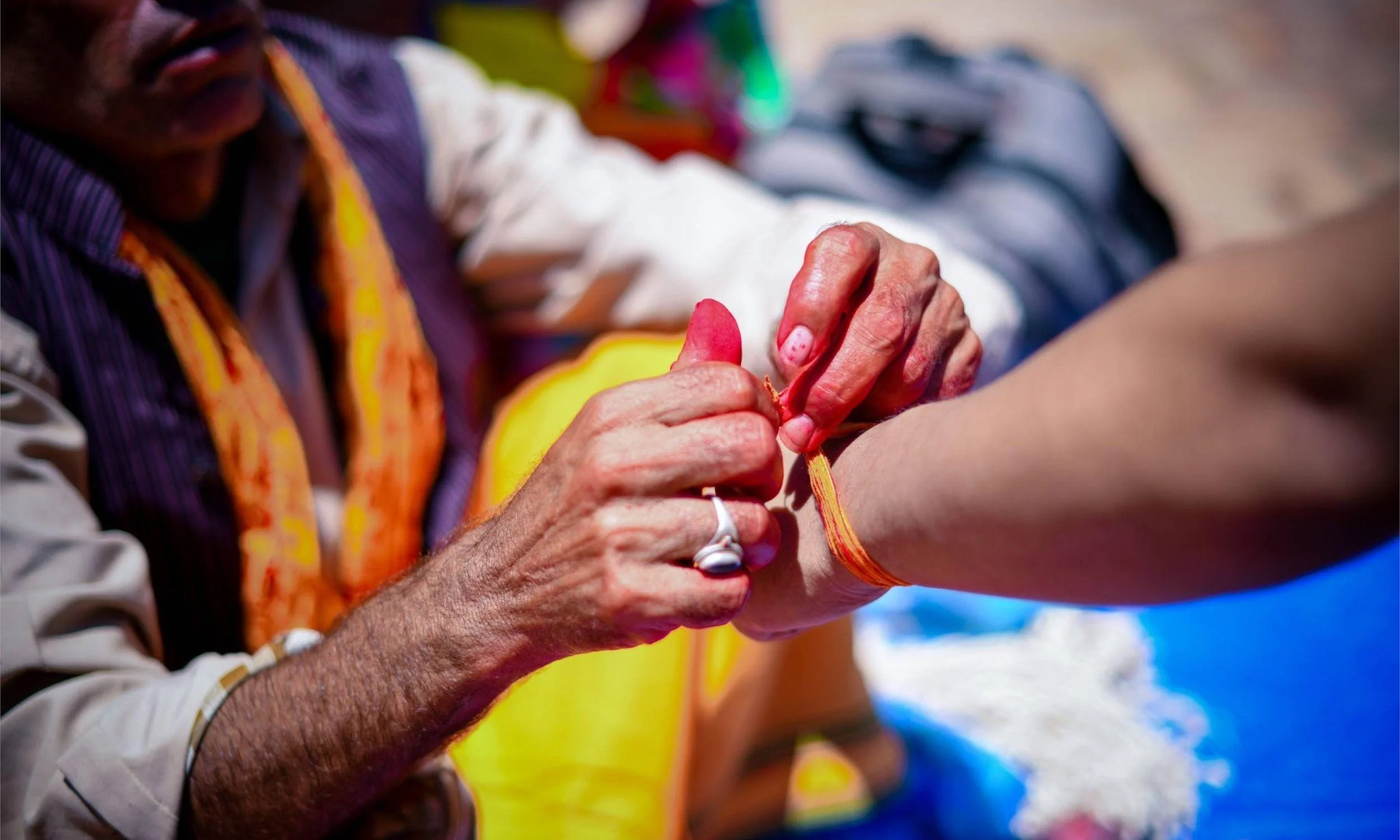
Janai Purnima, a significant Hindu festival celebrated in Nepal, marks the day of renewing the sacred thread (janai) worn by men. This thread symbolizes purity and religious commitment and is believed to protect the wearer from evil forces and bestow blessings. The festival is also known as "Raksha Bandhan" in some parts of Nepal, where sisters tie a protective thread (rakhi) on their brothers' wrists.
Janai Purnima, a significant Hindu festival celebrated in Nepal, marks the day of renewing the sacred thread (janai) worn by men. This thread symbolizes purity and religious commitment and is believed to protect the wearer from evil forces and bestow blessings. The festival is also known as "Raksha Bandhan" in some parts of Nepal, where sisters tie a protective thread (rakhi) on their brothers' wrists.
The Significance of the Sacred Thread
The janai, a cotton or silk thread, is tied around a male Hindu's right shoulder and left waist. It is believed to represent the three fundamental duties of a Hindu: dharma (righteousness), artha (wealth), and kama (pleasure). The thread is considered a spiritual connection between the individual and the divine. It is believed to purify the body, mind, and soul and provide protection from negative influences.
The Rituals of Janai Purnima
The celebration of Janai Purnima typically involves a series of rituals. On the day of the festival, men who wear the janai take a bath in a sacred river or pond to cleanse themselves. They then offer prayers to the deities associated with the festival, such as Lord Vishnu and Lord Shiva. The janai is replaced with a new one, which a Brahmin priest ties. The ceremony is accompanied by chanting of mantras and hymns.
The Cultural Significance of Janai Purnima
Janai Purnima is not only a religious festival but also a cultural event. Families have to come together and strengthen their bonds. The festival is celebrated with great enthusiasm and joy, especially in rural areas. People prepare traditional delicacies, decorate their homes, and participate in various cultural activities. The festival also serves as a reminder of the importance of upholding Hindu traditions and values.
Janai Purnima and Raksha Bandhan
In some regions of Nepal, Janai Purnima is also celebrated as Raksha Bandhan. On this day, sisters tie a rakhi, a colorful thread, on their brothers' wrists. The rakhi is a symbol of protection and love. Brothers, in turn, promise to protect their sisters and fulfill their wishes. This tradition strengthens the bond between siblings and promotes harmony within families.
In conclusion, Janai Purnima is a significant festival in Nepal that celebrates the sacred thread and its spiritual significance. It is a time for religious renewal, family bonding, and cultural expression. The festival serves as a reminder of the importance of upholding Hindu traditions and values.
POPULAR ITINERARIES
SIMILAR POSTS
Nag Panchami: Worship the Serpent Deities
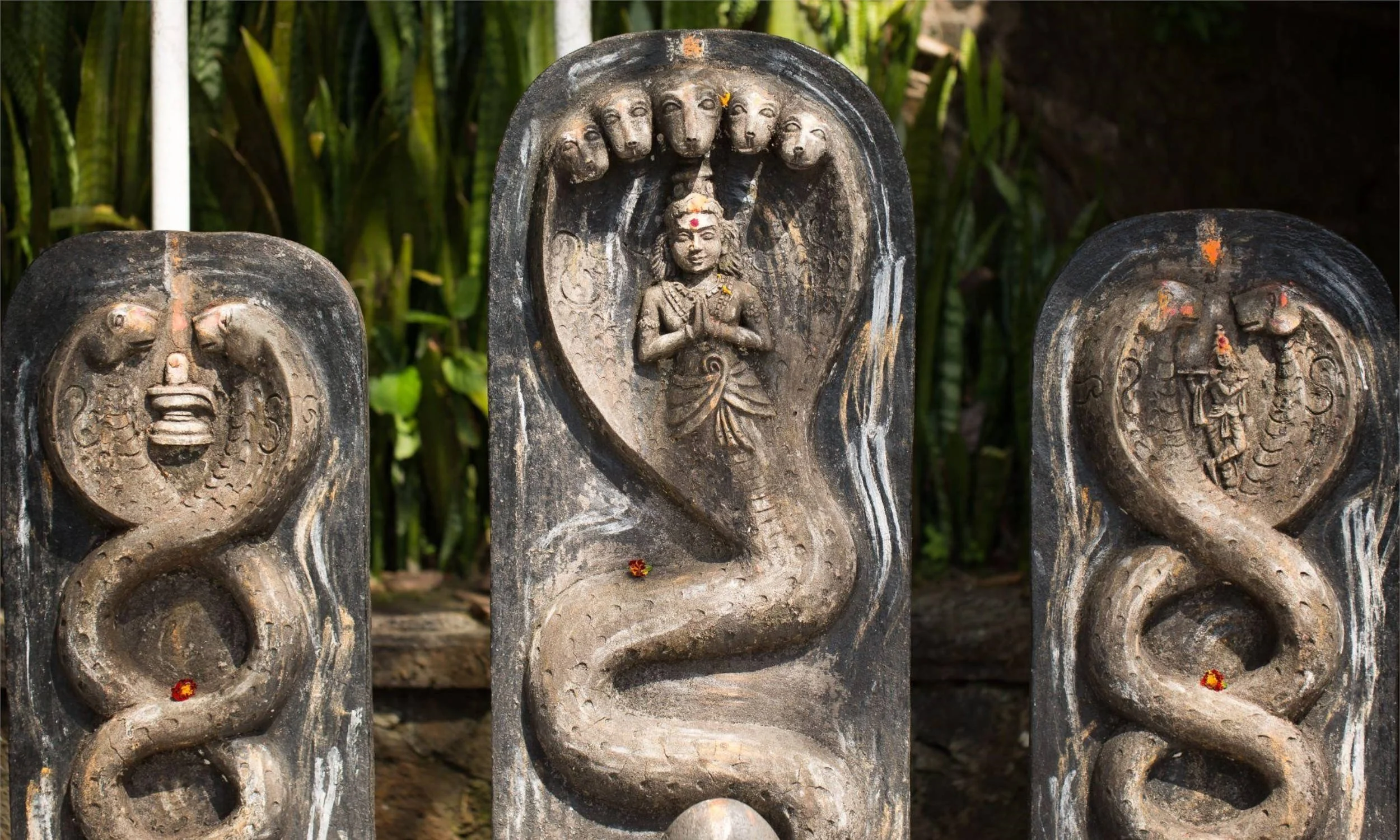
Nag Panchami, a significant Hindu festival, is dedicated to the worship of serpent deities, commonly known as Nag Devta. Celebrated annually on the fifth day of the bright fortnight of the lunar month of Shravan, this auspicious day holds immense religious and cultural importance.
Nag Panchami, a significant Hindu festival, is dedicated to the worship of serpent deities, commonly known as Nag Devta. Celebrated annually on the fifth day of the bright fortnight of the lunar month of Shravan, this auspicious day holds immense religious and cultural importance.
The origins of Nag Panchami can be traced back to Hindu mythology. According to legend, Lord Krishna defeated the venomous serpent Kaliya, symbolizing the triumph of good over evil. This victory is commemorated on Nag Panchami. Another belief associates the festival with the creation of the Kathmandu Valley. It is said that when the valley was drained, the snakes were displaced, and to appease them, people dedicated certain lands as their abode.
On this holy day, devotees observe various rituals to seek the blessings of the serpent deities. Offering milk, a symbol of purity and nourishment is considered particularly auspicious. People also create images of snakes using cow dung and rice flour, adorning them with flowers and offering prayers. In some regions, live snakes are worshipped and released into their natural habitat as a mark of respect.
The worship of snakes holds deep-rooted significance in Hindu culture. Snakes are often associated with immortality, fertility, and healing. They are also believed to be guardians of hidden treasures and protectors of the underworld. By honoring the Nag Devta, devotees seek protection from snakebites, diseases, and other misfortunes.
Nag Panchami is not just a religious observance; it is also a vibrant cultural celebration. People decorate their homes with colorful rangoli patterns depicting snakes, and children enjoy dressing up as serpent deities. The festival is an occasion for families to unite, share stories, and partake in traditional feasts.
While the rituals and customs associated with Nag Panchami may vary across different regions, the underlying devotion and reverence for the serpent deities remain constant. This festival serves as a reminder of the intricate relationship between humans and nature, emphasizing the importance of co-existence and respect for all living beings.
As we celebrate Nag Panchami, let us remember the significance of this ancient tradition and offer our prayers to the Nag Devta for peace, prosperity, and harmony.
POPULAR ITINERARIES
SIMILAR POSTS
Gathemangal: Warding Off Evil Spirits in the Kathmandu Valley
Gathemangal, also known as Ghantakarna Chaturdasi, is a unique festival celebrated by the Newar community in the Kathmandu Valley of Nepal. It falls on Shrawan Krishna Chaturdashi, which typically occurs in June or July according to the Bikram Sambat calendar. This vibrant festival is a colorful display of warding off evil spirits and ushering in peace and prosperity.
Gathemangal, also known as Ghantakarna Chaturdasi, is a unique festival celebrated by the Newar community in the Kathmandu Valley of Nepal. It falls on Shrawan Krishna Chaturdashi, which typically occurs in June or July according to the Bikram Sambat calendar. This vibrant festival is a colorful display of warding off evil spirits and ushering in peace and prosperity.
The Legend of Ghantakarna
The origins of Gathemangal are steeped in legend. One popular story revolves around a fearsome demon named Ghantakarna. This evil creature wreaked havoc and spread negativity throughout the land. To combat Ghantakarna's evil influence, the Newar people devised a strategic plan.
Crafting and Parading the Effigy
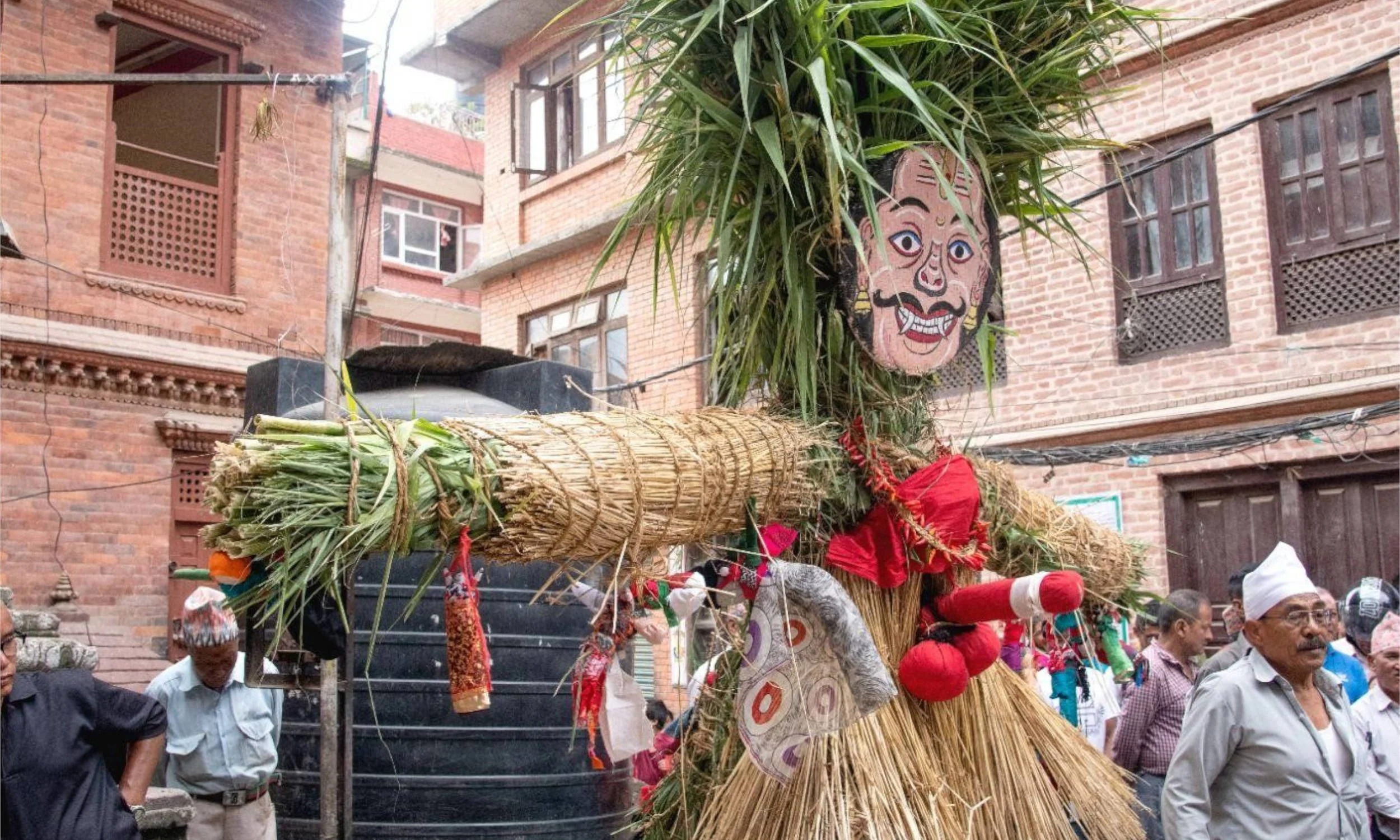
In the days leading up to Gathemangal, communities come together to create a puppet of Ghantakarna. This larger-than-life figure is meticulously crafted using eco-friendly materials. Straw forms the base of the puppet, while bamboo leaves are used to create the limbs. The face is a particularly interesting detail, traditionally fashioned from clay and adorned with artistic flourishes. Large bells, the namesake of the demon (Ghanta translates to 'bell' and Karna translates to 'ears'), are attached to the puppet, creating a clanging sound as it is paraded through the town.
The Procession and Burning of the Effigy
On the day of Gathemangal, the Ghantakarna effigy is placed at the center of a lively procession. Energetic music fills the air as community members, young and old, come together to celebrate. The effigy is carried through the town, symbolically absorbing all the negativity and evil present. The clanging of the bells serves as a constant reminder of the demon's presence and the impending vanquishing.
After winding its way through the town, the procession culminates at a nearby riverbank. Here, the effigy is set ablaze in a bonfire. As the flames rise, it signifies the burning away of all negativity and the triumph of good over evil. The community gathers around the bonfire, sharing stories, laughter, and traditional delicacies. Gathemangal marks a fresh start, a time to welcome peace and harmony into the New Year.
Significance of Gathemangal
Gathemangal holds deep significance for the Newar community. It serves as a powerful reminder of the importance of unity and collective action in the face of adversity. The festival also highlights the respect for nature, evident in the use of eco-friendly materials for crafting the effigy. Gathemangal is a vibrant celebration that strengthens cultural identity and fosters a sense of community spirit.
Today, Gathemangal continues to be a cherished tradition in the Kathmandu Valley. It is a colorful spectacle that attracts not only the Newar community but also visitors from all walks of life. Witnessing the parade and participating in the festivities provides a unique window into the rich cultural heritage of Nepal.
POPULAR ITINERARIES
SIMILAR POSTS
National Paddy Day: A Celebration of Rice, Rituals, and Resilience in Nepal
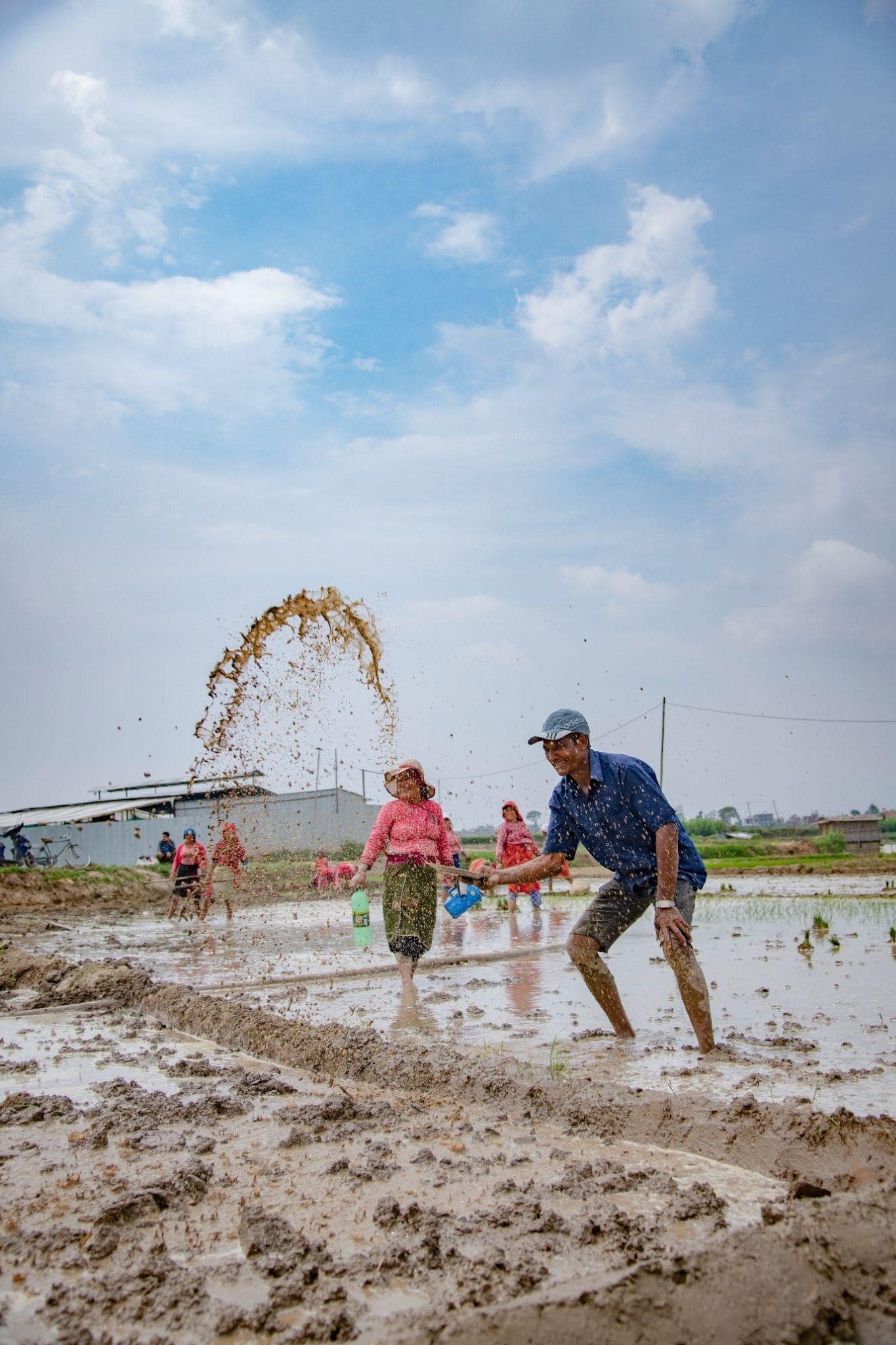
Nepal, a landlocked nation in the Himalayas, boasts a rich agricultural heritage. Among its many festivals, National Paddy Day, also known as Dhan Ropne Diwas, holds a special place in the hearts of Nepalis. Celebrated on the 15th day of the Nepali month of Asar (June-July), this vibrant festival marks the auspicious beginning of the rice planting season. Let's delve deeper into the cultural significance, rituals, and spirit of this unique celebration.
From Seed to Plate: Honoring the Journey of Rice
Nepal, a landlocked nation in the Himalayas, boasts a rich agricultural heritage. Among its many festivals, National Paddy Day, also known as Dhan Ropne Diwas, holds a special place in the hearts of Nepalis. Celebrated on the 15th day of the Nepali month of Asar (June-July), this vibrant festival marks the auspicious beginning of the rice planting season. Let's delve deeper into the cultural significance, rituals, and spirit of this unique celebration.
A Day Steeped in Tradition
National Paddy Day is more than just a day for planting rice. It's a day steeped in tradition, a time for communities to come together and express gratitude for the life-sustaining power of nature. As the monsoon paints the skies with dramatic hues, farmers and their families gather in a spirit of renewal and unity. Elders share stories of past harvests, while children learn the importance of honoring the land.
The Rhythms of Ropai: A Symphony of Labor and Music
The festivities begin with a lively procession. Villagers, adorned in their finest traditional attire, make their way towards the paddy fields. The air is filled with the joyous sounds of folk music, often accompanied by the rhythmic beating of drums and the melodious notes of the flute. This vibrant parade sets the tone for the day, creating a sense of excitement and anticipation.
A Dance with the Earth: Preparing the Fields
Upon reaching the fields, the real work begins. Men take the lead, guiding the plow pulled by oxen, turning the earth into a fertile bed. The rhythmic chant of "Hai!" fills the air as farmers work in unison, their movements a testament to generations of experience. Women follow closely, their nimble hands preparing the softened soil for the rice seedlings.
The Offering: Seeds of Hope and Prosperity
As the sun climbs higher in the sky, a sense of reverence takes hold. Farmers perform a small puja (worship ceremony), offering blessings to the land and prayers for a bountiful harvest. This simple act acknowledges the dependence on nature's blessings and expresses gratitude for the fertile soil that sustains life.
Celebrating with Dahi Chiura: A Reward Earned
No celebration in Nepal is complete without a delicious feast. After a morning of hard work, families gather under the shade of trees to enjoy Dahi Chiura, a simple yet satisfying dish of beaten rice (chiura) mixed with yogurt (dahi). This refreshing and energizing combination provides the perfect fuel for the day's labor and is a testament to the resourcefulness of Nepali cuisine. Laughter fills the air as stories are shared, and the camaraderie strengthens the bonds of community.
More Than Just Rice: A Celebration of Life
National Paddy Day transcends the act of planting rice. It signifies the beginning of the agricultural cycle, upon which Nepal's food security depends. It's a celebration of the resilience of the Nepali people, their unwavering dedication to the land, and their ability to find joy in hard work. The festival also serves as a reminder of the importance of community and the interconnectedness of all living things.
A Legacy Enduring
In a world increasingly driven by technology and urbanization, National Paddy Day stands as a beautiful reminder of the enduring importance of agriculture. It's a call to appreciate the journey of food from seed to plate and farmers' vital role in sustaining life. As the sun sets on the paddy fields, casting a warm glow on the faces of the farmers, a sense of accomplishment and hope for the future fills the air. National Paddy Day is a celebration of not just rice, but of life itself, reminding us to cherish the land and the traditions that have nourished generations.
POPULAR ITINERARIES
SIMILAR POSTS
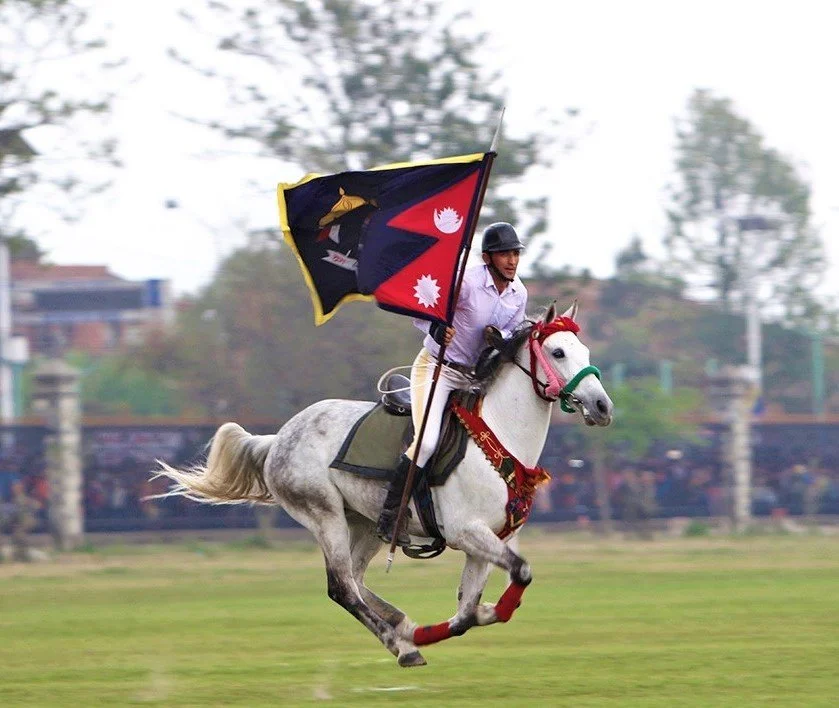
Immersion in Culture: Experience the Excitement of Ghode Jatra
During your stay at the luxurious Hotel Shanker, be sure to experience the vibrant cultural tapestry of Nepal. One unmissable event is the Ghode Jatra, a pulsating horse festival that unfolds every year in Kathmandu, typically around mid-March to early April.
During your stay at the luxurious Hotel Shanker, be sure to experience the vibrant cultural tapestry of Nepal. One unmissable event is the Ghode Jatra, a pulsating horse festival that unfolds every year in Kathmandu, typically around mid-March to early April.
A Celebration Steeped in History
Ghode Jatra, which translates to "Horse Parade" in English, boasts a rich history. Legends abound, with some suggesting it originated as a way to appease a demon terrorizing the city. Locals would gather and offer animal sacrifices until a wise tantric saint intervened. He captured the demon and, in celebration of this victory, a grand procession with horses was held, marking the birth of the Ghode Jatra tradition.
A Day of Revelry
Declared a public holiday in Kathmandu, Ghode Jatra is a day of immense excitement. The heart of the festivities lies in Tundikhel, a vast open ground near the hotel. Here, the Nepal Army takes center stage, organizing a spectacular horse parade. Witness a captivating display of horsemanship as skilled riders showcase their equestrian prowess.
Beyond the Parade: A Kaleidoscope of Culture
The festivities extend far beyond the parade ground. The indigenous Newari community, the original inhabitants of the Kathmandu Valley, celebrate with traditional feasts in their homes. The air fills with the aroma of delectable delicacies as families gather to mark this auspicious occasion.
A Glimpse into Local Deities
Ghode Jatra also coincides with the chariot processions of several revered deities. Look out for the idols of Goddesses Lumaldi, Bhadrakali, and Kankeshwari, along with Lord Bhairav, being paraded through the city. This unique blend of military prowess and religious devotion paints a mesmerizing picture of Nepali culture.
A Festival for Everyone
The energy during Ghode Jatra is infectious. The streets teem with enthusiastic crowds, all eager to soak in the spectacle. Traditional music fills the air, adding to the festive atmosphere. Don't be surprised if you're invited to join in the merriment – Nepalis are known for their warm hospitality.
Step Back in Time
Ghode Jatra is more than just a horse parade; it's a portal to Nepal's vibrant history and culture. Witnessing this unique festival is an experience that will stay with you long after your visit. So, during your stay in Nepal, don't miss the chance to be a part of this electrifying spectacle!
POPULAR ITINERARIES

SIMILAR POSTS

Celebrate Life with Colors
Kathmandu comes alive in a riot of colors during Holi, the exuberant Hindu festival also known as the Festival of Colors. As a guest at Hotel Shanker, you have the unique opportunity to witness and even participate in this joyous celebration. But Holi is more than just throwing colored powder around.
Kathmandu comes alive in a riot of colors during Holi, the exuberant Hindu festival also known as the Festival of Colors. As a guest at Hotel Shanker, you have the unique opportunity to witness and even participate in this joyous celebration. But Holi is more than just throwing colored powder around.
One of the most popular and entertaining events in Kathmandu throughout the months of February and March is Holi. Splashing colors and nicely throwing water balloons, however with friends and family, is a great method for everyone in Nepal to have fun. Due of its popularity as a location for Holi celebrations in Kathmandu, the Basantapur Durbar area hosts a carnival on Holi day. Not all of them come here to party; the others are happy to be with their families or in gated communities. In order to see the grandeur of the event on the streets, many travelers choose to travel to Nepal around this period. The people who live in the mountainous regions also like Holi, therefore even the Terai region hosts smaller-scale celebrations of this holiday.
Here's a glimpse into the heart of this vibrant festival:
The Legend Behind the Colors
Holi commemorates the triumph of good over evil, as depicted in the legend of Krishna and the demon Putana. According to the story, Putana disguised herself as a caregiver to poison Krishna. But Krishna, recognizing her evil intent, playfully smeared colors on her face. Holi signifies the victory of good and the playful spirit of life.
The Ritual of Bonfire (Holika Dahan)
The festivities begin a night before Holi with Holika Dahan, the bonfire ritual. People gather around bonfires, symbolizing the burning of Putana and negativity. Crackling flames illuminate the night sky, casting an ethereal glow over the city.
The Day of Colors (Rangwali Holi)
The main event unfolds on the day of Holi, Rangwali Holi. Streets transform into a kaleidoscope of colors as people playfully chase each other, throwing colored powder (gulal) and water balloons filled with colored water. Laughter and joy fill the air as inhibitions melt away. Hotel Shanker can help you acquire safe and eco-friendly colors for a memorable experience.
The Significance of Colors
Each color in the vibrant palette of Holi holds a special meaning:
● Red symbolizes love and prosperity.
● Blue represents Krishna, the divine prankster.
● Green signifies new beginnings and spring.
● Yellow reflects the optimism and energy of life.
Beyond the Colors: Traditions and Delights
Holi is not just about the colors; it's a celebration of community and togetherness. Families and friends gather to share sweets like Gujiya and drink refreshing Thandai, a special Holi beverage. Traditional music fills the air, and some people even break into impromptu dance routines.
Embrace the Spirit of Holi
Holi is a celebration of life, joy, and the triumph of good over evil. While the vibrant colors are a visual treat, the true essence lies in the spirit of togetherness and the shedding of inhibitions.
POPULAR ITINERARIES
SIMILAR POSTS