10 Essential Activities In Kathmandu Valley - Part I
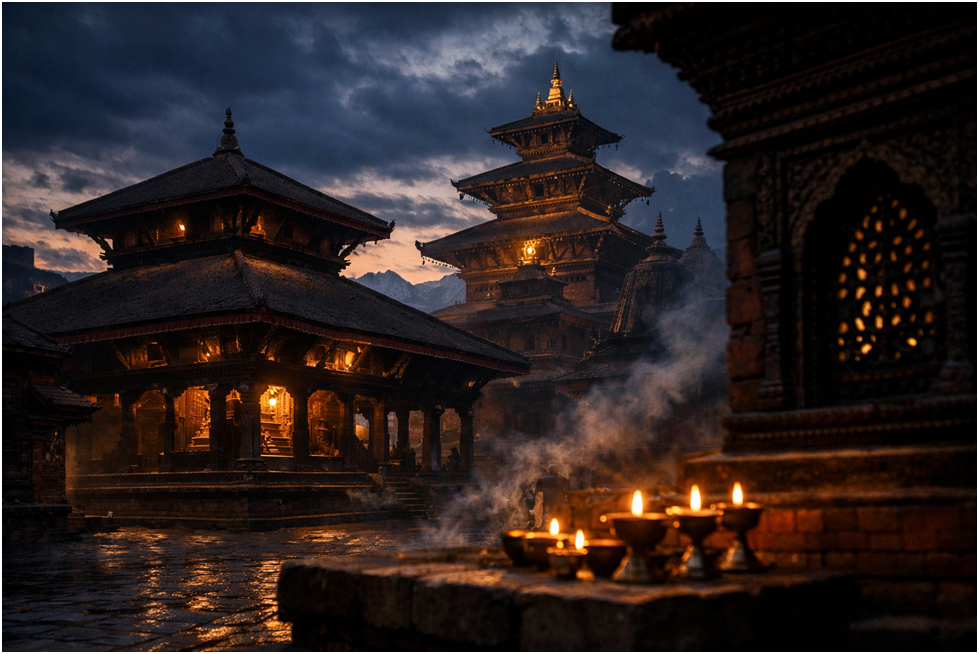
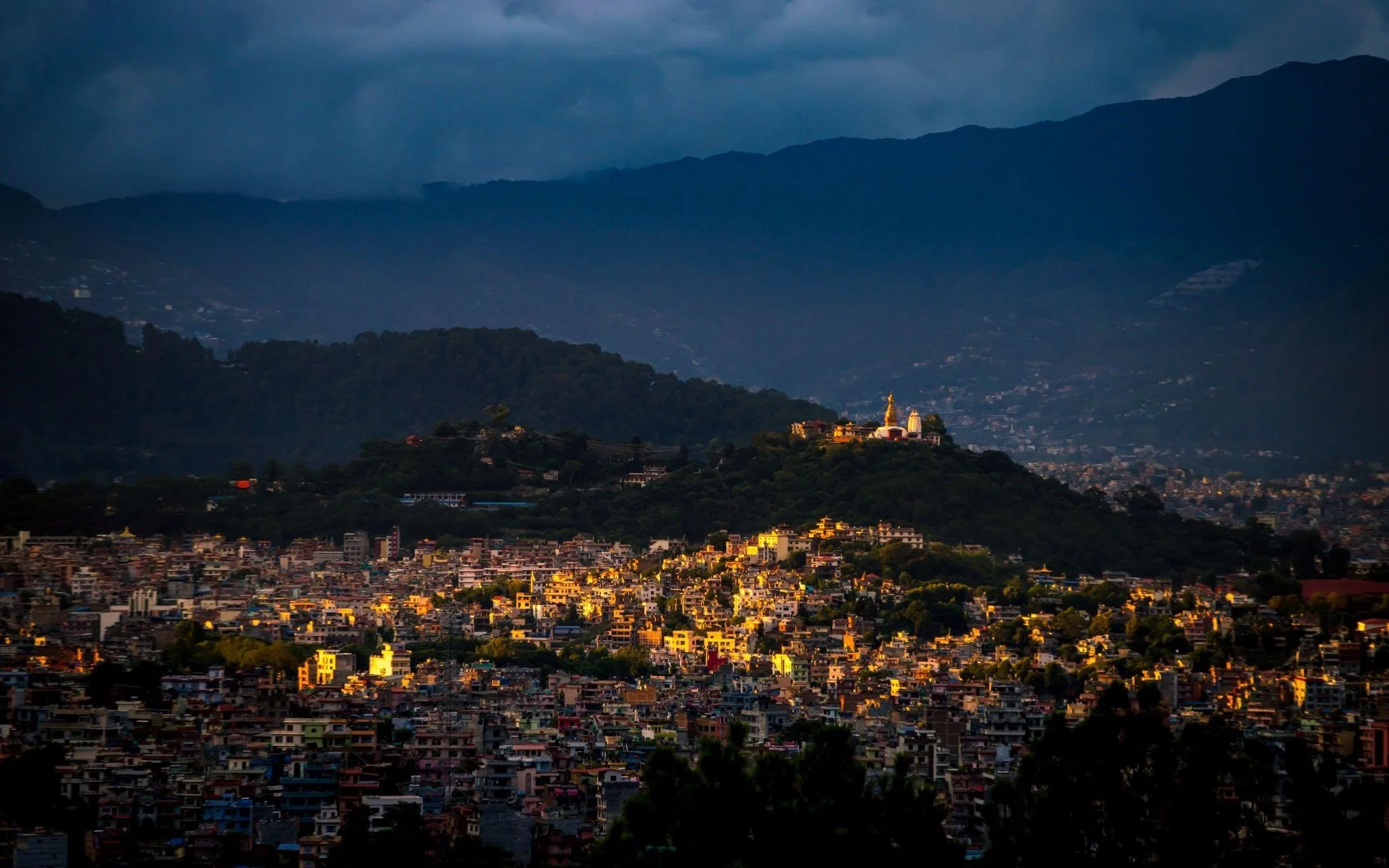
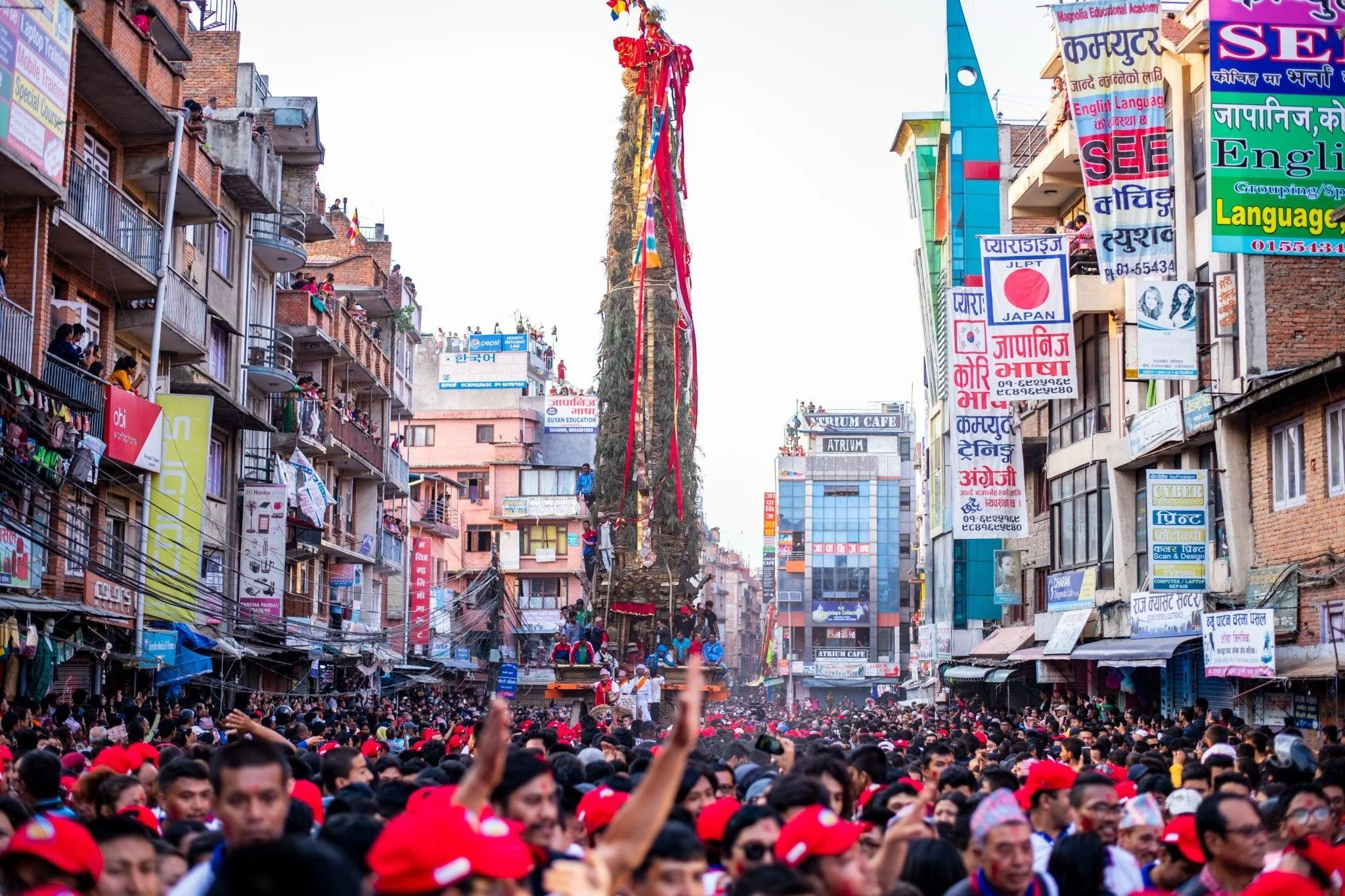
The valley of Kathmandu at times feels like a chaotic amalgam of traditional and modern culture. This transitional era of Nepal has given birth to numerous activities in the Kathmandu Valley both traditional and modern
The Valley of Kathmandu is home to numerous cities. The most popular are Kathmandu (Capital of Nepal), Lalitpur, Bhaktapur & Kirtipur. These three, along with their confederate states, were considered the Kingdom of Nepal (Nepal Mandala) before the formation of the modern kingdom of Nepal by King Prithvi Narayan Shah.
In 1769 AD, after the successful assault on Bhaktapur where he had cornered all the (King Jaya Prakash Malla of Kathmandu, King Tej Narsigha Malla of Patan & King Ranjit Malla of Bhaktapur) claimed victory over the valley.
King Shah made the valley a focal point of his expansion campaign due to the power and treasures accumulated by the Malla kings. Once conquered, the Malla controlled checkpoints, and their treasures and strategic forts now belonged to King Shah.
1. Visit The Hanuman Dhoka Palace Museum
The history mentioned above is just a teaser of the rich political past of Nepal. King Shah, after 1769, moved to the former royal palace of the Mallas. This valley later became the centre of his political and military advance. He and his descendants walked the halls of this palace museum, once a glorious palace home.
This palace museum hosts well-preserved artefacts, relics and reliefs of the bygone era of Nepal. This place is the perfect place to start your deep dive into rich cultural, political and military history.
2. UNESCO Heritage Site Hunt
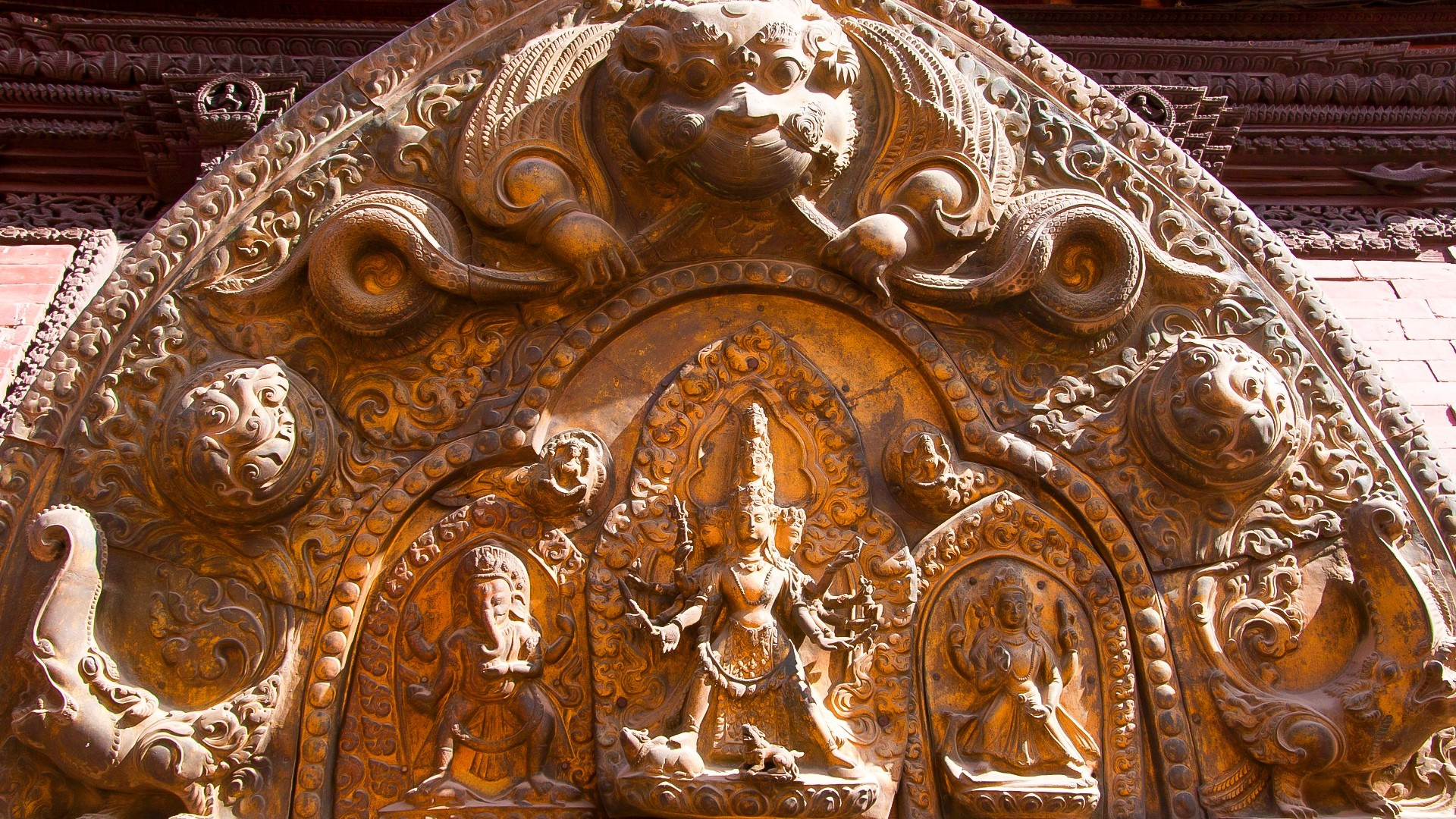
The valley of Kathmandu is home to 7 of the 10 listed UNESCO World Heritage Sites of Nepal. The list goes as follows:
These sites are in close proximity to each other. You can explore them with ease. During your visit to these iconic sites, absorb as much of the place as possible.
The furthest location on this list is the magnificent temple of Changu Narayan. Historians believe that this temple is the oldest in Nepal. Some sources are that it was built during the 2nd century during the Lichhavi rule. However, the local experts state that the temple is much older.
In the upcoming blog, we shall explore more essential activities for Kathmandu Valley.
VIDEO GALLERY




POPULAR ITINERARIES
SIMILAR POSTS

Trekking Annapurna
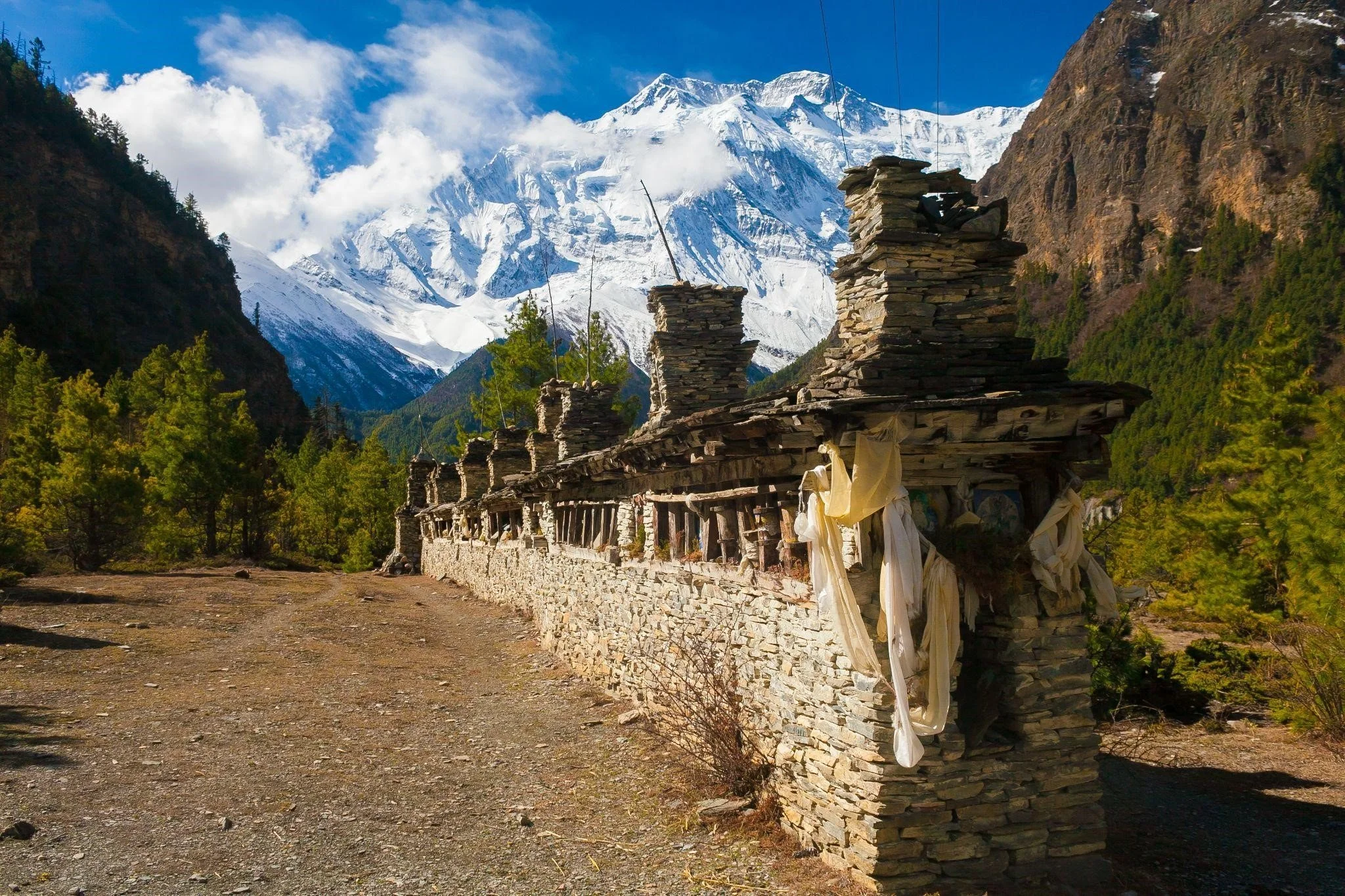
The Annapurna region of Nepal is a surreal gem of Nepal. This region is home to ample natural beauty, flora and fauna. This region today features the most traversed trails in our nation.
Annapurna- the giver of food and nourishment! The region named after the snowy peaks of Annapurna stands true to its name. Since time immemorial, these mountains have been the source of the elixir of life- water! The stream and rivers that flow from these mountains helped shape its unique lifestyle and beauty. Even today, these mountains and their ecosystem provide bread and nourishment to numerous families all over Nepal. The world comes to witness this natural yonder and traverse its beaten trails.
The gateway to this immaculate wonder is the peaceful lake town of Pokhara. This picturesque valley is a bustling tourist hub featuring ample amenities set up to cater for the flock of adventurers and trekkers who descend upon this valley all-around the year, especially during spring and autumn, to escape in the tranquil lap of nature.
Every day and every mile in this region is a new adventure here. The diversity of ecosystems and terrain is out of this world. The Annapurna Conservation Area begins at 790 m above sea level and reaches 8,091 m at the summit of Mount Annapurna I, the 10th tallest peak in the world.
Enchanted forests, magical high passes and breathtaking scenes await a traveller in this region. Some of the most popular treks in the region are as follows:
Poonhill Trek
Basic Itinerary Days: 4-5
Route: KTM-PKR (Flight)-Naya Pul (Drive)- Tikhe Dhunga- Ghorepani- Tadapani- Poonhill (morning hike)- Ghandruk- Naya Pul- Pokhara (Drive)- Kathmandu (Flight)
Trek Style: Tea House
Max Elevation: 3210m
Attractions: Poonhill view point, sunrise view, culture and lifestyle of gurung people, panoramic mountain views
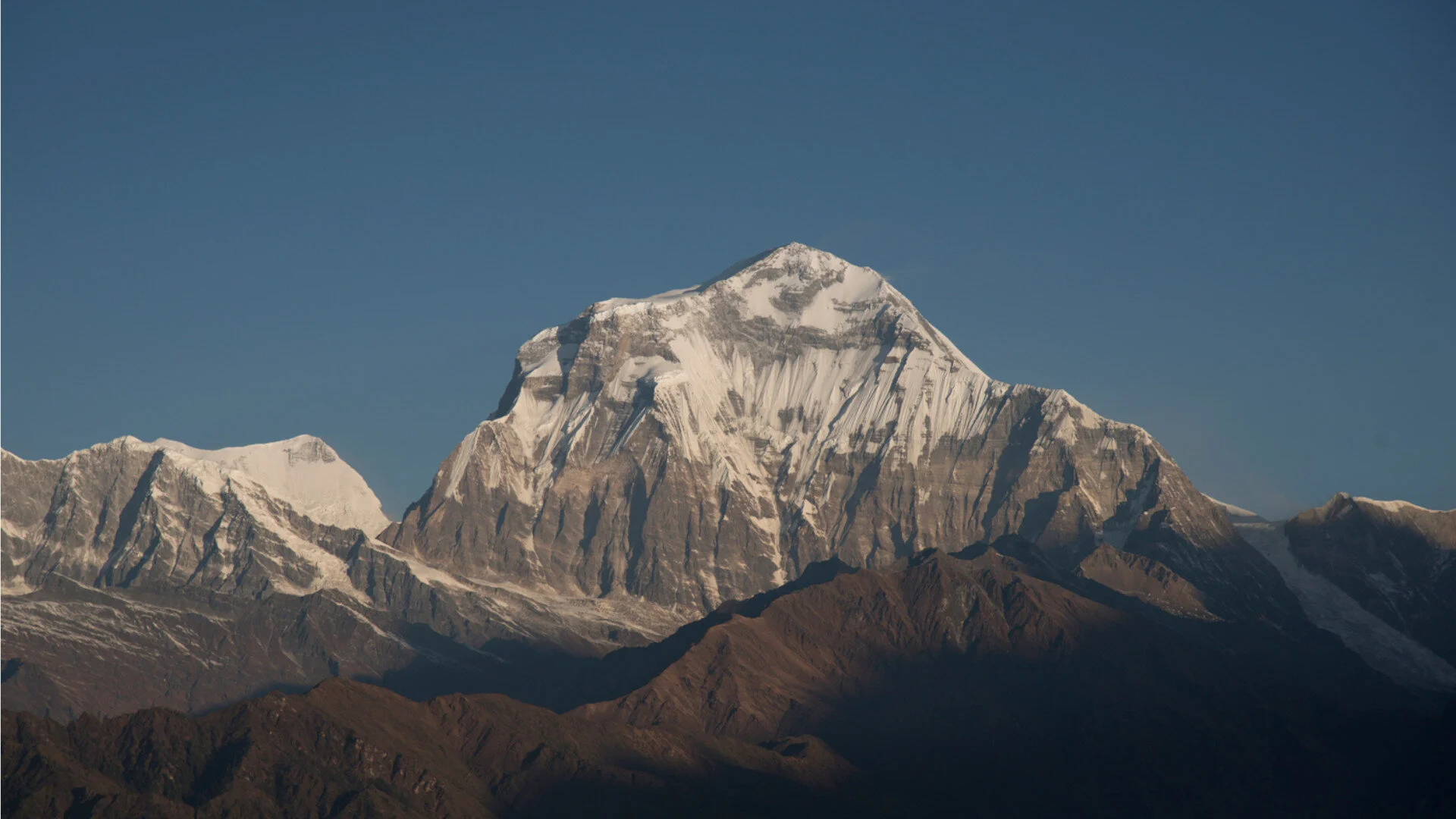
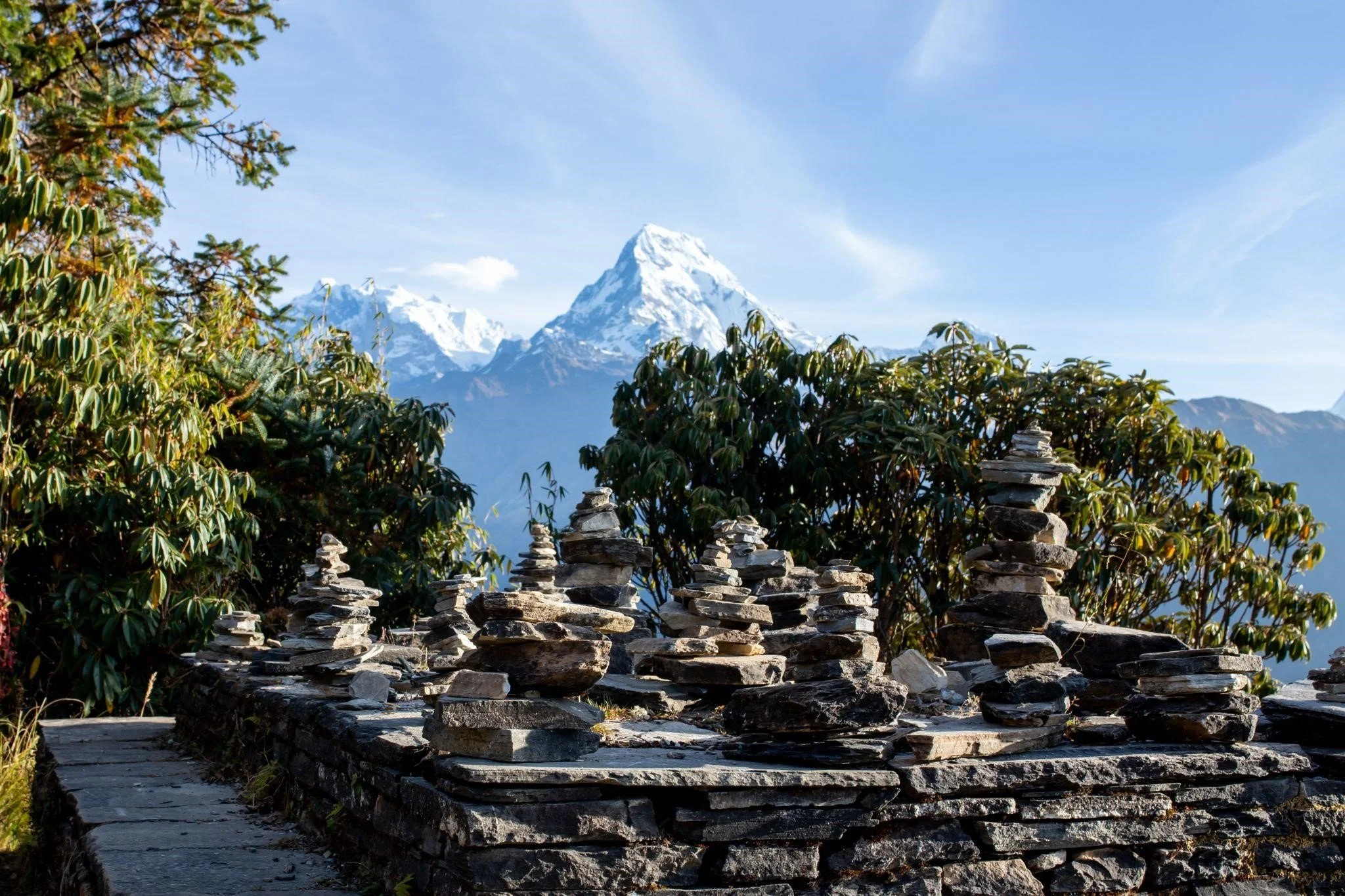
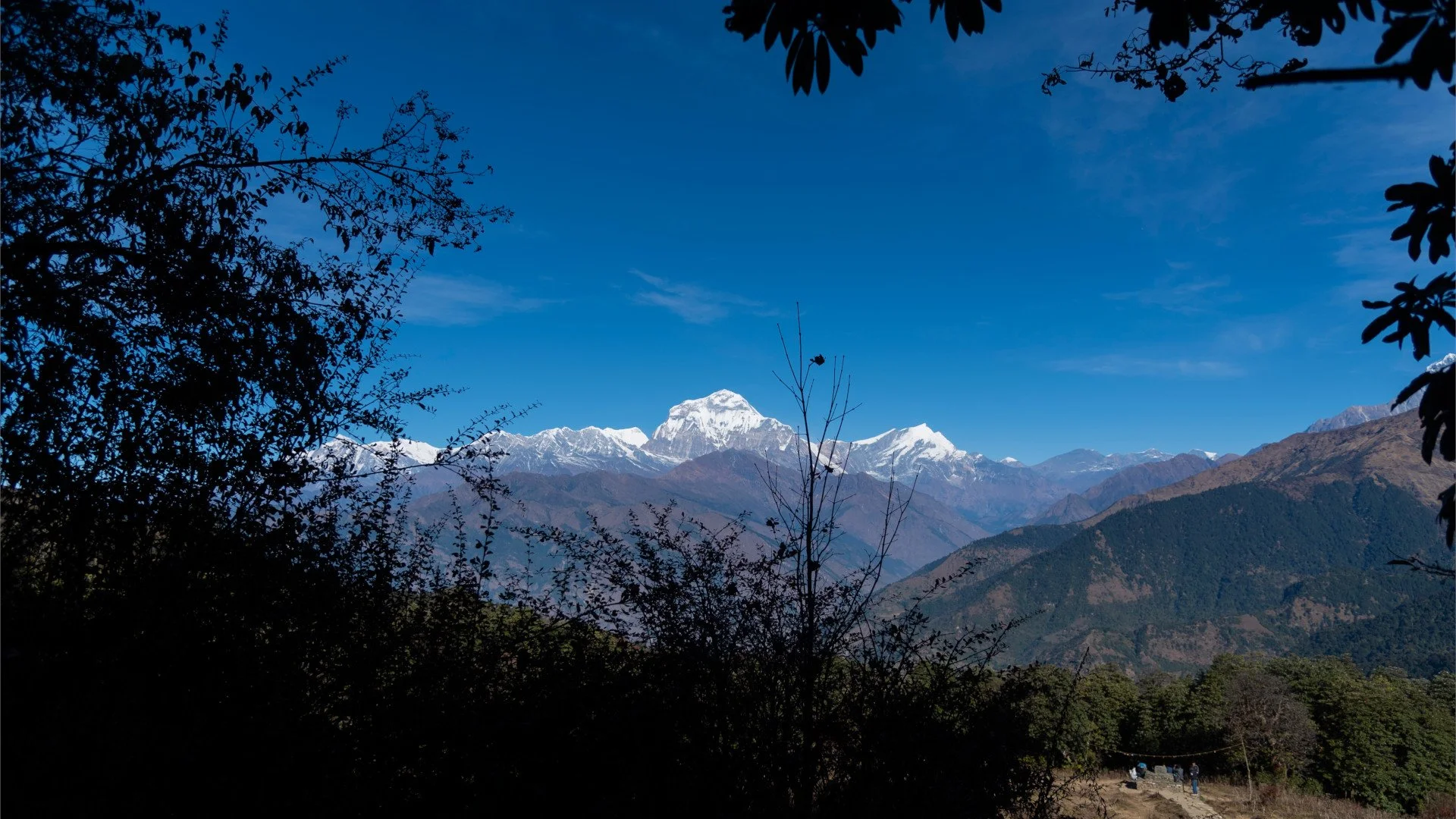
Ghodepani is synonymous with Poonhill, the magnicent mountain viewing station literally takes ones breath away with surreal views of the Annapurna Range and Dhaulagiri Range. A strenuous trek of 5 days bears the fruits of beautiful opportunity to experience the himalayan lifestyle and indulge in the beauty of the Himalayas.
The Ghodepani Circuit is part of the larger Annapurna Circuit which starts from Besiahar Lamjung and ends in the pareses known as Pokhara. The 21-26 day tour is a stretch that most cannot endure thus the Ghodepani Circuit though challenging is short enough for most to conquer and experience the Himalayas.
Lower Mustang Trek
Basic Itinerary Days: 9 Days
Route: KTM- PKR- Jomsom ( Flight) - Kagbeni (Trek) - Jharkot (Trek) - Muktinath (Trek) - Lupra (Trek) - Jomsom - PKR (Flight)
Trek Style: Tea House
Max Elevation: 3795 M
Attractions: Red Gompa, Apple Orchids, Muktinath Temple, Panoramic Peaks View, Thak Kola, Bonpo Monastery, Sayka Gompa
Best Season: May- Nov
The barren landscape of Lower Mustang at times can feel like an otherworldly experience. With its rustic atmosphere, barren hills and tantalizing view of the Himalayas, it also offers the travellers an opportunity to experience the traditional lifestyle of the Thakali people who have called this region home for thousands of years. A far and easy trail which departs from Jomsom, with moderate altitude climbs and features a fair trial for all to enjoy.
Royal Trek
Basic Itinerary Days: 5 Days
Route: KTM- PKR (Flight/Bus)- Bijayapur (Drive)- Kalikasthan (Trek)- Syaklung(Trek) - Chisapani(Trek)- Sundare Danda ( Trek) - Pokhara (Drive)
Permit: Basic Permit (T.I.M.S)
Cost: USD $25
Trek Style: Tea House
Max Elevation: 1730M
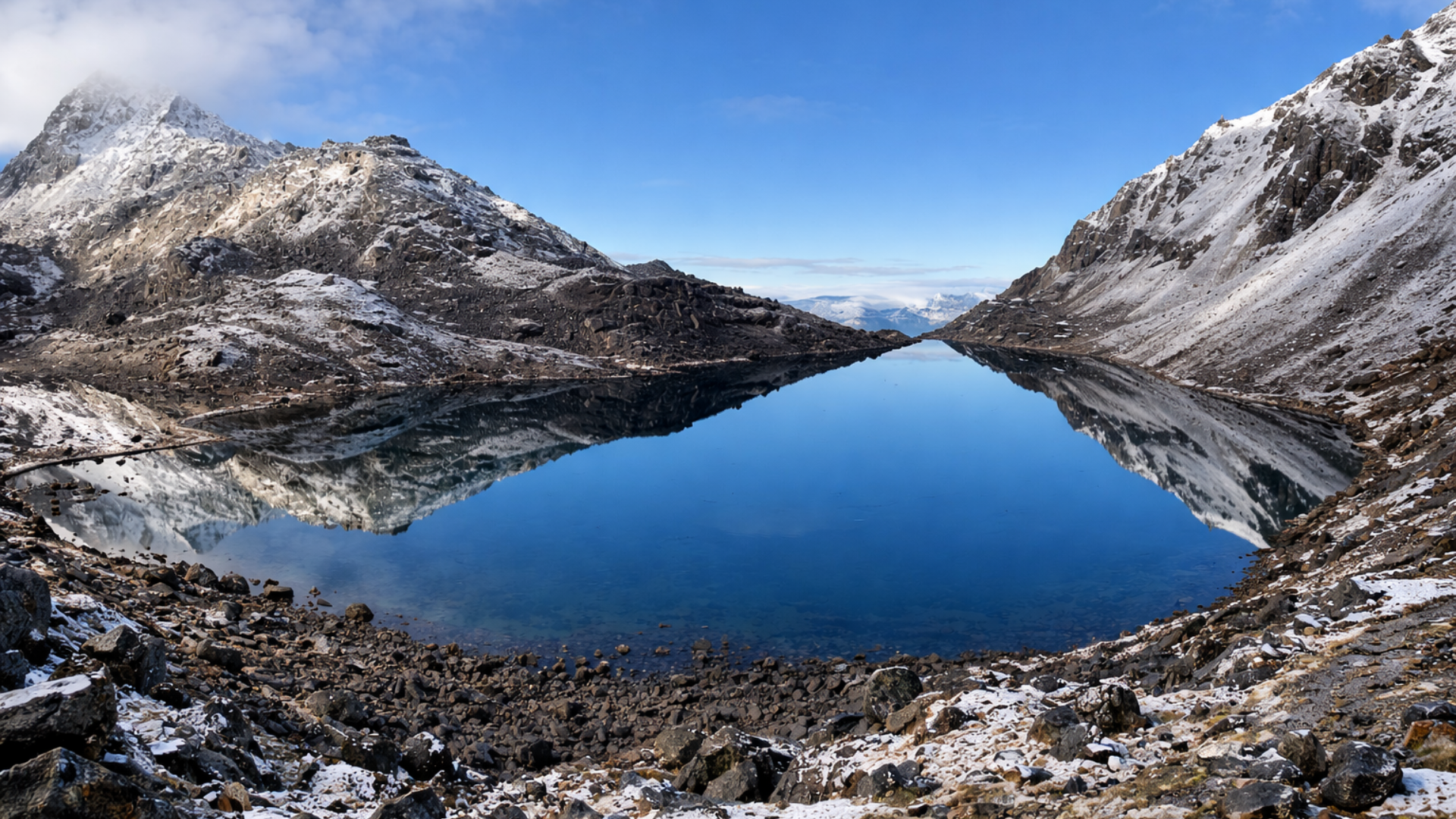
Attractions: Lakes such as Rupa, Begnas and Fewa, Rhododendron Forests, Panoramic Peaks View with mountains such as Dhaulagiri, Manaslu, Machhapuchhre, Annapurna and it’s sisters.
Best Season: September - December and March to May
The trail gets its name after Prince Charles and his entourage explored Annapurna region through this path in the early eighties. One of the most popular short trails in Annapurna Conservation Area, the basic itinerary of 5 days is great for adventurers who don’t have much time but still wish to explore the region. Located in the North-Western side of Pokhara, the trails of Royal Trek allows you to experience the majestic mountains of Machapuchre, Manaslu, Annapurna, Lamjung Himal and Dhaulagiri and others. It also provides you with an opportunity to witness the life of the ethnic communities of Gurungs and Magars.
The trek passes through beautiful Gurung hamlets, where one can indulge in the traditional lifestyle, culture, and traditions of the Gurung people which they have preserved and maintained even till this day.
VIDEO GALLERY
POPULAR ITINERARIES
SIMILAR POSTS

An Adventure in Ghale Gaun and Bhujung Gaun - Part III
The villages of Ghale Gaun & Bhujung Gaun are two great examples of life in the Annapurna region. The beauty of the panoramic vista along with the smiles of the humble people are enough to create memories that last a lifetime.
Day 4: Sightseeing day at Ghale Gaun
The fourth day is dedicated to exploring all the elements of the village. We recommend waking up early to witness the sunrise from the viewpoint. It is 10 minutes from the main town. You can take great photographs of the Himalayas and the village from this site.
After breakfast, you shall head towards Ghale Gaun Museum. It displays various tools, artefacts and clothes of the local community. You can borrow the traditional attire to take a few pictures for yourself. After the museum tour, you can visit the local religious sites such as the Uttarkanya temple and the local monastery. Further, you can take a small break at the tea garden.
There is a beautiful lake in the area named Talangyo lake. It is a popular site for bird watching. In the afternoon, make sure to witness the sunset.
The village community shall organise a cultural dance and music program before dinner.
Day 5: Ghale Gaun- Khudi - Besisahar - Kathmandu
After a good breakfast in the early morning, we embark on Khudi. The hike averages 4 hours. Once at Khudi, you shall get on board a vehicle that shall take you to Besisahar. A bus shall be waiting for you that shall take you to Kathmandu.
Once you reach Kathmandu, you can further explore this beautiful city. Out hotel features multiple tour packages. It includes an experienced travel guide along with a private shuttle. You can enquire about our offerings at the travel desk located in our hotel lobby. If you choose to explore the valley on your own, you should remember a few things.
Things to remember while exploring Kathmandu
1. Make sure to stay away from street hawkers: As Kathmandu Valley is a tourist destination, the streets of the major sites and monuments are filled with street hawkers. They shall approach you to sell a variety of local and imported goods. We advise you to polity decline any offerings provided by them. If you feel like you are being harassed by them, you can call the hotel or dial 1144 to contact the tourist police.
2. If you travel via public transportation, please be cautious of your surroundings and belongings. A safer option would be to hail a cab or use ride-sharing applications such as Pathao and Tootle. The fare charged is nominal and less than a cab. These rides are safer than public transportation.
3. Always check restaurant reviews for a better dining experience.
4. Make sure to wear a mask and proper covering to avoid air pollution.
5. Try and learn a few phrases in the local language. This makes travelling more convenient.
POPULAR ITINERARIES
SIMILAR POSTS
Exploring The Unexplored - Part II
We travel for various reasons. Some do it to recreate, while others to discover oneself and the world. It is a unique process that allows us to understand life and its multiple folds. Nepal’s potential as a great retreat is a fact known to all. But within the explored lies countless other places which await you.
The Barun Valley
Province: Province 1
Distance from Kathmandu: 173 km
Accessibility
By Road: 12 hour bus ride to Tumlingtar
By Air: Land at Tumlingtar Airport- 2 hours then a 3 hour drive
Attractions: Panoramic vista of the Himalayas, Makalu Himal- 5th highest mountain in the world, Makalu Base Camp, Salpa Pokhari, Thulo Pokhari, Barun Pokhari, Dudh Pokhari, Shiva Dhara, Kirat culture and monuments, plethora of flora and fauna.
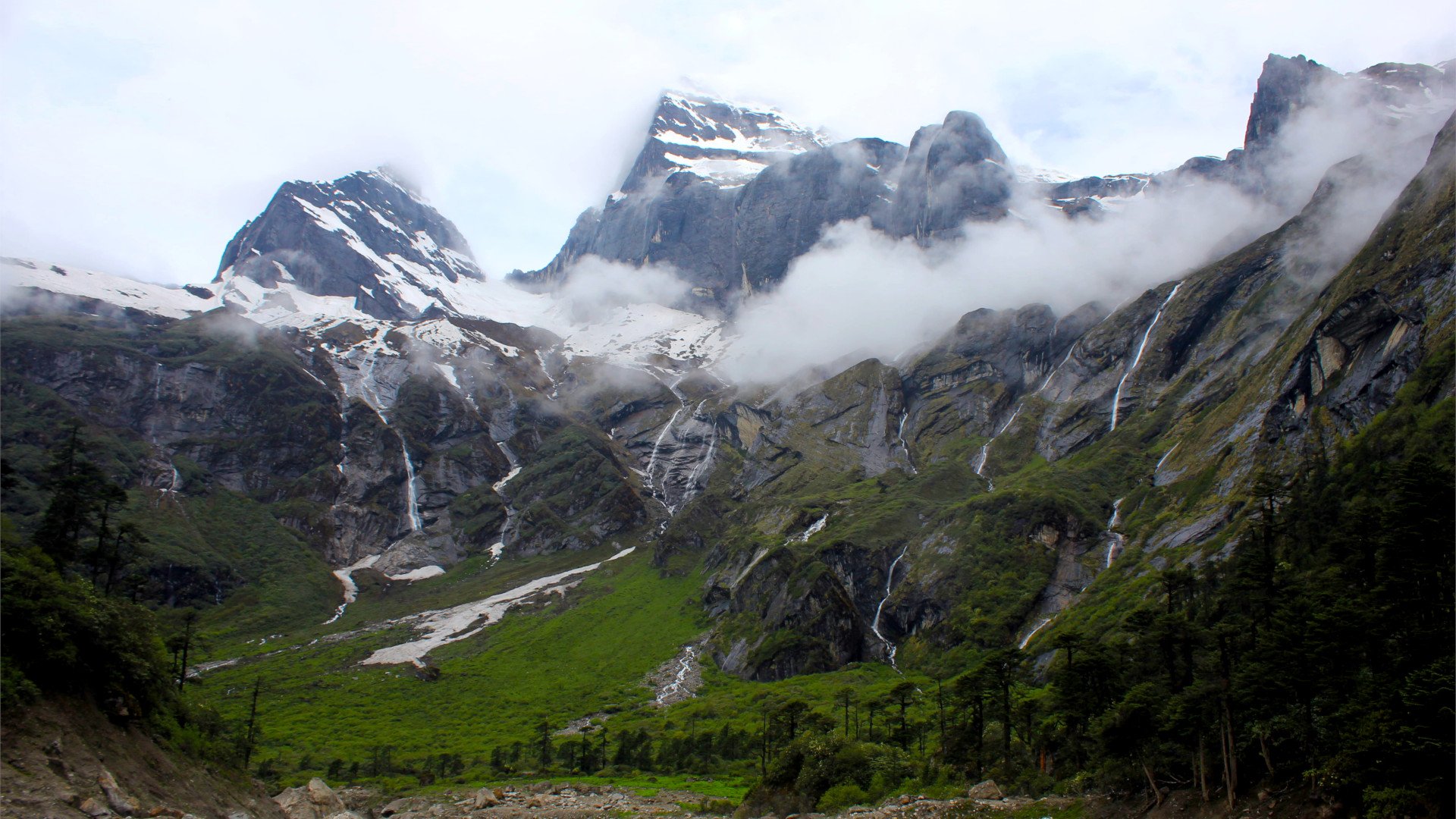
The great himalayan outback is pristine and unexplored. Much of this great space is unknown to travellers. This remoteness has helped preserve the regions authenticity but it has also hindered it from advancing and truly meeting its tourism potential. Amongst such destinations is the Barun Valley. This beautiful valley, something straight out of a sci-fi plot is magical. It features breathtaking views of the great panoramic vista, and exotic flora and fauna species. This valley is located at the base of Mt. Makalu in the Sankhuwasabha district of Nepal. It is a part of Makalu Barun National Park.
This valley was created by the Barun River. In terms of inhabitants, historians believe that it was previously inhabited by Yakkha and Limbu people centuries ago. This valley is also mentioned in the ancient Buddhist books- seven Beyul (Nghe- Beyul Khimpalung). This book mentions great mystical lands in the Himalayas where no one gets old. It is said that if a great cataclysm occurs, these seven areas of the world will only survive. One of the seven Beyul is said to be situated in the Makalu- Barun region. Historians state that it could well be this pristine valley.
Palpa
Province: Lumbini
Distance from Kathmandu: 273.7 km
Accessibility:
By Road: 8 hours and 14 minutes
By Air: Land at Gautam Buddha International Airport in Bhairahawa and drive 2 hours and 24 minutes to reach Palpa region
Attractions: Argeli Palace, Rambha Devi Temple, Ranighat Palace (Ranimahal), Rishikesh Complex, Tansen Bazzar, Bhairabsthan Temple (Tansen Bhairab), Shrinagar Hill, Tansen Durbar
Travel Season: Throughout the year
The region of Palpa has much to offer in multiple genres of tourism. The potential of this region as a religious site along with sightseeing and cultural tourism is strong. The central attraction of this place is the hill station of Tansen. In 2008 AD, UNESCO added this area to its tentative list for World Heritage in the cultural category.
The whole of Palpa has a strong note of Magar culture, but there is Newar influence in multiple locales. The souvenir of this region has always been Palpali Dhaka. It is a unique cloth produced by the local Newars. One of the most famous landmarks is the “Golghar”, an octagonal pavilion in the middle of Sitalpati, the main market square. Srinagar hill is a popular viewpoint that offers a beautiful panorama of the high Himalayas. Peaks such as Dhaulagiri, Tukuche, Nilgiri, Annapurna, Himchuli and others are visible on a clear day.
The unique fusion of Palpa makes it a great destination. It offers something for all genre of travellers, which has always been its greatest strength. Exploring the core settlements of Tansen at times makes you feel like you are in Kathmandu due to the strong influence of Newar culture.
POPULAR ITINERARIES
SIMILAR POSTS
Exploring the unexplored - Part I
We travel for various reasons. Some do it to recreate, while others to discover oneself and the world. It is a unique process that allows us to understand life and its multiple folds. Nepal’s potential as a great retreat is a fact known to all. But within the explored lies countless other places which await you.
We travel for various reasons. Some do it to recreate, while others to discover oneself and the world. It is a unique process that allows us to understand life and its multiple folds. Nepal’s potential as a great retreat is a fact known to all. But within the explored lies countless other places which await you.
In this article, we look into these prospective gems. They have so much to give in terms of natural yonder, cultural values and lifestyle experiences.
Therathum
Province: 1
Distance from Kathmandu: 493 km
Accessibility:
By Road: 13 hours and 3 minutes
By Air: Land at Tumlingtar Airport in Sankhuwasabha and drive 3 hours 46 minutes to reach Therathum region
Attractions: Deurali Dada, Hyatrung Waterfall, Tea Garden
Travel Season: Throughout the year
Therathum has for years been on the radar as a potential tourism goldmine. It has a unique cultural setting with ethnic and natural diversity. These are great lures to draw in both domestic and foreign tourists. In ancient times this region was part of Pallo Kiraat province. One of many footholds of the Kirat dynasty.
Amongst the numerous locations suited for tourism, Deurali Dada (Deurali Hill) is a great rendezvous. Also known as the capital of lali guras (rhododendrons), this hilltop during spring is a sight to behold. It also has a charming lake known as Chichilung. The longest waterfall of Nepal, known as Hyatrung, is located at Ishibu. This waterfall ranks as the second-highest in the whole of Asia. Apart from these, Solma is also popular due to its robust tea gardens, which create a picturesque landscape.
Shey Phoksundo Lake
Province: 6
Distance From Kathmandu: 315 km
Accessibility:
By air: Shey Phoksundo can be only accessed through Nepalgunj or which has to take a flight to Nepalgunj and from there to Juphal in Dolpa and 4 days trek to Ringmo
By road: 24-25 hour bus ride from Kathmandu- Radi Bazar and 4 days trek to Ringmo
Route by road & return by air: Kathmandu- Radi Bazzar- Tallo Bagar - Supani - Suligad - Kagani - Chhepka - Rachhi - Samjhana Hotel - Jharna Hotel - Ringmo (Shey Phoksundo Lake) - Chhepka - Kagani - Suligad - Juphal Airport - Nepalgunj - Kathmandu
Attraction: Tshwo Gompa, Highest Waterfall in Nepal, Himalayan Panaroma
Travel Season: Spring (March-May) and Autumn (Sep-Nov)
The sea-green water of this magnificent lake at golden hours is hard to describe. Sitting by it with the distant sound of a waterfall under an open blue sky is an experience straight out of heaven. The Phoksundo lake is within Shey Phoksundo National Park, the largest and only trans-Himalayan protected area of Nepal. On the southern end of the lake lies the village of Ringmo on top of a landslide dam created 30-40,000 years ago.
This body of water lies at an elevation of 3,660 m (12,010 ft). Surrounded by glaciers in its upper range, it is famous for its magnificent turquoise colour. Near the lake’s outlet is the country’s highest waterfall. The trek to this part of Nepal is strenuous, but the reward is an experience worth multiple lifetimes. The trip offers landscapes beyond words. Getting to experience the lifestyle of the ethnic community is a bonus.
Tsho Rolpa Glacial Lake
Province: 3
Distance From Kathmandu: 114 km
Accessibility:
8 hour drive from Kathmandu to Singati Bazzar, trekking itinerary can be anywhere between 7-9 days
Route: Kathmandu - Singati Bazaar - Chhetchhet - Simigaun - Dongang - Beding- Na - Tsho Rolpa- Beding - Kyalche - Chhetchhet- Singati Bazaar
Attractions: Gaurishankar Himal (7134m), Glacial Lake, Sherpa Culture of Rolwaling Valley
Travel Season: Spring, Autumn
The Rolwaling valley of central Nepal for years has laid under the shadow of its neighbouring Everest region. Its possibility as a tourism destination has for years been talked about by tourism specialists. But lack of interest made this valley a hidden gem.
Its crown jewel is the Tsho Rolpa (Cho Rolpa) glacial lake situated at 4,580 m (15,030ft). In recent years, it garnered attention due to the accelerated melting of the glacier.
Reaching Tsho Rolpa is a challenging trek, but the tranquil glacial water is worth the hardship. This area is home to the Sherpa community, dispersed in beautiful villages. This trek also allows one to experience their traditional culture and lifestyle. An extended itinerary to explore the Daldlung Pass features splendid views of the high Himalayas.
POPULAR ITINERARIES
SIMILAR POSTS
UNESCO World Heritage: Swayambhu Nath
"In Satya Yuga, Bipaswi Buddha came from a city known by the name of Bandhumati; and having taken up his abode on the mountain to the west of Nag Hrad(Kathmandu Valley) sowed a lotus-seed in the tank, on the day of the full moon in the month of Chait. The lotus seed that had been sown brought forth a lotus flower, in the middle of which Swayambhu (who had come from Aknisht Bhuban) appeared in the form of light, on the day of the full moon in Aswin." Wright 1877: 77-78
"In Satya Yuga, Bipaswi Buddha came from a city known by the name of Bandhumati; and having taken up his abode on the mountain to the west of Nag Hrad(Kathmandu Valley) sowed a lotus-seed in the tank, on the day of the full moon in the month of Chait. The lotus seed that had been sown brought forth a lotus flower, in the middle of which Swayambhu (who had come from Aknisht Bhuban) appeared in the form of light, on the day of the full moon in Aswin." Wright 1877: 77-78
Most of the historic chronicles have the lotus seed that brought light be marked as the beginning of the history of the Kathmandu Valley. The light of Swayambhu was inaccessible till the age of Treta Yuga, when Bodhistva Manjushri came from Mahachin(China) and drained the lake from the pass at Kotwal(The place where Bagmati passes out of the Valley) with other passes drawn at Chobar. With the valley drained, Bodhistva Manjuri made the valley inhabitable and the light of Swayambhu accessible to its worshippers.
The shrine of Swayambhu, the dome stupa with eyes of the enlightenment and the pinnacle was built only in the Kali Yuga. Before which it is believed that at the summit of Padma (Padma- Giri Hill; the mountain upon which Swayambhu stands) the place where the shrine is today was a great beam of light that penetrated heaven and even the depths of hell.
"The Kali Yuga, in which mankind would be utterly sinful, was approaching. He (Sant-sri) therefore covered the Swayambhu light with a stone, and built a chaitya and temple over it. He then built five rooms named Basupur, Agnipur, Bayupur, Nagpur and Santipur in the last which he lived, absorbed in devout meditation." Wright 1877:84
It is believed in local legends that even till this date Sant-sri, is in devout meditation in Santipur and shall emerge to protect the valley in times of grave danger. I remember the first time I climbed the steps to the top of Padma-Giri, as I took the last step with deep breaths. The shrine of Swayambhu was a sight to behold, view it form any perspective you wish.
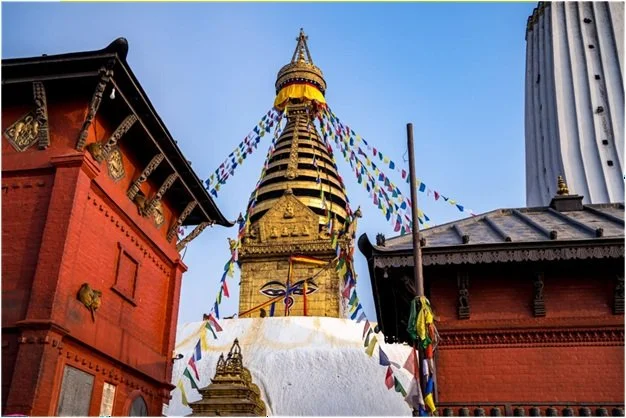
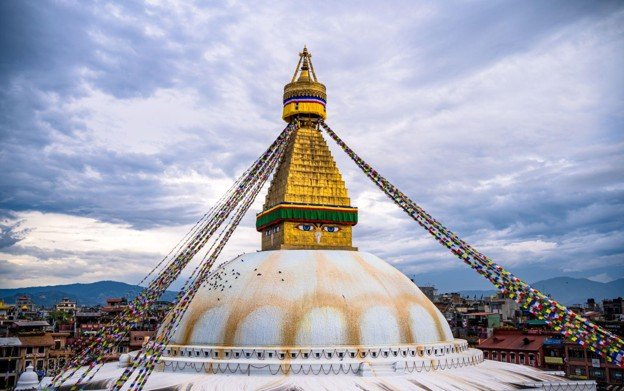
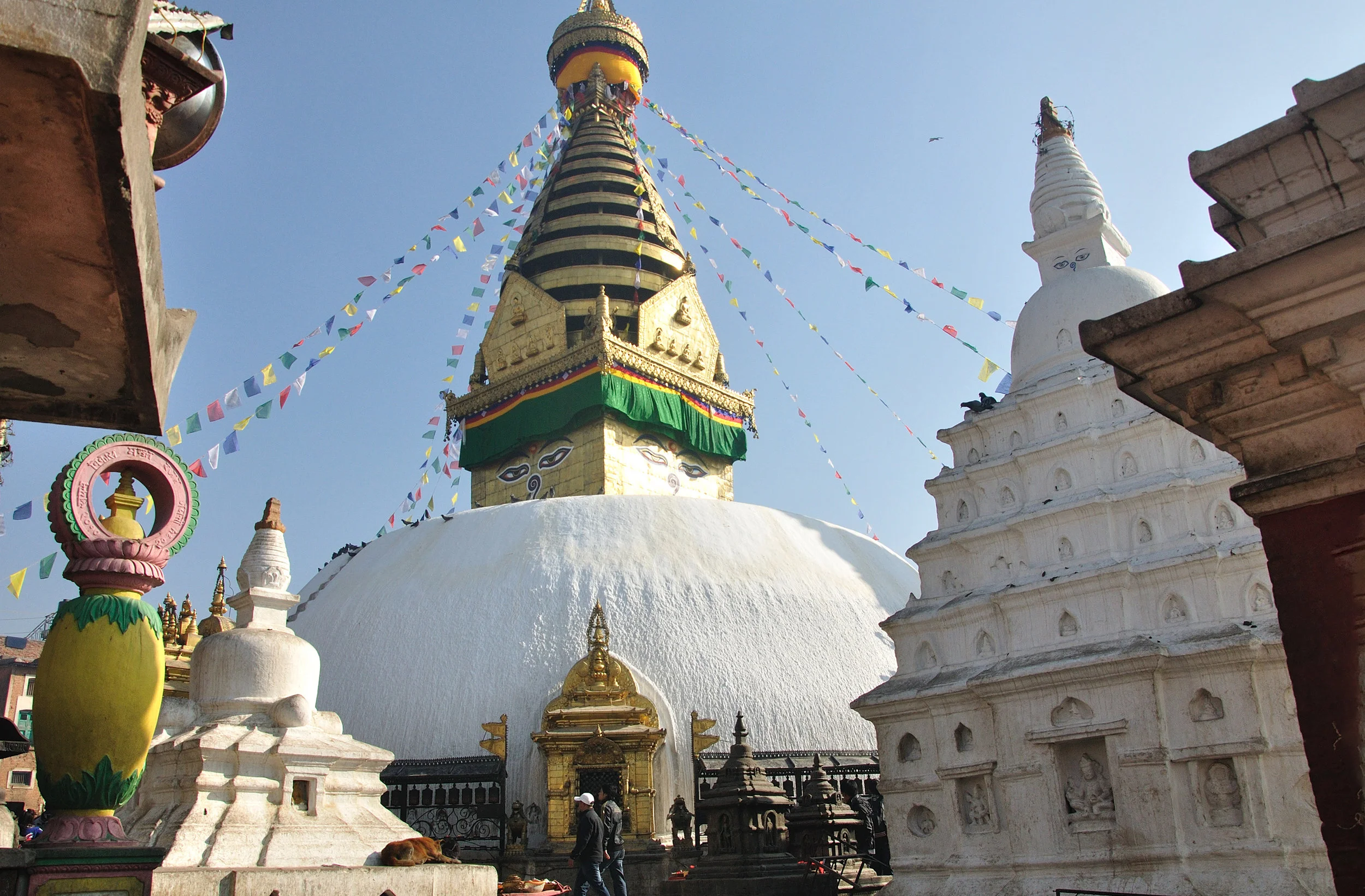
Architecturally it is a phenomena, the dome base atop which a cubical structure painted with the eyes of Shakya-Muni (Lord Buddha) in all four direction shielded by the pentagonal Torana with symbolic engravings. Above the Toranas are thirteen tiers crowned by a Gajur, now imagine a time lapse of its creation? Symbolically the base dome represents the world; the eyes of Shakya-Muni represent the status of enlightenment free from all bonds of the world. The thirteen tiers of the pinnacle symbolize thirteen stages of spiritual realizations to the enlightenment.
Spiritually as a native Newar it is the center of all our devotion and from the perspective of a sociologist, a beautiful lineage of history which has become the epicenter of Newar culture.
Today, the shrine of Swayambhu is known as Swayambhu-Nath or The Monkey Temple and is a major tourist attraction of Kathmandu Valley. Riddled with numerous shrines of Bodhistva's, Lichavi chaitya and stupas, mists of incents and chants of prayer. The Padma-Giri is a hill of spiritual awakening, the light of Swayambhu ever since history began has been a beacon of enlightenment attracting its seekers to the valley, even till this date many take great journeys to find sanctum in its light.
During the 2015 earthquake, the principal stupa didn’t suffer major damage but the surrounded chaityas, shikharas and temples along with living residents of the priests suffered major damage. The most notable difference was not seeing the two Shikharas built by Late King Pratap Malla in 1668 AD. Flanking the principal stupa, Late King Pratap Malla had built the two Shikharas with Agam Devtas within them along with which he placed a Bajra( Thunderbolt) in the Dharmadhatu mandala in front of Akshobhya Buddha. Having them being fully restored with other shrines and chaityas repaired, the area of Swayambhu was one of the very first UNESCO sites to reach a full restoration state.
For it may withstand many quakes to come, shall the eyes of enlightenment forever bring peace to its beholders. For may it always be a sanctum for its seekers and the light of Swayambhu always shine.
Hashtags: #Swayambhu #KathmanduValley #NewarCulture #BuddhistHeritage #EnlightenmentJourney #UNESCOSites #NepalEarthquake2015
POPULAR ITINERARIES
SIMILAR POSTS