
Kirtipur Heritage: A Journey Through History and Culture in Nepal
Kirtipur, located on a ridge above Kathmandu Valley, attracts visitors looking for a unique combination of history, culture, and beautiful vistas. This ancient Newar hamlet said to be one of the valley's oldest settlements, provides a look into Nepal's rich legacy that begs to be explored.
Kirtipur, located on a ridge above Kathmandu Valley, attracts visitors looking for a unique combination of history, culture, and beautiful vistas. This ancient Newar hamlet said to be one of the valley's oldest settlements, provides a look into Nepal's rich legacy that begs to be explored.
A Walk Through Time: Architectural Delights
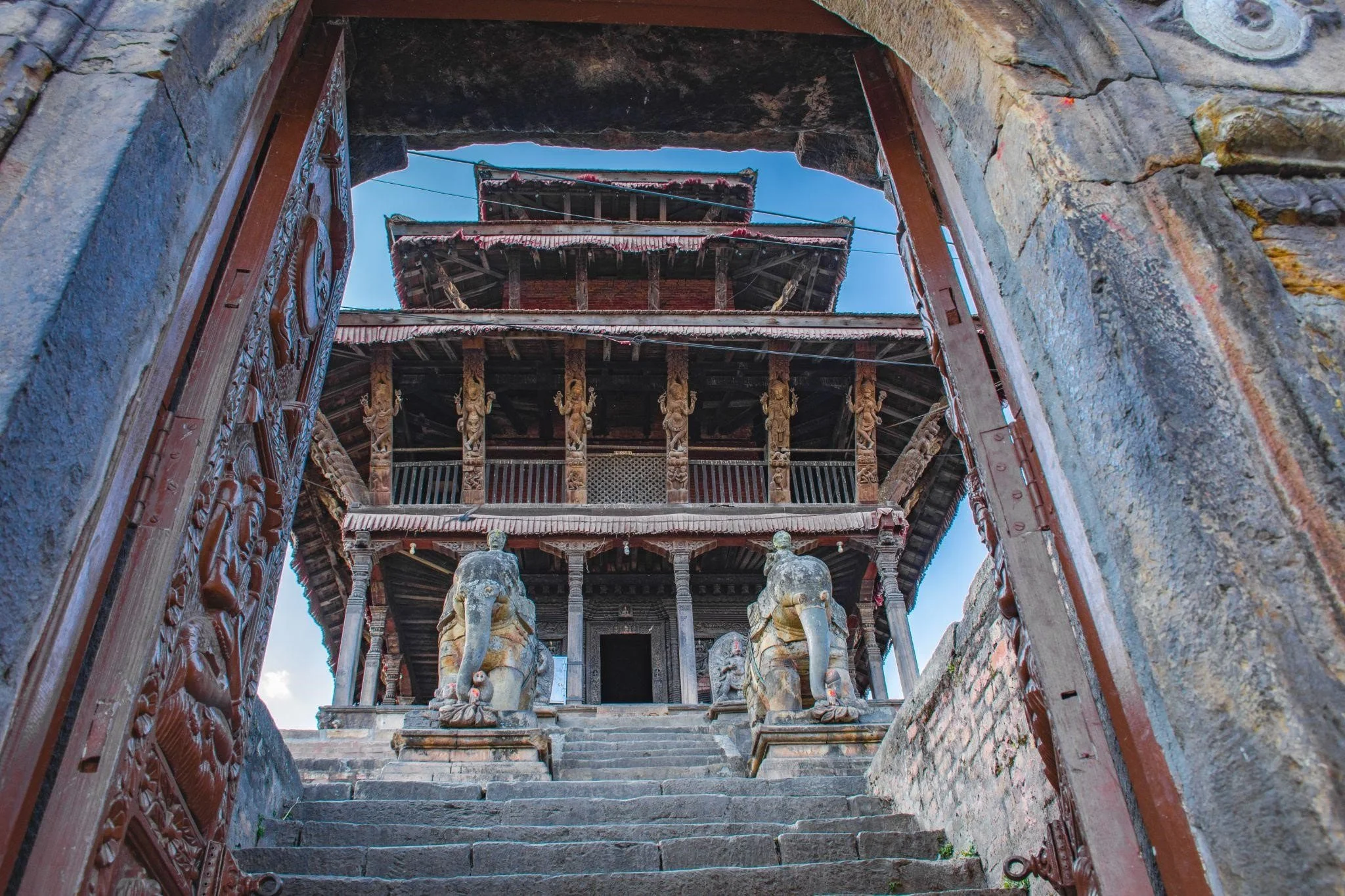
Kirtipur's charm lies in its traditional Newar architecture. As you wander through the narrow, cobbled streets, red-brick houses with intricately carved wooden windows and tiled roofs line your path. These aren't mere houses; their' courtyards, intricately designed doorways, and hidden squares transport you back in time.
Don't miss the magnificent Chilanchoku Stupa, a captivating Buddhist monument believed to be built in the 8th century. As you climb the steps, take in the panoramic vistas of the valley below. The Bagh Bhairab Temple, a vibrant red structure adorned with fearsome statues, is another must-see. This 11th-century temple holds a unique place in Kirtipur's history. Look closely, and you'll see captured Gorkha weapons displayed on the roof - a reminder of the town's valiant resistance during the Nepal unification campaign.
Beyond the Temples: A Cultural Tapestry
Kirtipur is more than just stunning architecture. It's a vibrant community where the Newari culture thrives. The Newari people, the original inhabitants of the Kathmandu Valley, have a distinct culture evident in their language, dress, and traditions.
While exploring the town, watch for local artisans creating woodcarvings, metalwork, and traditional Newari Thangka paintings. Be sure to sample the local Newari cuisine, known for its rich flavors and unique spices. Yomari, a steamed rice dish filled with sweet or savory fillings, is a local favorite.
Festivals and Celebrations: Immerse Yourself in the Spirit
If you're fortunate enough to visit during a festival, Kirtipur comes alive with vibrant colors and joyous celebrations. The Indrayani Jatra in November and December, and the Bagh Bhairab Jatra in August, are particularly noteworthy. Witness elaborate chariot processions, masked dances, and traditional music that fill the air with a truly unforgettable energy.
A Haven for Nature Lovers
Kirtipur isn't just about historical and cultural exploration. Nature enthusiasts can find solace at Taudaha Lake, a haven for migratory birds during winter. You can also hike up to Manjushree Park, offering stunning views of the valley and a giant statue of Manjushree, the bodhisattva of wisdom.
Planning Your Visit to Kirtipur
Kirtipur is easily accessible from Kathmandu, making it a perfect day trip. Taxis and local buses are readily available. While exploring the town, comfortable shoes are recommended as you'll be doing a fair amount of walking. Additionally, be respectful of local customs and dress modestly when visiting temples.
Kirtipur: An Unforgettable Experience
A visit to Kirtipur is more than just sightseeing; it's a journey through Nepal's rich tapestry of history, culture, and natural beauty. From the captivating architecture to the vibrant festivals and welcoming locals, Kirtipur offers a unique and unforgettable experience for every traveler seeking to delve deeper into the heart of Nepal.
POPULAR ITINERARIES
SIMILAR POSTS
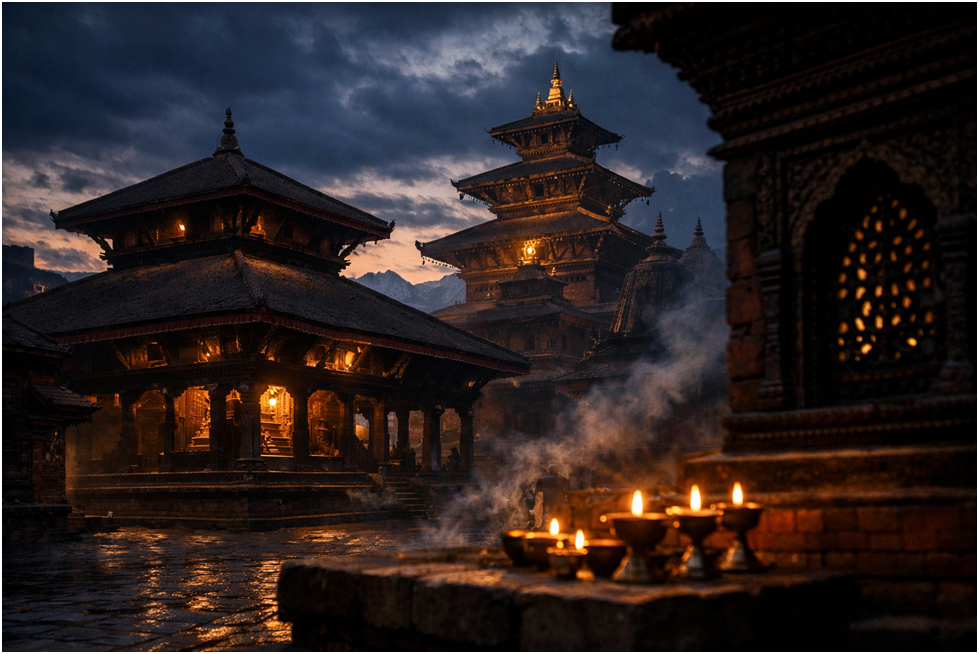

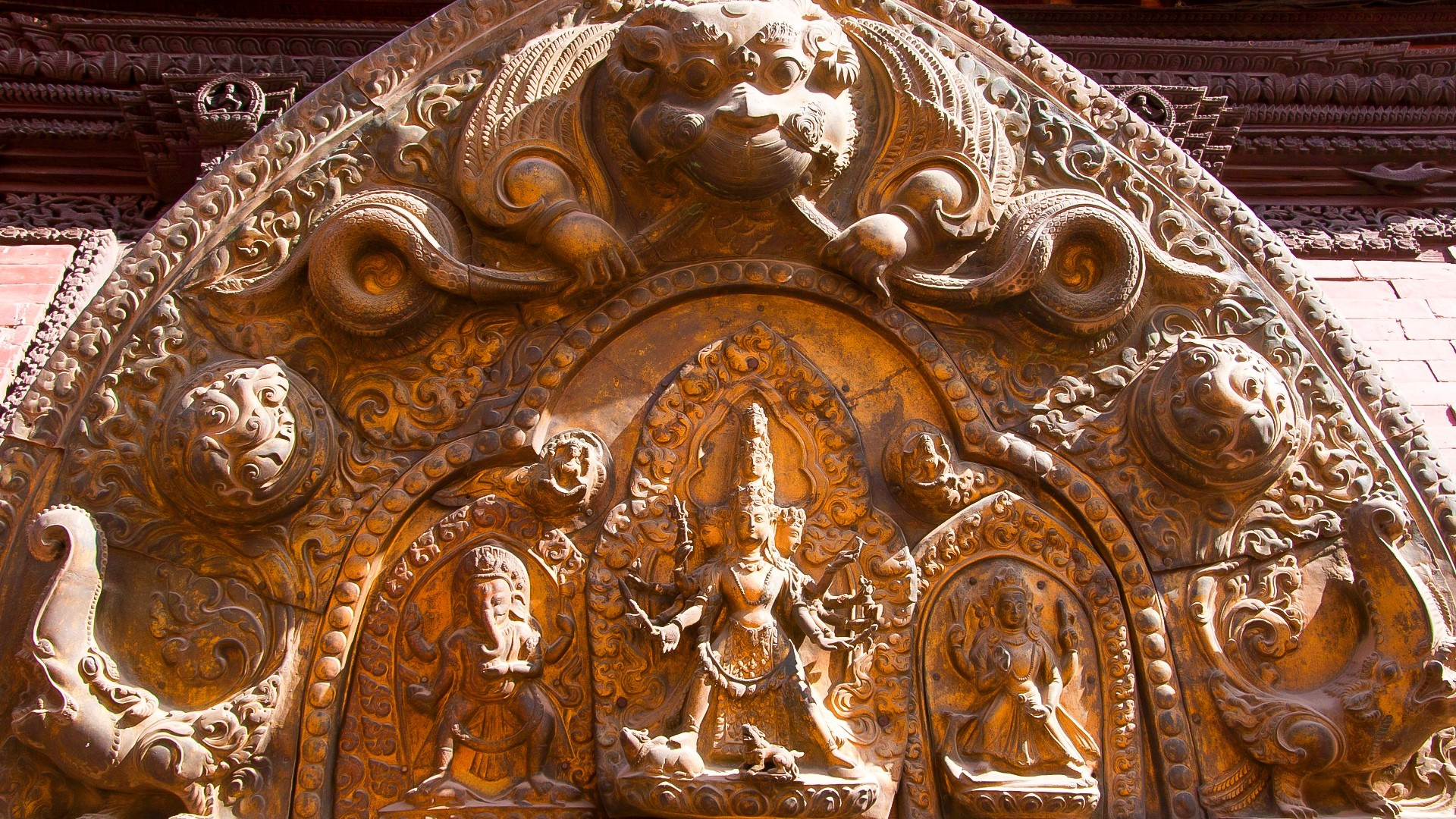
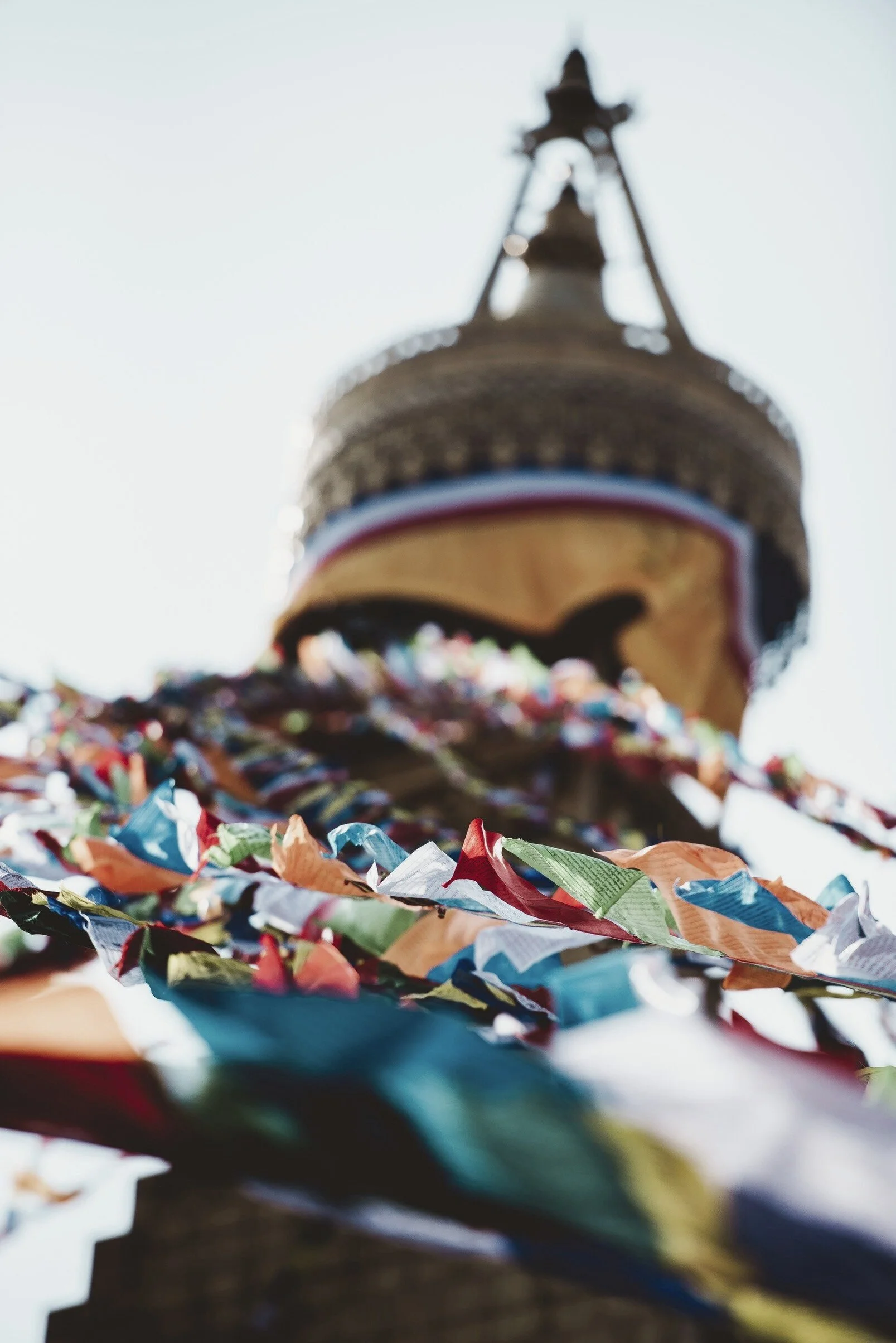
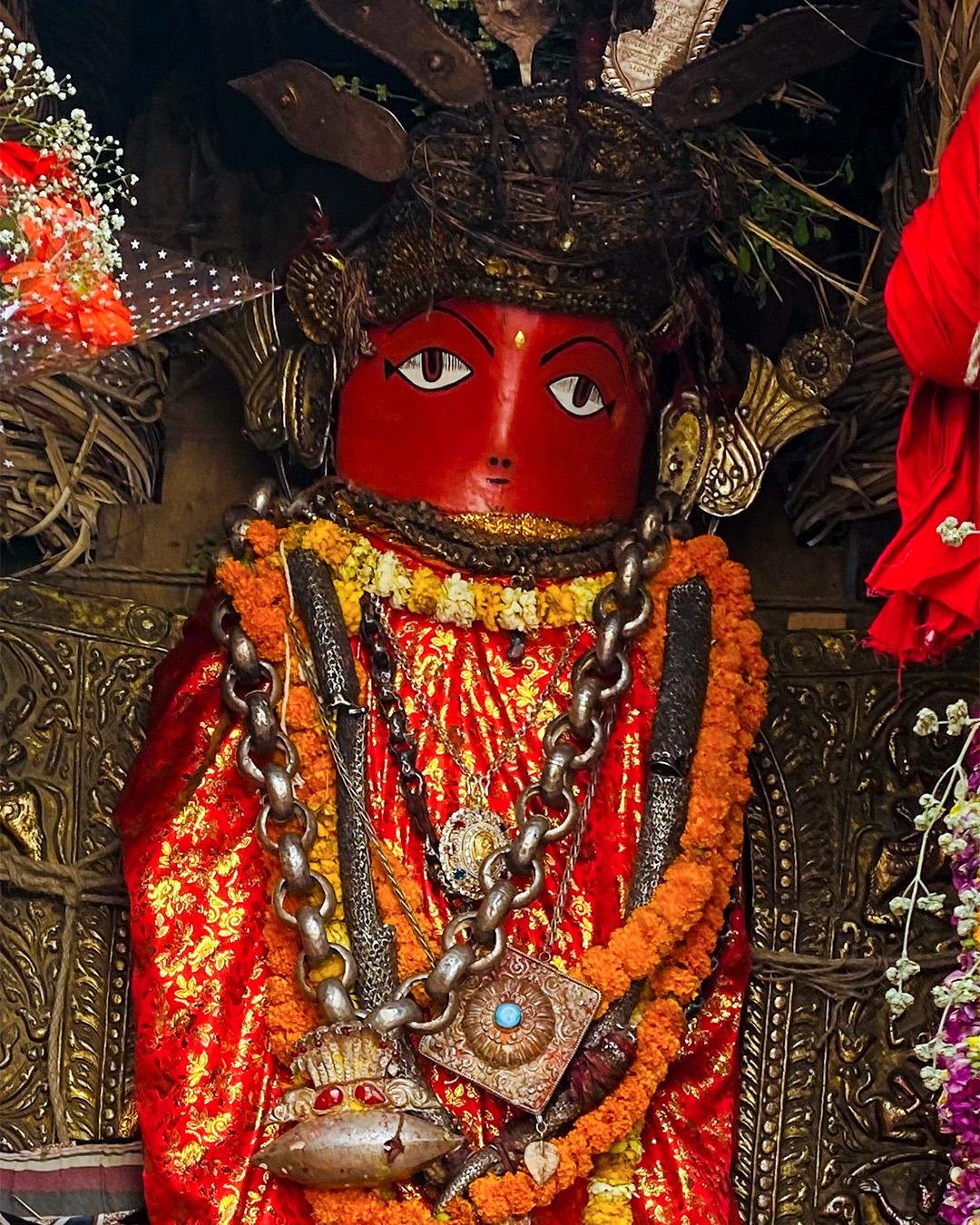


A Land Steeped in Tradition: Unveiling the Enchanting Heritage of Nepal
Nepal, a landlocked country nestled in the Himalayas, boasts more than just breathtaking mountain vistas. It's a nation where ancient traditions interweave with modern life, creating a captivating tapestry of heritage. From magnificent temples that stand as testaments to bygone eras to vibrant festivals that celebrate life's cycles, Nepal's rich history and culture come alive for every visitor.
Nepal, a landlocked country nestled in the Himalayas, boasts more than just breathtaking mountain vistas. It's a nation where ancient traditions interweave with modern life, creating a captivating tapestry of heritage. From magnificent temples that stand as testaments to bygone eras to vibrant festivals that celebrate life's cycles, Nepal's rich history and culture come alive for every visitor.
A Walk-Through Time: The Kathmandu Valley's Architectural Marvels
Kathmandu Valley, the historical and cultural heart of Nepal, is a treasure trove for heritage enthusiasts. Designated a UNESCO World Heritage Site, the valley is dotted with architectural wonders that speak volumes about Nepal's artistic legacy. Immerse yourself in the grandeur of the Durbar Squares – Kathmandu, Patan, and Bhaktapur. Each square boasts intricately carved temples, majestic palaces, and serene courtyards, transporting you back to the time of Nepal's ancient kingdoms.
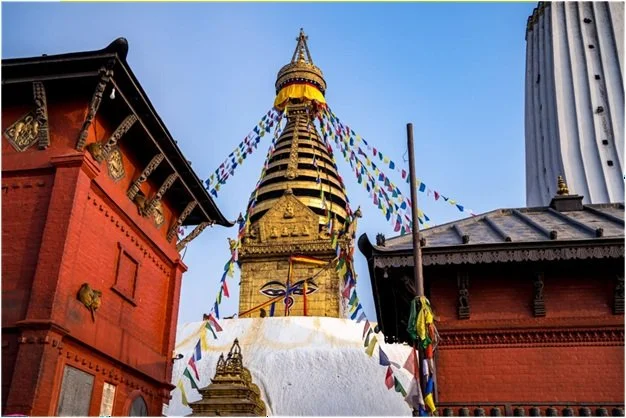
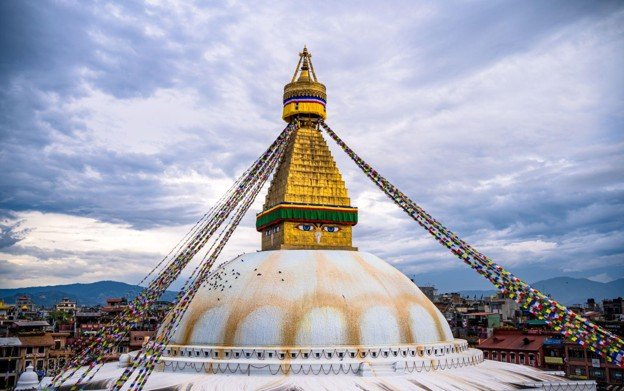
As you wander through these squares, be sure to marvel at the architectural marvel of Swayambhunath, also known as the "Monkey Temple." Perched atop a hill overlooking the city, this ancient Buddhist stupa offers panoramic views and a glimpse into the deep-rooted spiritual beliefs of Nepal. Don't miss Boudhanath Stupa, one of the largest stupas in the world, a center of Tibetan Buddhist pilgrimage. Witness the hypnotic sight of prayer wheels spinning and colorful prayer flags fluttering in the breeze, creating a truly serene atmosphere.
Beyond the Monuments: A Living Heritage
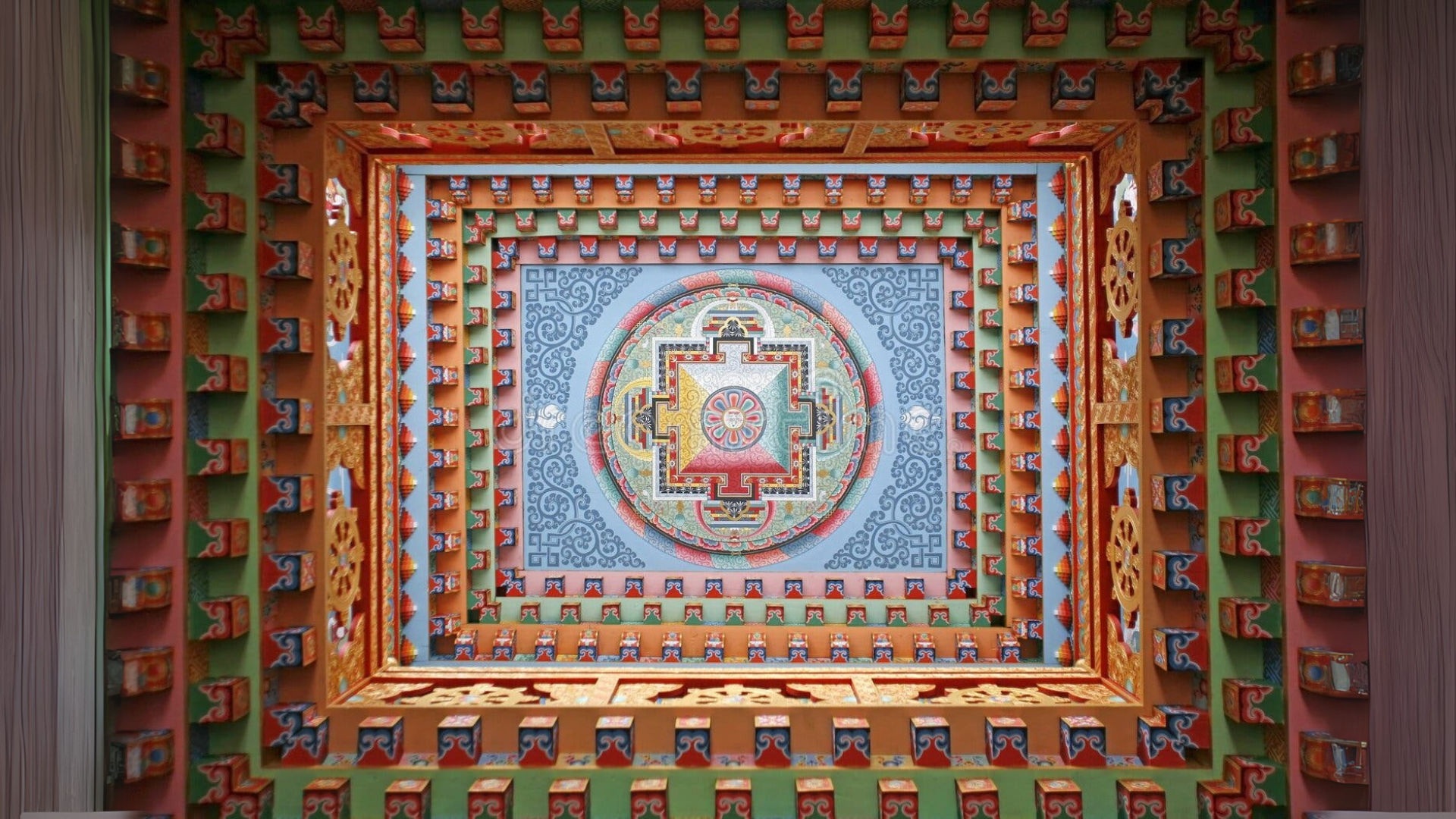
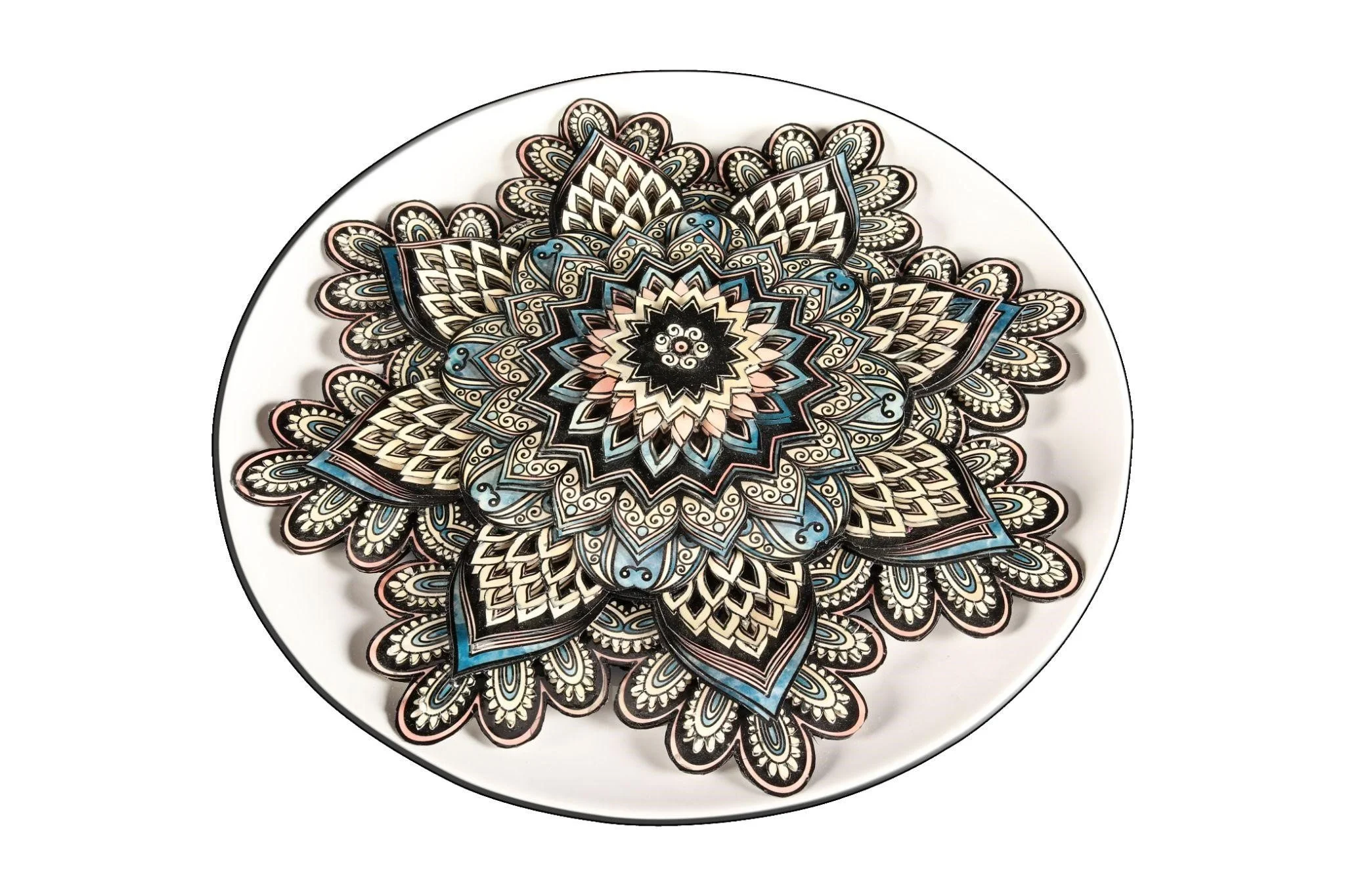
Nepal's heritage extends far beyond its magnificent monuments. It thrives in the vibrant tapestry of its diverse ethnicities, each with their own unique customs, languages, and attire. Witness the captivating masked dances of the Tamang people, a vibrant display of cultural expression. Immerse yourself in the artistic brilliance of the Newari community, renowned for their intricate woodwork and metalwork. Explore the fascinating world of Thangka paintings, a unique art form from Tibetan Buddhism, where intricate mandalas and deities come alive on cloth.
A Culinary Journey Through Time
Nepali cuisine is an essential part of the country's heritage. Savor the rich flavors of Dal Bhat, a hearty lentil soup paired with rice, a staple dish that has sustained generations. Embark on a culinary adventure by exploring regional specialties like Momos, steamed dumplings filled with meat or vegetables, or the popular stir-fry dish called Sekuwa. For a truly immersive experience, consider participating in a cooking class and learning the secrets behind these traditional dishes.
Festivals: A Celebration of Life's Rich Tapestry
Nepal comes alive during its numerous festivals, vibrant celebrations that reflect the country's deep-rooted traditions and spiritual beliefs. Witness the grandeur of Dashain, the longest and most important festival in Nepal, a two-week-long celebration that honors Durga Puja, the victory of good over evil. Immerse yourself in the joyous chaos of Holi, the festival of colors, where streets are filled with revelers throwing colored powder and water, symbolizing the triumph of good over evil and the arrival of spring.
Unveiling Nepal's Heritage with Local Expertise
Planning your exploration of Nepal's heritage can be overwhelming. But worry not! Partner with local experts to create a personalized itinerary that caters to your interests. Knowledgeable guides can bring the stories of Nepal to life, providing insights into the history, culture, and significance of each heritage site and festival you encounter.
Nepal: Where the Past Comes Alive
Nepal is a land where the past seamlessly blends with the present. As you delve into its heritage, you'll discover a country steeped in tradition, where ancient customs are practiced with devotion, and magnificent monuments stand as testaments to a rich artistic legacy. Let your journey through Nepal's heritage be an unforgettable experience, one that enriches your understanding of this remarkable country and leaves you with memories that will last a lifetime.
POPULAR ITINERARIES
SIMILAR POSTS

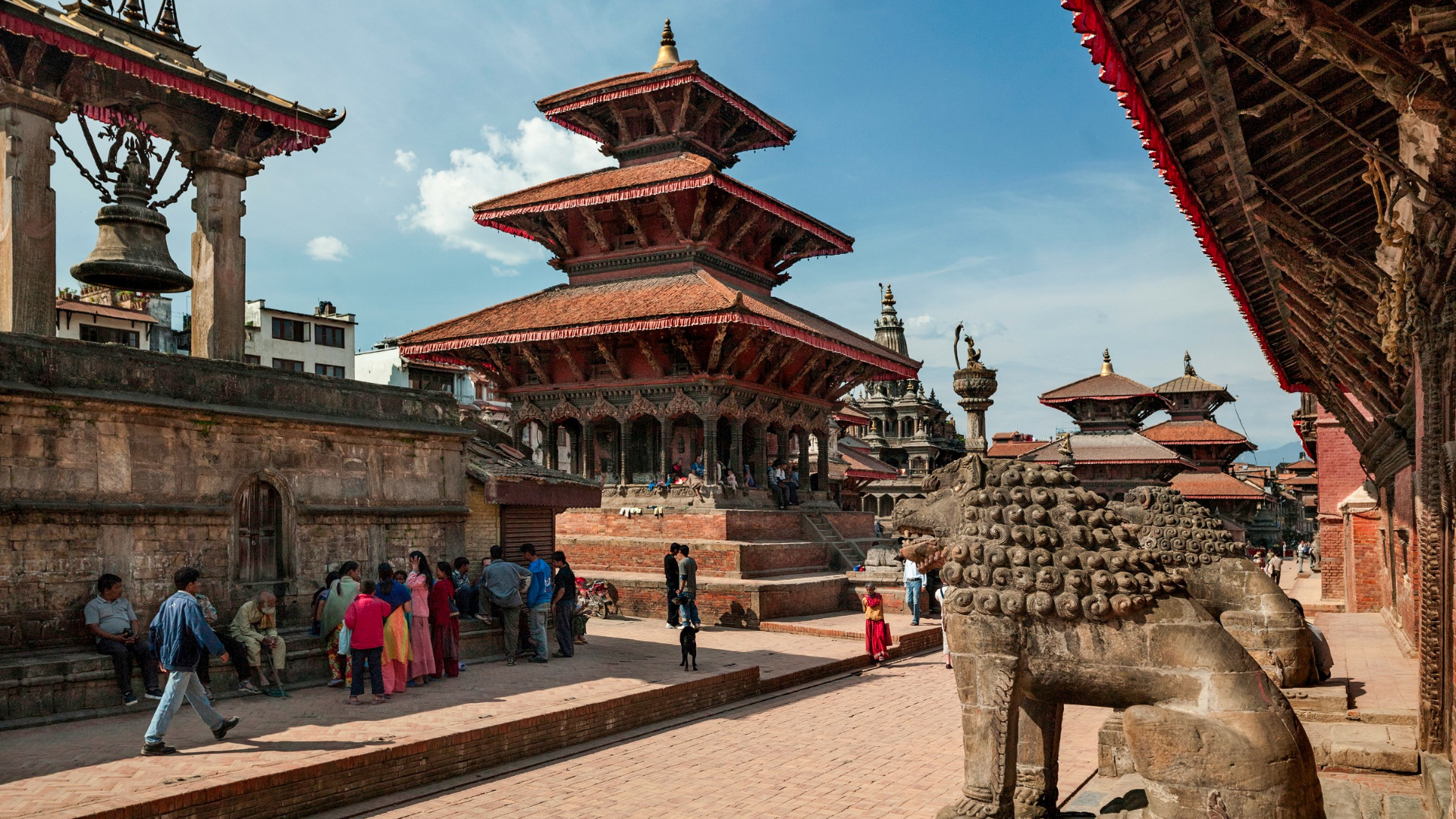

Discover Bhaktapur: 10 Must-Do Experiences for Foreigner
The historic city of Bhaktapur, Nepal, can be found in the Kathmandu Valley. It is recognized as a UNESCO World Heritage site because of its magnificent architecture, lively customs, and rich cultural legacy. Bhaktapur provides a wealth of attractions just waiting to be discovered by visitors from other countries looking for a genuine Nepalese experience.
The historic city of Bhaktapur, Nepal, can be found in the Kathmandu Valley. It is recognized as a UNESCO World Heritage site because of its magnificent architecture, lively customs, and rich cultural legacy. Bhaktapur provides a wealth of attractions just waiting to be discovered by visitors from other countries looking for a genuine Nepalese experience. Here are ten things that visitors from outside Bhaktapur really must do, including strolling through alleyways that date back hundreds of years and enjoying authentic Newari cuisine:
1. Explore Durbar Square: Take in the ancient atmosphere of Durbar Square as you start your trip to Bhaktapur. Admire the elaborately carved temples, regal residences, and historic courtyards that represent the city's rich history. Nyatapola Temple, a five-story pagoda with beautiful wood carvings and figures, is a must-see.
2. Take a tour of the Bhaktapur Durbar Square Museum to learn more about the history and culture of Bhaktapur. The museum, which is housed in the old palace structure, has an intriguing collection of objects, paintings, and sculptures that shed light on the artistic and regal past of the city.
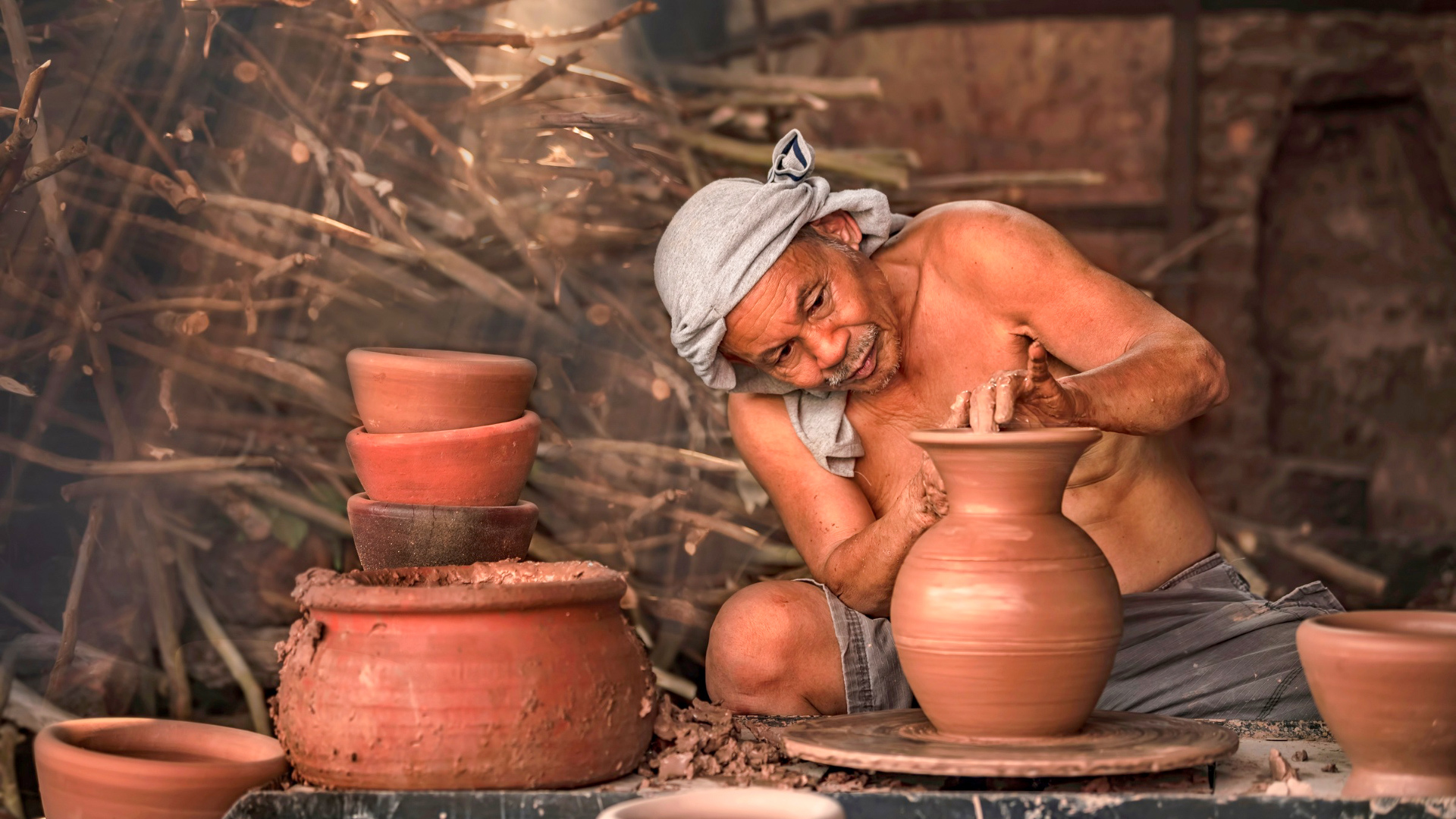
3. Witness Pottery Making at Pottery Square: Visit Pottery Square to immerse yourself in the heart of Bhaktapur's artisanal heritage, as regional artisans display their talents in the art of pottery making. Observe how they expertly shape clay into a variety of forms, maintaining traditional methods that have been passed down through the years.
4. Take a Class on Traditional Newari Cooking: Take a traditional Newari cooking class to start your culinary journey. Taste the tastes of Newari cuisine directly from the source as you study the craft of making traditional meals like "bara," "Chatamari," and "Yomari" under the direction of skilled chefs.
5. Climb the Vatsala Temple for Panoramic Views: Ascend to the summit of the Vatsala Temple for stunning vistas of Bhaktapur and the surrounding Himalayan terrain. Located atop a hill with a stunning view of Durbar Square, this viewpoint provides an unmatched insight into the architectural magnificence of the city.
6. Wander Around Taumadhi Square's Narrow Streets: Explore Taumadhi Square's winding lanes, which are home to historic residences, busy market booths, and old temples. Enjoy strolls at your leisure, converse with the amiable inhabitants, and lose yourself in Bhaktapur's timeless beauty and traditional atmosphere.
7. Find Undiscovered Treasures at Siddha Pokhari: Take a break from the bustle of the city and head to Siddha Pokhari's serene environs. This historic pond provides a tranquil haven where you may rest and regenerate amidst breathtaking scenery, all encircled by thick vegetation and covered pavilions.
8. Purchase Handmade Memorabilia: Wander around Bhaktapur's vibrant marketplaces and quaint boutiques to find an abundance of homemade mementos. You may purchase one-of-a-kind souvenirs to remember your stay, ranging from magnificent ceramics and linens to delicately carved wooden masks.
9. Experience a Traditional Newari Feast: Visit one of Bhaktapur's traditional Newari eateries to savor a meal fit for a king or queen. Taste a wide range of regional specialties presented with antique brass cutlery, and experience the genuine tastes of Newari cooking in a charming environment.
10. Take in Traditional Festivals and Festivities: Attend traditional festivals and festivities to fully immerse yourself in Bhaktapur's dynamic cultural scene. These celebrations provide an insight into the city's rich religious and cultural traditions, from the vibrant Bisket Jatra celebrations to the serious Gai Jatra rites.
To sum up, Bhaktapur is a fascinating combination of history, culture, and real experiences that will captivate tourists from other countries. Explore historic temples, indulge in regional specialties, or become fully immersed in local customs—Bhaktapur offers a unique experience that will transport you to the core of Nepal's cultural legacy.
POPULAR ITINERARIES
SIMILAR POSTS

The Soul of Thangka Painting with a Local Artist
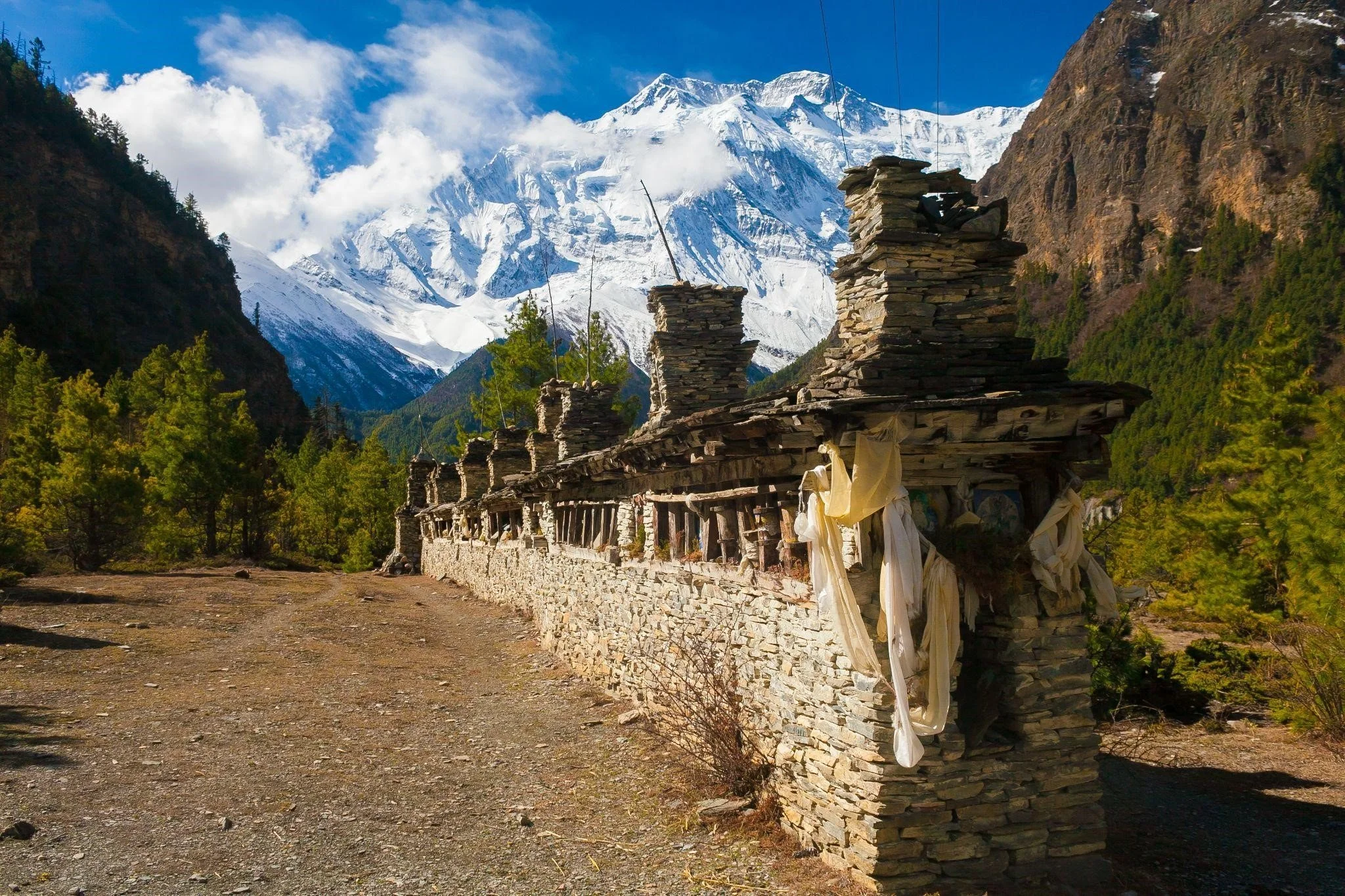
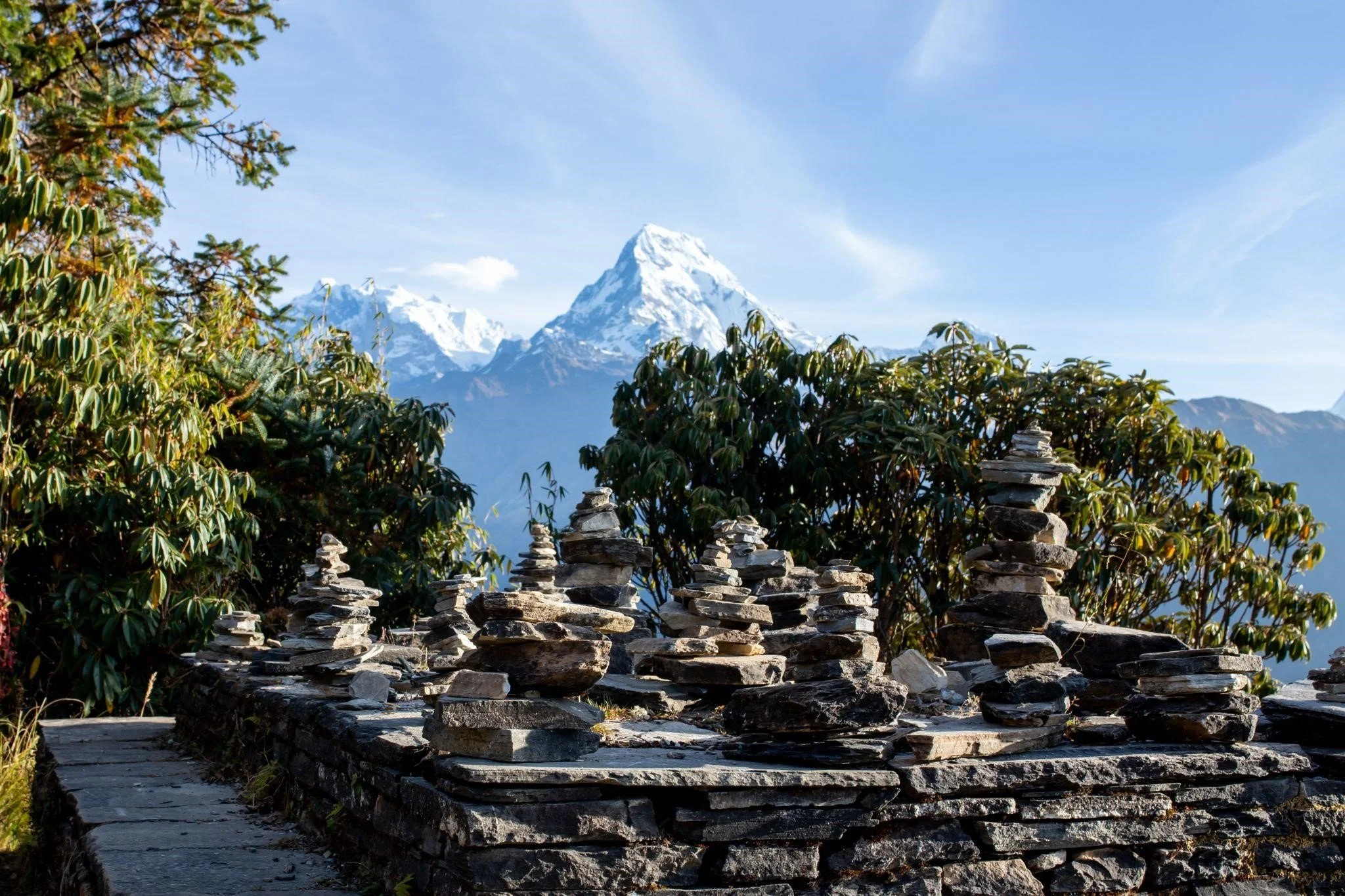
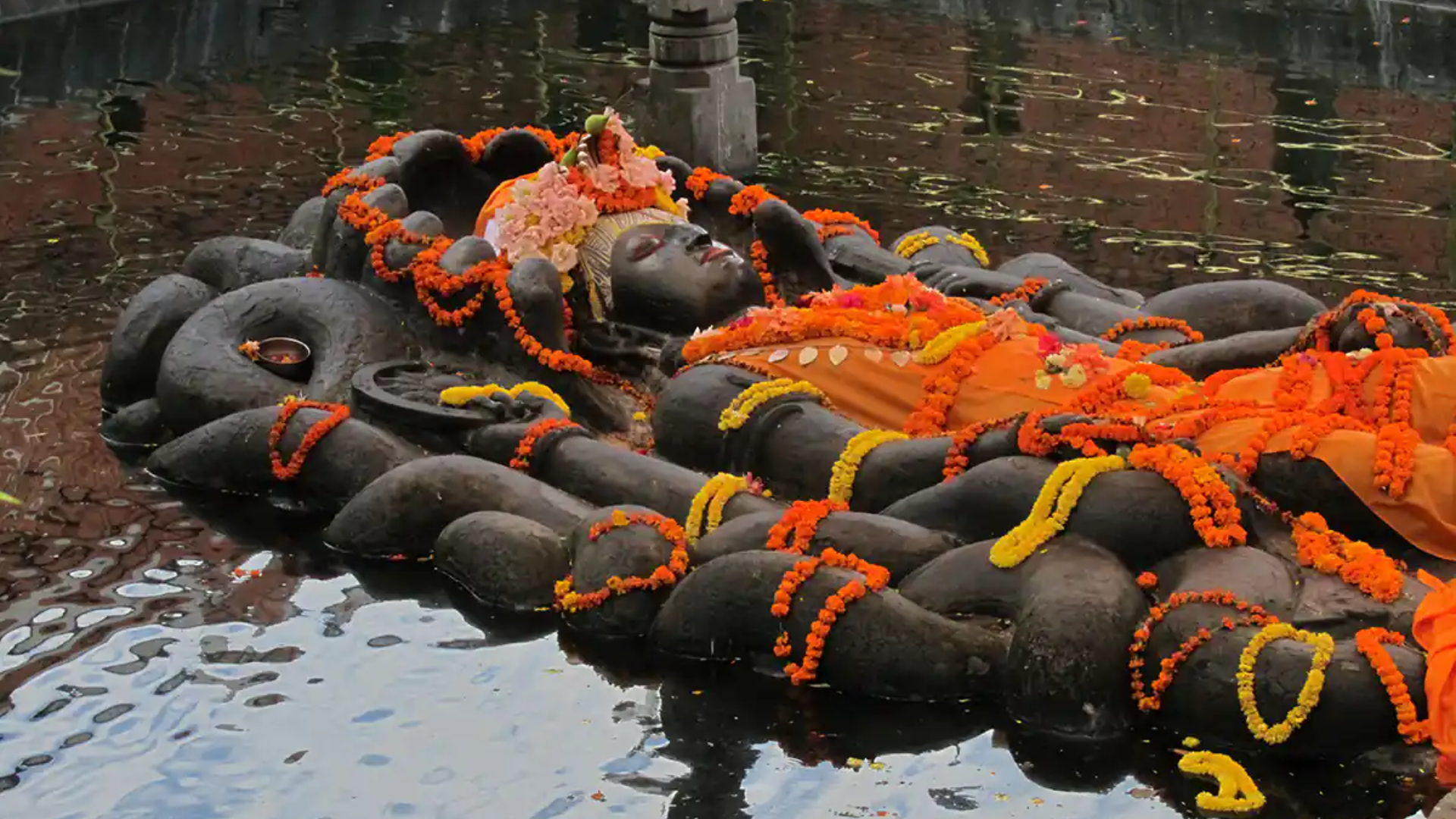
Nepal, often lauded for its majestic peaks and timeless temples, boasts another treasure: the ancient art of Thangka painting. These vibrant, intricately detailed narratives on cloth transcend mere decoration; they are windows into the country's rich cultural tapestry, spiritual beliefs, and artistic legacy. But beyond the stunning visuals lies a hidden world, accessible only through the brushstrokes and stories of the artists themselves. Let’s hear an amazing story of a renowned Thangka artist in Kathmandu.
Nepal, often lauded for its majestic peaks and timeless temples, boasts another treasure: the ancient art of Thangka painting. These vibrant, intricately detailed narratives on cloth transcend mere decoration; they are windows into the country's rich cultural tapestry, spiritual beliefs, and artistic legacy. But beyond the stunning visuals lies a hidden world, accessible only through the brushstrokes and stories of the artists themselves. Let’s hear an amazing story of a renowned Thangka artist in Kathmandu.
Stepping into the studio feels like entering a sanctuary. The air hums with the quiet focus of creation, filled with the delicate scent of incense and the gentle rasp of sandpaper smoothing wooden frames. Sunlight spills through windows, illuminating walls adorned with colorful Thangkas in various stages of completion.
The artist's journey began in his childhood village, captivated by the Thangka painters he observed. Years of dedicated apprenticeship honed his skills, and today, his creations grace prestigious collections worldwide. Yet, for the artist, Thangka painting is more than just a profession; it's a spiritual calling.
"Each Thangka," he explains, "is a prayer, an offering to the divine. It's not just about the colors or the details; it's about capturing the essence, the story behind the image."
He picks up a partially finished Thangka depicting the serene face of Buddha Shakyamuni. Every brushstroke carries a purpose, a connection to the divine."
As the artist demonstrates the meticulous process, using natural pigments mixed with water and meticulously applied on canvas, he shares stories passed down through generations. He reveals the symbolism embedded in every element, from the lotus flower representing purity to the intricate mandalas symbolizing the universe. It's a captivating blend of history, mythology, and personal devotion woven onto the canvas.
But Thangka painting is not just about preserving tradition; it's also evolving. The artist incorporates contemporary elements, like using acrylic paints alongside traditional ones, to cater to a wider audience. He also conducts workshops, nurturing the next generation of Thangka artists, ensuring this legacy lives on.
Thangka painting; it's a journey into the heart of Nepali culture. It's a reminder that sometimes, the most authentic experiences are found beyond the usual tourist trail, nestled in the studios of passionate individuals, who share their souls through their art.
So, how can you experience the magic of Thangka painting on your Nepal adventure?
● Seek out artist workshops: Immerse yourself in the creative process by participating in a Thangka painting workshop. Learn the basic techniques, symbolism, and stories behind the art form, creating your own miniature Thangka as a cherished souvenir.
● Visit Thangka galleries: Kathmandu boasts several renowned galleries showcasing a diverse collection of Thangkas, both traditional and contemporary. Admire the intricate details, learn about different styles, and perhaps even invest in a unique piece to take home.
● Interact with local artists: Talk with Thangka artists you encounter in their studios or at markets. Ask about their inspiration, the stories behind their creations, and the challenges they face. You'll gain invaluable insights into their lives and the art form's significance.
Thangka painting is more than just art; it's a living tradition, a cultural narrative woven into the fabric of Nepal. By seeking out authentic experiences and connecting with local artists like Amrit, you'll discover a deeper understanding of this fascinating country and its people, leaving you with memories that resonate long after your journey ends.
POPULAR ITINERARIES
SIMILAR POSTS
Capturing the Stars in the Himalayas
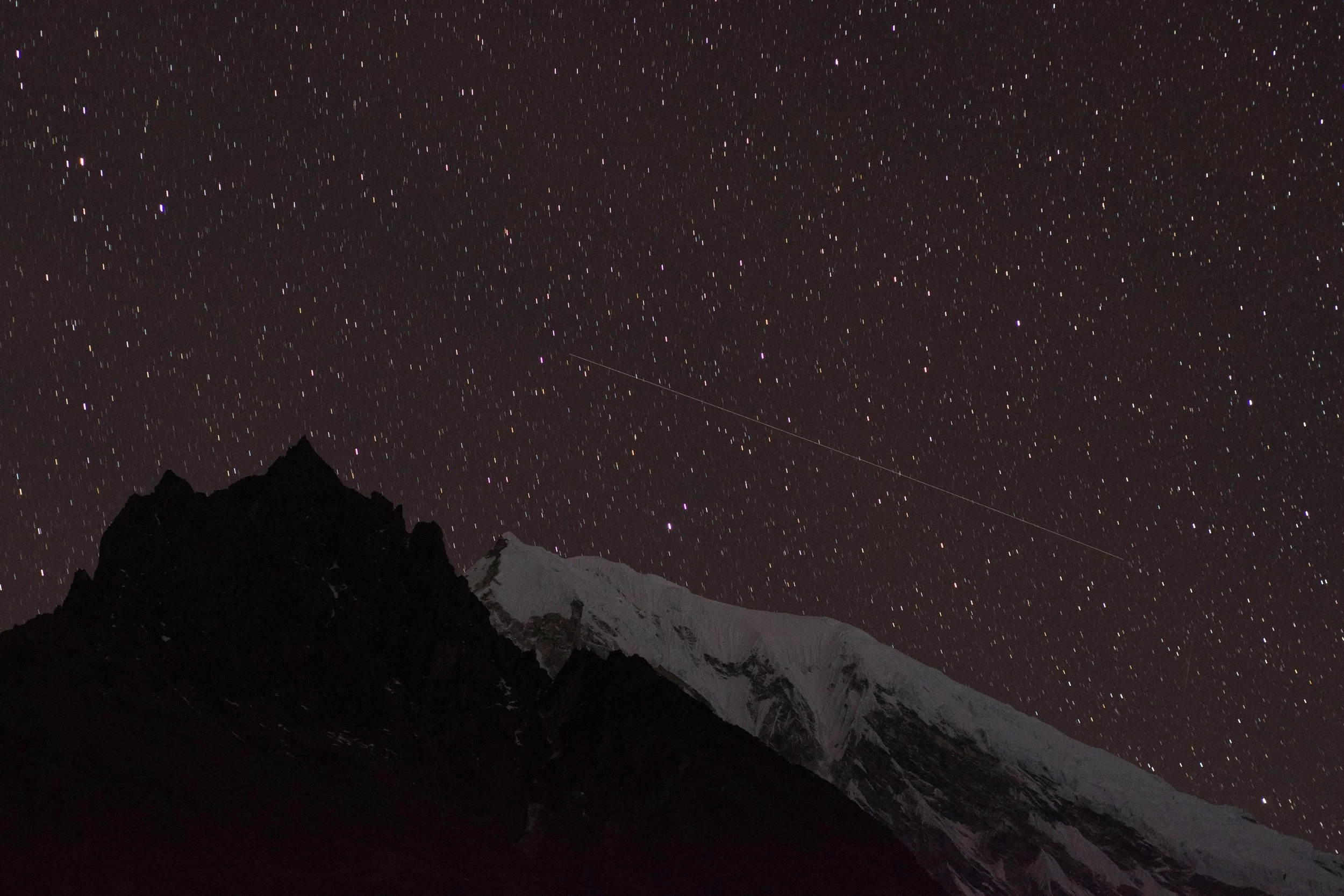
Nepal, renowned for its stunning mountain landscapes, rich culture, and warm hospitality, has also emerged as a hidden gem for astrophotographers. The Himalayan nation offers a unique opportunity to capture the celestial wonders amidst its breathtaking scenery. In this article, we will explore some of the best astro photography destinations in Nepal, where you can capture the beauty of the night sky against the backdrop of the majestic mountains.
Nepal, renowned for its stunning mountain landscapes, rich culture, and warm hospitality, has also emerged as a hidden gem for astrophotographers. The Himalayan nation offers a unique opportunity to capture the celestial wonders amidst its breathtaking scenery. In this article, we will explore some of the best astro photography destinations in Nepal, where you can capture the beauty of the night sky against the backdrop of the majestic mountains.
1. Sagarmatha National Park
Nestled in the heart of the Khumbu region, Sagarmatha National Park is home to the world's highest peak, Mount Everest. It's not only a paradise for trekkers but also for astrophotographers. The clear, unpolluted skies at high altitudes provide a canvas for capturing the Milky Way, constellations, and even the occasional shooting star. Gazing up at the starry sky with the silhouette of Everest and neighboring peaks is an experience that transcends words.
2. Annapurna Conservation Area
The Annapurna Conservation Area is another prime astro photography destination in Nepal. With its diverse terrain, including lush forests, terraced fields, and serene lakes, this region offers an array of compositions for night photography. The tranquil Phewa Lake in Pokhara, surrounded by the Annapurna Range, is a perfect spot for capturing reflections of the stars in the water.
3. Rara Lake
Rara Lake, located in the remote northwestern corner of Nepal, is the largest lake in the country and one of the least explored astro photography destinations. The serene and pristine surroundings make it an ideal location for capturing the night sky in all its glory. Away from the light pollution of urban areas, Rara Lake offers a chance to photograph the Milky Way in its full splendor.
4. Langtang National Park
Langtang National Park, with its rugged terrain and diverse flora and fauna, is a haven for astro photographers. The picturesque Langtang Valley, with its dramatic landscapes and high vantage points, provides ample opportunities to capture star trails and the interplay of light and shadow on the mountains during the night.
5. Gosaikunda Lake
Located at an altitude of over 4,380 meters, Gosaikunda Lake is not just a pilgrimage site but also a remarkable astro photography destination. The high altitude and pristine environment make it an ideal place for capturing the night sky. The lake's calm waters mirror the stars above, creating stunning reflections that add depth to your astrophotography compositions.
6. Manang
Manang, a picturesque village on the Annapurna Circuit, is a strategic base for astrophotographers. The village's high altitude and minimal light pollution make it an excellent spot to capture the celestial wonders. The clear night skies here reveal intricate details of the Milky Way, making it a must-visit destination for avid astrophotographers.
7. Upper Mustang
Upper Mustang, a remote region bordering Tibet, offers a unique landscape for astro photography. The stark, arid terrain and ancient cave dwellings provide a surreal contrast to the night sky. The region's isolation ensures minimal light pollution, allowing you to capture stunning images of stars and galaxies.
Tips for Astro Photography in Nepal
Pack Proper Gear: Ensure you have a sturdy tripod, a fast lens with a wide aperture, and a remote shutter release to minimize camera shake during long exposures.
Check the Weather: Plan your trip during the dry season (October to April) when the skies are clear and the chances of capturing the stars are higher.
Acclimatize: If you're heading to high-altitude destinations like Everest Base Camp or Manang, take time to acclimatize to prevent altitude sickness.
Learn Astrophotography Techniques: Familiarize yourself with techniques such as long-exposure photography, stacking, and image processing to enhance the quality of your astrophotographs.
Respect the Environment: Practice responsible photography by leaving no trace and respecting the natural beauty of Nepal's landscapes.
Nepal's astro photography destinations offer a unique blend of natural beauty and celestial wonders. From the towering peaks of Sagarmatha National Park to the tranquil lakes of Annapurna, and the remote landscapes of Upper Mustang, there's a plethora of opportunities to capture the magic of the night sky. So, pack your camera gear, head to Nepal, and prepare to be mesmerized by the celestial symphony above the Himalayas. With a clear sky, a keen eye, and the right techniques, you'll create stunning astro photographs that will leave a lasting impression. Happy shooting!
POPULAR ITINERARIES
SIMILAR POSTS
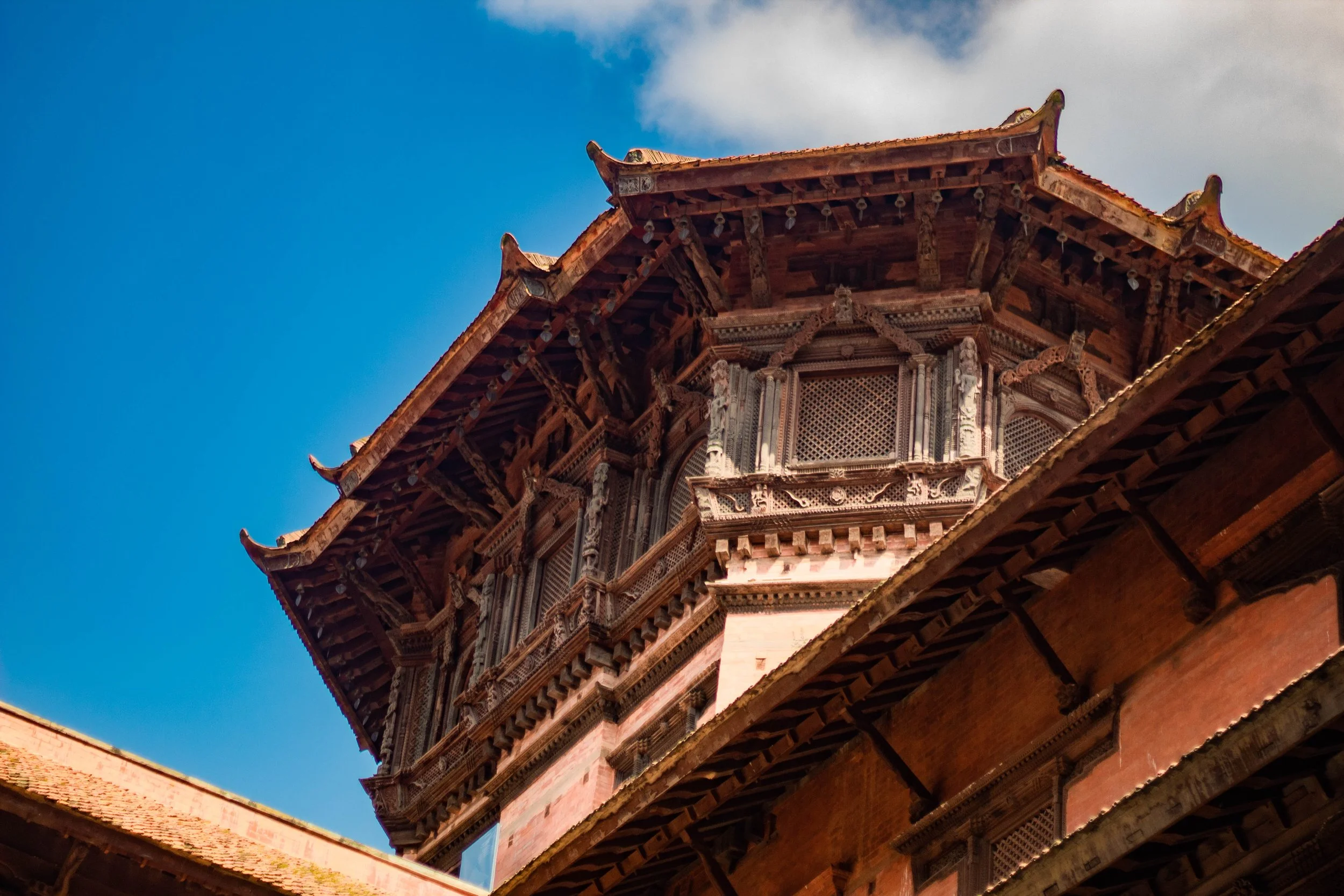
Woodcrafting: A Timeless Nepali Artisanal Skill
Amidst the majestic Himalayan peaks, where ancient traditions thrive and culture weaves the very fabric of life, Nepal's woodcrafting emerges as a testament to the country's rich artisanal heritage. In the heart of this vibrant nation, skilled woodworkers, steeped in tradition, transform humble pieces of wood into intricate masterpieces. In this feature article, we embark on a journey into the world of Nepali woodcrafting, exploring its deep-rooted history, masterful craftsmanship, and its enduring significance in modern times.
Woodcrafting Through the Ages: A Historical Odyssey
The art of woodworking in Nepal can be traced back through the annals of time. Its history is deeply interwoven with the country's rich cultural tapestry, and it has played a pivotal role in shaping the architectural and artistic landscape of Nepal.
Ancient Origins
Nepal's woodcrafting tradition finds its roots in the construction of temples and palaces. Skilled woodworkers have been pivotal in creating the intricate wooden carvings that adorn these iconic structures. The Kathmandu Valley, in particular, boasts an impressive collection of Newar-style woodcarvings that date back centuries.
The Art of Nepali Woodcrafting: A Masterful Craftsmanship
Nepali woodcrafting is characterized by its unparalleled craftsmanship, attention to detail, and the use of traditional tools and techniques. Skilled artisans take pride in preserving and passing on these ancient skills. One of the hallmarks of Nepali woodcrafting is the meticulous handwork involved. Artisans use a wide array of tools, including chisels, mallets, and hand saws, to carve intricate patterns and designs. Each piece is a labor of love, requiring time, precision, and patience. Nepali woodcrafting is often adorned with traditional motifs inspired by the country's culture and religion. These motifs include depictions of deities, mythical creatures, and intricate geometric patterns. The carvings not only serve an aesthetic purpose but also convey deeper spiritual and cultural meanings. In a rapidly changing world, the tradition of woodcrafting in Nepal faces both challenges and opportunities. While modernization has brought new materials and techniques, woodcrafting remains an integral part of the country's cultural identity.
Preservation of Heritage
Efforts are underway to preserve and promote the art of woodcrafting in Nepal. Artisan cooperatives, workshops, and training programs seek to empower young woodworkers with the skills and knowledge passed down through generations. By providing a platform for artisans to showcase their work, these initiatives help sustain this timeless craft. Nepali woodcrafting is not confined to the past; it also evolves with the times. Artisans are exploring innovative designs and adapting to contemporary tastes. This fusion of tradition and modernity has led to the creation of unique pieces that appeal to a global audience.
Woodcrafting Hubs of Nepal: Where Art Comes to Life
Several regions in Nepal are renowned for their woodcrafting traditions, each with its own distinct style and techniques. These hubs serve as both showcases for the craft and centers for passing down knowledge to future generations.
Bhaktapur: A Living Museum
Bhaktapur, one of Nepal's ancient cities, is a treasure trove of woodcrafting. The city's well-preserved medieval architecture features intricate woodcarvings on windows, doors, and temples. Strolling through the streets of Bhaktapur feels like stepping into a living museum of woodcrafting.
Mustang: Carved in the Mountains
In the high-altitude region of Mustang, woodcrafting takes on a unique flavor. The scarcity of wood in this region has led to a specialization in detailed and intricate carvings, often seen in the windows, balconies, and pillars of Mustang's monasteries and homes.
The Timeless Allure of Nepali Woodcrafting
Nepali woodcrafting transcends mere craftsmanship; it's a living testament to a culture deeply rooted in tradition. The enduring appeal of woodcrafting lies in its ability to convey stories, beliefs, and artistic expressions through the medium of wood. Woodcrafting is more than just an art form; it's a way for Nepali communities to express their identity and heritage. The carvings on temples and monasteries serve as a visual language, telling stories of faith and tradition that are passed down from generation to generation.
The Legacy of Nepali Woodcrafting
In the Himalayan realm of Nepal, woodcrafting is more than a skill; it's a living heritage that bridges the past and the present. It's a testament to the enduring spirit of craftsmanship and the cultural significance of artistry. As you explore the valleys and villages of Nepal, take a moment to admire the intricate woodcarvings that adorn the temples, monasteries, and homes. In these carvings, you'll discover the soul of Nepal, where wood becomes a canvas, and tradition becomes timeless artistry. The legacy of Nepali woodcrafting lives on, waiting to be discovered and cherished by those who seek to unravel its profound beauty.
POPULAR ITINERARIES
SIMILAR POSTS
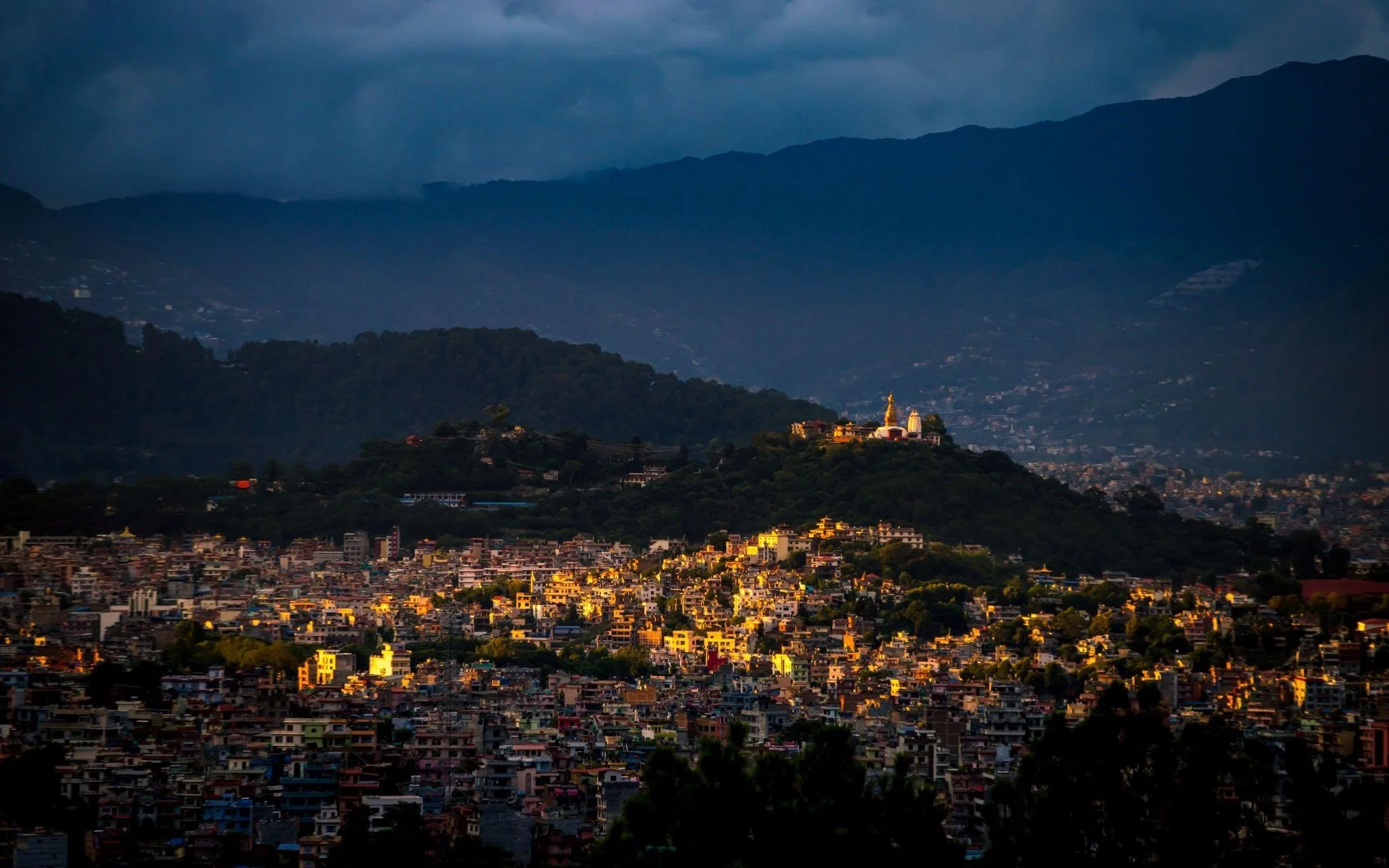
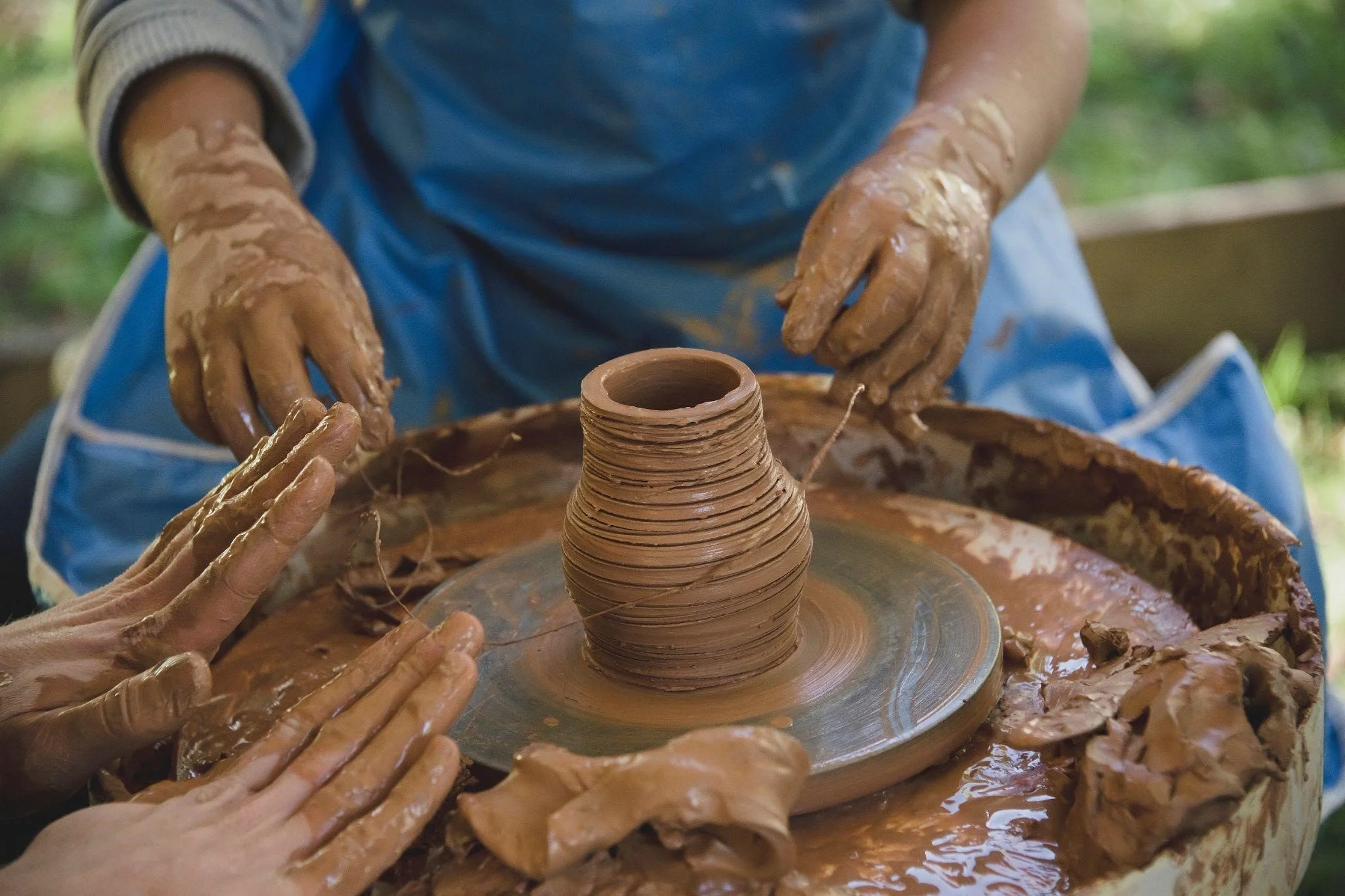
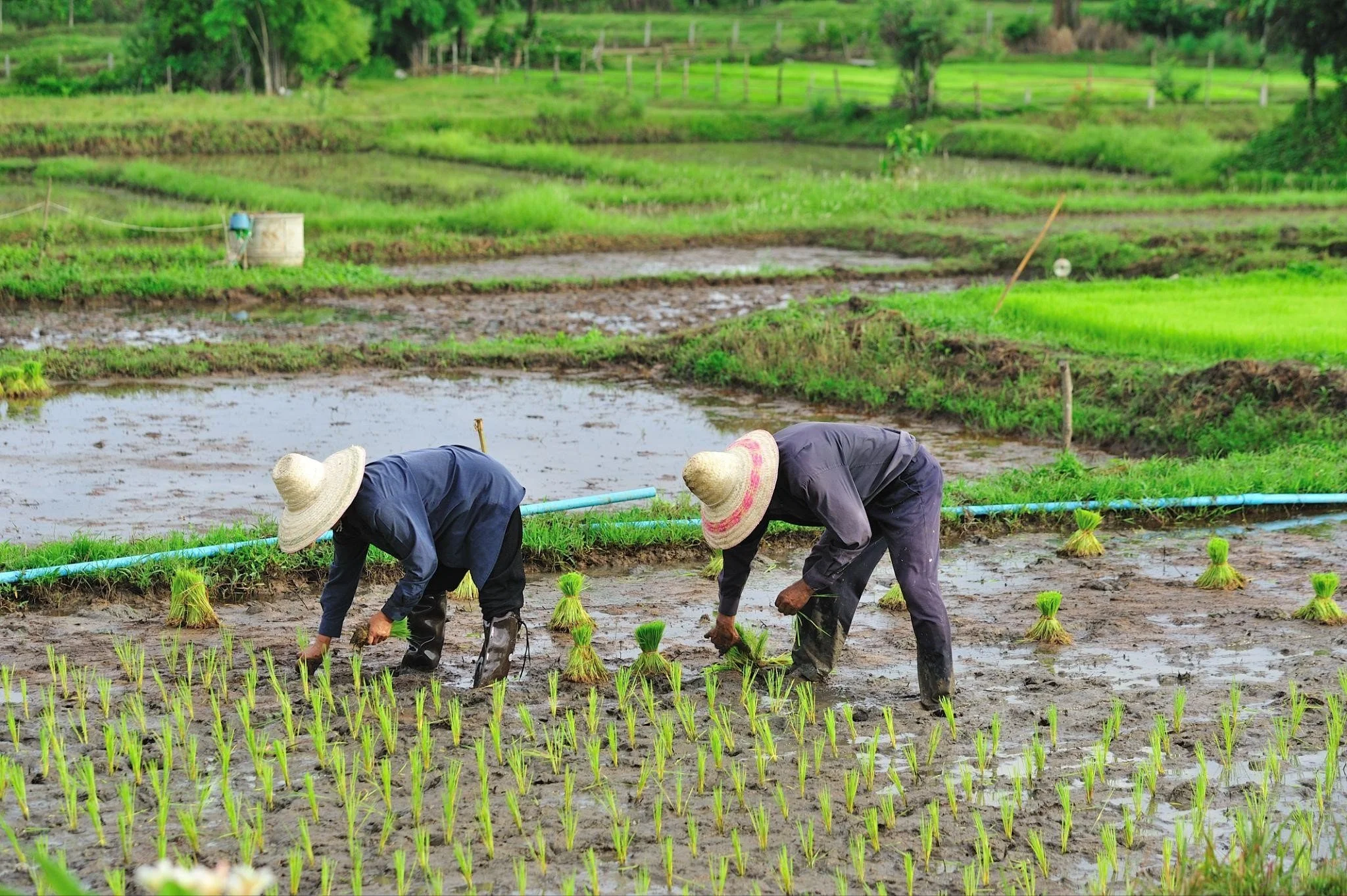
Exploring the Pottery Culture of Nepal
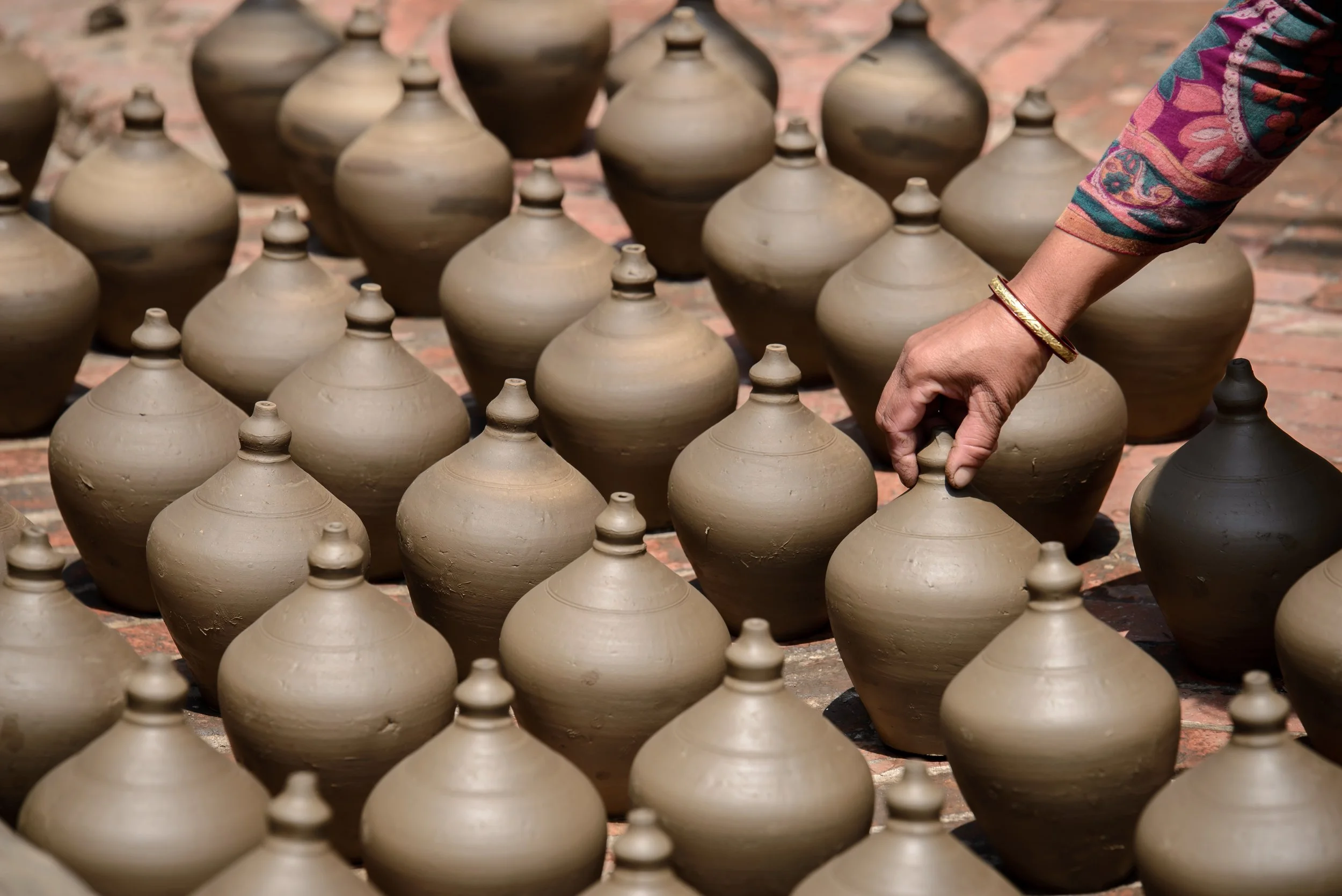
In the heart of the Himalayas, where the serene beauty of nature meets the rich tapestry of culture, Nepal's pottery tradition stands as a testament to the craftsmanship and heritage of its people. From the bustling streets of Kathmandu to the remote villages nestled in the mountains, pottery in Nepal is not just an art form; it's a way of life. In this feature article, we embark on a journey to explore the pottery culture of Nepal, delving into its history, significance, and the artisans who keep this ancient craft alive.
A Legacy of Clay: A Glimpse into Nepali Pottery History
Pottery in Nepal has deep historical roots, dating back over 5,000 years. It's a craft that has evolved over millennia, influenced by trade routes and cultural exchanges with neighboring countries like India and Tibet. The clay-rich soil of the Kathmandu Valley and other regions has long been a source of inspiration for potters, shaping their creativity and techniques.
Early Beginnings
The earliest evidence of pottery in Nepal can be traced to the Indus Valley Civilization, where pottery was utilitarian, serving everyday needs. Over time, pottery in Nepal transformed from simple functional items to intricate works of art, reflecting the cultural and spiritual dimensions of Nepali society.
Artistic Flourishing
The Malla period, which spanned from the 12th to the 18th century, saw a flourishing of artistic endeavors in Nepal, including pottery. Potters began to create exquisite pottery that featured intricate designs, fine craftsmanship, and intricate glazing techniques. Many of these techniques are still used by artisans today.
Spiritual Connections
Beyond the utilitarian, pottery holds a sacred place in Nepali culture. The worship of deities often involves the use of terracotta lamps, incense holders, and ceremonial vessels. These items are intricately designed, reflecting the spiritual beliefs and cultural traditions of different communities.
The Potter's Craft: Techniques and Traditions
Nepal boasts a diverse range of pottery styles, each characterized by distinct techniques and traditions. From the ancient art of Thimi to the renowned black pottery of Bhaktapur, the country's pottery landscape is a reflection of its cultural diversity.
Thimi Pottery
The town of Thimi, located in the Kathmandu Valley, is renowned for its distinctive red clay pottery. Potters in Thimi create functional items such as water jars, butter lamps, and decorative pieces. The traditional pottery-making process here involves hand-coiling the clay, followed by intricate carving and detailed painting.
Bhaktapur's Black Pottery
Bhaktapur, another ancient city in Nepal, is famous for its unique black pottery. This craft involves a reduction firing process, where the pottery is fired in a closed chamber with limited oxygen, resulting in the distinct black color. Artisans in Bhaktapur craft a wide range of items, including vases, bowls, and masks, often adorned with intricate carvings.
The Wheel of Throwing
Across Nepal, the potter's wheel is a common sight. Artisans skillfully throw pots, bowls, and other vessels using this age-old technique. The rhythmic spinning of the wheel and the gentle touch of the potter's hands shape the clay into functional and decorative forms.
Challenges and Preservation Efforts
While Nepal's pottery culture remains vibrant, it faces several challenges in the modern world. Changing lifestyles and the availability of mass-produced alternatives have affected the demand for traditional pottery. Many potters struggle to make ends meet as they face competition from cheaper, factory-produced goods. The declining demand for handmade pottery threatens the livelihoods of these skilled artisans. Recognizing the importance of preserving this cultural heritage, various organizations and individuals are working to revitalize Nepal's pottery culture. Initiatives range from providing training to young potters to organizing pottery exhibitions and promoting traditional pottery as unique souvenirs for tourists.
In Nepal, pottery is not just a craft; it's a cultural treasure passed down through generations. It bridges the gap between practicality and spirituality, creating vessels that sustain life and artistry that feeds the soul.
As you traverse the streets of Nepal, take a moment to appreciate the intricate patterns on a terracotta lamp or the subtle elegance of a handmade clay pot. These everyday items are a testament to the enduring legacy of Nepal's pottery culture, where beauty is crafted from the very earth beneath our feet. In the hands of Nepali artisans, clay becomes a medium of expression, connecting the past to the present and shaping the future of this timeless art form.
POPULAR ITINERARIES
SIMILAR POSTS
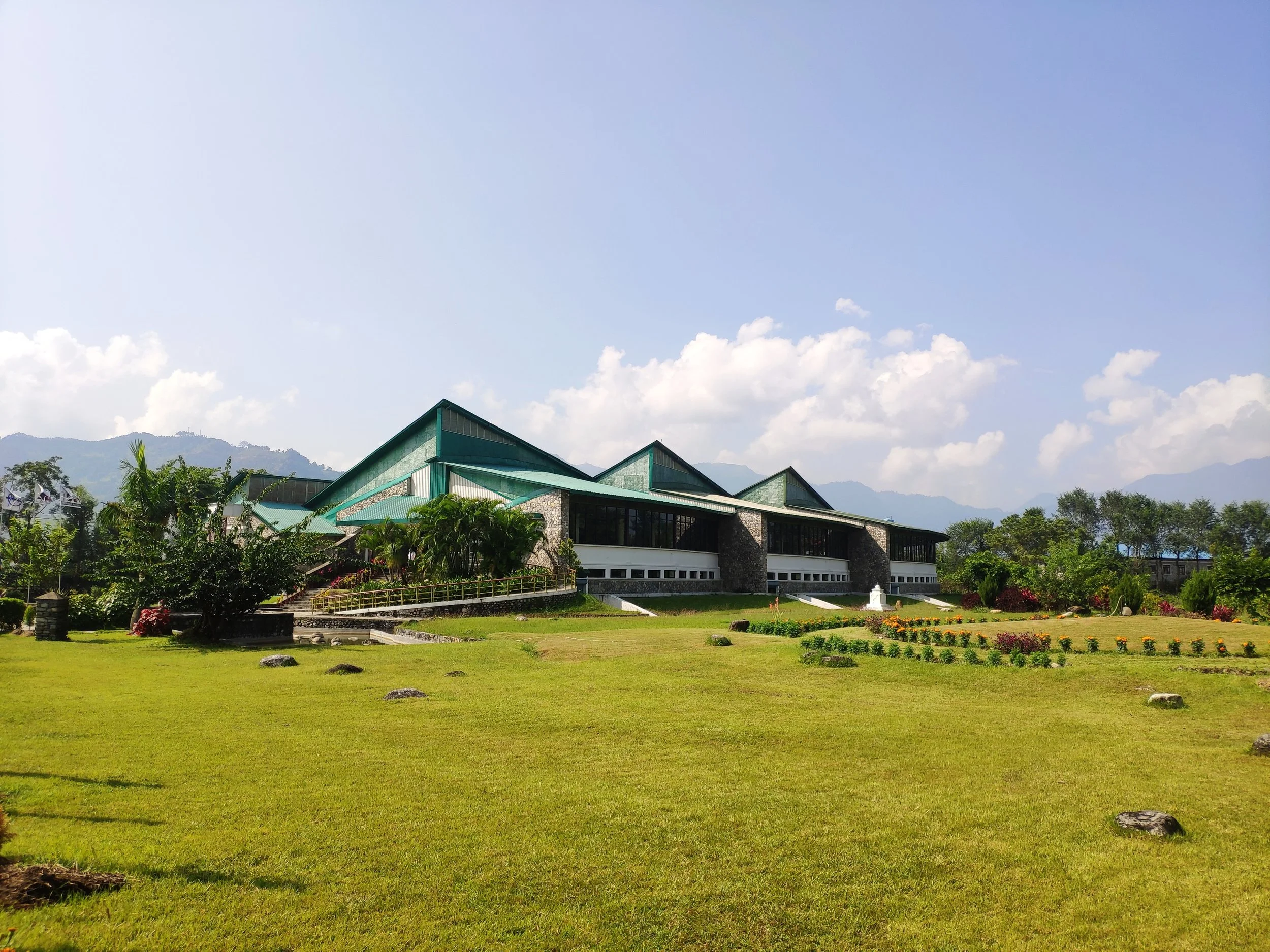
Pokhara: A Museum Lover's Paradise
While Pokhara may be celebrated for its breathtaking natural beauty, it's evident that its museums are equally enchanting. These cultural and historical gems offer a profound understanding of the city's past, its people, and their enduring traditions.
Whether you're a mountaineer seeking inspiration, a history enthusiast interested in Gurkha valor, a culture lover eager to explore ethnic diversity, or a nature enthusiast enchanted by butterflies, Pokhara's museums have something unique and captivating to offer. So, the next time you find yourself in this Nepali paradise, take a break from the usual tourist activities and embark on a journey of discovery through the city's remarkable museums. Your experience will be a richer and more fulfilling one, and you'll leave with a deeper appreciation for Pokhara's multifaceted heritage.
The International Mountain Museum: Where Peaks Come Alive
Nestled against the backdrop of the Annapurna Range, the International Mountain Museum stands as a testament to the city's close relationship with the mighty Himalayas. This museum is a must-visit for adventurers, mountaineers, and anyone curious about the world's highest peaks.
A Journey through the Himalayas
As you step inside the museum, you are greeted by awe-inspiring exhibits, including scale models of the world's tallest mountains and the gear used by legendary mountaineers. The life-size replica of Sir Edmund Hillary and Tenzing Norgay, the first climbers to conquer Mount Everest, is a highlight, providing an up-close encounter with these iconic figures.
Cultural Insights
Beyond the mountaineering memorabilia, the museum delves into the culture and lifestyles of the Himalayan people. Intriguing displays showcase traditional costumes, tools, and artifacts from various ethnic groups that inhabit the region. Interactive exhibits and informative videos give visitors a deeper understanding of the challenges faced by mountain communities.
Interactive Learning
The International Mountain Museum also caters to the younger generation and aspiring adventurers. The museum's interactive displays and educational programs inspire a sense of curiosity and respect for the natural world, making it an excellent destination for families.
Gurkha Museum: Honoring the Bravery of Nepal's Legendary Warriors
Pokhara is not just about mountains; it's also the birthplace of the fearless Gurkha soldiers. The Gurkha Museum pays tribute to these valiant warriors, who have served in the British and Indian armies for over two centuries
A Glimpse into Gurkha History
This museum takes you on a historical journey, showcasing the Gurkha's military history, from their origins in the hills of Nepal to their involvement in famous battles across the world. The collection includes medals, weaponry, uniforms, and personal stories of Gurkha heroes, providing a deep insight into their dedication and valor.
Interactive Displays
The Gurkha Museum doesn't just offer a passive viewing experience; it invites visitors to interact with exhibits and even try on Gurkha uniforms. This hands-on approach helps visitors appreciate the challenges faced by Gurkha soldiers and fosters a sense of respect for their enduring legacy.
Inspiring Future Generations
One of the museum's primary objectives is to educate the younger generation about Gurkha history and their contributions to global peacekeeping efforts. Educational programs and workshops are regularly conducted to engage local schools and students.
The Pokhara Regional Museum: Unveiling the Cultural Diversity
Nepal is a country with a rich tapestry of cultures and traditions, and the Pokhara Regional Museum serves as a window into this diverse heritage. Located near the Old Bazaar area, this museum is a must-visit for those seeking to immerse themselves in the local culture.
Cultural Extravaganza
Step into the Pokhara Regional Museum, and you'll be transported into a world of ethnic diversity. The museum showcases the art, crafts, and cultural practices of the various ethnic groups residing in the Pokhara Valley, such as the Gurungs, Thakalis, Magars, and Newars.
Traditional Artifacts
The collection includes intricate woodcarvings, pottery, costumes, musical instruments, and religious artifacts. Each piece reflects the unique aesthetics and craftsmanship of the respective communities. A visit here is not just informative but also visually stunning.
Preservation of Tradition
The museum plays a vital role in preserving and promoting the traditional arts and crafts of the region. It often hosts workshops and demonstrations, where local artisans showcase their skills and pass them on to younger generations, ensuring the continuity of these age-old traditions.
The Annapurna Butterfly Museum: A World of Color and Beauty
For a change of pace and a chance to witness the mesmerizing beauty of nature, the Annapurna Butterfly Museum is a hidden gem in Pokhara. This unique museum celebrates the vibrant world of butterflies.
A Kaleidoscope of Colors
Enter the museum, and you'll find yourself surrounded by a kaleidoscope of colors as hundreds of butterflies flutter around in a carefully recreated natural habitat. The museum houses an extensive collection of butterfly species found in the Annapurna region, making it a haven for nature enthusiasts and photographers.
Educational Outreach
The Annapurna Butterfly Museum goes beyond being a visual delight. It also serves as an educational hub, offering insights into the life cycles, habitats, and ecological significance of butterflies. Visitors can learn about the delicate balance of nature and the importance of preserving biodiversity.
Conservation Efforts
Part of the museum's mission is to contribute to the conservation of butterfly species in the Annapurna region. They work closely with local communities to raise awareness about the importance of preserving natural habitats and reducing environmental impact.
POPULAR ITINERARIES
SIMILAR POSTS
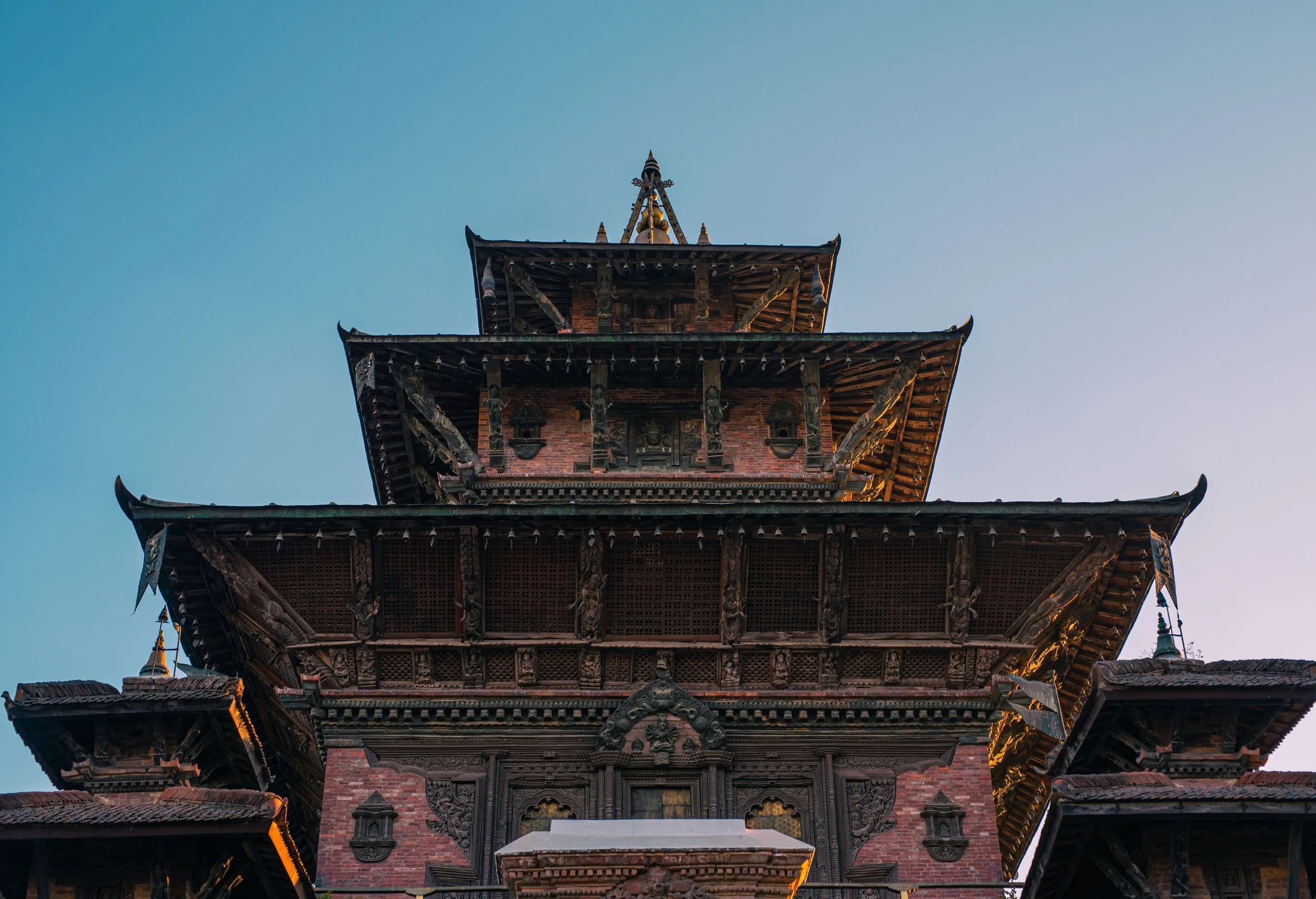
The Taleju Temple of Kathmandu: A Marvel of Art and Devotion
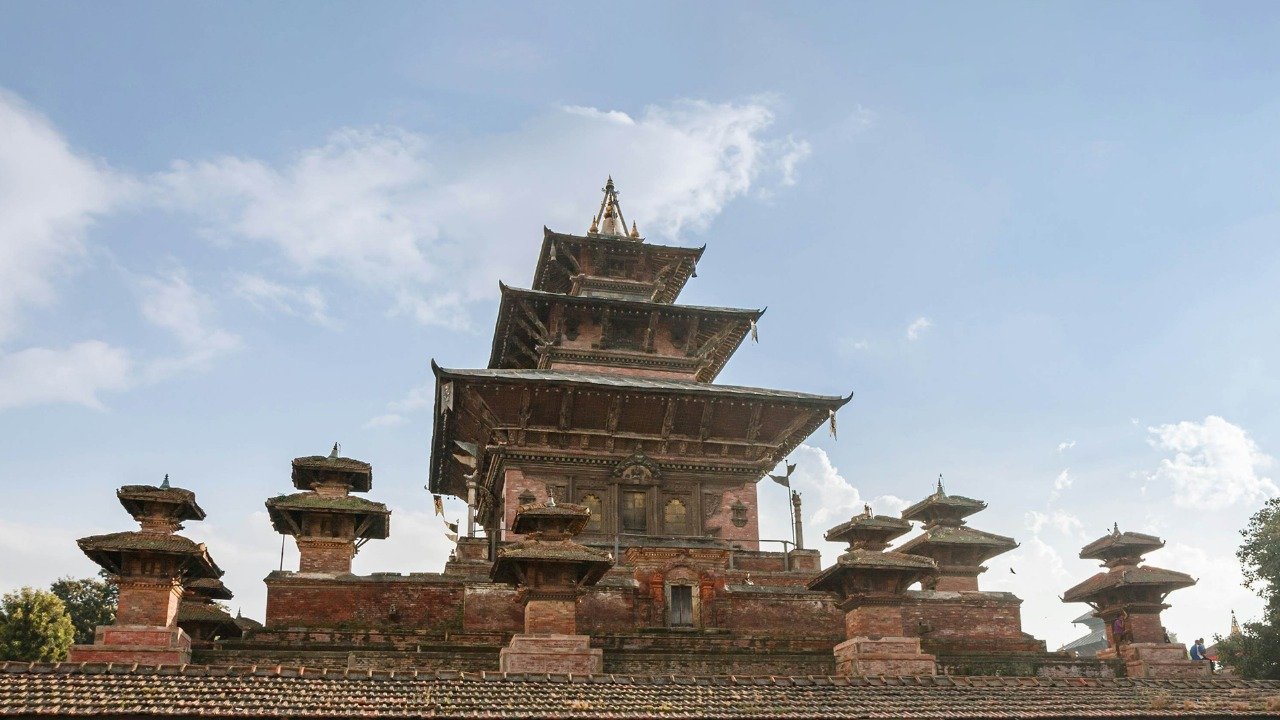
The Taleju Temple in Kathmandu, Nepal, is a captivating blend of Newar and pagoda-style architecture. With a rich history dating back to the 12th century, its intricate wooden carvings, gilded roofs, and religious significance attract pilgrims and art enthusiasts. Conservation efforts preserve this UNESCO World Heritage Site as a cultural treasure.
The Taleju Temple, nestled in the heart of Kathmandu, Nepal, stands as a testament to the city's rich cultural and architectural heritage. This sacred site holds immense historical and religious significance, drawing countless pilgrims and visitors from around the world. Let us explore the architectural style, historical background, construction type, and the enduring significance of this awe-inspiring temple.
Architectural Style:
The Taleju Temple showcases a distinctive blend of indigenous Newar architecture and classic pagoda-style elements. Its multi-tiered structure, intricate wooden carvings, and golden spire exemplify the finest craftsmanship of the medieval Malla period. The temple's design reflects a harmonious fusion of Hindu and Buddhist styles, reflecting Nepal's syncretic cultural traditions.
The main entrance of the temple, adorned with a wooden torana (gateway), features detailed carvings depicting divine figures and mythological scenes. The torana is a hallmark of Newar architecture and represents the transition from the earthly to the spiritual realm.
History:
The history of the Taleju Temple is steeped in ancient legends and myths. According to local lore, the temple's origin can be traced back to the reign of King Gunakamadeva in the 12th century. However, historical records suggest that the temple underwent significant renovations and expansions under the rule of different Malla kings in the subsequent centuries.
One of the most crucial periods in the temple's history was during the reign of King Pratap Malla in the 17th century. He is credited with adding the resplendent gilded roofs and intricately carved woodwork that have come to define the temple's iconic appearance today.
Construction Type:
The construction of the Taleju Temple primarily utilized traditional building materials such as wood, brick, and stone. Its foundation is made of stone, and the main structure features intricately carved wooden beams and columns. The temple's roof is adorned with gilded copper, which not only enhances its aesthetic appeal but also protects the temple from adverse weather conditions.
The temple's wooden elements are a testament to the unparalleled craftsmanship of Newar artisans. The intricate wood carvings on the struts, pillars, and windows depict various deities, celestial beings, and floral motifs, showcasing the skill and creativity of the artisans of that era.
Significance:
The Taleju Temple holds immense religious significance for both Hindus and Buddhists. The temple is dedicated to the goddess Taleju Bhawani, an incarnation of Goddess Durga, revered as the patron deity of the Malla kings. Access to the temple was historically restricted to the royalty and selected devotees during special occasions. The temple served as a center for royal ceremonies and played a pivotal role in shaping the socio-religious fabric of Kathmandu.
Moreover, the Taleju Temple is an architectural gem and a UNESCO World Heritage Site. Its historical and artistic value has made it a focal point for preservation efforts by both national and international authorities. The temple's intricate wood carvings, skillful craftsmanship, and unique architecture draw art enthusiasts, scholars, and travelers alike.
Apart from its religious and artistic significance, the Taleju Temple also played a strategic role in the defense of the Kathmandu Valley. The temple's elevated position and commanding views made it an ideal vantage point for the kings to assess potential threats and invaders.
Continued Devotion:
Even in modern times, the Taleju Temple continues to be a site of religious devotion and cultural significance. Festivals and ceremonies are held within its premises throughout the year, attracting large gatherings of devotees and tourists.
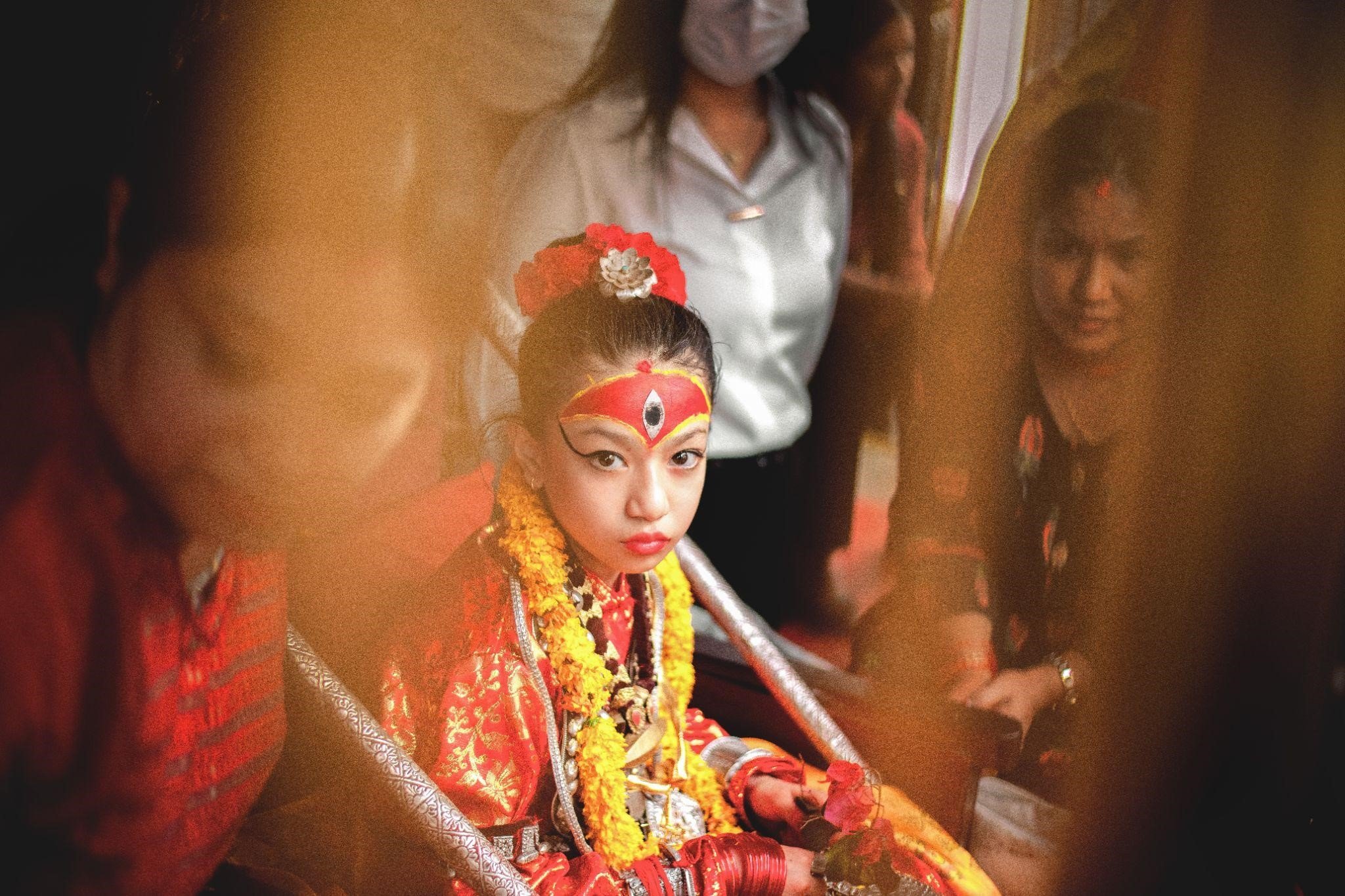
One of the most prominent festivals celebrated at the temple is the "Indra Jatra" or "Yenya" festival. During this vibrant event, the living goddess Kumari, adorned in elaborate traditional attire, blesses the people from the temple's chariot. The festival also features masked dances, music, and processions, creating a colorful spectacle that captivates both locals and visitors.
Preservation Efforts:
As a cultural treasure, the Taleju Temple requires continuous preservation efforts to protect its delicate wood carvings and structural integrity. Various governmental and non-governmental organizations are actively involved in conservation initiatives to ensure that this architectural wonder stands tall for future generations to marvel at.
The Taleju Temple of Kathmandu stands as a living testament to Nepal's rich history, religious devotion, and architectural brilliance. Its unique blend of indigenous and pagoda-style architecture captivates the hearts of all who visit. As a symbol of Nepal's cultural heritage, the temple continues to inspire awe and reverence, ensuring that the legacy of this remarkable edifice endures for generations to come. With ongoing preservation efforts and the unwavering devotion of the people, the Taleju Temple remains a beacon of spirituality and a cherished jewel in the crown of Kathmandu.
POPULAR ITINERARIES
SIMILAR POSTS
The Traditional Art and Craft of Nepal: A Pottery Odyssey
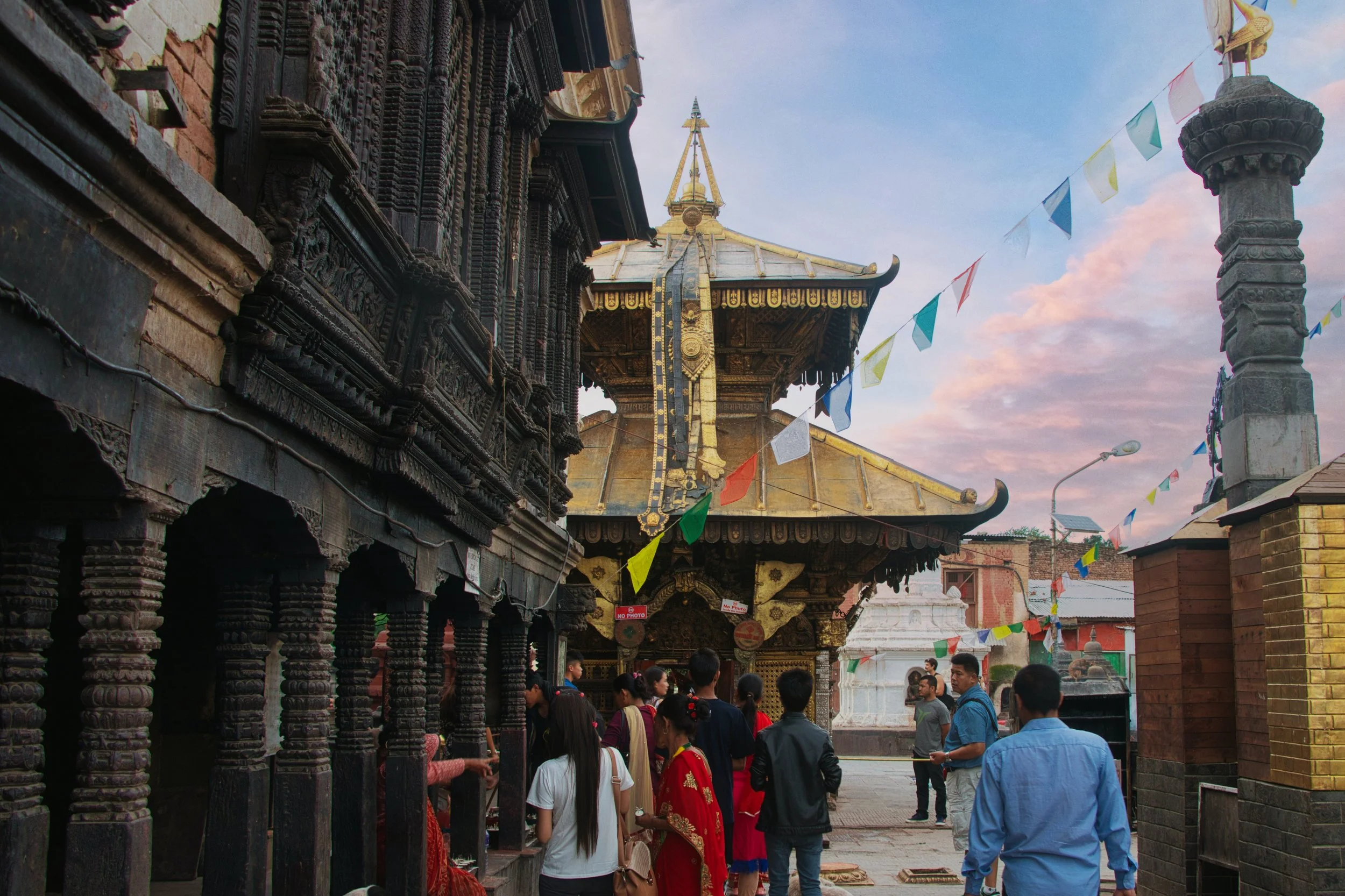
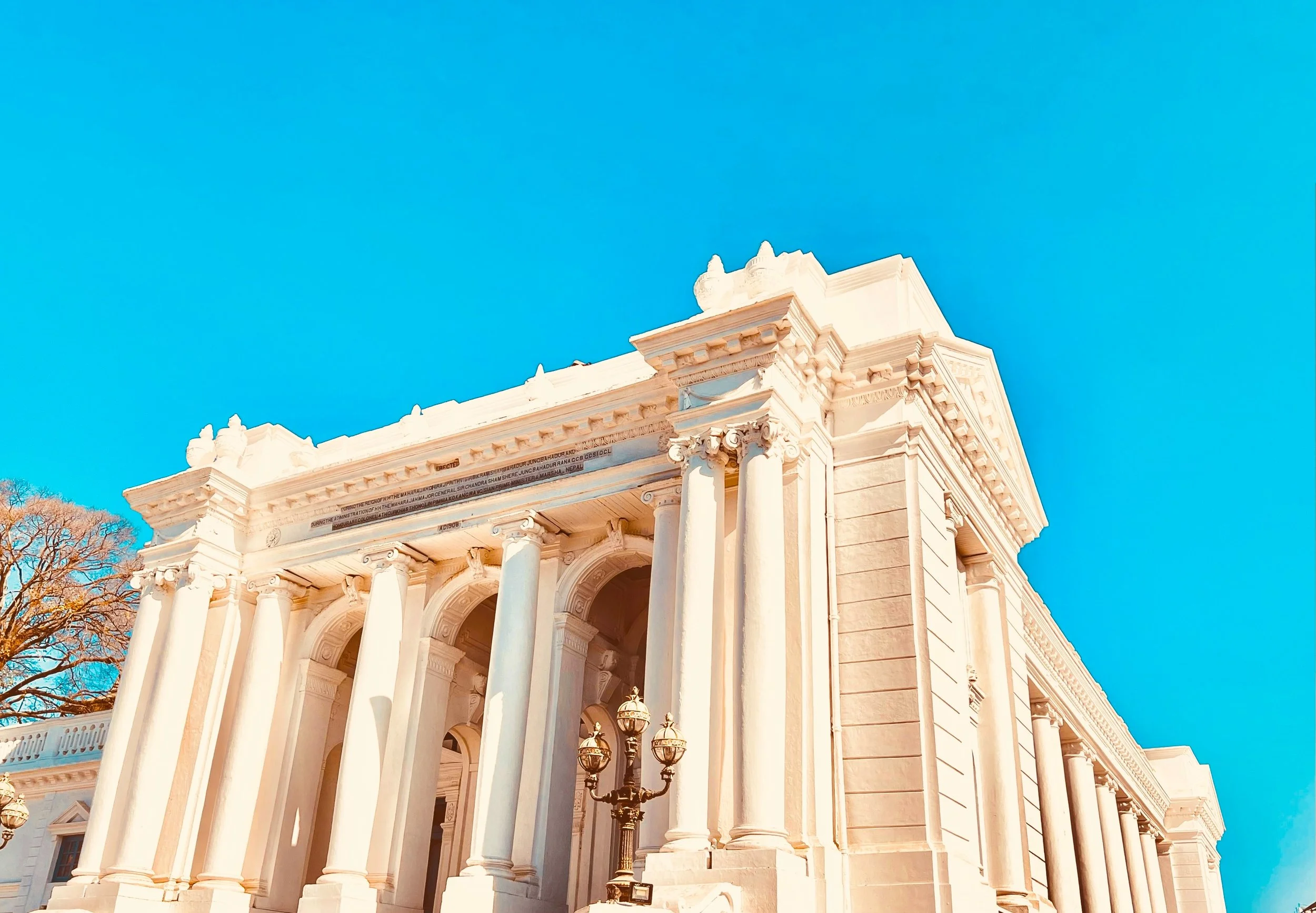
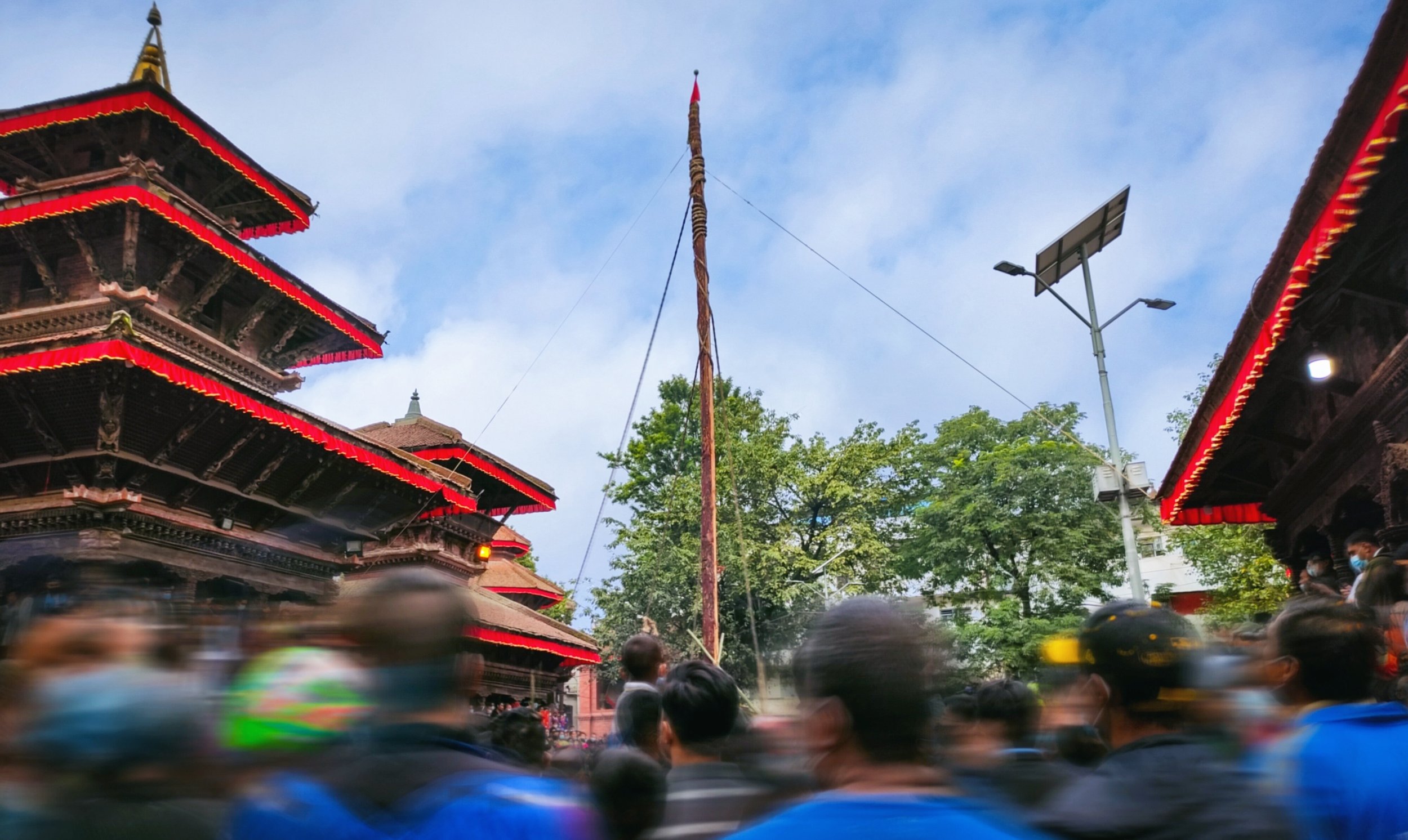
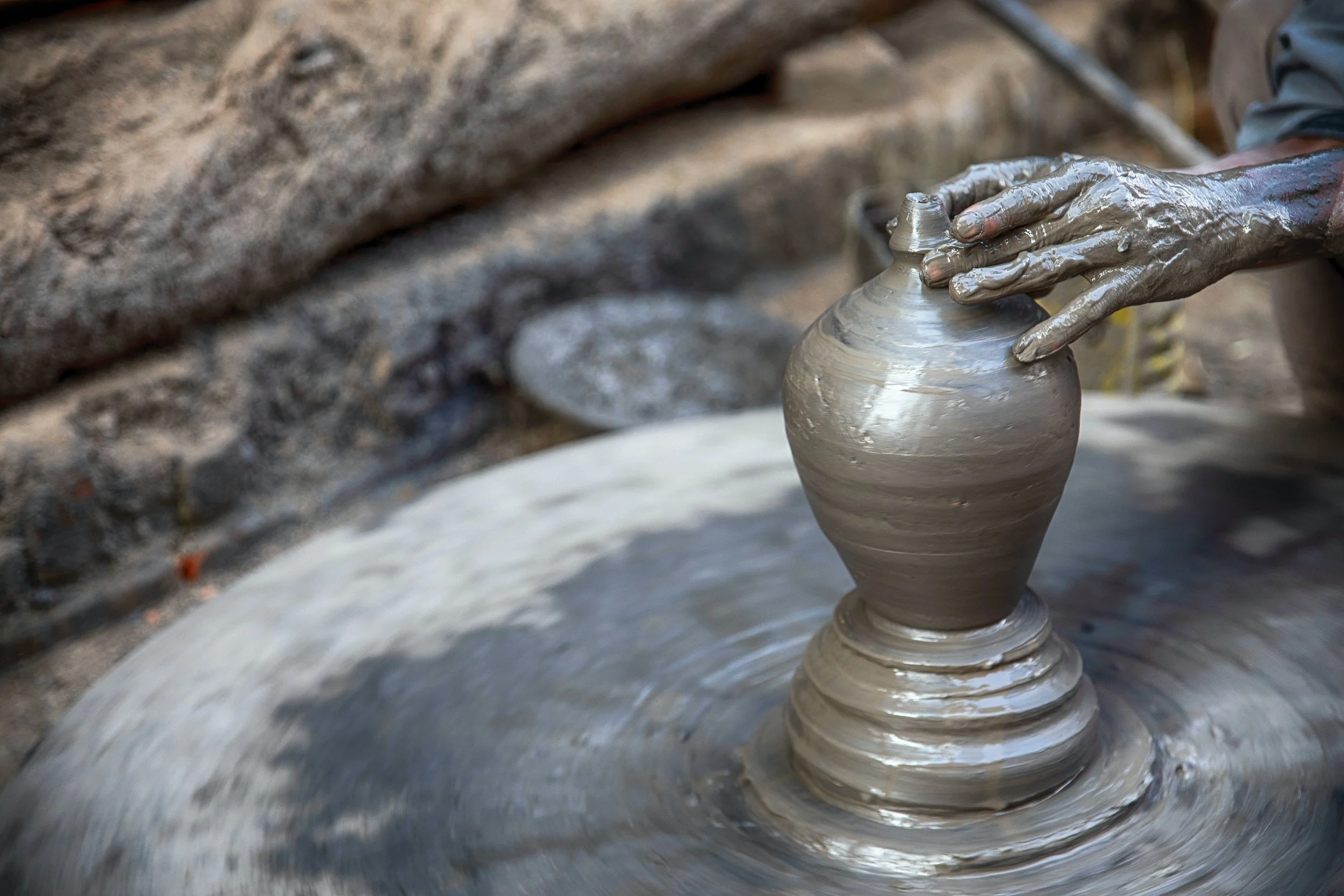
Discover the rich world of traditional pottery in Nepal, where skilled artisans shape clay into exquisite masterpieces. From terracotta pottery in Bhaktapur to black pottery in Thimi, and the fusion of Pashmina and ceramic art in Pokhara, each form showcases the artistic legacy and cultural heritage of Nepal's pottery tradition.
Nepal, a land rich in cultural heritage, is renowned for its traditional art and craft that has been passed down through generations. Among the various art forms that flourish in this captivating country, pottery holds a special place. With my expertise as a travel guide and tourism expert, specializing in Nepal, let's embark on a journey into the world of traditional pottery, where the hands of skilled artisans shape clay into exquisite masterpieces.
The history of pottery in Nepal stretches back centuries, with evidence of early pottery dating as far back as the Neolithic period. The art form has been an integral part of Nepalese culture, serving both utilitarian and decorative purposes. The ancient trade routes connecting Nepal with neighboring regions facilitated the exchange of ideas, techniques, and influences, contributing to the development and diversification of pottery styles. Over time, pottery became deeply intertwined with religious and cultural practices, with artisans crafting vessels for rituals, sculptures of deities, and decorative items. Today, Nepal's pottery tradition continues to thrive, blending traditional techniques with contemporary creativity, and serving as a living testament to the country's rich historical legacy.
Pottery, an ancient craft deeply rooted in Nepalese culture, showcases the creativity and skill of artisans who transform raw clay into functional and decorative objects. The art of pottery in Nepal can be traced back centuries and has evolved into a vibrant and diverse form of expression. Let's explore the different types of pottery prevalent in Nepal, each with its unique characteristics and notable examples.
Terracotta Pottery:
Terracotta pottery, made from a type of clay that is fired at low temperatures, is one of the most prevalent forms of pottery in Nepal. This traditional craft produces earthenware with a rustic appeal, ranging from simple household items to intricate figurines. The town of Bhaktapur is famous for its terracotta pottery, with skilled artisans crafting beautiful clay pots, statues, and decorative pieces. The intricate detailing and rich earthy colors of Bhaktapur's terracotta pottery are a testament to the craftsmanship of the local artisans.
Black Pottery:
Black pottery, characterized by its distinct black color and glossy finish, is another traditional craft that has flourished in Nepal. The city of Thimi, located in the Kathmandu Valley, is renowned for its black pottery. Artisans in Thimi employ a unique firing technique using a mixture of clay and rice husks, giving the pottery its signature black hue. From vases and bowls to lamps and decorative items, black pottery showcases the skillful craftsmanship and artistic sensibility of Nepalese potters.
Pashmina Pottery:
Pashmina pottery, named after the famous Pashmina wool, is a relatively recent addition to Nepal's pottery tradition. It combines the elegance of ceramic art with the luxurious texture of Pashmina fabric. Skilled artisans in the city of Pokhara create exquisite Pashmina pottery by applying a thin layer of clay infused with Pashmina fibers onto ceramic objects. The result is a stunning blend of ceramic and textile, producing unique pieces like vases, bowls, and decorative artifacts that showcase the artistic fusion of two traditional crafts.
Sculptural Pottery:
Beyond functional pottery, Nepal is also renowned for its sculptural pottery, where clay is transformed into intricate figurines and statues. The town of Patan, known for its ancient art and craft traditions, is a hub for sculptural pottery. Artisans in Patan sculpt clay into representations of gods, goddesses, mythical creatures, and everyday life scenes. The fine details and intricate designs of these sculptural pieces are a testament to the exceptional skill and craftsmanship of Nepalese potters.
As you delve into the world of traditional pottery in Nepal, you will witness the seamless fusion of artistry, culture, and tradition. Each pottery form carries its own story and reflects the diverse heritage of Nepal. Whether it's the rustic allure of terracotta, the glossy elegance of black pottery, the innovative blend of Pashmina pottery, or the sculptural wonders of Patan, the art of pottery in Nepal is a testament to the country's rich artistic legacy.
So, as you traverse the streets and markets of Nepal, take the time to appreciate the skill and artistry of the potters, engage with them, and even try your hand at shaping clay. Immerse yourself in this ancient craft, discoverthe techniques passed down through generations, and bring home a piece of Nepal's cultural heritage.
POPULAR ITINERARIES
SIMILAR POSTS
Timeless Craftsmanship of Nepal: A Treasure of Cultural Significance
In the lap of the majestic Himalayas, Nepal is a country renowned for its rich cultural heritage and exquisite craftsmanship. The artisanal traditions that have been passed down through generations in this landlocked nation are a testament to the ingenuity and skill of its people. With a deep-rooted connection to the country's history, the craftsmanship of Nepal stands as a beacon of cultural significance, reflecting the unique identity and artistic prowess of its diverse communities.
In the lap of the majestic Himalayas, Nepal is a country renowned for its rich cultural heritage and exquisite craftsmanship. The artisanal traditions that have been passed down through generations in this landlocked nation are a testament to the ingenuity and skill of its people. With a deep-rooted connection to the country's history, the craftsmanship of Nepal stands as a beacon of cultural significance, reflecting the unique identity and artistic prowess of its diverse communities.
The history of Nepali craftsmanship is intertwined with the rich tapestry of the country's past. Dating back centuries, the art forms and techniques employed by Nepali artisans have evolved and flourished, embodying the country's cultural, religious, and socio-economic aspects. From the intricate woodwork seen in temples and palaces to the mesmerizing thangka paintings adorning monasteries, each craft carries with it a narrative of Nepal's past. The meticulous attention to detail and reverence for tradition displayed in these crafts make them not only objects of beauty but also living symbols of the nation's heritage.
The craftsmanship of Nepal encompasses a wide array of art forms, each with its unique characteristics and artistic merits. Let us explore a few prominent crafts that exemplify the rich cultural diversity of the country:
Woodcarving: Renowned for its exquisite detailing and ornate designs, Nepali woodcarving is a craft that has graced the country's architectural wonders for centuries. Intricately carved windows, doors, and pillars showcase the mastery of artisans, bringing life and elegance to palaces, monasteries, and traditional homes.
Thangka Painting: A form of religious art, thangka painting is a spiritual expression of the Buddhist and Hindu faiths. These intricate scroll paintings, usually depicting deities, mandalas, and religious narratives, require immense skill and precision. Thangkas serve not only as objects of devotion but also as sources of enlightenment and meditation.
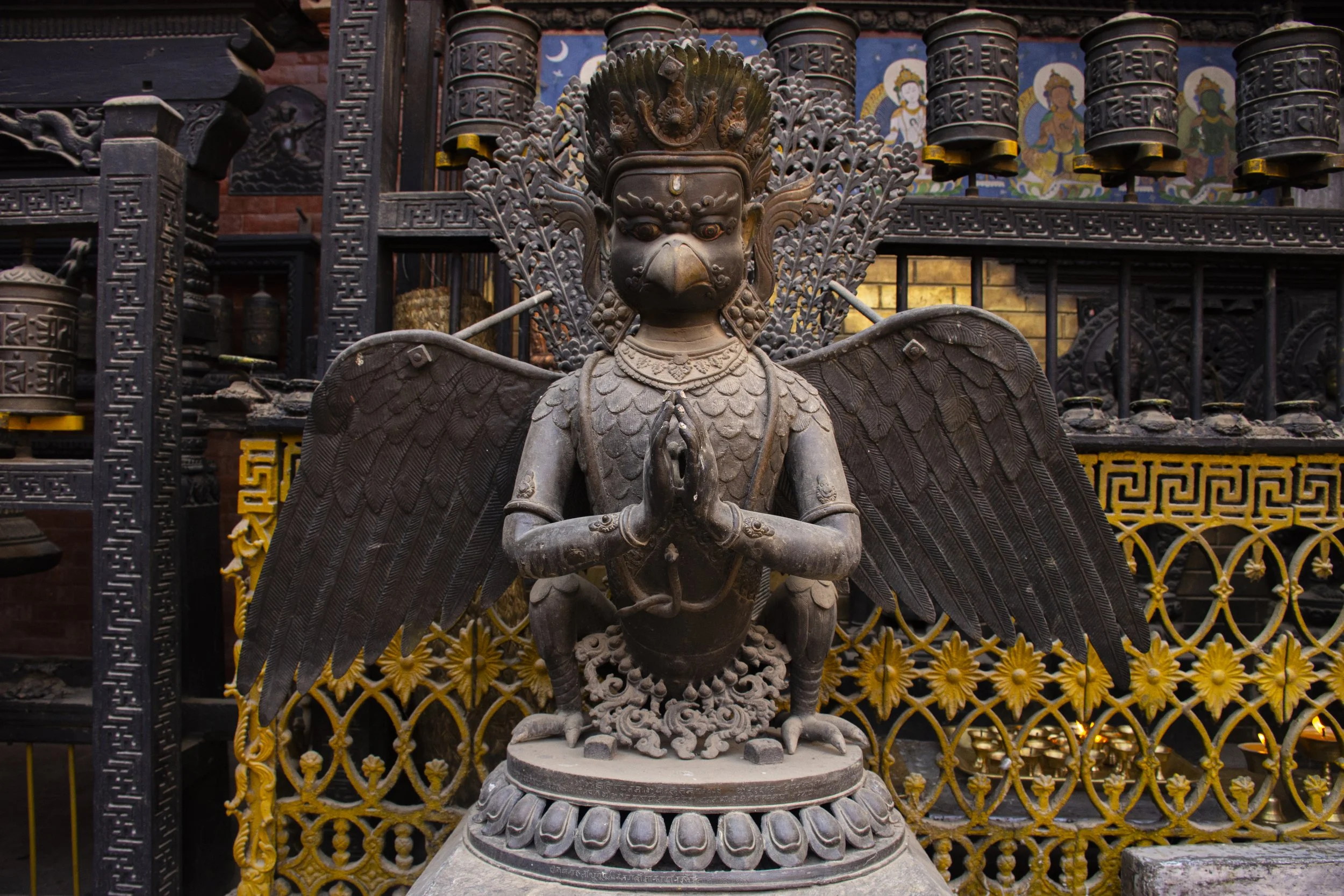
Metalwork: Metalwork holds a significant place in the craftsmanship of Nepal, showcasing the meticulous skill and ingenuity of its artisans. With a history spanning centuries, the art of metalwork has left an indelible mark on Nepal's cultural landscape. From religious statues to intricately designed bells and ritual objects, Nepali metalwork exemplifies the fusion of artistic expression and spiritual devotion.
One of the most remarkable aspects of Nepali metalwork is the mastery of various techniques employed by artisans. Repoussé, a method in which metal sheets are shaped and embossed from the reverse side, creates captivating three-dimensional designs that adorn statues and temple doors. The art of casting enables artisans to produce intricate metal sculptures with remarkable precision and detail. Filigree, characterized by delicate threads of metal formed into decorative patterns, adds an ethereal touch to jewelry and ornamental objects.
The materials used in Nepali metalwork are carefully selected to ensure durability and aesthetic appeal. Copper, renowned for its malleability and corrosion resistance, is a favored choice among artisans. Bronze, an alloy of copper and tin, lends strength and a warm golden hue to sculptures and religious artifacts. Silver, highly valued for its luster, is often utilized for intricate filigree work, adding an element of luxury and refinement to the creations.
The craftsmanship of Nepal is not just an aesthetic expression but also a vital economic driver. The artisan communities, often belonging to marginalized groups, depend on their craft for their livelihood. By preserving and promoting these traditional crafts, Nepal can empower these communities, uplift their socio-economic status, and foster sustainable development.
Furthermore, the artistic traditions of Nepal have immense cultural value, acting as a bridge between generations and fostering a sense of pride and identity among Nepali people. Visitors to Nepal are captivated by the country's craftsmanship, which serves as a testament to its vibrant cultural heritage. The preservation and promotion of these crafts have the potential to drive tourism, attracting individuals from all corners of the globe who seek to immerse themselves in the country's art and culture.
The craftsmanship of Nepal, steeped in historical legacy and cultural significance, is a treasure that deserves our utmost admiration and appreciation. From the awe-inspiring woodcarvings to the enchanting thangka paintings and intricate metalwork, Nepal's artisans have created timeless masterpieces that transcend time and borders. By valuing and supporting the craftsmen and women who uphold these traditions, we can ensure the preservation of Nepal's cultural heritage for future generations. Let us embrace and celebrate the richness of Nepali craftsmanship, allowing it to shine as a beacon of artistic excellence and cultural pride in the global arena.
POPULAR ITINERARIES
SIMILAR POSTS
Basantapur Durbar Square: A Timeless Gem
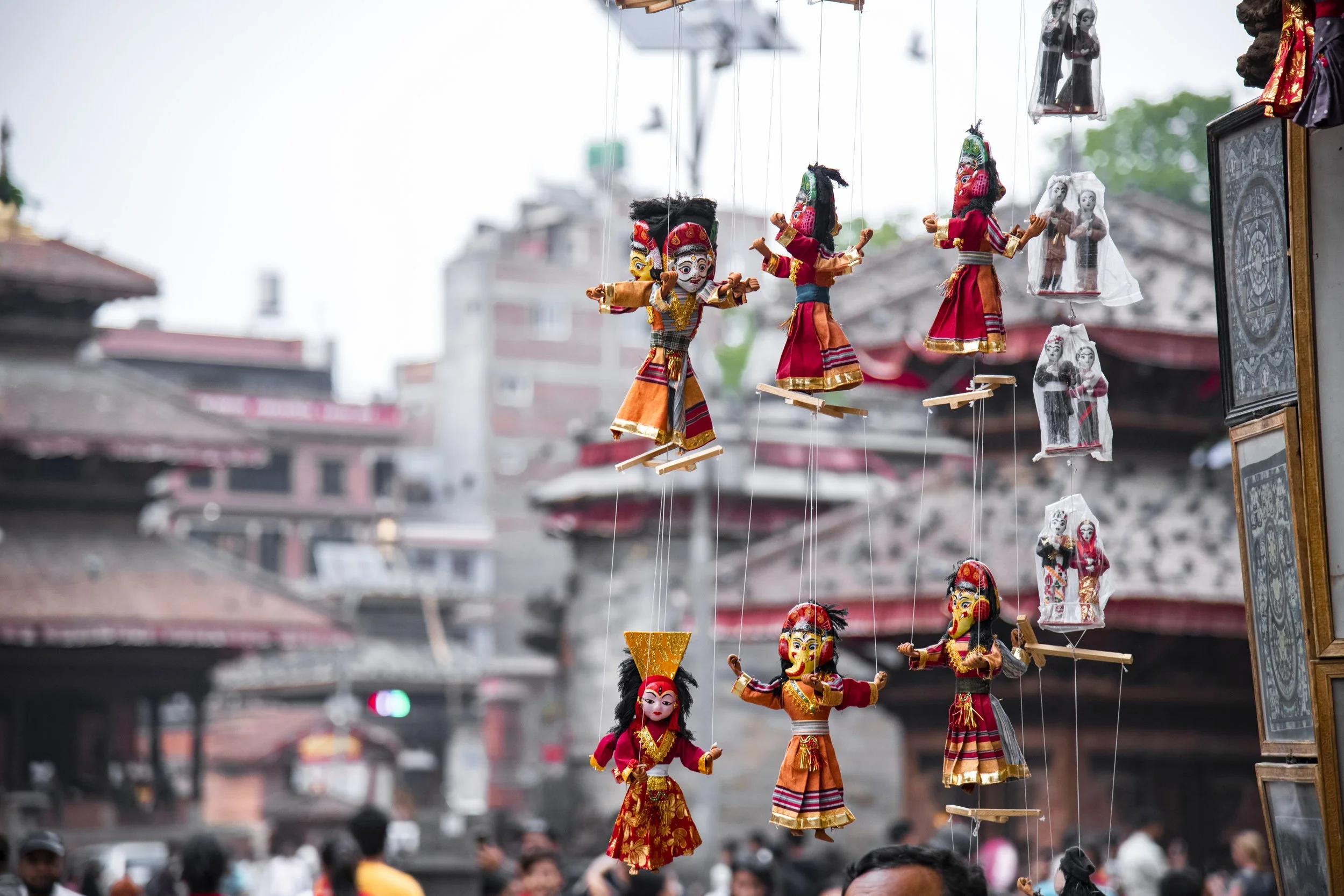
Once you step foot in this timeless sanctuary, you are immediately enveloped by an atmosphere that resonates with the echoes of centuries past. The air is thick with the whispers of ancient tales and the weight of historical significance. Each intricate architectural marvel, meticulously crafted by skilled artisans of yesteryears, holds within it a saga waiting to be unraveled.
Basantapur Durbar Square not only offers a feast for the senses but also a stage for vibrant festivals and cultural celebrations that ignite the soul. Time your visit to witness the ethereal spectacle of Indra Jatra, where the streets come alive with elaborate processions, resounding music, and elaborate dances, all in honor of the revered deity Indra. Immerse yourself in the intoxicating energy of Maha Shivaratri, as devotees pay homage to Lord Shiva through mesmerizing rituals and fervent devotion. These immersive experiences allow you to witness the very essence of Nepali culture, where spirituality and tradition intertwine in a captivating dance.
Immerse Yourself in Architectural Marvels:
Prepare to be mesmerized by the architectural splendor that surrounds you in Basantapur Durbar Square. This captivating square boasts an array of ancient palaces, courtyards, temples, and intricate stone carvings that reflect the rich artistic heritage of Nepal. Marvel at the awe-inspiring intricacies of the 55-window Palace, an architectural masterpiece showcasing exquisite craftsmanship. Visit the Taleju Temple, a sacred shrine dedicated to the goddess Taleju Bhawani, and soak in the spiritual ambiance that permeates the air.
Discover Living History:
Beyond its architectural grandeur, Basantapur Durbar Square is a living testament to Nepal's history and cultural heritage. The square has witnessed the rise and fall of dynasties and the unfolding of significant events. Take a moment to reflect upon the stories and legends that have shaped the nation. Engage with the locals, as they graciously share their knowledge and insights, providing you with a deeper understanding of Nepal's vibrant past and present.
Indulge in Culinary Delights:
No visit to Basantapur Durbar Square is complete without savoring the diverse flavors of Nepali cuisine. Treat your taste buds to a gastronomic adventure as you explore the numerous food stalls and local eateries surrounding the square. Sample the iconic momo, a delectable dumpling filled with a variety of savory fillings, or indulge in traditional Newari dishes like the mouthwatering samay baji, a platter of rice, lentils, beaten rice, and a selection of savory accompaniments. Allow the tantalizing aromas and vibrant flavors to transport you to the heart of Nepali culture.
Capture the Essence through Photography:
Basantapur Durbar Square presents an abundance of photogenic scenes that will captivate any shutterbug. From the ornate details of the palaces and temples to the colorful rituals and bustling markets, there are endless opportunities to capture the essence of Nepali culture through your lens. Whether you're a professional photographer or an enthusiastic amateur, allow the vibrant surroundings to inspire your creativity and document your journey in stunning visuals.
Support Local Artisans and Craftspeople:
Take a moment to appreciate the exquisite craftsmanship of the local artisans and craftspeople. Basantapur Durbar Square is a treasure trove of traditional arts and crafts, including woodwork, metalwork, pottery, and intricate hand-woven textiles. Explore the narrow alleys surrounding the square to discover hidden workshops and galleries where these skilled artisans bring their creations to life. By purchasing authentic Nepali handicrafts, you not only take home a unique memento but also support the local economy and contribute to the preservation of these age-old traditions.
Attend Cultural Workshops and Performances:
Engage in cultural workshops and performances that are often organized in Basantapur Durbar Square. Learn traditional art forms like Thangka painting or pottery-making from skilled local artisans who are eager to share their knowledge. Attend cultural performances such as traditional dance or music shows that showcase the rich heritage of Nepal. These interactive experiences provide a hands-on understanding of the artistic traditions and offer a chance to engage with the local community.
Basantapur Durbar Square is a captivating destination that offers a kaleidoscope of experiences for travelers and cultural enthusiasts alike. From its architectural splendor to its living history, from its culinary delights to its vibrant festivals, the square provides a multidimensional exploration of Nepal's rich cultural tapestry. As you embark on this remarkable journey, open your heart and mind to the diverse perspectives that Basantapur Durbar Square presents, and let the magic of Nepal envelop you.