

Explore the Spirit of Ramadan: A Guide for Respectful Travelers
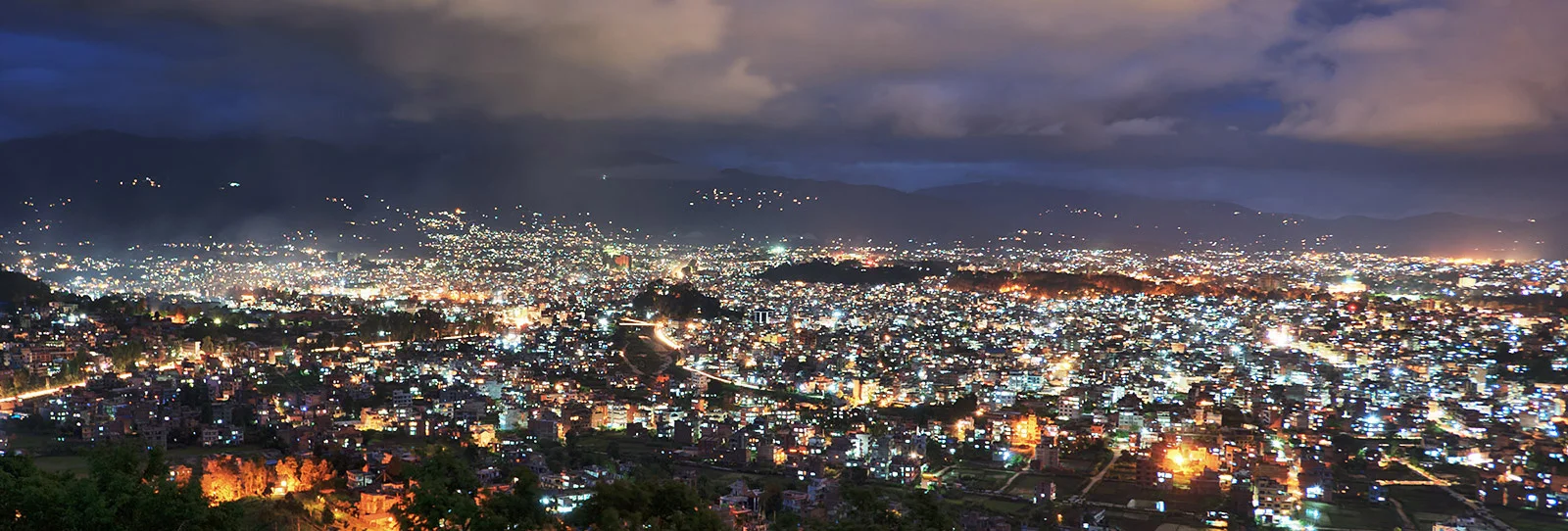
As you embark on your adventure to Nepal, it's important to be mindful of cultural practices and celebrations. Ramadan, the holiest month in Islam observed by many Nepalese citizens, brings a unique atmosphere to the country. This blog aims to provide a basic understanding of Ramadan and guide you in navigating your travels during this time.
As you embark on your adventure to Nepal, it's important to be mindful of cultural practices and celebrations. Ramadan, the holiest month in Islam observed by many Nepalese citizens, brings a unique atmosphere to the country. This blog aims to provide a basic understanding of Ramadan and guide you in navigating your travels during this time.
A Month of Spiritual Focus:
During Ramadan, Muslims dedicate themselves to prayer, fasting, and acts of charity. Fasting involves abstaining from food and drink from sunrise to sunset. While Nepal caters to visitors of all faiths, being aware of this practice fosters a respectful and enriching experience for everyone.
Exploring Nepal with Sensitivity:
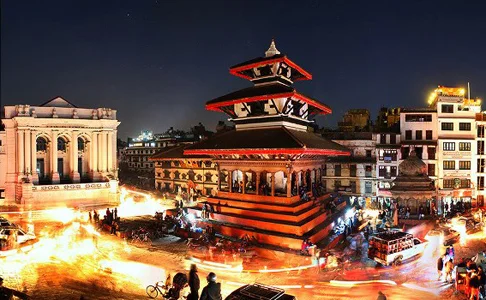
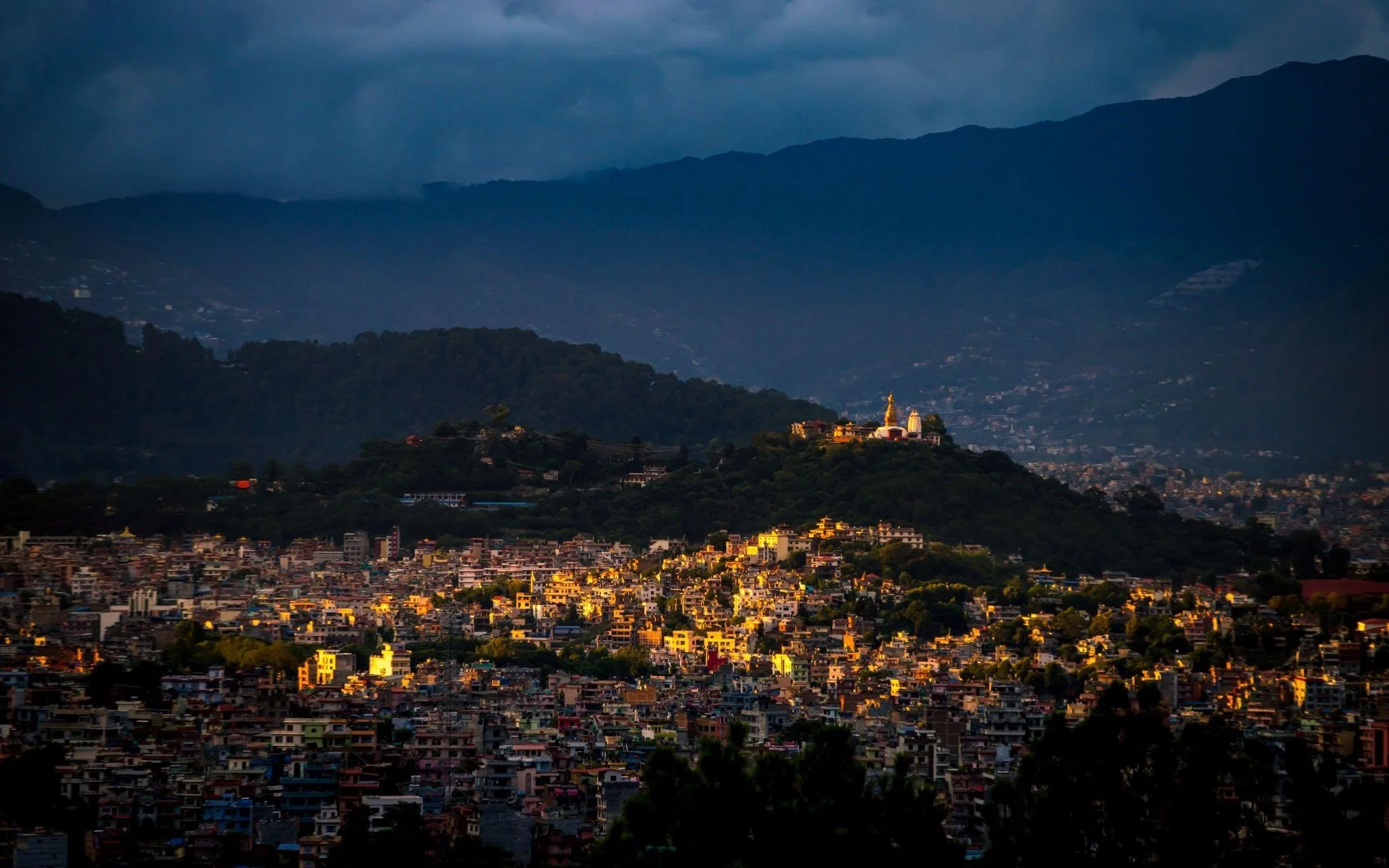
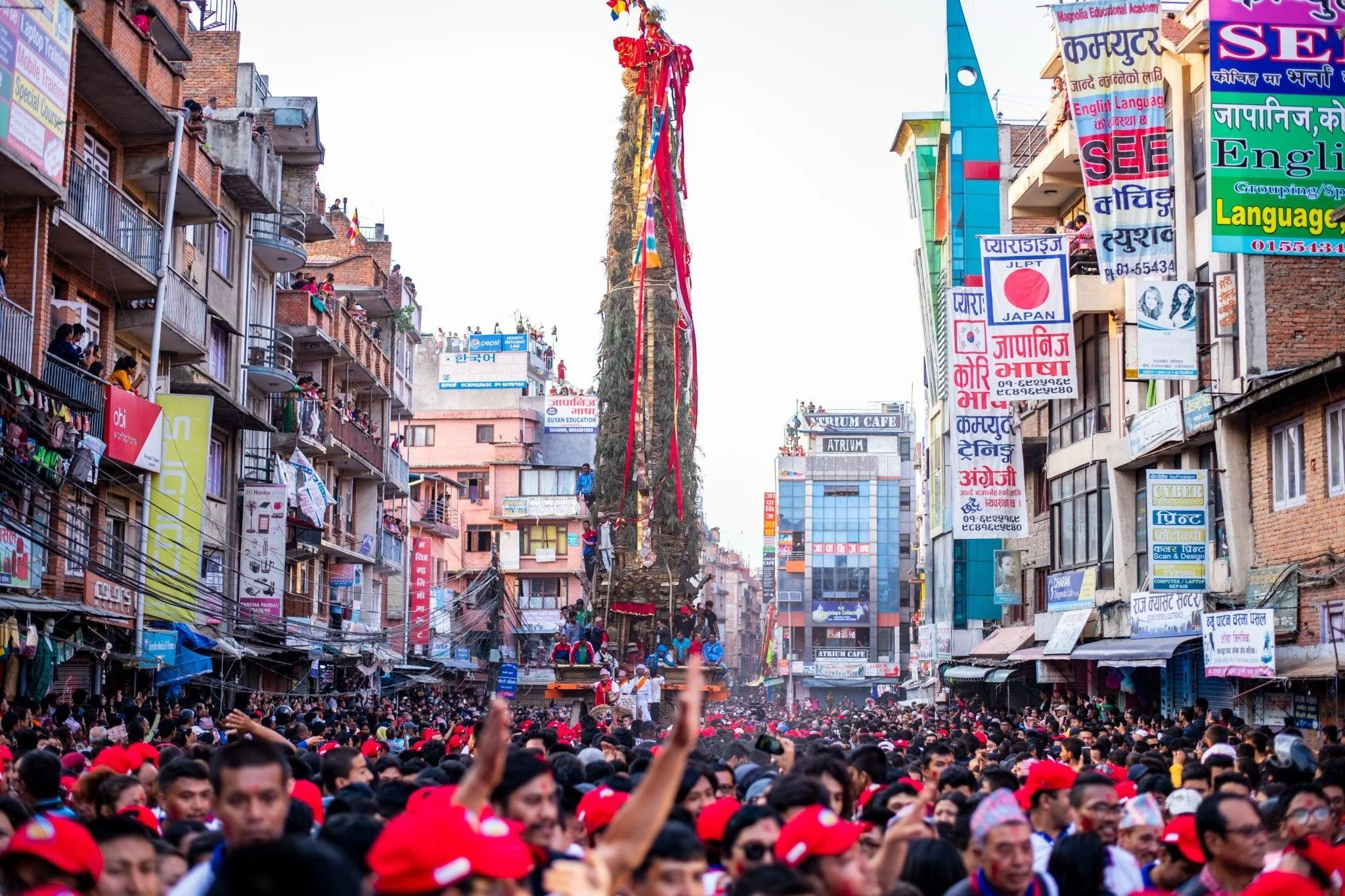
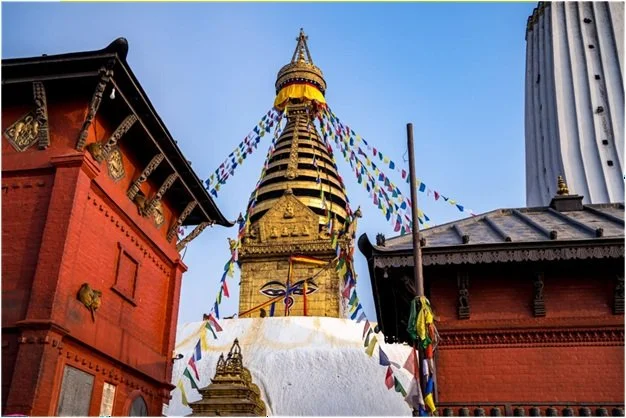
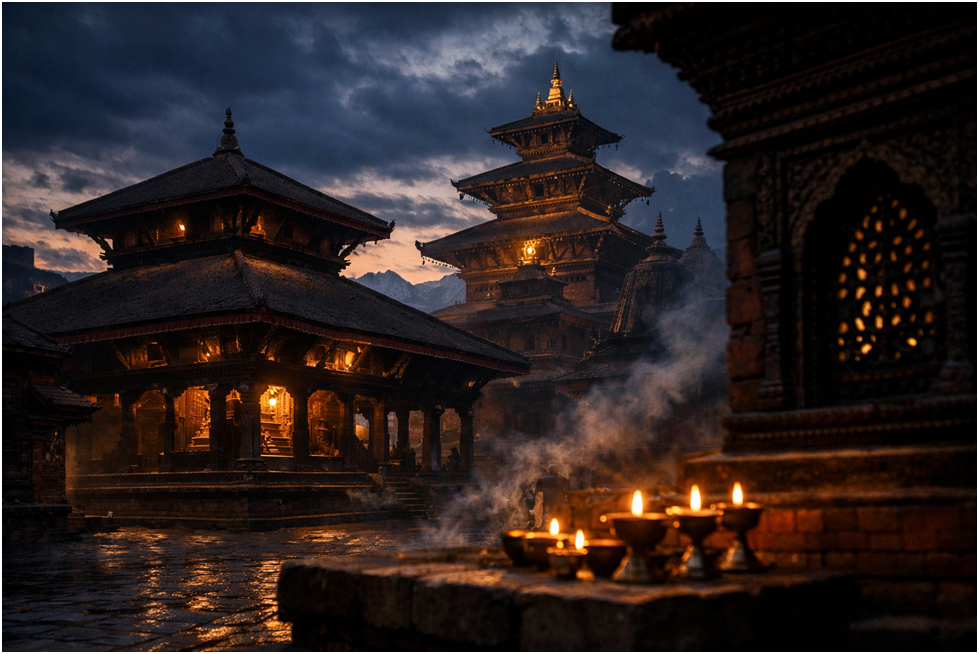
● Cultural Immersion: Many historical and cultural sites in Kathmandu, like Durbar Square and Swayambhunath, remain open for exploration throughout Ramadan.
● Community Spirit: Ramadan is also a time for increased charitable acts and community gatherings. Witnessing these celebrations allows a glimpse into the unique cultural aspects of this holy month.
Enhancing Your Travel Experience:
Understanding and respecting local customs like those observed during Ramadan enriches your travel experience. You can still:
● Explore the vibrant city: Kathmandu's bustling markets and bazaars offer a dynamic atmosphere.
● Visit historical sites: Immerse yourself in Nepal's rich history by exploring ancient temples and monuments.
● Embark on exciting adventures: Nepal's diverse landscape offers opportunities for trekking, white-water rafting, and other thrilling activities.
Nepal's cultural tapestry is remarkably rich. Let's embrace the spirit of understanding and celebrate the unique aspects of this beautiful country.
POPULAR ITINERARIES
SIMILAR POSTS

Celebrate Women's Day: Nari Dibas in Nepal
Similar to several other nations worldwide, Nepal also observes International Women's Day on March 8th each year. This day, called "Nari Dibas" in Nepali, is very important in terms of culture, politics, and society in that country of mountains. It draws attention to the obstacles still facing women in Nepal while also serving as a reminder of the strides made in the direction of gender equality.
Similar to several other nations worldwide, Nepal also observes International Women's Day on March 8th each year. This day, called "Nari Dibas" in Nepali, is very important in terms of culture, politics, and society in that country of mountains. It draws attention to the obstacles still facing women in Nepal while also serving as a reminder of the strides made in the direction of gender equality.
Nepal has a long history of valuing women, with deeply ingrained traditions and practices that celebrate femininity. Though they are revered in their culture, Nepalese women have historically experienced a variety of types of oppression and discrimination. International Women's Day offers a chance to consider these problems and push for reform.
One of the key focuses of Nari Dibas in Nepal is to empower women economically. Nepal is a country where a significant portion of the population lives in rural areas, and women in these communities often face barriers to accessing education and economic opportunities. Organizations and initiatives across the country use Women's Day as a platform to promote entrepreneurship among women, provide vocational training, and support women-led businesses. These efforts not only contribute to women's economic independence but also play a crucial role in reducing poverty and empowering entire communities.
In addition to economic empowerment, Nari Dibas in Nepal also highlights the importance of education for girls. Despite progress in recent years, there are still disparities in access to education between boys and girls, particularly in rural areas. International Women's Day serves as a reminder of the need to invest in girls' education, ensure equal access to schooling, and eliminate barriers such as child marriage and gender-based violence that hinder girls' educational opportunities.
Moreover, Women's Day in Nepal serves as a platform to address pressing issues such as gender-based violence and discrimination. Despite legal protections and increased awareness, gender-based violence remains a significant problem in Nepal. Women's rights organizations, activists, and civil society groups use this day to organize rallies, seminars, and workshops to raise awareness about gender-based violence, advocate for legal reforms, and provide support services for survivors.
Nari Dibas is also an occasion to celebrate the achievements and contributions of Nepalese women in various fields, including politics, science, arts, and sports. Nepal has made significant strides in recent years in terms of women's political representation, with more women holding positions of leadership and decision-making power. International Women's Day provides an opportunity to recognize and celebrate these achievements while also inspiring future generations of women to pursue their dreams and aspirations.
Furthermore, Women's Day celebrations in Nepal often include cultural events, performances, and exhibitions that showcase women's talents and creativity. From traditional dances to contemporary art exhibitions, these events celebrate the diversity and strength of Nepalese women while also challenging stereotypes and gender norms.
As foreigners, it is essential to understand the unique challenges faced by Nepali women and to support their efforts to achieve gender equality. By learning about the issues and supporting organizations we can help create a more equitable and just world for all.
In conclusion, Nari Dibas in Nepal is a day of reflection, celebration, and activism. It serves as a reminder of the progress made towards gender equality while also highlighting the work that still needs to be done. By empowering women economically, promoting education and awareness, addressing gender-based violence, and celebrating women's achievements, Nepal continues to move closer to realizing the vision of a more equitable and inclusive society.
POPULAR ITINERARIES
SIMILAR POSTS

Discover Bhaktapur: 10 Must-Do Experiences for Foreigner
The historic city of Bhaktapur, Nepal, can be found in the Kathmandu Valley. It is recognized as a UNESCO World Heritage site because of its magnificent architecture, lively customs, and rich cultural legacy. Bhaktapur provides a wealth of attractions just waiting to be discovered by visitors from other countries looking for a genuine Nepalese experience.
The historic city of Bhaktapur, Nepal, can be found in the Kathmandu Valley. It is recognized as a UNESCO World Heritage site because of its magnificent architecture, lively customs, and rich cultural legacy. Bhaktapur provides a wealth of attractions just waiting to be discovered by visitors from other countries looking for a genuine Nepalese experience. Here are ten things that visitors from outside Bhaktapur really must do, including strolling through alleyways that date back hundreds of years and enjoying authentic Newari cuisine:
1. Explore Durbar Square: Take in the ancient atmosphere of Durbar Square as you start your trip to Bhaktapur. Admire the elaborately carved temples, regal residences, and historic courtyards that represent the city's rich history. Nyatapola Temple, a five-story pagoda with beautiful wood carvings and figures, is a must-see.
2. Take a tour of the Bhaktapur Durbar Square Museum to learn more about the history and culture of Bhaktapur. The museum, which is housed in the old palace structure, has an intriguing collection of objects, paintings, and sculptures that shed light on the artistic and regal past of the city.
3. Witness Pottery Making at Pottery Square: Visit Pottery Square to immerse yourself in the heart of Bhaktapur's artisanal heritage, as regional artisans display their talents in the art of pottery making. Observe how they expertly shape clay into a variety of forms, maintaining traditional methods that have been passed down through the years.
4. Take a Class on Traditional Newari Cooking: Take a traditional Newari cooking class to start your culinary journey. Taste the tastes of Newari cuisine directly from the source as you study the craft of making traditional meals like "bara," "Chatamari," and "Yomari" under the direction of skilled chefs.
5. Climb the Vatsala Temple for Panoramic Views: Ascend to the summit of the Vatsala Temple for stunning vistas of Bhaktapur and the surrounding Himalayan terrain. Located atop a hill with a stunning view of Durbar Square, this viewpoint provides an unmatched insight into the architectural magnificence of the city.
6. Wander Around Taumadhi Square's Narrow Streets: Explore Taumadhi Square's winding lanes, which are home to historic residences, busy market booths, and old temples. Enjoy strolls at your leisure, converse with the amiable inhabitants, and lose yourself in Bhaktapur's timeless beauty and traditional atmosphere.
7. Find Undiscovered Treasures at Siddha Pokhari: Take a break from the bustle of the city and head to Siddha Pokhari's serene environs. This historic pond provides a tranquil haven where you may rest and regenerate amidst breathtaking scenery, all encircled by thick vegetation and covered pavilions.
8. Purchase Handmade Memorabilia: Wander around Bhaktapur's vibrant marketplaces and quaint boutiques to find an abundance of homemade mementos. You may purchase one-of-a-kind souvenirs to remember your stay, ranging from magnificent ceramics and linens to delicately carved wooden masks.
9. Experience a Traditional Newari Feast: Visit one of Bhaktapur's traditional Newari eateries to savor a meal fit for a king or queen. Taste a wide range of regional specialties presented with antique brass cutlery, and experience the genuine tastes of Newari cooking in a charming environment.
10. Take in Traditional Festivals and Festivities: Attend traditional festivals and festivities to fully immerse yourself in Bhaktapur's dynamic cultural scene. These celebrations provide an insight into the city's rich religious and cultural traditions, from the vibrant Bisket Jatra celebrations to the serious Gai Jatra rites.
To sum up, Bhaktapur is a fascinating combination of history, culture, and real experiences that will captivate tourists from other countries. Explore historic temples, indulge in regional specialties, or become fully immersed in local customs—Bhaktapur offers a unique experience that will transport you to the core of Nepal's cultural legacy.
POPULAR ITINERARIES
SIMILAR POSTS
Reaching Nepal's Hidden Peaks and Trekking Nirvana
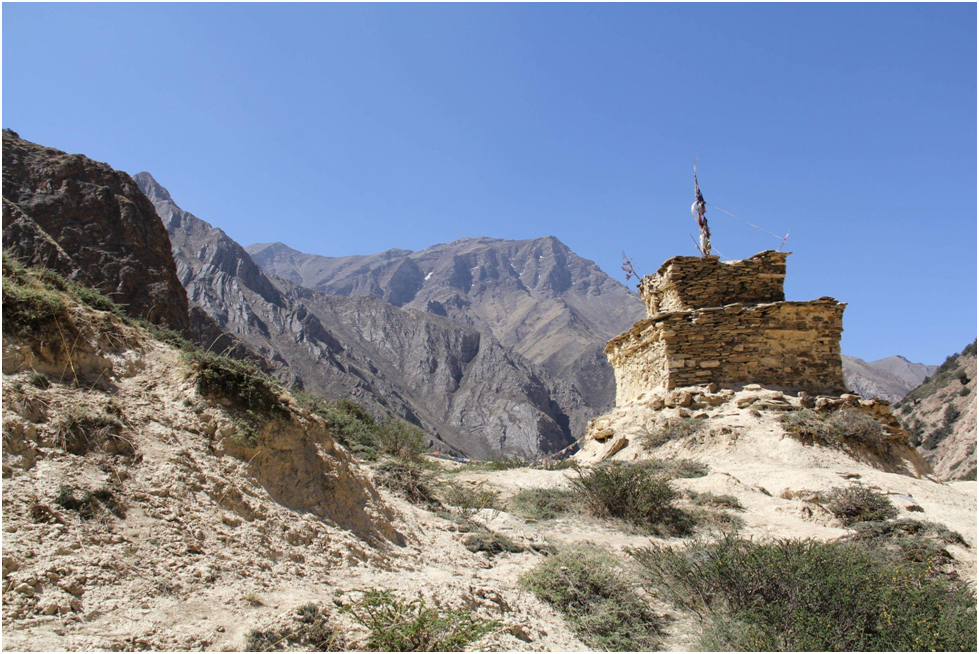
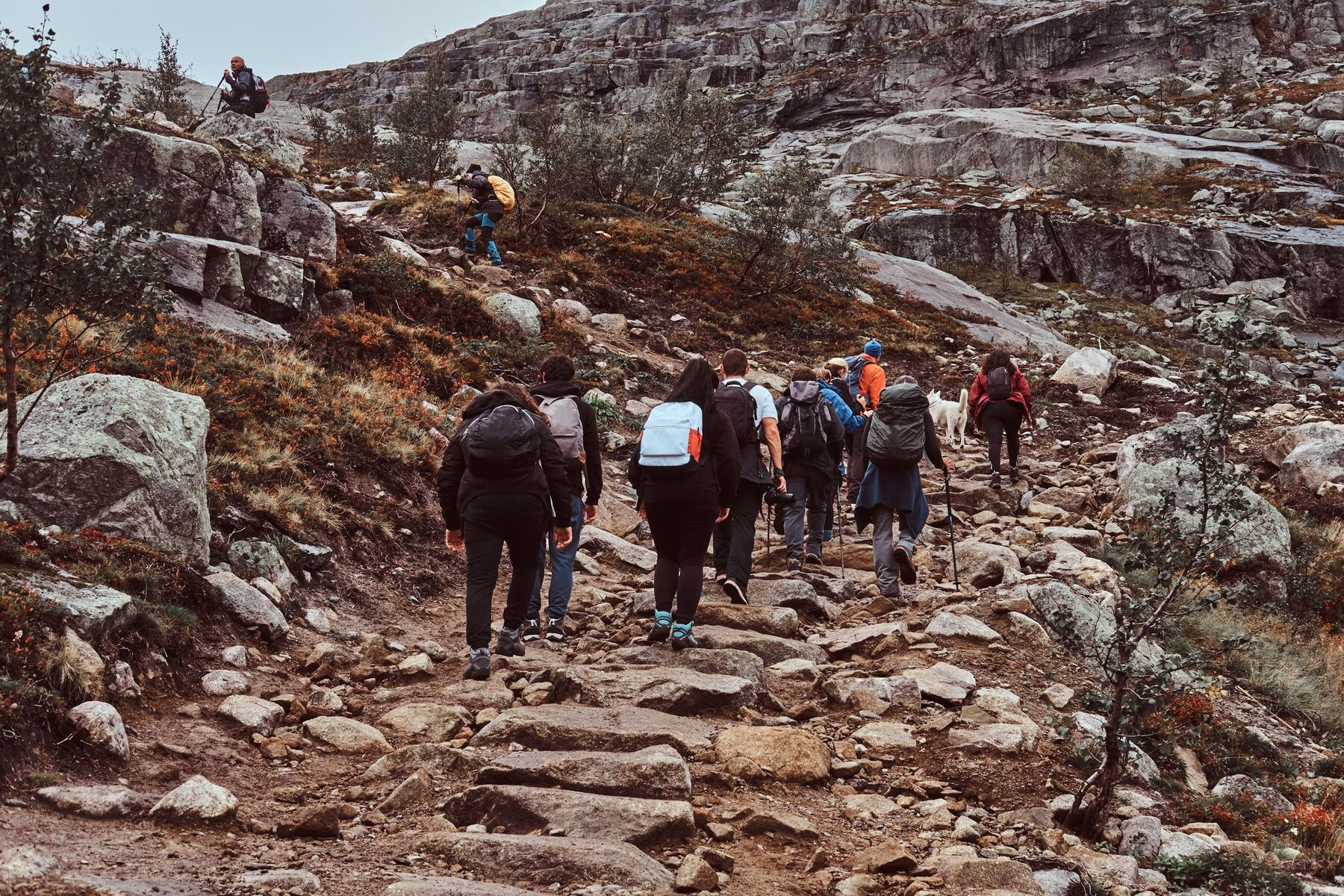
Forget about the masses of visitors climbing up Everest Base Camp while carrying selfie sticks. Get rid of the expensive teahouses and prepackaged itineraries. On Nepal's lesser-known peaks, where breathtaking scenery unfolds, privacy is absolute, and genuine village interactions capture your memory.
Forget about the masses of visitors climbing up Everest Base Camp while carrying selfie sticks. Get rid of the expensive teahouses and prepackaged itineraries. On Nepal's lesser-known peaks, where breathtaking scenery unfolds, privacy is absolute, and genuine village interactions capture your memory.
Manaslu Circuit
Climbers are drawn to the towering Manaslu, the eighth-highest mountain in the world, by its natural beauty and rustic appeal. The 17-day Manaslu Circuit is a challenging but rewarding journey that travels through a variety of environments, from high mountains with breathtaking views to green valleys covered in wildflowers. Picture Manaslu's snow-capped summit, mist around its beautiful peak, and the only sounds disturbing the quiet are the singing birds and the echoes of yak bells. Explore historic trade routes, come across beautiful cities spared from modernization, and become involved in the straightforward yet meaningful lives of the inhabitants. The Manaslu Circuit contains many high passes that rise beyond 5,000 meters, so be warned—it's not for the faint of heart.
Three Passes Trek
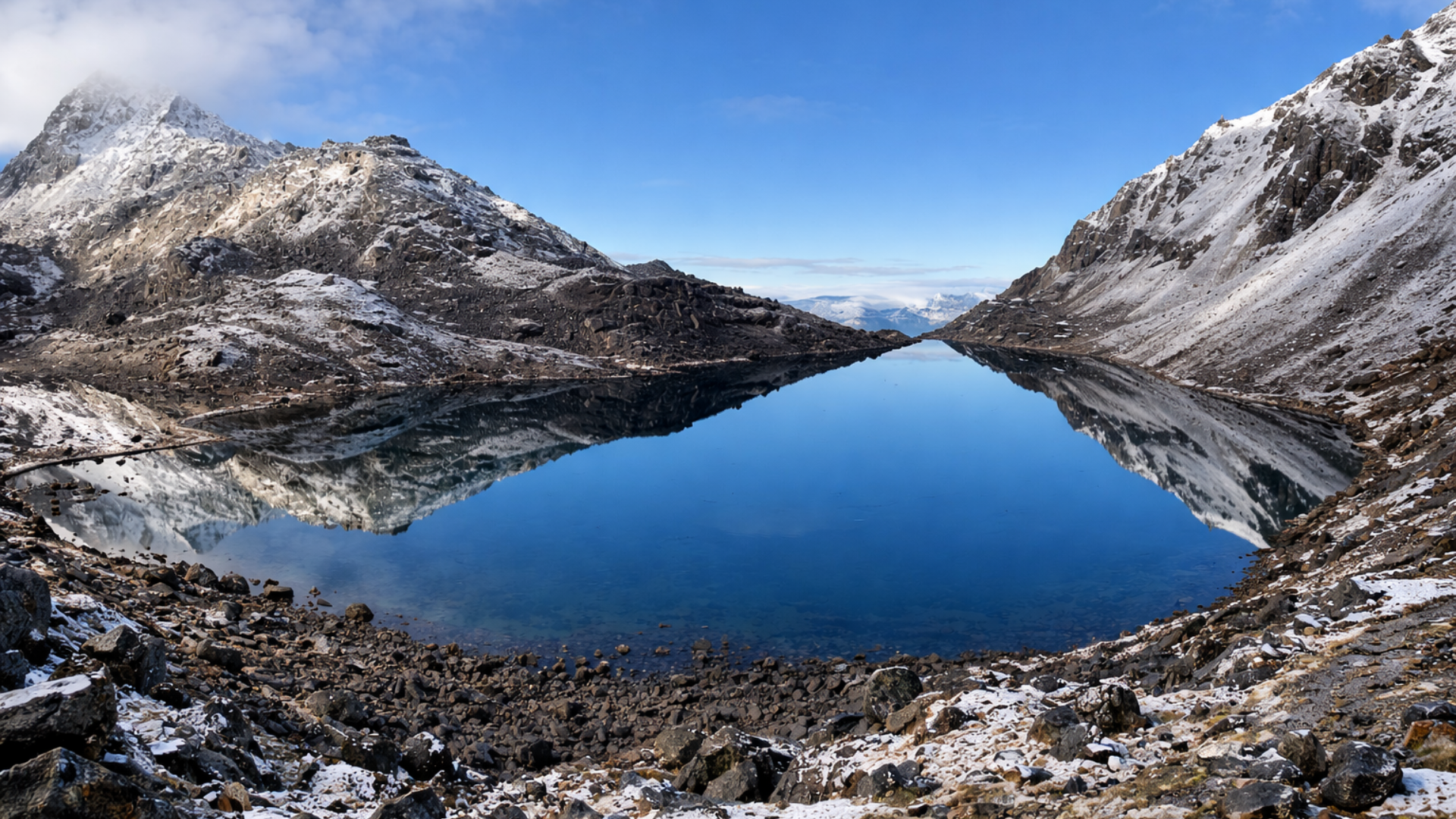
Put on your boots and set out on the renowned Three Passes Trek if you enjoy testing your physical and mental boundaries. This 18-day journey will test your determination with jaw-dropping views of the Himalayas, bitterly cold winds, and exhilarating climbs over three high passes (Kongma La, Cho La, and Renjo La), all of which are over 5,000 meters in elevation. Navigating through glacier valleys and seeing avalanches crash down in the distance will humble you before the overwhelming power of nature. Gokyo Lake is a sacred pilgrimage destination with captivating blue waters. Although this hike requires planning and respect, completing those passes and reaching the top of every vista will surely rank among your most memorable adventure travel experiences.
Beyond the Trek: Authentic Connections
The true magic of these off-the-beaten-path hikes lies not just in the breathtaking scenery, but in the people you meet. Stay in traditional teahouses run by local families, sharing stories and laughter over steaming cups of chai. Participate in a yak cheese-making demonstration, learning about age-old traditions passed down through generations. Offer a prayer at a hidden monastery nestled amidst the mountains, experiencing the deep spirituality that permeates Nepali culture. Remember, you're not just a tourist; you're a welcomed guest, a chance for cultural exchange and genuine human connection.
Setting out on these solo hikes calls for careful preparation and ethical behavior. Employ knowledgeable local guides who are familiar with the area and can guarantee your safety. Consider your influence on the environment, dispose of all garbage properly, and show consideration for the delicate ecosystems you pass through.
So enjoy the adventure and avoid the crowds. Allow Nepal's undiscovered peaks to reveal their mysteries, test your soul, and create lifelong memories. The true attraction of trekking is found in the route itself, as each step brings you closer to the essence of this amazing nation and its people, rather than merely climbing to the top.
POPULAR ITINERARIES
SIMILAR POSTS
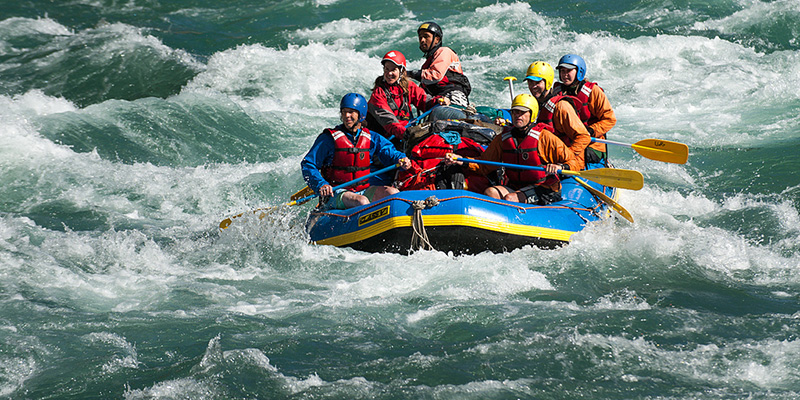
Kayaking on the Karnali River
For the fearless kayaker seeking an adventure beyond the ordinary, look no further than the mighty Karnali River in Nepal. Forget crowded tourist trails and conquer a different beast—a churning torrent of glacial-fed water carving its way through the heart of the Himalayas. Kayaking the Karnali is not just a whitewater thrill ride; it's a pilgrimage to the soul of Nepal, a journey through ancient canyons, remote villages, and landscapes untouched by time.
Kayaking the Karnali River, Nepal's Untamed Jewel
For the fearless kayaker seeking an adventure beyond the ordinary, look no further than the mighty Karnali River in Nepal. Forget crowded tourist trails and conquer a different beast—a churning torrent of glacial-fed water carving its way through the heart of the Himalayas. Kayaking the Karnali is not just a whitewater thrill ride; it's a pilgrimage to the soul of Nepal, a journey through ancient canyons, remote villages, and landscapes untouched by time.
Born of Legends:
The Karnali roars into existence near Mount Kailash, the mythical abode of Hindu and Buddhist deities. Its waters flow through gorges so deep they block out the sun, past snow-capped peaks reflecting in its surface, and through lush jungles teeming with exotic wildlife. This isn't a tamed river subdued by dams or regulations; it's a force of nature unchanged for millennia, challenging and rewarding you in equal measure.
Whitewater Symphony:
For skilled kayakers, the Karnali offers a symphony of whitewater. From thrilling Class IV rapids like "The Washing Machine" to serene stretches flanked by vibrant rhododendron forests, the river tests your technique and keeps you constantly engaged. Each day brings new challenges, each rapid a puzzle to solve with your paddle and body. But conquer a particularly intense section, and the feeling of accomplishment washes over you like the spray of the river itself.
Beyond the Adrenaline Rush:
The Karnali isn't just about testing your limits; it's about embracing the rhythm of Nepali life. Spend your evenings camped on pristine sandbars under star-studded skies, sharing stories and laughter with your fellow paddlers. Visit remote villages where time seems to stand still, and witness the warmth and hospitality of the local people. Learn about their ancient traditions, rooted in reverence for the river that sustains them.
A Journey of Discovery:
Kayaking the Karnali is more than just a physical challenge; it's a journey of self-discovery. You'll push your physical and mental limits, navigate uncertainty, and learn to trust your instincts and equipment. You'll return from this expedition not just with adrenaline-pumping memories but with a renewed sense of respect for nature and a deeper understanding of yourself.
Practical Tips for Your Karnali Odyssey:
Timing: The best time to kayak the Karnali is during the spring (March-April) or autumn (October-November) when the water levels are manageable.
Experience: The Karnali is not for beginners. You should have strong whitewater paddling skills and experience navigating complex rapids.
Guides and Permits: It's highly recommended to kayak the Karnali with experienced guides who understand the river and can obtain the necessary permits.
Respect the River: Remember, the Karnali is a natural wonder, not a playground. Be responsible and minimize your impact on the environment.
The Call of the Wild:
The Karnali River doesn't whisper; it roars. It calls to the adventurer within, promising an experience that will stay etched in your memory long after the rapids have calmed. So, if you're ready to test your limits, discover the unspoiled beauty of Nepal, and create stories that will make your friends jealous, pack your kayak and answer the call of the Karnali. It's waiting, untamed and majestic, to lead you on an unforgettable whitewater odyssey.
POPULAR ITINERARIES
SIMILAR POSTS

Beyond Temples and Momos - Explore a Bustling Art Scene
With its historic temples, lively culture, and breathtaking landscape, Kathmandu, tucked away at the base of the Himalayas, has enthralled tourists for generations. But a vibrant and varied art community is thriving outside of the customary stomping areas, just waiting for intrepid individuals to explore it. There is no denying Kathmandu's strong creative culture, which is evidenced by the colorful street paintings that line back alleyways and the modern galleries hidden away in old squares.
With its historic temples, lively culture, and breathtaking landscape, Kathmandu, tucked away at the base of the Himalayas, has enthralled tourists for generations. But, a vibrant and varied art community is thriving outside of the customary stomping areas, just waiting for intrepid individuals to explore it. There is no denying Kathmandu's strong creative culture, which is evidenced by the colorful street paintings that line back alleyways and the modern galleries hidden away in old squares.
A Canvas Reborn:
The days when elaborate temple carvings and traditional Thangka paintings were the main forms of creative expression in Kathmandu are long gone. A new generation of artists is emerging today, willing to push the envelope, explore new mediums, and capture the spirit of a Nepal that is changing quickly. Galleries such as Artudio and Siddhartha Art Gallery display provocative modern art, ranging from playful abstract pieces to moving social criticism.
Streets as Studios:
When you go beyond the gallery walls, you can see Kathmandu's streets brimming with creative energy. Building facades are adorned with vibrant paintings created by well-known local painters like Rabindra Shrestha and Amrit Purna Rai, which turn otherwise ordinary areas into outdoor museums. These murals invite onlookers to participate in verbal conversations by weaving together stories about Nepali culture, mythology, and environmental issues.
Creative Communities:
The creative energy of Kathmandu flourishes in both group projects and solo initiatives. Samvara and Bhasa Bhavana, two artist-run venues, offer forums for discussion, experimentation, and workshops. Aspiring artists and well-known artists mix here, creating relationships and fostering the city's creative future.
Traditional Meets Modern:
Without honoring the deeply ingrained traditional craftsmanship that still serves as an inspiration to and impacts current artists, the creative tapestry of Kathmandu would be incomplete. The city's creative landscape is enhanced by layers of texture and history via the use of woodcarvings, complex metalwork, and vivid fabrics. Experiencing the vibrant marketplaces and visiting workshops in places like Patan Durbar Square provides an insight into the rich legacy that feeds Kathmandu's creative spirit.
Art Beyond the Canvas:
The creative energy of Kathmandu is not limited to visual arts. The city's music is alive and well, ranging from the eerie sounds of traditional Sitar playing to the upbeat beats of modern Nepali rock bands. Spoken word artists and storytellers may showcase their skills at poetry readings and open mic events. Discovering the hidden cafés and cultural hotspots of Kathmandu offers a wealth of artistic expression just waiting to be found.
Experiencing the Vibe:
Taking part in the Kathmandu art scene is not only about crossing things off a list. It's about connecting with artists, letting yourself be amazed by the unexpected, and fully immersing yourself in the creative atmosphere. Explore tucked-away galleries and secret passageways while following the pulse of the city's cultural scene.
So, skip the conventional tourist route and immerse yourself in the vibrant core of Kathmandu's artistic community. You could come across a work of undiscovered art, a hidden gem, or an idea for your next creative endeavor.
POPULAR ITINERARIES
SIMILAR POSTS
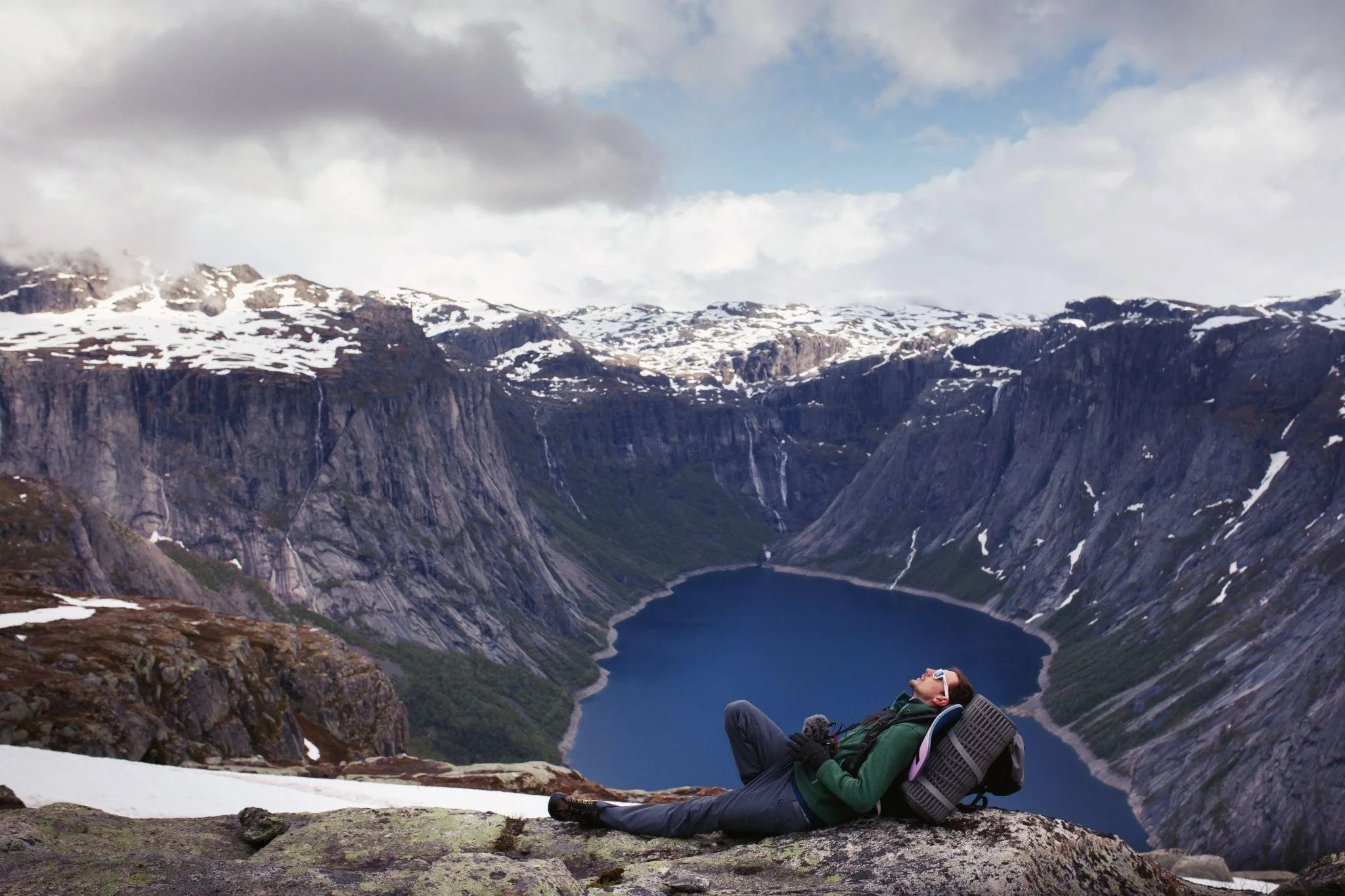
Glamping in the Annapurna Region: Luxury Under the Himalayas
Experience the ultimate blend of luxury and adventure in the 𝗔𝗻𝗻𝗮𝗽𝘂𝗿𝗻𝗮 𝗿𝗲𝗴𝗶𝗼𝗻 𝘄𝗶𝘁𝗵 𝗚𝗹𝗮𝗺𝗽𝗶𝗻𝗴 – camping featuring private tents, en-suite bathrooms, and hot tubs against the stunning Himalayan backdrop. Trek through rhododendron forests and picturesque villages, all while minimizing environmental impact through sustainable practices.
Move over, Everest Base Camp. There's a new kind of adventure calling to discerning travelers in Nepal: Glamping in the Annapurna Region. Ditch the crowded teahouses and rustic lodges, and embrace the ultimate blend of comfort and adventure under the majestic gaze of the Annapurna massif. Imagine waking up to the golden light of sunrise painting the snow-capped peaks, sipping your morning coffee from the plush comfort of your private tent, and enjoying en-suite bathrooms and even hot tubs after a day of exploring breathtaking landscapes. Yes, glamping in the Annapurna Region is all this and more.
Beyond the Ordinary Trek:
Glamping isn't just about creature comforts; it's about experiencing the Himalayas in a whole new way. Imagine trekking through rhododendron forests and charming Gurung villages, knowing that at the end of the day, a luxurious haven awaits. Forget lugging heavy backpacks or roughing it in basic accommodations. Glamping allows you to fully immerse yourself in the beauty and adventure of the region without sacrificing your well-being.
Uniquely Tailored Experiences:
Several reputable companies offer glamping packages along the Annapurna Circuit, catering to different budgets and preferences. Choose from a fully supported trek with guides and porters setting up your camp each night, or opt for a more independent glamping experience where you carry your gear and pitch your tent (with the help of the knowledgeable staff, of course!). Some glamping companies even offer unique add-ons like private yoga sessions, gourmet meals prepared by local chefs, and stargazing under the crystal-clear night sky.
Starry Nights and Epic Sunrises:
One of the most magical aspects of glamping in the Annapurna Region is the unparalleled connection with nature. Imagine gazing at a sky ablaze with a million stars, free from light pollution. Wake up to the gentle chirping of birds and the first rays of sunlight illuminating the majestic peaks. With minimal light and noise, you'll experience the raw beauty of the Himalayas in a way that traditional trekking often doesn't allow.
More Than Just Comfort:
While relaxation and rejuvenation are key aspects of glamping, it's important to remember that you're still in the heart of the Annapurna Sanctuary. Each day offers countless opportunities for adventure. Hike to breathtaking viewpoints, explore hidden waterfalls, and immerse yourself in the vibrant culture of the local villages. Glamping provides a luxurious base camp for your explorations, allowing you to push your limits by day and unwind in unparalleled comfort by night.
A Sustainable Approach:
Responsible tourism is paramount, and the glamping companies operating in the Annapurna Region take great care to minimize their environmental impact. They use eco-friendly tents and amenities, source local produce, and work closely with the communities to ensure a sustainable and positive impact on the region.
Glamping in the Annapurna Region is more than just a trendy travel experience; it's a unique opportunity to reconnect with nature, immerse yourself in a breathtaking landscape, and discover the magic of Nepal luxuriously and sustainably. So, pack your sense of adventure, your love for the outdoors, and your appreciation for comfort, and embark on an unforgettable glamping journey under the watchful gaze of the mighty Himalayas.
POPULAR ITINERARIES
SIMILAR POSTS
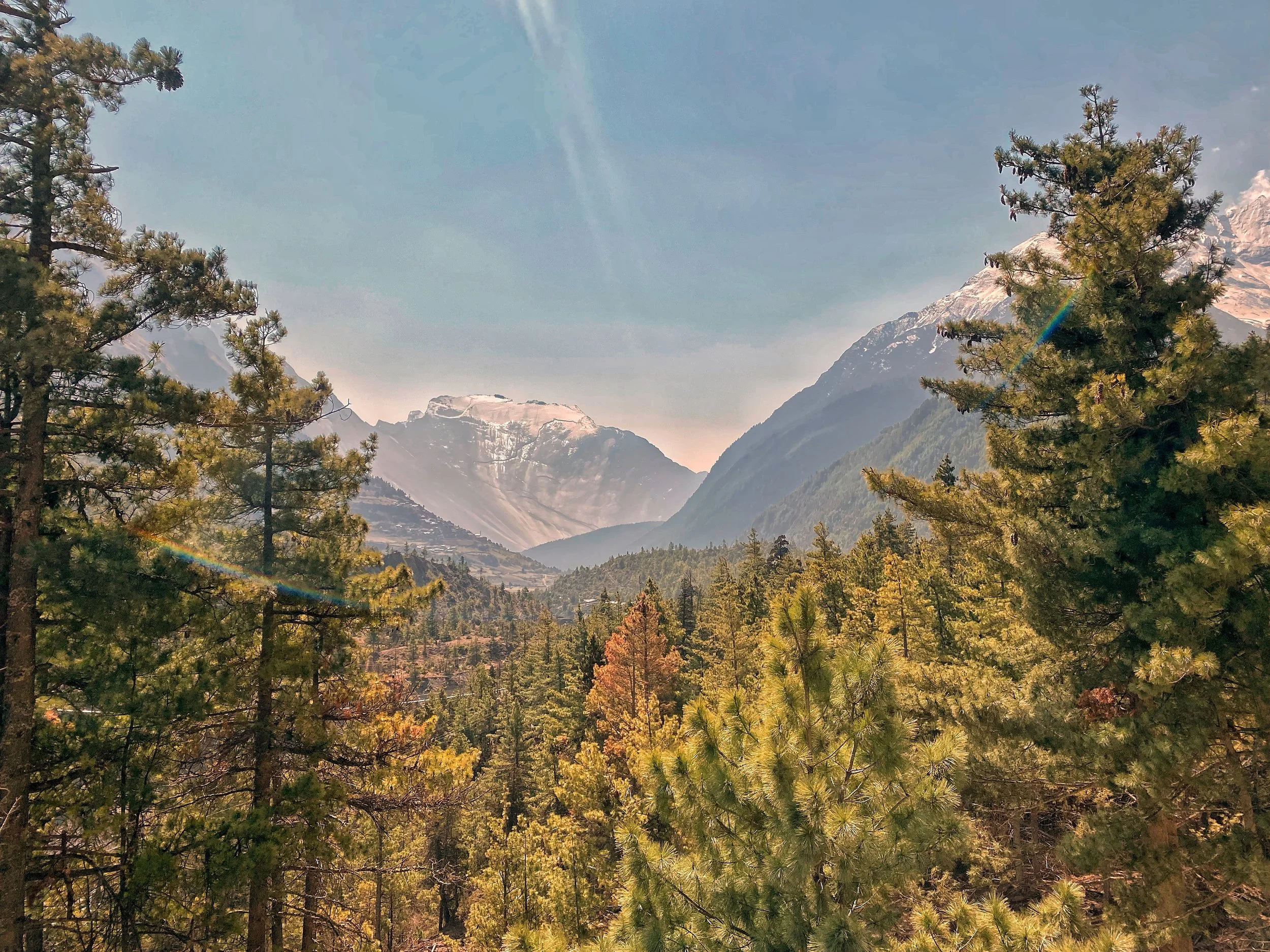
The Challenges of Annapurna Circuit: Trekking through Nature's Triumphs and Trials
Nestled in the heart of the Himalayas, the Annapurna Circuit is a legendary trekking route that has drawn adventurers, nature enthusiasts, and seekers of solitude for decades. This awe-inspiring journey promises breathtaking vistas, cultural encounters, and a profound connection with the mountains. However, it is not without its challenges, both physical and logistical. In this article, we will explore the trials and tribulations of trekking the Annapurna Circuit, a path that tests the limits of endurance and rewards with unparalleled natural beauty.
The Annapurna Circuit is a renowned trekking trail that circumnavigates the Annapurna Massif in Nepal, offering trekkers an opportunity to experience diverse landscapes, from lush subtropical forests to arid alpine deserts. The circuit passes through picturesque villages inhabited by diverse ethnic communities, providing a unique cultural immersion along with the natural beauty.
Challenges of Altitude: Acclimatization
One of the most formidable challenges of the Annapurna Circuit is dealing with high altitudes. As trekkers ascend through the rugged terrain, they encounter altitudes exceeding 5,000 meters (16,500 feet) at Thorong La Pass, the highest point on the circuit.
Altitude sickness is a real concern, and it's crucial to acclimatize properly. Rushing the ascent can lead to symptoms like headaches, nausea, and dizziness. Trekkers are advised to take rest days, stay well-hydrated, and listen to their bodies to minimize the risks associated with altitude.
Weather Woes: The Monsoon Season
The Annapurna Circuit has distinct trekking seasons, with the most popular being spring (March to May) and autumn (September to November). However, the monsoon season, from June to August, poses a significant challenge.
During the monsoon, heavy rainfall can make the trails slippery and prone to landslides. The lush greenery is offset by leech-infested forests, and frequent cloud cover can obscure the otherwise breathtaking mountain views. Trekkers must exercise caution and be prepared for the added difficulties of trekking during the monsoon.
Physical Endurance: Long Days on the Trail
Trekking the Annapurna Circuit is physically demanding. Days can be long and strenuous, with steep ascents and descents. The circuit typically takes around 15 to 20 days to complete, depending on one's pace and the chosen route.
Long hours of walking can be tough on the body, especially for those not accustomed to such exertion. It's essential to be in good physical condition and undertake appropriate training before embarking on this trek.
Lodging and Facilities: Basic Amenities
While trekking in the Annapurna region has become more accessible over the years, it's important to note that accommodations and facilities along the trail can be quite basic. Teahouses, which provide lodging and meals, may not offer the comforts of urban hotels. Trekkers should be prepared for shared rooms, limited hot water, and simple meals.
Additionally, amenities like Wi-Fi and electricity may not be consistently available in all villages, making it essential to disconnect from the digital world and embrace the simplicity of mountain living.
Cultural and Language Barriers
The Annapurna Circuit is not just about trekking; it's an opportunity to engage with the local communities that call these remote mountains home. However, cultural and language differences can pose challenges.
Many villagers along the circuit speak their native languages and dialects, which can make communication challenging for non-Nepali speakers. Learning a few basic Nepali phrases can go a long way in fostering connections and understanding local customs.
Permits and Regulations: Navigating the Red Tape
Trekking in the Annapurna region requires trekkers to obtain permits, which vary based on the specific route and duration. Navigating the permit process can be a bit complex, with multiple checkpoints and fees to consider.
Additionally, trekkers are expected to follow environmental regulations, such as carrying out their waste and not disturbing the natural habitat. Understanding and adhering to these regulations is essential for responsible trekking in the region.
Triumphs Amidst Trials
The Annapurna Circuit is not a trek for the faint-hearted, but its challenges are what make the journey so rewarding. The physical exertion, the altitude, and the unpredictable weather all combine to create a test of one's mettle. However, it is within these trials that trekkers find triumphs.
The sense of accomplishment when reaching Thorong La Pass, the camaraderie formed with fellow trekkers, and the unparalleled beauty of the Annapurna range are experiences that stay with trekkers for a lifetime. The challenges of the Annapurna Circuit are not obstacles but stepping stones to an adventure of a lifetime, where nature's grandeur meets the resilience of the human spirit.
POPULAR ITINERARIES
SIMILAR POSTS
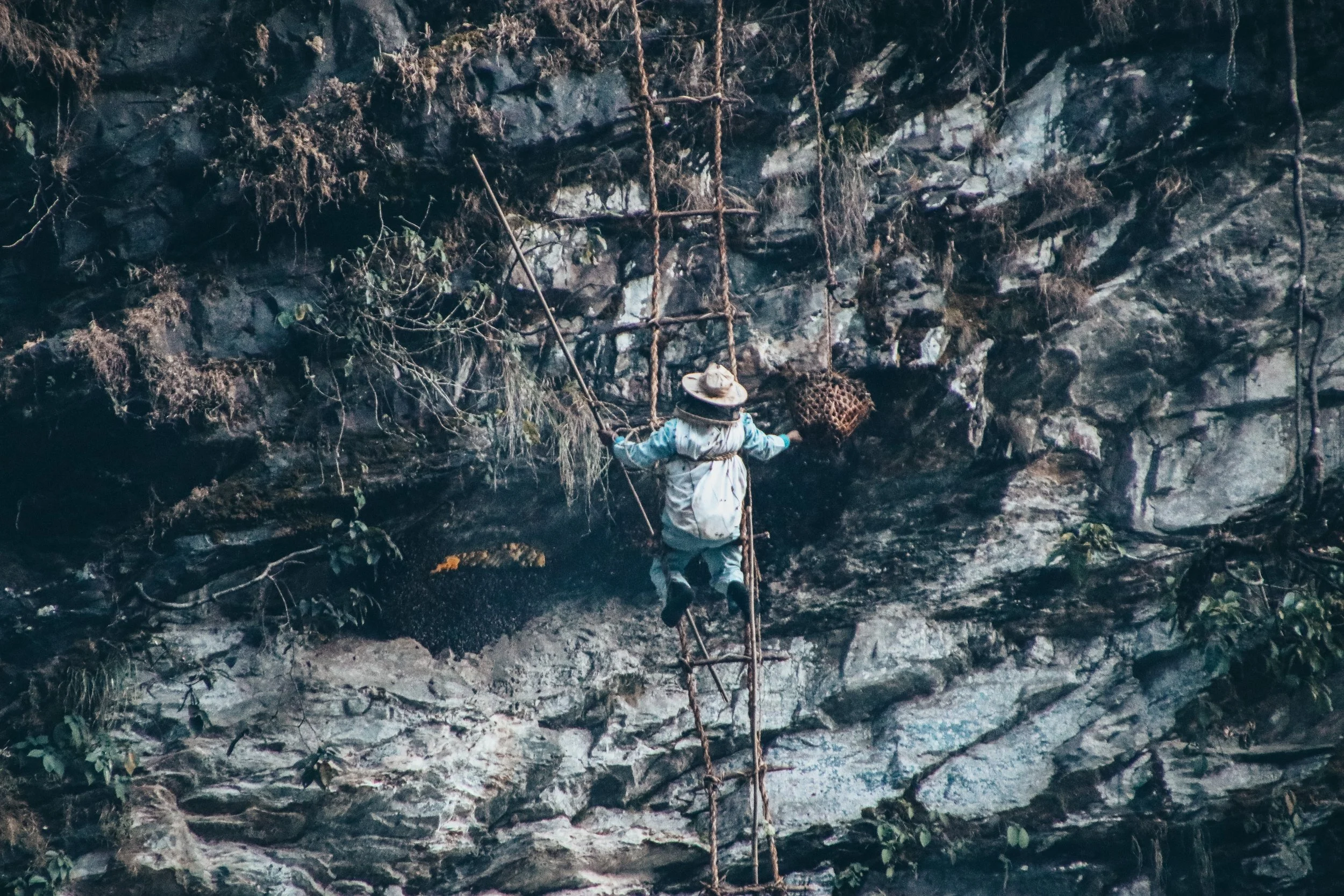
Honey Hunters of Nepal: Harvesting Nature's Liquid Gold
In the remote and rugged landscapes of Nepal, a tradition dating back centuries continues to thrive: honey hunting. Perched atop cliffs and suspended from sheer vertical drops, intrepid honey hunters risk life and limb to harvest nature's liquid gold. This ancient practice has not only been a source of sustenance for generations but also a testament to the profound connection between humans and the wild. In this article, we will delve into the history, region, and the fascinating world of Himalayan Honey and Mad Honey produced by these fearless beekeepers.
Honey hunting in Nepal traces its roots to the indigenous communities of the region, particularly the Gurung and Magar tribes. The practice dates back centuries, with honey being a crucial part of their diet and culture. Honey was used not only as a sweetener but also for its medicinal properties and as an offering to deities in religious rituals.
The traditional method of honey hunting involves harvesting honey from wild hives located high in the cliffs and rocky crevices of the Himalayan foothills. The process is fraught with danger, as hunters climb precarious bamboo ladders, often suspended hundreds of feet above the ground, to reach the hives. Despite the risks, honey hunting remains an integral part of the local culture, passed down through generations as a valuable skill.
The Region of Honey Hunters:
Nepal's honey hunters are primarily found in the remote regions of the Annapurna and Langtang areas, particularly in the villages of Manang, Mustang, and Dolpa. These areas are characterized by their rugged terrain, towering cliffs, and rich biodiversity. The unique geography of these regions provides an ideal habitat for wild bees and their hives.
The steep cliffs and isolated locations of the hives have preserved them from the interference of modern beekeeping practices. As a result, the honey harvested here is considered some of the purest and most flavorful in the world.
Himalayan Honey: Liquid Gold from the Mountains:
Himalayan Honey, also known as "red honey" or "spring honey," is the prized treasure of Nepal's honey hunters. This exquisite honey is produced by the Himalayan Giant Honeybee, the world's largest honeybee species. The bees collect nectar from the vibrant rhododendron flowers that bloom in Nepal's spring season.
Himalayan Honey is renowned for its distinct taste and therapeutic properties. It has a robust, slightly smoky flavor with floral undertones, making it a favorite among honey connoisseurs. In addition to its culinary uses, it is believed to have numerous health benefits, such as boosting the immune system and aiding digestion.
Mad Honey: A Unique and Controversial Delicacy
One of the most intriguing aspects of honey hunting in Nepal is the production of Mad Honey. Mad Honey, also known as "psychoactive honey" or "hallucinogenic honey," is derived from the nectar of specific rhododendron flowers, particularly Rhododendron luteum and Rhododendron ponticum.
What sets Mad Honey apart is its psychoactive properties. Consumption of Mad Honey can lead to hallucinations, altered states of consciousness, and even a mild intoxication. For centuries, it has been used in traditional medicine and shamanic rituals in the region.
However, it's important to note that the potency of Mad Honey can vary significantly, and excessive consumption can lead to adverse effects, including nausea, vomiting, and dizziness. As a result, the sale and consumption of Mad Honey have raised concerns, and it is advised to approach it with caution and respect for local traditions.
The Sustainability of Honey Hunting:
The practice of honey hunting in Nepal has faced challenges in recent years due to the changing landscape of the region and the risks associated with the perilous climbs. However, efforts are being made to ensure the sustainability of this tradition.
Local organizations and conservationists are working to protect the wild bee populations and their habitats. Beekeeping cooperatives have also been established to promote responsible honey harvesting practices and provide additional income to the communities involved.
Tips for Exploring the World of Honey Hunters:
Respect Local Traditions: When witnessing honey hunting, it's essential to show respect for the local communities and their customs. Seek permission before taking photographs or participating in the activities.
Safety First: If you plan to witness honey hunting firsthand, prioritize safety. The cliffs and heights involved can be extremely dangerous. Ensure you are accompanied by experienced hunters or guides who are well-versed in safety procedures.
Conservation Awareness: Be mindful of the environment and the conservation efforts being made to protect wild bee populations. Support initiatives that promote sustainable honey harvesting practices.
Cultural Exchange: Take the opportunity to engage with local communities, learn about their way of life, and savor the local cuisine, which often incorporates honey into various dishes.
Honey hunting in Nepal is not just about the pursuit of honey; it is a testament to the enduring relationship between humans and the natural world. This ancient practice, passed down through generations, reflects the resourcefulness and resilience of indigenous communities in the face of challenging environments.
Himalayan Honey and Mad Honey are not just exotic culinary delights; they are windows into a unique cultural and natural landscape. As visitors witness the breathtaking climbs and learn about the traditions surrounding honey hunting, they gain a deeper appreciation for the delicate balance between humans and nature in this remote corner of the world. Honey hunters of Nepal are the stewards of a tradition that not only produces a sweet treasure but also preserves a way of life deeply connected to the untamed wilderness of the Himalayas.
POPULAR ITINERARIES
SIMILAR POSTS
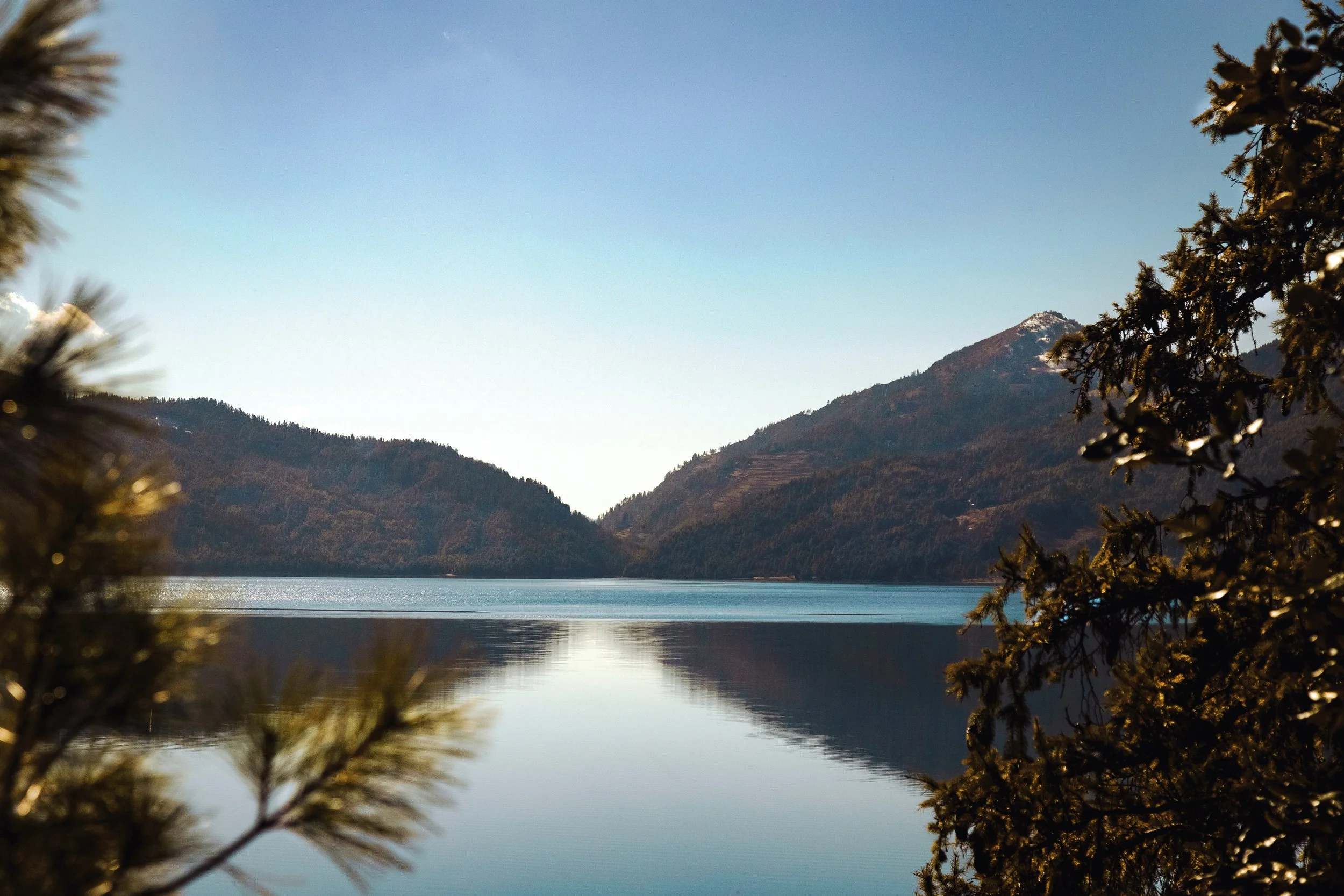
Rara: A Tranquil Escape
In the remote reaches of Nepal's northwestern region, there lies a hidden gem that captures the essence of untouched natural beauty and serenity - Rara Lake. Tucked away in the Rara National Park, this pristine lake is the largest in Nepal and surrounded by lush forests, snow-capped peaks, and a tranquility that seems almost surreal. In this article, we will embark on a journey to discover the highlights, itinerary suggestions, and valuable tips for experiencing the tranquil escape of Rara.
Rara Lake: The heart and soul of this destination, Rara Lake, shimmers like a sapphire jewel amidst the rugged terrain. The crystal-clear waters reflect the surrounding peaks, creating a mesmerizing visual spectacle. Rara National Park is a haven for wildlife enthusiasts and nature lovers. The park is home to various species of flora and fauna, including Himalayan black bears, red pandas, and a wide array of bird species. It's a paradise for birdwatchers and photographers. Rara offers numerous trekking trails that take you through dense forests, rolling meadows, and tranquil villages. The Rara Lake Trek is a popular choice, allowing you to explore the region's natural and cultural treasures. The surrounding villages are inhabited by indigenous communities like the Thakuri and Mugu-Karnali. Interact with the locals, immerse yourself in their traditions, and witness their unique way of life.
Itinerary for Exploring Rara
A well-planned itinerary is essential to make the most of your Rara adventure. Here's a suggested itinerary:
Day 1: Arrival in Kathmandu - Arrive in Nepal's capital, Kathmandu, and prepare for your journey to Rara by obtaining necessary permits and supplies.
Day 2: Fly to Nepalgunj - Take a domestic flight to Nepalgunj, a city in southwestern Nepal that serves as a gateway to Rara.
Day 3: Fly to Talcha Airport - Board a domestic flight from Nepalgunj to Talcha Airport, which is the closest airport to Rara Lake. From there, embark on a picturesque trek to the lakeshore.
Day 4-5: Explore Rara Lake - Spend a couple of days exploring the serene beauty of Rara Lake. Enjoy boating on the lake, take leisurely walks along its shores, and capture the breathtaking scenery.
Day 6: Trek to Murma Village - Begin your trek to Murma Village, a picturesque settlement with traditional houses, lush fields, and friendly locals.
Day 7-8: Explore Murma and Nearby Villages - Take your time to explore Murma and nearby villages, immersing yourself in the local culture and enjoying the warm hospitality of the Thakuri community.
Day 9: Trek Back to Rara Lake - Return to the enchanting shores of Rara Lake for one last glimpse of its beauty.
Day 10: Fly Back to Kathmandu - Take the flight back to Kathmandu from Talcha Airport, cherishing the memories of your Rara adventure.
Tips for Exploring Rara
Permit and Regulations: Ensure you have the necessary permits to enter Rara National Park and visit the lake. Respect park regulations to protect the fragile ecosystem.
Weather Considerations: Rara experiences cold temperatures, especially at night, even during the summer months. Pack warm clothing and suitable gear for varying weather conditions.
Accommodation: Accommodation options are limited in the area, so book your stay in advance. Basic lodges and camping are the primary choices for visitors.
Altitude Awareness: Although Rara Lake itself is not at a high altitude, trekking routes in the region can take you to elevations where altitude sickness is a concern. Acclimatize properly and be aware of the symptoms.
Respect Local Customs: Be respectful of the local culture and traditions. Seek permission before taking photographs of people and their property.
Rara is not just a destination; it's an enchanting escape from the hustle and bustle of modern life. It offers an opportunity to reconnect with nature, immerse yourself in local culture, and witness the unspoiled beauty of one of Nepal's best-kept secrets.
As you explore the tranquil shores of Rara Lake, trek through pristine forests, and interact with the welcoming Thakuri communities, you'll find yourself in a world that feels far removed from the chaos of everyday life. Rara is not just a place; it's a tranquil escape that rejuvenates the soul and leaves an indelible mark on the heart of every traveler who ventures into its serene embrace.
POPULAR ITINERARIES
SIMILAR POSTS
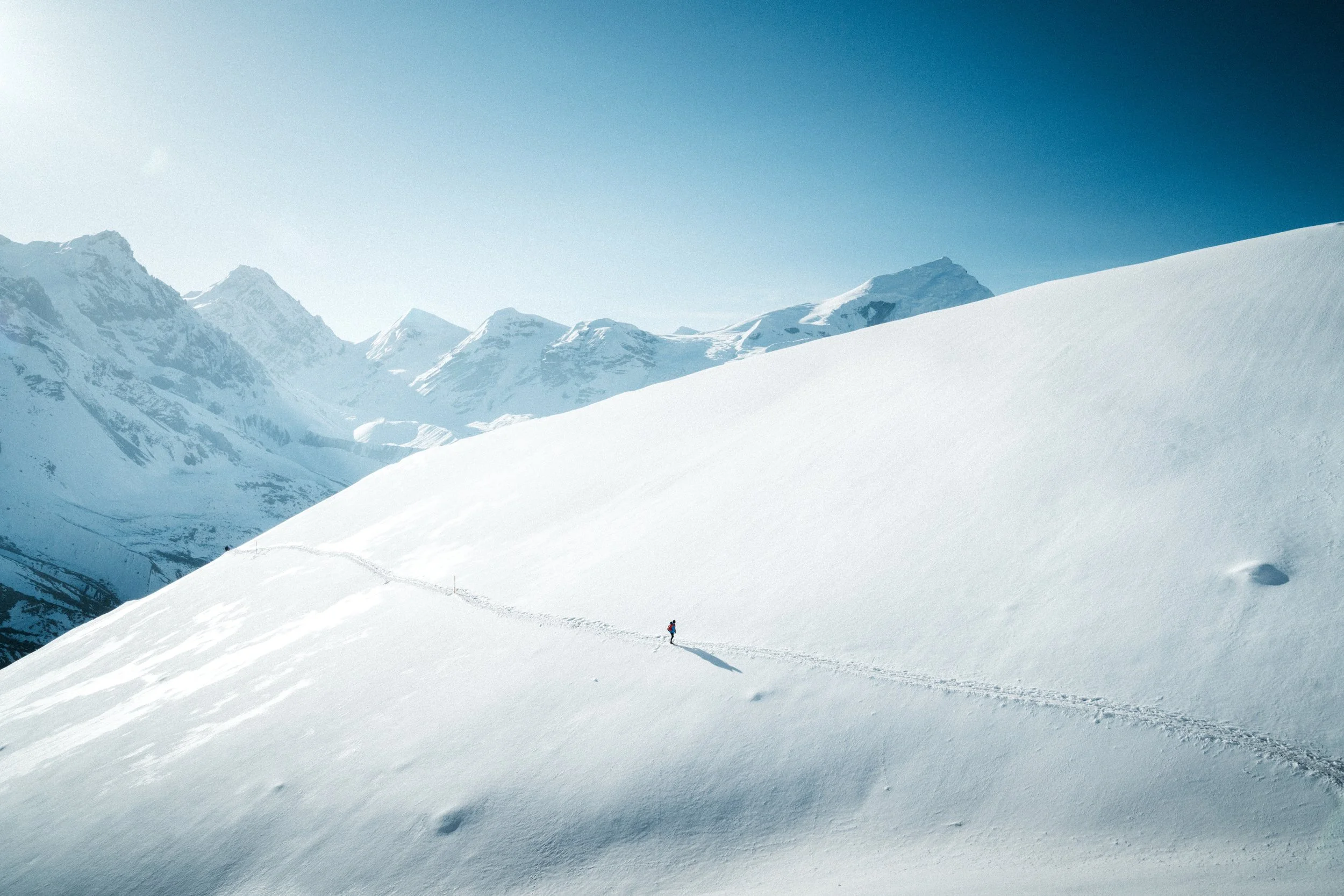
Thorang-la Pass: An Adventurer's Dream
In the heart of the Himalayas, at an elevation that challenges the limits of human endurance, lies a passage that has lured adventurers and trekkers from around the world for decades – the Thorang-la Pass. This breathtaking high mountain pass is a jewel of the Annapurna Circuit in Nepal, offering a thrilling blend of natural beauty, challenging terrain, and the allure of a remarkable achievement. In this article, we will take you on a journey through the highlights, itinerary, and invaluable tips for conquering the Thorang-la Pass, an adventurer's dream come true.
The Highlights of Thorang-la Pass:
Stunning Alpine Landscapes: The journey to Thorang-la Pass takes you through a mesmerizing landscape that includes lush forests, serene alpine meadows, and rugged mountain terrains. As you ascend, the vistas transform into a breathtaking snowy wonderland.
Highest Trekking Pass in the World:
At a staggering altitude of 5,416 meters (17,769 feet), Thorang-la is one of the highest trekking passes in the world. Reaching the pass is a test of physical and mental endurance, offering an unparalleled sense of accomplishment.
Cultural Exploration:
The trek to Thorang-la Pass passes through picturesque villages like Manang and Yak Kharka, where you can immerse yourself in the local culture and traditions of the Gurung and Thakali people. Visit ancient monasteries and witness the daily lives of the inhabitants.
Spiritual Significance:
Thorang-la holds spiritual significance for the people of the region. Local Buddhists and Hindus consider the pass a sacred site, and you will encounter chortens (stone shrines) and prayer flags along the trail. The pass offers stunning panoramic views of the Annapurna and Dhaulagiri mountain ranges.
Itinerary for Conquering Thorang-la Pass:
Trekking to Thorang-la Pass requires careful planning and acclimatization to the high altitude. Here's a suggested itinerary for the adventure:
Day 1: Arrival in Kathmandu - Arrive in Nepal's capital, Kathmandu, and take time to prepare for your trek, including obtaining necessary permits.
Day 2: Drive to Besi Sahar - Begin your journey by driving to Besi Sahar, the starting point of the Annapurna Circuit.
Day 3-4: Trek to Manang - Embark on the trekking trail, passing through villages like Chamje, Tal, and Chame. Reach Manang, a beautiful village known for its cultural richness and breathtaking views.
Day 5-6: Acclimatization in Manang - Spend a couple of days in Manang to acclimatize to the altitude. Explore the village and visit the Gangapurna Lake and Ice Lake for acclimatization hikes.
Day 7: Trek to Yak Kharka - Resume your trek, heading to Yak Kharka, a high-altitude grazing area with stunning mountain views.
Day 8: Trek to Thorang Phedi - Continue your ascent, reaching Thorang Phedi, the base camp for Thorang-la Pass.
Day 9: Thorang-la Pass Day - Start early in the morning for the challenging climb to Thorang-la Pass. The hike is strenuous due to the high altitude and steep ascent. Reaching the pass is a triumphant moment, offering incredible views of the surrounding peaks.
Day 10: Descend to Muktinath - After celebrating your achievement at Thorang-la Pass, descend to Muktinath, a significant pilgrimage site for both Hindus and Buddhists.
Day 11: Trek to Jomsom - Continue your journey to Jomsom, known for its arid landscapes and unique charm.
Day 12: Flight to Pokhara - Conclude your trek by taking a scenic flight from Jomsom to Pokhara, where you can relax and reflect on your adventure.
Day 13: Return to Kathmandu - Fly back to Kathmandu, bringing an end to your exhilarating journey.
Tips for Conquering Thorang-la Pass:
Proper Acclimatization: Acclimatization is crucial when trekking at high altitudes. Spend a couple of days in Manang to adapt to the thin air before attempting the pass.
Physical Fitness: Prior physical preparation is essential. Engage in regular cardio and strength training exercises to build endurance and strength for the trek.
Packing Essentials: Pack warm clothing, including layers, gloves, and a down jacket. Ensure you have sturdy, comfortable trekking boots, a good-quality sleeping bag, and a reliable backpack.
Stay Hydrated and Nourished: Drink plenty of water and consume calorie-rich foods to maintain energy levels. Carry water purification tablets or a filter to access safe drinking water on the trail.
Know Your Limits: Listen to your body and recognize the signs of altitude sickness. If you experience severe symptoms, it's essential to descend to a lower altitude immediately.
Travel Insurance: Invest in comprehensive travel insurance that covers high-altitude trekking, medical emergencies, and evacuation if necessary.
Trekking to Thorang-la Pass is not for the faint of heart, but for adventurers and nature enthusiasts seeking the thrill of a lifetime, it is an experience like no other. The stunning alpine landscapes, the sense of accomplishment at reaching one of the world's highest trekking passes, and the cultural immersion along the way make this journey truly unforgettable.
By following the suggested itinerary, preparing meticulously, and respecting the challenges posed by high altitudes, you can turn your dream of conquering Thorang-la Pass into a reality. The reward is not only the panoramic views from the pass but also the indelible memories of a Himalayan adventure that will stay with you for a lifetime.
POPULAR ITINERARIES
SIMILAR POSTS
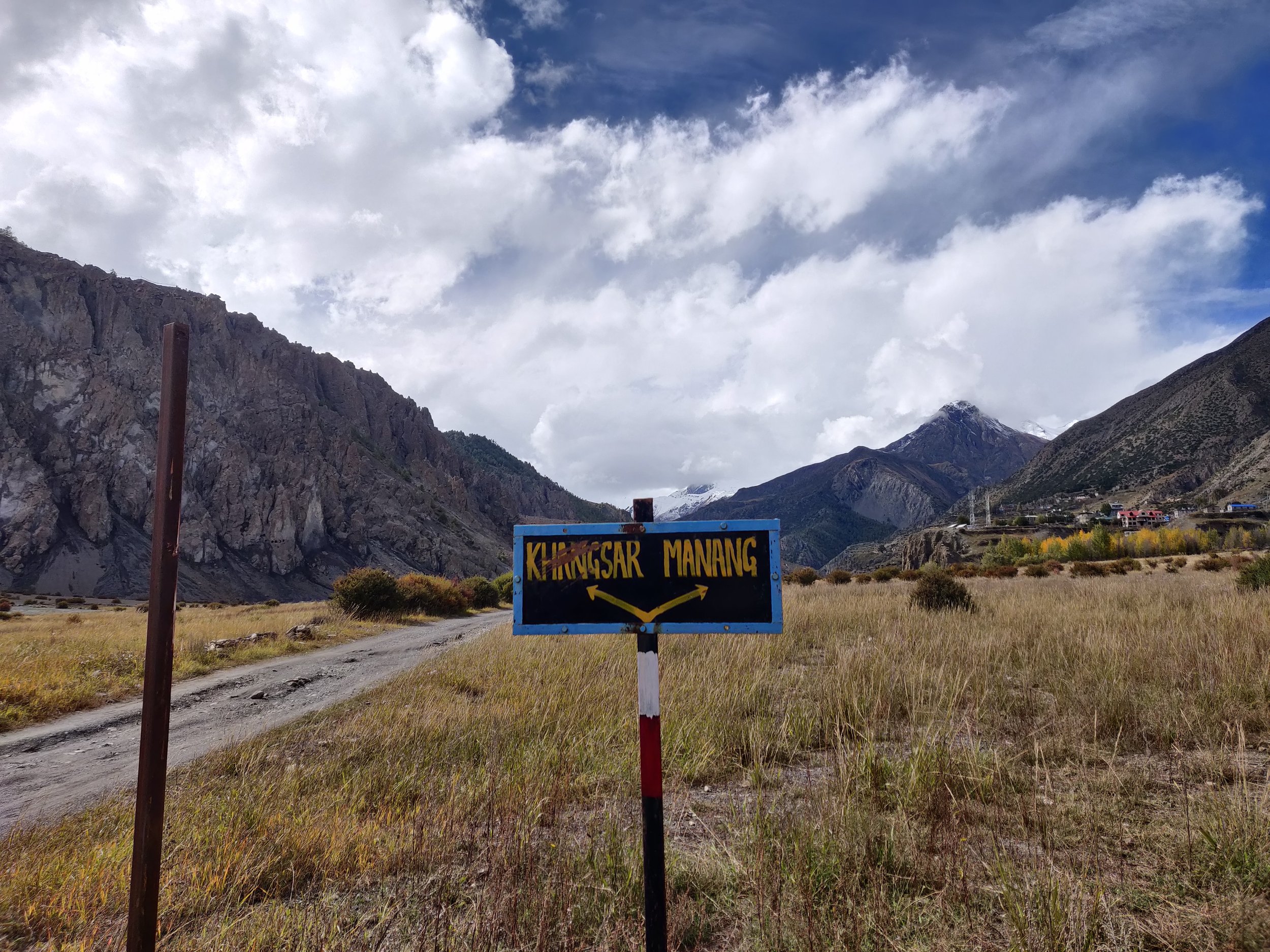
Khangsar and Manang: Two Incredible Destinations in Nepal's Annapurna Region
Nestled in the rugged terrain of the Himalayas, Khangsar and Manang are two hidden gems that beckon adventurers and nature enthusiasts to explore their untouched beauty. Located in the Annapurna region of Nepal, these destinations offer a unique blend of breathtaking landscapes, rich culture, and warm hospitality. In this article, we will take a closer look at the highlights, itinerary suggestions, and some invaluable tips to make the most of your visit to Khangsar and Manang.
Khangsar: A Picture Perfect Village
Khangsar, a picturesque village in the Annapurna Conservation Area, is often overshadowed by its more famous neighbor, Manang. However, it holds its own charm and allure that make it a must-visit destination for those seeking tranquility amidst nature.
Highlights of Khangsar:
Scenic Hikes: Khangsar offers numerous hiking trails that lead to stunning viewpoints. A popular option is the trek to Tilicho Lake, one of the highest lakes in the world, surrounded by dramatic mountain peaks. The journey to the lake takes you through alpine meadows, lush forests, and traditional settlements.
Cultural Immersion: Khangsar allows travelers to immerse themselves in the local culture. The village is inhabited by warm and friendly Gurung people who are eager to share their customs and traditions. Don't miss the opportunity to savor traditional Nepali dishes and learn about the unique architecture of the local houses.
Serene Environment: Unlike the bustling tourist hubs, Khangsar offers a peaceful retreat. The absence of vehicular traffic and the harmonious coexistence of nature and humanity create an environment that promotes relaxation and reflection.
Khangsar Itinerary:
Day 1: Arrival in Khangsar - Spend your first day acclimatizing and exploring the village.
Day 2: Hike to Tilicho Base Camp - Enjoy breathtaking views and immerse yourself in nature.
Day 3: Visit Tilicho Lake - Witness the pristine beauty of one of the highest lakes in the world.
Day 4: Return to Khangsar - Reflect on your adventure and savor local cuisine.
Day 5: Departure - Bid farewell to the serene village of Khangsar.
Tips for Khangsar:
Altitude Precautions: Khangsar is situated at a high altitude, so it's essential to acclimatize properly. Spend a couple of days in Manang or other lower-altitude villages before heading to Khangsar.
Pack Light: Since Khangsar is a remote destination, facilities may be limited. Pack essentials and consider hiring a porter to carry your belongings during treks.
Respect Local Culture: Embrace the local customs and traditions, and always ask for permission before taking photographs of people or their property.
Manang: A Cultural and Natural Haven
Manang, a vibrant town in the Annapurna region, is a gateway to some of the most magnificent trekking routes in the world. Its unique blend of cultural heritage and awe-inspiring landscapes has made it a favorite among trekkers and travelers.
Highlights of Manang:
Trekking Paradise: Manang serves as a starting point for treks to Annapurna Circuit, Thorong La Pass, and other stunning destinations. The trekking routes offer panoramic views of the Annapurna and Dhaulagiri mountain ranges, pristine forests, and charming villages.
Rich Culture: Explore the distinct culture of the Manangi people, who have preserved their Tibetan-influenced traditions for generations. Visit monasteries like Braga Monastery, where you can witness religious rituals and intricate artwork.
Natural Hot Springs: After a long day of trekking, unwind in the soothing waters of the natural hot springs in the nearby village of Chame. It's a perfect way to rejuvenate and relax your muscles.
Manang Itinerary:
Day 1: Arrival in Manang - Acclimatize and explore the town's cultural attractions.
Day 2: Braga Monastery - Visit this ancient monastery and immerse yourself in the local culture.
Day 3: Trekking Begins - Start your trek towards Tilicho Lake or Thorong La Pass.
Day 4-6: Trekking - Explore the stunning landscapes, villages, and mountain views along your chosen trekking route.
Day 7: Return to Manang - Rest and reflect on your trekking adventures.
Day 8: Departure - Bid farewell to Manang, taking with you memories of its beauty and culture.
Tips for Manang:
Permit Requirements: Ensure you have the necessary permits for trekking in the Annapurna Conservation Area. Check the current regulations and acquire your permits in advance.
Weather Awareness: The weather in the Himalayas can be unpredictable. Be prepared for changing conditions and carry appropriate gear, including warm clothing and rain protection.
Hydration and Nutrition: Staying hydrated and well-fed is crucial at high altitudes. Carry enough water and energy-rich snacks during your treks.
Khangsar and Manang, two incredible destinations in Nepal's Annapurna region, offer a unique blend of natural beauty, rich culture, and spiritual serenity. Whether you choose to explore the tranquil village of Khangsar or embark on a trekking adventure from bustling Manang, both destinations promise an unforgettable experience in the heart of the Himalayas. Remember to plan your itinerary carefully, respect local customs, and embrace the stunning landscapes and warm hospitality that these hidden gems have to offer.
POPULAR ITINERARIES
SIMILAR POSTS