
A World Within A World
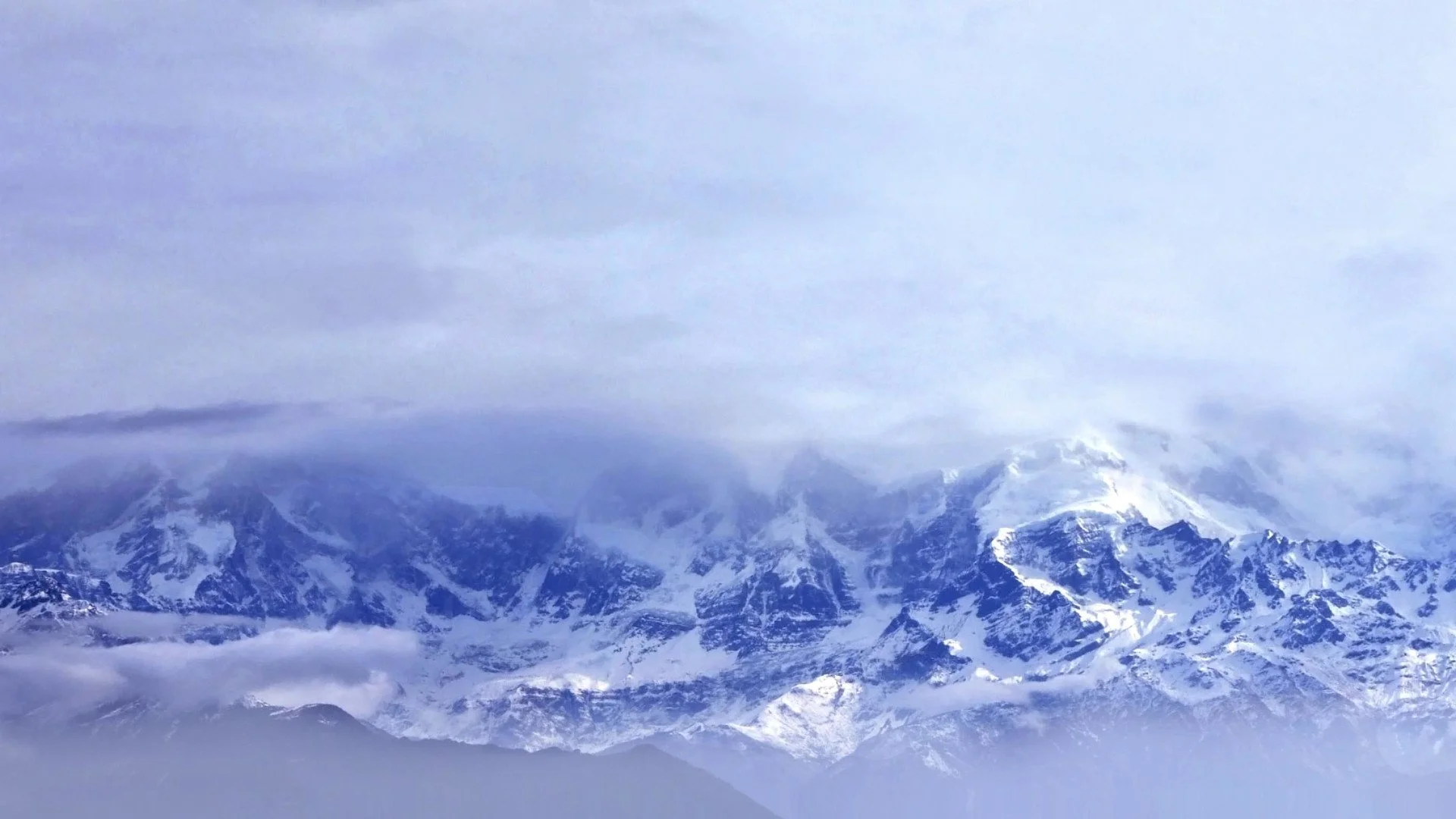
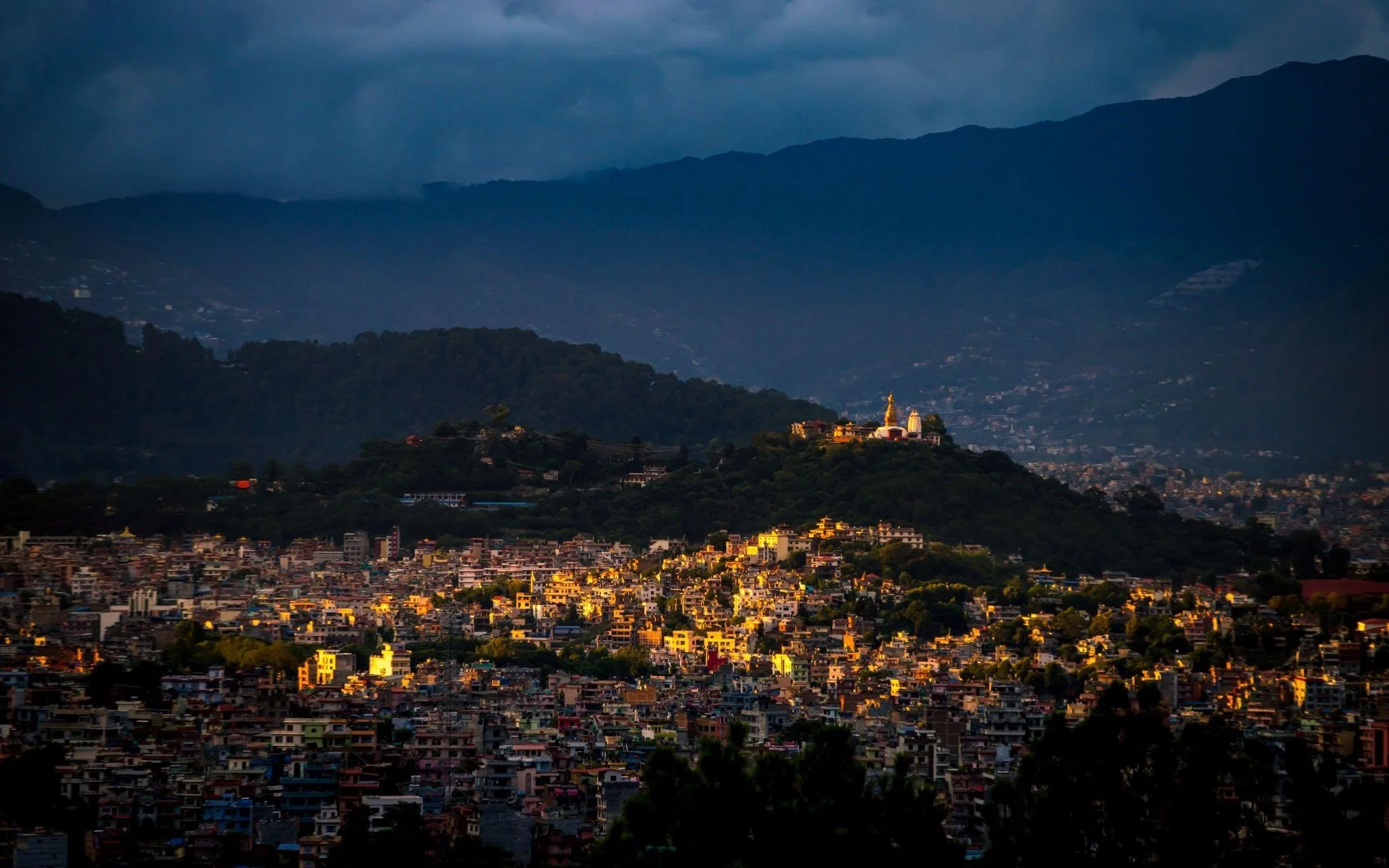
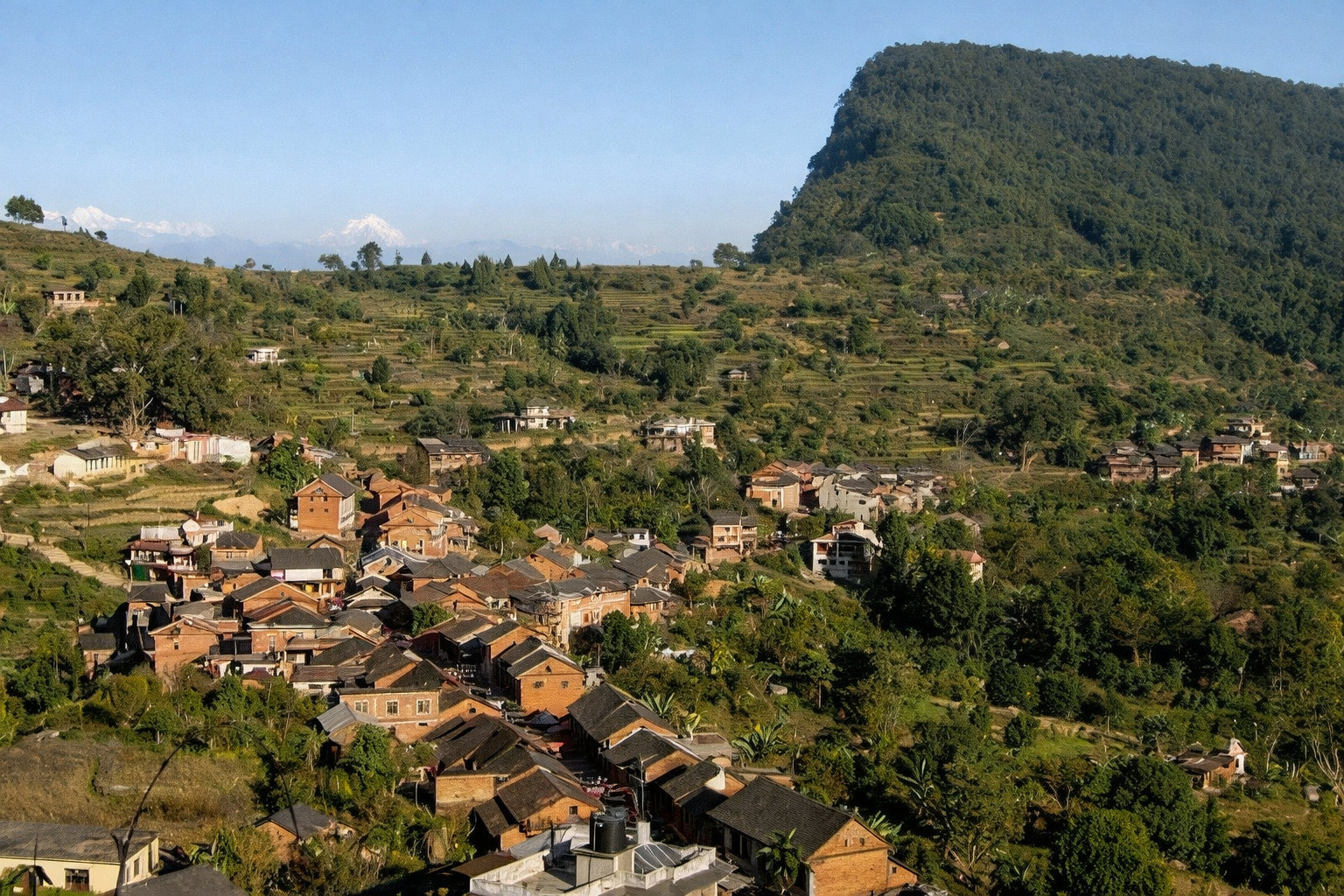
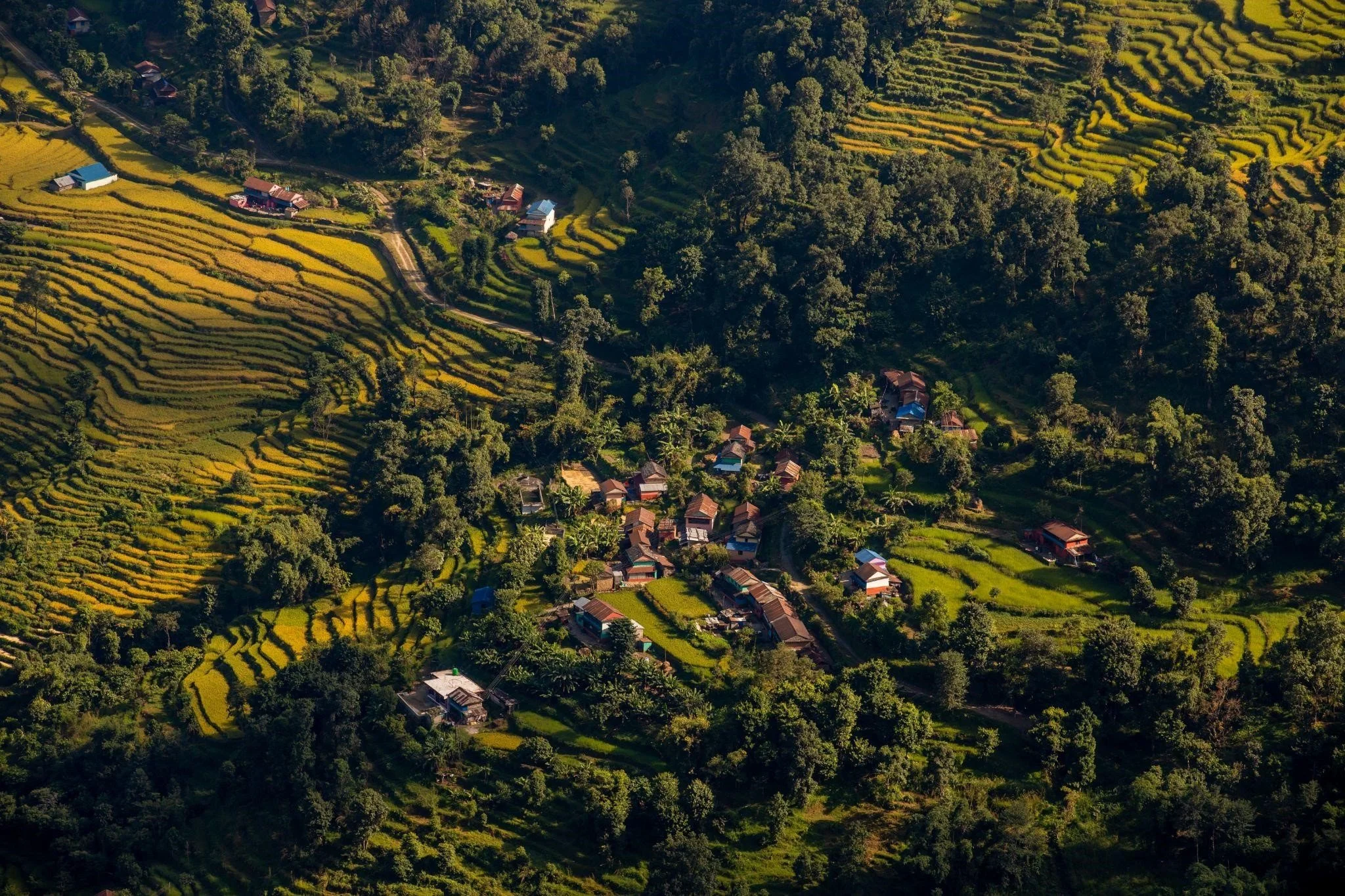
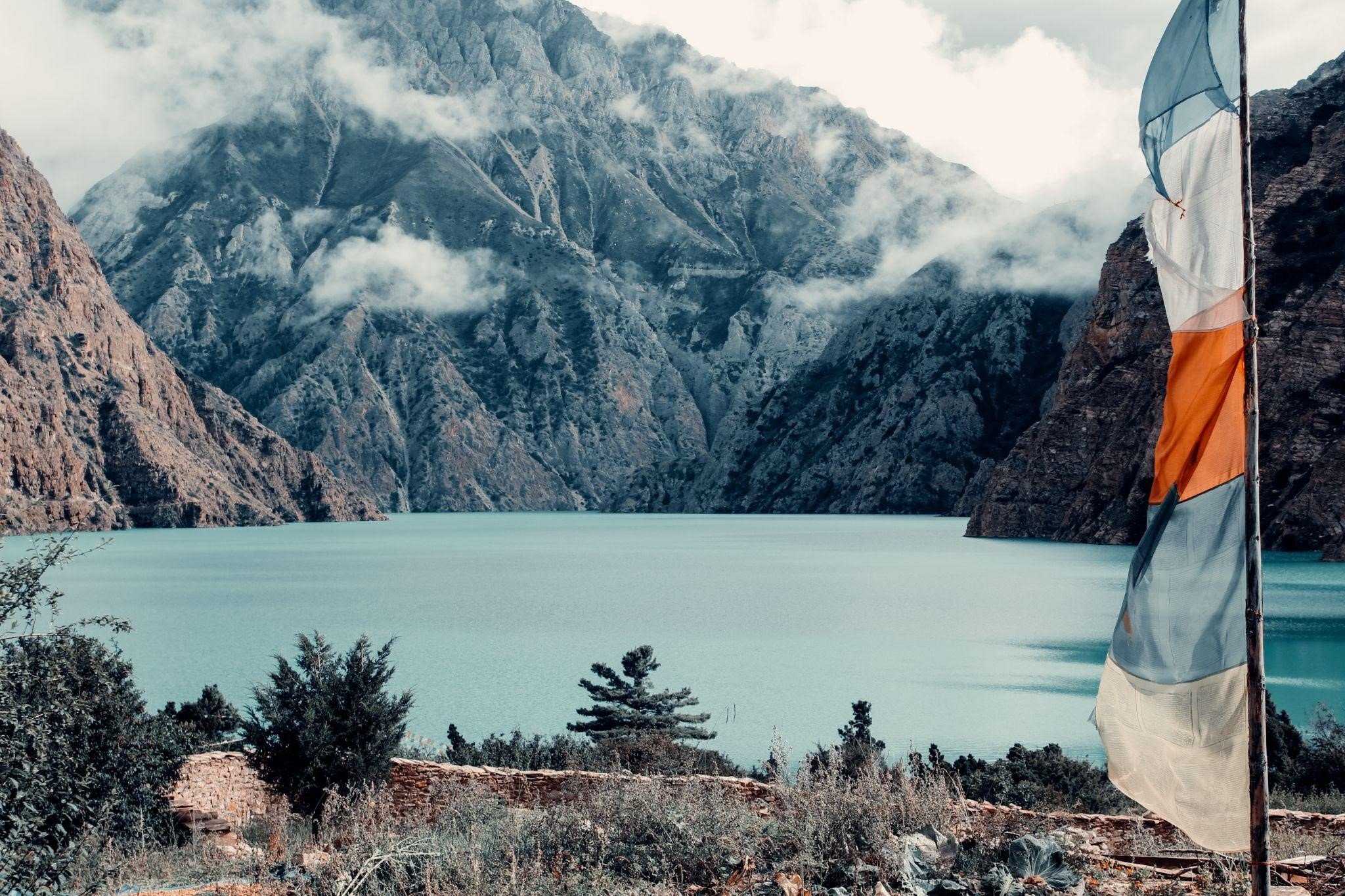
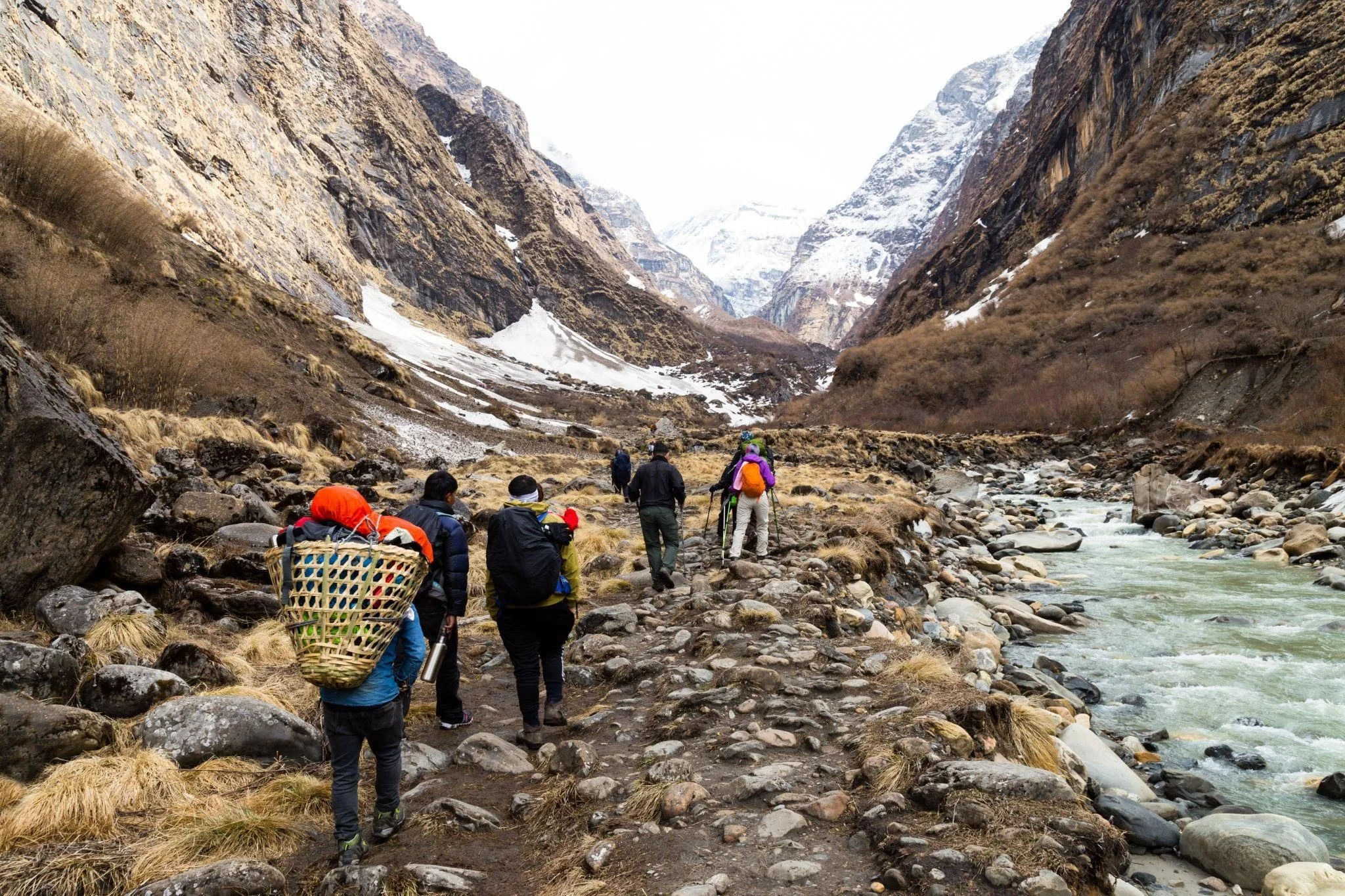
Even though Nepal occupies only a tiny portion of the world, it is a world within a world. The diversity of Nepal's terrain and climates gives you- the traveller, an opportunity to explore what the world offers within our nation's small boundary.
Those familiar with the geography of Nepal know that it is a miraculous haven. Within the area of 143,350 sq km that stretches 241 km west to east and 193 km north to the south lies countless opportunities to reconnect with nature. To the south are tropical alluvial plains at 60m above sea level. To the north is the forehead of the world- Mt. Everest at 8,848.86m. The Himalayan mountains are rugged and permanently covered with snow and ice.
Unearthing the wonders of Nepal, researchers have identified a total of 118 ecosystems in Nepal. Amongst them are 112 forest ecosystems, four cultivation ecosystems, one water body ecosystem and one glacier ecosystem. Such is the diversity of this small but humble nation. In terms of fauna, Nepal is home to 175 species of mammals, 836 bird species, 147 reptile and amphibian species, 180 species of fish, 640 species of butterflies and a staggering 6000+ species of moths.
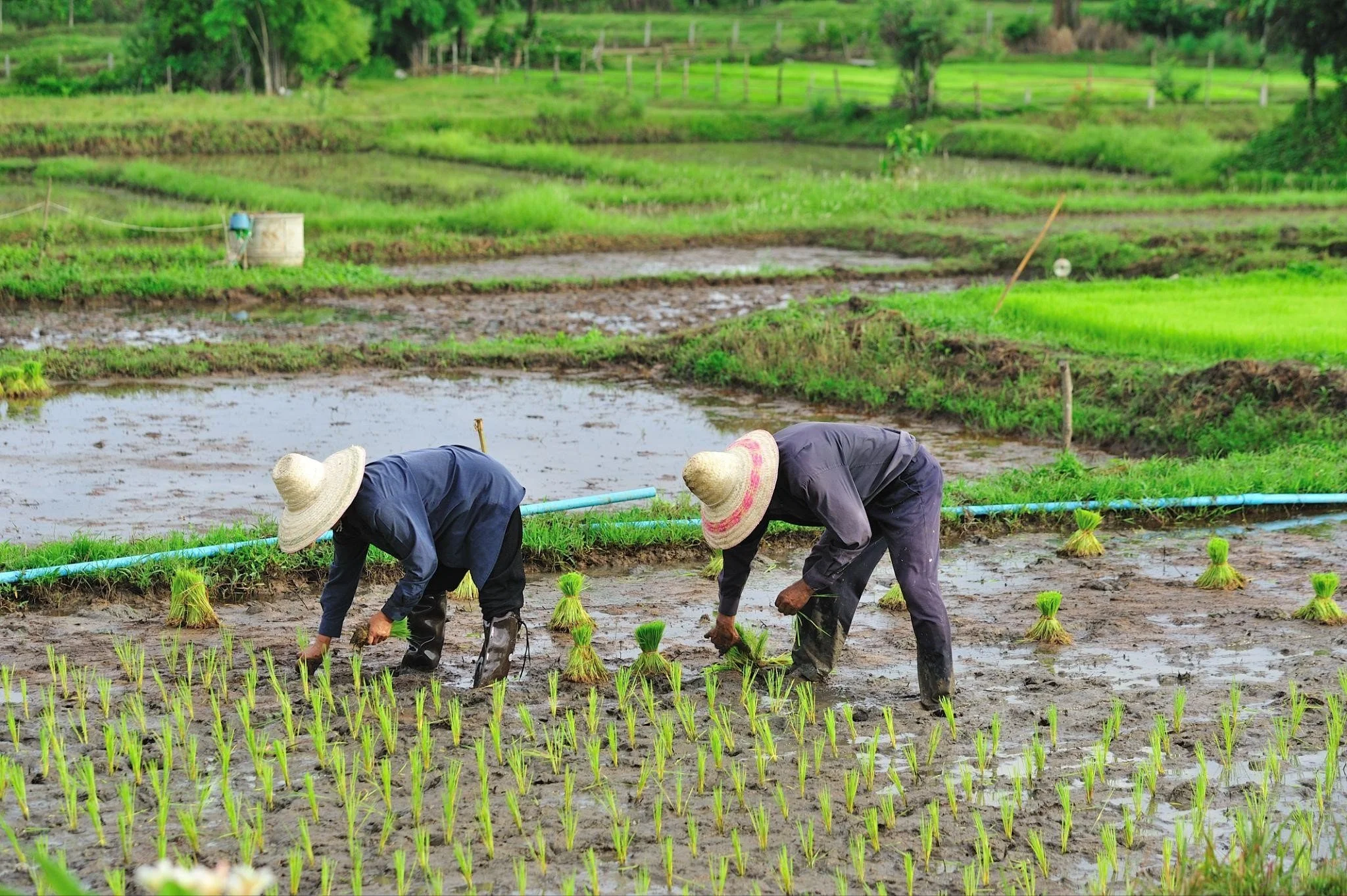
Facts aside, Nepal truly is heaven on earth! Our natural beauty is our greatest strength. We must take great strides to balance our need for modernization to maintain this pristine beauty. It isn't just for our environment but our livelihood as well. Our economy is heavily reliant on our natural resources. Agriculture and tourism greatly rely on the presence of our natural wonders.
As we expand our cities and footprints around the nation, we must remember- we are the guests! We must think creatively and develop sustainable measures to reduce encroach and push more species into extinction. The theme of this year, World Environment Day, captures this very thought at best, 'Only One Earth'. The time is now, and every second that we fail to understand the importance of harmony with nature, we come close to disastrous encounters. From climate change to wildlife attacks, they're all interlinked.
The celebration of World Environment Day isn't just about parading and increasing awareness. The thoughts must come into action. As famously said, change begins from one, and it's up to all of us to take greener measures in our daily lives to shorten the production and consumption cycles that are deteriorating our environment.
Every year post the climbing season, we see pictures of camps just filled with waste. Yes, waste occurs, but if you analyse it in a calm setting, even you wonder, Why? You can say no to single-use plastic and make sure to not litter during your escapade in the Himalayas. During your adventure in the Himalayas, you can rent your equipment instead of buying them. It reduces the chance of them becoming baggage after your trip is over. A diverse scape always means diverse cuisine! On your next adventure, try and tingle your taste buds with native flavours.
The list of sustainable activities is plentiful. While on your journey, think of the most sustainable actions to reduce your carbon footprint.
POPULAR ITINERARIES
SIMILAR POSTS
An Adventure In Upper Mustang | Part III
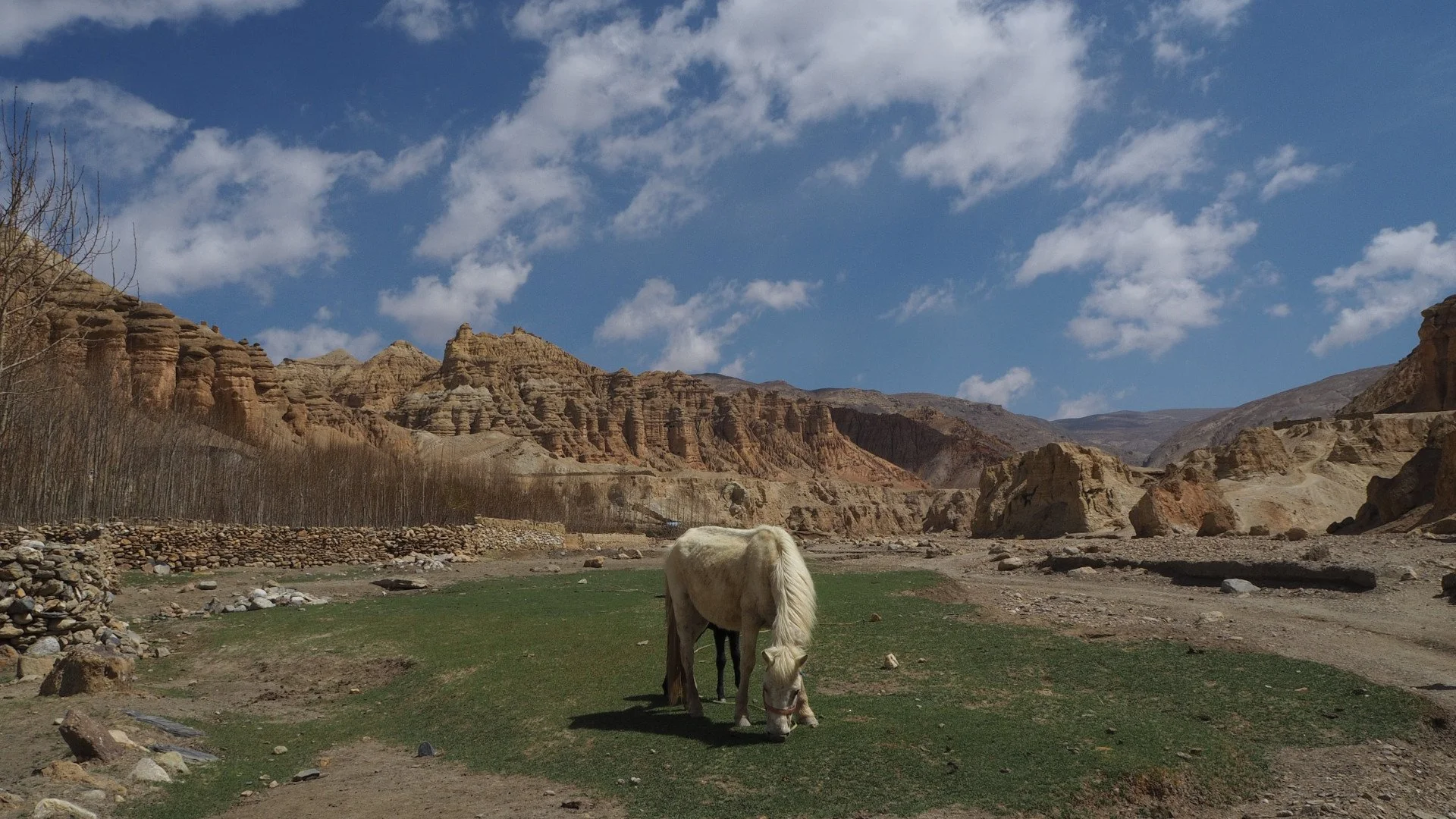
Upper Mustang is the picturesque pride of Nepal, life in this highland is tough, but this toughness brings about a smile that stays with you for the rest of your life. As you witness the Himalayas standing tall, all you wish to do is freeze this moment to cherish it for the rest of your life.
Day 6: Ghami to Charang
Altitude: 3560m
Trek Time: 4 hours
After a good night's rest at Ghami and breakfast, you shall head out to Charang. We advise you to walk cautiously. The trail is very rough and slippery right before the descent of Ghami Khola. During the hike, your hall comes across mani walls. Next up, you shall cross the Charang La pass at 3870m. You shall witness the majestic Charang Chu canyon during your journey. Atop it lies the beautiful village of Charang. The highlight of this village is its ancient fortress and red gompa (monastery) towards its east. As the trek time is approximately 4-5 hours, you shall have plenty of time to explore the village after lunch.
Day 7: Charang to Lo Manthang
Altitude: 3770m
Trek Time: 5 hours
The next day after breakfast, you shall make your descent down the canyon. You need to cross a river and ascend the Lo La pass at 3950m. At the end of the pass, you shall be greeted with your first view of the historic village of Lo Manthang.
This village historically was the capital of the Kingdom of Lo and is home to the royal palace of its king. Unlike the previous hamlets, you shall see a lot of Buddhist elements. The surrounding peaks of Nilgiri, Tilicho, Annapurna and Bhrikuti Peak liven up the vibe of this ancient setting.
Day 8: Outing to Chhoser Cave
Trek Time: 6 hours
This day is fully dedicated to exploring the Chhoser Caves. Also known as sky caves, these are ancient dwelling spaces dug into the side of valleys. These caves are 155 feet or more from the ground. They are thought to be more than 1000 years old. The purpose, origin and creator of these caves are still unknown.
The cave society is equipped with burial chambers, monasteries, hidden rooms and living quarters. Researchers assume native inhabitants built these caves to escape predators and dacoits.
Day 9: Lo Manthang to Dhakmar
Altitude: 3800m
Trek Time: 7 hours
The trek to Dhakmar is more challenging than previous legs, but it features beautiful sights and sounds. En route, you should stop at Gyakar Village. It is home to the ancient Ghar Gompa. This monastery is home to some of the most exquisite rock paintings in the region. A tradition in this region is you must make a wish. Stange right? Once your prayers and wishes are conveyed, you head towards Dhakmar.
Day 10: Dhakmar to Ghiling
Altitude: 3860m
Trek Time: 6 hours
The trek to Dhakmar is more challenging than previous legs, but it features beautiful sights and sounds. En route, you should stop at Gyakar Village. It is home to the ancient Ghar Gompa. This monastery is home to some of the most exquisite rock paintings in the region. A tradition in this region is you must make a wish. Stange right? Once your prayers and wishes are conveyed, you head towards Dhakmar.
After a splendid night at Dhakmar, you are requested to hit the trail early as the winds are powerful in this part of the trail. You shall cross a dry plateau and notice patches of agricultural fields along the road to Ghiling. The winds are a nuisance, but the views of Dhaulagiri and Nilgiri are worth the difficulty.
Day 11: Ghiling to Chuksang
Altitude: 3050m
Trek Time: 6 hours
This leg of the trek is perfect for understanding the lifestyle of this region because you pass through numerous villages. You can engage with the locals and make cherishable memories.
Day 12: Chuksang to Jomsom
Altitude: 2715m
Trek Time: 5 hours
This is the last leg of your trek in the Upper Mustang. The whole you approach Jomsom, you are officially exiting the restricted region. Your lunch stop for the day is at Kagbeni. As the total trek time is an average of five hours, it gives you enough time to veer a bit off course and explore. Once you arrive at Jomsom, please don't forget to grab a few souvenirs and confirm your flight to Pokhara.
Day 13: Flight from Jomsom to Pokhara
Flight Time: 15 minutes
This is your last night in the beautiful high region of Nepal. Before boarding your flight, don't forget to get one last glimpse of the beautiful scenes around you. Once you arrive in Pokhara, please relax and hit your favourite eateries and bars. Upper Mustang is a challenge, and you've done it.
POPULAR ITINERARIES
SIMILAR POSTS
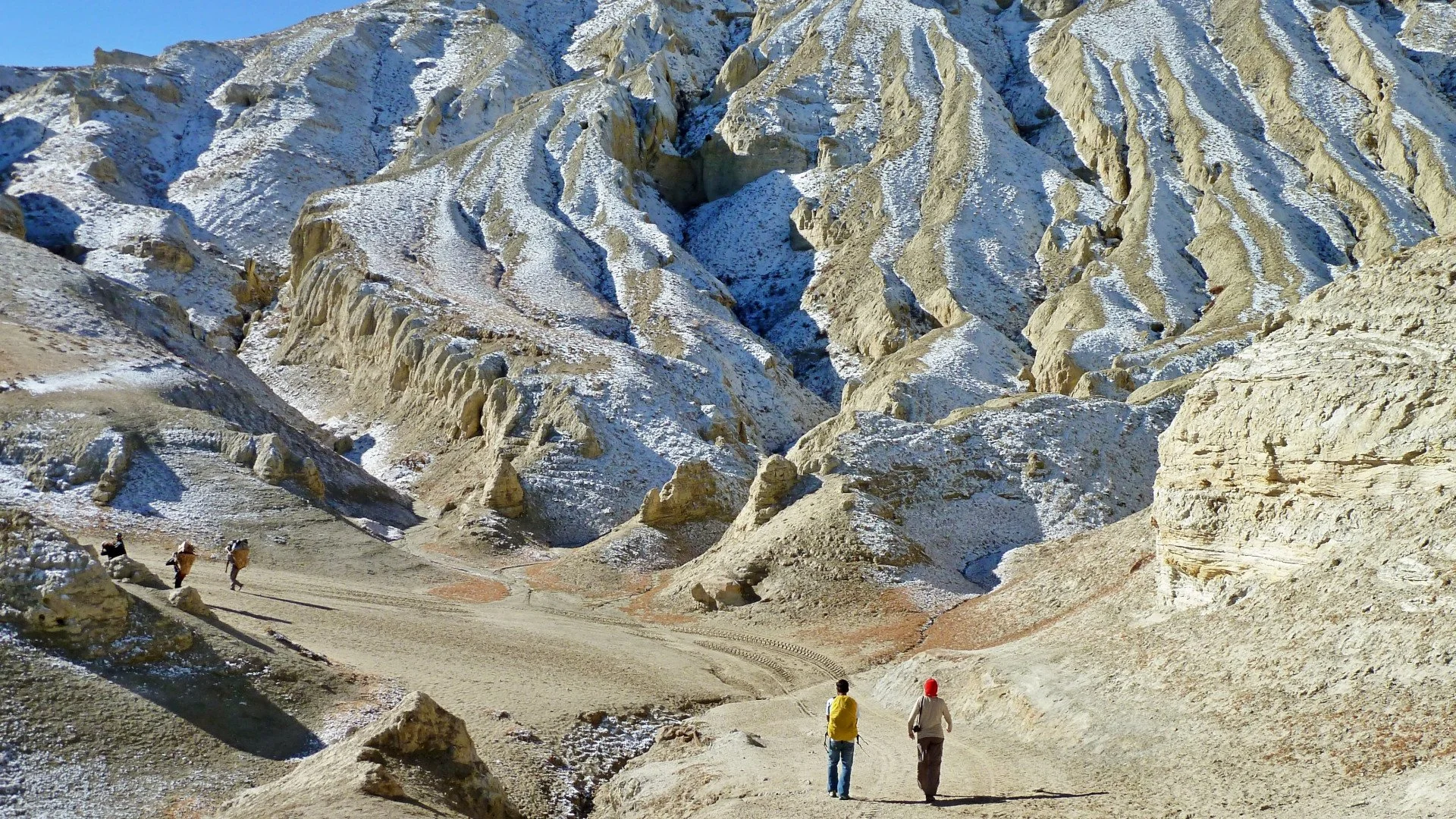
An Adventure In Upper Mustang | Part II
The Himalayas are a cure for every spiritual turmoil. The trails of upper mustang offer you an opportunity to experience the dessert terrain, scattered green pastures and the majesty of the stunning peaks such as Nilgiri, Annapurna and Dhaulagiri.
Trek Itinerary
Day 1: Arrival in Kathmandu and Flight/ Drive to Pokhara
Once you land in Kathmandu, our team shall transport you to our hotel. After checking in, you can rest for a while before pursuing further. A flight to Pokhara is at an average of 15 minutes, whereas a drive ranges between 6-8 hours. A flight to Pokhara allows you to visit a few sights in Kathmandu. It also exempts you from a long bus journey.
Day 2: Flight to Jomsom and Trek to Kagbeni
Trek time: 3 to 4 hours
The flight to Jomsom from Pokhara is approximately 20 minutes. The real journey begins here. After you land at the airport, you are greeted with a teaser of the trek and views ahead. Your first destination is the mystical town known as Kagbeni. Firstly, you shall cross a small bridge. After that, the trail is well marked and relatively easy compared to the road ahead. When at Kagbeni, walled passages greet you with an archaic feel. The walls feature clay effigies and decorations. The stone houses transport you to a different realm altogether.
Day 3: Kagbeni to Chele
Altitude: 3050m
Trek Time: 6 hours
After spending a beautiful night at Kagbeni, the trek to Chele begins after a hearty breakfast. The trail follows the winding Kali Gandaki river. You get to witness the absolute depth of the valley gorges during this hike. The village of Tanbe is an oasis on the trail. You can stop here to catch your breath and admire the white-washed houses and the beautiful fields of buckwheat and barley. This landscape also features splendid apple orchards.
Did you know the apples of this region are prized for their rich taste? The locals also create various drinks and snacks with the apples. You should definitely grab a few to indulge during your trip. Further in the hike, you follow a ridgeline which takes you to Chele village.
Day 4: Chele to Syangmoche
Altitude: 3475m
Trek Time: 6 hours
The previous hikes seem easy compared to the trail ahead. During your journey to Syangmoche, you shall cross your first big pass- Taklam pass. The pass stands tall at an altitude of 3624m. As soon as you’re done with Taklam La pass, you are greeted with Darjori La pass at 3737m. Every risk comes with its reward. The trail offers breathtaking mountain views and glimpses of peculiar caves. As you walk further, you decend into Samar Village. You need to follow a ridge and cross a narrow steep trail during the final mile of Syangmoche.
Day 5: Synagmoche to Ghami
Altitude: 3500m
Trek Time: 5 hours
After a hearty breakfast, you shall embark on another challenging trail. You shall cross two passes in this leg Yamada La at 3850m and Nyi Pass at 4010m. As you embark further stunning landscape views of stone villages with lush barley fields greet you. Before you descend down to Ghami, you need to cross the second pass- Nyi Pass at 4010m. The village of Ghami is a picture perfect village. After refreshing yourself, you can indulge in a brisk village walk.
To be continued in the next blog…
POPULAR ITINERARIES
SIMILAR POSTS
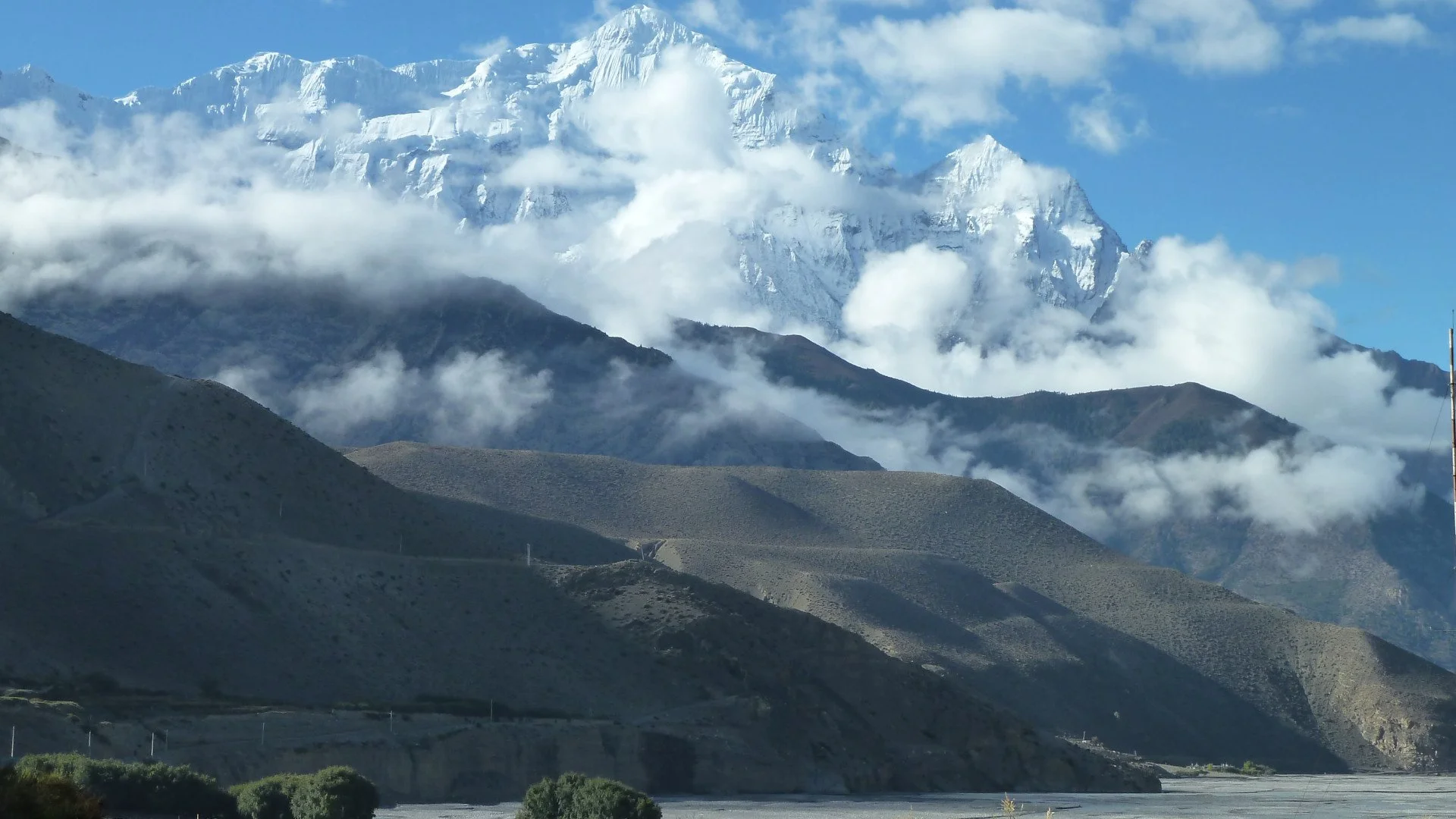
An Adventure In Upper Mustang | Part I
The allure of the vast yonder of Upper Mustang has been a true calling for numerous adventurers. Formerly known as the Kingdom of Lo, the reminiscences of a bygone era are still visible in the region. An adventure to this land is a lifetime of memories.
Up until 2008, the Government of Nepal officially recognised the Kingdom of Lo as a Kingdom. The last recorded king (raja or gyelpo) was Jigme Dorje Palbar Bista. His lineage is traced back to 1380 AD. He is a descendant of Ame Pal, the king who oversaw the foundation and construction of Lo Manthang, the walled capital of Lo and Mustang.
In terms of geography, Traditional Mustang ( Lo Kingdom) ranges from 2750m (9020ft) above sea level at its lowest point. The highest point is 7600m (22,00 ft) at Khamjung Himal, north of Kagbeni. Hydrographically, the main feature is Gandaki River. It runs southwards to the Terai bisecting Mustang. Traders used the route to travel between Tibet and India. The Kali Gandaki Gorge is regarded as the deepest gorge in the world.
Where do I get the permit and card? How much does it cost?
As per the department of immigration, a fee of USD 500 is charged for the first 10 days. Beyond which USD 50 is levied per person/day. A trekker needs to pay the ACAP Permit, $20 per person. The TIMS (Trekkers Information Management System) card is not required in Upper Mustang. Trekkers are required to present the RAP (Restricted Area Permit).
Can I trek to Upper Mustang alone?
No! You are not allowed to trek the Upper Mustang region alone. Neither you nor an individual guide can obtain the RAP. The permit can only be requested by a registered trekking company. However, you can acquire the TIMS and ACAP Permit at Nepal Tourism Board in Kathmandu and the Tourist Office in Pokhara.
How do I start?
Once you have landed at TIA (Tribhuvan International Airport), you can either experience a bit of the capital (Kathmandu) for a few days or get a connecting flight to Pokhara. The distance between Pokhara and Kathmandu is 200 KM. You can opt to take a bus instead of a flight as well. Your available options are either local or deluxe buses.
Deluxe buses leave at 7 AM from Sorakhute Bus Station in Kathmandu. You may either book a ticket beforehand or arrive an hour early, pay and embark directly at the terminal. We recommend these buses as they have air conditioning. The travel time ranges between 7-8 hours, with stops for lunch and snacks at good quality rest stops.
You can skip all of the hassles by contacting the front desk officer at the hotel. S/he shall do their best to arrange these services for you. They can also develop a proper itinerary to experience Lower Mustang at a reasonable rate.
When is the right time to trek?
In Nepal, Spring and Autumn is prime trekking season. The skies are clear with light to minimal rainfall. Autumn (Mid-September to Mid-November) is best for Lower Mustang Trek.
During other months such as December - February, the climate is colder and potential high snowfall may not allow you to trek above High Camp. Whereas during pre-monsoon ( Mid-May to Mid-July) and monsoon (Mid-July to Mid-September), chances of rain and clouding are high. The forest area shall be full of leeches and mosquito's.
Spring (Mid-March to Mid-May) is also a great time to trek this region. Temperature is nominal, and winds are light, allowing you to have a beautiful walk. The plant life will be blossoming: amplifying the atmosphere.
What should I wear and carry?
Proper clothing is vital while trekking to remote areas. In Spring and Autumn, you need summer/light clothing for the day hours and warmers for the night. If you’re travelling during the pre-winter and winter months, you need to wear your heavy jacket. During pre-winter and winter, warm clothes are essential. A heavily padded jacket, full sleeve t-shirt and fleece-lined pants are essential. During spring and autumn, a parka is mandatory. An umbrella and a raincoat should be carried as well.
Does the trek cost the same around the year?
No, the cost presented to you by your tour agent varies as per the season. The cost of accommodation is higher during peak season. Food costs rise during winter as transportation of goods becomes difficult. During peak season, you are bound to be over-charged. Off-season treks are usually less expensive due to slow business. You’ll get a sweet deal if you time your adventure off-season.
POPULAR ITINERARIES
SIMILAR POSTS
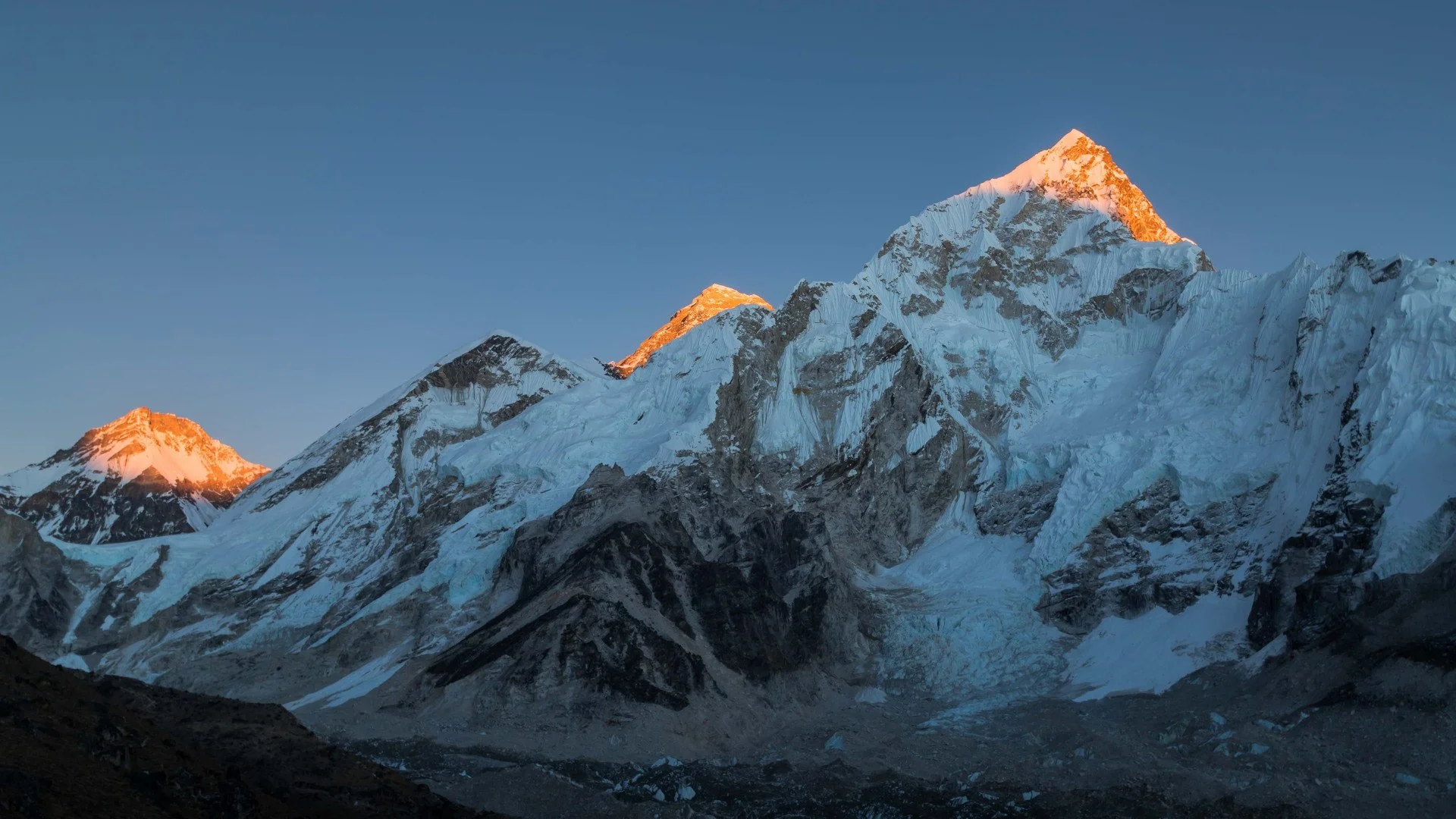
Mountaineering Adventure In Nepal
Many souls crave an adventure in the Himalayas. There are numerous snow-covered peaks in Nepal. They are open to national and international mountaineers to the summit. In this blog, we shall look into some of these majestic mountains.
The art of climbing a mountain is a hard-earned skill. It is a challenge and an adventure that takes you to one of the most remote regions of this nation and allows you great views that are unfathomable.After the first successful summit of Mt Everest by Tenzing Norgay and Edmund Hillary, mountaineering took great leaps. After this summit, the Nepalese authorities also took steps to develop mountaineering infrastructure and regulations.
When is Nepal’s climbing season?
Nepal has two main climbing seasons:
1. March to Early May: This period is considered the golden period for mountaineering adventures. The days and nights are typically warmer this time of the year. The visibility during this period is also nominal.
2. September to November: The nights during this period are more chilly than between March to Early May. The visibility is nominal with minimal weather disturbances.
How do I acquire a climbing permit?
Every climber must adhere to laws set by the Government of Nepal during their expedition. Please click on the following link to know more about the rules and regulations related to mountaineering expeditions: [Click Here]
Nepal Mountaineering Association issues the climbing permits. You are required to submit the following documents:
1. Bank Voucher from Nabil Bank of Permit Fee [Click here to find out the service charges for foreign climbers] and Garbage Deposit
2. Accidental insurance of 15 lakh
3. Medical insurance of 4 lakh and
4. Rescue insurance of Climbing Guide
(Documents 2,3&4 are required for Nepalese climbers as well)
Which peaks are open for climbers?
As per the tourism department of Nepal, 468 peaks are open and proposed to be open for climbing. You can [Click here] to view their profile.
How long is the permitted period?
The mountaineering permit is for a period of one month. The permission is open to an extension if required for two weeks. The period of permission relates to time spent climbing above base camp.
Will I also require a trekking permit on top of my climbing permit?
Yes, you need to acquire a TIMS card and trekking permit.
Where do I get mountaineering training?
The Nepal Mountaineering Association provides both basic and advanced mountaineering training in Nepal.
Top 2 beginner peaks in Nepal
1. Mera Peak
Elevation: 6470 M/ 21227 FT
Location: Province 1
District: Solukhumbu
Nearest Health Centre: Lukla 29.8 KM
Royalty Fees:
A. For Nepalese: Rs 4000(Spring) , 2000(Autumn), 1000 (Winter/Summer)
B. For Foreigners (USD): 250 (Spring), 125(Autumn), 70 (Winter/Summer)
Accessibility
From Kathmandu: Flight to Lukla
Caravan Route: Lukla-Chhatrala- Thanknak-Khare- Base Camp (BC)
Climbing Route Length: 4.2 KM
Duration: 17 Days
The Nepal Mountaineering Association provides both basic and advanced mountaineering training. Mera peak is the highest trekking peak in Nepal.
Nepal Mountaineering Association (NMA) manages the peak. Meera Peak is an expert recommendation for novice mountaineers due to its non-technical nature.
It is an eye-opener for enthusiasts of mountaineering. The summit of Mera offers a breathtaking of the world’s five highest mountains: Mount Everest, Lhotse, Kanchenjunga, Makalu and Cho Oyu.
2. Island Peak (Imja Tse)
Elevation: 6165 M/ 20226 FT
Location: Province 1
District: Solukhumbu
Nearest Health Centre: Namche 28.5 KM
Royalty Fees:
A.For Nepalese: Rs 4000(Spring) , 2000(Autumn), 1000 (Winter/Summer)
B.For Foreigners (USD): 250 (Spring), 125(Autumn), 70 (Winter/Summer)
Accessibility
From Kathmandu: Flight to Lukla
Caravan Route: Lukla- Namche- Khumjung- Dinboche- Chukung- Base Camp (BC)
Climbing Route Length: 2.4 KM
Duration: 18 Days
Imja Tse is also known as Island Peak. The peak got its nickname from a British Expedition en route to Mt Everest. As they looked towards Imja Tse, it seemed like an island in a sea of ice from Dingboche. The summit of Imja offers majestic views of Everest, Ama Dablam, Makalu, Nuptse, Baruntse, Lhotse and other famous summits. The climb to the summit is moreover straightforward. There are only a few sections that require technical manoeuvring.
POPULAR ITINERARIES
SIMILAR POSTS
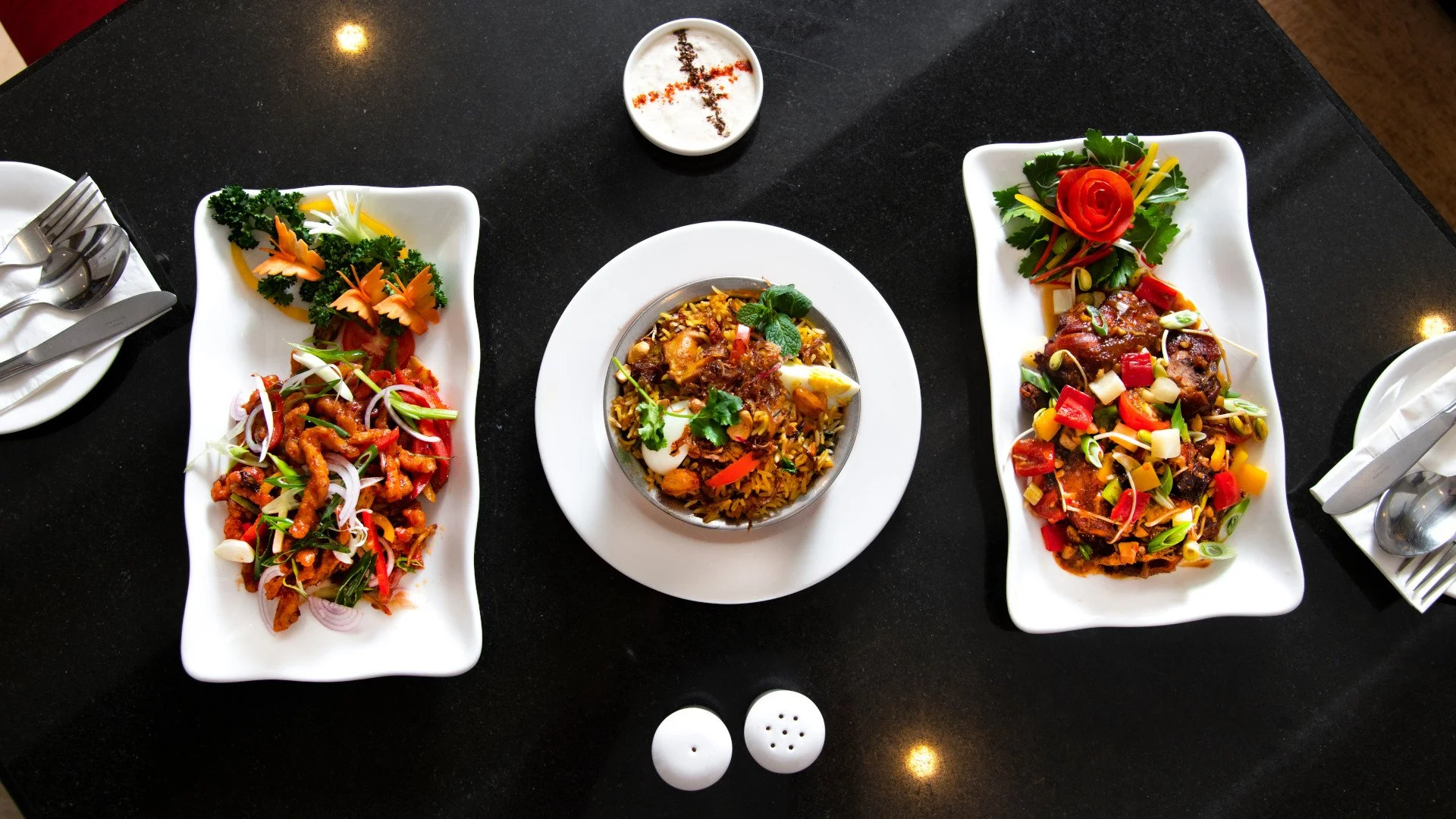
A Train of Flavours At Kailash Restaurant
Hotel Shanker is a space of fusion: the architecture- an abode with European glitz and Newari glamour and its restaurant, Kailash- a global train of flavours.
The neoclassical façade of Hotel Shanker, at times, is a sight for sore eyes. Its white paint and lush green gardens are a welcome sight in a bustling urban city. A former Rana palace, this property was acquired by Mr Ram Shanker Shrestha in 1964 AD. The roots of the founder's ethnic heritage can be seen in the remodelled interior. The brilliantly carved wooden windows, thorana and columns that one sees in only temples and museums are proudly displayed throughout the hotel.
A great trip features three things. An exciting accommodation, tantalising attractions and sumptuous food. The attractions in Kathmandu are exquisite, and the stay at Hotel Shanker is marvellous and filled with numerous amenities and great hospitality. Diving down into food, Kailash Restaurant, one of two dining facilities on the premises, offers flavours of the world.
The culinary team at both the facilities: Kailash Restaurant and Poolside Bar, is headed by Mr Keshab Ram Shrestha. He joined the family of Hotel Shanker in the year 2014 AD. He has over 30 years of experience accumulated at numerous world-renown hotels such as Hilton Hotel (Abu Dhabi), Park Hyatt (Australia) and Hyatt Hotel (Nepal).
The dining space of Kailash is an intricate display of Nepalese craftsmanship. It features exquisite works of art, well preserved by various artisans. The facility is capable of housing 50+ guests. The kitchen features state of the art equipment and strictly follows international standards of safety and hygiene.
The menu is a train of flavours devised by the team of Hotel Shanker. It features hits such as the Caesar salad, fish and chips, pasta, biryani and others. Various continental, Indian, Chinese and Nepalese dishes are featured on the menu.
The stars of the menu are:
Pan-Fried Norwegian Salmon
Roast Duck Cantonese Style
Crispy Chicken Salt & Pepper and
The Hyderabad Chicken Biryani
These dishes stand out from the crowd due to their exotic ingredients and great flavour. The first dish boasts a succulent fillet of Norwegian Salmon. It is pan-fried and basted in butter. A good serving of mashed potato, baby carrots and broad beans accompany the fish. Lemon butter sauce is drizzled generously. The flavours are explosive! The mildly blacked salmon skin gives off a gentle crunch with hints of char. The fillet tastes buttery and citrusy. The citrus in the sauce helps cut the rich mashed potato.
Roasted Duck is a popular dish in Java Islands. The roasting process eliminates the muddy tones of the bird. It is then cut into bite-size pieces and tossed in a Cantonese style sauce. The brown sauce imparts sweet and sour notes. The dish is mildly spicy. If you want it to be spicier chilli oil or chilli flakes can be added to it.
The crispy chicken is a great dish to enjoy with friends from the Chinese section of the menu. It features long deep-fried cuts of chicken that are later basted in oyster sauce. The crunch is short-lived as the sauce slowly sogs the chicken.
The hallmarks of the Hyderabadi style of biryani are the strong presence of spices and its potent scent. The culinary team at Hotel Shanker have done justice to the ingredients. Masala raita accompanies the brass biryani serving bowl.
The portion size is adequate for three. The dish is available in three variations: vegetable, chicken and mutton.
To sum it all up, Kailash is a unique dining experience set in a Newari theme in a neoclassical establishment with rich heritage.
POPULAR ITINERARIES
SIMILAR POSTS

An Adventure In Lower Mustang - Part III
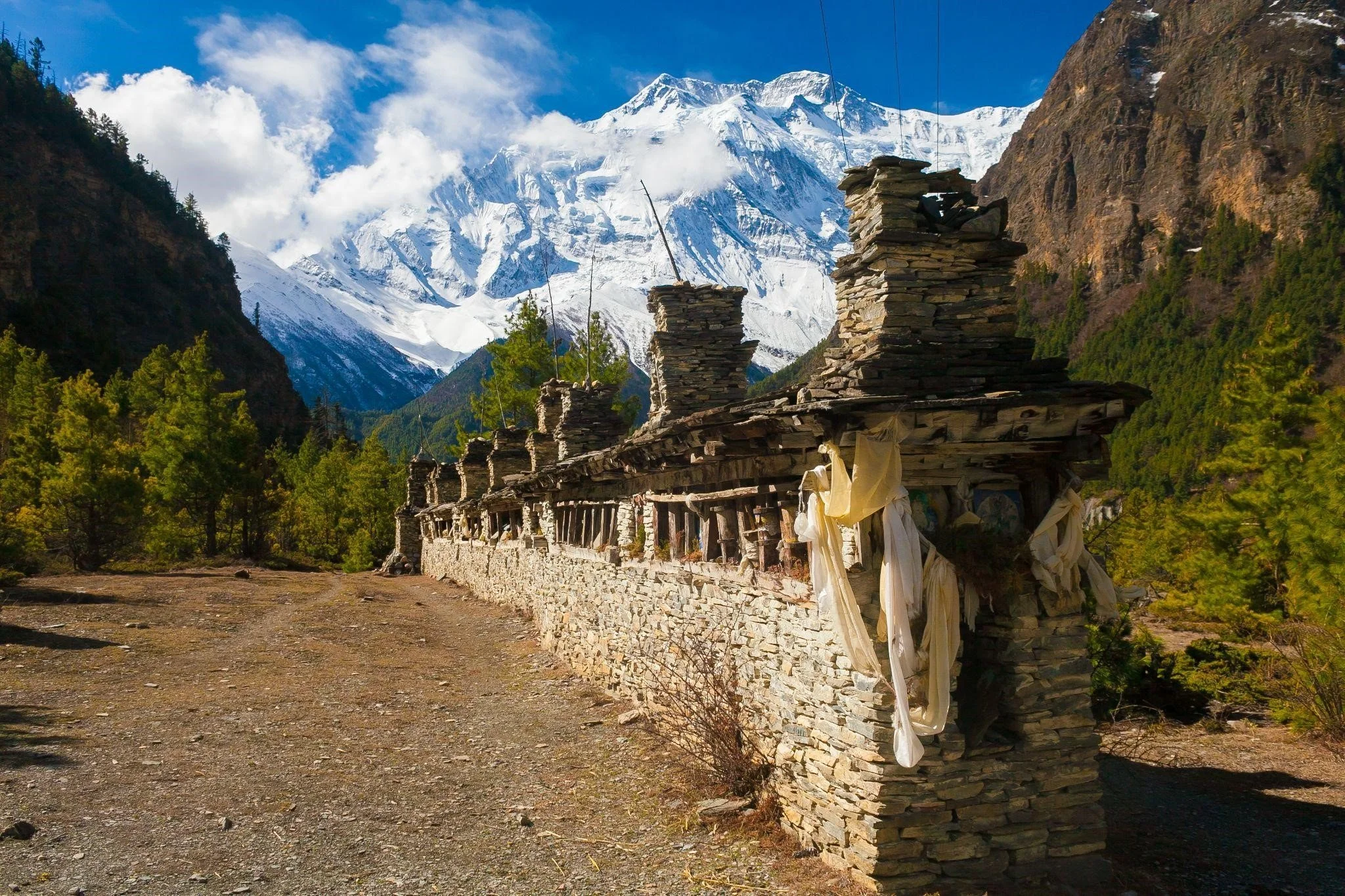
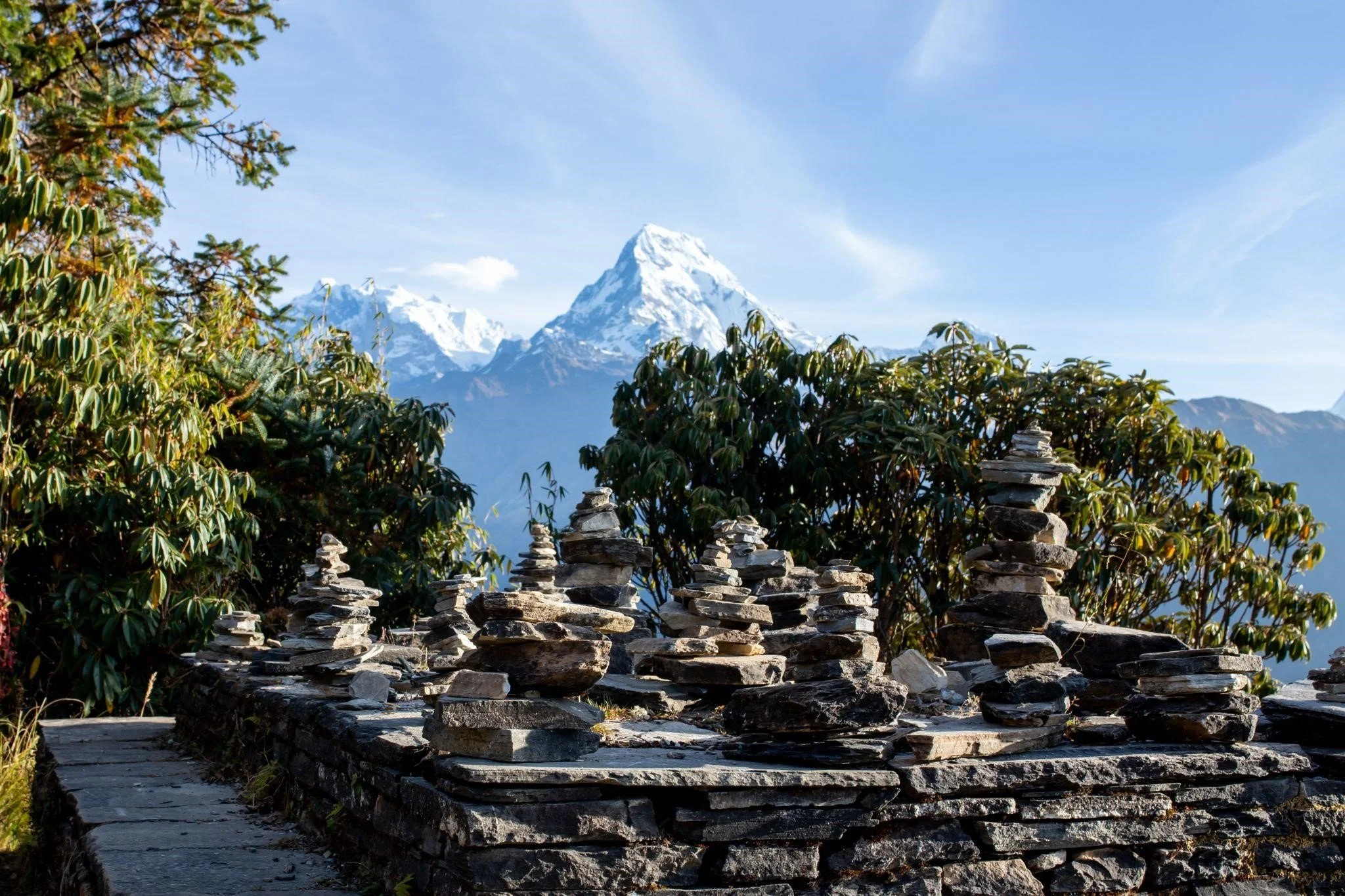
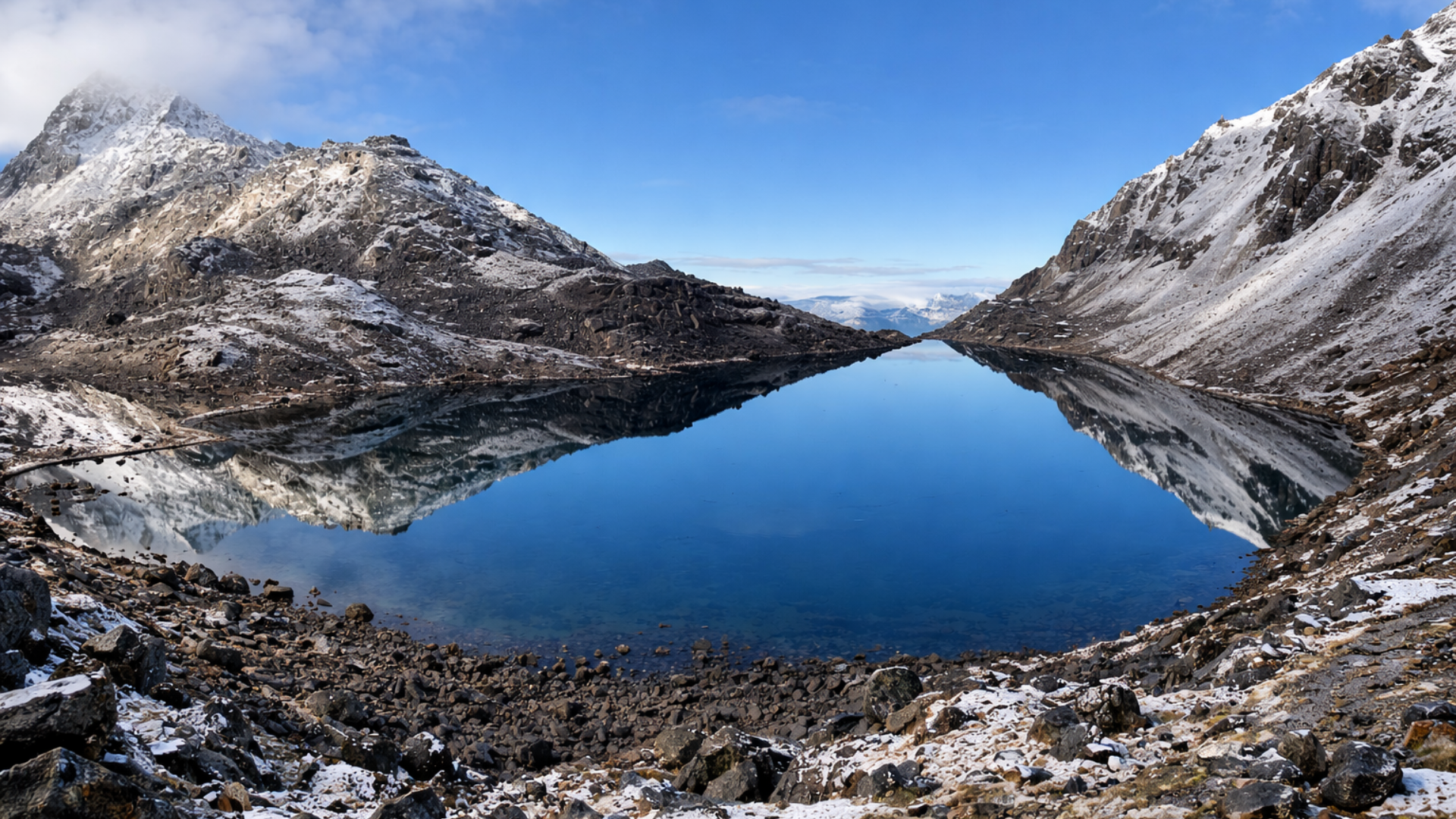
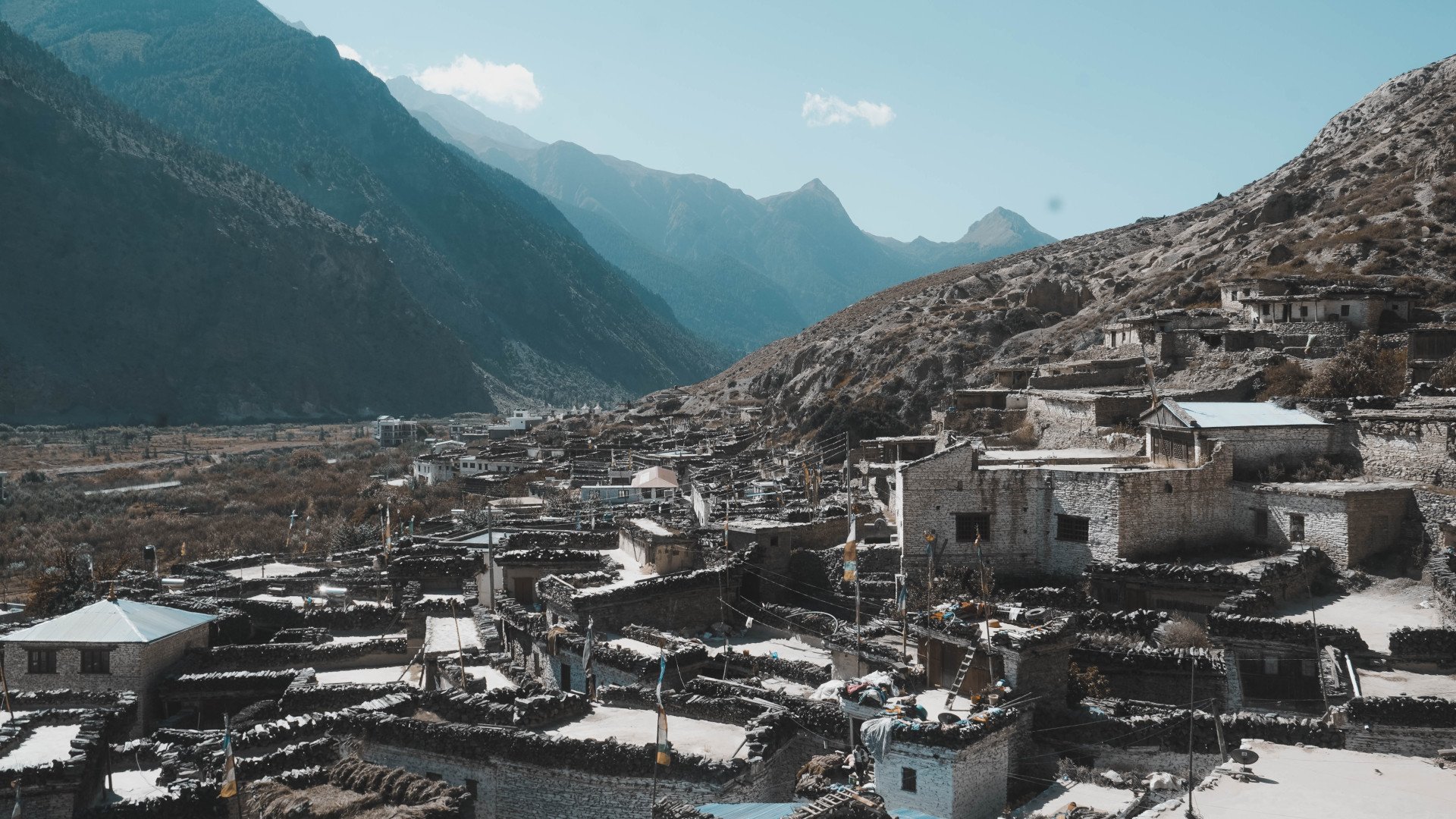
The region of Mustang is unique. Life in this part of Nepal is simple, peaceful and noteworthy. The people and their hospitality are memories that you can cherish for the rest of your life. This trek’s popularity comes from the opportunity to get a good glimpse of the Annapurna region in a short time duration.
Day 5: Trek to Jharkot
Total Trek Time: 3-4 hours
This segment of the trek is where you gain the most altitude. If you are in peak physical condition, you will be able to complete this leg of this journey in 3 hours. Trekkers leave after a good breakfast. If you start at dawn, then you shall reach Jharkot by noon. The village of Jarkot features a red Gompa (monastery) of the Shakya sect of Buddhism. The complex is approximately 500 years old. The Gompa also houses a school of Tibetan Medicine. In terms of the view, welcoming sites of the mountainscape are throughout the walk. Thorong La Pass, the highest point of the Annapurna Circuit, is visible from here.
Day 6: Trek to Muktinath
Total Trek Time: 3 hours
You may choose to either rest at Jharkot and walk to Muktinath the next day or continue forward to Muktinath on the same day. You can start in the morning after a full breakfast. In 2-3 hours, you shall reach Muktinath. This pilgrimage site is the crown jewel of the trek. Hundreds and thousands of devotees of Hindu and Buddhist fate visit this site for purification and salvation. The majority of devotees are from India, Tibet and Nepal.
Day 7: Trek to Jomsom
Total Trek Time: 5-6 hours
The trek back to Jomsom from Muktinath is relatively a breeze compared to the ascent. You shall be descending via Lupra Village, one of the few remaining Bonpo villages in the region. Bonpo is an ancient pre-Buddhist religion that flourished in this region. In this part of the trek, you see stunning views of the Himalayas. Once at Jomsom, you may visit the villages and sites missed previously and prepare yourself for your scheduled flight.
Day 8: Flight to Pokhara
Your day begins with an early breakfast post which you shall head towards the local airport to catch a flight to Pokhara.
The city of Pokhara is a famous tourist stop for trekkers and travellers who wish to venture to Annapurna or Western Nepal. The town features plenty of amenities and a stunning lake by which you may enjoy your favourite beverage.
Ten things one must do in Pokhara
1. Visit Phewa Tal (Fewa Lake)
2. Witness the sunrise from Sarangkot Hill Station
3. Visit the Peace Pogada
4. Check out the International Mountain Museum
5. Visit the Gurkha Memorial Museum
6. Get an adrenaline kick via Bungee Jumping
7. Explore the Butterfly Museum
8. Get a birds eye view of the city via Paragliding or Ultra Light
9. Experience Pokhara Skydiving
10. Explore the city and nearby villages
POPULAR ITINERARIES
SIMILAR POSTS
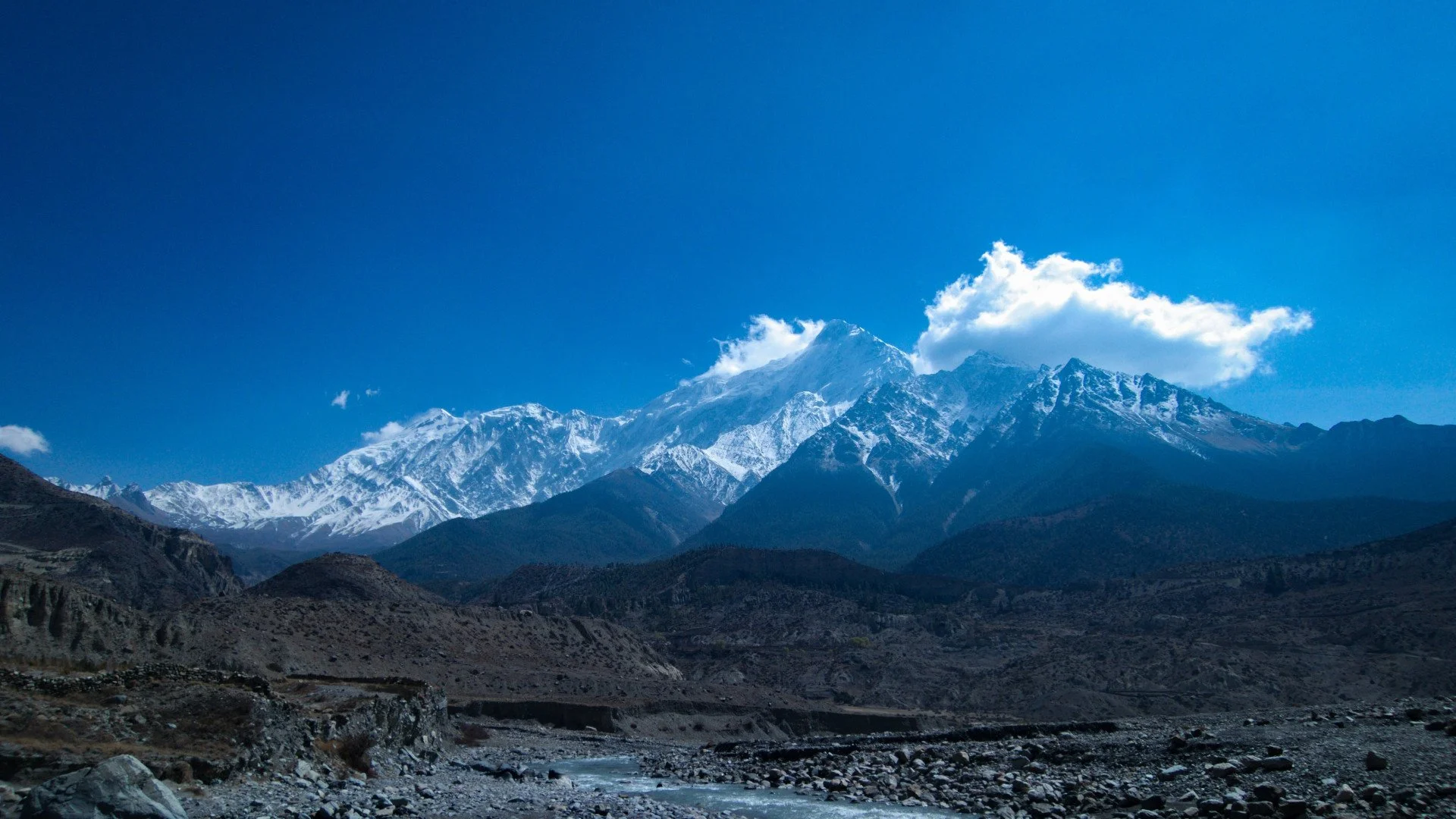
An Adventure In Lower Mustang - Part II
Lower Mustang is one of the most popular treks in the Annapurna Conservation Area. It gives you a chance to witness the Himalayas without bothering with proper acclimatization. It is an adventure beyond your imagination.
Day 1: Arrival & Exploration
Kathmandu is the capital of Nepal. It isn’t just the seat of the federal government but also the epicentre of culture and heritage. Once you’ve arrived, look out for our hotel delegation in the arrival hall. If you haven’t requested airport pick-up, you can hop on a cab and ask the driver to take you to Hotel Shanker. After reaching the hotel, our team shall check you in at the earliest. In the meantime, you can relax with a fresh towel and sip on the seasonal welcome drink.
If you’ve booked a city tour pre-hand from our travel desk, our staff shall hand you an itinerary for the following. If you wish to book a city tour, please visit the travel desk in the lobby.
You may choose to explore the city on your own. While doing so, please be careful of street hawkers and scams in tourist areas.
Checkout these blogs:
B. 7 Things to do in Kathmandu
C. 7 Things to do in Bhaktapur
Day 2: A Morning Tour of Kathmandu & Flight to Pokhara
The morning hours are the best time to experience this ancient city. If you wish to experience the sunrise, you may visit the following spots:
1. Chandragiri Hill Station (Best all around the year)
2. Chovar Hill (Best all around the year)
3. Phulchowki Hill (Best during spring, requires a short hike)
If sunrise isn’t your thing, then these destinations are quick and a must:
1. Bouddhanath Stupa (18 minute drive from the hotel)
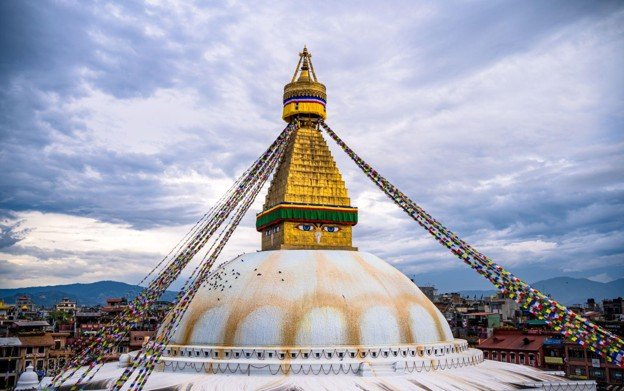
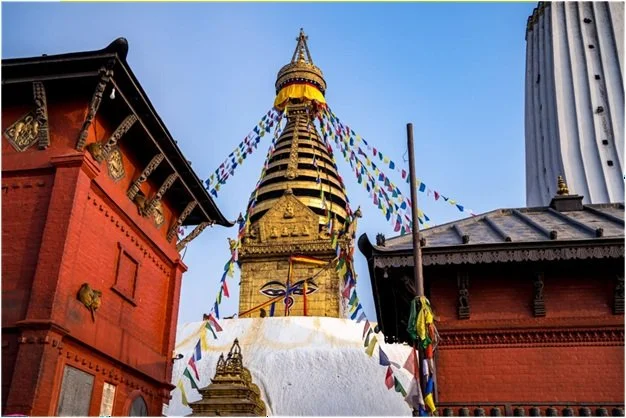
2. Swyambhu Stupa (15 minute drive from the hotel)
3. Patan Durbar Square (19-25 minute drive from the hotel)
4. Pashupatinath Temple (14 minute drive from the hotel)
An insightful morning tour of Kathmandu can be arranged as per your flight schedule. A regular flight to Pokhara is at an average of 15-18 minutes. Upon arrival in Pokhara, you may proceed towards your accommodation, have a beautiful day in Pokhara and prepare for your next flight to Jomsom. You can also get a direct connecting flight and skip exploring Pokhara.
The most popular choice is to explore Pokhara on day 2 and fly to Jomsom the next day.
Are you sure you’ve taken everything? Check this blog to see if you’ve prepared well for your trek: Click here
Day 3: Connecting Flight From Pokhara to Jomsom
If you choose the latter, you can enjoy your breakfast and embark upon a 25-minute flight to Jomsom. During the flight, you shall fly over Kali Gandaki- the deepest gorge in the world. If the weather is a view of Mt Dhaulagiri, Annapurna and more, greet you.
Arrival at Jomsom might take you back in time. The village is at 8900 feet (2700 m). Just the view from the airport is breathtaking, imagine how gorgeous the rest of your trip shall be. Jomsom, over the years, has served as a hub/ gateway to two prime destinations:
1. Upper Mustang and,
2. Muktinath (A very important Hindu & Buddhist site)
The population of Jomsom is merely 1370 as per the 2011 census. The village lies south of Kagbeni, which is your next destination. The landscape around Jomsom is rocky cliffs and high Himalayan peaks. It has sparse greenery, mostly rhododendron forests. The culture of this village is a mix of Hinduism and Tibetan Buddhism.
Do you want to know more about trekking in Nepal? Click here to read an article on various treks and activities.
Day 4: Trek to Kagbeni
Total Trek Time: 3 to 4 hours
Your main trek begins from Jomsom. The first destination is to your north- Kagbeni. If you start your walk in the morning, you shall arrive at Kagbeni for lunch. The trails are wide and allow you to witness splendid views of the Annapurna Massif, Dhaulagiri, Nilgiri and Tukuche.
The village of Kagbeni lies atop a cliff that overlooks the junction of Kali Gandaki and Jong Khola (river). This village is also known as the entrance to Upper Mustang. You are requested to not head north end of the village. There is a clear sign that reads. “Restricted area! Tourists, please do not go beyond this point.” Tourists who have acquired a special permit for Upper Mustang are only allowed past the police check-point.
POPULAR ITINERARIES
SIMILAR POSTS
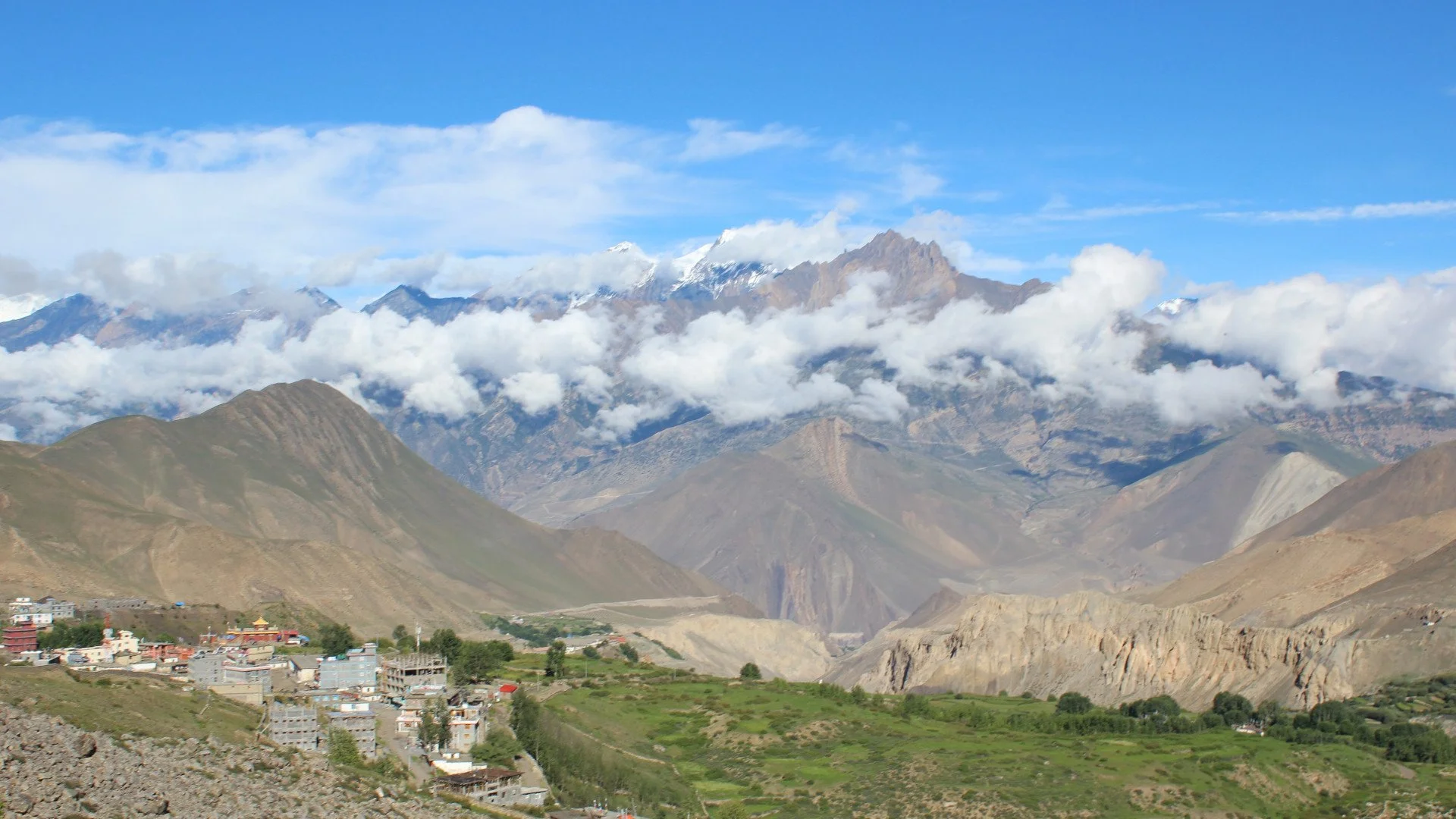
An Adventure In Lower Mustang - Part 1
Mustang is a wonder, its semi arid deserts at times seem endless and magical. This valley was once a glorious kingdom known as Lo with its capital Lo Mangthang. The word ‘Mustang’ is Tibetan and means plain of aspiration.
Eroded canyons, panoramic view of the Himalayas, high-altitude deserts and stratified rock formations are the identity of Mustang. The demarcation of Upper and Lower Mustang was done by the national government to restrict foreign movement in the upper region. Even today, the Upper Mustang region is classified as a restricted area. Foreigners who wish to venture into this wonderous region are required to obtain a restricted area permit along with their TIMS Card and ACAP entry permit.
However, Lower Mustang doesn’t feature any of these restrictions.
Foreigners require only the basics: TIMS Card and ACAP entry permit to venture into this region.
Cost of TIMS Card & Permit:
1. Organized TIMS Card (Blue): $10
2. Individual TIMS Card (Green): $20
3. SAARC Country TIMS Card (Red): $3
4. ACAP Permit: $20
Where do I get the permit and card?
The TIMS card and permits are obtained from the Nepal Tourism Board (NTB) office. They are located in Bhrikuti Mandap of Kathmandu and Lakeside Road of Pokhara.
What are the basics of Lower Mustang Trek?
Basic Itinerary Days: 9 Days
Route: KTM- PKR- Jomsom ( Flight) - Kagbeni (Trek) - Jharkot (Trek) - Muktinath (Trek) - Lupra (Trek) - Jomsom - PKR (Flight)
Trek Style: Tea House
Max Elevation: 3795 M
Attractions: Red Gompa, Apple Orchids, Muktinath Temple, Panoramic Peaks View, Thak Kola, Bonpo Monastery, Sayka Gompa
How do I start?
Once you have landed at TIA (Tribhuvan International Airport), you can either experience a bit of the capital (Kathmandu) for a few days or get a connecting flight to Pokhara. The distance between Pokhara and Kathmandu is 200 KM. You can opt to take a bus instead of a flight as well. Your available options are either local or deluxe buses.
Deluxe buses leave at 7 AM from Sorakhute Bus Station in Kathmandu. You may either book a ticket beforehand or arrive an hour early, pay and embark directly at the terminal. We recommend these buses as they have air conditioning. The travel time ranges between 7-8 hours, with stops for lunch and snacks at good quality rest stops.
You can skip all of the hassles by contacting the front desk officer at the hotel. S/he shall do their best to arrange these services for you. They can also develop a proper itinerary to experience Lower Mustang at a reasonable rate.
When is the right time to trek?
In Nepal, Spring and Autumn is prime trekking season. The skies are clear with light to minimal rainfall. Autumn (Mid-September to Mid-November) is best for Lower Mustang Trek.
During other months such as December - February, the climate is colder and potential high snowfall may not allow you to trek above High Camp. Whereas during pre-monsoon ( Mid-May to Mid-July) and monsoon (Mid-July to Mid-September), chances of rain and clouding are high. The forest area shall be full of leeches and mosquito's.
Spring (Mid-March to Mid-May) is also a great time to trek this region. Temperature is nominal, and winds are light, allowing you to have a beautiful walk. The plant life will be blossoming: amplifying the atmosphere.
What should I wear and carry?
Proper clothing is vital while trekking to remote areas. In Spring and Autumn, you need summer/light clothing for the day hours and warmers for the night. If you’re travelling during the pre-winter and winter months, you need to wear your heavy jacket. During pre-winter and winter, warm clothes are essential. A heavily padded jacket, full sleeve t-shirt and fleece-lined pants are essential. During spring and autumn, a parka is mandatory. An umbrella and a raincoat should be carried as well.
Does the trek cost the same around the year?
No, the cost presented to you by your tour agent varies as per the season. The cost of accommodation is higher during peak season. Food costs rise during winter as transportation of goods becomes difficult. During peak season, you are bound to be over-charged. Off-season treks are usually less expensive due to slow business. You’ll get a sweet deal if you time your adventure off-season.
In the next part of this article, we shall look into the itinerary.
POPULAR ITINERARIES
SIMILAR POSTS
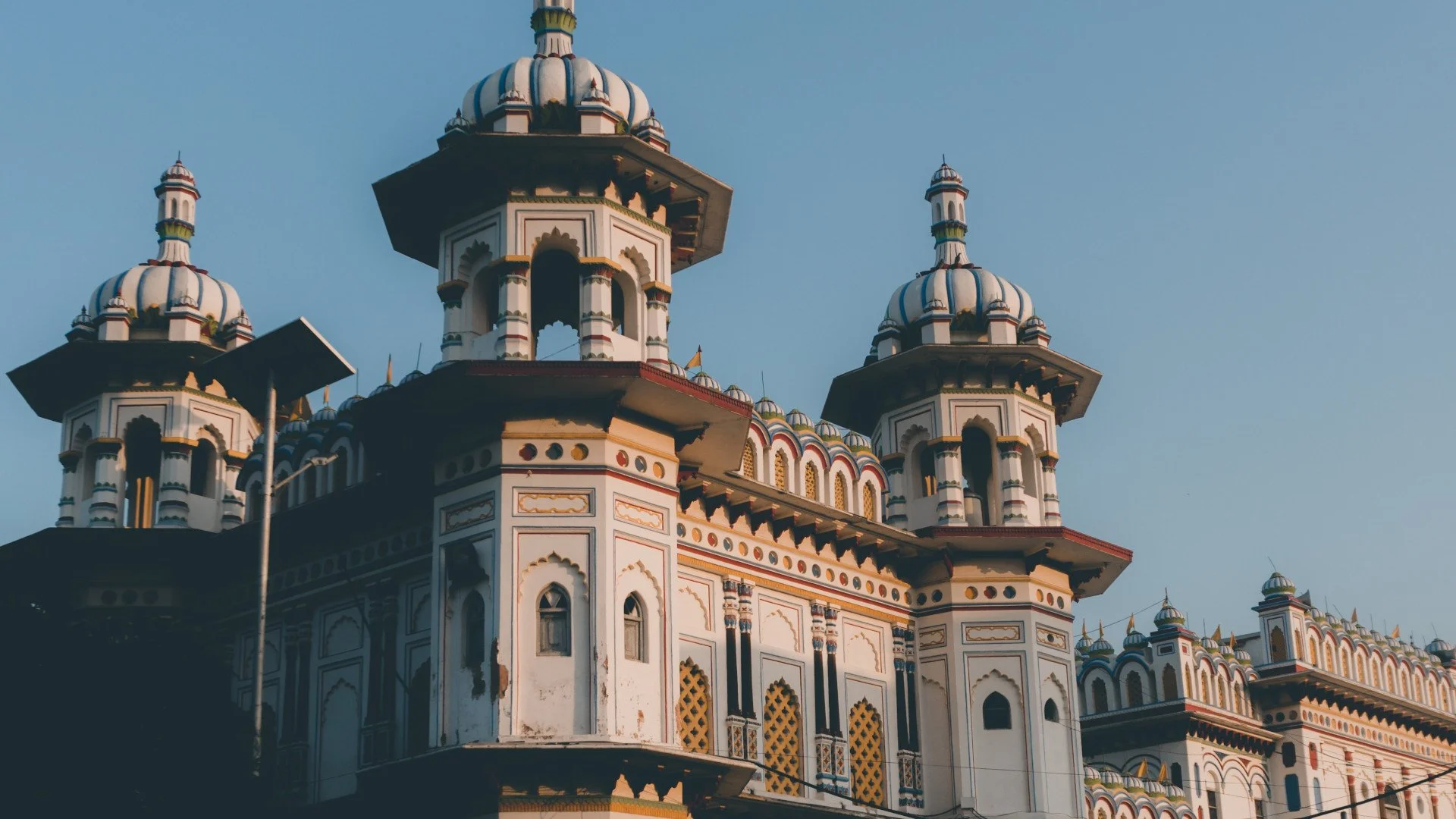
The Jewels of Province 2
Province 2, also known as Madhesh Province, is a majestic gem. It is home to numerous destinations that have both regional and national importance. The population of this province is southern ethnicities and Madeshi castes. A few highlights of this area are Parsa National Park, Janaki Temple and Gadhimai Temple.
The word Madhesh is derived from Sanskrit and means madhya desh (middle country). This title was used to identify the land in the middle of the Himalayas and the Vidhya mountains. In Modern Nepal, the word is used to describe the Terai region (land south of Siwalik Hills). The province features 20 large cities and towns. Amongst them, the largest is in Birgunj, with a population of 240,922. Second on the list is Janakpur, with 159,468.
The terrain in this region has minimal difficulties. It is the only province with a passenger railway line in Nepal. In terms of road connectivity, the main link is the Mahendra Highway. Also known as the East-West Highway of Nepal. This highway crosses through multiple areas of the province. The Tribhuvan Highway begins at Birgunj but doesn't have a large footprint as the Mahendra Highway. Other highways that link to this region are BP Highway, Birendra Highway and Postal Highway.
The region features 3 domestic airports:
A. Rajbiraj Airport
B. Janakpur Airport
C. Simara Airport
Nepal's largest international airport, Nijgadh International Airport, is currently under construction in this region.
45.36% of the population speak in Maithali. Bhojpuri and Bajjika are spoken by 18.59% and 14.68% of the population. The national language, Nepali, is spoken by only 6.56%. In terms of religion, 84.75% of the population is Hindu. 11.55% are Islam, and 3.01% are Buddhist.
In terms of tourism, province 2 has 26,092 individuals tourism workers. The majority of the popular destinations in this region are religious. There are no UNESCO World Heritage sites in this province, but Parsa National Park and Janaki Temple are two sites of great national interest.
Janaki Temple
Queen Virsha Bhanu of Tikamgarh built the temple in 1910 AD. The local name of this temple is Nau Lakha Mandir. Nau Lakha means 9 lakhs.
It is said that the construction cost was about the same amount. The temple was built on a holy site. As per legends, King Janak (Seeradhwaj) performed the worship of Shiva-Dhanus on this site. In 1657, a golden statue of Goddess Sita was found at this spot. Some historians state that Sita's home once stood here. Sannyasi (Saint) Shurkishordas is credited for discovering the golden image. He is also hailed as the founder of modern Janakpur.
Janaki Temple sees an influx of pilgrims, especially during Ram Navami, Vivaha Panchami, Dashain and Tihar. During other times of the year, traffic is very minimal. The majority of the pilgrims are from Nepal, India and Sri Lanka.
Parsa National Park
PNP is the 12th national park of Nepal. It spans two provinces (Madesh Province and Bagmati Province). The park's western boundary is Chitwan National Park, Makwanpur to its north, Bara to its east and Parsa and Valmiki Tiger Reserve to the south.
Initially, the area was protected as a wildlife reserve in 1984 AD. The aim was to preserve the habitat of the Asian Wild Elephant (Elephas maximus) and the remaining Char-Khose-Jhadi. In 2015 AD, 128.39 km2 of Bara district was incorporated into the reserve. In 2017 AD, the status of the demarcated area was raised to National Park.
The current land size of this park is 639 km2. The major attractions of this park are:
A. Royal Bengal Tiger
B. Bison
C. One-horned Rhinoceros
D. Wild Dog
E. 490 species of birds
F. Common Leopard
The best time of the year to visit PNP is during winter. The locals are permitted to cut the thatch grass during this reason, thus increasing visible range. This time of the year is optimal to view wildlife. For bird watching the months of February, April, September and November are best. Various species of migratory birds join the residential birds creating a spender view. The park management have built various view towers for enthusiasts to site wild elephants and tigers. There are also 3 elephant camps located respectively at Amlekhgunj, Partapur and Gaduwaline. Numerous providers offer jungle drives and elephant rides.
POPULAR ITINERARIES
SIMILAR POSTS
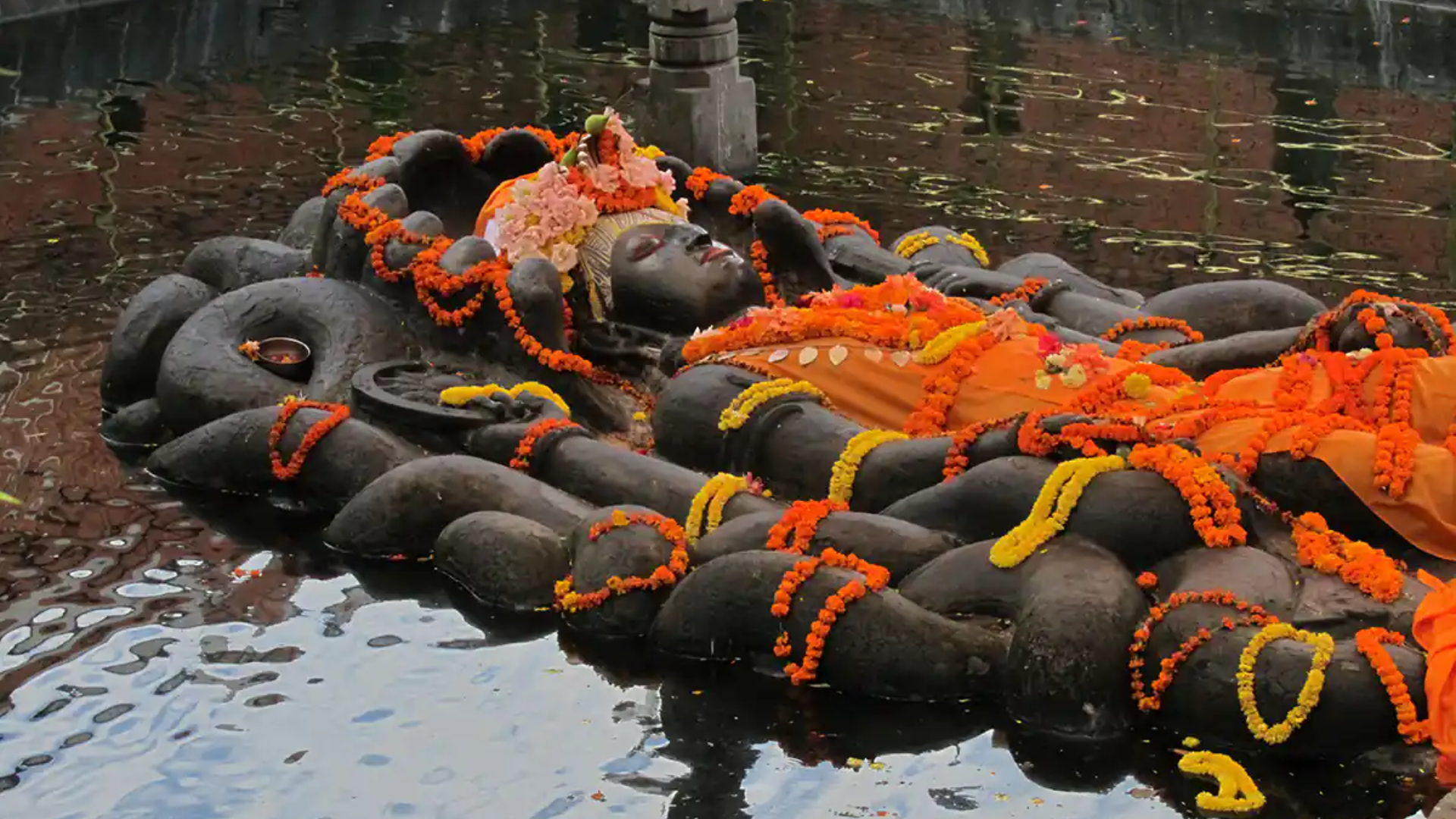
Adrenaline Adventure In Nepal - Part II
Nepal is viewed as a natural or cultural destination. Through efforts from various sectors, Nepal is slowly climbing the ranks of being known as an adventurous destination as well. Over the years, the inception of various adrenaline thrills in Nepal has opened a new genre of tourism altogether in this small but humble nation.
In part one of this article, we looked into 5 adrenaline activities that one must try during their visit to Nepal. Continuing further, we look into 5 more adventurous activities in this part of the article.
Rafting
Did you know that Nepal has approximately 6000 rivers? Each river is an opportunity for adrenaline seekers to indulge in the pure serenity of water. The strength of rivers are classified into 6 classes:
a. Class 1: Easy
b. Class 2: Novice
c. Class 3: Beginner/ (intermediate) level
d. Class 4: Advanced Level
e. Class 5: Expert Level
f. Class 6: Extreme
Amongst the rivers currently open to rafting the grading is as follows:
I. Karnali River: Class IV-V (180 Km in length)
II. Tamur River: Class IV (120 Km in length)
III. Sunkoshi River: Class III-IV (270 Km in length)
IV. Kali Gandaki River: Class IV- V (90 Km in length)
V. Seti River: Class III-IV
VI. Bhotekoshi River: Class III to V (22 km in length)
VII. Marshyandgdi River: Class IV-V (27 km in length)
VIII. Trisuli River: Class III-IV
IX. Bheri River: Class III (105 Km in length)
Many potential sites exist, but dams and weirs are hindering the growth of rafting. The rafting season in Nepal spans from March-May and September to November. The months from June to mid-September features massive flooding due to the monsoon.
Mountain Biking
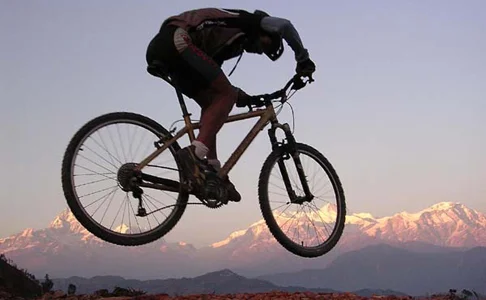
The thrill of experiencing the rugged terrain of Nepal on a mountain bike is an opportunity like no other. Nepal's potential in this sport is immense due to our nation's geography that provides the rider with the chance to experience the world in an oyster. The current go to destinations are Mustang and the epic Annapurna circuit in the Himalayas; Manjushri Trail in Kathmandu; Lakure via Surya Binayak in Bhaktapur and Sunpandali- Thulakot Loop in western Nepal.
1.Trekking
As they say, while on foot, an individual gets to truly take in the beauty of the surrounding. Nepal is an acclaimed trekking destination with multiple trails and circuits that allow a trekker to truly breathe in the beauty of nature. Nepal's geological diversity is both a blessing and a curse, but the rise in trekking has allowed remote households the opportunity to expand their income.
The landscape of Nepal offers trails of every grade and class. It doesn't matter if you're a novice or an adrenaline junkie who wishes to conquer the Himalayas on foot. Nepal offers a prospect for all. Various private and governmental interventions such as community tourism projects and the national conservation act has ensured the sustainability of tourism and trekking in Nepal.
Some of the major trekking routes of Nepal are as follows:
1. Annapurna Circuit Trek
2. Everest Base Camp Trek
3. The newly mapped Sisne Upper and Lower Trek in Western Nepal
4. Mardi Himal Trek
5. Ghorepani- Poon Hill Trek
6. Upper Mustang Trek
7. Shey Phoksundo Lake Trek
8. Manslu Trek
9. Langtang Trek
10. Kanchenjunga Region Trek
11. Limi Valley Trek in Humla
12. Rolwaling Valley Trek
13. Tsum Valley Trek
14. Kapuche Lake Trek
Trekking in Nepal is seasonal. The best time of the year is Spring, Autumn and Pre-Winter. But, trekking routes that fall under the shadow of the Trans-Himalaya can trek during the monsoon. The major hurdle during the monsoon is the disruption in the road and air networks of the country due to heavy rainfall.
Ultralight
Ultralight aircraft allow the adventurer to discover the majesty of the land from an eagle-eye perspective. Currently, micro-flights are run in the valley of Pokhara. Ultralight flights were introduced in the year 1997 AD. With the first successful professional flight in Pokara, the sport gained rapid popularity.
Ultralight Flight Facts
Best Season: From September to May
Take off and Landing Location: Pokhara Airport
Maximum Body Weight: Up to 100 KG
Flight Durations: 15, 30, 60 and 90 minutes
POPULAR ITINERARIES
SIMILAR POSTS
Adrenaline Adventure In Nepal
Nepal’s potential as an adventurous destination is immense. Over the years, various sectors tapped into this growing segment of adrenaline seekers by understanding their nation. Nepal is climbing the ranks quickly as a go-to adventure destination. Adrenaline seekers see Nepal as a great holiday to satisfy their kick. Nepal offers so much in a minimal footprint, and there is still more room to grow.
Ice Climbing
The first on our list is the newest addition to an adrenaline escapade in Nepal. Even though it falls under mountaineering, it is being simplified for adventure seekers who want to experience ice like never before. To date, there are two sites where one can indulge in this chilling sport, Humde in Manang and Thame in Khumbu. The sport is being facilitated by Nepal Mountaineering Association (NMA) and Nepal National Mountain Guide Association (NNMGA). The Visit Nepal Year 2020, which unfortunately couldn’t be executed due to the pandemic, featured a plan to accelerate the growth of this activity.
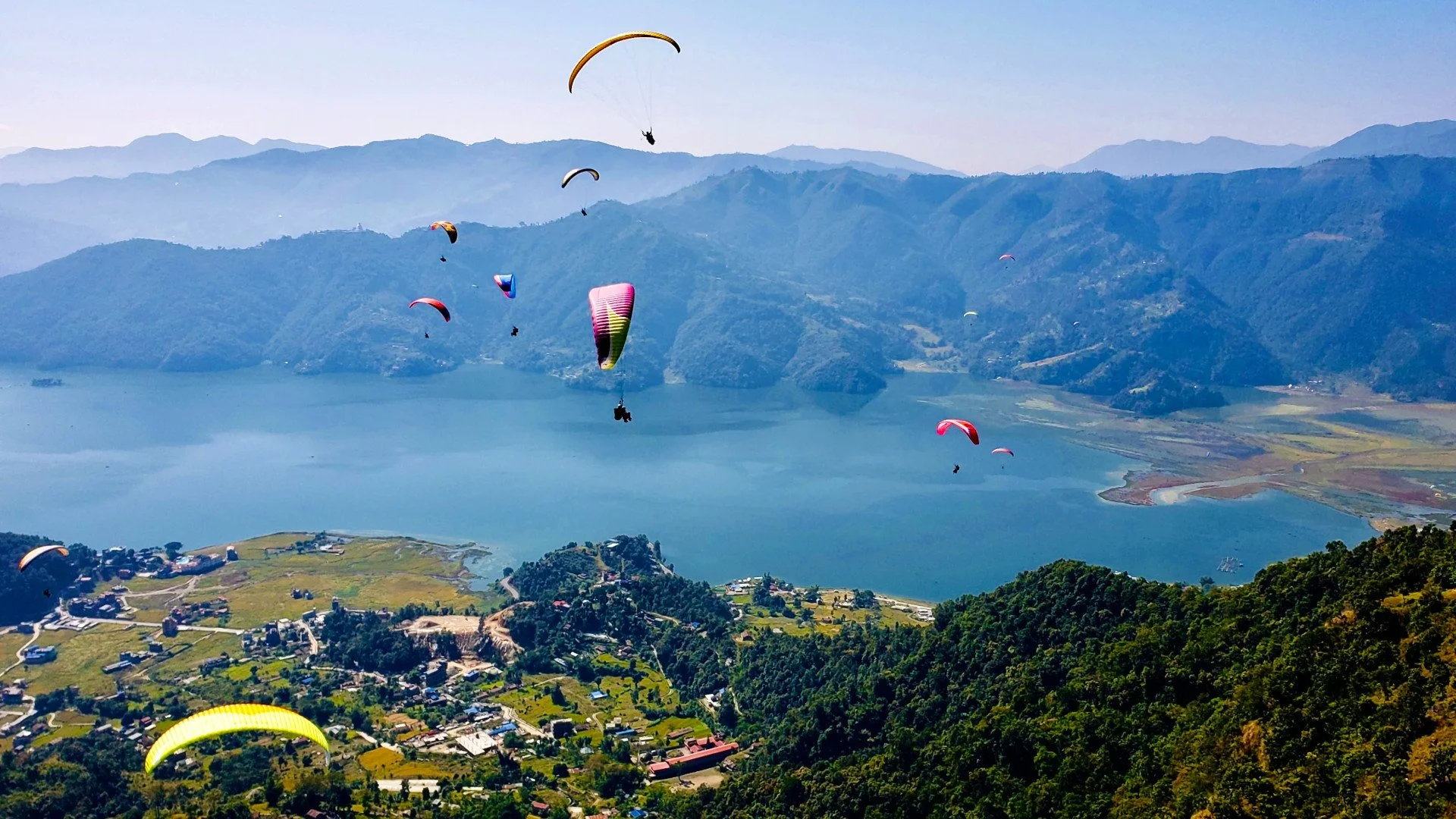
Paragliding
When it comes to feeling the wind, paragliding is the adventure of choice. The most popular destination for this sport is non-other than Pokhara. Sarangkot Hill is the take-off point for paragliders in this scenic valley.
Bandipur is also rising in the ranks as a go-to destination for this sport.
Both sites offer a great view of the Himalayas, along with an unobstructed view of the endless hills and farms. Flights last anywhere between 15, 30 or 45 minutes. If you plan on soaring high in the sky, please ensure you wear a good windproof jacket and light but comfortable shoes. Please make sure you are physically sound and communicate with your pilot. If you want the complete experience, let your pilot know you are up for acrobatic tumblings.
Ziplining
Where there is a hill, there is a zipline!
When zipline was introduced in Nepal, it was dubbed a crazy sport. The first adventurers shared their experience, and the sport went viral. Today, this sport is available in multiple destinations in Nepal. Ziplining can be experienced in Sarangkot of Pokhara, Makawanpur, Dhulikhel, Bhedetar, Kusma of Parbat, Kurintar of Chitwan, Chandragiri of Kathmandu, Nuwakot and Bhaktapur. It can be experienced by two individuals at the very same time or done solo.
The first zipline service in Nepal was established in 2010 AD in Sarangkot of Pokhara. The facility is 1,850 meters long and features international safety standards. American zip veteran company Zipflyer assisted Highground Adventures facility development.
The most popular destination for this experience is Pokhara. Dhulikhel Zipline takes second place. The unique selling point of Dhulikhel Zipline is your chance to become superman. The facility can give you a one in a lifetime opportunity to be superman unless you choose to zip again. You move in a horizontal position facing towards your destination. The harness is attached to the line at 90 degrees.
Canyoning
During canyoning, an enthusiast travels down a river tucked inside a canyon. S/he uses various techniques such as scrambling, abseiling, floating and swimming. Nepal is home to numerous exotic canyoning destinations for enthusiasts of all experiences. In terms of risk, it ranges from mild to high-risk depending upon the canyon.
The first canyon that gained popularity in this genre is situated in Jalbire. The Lamo Jharana (Long Waterfall) became a viral sensation due to its sheer natural beauty and canyoning prospect. It is located inside Chitwan National Park. To reach the waterfall, one must hike 20 minutes from Jalbire Temple situated on Muglin- Narayangarh Highway. The waterfall is 60 meters tall and is surrounded by lush green greenery.
Sky Diving
Sky diving in Nepal a few decades ago felt like an impossible dream, but today it is as real as it gets. On the scale of adrenaline-seeking, it ranks at the top of the scale. Merging two greats, ‘The Everest Skydive’ is a chance to witness Mt. Everest from a perspective like never before. The dive gives you a birds-eye view of the breathtaking Himalayas over the Khumbu region. From one Himalayan view to another, Pokhara Skydive gives you the chance to witness the beauty of the Annapurna range and a never seen view of Pokhara. It is a seasonal activity occurring only during autumn at Pame Lauruk dropzone, 11 km north of Phewa lake. The drop is from 11000-13000 ft above sea level from an AS 350 B3/B2 helicopter