
The Making of ACA
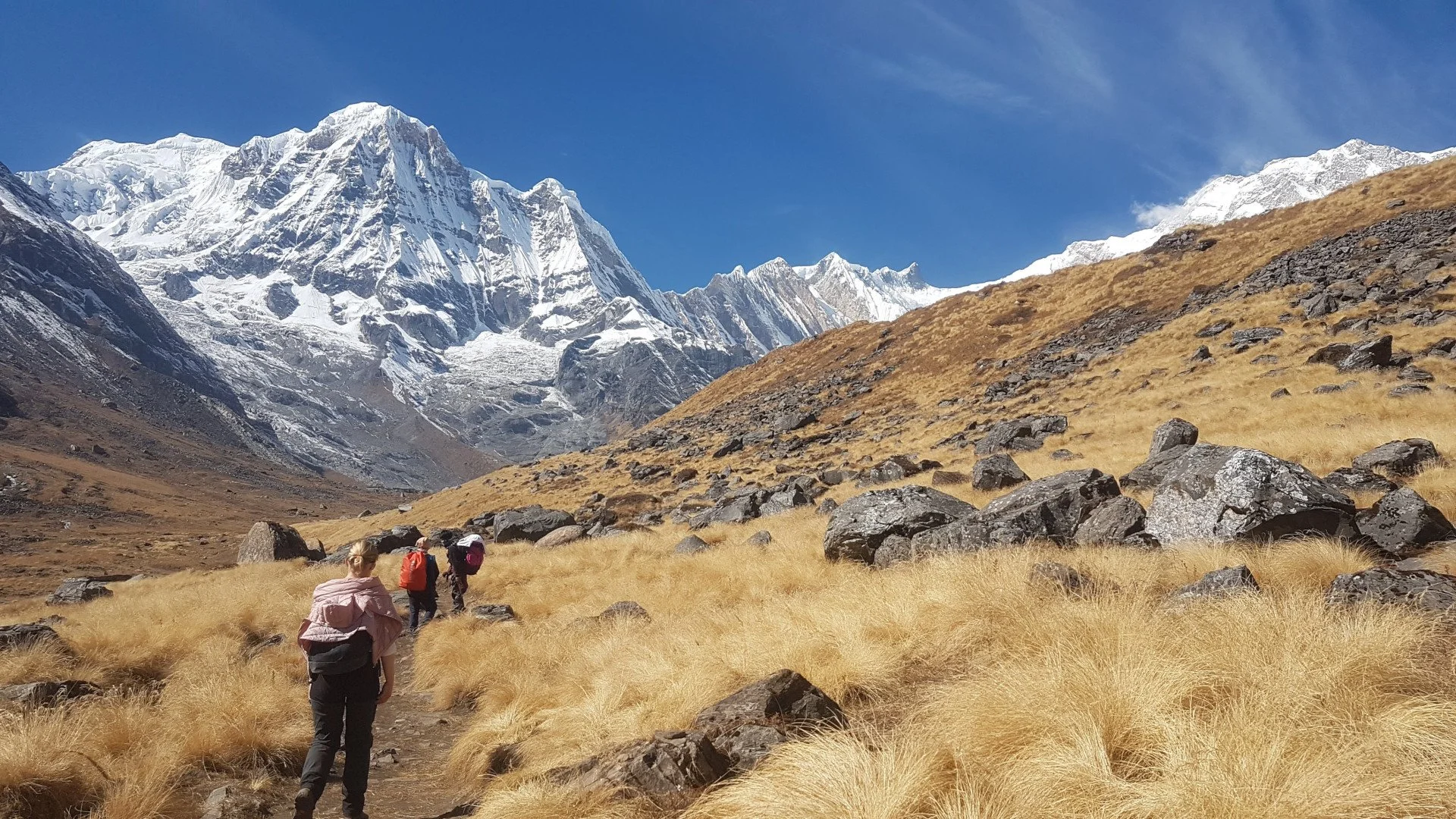
In 1986 AD, The NTNC (National Trust for Nature Conservation) launched a visionary project. The aim was to convert 7,629 sq. km of land in the Annapurna region home to 1,226 species of flowering plants, 105 mammals, 40 reptiles and 23 amphibians to a conservation area. This project was called Annapurna Conservation Area Project (ACAP), commonly known as Annapurna Conservation Area (ACA).
The Annapurna Conservation Area was established in 1992 AD. The project headed by National Trust for Nature Conservation (NTNC) began in 1986 AD. The boundary of this project to its north is the border to Tibet (China) and the Kali Gandaki river to its west. TO its east lies the Marsyandi Valley and the Pokhara valley in the south. The NTNC, formally King Mahendra Trust for Nature Conservation, began the pilot project from one single VDC, Ghandruk, in 1986 AD. The project area during that time was just 200 sq. km. In the year 1990 AD, the project area expanded to 16 VDC. In 1992 AD, 39 VDCs more VDCs were incorporated. The size of the project remains the same to date, with 55 VDCs in total.
The region features two climatic zones within a span of 120 km. The altitude within the conservation area ranges from 1000 to 8000 (3,300 ft to 26,200 ft). The lower parts of Annapurna receive higher rainfall than the higher as regions fall under the shadow of trans-Himalaya.
Annapurna Conservation Area is a culturally and naturally diverse scape. It is home to the deepest river gorge in the world- Kali Gandaki Gorge, which is 3 miles long and 1.5 miles wide. The valley is home to fossils from the Tethys Sea dating back 60 million years ago. Tilicho lake, north of Annapurna massif, is the highest altitude freshwater lake in the world. The world’s largest Rhododendron forest is located in Ghorepani. In terms of cultural diversity, the region features residents of Hindu Buddhist and pre-Buddhist religions. The dominant groups in the south are Gurung and Magar, whereas Loba, Manage and Thakali ethnicities dominate the north. These ethnicities have their dialect, cultural heritage and traditions.
Amongst the various conservation projects in Nepal, ACA was the first protected area to refrain from using the National Army for assistance. The locals reside within the protected area and also own private land. The project is directly operated by the NTNC with no funding from the government. The entry fees are used for the management of the area. NTNC uses a circular approach where the funds collected is invested into the region and its communities. NTNC also relies on various national and international donors.
The project utilises a community-based conservation and development approach. In this model, the community members are made aware of their habitat, duty towards conservation and protection of the environment. This instils ownership amongst all the community members, and each is a vanguard of the area.
ACA features 7 unit conservation offices.
Jomson
Manang
Lo-Manthang
Bhujung
Sikles
Ghandruk and
Lwang
This decentralised approach was devised to smoothen the operation and management of the area. In terms of the focus of offices, Jomsom, Manang, and Ghandruk work on integrating tourism management and other development activities. In Bhujung, Sikles and Lwang, the mission is poverty alleviation, integrated agriculture development and agro-forestry. In Lo-Manthang, the focus is on promoting heritage conservation and controlled tourism.
ACA over the years has gained national and international recognition. The biodiversity of the region under the leadership of the community members is flourishing. Multiple trekking routes were created in this region. Amongst them, some are voted as the best natural trails in Nepal.
Here are the top 10 trails in the region
Annapurna Circuit Trek
Poon Hill Trek
Mardi Himal Trek
Annapurna Base Camp Trek
Annapurna Trek (Manag to Tilicho)
Manaslu- Tsum Valley Trek
Kapuche Lake Trek
Sikles Eco Trek
Nar Phu Trek
Upper Mustang Trek
The best time of the year to embark on these trails is during spring, autumn and pre-winter. Trekkers can receive their permit (TIMS) from the NTB (Nepal Tourism Board) office located in Kathmandu and Pokhara.
POPULAR ITINERARIES
SIMILAR POSTS
The Jewels of Province 1
When it comes to natural wonders, province 1 boasts a good stock. It also features multiple religious sites. The province is also home to Nepal's crown jewel and the forehead of the world, Mt Everest.
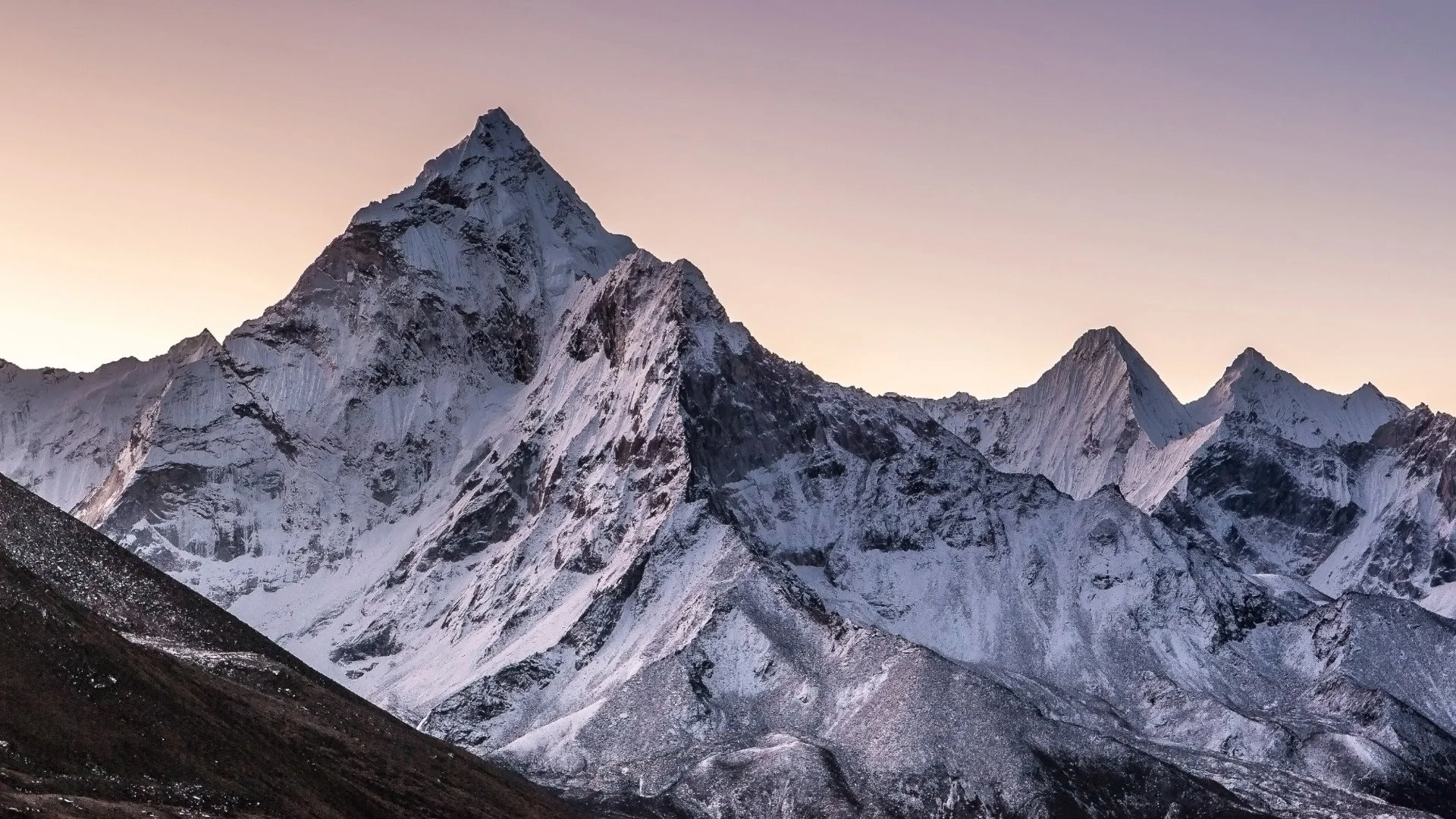
The new constitution of Nepal was established in 2015 AD. It featured the provincial system. As part of this, Nepal was divided into seven provinces. Province 1 is the easternmost of these seven. It covers 17.5% of the landmass of the nation. A total area of 25,905 km2. It is home to numerous great mountain peaks such as Everest (8848 m), Kanchenjunga (8586 m), Ama Dablam (6812 m) and others. Everest is the highest mountain in the world. Kanchenjunga is ranked third in the highest peaks index. Other peaks in this region are Cho Oyu (8188 m), Gokyo Ri (5357 m), Imja Tse (6160 m and Mera Peak (6476 m). These world giants help create Koshi- the largest river in the nation.
The province features multiple protected areas such as:
Sagarmatha National Park
Makalu Barun National Park
Koshi Tappu Wildlife Reserve (Also a Ramsar Site)
Kanchenjunga Conservation Area
Gokyo Lake Complex (Ramsar Site)
Mai Pokhari (Ramsar Site)
Amongst the proposed new destinations, Province 1 features sites such as Okhaldhunga and Tehrathum. Okhaldunga is famous for its scenic hills and cultural diversity. The place is also popular due to the famous poem by Siddicharan Shrestha titled 'Mero Pyaro Okhaldhunga' (My Lovely Okhaldhunga). It was converted into a song by famous Nepali singer Narayan Gopal.
Therathum is a site proposed by the Tourism Board of Nepal as a new destination years ago. Therathum is now a popular stopover location for trekking enthusiasts on the way to Kanchenjunga Base Camp.
This site is also home to 28 species of Rhododendron flowers. Rhododendron is also the national flower of Nepal. During spring, the hills become picturesque with full blossom and bloom of these flowers.
Another facet of tourism in Nepal is religious tourism. In this sector province, 1 features prominent shrines such as Haleshi Mahadev Temple, Pathivara Temple and Barachachhetra. Some of these shrines are worshipped by Hindus, Buddhists and Kirat's. The temple of Haleshi Mahadev is an example of multiple faiths intertwining. The cave is associated with Mahadeva (Shiva) by the Hindus. The Buddhists view it as Pashupati (Lord of the Animals). Buddhists of the Tibetan sect connect the cave to the legend of Padmasambhava. Halesi is worshipped as an ancestral deity by the Kirati Rai community of this region. Citations of this cave can be found in ancient texts as far as the 12th century. This cave was referred to as Halesi- Maratika in a biography of Padmasambhava.
As per Hindu legends, Mahadeva hid in this cave from the monster Bhasmasur for 6000 years. The cave is nicknamed 'Pashupati of the East' due to its close association with Mahadev and Pasupati. Devotees embark on a religious pilgrimage from both Nepal and India to this location in the month of Shrawan. Festivals are also held during the holidays of Rama Navami and Ganesh Chaturthi.
Pathibhara Devi, also known as Pathibhara Mai of Taplejung, is also a holy site. It is located on Pathibhara Hill. Trekking enthusiasts can embark on the Limbu Cultural Trek or take a side route from the Kanchenjunga Base Camp Trek to visit this temple. The hill is also famous for its panoramic natural views. Mountains such as Everest, Lhotse and Makalu are visible on a clear day. The lookout tower view also features most of Panchthar and Illam. Sikkim and the West Bengal of India are also visible.
Barahachhetra is a renowned Hindu and Kirat Pilgrimage site located in Sunsari. The shrine of this temple is the oldest mentioned in the Puranas. The epic Mahabharata also mentions and glorifies this shrine. It is one of the Char Dham (Four Great Religious Sites) in Nepal.
POPULAR ITINERARIES
SIMILAR POSTS
The Trails of Poonhill - Part 1
Witnessing the sunrise from Poonhill is something hard to explain. It's an experience that shoots a bolt down your spine, and with the first rays of light, you learn to see the good in your bad. The journey to this hill is a challenge, but it is not impossible.
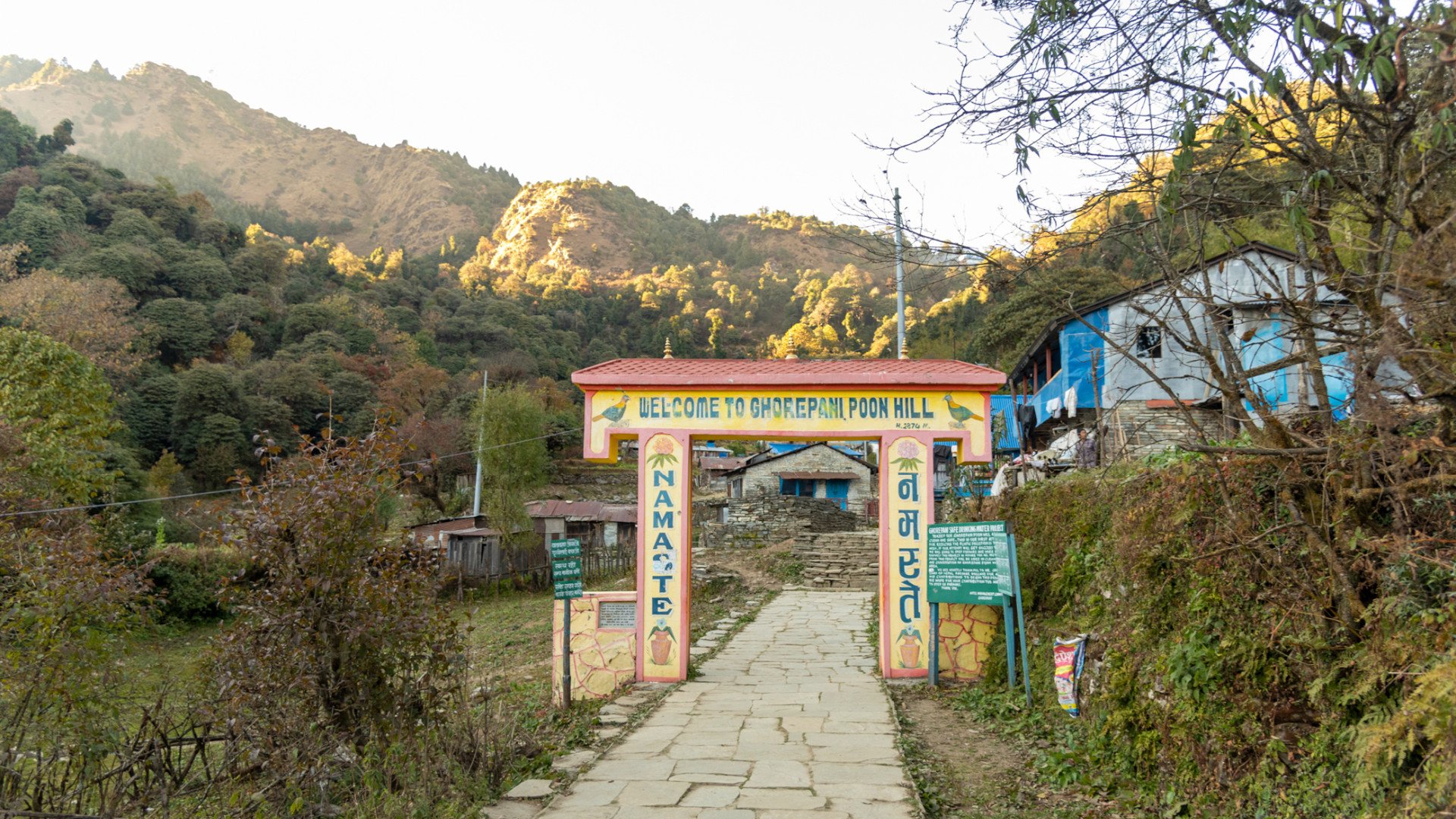
The Annapurna region for years has been the picturesque image of Nepal. Its villages and lifestyle have been the inspiration for numerous paintings. Over the years, it became one of the most trekked regions along with Everest. Amongst the trails in the region, the trek to Ghorepani- Poonhill became widely popular because of its accessibility and varied eco-systems it covers during the journey. The highlight of this trip is a magnificent panoramic view of the Himalayan range from Poonhill at 3210m.
The trek falls under the category of medium difficulty because it doesn't feature extreme walking periods. The average walking time per day is 8 hours. During peak season, this trail is jam-packed with trekkers. During the off-season, the tea houses and paths are normally empty. It falls under three major trekking routes:
A. Ghorepani - Ghandruk Trek
B. Khayar Barah Trek and,
C. Annapurna Circuit Trek
Apart from which, customs itineraries can be drawn to end the trek at various other points at Annapurna Conservation Area as well.
Where can I get my TIMS card?
Nepal Tourism Board provides the TIMS card. You may acquire your permit either at the central office in Kathmandu or at their regional office in Pokhara.
How long is the trek?
Ghorepani- Poonhill Trek can be completed in 3-4 days, excluding travel time to Pokhara from Kathmandu.
How do I start?
Once you have landed at TIA (Tribhuvan International Airport), you can either choose to experience a bit of the capital (Kathmandu) for a few days or get a connecting flight to Pokhara. The distance between Pokhara and Kathmandu is 200 KM. You can opt to take a bus instead of a flight as well. Your available options are either local or deluxe buses.
Deluxe buses leave every morning at 7 AM from Sorakhute Bus Station in Kathmandu. You may either book a ticket beforehand or arrive an hour early, pay and embark directly at the terminal. We recommend these buses as they have air conditioning. The travel time ranges between 7-8 hours, with stops for lunch and snacks at good quality rest stops.
You can skip all of the hassles by contacting the front desk officer at the hotel. S/he shall do their best to arrange these services for you. They can also develop a proper itinerary to experience Ghorepani-Poonhill at a reasonable rate.
When is the right time to visit this region?
The season of spring and autumn are optimum to visit this region. Pre- winter is a preferred time to visit the region. Nepal is open throughout the year, apart from peak winter season this trek is possible in any other months.
What is the highest altitude during this trek?
The highest elevation is at Poon Hill, which is at 3210m.
Do I need camping equipment for this trek?
No, the Ghorepani- Poonhill trek is a tea house trek, meaning ample tea houses which double as lodges exist along the route to accommodate the trekkers.
Do I require added payments to enter certain areas?
The total cost in permits during the trip includes TIMS Trekkers Permit and Annapurna Conservation Permit. Apart from which, you will require a minimal amount to enter Poonhill viewpoint.
What is the most popular route?
Nayapul- Tikhedunga- Ghorepani- Tadapani- Ghandruk is the most popular route
Do I need acclimatization days ?
No, as this trek features gentle gains, an extra day for acclimatization is not required. Trekkers are however, recommended to not fast track the itinerary and enjoy the extra time exploring the area.
The next part of this article shall feature a review of the destination.
POPULAR ITINERARIES
SIMILAR POSTS
The Legend of Bimsen - Part I
The Newar pantheon features a multitude of deities. It is a diverse array of gods and goddesses of both Hinduism and Buddhism. Amongst them is Lord Bhimsen, worshipped by the households with the occupation of trade and commerce. Revered as the god of wealth and physical strength, he also has a festival known as Bhimsen Jatra. How he entered our pantheon is foretold by a legend, something that I, like other Newars, grew up with as a classic bedtime story.
In the square of Patan Durbar lies a beautiful temple dedicated to Lord Bhimsen. In Newari, he is called Bhin Dyo. He (Lord Bhimsen) is one of the five Pandava brothers of the epic Mahabharata. Amongst them, he is the only one worshipped as people believe he alone attained divinity.
He was an extraordinary child with great strength and bravery. Hence he was named Bhimsen, meaning terrific. During his youth, he was famous for two things: his brute strength and a large appetite. Reaching adulthood, he grew a robust moustache, one to match his terrific and fierce outlook.
The highlight of his life was a great battle fought against Dushasana, his rival. He (Dushasana) was one of the Kauravas who dragged Draupadi. She was the common wife of the Pandavas. During an event, Draupadi was pulled by her hair and stripped naked right before her husbands. Bhimsen was consumed with rage but was helpless. He upheld the code of honour but marked Dushasana and vowed to kill him.
During the great war of Kurukshetra, he killed Dushasana with one blow from his mace.
In a land, east of Kathmandu valley lies Dolakha. Here it is believed the Pandavas spent their twelve years of exile. It is also home to a unique temple dedicated to Bhimsen. In the centre of this temple is a triangular shaped stone idol of Bhimsen. The local people worship it as an idol. The temples uniqueness comes from its ability to foretell danger.
The idol perspires from time to time, and it symbolises a bad omen for the country. The locals believe that it is Bhimsen trying to protect his people by warning them through sweating. The idol is said to have sweated in:
1. 2007 B.S: When the Rana Regime ended
2. 1934 A.D: Before the great earthquake
3. 2001 A.D: A few days before the royal massacre
In an ancient time, a lady of Dolakha was married to the prince of Lalitpur. She brought with her a clay idol of Bhimsen as dowry. It depicted him engaged in battle with Dushasana. The figure was enshrined in a small temple by them.
The temple was restored after a fire in the 17th century by King Sri Nivas Malla. He raised it to 4 storeys high and placed three roofs.
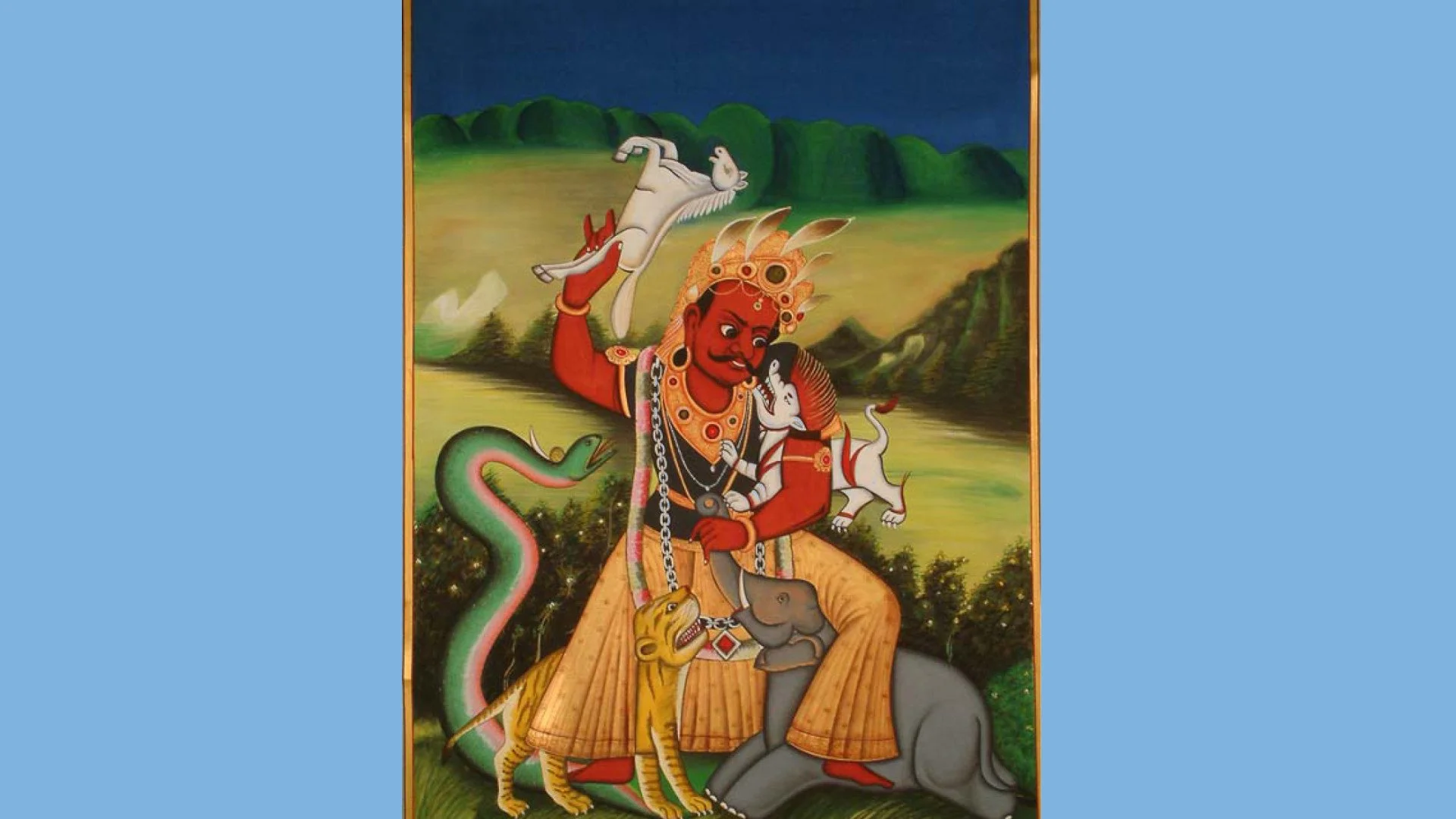
After the death of Sri Navas Malla, his son Yog Narendra Malla became King. He desired to replace the clay idol with a metal one. He paid a visit to the workshop of a renowned artist and put forth his request. This craftsman was known for being the best in metal casting and modelling. The King envisioned a magnificent statue of Bhimsen stance in a fighting pose against his rival.
The artist began work, and within a few days, he prepared a handsome wax model. An ancient technique where molten metal is poured onto a wax mould to develop a cast.
The King inspected the model but was disappointed as it lacked life. He requested the artist to remodel and focus on a more lively fighting style. The artist remodelled it as requested, but the King was still disappointed. The King became so furious that he caught hold of the artist's neck.
The artist cried loudly, my King, forgive me. I know what is missing, and you have shown it to me. Give me another chance. I shall not disappoint again. He let go of his neck and gave him one last chance.
He was able to satisfy the King in his final attempt. The idol looked fierce, lifelike and portrayed Bhimsen in a fighting stance about to kill Dushasana.
POPULAR ITINERARIES
SIMILAR POSTS

A Unique Day: Bibah Panchami
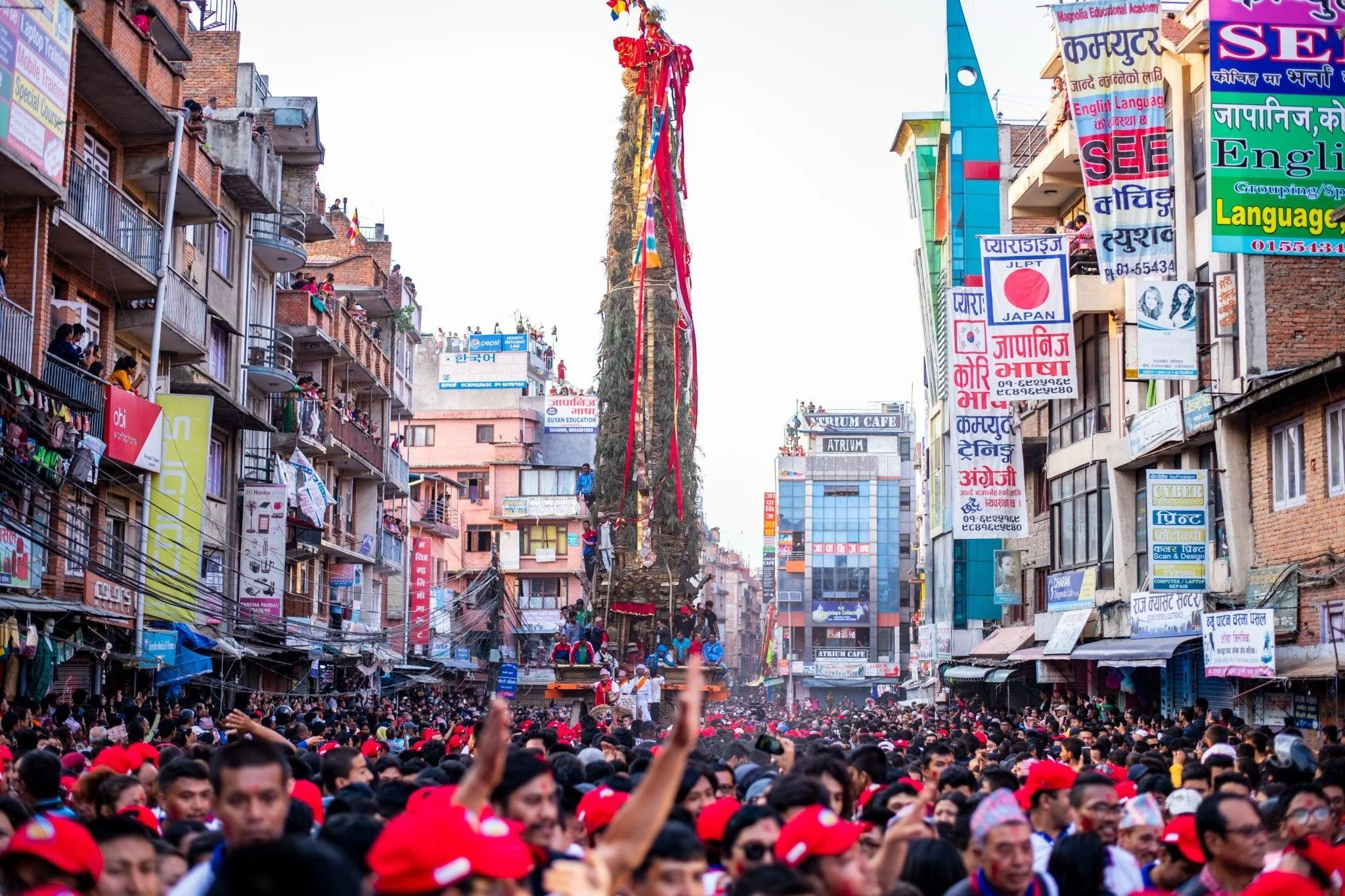
Bibah Panchami, the day that marks the marriage of Lord Ram and Goddess Sita, is a beautiful festival of the Mithila Culture hosted every year in Janakpur, the Mithila capital. On this day, a week-long reenactment of the marriage is done with grand celebrations of the deed that frameworks the ancient Mithila culture and its history.
As written in the legend of Ramayana, the ancient city of Janakpur was the home of the eldest daughter of King Janak, the king of the Mithila Kingdom, princess Sita. She was the daughter of the universe, an extraordinary, ideal woman resonating the beauty of womanhood and femininity. She is also known as the daughter of the Earth. Sita, being the only one who so effortlessly lifted the impossible bow of Lord Shiva, King Janak organized a Swayambar for her where he decided that the man who could lift up that bow would be the one to marry the beautiful princess. After countless men trying but failing the task, the Prince Ram of Ayodhya came in and lifted the bow as effortlessly as Sita did.
The divine couple got married, and ever since then, to celebrate the union of the idealistic gods, Bibah Panchami is celebrated on the fifth day of the Shukla Paksha in the Aradhayana months according to the Mithila Calendar (that falls somewhere around November to December).
As written in the Ramayana, the couple along with Ram’s brother went to reside in a forest (vanvas) as per the wish of his stepmother. The king had told his young queen that he would grant her two wishes. She then told the king to banish Ram and crown her son, Bharata as king of Ayodhya. During this exile, Sita was abducted by Ravan, the king of Lanka. A large battle was bought between the forces of Lord Ram and Ravana. Lord Ram became victorious and was reunited with Sita. Lord Ram was then hailed as a hero and was rightfully instated as the king of Ayodhya. Over the years, their story became a symbol for Hinduism and the victory of good over evil.
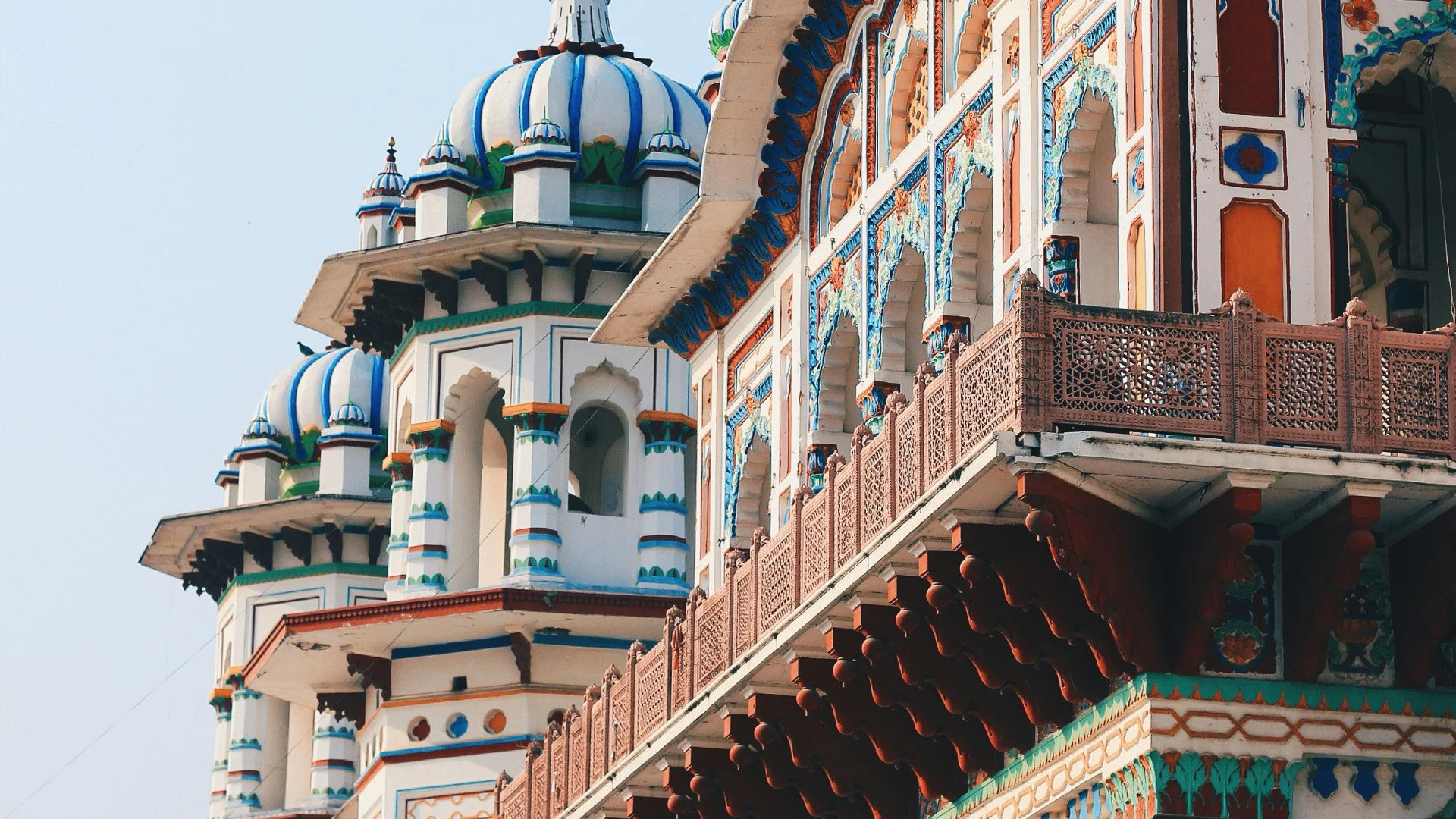
Thousands of people crowd the Janaki Temple, Ram temple, and many other temples of the Holy city of Janakpur to worship the god Ram and Sita in the mornings. The Janaki Temple is decorated for the celebration with colourful garlands, flowers, Mithila arts, and the sacred statue of Ram and Sita that stands in the centre of the temple is also cleaned and put on new clothes, just like it is done during any Mithila weddings.
The devotees perform different traditional marriage rituals that are traditionally done at weddings. Every rite is run through with devotional songs ‘bhajans’ that recite the stories and purposes of every action performed. Men and women, especially kids, are dressed up as Lord Ram and Mother Sita and are carried around in chariots during this day. The procession takes place on the bustling roads in front of the temples. Traditional wedding music is played to imitate the ‘baaraat’ (janti) of Lord Ram as he came to marry the princess. In the evenings, the devotees and people of the city gather up in the fairs put out in front of temples where people can explore, dance, eat to celebrate the auspicious day of their gods with each other.
Bibah Panchami stands as a symbol of Mithila culture, which dates back thousands of years. Even today, the exact process followed during the marriage of Ram and Sita are followed with the utmost attention to detail. The various aspects of the celebration present the rich artistic history of the Mithila people and the communities culture. Which has been passed down for generations.
Along with which a sense of togetherness is also taught to the next generation. Families, neighbours, far relatives come together as one, share delicacies they prepared at their homes the night before, and find a reason to appreciate each other and their identity as a community to celebrate the holy matrimony. Making the festival of Bibah Panchami a portrayal of the integrity of the community they build up together.
POPULAR ITINERARIES
SIMILAR POSTS
Exploring Dolpa
The far-flung hidden land of Dolpa concealed within the wondrous pristine mountains of northern Nepal is beauty beyond measure. A place where breathtaking landscapes blend with barren desert-like plans, ancient religious shrines, mystical rivers, turquoise lakes, and the obscure yet riveting lives and culture of the people.
Situated at the north of the mid-western part of Nepal, Dolpa is the largest district surrounded by the Dhaulagiri Mountain range at the south and east, Churen Himal range at the west, and the Tibetan Plateau at the north. Accessible through land and air, the journey can be taken by a flight to Jumla and then a trek to Dolpa or a bus ride to the nearest urban centre of Dolpa.
This region features a series of treks that help you explore the last of the virgin land of Nepal. These far-off adventures take you miles from the urban settlement where life seems to have stood still. The dense forestry is home to pristine flora and fauna, and the crown jewel is the beautiful lake of Shey Phoksundo. The rugged plain rocky landscape, religious shrines and ancient monasteries are something out of the world. The amalgam of which help create an experience of a lifetime.
The treks of this region fall into the category of difficult to extreme. A trekker needs to be in the best possible shape to conquer the seemingly endless stretch of land. A direct escape to Shey Poksundo doesn't require any camping. The longer route, however, features some areas where camping is required.
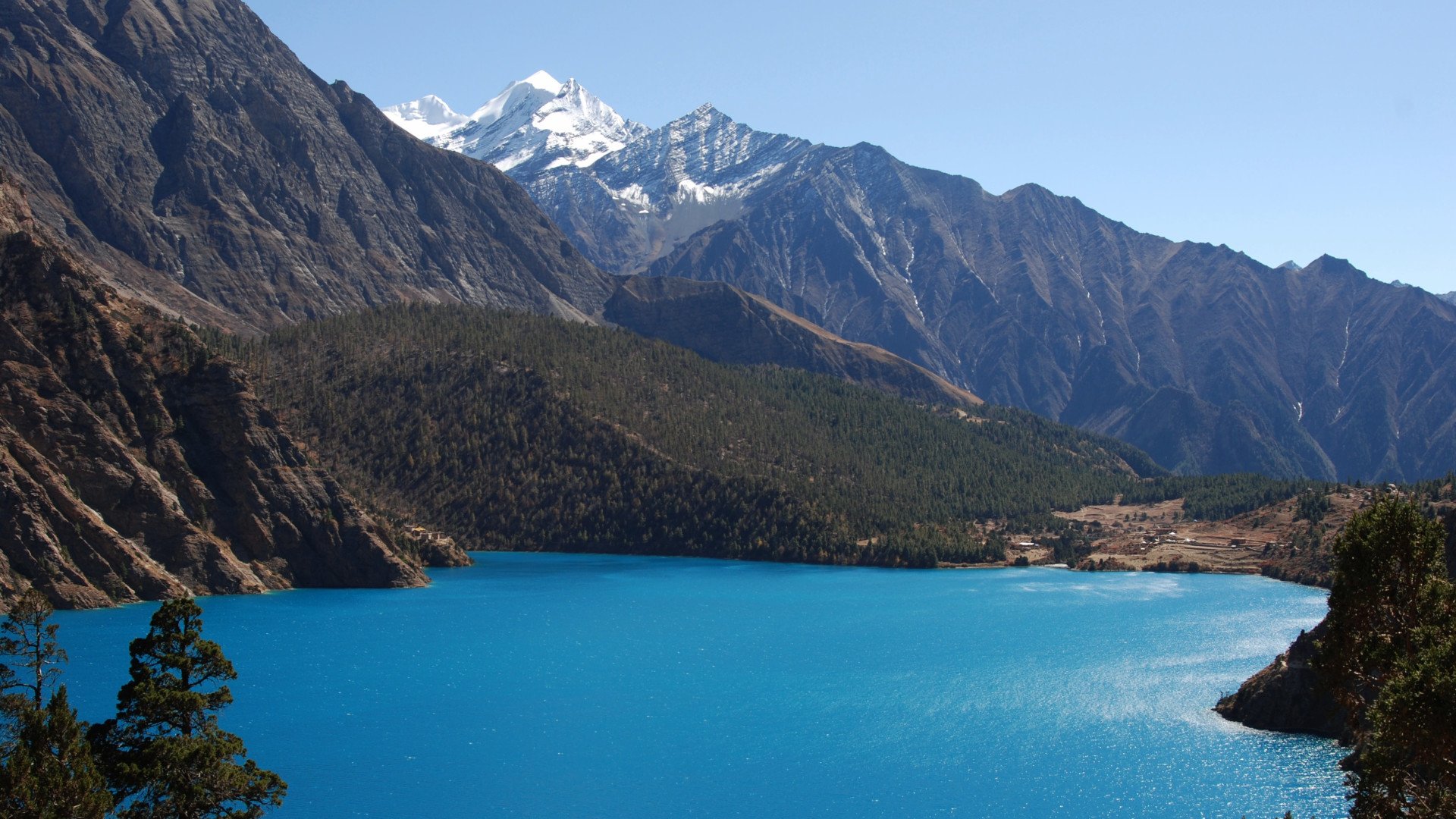
Along the dense hills of the National Park lies the alpine freshwater oligotrophic lake, Shey Phoksundo Lake, the deepest lake in the country. The emerald blue crystal clear waters elegantly reflect the snowy peaks, serve a heavenly experience of nature amongst the mystical frontier land of Dolpa. As per local lore, a wicked demoness flooded a village to let the saint Padmasambhava know of her existence. The remains of this old village are still visible in relics that surround the area. Dispersed near the shoreline are small gompas, stupas and shrines of this arcane village. The new settlement rests atop the dam that created the lake of Shey Phoksundo.
The area is also home to a 900-year-old Pal Sentan Thasoon Chholing Gompa, an ancient Bön-Po Gompa. The region is also home to more than a hundred gompas resonating the religious and structural astonishments of the Buddhist and Bon-Po fusion. The most sacred natural element is the crystal mountain. The trekking route to and around it is known as the Crystal Mountain Trek. It is one of the most challenging treks in Nepal. A standard itinerary for Crystal Mountain is a minimum of 27 days. The mountain receives its name through the abundance of various crystals. The three enshrined Gompas of Shey Village are Komoche, Sel Sumdo, and Tsakhang Gompas that offer a spiritual adventure under the alluring roof of nature.
The forestry protects a long list of endangered fauna such as the snow leopard, Tibetan wolves, the Himalayan tahr. The flora protected by this region is Rhododendron, Salix, white Himalayan birch, silver fir that shadow this region.
The native inhabitants of this valley are former Tibetans who over time became Nepalese. Their outlook resembles the features of mongoloid, and their best trait is a beautiful smile. Due to the remoteness of this region, they still live by the ancient ways. This region preserves the last of the Bon-Po religions relics and scripts. Generations have grown up in this natural yonder, and still, for some, the world ends beyond the mountains. The lower periphery of Dolpa features Hindu inhabitants. Whereas in the north, people follow Buddhism and few elements of Bon-Po.
Agriculture, animal husbandry, collection and trade of yarsagumba, along with rare fungus, help sustain their livelihood.
Folk tales present Dolpa as Beyul, a secret valley created by Guru Rinpoche to hold uniquely pure minds. Tucked under the artsy and heavenly Himalayan rage, the northernmost part of Dolpa is home to Rokpa farmers and Drokpa nomads from Tibet.
Today, Dolpa holds a magical escape to travellers and explorers.
POPULAR ITINERARIES
SIMILAR POSTS
Autumn Trails
Nepal is a country that holds immaculate landscapes with endless options to experience. Autumn comes with the luxury of being one of the most favorable times to pack the bags and carry your adventurous impulses.
The season of autumn (Mid-September to Mid-November) is trekking season in Nepal. The skies are generally clear with a brisk breeze and low to no rainfall. The trail can feel a bit congested due to the heavy traffic of trekkers. Apart from which, it's a heavenly experience.
Lower Mustang Trek
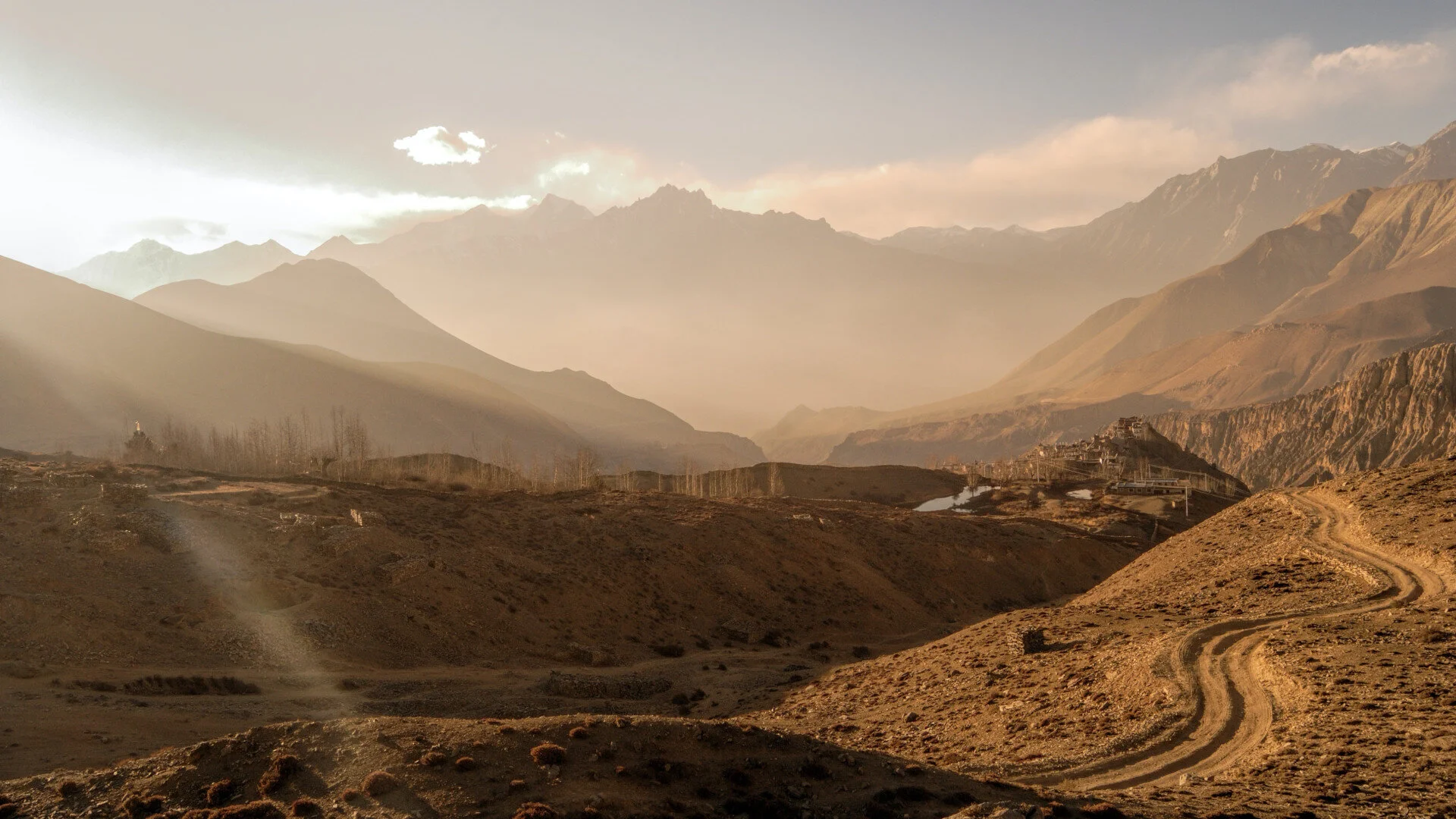
The Lower Mustang is abundant with a blend of the majestic mountain range, rocky Tibetan Plateau, and terrace farming vegetation that complement the peaceful yet stirring lifestyle of the people. Colourful Buddhist prayer flags run across this beautiful vale where the old meets the new in a rugged landscape. The Lower Mustang trek features tantalizing views, numerous religious sites and beautiful smiles. This 9-day trial is perfect if you're looking for an easy yet adventurous experience.
On your 30-minute flight from Pokhara to Jomsom, your window seat will allow you to experience the stunning view of the Kali Gandaki gorge. The scene at the airport of Jomsom will be just a teaser for the adventurer in you. The sight ahead is better, beautiful and breathtaking!
The city of Jomsom is fascinating. Here you will witness the graceful mountain range that seems to hug the city. There is no corner where you won't take a sigh looking at the gorgeous mountains. The next stop is the pristine stone village of Marpha, also known as the apple capital of Nepal. The walk from Jomsom to Marpha is a total of two hours. For your next stop, the trials will lead you to the magical Kagbeni village situated on the cliff of Kali Gandaki. As you follow along the trail, in a 3-4 hours walk, you'll reach Jharkot to explore this ancient village, take a detour off the Red Gompa, and visit the Muktinath Temple. Your trial ends with a quick adventure through the beautiful Buddhist Bon Lupra village, visiting the ancient Bonpo Monastery.
Ghandruk - Landruk Trek
This trek in the lower side of Annapurna is simple and allows one to unearth various jewels of this region. From the indigenous lifestyle of the local Gurung community to the miraculous rhododendron forests- it offers more for less.
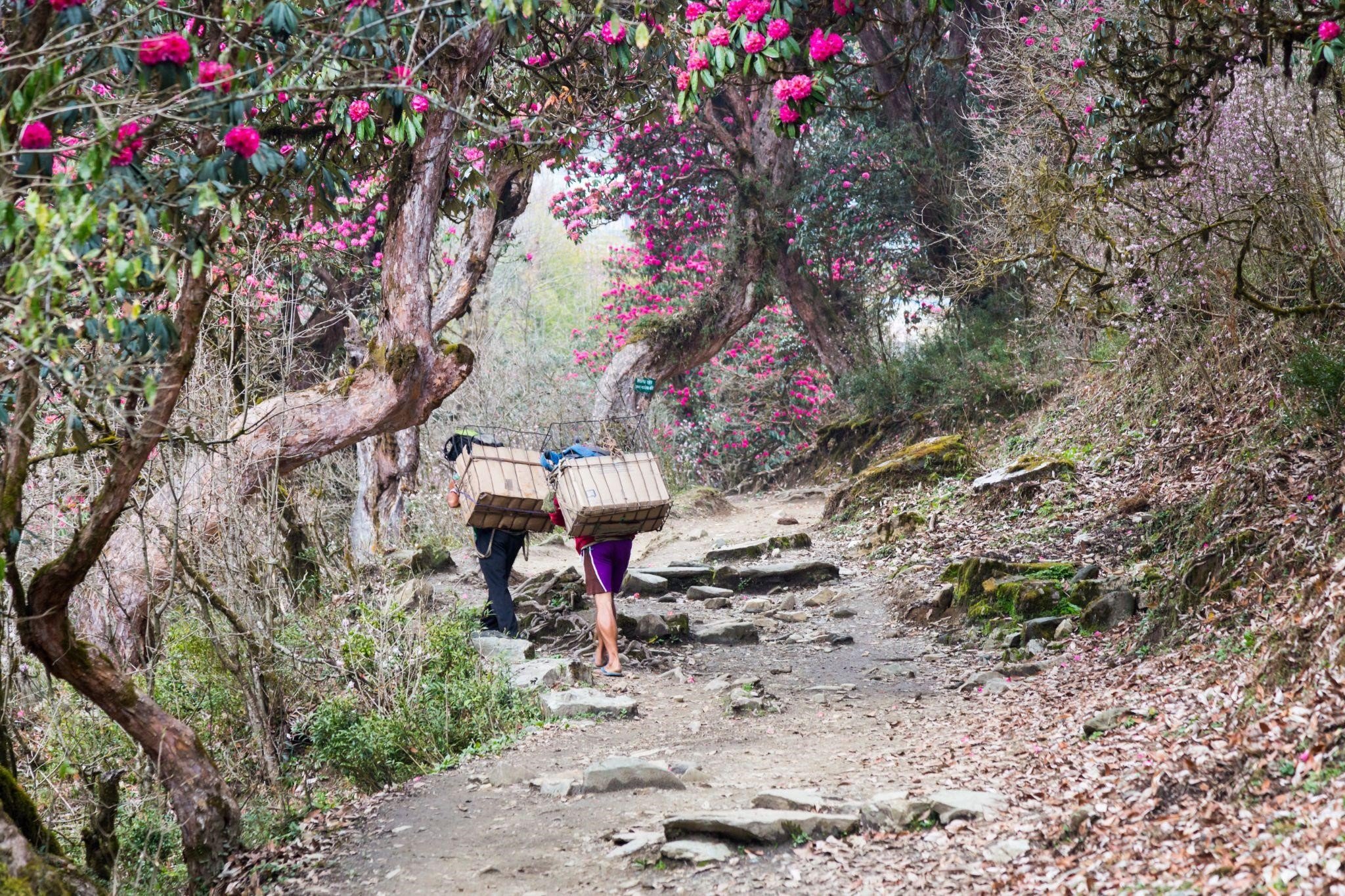
Your trek starts from Phedi Khola, in the southern outskirts of Pokhara, as you walk through the enchanted forest of rhododendron trees under the pristine mountain view to reach Pothana and then the enticing village of Dhampus. The lively teahouses there will welcome you to rest for the night before continuing on your second trek. As you make it to Landruk, get lost among the harmonious lifestyle of the Gurung villages in between the panoramic view of the mountain range. The trails again pass through more villages until you reach the largest Gurung settlement of the region, Ghandruk. The breathtaking view of the houses, alpine lakes and fields blending into the green blankets of hills blending into the magnificent snowcapped mountains will undoubtedly serve you with a worth-the-while experience.
Dhampus Trek
The tranquil Gurung village of Dhampus is a sublime weekend getaway that offers an elegant view of the Annapurna mountain range.
With a 3 hour drive from Pokhara to Phedi reiver, your trekking venture will start. In only 3 hours, the trail along the forests will lead you to the peaceful Gurung settlements of the beautiful village of Dhampus.
After an overnight stay here, your morning shall begin with a heavenly view of sunrise reflecting the mountains.You can spend the day exploring the pristine surroundings and lifestyle of the people, away from the crowding city. You can also trek to the Sarangkot village to admire the scenery. You can start your trek back to Pokhara the very same day or the next, concluding your short but graceful visit to Dhampus.
POPULAR ITINERARIES
SIMILAR POSTS
Unheard Trails of Nepal - Part II
Nature lays at its best when it is hidden, and it is up to the seekers to explore its hidden yonder. There are tens and hundreds of latent routes which lurk under the mountains, lost among the hills with some of the most heavenly sceneries carrying magical moments.
Over the years, tourism has become the backbone of this nation. For various remote regions of Nepal, it has helped sustain livelihood and uplift the communities. Amongst the treks mentioned below, the trail of Millennium was a government effort that recognised the tourism potential of the region of Syangja and Tanahun.
The region of Sikles, which fell under the shadow of the neighbouring popular trails of Annapurna, is a heavenly getaway that deserves more attention. The Limi valley region is a treasure, but the unavailability of basic infrastructure hampered the tourism potential.
Overall, these trails, even though unheard, have strong potential due to the natural treasures.
Millennium Trek
The Millennium Trekking trail covers the southeast part of Pokhara and the Northeast part of Walling Bazaar, exploring more than 30 different villages of the Syangja and Tanahun district.
It is a trial that takes 11 days to conquer, starting with the stunning views of Trishuli and Marsyangdi Rivers. It is a rich trail that runs through tranquil natural elements and scenic villages. It offers a chance to experience the diversity of communities in a heterogeneous landscape. Splendid views of mountains such as Mount Kanjirowa to Mount Ganesh, along with magnificent sunrise and sunset, are the best perks.
The trail features an abundant amount of flora and fauna species. Some of the major attraction of this trail includes a series of natural wonders like waterfalls, the Millenium cave, multiple ancient religious sites, monasteries, temples like Dhorbarahi Temple.
It is the perfect cup-of-tea trek for just anyone looking for an excuse to take a break and explore the diversity of nature and the culture of the people.
Sikles and Kaphuche Trek
Sikles and Kaphuche Trek offers the most heavenly mixture of pristine mountain views, crystal clear lake waters, and the exquisite lifestyle of the Gurung Community.
It is a moderate 4-day trek at the least and is generous with breathtaking experiences. It starts with a 3-hour drive from the city of Pokhara to the magical mountain village of Sikles, passing through the charming rhododendron forests, hilly terrain which offers a panoramic view of Mt. Annapurna, Mt. Macchaucchre, Mt. Lamjung with a line of other peaks.
Sikles is one of the largest settlements of the indigenous Gurung community. A chance to witness the traditional lifestyle coupled with great hospitality and scenic views is an experience of a lifetime.
The trials then lead to the immaculate beauty of the Kaphuche Lake, the only glacial lake of Nepal that lives at an altitude below 4000 meters. The clear blue waters of this majestic lake are surrounded by snowy mountains, with continuous avalanches of snow falling to the lake from February to April, as though it is a place straight out of paradise.
Limi Valley Trek
The Limi Valley Trekking Trial lies in the Humla region of Nepal. This remote land comprises jagged barren mountains which blend into snowy mountains. It is also the heart of the mystical culture of Tibetan Buddhists.
This adventurous trail takes on a trial of 20 days, following the emerald green waters of the Karnali River to a series of lost Tibetan villages of the region. The trek starts at Simikot, the headquarter of Humla that stands as a gateway to the peaks walling the Tibetan border. The Trial will lead you to Yalbang village, the home to the beautiful historic Namkha Khung Dzone Monastery. Crossing rivers and suspension bridges through the semi-barren rocky landscape, nature offers a unique scenic view of the mountains over the wide-open land.
From one arcane village to another, one gets to experience the lifestyle of the Tibetan Buddhists of this region. The Limi Valley Trek is an out-of-this-world experience to take on.
POPULAR ITINERARIES
SIMILAR POSTS
Unheard Trials of Nepal - Part I
Nepal is the motherland of adventure. A humble nation, small yet surprisingly vast in opportunities for thrill-seeking and escaping the bustle of the modern world. The Himalayas, a marvel of nature, offer countless hidden trails which have fallen in the shadows of popular paths. These trails are unique and beautiful, with a chance to see Nepal from a different perspective.
Nepal holds hundreds of trails and routes leading to its majestic wonders, some of which have gained international popularity through time and numerous expeditions. Whereas some trails lay hidden under the mountains and forests. They hold various arcane treasures such as traditional villages, lush pasture and beautiful smiles. The process of discovery is a captivating adventure.
Royal Trek
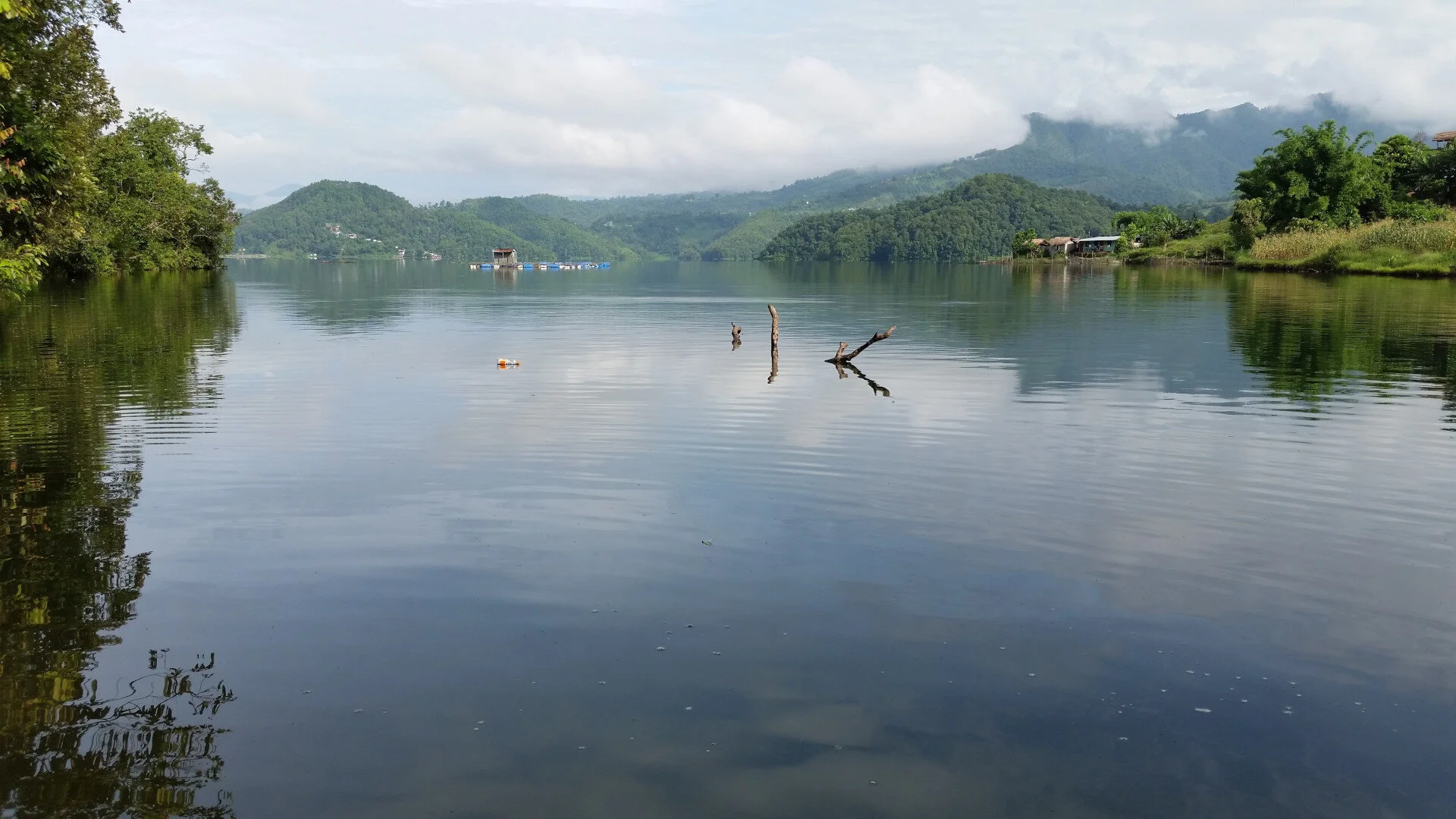
The Royal trek starts at the stunning city of Pokhara, also known as lakeside and ends at the beautiful Begnas Lake. In 1980, Prince Charles, Prince of Wales, with his 90 men, walked this trail. Post which, this pathway became a non-strenuous option to explore the Annapurna region.
It is an easy 4-day trek through the terrace farms and forests of Northern Pokhara. It is a short path that runs across the foothills of the Annapurna range with the scenic view of Mount Annapurna, Dhaulagiri, Manaslu, Langtang, and many more. The convenient and graceful trail will lead you to charming Gurung villages. Here, you will get to discover old traditions that have been kept alive by the people. The trial ends with a stunning view of Begnas Lake.
October to November and March to June are best to take this path in the Annapurna foothills. As the skies are clear, you get to witness the panoramic mountain view.
Guerilla Trek
The nation experienced a civil war that lasted for more than ten years. The Guerilla Trek follows the trails taken by the revolutionaries during their fight. Today, it is one of many remains of a long lost decade of turmoil in Nepal.
The Guerilla Trek is a 17-day trekking trail that begins from the city of Beni Bazar at Myagdi district and ends at Sulphur, Rukkum District. This ‘road not taken’ pathway offers the unique experience of exploring multi-culture and multi-ethnic lifestyles of the people of this region along with the magnificent view of the hilly terrains, fields, and the Dhaulagiri Himalayan range to the east and Api, Saipal mountains to the west. The trials continue through the forests and fields of Dhorpatan Hunting Reserve. This path comprises rare encounters and places that shine out of the spotlight with nature’s allure and a series of waterfalls, caves, rivers, lakes such as Kamala Daha and Solar Daha.
The trail is best from March to May and September to December.
Manjushree Trail
The Manjushree Trail circles the Kathmandu Valley through adventures in semi-urban paths exploring the hidden spark of the Kathmandu Valley.
The trail gets its name from the Boddhisatva Manushree, credited for draining the Nagdaha and creating Manjupatana, the first city in the new land. Over the years, various other cities came into existence in this valley, such as Kantipur, Lalitpur, and Bhaktapur.
The trek lasts for 12 days. During the adventure, one gets to experience the unseen lives of rural parts of this valley and natural elements. It starts in the Hattiban area leading to the uphill climbs of Deurali Bhanjyang, Chandragiri, Chitlang Bhanjyang, Naubise, and many more.
The trail touches the breath of the highest hills that hug the valley. Some of the treks features are natural yonder, mesmerizing warm hospitality of the people, scenic waterfalls, and a view of the valley.
The expedition ends at Hattiban after multiple stops that lead to the forests of Godawari. Every stop hills carry their significance and spread out the magic of nature blended with the green lifestyle of the local people outside the crowded city.
In the next part of this article, we shall look into the trails of Sikles, Limi Valley and the Millennium trek.
POPULAR ITINERARIES
SIMILAR POSTS
Exploring Mardi - Part II
A book is only as great as the adventures of the writer. Nepal offers countless opportunities to tell stories from another world. Amongst such wondrous trails is Mardi Himal Trek. While walking through the paths, one gets to take their imagination up through breathtaking scenes and witness the surreal beauty of the Himalayas.
In the first part of this article, we briefly looked into a few facts about the Mardi Himal Trek. Whereas in this article, we shall look into the itinerary in brief.
What can I experience in this trek?
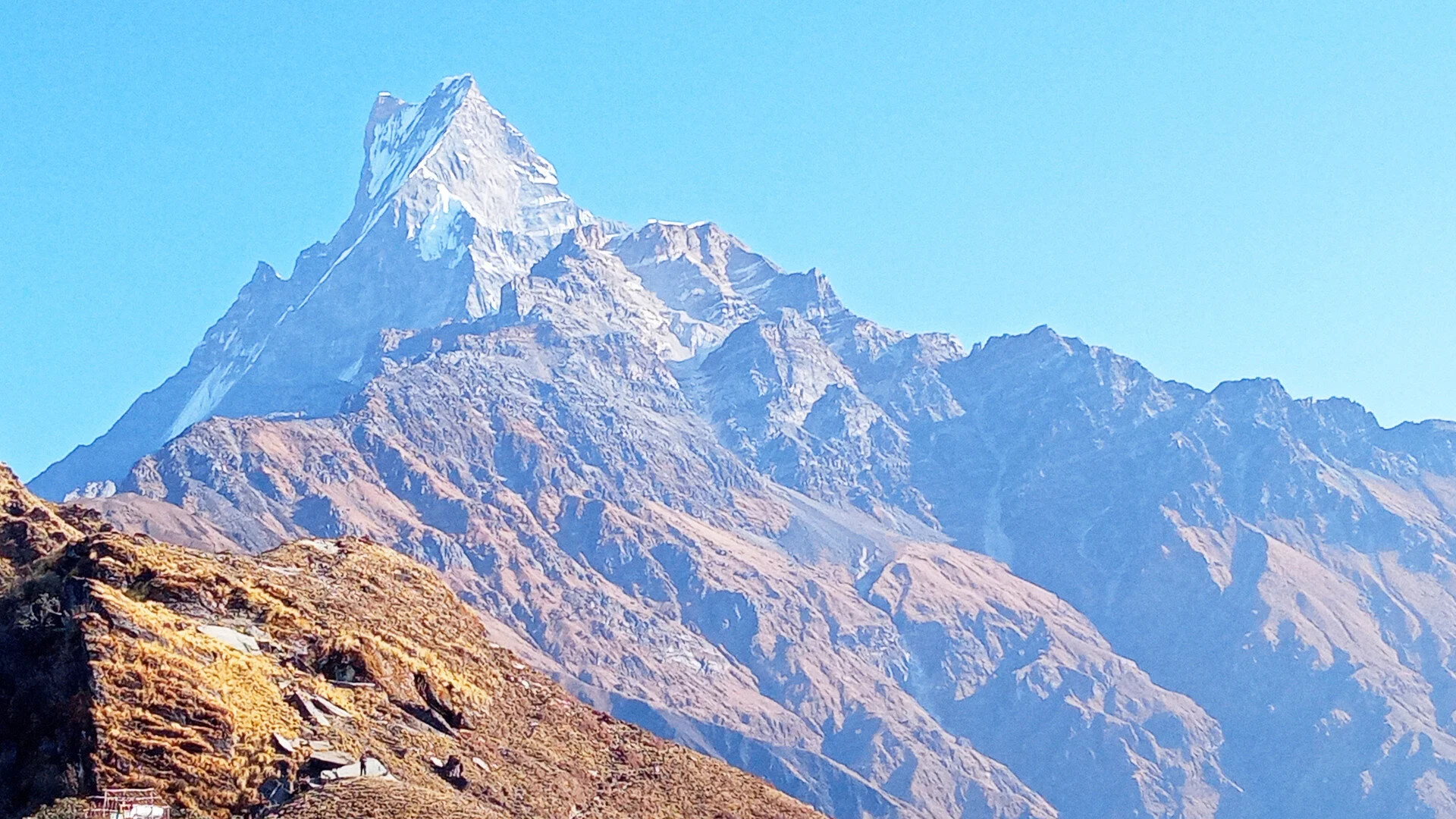
The journey begins in the temperate zone with lush grooves and rhododendron hills. The scenery gradually changes to sub-alpine when you make the ascent from Low Camp to High Camp. A short hike from here to Mardi Himal Base Camp takes you to the alpine zone with an uninterrupted panorama of the Annapurna mountains and a close-up encounter with Mt Machhapuchre.
The itinerary
Day 1: Drive to Kande and Trek to Deurali
Maximum elevation for the day: 2200m above sea level
Trekking time: 4 hours
Difficulty: Easy
Day 2: Trek to Low camp
Maximum elevation for the day: 2900m above sea level
Trekking time: 7 hours
Difficulty: Moderate
Day 3: Trek to High Camp
Maximum elevation for the day: 3585m above sea level
Trekking time: 5-6 hours
Difficulty: Moderate
Day 4: Hike to Mardi Himal Base Camp and return to Middle Camp
Maximum elevation for the day: 4500 m above sea level
Trekking Time: 3 hours
Difficulty: Easy
Day 5: Trek to Siding Village from Middle Camp
Maximum elevation for the day: 3200m above sea level
Trekking time: 6 hours
Difficulty: Moderate
Day 6: Trek to Lumre and back to Pokhara
Maximum elevation for the day: 1750m
Trekking time: 3 hours
Drive time: 2 hours
Difficulty: Easy
What should I pack?
In general, trekkers should travel light. The maximum elevation for this trek is 4500m, meaning you shall require a warm jacket for the hike to Mardi Himal Base Camp. You should wear light clothes during the walk and have a windcheater or jacket with you at all times.
If you are travelling during Autumn or winter, warm clothes are a must. During spring, the days are relatively warmer. But the winds help cool you down. A windcheater over light clothing is the optimum recommendation.
A raincoat, along with a rain cover for your bag, is suggested. You should wear either hiking boots or comfortable sports shoes. If you plan to visit this region during pre-monsoon or monsoon, make sure to tuck and cover yourself well. The forests shall be full of mosquitos and leeches. Also, pack a warm cap and gloves with you as the alpine region is always cold.
Don't forget your sunscreen and sunglasses.
Do I need to be very fit for this trek?
The Mardi Himal Trek is moderate. Travellers do not require peak physical fitness but should have a good walking experience. As the trek features a gradual increase in elevation, AMS (Acute Mountain Sickness) is unlikely. But, if you feel the following symptoms, please inform your trekking guide and take appropriate measures.
Symptoms at 3000-5000m
1. Tingling Sensation
2. Headache
3. Fatigue
4. Nausea
5. Difficulty breathing
6. Stuffy ears
Appropriate measures include the following:
1. Do not panic.
2. Descend to a lower altitude immediately. If you feel like you cannot walk, request assistance.
3. If you have medication for AMS, consume it post consultation with your trekking guide.
Before booking your trek, please consult your doctor and get a basic assessment of your health. It shall help ensure you have a pleasant experience with minimal issues during the journey.
Also, note the following, altitude sickness is common, and you can overcome it easily. Whatever the case, please do not panic. Mental health is as important as physical health.
Should I explore Pokhara & Kathmandu?
Yes, of course, a cup of your favourite beverage beside the Fewa lake is a great experience. Indulge in a tour of the valley, which can be facilitated at a reasonable rate by the hotel. If you wish to entertain yourself around these cities without a guide or agent, please be careful of pesky street hawkers and scam guides.
We hope you have a great trek and a pleasant experience in Nepal!
POPULAR ITINERARIES
SIMILAR POSTS
Exploring the Himalayas
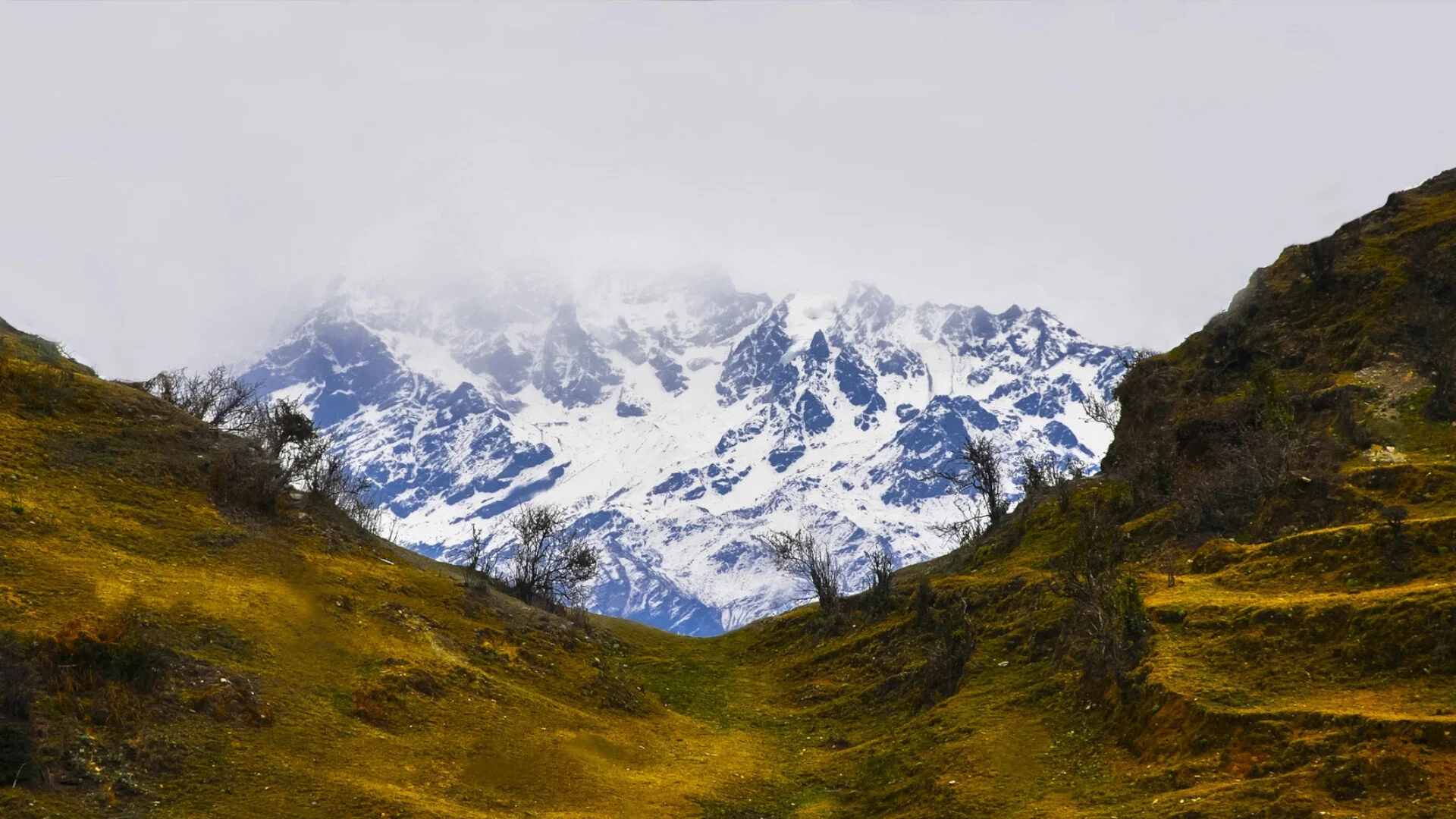
The Himalayas that belt across Northern Nepal holds some of the most magical destinations in the world. Concealed by tall peaks and clouded under the heavy snow, the experience of discovery is as close to finding Shangri-La. Places invisible, trail treacherous, and weather unpredictable but yet the fruit heavenly.
Gokyo
Junbesi
Marpha
Manang
The Himalayas that belt across Northern Nepal holds some of the most magical destinations in the world. Concealed by tall peaks and clouded under the heavy snow, the experience of discovery is as close to finding Shangri-La. Places invisible, trail treacherous, and weather unpredictable but yet the fruit heavenly.
Here is a list of four must-visit destinations in the marvellous Himalayan region of Nepal.
Gokyo Village
Situated near the eastern shore of Dudh Pokhari, overlooking Mt Everest in Northern Solukhumbu District lies the beautiful village of Gokyo at 4750 meters high. Chances are, you might have come across this name while you were planning a trek to Everest Base Camp.
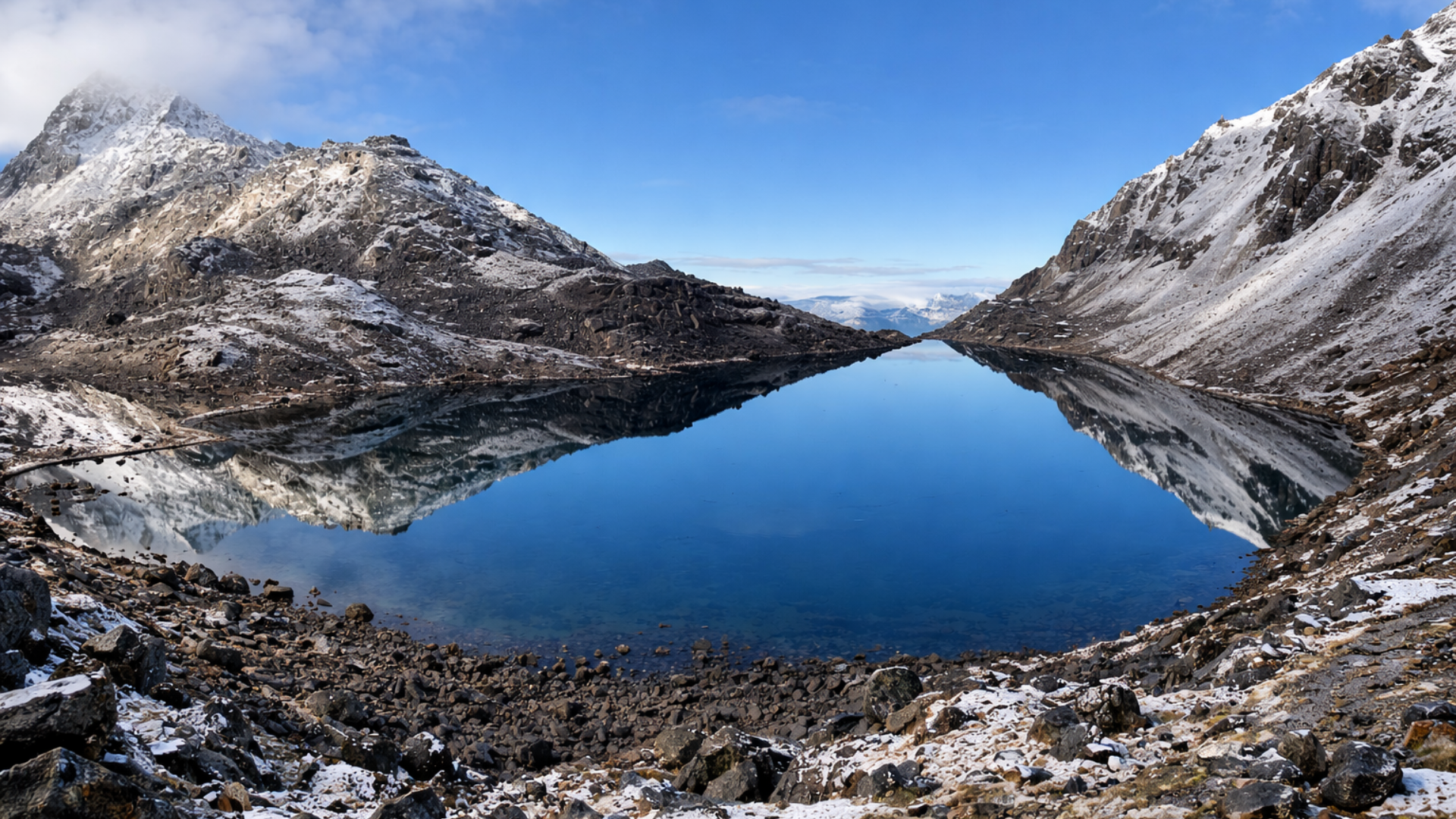
With the majestic tall mountains that surround it, this village though small holds many experiences. Regarded as a sacred religious sight by followers of Hinduism and Buddhism, the lake of Gokyo sees flocks of not just adventurers but also devotees. The beautiful rhododendron forests, suspension bridges draped with Buddhist flags, tens and hundreds of yak trains will follow you as you walk the adventurous trails of rocky mountains, cold slopes, and glaciers to this stunning village. It holds its little significance through the lifestyle of the Sherpa people living here. The emerald-coloured Gokyo lakes around the Gokyo valley reflect the beauty of the ethnic villages. It is the beating heart of the people and the very essence of the valley.
A flight from Kathmandu to Lukla followed by 10 to 13 days trek shall lead you to Gokyo. Since this small village is thinly populated, there is only one lodge inside it, while a bunch of hotels and teahouses can be found around the Khumbu region, a couple of kilometres from the village.
Junbesi
This magical Sherpa village, nestled in the lower Solukhumbu region, at an altitude of 2700m, is less known but a must-visit destination. The small houses surround the 400-year-old Buddhist Stupa overlooking the massive mountain range, is at a junction of the Everest trail and Thuptenchholing monastery.
White painted brick houses, Thankas depicting magic and mysteries line every street you’ll encounter as you step in this piece of paradise. The delicate warm sun rays hit the coloured roof of each house during the summer. From the alluring landscape to the cultural hospitality of the Sherpa people, massive celebrations of festivals like Dumje and Nyungne are regional highlights.
There are several resorts and family-run lodges that resonate home to weary travellers coming in. It is about 4 to 5-hour trek from Salleri, the district headquarters, and about 4 1/2 hours from Phaplu airport. Like Gokyo, you can stop by this beautiful village on your trek to Everest base camp and add a lively highlight to your trip.
Marpha Village
The beautiful village of Marpha is situated in Mustang district and has also become the apple capital of the country. White-painted stone houses reflecting the traditional heritage and architecture are spread all over this small ancient village wrapped by the mountain range of Annapurna. As the name suggests, mar means hardworking whereas pha means people, this little enchanted white village is the home of a thinly populated, yet diligent Thakali people and their hard-earned lives.
Along with the stunning essence of the mountains it captures and camouflages along the lines, it also holds significant religious value especially in Buddhism, and the main highlight of this heavenly village is Nyingma Monastery that is inhabited by several Buddhist Monks. Yet, the true spirit of the village reflects in the calming sound of children playing in the stoned streets while the adults spend their day caught up with the ample horticulture farming going on for more than 50 years under the sound of the fluttering Buddhist flags scattered over the houses.
Since the prime economic driver of this village is tourism, there are a good number of hotels with adequate modern facilities, pleasant resorts with beautiful sceneries, and guesthouses with welcoming hosts along with various amenities. You can either take a flight from Pokhara to Jomsom and go for a short half-an-hour hike or stop by this alluring village during your Annapurna Circuit trek.
Manang
Manang, also known as one of the most beautiful hidden valleys of South Asia, is another stunning place enclosed between the snowy Himalayas. Located in Gandaki about 250 km from the capital, that holds life at 3540m high, this peaceful village is the last stop in the Annapurna circuit route.
As you’re on the verge to enter this enticing town, their lies the Gangapurna viewpoint, 10 minutes away from it, that frames the breathtaking view of the mountains, glacier, lake, and river, almost like something straight out of a painting. The valley is home to a thousand-year-old Buddhist monastery overlooking the indigenous community who settled their years prior. Annual festivals and communal celebrations brighten up the village and chimes of it can be heard around the valley. This valley is also the gateway to Lake Tilicho, one of the highest freshwater lakes in the world.
You can travel to Manang by, first, a flight or bus ride from the capital to Pokhara, and then you can either rent a Jeep or trek your way through the adventurous Annapurna trial. Since it is a major travel destination for travellers accommodation ranges from hotels, lodges to tea houses. Modern amenities housed in traditional architecture creates a lively aura with the addition of pleasant smiles and scenic views.
POPULAR ITINERARIES
SIMILAR POSTS
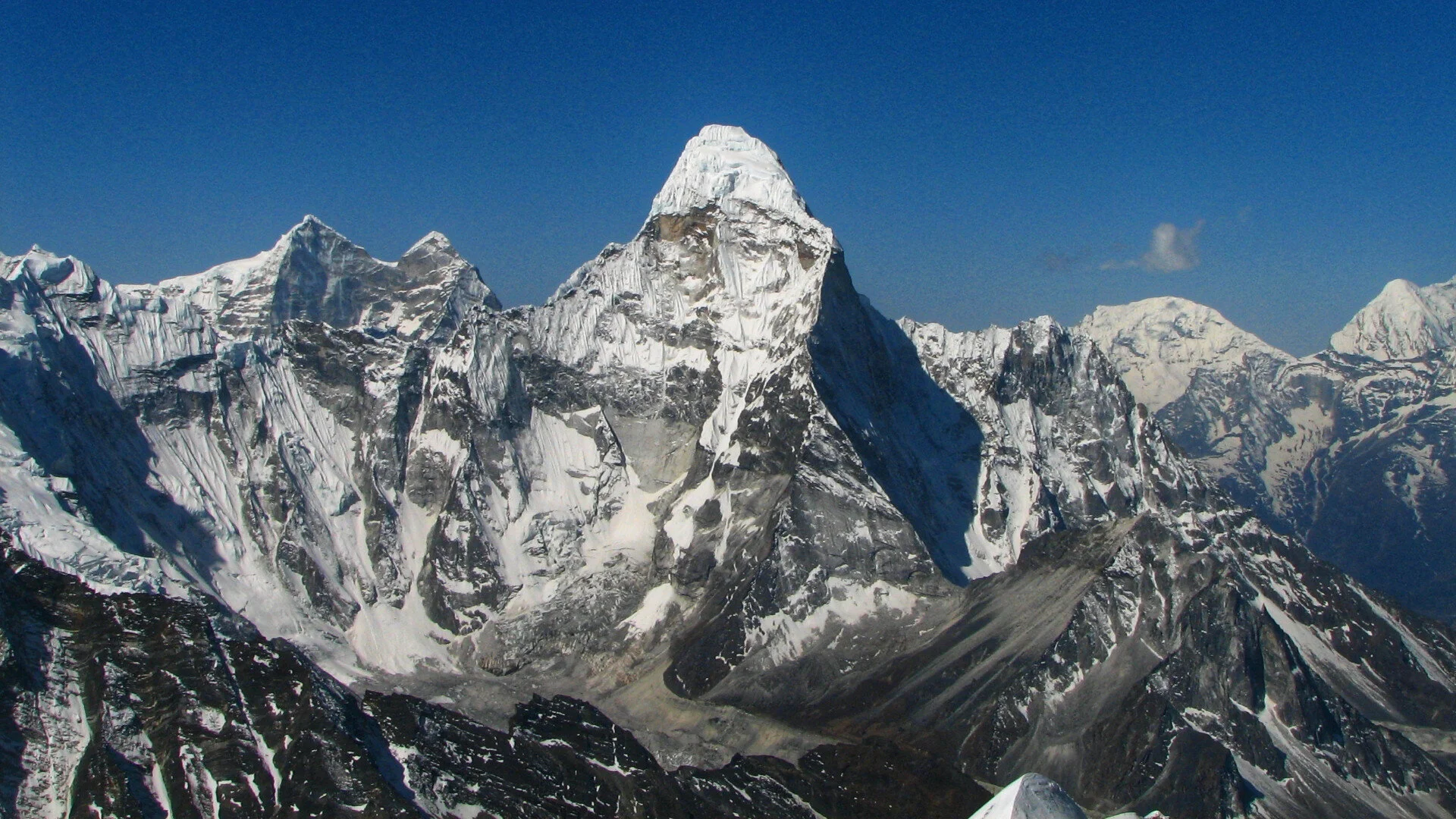
Exploring Island Peak
Island Peak, standing at 6189m as the extension of both the Lhotse and Mount Everest, also known as the Imja Tse, is one of the most popular, exciting, and stunning destinations to trek in Nepal.
Standing at 6189m as the extension of both the Lhotse and the Everest, Island Peak is one of the most popular, exciting, and stunning destinations to trek in Nepal. Also known as the Imja Tse, the peak, however, is a difficult one to the summit.
The mountain requires substantial physical fitness, and has a low tolerance towards health issues, making the ascent quite challenging, yet a lot more rewarding; especially in Mid-March through May, and Mid-September through November. This trek can be completed within a duration of 10 to 20 days, keeping safety considerations and the itinerary in mind.
Itinerary
DAY 1: KTM – LUKLA – PHAKDING
The easiest way to reach the Himalayan Region from the capital is via air. We will take an early flight to Lukla and from Tribhuvan International Airport, and then trek to Phakding via the picturesque Dudh Koshi Valley.
Accommodation: Lodge in Phakding
DAY 2: PHAKDING – NAMCHE
After breakfast, we will pass through beautiful pine, fir, and juniper forest to reach the entrance of the Sagarmatha National Park, crossing five long suspension bridges over the Dudh Koshi River along the way. If the weather is clear, we can even get a glimpse of Mt. Everest.
Accommodation: Lodge/ hotel in Namche Bazar.
DAY 3: NAMCHE
The rest of the trek requires acclimatization. So the day shall be spent adapting to the region of Namche and regaining strength for what is to come. Various activities such as going up to the Tengboche to get a panoramic sunset with the Himalayas, trinket shopping, and sampling local cuisine are possible activities for the day.
DAY 4: NAMCHE – MONLA – PHORTSE
With efforts to adapt more to the altitude, we shall be taking a detour and visiting some more places in the Everest region. We will trek through Monla and reach the beautiful village on Phortse, just above the tree line.
DAY 5: PHORTSE – PANGBOCHE – DINGBOCHE
We will walk to Dingboche from Phortse via the Pangboche, savouring the view of the remarkable glaciers along the way.
DAY 6: DINGBOCHE – CHHUKUNG
On the way to Chhukung from Dingboche, we will get a view of Ama Dablam, the ridge of Nuptse-Lhotse, Tawache, and Chalotse. We can even get a sight of the Island peak on the way, near Bibre Village.
DAY 7: CHHUKUNG
We will acclimatize ourselves to get used to the high altitude by climbing Chhunkung Ri, from whose summit we can see a fantastic view of Ama Dablam and Amphu Lapsa.
DAY 8: CHHUKUNG – ISLAND PEAK BASE CAMP
We will trek up to the last settlement valley of Chhukung and reach the base camp to the southern side of the peak.
DAY 9: ISLAND PEAK BASE CAMP (TRAINING)
We will learn about the various procedures, technicalities, and safety parameters required to climb the Island Peak.
DAY 10: ASCEND TO PEAK – ISLAND PEAK BASE CAMP
We will start our ascent to the peak right after midnight. After we reach the summit, we will be taking pictures and descend back to the base camp to celebrate our success.
DAY 11: ISLAND PEAK BASE CAMP – PANGBOCHE
We will descend back to Pangboche from the base camp, which is more moderate since we are going to a lower altitude. Pangboche is a beautiful village surrounded by Everest, Ama Dablam, Thamserku, and Imja Tse River.
DAY 12: PANGBOCHE – NAMCHE
We will walk from Pangboche to Namche via Tengboche a region in seasonally enveloped with rhododendrons and juniper trees. If we are lucky enough, we might catch a glimpse of mountain goats, snow leopards, and colourful pheasants as well. Overnight at Namche in a hotel/lodge.
DAY 13: NAMCHE – LUKLA
Taking the same path as that of day 1 and 2, we will go to Lukla from Namche along the Dudh–Koshi River.
Here is a short version of the same itinerary:
DAY 1: KTM – LUKLA – NAMCHE
DAY 2: NAMCHE
DAY 3: NAMCHE – TENGBOCHE
DAY 4: TENGBOCHE – DINGBOCHE
DAY 5: DINGBOCHE – ISLAND PEAK BASE CAMP
DAY 6: TRAINING AT BASE CAMP
DAY 7: ASCEND THE PEAK – CHHUKUNG
DAY 8: CHHUKUNG – NAMCHE
DAY 9: NAMCHE – LUKLA
DAY 10: LUKLA – KTM
SOME TIPS TO KNOW:
Keep a few days extra in your schedule in case there should be any unforeseen delays.
Have the proper acclimatization time as per your need.
Buy right gear and clothing.
Get training beforehand.
Hire licensed guide and porter.
Carry extra personal medication for unforeseen delays.
Practice deep breathing during rests.
Do not hesitate to let your guide know if you're feeling any discomfort.